As we turn the page into a new calendar year, the rhythm of life at Cannon continues with joyful purpose. January often invites reflection at the start of a new year, yet it also reminds us that there is still time to put fresh intentions into practice as the year unfolds. Classrooms hum with lively discussions, athletic and artistic pursuits continue with passion, and our evolving campus reflects the steady progress of a community investing in its future.
One of the most visible expressions of that future is the progress on A Flourishing Future campaign. With each passing month, the expansion of the Upper School moves closer to its final form, signaling Cannon’s enduring commitment to academic excellence and experiential learning. When the Gossage building expansion and renovations are complete, they will provide modernized learning spaces that underscore our commitment to giving students the room they need to question, create, and connect.
This year has brought a meaningful opportunity to reflect on how far our community has come. In 2025, Cannon reached a significant milestone: more than 2,000 alumni have graduated since our start as Cabarrus Academy in 1969. This marker reflects far more than a number. It speaks to the many lives shaped by the relationships, experiences, and opportunities that define a Cannon education.
Crossing this threshold has only deepened my appreciation for our alumni community. This fall, I had the distinct privilege of spending time with many of them, hearing stories of first careers launched, families grown, and values nurtured within these halls that continue to guide their lives. I am energized each time alumni return to campus, whether
EDITORIAL
STAFF
Elizabeth Isenhour Writer and Chief Editor
Cannon Magazine Winter 2026
for Homecoming, to speak with students, or at gatherings such as our December class reunion. Among the most joyful trends is the growing number of “legacy” families we now welcome: children of Cannon and Cabarrus Academy graduates who are writing their own chapters in our shared story.
Alumni remind us that our mission is not confined to a school year; it is lived out across generations. Their accomplishments, character, and contributions illuminate what an education rooted in relational teaching can yield.
As we look to the months ahead, Cannon moves forward with renewed focus and optimism. The work before us focuses on deepening academic excellence, shaping our next five-year Strategic Plan, and strengthening community, all of which remain as important as ever. I am grateful for the faculty and staff whose dedication never slows, for the families who entrust us with their children, and for the alumni whose lives affirm the enduring value of a Cannon education.
Thank you for being partners in this flourishing future. I look forward to all that 2026 will bring to our campus and our community.
With gratitude,
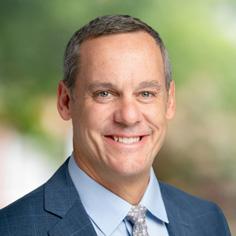
Mike Drew Head of School
Ché Bratley Editor
Bill Diskin Editor
Sarah Sooklal Editor
Cannon Magazine is published by the Advancement Office. Address changes should be sent to advancement@cannonschool.org.
At Cannon School, connection has always been at the heart of the student experience. For more than 20 years, the Middle School Advisory and Upper School House systems have guided students through a natural progression of relationships, leadership moments, and memories they carry well beyond graduation.
Before 2007, Upper School advisories consisted of students from all four grade levels, creating a natural sense of unity across the division. But in 2008-09, advisories shifted to single-gender, single-grade groups that stayed together for the duration of Upper School. While the change made it easier to tailor conversations and support to specific student needs, something was lost: cross-grade mentorship and an organic web of connections among the classes.
Searching for a way to restore that unity, Upper School Dean of Students Tom Booker found inspiration during a visit to Riverside Preparatory Academy in Georgia, which operated a unified, five-year team system. The idea clicked immediately. A house system, he realized, could bring back the cross-grade relationships Upper School students were missing, while also creating new opportunities for leadership, culture-building, and friendly competition.
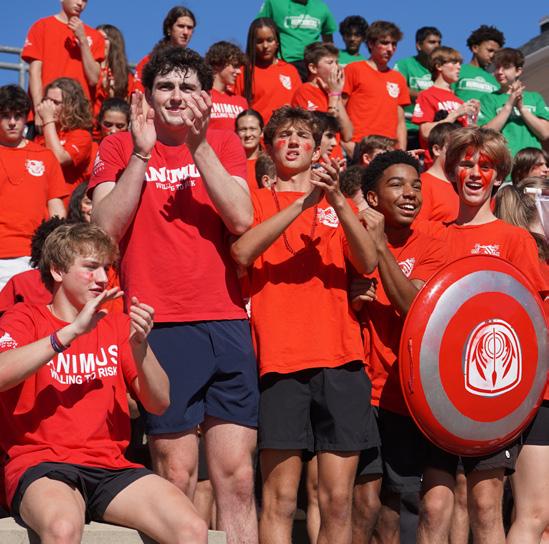
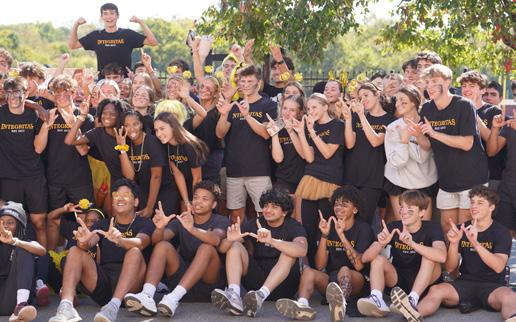
In Cannon’s version, every Upper School advisory is sorted into one of four Houses, each grounded in a core value and expressed through a Latin name: Animus, Humanitas, Impetus, and Integritas. These names, paired with accompanying mottos and colors, give each House a distinct identity rooted in the school’s mission.
Booker notes that Cannon’s House system stands out for two reasons: its vibrant competitive spirit and the unique leadership opportunities it provides. Students earn points for everything from demonstrating core values to participating in the arts, athletics, and weekly spirit activities. Seniors can even earn points for learning freshmen’s names, one small example of how the system incentivizes connection.
“The Houses united all types of people,” recalls Tim Hennigan ’13, a former Humanitas Head Boy. “It created a common bond between say a freshman that is passionate about athletics, and a senior who is passionate about the arts. It made all types of students feel like they were working toward a common goal.”
The annual House Games, held each fall, remain the most visible expression of House spirit. Students dress in their House colors, compete in events ranging from dodgeball to Name That Tune, and passionately cheer for their peers. The day culminates with the much-anticipated senior Tug-of-War on the Randy Marion Field, followed by the chance to ring the victory bell.
“After students leave Cannon, I hope they carry with them the joy, the camaraderie, and the sheer fun of their time here,” says Booker. “I want it to remind them why it felt special.”
The year closes with the Gossage Cup ceremony, where the newly elected House leadership team oversees festivities and the final crowning moment for the winning House. Outgoing seniors and faculty work together to select the next

cohort of leaders, including the prestigious Head Boy and Head Girl roles, creating a leadership pipeline that values relationship-building as much as responsibility.
“My experience in House helped me learn what it means to be an effective and respectful leader,” affirms Anna Ruth Morrison ’20. “In college, I found myself craving that leadership role the I had experienced in House. I got involved in leading my sorority and later became Secretary of my college’s Student Body.”
The House system’s success is rooted in something that begins earlier: the Middle School Advisory program, which shifted Cannon away from traditional homerooms and toward intentional relationship-building. Advisories—mixed-gender in grades 5–6 and single-gender in 7–8—change each year and include monthly Advisory Games designed to bring joy and connection into increasingly rigorous academic days.
Mike Hoffman, seventh-grade Dean of Students, describes the games as low-stakes, high-energy activities. “From Big Wheel Derby to Giant Tenzie to the Donut Challenge, these games offer students a chance to cheer each other on, collaborate, and build confidence,” he notes. The year culminates in a spirited Advisory Game Day each May, where grade-level champions are crowned.
Together, Cannon’s Advisory and House systems create a cohesive, multi-year journey grounded in belonging. Students learn early how to build relationships and later, how to lead within them. Whether through cheering on a teammate, meeting a freshman for the first time, or tugging with all their strength on a stadium field, they become part of something bigger.
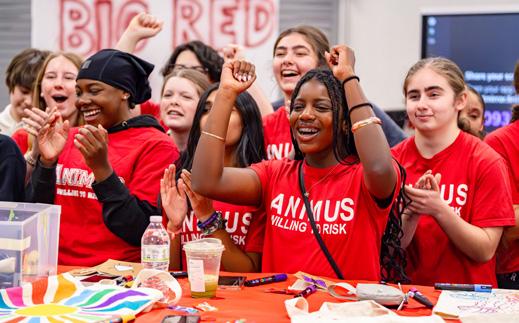
ANIMUS
Latin Translation: Courage
Motto: “Willing to Risk”
House Color: Red
HUMANITAS
Latin Translation: Kindness
Motto: “Concern for Others”
House Color: Green IMPETUS
“My experience in House helped me learn what it means to be an effective and respectful leader .”
— Anna Ruth Morrison ’20
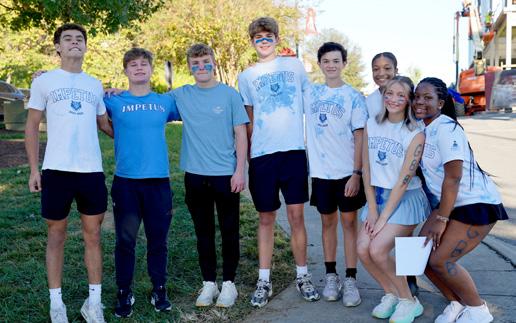
Latin Translation: Passion
Motto: “Enthusiasm for Excellence”
House Color: Blue
INTEGRITAS
Latin Translation: Integrity
Motto: “Knowing and Doing What Is Right”
House Color: Yellow
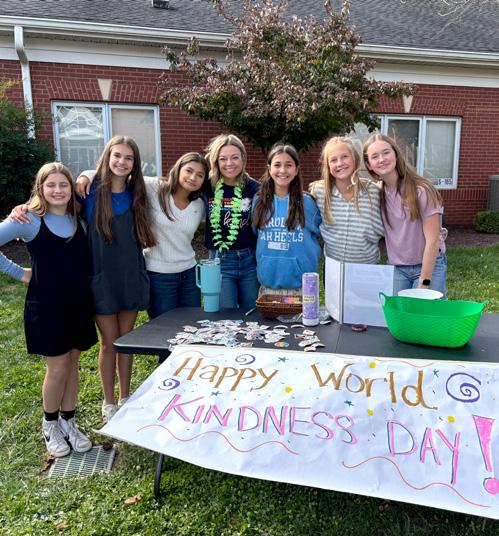
This year, Cannon School launched its inaugural B.I.O.N.I.C. Club, an initiative spanning both Middle School and Upper School that is already reshaping our community with simple, powerful acts of kindness.
B.I.O.N.I.C., which stands for Believe It or Not, I Care, is a national organization that equips students to support peers facing challenging times, whether they are new to school, coping with illness, navigating loss, or experiencing social or emotional hardship.
For Upper School counselor Whitney Rice, the idea crystallized last summer at the American School Counselor Association National Conference in California. “I attended a presentation on B.I.O.N.I.C. teams and immediately saw how well it aligned with our community and the kinds of support we want to foster at Cannon,” Rice shared. “After discussing it with counselors Anna Allred-McGee and Kimberly Stiffel, we knew this could be a meaningful way to intentionally strengthen empathy and connection across both Middle School and Upper School.”
At its core, B.I.O.N.I.C. seeks to transform school climates into communities where students are attentive to one another’s well-being. Small gestures, such as checking on a
struggling friend, welcoming a new classmate, or recognizing someone’s hard work, collectively create an environment where connection and support feel natural.
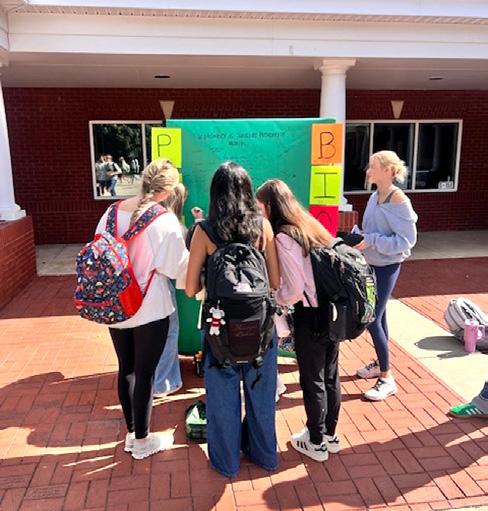
Cannon participated in the national organization’s annual 10/10 – I Care Day on October 10. During lunch in the Quad, Upper School students shared kindness notes and messages of support, joining a larger movement that encourages individual and group acts of care. This year, students, faculty, and staff were encouraged to take part in at least one “individual outreach,” or a simple act that reminds someone they matter.
In Middle School, B.I.O.N.I.C. is offered through Wellness blocks, alternating among grade levels each trimester and led by counselor Kimberly Stiffel. Starting in adolescence is especially impactful, as students at this age are forming their social identities and learning how empathy shapes healthy relationships.
B.I.O.N.I.C. team members write personalized kindness notes to students or faculty nominated by teachers and recognize staff who go above and beyond. For example, on National Custodian Day, they created cards and a banner celebrating Cannon’s day porters. “The smiles these small acts bring are incredible,” Stiffel shared. “But what’s just as meaningful is watching our B.I.O.N.I.C. students light up too. They fill their own buckets by filling others’.”
Even in its first year, B.I.O.N.I.C. is already contributing to a school culture where students are more intentional about supporting one another and practicing everyday compassion. As the program expands, its influence is expected to grow as well, reinforcing the core message behind its name: Believe It or Not, I Care.
The smiles these small acts bring are incredible...
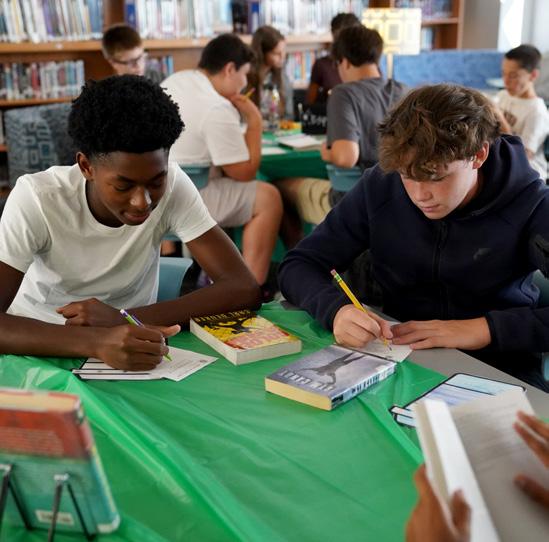
A unique magic happens when 5th graders and 8th graders sit side-by-side with the same book in hand .
Now in its third year, Cannon Middle School’s All-School Read has grown into a beloved tradition that transforms reading into a shared journey fueled by student choice, cross-curricular collaboration, and stories that inspire meaningful conversation.
Each year, students in Middle School select from a curated list of books connected by a shared theme. They then read and discuss their chosen text in multi-age groups during Engage sessions, which are designed to strengthen literacy skills through interactive, cross-curricular experiences. These mixed-grade discussion groups are a defining feature of the program. As older students share tables with younger students, and faculty read right alongside them, the entire division becomes a unified community of readers.
This year’s theme, experiences of children and youth in Denmark during World War II, grew out of reflection during a deep dive of Cannon’s social studies department, where feedback from students and alumni highlighted an opportunity to expand Holocaust-related study in Middle School. The All-School Read provided a meaningful path to do so in an age-appropriate and engaging way.
Middle School librarian Daryl Weakland selected four books set in Denmark during World War II: The Boys Who Challenged Hitler by Phillip Hoose, Number the Stars by Lois Lowry, Hitler’s Canary by Sandy Toksvig, and Call Across the Sea by Kathy Kacer.
Teachers across different subjects collaborated to design lessons taught during Engage blocks. Students examined the historical context of their stories, explored literary themes, and even created cartoons after studying wartime Danish artist Tove Jansson.
While many faculty members contributed to this year’s program, Lori Macdonald, 8th grade English teacher, and Arianna Sherrill, 6th grade social studies teacher, played key roles in organizing and aligning the curriculum. Macdonald explains that the goal was to help students see the natural connections between English and history: “Each story features young people staying true to their beliefs, even during times when doing so is difficult. These books allow students to see Cannon’s core values in action through the characters’ experiences during World War II.”
Sherrill echoes this sentiment: “The adults in these stories aren’t the ones leading the charge. The kids are. Our students see that their ideas matter.”
By the program’s end, every Middle School student and many of the teachers have read one of the book selections, giving them the opportunity to step into someone else’s experience, which may include someone from another time, another place, or another walk of life. In doing so, they practice empathy, find their voice, and discover the power of story.
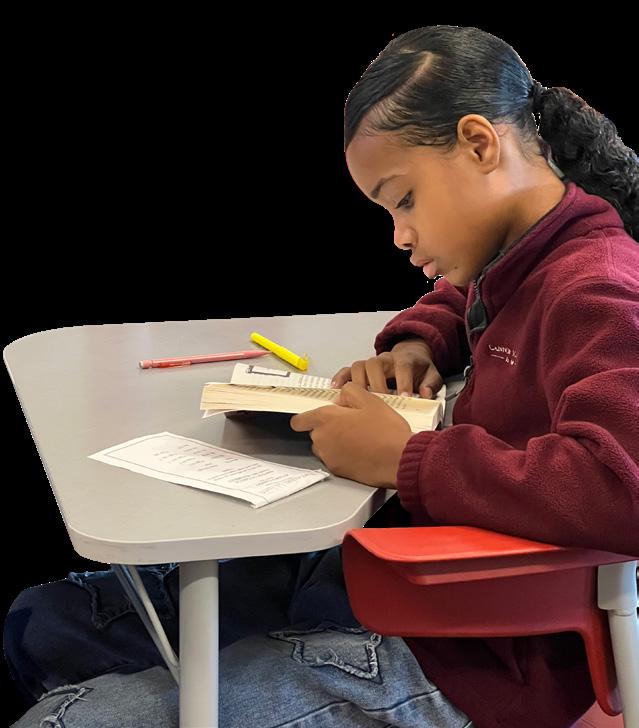
Reading the past helps students understand the present.
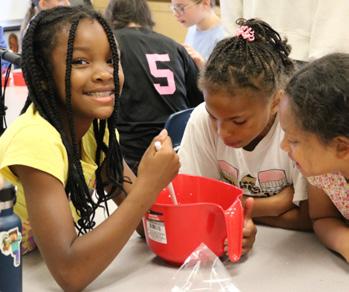
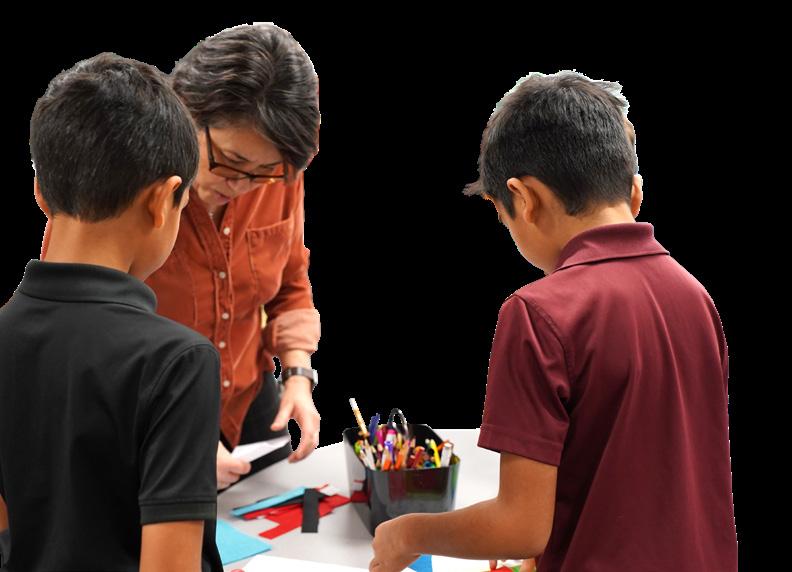
Each Wednesday in Cannon’s Lower School, students step out of their traditional classroom groupings and into handson, curiosity-driven SPARK Days, weekly “deep dives” designed to strengthen academic connections, creativity, and collaborative problem-solving. The program, now in its third year, brings students together in mixed-class groups for four-week project rotations led by co-curricular teachers across art, music, Spanish, science, technology, library, and the makerspace.
Originally held once a month, SPARK Days shifted to a weekly model this year, an adjustment that has made the experience more meaningful for students and more manageable for teachers. The acronym stands for Student Passions and Academics Enriching Knowledge, and each rotation offers opportunities for students to hone skills in a co-curricular class.
According to Lower School librarian Nisa Kalambaheti, SPARK Days were designed to “think outside the box” and give students time and space to explore their interests more deeply than a traditional class schedule allows. With smaller groups and longer blocks of time, SPARK Days encourage project-based learning, risk-taking, and revision, helping students build confidence as they test ideas, reflect, and try again.
Kalambaheti emphasizes that SPARK is also about cultivating lifelong learners. Through research, reading, and exploration of both fiction and nonfiction in the library, students develop essential skills, such as evaluating sources, organizing information, and citing their work, while discovering topics and genres that spark personal curiosity. “My hope,” she notes, “is that students see the library as a place where curiosity grows into lifelong learning habits.”
Co-curricular educators design a variety of hands-on experiences that give students a chance to explore concepts more deeply. Lisa Nussbaumer, Lower School Maker and Integration Specialist, describes how SPARK helps bring academic content to life. When first graders study animal habitats, for example, she has them build a model igloo so they can experience what it means to create a safe and comfortable shelter. In second grade, where students learn about simple machines, they might design a functional “dream playground” that incorporates levers, pulleys, and wheels.
Nussbaumer notes that student feedback is overwhelmingly positive. Mixed-class groupings also encourage students to integrate new skills, brainstorm with unfamiliar peers, and support each other’s learning. She often overhears students who have already completed a rotation offering helpful guidance to those starting it for the first time.
Another SPARK offering that showcases student creativity is the newscast project led by Susan Lewis, Lower School teacher assistant. During her four-week rotation, a group of fourth graders transforms into a full newsroom team through planning, writing, filming, photographing, directing, designing, and producing an original broadcast for Channel CS34. Students even conduct faculty interviews as part of their reporting.
The result across all SPARK rotations is a schoolwide learning environment where curiosity, independence, and cross-grade collaboration flourish. Students come away with new skills, new confidence, and new ideas they carry back to their classrooms, and, as teachers note, a genuine excitement for what the next SPARK session might bring.
See our Cougars on Camera newscast in action
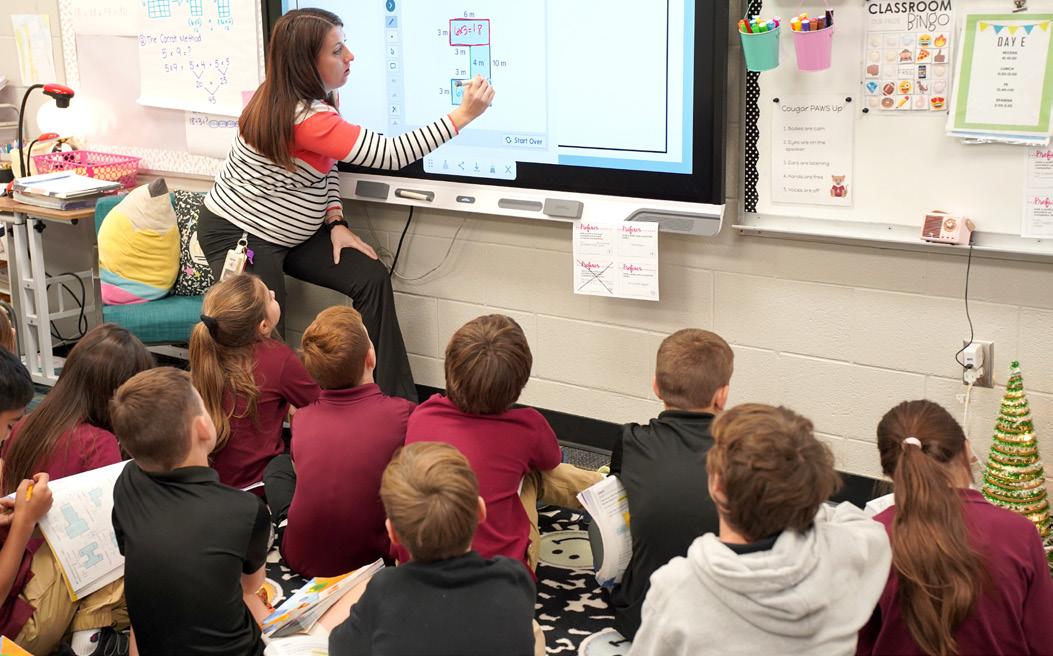
Since joining Cannon School in 2018, third-grade teacher
Megan Toteno has become known for her warm classroom environment and her thoughtful, student-centered approach to teaching and learning. From early-morning preparation to lively lessons and meaningful community time, Mrs. Toteno’s daily routine reflects her commitment to helping every student feel supported, challenged, and known. This “Day in the Life” offers a glimpse into the purposeful and energetic world of a Cannon Lower School educator.
7:30 a.m. – Arrive at school to get ready for the day
“I spend the early part of the morning gathering materials and organizing my day, so the classroom is ready for students to step in and begin their day with ease.”
8:15 a.m. – Morning meeting with my class
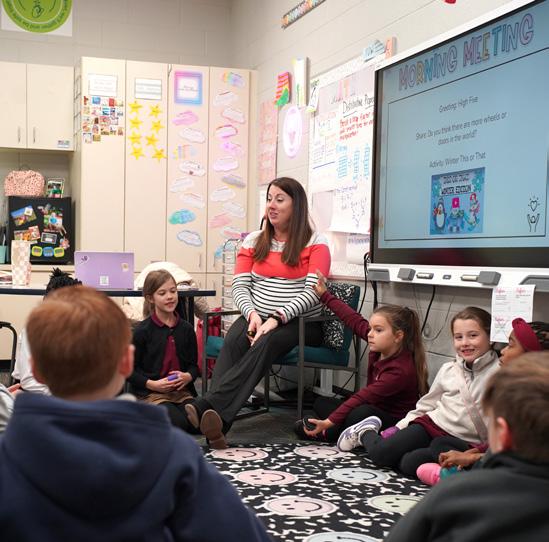
“Our morning meeting sets a positive tone for the day. We always begin with our gathering song which lets students know it is time to come to the carpet. We read our morning message, which shares any changes to our schedules or reminders for the day. We then greet one another using various greetings such as a handshake, silly voice, or even a ball toss! Next, we have a question of the day to share our thoughts and give everyone the opportunity to speak. Today’s question was: Are there more wheels or doors in the world?” Last, we have an activity to get our bodies or minds moving!”
8:30 a.m. – Walk to the Media Center
“Our time in the Lower School Library sparks curiosity. Today we worked on a culminating project on our study of the Southeast region of the United States. Students created their own quilt square that will either represent themselves or their family.”
10:00 a.m. – Recess
“Recess offers an important opportunity for students to reset, move, and build friendships. It’s wonderful to watch them use their imagination and problem solve through play.”
10:45 a.m. – Math
“Math is one of our most engaging parts of the day. Through direct instruction, independent practice, small group work and hands-on activities, students grow as confident, flexible problem-solvers.”
11:45 a.m. – Lunch
“Lunch provides a welcome pause in our day and a chance for students to enjoy time together. It’s always fun to hear their conversations and see their personalities shine.”
12:45 p.m. – Planning
“My planning time allows me to grade, reflect and prepare to ensure each learner is supported.”
2:00 p.m. – Co-Curricular (Spanish)
“During Spanish, students explore and practice using Spanish language through rotations, games and lessons. It’s exciting to see their confidence grow as they engage in a new language.”
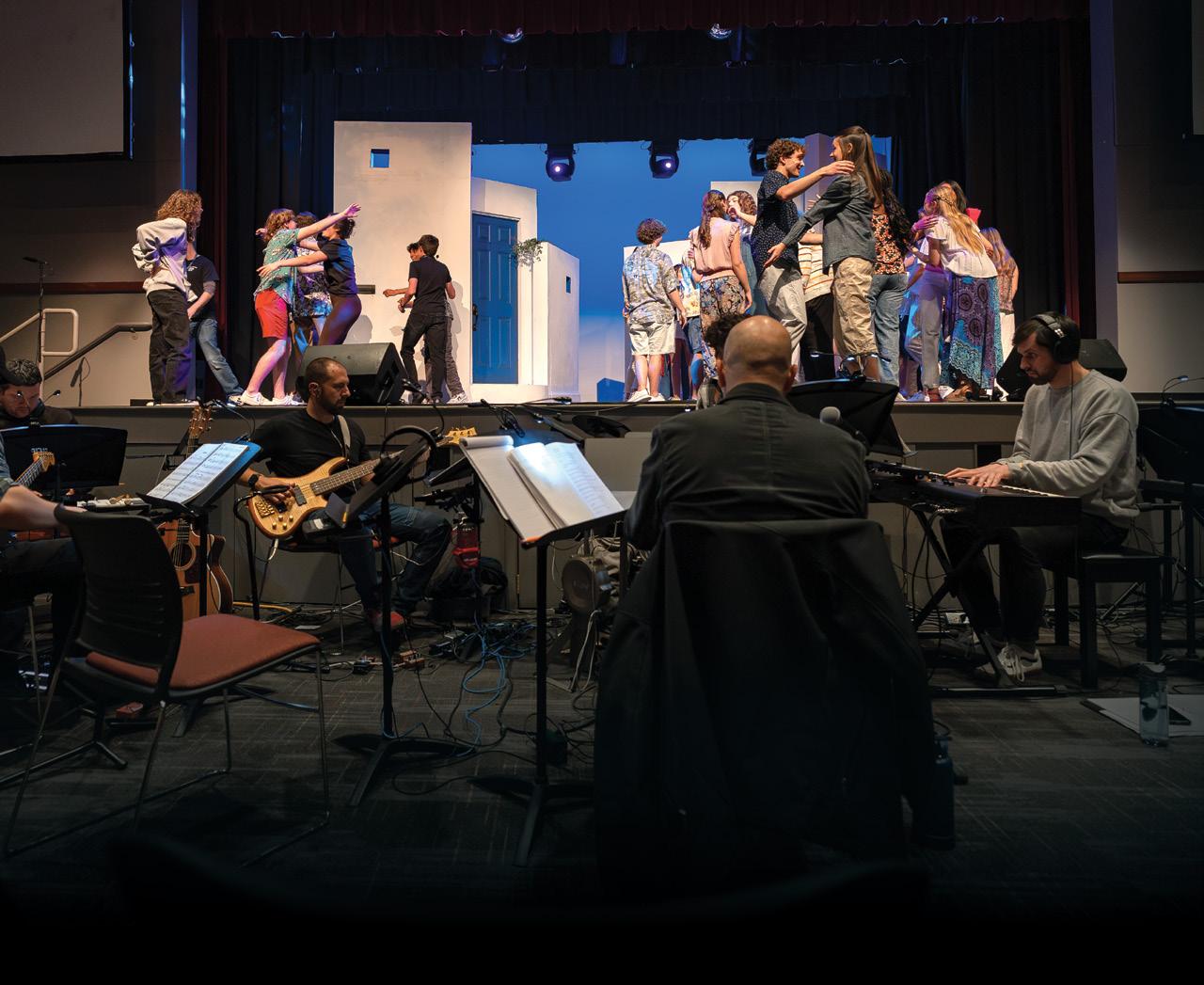
When the stage lights rise inside the Cindric Performing Arts Center, something remarkable happens .
The hum of the day fades away, and Cannon students step into a world built entirely by their own hands, voices, and imaginations. This is Cannon Theater Company (CTC), a place where storytelling, collaboration, and creativity come together to transform both audience and performer.
“Cannon Theater Company trains students to become successful professionals as well as people of compassion and depth,” says Andy Macdonald, Upper School theater teacher and CTC Director.
CTC is the Upper School’s theater company, and it offers students a chance to experience every facet of the performing arts. From auditioning and acting to lighting, sound design, costuming, and set construction, every role matters, and every student’s contribution shapes the final story that reaches the stage.
Macdonald, who has led Cannon’s theater program since 2012, describes the company as a group of people imagining and co-creating a product through trial and error. “It’s a kind of boot camp for learning how to show up, work hard, and play well with others,” he states.
Each rehearsal day begins with a Cannon tradition. At 3:30 sharp, a stage manager calls out “Warmups!” and students circle up in the Campbell Gallery to shake out their energy, stretch, and practice voice exercises. The ritual—part tradition, part fun—helps students cross that invisible threshold from school day to stage life.
These shared moments foster a deep sense of connection, a hallmark of CTC’s culture. It’s not unusual to see actors helping paint sets, or lighting students running lines with performers. “Everyone learns to support one another,” says


“CTC is a space where we don’t have to worry about being perfect . It’s such a loving community that lets people be vulnerable around each other . ”
— Avery Fawcett ’ 26
Macdonald. “That’s when real artistry happens.”
Every year, CTC performs two major shows: a smaller fall play, often taken to the North Carolina Theater Conference, and a larger winter musical or play that brings the whole community together.
This fall, the company performed Say It To My Face: Five Short Plays, a collection exploring how people communicate in a world dominated by screens. The show invited audiences to reflect on the importance of face-to-face connection, through stories that ranged from heartfelt to hilarious.
“Being part of Say It to My Face made me realize how much more there is to people than what you see on the surface,” said Dakotah Smith ’27, a cast member in the production.
“The characters had so much depth. It was fun to bring the scripts to life.”
This winter, CTC will bring the much-loved Mean Girls: High School Version to the Cannon stage from February 11–14, 2026. Based on the hit movie and Broadway musical, the show follows Cady Heron, a girl who leaves life in Africa for an American high school where cliques rule the hallways.
“The decision to do Mean Girls was really a question of when, not if,” says Macdonald. “It’s such a fun, high-energy show with so many great roles, especially for our female performers. But beneath the humor, it also carries a message that matters.”
The musical’s themes of belonging, kindness, and identity resonate deeply with today’s students. “It’s a cautionary tale,” Macdonald explains, “but also a hopeful one. It asks how we can rise above social competition and celebrate each other instead of dividing into groups.”
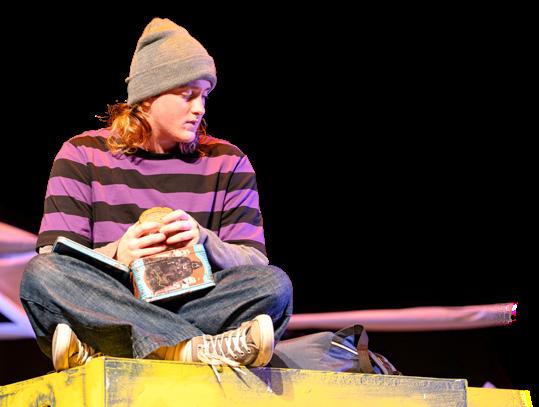
Students say the show resonates because of how honestly it reflects real high-school dynamics.
“Mean Girls shows how it’s sometimes easier to be mean than nice,” says Malcolm Musinguzi ’27. “That’s what makes the story feel so real.” Cast member Callan Ruddy ’26 agrees, adding that “Mean Girls highlights how being your authentic self matters more than just fitting in.”
Producing a show like Mean Girls takes dedication that rivals any athletic season. From the first script read to the final bow, Macdonald shares that a single production requires around 130 hours of rehearsal, more time than most classes meet in a full school year. Students rehearse after school and on weekends, refining every note, cue, and line.
That commitment pays off, not just in applause, but in personal growth. “Some people use the word ‘soft skills’ to describe what students learn from this work—lateral thinking, collaboration, self-awareness, grit, communication, empathy, presence—but the word ‘soft’ never sounds right to me,” Macdonald reflects. “These skills are superpowers essential for 21st century success.”
Macdonald hopes to continue expanding opportunities for student leadership, including having students direct future fall productions. “When students take the director’s chair, they learn that leadership isn’t about having all the answers or telling people what to do,” he notes. “On one hand, the director’s job is to hold a compelling vision and incredibly organized plan, but also to let go of preconceived notions as the reality of the show takes shape.”
And while every season brings a new story, the heart of CTC remains the same: a belief that young artists have the power to move their audience, and that through theater, they learn to see the world, and themselves, a little differently.
“The core truth I hope students take away from their theater experience is that no action is more powerful than telling a story,” notes Macdonald. “Stories form our deepest beliefs and fuel our choices more than any set of facts or ideas. What do we do with that power?” he muses.
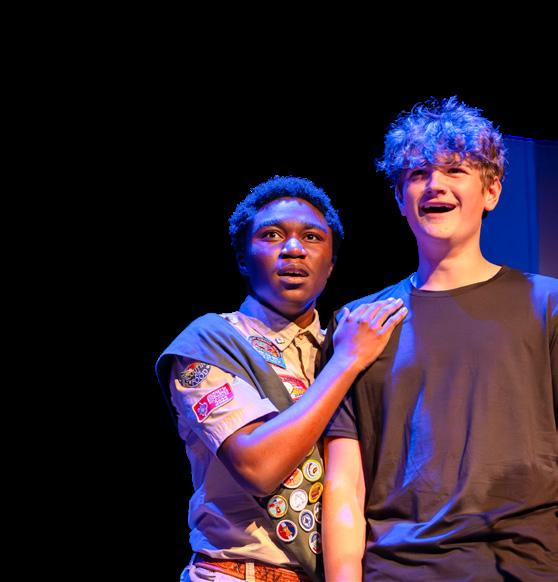
February 11-14, 2026
Cindric Performing Arts Center
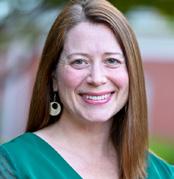
We sat down with Krista Johns, Cannon’s new Director of Arts, for a conversation about the initiatives energizing her first year . In this Q&A, she shares how the arts strengthen Cannon’s mission, why creative education remains vital, and what makes the program’s spirit “essential .”
solving, communication skills, and the ability to take risks. Across the board, the arts help students build resilience, perseverance, and cultivate empathy. These are skills that translate to a multitude of other subjects and develop wellrounded humans who leave Cannon as more compassionate and confident individuals.
4.
1. 2.
In your first year as Director of Arts, what are some of the new initiatives or goals you’re most excited to pursue in terms of program growth, community partnerships, or student opportunities? While I have a lot of plans for long term growth within the arts department, this year I am most excited about our community partnerships. Through the Cain Center for the Arts, in Cornelius, we are working to develop an internship program for our Upper School students who are interested in the process for putting on performances from beginning to end. We’re hoping to get this off the ground in early 2026. I am also working with the executive director for Cabarrus Arts Council to find venues in the community for our students to perform beyond Cannon’s walls. I’m excited about the opportunity for our students to showcase their talents in other areas of our community.
How do the arts fit into Cannon’s educational mission of nurturing relationships and growth?
I can’t imagine an arts class that doesn’t rely on relationship building! Often, if we’re lucky, we get to experience our students year after year. We see their humble beginnings and celebrate every success along the way as they flourish into amazing artists, actors, and musicians. One of the things I love about Cannon is being able to watch a student grow year after year as they move from Lower to Middle to Upper School. Seeing them come alive during their first 3rd-6th grade musical and then watching them audition for the 7th grade musical. It is a privilege to be part of that journey.
3.
For students and families who may see the arts as a “nice to have” rather than a central part of their education, how would you articulate the value of the arts at Cannon? Numerous studies have shown that participation in the arts enhances critical thinking, problem-
Cannon’s arts program thrives across multiple disciplines: music, theater, and visual arts. How do you and your fellow directors work together to create a unified vision while still celebrating each program’s unique strengths? I work closely with the Middle School department chair, Anne Marie Samuel, and the Upper School department chair, Andy Macdonald. It is a wonderful coincidence that together, we represent the three arts disciplines. In this way, we can assess what is happening in each division and each discipline. My goal has been to find ways to strengthen each discipline while also seeking opportunities for collaboration. For example, this spring, a group of strings students will perform during the opening reception for a student art show with Cabarrus Arts Council. I love finding ways for our programs to come together in unique ways.
5. 6.
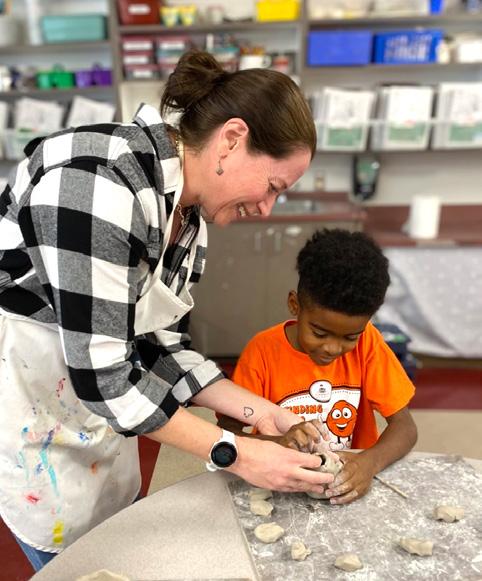
When you have a moment to create art yourself, what medium or project do you find most fulfilling? About a year ago, I discovered a love for throwing pottery. It’s equal parts cathartic and frustrating, but playing in the mud is ultimately a great stress reliever!
How would you describe the spirit of the arts here at Cannon in three words? Thriving, vibrant, essential.
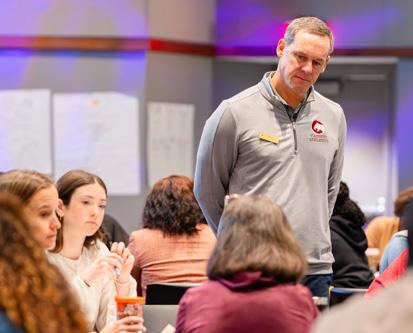
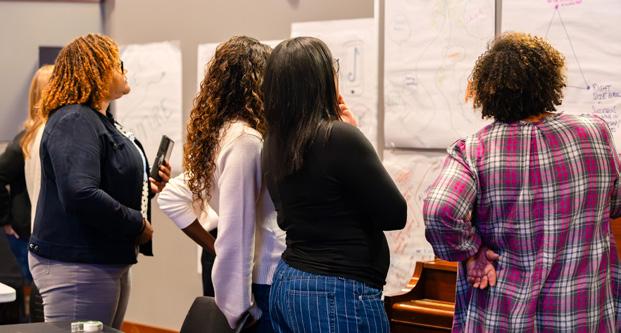
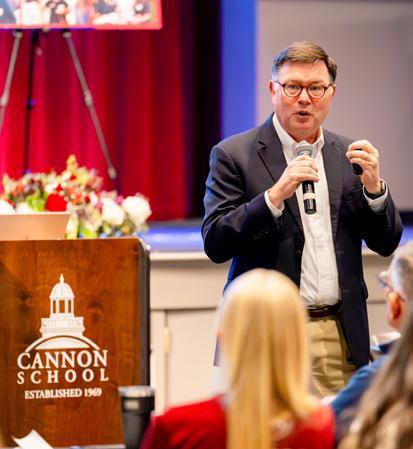
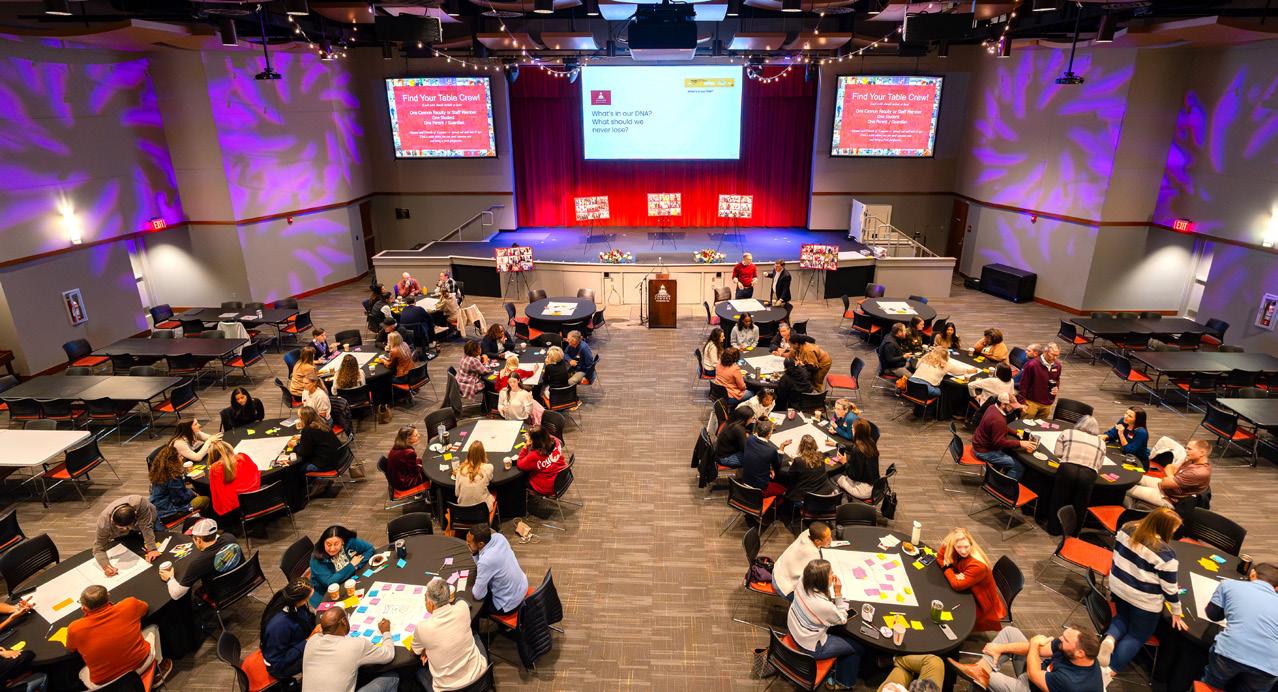
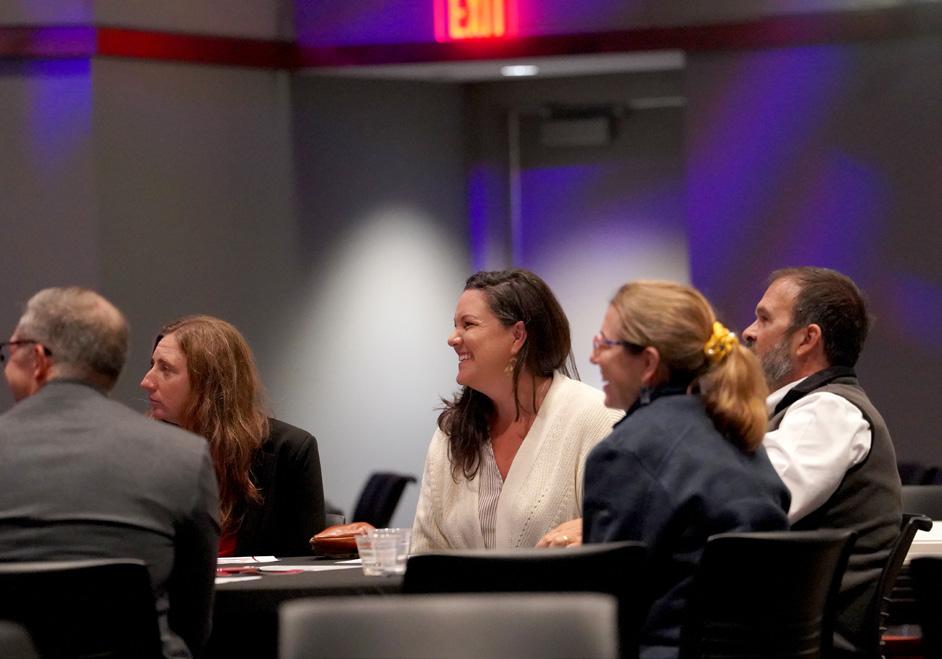
Nearly 100 Cannon School community members gathered on a Saturday morning in October for Community Vision Day, an interactive workshop in the Cindric Performing Arts Center designed to help shape the school’s next five-year Strategic Plan. Parents, faculty, staff, and students came together for thoughtful conversations about Cannon’s future, its enduring values, and new opportunities for growth. Guided by educational strategist Tim Fish, participants shared perspectives in dynamic small-group discussions, reaffirming the strong sense of community that defines Cannon and setting the stage for the school’s continued excellence.
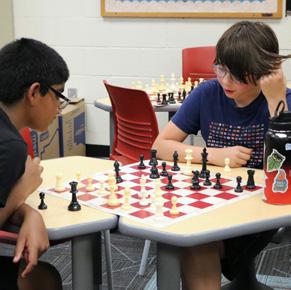
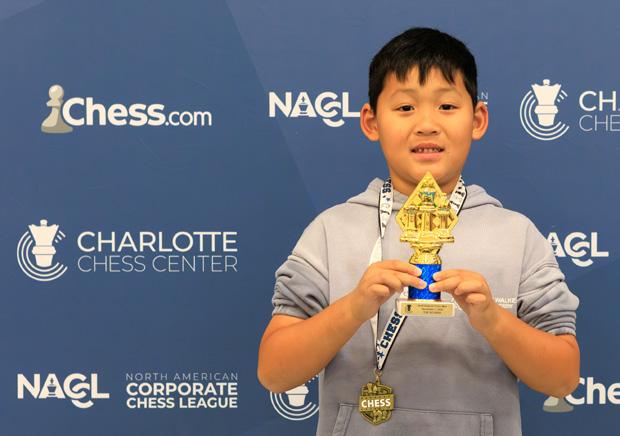
Xavier L. ’36 represented Cannon at the North Regional Chess Meet, earning a trophy and a spot in the Tournament of Champions.
Cannon School is proud to highlight recent accomplishments by our students, faculty, and staff.
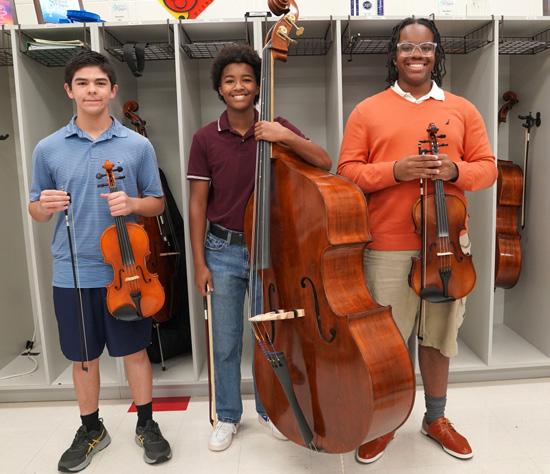
Rhys M.L. ’30, Kennedy Laguerre ’29, and J’Ericson Newby ’27 were selected for the annual NC-ASTA All-State String Orchestra Festival & Clinic, a testament to their hard work, passion, and dedication to the arts.
J’Ericson Newby ’27 was selected for the 2025 NC High School Honors Chorus out of 700 students statewide.

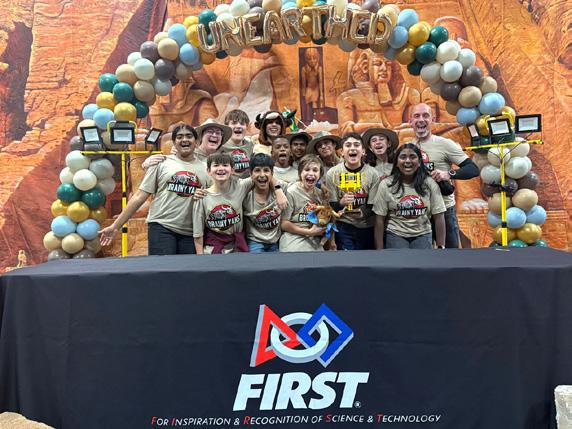
Cannon’s Brainy Yaks robotics team earned first place at the North Carolina State FLL Robotics Championship. This marks the second consecutive year the team has finished first among more than 500 teams statewide that begin the season. In addition to competing, the Brainy Yaks were selected as an official Ambassador Team for FIRST Robotics.
Mia Wheeldon ’28, Laura Ann Bowen ’28, Avi Pandey ’27, and Arjun Ram ’26 earned Role Play Awards at the Distributive Education Clubs of America (DECA) district competition in November. Arjun was also a Top 10 finalist and won 3rd place in Event.
Paula Hylton, Upper School psychology teacher, received the Mary Maragaret Moffett Teaching Excellence Award, a prestigious national honor from the Society of Teaching Psychology.
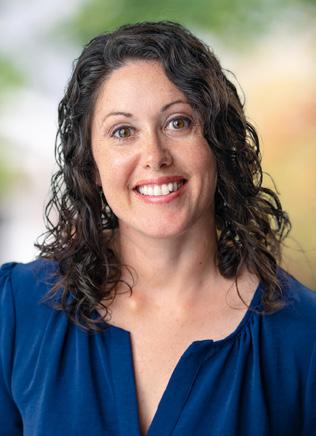
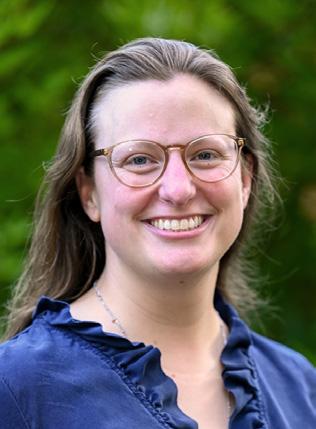
Sarah Miller, Upper School social studies teacher, was named a 202526 CFR Education Ambassador by the Council on Foreign Relations.
Jady Arriaga, Upper School world languages chair, was recently elected to the Board of the Foreign Language Association of North Carolina (FLANC). She will represent North Carolina’s independent schools for the next two years.
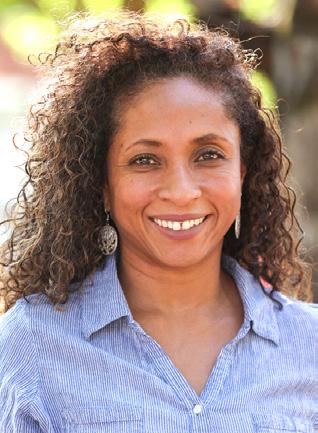
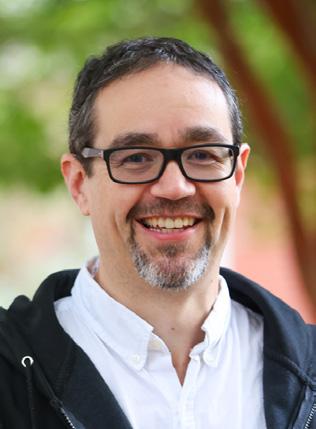
Pablo Garcia, Upper School world languages teacher, has published a new book chapter, “The Origin of Syphilization: Eighteenth-Century Criollo Perspectives,” in the edited volume Bodies, Remedies, Policies: From Early Modern Chronicles of the Indies to Covid-19 Narratives.
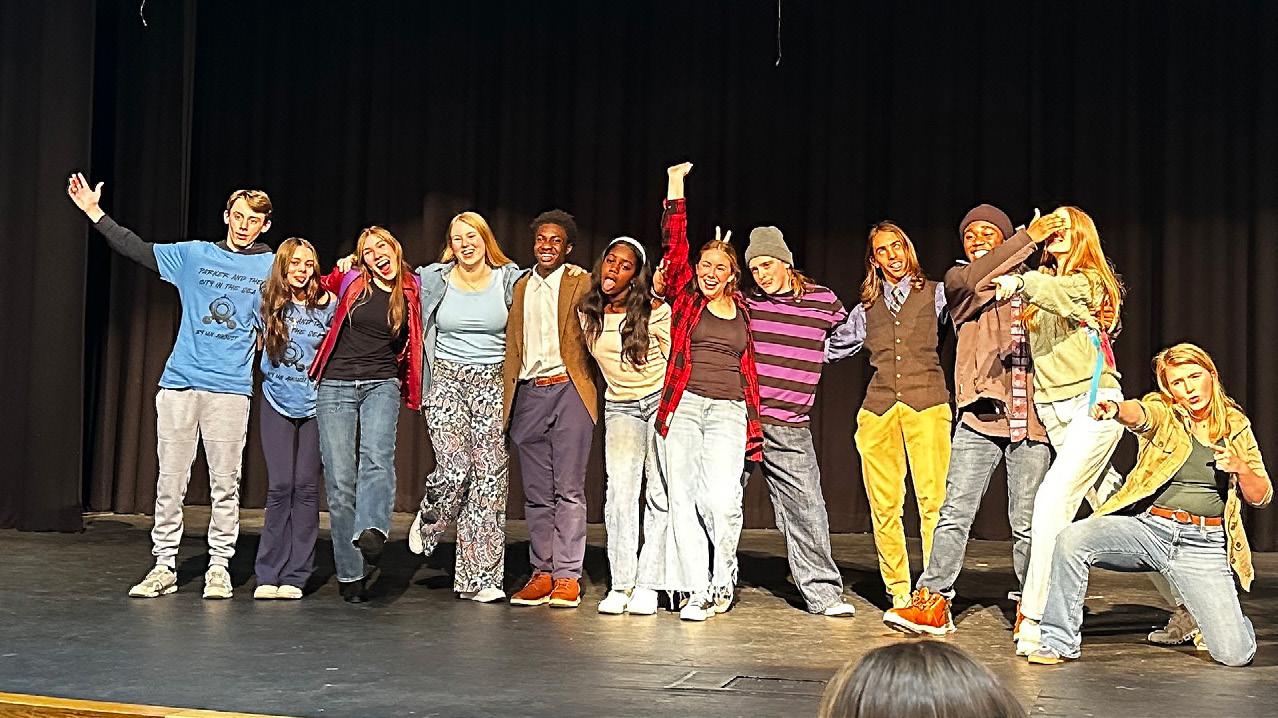
The following students received festival honors at the North Carolina Theater Conference: Conger Chalfant ’28 and Yana Kramer ’28 – Design & Production; Dakotah
’27 –Excellence in Acting; and Callan Ruddy ’26 – Outstanding Achievement in Acting.
Each fall, as Cannon School settles into the rhythm of a new academic year, something distinctive happens: entire grades venture beyond campus, scattering across the region for immersive class trips that blend academic learning, personal growth, and community building. Far from simple traditions, these experiences are intentional extensions of the school’s commitment to adaptive expertise (AE).
Introduced to Cannon in 2006 by former Head of School Matt Gossage, adaptive expertise is a broad construct encompassing cognitive flexibility, motivation, and habits of mind such as curiosity, empathy, autonomy, creativity, and reflection. It is the ability to both efficiently apply what you know and creatively generate new solutions when encountering something unfamiliar. Upper School social studies department chair Laura Huffman describes
5 TH GRADE
it simply: “Adaptive expertise is Cannon’s ‘special sauce.’ It’s what makes our school stand apart from other independent schools.”
This fall’s Middle and Upper School class trips, spanning colonial history in Williamsburg to backpacking in the Pisgah wilderness, offered vivid, real-world labs for these AE habits to take root.
For seventh graders, a journey to colonial Williamsburg brought history to life. As students stepped into the roles of early American citizens, they were invited to think critically about the challenges and choices of people in the past. Social studies teacher John Cooke reflected, “Students discover through our exploration of Colonial Williamsburg, historic Jamestown, and the Yorktown battlefield that life requires decisions to be made and challenges met. From a living museum to historical reenactments, students come to understand the importance of empathy, curiosity, and appreciation of diverse perspectives and experiences, which are key elements of adaptive expertise.”
In navigating reconstructed colonial streets, learning the steps of an 18th century dance, or interpreting primary sources, students weren’t just absorbing facts. They were practicing synthesis, communication, and reflective thinking, skills that help them approach complex problems with open minds and confidence.
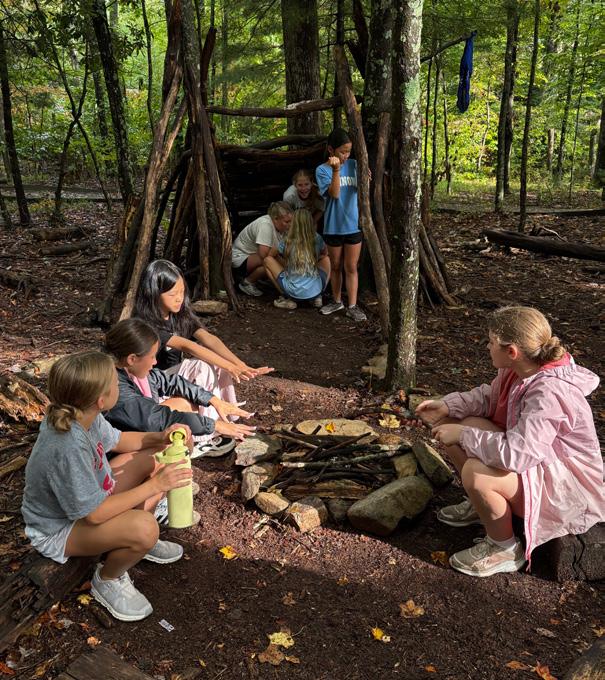
For fifth grade students, Camp Hanes served as an introduction to the collaborative spirit of Cannon’s Middle School. Camp activities pushed students to take healthy risks, support peers, and reflect on their own growth, early expressions of autonomy and resilience.
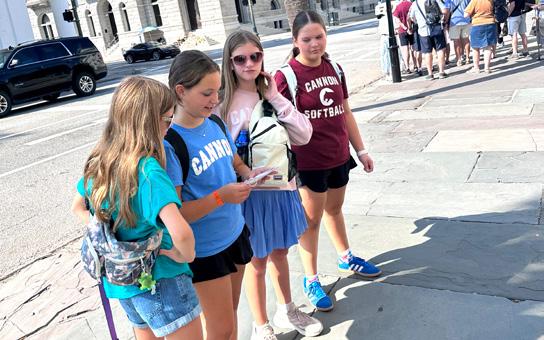
The sixth grade’s trip to Charleston immersed students in the city’s layered cultural and historical landscape. From examining coastal ecosystems to walking through historic districts, students engaged in hands-on inquiry and thoughtful questioning, habits that strengthen metacognition and adaptability. 6 TH GRADE
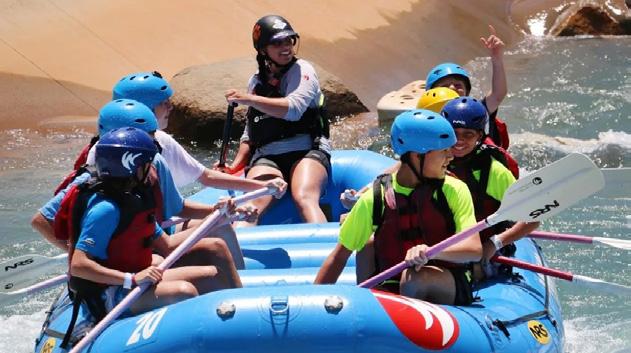
The ninth-grade trip to the Blue Ridge YMCA encouraged students to navigate both physical challenges and group dynamics. High ropes courses and teambuilding initiatives tested creative problem-solving and communication in real time.
“During team building, we were faced with many challenges, and we had to work together with our advisory to create out-of-the-box ideas to solve problems,” shared Grace Kenseth ’29. “That brought us closer together, working as a team away from school.”
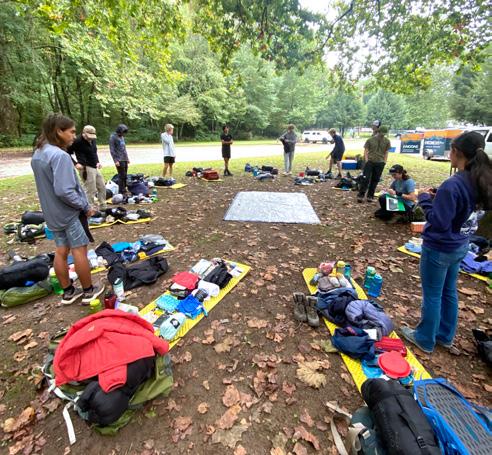
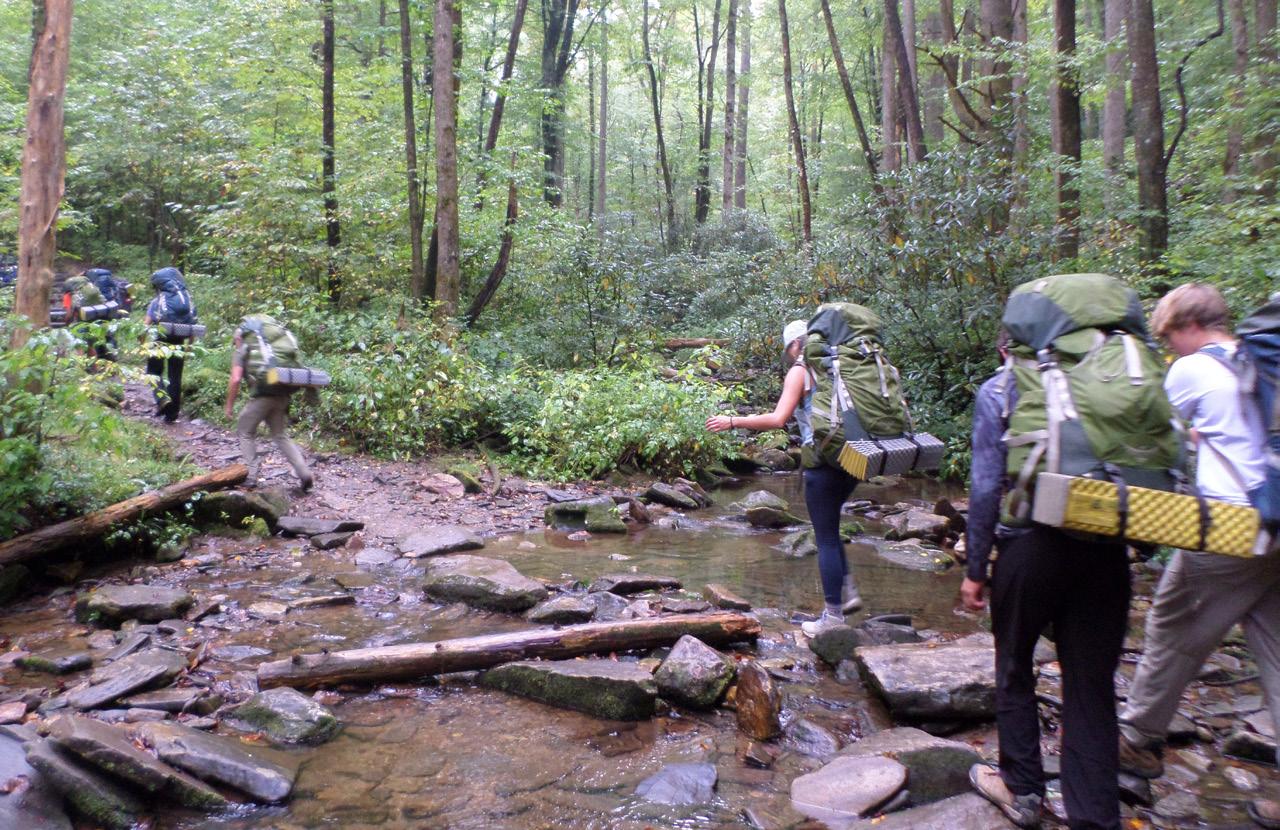
While many of their peers traveled to places steeped in history, Cannon sophomores embarked on one of the school’s most immersive learning experiences yet: a threenight backpacking expedition through North Carolina’s Pisgah National Forest, coordinated by the National Center for Outdoor & Adventure Education (NCOAE).
Carrying everything needed to survive—tents, food, cooking gear, clothing—students were invited into an intentionally challenging environment where flexibility, perseverance, and collaboration were essential.
For many, the shift from daily routines to wilderness living was profound. Isaac Taylor ’28 noted that although he had camped before, backpacking in the remote wilderness represented a new level of challenge: “Not being able to look things up on my phone made me want to learn more, like knot tying.”
Rain arrived on the first evening, complicating even basic tasks. Nodumo Tunyiswa-Ward ’28 remembered, “It was pouring. We all had to rely on each other.” Later, during a grueling climb, she reached a moment of doubt.
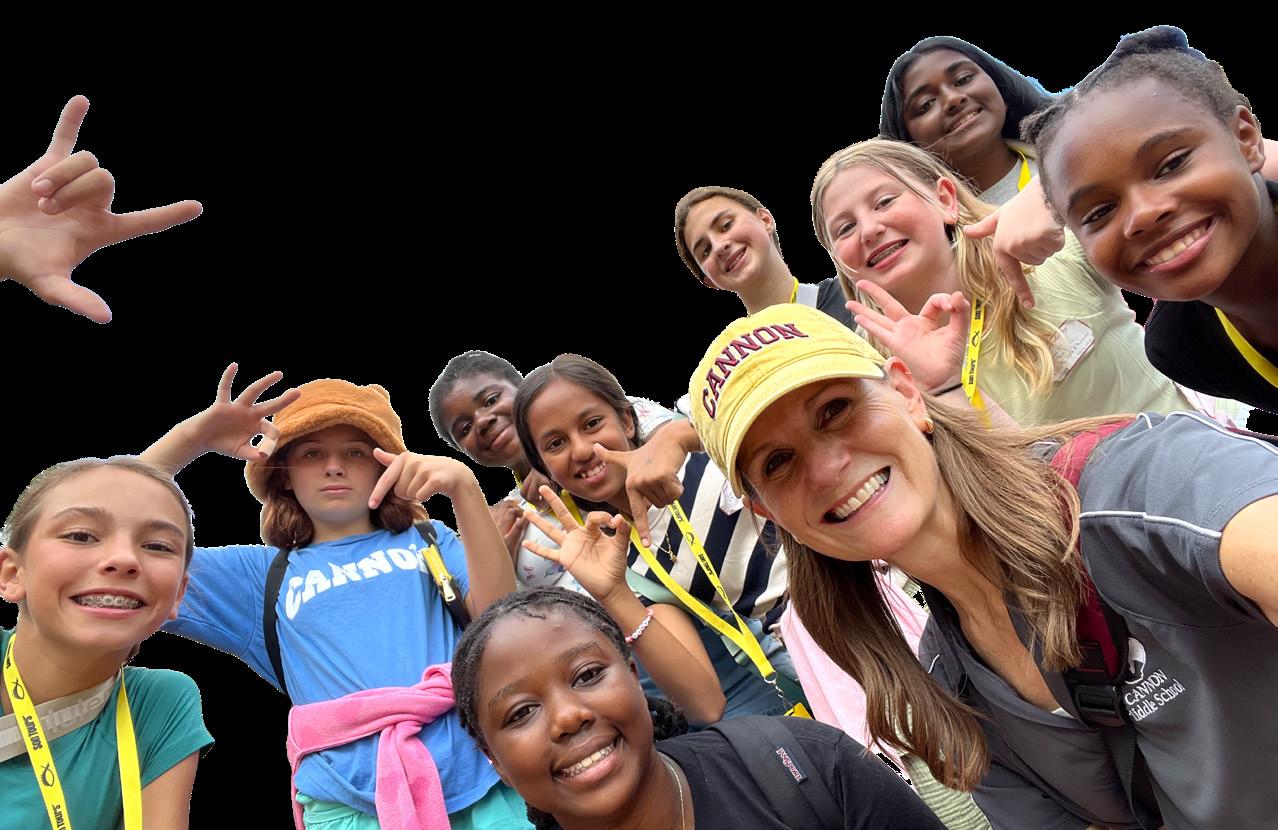
Through exploration of colonial Williamsburg, seventh grade students came to understand the importance of empathy, curiosity, and appreciation of diverse perspectives and experiences,
7 TH GRADE
“I just wanted to go home. But I had to shift my mindset to focus on just getting to camp and figuring it out from there.” That shift, a hallmark of adaptive expertise, became transformative. “My mindset has changed. I’ve gone out of my comfort zone and I know what I’m capable of now.”
For Walker O’Brien ’28, the unexpected became the most memorable. A misstep in tent setup during a storm taught him the value of precision. “One little mistake can leave part of your tent soaked. I learned to always be thorough.”
Moments like these, when the stakes are just high enough to matter, yet safe enough for experimentation, are ideal conditions for adaptive expertise to flourish. Whether piecing together early American history in Williamsburg, building trust on a high ropes course in Black Mountain, or navigating rain-soaked trails in Pisgah, Cannon students practice the very habits of mind and spirit that make adaptive expertise possible.
As Laura Huffman observed, adaptive expertise is Cannon’s “special sauce.” Through these annual class trips, big and small, students taste it for themselves.
While many of their peers traveled to places steeped in history, Cannon sophomores embarked on one of the school’s most immersive learning experiences yet: a three-night backpacking expedition through North Carolina’s Pisgah National Forest.
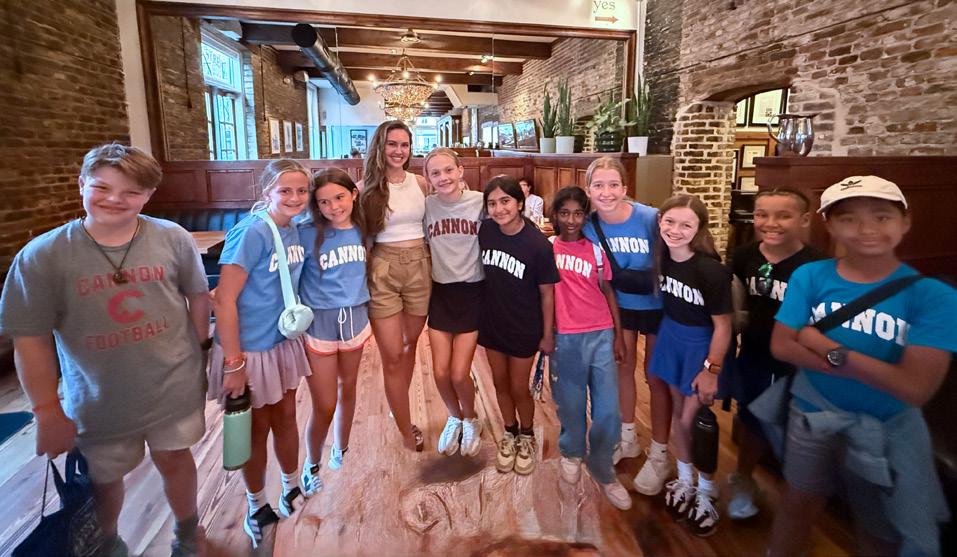
During their recent class trip to Charleston, a group of Cannon’s sixth-grade students had an unexpected and heartwarming encounter that perfectly captured the spirit of the Cannon community. While enjoying dinner at a local restaurant, Laurie Burlington’s advisory group caught the attention of Cannon alumna Tiffany Knox ’16, who happened to be dining nearby.
Now a successful real estate broker and entrepreneur living in Charleston, Tiffany noticed the group’s Cannon t-shirts and felt an immediate connection. “Seeing the Cannon logo brought me back to my own days as a student,” she said. “I felt an instant bond with them.”
Tiffany introduced herself to the students and chaperones and then surprised them by treating the table to dessert. The timing couldn’t have been more perfect: one of the students was celebrating a birthday that day.
“I wanted to give them a small moment that might make their trip a little more memorable,” Tiffany shared. “When I was their age, those little acts of kindness really stuck with me. I thought it would be meaningful to return that to today’s students.”
Though Tiffany’s own middle school years at Cannon didn’t include a Charleston trip, she fondly recalls traveling to Sound to Sea with her class. “I’m an ocean lover, so that one stood out,” she said.
Reflecting on her school experience, Tiffany added, “Cannon gave me a strong foundation—not just academically, but in how to approach life with curiosity and care for others.”
Her message to current students? “Take full advantage of the community around you—your teachers, your classmates, your opportunities. These years are shaping who you will become. The connections you make at Cannon will stay with you long after graduation. And lastly, always be kind.”
As Tiffany reminded our students that night...
“Once a Cannon Cougar, always a Cannon Cougar.”
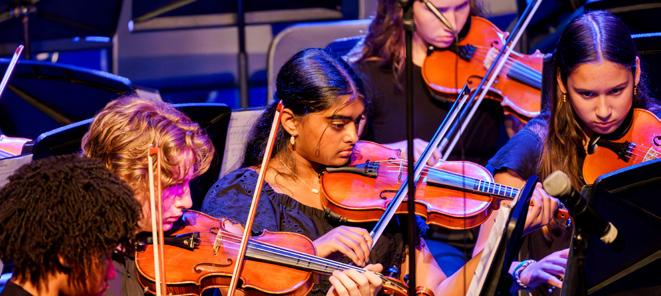
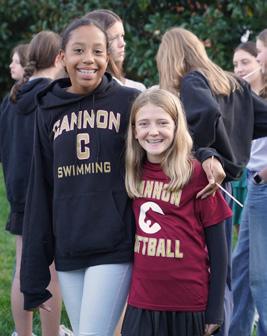
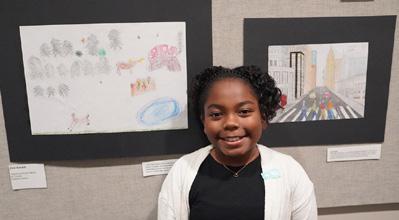
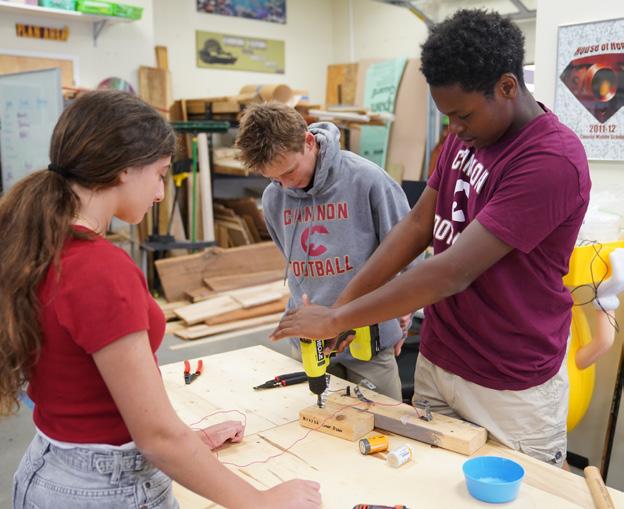
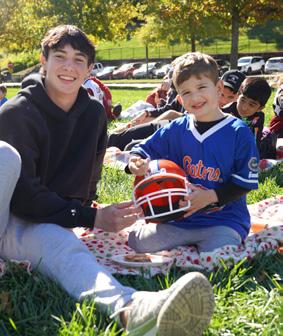
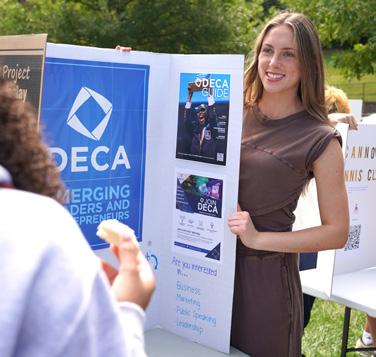
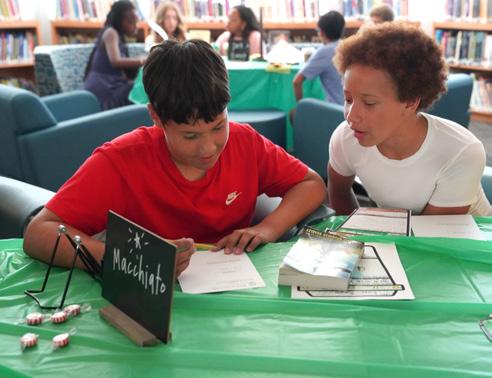
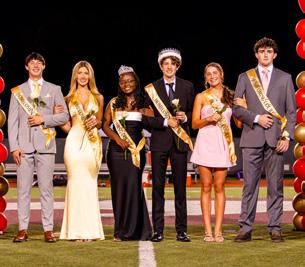
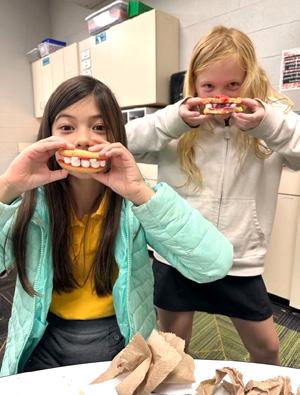
From classrooms to performances, celebrations to quiet moments of connection, the fall and winter months offered countless snapshots of life at Cannon. These photos tell the story of students across all divisions learning and growing together.
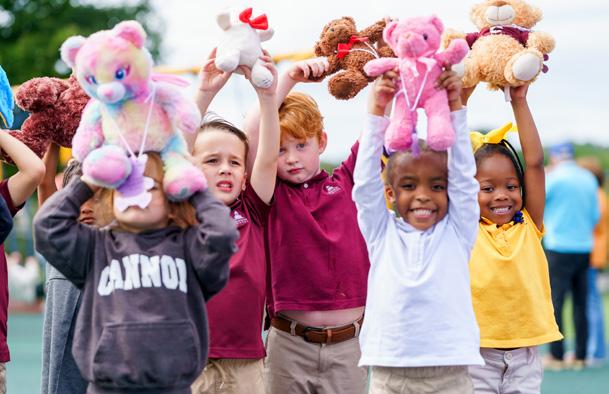
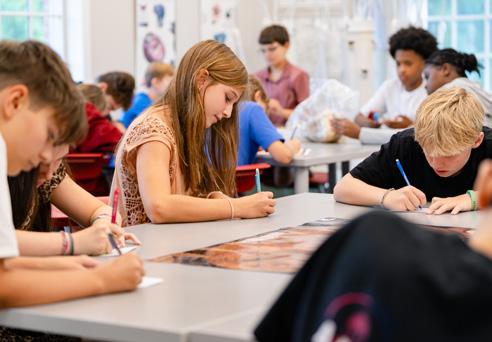
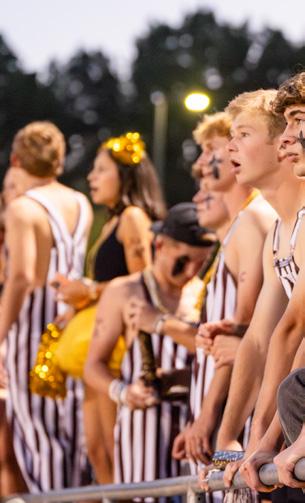
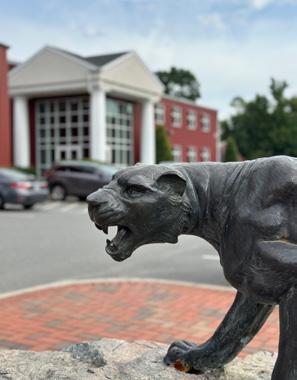
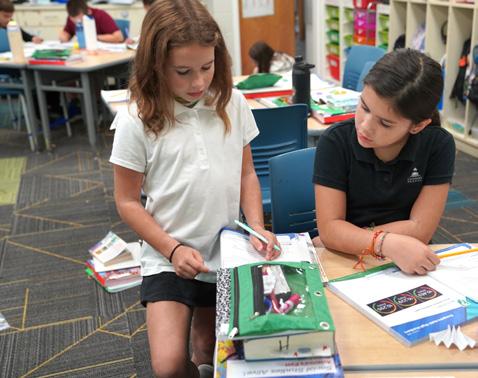
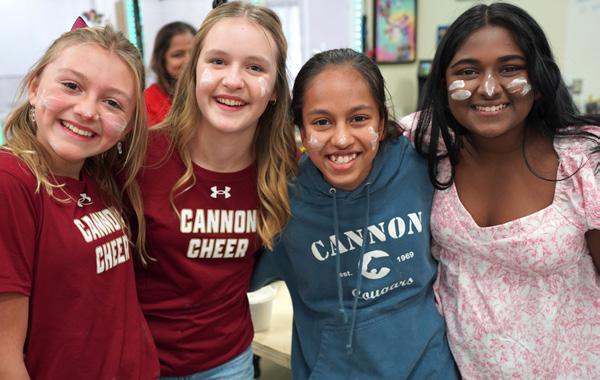
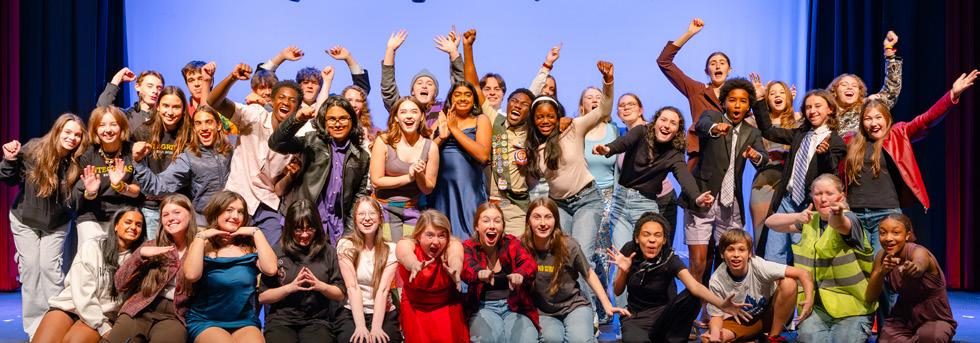
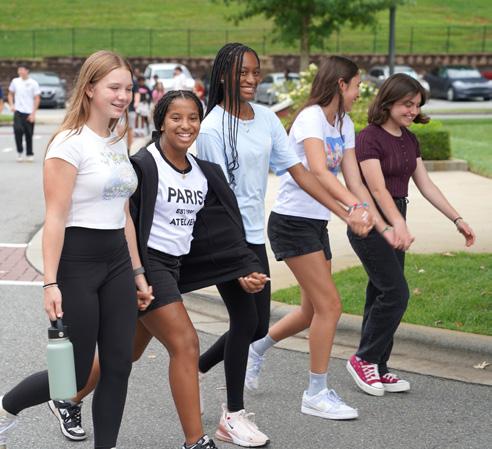

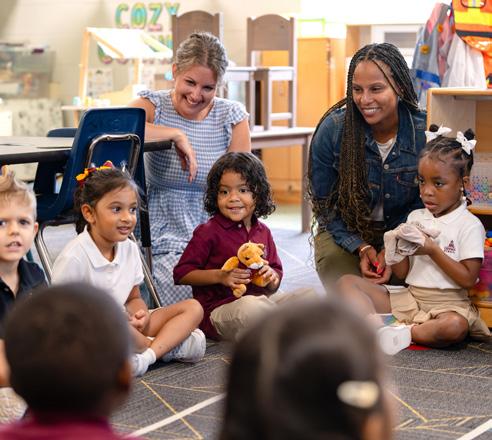
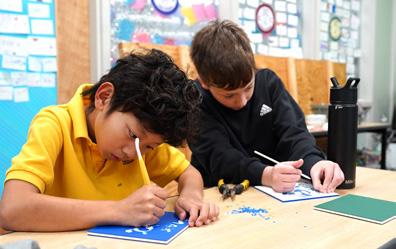
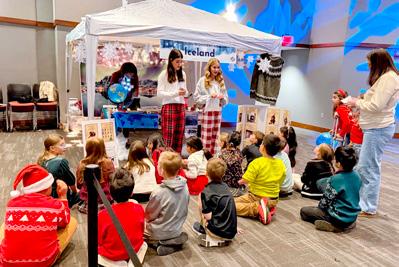
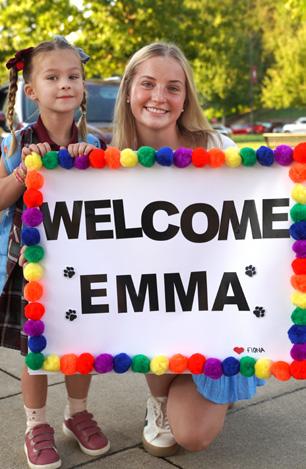
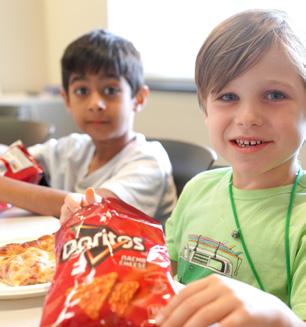
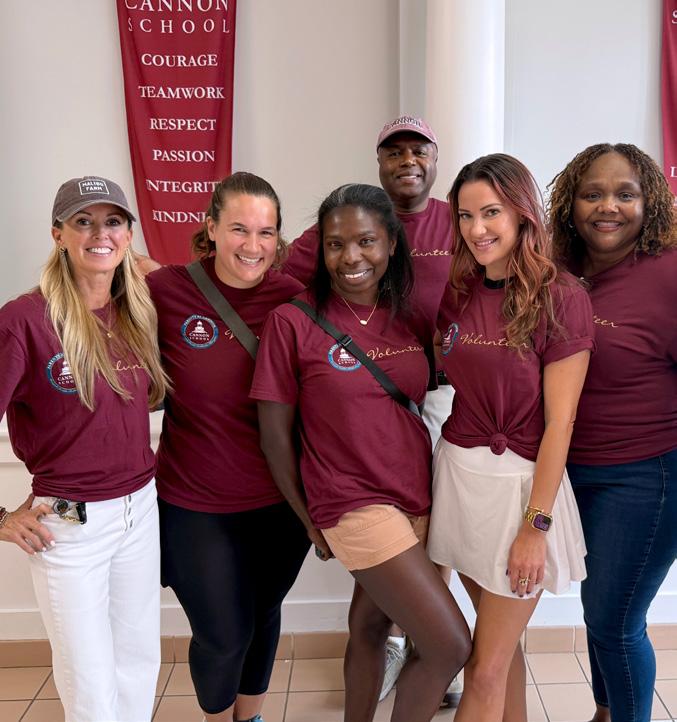
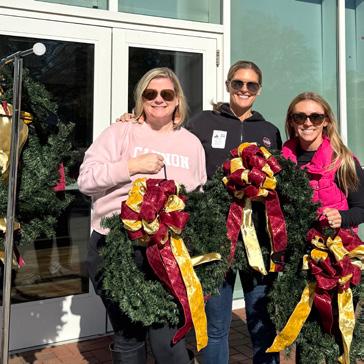
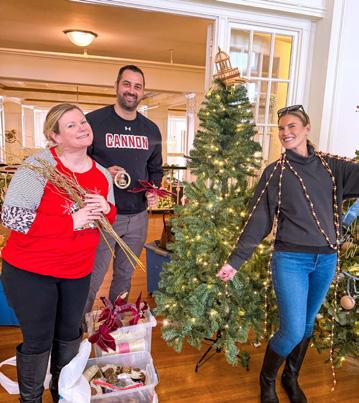
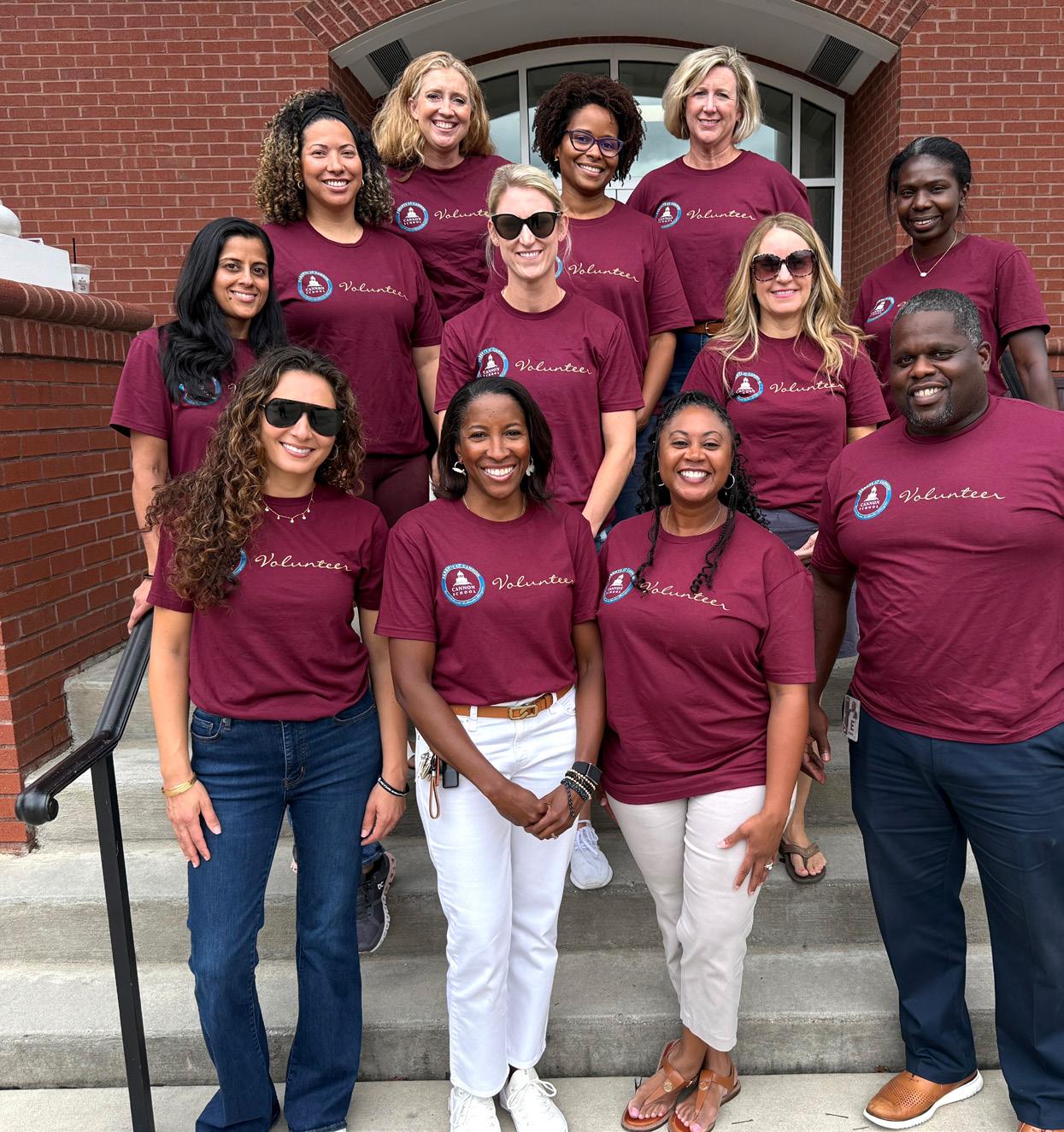
We are grateful for our incredible Parents at Cannon volunteers, the true heartbeat of our school community. From joyful classroom celebrations to unforgettable community-wide events, Parents at Cannon brings parents, family members, and friends together through meaningful service, enriching the student experience all year long. To our many volunteers, thank you for your generosity, your partnership, and the love you pour into our school every day.
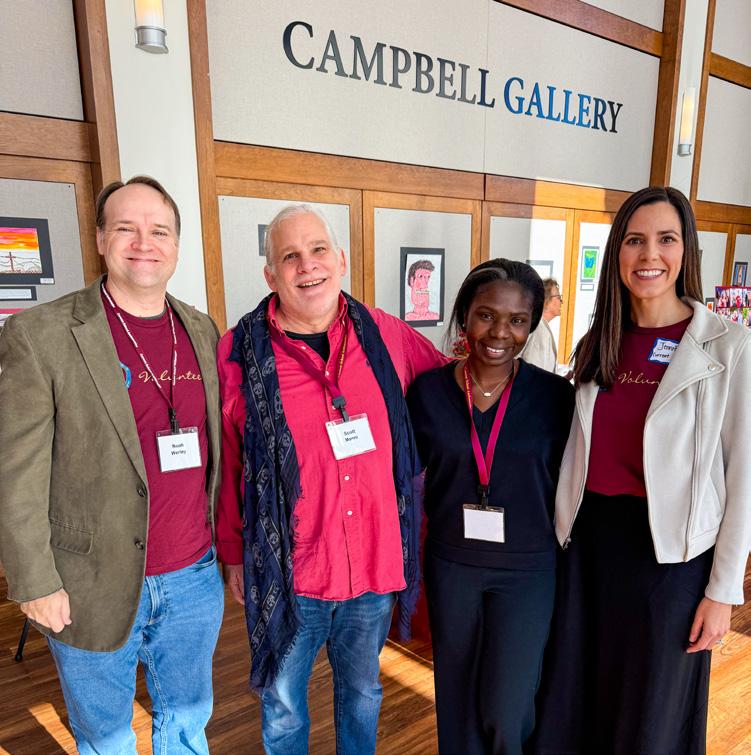
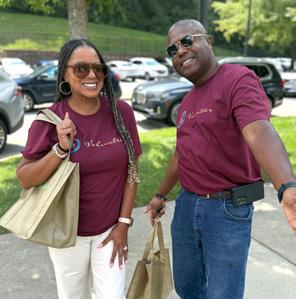
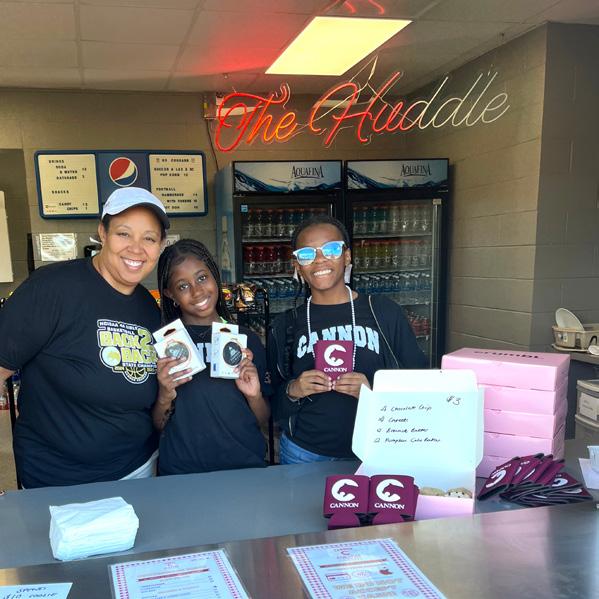
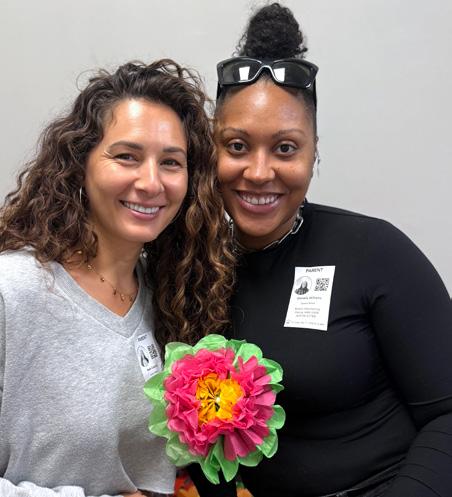

This fall, Cannon welcomed families, friends, and special guests for events that informed, inspired, and celebrated our community. Whether on campus or beyond, these gatherings, from cherished traditions to thought-provoking speakers, showcase the spirit of connection that defines Cannon.
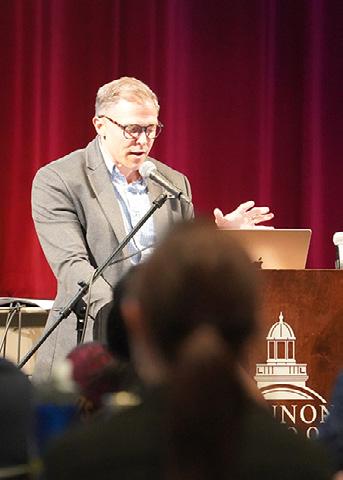
Cannon’s first Common Ground event of the year brought parents, faculty, and staff together for thoughtful conversation on the role of AI in education. Guided discussions rooted in civil discourse explored both the promise and the challenges of this rapidly evolving topic.
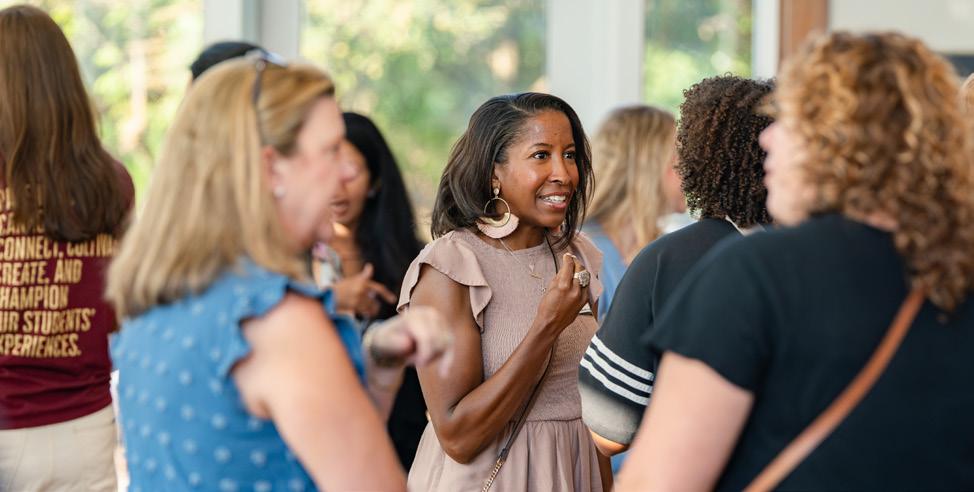
This year marked the inaugural BooHoo WooHoo Breakfast at Cannon, bringing parents together to celebrate an important moment of transition. Over coffee and conversation, families shared both tears and cheers, connecting with one another and strengthening the sense of community that supports students throughout their Cannon journey.
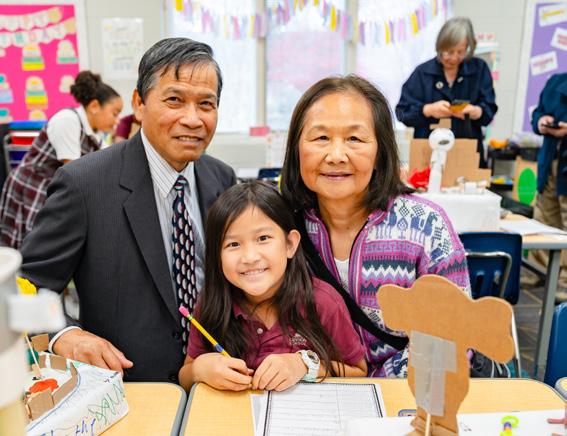
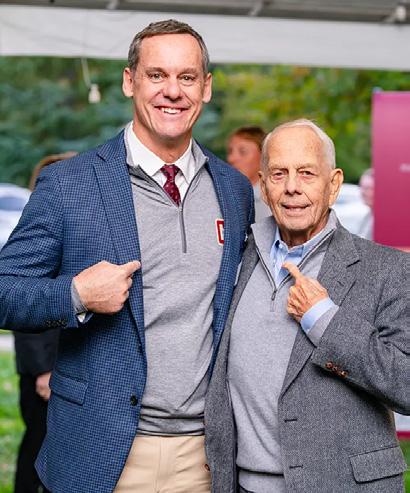
Grandparents and Special Friends Day filled campus with joy as guests experienced classroom visits, student performances, and glimpses into the school experience at Cannon.
The day celebrated the special people who support and inspire our students throughout their journey.
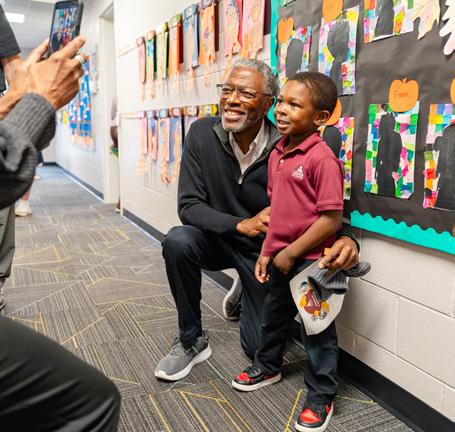

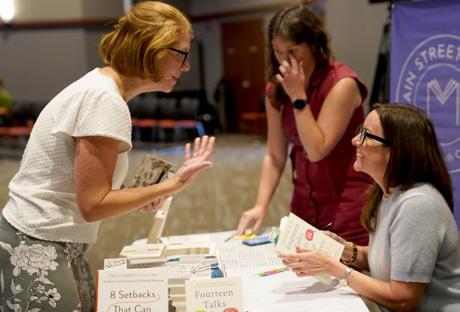

The Maria DeHaas Learner Series welcomed nationally recognized author and speaker Michelle Icard to campus for an engaging conversation on myth and meaning in modern parenting. Following her presentation, families continued the dialogue through breakout sessions led by Cannon’s student support team as part of the 360° of Growth event.
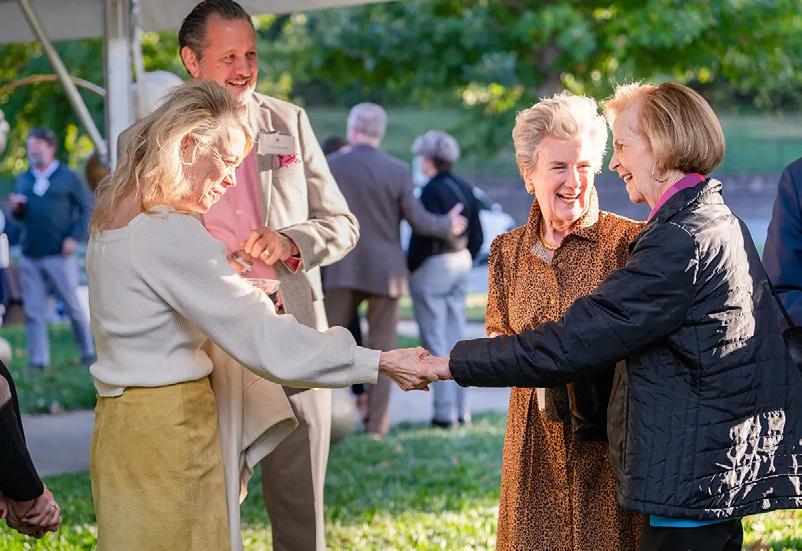
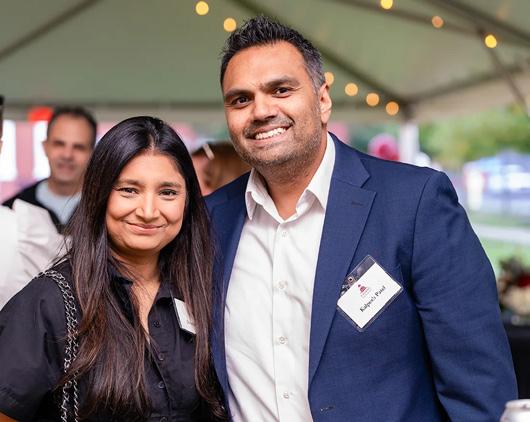
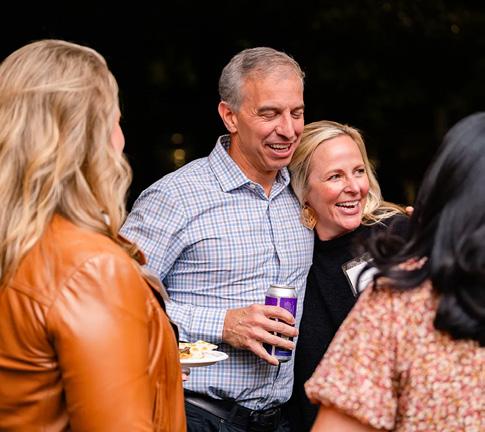
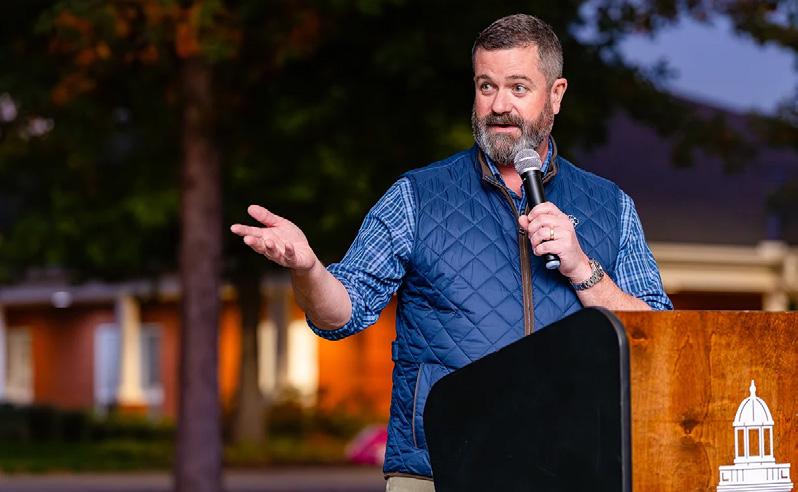
Toast 2025 brought the Cannon community together on the Bryant Central Green for an evening of connection and celebration. Filled with conversation, laughter, and meaningful moments, the event reflected the relationships at the heart of Cannon.
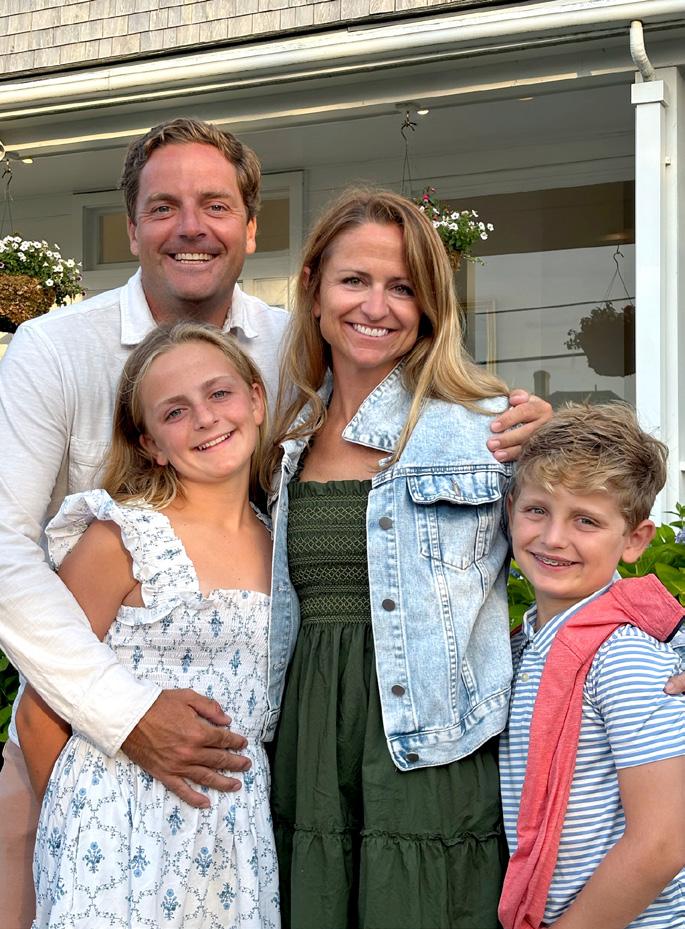
Brian and Tyler Helfrich, parents of Bay ’32 and Silas ’34, recently made a major gift to Cannon School, establishing the Helfrich Family Endowment to advance teaching and learning .
At the center of this endowment is the new Helfrich Catalyst Fellowship, an annual award that enables Cannon faculty to pursue innovative projects that enrich student learning and strengthen classroom experiences.
The Helfriches describe their motivation simply: “We wanted to make a gift that was sustainable and directly impactful to teachers,” Tyler shared. From their first days on campus, they were struck by Cannon educators’ tireless dedication. “We’ve been so impressed by the ‘go beyond’ mindset here—by teachers who bring energy, curiosity, and a true love of learning into their classrooms,” she said. “This gift is our way of reciprocating that.”
For the Helfriches, the fellowship aligns seamlessly with Cannon’s culture. “I love how the school embraces a growth mindset. New ideas, new approaches—students thrive in that environment, and teachers should have the same opportunities for growth,” Brian reflects.
The Helfrich Catalyst Fellowship provides funding for faculty-led projects, including curriculum development, research, pedagogical training, or travel experiences that bring fresh perspectives to campus. Selected by a committee of peers, fellows also share their learning with colleagues and students, ensuring schoolwide impact.
Through the fellowship, Cannon educators are empowered to follow ideas that “light them up,” as Tyler shared. “This gift is an investment in our teachers—to show that we deeply value their contributions and talents. We hope it gives them the resources and space to pursue opportunities they’re passionate about.”
Brian and Tyler both grew up in families that valued giving back, and they hope the Helfrich Family Endowment reflects that legacy. Established in 2025, the endowment celebrates excellence in teaching and fuels initiatives that enhance learning across the school. Their hope is that this gift not only supports Cannon’s faculty but also inspires others to consider how they might contribute to the school’s future.
Tyler speaks often about the role of schools in shaping future citizens. “One of our responsibilities as parents is to raise good humans. If we can help Cannon do that in some small way while our kids are in their care, we will,” she said. “If you can make the world better from your own little corner of it, why wait?”
With heartfelt thanks to our CANNON SCHOOL corporate partners for supporting our students and community.












For more information about corporate partnerships, please contact Lauren Biggers, Associate Director of Advancement.
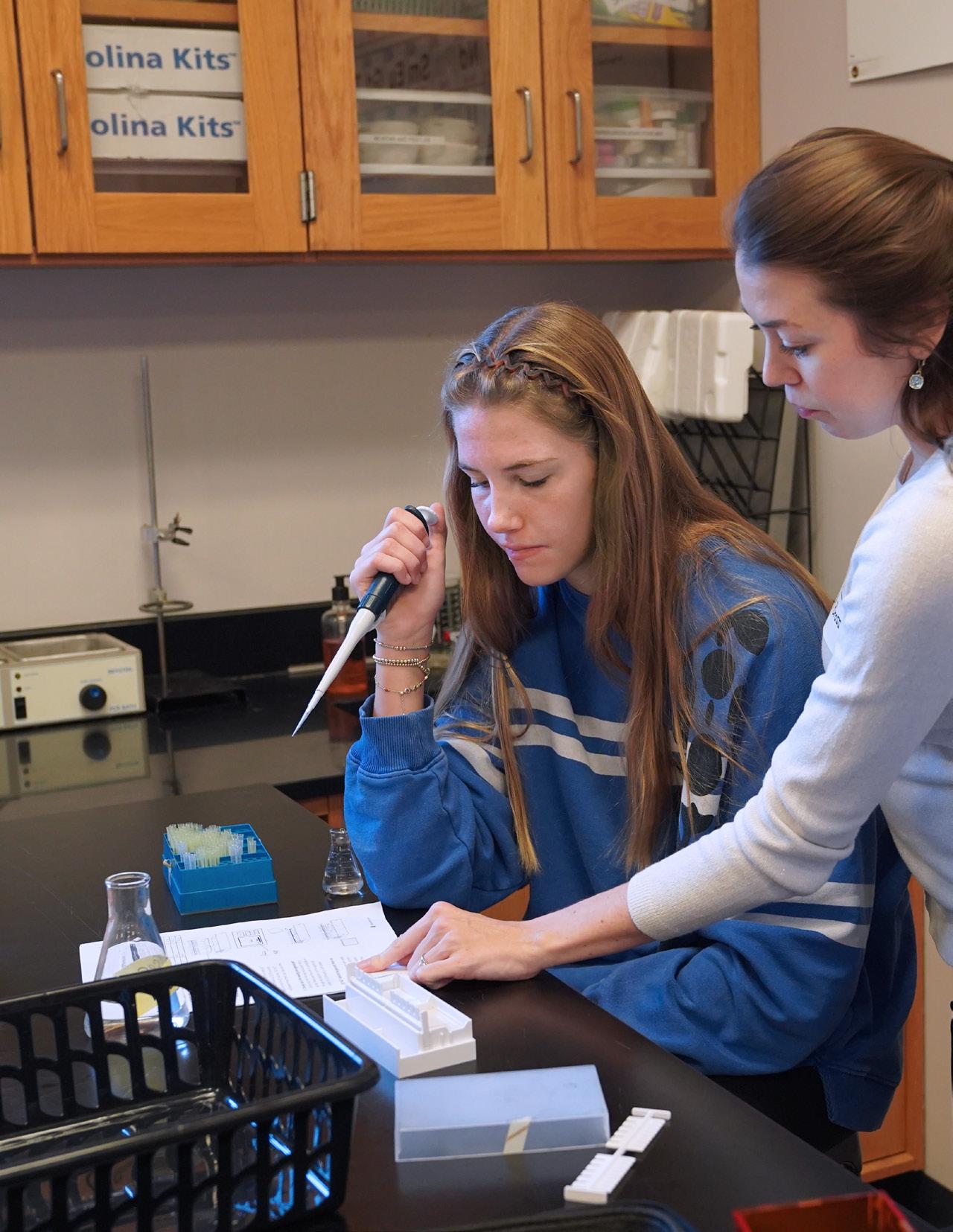
Cannon School is entering a pivotal moment in its approach to scientific education.
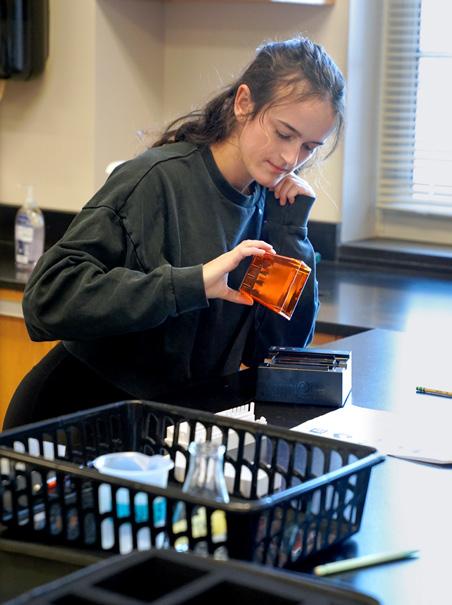
Following a thorough evaluation of the JrK–12 science curriculum, Cannon is implementing thoughtful updates designed to strengthen inquiry, expand student choice, and better reflect the demands of modern scientific study. These developments align closely with the school’s current campaign, A Flourishing Future (AFF), which brings significant enhancements to Upper School learning spaces. Together, these initiatives signal Cannon’s strategic investment in preparing students to navigate and shape a rapidly evolving scientific landscape.
A recent Science Department deep dive (a systematic review conducted as part of Cannon’s regular cycle of departmental analysis) provided the foundation for these changes. The review investigated instructional practices, student outcomes, departmental goals, and long-term program coherence. It reaffirmed the department’s core purpose: to help students examine the natural world through rigorous inquiry and to cultivate analytical reasoning, effective communication, and collaborative problem-solving.
Upper School Science Department Chair Erin Ross notes that the evaluation offered an opportunity to reflect on the structure and intent of the existing program. “The deep dive allowed the department to articulate the rationale behind each component of the curriculum,” Ross explains. “It encouraged us to examine emerging academic trends and identify the skills students will need in future scientific environments.”
Data collection included interviews with students, parents, and alumni working in STEM-related fields. These stakeholders consistently affirmed the strength of Cannon’s foundational courses in biology, chemistry, and physics, as well as the department’s emphasis on critical thinking and preparation for college-level work. At the same time, they identified opportunities for further growth, including expanded hands-on laboratory experiences, increased integration of coding and data analysis, and greater exposure to contemporary scientific issues such as environmental change and public health. Several alumni also noted the value of research methodology and professional experiences, such as clinical shadowing or laboratory internships.
One key finding from the deep dive was students’ desire for broader elective options that reflect current scientific fields and career pathways. Ross emphasizes this point: “Students expressed a clear interest in more varied electives, particularly those that mirror real-world laboratory and research contexts.”
Beginning with the Class of 2029, Cannon’s Upper School science curriculum will adopt a more flexible structure. Students will complete two required courses—Principles of
What does it take to prepare students for a world where scientific knowledge is constantly advancing? At Cannon School, this question recently guided a comprehensive review of the JrK–12 science curriculum and sparked a series of forwardthinking updates.

Chemistry & Physics in Grade 9 and Principles of Life Science in Grade 10—followed by two years of elective study organized into four pathways: Scientific Citizen, Health Sciences, Engineering, and Environmental Science. This model allows students to pursue focused coursework aligned with their interests, while still maintaining a rigorous scientific foundation.
These curricular updates are closely supported by the facilities enhancements outlined in A Flourishing Future campaign. AFF includes a 12,500-square-foot expansion and renovation of the Upper School, introducing flexible classrooms, collaborative student spaces, and modernized science laboratories. The new labs are designed to accommodate advanced technology, facilitate rapid reconfiguration of learning spaces, and promote applied, lab-based instruction. “Our current lab layout limits what can be done efficiently,” Ross notes. “The renovated spaces will allow for more adaptable and sustained experimentation, which directly supports the new pathways model.”
Although the most visible changes are occurring in the Upper School, the updates are grounded in a developmental progression that begins in Lower School. Nate Rogers, Director of Teaching & Learning JrK-12, describes this progression as intentional and to building over time. “The revisions to Upper School science curriculum create additional avenues for deeper inquiry,” Rogers explains, “but the habits of curiosity and scientific thinking are established much earlier.”
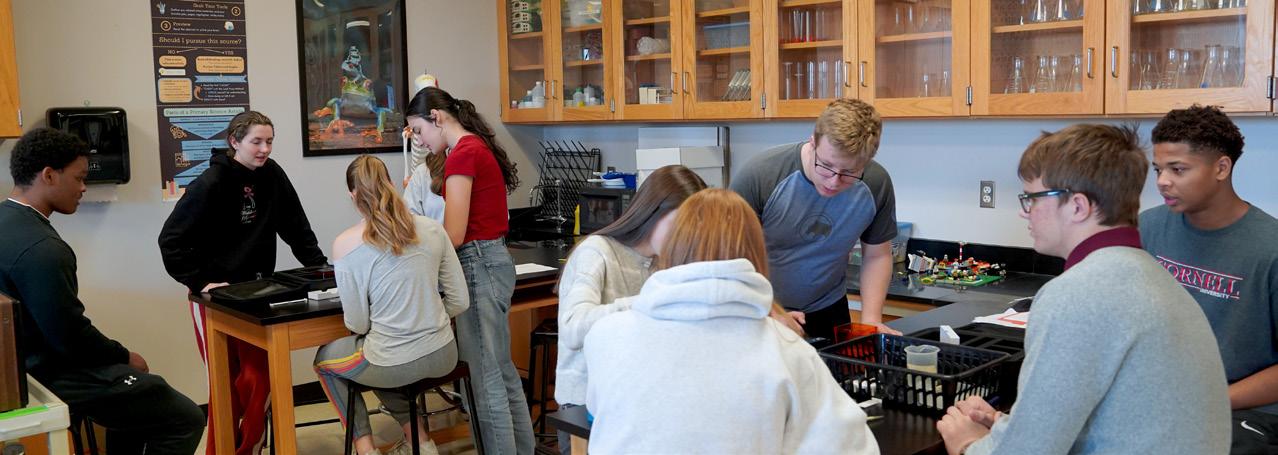
In Lower School, students learn to ask questions and develop foundational observational skills. Middle School builds on these foundations through experimental work that emphasizes data, analysis, and real-world problem solving. For example, seventh-grade students grow potatoes in their classroom in connection with their study of The Martian, integrating literature, environmental science, and experimental design.
With updated courses and new labs on the way, Cannon’s approach to science is entering a new chapter. Students will be able to dig deeper into the subjects that inspire them, work in spaces built for hands-on exploration, and chart their own pathways toward the scientific fields shaping our future.
Nearly 40% of the Class of 2025 intended to pursue a STEM-related major in college—and the number keeps growing.
ALUMNI SPOTLIGHT:
Cannon School alum and current Alumni Board member Dr. Anthony Oddo ’07 has dedicated his career to caring for children and families as a general pediatrician in Charleston, SC. This year, he chose to give back to his alma mater and honor his mentor Dr. Dunaway with a gift to A Flourishing Future as part of the Cannon Medical Professionals and Scientists collective pledge.
Oddo’s path toward pediatrics began forming during his years at Cannon, but it was his time teaching preschoolers at Emory and later ninthgrade science through Teach For America that solidified his passion for working with children. Throughout his medical training, pediatrics remained the field where he felt “the most fun, the most patience, and the most motivation.”
An internship with Dr. Dunaway, a Cannon parent, during his senior year became a pivotal experience. “He demonstrated an astounding balance of medical intelligence, interpersonal skills, and work ethic,” Oddo shared. “His love of learning and dedication to serving others really shaped what I strive to be as a physician.”
That lasting relationship inspired Oddo’s recent gift to the science wing renovation. “Because of a Cannon relationship and experience, I gained a lifelong mentor,” he said. “I wanted to support students like myself who may want to pursue a career in science or healthcare because Cannon played a key role in my medical journey.” As a
former science teacher, he hopes the project will energize learning environments and provide the tools and opportunities that spark curiosity, both for students already passionate about science and those still discovering their interests.
When he reflects on his time at Cannon, Oddo remembers countless meaningful moments: earlymorning conditioning with Earnest Bostick, study hall with Mark Kmidowski, homeroom with Anne Shandley and Laura Trojan, Cougar Day, the first “student section” at basketball games, serving on Honor Council, and interviewing future school leaders as a student ambassador. “Cannon was full of people who fostered my love for learning and community,” he shared. “I’m grateful for all of it.”
Interested in supporting A Flourishing Future?
Learn more here.
A Flourishing Future is coming to life across Cannon’s campus, creating dedicated academic support spaces in every division.
The Lower School Academic Resource Center and Dovi Academic Resource Center in Middle School are now open, alongside the soon-to-be-renovated Upper School Hudson Academic Resource Center, providing students with intentional support and building confidence and independence. In Upper School, expansion and renovation work is underway, with new classrooms, science labs, and student spaces set to open for the 2026–27 academic year.
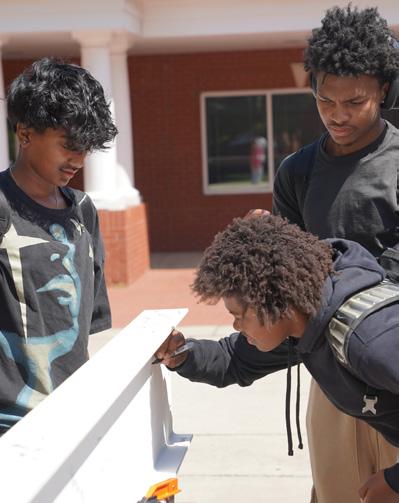
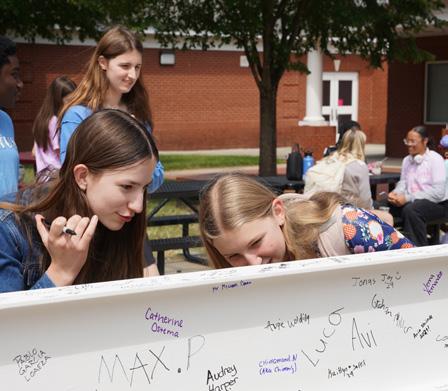
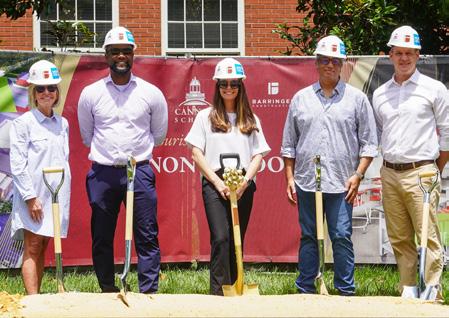
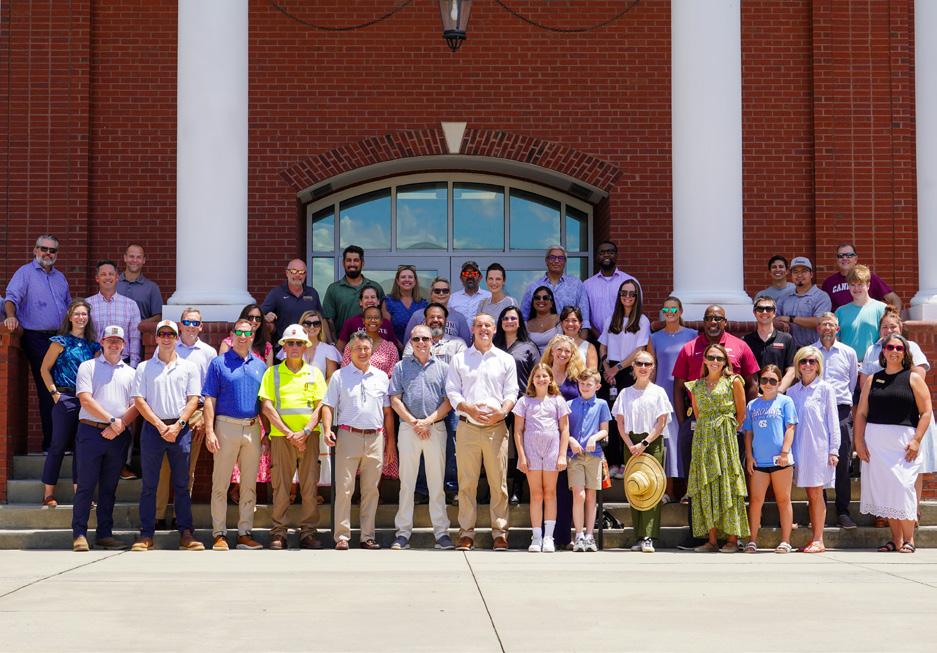
From the community groundbreaking on June 17, 2025, to students signing the steel beam on September 10, 2025, watching the expansion take shape has been an exciting moment for our community.
Thank you to our community who have come together to bring this vision to life and support Cannon’s mission-aligned priorities.
Scan the QR code for the latest updates and to watch the construction timelapse.


This year, the Cannon Foundation continued its powerful legacy of support for Cannon School with a restricted gift of $150,000 through the Cannon Fund—one that, while not flashy, made an immediate and transformative impact. Thanks to the Foundation’s generosity, Cannon’s Auxiliary Gym now has its first-ever HVAC system. For our studentathletes, the difference has been night and day. What was once a sweltering space is now a comfortable, usable environment year-round, marking this gift as functional, necessary, and deeply appreciated by future students and campers.
When we became a Cannon family in 2020, we weren’t just enrolling our daughter in a school. We were choosing a community we believed would help shape her future. Over the years, that belief has only grown stronger as we’ve watched her become more confident, thoughtful, and resilient. We know that kind of growth doesn’t happen by accident. It’s the result of an environment rooted in purpose, values, and a commitment to developing the whole child.
The truth is, our children spend much of their waking hours at school. That’s why the spaces where they learn, grow, and connect matter so deeply. School isn’t just where education happens. It’s where character is formed, friendships are built, and the foundation for life is laid.
For that reason, we’ve supported the Cannon Fund since day one, and why we were among the first families to step forward in support of A Flourishing Future in 2023. We give because we believe Cannon is building something bigger than academics. It’s building character, leadership, and vision in the next generation.
Tuition supports today. Giving builds tomorrow. But more importantly, giving plants a seed. A seed of gratitude, of generosity, of responsibility. We hope that as our daughter grows, she carries forward this belief that when you have the ability to give, you also have the opportunity to shape the world around you. That’s the legacy we hope to leave, at Cannon and beyond.
— Rupi & Sumeet Ramchandani
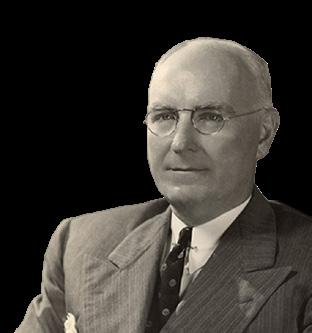
The Cannon Foundation’s history with Cannon School runs deep. Since our founding as Cabarrus Academy in 1969, their steadfast support has helped carry us through both challenging and celebratory times. In our earliest years, when the school had limited financial resources, the Foundation’s subsidies were vital to keeping the doors open. Their belief in our mission gave us the chance to grow from a small into the thriving school we are today.
Established in 1943 by Charles A. Cannon, the Foundation remains true to its founder’s vision by funding capital and equipment projects across North Carolina. Their commitment to healthcare, education, and community well-being continues to strengthen organizations like Cannon School from the ground up.
Charles Cannon
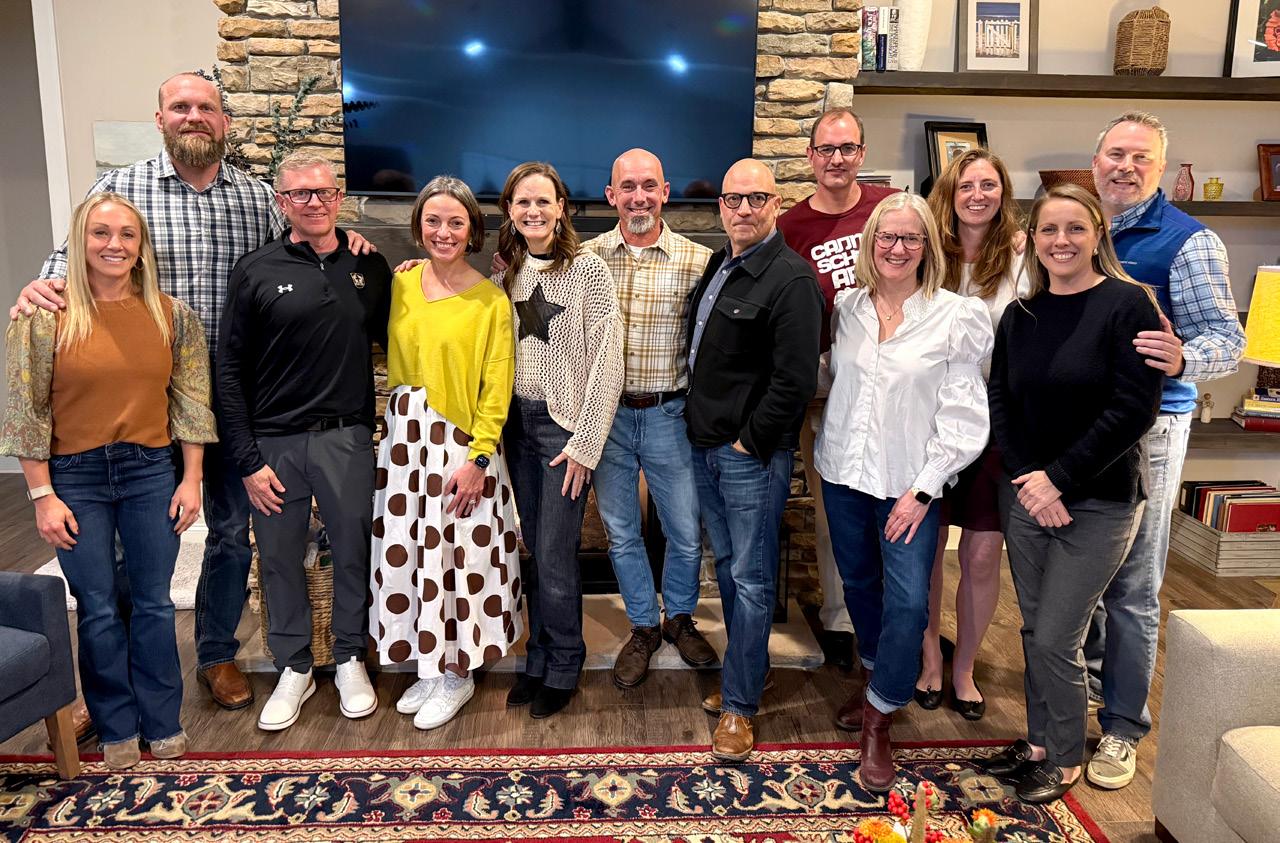
Before the busy season of senior breakfasts, student get-togethers, and commencement, Cannon paused to celebrate an extraordinary milestone. Lifer parents, who have been part of the Cannon community for at least 14 years, gathered for a special dinner honoring a journey that began in Junior Kindergarten and continued through Grade 12 at Cannon School.
The evening was filled with laughter, storytelling, and shared pride as families reflected on years of growth, traditions, and memories made across every division. It was a joyful reminder that while students graduate and become alumni, the connections formed at Cannon endure.
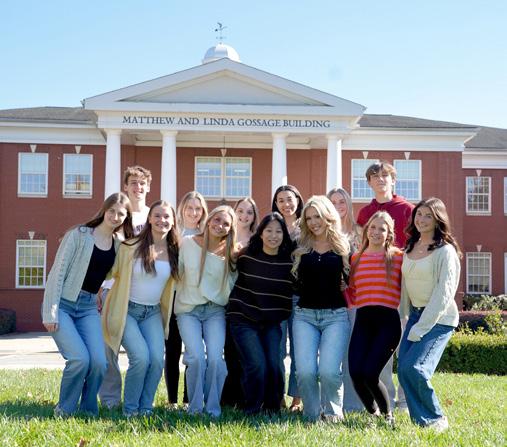
Lauren Benz, CC Burlington, Sydney Conklin, Fiona Gibbons, Zoe Griffith, Kaitlyn Meadows, Finley Morgan, Claire Northrup, Cooper Northrup, Caiya Pfitzner, Reagan Pinkerton, Finley Swartz, and Drew Westgarth-Taylor
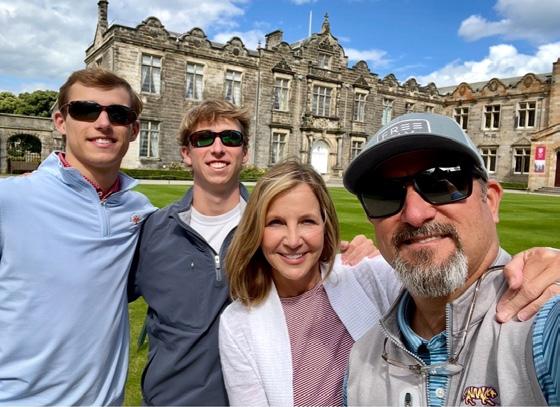
Alumni parents Jon and Shannon Ward have long believed in the transformative power of education and now, they’ve created a legacy to match. With sons Austin ’22 and Coleman ’24 having graduated from Cannon School, the Wards recently established The Ward Family STEM Excellence Award, a permanent endowment that will provide a $1,000 annual award to a graduating senior who plans to pursue STEM studies in college.
Jon Ward, president of Ward Vessel & Exchanger in Charlotte, shared that the award reflects both a personal passion and a deep connection to Cannon. “Our family believes in the power of education to change lives, and STEM has been a big part of our journey,” he said. “We created this award to recognize students who excel in science, technology, engineering, and math, and who show curiosity and creativity. We’re excited that this might inspire future innovators and problem-solvers.”
Rather than making a one-time gift, the Wards chose to create an endowment to ensure their support would extend far into the future. “An endowment felt like the right way to ensure our support for Cannon and its students would last,” Jon explained. “It’s our way of saying we’re in this
“From the first day walking through the Lower School doors to the proud moments at graduation, Cannon has been a second home.”
— Jon Ward
for the long haul—planting a seed that will keep giving back, year after year.”
The Ward family’s years at Cannon were marked by cherished memories and deep gratitude. “From the first day walking through the Lower School doors to the proud moments at graduation, Cannon has been a second home,” Jon reflected. “There’s something magical about having every student from JrK to Grade 12 on one campus,” he noted. “That sense of unity and the shared spirit of being a Cougar from day one is something we’ll always carry with us.”
For the Wards, philanthropy is both a reflection of gratitude and a call to give back. “Cannon has given our family so much—an exceptional education, a nurturing environment, and a community that cares,” Jon said. “Supporting the school is our way of saying thank you and helping ensure others can experience the same.”
“Cannon is more than a school,” he added. “It’s a special community where values are lived, where potential is cultivated, and where futures are shaped. We’re honored to be part of its story, and we hope our gift inspires others to find their own way to give back.”

To see more of our community stories, giving opportunities, and where your support goes, scan the QR code above.
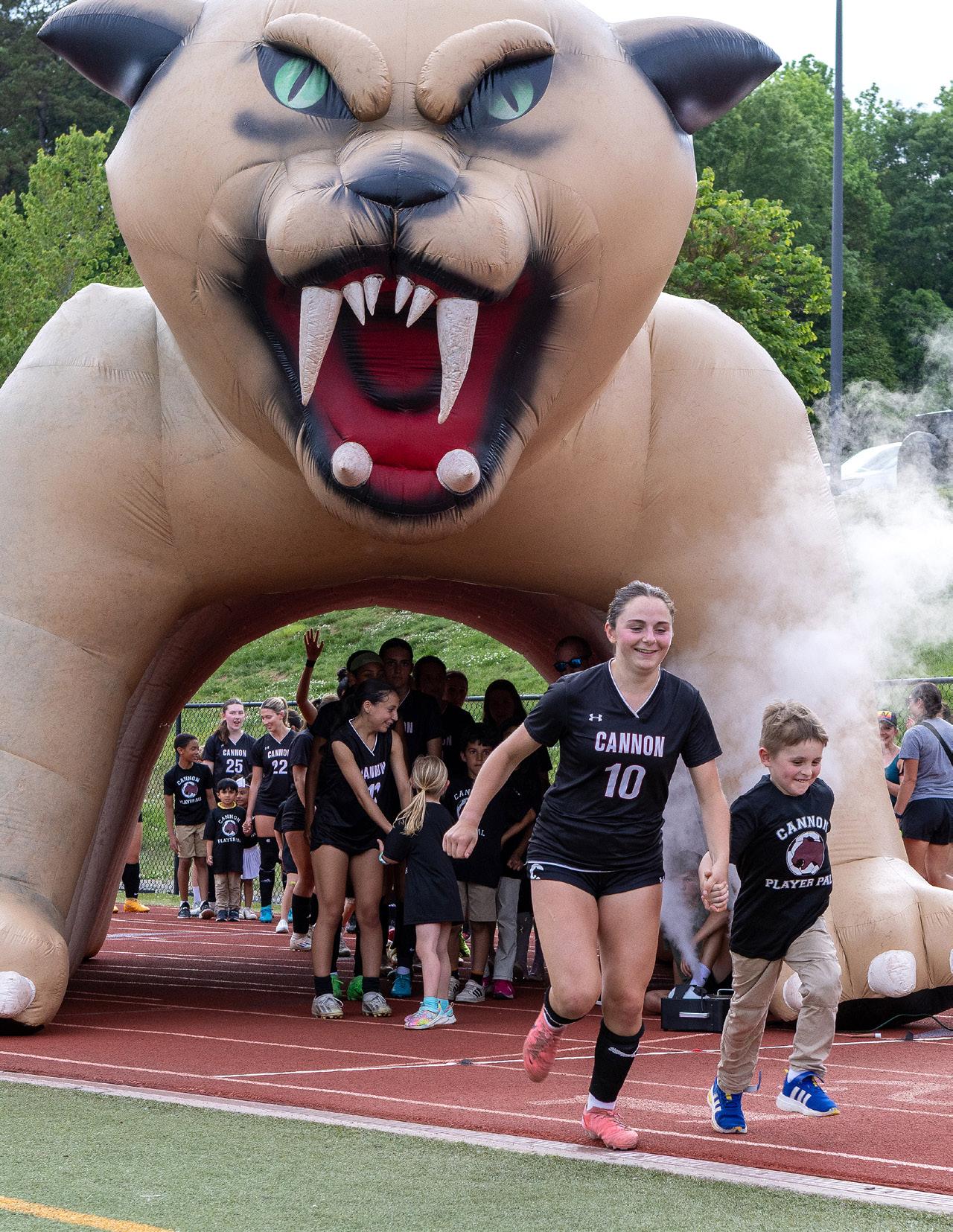
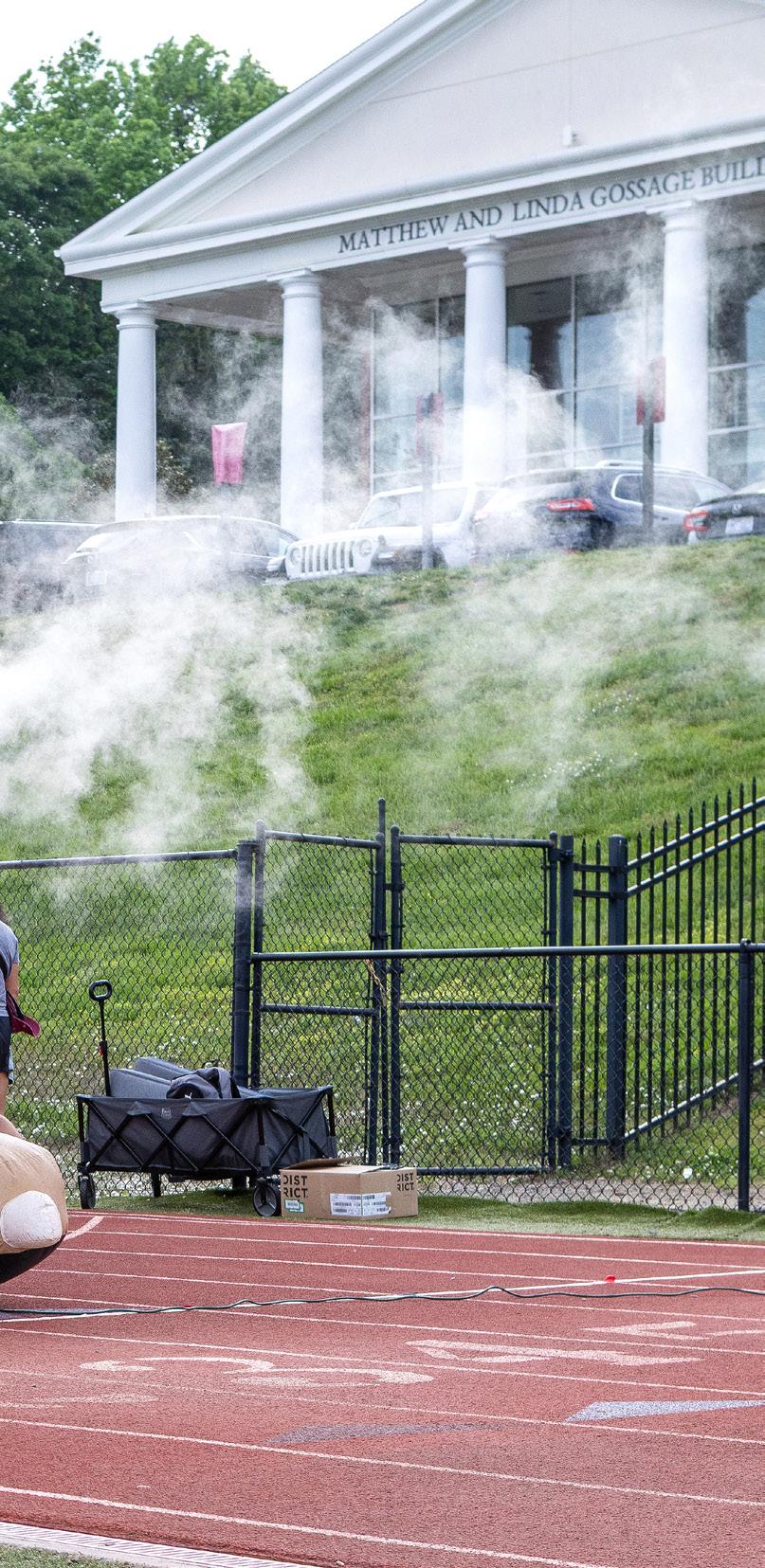
At Cannon School, athletics are more than competition. They’re community. Few events illustrate this better than Player Pals, a growing tradition that brings together varsity soccer players and the youngest Cougars in a celebration of spirit, mentorship, and cross-divisional connection.
Assistant Coach Derick Pegram, now in his fifth year coaching alongside Program Director Matt Denton, developed the idea after observing Charlotte FC’s “Mascot” program. His son, Kade ’31, participated in the program and was paired with a professional player to walk onto the field during a home game. “The smiles on the kids’ faces are just unbelievable,” Pegram says. The experience prompted him to consider how Cannon might adapt a similar model. The result was Player Pals, designed to promote interaction between Upper School athletes and younger students in a structured, positive way.
The Player Pals program pairs every varsity soccer player with a Lower School student from JrK through 4th grade. Held once each fall, the event begins with perhaps the most exhilarating moment of the season for many young Cougars: running through the Cougar tunnel and onto the field alongside their varsity “pal.” Afterward, the Pals gather to enjoy pizza, ice cream, and front-row seats as they cheer on the team.
Now in its second year, Player Pals has quickly become one of Cannon’s most sought-after community traditions. This fall’s event filled up within days, and a spring version is already planned to coincide with the girls’ soccer season.
Pegram sees Player Pals as a program that benefits students at every level of the school. For Upper School athletes, the event is a chance to practice leadership, empathy, and interpersonal skills. “It’s important for teens to learn to treat all people with respect,
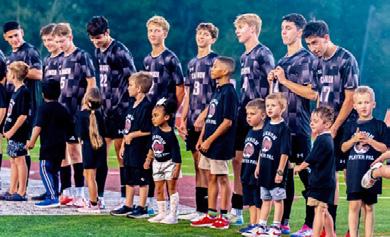
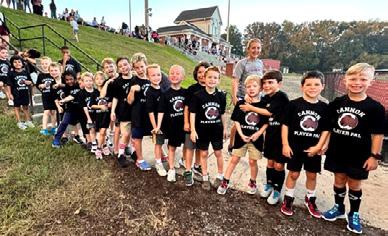
particularly the little ones,” he explains. “Learning to interact with young kids is just as valuable as learning to interact with adults.” The experience also gives older students permission to tap back into their own sense of playfulness. “Upper School students enjoy being a kid again,” Pegram adds with a laugh.
For Lower School students, the event is a joyful introduction to Cannon athletics where they can feel welcomed, included, and connected to role models they might otherwise be hesitant to approach. The result is a schoolwide culture where age divisions feel smaller, smiles are bigger, and relationships stretch across campus.
Player Pals is, at its heart, a simple idea. But its impact of strengthening confidence, fostering mentorship, and building community reflects the deeper values of Cannon School. As the program continues to grow, so too will the cross-divisional relationships that define the Cannon community.
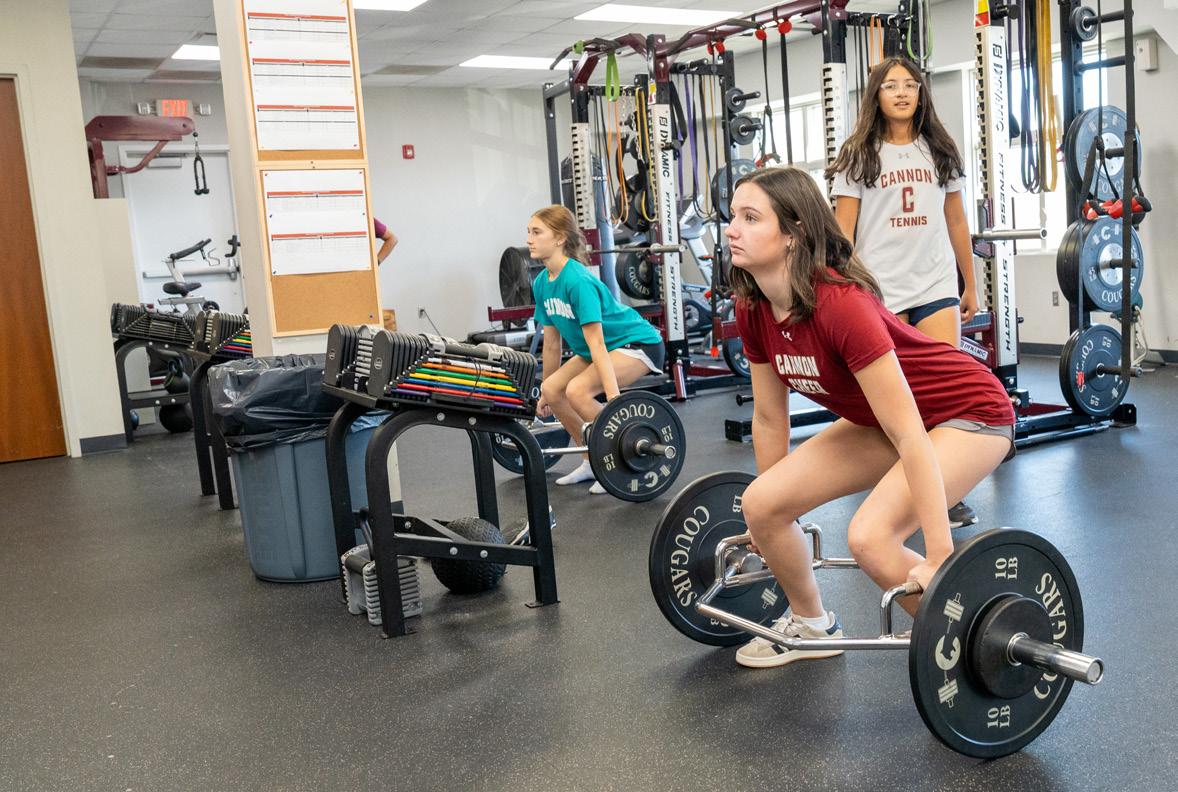
When seventh-graders at Cannon School first step into the gleaming Andrews Strength and Conditioning Center, they don’t start with barbells or sprints. They start with a conversation: “What’s your purpose for being here?”
It’s an unusual start to a workout, but that’s the point. Director of Sports Performance Shawn Powell believes strength begins with intention. His program doesn’t just build muscles; it develops confidence, character, and habits that last well beyond the playing field.
“The habits and understanding developed in early adolescence influence future choices about exercise, nutrition, and lifestyle,” says Powell. “When students understand why being active matters, they’re more likely to stay active as adults.”
Cannon’s Strength & Conditioning (S&C) program stands apart because it starts early. Students begin in Middle School, learning bodyweight exercises, basic movement patterns, and a sense of commitment and accountability. “Middle schoolers are still growing and developing coordination, strength, and body awareness,”
explains Powell. “Teaching proper movement patterns and correct form helps them move efficiently and confidently as their bodies mature.”
By Upper School, students have mastered the 10 fundamental movements—push, pull, hinge, squat, carry, lunge, crawl, tumble, land, and stop. Confident in the weight room and grounded in the training framework, they are ready to train and compete at the varsity level.
The habits and understanding developed in early adolescence influence future choices about exercise, nutrition, and lifestyle
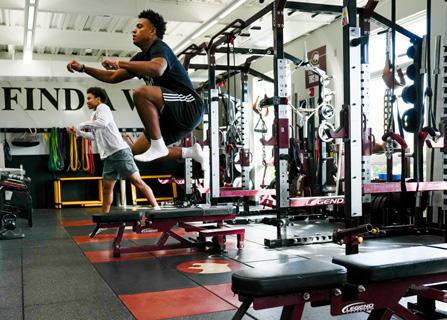
The 4,100-square-foot Andrews Strength and Conditioning Center rivals many college facilities. Two floors of high-tech training equipment-–including nine Legend Fitness racks and four Dynamic Fitness and Strength racks, each stocked with Power Block dumbbells, kettlebells, medicine
balls, and more—support every level of development. The upstairs floor also houses spin bikes, treadmills, and rehab equipment used by the Return-to-Play (RTP) coordinator and athletic training staff.
On any given day, the center hums with energy. Wellness and Long-Term Athletic Development classes give way to Middle School PE and sports in the afternoon. Upper School sessions follow, allowing JV and Varsity athletes to train two days per week in season and even more days during preseason and offseason. You might see middle schoolers mastering landing mechanics, varsity football players refining strength training, or injured athletes working with a trainer to get back on the field.
“Our strength and conditioning and athletic training departments operate as one team, working to create a high performance model,” notes Powell. “I communicate daily with our athletic trainer and RTP coordinator to align each athlete’s plan with their needs, whether they’re training, rehabbing, or returning to play. True performance comes from collaboration, not isolation.”
At every grade level, the program follows a vertically aligned systematic approach. A block system is used to continue to develop movements throughout the student athlete’s years at Cannon School.
Block 0 (7th–8th Grade): Learning body control, balance, and basic strength
Block 1 (9th Grade): Leadership and teamwork through foundational lifts
Block 2 (10th Grade): Building consistent strength
Block 3 (11th–12th Grade): Advanced training, data application, and recovery strategies
“Science gives us the feedback to make better coaching decisions,” says Powell. “When athletes see their progress and understand the ‘why’ behind the process, they buy in completely. And when you take care of the process, the rest takes care of itself.”
Powell credits much of the program’s success to the talented coaches who have helped shape Cannon’s S&C department. “Our former assistants’ impact goes far beyond technique or strength—they’ve helped students grow into thoughtful, self-disciplined adults who can succeed on and off the field,” Powell notes.
He also emphasizes the ongoing partnership with UNC Charlotte’s Exercise Science Department, which provides several undergraduate and master’s-level interns per year, connecting academic and athletic communities.
Cannon’s S&C program is open to all students, not just varsity athletes. Around 80% of Upper School and 88% of Middle School students participate in sports, a reflection of how deeply physical wellness is woven into Cannon’s culture.
By the time Cannon students graduate, Powell wants them to walk into any gym or college rec center and feel at home. The Iron Cougar Program helps students track progress toward personal strength and movement goals, while the emphasis on education ensures every student understands why they’re doing what they do.
“Cannon’s S&C program set me on the right path for an active and sustainable lifestyle,” affirms Ben Childress ’22. “Because I was taught the basics, I’ve been able to continue and grow in this space without needing the same supervision in college. It wasn’t all about lifting weights, but also speed and agility, flexibility, and nutrition. There was always a why behind everything we did, with the goal to produce the best all-around athletes, on and off the field.”
“Ultimately,” Powell reinforces, “we’re not just training athletes. We’re training people to live strong— physically, mentally, and emotionally—for the rest of their lives.”
To learn more, explore our online S&C section.
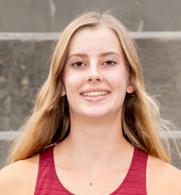
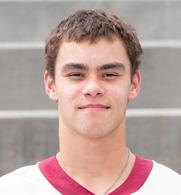
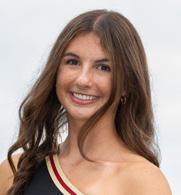
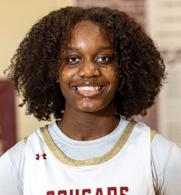
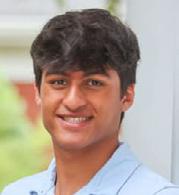
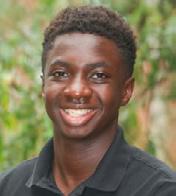
Cannon’s senior student-athletes pass down their best advice to help younger Cougars rise, compete, and thrive
ELISE WRENHOLT ’26
Cross Country
“Progress isn’t linear—don’t be too hard on yourself or stress out over inconsequential races. If you stay consistent and dedicated, you can have faith that it will pay off in time.”
MICHAEL TROJAN ’26
Football
“Take advantage of every opportunity you get. Every single day you’re going to have big and small opportunities on and off the field, and the only thing you can control is how you handle these opportunities. Don’t take anything for granted because one day you’ll look back and think about what you could have done better.”
FINLEY MORGAN ’26
Cheer
“Take every opportunity you are given, whether it’s extra practice, team bonding, or even service opportunities. This year, I am so thankful to have bonded with the underclassmen, coaches, and my fellow seniors, which has helped me get to know everyone on a personal level. I’d encourage younger athletes to do the same.”
JAIDEN THOMPSON ’26
Girls Basketball
“No matter the level of competition, have fun and work hard. Don’t always rely on encouragement from others, instead have confidence in the work you put in and tell yourself you can do anything.”
LUCAS SHAH ’26
Swimming
“Find a reason for always going to practice, even if it’s to see your friends!”
MADIKAY NDIAYE ’26
Wrestling
“Be detached from the outcome of the game whenever you compete. So many athletes get way too concerned with winning and losing to the point where their brain is doing the work instead of letting their body guide them. What you chase escapes and what you resist persists.”
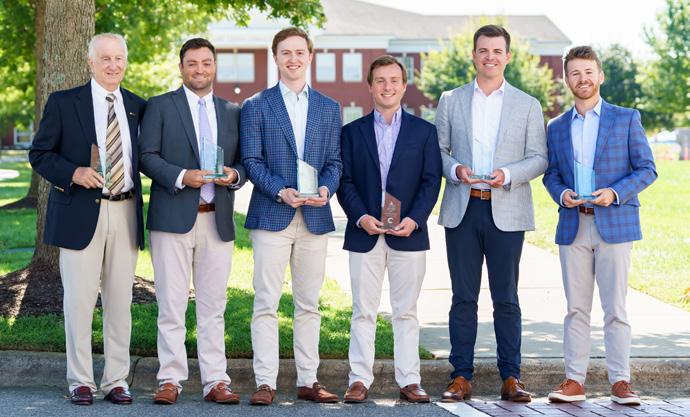
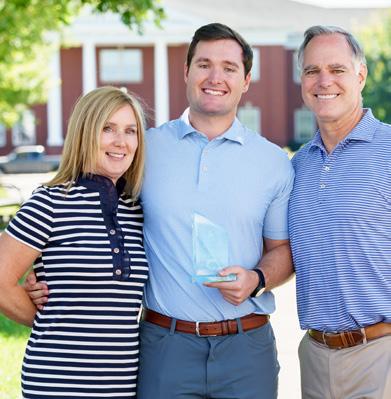
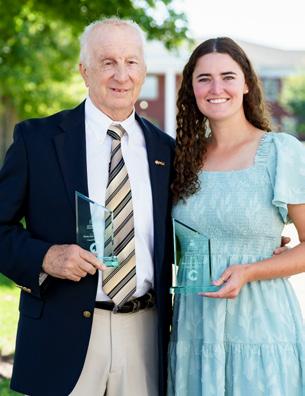
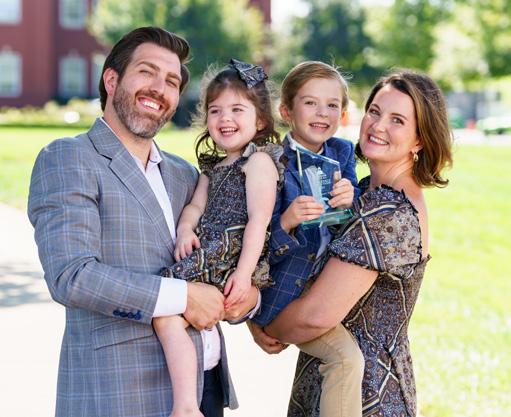
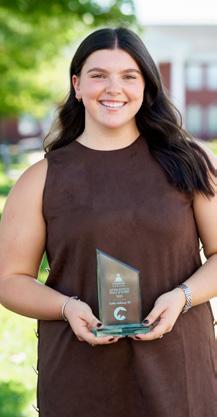
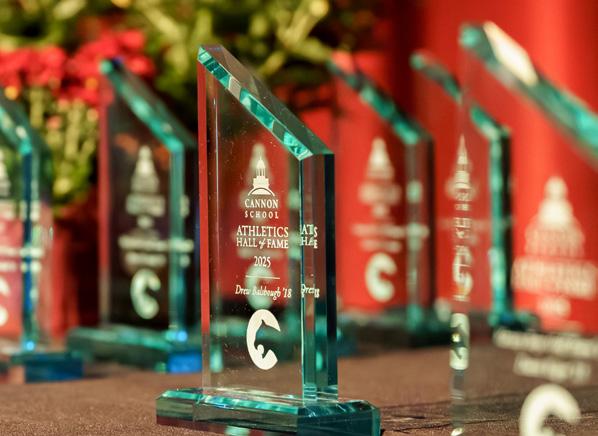
The Cannon community came together on September 13 to celebrate the 2025 Athletics Hall of Fame Induction Ceremony, honoring an exceptional class whose accomplishments continue to shape Cannon’s athletic legacy. This year’s inductees included swimmer Trey Hoover ’06; the trailblazing 2011 Varsity Girls’ Golf Team; the championship 2015 Varsity Boys’ Golf Team; three-sport standout Drew Balsbough ’18; and dual-sport star Gabby Holloway ’20. Following a special Homecoming recognition the night before, families, alumni, and coaches gathered in the Cindric Performing Arts Center for a warm and heartfelt celebration of excellence, gratitude, and lasting impact.
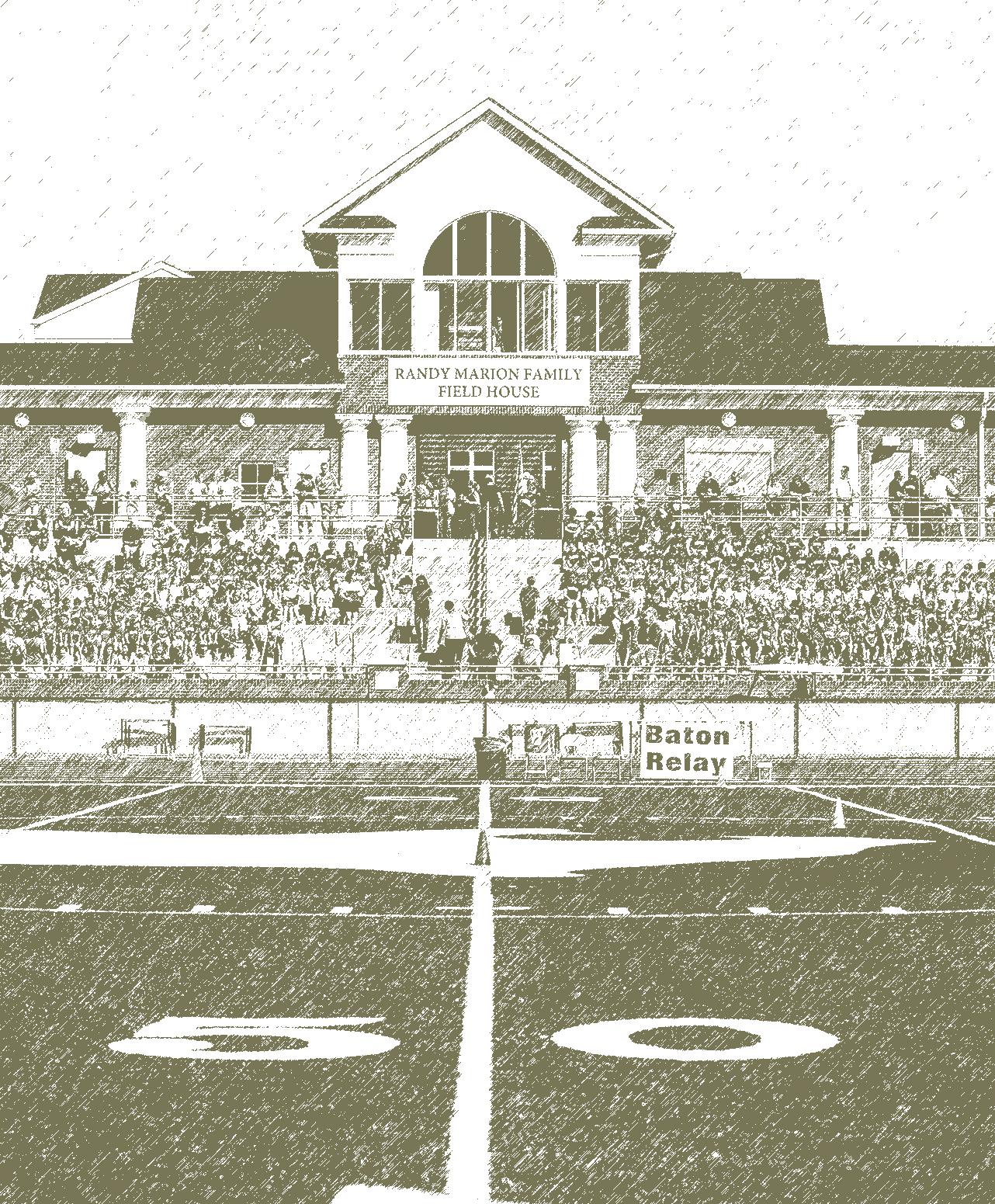
Learn more about the inductees

When Virginia Goode Ourisman ’08 reflects on her time at Cannon School, what stands out most are the relationships that shaped her experience.
“The most meaningful experiences I have had at Cannon stem from the lifelong friendships I made during my 13 years at the school,” she shares. “I was very prepared academically for the world outside Cannon but truly cherish the personal connections.”
Now living in the Washington, D.C. area with her husband Robert, their son Dell, and daughter Annabelle, Virginia remains deeply connected to Cannon. Last year, she served as Alumni Giving Co-Chair for the Cannon Fund, leading the school’s first structured alumni giving campaign, an effort that raised over $10,000.
“I think we had a successful year but definitely have room for improvement,” she says. “I would like to incorporate all Cannon alumni in our giving fund for next year. Not only does giving help Cannon; it is a way to create connection within our community.”
For Virginia, giving back is personal. “Cannon is a big part of my family,” she says. She and her brothers, Royden ’10 and Thomas ’13, attended Cannon from JrK through Grade 12. Their parents were active school volunteers, and Virginia continues that tradition as an Alumni Board member.
When asked what inspires her continued support, she puts it simply: “Cannon had a large part of shaping who I am as a person. I feel it is important to serve the community that serves you.”
Through her leadership, generosity, and school spirit, Virginia shows what it means to stay connected by giving back to the community that helped shape her, and helping future students benefit from the same strong foundation.
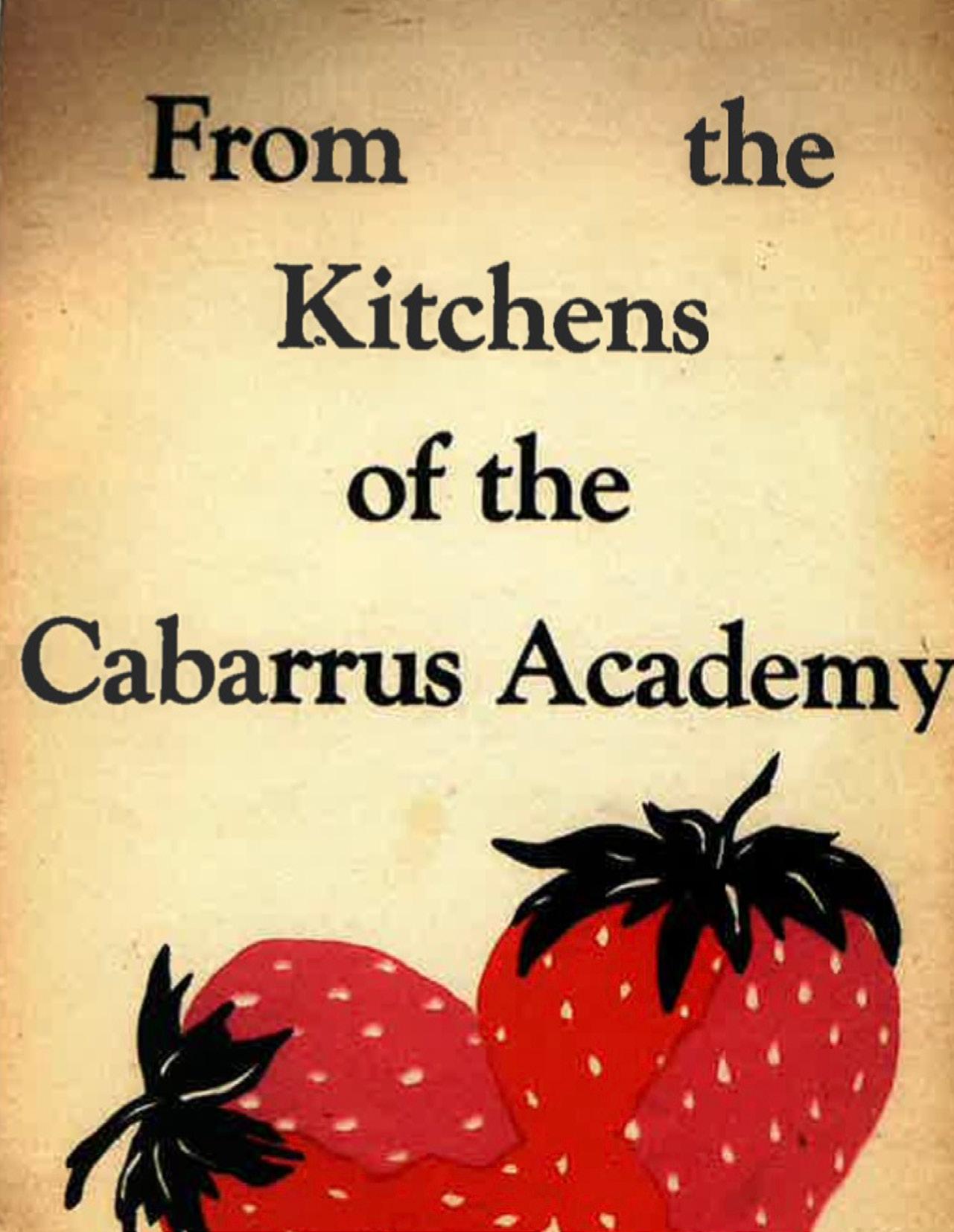
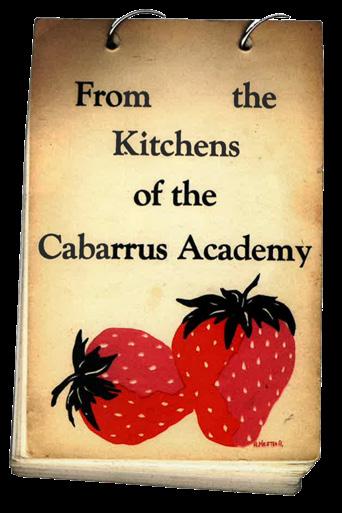
In 1978, Cabarrus Academy produced its own cookbook. Chaired by parent Margaret Irvin, a committee of taste-testers prepared and sampled every recipe submitted by school families. Competition was fierce, and only the “truly outstanding” recipes made the cut.
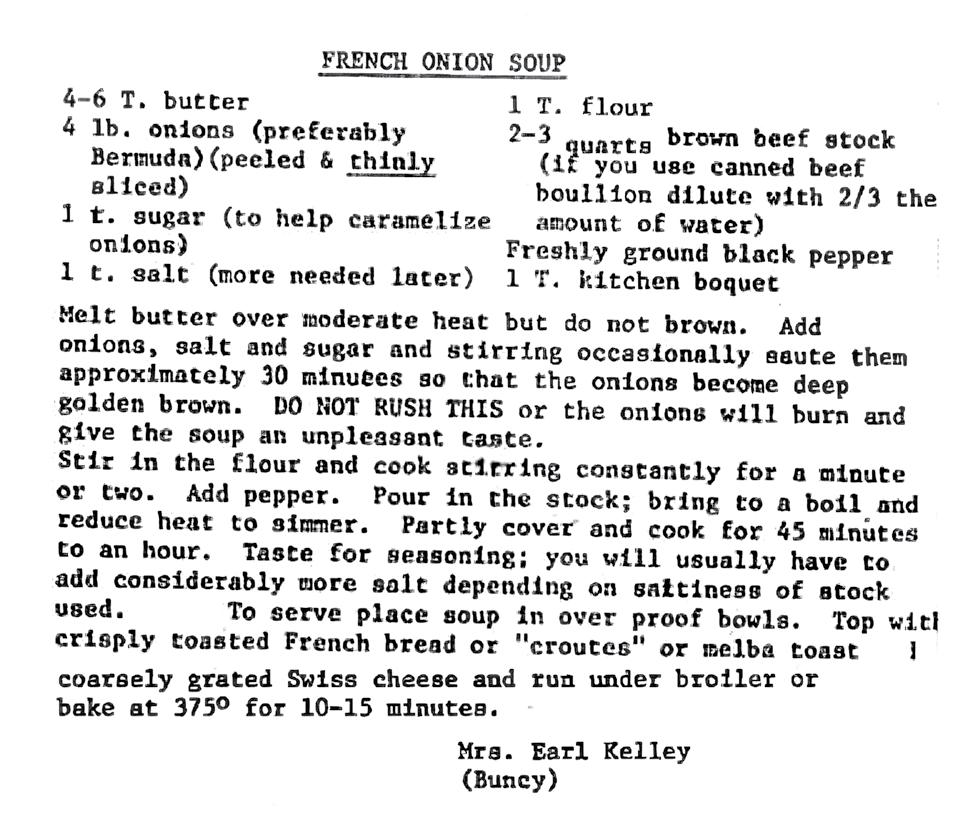
“From the Kitchens of the Cabarrus Academy” included recipes for salads, appetizers, entrees, and desserts (with an entire section devoted to strawberry concoctions), but would not have been complete without the hands-down favorite: Buncy Kelley’s French onion soup recipe. The colorful strawberry cover was designed by Robin Kester Ruehlen, daughter of noted local artist Mel Kester.
Alumni board member
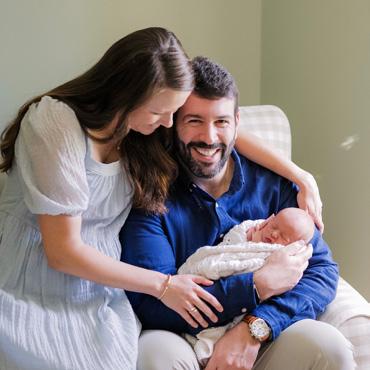
Virginia Ourisman and husband Robert welcomed daughter Annabelle Durham in September. Annabelle joins proud big brother Dell!
Alumni board member
Curt Black and his wife Elaine welcomed their daughter, Camille Noel, in September.
Athletic Hall of Famer
Vicky Bruce got engaged to longtime girlfriend Emily in Davidson, NC, surrounded by family. The couple will wed in 2026.
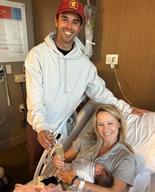
Michael Pope and his wife
Amanda recently welcomed their first child. Michael works as a production manager and chemical engineer at KAO Specialties, where he works with polymerization and emulsification strategies.


Paul Anderson wed wife Karsyn last summer in beautiful Santorini, Greece. Several alumni were in attendance to celebrate with them: Maddie Testwuide ’10, Megan Hunstad ’11, Gregory Judge ’12, Thomas Goode ’13, Timmy Hennigan ’13, and Brett Mortson ’13 .
Kate Mclanahan recently got engaged to Spencer Reed. Classmate Brooke Wurzburger introduced the couple, who will wed in 2026 in the South Carolina Lowcountry.
Davis Combs and Lauren Peace ’17 got engaged last June at beautiful Keswick Hall in Virginia.
Congratulations to Tim Bunten on his marriage to wife Grace this fall. Several members of the Class of 2017 were in attendance to celebrate the new couple: Andrew Redding, Trevor and Julia Fernald, Stanton McKay, Michael Baker, and Jake Diskin




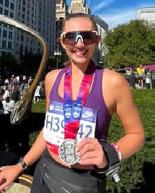
Kallie Kufner recently completed her first marathon at the 2025 Chicago Marathon (and crushed her goal time)!
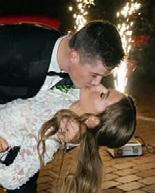
Jenna Petty and Harrison Burton ’18 were married in October at Montage Palmetto Bluff. Their “getaway car” was the very same one they drove to Cannon’s prom in 2018 and 2019! The couple was joined by fellow alumni Paige Burton ’14, Austin Cindric ’17, and Connor Hines ’19 . Jenna also launched her new apparel brand Powerhouse this fall—congrats!
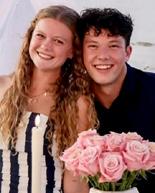
McKenna Koch got engaged to Zach Wagner on Sanibel Island this fall. McKenna was even featured in the New York Times for her engagement outfit, a striped dress very similar to the one worn by Taylor Swift during her engagement later that month.
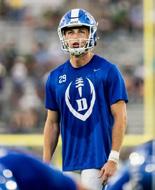
Todd Pelino had an outstanding collegiate football season at Duke University, helping the Blue Devils secure the 2025 ACC Championship. Well done, Todd!
Special thanks to our Alumni Board members:
Trey Hoover, III ’06
President
Carrie Allen ’11
Elizabeth Barnes Poole ’04
Curt Black ’09
Santiago Castaneda ’24
Ryan Chen ’22
Lauren Connors ’10
Dallas Disbro ’08
Annie Earnshaw ’17
Hailey Foreman ’13
Ashley Goldstein ’05
Thomas Goode ’13
Kaitlyn Grant ’05
Hillary Gruce ’08
Katie Joseph ’08
Hayden Keziah ’10
McKenna Koch ’20
Myles Martino ’13
Alice Moore ’06
Patrick Murphy ’11
Anthony Oddo ’07
Shannon Ondecker ’03
Virginia Ourisman ’08
Lydia Pinto ’19
Chandra Pridgen ’21
Joshua Reynold ’21
Carter Rice ’22
Stephanie Sloop ’72
Brandon Wade ’15
Read more Class Notes online: Instagram .com/cannonalumni
SEND US YOUR UPDATES
Alumni, we’d love to hear from you! Send your updates and milestones to alumni@cannonschool.org to be featured in Alumni Class Notes. Whether it’s a wedding, baby, new job, or reconnecting with classmates, we want to celebrate your news!
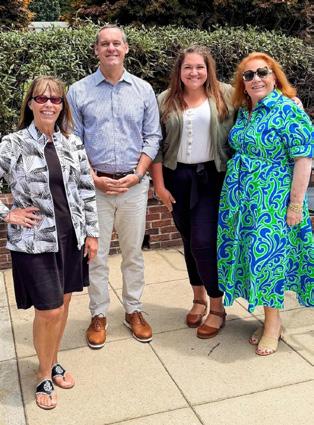
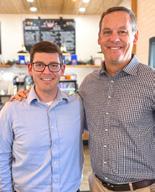
Stephanie Sloop ’72 and Clare Faggart ’72 , members of Cabarrus Academy’s first graduating class, joined Head of School
Mike Drew and Director of Community Engagement
Sarah Sooklal for lunch in August. From memories of Latin class to the beloved Strawberry Festival, Stephanie and Clare shared stories of where it all began and reminisced about the lifelong friendships that were formed.
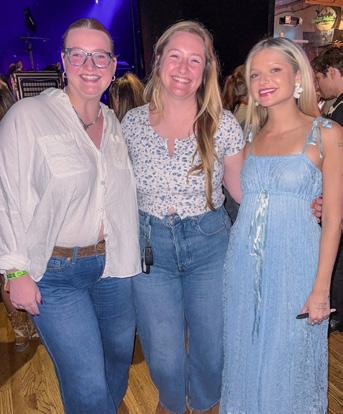
Cannon pride was in full force at the Fillmore Charlotte in October as alumni, faculty, and friends gathered to cheer on our multitalented Carter Faith ’18 at her concert. Carter delivered an outstanding show, signed albums, and posed for photos with fellow Cougars. Pictured: Zoe Smith ’19, Aidan Smith ’14, and Carter Faith ’18.
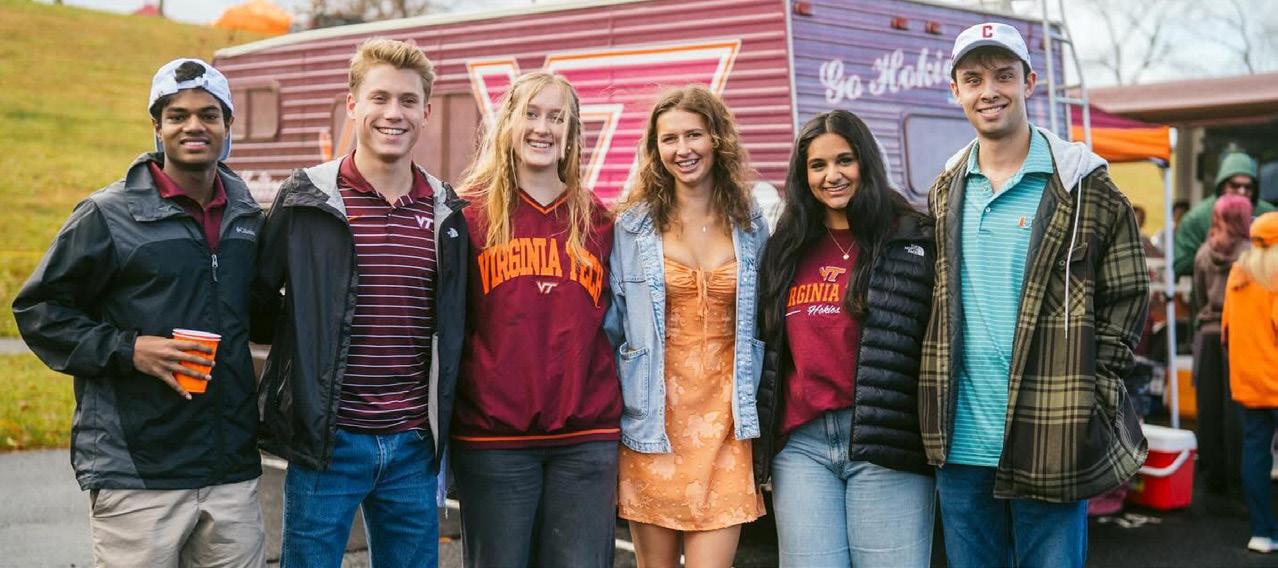
Cannon launched an Alumni on the Road event series this fall, seeking to connect with alumni living outside of the Charlotte area. The inaugural event was an alumni tailgate at Virginia Tech University, hosted by the Hensley family. Let us know where we should go next!
Pictured: Arnie Yerra ’23, Chase Hensley ’23, Sara Trufant ’22, Maddie Reiss ’22, Naya Thakkar ’25, and Spencer Miller ’23.
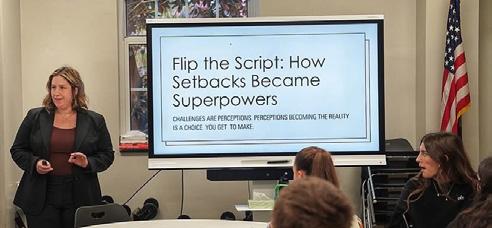
Alice Moore ’06 returned to campus this fall to speak with Upper School students about resilience at a Leadership Lunch. As Director and Business Controls Manager at Bank of America, Alice encouraged students to carve their own paths and know their worth.
STAY CONNECTED! Visit campus or email alumni@cannonschool.org for opportunities to get involved!
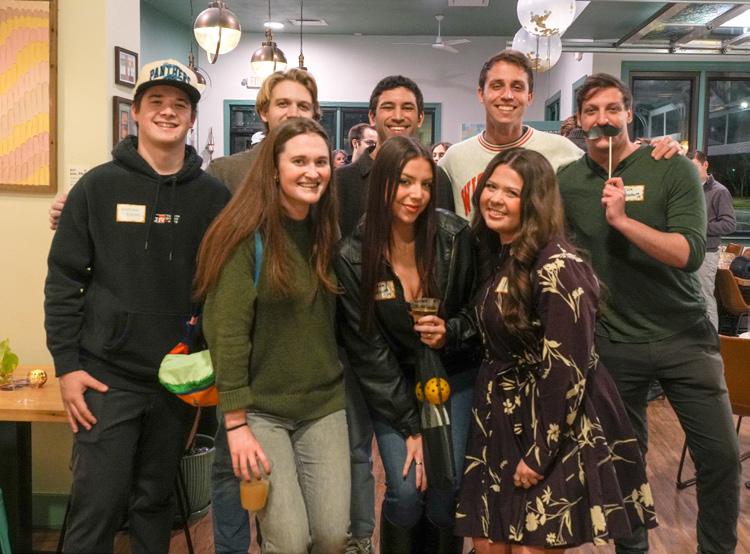
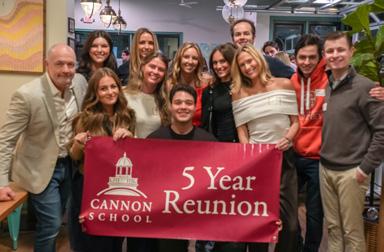
Over the holidays, Cannon celebrated milestone reunion years for classes ending in 0s and 5s with a festive gathering at Summit Coffee Birkdale. Alumni enjoyed reconnecting with familiar faces, spending time with faculty, and engaging with our growing alumni network. Head of School Mike Drew thanked alumni for their continued involvement and reminded everyone that campus is always home!
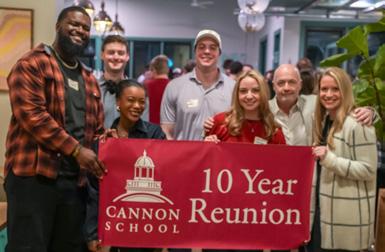
The Cabarrus Academy reunion was a joyful reminder that community doesn’t fade with time; it deepens. Alumni gathered in December at Gianni’s Trattoria to reconnect, swap stories, and celebrate the relationships that helped shape their early journeys. From shared laughter over familiar memories to meaningful conversations about where life has taken them since, the evening reflected the enduring spirit of Cabarrus Academy: curiosity, connection, and belonging. It was a meaningful homecoming and a testament to the lasting bonds formed within the walls of the original home.
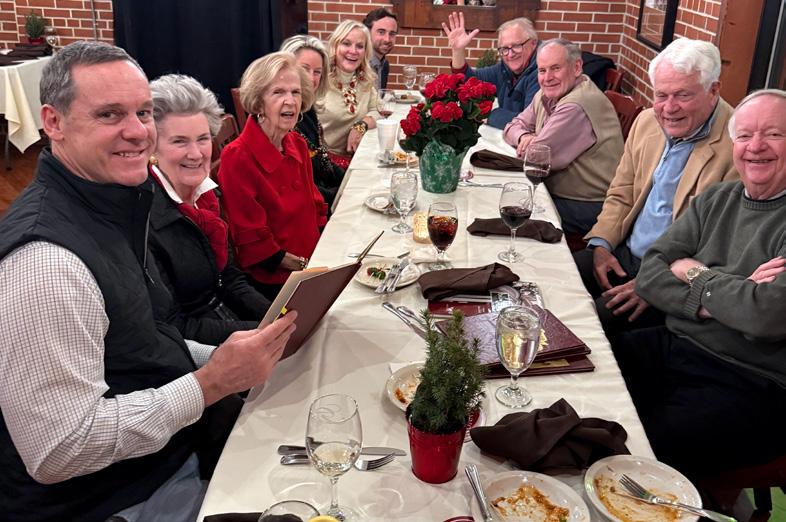
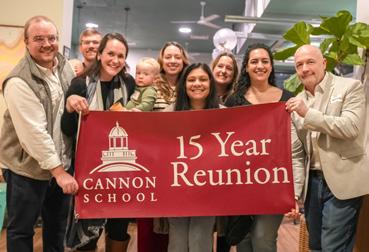
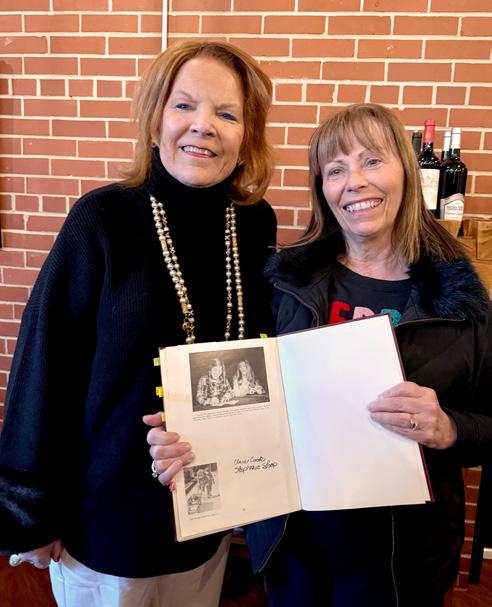
At Camp Cannon, curiosity comes alive and every week brings a new adventure. From arts and academics to science, sports, and outdoor adventures, our enrichment sessions inspire campers to explore, create, and discover their passions.
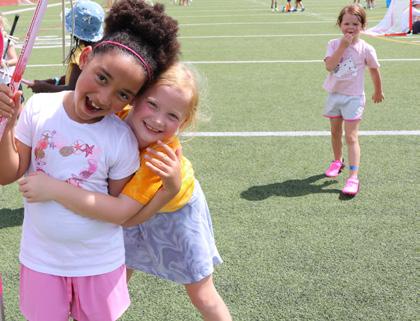
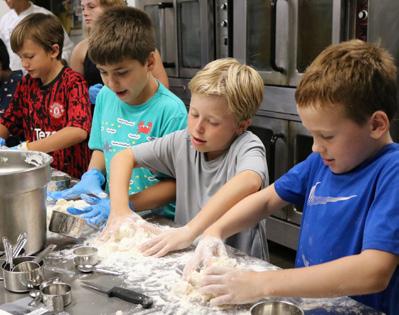
Registration opens February 15, 2026!
Serving students in Grades JrK–12
Learn more and plan your summer at: www cannonschool org/cannon-life/camp-cannon