
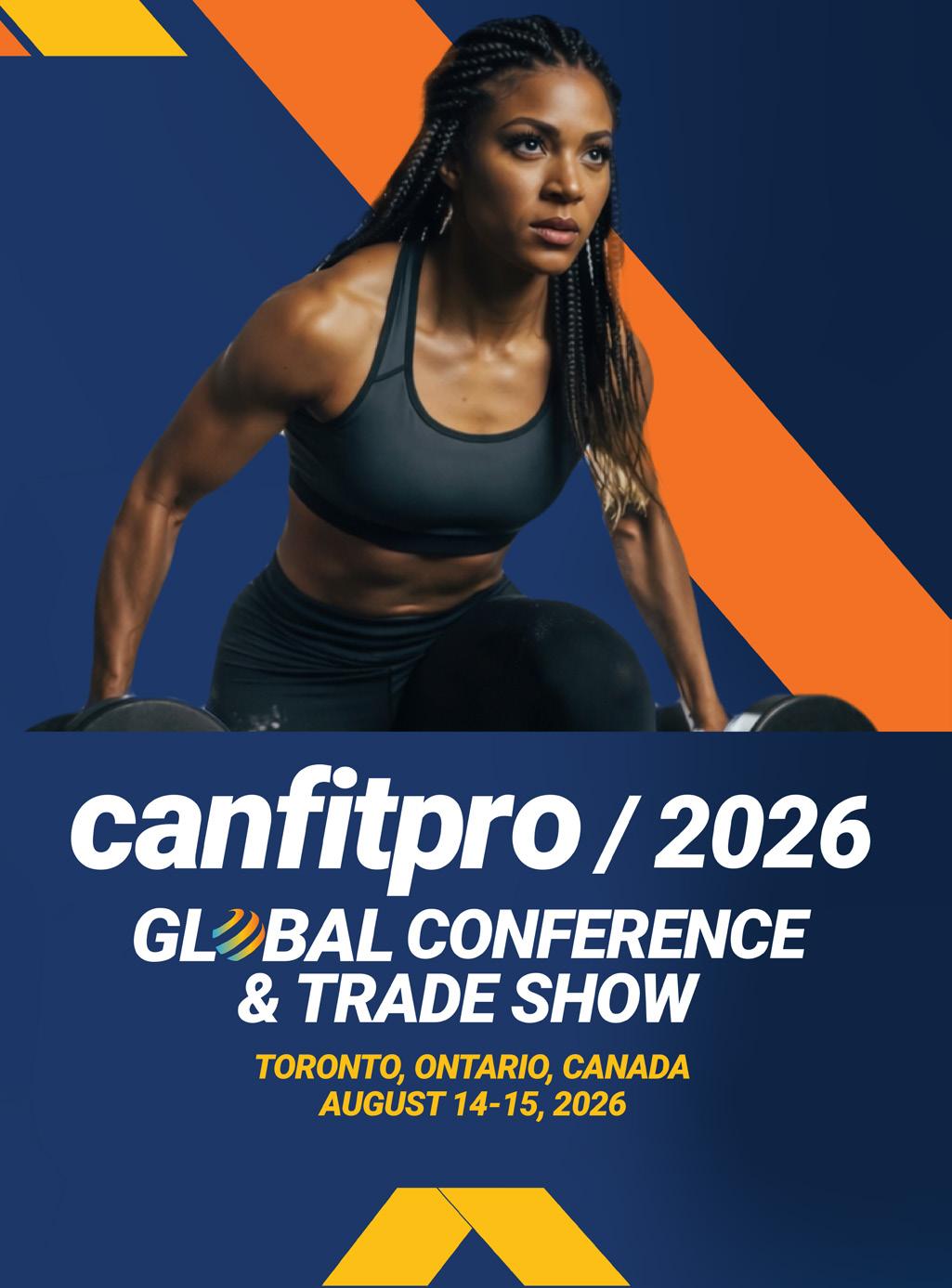
TORONTO, ONTARIO (CANADA) AUGUST 14-15, 2026








TORONTO, ONTARIO (CANADA) AUGUST 14-15, 2026

Workouts change. Eggs stay the same. Creamy Florentine Omelette
For egg recipe inspiration visit getcracking.ca

Chief Operating Officer
Maureen Hagan mohagan@canfitpro.com
Director of Business Growth
Robert Robinson rrobinson@canfitpro.com
Managing Editor
Erin Andersen magazine@canfitpro.com
Art Director
Joseph Santos
Certification Experience Manager
Daniela Goode Thomas dgoodethomas@canfitpro.com
Senior Account Manager, B2B Sales
Bill Loker
bloker@canfitpro.com
Member Experience Manager
Fatima Sunga fsunga@canfitpro.com
Fitness Advisory Panel
Dr. Paul Bedford | Tara-Lyn Dinyer
Milad Emadi | Dr. Joel Kerr | Dr. Ken Kinakin
Alexandre Lemay | Colin Milner | Libby Norris
Dr. Paul Oh | Marie-Eve Ricard
Dr. Bahar Tajrobehkar
TO SUBSCRIBE
canfitpro Magazine is published six times per year by Canadian Fitness Professionals Inc. New Professional Memberships with canfitpro are $120 per year (plus GST/HST) and renewals are $98 per year (plus GST/HST) and include a subscription to themagazine. For more information, please contact Member Services at ext. 301.
Feedback magazine@canfitpro.com
Contact info@canfitpro.com for questions regarding membership, conferences, and Canadian fitness resources.
To contribute to canfitpro Magazine, visit the Member Portal.
canfitpro is a division of
Canadian Fitness Professionals Inc.
Canada Post Canadian Publications Mail Sales
Product Agreement No. 40783518 - Return Postage Guaranteed

Men’s fitness has long been framed around performance: lift heavier, train harder, push longer. But for many of the clients we coach, especially men moving through their 40s, 50s, and beyond, that mindset no longer serves the bigger picture. This issue is about shifting the conversation from peak performance to lasting capacity.
This issue explores smarter strength and hypertrophy strategies and workouts designed specifically for men over 40 that prioritize longevity, consistency, and retention, not burnout. You’ll also find practical guidance on power training to maintain speed, coordination, and independence; coaching fat loss in ways that protect muscle mass and hormonal health; how to reframe midlife goals from chasing old numbers to building durability and resilience; programming approaches that enhance well-being without simply masking fatigue or stress with more work. We dig into coaching beyond the supplement aisle and why lifestyle, sleep, and stress management still outperform any quick fix.
As fitness professionals, we’re not just building stronger bodies, we’re helping men stay capable, confident, and independent for decades. That requires nuance, empathy, and evidence-based strategies.
Finally, expect a sneak peek at all the highlights you can expect at this year’s canfitpro GLOBAL Conference & Trade Show happening on August 14 and 15!
There’s so much good stuff coming your way, and we can’t wait to share it all with you!
Erin Andersen Managing Editor, canfitpro Magazine


canfitpro PTS, GoodLife Fitness Level 7 Trainer, CSCS @cthefudge www.projectfitness.ca
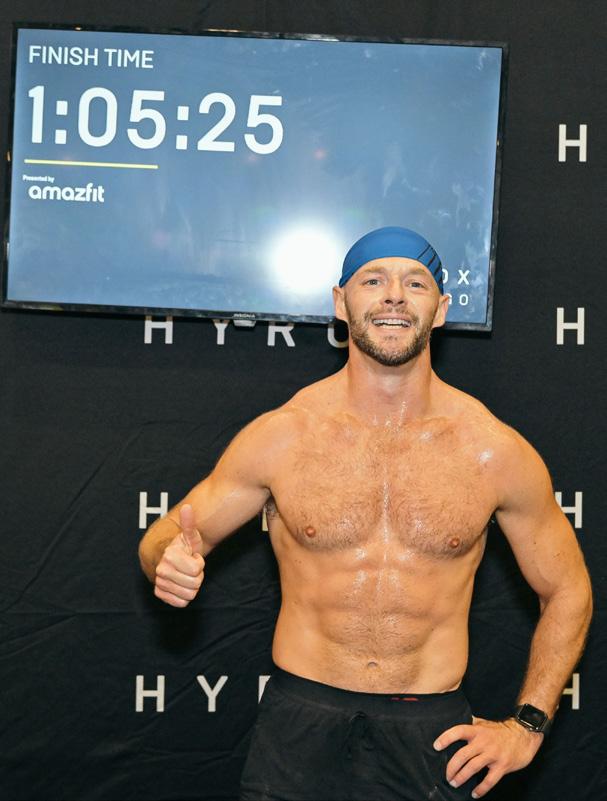
What is one coaching philosophy or principle that guides your work with clients, and how has it evolved over time?
My coaching is results-driven, client-centered, and focused on sustainable progress. I prioritize clear communication, long-term behaviour change, and incremental wins over quick fixes. Early on in my career, I emphasized programming and metrics; over time I shifted to education, simplicity, and context (sleep, stress, environment). Now I blend evidence-based training with shared decision-making, so clients own the process, improving adherence and resilience.
This section shines a spotlight on the passionate professionals who bring movement, motivation, and meaning to the industry every day. We go beyond credentials to explore the real experiences behind the role: what drives them, how they’re impacting their clients and communities, and the lessons they’ve learned along the way.
From new trainers finding their footing to seasoned coaches redefining success, these conversations offer insight, relatability, and practical takeaways for every stage of a fitness career.
Because when one member shares their journey, the entire community grows stronger.
What should fitness professionals embrace now to ensure a successful and thriving career? Additionally, are there any future trends or innovations that you anticipate will impact the fitness industry?
Embrace strong communication, behaviour-change skills, digital literacy (apps, wearables, data), and flexible models (hybrid in-person + online). Measure outcomes beyond aesthetics—function, performance, and mental health. Expect wider AI-driven personalization, deeper wearable integration, and immersive virtual training; coaches who use tech without losing human connection will thrive.
How are you making an impact beyond your one-on-one client work, and what role does community play in the way you lead and coach?
I scale impact via group programs, social content, live workshops, webinars, and mentoring other coaches. Community is central: I design group experiences that build belonging, normalize progress over perfection, and provide affordable access—through powerlifting classes, competitions, and charitable events.
How do you prioritize your own training amidst coaching others, and what does your current fitness routine say about what matters most to you today?
I time-block workouts as nonnegotiable, use competitions as quarterly checkpoints, and schedule sessions early in the mornings to protect family time. I train ~10 sessions/week addressing my current health and competition goals. This reflects my priorities: consistency, functionality, longevity, and leading by example.
canfitpro FIS
You’ve been certified with canfitpro for one year—what inspired you to step into group fitness leadership, and what has surprised you most about your first year of teaching?
I was inspired by the group fitness instructors at my gym—their knowledge and genuine enthusiasm stood out immediately. As a Registered Nurse, I’ve always found fulfillment in helping others achieve better health, and leading group fitness classes felt like a natural extension of that passion.
What drew me most to group fitness is how it brings together three things I deeply enjoy: teaching, movement, and music. With over 20 years of experience as a Nursing Professor, I value education and connection. Combined with my personal commitment to fitness and my
love of music, group fitness offers the perfect intersection of all three.
You set a goal to attract more men into your group fitness classes. Why was that important to you, and what strategies have helped you create a space where more men feel welcome and engaged?
When I first attended group fitness classes, I was often the only male participant. While this didn’t deter me, I’ve heard from other men that a predominantly female environment can feel intimidating. One participant shared that he felt uncomfortable being the only male in another class, but finds greater comfort attending mine, where there is a more balanced representation (5-6 males) and male leadership.
I believe men can benefit from group fitness just as much as women, making it important to create a more inclusive and welcoming environment. My classes
focus on four key areas—balance, strength, endurance, and flexibility—all essential for long-term health and function, particularly as we age.
You shared a powerful story about a participant living with Parkinson’s who experienced meaningful progress in your class. What did that moment mean to you as a fitness professional, and how has it shaped the way you coach?
That feedback was both unexpected and deeply meaningful. While consistent attendance suggests participants are benefiting, hearing this directly was especially rewarding. It reinforces my commitment to continuously learn and grow as a Fitness Instructor Specialist.
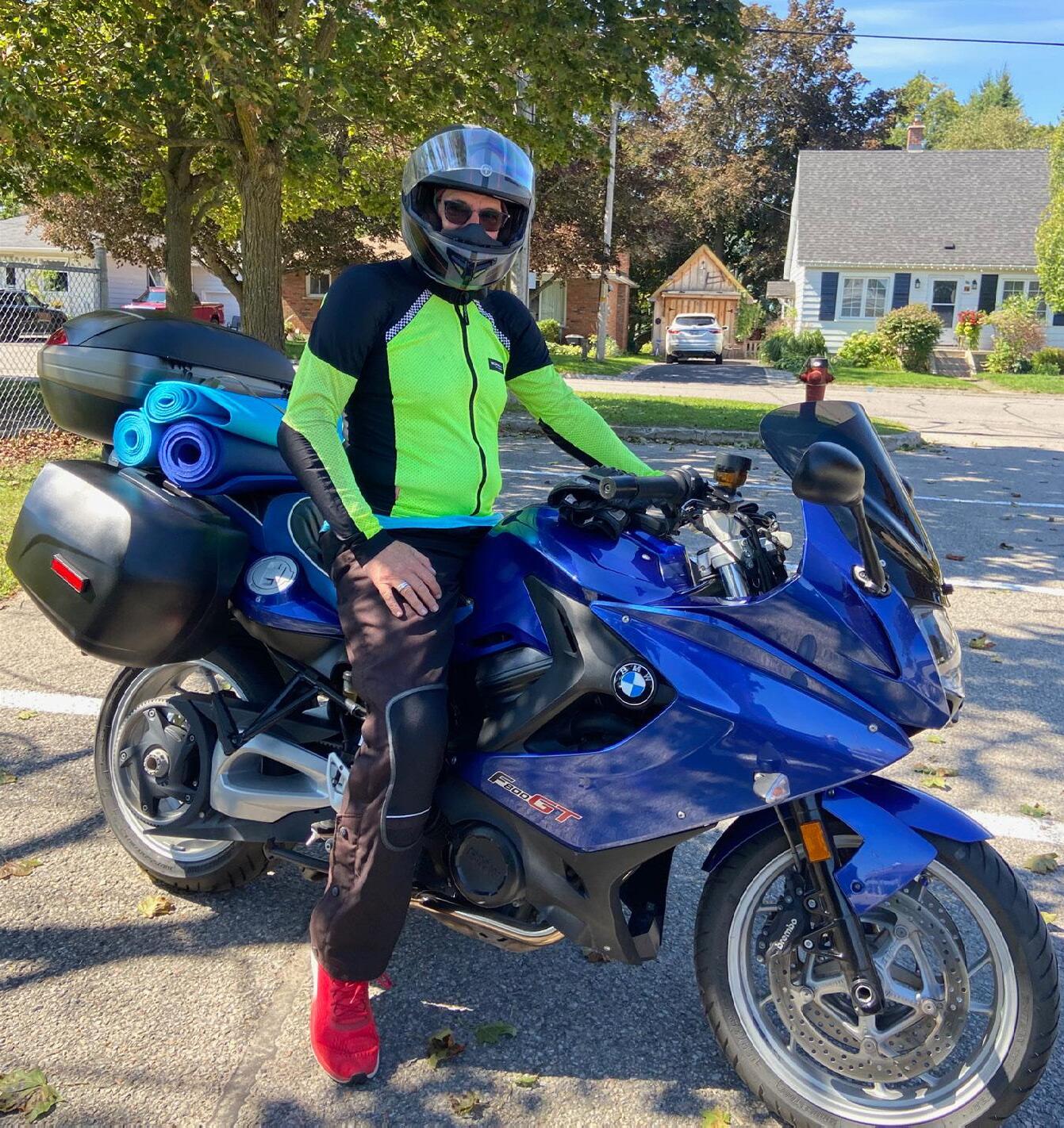
I recently completed a Resistance Band Essentials course to earn my CECs and have already integrated new exercises into my classes. I view ongoing education not as a requirement, but as an opportunity to enhance my skills and better support my participants. With yoga mats strapped to your motorcycle and 20 participants waiting in class, there’s clearly passion behind what you do. What drives your commitment to show up for your community each week?
I approach instructing group fitness much like I teach my nursing courses at Community College—bringing energy, humor, and authenticity to create an engaging experience. I genuinely enjoy both environments, which I hope is reflected in my approach; one participant recently noted that I’m “always smiling,” something I hadn’t consciously recognized.
It’s also rewarding to see participants return regularly and express interest in attending more of my classes. Feedback on my music—particularly my 70s and 80s playlists—has been overwhelmingly positive and helps create an enjoyable atmosphere. Most importantly, it’s fulfilling to know I may be contributing, even in a small way, to the health and well-being of my community.
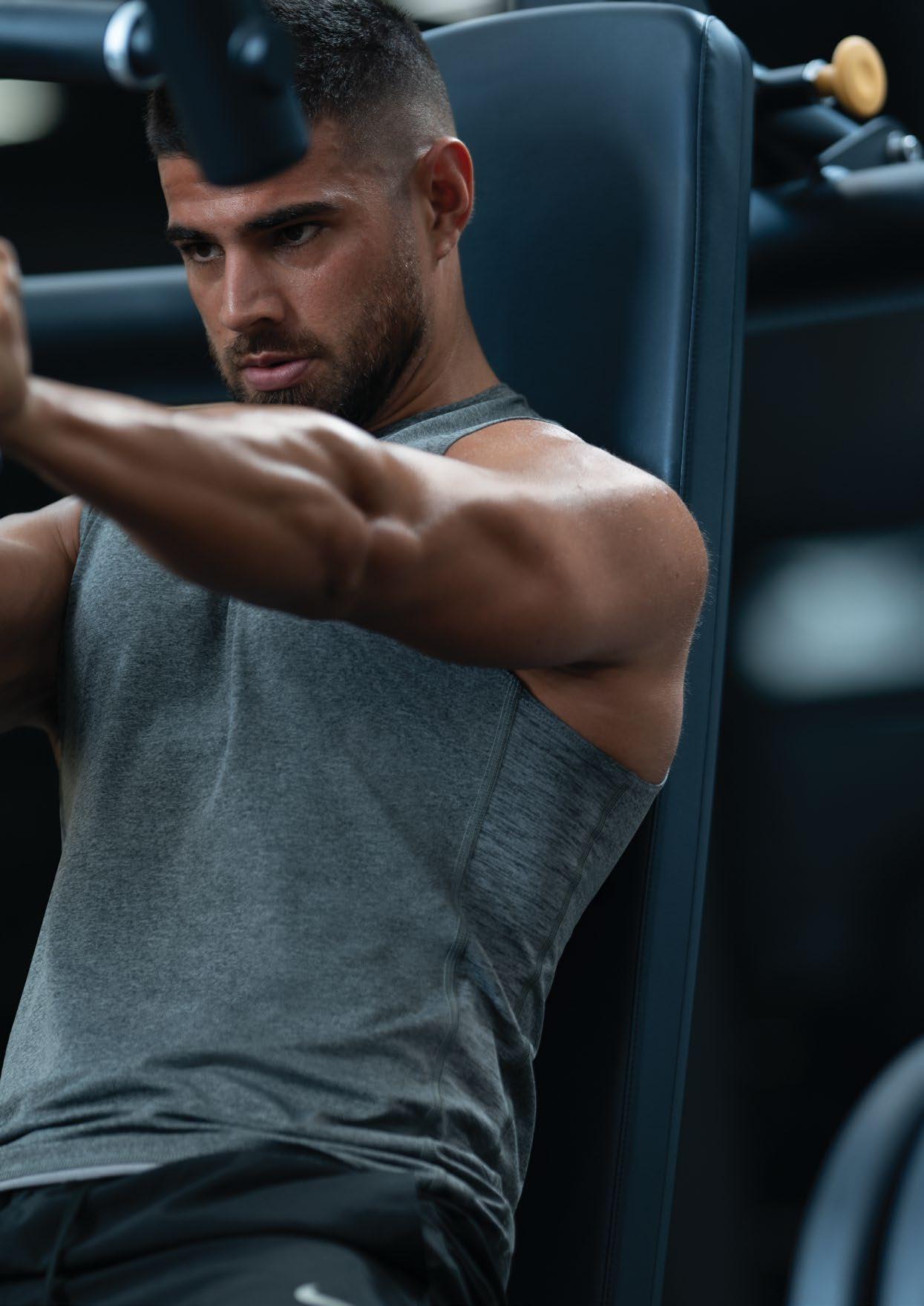

Matrix doesn’t just manufacture equipment — we craft strength training innovations that evolve with your fitness facility and your lifters. We listen to owners, trainers and users to put real-world insights at the heart of our designs, captivating a new generation and delivering innovation that outperforms the ordinary in better, smarter ways.
TORONTO, ONTARIO (CANADA)
AUGUST 14-15, 2026
Our lineup of industry-leading speakers brings fresh insights, real-world strategies, and cutting-edge trends designed to elevate your impact. This is your chance to be inspired, challenged, and equipped for what’s next in fitness.

Founder of Socacize® Fitness, a culturally inspired dance-fitness program that delivers high-energy, inclusive wellness experiences to schools, corporations, and events, empowering communities through movement.
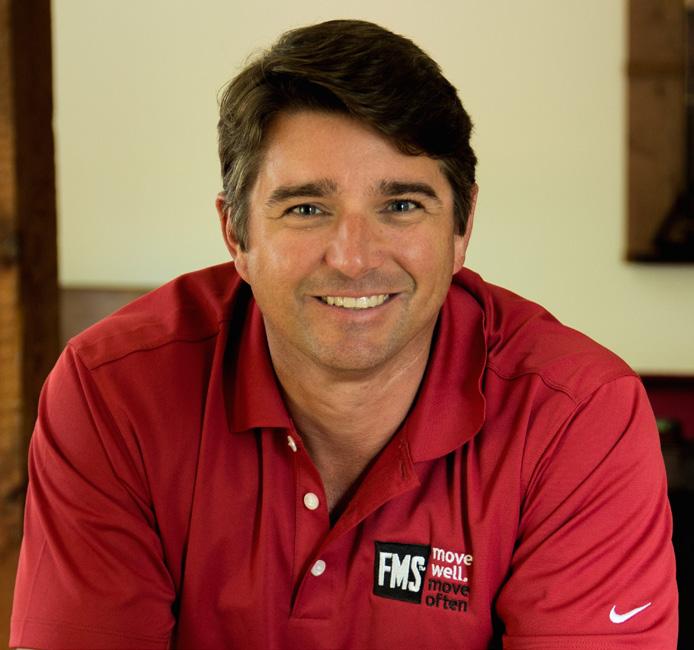
Dr.
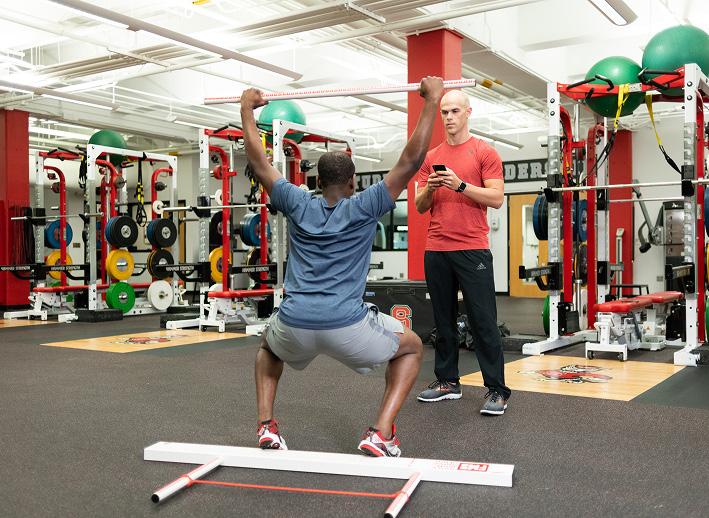
President of FMS (Functional Movement Systems) and consultant on injury prevention and performance enhancement for professional sports organizations and leading health and fitness facilities.

Head of Education at the Exercise Therapy Association, a highly regarded Kinesiologist and Fitness Trainer serving a diverse clientele, including Olympians and Professional Athletes.
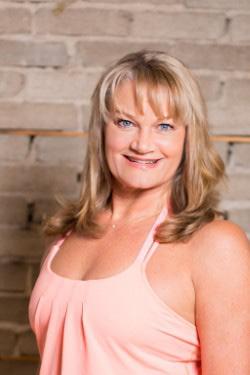

Department Head of Critical Care at The Ottawa Hospital, founder of the Resource Optimization Network to improve ICU resources, and author of Unapologetic Leadership.
Fitness Education Coordinator for Balanced Body (Pilates), Founder of The ACADEMY Fitness Club, a former World Champion synchronized swimmer, and Sports Hall of Fame inductee.
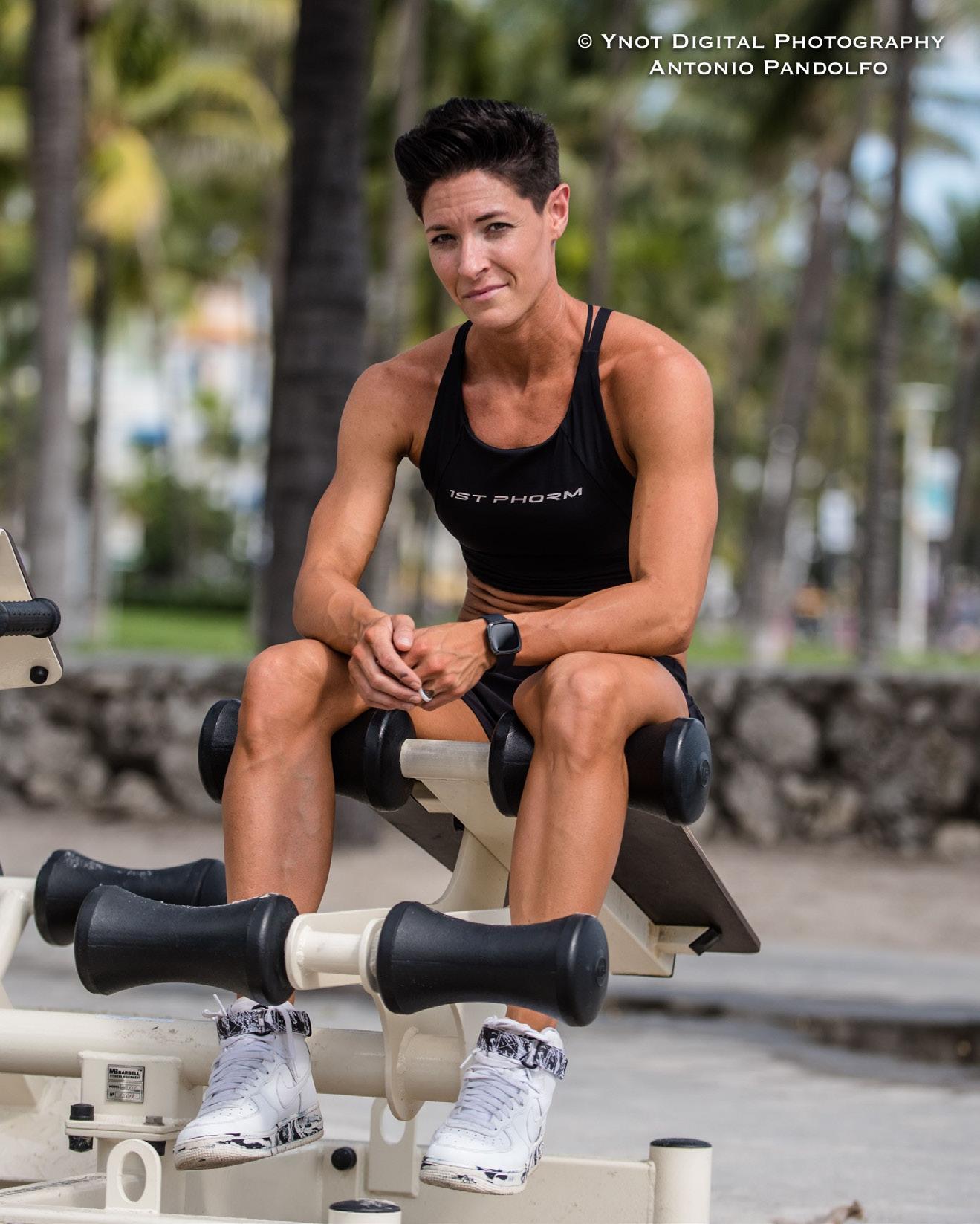
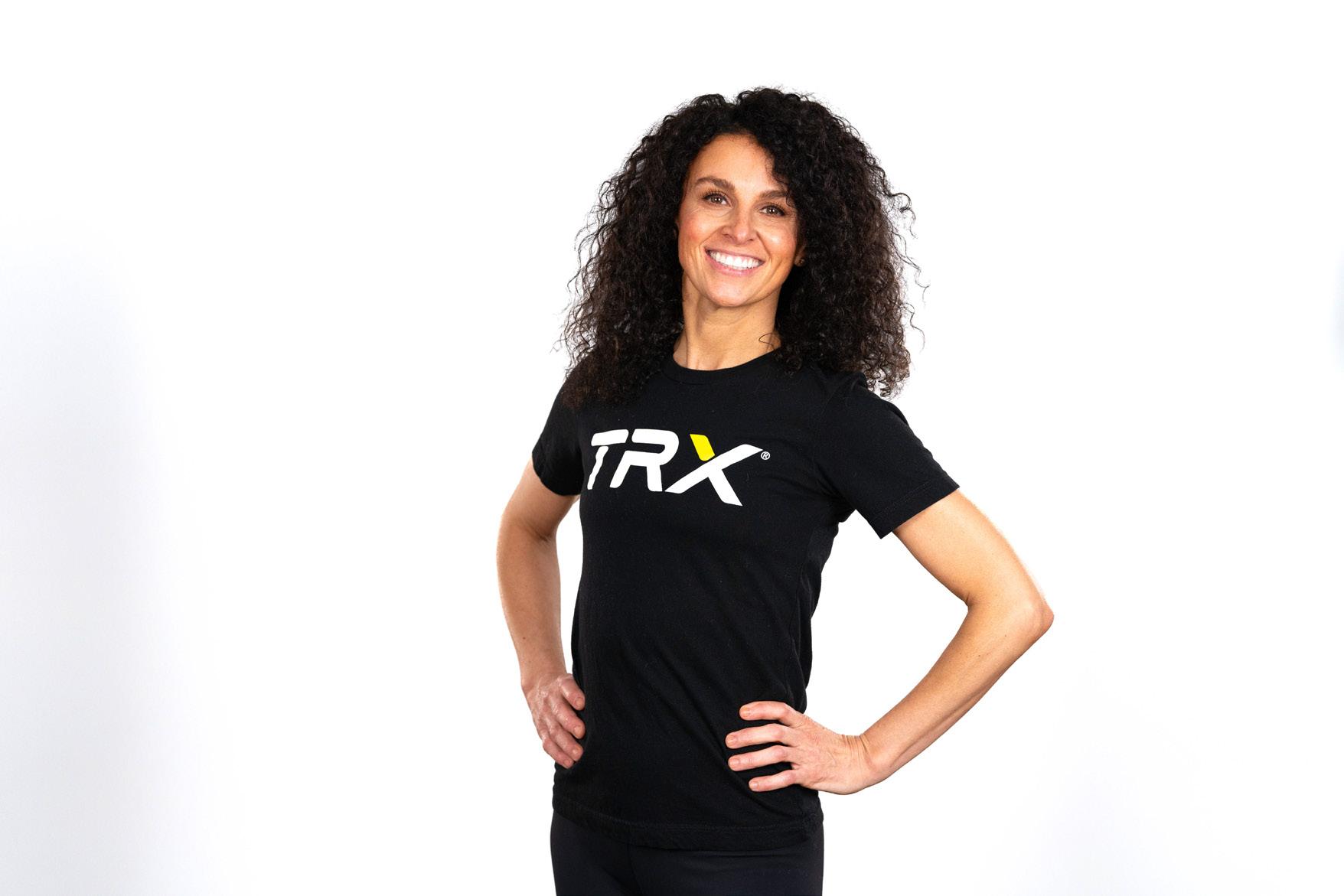
Fitness model, motivational speaker, and personal trainer helping women overcome overwhelm, reduce anxiety, and increase their confidence through fitness.

Wellness, known as the Vagina Coach and menopause support practitioner helping women optimize their pelvic health.
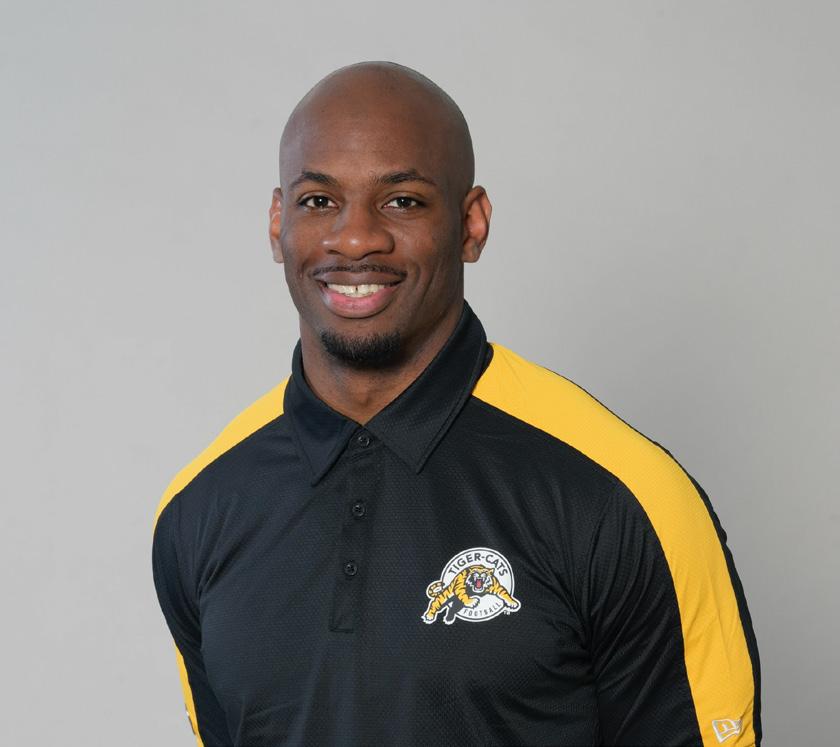
Head Strength and Conditioning Coach for the Hamilton Tiger-Cats, founder of EatSleepPeak — a performance system integrating training, nutrition, and recovery, author of The 1%, focused on maximizing athlete availability and longevity.

specializing in sleep optimization, performance health, and women's health across the lifespan.
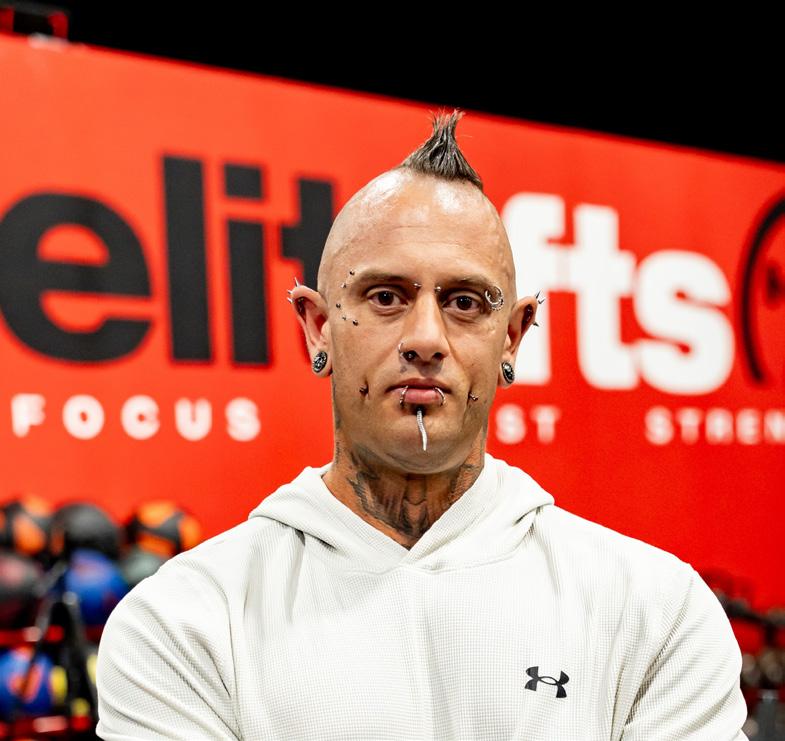
Strength and Conditioning Coach, Head Coach at elitefts and Thibarmy, and co-host of the strength-training podcast Dave Tate's Table Talk.
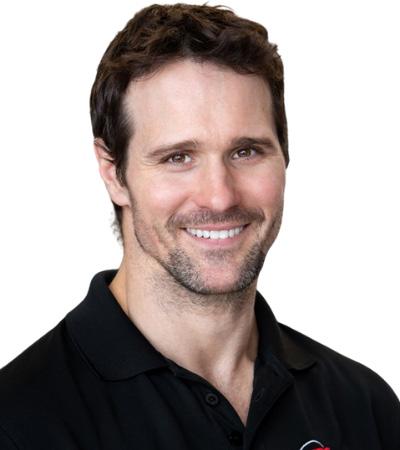
Founder of COMPhsio + Performance Wellness and creator of the Advanced Movement Therapist (AMT) Certification, a sought-after educator in movement science and rehabilitation.
Build your resume and earn more by expanding your knowledge with in-depth trainings from our trusted partners. These workshops provide advanced skills, and specialized
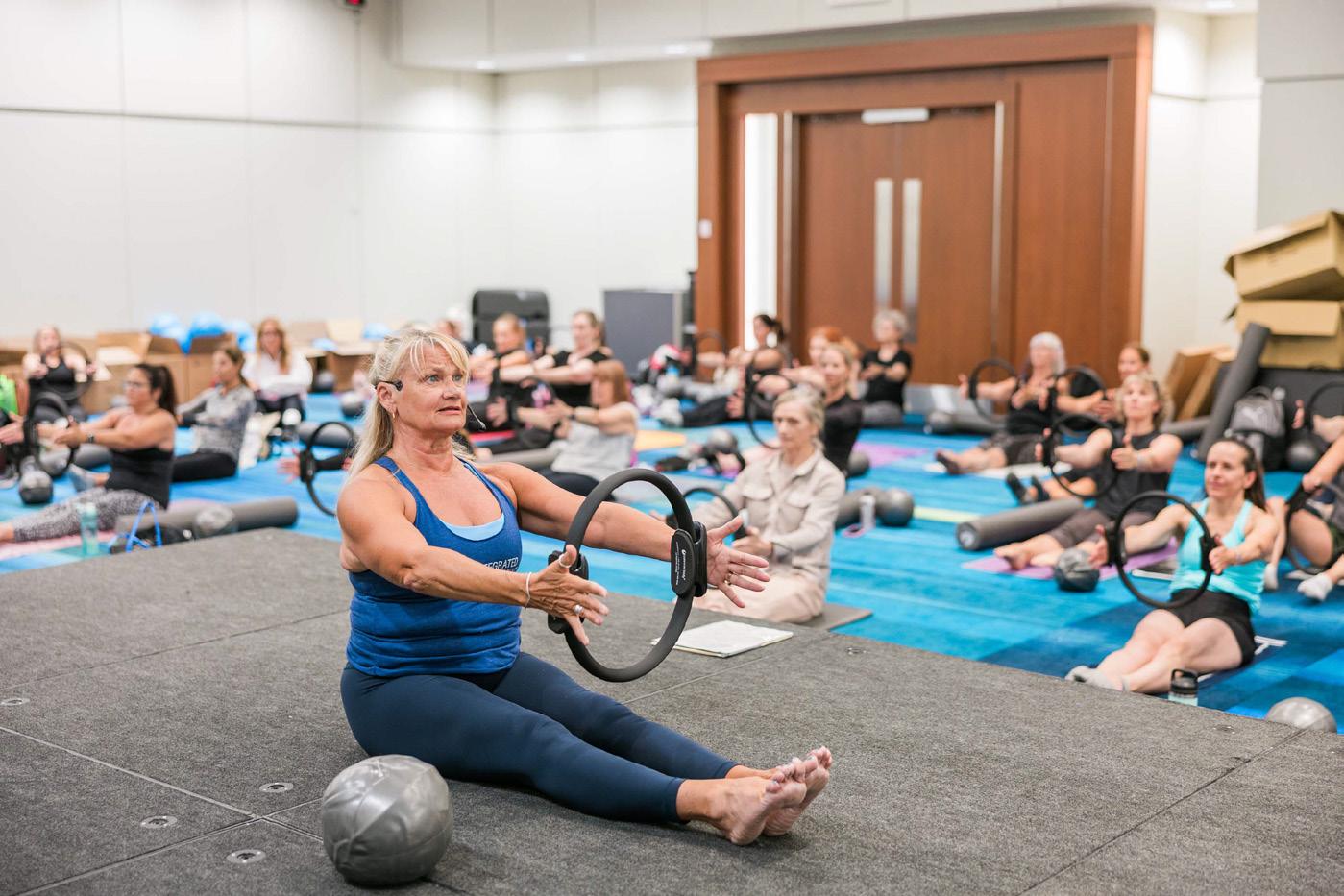
Thursday, August 13, 2026
8:30 AM - 5:00 PM Ricardo Marmitte
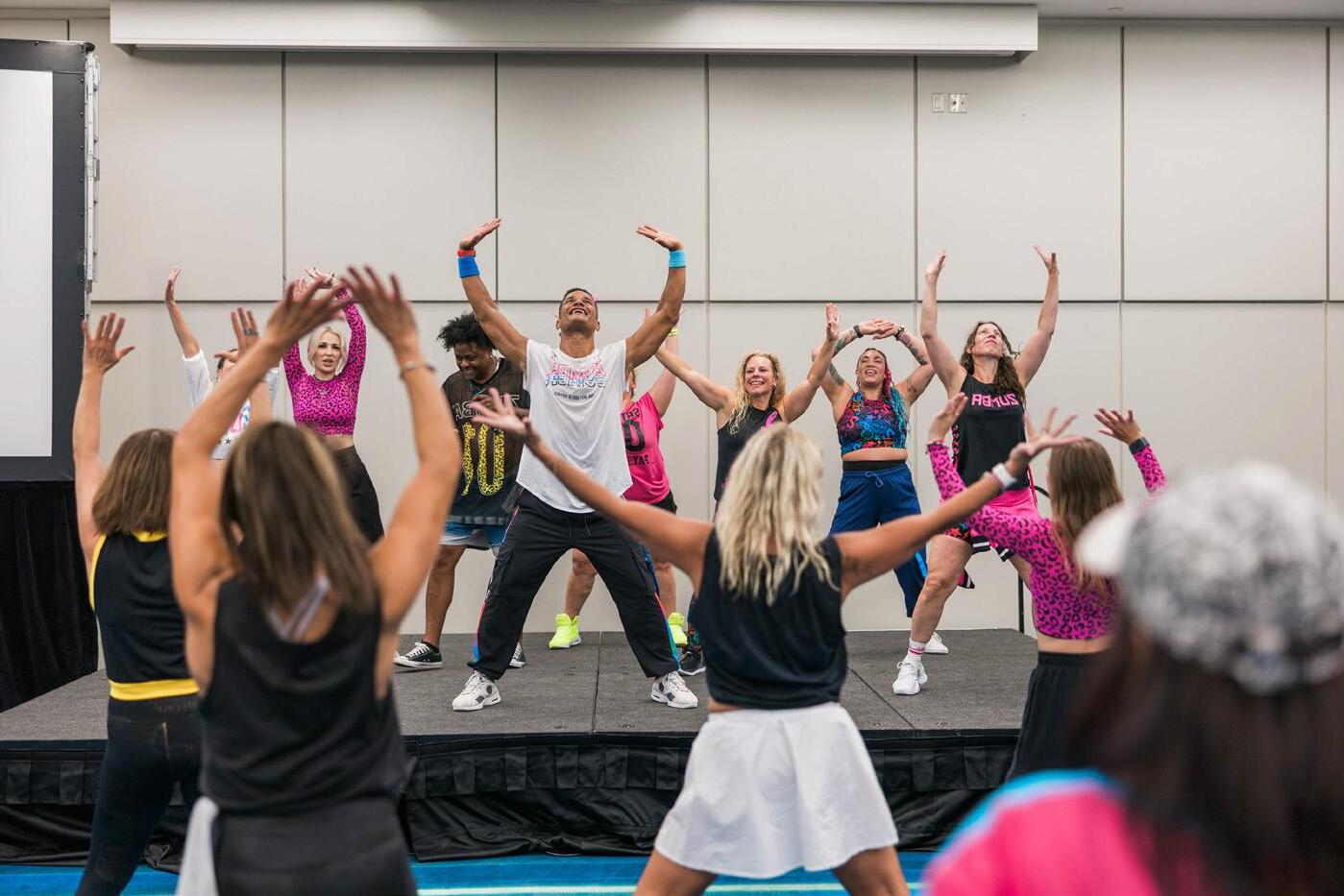
ZUMBA
Zumba® Basic 1 Instructor Training

Thursday, August 13, 2026
9:00 AM - 4:00 PM Helen Vanderburg & Cathy Redifer
balancedbody
Pilates From Stability to Strength: Progressive Training Framework
Thursday, August 13, 2026
8:30 AM - 5:00 PM Duane Wiafe
STRONG Nation™ STRONG Nation™ Instructor Training
Thursday, August 13, 2026
8:00 AM - 5:00 PM Alexis Perkins
Chairs without wheels Chair One Fitness Instruction Certification
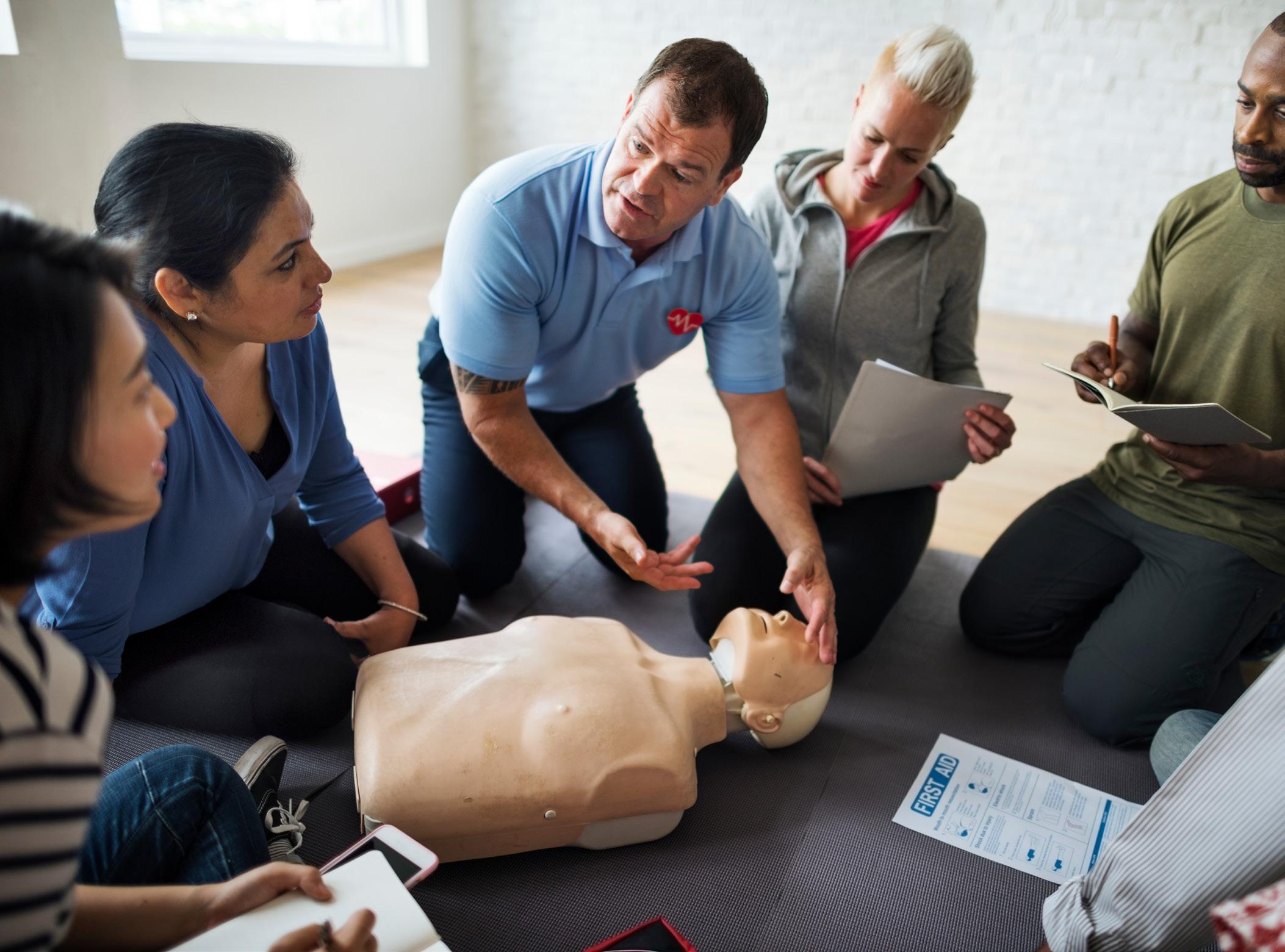
Get your CPR & AED training at any of the convenient times offered throughout GLOBAL so you can:
• Renew your certification.
• Build real-world confidence.
• Be prepared when it matters most.
WEDNESDAY, AUG 12
3:00PM - 6:00PM
THURSDAY, AUG 13 FRIDAY, AUG 14 SATURDAY, AUG 15
6:30PM - 9:30PM 10:30AM - 1:30PM 2:00PM - 5:00PM 5:30PM - 8:30PM 6:00AM - 9:00AM 11:00AM - 2:00PM 2:00PM - 5:00PM 6:00AM - 9:00AM 11:00AM - 2:00PM
AUGUST 14-15, 2026 | TORONTO
Elevate your business mandate with elite level insights and thought leadership to the current climate in the fitness industry.
Strategically partnered alongside canfitpro GLOBAL Conference & Trade Show, the Summit strengthens the event’s role as Canada’s #1 conference for fitness business, innovation, and

leadership and the destination for those driving what’s next.
Summit delegates receive premium access at GLOBAL 2026, including:
• Full Summit Sessions
• Suppliers VIP Networking and Breakfast
• VIP Seating at the Opening Reception


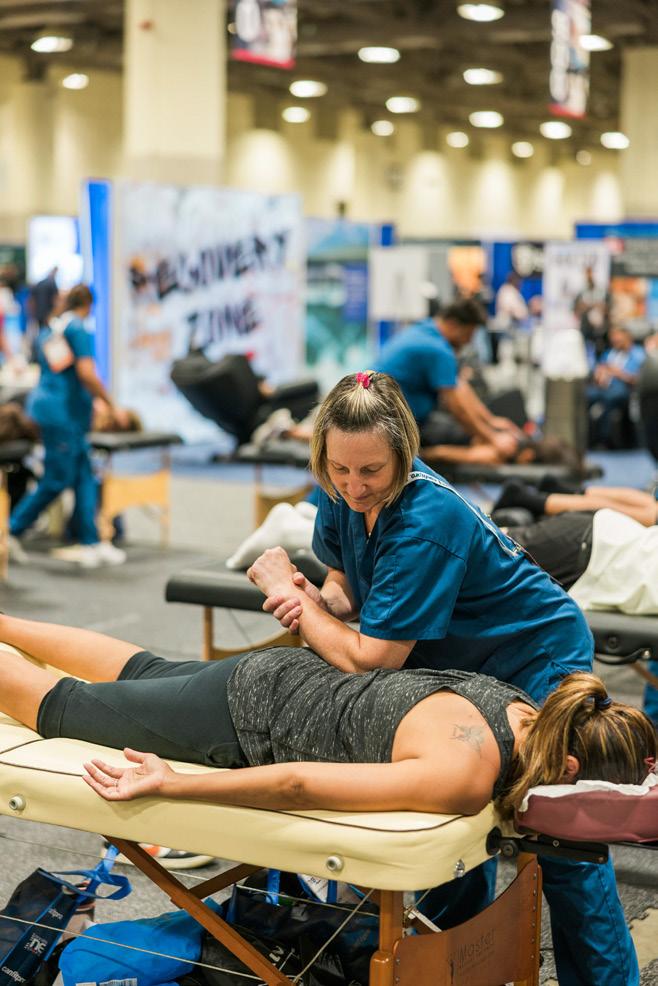
Behind the GLOBAL fitness event is a community of brands driving innovation, performance, and progress. We’re proud to showcase our sponsors—leaders in wellness, education, equipment, and recovery—who are helping shape the future of fitness.
Connect with them on-site, discover what’s new, and experience the support behind your success.













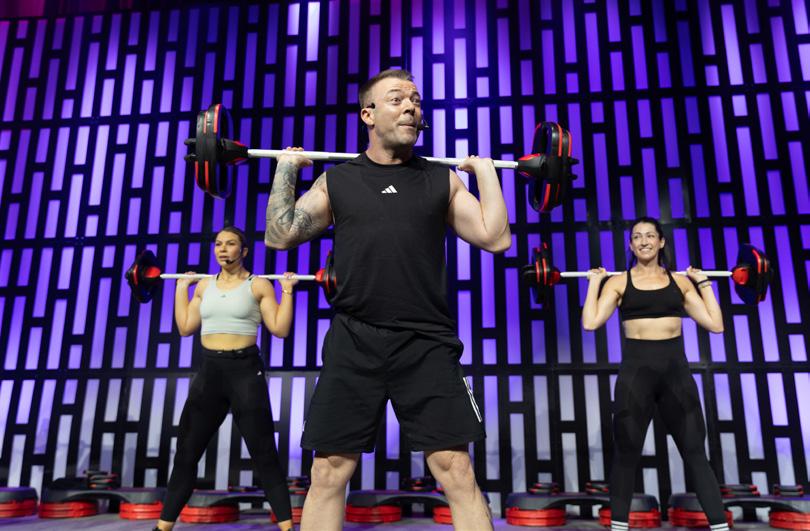
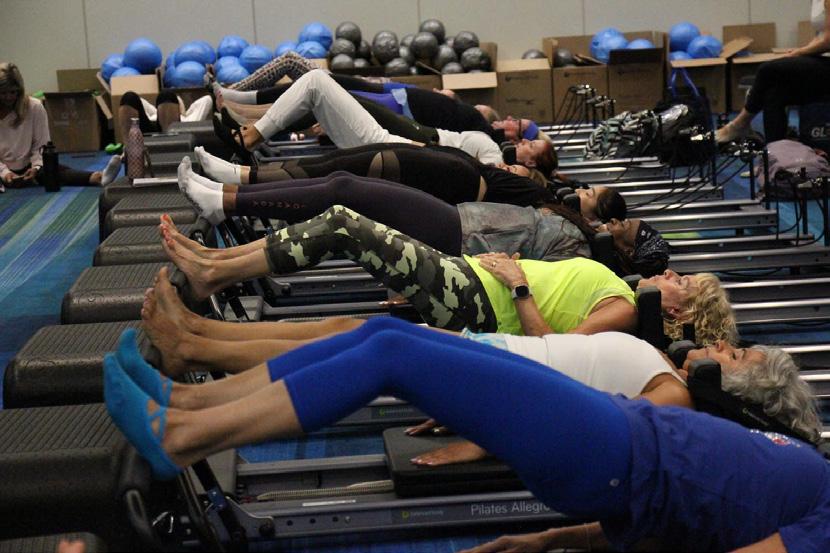
This isn’t just another fitness conference—it’s where energy, excellence, and community collide. Don’t miss these special, standout events at canfitpro GLOBAL that everyone will be talking about:
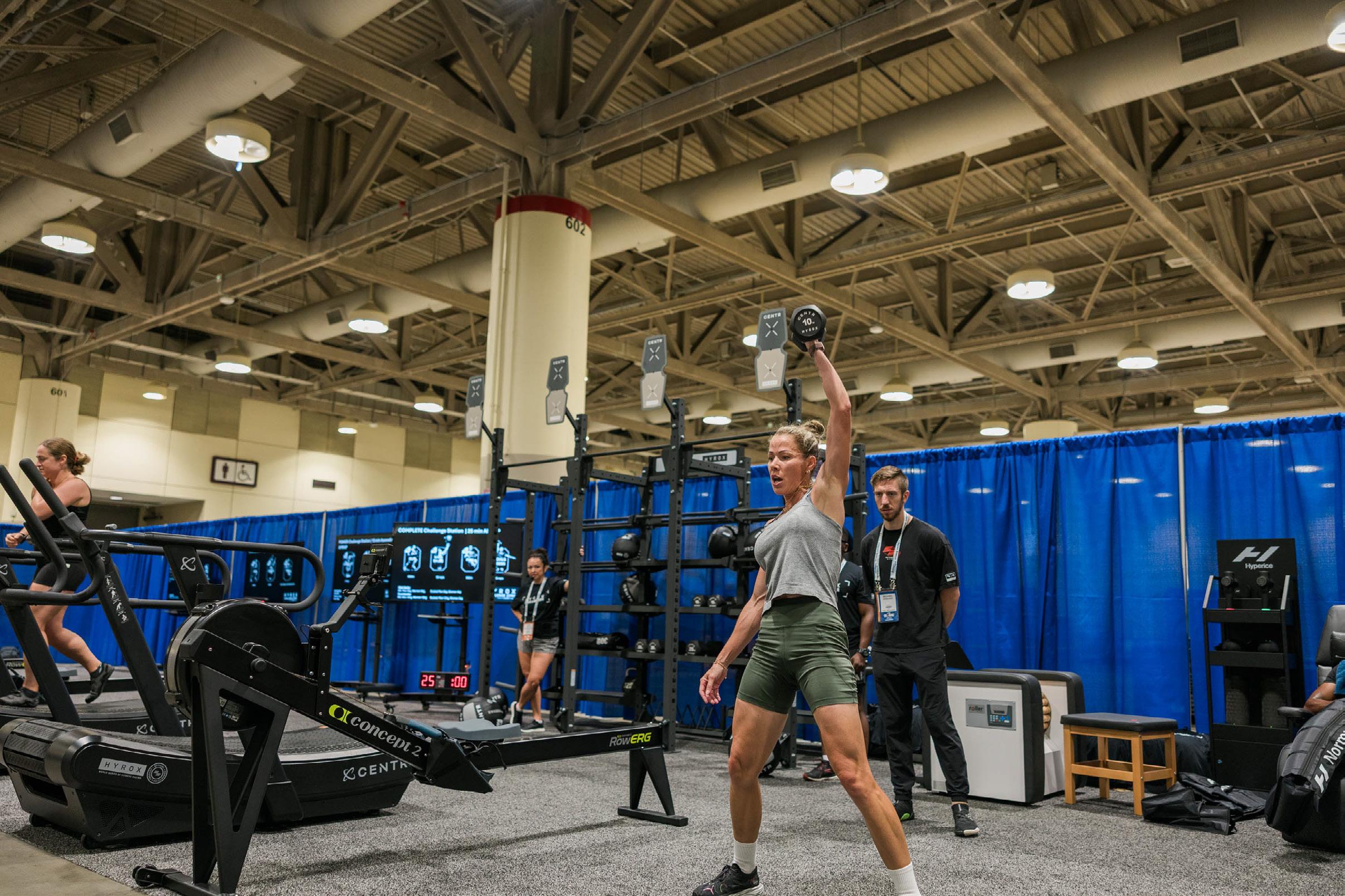
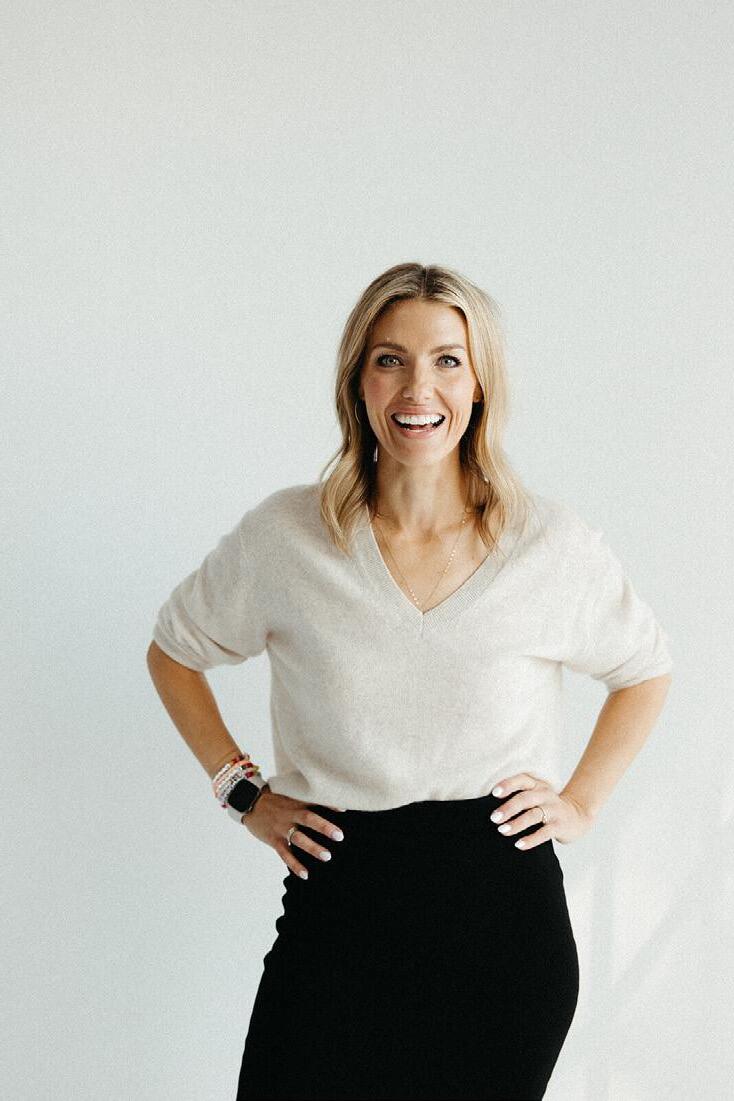
Kick things off with a powerful message from Jessica Janzen. Be inspired by the bold ideas that set the tone for what’s next in fitness, health, and wellness.
Feel the intensity and explore one of the fastest growing fitness race in the world. Push your limits, test your grit, and celebrate your strength. Open to all levels.
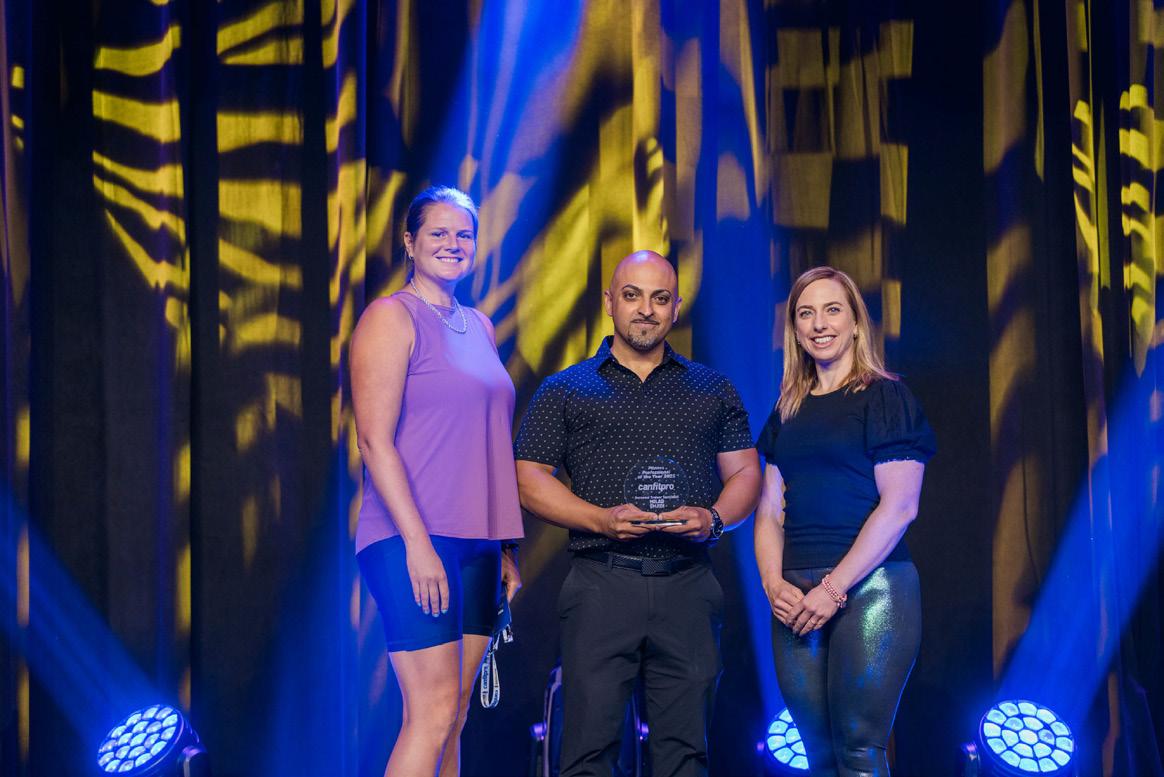
CANFITPRO AWARDS
Celebrate excellence. Honour the leaders making an impact and shaping the future of the fitness industry.
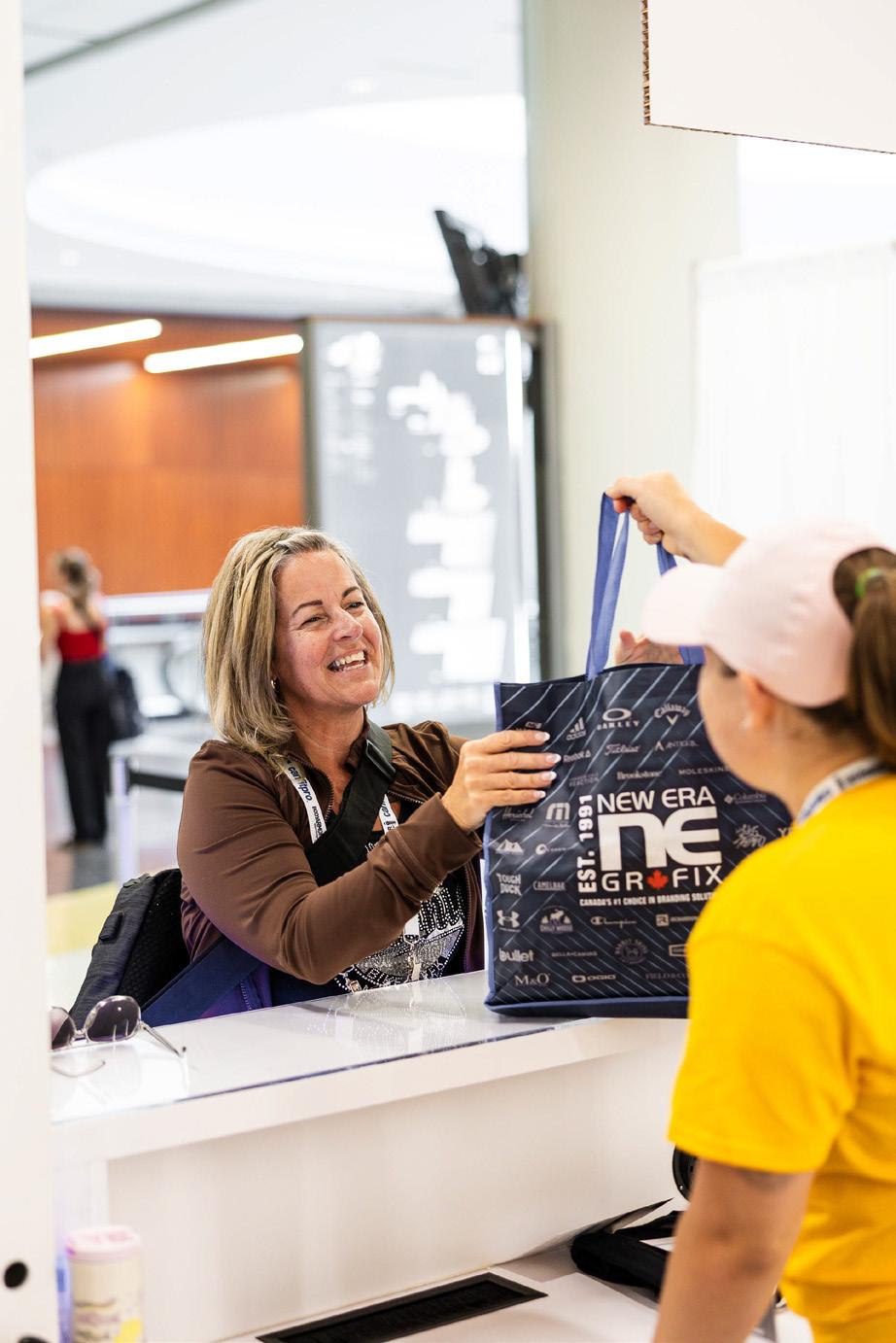
Wrap up your canfitpro GLOBAL experience unwinding and networking in an energized, social atmosphere.
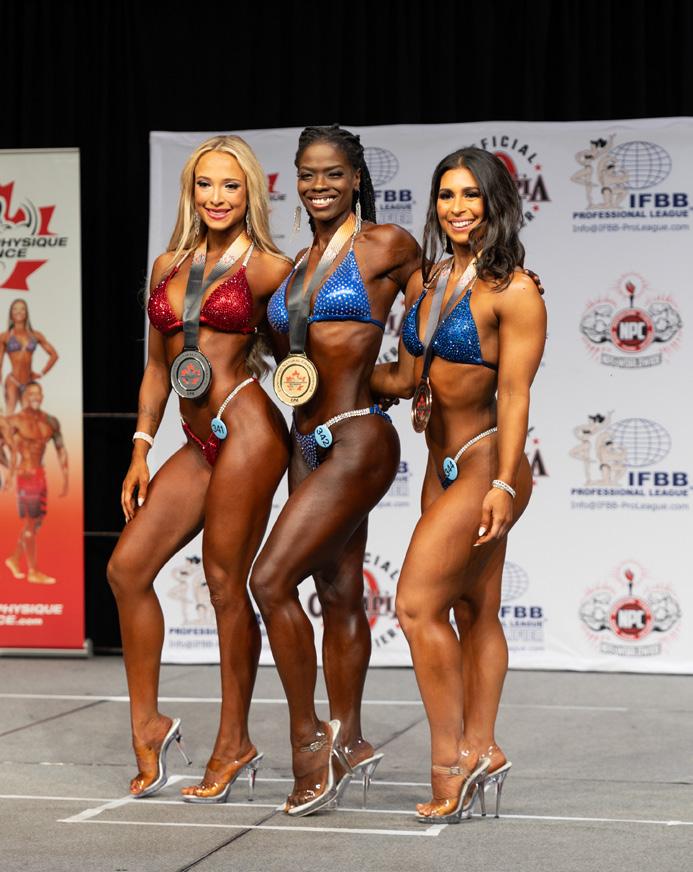
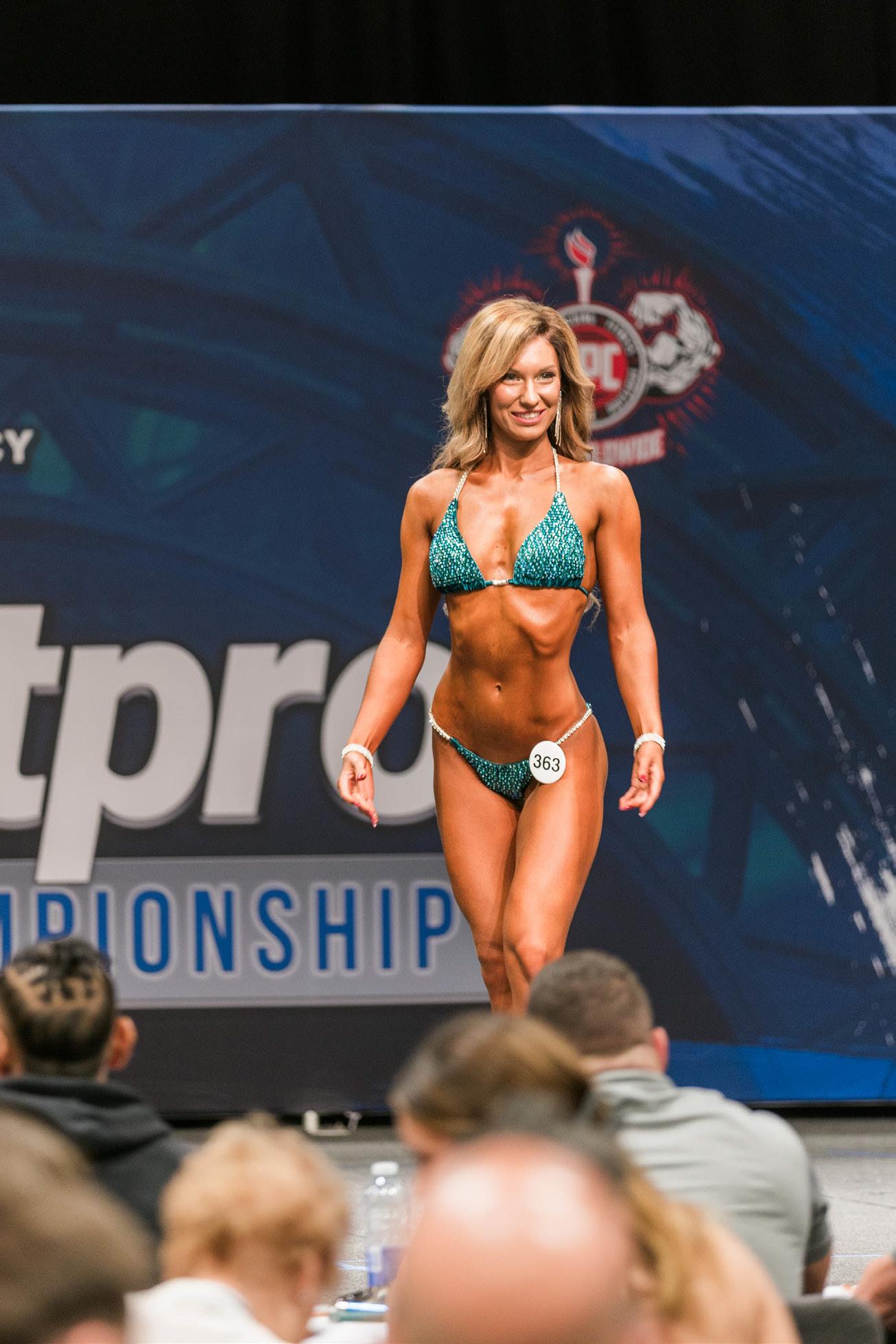
Where dedication meets the stage. Witness the passion, discipline, and peak performance of athletes competing at their very best — naturally.
HOW 1.5 REP TRAINING MAXIMIZES TIME UNDER TENSION AND MINIMIZES JOINT STRESS
By Lee Boyce
Lifters who are looking for strength and hypertrophy may be aware of great methodologies and programs and may even be putting them to use. But the truth is, these people are often plagued with one problem that can put a stymie on their gains.
Time.
If you lead a busy life outside the gym, it limits the amount of weekly time you can spend in it. Not everyone is fortunate enough to have a fully equipped home gym either, and the truth is, for making true gains in hypertrophy or performance, the number of resources needed starts to grow over time. That’s why the name of the game must be heading to the gym and getting the most efficient workout that services your goals.
With all these factors at play, strength and hypertrophy systems like the classic 5x5 or 2,3,5,10 ladders can be time consuming. Another reality is, the stronger you get, the more ramp sets it takes to get to your working weight, which eats up more time in the gym. The collateral damage to the joints that such high volume or high load protocols can create may increase demand for recovery and wreak havoc on consistency, especially when your clients are not 22-year-old spring chickens!
The key is to find training methods that kill two birds with one stone: They serve the goals of training the strength of a muscle and stimulating hypertrophy, while also saving time and sparing the joints of excessive load. And that’s why 1.5 rep training can be an invaluable addition to a lifting program, and a great tool for trainers working with their intermediate clients.
First, it’s important to realize there are a few barriers to entry, so to speak, to find the right ‘fit’ for this kind of training. To figure that out, we need to consider a few factors.
Large movements have prime muscle groups and synergists. Compound movements like chin ups, rows, and squats are considered “compound” because they involve more than one or two isolated muscles doing the work. This system is about finding compound movements and breaking them into their parts to exploit certain muscles involved more than others. The target muscle in a chin up, the lats, for example, will always be aided by synergists like the biceps and forearms to contribute to a full, successful repetition.
Push-oriented movements work best. The reason this method will work better in push-based exercises is simple: Even though pull patterns have prime movers and their synergists, they’re all limited by one key factor – grip. A lifter’s hand is tethered to the weight being lifted for any pulling exercise (whether pulling raw or with straps), which will always create a) an earlier ceiling on how much can be lifted due to arm strength and fatigue, and b) confuse the nature of the
exercise to start defeating its purpose, especially on subsequent sets.
Work equals force times distance. This is simple physics. By that reality, there are two ways we can increase the amount of work a muscle does, in order to trigger adaptations in strength or hypertrophy: We can increase the force required to be produced (by adding loading), or we can apply the same amount of force over a greater distance (increasing time spent under tension). The latter is the safer choice when longevity and consistency are the goals.
Full ROM mobility is not optional; it’s required. To be able to perform this method effectively, it’s imperative that a lifter can achieve a full range of motion without restrictions on flexibility or mobility truncating end points or functional range. Without this ability, the movement will start segmenting an already short range of motion and serve little to no purpose. Even if it means further reducing loading, it’s in one’s best interest to give the necessary ego check, and stay honest with form, technique, and range. If that means
... PEOPLE ARE OFTEN PLAGUED WITH ONE PROBLEM THAT CAN PUT A STYMIE ON THEIR GAINS—TIME.

LONGEVITY & MOVEMENT FUNCTIONAL MAR 6TH
NUTRITION & TRAINING PERFORMANCE MAY 1ST
LEARN MORE


MEN'S &
NOV 6TH
MEN'S & HEALTH WOMEN’S NOV 6TH
YOUR CLIENTS ARE CHANGING. IS YOUR COACHING?
Hormonal shifts affect everything inlcuding energy, performance, recovery, and results. ASPIRES gives fitness coaches the evidence-based strategies to understand what's happening inside your clients' bodies at every stage of life, build programming that actually works, and become the coach they stay with for the long term.
COACH SMARTER. RETAIN MORE. TRAIN WITH CONFIDENCE.
taking a phase to improve mobility and flexibility exclusively, the benefits of doing so will far transcend just this training method; it’ll help you for life.
Biasing the prime movers in a rep may slow down the rate of change for a heavier absolute one rep max by the numbers, but the tradeoff in healthier joints, hypertrophy gains, and better rep-range specific strength should be the deciding factor.
Applying this method, as mentioned above, is most effective with push exercises, but that includes pushing with the lower body too. Fittingly, let’s start with the biggest lift of them all.
First, keep in mind that the main driver of a successful squat is, without a doubt, the quadriceps and that’s the
muscle we’re looking to bias by using this method. Considering the quads’ prime responsibility is knee extension, the aim would be to maximize that attribute under load, twice for every rep. The rep would be performed using the following steps:
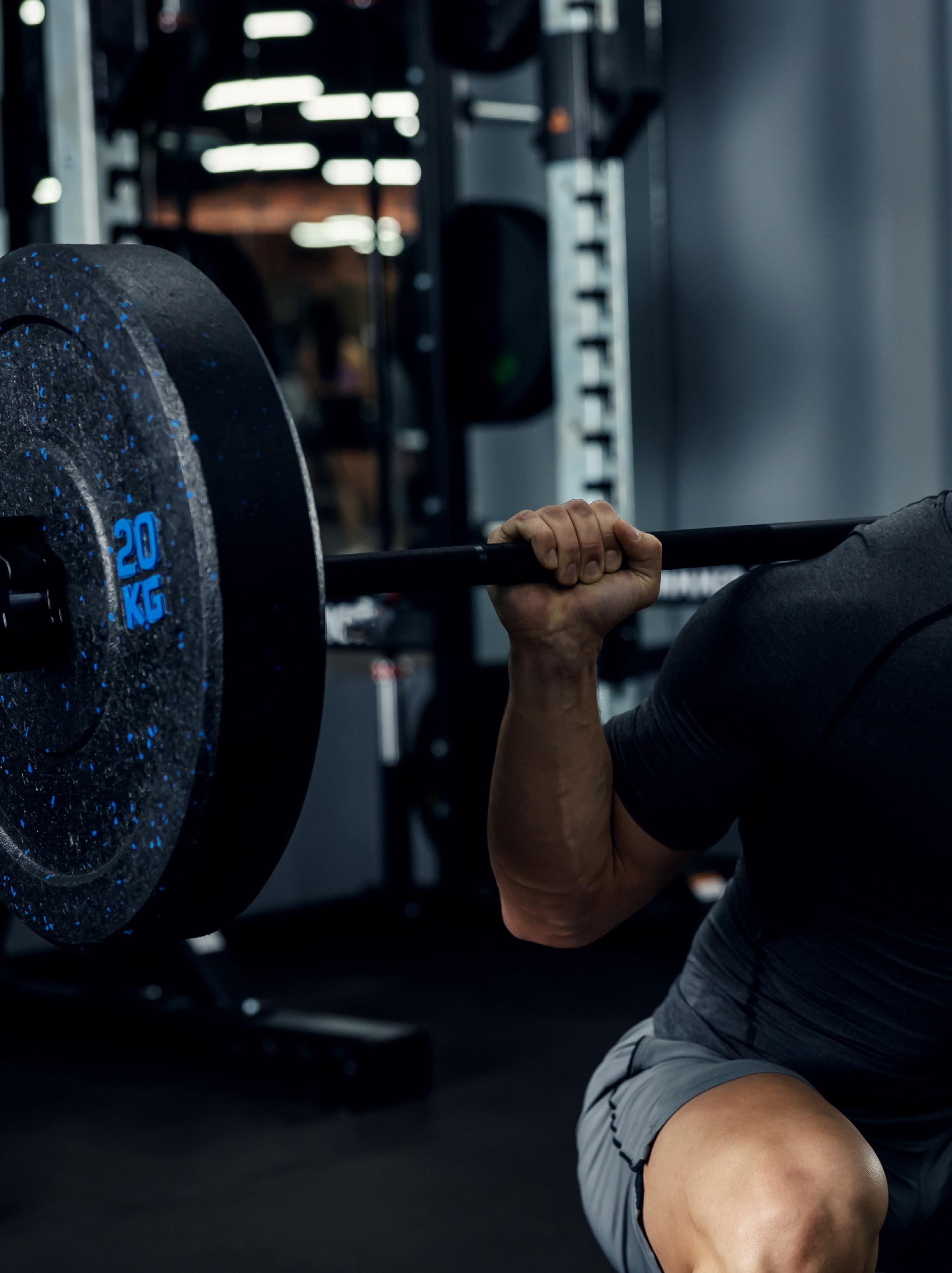
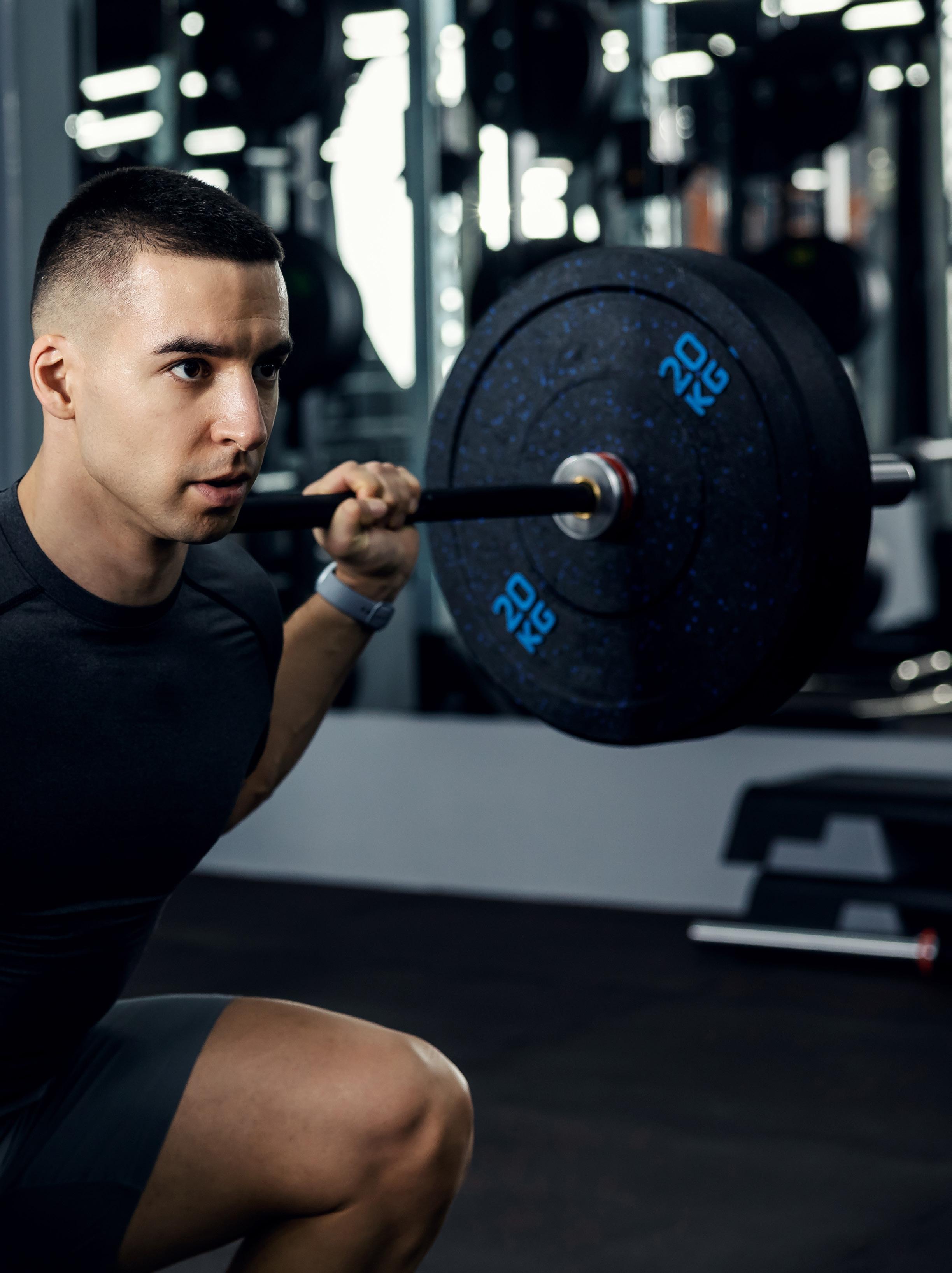
• Unrack the weight and find your footing. With attention to the negative rep, slowly descend to a full depth squat. Aim for the hamstrings to cover the calves and pause briefly at the bottom.
• From the bottom, keeping a tall torso, ascend only to the halfway point. Your upper thigh should be parallel to the floor. Pause there under tension for a full one to two second count.
• From the halfway point, lower yourself once again to the bottom, with the same attention to eccentric control as you had the first time.
Pause once more briefly at the bottom.
• Finally, ascend out of the squat all the way to the top of the lift. All of the above is one rep.
Doing a squat in this fashion biases the quads due to doubling up on the knee flexion with that extra half rep, disallowing the muscles of the posterior chain to fully contribute (since the bottom of the squat range is not their part of the lift to dominate the biomechanics).
As a note, the barbell back squat may be the most popular squat variation out there, but more quad-focused variations, such as the front squat, the heels elevated squat, the smith machine squat, or even the pendulum squat performed on a machine, can be instrumental in adding to the focus and making the quads’ development more accessible through the pattern.
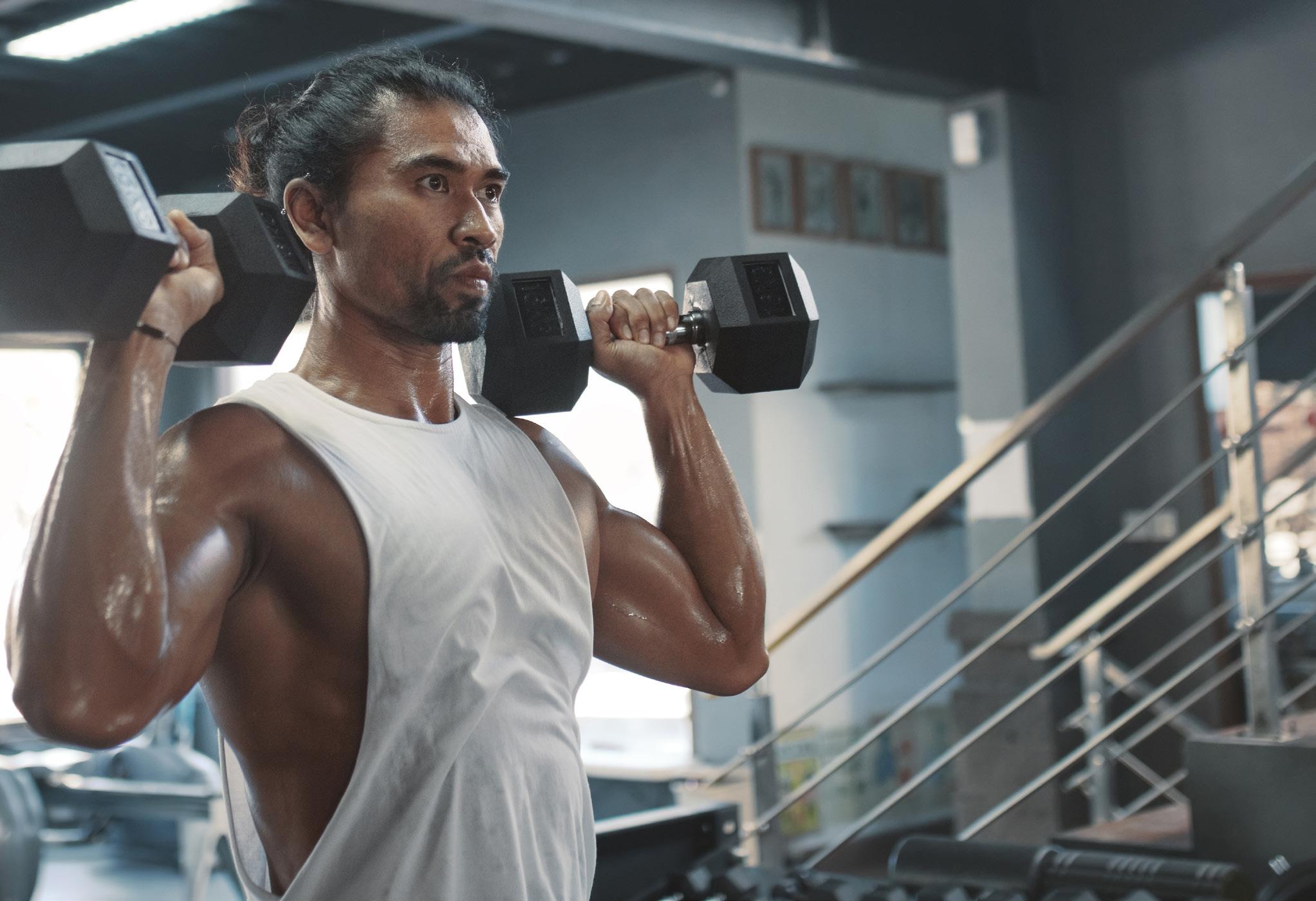
... THIS IS ONE OF THE MOST EFFECTIVE STRATEGIES TO PILE SOME TIME UNDER TENSION, AND ULTIMATELY MAKE LIGHT WEIGHT FEEL HEAVY ...
... 1.5
THE GOALS OF TRAINING THE STRENGTH OF A MUSCLE AND STIMULATING HYPERTROPHY, WHILE ALSO SAVING TIME AND SPARING THE JOINTS OF EXCESSIVE
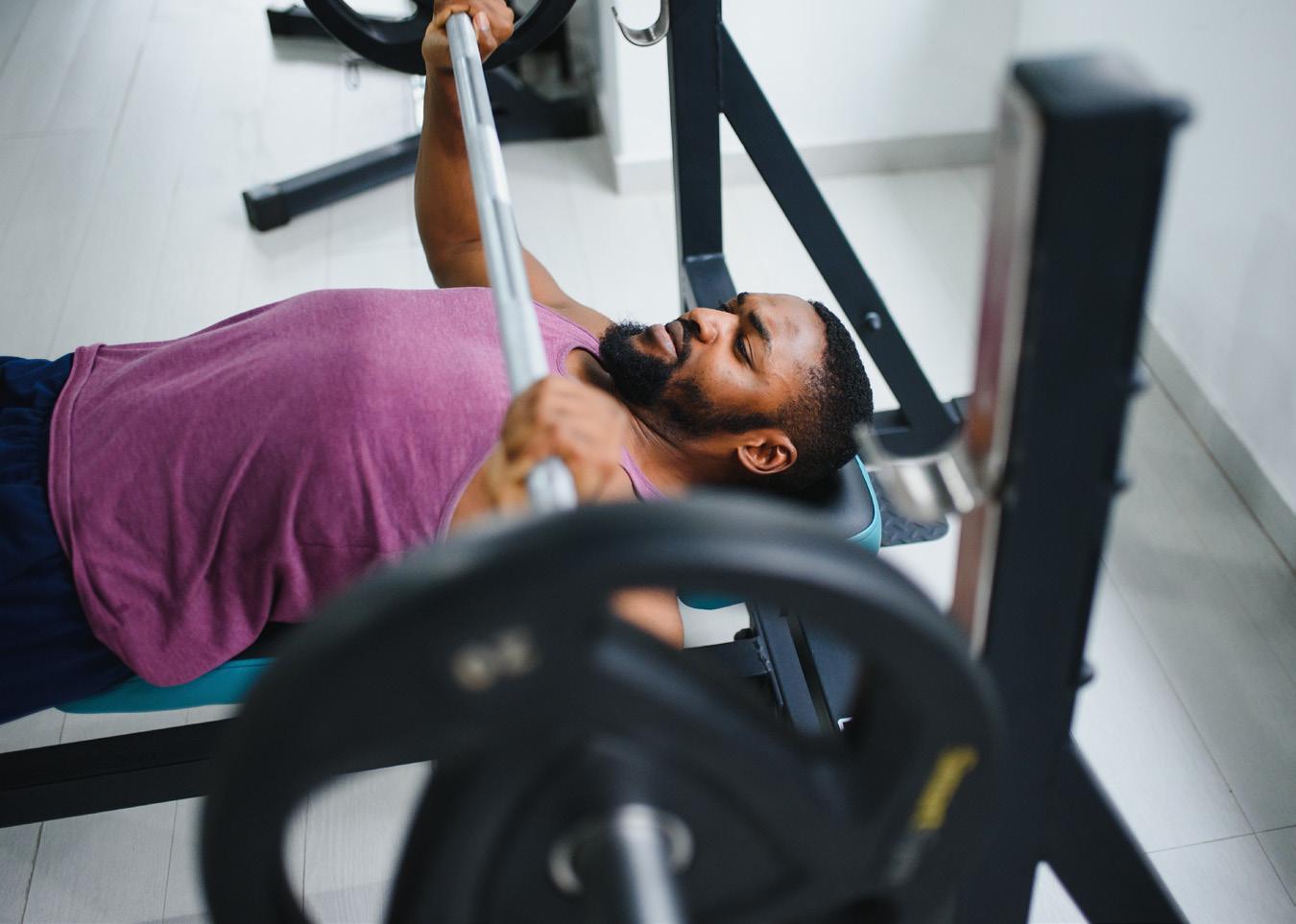
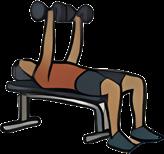
It is understood that the primary muscle group of focus when bench pressing is the chest; the synergists being the triceps and front deltoids. For that reason, the same principles apply to this lift as to the squat to bias, strengthen, and hypertrophy the pec muscles:
• Unrack the weight, and lower the barbell to the chest, slowly, and pause for a brief instant.
• Raise the weight off the chest, to the halfway point (the elbow should create a 90-degree angle). Pause for a two second count.
• Lower the weight once more to the chest, under control, and pause briefly.
• Drive the weight all the way up to full extension. All of the above is one rep.
For the sake of consistency, and since less of your body is moving in this exercise compared to the squat, it’s important for you to use a large unit as your implement, and not a smaller one. For that reason, dumbbell bench press would take second place compared to using a barbell, the Smith machine, or another plate loaded press.
Like the bench press, the triceps would be synergists to the deltoids. Interestingly, due to the setup, using dumbbells would prove more effective from an ergonomic perspective than using a barbell.
• Set the dumbbells up at shoulder level and press them to approximately 90-degree angles at the elbow. Pause for two seconds.
• Lower the weights back down to shoulder level and pause briefly.
• Press the weights straight up overhead to full arm extension. All of the above is one rep.
The difference here is that the lift starts at the bottom of the rep, and not the top. For that reason, careful mounts and dismounts are needed, especially using dumbbells. Take proper care to place the weights on the thighs and knee them up to the starting position at the beginning of each set, rather than curling or reverse curling them into position.
Longevity First, Strength and Size Second
We get it; guys want to be strong and jacked. But it should never be at the expense of other aspects of their health and fitness, and certainly not at the expense of a health span.
For that reason, this is one of the most effective strategies to pile some time under tension, and ultimately make light weight feel heavy, simply based on the way we choose to lift it.
It’s smart decisions like this that can make your clients better lifters with the great physiques to boot.
Lee Boyce is a veteran personal trainer with 19 years in the fitness industry, an internationally recognized writer, speaker, and author. A professor at Humber College, he has published over 1,200 articles and serves on the advisory boards of Men’s Health and STRONG Fitness. He coauthored Strength Training for All Body Types
Nos certifications en conditionnement physique les plus en demande sont maintenant offertes en français. Obtenez une certification reconnue avec des programmes de calibre de l’industrie, offerts dans votre langue. Formez-vous à votre façon grâce à des options flexibles, en présentiel ou en ligne.
Transformez votre passion en carrière avec la certification en
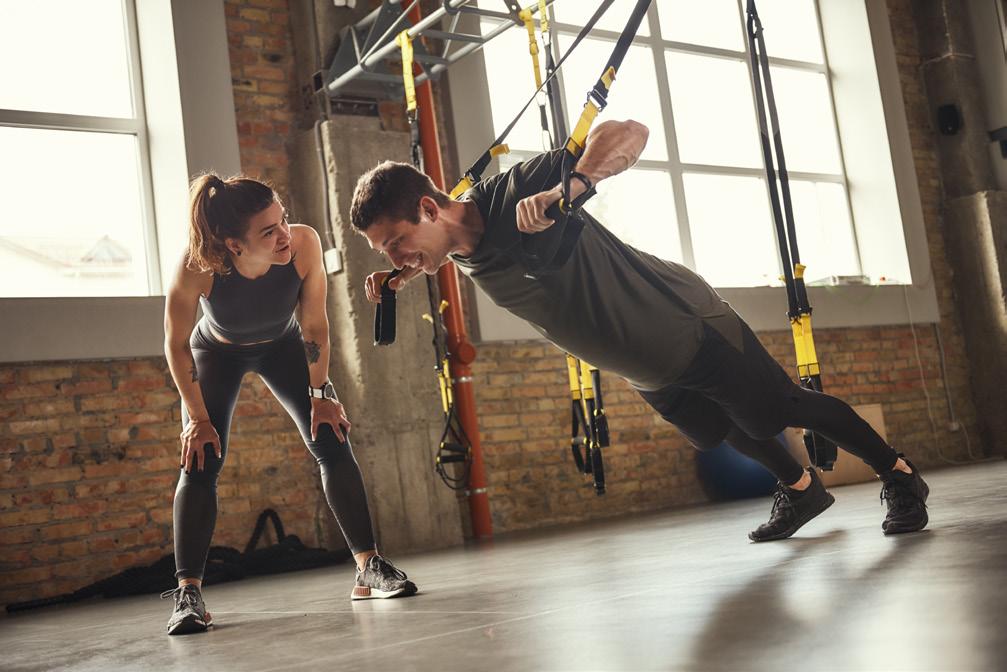
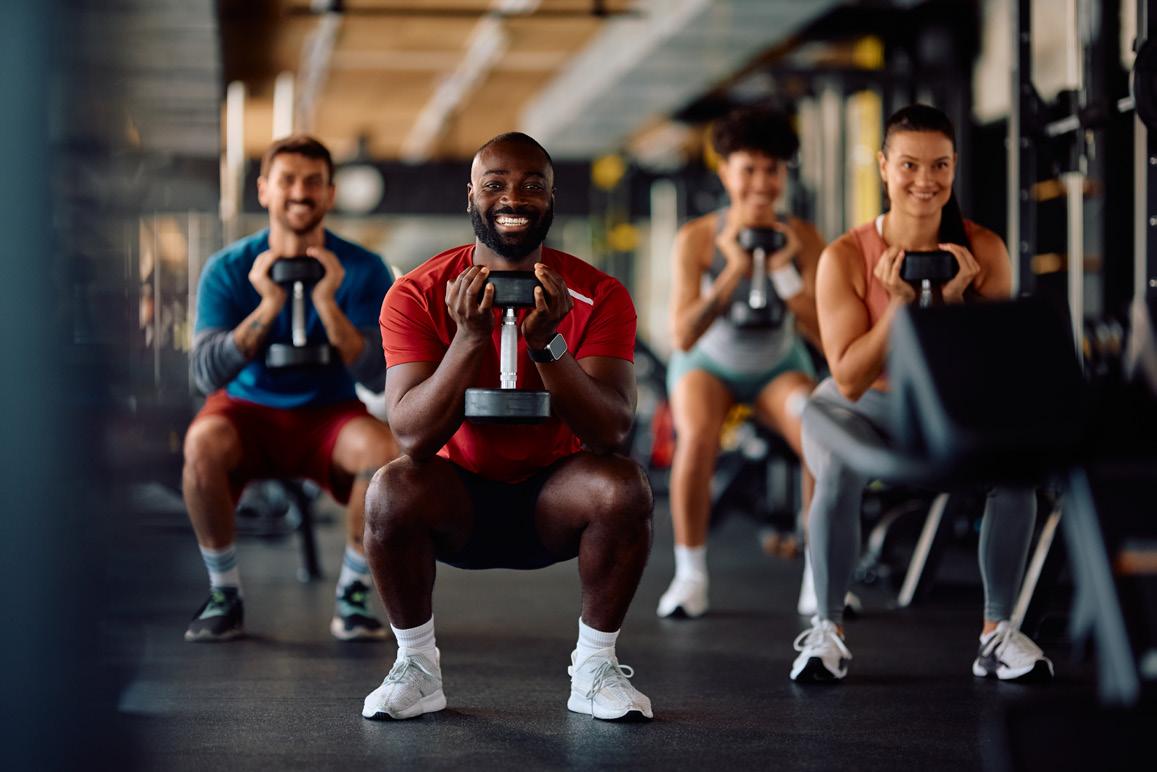
Inspirez les autres à bouger et développez votre carrière avec une certification qui façonne l’industrie du conditionnement en groupe au Canada depuis plus de 30 ans.
Allez plus loin que l’entraînement avec une certification qui place la

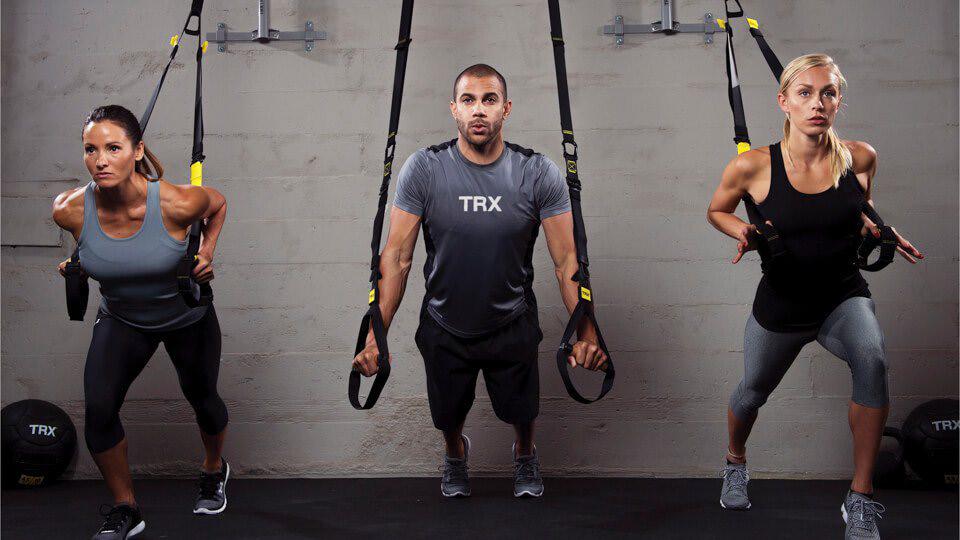
Apprenez à encadrer des exercices TRX, à cibler les bons groupes musculaires, à définir des objectifs de mouvement et à progresser efficacement.
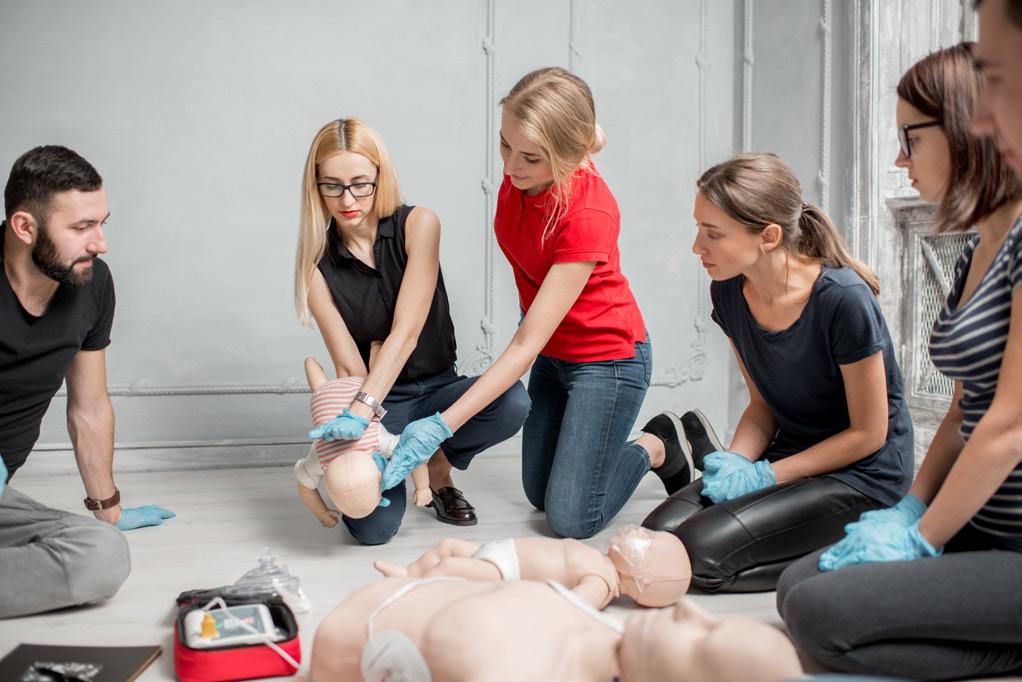
Faites une réelle différence grâce à la formation en RCR pour adultes, enfants et bébés, ainsi qu’à l’utilisation du défibrillateur externe automatisé (DEA).
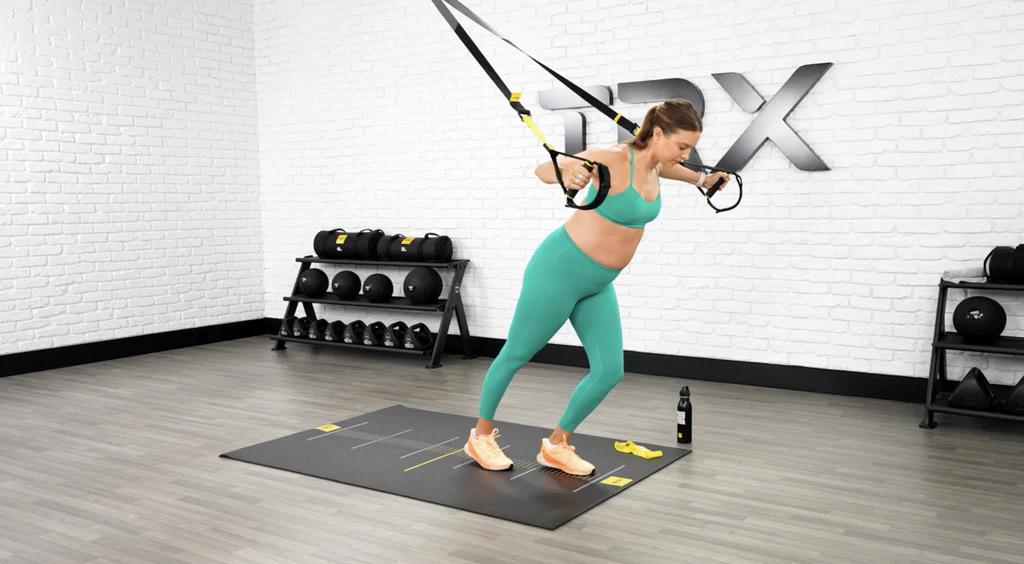
Accompagnez vos clientes à travers les différentes étapes de la grossesse et du post-partum.

THE OVERLOOKED ROLE OF POWER TRAINING IN LONG-TERM INDEPENDENCE
By Andrew Coates
Fitness professionals and die-hard enthusiasts are zeroed in on protecting muscle and bone health. We understand that we start to gradually lose muscle mass and bone density in our 30s. Most of us would rather die under a barbell than struggle to use the toilet independently in our 70s.
But is this enough to optimize quality of life and independence as we age?
Power, speed, and explosiveness decline faster than muscle and bone.
We hear it, we know it, but are we doing enough about it in our own training (or with our clients)?
When was the last time you sprinted?
The popular line “95% of adults over the age of 30 will never sprint again” is a made-up statistic, but it serves as an
accurate anecdote for our lives. Most people leave sprinting, jumping, cutting, and explosive movement back in their high school sports days.
Remember the last time you slipped in the bathtub or on ice? Remember how your arms shot out and caught you or absorbed the landing, preventing you from getting hurt? That’s your capacity for power and explosiveness. And we lose it if we don’t train it. Or maybe your muscular glutes absorbed your fall, and you’re gambling that this will keep saving you long term.
Maybe you just want to stay active or continue playing sports as you get older. I’ll bet most of us do plenty of strength and muscle focused training, and a good dose of cardio. We’ve got muscle, bone, and heart health stuff down. But
are we really training to support or at least slow the rate of decline of these other essential movement capacities?
You don’t need a degree in exercise science to plan practical power, explosiveness, and speed work into your training. I will combine all three under the umbrella term “power” going forward.
Here’s a few principles to guide you:
1 Do your power work early in your workout when you’re least fatigued. Fatigue degrades technique and skill expression, and most power exercises require excellent technique.
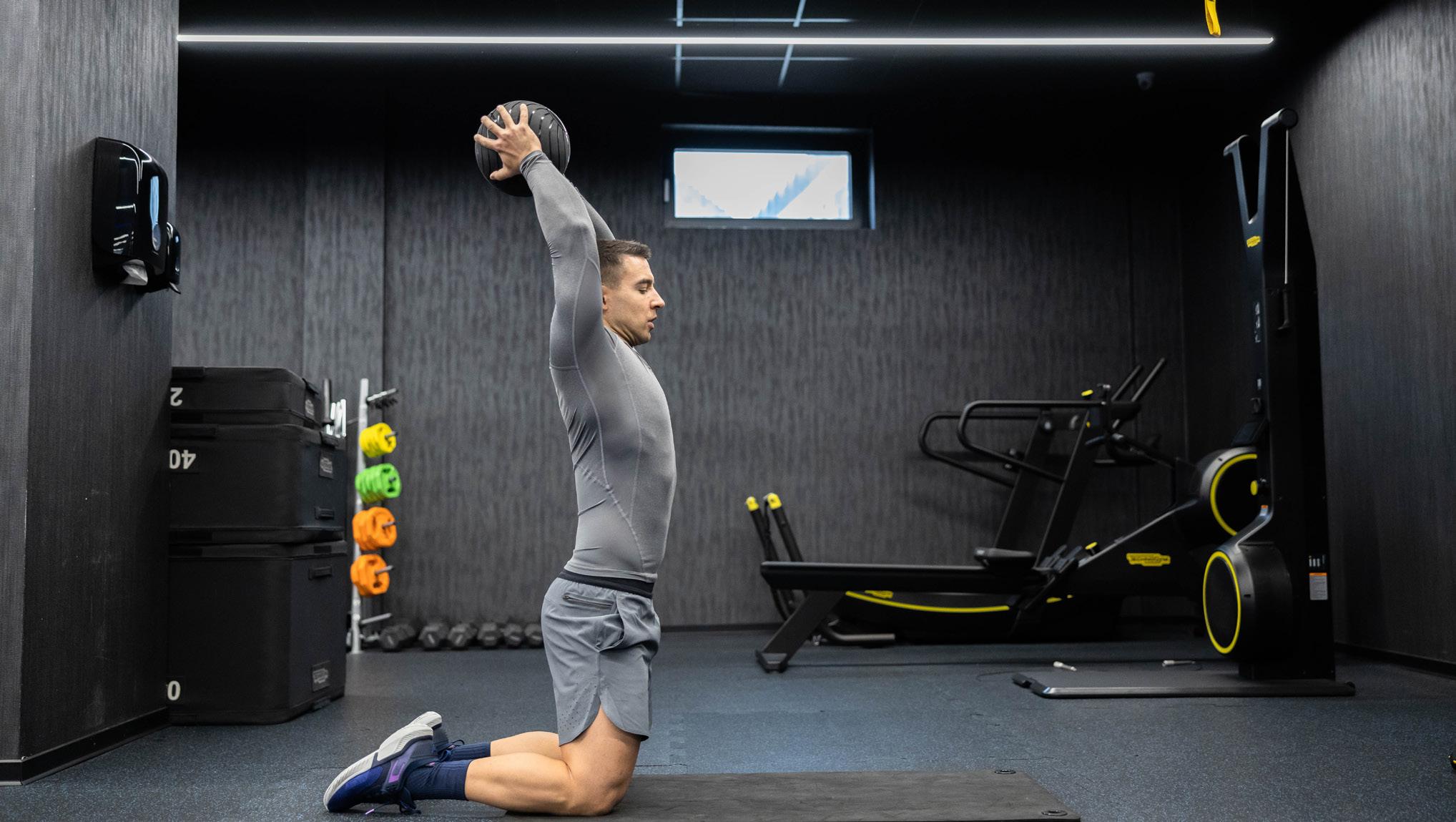
2 Many power exercises double as great warmup exercises. Power skips are my favourite way to warm up my lower body for heavy leg training. Kettlebell swings warm up hinge patterns. Trap bar jumps warm up heavy deadlifts. Medicine ball throws warm up with a torso rotational part. Plyo pushups warm up pressing exercises. You get the idea.
3 Go low rep, low volume, and avoid approaching failure. Speed
diminishes near failure. Technique usually degrades near failure. Developing power doesn’t require training to failure. You’ll recover faster and avoid excess fatigue for your strength training if you focus on a few sets with crisp reps.
4
Power training doesn’t need to be heavy. Heavy loading can diminish the speed and explosiveness you express in movement. Med ball slams and throws are better done with lighter weights, as are trap bar jumps.
Some exercises work best in a ‘Goldilocks’ zone. Kettlebell swings, cleans, and snatches work best when not too heavy, but not too light. It forces you to rely on technique and momentum instead of “muscling” the motion.
5
Power training doesn’t require Olympic lifting, which is technical with a long slow learning curve. A lot of power exercises are quick and easy to learn, like:
• Kettlebell swings
• Kettlebell cleans and snatches (compared to their barbell equivalents)
• Power skips
• Med ball rotational throws and slams
• Sled sprints
• Single leg hops
• Plyo pushups
• Plyometric or plyo style jumping and bounding exercises
• Trap bar jumps
• Explosive pressing and rotational landmine exercises
6
Use constraints to limit joint impact. We are resilient and want to experience some impact on bone health, but we don’t need to do everything at max velocity. You can build up to full sprints, but sprinting with a sled provides a governor to your top speed while still allowing you to be
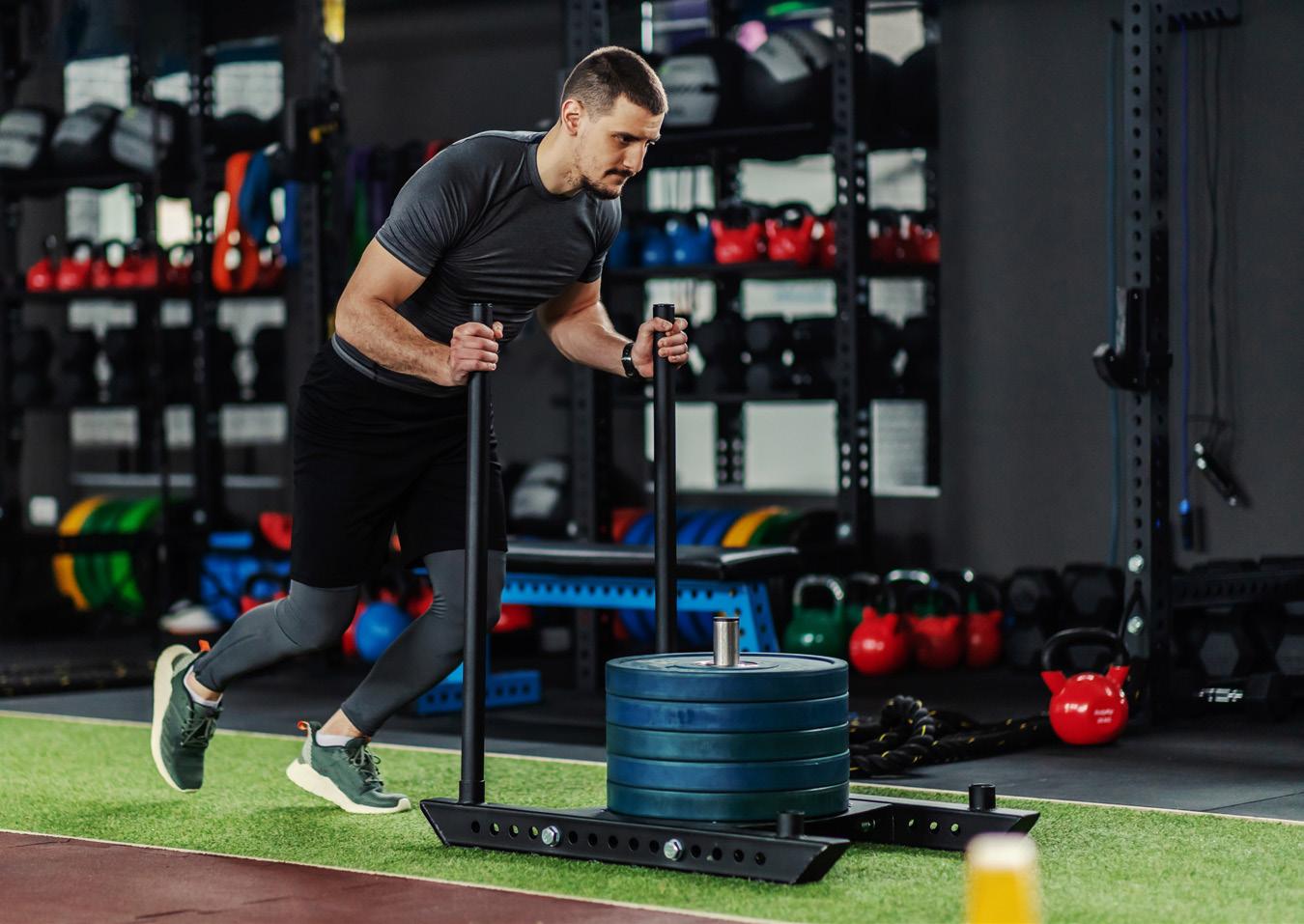
powerful. This may lessen injury risk, especially as you increase your intensity and expose your tendons and joints to a new stimulus. A lightly loaded trap bar or power skips limit how high you can jump as you get used to absorbing the force of landings. This matters if you haven’t jumped in years.
7
You can’t just pile on more training. Consider how you can strategically sprinkle an effective dose of power training without affecting your time and capacity for recovery. What can you remove from your training for the payoff of added power?
8
Experimenting with power training yourself will give you ideas for training clients and ensure they’re getting the same benefits.
We don’t lose independence because we can’t grind through a slow rep; we lose it when we can’t react, decelerate, or produce force quickly enough to save ourselves. Power training doesn’t require reckless intensity or endless volume, but it does require intent. A few well-placed, well-executed explosive movements can preserve the capacities that strength alone can’t. If you want to keep moving confidently, playing the sports you love, and catching yourself when life slips under your feet, training power isn’t optional; it’s preventative care. And as fitness professionals, the more we practice it ourselves, the better we become at giving our clients something far more valuable than muscle: resilience.
Andrew Coates is a personal trainer and online coach based in Edmonton, Canada and host of The Lift Free and Diet Hard Podcast. Andrew is a writer, published in T-Nation, Men’s Health, Muscle & Fitness, Onnit, Generation Iron, The PTDC, BarBend, Kabuki Strength, EliteFTS, and Arnold Schwarzenegger’s Pump Club. Andrew is a public speaker at events all over North America.






By Funk Roberts
If you train men in their 40s, 50s, 60s, and beyond, you already know this truth: how you structure the session matters just as much as the exercises you choose. Yet one of the biggest mistakes I see trainers make is not planning the entire hour. Warm-ups are rushed or skipped. Stretching is forgotten. The session ends abruptly with a handshake and a “see you next time.”
Not because you don’t care, but because there was no intentional structure from start to finish. And that leaves your client without the full benefits of a complete session.
A well-designed session improves results, reduces injury risk, increases longevity, and just as importantly builds trust. Your client feels taken care of. They feel confident in you. And that’s what keeps them coming back week after week, month after month, and year after year.
Session Structure Is Non-Negotiable
Men over 40 don’t just come to you for workouts. They come to you carrying stress, joint issues, poor sleep, low energy, hormonal changes and years, sometimes decades, of inconsistent training.
If the session feels random, rushed, or incomplete, they feel it immediately. A complete session isn’t about doing more. It’s about doing the right things
JUST AS IMPORTANTLY BUILDS TRUST.
in the right order. Flow matters. Preparation matters. And your ability to guide them confidently from the moment they walk in until the moment they leave makes all the difference.
Let’s break down an ideal 60-minute session blueprint that ensures longevity, sustainability, and the best results for your clients, while protecting the body and elevating your professionalism as a trainer.
The session starts the moment your client walks in, not when the first working set begins.
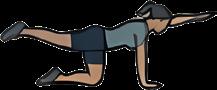
Your first 10 minutes should be dedicated to a dynamic pain free warmup that focuses on mobility, activation, and preparation. This is not mindless cardio. This is where you assess how your client feels today. Men over 40 often walk in tight, stiff, or stressed. Your warm-up should address that.
Think dynamic mobility focused, jointfriendly movements including:
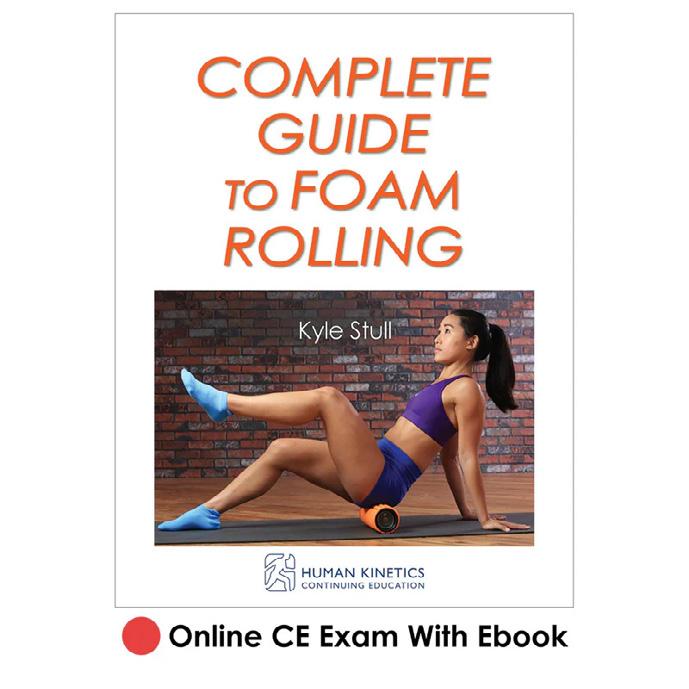
• Soft tissue foam rolling
• Hip openers and thoracic rotation
• Activation exercises like glute bridges
• Corrective movements
• Central nervous system stimulation
This warm-up sets the tone for the entire session. It reduces injury risk, improves movement quality, and gives you critical feedback. If something doesn’t feel right, you adjust before loading the body. That’s professional (and personal) training.
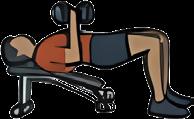
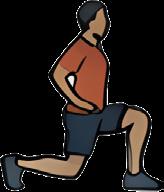
Once your client is warm and moving well, it’s time for the heart of the session: a 20–30-minute metabolic workout built around functional training. This is where many trainers overcomplicate things. You don’t need 12 exercises or fancy transitions. What you need is intention.
Choose six foundational movement patterns and use metabolic training to help build muscle and burn fat while training the body as a unit.
Think:
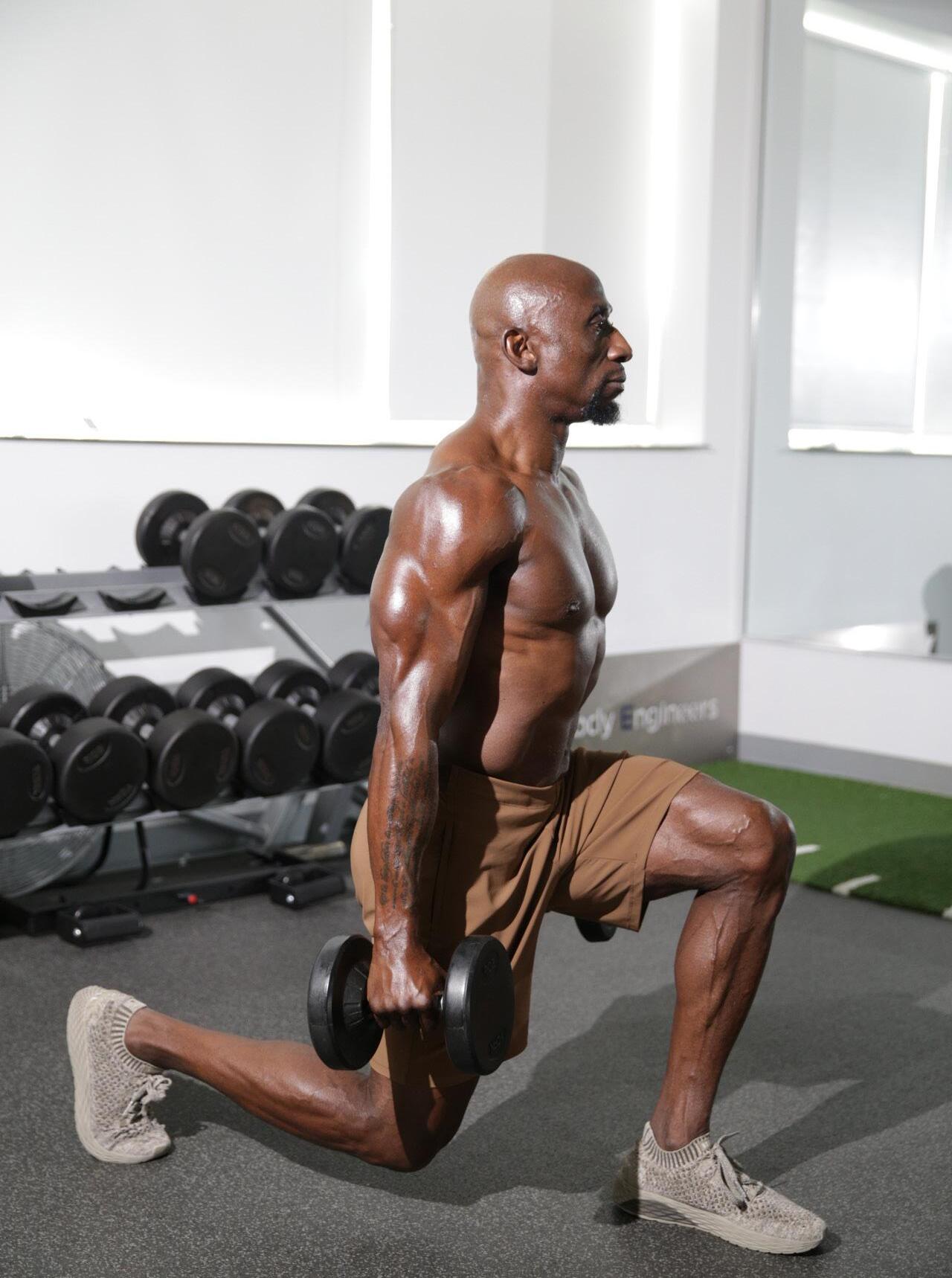
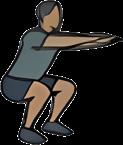
• Squat and lunge patterns
• Push and pull movements
• Hinges
• Carries or rotational work
Use bodyweight exercise to help your client master the movement and then add dumbbells/kettlebells for resistance. These movements build strength, burn fat, and improve cardiovascular fitness without beating up the joints. You’re training your client to move better in life, not just in the gym.
Because the session is planned, you’re not staring at your phone trying to figure out what’s next. You’re coaching. You’re cueing. You’re watching movement quality. And if your client isn’t feeling great that day, you already know how to regress or modify on the fly. That level of preparedness separates good trainers from great ones.
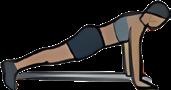
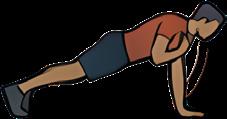
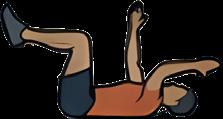
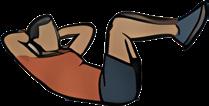
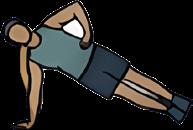
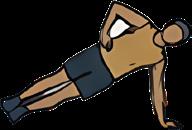
Part 3: Ab and Core Finisher (5 Minutes)
Core training is not about aesthetics, it’s about function, stability, and longevity. A short, focused 5-minute ab and core finisher reinforces posture, protects the spine, and supports everything else they do both inside and outside the gym.
High planks, carries, anti-rotation work, and controlled flexion or extension movements work exceptionally well. This isn’t about exhaustion. It’s about control and connection. When men feel strong through their core, everything improves from confidence to performance to daily movement.
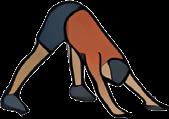
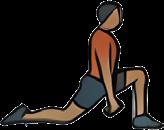
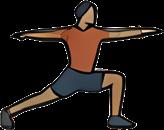
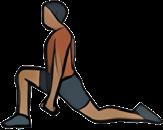
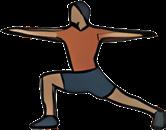
Part 4: Stretch and Cool Down (10 Minutes)
This is the most neglected yet most valuable part of every session. Your final 10 minutes should be dedicated to
PART 1: Dynamic 6 Warm-Up
Minutes


PART 2: Functional Metabolic Circuit


PART 3: Abs and Core Finisher

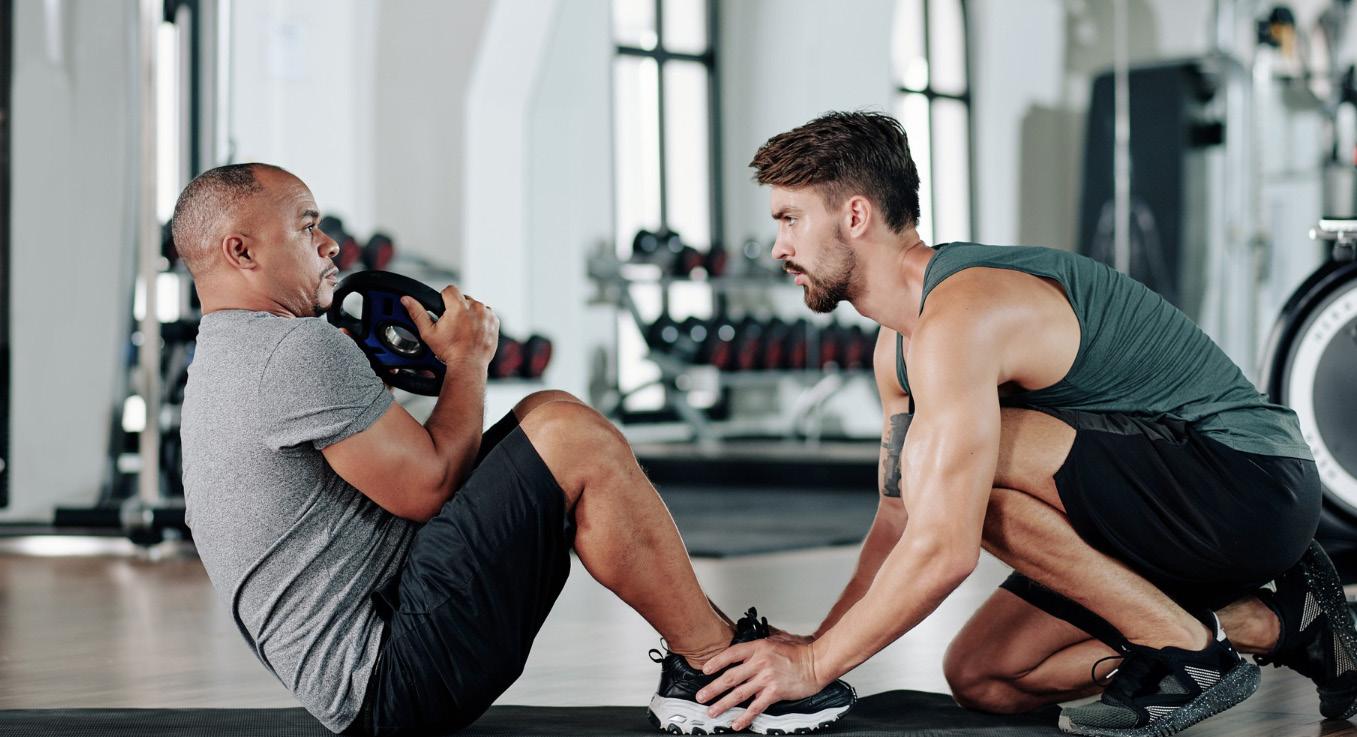
YOU’RE NO LONGER JUST SOMEONE WHO COUNTS REPS; YOU’RE A COACH WHO UNDERSTANDS AND LEADS WITH INTENTION.
stretching, breathing, and recovery. This is where you slow the nervous system down and help your client transition out of training. They should feel better walking out than when they walked in.
Use range of motion stretches with longer holds, focusing on the hips, hamstrings, chest and shoulders, and anything else that you worked during the session.
But this time is about more than stretching. As you move through the cool down, you’re talking. You’re recapping the session. You’re highlighting wins. You’re explaining what to expect over the next 24–48 hours and previewing the next workout. This conversation builds connection, confidence, and clarity. Your client leaves feeling educated, supported, and excited to come back. That’s retention.
Preparation Elevates You as a Trainer
One of the biggest red flags clients notice and feel is when a trainer looks
unprepared. Scrolling through a phone mid-session. Making it up as they go. Rushing the ending. Preparation communicates professionalism.
When you plan the entire session, you create flexibility. If your client has a bad night of sleep or feels beat up, you adjust and make changes to the plan without panic. You’re calm. You’re confident. You’re in control. And your client feels safe in your hands.
When you consistently deliver wellstructured sessions like this, something powerful happens. Your clients train longer. They get better results. They trust you more. You’re no longer just someone who counts reps; you’re a coach who understands the aging male body and knows how to train it intelligently.
Structure isn’t restrictive. Structure is freedom for you and for your clients.
Training Specialist for Men Over 40 Certification Course and The Metabolic Conditioning Coach
Certification. He is a globally recognized fitness expert, coach, and educator who specializes in helping trainers and coaches safely and effectively train men in their 40s, 50s, 60s, and beyond. Funk has helped thousands of trainers elevate their coaching skills and results through evidence-based training systems designed for longevity and performance.
This online course empowers participants with knowledge and strategies to strengthen brain health and support active aging.



By Rob Dickson


For personal trainers, coaching men for weight loss requires a shift in perspective. While the fundamental laws of thermodynamics (calories in vs calories out) apply to everyone, men have a distinct hormonal profile and body composition that offers specific advantages and unique pitfalls in the pursuit of fat loss and longterm maintenance.
The primary physiological difference in male weight loss is basal metabolic rate (BMR). On average, men carry higher amounts of skeletal muscle mass than women.
Because muscle is metabolically active tissue, men typically have a higher caloric “ceiling.” This allows for more aggressive initial weight loss without immediately triggering the severe metabolic adaptation often seen in female clients.
Another often forgotten part of the weight loss equation is NEAT (Non-Exercise Activity Thermogenesis). Men often subconsciously reduce NEAT during and after a hard diet. One way to minimize this is to set a step-count goal (e.g., 8,000–10,000 steps) that stays non-negotiable regardless of the training phase.
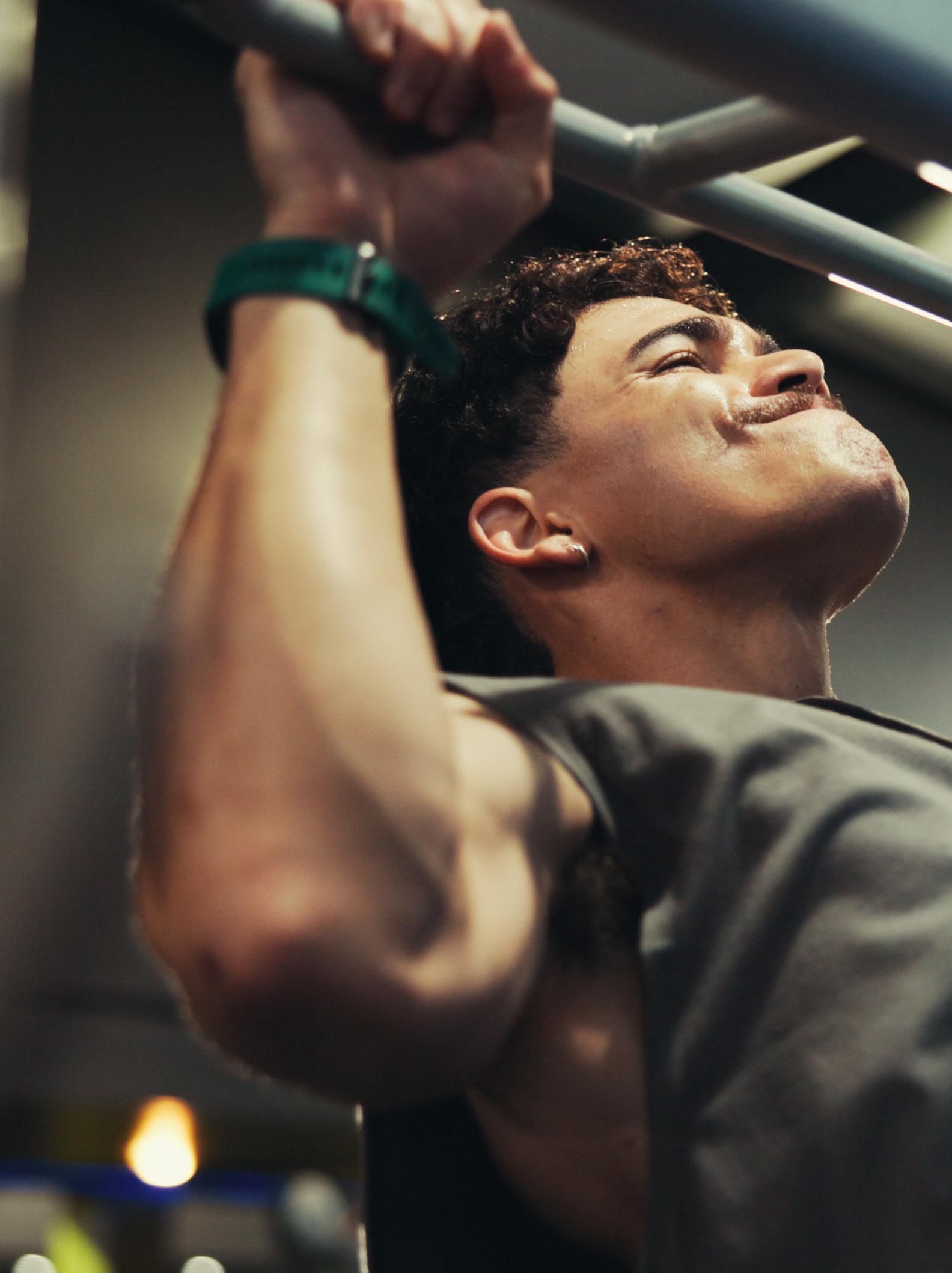
When it comes to setting goals, behavioral science suggests that men often respond better to performance-based metrics than purely aesthetic ones. While “losing the gut” is the motivation, a performance-based goal like mastering
the first unassisted pull-up is often the hook. This creates a powerful feedback loop: as the weight comes off, the movement becomes easier, reinforcing the progress made.
Men also tend to be “discretionary eaters.” They are often more successful with structured, binary rules (e.g., “no alcohol on weekdays” or intermittent fasting) rather than intuitive eating, which can lead to underestimating caloric intake.
The greatest risk for anyone post-weight loss is relapsing. Once the weight is gone, many people will return to their old way of eating. They return to high-calorie social eating habits, or they reduce their training intensity because the goal is met. Reducing training intensity can be an appropriate thing to do as you enter a maintenance phase; while figuring out the next goal, the same thought and planning must be taken into account for maintenance calories to stay at the current weight, especially if there is a reduction in calories burned during exercise.
Suggestions for coaching clients:
Prioritize Hypertrophy / Preserve
Muscle: Even during a deficit, programming must focus on heavy resistance training to preserve lean mass.
The Protein Lever: Men require higher absolute protein intakes to support this mass. Aim for 1.6g to 2.2g of protein per kilogram of body weight. Protein is also
When building a program, prioritize these four pillars in descending order to ensure the weight stays off.
1. Resistance Training: Minimum 3 days/week. Focus on compound lifts (Squat, Deadlift, Press) to signal the body to keep its muscle.
2. Adequate Protein: 1.6g–2.2g/kg. Non-negotiable for satiety and nitrogen balance.
3. Daily NEAT Target: A step goal (e.g., 10k) acts as a buffer against a slowing metabolism.
4. Flexible calories: Allow for “discretionary calories” to prevent the “all-ornothing” binge cycle common in high-achieving men.
very satiating, so it helps fill you up and keep you full longer than carbs.
Monitor Sleep and Stress: High cortisol is a testosterone killer. If a male client’s fat loss stalls despite a deficit, audit their recovery before cutting more calories.
Fat Quality: Ensure adequate healthy fat intake (20%–30% of total calories) to support endogenous hormone production.
Gamification: Use data. Track body fat percentage, power output, and recovery metrics (like HRV) to enhance motivation.
The “Big Rocks” Approach: Focus on two to three non-negotiable habits rather than a total lifestyle overhaul, which can lead to “all-or-nothing” abandonment, especially at the beginning of the change.
Audit Alcohol: Address social drinking early—it’s the most common “hidden” calorie source for men.
Once the diet goal is met, you still need a plan.
1. Reverse Dieting: Slowly increasing calories (mostly through carbohydrates) post-diet to restore metabolic rate and hormonal health, to achieve weight balance without rapid fat gain.
2. Focus on “Power-to-Weight” Ratio: Encourage clients to view their new weight as an advantage for pull-ups, sprinting, or endurance tasks.
3. The 80/20 Maintenance Rule: Men often struggle with “grey area” eating.
Encouraging a strict 80% whole foods / 20% discretionary calories split provides the boundaries necessary for long-term weight stability.
Successful male weight loss is about leveraging their higher metabolic ceiling while guarding their hormonal health. By focusing on muscle preservation through high protein and heavy lifting, and pivoting to performance-based goals for maintenance, you can help male clients move past the “yo-yo” cycle and into a lifetime of peak physical function.
Rob Dickson, BSc, CSEP-CEP, canfitpro PRO TRAINER, is an industry veteran and a sessional lecturer at the University of Prince Edward Island. With a degree in Kinesiology, a minor in Nutrition, and a background ranging from gym-floor trainer to CEO, he brings a 360-degree perspective to T3 Fitness and Kinesiology. As a Clinical Exercise Physiologist, Rob is a staunch advocate for professional accountability, believing that rigorous continuing education is the foundation of safe, effective fitness.


By Claudiu Popa, PTS
As a trainer, you’ve most likely seen this situation: a male client over 40 has a goal to lift weights like he did in his college days. He’s not just training to stay healthy. He’s chasing the version of himself he remembers from his 20s: stronger, leaner, bulletproof, and somehow able to recover from anything. I work with people in their 70s, 80s, and 90s, and I still see flashes of ego lifts from time to time.
But here’s the part we do not point out often enough: That guy is often chasing injury right alongside the glory of earlier times. They want to relive their max bench days, squeeze into their high school jeans, or reclaim a look that disappeared around the same time sleep became optional and stress became normal. They often don’t realize the rules have changed, and the goals must change too.
Our job isn’t just delivering awesome workouts. It’s to protect, coach, and help clients adjust expectations in ways that keep them training for life. That means being honest about aging without using it as an excuse.
Yes, testosterone and muscle mass decline with age. A commonly
cited average is about a 1% drop in testosterone per year after age 30. Sarcopenia, the age-related loss of muscle, can begin earlier than most people expect, with typical estimates around 1% to 2% per year and faster rates later in life. Recovery is getting slower. Joints get louder and often sore. Warmups stop being optional.
The good news is that resilience can improve with age. Patience can improve. Perspective can improve. The win is still available; it just looks different. I find that I can better communicate with clients over 50 because I can relate, but even younger trainers can easily understand and carefully plan for these systemic changes. In doing so, we can help clients train for it.
The first thing to shift is not their deadlift or their diet. It is a mindset.
Midlife men need to stop chasing performance at all costs and start building durability. They need to understand that long term consistency beats short term intensity every time.
That means helping them let go of the belief that if they are not lifting heavy or crawling out of the gym, the workout
did not count. It means replacing punishment with purpose, and ego with strategy. I often commend them for just showing up and often try to reframe by reminding them, “We are not training to compete with 25-year-olds. We are training to be dangerous at 55.”
5
Here is what has worked best for me with men starting in their 40s.
1. Redefine what progress looks like. As a professional, train to not only track the load on the bar. Track recovery, energy, sleep quality, mobility, and mood. If a client is sleeping better, moving better, and showing up consistently, you’re winning, even if the numbers are not climbing every week.
This is also how you keep motivation alive when progress is slower. You are giving them proof that training is working.
2. Match training to recovery, not to pride.
If your client is a dad, a manager, an entrepreneur, or all the above, he often arrives pre-fatigued. Programs that ignore reality are not adequately

customized. They simply lack empathy and basic understanding.
It is understood that we should always bias toward joint friendly patterns, full body strength, and intelligent volume. Keep a couple of high intensity sets, not ten sloppy ones. A sore client does not train tomorrow. A healthy client does.
Reality Check: If the technique degrades, the set is done. That boundary alone saves shoulders, backs, and egos. That doesn’t mean perfect form. It means focus on execution.
3. Call it “functional vanity.” Aesthetics still matters. Pretending it doesn’t would be naïve, but we can redirect it in a useful way.
Frame the goal as “earning the right to age well.” Strong legs mean stairs feel normal. A strong back means luggage is not a gamble. Better conditioning means energy doesn’t crash at 3:00 p.m. They will still look better in a t-shirt, but now that is a byproduct of a plan you jointly built together with your client.
4. Build community and connection. Lack of human connections is often underrated and ignored. A recent Pew survey found that 16% of people feel lonely or isolated all or most of the time. The same work suggests men are not necessarily lonelier than women, but
www.pilates.com
... LONG TERM CONSISTENCY BEATS SHORT TERM INTENSITY EVERY TIME.
men do seem less likely to turn to their networks for emotional support.
As trainers, we can help by creating a safe place for clients. Training partners, small groups, consistent class times, even a simple “same crew, same time” culture. For many men, that becomes the glue that keeps them consistent, especially when life gets heavy.
5. Talk about the “why” early, not after the setback.
Go beyond goals. Ask what they want 10 years from now. What kind of man do they want to be? The guy who can hike with his kids, play sports without pain, travel confidently, or simply feel strong again? Those answers become the anchor when we sense client motivation dips.
No one wants to hear they are getting older. But everyone wants to feel in control of their future. That is active aging. We are not telling clients to slow down. We are teaching them how to keep going.
Not everyone can coach a client through the mental and physical transition that happens after 40 years. It’s important to keep reading and learning about yourself and others. Don’t assume you “get it” just because you understand anatomy. Remember that you’re not just training their body. You are helping them adapt to a new chapter where grit, humility, and self-awareness matter more than a bench press story.

Claudiu Popa, PTS, enjoys sharing knowledge accumulated over 30 years of strength training and fitness conditioning. He enjoys active aging and empowering older adults to keep improving safely. He can be reached in confidence at Claudiu@ WorkoutSmart.ca.

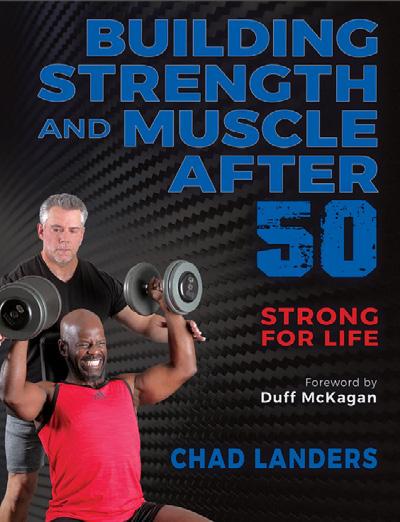
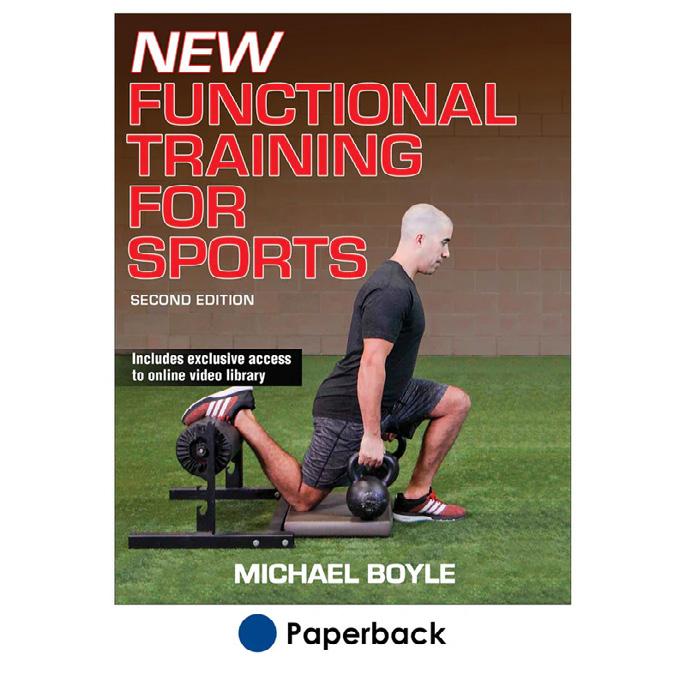
THIS IS AN EXCERPT FROM BUILDING
STRENGTH AND MUSCLE AFTER 50 BY CHAD LANDERS.
By this age almost all of us are experiencing pain or discomfort somewhere. It could be an old high school sports injury that hurts when you barbell bench press; or that pain in your neck that flares up every time the weather turns cold; or just simple wear and
tear from a life well lived. In addition to any preexisting injuries and the big three, we “mature” trainees may also be dealing with other medical issues such as diabetes, high blood pressure, or arthritis, or we are taking medications that can impact our training.
... IF WE ONLY TRAINED ON THE DAYS WHEN WE FELT 100 PERCENT, WE’D RARELY, IF EVER, TRAIN.
None of these issues are reasons to avoid training because the benefits of resistance training are far too great to miss out on. But as important as strength training is, you need to be able to incorporate it into your busy schedule efficiently, safely, and consistently to truly benefit from this fountain of youth.
Remember in the introduction when I mentioned the “dreaded sleep injuries?” I was only half joking. The fact is that most of us over 50 do wake up with some kind of ache, pain, or discomfort. That doesn’t mean we are “injured” and shouldn’t train. At this age, if we only trained on the days when we felt 100 percent, we’d rarely, if ever, train.
My clients hear me say that “some days are diamonds, and some days are coal.” Showing up on those “coal days,” when you “slept wrong” and just don’t feel like training can often be when most of your progress is made. “Diamond days” are simply too rare to count on, so you need to get the most you can out of those coal days.
Of course, if you are truly ill, stay home and rest. And if you are injured, depending on the extent and severity of the injury, you’ll likely be able to train around the issue. But if you just feel out of sorts, and dare I say, lazy, go to the gym and see how the warm-up goes. If
you feel good after that, try a warm-up set on your first exercise.
If anything causes a sharp pain, stop! But the “general malaise” of small aches and stiffness most of us deal with on the regular will typically go away as we warm up. Remember, although we are always striving to do more reps or lift more weights than our prior workouts, we also don’t want to turn a small problem into a big one. If you are unsure how you’re feeling after a warm-up set or two, go lighter on your work sets— as light as you need to, so you don’t exacerbate what you are feeling.
Although we all want to train like a montage from a Rocky movie, remember that no rep or set, exercise, or workout is worth an injury that leads to prolonged absence from the gym. Listen to your body and let pain be your guide. Go lighter, skip an exercise altogether, or skip the weights entirely, do some cardio, and live to fight another day.

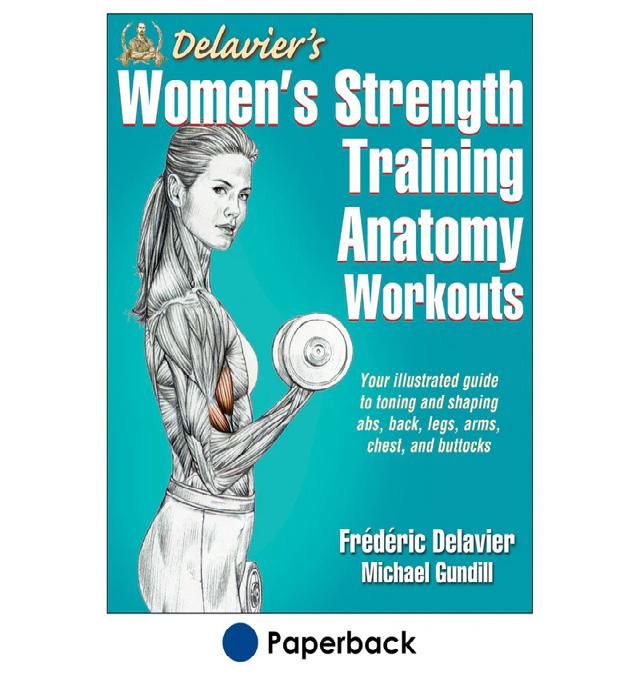
Copyright © 2026 by Human Kinetics Publishers, Inc. Excerpted by permission of Human Kinetics, Champaign, IL. Available to order from Human Kinetics Canada at canada.humankinetics.com/ or by calling 1-800-465-7301.
















LA PERTE DE POIDS
CHEZ L’HOMME SANS SACRIFIER LA MUSCULATURE NI LES HORMONES
par Rob Dickson

Pour les entraineurs personnels, l’entrainement pour la perte de poids chez les hommes exige un changement de perspective. Bien que les lois fondamentales de la thermodynamique (apport calorique versus dépense calorique) s’appliquent autant à la femme qu’à l’homme, ces derniers présentent un profil hormonal et une composition corporelle qui leur confèrent des avantages spécifiques, mais les exposent à des pièges uniques dans leur quête de perte de gras et de maintien à long terme.
La principale différence physiologique dans la perte de poids chez l’homme est le métabolisme de base (BMR). En moyenne, les hommes ont une plus grande masse musculosquelettique que les femmes.
Parce que les muscles sont un tissu métaboliquement actif, les hommes ont généralement un « plafond » calorique plus élevé. Ce qui permet une perte de poids initiale plus agressive, sans déclencher instantanément une adaptation métabolique importante que l’on observe souvent chez la femme.
Un autre élément souvent négligé dans l’équation de la perte de poids est le NEAT (thermogénèse de l’activité non liée à l’exercice). Subconsciemment, le NEAT diminue fréquemment chez l’homme pendant et après un régime strict. Une façon de minimiser cet effet consiste à se fixer un objectif de nombre de pas (p. ex. : 8 000 à 10 000 pas) qui reste non négociable, quelle que soit la phase d’entrainement.
Lorsque vient le temps d’établir des objectifs, les sciences comportementales suggèrent que les hommes répondent généralement mieux à des indicateurs basés sur la performance qu’à ceux purement esthétiques. Bien que « perdre son p’tit pneu » soit une motivation en soi, un objectif basé sur la performance, comme maitriser une traction sans aide, est souvent la motivation ultime. Cela crée une boucle de rétroaction
puissante : le mouvement devenant plus facile au fur et à mesure que la perte de poids progresse, ce qui renforce les progrès réalisés.
Les hommes ont également tendance à être des « mangeurs discrétionnaires ». C’est-à-dire qu’ils auront souvent plus de succès avec des règles structurées et cartésiennes (par exemple : pas de consommation d’alcool pendant la semaine ou la pratique du jeûne intermittent) plutôt que de se fier à l’alimentation intuitive qui entraine souvent un apport calorique insoupçonné.
Chez l’homme comme chez la femme, le plus grand risque après une perte de poids est la rechute. Une fois le poids éliminé, la plupart des gens reprendront leurs vieilles habitudes alimentaires. Ils recommenceront à manger des aliments riches en calories, ou ils réduiront l’intensité de leurs entrainements, simplement parce qu’ils auront atteint leurs objectifs. La réduction de l’intensité des entrainements peut s’avérer appropriée alors qu’on entre en phase de maintien. Mais la même réflexion et la même planification doivent s’appliquer pour déterminer le nombre de calories nécessaires au maintien du poids atteint lorsqu’on établit un nouvel objectif, surtout s’il y a une réduction du nombre de calories dépensées pendant l’exercice.
Suggestions pour l’encadrement des clients :
Prioriser l’hypertrophie/conserver la masse musculaire : Même pendant un déficit calorique, le programme doit cibler un entrainement en haute résistance afin de préserver la masse maigre.
Le levier protéique : Les hommes ont besoin d’un apport protéique absolu plus élevé pour soutenir leur musculature. Visez un apport de 1,6 g à 2,2 g de protéines par kilogramme de poids corporel. Les protéines sont également très nourrissantes. Elles contribuent à une sensation de satiété durable et elles
aident à la ressentir plus longtemps que les glucides.
Faire le suivi de son sommeil et de son stress : Un niveau élevé de cortisol tue la testostérone. Si la perte de poids d’un homme atteint un plateau en dépit d’un déficit calorique, analysez son processus de récupération avant de couper encore plus de calories.
La qualité du gras : Veillez à un apport suffisant en graisses saines (20 à 30 % des calories totales) pour soutenir la production d’hormones endogènes.
Gamification : Utilisez les données.
Suivez les indicateurs tels que le pourcentage de gras corporel, la puissance, et la récupération (comme la VFC) pour stimuler leur motivation.
Lorsque vous élaborez un programme, mettez l’accent sur ces quatre piliers dans l’ordre décroissant afin de vous assurer que le poids demeurera stable.
1. Entrainement en résistance : Minimum 3 jours/semaine. Visez les mouvements composés (polyarticulaires – squats, soulevés de terre, développés) pour indiquer au corps de préserver ses muscles.
2. Apport protéique adéquat : 1,6 g–2,2 g/kg. Non négociable pour la satiété et l’équilibre azoté.
3. Cible NEAT quotidienne : Un objectif de pas par jour (p. ex. : 10 k pas) servira de tampon contre le ralentissement du métabolisme.
4. Source flexible de calories : Prévoyez des « calories discrétionnaires » pour éviter le cycle de fringales « tout ou rien » courant chez les hommes très performants.
La métaphore des «big rocks” : Ciblez deux, trois habitudes non négociables plutôt que de complètement chambouler la vie de votre client, ce qui pourrait le pousser à tout abandonner, surtout au début de sa démarche.
Mesurez la quantité d’alcool : Discutez de sa consommation tôt dans le processus, l’alcool est la source de calories cachées la plus courante chez les hommes.
Une fois l’objectif alimentaire atteint, vous aurez quand même besoin d’un plan.
1. Régime alimentaire inversé : Après un régime alimentaire, augmentez progressivement l’apport calorique (principalement au moyen de glucides) afin de rétablir le métabolisme et l’équilibre hormonal, et un équilibre pondéral sans prise de graisse rapide.
2. Ciblez un ratio « puissance/poids » : Encouragez vos clients à considérer leur
nouveau poids comme un atout pour l’exécution de tractions, d’exercices d’endurance et de sprints.
3. La règle 80/20 pour le maintien : Les hommes ont souvent de la difficulté à gérer les zones grises de l’alimentation. Encourager une répartition stricte de 80 % d’aliments complets et de 20 % de calories « discrétionnaires » fournit les limites nécessaires pour maintenir un poids à long terme.
Une perte de poids réussie chez l’homme consiste à tirer parti de son métabolisme naturellement élevé tout en maintenant un équilibre hormonal sain. En visant la préservation de la masse musculaire grâce à un apport protéique élevé et des charges maximales en musculation, et en ciblant la performance comme objectif de maintien, vous pouvez aider vos clients à surmonter le cercle vicieux du yo-yo et à atteindre un sommet de forme physique durable.
Rob Dickson, B. Sc. SCPE-PEC, PROFORMATEUR canfitpro, est un vétéran de l’industrie et chargé de cours à l’University of Prince Edward Island. Avec un diplôme en kinésiologie, une mineure en nutrition, et fort d’une expérience allant d’entraineur en centre de conditionnement physique à PDG, il apporte une perspective à 360ᵒ à T3 Fitness and Kinesiology. En tant que kinésiologue clinicien, Rob est un fervent défenseur de la responsabilité professionnelle, convaincu qu’une formation continue rigoureuse est le fondement d’un entrainement sûr et efficace.

Your input helps us continue to deliver practical, evidence and science based content that supports your work with clients and builds your business. Take the 1 minute survey.
By Dr. Jonathan Mike

The man in his 30s or 40s today is not short on ambition. He is short on time, margin, and recovery.
He wants to train hard, perform at work, show up for his family, and still look and feel capable in a body that no longer adapts like it did at 22. Somewhere between career demands, stress, travel, poor sleep, and inconsistent schedules, something starts to slip. Energy is lower. Recovery takes longer. Fat loss is harder. Strength gains are slower.
So, he does what modern culture has trained him to do: he looks for an upgrade. The supplement industry is more than happy to provide one.
Walk into any store or open any social feed, and the message is clear: more testosterone, more focus, more energy, more recovery, more edge. All neatly packaged in powders, pills, and “clinically dosed” blends.
But here is the uncomfortable truth most men, and many coaches, avoid: Most performance problems in men 30–45 are not supplement deficiencies. They are system failures.
This stage of life creates the perfect storm. Training time is limited. Sleep is often compromised. Stress is chronic. Food quality is inconsistent. The nervous system rarely feels truly recovered. Yet expectations remain high—at work, at home, and in the gym.
The idea that a stack can “optimize” is seductive. It feels efficient. It feels proactive. It feels like control. But physiology does not respond to hope. It responds to input and recovery.
No supplement replaces:
• Adequate sleep
• Adequate energy intake
• Intelligent training
• Sufficient recovery
• Consistent habits
At best, supplements support a good system. At worst, they distract from fixing a broken one.
Before any supplement conversation happens, a coach should ask, “What problem are we actually trying to solve?”
Not what is trending. Not what a podcast recommends. But is this a:
• Sleep and recovery problem?
• Stress and nervous system problem?
• Energy availability problem?
• Training structure problem?
• Lifestyle load management problem?
If you do not identify the true limiter, any supplement choice is just an expensive guess.
High-level coaching is not about adding more tools. It is about finding the real constraint and fixing that first.
The Trend Autopsy: Why Most ‘Optimization’ Products Miss the Mark
Let’s look at what men in this age group are being sold.
Testosterone boosters and “hormone optimization” stacks speak directly to fear: aging, decline, lost edge. But in practice, most are underdosed, weakly supported, or irrelevant compared to the impact of sleep debt, chronic stress, and insufficient fueling. You cannot supplement your way out of a chronically exhausted nervous system.
Adaptogens and cortisol blockers imply stress is a chemical problem. It is not. Stress is a load management problem. No herb offsets a life with no recovery margin.
Longevity compounds, NAD+, and anti-aging powders are built on early or overextended science. Meanwhile, the biggest drivers of long-term performance and health remain boring and powerful: strength training, cardiorespiratory fitness, adequate protein, sleep, and healthy body composition.
Fat burners are typically stimulant blends. They increase arousal and

suppress appetite. They do not fix habits, behaviour, or physiology.
Greens powders often become nutritional theater, useful as backfill at best, never as a replacement for real food.
The Label and Dosing Problem
“Clinically studied ingredients” does not mean clinically effective products.
Many supplements rely on:
• Underdosing
• Proprietary blends
• Marketing by association
This is not illegal. But it is intellectually dishonest. Coaches should teach clients to read labels the same way they evaluate training claims—with skepticism and context.
The Hidden Cost: What Supplements Replace
Every supplement decision carries an opportunity cost.
Every dollar, habit, and ounce of attention spent chasing stacks is not spent on better...
• sleep routines
• food quality
• training structure
• stress management
• lifestyle design
Worse, supplements often create the illusion of progress—the feeling of doing something productive while avoiding the harder, more impactful changes.
AT BEST, SUPPLEMENTS SUPPORT A GOOD SYSTEM. AT WORST, THEY DISTRACT FROM FIXING A BROKEN ONE.
A Smarter Framework for Men 30–45
High-integrity coaching requires a tiered model.
Level 1: Foundations
Sleep, protein intake, total energy intake, training quality, stress management, daily movement. If these are not stable, supplements are irrelevant.
Level 2: Performance Support
Only when a specific bottleneck exists— travel, appetite issues, logistical constraints, deficiencies, extreme workloads—do supplements make sense as support tools.
Level 3: Marginal Gains
This is for men who already have structure,
consistency, and margin. Small edges may matter here—but this is where marketing is aimed at everyone else. Most men try to live at Level 3 with a Level 1 lifestyle.
The Real Marker of a Great Coach
Here is the truth: Men don’t need more products. They need better priorities.
Great coaches protect their clients from distraction. They say no more often than yes. They fix systems before adding tools. This builds trust, results, and long-term adherence.
The Bottom Line Supplements are not strategies. They are support tools.
For men in their 30s and 40s, the real upgrade is not in a bottle. It is in building a system that actually supports performance, resilience, and longevity.
Your stack is not your strategy. Your life structure is.

a PhD-trained performance coach, entrepreneur and international speaker specializing in strength, power, and rotational training. With 20+ years in the industry, he bridges science and real-world results, helping coaches, athletes, and high performers build resilient, powerful, and long-lasting bodies.

By canfitpro
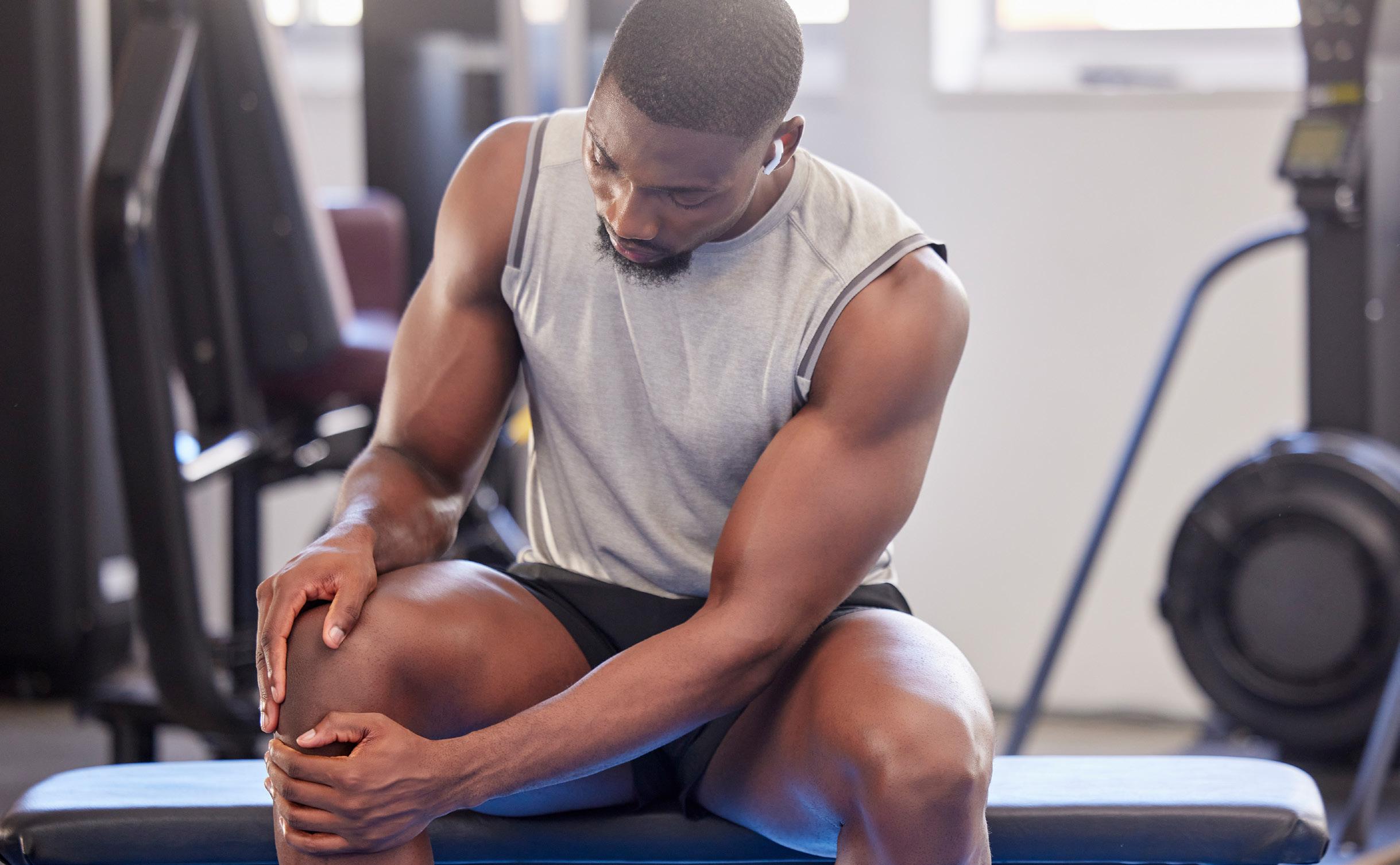
For many men, movement is more than exercise. It is stress relief, identity, and emotional regulation all rolled into one. Training offers structure when life feels chaotic, control when emotions feel messy, and a socially accepted outlet for anger, anxiety, and pressure.
In many cases, fitness is one of the healthiest coping tools available. But
like any tool, its impact depends on how and why it is being used.
For fitness professionals working with male clients, understanding where exercise supports mental health and where it begins to undermine it is an essential coaching skill.
Cultural expectations still teach many men to value self-reliance, toughness, and emotional restraint. Verbalizing stress does not always feel accessible or acceptable. Movement does.
Exercise offers:
• Immediate physiological relief
• A sense of competence and control
• Measurable progress
• An outlet that does not require emotional vulnerability
There is a critical difference between regulation and avoidance.
Regulation means exercise helps a client manage stress and return to baseline. Avoidance means exercise is used to outrun discomfort, including emotional strain, identity loss, relationship stress, or professional pressure.
On the surface, avoidance often looks like commitment. Training volume increases, rest disappears, and the nervous system never truly downshifts.



Trainers are not responsible for diagnosing mental health conditions, but they are often the first to notice behavior shifts.
Common red flags include:
• Training through pain, illness, or exhaustion
• Distress when sessions are missed or modified
• Escalating volume without performance improvement
• Mood swings tied directly to workout outcomes
• Identity-driven statements such as:
“Training is the only thing keeping me together.”
“If I stop, everything else falls apart.”
These cues do not mean something is wrong. They signal that training may be carrying emotional weight it cannot sustain.
When exercise becomes a primary emotional outlet without adequate recovery, the body eventually responds.
Chronic overreaching combined with life stress can lead to:
• Elevated cortisol and disrupted sleep
• Slower recovery and reduced motivation
• Recurrent injuries
• Training plateaus that frustrate clients and coaches alike
Fitness professionals are not therapists, but they are trusted health allies. The goal is not emotional analysis; it is sustainability.
Effective strategies include:
• Reflecting observations, not interpretations: “I’ve noticed recovery seems harder lately.”
• Asking neutral, non-invasive questions: “How are you feeling between sessions?”
• Normalizing recovery as a performance strategy
Mental health professionals consistently report that clients are more receptive to behavior change when recommendations are framed as performance-enhancing rather than corrective.
Reframing Fitness as Regulation, Not Escape
One of the most impactful shifts a coach can make is redefining progress.
Programming tools that support nervous system regulation include:
• Controlled-tempo strength work
• Zone 2 aerobic training
• Breath-integrated warm-ups and cool-downs
• Planned deloads and recovery weeks
These strategies allow clients to experience regulation, not just exhaustion, and reinforce that fitness is meant to support life rather than replace it.
Encouraging Support Without Forcing It
Some clients may benefit from support beyond the gym. When that moment arises, framing matters.
Position external support as:
• A performance asset
• Another tool in the health toolbox
• A way to protect long-term training consistency
The Coach’s Role in Men’s Mental Health
Fitness professionals are not saviours, but they are stabilizers. By recognizing when exercise supports coping and when it replaces it, coaches help protect both physical and mental health.
The goal is not to take the training away. It is to ensure it continues to serve the person behind the program.
WHAT TO WATCH FOR
• Escalating training volume without performance gains
• Anxiety or distress around missed sessions
• Chronic fatigue or repeated injuries
• Language tying identity or stability to training
COACH ACTIONS
• Reflect observations, not interpretations
• Normalize rest and recovery as performance tools
• Adjust volume, intensity, or frequency strategically
• Reinforce long-term consistency over short-term output
PROGRAMMING TIPS
• Controlled tempo and submaximal loading
• Zone 2 cardio
• Breath-focused warm-ups and cool-downs
• Planned deloads
REFERRAL GUIDANCE
• Emotional distress persists despite programming changes
• Training feels compulsory
• Life stress overwhelms recovery