canfitpro Magazine is published six times per year by Canadian Fitness Professionals Inc.
New Professional Memberships with canfitpro are $120 per year (plus GST/HST) and renewals are $98 per year (plus GST/HST) and include a subscription to themagazine.
For more information, please contact Member Services at ext. 301.
Feedback magazine@canfitpro.com
Contact info@canfitpro.com for questions regarding membership, conferences, and Canadian fitness resources.
To contribute to canfitpro Magazine, visit the Member Portal.
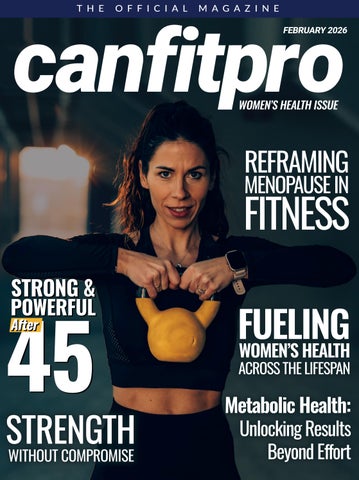
Women’s health is no longer a niche topic in fitness; it sits at the very core of the work we do. As this issue highlights, the women showing up in our gyms, studios, and online programs are navigating complex physiological changes that require more than generic advice or recycled programming.
Hormonal shifts across the lifespan influence how fuel is used, how recovery unfolds, and how resilient the body feels under stress. Clean, whole-food eating remains the foundation, yet thoughtful, individualized supplementation and adequate fueling become increasingly important in midlife, when muscle preservation directly supports metabolic health, energy, and longterm independence.
Strength training sits at the heart of this issue. Perimenopausal and postmenopausal women represent one of the fastest-growing client populations, yet many enter this phase without a solid strength foundation. Menopause accelerates muscle and bone loss, and this reality calls for closer attention to these critical health metrics, deeper education, and greater intention from the instructors and trainers supporting this demographic. When we understand the “why,” we become better, more effective coaches. Progressive resistance training, applied with purpose and paired with appropriate recovery, protects bone, preserves strength, and builds confidence well beyond the gym.
When results stall, the answer is often metabolic, not motivational. Metabolic health determines whether effort translates into adaptation. By prioritizing muscle, adequate fuel, daily movement, and recovery, fitness professionals can help restore both flexibility and resilience.
Perhaps most importantly, the 40s emerge as a defining decade. Muscle must become the goal, not merely a byproduct. Trends will continue to come and go, but consistent, skillful strength training remains the most powerful tool we have to help women age strong, capable, and confident.
This is our opportunity to lean into education with empathy and to lead women through perimenopause and menopause with clarity, strength, and sustainable performance.
Mo Hagan Chief Operating Officer, canfitpro
METABOLIC HEALTH:
WHY EFFORT ALONE DOESN’T GUARANTEE RESULTS
RECOGNIZE METABOLIC WARNING SIGNS AND OPTIMIZE STRENGTH, RECOVERY, AND FUEL FOR SUSTAINABLE PERFORMANCE
By Dr. Shawna Darou, ND
Whether you coach one-on-one, teach group classes, or guide movement in any form - you’ve likely seen this pattern: a client or participant shows up consistently, moves well, eats reasonably, and is genuinely engaged, and yet their results have stalled. Strength gains have slowed, fat loss feels elusive, energy is inconsistent, and recovery takes longer than it used to.
In many cases, this isn’t a programming issue or a lack of effort. It’s a metabolic one.
Metabolic health is often the missing link between fitness effort and real, sustainable results. When metabolic flexibility declines, the body struggles to respond to movement the way it once did, and the familiar advice to eat less and push harder can make things worse.
What Is Metabolic Health?
Metabolic health refers to how efficiently the body produces, uses, and switches between fuel sources - primarily carbohydrates and fat - while keeping stable energy, blood sugar, recovery, and body composition.
A key concept is metabolic flexibility: the body’s ability to adapt to changing demands such as exercise intensity, food intake, stress, and sleep without triggering excessive fatigue, cravings, inflammation, or hormonal stress responses.
When metabolic health is strong, people tolerate training well, recover efficiently, and see results that match their effort. When it’s compromised, effort and results disconnect.
Not Just a Menopause IssueBut Central to Aging Well
Metabolic dysfunction can occur at any age, in all genders, and across fitness levels. However, hormonal transitions such as perimenopause and menopause often expose underlying metabolic vulnerabilities by reducing the body’s margin for error.
In my clinical work over the past two decades, I’ve seen metabolic health sit at the center of nearly every concern women bring forward - from weight changes and fatigue to hormonal symptoms and how they age over time. When metabolic health is supported, hormones respond better, training adaptations improve, and the aging process becomes far more resilient.
Many individuals unknowingly reduce metabolic flexibility through years of:
• Chronic dieting or under-fueling
• Excessive cardio without recovery
• High life stress and poor sleep
• Gradual loss of muscle mass
Hormonal shifts don’t create the problem - they reveal it.
Common Signs Fitness
Professionals See First You don’t need blood work to recognize early metabolic warning signs. Fitness professionals are often the first to notice the patterns.
Common signs include:
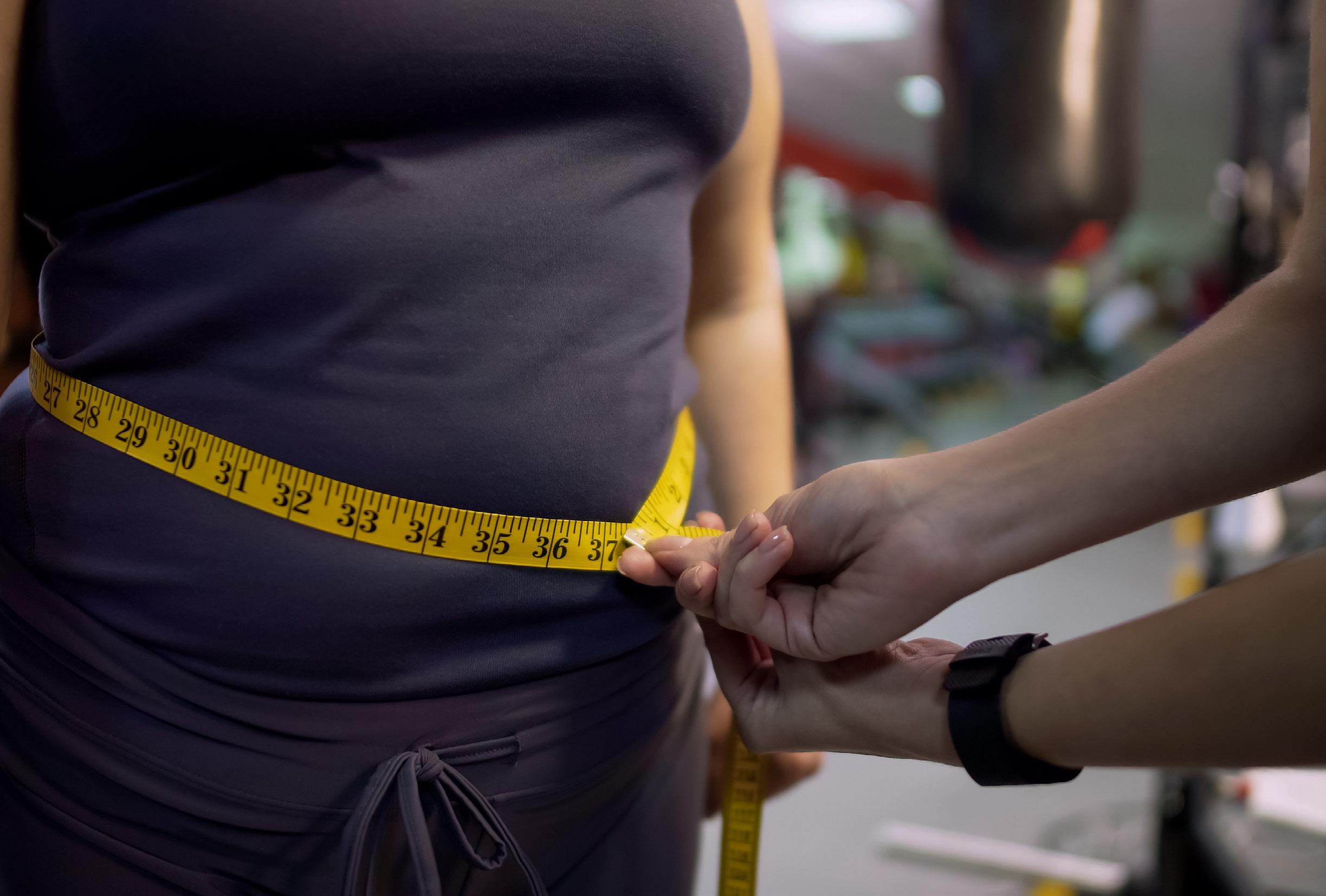
• Increased waist circumference, especially out of proportion to body weight
Waist circumference >88 cm (35 in) in women or >102 cm (40 in) in men is associated with higher metabolic risk
A waist-to-height ratio above 0.5 is a practical red flag for metabolic dysfunction
• Stubborn abdominal fat despite consistent movement
• Energy crashes, particularly midafternoon
• Poor recovery or prolonged soreness
• Plateaued strength, stamina, or performance
• Increased cravings or “food noise”
• Sleep disruption
• Mood changes, irritability, or anxiety
• Exercise intolerance - movement feels harder, not energizing These signs are often dismissed as motivation issues or “normal aging,” but they typically reflect how the body is responding to cumulative stress, fueling, and recovery.
FAST FACTS EVERY FITNESS PROFESSIONAL SHOULD KNOW:
• Fewer than 25% of adults are considered metabolically healthy, even among those with a “normal” BMI.
• Waist circumference matters more than scale weight:
Women: >88 cm (35 in)
Men: >102 cm (40 in)
Waist-to-height ratio >0.5 is a practical red flag for metabolic dysfunction
• Insulin resistance can develop years before diabetes or abnormal blood sugar shows up on standard labs.
• Muscle is the body’s largest glucose sink - resistance training improves insulin sensitivity independent of weight loss.
• 10–15 minutes of walking after meals can significantly reduce post-meal glucose spikes.
• Chronic under-fueling + high training load increases cortisol and promotes abdominal fat storage.
Why “Eat Less, Push Harder” Backfires
For metabolically stressed individuals, aggressive calorie restriction layered onto high training volume can amplify the problem.
Chronic under-fueling and overtraining leads to:
• Elevated cortisol
• Reduced thyroid signaling
• Worsened insulin sensitivity
• Promotes muscle loss
• Encourages fat storage, particularly around the abdomen
This pattern is especially common in women over 35, high-stress professionals, and highly disciplined individuals accustomed to pushing through discomfort. When the system is already overloaded, more effort doesn’t lead to better adaptation - it leads to burnout and stalled results.
What Fitness Professionals Can Do
You don’t need to diagnose metabolic dysfunction to support metabolic health. Strategic shifts can significantly improve outcomes.
1. Prioritize Muscle
Strength training is one of the most
WHEN RESULTS STALL, THE ANSWER IS RARELY MORE EFFORT. MORE OFTEN, IT’S SMARTER SIGNALS — STRENGTH, FUEL, MOVEMENT, AND RECOVERY WORKING TOGETHER.
powerful metabolic tools available. Skeletal muscle improves glucose disposal, insulin sensitivity, and long-term fat oxidation. Emphasize strength, progressive overload, and recovery rather than excessive volume.
2. Increase Low-Intensity
Daily Movement
Walking after meals, mobility work, and light bodyweight movement can significantly improve glucose regulation while reducing overall stress load. Encourage regular movement outside of planned workouts.
3. Fuel the Work
Under-fueled movement undermines adaptation. Encourage adequate protein, carbohydrates that support training demands, and consistency over restriction. Enough fuel signals safety - and safety enables progress.
4. Normalize Recovery
Sleep, stress management, and nervous system regulation are foundational metabolic inputs. A body that never fully recovers cannot adapt, no matter how well-designed the movement plan appears.
The
Bigger Picture
As a fitness professional, you aren’t just guiding movement - you’re shaping stress signals, building resilience, and seeing early warning signs long before clinical disease appears. When results stall, the answer is rarely more effort. More often, it’s smarter signals: strength, fuel, movement, and recovery working together. Metabolic health is the foundation that allows fitness in any form to do what it’s meant to do. When you coach with this lens, effort will translate into real results.
Dr. Shawna Darou, ND, has over 20 years of experience in metabolic and hormonal health. She works closely with fitness professionals to translate complex physiology into practical strategies that support strength, energy, and healthy aging. Her work centers on metabolic health as the foundation for long-term vitality.
Many women arrive in midlife having spent years lifting light weights, cycling through endless variety, accumulating fatigue without direction (what I refer to as “junk volume”) alongside extreme amounts of cardio. Muscle was rarely the priority in their 20s and 30s. Yet lean mass begins to decline gradually after 30 and more noticeably as women move through their 40s and 50s, with bone density following a similar path. Without deliberate loading, a client can train consistently and still not achieve any tangible results in strength, body composition or metabolic health.
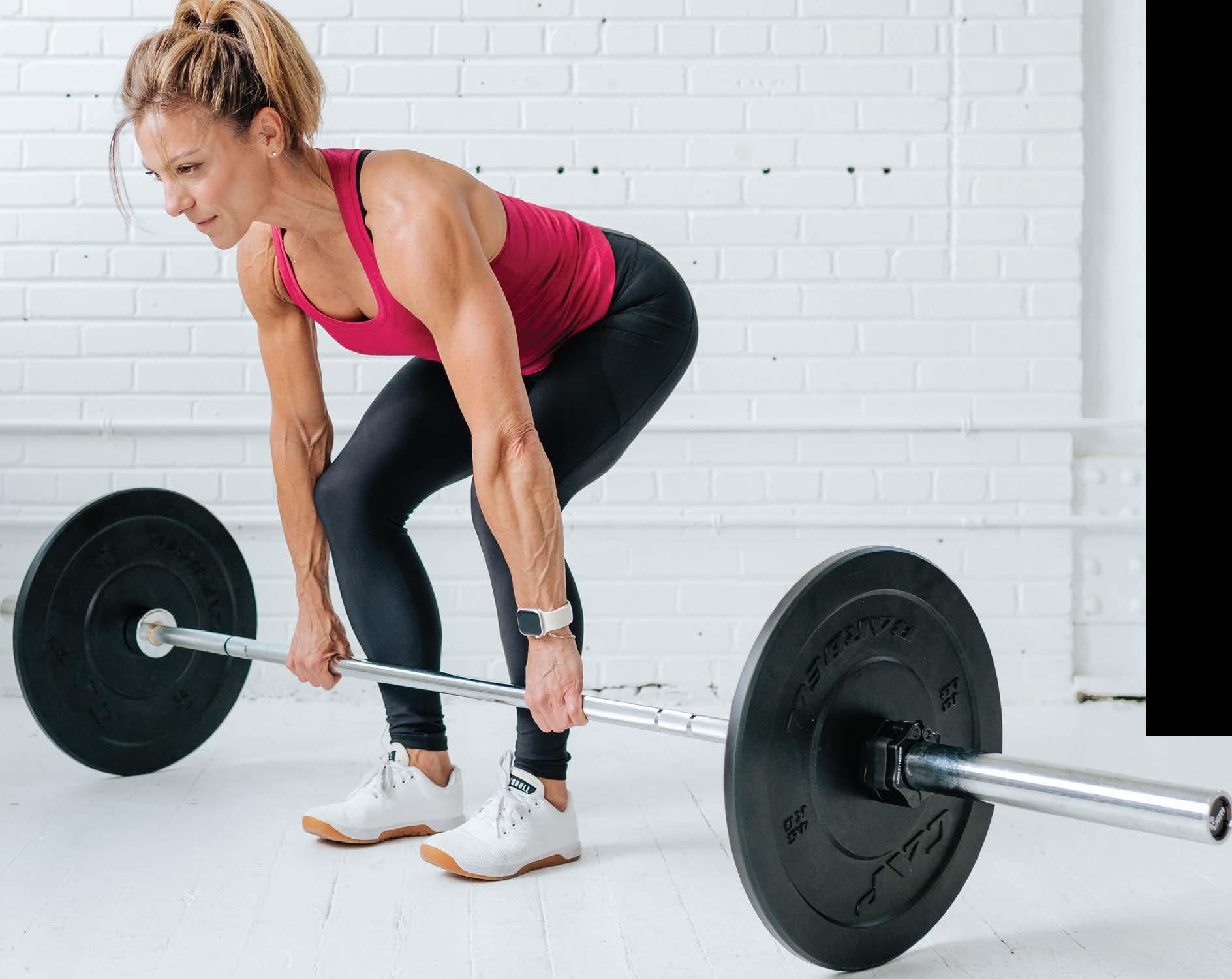
That’s why muscle must be treated as the goal, not a byproduct. Squats, hinges, pushes, pulls, and carries should form the foundation. These patterns forge the cornerstone of strength skills to be learned, refined, and progressively loaded over time. Strength training for midlife women isn’t about novelty… it’s about progression. Lifting is a skill worth mastering.
Caution is often emphasized when coaching this unique demographic, but caution shouldn’t mean avoiding load. Muscle and bone respond to mechanical tension across the lifespan. What diminishes with age is tolerance for poorly planned or random training. Heavier work still matters. Moderate hypertrophy-focused loading still matters. When women discover they can lift more than they believed possible, the impact extends far beyond the gym. Confidence, resilience, and self-efficacy grow alongside strength.
"WHAT DIMINISHES WITH AGE IS TOLERANCE FOR POORLY PLANNED OR RANDOM TRAINING."
Recovery becomes even more necessary in midlife, yet it’s often misunderstood. Most clients are not under-recovering because loads are too heavy. They are under-recovering because volume is excessive, rest is insufficient, and lengthy sessions are filled with fatigue and sweat, none of which drive adaptation. Doing fewer exercises with better execution and with greater intention will produce desired results. Clear and simple programming, adequate rest between demanding sets, and enough stimulus to adapt without unnecessary wear and tear are hallmarks of effective coaching at this stage.
Many midlife clients arrive guarded, protecting joints and limiting ranges of motion. Fear of injury is often one of the many reasons midlife women avoid lifting weights altogether. Yet joint integrity is the result of training strength through controlled, intentional ranges. Avoidance rarely builds confidence. Strength does. When clients feel strong at end ranges, movement stops feeling fragile, and training becomes something they can slowly trust, one rep at a time.
Progress after 45 doesn’t happen overnight…rather, it’s a slow yet significant process. A small increase in load, smoother execution, improved depth, or reduced hesitation all matter. Tracking progress through a structured strength training program reinforces confidence and celebrates every win, whether it’s squeezing out an extra rep or hitting a deadlift PR.
Consistency breeds competence, which in turn, builds confidence.
Coaching midlife women means rewriting the narrative. When clients experience real, measurable strength gains, that isn’t motivation…it’s proof. And proof changes how they see their future and how they see themselves.
Training women 45 and beyond isn’t about chasing youth. It’s about treating muscle as a long-term asset and applying stress with intention. When we do that well, we give clients more than an effective program; we give them a hefty dose of confidence they can carry with them for many years to come.
Lisa Mastracchio is a seasoned fitness professional with over 30 years of experience in personal training, group fitness, and nutrition coaching. She is a 2025 canfitpro Delegate’s Choice Award recipient.
She coaches women exclusively through online programs, including Strong by Design, Menopause Mastery, and The StrongHer Collective—helping women lead, lift, and move with strength in midlife.
REFRAMING MENOPAUSE
IN FITNESS
FROM MISUNDERSTOOD SYMPTOMS TO SMARTER TRAINING, NUTRITION, AND SUPPORT
By Hina Laeeque, MSc
Perimenopause and menopause are more than just hot flashes and an irregular cycle. Proverbially, more common symptoms include brain fog, mood swings, body aches, reduced libido, and digestive changes.
Menopause marks the end of a woman’s menstrual cycle and reproductive abilities. Menopause is confirmed after a woman has gone 365 days without a period. This can occur between the ages of 45 to 55 years old. Perimenopause is the transition phase before menopause, which can last years. During this time, women may start to notice changes to their menstrual cycle due to estrogen fluctuations.
Some of the lesser known, but common, symptoms that affect women’s body’s include changes to the Central Nervous System (cognitive changes, migraines,
sleep disruption, feeling less “full” even when eating their regular foods), skin/hair changes (reduced skin thickness, reduced hydration, hair loss), insulin resistance (decreased HDL cholesterol, increased LDL cholesterol, increased inflammation), weight and metabolic changes (weight gain, increased visceral adiposity, increased waist circumference), and the musculoskeletal system (joint pain, muscle insulin resistance).
Interestingly, the experience of symptoms of perimenopause and menopause also differ by ethnicity. Research (including the SWAN study — Study of Women’s Health Across the Nation) has found striking ethnic and cultural differences in how women experience menopause. For example:
South Asian Women
• Often report earlier onset of perimenopause (around 45 years vs. 51 years old in Western data).
• More likely to experience joint pain, muscle aches, and sleep problems.
• May experience more abdominal fat gain due to higher baseline insulin resistance and lower lean muscle mass.
• Cultural stigma often prevents open discussions, delaying treatment and lifestyle interventions.
Black Women
• Tend to experience hot flashes earlier, more often, and for longer duration than other ethnicities.
• Report greater severity of vasomotor symptoms and sometimes more depressive symptoms.
HOW WOMEN EXPERIENCE
MENOPAUSE IS SHAPED NOT ONLY BY HORMONES, BUT BY ETHNICITY, DIET, AND CULTURAL ATTITUDES TOWARD AGING AND HEALTH.
Hispanic Women
• Report higher rates of sleep disturbance, mood changes, and pain.
• May enter menopause earlier than white women, similar to South Asian patterns.
East Asian Women (Chinese, Japanese)
• Report fewer vasomotor symptoms (like hot flashes).
• Cultural diets rich in soy and phytoestrogens may offer some natural symptom relief.
• Often describe symptoms as aches, fatigue, or mood changes rather than “hot flashes.”
White Women
• Report more hot flashes and night sweats but often seek medical treatment earlier.
As fitness professionals, we have a unique relationship with women that may be in perimenopause, menopause,
or post menopause. To help navigate this journey, we can have a robust intake form to screen women for symptoms, ask questions, and stay curious throughout their journey. We can continue to educate on the principles of optimal living including strength training, eating whole foods, staying hydrated, and actively building a resilient mindset.
More specifically, fitness professionals can build training programs that prioritize strength training since it improves insulin sensitivity, preserves muscle, balances mood, boosts metabolism, and protects bone density (all things estrogen once helped with). For nutrition, women will need more protein to preserve muscle, more micronutrients for thyroid and bone health (vitamin D, magnesium, calcium), and balanced carbohydrates for mood and sleep. Focusing on stabilizing blood sugar, not slashing calories, is important during this stage of life. Fitness
professionals can teach clients to build meals around protein, fiber, and color.
The key for women during this time is to be curious about changes to their body, take action through proper nutrition, resistance training, and stress management. If perimenopause symptoms start to affect daily life in a negative way, it may be time to seek help from a health practitioner to start the conversation around other options. At the very least, one could encourage clients to track their menstrual cycles (dates, duration, mood, energy, and aversions to food) and know that they are not alone and don’t need to “grin and bear it” during this significant transition in life.
Specialist, canfitpro Personal Training Specialist, PNL1, is the owner of Empowered Fitness, a fitness, nutrition, and coaching company that empowers women to live their best and fittest life.
MEMBER BENEFITS THAT MAKE SENSE
Hina Laeeque, MSc., Menopause Coaching
WHY RECOVERY AND RESULTS CHANGE IN MIDLIFE
THE HORMONAL FACTORS FITNESS
PROFESSIONALS MUST CONSIDER WHEN TRAINING WOMEN THROUGH MENOPAUSE
As more women remain active well into midlife, fitness professionals are increasingly encountering clients who train consistently yet struggle with stalled progress, slower recovery, and unexpected changes in body composition. While these challenges are often misattributed to motivation or compliance, underlying hormonal shifts during perimenopause, menopause, and post-menopause play a significant physiological role. In
this Q&A, Dr. Kristy Prouse, MD, FRCSC (OB/GYN), explores how hormonal transitions influence muscle development, metabolic health, and stress tolerance—and what fitness professionals need to recognise to better support midlife women. Her insights offer a clinically grounded framework for distinguishing training-related fatigue from hormonal dysregulation and for aligning exercise, recovery, and nutrition with a woman’s evolving physiology.
canfitpro: How do hormonal changes during perimenopause, menopause, and post-menopause impact a woman’s ability to build muscle, recover from workouts, and maintain metabolic health? What should fitness professionals understand about these changes?
Dr. Prouse: Hormonal transitions during perimenopause and menopause profoundly affect muscle physiology, recovery, and metabolic regulation. Declining and fluctuating oestrogen levels reduce anabolic signalling, impair muscle protein synthesis, and increase muscle breakdown. Oestrogen also plays a role in mitochondrial efficiency, insulin sensitivity, connective tissue integrity, and inflammation modulation—so its loss has system-wide effects.
At the same time, many women experience heightened stress sensitivity and altered cortisol regulation during this transition. When recovery capacity is reduced, the same training loads or caloric strategies
that once worked can begin to drive cortisol chronically higher, further impairing muscle gain, fat loss, sleep, and metabolic flexibility.
Fitness professionals should understand that plateaus are often physiological, not motivational. Pushing harder through increased training volume or caloric restriction can backfire for many midlife women, amplifying stress physiology rather than improving adaptation. What previously worked in a woman’s 30s or early 40s often needs to be recalibrated to respect altered recovery and stress tolerance.
Dr. Kristy Prouse is an accomplished physician with extensive training and leadership in women’s health, functional medicine, regenerative medicine, and is the Founder and Chief Medical Officer at GraceMed Functional Medicine and Hormonal Health. Dr. Prouse continues to integrate innovation, medical expertise, and compassionate care in her mission to transform the future of hormonal health and longevity medicine.
canfitpro: What role can functional medicine interventions—such as bioidentical hormone therapy or lifestyle-based protocols—play in improving energy, sleep, and strength outcomes for postmenopausal clients?
Dr. Prouse: Functional medicine focuses on restoring physiological balance rather than simply treating symptoms, which is particularly important in midlife women.
Thoughtfully prescribed bioidentical hormone therapy, when clinically appropriate, can significantly improve sleep quality, energy availability, mood stability, and musculoskeletal health. Equally important is addressing stress physiology. Many women unknowingly undermine progress through chronic under-fuelling, excessive training, or prolonged caloric restriction, all of which can perpetuate cortisol dysregulation. Lifestyle-based interventions therefore form the foundation:
•Optimising sleep timing and circadian alignment
•Ensuring adequate total caloric intake and sufficient protein
•Supporting insulin sensitivity without over-reliance on highvolume cardio
•Reducing chronic inflammation and over-activation of stress pathways
When hormones, nutrition, and recovery are aligned, women often experience improved training tolerance, better sleep, and renewed strength gains, even years after menopause.
canfitpro: How do you differentiate between symptoms that may be training-related (e.g., fatigue, stalled progress) versus those tied to hormonal imbalance? What key signs should fitness professionals be aware of?
Dr. Prouse: This distinction is critical and often missed.
Training-related fatigue typically improves with:
•Short-term deloads
•Increased recovery
•Adjusted volume or intensity
Hormonal and stress-related dysregulation, however, tends to be persistent and systemic, and often worsens with additional effort.
Key red flags that suggest hormonal or cortisol-related drivers include:
•Sleep disruption despite adequate rest days
•Fatigue that worsens with caloric restriction or added cardio
•Central weight gain despite disciplined training and nutrition
•Loss of strength or muscle tone out of proportion to training load
•Increased anxiety, low mood, or cognitive fog
In these cases, the issue is often not a lack of discipline, but rather
FEWER, HIGHER-QUALITY SESSIONS OFTEN OUTPERFORM HIGH-FREQUENCY TRAINING.
a mismatch between physiological capacity and imposed demand.
Fitness professionals play a vital role in recognising when a client may benefit from medical evaluation rather than further training intensity.
canfitpro: What are the biggest misconceptions women, and even fitness professionals, have about hormone therapy and menopause, and how can we better educate clients to make informed, empowered decisions?
Dr. Prouse: One of the most damaging misconceptions is that menopauserelated changes can be overcome simply by eating less and exercising more. For many women, this approach worsens fatigue, increases injury risk, and perpetuates cortisoldriven fat retention.
Another misconception is that hormone therapy is inherently unsafe or outdated. Modern, individualised approaches are very different from historical models and are often focused on preserving musculoskeletal, metabolic, and cognitive health, not aesthetics.
Education needs to shift away from willpower-based narratives and toward an understanding of female physiolog y under stress. When women realise that stalled progress is often biological—not a personal failure—they are far more likely to make empowered, sustainable health decisions.
canfitpro: How can fitness programming be optimised when paired with medical guidance on
hormonal balance? What types of training, recovery strategies, or nutritional approaches best complement hormonefocused treatments?
Dr. Prouse: When medical and fitness strategies are aligned, outcomes improve significantly.
From a training perspective:
•Progressive resistance training remains essential, but volume tolerance may be lower
•Fewer, higher-quality sessions often outperform high-frequency training
•Excessive cardio or high-intensity training without adequate recovery can exacerbate cortisol dysregulation
Recovery becomes non-negotiable:
•Sleep quality must be prioritised
•Planned rest days and deload weeks support adaptation
•Nervous system regulation supports long-term progress
Nutritionally:
•Protein requirements are often higher in midlife women
•Chronic caloric restriction can undermine hormonal balance and training adaptations
•Stable blood sugar and adequate total energy intake are foundational
When fitness professionals collaborate with medically informed providers, women stop fighting their biology and begin working in alignment with it , allowing strength, resilience, and performance to be maintained well into midlife and beyond.
BRIDGING
THE DIGITAL DIVIDE
PRACTICAL COMMUNICATION STRATEGIES TO BUILD TRUST, CONNECTION, AND CONFIDENCE DURING IN-PERSON SESSIONS
By Brittany Todd
One chilly Saturday, I met some colleagues for dinner. Our conversation naturally transitioned to exchanging stories about noteworthy personal training client interactions.
One trainer shared that despite training a client multiple times per week for two years, this client was still very shy and awkward during sessions. However, when away, the client was always messaging the trainer with updates, recipes, and questions in an uncharacteristic way to the client’s inperson disposition.
Surprisingly, several others at the table reported nearly identical client experiences.
These observations made me curious about the cause of this phenomenon, so I began doing some research. Surprisingly, I found that overreliance on digital communication is to blame for many of these challenges.
Specifically, the average adult spends over seven hours per day using an electronic device such as a laptop
or cellphone to communicate with others. As a result, this overreliance on technology-based communication has significantly affected the way that we connect with and experience one another today. Consequently, this impact has also spilled over into the personal training environment, leading to the events that my colleagues observed.
So, how can a fitness professional maximize their coaching communication strategies during inperson sessions to enhance their client connection in this digital world? Here are a few recommendations to help you do just that.
1. Communicate in multiple ways. Over reliance on digital communication can lead to a decline in the ability to understand and relate to one another in-person. Thus, communicating using multiple means during in-person personal training sessions decreases the likelihood of miscommunications and misunderstandings between the trainer and client.
I recommend using various verbal and non-verbal communication strategies to help with client connection and understanding. For example, when introducing a new exercise, a fitness professional should first demonstrate the movement while providing verbal coaching cues such as “keep your feet hip width apart and brace your core.”
A non-verbal cue of affirmation (such as a thumbs up or head nod) and a tactile cue (such as touching your client between their shoulder blades to signify the point of engagement) should also be incorporated to reinforce this communication.
2. Take a progressive approach. In addition to the pressures of being in an intense environment such as the gym, for clients who are most comfortable communicating digitally, in-person training sessions can feel overwhelming.
Thus, when providing adjustments, cues, and recommendations to clients during in-person sessions, I recommend taking a progressive approach with your communications. Instead of correcting everything that’s wrong with your client’s form all at once, prioritize the things that are most essential to safe exercise execution. Once your client has made those adjustments, begin providing additional corrections one at a time.
Taking a progressive approach prevents your clients from becoming overstimulated and increases their comfort by communicating with you on needs and questions they have during sessions as well.
3. Be patient.
One of the main attractive points of digital communication is that they are asynchronous, which provides greater time to craft your response.
In the personal training environment, when asking a client for feedback
about a session or an exercise, they may feel a bit on the spot and unsure of how to respond in the moment.
To combat this, I recommend being patient and not rushing clients to respond. Slowing things down and embracing the silence allows trainers to build rapport and a socially safe training environment for their clients.
3. Foster autonomy and choice. Another important way to maximize communication in the digital world is to use your coaching communication strategies to foster autonomy and choice with your clients.
I recommend getting clients engaged by making them active participants in their workout sessions. Trainers can achieve this by digitally sharing information and plans for upcoming sessions to allow clients time to mentally prepare, ask questions, or provide any feedback in advance.
Utilizing digital communications in this capacity is a simple yet effective way to offer a point of added engagement for trainers to build upon when connecting with their clients in-person.
The most important thing that fitness professionals must keep in mind is that effective communication is a twoway street. Meaning, we’re looking to both understand our clients and to be understood by them. Thus, by using these simple, yet effective strategies we can be more intentional about how we cultivate an environment of mutual communication in this digital world.
The average adult spends over seven hours per day on electronic devices. This high use has been linked to reduced face-to-face social skills and communication effectiveness.
Clients who primarily use digital communication means in their daily lives can often feel overwhelmed when engaging in in-person connections such as personal training sessions. For this reason, progressive and patient coaching approaches are essential for building client trust.
According to the SelfDetermination Theory, the best way to keep a client actively engaged and motivated during personal training sessions is to foster autonomy. This can be achieved by allowing clients to play an active role in their session programming and
Brittany Todd, Director of Fitness and Wellness at EmbryRiddle Aeronautical University, is a certified trainer, fitness instructor, and an adjunct professor. She holds degrees in Exercise Science and Recreation Administration and is pursuing a PhD in Health, Leisure, and Human Performance. Brittany has authored two fitness books and presented nationally.
IS A TRAINING TRANSITION, NOT A DECLINE MENOPAUSE
5 TRUTHS TO PROGRAM STRENGTH SAFELY, EFFECTIVELY, AND FOR LONGEVITY
By Loise Perruchoud
If you work with women, you’re already training clients who are perimenopausal or postmenopausal. This group is one of the fastest-growing client bases in the fitness industry. In fact, one of my new clients, age 46, just told me that she realized that she can’t train the way she did 20 years ago, and she doesn’t know what to do and how to do it to keep living a healthy life. She wants smart, well-coached resistance training that respects what’s changing in her body.
Menopause isn’t just “aging with symptoms.” It’s a distinct physiological transition that affects muscle, bone, recovery, and body composition. When fitness professionals understand these changes, they can program more
effectively, reduce injury risk, and help women stay strong, capable, and independent for decades, without the usual "no pain, no gain."
Here are five truths that should shape how you program strength training for women going through menopause.
1. Most Women Enter Menopause Without a Strength Base
Here’s the uncomfortable reality: many women arrive at menopause without having built a solid foundation of strength. At the same time, muscle and bone loss begin to accelerate.
Canadian guidelines recommend strength training at least twice per
week, yet only 46% of women meet that standard with participation declining further with age.
The trainer’s first job is about building a solid foundation. Teaching movement patterns, developing load tolerance, and helping clients understand that strength is protective and crucial for longevity.
2. Menopause Speeds Up Muscle and Bone Loss—But Training Can Slow It Down
Muscle and bone loss during menopause isn’t just gradual aging. The drop in estrogen accelerates both processes, leading to an increase of osteoporosis in postmenopausal women.
Properly designed strength training works. High-intensity resistance and impact training, when coached well, has been shown to increase bone density, even in women with low bone
mass. The LIFTMOR trial famously demonstrated that heavier lifting wasn’t just safe—it was more effective than low-intensity exercise for protecting the spine and hips.
Avoiding loads does not protect bones. Strong consistent movement and safe coaching do. Teach technique, progress gradually, and don’t be afraid to load strength patterns appropriately.
MENOPAUSE NEEDS MUSCLE
46% of Canadian women miss strength guidelines
Participation drops with age— even as need rises.
Menopause speeds muscle and bone loss
Beyond normal aging, but training can slow or reverse it.
Bone needs load, not caution Properly coached resistance training strengthens bone.
Body changes are biological Midlife fat gain is physiological; strength training supports metabolism.
Recovery matters more Smart volume, adequate rest, and
3. Midlife Body Changes Are Physiological—Not a Motivation Problem
Many women are frustrated when their body composition changes despite “doing everything right.” Central fat gain around menopause is common and biologically driven, even when activity and diet don’t change.
Strength training helps here—not because it burns the most calories, but because it preserves muscle, improves insulin sensitivity, and supports metabolic health.
Focusing on weight loss as the main outcome often doesn’t work for women around menopause. Emphasizing strength, movement quality, and metabolic health, and measuring success by what the body can do rather than the scale, supports better longterm results and confidence.
4. Women Are Still Highly Trainable—But Recovery Rules Matter More
Here’s a myth worth squashing: Women don’t suddenly lose the ability to build strength after menopause. They stay highly adaptable to training. Six years ago, I started training with my mother. Now, at 71, she can easily lift 25 lbs. without pain. She is stronger than ever, but we didn’t get there in a few short months.
What does change over time is recovery. Hormonal shifts affect fatigue tolerance and connective tissue repair, meaning that more volume isn’t always better. High-quality sessions, longer rest, and planned deloads usually outperform high-frequency, high-volume programs.
5. The Goal Isn’t “Fixing Symptoms”—It’s Preserving Independence
Strength training has been shown to improve sleep, mood, and even hot flashes for some women—but it’s not a guaranteed symptom cure, and it shouldn’t be sold as one.
Resistance training reliably improves muscle and bone strength, balance, confidence, and functional independence. These are the factors that reduce fall risk, slow down osteoporosis, delay disability, and allow women to stay in their homes longer. That’s the real outcome that matters.
Strength Training Is Not Optional After Menopause
Menopause isn’t a decline phase—it’s a training transition. When fitness professionals understand what’s changing and adapt, resistance training becomes one of the most powerful tools to support women’s long-term health.
The role isn’t just coaching exercises. It’s to help women build resilient bodies that support confidence, independence, and quality of life well beyond menopause. If you are interested in learning more about how to train the fastest-growing age group in Canada, those over 50, learn more about the canfitpro newly updated Active Aging continuing education online course.
Loïse Perruchoud, PhD, is a scientist, personal trainer, and canfitpro PRO TRAINER for PTS. At NeuroMotion Wellness, she integrates exercise with brain health, where her programs focus on strength training, cardiovascular health, balance, and cognitive training. Her science-driven approach empowers older adults to maintain independence and well-being through movement and resilience.
3 MYTHES ET RÉALITÉS LIÉS À L’EXERCICE PHYSIQUE À CONNAÎTRE
Par Marie-Eve Ricard
Les cours de groupe sont bien plus qu’une simple occasion de bouger. Pour de nombreuses femmes, ils représentent un moment de pause dans un quotidien chargé, un espace pour se reconnecter à leur corps et à leurs émotions, tout en bénéficiant d’un soutien social. Nous avons tous une santé mentale dont il faut prendre soin, et les cours en groupe offrent un espace privilégié pour la soutenir et la renforcer au quotidien.
Certaines idées préconçues persistent et elles influencent comment les femmes vivent leur entraînement, et parfois la manière dont les instructeurs planifient leurs cours.
Déconstruire ces mythes permet de concevoir des cours plus inclusifs, motivants et bénéfiques pour la santé mentale des participantes. Voici trois croyances populaires que nous devons connaître et démystifier.
DES FEMMES LA SANTÉ MENTALE
MYTHE 1 :
S’entraîner le soir nuit automatiquement au sommeil
Le mythe :
De nombreuses femmes évitent les cours en soirée, convaincues que l’exercice intense juste avant le coucher perturbera leur sommeil. Cette croyance, largement répandue, peut provoquer de la culpabilité, du stress ou de l’hésitation à participer à des séances après une longue journée. Certaines choisissent même de sauter complètement le cours, perdant ainsi l’occasion de renforcer leur bien-être mental et de profiter des effets relaxants de l’activité physique.
MYTHE 2 :
Le mythe :
La réalité :
Les recherches montrent qu’un exercice d’intensité moyenne à élevée n’affecte pas le sommeil chez la majorité des participantes. Au contraire, bouger en fin de journée peut réduire le stress, libérer des endorphines et favoriser une relaxation profonde, préparant le corps et l’esprit à un sommeil réparateur. L’ajout de phases de retour au calme, de respiration et d’étirements à la fin du cours amplifie ces bienfaits et aide les participantes à terminer leur journée détendues et ressourcées, renforçant leur santé mentale globale.
Vaut mieux viser l’intensité à chaque entraînement
Certaines femmes croient qu’une séance d’entraînement très intense vaut mieux que plusieurs séances régulières. Cette idée peut générer de la frustration, de la pression et un sentiment d’échec, surtout si elles n’atteignent pas le niveau d’intensité attendu ou si elles se sentent fatiguées. Elle peut également nuire à la motivation de revenir aux cours et à la confiance en soi.
MYTHE 3 :
Le mythe :
La réalité : Pour la santé mentale, la régularité l’emporte souvent sur l’intensité ponctuelle. Même des séances plus courtes, modérées et régulières favorisent la libération d’endorphines, le sentiment d’accomplissement et la résilience émotionnelle. À long terme, le plaisir de participer à un cours en groupe et l’adhésion à ce cours sont bien plus puissants pour soutenir l’humeur et la motivation qu’une performance maximale à chaque séance.
Le petit-déjeuner est le repas le plus important de la journée
Le petit-déjeuner a longtemps été présenté comme étant essentiel pour « bien démarrer la journée », une idée popularisée par des publicités de céréales à déjeuner dans les années 1950 et1960. Certaines femmes croient qu’elles doivent absolument prendre un repas copieux le matin sous peine de manquer d’énergie pour leur séance d’entraînement ou leurs activités quotidiennes. Cette croyance peut entraîner un sentiment de culpabilité ou du stress lorsqu’elles sautent un repas ou en prennent un plus léger le matin.
La réalité :
En réalité, tous les repas sont importants, et la clé réside dans la qualité des aliments, l’équilibre du repas et le maintien d’un horaire régulier tout au long de la journée. Certaines femmes se sentent plus énergisées après un déjeuner complet, d’autres préfèrent un repas léger ou plus tardif, selon leurs besoins et leur rythme. L’essentiel est d’écouter son corps et de choisir des aliments qui soutiennent l’énergie, l’humeur et la santé mentale, sans se sentir coupable de ses habitudes alimentaires.
Conclusion
Comprendre et déconstruire ces mythes permettent aux instructeurs de proposer des cours centrés sur la santé mentale et le bien-être des participantes. En favorisant la constance, l’adaptation individuelle et un cadre inclusif, les séances deviennent un moment de ressourcement, de confiance et de bien-être psychologique.
Un environnement flexible et sécurisant aide les participantes à :
• Améliorer la qualité de leur sommeil et favoriser la récupération ;
• Réduire l’anxiété et renforcer la motivation grâce à la régularité plutôt qu’à la performance ;
• Maintenir leur énergie et leur équilibre émotionnel grâce à des habitudes alimentaires adaptées. Ainsi, les cours de groupe offrent bien plus qu’un simple entraînement physique : ils contribuent concrètement à la santé mentale et au bien-être global de chaque participante.
Marie-Eve Ricard , entrepreneure dynamique, agile et polyvalente détenant un baccalauréat en éducation physique et à la santé, possède plus de 20 ans d’expérience dans le conditionnement physique. Elle excelle dans les cours en groupe en ligne, en entreprise et sur l’eau (SUP). Lauréate du prix « Impact dans l’industrie » de canfitpro, elle partage son expertise avec un dévouement exceptionnel et passion.
TRX POUR LES ATHLETES PRÉNATALES ET POSTNATALES
– Accompagnez vos clientes à chaque étape de la grossesse et de la récupération.
Acquérez les connaissances et les compétences nécessaires pour soutenir vos clientes prénatales et postnatales en toute confiance.
Perfectionnez vos compétences TRX et entraînez les athlètes périnatales avec intention.
INSCRIVEZ-VOUS MAINTENANT
canfitpro est le fournisseur de formation agréé de TRX au Canada.
PRÉNATALE
POSTNATALE
Across the Female Lifespan Rethinking Nutrition
Why Women’s Nutrition Is Different
“Women are not small men.” This statement, made famous by exercise physiologist and nutrition scientist Dr. Stacy Sims, cuts straight to the heart of the issue.
Female physiology is distinct.
Hormonal fluctuations across the menstrual cycle, pregnancy, perimenopause, and menopause affect metabolism, nutrient needs, recovery, and performance. Body composition, bone density, and iron status also differ significantly from men and change across a woman’s lifespan.
Ignoring these realities leads many women to feel frustrated doing “all the right things” without seeing results. The issue is often not effort, but misaligned nutrition advice.
The Foundation: Eating Clean
At every stage of life, women benefit from eating clean: whole, minimally processed foods prepared as close to their natural state as possible.
This means:
Lean, high-quality protein at every meal (approximately 20 grams 4-5 times per day)
A wide variety of vegetables, particularly leafy greens and brassicas
• Whole-food carbohydrates such as spaghetti squash, quinoa, fermented dairy and fruit, particularly berries and apples
• Healthy fats from sources like olive oil, seeds, and nuts
• Plenty of water
Protein deserves special mention. Many women under-eat protein, particularly as they age. Adequate protein supports muscle mass, bone health, immune function, and satiety. Good quality protein is essential for women who want strength and resilience. And for those wanting a long health span.
Dr. Sims reinforces this point when she says, “Adequate fueling is essential for women. You can’t train harder to make up for under-fueling.”
Food restriction may lead to shortterm weight changes, but it does not support long-term health, strength, or metabolic resilience.
Supplements:
Targeted, Not Trendy
Supplements can be useful when chosen carefully and used with intention. More is not better. Better is better.
How do you know if your supplements are working? Most often you don’t. Until now. A new device called Prysm iO, released by NuSkin, is the first and only intelligent wellness device designed to help users track carotenoid levels. Prysm iO uses advanced skin-scanning technology to provide a fingertip measurement of carotenoids, powerful antioxidants that reflect the body’s nutritional status, and overall antioxidant health. If you’re curious to learn more about your score, DM @toscareno or email at tr@toscarenomedia.com
Several supplements are strong supporters of women’s health. These include:
Vitamin D
Vitamin D supports bone health and plays a role in immune function. Many women have limited sun exposure, especially in northern climates, making this a common supplement discussed with healthcare providers.
Calcium (from food first)
Calcium is best obtained from food sources when possible. Supplements may be considered if dietary intake is insufficient, particularly during and after menopause. Remember that calcium requires cofactors like vitamin D and magnesium for efficient absorption.
Magnesium
Magnesium is involved in muscle function, sleep quality, and energy metabolism. It is often underconsumed in modern diets. Magnesium works in concert with calcium, helping to activate vitamin D.
Iron
Iron needs vary widely among women. Premenopausal women may need more due to menstruation, while postmenopausal women typically do not. Iron supplementation should be based on individual need, not assumption.
Omega-3 Fatty Acids
Omega-3s support heart health and are found naturally in fatty fish and some plant sources. Supplementation may be considered when dietary intake is low.
It’s important to emphasize that supplements should be personalized. What supports one woman may be unnecessary—or inappropriate—for another. Blood work and professional guidance matter.
Midlife and Beyond: A Time to Eat More Intentionally, Not Less
As women move into midlife, the instinct is often to eat less. In my experience, this is rarely the answer. Instead, women benefit from eating more intentionally, prioritizing protein, maintaining strength training, and supporting recovery. This requires a change in thinking about eating and training at this age and stage.
Muscle does more than shape your appearance and allow for movement. It is a highly metabolically active tissue that supports mobility, balance, blood sugar regulation, and independence as we age. Nutrition and training work together. If both are addressed consistently, women can expect to experience higher degrees of well-being.
The Bottom Line
Women’s nutrition needs to address building strength through lifting heavy and HIIT training, increasing and maintaining energy, and supporting confidence at every age. Eating clean provides the foundation. Supplements, when used wisely, can offer additional support.
The goal is not to do everything but to do the right things, consistently.
That is how women stay strong for life.
Tosca Reno is a New York Times bestselling author and the founder of the Eat Clean® movement. She is recognized as a leading voice in women’s nutrition, fitness, and healthy aging. Through her writing, programs, and mentorship, she continues to help women build strength, resilience, and lifelong health through clean living.
Canada’s Premier Personal Development Program for Girls
is now seeking committed fitness professionals who want to expand their influence by leading a program that strengthens youth, supports families, and builds healthier communities, while growing their careers in a meaningful way.
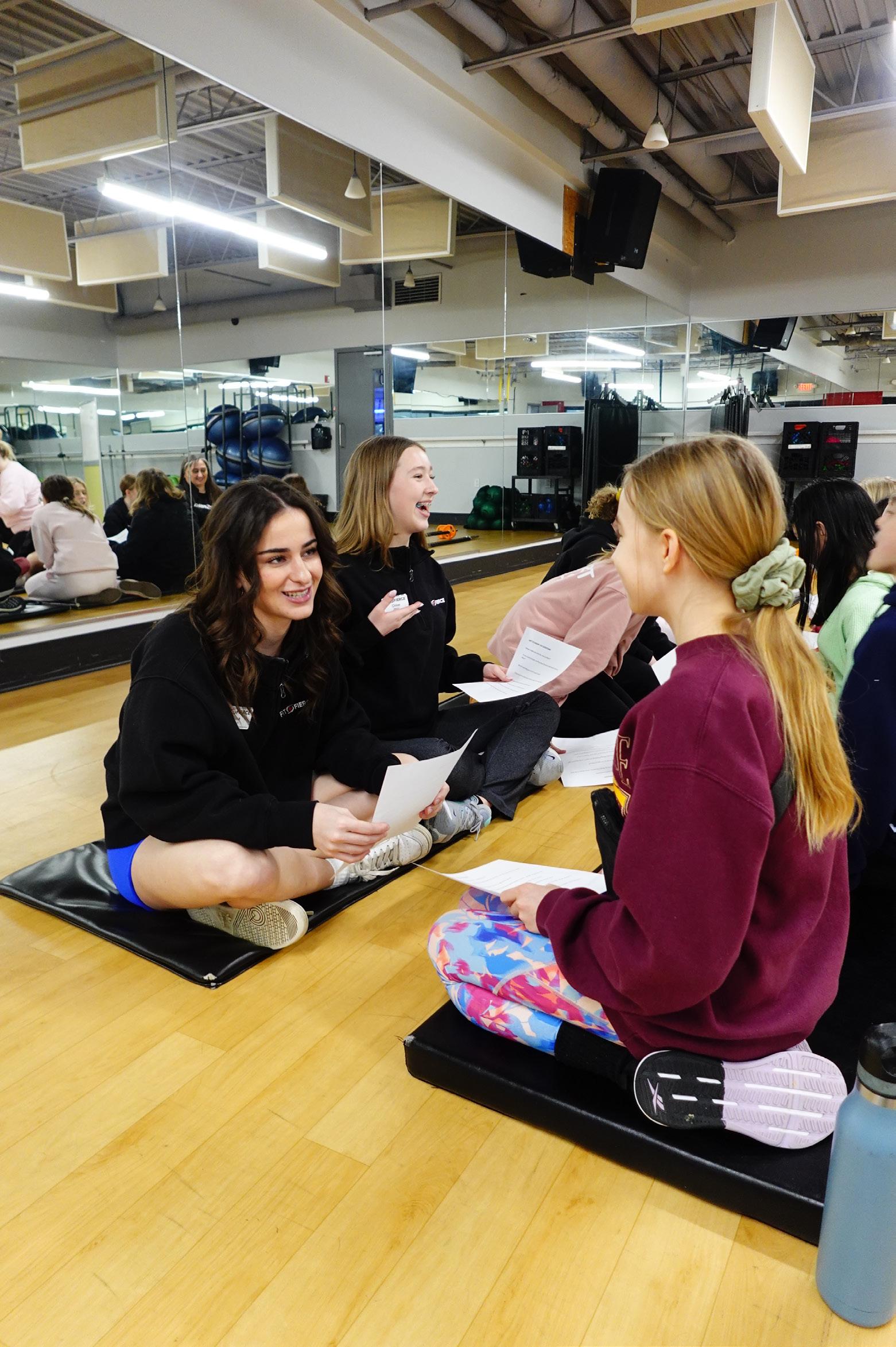
Fit+Fierce® stands apart by integrating mental health education, nutrition fundamentals, and fitness training into a 2.5-hour monthly session throughout
skills including emotional intelligence, self-awareness, stress management, healthy self-talk, values and identity exploration, friendship navigation, and mindset strategies that help them feel grounded and capable.
The next 30 minutes focus on foundational nutrition concepts, including macronutrients, brain foods, hydration, sleep, and energy balance, helping girls fuel their bodies and minds effectively.
Fuel, Identity & Values, Emotional Strength, Resilience & Habits, Confidence & Mentorship, and Exercise & Movement—the program also offers a mentorship pathway where girls can advance into Junior Mentor, Senior Mentor, and Coach roles, creating leadership opportunities and a strong community.
Fit+Fierce® is redefining how girls grow up: stronger, more capable, and equipped with skills for life.
Fit+Fierce® is Canada’s premier girls’ personal development and confidence-building program, helping girls ages 9–17 build confidence through education in fitness, nutrition, and mental health. Founded over 15 years ago, Fit+Fierce® delivers a research-informed curriculum that equips girls with lifelong habits, resilience, and self-belief to thrive in school, sport, and life. Connect via Instagram or Facebook