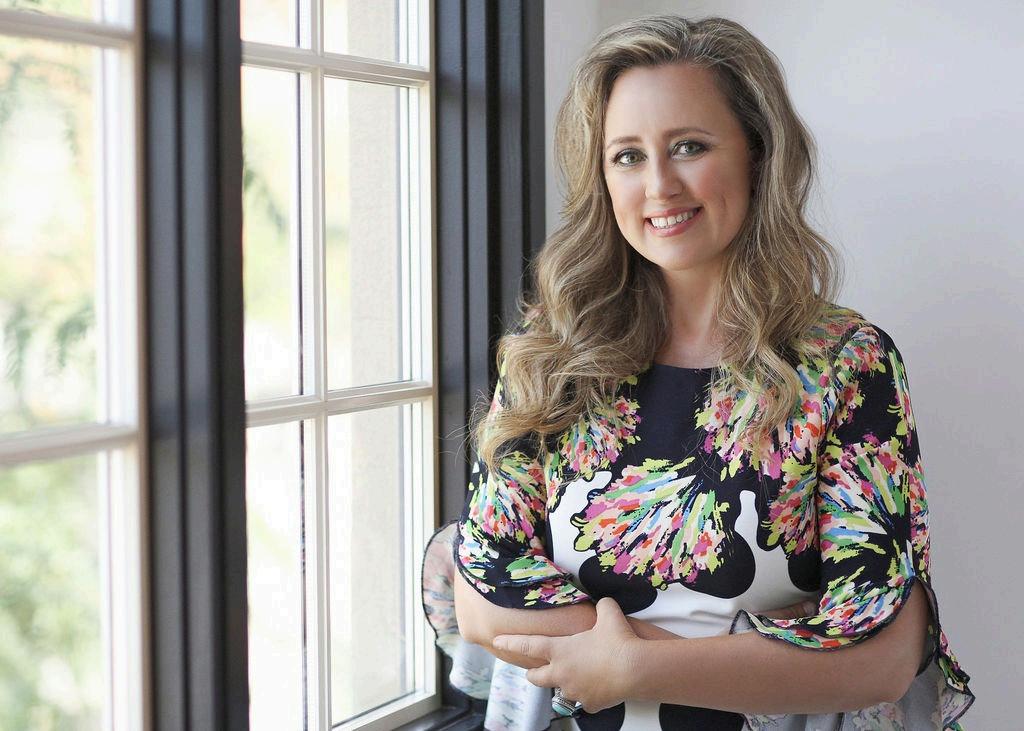
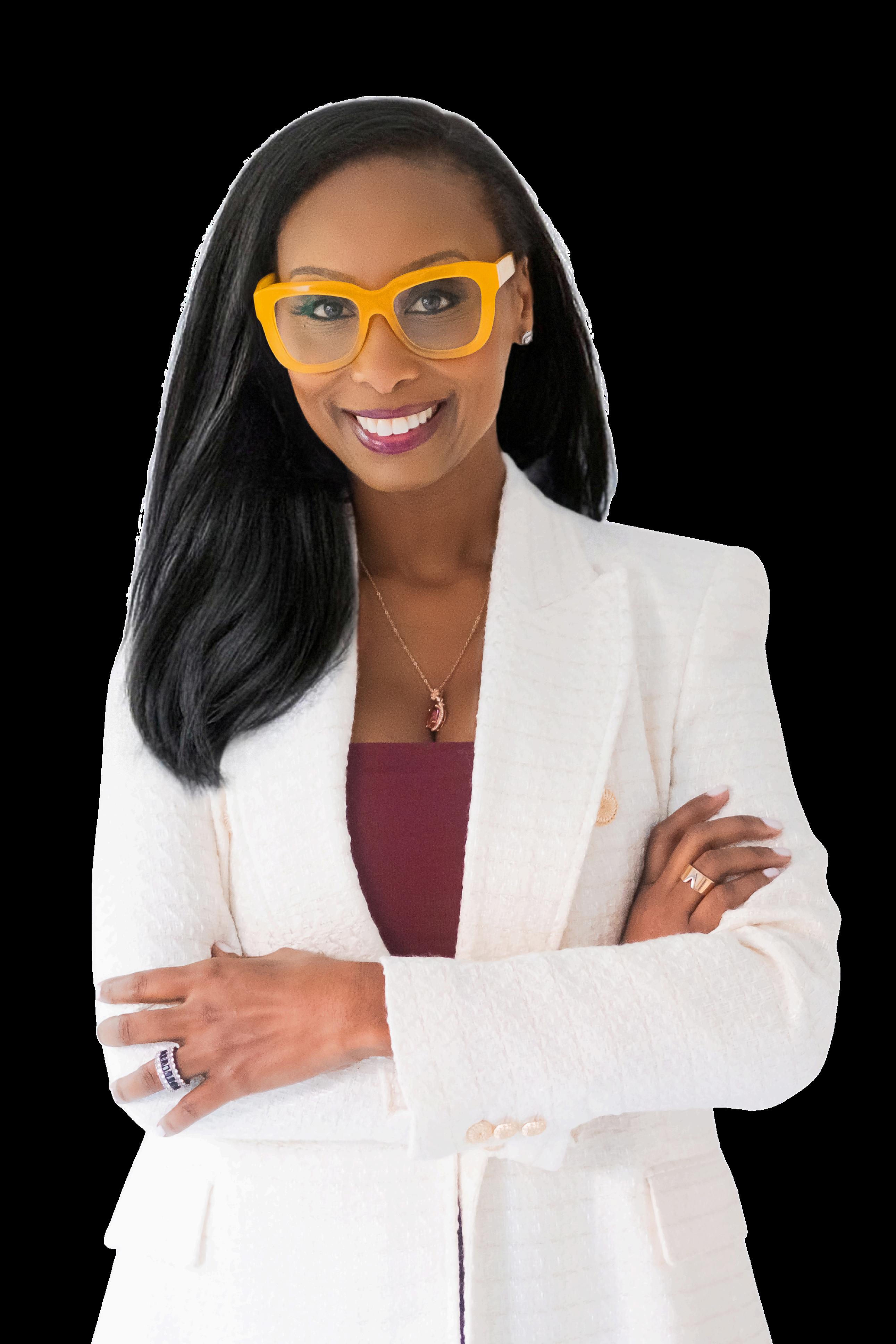
In an exclusive interview with She & Success Business Magazine, Bronwyn Smith, CEO of myAbode, shares how a fresh perspective on real estate operations is driving meaningful change across the industry By combining technology, brokerage insight, and a focus on real-world challenges, she is reshaping how agents and brokerages work making processes more efficient, compliant, and easier to navigate in an increasingly complex market.
InterviewByKripaAnand
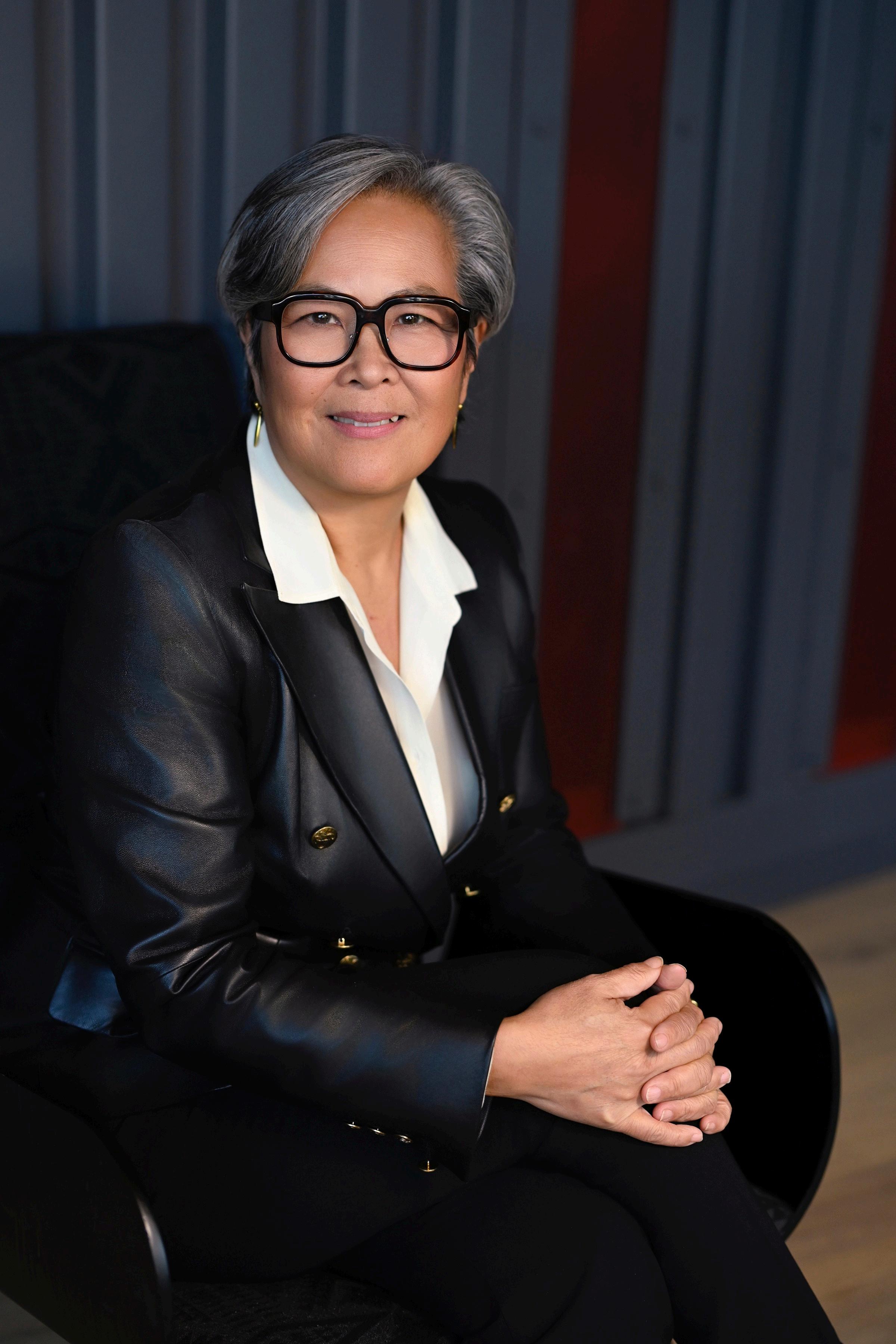
Bronwyn Smith is CEO of myAbode, where she leads the company’s growth across its real estate, brokerage, and technology brands. She is focused on building modern operating infrastructure for Canadian real estate, combining brokerage expertise, purpose-built software, and AI-enabled workflows to help agents and brokerages grow, stay compliant, and work more efficiently
Before myAbode, Bronwyn held leadership roles at Shopify and Ada, among others, where she focused on growth and operational excellence She began her career as a strategy consultant at Bain & Company, advising global clients on business transformation
What did you see in Canadian real estate that made you believe myAbode needed to exist, and how did your experience in strategy, technology, and operations shape your approach to building it?
I came into real estate from tech, so I arrived as an outsider looking in A mentor of mine had been investing in and running brokerages, and he basically said, "I think there's some opportunity here to better run these brokerages with tech - will you take a look?" So I started spending time inside brokerages, and I got really interested in how they were run
A great brokerage does two things: it gives agents a place to grow their business, and it makes sure every deal gets closed right. That second part is harder than it sounds the right forms, compliance handled, money flowing correctly, trust accounts reconciled For most people, this is the biggest financial investment of their lives The bar has to be high
And yet behind the scenes it was often pretty chaotic Spreadsheets Things stored in email accounts. Documents scattered everywhere. Really great, hardworking people holding it all together through sheer effort and fragmented systems
I actually tried to close a deal myself at one point I was terrible An exceptional deal processor had to walk me through the whole thing I would never be hired But physically doing it, you feel exactly where it breaks down Old technology freezing Documents all over the place. Agents confused about what's missing or what comes next
I'd also bought and sold real estate personally, and even as a consumer it never felt seamless Things asked late in the process Never quite sure if you were done signing A vague sense that something important might have been missed
That's where myAbode came from. The back office of real estate was overdue for a real transformation and we knew technology could make it better, faster, and a lot less stressful for everyone involved
What does it take to build a proptech company specifically for the Canadian market, how does it benefit Canadian brokerages, and how is that different from adopting or copying models from other countries like the U.S.?
Canada is not just a smaller version of the United States Real estate here is local, has its own unique regulations, and deeply operational The rules, forms, brokerage structures, regulatory boards, compliance expectations they're different And understanding this is critical to getting it right
If you take a product built for another market and try to stretch it into Canada, you end up with compromises It might be good technology, but it doesn't quite fit how brokerages actually operate day to day.
Our advantage is that we ' re not building from the outside looking in We invest in brokerages ourselves Right at Home Realty, Property ca, StreetCity, and Sutton That gives us a really honest, close-up view of where deals slow down, where compliance risk shows up, and where agents get frustrated
We're not guessing at the problem. We live it. If the tech doesn’t work as needed, believe it we feel it right away and change it
There's a lot to learn from global proptech and we pay attention to what's happening in the US and elsewhere But if you want to build something that genuinely works for Canadian brokerages and Canadian agents, you need Canadian operators and Canadian agents at the centre of every decision
ImageCourtesy:Canva
In simple terms, how does myAbode improve day-today work for agents and brokerages? What changes have you seen in areas like deal processing, compliance, and operations as the platform has scaled?
The simplest way I can put it: we take a huge, burdensome, time-consuming function completely off the broker-owner's plate and we make it better, faster, and cheaper than what they were doing before
Most broker-owners didnt get into this business to do compliance and paperwork They got in because they love real estate, they love building a business, they love helping agents succeed But deal processing and compliance don't go away just because you'd rather be doing something else Someone has to do it, and staying on top of things like FINTRAC changes, TRESA requirements, lender controls it's a full-time job just to keep up
We become their back office The platform, the process, and the operational support layer that handles all of that correctly, consistently, and at a level most brokerages couldn't replicate on their own
For agents, we take what can be a genuinely stressful, confusing process and make it much more seamless Nothing matters more than making sure a deal closes right When that process is clear, fast, and wellsupported, agents feel it and so do their clients
And for consumers if you ' re working with a brokerage that runs on myAbode, there's a third-party layer of validation that the compliance is done properly, the trust accounts are sound, and the process meets the standard it should That matters For a lot of people, this is the biggest financial decision of their lives
As AI and technology continue to evolve quickly, how do you decide what opportunities to pursue, what to ignore, and where to focus your energy as a founder and CEO?
I'm genuinely AI-positive I think this is one of the biggest technological shifts of our lifetime, and I find it exciting, not scary But excitement isn't a strategy You still have to be disciplined about where you focus
Our filter is pretty simple: does this solve a real problem that affects a lot of people? Can we make a transformative difference not an incremental one? If the answer is yes, we lean in If it's niche, or the improvement is marginal, it's not where our energy goes
The second filter is about matching the right tool to the right task Repetitive checking of forms, document validation, routine follow-up that should be done by AI It's faster, more accurate, and frees people up to do the work that actually requires judgment
And judgment is the key word Helping someone navigate the emotional weight of buying a home Knowing when something feels off in a negotiation Understanding the nuance of a complex deal That's human work, and it becomes more valuable not less as AI handles more of the administrative layer
So for us, it's not about using technology for its own sake. It's about asking: what does this actually unlock for the people on the other end of it?
ImageCourtesy:Canva
In our earlier conversation, you’ve described lifelong learning as a core part of how you lead. How does that mindset shape the long-term vision for myAbode, especially as technology and AI reshape real estate?
I think about this a lot both personally, for how to raise my kids, and in terms of the kind of company I want to build
The honest answer is: this moment can feel overwhelming if you approach it like you need to figure everything out at once There's so much happening with AI, with technology, with the industry And I get it I talk to agents and broker-owners all the time who feel like they're already behind
My advice is always the same: start somewhere Not everywhere Somewhere An hour a week One tool One thing you want to understand better If you go in with the mindset of I'm just here to learn, it becomes a lot less daunting. And when a tool doesn't work for you, that's not failure that's learning too.
That growth mindset is actually core to how we operate at myAbode One of our values is innovate with passion and you cant really innovate without being genuinely curious and open to learning continuously We expect that of our team, we try to model it as leaders, and we believe it's what the best agents are already doing
The agents I see thriving right now aren't the ones who've figured it all out They're the ones who've decided to stay open They're marrying years of experience, relationships, and judgment with a willingness to learn and use new tools
That combination is powerful And it's exactly what were trying to build myAbode around tools that multiply what great people already do, rather than replace them
Disclaimer:The views and opinions expressed in this interview are those of the featured guest and do not necessarily reflect the official policy or position of She & Success Business Magazine Our mission is to amplify authentic voices, highlight diverse leadership journeys, and share insights that inspire and empower women entrepreneurs and leaders across Canada
ChloeBeaudoin Business Woman of the Month
Co-founderofApricotton
ByKripaAnand
Chloe Beaudoin Is Ensuring Comfort and Confidence With First Bra Experience
Chloe Beaudoin, cofounder of Apricotton, is part of a new wave of Canadian women entrepreneurs creating items that did not exist when she was growing up. Based in Toronto, Ontario, she helped invent the world's first bra brand, which designs bras that " grow " as girls grow, allowing a girl to wear the same bra as she progresses from an A to a D cup
Apricotton's purpose is bold and highly personal: to help the 90% of girls who are afraid to wear their first bra, and to replace unpleasant, painful experiences with comfort, confidence, and "big sister" advice.
From Classroom Idea to Global Recognition
Chloe and cofounder Jessica Miao founded Apricotton in 2020 as part of a New Venture Project at Western University's Ivey Business School, where they both received HBA'20 degrees What started as a student project rapidly became a real business when they learned how many girls still feared shopping for bras and how little had changed in the category since their own adolescence.
Apricotton's fundamental concept is deceptively simple yet technically sophisticated: bras that grow with the girl Bras are made of Apricotton Magic, a high-stretch, soft, moisturewicking fabric with customizable features. They can suit girls from flat-chested to D cup.
Thekeyfeaturesinclude:
The bra is 4 times stretchier than dupes, allowing it to automatically conform to altering weight, breast development, and underbust width
Moisture-wicking, breathable fabric is so soft, you'll forget you ' re wearing a bra This addresses common complaints about typical training bras being scratchy, stiff, or pushing into the ribcage
Extended band and strap adjustability allows the same bra to last for years rather than just a few months of growth
Apricotton positions itself as the best first bra, as well as the best tween and teen bra for girls aged 9 to 17, purposely replacing flimsy "training bras" with goods made by young women who remember what puberty was like.
Their sizing and product pages address girls directly rather than simply parents, and their website openly discusses topics such as discomfort, physical changes, and confidence This combination of technological design and emotional intelligence has helped Apricotton stand out in a competitive garment market
Big Sister Energy That Truly Supports
Chloe and her team recognize that bras are just part of the picture; puberty is emotional, social, and frequently perplexing That's why Apricotton's website and social channels are jam-packed with "Big Sister Advice" articles, videos, and postings that address concerns about physical changes, confidence, and navigating middle and high school
This approach speaking to girls rather than at them has helped Apricotton become the top Google search result for "teen bra," indicating how well the brand connects with its core clientele and their parents For She & Success readers, this is a wonderful example of combining product-market fit and mission-driven storytelling
National Spotlight Across Dragons’ Den and Global Media
Chloe's work at Apricotton has received widespre praise in Canada and abroad The branding has
Featured on CBC's Dragons' Den, where Aprico received a deal from four out of five Dragons its bras that grow with teenagers
Apricotton, a Toronto-based fashion design company, has received federal assistance to expand exports, as highlighted in a Governme Canada Creative Export Canada success stor
Major media outlets such as Forbes, Seventee Magazine, BuzzFeed, NBC, CTV, and FASHION covered the story, cementing Apricotton's stat a global leader in the teen bra sector
According to Chloe's LinkedIn profile, Apricotton has also participated in initiatives such as Techstars, resulting in over 100 million organic impressions and 170,000+ social media followers The brand's success as the top Google search result for "teen bra" demonstrates how a Canadian firm led by women can achieve global cultural relevance by addressing an underserved need
ImageCourtesy:ChloeBeaudoin
Turning Lived Experience Into Real Innovation
Chloe's story provides clear lessons for female entrepreneurs:
Design for the problem you wish you could have solved Apricotton was founded on the memories of awkward, embarrassed bra shopping trips and a desire to make puberty easier for the next generation
Combine empathy with engineering The brand's success stems from combining soothing, supportive communication with hard product innovation stretch technology, smart sizing, and long-lasting design
Utilize Canadian ecosystems strategically From Ivey Business School to Government of Canada export programs and CBC Dragons' Den, Chloe has used Canadian platforms to gain global recognition
Chloe represents a creator who is not just developing a business, but also redefining a global rite of passage for girls
Chloe Beaudoin co-founded Apricotton to make shopping more comfortable, confident, and sisterly. From Toronto to global headlines, she demonstrates that when women design for girls, entire sectors can transform for the better
ImageCourtesy:ChloeBeaudoin
Subscribe to She & Success Business Magazine and follow us on she&success ca to stay updated on funding opportunities, entrepreneurial insights, and inspiring stories of women making a difference across Canada.
Disclaimer: This article is for informational purposes. She & Success Business Magazine does not endorse or guarantee any products or services mentioned. Readers should conduct their own research and due diligence.
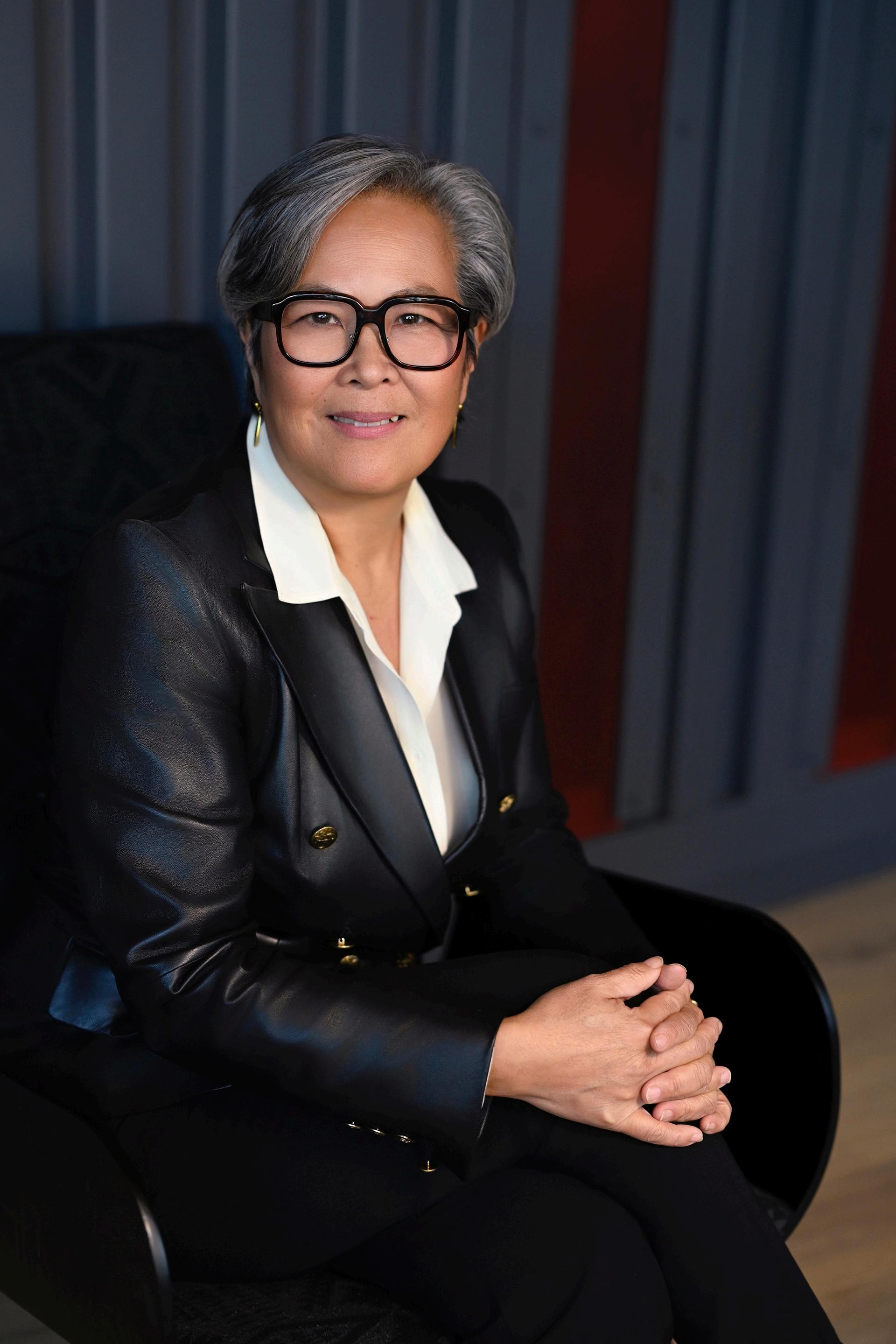
Beyond Buzzwords: MakingDEIB WorkinReal Business
In an exclusive interview with She & Success Business Magazine, Shaquana Burton, Director of Diversity, Equity, Inclusion, and Belonging at Purolator, breaks down what it really takes to build inclusive workplaces that perform Moving past surface-level initiatives, she shares how embedding DEIB into everyday decisions strengthens teams, improves outcomes, and creates environments where people can show up fully and do their best work.
InterviewBySKUddin
In this Q&A, Shaquana Burton, Director of Diversity, Equity, Inclusion, and Belonging (DEIB) at Purolator, shares practical guidance for building workplaces where people feel respected, included and able to do their best work. From connecting diversity to business outcomes to supporting teams through change and tough conversations, Burton highlights why DEIB is not a side initiative, rather foundational to psychological safety, stronger decision-making and sustainable performance
How do you explain the value of diversity to teams in a way that goes beyond slogans and connects to business outcomes and day-to-day work?
Diversity is not a "nice to have", it is essential to business success When everyone thinks the same, barriers are evident By bringing different perspectives to the table, we are not just doing the "right thing" we are building a smarter, tougher, and more innovative business that understands the customers we serve, which, in the end, results in a competitive advantage
HHow do you sustain momentum on DEIB when leadership priorities shift or when employees feel “change fatigue”?
DEIB is not an optional initiative or a project, it is a core value, and it is critical Shifting priorities and change fatigue is a reality and a culture of inclusion and belonging is exactly what helps us navigate those shifts
Instead of treating DEIB like an extra task, we embed it into our day-to-day work and decision making By remaining consistent, we demonstrate to employees that strategies may change, but our commitment to an inclusive culture does not
What does it look like to create space for difficult conversations at work while keeping teams productive and psychologically safe?
Creating space for difficult conversations while maintaining productivity and psychological safety and difficult conversations does not need to be overcomplicated, but it does require clear intention and the right structures Leading with empathy by acknowledging the impact of current events, lived experiences, and workplace stresses and giving people time to process them is a critical starting point When people truly feel heard, valued, and supported, it eases the burden of the imposter syndrome They no longer have to hide parts of themselves or carry extra stress and can show up authentically and focus their energy on doing their best work
Psychological safety is strengthened through intentional commitments and programs that support total health Purolator’s approach includes a psychological health and safety policy, confidential mental health supports through our Employee and Family Assistance Program, and Purolator Health, which supports employees’ mental, physical and social well-being
How should leaders respond when social or political events are affecting employees differently?
When social or political events are impacting employees, leaders should lead with empathy and address situations head-on rather than continuing with business as usual. It is important to acknowledge when external events are impacting our team members By being engaged and transparent, we show our employees that we are not ignoring their reality; instead, we are standing with them The focus should always be on reemphasizing our support, making it clear that we prioritize their well-being and are here to provide the space, flexibility or resources they need to navigate
What are practical language guidelines or conversation frameworks you recommend for managers who are afraid of “saying the wrong thing”?
Being a good manager is not about being perfect, it is about how you show up The best approach to these conversations is transparency and humility If you are afraid of saying the wrong thing, be honest about it Vulnerability builds trust A simple gesture of “I don’t know what I dont know but I am willing to learn” goes a long way
When you say the wrong thing, do not ignore it Own it, apologize and commit to doing better At the end of the day, employees do not expect perfection
As Shaquana Burton underscores, meaningful DEIB work lives in the everyday moments how leaders listen, how they respond when the world impacts their teams, and how they create space for people to contribute fully When inclusion becomes part of how work truly happens, it builds trust, reduces barriers, and allows people to bring their best forward The result is not just stronger teams, but organizations that are more human, more resilient, and better equipped for the future
Disclaimer:The views and opinions expressed in this interview are those of the featured guest and do not necessarily reflect the official policy or position of She & Success Business Magazine. Our mission is to amplify authentic voices, highlight diverse leadership journeys, and share insights that inspire and empower women entrepreneurs and leaders across Canada
In an exclusive interview with She & Success Business Magazine, Chris McMartin, National Lead of The Scotiabank Women Initiative® for Business Banking, shares how intentional connection is reshaping the way women entrepreneurs grow and succeed Known for turning relationships into real opportunities, Chris offers a clear perspective on why community is no longer optional, but essential for confidence, decision-making, and longterm business impact
Chris McMartin - known to many as the Hype Boss and Connections Collector - is a nationally recognized leader, speaker and Top 25 Women of Influence 2025. With over 17 years at Scotiabank, Chris serves as the National Lead for The Scotiabank Women Initiative for Business Banking, where she has helped empower over 40,000 women entrepreneurs.
InterviewByKripaAnand
A passionate builder of partnerships, Chris has expanded national collaborations, co-launched pitch competitions, piloted mentorship programs, and created visibility engines that open doors for bold founders across Canada She is widely celebrated for her authenticity, determination, and passion - values she carries into every stage, boardroom, and conversation
Beyond her corporate role, Chris is an author, podcast co-host and regular contributor to the I Am Unbreakable Magazine Chris shares her passion on several boards as an advisor including CanWCC and FemPowHer.
Known for her dynamic energy and ability to inspire action, Chris has spoken at conferences, festivals, and leadership summits across the country - always leaving audiences with practical takeaways, bold motivation, and the reminder that relationships are the real currency of success.
When she's not hyping others on stage, Chris is a proud mom of four, a lifelong mentor, and a fearless champion of women, entrepreneurs, and authentic connection.
You’ve said that growth for women entrepreneurs comes less from “having all the answers” and more from shared learning. What have you seen community do— practically and emotionally—that a single program, mentor, or bank account simply can’t?
Community does two things a single program, mentor, or bank account can’t: it multiplies perspective and it sustains courage In a strong peer network, you ’ re not just getting “advice” you ’ re getting different skills, backgrounds, and lived experience, plus different personalities and ways of thinking that challenge assumptions and sharpen decisions You also get active listeners: people who can hold space, ask better questions, and help you sort signal from noise when you ’ re under pressure
Practically, community pools networks, if my contacts don’t have the right resource, someone else’s might, and suddenly opportunities, vendors, partners, and customers are within reach Emotionally, it normalizes the hard days When women feel supported, they take smarter risks, move faster, and build confidence through action. And when there’s a setback, community turns it into shared learning instead of silent self-doubt; celebrating wins, absorbing lessons, and helping each other get back up stronger
Across your work with over 40,000 women entrepreneurs, what actually happens when women actively support one another—through mentorship, peer circles, and informal connections—and how does that show up in their confidence and decision‑making?
When women actively support each other, confidence stops being a personality trait and becomes a practice Mentorship and peer circles give entrepreneurs a place to say an idea out loud, be genuinely heard, and pressure-test the strategy, action plan, and next steps That alone speeds up decision-making, because clarity grows when you can think in community instead of in isolation
Practically, women share the “how” what they tried, what worked, what didn’t, and what they’ll do differently next time. This ensures others can leapfrog avoidable mistakes Emotionally, the tone shifts: I see more curiosity, louder encouragement, and a real refusal to let each other spiral into self-criticism about their businesses or choices With that support, women take bigger (and smarter) chances, ask for help sooner, and back themselves more strongly, which shows up in bolder decisions, clearer boundaries, and sustained momentum
How can communities like the Scotiabank Women Initiative® intentionally design ecosystems where women are continually connected to each other—not just one-off workshops or one-time funding deals?
Communities like The Scotiabank Women Initiative can design “always-on” ecosystems by building connection into every touchpoint and by making introductions as valuable as information. That means creating consistent spaces for women to meet (peer circles, roundtables, community activations) and pathways for them to stay in touch after the event, so relationships keep compounding
It also means expanding networking beyond transactions: helping women connect to the professional services they need (business bankers, investment advisors, wealth managers, lawyers, accountants) while equally enabling them to connect with each other to form peer networks and advisory boards, formal and informal When that’s done well, women collaborate on ventures, share leads, and actively support one another by purchasing from each other, using each other’s services, and opening doors to new customer and partnership opportunities The result is a community that doesn’t end when the workshop ends, it grows stronger with every introduction
You often describe yourself as a “Hype Boss” and “Connections Collector.” In your view, what is the right role for large organizations in building—but not owning—entrepreneurial communities, and how do you personally use your platform to open doors rather than keep gatekeepers in place?
Large organizations have a powerful role to play in building communities, without trying to own them The right role is to convene, invest, and amplify: create trusted spaces, fund access and learning, and then let entrepreneurs shape the relationships, the tone, and the outcomes When it’s done well, a corporate brand becomes a bridge, not a gate
Personally, I’m conscious that having Scotiabank behind me gives me access to rooms, tables, and conversations that many entrepreneurs don’t automatically get invited into I take that responsibility seriously by doing the research, building relationships with strong ecosystem partners, and then sharing what I’m hearing and seeing: services that can help, education opportunities that might otherwise go unknown, and introductions that connect women to each other and to the right supports. The more you model open-door behaviour, the more you see others around you do the same because community grows when access is shared
You were recently named a 2025 Top 25 Women of Influence+ and continue to expand national community programming through The Scotiabank Women Initiative, Canadian Women Chamber of commerce, I am Unbreakable, Erapreneur and more. Looking ahead, what possibilities excite you most about the next chapter of women centered entrepreneurial communities in Canada, and where do you still see gaps that we collectively need to close?
What excites me most about the next chapter of women-centered entrepreneurial communities in Canada is that we ’ re moving beyond networking into true ecosystems of access Women entrepreneurs aren’t just looking for inspiration, they’re looking for capital, visibility, mentorship, strategic partnerships, and rooms where decisions are being made I’m seeing communities evolve into launchpads for economic growth, collaboration, and generational impact, especially as more women build spaces rooted in authenticity rather than competition When women feel seen, supported, and connected, they build bigger businesses, stronger confidence, and broader influence.
At the same time, there are critical gaps we collectively need to close Access to funding remains disproportionately difficult, particularly for women in rural communities, diverse founders, and women balancing caregiving responsibilities while building businesses We also need clearer pathways from visibility to opportunity, ensuring women aren’t just invited into the room, but positioned to lead, scale, and build wealth The future isn’t only about giving women a seat at the table, it’s about building new tables entirely
Editor’s Note:
We’re moving beyond “networking” into true ecosystems of access, women entrepreneurs are seeking capital, visibility, mentorship, strategic partnerships, and rooms where decisions are being made
Community is no longer a “nice to have”it’s a growth strategy. Relationships accelerate decision-making, confidence, execution, and opportunity
To me, ecosystems of access look like intentional connection: women sharing introductions, opening doors, mentoring honestly, investing in each other, and ensuring opportunities aren’t gatekept
These communities are creating authentic connection and measurable economic impact launchpads for collaboration, growth, and generational influence • Women entrepreneurs are not a monolith We still need ecosystems that work for rural founders, diverse founders, caregivers, and women without proximity to established networks of privilege
I believe in the “hold the door” theory: getting into rooms we were never invited to matters but what matters more is holding the door open for the women coming behind us.
Challenge to readers: build your advisory circle (formal or informal) This month, ask for one meaningful connection while offering one in return.
In an exclusive interview with She & Success Business Magazine, Adil Hassam, Vice President and Head of Community Banking at BDC, shares how rethinking traditional lending models can unlock real opportunities for women entrepreneurs From partner-driven financing to innovative risk-sharing solutions, he highlights how community banking is creating faster, more inclusive pathways to capital, helping founders grow with confidence and support.
Adil is an experienced leader with over 20 years of expertise in the banking and insurance sectors, specializing in innovation, business strategy, marketing, products, and execution Throughout his career, he has distinguished himself by planning and implementing go-to-market strategies, partnerships, and developing new business banking products.
Since June 2024, Adil has joined BDC to head the new Community Banking line of business by defining and deploying initiatives to expand our reach through a network of partners by amplifying their lending and support capabilities for entrepreneurs (notably under-represented and underserved groups).
InterviewByKripaAnand
He is also working on developing innovative solutions such as partnership with fintechs to fuel the microlending space in Canada. The scope of his work aims to broaden our support to underserved entrepreneurs with non-conventional business models, by strengthening our network of partners through loan fund and wraparound capabilities who in turn provide support and financing to entrepreneurs
My parents’ experience building Bikini Village made that very real for me I saw firsthand how a good business idea is fragile when access to financing is hard and it too often ends up in a dilution of equity for the owners It shaped my belief that access to capital isn’t only about approval it’s about speed, structure, and confidence That’s why I’m passionate about creating options like loan guarantees and colending that help partners say “ yes ” more often, earlier, and on terms that reflect the realities of entrepreneurs
You’ve led innovation and strategy in banking for over 20 years. What made you take on Community Banking at BDC, and how did your parents’ Bikini Village experience shape how you see access to capital?
After spending two decades in the financial services world, be it in banking or in insurance, working roles selling financial products or building corporate strategies, transformation, and product innovation, I was drawn to Community Banking because it’s where finance meets impact where the question isn’t just “Can we lend?” but “How do we design access so people aren’t excluded by default?” At BDC, Community Banking gives us the ability to work with local lenders, Indigenous financial institutions, and community partners to reach entrepreneurs who are often underestimated by traditional models women, indigenous, black, newcomers, rural businesses, and others without a long track record or conventional collateral
Growing up with entrepreneurial parents brought me very close to that reality the challenges of starting a venture, securing financing, scaling, and managing a business
A little-known fact is that it was actually my mom ’ s idea. Too often, the women behind ventures are not highlighted or recognized. On top of that, she worked on this project while supporting my brother and me through school helping with homework, household responsibilities, and everything in between I am incredibly proud of what she accomplished
The takeaway is clear: women entrepreneurs are still significantly underserved In Canada, women represent approximately 20% of entrepreneurs, despite making up 50 6% of the population This means we need to be intentional about supporting women ’ s success in business
Community Banking works through local partners using tools like loan guarantees and co‑lending. How does this partner‑driven model open doors for women entrepreneurs who struggle with traditional bank financing?
Women entrepreneurs can be disproportionately impacted by the way traditional credit is underwritten especially when they’ve built businesses with less collateral, shorter credit histories, or growth paths that don’t fit a standard template A partner-driven model helps because local lenders and ecosystem organizations are closer to the entrepreneur and the context: they see character, traction, and community reputation not just a scorecard
Practically, tools like loan guarantees and colending lower the barrier to a “ yes ” A guarantee can reduce the partner’s downside risk, while colending increases available capital to a community based lender that not only offer financing but mentorship, coaching and tools for the entrepreneurs which improve the overall chances of success of the business venture The financing is also adapted such as longer terms, better alignment to cash-flow cycles, and room to invest in inventory, equipment, or hiring Just as important, it increases speed and confidence: the entrepreneur can move on an opportunity when it shows up When you combine that risksharing with partners who already have trust in their communities, you get more approvals and better outcomes without asking women entrepreneurs to fit a financing system that wasn’t built around their realities
Money alone isn’t enough to grow a business. Beyond loans, what kinds of wraparound support— advice, connections, capacity‑building—does Community Banking help women business owners access?
Community Banking is built on the idea that capital works best when it is paired with capability Through our local partners, women entrepreneurs can access wraparound support like practical coaching on cash flow, pricing, and working-capital management; guidance on building a lender-ready package; and tools to strengthen governance, financial reporting, and operational processes. Also we are now looking at new ways of support that are more agile, fast, and adaptable: how to capture value through AI, in the defense industry etc (all of which are still very male dominated)
Just as importantly, partners open doors to networks: peer communities, mentors, and connectors who can help with suppliers, professional services, and new customers In many communities, they also provide navigation support: helping entrepreneurs identify the right public programs, grants, and advisory resources, and then sequence them alongside financing so growth feels manageable When women founders have both funding and a strong support system, they scale faster and they do it with more resilience
From what you see, what are a few of the most common structural barriers women face when seeking financing? How is Community Banking working with partners and fintechs to design solutions that better match women’s realities?
A few barriers show up repeatedly First, the “collateral gap ” : women are more likely to build in sectors that are less asset-heavy, which can make secured lending harder Second, thin or non-traditional credit files: especially for newer entrepreneurs, newcomers, or those who’ve grown with personal savings rather than bank products or that were taking care of the home and now wants to launch a business Third, underwriting models that reward long operating histories and stable, predictable cash flows, which can penalize fast-growing businesses or those with seasonal patterns And finally, network barriers: not having the same access to warm introductions, advisors, or early institutional capital can slow momentum
Looking ahead, what makes you optimistic about the future of women led businesses in Canada? And what one practical step would you suggest a woman entrepreneur take this year if she feels overlooked by traditional lenders?
I’m optimistic because you have leaders who made it their goal and are acting very hard to change the system such as my CEO, Isabelle Hudon and our chief Community Banking and Impact Officer Miguel Barrieras, Severine Labelle, myself and others
Moreover the ecosystem is changing in visible ways: more women are building scalable businesses across every sector, more buyers and partners are intentionally diversifying their supplier base, and more capital providers are recognizing that “bankable” can’t be defined by one traditional template We’re also seeing stronger networks of women founders, accelerators, mentors, peer communities thereby creating momentum, confidence, and shared learning that compounds over time OnepracticalstepI’dsuggestthisyearistobuilda simple,lender-readycash-flowstory:a12-monthcashflowforecast,thekeydriversbehindit(salespipeline, margins,seasonality),andaclearuseoffundstiedto measurableoutcomes.Thentakethatpackagetoa communitylenderorpartnerorganization (Futurpreneur,EVOL,WEOC,WESK,AWE,WEBC,etc.)that canadvocatewithyou,oftenwithfinancingoptionsthat improvetheoddsofapproval.Thegoalistoshiftthe conversationfrom“DoIfitthebox?”to“Here’showthe businessperformsandwhatthisfinancingwillunlock.”
Disclaimer: The views and opinions expressed in this interview are those of the featured guest and do not necessarily reflect the official policy or position of She & Success Our mission is to spotlight women leaders, their entrepreneurial journeys, and their impact providing insights that inspire and empower women entrepreneurs and small business leaders across Canada
ImageCourtesy:Canva
Building Women‐LedAI andPeople‐Tech Venturesin Canada
Women entrepreneurs throughout Canada are creating AI, HR technology, EdTech, and wellness platforms that are transforming hiring, education, and workplace wellness However, according to current Statistics Canada data, women-owned businesses are still less likely than men-owned businesses to employ emerging technologies like AI (12.3% versus 16.5%), indicating both a gap and an opportunity
Research indicates that women-led and deep-tech firms receive less than 5% of venture capital funding, particularly in AI-intensive and deep-tech sectors Women-led ventures are leveraging AI and people-tech to address challenges in recruitment, learning, and workplace wellbeing, often with a focus on underrepresented talent Highlighting these creators demonstrates the potential for a more inclusive, humancentred AI economy in Canada, rather than merely recognizing success
Women‐led AI and HRTech Improving Recruitment And Talent Access
Women-led AI and HR software businesses in Canada are transforming talent acquisition, matching, and support
Bobbie Racette founded Virtual Gurus (Calgary). This talent marketplace matches businesses with remote virtual assistants from underrepresented populations, including Indigenous, racialized, 2SLGBTQ+, and single-parent talent, resulting in flexible and dignified work options. This directly benefits women who require remote, part-time, or project-based work options.
Stephany Lapierre established TealBook (Toronto), which uses artificial intelligence to create rich, dynamic supplier data, helping major enterprises find and evaluate suppliers more equitably TealBook facilitates the discovery of diverse suppliers, including women-owned enterprises and social impact ventures.
These platforms demonstrate how AI and people-tech can address knowledge gaps and biases in traditional talent and vendor selection while increasing efficiency. Women founders who incorporate diversity and inclusion into their product logic are transforming recruitment and sourcing tools into levers for gender equity and greater economic participation
Edtech And Learning Ventures Are Building Women’s Skills And Confidence
Canadian women leaders in EdTech and STEM outreach are empowering girls and women with the skills and courage to pursue AI-enabled employment through digital platforms
Actua, led by CEO and founder Jennifer Flanagan, is the biggest STEM outreach organization in Canada, reaching hundreds of thousands of students annually with hands-on STEM and digital skills programs Actua's work includes programs for girls, Indigenous youth, and other underrepresented groups that help create early pipelines into the AI and technology industries
Community activities highlighted by Women in AI Canada and other networks bring together female AI, cloud, and data experts to share their experiences, mentor new talent, and demystify AI professions
Women in AI and tech-related positions typically rely more on self-confidence and networks than on technical knowledge, making these efforts crucial. Women-led EdTech and community initiatives address both capability and belonging by providing skills training, visible role models, and mentorship
Wellness And Health‐tech Platforms
Centring Women’s Wellbeing
Women-led digital health and wellness platforms are shifting employers' perspectives on mental health, reproductive health, and workplace care
Blair Health (Toronto), co-founded by Madge Rumman and Dr Lindsay Shirreff, is a digital mental health platform that promotes tailored therapy and improved outcomes Blair Health enables companies to provide personalized mental-health treatment, which is crucial given women ' s greater rates of professional stress and childcare responsibilities
Huda Idrees established Dot Health, a Canadian firm that provides patients with digital access to their own health records, allowing them to make more informed decisions and better navigate the health system. For women juggling jobs, parenthood, and complex health journeys, having access to organized, portable medical data can dramatically minimize administrative cost and stress
Women-led health-tech enterprises are creating workplace infrastructure, including EAP integrations, virtual care, and data access. This enables HR and benefits teams to assist women ' s wellbeing in more proactive and data-driven ways
Ecosystem Support: Funding, Networks, And Accelerators
Behind many of these enterprises is a burgeoning ecosystem of funding, accelerators, and networks dedicated to women in technology and AI
BDC's Women in Technology Venture Fund is one of the world's largest VC funds dedicated to investing in women-led tech firms It provides finance and strategic support to female founders across areas such as AI and people-tech.
The Canadian Women in Tech Silicon Valley initiative, backed by the Consulate of Canada, brings female-led Canadian tech startups like TealBook and Orpyx to Silicon Valley for networking, mentorship, and investor introductions
Networks like Women in AI Canada, local " women in tech" laboratories, and cross-country founder communities promote peer learning, collaboration, and visibility.
This assistance is crucial in a funding environment where women-owned enterprises are underrepresented in venture capital and less likely to use AI By combining financing, community, and visibility, they accelerate the impact of women-led AI and people-tech enterprises in the workplace
Reshaping Recruitment, Learning, And Wellbeing For Women At Work
Women-led AI, HR tech, EdTech, and wellness platforms in Canada are not just developing successful firms, but also rebuilding the work infrastructure to prioritize equity and welfare These businesses, including inclusive talent marketplaces, fairer supplier discovery, STEM outreach, digital mental-health aids, and patient-controlled health data, incorporate women ' s perspectives into hiring, learning, and treatment
Investing in women-led AI and peopletech is a strategic way for firms to create a more inclusive workplace. Investing in these founders is one of the most direct ways for Canada to integrate its artificial intelligence future with workplace gender justice
Subscribe to She & Success Business Magazine and follow us on she&success.ca to stay updated on funding opportunities, entrepreneurial insights, and inspiring stories of women making a difference across Canada
Disclaimer: This article is for informational purposes She & Success Business Magazine does not endorse or guarantee any products or services mentioned. Readers should conduct their own research and due diligence.
Capital, Technology Safety, Policy, and Future
In an exclusive interview with She & Success Business Magazine, Meseret Haileyesus, Economic Security Futurist and Founder and CEO of the Canadian Centre for Women’s Empowerment, shares how broken financial systems continue to impact women and underserved communities and what it will take to rebuild them
InterviewBySKUddin
Meseret Haileyesus is a multi-award-winning Economic Security Futurist, systems-change strategist, and one of Canada’s most influential voices on economic justice and financial inclusion She is the first Canadian to formally bring economic harm into national public policy discourse and to call for coordinated national and international policy responses in the Canadian Parliament.
She is the Founder and CEO of the Canadian Centre for Women’s Empowerment (CCFWE), Executive Leader of the World Executive Council for Economic and Financial Inclusion, Founder of Elementh, and co-founder and advisor to multiple national and global initiatives integrating digital healthcare innovation, financial systems reform, climate justice, and public policy to advance longterm economic security
You took issues like economic harm and coerced debt from community conversations all the way to Parliament and global institutions. In one sentence, what problem are you most focused on solving, and what first pushed you to act?
I am focused on building financial and economic systems that protect people from economic harm and expand real pathways to safety, dignity, capital, and opportunity, because too many women and communities were being harmed by systems that were never designed to see or respond to their realities
Why is access to capital so critical for women and Black entrepreneurs, and where do you see the biggest near‑term opportunities—especially in Canada–Africa trade—for women led businesses to grow?
Access to capital is critical because talent without financing stays trapped as potential; when women and Black entrepreneurs can access fair capital, networks, and markets, they create jobs, innovation, and generational wealth The biggest near-term opportunities in Canada Africa trade are in fintech, agriculture, clean energy, health innovation, beauty, education technology, and cross-border supply chains where women-led businesses can scale through partnerships, exports, and digital commerce
You were the first person in Canada to call on the federal government to introduce a national Code of Conduct for financial institutions. You were also invited to deliver keynote remarks during the pre-budget consultation leading up to the Federal Budget 2025 announcement with the Minister of Finance and the Minister of National Revenue.If you could change just two things in our financial system to make it safer and more inclusive for women, what would they be?
First, I would introduce a national Code of Conduct for financial institutions so every bank has clear standards to identify and respond to economic harm, coerced debt, fraud, and financial control This would make banking safer for women while helping banks build trust, reduce risk, and improve customer protection
Second, I would expand fair access to credit, capital, and financial opportunities for women, newcomers, and underserved communities. When women who have experienced economic harm can access safe banking, grow businesses, buy homes, and build wealth, they can heal, rebuild their lives, restore their dignity, and move toward long-term financial independence Their success strengthens families, communities, and Canada’s economy
ImageCourtesy:MeseretHaileyesus
You work at the intersection of AI, finance, and consumer protection. How can AI be used responsibly to expand economic inclusion and protect people from harm, instead of reinforcing existing biases?
As a survivor advocate, I believe AI can be a powerful tool when it is designed to protect people, not profit from their vulnerability It can help detect fraud, identify patterns of economic abuse, improve access to fair credit, provide personalized financial education, and connect survivors and underserved communities to safe resources and opportunities
But AI must have strong safeguards It should be tested for bias, protect privacy, include human oversight, and never make harmful decisions without accountability Responsible AI should help survivors regain safety, rebuild their financial lives, and create more inclusive systems for everyone
Looking ahead, what change do you most want to see in women’s economic security over the next 10 years, and what one practical step should a woman entrepreneur take this year if she wants to help reshape the system?
Over the next 10 years, I want to see women ’ s economic security move from survival to real wealth, power, and leadership where women have equal access to capital, safe financial systems, ownership, and decision-making tables
Disclaimer:The views and opinions expressed in this interview are those of the featured guest and do not necessarily reflect the official policy or position of She & Success. Our mission is to spotlight women leaders, their entrepreneurial journeys, and their impact providing insights that inspire and empower women entrepreneurs and small business leaders across Canada
There is a noticeable disparity in confidence between men and women as AI tools permeate every aspect of Canadian businesses Although 64% of Canadians reported using AI in the previous year, men are more likely to utilize and feel comfortable using these tools, according to recent poll data Compared with 52% of men, approximately 36% of women say they feel comfortable using AI technologies, and nearly half are concerned about negative outcomes or backlash if they use AI at work
However, a more extensive study reveals that Canada lags behind its international counterparts in AI literacy and training, with fewer than 25% of Canadians reporting that their employers have provided any formal AI training Due to the combination of low national AI knowledge and a gendered confidence gap, Canadian women are particularly vulnerable to marginalization as AI permeates daily employment
Why Training Alone Is Not Enough
Offering more training is a natural response to an AI skills gap, but traditional training alone won't close the gender confidence gap Many women claim to be scared by AI, anxious about making mistakes, and unsure of what constitutes "safe" or "approved" use in the workplace AI training can increase anxiety by highlighting hazards without fostering agency, in the absence of clear guidelines and a culture of encouragement
Black women and other racialized workers are les likely to hold positions where employers make significant investments in cutting-edge digital upskilling, according to sectoral and national research Additionally, they are underrepresented discussions about AI strategy, governance, and design, which can give the impression that AI is d to them rather than with them Canadian HR and teams must create programs that integrate tech AI literacy with psychological safety, confidencebuilding, and explicit consideration of gender and ethnicity in order to actually close the gap
The Specific Challenge For Black Women In Canada
Black women in Canada frequently suffer a compounded disparity: they are overrepresented frontline, customer service, and support roles, underrepresented in high-visibility tech and AI ro and continue to face discrimination in leadership and advancement possibilities When AI tools are added, they may not have the same access to coaching, mentorship, or strategic training as their peers
Even when they have a great desire to learn, women from Black and other ethnic communities often report having less access to high-quality training and networks, according to research on digital skills and women in Canada. Programs like digital skills cohorts and AI-focused bootcamps have demonstrated that when women and people of other genders undergo focused, community-based AI education, their confidence and employment prospects increase significantly
A Journey from Self-Doubt to AI Leadership
Consider a Black woman working as a marketing coordinator for a mid-sized corporation in Toronto When generative AI tools for copywriting and analytics are presented, she is torn: she utilizes them privately to draft ideas but is hesitant to reveal them, fearing that leaders will perceive her as "cheating" or less capable She also witnesses male colleagues openly working with AI, discussing prompts, and receiving accolades for "innovation "
Her organization collaborates with a Canadian AI literacy initiative to provide an opt-in, womencentred program that combines technical skills with coaching on confidence, visibility, and bias In small groups, she learns how the tools function, how to evaluate outputs, and how to discuss AI use ethically and transparently She delivers a brownbag workshop for colleagues on responsible AI in marketing, becoming a valuable corporate resource As her visibility grows, she can advance to a more strategic, AI-enabled role
Designing Psychologically Safe
AI L&D And Coaching
Canadian HR and L&D teams can close the AI confidence gap for women, particularly Black women, by rethinking how they design and deliver AI training.
Start with the basics, not buzzwords: Provide foundational AI literacy by demystifying key concepts, demonstrating real-world workplace use cases, and openly welcoming participants with little or no technical knowledge
Create little identity-affirming cohorts: Create safe spaces for women and Black women to ask questions, discuss prejudiced experiences, and practice using tools
Combine AI and human skills: Include consideration of ethics, boundaries, communication with management, and tactics for taking credit when AI is employed in workplace products
Make experimentation safer: Establish explicit criteria for AI-assisted tasks, including data entry and documentation, to reduce the fear of "getting in trouble" for attempting them
When women see that leaders promote responsible experimentation, they are more likely to employ AI and discuss it openly
Partnering With Canadian Ecosystems And Communities
Canada already has a thriving network of organizations promoting AI literacy and confidence-building for marginalized groups, so companies do not need to reinvent the wheel Community-based programs for women and gender diversity, such as bootcamps, digital skills clubs, and AI-for-good projects, offer technical training alongside mentorship and peer support
HR and L&D leaders can collaborate with these groups to fund seats for Black women employees, co-host internal and external cohorts, or hire facilitators for customized seminars They may also integrate internal coaching and leadership programs to ensure that Black women who finish AI literacy training receive visible stretch assignments and business champions, rather than just a certificate
By incorporating these relationships into talent and DEI plans, Canadian firms can prevent AI from widening gender disparities and instead use it to promote equity, mobility, and career wellbeing for women
Subscribe to She & Success Business Magazine and follow us on she&success ca to stay updated on funding opportunities, entrepreneurial insights, and inspiring stories of women making a difference across Canada
Disclaimer: This article is for informational purposes. She & Success Business Magazine does not endorse or guarantee any products or services mentioned. Readers should conduct their own research and due diligence.
Mother's Day and National Women's Health Week serve as striking reminders that Canadian companies continue to struggle to provide longterm support for mothers and caregivers The "motherhood penalty" has been recorded for years: poorer incomes, delayed careers, and increased stress for women who take time off to care for children New Canadian statistics suggest that this penalty still exists in the AI era. According to a Maternity survey, 52% of Canadian women were nervous about returning to work following parental leave, with nearly half saying the most difficult part was feeling like they had to prove themselves again
Another Moms at Work poll found that approximately 15% of Canadian women who take maternity leave are terminated, laid off, or not renewed during or immediately after their leave three times the national layoff average AI and HR technology must intentionally design flexible, familyfriendly positions to avoid leaving moms and caregivers behind as occupations and workflows shift
How AI Is Reshaping Work For Women, For Better And Worse
Generative AI is transforming the nature of work in Canada, particularly in professions that require repetitive cognitive tasks such as scheduling, drafting emails, and summarizing papers. AI can help people decrease low-value work, increase productivity, and free up time for more creative tasks According to global polls, the majority of people who use artificial intelligence at work report higher productivity, better access to information, and improved innovation
Organizations that prioritize the needs of mothers and caregivers may benefit from shorter workdays, fewer after-hours tasks, and more predictable schedules However, there is a risk that AI will be used to increase monitoring, accelerate workflows without changing expectations, or reward people who can constantly upskill in their " spare " time
Research on working mothers reveals that fear about AI is frequently exacerbated by feelings of inadequacy and a lack of visible role models or formal assistance. Without careful policies, AI can exacerbate stress and inequity rather than alleviating the burden on caretakers
A Real Story of a Canadian Mother Navigating AI Enabled Flexible Work
Consider a Toronto woman returning to her marketing job after a year of maternity leave During her absence, her team utilized generative AI tools for campaign ideas, copywriting, and analytics She feels left behind, worries that her abilities are outdated, and is afraid of being judged for asking "simple" questions about new technologies.
Her employer offers a hybrid schedule that lacks boundaries; meetings extend into early mornings and late evenings, coinciding with daycare drop-off and pick-up times She uses AI to complete emails and reports after her child goes to bed, but this late-night work negatively affects her sleep and emotional well-being At the same time, she observes coworkers adopting AI to automate repetitive tasks and free time for key projects, gaining visibility that she does not
The technologies intended to boost flexibility actually make her feel more overwhelmed and insecure because there is no organized AI re-entry training or caregiving-sensitive workload planning Designing AI-augmented flexible employment to benefit mothers and caregivers rather than penalize them presents an obvious opportunity
AI And HR Tech For Genuinely Flexible, Family‐friendly Roles
Employers in Canada are starting to leverage AI and HR technology to create jobs that are genuinely flexible and family-friendly, rather than just ostensibly "remote."
Important strategies consist of:
AI-enabled resource-planning systems can help allocate work more equitably among teams, prevent last-minute crunches, and schedule meetings during core hours that respect daycare and school schedules
ImageCourtesy:Canva
AI-powered caregiver task automation: Reducing after-hours work and cognitive burden can be achieved by granting moms and caregivers priority access to AI tools for routine activities, such as summarizing meetings, creating first-pass papers, or generating reports
Vancouver-based care navigation platforms - For instance, Kindly employs an AI-enabled care navigation platform to assist staff members caring for elderly family members in understanding their options, coordinating services, and preventing emergencies so they can continue working
Data-driven policy changes: To identify areas where "flexible" jobs are actually causing unsustainable workloads, HR analytics can monitor overtime, email traffic outside of work hours, and burnout indications by gender and caregiver status.
AI can be a useful tool for work-life balance, rather than a source of constant demands, when it is used specifically to save caregivers' time and energy
Supporting
Caregiving Through Ai‐enabled Benefits And Tools
Beyond job design, AI is driving a new wave of caregiving-support technologies that can keep mothers and other family caregivers employed and healthy Several promising uses for AI tools are highlighted by recent research on AI help for informal caregivers:
Decision support: By serving as digital case managers, machine-learning algorithms can assist caregivers in making decisions about what to do next and in connecting them with the right resources, thereby reducing stress and ambiguity.
Scheduling and coordination: AI is used by platforms such as CarePortfolio and other carecoordination applications to handle medication scheduling, appointments, and communication between medical providers and family members.
Early warning systems and monitoring: Home monitoring and safety systems can detect early indicators of health deterioration or changes in routine, enabling caregivers to take action before a crisis and potentially prevent time-consuming catastrophes
Making AI-augmented Flexible Work A Mother’s Day Commitment
Mother's Day and National Women's Health Week provide Canadian organizations with an opportunity to go beyond flowers and posts of gratitude to structural change This entails committing to AI-enhanced flexible work that safeguards caregivers' time, mental well-being, and professional paths It entails clear expectations regarding availability, re-entry AI training for parents returning from leave, and benefits such as mental health and caregiving technologies
Trust and well-being rise when mothers and other caregivers see AI used to reduce their workload rather than to monitor them or to expedite unreasonable requests. When used carefully, AI and HR technology can contribute to developing a Canadian labour market in which caring for others is no longer seen as a risk to one ' s career
Subscribe to She & Success Business Magazine and follow us on she&success.ca to stay updated on funding opportunities, entrepreneurial insights, and inspiring stories of women making a difference across Canada
Disclaimer: This article is for informational purposes She & Success Business Magazine does not endorse or guarantee any products or services mentioned Readers should conduct their own research and due diligence
Next‐Gen TravelRisk Management with Riskline’s CEO
In an exclusive interview with She & Success Business Magazine, Suzanne Sangiovese, CEO of Riskline, shares how modern travel risk management is evolving through AI, real-time intelligence, and global collaboration helping organizations move from reactive responses to proactive, data-driven decision-making in an increasingly unpredictable world.
InterviewByKripaAnand
Suzanne Sangiovese has more than a decade of experience in the travel industry. As CEO of Riskline, she leads Riskline’s vision, financial performance, growth, and market alignment. She is Vice-Chair of the Global Business Travel Association (GBTA) Europe Risk Committee and a member of the Women in APIs community. Suzanne holds an MSc in International Security and Global Governance from Birkbeck, University of London
You’ve spent over a decade at Riskline, moving from analyst roles to CEO—how has that insider journey shaped the way you think about “next‑generation” travel risk management and what organizations really need from intelligence providers today?
Building my career at Riskline throughout the years has entirely shaped how I see travel risk management I've worked with intelligence at every stage, collecting and analysing information on the ground, and seeing how organisations actually use it when it matters most There is no one-sizefits-all, as risk appetite is something personal Different travellers, businesses, and situations require various levels of detail, context, and guidance
Organisations today need intelligence that cuts through the noise and avoids overwhelming users with unnecessary information That means delivering focused, relevant insights that support fast, confident decisionmaking "Cutting through the noise" in practice means filtering out irrelevant or low-value data so travellers and travel managers remain informed, prepared and can avoid disruptions Practically: combining AI, open-source intelligence, and human expertise ensures both speed and context, while providing actionable advice
Connection and synergy matter too. Risk doesn't exist in isolation, and neither should intelligence The key is to achieve integration across industries: travel, insurance, security, and assistance teams working together, with communication to travellers that's seamless and meaningful
BCD Travel and Riskline recently announced a strategic partnership to deliver the next generation of travel risk management—can you walk us through what this unified solution actually includes and how it strengthens duty of care and traveler communication across each stage of a trip?
This collaboration brings together BCD’s established travel management and risk technology capabilities with Riskline’s advanced intelligence expertise, creating a unified solution that supports travel and security managers, as well as travelers, with timely, trusted insights when they need it most BCD’s TRM solution with Riskline’s intelligence solves for this need providing a TRM ecosystem that empowers organizations to communicate effectively and strengthen traveler care across every stage of the journey
With a shared goal to help organizations prepare and respond more effectively to a complex and fast-moving global risk environment, BCD now leverages Risklines modern intelligence suite A combination of human expertise, AI and open-source intelligence is used to cut through noise and deliver accurate, relevant and actionable risk insights Drawing from more than 100,000 sources in multiple languages, the joint solution provides unparalleled visibility into global risks Riskline’s intelligence is seamlessly integrated into BCD’s travel management platform in the form of risk alerts and real-time alerts with emergency response capabilities, transforming intelligence from a specialist input into a core layer of program data, enabling faster, more proactive risk mitigation
Riskline combines AI, open source intelligence and human analysts to monitor more than 100,000 data sources in real time where do you see AI making the biggest difference over the next decade in detecting emerging risks and cutting through information noise without overwhelming travel managers and travelers?
AI already makes a big impact by helping filter vast amounts of information, so human analysts can focus on what truly matters AI could further prove its value by evolving from reaction to prediction and personalization
I see the potential of predictive analytics to help anticipate disruptions, from extreme weather and health outbreaks to political instability, by analysing patterns across multiple data points in real time This will help shift travel risk management from reactive to proactive
AI could also personalize travel alerts depending on the recipient A person who has a diverse profile in terms of sexual orientation, religion or any other identity marker may face different risks even if a location or an incident is marked “low risk” for the average traveler
AI alone isn’t enough, though Its real value comes when paired with human expertise While AI processes data at scale, human analysts provide the context, judgment, and validation needed to ensure accuracy and relevance, especially in a fast-changing world with conflicting information
The conflict in the Middle East and other fast moving crises have highlighted how quickly routes, regulations and security conditions can change how do partnerships like the one with BCD and tools like real time alerts help organizations stay ahead of disruptions rather than simply reacting once incidents occur?
Fast-moving crises show just how quickly travel conditions can change, and why organisations cant afford to be only reactive Working with a network of partners helps combine traveller tracking technology, on-the-ground support, insurance and repatriation services with travel risk intelligence to create a unified and comprehensive solution
For example, when Riskline's intelligence is built directly into a TMC's platform, travel managers and travellers receive only relevant real-time alerts and destination insights, making it easier to act before a disruption turns into a crisis By integrating risk intelligence correctly, organisations can be as prepared as possible and respond faster to keep their travelers safe
Our reporting on the Middle East crisis is a good example As flight disruptions or cancellations and airspace closures shifted rapidly, clients didn't need to track those developments themselves Riskline analysts created new reports to cover the specific situation in real time and provide this key information to our clients, supporting their operational decision-making and crisis planning
ImageCourtesy:Canva
You’re also one of relatively few women leading a travel tech and intelligence company, in a sector where most travel managers are women but very few tech leaders are what does that representation mean to you personally, and how are you working to open more doors for diverse leaders in the travel and risk space?
Representation matters deeply to me Leading Riskline as a woman is both a responsibility and an opportunity It allows me to champion inclusion, elevate diverse voices, and show that leadership in this space can and should reflect the people it serves.
On a personal level, it reinforces why thoughtful, empathetic leadership is essential I’m committed to building an environment where talent is recognised for ability, not limited by gender or background That means mentoring emerging leaders, advocating for equitable policies, and ensuring diverse perspectives inform decision-making, product design, and risk solutions
By combining advocacy with action, I aim to open doors for more women and underrepresented leaders in travel risk, helping the industry better reflect its workforce and travellers
Disclaimer:The views and opinions expressed in this interview are those of the interviewee and do not necessarily reflect the official policy or position of CanadianSME Small Business Magazine Our platform is dedicated to fostering dialogue and sharing insights that inspire and empower small and medium-sized businesses across Canada
Indigenous Women,
Safety,andDigital InclusioninCanada’s
AI‐EnabledWork
BySKUddin
The National Day of Awareness for Missing and Murdered Indigenous Women, Girls, and Two-Spirit persons (MMIWG2S+) is observed annually on May 5 to raise awareness of Canada's systemic neglect and violence epidemic Despite making up a very small portion of the population, Indigenous women account for around 16% of all female homicide victims and 11% of missing women
ImageCourtesy:Canva
Indigenous leaders are increasingly highlighting the significance of data governance, digital rights, and fair access to cutting-edge technologies like artificial intelligence in addition to demands for justice and safety. Indigenous women run the risk of being marginalized once more when AI tools are incorporated into hiring, training, and daily work either unseen in the data or excluded from the new occupations and skills influencing Canada's economy Asking a crucial question is necessary to link Red Dress Day to discussions about AI: how can digital inclusion and employment facilitated by AI promote economic justice, safety, and selfdetermination for Indigenous women, rather than exacerbating already existing harms?
Data, Safety, And Indigenous Women’s Rights
The full scope of violence against Indigenous women and girls has been concealed by inadequate data, jurisdictional gaps, and a lack of accountability, as demonstrated by the National Inquiry into MMIWG and following government efforts In response, Canada and its Indigenous partners have been creating a National Data Strategy and a National Action Plan, which includes a Data Sub-Working Group that focuses on uniform guidelines for reporting missing Indigenous women, girls, and 2SLGBTQQIA+ individuals.
The right of Indigenous peoples to control how their data is gathered, utilized, shared, and stored especially when it contains extremely sensitive information regarding safety, health, and justice intersects with larger movements for Indigenous data sovereignty Any AI used in recruiting, social services, policing, or benefits administration directly raises concerns about who controls the data and whose interests it serves, as these systems rely heavily on data
Protection from detrimental surveillance and profiling, as well as a voice in how data about their communities is used to develop or train AI systems, are essential components of meaningful digital inclusion for Indigenous women in AIenabled work
ImageCourtesy:Canva
Digital Divides And Barriers To AI-Enabled Work
Despite advancements, Indigenous women ' s access to high-quality internet, gadgets, and training is still restricted by a persistent digital gap, particularly in rural and isolated places According to research on Indigenous communities in Canada, lower-income Indigenous women living in rural places have major obstacles when trying to access internet services and information, which limits their options for work, education, and involvement in the digital economy
According to the Native Women's Association of Canada (NWAC) and partners, only 2 2% of workers in Canada's IT sector are Indigenous, underscoring the severe underrepresentation in one of the nation's fastest-growing industries This is intended to change through initiatives such as the POETA DigiSpark Canada Project, launched by NWAC, the Organization of American States, and The Trust for the Americas
These initiatives provide Indigenous women and people of other gender identities with digital skills related to high-demand tech and digital services jobs AI-enabled occupations risk becoming concentrated far from the populations that could most benefit from secure, well-paid, flexible digital labour if deliberate investments are not made in connectivity, skills, and culturally grounded training.
An Indigenous Woman Stepping into AI-Enabled Work
Consider a young First Nations woman who has been employed in part-time administrative and service positions while residing in a smaller hamlet Despite having little exposure to sophisticated digital technologies, she speaks her Indigenous language, has close relationships with the community, and is passionate about cultural preservation
She enrolls in a program that teaches fundamental coding, data literacy, and an overview of artificial intelligence, thanks to a collaboration between a local Indigenous organization and a national digital skills project She can critically assess how tools affect her community thanks to the curriculum's Indigenous perspectives on technology, data sovereignty, and ethical AI workshops After finishing the program, she obtained a remote position assisting with an Indigenous-led AI project focused on culturally based chatbots or language revitalization. Her work directly contributes to digital tools that represent and safeguard Indigenous knowledge systems, while also offering flexibility and revenue Digital inclusion is linked to selfdetermination, culture, and safety
ImageCourtesy:Canva
Indigenous Women in AI Training And Career Pathways
Indigenous-focused AI and digital skills projects are emerging across Canada to provide professional pathways that prioritize Indigenous women ' s leadership over token participation
Career-pathway programs: Mila's "Indigenous Pathfinders in AI" program is a seven-week program that blends Indigenous-centered curricula, cooperative projects, mentorship, and practical AI learning It is intended to enable participants who are First Nations, Inuit, and Métis to spearhead AI innovation in ways consistent with their values
Projects pertaining to digital skills and economic inclusion: The POETA DigiSpark Canada initiative with NWAC aims to provide digital and tech services skills to Indigenous women, transgender, and genderdiverse individuals, specifically by connecting training to economic inclusion and reconciliation.
Research and policy streams: The AI + Inclusion stream at the University of Ottawa and other Canadian research networks are developing ethical, participatory design frameworks that involve Indigenous communities in the development of AI education and governance
These avenues can open up AI-enabled positions for Indigenous women in fields such as policy advocacy, digital storytelling, community data stewardship, and language technology roles that link technology to cultural and community objectives
Making Ai‐enabled Work Safe And Just For Indigenous Women
It is more than just symbolism to link AI to the National Day of Awareness for Missing and Murdered Indigenous Women and Girls; it is about reimagining digital futures to address the underlying causes of marginalization and violence Strong data governance that upholds Indigenous data sovereignty, open accountability for the use of AI in social and law enforcement systems, and proactive steps to stop digital tools from perpetuating systemic racism and sexism are all necessary for the safety of Indigenous women in an AIenabled economy
True digital inclusion, however, entails providing Indigenous women with the resources, education, and assistance they need not only to obtain AI-related employment but also to influence the laws and regulations that affect them AI-enabled labour can become a force for safety, healing, and economic self-determination rather than another site of suffering when Indigenous women take the lead in its design, governance, and application
Subscribe to She & Success Business Magazine and follow us on she&success.ca to stay updated on funding opportunities, entrepreneurial insights, and inspiring stories of women making a difference across Canada
Disclaimer: This article is for informational purposes She & Success Business Magazine does not endorse or guarantee any products or services mentioned Readers should conduct their own research and due diligence
There are significant gender disparities in AI comfort and confidence, according to recent Canadian research: just roughly 36% of women say they feel comfortable using AI tools at work, compared to 52% of males, and over half of Canadian women are concerned that utilizing AI could negatively impact their reputation or possibly their job security HR directors also rank psychological safety and AI adoption as top objectives for 2026, understanding that employees won't be able to learn and develop with AI unless they have faith in leadership and feel comfortable experimenting and asking questions Without a psychological safety lens, designing AI change runs the danger of widening rather than narrowing gender disparities
ImageCourtesy:Canva
How AI Can Undermine (Or Support) Psychological Safety A Real Story of Fear in Adopting AI Tools
The common conviction that people can express themselves, make mistakes, and grow without worrying about shame or punishment is known as psychological safety Depending on how it is implemented and controlled, AI can either strengthen or weaken this environment A number of psychosocial risk factors are highlighted in Canadian and worldwide studies on AI in the workplace, including opaque systems that make decisions employees cannot question, ongoing data collection and surveillance, ambiguous guidelines on permissible AI use, and fear of being replaced by automation. Women who already face prejudice, underappreciation, or unstable employment are especially vulnerable to these dangers
On the positive side, when AI is used to eliminate risks and repetitive tasks rather than increase surveillance, it has been shown to reduce workload, enhance safety, and boost job satisfaction Canadian guidelines approach psychosocial safety as a component of occupational health and safety rather than a "soft" add-on, emphasizing risk and impact evaluations that specifically account for equality, dignity, autonomy, and mental health in the use of AI
ImageCourtesy:Canva
Consider a mid-career woman employed by a major Canadian company in a finance position. Her firm launches an internal campaign urging employees to "apply AI to enhance productivity," but it provides little information about what is allowed, how data is stored, or how work should be attributed
She uses a generative AI assistant to generate preliminary reports and client emails as part of her cautious experimentation, but she fears that if she discloses this, leaders will perceive her as taking shortcuts or being less competent than colleagues who seem to do everything by hand She has also heard rumours that bosses are questioning employees' effort based on AI activity logs
She conceals her use of AI, misses opportunities to learn from others, and remains silent when the AI makes mistakes because she already feels that she must put in more effort than her male counterparts to demonstrate her expertise AI subtly raises her anxiety and selfcensorship, undermining psychological safety rather than fostering creativity and learning.
Leadership Behaviours That Build AI-related Psychological Safety
Leaders must exhibit behaviours that normalize learning, mistakes, and candid communication if they want women to feel comfortable experimenting with AI at work
Important leadership techniques consist of:
Clearly presenting AI as a process of learning: Leaders should emphasize that experimentation and questioning are appreciated and that no one is expected to become an expert in AI right away
Telling their own AI learning stories: Executives and managers convey that imperfection is acceptable when they discuss unsuccessful prompts, outputs that needed to be corrected, or instances in which they changed course in response to feedback.
Encouraging employees to report biased, erroneous, or dangerous AI outputs and providing constructive feedback demonstrates that people will not be penalized for raising concerns about technologies
Measuring climate, not just usage: Rather than focusing just on adoption numbers, Canadian best-practice guides advise surveying employees regarding trust, stress, and perceived fairness in AI use
These actions are particularly crucial in helping women who may already be skeptical that their issues will be taken seriously
Designing Change Management And Communication With Women In Mind
Gender and inclusiveness must be considered fundamental design requirements for AI change management in Canadian enterprises
Among the useful actions are:
Working with diverse women to co-create AI policies: Concerns about bias, workload, and surveillance can be raised early on when women from all departments and backgrounds are included in drafting policies and pilots.
Addressing concerns about job loss head-on: HR and executives should be transparent about where AI is intended to supplement labour versus where roles may change, and they should describe internal mobility and reskilling pathways, paying special attention to women in highly exposed roles
Providing women-focused AI learning spaces: By setting up women ' s AI laboratories, cohort-based training, or affinity-group sessions, women can freely ask questions and exchange safe and efficient AI usage techniques.
Integrating psychological safety training: Canadian resources on creating psychologically safe workplaces place a strong emphasis on equipping managers with the tools to facilitate inclusive meetings, actively listen, and respond to criticism in a non-defensive manner all of which are critical as AI transforms processes.
Speaking plainly: Employees who are less familiar with the technology are less likely to be afraid or speculate when jargon is avoided, and it is made clear what AI is (and is not) doing
Women's trust and participation increase when they see that their viewpoints are influencing AI adoption
Making AI Part Of A Healthy, Human‐centred Workplace
Adoption of AI in Canada will only be successful if employees feel that the technology benefits them rather than the other way around Transparent communication, inclusive design, and leadership that actively defends justice, autonomy, and dignity are essential to women ' s psychological safety in AI
AI is increasingly framed by Canadian guidelines as a component of occupational health and safety, promoting risk and impact evaluations that take equality and mental health into account in addition to efficiency Businesses that adopt this mentality can help women use AI to realize their creative, moral, and cooperative potential, transforming anxiety into selfassured, knowledgeable experimentation.
Employers are reconsidering degrees and titles or observ talents are more important w making hiring decisions as A transforms the Canadian lab market According to reports the OECD and Canadian par the majority of people in hig exposed jobs won't require significant machine-learning abilities, but they will need s digital, communication, anal and managerial skills to coll with intelligent technologies
Employers in Canada, howev that hiring individuals with A a top priority, and many are prepared to pay candidates related skills at least 25% mo However, they have trouble f enough people who fit all the conventional criteria A solution is skills-based recruitment, where employers and recruiters focus on the technical and human skills that truly drive performance in AIenabled professions, rather than filtering by specific degrees or linear career pathways This change has enormous potential to give Canadian women with rich, transferable expertise but no formal STEM credentials access to non-traditional AI and tech-adjacent positions
According to a recent examination of Canadian jobs with high levels of AI exposure, strong technical abilities are not the most in-demand in these positions Instead, management, communication, budgeting, written communication, and common digital skills like office software and spreadsheets are highly valued by businesses. Because workers must comprehend AI outputs, collaborate across teams, and explain decisions to clients and regulators, the demand for social and linguistic skills has increased rapidly, particularly in professions where AI is reshaping task mixtures
The AI Economy Needs More Than Just Coders
ImageCourtesy:Canva
ImageCourtesy:Canva
Data scientists, machine learning engineers, and cloud AI architects are examples of specialized " core AI" positions that have seen tremendous growth, but they account for a relatively small share of overall AI-related demand Finance, marketing, HR, operations, customer support, and project management are just a few of the fields where AI literacy is now crucial Although women are already well represented in many of these professions in Canada, they frequently self-exclude from "AI" roles due to job descriptions that overemphasize specialized technical skills while undervaluing their existing business and interpersonal talents
A Journey from Customer Service to AI Operations
Imagine a Calgary woman who has worked in customer service and front-line retail operations for eight years Despite not having a degree in computer science, she regularly troubleshoots systems, evaluates customer feedback, onboards new employees, and works with logistics teams She becomes the unofficial go-to person for assessing how these tools affect workflows as her business begins testing AI products such as chatbots and demand-forecasting dashboards
Because she lacks formal technical credentials, a traditional hiring lens could overlook her for positions such as "AI analyst" or "operations data specialist " Instead, her strengths pattern detection, process improvement, communication, and applied digital skills could be identified using a skills-based approach bolstered by AI-augmented assessment tools She may transition into a tech-adjacent position that employs AI on a daily basis without requiring a complete degree with a brief, focused upskilling program, like a Canadian AI literacy or analytics bootcamp and on-the-job coaching The goal of skills-based recruitment is to give women in the AI economy access to precisely this kind of career.
How Recruitment Agencies
And Employers Can Shift To Skills‐based Hiring
Employers and recruiting firms in Canada can use AI tools and process modifications to operationalize skills-based hiring. Important actions consist of:
Rework job descriptions to emphasize abilities rather than qualifications: Substitute particular talents like data literacy, prompt writing, dashboard interpretation, or expertise-enhancing processes with digital tools for prerequisites like "computer science degree" or "5+ years in a data job "
Many Applicant Tracking Systems (ATS) and AI resume screeners default to degrees, job titles, and years of experience It's important to calibrate AI screening tools for capabilities Even in cases where job titles are non-technical, employers should refine these tools to prioritize evidence of expertise, such as projects, portfolios, accomplishments, and descriptions of AI-related duties.
Use quick skills assessments: To identify women whose skills are strong but unconventional on paper, provide brief practical tasks such as analyzing a simple dataset, writing an AI-assisted report, or creating a prompt to summarize customer comments, rather than depending just on prior jobs.
Map "skill adjacency" internally: Use AI-enabled talent platforms to find workers in marketing, HR, customer service, or administration whose skills align with AI-enabled tasks Then, provide them with targeted internal mobility and upskilling opportunities
These changes reduce bias stemming from overvaluing traditional STEM pathways and help expand talent pools
Building Structured Career Pathways Into Ai‐enabled Roles
Recruitment based on skills is just one aspect of the problem; women also require clear, encouraging career trajectories into AI-enabled positions. Employers and organizations in Canada can:
Collaborate with AI upskilling and literacy initiatives: Short, applied AI and data courses are available for non-technical professionals through initiatives funded by Future Skills Center, colleges, and community organizations Clear avenues can be established by sponsoring seats for women and coordinating completion with internal promotions
Describe "bridge" roles: Create positions that specifically integrate current domain expertise with AI tools, such as operations optimization lead, digital HR partner, marketing insights analyst, or AI-enabled customer experience specialist.
Acknowledge and reward AI literacy: Include responsible AI use and AI literacy in performance and promotion criteria across all departments so that women who experiment and share their expertise with colleagues are acknowledged, not just those with official technical titles
Establish peer networks and coaching: Encourage women ' s AI learning circles, provide access to coaches knowledgeable about career transitions and gendered barriers in the tech industry, and mentor women already in tech-related professions.
When these components are combined, women can identify practical next steps rather than merely theoretical advice to "learn AI "
Making the AI Economy Work For Canadian Women
AI is changing the nature of labour in Canada, but it doesn't have to perpetuate long-standing gender disparities Recruiting firms and companies can access a large pool of women with highly transferable abilities in communication, coordination, problem-solving, and people leadership by switching to skills-based recruitment and creating structured pathways into AIenabled employment
Employers are willing to invest in and seek talent with AI skills, according to the statistics The point is to acknowledge that many Canadian women are already better prepared for AI than they realize, and that they can succeed in the AI economy with focused upskilling and equitable, skillsbased evaluation When implemented properly, skills-based hiring is a genderequity and competitiveness plan for Canada's future workforce.
Subscribe to She & Success Business Magazine and follow us on she&success.ca to stay updated on funding opportunities, entrepreneurial insights, and inspiring stories of women making a difference across Canada
Disclaimer: This article is for informational purposes She & Success Business Magazine does not endorse or guarantee any products or services mentioned. Readers should conduct their own research and due diligence.
ImageCourtesy:Canva
Technology, Inclusion, and the Vision
In an exclusive interview with She & Success Business Magazine, KarimaCatherine (KC) Goundiam, Founder and CEO of B2BeeMatch and Red Dot Digital, shares how personal experiences with exclusion shaped a global vision to create access-driven platforms, and why the future of entrepreneurship belongs to those building inclusive, borderless ecosystems
InterviewByKripaAnand
Karima-Catherine (KC) Goundiam is a Canadian tech entrepreneur, speaker, and visionary leader Born in Senegal, she has lived and worked across France, the UK, the US, and Canada She is the founder and CEO of B2BeeMatch, a global AI-powered business matchmaking platform that helps small and medium-sized enterprises generate leads, network, and scale internationally. She also founded Red Dot Digital, a digital strategy and transformation consulting firm.
With a background in managing digital and social media for Deloitte Canada and Ford, KC is a recognized expert on leadership, digital innovation, and DEI. She speaks regularly at international events (in English and French), serves on boards and government committees, and advocates for women in tech and SME growth.
Your journey from arriving in Canada with no network or resources to founding two successful ventures — Red Dot Digital and B2BeeMatch — is incredibly inspiring. What pivotal experiences shaped your entrepreneurial mindset and pushed you to create platforms that empower small businesses on a global scale?
When I arrived in Canada, I didn’t come with a built-in network or a roadmap for success What I did have was a willingness to learn And, very early on, I learned that talent alone doesn’t open doors Access and networks do
In my early career, I faced a lot of exclusion, especially when I tried to enter traditional marketing spaces That pushed me toward tech When I was inside those ecosystems, I saw how tech could either continue to exclude or become a powerful equalizer, depending on who is building it
With Red Dot Digital, I saw how many leaders were being left behind, not because they lacked vision, but because they lacked the right access, the right networks, and the right tech
B2BeeMatch came later, after years of witnessing those same patterns Small and medium-sized businesses and their leaders were locked out of opportunities repeatedly because they didn’t have access to the right relationships or the markets that wanted to buy what they were selling
Throughout my journey, I learned that small businesses don’t fail because they lack ambition They fail because the systems around them don’t work for them My work has been about closing those gaps for small and medium-sized businesses, and about making access intentional, so opportunity isn’t limited to those already on the inside
As a Black, French-speaking woman in tech and business, you’ve overcome systemic barriers that many still face today. What have been some of the biggest challenges in accessing capital, networks, or credibility and how did you turn those barriers into opportunities for growth and impact?
As an immigrant Black woman in tech, my credibility was often questioned before my work ever entered the conversation I didn’t fit the founder image many expected, and building globally from the start made access to capital and networks especially challenging
ImageCourtesy:Karima-Catherine(KC)Goundiam
Instead of waiting for validation, I focused on execution When capital was slow, I self-funded When doors closed, I built new paths I secured institutional partnerships and worked with governments and trade organizations that prioritized results over appearances I also found strong allies among other immigrants and women in leadership who understood the realities of building from the margins
Those barriers shaped how I lead and how I build They forced clarity, discipline, and strategic thinking Over time, what was once used to question my legitimacy became a source of differentiation and connection I wasn’t just building technology, I was building trust, relationships, and platforms designed to last
B2BeeMatch has connected businesses across 99+ countries and 160+ industries — a remarkable global footprint. What guiding principles drive your leadership across such diverse ecosystems, and how do you balance innovation with inclusion to ensure your work continues to create real-world change?
Working across diverse ecosystems and national borders has taught me that innovation is at its best when it’s grounded in inclusion At B2BeeMatch, inclusion isn’t simply symbolic or performative It’s built into every aspect of the tech and of how I lead Inclusion is fundamental to building a platform for small and medium-sized businesses, to who I partner with, and to who I employ to help make it happen I’ve learned that innovation without inclusion may scale more quickly, but it rarely delivers lasting impact for the people and businesses who need it most
Beyond your ventures, you’ve founded 7th Bridge, a nonprofit creating pathways for underrepresented talent in tech. What inspired this initiative, and what advice would you share with young women especially immigrants striving to lead and build in maledominated spaces?
Seventh Bridge was born from another pattern I kept seeing over and over again The talent was there, especially among immigrants, women, and underrepresented communities, but the pathways into tech and emerging industries were unclear at best Again, the issue was access
I founded Seventh Bridge to focus on that practical access. So, training tied to real labour market needs, strong employer partnerships, and support that acknowledges barriers instead of pretending that they don’t exist
For young women, especially immigrants, who are navigating male-dominated spaces, my advice is simple but not easy: don’t wait to be chosen Build your credibility through action Get going, learn how the business world actually works, build your reputation, then protect it fiercely
With your experience across AI, business, and international trade, what do you see as the biggest shifts shaping the future of entrepreneurship? How can Canada better support women and minority founders in scaling their impact both locally and globally?
I believe it’s the convergence of AI, globalization, and ecosystem-based building Founders aren’t going to succeed in isolation The leaders are going to be those who know how to form partnerships and work across borders and timezones
Canada has extraordinary talent, but when it comes to women and minority founders, support often ends at early-stage funding And that’s not enough. What’s missing is, once again, access. Access to procurement, capital, and policy that treats innovation as a strategic asset on a national scale
I firmly believe that Canada needs to move beyond grants and into long-term pathways Government needs to act as a customer, not only a sponsor Investors need to fully understand global markets and alternative growth models. And institutions have to be willing to back founders who don’t fit a traditional mold or a certain look
If Canada wants to remain competitive, it has to stop asking underrepresented founders to prove they belong and start giving them the tools they need to scale The return on that investment will be stronger businesses, greater economic resilience, and sustained global relevance
HR technology and corporate wellness platforms across Canada are shifting from generic, "one-size-fits-all" tools to more sophisticated systems that account for the unique health and caregiving needs of women However, the majority of workplace benefits and wellness initiatives were first created with a largely male workforce in mind, leaving significant gaps in support for menopause, maternity and postnatal care, fertility and pregnancy, mental health, and reproductive health According to Canadian experts, women bear disproportionate, frequently undetectable health and caregiving responsibilities, and many supervisors fail to recognize when someone is having difficulties. Firstgeneration (first-gen) women frequently experience extra pressure to achieve, support extended family, and " prove " they belong, regardless of whether they are first-generation immigrants or the firstgeneration in their family to negotiate professional and corporate contexts
What
Canadian Data Tells Us About Women’s Health At Work
According to Canadian benefits and wellness data, women are more likely than men to seek mental health and family health services, but they still face obstacles Anxiety, sadness, burnout, and stressrelated disorders are becoming more common among women, especially those juggling caring and demanding careers, according to employers and insurers Benefits Canada highlights companies such as Staples Canada, whose extended health benefits and EAPs are being redesigned to include private counselling, coaching, stress related to childcare and elder care, relationship and family issues, neurodivergence, and hormonal health.
ImageCourtesy:Canva
In response to actual demand from female employees, coverage has expanded to include psychologists, therapists, social workers, hormonerelated treatments, birth control, and fertility care.
However, research indicates that many businesses still do not provide systematic support for menopause, pregnancy loss, family transitions, and fertility journeys; a significant portion of Canadian women report receiving little to no specialized assistance Anonymous, app-based, and EAP help are especially important for first-generation women, who may also have to deal with cultural stigma around mental health and reproductive difficulties
Unique Pressures on First-Gen Women And Digital Solutions
Being the first in their family to immigrate, pursue higher education, or work in corporate or professional environments is just one of the challenges that first-generation Canadian women frequently face. They often navigate complex cultural expectations, provide emotional and financial support to parents and siblings, and serve as interpreters of language and culture between the home and work worlds
In addition to making it more difficult to ask for assistance from supervisors or coworkers, these overlapping jobs can increase stress, feelings of imposter syndrome, and fatigue Confidential, selfpaced, and culturally relevant support is preferred by many first-generation women over highly publicized initiatives When developed with womens realities in mind, HR technology, EAPs, and wellness applications can be particularly effective
Examples of this include anonymous mental health chats, reproductive health tracking that integrates with benefits, and on-demand coaching focused on care and boundary-setting Mental health, coaching, and family health resources are rapidly being integrated into a unified digital experience by Canadian platforms like TELUS Health (previously LifeWorks), Dialogue, and other virtual care and EAP providers.
A Real Story of a First-Gen Woman Using HR Tech
Imagine a first-generation woman in Montreal who, for the first time in her family, works in a corporate setting In addition to her own domestic duties, she balances a demanding HR position, provides financial support for her parents, and assists her siblings with their education and immigration paperwork Her employer provides a cutting-edge wellness platform that incorporates virtual therapy, reproductive health information, EAP services, and wellness challenges
She utilizes the app to schedule virtual counselling, attend a brief iCBT-based stress-management program, and access instructional content on reproductive health in her preferred language during a very stressful time managing year-end workloads, her mother's health scare, and fertility questions
She also joins a platform-sponsored internal women ' s resource group where other firstgeneration women discuss setting boundaries, advocating for accommodations, and using benefits guilt-free. Even though she still has a lot of work to do, these resources help her prevent burnout and provide her with practical tools to discuss flexible caring and sustainable hybrid work with her manager
How To Design Women‐centred Hr Tech And Wellness Programs
Through a number of design decisions, Canadian HR directors and suppliers can incorporate women ' s wellness into HR technology and wellness platforms
Make use of intersectional and genderdisaggregated data: To find unmet needs, examine utilization, claims, involvement, and absenteeism by gender and, if safe and legal, by immigration or first-generation status
Incorporate tools and coverage for menstruation health, fertility, pregnancy, pregnancy loss, parental transitions, and menopause directly into benefits and app experiences to support reproductive health and life stages.
Make mental health assistance simple, private, and sensitive to cultural differences: Offer practitioner directories that emphasize language alternatives and cultural competency, virtual therapy, iCBT, and round-the-clock EAP access
Add cutting-edge navigational tools: Provide care planning tools, financial well-being courses, and career navigation and self-advocacy coaching for first-generation women who lack informal networks.
Connect technology to real-world policy: Make sure that digital tools are supported by flexible work schedules, caregiving leave, and manager education to prevent discrimination against women who use assistance.
Metrics like retention, engagement, and promotion for women especially first-generation women tend to improve when HR technology is built on this foundation
Partnering With Canada’s Women’s Health And Femtech Ecosystem
Employers in Canada don't have to do it all by themselves Digital tools, materials, and services catered to women ' s needs are being developed by an expanding network of femtech innovators and women ' s health-focused organizations Many of the platforms and communities that Femtech Canada highlights offer solutions for monthly health, fertility, pregnancy, pelvic health, and menopause that can be integrated into existing HR and wellness systems.
Employers are being assisted in making menopause-inclusive policies and benefits visible and quantifiable through initiatives like "Menopause Works Here," spearheaded by Menopause Foundation Canada Benefits advisors and wellness providers stress that companies that put women ' s well-being first experience increases in loyalty, productivity, and motivation
Seeing their experiences represented in leadership statements, benefit designs, and app content, in particular, tells first-generation women that they are not expected to "rough it out" on their own The ultimate goal of integrating women ' s well-being into HR technology is to create workplaces where all women can lead, develop, and remain healthy ime
ibe to She & Success Business Magazine llow us on she&success ca to stay updated ding opportunities, entrepreneurial insights, spiring stories of women making a nce across Canada
imer: This article is for informational ses. She & Success Business Magazine does dorse or guarantee any products or es mentioned. Readers should conduct their search and due diligence.
MunicipalMasterclass2026:
ByKripaAnand
With the start of the 2026 Ontario Municipal election cycle today, a significant shift is taking place More women are taking on leadership roles, bringing new perspectives, communitybased goals, and a renewed emphasis on inclusive governance Municipal Masterclass 2026, a high-impact event, is at the heart of this movement, providing current and aspiring leaders with the tools they need to lead, campaign, and achieve lasting change
This one-day, in-person seminar, scheduled for May 14, 2026, in Mississauga, Ontario, brings together candidates, campaign teams, strategists, and municipal officials for practical realworld insights into mod
A Platform Built fo Real Leadership
Municipal Masterclass i by EOK Consults, a reno Canadian digital politic agency with experience hundreds of campaigns to assist participants in better, smarter, and mo campaigns based on re implementation. Unlike political forums, which theory or policy discuss event stresses practica
From campaign preparation and messaging to digital outreach and voter engagement, each session is grounded in what works in the field For women leaders, this is extremely important Access to practical expertise, mentorship, and networks frequently influences how confidently and effectively a person enters the political arena Municipal Masterclass builds that bridge
Why This Event Matters for Women in Leadership
Municipal politics is one of the most direct ways to impact communities, but women are underrepresented in numerous leadership positions throughout Canada Municipal Masterclasses are helping to change this by bringing together expertise, access, and opportunity
The event brings together over 200 people from more than 25 communities, providing a unique opportunity to learn, engage, and work with peers and experienced leaders Women entering politics frequently confront specific hurdles, including limited access to networks, campaign resources, and mentorship.
The Municipal Masterclass addresses these gaps by providing:
Exposure to seasoned leaders and decision-makers
Hands-on learning centred on execution
A supportive environment for developing confidence and strategies.
It is not only about running campaigns It is about developing leaders who understand how to manage complex processes while remaining focused on community impact
Learning What Actually Works in Modern Campaigns
Municipal Masterclass's structure reflects today's political situation Traditional outreach is no longer sufficient for campaign success They demand a mix of strategy, storytelling, digital interaction, and data-driven decision-making
Participants will receive insight into:
Campaign Strategy and Planning
Messaging and Voter Communication
Social Media and Digital Advertising
Efforts include fundraising, grassroots organizing, data analysis, and polling.
These sessions are led by practitioners who have successfully executed or managed campaigns, so each insight presented is practical, topical, and immediately useful.
A Strong and Diverse Leadership Lineup
Municipal Masterclass 2026 will feature a roster of experienced leaders, including mayors, councillors, and campaign strategists with personal expertise in governing and campaigning Speakers include Patrick Brown, Marianne Meed Ward, and David West, among others For women striving for leadership, representation is critical Seeing various perspectives on stage highlights what is possible and boosts confidence to take the next step
The event's location in Mississauga, one of Canada's fastest-growing and most diversified communities, enhances its importance The city continues to invest in economic growth, infrastructure, and community development, making it an ideal setting for discussions about leadership and governance
Mississauga also exemplifies an urban setting where inclusive leadership and forward-thinking policies can have a measurable impact on businesses, families, and communities
The Bigger Picture for Women Entrepreneurs and Leaders
Readers of She & Success Magazine understand the link between municipal leadership and entrepreneurship Local administrations form:
Business Environments
Access to financing and infrastructure Community Support Systems
Increased women ' s participation and representation in municipal leadership lead to more inclusive policies, better support for small businesses, and a healthier local economy Municipal Masterclass is more than just a political event It is a leadership platform closely aligned with the organization's overall objective of empowering women to lead in business, policy, and community development
A Step Toward More Inclusive Leadership
Municipal Masterclass 2026 highlights a greater shift in how leadership is developed in Canada It understands that preparation, access, and strategy are critical for success, particularly for individuals taking on leadership for the first time This event provides more than just information to women who are ready to take the next step. It provides clarity, confidence, and connection. As a proud media partner, She & Success Magazine welcomes aspiring female leaders, entrepreneurs, and changemakers to participate in the discussions shaping the future of municipal leadership
es more than just n to preparation, ake the initiative
ess Magazine and follow dated on funding ights, and inspiring ence across Canada
rmational purposes. She es not endorse or es mentioned Readers ch and due diligence
With the promise of faster screening, more uniform scoring, and a better candidate experience, AI-powered recruitment solutions are proliferating across Canadian workplaces Algorithms now affect who is noticed, who is shortlisted, and who is invited for an interview, from chat-based prescreening to video interview analysis and resume parsing. However, research from human rights organizations and Canadian authorities caution that AI can readily repeat and magnify preexisting discrimination, particularly against women, people of colour, individuals with impairments, and immigrants
The system can learn to discreetly filter out applicants who don't fit the pattern if the underlying hiring data indicates a preference for men, native English speakers, or candidates with Canadian education
The data is frequently where bias in AI hiring algorithms begins The algorithm may learn to interpret past employment decisions that favour men over women, or applicants from particular schools, neighbourhoods, or nations, as "signals" of quality, thereby subtly disadvantaging others
Significant racial and gender prejudice has been found in studies of AI-based resume screening employing big language models In simulated hiring tests, models frequently favoured particular racial groupings and male-coded names, even when qualifications were identical. It has also been demonstrated that nonnative accents, unusual facial expressions, and neurodivergent communication styles are penalized by video-interview systems
Chinese women who might adopt culturally unique communication norms or speak with a non-Canadian accent are especially concerned about this In Canada, "neutral" tools that disproportionately disadvantage protected groups can still be discriminatory under legal frameworks such as the Canadian Human Rights Act, provincial human rights codes, privacy law, and new AI laws Adverse impact is what counts, not intent
Inside AI Hiring Through a Chinese Woman’s Journey
Building Gender‐disaggregated And Intersectional Audits
Imagine a Chinese lady seeking marketing and analytics jobs in Toronto after earning a graduate degree in Canada Her resume lists volunteer work in Chinese-language community organizations, employment experience abroad, and both an English and a Chinese name She uses online portals that employ AI screening to apply for dozens of jobs Unbeknownst to her, her resume, with international job history and non-Anglophone activities, is downgraded by a resume-ranking machine trained on previous hires who were primarily Canadian-born and educated She then receives a slightly lower "communication" score from a video interview tool due to her accent and pauses as she mentally translates phrases Although the procedure appears impartial on paper, she is rarely shortlisted as a result of the cumulative effect
Canadian companies require thorough, genderdisaggregated, and intersectional impact studies for AI hiring tools to prevent disadvantaged women, particularly racialized, disabled, and immigrant women
Key steps include:
Monitor pass-through rates by demographic category: Determine who advances through the application, shortlist, interview, and offer processes, broken down by gender, race, disability, immigration status (where informed and lawful consent is acquired), and their intersections
Make use of impact techniques informed by human rights: Resources such as the Human Rights AI Impact Assessment tool, created for employers in Ontario, include structured questions on causes of bias, affected groups, and mitigation techniques applicable throughout Canada.
Check for " proxy " and systemic discrimination: Determine whether factors such as "Canadian experience," ongoing employment, or certain software stacks are serving as proxies that disproportionately exclude candidates who are women, Chinese or other colored, or disabled.
Conduct regular audits rather than one-time ones: Fairness criteria and impact studies need to be repeated frequently, not only at launch, because models drift, labour markets shift, and new proxies appear
Model retraining, policy modifications, and recruiter advice should all be directly influenced by these audits
Designing Bias‐aware AI Recruitment Workflows
In Canada, bias-aware AI hiring involves both human and algorithmic processes Fairness can be incorporated at every point of the funnel by HR departments, recruiting firms, and vendors
Start with the criteria and job design: Before selecting data points, define the abilities, competencies, and outcomes Steer clear of criteria that aren't clearly connected to work performance
Demand decision logs and explainability: Maintain records that may be examined for trends of negative effects on women and racialized groups, and use tools that explain why a candidate was ranked or scored a certain way
Require human oversight for high-stakes decisions: Ensure qualified recruiters have the authority to override the algorithm and review AI results, particularly for rejections and borderline cases.
Educate and enable candidates: As mandated by Ontario's Bill 149, disclose the use of AI in job advertising and give candidates a clear way to ask questions, request accommodations, or appeal decisions.
Organizations can utilize AI to facilitate fairer shortlists rather than quicker exclusion by purposefully centring equity
What this means for Chinese women in Canadian talent pipelines
Bias-aware AI recruitment can be the difference between Chinese women and other equity-deserving candidates being regularly excluded and being recognized for their full abilities and potential Diverse accents, career trajectories, and experiences can be acknowledged as advantages rather than threats when employers assess pass-through rates, challenge proxy criteria, and require explainable, human-oversighted instruments.
In the end, bias-aware AI is about creating richer, more creative teams that represent the communities businesses serve, not just about adhering to Canadian human rights and privacy laws AI hiring should be viewed by Chinese women, as well as all women, as an opportunity rather than a barrier to fulfilling employment in Canada
Subscribe to She & Success Business Magazine and follow us on she&successca to stay updated on funding opportunities, entrepreneurial insights, and inspiring stories of women making a difference across Canada.
Disclaimer: This article is for informational purposes She & Success Business Magazine does not endorse or guarantee any products or services mentioned Readers should conduct their own research and due diligence
Building Community,Not JustContacts: The MOM2MOM BIZStory
After relocating to Canada with her family in 2006, she continued in the corporate sector briefly before choosing to step away to focus on raising her two sons During motherhood, she embraced entrepreneurship, and built an online ecommerce platform that aligned with her creative abilities While building her venture, she recognized a gap; an absence of meaningful connection among local women entrepreneurs seeking both community and collaboration In response, she founded her networking initiative MOM2MOM BIZ that has since grown into a local brand, fostering a supportive ecosystem for small business owners, creating opportunities for visibility and shared success.
InterviewByKripaAnand
In an exclusive interview with She & Success Business Magazine, Bella Onay, Founder of MOM2MOM BIZ, shares how a simple desire for connection turned into a powerful community for women entrepreneurs, and why authentic relationships not transactions are the real foundation of business growth and confidence. With over two decades of International Banking experience, Bella Onay has built a distinguished career in the financial industry across Europe, Africa, and Canada. Her professional journey has been defined by a deep understanding of global markets, strategic relationship management, and an ability to navigate complex economic landscapes
Bella’s work is grounded in a deep appreciation for the evolving nature of both businesses and the individuals behind them
Having witnessed firsthand how personal growth shapes professional trajectories, she is passionate about empowering women to evolve, reinvent, and thrive
Committed to community impact, Bella is serving as a Board Member of Oakvillegreen Conservation Association since 2021, a business mentor at Toronto Metropolitan University Ted Rogers School of Management / Diversity Institute’s Women Entrepreneurship Knowledge Hub since 2020, and a dedicated volunteer alongside her sons at a local food bank since 2020.
A lifelong learner and creative spirit, Bella continues to explore new avenues of expression and growth through art, holistic healing modalities, astrology and learning new languages
Through every chapter of her journey, she exemplifies resilience, reinvention, and inspiration
You launched MOM2MOM BIZ in 2017 with no website, logo, or formal plan just a Facebook group and an open invite that brought seven women into your living room. What was on your heart that day, and when did you realize this gathering was becoming something much bigger than a meet-up?
MOM2MOM BIZ was born from a very personal place of isolation As a solopreneur, I was craving business conversations that just weren't happening in my daily life
One day, I posted an open invite to my Facebook group; no business plan, no sales pitch, just a genuine desire to connect.
We held the first meeting in my living room on the International Women’s Day in 2017 When I shared a photo of that small circle online, the response was overwhelming By the next meeting, I had 20 women join me in my backyard! That was my lightbulb moment '
I realized this wasn't just a casual meet up; it was a movement that needed a structure
ImageCourtesy:BellaOnay
You’ve heard the same story again and again: capable women building businesses in isolation. In your experience, what are the biggest misconceptions or mindset blocks women have about networking and how does a community like MOM2MOM BIZ change what “networking” looks and feels like?
What I realized in those early days was, every entrepreneur I met craved a community
I also saw the mindset challenges. Many women have been conditioned to see networking as something purely transactional, which can feel uncomfortable Then there’s the weight of imposter syndrome; the feeling of not being 'ready yet' to show up With the constant family-business juggle, networking often slips to the bottom of the to-do list This is the ultimate irony because networking is actually a very organic way to scale a business
In our community, MOM2MOM BIZ, our members often tell us that it feels like a 'business sisterhood ' In our network, we recognize that building a business is one part of a much larger life experience That’s why we also focus on personal growth and holistic wellbeing, since, nurturing your physical, mental, and emotional health is just as important as hitting your professional goals
Our brand is a reflection of our vibe! Not all women are moms, but we all share a connection to the creative force of Mother Earth The heart in our logo represents a simple truth: that building a small business is a brave act of the heart
Members of MOM2MOM BIZ have gone from practicing live videos in a small Facebook group to speaking comfortably on big stages, opening stores, pivoting careers, and even starting their own communities. What have you seen about how entrepreneurial journeys shape a woman’s confidence and identity over time?
Watching the women in our network evolve has been one of the most rewarding parts of this journey I’ve had a front-row seat to some truly remarkable transformations Some of our members have successfully scaled their businesses to heights they never imagined, while others have had to make the brave choice to pause, pivot, or even restart entirely
Feeling self-doubt and fear is completely natural. Confidence isn't something you have to wait for; it grows through action and by adapting to the only constant we have, which is change I have also seen powerful shifts in their mindsets: failure is no longer viewed as a personal shortcoming or a reason to quit; instead, it’s seen as valuable experience for their next move
A huge part of business success comes down to authenticity. I’ve noticed that customers today are craving a real connection, they want to see the face and hear the story behind the small business For the women in our network, learning to share those personal stories is essential Seeing a woman grow comfortable with that visibility is one of the clearest signs that her confidence has truly taken root
Over the years you’ve watched members start multiple businesses, close shops during the pandemic, return to corporate, move abroad, and come back again. How do you see the role of a local women’s network during these transitions— especially when entrepreneurship doesn’t follow a straight line?
Entrepreneurship is rarely a linear experience, it’s more like a winding path, and during that path, a local network becomes so much more than a group, it becomes an anchor It’s a place of belonging and steady support when everything else feels in flux
What has touched me most is seeing how these relationships evolve Even when a woman needs to step away from her business, she doesn’t truly disconnect from the community These professional ties often blossom into friendships and intimate support circles.
At its core, a women ’ s network is about so much more than just a platform to feature your work; it’s about creating a foundation where you feel seen and inspired The memories we build together, the encouragement we share, and the belief we have in one another create a ripple effect that moves forward with us
In many ways, the true strength of MOM2MOM BIZ lies in how deeply these members remain connected long after they’ve moved on to their next chapter When I look back, I know that these lasting bonds is the real legacy of what MOM2MOM BIZ built. Honestly, knowing that these connections continue to flourish is what truly warms my heart
For a woman sitting at home with a business idea (or an existing business) who feels nervous, “not ready,” or unsure how to start networking, what first step would you encourage her to take—and what do you most want her to know about the power of simply showing up?
Start small and show up exactly as you are You don’t need the perfect elevator pitch or a polished, high-end brand to deserve a seat at the table. All you really need is to be open and curious Instead of worrying about trying to impress anyone, focus on listening and building real connections It helps to remember that every other woman in that room has felt those same self-doubt feelings at some point
That first step is always the hardest, but it is truly the one that changes everything It’s incredible how one single conversation can open doors you didn’t even know existed. Everyone you meet knows something or someone that you don’t yet, so if you come with an open mind, you’ll always leave with something valuable
In this digital era where social media often dominates our lives, I really encourage women to make the effort to show up in person There is a specific kind of value in connecting face-to-face that a screen just can't replicate These communities are built on shared experiences, and there is nothing quite like the energy of likeminded women supporting one another in real time
Disclaimer:The views and opinions expressed in this interview are those of the featured guest and do not necessarily reflect the official policy or position of She & Success Our mission is to spotlight women leaders, their entrepreneurial journeys, and their impact providing insights that inspire and empower women entrepreneurs and small business leaders across Canada.
ByKripaAnand
Artificial intelligence is not only changing the nature of employment in Canada but also subtly changing who is most vulnerable to job disruption Research indicates that women are much more likely than men to be exposed to AI-driven automation, particularly women working in administrative, clerical, customer service, retail, education, and care roles
Women's jobs in high-income nations like Canada are nearly three times as likely as men ' s to be heavily exposed to generative AI, according to research cited in Canadian media and policy discussions This does not imply that entire professions will vanish suddenly, but it does suggest that a significant portion of the jobs currently performed by women may be completed more quickly and at lower cost by chatbots and algorithms. The AI discourse is now about gender parity and longterm talent resiliency, not just efficiency, for Canadian HR directors, recruiters, and HR tech platforms
AI Puts Women-Led Roles In Admin Care, Retail, and Service at Higher Risk
Generative AI is particularly good at repetitive, text-heavy, or rule-based tasks exactly the kind of labour done in many Canadian occupations where women predominate Chatbots, document automation, and self-service HR or customer portals can now partially automate clerical and administrative assistants, receptionists, call center representatives, retail associates addressing repeated queries, and even some areas of educational and healthcare support
Approximately 9 6% of jobs historically performed by women in high-income nations fall into the highest AI-exposure category, compared with roughly 3 5% of jobs performed by men, according to research summarized by Canadian outlets This is consistent with research from around the world showing that women make up the majority of workers in positions most susceptible to disruption up to 86% in certain administrative and clerical categories
This presents a dilemma for Canadian employers: the very positions that keep businesses operating front-line service, coordination, documentation, scheduling, and case management are being targeted for efficiency advantages, and the majority of these positions are held by women
The double bind for South Asian women in Canada
Gender bias, racial discrimination, immigration hurdles, and professional segregation are just a few of the injustices that South Asian women in Canada frequently face Many end up in support, administrative, retail, hotel, and back-office customer service positions, which are already under pressure from offshore operations and now face a new wave of automation enabled by AI However, South Asian women remain underrepresented in leadership roles, higher-paying AI and data roles, and product decision-making tables where future automation is being developed Research on women in AI in Canada reveals persistent difficulties with recruiting, credibility, and retention, particularly for women of colour who must continually demonstrate their competence in settings dominated by men The conundrum faced by South Asian women in Canada
As a result, there is a structural dilemma: South Asian women are underrepresented in the higher-paying, more secure AI and IT jobs that are benefiting from the change, while they are overrepresented in the roles most exposed to automation AI has the potential to increase this community's disparities in representation and income if intentional action is not taken
A Real Shift from Call Centre to AI-Driven
Work
Take the case of a South Asian immigrant woman who answers customer billing questions for a large store at a call center in Toronto Her employment includes responding to standard inquiries, following scripts, updating documentation, and escalating complex problems exactly the kinds of tasks that AI-powered chatbots and knowledge libraries can now handle
Her call volume decreases, and performance KPIs are adjusted as the business tests an AI assistant to handle basic calls and chats Without assistance, she risks being called "less productive" compared to AI-enhanced benchmarks, and she might be the first to be restructured She may, however, move into a new position with deliberate reskilling: training the AI on actual customer journeys, monitoring chatbot quality, managing escalations that require subtlety and empathy, and eventually mentoring others on collaborating with AI. Only if HR, recruiters, and L&D teams actively recognize her potential and offer easily accessible, paid learning pathways will this change be feasible
What do HR, recruiters, and platforms do? A
Canadian HR directors, recruiting firms, and HR technology providers can take several specific actions to prevent widening pay disparities and to reduce the risk of displacement.
Before automating jobs or roles, conduct gender- and race-disaggregated AI impact evaluations, monitoring who is most affected and how compensation, hours, and opportunities for advancement vary over time
Give top priority to skill-based internal mobility initiatives that help women, particularly South Asian and other racialized women, transition from highly automatable positions to AI-complementary roles such as people leadership, change enablement, client relationship management, and data quality.
Close the growing gender AI literacy gap found in Canadian polls by creating psychologically safe AI training that specifically tackles women ' s worries about job loss, ethical dangers, and criticism for adopting AI
Collaborate with local groups and networks that assist South Asian women in technology and artificial intelligence to jointly develop internship, sponsorship, and mentorship opportunities that are connected to actual career ladders.
AI deployments can become a lever for equity rather than a cause of inequality when they are linked to inclusive talent strategies rather than specific cost-cutting measures
Wellbeing-First Approach
To AI At Work
AI transformation is frequently presented as a productivity or technological tale, but for women, particularly South Asian women in Canada, it is really a story about wellbeing Stress, worry, and burnout can be caused by job insecurity, ongoing pressure to reskill, and the dread of being "replaced by a bot," especially in positions that already entail emotional labour and client disputes
Subscribe to She & Success Business Magazine and follow us on she&success.ca to stay updated on funding opportunities, entrepreneurial insights, and inspiring stories of women making a difference across Canada
Disclaimer: This article is for informational purposes She & Success Business Magazine does not endorse or guarantee any products or services mentioned Readers should conduct their own research and due diligence.
In an exclusive interview with She & Success Business Magazine, Robyn Tedesco, Founder and CEO of Move with Grace Dance Studio, shares how a deeply personal vision evolved into a thriving, values-driven community By blending leadership, mentorship, and a commitment to belonging, she has created more than a dance studio she has built a space where confidence, resilience, and connection shape the next generation of leaders.
InterviewByKripaAnand
Robyn Tedesco is a Canadian entrepreneur, founder, author, and speaker with more than 20 years of experience building people-first businesses. She is the CEO of Move With Grace, a multi-program dance studio, and co-owner of Inspire Dance Challenge, a national dance competition brand. Known for her values-driven leadership, Robyn believes entrepreneurship is an act of service and that true success is measured by impact, not just growth Through her work, she mentors leaders to build businesses and lives that are both sustainable and meaningful
Move with Grace was born out of a deeply personal journey and a desire to create an inclusive space where every dancer feels they belong. What was your vision when you first opened the studio, and how have those values of confidence and resilience shaped its evolution over the past two decades?
When I opened Move with Grace in 2004, my dream was simple but deeply personal to create a space where every child could belong My son was born with special needs, and I wanted a studio that valued inclusion as much as excellence, where every dancer could feel safe, seen, and celebrated
Over the past two decades, that seed has grown into a thriving community built on our core values: Belonging, Purpose, and Pride We’ve taught thousands of dancers to move with confidence and resilience skills that serve them on and off the stage For me, grace has never been about perfection It’s about courage, kindness, and rising together after every fall
You’ve shared that imposter syndrome was one of your biggest hurdles early in your career. How did you learn to silence that inner critic and step into your confidence as a businesswoman and community leader?
In the early years, I often felt like I didn’t belong at the business table I didn’t have a formal business degree just a vision, determination, and a willingness to learn Over time, I realized that confidence grows through doing the hard things anyway. Each payroll, performance, and pivot became proof that I could lead
Today, I meet monthly with a powerhouse circle of entrepreneurial women who challenge, support, and inspire me We gather in person at least twice a year to deepen those connections I also meet twice a year with a spiritual sisterhood that helps me stay grounded and aligned. These circles business and spiritual remind me that confidence isn’t built in isolation; it’s nurtured through community, reflection, and courage
You’ve built a strong support network of women entrepreneurs who meet regularly to uplift and empower each other. How has this sisterhood influenced your personal growth, and why do you believe community support is vital for women in business?
Community is everything I’m proud to serve as the Canadian Community Leader for the Dance Studio Owners Association and to sit on the Board of Directors for Performing Arts Educators of Canada two organizations dedicated to lifting others while raising industry standards
These communities have shaped me into a more generous and confident leader The women I collaborate with are brilliant, passionate, and unafraid to have real conversations about success and struggle.
For women in business, community isn’t a luxury it’s a lifeline When we choose collaboration over competition, we accelerate not only our own growth but also that of the next generation of leaders who are watching us and realizing whats possible
Move with Grace has thrived for over 20 years — an incredible feat in the arts and education industry. What strategies or philosophies have helped you sustain growth while keeping your team and students connected to your mission?
Longevity in the arts takes heart, adaptability, and solid systems At Move with Grace, we blend creativity with structure we leverage project management tools to keep communication clear and boundaries professional That professionalism allows our team to thrive in an industry that often runs on emotion and burnout
From inspiring dancers to mentoring young women, you’ve already created a powerful legacy. Looking ahead, what’s next for Move with Grace — and how do you hope to continue shaping the next generation of confident, resilient leaders?
My legacy is built on mentorship and family Im passionate about helping female entrepreneurs dream bigger, break ceilings, and set higher goals I want to be the voice that reminds women they can build a business and a life they love
At Move with Grace, that legacy continues as a family business. My daughter, Ellyna, serves as our Competitive Director and will step into the role of CEO in eight years Preparing her and my leadership team for that future has required deep work in delegation and empowerment so the studio thrives while I step into the next phase mentoring others, travelling, and leading from a global stage
Ultimately, my goal is to help others move through life the same way we dance confidently, joyfully, and full of grace.
Disclaimer:The views and opinions expressed in this interview are those of the featured guest and do not necessarily reflect the official policy or position of She & Success Business Magazine Our mission is to amplify authentic voices, highlight diverse leadership journeys, and share insights that inspire and empower women entrepreneurs and leaders across Canada
For decades, the contemporary art market has been concentrated in major metropolitan hubsNew York, Toronto, and London Off-Piste Fine Arts chose a different path
Founded in Whistler, British Columbia, the gallery group built its model on a simple yet contrarian belief: meaningful art collecting need not happen in urban art districts It can and perhaps should happen where people live fully, travel intentionally, and experience emotion most vividly
Today, Off-Piste owns and operates seven galleries across Canada and the United States under three brands: Whistler Contemporary Gallery, Mountain Galleries, and Sun Valley Contemporary Gallery Rather than compete in saturated city markets, the company has embedded world-class contemporary art within resort and elevated lifestyle destinations such as Whistler, Banff, Jasper, Victoria, and Sun Valley
This is not accidental expansion It is a deliberate repositioning of where and how art is encountered
Destination-Driven Collecting
Off-Piste’s core innovation lies in integrating fine art into experiential environments Collectors are not encountering works between office meetings - they are discovering them while skiing, travelling, celebrating milestones, or spending time in second homes
In these environments, art purchasing becomes less transactional and more emotional The gallery experience is designed accordingly: one-on-one Art Consultant guidance, paired with seamless online accessibility, ensures collectors can engage at any pace, from first discovery to a long-term relationship
Rather than focusing solely on transactions, Off-Piste has leaned into experiential programming - artist residencies, collector dinners, and travel-driven exhibitions Leadership, helmed by CEO Ann Priftis, COO Tara Wolters Smythe, and Chairman Kyle Nordman, has positioned the gallery as a cultural connector rather than a retail showroom
The result is a model where collecting becomes part of a broader lifestyle narrative
Art Meets Hospitality
A defining feature of Off-Piste’s strategy is its alignment with luxury hospitality. Through collaborations with multiple Fairmont properties, Hilton, and Four Seasons, the gallery brings curated exhibitions and live artist events into high-end resort environments
Art is no longer confined to white walls in urban districts; it is integrated into the spaces where collectors naturally gather
This philosophy has expanded further with the launch of a new partnership with JSX in the United States By introducing curated contemporary art into private jet lounge spaces, Off-Piste is extending its presence into travel itself - meeting collectors not only where they live, but where they move.
This is not a traditional gallery expansion It is a strategic ecosystem placement
Resilience in a Shifting Market
The broader art market has experienced recalibration in recent years, particularly within the mid-market segment Off-Piste’s model reflects a key shift: collectors are increasingly motivated by experience, narrative, and personal connection rather than speculation alone
By embedding galleries within culturally vibrant resort communities, Off-Piste has created spaces that function as both exhibition venues and lifestyle touchpoints The approach has demonstrated resilience by focusing on long-term relationships, regional vibrancy, and immersive engagement rather than short-term transactional spikes.
ImageCourtesy:Off-PisteFineArts
Beyond the Urban Blueprint
Off-Piste Fine Arts is not simply operating galleries in new locations It challenges the assumption that serious contemporary art belongs only in major cities
By positioning fine art within destination communities and aligning with hospitality and travel partners, the company has built a hybrid model that reflects how modern collectors live Accessible yet elevated, experiential yet strategic, Off-Piste represents a recalibration of what a contemporary gallery can be in 2026 and beyond
The future of art may not be centralized It may be destination-driven
And Off-Piste is already there
Subscribe to She & Success Business Magazine and follow us on she&success.ca to stay updated on funding opportunities, entrepreneurial insights, and inspiring stories of women making a difference across Canada
Disclaimer: This article is for informational purposes She & Success Business Magazine does not endorse or guarantee any products or services mentioned. Readers should conduct their own research and due diligence
In an exclusive interview with She & Success Business Magazine, Hira Malik, Founder of Food Mamba, shares how reallife challenges sparked a platform that simplifies corporate catering, supports local vendors, and is reshaping how companies use food to build stronger, more connected workplaces.
InterviewByKripaAnand
Hira Malik is the Founder and Director of Business Development at Food Mamba, a Toronto-based platform transforming corporate catering and workplace events With a strong background in catering and event management, she has built her career around creating seamless, memorable experiences from small team lunches to large scale corporate events
Her expertise spans catering logistics, vendor partnerships, and guest experience, with a focus on delivering high-quality, tailored solutions that align with business goals She works closely with clients and local vendors to curate menus that meet diverse tastes and dietary needs, while maintaining efficiency and consistency.
Before launching Food Mamba, Hira spent over seven years in education as both an Assistant Teacher and Head Teacher, developing strong leadership and communication skills that now shape her approach to business and relationship building.
Driven by a passion for simplifying complex processes, Hira founded Food Mamba to make corporate catering more accessible and streamlined Today, she focuses on connecting companies with customized meal solutions while supporting local vendors through consistent, high-value opportunities
You founded Food Mamba after years of hands-on experience in catering, events, and education, where you saw just how complex “a simple office lunch” can really be. What was the moment you realized corporate catering needed a centralized solution, and how did that insight shape the way you designed Food Mamba from day one—for both busy office managers and local vendors?
Our founding story isn't polished it's personal It started in a moment every parent will recognize My husband Ali and I were trying to organize catering for a private family gathering a simple celebration with loved ones What should have been a joyful moment turned into days of frustration Juggling vendors, chasing quotes, managing dietary needs, reconciling invoices We kept looking at each other, exhausted, asking the same question: if this is what a small private event feels like, what must corporate catering in Toronto look like for someone ordering for 200 people every week?
We got our answer through Ali He was working at a startup based out of the DMZ Canada's leading tech incubator at Toronto Metropolitan University and he watched office teams struggle with every single catering order The same broken process we'd just lived through, playing out across the GTA every day
Then life handed us the hardest chapter. Ali was terminated from his previous employer We had three young children, limited savings, and no safety net We sat at our kitchen table and made a decision: we were going to bet everything on building Toronto's best corporate catering platform Our family was counting on it
With more teams returning to the office, companies are rethinking how they use food and events to improve employee experience and connection. Based on what you’re seeing across Toronto and the GTA, what new trends are emerging in corporate catering and workplace events, and how are employers using meals and gatherings more strategically than before?
Corporate catering in Toronto has fundamentally changed post-pandemic Food is no longer a perk it's a retention strategy
With return-to-office mandates accelerating in 2026, employers across the GTA are using office meals and workplace events strategically to justify the commute and rebuild in-person culture Three trends stand out:
Personalization is baseline Fixed buffets are disappearing Individual meal selection, group ordering for corporate teams, halal and vegetarian accommodations, and culturally inclusive menus are now the standard, especially in Toronto, home to one of North America's most diverse workforces
Recurring office meal programs are exploding Companies are building catering into their weekly rhythm, which is exactly why we built Mamba Daily our recurring corporate lunch solution for GTA offices
Office managers often juggle multiple vendors, dietary needs, invoices, and delivery windows—on top of their actual job. How does Food Mamba simplify this reality through offerings like Mamba Hub, Mamba Daily, and group ordering, and what impact does that centralization have on time, cost, and overall employee satisfaction?
Office managers are the operational backbone of every workplace and corporate catering is one of the most timeconsuming parts of their job Before centralized office catering platforms existed, they were juggling multiple vendors, reconciling separate invoices, tracking dietary preferences manually, and managing delivery windows
Food Mamba consolidates that entire workflow into one corporate catering platform built for Toronto and GTA offices
Mamba Hub is our self-serve corporate catering marketplace One destination for vetted local vendors, curated menus, event add-ons, and instant quotes
Mamba Daily is our recurring office meal program, designed for companies that want predictable daily or weekly lunches without administrative overhead Automated scheduling, consolidated invoicing, and vendor accountability built in
Group ordering gives individual employees the freedom to choose their own meals while keeping the backend clean one order, one delivery, one invoice Built for hybrid teams and diverse workplaces
GTA office managers using Food Mamba report cutting corporate catering coordination time from hours to minutes More importantly, employees feel considered which drives participation, satisfaction, and in-office attendance
Food Mamba connects 200+ vetted local vendors to consistent, high-value corporate opportunities—creating a bridge between independent food businesses and the office market. Can you share how you choose and support these vendors, and perhaps a story that illustrates how recurring corporate orders have helped a local restaurant or caterer grow?
Food Mamba is powered by a curated network of 200+ vetted local restaurants and caterers across the GTA Our vendor partnerships are the product If they fail, we fail
We evaluate every vendor on food quality, operational reliability, packaging standards, volume capacity, and responsiveness Support goes beyond onboarding we provide demand forecasting, scaling playbooks, and consistent access to high-value corporate clients across Toronto
One story captures the impact A small, family-run caterer joined our platform early on. Their food was exceptional, but they had zero exposure to Toronto's corporate market. Within six months of consistent corporate orders and recurring office meal programs through Food Mamba, their revenue stabilized to the point where they hired additional kitchen staff, invested in proper catering equipment, and expanded their service radius across the GTA
That's the structural value we create Most great local food businesses don't fail because their food is bad they fail because revenue is unpredictable We turn feast-or-famine into sustainable growth
As you continue to grow Food Mamba, including launches like your group ordering solution for hybrid teams, what is your long-term vision for how corporate catering should work in cities like Toronto? And what advice would you offer to women entrepreneurs who are building platforms that sit between customers and small business vendors in complex, logistics-heavy industries?
The long-term vision for Food Mamba is to become Canada's definitive corporate catering and workplace experience platform starting in Toronto and the GTA, expanding to Mississauga, Ottawa, Calgary, Vancouver, and every major Canadian city where office managers deserve better and local vendors deserve more
For women entrepreneurs especially immigrant founders and mothers building marketplace platforms in logisticsheavy industries I want to be honest about what this actually takes There were nights I questioned whether we'd make payroll Mornings I got the kids ready wondering if we'd made the right call But every vendor we signed, every office manager who trusted us, every team we fed reminded us why we started The safe decision would have been to find stability, to take the next paycheck Instead, we bet everything on a problem we had personally lived through.
Disclaimer:The views and opinions expressed in this interview are those of the featured guest and do not necessarily reflect the official policy or position of She & Success Our mission is to spotlight women leaders, their entrepreneurial journeys, and their impact providing insights that inspire and empower women entrepreneurs and small business leaders across Canada Tothewomenreadingthis:stayclosetotheproblem you 'resolving.Servebothsidesofyourmarketplace withequalcare.Buildwithempathy,executewith discipline.Andneverapologizefortakingupspacein roomswhereimmigrantfounders,mothers,or womenaren'texpectedtobe.Yourlivedexperience isn'taweaknesstohide—it'stheexactreasonyou'll buildsomethingotherscan't.
Disrupting BladderCare: on Sleaks Kathy Vurinaris
In an exclusive interview with She & Success Business Magazine, Kathy Vurinaris, Founder and CEO of Sleaks, shares how decades of retail expertise and personal experience led to the creation of a completely new category in bladder care, empowering women with practical, discreet solutions while challenging outdated norms in the industry
InterviewByKripaAnand
Kathy is a powerful and experienced retail product design and merchandising executive with a passion for creating innovative solutions in consumer-packaged goods and apparel In one of her most successful corporate ventures, she built a $290M business in 6 years at Joe Fresh in categories that include personal care and underwear.
What sets her apart is her ability to see gaps in crowded markets and filling them with products that people don’t realize they want or need until she has created them! This is what brought her to Sleaks.
Sleaks represents the culmination of her professional journey, where branding, product development, and retail strategy converge. From a personal purpose lead challenge, Sleaks was born.
Scientifically researched and patent-pending, it is high absorbency, washable leakproof underwear that looks and feels normal This discreet, affordable, and eco-friendly alternative creates a completely new category of products Sleaks fills the gap between washable period underwear and traditional disposable options and empowers people while significantly reducing waste in an industry that’s ripe for disruption
You built a $290M business at Joe Fresh in categories like personal care and underwear. How did your years in corporate retail and product development shape the way you identified the gap that became Sleaks and gave you the confidence to tackle it yourself?
One of the key success factors for CPG and retail products is understanding the competitive landscape, and finding a gap that becomes an opportunity Without identifying a gap, success is often an uphill climb
ImageCourtesy:KathyVurinaris
I have built very large businesses by identifying gaps in the market, but with Sleaks, I took it even further than identifying the gap I built a product that I engineered specifically around what was missing in the products that already existed Having had years of experience in product development, and doing a deep dive into the competitive landscape, I realized that there was NO product in the market that looks like normal underwear but designed specifically for bladder leaks, so after almost 2 years of R&D and testing with real patients with bladder leaks, Sleaks was born
You’ve spoken about how agism, sexism, and racism are very real. In what ways did those experiences influence your decision to leave traditional roles and start Sleaks, and how do they now shape the way you lead and design for women?
At the time I started Sleaks, I was actually between roles and looking for a new opportunity But in 18 months, I reached the 4th interview with 5 companies In some cases, I created strategy documents that I presented to C-suite executives, but in every case I did not land a job even though they loved and probably implemented my strategies!
When I asked for feedback after the fact, I seldom if ever got any. But when I asked who got the position, It was almost always someone younger, often a male, and often white That’s when I decided the only option was to start my own venture
Realizing I had a choice for the first time in my career, I wanted my next move to be more conscious After years of filling landfill with fast fashion and beauty packaging, I wanted my next move to consider responsible consumption, social impact and environmental stewardship And Sleaks accomplishes all 3
Also,, in the age of AI, I realize that that was where companies were investing, both in people, software, and hardware Starting my own venture was my only option
Sleaks sits in a “missing middle” between period underwear and disposable bladder products. How did you validate that there was a real opportunity here, and what has been most surprising about women’s reactions once they discover a product that actually looks and feels like normal underwear?
The journey with Sleaks started when I faced the incontinence aisle with my 88-year-old Mom Looking for a solution, she turned to me and said, “ I am NOT wearing adult diapers, you have to design something better!” I searched the market for products that looked normal and claimed to be either “leakproof” or “reusable for incontinence” I found none
We bought samples from 15 brands, tested them and quickly realized they were built to absorb not contain Most were built for blood, not urine and none of the reusable brands actually protect for side leaks
For many women, period underwear isn’t enough protection, and disposable diapers are too much The bulky feeling of disposables makes them self conscious and old
I set out to design underwear that looks like normal, but actually locks liquid. Sleaks was tested by Superusers of all ages with serious leakage issues We absorb 3X more than period underwear and our waterproof pouch contains the liquids so our users feel dry all day
Once we landed on a product our Superusers were happy with, they were tested at a 3rd party German lab to validate the claims of waterproof, washable, and leakproof
As a first-time founder later in your career, what have you done very intentionally in the early stages— whether around brand, IP, product testing, or operations—to set Sleaks up for sustainable scale rather than quick wins?
I knew early on that building a strong foundation to my business would be the best route for the kind of sustainable and scalable business I wanted. Having worked for big national and global corporations in the past like Loblaw to Sephora, I was used to thinking about building a strong brand identity, strong financials like unit economics and gross margin, regulatory and compliance, and operational efficiency
But above all of that, I had to validate that I was creating a product that filled a gap in the market, and there was a big enough market of customers who needed my product, even before I invested in any R&D and long before investing in IP
I think that successful entrepreneurs have to be able to pivot fast, by constantly testing and measuring results I think many entrepreneurs spray and pray, spreading ourselves too thin, making it difficult to win at anything I think you need to focus on a few things that move the needle forward, and build momentum there before moving onto something else
Your Dragons’ Den appearance went viral after you confidently defended a $2.2M pre-revenue valuation and received three major offers. What would you say to women who worry they’re “too old,” “too late,” or “not investable enough” to start a business—and what mindset helped you hold your ground in that room?
Dragons Den proved to me that its never too late to start a business, and in fact, years of previous experience may set you apart. I have learned in presenting and pitching Sleaks to investors including the Dragons, all of them are looking for similar things
As far as the mindset that helped me hold my own on the Den was the confidence that I knew my business well There is a big difference between being passionate about your business, and knowing the fundamentals I think you need both.
I think all investors look for founders who know their numbers, know what it takes to drive revenue, but understand gross margin and unit economics I know both They also want to see a defensible point of difference, that your product delivers on your brand promise, and that there is a real opportunity for repeat customers There are all the foundational metrics I had to live by in my corporate career, so I went in knowing I could field any questions that came my way
Disclaimer:The views and opinions expressed in this interview are those of the featured guest and do not necessarily reflect the official policy or position of She & Success. Our mission is to spotlight women leaders, their entrepreneurial journeys, and their impact providing insights that inspire and empower women entrepreneurs and small business leaders across Canada.
ImmigrantWomen FacingBurnout inHybridWork
ByKripaAnand
The Canadian workplace has changed as a result of hybrid employment, which offers flexibility and shorter commutes, but it has also brought up new constraints, particularly for women According to surveys, Canadian workers in hybrid positions report fewer sick days and improved overall health, partly because they have more control over their schedules and experience less stress from shorter commutes However, national and local studies show that women continue to bear a disproportionate amount of caregiving and household duties, which can make "work from anywhere" seem more like "work all the time "
According to Mental Health Research Canada, 39% of Canadian workers report experiencing severe burnout or ongoing stress, with women experiencing greater difficulties and taking more frequent mental health leaves This indicates that burnout is still a chronic danger Although hybrid employment can alleviate some of this stress, if it is not intentionally designed, it may merely transfer unpaid care and unseen labour to women
The Double Load For Immigrant Women An Immigrant Mother Facing Hybrid Work
The hybrid period frequently exacerbates the "double load" of unpaid caregiving and paid labour for immigrant women Many are concentrated in industries such as caregiving, hospitality, cleaning, retail, and other front-line services, where hybrid work is either restricted to specific positions or unavailable at all, yet they still have significant obligations at home According to research on immigrant women ' s personal support workers (PSWs) in Toronto, these mostly colored workers deal with poor pay, erratic scheduling, unpaid client travel time, and the need to be available all the time.
Evidence from Canadian and worldwide studies shows that women are more likely to face work-family conflict, blurred boundaries, and pressure to be "always on, " even in professions that permit remote or hybrid work Navigating various cultural norms and financial demands can increase stress and guilt for immigrant women, particularly those who are supporting relatives overseas This makes it more difficult to refuse overtime, extra caregiving, or community responsibilities Then, rather than offering true flexibility, hybrid work may seem like a constant balancing act
ImageCourtesy:Canva
Pressures
Consider a recent immigrant woman working in a hybrid administrative role at a healthcare company in Vancouver In addition to caring for small children and making daily phone calls and sending cash remittances to elderly relatives abroad, she works two days a week and spends three days at home
On workdays, scheduling childcare and appointments can be very difficult due to long commutes and strict hours Colleagues assume she is more available when she is at home, which leads to late-night messages, additional work, and expectations that she will "fast" resolve problems after work She feels bad and worries about being perceived as less dedicated than coworkers who don't have the same obligations when she logs off to handle dinner, homework, and caring. Over time, her sleep, attitude, and focus are compromised by persistent boundary-crossing, emotional labour, and fear of being judged all of which are typical early indicators of burnout A hybrid structure that may safeguard her mental health instead hastens her weariness in the absence of supportive legislation, benefits, and leadership behaviours
What Burnout Looks Like For Women And Immigrant Women
Burnout is more than just "being tired"; it is a condition marked by cynicism, diminished productivity at work, and physical and emotional depletion According to a Canadian study, women are more likely to take mental health leaves, report higher levels of work-related stress, and frequently talk about feeling under pressure to prove their worth through excessive effort The pressures of caregiving, discrimination, and unstable employment all contribute to burnout in immigrant women. Low pay, inconsistent work schedules, having several jobs, and having to provide care for both domestic and foreign family members can all be detrimental to one ' s physical and mental well-being, according to qualitative research conducted in Ontario with immigrant women carers and African immigrant women carers Many talk of working through illness, missing breaks, and taking in clients' or family members' emotional pain without enough assistance
Some people may find scheduling flexibility with hybrid or remote options, but the risk of burnout remains considerable when cultural expectations and employment uncertainty force women to accept constant availability Because of this, any Canadian company that takes psychological safety seriously must implement gender- and immigration-aware initiatives
How Canadian Hr Can Design Hybrid Models That Protect Mental Health
HR directors in Canada are increasingly using policies, perks, and data to make hybrid work a preventive measure rather than a new source of stress Important procedures consist of:
Setting core collaboration hours, removing expectations for nighttime or weekend responsiveness, and educating managers not to promote "always on " behaviour are all ways to make availability and boundaries clear.
Caregiving-sensitive scheduling: Enabling immigrant women to manage childcare, elder care, and cultural or religious commitments by providing flexible start and end times, compacted weeks, and consistent hybrid days
Benefits and mental health services that are specifically tailored to the needs of immigrant and racialized women include group benefits, virtual therapy, and culturally sensitive counselling
Using data to identify risk: To uncover patterns of burnout risk among immigrant women and other groups, engagement, turnover, absenteeism, and mental health claims are analyzed by gender and immigration status (where legal and with safeguards in place).
By incorporating these techniques into hybrid design, it is possible to reduce stress, increase retention, and let immigrant women know that their well-being is important, not incidental
Building Cultures That Centre Immigrant Women’s Voices
Whether hybrid employment promotes or detracts from women ' s mental health depends on culture in addition to policies and benefits Research on immigrant women who work as caregivers in Toronto highlights how difficult it is to report dangerous situations or request changes due to a lack of voice, little control over schedules, and fear of reprisals
In response, Canadian organizations can teach leaders to identify intersectional stressors like racism, linguistic bias, and immigration-related anxiety, as well as actively involve immigrant women in the creation of hybrid policies, advisory councils, and wellness programs Immigrant women are more likely to employ flexibility guiltfree and to seek help early when they recognize how their lived experience influences the structure of hybrid work
The foundation of hybrid work must be built around the people who bear the greatest burdens, beginning with immigrant women, if Canada is to see it as a true game-changer against burnout
Subscribe to She & Success Business Magazine and follow us on she&success.ca to stay updated on funding opportunities, entrepreneurial insights, and inspiring stories of women making a difference across Canada
Disclaimer: This article is for informational purposes She & Success Business Magazine does not endorse or guarantee any products or services mentioned Readers should conduct their own research and due diligence.
Wildflower Mercantile, a communityfocused florist and curated lifestyle boutique in Comox, British Columbia, was founded and is led by Emily Yewchuk She started the company in 2022 by fusing her love of flower design, ecological living, and purposeful community engagement with her experience in corporate photography Emily developed her creative style and enthusiasm for visual storytelling while working as a corporate photographer prior to founding Wildflower Mercantile From this artistic base, she naturally moved into small-scale flower farming and floral design
More Than A Flower Business
Under her direction, Wildflower Mercantile has grown into more than just a flower business It sells heirloom-quality kids' toys, clean cosmetic products, eco-friendly household essentials, and fresh bouquets, often from Canadian and sustainable manufacturers
Additionally, workshops and community events that promote connection and meaningful experiences are held in the shop's welcoming, light-filled area
There is more to Wildflower Mercantile than just a conventional flower shop It is a floral and sustainable lifestyle shop that sells carefully selected eco-friendly home, body, and gift items, as well as fresh, hand-tied flowers Emilys dedication to quality, sustainability, and careful design is reflected in the store's selection of heirloom-grade children's toys, clean beauty basics, eco-friendly cleaning goods, and sophisticated romance flowers
The tenacity and beauty of wildflowers things that grow subtly, season after season, and often in unexpected places inspire her creative orientation Every product category, including bath, body, and home, is guided by the same goal: to minimize environmental impact while incorporating beauty and intention into daily routines
Sustainability and Community At Its Core
Emily is actively involved in community development initiatives She founded the Wildflower Kids Scholarship Fund to assist families in obtaining specialized support services for children, a cause rooted in her personal experiences and observations about service accessibility in the area She also serves as Vice Chair of the Board of the Comox Valley Child Development Association
Using a percentage of product sales to support regional causes and child development projects, she gives back through community and scholarship programs By doing this, Emily shows how a contemporary retail company can make a storefront a true community anchor and balance profit with purpose
From Digital Strategy to Slow, Intentional Living Community & Impact Initiatives
She holds a degree in Economics and has spent years presenting, managing teams, and building meaningful connections through strategic execution and intelligent storytelling as a Regional Publishing Manager in the education sector. Along the way, she has also held roles in conference planning, energy economics, and digital solutions, experiences that strengthened her abilities in public speaking, project management, and business strategy
Beneath the corporate titles and sales goals, however, Emily cultivated another aspect of herself: a photographer with a profound passion for design, the natural world, and purposeful, sustainable living Wildflower Mercantile was eventually built on that imaginative vision and valuesbased philosophy
Emily’s Efforts Being Recognized
Her efforts have been recognized for promoting ecological practices, enhancing local culture, and fostering a warm environment that embodies both aesthetic appeal and meaningful influence
At the 2025 Comox Valley Chamber of Commerce Awards, which honour achievement and leadership in the local business community,was selected as a finalist for New Business of the Year in 2023 and Small Business of the Year in 2025
Regional media like Western Living, BC Business, Style at Home, and Vancouver Sun have highlighted the boutique and Emily's approach to community-focused retail, emphasizing the shop's combination of florals, sustainable lifestyle products, and community effect
Wildflower Mercantiles Wildflower Kids Scholarship Fund, which helps families access child development services, has drawn notice as a distinctive philanthropic concept associated with the company. This project is highlighted as part of the brand's identity through coverage in business lifestyle publications.
Strong local demand led the company to expand into a larger boutique space in Comox, doubling its retail space and creating room for more seminars and product offerings
Lifestyle media reported this as a significant turning point in the boutique's development
Emily Yewchuk's experience with Wildflower Mercantile is proof of the strength of sustainability, community, and creativity. She has turned a tiny flower shop into a flourishing center that helps strengthen families and the environment by fusing her artistic experience with a strong dedication to making a positive local impact Emily's unrelenting ambition to create connections through meaningful, purpose-driven shopping is reflected in Wildflower Mercantile's success Wildflower Mercantile is a shining example of what happens when passion and purpose are combined, as Emily continues to grow flowers and a feeling of community
Are you prepared to be amazed by Wildflower Mercantile's beauty and impact? Explore their products online or stop into their brand-new Comox boutique Join Emily and her group in promoting eco-friendly living and adding flowers, lifestyle items, and distinctive experiences to your home Together, let's blossom, one wildflower at a time
Subscribeto She&SuccessBusinessMagazine and follow us on she&success.ca to stay updated on funding opportunities, entrepreneurial insights, and inspiring stories of women making a difference across Canada
Disclaimer: This article is for informational purposes She & Success Business Magazine does not endorse or guarantee any products or services mentioned. Readers should conduct their own research and due diligence