ThecontentsinTheCanadianIndigenous-SME BusinessMagazineareforinformationalpurposes only NeitherCmarketingInc,thepublishersnorany ofitspartners,employees,oraffiliatesacceptany liabilitywhatsoeverforanydirectorconsequential lossarisingfromanyuseofitscontents
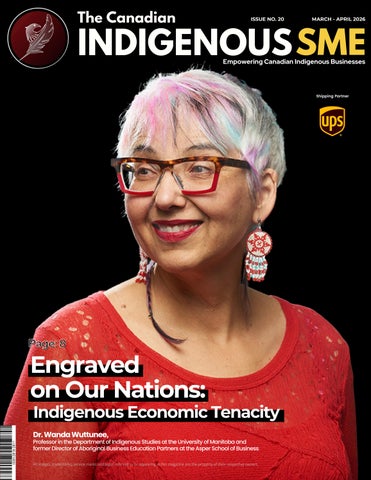
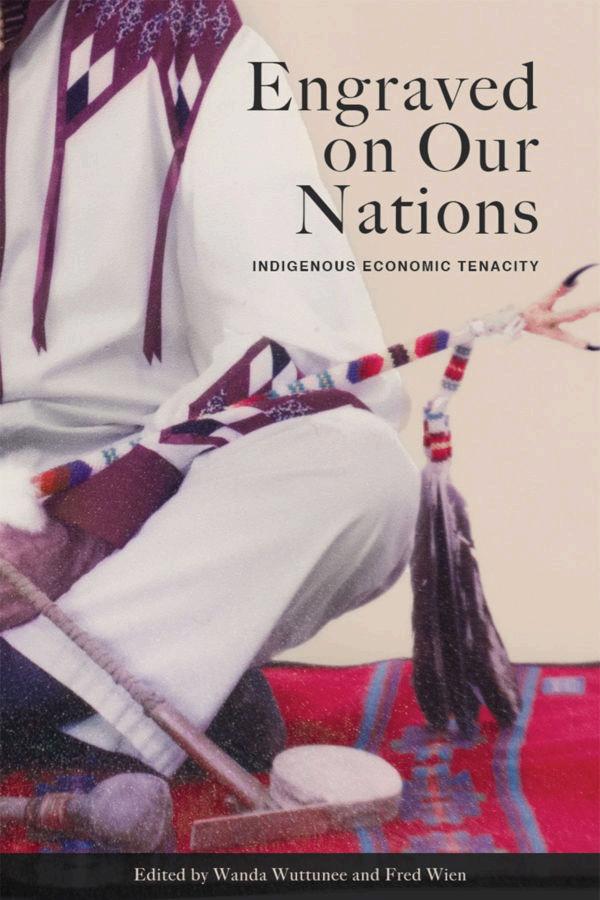
Engraved on Our Nations: Indigenous EconomicTenacity
InterviewBySKUddin
In an exclusive interview with Indigenous-SME Business Magazine, Dr. Wanda Wuttunee, Professor in the Department of Indigenous Studies at the University of Manitoba and former Director of Aboriginal Business Education Partners at the Asper School of Business, shares insights shaped by decades of research, leadership, and engagement with Indigenous communities across Canada.
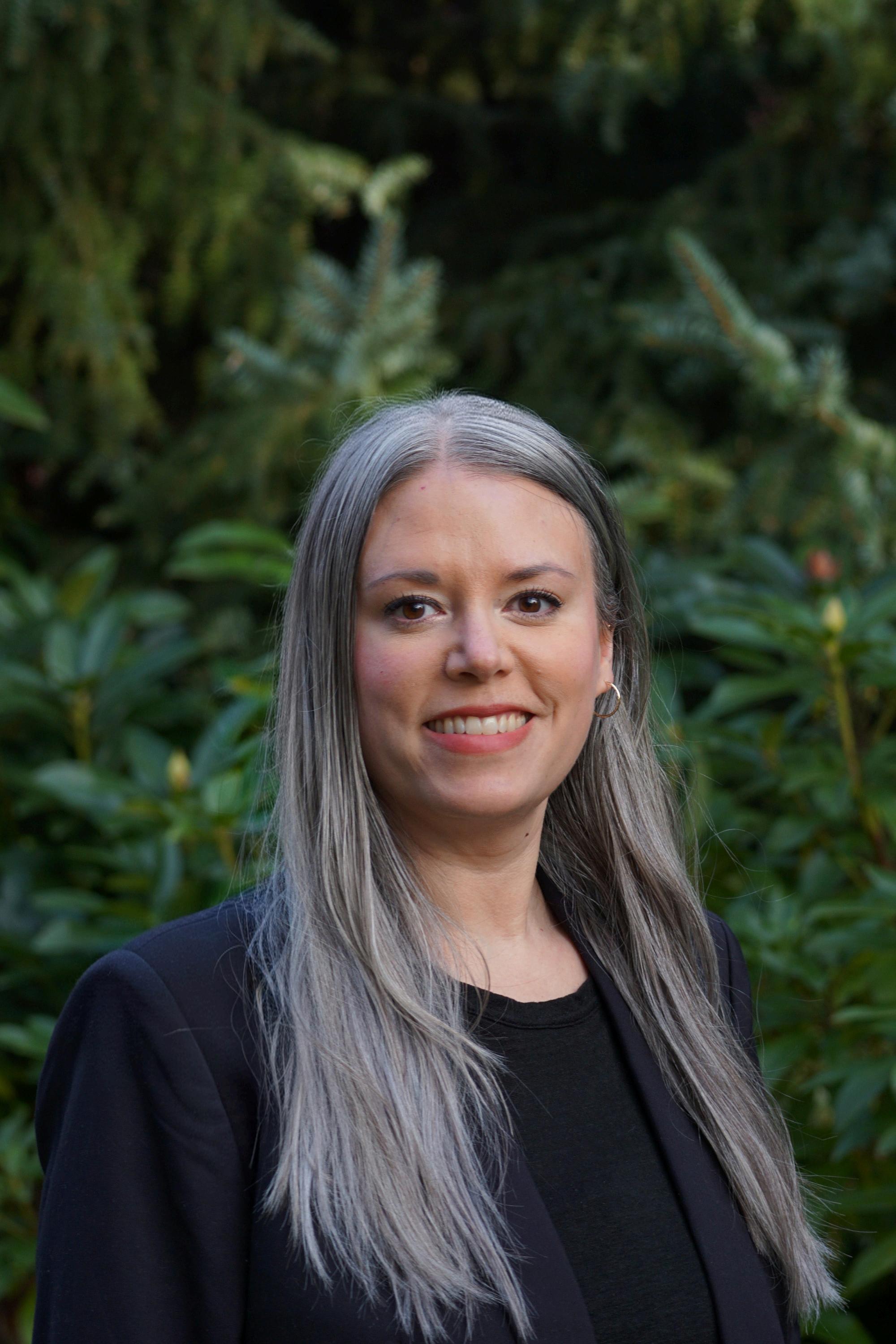
Dr.WandaWuttunee, ProfessorintheDepartment ofIndigenousStudiesatthe UniversityofManitobaand formerDirectorofAboriginal BusinessEducationPartners attheAsperSchoolof Business
Dr Wanda Wuttunee is an internationally recognized scholar in Canadian Indigenous community economic development and entrepreneurship For more than four decades, her research has explored the interaction between Indigenous values and capitalist systems, with particular attention to gender, culture, tradition, and the role of social enterprise and cooperatives in economic development Her concept of “community capitalism” underscores the importance of economic activity being aligned with the priorities, values, and well-being of Indigenous communities. Through her work, Dr. Wuttunee has illuminated the diverse and often underrecognized ways Indigenous peoples contribute to the Canadian economy.
Dr. Wuttunee has authored numerous academic and popular articles and delivered extensive conference and invited presentations nationally and internationally Her recent publications include two edited volumes: Engraved on Our Nations: Indigenous Economic Tenacity (2024) and Still Ruffling Feathers: Let Us Put Our Minds Together and See What We Can Do for Our Children (2025)
As a professor in the Department of Indigenous Studies and, for twenty years, Director of Aboriginal Business Education Partners at the Asper School of Business, University of Manitoba, Dr Wuttunee played a pivotal role in educating Indigenous students and non-Indigenous allies. She stewarded over $1 million to support Indigenous business education and programming. Her leadership and scholarship have been recognized through numerous honours, including the Indigenous Faculty Excellence Trailblazer Award and inclusion in Canada’s Top 100 Most Powerful Women. She was co-chair Programming for Canada’s Commonwealth Study Conference for leaders in 2022 She sat on the expert panel for National Indigenous Economic Development Board’s recent 2024 National Indigenous Economic Progress Report and was a member of the Scientific Advisory Panel for the Canadian Northern Corridor project at the University of Calgary Since 2005, she acted as co-editor and also editor of the Journal of Aboriginal Economic Development
What was the original inspiration behind Engraved on Our Nations and what did you and your co-author Dr. Fred Wien feel was missing from existing conversations about Indigenous economic development that this book needed to address?
For the past several decades, academic literature, reports of inquiry and media features have chronicled the disadvantaged and unequal position of Indigenous peoples in Canada While often accurate in terms of their substance, this has contributed to a deficit perspective that is deeply discouraging to elected leaders, their administrations and civil societies who on a daily basis engage in the struggle to improve community conditions It is also a perspective that ignores the tremendous resilience of Indigenous communities who have survived despite extreme hardship It downplays the strengths of their political leadership as well as the tenacity and innovativeness of their business class In so doing, the lessons that might emerge from a study of strength and resilience is submerged. It fails to inform government policy and programs, it neglects to give hope to those working on the front lines, and it misinforms students who are seeking better answers for the future
Despite these almost insurmountable obstacles to individual and collective well-being, an economy based in part on traditional fishing, hunting, trapping and handicraft production has survived, although not so much in some areas as in others Additionally, a “modern” business sector has emerged, and it did so even before government programs became available to support entrepreneurship and business development. These case studies showcase multi-faceted and multi-layered examples of Indigenous ingenuity, creativity and tenacity
This is a collaborative project that brings together many voices and case studies from across Canada. Why was a collective approach important to you, and how did it shape the stories and themes that emerged in the book?
Economic development encompasses a wide range of dreams, visions and choices for Indigenous peoples that have identified the important boundaries of economic efforts When Indigenous people were hidden in plain view, they made economic choices a reality through tenacity These stories offer insight into how individuals and communities made it through tough times and continue to meet diverse challenges in a variety of types of initiatives that are important to Indigenous individuals and communities. The rich history and numerous contributions from individuals operating in different and connected spheres of influence and impact, add meaning to what Indigenous tenacity brings to the Canadian economic experience It is the actions of the ones who think for themselves and act for others Over time, opportunities are often handed to the next generation for their continued efforts These stories of tenacity in Indigenous economic endeavours do not stand apart from the Canadian experience They are integral We look at stories from coast to coast to coast and share lessons that have stood the test of time Some stories celebrate a hunters and trapper program for youth; strategic leadership on both the east and west coasts; an urban reserve, social enterprise and a successful national collaboration between First Nation communities and the Canadian Federation of Municipalities
You’ve written for decades about “community capitalism” and Indigenous economic resilience. What key themes or patterns of tenacity and innovation stood out most strongly as you and your co-authors gathered these stories?
To begin, these stories dispel the myth that we as Indigenous peoples are victims, a burden on the economy and are closed for business We have a long history of engagement with Canadians and the economy that is below the radar for most Canadians including in some of our own Indigenous communities The contributors point to various facets of Indigenous tenacity while building a greater appreciation for the journey to where we find ourselves today
The idea of community capitalism is for development strategies to align with individual and community values The push forward demonstrated here encompasses all levels, from individual/family enterprises through to community economic development initiatives and on to nation-building exercises seeking to attain economic success in line with community values
In the case studies described here, entrepreneurship is important but so is the role played by political leaders who are on the front lines helping to shape the community’s vision for development. Sometimes it is better that business not be separated from politics At present, the situation facing Indigenous businesses remains difficult with some factors such as small community size, geographic isolation, and racism playing a role
We note especially some favourable court decisions that have opened up opportunities, much more robust government programming, and the development of a web of institutions designed to support Indigenous economic development We are also impressed with the range of mechanisms and vehicles that communities have developed to advance their interests that contribute to tenacity in that they provide collective and often legally buttressed mechanisms to protect and advance Indigenous forms of economic activity
Engraved on Our Nations challenges deficit-based narratives by highlighting successful Indigenous-led enterprises and community initiatives. Can you share one or two examples that, for you, best capture the blend of cultural values, business acumen, and leadership showcased in the book?
When digging into Indigenous economic success stories, leveraging partnerships are often part of the story It may be with other Indigenous or neighbouring communities or with mainstream businesses For example, in the mid-1980s Tahltan Nation (northwestern BC) leadership began rebuilding their struggling nation and taking control of local resource development Their Nation development policies targeted a development strategy that protected community values for benefiting citizens and protecting the environment through their new development corporation. Their environmental assessment team – focused on the land, Tahltan spirituality, valuing all life; and supporting bonds, kinship, roots, and belonging while demonstrating respect for others Economic development is not a singular panacea but it helped move the community from poverty to affluence as they partnered with resource companies on their terms – resulting in more than $70 million in revenue and significant employment of their citizens
The second initiative is a joint national program with the Council for the Advancement of Native Development Officers and the Federation of Canadian Municipalities and First Nations communities across the country A select number of partnerships receive support to work together on economic development projects that are a win-win for both partners Program evaluations outline measurable positive impacts for all partners – jobs created; capacity building and of course increased understanding and sensitivity of how to work together A Chief from Alberta shared these thoughts -Muster your courage; take that leap of faith The other orders of government aren’t actually the enemy they can become your best allies When you look at the downloading of services by the federal government to the provinces and from the provinces down to municipalities, we ’ ve got a lot more in common If we can pool our resources and our knowledge, we can come up with some unique solutions that we wouldn’t have been able to come up with on our own and that alone is well worth it A Mayor from BC shared -Before you start talking to your neighbours, you think you ’ re kind of in your own world trying to solve problems quite different from your neighbours And you find that even though we have different forms of government logistically, we have very much the same concerns We have very much at the end of the day the same interests: To have a sustainable community, to have a community that’s a great place to live for citizens of all ages and to have a community that’s going to provide for our children’s children down the future in a positive way
Thought Leadership
As you continue this work, including with your new edited volume Still Ruffling Feathers, what message or insight do you most hope Indigenous youth, entrepreneurs, and policymakers take away from these stories of economic tenacity and leadership?
We are resourceful, adaptable, ingenious and a courageous and determined people Honour your values Be kind and respectful while making room for all voices - including allies Be open to possibilities It is a good thing to discover our commonalities rather than focusing on our differences and focusing on our strengths and not our weaknesses. Stories matter. It is a two-way street for relationship-building as we learn how to work together - ultimately loving, valuing and supporting each person, family and community We are better together Each of our stories matter Those are some of the clarion calls in our book
Disclaimer: Indigenous-SME Business Magazine is committed to providing insightful interviews that highlight the successes and challenges faced by small and medium-sized businesses The views expressed in this interview are those of the guest and may not reflect the opinions of the magazine or its affiliates
AmandaBernard BusinessWoman oftheMonth
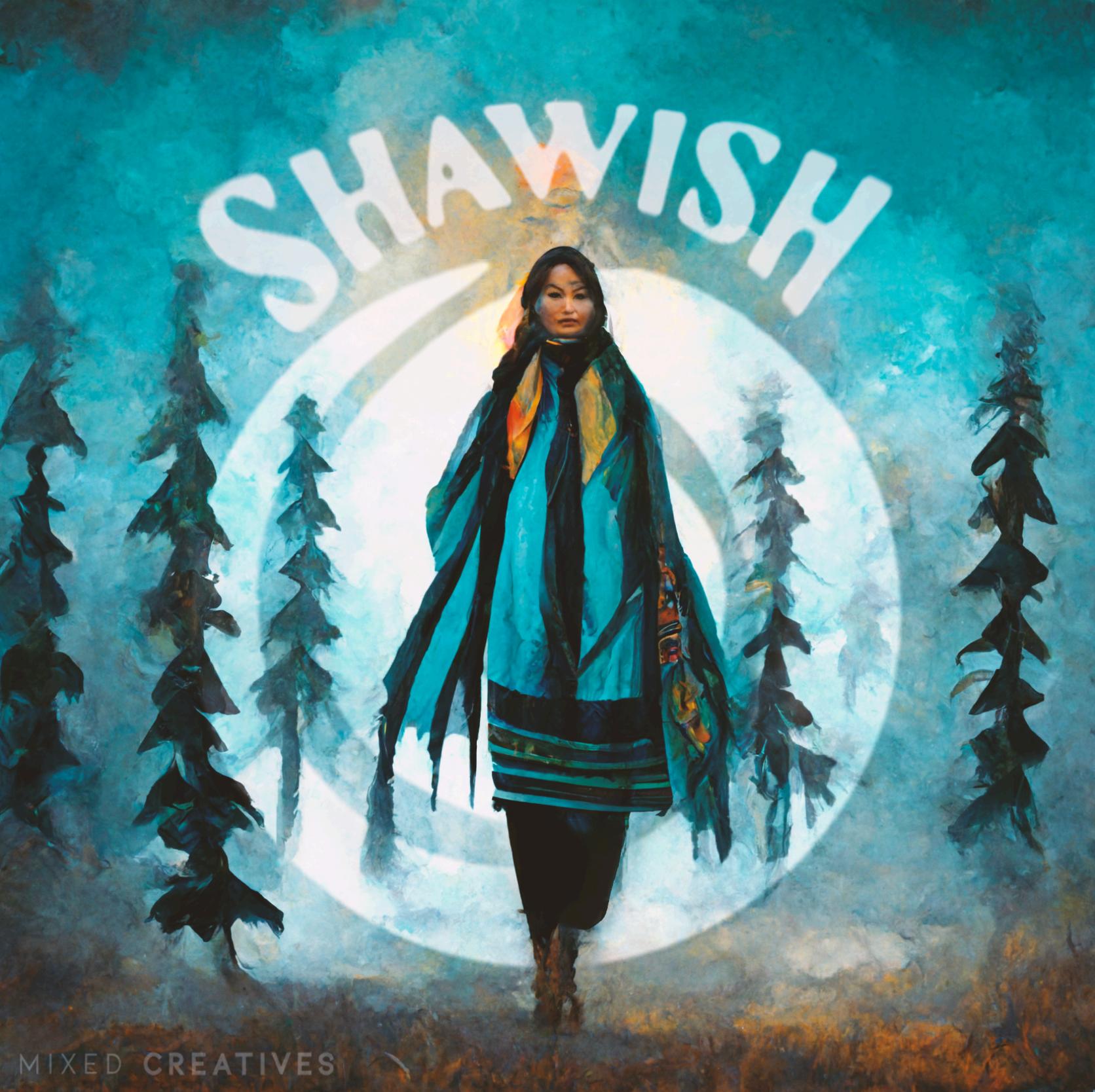
Shawish Market's founder and CEO, Amanda Bernard, is a proud member of the Madawaska Maliseet First Nation and an Indigenous entrepreneur who is revolutionizing e-commerce for Indigenous producers and artists Her fee-free virtual Indigenous marketplace, based in Toronto, focuses on cultural integrity, economic justice, and ancestral storytelling It is a potent alternative to mainstream platforms that frequently make money off of "Indigenous-inspired" work without helping Indigenous people
Roots, Identity, and the Meaning of “Shawish”
Amanda's family background is inextricably linked to her entrepreneurial tale According to legends, her great-great-greatgrandfathers last name was Shawish, which her family were forced to give up when settlers coerced Indigenous people to take on European surnames Amanda never lost sight of the significance of the original name, even if her family chose "Bernard," the name of a priest they liked
Amanda Bernard Supporting Local Growth Through Shawish Market FounderandCEO,
ImageCourtesy:AmandaBernard
She recovered the name Shawish Market, a nod to her ancestors and a declaration of economic sovereignty, when she established an online Indigenous marketplace in 2022 She still lives in Toronto now, but she works closely with community members and elders in Madawaska Maliseet territory and throughout Turtle Island to influence the platform's development
In addition to her position as Director of Indigenous Programs at the Laidlaw Foundation and her inclusion on The Peak's 2024 Emerging Leaders List, Amanda brings to Shawish her background working with Indigenous communities in youth programming and philanthropy
What Shawish Market Is and Why It Matters
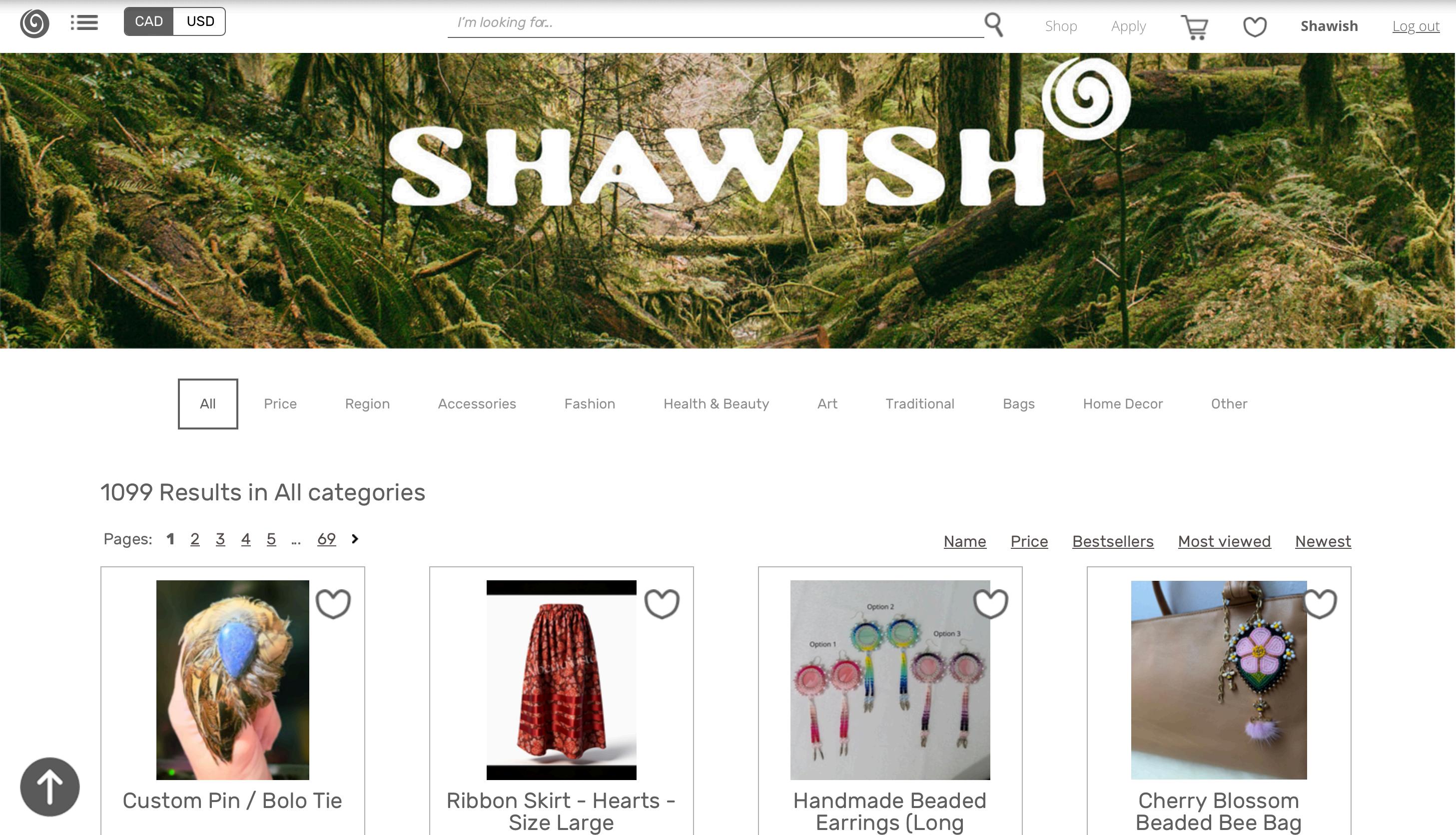
Similar in concept to Etsy, Shawish Market is a specially created virtual Indigenous marketplace created by and for Indigenous business owners. Verified First Nations, Inuit, and Métis artists and manufacturers from the US and Canada can set up their own stores on the platform, upload goods, and sell or trade goods directly to consumers
ImageCourtesy:AmandaBernard
Important characteristics consist of:
No vendor costs: Shawish eliminates a significant financial barrier on platforms like Etsy, Amazon, and Shopify by not charging Indigenous businesses monthly listing or transaction fees
Vendor verification: Each vendor is thoroughly vetted to confirm they are Indigenous, ensuring that all products are authentic and that funds are sent directly to Indigenous communities rather than to counterfeit or culturally appropriated goods.
Trade system: Under the direction of Elders, Shawish has brought back a customary trade feature that allows both Indigenous and non-Indigenous users to trade items, mirroring historic trading customs in a contemporary digital format.
As of 2024–2025, Shawish has over 1000 genuine Indigenous products and 200+ dealers It also has more than 23K Instagram followers and about 100 daily website visitors
Dismantling Barriers for Indigenous Entrepreneurs
After seeing firsthand how many Indigenous artists beaders, carvers, textile designers, and painters were creating exquisite work that went unrecognized and undercompensated, Amanda launched Shawish Indigenous vendors were frequently at a disadvantage due to high costs, little assistance with digital literacy, and an abundance of phony "Indigenousinspired" goods on popular platforms
By offering an affordable platform where artists retain a larger portion of their earnings, Shawish directly solves these obstacles
Ensuring cultural preservation and education, as each product carries stories, traditions, and artistry that teach buyers about Indigenous cultures.
Verifying Indigenous art to prevent fraud, which aids in the fight against cultural appropriation and online deception
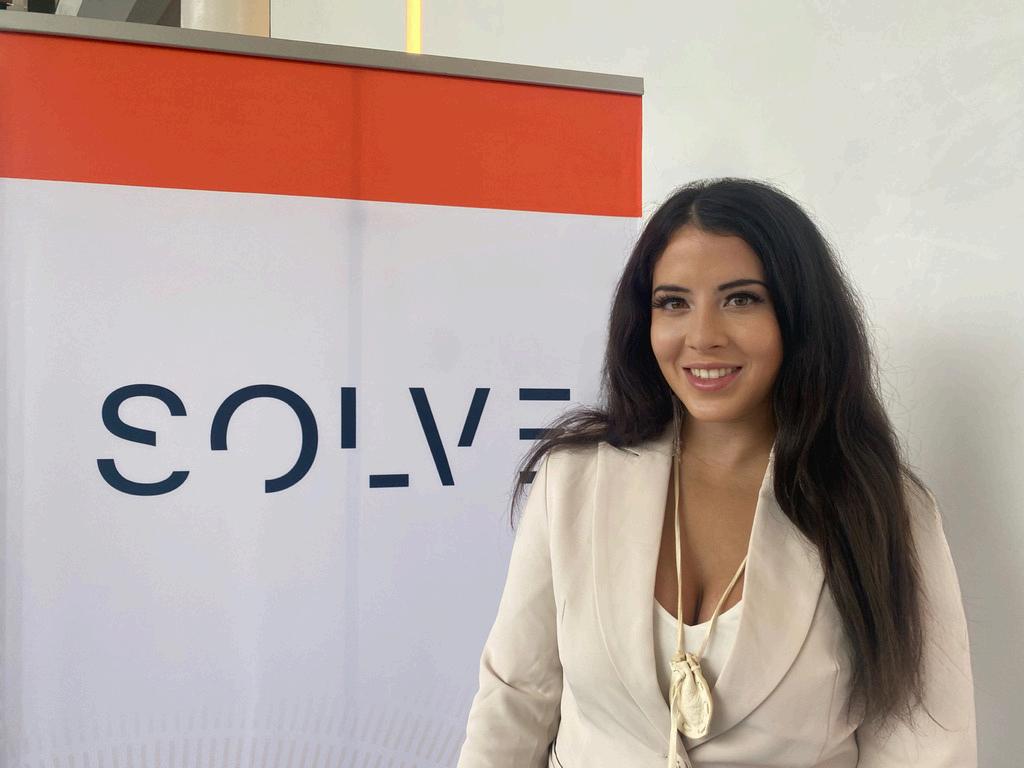
Amanda’s work has attracted significant recognition Shawish Market was chosen as an MIT Solve Fellow in 2023, putting her in the company of international social entrepreneurs addressing urgent issues She has been featured in media such as APTN, Tribal Business News, SAY Magazine, and The Honest Talk, which spotlight her efforts to dismantle barriers for Indigenous entrepreneurs
Shawish, a community-focused online marketplace grounded in Indigenous values, is highlighted by Red Social Innovation as a solution to social and economic issues. Shawish's significance in Indigenous economic development is further validated by its listing as an Indigenous-owned company by the Canadian Council for Indigenous Business (now CCIB) Amanda's wider leadership profile as a 2023 MIT Solver, Ontario Community Changemaker, and one of The Peak's 2024 Emerging Leaders is enhanced by these honours
Lessons for Indigenous Entrepreneurs and Allies
Amanda's story provides valuable insights Reclaim history as a tactic:
She honours her ancestral name and signals a change in the ownership of economic areas by dubbing the platform "Shawish."
Design for equity, not simply access: structural decisions that prioritize Indigenous welfare include eliminating vendor fees and confirming merchants
Pay attention to the community and elders: the addition of commerce and other amenities was a direct result of community input, demonstrating that innovation and tradition can coexist
Conclusion
Amanda Bernard is reclaiming and indigenizing digital marketplace spaces for Indigenous artists and businesses through Shawish Market, while also developing a cutting-edge e-commerce platform Her work is a prime example of the vision, bravery, and community-focused leadership that the Indigenous SME Business Woman of the Year aims to promote
The Indigenous-SME Business Magazine is a great new and seasoned resource for Canadas small Indigenous businesses Visit the website below to view our magazine Click here to follow our X account for news updates So, what are you waiting for? Join our business-loving community for inspiration, motivation, and growth
Disclaimer: This article is based on publicly available information intended only for informational purposes Indigenous-SME Small Business Magazine does not endorse or guarantee any products or services mentioned. Readers are advised to conduct their research and due diligence before making business decisions
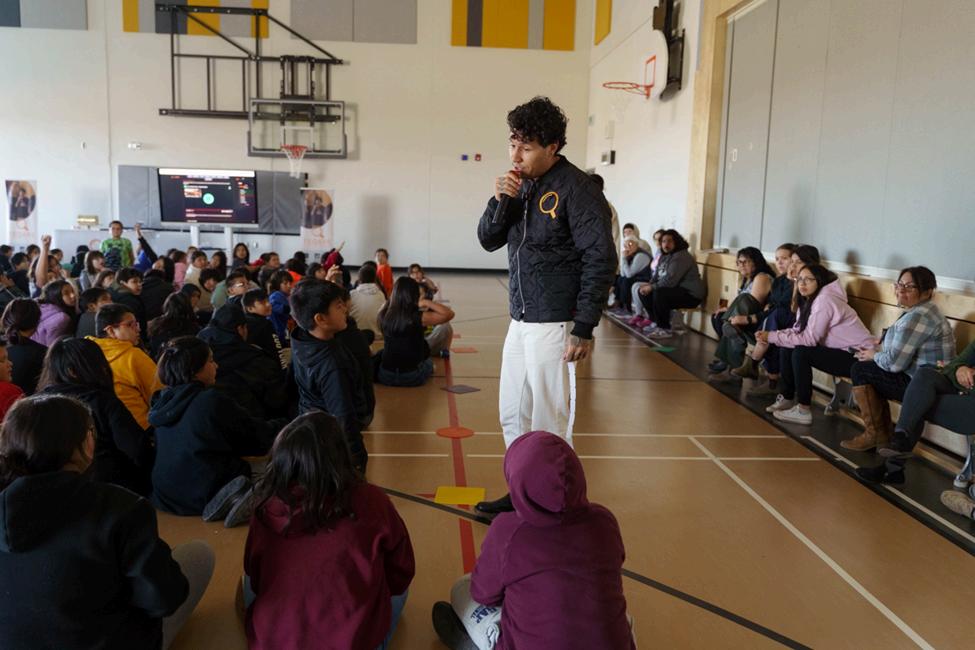
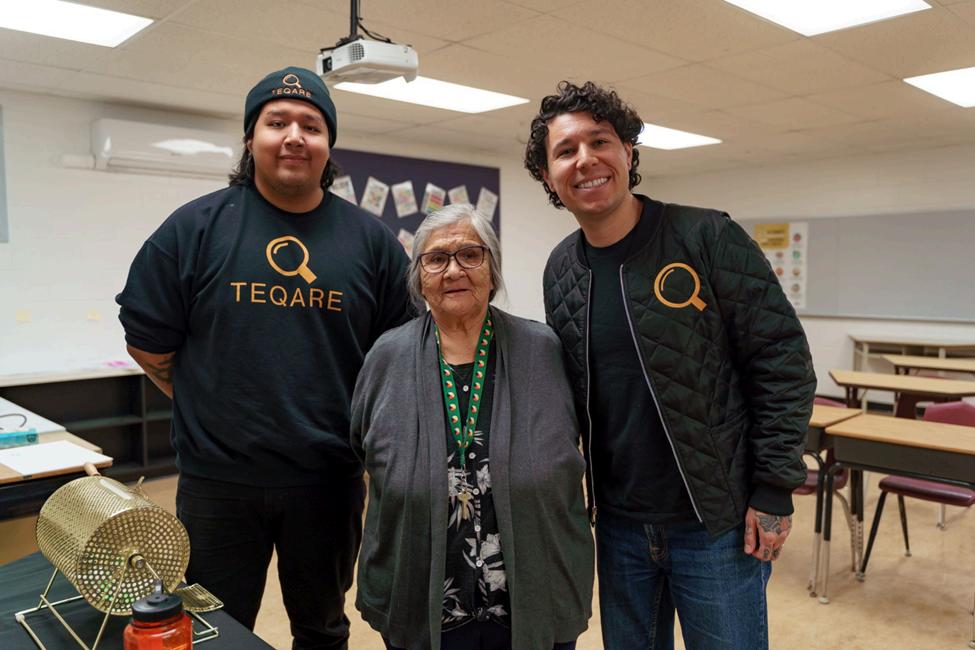
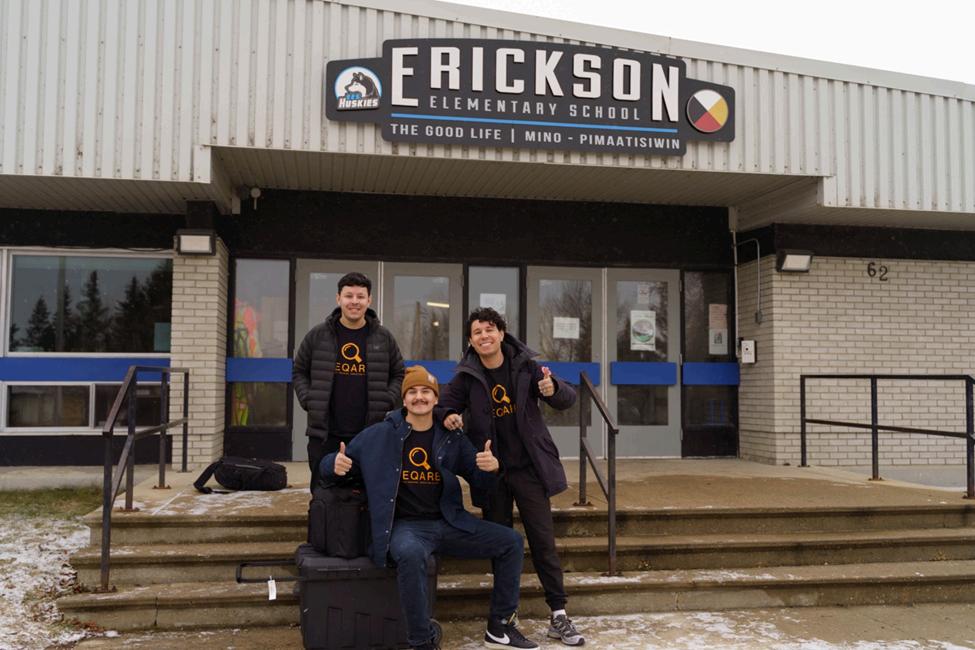
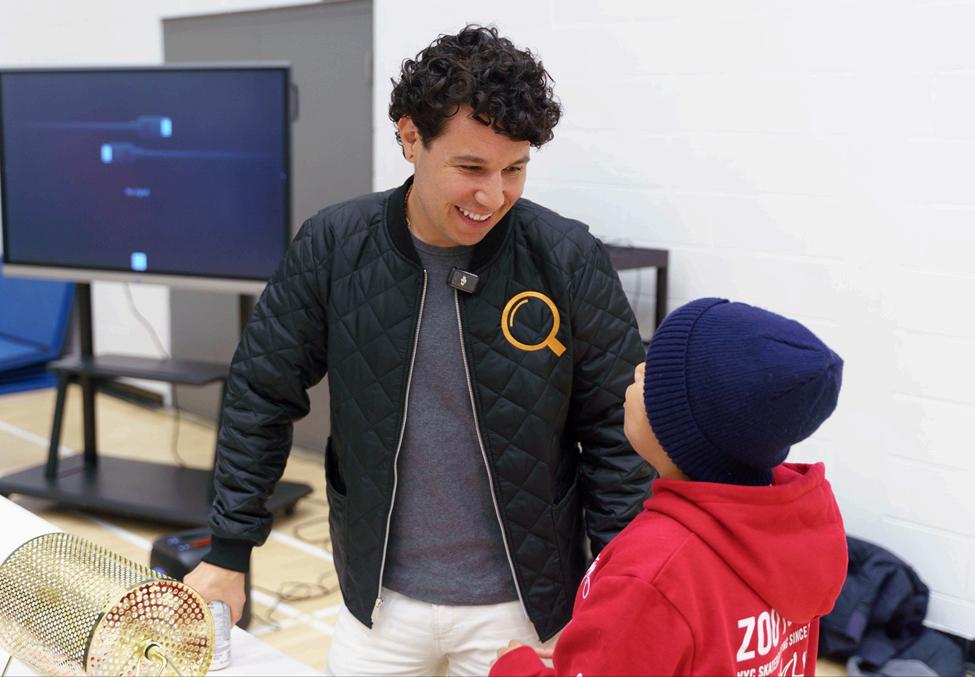
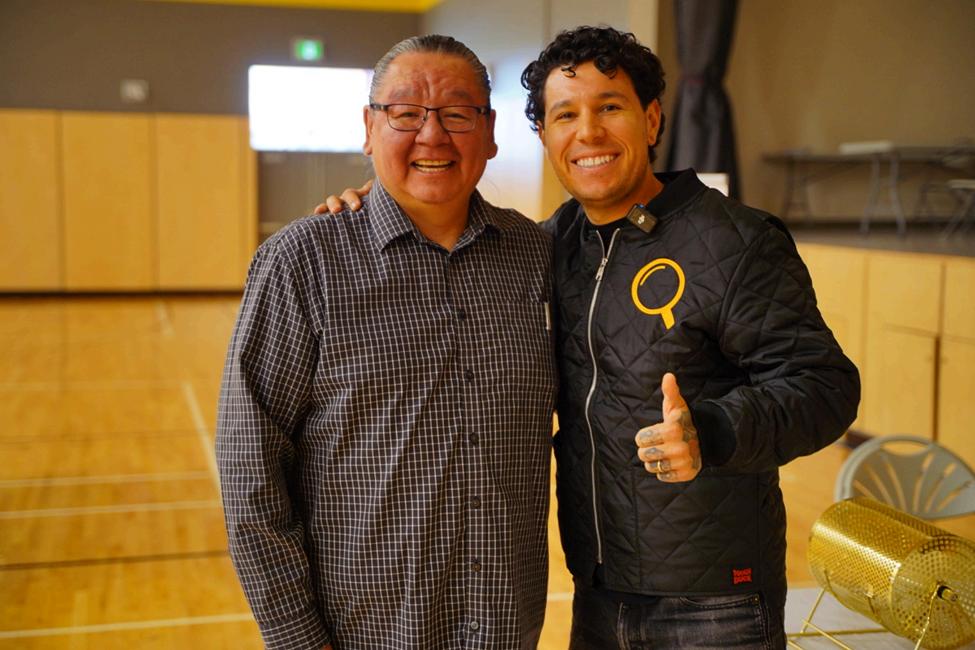
In an exclusive interview with IndigenousSME Business Magazine, Darion Ducharme, Founder and CEO of Teqare, shares how a growing need for digital safety and awareness turned into a mission-driven organization impacting communities across Canada. This conversation highlights the real challenges people face in an increasingly digital world and the importance of building confidence alongside knowledge
InterviewByDarianKovacs
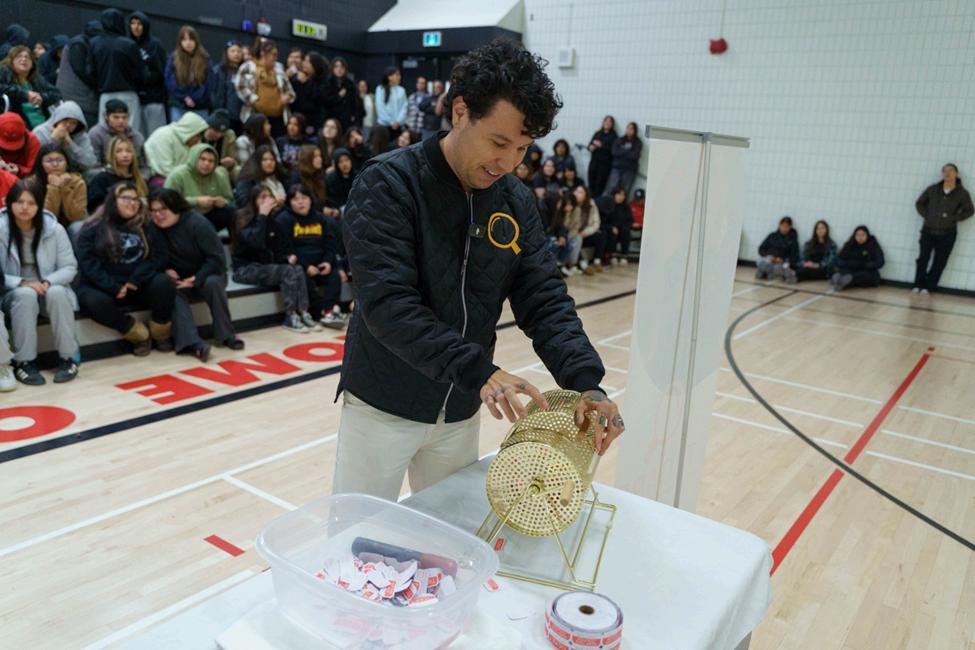
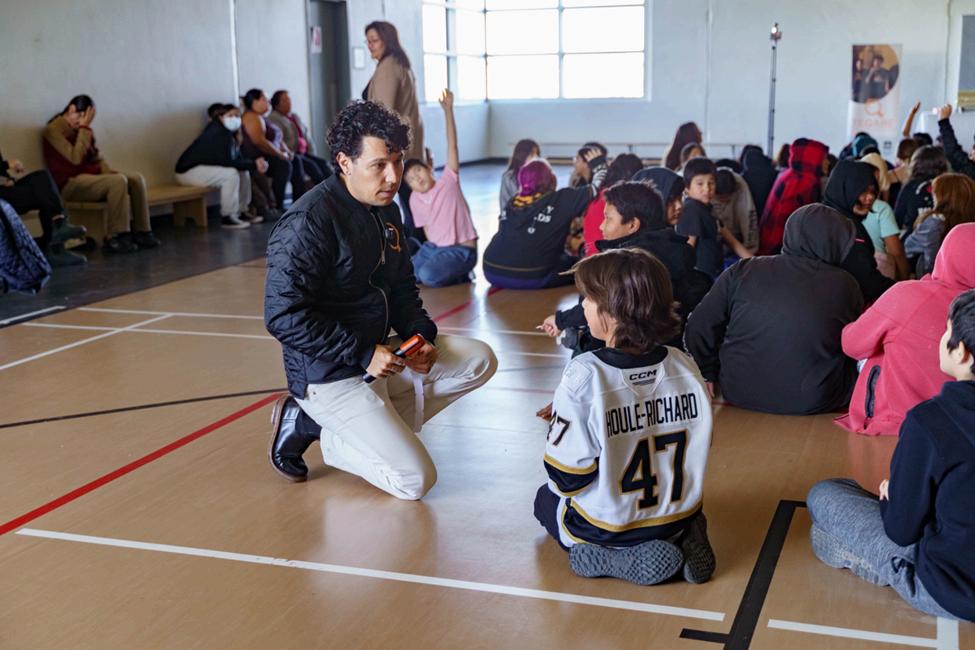
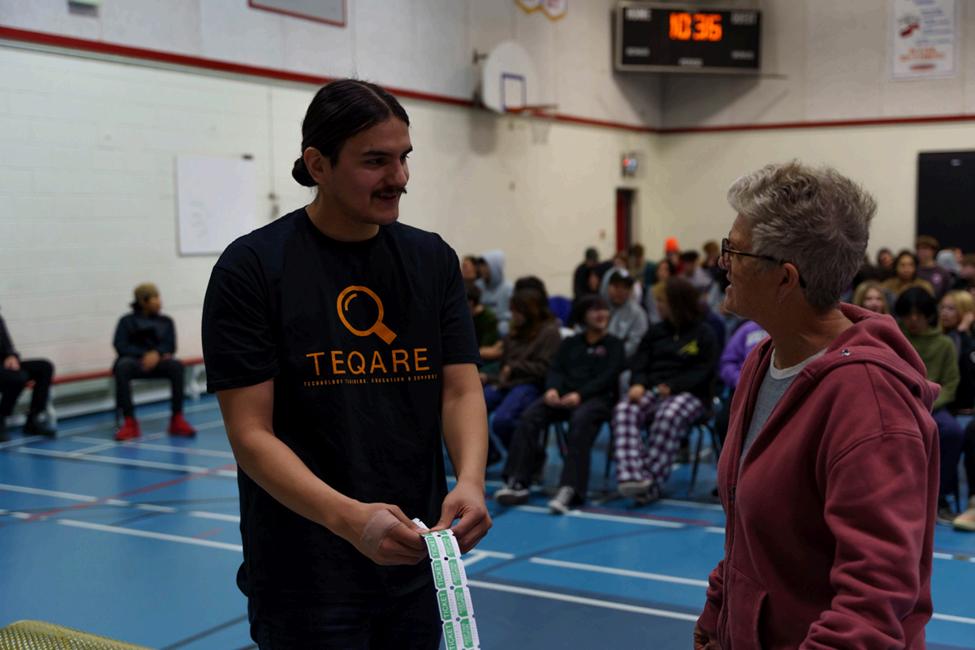
Darion Ducharme is the Founder and CEO of Teqare, a 100% Indigenous-owned technology education and training organization based in Winnipeg, Manitoba Since launching in 2021, Darion has led Teqare in delivering hands-on workshops in cyber safety, scam prevention, financial literacy, and digital life skills to youth, adults, and elders across Canada, including over 80 First Nations and hundreds of schools
Driven by a passion to help people feel confident and safe in today’s digital world, Darion’s work focuses on bridging knowledge gaps and empowering communities through practical, realworld education. His leadership and impact have been recognized nationally, including receiving the Young Indigenous Entrepreneur Award from the Canadian Council for Indigenous Business and the Mastercard Game Changer Award.
Teqare began with you seeing elders and vulnerable people targeted by scams while you worked in telecom, and deciding to “jump out of the boat” to help. What was the moment you knew this concern needed to become a full-time business?
The moment it truly became real for me was during COVID-19. Almost overnight, everything shifted online, including government benefits, banking, and communication, and people were being told to “just go online” to access support I was speaking with adults and seniors who were overwhelmed and, in many cases, scared They didn’t always have a family member or someone they could rely on to guide them, and at the same time, scams were increasing rapidly
Coming from telecom, I had already seen how often vulnerable people were being targeted, but during that period, the urgency became impossible to ignore. I remember conversations where people were unsure how to apply for benefits safely, worried about clicking the wrong link, or had already lost money It wasn’t just a technology gap, it was a confidence gap, and it was leaving people exposed
That’s when it clicked for me This wasn’t something I could do on the side anymore People needed real, accessible education and support, and they needed it right away That was the moment I decided to fully commit and build Teqare
In just a few years, Teqare has delivered hundreds of workshops on cyber safety, scam prevention, and financial literacy across dozens of First Nations and schools in Canada. What have communities told you they need most when it comes to feeling safe and confident online?
What communities consistently tell us is that they don’t just need information, they need confidence and practical skills they can apply right away ImageCourtesy:DarionDucharme
Digital literacy is a big part of that Many participants want to better understand the basics of using technology safely, from navigating websites to recognizing whats legitimate online They also strongly prefer in-person training, where they can ask questions, engage in real conversations, and learn in a supportive environment When it comes to scam prevention, especially for seniors, we hear a lot about the need to understand real-life situations like romance scams People want guidance on how to safely build connections online, recognize red flags, and protect themselves while still feeling comfortable exploring relationships
This year, one of the biggest responses we ’ ve seen has been to our artificial intelligence training Communities are very curious about the good, the bad, and the ugly of artificial intelligence They want to know how to use it safely and responsibly, but also how it’s being used by scammers We walk through both the defensive and offensive sides so people understand how attacks happen and how to protect themselves
At the core, people want to feel capable When they understand what they’re seeing online and how to respond, that’s when real confidence starts to build
You’ve built Teqare as a 100% Indigenous-owned organization that grounds digital training in trust, relatability, and cultural understanding. How do you design your workshops and facilitation style so participants see themselves and their realities reflected?
At Teqare, everything starts with understanding the community we ’ re working with Our trainers are First Nation, which brings a level of cultural understanding, relatability, and trust that participants feel. That connection allows us to have real conversations, not just deliver information
We also build our workshops with input from community leaders and partners to ensure the content is relevant, grounded, and reflects what people are actually experiencing Whether were in urban or remote communities, we take the time to listen first, then adapt our delivery so it resonates
Our facilitation style is interactive and story-driven We use real-life examples that people recognize, from social media scams to everyday financial decisions, so participants can see themselves in the situations we ’ re discussing. We create a space where people feel comfortable asking questions, sharing experiences, and learning without judgment
National recognition such as the Young Indigenous Entrepreneur / Game Changer awards has amplified your story and mission. How has that visibility changed the way you think about growth, partnerships, and scaling Teqare across Canada?
National recognition has opened a lot of doors for us Through these awards, we ’ ve connected with incredible leaders, funders, and partners across Canada who are aligned with the work were doing. I truly trust that Creator God brings the right people into our path when we need them, and that the right doors open at the right time Even recently, we had a sponsor for a First Nation we hadn’t visited yet, and when I reached out on social media looking for a contact, someone always seemed to step forward who could help or connect us Those relationships are helping us expand into new provinces in a meaningful and supported way
It has also strengthened trust When we reach out to First Nations or organizations that may not have heard of us yet, they often look us up first Seeing that recognition gives them confidence in who we are and the work we deliver It helps create that initial layer of credibility before we even step into the community
Your vision is to be in every school in Canada, helping youth, adults, and elders navigate an increasingly complex digital world. What does the next 5–10 years look like for Teqare, and what advice would you share with other Indigenous entrepreneurs who want to build impact-driven tech businesses?
Over the next three years, our goal is to deliver our cyber safety workshops in every First Nation across Canada while continuing to build strong, ongoing relationships so communities know they can reach out to us anytime for support in cyber safety, financial literacy and scam prevention.
Looking five to ten years ahead, we see Teqare expanding into urban centres across the country, building partnerships with senior and retirement homes to deliver yearly scam prevention and cyber safety training As technology continues to evolve, that ongoing education will be critical to keeping people safe and confident
Stay grounded in your purpose, listen to the community, and grow at a pace where you can maintain quality and trust
Disclaimer: Indigenous-SME Business Magazine is committed to providing insightful interviews that highlight the successes and challenges faced by small and mediumsized businesses. The views expressed in this interview are those of the guest and may not reflect the opinions of the magazine or its affiliates
BySKUddin
Indigenous women entrepreneurs across Canada are transforming ancestral duties, community teachings, and lived experience into effective leadership techniques They are starting businesses in a variety of industries, including technology, aviation, wellness, consultancy, and fashion, while incorporating languages, land-based values, and community responsibilities into every choice they make
Indigenous women now make up a larger percentage of Canadian business owners than non-Indigenous women, according to research, and their companies are more likely to employ Indigenous employees and make community investments. However, each statistic has a backstory. The strength of community support, the burden of structural obstacles, and the steadfast conviction that commerce can be a weapon for cultural survival and societal success are recurrent themes that surface when you sit down with these trailblazers
ImageCourtesy:Canva
We Build So Our Communities
Can Breathe” – Teara Fraser
Teara Fraser was building bridges among communities, opportunity, and the earth when she established Iskweʻw Air. Fraser, the first Indigenous woman to own and run an airline in Canada, frequently discusses how her leadership style is influenced by her Métis identity and community duties Fraser highlights in discussions about entrepreneurship that her company is both a symbolic act of reclamation and a useful service Indigenous values of partnership, accountability, and respect for land become central to the aviation industry, which has previously been dominated by non-Indigenous men Her description of leadership as "keeping doors open " and "flying in formation" with others reflects her background in aviation as well as her clearly communal outlook
Fraser also emphasizes the importance of mentorship and networks She attributes the amplification of her voice and the expansion of opportunities for Indigenous women in business to Indigenous women ' s circles, sector mentors, and national platforms such as the Women Entrepreneurship Knowledge Hub (WEKH) and Indigenous-focused pitch and award programs
“Beauty Is a Promise to the Next Generation” – Jenn Harper
The creator and CEO of Cheekbone Beauty, Jenn Harper, is an Anishinaabe entrepreneur She started the company with a desire and a question: how could she create something that disrupted the congested cosmetics sector while honouring Indigenous youth and the environment? Harper frequently discusses in interviews how her company ' s aim is linked to representation and responsibility putting Indigenous faces, stories, and innovations at the heart of beauty while making sure that goods and packaging preserve the land that will be passed down to future generations
Harper's view that profit must align with purpose is reflected in Cheekbone Beauty's well-known efforts, such as its sustainable packaging choices and donations to Indigenous youth and education programs She talks openly about the difficulties of seeking funding as an Indigenous woman founder and the emotional work of aligning with community expectations at every product launch and pitch meeting Harper often revisits the subject of visibility For her, witnessing Indigenous youth interact with the brand in mainstream stores affirms that leadership is about more than titles; it's about building roads and mirrors
Beauty Is a Promise to the Next Generation” –
Jenn Harper
She advises aspiring business owners to be rooted in culture, seek mentors, and keep in mind that every business choice is an opportunity to demonstrate a different kind of engagement with people and the environment
As President and CEO of the Canadian Council for Aboriginal Business (CCAB), Anishinaabe leader Tabatha Bull spends her days in boardrooms, policy tables, and corporate strategy sessions spaces where data and dollars sometimes overwhelm people and land However, Bull constantly returns the emphasis to accountability, decency, and reconciliation in action while discussing leadership
Building an inclusive Indigenous economy and pressuring governments and companies to shift from declarations to structural transformation are the main goals of Bull's work She sits on several boards and was named CEO of the Year by the Ontario Chamber of Commerce, although she frequently presents these accomplishments as a means of achieving greater community influence rather than personal recognition She emphasizes the importance of mentorship, sponsorship, and culturally safe workplaces in panels on Indigenous women in business to guarantee that the voices of Indigenous women are heard and taken seriously in executive settings.
Bull also emphasizes the crucial role of Indigenous-led success indicators. According to her, being a leader entails determining who gains, who is at risk, and whether actions are reducing or increasing disparities for Indigenous communities These questions, she notes, come directly from community conversations, Elders’ teachings, and the lived experiences of Indigenous women navigating the economy
Conversation as a Leadership Practice
These trailblazers are united by a common dedication to dialogue as a practice, not a performance rather than by a particular industry or leadership model Peer mentorship, intergenerational education, and community dialogue are essential business tools, not optional extras, according to Fraser, Harper, Bull, and numerous other Indigenous women CEOs Their tales serve as a reminder that discussions at the dinner table, in community halls, and at land-based meetings are the foundation of boardroom choices. As more Indigenous women take the lead, they are not abandoning their communities; rather, they are carrying those voices with them and transforming Canadian business from the inside out
The Indigenous-SME Business Magazine is a great new and seasoned resource for Canada's small Indigenous businesses Visit the website below to view our magazine Click here to follow our X account for news updates. So, what are you waiting for? Join our business-loving community for inspiration, motivation, and growth
Disclaimer: This article is based on publicly available information intended only for informational purposes Indigenous-SME Small Business Magazine does not endorse or guarantee any products or services mentioned Readers are advised to conduct their research and due diligence before making business decisions
Leading With Care: AConversation withAliciaHibbert
In an exclusive interview with IndigenousSME Business Magazine, Alicia Hibbert, Founder of Edified Projects Inc., shares how relationship-driven leadership and Indigenous methodologies are reshaping the way organizations approach workplace wellbeing and collaboration. This conversation highlights the importance of building trust, valuing lived experience, and creating space for meaningful engagement in professional environments.
InterviewByDarianKovacs
Alicia Hibbert, PMP, MA, is a Métis Nation of Alberta citizen and the founder of Edified Projects Inc , a certified Indigenous business based on the traditional, ancestral, unceded territory of the kʷikʷəƛəm in Port Coquitlam, B C With over 15 years of experience in community engagement and research, Alicia integrates agile project management with Indigenous methodologies to improve workplace wellbeing. Her business model is built on radical reciprocity, ensuring collaborators are compensated equitably to value lived experience alongside formal education. Alicia is also the creator of Elevate Workplace Learning, a digital platform that provides organizations with practical tools for reconciliation and psychological safety Her work focuses on centring Indigenous voices in professional services and building a legacy of economic self-determination across Canada
You describe your work as intentional, relational, and grounded in building good relations. How do these values show up day-to-day when you’re managing complex projects that involve multiple teams and stakeholders?
In all of my projects, I use strength-based and customized approaches This means moving beyond standardized methodologies and processes to actively identify and leverage the unique strengths of colleagues and organizations I collaborate with.
Another aspect of this is honouring lived experience I make sure that diverse perspectives and lived experiences are equitably valued and integrated into project design, daily decision-making, and team discussions A concrete example is that I generally budget for and compensate consultants at the same hourly rate, no matter their formal education, since they are bringing a perspective to the project that is integral
As a Métis business owner, visiting is important to good relations It’s a value I embed in my business This means being intentional in meetings and check-ins to create opportunities for genuine connection I want to know how your dog is doing and what you ’ re doing on the weekend with family as much as the status of a deliverable And, likewise, I strive to ensure meetings and feedback loops are inclusive of all voices, ensuring there is equitable opportunity to shape the project’s direction
You bring together expertise in HR, workplace learning, employee engagement, and research-driven solutions. Can you share an example of a project where this multidisciplinary approach meaningfully improved workplace wellbeing?
In 2022-2024, we worked with Rupertsland Institute on a few phases of a Métis Inclusion in the Workplace project. We developed and delivered a live, facilitated workshop informed by research in inclusion, workplace wellbeing, and Métis-specific cultural values We then translated this into a Moodle course Finally, we were asked to create a Train the Trainer program so Rupertsland Institute staff could deliver the educational content themselves to community partners This program was specifically designed for organizations hosting Métis apprentices as part of their Apprenticeship Services Program.
Research: We conducted an extensive literature review on inclusion and workplace wellbeing topics, as well as Métis history and culture, using the foundational documents developed by Rupertsland Institute as well as from Métis thinkers Being Métis myself, I was able to use my lived experience in storytelling examples
ImageCourtesy:AliciaHibbert
Workplace Learning: This research informed a 16-hour online Moodle course and tailored workshops designed to build organizational capacity across Alberta
Engagement & HR: We mentored and coached internal facilitators to ensure the program was sustainable, shifting the focus to sustainment and structural equity
Outcome: This approach improved workplace wellbeing by ensuring Métis identity is viewed as a professional asset, reducing psychosocial risks and fostering a culture of authentic belonging for Indigenous professionals It has, in turn, led to my original research with Métis business owners and people leaders on how they embed Métis values in their organizations
You’ve led innovative, high-functioning teams using hybrid agile approaches inside more traditional, waterfall-style organizations. What have you learned about introducing new ways of working without overwhelming people or creating resistance?
This links back to the benefits of working in relational ways When you establish trust and respect through good relations, this strong foundation helps with managing change
When I’m introducing new ways of working, I try to take a longterm approach and think about sustainment. I also think about the change from each person ’ s perspective What could cause fear for them as an individual? Will this be more work in the short-term, but have long-term benefits? How can I leverage their strengths to be a change champion?
I use accessible language to clearly explain new processes in a way that shows the practical benefits to their day-to-day work as well as how it will benefit the organization as a whole
In my team at a university, I introduced using Kanban boards and Asana to track projects Some team members were really not comfortable with new technology However, I was able to mentor the team members most comfortable with change to get started using Asana, while allowing for a slower, more intentional coaching process with those a little more reluctant It’s important to remember that teams don’t have to be “all or nothing ” You can, and should, have personalized approaches
ImageCourtesy:AliciaHibbert
ImageCourtesy:AliciaHibbert
organization will have shared values I intentionally look for organizations that have public values that align with ethical engagement principles This sets a baseline for a respectful relationship
Next, I prioritize distinctions-based approaches, which means I work closely with clients to understand their specific, unique community protocols, avoiding pan-Indigenous approaches Even when an organization wants to work with an “Indigenous” audience more broadly, the organization usually has a headquarters, which means they have a tie to the Land and specific Nations in their area Sometimes non-Indigenous organizations are at an early stage in this journey, and just getting their teams to develop the skills to offer a personal, unscripted territory acknowledgement is the first step
Every organization, team, and individual is unique, so I adapt to each. Sometimes this means requesting new language in contracts that respects IP differently, or honours payment processes and gifting in new ways
When things are rushed, respectful processes get forgotten, so I build timelines that allow for relationship building, Elder and Knowledge Carrier engagement, and feedback loops
Workplace Wellbeing
Looking ahead, what changes would you most like to see in how Canadian organizations approach workplace wellbeing and Indigenous engagement— and what practical steps can small and medium-sized businesses start with?
You first need psychologically safe and inclusive workplaces for Indigenous engagement to occur in a good way. And psychological safety benefits everyone. One practical step is to provide training for all managers on psychological safety, mental health literacy, and trauma-informed approaches
ior leaders, people leaders, and HR team s should read and deeply understand the TRC’s Action, especially Call to Action 92, which lly addresses the corporate sector
When it comes to Indigenous engagement, organizations (especially those actively recruiting Indigenous people into Indigenous-focused roles) need to critically examine their processes to ensure Indigenous employees have real power to impact policy and practice Titles and funding for programs with no mechanisms to effect change are frustrating at best, damaging at worst Related to this, organizations need to understand the long-term time investment required to build good relations and trust. Once trust is built, organizations can embrace Two-Eyed Seeing, stepping outside of the “Western box” to co-create completely new understandings, procurement opportunities, and ways of working
Culturally safe workplaces don’t just support Indigenous employees, they drastically improve workplace wellbeing for all employees
Disclaimer: Indigenous-SME Business Magazine is committed to providing insightful interviews that highlight the successes and challenges faced by small and medium-sized businesses The views expressed in this interview are those of the guest and may not reflect the opinions of the magazine or its affiliates
Nyden Iron-Nighttraveller, from the Canoe Lake Cree First Nation, SK in Treaty 10 Territory, is an award-winning Indigenous entrepreneur and the Founder and President of Amarok Scaffolding Ltd. What began as a small startup built through persistence, industry experience, and determination has grown into a reputable company serving major industrial projects while employing a workforce that is predominantly Indigenous.
Under Nyden’s leadership, Amarok Scaffolding has experienced rapid growth and industry recognition The company has expanded its services across Western Canada while maintaining a workforce that reflects its mission of Indigenous empowerment and community impact This entrepreneurial success has also led to national recognition Nyden was named the National Young Indigenous Entrepreneur of the Year (2024) by the Canadian Council for Indigenous Business (CCIB) and has received multiple nominations for prestigious entrepreneurship awards across Canada.
In an exclusive interview with Indigenous-SME Business Magazine, Nyden Iron-Nighttraveller, Founder and President of Amarok Scaffolding Ltd , shares the journey behind building a company rooted in determination, discipline, and purpose. From working in the field to leading large-scale industrial projects across Western Canada, this story reflects a clear focus on creating meaningful opportunities within Indigenous communities.
Beyond business operations, Nyden is actively involved in supporting the next generation of Indigenous entrepreneurs. He serves as a member of the National Indigenous Youth Business Advisory Council with the National Aboriginal Capital Corporations Association (NACCA), where he contributes to the development of business curriculum and mentorship initiatives designed to empower young Indigenous entrepreneurs across Canada, helping aspiring Indigenous founders develop their ideas into viable businesses
You built Amarok Scaffolding after years on the tools as a scaffolder, while simultaneously completing your business education. What moment or insight convinced you to move from employee to founding your own Indigenousowned scaffolding company?
Reflecting back on my younger years, I've realized I was always entrepreneurial I wanted to build something of my own and be in control of my outcome - whether that meant success or failure I've always been drawn to challenges and defying the odds When you hear that startup failure rates can be as high as 90%, it didn't discourage me, it motivated me to prove that wrong There are barriers every entrepreneur faces, and even more so for Indigenous entrepreneurs The system hasn't always been designed for us to succeed, but that's exactly why it's important that we do Amarok was first envisioned in a work truck while I was employed with another company, and I brought it to life shortly after completing my Bachelor of Commerce
My first venture was Amarok Apparel, which gained strong momentum and was carried in multiple retail locations We even moved into manufacturing to differentiate ourselves But over time, I lost my passion for apparel With a mix of personal ambition, wanting to apply my education, and the responsibility of providing for my family, I took a leap into scaffolding
The mindset was simple - why not? Even working for an Indigenousowned company at the time, I believed there was room for more Amarok Scaffolding was built from that belief
Amarok is 100% Indigenous owned and operated, with a strong focus on creating quality jobs and skills development for Indigenous workers in Alberta and Saskatchewan. How do you design your hiring, training, and site culture so that it reflects Indigenous values and supports long-term careers, not just shortterm contracts?
That's a great question, and the honest answer is that there's no perfect formula. People bring different personalities, perspectives, and experiences, so building strong teams is an ongoing effort. In our industry, it can be especially tough; projects end, crews move on, and that continuity you ' ve built can disappear overnight It's the reality of working in a seasonal, project-to-project environment like ours
As an Indigenous-owned company, we ' re intentional about creating opportunity We aim to maintain an 80-90% Indigenous workforce while remaining inclusive to all backgrounds. We invest heavily in development, training on the job and supporting apprentices through scaffold programs in Alberta and Saskatchewan as they progress We're also working toward a structured pre-employment and apprenticeship program, including administrative training for those looking to transition into office roles
We recognize the barriers many Indigenous people face, and we try to provide not just jobs, but a support system. Work is important, but seeing people grow, gain confidence, and succeed in life is the real goal Even if someone ' s time with Amarok is short, we want it to have lasting value
While temporary layoffs can happen, our long-term goal is securing multi-year maintenance contracts to provide stability, continuity, and sustained career growth.
You’ve been recognized with honours like the National Young Indigenous Entrepreneur Award and have completed an Indigenous Business Leadership - Executive MBA while running a growing company and raising a family. How have these experiences changed your leadership style and your vision for what Amarok can become?
Building Amarok while completing an Executive MBA and raising a family forced me to lead with discipline, clarity, and purpose Early on, I was focused on survival and growth Now, I lead with intention, every decision ties back to long term sustainability, our people, and the legacy we ' re building.
My family is my foundation They're the reason I push through the tough days and the reason I've learned that success isn't just measured in revenue, but in presence, balance, and impact That perspective has made me a more grounded and accountable leader
Being recognized at a National level reinforced that what we ' re doing matters, not just for Amarok, but for Indigenous entrepreneurship as a whole It's bigger than business It's about showing what's possible I want Indigenous youth to see that you can build, lead, and compete at the highest levels without losing who you are
Amarok competes in a tough, safety critical industry alongside larger, established players. What do you see as Amarok’s biggest competitive advantages, and how does being Indigenousowned shape the way you work with clients and project partners?
Initially, it was intimidating competing against large, world-renowned scaffolding companies and walking into those first client meetings But once that passed, I gained clarity on what clients truly needed, how our competitors operated, and where Amarok could stand out The timing was right to disrupt the region, even though winning those first contracts was an uphill battle At one point, we found ourselves competing against another Indigenous business, which felt counterproductive I was reminded, though, that there are far more nonIndigenous companies competing for the same work-there's no reason Indigenous businesses should be limited There is room for all of us, and that mindset needs to continue evolving
Over time, I've also learned to be cautious with partnerships Many joint ventures can be exploitative, with non-Indigenous companies leveraging Indigenous participation for scoring advantages in bids without delivering real value While industry has made meaningful progress in Indigenous engagement, there are still cases of "rent-a-feather" approaches It's important to call that out
Amarok has experienced this firsthand, even being treated as a secondary partner in some arrangements Moving forward, we will prioritize partnerships with Indigenous economic development entities to build integrated, multisolution offerings that genuinely strengthen Indigenous participation, capacity, and long-term impact in industry
Looking ahead, you’ve spoken about wanting Amarok to be one of the largest Indigenous-owned scaffolding companies in Canada and to give back through philanthropy and community projects. What does “success” look like to you in the next 5–10 years, for both your business and the next generation of Indigenous entrepreneurs watching your journey?
Success to me is knowing the business can run without my constant input-that Amarok operates with strong leadership, clear systems, and a team that shows up every day working safely while contributing to Indigenous, municipal, provincial, and federal economies Real success is building something bigger than myself It's about developing responsible, hardworking, and successful Indigenous people who carry that forward into their own lives and communities
Over the next five to ten years, I see Amarok becoming a top contender as one of the largest Indigenousowned and operated scaffolding companies in Western Canada Beyond growth, the goal is to establish meaningful, long-term partnerships with Indigenous Nations across the country, creating real capacity and shared opportunity
Everyone who comes through Amarok is on their own path, whether short-term or a lifelong career If we can play even a small role in their journey to success, that's meaningful to me
Disclaimer: Indigenous-SME Business Magazine is committed to providing insightful interviews that highlight the successes and challenges faced by small and mediumsized businesses The views expressed in this interview are those of the guest and may not reflect the opinions of the magazine or its affiliates
Fire, Flavour, and Happiness with Sriracha Revolver HotSauce
In an exclusive interview with IndigenousSME Business Magazine, Jordan Hocking, Founder of Sriracha Revolver Hot Sauce, shares how a personal passion for cooking evolved into a growing business rooted in connection, creativity, and culture This conversation explores more than just entrepreneurship Jordan Hocking reflects on identity, resilience, and the role of food as a way to bring people together and share stories
InterviewByDarianKovacs
Jordan Hocking is a Plains Cree woman of Sweetgrass First Nation. Jordan and her family live in Vancouver, BC Jordan is the founder and owner of Sriracha Revolver Hot Sauce, and the winner of the 2025 BC Food and Beverage Rise Award for Best Indigenous led Business Jordan is currently an MBA candidate at the SFU Beedie School of Business, class of 2027
Jordan loves to cook and believes food is the best way to bring people together Creating recipes, talking entrepreneurship and endless snacking are Jordan’s favourite pastimes
JordanHocking
You founded Sriracha Revolver in 2017 with the goal of creating a staple product that adds fun, flavour, and connection to everyday meals. What was the moment that turned making hot sauce for gifts at home into the decision to launch a full food business?
It took a very special set of circumstances to push me to move from hobbyist to entrepreneur I was home with my young children and had found myself otherwise unemployed for the first time ever Having two children under the age of three is more than a full time job already, but I still felt called to do more I thought it would be a fun side project to call my own, even as in my mind I couldn’t help but dream big, the reality of my full, wonderful family life, kept me grounded in practical steps, and sustainable growth I asked a lot of questions, took my time and connected with people who believed in me My values of sharing, community connection and quality intentional food creation resonates with people Tasty, spicy hot sauce does too
Your sauces are inspired by travel, creativity, and flavours you couldn’t find anywhere else— like Beets & Tequila or Jalapeño Ginger “poke bowl in sauce form.” Can you walk us through your creative process when you’re developing a new flavour from idea to bottle?
I am open to inspiration wherever it arises I sometimes have ideas of something I want to see, and other times, I have been presented with an ingredient that is new to me and I build a flavour around it I love to try new things, and often good food comes from a willingness to try anything I have a core set of elements I have to see in each sauce, and I build flavour from there I am inspired by the way Thai food has all the elements of sweet, savoury, umami, sour and spicy and I must hit each of those first
Sriracha Revolver is an Indigenous, woman-owned company, and you’re a proud member of Sweetgrass First Nation of Plains Cree and Irish descent. How does your identity and lived experience shape the way you create recipes, build your brand, and choose who you partner with?
I have always loved to host and cook and share food with people There is nothing better than seeing people enjoying food that I made myself As the centre of my family, the firekeeper, I am the source of our nourishment, love and safety I am not just nourishing our bodies, but creating with intention, in that good way I am still hands on with every batch of hot sauce that I make, and I bring that same intention to my products This is sacred hot sauce!
You’ve spoken openly about navigating health challenges, motherhood, and the feeling of invisibility as an Indigenous woman in a male dominated industry. What have these experiences taught you about resilience, asking for help, and redefining success on your own terms?
That’s a big question Being the only woman in a room, or often the only Indigenous person in the room is a very common reality for me It can feel like a negative, but really my lived experience, my values, my perspective are unique to me I can offer the room something no one else can. Whether or not the room is ready to hear it is another story A lot of what I do is for my children I want them to witness my leadership, my voice, and my drive I want them to see that you can be an imperfect person, a life-long learner, a gentle voice, and a survivor full of determination all at the same time I am proud of my work and resilience is built into my bones My ancestors are the only reason I am here Their survival, their dreams for their children, and their spirits are alive in me and speak through me in food and in life
Sriracha Revolver now appears in retail shops, Indigenous marketplaces, and fundraising collaborations that support community. Looking ahead, what is your vision for the business over the next 5–10 years, and what advice would you share with emerging Indigenous food entrepreneurs?
I have been very lucky to step into being the person I wish I had been able to model as a new entrepreneur My work started as something I was proud of and rooting for and over time, it has aligned more and more with my values and purpose to the point that I am ready to keep growing I am feeling positive about the future role for Indigenous People in the food industry I hope that I can use the skills and experience I have developed to bring more stories, more food and more voices along with me I would encourage new Indigenous entrepreneurs to incorporate their values as guides when navigating the capitalist system Yes, we need and deserve success in that system but we also need to be ourselves here Fill your well and show up as your truest self and in that way we are changing the system to meet us where we are
Disclaimer: Indigenous-SME Business Magazine is committed to providing insightful interviews that highlight the successes and challenges faced by small and medium-sized businesses The views expressed in this interview are those of the guest and may not reflect the opinions of the magazine or its affiliates
Pow Wow Pitch Empowering IndigenousInnovators
BySKUddin
Pow Wow Pitch is a nonprofit organization dedicated to supporting Indigenous entrepreneurs At the heart of its work is the Indigenous Business Pitch Competition, created for Indigenous entrepreneurs across Turtle Island (Canada and the United States) What began as a single day at a powwow has grown into a vibrant platform where founders and communitybased business owners step forward to share their visions in a one-minute pitch. Today, it stands as the number one grassroots Indigenous entrepreneurial platform for innovation, welcoming ideas from across all sectors, from handmade crafts and food products to digital ventures and high-growth startups
Who Pow Wow Pitch Is For
Pow Wow Pitch is for First Nations, Inuit, Métis, and Native American entrepreneurs, creators, and changemakers who are ready to share their ideas and take the next step on their entrepreneurial journey Whether you just have an idea, are just getting started, or growing an existing venture, this space is for you. From powwow vendors to service providers and tech innovators, all industries and stages are welcome
More than a competition, Pow Wow Pitch is a community that celebrates culture, creativity, and entrepreneurship It creates space for Indigenous founders to be seen, supported, and celebrated. By centring Indigenous-led solutions and honouring both tradition and innovation, Pow Wow Pitch continues to nurture businesses that carry culture forward while creating a positive cycle of growth
With a one-minute pitch at its core, Pow Wow Pitch provides an accessible, supportive entry point, especially for those who may not yet have a full business plan but do have a clear vision and purpose It’s a place to show up as you are, share your story, and be seen Whether you ’ re launching your first idea or building momentum, Pow Wow Pitch meets you where you are and walks alongside you forward
Prizes and Financial Support
Pow Wow Pitch offers resources to help Indigenous entrepreneurs grow their ideas into thriving businesses Each year, more than $100,000 in cash prizes are awarded through both virtual and inperson pitch programs, with awards ranging from $500 to $25,000 for the Grand Prize
For many founders, this funding has helped bring their visions to life, directly enabling milestones such as opening retail locations, hiring staff, investing in inventory, and expanding into new markets
Perks Beyond the Prize Money
At Pow Wow Pitch, every entrepreneur who participates gains something meaningful, whether or not they take home a top prize. All participants have the opportunity to receive a free ca domain through Pow Wow Pitch’s partnership with CIRA, helping them establish a professional online presence Founders also get access to bootcamps, mentorship, and pitch training delivered by industry experts These supports are designed to build both skills and confidence, meeting entrepreneurs where they are in their journey
As participants move forward, finalists benefit from deeper mentorship and increased visibility At the same time, every pitcher becomes part of a growing community of Indigenous entrepreneurs, sharing knowledge, opening doors, collaborating, and creating opportunities together
The Pow Wow Pitch Box and Visibility Opportunities
One of the most distinctive features of Pow Wow Pitch is its focus on helping entrepreneurs be seen and discovered by new audiences through curated showcases and storytelling A key example is the Pow Wow Pitch Box, an annual curated collection of products and digital experiences sourced directly from Pow Wow Pitch alumni Each year, hundreds of items are procured from selected Indigenous-owned businesses and packaged into a themed box that reaches customers across Turtle Island
The Pow Wow Pitch Box typically features 10 to 15 products and experiences, spanning categories such as stationery, apparel, home goods, food, and creative digital offerings For featured entrepreneurs, it creates a direct pathway to customers, creating repeat orders and word-of-mouth growth
Beyond the Box, Pow Wow Pitch continues to uplift entrepreneurs through ongoing visibility opportunities Through initiatives like Tuesday Tips, the Pow Wow Pitch Podcast, and entrepreneurial spotlight stories, founders share their journeys, insights, and expertise with a growing audience Combined with marketplace features on the Pow Wow Market, media coverage, and community channels, these platforms turn a one-minute pitch into lasting visibility and connection
Getting Started: Your One-Minute Pitch
Getting started with Pow Wow Pitch begins with a single step: sharing your story! Applications open April 1 and close June 1, 2026 Entrepreneurs can submit a one-minute pitch online or join us in person at select powwows
In just one minute, founders introduce themselves, describe their business or idea, explain who they serve, and share how winning support would help them grow The format is intentionally simple and welcoming, making space for entrepreneurs at any stage, from early ideas to growing ventures
The Indigenous-SME Business Magazine is a great new and seasoned resource for Canada's small Indigenous businesses. Visit the website below to view our magazine. Click here to follow our X account for news updates So, what are you waiting for? Join our business-loving community for inspiration, motivation, and growth
Disclaimer: This article is based on publicly available information intended only for informational purposes Indigenous-SME Small Business Magazine does not endorse or guarantee any products or services mentioned Readers are advised to conduct their research and due diligence before making business decisions
gins is an Anishinaabe (Ojibwe) artist emporary painting practice explores ntinuity, and presence through gesture, symbolic form Her work moves ersonal experience and collective flecting Indigenous identity as living, nd unapologetically present.
randdaughter of Henry Rufus Trudeau t-granddaughter of Gabriel Trudeau a Peltier of Wikwemikong First Nation on Island, Wiggins carries forward family aped by displacement and the lasting residential schools. These realities work while allowing space for resilience, nd self-determination
gs often explore the space between owing, echoing the principle of Twog, a framework that encourages ding the world through the strengths of nous and Western perspectives
Through layered colour, movement, and recurring symbols such as hands, figures, and elements of land and water, Wiggins creates visual fields that speak to connection, healing, and continuity
Two‐EyedSeeingandBuilding aSustainableArtBusiness
In an exclusive interview with IndigenousSME Business Magazine, Angela Wiggins, Anishinaabe (Ojibwe) Contemporary Artist, shares how art becomes a space to navigate identity, memory, and presence in a modern context This conversation explores how creative practice can hold both personal and collective experiences while building a sustainable path as an artist
You describe your work as moving between personal experience and collective memory, grounded in Anishinaabe identity and Two Eyed Seeing how did you begin to understand painting not just as art, but as a way to hold family history, resilience, and contemporary Indigenous presence in the same frame?
My understanding of art shifted when I began to recognize what was missing Like many people impacted by the legacy of residential schools, I grew up without access to clear family history or cultural continuity. There were gaps,stories that were never passed down, identities that felt fractured, and a quiet sense of not fully belonging to either side
Over time, I realized I was not alone in that experience There are thousands of us navigating the same struggle, all capable, creative, and searching for something that was interrupted. Painting became a way to hold that complexity Not to reconstruct the past in a literal way, but to acknowledge its absence and the resilience that exists alongside it
Through the lens of Two-Eyed Seeing, I began to understand my work as a bridge, between personal experience and collective memory, between what is known and what is felt The figures I paint often exist in that inbetween space, carrying both strength and uncertainty
My work is not about looking back It is about making visible a contemporary Indigenous presence that continues, adapts, and holds meaning, even when the full story was never given I found a community in the fog, people learning to stand without a clear place to land, and no where to belong
Turning a fine art practice into a sustainable business is notoriously difficult; what have been the most important decisions or shifts that helped you move from “making work” to building a studio that earns income through originals, commissions, licensing, and partnerships while staying true to your voice?
At some point, I had to let go of the idea that building a life in art would unfold like a romantic story It doesn’t What I came to understand is that if I wanted this to be sustainable, I needed to approach it with the same clarity and structure as any serious business
That meant learning how the art world actually functions, pricing, markets, licensing, partnerships, and making intentional decisions about how my work could exist across different levels, from original paintings to prints and collaborations. It required research, discipline, and a willingness to treat my practice not just as expression, but as a viable studio
At the same time, I made a very clear decision not to compromise the core of what I’m building The work especially my exploration of Two-Eyed Seeing this remains the anchor Everything else is built around protecting and extending that voice, not diluting it
I’m still in the process of building that life. It’s not finished. But it is intentional, shaped by both creative vision and a deep commitment to making it sustainable
I didn’t abandon the dream I built a framework strong enough to hold it
The principle of Two‑Eyed Seeing invites us to draw on the strengths of both Indigenous and Western ways of knowing—how does that idea show up in your day‑to‑day creative process, and in what ways do you see contemporary art helping to create dialogue rather than tension between those perspectives?
Two-Eyed Seeing, for me, is not just a concept, it reflects how I exist in the world It speaks to the experience of carrying multiple ways of knowing at once, shaped by lineage, lived experience, and the reality of navigating spaces where those perspectives don’t always fully align It’s not something I separate or apply; it’s something I live within
In my creative process, that often begins intuitively I follow a sense of energy, movement, and emotion before I fully understand where it’s coming from That space holds both personal experience and something larger memory, presence, and connection that isn’t always clearly defined but is deeply felt
Because of that balance, my work tends to invite people in rather than create tension. It doesn’t ask viewers to choose a side or arrive with prior knowledge, it creates space for reflection, recognition, and personal connection
For me, the goal is not to resolve the space between perspectives, but to hold it That space is where dialogue begins
Recently, works like Midnight Messenger and other paintings have moved from your studio walls into public and institutional spaces, including national collections; as your work enters these contexts, how do you see contemporary artists like yourself contributing to cultural dialogue and reshaping Canadian visual storytelling about land, history, and Indigenous continuity?
As my work moves into public and institutional spaces, I’m aware that it begins to contribute to a larger visual language, one that shapes how stories of land, history, and identity are understood in Canada
There are many people living in Canada who exist between perspectives, those I consider “two-eyed” people Their experiences are often overlooked by one bloodline or the other Yet those lived realities carry a depth of understanding that is essential. Their presence, and their way of seeing, belongs within the story of this country
Elder Albert Marshall teaches that we are not owners of knowledge, but its keepers, we hold that knowledge until someone else takes our place to carry the knowledge forward That understanding stays with me It reminds me that this work is not about claiming space, but about contributing to something that continues beyond us.
Because of that, the work creates dialogue rather than division It doesn’t replace existing narratives, it expands them, allowing more people to see themselves within the story
One of your milestones came through an unexpected email about an acquisition that you initially thought might be a scam—a very relatable moment for many small business owners; what did that experience teach you about persistence, visibility, and the often‑quiet path from local galleries to national recognition for emerging artists?
When that email came in, I honestly thought, “there’s no way this is real.” I think a lot of small business owners have that moment where something shows up and it feels almost suspicious because it doesn’t match what you ’ ve been told success is supposed to look like
But after that initial reaction, I had a very clear realization, I wasn’t building to be small I had made a decision early on that I wasn’t going to stay contained in a local lane I had something bigger to say, and I had been quietly, consistently putting that work out into the world, wanting my voice heard
There was no big lead-up,no dramatic turning point, just showing up over and over again, sharing the work, and trusting that it would reach the people it needed to
What it taught me is that visibility doesn’t always feel loud or obvious A lot of the time, it’s happening in the background while you have your head down doing the work
And then one day, something lands,and you realize the world has been listening, even when it felt quiet
Disclaimer: Indigenous-SME Business Magazine is committed to providing insightful interviews that highlight the successes and challenges faced by small and medium-sized businesses The views expressed in this interview are those of the guest and may not reflect the opinions of the magazine or its affiliates.
Finding harmony between company, family, culture, and community responsibilities is more important to many Indigenous women entrepreneurs in Canada than creating ideal schedules They are expanding their businesses while providing care, attending ceremonies, volunteering in their countries, and overcoming structural obstacles that require additional time and emotional effort
According to studies, Indigenous women in Canada are launching businesses at a rate that is about twice as high as that of nonIndigenous women These firms are frequently sole proprietorships or home-based, seasonal endeavours that may accommodate duties to their families and communities. This rate of entrepreneurship is a sign of resilience, but if support networks are inadequate, it can also increase stress and risk of burnout A distinct understanding of balance one grounded in integration, interdependence, and cultural grounding rather than the strict division between "work" and "life" emerges when one listens to Indigenous women founders
The Reality: Many Roles, One Day
Indigenous women entrepreneurs often balance several responsibilities at once, including being a business owner, employee, parent or caregiver, cultural leader, and community volunteer, according to research and firsthand experience To accommodate childcare needs, assist the elderly, and travel for ceremonies, community gatherings, or land-based activities, many run part-time or home-based companies
Women regularly claim that family responsibilities take precedence over business, even when doing so slows growth or restricts prospects, in both qualitative surveys and community-based reports.
The problem may be made more difficult by geography In addition to spending more time travelling for meetings, training, and markets, rural or distant business owners also bear the invisible burden of cultural and societal expectations.
Redefining Work–Life Balance from an Indigenous Point Of View
According to a Canadian study, Indigenous women entrepreneurs often describe balance as integration rather than strict separation Like threads in a braid, business, family, culture, and community are viewed as interconnected duties that must flow together This viewpoint changes how boundaries and time management appear in day-to-day living
Many women choose flexible scheduling over strict nine-to-five schedules so they can work evenings, early mornings, or weekends while attending ceremonies, doctor's visits, school functions, and community meetings.
Parents, aunts, partners, and even kids frequently assist with production, shipping, social media, and events, transforming the company into a collaborative endeavour that strengthens family relationships.
However, these same women frequently see their enterprises as extensions of their national and familial obligations Instead of using entrepreneurship as a means of advancing their own career, they produce goods and services that sustain culture, promote wellbeing, and generate employment for family members and neighbours
Many women self-finance their businesses due to systemic obstacles like racism in lending, a lack of collateral, and a lack of local mentorship possibilities, which adds financial stress to already full lives Inadditiontohelpingwomenfeelless
Systems of community assistance are also quite important
Mentorship, emotional support, and useful guidance on juggling personal and professional obligations are offered by networks of Indigenous women entrepreneurs, whether through official programs like NACCA's Indigenous Women's Entrepreneur Program or NWAC's Be The Drum, or informal peer circles
Practical Strategies In Time, Boundaries,
and Wellness
Indigenous women employ a variety of useful techniques to balance conflicting pressures, as seen by the stories collected by IndigenousSME and other Canadian platforms
Many rely on flexible time management, creating weekly plans that prioritize important cultural and familial obligations before allocating concentrated work time during the remaining slots.
To cut down on switching costs and stress, they frequently group jobs into production days, admin days, and market or customer days.
Another recurrent element is having clear boundaries.
Particularly during communal events or ceremonial periods, women describe learning to set client expectations about response times, restrict unpaid emotional labour, and deny some requests At the same time, they argue that these restrictions are based on Indigenous beliefs and that respecting family and culture ultimately benefits their business
Instead of being viewed as "good to have," wellness activities are considered nonnegotiable In addition to ceremony, smudging, and talking circles, entrepreneurs discuss land-based activities such as hiking, harvesting, and spending time on the water as crucial strategies for managing stress and avoiding burnout.
From Individual Coping to Collective Support
Although individual tactics are important, ecosystem support and legislation are essential to achieving sustainable equilibrium The goal of federal funding to improve NACCA's Indigenous Women's Entrepreneurship Program is to lessen the burden that thousands of Indigenous women bear on their own by providing them with training, funding, and advisory support
Additionally, organizations like Pauktuutit, NWAC, CCAB, and WEKH provide networking opportunities, mentorship, and culturally sensitive business resources that acknowledge the importance of family and community responsibilities in entrepreneurship as essential rather than incidental. Indigenous women entrepreneurs will have more room to grow their enterprises at a healthy rate as these resources increase all without compromising their responsibilities as nation-builders, caregivers, and cultural ambassadors
The Indigenous-SME Business Magazine is a great new and seasoned resource for Canada's small Indigenous businesses Visit the website below to view our magazine. Click here to follow our X account for news updates So, what are you waiting for? Join our business-loving community for inspiration, motivation, and growth
Some incorporate wellness directly into their business models, such as through retreats, wellness goods, or cultural tourism, such that self-care and helping others coexist
Disclaimer: This article is based on publicly available information intended only for informational purposes. Indigenous-SME Small Business Magazine does not endorse or guarantee any products or services mentioned Readers are advised to conduct their research and due diligence before making business decisions
ByDarianKovacs
Indigenous women in Canada are expected to become even more influential in climate action and entrepreneurship by 2030 According to current data, Indigenous women are more likely than other women to pursue selfemployment, and a larger proportion of Indigenous-owned SMEs are women-owned than of non-Indigenous SMEs However, they encounter disproportionate obstacles in obtaining funding, digital tools, and expansion opportunities, which limit the extent to which their businesses can flourish
In the future, the question is not whether Indigenous women will take the lead, but rather whether markets, policies, and ecosystems will adapt Indigenous women entrepreneurs are envisioning companies that will sustain their communities, territories, and economies far after 2030 when they plan using a "seventh generation" perspective Youth entrepreneurship, digital and global markets, and green jobs are converging with stronger policy commitments to create a new landscape for Indigenous women in business
Youth Entrepreneurship and Climate Leadership
Indigenous youth are already at the forefront of climate action, responding to the effects of climate change in their territories by fusing digital media, green technology, and land-based knowledge. Youth-led projects documented by the Indigenous Climate Hub highlight how young leaders are addressing issues such as melting permafrost, changing animal migrations, and water quality through community monitoring, renewable energy, and nature-based solutions
This entrepreneurial potential is starting to be acknowledged by policy To boost leadership development and provide specialized tools for young entrepreneurs, the Government of Canada announced additional funding in 2024 to improve the Indigenous Women's Entrepreneurship Program and establish an Indigenous Youth Entrepreneurship Program
To ensure that young voices influence future funding and support systems, NACCA is also organizing a National Indigenous Youth Business Advisory Council to provide advice on capital access and ecosystem gaps According to these initiatives, more Indigenous women will have begun their entrepreneurial careers in their teens and early twenties by 2030, incorporating digital fluency and climate consciousness into every business model, from green tech and community energy projects to eco-tourism and sustainable fashion
More Indigenous women-owned businesses are anticipated to expand internationally by 2030, exporting goods, services, and cultural experiences while retaining sovereignty over their data and narratives New types of cooperation are also made possible by digital platforms, such as online learning opportunities that introduce landbased lessons to urban and global audiences, cross-territorial marketplaces, and subscription boxes that showcase Indigenous goods on a rotating basis.
Reports emphasize that equal access to the internet, cybersecurity, digital literacy, and safeguards for Indigenous data sovereignty must coexist with digital expansion In addition to investing in websites and applications, supporting Indigenous women in the digital and global economy also entails funding the infrastructure and governance required to keep communities secure and in charge of their data
Green Jobs, Climate Partnerships, and Indigenous Climate Leadership
Indigenous women ' s possibilities will be directly impacted by climate policies between now and 2030 To support First Nations, Inuit, and Métis partners in finalizing climate strategies and codeveloping solutions, Canada's 2030 Emissions Reduction Plan includes a targeted investment to advance an Indigenous Climate Leadership Agenda
Funding for Indigenous-led clean energy initiatives, climate adaptation, and nature-based solutions opens doors for female entrepreneurs to offer services such as ecological monitoring, land stewardship, renewable energy consultancy, and climate education
Indigenous-led climate action programs in collaboration with academic institutions, such as those funded by the University of Calgary's climate action program, provide an example of how community objectives, youth training, and research can coexist Indigenous women are frequently in charge of communitybased research, water stewardship, and biodiversity initiatives that have obvious potential for entrepreneurial spin-offs, such as consulting firms, social enterprises, or land-based educational initiatives
If climate finance, procurement regulations, and green-skills training deliberately include and elevate Indigenous women at every stage, green jobs and climate entrepreneurship might become a significant pillar of Indigenous women ' s economic involvement by 2030
Policy, Education, and Ecosystem Design to 2030
The 2023–2027 policy frameworks already indicate a greater focus on Indigenous women ' s leadership and entrepreneurship as a means of achieving sustainable development NACCA's Indigenous Women's Entrepreneurship Initiative will be funded under Indigenous Services Canada's Departmental Sustainable Development Strategy, which also monitors the percentage increase in Indigenous women obtaining financing through Métis capital organizations and Aboriginal financial institutions. According to this performance objective, a large number of Indigenous women will have official access to cash and business support by 2030
Indigenous-owned businesses are receiving more training, mentoring, and market access through complementary programs such as the Women Entrepreneurship Strategy, the Aboriginal Entrepreneurship Program, and regional economic development assistance According to projections, Indigenous enterprises currently contribute tens of billions to Canada's GDP, and if obstacles are lifted and capital flows increase, this figure could grow significantly
Systems of education are also changing Indigenous youth programs, post-secondary institutions, and community-based training which is frequently co-designed with Indigenous organizations are increasingly incorporating entrepreneurship, financial literacy, and climate education Indigenous women may view entrepreneurship as a common, respectable career path in 2030, supported by wraparound ecosystems that recognize culture, caregiving, and land rights as essential components of company success
Building for the Next Seven Generations
The goal of Canadian Indigenous women ' s entrepreneurship is to create economies that their descendants will be proud to inherit by 2030 and beyond A future where Indigenous women manage businesses that preserve land, promote culture, and propel national prosperity is hinted at by current trends, including young leadership, internet markets, climate action, and stronger policy commitments
To secure that future, it is necessary to continue investing in the skills, access to capital, and decision-making authority of Indigenous women now, with the seventh-generation concept as a guide.
The Indigenous-SME Business Magazine is a great new and seasoned resource for Canada's small Indigenous businesses Visit the website below to view our magazine. Click here to follow our X account for news updates So, what are you waiting for? Join our business-loving community for inspiration, motivation, and growth
Disclaimer: This article is based on publicly available information intended only for informational purposes Indigenous-SME Small Business Magazine does not endorse or guarantee any products or services mentioned. Readers are advised to conduct their research and due diligence before making business decisions
TheJourneyfromCashCrunch
BySKUddin
One of the primary obstacles facing Indigenous women entrepreneurs in Canada is still access to capital Due to additional challenges such as distance from banks, a lack of collateral on reserve, and prejudice within financial institutions, many start-up firms rely on personal savings, family backing, or small community loans Women are frequently kept in "survival mode" as a result, balancing monthly financial flow rather than making plans for expansion
At the same time, the landscape is changing due to an expanding ecosystem of grant programs, training, and lenders focused on Indigenous communities Money becomes more than a lifeline when Indigenous women align their financial objectives with culturally rooted ideas of reciprocity and accountability; it becomes a tool for long-term family and community stewardship The main routes loans, grants, equity, and community finance as well as doable actions to establish credit and engage in confident negotiations, are described in this playbook
Understand the Capital Landscape
Microloans, larger company loans, grants and contributions, equity investments, and community-based financing (such as co-ops and revenue-sharing agreements) are among the main sources of funding available to Indigenous women entrepreneurs The National Aboriginal Capital Corporations Association's (NACCA) network of Indigenous Financial Institutions (IFIs) is a crucial place to start IFIs provide loans specifically designed for Indigenous business owners, together with advising services that are aware of the traditional obligations and realities of living on reservations
Indigenous women have access to microloans, training, and one-on-one support through the Indigenous Women's Entrepreneur (IWE) Program, which was introduced nationally in 2022 and is now offered through more than 30 IFIs By 2025, NACCA aims to see a 50% increase in the number of Indigenous women using the IFI network to secure funding However, depending on the province and the stage of the business, regional lenders such as All Nations Trust Company, Nuu-chah-nulth Economic Development Corporation, and Haida Gwaii Community Futures, as well as federal initiatives such as the Women Entrepreneurship Loan Fund and the Aboriginal Entrepreneurship Program: Access to Capital, provide additional options
When utilized properly, microloans and hybrid loan-grant programs can be effective instruments Regional partners, including the Alberta Indian Investment Corporation (AIIC), Nishnawbe Aski Development Fund (NADF), and Community Futures groups, offer smaller loans paired with grants, minimal equity requirements, and flexible terms to Indigenous women under NACCA's IWE framework
For instance, the AIIC-delivered IWE program offers up to $25,000 in total finance and non-repayable contributions, with terms of up to five years and equity as low as 0–10% These solutions are intended for homebased and part-time businesses that might not yet be eligible for traditional bank financing Women utilize them to invest in marketing, grow inventory, repair venues, and buy equipment assets that can boost income and future borrowing capacity
In terms of grants, Indigenous women-owned companies facing structural funding obstacles have received non-repayable funds from the Indigenous Women Entrepreneurship Fund (IWEF), which is run by the Canadian Council for Aboriginal Business (CCAB) This kind of funding can assist digital upgrades, e-commerce builds, training, or expansion projects without incurring additional debt until application windows open and close The secret is to view grants and microloans as stepping stones Keep track of how the money will generate revenue or cut expenses, then use that information when you approach larger lenders or investors
ImageCourtesy:Canva
Building Credit and Negotiating With Financial Institutions
An entrepreneur's ability to transition from microloans to larger expansion funding is frequently determined by their credit history. Even if they are financially prudent, Indigenous women may have "thin" credit reports, particularly if they have shunned mainstream institutions or relied on cash-based economies Through smaller, more manageable loans that are repaid on schedule, along with coaching in bookkeeping, budgeting, and financial forecasting, programs like IWE are intended to help women build credit
Opening a company account, keeping personal and business finances separate, using a low-limit credit card responsibly, and ensuring that loan repayments are reported to credit bureaus whenever feasible are all practical measures A detailed business plan, cash flow forecasts, a list of current clients or contracts, and a precise request (how much, for what, and how it will be returned) should all be included in a strong package when contacting banks or IFIs
The goal of negotiation is to determine fit on both sides, not to beg for permission. Indigenous women are urged to inquire with lenders about interest rates, grace periods, flexible collateral options, and the extent of advisory support Entrepreneurs should look for IFIs, community development organizations, or womenfocused lenders that offer a more relational approach to financing if a lender does not respect cultural realities or family responsibilities
Preparing to Scale – Equity, Partnerships, and Community Finance
Larger loans, equity investments, or creative communityfinance structures might be needed for growth if the company generates consistent revenue Instead of taking authority away from founders, some Indigenous entrepreneurs collaborate with impact investors and Indigenous-focused funds that support Indigenous data sovereignty and decision-making Others look into community bonds, cooperatives, or revenue-sharing agreements with nations to fund expansions that support shared objectives
At this point, financial stewardship entails aligning expansion capital with Indigenous values by selecting partners who recognize the need to strike a balance among profit, community well-being, long-term connections, and land obligations
Make Support Programs Work for You
The instruments available are growing as a result of increased investments and policy changes With the goal of reaching about 2,400 Indigenous women entrepreneurs, the Government of Canada proposed improvements to the Indigenous Women's Entrepreneurship Program in 2024, including up to $153 million in capital support for Indigenous financial institutions
Beyond financial assistance, groups such as Pauktuutit, CCAB, NACCA, and local partners provide training, mentorship, and directories that connect women to peer networks, buyers, and lenders Indigenous women can transition from financial hardship to self-assured, longterm wealth management by strategically utilizing these programs, which combine funding with advisory services, mentorship, and networks.
The Indigenous-SME Business Magazine is a great new and seasoned resource for Canada's small Indigenous businesses Visit the website below to view our magazine. Click here to follow our X account for news updates So, what are you waiting for? Join our business-loving community for inspiration, motivation, and growth
Disclaimer: This article is based on publicly available information intended only for informational purposes. Indigenous-SME Small Business Magazine does not endorse or guarantee any products or services mentioned Readers are advised to conduct their research and due diligence before making business decisions
ByDarianKovacs
For many Indigenous women in Canada, "Wealth" is much more than a bank account It includes the capacity to assist young people and the elderly, provide funding for neighborhood initiatives, safeguard land and waterways, and transmit language and culture However, institutional obstacles have made it more difficult for Indigenous peoples to accumulate savings and long-term investments, including lower average salaries, restricted access to financial services on reservations, and a history of discrimination
Building a foundation of financial wellness stable income, reasonable debt, and at least a small emergency fund is advised by many counsellors prior to investing For those who live in Canada, including Indigenous communities, courses such as the Government of Canada's free Financial Literacy Program and RBC's "Financial Wellness for Indigenous Peoples" provide an introduction to budgeting, saving, credit, and fundamental investing ideas
According to research on Indigenous financial literacy, it is best to start with specific objectives, such as paying off high-interest debt, creating a three-month emergency fund, or saving for a child's education, and then match instruments (such as savings accounts, TFSAs, RRSPs, and RESPs) to those objectives. Because research indicates that Indigenous women frequently have less financial resources and more caregiving duties than non-Indigenous women, this foundation can be especially effective for them
Financial Capability Workbooks and entrepreneurship resources have been developed especially for Indigenous women by organizations such as the Native Women's Association of Canada (NWAC) and NACCA These resources are intended to boost confidence in daily financial decisions and link personal finances to business objectives and family well-being
Investing as a Tool for Family and Community
Investing can help Indigenous women gradually increase their resources for family and community needs once they have achieved basic stability In addition to individual retirement, the objective is to raise money for community projects or land-based activities, home repairs, ceremony travel, and children's education Investing is a constant process of balancing income, saving, investing, and spending to achieve physical, emotional, mental, and spiritual goals, according to personal finance resources for Indigenous peoples
Typical places to start are:
For both short-term and long-term objectives, Tax-Free Savings Accounts (TFSAs) offer flexible, tax-free growth.
For long-term retirement planning and tax deductions, use Registered Retirement Savings Plans (RRSPs)
Registered Education Savings Plans (RESPs) can be used to assist future educational expenses for children or grandchildren
Simple, diversified investments that can be selected with assistance from a reliable advisor or robo-advisor platform include balanced mutual funds or lowcost index funds
Many Indigenous women desire investments that align with their values; they do not support businesses that damage land and water, mistreat workers, or continue colonial traditions Portfolio alignment with these principles can be aided by impact investing, ESG (environmental, social, and governance) funds, and Indigenous-led investment instruments
For instance, Raven Indigenous Capital Partners is an Indigenous-owned venture capital firm that invests in Indigenous-led firms across consumer goods, regenerative agriculture, health, and the environment Over half of its portfolio companies are run by Indigenous women Supporting such funds, either directly (for those with greater wealth) or indirectly through partnerships and lobbying, can be a means for certain women to make sure their investments contribute to the economic recovery of Indigenous peoples
Co-creating investment strategies that respect community goals and account for factors such as on-reserve income, tax status, and potential land claims is a key component of wealth advisors serving Indigenous clients, such as RBC's Indigenous Wealth teams In general, research on Indigenous financial literacy suggests posing straightforward queries to advisors and banks:
Do you provide investment options that are Indigenous-focused or socially conscious?
Will you assist me in staying away from industries that go against the principles of my community?
How can my plan be set up to assist not only my personal retirement but also my family and the country?
Building Confidence and Community Around Money
The need to mend connections with money, given histories of dispossession and imposed poverty, is a recurrent subject in Indigenous financial literacy training Programs and community organizations stress that learning about investing is about recovering tools that may enable self-determination rather than being "greedy "
Taking free online classes, engaging with reliable advisors or coaches that respect Indigenous worldviews, and participating in Indigenous women ' s financial circles or entrepreneurial programs are all practical approaches Every action, such as opening a TFSA, configuring an automated transfer, or reading a single workbook lesson, increases one ' s emotional and financial self-assurance
Wealth as a Long Story
Investing and personal wealth can become part of a larger narrative for Indigenous women, one in which money supports the next seven generations, protects lands, and preserves languages Women may transition from scarcity and crisis to a type of prosperity that supports family, community, and land equally by fusing contemporary financial skills with Indigenous teachings about reciprocity and accountability
Investing becomes a conscious act of decolonization and collective care as a result of these discussions
The Indigenous-SME Business Magazine is a great new and seasoned resource for Canada's small Indigenous businesses Visit the website below to view our magazine Click here to follow our X account for news updates So, what are you waiting for? Join our business-loving community for inspiration, motivation, and growth
Disclaimer: This article is based on publicly available information intended only for informational purposes Indigenous-SME Small Business Magazine does not endorse or guarantee any products or services mentioned Readers are advised to conduct their research and due diligence before making business decisions
ACurated Marketplace
BySKUddin
Indigenous women entrepreneurs are creating product and service-based enterprises across Canada that incorporate community, language, and land into daily life Their products, which range from wellness and fashion to food, travel, and tech-enabled platforms, encourage consumers to make purchases in ways that value reciprocity and relationships rather than just consumption
Wearing the Land with Pride Through Fashion and Accessories
Indigenous women are creating clothing and accessories that serve as both works of art and statements of presence Founded by Innu businessman Josee Shushei Leblanc, Atikuss Canada uses ecologically conscious methods passed down through generations to produce upscale moccasins and mukluks that pay fair wages to Indigenous artisans in northern Quebec Each pair promotes the sustainable lives of women artisans and serves as a wearable piece of culture
Brands like Anishinaabe fashion designer Lesley Hampton, whose Toronto-based label focuses on body diversity, mental health awareness, and Indigenous representation on runways and red carpets, are also highlighted in the Forum's focus on Indigenous women-led businesses
Miywâsin Beading, a Calgary-based jewelry company founded by Andrea Rae, a Paskwawiyiniwak (Plains Cree), honours intergenerational design traditions with unique modern creations Awasis Boutique, founded by Métis and Filipino businesswoman Christine Marie, provides babies' and children's clothing influenced by Indigenous designs and languages, with daily products filled with meaning A portion of the company ' s profits is contributed to Indigenous organizations
Wellness at Home Through Medicines, Candles, and Care
Indigenous women-led wellness companies combine ancient remedies with contemporary self-care Sisters Lynn-Marie and Melissa-Rae Angus founded Sisters Sage, which sells soaps, bath bombs, salves, and smokeless smudge sprays produced with products and teachings from their Métis, Gitxaala, and Nisga'a Nations
Their merchandise encourages consumers to engage in mild everyday routines that honour the environment and culture
Their merchandise encourages consumers to engage in mild everyday routines that honour the environment and culture
Land of Daughters, a Calgary-based candle and homefragrance company, was founded by Métis women Paige Fiddler, the company ' s founder, uses her platform to candidly discuss her experiences as an Indigenous woman in Canada while crafting hand-poured candles, scent sprays, and solid perfumes with themes of consolation, introspection, and affirmations
Buyer's advice: Readers nationwide can easily make direct purchases from these businesses and support their creators by buying online through carefully chosen Indigenous marketplaces or subscription boxes
Food, Tourism
&
Experience-Based Offerings
Additionally, indigenous women are changing the experience-based services and tourism sectors
Taalrumiq, an Inuvialuk fashion designer and content creator in Canada's North, has established a company that combines high-end fashion, digital storytelling, and cultural tourism She uses her social media platforms and partnerships to share Inuvialuit sewing, design, and land-based narratives with audiences worldwide
Research and narratives centred on tourism showcase business owners who offer land-based tours, cultural retreats, and guided experiences that connect tourists with local ecosystems and traditions while generating revenue for the community To maintain authenticity, community ownership, and respect for local customs, these women-led businesses view tourism as a "gateway to sustainable lifestyles "
Established by Cree entrepreneur Mallory Yawnghwe in Edmonton, Indigenous Box offers subscription boxes of goods from First Nations, Métis, and Inuit companies, many of which are run by women, for readers looking for curated discovery Every box becomes a mobile marketplace that introduces consumers to new Indigenous producers and encourages repeat business
Digital Gift Guides and Marketplaces
Readers can use internet markets and digital gift guides to find even more Indigenous women manufacturers and entrepreneurs IndigiMall and the Women Entrepreneurship Knowledge Hub (WEKH) have created an Indigenous Women Entrepreneurs Gift Guide that includes biographies of Indigenous women entrepreneurs and purchase links for clothing, jewelry, beauty products, wellness, books, music, learning opportunities, and more
In addition to showcasing Indigenous womenowned businesses, platforms like Shop First Nations offer centralized access to product details, ordering links, and exclusive gift packages These resources facilitate yearround support for Indigenous women entrepreneurs by consumers, organizations, and corporate buyers
Building Relationships Through Buying
Buying from Indigenous women innovators and makers involves more than just one transaction These goods and services tell tales of land, language, and community service, and many companies reinvest their profits into local projects, fair wages, and cultural programming By using this marketplace guide as a starting point, readers can turn everyday buying into an ongoing relationship with the women whose creativity and leadership help sustain Indigenous economies across Canada
The Indigenous-SME Business Magazine is a great new and seasoned resource for Canada's small Indigenous businesses Visit the website below to view our magazine Click here to follow our X account for news updates So, what are you waiting for? Join our business-loving community for inspiration, motivation, and growth.
Disclaimer: This article is based on publicly available information intended only for informational purposes Indigenous-SME Small Business Magazine does not endorse or guarantee any products or services mentioned. Readers are advised to conduct their research and due diligence before making business decisions
ByDarianKovacs
Managing a business entails much more than just financial risk for many Indigenous women entrepreneurs in Canada It frequently entails dealing with racism in the workplace, intergenerational trauma, caregiving obligations, and the emotional strain of representing their communities in settings that were not designed for them According to studies, Indigenous women are launching businesses at a faster rate than non-Indigenous women, sometimes as sole proprietors while balancing duties to their families and communities, which raises stress levels and makes them more susceptible to burnout
ImageCourtesy:Canva
In this situation, resting becomes an act of resistance rather than a sign of weakness or sloth Slowing down, establishing limits, and putting mental, emotional, and spiritual well-being first challenge colonial narratives that define value solely in terms of output and financial gain Indigenous women entrepreneurs are redefining sustainable success by rooting wellness practices in culture, land, and family
The Hidden Weight Of Emotional Labour and Intergenerational Trauma
Indigenous women in business sometimes talk about carrying burdens that others cannot see In addition to dealing with the effects of colonization, residential schools, and intergenerational trauma in their families and communities, they face systemic bias in lending, contracts, and customer relations. Confidence, mental health, and addictions are persistent issues for Indigenous women entrepreneurs, influenced by both individual histories and systemic racism, according to research and community testimonies
Identity tensions can also be exacerbated by entrepreneurship Some women feel they must always be strong, seem successful, and represent their entire community, despite internal struggles Standard corporate training seldom recognizes the emotional labour that is added by this "image management" and the need to set an example However, a lot of enterprises founded by Indigenous people are purposefully trauma-informed
They acknowledge how prior traumas manifest in the workplace and address this by establishing safe, culturally grounded workplaces, including healing circles, flexible policies, access to Elders, and candid discussions about emotional well-being In this way, business becomes both a potential place for group healing and a source of stress.
Culturally Grounded Practices: Ceremony, Land, and Kinship
Articles about Canadian Indigenousowned companies show how executives are directly incorporating customs into workplace wellbeing Before beginning chores, ceremonies like smudging, drumming, or starting meetings with prayer create space to acknowledge ancestors, express thanks, and process emotions Some business owners set aside time for community gatherings and seasonal celebrations, adjusting their production or service schedules to allow employees to attend without facing consequences
ImageCourtesy:Canva
Another essential component of burnout prevention and recovery is land-based practices Hunting, fishing, gathering medicines, or just taking a stroll in the countryside can help entrepreneurs rediscover lessons about humility, balance, and interpersonal relationships This relationship can serve as a foundation for decision-making and serve as a reminder to leaders that social media metrics and income are not the only factors that determine their value
Additionally, kinship networks serve as effective wellness systems Family, aunts, elders, and peer entrepreneurs are cited by Indigenous women as important sources of support because they provide practical assistance with childcare or business responsibilities, humour, and listening These kin-like networks are purposefully created by communityfocused projects and programs, such as Kwe-Biz in Ontario or national entrepreneurship training designed for Indigenous women, that combine business skills with culturally acceptable spaces for communicating concerns and coping mechanisms
Practical Wellness Strategies Like Rest, Boundaries, and Support
Indigenous women entrepreneurs are creating practical methods to safeguard their mental health in addition to cultural customs Instead of attempting to work uninterrupted, many choose flexible scheduling that respects energy levels and family responsibilities, setting aside time for deep work, relaxation, and community activities As part of their dedication to sustainable, values-based business, some establish "offline" hours during which social media and email are disabled, informing clients of these restrictions
Due to expense and lengthy waitlists, getting professional mental health care can be difficult, particularly for business owners without extended health benefits Indigenous-focused programs and helplines, such as the Hope for Wellness Help Line and trauma-informed services supported by Indigenous Services Canada's Expanded TraumaInformed Health and Cultural Support Program, offer culturally grounded counselling and crisis support to close this gap
Individual coping is ultimately insufficient to prevent burnout among Indigenous women in business To lessen financial stress and increase access to training and mentoring, policy commitments and funding such as federal contributions to bolster the Indigenous Women's Entrepreneurship Program and establish culturally sensitive supports are crucial To ensure that relaxation and healing are acknowledged as essential to economic development rather than as something separate from it, national organizations such as NWAC, NACCA, CCAB, and regional partners can further integrate wellness and trauma-informed approaches into entrepreneurial initiatives
The Indigenous-SME Business Magazine is a great new and seasoned resource for Canada's small Indigenous businesses Visit the website below to view our magazine Click here to follow our X account for news updates. So, what are you waiting for? Join our business-loving community for inspiration, motivation, and growth
Disclaimer: This article is based on publicly available information intended only for informational purposes Indigenous-SME Small Business Magazine does not endorse or guarantee any products or services mentioned Readers are advised to conduct their research and due diligence before making business decisions
BySKUddin
Indigenous women are entering the green tech space across Canada with solutions that approach climate action as both a cultural obligation and a technological problem They are demonstrating that innovation can be grounded in Indigenous worldviews of balance, reciprocity, and respect for the land, from cutting-edge clean-tech enterprises to digital platforms and makerspaces for the circular economy.
In addition to addressing concerns such as emissions reduction, resource efficiency, textile and materials waste, and community energy resilience, their initiatives provide Indigenous women and youth with highquality jobs and training opportunities These experts discuss "rematriating" resources, fostering community, and creating technologies that benefit both current and future generations, in contrast to traditional tech narratives that primarily emphasize scale and disruption By doing this, they are subtly changing Canada's definition of green innovation and who gets to spearhead it
Coding New Economies – Indigenous Women in Tech and Data
Many Indigenous women use technology as a tool to create more positive connections between people, data, and land Leaders like Tamara Goddard of Four Our Future Indigenous Economics Ltd , who employs digital tools, strategic planning, and community-driven business models to enable sustainable economic growth for First Nations, are highlighted in profiles of Indigenous women in technology Her work, which is based on Indigenous governance and holistic planning, involves projects in power, food, and water security technologies, as well as ecological restoration.
Goddard and other Indigenous women technologists oppose Western business practices that put short-term profits and exploitation first Rather, they use technology, such as data platforms, planning software, and new Web3 capabilities, to help communities track environmental impacts, model long-term benefits, and coordinate investments with climate goals and cultural values In interviews, Goddard stresses the value of safe spaces and community-based networks for Indigenous women to experiment, build their technological confidence, and collaborate internationally
These leaders frequently serve as intermediaries between digital and land-based knowledge systems, according to more extensive studies on Indigenous women in technology They create teams that include young people, elders, and technical specialists, and they create procedures in which decisions are influenced not just by facts but also by narratives, rituals, and firsthand accounts of environmental change Even though their businesses are not classified as " green tech" in the traditional sense, this strategy puts Indigenous women at the forefront of ICT-enabled climate solutions
Clean Tech That Cuts Carbon – Women Innovators in Climate Solutions
A growing number of women entrepreneurs in Canada's clean-tech sector are developing lowcarbon technology; many of them identify as Indigenous or have close ties to Indigenous communities National programs such as the RBC Women in Cleantech Accelerator at MaRS and Natural Resources Canada's Women in Cleantech Challenge have helped women-led businesses secure funding, scale their technologies, and break into international markets
Six female entrepreneurs were sponsored by the Women in Cleantech Challenge alone Their businesses went on to raise over 52 5 million dollars in investment and grow from a combined 10 employees to over 80, proving both economic and climate impact These initiatives have produced technologies that directly support decarbonization and the energy transition, such as improved materials, sustainable lithium extraction, and emissions-monitoring systems
According to Foresight Canada's research on Indigenous leadership in cleantech adoption, Indigenous business owners are introducing fresh concepts that cut waste, rethink product design, and integrate environmental responsibility throughout supply chains Satya Organics, a sustainabilityfocused cosmetics company that rethinks chemicals and packaging to reduce environmental harm while meeting consumer demands, is one example Indigenous women ' s climate-tech solutions can be accelerated by ecosystem support, as demonstrated by the expansion of Indigenous-focused innovation networks like the Indigenous Tech Circle, which unites Indigenous founders, investors like Raven Indigenous Capital, and partners like the Indigenomics Institute
Circular Economies and Textiles
Tech-Enabled “Cradle to
Cradle” Models
Green innovation extends beyond hardware and software Federal funding has assisted women-led and Indigenous social entrepreneurs on Vancouver Island in developing tech-enabled circular textile companies that prevent materials from ending up in landfills and generate fresh revenue One program funded by Pacific Economic Development Canada (PacifiCan) is C2C Threads Makerspace, which employs digital tools to manage inventory, design, and distribution while teaching women and young people how to repurpose fabrics into long-lasting items.
The founders of C2C Threads refer to their approach as "cradle to cradle," stressing community workshops that disseminate circular-economy concepts to other areas, ongoing reuse and redesign, and education on textile waste This activity is supported by technology, including sewing and fabrication tools, as well as internet platforms for product marketing, workshop scheduling, and resource sharing These Indigenous women are demonstrating how circular-economy firms may grow without sacrificing local connections or environmental obligations by fusing internet connectivity with hands-on manufacturing
Building the Next Wave of Indigenous Green Tech
Funding and focused entrepreneurship initiatives are increasing Indigenous women ' s involvement in green technology Programs such as NACCA's Indigenous Women Entrepreneurship Initiative, NWAC's Be The Drum Initiative, and CCIB's Indigenous Women Entrepreneurship Fund offer networks, funding, and coaching specifically for Indigenous women entrepreneurs
More Indigenous women will be able to start climate-focused tech companies, create digital tools for environmental stewardship, and ensure that Indigenous laws, expertise, and leadership drive Canada's green transition as these resources grow
ImageCourtesy:Canva
The Indigenous-SME Business Magazine is a great new and seasoned resource for Canada's small Indigenous businesses Visit the website below to view our magazine. Click here to follow our X account for news updates So, what are you waiting for? Join our business-loving community for inspiration, motivation, and growth
Disclaimer: This article is based on publicly available information intended only for informational purposes. Indigenous-SME Small Business Magazine does not endorse or guarantee any products or services mentioned Readers are advised to conduct their research and due diligence before making business decisions
ByDarianKovacs
Indigenous women are becoming some of Canada's most powerful leaders in climate resilience and adaptation, transforming land-based responsibilities and community knowledge into creative economic concepts They are creating businesses that safeguard ecosystems and improve local livelihoods, from clean energy and energy efficiency to land guardianship and sustainable craft industries Their work shows how community-led, women-led projects can develop real resilience where climate impacts are felt first, challenging the notion that climate solutions must originate from faraway policy tables or major businesses.
These entrepreneurs incorporate traditional lessons about reciprocity and care for all living beings with modern instruments such as engineering, economics, and digital technology In doing so, they are not only responding to climate hazards such as wildfires, permafrost thaw, and flooding, but also recovering decision-making power over their territories and economy, ensuring that future generations inherit both healthy lands and stable livelihoods
Clean Energy as Nation-Building –Indigenous Clean Energy Leaders
One notable example of climate-resilient entrepreneurship is the work of Indigenous women at Indigenous Clean Energy (ICE), a national organization that supports Indigenous-led renewable energy and energy-efficiency initiatives Alexandra Thomson, Nakota Wiya engineer and youth program director, Aubrey-Anne Laliberte-Pewapisconias, ImaGENation program manager, and Heather Wolf Ear, Blackfoot project lead, assist communities in designing and delivering clean energy projects that align with their values and long-term visions
These leaders support energy-efficiency, solar, wind, and biomass projects that reduce the need for diesel, cut emissions, and lower energy costs in isolated and northern towns To ensure that new infrastructure also develops local capabilities and vocations, they undertake a variety of tasks, including technical planning, project management, workforce development, and youth involvement Many of them stress that clean energy is about more than just technology; it's about fostering self-determination, reviving ties to the land, and creating good jobs near home
Guardians on the Frontlines – Land Stewardship and Conservation
Beyond energy, Indigenous women are spearheading conservation efforts and Guardian programs to safeguard Canada's vast forests, waterways, and wildlife habitats Numerous Guardian and land stewardship initiatives are managed or supervised by women who combine traditional knowledge, community organizing, and scientific methods, according to reporting on Indigenous-led conservation For instance, a brand-new First Nations Women Transforming Conservation Fellowship offers training in political lobbying, research, and community-based conservation tactics, with the express purpose of supporting Indigenous women already leading conservation initiatives
Leaders like Stephanie Thorassie, the protector of the Seal River Watershed, and Gillian Staveley, the conservation director of Kaska Dena, are at the forefront of large-scale Indigenous Protected and Conserved Areas, managing landscapes covering tens of thousands of square kilometres Their study demonstrates how women-led conservation can anchor climate resilience by preserving intact ecosystems and protecting carbon-rich areas, fusing Indigenous laws and practices with mapping, monitoring, and policy engagement
Federal programs like Indigenous Guardians funding, which provides communities with more opportunities to fulfill stewardship responsibilities on their traditional lands, support these efforts. In addition to being environmental labour, many of the women involved saw their activities as an extension of their longstanding responsibilities to protect the land, water, and future generations They frequently present conservation as a form of economic growth, maintaining community-based governance while generating jobs in land monitoring, tourism, and information exchange
Sustainable Craft and Circular Economies
Indigenous women-owned enterprises that revitalize sustainable craft economies are also contributing to climate resilience Numerous entrepreneurs are incorporating fair trade, low-waste production, and sustainable harvesting methods into their craft and artisan businesses, according to analyses of Indigenous womens climate leadership These companies contribute to the preservation of biodiversity and ecosystem health by employing locally sourced resources, honouring seasonal cycles, and restricting exploitation
Whether they specialize in textiles, jewelry, traditional foods, or home goods, these businesses often operate on low-carbon or circular models, reducing waste and teaching clients about responsible relationships with materials and the land Beyond personal income, community-based craft economies foster cultural continuity, language use, and intergenerational knowledge transfer, all of which assist social resilience in the face of climate disruption
Policy, Funding, and the Road Ahead
The frameworks of government and policy are gradually catching up to this leadership by Indigenous women The significance of Indigenous-led, land-based solutions is acknowledged by federal initiatives like Canadas climate cooperation with Indigenous Peoples, climate-resilience programs through Indigenous Services Canada, and financing for Indigenous Guardians Simultaneously, groups such as the Native Women's Association of Canada are striving to ensure that funding and climate policy are genderresponsive and grounded in the rights and knowledge of Indigenous women
More Indigenous women will be able to turn their vision of climate-resilient businesses into reality as these resources grow, safeguarding lands and waters while fostering stronger, more independent local economies
The Indigenous-SME Business Magazine is a great new and seasoned resource for Canada's small Indigenous businesses Visit the website below to view our magazine Click here to follow our X account for news updates So, what are you waiting for? Join our business-loving community for inspiration, motivation, and growth
Disclaimer: This article is based on publicly available information intended only for informational purposes. Indigenous-SME Small Business Magazine does not endorse or guarantee any products or services mentioned Readers are advised to conduct their research and due diligence before making business decisions
BySKUddin
With a leadership style based on community, culture, and land care, Indigenous women are entering boardrooms, council chambers, and innovation hubs across Canada. In addition to stimulating economic growth, these companies are redefining success for coming generations According to recent profiles of Indigenous women entrepreneurs, the number of women founding and growing businesses across industries, including technology, aviation, beauty, clothing, and professional services, is rising These businesses frequently incorporate social impact and cultural revitalization into their business strategies
Many Indigenous women leaders rely on traditional teachings on reciprocity, accountability, and stewardship, in contrast to traditional business playbooks that prioritize short-term profit The entrepreneurial landscape in Canada is changing as a result of this fusion of traditional wisdom with contemporary tactics, demonstrating that values-based leadership can be both prosperous and socially revolutionary
ImageCourtesy:Canva
Michelle Cameron – Building Brands that Carry a Nation
Michelle Cameron, a Peguis First Nation businesswoman and community leader who owns Dreamcatcher Promotions and Indigenous Nations Apparel Company (INAC), is a compelling example Cameron started Dreamcatcher Promotions as a modest business and has now turned it into one of the top Indigenous-owned promotional firms in the nation, providing branded goods that boldly center Indigenous identity to businesses, organizations, and educational institutions Her clothing company, INAC, has several locations, including the first Indigenous-owned store in Winnipeg's CF Polo Park, where Indigenous designs and stories are featured in one of Manitoba's most prominent retail spaces.
Cameron's leadership combines cultural visibility with economic empowerment She uses her voice to promote equitable procurement, business reconciliation, and increased representation for Indigenous entrepreneurs while serving on boards for organizations like the Indigenous Chamber of Commerce, the Winnipeg Chamber of Commerce, the Business Council of Manitoba, and Manitoba Liquor and Lotteries The 2023 NACCA Indigenous Business of the Year Award, the 2023 Visionary Indigenous Business Excellence Award, and the Canadian SME awards for Indigenous Entrepreneur of the Year and Small Indigenous Business of the Year have all recognized her work nationally, highlighting her business acumen and influence as a mentor and role model
Sisters Sage, Virtual Gurus, MINI TIPI & Iskwēw Air – Different Sectors, Shared Values
Numerous Indigenous women-owned businesses across Canada are proving that it is possible to expand a successful company while maintaining a strong sense of cultural, communal, and environmental responsibility Sisters Lynn-Marie and Melissa-Rae Angus started Sisters Sage, a company that makes handmade wellness items using traditional Indigenous materials and teachings By providing products such as soaps, sprays, and balms that encourage consumers to engage properly with Indigenous-made goods while promoting community-based entrepreneurship, their business connects self-care to cultural pride
In the digital industry, Cree-Métis businessman Bobbie Racette, the founder and CEO of Virtual Gurus, has developed a "talent-as-a-service" platform that uses intelligent matchmaking algorithms to connect clients with freelancers and virtual assistants around North America Racette has been named Canada's Indigenous Entrepreneur of the Year and Woman Entrepreneur of the Year, Prairies Region, and is acknowledged as the first Indigenous woman in Canadian technology to close a Series A fundraising round Her leadership demonstrates how Indigenous women are upending high-growth industries that have historically been dominated by nonIndigenous founders
Indigenous women leaders are also reshaping aviation and fashion Co-founded by Trisha Pitura, MINI TIPI creates clothing and textiles that honour Indigenous art and narratives, with a focus on ethical production and partnerships with Indigenous artists Iskweʻw Air's founder, Teara Fraser, established Canada's first Indigenous-owned airline on the West Coast with the goal of "reconnecting" people and territory both practically and symbolically by providing services to distant and Indigenous communities.
In addition to being financially successful, these leaders are reinventing what it means to lead Organizations like the Canadian Council for Indigenous Business (CCIB) use criteria that prioritize vision, moral behaviour, teamwork, quantifiable outcomes, and significant community impact in order to identify Indigenous women in leadership roles. Award programs recognize women who mentor young people and aspiring entrepreneurs, foster strong cross-sector ties, and incorporate Indigenous values into company decision-making
For many Indigenous women, cultural continuity and communal well-being are just as important indicators of success as income or market dominance They frequently see their businesses as tools for nationbuilding rather than just as private endeavours, and they place a high priority on equitable employment, local relationships, and ecologically conscious methods In a time of social injustice and environmental crisis, this strategy questions conventional business measurements and provides a potent model for values-based leadership
With the help of specialized funding, mentorship programs, and leadership forums, the pipeline of Indigenous women leaders will continue to expand through 2026 and beyond Programs like CCIB's Indigenous Women Entrepreneurship Fund, which offers grants to women-owned companies throughout Canada, show how focused investment can spur fresh waves of opportunity and innovation The role of matriarchs guardians of land, language, and livelihood is being carried into every aspect of the contemporary economy as more Indigenous women take up positions in vital industries and international marketplaces
The Indigenous-SME Business Magazine is a great new and seasoned resource for Canada's small Indigenous businesses. Visit the website below to view our magazine. Click here to follow our X account for news updates. So, what are you waiting for? Join our business-loving community for inspiration, motivation, and growth.
Disclaimer: This article is based on publicly available information intended only for informational purposes Indigenous-SME Small Business Magazine does not endorse or guarantee any products or services mentioned Readers are advised to conduct their research and due diligence before making business decisions