ThecontentsinTheCanadianIndigenous-SME BusinessMagazineareforinformationalpurposes only NeitherCmarketingInc,thepublishersnorany ofitspartners,employees,oraffiliatesacceptany liabilitywhatsoeverforanydirectorconsequential lossarisingfromanyuseofitscontents
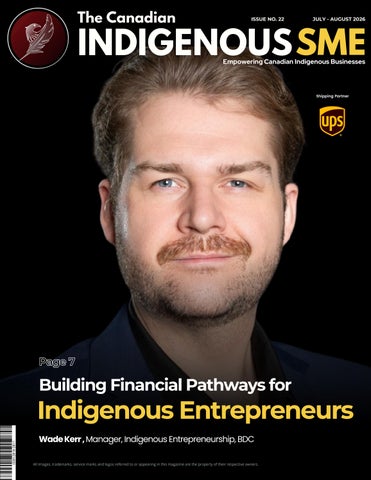
In an exclusive interview with IndigenousSME Business Magazine, Wade Kerr, Manager of Indigenous Entrepreneurship at BDC, shares his perspective on creating more accessible pathways for Indigenous entrepreneurs through relationship-based financing and tailored business support Drawing from his own family’s entrepreneurial background and experience in Indigenous banking, Wade discusses how capital can serve as a tool for empowerment, community growth, and long-term economic self-determination.
InterviewBySKUddin
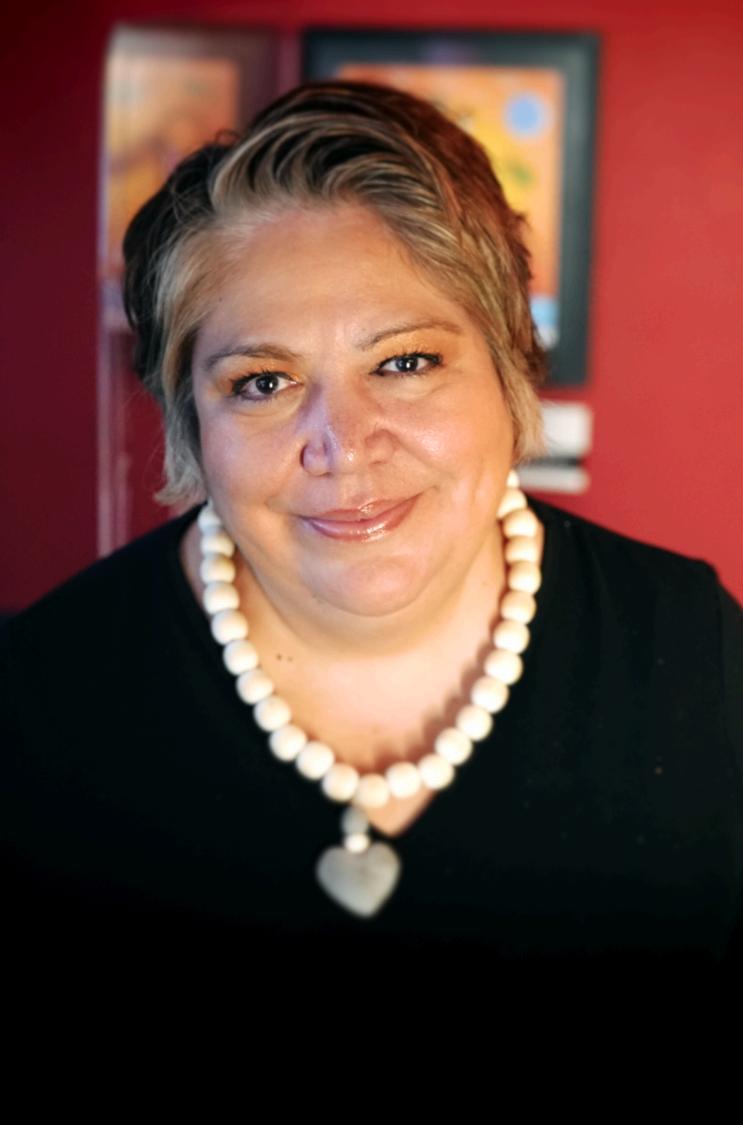
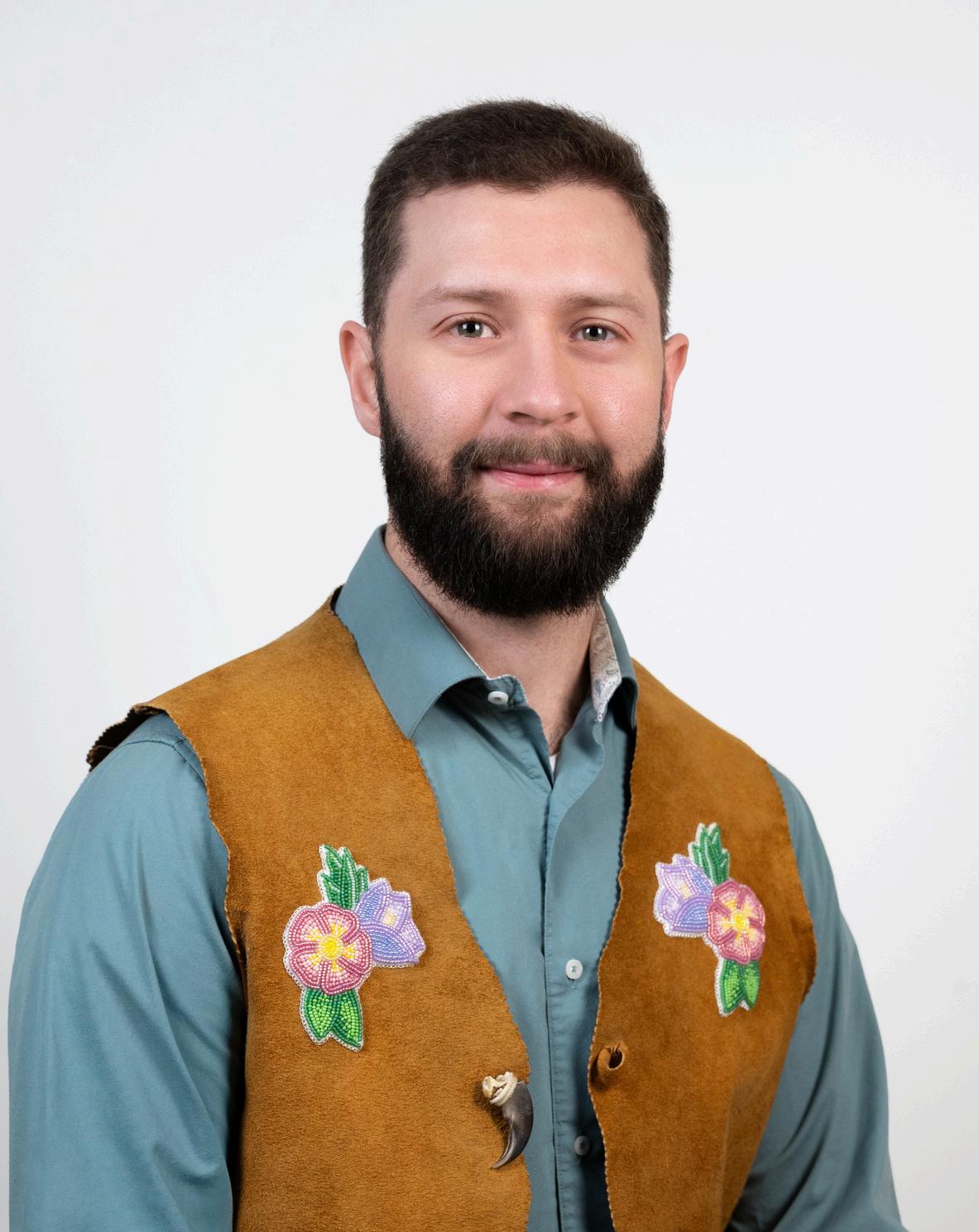
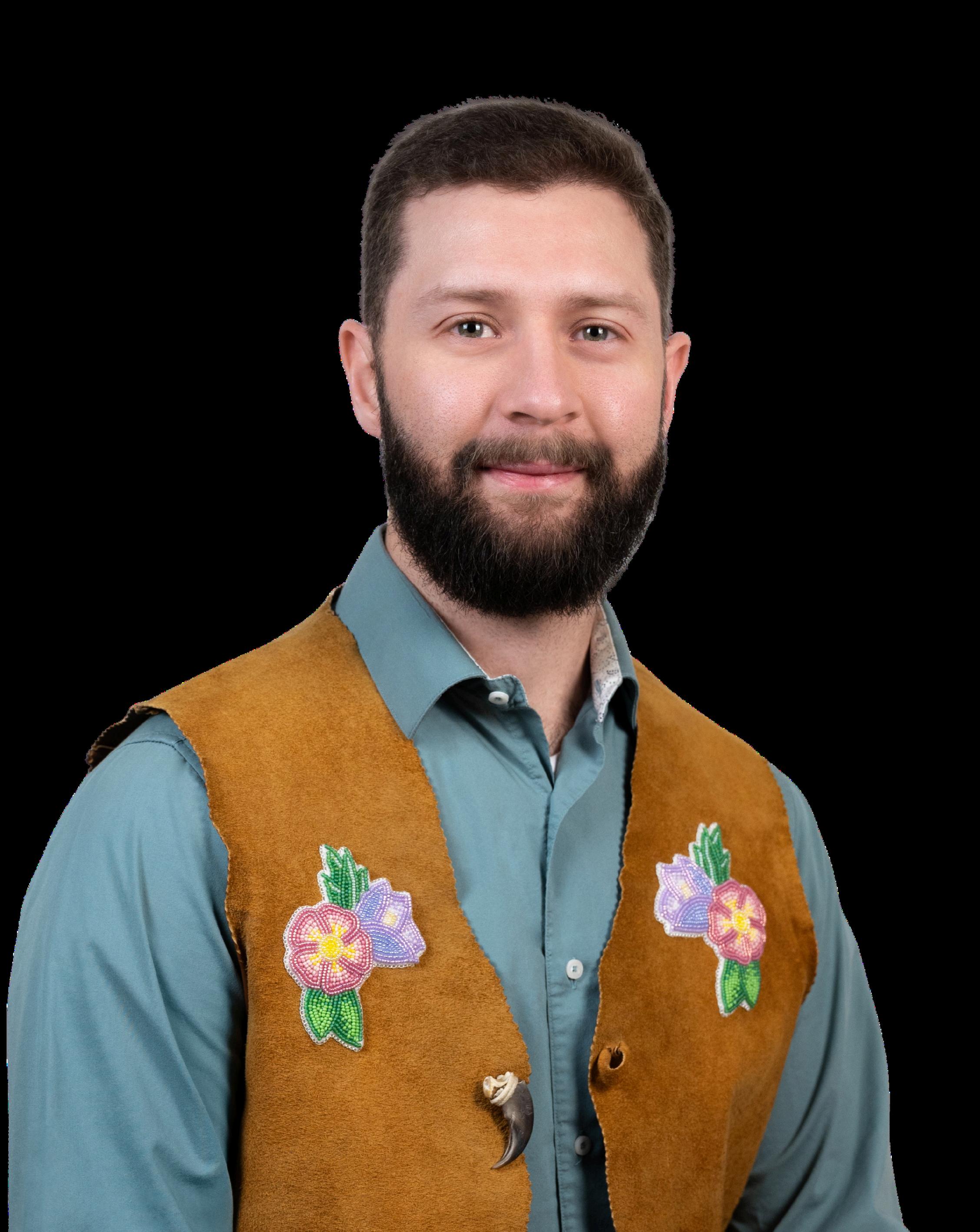
Wade Kerr is the Manager, Indigenous Entrepreneurship at BDC His work is rooted in a deep commitment to supporting Indigenous entrepreneurs and strengthening the pathways that help businesses grow in meaningful and sustainable ways He partners closely with entrepreneurs, communities, and organizations across the country, with a focus on improving access to financing and tailored business support that reflects the realities and strengths of Indigenous businesses.
Building Financial Pathways for
In his role, Wade contributes to shaping financing approaches that are more responsive and inclusive, while building strong relationships with Indigenous Financial Institutions and partners. Through this work, he helps address long-standing barriers and supports the conditions for long-term economic growth grounded in community priorities.
Wade is a member of Kitigan Zibi First Nation and brings years of experience in Indigenous banking, with a focus on economic empowerment His perspective is also shaped by his own lived experience Coming from a family of entrepreneurs, he understands both the challenges and the opportunities that come with building and sustaining a business This connection carries through how he shows up in his work and relationships
What inspired your work in Indigenous financing, and how has it shaped your view of opportunity and capital?
I grew up watching entrepreneurship firsthand through my family My father and grandfather were entrepreneurs, and I saw both the pride and the challenges that came with building something of your own I watched them create opportunities not just for themselves, but for their families and communities At the same time, I also saw the barriers they faced when it came to accessing capital, navigating financial systems, and being understood by institutions that often weren’t built with Indigenous realities in mind
Those experiences shaped how I view opportunity and capital For me, capital is more than money, it’s a tool for self-determination, empowerment, and community impact. I’ve seen how access to financing can help Indigenous entrepreneurs preserve culture, create jobs, build confidence, and strengthen local economies But I’ve also learned that opportunity isn’t always equally distributed, and sometimes the role of Indigenous financing is about helping bridge that gap in a way that is culturally aware, relationship-based, and rooted in trust In this way, capital is not just funding, it is a lever for growth and community impact
That perspective is what drives my work today I believe successful financing starts with listening, understanding people’s stories, and recognizing the strengths that Indigenous entrepreneurs already bring to the table
How does BDC, through its Inclusive Entrepreneurship team, support Indigenous entrepreneurs in overcoming barriers and building successful, sustainable businesses?
What I appreciate about BDC’s approach is how it brings together financing, education, relationship-building, and tailored support in response to the realities Indigenous entrepreneurs are navigating While our Inclusive Entrepreneurship team plays an important role, this approach is embedded across BDC and shapes how we support entrepreneurs more broadly Our team works to meet entrepreneurs where they are and provide culturally aware support that respects community context and longterm goals We are in the field meeting entrepreneurs in their communities, building trust directly and understanding realities firsthand
Our support can include flexible financing solutions, advisory services, partnerships with Indigenous organizations, and dedicated account managers who understand the unique opportunities and challenges Indigenous entrepreneurs face
What are the key challenges Indigenous businesses face in accessing funding, and how can they be reduced?
One of the biggest challenges Indigenous businesses face in accessing funding is that many traditional financing systems weren’t designed with Indigenous realities in mind For example, entrepreneurs in remote or reserve communities can face barriers related to land ownership and collateral, because reserve land can’t always be used in the same way as traditional assets for secured lending That can make it harder to meet conventional lending requirements, even when the business itself is strong and viable
There are also systemic and historical barriers Many Indigenous entrepreneurs have experienced distrust toward financial institutions due to generations of exclusion and underinvestment In some cases, theres also limited access to business networks, mentorship, financial literacy resources, or nearby banking services, especially in rural and northern communities Reducing these barriers starts with building relationships and trust Financial institutions need culturally informed approaches and teams that understand Indigenous communities, governance structures, and business models Flexibility in lending practices is also important looking beyond just collateral and considering cash flow, partnerships, and the entrepreneur’s vision and leadership
Partnerships are another key piece Collaboration between banks, Indigenous Financial Institutions, community organizations, and government programs can help create more accessible pathways to capital and business support.
What defines a strong, community-focused financing relationship for Indigenous entrepreneurs?
For me, strong financing relationships start with listening Listening is not transactional; it is the foundation of trust Indigenous entrepreneurs want partners who understand that success can include things like creating local employment, supporting community wellbeing, preserving culture, or building opportunities for future generations, not just maximizing short-term profit When lenders recognize those values, it creates a much more meaningful and effective partnership
Another key element is cultural awareness and flexibility Every Indigenous community and business journey is different, so a one-size-fits-all approach doesn’t work. Strong financing relationships involve meeting entrepreneurs where they are, understanding specific barriers like collateral, and working collaboratively to find solutions rather than focusing only on limitations
Consistency and presence also matter Trust is built over time through transparency, reliability, and showing up consistently How can lenders, governments, and partners better align to support Indigenous SMEs?
To better support Indigenous SMEs, lenders, governments, and partners need to move from working in silos to building more coordinated, relationship-based ecosystems of support This means more coordinated programs, shared resources, and collaboration with Indigenous Financial Institutions Indigenous entrepreneurs are often navigating multiple barriers at once, such as access to capital, infrastructure gaps, limited business networks, capacity challenges, and complex funding systems Alignment within the ecosystem is an imperative Greater alignment across the ecosystem is essential to addressing these challenges effectively
Alignment should be grounded in economic reconciliation Supporting Indigenous SMEs isn’t just about addressing gaps, it’s about recognizing the immense economic opportunity, innovation, and community impact Indigenous businesses bring to Canada’s economy When lenders, governments, and partners align around that shared vision, they can help create systems that are more inclusive, flexible, and empowering for Indigenous entrepreneurs
Indigenous Finance
What is your vision for Indigenous financing in Canada, and what advice would you give emerging entrepreneurs?
My vision for Indigenous financing in Canada is a future where Indigenous entrepreneurs have equal access to opportunity, capital, and support This includes stronger collaboration and more accessible ecosystems of support Indigenous businesses already contribute immense value through innovation, job creation, and community impact, but too many entrepreneurs still face systemic barriers to funding and growth I believe the future of Indigenous financing must be relationship-based, culturally aware, and focused on empowering entrepreneurs to succeed on their own terms
Looking ahead, expanding access to capital and strengthening collaboration across the ecosystem will be critical By working more closely with Indigenous partners and community-based lenders, organizations like BDC can help ensure that more entrepreneurs have access not only to capital, but also to mentorship, networks, and long-term support Economic reconciliation means creating systems where Indigenous entrepreneurs have the same opportunity to thrive as anyone else
For emerging entrepreneurs, my biggest advice is to stay courageous and curious Entrepreneurship requires courage because there will always be uncertainty and challenges, but growth comes from continuing to move forward despite them. Curiosity is equally important; ask questions, seek mentors, build relationships, and stay open to learning
Disclaimer: Indigenous-SME Business Magazine is committed to providing insightful interviews that highlight the successes and challenges faced by small and medium-sized businesses The views expressed in this interview are those of the guest and may not reflect the opinions of the magazine or its affiliates
BusinessWoman oftheMonth Starrlee DeGrace
BySKUddin
Starrlee DeGrace and the Future of Inclusive Leadership
Starrlee DeGrace defines equity as a practice founded on action, access, and accountability, rather than a slogan Starrlee, a proud member of the Georgina Island First Nation, has over 20 years of experience in corporate Canada across recruitment, leadership development, sales, and DEI strategy
Her career is at the crossroads of talent and equity, with a clear mission: to ensure that more people are not only recognized, but also encouraged, developed, and equipped to succeed For Indigenous-SME Business Magazine, her experience exemplifies how leadership can pave the way for Indigenous adolescents and professionals
Rooted in Lived Experience
Starrlee's works are profoundly personal. She has navigated education and corporate arenas as an Indigenous woman, learning early on that being capable does not always imply being given opportunities Her lived experience continues to influence how she tackles Indigenous recruiting, inclusive leadership, and DEI strategy Her idea is simple yet urgent: talent exists everywhere, but access does not That belief represents a reality that many Indigenous professionals understand Barriers
are frequently not about potential, but about who is invited in, mentored, and sponsored Starrlee's career has been spent confronting those habits and helping organizations move beyond good intentions to measurable change.
In a Canadian business sector still struggling to eliminate equity disparities, her voice is important because it is based on both professional experience and personal reality She understands the systems from the inside out and recognizes how they frequently fail the people they are supposed to serve
Career Across Recruitment, Leadership, and DEI
Starrlee has over 20 years of experience in recruitment, leadership development, sales, and diversity, equity, and inclusion Her diverse experience provides her with a unique perspective on how firms recruit talent, train employees, and build environments in which performance and belonging can coexist. Her work is not restricted to policy and training decks It is about helping employers build systems that actually work for the people inside them That involves identifying hiring hurdles, developing leadership pipelines, and supporting teams so that fairness becomes part of everyday practice rather than a one-time initiative
This strategy is especially pertinent in Canada, where many institutions are still working to go beyond diversity claims to actual structural transformation Starrlee's leadership emphasizes that inclusivity necessitates accountability It asks organizations to investigate who is employed, who is promoted, and who is left behind By working at the intersection of talent and equity, she helps companies see that inclusive leadership is not separate from business performance It's part of it When employees feel recognized, respected, and supported, they perform better and stay longer. That is not only excellent ethics; it is also sound strategy.
Creating Pathways to Indigenous STEM Success
The Indigenous STEM scholarships Starrlee established to help remove financial and systemic barriers for young people pursuing careers in technology and innovation are among her most significant contributions. Her conviction that equity starts with access rather than awareness is reflected in her endeavour The path into STEM for Indigenous students may be impeded by expenses, a lack of representation, and a lack of networks
Scholarships by themselves cannot remove every obstacle, but they can open doors where none previously existed Starrlee is aware that young people require concrete assistance in addition to encouragement if they are to envision themselves in the fields of technology, engineering, and innovation
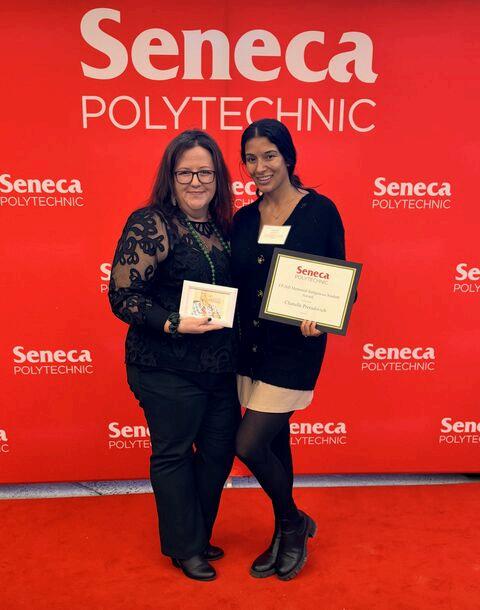
The scholarships are in honour of Starrlee’s grandfather:
J.P. Hill Memorial Indigenous Student Award at Seneca
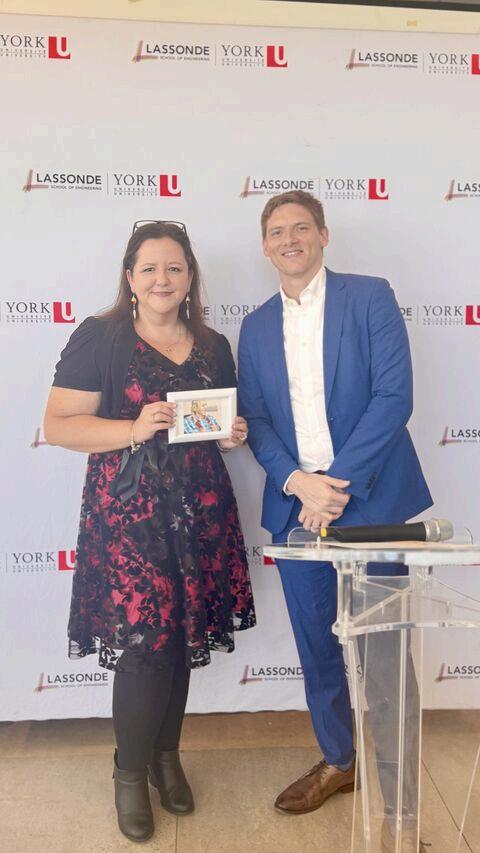
JP Hill Memorial Award for Indigenous Students at Lassonde
That is why her scholarship work is so important It is realistic, targeted, and based on long-term change She not only advocates for inclusivity, but also funds it In doing so, she is helping establish a future in which Indigenous youth can enter sectors that affect Canada’s economy, infrastructure, and digital future For Indigenous-SME readers, this is an inspiring model of entrepreneurship and leadership: use your authority to break down obstacles for the next generation
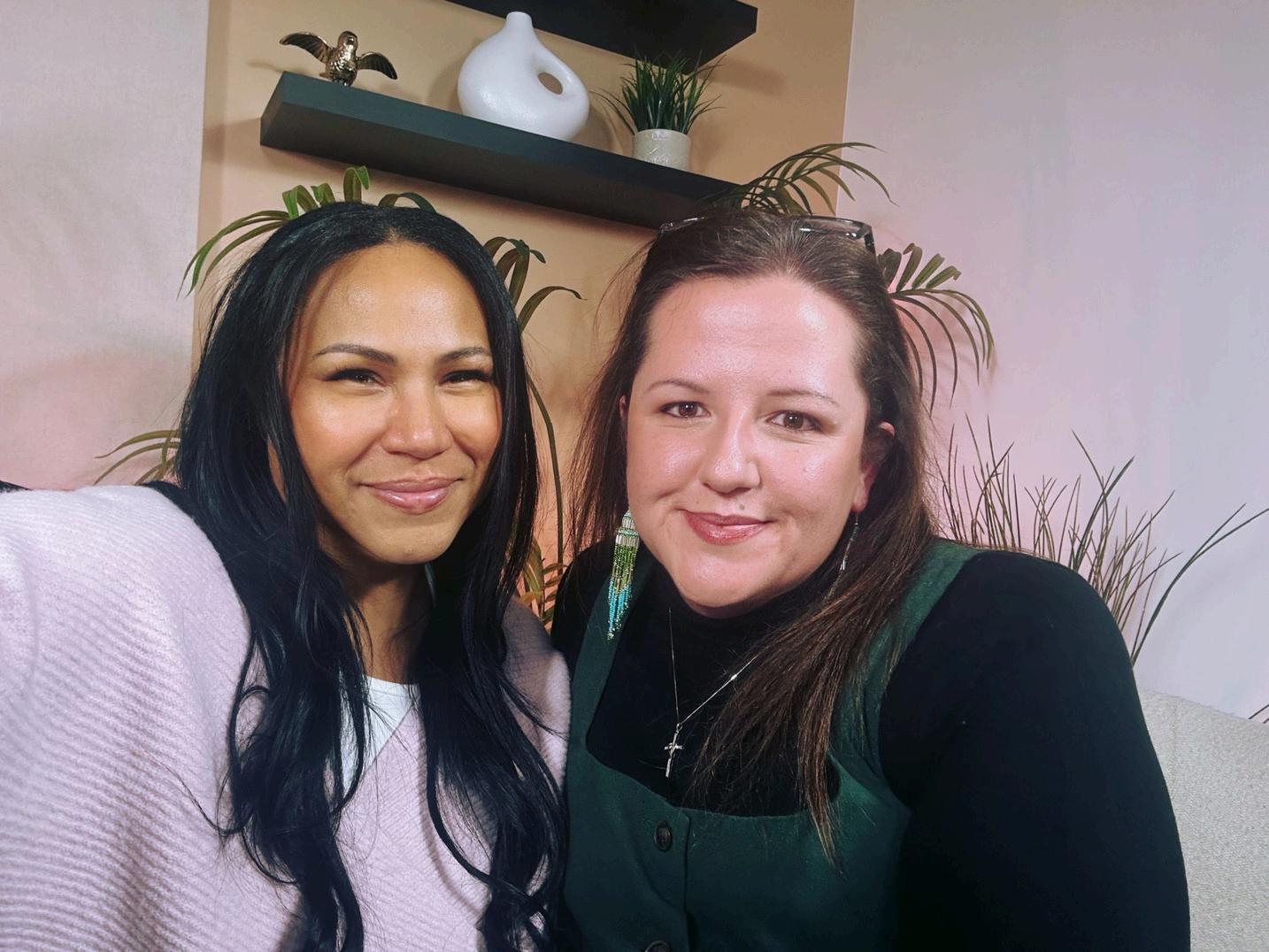
#TeaWithStarrlee and HumanCentred Leadership
Through #TeaWithStarrlee, Starrlee has created a forum for hundreds of candid, human interactions with emerging leaders, career pivoters, and changemakers These talks are more than just material; they are also about developing a community. They remind people that leadership is more than just a title; it is about introspection, courage, and the determination to keep showing up That platform also represents her philosophy that individuals flourish when they feel noticed, respected, and supported
In many ways, #TeaWithStarrlee embodies the same ideas that she applies to her DEI and recruitment efforts It offers encouragement without perfectionism and honesty without performance
Starrlee's voice stands out in a business world that often values polish over authenticity because it is grounded in real-life discussion and experience. She makes a place for others to learn, reflect, and grow.
Recognition and Impact in Canada
Starrlee's efforts have not gone unnoticed She was voted Mentor of the Year by Women in Communications & Technology and one of The Globe and Mail's Top 50 Changemakers. These accolades show the impact of her leadership, but she is clear that awards are not the true measure of accomplishment
ImageCourtesy:StarrleeDeGrace
For her, the true measure is the number of doors opened, voices raised, and leaders who rise as a result of someone ' s decision to act That perspective is especially essential in the context of Indigenous and equity-focused work, where success is often best measured over time by changing outcomes rather than by public praise Her leadership also serves as a reminder that Indigenous women help Canadian organizations not only by being present in the room but also by determining its appearance
Lessons for Indigenous Entrepreneurs
Starrlee DeGrace’s path offers various lessons for Indigenous-SME readers:
Access is the initial point. When barriers are removed, equity takes on actual meaning.
Lived experience equals expertise Her story guides her in creating more inclusive institutions
Community generates momentum. Scholarships, talks, and mentorship all increase opportunities.
Statements do not count as much as actions. Real change is measurable, visible, and long-lasting.
Her work demonstrates how Indigenous leadership can impact institutions while being centred in caring, accountability, and community
Opening Doors for Future Generations
From recruitment and DEI strategy to scholarships and community dialogue, Starrlee DeGrace is helping transform what equitable leadership looks like in Canada. Her work serves as a reminder that when Indigenous women lead with courage, they create opportunities for others to follow
While much of Starrlee DeGrace's work focuses on supporting Indigenous talent and communities and on establishing more inclusive environments, she is also embarking on a personal journey back to the Red Road. Starrlee strongly believes in reciprocal learning and acknowledges that everyone has something meaningful to share and to learn from each other. At the heart of this work is a commitment to genuine human connection and assisting people wherever they are on their own journey. Starrlee is looking forward to enjoying a cup of tea and continuing the chat soon.
TheIndigenous-SMEBusinessMagazine is a great new and seasoned resource for Canada's small Indigenous businesses. Visit the website below to view our magazine. Click here to follow our X account for news updates So, what are you waiting for? Join our business-loving community for inspiration, motivation, and growth
Disclaimer: This article is based on publicly available information intended only for informational purposes Indigenous-SME Business Magazine does not endorse or guarantee any products or services mentioned. Readers are advised to conduct their research and due diligence before making business decisions
Across Canada, a new generation of Indigenous tourism leaders is reimagining how visitors discover and experience Indigenous places this time via smartphones, booking apps, and social media Many of these entrepreneurs have completed programs sponsored by Futurpreneur, the Canadian Council for Indigenous Business (CCIB), and the National Aboriginal Capital Corporations Association (NACCA), where digital skills and online marketing are increasingly essential business tools
Indigenous entrepreneurs use technology to scale up while maintaining community values, ranging from TikTok tours to AIassisted content planning and automated booking systems Their digital stack aims to make real Indigenous experiences visible and bookable in a competitive global tourism market, rather than replacing traditional ceremonies or face-to-face hospitality.
Social media as the new drum—TikTok, Instagram and more
Social media has emerged as the major means via which tourists might first discover Indigenous tourism companies Indigenous Canadian producers and businesspeople utilize TikTok and Instagram to broadcast short videos featuring humor, land-based life, language samples, and behind-the-scenes tours or lodges TikTok's #IndigenousTikTok community, for example, has creators and business owners who are educating others about Indigenous concerns, marketing products and experiences, and debunking prejudices with their own stories. For tourism providers, this may include uploading " come with me to work" reels from boat trips, cultural walks, or powwow weekends, transforming everyday hosting into marketing content that feels genuine rather than manufactured
The same digital infrastructure that sells trips also teaches young people how to run their own enterprises Futurpreneur's Indigenous Entrepreneur Startup Program combines financing with webinars, online workshops, and digital resource libraries, enabling Indigenous entrepreneurs aged 18 to 39 to receive training from anywhere in Canada NACCA's Indigenous Adolescents Entrepreneurship Program provides virtual coaching and remote mentorship through Indigenous Financial Institutions, allowing adolescents in small areas to receive one-on-one assistance without leaving their homes
Online booking, e‐commerce and the business of
being findable
Young Indigenous tourism leaders are investing in websites, booking platforms, and e-commerce solutions to increase online revenue Indigenous Tourism BC's market-ready standards require partner businesses to have up-to-date websites, accept credit and debit cards, and answer quickly to online queries and bookings Indigenous-owned businesses use online reservation systems and payment gateways to allow guests to check availability, schedule tours, and make deposits from anywhere
As tools like AI become more accessible, Indigenous tourism businesses are cautiously experimenting with them to supplement, not replace, their own voices Digital storytelling research in community-based tourism emphasizes the importance of integrating data and analytics to improve narratives and reach audiences, while keeping community control over material. In reality, this can mean employing analytics dashboards to identify which videos or blog posts resonate most, scheduling posts when audiences are most engaged, or using AIassisted tools to generate captions and itineraries that operators can adapt to their Nation's protocols and personality
Indigenous digital storytelling toolkits prioritize authenticity, strength-based messaging, and community control over story framing. They encourage communities to use technology to highlight their own frameworks and avoid generic tourism content
Rooted in place, amplified online
Young Indigenous tourism leaders employ resources such as social media, booking platforms, e-learning, and AI to strengthen relationships with land and community rather than replace them Their technology stacks are designed around practical needs such as filling tours, managing cash flow, developing new skills, and sharing stories on their own terms In doing so, they demonstrate that the future of Indigenous tourism in Canada is not a choice between tradition and technology, but rather a hybrid of the two, carried forward by youth proficient in ritual and code
The Indigenous-SME Business Magazine is a great new and seasoned resource for Canada's small Indigenous businesses Visit the website below to view our magazine. Click here to follow our X account for news updates. So, what are you waiting for? Join our business-loving community for inspiration, motivation, and growth
Disclaimer: This article is based on publicly available information intended only for informational purposes. Indigenous-SME Small Business Magazine does not endorse or guarantee any products or services mentioned Readers are advised to conduct their research and due diligence before making business decisions
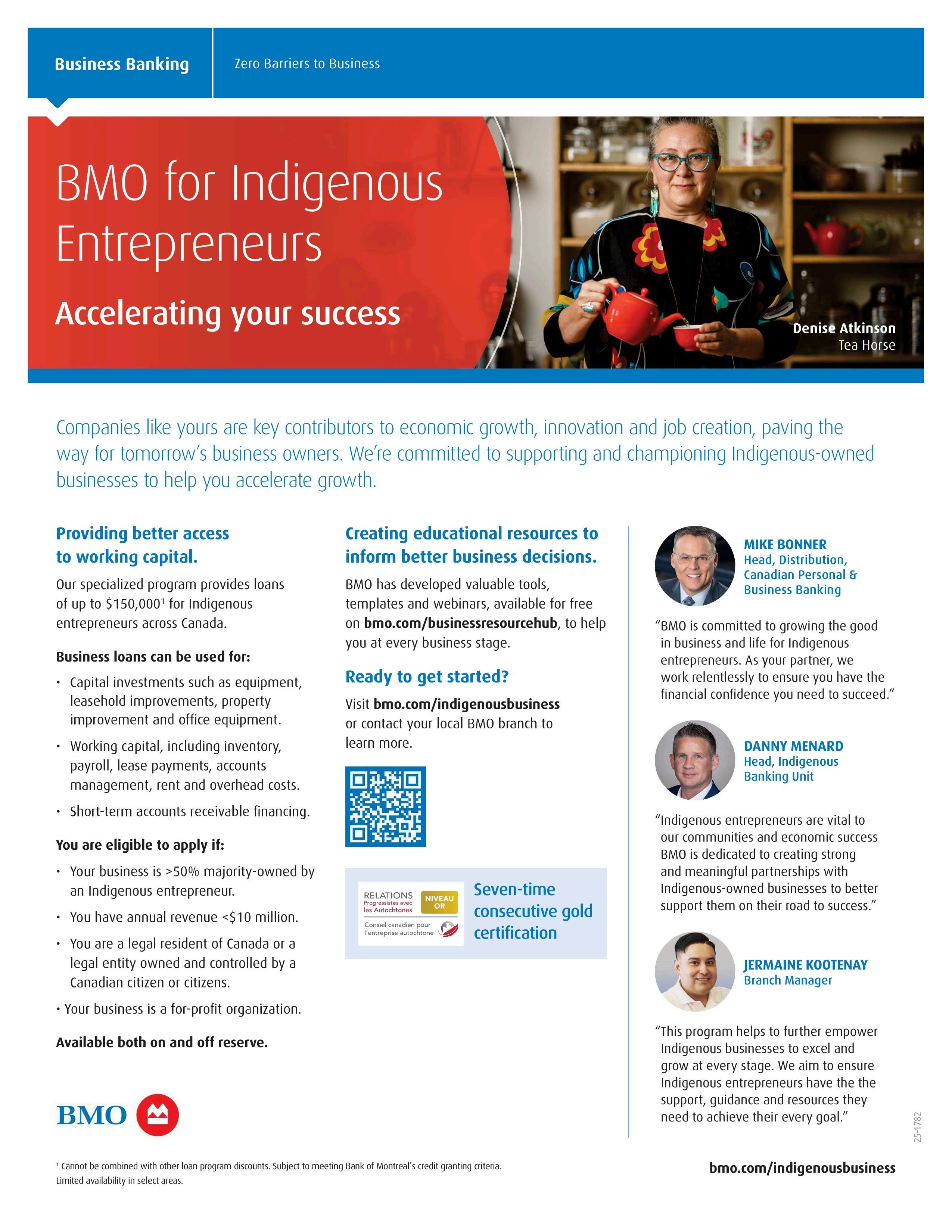
Across Canada, Indigenous entrepreneurship continues to grow, contributing meaningfully to local economies, job creation, and community prosperity Yet for many Indigenous business owners, access to financing remains a persistent challenge particularly when managing cash flow, investing in equipment, or pursuing growth opportunities BMO for Indigenous Entrepreneurs is designed to support eligible Indigenousowned small and medium-sized businesses that are already operating and require capital to sustain or grow their business
Built on Decades of Experience Supporting Indigenous Businesses
BMOs Indigenous Banking Unit has worked with First Nations, Métis, and Inuit clients across Canada for more than three decades Over this time, BMO has supported Indigenous-owned businesses across a wide range of industries and regional contexts, building longstanding relationships with Indigenous communities and entrepreneurs.
This experience informs how BMO approaches Indigenous business banking today emphasizing relationship-based engagement, an understanding of diverse operating environments, and a long-term view of business sustainability
A Business-Focused and RiskAligned Financing Approach
BMO for Indigenous Entrepreneurs is structured to support business viability while aligning with BMO’s established credit granting criteria and risk management practices. Financing decisions consider the overall business profile, including cash-flow capacity, operating history, and the sustainability of the business model.
Financing of Up to $150,000
At the core of the program is a revolving Line of Credit of up to $150,000, designed to provide flexible access to funds as business needs arise
Eligible uses of funds may include inventory and operating expenses, payroll and short-term cash-flow needs, equipment purchases, eligible capital improvements, rent, lease payments, and general overhead
A revolving structure allows business owners to draw and repay funds as needed, supporting stability during slower periods while enabling growth during peak seasons or expansion phases
The program is available to majority Indigenous-owned businesses operating both on and off reserve and is intended to support a broad range of operational and growth-related needs All lending is subject to standard eligibility requirements and credit approval
Access to BMO Elevate is a key benefit of the program
Beyond financing, eligible entrepreneurs may also gain access to BMO Elevate, a business development initiative designed to support entrepreneurs from equity-deserving communities, including Indigenousowned businesses.
Why This Program Matters
Indigenous-owned businesses play an increasingly important role in Canada’s economic landscape This program reflects an effort to broaden access to business financing while recognizing the diversity of Indigenous entrepreneurship across regions and sectors.
By combining access to a revolving line of credit of up to $150,000 with business development resources, the program is intended to support both financial stability and long-term growth
The Indigenous-SME Business Magazine is a great new and seasoned resource for Canada's small Indigenous businesses Visit the website below to view our magazine Click here to follow our X account for news updates So, what are you waiting for? Join our business-loving community for inspiration, motivation, and growth.
Disclaimer: This article is based on publicly available information intended only for informational purposes Indigenous-SME Small Business Magazine does not endorse or guarantee any products or services mentioned Readers are advised to conduct their research and due diligence before making business decisions
2024, 25 awardees represented ustries as diverse as home inspection, za, auto repair, paralegal services, and ancial advising, demonstrating the ope of Indigenous innovation across the untry Together with the 2025 cohort, se entrepreneurs offer a window into the ure economy that Indigenous youth are ating from coast to coast
he power of a 500‐dollar push
00 dollars may not seem like much, but early-stage entrepreneurs, it can be the erence between a concept and a ccessful firm CCIB's Young Indigenous siness Grant offers flexible money for uipment, inventory, marketing, training, d other pressing requirements It also ludes a one-year CCIB membership, ch provides mentoring, procurement ssibilities, and business tools
Across Canada, a new breed of young Indigenous entrepreneurs is redefining the commercial landscape, focusing on community, culture, and land in projects ranging from fashion and food to engineering and energy The Young Indigenous Business Grant (YIBG), established by the Canadian Council for Indigenous Business (CCIB) to assist Indigenous businesses under 35, offers a glimpse into this transition The grant provides 2,500 dollars in financing and a one-year CCIB membership, providing grantees with early-stage capital and access to networks, events, and mentorship to boost growth
In its early years, the program sponsored more than 20 young entrepreneurs each year, with 22 participants in 2024 and 18 recipients in 2025 chosen by a live draw The fund is designed to help young Indigenous founders overcome barriers to getting loans, lines of credit, and equity investment in mainstream financial systems.
Fashion, design and creative industries
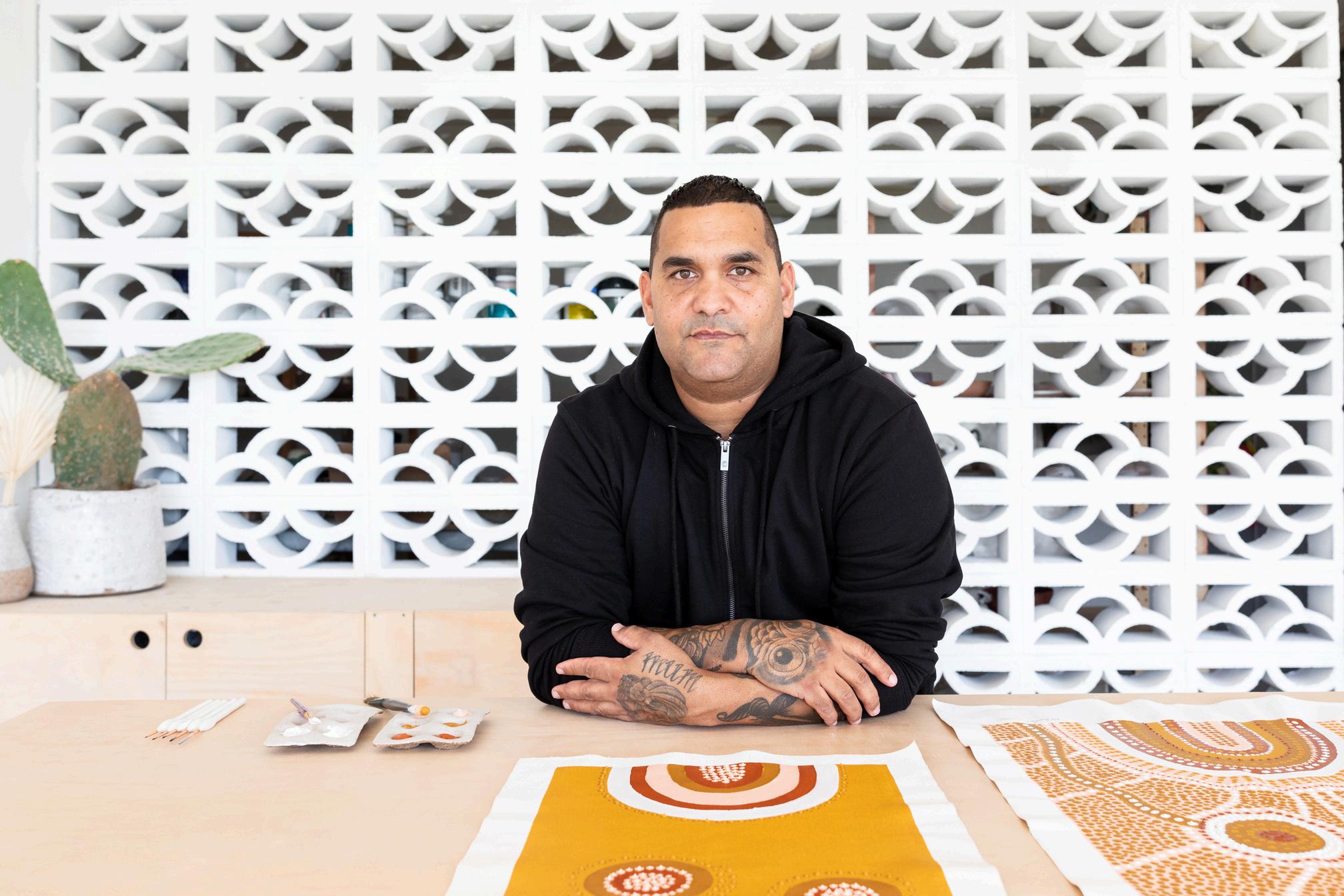
Grant beneficiaries are predominantly from the creative industries, including fashion, design, and craft Mya Beaudry, the inventor of Kokum Scrunchies, which honours matriarchs and Indigenous culture through brightly patterned scrunchies and accessories, was one of the first recipients of the Young Indigenous Business Grant to be widely reported As a pre-teen, she established a successful business by leveraging ecommerce, social networking, and cultural expression to attract a nationwide audience
In 2025, fashion and design remained prominent, with awardees including JR Fashion Designs in Quebec and designer Lesley Hampton in Ontario. Hampton is noted for her inclusive, Indigenous-inspired designs that have appeared on major runways and red carpets Other 2025 grantees, such as Lakeside Designs Co and Roots and Patterns, work in graphic and textile design, weaving Indigenous motifs and stories into everyday objects These firms demonstrate how young entrepreneurs use design not only to generate revenue but also to normalize Indigenous presence and pride in mainstream spaces
Services, consulting and the digital economy
YIBG-supported enterprises in services, consultancy, and the digital economy focus on knowledge, strategy, and relationships Companies in the 2025 cohort include Longhouse Branding & Marketing in British Columbia, The Indigenous Marketing Company in Manitoba, and Ever Plan Consulting in British Columbia, all of which help other organizations tell their stories, reach audiences, and strengthen their operations Z A McCarthy Engineering Services Ltd in Ontario and Jacknife Consulting Ltd in Alberta provide engineering and technical services, demonstrating how Indigenous youth are making strides in STEM-related sectors that have previously been underrepresented by Indigenous professionals
These service-sector enterprises collaborate with Indigenous communities, governments, and private sector partners, incorporating Indigenous perspectives into project design, communication, and implementation Their rise shows that the future Indigenous economy will be as much about intellectual and digital labour as it is about resource extraction or tourism, and that young Indigenous professionals want to influence how large projects are carried out on their territory
Wellness, food and community‐rooted enterprises
Grant recipients also prioritize wellness, food, and community-based companies SWELL Holistic Center in British Columbia exemplifies the growing interest in Indigenous-led wellness programs that encompass mental, physical, emotional, and spiritual well-being Previous cohorts included companies such as pizza restaurants and auto repair shops, demonstrating that everyday services in Indigenous and rural areas are also part of the larger Indigenous economy
From a community standpoint, these businesses keep money circulating locally and provide chances for youth employment and skill development close to home Indigenous business innovation extends beyond high-tech areas to include culturally grounded, community-centred companies that communities rely on daily
ImageCourtesy:Canva
Redefining success: community, language and land
Taken together, the stories emerging from the Young Indigenous Business Grant reflect a clear vision of success Many honorees emphasize that they are starting enterprises not just for personal gain but also to assist their families, languages, and nations, and to serve as role models for younger children who watch them Fashion and craft businesses see success as Indigenous designs worn with pride and the passing on of knowledge of patterns, tales, and teachings
The Indigenous-SME Business Magazine is a great new and seasoned resource for Canada's small Indigenous businesses. Visit the website below to view our magazine. Click here to follow our X account for news updates. So, what are you waiting for? Join our business-loving community for inspiration, motivation, and growth.
Disclaimer: This article is based on publicly available information intended only for informational purposes Indigenous-SME Small Business Magazine does not endorse or guarantee any products or services mentioned Readers are advised to conduct their research and due diligence before making business decisions
Inez Cook is a proud member of the Nuxalk Nation ( New -Halk ) and grew up in Vancouver BC
She is the cofounder and owner of the award winning Salmon n’Bannock Bistro in Vancouver as well as the owner of Salmon n’Bannock on the Fly at Yvr international departures ( the first Indigenous restaurant at a Canadian airport )
Inez recently retired from a 33 year flying career which has afforded her opportunities to live all over the world and celebrate international cultures she always dreamt of taking people on a journey and finally came full circle and is taking people of her very personal journey within
She also is the author of the books The Sixties Scoop & Reconnecting after the Sixties scoop , sharing her personal story
WhereCultureIsServedWarm
In an exclusive interview with Indigenous-SME Business Magazine, Inez Cook, co-founder and CEO of Salmon n’Bannock Bistro and Salmon n’Bannock on the Fly, shares how she is redefining Indigenous dining in Canada From creating a vibrant urban space that honors tradition to navigating unique culinary challenges, Inez discusses how her restaurants showcase Indigenous culture, foster community connections, and inspire the next generation of Indigenous food entrepreneurs
Salmon ‘n Bannock is more than a restaurant—it’s a place where food, culture, and community come together. What inspired you to be part of this journey, and how do your values and cultural teachings shape your approach to leadership and guest experience?
What inspired me , is the world around me ,& community
Salmon n’Bannock started as a restaurant but , you are right , it has evolved into so much more
I never grew up in my culture & many of my team haven’t t either,it’s definitely taken on its own culture , it has become an urban space where we can showcase Indigenous culture with pride & many team members have also learned more about their own Indigenaety after working together
The cultural teachings continue as we grow , I always say Knowledge is power & the more we know the more we grow ,
The guest experience gets to see we are urban with many traditional values with a modern viewpoint & approach
This is felt with the art around the room , the team and, of course each plate
Indigenous cuisine is becoming more visible, but it is sometimes misunderstood. How do you use your space to help guests learn about the stories, ingredients, and cultures behind your dishes in a respectful way?
Indigenous cuisine is often misunderstood
Well , one thing is, we only have one chance at a good first impression.
If you have tried Indigenous food somewhere and didn’t care for it, & someone suggests trying another Indigenous restaurant, you would most likely say , no thanks , Ive tried it and it’s not for me ,
If we think about other cuisines that are well known, you may even get food poisoning & still be eager to try again ,
We welcome each guest with a land acknowledgment letting them understand that even though we are Indigenous, most of us are visitors as well , as our territories are widespread..
We love taking Indigenous ingredients and serving them in new ways , also letting the guests try foods from across our lands , and understanding, Indigenous isn’t only just one thing
We have over 600 Nations in Canada and over 200 of those Nations are in BC We are surrounded by other cultures amongst us
ImageCourtesy:Canva
Running a restaurant comes with many challenges, especially when sourcing ingredients responsibly and supporting Indigenous suppliers. What challenges have you faced, and what kind of support would help Indigenous food businesses grow?
Challenges
Many of our ingredients and foods are not available on the commercial market
We are the only Indigenous restaurant in Vancouver We are not permitted to serve many of our traditional foods
I often like bringing up this idea of perspectives
Close your eyes, you are in Tokyo ,& there is only ONE restaurant serving Japanese food
You are in Paris , only ONE restaurant serving French food
There would be an uproar, people would be fighting loud
Here , when I tell people, we are the only Indigenous restaurant in Vancouver & we can’t serve many of our foods , people often say , oh that sucks
We need to do better .
The Health departments should work with Indigenous communities to understand the foods & processes etc
Your restaurant is also a space for connection and community. Can you share a memorable moment —an event or guest experience—that showed you the deeper impact your work has beyond food?
Memorable moments
So many I could write a book , here are a couple
One time guests were dining and they asked if they could borrow a drum off the wall , they started singing & drumming and dedicated a song to me , & I found out we were family
Another time a guest came in and said that they had been fighting cancer at the hospital and felt blessed to have our food and felt it helped their healing journey
Almost all of the team has met relations thru the restaurant the walls bring everyone closer together
For Indigenous youth who want to start their own food or hospitality business, what advice or encouragement would you give them as they begin their journey?
Indigenous youth that want to start their own business in the food industry,
I always recommend starting out with catering build a name , build a brand
You don’t have to be everything first everyone , just do one thing well and stay true to yourself
Find a mentor & be open to learning from other’s mistakes, even though we all make mistakes, it can save a lot of time & tears and money learning from others
Disclaimer: Indigenous-SME Business Magazine is committed to providing insightful interviews that highlight the successes and challenges faced by small and medium-sized businesses The views expressed in this interview are those of the guest and may not reflect the opinions of the magazine or its affiliates
Indigenous-led tourism is driving a shift in Canada's visitor economy. Indigenousdesigned programs and largescale investments are creating "signature" experiences that prioritize Indigenous communities, cultures, and lands as anchor attractions for visitors exploring the country These experiences serve as destinations for travellers seeking cultural connections, responsible travel options, and true ties with host nations, rather than as add-ons to mainstream tourism
Investing in Signature Indigenous Tourism Experiences
At the federal level, one of the most visible manifestations of this transformation is the Indigenous Tourism Fund's Signature Indigenous Tourism Experiences Stream (SITES) SITES gave approximately $10 million in non-repayable contributions to 11 major Indigenous tourist projects in Canada during its initial phase, with additional financing planned for 2025-2026 Contributions ranging from 500,000 to 1 25 million dollars aim to expand tourism infrastructure and experiences, which are currently community-supported and exportable The idea is to build essential attractions that anchor entire locations, attracting high-yield visitors who stay longer, spend more, and circulate their money through Indigenous-owned hotels, restaurants, guides, and cultural enterprises
ImageCourtesy:Canva
Specific initiatives financed by SITES demonstrate how infrastructure investment may change local and regional visitor economies In Nova Scotia, financing is being provided for the Mi'kmawey Debert Cultural Centre, a new building that will share Mi'kmaw history and culture with schools and visitors while anchoring a larger cultural landscape Restaurant Sagamité is moving into Québec City's airport, introducing Indigenous food to a high-traffic gateway for thousands of visitors to the province
Western Canada’s Indigenous Tourism Destinations Take Shape
In Western Canada, the SITES program is promoting ambitious tourism infrastructure based on Indigenous stewardship and wellness The Enoch Cree Nation in Alberta is building the River Cree Thermal Spa, a world-class wellness destination focusing on holistic health and land-based healing.
On the West Coast, the Spo7ez Cultural Centre and Community Society is expanding to include a commercial kitchen, café, catering services, and a larger gift shop, increasing its capacity to accommodate groups and to present Squamish and Lil'wat culture on a broad scale Tla o qui aht Development Corporation is expanding resort infrastructure, including expanded spa space and camping units, to serve guests on Vancouver Island's coast while maintaining Tla o qui aht ideals at the core of the guest experience.
Building the Foundation for Indigenous Tourism Growth
National and provincial Indigenous tourism groups have spent years creating export-ready businesses and destination capability, enabling these investments The Indigenous Tourism Association of Canada (ITAC) represents Indigenous-owned tourist businesses nationwide, ranging from market-ready experiences to those under development. The recovery plan, "Building Back Better," aims to restore Indigenous tourism to pre-pandemic levels and expand the sector through training, marketing, and product development Indigenous Tourism BC (ITBC) promotes destination development that is sustainable, culturally appropriate, and based on Indigenous values of stewardship and reciprocity. ITBC helps communities improve infrastructure, promote ecotourism, and develop visitorfriendly sites such as trails, interpretive signage, and visitor centers, all based on local priorities
These hallmark projects have a substantial economic and social impact The newest SITES financing round is estimated to attract over 663,000 visitors and provide around 128 full-time jobs in Indigenous communities Over the past three years, more than $ 50 million has been directed to Indigenous tourism through the Indigenous Tourism Fund and related programs, exceeding earlier commitments to dedicate at least 15% of tourism funding to Indigenous-led initiatives For communities, this means steady employment, possibilities for youth to start careers at home, and platforms to reinvigorate language and culture via everyday work
Ensuring Growth Through Indigenous Governance
At the same time, Indigenous leaders are clear that growth must not jeopardize cultural integrity or the health of lands and rivers Destination development work in regions like British Columbia is focused on sustainability, accessibility, and cultural compatibility, with destinations seen as living homelands rather than commodities. Capacity-building encompasses not just business training and infrastructure, but also governance mechanisms to ensure community consent, cultural protocols, and environmental safeguards are implemented in all new projects SITES is designed to be an Indigenous-led process, with organizations such as the National Aboriginal Capital Corporations Association (NACCA) ensuring projects are financially feasible and community-driven
Indigenous-led branded experiences are redefining success in Canadas cultural tourism industry. Instead of just counting visitors or room nights, communities are evaluating results, including language use at work, youth leadership, land stewardship, and the strength of Indigenous governance The result is a tourism landscape in which visitors do more than just " see the sights"; they form relationships with the First Nations, Inuit, and Métis peoples whose homelands they pass through, and whose leadership is influencing the future of tourism in Canada
The Indigenous-SME Business Magazine is a great new and seasoned resource for Canada's small Indigenous businesses Visit the website below to view our magazine Click here to follow our X account for news updates So, what are you waiting for? Join our business-loving community for inspiration, motivation, and growth.
Disclaimer: This article is based on publicly available information intended only for informational purposes Indigenous-SME Small Business Magazine does not endorse or guarantee any products or services mentioned Readers are advised to conduct their research and due diligence before making business decisions.
FounderofIndiginizeCreation
In an exclusive interview with IndigenousSME Business Magazine, Janelle Alphonse, founder of Indiginize Creation, shares how she is redefining Indigenous art and wearable storytelling From TikTok recognition to freehand burnt apparel and immersive Pow Wow workshops, Janelle discusses how her work empowers Indigenous identity, fosters community connections, and inspires other Indigenous entrepreneurs to honor culture while building sustainable businesses
InterviewBySKUddin
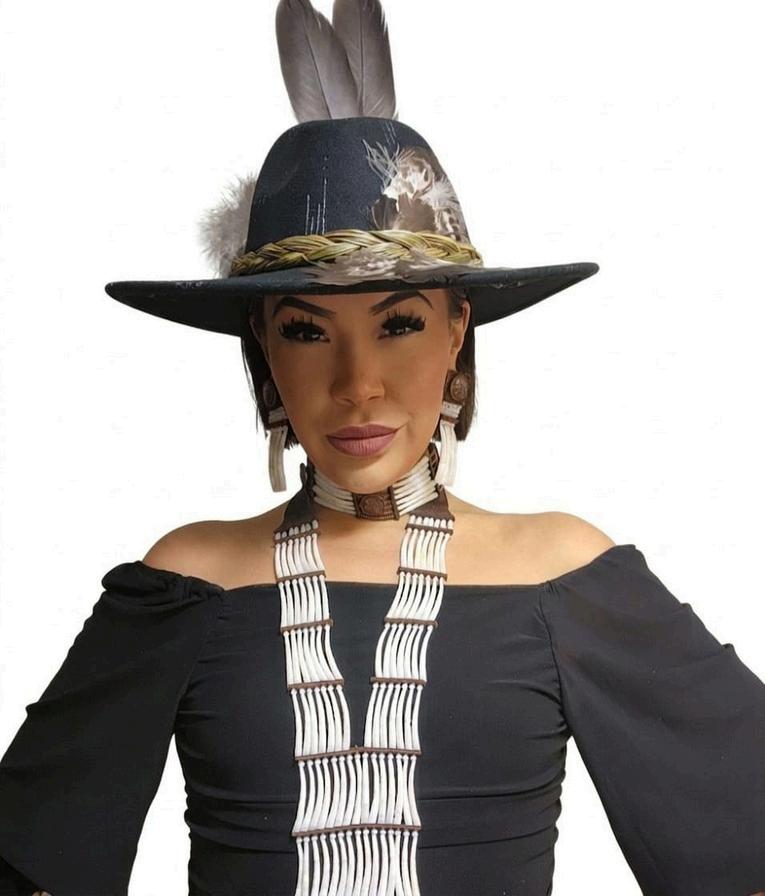
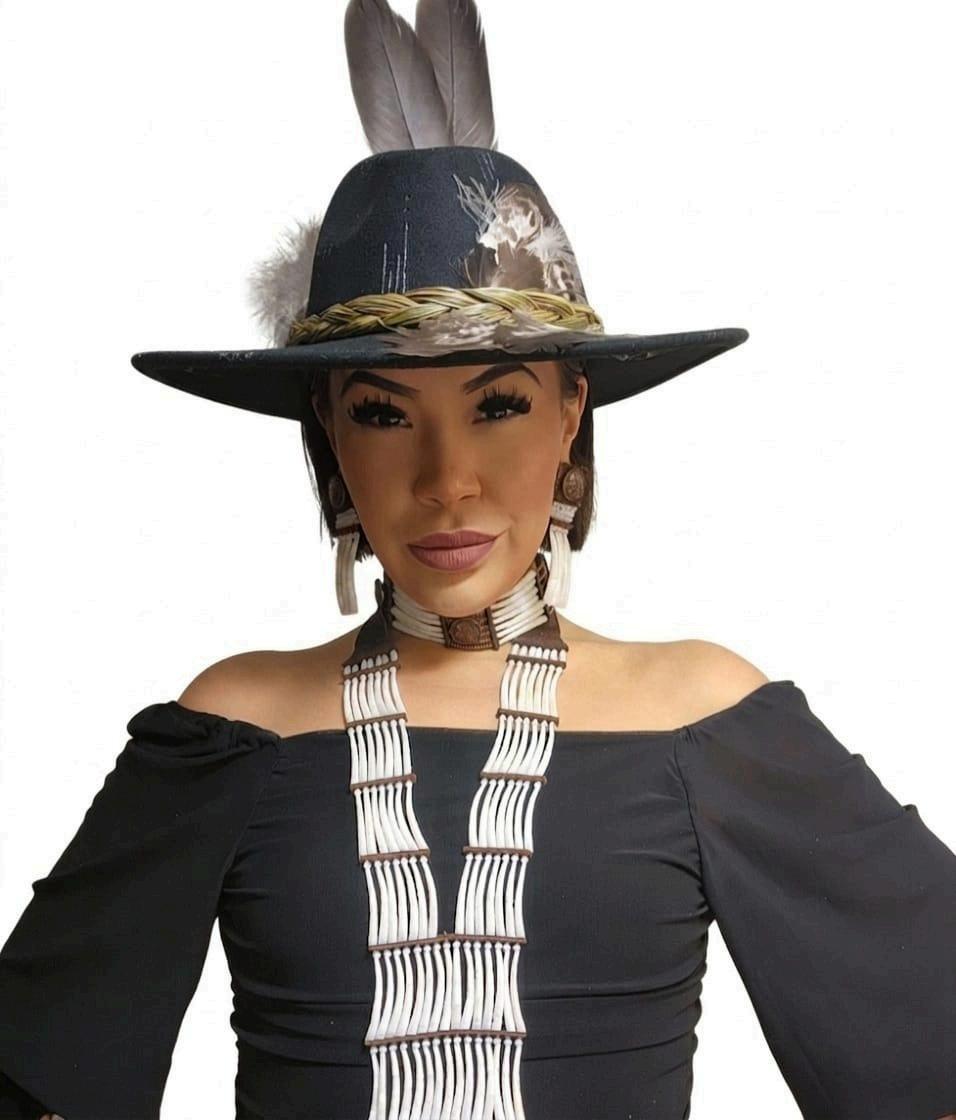
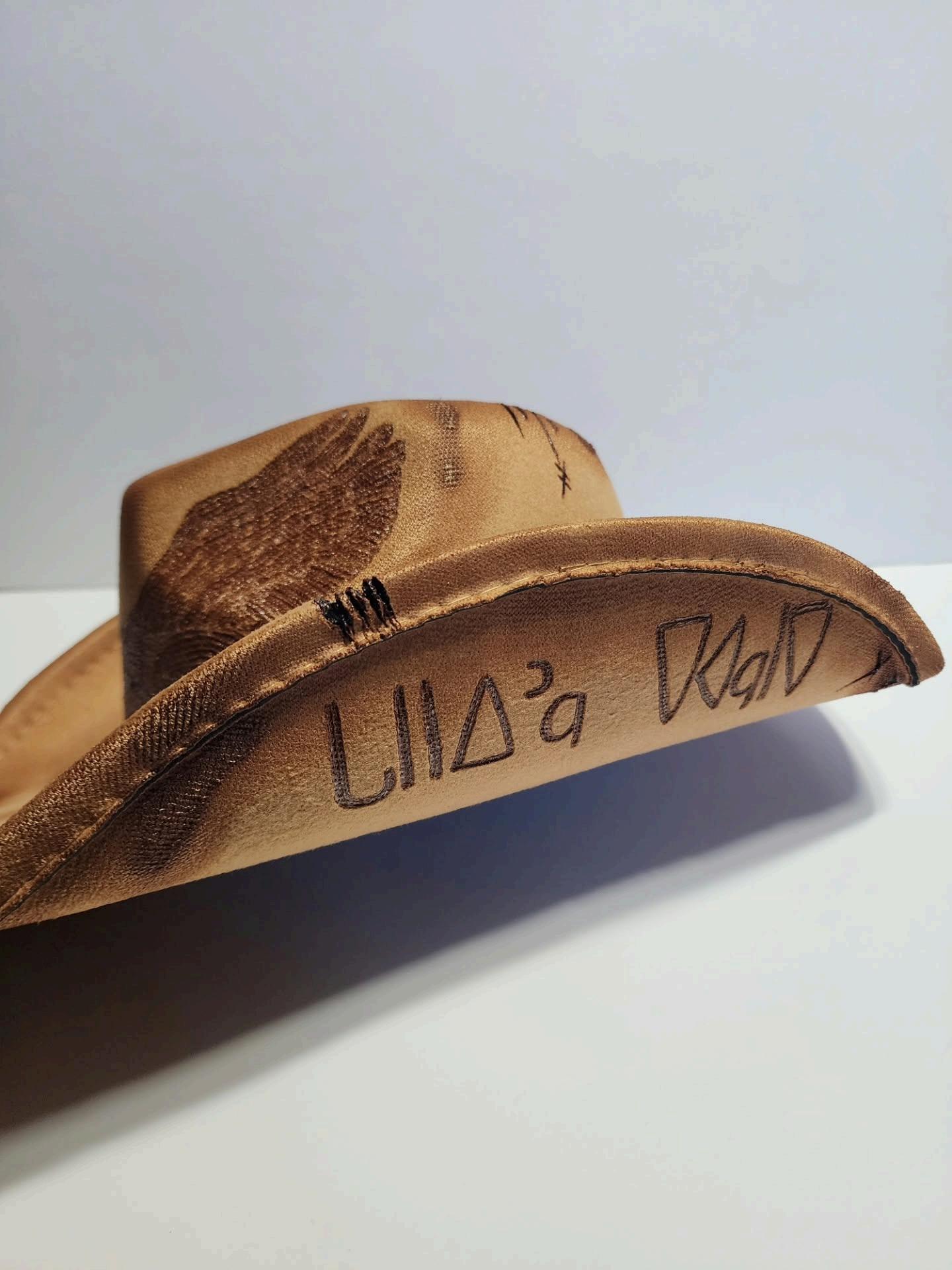
Janelle Alphonse is behind Indiginize Creation, a small business rooted in her lifelong passion for art, where she creates and sells beautifully custom-designed burnt hats and apparel Beyond wearable art, she also shares content from the pow wow workshops she hosts, offering immersive experiences for participants and her audience grounded in her Indigenous traditions, culture and teachings
Movement,Art, andCulturewith Janelle Alphonse
Your work with Indiginize Creation has now been recognized nationally through TikTok Canada’s 2026 Indigenous Voices to Watch list. How has social media helped you grow not just a business, but a community around Indigenous art, culture, and storytelling?
TikTok has given me a larger platform to Indigenize the spaces I move through, whether that’s fashion, art, or entrepreneurship. It has opened doors for collaboration, increased visibility for my work, and, most importantly, created opportunities to amplify other Indigenous creators and communities, not just myself Through TikTok, I feel comfortable sharing content that celebrates our heritage, culture, and music It’s a platform that supports and amplifies creatives like us, and its diverse community of Canadian creators from many different backgrounds makes it a powerful place to connect and learn from one another.
As a creator and small business owner, I’m proud to be part of a platform that celebrates Indigenous voices, creativity, and entrepreneurship TikTok has allowed me to share both my art and culture with audiences across Canada and beyond Through the platform, Indigenous creators can build communities, grow businesses, and create meaningful connections through storytelling, humour, teachings, art, and everyday life. The power of first-person storytelling is incredibly important TikTok gives Indigenous creators the space to reclaim and share our narratives through our own lived experiences, creativity, and perspectives It allows us to celebrate our identities, preserve traditions, and tell our stories authentically in our own voices
Every hat and apparel piece you create is freehand burnt—no stencils, no outlines— making each one a one-of-a-kind story. How do you translate a customer’s personal connection to their culture, identity, or journey into a visual design on a wearable piece of art?
My work is not just about creating something beautiful its about sharing stories, honouring where we come from, and helping people feel connected to their wearable art in a meaningful way As an Indigenous artist, storytelling is at the heart of everything I do I see each commission as a collaboration built on trust and respect My goal is not simply to decorate a hat or piece of apparel, but to create something that allows the wearer to feel seen, connected, and proud of who they are When they put on that piece, they are carrying their story with them
Because every piece is freehand burnt, no two designs are ever the same just as no two journeys are the same My goal is to honour each person ’ s story and transform it into wearable art that feels authentic, personal, and deeply connected to the individual wearing it.Through my art, I’ve been able to create pieces that celebrate identity, resilience, culture, and personal growth For me, the greatest compliment is when someone says, “You captured exactly who I am ” That’s what I strive for in every piece I create
You also host Pow Wow workshops that are as much about movement and heart health as they are about cultural learning and connection. What do participants often share with you after a workshop, and what do you hope they carry with them when they leave?
One of the most meaningful things participants share with me after a workshop is that they leave with a deeper understanding of Indigenous culture and a stronger personal connection to it Participants learn that Pow Wow dancing is about much more than movement it’s a celebration of identity, community, resilience, and healing Many also tell me they didn’t realize how physically engaging it would be The dancing gets everyone moving while showing them that wellness can be rooted in culture, joy, and connection
For non-Indigenous participants, I hope the experience encourages a greater understanding of Indigenous Peoples and the importance of reconciliation It begins with learning, listening, and building relationships, and I believe cultural experiences create meaningful opportunities for those conversations to happen For Indigenous participants, I hope the workshops strengthen their sense of pride, belonging, and connection to culture Whether someone is reconnecting with their roots or learning something new about their traditions, I want them to leave feeling empowered, celebrated, and inspired to continue their cultural journey
Your story about harvesting your first buck with your dad, gifting the meat to your grandparents, and using the deer toes on your pow wow regalia is powerful. How does that experience influence the way you think about responsibility, reciprocity, and using every part of creation in both your life and your art?
Harvesting my first buck with my dad was one of the most important teachings I will carry with me throughout my life It taught me that every gift from creation comes with responsibility Gifting the meat to my grandparents showed me that harvesting is not just about providing for yourself its also about caring for your family and community. Using the deer toes on my regalia was another way of carrying that respect forward, ensuring every part of the animal was honoured and given purpose That experience shaped the way I live and create today It taught me to be intentional, to honour the origins of things, and to recognize that everything is interconnected In my art, I strive to embody that same mindset by creating with purpose, telling stories that matter, and respecting the people and teachings that inspire my work It also reminds me that reciprocity is about giving back Whether through my wearable art, cultural workshops, or sharing Indigenous perspectives, I feel a responsibility to contribute to my community and help create understanding between people. Those teachings continue to guide not only the artist I am, but also the person and business owner I strive to be
From Pow Wow Pitch wins and the Aritzia Fashion Grant to debuting a new freehand burnt apparel line and vending at major events, your journey has moved quickly. What do you see as the next chapter for Indiginize Creation, and what advice would you offer to Indigenous entrepreneurs who want to honour their culture while building a sustainable business?
The next chapter for Indiginize Creation is about expanding the impact of what I do beyond wearable art I want to continue growing my freehand burnt apparel and hat collections while creating more opportunities for meaningful connection through workshops, cultural experiences, storytelling, and digital content. TikTok has shown me that people are looking for authentic spaces to learn, connect, and engage with Indigenous culture, and it has helped me reach communities far beyond where I started
My vision is to host more workshops that focus not only on business growth and entrepreneurship, but also on personal growth, self-discovery, cultural identity, and helping people reconnect with who they are I also want to continue creating spaces where both Indigenous and non-Indigenous people can come together to learn, ask questions, and build understanding through authentic cultural experiences Whether through Pow Wow dancing, storytelling, art, or conversation, I believe sharing our culture is one of the most powerful ways to foster connection, inspire growth, and contribute to reconciliation
Disclaimer: Indigenous-SME Business Magazine is committed to providing insightful interviews that highlight the successes and challenges faced by small and medium-sized businesses The views expressed in this interview are those of the guest and may not reflect the opinions of the magazine or its affiliates.
Celebrating Summer on Indigenous Land Through Festivalsand
NationalIndigenous PeoplesDay
BySKUddin
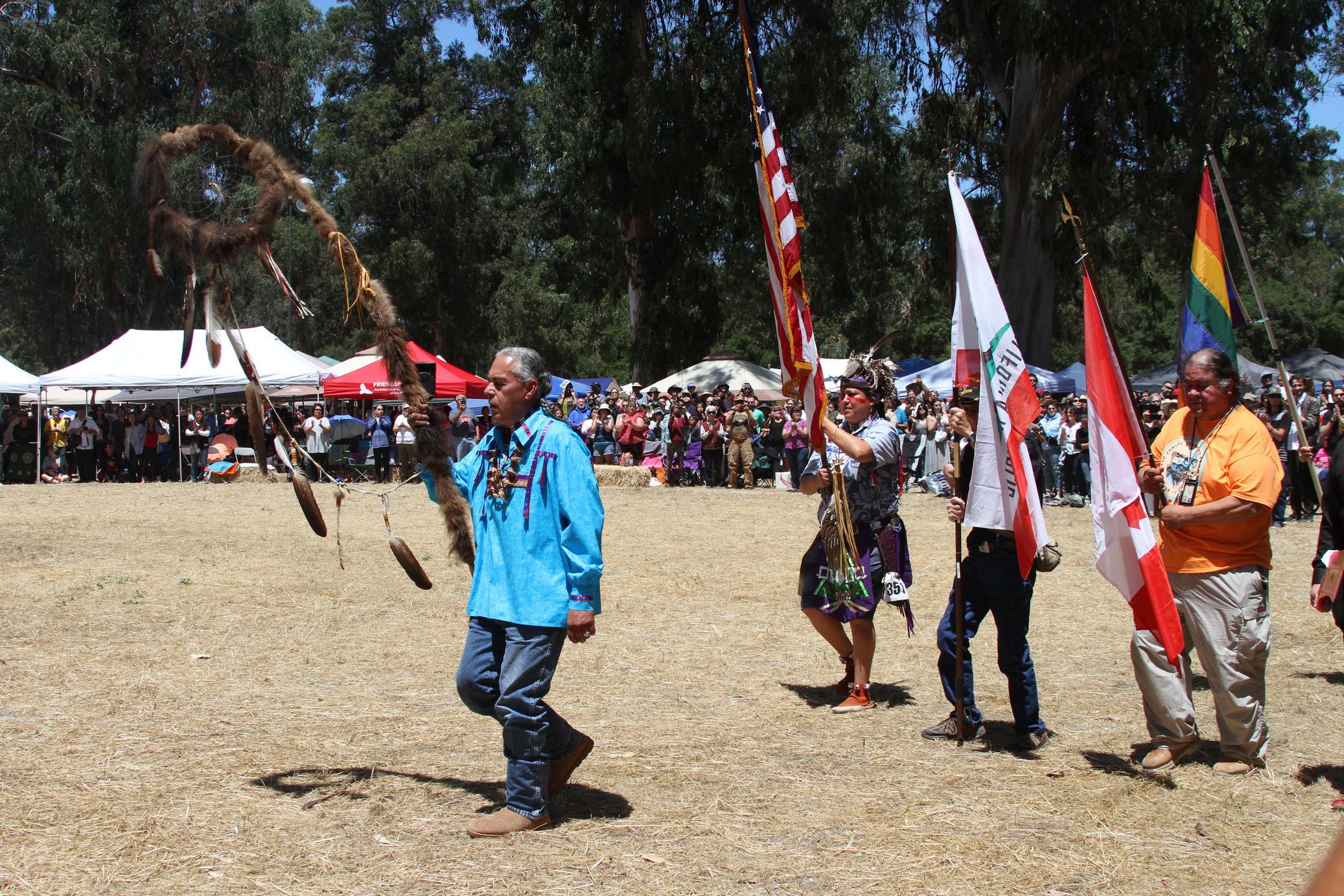
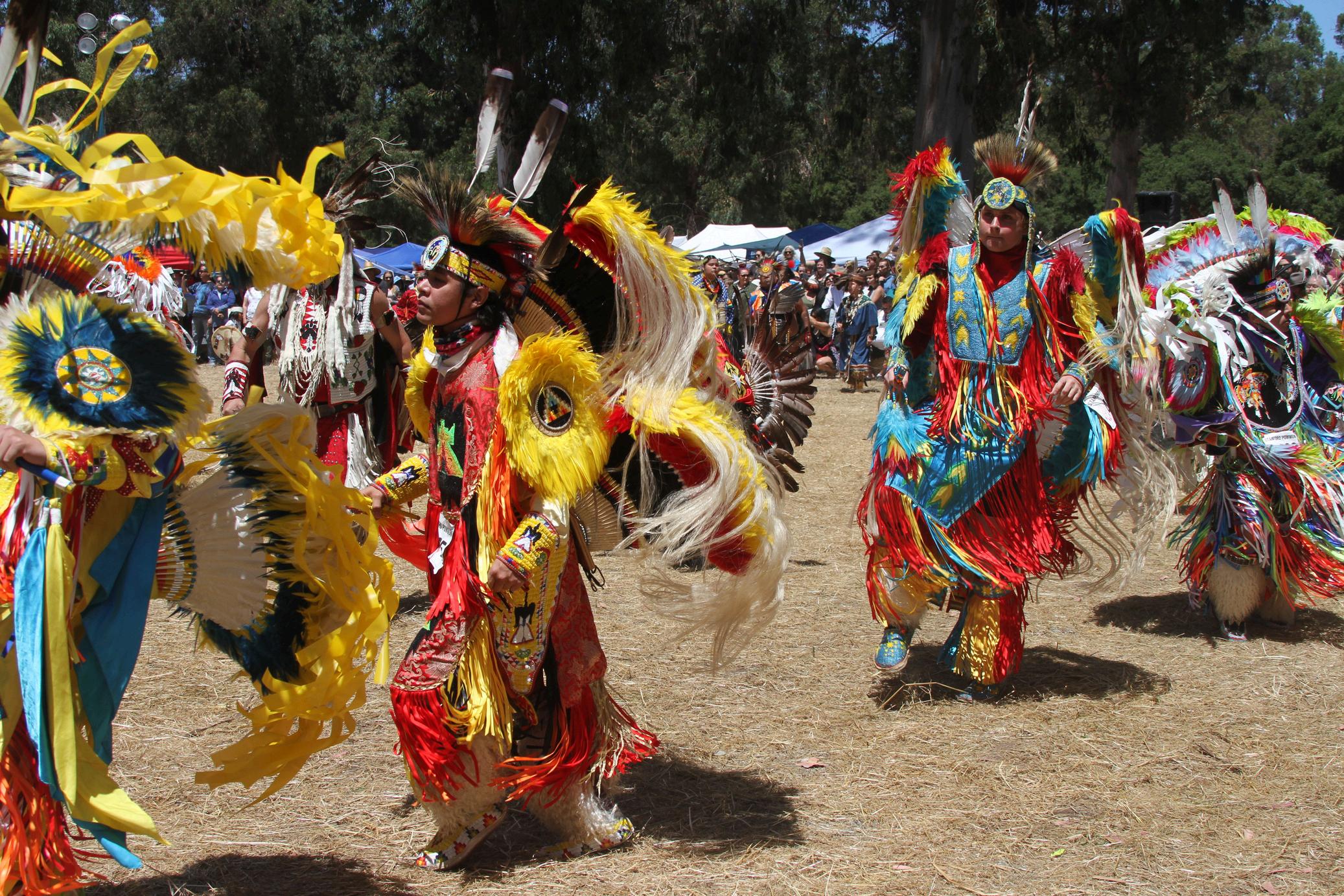
Every summer, Indigenous communities across Canada turn parks, powwow grounds, farms, and waterfronts into lively meeting spaces for ceremony, language, food, and enterprise June is marked by National Indigenous Peoples Day on June 21, which coincides with the summer solstice, followed by weeks of powwows, cultural festivals, and community celebrations that last into July and August
These activities are more than just entertainment; they are living manifestations of nationhood, kinship, and land-based knowledge Visitors can now participate respectfully in structured ways Summer on Indigenous land offers opportunities to witness Indigenous leadership in culture and business, including the Summer Solstice Indigenous Festival on Algonquin territory in Ottawa and National Indigenous Peoples Day celebrations in British Columbia and Alberta
National Indigenous Peoples Day A solstice
celebration
National Indigenous Peoples Day, observed each year on June 21, is a statewide celebration of First Nations, Inuit, and Métis traditions, officially recognized in cooperation with Indigenous national organizations Communities and cities celebrate the day with public festivities that include live music, traditional dance, storytelling, youth activities, and food, often hosted by local Indigenous governments or organizations During National Indigenous History Month in British Columbia, Indigenous Tourism BC promotes a range of NIPD events, including parkbased celebrations and urban cultural programming
K'ómoks First Nation on Vancouver Island presents a public National Indigenous Peoples Day event featuring Indigenous merchants, youth and Elder activities, guided walks, and cultural sharing, open to both locals and visitors Mikisew Group organizes June 21 celebrations in Fort McMurray, Fort Chipewyan, Edmonton, and Calgary, which include music, dance, art, storytelling, and Indigenous food These events demonstrate how NIPD serves as both a learning opportunity and a bridge to Indigenous-led summer adventures
The Summer Solstice Indigenous Festival on Algonquin Anishinaabe territory in Ottawa is a well-known summer event organized by Indigenous Experiences on behalf of the National Indigenous Peoples Day Committee The annual multi-disciplinary arts festival, held at Mādahòkì Farm, a rural Indigenous-run location within the city's greenbelt, draws tens of thousands of visitors Live performances, creative workshops, cultural education days, traditional knowledge sharing, gastronomic experiences, and an international competitive powwow are typical programming elements, with virtual content becoming available online beginning June 1
Powwow trails and regional gatherings
Beyond major festivals, summer in Canada is defined by the " powwow trail," which is a network of powwows held in communities from coast to coast Powwows are cultural gatherings that include dance, singing, drumming, art, cuisine, and social interaction They can be ceremonial or competitive, indoors or outdoors, local or open to the public Indigenous Tourism BC promotes many events in British Columbia, including the Komasket Powwow in Vernon, the Traditional Pow Wow in Williams Lake, the Kamloopa Powwow in Kamloops, and the Squamish Nation Youth Powwow
Similarly, the Rama First Nation Powwow in Ontario has been described as one of Canada's largest powwow gatherings, with considerable dancing, singing, crafts, and traditional food attracting participants and tourists from many Nations
Indigenous-led festivals and powwows drive economic growth, especially for small businesses and youth entrepreneurs Vendor villages and marketplaces provide craftsmen, food vendors, and service providers with direct access to thousands of visitors, enabling them to test products, increase brand visibility, and connect with wholesale or tourism partners. At events like the Summer Solstice Indigenous Festival, merchants range from jewelry makers and fashion designers to authors, tour operators, and social entrepreneurs, many of whom are based in Indigenous communities
Local caterers and food trucks serve bannock, wild game, fish, and contemporary fusion meals, transforming cultural events into gourmet demonstrations Summer festivals provide a low-barrier entry point for young entrepreneurs to gain sales experience, enhance their offerings, and build relationships that can carry over to online businesses or year-round enterprises
Travelling respectfully: protocols and practical tips
Attending Indigenous-led festivals and powwows entails obligations Organizers and tourism agencies emphasize that powwows are, first and foremost, communal gatherings and, in many cases, ceremonies; some elements of the program may be private or subject to photography and recording limitations Travellers are asked to listen to emcees and knowledge keepers, respect stated guidelines, ask permission before taking photos, and avoid entering dancing circles until invited to an intertribal dance
The Indigenous-SME Business Magazine is a great new and seasoned resource for Canada's small Indigenous businesses. Visit the website below to view our magazine Click here to follow our X account for news updates So, what are you waiting for? Join our business-loving community for inspiration, motivation, and growth
Disclaimer: This article is based on publicly available information intended only for informational purposes Indigenous-SME Small Business Magazine does not endorse or guarantee any products or services mentioned Readers are advised to conduct their research and due diligence before making business decisions.
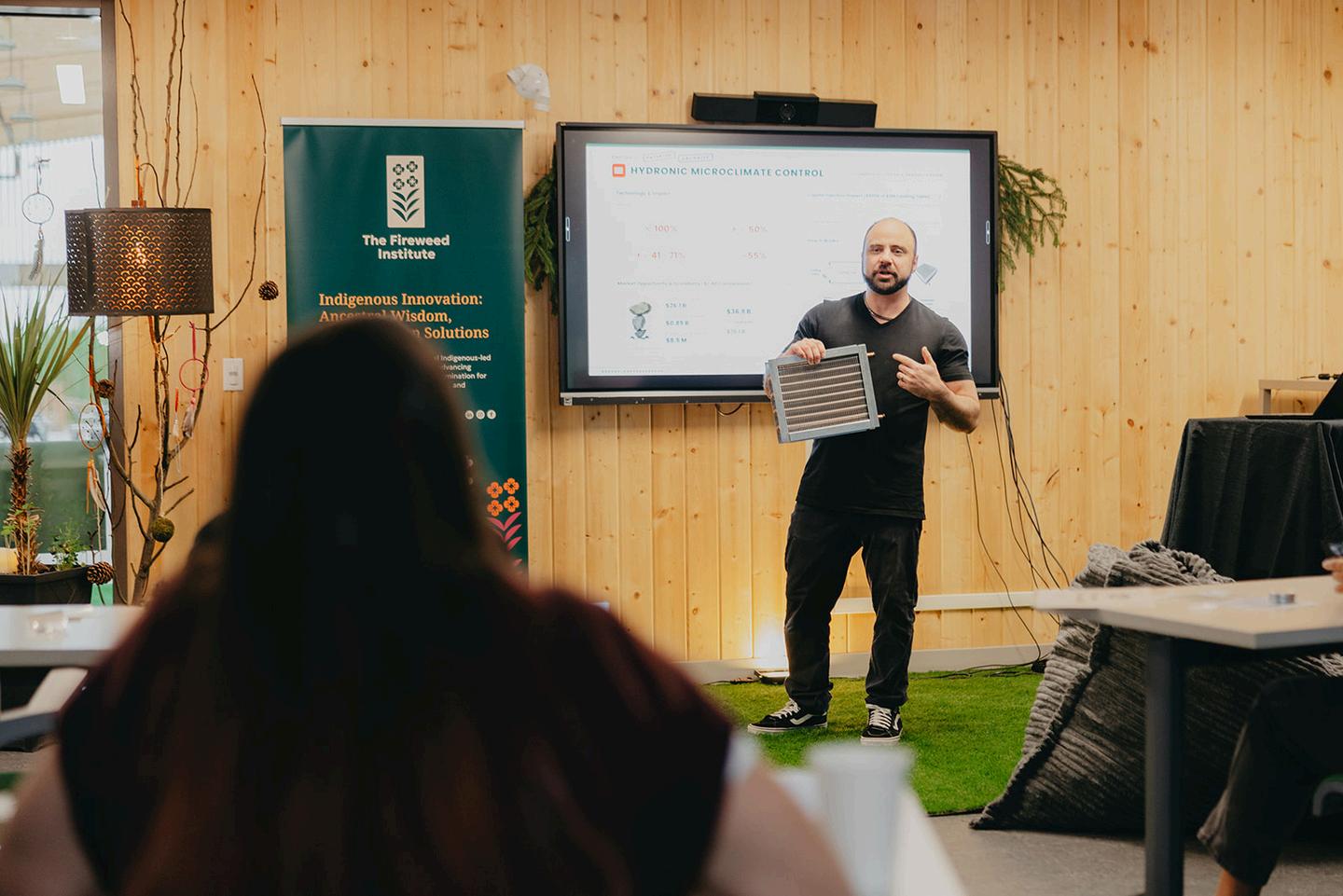
In an exclusive interview with IndigenousSME Business Magazine, Agnes Seaweed Wisden, Program Manager at The FireWeed Institute, shares how the organization supports Indigenous entrepreneurs through mentorship, culturally grounded programs, and hands-on learning experiences She discusses how the institute helps founders grow sustainable businesses while honoring their identity, values, and community
I am a 'Namgis (Kwakwaka’wakw) artist, educator, entrepreneur, and Program Manager at the Fireweed Institute. My traditional name, łilawikw (Gatherer of the People), was gifted to me through our Potlatch system and reflects the values of connection and community that guide my work
As the founder of Sea Wisdom Design, I create contemporary Indigenous jewelry inspired by the lands, waters, and traditions of the Northwest Coast. My work has been featured internationally, including on the red carpets of the Emmy and SAG Awards Alongside my artistic practice, I have taught Indigenous metal arts, supported youth and cultural education, and led programming that helps Indigenous entrepreneurs across Canada grow and scale their businesses Through art, education, and entrepreneurship, I am passionate about strengthening community, celebrating Indigenous culture, and creating meaningful opportunities for others
What inspired your journey as an Indigenous artist and entrepreneur, and how did it lead you to supporting other founders through The FireWeed Institute?
Entrepreneurship was never a foreign concept in my family. Long before common currency existed, when trade moved only between nations, my family line were creatives and careful cultural producers The arts have always been woven into who we are
So when I launched Sea Wisdom Design eight years ago, it felt like a natural extension of that lineage Running my own jewellery business where I had to navigate the realities of markets, wholesale, and creative integrity all at once, gave me a firsthand understanding of what we as Indigenous entrepreneurs are actually up against
That experience is what drew me to the Fireweed Institute Working alongside founders who are building businesses rooted in their culture and values, and helping them expand and succeed on their own terms That feels like the work I was always moving toward We need Indigenous values embedded in the economic landscape, and these founders are the ones doing it
How does “been-there-done-that” mentorship at FireWeed change the way Indigenous entrepreneurs learn and grow compared to traditional programs?
Mentorship can be useful, but Indigenous entrepreneurs tend to be overmentored, and they often need more than a monthly check-in Our programming is built around the idea that relational learning can create radical change.
Instead of the traditional mentorship model, we connect founders with industry experts and exited founders, and match each participant with a dedicated coach for their full year in the Fireweed Venture Accelerator Bu these key relationships are just the baseline, what the team at The Fireweed Institute is really building is something deeper We are working on creating a long-term, culturally informed, Indigenous values-led approach to business
How do you help Indigenous founders balance cultural values, creative integrity, and community responsibility while building sustainable businesses?
We weave together community, business, and culture as not just values but key parts to how we build any of our programming Throughout the year, we bring our cohort for an in person gathering to culturally significant, land-based immersive experiences that invite founders to reimagine what entrepreneurship can look like We want them to take away that growing a business doesn't have to be a grind, it doesn't have to be lonely, and it doesn't require compromising your story or your identity Our goal for the founders is that they can show up as their full selves, and still succeed in an economic landscape that has historically kept them out
What does a truly respectful partnership with Indigenous entrepreneurs and artists look like, and how should organizations approach collaboration differently?
Real partnership is an ongoing relationship built on trust, accountability, and the understanding that Indigenous entrepreneurs get to lead. At Fireweed, respectful partnership starts with Indigenous leadership at every level, from governance all the way through program delivery We are an Indigenous-led not-for-profit, and our programming is intentionally made for us, by us
We specifically prioritize Indigenous experts to lead our sessions, and any non-Indigenous collaborator is vetted before they ever meet our cohort. We also listen actively throughout the year, by checking in with founders to understand whether they're getting the support they actually need, and we adjust as we go The program evolves with the cohort, and we make sure that no one feels we are far ahead of them We also take seriously our responsibility to educate founders on protecting their IP, their story, and their creative work, so they leave equipped to set their own terms in any partnership they enter.
What is your vision for your work with FireWeed and Sea Wisdom Design, and what advice would you give emerging Indigenous creatives just starting out?
My vision is a landscape where Indigenous entrepreneurs are creating the change we need to see in the current economic system, and where values of reciprocity, respect, family, relationality, and environmental responsibility are front and center. Within this ecosystem I would want to see that growth doesn't have to be defined by the Silicon Valley model, as it can be redefined to include economic momentum that does less harm and honors where we come from
Running Sea Wisdom Design taught me that cultural responsibility and revenue can be aligned, and that building a sustainable business doesn't require compromising your identity or diluting what makes your work meaningful. That lived experience shapes everything I bring to Fireweed.
Disclaimer: Indigenous-SME Business Magazine is committed to providing insightful interviews that highlight the successes and challenges faced by small and medium-sized businesses. The views expressed in this interview are those of the guest and may not reflect the opinions of the magazine or its affiliates.
HowTourism Supports Indigenous Stewardship andLand Back Initiatives
BySKUddin
Indigenous Nations in Canada are leveraging community-owned tourism firms to do more than just host guests Lodges, campgrounds, and interpretive centers serve as tools for asserting jurisdiction, protecting territory, and providing opportunities for kids to work on their ancestral territories This "Land Back via Tourism" strategy draws on a long history of Indigenous stewardship while engaging a global audience interested in responsible travel and in learning directly from the original custodians of these areas
Tourism revenue in many communities supports Guardian initiatives, language revival, cultural programming, and land-use planning, linking visitor experiences to longterm conservation. Community-owned tourism provides an opportunity for young guides, cultural ambassadors, and land guardians to build careers while also protecting and restoring their areas
Spirit Bear Lodge: A conservation economy in action
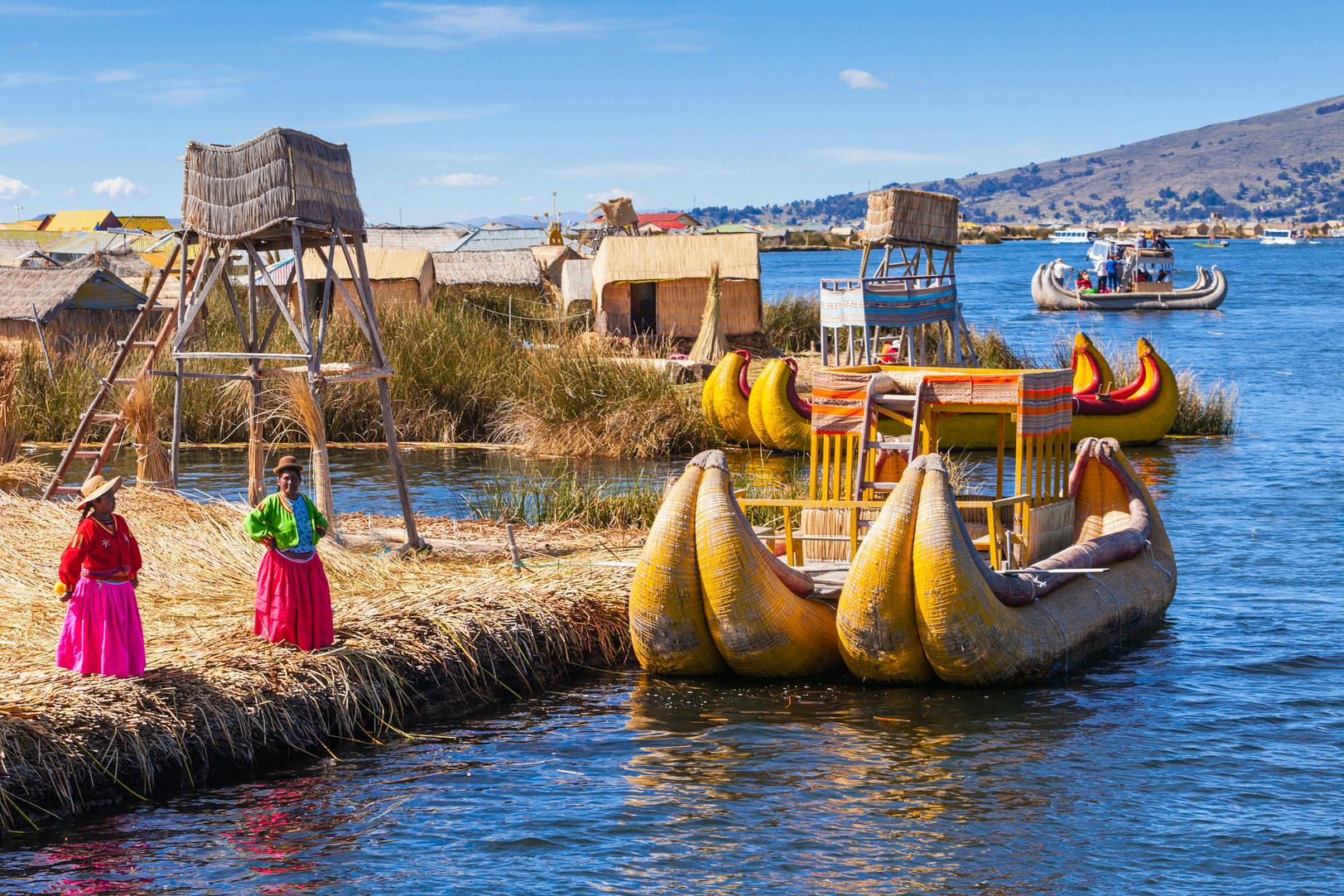
Spirit Bear Lodge, located on British Columbia's remote central coast, is a prime example of community-owned tourism that promotes Land Back The Kitasoo Xaixais First Nation owns and manages the lodge at Klemtu, located in the Great Bear Rainforest. It was created as part of a conservationbased economic strategy Spirit Bear Lodge, a worldwide-recognized Indigenous-led ecotourism enterprise, employs around 10% of the community's population, including many young people
Guests visit the Kitasoo Xai'xais region to witness Kermode (spirit) bears, whales, and coastal ecosystems, accompanied by community members who share stories and laws rooted in their traditional connection to the land and ocean. A major portion of lodge profits is reinvested in local stewardship, research collaborations, and community projects, which help bolster protection for the Nation's vast land Spirit Bear Lodge aims to uphold Kitasoo Xai'xais stewardship, foster emotional ties between tourists and the area, and showcase an Indigenousled, conservation-focused economy
Guardians and protected areas: Tourism and Indigenous stewardship
Community-owned tourism is commonly combined with Indigenous Guardian programs and Indigenous Protected and Conserved Areas (IPCAs), which recognize Indigenous leadership in land and water stewardship Guardian programs in the Great Bear Rainforest and Haida Gwaii engage locals to monitor ecosystems, collect data, support research, and verify that visitors follow cultural and environmental rules These Guardians routinely deal with tourism operators and visitors, assisting them in orienting themselves and maintaining respectful behaviour on sacred and sensitive locations Since 2018, federal funding has supported over 170 Indigenous Guardian programs nationwide, promoting Indigenous-led conservation and stewardship
IPCAs and Guardian programs are based on Indigenous laws and values, with a focus on maintaining positive interactions with nature and promoting community well-being. When tourism enterprises are owned and managed by the same Nations that run these stewardship programs, tourist experiences become an extension of Land Back, supporting Indigenous control over how territories are utilized, visited, and cared for
Anchoring local economies and youth employment
Indigenous tourism in Canada presently supports over 2,000 businesses and approximately 40,000 jobs, with many positions available in rural and distant regions where other employment opportunities are scarce Community-owned lodges, campgrounds, and cultural centers support local economies by generating demand for guides, boat operators, cooks, cleaners, cultural educators, artists, and administrators Tourism, for example, has created more employment opportunities in Klemtu, particularly for young people who might otherwise have to relocate for work
Governance, protocols and conservation are built into the experience
Land Back through tourism distinguishes itself by including governance structures, cultural protocols, and conservation plans into the visitor experience from the start Spirit Bear Lodge, a community-owned enterprise, customizes visitor itineraries based on Indigenous seasonal knowledge, wildlife management strategies, and cultural guidelines for where to go, what to do, and proper behaviour Tours prioritize avoiding sensitive areas, minimizing disturbance to animals, and respecting sacred sites Guides explain why certain areas are off-limits or require special attention
Indigenous-owned tourism businesses often follow national accreditation requirements, such as the "The Original Original" brand, which ensures that experiences meet criteria including majority Indigenous ownership, cultural authenticity, and community involvement Together, these governance instruments ensure that tourism growth does not come at the expense of land, water, or community well-being, but rather strengthens Indigenous law and stewardship
Travelling on Land Back terms
For visitors, Land Back tourism provides an opportunity to support Indigenous sovereignty in real ways Choosing community-owned lodges, guided trips, and interpretive centers supports Indigenous economies and conservation activities, avoiding exploitative models. In exchange, they are urged to form relationships with the people and places they visit, learning that true hospitality on Indigenous land entails listening, following protocols, and knowing that tourism can be part of a much bigger tale of return and renewal
The Indigenous-SME Business Magazine is a great new and seasoned resource for Canada's small Indigenous businesses Visit the website below to view our magazine Click here to follow our X account for news updates So, what are you waiting for? Join our business-loving community for inspiration, motivation, and growth.
Disclaimer: This article is based on publicly available information intended only for informational purposes Indigenous-SME Small Business Magazine does not endorse or guarantee any products or services mentioned. Readers are advised to conduct their research and due diligence before making business decisions
ImageCourtesy:Canva
CreatingNewPathwaysin IndigenousBusinessEducation
BySKUddin
Indigenous-focused business education in Canada is changing perspectives on commerce and leadership Rather than expecting Indigenous students to fit into traditional business schools, which sometimes disregard Indigenous governance and worldviews, innovative programs prioritize Indigenous viewpoints from the start Athabasca University offers online Bachelor of Commerce, Indigenous Business Major, and mini-MBA programs for Indigenous leaders, part of a developing ecosystem that includes full degrees, executive education, and short courses.
Many students run businesses, manage band offices, or lead community projects while studying part-time from their home territory, making the classroom an extension of their job and community lives These innovative approaches are transforming business education into a tool for Indigenous self-determination, preparing graduates to create tourism, consultancy, and community enterprises that reflect their Nations' values
Athabasca University’s Indigenous Business Major
Athabasca University's Bachelor of Commerce, Indigenous Business Major, is one of Canada's only entirely online business degrees focused solely on Indigenous business and governance The 120-credit program includes standard business courses, including accounting, finance, marketing, and organizational behaviour, as well as classes on Indigenous governance, community development, traditional knowledge, and negotiation As an open university, Athabasca accepts students aged 16 and up, regardless of prior formal education, and students can enroll at any time of year and study at their own pace
The degree can be completed in four years of full-time study or through a shorter postdiploma route for students with an approved business diploma There is no time limit for completion
Courses are provided remotely, with materials and interactions available online, allowing students to study while remaining in their local towns. The curriculum was created in collaboration with Indigenous organizations to meet demand for business education that recognizes Indigenous governance structures, traditional economies, and community-driven development goals
Opening doors for rural and remote learners
Flexible online formats are especially significant for rural and remote Indigenous students who cannot easily attend urban institutions Athabasca's Indigenous Business Major offers self-paced study alternatives and monthly start dates, making it flexible to accommodate seasonal work, family care, and community duties. Students can log in from home, band offices, or community workplaces, and many continue working in administration, economic development, or entrepreneurship while they earn credentials The curriculum accepts prior learning and transfer credits, such as work experience and courses from other universities, which can accelerate completion time and reduce costs
Tuition is eligible for support through provincial student aid systems and Indigenous funding programs, making the degree more affordable than typical full-time, on-campus choices This type of flexibility is not a convenience for Indigenous students who have historically been underserved by mainstream universities; it is what allows them to pursue higher education
Mini‐MBA programs for Indigenous leaders
New mini-MBA programs provide Indigenous leaders with rigorous, cohort-based opportunities to enhance their abilities while remaining connected to their communities and jobs In 2025, the Canadian Council for Indigenous Business (CCIB) and Schulich ExecEd established the Schulich Mini-MBA for Indigenous Leaders program, which aims to improve leadership skills and provide practical business solutions The curriculum combines strategy, finance, operations, and leadership concepts with Indigenous insights from guest lecturers and practitioners, culminating in a capstone project in which participants apply their knowledge to real-world business challenges
Graduates of Indigenous-focused business programs employ their knowledge in a variety of fields, including community enterprises, tourism, and consultancy Athabasca's Indigenous Business Major trains students in leadership, management, community development, and negotiation, with responsibilities that connect them to economic development offices, Indigenous-owned enterprises, and tourism organizations Alumni of executive education programs, such as the Schulich Mini-MBA for Indigenous Leaders, are expected to launch new initiatives, expand existing businesses, and hold prominent positions in Indigenous governments and on corporate boards
Indigenous-focused business education in Canada represents a shift towards decolonization and Indigenous resurgence, rather than remaining neutral Programs like Athabasca's Indigenous Business Major and CCIB's Schulich Mini-MBA demonstrate how accounting, finance, and strategy can be taught alongside treaty relationships, Indigenous governance, and traditional knowledge As more graduates transition from the classroom to business, they bring their combined skill sets to boardrooms, tourist ventures, and community initiatives across the country
The Indigenous-SME Business Magazine is a great new and seasoned resource for Canada's small Indigenous businesses. Visit the website below to view our magazine Click here to follow our X account for news updates So, what are you waiting for? Join our business-loving community for inspiration, motivation, and growth
Disclaimer: This article is based on publicly available information intended only for informational purposes. Indigenous-SME Business Magazine does not endorse or guarantee any products or services mentioned Readers are advised to conduct their research and due diligence before making business decisions
InterviewByDarianKovacs
In an exclusive interview with Indigenous-SME Business Magazine, Trina Reid, Founder of Under the Stump, shares how she is creating meaningful connections between people, land, and Indigenous knowledge through immersive tourism experiences Inspired by personal experiences and a deep relationship with the land, Trina discusses how her work helps visitors understand the stories, traditions, and memories connected to these places.
Trina Reid is the founder of Under the Stump and brings 20 years of experience to the tourism industry. Her work spans customer experience and service design, product and experience development, and the thoughtful curation of programs rooted in place, people, and story.
Trina specializes in community-based and cultural tourism, partnership development, and inclusive tourism that supports neurodiverse programming and meaningful employment opportunities for persons with challenges Through storytelling, landbased experiences, and strong operational knowledge, Under the Stump meets people where they are creating experiences that are welcoming, well-run, and meaningful while balancing authenticity, guest care, and community priorities
FounderofUndertheStump
What inspired you to start this journey, and how do your identity and community shape the way you welcome and guide visitors?
At Under the Stump, people connect to the land not just as scenery, but as a place of memory, story, culture, and belonging Our experiences bring visitors to seaside communities, the barrens, around ponds, and into inland spaces that hold deep meaning for our family and community Through storytelling and time on the land, they begin to understand that these places are tied to identity, history, and ways of life worth remembering
What inspired this journey was deeply personal My son has autism, and with my own injury, we could no longer access the remote backcountry places that had long been part of our family’s life - traditional hunting grounds, foraging areas, and places connected to fishing and food gathering These were never easy places to reach; they were places people went to for survival
That became the foundation of the business We wanted to open that connection back up in a more accessible way, while also preserving stories and cultural knowledge that risk being lost to time At Under the Stump, we want visitors to arrive as strangers, become friends along the way, and leave feeling like family - more connected to the land, the stories, and themselves
Sharing cultures through tourism is meaningful, but it also requires care. How do you share stories and knowledge while protecting what is important in the community and traditions?
Sharing culture through tourism is meaningful, but it also comes with responsibility. At Under the Stump, we share stories and knowledge in ways that are grounded in lived experience, respect, and place We share what we have lived and what we know to be true for our family and our experience on the land
At the same time, protecting what matters is just as important as sharing it Not every story is meant for public spaces, and not every part of culture should be packaged for tourism. Some knowledge is personal, some is sacred, and some belongs to community in ways that require care, permission, and respect
For us, it is important that cultural experiences never feel performative We are not trying to present culture as a show We want people to leave with a deeper understanding of the relationship between land, story, and identity That means sharing honestly, staying within the boundaries of what feels right to us, and making sure that what we share reflects our values, our community, and our responsibility to both
Indigenous Experiences
Many Indigenous tourism businesses face challenges like seasonal income and limited resources. From your experience, what challenges have you faced and what kind of support has helped or would help businesses like yours grow and succeed?
Like many Indigenous tourism businesses, one of our biggest challenges is seasonality There can be strong interest during tourism season, but maintaining cash flow, staffing, marketing, and long-term growth year-round takes constant effort In rural areas, limited resources, infrastructure needs, and the added work of creating accessible experiences can make growth even more challenging
Businesses like ours also carry multiple responsibilities at once We are not only building tourism experiences - we are also working to preserve and share culture, create meaningful employment, improve accessibility, and support our communities That kind of work takes time, capacity, and investment
We have received support through the Original Original Accreditation Program from the Indigenous Tourism Association of Canada, the Tourism Industry Association of Canada, the Newfoundland and Labrador Indigenous Tourism Association, Hospitality Newfoundland and Labrador, DMOs, partners, and other businesses Their support has helped promote our business, strengthen our visibility, and connect us to valuable networks and opportunities
ImageCourtesy:Canva
What would help businesses like ours continue to grow is flexible, long-term support for infrastructure, accessibility, marketing, training, and business development that reflects the realities of rural, seasonal, and culturally grounded work
Spending time on the land can change how people see and understand the world. Can you share a moment when a visitor had a meaningful experience or a shift in perspective during one of your programs?
One experience that stayed with me involved a family visiting from the city with three children who had never been in a remote wilderness setting before We brought them to Eastern Arm and introduced them to the land in a hands-on way - showing them plants and medicines, sharing natural elements that can help start a fire, talking about traditional uses of the land, and letting them experience simple things like picking and eating blueberries on the barrens
What stood out most was how deeply the children connected They became so engaged in learning about the land, our Mi'kmaq and Newfoundland culture, and the experience around them that they did not want to leave We ended up staying longer than planned because they were so excited and curious
Their parents were overwhelmed in the best way, seeing how connected their children became to the land and how fully they were present in nature For me, that was a powerful reminder that these experiences can open something up in people, especially when it is their first real opportunity to connect with the land in that way
Indigenous Experiences
For young Indigenous people who want to start land-based or cultural-based businesses, what advice or encouragement would you give them as they begin their journey?
My advice to young Indigenous people who want to start a land-based or cultural business is to start with what is true to you Start with your own connection to the land, your community, your stories, and the values you want your business to carry You do not need to copy what someone else is doing to build something meaningful
I would also say not to overlook the things you grew up with or the knowledge that may feel normal to you Sometimes what feels everyday to us can be powerful to someone else when it is shared in the right way There is real value in lived experience and in what has been passed down
At the same time, take that work seriously If you are building something around land and culture, do it with care, respect, and patience Not everything needs to be shared, and not everything should be rushed
Disclaimer: Indigenous-SME Business Magazine is committed to providing insightful interviews that highlight the successes and challenges faced by small and medium-sized businesses. The views expressed in this interview are those of the guest and may not reflect the opinions of the magazine or its affiliates.
ImageCourtesy:Canva
FromthePowwow TrailtotheGlobalStage
BySKUddin
Global businesses are using the powwow trail and summer festival circuit as a launching pad, thanks to a wave of young Indigenous creatives across Canada Once selling at neighbourhood gatherings and performing on local stages, designers, beadworkers, musicians, and digital storytellers today ship to clients throughout North America and appear in international media, all the while grounding their work in native customs and teachings Their success is not coincidental; rather, it is the result of a calculated approach that combines social media marketing, e-commerce platforms, cultural responsibility, and meticulous intellectual property management
By demonstrating that Indigenous talent can create sustainable incomes without compromising integrity or community ties, these young people are redefining what it means to "make it" in the arts In the process, they are changing the way non-Indigenous audiences interact with Indigenous culture from gift shops to carefully chosen web stores and sophisticated digital campaigns managed by Indigenous entrepreneurs
ImageCourtesy:Canva
From craft tables to online storefronts
The powwow trail, urban Indigenous markets, and summer festivals served as the initial venues for many Indigenous artists and makers to sell their creations, establishing personal connections over vendor tables This strategy became vulnerable when the pandemic disrupted face-toface business, prompting creatives to explore online sales to reach their clientele To assist Indigenous businesses in establishing e-commerce stores and navigating the digital economy, initiatives like BUILD Native with Shopify were developed For Native-owned businesses, including those in Canada, BUILD Native provides free events and training, a peer group, and a special onboarding procedure
Young Indigenous creatives stress that traditional procedure comes before profit, even as they scale up Indigenous knowledge, symbols, and stories are not generic design elements; rather, they are forms of cultural and intellectual property that must be handled with consent, attribution, and benefit-sharing, according to international guidelines like the International Indigenous Design Charter and cultural protocol documents These ideas are included in the work of many Indigenous artists in Canada, who determine which designs are suitable for public sale, which are set aside for ceremonial usage, and how to give credit to Nations and knowledge holders
Protocol toolkits promote opposition to mass-produced appropriations that deprive designs of significance, cooperation with Elders and community representatives, and explicit agreements over reproduction By incorporating these standards into product descriptions, brand guidelines, and licensing decisions, young creatives safeguard their communities and their own work against exploitation, demonstrating that Indigenous design in commerce can be effective without transcending cultural boundaries
Social media stages: from powwow clips to global audiences
Social networking is becoming a vital link between regional platforms and international prominence Indigenous artists invite followers inside their creative worlds by sharing brief videos of dance, music, beadwork techniques, fashion presentations, and daily community life on TikTok, Instagram, and other platforms For instance, TikTok's #IndigenousTikTok Visionary Voices program amplifies the reach of Indigenous innovators and entrepreneurs who are positively impacting both on- and off-platform through official campaigns When followers inquire about where to get the regalia-inspired earrings or ribbon skirts they see online, posts that start out as straightforward powwow clips or behindthe-scenes film can result in brand partnerships, media attention, and international sales
Some young artists collaborate with digital service providers like Shop First Nations, which assists Indigenous companies in creating websites, e-commerce, and social media strategies to convert online interest into long-term revenue In this sense, social media platforms serve as both virtual trade routes and narrative venues that link powwow grounds with global consumers
Balancing visibility, appropriation risks and brand control
There are new hazards associated with increased visibility, particularly with regard to the misuse and exploitation of Indigenous images
Brands and partners are urged by protocol documents to use Indigenous cultural and intellectual property in the arts to avoid stereotypes, obtain community approval, and give Indigenous voices a central place in any project that incorporates Indigenous designs or narratives Contracts that safeguard their work, regulate its use in advertising, and ensure that partnerships do not dilute or distort traditional meanings are becoming increasingly important to young Indigenous creatives
To prevent overproduction or losing control to third-party distributors, some opt for limited-edition drops, preorders, and direct-to-consumer methods Others employ branding, watermarks, and meticulous narratives to make it more difficult for massmarket businesses to replicate their work without attracting public attention Through these tactics, they demonstrate that scaling up need not imply giving up sovereignty over designs or narratives
Redefining success in the creative economy
Success for young people who began on the powwow trail is about more than just the number of followers or internet purchases Seeing their artwork worn in ceremonies and everyday life, having the opportunity to hire family members, support local activities, or train upcoming artists are all examples of this. They demonstrate how Indigenous ingenuity can flourish in the global economy without being cut off from land, language, or responsibility by fusing cultural procedure with astute use of social media and e-commerce
The Indigenous-SME Business Magazine is a great new and seasoned resource for Canada's small Indigenous businesses Visit the website below to view our magazine Click here to follow our X account for news updates So, what are you waiting for? Join our business-loving community for inspiration, motivation, and growth
Disclaimer: This article is based on publicly available information intended only for informational purposes Indigenous-SME Business Magazine does not endorse or guarantee any products or services mentioned Readers are advised to conduct their research and due diligence before making business decisions
Indigenous-led tourism in Ontario is transforming visitors' experiences of lakes, cities, and rural environments by focusing on Anishinaabe and Haudenosaunee homelands rather than typical getaway destinations Indigenous Tourism Ontario (ITO) and Native Experiences Ontario are driving this transformation by promoting community-owned experiences, cultural revitalization, and land-based learning
Instead of presenting Indigenous culture as a sideline attraction, these networks make Indigenous hosts, guides, and knowledge keepers the focal point of a journey From canoe routes and foraging walks to food tastings and cultural festivals, Indigenous tourism in Ontario invites tourists to slow down, listen, and learn about the stories ingrained in the rivers, shorelines, and city streets they pass through
Indigenous Tourism Ontario: Building the framework
Indigenous Tourist Ontario is the province's first dedicated Indigenous tourist organization, bringing together communities, businesses, and industry partners to promote Indigenous-led tourism growth The organization's mission is to empower Indigenous communities and entrepreneurs to provide authentic, high-quality experiences that benefit people, the environment, and the economy ITO supports product development and marketing, transforming early-stage concepts into market-ready and exportready goods for domestic and international travellers
This includes funding for cultural centres, guided nature trips, gastronomic experiences, accommodations, and festivals based on Indigenous languages and teachings The organization's activity is also evident in mainstream channels: Destination Ontario now characterizes Indigenous experiences as integral to the province's tourism landscape, emphasizing that Indigenous stories are vital rather than peripheral to Ontario travel
Native Experiences Ontario Curating Journeys on
Indigenous Terms
Native Experiences Ontario provides a curated window into community-based experiences, allowing visitors to learn about the history, traditions, food, and cultures of the region's Native Peoples ITO serves as the framework The portal highlights a selection of hosts and guides that offer anything from land-based expeditions to cultural courses. Travellers are encouraged to come with an open mind and leave inspired and invigorated Experiences frequently occur on Anishinaabe and Haudenosaunee lands, which have shaped trade routes, seasonal movements, and diplomatic connections for millennia
Native Experiences Ontario consolidates Indigenous-led products into a single site, enabling travellers to support local businesses and community protocols during their trips. The concept also allows small operators with limited marketing budgets to benefit from shared branding and digital visibility while retaining complete control over how their stories and lands are communicated to guests
This reinvented Ontario trip highlights canoe routes, gourmet experiences, and community-based guiding Along the Great Lakes and interior waterways, Anishinaabe guides offer paddling, kayaking, and backcountry adventures that treat rivers and shorelines as living family rather than recreational backdrops In Sault Ste Marie, for example, Indigenous guides provide personalized tours that combine canoeing, hiking, and cultural discussion to help guests understand why this location has been a gathering spot for Anishinaabe peoples from time immemorial On Manitoulin Island, Wikwemikong Tourism offers nature-based and cultural experiences that connect guests to Anishinaabek teachings and coastal vistas in Wiikwemkoong Unceded Territory.
Within these networks, teenagers and women are increasingly serving as guides, hostesses, marketers, and digital storytellers ITO's objective is to develop capacity for Indigenous entrepreneurs, including younger operators who combine Indigenous teachings with modern skills such as branding and content development Indigenous Tourism Ontario's social media channels showcase young people promoting hockey events, outdoor adventures, and community experiences, demonstrating how tourism can integrate into everyday Indigenous life rather than separate from it
Across Ontario, women give tours, manage lodges, plan events, and own food companies that serve as cultural learning centers for tourists Their work ensures that tourism income benefits families, community programs, and language revitalization, while also serving as role models for the next generation of Indigenous entrepreneurs. The tourism sector now has multigenerational leadership that prioritizes land, culture, and community
Reframing the Ontario getaway
Together, Indigenous Tourism Ontario and Native Experiences Ontario provide a unique perspective on an "Ontario getaway " Instead of relying on cottage rentals and generic sights, tourists can create itineraries around Indigenous-led hikes, canoe trips, village tours, art, festivals, and gastronomy
As central Canada's tourism economy expands, Anishinaabe and Haudenosaunee tourism leadership in Ontario demonstrates that the future of travel is based on relationships - with land, culture, and the people whose homelands visitors have the opportunity to visit.
The Indigenous-SME Business Magazine is a great new and seasoned resource for Canada's small Indigenous businesses Visit the website below to view our magazine. Click here to follow our X account for news updates. So, what are you waiting for? Join our business-loving community for inspiration, motivation, and growth
Disclaimer: This article is based on publicly available information intended only for informational purposes. Indigenous-SME Small Business Magazine does not endorse or guarantee any products or services mentioned Readers are advised to conduct their research and due diligence before making business decisions
In an exclusive interview with IndigenousSME Business Magazine, Joel Gamache, Director of Actua’s National Indigenous Youth in STEM (InSTEM) program, shares how he is helping Indigenous youth across Canada discover their potential in science, technology, engineering, and mathematics From land-based learning to culturally grounded mentorship, Joel discusses the transformative power of community-centered STEM education, and how programs like InSTEM are creating pathways for Indigenous youth to become tomorrow’s innovators, leaders, and changemakers
InterviewBySKUddin
“Taanishi Joel Gamache dishinihkaashoon Ma paraantii Lambert, Carriere, Dion, Rivard, Belanger, Bauchemin, Ducharme, Parisien, Klyne, Lafrance, Lariviere, Russian, Zace, Sayvoyard dit Berthelet, St. Denis. I am a proud Red River Métis man and a passionate educator. I introduce my family names in our traditional way to honour the values and teachings handed down to me, which serve as the foundation for my approach to leadership and education ” – Joel Gamache, Director, National Indigenous Youth in STEM Program, Actua
Joel Gamache is the Director of the National Indigenous Youth in STEM (InSTEM) program at Actua. He brings a wealth of grounded experience to this role, having progressed through the education sector as a teacher, learning support facilitator, school administrator and divisional supervisor. Joel’s professional journey informs his strategic oversight of the InSTEMprogram, the first of its kind in Canada Built on deep community partnerships, InSTEM works to dismantle barriers facing Indigenous youth on their educational and career pathways
Under Joel’s leadership, InSTEM engages 40,000 First Nations, Inuit and Métis youth across 200 communities annually By drawing on his background in school leadership and land-based learning, he ensures his work remains rooted in the truth that Indigenous Knowledge is STEM knowledge At Actua, Joel is helping to build a future-ready and culturally connected workforce where Indigenous youth see themselves as the leaders and innovators they are.
What inspired Actua’s focus on Indigenous communities, and how have these partnerships shaped your programs?
Actua’s focus on Indigenous communities grew from the realization that inspiring youth in STEM is only possible if we first address the systemic barriers that limit participation We believe every young person deserves the opportunity to see themselves in these fields, which led to the creation of the National Indigenous Youth in STEM (InSTEM) program
Partnerships with Indigenous communities, organizations, leaders and Elders fundamentally shape our programming, grounding it in the understanding that Indigenous Knowledge is STEM knowledge Each year we engage over 40,000 Indigenous youth in 200 communities, working closely with local Indigenous partners to link our programming to the local contexts, cultures and land This approach supports the curiosity and confidence of Inuit, Métis and First Nations youth as they navigate their educational pathways Ultimately, by supporting Indigenous leadership and selfdetermination in STEM, we help strengthen Canada’s science and innovation landscape through the vital contributions of Indigenous Peoples
What key trends are you seeing among Indigenous youth in STEM and innovation today?
I am incredibly inspired by today’s youth and the path they are carving They show immense courage in sharing their perspectives, both in offering their vision for the future and in their willingness to disengage from conversations or opportunities that they feel are disingenuous or risk causing harm Indigenous youth today consistently advocate for meaningful engagement and thought leadership opportunities that support the next generation, while connecting deeply to current issues like environmental stewardship, language revitalization and land-based practices I look forward to seeing this growing movement of bold leadership continue
What makes an Indigenous-focused STEM program truly community-centred and impactful?
A community-centred program begins with the fundamental understanding that Indigenous Knowledge is STEM knowledge This principle moves beyond simply adding cultural elements to a curriculum; it recognizes that Indigenous Knowledge systems inherently contain deep, sophisticated understandings of science, technology, engineering and math By grounding InSTEM in land-based education, we ensure that programming is born from and intrinsically connected to the specific lands where youth live, making the learning experience both connected to community voice and culturally relevant, and where youth dont feel they need to leave their identities behind to engage in STEM
Impact is sustained through a commitment to the rich diversity of Indigenous perspectives across what is now Canada Rather than a one-size-fitsall approach, we honour the distinct languages, traditions and knowledge systems of each community By engaging our partners as the primary drivers of our model, we ensure Actua’s programs are designed to address the specific priorities and opportunities identified by the communities themselves, supporting a
How can organizations better support Actua and Indigenous STEM initiatives in a respectful and meaningful way?
Supporting Indigenous STEM initiatives starts with a commitment to building long-term, respectful relationships that will have an immense impact on the communities we engage Meaningful support means acting as a bridge, helping Actua provide clearer pathways between Indigenous youth and a future in STEM Organizations can contribute by uplifting Indigenous voices to leadership and by creating the professional networks and mentorship opportunities youth need to navigate their futures with confidence We welcome community partnerships and strategic funding to help support the next generation of Indigenous leaders in STEM Visit actua ca to learn more and reach out to start a conversation with us
What is your vision for Indigenous youth in STEM over the next decade, and what advice would you give emerging program leaders?
I see a future where Indigenous youth recognize that their cultural knowledge systems, languages and ancestors carry immense wisdom about the world around us It is a future where they see Indigenous Peoples – past, present and future – as the innovators, environmental technicians, mathematicians and engineers they have always been When they enter a room, I want Indigenous youth to know their contributions are essential Indigenous youth belong in STEM because they possess the unique ability to identify solutions that other worldviews might miss.
I see a generation of young people who see themselves as leaders, decision-makers and policy-setters They deserve clear pathways for their journeys, supported by mentors who share their lived experiences and understand their path
Disclaimer: Indigenous-SME Business Magazine is committed to providing insightful interviews that highlight the successes and challenges faced by small and medium-sized businesses The views expressed in this interview are those of the guest and may not reflect the opinions of the magazine or its affiliates
Indigenous adolescents in Canada are pursuing entrepreneurship to achieve self-determination, cultural renewal, and communal wellbeing They are starting enterprises in tourism, technology, creative industries, trades, and services, frequently while navigating systemic impediments to funding and business education that were not established with them in mind A new wave of national programs is attempting to change that reality by providing culturally relevant financial literacy, mentorship, and flexible funding to Indigenous entrepreneurs aged 18 to 39
Futurpreneur's Indigenous Entrepreneur Startup Program is at the heart of this ecosystem, supported by the Ohpikiwin "Journey to Financial Empowerment" series and initiatives such as the Indigenous Youth Entrepreneurship (IYE) Program, offered through Indigenous Financial Institutions Together, these activities are creating a pipeline of Indigenous young founders who are prepared not only to start enterprises, but also to modify the laws of Canada's economy
ImageCourtesy:Canva
Futurpreneur’s Indigenous Entrepreneur Startup Program
Futurpreneur's Indigenous Entrepreneur Startup Program (IESP) is a key component of this pipeline The initiative, designed and run by an Indigenous team, assists Indigenous entrepreneurs aged 18 to 39 in starting or purchasing enterprises across Canada Eligible founders can receive an equity-free startup business loan of up to $75,000, with flexible financing options available on- and off-reserve, based on program criteria and partner contributions IESP offers up to two years of one-on-one mentorship from experienced business leaders, together with business planning tools, networking events, and continuous advisory support
The program promotes relationship-building and lived experience to address common problems faced by young Indigenous entrepreneurs, such as mistrust of mainstream financial institutions, credit challenges, and distance from metropolitan business hubs IESP, delivered by an Indigenous team in collaboration with community organizations, provides a safer, culturally sensitive environment where young people can explore entrepreneurship without having to translate or justify their values
Ohpikiwin: Journey to financial empowerment
Within IESP, the Ohpikiwin Series: Journey to Financial Empowerment focuses on financial literacy from an Indigenous perspective "Ohpikiwin" means "growth" in Cree, and the workshop series aims to provide tools, information, and resources while promoting financial resilience grounded in Indigenous perspectives Delivered as a free four part workshop series, Ohpikiwin reframes concepts such as credit, money, budgeting, and goal setting using frameworks such as the medicine wheel and the seven sacred teachings rather than standard banking language It is designed and guided by Indigenous educators and offered in collaboration with Youth Business International and Accenture as part of Futurpreneur's larger commitment to Indigenous economic empowerment Participants learn practical skills such as reading financial statements, managing cash flow, and understanding credit scores, while also exploring how these tools relate to communal responsibility, shared prosperity, and long-term relationships with the land In this approach, Ohpikiwin does more than just teach " money management"; it reclaims financial knowledge as a tool for Indigenous worldviews and the future
ImageCourtesy:Canva
NACCA’s Indigenous Youth Entrepreneurship Program
The National Aboriginal Capital Corporations Association (NACCA) is partnering with Futurpreneur to strengthen youth capability through its Indigenous Youth Entrepreneurship (IYE) Program IYE, which targets Indigenous youth aged 18-39 in Canada, combines mentorship, coaching, skill development, and business training with financial and microloan services The initiative is offered through a countrywide network of over 30 Indigenous Financial Institutions (IFIs), many of which have financed Indigenous-owned enterprises in their regions for decades Joining IYE provides youth with personalized business advising support, training, networking opportunities, and mentors who understand local settings and community goals
The initiative openly portrays Indigenous adolescents as community economic drivers, highlighting how their ingenuity and resilience can help construct businesses that provide jobs and promote local development. IYE, in collaboration with IESP and Ohpikiwin, supports Indigenous-led entrepreneurship across the country, from remote communities to large cities
Addressing systemic barriers to capital
These initiatives exist because the hurdles to Indigenous adolescent entrepreneurship are structural rather than individual Young Indigenous founders frequently face insufficient collateral, decreased intergenerational wealth, regional isolation, and financial structures that have historically excluded or harmed Indigenous populations Futurpreneur's IESP and Ohpikiwin provide flexible, equity-free loans, mentorship, and financial literacy training in culturally safe, trauma-aware venues NACCA's IYE Program leverages Indigenous-controlled financial institutions to offer microloans and advisory support based on community realities, rather than rigorous mainstream standards.
Youth stories and the future of Indigenous business
Although each entrepreneur's story is unique, certain elements emerge among the children who complete these programs. Many are starting tourism firms that reconnect visitors with Indigenous lands and traditions, tech companies that provide digital tools to local communities, and creative businesses that promote language, art, and design in global markets
Futurpreneur and Youth Business International note that Indigenous youth are among the fastest-growing groups in Canada's population, and their enterprises contribute to both national economic growth and community selfreliance
These founders prioritize creating local jobs, supporting family members, sponsoring language classes and landbased programs, and demonstrating the value of Indigenous business practices in the modern economy. With programs like IESP, Ohpikiwin, and IYE behind them, Indigenous students are not only being prepared for the future of business but also actively building it
The Indigenous-SME Business Magazine is a great new and seasoned resource for Canada's small Indigenous businesses Visit the website below to view our magazine
Click here to follow our X account for news updates So, what are you waiting for? Join our business-loving community for inspiration, motivation, and growth.
Disclaimer: This article is based on publicly available information intended only for informational purposes Indigenous-SME Business Magazine does not endorse or guarantee any products or services mentioned. Readers are advised to conduct their research and due diligence before making business decisions
Building the ecosystem
A major reason Indigenous Tourism BC stands out is that it does not treat tourism as a collection of independent enterprises. Instead, it views tourism as a linked destination system in which public buildings, trails, interpretive signage, visitor centers, training opportunities, and collaborations all contribute to cities being more visitor-friendly
WhatCanadaCan LearnfromIndigenous TourismBC
ByDarianKovacs
Indigenous Tourism BC is now one of the strongest provincial models for Indigenous tourism development in Canada. It combines destination planning, cultural storytelling, travel trade partnerships and business support into a single coordinated ecosystem. Its work demonstrates that Indigenous tourism is most effective when communities control the narrative, safeguard cultural integrity, and provide infrastructure that benefits both locals and visitors As other regions seek to boost Indigenous visitor economies, British Columbia provides practical lessons in branding, governance, export preparation, and community-based growth
Its destination development framework has set a goal of building places that are sustainable, accessible, and culturally aligned, rather than simply increasing visitor traffic This is significant because Indigenous tourism is not only about attracting guests; it is also about ensuring that growth supports community priorities, protects ecosystems and reflects local values of stewardship and reciprocity. That provincial strategy has helped British Columbia establish itself as one of the world's most established Indigenous cultural tourism markets
Indigenous Tourism BC has also established a viable pathway from community experience to global market visibility It collaborates with tour operators, travel advisers, and wholesalers to incorporate Indigenous experiences into global itineraries Its travel trade activities include participation in Rendez-vous Canada, engagement with European partners, and familiarization visits that allow overseas buyers to meet operators in person This technique enables exportready enterprises to access international markets while maintaining cultural context and community control
It also demonstrates that Indigenous tourist development is about more than just product creation; it's about distribution, reputation, and trusted business partnerships To emulate BC's success, provinces must invest not only in on-theground experiences but also in the networks that bring those experiences to market
ImageCourtesy:Canva
Governance and capacity-building
Another significant advantage of the BC model is the integration of governance and capacitybuilding into tourist development. ITBC supports communities, businesses, and entrepreneurs with resources, training, and partnerships to help them plan for long-term success This includes support for infrastructure, eco-tourism development, and visitor preparation, as well as a values-based framework that emphasizes authenticity and community benefit Rather than viewing tourist expansion solely as a commercial endeavour, the model acknowledges that Indigenous tourism may promote cultural regeneration, create jobs for young people, and bolster local sovereignty
The bigger takeaway from Indigenous Tourism BC is that success requires coordination A province needs a strong Indigenous-led organization, a distinct brand, ng and market-readiness programs, and travel ties that connect operators to a larger audience. o requires a development philosophy grounded in rdship, reciprocity, and respect for place.
Columbia's example demonstrates that enous tourism can become a major economic rhouse when it is established as an ecosystem than a collection of separate attractions That be the province's most important lesson for da's future tourism industry
digenous-SME Business Magazine is a great new and seasoned resource for Canada's small Indigenous businesses Visit the website below to view our magazine Click here to follow our X account for news updates So, what are you waiting for? Join our business-loving community for inspiration, motivation, and growth.
Disclaimer: This article is based on publicly available information intended only for informational purposes Indigenous-SME Business Magazine does not endorse or guarantee any products or services mentioned Readers are advised to conduct their research and due diligence before making business decisions.