Brian Veloso, Managing Director for Canada at SAP Concur
Fractional HR Explained: When Growing Companies Need Senior HR Leadership Without the Full-Time Cost
The Comfort of the Known Why Familiarity is Your Best Closer
AI and Data Powering Sustainable Ecommerce for Canadian SMEs
Ways To Build a Resilient Low-Carbon Tech Stack for Canadian SMEs Where Canadian Online Retail Is Heading by 2030
Sustainability
HowEY Entrepreneurs OfTheYear® winners
areshaping Canada’sfuture
In an exclusive interview with CanadianSME Small Business Magazine, Isaac Langleben and Jacqueline Prehogan of Open Farm, alongside Daniel Baer, EY Entrepreneur Of The Year National Program Director, share insights into what it takes to build and lead in today’s evolving business landscape This conversation brings together perspectives from both founders and ecosystem leaders, highlighting how purpose-driven businesses can scale responsibly while navigating uncertainty.
InterviewBySKUddin
Isaac Langleben and Jacqueline Prehogan | Open Farm
Open Farm is a premium pet food company focused on ethical and transparent sourcing. A serial entrepreneur, Jacqueline initially left her career in finance and law to start Canada Pooch, a successful venture in the pet apparels space Isaac ultimately moved out of the private equity and consulting space to co-found Open Farm with her based on their shared vision, passion for animal welfare and drive to disrupt the pet industry Together, they’ve built a brand that’s not only premium and ethically sourced, but also deeply committed to transparency, animal welfare, and environmental stewardship. Isaac and Jacqueline are Canada’s EY Entrepreneur Of The Year 2025 Award winners.
Daniel is proud to have spent his entire career with EY Canada and has been fortunate to have worked with some of the best and most creative Canadian entrepreneurs and CEOs
Daniel has over 30 years of experience. In addition to auditing and accounting services, Daniel provides clients with advisory services He is a partner in the firm’s Private company group, and EY Entrepreneur Of The Year Canada Program Director
He is primarily responsible for providing services to various clients including medium-sized owner-managed companies and public companies, particularly in the retail, distribution and real estate industries
From 2013 to 2025, he was the Québec co-director of the Entrepreneur of the Year Program, which celebrates entrepreneurs who demonstrate vision, community involvement, profitable growth, innovation and the ability to create jobs and overcome adversity
What motivated you to participate in the EY Entrepreneur Of The Year program, and how does this recognition connect to your mission of reshaping the pet industry through ethical sourcing, transparency, and environmental stewardship?
Jacqueline Prehogan: We were first introduced to the EY Entrepreneur Of The Year program early in our entrepreneurial journey when Canada Pooch was recognized for Emerging Entrepreneur of the Year in 2015. That experience was formative for us because it celebrated not just growth, but how a business is built the choices you make, the standards you set, and the values you ’ re willing to stand behind
Participating again with Open Farm felt meaningful in a different way From the beginning, Open Farm wasn’t created to follow an existing playbook We set out to challenge how the pet food industry operates by embedding ethical sourcing, transparency, and environmental responsibility directly into the foundation of the business Those principles influence every decision we make
This recognition connects deeply to that mission It validates that doing the harder work building accountability into your supply chain, holding yourself to higher standards, and prioritizing longterm impact can scale For us, it’s confirmation that purpose-driven businesses can help reshape legacy industries in meaningful ways
Daniel Baer | Canada’s EY Entrepreneur Of The Year National Program Director
Canada needs more founders who can scale impact as well as revenue. If you could offer one practical tip to aspiring entrepreneurs about building a resilient business that also contributes to a stronger Canadian economy, what would it be?
Isaac Langleben: My advice would be to build with discipline and clarity from the very beginning Be clear about the problem you ’ re solving, the standards youre willing to uphold, and the long-term value you want to create Those fundamentals become increasingly important as the business grows and complexity increases
Resilience doesn’t come from chasing every opportunity or moving as fast as possible, it comes from making consistent, thoughtful decisions over time That means investing early in the right people, systems, and processes It also means being willing to say no to opportunities that don’t align with your long-term goals
When you operate with that level of discipline, scaling impact and scaling revenue aren’t opposing forces. They reinforce each other. Businesses built on strong fundamentals are better positioned to weather change, grow responsibly, and contribute meaningfully to the Canadian economy over the long term
Entrepreneurs across Canada are navigating economic uncertainty, global tensions, and rapid change. What defines strong entrepreneurial leadership right now?
We’re living in a moment where uncertainty is the norm rather than the exception When I look at the entrepreneurs who are continuing to build through this environment, what stands out is their resilience, clarity, and sense of purpose
Strong leaders are staying grounded in the fundamentals they can control Theyre clear on the problem they need to solve, who they serve and what really drives long term value in their business. They’re not reacting to every headline, but they are staying agile and open to change.
We have also noticed a real maturity in how Canadian entrepreneurs approach risk today There is more scenario planning, more discipline and a stronger focus on building businesses that can adapt rather than simply grow fast That mindset is what allows founders to keep moving forward even when the path is not straightforward
Another attribute which stands out is humility Many entrepreneurs are more willing to ask questions, seek advice and lean on their networks. That openness is a strength. It reflects an understanding that leadership today is not about having all the answers, but about making thoughtful decisions with incomplete information and adjusting as you learn more
Why is it so important to celebrate entrepreneurs, especially in moments like this, and what role do they play in shaping Canada’s economy?
Entrepreneurs play a real role in keeping the Canadian economy moving forward, particularly during challenging periods They are often the ones investing when conditions are uncertain, creating jobs before the outlook feels stable, and finding practical solutions to real problems in their industries
Celebrating entrepreneurs is about recognizing the responsibility they carry and the impact their decisions have on employees, suppliers and communities Many founders are making tough choices behind the scenes right now, and that work often goes unseen
Through EY Entrepreneur Of The Year, we see firsthand how recognition can create momentum. It gives entrepreneurs a moment to pause, reflect on how far they have come, and think intentionally about what comes next It also shines a light on the teams behind the founders, because no meaningful business is built alone At a time when confidence can feel fragile, sharing these stories helps remind Canadians that innovation and ambition are alive and well in our country
Looking ahead, what gives you optimism about the future of entrepreneurship in Canada, and how does the EY Entrepreneur Of The Year program help elevate those stories on a global stage?
I’m optimistic about the future because Canadian entrepreneurs are building with more intention than ever before They are thinking about growth, impact, and competitiveness at the same time, and that combination is powerful They are focused on fundamentals, more realistic about risk and more intentional about where they place their energy
Entrepreneurs today are operating in a more uncertain environment. Markets are less predictable and global pressures are very real As a result, many founders are spending more time strengthening their core business, investing in their people and making decisions that will hold up over time rather than chasing quick wins That shift is healthy, and it speaks to the maturity of Canada’s entrepreneurial ecosystem
It’s also important to recognize that Canadian entrepreneurs are competing on a global stage, whether they intend to or not Seeing our national winners, Open Farm, represent Canada internationally this May is meaningful because it reflects the level of ambition and leadership that exists in Canada These are founders who are not only building successful companies, but doing so in a way that stands up alongside peers from around the world
When we take the time to acknowledge the people doing that work well, we help reinforce the kind of thoughtful, resilient entrepreneurship that Canada needs. Right now, nominations for the 2026 EY Entrepreneur Of The Year program are open until April 2. I would encourage anyone who knows an entrepreneur making a meaningful impact, or any founder who is building something they are proud of, to put their name forward These stories deserve to be seen and celebrated
More information on nominations can be found at: https://wwweycom/en ca/entrepreneur-of-the-year-canada
Learn how ADP can help you simplify payroll and HR
With numerous options and a wide range of features available in the Canadian market, selecting a small business payroll and HR solution provider can be confusing. As with any big decision, conducting thorough research will increase the likelihood of making the right choice
Start with a needs assessment
Begin by identifying your priorities Are you looking to reduce time spent on manual tasks, improve payroll accuracy or get help managing payroll and tax compliance?
In addition to your needs, think about your current pain points Are constantly changing compliance laws frustrating? Is the time it takes to run payroll cutting into your other work? Is keeping track of employee time and paid time off a challenge? The right small business payroll and HR platform can address most, or all, of these issues.
ArticleByADP
Know where to look for small business payroll and HR solution information
The best place to start is online Visiting websites of payroll and HR providers, such as ADP Canada, will help you understand what each company offers. Then, consult expert third-party review sites, like Capterra, G2, TrustRadius, Software Advice and NelsonHall These sources use structured methodologies to evaluate providers and clearly outline their advantages and disadvantages
Be cautious when reading employeesubmitted reviews For companies like ADP Canada, the client is the employer, not individual employees Employees who need help should submit their requests to their employer, and the employer should address them accordingly Often, the source of concerns voiced by employees is related to how their records were set up Proper setup by administrators usually resolves these issues
Finally, seeing product demos and speaking with a product representative are important steps The time spent conversing with a representative is small compared to the considerable amount of time that could be saved with the right payroll solution
For full-featured small business payroll and management systems like ADP Workforce Now On the Go®, demos are the best way to see what a solution offers Demo calls are also a great time to hear how product experts answer your questions A good conversation can make the difference between a semi-informed decision and a fully informed one
What to look for in a small business payroll and HR management platform
Most small business payroll service providers cover the basics, such as calculating withholding taxes and processing payroll
If your employees find the platform helpful and easy to use, they’ll embrace it, and that will mean you can both get the most from the platform and spend less time answering questions and troubleshooting issues
Many aspects of small business payroll and HR, from new employee onboarding to accessing pay stubs and requesting time off, can be accomplished via self-service with a powerful payroll and HR solution
Mobile apps offer features that make it easy for employees to access what they need and provide the information you need, anytime and anywhere
Look into integration and support
Integration with tools, such as accounting software and time-tracking platforms, is beneficial It ensures smooth data flow, reduces manual data entry and simplifies reporting The quality of support is also crucial to achieving overall success with a small business payroll and HR platform
ADP offers support through a variety of methods depending on the selected product and service level:
Get taxes automatically calculated, deducted and remitted on your behalf; tax filings are done for you
Automatically create and send forms including T4, T4A and Releve 1
Speak with HR specialists to find answers to your HR questions
Provide employees with access to confidential counselling and coaching
Employee hours are automatically calculated for payroll
Understand pricing and what’s included
Some providers show their prices online, but these usually only show the starting costs or base price Even though some providers may give basic pricing based on the number of employees, their roles and payroll frequency, these estimates often don’t include all the additional costs. For example, ADP Workforce Now on the Go offers software bundles that include payroll, time tracking and HR software
Take the next step
See firsthand how intuitive and user-friendly your payroll and HR management can be Schedule a conversation with an ADP expert today to compare package options and find the right fit for your business
“We were up and running within 48 hours after we made first contact.”
Zack Tavakoli, Director of Operations, Technomed
This resource offers practical information concerning the subject matter and is provided with the understanding that ADP Canada is not rendering legal or tax advice or other professional services
WhyGoogleRankings
AreaGame-ChangerforSmallBusinesses
ArticleByPagePros
Strong Google exposure enables small businesses to develop, compete, and establish enduring client trust Due to their vast budgets, big businesses dominated marketing for many years Google has changed the game today By merely placing higher in local search results, small firms can suddenly outperform larger rivals In competitive markets, Google rankings create opportunities, boost awareness, and provide fairness by levelling the playing field. Page Pros uses RankPRO's strategic approach to SEO to help small businesses fully capitalize on this change
For small enterprises, Google search is becoming the main source of information Having a high Google ranking enables these companies to attract clients naturally without making significant investments in conventional marketing Small enterprises now hold the power to directly compete with larger brands and drive growth through visibility rather than budget
How SERP Rankings Fuel Small Business Growth
In today's digital world, Google rankings change how small businesses can prosper and compete Small businesses may now stand out from the competition and attract potential clients by increasing their visibility on search engine results pages (SERPs)
Google ranking enables small businesses to compete with big brands Large businesses have always benefited greatly from their budgets, which have allowed them to control advertising placements and attract customers through sponsored ads However, tiny businesses can now rank for competitive terms in their area thanks to Google's local search algorithm, putting them on level with their larger competitors. These days, it's more about who can be found when customers search online than it is about who has the larger budget
Higher Visibility Leads to Increased Credibility and Authority
Companies with higher Google rankings are frequently seen as more reliable and authoritative Because they think these companies are more relevant to their needs, they are more likely to trust the top results A small business's chances of gaining the trust of prospective clients rise with its Google visibility, which in turn increases customer loyalty and brand familiarity
Organic Search Traffic Brings Customers Ready to Buy
The organic traffic that results from increased visibility is one of the most potent features of Google rankings Consumers who are looking for specific goods or services are often ready to buy them Customers actively seeking solutions are drawn to small businesses that rank highly for relevant search terms, boosting conversion rates and attracting more high-quality leads.
Reduced Dependence on Referrals and Traditional Advertising
Small businesses used to be mostly dependent on wordof-mouth recommendations or conventional promotional techniques, which might be costly and time-consuming Businesses can lessen this reliance by achieving high Google rankings Customers are more likely to discover them naturally as they appear in relevant search results, resulting in a consistent flow of incoming traffic and less need for expensive advertising campaigns
Long-Term SEO as a Digital Asset
SEO offers long-term advantages over paid advertising, which ceases to function once the budget is exhausted Over time, the visibility from SEO efforts grows, and, as a digital asset, it can continue to produce returns without ongoing investment The work put into improving a company ' s Google ranking turns into a valuable, long-lasting resource that increases in value over time
For small firms, a high Google ranking is now essential for expansion Higher Google rankings give small firms a competitive advantage by increasing visibility, trust, and long-term market strength By leveraging tried-and-true SEO techniques with RankPRO, Page Pros ensures companies not only compete but also prosper online. A higher Google ranking gives small businesses the assurance, stability, and longterm growth potential they need to take on bigger brands To learn more about how Page Pros can help you improve your Google ranking and grow your business, visit pagepros io
Leading Pigeon Brands with Truth-Driven Creative that Delivers Real ROI
Elyse Boulet, CEO and Managing Partner at Pigeon Brands, leads one of Canada's most renowned brand strategy and design firms, with offices in Toronto and Montréal She is known for her honest, collaborative leadership and "truth as rocket fuel" mindset She leads a team of daring brand, design, and communications specialists who create brands that do more than just look good; they achieve measurable business results
Pigeon, led by her, has won numerous awards for partnering with a wide range of brands in North America, from Canadian start-ups to global leading brands
CEOandManaging PartneratPigeonBrands
A Career Built on Brand, Strategy, and Growt
Elyse has over 30 years of expertise in communications, brand development, and integrated marketing. Before joining Pigeon in 2017, she held top positions on both the client and agency sides, including Marketing Director at Ivanhoé Cambridge and leadership roles at agencies like lg2, Publicis, Y&R, and TAXI
She worked on strategies, design solutions, and campaigns for well-known companies, including CocaCola, L'Oréal, BRP, Nestlé, Desjardins, Hydro-Québec, Cirque du Soleil, Metro, Pfizer, the Irving Group, and Danone This diverse industry and channel experience honed her ability to find underlying brand truths, transform them into powerful creative platforms, and execute across packaging, retail, digital, social, and mass media
She is described by coworkers and clients as a creative, "out-of-the-box thinker" with a very contagious entrepreneurial spirit, a leader who encourages teams and businesses to imagine bigger while remaining grounded in outcomes
Taking the Helm at Pigeon Brands
For almost 50 years, Pigeon Brands has been a mainstay in Canada's brand and packaging scene, assisting many of the top consumer packaged goods companies in North America in navigating change In recognition of Elyse's "marked and considerable contribution" to client engagement, team building, and service diversification in just three years, founder Thomas Pigeon announced Elyse's nomination as President, Director, and shareholder in 2020
Since then, Elyse has been in charge of Pigeon's development into a fully integrated brand strategy, design, and communications firm that "make brands come true," providing "ideas that leave a mark," intelligent strategy, and creativity She started a new chapter in 2024 when she acquired Pigeon Brands in collaboration with Kairos Capital, assumed the position of CEO and Managing Partner, and cemented her leadership and ownership responsibilities.
The Pigeon team has contributed to building brands for top companies, including Danone, Grupo Bimbo, Hershey, Metro, IKEA, Nutrinor, Tim Hortons, Corby Spirit and Wine, Give & Go, Scott's, Dr Oetker, CF Montréal, and Irving Tissue, to name a few In Toronto and Montréal, Elyse manages interdisciplinary teams that work on anything from integrated marketing and retail experiences to whole rebrands, design ecosystem and packaging platforms
Truth‐Led Creativity and Award‐Winning Results
"Truth" is at the heart of Pigeon's positioning and Elyse's leadership style To develop and reinforce consumer confidence in the post-COVID era, it's crucial to craft and articulate a brand's essential truth in a trustworthy and innovative way Pigeon has received international acclaim under her leadership for work that combines strategic precision with captivating storytelling and, most importantly, business results. Among accolades, the agency has garnered GDUSA's American Package Design Awards and is the most acclaimed firm at PAC Global Leadership Awards for the last 5 years
Elyse's leadership has been acknowledged far beyond the agency gates. She has been nominated for the RBC Canadian Women Entrepreneur Awards, was a finalist for Québec's Femme d'affaires du Québec (Woman Business Entrepreneur), and is an Honoured Listee in Marquis Who's Who, which recognizes leaders who have made significant achievements in their profession and community
She is deeply engaged in industrial governance and community service Elyse serves on the boards of PAC Global and the Institute of Canadian Agencies (ICA), where she contributes to developing standards and strategies for Canada's marketing and packaging sectors She has also acted as Patron of Honour for the Evenko Foundation for Emerging Talents, which helps youth in the arts, music, and culture and organizes each year a donation event for women ’ s shelters in Toronto and Montreal
Her thought leadership includes presenting at events such as CTAQ's annual marketing event or at their annual convention in Québec City, where she shared the stage alongside the president of Carrousel Packaging to discuss how brands and packaging can adapt to changing customer expectations and environmental demands. In podcasts such as "Creative Leadership and Growth," she offers practical insights into transformation, risk-taking, and change management
Lessons for Canadian Small Businesses and Brand Builders
SMEs can learn important lessons from Elyse's approach:
Truth comes first, followed by design Before any brandmark or brand assets are designed, strong brands are based on a genuine understanding of the business, product, customer and the cultural truths they live in
ROI is a good way to gauge inventiveness She maintains that strategy and design must produce quantifiable results, such as increased sales, loyalty, and long-term brand equity
Invest in rejuvenation and relationships She demonstrates that keeping current requires continuously listening, experimenting, and stepping beyond one ' s comfort zone through long-term customer partnerships and the evolution of Pigeon's services
Elyse Boulet is a prime example of the kind of visionary, impact-oriented leadership that CanadianSME Small Business Magazine aims to recognize with its Business Woman of the Month feature She led Pigeon Brands through a new era of growth and ownership by combining truth-driven strategy with fearless creativity
Many Canadian small and medium-sized businesses (SMBs) believe their biggest growth challenges are either sales, funding, or operations But in reality, HR decisions are one of the biggest factors that silently slow growth
Hiring the wrong person or operating without clear policies can create risks When a business is in its early stages, founders and leaders can handle these issues themselves But as the company grows, this approach becomes harder to sustain
Why HR Decisions Become Riskier as Canadian Businesses Grow?
When a business grows, headcount also increases along with legal and management responsibilities Canadian employment standards, workplace investigations, terminations, accommodation requests, and performance management all require delicate care and the right expertise When growth is involved, what may have once been an informal conversation can become a legal issue if not handled properly
c. Create policies after a problem arises.
Avoid performance issues until they escalate.
Promote managers without training or support.
All of these reactive approaches expose organizations to compliance risks and higher turnover
What Is Fractional HR? How Does It Support SMBs?
The biggest value is that it makes decision-making easier for founders and managers Instead of guessing, reacting, or relying on outdated templates, leaders have a senior HR partner who can help them navigate any given situation, guiding them through what to document, what to say, and what to avoid
When Canadian SMBs Should Consider Fractional HR Support?
Fractional HR becomes valuable when a business starts facing people challenges that feel bigger than what the current team can confidently manage
Someeventsthatindicatethatitmaybetimeto considerfractionalHRsupportare: a.
Fractional HR is part-time senior HR support It gives a business access to an experienced HR leader without the expense of hiring a full-time HR executive With fractional HR, businesses get strategic guidance, practical tools, and day-to-day support at a level and pace that fit their business needs
For SMBs, fractional HR fills the gap between having no HR and needing a full HR department A fractional HR leader can help a business put the basics in place so things run smoothly That includes clear job descriptions, consistent hiring and onboarding, simple and fair performance processes, and policies that reflect how the business actually works They also help leaders handle tough situations such as conflict, complaints, terminations, and workplace investigations with the right steps and documentation
If a business does not have an internal HR person, but the team is growing. Once a certain size is reached, employment standards, documentation, and compliance become more complex.
If a business is unsure whether its policies are up to date or compliant with Canadian employment laws
If employee engagement or morale seems to be slipping, leading to high turnover, low accountability, or unclear roles
If leaders are spending too much time dealing with people issues instead of running the business.
If a business is expanding into a new province. Different employment standards and regulations can add complexity
If an employee is being promoted to their first management role. Without the right guidance and support, new managers can struggle with communication, setting expectations, and handling conflict.
These are high-stakes moments where mistakes can be costly and long-lasting Fractional HR can take pressure off founders and executives, allowing them to focus on growth
How Fractional HR Reduces Risk, Improves
Outcomes, and Controls Costs
A fractional HR leader not only helps establish clear policies but also ensures the organization's HR function is aligned with its overall strategy This structure leads to better hiring decisions, fewer disputes, and stronger employee engagement
At the same time, fractional HR is a costeffective solution for many Canadian SMBs Hiring a full-time HR executive often includes salary, benefits, and long-term financial commitment that may not align with the current stage of growth Fractional HR delivers senior-level expertise at a fraction of the cost and can scale up or down as business needs change
This flexibility allows organizations to access strategic leadership without overextending resources, while still protecting the business from expensive mistakes
Is Fractional HR a Scalable Path to LongTerm HR Leadership?
Fractional HR is not simply a temporary solution As a business grows, the role can expand or evolve when the timing is right In the meantime, companies build strong foundations in compliance, culture, and leadership
This approach allows SMBs to align their people strategy with their growth strategy Instead of delaying important decisions or taking unnecessary risks, leaders gain structured support at key stages of expansion.
Paola is a seasoned HR professional with over 25 years of experience, delivering HR success through critical and analytical skills that shape innovative solutions and foster positive work relationships. She has designed and implemented strategic policies that enhance engagement, support talent recruitment and retention, and guide businesses toward sustainable growth As CEO and Principal Consultant of True North HR, she leads her team in delivering tailored, impactful solutions Her pursuit of excellence and people-centric strategies, along with her commitment to industry trends, enable organizations to achieve stronger HR outcomes and a culture of empowerment and innovation
As a Strategic Advisor to Marsh Canada’s key clients and prospects, Trevor Mapplebeck provides strategic guidance to enhance the company ' s growth and operational effectiveness. He identifies and analyzes market trends, client needs, and competitive dynamics to inform initiatives Trevor fosters strong relationships with key stakeholders to ensure alignment with Marsh's objectives and drive client engagement He collaborates across departments to improve service delivery and operational efficiency By leveraging his expertise, Trevor leverages risk capital and analytics capabilities to develop innovative solutions that address client challenges and support Marsh's mission, playing a crucial role in shaping the organization's strategic direction and maintaining its leadership in the insurance brokerage and risk advisory sectors.
In an exclusive interview with CanadianSME Small Business Magazine, Trevor Mapplebeck, Managing Director and Strategic Advisor at Marsh Canada, shares a grounded perspective on how small and medium-sized businesses can navigate rising uncertainty across global markets.
This conversation explores the real risks shaping 2026, from geopolitical shifts and capital constraints to cyber threats and climate exposure
Trevor Mapplebeck has over 30 years of experience at Marsh McLennan, where he has held several leadership positions, including National Marsh Advisory Leader, Prairie Region Leader, National Business Development Leader, and National Specialties Practice Leader. His extensive background spans multiple geographies and industries in both public and private sectors. Before his current role, Trevor designed processes to help clients understand and evaluate their risks and risk appetite, developing alternative risk financing strategies that include insurable and non-insurable solutions, such as captive insurance companies and indemnity funds
The Global Risks Report 2026 highlights geopolitical, economic, cyber, and climate risks shaping the business landscape. From your perspective, which of these risks should Canadian small and medium sized businesses be paying closest attention to right now, and why?
Given the current global environment, Canadian businesses are likely being most impacted by geopolitical and the correlated economic risk We saw the disproportionate impact on SME’s from Covid and the 2008 financial crisis, and any economic downturn/recession will also have a material impact on SME’s in Canada SME’s access to capital and liquidity is often constrained relative to public companies, and access to capital, such as debt, could become more difficult and come at higher costs, negatively impacting results and competitiveness of this sector of our economy
Climate certainly does impact Canadian SMEs and will continue to become an increasingly challenging risk Climate uncertainty can have an impact on both phycial operations and the supply chains upon which these companies rely
Cyber and technology risk will continue to grow as businesses develop and rely on AI. AI can be a significant amplifier of cyber risk – it will reveal cracks in a company ’ s technology foundation and gaps in fundamentals
Economic and geopolitical uncertainty continue to affect markets and investor confidence. What practical steps can SMB leaders take to protect cash flow, strengthen financial resilience, and make more informed investment decisions in this environment?
Strong financial fundamentals are a core pillar of the definition of a resilient organization, and should be the top priority for business leaders in Canada and around the world Maintaining efficient operational output is a fundamental requirement to keep revenue flowing, and ultimately keep positive cash flow Having full visibility of a company ’ s supply chain (not just Tier 1, but also further up the value chain), having advance awareness of vulnerabilities and associated operational and financial impact is one example of what defines a resilient organization. Competitors could be relying on the same suppliers, therefore ensuring a strong relationship with key stakeholders is also very important.
Understanding risk and being able to effectively scenario plan possible deviations from a company ’ s business plan Ultimately, all organizations, regardless of scale, have to be aware fo the financial levers and capital sources available to them. Having available credit facilities certainly helps weather challenging times Insurance, as a form of capital, can certainly help insulate the impact on cash flow and maintain a healthy balance sheet Lenders are potentially more willing to lend when they are aware a company has a robust insurance program, aligned to a company ’ s ability to take risk, as part of their credit evaluation
Cyber and AI related risks are rising rapidly. For smaller businesses that may not have large IT teams or cybersecurity budgets, what are the most critical vulnerabilities to address first, and what foundational strategies can meaningfully improve cyber resilience?
Smaller firms should first focus on the vulnerabilities called out by cyber risk leaders most notably ransomware and privacy/data-breach exposures and broadly any “ever-changing cyber threats” that could exploit weak controls These are the immediate, high-impact risks that keep leaders awake and can rapidly disrupt operations or harm customers.
Foundational strategies the report highlights as meaningfully improving resilience:
Enterprise-wide engagement and collaboration: cybersecurity must extend beyond IT so people, processes and leadership are aligned on risk priorities.
Clear decision-making structure: define who’s accountable for cyber investment and incident response to avoid gaps when threats emerge
Directed, prioritized investment: use focused assessment of current pain points and evolving trends to allocate limited budgets where they reduce greatest risk (ransomware, privacy breaches)
Build confidence in defenses through measurable actions: assess controls, document risk management choices, and track improvements to raise justified confidence in protection levels.
Together these steps create a pragmatic risk-management posture for smaller businesses: prioritize protection against ransomware and privacy breaches, embed cyber responsibilities across the organization, establish clear governance, and align scarce resources to the highest-impact controls and resilience measures
The 300,000 Voices research explores how people feel, work, and engage with AI in a changing global landscape. How should Canadian SMB leaders think about workforce risks such as misinformation, digital trust, and AI adoption, while still maintaining productivity and morale?
Canadian SMB leaders should read the 300,000 Voices findings as a signal that AI is not just about productivity, but also information and trust So our research speaks to three related risks affecting firms (misinformation, fragmented AI use, and disengagement) that share a common root: when organizations don't provide clarity, like this people default to whatever is closest and most familiar, whether that's a colleague's opinion, an unapproved tool, or a lower level of effort
Start with trust Our research shows trust migrating sharply toward peers and away from institutions: trust in "people like you " hit 80%, roughly 2 5 times trust in government Meanwhile, personal fear of falling for misinformation rose from 61% in 2022 to 71% Inside a company, that means confusion doesn't stay "out there " When there's confusion around information, people default to whoever is closest and informal channels outpace official ones The practical response for firms is straightforward: create authoritative sources of information, communicate updates on a predictable schedule, and set clear standards for verifying anything that touches customers, safety, or financial decisions
How you adopt AI will help shape trust One of the key risks around AI adoption is fragmentation with improper oversight Two-thirds of employees already interact with AI in human-like ways However, usage splits sharply by generation: 58% of Gen Z use it multiple times a week at work; while 45% of boomers have stopped entirely That divide can quietly break workflows: teams produce inconsistent work, tasks take different amounts of time depending on who's doing them, and there's no shared standard for what a finished product should look like Without a small number of clear boundarieslike approved tools, data limits, mandatory human review pointsyou risk getting "shadow AI" where some are using tools without proper safeguards. And that ambiguity, of not knowing what's sanctioned, what "good" looks like, or where AI starts and human judgment begins, then feeds into the third risk
On productivity and morale, the report finds that a bigger risk than resignation is bare adequacy Fulfillment jumped from 8th to 2nd among workplace grievances in two years, trailing only pay People are staying but reducing discretionary effort At the same time, demand for training has nearly doubled since 2021: it's now the fastest-rising workplace priority measured But this comes at a time where technical skill half-lives have collapsed to two-tothree years The implication is: if you want AI's productivity gains without a morale hit, put some of those savings back into training and skill development and be clear with your employees If you automate tasks without showing people where they're headed, you end up with a faster operation that people have quietly checked out of
So the question leaders should be thinking about is the following: does your business provide enough clarity, structure, and investment for people to trust the system they're working inside? Getting that right means treating three things as connected: how clearly you communicate, how deliberately you roll out AI, and how consistently you invest in your peoples skills
Risk capital and insurance are often seen as defensive tools. How can SMBs use risk management and capital strategies more proactively to build competitive advantage and long term stability?
As noted earlier, insurance is a form of capital, and only one of the financial levers SME’s can use to protect balance sheet from volatility Unlike debt, insurance does not need to be directly paid back when accessed However, it is important for leaders to also know when insurance provides economic value for their company, relative to other forms of capital Some forms of insurance can be quite liquid, providing very quick access to capital However others, like Property insurance in the event of a fire, flood, etc can take some time to evaluate before securing proceeds from insurers The time value of money needs to be considered when determining what risks to retain and what to transfer via insurance SME’s must take risk in order to build a business and drive profitable revenue Generally speaking, in today’s terms, insurance can be a very efficient form of capital that be relied upon to protect the balance sheet while enabling the company to continue to take risk in pursuit of tehri strategy
Looking ahead three to five years, what does a resilient Canadian small business look like? What mindset shifts, governance practices, or partnerships will separate prepared organizations from those that struggle?
Culture is a huge element that at times gets overlooked or undervalued To build or maintain resilience, we see successful organizations being able to make nimble decisions, using data-driven scenario planning to constantly review business plans and strategy Building and leveraging a network of external stakeholders can also assist in building resilience Depending on corporate structure, this could include external Board members or advisors OF course, having a strong balance sheet, and having multiple sources of capital available, will continue to be critical for SME’s to survive and thrive in these exciting times.
There is no historical playbook for the pace of change and risk we are facing , and we certainly expect this to continue over the next 3-5 years
Andrew Hansen is a Partner at SiteAI, and utilizes his unique perspective from working on-site in the natural resources and construction sectors to inform an understanding of the industrial market and how to drive results He is also the founder and CEO of Site, a specialized consulting services group that solves business problems, builds brands, and drives growth for the construction, manufacturing and resource sectors
InterviewByMaheenBari
In an exclusive interview with CanadianSME Small Business Magazine, Andrew Hansen, Co-Founder of Site, and Josiah Shelley, Co-Founder of ForwardPath AI and SiteAI, break down what AI adoption actually looks like inside Canada’s construction, manufacturing, and engineering sectors This conversation cuts through the noise surrounding artificial intelligence and focuses on execution
JosiahShelley Partner,SiteAI
Josiah Shelley is a Partner at SiteAI, and is driven by a desire to be very practical and empower businesses through effective AI solutions He is also the CEO of ForwardPath AI, an AI consulting firm that builds custom AI solutions for the industrial sector
For Andrew Hansen: You’ve spent years inside Canada’s industrial sector—on construction sites, in manufacturing, and across engineering teams— what does AI adoption really look like on the ground today, and how does that differ from the glossy narratives most leaders are hearing about AI?
From what we see working across Canada’s industrial sector, AI adoption is much more practical than the headlines suggest. Most construction, manufacturing, and engineering teams aren’t experimenting with models, they’re usually occupied trying to solve everyday problems: how to find information faster, draft proposals, or search through technical documentation I
The reality is that many companies have already purchased AI tools, but haven’t figured out how best to embed them into daily workflows Leadership often hears that AI will transform everything overnight, while teams on the ground are still figuring out where it actually helps and where it doesn’t What that creates is fragmented adoption: a few employees experiment with the tools, others ignore them entirely, and the organization doesn’t see much operational change
The companies making real progress treat AI the same way they treat any other type of operational technology They test it inside real workflows and from there they train their teams, and deploy solutions that solve specific problems
AI becomes valuable when it’s tied directly to how work already happens on job sites, in plants, and inside engineering teams.
For Josiah Shelley: You’ve said AI has a “trust problem” in industrial settings, especially when companies roll out tools like Copilot without training or workflow changes—what do you mean by that, and what does it take to close the gap between what leadership thinks is happening and how people are actually working?
What we ’ re really talking about is the gap between leadership expectations and how work actually happens on a daily basis A lot of organizations roll out tools like Copilot and assume adoption will follow automatically Realistically if people haven’t been trained and if workflows haven’t changed - and if no one has explained what good AI usage looks like - the technology never becomes part of the job
We’ve walked into organizations that invested heavily in AI licensing, but employees were still using consumer tools on personal devices because the licensed system wasn’t integrated into how they do their work That disconnect is where the trust problem shows up Workers don’t trust tools that feel disconnected from their workflows, and leadership often doesn’t have visibility into what’s actually happening on the ground
Closing that gap requires more than technology It means training teams, embedding AI inside the systems they already use, and demonstrating practical value in real work, not just talking about the potential
For Andrew Hansen: From your State of AI research and client work, what is the most common mistake you see organizations make when they start their AI journey—and what’s the key difference between a company that builds true AI capability and one that just buys AI tools?
We’re seeing organizations buy AI tools before they’ve decided what capability they want to build Companies hear about AI, allocate budget for licenses, and assume transformation will follow automatically In practice, that rarely happens
Across the industrial sector there’s a widening gap between companies that are building real AI capability and those that are simply adding tools to their software stack. The difference doesn’t come down to access, because everyone has access to the same platforms The difference is how organizations approach adoption
Companies that succeed focus on training their teams, identifying specific operational use cases, and deploying solutions that fit existing workflows They treat AI as a capability-building exercise On the flip side of that coin, the companies that are struggling tend to focus primarily on the technology itself They launch pilots or buy licenses, but if these aren’t accompanied by sufficient training or clear workflows, the tools rarely translate into operational improvement
For Josiah Shelley: SiteAI was formed by combining Site’s sector expertise with ForwardPath AI’s technical delivery, with solutions built on Microsoft’s platform and integrated into tools like Teams and SharePoint—what does this partnership let you offer that a generic AI consultant or big-name firm typically can’t?
The biggest difference is that SiteAI was built specifically for the industrial sector It combines Site’s experience working directly with construction, manufacturing, and resource companies with ForwardPath AI’s expertise designing and deploying custom AI systems
Most organizations are forced to choose between two kinds of partners You have large consulting firms that understand technology but dont always understand the realities of industrial operations Then you have industry consultants who know the sector but don’t have the capability to actually build and deploy AI systems Our model actually brings those two things together.
One of the benefits of developing our solutions on Microsoft’s platform, and integrating directly with tools like Teams and SharePoint, is that we can bring AI into the systems that companies already use every day That means the tools aren’t sitting off to the side, they’re embedded directly into the flow of work
For industrial organizations, that’s what turns AI from a concept into something that actually changes how work gets done
For both: For a Canadian construction or manufacturing company that wants real results in the next 90 days, where should they start—what concrete steps should they take first to identify a high‑impact use case, build trust with their teams, and get a working AI tool into their secure environment instead of another pilot that goes nowhere?
For companies that want meaningful results in the next 90 days, the starting point isn’t buying more technology it’s identifying a single operational problem where AI can create immediate value
In industrial environments, that might be something like automating proposal development, improving search across technical documents, or building a conversational assistant that helps teams navigate internal knowledge These are practical use cases where AI can remove friction quickly
Once the use case is clear, the next step is working directly with the teams who will use the tool That means mapping their workflows, identifying where AI can support them, and providing training so people understand how the system fits into their work
The goal isn’t another pilot, it’s deploying a working solution inside the company ’ s secure environment and integrating it into tools employees already use When staff see AI solving a real problem in their daily work, adoption follows quickly and that momentum continues to simplify each future deployment
In an exclusive interview with CanadianSME Small Business Magazine, Cinzia Bazzo, Managing Director of Canada at Sage, shares why many SMEs are struggling to turn AI adoption into real results. Cinzia Bazzo highlights the gap between experimentation and execution, and explains how a focused, practical approach can help businesses improve efficiency and decision-making in today’s economy
InterviewBySKUddin
Cinzia Bazzo is the Managing Director of Canada and serves as a Board Associate at Sage, driving impactful initiatives that empower the businesses forming the backbone of Canada’s economy Cinzia brings a wealth of experience to Sage having led transformative growth across the technology sector throughout her career Before joining Sage, she served as Country Leader for Workday Canada, where she helped businesses unlock the power of data to overcome challenges,
seize new opportunities, and streamline operations
Additionally, in her successful six-year tenure at Salesforce, she advanced to become Canada’s Country Leader for Service Cloud, a leading customer service platform Further, she has held key leadership roles at top technology companies, including Oracle, Infor, and SAP A passionate advocate for the Canadian tech industry, Cinzia is deeply committed to mentoring the next generation of talent and fostering digital skills among youth
Your recent research shows that while about half of Canadian SMEs now use AI, productivity gains are stalling and digital momentum is plateauing. What is really happening behind those numbers, and why should business owners care about this gap between adoption and impact right now?
What the data really shows is that Canadian SMEs arent struggling to try AI, they’re struggling to turn it into real, measurable impact. About half now say they use AI, but in many cases that means experimenting with general-purpose tools rather than embedding AI into everyday business processes like finance, operations, or decision-making
That gap between adoption and execution is why productivity gains are stalling Businesses that deeply integrate digital tools into finance, operations, and decision-making are seeing real returns Others are hitting a plateau because they lack the skills, confidence, or clarity on where AI delivers value
We see this uneven progress clearly across Canada Adoption and investment levels vary widely by region and sector, leaving some SMEs less competitive and more exposed to economic shocks For example, AI adoption rates range from 56% in Québec to just 28% in Northern Canada Finance and technology-led sectors tend to move faster, while industries like agriculture and construction often struggle to keep pace. For those businesses that are behind, it can mean higher operating costs, slower growth, and fewer opportunities to scale or export
This divide poses a serious risk for Canada’s long-term competitiveness because SMEs are the backbone of our economy If large parts of the country can’t fully participate in the digital economy, national productivity suffers Closing this gap isn’t just about technology; it’s about ensuring businesses in every region have a fair chance to contribute, compete, and grow
Many SME leaders say ambition isn’t the issue—execution is. Based on what you’re hearing from Sage customers and research respondents, what are the biggest barriers small businesses face when trying to use AI effectively in their day-to-day operations?
Sage warns that Canada is drifting toward a “two-speed” digital economy, with some regions and sectors pulling ahead while others lag far behind. What does that look like on the ground for small businesses, and why is this divide such a risk for Canada’s long-term competitiveness?
A two-speed digital economy means some small businesses are pulling ahead by using AI and digital tools to boost productivity, manage costs, and grow While others are falling further behind due to cost barriers, skills gaps, or regional limitations
SME leaders are ambitious, but they face very real constraints Fifty-eight per cent (58%) say affordability is the biggest barrier to digital transformation Many small businesses simply can’t afford large, complex technology investments. Skills are another challenge; lean teams don’t have dedicated IT or data expertise, making implementation feel daunting Our report found that 41% of mediumsized firms cite a lack of internal expertise as a barrier to scaling digital adoption
There’s also a confidence and trust gap Business owners want to know that AI tools are secure, reliable, and built for their specific needs not generic solutions that add risk or complexity Without clear guidance or proven use cases, many hesitate to move beyond pilots.
Finally, uncertainty around return on investment slows progress. SMEs need practical, near-term value, not long transformation roadmaps That’s why domain-specific, embedded AI that is applied to everyday processes like accounting, payroll, or cash flow is so important When AI solves real problems, adoption becomes much easier
If you could offer Canadian SME owners one practical piece of advice about AI for the next 12–18 months, especially in an uncertain economy, what would you encourage them to focus on first: tools, skills, use cases, or something else?
I’d encourage SME owners to focus first on use cases, not tools Start with one or two areas where AI can immediately reduce manual work or improve visibility, such as invoicing, cash flow forecasting, expense management, or compliance
Small, practical wins matter They build confidence, free up time, and create momentum without overextending teams or budgets When business owners see quick, tangible benefits, it becomes much easier to scale adoption thoughtfully
At the same time, investing in basic digital skills is critical so employees feel comfortable working alongside AI rather than intimidated by it. In an uncertain economy, resilience comes from doing more with less If an AI use case doesn’t save time or improve decision-making in the near term, it’s probably not the right place to start SMEs that take a focused, incremental approach now will be far better positioned for whatever comes next
That starts with putting SMEs at the centre of Canada’s AI strategy Skills investment needs to be targeted and accessible, and incentives like tax credits or grants should be simpler to apply for and tied to real-world outcomes. Too often, support exists in theory but is difficult for small businesses to navigate in practice
We also need stronger coordination across governments, industry, academia, and technology providers to deliver trusted, sector-specific support SMEs don’t have compliance teams or innovation labs They need solutions that fit how they operate and deliver value quickly A true whole of ecosystem approach focused on accessibility, trust, and practical impact will be essential to closing Canada’s productivity gap and ensuring AI benefits businesses in every region and sector
Sage has called for SME-first AI policies, including targeted skills investment, tax incentives, and a “whole-of-ecosystem” approach. From your perspective, what should Canadian policymakers and ecosystem partners do next to make AI more usable, affordable, and impactful for small and mid-sized businesses across the country?
The priority now is moving from ambition to execution Canada has strong AI aspirations, but for small and mid-sized businesses, what matters most is whether policies actually make adoption easier, more affordable, and more practical
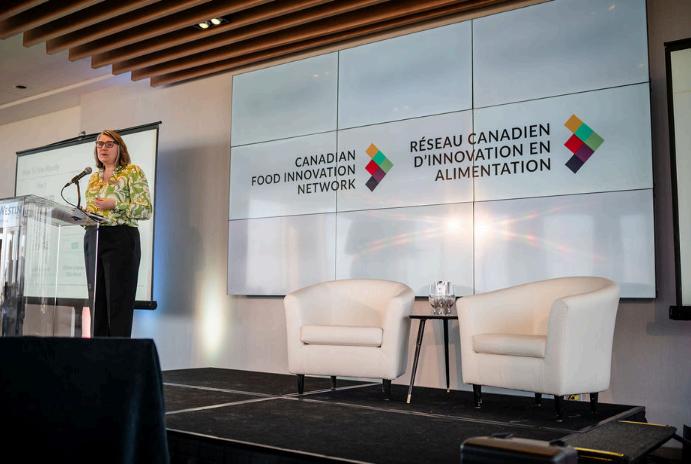
In an exclusive interview with CanadianSME Small Business Magazine, Dana McCauley, CEO of the Canadian Food Innovation Network, shares a sharp perspective on why Canada’s food system needs urgent transformation and what it will take to build long-term resilience This conversation moves beyond surface-level trends and focuses on the structural challenges shaping food affordability, from underinvestment in domestic processing to slow technology adoption.
InterviewByKripaAnand
Dana McCauley is a value proposition driven innovator who leads the Canadian Food Innovation Network as it seeks to create sector change for Canada Before joining CFIN in 2021, Dana successfully launched many food products and programs in collaboration with domestic and international food companies and entrepreneurs. Dana is known for having her finger on the pulse of food innovation after many years as a successful food writer and editor, a television food trends commentator, keynote speaker and a senior executive in the food manufacturing sector Dana began the economic development phase of her career as the founding Executive Director for Food Starter, a Toronto based food business incubator and accelerator that was recognized with an Ontario Premier’s Award for Agri-Food Innovation Excellence In 2017, Dana was recognized by WXN as one of Canada’s Most Powerful Women in the Trailblazers and Trendsetters category
You’ve gone from food writer and trend commentator to leading CFIN, Canada’s national food innovation network —how has that journey shaped the way you think about supply chain modernization and its connection to food affordability for Canadian households?
My career has always been driven by a curiosity about what Canadians are putting on their plates, but my journey from chef to food writer to CEO of CFIN has fundamentally shifted my focus from the what to the how Early in my career, I looked at food through the lens of consumer behaviour and culinary trends Leading a national food innovation organization has forced me to look under the hood at the complex, often invisible web of interconnectivity that dictates food accessibility and affordability Ultimately, my journey has taught me that true food security isn't found in a recipe; it’s built into a modernized, domestic infrastructure that can absorb global shocks instead of passing them directly to families
Canada currently outsources a substantial portion of its food processing, technology, and infrastructure, effectively “hollowing out” the middle of the value chain how does this reliance on foreign capacity and slow tech adoption aggravate vulnerabilities and show up in the prices Canadians see at the checkout?
Canada's medium-sized food and beverage processors are striving for greater profitability, food sovereignty, and economic success by embracing digital automation over manual processes However, this process is hindered by our proximity to the U S market a double-edged sword While it gives more access to affordable goods and services, it also puts a lot of pressure on local Canadian businesses who struggle to compete and afford the technology needed to keep up
This sector over-relies on manual processes not by choice, but because it operates in a low-margin industry While state-of-the-art processors exist, the majority are not able to adopt innovation, with capital investment in machinery having declined 16% over the last decade. The sector also receives less than 2% of government-backed growth funds and only 4% of total growth capital Without reaching a minimum threshold of investment in infrastructure and innovation, Canada cannot gain the capacity needed to mitigate shocks As a result, the food system remains simultaneously dependent on foreign processing and too undercapitalized to modernize, passing the bill for this inefficiency directly to Canadian families
Your upcoming report, Building Resilient Food Supply Chains Through Canadian Innovation, argues that technology adoption can make our food system more shock resistant and affordable—what specific policy shifts or capital investment priorities do you believe government and industry need to tackle first to unlock that potential, especially for SMEs?
Canada’s food sector requires ‘reconstructive surgery to build its resiliency To move beyond reactive crisis management, first, the government must transition from fragmented funding to strategic, long-term investment programs We need a national innovation strategy that treats food processing as a critical industrial priority rather than an afterthought
Second, policy must specifically target the mid-size manufacturers These firms are the engines of the sector, generating $18 4 billion in sales, yet they face crippling capital constraints By providing tax credits and derisking the first-time deployment of automation for these specific firms, the government can rapidly scale our domestic capacity
ImageCourtesy:DanaMcCauley
Third, we must institutionalize technology adoption through a deployment ecosystem Collaboration between the private and public sectors is crucial to implement adoption programs It isn't enough to just invent new tech, but we need programs for adoption and implementation that embed technology into the everyday operations across the entire chain
CFIN has backed projects across automation, alternative proteins, and digital infrastructure; Maia Farms’ CanPro mycelium protein is a standout example of innovation going from lab concept to commercial reality with the help of your Foodtech Next program what common traits do you see among the companies that successfully scale, and how do CFIN’s investments and connections accelerate that journey?
We’ve seen that standout success stories aren't just about ‘cool tech’; they are about solving the specific structural vulnerabilities of the Canadian market The commonality lies in their ability to bridge the missing middle They are successful because they manage to maintain production and quality here in Canada, helping us absorb trade disruption shocks even when import costs fluctuate
CFIN’s investments function as fuel that transforms new technologies into companies that scale, expanding their impact in our local economy and strengthening the resilience of our food supply chains Since 2021, our $22 6 million in strategic funding has not only supported 122 projects but has unlocked over $82 million in private follow-on investments a powerful signal to the market that Canadian foodtech is a high-value, defensible asset
With more than 8,200 members and growing, CFIN has built one of Canada’s most active food business communities—looking ahead, what would you like industry leaders, investors, and policymakers to do differently over the next five years so that supply chain modernization, tech adoption, and innovation become the norm rather than the exception in Canada’s food sector?
We would like to see a more united, collaborative effort across all industry players in developing and implementing a national strategy that rebuilds food supply chain resiliency The change requires the government to lead, where public support and derisking of first-time deployments serve as a critical signal to private investors that the sector is a viable, high-growth opportunity
By aligning government-backed funds with the sector's 5 9% revenue growth, the public sector can trigger the private capital flow necessary to bridge the gap
Overall, by treating food processing as a critical industrial strategy, Canada can move from being a reactive importer of food security to a proactive producer of domestic stability
In an exclusive interview with CanadianSME Small Business Magazine, Gisela Carere, President of Benchmark Benefit Solutions Inc, shares a grounded perspective on how employee benefits have evolved from a cost centre into a strategic driver of retention, culture, and workforce wellbeing
InterviewByMaheenBari
Gisela specializes in meeting the unique needs of executives and employees of public and private companies, associations, and not-forprofit groups With over 29 years of steady and progressive industry experience proudly serving the needs of over 25,000 members, she has developed superior subject matter expertise in group benefits. Her passion for the industry has helped her hone her craft in various disciplines such as group underwriting, actuarial analysis, benefit plan design, sales, training, and sponsor/member communications Gisela is a valued partner for organizations Her insights, industry relationships, and strategies for containing benefit costs and introducing wellness initiatives contribute to healthier and stronger organizational teams.
Designing Benefits That Actually Support Women at Work
Gisela’s insurance career started early at Mutual of Omaha, directly after graduating high school She worked closely with the actuaries and underwriters, learning the nuances of the group employee benefits business. She quickly fell in love with the industry and decided to make it her full-time career while simultaneously pursuing her Bachelor of Arts at the University of Toronto Always looking for growth, she understood that to achieve true success in the benefits industry, she needed to continue her education in employee benefits management. At 23, she became the group underwriting department supervisor and continued her training by working for insurance companies and completing the Certified Employee Benefits Specialist (CEBS) program
Benchmark is celebrating 20 years in 2026 and serving tens of thousands of members across Canada—how has the role of employee benefits and total rewards evolved over those two decades, especially for women in the workforce?
We’re so excited to be celebrating, not only because it is a testament to our longevity, but because it is such a tangible measurement of our impact As we look back, we know we have helped employers and, in turn, employees, navigate life milestones and changes – especially women
Benefits were once looked upon as a business expense, but over time, they have now become a valuable tool for employers to keep a pulse on their workforce’s health and needs In labour markets that are constantly in flux, benefits can be a great way to prioritize retention By looking at employee benefits and group retirement savings plans as tools that holistically take care of people, employers attain productivity and a competitive advantage in their respective industries
You’ve built your career from underwriting and actuarial work to leading a national consulting firm what personal experiences or turning points most shaped your perspective on what “supportive” benefits for women and caregivers actually look like in practice?
What’s shaped my perspective most is the commitment to continuously listening and learning
Coming from underwriting and actuarial work, I was trained to look at quantitative data And that data is important; it tells one part of the story But I realized it’s only part of it The turning point was understanding that the narrative (the qualitative side) brings a synergy you can’t get from the numbers alone You can’t build truly supportive benefits for women and caregivers if you ’ re only looking at spreadsheets
Listening to clients, keeping tabs on legislative changes and identifying gaps in private practice showed me that we all have different health and financial realities. No two people are the same. Supportive benefits can’t be one-size-fits-all; they must reflect the lived experiences of the workforce
I’ve also come to see that a company ’ s core values truly come to life through its benefits plan If an organization says “unity” is a core value and 50% of its workforce is women, but there’s no meaningful coverage for women ’ s health, then it’s not living its promises Benefits are where culture becomes tangible That realization has really driven my work to become a voice for change and evolution, so that support isn’t symbolic, but practical and aligned with who a company says it is
Your new data report arrives at a time when employers are rethinking what it means to be competitive and inclusive—what are one or two insights from the data that surprised you most about women’s experiences with benefits and total rewards today?
Two findings really stood out to me from our data report
First, 47% of women with benefits have delayed or avoided healthcare because they did not have adequate benefits. That’s nearly half of women, and these are women who technically have benefits. It challenges the assumption that offering a plan automatically means employees are supported Coverage on paper doesn’t always translate to access in practice
Second, more than 1 in 10 women have left a job due to inadequate workplace benefits That’s not just a wellness issue; it’s a retention issue Benefits directly influence career decisions
At a time when knowledge and data are more easily accessible than ever, we have a responsibility to look at these numbers and make changes that actually matter The information is there The opportunity, and the obligation, is to act on it
When you sit down with HR and business leaders to design modern total rewards packages, where do you see the biggest gap between what organizations think they’re offering and what employees especially women at different life stages say they actually need to feel supported and stay long term?
The biggest gap I see is in how deeply organizations engage with their own data and what they do with it There is a big discrepancy between what organizations think they offer and the reality
Many employers believe they’re offering strong benefits because they have a plan in place But the real work is taking a deep dive into health claims data, truly understanding how it applies to their current workplace today and anticipating how it will evolve at both the employee and organizational level Without that analysis, plans can quickly become outdated
Just like any business, organizations need to evolve and innovate to succeed The same is true for benefits Stagnation in employee benefits plans is a sure way to lose, or fail to attract, talent
This is especially important for women, who move through distinct health life stages. Employers know their demographics. If, for example, 25% of a female workforce is entering menopausal years, organizations should be proactively activating plan designs so the right tools and supports are readily available The gap often comes down to proactivity versus reactivity; designing benefits based on where your workforce is going, not just where it has been
As a woman president and co‑owner in a traditionally male-dominated industry, how do you use your leadership platform to advocate for change in how benefits are designed, communicated, and measured and what advice would you offer to other women leaders who want to drive similar change inside their organizations?
For me, it starts with continuous learning I arm myself with knowledge so I can confidently challenge the status quo, not with opinion, but with facts and a clear map for change In a traditionally male-dominated industry, credibility matters When you can back up your perspective with data and a well-defined path forward, you create space for meaningful evolution in how benefits are designed, communicated and measured
I also see employee benefit plans as one of the clearest windows into what employees actually need It’s not just about what was reimbursed through the plan; it’s just as important to examine what kinds of health or disability claims were declined Those gaps tell a powerful story about where support may be falling short
In an exclusive interview with CanadianSME Small Business Magazine, Omar Visram, Co-Founder and CEO of Enkel, shares a practical look at how small and mid-sized organizations can move beyond outdated financial processes and build systems that support real growth
InterviewByKripaAnand
As the co-founder and CEO at Enkel (www enkel ca), Omar Visram is committed to making back-office services simpler and more accessible for small and medium-sized businesses At Enkel, he focuses on blending practical financial expertise with innovative technology to help clients work more efficiently and to redirect their efforts towards the activities that drive their organizations forward, rather than being bogged down in routine accounting tasks.
You’ve seen inside the back office of hundreds of SMEs and NPOs through Enkel. Why have financial tools gone from “nice to have” to essential infrastructure for smaller organizations, and what problems do you see most often when they rely on manual or disconnected processes?
Financial tools have become essential because the cost of not using them is simply too high When I started Enkel, it wasn't uncommon to see clients driving cheques across town for signatures or tracking cash flow through spreadsheets that were already outdated by the time anyone looked at them. That world still exists for too many organizations
OmarVisram
Co-FounderandCEOofEnkel
The problems I see most consistently are missed approvals, poor cash flow visibility, and reconciliation that takes hours every week In the NPO space especially, the stakes are higher A not-for-profit might appear flush with cash but actually be in operational trouble because restricted funds are being misread as available capital Manual, disconnected processes don't give you the real-time clarity to catch those situations before they become a crisis
The organizations that treat their financial tools as infrastructure not overhead operate with confidence The rest are resigned to reacting
When a business is still relatively small, it can be tempting to add tools ad hoc based on immediate needs or price. Beyond cost, what should SME leaders prioritize when choosing financial technology, and why does an overly complex or fragmented tech stack create headaches for both teams and accountants?
My most important advice is to resist solving every problem with a new tool, but fragmented stacks create inconsistency The more platforms you adopt, the more complexity you introduce for your team and your accountant or bookkeeper.
Before we standardized at Enkel, clients were on different platforms with different approval processes Our team context-switched constantly, quality suffered, and onboarding new staff took far longer than it should have The moment we went all-in on a single, best-in-breed payment platform, everything simplified for us and our clients
Beyond cost, prioritize integrations first If your payment platform doesn't connect to your accounting software in a meaningful, two-way way, you ' ve just created a new source of manual reconciliation
After that, consider support who's behind the tool when something goes wrong? That responsiveness has been a genuine differentiator for us
Enkel chose to standardize on a single payment automation platform for accounts payable. What specific challenges led to that decision, and how does payment automation change things like approvals, controls, and day-to-day workflows for finance teams?
The decision came from compounding pain points we couldn't work around anymore. Our clients used a mix of cheques, Interac transfers, and credit cards all inefficient, most expensive But approvals were the real breaking point Many NPO clients have multilevel governance requirements: an expenditure approval, then board-level sign-off Managing that manually sometimes literally driving cheques around town wasn't scalable or professional
There was also a liability concern To provide end-to-end AP service, we would have needed direct access to client bank accounts, which would introduce real legal and reputational risk for Enkel.
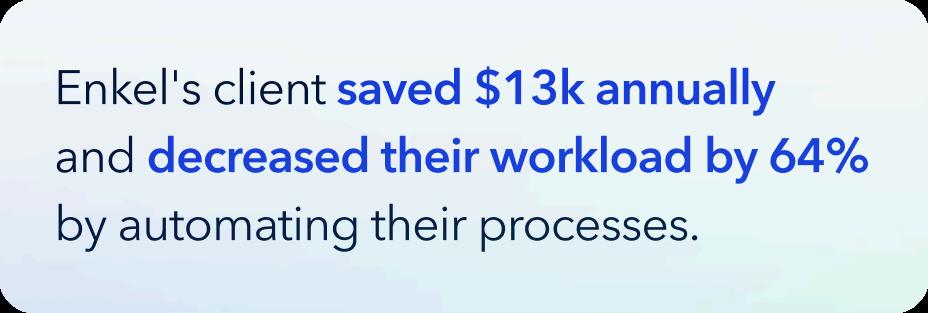
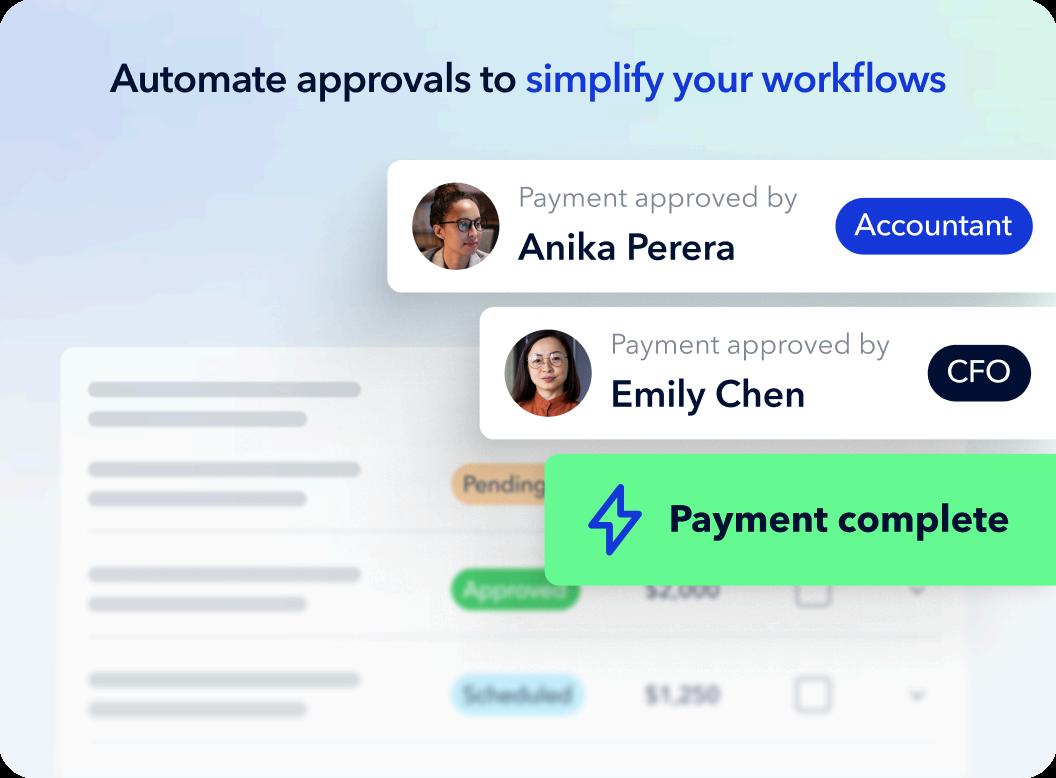
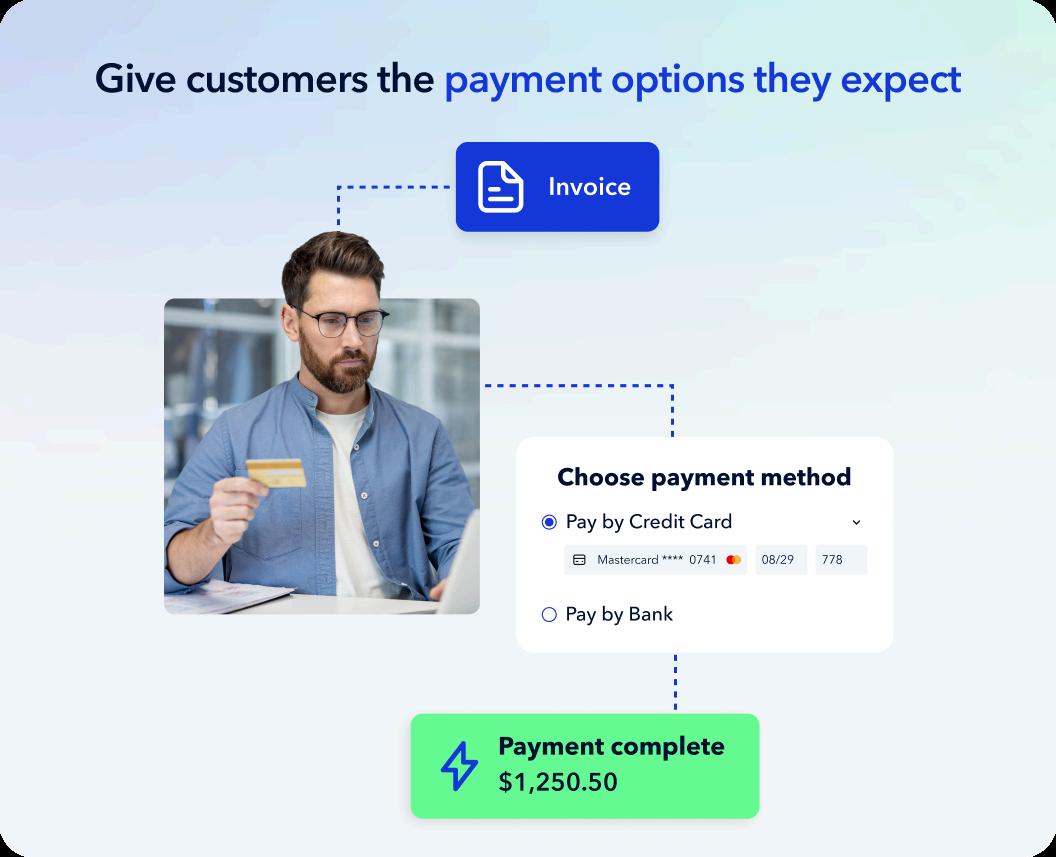
Plooto resolved both We configure the full approval chain, automate payment scheduling, and give clients complete visibility without ever touching their bank account With Plooto, we can set everything up to the point where the client just needs to press the final button The result was roughly 100 hours saved per month across our team and a far cleaner, more auditable process for every client we serve
You’ve mentioned clients who’ve cut internal accounting workloads by more than half and improved audit outcomes after rethinking their tech stack. Beyond time savings, what long-term benefits have you seen for SMEs that invest in the right combination of tools— especially around cash flow visibility, risk, and decisionmaking?
Time savings have a huge impact, but the more durable benefits are about confidence and clarity One client that stands out is a small NPO in Toronto called Point A They saw $13,000 in annual savings and a 64% reduction in their internal accounting workload But what I'm most proud of is that they completed their year-end audit with zero adjusting journal entries That's not just a time-saving story; that's a quality story
When the right tools are in place, leaders stop guessing They have monthly financial statements on an accruals basis, so they can see how they're tracking against budget and where operational strain is building before it becomes a problem.
Looking ahead, with developments like Plooto’s upcoming working capital solutions and expanded AR features, what does a “smart” financial stack look like for a growing SME and what first step would you recommend to leaders who feel stuck in spreadsheets but aren’t sure where to begin modernizing their back office?
A smart financial stack doesn't need to be complicated; it needs to be deliberate You should start with an accounting platform you trust, a payment automation tool that handles both AP and AR with strong controls and deep integration, and as little else as possible Every tool should earn its place by eliminating friction, not adding it
What excites me about where Plooto is heading is that it's closing gaps that previously required workarounds Expanded AR means businesses can manage the full payment cycle from one place. Their working capital offering will address something I hear constantly: Access to capital is challenging, but it can be the difference between seizing an opportunity and watching it pass
Artificial intelligence (AI) is subtly integrating into the core of Canadian e-commerce, changing how returns, stock management, and order routing are handled According to a CanadianSME article on AI-driven innovation, 71% of Canadian SMEs were actively using generative AI or other forms of AI by 2025, with 70% reporting increased operational efficiency and productivity SMEs can employ AIbased solutions to optimize supply chains, energy use, and logistics as part of the nation's larger net-zero agenda, according to government-backed studies.
Simultaneously, Canada's logistics and last-mile sectors are rapidly adopting AI for dynamic delivery planning and route optimization, directly linking data-driven decisions to reduced emissions and fuel use The need to cut waste and boost efficiency at every stage of the parcel journey, from warehousing to returns, is emphasized in Canada Post's own guidelines on e-commerce operations This means that AI is now more than just a "nice-to-have" marketing tool for small and medium-sized online shops; it's a practical approach to reducing costs, lowering the carbon footprint, and enhancing customer satisfaction
Smarter Routes With AI to Reduce Distance and Emissions
One of the most energy-intensive aspects of e-commerce is last-mile logistics, and Canadian airlines are using AI to improve it According to PiVAL's outlook on last-mile delivery trends in Canada, AI and machine learning are becoming increasingly crucial for streamlining delivery processes and creating more efficient routes by analyzing real-time traffic, weather, and package volume data
AI-powered route-optimization platforms are helping businesses cut delivery times and fuel consumption, which immediately lowers costs and emissions per parcel, according to another study of Canadas lastmile logistics sector.
Intelcom | Dragonfly, based in Canada, uses advanced route optimization technologies to transport hundreds of thousands of items daily across multiple countries, including Canada and Australia. The data-driven approach considers delivery windows, package density, driver limits, and local variables to optimize on-time performance and save wasteful driving
AI tools for SMEs are often integrated into carrier, 3PL, or delivery management software platforms
Canadian online retailers can significantly cut last-mile emissions by partnering with companies that use AI-based route optimization and by encouraging customers to select consolidated or " green " delivery windows, without needing their own algorithms
ImageCourtesy:Canva
AI Demand Forecasting to Right-Size Inventory and Cut Waste
Balancing supply and demand is a key sustainability concern in retail Over-ordering leads to waste and markdowns, while underordering causes hurried shipment and lost sales Canadian SME experts recommend AI-driven predictive analytics as a feasible solution According to a Wild Idea Co article on AI for Canadian SMEs, AI technologies can leverage historical sales, seasonality, and real-time market conditions to predict demand and automate stock reordering, reducing waste and stockouts A Canadian SME-focused handbook lists "predicting demand and managing inventory smarter" as one of the top five accessible AI uses for small enterprises
In e-commerce, this means fewer emergency shipments from distant warehouses and less surplus inventory to reduce, liquidate, or destroy. Improved forecasting promotes greener logistics by allowing for slower, lower-emission transit modes rather than last-minute air or express shipments Cloud-based AI forecasting solutions, integrated into e-commerce platforms, ERPs, or standalone apps, provide Canadian SMEs with a low-cost entry point The goal is to begin with a specific use case (such as a single product category or location), test that the forecasts reduce waste and expedite shipping, and then progressively scale
AI for Reducing Returns and
Reverse-Logistics Emissions
Returns pose a significant challenge for ecommerce profitability and sustainability Canada Post's "Rethinking Returns" report emphasizes the need to understand why returns occur and to develop solutions to eliminate unnecessary returns while meeting customer expectations AI is increasingly part of that toolkit Global bestpractice recommendations integrate AI and augmented reality (AR) to give shoppers a better sense of product fit and appearance, thereby reducing the risk of returns
AI-powered recommendation engines examine past purchases, browsing behaviour, and return history to promote products that customers are less likely to return AI may also mine customer reviews and feedback at scale to identify patterns, such as frequent complaints about sizing or colour discrepancies, enabling merchants to update product descriptions, photographs, and size charts These improvements help to close the expectation-reality gap, which is one of the primary drivers of returns Canadian SMEs can benefit from AI-enabled review analysis tools, improved on-site recommendations, and AR testing for high-return sectors such as furniture or apparel The benefits include reduced reverse-shipment volumes, less packaging waste, and higher order profits
First Steps With AI for Sustainable Small Businesses
When it comes to AI adoption, Canadian counsel for SMEs suggests starting small and focusing on clear business results: innovation, Science, and Economic Development Canada's SME AI Adoption Blueprint highlights that approximately 12 5% of smaller businesses now use AI and advises a gradual rollout focused on specific pain points, such as forecasting or customer care CanadianSME and other consultants suggest a simple roadmap: identify areas with the highest emissions and costs (e g , last-mile deliveries, excess inventory, or returns), pilot an AI tool in that area, and track financial and environmental outcomes
Canadian SMEs may gain a sustainability advantage by integrating AI-powered route optimization, demand forecasting, and returns minimization into their existing e-commerce stack This approach reduces waste, lowers emissions, and builds a more resilient, customercentric business.
Online-first SMEs in Canada are about to enter a new era in which data regulations and climate change directly impact technological decisions Although smaller businesses are currently exempt from required climate-financial disclosures, Canada has committed to net-zero emissions by 2050 It is launching a Net-Zero Challenge framework that encourages all businesses, including SMEs, to measure emissions, set sciencebased targets, and report on climate risks
In line with TCFD and the new Canadian Sustainability Disclosure Standards (CSDS), the federal government has also announced its intention to make climate-related disclosures mandatory for large federally regulated and CBCA-incorporated businesses
Canada's private-sector privacy law, PIPEDA, requires organizations to obtain consent, limit the collection of personal information, and be transparent about its use However, the proposed Consumer Privacy Protection Act (CPPA) would significantly increase penalties and obligations. For SMEs conducting e-commerce and cloud-based operations, compliance, resilience, and sustainability must be integrated into the digital architecture to manage risk and meet the expectations of customers, investors, and larger B2B partners
How Climate and Packaging Rules Affect E-Commerce Operations
Although SMEs are not yet subject to statutory climate-financial disclosure standards, they are affected by an evolving set of climate and packaging regulations The government Net-Zero Challenge provides a Climate Disclosure Framework for SMEs and a free Financial Impacts of Climate Form (FICF) to assist enterprises in developing TCFD-aligned disclosures, measuring emissions, and assessing climate risks and opportunities
According to legal and ESG-advisory analysis, large public and CBCAincorporated enterprises will soon be required to provide climate data. This will put pressure on suppliers, including SMEs, to provide emissions and ESG information
On packaging, Canada is reforming extended producer responsibility (EPR) systems and establishing a Federal Plastics Registry (FPR), which would require makers, importers, and marketers of considerable volumes of plastic to register and provide precise data According to FPR guidance, enterprises that handle more than 1,000 kg of plastic packaging or specific plastic products per year must register and publish their 2024 data by September 29, 2025, with incremental expansion into new sectors and streams in subsequent years. This raises the bar for e-commerce SMEs to track packaging materials, amounts, and composition Digital technologies for inventory, packaging data, and emissions tracking become increasingly vital
How Canadian Privacy Laws Shape E-Commerce Technology
E-commerce and cloud strategies must adhere to Canadian privacy laws PIPEDA pertains to commercial organizations and establishes basic principles such as meaningful consent, purpose specificity, data collection limitation, safeguards, and open access
PIPEDA requires businesses to obtain valid consent before collecting, using, or disclosing personal information They must also clearly explain why data is collected, collect only what is necessary, protect it with appropriate security, and allow individuals to access and correct their information
The planned CPPA, which would replace PIPEDA, would improve individual rights while considerably increasing fines - up to 10 million CAD or 3% of worldwide revenuesfor specific violations
It would also impose tougher criteria on consent, transparency, the accuracy of personal information, and accountability, including duties to explain the use of automated decision-making systems that have a significant impact on persons
For SMEs, cloud and SaaS options should enable strong consent management, audit trails, data reduction, and security measures.
Customer data platforms, marketing tools, and analytics stacks should provide quick access and deletion requests, as well as documentation of compliance with growing privacy standards
Designing A Regulation‐ready E‐commerce
And Cloud Stack
Canadian and worldwide criticism of ESG, climate disclosure, and privacy imply that SMEs should view technology as a compliance facilitator According to a survey on Canadian SMEs and green finance, 11% employ carbon- or emissions-tracking tools. Companies that utilize AI-driven accounting or emissions monitoring are 1.6 times more likely to receive green financing and 2 4 times more likely to report on sustainability Even though climate reporting obligations remain voluntary, regulators and consultants cite CSDS, TCFD, and related frameworks as emerging references
A regulation-ready IT stack for online-first SMEs often includes:
Cloud hosting with data center locations and contracts that promote both privacy (data residency when necessary) and climate goals (renewable energy, efficiency, disclosure)
E-commerce systems and CRMs offer customizable consent methods, privacy notifications, and tools for data subjects' rights
ESG and emissions-tracking solutions can interface with sales, logistics, and packaging systems to generate data for voluntary or supply-chain climate reporting
Packaging and inventory systems capable of tracking plastic and packaging kinds, weights, and destinations to meet EPR and Federal Plastics Registry requirements
Building on these skills now allows SMEs to avoid hurried, reactive changes when regulations tighten, or major customers begin requiring thorough climate and data disclosures
A Practical Compliance‐by‐design Playbook For Canadian SMEs
Canada-specific guideline outlines practical methods for online-first SMEs Map your regulatory exposure, including climate (net-zero expectations, supplychain transparency requests), packaging (EPR and FPR thresholds), and privacy (PIPEDA, CPPA)
Select cloud and SaaS providers that demonstrate compliance with PIPEDA/CPPA and ESG disclosure standards, such as data residency, encryption, thorough logging, and sustainability reporting To prepare for green funding opportunities and supply chain questions, start recording emissions and packaging data as soon as possible, even if reporting is voluntary
In an exclusive interview with CanadianSME Small Business Magazine, Brian Veloso, Managing Director for Canada at SAP Concur, shares how AI and integrated platforms are transforming the way businesses manage travel, expenses, and financial visibility. This conversation explores the shift toward more intuitive, connected systems that reduce manual work and improve accuracy across organizations.
InterviewByKripaAnand
Brian Veloso has worked with SAP Concur for over 17 years, beginning as the company’s first Regional Sales Executive and moving up consecutively within the organization Now serving as Managing Director for Canada, Brian is a seasoned sales professional with an unmatched combination of business acumen, sales savviness and product knowledge accumulated over the past 23 years through his experience at ADP and Gelco Expense Management At SAP Concur, Brian leads high performing teams and is focused on delivering cloud-based solutions that deliver an effortless experience for employees and total transparency into spending, helping organizations of all sizes run better.
Outside of work, Brian enjoys spending time with his dogs and family at the cottage. He is also passionate about raising awareness and funds for Make-A-Wish Canada and the SickKids Foundation.
SAP’s Joule is now embedded directly into Microsoft 365 Copilot and SAP Concur, letting employees submit expenses, upload receipts, book trips, and ask policy questions without ever leaving their everyday tools. How is this new Joule integration changing the day‑to‑day experience for a typical Canadian employee and their manager?
The integration of Joule into Microsoft 365 Copilot and SAP Concur is fundamentally changing how Canadian employees interact with travel and expense management Instead of switching between multiple systems, employees can now complete tasks like submitting expenses, uploading receipts, booking travel, or checking policy guidance directly within the tools they already use every day, such as Outlook or Teams This removes friction from the process and saves valuable time, especially for busy professionals managing travel alongside their core responsibilities.
For managers, the impact is equally meaningful. With Joule embedded into the flow of work, expense reports are more accurate and compliant from the start, thanks to AI-driven guidance and automation This reduces the need for back-and-forth corrections and shortens approval cycles
Where hybrid work and distributed teams are the norm, this kind of seamless integration helps maintain productivity regardless of location Ultimately, Joule is not just about automation, it’s about creating a more intuitive, intelligent experience that supports employees while giving managers greater visibility and confidence in the process
Many employees still feel tempted to book outside corporate tools when they can’t find the content, flexibility, or support they want. How do the new Corporate Travel Experience enhancements and AI enabled capabilities address that “leakage” and make it easier for travellers to stay inside the system without feeling constrained?
“Leakage” often happens when employees feel corporate tools don’t offer the flexibility or content they need The latest enhancements in SAP Concur are designed to address exactly that by making the in-platform experience as seamless and comprehensive as possible
First, expanded travel content through partnerships, including Amex GBT, gives employees access to a broader range of flights, hotels, and transportation options This reduces the need to book elsewhere At the same time, AI-powered capabilities like Joule provide personalized recommendations and real-time support, helping travellers make informed decisions without leaving the system
Additionally, features like integrated travel support, with the ability to transition from AI to a live travel counsellor, ensure employees can get help when they need it, which is a key driver of off-platform bookings.
For Canadian businesses, where cost control and compliance are critical, these improvements strike a balance between flexibility and governance By delivering a more consumer-grade experience within corporate tools, organizations can significantly reduce leakage while improving traveller satisfaction
The alliance with American Express Global Business Travel has produced Complete by SAP Concur and Amex GBT, an AI‑enabled, co‑developed solution for booking, servicing, payments, and expensing. What does this “Complete” solution actually offer travel managers and finance leaders in practical terms that they didn’t have before?
“Complete” by SAP Concur and Amex GBT represents a shift from fragmented processes to a truly unified travel and expense ecosystem. It brings together booking, servicing, payments, and expensing into a single, connected experience Something travel managers and finance leaders have been striving for but haven’t fully had until now
For travel managers, this means greater visibility and control The new centralized home page provides a holistic view of travel programs, including spend, compliance, and traveller activity, all in one place This makes it easier to identify trends, optimize policies, and ensure duty of care
For finance leaders, the integration delivers more accurate and timely data With travel bookings automatically flowing into expense reports and enriched with detailed transaction information, there’s less manual entry and fewer errors This improves reporting, strengthens compliance, and supports better decision-making.
Policy configuration and rule maintenance have traditionally been complex, especially for non technical administrators. How are new AI based rule creation tools and Joule agents simplifying the “back end” of travel management from building nuanced policies in natural language to automating receipt checks and expense validation?
Managing travel and expense policies require a high level of technical expertise, often creating bottlenecks for organizations With the introduction of AI-based rule creation tools and Joule agents, SAP Concur is simplifying this process significantly
Administrators can now create or modify policies using natural language or by uploading existing policy documents The system then automatically translates these inputs into structured rules, reducing the time and complexity involved in configuration. This makes it much more accessible for non-technical users and allows organizations to adapt policies quickly as business needs evolve
On the operational side, Joule agents automate key tasks that were previously manual For example, the Expense Automation Agent can generate expense reports by pulling in transactions and contextual data, while the Pre-Submit Audit Agent proactively flags discrepancies before submission This reduces errors, minimizes rework, and accelerates reimbursement timelines
For Canadian organizations managing compliance across multiple provinces and regulations, these capabilities are especially valuable They not only simplify the back-end processes but also ensure greater consistency, accuracy, and confidence in policy enforcement.
Expense fraud, missing receipts, and fragmented card data have long been pain points for finance teams. How do the latest integrations with Amex and Visa, along with new TripIt Pro and risk alert enhancements, reduce those financial risks while also delivering the most meaningful “quality of life” improvements for frequent travellers in 2026?
Financial risk in travel and expense management often stems from fragmented data, missing receipts, and limited visibility into transactions SAP Concur’s latest integrations with American Express and Visa are addressing these challenges by bringing more automation and real-time insight into the process
With capabilities like real-time notifications, expenses can be automatically generated and categorized as soon as a transaction occurs This reduces the risk of lost receipts and ensures that data is captured accurately from the start Virtual cards further enhance control by limiting how and where funds are used, helping organizations reduce fraud and out-of-policy spending
At the same time, enhancements in TripIt Pro are improving the traveller experience Features like Image to Plan allow users to turn receipts or confirmations into organized itineraries instantly, while expanded risk alerts provide real-time updates on disruptions that could impact their trip
For frequent Canadian travellers, this means less administrative burden and greater peace of mind For finance teams, it means stronger controls, better data, and reduced risk, delivering both operational efficiency and better overall experience
In Canadian cities, the "last mile," or the last segment of a package's route to the client, is frequently the most carbon-intensive portion of e-commerce delivery Particularly in crowded areas like the Greater Toronto Area, Vancouver, and Montreal, rising online shopping volumes and demands for next-day delivery result in more vehicles on city streets, increased traffic, and increased emissions According to industry research, Canada's last-mile delivery market is expected to increase from approximately US$4 1 billion in 2023 to over US$7 1 billion by 2032, with major cities accounting for over 60% of this growth
Carriers and retailers are under pressure from Canadian consumers and regulations to reduce their environmental footprints simultaneously In response, logistics companies are developing new models for low- or zero-emission delivery fleets, more intelligent routing, and localized fulfillment. Understanding these changes is essential for small and medium-sized enterprises (SMEs) to select partners and delivery methods that reduce last-mile impact without compromising customer satisfaction or speed
How Local and Micro Fulfilment Are Reshaping Retail Logistics
Reducing the distance packages must travel is one of the best strategies for reducing last-mile emissions
Micro-fulfillment centers and hyperlocal delivery models are being quickly adopted, especially in major cities, according to Canadian logistics market data
Retailers and their logistics partners locate smaller facilities closer to dense client clusters rather than sending every order from a single, distant warehouse, which reduces delivery times and vehicle kilometres
According to studies referenced in Canadian last-mile market assessments, implementing micro-fulfillment in large cities can cut delivery costs and last-mile emissions by 17% to 26% by 2025 These local nodes, which enable same-day and next-day delivery expectations without depending on long-haul van routes for every order, are already receiving investment in major cities like Toronto, Montreal, and Vancouver
Working with carriers and 3PLs that provide regional or city-based fulfillment choices is the practical implication for SMEs. In metro areas, some suppliers provide "last mile" services and shared warehouse space, allowing smaller firms to leverage micro-fulfillment networks that would be too expensive to build independently Any greener last-mile strategy must include careful inventory planning, which prioritizes popular SKUs for local stocking
Route Optimization and Delivery Consolidation for Lower Emissions
Last-mile emissions are largely dependent on route design, even with local fulfillment According to Canada Post's sustainability guidelines, better route design can save fuel consumption and travel time, and improving delivery techniques and the last mile should never be an afterthought Advanced routeoptimization software employs real-time traffic data, parcel density, and delivery windows to reduce distance travelled and idle time, as explained in Canadian logistics blogs and market analyses
Additionally, providers are introducing " green delivery" solutions, such as aggregated deliveries, which deliver multiple goods to the same client or neighbourhood in a single trip Carriers have more freedom to create dense, effective routes rather than ineffective singleparcel drop-offs when customers are encouraged to select slower, concentrated delivery times
This also frequently reduces the number of unsuccessful delivery attempts, which result in additional kilometres and emissions SMEs can still affect results, even when route optimization is frequently integrated into their carriers' or 3PLs' services Simple strategies to reduce each order's emissions intensity include providing "eco-delivery" alternatives at checkout, directing customers toward particular delivery days, and rewarding partners who invest in optimization technologies
Low‐emission And E‐cargo Bike Delivery Pilots In Canadian Cities
Canada is becoming a test site for low-emission lastmile deliveries, particularly with cargo bikes and electric vehicles (EVs) In addition to electrifying its fleet of over 14,000 vehicles by 2040 and testing low- and zerocarbon delivery vehicles, such as e-cargo trikes and low-speed EVs, on certain urban routes, Canada Post has committed to reducing its greenhouse gas emissions by 50% by 2030 Private airlines are heading in the same direction According to Canadian logistics trend studies, businesses are expanding their fleets with electric vans to meet customer demand for more environmentally friendly delivery and regulatory requirements
These projects demonstrate how bikes and small EVs can replace vans for many deliveries in urban areas, reducing emissions, easing traffic, and even speeding up delivery times Without altering their own processes, SMEs shipping into these zones can often access green-delivery services through their existing carriers.
What Canadian SMEs Can Do Now
SMEs continue to have significant leverage even as major carriers and governments spearhead significant infrastructure developments Choosing ground services whenever feasible, prioritizing carriers with carbon-neutral or low-emission options, and clearly presenting those options to clients are all recommended by Canada Post's guidelines for greening e-commerce operations Additionally, logistics and market reports recommend collaborating with suppliers that use low-emission fleets, employ route optimization tools, and operate microfulfillment centers in key metropolitan markets
Small and medium-sized businesses (SMEs) in Canada are under pressure to be proactive, cyber-secure, and clearly committed to addressing climate change SMEs account for around half of industrial and commercial emissions Yet they frequently lack the resources and capacity to effectively manage climate risks, according to panels and research on Canada's low-carbon future Cloud platforms, SaaS, and analytics are now essential to competitiveness, resilience, and growth, according to reports on SME digital transformation
Technology should be viewed as an integral part of climate strategy, not as a stand-alone component, according to advisors to Canadian SMEs For instance, Green Economy Canada and the Pembina Institute found that for SMEs seeking to reach net zero, technical research and digital tools to identify greenhouse gas (GHG) reduction potential are essential In a world where 43% of cyberattacks target small enterprises, cybersecurity experts stress that a durable, cloudbased infrastructure with automated backups and modern security measures is now necessary for survival Canadian online-first SMEs are increasingly requiring a modern, low-carbon, and robust tech stack
Choosing Cloud Infrastructure With Carbon And Resilience In Mind Selecting Saas Tools That Support Business Continuity And Sustainability
The majority of robust tech stacks are built on the cloud By the end of 2025, about 85% of Canadian businesses are predicted to adopt a cloud-first strategy, utilizing SaaS, ERP, and analytics to increase productivity and compete internationally, according to CanadianSME coverage According to professionals in the field, a " green cloud" is an infrastructure that runs highly efficient software on optimized hardware and is fueled by renewable energy It is typically found in colder climates or near low-carbon power sources. This is a good location for Canada's data center market: Vancouver, Toronto, and Montreal are becoming hubs where suppliers can access substantial hydro and other renewable energy sources at reasonable prices
The first choice for SMEs is where and with whom to host Three factors should be considered when optimizing a green cloud: the energy supply for data centers, workload efficiency, and the supplier's emission transparency According to articles on Canadian data centers, suppliers are managing AI's increasing energy demands by implementing "circularity by design" features, including enhanced cooling, server-part reuse, and AIpowered workload optimization. Online-first SMEs can achieve a lower-carbon baseline across all their digital operations by selecting large cloud providers or Canadian data center operators with strong renewable energy commitments, energy-efficient design, and transparent sustainability reporting
A stack of SaaS solutions, including e-commerce platforms, ERP, CRM, marketing automation, and collaboration suites, powers the majority of online-first SMEs, along with infrastructure The manufacturing playbook from CanadianSME demonstrates how these cloud-based tools promote process optimization, cost control, teamwork, and analytics, helping businesses remain resilient amid erratic market conditions. As cyber threats increase, cybersecurity guidelines for Canadian SMEs emphasize that cloud-delivered applications often offer more sophisticated protection, automated backups, and compliance capabilities than on-premises counterparts
SaaS can help reduce material waste and energy consumption from a sustainability perspective While integrated analytics and ESG modules can monitor energy, emissions, and resource usage across operations, cloud-native solutions eliminate the requirement for on-site servers and regular hardware refresh cycles Dashboards for carbon tracking, supply chain analytics, or building energy monitoring are now available on some platforms targeting Canadian companies, making it easier to identify potential for reductions
When assessing SaaS providers, small and medium-sized enterprises (SMEs) can inquire about data center locations, renewable energy usage, and whether the provider publishes sustainability or ESG reports These are easy ways to ensure the apps supporting their online business contribute to, rather than detract from, low-carbon objectives
Embedding Security, Continuity, and Climate Into One Tech Roadmap
Governance is just as important to a robust, lowcarbon tech stack as tools Canadian cybersecurity publications advise small businesses to combine security fundamentals (multi-factor authentication, patching, backups) with cloud solutions that offer scalable infrastructure and AI-powered monitoring, as they are now attractive targets for supply-chain attacks and ransomware As part of an integrated resilience plan, they also advise regular risk assessments and compliance with Canadian privacy regulations
Regarding climate change, both national panels on SMEs and the low-carbon future, and Quebec's lowcarbon SME programs, emphasize the need for straightforward diagnostic tools and climate action plans specifically designed for smaller businesses For SMEs, a Quebec project developed a Strategic Climate Action Diagnosis that provides an easily accessible evaluation of climate risks and opportunities
Environmental organizations working with smalland medium-sized factories found that integrating technical GHG assessments with qualitative interviews helped companies identify areas where digital technologies and process modifications could simultaneously reduce emissions and costs. Taken together, these results indicate that, rather than treating security, continuity, and climate concerns as distinct projects, Canadian SMEs should integrate them into a unified digital strategy roadmap
A Practical Low-Carbon Tech-Stack Playbook For Canadian Online-First SMEs
A simple playbook is suggested by Canadian research and guidelines Start by mapping your current stack and energy usage, including the locations of servers, on-premises tools, downtime, and cybersecurity concerns. Second, move critical systems to SaaS tools and cloud providers with solid credentials for efficiency, security, and renewable energy Third, employ diagnostics such as energyefficiency or climate-action assessments to determine where digital tools might help reduce emissions, from manufacturing or data processing to buildings and logistics
Lastly, use a single, straightforward dashboard or report to monitor resilience and climate KPIs, such as uptime, recovery times, incident counts, and energy or GHG trends By doing this, Canadian online-first SMEs may create a tech stack that is truly in line with the nation's low-carbon transition while also being reliable and safe
Canada's e-commerce business is expected to grow steadily this decade, with digital sales increasing and mobile becoming the dominant channel
According to one prognosis, Canadian e-commerce is expected to increase from USD 42-45 billion in 2025 to over USD 67-71 billion by 2030, with a compound annual growth rate in the high single digits. Long-term forecasts using broader definitions predict the market would exceed USD 1 trillion by 2030, including services and B2B segments alongside retail.
Mobile commerce is the clear driver of this expansion. Smartphones currently account for over half of e-commerce traffic in Canada and are growing at a double-digit CAGR, while desktops' share is gradually declining By 2030, mobile wallets, app-only offers, and speedier mobile experiences are expected to make mobile the primary mode of online shopping for Canadians To achieve sustainability, social commerce, and cross-border growth, Canadian SMEs must prioritize mobile-first, data-rich customer experiences as their baseline
Sustainability
Is Now a Core Expectation in Business
In Canadian e-commerce, sustainability is becoming a general expectation, rather than a distinct differentiator According to consumer behaviour studies, Canadians prioritize environmental responsibility and prefer ecofriendly items with genuine sustainability tales According to Mintel's "Canada Sustainable Consumer 2025" research, climate awareness is ubiquitous, even if willingness to pay more remains low; quality and trust are what persuade customers to choose greener solutions According to market projections for Canadian e-commerce, businesses are increasingly offering eco-friendly products and transparent supply chains to attract environmentally conscious customers
By 2030, this is expected to transform into "sustainability as table stakes." According to reports and brand monitoring studies, younger Canadians prioritize sustainable packaging, responsible sourcing, and measurable emissions reductions as core value propositions According to a global consumertrend analysis that includes Canadian data, 64% of customers buy from sustainable firms, while 67% switch shops due to a lack of sustainability For Canadian SMEs, the next five years will be about making sustainability tangible: combining low-carbon logistics, circular models (resale, rentals, repair), and explicit ESG disclosures into digital experiences to retain confidence and compete with larger, well-resourced businesses
Social Commerce And Creator‐driven Shopping Reshape Discovery
By 2030, social commerce is expected to become the dominant discovery and conversion channel for Canadian e-commerce, particularly among Gen Z and young millennials Digital platforms, especially video-first and mobile-first settings, play a significant role in product discovery and brand evaluation among younger Canadians, according to consumer trend data According to e-commerce trends in Canada, social commerce and live shopping are important growth drivers, supported by short-form video, influencers, and in-app checkout According to 2025-2030 e-commerce trend reports, TikTok, Instagram, and other platforms are emerging as "front doors" to online retail, with Gen Z's dominance impacting brand tactics
Live-streamed shopping, limited-time drops, and collaborations with creators are projected to become essential consumer acquisition strategies, even in cross-border scenarios By 2030, Canadian SMEs that integrate shoppable video, user-generated content, and social proof into their product pages and mobile apps will likely thrive. They must also ensure that their sustainability claims can withstand scrutiny from active online communities
The Push and Pull of ‘Buy Canadian’ and Global Trade
Cross-border e-commerce is currently a substantial part of Canadian digital retail and is expected to grow further by 2030 According to JPMorgan's worldwide e-commerce analysis and trend reports, cross-border purchases account for around 15% of Canadian e-commerce spending, with 62% of consumers making at least one foreign purchase Checkout com and other payment providers claim that roughly one-fifth of Canadian ecommerce enterprises now make the majority of their sales outside Canada, reflecting the country's bilingual and globally connected economy Forecasts indicate that cross-border activity will increase due to consolidation hubs, enhanced logistics, and fintech solutions that simplify duties and payments
At the same time, there is a significant "Buy Canadian" movement Despite regular cross-border shopping for price and selection, 64% of Canadians choose to support the home economy and local jobs by purchasing from Canadian websites Sustainability may exacerbate this tension. Longer cross-border routes typically result in higher emissions, but international markets may provide greater access to circular and reconditioned items
For SMEs, the next wave is about balancing these forces: using crossborder channels to reach global customers while differentiating at home through local sourcing, shorter supply chains, and lower-carbon fulfilment, which appeals to eco-conscious Canadian shoppers
A 5-Year Strategic Playbook For Canadian
SMEs
Reports suggest a clear strategy for Canadian online-first SMEs by 2030 Go mobile-first by investing in fast, accessible mobile sites and applications with seamless wallet and socialcommerce interfaces Second, integrate sustainability into your operations and storytelling, from cleaner logistics and packaging to transparent sourcing and circular offerings Third, use social platforms for commerce rather than just marketing, and tailor content to creatordriven, video-rich formats
Develop a cross-border approach that complements, not competes with, a strong "Buy Canadian" proposition As Canada's e-commerce business evolves through 2030, SMEs that connect these four pillars with changing consumer expectations should expect significant growth
For Canadian small and medium-sized businesses (SMEs), cloud computing is evolving into a useful sustainability tool rather than merely an IT upgrade Moving from on-premises servers to the cloud can lower electricity consumption, reduce hardware waste, and enable lower-carbon working methods such as remote and hybrid teams, according to articles on Canadian SMEs SMEs, which comprise the vast majority of businesses but are still in the early stages of their emissions-reduction journeys, are crucial to Canada's larger net-zero goals
SMEs are crucial to achieving national net-zero targets, according to research by Export Development Canada and the Conference Board of Canada, and they require clear channels to monitor and reduce emissions One of the levers is digital solutions, such as cloud services Using digital technologies more efficiently could reduce Canada's greenhouse gas emissions by up to 20%, or 120 megatonnes annually, according to another study on digital policy and net-zero A cloud-first strategy is quickly evolving into a cloud-and-carbon strategy for SMEs, and early adopters can benefit in terms of both cost and reputation
How cloud cuts costs and emissions for SMEs
Cloud platforms make it less necessary for small and medium-sized enterprises (SMEs) to buy, power, cool, and replace their own servers regularly. A CanadianSME article about sustainable cloud adoption says that most of the big cloud providers that work with Canadian SMEs have promised to run entirely on renewable energy by 2025 This makes it easier for small businesses to make their IT operations more environmentally friendly SMEs can cut their indirect emissions by moving workloads from local server rooms to big, energy-efficient data centres that use renewable electricity They can also save money by only paying for the computing resources they actually use
Green-cloud commentary about Canada discusses several technical factors that have led to these gains These include highly efficient servers and cooling systems, virtualization that combines many workloads onto fewer machines, dynamic resource allocation that prevents capacity from going unused, and placing data centres in cooler climates or near hydroelectric power to reduce cooling needs and emissions Places like Vancouver, where data centres can use a lot of hydro power, are becoming centres for more environmentally friendly cloud infrastructure.
For small and medium-sized enterprises (SMEs), the benefits include lower electricity and hardware costs, fewer maintenance issues, and the ability to say their main IT stack runs on infrastructure that is mostly powered by renewable energy rather than fossil fuels
Enabling Remote Work And Smarter Operations
New work methods that lower emissions outside of the server room are also supported by cloud adoption. Digital solutions, including cloud-based collaboration, video conferencing, and SaaS applications, can facilitate more remote work, fewer commutes, and more effective use of office space, according to a Canadian sustainability and telecom study To promote remote employment and broader digital adoption, the digital-policy report assessing Canada's path to net zero suggested tax incentives and public-service digitalization, highlighting the potential for emissions reductions
Cloud-based technologies simplify everything from customer service and inventory management to energy monitoring in physical locations, according to CanadianSME articles on cloud and AI for SMEs For example, cloud-based AI-powered energy management systems may evaluate equipment and building utilization and automatically modify settings to cut waste
Additionally, cloud-based analytics facilitate the collection and reporting of ESG and emissions data, meeting the increasing demands of regulators, major clients, and financiers Standardizing on cloud solutions reduces duplication, boosts efficiency, and enables more flexible, low-travel methods of conducting business, all of which help SMEs with dispersed teams or multiple locations save money and cut operating emissions
The Rise Of “Green Cloud” Providers In Canada
Several sources indicate a clear trend: cloud providers in Canada are seeking to stand out by becoming more environmentally friendly. CanadianSME articles say that by 2025, many of Canada's biggest cloud providers had promised to use only renewable energy and to give customers clear information about their environmental impact Press releases and research on Canada's cloud computing and storage markets highlight " green infrastructure," sovereign cloud initiatives, and AI-ready storage as key themes Sustainability is a big selling point for investments in data centres
According to thought leaders in green cloud optimization, the "ideal" green cloud uses renewable energy, efficient hardware, workload optimization, and sometimes even shifts nonurgent computing tasks to periods when renewable energy generation is highest Corporate Knights and other commentators say that the high demand for data centres in Canada is giving renewables a chance to beat gas, as operators want low-carbon power at competitive prices.
This ecosystem lets small and medium-sized businesses (SMEs) choose providers based on their climate credentials as well as their price and performance An important question is: How much renewable energy is used? Are emissions data and dashboards available? Where are the data centres located? Does the provider take part in any credible carbon-offset or renewable-energy credit programs?
A Practical Cloud‐and‐carbon Playbook For Canadian SMEs
A few doable actions to make cloud adoption both economical and climate-smart are highlighted in Canadian guidelines for SMEs Establish quantifiable targets for cost and carbon reductions after conducting an assessment of current IT and energy use to determine the footprint of on-premise infrastructure Second, choose cloud partners with green certifications, emissions-transparency tools, and unambiguous renewable-energy pledges
Third, prevent over-provisioning and needless data hoarding by optimizing workloads with serverless functions, autoscaling, and effective storage tiers. Finally, employ cloud based analytics to track progress and feed into ESG reporting, which is increasingly anticipated by Canadian banks, investors and larger customers When combined, these actions can help Canadian SMEs become both cloud-first and greenfirst, enhancing their competitiveness and resilience while supporting the nation's net-zero goals
In an exclusive interview with CanadianSME Small Business Magazine, Michelle Weger, Founder of Venture Creative Collective and international speaker, shares how redefining high performance can unlock sustainable success for entrepreneurs Drawing from personal experience and years of building systems-driven businesses, this conversation highlights the shift from burnout-driven hustle to intentional, repeatable growth
InterviewByMaheenBari
Michelle Wegeris an ProductivityExpert, Resilience Speaker, and AI & Business Automation Strategist with over 14 years of proven success. Following her narcolepsy diagnosis in her early twenties, Michelle channeled that challenge into adriving force for business building and relied on productivity strategies and automation to sustain the lifestyle she needed and to maximize every moment of wakefulness
Michelle founded Venture Creative Collective, a web development and business automation agency that has generated millions of dollars in revenue and helped hundreds of clients since its inception, despite the challenges of her disability. VCC is best known for their unique VIP‘ website in a day’ offering.
She travels the world along side her Great Dane service dog Quinn, inspiring audiences to transform perceived limitations in to opportunities for growth Michelle is known for her ability to bring clarity to complex problems and help others move for ward with confidence and intention
You were diagnosed with narcolepsy in your early twenties, a condition that sidelines many people from traditional careers. How did that diagnosis reshape your definition of success, and what were the first concrete steps you took to design a business—and a life—that actually worked with your energy instead of against it?
Narcolepsy didn’t lower my ambitions It forced me to get smarter about how I reach them
It rewired my definition of success from “How hard can I push?” to “How consistently can I deliver without breaking myself?” My first steps were very tactical: I built my schedule around my peak energy, I stopped pretending I could do everything, and I designed my business to run on systems instead of adrenaline I also got serious about support, including a service dog, because you can’t build an extraordinary life on an unsafe foundation
Venture Creative Collective began in 2012 and has grown into a web development and business automation agency that has generated millions in revenue and launched hundreds of websites for clients. What key systems or automation principles do you believe every small business should put in place long before they feel “big enough” to need them?
Most small businesses are not under-talented They are under-systemized
The three systems I’d put in place way earlier than most people do:
Lead capture + follow up: that runs without you (forms, CRM, email sequences, etc). It is not sexy, but it is practical and it frees up your time to do more important strategic elements.
Automatic time tracking: people underestimate how much time they spend on each task By seeing where time is being spent you can see where you should invest in first for automation
One operational command centre: project hub, templates, SOPs, with clear “who owns what” And no, ‘in your brain’ doesn’t count, despite how tempting that is for small business owners to do )
Automation is necessary for any business that wants to grow and make money. It is not optional; it is a required profit strategy
In Don’t Snooze Your Dreams: Lessons from Life with Narcolepsy, you frame your story as both memoir and practical guide for facing fears and building momentum. What are one or two lessons from the book that entrepreneurs with chronic illness, disabilities, or other invisible challenges tell you have been most transformative for them?
Two lessons come up constantly when entrepreneurs with invisible challenges (chronic illness, caregivers, cultural pressure, disability, etc) reach out to me
First: Stop building plans for the version of you who sleeps perfectly, never gets sick, and has unlimited energy Build for your worst day, not your best day If you can’t repeat something again and again, then it isn’t high performance, it’s luck True high performance is sustainable
Second: the DREAM Method, especially the A step: Ally People try to grow in secret But everything is harder when you are trying to do it alone
To succeed faster, stop hiding, stop improvising or relying on willpower, and start building support and systems that make progress inevitable I call this winning combination: Accessible High Performance
You’ve become one of the youngest recipients of Ottawa’s Forty Under 40, winner of Inspirational Speaker of the Year 2025 and now speak internationally with your Great Dane service dog, Quinn, by your side. What have audiences taught you about the stories they most need to hear around resilience, and how has that feedback shaped the way you lead your company and your community work?
Audiences don’t need another “ you ’ ve got this” speech. They need the truth: fear is normal, and you can still move forward and achieve extraordinary things, even in imperfect circumstances
When my service dog is beside me on stage, people don’t just hear my story, they see what resilience and the right support actually looks like in real life And the feedback is always the same: “I thought I was the only one who feels different ” That has shaped how I lead and how I advocate
At my company, we design for real humans and deliver at a high standard without the burnout theatre It is not about lowering the bar, it is about doing things differently to achieve an even better outcome
In my community work, I push for inclusion that is practical, not performative This is often through tv interviews and media Most people want to learn how to support people who are different; they just need to be guided on how to best do that
For Canadian small and medium sized business owners who feel exhausted, overextended, or held back by their own limits—whether time, health, or confidence—what practical advice would you share on using automation, boundaries, and mindset shifts to stop “snoozing” on their dreams and start building more sustainable success on their own terms?
Here’s the hard truth: you ’ re not exhausted because you ’ re weak You’re exhausted because your business is running on your nervous system instead of your systems My practical advice is a three-part reset:
Automate what repeats: booking, proposals, invoicing, onboarding, follow up
Protect your best hours: fewer meetings, sharper boundaries, clearer priorities
Create a minimum standard plan for ‘bad days’ so you stay consistent without needing perfect conditions
No one has perfect days every day That is why extraordinary results do not come from perfect conditions
They come from strong support, well-designed systems, and the decision to keep moving forward even when fear or difficulty shows up.
That’s how you stop snoozing your dreams You stop hoping you will never run out of time or energy (because you will; everyone does!) and instead start by facing reality and designing for it
Returns are becoming an increasingly significant environmental issue and a defining feature of Canadian e-commerce Canada Post notes that billions of pounds of waste are generated annually from returns worldwide, and that nearly half of Canadian online buyers (48%) are concerned about the environmental impact of product returns This covers single-use packaging, abandoned goods, and additional transportation emissions when goods are returned via a global network of warehouses and 3PLs.
Free and simple returns, however, continue to be a potent sales tool According to Canada Posts study, return convenience plays a significant role in consumers ' purchase decisions, particularly in categories like clothing, where sizing uncertainty is high Designing reverse-logistics systems that satisfy consumers while reducing waste, expenses, and needless shipments is a problem for Canadian SMEs Preventing needless returns and treating the remainder as valuable inventory rather than trash are key components of a low-waste strategy, not making returns harder
Preventing Returns With Better Product Data
The return that never occurs is the greenest and least wasteful The "Greening your ecommerce operations" handbook from Canada Post emphasizes that the first step in lowering returns is to understand why they occur Poor fit, deceptive product images, and ambiguous descriptions are common causes; SMEs can solve these issues with improved onsite resources and information
Retailers may reduce return rates by investing in comprehensive sizing charts, high-quality photos taken from various perspectives, films showing products in use, and proactive customer service that helps customers make the right decision the first time, according to Canadian research and examples To discourage consumers from engaging in the "buy three, return two" strategy, which CBC reporting has identified as a significant contributor to needless return emissions, several retailers incorporate brief surveys or fit-prediction software
According to Canada Post's returns insights, customers should be asked to explain why they are returning an item at the point of return SMEs can use this data to identify trends (such as a particular product line with persistent fit problems) and make focused adjustments to merchandising, content, or product design Over time, this feedback loop decreases the number of returns, lowers the cost of reverse logistics, and reduces the carbon footprint per order
Designing Low-Waste Return Options
Canadians Will Actually Use
Design is important once returns are unavoidable Convenience and sustainability must be balanced, or "meeting in the middle" between what customers desire and what businesses can support, according to Canada Post's return solutions and insights In Canada, features like label-free and box-free drop-offs in which clients receive a QR code and turn in unpackaged goods at a hub or post office are becoming more popular These models simplify returns for customers while reducing waste from extra boxes and printed labels
Low-waste design is evolving in Canada, as demonstrated by reverse-logistics experts like ReturnBear. Customers can drop off packaging and label-free returns at the company ' s network of more than 100 return hubs, where they will be sorted, inspected, repacked, and sent to the nearest customer rather than to a distant warehouse By eliminating unnecessary shipping legs, this "micro-forward fulfillment" strategy prolongs product life
Giving Returns a Second Life Through Recommerce and Recycling
Reverse logistics with low waste doesn't stop when a package returns to a facility According to Canada Post's "Rethinking returns" research, retailers should consider whether products can be recycled, restocked, refurbished, resold, or donated rather than thrown away This kind of thinking encourages a more circular model in which fewer things end up in landfills and retain their value Infrastructure for this is being built by Canadian suppliers
ReturnBear explains closed-loop return systems that prolong product life cycles and cut waste by inspecting, repackaging, and reintroducing goods into secondary channels or the market Consulting and logistics companies also support recycling and repurposing streams, ranging from energy-efficient refurbishment and remanufacturing to responsible material recycling
Enterprise-scale operations are not necessary for SMEs to take part. Creating a unique " open box" or "pre-loved" section on their e-commerce website, collaborating with nearby charities for contributions, and collaborating with recyclers for specialty materials are examples of practical actions Canadians, whose purchasing habits increasingly reflect environmental principles, can also benefit from clear regulations that inform buyers that returns may be donated or resold at a discount
Aligning Returns Strategy With Shifting Canadian Shopper Values
Research on the sustainability practices of Canadian consumers reveals a growing inclination to reward companies that share their environmental ideals According to Canada Post research, these consumers are referred to as " aware consumers " because they consider how firms handle waste, packaging, and returns, in addition to quality, price, and speed, when evaluating shops Many seek clear information about what happens to returned goods and how retailers are mitigating the negative effects of reverse logistics
This gives Canadian SMEs a chance to stand apart A typical cost center can become a loyalty driver by publishing a clear, low-waste returns policy, emphasizing carbon-neutral or ground-return choices, and outlining recommerce or donation initiatives When reverse logistics is done correctly, it becomes a testament to a company ' s broader sustainability narrative, helping online retailers build credibility, reduce costs, and lower emissions from click to return
Resale, rental, a strategy throug according to th replaces the co with reusing, me to extend the us they purchase s services, or fix t many Canadian
According to m quite profitable industry intellig electronics, and recommerce m reaching over U provide a mean enterprises (SM consumer expe and generate n previously cons
Resale and Trade In Helping Businesses Unlock Hidden Product Value
For Canadian customers, resale, often known as recommerce, is the most obvious circular model According to market and government assessments, Canada's recommerce industry is shifting from unofficial networks such as Facebook Marketplace and Kijiji to more formal platforms and brand-backed initiatives Urban resale platforms for clothing that target cities like Toronto and Vancouver are localizing the experience through curated inventory, doorstep logistics, and verification Retailers like Best Buy Canada and TELUS-owned Mobile Klinik operate certified resale and trade-in programs for gadgets, refurbishing devices and reintroducing them to the market with warranties
Resale and trade-in can be added to an alreadyexisting e-commerce website for SMEs. Retailers can offer store credit for trade-ins, establish " preowned" sections, or collaborate with third-party marketplace platforms that manage shipping and refurbishment This prolongs the use of things at their maximum value, which is a fundamental idea emphasized in circular economy policy guidelines that identify repairs, recommerce, leasing, and recycling as important models Resale is also consistent with young people's purchasing habits
According to a report on thrift culture among students in Montreal, many young consumers are adopting second-hand goods to reduce waste, save money, and reject the negative environmental effects of fast fashion Offering resale options can help SMEs targeting Gen Z and young millennials meet these objectives while gaining access to more budget-conscious clients
How Rental and Sharing Models Are Changing Consumer Habits
Beyond resale, rental and sharing models are becoming more popular as Canadians seek access rather than ownership in areas where infrequent use is the norm Sharing services such as car-sharing and tool-lending libraries are highlighted in federal circular-economy resources as useful alternatives that help people and communities reduce expenses and waste Local circular programs that encourage sharing, repairing, and appreciating "used" materials are documented at the municipal level by cities such as Toronto
This reasoning is being applied by SMEs to e-commerce Instead of purchasing fast-fashion substitutes, clients can rent high-quality pieces for a short time for fashion and event wear Rental or subscription models for household and baby goods enable families to meet their immediate requirements without having to buy new things all the time Such "product-as-a-service" models can lower material throughput while preserving or even raising corporate profitability, according to circular economy studies
Building straightforward booking and return procedures, unambiguous damage rules, and pricing that accounts for sustainability and convenience are crucial for Canadian SMEs that prioritize digitalization Brands can directly appeal to younger consumers who are cost-conscious and environmentally sensitive by positioning rentals as the lowerwaste, more affordable option
Extending Product Life Through Repair and Refurbishment
Circular commerce centers on repair, and Canadian examples demonstrate its economic and social potential The City of Toronto highlights programs such as Repair Café Toronto, a grassroots network that hosts free repair events and skill-building training, and Free Geek Toronto, which collects and restores unwanted electronics for resale These organizations prevent large amounts of waste from ending up in landfills, extend the lifespan of gadgets and household items, and offer employment and skill-building opportunities
Repair, refurbishment, and remanufacturing contribute significantly more to product value retention than recycling alone, according to circular economy studies This might result in add-on services for Canadian SMEs, such as in-house repairs for specific categories, collaborations with nearby repair cafés or electronics refurbishers, or providing cheap repairs as part of loyalty programs According to consumer trend research, products that emphasize durability and repairability are becoming increasingly popular among younger Canadians
According to a Canadian study referenced by Strategy Online, 45% of Gen Z Canadians prefer to shop at thrift stores and buy used goods, and 44% are willing to spend more on eco-friendly apparel SMEs may demonstrate their commitment to prolonging product life and cutting waste by positioning repair and refurbishment as essential services rather than afterthoughts
How SMEs Can Win Eco-Conscious Shoppers
Canadian SMEs can begin with a straightforward roadmap to transform circular ideas into daily outcomes Businesses are encouraged by government guidelines to create long-lasting, repairable items, to encourage model sharing and reuse when practical, and to be open and honest with consumers about how these initiatives reduce waste and emissions. There is a market for these products, particularly among Gen Z, who are more likely than older generations to spend extra for sustainable products and to view thrift and second-hand as part of their style, according to market data on recommerce growth and young sustainability preferences
Selecting one or two circular projects, such as a resale area, a straightforward trade-in program, or a repair relationship, and properly communicating them across e-commerce and social platforms is the most crucial stage for SMEs By doing this, Canadian companies can attract eco-aware consumers, generate more income from alreadyexisting products, and contribute directly to the nation's larger shift to a circular economy
Online buyers in Canada are increasingly interested in sustainable delivery; they are no longer content with just quick and inexpensive shipping. According to research cited by Canada Post, over half of Canadian online buyers say they will buy more from companies that reduce shipping packaging, and two-thirds want corporations to take significant action on environmental and social issues Small and medium-sized businesses (SMEs) in Canada are being forced to reconsider everything from last-mile deliveries to packaging design as a result of this change
Sustainability may seem like an expense to SMEs with limited resources However, Canadian examples demonstrate how more environmentally friendly packaging and shipping can minimize waste, reduce material and freight costs, and increase consumer loyalty SMEs can reduce their e-commerce emissions without compromising growth by downsizing the box, selecting better materials, and collaborating with greener carriers
Shrinking The Box: Using Less And Smarter Packaging
Using less packaging in the first place is the easiest way for Canadian SMEs to reduce e-commerce emissions To reduce shipping "air," which consumes cardboard, void fill, and fuel, Canada Post urges retailers to avoid sending two distinct products to the same address and to use rightsized boxes For small enterprises, optimizing parcel size also lowers dimensional weight fees, which directly lowers shipping costs.
Innovators in Canadian packaging are facilitating this shift Lightweight pouches and mailers designed to use fewer resources while still safeguarding goods during transportation are offered by businesses like Rootree, a Canadian supplier of flexible, environmentally friendly packaging SMEs can test smaller formats, transition from boxes to protective mailers as needed, and create packaging that strikes a balance between protection and low material consumption by using Canada Post's packaging guidelines and tools
Excessive shipping packaging is a clear consumer complaint that these doable actions address More than half of Canadians will reward shops that actively minimize packaging, according to Canada Post's shopper research, establishing a clear link between revenue and smarter packaging Because of this, right-sizing becomes a strategic brand choice for SMEs rather than merely an operational one
Biodegradable And Recyclable Materials: Beyond Plain Cardboard
The next lever for more environmentally friendly ecommerce is material selection Canadian retailers are shifting away from conventional plastic mailers and toward certified biodegradable materials that decompose faster at the end of their useful lives, recycled cardboard, and paper-based padding. The increasing use of recycled paper, cardboard, and plant-based plastics such as polylactic acid (PLA) in e-commerce transport packaging is noted in the Canadian literature on sustainable packaging
This change is being supported by the emergence of specialized Canadian suppliers For instance, e-commerce sellers can purchase compostable or biodegradable mailers and pouches from suppliers of biodegradable packaging and flexible packaging companies
Additionally, several provide eco-friendly inks for custom branding, enabling SMEs to express their commitment to sustainability right on the package
Even though these materials may cost more up front, they frequently reduce waste management costs and enhance brand awareness among environmentally conscious consumers Consumers are increasingly associating packaging decisions with a retailer's overall environmental performance, according to studies conducted in Canada To ensure that these materials deliver real environmental benefits rather than merely greenwashing, clear on-pack instructions on recyclability or compostability are important
Carbon Neutral and Localized Delivery Reducing Emissions After Checkout
The majority of emissions occur while packages are in transit, even with improved packaging. Here, Canadian SMEs can leverage local partners and national carriers offering lower-carbon solutions By acquiring premium, certified carbon credits to offset the emissions from ground deliveries, Canada Post has implemented carbon-neutral shipping for all domestic Regular Parcel and Expedited Parcel ground services, as well as flat-rate boxes Since the debut, carbon-neutral choices have been used to ship over 200 million packages, offsetting tens of thousands of tons of emissions
By selecting these services, SMEs can use Canada Post's web tools to show clients the greenhouse gas emissions associated with various shipping options and promote carbon-neutral delivery at no additional shipping cost Some Canadian companies also use third-party solutions, including LivClean's carbon-neutral delivery services, which support regional forest projects and offer marketing materials to inform consumers about the effects of climate change
By selecting these services, SMEs can use Canada Post's web tools to show clients the greenhouse gas emissions associated with various shipping options and promote carbon-neutral delivery at no additional shipping cost Some Canadian companies also use third-party solutions, including LivClean's carbon-neutral delivery services, which support regional forest projects and offer marketing materials to inform consumers about the effects of climate change
In addition to offsets, Canadian SMEs are experimenting with localized fulfillment, which involves bringing goods closer to clients and reducing last-mile delivery by using urban delivery partners or pickup locations These tactics complement Canada Post's overarching strategy to lower operational emissions, electrify its fleet, and deploy lowcarbon delivery trucks in urban areas
Sustainable
Returns And The Conscious Canadian Shopper
Returns frequently involve double packaging and transportation, making them a hidden emissions hotspot in e-commerce In addition to creating low-waste return procedures, Canada Post advises retailers to lower return rates by improving product photography, sizing, and product information Reusable packaging that can be returned, printable return labels rather than pre-printed inserts, and promoting drop-offs at central places rather than individual courier pickups are a few examples.
These actions address the "conscious consumer, " as defined by Canada Post, who considers social and environmental performance in addition to price and speed when evaluating shops Making returns more sustainable can boost customer loyalty, reduce operating expenses, and lessen each order's environmental impact for Canadian SMEs It is difficult to overlook that combination in a market that is becoming increasingly competitive
Ben Wise Darren ChiuCo-FoundersofCaptivate(Author)
There’s a strange comfort in the predictable Your morning coffee ritual
That one colleague who always says they’re “living the dream” The human brain is wired to prefer the well-trodden path over the overgrown thicket Psychologists call this the Familiarity Principle
For the modern professional, being known isn't just a vanity metric, it’s a fundamental pillar of persuasion
Putting Familiarity into Practice
To leverage the Familiarity Principle effectively, you must balance persistence with nuance. Here are three ways to embed this psychological cheat code into your professional repertoire:
1. The Multi-Channel "Warm-Up"
The conceptual foundation was laid in the 1960s by the Polish-American psychologist Robert Zajonc His finding was simple but profound: the more we see something, the more we like it - no interaction needed With enough exposure our primitive brain whispers, ‘I know this It’s safe It’s good ’
Cold calls are cognitive sandpaper By the time you actually reach out, your name should already feel like a ‘friend of a friend Spend time engaging with prospects on LinkedIn, sharing relevant content, being genuinely helpful When you finally ask for that meeting, you ' re not a stranger - youre "that helpful person from LinkedIn " The reception will be exponentially warmer
2. The "Omnipresence" Strategy in Content Marketing
For marketers, its not about going viral; it’s about going steady Aim for "omnipresence" in your niche so you ’ re the first name a prospect recalls Persistence builds trust; volume just builds noise
3. Visual and Linguistic Consistency
Brand recognition is essentially the Familiarity Principle at scale and it applies to internal communications too If you ' re pushing a new strategy internally, use the same metaphors and visuals across every presentation When they see that same ‘north star’ for the fourth time, they start to follow it instinctively Repetition breeds acceptance faster than a one-time "town hall" ever could.
YourMonthlyChallenge: The"Invisible"Introduction
This month, pick one high-value contact you ' ve never directly approached Your mission: become familiar without being pushy
Week 1-2: Be the helpful ghost - drop insightful comments twice a week, then disappear
Week 3: Send a useful article or study that aligns with their interests - no pitch, just value
Week 4: Ask for a quick chat. You’re now a familiar face, not a cold caller
Watch how differently they respond compared to a standard cold approach Spoiler alert: to be known is halfway to being trusted
We want to hear from you!
What brand or contact did you initially dislike but grew to love because they just kept showing up? Hit reply and tell us your ‘acquired taste’ story trust us, we ’ ve got a few ourselves
Want to Learn More? Check out these Great Resources:
If you want to review the original research from Zajonc, titled “Attitudinal effects of mere exposure ” , you can access it here. For all the marketers out there, The Marketing Strategy: Building a StoryBrand by Donald Miller, is a great playbook on using the Familiarity Principle when you are building a strong brand
Canadian customers expect specific details on how brands source and report their impacts, rather than just a broad " green " interest According to research on Canadian sustainability buyers, most respondents believe their actions affect the environment and favour businesses with clear sustainability or circular-economy policies Even if cost remains a barrier for many, the Mintel "Canada Sustainable Consumer 2025" report shows that sustainability now ranks alongside price, quality, and convenience as a crucial purchase criterion
This change is being driven by younger Canadians, particularly Gen Z and millennials. These groups are often willing to pay more for goods made from organic, recycled, or lowerimpact materials, according to market research on the Canadian sustainable apparel industry However, they also demand evidence, such as transparent labels, easily accessible sourcing information, and open dialogue on trade-offs 2026 is the year for small and medium-sized businesses (SMEs) to shift from general sustainability claims to precise, verifiable sourcing and climate data that can bear scrutiny
What “sustainable sourcing” means in a Canadian context
For Canadian internet users, sustainable sourcing is less about finding the best products and more about knowing that companies are working to improve According to federal research on environmentally friendly buying habits, Canadians are worried about more than just whether the packaging can be recycled They also care about how goods are made and shipped
They worry about how resources are used and how food is grown They also worry about how clothes are made, the conditions workers face, and the environmental effects of making and shipping clothes Market studies on sustainable fashion show that consumers are increasingly looking for organic cotton, recycled fibres, and third-party certifications, even though the lack of standardized labels can be confusing Many people would rather see concrete ways to cut down on waste, like circular models, refill formats, or long-lasting designs, than abstract ecolabels
This means that SMEs should focus on a few specific sourcing improvements, like choosing raw materials that have less of an impact when possible, working with suppliers who can provide basic labour and environmental guarantees, and avoiding clearly high-risk options (like factories that aren't identified and don't have an audit trail) in favour of open partnerships
Transparent Supply Chains Building Consumer Confidence
According to a Canadian study, consumers are generally in favour of sustainability but find it difficult to take action when information is ambiguous or hard to verify A federal survey on labelling found that only a small number of Canadians say they don't care about the effects on the environment or their health Most Canadians want more information about the products they buy. However, research on sustainable consumer behaviour shows a "say-do" gap: more than 80% of respondents say they care about making products last longer, but very few actually do things like buy-backs Clear, useful information can help close this gap
For small and medium-sized businesses, turning supply networks into stories is hard This starts with mapping key locations, such as where raw materials are sourced, where products are assembled, stored, and shipped Then, it is important to provide customers with the information most relevant to them in an easy-to-understand way Canadian ESG disclosure research for small and mediumsized enterprises (SMEs) shows that simple frameworks and specific criteria can still help build trust and open up investment or procurement opportunities
Climate and ESG Disclosure Creates Opportunity for SMBs
SMEs that sell online will be indirectly impacted by Canada's stringent climate-transparency standards The federal government has announced plans to mandate climate-related disclosures from significant federally regulated firms, aligned with international frameworks such as the Task Force on Climate-related Financial Disclosures (TCFD) and the International Sustainability Standards Board (ISSB)
According to legal research, new Canadian sustainability disclosure criteria taking effect in 2025 will align with global norms while accounting for Canadian circumstances. Advisers anticipate pressure to spread throughout supply chains as larger companies request emissions and ESG data from suppliers, even though small and medium-sized enterprises are not the main targets
A Practical Guide for SMEs to Win Shoppers in 2026
A clear blueprint for Canadian SMEs selling online is suggested by the government and market research First, concentrate on actual improvements: reduce waste and plastic in packaging, select better materials, and prefer suppliers who can demonstrate that their labour and environmental standards are appropriate
Second, communicate effectively by avoiding exaggeration, using straightforward, precise product-level assertions, and supporting them with easily accessible sourcing and climatic data. Third, instead of claiming to be "already sustainable," demonstrate development over time
According to consumer research, even if a brand is not flawless, many Canadians will applaud effort and transparency; nevertheless, they swiftly lose faith when claims seem ambiguous or deceptive By 2026, Canadian online consumers will expect sustainable product sourcing and climate-related disclosures from reputable companies