In this June 2026 edition of Black Business Magazine, we move decisively from basic operational survival to the systemic institutionalization of Black economic power across Canada. From artificial intelligence infrastructure and global trade corridors to elite corporate governance, this issue serves as a business intelligence platform delivering the data required to build global, scale-ready, enduring companies in an accelerating macroeconomic climate.
Our Special Focus on Procurement and Corporate Contracts highlights the tactical pathways to close the Black Procurement Gap. As institutional supply chains evolve, we map the enterprise playbooks required for high-growth firms to win massive government allocations, scale corporate vendor relationships, and navigate business acquisitions without sacrificing equity or capital runway.
This edition proudly highlights corporate litigator Ludmilla Jarda, Founder of Jarda Law, as our Business Woman of the Month. Through advanced workplace investigations and systemic organizational culture assessments, Ludmilla demonstrates how regulatory expertise and corporate risk management serve as critical guardrails for scaling enterprise infrastructure and safeguarding long-term institutional asset security.
Readers will uncover proprietary blueprints in our executive interview suites.
Osayi Lasisi, Founder of Zenblank Inc., explains how to turn B2B SaaS demand loops into multi-million-dollar revenue pipelines using AI integration, while Golden J. Johnson, Founder of House of Golde, delivers a masterclass on digital legacy systems, neuroscience-backed performance, and high-level AI literacy. We further explore corporate scale with cultural industry changemakers.
Tobias Brown reveals how Tommie’s Jerk is transforming culinary traditions into scalable international QSR franchises; Carol Douse of Oldowan Co. maps out how to treat cultural strategy as sustainable community architecture; and Chelsea Jambo of OURbody discusses supply chain ownership and global distribution within the women's health landscape.
Additionally, our core intelligence playbooks address hidden wealth optimization leaks. From using corporate holding companies to capture the Lifetime Capital Gains Exemption to deploying Community Land Trusts to anchor equity against urban transit up-zoning, these features act as a national scoreboard for strategic wealth preservation.
At Black Business Magazine, our mandate remains unyielding: to provide the strategic intelligence, venture frameworks, and ownership models that accelerate Black economic transformation across our ecosystems. We hope this edition equips your enterprise for global competitiveness.
Thank you for anchoring this growing and powerful economic movement.
Warm regards,
Shaik Khaleeluddin (SK)
Norman Musengimana Editorial Director Black Business Magazine
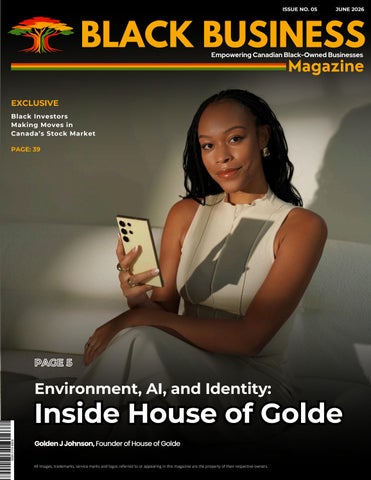
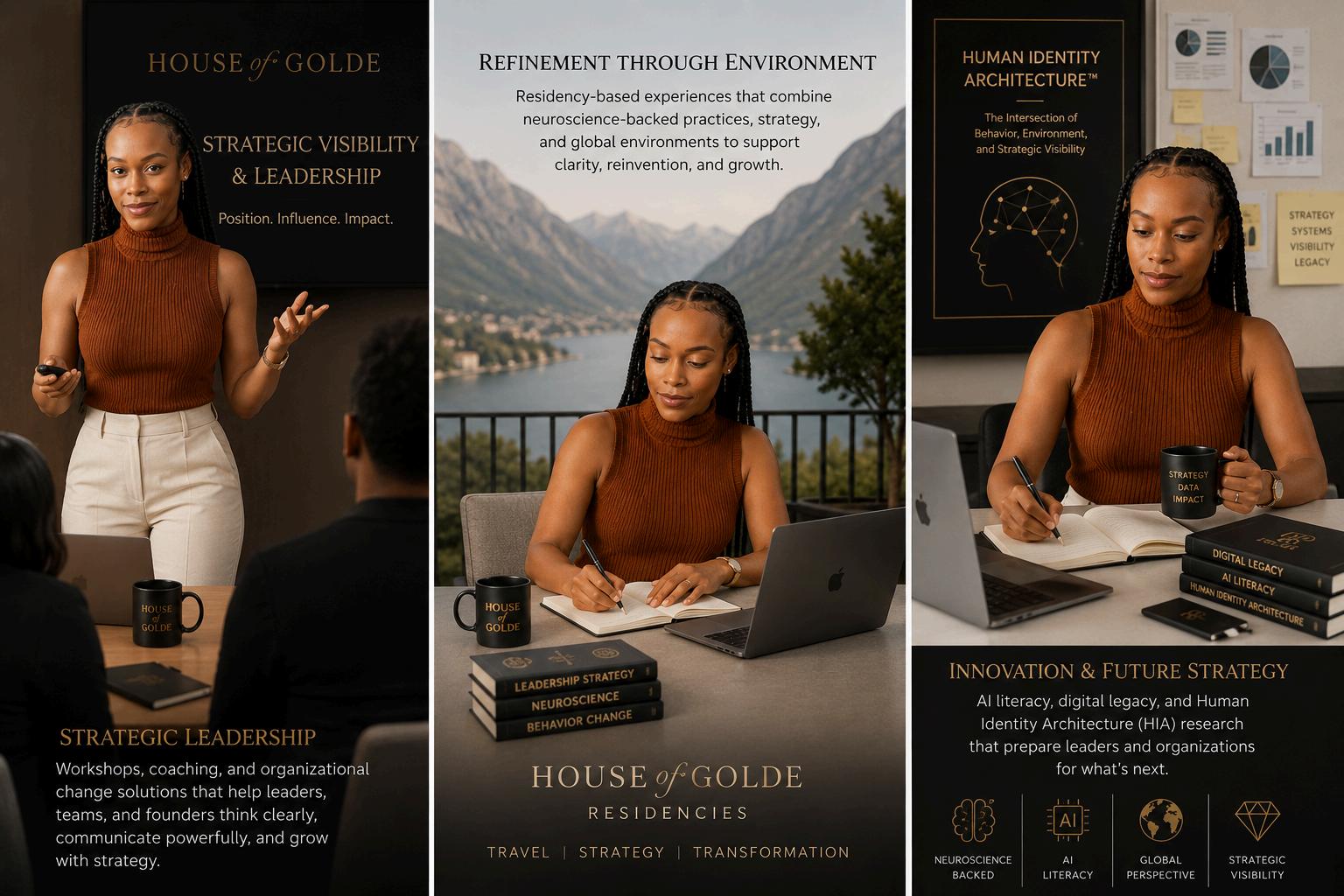
In an exclusive interview with Black Business Magazine, Golden J Johnson, Founder of House of Golde, shares her vision for helping leaders, entrepreneurs, and creatives thrive in an AIdriven world Through a strategic blend of environment design, neuroscience-backed practices, and digital legacy building, Golden guides ambitious professionals to refine their leadership, amplify visibility, and navigate complex challenges with confidence.
Interview By SK Uddin
Golden J Johnson is the founder of House of Golde, a strategic ecosystem exploring how leadership, environment, organizational change, travel, and strategic visibility shape the evolution of modern leaders, brands, and organizations Her work bridges strategic advising, neuroscience-backed refinement, AI literacy, digital legacy, and residency-based experiences designed to help ambitious minds navigate growth, reinvention, visibility, and high-level performance in a rapidly changing world.
As an Organizational Change Management Practitioner and TICO-certified Travel Advisor based in Ontario, Canada, Golden’s work focuses on how environment, human behavior, mindset, and strategic visibility influence leadership, creativity, decision-making, and organizational growth Through private refining sessions, curated travel experiences, workshops, and strategic collaborations, she helps founders, executives, professionals, and teams refine how they think, position themselves, and evolve
ImageCourtesy:GoldenJJohnson
You describe House of Golde as a strategic ecosystem at the intersection of leadership, environment, neuroscience, AI, and travel. What personal or professional experiences led you to build a company that treats refinement as an ongoing practice rather than a one time “mindset shift”?
One of the biggest things I observed over the years was that growth is rarely lost because people lack talent More often, it’s interrupted by environment, burnout, unclear thinking, outdated habits, or returning to spaces that no longer support who they are becoming I saw this repeatedly while working with founders, professionals, creatives, and organizations navigating visibility, pressure, and rapid change
There was also a moment where I watched a client experience major growth while we were actively working together, only to slowly fall back into old patterns after the support and structure ended That changed the way I viewed transformation completely I realized refinement cannot be treated as a temporary motivational phase It has to become a lifestyle
That realization became one of the foundations behind House of Golde and The Refining Suite, where members and guests develop high-level habits, stronger routines, clarity, and deep confidence in their leadership, goals, and direction through ongoing refinement and neurosciencebacked practices.
In an AI driven world where algorithms and perception shape opportunity, you talk a lot about digital legacy and strategic visibility. In simple terms, what do those concepts mean—and why do they matter so much for modern leaders, founders, and creatives?
Digital legacy is the long-term foundation a person, brand, or organization builds through their leadership, communication, visuals, reputation, proof, credibility, and digital presence over time Strategic visibility is the intentional process of making sure those elements align with who you are, what you stand for, and the future you are building toward.
I believe the future belongs to people and brands building evergreen visibility, trust, and credibility that continue creating opportunities long after trends, algorithms, or campaigns change
Your residency‑based refining experiences combine neuroscience‑backed practices, organizational change principles, travel, and curated environments. How does changing someone’s environment—physically and digitally—shift the way they lead, decide, and create under pressure?
My background in interior design and space planning played a major role in shaping this perspective Early in my career, I worked in the design industry helping create environments and retail spaces built around human experience, movement, emotion, and behavior. Both theoretically and practically, I learned that environment influences people far more than most realize The spaces we work in, the conversations we surround ourselves with, the pace we normalize, and even the environments we repeatedly return to all affect our nervous system, thinking patterns, creativity, confidence, and decision-making
As I continued working with founders, professionals, and organizations, I began noticing similar patterns outside of physical design. Many ambitious people were trying to evolve while remaining in environments, routines, and mental patterns that reinforced stress, distraction, survival habits, or outdated versions of themselves Sometimes the mind cannot access new levels of clarity while operating inside the same patterns every day
That realization became one of the foundations behind the residency-based refining experiences Travel and curated environments create interruption and perspective They help people slow down long enough to observe how they think, lead, communicate, and operate under pressure When combined with neurosciencebacked practices, organizational change principles, and strategic coaching, these experiences help strengthen clarity, leadership habits, creativity, nervous system regulation, and long-term decision-making in ways traditional environments often cannot support
Many ambitious people have more information and tools than ever, yet still feel stuck in mental, creative, or operational plateaus. From your work, what are one or two of the most common patterns you see and how do refining sessions help interrupt them?
One of the biggest patterns I see is overstimulation without direction Many ambitious people are consuming endless information, strategies, and tools but still lack clarity around their habits, environment, leadership, and longterm vision More information does not automatically create better decisions Often, it creates more noise, distraction, and burnout
Another common pattern is operating in survival mode for too long People become highly productive under pressure, but eventually that pressure affects creativity, confidence, focus, communication, and strategic thinking From the outside they may appear successful, while internally they feel mentally exhausted or stuck at a plateau
Refining sessions are designed to interrupt those cycles through strategic observation, neurosciencebacked practices, environmental shifts, and transformational exercises tailored to the individual We create custom blueprints that help bridge the gap between where a person currently is and where they want to be The goal is helping ambitious minds strengthen high-level habits, rebuild confidence, improve decision-making, and create sustainable growth that continues long after the session ends
You’ve set a mission to empower over 30,000 women through AI literacy, strategic visibility, and leadership development. Why is this focus on women—and particularly Black women and creatives—so urgent right now, and what first step would you encourage them to take to future‑proof their leadership in the AI era?
I believe this mission is urgent because AI is already reshaping leadership, hiring, communication, visibility, and opportunity at a global level, yet women are still significantly underrepresented in adoption and leadership within the space According to the World Economic Forum, women currently make up only about 30% of the global AI workforce, while research from Harvard Business School found that women are adopting generative AI tools at lower rates than men, which researchers warn could widen future career and opportunity gaps if not addressed intentionally
For Black women and creatives especially, this matters because visibility, adaptability, and digital literacy are becoming directly connected to economic growth, leadership opportunities, and long-term relevance in the digital economy I believe many talented women are highly capable but have not been given enough access, confidence, support, or strategic education around how to position themselves in this rapidly evolving landscape
The more women understand the future, the more we can position ourselves to be autonomous, confident, adaptable, and equipped to evolve not only ourselves, but also the teams, organizations, industries, and communities we are connected to
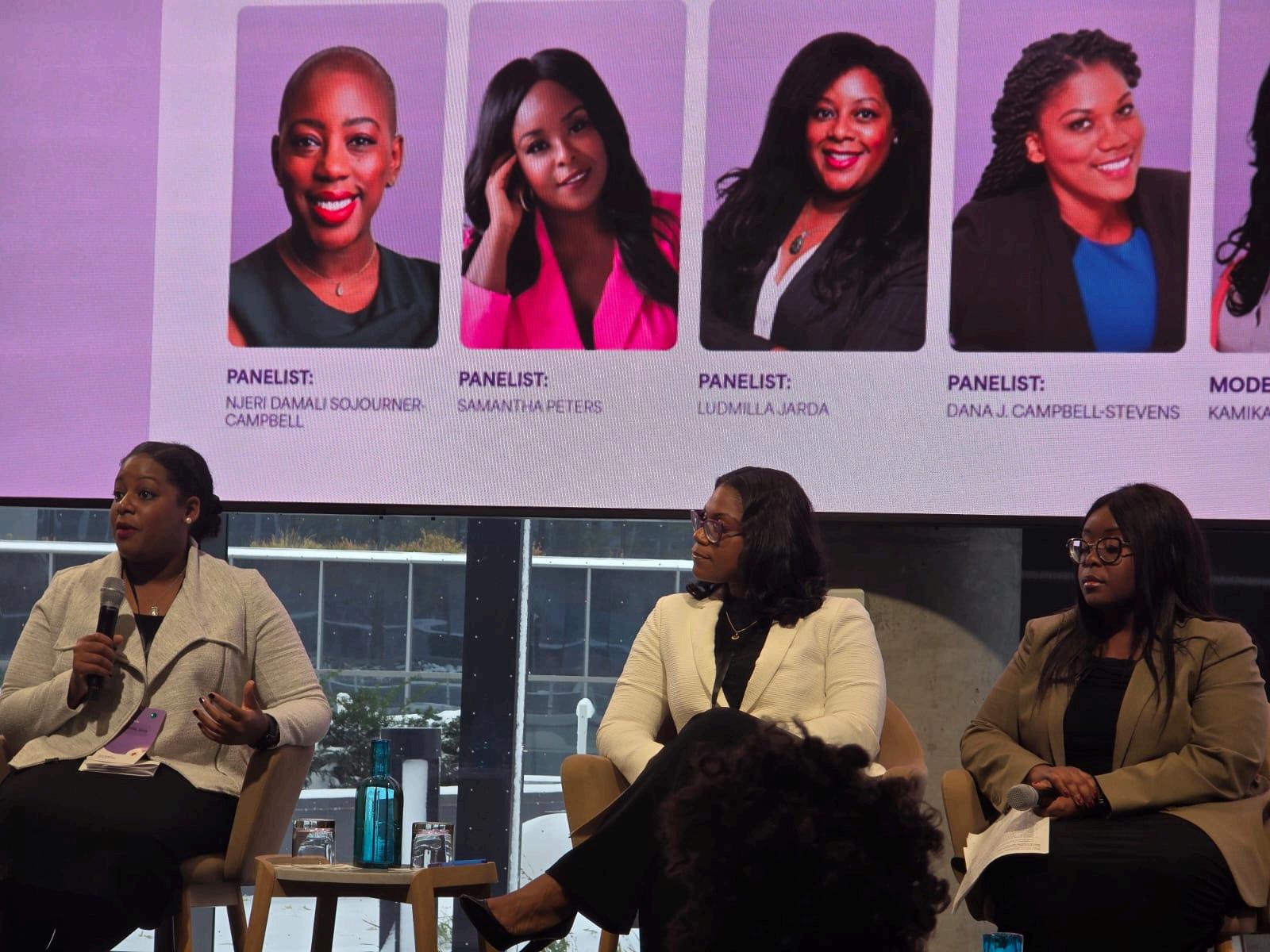
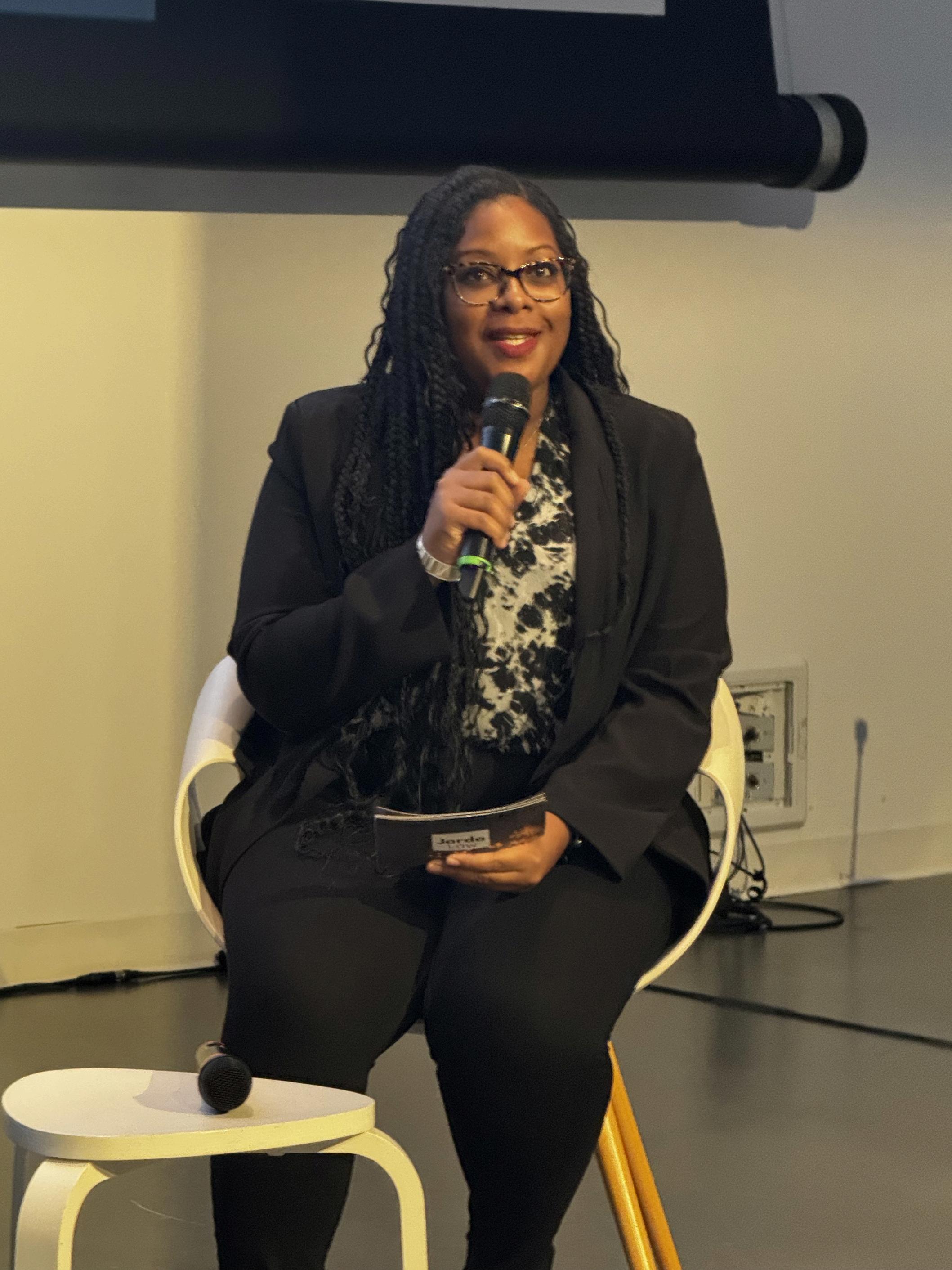
Ludmilla Jarda is the type of businesswoman who bases her business on both legal brilliance and civic duty As the Founder and Principal Lawyer of Jarda Law, a boutique litigation practice in Ottawa, Ontario, she advises people and small businesses on employment law, personal injury law, civil litigation, workplace investigations, and culture assessments
With over 13 years of legal expertise, she has built a practice grounded in advocacy, justice, and practical problem-solving For Black Business Magazine, her story stands out not only because she developed a successful law firm, but also because she is working to improve access to justice and representation in Canada's legal profession
FounderandPrincipal LawyerofJardaLaw
From Big-Firm Training to Boutique Leadership
Ludmilla worked at one of Ottawa's top law firms for several years before founding Jarda Law, where she gained substantial knowledge in employment law, personal injury law, and civil litigation That background provided her with the technical foundation and client experience needed to understand how legal conflicts affect real people workers confronting unfair treatment, accident victims navigating claims, and small business owners attempting to safeguard their interests.
Her professional experience also includes serving as an adjudicator of the Licence Appeal Tribunal, an administrative tribunal, from 2022 to 2025, where she gained a deeper understanding of conflict resolution and the importance of making swift, fair rulings That experience refined her view of access to justice, particularly for persons overwhelmed by the legal system or unable to afford traditional representation
Jarda Law Delivering Practical Advocacy for Real Life
Ludmilla runs Jarda Law, which focuses on the legal challenges most likely to disrupt a person ' s life or business: workplace conflicts, injury claims, civil disputes, and investigations into organizational culture These aren't abstract concepts They have an impact on income, well-being, reputation, and ability to function on a daily basis The firm describes itself as a boutique litigation practice serving clients throughout Ontario, with services available in both English and French That bilingualism is important in cities like Ottawa and across the province, where access to legal services can be determined by a client's ability to speak coherently in their preferred language
Ludmilla's work on workplace investigations and culture assessments is particularly timely As more organizations investigate harassment, discrimination, psychological safety, and internal accountability, there is an increasing demand for lawyers who can do more than just litigate they must also review systems, identify risks, and assist employers in taking action before problems develop Her profession combines legal clarity with a humanistic approach Rather than treating clients like files, she sees them as individuals with pressing issues and long-term ambitions That combination has made Jarda Law an excellent choice for individuals and small businesses looking for strategic yet accessible representation
A Black Woman Leader Shaping Canadian Law
Ludmilla's leadership is particularly important for Black representation in Canada's legal profession She is an active volunteer with the Canadian Association of Black Lawyers and the Black Female Lawyers' Network, and a board member of the Canadian Women of Colour Leadership Network, where she oversees good governance
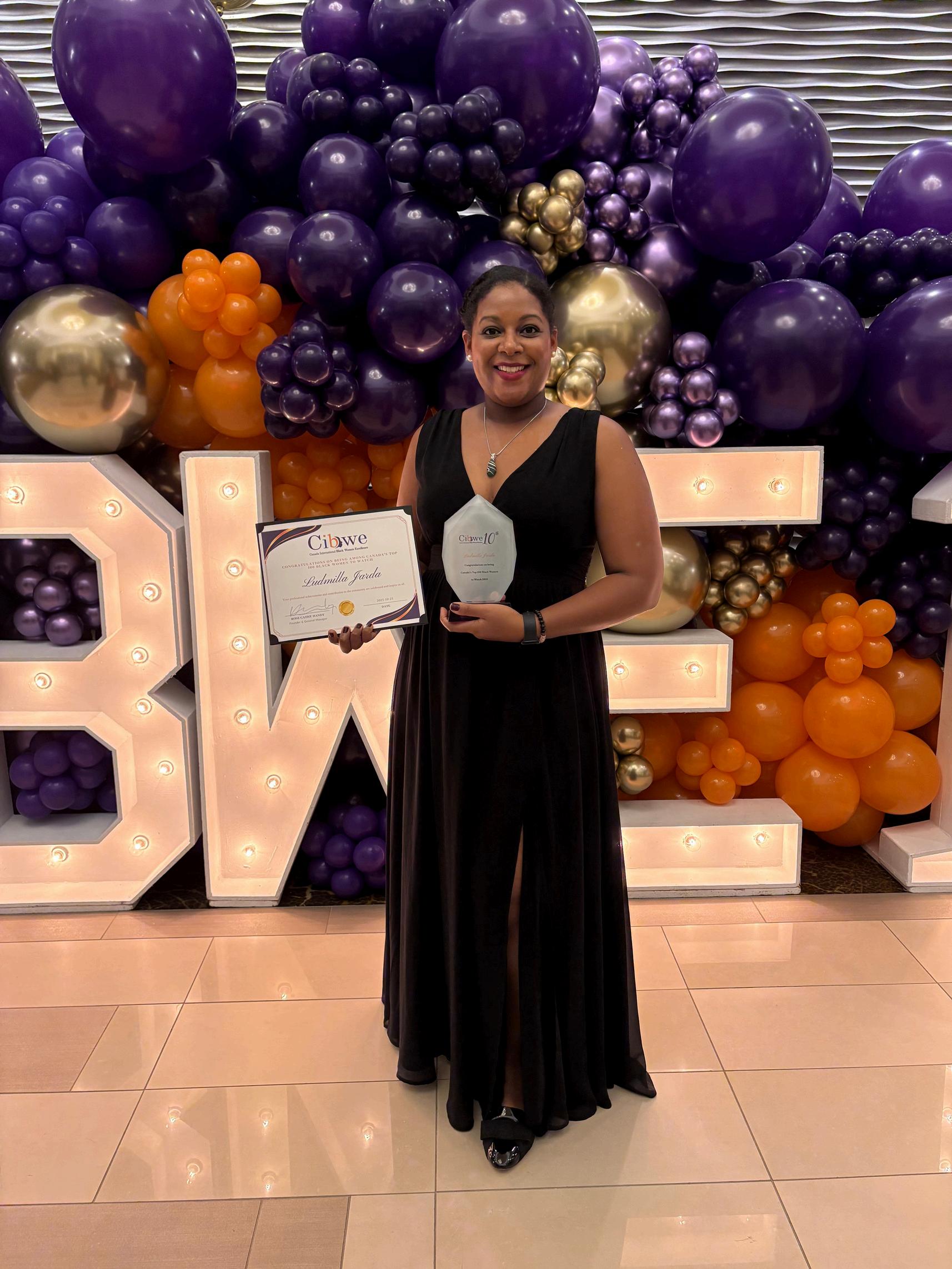
These positions represent more than just professional networking They demonstrate a desire to create systems that help Black legal practitioners, students, and communities Ludmilla's visibility is critical in an industry where Black women have long been underrepresented She is not only practicing law; she is also influencing who will lead in the legal profession in the future. Her selection as one of Canada's Top 100 Black Women to Watch in 2025 demonstrates growing national recognition of her work and influence
Mentorship, Teaching, and Community Impact
Beyond client work, Ludmilla mentors students and young lawyers and shares her knowledge through teaching and speaking engagements Her devotion to information sharing is a significant component of her contribution to the profession She recognizes that access to justice begins with information, role models, and direction, not with entering a courtroom. Her community involvement also includes governance and leadership in groups that empower women of colour and Black professionals This is significant because legal careers are defined not only by credentials but also by access to mentorship, sponsorship, and trusted networks
Ludmilla Jarda's path provides various lessons for Black Business Magazine readers:
Increase your level of expertise. She turned years of legal experience into a boutique firm that reflected her ideals and talents
Select service over scale alone. Her work model emphasizes client care, language accessibility, and practical assistance
Invest in the community. She spreads her influence far beyond her own firm through volunteering, governance, mentoring, and teaching
Her narrative demonstrates how entrepreneurship may simultaneously serve as a vehicle for leadership, justice, and representation Fromthecourtroomtothe classroom,LudmillaJardahas builtacareeronfairness, advocacy,andempowerment.As thefounderofJardaLaw,she representsanewgenerationof CanadianBlackfemaleleaders whoaretransformingprofessional serviceswithpurposeand integrity.
Disclaimer:Thisarticleisforinformationalpurposesonly Black BusinessMagazinedoesnotendorseorguaranteeanyproducts, services,organizations,orindividualsmentioned Readersare encouragedtoconducttheirownresearchandduediligence beforemakinganybusiness,financial,orpersonaldecisions.
ImageCourtesy:LudmillaJarda
By Norman Musengimana
Many Black families in Canada have focused on increasing their income and purchasing assets such as homes, businesses, and investment accounts Without a plan for after death or incapacity, hardearned wealth may be lost to taxes, legal bills, and family turmoil. A comprehensive protection strategy combines life insurance, wills, powers of attorney, and, in some situations, trusts to ensure that assets flow to the intended beneficiaries with minimal friction
Many first-generation immigrants and colored populations, particularly Black Canadians, nevertheless lack conventional estateplanning conventions such as identifying beneficiaries, documenting wishes, and using trusts This gap leads to contested estates, forced property sales to pay taxes or debts, and missed possibilities for tax-efficient inheritance structures
Treating estate planning as a basic aspect of wealth growth, rather than a luxury for the ultra-rich, is crucial for Black households who want their homes, businesses, and portfolios to enhance the next generation, rather than evaporate in transition
Life
insurance: liquidity when it matters most
Despite being a basic tool for protecting family money, life insurance is often overlooked or misunderstood In Canada, deathbenefit payouts from life insurance plans are tax-free A wellstructured policy can provide heirs with immediate cash to meet burial costs, debts, and tax penalties without forcing them to liquidate their house or business
Advisors may combine permanent insurance with "insured annuity" or "corporate estate reallocation" techniques, transferring funds from high-taxed fixedincome investments to tax-deferred insurance arrangements, especially within holding corporations For Black families and businesses that are late to investing, these tools can help consolidate decades of wealth-building into a single, well-designed strategy
Wills, powers of attorney, and avoiding probate fights
A legitimate, up-to-date will remains the foundation of an estate plan In the absence of a will, provincial intestacy laws determine who inherits, potentially affecting the common-law spouses, stepchildren, or relatives back home of first-generation immigrants
A clear will should identify an executor, specify how main assets (house, company, investments) will be split, and indicate guardianship desires for minor children Powers of attorney or mandates for property and personal care provide an additional layer of security by empowering trusted others to manage finances or make health decisions if you become incapacitated
For Black families with property or dependents in multiple countries, cross-border concerns can be complicated, necessitating professional guidance Trust businesses and wealth management departments of large Canadian banks, such as RBC Royal Trust and CIBC Trust, provide estatesettlement and trust-administration services to help executors navigate complex estates and reduce the risk of litigation Black Canadian estate-litigation lawyers emphasize the importance of having welldrafted wills to avoid costly court fights
How Trusts Help Families Protect and Direct Wealth
Trusts are effective instruments for families who want more control over how their assets are utilized and preserved. At its most basic, a trust is a legal arrangement in which a trustee owns and administers assets for beneficiaries in accordance with precise instructions Assets held in a variety of trusts can avoid probate, remain private, and, in some situations, receive superior protection from creditors or lawsuits Black businesses might use family trusts to distribute income and ensure continuation after the founder's death or disability
Specialized life insurance trusts can receive policy earnings and pay out according to pre-set restrictions, such as progressively distributing cash to younger beneficiaries or ensuring that monies designated for education or business start-up are used appropriately.
A simple checklist for first‐generation Black Canadians
Making a list of all assets and debts, verifying and updating beneficiary designations on insurance and registered accounts, drafting or updating a will and powers of attorney, considering life insurance to cover taxes and replace income, and determining whether a trust makes sense for business shares, vulnerable beneficiaries, or cross-border situations are all common issues for first-generation immigrants and Black Canadians who were not raised with estate-planning conventions
The Canadian Association of Black Lawyers (CABL) and Black-led advisory firms can connect families with culturally competent lawyers, planners, and insurance professionals who understand the technical rules and lived reality of Canada's Black wealth gap
Black-led businesses in Canada are exploring a unique approach to determining who should benefit from the value created by their operations Some Black-owned or Black-led enterprises are shifting to co-operatives, worker-owned firms, and employee-share ownership schemes to distribute risk and profit more evenly.
The Canadian co-operative sector has identified several Black-led co-ops making a difference in Canada Initiatives such as Black-led learning and skill-building platforms, health collectives, and community-based food or cultural co-ops leverage shared ownership to meet community needs and build assets These groups offer both social and economic benefits, including improved access to services, democratic governance, and a share of surpluses
Reports on ethnocultural and newcomer co ops emphasize that Black community led organizations especially informal savings circles and mutual aid groups are typically missing from official co op statistics, despite fulfilling similar responsibilities Formalizing these practices into registered co-operatives allows Black leaders to access grants, finance, and technical assistance from provincial co-op federations and community lenders They confront systemic challenges such as limited access to start-up financing, a lack of awareness of co-op law, and a historically less varied co-operative ecosystem
Worker‐owned firms and employee shares
Some Black-led businesses are exploring worker-owned and employee-equity models, giving front-line employees a part in the business, in addition to traditional co-ops Research indicates that employee ownership leads to increased job satisfaction, productivity, and equitable wealth distribution In Canada, where Black-owned enterprises are typically smaller and less successful than white-owned firms, empowering people through ownership can promote resilience and fairness
Collective models and the Black wealth gap
According to Statistics Canada data, Black-owned firms in Canada are often smaller, less likely to be incorporated, and have lower profit margins than those owned by white Canadians Barriers include difficulty obtaining finance, limited presence in mainstream corporate networks, and increased vulnerability to economic shocks Collective ownership is not merely a governance decision, but also a wealth-building approach that distributes opportunity and risk among more individuals
Employee-equity models turn a job into a potential asset, allowing workers to share in the company ' s growth or future sale rather than being left behind Converting a regular corporation into a worker-owned co-op or an EOT-style organization might offer a gradual exit strategy while preserving jobs and community control, particularly for first-generation Black entrepreneurs considering succession planning According to international research on Black employee ownership, such transitions can help keep wealth in Black communities rather than transferring it to distant buyers.
Honouring
history while designing the future
Canada's growing interest in Black-led co-ops and employee-equity models is part of a larger story that includes mutual-aid societies, freedom schools, modern worker co-ops, and impactdriven enterprises While Canadian coops remain lean, white, and rural, organizations chronicling the past and future of BIPOC cooperation argue that centring Black perspectives is crucial for a more authentic and inclusive movement.
In an exclusive interview with Black Business Magazine, Osayi Lasisi, Founder of Zenblank Inc , shares the journey of building a growth marketing consultancy rooted in resilience, adaptability, and purposeful action. From navigating career transitions and entrepreneurship in a new country to helping businesses generate measurable revenue through strategic marketing, Osayi has built a reputation for turning complex challenges into opportunities for growth.
Interview By Norman Musengimana
Osayi Lasisi is the Founder of Zenblank Inc., a GTAbased growth marketing consultancy helping businesses from SMBs to enterprise organizations build pipeline, accelerate revenue, and grow with intention. With over 13 years of experience spanning B2B SaaS, cybersecurity, fintech, and emerging technology, Osayi brings a rare combination of strategic depth and hands-on execution to every client engagement
A forward-thinking marketer, Osayi actively integrates AI into her practice, using it to accelerate campaign strategy, enhance audience targeting, optimize content development, and drive smarter, faster decisions for clients Her ability to blend data-driven insight with creative execution has helped clients generate multimillion dollar pipelines, including over $2 million in incremental pipeline from a single virtual event program.
You moved from practicing law in the U.S. to leading growth marketing strategy in B2B SaaS, cybersecurity, and fintech. What ultimately led you to found Zenblank, and how did those earlier career chapters shape the way you now build and run your consultancy?
Moving to Canada was a reset I hadn't planned for Despite my background in law and years leading growth strategy across B2B SaaS, cybersecurity, and fintech, I found myself underemployed and then let go at one of the hardest moments in our family's life We were still settling in, and we were on the verge of losing our government childcare subsidy I decided the best way to buy myself time and agency was to start my own business
I wont pretend I was certain it would work I didn't know if my network would carry over or if I'd land a single client. But somehow it did work, and Zenblank grew from there.
Those earlier career chapters, law and then growth marketing, gave me something more durable than a playbook They taught me I could figure things out, and that momentum matters more than certainty That's still how I lead the consultancy today
Zenblank is known for turning virtual events into real pipeline, including generating over $2 million in incremental pipeline from a single webinar program. For business leaders who still see webinars as “just awareness,” how do you design events so they actually drive revenue?
Most companies stop too early They host the webinar, send one follow-up email, and then wonder why nothing converted The event itself is not the finish line It is the starting point for a conversation that, if handled well, turns interest into pipeline
But even before that, the bigger mistake is choosing the wrong topic If your webinar is not addressing something your ideal clients are actively thinking about, losing sleep over, or trying to solve right now, you will attract the wrong room And no amount of follow-up fixes a misaligned audience
The way we design events at Zenblank starts with the outcome we want and works backward. Who specifically needs to be in that room, what do they need to walk away believing, and what is the natural next step we are inviting them to take? The webinar is one moment in a longer journey, and every element, from the topic to the speakers to the post-event sequence, has to be built with that journey in mind
You work with both SMBs and large enterprises on growth marketing, demand generation, and ABM. In simple terms, what are the core ingredients of a growth strategy that truly scales—and what tends to break first when businesses try to grow without a clear plan?
The core ingredient that most people overlook is an experimentation mindset Not in a casual way, but as a genuine operating principle That means asking questions constantly, never assuming you already know the answer, testing quickly, and critically, not taking results personally A failed test is not a failure It is information. Then you test again.
What breaks first when there is no clear plan is momentum People start to feel like nothing is working, energy drops, and the strategy gets abandoned right before it might have turned a corner The plan was never the problem The staying power was
The mistake looks different depending on the size of the business though Enterprises tend to think the solution is simply spending more money, throwing budget at a problem that actually requires sharper thinking SMBs make the opposite mistake They look at what enterprises are doing and try to copy it, without realizing that what works at scale often fails at their stage The businesses that grow well are the ones that resist both traps and focus on finding what actually works for them specifically
As a Black woman founder building a Canadian-based growth consultancy that integrates AI into everyday marketing execution, what opportunities and challenges have you experienced, and what does it mean to you to create space in an industry where representation still lags behind?
I am often underestimated I will diplomatically say it is because I look young, but we both know there is more to it than that I have been told I could not get the job done, and then been asked to train and support the very person who was brought in to replace me That experience taught me something important though Being underestimated is not a ceiling It is just noise you learn to tune out
The bigger thing I think about is representation, and what it actually means in practice. For me it starts with honesty. When I can tell someone that the challenges they are feeling are not imagined, that they are real, and that they can still build something meaningful anyway, that matters more than any polished success story I could tell
I show up as my imperfect self because I know I am on a journey Growth marketing, AI integration, building a consultancy, all of it is creative work at its core And creativity does not require a perfect résumé or a certain kind of founder profile It just requires the willingness to keep going That is what I want other people to see when they see me
For aspiring Black entrepreneurs and marketers who want to build service businesses of their own, what is one lesson you wish you had known at the start—and one practical step they can take this year to set themselves up for sustainable, intentional growth?
The lesson I wish someone had told me at the start is simple You do not have to have it all figured out In fact, you will not figure it out until you actually start Some answers only present themselves when you are in the room, not in theory, not in a course, not in a planning document The clarity comes from doing
Wealth in Black neighb Canadian cities is dete by individual choices, policies that govern w transit goes, and who property prices rise Zo transportation expansi redevelopment schemes have historically impacted which groups have access to high-value property and which are marginalized, frequently with racialized consequences
Historically, Black and other colored populations have been more likely to dwell near industrial uses, major roads, or underserved locations, restricting their quality of life and enjoyment over time At the same time, when these locations do attract investment (new metro lines, apartment skyscrapers, commercial hubs), the advantages are rarely distributed fairly Property values can outpace local salaries, putting tenants and low-equity owners at danger of displacement while the neighbourhood grows more popular
Toronto, Montreal, Halifax: growth and displacement risks
Up-zoning near transit stations in Torontos inner suburbs has expedited redevelopment in traditionally Black and racialized areas Redesignating low-rise zones along critical corridors for mid- and high-rise buildings increases land prices, enticing developers and investors As older buildings are updated or replaced, tenants may experience renovictions or rent increases above guidelines, while existing homeowners may receive paper gains Without protections, long-term residents may be priced out of the neighbourhoods they helped support
Black-led organizations and supporters are seeking "community wealth building" initiatives to keep more of the benefits in local hands Community wealth development, as described by organizations such as Social Innovation Canada and the Democracy Collaborative, entails communities owning and controlling assets (land, buildings, and businesses) rather than relying primarily on outsider investors In Canada, one of the most promising tools in this toolkit is the Black led Community Land Trust (CLT)
Community Land Trusts (CLTs) are non-profit organizations that acquire and hold land for the benefit of the community, separating land ownership from buildings The trust protects affordability and community priorities while allowing residents or local groups to buy homes or operate businesses on longterm leases
Recent research on Black-led CLTs in Canada demonstrates how they can ensure affordable housing, create room for Black-owned enterprises, and prevent speculative selling from undermining hard-earned achievements When combined with co-ops, social enterprises, and anchor institutions that buy or lease from local Black-led entities, CLTs can transform rezonings and infrastructure investments into opportunities to lock in affordability, capture some of the increase in land value, and build collective equity
Balancing appreciation with anti‐displacement
Up-zoning and transportation expansions can pose challenges for Black households On the one side, rising property values boost home equity, which can be used for education, business investment, or retirement On the other hand, increased taxes and living expenses may make it difficult to stay, particularly for elderly people on fixed incomes or families experiencing income volatility
Researchers and community advocates emphasize that the goal is not to resist investment, but rather to manage it Inclusionary zoning, property tax relief for long-term owners, improved renter protections, and support for Black-led land trusts and co-ops to buy crucial sites can all help prevent additional price increases When these instruments are in place, transit and redevelopment can help close, rather than increase, the racial wealth gap by ensuring that Black families and businesses continue to benefit from improved areas.
Planning for self‐determination
Zoning and redevelopment conflicts in Black neighbourhoods are ultimately about selfdetermination: who decides what the community looks like and who shares in the gains Community wealth development, Black-led CLTs, and equity-focused planning empower Black residents through ownership and authority As Canadian cities grow, focusing on these measures is vital for transforming land-use changes into long-term community wealth and preventing dispossession.
Disclaimer:Thisarticleisforinformationalpurposes only BlackBusinessMagazinedoesnotendorseor guaranteeanyproducts,services,organizations,or individualsmentioned.Readersareencouragedto conducttheirownresearchandduediligencebefore makinganybusiness,financial,orpersonaldecisions
In an exclusive interview with Black Business Magazine, Chelsea Jambo, Founder and CEO of OURbody, shares her journey of transforming personal curiosity into a movement that empowers women to understand and advocate for their hormonal health Through a combination of organic wellness products, education, and community engagement, Chelsea is redefining how women approach their bodies, cycles, and overall wellbeing
Interview By Norman Musengimana
Chelsea Jambo is the founder and CEO of OURbody, a certified organic women ' s hormonal wellness tea brand redefining how women understand, support, and live with their bodies After years in the tech industry, Chelsea stepped away from a conventional path to build the brand she wished existed when she first started asking questions about her own hormonal health and could not find clear, credible, or accessible answers.
What began as a personal search became a category. Chelsea built OURbody around four anchor principles, Ritual, Literacy, Stillness, and Agency, with the belief that women deserve more than products They deserve language, education, and tools to understand the systems inside their own bodies
In 2025, Chelsea was nominated for three awards recognizing her work as a founder and innovator, including Business of the Year, Woman in Business, and Young Entrepreneur. Her vision for OURbody extends beyond North America, with the brand actively working on initiatives across the African continent that center women ' s hormonal health education and access.
Chelsea is a writer, speaker, and emerging voice in the global conversation on women ' s wellness, with a particular focus on the hormonal health literacy gap that affects women across every stage of life
You left a career in tech to build the women’s hormonal wellness brand you wish had existed for you. What was the moment when you realized there was a real hormonal health literacy crisis—and that you needed to create OURbody to help address it?
I launched OURbody with a simple intention I wanted to offer women a product that helped them manage their symptoms across each hormonal phase That was the foundation the brand was built on
What I did not expect was how often our products became permission to speak Last winter, at a brand event, I watched it happen We were simply showcasing what we made, and without any prompting, the room shifted. Women began turning to one another, trading stories about their cycles, their pain, the symptoms they had carried quietly for years. One conversation opened the next, until the entire room was admitting the same thing out loud None of them truly understood their own bodies, and no one had ever taught them how
I had heard it before, from a young woman in her twenties to a woman well into menopause Different ages, identical truth We know almost nothing about our hormones, and every one of us had been left to figure it out alone
I left that event understanding something I could not unsee The real gap was not in the products women had It was in what they had never been told about their own bodies
OURbody is built on four principles: Ritual, Literacy, Stillness, and Agency. In simple terms, how do these ideas show up in your teas, your education work, and the way you want women to engage with their bodies?
These four principles anchor the next chapter of OURbody, and each one maps to a part of the experience
Ritual is the act When a woman reaches for OURbody, she is not being sold to or chased by the next trend She is choosing to slow down, pour a cup, and turn her attention back toward herself The ritual is the engagement itself
Literacy is the mind Every time a woman comes into contact with us, she should leave knowing something new about her hormones, her body, and how it is meant to work. We exist to teach, not just to sell.
Stillness is the mood We live in an overstimulated world that tells women to push through and keep going We offer the opposite We create space to pause, to breathe, and to feel that her body and her wellbeing genuinely matter
Agency is the result She walks away with more than just a product. She leaves with knowledge, with calm, and with a deeper connection to herself.
Together they build strength through simplicity The teas and the education are simply how these principles reach her
You’ve said that meaningful clinical research on the female body is only a few decades old, and that women especially women of colour have been systematically underserved. How does the Hormone Report help women reclaim language and understanding around their cycles and life stages?
It starts with a date most women have never been told In 1993, women were finally mandated to be included in clinical research in the United States, which means much of what medicine formally understands about the female body is barely three decades old The dismissal so many of us feel in a doctor's office is not imagined The research was never designed around us, and women of colour were left even further behind
The Hormone Report is our direct response to that gap It begins from an honest premise The medical system has underserved women, so we put the information back into their hands in plain language, starting with the fundamentals of the menstrual, perimenopausal, and menopausal phases of a woman ' s life
What makes the report different is that it is built to grow. Each issue adds new layers, deepening her understanding over time rather than overwhelming her at once. It is not written for the medically trained or the already curious It is for every woman, whether or not she went looking for it
With that knowledge in hand, she can walk into her next appointment, ask better questions, and recognize when she is being dismissed
YOUR product line is structured around four phases—Solace, Shift, Harmony, and Balance— supporting menstruation through menopause. How do you see OURbody evolving from “just teas” into a broader ecosystem that serves women across North America and the African continent?
This question arrives at the right moment, because we are still discovering the full shape of what OURbody is meant to be One thing has been clear from the start Our future was never tea Tea was simply where we began
We are already developing innovations that reach beyond the cup, and each one traces back to our four principles The vision is an ecosystem, one where every encounter a woman has with OURbody leaves her better than it found her
Much of that work runs through literacy The real challenge is packaging education in a form women can genuinely absorb and use We are creating kits and initiatives designed first for African women, with every intention of carrying them to North America as well.
For women who are just starting to ask questions about their hormones, cycles, or symptoms and feel overwhelmed or dismissed—what is one piece of advice you would offer them as they begin to learn, listen to their bodies, and advocate for themselves?
My advice is simple Never take the first no as the final answer
The truth is that the medical system is slow to change, and women in North America still walk into appointments where they are not heard If you are ready to ask deeper questions about your body, you will eventually meet a doctor who dismisses you I want you to be prepared for that moment, not discouraged by it
A first no is not a final no. Sometimes advocating for yourself means staying in the room and pushing back. Sometimes it means seeking a second opinion, or finding a new doctor altogether There is real value in that, and you are allowed to do it
This is why education matters so much Doctors will use words and terminology you may not recognize, yet they can be vital to your health and your future The more you understand about your own body, the harder you are to dismiss
So inform yourself at every turn Listen closely to your body, because it is often telling you something long before anyone else will And never settle for being unseen by the person meant to care for you
Many Black acquirers start their careers as employees or service providers in industries they already know well A technician at an HVAC firm, a senior manager at a logistics company, or an accountant at a small practice may eventually decide they can control the entire operation. Others come from outside as renters or suppliers, looking for possibilities in franchises, convenience stores, cleaning services, or internet brands where the owner is willing to stand aside
Rather than creating new competitors, potential owners sometimes buy established operations, with a transition period during which the seller teaches them and introduces them to important customers, workers, and suppliers This continuity mitigates risk for lenders, sellers, and employees alike It also enables Black purchasers to capitalize on existing reputations while progressively imprinting their own mark on culture, operations, and growth
By Dwania McLarty-Peele
More Black entrepreneurs in Canada are purchasing profitable businesses, such as franchises, accounting practices, HVAC companies, and e-commerce brands, rather than starting from scratch This method offers a strong shortcut: instead of spending years demonstrating a concept and searching for product-market fit, purchasers may leverage established cash flow, staff, and customers from day one
Acquisitions can help Black Canadian entrepreneurs overcome financing constraints and the risk of business failure, enabling them to build significant ownership Canada is facing a big succession wave as elderly proprietors of small and medium-sized firms retire without apparent heirs This generational change presents opportunities for aspiring Black buyers to acquire excellent businesses at reasonable prices if they can secure the necessary financing and advisory support
Financing Options for Black Entrepreneurs in Canada
The most common query among acquirers is how to pay for this. In Canada, the Business Development Bank of Canada (BDC) is a major player in financing business purchases, providing term loans for acquisitions and management buyouts BDC has openly committed to supporting Black entrepreneurship, including its membership in the Black Entrepreneurship Loan Fund, which offers loans of up to $250,000 to qualified Black business owners
Commercial banks have also developed programs geared toward Black entrepreneurs. BMO's Black Entrepreneurship Loans & Programs, Scotiabank's Black-Led Business Financing Program, and CIBC's Black Entrepreneur Program Loan provide tailored lending criteria, dedicated advisors, and flexible term loans for acquisitions and expansions These programs complement larger initiatives such as the Black Entrepreneurship Loan Fund, which is operated by the Federation of African Canadian Economics (FACE) and credit unions like Alterna Savings
Even with institutional assistance, many acquisitions would be impossible without vendor take-back (VTB) financing, in which the seller agrees to receive part of the purchase price over time, thereby serving as a lender In a common structure, a buyer may pay 30-50% up front (financed by loans and savings), with the balance paid out over several years from the company ' s future cash flow. This strategy aligns incentives: the seller has an interest in the buyer's success, and the buyer can execute a deal that would otherwise be impossible
Black ecological organizations and community-loan funds are also contributing The Black Entrepreneurship Program's loan funds, regional initiatives, and credit union collaborations offer technical help, advisory support, and microloans to bridge gaps in acquisition funding These resources are especially important for service organizations and franchisees in industries like construction, logistics, and personal services, where assets are more "intangible" and traditional lenders may be wary
From acquisition to generational asset
Buying a business is just the beginning. To transform an acquisition into a generational asset, Black owners must prioritize professionalizing operations, documenting systems, and developing a new succession plan from the start This means establishing solid ties with accountants, lawyers, and bankers, investing in technology and training, and gradually engaging family members or important staff who may one day take over
Acquiring a lucrative HVAC company, franchise, or professional firm can generate income, create employment for community members, and provide a desirable asset to sell or pass on As Canada's Black entrepreneurial ecosystem grows, more founders realize they don't have to start from scratch to create something worth inheriting they can acquire it, grow it, and keep it in Black hands
Disclaimer:Thisarticleisforinformationalpurposesonly Black BusinessMagazinedoesnotendorseorguaranteeanyproducts, services,organizations,orindividualsmentioned Readersare encouragedtoconducttheirownresearchandduediligencebefore makinganybusiness,financial,orpersonaldecisions.
By SK Uddin
Across Canada, hundreds of first-generation Black founders in construction, logistics, healthcare, professional services, and other industries are at a crossroads: continue running their firms indefinitely, quietly wind them down, or consciously pass them on. Too often, the default is an unanticipated exit closing the doors when the owner is tired, ill, or ready to retire wiping out jobs, community relationships, and years of potential wealth that could have been passed down to future generations
Research on Black entrepreneurship in Canada demonstrates that Black founders confront more difficulties accessing capital and professional networks, making the enterprises they develop hard-won and irreplaceable assets Without a clear succession plan, those assets may vanish rather than establishing the cornerstone of intergenerational wealth Succession planning transforms a business from "the owner ' s job" to a transferable enterprise: one that children, important workers, or outside buyers can continue while the founder transitions to a new role as an advisor, landlord, or investor
Choosing who inherits the business
The first strategic question is who should take over: family, management, or a third-party buyer Many Black owners, particularly immigrants who started businesses from scratch, aspire to pass the firm on to their children, but not every child wants or is prepared to lead. Advisors advise owners to evaluate their interests, talents, timing, and distinguish between ownership and day-to-day management For example, a child can hold shares and enjoy dividends while professional managers or key staff oversee operations
When no family successor is available, selling to a management team or key workers can retain the company in familiar hands while also preserving its culture In some situations, a thirdparty sale facilitated by an M&A advisor might result in a higher price and additional opportunities for growth
Using Family Trusts and Shareholders Agreements to Build Wealth
Once a successor path is determined, legal structures become crucial A well-drafted shareholders' agreement clarifies who can hold shares, how they can be sold, what happens in the event of death or disability, and how disputes are settled, thereby limiting the possibility of later conflict among siblings, spouses, or partners For Black-owned enterprises with a single founder, lawyers often propose gradually issuing shares to family members or key employees within a clear framework, rather than waiting for a last-minute transfer
Family trusts are another effective strategy By transferring shares of a private corporation to a discretionary trust, founders can separate control (as trustees) from beneficial ownership (for children or other beneficiaries), handle taxes more flexibly, and shield assets from certain personal risks.
Trusts can also help family members enjoy the Lifetime Capital Gains Exemption when the business is eventually sold, allowing them to potentially use their exemptions simultaneously Black Canadian tax lawyers point out that many entrepreneurs only learn about trusts and shareholder agreements after difficulties have arisen starting early is significantly less expensive than correcting mistakes later
Valuation, tax, and preparing the next generation
Preparing successors extends beyond paperwork Black-owned businesses in construction, logistics, healthcare, and professional services frequently rely on the founder's personal ties and knowledge. Years of mentoring are required to develop effective plans, including integrating successors in strategy, introducing them to key clients, and bringing them into meetings with bankers, attorneys, and accountants to help them build their own advisory networks
Avoiding the “just shut it down” trap
Despite the availability of resources, many Canadian business owners never create a succession plan; surveys indicate that only a few have a strong, documented strategy For Black creators, that number symbolizes a missed opportunity: when lucrative businesses just dissolve, communities lose jobs, and families miss out on the possibility to transform years of work into wealth for retirement, real estate, or new endeavours.
A realistic business valuation is the foundation of every succession strategy. Overestimating or underestimating a company ' s value might disrupt family expectations and finances Independent valuations and guidance from accountants and corporate finance advisers can help create a fair price and structure for any buyer, including children, management teams, and outside investors
In an exclusive interview with Black Business Magazine, Tobias Brown, Founder of Tommie’s Jerk, shares the vision, determination, and cultural pride that have fueled the growth of one of Canada’s most recognized Caribbean food brands. What began as a passion for authentic Jamaican cuisine has evolved into a platform for entrepreneurship, community engagement, and cultural representation, inspiring people far beyond the restaurant industry.
Tobias Q Brown is the founder and owner of Tommie's Jerk, one of British Columbia’s fastest-rising Caribbean culinary brands Based in Surrey, Tobias has become recognized for blending authentic Caribbean cuisine with entrepreneurship, mentorship, and community leadership
In just a few years, Tobias transformed Tommie’s Jerk into a nationally recognized restaurant known for its vibrant flavors, cultural impact, and exceptional customer experience. His leadership and innovation have earned widespread recognition, including being named the winner of the 2026 DIVERSEcity Trailblazer Award and finishing 4th in the Canadian Black Chamber of Commerce National Business Pitch Competition
What inspired you to build Tommies Jerk, and how have your culture, upbringing, and early entrepreneurial experiences shaped the brand and its success today?
Building Tommie's Jerk was inspired by my deep connection to Jamaican culture, Caribbean hospitality, and the global power of authentic cuisine From an early age, I understood that food is more than nourishment It is identity, storytelling, tradition, and community Growing up around Jamaican cooking taught me discipline, pride, flavor balance, and the importance of creating experiences that bring people together
My entrepreneurial journey began long before launching Tommie’s Jerk Early business experiences taught me resilience, leadership, branding, and how to connect with people from all backgrounds Those lessons helped shape my vision of building more than a restaurant I wanted to create a globally respected brand that represents excellence in Jamaican cuisine.
How does Tommies Jerk balance great food, business growth, and meaningful representation while supporting Black economic empowerment and community impact?
Tommie's Jerk balances exceptional food, sustainable business growth, and meaningful cultural representation by operating with authenticity, consistency, and long term vision The foundation of the brand is rooted in Jamaican culinary traditions, while continuously elevating the customer experience through innovation, professionalism, and strong community engagement
For us, great food is only the beginning Every recipe, customer interaction, and branding decision reflects pride in Caribbean culture and a commitment to excellence We believe authentic Jamaican cuisine deserves global recognition at the highest level, and Tommie’s Jerk has worked to position itself as a respected leader within the food industry
As the company grows, the focus remains on ownership, legacy, and creating opportunities that extend beyond the restaurant itself We view business as a vehicle for empowerment, education, and economic impact Through partnerships, cultural initiatives, mentorship, and community support, Tommie’s Jerk actively contributes to strengthening Black entrepreneurship and increasing visibility for Caribbean businesses across Canada
How do you build authentic partnerships through Tommies Jerk that celebrate culture, support Black communities, and create long-term business success?
Tommie's Jerk builds authentic partnerships by leading with culture, integrity, and shared values. Every collaboration is approached as an opportunity to create meaningful impact while celebrating Caribbean heritage, supporting Black communities, and building sustainable long term relationships
We believe successful partnerships must go beyond marketing and visibility They should create real value for everyone involved, including local communities, entrepreneurs, organizations, and customers That is why we focus on aligning with brands, leaders, and initiatives that genuinely support diversity, economic empowerment, cultural representation, and community growth
Through collaborations with community organizations, cultural festivals, media platforms, and Black owned businesses, Tommie’s Jerk has helped amplify Caribbean culture while creating opportunities for networking, mentorship, and economic development These partnerships allow us to use food as a bridge that connects people from different backgrounds through shared experiences and authentic storytelling.
From a business perspective, authenticity has been one of the company ’ s greatest strengths People connect with brands that are genuine, community driven, and culturally rooted By staying true to our identity while maintaining professionalism, consistency, and innovation, Tommie’s Jerk continues to build trusted relationships that strengthen the brand, expand opportunities, and create lasting success both within the community and internationally
As a Black entrepreneur, what challenges have you faced while growing Tommies Jerk, and what helped you stay resilient and continue creating opportunities for others?
As a Black entrepreneur building Tommie's Jerk, one of the greatest challenges was entering unfamiliar spaces where Caribbean culture and authentic Jamaican cuisine were not always fully understood or represented I was often one of the only Black business owners in certain rooms, markets, and opportunities, while introducing a product and cultural experience to an entirely new customer base
There were moments when the risks felt overwhelming Building the brand required sacrificing comfort, stability, finances, and certainty while betting fully on my vision I understood that success would not come from playing it safe It required faith, consistency, relentless work ethic, and the willingness to stand behind my culture with confidence, even when others did not immediately understand the vision
ImageCourtesy:Canva
What kept me resilient was knowing the journey was bigger than me I wanted to create opportunities, representation, and inspiration for others who may never have seen themselves reflected in entrepreneurship at that level Every challenge became motivation to work harder, grow stronger, and prove that a Black owned Caribbean business could compete, lead, and succeed at the highest level while opening doors for future generations to dream bigger without limitations.
What legacy do you hope Tommies Jerk will create for Black youth and future entrepreneurs, and what advice would you share with young people building businesses from passion and culture?
Tommie's Jerk is being built with a legacy mindset rooted in representation, ownership, and possibility. The goal is to open doors that were not always open for Black youth and future entrepreneurs, especially those coming from underrepresented communities who may not always see their culture reflected at the highest levels of business
The legacy I want to create is one where young people realize that their passion, culture, and identity are not limitations, but powerful advantages I want them to see that it is possible to take something rooted in heritage and turn it into a respected, thriving, international brand that creates jobs, impact, and opportunity
More than anything, I want youth to dream big enough that even their friends and family back home can look at their success with pride and say, I always knew they were going to be a major contributor to society. That sense of shared pride and inspiration is powerful
Disclaimer:Theviewsandopinionsexpressedinthisinterview arethoseoftheguestanddonotnecessarilyreflecttheofficial policyorpositionofBlackBusinessMagazineoritsaffiliates The magazineiscommittedtosupportingBlackentrepreneursand fosteringconversationsthatpromoteinclusionandeconomic empowerment.
SmartTaxPlanningfor
By Norman Musengimana
Tax preparation is essential for Black entrepreneurs in Canada to generate and safeguard long-term wealth, rather than just saving money at the end of the year Black-owned firms often have lower profit margins and limited access to financing, limiting their ability to invest or save for future generations
Canadian small business owners have access to effective tax strategies, including income splitting with family members, using the small business deduction, optimizing salary-versusdividend choices, and eventually claiming the lifetime capital gains exemption when selling eligible shares However, Black entrepreneurs frequently report having less access to specialist guidance and networks that explain how to use these tools efficiently Creating a "tax optimization strategy" for Black-owned firms can help bridge the value gap and keep more of the profits in Black hands
How Income Splitting Can Reduce Family Taxes
Salary splitting is a frequent strategy for incorporated business owners It involves lawfully moving salary from a high-earning owner to family members in lower tax categories In practice, this may entail paying a respectable salary to a spouse who truly works at the firm, or hiring an adult child in areas such as administration, social media, or operations The essential requirement is that the job be legitimate and the pay appropriate for the activities performed, in accordance with Canada Revenue Agency guidelines
According to some Black Canadian CPAs, Black businesses may underuse or misuse this method, such as paying family members without sufficient documentation Proper record-keeping, including job descriptions, timesheets, and payroll records, is necessary to defend these arrangements during audits Where appropriate, ownership can also be shared through shares or family trusts, allowing dividends to be distributed to family members in lower tax bands, subject to tax on split income (TOSI) regulations.
Salary, dividends, and building RRSP room
Another key issue is how much to pay yourself in salary vs dividends Paying a salary creates RRSP contribution room, allows CPP contributions, and may help you qualify for personal loans or mortgages; dividends, on the other hand, can be taxed more favourably in certain income brackets and do not require CPP contributions Canadian experts often advocate a customized approach based on the owner ' s goals, cash flow requirements, and long-term retirement plan
Using salary to develop RRSP capacity is crucial for Black businesses with limited access to corporate pensions and retirement savings gaps. Once a company ' s revenues are solid, individuals may benefit from advanced instruments such as Individual Pension Plans (IPPs), which allow for taxsheltered retirement savings within the corporate structure Seeking assistance from a planner or CPA who knows both business and personal goals, as well as cultural awareness of the wealth gap, can help avoid costly mistakes
Lifetime capital gains exemption and holding companies
The Lifetime Capital Gains Exemption (LCGE) for eligible small company corporation shares is a valuable tool for incorporated entrepreneurs, but it is often overlooked When a properly organized Canadian-controlled private corporation is sold, the owner may be able to avoid paying tax on more than $1 million in capital gains if the company meets certain asset and activity tests
According to Black Canadian tax professionals, many Black entrepreneurs are never encouraged to organize their organizations with the intention of selling them later Common blunders, such as having too many passive assets within the operating company or combining rental properties, might disqualify shares from LCGE treatment One alternative is to utilize a holding company Profits can be transferred from the running company to the holdco as tax-free inter-corporate dividends, allowing the operating company to remain "clean" and LCGE-eligible while building wealth in a separate entity
Without appropriate planning, entrepreneurs may sell or wind down their business and pay more tax than necessary, resulting in a missed opportunity to convert years of work into after-tax capital for retirement or the next generation
Record‐keeping and other silent wealth leaks
Poor record-keeping is a hidden source of wealth loss for small business owners, according to CPAs Missed expenditure receipts, insufficient mileage logs, and combining personal and business expenses can all result in increased taxable income or denied deductions in an audit For Black entrepreneurs who already have a smaller margin for error, this is a preventable drain on wealth
Basic systems, such as maintaining a separate company bank account and credit card, using cloud-based bookkeeping software, and scheduling weekly record updates, can significantly enhance the quality of tax filing. Black-focused entrepreneurship programs and ecosystem organizations, sponsored by initiatives such as the government's Black Entrepreneurship Program, are increasingly providing training and consulting services on practical principles Providing Black-owned corporations with proactive, culturally competent tax guidance can maximize the tax benefits already available under Canadian law
Black Investors Making Moves in Canada’s Stock Market
By SK Uddin
For years, homeownership has been the major wealth-building strategy for Canadian families However, it is not the only one Black professionals and entrepreneurs are increasingly using RRSPs, TFSAs, employer pension plans, and low-cost exchangetraded funds (ETFs) to diversify their portfolios and supplement or replace real estate investments Surveys show that a minority of Canadian individuals directly own stocks or equity funds, and racialized groups are often underrepresented among investors
Building equity through RRSPs, TFSAs, and pensions
Many Black investors' strategies are built around the careful use of RRSPs and TFSAs, which provide long-term tax benefits Contributions to RRSPs can lower taxable income in higher-earning years, with assets growing taxdeferred until retirement TFSAs, on the other hand, offer tax-free growth and withdrawals, making them appealing for medium-term goals like business expansion or eventual property acquisition
Major Canadian banks and brokers have created education programs and tools to help newcomers and underrepresented communities understand topics such as asset allocation, risk tolerance, and dollar-cost averaging Black workers with defined-benefit or defined-contribution pensions, especially in public-sector or unionized employment, often rely on these plans for retirement security, supplemented by personal RRSPs and TFSAs
At the same time, racial inequities in employment and income mean that many Black Canadians continue to lack continuous access to adequate workplace pensions Self-directed investing, even in small sums, can help build independent wealth outside employer-defined frameworks
Low‐cost ETFs and “owning the market”
Black investors increasingly prefer lowcost ETF strategies over individual stock selection These funds can monitor broad Canadian, U S , or global indices, providing exposure to hundreds or thousands of companies in a single product, sometimes for annual costs of less than 0 25% Fee discrepancies between mutual funds and exchangetraded funds (ETFs) can significantly affect retirement savings, according to experts
Black‐led investment clubs, angel groups, and funds
Financial educators and content providers for Black Canadians generally recommend a straightforward, rulesbased approach: automated monthly contributions into diversified ETFs stored in RRSPs and TFSAs, rebalanced periodically, and left to grow for decades.
Beyond public markets, Black Canadians are creating their own investing infrastructure Across the country, informal and formal investment clubs enable small groups to pool monthly payments, share knowledge, and allocate cash to stocks, ETFs, or private deals These clubs function as both instructional spaces filling knowledge gaps that traditional finance has sometimes overlooked and instruments for collaborative wealth creation
These vehicles enable Black investors to align their portfolios with their values supporting Black innovators and communities while also pursuing competitive financial returns.
Policy, philanthropy, and the future of Black investing
Public policy is increasingly colliding with private initiatives The federal government provides significant funding to promote Black communities, including the Black-led Philanthropic Endowment Fund, a $200 million long-term source of support for Blackled, Black-focused, and Black-serving organizations While not an investment vehicle in itself, institutional capital can help Black investors, entrepreneurs, and community organizations thrive
Increased stock market involvement, smarter use of tax-advantaged accounts, and the growth of Blackled investing clubs and funds indicate a significant shift in how Black Canadians generate wealth beyond real estate If these trends persist and are accompanied by equitable access to financial advice and products, they could play an important role in closing Canada's racial wealth gap in the coming decades
In an exclusive interview with Black Business Magazine, Carol Douse, Founder of Oldowan Co , shares how culture, collaboration, and disciplined action can create lasting impact Through community-focused initiatives and creative leadership, Carol is helping build pathways that empower entrepreneurs, strengthen communities, and turn vision into meaningful legacy.
Interview By Dwania McLartyPeele
Carol Douse is a Cultural Strategist, Creative Director, and Founder of Oldowan Co., a multi-disciplinary creative ventures and social-impact brand studio working at the intersection of design, culture, and community empowerment
Inspired by the earliest tools of human innovation, Oldowan Co exists to put the tools of legacy back into the hands of everyday people transforming ideas, resources, and stories into sustainable pathways for growth and impact.
BuildingLegacyThroughDiscipline:
What inspired you to create Oldowan Co., and how have your personal journey, cultural roots, and entrepreneurial experiences shaped the company’s growth and vision today?
Oldowan Co was inspired by the idea of tools specifically the earliest tools used by civilization to build, protect, and sustain life The Oldowan stone tools were simple, but they made everything else possible That concept stayed with me: that with the right tools, you can build something meaningful from very little
In my own journey, I saw that play out in real time Whether it was taking discarded materials and turning them into products, or learning skills that allowed me to create opportunities, I understood that what people often see as “nothing” is often just untapped potential.
Over time, that perspective expanded It wasn’t just about what I could build it was about what becomes possible when you share tools, access, and knowledge with others That’s where the idea of the “village” comes in I believe people already have value, but not everyone has the tools or support to bring their ideas into execution and, ultimately, into something sustainable
Oldowan Co was built as a response to that to create pathways where people can build, implement, and grow
How does Oldowan Co. choose products, collaborations, and brand stories that create meaningful impact and authentic representation within Black communities?
Before we enter any collaboration or tell any story, we ask what this is building and who it serves beyond the moment Representation matters, but without structure, it can remain surface-level or performative
A big part of my philosophy is that people deserve their flowers now not when they’re gone. They deserve to be seen, supported, and resourced while they’re actively building, not just recognized in hindsight
That’s where the idea of the village becomes real People already have value, but not everyone has access to the tools, platforms, or support needed to bring their ideas into execution and sustainability Our work focuses on closing that gap while ensuring that Black stories are not just visible, but shaped and led by the people they belong to
We’re intentional about the partnerships we form and the systems we build around them, ensuring that what we create contributes to ownership, equity, and long-term value within the communities we engage
How do you build strong partnerships through Oldowan Co. that respect culture, support equity, and drive longterm business success?
Strong partnerships start with presence, not just opportunity
For me, that means having my ear to the ground showing up in community spaces, understanding what already exists, and recognizing where support is needed versus where something new needs to be built Not everything requires reinvention. Sometimes the work is to strengthen what’s already there, and other times it’s to mobilize and fill a gap.
Partnership and collaboration sit at the heart of the “village ” We don’t build in silos or from competition we build from a shared commitment to collective growth
I often echo the saying that a village requires you to be a good villager first That means showing up, contributing, and supporting others before expecting to build alongside them
The strongest partnerships are built through consistency and contribution, not just alignment on paper
As a Black entrepreneur, what major challenges have you faced while building Oldowan Co., and what helped you continue growing and creating opportunities for others?
One of the biggest challenges has been navigating environments that prioritize speed and visibility over depth and sustainability
There’s often pressure to move quickly, say yes to every opportunity, and equate exposure with progress But that can lead to misalignment, burnout, and work that doesn’t actually build long-term value.
Learning to move differently to prioritize structure, clarity, and disciplined growth was a turning point It meant setting boundaries, refining my standards and systems not built with us in mind, and being intentional about what I build and who I build with
Another challenge has been communicating the value of this work in spaces that are used to surface-level solutions Not everyone immediately understands culture as infrastructure
Growth didn’t come from doing more it came from doing aligned work, consistently
What legacy do you hope Oldowan Co. will leave for Black entrepreneurs and young creators, and what advice would you give future business leaders building purpose-driven brands?
The legacy I hope Oldowan Co leaves is one of access, structure, and continuity
We believe that legacy is not just what’s left behind it’s what people experience right now The way we show up, the systems we build, and the support we provide in the present are just as important as anything that carries forward into the future That’s what true legacy looks like to me
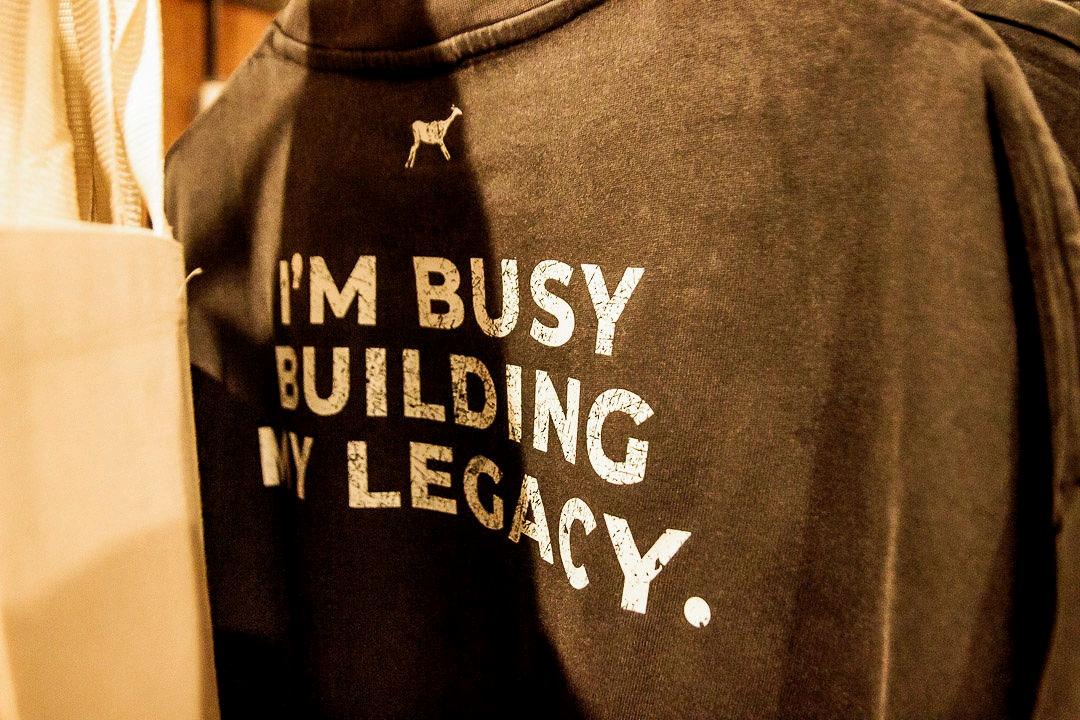
A lot of our language reflects that “I’m busy building my legacy” and #LegacyForward are not just slogans they’re reminders that legacy is active It’s something you participate in daily through your discipline, your choices, and how you build with others.
ImageCourtesy:CarolDouse
I want Black entrepreneurs and young creators to understand that they don’t need perfect conditions to begin What looks like “nothing” is often a starting point what matters is having the tools, the support, and the consistency to keep building
More Black tenants in Canada are becoming landlords, using small real estate portfolios to create wealth and stability over time Investors in places such as Brampton, Edmonton, Winnipeg, and Surrey purchase duplexes, student rentals, and shortterm rentals to provide stability for their families and communities, rather than becoming corporate giants
For many Black Canadians, the transition from renter to landlord begins with institutional impediments such as lower homeownership rates, salary disparities, and discrimination in both the rental and ownership markets Research on racialized housing trajectories demonstrates that home is the key asset and wealth-building strategy for Canadian households By carefully entering the market as owner-occupiers and then growing up, Black investors are defying narratives that position them primarily as tenants and carving out space in a system that has traditionally worked against them.
ImageCourtesy:Canva
Strategy 1: House‐hacking in Brampton and Surrey
In cities like Brampton and Surrey, first-time Black investors can easily enter the market by house-hacking, which involves living in one section of a property and renting out the rest A family may buy a duplex and live in the main unit while renting out the basement, or they may acquire a home with a separate apartment that can legally generate rental revenue This technique enables individuals to qualify for a mortgage based on both work and predicted rental income, making higher-priced markets more accessible.
Strategy 2: Student rentals and mid‐size cities like Winnipeg
Black investors are exploring student rentals and tiny multi-unit homes in locations like Winnipeg and Edmonton, where prices are typically lower than in the Greater Toronto Area Buying near universities or colleges helps businesses to capitalize on consistent demand while still purchasing homes at prices that make cash flow more feasible
However, this technique entails obligations such as complying with local zoning, safety, and licensing regulations, as well as managing properties in ways that do not perpetuate the injustices associated with "financialized" landlords and major real estate investment trusts that target marginalized areas Research indicates that institutional landlords have contributed to evictions and rent increases in lowincome, racialized neighbourhoods Many small Black landlords see their role differently, providing improved communication, flexible payment arrangements when renters face financial difficulties, and a conscious focus on affordability wherever possible. In doing so, they establish themselves as both investors and community stakeholders
ImageCourtesy:Canva
ImageCourtesy:Canva
Strategy 3: Joint ventures and using HELOCs responsibly
Joint-venture partnerships are a valuable tool for Black Canadians transitioning from a single property to a small portfolio One partner may provide funds, another may qualify for financing, and a third may offer renovation expertise or property management experience. These arrangements can reduce individual risk while increasing portfolio development, but they require clear agreements and trust to avoid disputes
Home equity lines of credit (HELOCs) allow existing homeowners to use dormant equity to fund down payments on new properties Experts advise caution while using HELOCs, particularly in high-rate environments Leveraging the family home for wealth building might cause stress if rents fall or interest rates rise Financial advisors and mortgage specialists dealing with Black customers generally emphasize prudent borrowing, stress-testing agreements at higher interest rates, and building substantial emergency reserves for both primary residences and investment properties
Navigating a changing interest‐rate and policy landscape
Black real estate investors face an ever-changing landscape Over the last few years, Canadians have seen substantial increases in interest rates, stricter mortgage laws, and rising rents, all of which affect the math behind every investment decision At the same time, governments and institutions have undertaken projects to increase Black families' access to ownership, such as the BlackNorth Homeownership Bridge Program, which receives federal money from the Canada Mortgage and Housing Corporation (CMHC).
These influences present both challenges and opportunities for Black tenants interested in becoming landlords Advocating for fair lending and anti-discrimination can reduce friction in financing and transactions, while programs that promote equity or reduce down payment requirements can aid in acquiring a first or second home Their achievement not only changes their own balance sheets, but it also challenges prejudices about who may own property in Canada and reshapes the ownership map of entire areas
Disclaimer:Thisarticleisforinformationalpurposes only BlackBusinessMagazinedoesnotendorseor guaranteeanyproducts,services,organizations,or individualsmentioned.Readersareencouragedto conducttheirownresearchandduediligencebefore makinganybusiness,financial,orpersonaldecisions.
By Dwania McLarty-Peele
For years, homeownership has been one of the most effective engines of wealth creation in Canada, yet Black Canadians are still much less likely to own their homes than white households and many other ethnic groups This disparity in ownership translates directly into disparities in assets, equity, and the ability to transfer money down to future generations
National statistics show that while almost 75% of Canadians live in owner-occupied homes, less than half of Black Canadians do This inequality reflects both income differences and systemic impediments in the housing and financial systems. The Greater Toronto and Hamilton Area (GTHA) reports that Black households in the Toronto Census Metropolitan Area have a homeownership rate of 38 9%, compared to 62 3% for other racialized groups and 67 9% for nonracialized families These data highlight an uncomfortable truth: the Canadian housing market does not work equitably for everyone
Black Homeownership in Toronto’s Competitive Real Estate Market
This is most obvious in Toronto, where high prices and limited supply combine with discrimination to keep many Black families out of the housing market. The GTHA's "Buying While Black" study project reveals how Black homebuyers endure extra scrutiny on mortgage applications, are sometimes directed to specific neighbourhoods, and receive unexplained rejections of offers even when they are financially qualified
These experiences exacerbate existing financial barriers, such as difficulty saving significant down payments in a market where prices have overtaken salaries, and Black Canadians continue to earn less on average than non-racialized workers Families that do manage to buy frequently end up with longer commutes, fewer facilities, and properties in more exposed locations to environmental and economic shocks, which restricts potential appreciation and equity growth Over time, these disparities in asset growth exacerbate a racial wealth divide that cannot be explained only by individual actions
Montreal and Ottawa: Different Markets, Shared Housing Barriers
On the surface, Montreal and Ottawa's housing markets appear to be different lower prices in some areas than in Toronto, diverse housing stock, and separate histories of Black communities but many of the fundamental challenges are the same. Black residents report being questioned more aggressively about their income and job during mortgage preapproval, and being thought to be higher-risk customers despite having solid credit records
Gentrification and redevelopment have impacted both renters and owners in Montreal's historically Black neighbourhoods Those who own may see their property values grow, but rising taxes and living costs can make it difficult to stay; those who rent may be priced out before they have a realistic chance of purchasing Although public-sector employment in Ottawa provides salary stability for some Black professionals, the shift from renting to owning is delayed due to downpayment restrictions and harsher stress testing
Regional dynamics, shared stakes in Calgary and Halifax
Black homeownership in Calgary, a cheaper market than Toronto or Vancouver, is influenced by resource-sector booms and busts that affect employment and income When job losses occur, households with lower resources and weaker networks often racialized families are more likely to fall behind on payments or be forced to sell This volatility can make banks more wary, creating a cycle in which Black purchasers confront tighter restrictions just as opportunities arise
Halifax tells a different, but equally illuminating story Historically, Black communities in Nova Scotia have experienced land dispossession, underinvestment in infrastructure, and inconsistent acknowledgment of property rights. Rising prices due to population expansion and in-migration have made it difficult for younger generations to buy in their hometowns
Families who lost land in previous decades lost the potential to create equity through real estate long before today's housing crisis, with long-term consequences for intergenerational wealth
Black households in Calgary and Halifax face a comparable challenge: how to secure stable housing and build equity in rapidly shifting markets, often without policies designed with their needs in mind
Closing the gap: policy and practice
According to research conducted by the Canada Mortgage and Housing Corporation (CMHC), Statistics Canada, and independent policy organizations, there are numerous avenues to closing the homeownership gap for Black Canadians Improved implementation of anti-discrimination rules in lending and real estate services, including explicit reporting and investigation processes for biased treatment during mortgage applications, appraisals, and offer negotiations
One approach is to create down-payment assistance and first-time buyer programs that include racial wealth disparities to avoid mistakenly favouring households already on the path to homeownership Providing fair-priced credit, addressing knowledge gaps, and engaging in culturally relevant financial education will positively impact Black Canadians, particularly younger generations
Supporting Black entrepreneurship, according to some observers, can increase income and savings, leading to home purchases and real estate investments Some advocate for preserving and strengthening Black neighbourhoods through community land trusts, antidisplacement regulations, and infrastructure investment. This ensures that current inhabitants, including owners and renters, benefit from increased property prices rather than being displaced.
Wealth, equity, and the future
Black homeownership in Canada is about access to one of the country's most critical wealth-building tools, not just ownership of a home If Black households continue to own homes at considerably lower rates, the racial wealth disparity will persist or increase This affects everything from retirement security to parents' ability to help their children with schooling, to company start-ups, to their own first homes.
To close the gap, governments, banks, real estate experts, and communities must work together based on statistics and Black Canadians' experiences in cities such as Toronto, Montreal, Ottawa, Calgary, and Halifax The risks are great, but so is the opportunity: a fairer housing system would aid Black families while also strengthening the country's economic basis
Across Canada, Black kids are maturing in an environment where wealth is increasingly being created through financial assets, entrepreneurship, and ownership but many still lack access to the tools and coaching that make those paths appear feasible According to research and community leaders, racialized young people frequently suffer a financial literacy gap, which is caused by schools, mainstream institutions, and the financial sector failing to meet them where they are
For Black neighbourhoods already struggling with wage disparities and low homeownership rates, a lack of early exposure to credit, investing, and business skills might exacerbate the racial wealth discrepancy over time. An expanding network of Black-led organizations, youth programs, and financial-sector partners in Canada aims to teach Black youth about money and provide opportunities to own assets in their teens and early twenties
Programs teaching money, credit, and investing
Black-serving organizations across the country are developing community-specific financial education programs. The Federation of Black Canadians promotes financial literacy activities, including workshop series and free tax clinic linkages, to improve economic results for Black families and youth In British Columbia, the Black Entrepreneurs and Businesses of Canada Society (BEBC Society) provides a Black Financial Literacy Program and youth-focused entrepreneurship and money-skills training, integrating classroom instruction with practical projects
The Financial Consumer Agency of Canada offers curriculum, resources, and games for Black adolescents to use in classrooms and after-school programs Ontario's Black Kids Action Plan has allocated millions of dollars to community-based programs that provide economic empowerment, job preparedness, and access to in-demand sectors for Black kids Morningstar Canada and the Federation of Black Canadians have launched a free series of financial literacy classes for young Black adults
The workshops cover budgeting, debt management, investing principles, and portfolio building The message is clear: financial literacy is no longer considered an optional bonus, but rather an essential survival skill
How Young Entrepreneurs Are Turning Knowledge Into Ownership
Knowledge is only one part of the tale; true power emerges when Black youngsters begin to own assets New programs support young Black entrepreneurs and early-stage innovators in launching micro-businesses, side hustles, and tech enterprises Startup Canadas guide to Black entrepreneur resources highlights initiatives like ANZA's Black Entrepreneur Ecosystem Program in Alberta, which supports Black youth aged 18 to 30 in turning ideas into viable business plans, and the Black Business Ventures Association's (BBVA) Mwanzo program, which helps aspiring founders test and refine business concepts. National programs like Futurpreneur's Black Entrepreneur Startup Program, which is partially supported by RBC, provide young Black entrepreneurs with startup loans, mentorship, and networking opportunities to help them expand their businesses
These supports result in tangible assets, including youth-run online stores, creative firms, tutoring services, and digital product businesses that generate revenue and hold equity In other situations, savvy teens and young adults use those earnings and the financial skills they have gained through community programs to open investment accounts or fund TFS As soon as kids begin working or contribute to family house purchases They are not only learning about money; they are putting it to use in their own names
Early exposure to investing and credit
Black youth-focused programs now focus on financial and investing basics, including understanding credit ratings, avoiding predatory products, and using lowcost investment platforms to develop a small portfolio Black-led community organizations and partners typically offer workshops that simulate real-world financial decisions, such as choosing between debt repayment and investing, understanding compound interest, and comparing the costs of "buy now, pay later" schemes with saving first.
Some programs connect young people with mentors in finance and technology, such as AI-focused fellowships for Black university students, to demystify wealthbuilding careers and help them see themselves as investors and inventors rather than just employees These programs attempt to make it common for Black kids in their mid-20s to own investments, run microbusinesses, or co-own a property with family
Building a pipeline of Black asset owners
Canada's ecosystem for Black kids, including financial literacy programs, youth entrepreneurial support, and specialized funding streams, aims to shift asset ownership to the next generation If sustained and scaled, these programs have the potential to assist thousands of young Black Canadians in transitioning from theoretical "excellent with money " to genuine equity ownership in enterprises, markets, and real estate
That move is critical if the country is serious about closing the racial wealth disparity in the long run