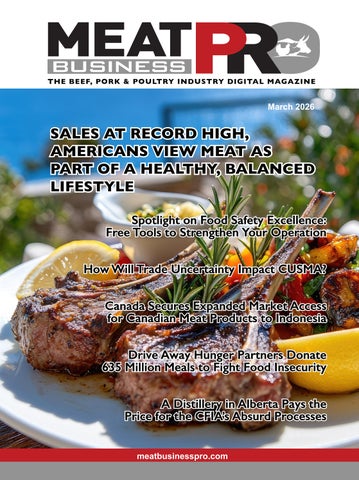
SALES AT RECORD HIGH, AMERICANS VIEW AS PART OF A HEALTHY, LIFESTYLE
SALES AT RECORD HIGH, AMERICANS VIEW MEAT AS PART OF A HEALTHY, BALANCED LIFESTYLE
Spotlight on Food Safety Excellence: Free Tools to Strengthen Your Operation
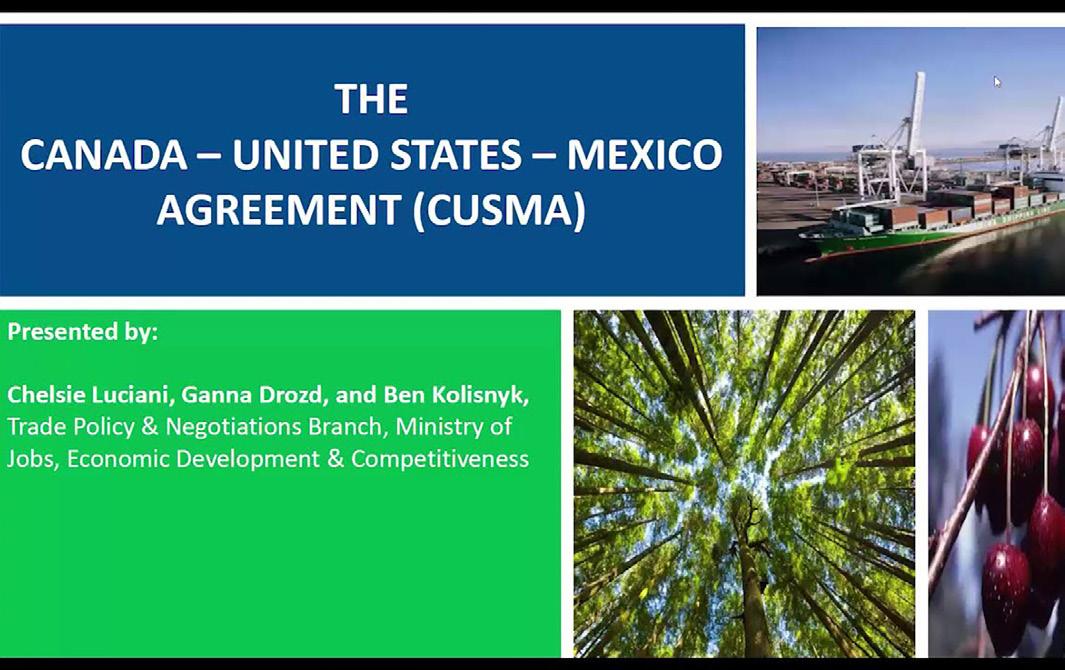
How Will Trade Uncertainty Impact CUSMA?
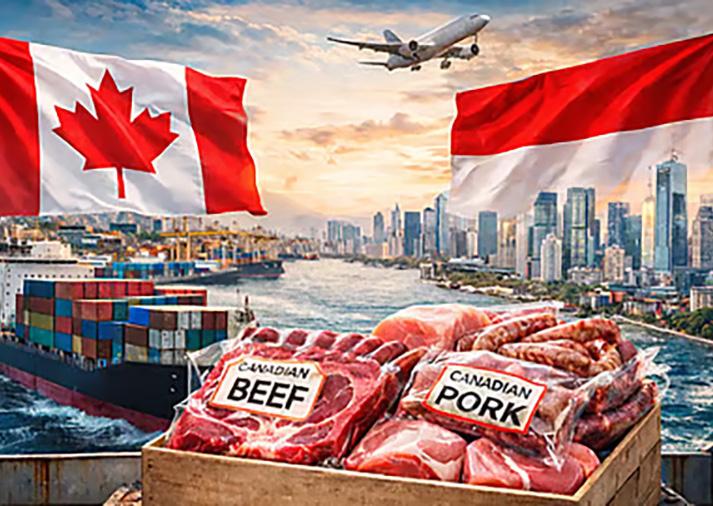
Canada Secures Expanded Market Access for Canadian Meat Products to Indonesia
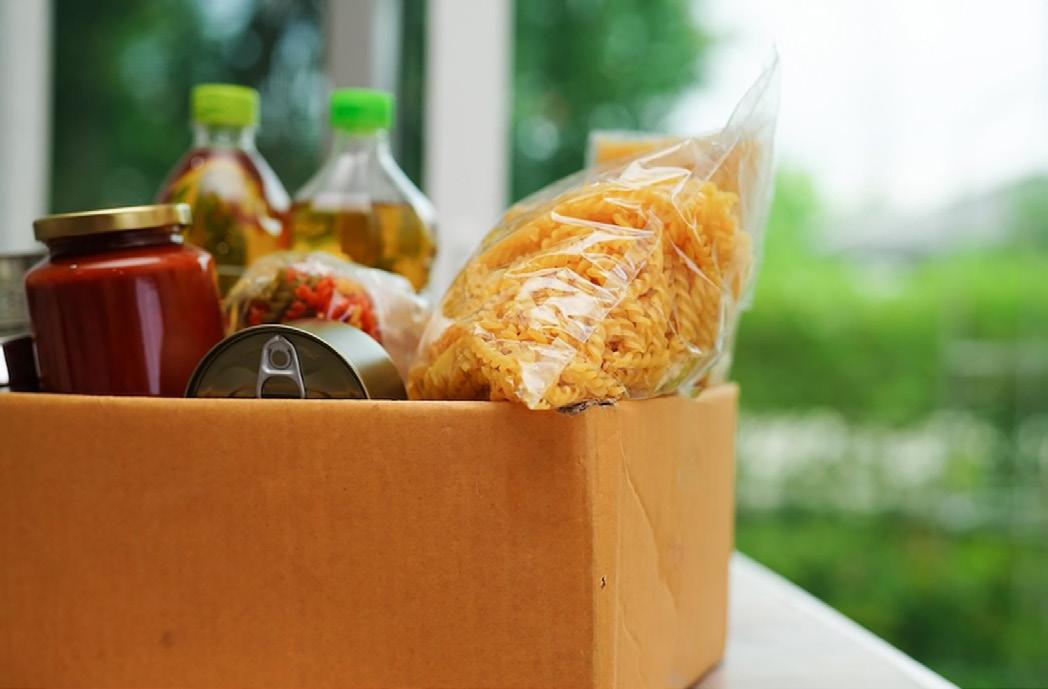
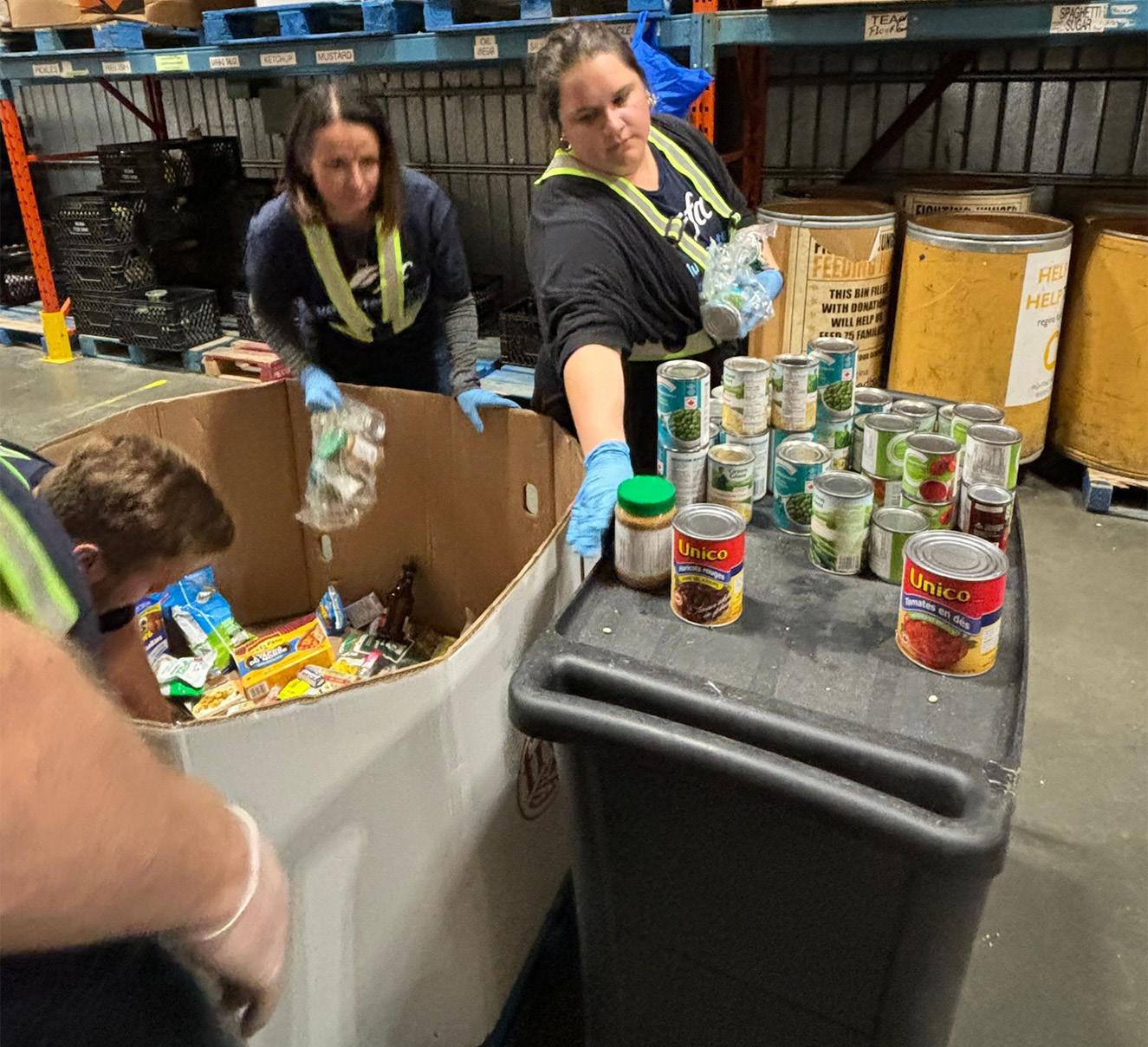
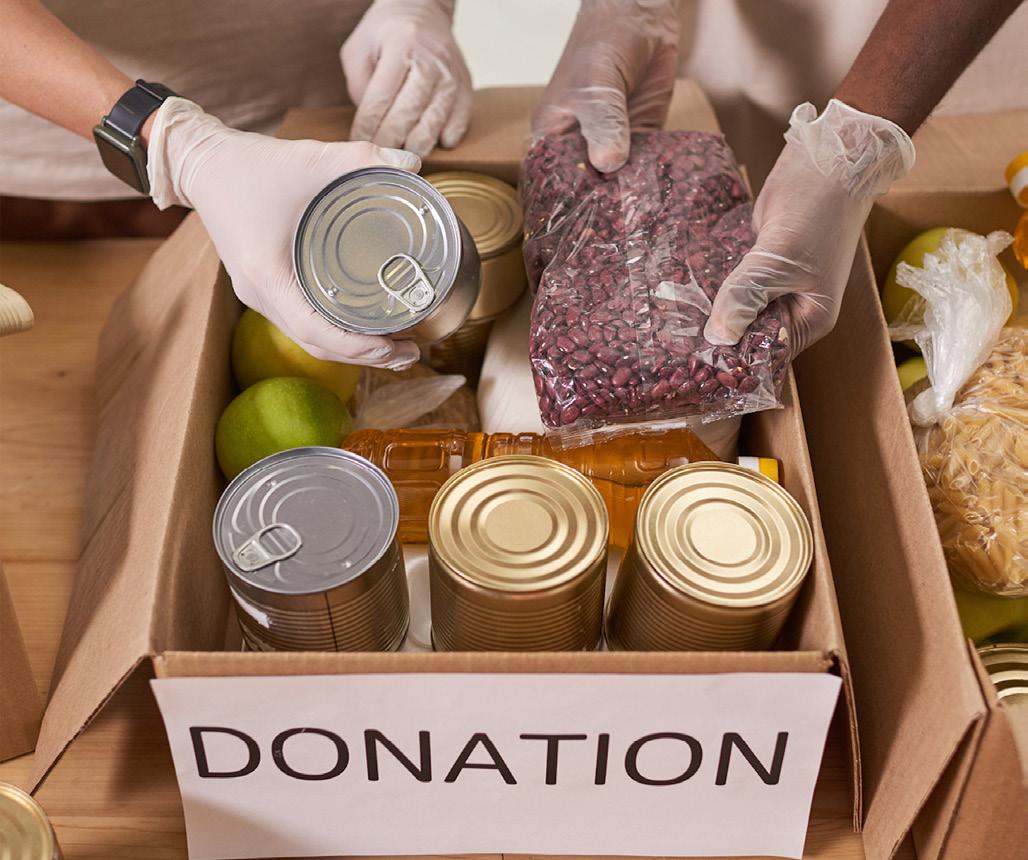
Drive Away Hunger Partners Donate 635 Million Meals to Fight Food Insecurity
A Distillery in Alberta Pays the Price for the CFIA’s Absurd Processes
March 2026
5 6
Mexicans are Eating More Animal Protein Every Day
8 12 15 18 20 22 24
Drive Away Hunger Partners Donate 635 Million Meals to Fight Food Insecurity
Sales at Record High, Americans View Meat as Part of a Healthy, Balanced Lifestyle
Spotlight on Food Safety Excellence: Free Tools to Strengthen Your Operation
How Will Trade Uncertainty Impact
CUSMA? Canada Secures Expanded Market Access for Canadian Meat Products to Indonesia
McDonald’s and Cargill Further Champion Youth Leadership in Beef Sustainability s
USDA FSIS Line Speed Rules will Improve Affordability of Pork and Poultry.
A Distillery in Alberta Pays the Price for the CFIA’s Absurd Processes
PUBLISHER
Ray Blumenfeld ray@meatbusinesspro.com
CO-PUBLISHER
Deb Wilson deborah@meatbusinesspro.com
VP SALES & MARKETING
Murray Hill murray@meatbusinesspro.com
DIGITAL MEDIA EDITOR
Cam Patterson cam@meatbusinesspro.com
CREATIVE DIRECTOR Patrick Cairns
CONTRIBUTING WRITERS
Jack Roberts, Cam Patterson, Ray Benson, Juliette Nicolay
Meat Business Pro is published 12 times a year by We Communications West Inc
MEXICANS ARE EATING MORE ANIMAL PROTEIN EVERY DAY
By Benjamín Ruiz, WATT Poultry
The Mexican Meat Council says social programs, aid from the government and the historic increase in minimum wage have pushed meat consumption higher.
Meat consumption in Mexico has increased by 19% (13.5 kg) over the last five years, from 71.2 kg in 2020 to 84.7 kg in 2025, according to an article quoting Mexican Meat Council (Comecarne) data, published by newspaper El Universal.
This increase includes chicken, beef, pork, and turkey. Comecarne explained that the increase has been driven by social programs (government aid), and increases in the minimum wage, which has seen an historic increase – doubling over the period.
The 2.7-kg increase per year is an interesting number for a country that, over the years, has been a low meat consumer. Chicken is still the most consumed meat in the country, followed by pork and beef. However, it is worth noting that per capita consumption of pork grew at an annual rate of 6.7%, while beef grew at 2.7%, and chicken showed the lowest rate of the three with only a 2.2% expansion.
CO MMUNICATIONS W EST IN C
We Communications West Inc. 106-530 Kenaston Boulevard Winnipeg, MB, Canada R3N 1Z4
The contents of this publication may not be reproduced by any means in whole or in part, without prior written consent from the publisher
The gap between chicken and pork consumption is closing. It is interesting to note that it is not because pork is cheaper than chicken, although it is cheaper than beef. Consumer prices for pork rose below the rate of inflation, and Mexicans like pork. But Mexico does not produce enough pork and has become highly dependent on pork imports from the U.S. In fact, Mexico is the world's largest pork importer.
ASPIRATION AND CHANGE
In 2025, Mexican per capita chicken consumption reached 38 kg, but Comercarne highlights something interesting. In its annual report, it states: “while it is true that chicken protein leads meat consumption among Mexicans, if family incomes continue to strengthen in the country, moderate increases in its consumption are expected in the future due to a shift towards more expensive meats.”
I am wondering if consuming other meats besides chicken is also kind of aspirational? Notwithstanding, Comecarne also states that Mexicans are still below the recommended daily per capita meat consumption level. From what I understand, it is worth noting that eggs are not included in this measure of animal protein consumption.
This is definitely an opportunity for the chicken and egg industry.
Article courtesy of WATT Poultry - https://www.wattagnet.com/
SALES
AT
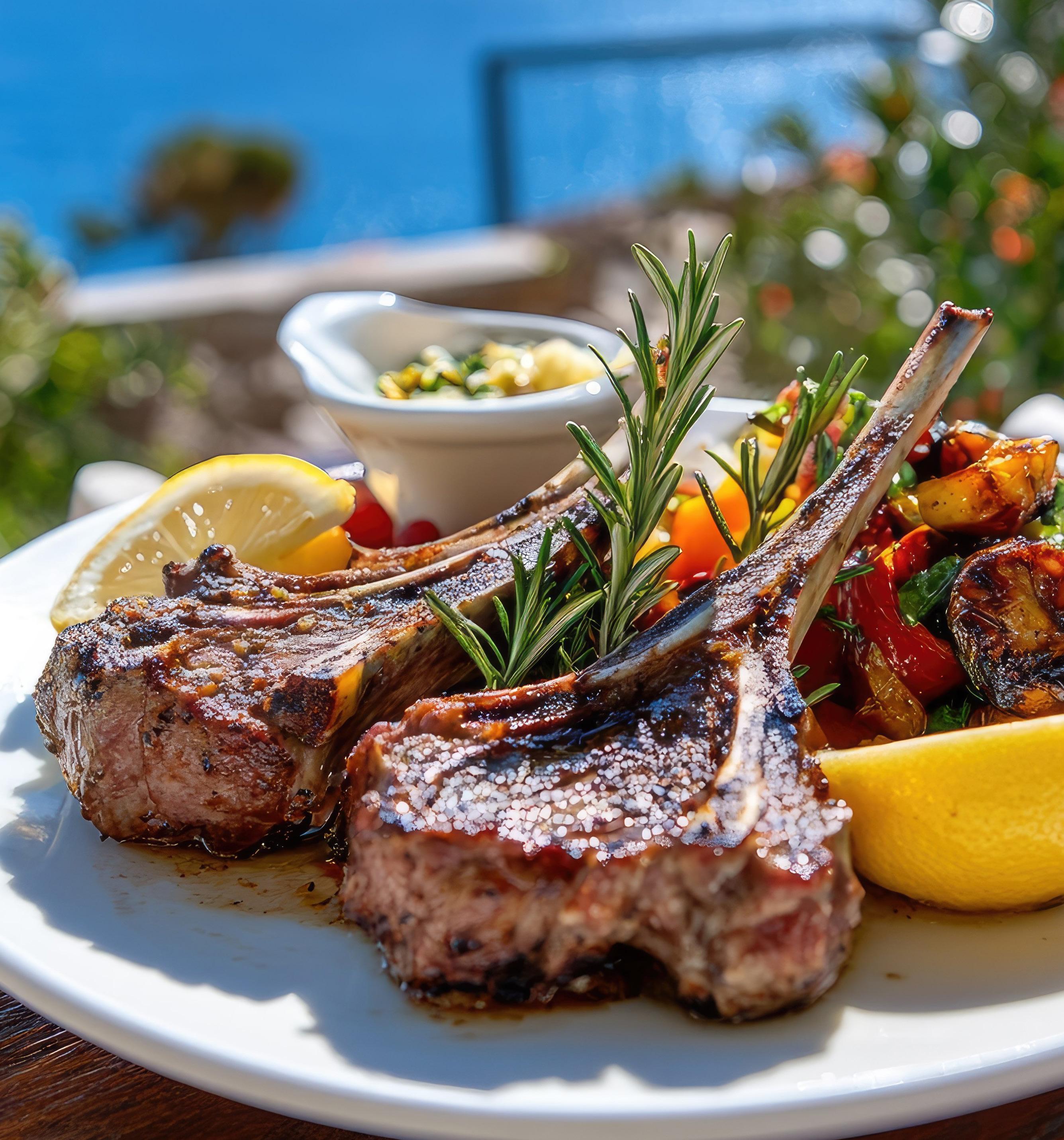
RECORD HIGH, AMERICANS VIEW MEAT AS PART OF A HEALTHY, BALANCED LIFESTYLE
Power of Meat analysis marks 21st anniversary at Annual Meat Conference
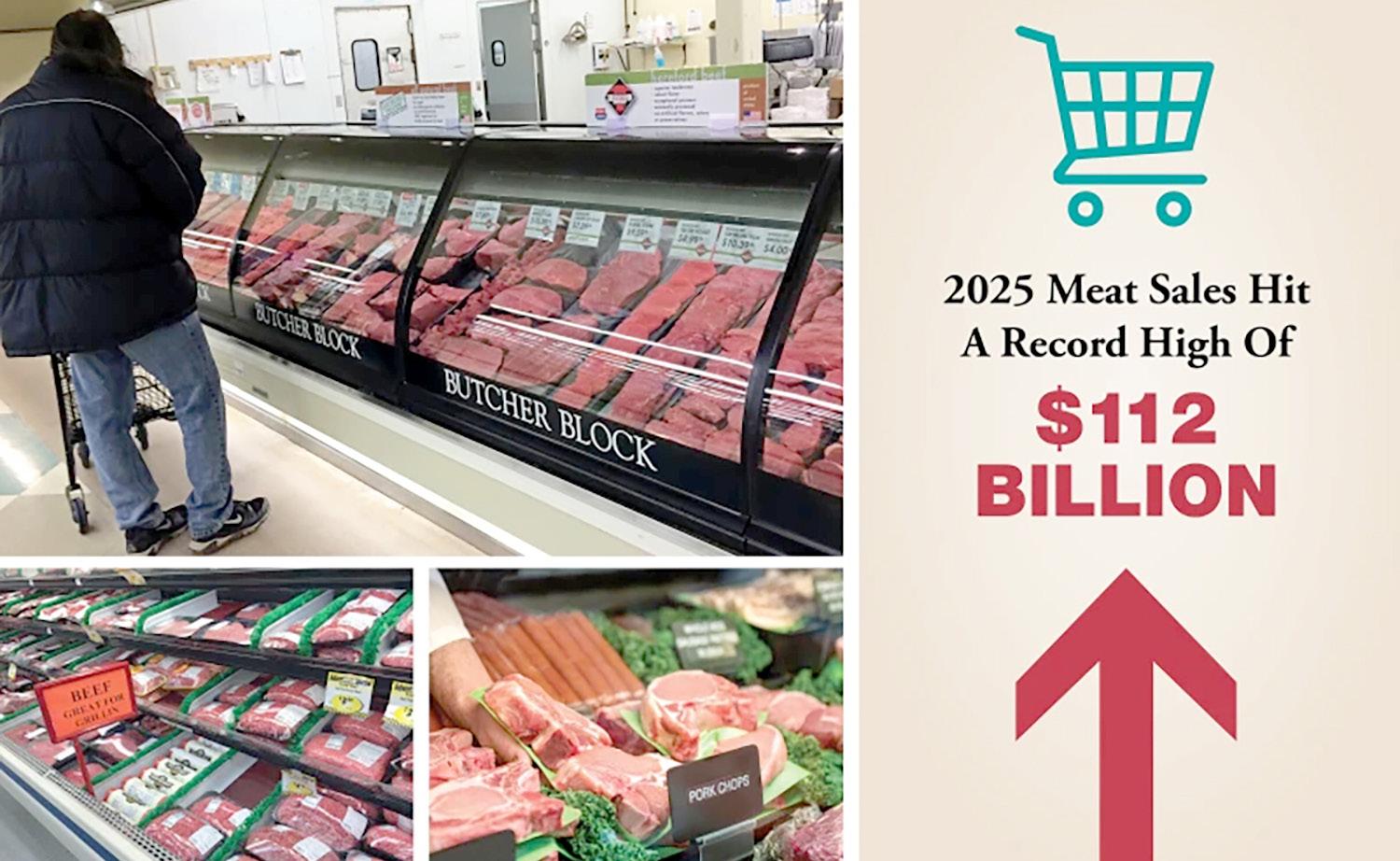
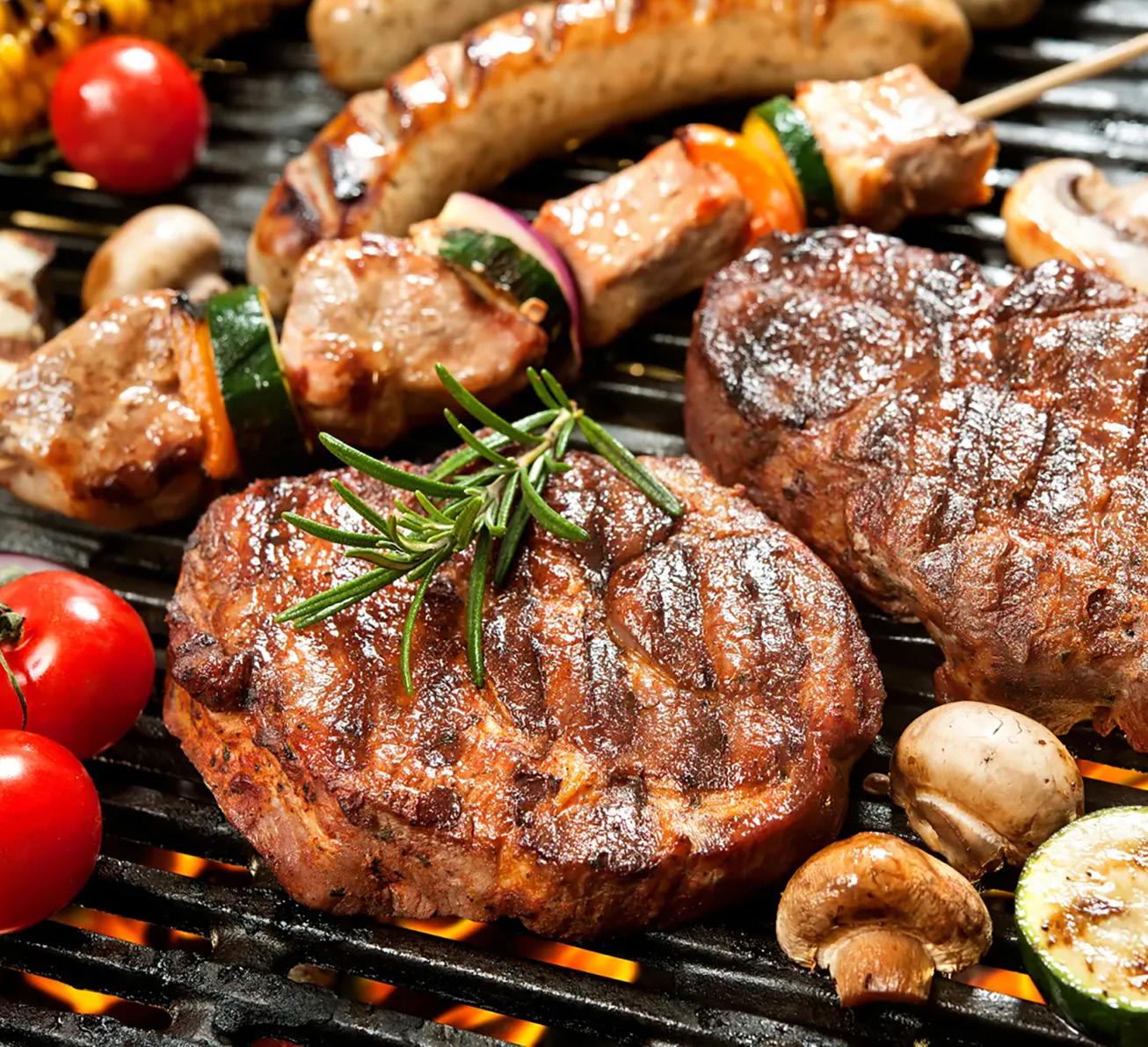
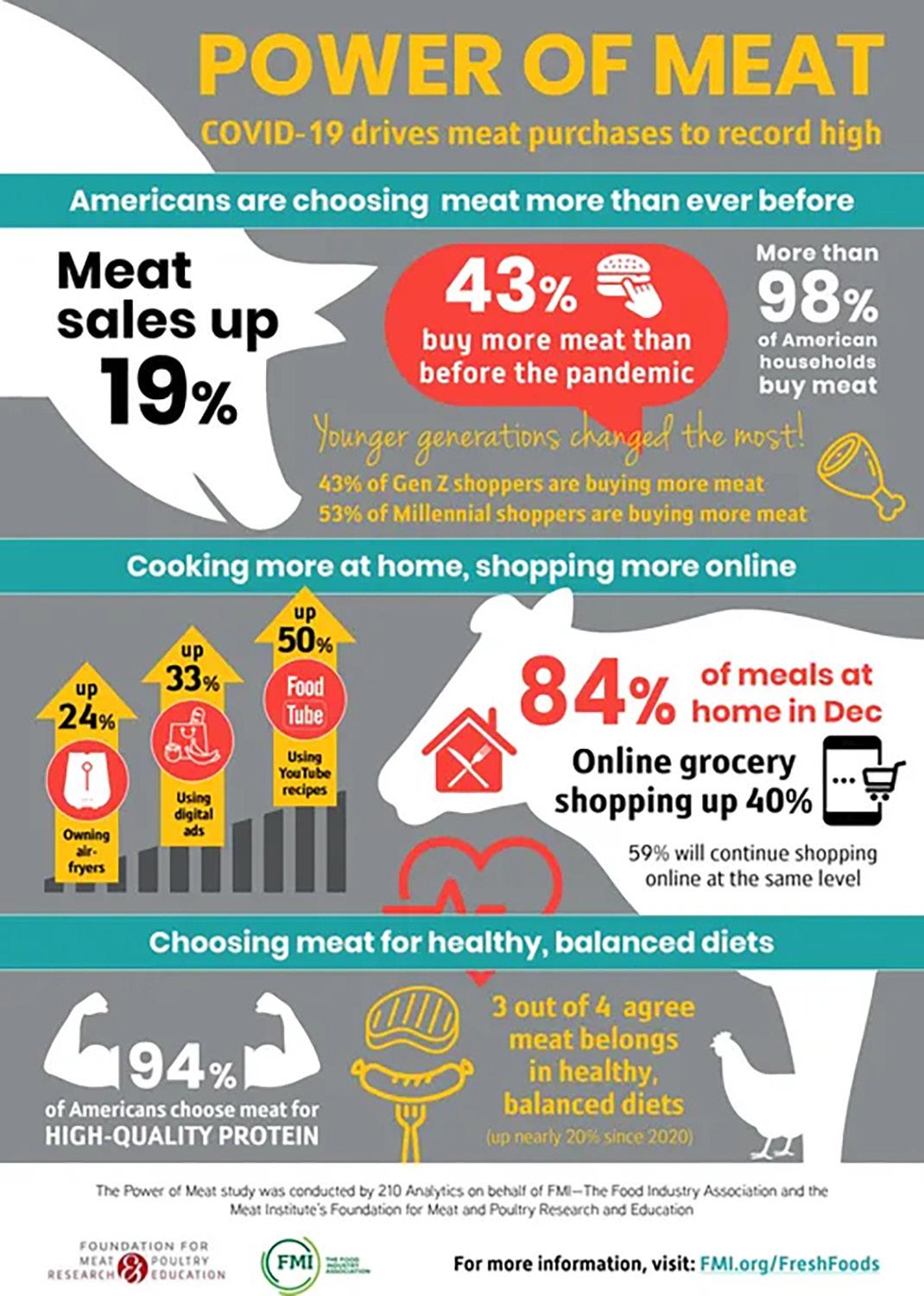
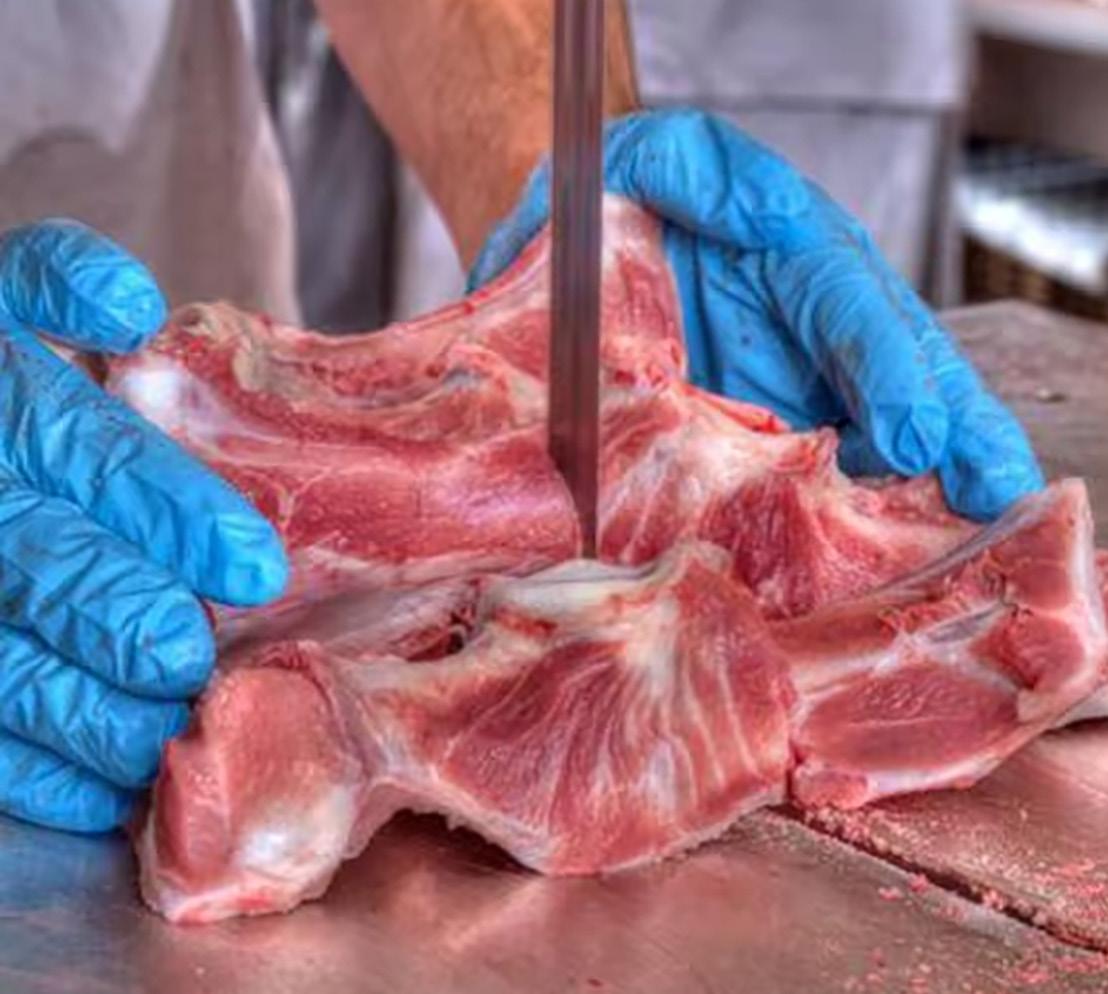
Meat sales hit a record high of $112 billion in 2025, with a pound increase of 2% (source: Circana). Millennials and Gen Z were a driving force behind the growth according to according to the 21st annual Power of Meat report released at the recent Annual Meat Conference by the Meat Institute and The Food Industry Association (FMI).
Meat Institute President and CEO Julie Anna Potts stated, “Americans are more focused on making smart food choices than ever before, and this latest Power of Meat report reinforces meat’s clear and irreplaceable role at the center of healthy, convenient, affordable meals today and for generations to come.”
More than 98% of American households purchase meat (Circana), and 45% of shoppers are actively trying to prepare more meals containing meat or poultry. Of the five dinners shoppers prepare at home per week on average, 90% already contain a portion of meat and/or poultry (source: 210 Analytics).
Millennials and Gen Z shoppers accounted for 67% of unit growth (Circana), and they are more likely than other shoppers to be actively trying to prepare more meals containing meat or poultry (Gen Z 50%, Millennials 57%). In 81% of households with children, kids have some level of influence on meat and poultry purchase decisions. Seventy-two percent of shoppers with teens at home say their teens request meat and poultry, far ahead of requests for protein bars, shakes and powders.
Younger generations also lead the way in using social media and artificial intelligence (AI) platforms for meal inspiration. Twenty-four percent of Gen Z and Millennial shoppers use AI tools, compared to 10% of Gen X and 4% of Boomers. Overall, 15% of shoppers use AI tools, a 650% increase over just two years ago.
Meat and poultry continue to feature positively in shoppers’ health and nutrition perceptions, with 77% of shoppers agreeing that meat and poultry are part of a healthy diet, up more than 20% since 2020. GLP-1 users over-index versus non-users for eating somewhat or a lot more meat than last year (161) and for frequently including meat and poultry in snacking occasions (171).
“The meat department is outperforming because it delivers what shoppers want right now: protein, flexibility, value and taste. Retailers that balance convenient ground options with premium, indulgent cuts will be best positioned to capture both budgetconscious and experience-driven shoppers”, said Rick Stein, Vice President of Fresh Foods for FMI.
The Power of Meat study was conducted by 210 Analytics on behalf of FMI—The Food Industry Association and the Meat Foundation and sponsored by CRYOVAC® Brand Food Packaging. Sales and purchase dynamics data are provided by Circana for the 52 weeks ending 12/28/25.
For more information on the Power of Meat 2026 report, visit https://www.meatinstitute.org/ or https:// www.fmi.org/
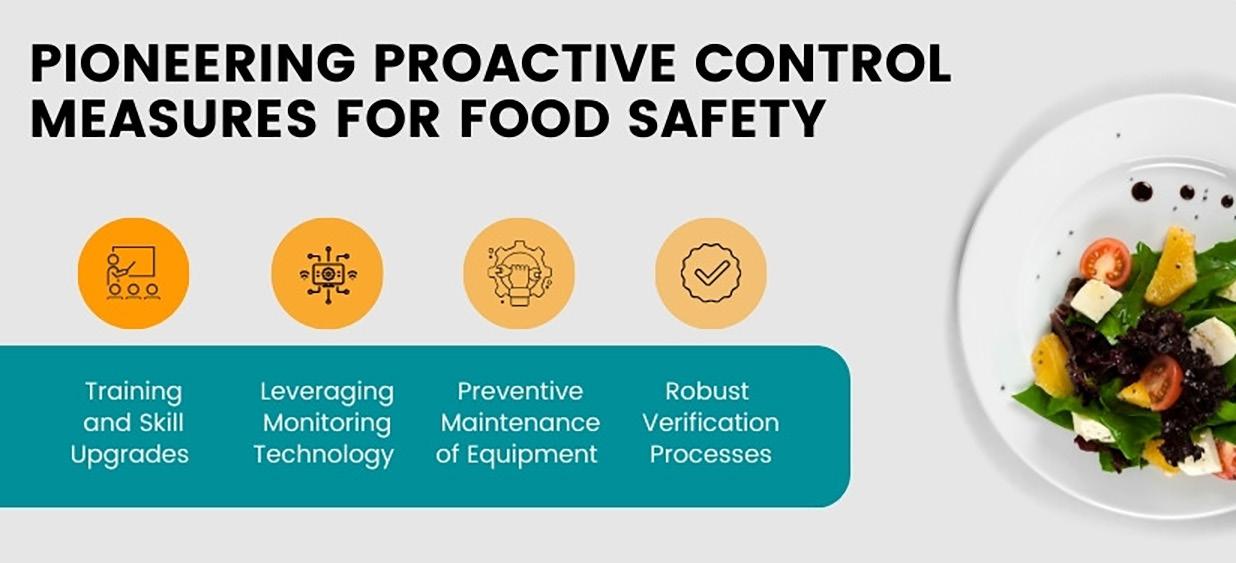
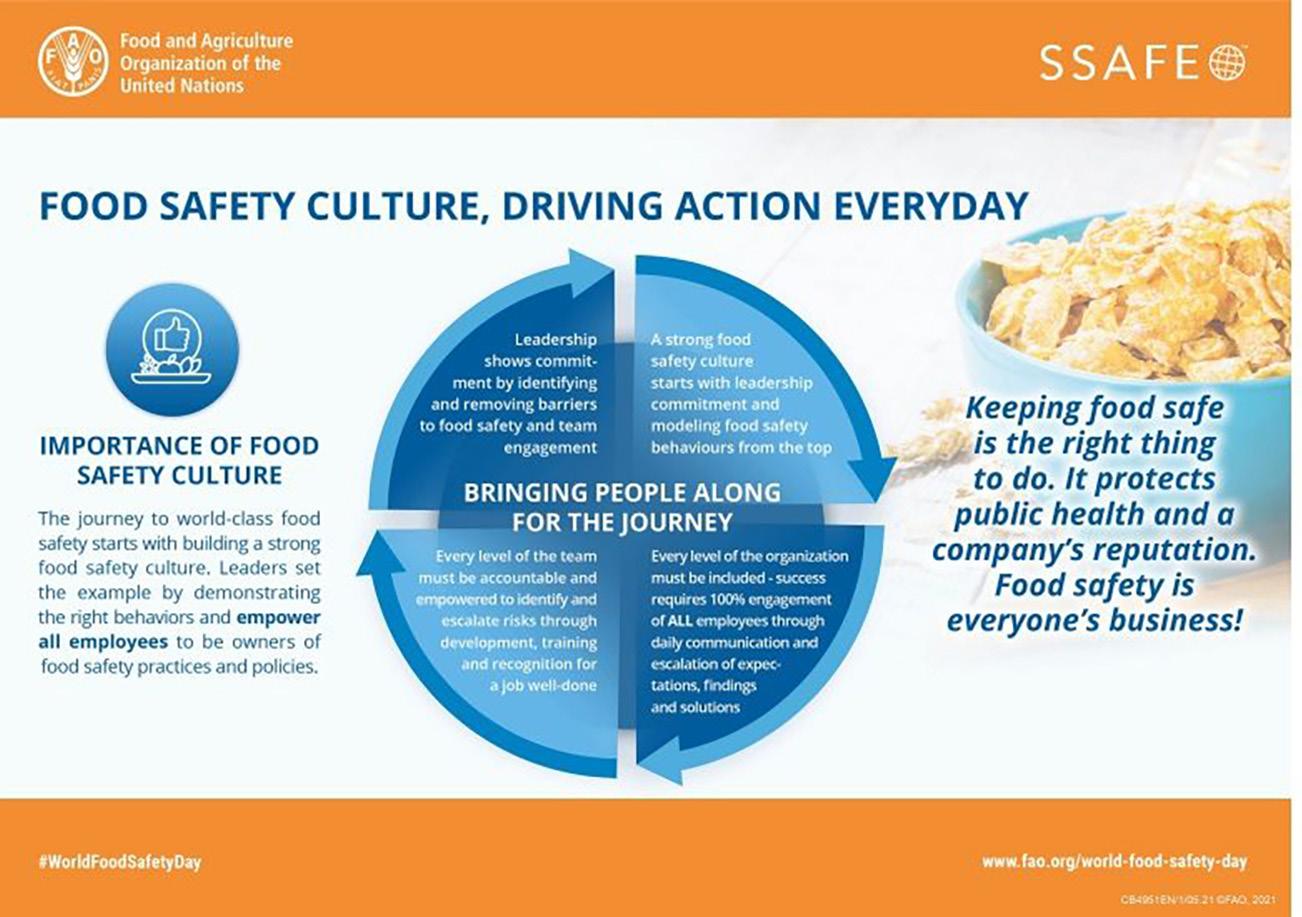
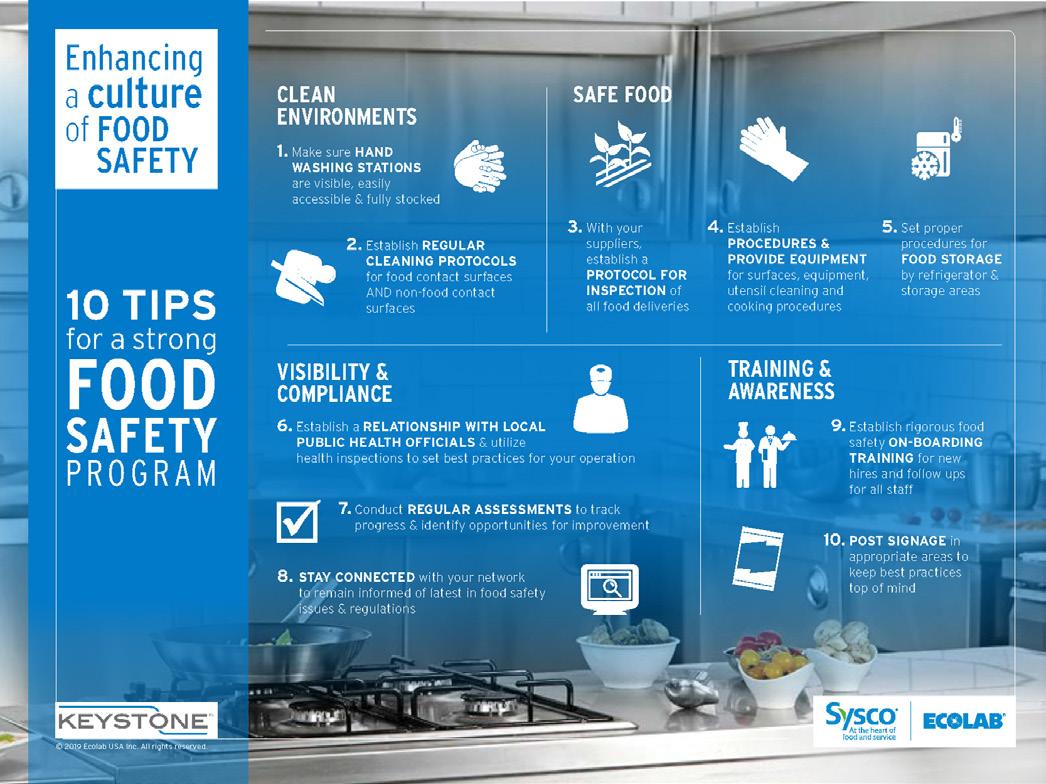
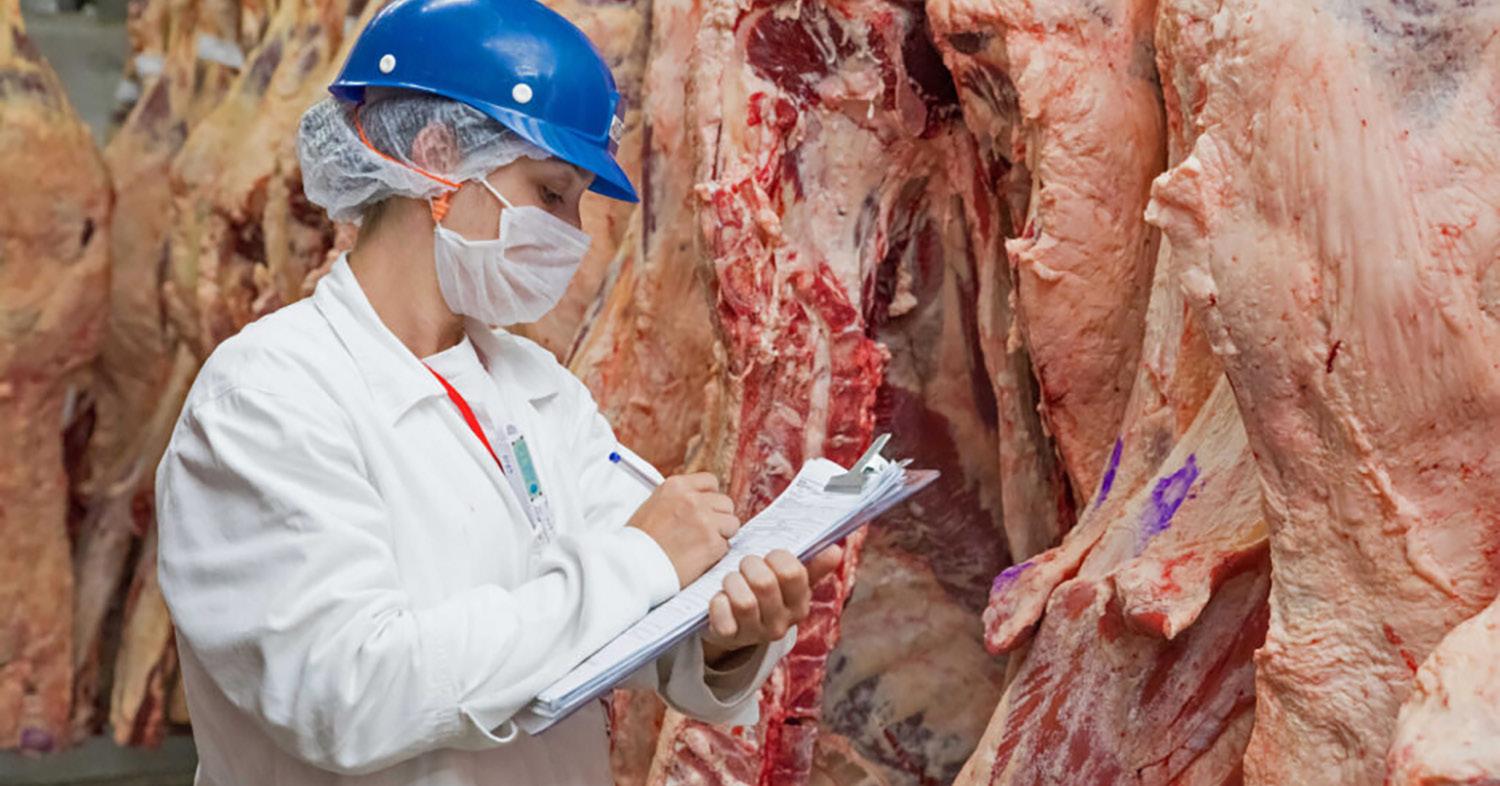
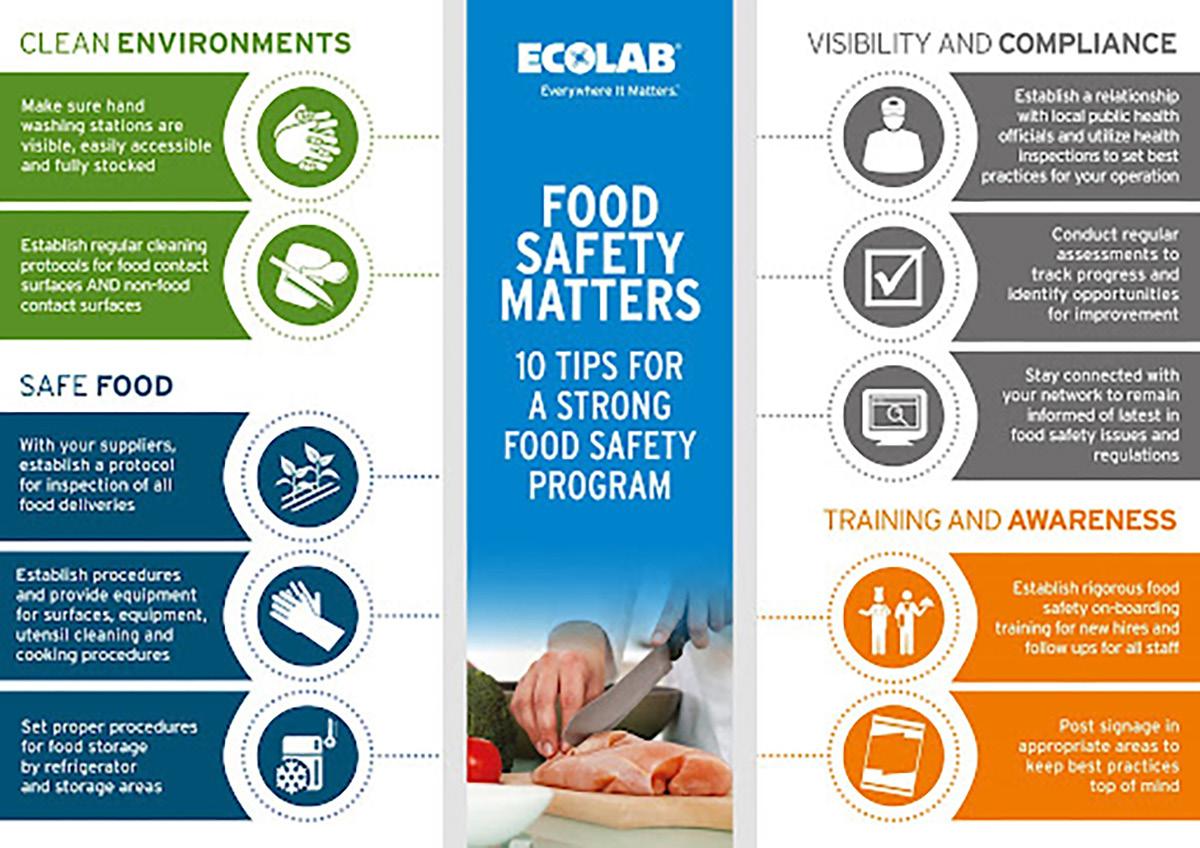
SPOTLIGHT ON FOOD SAFETY EXCELLENCE: FREE TOOLS TO STRENGTHEN YOUR OPERATION
For meat processors across Ontario, maintaining a robust food safety system is essential, not only to meet regulatory requirements, but also to ensure product integrity, operational efficiency, and long term business sustainability.
The Food Safety Excellence (FSE) Program supports meat processors of all sizes by delivering free, practical, and accessible tools designed to help build stronger food safety systems. These resources include comprehensive online learning modules, downloadable reference documents, and implementation support to help Ontario meat processors take meaningful steps toward continuous improvement.
MODERN, ACCESSIBLE TRAINING THROUGH FSE ONLINE LEARNING MODULES
One of the central pillars of the FSE Program is its suite of free online learning modules. These training resources were developed to make food safety education accessible, interactive, and relevant for today’s meat processing workforce. The FSE Program emphasizes that stronger food safety begins with smarter training, training that meets employees where they are and fits into the workflow of busy plants.
The modules are self paced and structured to explain fundamental concepts in a clear and digestible format. Processors can access the learning modules online at no cost, offering an easy entry point for staff who are new to food safety principles and a helpful refresher for more experienced personnel.
The training provides a standardized baseline of knowledge which helps ensure consistency across teams, supports smoother onboarding, and gives processors confidence that employees understand the core elements of safe operation.
Standardized training also lays a foundation for pursuing certifications or preparing for audits which is an advantage for processors seeking to expand their markets.
Explore the modules: https://www.cmit.ca/food-safetyexcellence/#learning-modules
PRACTICAL, READY TO USE RESOURCES AND TEMPLATES
Beyond training, the FSE Program provides a wide range of free, downloadable resources that include templates, reference documents, and tools specifically designed for meat processors. These documents help plants strengthen record keeping, implement improved procedures, and create internal systems that support compliance and operational efficiency.
Processors frequently face the challenge of needing to develop documentation from scratch, a time consuming step that can create barriers to system development. The FSE resources eliminate much of this burden. With templates already prepared, operations can focus on tailoring procedures to their needs and implementing them effectively, rather than spending valuable time designing documents.
These materials also break down large, complex food safety systems into manageable components. This approach helps operators understand not only what needs to be done, but why each step matters and building confidence when interacting with regulators, auditors, or supply chain partners.
In addition, the program supports processors in meeting the growing demand among markets and buyers for documented, well structured food safety systems. Many retail, foodservice, and distribution partners now require proof of strong, validated programs.
The FSE resources give processors the tools to meet these expectations, opening doors for greater market access.
View all resources: https://www.cmit.ca/food-safetyexcellence/#resources
BUILDING STRONGER SYSTEMS WITH CLEAR VALUE
The combined impact of FSE’s online modules and downloadable resources is significant. Together, they help processors build structured food safety systems that are easier to implement, monitor, and verify. They also strengthen the foundation required for regulatory compliance and continuous improvement. The materials are designed to be practical and relevant for processors at any stage of system development from facilities just beginning their food safety journey to operations looking to refine established practices.
This flexibility is one of the program’s core strengths. Whether an operation has a well established food safety system or is just starting out, the FSE Program provides resources that help teams learn, adapt, and grow at a pace that fits their needs.
ADDITIONAL TOOLS: FSE SURVEY AND IMPLEMENTATION SUPPORT
To complement its training modules and reference resources, the FSE Program also offers additional supports designed to guide processors through their next steps.
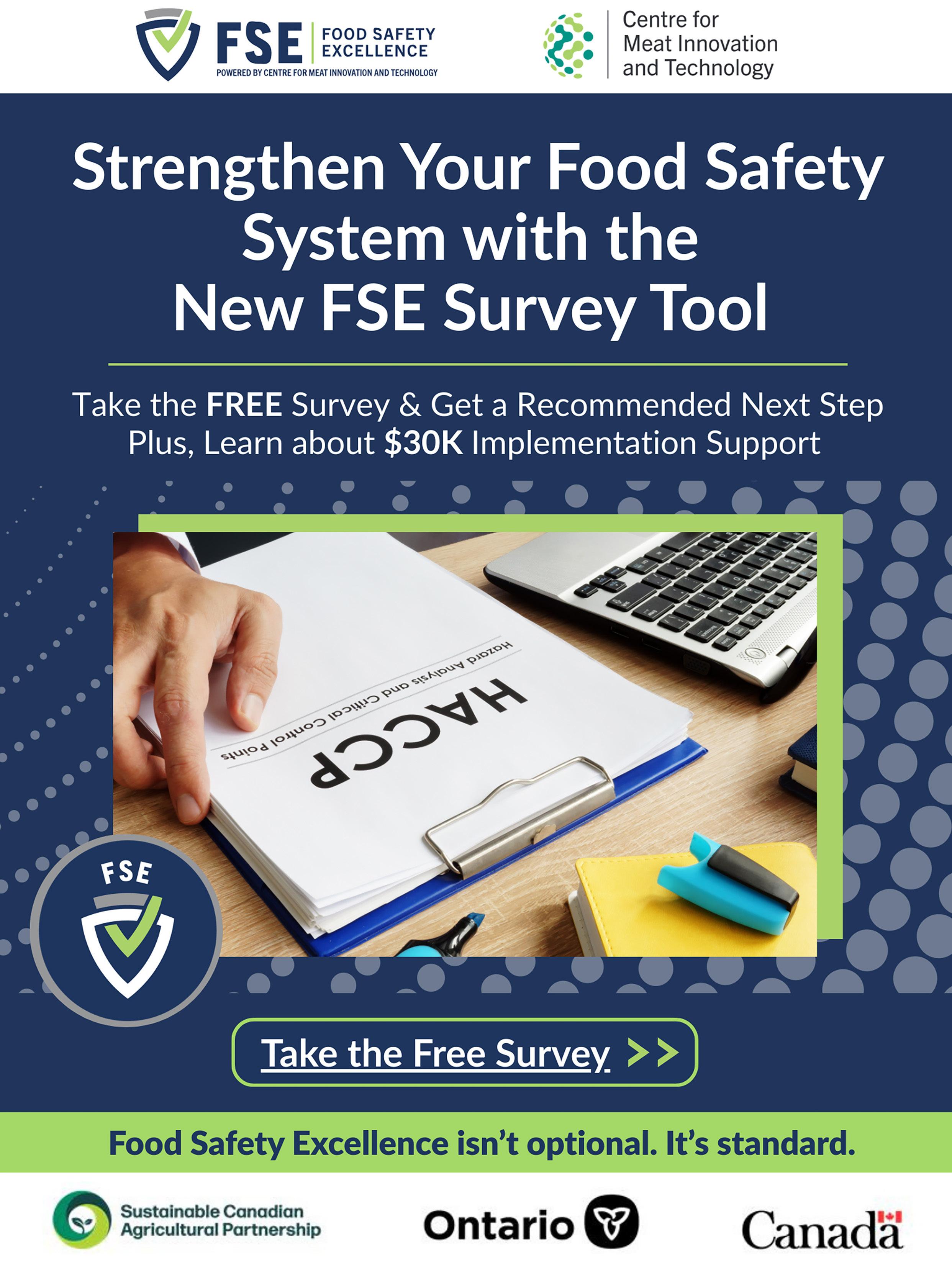
One such tool is the FSE Survey Tool, a self-assessment that is designed to support meat processors in making continuous improvements to their food safety program and practices. Based on their current operation and stated goals, the tool will present a suggested path forward along with relevant information and resources. The survey acts as a simple but effective entry point for strategic planning.
In addition to the survey, the program provides an opportunity for provincially licensed Ontario meat plants to receive up to $30,000 in Implementation Support to put toward food safety improvements. The support covers up to 100% of costs for the implementation of a third-party audited food safety system of their choosing and/or adopt new food safety and traceability systems.
Start the survey: https://lvvr10axwba.typeform.com/to/ Buo0V5OV?typeform-source=www.cmit.ca
MOVE FORWARD WITH CONFIDENCE
The Food Safety Excellence Program offers meat processors a comprehensive, accessible suite of tools that strengthen training, build operational confidence, and support continuous improvement. By combining self paced learning modules, ready to use templates, practical reference documents as well as tools and support, FSE empowers processors to develop strong, structured systems without unnecessary complexity or cost.
Whether your operation is developing its first food safety program or refining an existing one, the FSE resources are designed to help you take the next step with clarity and confidence.
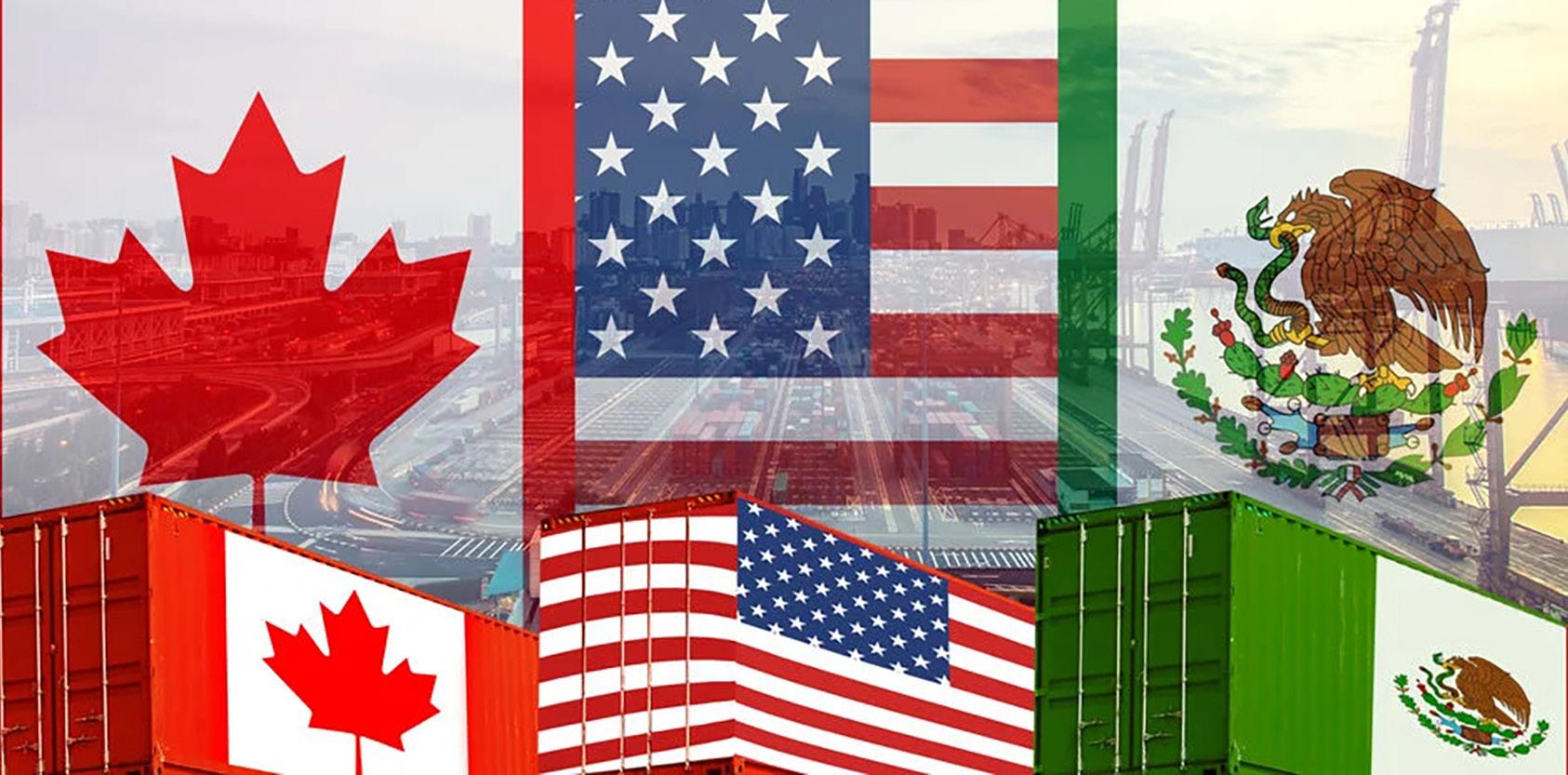
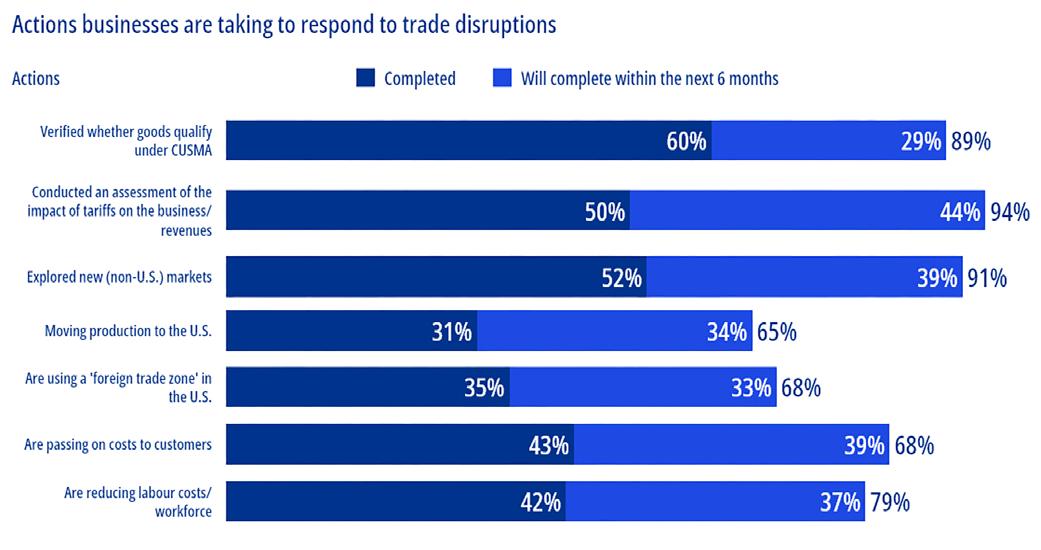
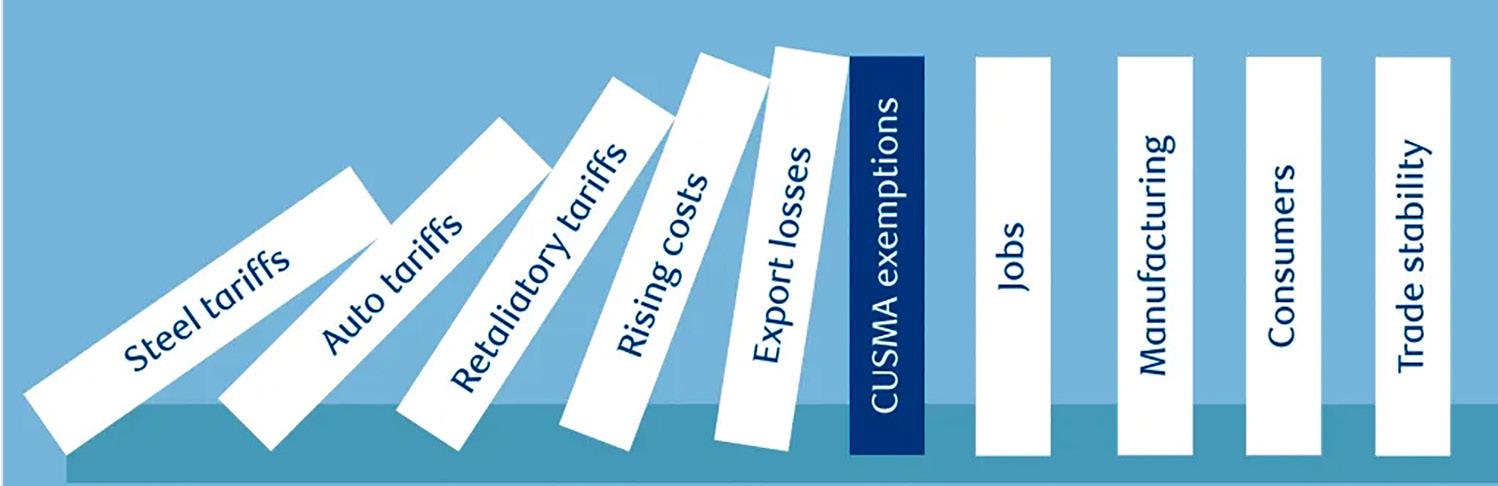
HOW WILL TRADE UNCERTAINTY IMPACT CUSMA?
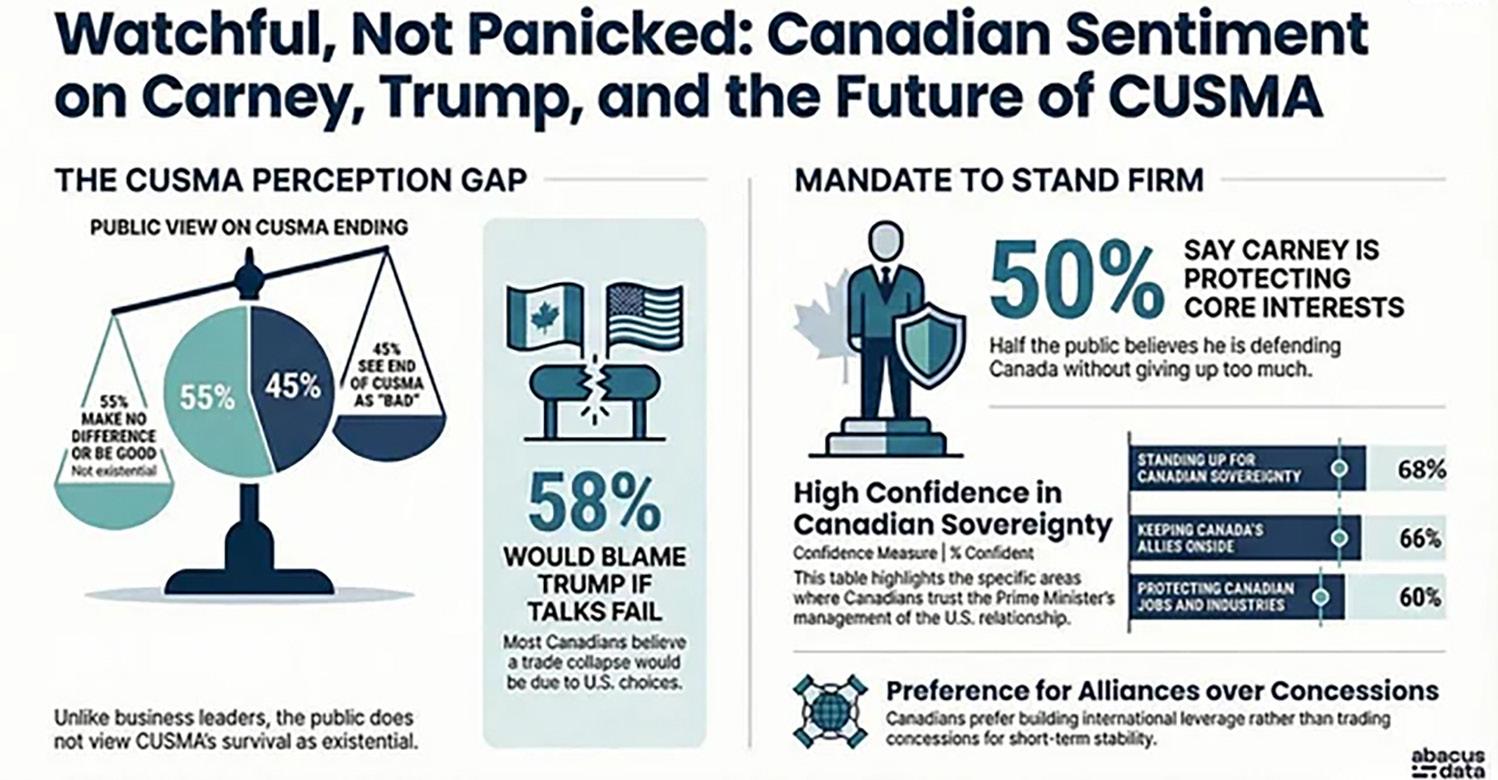
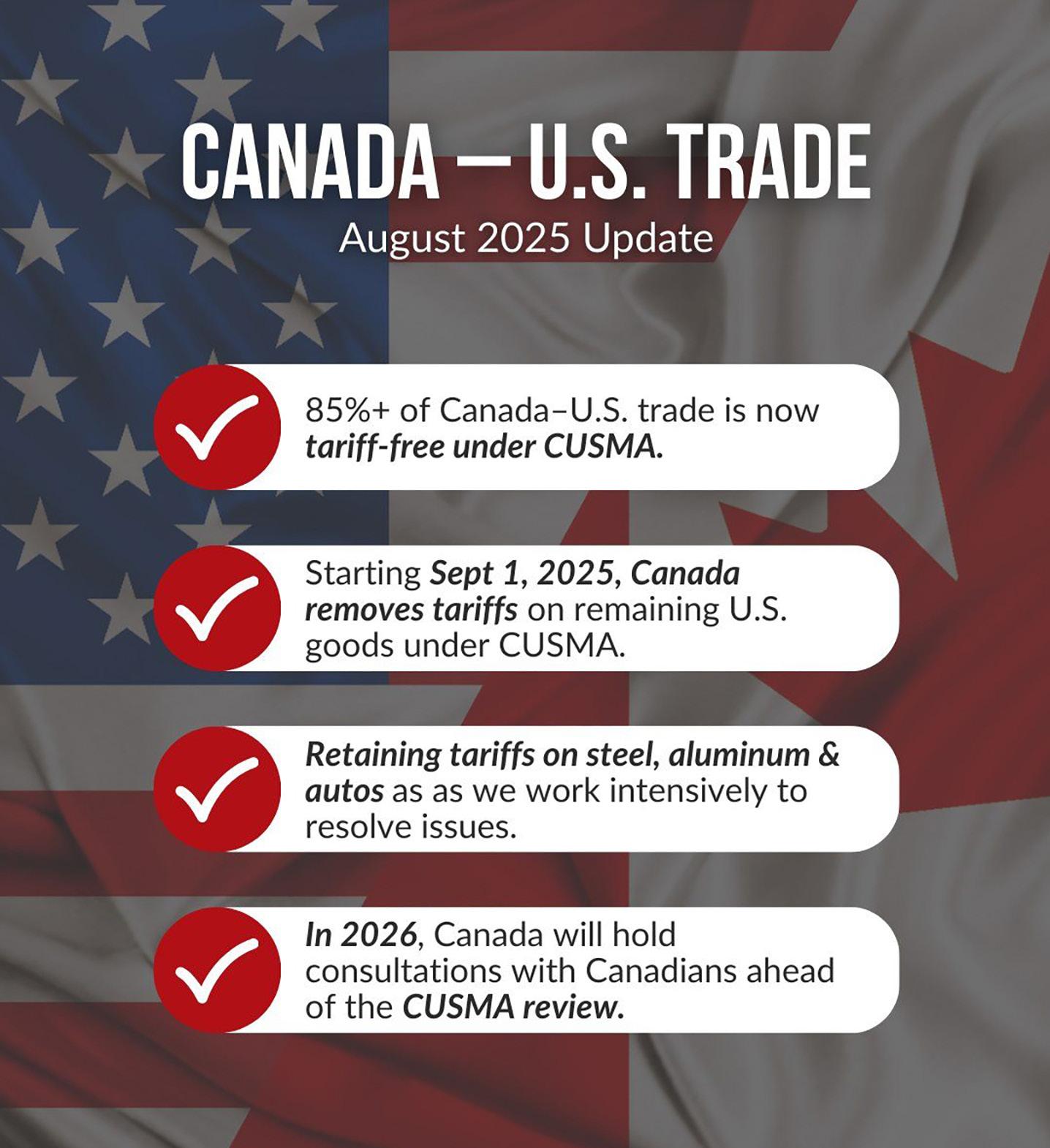
The Canada-United States-Mexico Agreement (CUSMA) stands as the bedrock of the North American meat industry, facilitating one of the most sophisticated and integrated agricultural supply chains in the world. As the agreement approaches its mandatory six-year joint review in 2026, the meat sector finds itself at a crossroads. While the pact has successfully fostered record-breaking trade volumes, emerging protectionist policies and technical barriers are testing the resilience of the "continental pantry."
THE INTEGRATED ENGINE OF NORTH AMERICAN PROTEIN
The defining characteristic of the CUSMA meat trade is integration rather than mere exchange. It is common for a calf born in Saskatchewan to be fed in Nebraska, processed in Texas, and eventually sold as retail cuts in Mexico City. This "borderless" flow allows each nation to play to its competitive advantages - Canada and the U.S. provide high-quality grain-fed beef and pork, while the entire triad benefits from a balanced trade of "primal" cuts and "trim" used for processing.
Since CUSMA’s inception, trade values have surged. In 2024 and 2025, Canadian beef exports to the U.S. and Mexico reached historic highs, often exceeding $4 billion annually. For the pork sector, the agreement ensures duty-free access that is vital for survival, as Canada exports roughly 70% of its total pork production.
CLOUDS ON THE HORIZON: PROTECTIONISM AND LABELING
Despite the economic benefits, the "fairness" of the deal is under constant scrutiny. The most pressing issue currently facing the industry is the USDA’s "Product of USA" (vPLOB) final rule.
This voluntary labeling initiative requires that any meat bearing the "Product of USA" label must come from animals born, raised, slaughtered, and processed exclusively within U.S. borders. Industry groups like the Canadian Cattle Association (CCA) and Canada Pork argue that this undermines the spirit of CUSMA.
By excluding animals that cross the border during their lifecycle, the rule creates a "segregation" requirement at processing plants. This adds significant costs and incentivizes U.S. processors to avoid Canadian or Mexican livestock altogether, effectively acting as a nontariff trade barrier.
THE 2026 REVIEW: A PIVOT POINT
Under Article 34.7 of the agreement, the three nations must conduct a "joint review" of the pact in July 2026. This is not a simple check-in; it is a moment where any party can signal their intent to withdraw or demand significant renegotiations.
For the meat industry, the stakes of this review are existential. The U.S. Trade Representative (USTR) has signaled interest in "rebalancing" agricultural trade, often citing the U.S. trade deficit with its neighbors. Meanwhile, Canada and Mexico are focused on regulatory alignment. The meat industry is advocating for a "no-surprises" approach, pushing for a 16-year extension of the deal to provide the long-term certainty required for capital-intensive investments in ranching and processing infrastructure.
ENVIRONMENTAL AND LABOR STANDARDS
Unlike its predecessor (NAFTA), CUSMA includes enforceable labor and environmental chapters. This has introduced a new layer of complexity to meat production.
• Labor: U.S. officials have utilized the Rapid Response Labor Mechanism to investigate labor practices in Mexican manufacturing and there is growing pressure to apply similar scrutiny to large-scale agricultural operations.
• Environment: As "green" trade becomes a priority, the meat industry faces pressure to align carbon intensity metrics. Discussions are ongoing regarding how "border adjustment taxes" or environmental surcharges might affect the movement of livestock, though these currently remain outside the primary CUSMA framework.
GLOBAL DIVERSIFICATION AS A HEDGE
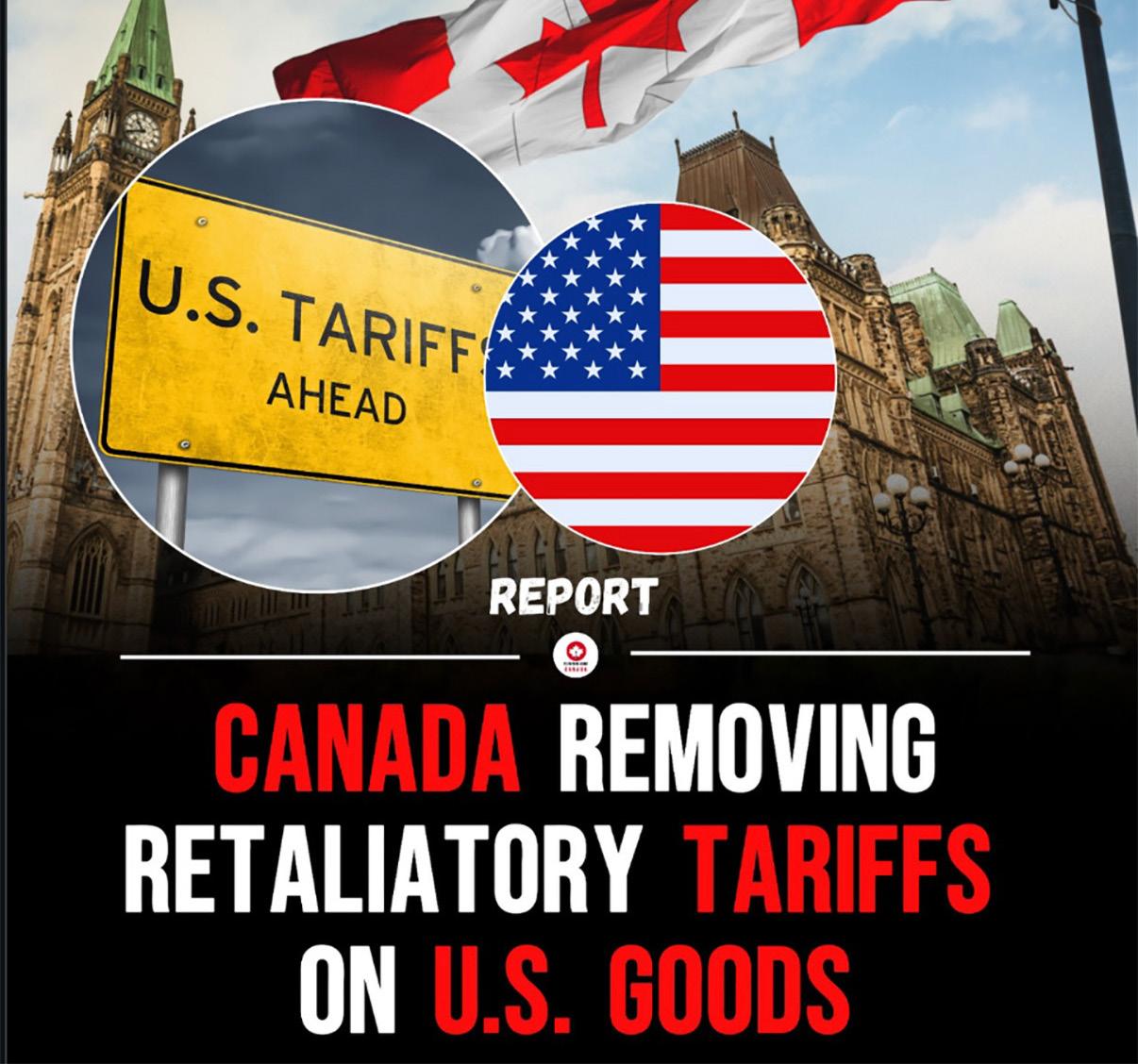
Because of the volatility surrounding CUSMA politics, the North American meat industry is no longer putting all its eggs in one basket. Canada, in particular, has leveraged the CPTPP and the recent Indo-Pacific Strategy to open doors in Japan, Vietnam, and Indonesia.
The recent reopening of the Chinese market to Canadian beef also provides a vital "safety valve" should CUSMA relations sour. However, even with these new markets, the proximity and scale of the U.S. and Mexico mean that CUSMA will remain the "primary engine" for the foreseeable future.
THE PATH FORWARD
The current state of CUSMA for the meat industry is one of guarded optimism shadowed by political risk. The economic logic of an integrated North American market is undeniable as it ensures food security, lowers consumer prices, and maintains a competitive edge against global rivals like Brazil and the European Union.
However, as the 2026 review looms, the industry must navigate a landscape where "Buy American" or "Buy Canadian" sentiments often clash with the reality of a shared supply chain. The success of the meat sector over the next decade will depend on whether policymakers choose to double down on integration or retreat into nationalist trade silos that could disrupt the flow of protein across the continent.
CANADA SECURES EXPANDED MARKET ACCESS FOR CANADIAN MEAT PRODUCTS TO INDONESIA
Following the historic signing of the Comprehensive Economic Partnership Agreement (CEPA) by Prime Minister Carney and President Prabowo in September, the Canadian government has announced a major expansion of market access for Canadian beef and pork products in Indonesia.
This milestone comes after sustained diplomatic engagement and a successful trade mission to Indonesia led by Heath MacDonald, Minister of Agriculture and Agri-Food, in August 2025.
“By fostering new trade partnerships and market opportunities, our government is helping Canadian farmers and businesses compete and grow, reinforcing our reputation as a trusted international trading partner,” stated Minister MacDonald. “This new opportunity is a testament to Canada’s leadership in food safety and animal health and the strength of our science-based regulatory system. I look forward to the continued work of both countries to establish sciencebased animal health requirements for the trade of Canadian red meat.
My sincere thanks to the CFIA for its technical expertise and regulatory leadership, the efforts of the Market Access Secretariat and the on-the-ground support of the Agri-Food Trade Commissioner Service in Indonesia throughout the regulatory work.”
Canadian exporters are now able to ship over-thirtymonth (OTM) bone-in beef, and for the first time, pork and pork products. In addition, Indonesia has approved more Canadian facilities, further strengthening Canada’s export capacity to this dynamic market. Enhanced access for beef and beef products has also been achieved through the removal of Indonesia’s residency restrictions on imported cattle. As a result, Canada’s exports to Indonesia are expected to increase significantly, building on the country’s robust market, which in 2024 was valued at $1.1 billion for beef imports and $42 million for pork imports.
"On behalf of the Canadian Meat Council, I commend the Honourable Heath MacDonald, Minister of Agriculture and Agri-Food, and Paul MacKinnon, President of the Canadian Food Inspection Agency and their teams in Canada and in Indonesia for the leadership and extensive work in securing access for nine Canadian plants to export to Indonesia, a pivotal step in diversifying Canada’s red meat exports in a large and fast-growing market. This milestone reflects strong collaboration between government and our industry to overcome regulatory hurdles and secure recognition of Canada’s rigorous food safety and halal standards. It’s a meaningful breakthrough that positions our sector for new growth across the full supply chain,” said Russ Mallard, Canadian Meat Council Chair
This achievement follows a successful audit of Canadian facilities, underscoring Canada’s internationally recognized food safety and animal health standards, rigorous inspection system, and the ongoing technical collaboration between the Canadian Food Inspection Agency and Indonesian authorities, efforts facilitated by the Embassy of Canada in Jakarta.
The recent signing of the CEPA further demonstrates the strong economic ties between both countries. The CEPA will eliminate nearly all tariffs on Canadian beef and pork and includes robust and enforceable rules to address non-tariff barriers and foster stronger regulatory cooperation. These advancements will make Canadian exports even more competitive and offer long-term growth opportunities in one of the IndoPacific's most dynamic markets.
This expanded market access directly supports the objectives outlined in the Government of Canada’s 2025 Federal Budget to grow agri-food exports and secure, expand, and restore market access for Canadian producers. It also aligns with Canada’s commitment to double non-U.S. exports over the next decade. With these new opportunities, Canadian farmers, processors, and exporters will benefit from new economic opportunities, while Indonesian consumers will enjoy greater access to Canada’s nutritious, safe, and highquality meat products.
QUICK FACTS
• Indonesia the world’s fourth largest country and is Canada’s 6th largest agri-food and seafood export market and largest among ASEAN members, valued at $1.2 billion in 2024.
• From September 2 to 12, 2025, the Indonesia Directorate General of Livestock and Animal Health Services (DGLAHS) conducted an onsite audit of Canada’s meat and livestock establishments. The audit confirmed that Canadian establishments produce beef and pork products in a sanitary and safe manner that complies with Indonesia’s import standards.
• Previously, Canadian producers were only able to export boneless beef to Indonesia. With this new expanded market access, producers can now also export over-thirty-month (OTM) bone-in beef, beef offal, and pork to Indonesia for the first time.
• Canada continues to actively negotiate export certificates for live breeding cattle, live swine, genetic material, and bovine embryos.
• The Canada–Indonesia Comprehensive Economic Partnership Agreement (CEPA), signed in September 2025, will facilitate Canada’s expanded access to Indonesia’s market by eliminating or reducing tariffs creating mechanisms to address non-tariff barriers, paving the way for greater trade in sectors including agri-food.
DRIVE AWAY HUNGER PARTNERS DONATE 635 MILLION MEALS TO FIGHT FOOD INSECURITY
Farm Credit Canada (FCC) has announced that Drive Away Hunger 2025 partners have donated 635 million meals, helping families put nutritious meals on the table, easing pressure on household budgets, and reducing food waste across Canada.
“Food insecurity affects our families, neighbours and communities. These donations are not just statistics,” said Justine Hendricks, FCC president and CEO. “They can represent the difference between going to bed hungry and having food on the table, and they leave money for other essentials like rent, heat, or a child’s winter coat. The goal is to make sure food that would otherwise go to waste reaches family tables where it is needed.”
Food insecurity in Canada remains a critical issue. More than 10 million people live in households that do not always have enough food, including nearly one in three children. The HungerCount 2025 report from Food Banks Canada showed that food bank usage rose by 5.2%, with many people relying on food banks being working Canadians managing tight budgets.
Every year, partners across the agri-food industry, including producers, processors, distributors, retailers, and food companies, voluntarily redirect surplus food from across the supply chain to curb food waste and support families. The 635 million meals donated were valued at over $2.25 billion, equivalent to about 63 meals per person in a year.
These donations are made possible through food rescue services such as Second Harvest and FoodMesh, which help coordinate the safe and timely redistribution of surplus food by matching donors with local charities and community groups, and managing pickups and transportation.
“This achievement reflects the sustained commitment to supporting communities by Drive Away Hunger partners across Canada’s agriculture and food sector,” said Hendricks, “By working together year after year, partners are delivering food to communities at a scale made possible through industry collaboration.”
For more than 20 years, Drive Away Hunger has been a year-round initiative that continues to welcome new partners to join the fight against food insecurity in Canada. FCC is one of over 100 Drive Away Hunger partners. In the past year, FCC donated over six million meals through corporate donations, food loss and waste partnerships, and employee giving.
For a full list of 2025 partners and information on how to get involved, visit driveawayhunger.ca.
For more information about Farm Credit Canada, visit https://www.fcc-fac.ca/en
MCDONALD’S AND CARGILL FURTHER CHAMPION YOUTH LEADERSHIP IN BEEF SUSTAINABILITY
The Canadian Roundtable for Sustainable Beef (CRSB) has announced that support from McDonald’s Canada and Cargill for its CRSB Council Youth Position, reinforcing their commitment to sustainability and amplifying the voices of young leaders in the Canadian beef industry.
The position, an Ex-Officio (non-voting) role established in 2025, was added to the CRSB Council to ensure youth perspectives are represented and embedded in our approaches to beef sustainability now and in the future. This financial support for the position provided by McDonald’s Canada and Cargill will enable full participation in CRSB Council, member and other events for the next three years.
The objectives of this CRSB Council youth position are to provide a platform for youth to actively participate in and contribute youth perspectives to the CRSB; to learn from, engage and collaborate with the multistakeholder representatives on the CRSB Council, and to provide youth governance experience and mentorship opportunities. The first candidate, Laura Buss, was recommended through a nomination process in coordination with the Canadian Cattle Youth Council.
“I am thrilled to represent youth in the beef industry on a council that brings together such diverse perspectives from across the sector, says Laura Buss. The funding support to travel and meet with CRSB members inperson is particularly exciting, as I’ve learned that these face-to-face collaborations are where the most impactful work happens.”
“This partnership reflects our shared vision of continuous improvement and collaboration,” said Ryan Beierbach, CRSB Chair and beef farmer from SK, who participated in the Canadian Cattle Young Leaders program as part of his beef industry leadership journey. “Empowering youth and providing them a voice is important to ensure sustainability remains a priority for generations to come.”
“Youth engagement is critical to driving innovation and long-term sustainability in Canadian beef,” said Sam Hamam, Head of Supply Chain for McDonald’s Canada. “By supporting this position, we’re investing in the next generation of leaders who will help shape a resilient and sustainable beef industry.”
“A resilient beef supply chain depends on collaboration across generations,” said Kristine Tapley, Director of Sustainability, Food North America – Customer Engagement at Cargill. “Supporting youth leadership through the CRSB helps strengthen the long-term sustainability of Canadian beef and contributes to building a more food-secure world.”
The Youth Councillor, appointed annually for up to a three-year term, will actively participate in CRSB Council discussions and bring forward youth perspectives, will serve as a liaison between the CRSB and the Canadian Cattle Youth Council (CCYC), will co-chair at least one CRSB Council meeting per year, and contribute thought leadership across the Canadian beef industry and in youth networks.
For more information about CRSB and its sustainability initiatives, visit crsb.ca.
Photo (left to right): Sam Hamam (McDonald’s Canada), Kristine Tapley (Cargill), Laura Buss (CRSB Youth Councillor), Ryan Beierbach (CRSB Chair).
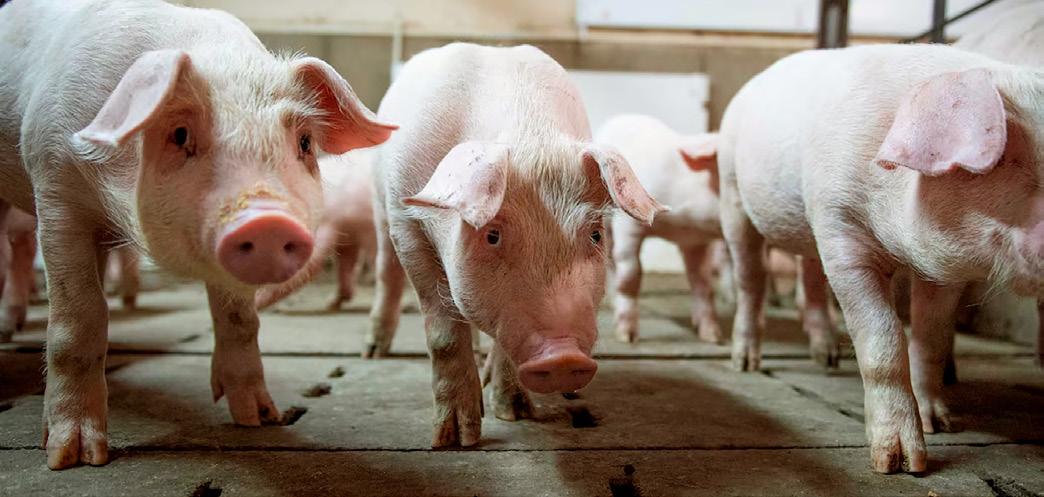
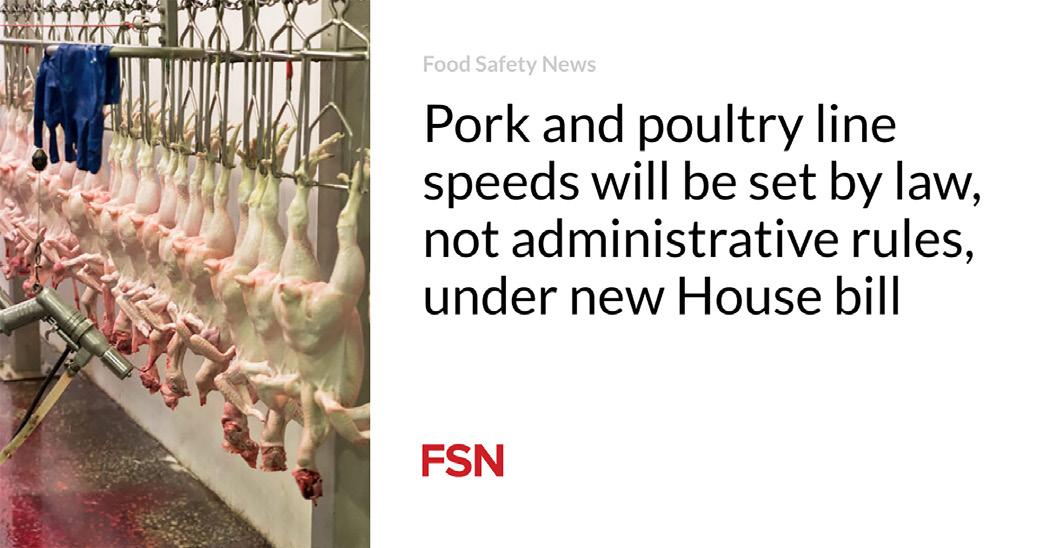
USDA FSIS LINE SPEED RULES WILL IMPROVE AFFORDABILITY OF PORK AND POULTRY
Rules Will Allow Companies to Innovate & Benefit Entire Value Chain
The Meat Institute has announced that the US Department of Agriculture’s (USDA) Food Safety and Inspection Service (FSIS) proposed rules changes concerning pork and poultry processing rates will increase production and innovation, helping to ease prices for consumers and benefiting livestock and poultry producers.
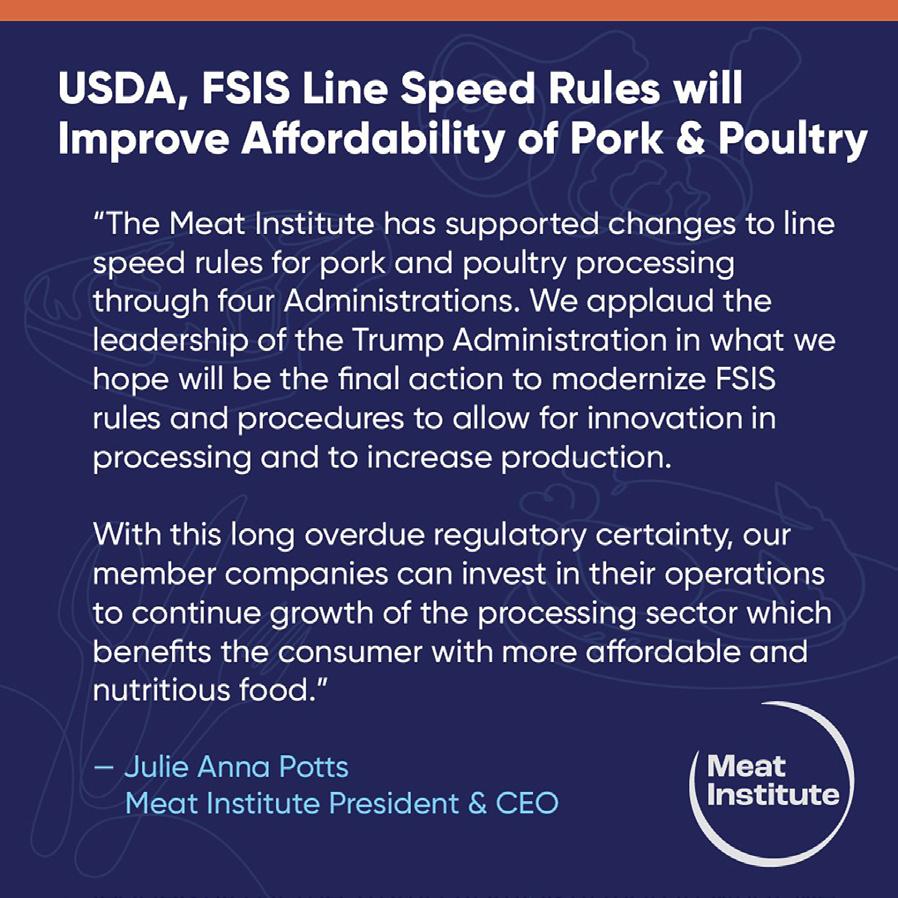
“The Meat Institute has supported changes to line speed rules for pork and poultry processing through four Administrations. We applaud the leadership of the Trump Administration in what we hope will be the final action to modernize FSIS rules and procedures to allow for innovation in processing and to increase production,” said Meat Institute President and CEO, Julie Anna Potts. “With this long overdue regulatory certainty, our member companies can invest in their operations to continue growth of the processing sector which benefits the consumer with more affordable and nutritious food.”
BACKGROUND ON PORK SLAUGHTER LINE SPEEDS
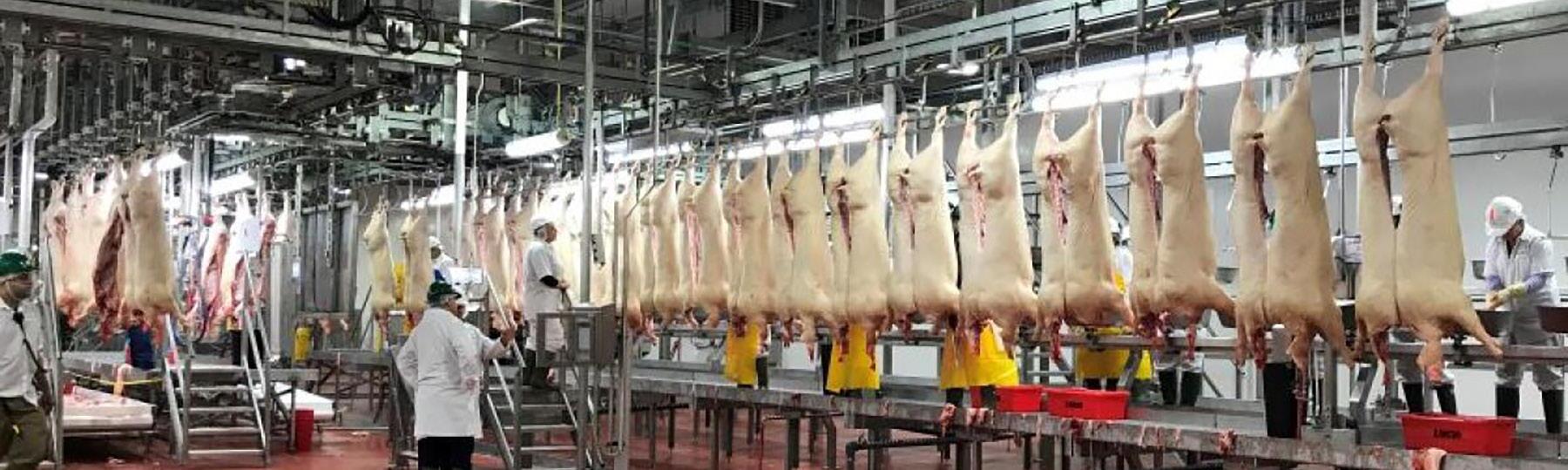
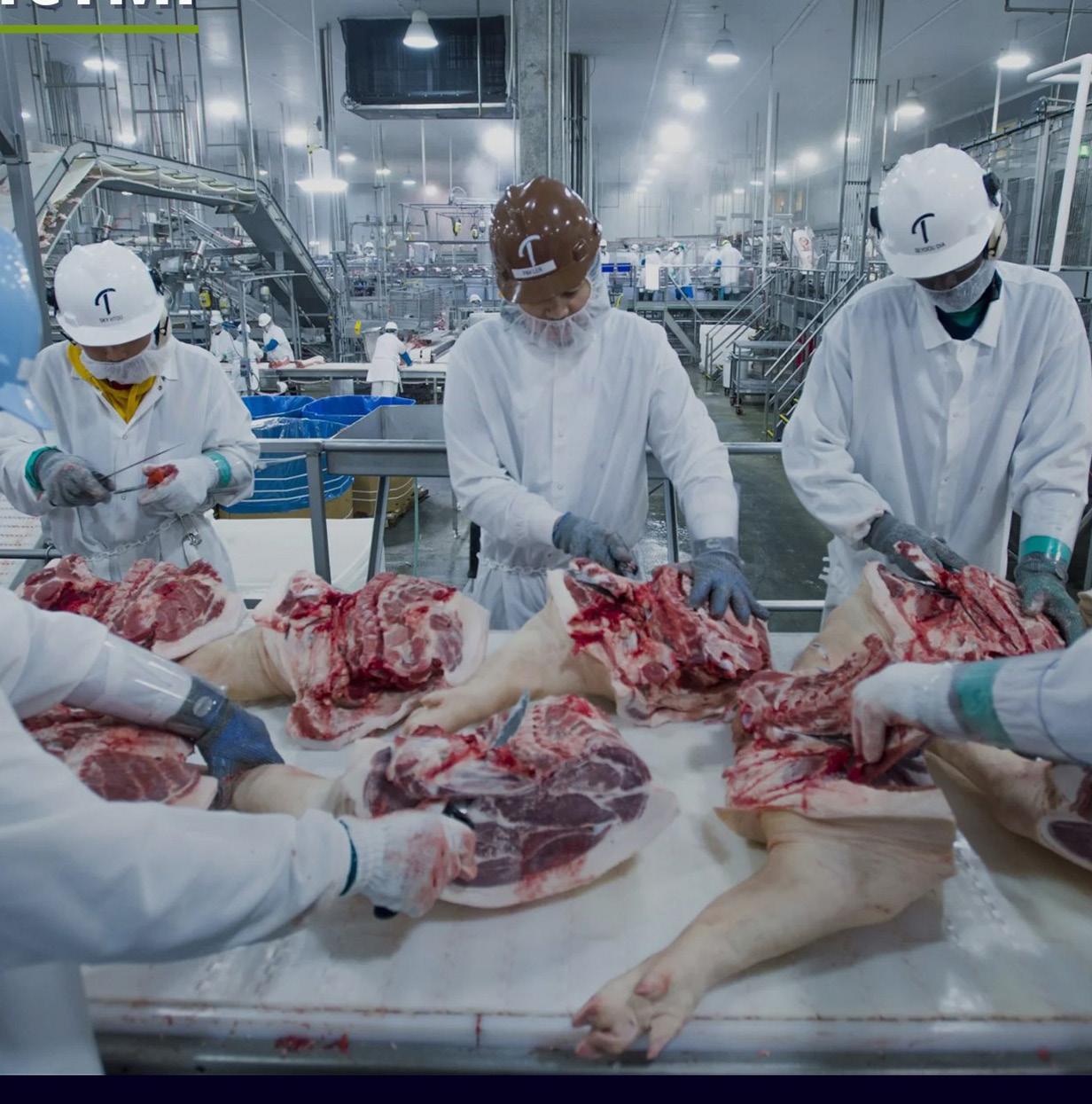
Line speed in swine slaughter facilities varies due to staffing variations, the ability to maintain worker safety, and food safety. USDA’s Food Safety and Inspection Service (FSIS) inspectors have the ability to slow or stop the line in any facility as part of their regulatory authority.
In September 2019, FSIS issued its final New Swine Inspection System (NSIS) rule, establishing a voluntary modernized inspection system. NSIS allows FSIS inspectors to focus attention on verifying food safety and animal welfare requirements, while providing flexibility for food safety innovation. The NSIS rule is based on a pilot program FSIS initiated more than 25 years ago, giving the agency a wealth of data and a deep knowledge base from which to establish NSIS.
Under NSIS, plant employees in swine slaughter establishments conduct manual sorting activities to remove defects in carcasses and parts prior to FSIS inspection, making inspection more efficient. Critically, FSIS inspects 100% of live animals prior to slaughter and all carcasses after slaughter in all regulated facilities.
Due to a court decision regarding the Administrative Procedures Act, allowances for faster line speeds under NSIS were vacated and participating establishments were required to operate at slower speeds as of June 30, 2021. In November 2021, FSIS invited NSIS establishments to participate in a time-limited trial to operate at increased line speeds to gather data for rulemaking. FSIS contracted with the University of California, San Francisco to conduct a study released on Jan. 10, 2025.
The study found no statistically significant associations between line speeds and increased worker safety risk.
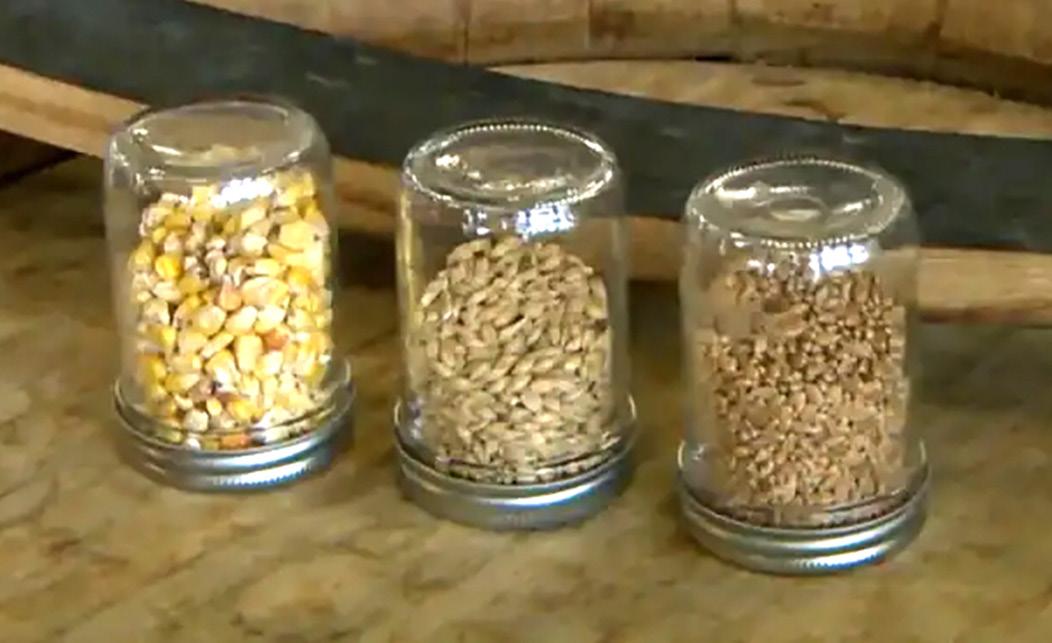
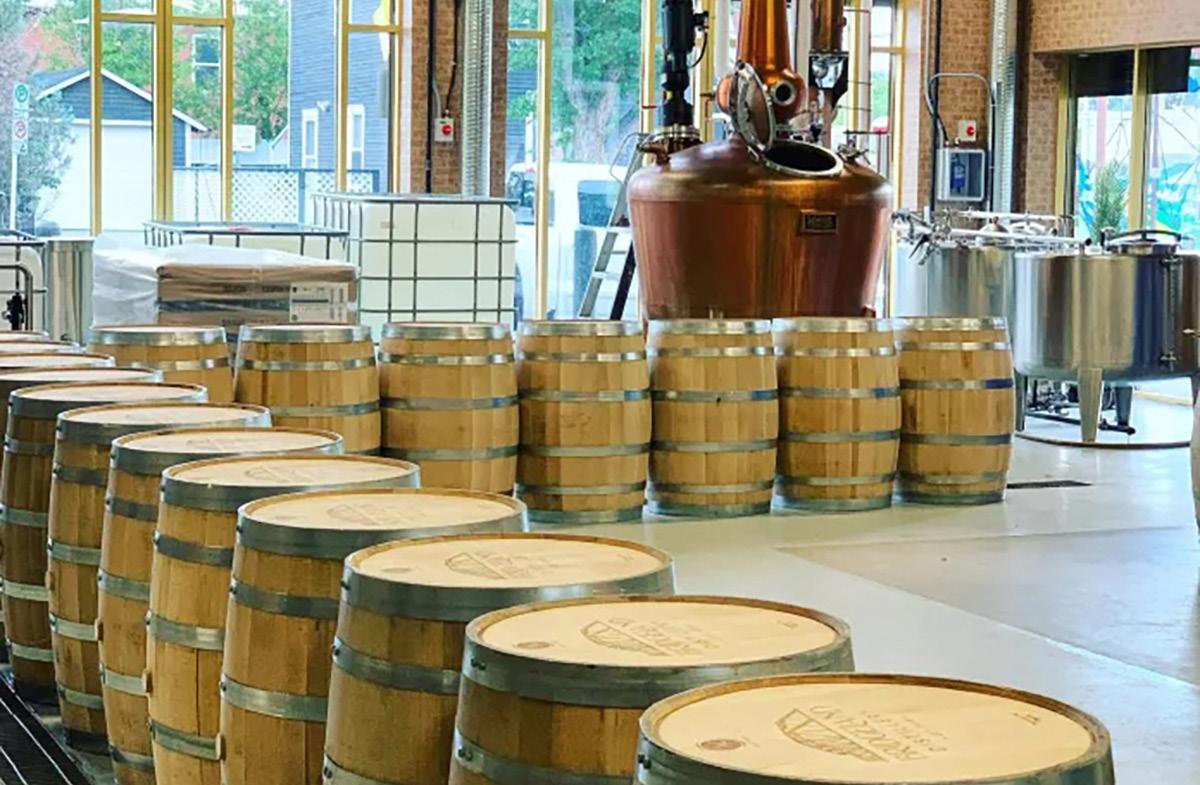
A DISTILLERY IN ALBERTA PAYS THE PRICE FOR THE CFIA’S ABSURD PROCESSES
A couple of months ago, the Canadian Federation of Independent Business (CFIB) was out with a report highlighting how the regulatory burden associated with the Canadian Food Inspection Agency (CFIA) was placing increasing pressure on small businesses. Those concerns persist today, the CFIA processes remain a major pain point, and one distillery in Alberta recently paid the price.
The CFIA halted the sale of three of the distillery’s products. Yet, the detention was not triggered by safety concerns, but simply by labelling issues. This is not a small matter for the business as those products account for 50% of its total sales.
This all started last summer, when the CFIA launched an investigation after receiving a complaint about the business owner’s products.
Although the CFIA indicated to expect a review by the end of September, the business owners only heard back from the CFIA in February this year. Such delays create significant uncertainty for business owners and add unnecessary stress as they try to plan and grow their operations. Situations like this are exactly why CFIB’s report on the CFIA stressed the importance of greater transparency from the CFIA regarding timelines and the promptness of its decisions.
After being left in the dark for months, the CFIA finally issued its review and pointed to labelling issues as a reason for halting the products’ sales. According to the CFIA, the products were marketed as whisky without meeting the three-year aging requirement, meaning they could not be sold for the next two years. The owners argued it was a spirit, not a whisky.
Then CFIA pointed to the product name, berbon, arguing that it was too close to Kentucky bourbon, which is a protected designation. Although the distillery chose the name as a reference to the town they source their corn, Taber, Alberta, the CFIA considered it misleading.
To save their company and prevent catastrophic financial losses, the company agreed to remove the word Berbon from its label. This requires notifying all 244 customers about the change and reviewing their social media presence to delete any mention of the term. And that’s before even tackling the actual label redesign and replacement.
As we write this column, despite all the efforts these business owners have made to comply with the CFIA requirements, they still have not received any responses on whether the Agency will take their products out of detention.
As a result of CFIA’s interpretation and perception of their labelling, these business owners saw most of their sales being detained and received minimal and slow communication from the CFIA. This illustrates how CFIA’s processes could be handled far more effectively to reflect the realities of running a business. Issues like these could be solved through timely dialogue, not heavy-handed detention that put businesses at risk.
This issue needs to come to a quick resolution, and no other business should suffer the same fate. If there is a labelling issue or something similar that doesn’t affect public health, don’t detain the product. That is draconian.
Rather, step out of the ivory tower and educate. The CFIA should work with business owners to help them get compliant labeling and new marketing out fast. It should not put on hold businesses’ key revenue stream for an undefined amount of time. It should also be responsive and timely. Ensure business owners can get up and going again quickly (aka. within a week) so that they can continue to retain and pay their employees. It is not just about one business’s livelihood; it is also about those they employ, their suppliers, and the community they help support.
In today’s highly competitive environment, it is essential that all levels of government and all departments, including the CFIA, better align their processes with the practical realities of SMEs. Yet, this is a clear example of how the interests of SMEs are overlooked in favour of burdensome and absurd processes.
Juliette Nicolaÿ is a Bilingual Policy Analyst for the Canadian Federation of Independent Business (CFIB). CFIB is Canada’s largest association of small and medium-sized businesses with 100,000 members (6,000 agri-business members) across every industry and region. CFIB is dedicated to increasing business owners’ chances of success by driving policy change at all levels of government, providing expert advice and tools, and negotiating exclusive savings. Learn more about CFIB and its work to support agri-businesses at Get Growing