ANOTHER YEAR OF UNCERTAINTY FOR FOOD AND BEVERAGE MANUFACTURERS
Leveling Up Your Food Safety Program: From GMPs to Certification
Leveling Up Food Safety Program: From GMPs to Certification
Opinion: A Call to Leadership
Call to Leadership
Cheap Imports Won’t Fix Canada’s Beef Problem
Cheap Imports Won’t Fix Canada’s Beef Problem
Canada and China Push to Rebuild Economic Ties with New Financial Cooperation Pact
Canada China Push to Economic Ties with New Financial Cooperation Pact
Mom & Pop’s Stores Excluded from Manitoba’s Proposed PST Exemption
Mom & Pop’s Stores Excluded from Manitoba’s PST Exemption
April 2026
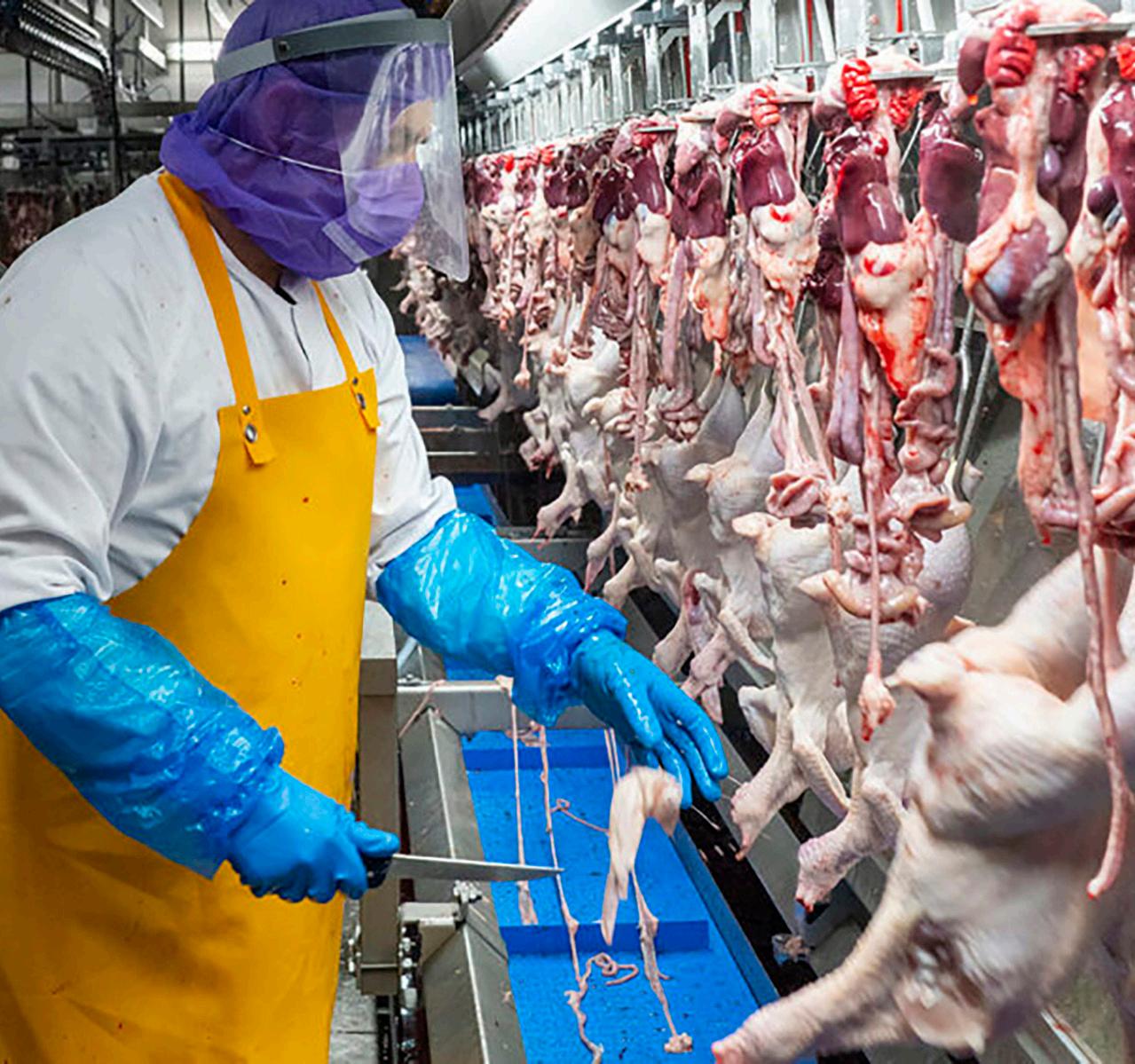
JBS Reaches Tentative Agreement with Striking Colorado Workers
FCC: Another Year of Uncertainty for Food and Beverage Manufacturers
Leveling Up Your Food Safety Program: From GMPs to Certification
Opinion: A Call to Leadership
5 6 9 12 15 19 23
Cheap Imports Won’t Fix Canada’s Beef Problem
25
CoBank: Economic Fallout of Rising Fuel and Energy Costs will Impact Rural America Canada and China push to rebuild economic ties with new financial cooperation pact Mom & Pop’s Stores Excluded from Manitoba’s Proposed PST Exemption
PUBLISHER
Ray Blumenfeld ray@meatbusinesspro.com
CO-PUBLISHER
Deb Wilson deborah@meatbusinesspro.com
DIGITAL MEDIA EDITOR
Cam Patterson
cam@meatbusinesspro.com
CONTRIBUTING WRITERS
JBS REACHES TENTATIVE AGREEMENT WITH STRIKING COLORADO WORKERS
Cam Dahl, Sylvain Charlebois, Juliette Nicolay, Jack Roberts
The contents of this publication may not be reproduced by any means in whole or in part, without prior written consent from the publisher. Printed in Canada. ISSN 1715-6726
JBS USA has reached a tentative labor agreement with unionized workers at its beef processing plant in Greeley, Colorado, bringing the strike to an end and restoring operations at one of the nation’s most critical meat production facilities. The deal covers nearly 3,800 workers represented by United Food and Commercial Workers (UFCW) Local 7 and follows intense negotiations aimed at addressing wages, benefits, and workplace conditions.
The strike began on March 16, 2026, after union members voted to walk off the job, alleging unfair labor practices and demanding pay increases that would keep up with inflation. Workers also objected to company policies that required them to pay for replacement personal protective equipment (PPE), a cost they argued should be borne by the employer. The labor action drew national attention, as it was one of the most significant U.S. meatpacking strikes in decades and occurred amid already tight beef supplies.
Under the tentative two-year agreement, workers would receive wage increases totaling nearly 33% over the life of the contract, according to the union. The deal also protects employees from paying out-of-pocket for PPE and shields them from increases in healthcare costs. Union leaders said these gains represented a substantial improvement over JBS’s pre-strike offer and reflected the leverage workers gained by maintaining a united front on the picket line.
JBS confirmed the agreement and said it was pleased to have reached a resolution, though it expressed disappointment over the elimination of a pension benefit that had been included in a broader national agreement negotiated previously with UFCW International.
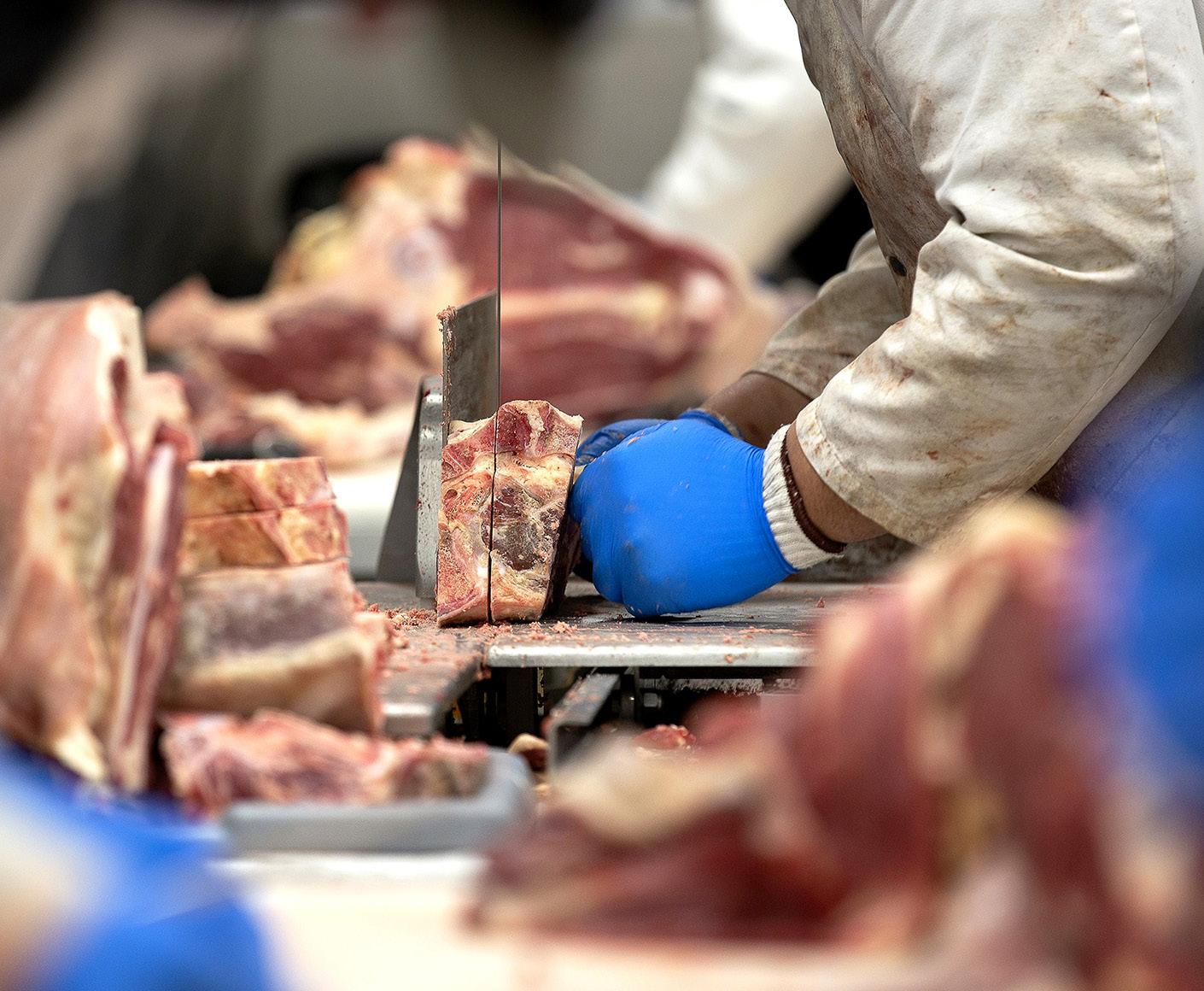
The strike had meaningful implications with U.S. cattle inventories at a 75-year low and beef prices hitting record highs, any disruption to processing capacity can ripple through the supply chain.
The tentative agreement must still be ratified by union members. If approved, workers will return under the new contract, marking the end of a high-profile labor dispute that underscored broader tensions over wages, inflation, and worker protections in essential industries. For both JBS and its workforce, the deal represents a step toward stability, even as debates over compensation structures and retirement benefits continue to shape labor relations in the meatpacking sector.
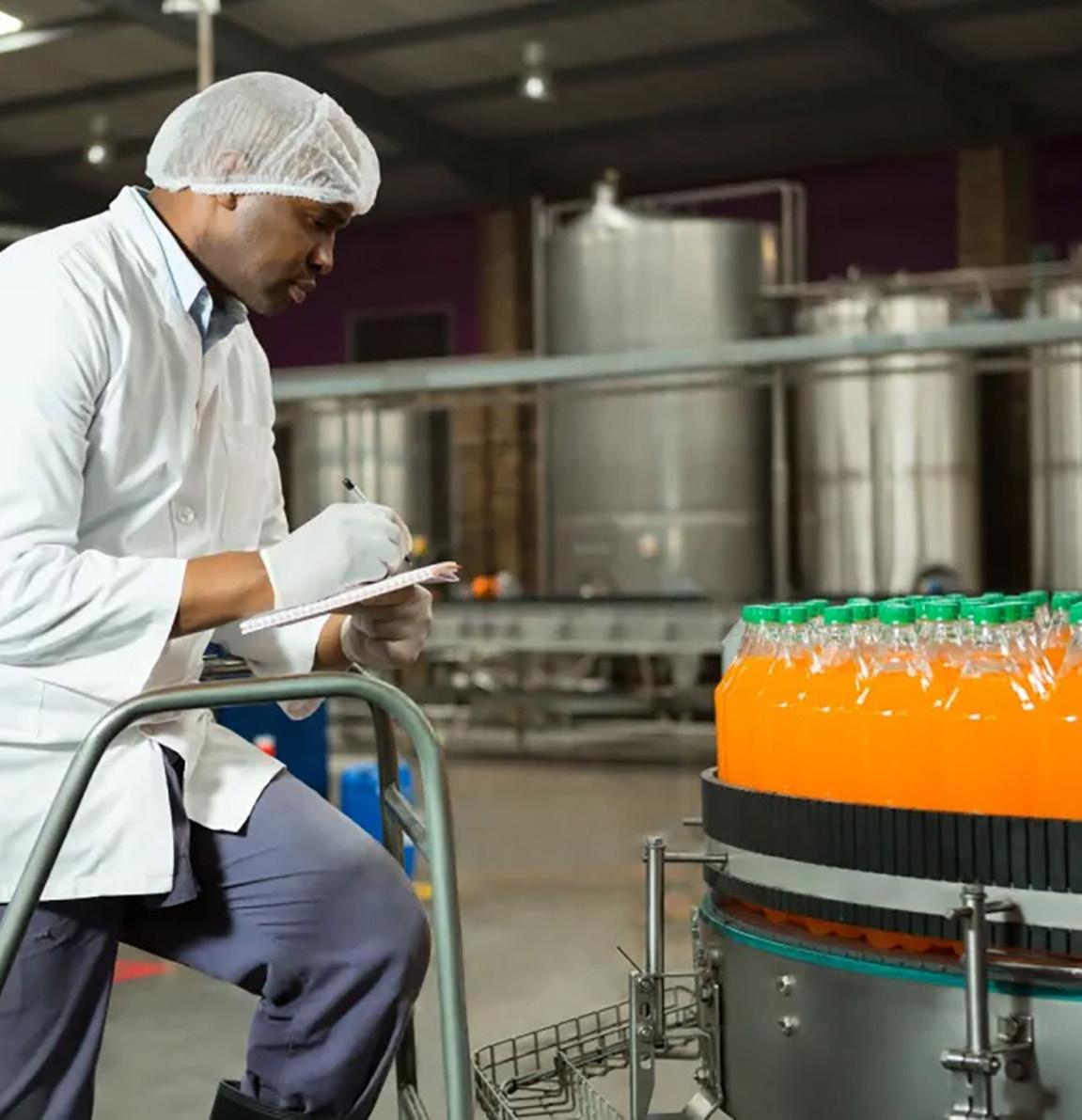
FCC: ANOTHER YEAR OF UNCERTAINTY FOR FOOD AND BEVERAGE MANUFACTURERS
Canada’s food and beverage manufacturers are expected to see modest sales growth in 2026, but weak demand continues to challenge the sector, according to the latest Farm Credit Canada (FCC) Food and Beverage Report.
FCC Economics forecasts food and beverage manufacturing sales will increase 0.8% in 2026, driven by higher prices, while sales volumes are expected to decline by 0.7%. That would mark the fourth consecutive year of falling volumes, continuing a trend where higher prices support revenues while underlying demand remains weak.
“The gap between modest sales growth and declining volumes highlights the demand challenge facing food manufacturers,” said Craig Johnston, chief economist at FCC. “Weak volume growth shows the sector is still adjusting to tighter consumer spending and slower population growth.”
Input costs have risen sharply in recent years as supply disruptions pushed prices higher across the agricultural supply chain. Events such as avian influenza, drought in cocoa-producing regions, and tight livestock supplies increased costs for many manufacturers.
Looking ahead to 2026, prices for key inputs including cattle, hogs, canola and cocoa are expected to ease, providing some relief for processors. It should be noted that this outlook is subject to uncertainty, as the conflict in the Middle East has introduced new risks to energy and commodity markets.
Gross margins for food and beverage manufacturers are forecast to improve in 2026 and 2027 following several years of pressure. In 2026, the improvement is expected to come mainly from easing raw material costs as sales growth remains modest and volumes continue to decline. As market conditions stabilize, margin gains in 2027 are expected to reflect a combination of improved cost conditions and stronger revenue growth.
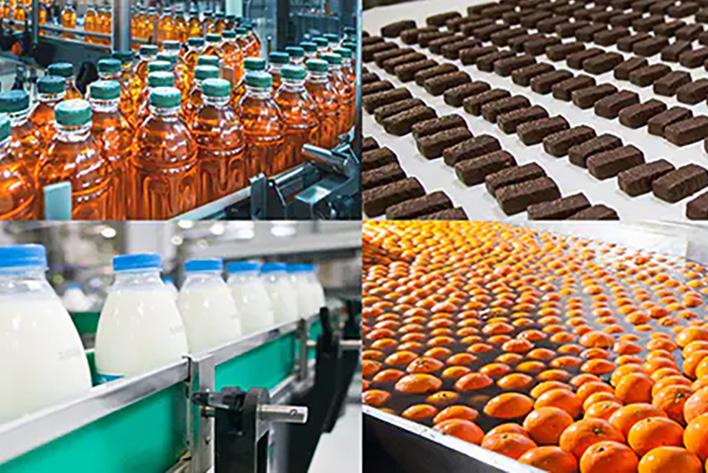
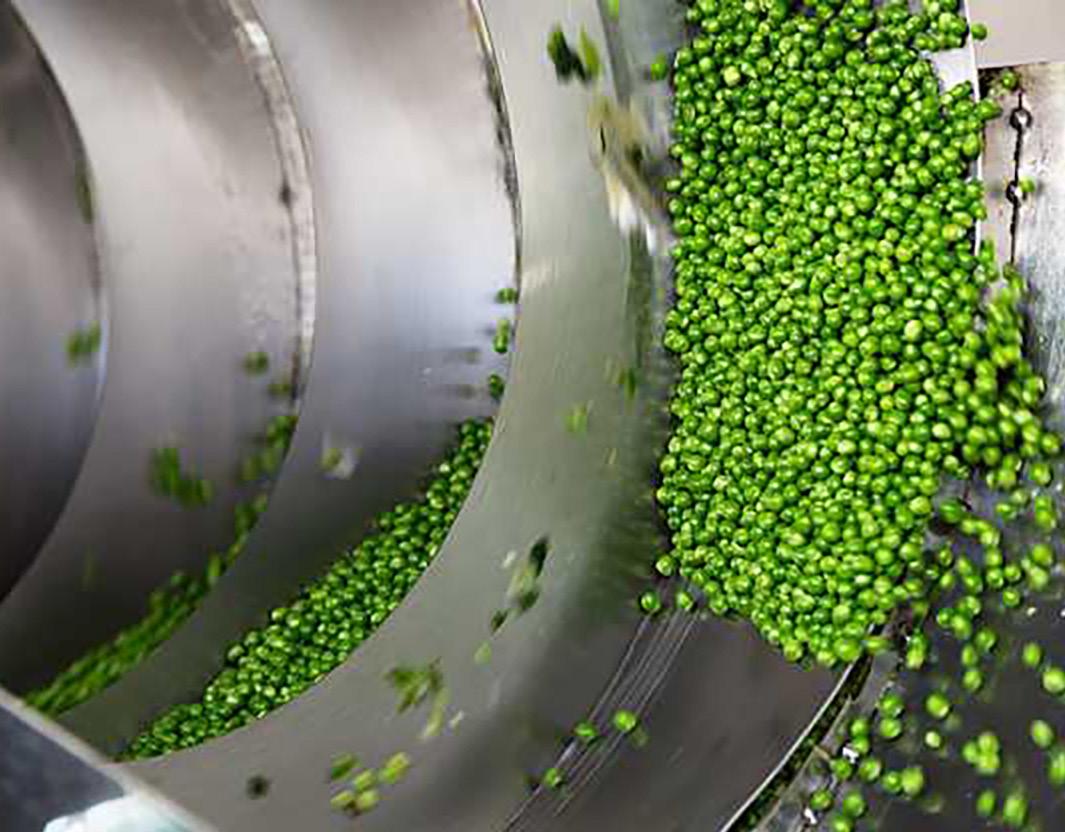
Performance will vary across subsectors. Margins are expected to improve in meat processing, seafood preparation, bakery products, grain and oilseed milling, and sugar and confectionery manufacturing. By contrast, fruit and vegetable processing and beverage
Trade uncertainty continues to influence the outlook. Tariffs, supply chain disruptions, and geopolitical tensions are affecting export markets, input costs and creating uncertainty for businesses planning future investments. The conflict in the Middle East stands out as a potentially important risk shaping the outlook.
“Demand conditions remain uneven across product categories, and that will shape performance across the industry,” said Johnston. “Businesses that improve productivity, manage input costs and adapt to changing consumer preferences will be better positioned as conditions evolve.”
Investment trends reflect the cautious environment. Capital expenditures in the food and beverage manufacturing sector declined 5.3% in 2025, and early indicators suggest investment may weaken further in 2026. Sustained declines in capital spending could limit productivity growth, reduce capacity expansion, and slow the adoption of new technologies across the sector.
Canada’s food and beverage manufacturing sector includes more than 11,000 businesses and employs roughly 318,000 people, making it the largest manufacturing employer in the country and a critical link between Canadian farms and consumers. The sector serves both Canadian households and export markets, with many processors relying heavily on international demand, particularly from the United States, while trade disruptions, tariffs and shifting global demand continue to influence sales and investment decisions.
The annual FCC Food and Beverage Report provides forecasts and analysis across key segments of the sector, including grain and oilseed milling, dairy and meat processing, sugar and confectionery manufacturing, bakery products, seafood preparation, fruit and vegetable processing, and beverage manufacturing.
By sharing economic knowledge and forecasts, FCC provides insights and expertise to help those in the business of agriculture and food achieve their goals. For more economic insights and analysis, visit FCC Economics at fcc.ca/Economics.
About Farm Credit Canada (FCC)
FCC is the leading lender in Canadian agriculture and food. As a trusted partner and commercial Crown corporation that reinvests profits into ag and food, FCC is essential in building a stronger, more prosperous food industry for all Canadians. For more information, visit fcc.ca
by larger or internationally focused operations seeking a globally harmonized system.
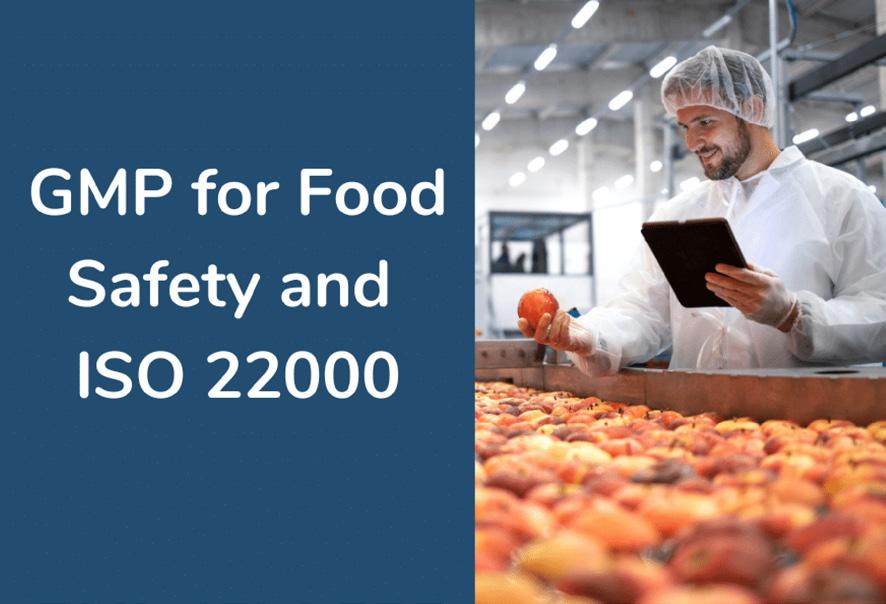
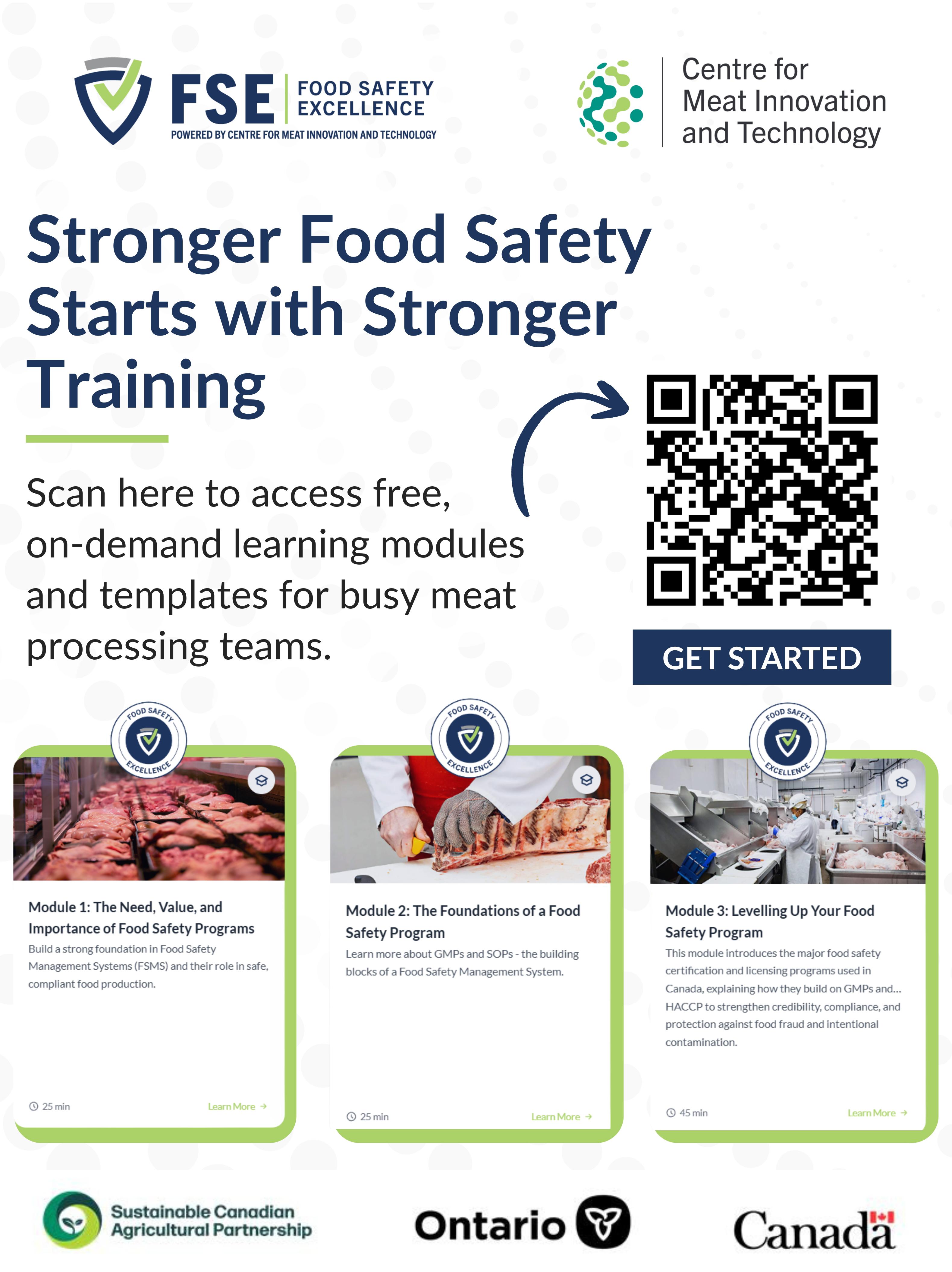
LEVELING UP YOUR FOOD SAFETY PROGRAM: FROM GMPS TO CERTIFICATION
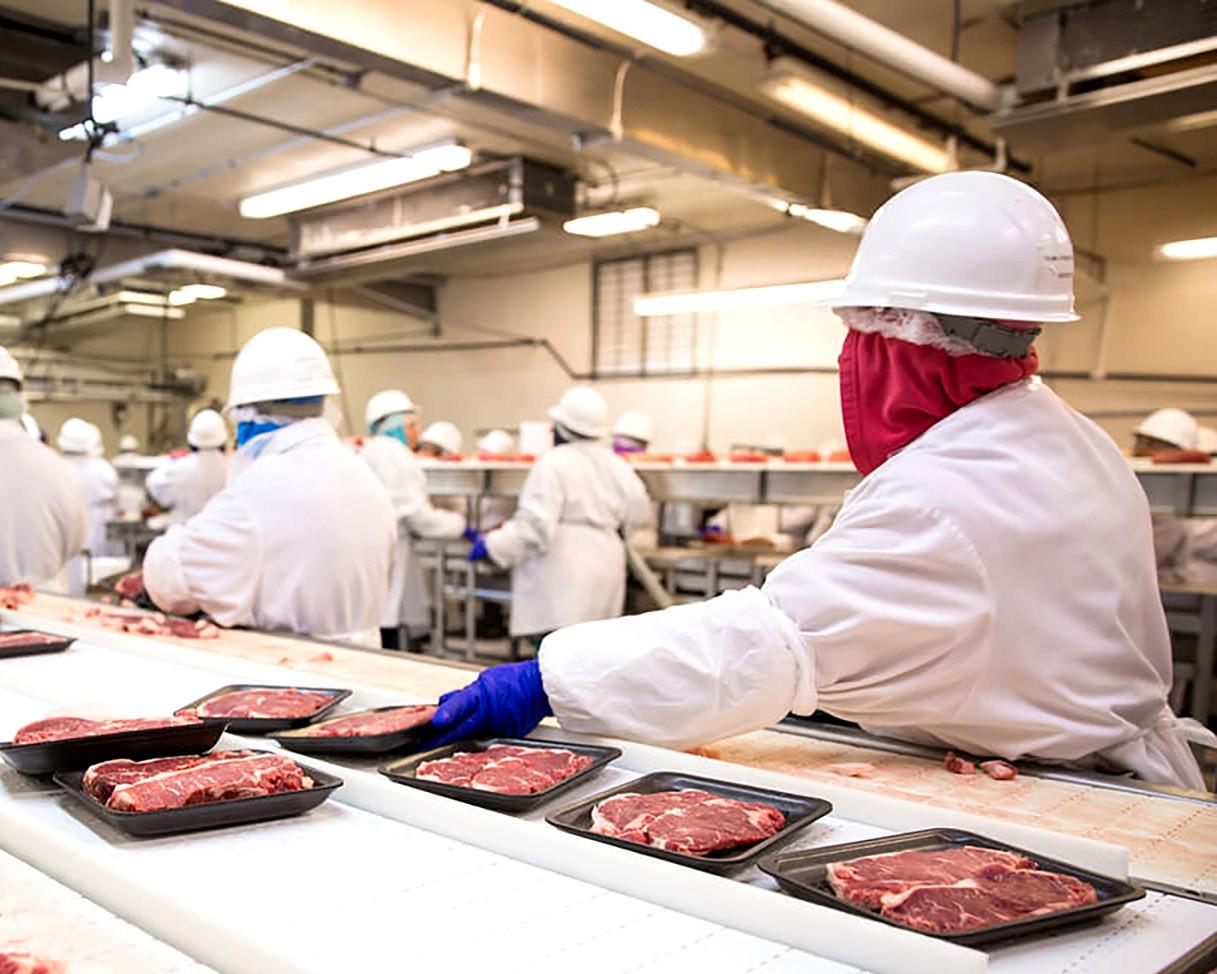
A strong food safety system doesn’t stop at good intentions or even basic compliance. For Canada’s meat processing industry, building a resilient and credible food safety program means progressing beyond foundational requirements toward recognized certification and licensing programs that demonstrate excellence, consistency, and trust.
Many operations begin their food safety journey with Good Manufacturing Practices (GMPs) and a growing food safety culture. These elements form the backbone of every effective Food Safety Management System (FSMS). They establish the day-to-day behaviours, hygiene practices, and operational controls that support safe food handling. However, as businesses grow, expand markets, or face increasing scrutiny from buyers and regulators, GMPs alone are no longer enough.
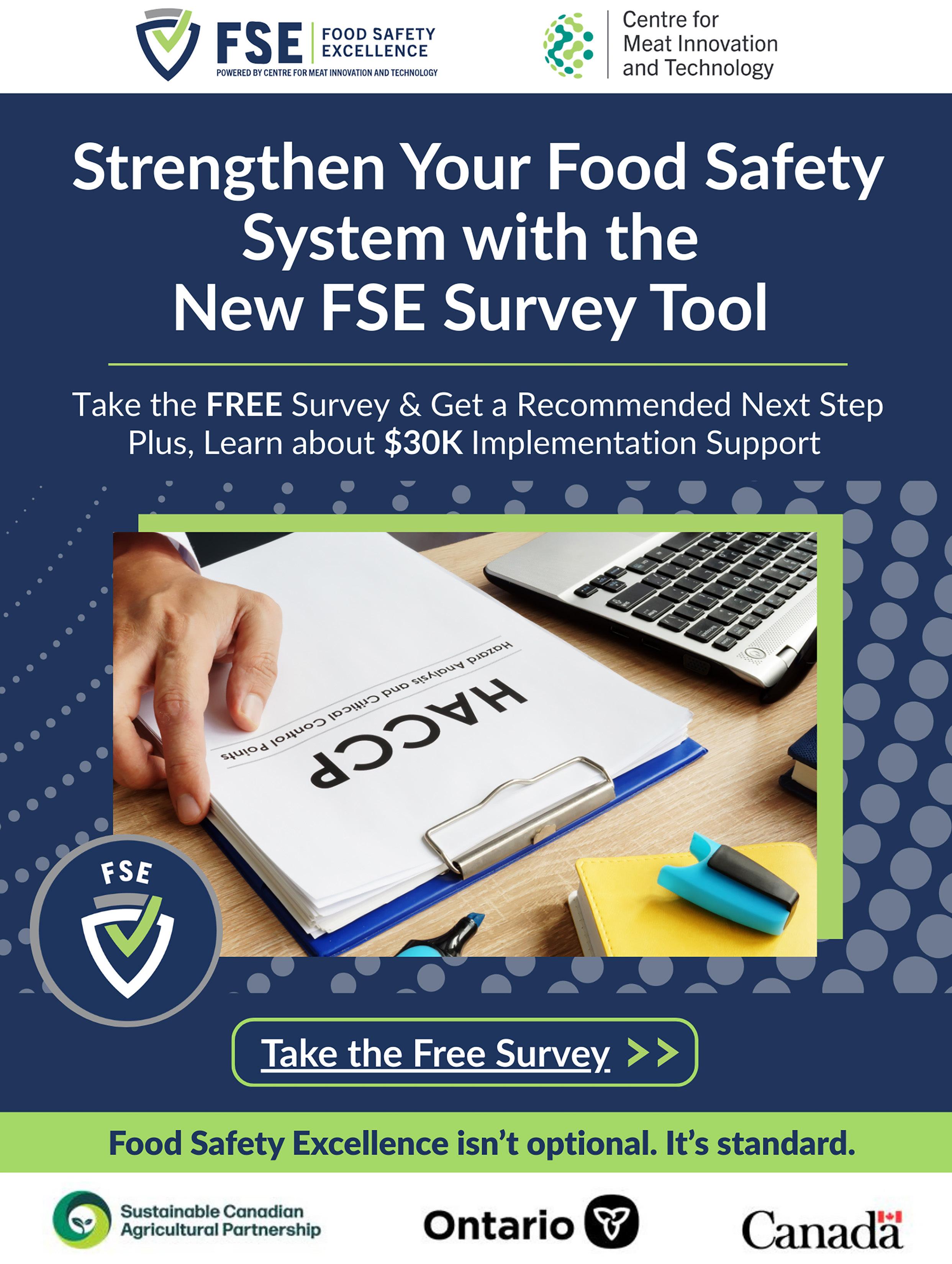
The Food Safety Excellence (FSE) Program, powered by the Centre for Meat and Innovation (CMIT), was designed to help meat processors easily access food safety information, resources, tools and support opportunities and learn more about what certifications they should explore implementing into their operation.
WHY CERTIFICATION MATTERS
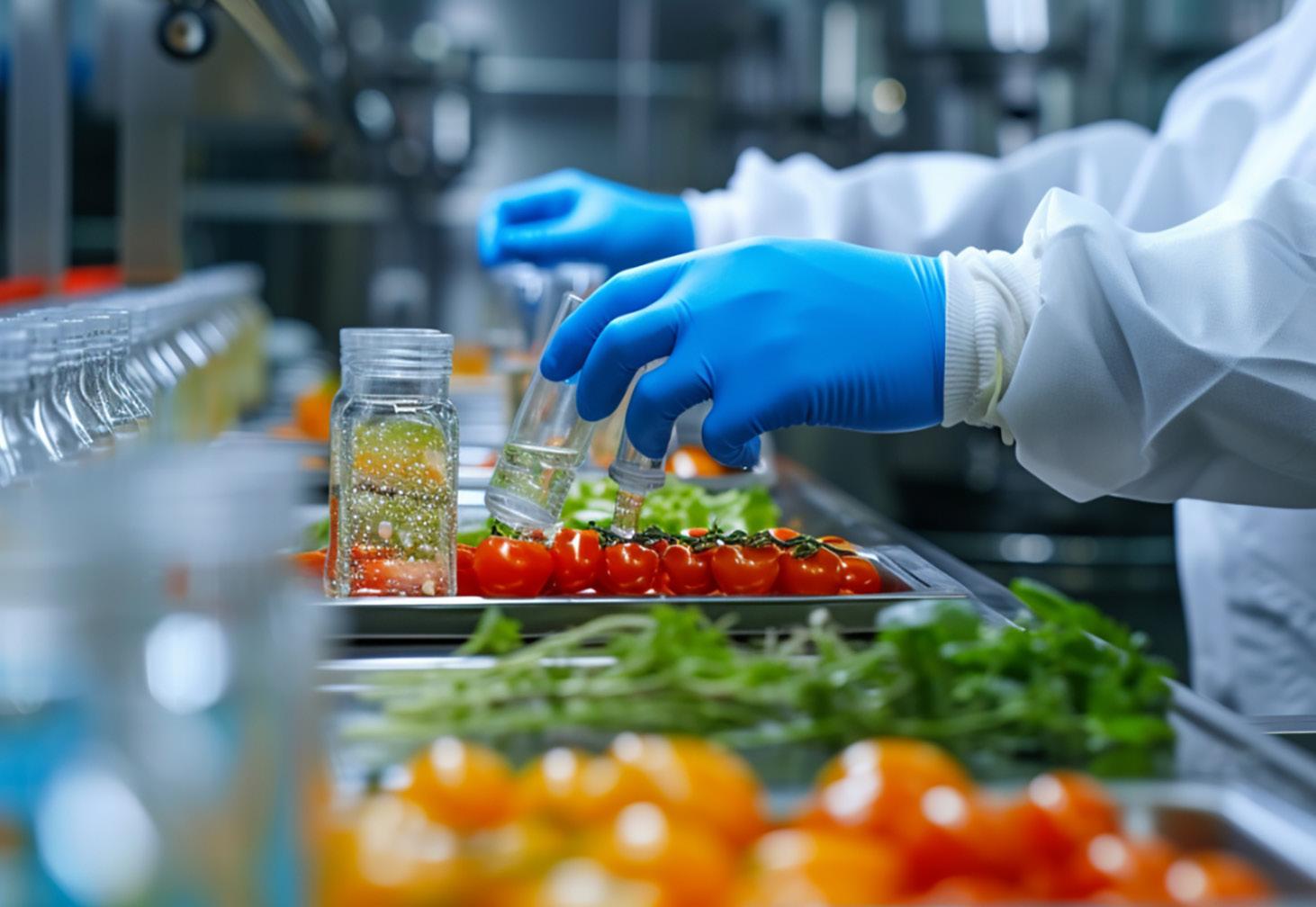
Food safety certification goes beyond compliance. It provides independent verification that an operation consistently meets recognized food safety standards. Certification signals to regulators, customers, and consumers that food safety is not just documented, but embedded, monitored, and continually improved.
Whether selling locally, nationally, or internationally, certified facilities often gain improved market access and enhanced buyer confidence. Many major retailers, foodservice customers, and export markets now require certification as a condition of doing business. More importantly, certification helps organizations identify risks early, strengthen internal controls, and reduce the likelihood of costly food safety incidents.
BUILDING ON GMPS AND HACCP
Most certification and licensing programs in Canada build upon HACCP (Hazard Analysis and Critical Control Points) principles, which systematically identify, evaluate, and control food safety hazards. HACCP takes GMPs one step further by focusing on process-specific risks rather than general practices alone.
Programs such as the Safe Food for Canadians Regulations (SFCR) licensing requirements integrate HACCP-based preventive control plans into regulatory compliance. Holding an SFCR license is mandatory for many food businesses, particularly those involved in interprovincial or international trade, and demonstrates that an operation has met federally regulated food safety expectations.
From there, third-party certification standards expand on regulatory frameworks by adding additional layers of structure, documentation, verification, and continuous improvement.
COMMON FOOD SAFETY CERTIFICATION PROGRAMS IN CANADA
Several globally recognized food safety certification programs are commonly used across Canada’s food sector:
* British Retail Consortium Global Standard (BRCGS) focuses on supplier approval, traceability, and product integrity. It is widely required by retailers and emphasizes strong documentation and accountability.
* Safe Quality Food (SQF) combines food safety controls with quality management components, making it wellsuited for operations that want to integrate quality goals alongside food safety objectives.
* Food Safety System Certification 22000 (FSSC 22000) aligns with ISO standards and is often selected by larger or internationally focused operations seeking a globally harmonized system.
Each of these programs builds on GMPs and HACCP while requiring more robust management commitment, internal auditing, corrective action processes, and performance monitoring.
Explore the fundamentals of food safety with interactive Learning Modules from the Food Safety Excellence Program: https://www.cmit.ca/food-safetyexcellence/#learning-modules
STRENGTHENING PROTECTION: FOOD FRAUD AND FOOD DEFENSE
Modern food safety programs are no longer limited to accidental hazards. Certification schemes now increasingly require documented controls for food fraud and food defense, strengthening overall risk management.
Food fraud such as ingredient substitution, economic adulteration, or mislabeling can compromise safety, brand reputation, and consumer trust. Food defense, on the other hand, addresses the risk of intentional contamination and malicious acts. Together, these elements help ensure the integrity and security of food products throughout the supply chain.
Incorporating food fraud vulnerability assessments and food defense plans into an FSMS demonstrates a proactive approach to emerging risks and aligns with evolving regulatory and buyer expectations.
CHOOSING THE RIGHT NEXT STEP
Not every operation needs the same certification at the same time. The “right” next step depends on factors such as product type, target markets, customer requirements, operational complexity, and internal resources. What matters most is understanding where your current food safety system stands and what is needed to move it forward strategically.
Certification should be viewed not as a checkbox, but as a tool for continuous improvement, operational discipline, and long-term business resilience.
If you’re unsure what your operation’s next step should be, there are many resources available through the Food Safety Excellence Program to help. The FSE Survey Tool is a quick and anonymous way to assess your current food safety system and identify priority areas for improvement.
Take the quick and anonymous FSE Survey Tool today: https://lvvr10axwba.typeform.com/to/ Buo0V5OV?typeform-source=www.cmit.ca
Food Safety Excellence tools and resources have been developed through funding provided by the Sustainable Canadian Agricultural Partnership (Sustainable CAP), a five-year, federal-provincial-territorial initiative.
SUPPORTING YOUR FOOD SAFETY GROWTH
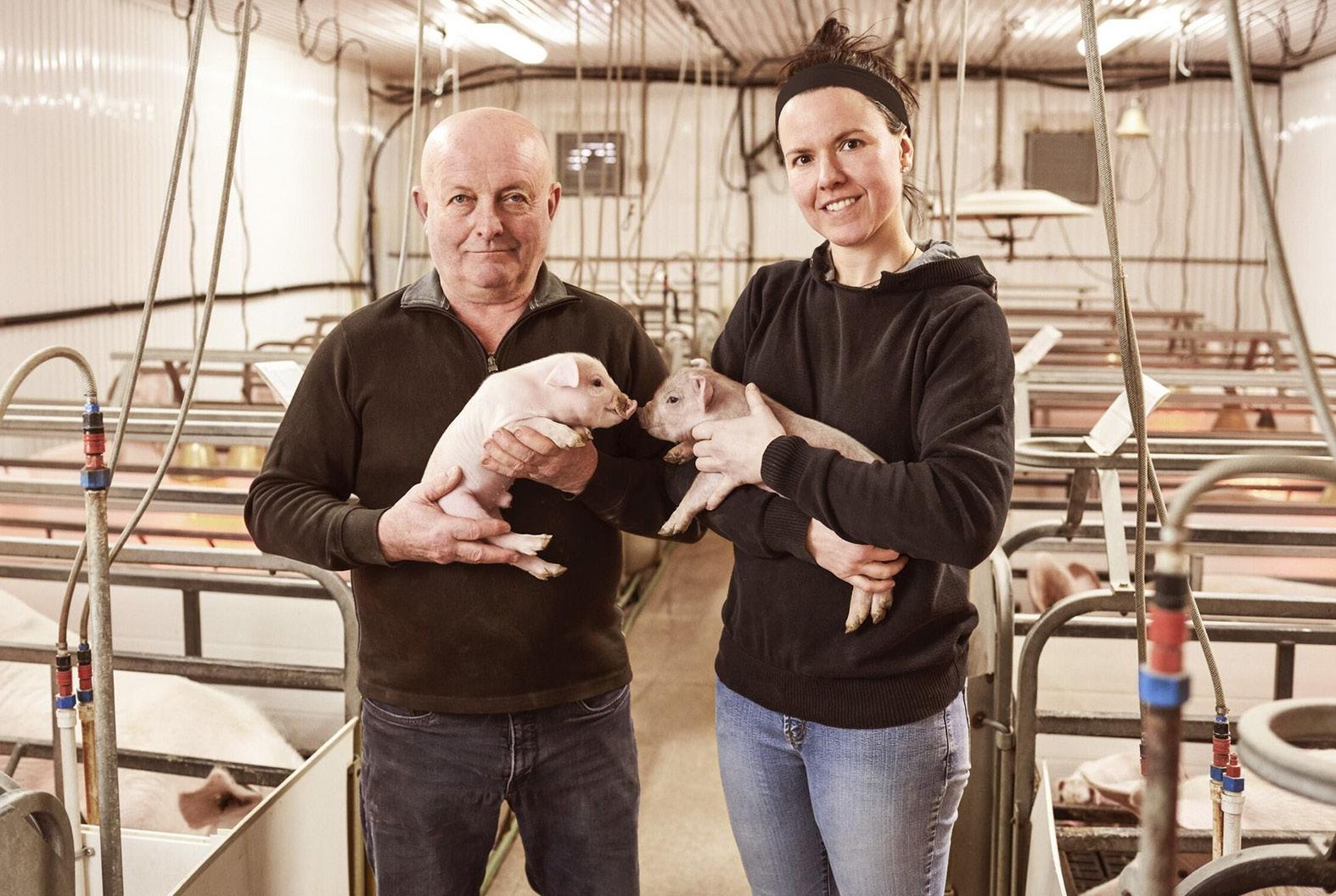
OPINION: A CALL TO LEADERSHIP
By Cam Dahl, General Manager, Manitoba Pork
"Agriculture and food production in Canada can be key in mitigating these threats. To seize the opportunity, we need to present governments with united and consistent policy solutions."
A former boss of mine told me something that has stuck with me for 25 years: “Often you have a choice between being seen to be trying to get something done or actually getting something done." Collaboration that is critical to accomplishing key objectives can mean that the credit for hard work is unevenly recognized, however, now is the time in agriculture when getting things done must take precedence over recognition of individual organizations.
Almost all agricultural commodities are facing existential threats and significant uncertainty. War has triggered supply chain disruptions and is pushing up input costs.
The review of the Canada-U.S.-Mexico Agreement (CUSMA) and the threat of U.S. tariffs has made trade within North America uncertain. Protectionism is on the rise around the world, not just south of the border, with Chinese tariffs on pork and Europe’s non-tariff trade barriers being
two leading examples. Agriculture should be taking a “whole plate” approach to addressing these issues and not trying to fix things one commodity at a time. If the industry can step out of individual commodity silos and regional perspectives, we can not only address these threats, but we can realize the vision of making Canada a global food powerhouse.
There are positive steps in this direction. The Canadian Federation of Agriculture (CFA) has brought together a coalition under the banner “Let’s Grow Canada” to support policies that will encourage investment in research and development. CropLife Canada’s “Grow Canada Strong” initiative has similar objectives. Canada is currently in last place in investment in agriculture research among the top seven countries of the Organization for Economic Cooperation and Development. This must change if we are to weather the geopolitical storms the country is currently facing. Canada is at an inflection point where agriculture has an opportunity to present governments with a vision for attracting private sector research and development investment that can partner with industry, farmers, and governments.
Farm Credit Canada (FCC) has launched a “Let’s Grow Canada” website with the intent of showcasing the stories behind Canadian farmers and food producers. The goal is to help promote a greater understanding of the strengths of Canadian agriculture and help drive investment from both Canadians and international investors.
All three of these initiatives, from the CFA, FCC, and CropLife, show real leadership, but this is not standard practice. The review of our most important trade agreement, CUSMA, is underway. The implications for Canadian agriculture are massive. These include the threat of new tariffs and origin rules that could discriminate against Canadian agriculture and food exports like live animals, red meat, biofuels, and more.
The aggressive shift in U.S. foreign and trade policies over the past years, coming from both political parties, clearly show us that the renegotiation of our most important trade agreement will be difficult. Agriculture must be more prepared than we are today. All of export agriculture needs to come together to develop a strategic plan on how we approach these negotiations. We need to be prepared to deliver real-time advice to our negotiating team that is consistent and united. We need to be prepared to tell our governments things they might not want to hear. We need to have a logical and systematic approach to outreach to our partners in the U.S. Commodity groups cannot afford to “go it alone” and hope for positive outcomes. Developing this united front requires leaders who are willing to take some risks and step outside of the comfort zone that operating in commodity and regional silos offer.
Labour is another key policy issue that requires a common front from all of agriculture if Canada is to become an international food powerhouse. Almost all sectors of agriculture face labour shortages. New Canadians are an integral part of meeting these needs. Immigration policies in Canada are being questioned due to housing and service shortages in our major cities, but what is needed in Toronto, Vancouver, or Montreal is not what is needed in rural Canada and at our processing plants.
Agriculture needs a unified voice to tell the story about how stable jobs for new Canadians in agriculture and food production are building communities across the country. Rather than political leaders delivering, short “social media ready” soundbites we need thoughtful immigration and labour policies targeting regional, and sectorial, needs. To accomplish this goal, agriculture leaders need to deliver clear and consistent messages to governments.
The Canadian economy is facing undeniable threats due to geopolitical instability and rising protectionism around the world. Agriculture and food production in Canada can be key in mitigating these threats. To seize the opportunity, we need to present governments with united and consistent policy solutions. Agriculture needs to lead the way rather than wait for others to present solutions to us.
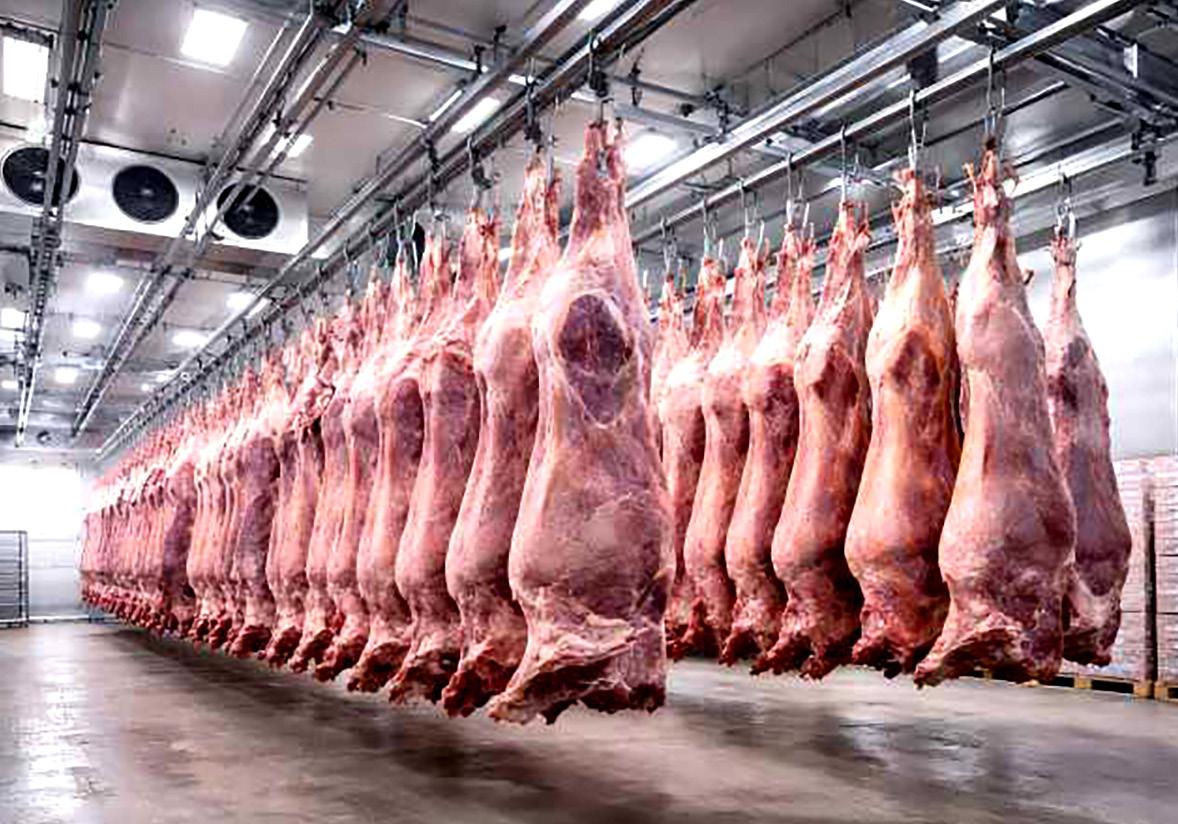
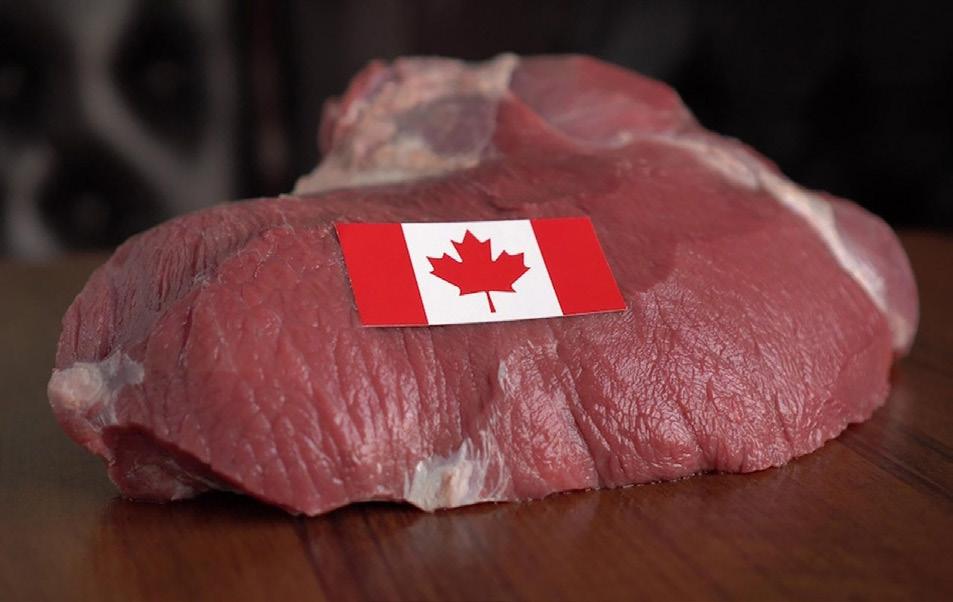
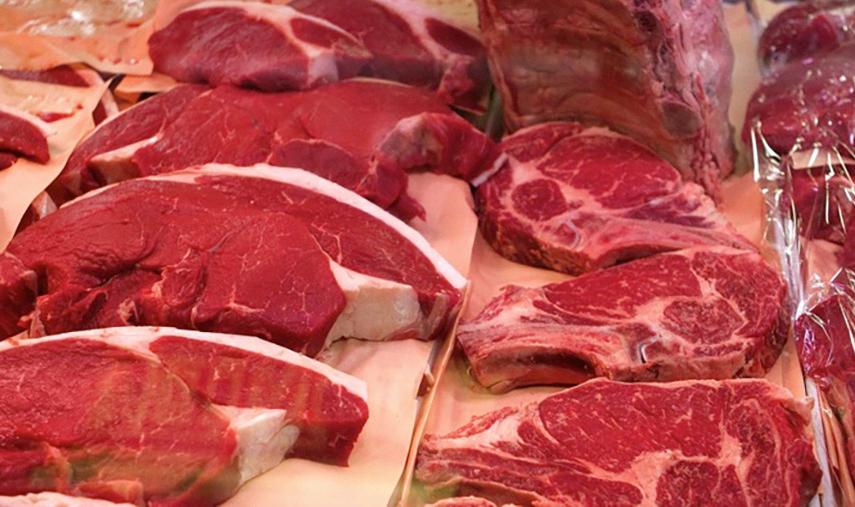
CHEAP IMPORTS WON’T FIX CANADA’S BEEF PROBLEM
By Dr. Sylvan Charlebois
The Canadian Cattle Association (CCA) has launched a petition urging Ottawa to restrict beef imports as trade negotiations with the Mercosur advance. Mercosur is a South American trade bloc made up of Brazil, Argentina, Uruguay and Paraguay—some of the largest and lowestcost beef producers in the world. A deal with this group could significantly increase the volume of beef entering Canada at prices well below domestic production costs.
The message from producers is clear: Canadian ranchers are worried, and they want the federal government to act before more low-cost foreign beef enters the market.
It is a reaction that is both understandable and revealing. Understandable because producers are operating in one of the most challenging cost environments in the world. Revealing because it highlights a deeper issue—Canada’s beef affordability problem is not about imports. It is about what is happening at home.
Beef prices in Canada are not just rising—they are elevated by historical standards.
According to Statistics Canada, fresh or frozen beef prices have increased by roughly 13–14% year-overyear as of early 2026, making it one of the fastest-rising food categories in the country. More broadly, industry data shows retail beef prices are now over 40% higher than their five-year average (Canada Beef Market Information Report, 2025). These are not marginal increases; they reflect a structurally tight market.
There is a growing chorus in Canada suggesting that the solution to rising beef prices is simple: import more of it. With grocery bills under pressure and beef increasingly out of reach for many households, the idea of opening the door wider to lower-cost imports has an intuitive appeal. If beef is cheaper elsewhere, why not bring more of it here?
It is a tempting argument. It is also a flawed one.
Canada does not have a beef affordability problem because of a lack of imports. It has a beef affordability problem because of structural constraints at home. More imports may offer modest, short-term relief in certain segments of the market, but they will not fundamentally change the price Canadians pay at the counter. Worse, they risk undermining the very industry that ensures long-term supply and stability.
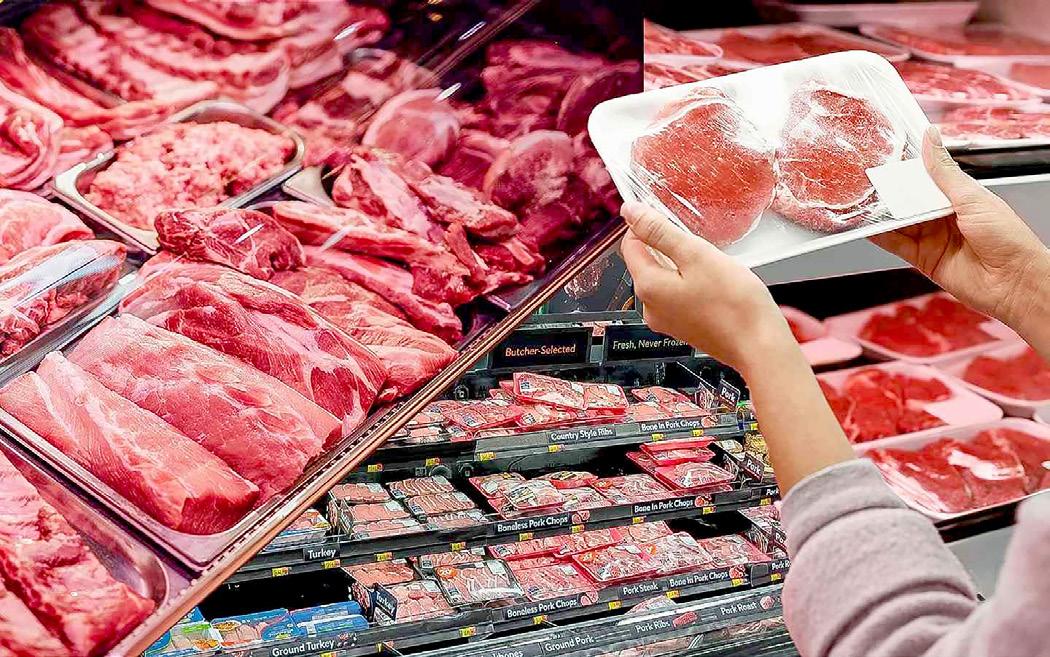
The price gap between Canadian beef and South American beef is real and significant. Canadian retail beef currently averages around $25–26/kg, while imported beef entering Canada is closer to $15/kg on average (Canada Beef Trade Reports, 2025). By comparison, export prices from Brazil and Argentina often range between $4 and $6 USD/kg. That is not a small difference—it is a structural one.
But what is often overlooked is that the Canadian market is not uniform. Imported beef does not simply replace domestic beef one-for-one. It flows into specific channels—processed products, food service, and lowervalue cuts—while Canadian beef continues to dominate premium segments where consistency, grading, and marbling matter. A sudden increase in imports will not turn a $30 steak into a $15 one. It will, at best, apply limited downward pressure in parts of the market that are already price sensitive.
More importantly, focusing on imports ignores the central issue: supply. Beef prices in Canada are high because supply has been constrained for years. Data from Statistics Canada show that Canada’s cattle herd, while beginning to recover, remains tight at about 11.1 million head in 2026, only a modest increase of 2.5% year-over-year after several years of decline. Rebuilding a herd takes time, and the biological cycle of cattle production means supply cannot respond quickly to price signals.
Layered on top of these constraints is a policy environment that is increasingly difficult for producers to navigate. Canadian ranchers operate under some of the highest standards in the world, with stringent requirements related to traceability, animal health, and environmental stewardship. At the same time, they are exposed to global competition from producers who operate under different cost structures. The Canadian Food Inspection Agency maintains that imported beef must meet equivalent safety standards, and that is appropriate. But equivalency in outcomes does not imply equivalency in the cost of achieving those outcomes.
This creates a fundamental imbalance. Canadian producers are not simply competing in a free market; they are competing in a market shaped by asymmetries in cost, regulation, and geography. Introducing more low-cost imports into that environment may ease price pressures slightly, but it also accelerates the erosion of domestic production capacity. Over time, that erosion carries consequences. Canada already imports roughly 25–30% of the beef it consumes (Agriculture and Agri-Food Canada, 2025). Increasing that dependency further would make the country more exposed to global price volatility and supply disruptions.
The notion that imports can be used as a primary tool to manage food inflation reflects a misunderstanding of how food systems work. Price is not just a function of supply; it is a function of where that supply comes from and how reliable it is. Replacing domestic production with imports may look efficient in the short term, but it exposes consumers to risks that are far less visible and far more difficult to manage.
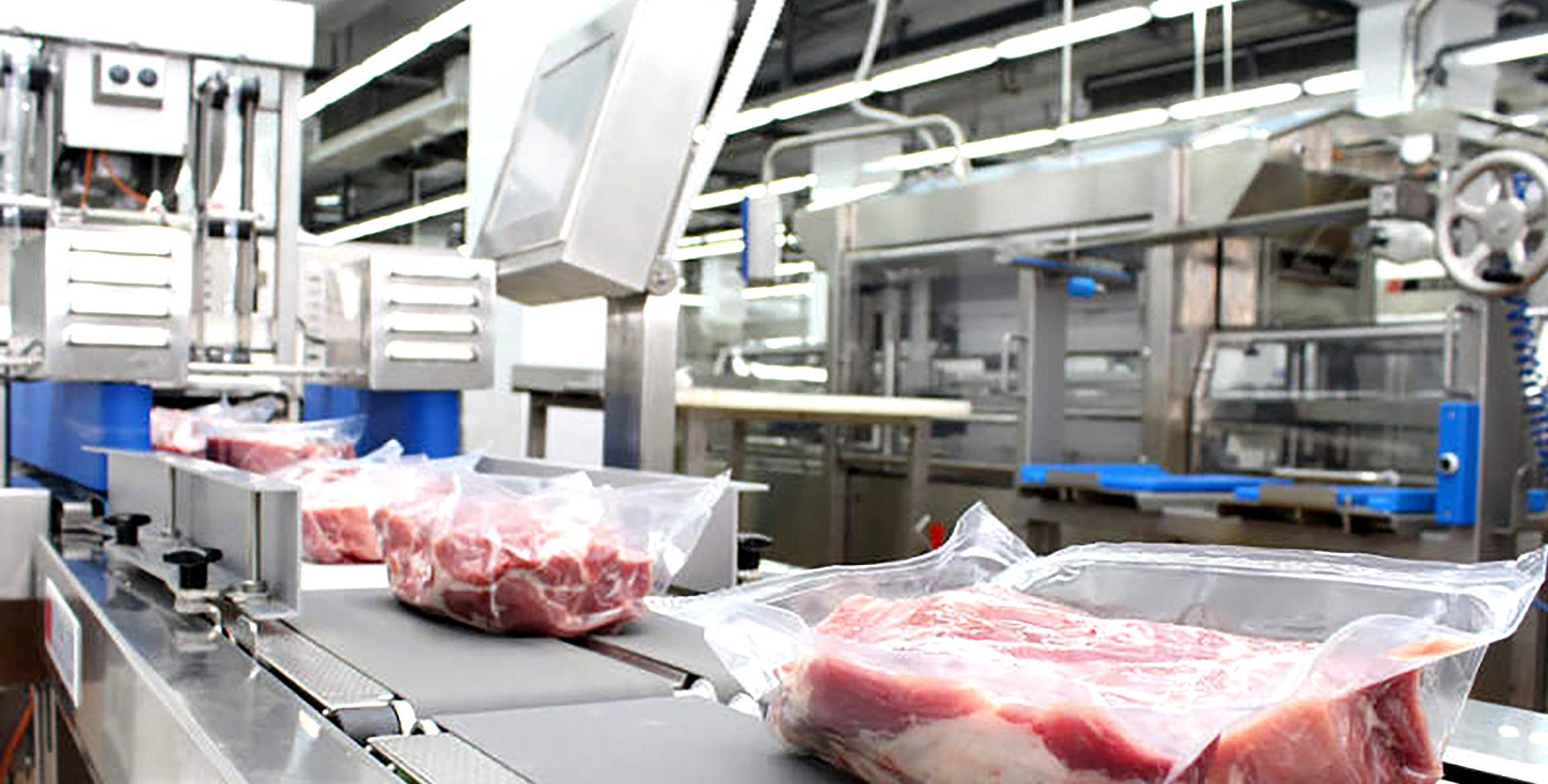
If the objective is to make beef more affordable for Canadians, the focus must shift inward. The issue is not that Canada imports too little beef; it is that it does not produce enough at a cost that is competitive within its own market. Addressing that challenge requires a different set of policy choices. It means supporting herd expansion in a meaningful way, ensuring that producers have access to capital and risk management tools that allow them to grow. It means investing in processing capacity to reduce bottlenecks and improve efficiency across the value chain. It means taking a hard look at the cumulative cost of regulation, energy, transport, and financing, and asking whether the current burden is sustainable in a highly competitive global market.
There is no quick fix for high beef prices in Canada. Imports can play a role, but they are not a strategy. They do not address the underlying constraints that define the market, and they risk weakening the domestic industry that Canada depends on for longterm stability. The path to more affordable beef lies not in outsourcing production, but in strengthening it at home. Anything else is a temporary solution to a permanent problem.
COBANK: ECONOMIC FALLOUT OF RISING FUEL AND ENERGY COSTS WILL IMPACT RURAL AMERICA
Duration of global oil market disruption will determine if the economic burden is a short-lived price spike or a broader cost-of-living shock
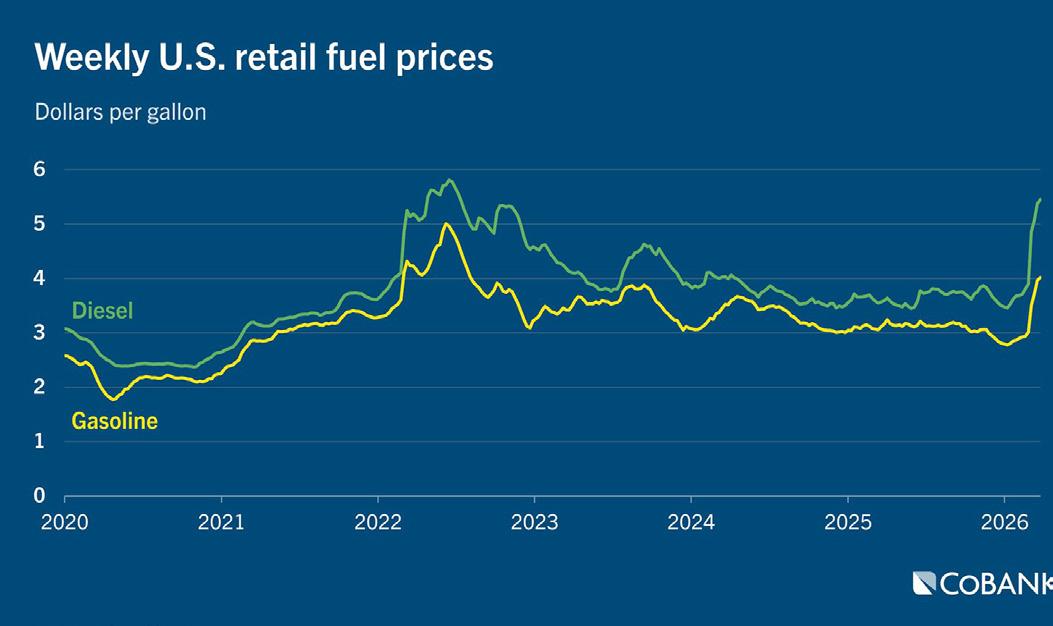
The U.S. economy has continued to perform reasonably well despite a growing constellation of warning signs. Buoyed by an escalating stock market in January and February and massive investments in artificial intelligence, U.S. GDP likely grew above 2% in the first quarter as the unemployment rate held around 4.3% and consumers maintained spending growth above 2%. However, surging energy costs and extreme volatility in oil markets resulting from the ongoing Middle East conflict could shift the trajectory of the U.S. economy for the remainder of the year.
Despite historic levels of domestic oil production, U.S. fuel prices still react quickly to disruptions abroad, especially in the Middle East, the world's leading region for proven oil reserves and spare production capacity. Increased exports of premium-priced U.S. light, sweet crude oil has created tight domestic links to the global market, meaning jumps in global replacement costs quickly flow through to U.S. pump prices.
According to a new quarterly report from CoBank’s Knowledge Exchange, rural communities are hit harder by rising gasoline and diesel prices because fuel is a larger and less flexible part of daily life and the local economy. Longer driving distances, limited public transportation and heavy reliance on diesel intensive activities like farming, freight and construction mean price spikes show up quickly in household budgets and business costs.
“Higher diesel prices also raise the cost of moving food and goods into rural areas, pushing up local prices and amplifying the economic hit compared with urban areas that have more alternatives and competition,” said Teri Viswanath, lead power, energy and water economist with CoBank. “More broadly, the effects of the closure of the Strait of Hormuz and the stepped-up attacks on energy infrastructure in the Persian Gulf could be longlasting and have probably not been fully priced into U.S. consumer markets.”
U.S. ECONOMY
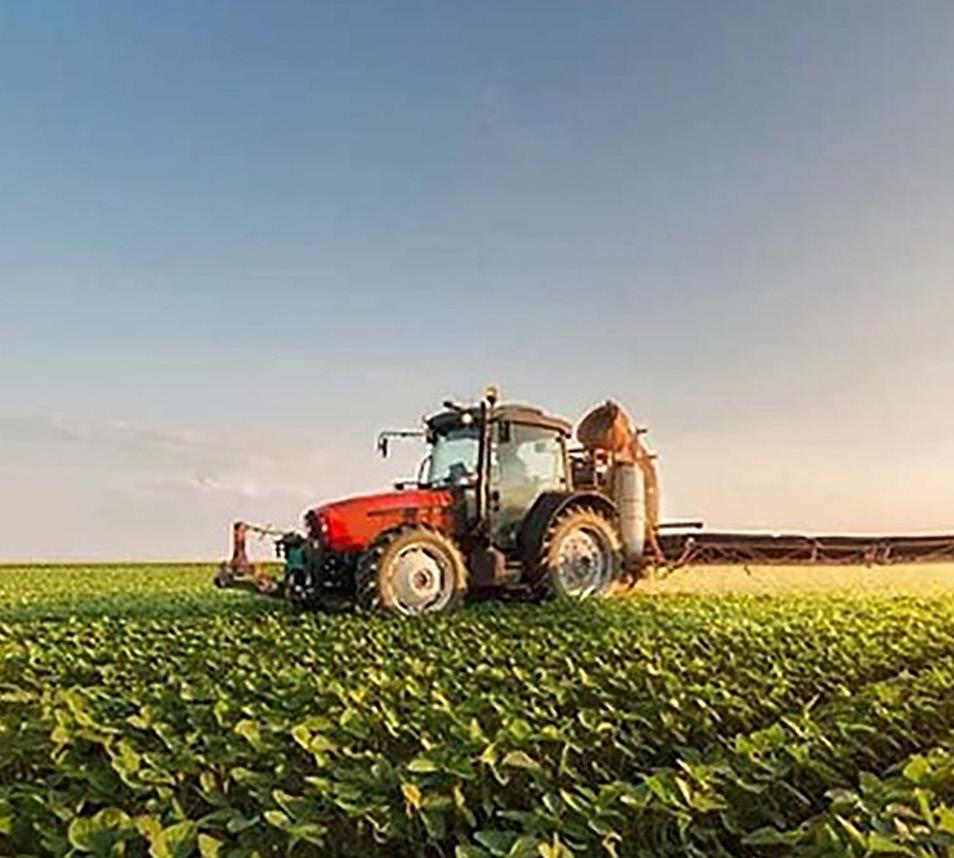
Despite persistent signs of a weakening labor market — declining job openings, weak wage growth and minimal job creation — the broader economy has continued to trudge forward like a tractor in low gear. But rising energy costs will boost headline inflation by about 1% in the coming few months. The longer-term effects of higher energy costs will be felt throughout the year as higher transportation and input costs work their way into every segment of the economy. While higher income and asset-rich households can absorb higher energy costs, the bottom half of earners with less savings are caught between rising inflation and shrinking wage growth. Many consumers will have no choice but to reduce discretionary spending, particularly in the retail goods, food service and hospitality categories.
U.S. GOVERNMENT AFFAIRS
Farm and rural advocates continue their calls for swift and urgent action on a new farm bill, more aid and trade certainty. The 2026 Farm Bill passed the House Agriculture Committee on a bipartisan vote in March after over 20 hours of debate. Committee Chairman Glenn “GT” Thompson, R-Pa., hopes to continue to secure support from his most conservative Republicans, and to increase the number of House Democrats supporting the bill to ensure House passage when Congress reconvenes in mid-April.
The so-called “skinny” farm bill contains over 800 pages of program and policy improvements that will be of assistance in the current agriculture economy. These programs were last updated in 2018, when the last farm bill was written.
ANIMAL PROTEIN
Meat and poultry products continue to resonate with consumers. Strong demand, especially for beef, is prompting optimism for the protein sector. Lower feed costs remain a favorable tailwind for livestock producers. However, cattle feeders are beginning to feel an outsized impact of further herd contraction. Cattle supplies remain limited and any herd growth over the next few years will occur slowly. U.S. hog margins remain firmly in the black. Iowa State University estimates indicate February marked the 23rd consecutive month of profitability for farrow-to-finish margins. Broiler markets are under pressure as ample supplies of meat and slow-moving markets form a headwind to margins nearby. However, more chicken features and promotions in the months ahead should boost disappearance.
FOOD & BEVERAGE
Higher prices and increasingly cost-conscious consumers continue to take a toll on restaurant and retail grocery sales. The sagging numbers have prompted activist investors to play a more prominent role in corporate decision making. In packaged food and beverage, activists have emphasized structural efficiency and simplification, targeting reductions in overhead, SKUs and brands through divestitures. The restaurant sector has also seen considerable activism, most often encouraging closures or divestitures. These efforts come as consumers adjust to higher prices for gas and other goods and services amidst moderate wage growth, which has prompted a shift away from dining out to more at-home meals.
ABOUT COBANK
CoBank is a cooperative bank serving vital industries across rural America. The bank provides loans, leases, export financing and other financial services to agribusinesses and rural power, water and communications providers in all 50 states.
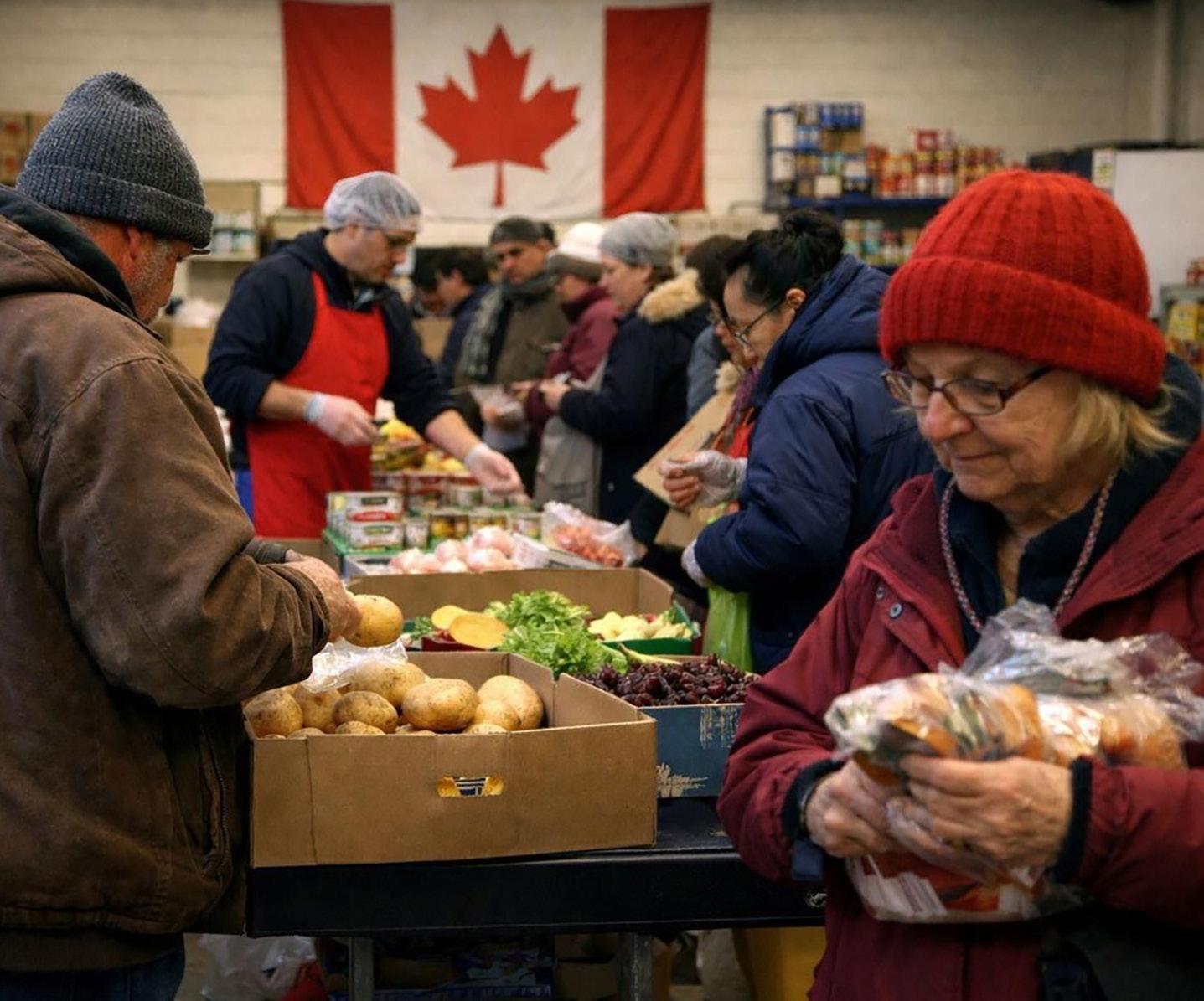
CANADA AND CHINA PUSH TO REBUILD ECONOMIC TIES WITH NEW FINANCIAL COOPERATION PACT
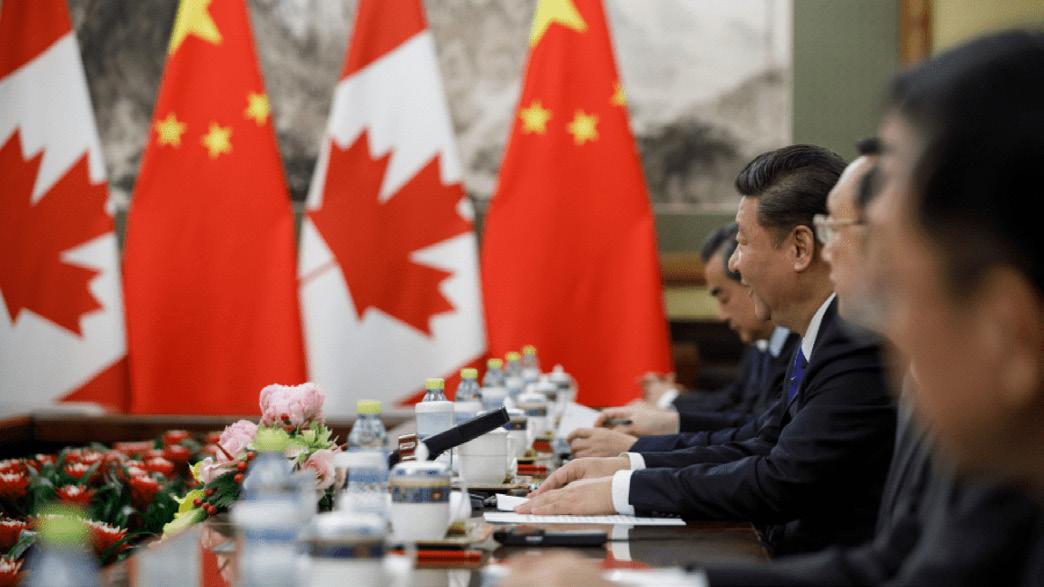
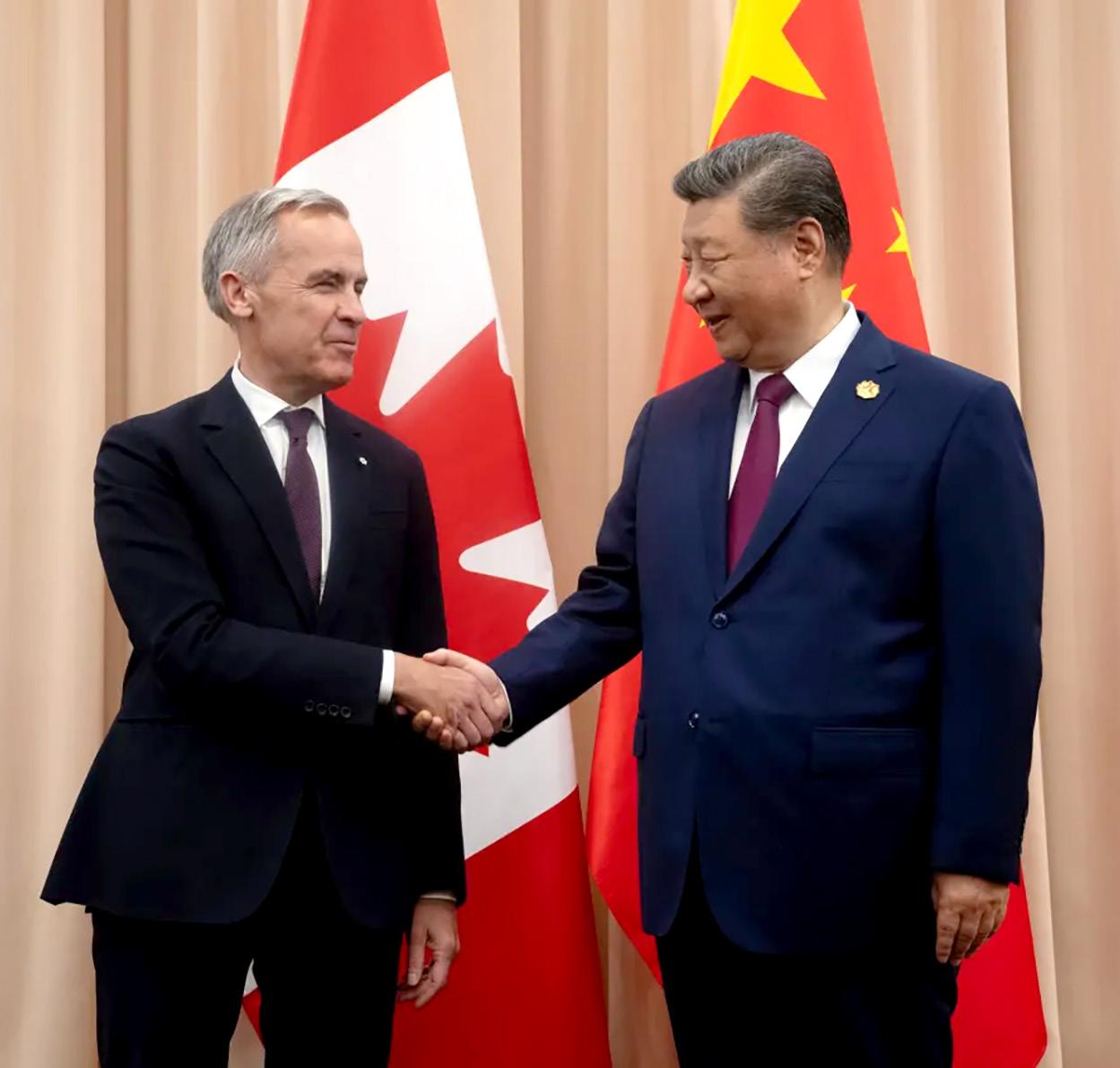
Canada and China have taken a significant step toward rebuilding strained economic relations, signing a new financial cooperation pact in Beijing that aims to deepen engagement between regulators and financial institutions while laying the groundwork for expanded trade and investment. The agreement, finalized during Finance Minister François Philippe Champagne’s recent visit to China, comes as both countries attempt to reset ties following years of political tension and retaliatory tariffs.
The pact establishes closer cooperation across the financial sector and launches the first-ever Canada China Financial Working Group, a formal mechanism designed to facilitate regular dialogue, policy coordination, and relationship-building between senior officials on both sides. The working group was originally announced during Prime Minister Mark Carney’s meeting with Chinese President Xi Jinping in January, and both governments say another session is planned later this year.
Champagne led a high-profile delegation of Canadian executives from major banks, insurance firms, and institutional investors, including Brookfield Asset Management and the Canada Pension Plan Investment Board. In meetings with Chinese officials such as Vice Premier He Lifeng and People’s Bank of China Governor Pan Gongsheng, Champagne struck a pragmatic tone, emphasizing the importance of engagement while reaffirming Canada’s position on labour standards and forced labour concerns.
“Canada has a very clear position when it comes to labour and respect for international agreements,” Champagne said during the visit.
Chinese officials described the renewed engagement as a reinvigoration of bilateral ties, building on a strategic partnership formed in 2025. State media echoed that sentiment, publishing consecutive days of positive coverage that highlighted progress in resolving trade barriers and improving the overall atmosphere for future cooperation.
Economic opportunity is a central driver behind the thaw. With China’s population approaching 1.5 billion and steadily growing wealthier, Canadian businesses see untapped potential in sectors such as financial services, asset management, healthcare, and insurance. The January leaders’ summit also set an ambitious goal of boosting Canadian exports to China by 50% over the next five years, part of Ottawa’s broader effort to diversify trade amid rising U.S. protectionism.
Despite the optimism, major trade irritants remain unresolved, particularly in agriculture.
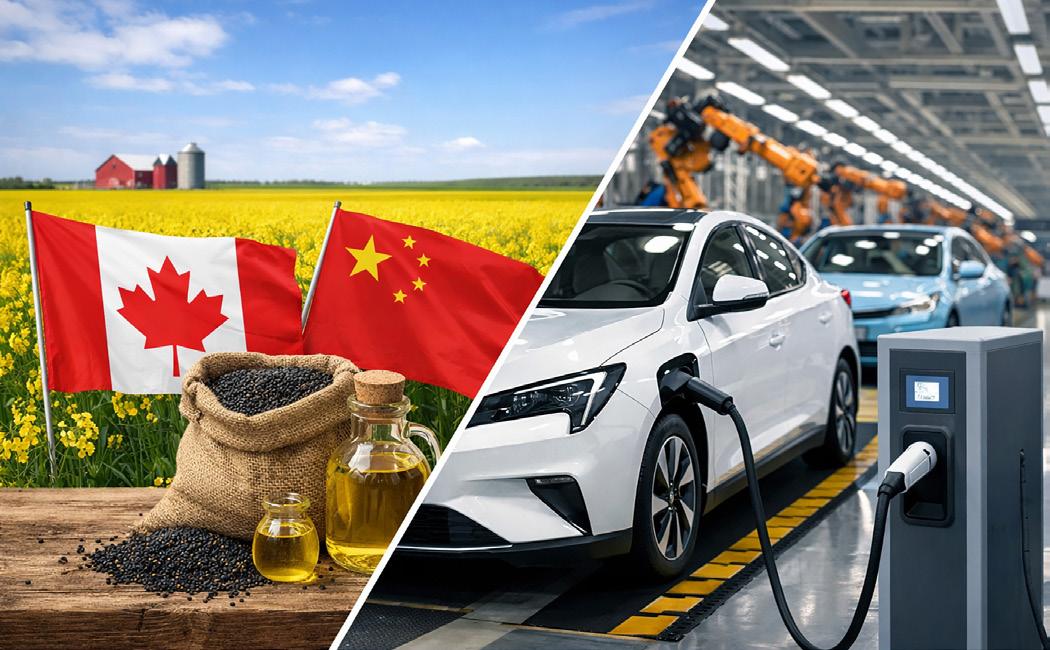
Canadian pork exports to China continue to face a 25% surtax imposed in response to Ottawa’s decision to levy steep tariffs on Chinese electric vehicles. While China has suspended or reduced tariffs on products such as canola meal, peas, lobster, and crab, pork has so far been excluded from the relief.
For exporters, the impact has been significant. In 2024, Canada exported roughly $468.6 million worth of pork to China, but volumes have since fallen sharply. An RBC report cited in the draft article shows seafood and pork exports to China were down 31% and 19%, respectively, in October 2025 compared with a year earlier.
Christopher White, president and CEO of the Canadian Meat Advocacy Office in Beijing, has spent months lobbying Chinese authorities to lift the tariffs and reopen the market fully. He notes that pork, particularly offal, has few alternative markets outside China and estimates the industry lost roughly half a billion dollars as Beijing increased imports from countries like Brazil that are not facing punitive tariffs.
“If you’re out of an important market, that’s frustrating,” White said, adding that uncertainty makes planning especially difficult for producers.
Beyond agriculture, Canadian businesses operating in China report a complex but opportunity-rich environment. David Perez Des Rosiers, director of the Canada China Business Council’s Beijing office, says members are encouraged by the relationship reset but remain cautious. China offers a vast consumer market, he notes, but competition is fierce and the domestic economy remains sluggish.
Other firms point to meaningful progress at the local level. Jacob Cooke, founder of WPIC Marketing and Technologies, says China has undergone a rapid transformation over the past decade, with local governments, such as those in Hangzhou, offering strong support and subsidies to attract businesses. Those subsidies, however, remain a sticking point internationally and are often cited as a source of global trade tension.
Experts caution that deeper cooperation will require careful navigation of political and ideological differences. Hongying Wang, a professor at the University of Waterloo, notes that China’s challenge to the Western-led global order raises national security and policy concerns for Ottawa, making diversification away from traditional partners easier in theory than in practice.
Still, many see the financial cooperation pact as a necessary foundation. “If you want trade, you need to show up,” Champagne said, underscoring Ottawa’s belief that sustained engagement, not disengagement, offers the best path forward. Whether that approach delivers tangible results may ultimately hinge on resolving outstanding tariff disputes and meeting the ambitious export targets both governments have set.
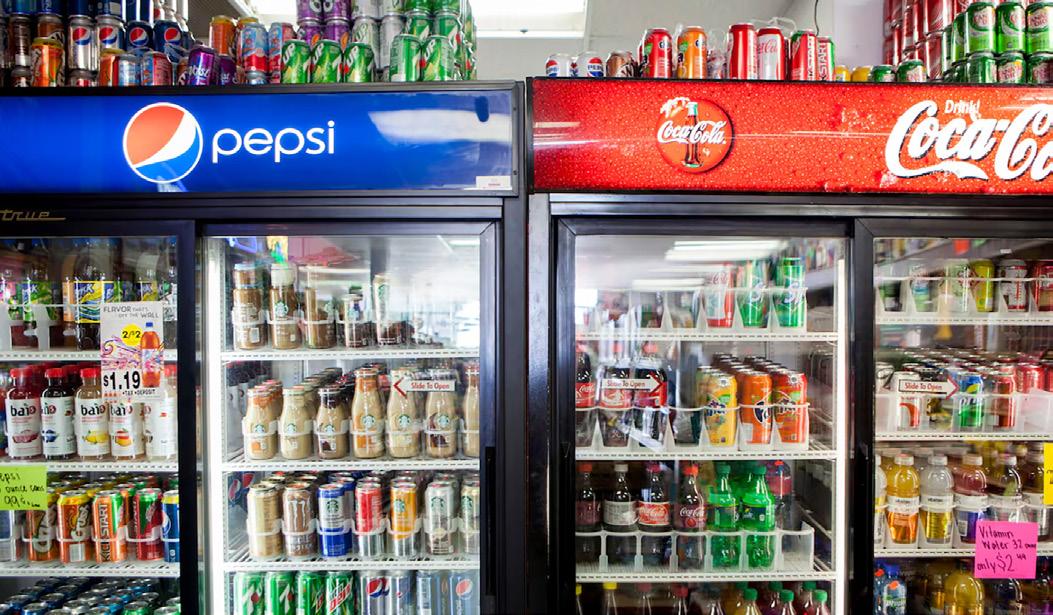
MOM
& POP’S STORES EXCLUDED FROM MANITOBA’S PROPOSED PST EXEMPTION
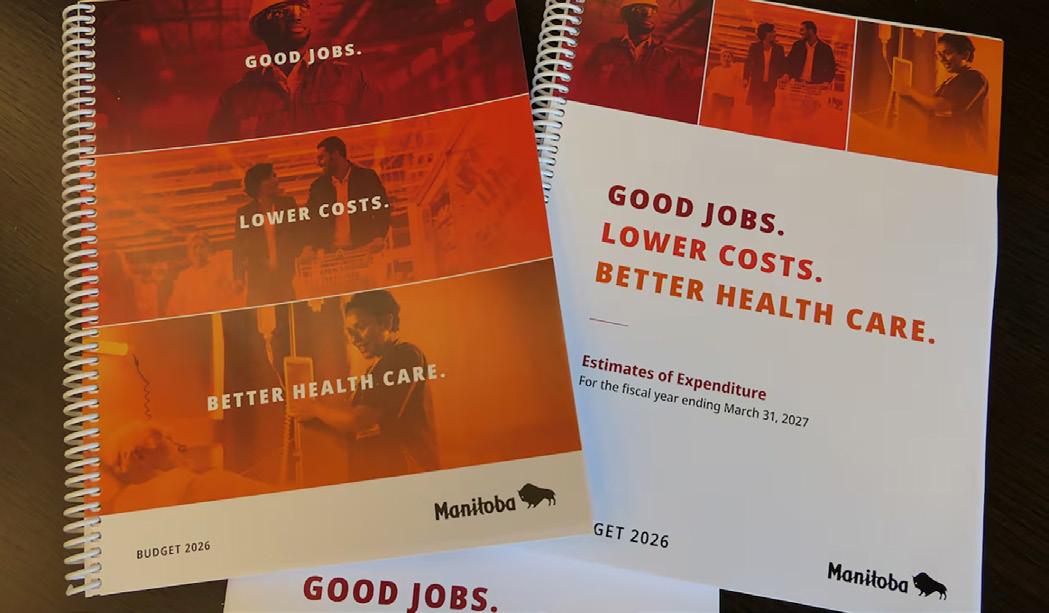
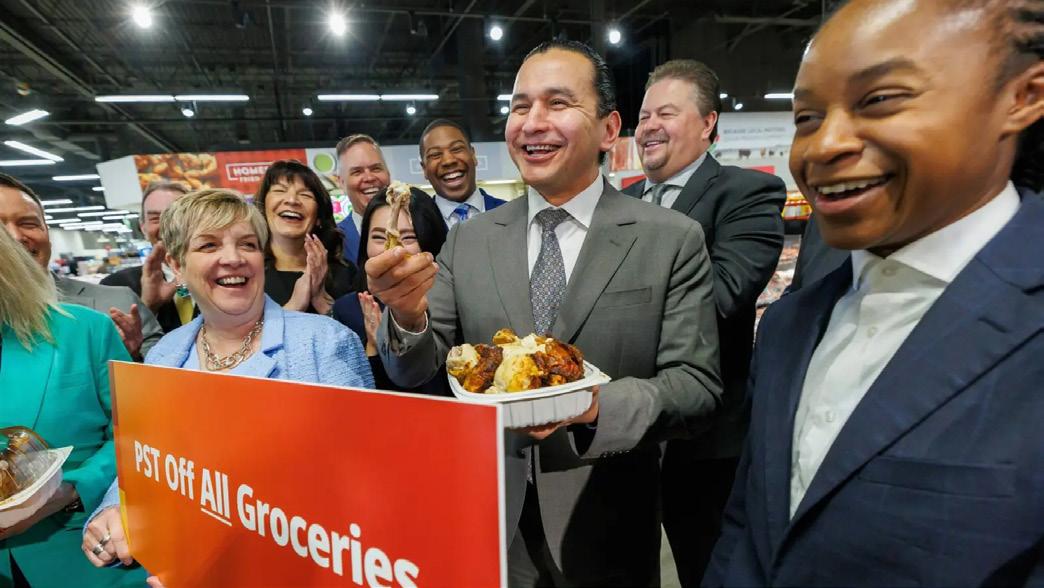
Imagine a poultry producer selling the exact same rotisserie chicken to two retailers: your local Mom & Pop’s corner store and a big supermarket. The supplier and the rotisserie chicken on the consumer’s plate are the same. Yet, proposed changes in Manitoba’s 2026 Budget would require one retailer to apply a 7% Provincial Sales Tax (PST) on that chicken, while the other would be exempt. In doing so, the Manitoba government has decided to pick winners and losers, to the detriment of small businesses.
This proposed exclusion represents yet another blow for already-strained small businesses. Over the past few years, they have faced many challenges, including increasing costs, ongoing workforce challenges, and significant uncertainty around trade. According to the Canadian Federation of Independent Business’s (CFIB) March Business Barometer, Manitoba small businesses’ long-term optimism fell by 3.9% compared to the previous month.
While much of this decline is attributed to the ongoing war in the Middle East, which is out of the provincial government’s control, Budget 2026 failed to provide the relief that small businesses need. Instead, it introduces measures that clearly exclude many small and medium sized enterprises (SMEs).
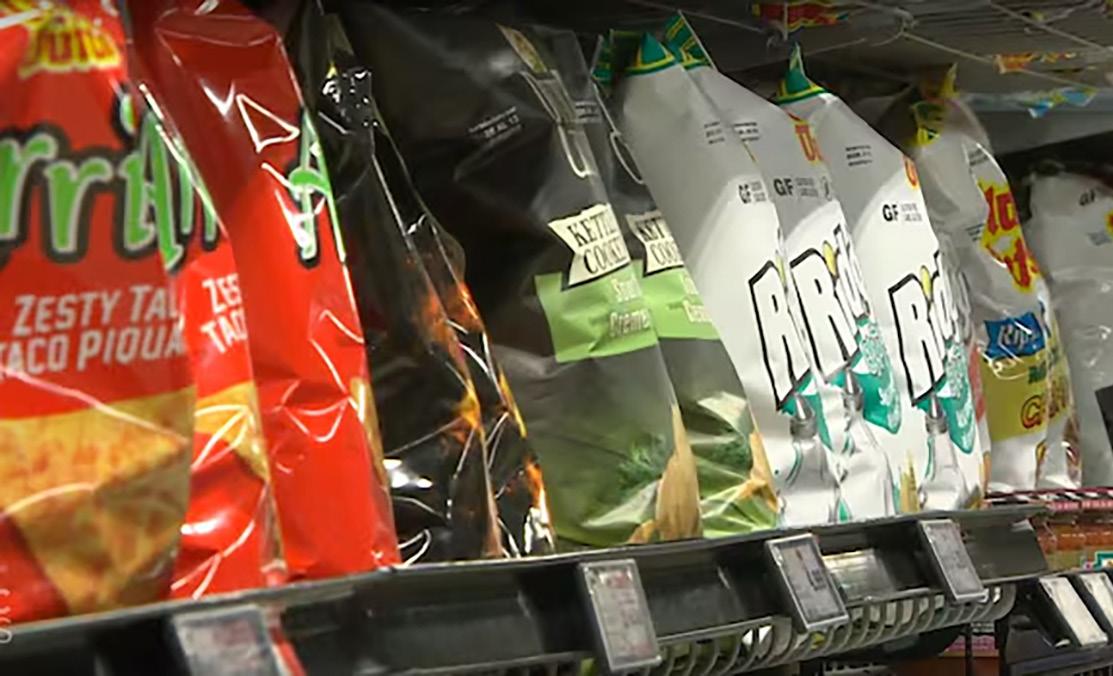
At first glance, a PST exemption seems like a good idea to alleviate the grocery bill for customers. The affordability objective behind removing the PST from additional grocery items - like packaged foods or readyto-eat items - is not in question. However, the way this measure is currently designed raises eyebrows, as it excludes many small businesses.
Under the current rules, a food retailer is excluded from the PST grocery exemption if all three conditions apply: the store is under 280 square metres in size, sells tobacco products, and is located in a city.
In practice, this means a customer who would normally pop into a neighbourhood convenience store for a bagel, sandwich, or a quick meal is instead encouraged to walk past it and head to a larger grocery store down the road. The corner store must continue charging PST on food, while its direct competitors do not.
As a result, some corner stores may be forced to scale back their operations or stop selling certain products altogether. This, in turn, would have ripple effects for agri businesses and food processors that supply those products to small retailers. Many of these producers have built long standing relationships with local stores and restaurants. Those partnerships are often more meaningful and resilient than those with large national chains.
Those are not abstract policy outcomes. It is government decision making that actively funnels customers away from small, independent, mom and pop shops and toward larger chains. By drawing these lines, the province is choosing winners and losers in the marketplace at a time when many urban small retailers and restaurants are already struggling to stay viable.
Across Canada, we are seeing concerning evidence of an entrepreneurial drought. Manitoba mirrors this trend, with the province now recording six consecutive quarters where business exits outpaced new business entries, a clear sign of declining confidence. By unfairly penalizing small businesses, the Manitoba government is sending a clear signal that discourages entrepreneurship.
Government measures should be fair to all businesses, regardless of their size or format. That is why CFIB recommends extending the PST exemption to all retailers and food establishments selling eligible food items. This is only fair treatment. The province should also eliminate the PST on restaurant meals (dine-in and takeout) to ensure fair and consistent treatment across the food sector.
Overall, affordability measures should not come at the expense of small, community-based businesses.
CFIB is Canada’s largest association of small and medium-sized businesses with 100,000 members (6,000 agri-business members) across every industry and region. CFIB is dedicated to increasing business owners’ chances of success by driving policy change at all levels of government, providing expert advice and tools, and