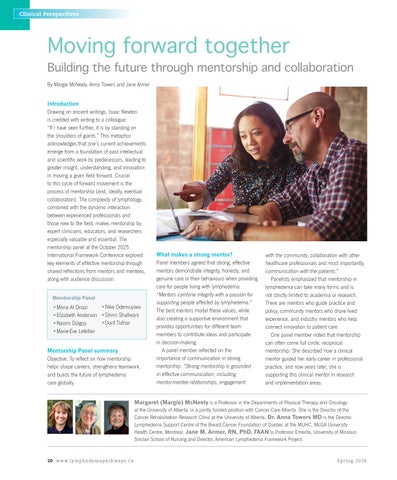
Building the future through mentorship and collaboration
By Margie McNeely, Anna Towers and Jane Armer
Introduction
Drawing on ancient writings, Isaac Newton is credited with writing to a colleague: “If I have seen further, it is by standing on the shoulders of giants.” This metaphor acknowledges that one’s current achievements emerge from a foundation of past intellectual and scientific work by predecessors, leading to greater insight, understanding, and innovation in moving a given field forward. Crucial to this cycle of forward movement is the process of mentorship (and, ideally, eventual collaboration). The complexity of lymphology, combined with the dynamic interaction between experienced professionals and those new to the field, makes mentorship by expert clinicians, educators, and researchers especially valuable and essential. The mentorship panel at the October 2025 International Framework Conference explored key elements of effective mentorship through shared reflections from mentors and mentees, along with audience discussion.
Membership Panel
•Mona Al Onazi
•Elizabeth Anderson
•Naomi Dolgoy
•Marie-Eve Letellier

What makes a strong mentor?
Panel members agreed that strong, effective mentors demonstrate integrity, honesty, and genuine care in their behaviours when providing care for people living with lymphedema.
“Mentors combine integrity with a passion for supporting people affected by lymphedema.”
•Nike Odemuyiwa
•Shirin Shallwani
•Dorit Tidhar
Mentorship Panel summary
Objective: To reflect on how mentorship helps shape careers, strengthens teamwork, and builds the future of lymphedema care globally.
The best mentors model these values, while also creating a supportive environment that provides opportunities for different team members to contribute ideas and participate in decision-making.
A panel member reflected on the importance of communication in strong mentorship: “Strong mentorship is grounded in effective communication, including mentor-mentee relationships, engagement
with the community, collaboration with other healthcare professionals and most importantly, communication with the patients.”
Panelists emphasized that mentorship in lymphedema can take many forms and is not strictly limited to academia or research. There are mentors who guide practice and policy, community mentors who share lived experience, and industry mentors who help connect innovation to patient care.
One panel member noted that mentorship can often come full circle, reciprocal mentorship. She described how a clinical mentor guided her early career in professional practice, and now years later, she is supporting this clinical mentor in research and implementation areas.
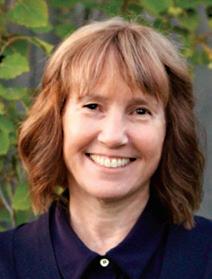
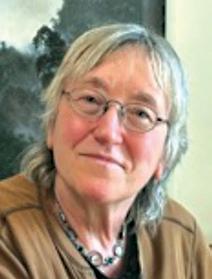
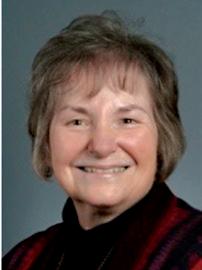
Margaret (Margie) McNeely is a Professor in the Departments of Physical Therapy and Oncology at the University of Alberta, in a jointly funded position with Cancer Care Alberta. She is the Director of the Cancer Rehabilitation Research Clinic at the University of Alberta. Dr. Anna Towers MD is the Director, Lymphedema Support Centre of the Breast Cancer Foundation of Quebec at the MUHC, McGill University Health Centre, Montreal. Jane M. Armer, RN, PhD, FAAN is Professor Emerita, University of Missouri Sinclair School of Nursing and Director, American Lymphedema Framework Project.
What does a positive mentorship environment look like?
A panel member highlighted that the importance of interdisciplinary collaboration in lymphedema mentorship, involving physicians, surgeons, nurses, wound care specialists, physiotherapists, kinesiologists, massage therapists, and patient partners. However, true inclusivity in mentorship extends beyond professional roles, encompassing diversity in culture, ethnicity, language, and lived experiences. By including individuals of varied backgrounds that reflect the diversity of the lymphedema community, the field gains broader perspectives and a deeper understanding of the issues it faces.
“Effective mentorship goes beyond professional expertise to include diverse voices and perspectives – all valued as equal contributors. Mentors play a key role in fostering supportive, inclusive environments and modeling what good team functioning looks like.”
One panel member shared the importance of understanding how practice may differ from country to country, and how understanding
local approaches can inform and help in the mentorship process.
How does a mentor provide support?
Mentors often identify a trainee’s strengths early on and provide opportunities for them to showcase their learning and skills.
“A mentor sees leadership potential in a trainee and will express that, often years before the mentee realizes that they can be a leader.”
Good mentors recognize potential and facilitate pathways for growth, helping mentees expand their knowledge, confidence and capabilities. One panel member shared that after giving a presentation in her own area of research, she was invited to expand her work to the area of lymphedema, while another, working clinically as a nurse educator, was encouraged to pursue graduate studies focusing on lymphedema self-management. As a nurse researcher, the panel member was encouraged to share her knowledge with other students by mentoring undergraduate and doctoral students and in classroom teaching work.
coming to Winnipeg, MB, November 8 – 14, 2026
• 135-hours of lymphedema education
75-hr engaging online home study module 60-hr (6 1/2 day) classroom education
• Time-tested, effective and evidence-based curriculum
• Learn from the most experienced instructors in the field
• Fewer days away from home and work
• Greater flexibility to fit your personal schedule
• Exclusive post-graduate resources
• Special pricing for Canadian Therapists
Online Courses
• Breast Cancer Rehabilitation with Jodi Winicour, PT, CLT
• Strength After Breast Cancer with Katie Schmitz, PhD, MPH, FACSM
• Wound Management for CLTs with Jan Weiss, PT, DHS, CLT
• Head & Neck Lymphedema with Heidi Miranda-Walsh, OTR/L, CLT
• Elastic Taping for Lymphedema with Ruth Coopee, OTR/L, CLT
• Add’l courses at klosetraining.com
more information: 1-303-245-0333 • info@klosetraining.com
“Strong
One panel member shared how a mentor encouraged her to pursue training and certification in lymphedema, something not typically within her scope of practice. This opportunity allowed her to integrate her professional and research expertise (epidemiology) into the lymphedema clinic setting and ultimately take on a leadership role.

“Effective mentorship goes beyond professional expertise to include diverse voices and perspectives – all valued as equal contributors. Mentors play a key role in fostering supportive, inclusive environments and modeling what good team functioning looks like.”
are actively included in mentorship and leadership development opportunities.
Another audience member raised a practical question: “How do you find a mentor?” Panelists reflected that sometimes mentors emerge naturally through shared interests or informal conversations, while other times they are sought out intentionally. They agreed that mentorship often begins with curiosity and by reaching out, even informally.
Why is mentorship important?
Panel members also noted that mentorship often happens outside of formal programs.
“Much mentorship happens in informal settings – over coffee or a hallway conversation.”
These simple, everyday interactions can have a lasting impact and help generate new ideas, initiatives and strategies.
What perspectives did the audience share?
An audience member comment during the session provided an “aha moment” for many: “Academic clinicians and researchers must not forget that there are experienced lymphedema professionals in the community who need to be included, to be seen and heard. They have a lot to contribute.”
This comment resonated strongly with the panel members as it emphasized the importance of recognizing and valuing the expertise that exists beyond academic settings and ensuring that community-based professionals (who provide much of the direct care for people living with lymphedema)
Panel members also spoke about the importance of strategic mentorship to ensure the field remains strong and continues to grow for years to come. With many longtime leaders in the field of lymphedema nearing retirement, there is a need to support and encourage others to step forward.
What happens next?
The International Lymphoedema Framework (ILF) and its national framework partners (like the Canadian Lymphedema Framework) are organizations that can help mentor new leaders in the field. Panelists suggested that the Frameworks can support mentorship by connecting new and experienced professionals, creating mentorship programs, and providing opportunities for emerging leaders to share their ideas and adopt new roles.
such as communities of practice and fireside chats, editorial publications and case studies.
4 Educational initiatives - formal and informal learning opportunities, such as short courses and practical workshops.
4 Leadership opportunities - expert and novice board and committee positions, and representative opportunities within organizations like the ILF and CLF. Scientific committee positions and opportunities to co-chair a conference committee.
4 Conference opportunities - attending, participating through volunteering and planning committees, and knowledge sharing of clinical experiences.
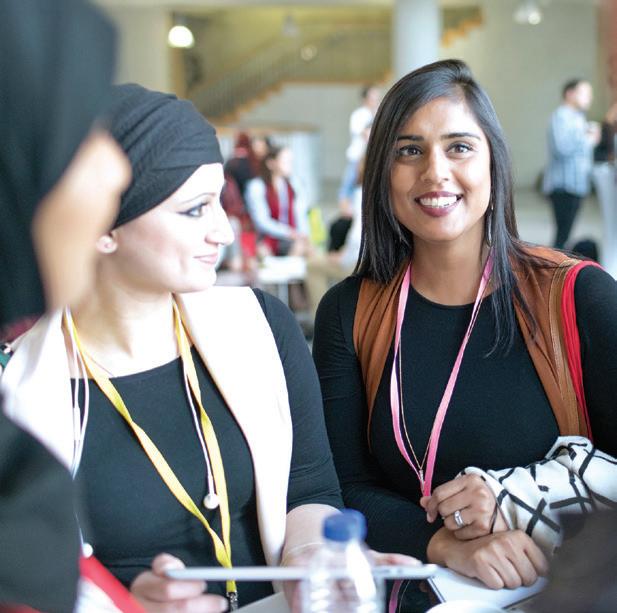
4 Relationship and community building - establish structured opportunities (e.g., introductions, joint meetings, or co-led initiatives) for mentees to engage with leaders and decision makers. Senior mentors can leverage their networks to connect emerging clinicians, researchers and educators, supporting continuity, legacy planning and smooth transitions within organizations and communities.
There is an African proverb which seems an appropriate closing here: “If you want to go fast, go alone. If you want to go far, go together.”
Suggestions for how this may be carried out include:
4 Communications - opportunities for knowledge sharing and dissemination,
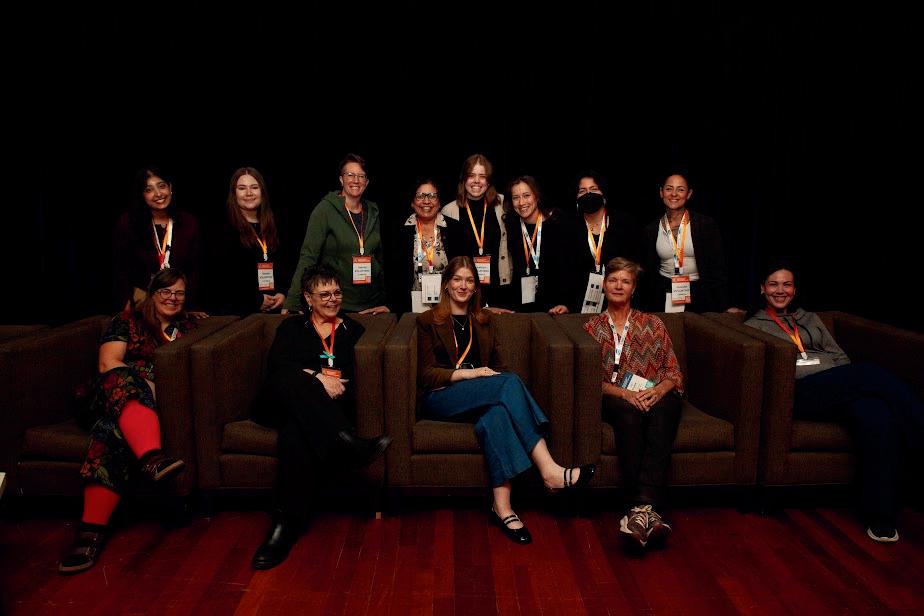
To move our field forward, moving together through mentorship and collaboration is crucial. LP
For additional tips on Finding a Mentor see “Hints and Tips” on page 23. How to cite: McNeely M, Towers A, Armer, J. Moving forward together. Building the future through mentorship and collaboration. . 2026;15(2): 20-22. https://doi.org/10.70472/RUCN6419
www.canadalymph.ca/getinvolved