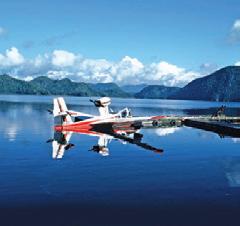
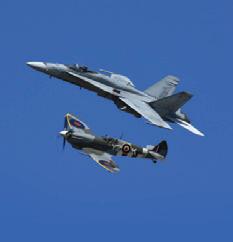
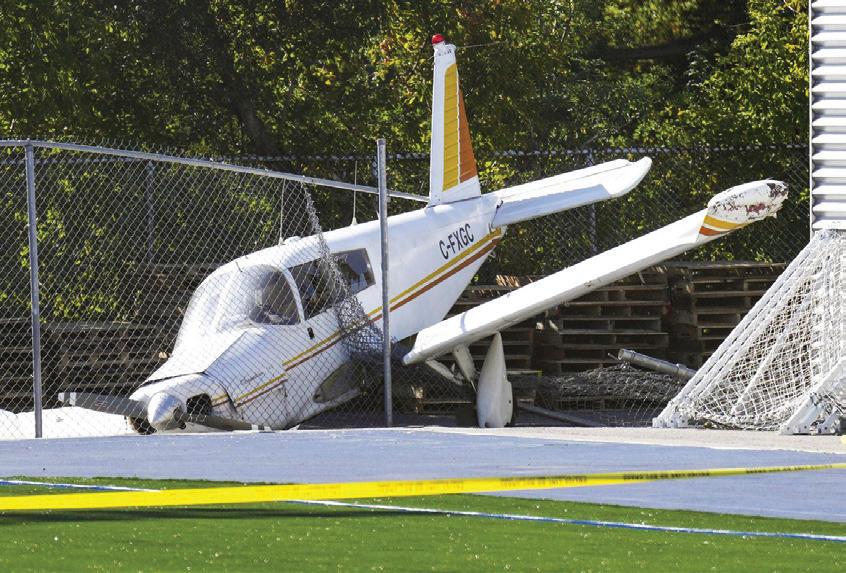
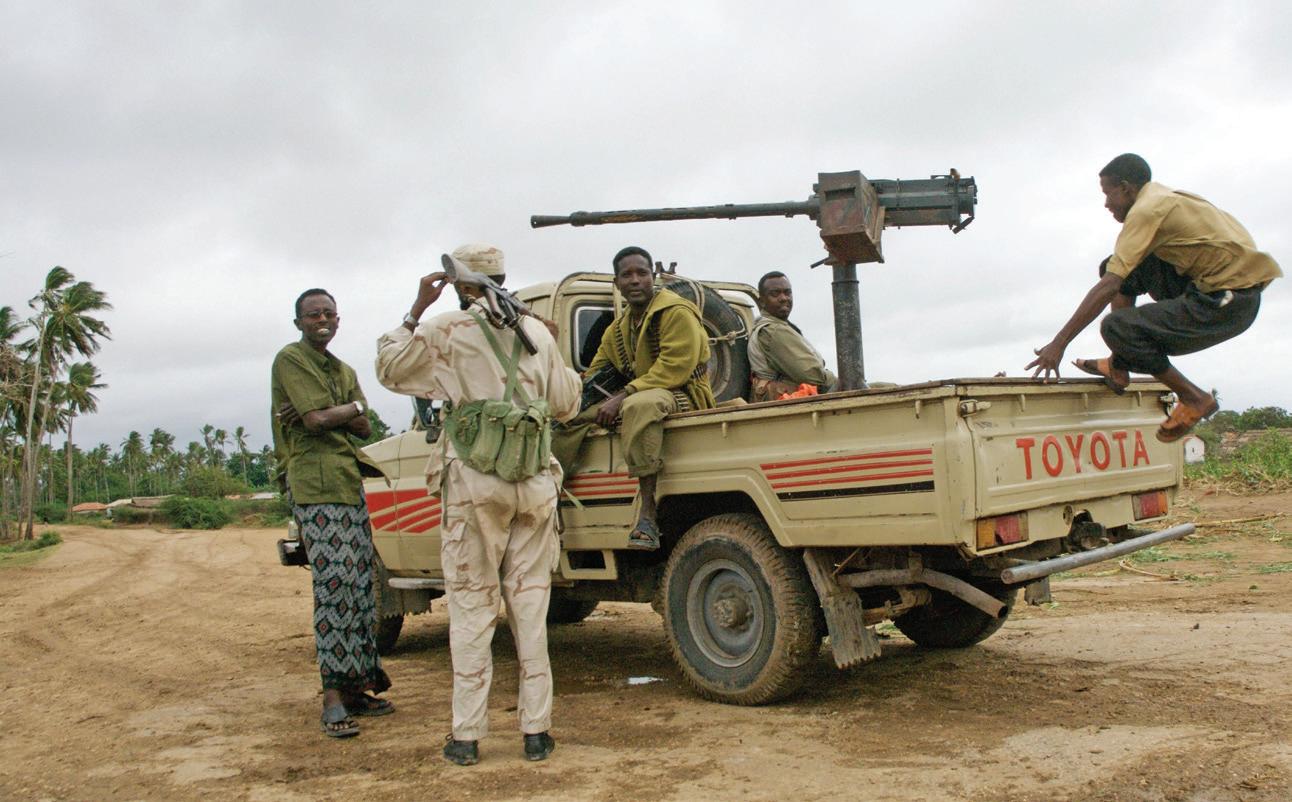
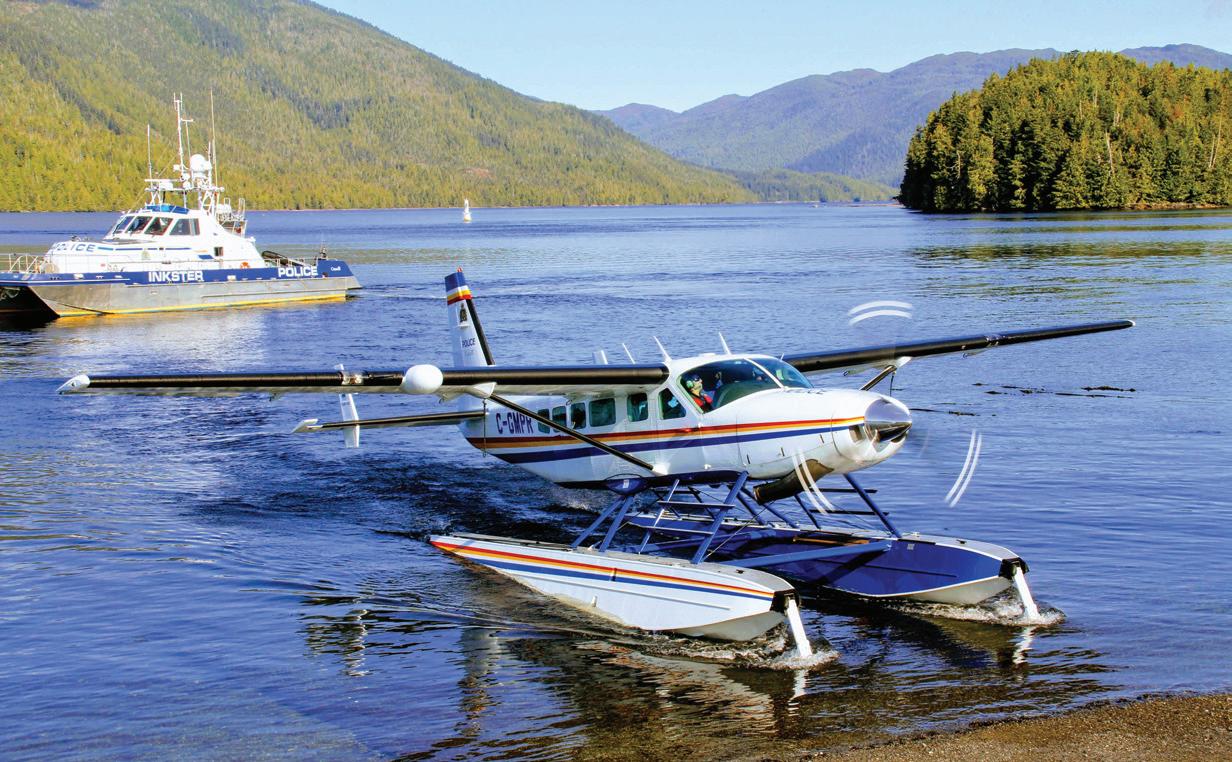
18 / VECTORS Think about your routing By Michael Oxner
20 / UNUSUAL ATTITUDES
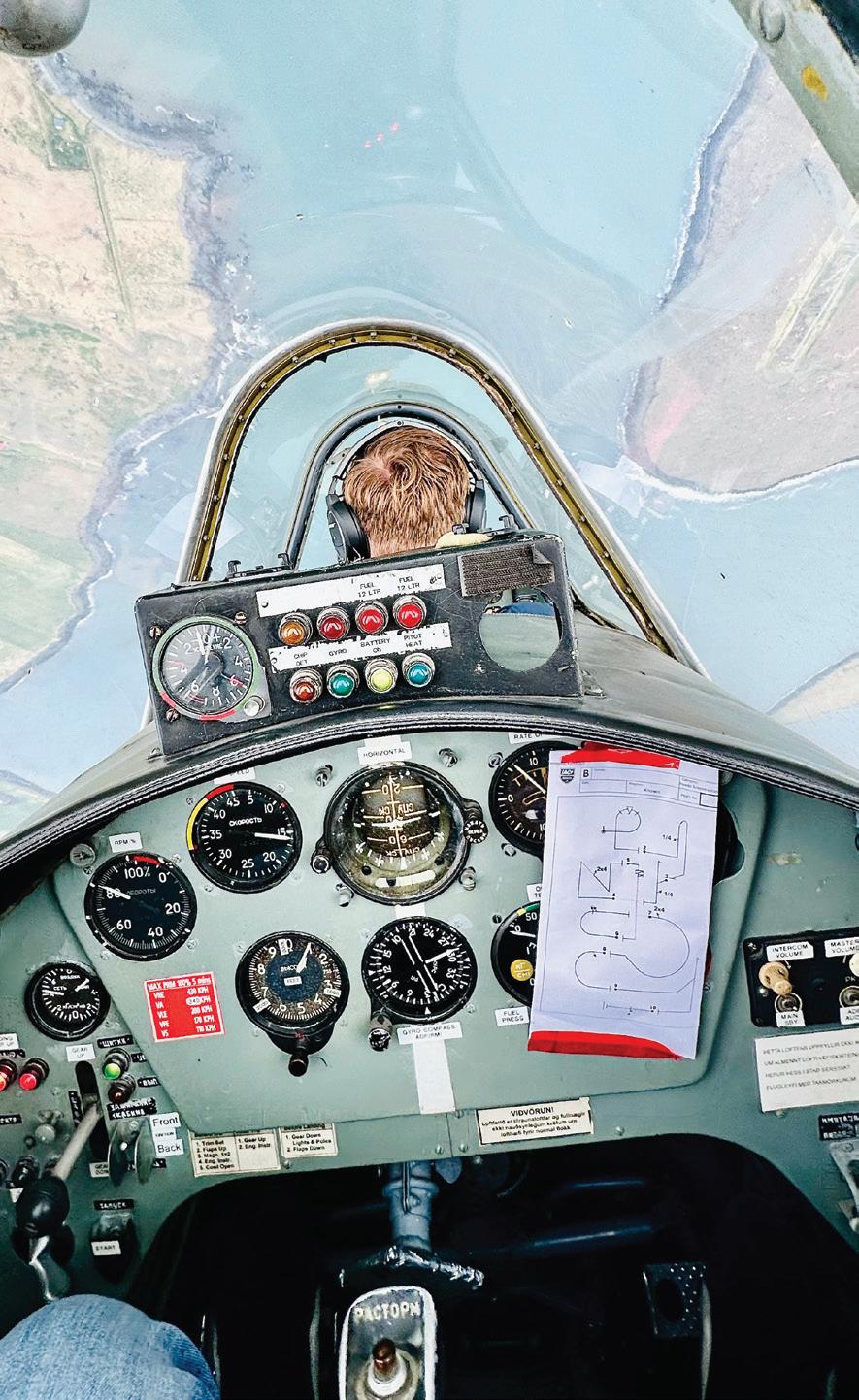
Performing over Toronto By Luke Penner
22 / THE PLANE FIXER How I spent my summer By Liana Buessecker
24 / EXPERT PILOT The accidental aviators By Richard Pittet
27 / PEP TALK
Workload sharing By Graeme Peppler
28 / WHIRLYBIRD WRITINGS
Peacekeeping threats By Michael Bellamy
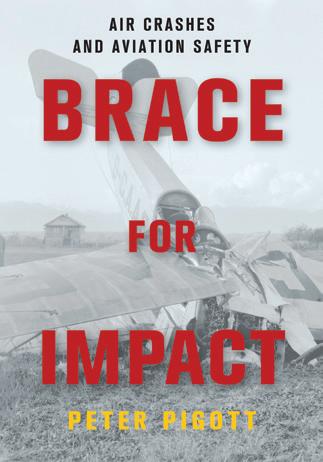
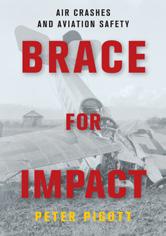
30 / WORDS ABOUT A BOOK Brace For Impact By René R. Gadacz
ON THE COVER
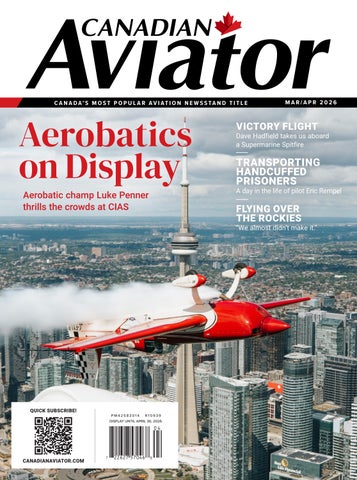
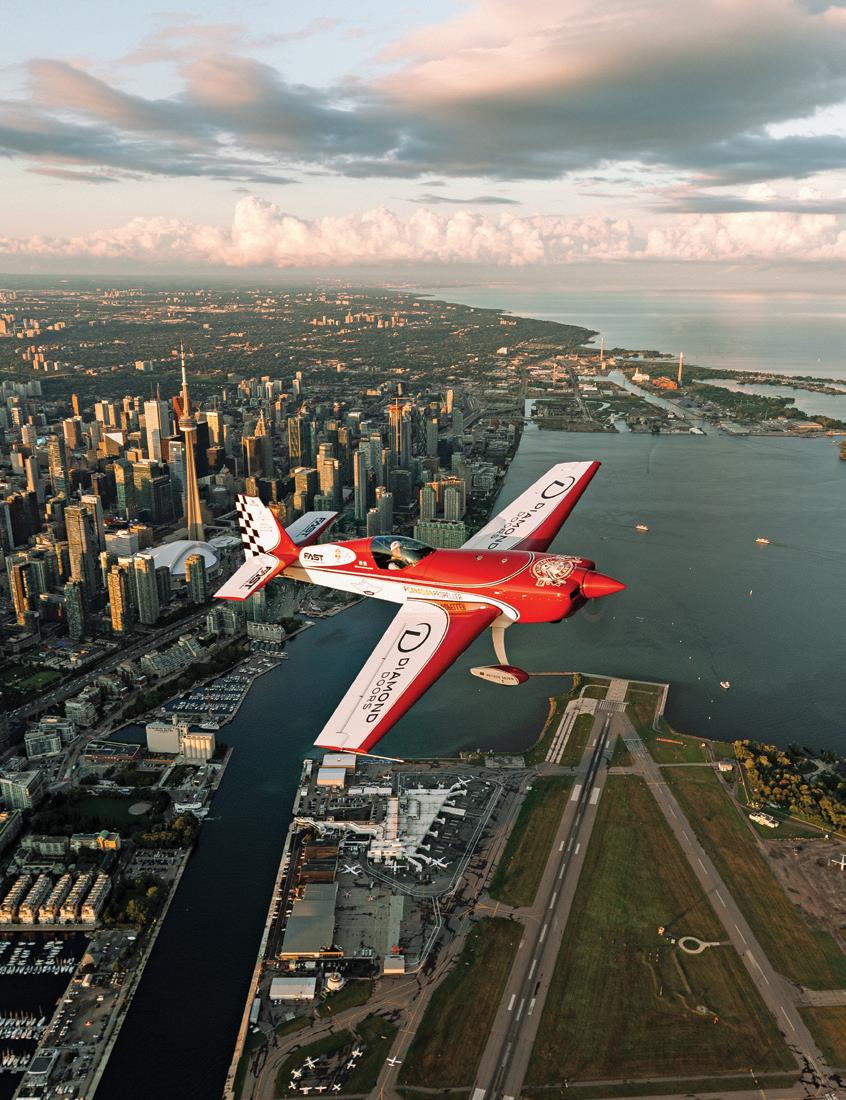
Few things say Canada and aviation like Canadian aerobatic champion Luke Penner demonstrating his skills with Toronto as a backdrop.
Photo by Spencer Davis
FEATURES
No Reason to Leave
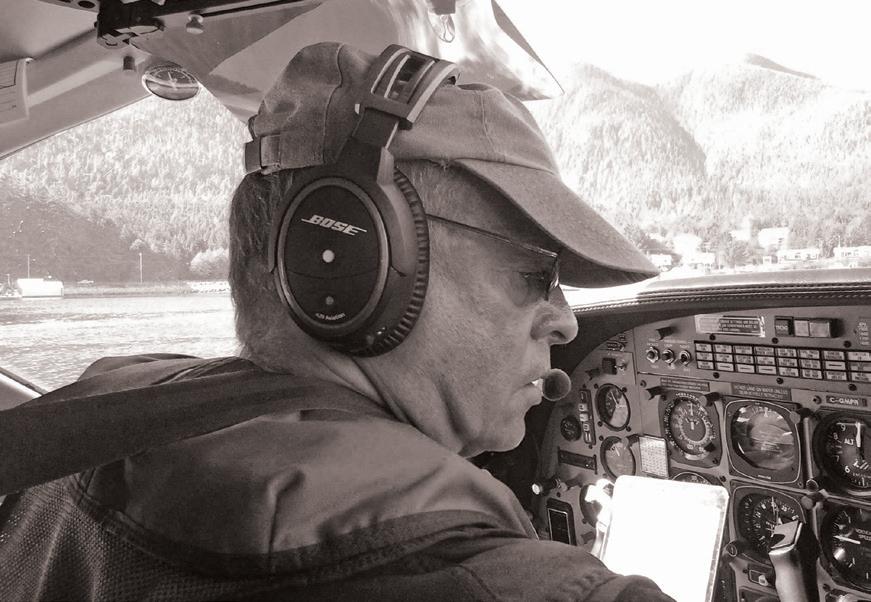
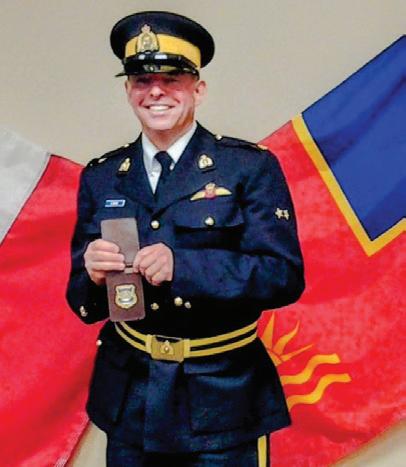
Eric Rempel's career followed a sinuous path, yet one that led to total fulfillment, including a royal accolade. By Robert S. Grant
38 Victory Flight
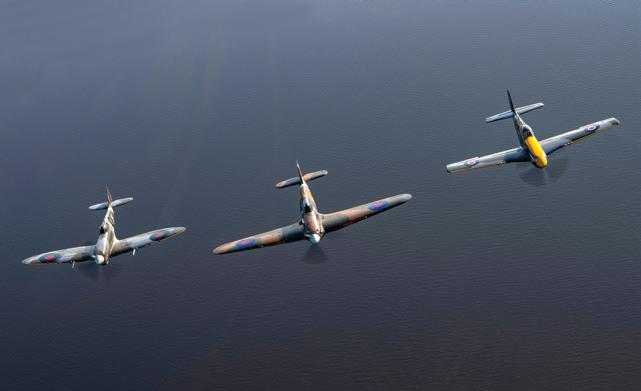
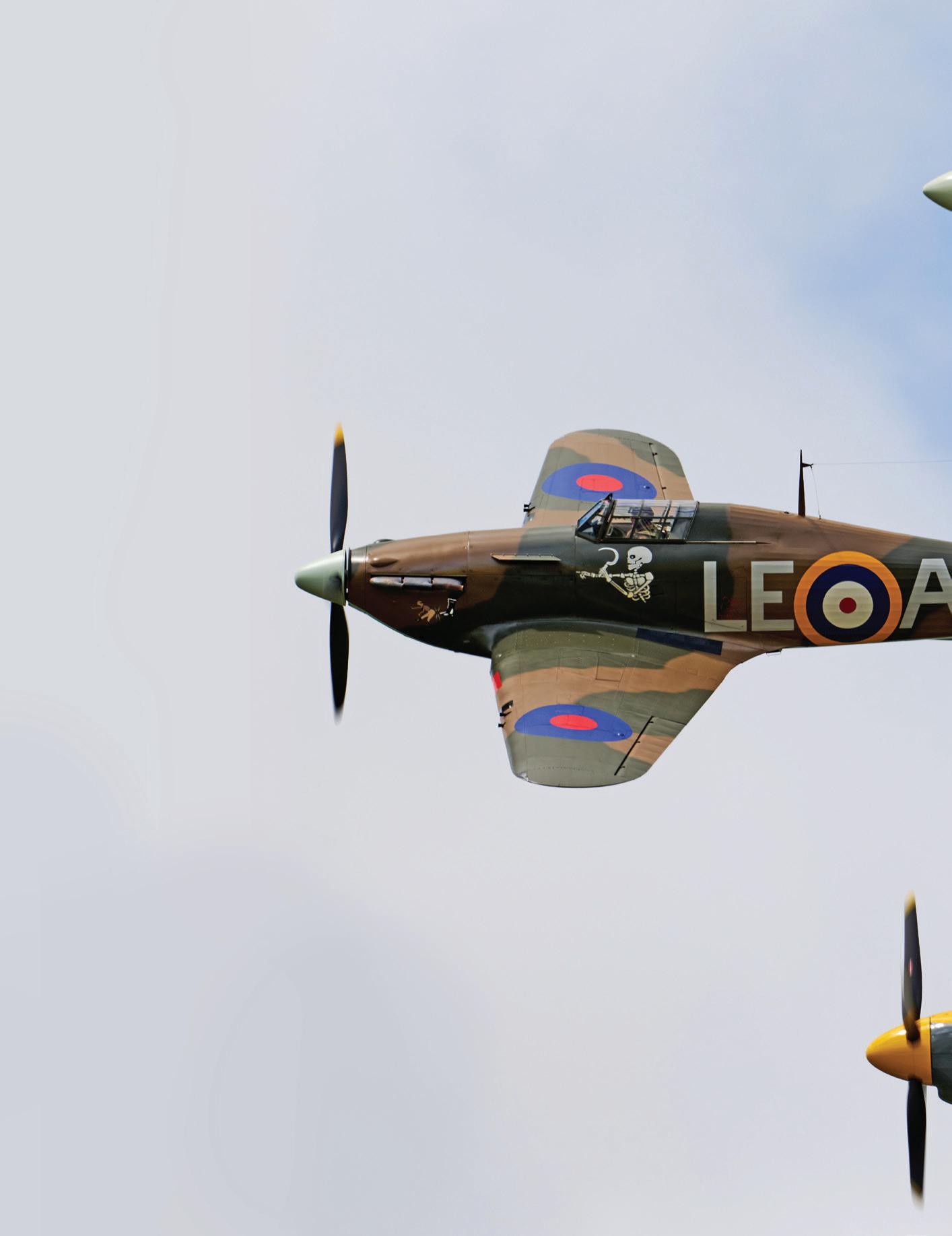
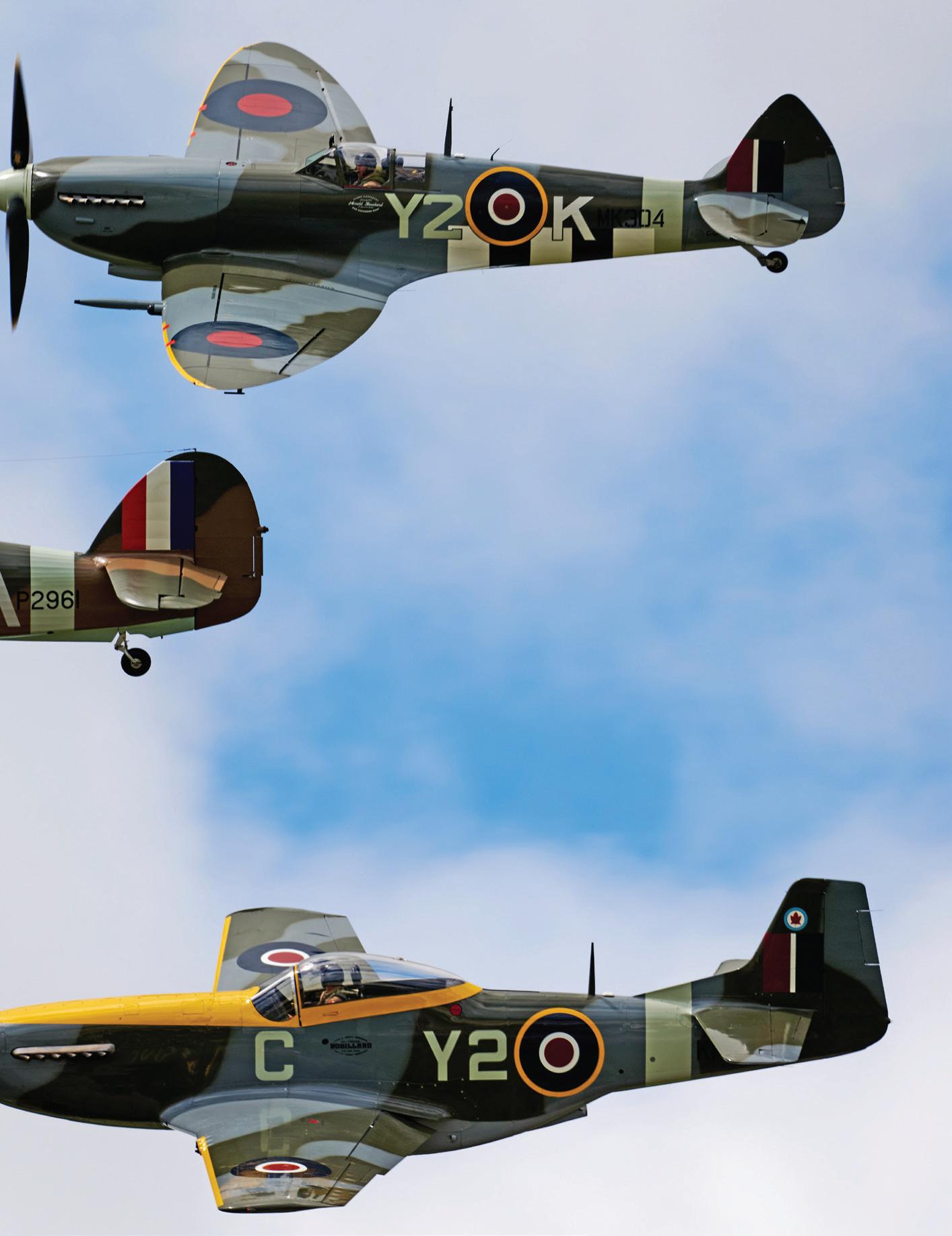
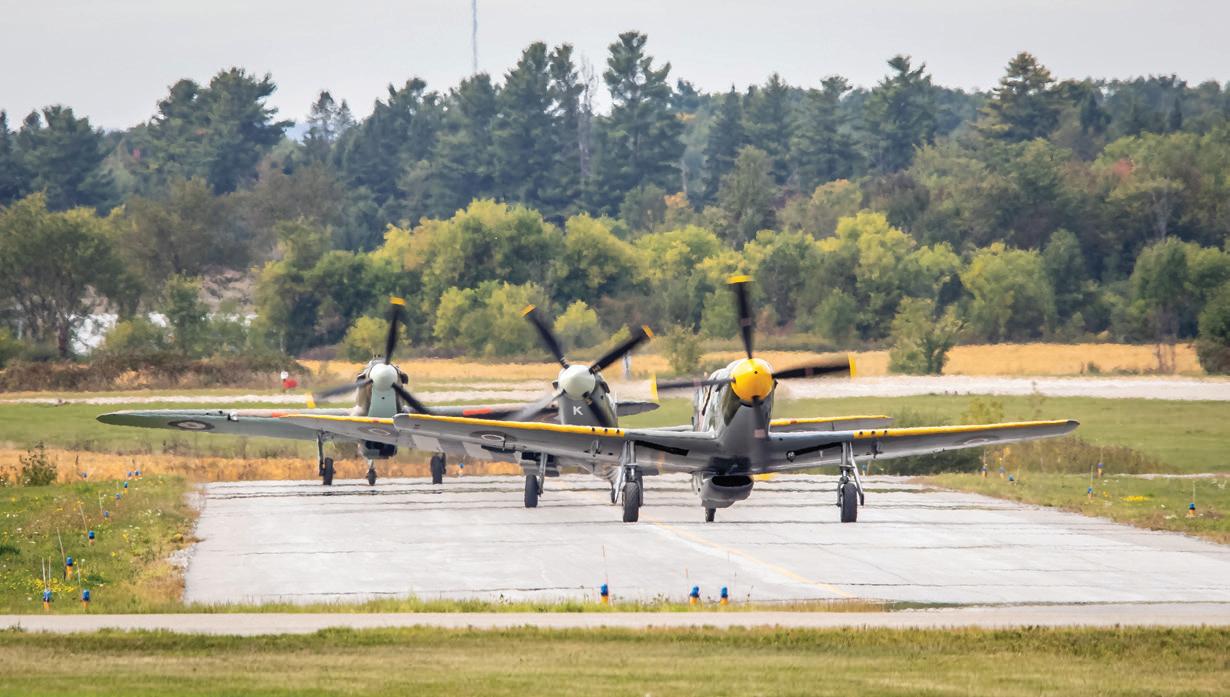
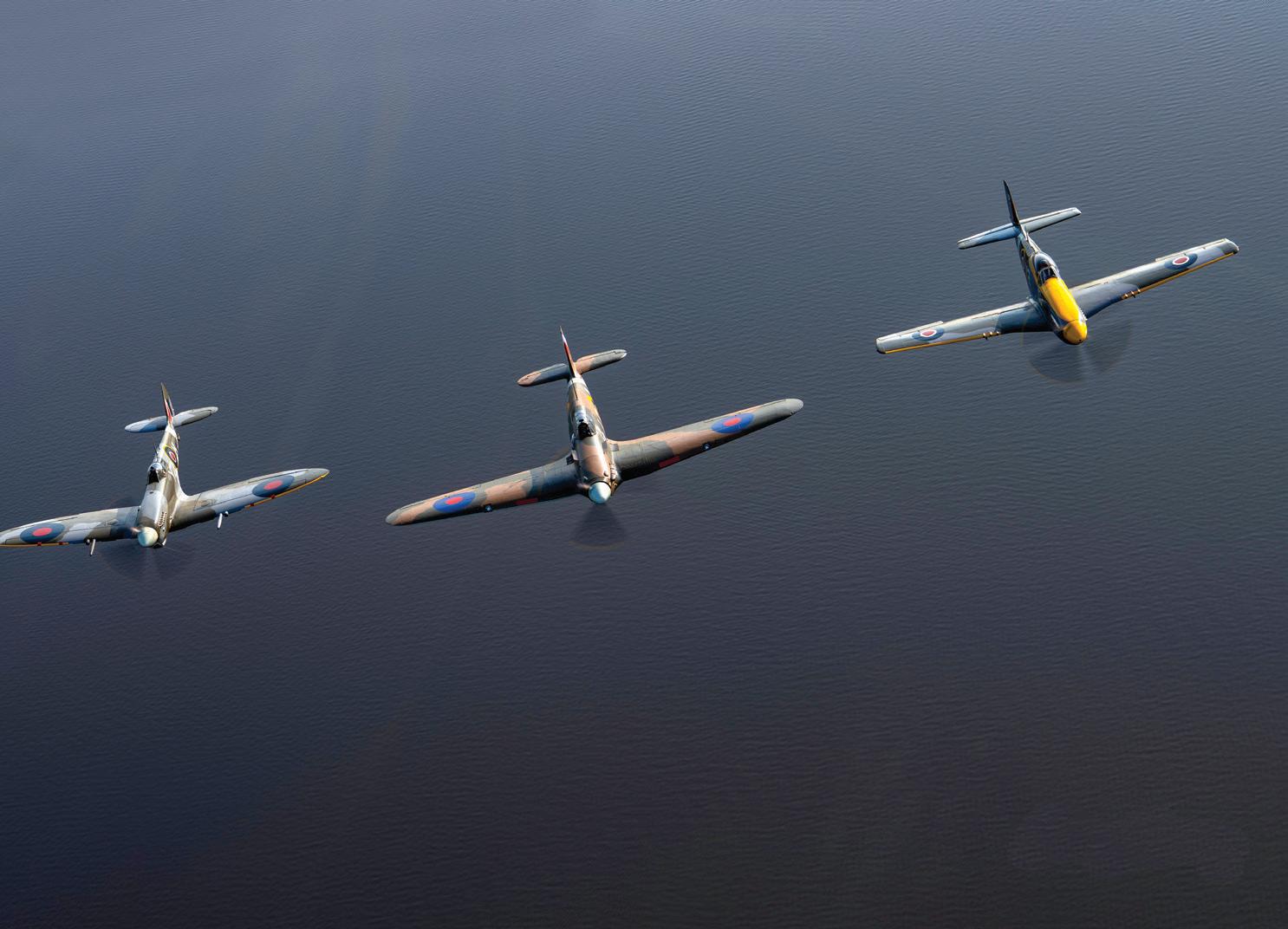
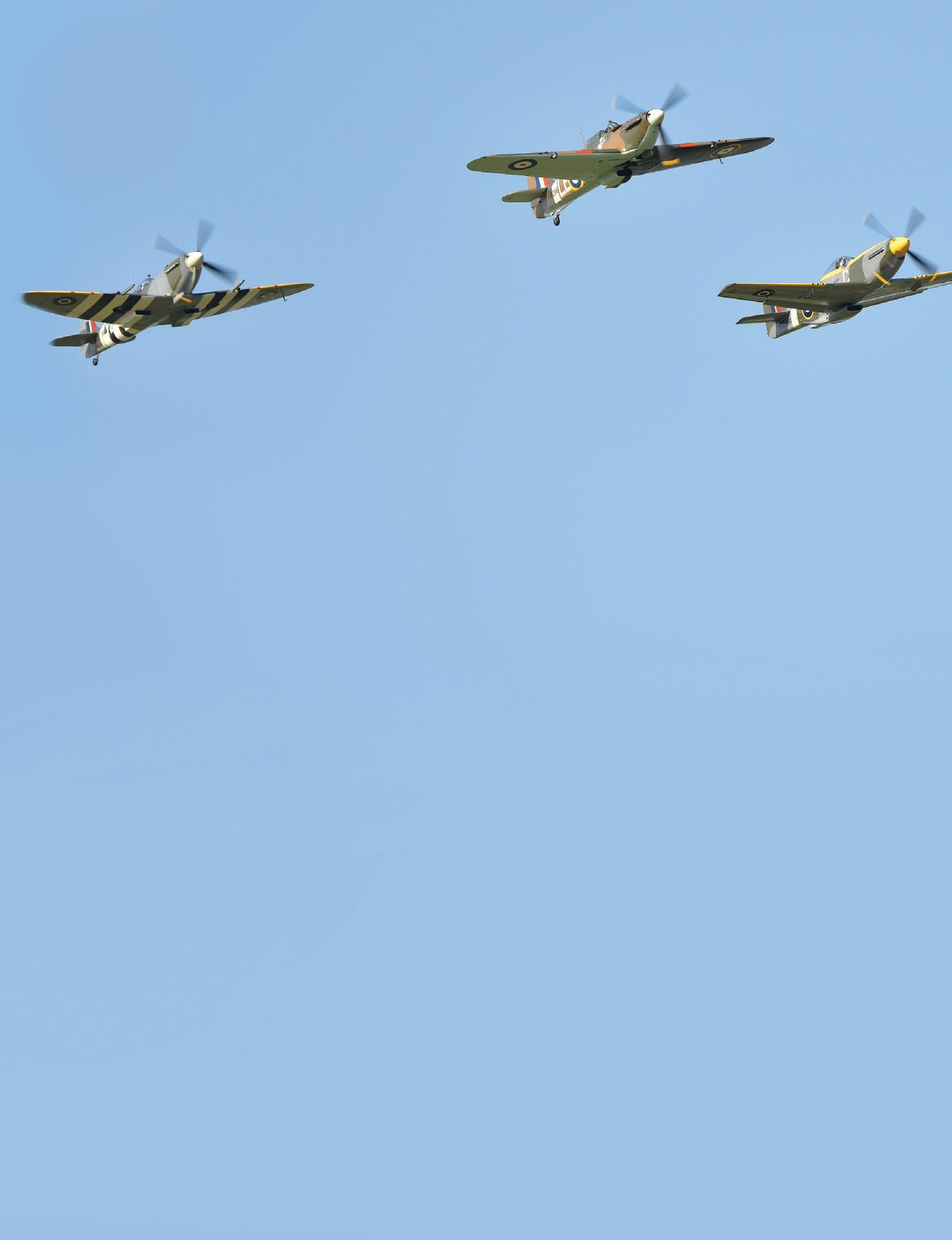
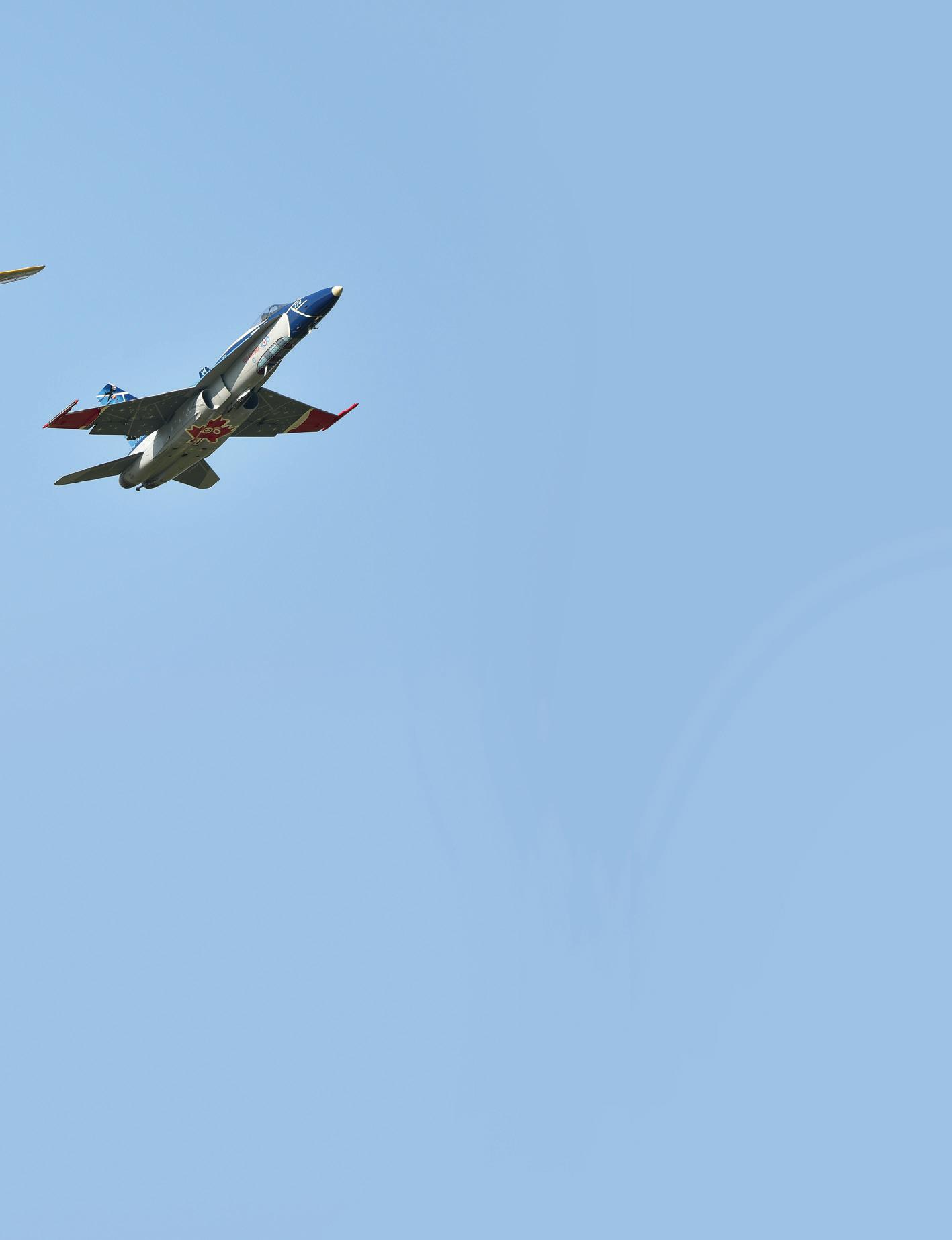
We have another look at Ontario’s Victory Flight and tell you about an ownership change. By Dave Hadfield 44
Air Scare Over the Rockies
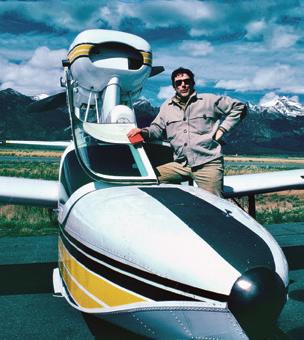
Pushing an aircraft's limit, as well as my own, nearly led to disaster. By Jack Ciulla
In This Issue
Our Associate Editor and prolific writer
Robert S. Grant continues his series of profiles of interesting Canadian pilots. In this issue, it’s Eric Rempel, a man whose career needed telling — as so many other pilots’ stories deserve to be told.
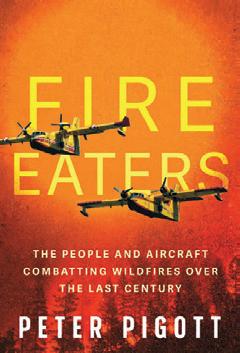
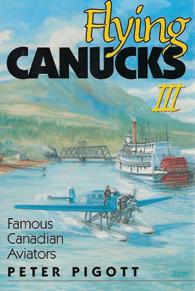
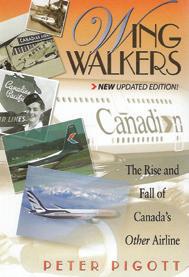
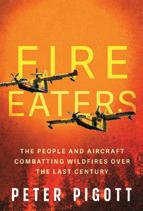
On that note, we are sad to report that another prolific writer of Canadian aviation themes, Peter Pigott, has passed away at the age of 78. He too told the stories of Canadian pilots, including the three-volume series Flying Canucks. Peter also did extensive research and wrote about the histories of both Trans Canada Airlines/Air Canada and Canadian Pacific Airlines. His most recent book, Fire Eaters, is about aerial firefighting and
was published just last year.
Our regular contributor Dave Hadfield writes about Vintage Wings, a small fleet of Second World War-era combat aircraft that includes a P-51 Mustang, a Hawker Hurricane and Dave’s favourite, a Spitfire. Dave will be retiring from flying with Vintage Flight as he takes on new challenges.
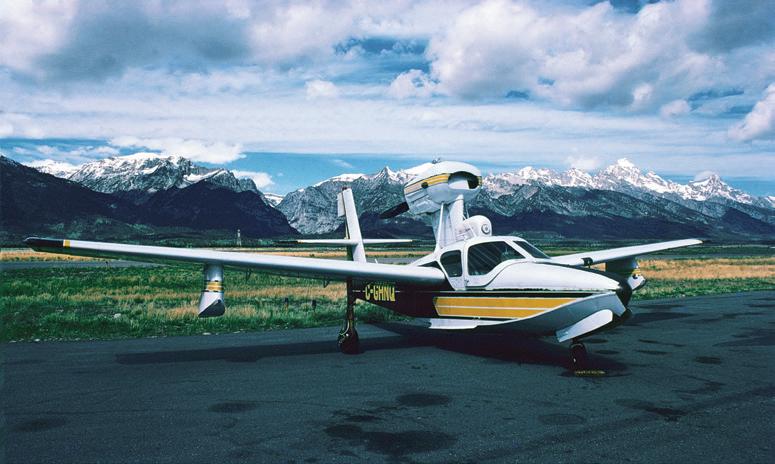
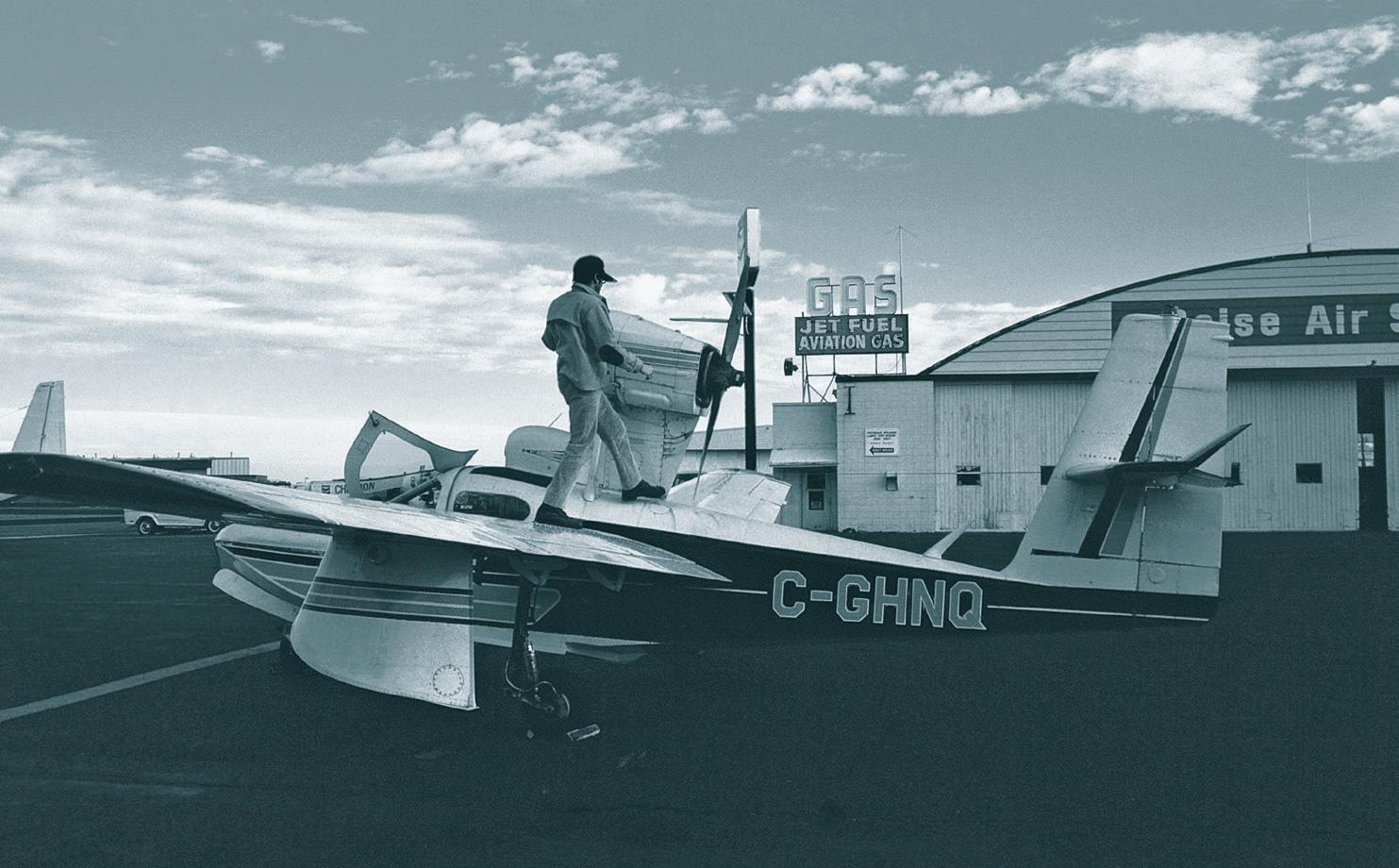
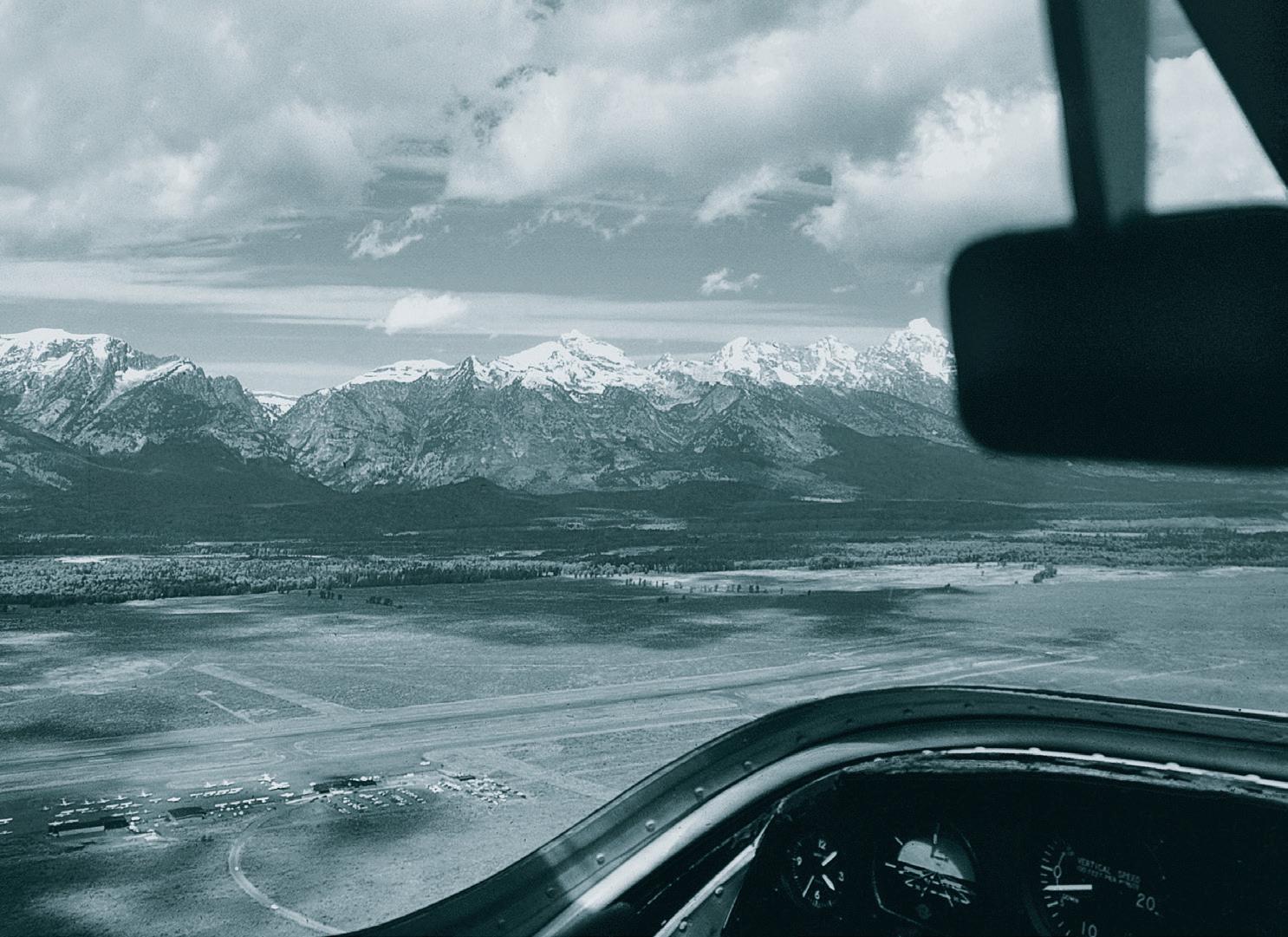
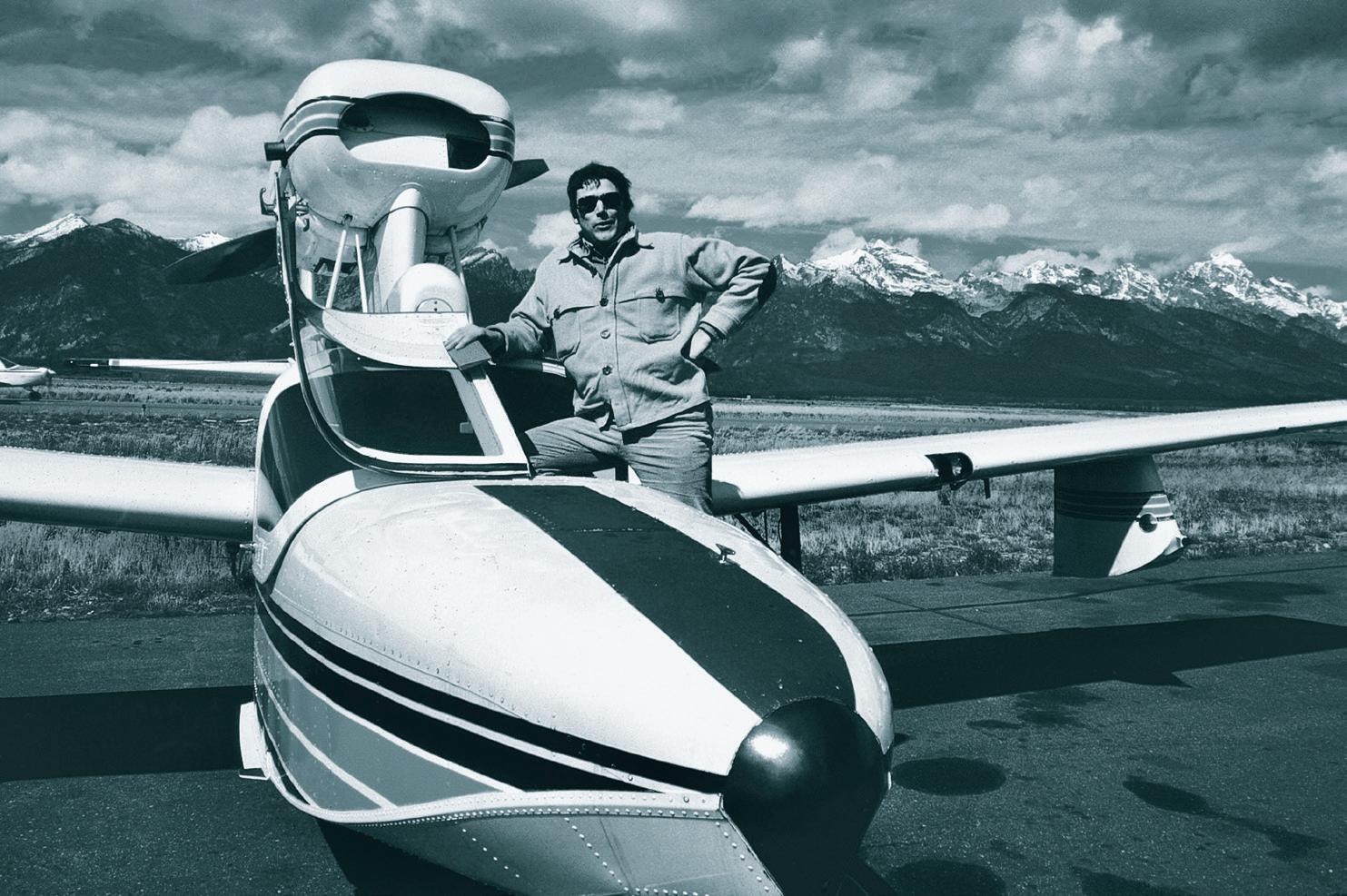
We also hear again from Jack Ciulla, who shared his love for Lake flying boats a couple of years back. Jack felt the urge to pass along some of the lessons he learned over the years in what he considers the ideal recreational vehicle. We share one of those stories with you and have another one ready for the next issue.
Ed McDonald, of aviation consultancy JetPro, has been sharing his expertise in designing and developing procedures for aerodromes and airports across Canada by contributing articles on instrument flying (“Instrumental Facts”). Ed takes a break this issue and argues that Canada should incorporate a ground-based 978 MHz ADS-B system, similar to that deployed by the FAA in the U.S., to complement the space-based 1090 MHz system.
And our favourite aircraft maintenance engineer Liana Buessecker tells us, in her usual subtly humorous way, about her “summer job” in Antarctica looking after Kenn Borek aircraft (“The Plane Fixer”).
Enjoy!
WAYPOINTS
RCAF Purchases Global 6500 Jets
FLEET WILL REPLACE CHALLENGERS
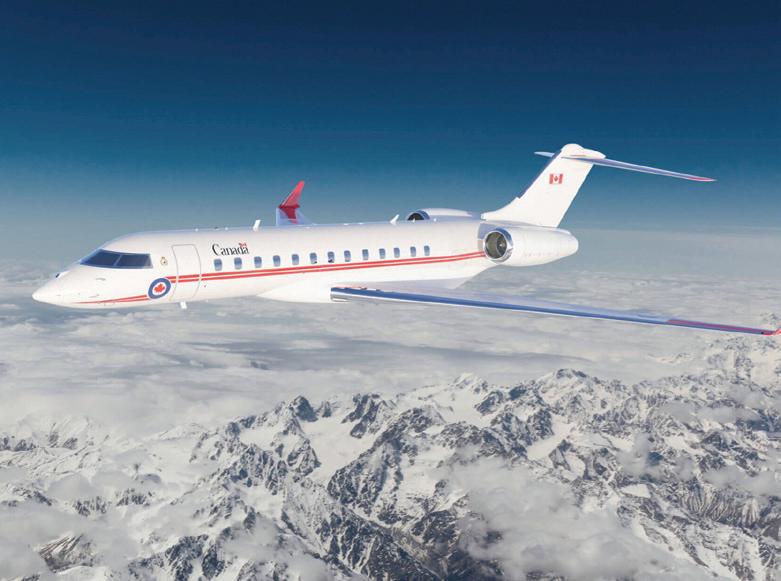
Canada’s federal government announced on December 12 that it will be purchasing a fleet of six Bombardier Global 6500s to replace the aging fleet of 1980s-era Canadair Challengers, with options for an additional four depending on needs. The order is estimated to cost around C$550 million for the aircraft, with an additional $200 million for air crew and maintenance personnel training and modifications required for military service. The Global 6500s will be incorporated into the RCAF but will be available for government and foreign VIP transport as well as for humanitarian missions and natural disaster relief, according to the press release.
“The Global 6500 aircraft is a world-class, made-in-Canada product with the versatility to perform multiple missions, making it the go-to olution for governments around the world,” said Bombardier’s CEO Éric Martel. “Today, the more than 12,000 Canadians who work at Bombardier can take great pride in knowing that this aircraft will now serve their country.”
This purchase falls under the government’s Defence Investment Agency (DIA), overseen by Secretary of State for Defence Procurement Stephen Fuhr.
“The award of this contract to purchase the Global 6500 under the Defence Investment Agency is a turning point in how Canada equips its military,” Minister Fuhr said. “By streamlining processes and cutting red tape, the Defence Investment Agency is accelerating the delivery of the versatile capabilities the RCAF needs. Canada has a world-class aerospace industry, and this investment will harness that strength to create good-paying jobs, drive innovation, and bolster our security.”
The Global 6500s will be built at Bombardier’s plant at Toronto Pearson Airport with completion work in Montreal. First delivery is expected in the summer of 2027. The aircraft’s RCAF type designation has not yet been announced.
New Readback Instructions to Become Mandatory
RUNWAY INCURSIONS STILL INCREASING
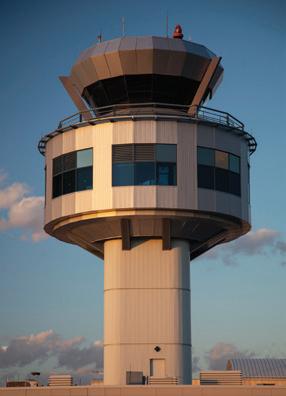
Beginning this coming November, pilots using controlled airports in Canada will be required to read back certain additional instructions and clearances, if applicable, given them by Air Traffic Service (ATS) providers, be they tower controllers or flight service specialists.
The new requirements will include the reading back of the runway in use or assigned runway, the altimeter setting and the transponder code when provided by ATS. In addition, pilots will be required to state the ATIS code on initial contact with ATS. For example, “VANCOUVER TOWER, PIPER CHEROKEE ALPHA BRAVO CHARLIE DELTA WITH INFORMATION ECHO.”
These changes to the CARs Part 602 were announced late last year by Transport Canada in Advisory Circular No. 602-008. TC states that the changes are to better align with ICAO Annex 11, which addresses safety measures to reduce runway incursions.
According to data tabulated by Nav Canada, runway incursions continue to increase. They also remain an issue at the top of Transportation Safety Board’s official Watchlist and have been an area of concern since the inception of the Watchlist in 2010.
The exact date of implementation in November 2026 will be announced later.
BOMBARDIER
New multi-role Bombardier Global 6500. Final livery yet to be revealed.
AIRMAIL
Canadian Aviation Writer Dies
PETER PIGOTT, 1947-2025
PButtonville Remembered
eter Pigott, one of Canada’s most prolific aviation writers, has passed away at the age of 78. Pigott was born in Reading, England. His father was an airline base manager who worked in Bombay, London, Santa Cruz and Montreal, providing Pigott plenty of exposure to the airline industry during his youth. He earned a B.Ed. at the University of Montreal Teacher’s College and a B.A. from that city’s Loyola College before moving on to the University of Vermont for an M.A. and Oxford University, where he obtained a Diploma in history.
In 1978 Pigott joined Canada’s Department of External Affairs and foreign postings brought him to New York, Vienna, The Hague and Hong Kong. It was during his time in Hong Kong that Pigott would watch with fascination as the jetliners wound their way, seemingly between skyscrapers, to land at the old international airport of Kai Tak. This later inspired him to write his first book, Kai Tak: The History of Aviation in Hong Kong, in 1988.
It was in 1993, back in Ottawa, that Pigott began writing more prolifically, specifically about aviation. After retiring from the government in 2007, he began teaching aviation subjects at Ottawa’s Algonquin College while still writing aviation-themed books.
In his writing career, Pigott wrote 23 more books, from Flying Canucks: Famous Canadian Aviators (three books in the series) through to Fire Eaters: The People and Aircraft Combatting Wildfires Over the Last Century, published just last year.
“The past few months have inflicted tough losses on Canada's family of historians — the passing of Tim Cook (Canadian War Museum), Stephen Thorne (Legion magazine) and now author Peter Pigott,” noted aviation historian Ted Barris told Canadian Aviator. “Whenever we lose the dogged research capacity and dedicated writing skills of a passionate storyteller such as Peter, this country's aviation past fades irreparably. His colleagues and peers owe it to his memory to celebrate what Peter discovered and carry on telling stories in his unique fashion.”
The Aviator’s Bookshelf carries several of Pigott’s titles, some of which are listed on pages 50-51. Others are listed on the website aviatorsbookshelf.ca.
I was going through your Nov/Dec 2025 issue as usual and read your editorial “Stand on Guard – For Our Airfields” (“Walkaround”). It reminded me of what happened to our Toronto/Buttonville Municipal Airport (CYKZ). After several decades of its existence, it was closed down for the same reason of urban development. Then I heard that they couldn’t proceed with residential buildings due to soil contamination from fuel, so now a warehouse is being proposed. I felt sad when it was closed because, just a few weeks prior, I did my first and last landing and takeoff at that field.
Pratheepan Yoga Kitchener, Ont.
Religion-Driven Charity – And?
I am writing in response to the letter “Religion-Driven Charity” (“Airmail,” Jan/Feb 2026).
I read, with great interest, the article about the Prairie Aviation Training Centre and the focus on Mission Aviation Fellowship. It is unfortunate that the writer was offended by the religious connection. No doubt there are organizations, with no religious affiliation, who are working very hard to alleviate human suffering wherever it may be throughout the world, but MAF’s mission to “deliver help, hope and healing” is for both body and soul.
The somewhat condescending tone of the writer’s appraisal of the magazine makes me wonder if he ever had the thrill of a first solo flight in an airplane or experienced the unforgettable satisfaction of completing a solo cross-country trip in order to qualify for a private pilot licence. It has been many years since I have been pilot-in-command, but now I fly vicariously through the many insightful as well as entertaining articles that I look forward to reading in each new issue of Canadian Aviator You have an excellent array of contributors who provide perspectives from the various aspects of aviation.
Thank you for shining the spotlight on MAF and for providing the means, for those who might wish, to contribute to such a worthy cause. And thank you for continuing to produce, and improve, an excellent magazine.
Fred Krestynski Waterdown, Ont.
Send us your letters.
Canadian Aviator welcomes reader letters on topics of concern to Canadian pilots and the aviation industry. Please be brief, to the point and polite in your submissions. Email Steve Drinkwater steve@canadianaviator.com
GEAR & GADGETS
CO Monitor
Still using the cheap, stick-on CO monitor that purports to change colour when carbon monoxide levels get too high? Do you even replace it when the bestbefore date passes? For a modest investment in a potentially life-saving device, why not invest in the state-of-the-art CO-Pocket by Wichita, Kansasbased Radiant Technologies? Measuring 59 × 59 × 20 mm and weighing 40 g, it can be kept as a portable device on a lanyard, for example, or fixed anywhere in your cockpit. The rechargeable unit flashes a bright warning light and sounds an audible alarm when CO concentration reaches 41 ppm or greater. Charge lasts up to six months. USB cable included. About C$115.
Learn more at radiantinstruments.com. Available from aircraftspruce.ca
Electric Scooter
Have you ever flown to a distant airport only to discover there is no rideshare or taxi service into town? Or have you decided against exploring a rural airport for that reason? Why not purchase an electric scooter (or two)? Segway-Ninebot, a merger of the famous U.S. company and China-based Ninebot, offers a line of eKickScooters that have great power and endurance, and are foldable such that they easily fit into small aircraft. Several different models are on offer, ranging in price from about C$270 to C$1,300.
Learn more at segway.com. Available from bestbuy.ca
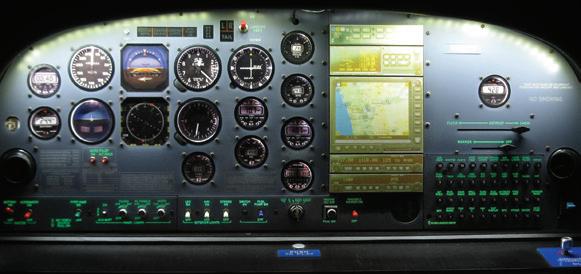
Panel Lighting
Do you struggle to clearly see all your cockpit instruments when darkness falls? Do you want a simple, low-cost solution? Have a look at LED Light Strips from Idaho’s Superior Panel Technology. Available in 14v or 28v systems and in either green, red or white lighting. The 39-inch strip contains 60 wide angle LEDs. The strip can be cut to required length at any third LED. SPT states that the lighting is bright enough to read charts.
From about U$49 for the light strip alone to U$164 with the optional dimmer switch.
Learn more at, and available from, sptpanel.com
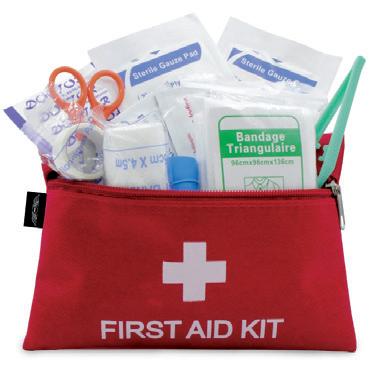
First Aid Kit
Do you carry a first aid kit on board your airplane? Did you know that Transport Canada regulations require you to carry one? And did you know there is a detailed list of items that are required to be in the kit? For a very reasonable price, you can purchase a compact kit that contains everything you require. ASA of Kalamazoo, Mich. has a prepared kit that is available by mail order. Included are cleaning supplies, a variety of bandages and scissors, tweezers and other tools to allow for effective first aid. About C$15.
Learn more at, and available from, vippilot.com
FLYING STORIES
The Day I Flew Five VIPs AND THE SMELL ON BOARD WAS UNBEARABLE
It was a very hot day in July. All the seats except the pilot’s had been removed from the Beaver, and the entire cabin was lined with a heavy plastic drop sheet. The three women in the office were smirking when he walked in to pick up his flight sheet. When he read the sheet, he became puzzled.
“One stop? How come only one stop?” The three women giggled in unison.
“You have five VIPs,” chuckled Val, the duty dispatcher. The other two women couldn’t contain themselves.
“VIPs,” they chorused, bursting into laughter.
“To Fanny Bay.” This was Doreen, the acting base manager, who was normally something of a sober sides, but who was now laughing uncontrollably. She was looking down the flight line at the fleet tied to the dock.
“They have boarded your passengers. They’re waiting for you.” Big grin.
“Don’t ham it up,” Paula gasped, before she exploded with laughter. The pilot, grinning now but not certain why, craned forward to see what was going on down on the dock. Just two dock boys waiting for him. Two dock boys — strange. With some misgivings, and knowing he was being had, he waved goodbye to the women and headed down to the dock.
The Beaver was on the very end of the dock, facing toward the mouth of the river and pointing in the opposite direction from the other planes. He smelled something foul. It got stronger as he approached the Beaver. His grin faded to a smile and then a poker face as he reached the plane and heard his passengers. He looked inside just as the loudspeaker came on.
“Five VIPs to Fanny Bay,” Valerie’s voice intoned. Then laughter echoed over the speaker: “Very Important
Pigs!” There were five pigs in the Beaver, each immobilized by being tied into a gunnysack with only its head showing. They were very unhappy pigs. Unhappy pigs squeal a lot and urinate a lot and defecate a lot, and gunnysacks leak like a sieve.
“Jeez,” said the pilot, but he had little time to pause, because the dock boys, wearing big grins, had untied the plane and were turning it out into the river. He jumped onto the nearside pontoon
His grin faded to a smile and then a poker face as he reached the plane and heard his passengers. He looked inside just as the loudspeaker came on. “Five VIPs to Fanny Bay” ...
and scrambled across the co-pilot area, now devoid of its seat, to the left-hand pilot seat. The passenger door slammed behind him and the heat in the plane, combined with the foulest smell imaginable, hit him like a hammer.
The aircraft was now caught up in the river current and was showing a mind of its own. The pilot pumped the throttle five times, snapped on the master switch and hit the starter switch after only two blades — to hell with the engineers and their preferred starting procedure. He snapped on the mags and the R985 came through as usual.
He opened the pilot-side door and held it open with his foot, despite the sudden blast of prop wash. He was holding his breath while undoing the tension on the window knob. The Plexiglas slid down into the door with a thump and the door banged shut. He
stuffed his head out the window into the slipstream and dared to breathe — the sweet smell of engine exhaust.
The pigs, rolling in their own excrement, screamed in panic. Ahead, through the windshield, he spied the end of the spit and a view of open water with a no-wind condition. Water rudders up fast, prop full fine, throttle up to 36 inches, 20 degrees of flap as she came up on the step and airborne — all without breathing. Head as far out the window as possible, and into a 100-knot wind. Call up those lovely women.
“Campbell River, JBP.” He couldn’t think of anything clever to say. “How come I won the toss?”
“You’re such a nice, agreeable man, Jack.”
“You owe me,” he said.
“We’re all married women and true,” they laughed.
They went silent as other planes in the fleet, growing tired of trying to get a word in edgewise, broke in on the transmission. He put his head back out the window and proceeded up Phillips Arm to land in Fanny Bay. A man met the plane, removed the squealing pigs and the plastic drop sheet, washed the sheet in the water and rolled it up. Then he walked off, waving goodbye to the pilot as if everybody were a pig farmer. The pilot got back in the plane and flew home.
Back at the office they gave him a full day’s pay and the same mileage as the highest-time pilot for the day. Then they told him to go home. He went back to his little apartment and took a bath.
Much later in life, this pilot lost his senses of smell and taste. The doctors said his condition was caused by a virus, but he believes it was a delayed reaction to those five VIPs.
HANGAR TALK WITH JACK SCHOFIELD
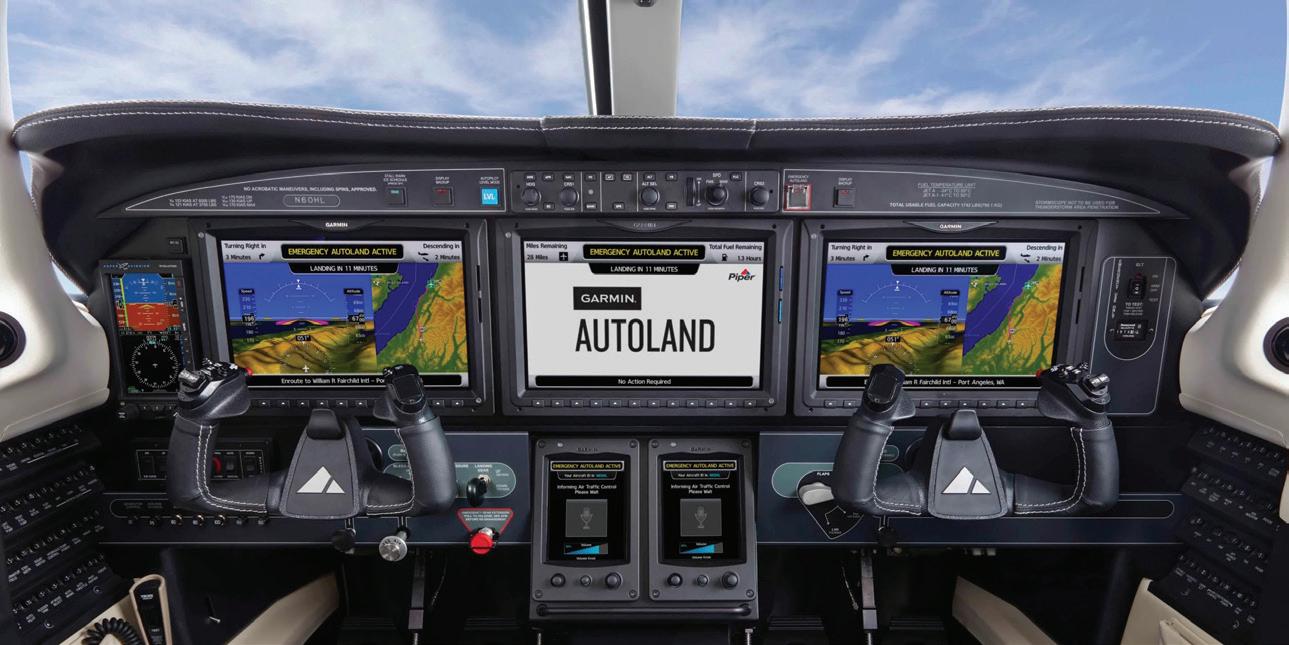
Automated Descent, Approach, Landing and Shutdown
GARMIN’S AUTOLAND SYSTEM WORKED IMPECCABLY IN FIRST REAL-WORLD APPLICATION
Days before Christmas, Garmin’s Emergency Descent Mode (EDM) and Autoland systems made headlines for all the right reasons. On December 20, 2025, a Beechcraft King Air B200 retrofitted with the Garmin technology became the first to activate them in real life. It was a success.
Passing through 23,000 feet MSL after departing Aspen, Colorado, the aircraft experienced a rapid, uncommanded loss of pressurization. As the two pilots donned their oxygen masks, Garmin’s system automatically engaged — exactly as designed — when the cabin altitude exceeded prescribed safety levels.
The system selected a suitable airport based on Garmin’s internal criteria (KBJC, Rocky Mountain Metropolitan Airport), navigated toward it, and broadcast messages on 121.5 MHz and local frequencies along the way. In a LiveATC recording of the KBJC
tower frequency, the Autoland voice announced: “NINER-BRAVO-ROMEO, PILOT INCAPACITATION, TWO MILES SOUTH OF KILO-BRAVOJULIET-CHARLIE, EMERGENCY
AUTOLAND IN 19 MINUTES ON RUNWAY THREE-ZERO-RIGHT AT KILO-BRAVO-JULIET-CHARLIE.”
The system continued to provide timely reports. According to the FlightAware data, the King Air flew a wide circle southeast of KBJC to lose altitude before lining up with Runway 30R and proceeding to a successful fullstop landing.
Garmin’s system can be activated manually by a pilot or passenger or automatically engaged if the pilot fails to interact with the aircraft for a certain period, or in the case of a loss of pressurization. Once engaged, it can be deactivated at the pilot’s discretion. As the airplane nears the selected airport,
the Autoland system lowers the flaps and landing gear; after touchdown, it applies the brakes to a stop and then shuts down the engines.
Although the pilots were not actually incapacitated as reported by the automated system, they chose to leave the system engaged “due to the complexity of the specific situation, including instrument meteorological conditions, mountainous terrain, active icing conditions, and unknown reasons for the loss of pressure,” according to Chris Townsley, CEO of Buffalo River Aviation, the company that manages the King Air. “While the system performed exactly as expected, the pilots were prepared to resume manual control of the aircraft should the system have malfunctioned in any way,” he added.
The pilots attempted to communicate with ATC, but the combination of oxygen masks and the Autoland voice
“Autoland
is nothing new to airline operations. The first computerized autoland systems were originally developed in Great Britain in the 1950s to enable aircraft to land even when ‘London fog’ prevailed over the region. However, Garmin’s technology brings a different philosophy to such operations.”
broadcasts made that challenging. ATC seemed somewhat unprepared for this historic first. The controller decided to treat the emergency as a NORDO (no radio) scenario, cleared the airspace, and transmitted: “King Air, Metro Tower, if you can hear me, any runway, cleared to land, wind 350 at 6, altimeter 30.00.” The Autoland voice did not acknowledge. Clearly, the system is not yet able to process human voice input. (Could such a feature be in an upcoming iteration?)
Autoland is nothing new to airline operations. The first computerized autoland systems were originally developed in Great Britain in the 1950s to enable aircraft to land even when “London fog” prevailed over the region. However, Garmin’s technology brings a different philosophy to such operations.
Airliner Autoland systems require specific airport equipment, redundancy, crew training, and intentional activation, whereas Garmin’s system can be triggered automatically, selects a landing spot without pilot input or special ground equipment other than a precision GPS approach, and handles the navigation, approach and landing. What the various computerized systems do have in common is a high entry price. The B200 King Air retrofit costs U$150,000+ assuming it was already equipped with the Garmin G1000 suite.
So, what is a ‘poor’ pilot to do when optical illusions or poor lighting make the landing difficult to judge? Learning to master the aircraft’s “inherent autoland” capabilities is fundamental to securing a safe outcome regardless of the conditions. After all, it is those very
capabilities that computerized systems leverage.
The “poor pilot’s autoland” relies on a highly controlled approach. The aim is to control the sink rate to obtain an acceptable descent rate upon touchdown. Per aircraft certification, the maximum allowable descent rate at touchdown is 10 feet per second, or 600 feet per minute. This value is not designed to yield a ‘comfortable’ touchdown; it is designed to provide an impact rate that the aircraft can structurally survive.
Of course, the lower the descent rate, the easier the transition and the gentler the landing will be. Likewise, a slower approach speed will require less pitch and speed change during the transition and demand less timing judgment.
Automated systems use calculations and radar altimeters to identify the landing transition point. When visually judging where to start the landing phase is difficult, pilots utilizing an aircraft’s “inherent autoland” behaviour should plan to switch to a slightly nose-up pitch attitude combined with an acceptable sink rate at least 100 to 200 feet above the ground.
Using a little power all the way to touchdown helps to maintain a safe margin over the stall speed and decreases the descent rate for the given airspeed. The key to success is to keep the pitch and descent rate virtually constant all the way to touchdown; just allow the aircraft to find the ground and let the landing gear do its job.
All aircraft come equipped with some “autoland” capabilities; the trick is to know when and how to utilize them.
great article suggestions and post alerts when new issues become available.
TALES FROM THE LAKEVIEW
Bush-piloting in Ontario’s North
SOMETIMES YOU’VE JUST GOT TO GRIN AND BEAR IT
As a Yellow Bird pilot with Sault Ste. Marie’s Ontario Ministry of Natural Resources, part-time opportunities to fly for commercial operators and private aircraft owners sometimes occurred. Based in Northwestern Ontario’s tourist town of Kenora on Lake of the Woods, Piper J-3s, Piper PA-18s, Aeronca Chiefs, several Cessna types as well as Beavers and Otters went into the logbook. In August 1980, Keewatin’s Shoal Lake Wild Rice needed someone in their annual wild rice harvesting program on a short-term basis. Never having been a “Rice Rat” before, the task seemed educational.
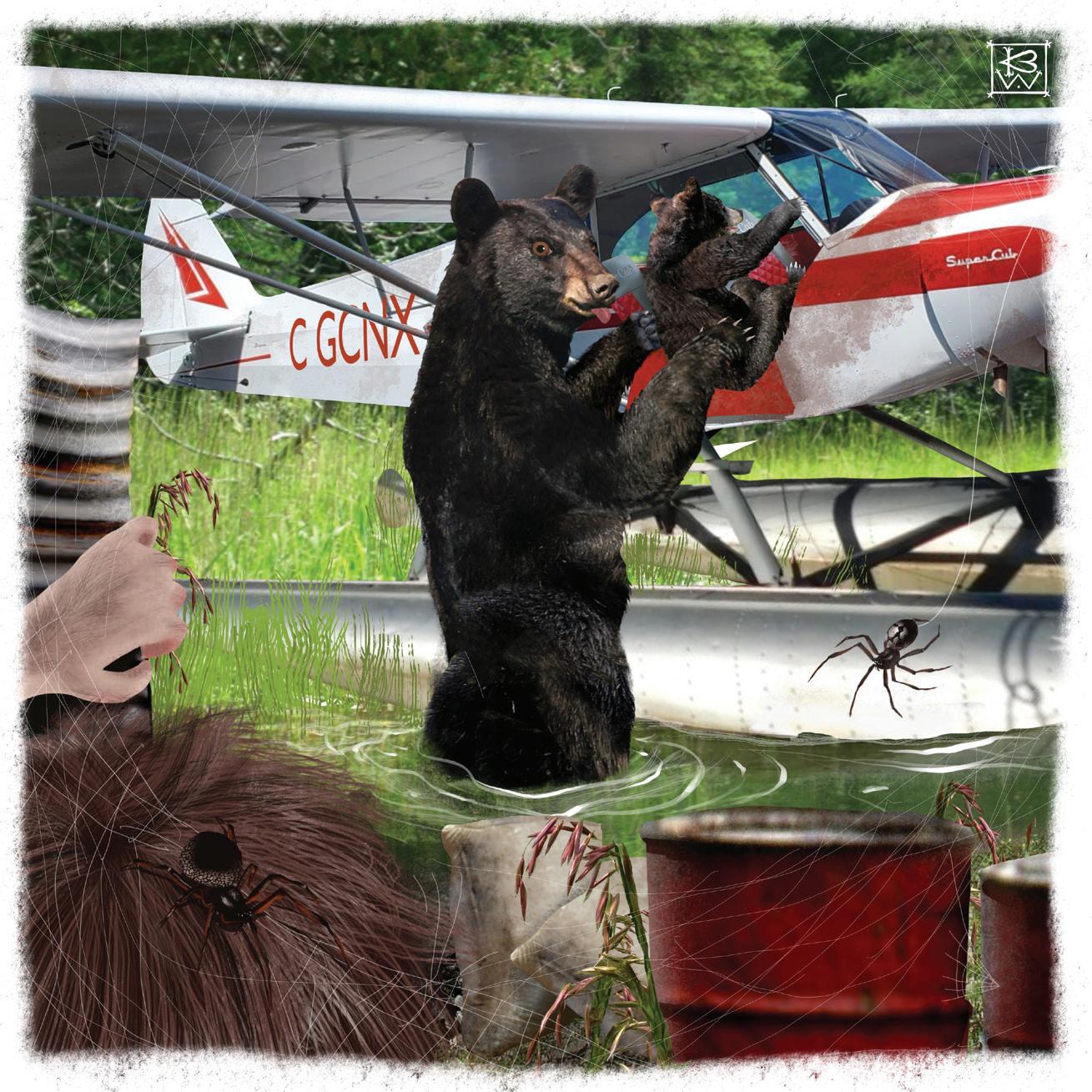
The family-owned enterprise depended on a 150-hp Piper PA-18 Super Cub with Edo 1800 floats to haul harvested rice kernels, or Manomin, as local Ojibwa called the tall green plant, from a collection of lakes so shallow, few aircraft could access them. When not transferring a half dozen 50-pound bags per trip to accessible roads, tasks entailed delivering food, fuel and working staff to temporary camps. Registered C-GCNX, the PA-18’s 43-mph stall and 35-foot, 2.5-inch wing sounded ideal for the task. So did the $100 daily rate which, in 2026 dollars, translates to almost $400. Overnight stays were expected and time off except for non-flyable weather did not exist.
No glamour came with the job, only chilly dark nights ensconced in a hammered together assortment of boards called a rice shack. Wrapped completely with sheet plastic and roofed by the same substance, showers, toilets and wood stoves never entered the picture. Pre-used feather-filled bags pre-inhabited by miscellaneous chipmunks, mice and pine squirrels, and sprinkled with sticky little raisins, served as bedrooms. Mouldy toast and black potatoes made
up many meals with a rush to consume unrefrigerated meats as quickly as possible. When not slugging oozing fibre bags and slapping hornets or horseflies in the PA-18’s narrow two-place cockpit, propane bottles and malodourous red plastic gasoline kegs from Ignace’s supply outlets, 15 minutes southeast, rode along. Perspiration-soaked clothing flavoured our world; no time for a laundromat or swishing crusty underwear in weedy Oval Lake.
A narrow johnboat, or airboat, pushed by an aircraft engine and propeller, carried a wire mesh “speedhead” resembling a cross between a chicken coop and a Mandarin restaurant salad bar with which an operator skimmed the lake surface and knocked rice grains from parent plants. When filled, Stuart the driver directed the vessel to shore for bagging and onward to commercial processing. Arachnophobic, I dreaded the sound of that contraption approaching shorelines since I knew those picturesque plants riffling in the northwestern Ontario breeze served as condominiums for millions of venomous spiders.
The eight-legged human haters crept up arms, across foreheads or scampered along ankles or sometimes slipped into my mouth. Hoisting aphid-covered reeking raw rice containers into C-GCNX revealed earthworms sliming across the sacks and creeping along the aircraft’s floor. Every step converted residents of the insect kingdom into residue, and socks soaked up their repulsive paste. Joyful leeches recognized dinner time and erupted from Oval Lake’s swamp-like organic matter to feast between our toes. Canada geese and mallards showed no fear and seemed to snicker at our discomforts; they would soon wing their feathery airframes to warmer climes.
Rainstorms and high winds made existence in our austere refuge unpleasant, and crosswinds meant barely survivable landings. Taxiing under power through mud and greenery eroded the fixed pitch propeller and, consequently, C-GCNX’s lifting abilities diminished daily. At the dock, the 1,100-pound Piper PA-18 resisted tie-down chains sawing through nailed-down dock boards. One evening, snapping branches outside the door flap had both Stuart and me snapping upright. Our only camp axe had been left outside.
Bears, or Ursus americanus, had already invaded our isolated microcosm nights before. Punctured oil cans attested to their jaw strength, and crushed liquid soap containers indicated a willingness to sample anything, perhaps human hide. Besides, we laboured quite handily as bonus food in their feeding grounds. No one north of Toronto considered them cuddlesome pets and now, one of the sharp-clawed beasts had come within petting distance. Someone, I recalled, claimed the massive forest dwellers avoided people. Whoever uttered those words never encountered a bruin accumulating fat reserves for a sojourn in winter snowbanks, nor did they spend primordial nights with anti-predator protection provided by plastic less than one millimetre thick.
Suddenly, a long black-haired arm punched through the plastic wall and stopped inches from Stuart’s face. Neither of us had ever been so close to a living black bear. This short-tailed omnivore wanted food and now, unable to see him clearly, we surmised our midnight visitor was no cuddly cub. Its plantigrade soles rocked our abode at every step, and a musky stench suggested he had rolled in a muskeg bog. No firearms allowed at Oval Lake. Shovel
BUSH FLYING WITH ROBERT S. GRANT
handles and clanging iron pots did nothing, but at least the arm, curling claws included, withdrew.
We knew the flea-infested mass of muscle outside had not developed a “modest and retiring disposition” and intended to eat something or someone. Stuart and I simultaneously struck upon the idea that the only defence rested beside our food storage box. The chainsaw needed several primes and pulls to bring it to life, and tangy bluish exhaust permeated nostrils and bedlam slammed against our eardrums. In later years, I would compare the noise to shambling battle tanks trundling by my residence in troubled Congo.
The procedure worked. A glance into the mist-softened moonlight indicated the bear digging its claws deeply into a Jack pine trunk and scrambling skyward almost as fast as an Air Canada captain’s slammed-shut wallet. Stuart shut off the chainsaw, and we returned to our respective sleeping bags. Before another arachnid pitapatted across my instep, breaking branches and plunks of bark chips on the plastic ceiling brought us outside again with our chainsaw at maximum power. Nothing had assuaged the animal’s appetite; we feared he would attack poor defenceless C-GCNX and sample the spicy fabric. Waving the chainsaw did the trick
once more and the overgrown varmint proceeded into an upward path to the same sanctuary. Exhausted, I had lifted 8,000 pounds of rice that afternoon and equally tired speedhead master Stuart did the same. As we awaited morning light, the animal came down again and ripped more plastic. We would be stranded if he turned upon C-GCNX. Escaping to Ignace via a night seaplane takeoff would have been disastrous. No options left, we remained back-to-back with faithful chainsaw primed and sharp. Before sunrise, a ritual of constant stops and starts kept our aggressor outside. Warmth from our derrieres attracted insects though
cracks in the wooden floor, cockroaches frolicked inside the bread box and tarantula-sized dock spiders giggled in their webs. I hoped the bear would not invite relatives for a family feast since chainsaw fuel levels lowered every minute.
Daylight — fresh worship-worthy daylight — arrived from whatever elements or gods presented the sun. Whisky jacks sought breakfast around unloaded rice bags, a grunting moose munched lily pads on the opposite shoreline and, within the conifers, a fox yapped. The bear had gone. Jumping into partially loaded C-GCNX, we ignored bird manure adhering to a partial load of rice bags and flogged away to Ignace. Conservation officers, or C.O.s, when informed of our nighttime drama, agreed the belligerent houseguest would eventually harm someone, maybe even travellers as important as revenue-producing American tourists. Next evening, two green-uniformed caretakers of Ontario’s remote immensities intended to make the woodlands safe for Tilley-wearing Toronto escapees or wilderness-bound southern Ontario hunters forging north in search of moose crossing signs.
With rifles, shotguns and government-issued Coleman stoves close at hand, the gallant C.O.s planned an overnight stay in the already pillaged shack at Oval Lake. Unfortunately, the moonless dark did not allow sufficient visibility to reduce the population of four-legged prey chasers; they never fired a shot. A leaked report days later explained that the shaken heroes passed their hours floating frightened in a confiscated johnboat among the rice stalks while listening to rattling tin cans and ripping plastic within the nearby camp.
The following week I circled the site and watched a bear, likely 300 pounds, trundle his “teddy bear” mass from our former shelter’s remnants and crash through the rice plants. Although unlikely, I thought the true master of the boreal forest stopped, stood upon two legs, and addressed C-GCNX with a rude gesture.
Transport Canada Aircraft Are Disappearing
HOW WILL SAFETY BE MAINTAINED, LET ALONE IMPROVED?
The Canadian Department of Transport (now called Transport Canada) was officially formed on November 2, 1936. During the Department’s almost 90 years of existence it has owned and operated a wide variety of aeroplanes and helicopters to service Canada’s aviation and marine infrastructure. It provided aircraft, primarily helicopters, to the Canadian Coast Guard. The CCG operated a wide variety of helicopters including types manufactured by Aerospatiale, Bell, Messerschmitt-Bölkow-Blohm and Sikorsky Helicopters.
Over 25 airplane types were operated by the Department and included such iconic models as the Lockheed 12 Electra, Fairchild F24, Waco AQC-6, Anson, Douglas DC-3, de Havilland Canada Beaver and Twin Otter, Vickers Viscount, Lockheed JetStar, Cessna Citations and Beechcraft 18s & King Airs. Sadly, this is all coming to an end.
The Canadian Coast Guard is being rolled into the Canadian Armed Forces to contribute the CCG’s budget to Canada’s total contribution for defence purposes. This will include the CCG helicopters and encompasses the National Aerial Surveillance Program (NASP) that is being conducted by three surveillance-equipped de Havilland Dash 8s and a modified Dash 7 aircraft.
The Transport Canada fleet, including Bell helicopters, Cessna Citations and Beechcraft King Airs have been or are in the process of being sold. The details of the shutdown of these services within Transport Canada are difficult to obtain as direct attempts to obtain information from TC have not been responded to at the time of writing this article.
At one time TC operated many of the large, small, remote and emergency aerodromes in Canada, and the air navigation aids and air traffic control systems were also owned and operated by TC. Accident Investigation and VIP Transportation were part of TC’s responsibility.
Oversight of the commercial and corporate air operations, aviation health and safety, the general aviation sector, personnel licensing and medical, aircraft maintenance, drones, security, airports, transportation of dangerous goods and enforcement are all areas that were and still are part of the Civil Aviation Directorate’s mandate. “The Civil Aviation Directorate, also known as Transport Canada Civil Aviation (TCCA), promotes the safety of the national air transportation system through its regulatory framework and oversight activities.”
Over the years, as the aviation system evolved, some of the requirements utilizing the TC fleet of aircraft has changed. For example, in 1984, Accident Investigation was moved out of TC to the Canadian Aviation Safety Board (now the Transportation Safety Board - TSB). Also in the mid 1980s, Flight Services’ VIP section (later the name was changed to Aircraft Services Directorate) was disbanded and the Canadian government’s VIP transportation responsibilities were taken over by the RCAF. In 1996 Nav Canada was formed and the responsibility for the calibration and the servicing of navigation aids was assumed by this new private organization. When the majority of TC’s airports were turned over to local authorities, this again reduced the requirement for TC personnel to monitor many of these sites.
All these changes had an impact on reducing the requirement for TC aircraft. However, during the latter part of the 20th and the early part of the 21st centuries there were still robust oversight programs in place to monitor Canada’s civil aviation system that required departmental aircraft to carry out the programs. Each region, located in Moncton, Montreal, Hamilton, Winnipeg and Vancouver, had aircraft that were used by civil aviation inspectors to get out into the field and inspect and audit aviation activities throughout the second largest country in the world. These bases have now been closed, or reduced, and their inspection fleet, other than the NASP aircraft, have been sold off.
A secondary yet very important role these aircraft performed was to supply training platforms for the civil aviation inspectors to ensure their pilot qualifications were current and they were up to date with the latest technology and issues that were facing the aviation industry. Annual training sessions in contracted simulators will now fulfill this role.
I can personally attest to the quality of the oversight programs within Transport Canada during these years as I was a civil aviation inspector and/or manager with Transport Canada from 1977 thru 2008 (31 years) and utilized the department’s aircraft for 5,000 hours during my tenure. I was based in the Pacific Region, which encompassed the province of British Columbia. I can confirm that the use of aircraft to travel throughout the region’s coastal and mountainous terrain was invaluable while carrying out Transport Canada’s oversight responsibilities.
In recent years there has been a reduction in the amount of time spent by inspectors out in the field due to budgetary constraints and the development of the Safety Management System (SMS) approach to providing oversight to the industry. TCCA has become more reliant on the industry policing themselves by organizations having an SMS in place. This approach can work very well with organizations
that have the integrity, the commitment and a sound financial base that can make it work. However, not all companies and/or organizations can or will comply and this is where having hands-on, inperson inspections by TCCA personnel is still required.
The International Civil Aviation Organization (ICAO) conducts audits on the world’s civil aviation authorities and assigns grading on how each country is providing oversight of that country’s aviation system. In 2023 an ICAO audit of TCCA significantly downgraded Canada’s rating compared to their previous audit in 2005. Three areas of safety oversight that were particularly noted of concern were aircraft operations, airports and air navigation.
It is interesting to note that in the last edition of this magazine, (Canadian Aviator, Jan/Feb 2026), the Chair of the Transportation Safety Board of Canada, Yoan Marier, stated in his article, “Yet, our data shows a concerning gap: TC is not consistently identifying regulatory non-compliances and deficiencies in air operators’ safety management processes. And when issues are flagged, corrective actions are not always enforced effectively.” He then goes on to state, “Only through consistent surveillance can we ensure that safeguards to protect safety are not just in place, but are working as intended.”
These safety concerns and observations, by both ICAO and the TSB, raise questions about Transport Canada’s ability to fully carry out their oversight of the civil aviation sector. Eliminating the traditional in-house fleet of inspection aircraft is one less tool TC has in deploying inspectors throughout the vast Canadian landscape. Will departmental personnel be able to use commercial transport to carry out their duties to remote and distant sites that they previously had access to? Will civil aviation inspectors have a decreased ability to carry out “no notice” inspections within the system?
Recognizing the worldwide shortage of pilots, will TCCA be able to recruit and retain civil aviation inspectors by offering them a yearly refresher in simulators, and not provide them with aircraft to carry out their duties and maintain their skills? Without departmental aircraft to assist personnel in providing oversight of the industry, will TCCA be able to regain their once high standards with ICAO? Will Canada’s aviation sector be less safe? These, and other questions, challenge the wisdom of removing Transport Canada’s inspection fleet and thereby degrading the leadership and once high standing that Canada held in the world’s aviation community.
May you have tight floats and tailwinds.
Transport Canada’s hangar, located at the Ottawa International Airport, in June 2025. Shown here are the National Aerial Surveillance Program’s de Havilland Dash 7 and Dash 8 patrol aircraft. Two RCAF 412 Squadron Bombardier Challenger jets share the hangar with several Beechcraft King Airs, a Cessna Citation and a Bell 407 helicopter.
Canadians Defending Alaska
BOTH ARMY AND AIR FORCE PLAYED BIG ROLES (P art 3 of 3)
On July 13, 1942, seven RCAF No. 111 (F) Squadron Curtiss P-40 Kittyhawks, led by Wing Commander Gordon McGregor, left X Wing at Anchorage for Fort Glenn Army Air Base on Umnak Island. The airfield at Fort Glenn had only been constructed in late spring of 1942, using Marston perforated steel matting.
While enroute, the 111 (F) Kittyhawks were forced to stop at Naknek [US] Army Air Field near King Salmon, Alaska to search for the RCAF pilot of a single P-40 who had bailed out of his aircraft after an electrical failure. The pilot was later found in a search by the U.S. Army Air Force. The flight remained at Naknek Airfield until July 16 and then flew toward the USAAF airfield at Cold Bay on Unimak Island where they ran into dense cloud and fog and several pilots became disoriented. W/C McGregor was able to return safely to Cold Bay and another pilot landed at Umnak Island’s Fort Glenn airfield. However, four RCAF pilots crashed into fog-shrouded, 6,648-foot-high Mount Makushin and were killed. Yet another pilot likely crashed into the sea and was not found. Due to both enemy action and bad weather, the military cemetery at Fort Glenn contains the remains of 11 RCAF airmen.
It was almost 650 miles from Fort Glenn to Japanese-held Kiska Island in the Western Aleutian Islands, well outside the return range of the RCAF P-40 Kittyhawk fighters, initially based on Umnak Island.
It became quickly apparent to both the 11th Pursuit Squadron of the USAAF and the RCAF’s No. 111(F) Squadron based here that forward operations airfields were necessary and would have to be constructed in order for fighter support to be provided to the USAAF heavy bombers to be able to attack the Japanese operations in the Western Aleutian Islands.
The United States Army Corps of Engineers were quickly able to construct primitive fighter airfields at both Adak
and Amchitka Islands that would allow fighter squadron operations to attack and strafe Japanese-held installations.
RCAF Squadron Leader Kenneth Boomer had previously met with Major John Chennault of the USAAF 11th Fighter Squadron and requested that the RCAF No. 111 (F) Squadron be included in raids made on Japanese-held installations as well as the protection of USSAF bombers enroute to their targets.
On September 25, 1942, both the USAAF 11th Pursuit Squadron’s Warhawk and RCAF No. 111 (F) Squadrons Kittyhawk fighters took off to protect a flight of nine Consolidated B-24 Liberators.
The two fighter squadrons took off from the forward airfield, which was constructed at Adak Island in just 10 days, and climbed west to Kiska Island, preceding the bombers with a strafing attack on Japanese naval shipping and the army camp with its gun emplacements.
When the P-40s started a second pass, they were confronted by two Japanese Navy Mitsubishi A6M2-N “Rufe” seaplane fighters. When the lead Rufe attacked a USAAF P-40, RCAF Squadron Leader Boomer pulled up under the attacking Rufe, racking its belly with machine gun fire and causing it to burst into flames and crash into the sea. Major Chennault dealt with the second Rufe,
causing it to crash into the harbour below. The combined fighter force then attacked a Japanese I-class submarine and two Kawanishi H6K (Mavis) four-engine flying boats. A translation of submarine I-26’s logbook tells of Japan’s Aleutian submarine activities and mention the attack and damage to both Japanese submarines at Kiska Island that day.
This mission came as the end of combat flights for RCAF No. 111 (F) Squadron operational flights in the western Aleutian Islands. Afterward, they were ordered back to Kodiak Island to serve as an air defence for the U.S naval base.
In response to the combined USAAF and RCAF raids on Japanese installations in the Western Aleutian Islands, the Alaska Defense Command under its Commander Major General Buckner ordered issuance of the (United States) Air Medal to the following Royal Canadian Air Force officers of No. 111 (F) Squadron: Squadron Leader Kenneth Arthur Boomer, Flying Officers James G. Gohl and Robert Lynch, and Pilot Officer Harold O. Gooding.
For his part in leading this successful operation, S/L Boomer was also to receive the Distinguished Flying Cross, which is awarded to officers for an act of valour and courage whilst flying in active operations against the enemy.
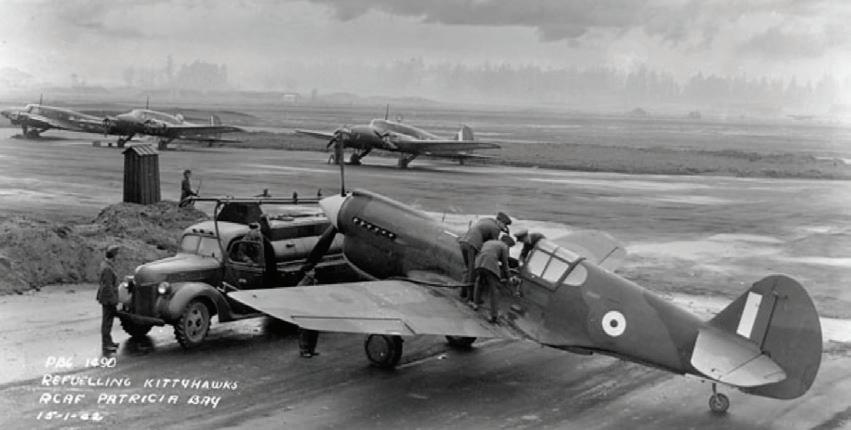
Refuelling a Curtiss Kittyhawk at the RCAF base at Patricia Bay, B.C., on January 15, 1942.
On July 9,1943, RCAF No. 14 (F) Squadron replaced 111 (F) Squadron as the detachment at the Adak Army Airfield (aka Longview airfield) on Adak Island and continued their attacks on Japanese operations at both Kiska and Attu Islands.
The Canadians flew 60 missions against the Japanese at Kiska Island, during which they had suffered the loss of four dead and four wounded.
USAAF Major General N. E. Ladd drove from his headquarters to the RCAF No. 111 (F) detachment at Fort Glenn on Umnak Island to a parade held in honour of RCAF No. 111 (F) operations in the western Aleutians. A US Army band played The Star-Spangled Banner and God Save the King (which was Canada’s official national anthem at the time). The general then awarded the U.S. Air Medal to the following RCAF officers:
S/L Bradley R. Walker (London, Ontario), F/L Ron Cox (Winnipeg, Manitoba), F/L A.W. Roseland (Calgary,
Alberta), F/O William MacLean (Campbellton, New Brunswick), F/O Louis Cochand (Sainte-Marguerite, Quebec) and P/O Nicholas Hairston Hobbie (Roanoke, Virginia, USA).
These medals summed up the grateful recognition by an ally of the fact that Canadian airmen went where they were needed, did their job and did it well.
Despite the heavy bombardment of Kiska Island, it remained occupied by the Japanese, largely due to the impossible weather that would be encountered during an invasion by allied forces. However, on August 13, 1943, the combined forces of the US Army’s 7th Division and 5,300 men of the 13th Canadian Infantry Brigade launched a landing on Kiska Island (Operation Cottage) only to find that the island was deserted. The Japanese occupiers had left the island during the heavy fog that had covered it for many days, which had prevented any surveillance by allied aircraft.
It was also later revealed that many of the Japanese had vacated the island on board several Japanese I-class submarines as well as surface ships.
Canadian air and naval forces had participated in the Aleutian Islands Campaign since the very beginning. The Royal Canadian Air Force had four Air Squadrons on regular duty in the Aleutians and, by August 1943, the RCAF had lost 17 pilots in the campaign.
A soldier stood at the Pearly Gate, His face was wan and old. He gently asked the man of fate
Admission to the fold,
“What have you done,” Saint Peter asked, “to gain admission here?”
“I’ve been in the Aleutians
For nigh unto a year.”
Then the gates opened sharply
As Saint Peter tolled the bell.
“Come in,” said he, “And take a harp. You’ve had your share of hell.”
— Boswell Boomhower, 1943
Route Planning
DON’T ALWAYS ACCEPT WHAT YOUR EFB RECOMMENDS
Flight planning can be an involved process. There is a lot for a pilot to consider, including weather and winds aloft, fuel required, weight and balance, and many other things. Flight planning software and web services have taken some of the drudgery out of the process, but it’s not always a good thing.
Apart from the viewpoint that the software reduces the pilot’s involvement, and perhaps therefore the awareness of the details, the biggest issue controllers see is routings.
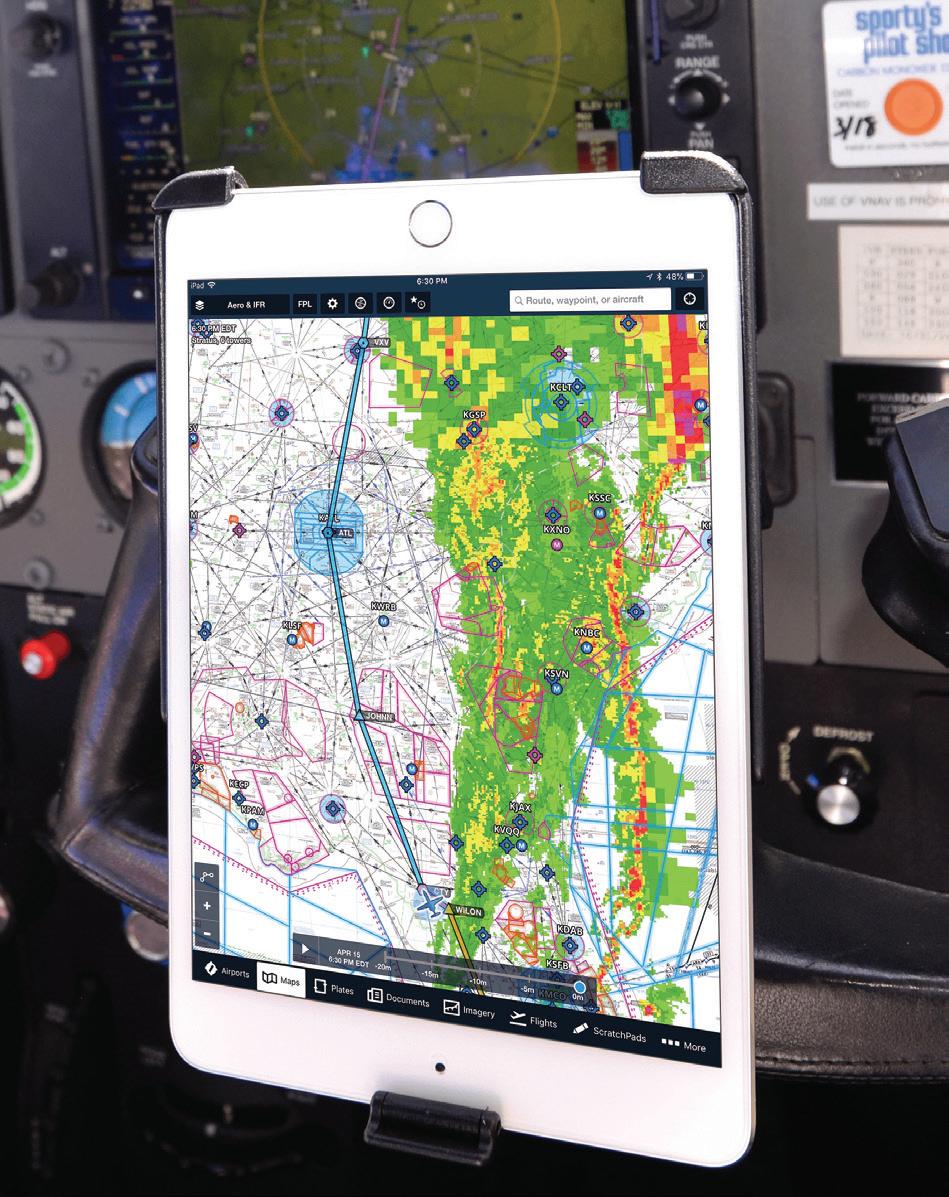
GPS has been a friend to navigation, bringing Area Navigation (RNAV) capabilities to the majority of aircraft in Canadian skies. Among the downsides of this wonderful technology is the ease of direct routings. While efficient in terms of allowing direct routes over long distances, it leads some pilots to file routes that just don’t work for one reason or another.
Putting ‘direct’ in the route is easy and supported by the navigation equipment. Not examining a planned route can lead to a pilot filing a route which is unacceptable, such as one that takes the aircraft through restricted airspace.
That said, picking a route that avoids these kinds of areas can be a time-consuming and often confusing process, especially for long-range flights.
Pilots should be aware of the Mandatory Routes section of the Canada Flight Supplement for their departure and destination aerodromes. Some congested airspace has some corridors designed to aid the flow of enroute traffic around or through the airspace surrounding the busier airports. Searching through those lines can be daunting.
Controllers often have to issue reroutes to aircraft due to these sorts of issues. It saves time on the radio and “heads-down” time in the cockpit when
routes are filed to avoid those areas and follow Mandatory Routes, where established.
Issuing/copying the route takes radio time and then entering it takes time and focus, and the whole process may be prone to errors when transmitting/receiving the data and entering it in the cockpit.
One of the issues that pilots should be aware of is a little harder to react to. Controllers know their own airspace and the obstacles within it very well. They may not be cognizant of routing issues outside of their Flight Information Region.
We see it occasionally when one controller offers a shortcut that may
not, ultimately, be in the best interest of the pilot. If a pilot is aware that a shortcut that is offered is likely to be an issue due to weather, familiar airspace issues, etc. in the areas later in the flight, refusing the shortcut from ATC is acceptable.
Back to the flight planning process itself. Often software will recommend a route that is counter to the flow of traffic, such as a departure route that carries the aircraft over fixes along a STAR’s path. Obviously, the aircraft is going to be rerouted around that, and that causes workload for controllers as well as the pilot.
Many of the web services provide “recommended routings” for pilots to file. As a controller who has followed up with pilots and some of the services, these are not always acceptable routes to controllers. The services will claim, “Other pilots have received clearances on these routes in the past,” but that is not always the case.
For example, one site recommended a direct route from CYHZ to KBGR on
“When using a flight planning service like this, it’s in the pilot’s interest to check the route provided by the service against known Mandatory Routes in the CFS to attempt to get a route that won’t result in a reroute in the air ...”
the basis of a pilot having “received a clearance” on that route in the past. The flight plan was accepted by the system simply because it contained no errors (misspelled waypoints, etc.). That pilot would generally not be permitted to actually fly that route since it opposes the busiest STAR into CYHZ. In most cases, the pilot ends up flying a different route than the one filed, and it’s often a routing issued to the pilot in the air on the climb out of CYHZ.
When using a flight planning service like this, it’s in the pilot’s interest to check the route provided by the service against known Mandatory Routes in the CFS to attempt to get a route that won’t result in a reroute in the air, taking at-
tention away from the flight’s progress. The better services will recommend a Mandatory Route where one exists to help the pilot avoid such surprises.
Most of these routes are designed with common traffic flows in mind. It’s much easier for a controller to offer a shortcut and let the pilot bypass a couple of waypoints when traffic permits than it is to issue a new, usable route and for the pilot to enter it.
Whether flying IFR or VFR, the selection of a route of flight is still a huge part of the planning process. Shortcuts are nice, but not always as helpful as they seem on the surface. A little planning can go a long way toward not having to “fix it in the air.”
UNUSUAL ATTITUDES
AEROBATICS WITH LUKE PENNER
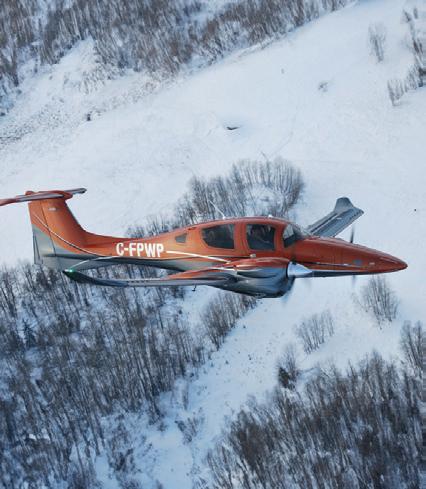
Performing Over the Toronto Waterfront
FROM THE COMPETITION BOX TO THE AIRSHOW LINE
For the past 10 years I’ve pursued classical “competition” aerobatics with my whole heart. Long before I ever entered a contest, I spent a decade flying aerobatics and working as a Class 1 aerobatic instructor. My goal was always the same: to create safer pilots, pilots with a deeper command of their aircraft, better situational awareness and, ultimately, more enjoyment in flight.
Competition aerobatics has taken me to places I never could have imagined. It has introduced me to mentors and lifelong friends and pushed me through challenges unlike anything I’ve experienced in other corners of aviation. Over the years I’ve competed through all five categories, from Primary to Unlimited. The immense technical and mental challenge of the Unlimited category is something I expect to pursue for many years to come.
But over the past few seasons, I’ve also been immersing myself in another discipline within the aerobatic world: airshows.
If you spend any time around the greats of airshow flying, pilots like Patty Wagstaff, Sean D. Tucker, Michael Goulian, Paul Bennett or, for those fortunate enough to have known him, the late and truly exceptional Rob Holland, you’ll hear a common message: before flying airshows, especially high-performance aerobatics, you need to compete first.
Competition teaches discipline in ways nothing else can. It instills a deep respect for energy management, particularly the concept of the energy gate. In airshow flying, an energy gate is a pre-planned reference point, both geographical and aerodynamic, where the pilot must arrive with the correct combination of airspeed, altitude and aircraft attitude in order to safely and precisely continue the next figure. Miss that gate, and that figure needs to be omitted. You can subtract a figure during your performance, but you cannot add. Safety is number one.
Competition also teaches how to keep a performance in the box, and how to position each figure for optimal viewing. In competition, the aerobatic box is a one-kilometre cube of airspace, with floors ranging from 1,500 feet down to as low as 328 feet above ground, depending on category. Progressing safely from one category to the next — under the guidance of a coach — is one of the best ways to build discipline, situational awareness
and respect for margins as performances move lower.
What ultimately drew me toward airshow flying was the opportunity to share this passion with a much broader audience. Aerobatic competitions, by necessity, are rarely open to the public. Insurance requirements and logistical challenges often make spectators impractical for small volunteer-run organizations. Airshows, by contrast, invite hundreds,
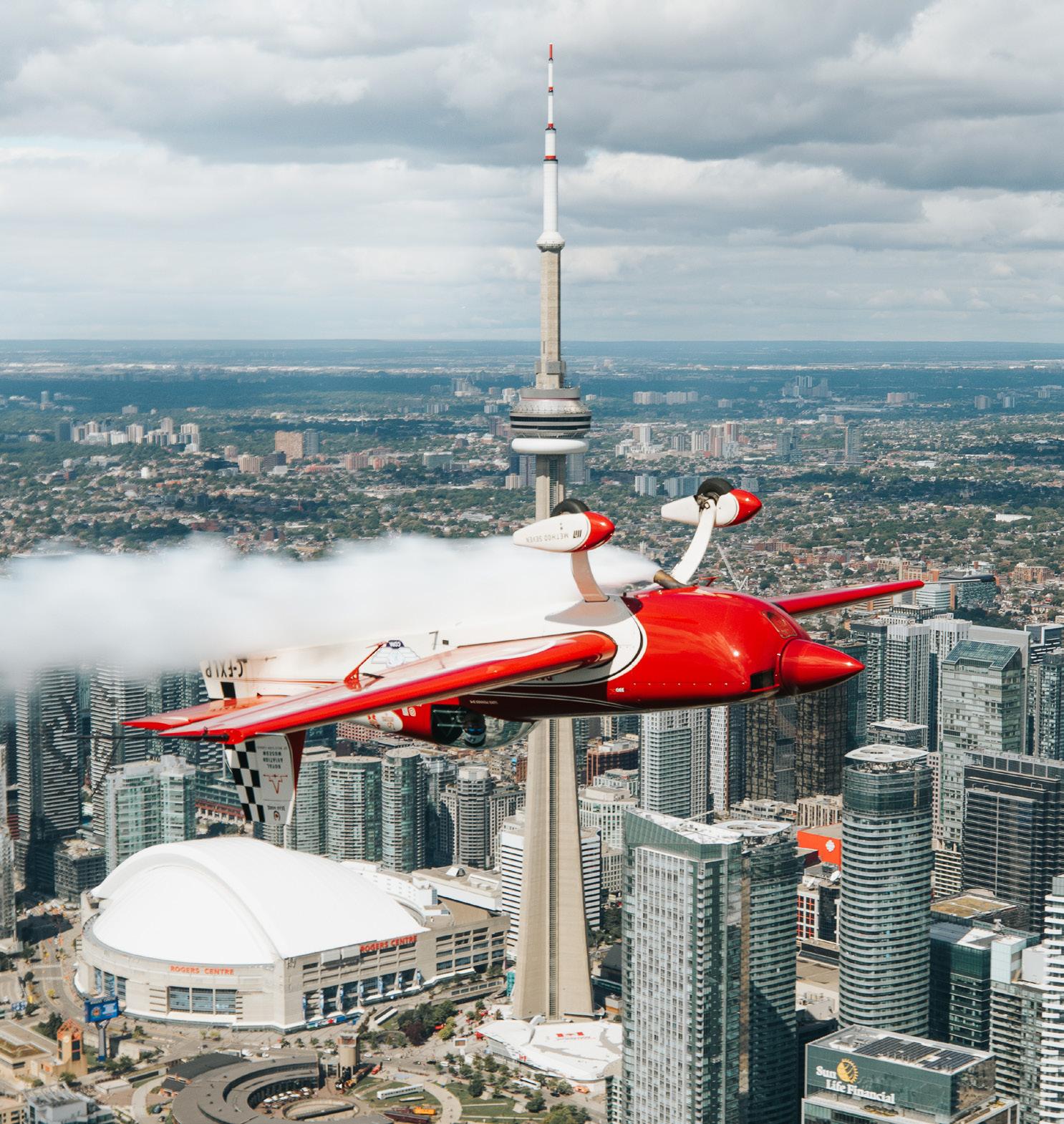
Luke Penner in his Extra 330SC over Toronto Island (Billy Bishop) Airport. SPENCER DAVIS
thousands and sometimes tens of thousands of people to experience the wonder of flight firsthand.
The Canadian International Air Show (CIAS) is North America’s longest-running airshow, continuously operating since 1946 along Toronto’s waterfront. Since 2018, CIAS has been led by Executive Director Lori Duthie, whose family has played a significant leadership role in the show for decades. Her commitment to maintaining CIAS as one of North America’s premier airshows was evident the moment I walked into the pilots’ briefing.
Being surrounded by performers I’ve admired for years was both humbling and inspiring. Just as meaningful was how welcoming the airshow community was — seasoned veterans taking time to support and encourage a newer Canadian airshow pilot like me.
This year’s CIAS ran over three days on Labour Day weekend, stretching several kilometres along Toronto’s shoreline. The show is free to the public, though there is a dedicated ticketed zone closer to the display line for spectators seeking a premium experience. Due to the unique waterfront setting, there is no traditional static display, but CIAS produces an excellent live stream that includes behindthe-scenes access as performers prepare on the ground.
Civilian performers operated from the Billy Bishop Toronto City Airport, while military teams were based at Toronto Pearson International Airport, creating a complex logistical challenge. Coordinating two major airports feeding one display area required exceptional planning and execution. The organizers at CIAS, along with the controllers at Nav Canada, handled it impeccably.
The weather throughout the practice days, show days and departures could not have been better: warm, clear and dry. Perfect conditions for the hundreds of thousands of spectators lining the waterfront to watch incredible performances from the Canadian Forces Snowbirds, the Lockheed Martin F-35 Lightning II demonstration, the Northern Stars, Trevor Rafferty, Mike and Samantha Trygvassen, and others.
Like the competition world, the airshow industry is a small, tightly knit community. In fact, the outgoing Snowbirds Team Lead, Major Brent Handy, was my very first Aerobatic Competency Evaluator when I became qualified to fly airshows, a reminder of just how interconnected this world really is.
As my 13:15 slot approached, I methodically strapped into the cockpit of my Extra 330SC, downtown Toronto filling my peripheral vision. The moment the canopy locked, the nerves and excitement melted away, replaced by focus. The task was simple: depart Billy Bishop safely, arrive on time, and fly the plan.
Airborne at 13:14, I was handed off from City Tower to Show Boss Donna Flynn, who cleared me in for my performance. Climbing to 2,500 feet over the deep blue of Lake Ontario, I allowed myself one brief pause. Scanning the shoreline, I saw thousands upon thousands of spectators framed by the Toronto skyline and the unmistakable CN Tower. It was one of the most surreal moments of my flying career, and one I’ll never forget. I flipped on the smoke switch and dove into the box.
My routine is designed to highlight the skill set developed through years of competition aerobatics, where precision
is the standard. Crisp roll stops, perfectly round radii and deliberate positioning all play a role. To that foundation, I add freestyle manoeuvres and gyroscopic tumbles, elements that captivate non-pilots and showcase just what’s possible in a modern carbon-fibre monoplane.
After three successful performances over three days, CIAS wrapped up for me. It was an honour to be included on a performer roster alongside such a high calibre of pilots. I’m deeply grateful to the CIAS organizers for giving a new Canadian airshow pilot the opportunity to perform at such a well-established and professionally run event.
As my focus now shifts toward the 2026 season, I’m training hard as a member of the Canadian Unlimited Aerobatic Team in preparation for the World Aerobatic Championships in New York. I’m also looking forward to performing at airshows across Canada this summer, with plans to begin flying U.S. shows in 2027.
There are many people who helped me take my first steps into the airshow world. Chief among them, Patty Wagstaff, Kyle Fowler, the Northern Stars team and Brent Handy. I wouldn’t be here without their guidance and support.
See you at an airshow, or in the competition box, in 2026.
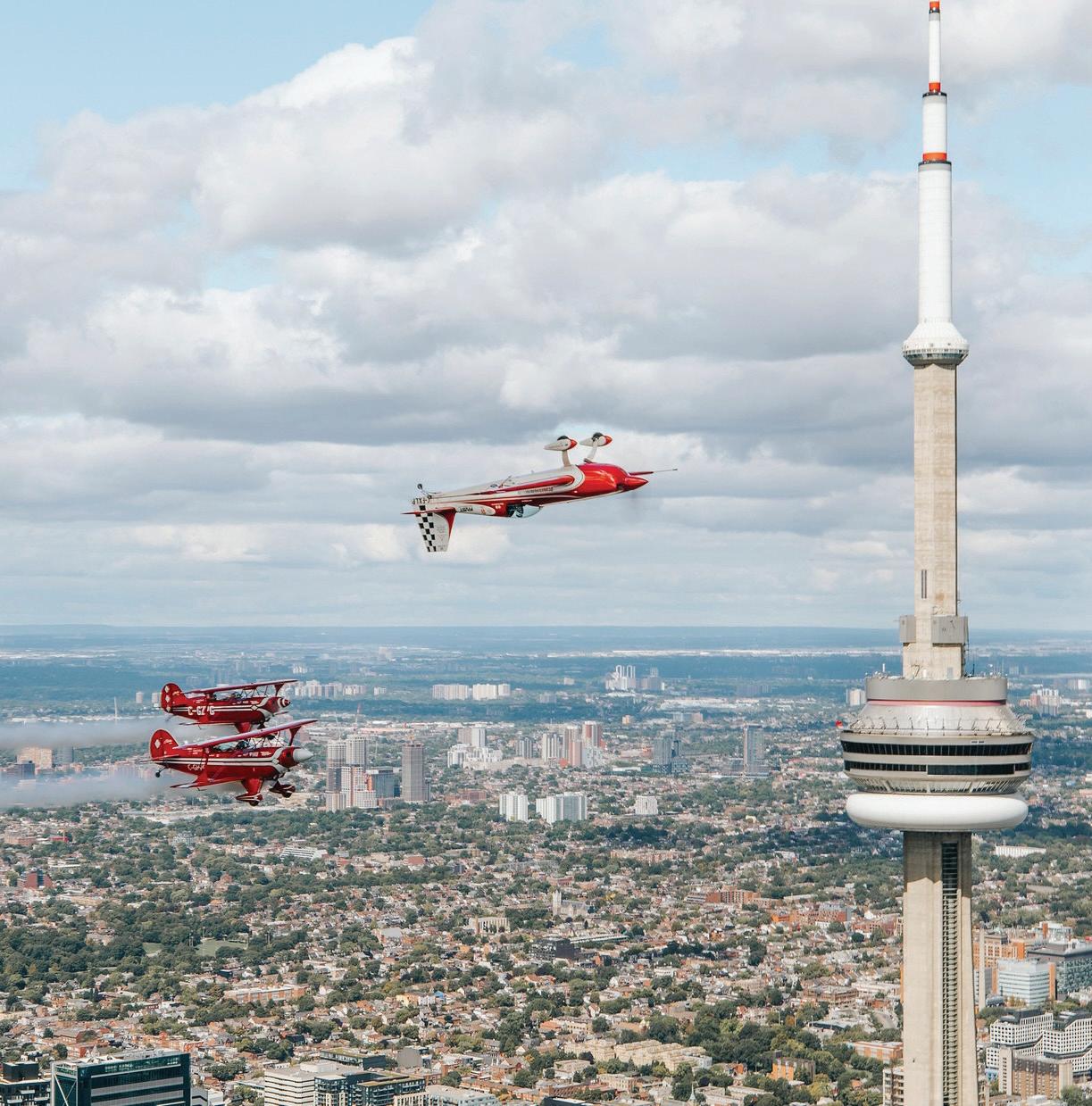
Luke Penner leads two Northern Stars Pitts Specials in a flypast of Toronto's CN Tower.
SPENCER
Summertime in the Snow
ANTARCTIC DUTY FOR A GREASE MONKEY
Early in my career I applied for a position that would’ve taken me to Antarctica. It was an incredible and a rare opportunity, but I was barely licensed, I was still new to the industry, and I was still figuring out life without the factor of being on the other end of the world. So, when I sat down and weighed all the pros and cons, I ultimately concluded it wasn’t the right move for me at that time. And then I spent the next five years regretting that decision.
When the opportunity arose again this year, I wasn’t going to let absolutely anything stand in my way. Less than three months after the offer came, I boarded a flight to New Zealand and then climbed aboard a C-130 Hercules and flew to the bottom of the world.
My journey took a little longer than expected: we had a couple weather delays and then the first time our plane took off, we reached our point of no return and turned around — something they call a “boomerang flight.” On the first attempt I was crammed knee-to-knee with 20 other people, cargo at our elbows and behind our backs. It was hot in the cabin, but we had a favourable tailwind so if we’d arrived at our destination the flight should’ve only taken about five and a half hours. Instead, we flew into the wind for our return, and we were airborne for seven hours.
The following day we weatherdelayed again, and then finally the day after the skies were clear and the ice was calling. This time our plane had slightly less cargo and twice as many people. The winds were not as agreeable, so the fight took seven hours, and stepping off the plane onto an ice shelf was the absolute definition of a breath of fresh air.
I always thought going to Antarctica was a once-in-a-lifetime opportunity, but as I met people in McMurdo, I learned that, for most of them, this was just an annual event. My first officer has been down here three times, my captain
seven, and one of the other engineers is going on season 15. Who knew?
My job as a field engineer is simple: keep the plane flying. My daily routine consists of waking up at six, catching the shuttle to the airfield (or icefield?), giving the plane an inspection and getting it ready for the day. Due to the wind and the 24-hour sun, the plane will often slide a bit and then the skis become stuck, and I have to jack them out of the snow. I check the oxygen and remove the heaters because planes get cold too. I leave the logbook for the pilots. Taking off on snow is apparently similar to water or grass, so each morning I watch their soft-field takeoff and then I track their journey across the ice.
cold and the complete remoteness if things went entirely wrong. The ladder for the plane did break the other day and the amount of instant support I received from the people around me was overwhelming.
“There are so many small details about work and about life that you’d never really consider until after you’ve arrived. Twentyfour-hour sunlight is strange. Weather changes unbelievably fast. And the warm sun and cold air and chilly wind somehow make the perfect combination for your tools to break just from looking at them.”
While I’m sorting through my maintenance schedule, ensuring I have the necessary tools and parts ready for anything that may come, the plane and pilots are busy delivering cargo, relocating researchers, or possibly even providing a medevac. They land on “skiways,” glaciers, and pretty much any flat surface so when they return the skis require a thorough inspection to ensure there is no damage. Bungee tensions are checked, oil is topped up and snow is swept from the cabin.
So far, my plane and my pilots have been good to me (quick — knock on wood). I’m basically a glorified ramp attendant, greeting them when they arrive home and installing prop ties. I was nervous about what the work down here would look like, anxious about the
The community that McMurdo has recreated is phenomenal. We’re all here for a bigger purpose. It doesn’t matter whether you’re a shuttle driver or a chef or a pilot. The town holds around 1,000 people in the summer so anything you possibly need can be found somewhere. There are so many small details about work and about life that you’d never really consider until after you’ve arrived. Twenty-four-hour sunlight is strange. Weather changes unbelievably fast. And the warm sun and cold air and chilly wind somehow make the perfect combination for your tools to break just from looking at them. (I’m down one ratchet and it’s only been 10 days.)
It’s funny how life works out sometimes. I don’t know how differently the experience may have changed my career had I come down here the first time it was offered. I might be in a different location, I’d definitely be with a different crew, maybe I’d be on year six, the trip an annual occurrence for me like so many others. We never think that one small decision will drastically change our future, but when we look back, we always consider how something nearly insignificant could’ve changed everything.
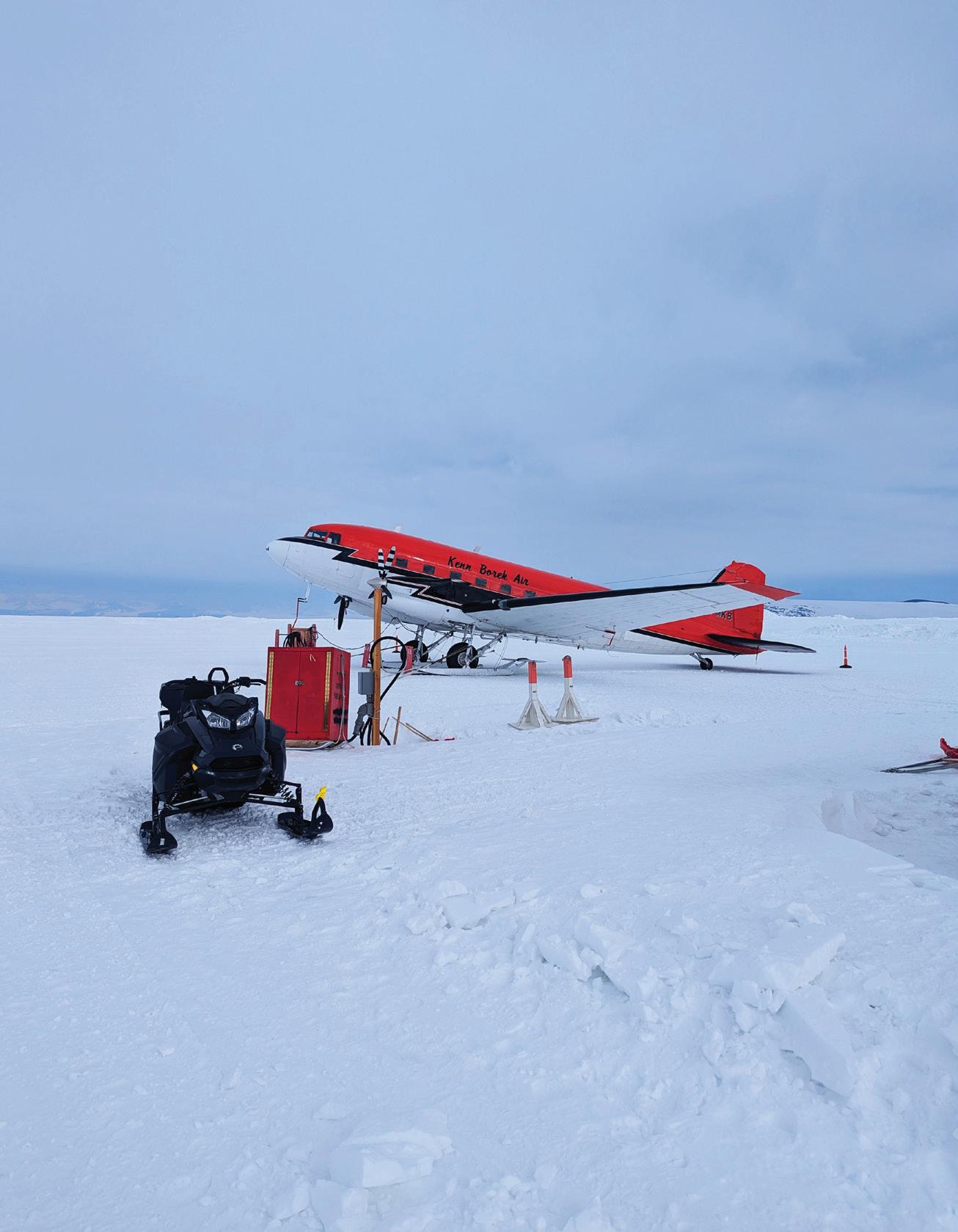
A Kenn Borek Air Basler BT-67 (a turbine-converted Douglas DC-3) on wheel-skis sees Antarctic duty under the care of Liana Buessecker.
The Tale of an Accidental Aviator
TEACHING DRONE PILOTS HOW TO CONTROL AN AIRCRAFT — WHEN ON BOARD!
Alittle more back pressure, Martin … just a little more.” As the former land surveyor pulled the control wheel to near its rearward limit, a band of demented bagpipers had seized control of the Cessna’s stall horn. But despite our best efforts, the ubiquitous Cessna 172 simply would not quit flying.
Finally, after applying still more throttle and a little more spur, the old girl finally relented and bucked. As the nose dropped, my guy called out “STALL,” applying the correct recovery technique for the power-on manoeuvre. It was another routine training day over the boreal forests of the Fort McMurray practice area for this almost private pilot. Was he just another 50-something guy doing the PPL he’d always dreamed of doing? Not exactly. While most of us scrounged up the money to learn to fly, Martin was tasked with becoming a pilot as part of his job. Yes, you read correctly, his job. For nearly a year, Duquette and his partner worked on earning their private pilot licences, fully paid for by their employer, Phoenix Heli-Flight. With no pre-existing ambitions or childhood dreams of learning to fly, I came to know the pair as my “accidental aviators.”
My being called up to ‘McMurray was the result of it taking forever for the pair to complete their private tickets. Through no fault of their own, they’d each logged a mere 25 hours in a year. Anyone who has undertaken flight training knows that, next to personal ability, continuity is the best predictor of success.
To their great credit, Martin and his partner had come a long way in our first week together, but nothing in comparison to what the Skyhawk we were training in must have seen in its own 40-plus years of service. This particular 172M had logged some 30,450 hours aloft,
travelling the equivalent of six round trips from Earth to the Moon and, in the process, experiencing who-knows-howmany “carrier landings” while doing so.
By coincidence, Martin and this 172 were separated by only a year or so in terms of their birthdates. That wasn’t the unusual part these days. What is unique was their motivation for all this private pilot training in the first place.
The RC model airplane enthusiast had signed on with Phoenix Heli-Flight in Fort McMurray as part of a two-man team whose job it was to get the helicopter company’s new drone program up and running.
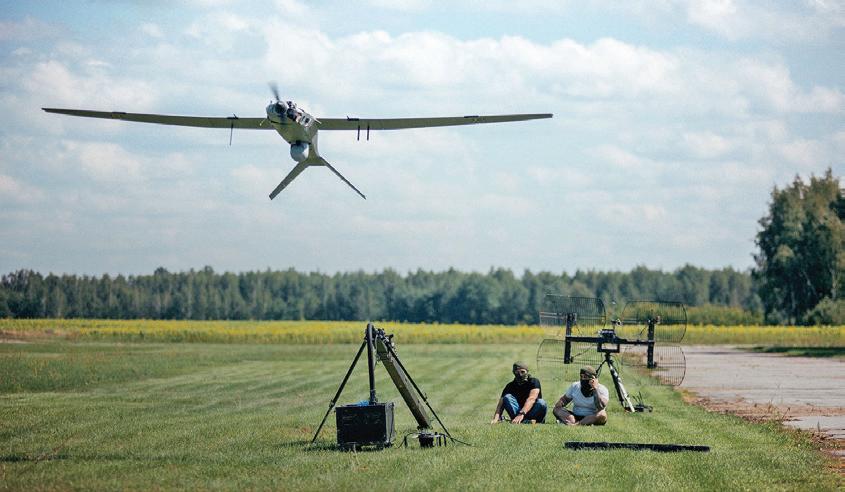
By drone I really mean a UAS (Unmanned Aerial System), more specifically a Tekever AR3 VTOL. The AR3, finished in standard drab military gray, closely resembles the love child of a Beechcraft V-tail Bonanza and a cruise missile. With a combination of wings and a split tail, two pairs of wing-mounted rotors for takeoff and landings, plus a gas-powered engine for cruise flight, this particular UAS is in every way a serious aircraft. It’s also fully capable of carrying a variety of
sensor packages, lacking only an onboard pilot.
That last part, no crew on board, was what first caught the attention of Phoenix’s operations manager Cameron Spring. In keeping with his company’s policy of staying way out in front where flight safety and technical innovation are involved, he began to explore using drones for routine pipeline inspections and as an “eye in the sky” during the more hazardous wildfire missions.
Flight safety and innovation are the two pillars of Phoenix Heli-Flight operations.
Spring also insisted that Phoenix’s UAS pilots be able to stand up in a room full of fire attack crews and speak with both authority and knowledge. As a result, Martin and his partner’s training was not your usual PPL. The two had completed their ground school online, so I decided to focus instead on the science of human factors, the importance of SOPs (Standard Operating Procedures), as well as CRM or Crew Resource Management, since the pair would be working in concert with other aircraft in operationally challeng-
A Tekever AR3 VTOL being ground-launched. The 'drone' has a wingspan of 4.2 metres and cruises at 46 knots.
ing conditions. The “Threat and Error Management” flight safety concept was incorporated into every flight.
We also dug into relatively advanced aerodynamics. This was a definite must when your remote aircraft can either lift off like a helicopter, or launch like a surface-to-air missile, then cruise along like any other aircraft — only one operating at a very low level. Accordingly, the VNC (VFR Navigation Chart) was studied with near granular detail, the goal being to give meaning to everything on the chart that could pertain to future operations’ airspace. That also meant a deep dive into the Canada Flight Supplement. While aloft, all our diversion exercises were carried out at 500 feet above the ground, with a goal of “seeing and experiencing” what their UAS would face in actual operations.
Likewise, there was a heavy emphasis on situational awareness, especially in the comparatively busy airspace in and around Fort McMurray’s airport (CYMM). Other local airplanes frequently served as training aids. At every opportunity the questions, “What’s that guy doing,” and “What should we be doing as a result?” were probed, all with the goal of their attaining that mystical skill known as situational awareness.
The challenge came in imparting the true vital nature of this skill, specifically the ability to know, and better yet predict, what is going on around their UAS. For this there is nowhere better place to learn than in an airplane. Seeing what’s going on around you is one thing; doing it in the abstract of BVR operations — beyond visual range — is something else completely.
When will all this advanced stuff really take root? To be honest, it will be some time. Level 3 Situational Awareness, which is when you can identify a threat, mitigate its effects and project the whole situation downwind in time and place, is an ability that takes some time to develop. Just making them safe to learn and develop as pilots in the meantime is a win for everyone.
With only 48 hours in his logbook and following nearly 16 days of intense training together, Duquette took his PPL flight test. As he shut down the 172 and walked across the ramp at CYMM, a smile that conveyed equal parts happiness and relief told me he’d fared better than just okay. A new confidence that I hadn’t seen before was also evident on Duquette’s face. He had done it! And with that, Martin Duquette was an Accidental Aviator no more.
Your Foremost Source in Aeronautics from
FROM THE GROUND UP, 30th
For over 80 years, the content of From the Ground Up as a literary benchmark that defines the multitude of theories associated to aeronautics. It describes the practices necessary to achieve the highest levels of distinction as safe, competent and skilled life-long aviators.
Through its evolving editions, many generations of readers have used this award-winning title as the foundation of their introduction to the concepts that require thorough understanding in advance of the sought-after hours of flying enjoyment that are the ultimate goal of all who seek to earn their wings and expand their knowledge of flight theory and practice.
The content of From the Ground Up may, at times, seem complex, but the pathway to learning the fundamentals of aeronautics is one that reaps much in the way of personal reward for all who pursue the goal of thoroughly understanding the subject. Indeed, it was by design that its original author, “Sandy” A. F. MacDonald — a man recognized as a “father” of what still stands today as the standard curriculum for ground school instruction — devised this aeronautical textbook to be comprehensive and current while conveying its material in such a way as to enhance the reader’s understanding of every written word.
Not one to permit his vast experience to allow for foregone conclusions, “Sandy” MacDonald’s meticulous care in the creation of From the Ground Up has become the hallmark for its widespread use and respect as the reference textbook of choice in hundreds of flying schools throughout Canada and around the world.
Its latest edition is the 30th Edition. A French-language version is also available under the title Entre Ciel et Terre Totalling over 400 pages of in-depth content formatted in a sequential, logical and easy-to-read fashion, the publication boasts over 360 graphics, charts, diagrams, illustrations and photos. An additional full-colour navigation chart and a sample weather chart are included.
All chapters are current in the latest technological and legislative aeronautical matters and cover such topics as The Airplane, Theory of Flight, Aero Engines, Aeronautical Rules & Procedures, Aviation Weather, Navigation, Radio & Radio Navigation, Airmanship, Human Factors, and Air Safety. From the Ground Up also includes an extensive index, glossary and a 200-question practice examination.
Since the 1940’s, virtually every student — civilian, military, commercial, recreational — who has ever learned to fly in Canada has used From the Ground Up as the primary ground school textbook from which they’ve learned everything one can learn about aeronautics, and about flying. Referred to as “the Bible” of ground school instruction, and updated with every frequent re-print, From the Ground Up has long been considered an essential resource for all with any interest whatsoever in the theory of flight, and in the practice of aviating.
Also available from Aviation Publishers
• From the Ground Up Workbook
• Canadian Private Pilot Answer Guide
• Canadian Commercial Pilot Answer Guide
• Canadian Instrument Pilot Answer Guide
• Instrument Procedures Manual
• Flying Beyond: for Commercial Pilots
• Unmanned: for RPAS Studies
• Flight Test Notes: for Flight Test Prep
For more information about all of our titles, visit us on the web or contact your local pilot supply
A Look at Safety Statistics
THERE ARE SOME UPS AND SOME DOWNS
The Airplane Owners and Pilots Association (AOPA), through its Air Safety Institute, reviews and documents aviation accidents that occur in the United States each year. It releases its findings in an annual report called the Richard G. McSpadden Report (formerly known as the Joseph T. Nall Report). The data is broad and immersive. And while its findings apply to general aviation accident trends in the U.S., the data is representative of trends in Canada too. Most importantly, though, there’s nothing pilots can’t learn, no matter where they fly, from the analyses that the reports provide. Report results have been mentioned in this column before. With its latest version now available, it’s an interesting read to see what mishaps are trending from a review of the latest data.
It takes up to two years for accident investigators to issue probable cause statements. Hence, the McSpadden Report data is always two years behind its year of occurrence. Thus, a release in the fall of 2025 reviews accidents that occurred in 2023. It turns out that accidents declined in 2023 and there were fewer fatal ones. While accidents are never a good thing, the fact that there were more recorded flight hours in 2023 points to a trend towards ever more flights ending with their intended safe outcomes.
Accidents are reported in a rate per 100,000 hours of flight time. In 2023, that rate fell over previous years to 3.86 accidents per 100,000 flight hours. The fatal accident rate fell to 0.65 per 100,000 flight hours. General aviation aircraft logged 28.4 million flight hours in 2023, which is 1.6 million — a significant uptick — over data from 2022. Pilots are flying more.
Focusing in on the non-commercial fixed-wing data, the types of accidents occurring remain similar to trends of the last several years. Overall, pilots still tend to be the reason mishaps occur: 70 percent
of accidents were estimated to be pilot-related, 20 percent were found to be for mechanical reasons, and 10 percent were attributed to “other” or unknown causes.
Landing accidents continue to appear at the top of the data. This is not news; accidents in the landing phase of flight have been an issue that safety providers have been trying to address for a few years. Fortunately, and probably owing to the lower speeds and closer proximity to (or contact with) the ground, few of the accidents in the landing phase result in fatalities.
“Overall,
pilots still tend to be the reason mishaps occur: 70 percent of accidents were estimated to be pilot-related, 20 percent were found to be for mechanical reasons, and 10 percent were attributed to ‘other’ or unknown causes.”
Interestingly, runway overshoots and undershoots are very rare occurrences. Safety advocates have been drilling pilots over the consequences of unstable approaches which, no doubt, contribute to the frequency of such accidents. The data doesn’t tell readers what’s actually happening here except that pilots appear to be dropping the ball when their wheels touch the surface. The good news is that most are walking away from their crumpled aircraft.
Of the types of landing accidents that happen, loss of control on the ground (LOC-G) is, by far, the leading cause of mishaps. What’s categorized as “abnormal runway contact” comes in second.
A bit higher than the 10-year average (2014-2023) is the number of accidents taking place during the takeoff and climb phase of flight. Loss of control in flight (LOC-I) leads the way for types of takeoff and climb accidents, followed
Runway overruns can lead to serious damage to aircraft and property, as well as the potential for injury or worse.
by powerplant failures. LOC-I also tops the chart of manoeuvring accident types. And more than most accident types, these tend to be fatal. Manoeuvring accidents occur for several reasons, but the consequences are the same: the pilot was unable to maintain control of their aircraft which resulted in an unrecoverable condition from the intended flight path. The good news here is, compared to 2014, manoeuvring accidents are down 38 percent and have been showing a steady downward trend throughout the last decade. Still, when they happen, they are lethal.
Fuel management continues to vex pilots, and the numbers rose slightly in 2023 over 2022. Worryingly, the 10-year trend shows that pilots are mishandling fuel with increasing frequency. Fuel management accidents in 2023 were 65 percent higher than the data shows them to have been in 2014. Fuel starvation incidents (i.e., the aeroplane has fuel, but the engine isn’t getting it) and fuel exhaustion (i.e., there’s no more fuel in the aeroplane to burn) are about equal as smoking guns in the data for fuel management accidents.
LOC-I is the leading reason for descent and approach accidents. Fuel-related issues and powerplant failures are dominant reasons for this phase of flight accident. While such accidents dropped significantly over the numbers from 2022, they’re only marginally below the 10-year average for such occurrences. They too are often fatal, with lethality rates being regularly in the 25 to 30 percent range.
Total loss of engine power is the biggest reason for mechanical-related accidents. Partial power loss mishaps come next. Tricky to understand here is the following: the data for partial power loss accidents shows a larger number of fatalities compared to total engine failure accidents. It would appear that pilots are not properly handling partial-power issues, and that they are paying a high price for it.
And what about weather accidents? You guessed it: VFR into IMC is 100 percent lethal. The data is clear: there are no second chances.
NORTHERN ADVENTURES WITH MICHAEL BELLAMY
Peacekeeping in Somalia
TAKING GROUNDFIRE WAS PART OF THE JOB
My passengers were introduced by a Somali woman dressed in a traditional bright blue long dress with her open face surrounded by a pale blue hijab. “My name is Fatima. I’m their translator,” she said, gesturing to the two men who stood nearby, smiling. During the briefing it was obvious that they were familiar with helicopters, and we buckled in.
A picturesque flight along the coast was always mesmerizing. The vivid blue Indian Ocean was off to my right, and sliding under me were vast stretches of deserted sandy beaches dotted with remnants of beached freighters, their rusted gaping hulls awash in the surf. To the left were random buildings, each surrounded by thorn corrals, some with rusty roofs, others draped with the ubiquitous blue tarps supplied by the U.N. Closer to shore were larger stone structures resembling illustrations from old Bibles.
Our destination was easily identifiable; a large walled rectangle with trailers crowding the edges. Large red crosses were painted on the roofs and white trucks parked near the open gate. I made a wide pass looking for suspicious activity then looked to the seashore. I expected to see a few armed guards near the helipad, but there were none. Just a solitary escort waiting for my passengers. I’d be on my own.
As they made their way toward the compound I commenced shut down. I was still wearing my helmet when I felt, more than heard, a thump resonating on my chest. I looked toward the compound: my passengers had paused, looking off to one side of the compound. I felt another thud on my chest and they hurriedly turned back, running. My hand still on the collective, I twisted both throttles, bringing them up to flight idle. Another explosion! The sliding door slammed shut as they scrambled
onto the bench seats, I lifted and pedal-turned toward the shoreline.
Gaining altitude, I swung back toward the compound, which was now partially obscured in ragged dust. What I had heard or felt were definitely explosions, not small arms. I circled in closer, spotting a Toyota Technical with three men manning a machine gun which was mounted in the back of the truck. Knowing that if they unleashed that on me, I wouldn’t hear it over the noise of my Bell 212 — unless it hit of course — I pulled sharply away. I set course towards Mogadishu, venturing inland which was more direct. My passengers were silent, their eyes still wide. One of the men gave me a brief smile and a thumbs up.
Relief that I was back in the air was short-lived as the ‘Master Caution’ lit up. I poked at the light, now scanning the mass of caution lights, looking for the cause, “TRANSMISSION OIL PRESSURE,” then to the gauge, watching as the needle drooped on its way to below the green band. If those blades were to stop turning, we would plummet to the ground. I lowered the collective and descended, making the decision to continue on course until the needle dropped to 10 lbs, then land. The transmission must have picked up a round from the Technical when I had circled. Watching that needle wavering again, my adrenalin went into full rich. I heard a UNICEF flight on the radio calling Nairobi. I keyed the mic to see if I could get a response. “MAYDAY, MAYDAY, MAYDAY, UN 322 BELL TWO-TWELVE.” The UNICEF flight responded immediately, and I was able to brief them on my intentions, getting as close to Mogadishu as I could before being forced to land.
The oil pressure needle drooped again. Ahead I saw a stretch of open sand between the acacia trees and thorn
‘Technical’
is a term used to identify an improvised fighting vehicle such as a pickup truck fitted with a machine gun mounted in the box, typically crewed by two or three men. This photo was taken during the Somali conflict in the early 1990s.
bushes. “Here’s my chance,” I thought, reducing power, aiming for that gap. The skids touched the sand, and I let it plough me to a stop. I transmitted my position “in the blind” and shut down the engines. The quiet was numbing.
I looked out to see Somalis gathering where just moments before there was no one. I got out and greeted them with my only memorized Somali greeting. The crowd quickly grew and their voices raised, but I understood none of it. The tail boom on my machine was covered in oil. I attempted to open a panel to investigate, but everyone crowded in, some pulling on the handles, others whatever they could grab. I saw one of my male passengers getting out, motioning that he was going to talk with them. A group gathered around him, and it did not appear to be going well.
Shouting grew louder with large knives and what appeared to be short spears waving over their heads. Another man was pulling on the sliding cabin door. I shoved him aside and opened the door. Pulling a three-foot aluminum bar from
“I circled in closer, spotting a Toyota Technical with three men manning a machine gun which was mounted in the back of the truck.”
behind the seat, I waved it threateningly. The passenger who had attempted to talk with the crowd crawled out from underneath the 212, his face dripping with blood. I helped him into the cabin where there was a first aid kit. “Get in, they’re going to kill you!” Fatima shouted to me. I turned to see a young Somali pointing his AK-47 directly at me. Fear became rage. I shouted, advancing a few steps, calling him every obscene name I could think of while threatening him with the pipe. He looked to the sky behind me and then I heard it too, the thumping of an approaching 212. The young Somali lowered his AK and
disappeared. The other Somalis also retreated from the helicopter. As the helicopter turned over our heads, I could see an Australian soldier leaning out from the open door holding his assault rifle. Then another Canadian 212 in the trail followed close by. That encouraged the Somalis to retreat even further.
Touching down, more Australian soldiers leaped out, forming a perimeter around the helicopters.
Smiling with relief, I greeted them, assuring them that my pipe wasn’t even loaded. I scanned the crowd, but they had lapsed into respectful silence. The young man with the AK was nowhere to be seen. Out of the second machine, a Bristow Helicopters engineer appeared, lugging a tool bag. The cowls were soon open, and I heard him on the radio requesting a new transmission oil filter, complete with housing and a case of oil. We were soon on our way to Mogadishu.
I still wear a lapel pin emblazoned with the Australian flag and the U.N. flag.
WORDS ABOUT A BOOK
A REVIEW BY RENÉ R. GADACZ
Brace For Impact
AIR CRASHES AND AVIATION SAFETY
B y Peter Pigott
By the time Brace for Impact was published in 2016, the Transportation Safety Board of Canada had already investigated aviation accidents and incidents for 26 years. 2025 marked a TSB milestone: “Three and a half decades of making Canada’s transportation system safer for everyone.” So writes Yoan Marier, TSB’s Chair in Canadian Aviator (Sep/Oct 2025). Says Marier, “safety is not a fixed target. It is a continuous pursuit — one that must be charted with purpose, refined through experience and reinforced by action.”
Peter Pigott, recognized as one of Canada’s foremost aviation historians, shows that the history of Canadian air disasters corroborates Marier’s statement. Brace for Impact is a historical and chronological survey tracing major accidents from the beginnings of commercial aviation between the two world wars to the present. The book is structured around well-known and some largely forgotten crashes, in Canada and elsewhere, where every crash, and sometimes a close call, is seen as part of the broader evolutionary process of achieving greater flight safety. Each incident illustrates the feedback loop that has made flying safer over time: catastrophe, investigation, reform and prevention. The book shows that today’s aviation systems are built upon decades of learning.
To be clear, the book is about aviation safety, not aviation security. Except for a brief mention of the Air India Boeing 747 blowing up over the Atlantic on June 22, 1985 by a terrorist bomb, and missing aircraft like Malaysia Airlines Flight 370 in 2014, discussions of 9/11 2001, and military shoot-downs like Ukrainian International Airlines Flight 752 would have to be another book.
In 19 chapters Pigott sets out to chart
the most notable crashes of the 20th and 21st centuries and connects them to evolving safety standards, engineering breakthroughs and crew (or cockpit) resource management (CRM) practices that define today’s flight deck. Each chapter situates one or more watershed aircraft crashes within the practice of aviation ‘at the time’ during a particular decade: issues with airfoil design, powerplant specs, crew training, maintenance protocols, regulatory oversight and cultural norms are described. Analyses of “what went wrong” show how events unfolded, not from a single point of failure but from classic Swiss cheese misalignments: design flaws, small oversights, imperfect assumptions, outdated procedures, or poorly understood failures that end up stacked the wrong way. When Pigott describes, for example, altitude misreads, automation confusion or botched handovers between air traffic control (ATC) sectors, readers get a sense of how errors can snowball under actual operational conditions. His approach is investigative rather than sensational, but readers may still find themselves white knuckled, “chair-flying” the chilling events as they unfold, often minute by minute. Each crash has with it a strong narrative hook — overheard final transmissions or panicked arguments in the cockpit.
the modern culture of assertive communication and shared situational awareness. The many historical examples illustrate how this transformation occurred through repeated deadly outcomes. We see how CRM reshaped checklists, callouts, cross-monitoring responsibilities and the cognitive priorities of the flight deck. We learn why the shift from “the captain knows all” to a coordinated decision-making model (CDM) where challenge-and-response, workload management and strict cockpit discipline are so crucial.
The book hits the mark as Pigott traces the evolution, for example, of cockpit dynamics from the era of authoritarian captains and deferential first officers to
Historically, and even until the mid20th century, crashes were almost always officially attributed to “pilot error,” rarely and reluctantly to poor airfoil design, mechanical issues such as jammed controls, carburetor icing, pitot tube failure, or environmental causes beyond the crew’s control like bird strikes or wind shear. Pigott shows otherwise but doesn’t let pilots off the hook entirely (collisions, failed go-arounds). Decade by decade, we learn that the evolution of aviation safety is also an outcome of better-defined ATC roles, development of proper airports and runway designs, creation of air corridors and flight paths/air space, VFR and IFR rules, the invention and mandatory use of flight data recorders (FDR), cockpit voice recorders (CVR), not to mention NOTAM (notice to airmen) and Canadian Aviation Regulations (CARs). These are just the tip of the iceberg in terms of contributions to safety and are seen in the context of the transition from piston-driven aircraft to turbine and then jet airliners.
All told, some 60 crashes are described, involving over 60 different aircraft types, including some several dozen Canadian and international carriers. Just a few key crashes, both domestic and international, that had extensive media coverage were: Lufthansa Flight 540 (1974); the Tenerife airport disaster involving KLM Fight 4805 and Pan Am Flight 1736 (1977); Japan Airlines Flight 123 (Tokyo, 1985); Arrow Air Flight 1285 (Gander, Newfoundland, 1985); Swissair Flight 111 (Peggy’s Cove, Nova Scotia, 1998 — involving one of the longest and most complex investigations in Canadian aviation disaster history), among others. These are identified as key because of the “why” lessons that led to design changes and enhanced safety regulations in aviation forever: slats not being deployed, cockpit-design issues, communication clarity, nonCRM, structural failure, decompression, icing, weight-and-balance, in-flight fire, electrical wiring, flammable materials, pitot tube failure, high altitude stall, automation confusion and pilot training issues.
Of other flight disasters profiled in the book, the “whys,” include navigation errors, loss of situational awareness, controlled flight into terrain (CFIT), poor runway operations, runway overruns, checklist discipline, bad fuel planning and metric conversion errors. These are just a few. In terms of investigations and their outcomes, Pigott traces Air Canada, CP Air and Transport Canada regulatory evolution and the work of agencies like the Transportation Safety Board (TSB), America’s National Transportation Safety Board (NTSB), Canadian Aviation Safety Board (CASB), the International Civil Aviation Organization (ICAO) and their use of integrated safety investigation methodology (ISIM, itself developed over decades).
Some of the takeaways from Pigott’s historical survey is that “newer” doesn’t always mean “safer.” Even widely used aircraft types, like the Boeing 737-800, are vulnerable to catastrophic events. Aircraft type matters but doesn’t necessarily guarantee safety; high-fatality incidents
involve common airliners like the Boeing 737 MAX and the Airbus A320. And it’s not just big jets and long-haul airliners that the book profiles; even short-haul or small regional operators are part of the discussion of aviation safety, as Pigott shows. (Included, too, should be accidents involving smaller trainers like the Cessna 172 used by flight schools that, sadly, made too many headlines in the summer and fall of 2025 in Canada).
There is so much more in Brace for Impact that makes it an essential read. Developments in cabin safety (aisle lighting, use of non-flammable and non-toxic gaseous materials in carpets, curtains, moulded and cushioned seats, pillows and blankets, protective breathing equipment for the crew (PBE), oxygen masks for passengers) are the focus of chapter 13. One last important point documented throughout Pigott’s book is worth mentioning. Corroborating, again, Yoan Marier in Canadian Aviator, “most fatalities were not caused by the crash itself, but by what happened next.” Surviving the initial impact, use of personal restraints (seat belts), use of flotation devices, and paying attention to safety demonstrations might have prevented innumerable fatalities due to drowning, asphyxiation due to smoke inhalation, broken necks and other trauma.
Brace for Impact shows how aviation safety is the product of decades of iterative learning that has made flying still one of the safest modes of transportation. Writes Pigott, “the death risk for passengers on commercial airlines is 1 in 45 million flights…you’re more likely to die from falling out of your bed.” Still, once you’ve read this book, you’ll be paying way closer attention to the safety card in the pouch in front of you and to the flight attendant’s safety demonstration. Guaranteed!
Brace for Impact: Air Crashes and Aviation Safety
By Peter Pigott
Dundurn Press, 2025, 230 pp. Available from The Aviator’s Bookshelf (aviatorsbookshelf.ca)
978 MHz ADS-B in Canada
LET’S MAKE MID-AIR COLLISIONS MORE AVOIDABLE
The absence of ADS-B in Canada is a disgrace. While this will not make the front page of newspapers and compete with other issues, within the aviation community it is widely known hat Canada appears to be a thirdworld country, not the G7 nation we are. Crossing the border from the U.S. into Canada with an ADS-B equipped aircraft, one goes from an oasis of important and critical information for aviators to a desert. The cause of this disparity falls on the shoulders of the organizations in Ottawa, fueled with our tax dollars and Nav Canada fees (another form of taxation).
It is true that ADS-B Out (via satellite) is now mandated in Canada for those flying above 12,500 feet. And this makes perfect sense, particularly in remote regions and the oceanic areas. But aviators flying in Canada are missing an opportunity to receive important and safety critical information from ground-based (978 MHz) ADS-B In. This includes weather, Temporary Flight Restrictions (TFRs) and, most importantly, traffic.
The first failure is the Transportation Safety Board (TSB). They publish an annual Watchlist of key safety issues. Runway overruns and runway incursions were the major 2025 issues in aviation. Mid-air collisions are not even mentioned.
A brief look at the TSB Investigations and Reports reveals 26 “incursion” incidents dating back to 2020 with not a single fatality. Forty-six runway overruns with not a single fatality. A search of “mid-air” reveals 20 collisions, most with fatal results. So why aren’t mid-air collisions not on the Watchlist? While some of these mid-air collisions may not be prevented with ADS-B In, many could have been. And I would
ADS-B BASICS
The aircraft broadcast their position and other data to any aircraft or ground station equipped to receive
argue that most near mid-air collisions are not reported, whereas overruns and incursions are, particularly since ATC would be involved.
The next failure lies with Transport Canada. They are charged with aviation safety. Why are they not acting upon the fatal and near fatal mid-air collisions? It is their responsibility to regulate the organization that should be implementing technology that can prevent these fatal accidents — Nav Canada.
Why hasn’t Nav Canada invested in providing 978 MHz ADS-B in this country? It is a sad situation when a bunch of engineers working in their basements can develop a $4,000 ADS-B system (cifib.ca) and airport operators install it, since the organization in charge of airspace in this country can’t seem to do it.
My aircraft are equipped with 978 MHz ADS-B and the information it has provided has been invaluable. I can’t count how many times a mid-air or near mid-air collision has been avoided as
I was able to “see” the other aircraft, get their registration and reach them on the radio to avoid a collision. Or, if I couldn’t communicate with them, I was able to manoeuvre to avoid them. Canada has lots of uncontrolled airspace and sometimes the big sky theory doesn’t work in practice.
Unlike the U.S. where the investment by aircraft owners in ADS-B confers benefits to both parties, in Canada it is a one-way deal. Owners spend the money; Nav Canada gets the benefit.
It is time to balance this relationship and provide a known and proven safety measure to the aviation community in this country by having Nav Canada equip Southern Domestic Airspace with 978 MHz ADS-B and all its benefits. It is also time for Transport Canada to exert its regulatory authority upon Nav Canada to step up and for the TSB to put mid-air collisions on its Watchlist. Mid-air collisions kill people and the technology is there to prevent it.
Aircraft get their position via GPS, GNSS, GLONASS or EGNOS.
Ground stations then transmit the aircraft's position to Air Traffic Control.
Ground stations broadcast FAA weather over the 978 MHz frequency to all aircraft with appropriate receivers in the cockpit.
it.
NO REASON TO LEAVE
From bush pilot to RCMP Special Constable, one pilot’s career proves that fulfillment in aviation is not measured by airline seniority lists.
BY ROBERT S. GRANT | PHOTOS BY ERIC REMPEL *
The wind-beaten cedars and spruce along Grenville Channel in British Columbia’s North Coast passed by Grumman G-21 Goose’s C-FUMG’s 49-foot wing as a narrows ahead began fading in heavy rain. At standard West Coast altitude, Trans Provincial Airlines’ pilot Eric Rempel dared not turn back to the
Gitk’a’ata village of Hartley Bay, 90 miles south of Prince Rupert. Instead, he selected 30° flap and landed to await favourable visibility. Rempel had faced what weather watchers called “copious precipitation” before. Air service managers who employed him spoke reverently of the abilities of the “kid from Prince Rupert” to
handle flights above crenellated peaks and domains splotched with water-rolled boulders. He tolerated blood on boots, throat-choking aromas from decayed dead bodies and, once, a suicidal passenger. Battles with year-round rain and blasting downdrafts taught him when to push or park promptly. Rempel’s father, an immigrant to
Canada of German descent and former resident of Russia, served as an RCAF Avro Lancaster gunner during the Second World War but rarely spoke of aviation. Nevertheless, son Eric, born August 30, 1952, in seaplane-backwoods Prince Rupert, 933 miles northwest of Vancouver, decided to investigate flying for a career when wilderness-based air services rarely hired low-time wannabes.
On March 20, 1972, Rempel became a student pilot with Terrace-based Omineca Air Services and soloed Cessna 172 C-FVUX seven hours later. He knew low-priced flight training did not exist, and laboured at whatever he could find, from pizza cook to carpenter, to move forward. No options remained except to trudge toward new horizons, which introduced him to gold-laced Yukon creeks and arresting hot spring valleys.
“I jumped on the Alaska ferry, headed for Skagway and caught the White Pass and Yukon (Railway) for Whitehorse and hired on at a copper mine paying $800 a month,” he recalled. “Private pilot training continued with Globe Air and the licence came on February 21, 1973. Then Trans North Turbo Air called.”
The invitation came from operations manager Robert Cameron, whose astuteness in discerning a person’s potential launched careers for many novitiates. Rempel accepted a prestigious floor sweeper and float pumper position at $450 monthly and confidently entered the aviation arena. Eventually assigned to Mayo, 200 miles north, as a de Havilland DHC-3 Otter swamper with hightime Yukon pilots on wheel-skis, he gained practical knowledge few flight schools could provide.
After freeze-up, Rempel tracked to Langley, 23 miles east of Vancouver, and on November 28, 1974, his broomstick-grooved palms grasped a commercial pilot licence. A seaplane
endorsement on an Aeronca 15AC Sedan and tailwheel exposure to a Fleet 80 Canuck added to his personal picture. After a sojourn across the U.S./Canada border, he returned to Whitehorse where Cameron plopped him into a Cessna 185.
An unknown writer once penned, “There is no higher vision of bliss than the satisfaction of a first job.”
Rempel agreed. He used his first professional dollars to improve his daily diet. Daunting Whitehorse living costs frightened many candidates into major airline first officer seats. Rempel stayed, endured and learned.
“After the 185 — a snaky airplane on wheels — they put me on Beaver CF-JFL. And next came checkouts on Turbo-Beavers, which became my first turbine engine,” he said. “Assignments meant trips to mining exploration camps, tourist lodges, fuel drum hauls and tools.”
Rempel decided to seek new employment and briefly considered tropical nations until Prince Rupert-based Trans Provincial Airlines
This page, top: Rempel’s pre-RCMP days included 1,500 hours in de Havilland DHC-2 Beavers, de Havilland DHC-3 Otters and Cessna 185s at Whitehorse-based Trans North Turbo Air. Bottom: In 1975, Rempel participated in scheduled maintenance with legendary AME Allan Warner. Trans North Operations manager Robert Cameron described Otter CF-SUB as “having the correct formula for a successful bush plane.”
stepped up in February 1979. His parents still resided in the community, and surrounding regions had become exploration hotbeds for copper, gold and silver. From Stewart, 113 miles north of Prince Rupert, to Atlin, 286 miles northwest, aircraft inundated the landscapes. Mining town Kitsault flourished and, without road access, Trans Provincial dominated air transport. Every pilot on the payroll, including new kid-on-the-block Rempel, flew as many as three daily trips in DHC-3 Otters and Grumman Gooses.
Most pilots considered Grummans and the wallbox-beam wing difficult to handle. Understanding the ways of water, more than inland float pilots, became paramount. Rempel learned that swell conditions were never uniform and were composed of individual cells travelling at different angles. Grumman newcomers adapted to the aircraft’s narrow pitch range and, with experience, porpoising on landings became rare. Aligning on the first swell and looking far ahead for the next made harsh surface conditions tolerable.
“You have to know your limits for rough water and stick with them,” Rempel stressed.
Rempel’s 14-year Trans Provincial tenure took place pre-GPS with finger-on-the-map navigation until landforms dissolved from sight. Gale-force winds could be hazardous. Remaining on track became a matter
ROBERT CAMERON
of dead reckoning. Crossing from coastal mainland to Haida Gwaii (formerly the Queen Charlotte Islands) often called upon “drivers” to judge swell angles and crab their aircraft when sea winds pushed them off straight-line tracks. Rempel never lost his way.
Calm water Grumman landings presented less stress, although on wheels, nothing more than intense concentration avoided wrinkled airframes. Pilots preferred level touchdowns since the wheelbase did not allow daydreaming, particularly during crosswinds in a type not considered “directionally docile.” An overlooked tail wheel lock might lead to embarrassment. The Goose could carry loads beyond the approved 8,000 pounds, as Rempel learned when several fishing lodge passengers disregarded his “2,000 pounds and not a pound more” warning.
“We got airborne with a struggle
and felt like a lead sled until the tail came up in cruise, where it should have been,” Rempel recounted. “Those buggers had pulled a scam with an overload, and of course Transport Canada inspectors were in the area. I thought about landing and throwing off a few hundred pounds. Turns out they put on 3,349 pounds — almost 1,500 over gross!”
Conscientious in whatever he flew and affable with customers, including inebriated lodge guests who risked his life, Rempel survived engine failure in de Havilland DHC3 Otter C-FKLC. With 17 empty fuel drums aboard, he backtracked for departure from a small lake. At tree-top level a “whoof!” indicated engine failure and one float collided with a log. The right wing screeched away on its own personal odyssey after slamming into a tree, while its workmate swung backward at a 45° angle in flurries of rock dust and willow chips.
“If I’d had another 50 feet, we probably would’ve made it over the trees and into the ocean, but at least I missed hitting anything head-on, although I pretty well destroyed the Otter,” he said. “Most damage, including a cut finger, took place in a couple seconds. No blame attached.”
Trans Provincial’s financial demise necessitated quick transition to Vancouver’s Harbour Air in April 1993, where Rempel’s knowledge of every seagull-stained clamshell between the capital city and Alaska’s border proved an asset. On December 8, 2000, he found himself targeted by public media through a bizarre incident 5,500 feet above Hecate Strait during a charter flight. While transferring a handcuffed prisoner, he relaxed above roiling seas and enjoyed the massage emanating from Otter C-FUTW’s turbine engine when a scream interrupted his reverie.
Rempel’s C-GMPR often teamed with the 1996-built Patrol Vessel Inkster. Once, a lawbreaker attempted ramming it with a stolen fishing boat. Luckily, Rempel never confronted similar problems when patrolling coastal skies.
“The prisoner was halfway out the right rear door with the sheriff trying to hold him in by his belt loop, but she couldn’t stop him and outside he went. I called Flight Services for a helicopter, but the operator didn’t seem to understand,” Rempel said. “I finally told him: ‘Look, we left Masset with six passengers. Now, I have five.’ He got the message. Years later, Facebook-talk mentioned landing to pick him up. That was garbage. Winds were 50 knots.”
Rempel, with personality that encouraged rapport with customers and employers, decided to accept an opportunity which enabled relocation to his hometown. The RCMP accepted him as a 49-year-old Civilian Member (CM) in June 2002 and dispatched their highly prized new pilot to Wichita for a Cessna 208 Caravan course. The new workload meant serious life changes; no more maggots thriving in seat tracks after camp moves. Life did not roll over into leisurely sailing of Pacific skies in a winged yacht or aromas of donut shops. Frequent single-pilot IFR and the essence of turbine fuel became the new environment. He also maintained final word on loads in his assigned C-GMPR and logged a less intense 60 hours per month.
The majority of operations took place on amphibious floats. Most days began with water takeoffs followed by runway landings throughout the province in support of coastal police members and marine divisions. The state-of-the-art Caravan with non-STOL wing required additional skill during swell takeoffs when, “You just had to endure it longer with a good load.” During 6,000 hours on type, Rempel never wrinkled a float, although gusting winds once whipped the Caravan around and damaged a wing. Forlorn C-GMPR suffered the humiliation of a barge ride back to Prince Rupert.
After six years, Rempel accepted transfer to London, Ontario, where mountains never materialized, nor did grizzly bears look for lunches. He
found fellow members as enthusiastic as the same mettle of officers on his previous jurisdiction. Raised from Civilian Member to Special Constable at age 64, he attended an eight-week program at Regina’s RCMP Academy Depot Division. His previous existence hoisting packsacks and pushing hard-packed snow served him well in the same rigorous training as recruits, including rounds in a boxing ring. He became the oldest Depot graduate in RCMP history. Management eventually needed his coastal experience and re-assigned him to Prince Rupert.
After 18 years in exemplary police service as both a Civilian Member and Special Constable, Rempel reluctantly left the Force on January 1, 2020, and resides in Terrace, 91 miles east of Prince Rupert. A logbook shows slightly less than 29,000 hours, from miniscule Fleet 80 Canucks to six-ton Grumman G-73 Mallards. He sometimes reflects on the course followed from Prince Rupert High School and ponders the good days and the bad ones. In a calling where PTSD lurks, he adapted to police-piloting duties or terrors of winter whiteouts or occasional dips on glassy water. Focused on family with partner Clara Reid and sublime moments with daughter Angela Cliffe and grandchildren Ayden and Violet have become the centre of his world.
Asked why an accomplished professional of his outstanding skill and personality never opted for lucrative airline flying, he confessed to past opportunities. Once, a company client told him, “I’d like you to come with us.” Rempel learned the man occupied a hiring place with Canadian Airlines. Similarly, a helicopter organization suggested shifting to rotary wing.
“I was young and sometimes wondered about moving on, but I have enjoyed everything I’ve done and every company who hired me, so there was no reason to leave,” he said.
Rempel represents what Canadians can accomplish. A friend suggested a motto: “Just Do It!”
Top: After weeks of strenuous police theory, intense physical activities, little sleep and late study hours, Depot members deserve the right to stand proud. Bottom: Special Constable Eric Rempel received the Queen Elizabeth II Diamond Jubilee Medal for helping improve the wellbeing of fellow citizens, community and country in 2012.
VICTORY FLIGHT
Canada’s Aviation Heritage
Flies On
By Dave Hadfield
Most of my flight-hours in 2024 were spent in a Mk IX Spitfire, 20 feet away from a Hawker Hurricane. And if I glanced across the formation, there was a P-51D Mustang. Sometimes there was a CF-18 Hornet. Once there was even an RAF Typhoon. It was “Victory Flight,” and it consumed the whole season for us.
It was the 100th anniversary of the RCAF. We were the only three-ship Second World War fighter formation in the country. The opportunity to share the heritage of Canada’s military pilots was unique. The owner of the collection at the time, Mike Potter of Ottawa, said, “Do it,” and committed to paying the bills. So, we worked with the RCAF and made a never-before-in-Canada program happen.
Jets had flown with prop fighters many times in the past. This was different. This was a civilian flying team operating in close formation with an operational military fighter at major Canadian airshows, even at AirVenture in Oshkosh. Normally those two things don’t mix. We had to prove ourselves.
The provenance of Victory Flight goes back 15 years to the days when the aircraft were operated under the Vintage Wings of Canada (VWoC) banner. At one point, VWoC flew five iconic Second World War fighters plus an F-86 Sabre. I’m sure the RCAF had this tradition in mind when they approved us. In 2023 we reformed the team for the AERO Gatineau-Ottawa Airshow, and the Hornet flew with the Spitfire (me).
“Jets had flown with prop fighters many times in the past. This was different. This was a civilian flying team operating in close formation with an operational military fighter ... We had to prove ourselves.”
TERRY MCBURNIE
For the 100th year, 2024, the RCAF agreed to fly the Hornet with our whole team, provided we passed a check-flight with the demo pilot, Capt. Caleb “Tango” Robert. The first two RCAF airshows were scheduled in June, so we started in-house training as soon as the snow melted.
As Chief Pilot, I recruited Dave Hewitt into the team. He grew up in a Harvard and flew close-formation aerobatics for 10 years with the Canadian Harvard Aerobatic Team. The P-51D Mustang was a natural fit because it was another North American Aviation product. As soon as I assigned him the airplane, he surprised us by taking the course in Kissimmee, Florida with Stallion 51. His instructor was Canadian ex-Snowbird Marco Rusconi. In May Dave showed up at the Gatineau hangar with a type rating — it sure made my job easier.
In the Hurricane Mk XII was Joe Cosmano from Royalton, New York, a long-standing volunteer. This was his third Hurricane, having also flown Ed Russell’s Mk XII and Mike Potter’s previous Mk IV. I reserved the Spitfire for me, which I’d been flying since 2018 when I took it to Vancouver Island and back.
So, we looked at each other and said, “How are we going to do this? Who’s on first?”
The literal answer to that question was to make Joe the “Lead.” That way, the Hurri’ would never be left behind even though it’s the slowest of the three. Also, Joe is an old smoooothie, and that’s what you want Lead to do: fly smoothly, think ahead and talk on the radio. I took the #2 spot, right wing, and Dave flew #3.
All three of us had flown formation before, but we really needed to “up” our game for this ambitious flight program. Neither Joe nor I were military trained, and Dave was new to the Mustang. Lots to learn. We started with standard training exercises in the practice area: staying in position while in vic, echelon, or trail. Changing formation. Breaks and Rejoins.
Close-formation flying — in different types — is the toughest job in aviation I’ve ever attempted. I have 29,000 hours in a wide variety of types and tasks, but nothing else comes close. Anyone can fly 40 feet away from another airplane — that’s just same-directionsame-sky. Being 15 feet away is an entirely different animal, particularly when there’s yanking-and-banking going on. Each of these three fighters accelerates differently when the nose goes up or down. We had to learn power settings (the Mustang had to deploy up to 15 degrees of combat flaps to fly with the Hurricane to keep the engine up to a healthy power setting) and how to anticipate. The objective was to produce a good display, not engine overhaul bills.
Vintech Aero, the world-class maintenance and restoration team based in Gatineau, kept the aircraft ready each morning. Not once did we have to cancel a training flight due to a snag.
We had to learn our “marks,” the parts of Lead’s aeroplane that you line up with to be in position. As #2, I use the inner edge of the Hurricane’s aileron and put it on the aft exhaust stack. This is just like putting the localizer and glideslope in the middle for an ILS
approach — except that the transmitter is moving. More importantly, it gives an instant visual indication when starting to drift. This allows earlier corrections. Accurate formation flying is all about small corrections, initiated early. Oddly, the closer you get the easier it is to see the movement. For a distance “mark,” I use an alignment with Lead’s horizontal stab. Complicating things is the 14-foot-wide “slicey-dicey” thing up front. It poses a clear limit to how close you can get. More importantly, every time you move the throttle the prop generates yaw, unlike a jet. Your feet are busy.
The training was intense. Dave was our taskmaster. The pre-briefings were detailed; the walk-throughs on the hangar floor included every turn, radio call and hand signal; and the debriefings afterward were extensive, with all egos checked at the door. We shut up, tightened up and wizened up. I got a crick in my neck from looking left at the Hurri,’ and a bruise on my left shoulder from the Spitfire’s cockpit rim.
Dave Martin from the Canadian Harvard Aircraft Association very kindly joined us in a T-28 Trojan as an Evaluator, and we gained our FAST qualification (Formation and Safety Training), the required standard
for airshows in the United States. Then Tango dropped in during a cross-country flight in the Hornet and flew with us — we passed the test.
Our first show was Bagotville. We stopped for fuel at Quebec City, where ATC had no idea what to do with a three-ship of fighters. Back at Gatineau they’d got used to us entering the circuit in formation and doing a “break” into the downwind for landing. Not in CYQB. Much confusion, although no violations. (On the return trip we landed at Trois Rivières, which is uncontrolled. Much better.) At Bagotville I was informed I’d be flying the Spitfire with the Hornet and an RAF Eurofighter Typhoon — that was a surprise. Joe and Dave moaned, “It’s always about the Spitfire,” a joke they repeated frequently during the season.
Organizing this was complicated — the demo jets don’t carry much fuel. We worked out a sequence where the Hornet took off and did its display. Nearing the end of that, Victory Flight took off. The Hurri’ and Mustang went to the holding area while I did a wide 360-degree orbit. As I flew down the runway at 500 feet, the Hornet rejoined and the Typhoon took off and rejoined on the other side. I led them around again for
From left to right: A Supermarine Spitfire Mk IX, a Canadian-built Hawker Hurricane Mk XII and a North American P-51D Mustang.
a banana-pass in front of the crowd at 200 feet. Then one more pass straight down the runway where the two jets did a coordinated fan-break. I scooted away to find my guys in the hold while the Hornet landed, and the Typhoon flew his act. Then we came in as a three-ship and did our thing. The huge crowd loved it, never having seen anything quite like that before.
The next weekend was Trenton, Ontario. Also on the roster was the Avro Lancaster, the North American B-25 Mitchell and the Fairey Firefly from Canadian Wartime Heritage Museum. On that launch we flew two passes with the Hornet, performed our own routine, then rendezvoused with the bombers for a “parade of pistons” flypast. The crowd loved seeing Tango fly as #4 in the “slot” position, then pull vertical with afterburner to break away and land. Very impressive!
For Canada Day there was a historic 49-aircraft flypast over Parliament Hill, starting with a 1928 exRCAF DH-60 Gipsy Moth and progressing through the decades to the most modern aircraft. Timings had to be very tight — any aircraft more than 30 seconds off their showtime would be pulled out of the line by the Air Boss. This was all on Lead, and Joe did a great job of manoeuvring us in the hold to get us overhead “smack-on-time.”
Then we had 10 days off before deploying to Geneseo, New York for the “Greatest Show On Turf.” They only asked for the Hurricane and Spitfire, but Dave came anyway in his Beech C-45 Expeditor. The grass was a little spongy when we first arrived —
always a concern in the nose-heavy Spitfire — but dried up well over the weekend. Unfortunately, the Hurri’ became grounded with a prop-governor snag. I flew my tail off to make up for it.
First there was a solo practice flight for my familiarization and for the Air Boss to have a look at the way I flew. Then I was listed for the daily “Missing Man” formation, flying as #2 to a Mustang, with a Vought F4U Corsair and Curtiss P-40 Warhawk on the other side. I felt very flattered to be asked to fly with stalwarts like Scooter Yoak, Lou Horschel and Thom Richard.
The mission was not simple. We arrived overhead in a four-ship as “Last Post” was playing. Lou pulled up in the Corsair as the Missing Man. Scott motioned me to switch sides into echelon. Then he kissed us off to hold clear while I led Thom away in the P-40. We held, while Lou flew the Corsair display. Thom took Lead when it was our turn, and we did a series of passes in close formation, then solo, as the pyro guys in the cornfield went nuts setting off explosions. Note: it’s interesting to look across from the downwind leg and see the darting shape of a P-40 framed by orange-red balls of flame and columns of boiling black smoke — and then dive into the smoke yourself. After we landed, Scooter came back in for solo aeros.
One evening there was a sunset photo-flight. In echelon on the T-6 Texan were Scooter, Thom and me. We changed positions, rotating through the #2 position. The resulting photos, with the aircraft bathed in the soft light of sunset, were iconic.
Victory Flight was honoured to fly in formation with an RCAF CF-18.
Fortunately we had a van full of tools and parts with us, and Vintech Aero managed a magic fix for the Hurricane, so we were able to get back to Gatineau. We had less than a week before our departure to Oshkosh.
It’s extremely important to have an “Away Kit” for a trip like this. You can’t depend on finding chocks or ropes or 120W oil at the stopovers. We each carried a basic toolkit, cockpit covers, a “mae-west,” tie-down kit, etc. In the Spitfire I stashed these in the gun bays. Each pilot loaded their own airplane. Not much room for clothes — you end up washing socks in hotel sinks.
We cleared customs at St. Clair County in Michigan (KPHN), which was painfully slow but uncomplicated. To my delight the departure path led right over my family cottage, so I took Lead, and the rejoin happened over the river where I grew up. We spent the night at Muskegon, Michigan and next morning, blessed by good weather, had an uneventful 10,500-foot crossing of Lake Michigan. Landing at KOSH is very simple if you’re a warbird — not like that frightful Ripon Arrival. In a Spitfire you simply circle over Warbird Island in Lake Winnebago until Tower calls you in. But once down, the taxiing gets complicated as the coolant temps rise. I shut down and had to be towed to Warbird Alley. We flew three displays while at KOSH, once with the Hornet. Since it was the 100th anniversary of the RCAF, we were tasked by the airshow for many PR appearances. I lost count of the interviews. Again,
LATEST DEVELOPMENTS
“Arrangements have been finalized and Victory Flight will remain in Canada, operating under the Vintage Wings of Canada banner. VF is currently in the planning phases for supporting Canadian airshows, and announcements will be coming soon detailing where you'll be able to see them fly.”
— Colin Keiver, President, Vintage Wings of Canada.
Vintage Wings of Canada is a registered charity based in Arnprior, Ontario and Gatineau, Quebec with an extensive collection of historic aircraft and an active Ride program for members of the public who would like to experience them in flight.
Vintech Aero kept us serviceable, changing a tire once and a generator later. We put a huge “Victory Flight” patch on the rental van — everybody knew who we were.
On the final Saturday night we attended the Warbirds Banquet and were awarded “Reserve Grand Champion Warbird” for the newly-restored Hurricane, amongst other awards. We were proud to tell the story of that truly Canadian aircraft, from its birth in Thunder Bay, Ontario, its preservation by Harry Whereatt in Saskatchewan to its final restoration at Vintech. Our dining table was covered by plaques — a fitting tribute to so much fine work.
Next was AERO Gatineau, where we flew to a packed hometown crowd, followed by a flypast for the RCAF “Battle of Britain” parade.
Post-season, Mike Potter surprised us by announcing that he was passing the torch. Fortunately, a buyer from Ottawa stepped up and purchased all three fighters. There was a big sigh of relief when it became clear that they were not being sold overseas. The new owner (who wishes to stay out of the limelight) stated his intention of operating them from Mike’s hangar, and with Vintech’s continuing maintenance expertise. Big victory for Canadians!
In 2025 we flew again at AERO Gatineau, and it felt sweet. Who knows what the future will hold for Victory Flight? But we sure created a lot of memories for a lot of people — and didn’t damage any paint!
AIR SCARE OVER THE ROCKIES
Valuable lessons learned as the clouds closed in on me while flying an unfamiliar rental aircraft.
S tory and photos by Jack Ciulla*
* Unless otherwise noted
Flying into the wilderness lakes of British Columbia while living in Vancouver was a great way to enjoy summer weekends, as I did in the 70s and early 80s. I owned the only Lake Aircraft model ever made without landing gear — the Lake LA-4S Seaplane, a flying boat. Perfect for water-only operations, but not so good for cross-country, airport-to-airport flying. It was moored to a log in the Fraser River, and the only navigation instrument was a compass ...
One September weekend in 1978 my wife Ann and I planned to visit my brothers in Jackson, Wyoming. We needed to be able to stop for gas at airports along the way and navigate using a few basic instruments, but I did not want to give up the safety of being able to make an emergency water landing.
Fortunately, I was able to rent an amphibious Lake Buccaneer from a friend. This particular Lake was built with a turbocharged engine which I thought would be useful on the trip across the 14,000-foot Rocky Mountains. I had also borrowed an oxygen bottle and two masks from another pilot friend.
We departed Vancouver for a short flight down the coast to the United States Port of Entry at Friday Harbor, Washington. We landed on the harbour’s grass strip at noon, and the customs officer rode up from his harbour office on a motorbike. He cleared us into the U.S. with a permit to stay for one month. We still had three hours of gas in the tank, so we headed east over the 10,000-foot Cascade Range towards Lewiston, Idaho where we landed to top up the Lake’s 40-gallon tank for the flight across the much higher (14,000foot) Rocky Mountains to Jackson.
Above: Lake Buccaneer parked under The Grand Tetons in Wyoming.
After a quick bite to eat, we stopped at the Lewiston weather office for a briefing on our planned flight over the Rockies to Jackson. A pilot who had just flown in from the east told us he “had no problem flying VFR over the mountains.” The flight service briefer concurred that we should be able to make our planned VFR flight to Jackson if we left right away.
We took off at about 4:00 pm and started climbing east to 15,500 feet in order to clear the Rocky Mountains enroute to Jackson. “Not a problem,” I thought, with a turbocharged engine and oxygen on board. I was told by the plane’s owner that “the turbocharger will keep the Lake’s 200-hp engine operating at sea level power right up to 18,000 feet.”
I had never needed oxygen or used a turbo engine on any of my previously logged VFR flights (480 hours) and as a non-instrument rated pilot I was a bit concerned but nevertheless looking forward to this new experience.
The weather looked good as we cruised along at 11,500 feet. Then, about half an hour into the flight, cumulus clouds started to form below and were quickly rising up all around us. Soon the clouds were surrounding us, though I was climbing at 500 feet per minute to stay above them.
Then, while I was opening the oxygen tank and organizing the masks, ice started to quickly form on the inside of the windshield as the temperature
“I couldn’t understand why the turbocharger was not enabling us to climb above 13,000 feet. I was also so busy managing our oxygen, trying to direct hot air from the overhead heater to the windscreen and keeping us out of the clouds that I had foolishly taken my eyes off the airspeed indicator.
dropped below freezing. The Lake’s windshields are also hatches that open to allow exiting the cockpit when the plane is on the water and cannot be heated with hot air from a front mounted engine; the Lake’s pusher engine is mounted above and behind the cockpit.
Ann was frantically trying to scrape away the ice that kept forming on the inside of the windshield but, as soon as she scraped it off, it formed again. Suddenly the stall warning horn sounded, prompting me to immediately look at the airspeed indicator which I had been too busy to monitor — it was 70 mph and falling.
I couldn’t understand why the turbocharger was not enabling us to climb above 13,000 feet. I was also so busy managing our oxygen, trying to direct hot air from the overhead heater to the windscreen and keeping us out of the clouds that I had foolishly taken my eyes off the airspeed indicator. I guess
Pre-flighting at Boise, Idaho.
I was inadvertently pulling back on the yoke a little bit assuming that the power of the turbocharged engine would keep us climbing.
I immediately pushed the nose down and dropped the flaps to prevent another stall warning at our 70-mph airspeed. Resigned to the fact that we were not going to get any higher and would likely be engulfed in clouds in a matter of minutes, I yelled at Ann to look out of the small rear seat window behind her to see if there were any openings in the clouds that we could immediately descend through. There were none on my side and the sky ahead was completely blocked with massive rising cumulus clouds. Ann struggled against her shoulder harness turning sideways to look back and down. She suddenly grabbed my arm and said, “Look behind us on my side right now, I can see a tiny hole and the ground below.” I instantly banked hard right, holding the nose down and lowering the gear to create maximum drag along with flaps. I started a rapid descent into the hole as it continued to open, keeping us free of the clouds. In a matter of minutes, we were under the cloud base but too low to continue on our easterly heading across the Rockies to Jackson. We had to
“I instantly banked hard right, holding the nose down and lowering the gear to create maximum drag along with flaps. I started a rapid descent into the hole as it continued to open, keeping us free of the clouds.
turn back to Lewiston or find a way through lower mountains to the south so we could fly to Boise, Idaho before sunset.
I looked at my charts and found a river that was flowing south to Boise, so I raised the gear and flaps and we started to follow the river valley at 120 mph but, by this time, it was 7:00 pm and starting to get dark. I was concerned that with no lights on the ground in this wilderness area we could get disoriented. But I knew where we were and it was only about 45 minutes to Boise and, sure enough, half an hour later at about 7:30 pm we saw the lights of Boise and then the Beacon at the Boise airport. I turned on our landing lights and called the tower to request clearance to land. Boise tower announced that there was a commercial jet on final for Runway 28R and that we were cleared #2 to
In the pattern at Jackson Hole Airport, Wyoming.
land on 28L with a wake turbulence caution. We quickly located the strobe lights of the jet on final, and I radioed back to confirm we had the traffic in sight, and we would follow him to land on 28L.
I dropped the gear as we turned final but probably because of the stressful flight and the darkness in the cabin, I neglected to put the flaps down, and so on final, when I slowed to 70 mph (which is the normal approach speed with the flaps down) the stall warning went off again. Alerted to the fact that the plane would stall as I continued to slow to our 60-mph touchdown speed, I immediately dropped the flaps and made a safe (no wake turbulence) landing behind the jet.
I taxied to the gas pump and topped off the tank to be ready to go in the morning. Then I called my brothers to tell them that we were weathered in at Boise and would not be in Jackson until the next day.
It was an easy flight to Jackson the next morning. The weather was fine and we just flew east following the Snake River. We were able to stay pretty low (7,500 feet) until we got to Victor, Idaho and then had to climb up to 11,500 feet to go through the pass to the Jackson Hole Airport (KJAC).
After an enjoyable weekend visit, Ann had to fly
back to Vancouver commercially, but I had the rest of the week off with my brothers.
On Saturday I flew back to Vancouver on my own. I took off from Jackson at around 3:00 pm and planned to fly over southern Idaho, a less direct but lower route, through Washington and then up the coast to Vancouver.
The sun had set by the time I got to Ellensburg, Washington. I flew right over the Kittitas County Airport (KELN) and was planning to fly through a pass in the Cascade Mountains to get to the Pacific Ocean. It was starting to rain and getting dark quickly, and I knew there were wires across the roadway. The rain was also dropping the ceiling as I flew west so, after only 10 minutes, I made a 180° turn and went back to land at KELN just as night fell.
I called Ann and told her I wouldn’t be coming home until the next day. The following morning was clear, and I took off early and flew easily through the pass and over many wires crossing the road to the sea and then north along the coast to Vancouver International Airport.
Ann was happy to see me, and we were both glad to be alive and much wiser about VFR mountain flying in bad weather — especially in an unfamiliar rental aircraft.
Pilot Jack Ciulla on safe arrival.
NEW
FIRE AND FURY
During WW2, Allied air forces dropped nearly two million tons of bombs on Germany, killing more than half a million German citizens and leaving 80,000 pilots dead. But the terrible truth is that much of the bombing was carried out against the expressed demands of the Allied military leadership. Here, for the first time, the story of the American and British air campaigns is told — and the cost accounted for.
AUTHOR: Randal Hansen
PRICE: $44.95 (includes shipping in Canada)
VERTICAL HORIZONS
This is the remarkable story of a group of small-town entrepreneurs who would leverage a single Bell 47 into Okanagan Helicopters, the largest helicopter company in the world. The company pioneered the commercial application of helicopters, and its successors continue as leaders in rotary aviation.The author worked for the company for decades and created this comprehensive history of one of Canada’s most important contributions to aviation.(Large format hardcover book — 255 pages with photos.)
AUTHOR: Douglas M. Grant
PRICE: $63.95 (includes shipping in Canada)
CLEARANCE
BUSH HAWK
The Found family’s name is famous among bush pilots worldwide for having built a tough little freight-hauling aircraft designed for hard service in Canada’s wilderness.
The author’s father, Sherman, along with his uncle Nathan (Bud) Found, and with financial backing from department store magnate John David Eaton, took on the Herculean task of gaining FAA certification for their dream aircraft.
AUTHOR: S.R. (Rick) Found
PRICE: $26.50 (includes shipping in Canada)
J OEY
JACOBSON’S WAR
In 1940 Canada sent hundreds to serve in Britain’s Royal Air Force as it began a concerted bombing campaign against Germany. Nearly half of them were killed or captured within a year. This book tells, in Jacobson’s own words, why he enlisted, his understanding of strategy, tactics, and the effectiveness of the air war at its lowest point, how he responded to the inevitable battle stress, and how he became both a hopeful idealist and a seasoned airman.
AUTHOR: Peter J. Usher
PRICE: $52.95 (includes shipping in Canada)
FLYING CANUCKS III
The “Flying Canucks” in this volume include some legends of aviation lore. Donald McDonald speaks for the many Canadian WWII fighter pilots. The aerial achievements of Casey Baldwin and Don Muir serve as bookends of a century of aviation and embody the unconquerable spirit of every era of flying.
AUTHOR: Peter Pigott
PRICE: $31.95 (includes shipping in Canada)
HIS MAJESTY’S AIRSHIP
The tragic fate of the British airship R101 — which went down in a spectacular fireball in 1930, killing more people than died in the Hindenburg disaster seven years later — has been largely forgotten. In His Majesty’s Airship, S.C. Gwynne resurrects it in vivid detail, telling the epic story of great ambition gone terribly wrong. She was the linchpin of an imperial British scheme to link by air the far-flung areas of its empire, from Australia to India, South Africa, Canada, Egypt and Singapore.
AUTHOR: S.C. Gwynne
PRICE: $36.50 (includes shipping in Canada)
NEW
AMAZING AIRMEN:
CANADIAN FLYERS IN THE SECOND WORLD WAR
Canadian and British airmen engaged in fierce and deadly battles in the skies over Europe during the Second World War. Those who survived often had to overcome incredible obstacles to do so — dodging bullets and German troops, escaping from burning planes and enduring forced marches if they became prisoners. These painstakingly researched stories will enable you to feel what now-aging veterans endured when they were young men in the air war against Nazi Germany.
AUTHOR: Ian Darling
PRICE: $33.95 (includes shipping in Canada)
CROSSWINDS — A NOVEL
Bush pilot Scott Brandon forms a volatile alliance with Catherine McGregor, an executive jet pilot from California. Together they search in the Yukon for an old Lufthansa airliner that vanished in 1937. Their path of discovery takes them from the genesis of the Third Reich to the boardrooms of an American empire. Like mariners of old, a bond occurs understood only by those who share a passion for flight.
AUTHOR: Michael Bellamy
PRICE: $44.50 (includes shipping in Canada)
THE AVRO ARROW: FOR THE RECORD
The controversial cancellation of the Avro Arrow continues to inspire debate today. When the program was scrapped in 1959, all completed aircraft and those awaiting assembly were destroyed, along with tooling and technical information. Brimming with information, this new edition also brings to light recently discovered documents that answer whether the U.S. government wished Canada to continue the development of what was considered the world’s most advanced interceptor aircraft. 323 pages with photos.
AUTHOR: Palmiro Campagna
PRICE: $53.50 (includes shipping in Canada)
MANY MORE TITLES TO CHOOSE FROM AT
FROM FAR AND WIDE
In the early 20th century, Canada’s North was a mystery. In 1874, Canadian Prime Minister Alexander Mackenzie agreed to take up sovereignty of all the Arctic from the British, if only to keep the United States and Tsarist Russia out. But as the nation expanded east and west, the North was largely forgotten. From Far and Wide recounts exclusively the historic activities of the Canadian military in Canada’s North. (Hardcover book — 312 pages with photos.)
AUTHOR: Peter Pigott
PRICE: $55.75 (includes shipping in Canada)
BILLY BISHOP: THE COURAGE OF THE EARLY MORNING
This remarkably objective biography, written by Bishop’s son, is a warmhearted, entertaining and often surprisingly outspoken account of the escapades and heroics of a man of great courage. Eddie Rickenbacker once said, “Richthofen usually waited for enemies to fly into his territory; Bishop was the raider, always seeking the enemy wherever he could be found... I think he’s the only man I ever met who was incapable of fear.”
AUTHOR: William Arthur Bishop
PRICE: $30.95 (includes shipping in Canada)
BRACE FOR IMPACT
The history of air accidents is a harrowing one. Yet today flying is the safest mode of transportation, thanks in no small part to the work of crash detectives. Whenever a plane falls from the sky, the investigators pick through the wreckage for the clues they need to decipher what happened to that flight. Before the invention of the ‘black box’ and the evolution of forensic accident investigation, the causes often remained a mystery.
AUTHOR: Peter Pigott
PRICE: $53.95 (includes shipping in Canada)
NEW
FOUR OF OUR FINEST
Joseph Fall survived the Great War as a pilot in the Royal Naval Air Service, and he survived the Second World War serving as a Group Captain in North Africa. Alfred Atkey flew Bristol Fighters with No. 22 Squadron. William Claxton flew the S.E.5a, one of the most impressive aircraft of the Great War. Francis Quigley began the war as a Sapper with the Canadian Engineers. He transferred to the Royal Flying Corps and joined No. 70 Squadron flying Sopwith Camels.
AUTHOR: Roger Gunn
PRICE: $44.99 (includes shipping in Canada)
CANADA’S AIR FORCE
THE ROYAL CANADIAN AIR FORCE AT 100
In Canada’s Air Force (hardcover), historian David Bercuson shares the history of the first one hundred years of the Royal Canadian Air Force, from its inception in 1924 to its centennial in 2024. Drawing on memoirs, diaries, unpublished histories, archival sources, interview transcripts and standard reference works such as The Bomber Command War Diaries, Bercuson traces the history of the RCAF as not only a fighting force but also a human institution.
AUTHOR: David J. Bercuson
PRICE: $66.50 (includes shipping in Canada)
A TRADITION OF EXCELLENCE
The extraordinary history of Canada’s airshow teams is recorded in its entirety. Meticulously researched by a former Snowbird team leader, this 768-page hardcover book documents the scores of Canadian military air demonstration teams that have thrilled millions of airshow spectators for over 85 years. From the Siskins to the Golden Hawks to the Golden Centennaires and Snowbirds, every Canadian demonstration team is represented in the book.
AUTHOR: LtCol (Ret’d) Dan Dempsey
PRICE: $139.99 (includes shipping in Canada)
WINGWALKERS
From early spellbinding tales of daredevil aviators to the influential decisions made by hard-nosed businessmen, Wingwalkers is a meticulously researched history of the important role Canada’s other airline, which became Canadian Airlines International, played in shaping our nation, transforming itself from a bush flying and mining operation into an international carrier.
AUTHOR: Peter Pigott
PRICE: $49.95 (includes shipping in Canada)
A MOST EXTRAORDINARY RIDE
In A Most Extraordinary Ride: Space, Politics, and the Pursuit of a Canadian Dream, Garneau chronicles his ascent from a mischievous teenager and rebellious naval midshipman to a decorated astronaut and statesman who represented Canada on the world stage — both on and off the planet. With candour and humour, Garneau describes the highs and lows of his life and career, including the awe he experienced first seeing the Earth from space, in this hardcover edition.
AUTHOR: Marc Garneau
PRICE: $59.50 (includes shipping in Canada)
FIRE EATERS
Throughout history, when threatened by wildfires, our only defense was to pray for rain and run – until aircraft changed the way we fight fires. Beginning with the Canadian “H-Boats” in 1924, aircraft have become indispensable in detecting and extinguishing wildfires. Fire Eaters tells the incredible stories of the Ontario Provincial Air Service, the first government aerial fire suppression organization in history; one of its pilots, Carl Crossley, who invented the water scoop-up and drop-off system; and the Canadair CL-215, the first purpose-built water bomber.
AUTHOR: Peter Pigott
PRICE: $34.95 (includes shipping in Canada)
and instrument rating flight training
• Multi-engine and instrument rating
• Experienced professional pilots as instructors
• Multiple local flight test examiners
• New Diamond DA62/ Garmin G1000 NXi
• Flexible schedule and no wait list
Aviation Crossword Puzzle — Business Jets — Refresh Your Memory
Within this puzzle are the names of 10 business jet models (clues marked with an *). All other answers are aviation related.
BY GRAEME PEPPLER
Within this puzzle are the names of 10 business jet models (clues marked with an *). All other answers are aviation related.
1) Nicknamed “Ginny,” this aircraft is best known for what achievement?
a) It was the primary trainer of more pilots than any other aircraft in the first quarter of the 20th century.
b) It was the first aircraft to perform a powered and controlled extraterrestrial flight.
c) It was the name of the first manned space capsule to orbit the Earth multiple times.
d) It was the name given to the first aircraft to fly around the globe without refueling.
2) Which of the following is true of the locations of cyclones, typhoons and hurricanes?
a) Hurricanes form in the North Atlantic, cyclones in the South Pacific, typhoons in the North Pacific.
b) Typhoons form in the South Pacific, cyclones in the South Atlantic, Hurricanes in the North Atlantic.
c) Cyclones form in the Indian ocean, typhoons in the South Pacific, hurricanes in the Northwest Pacific.
d) Hurricanes form in the Atlantic only, Cyclones in the Western Pacific, typhoons in the Indian ocean.
3) In 2025, this company achieved the world’s first piloted flight of a hydrogen-electric helicopter.
a) Unither Bioélectronique in Bromont, Quebec.
b) Bell Helicopter Textron Canada in Mirabel, Quebec.
c) Robinson Helicopter Company in Torrence, California.
d) Schweizer RSG in Fort Worth, Texas.
4) It’s the first electric aeroplane certified in Canada.
a) Diamond Aircraft’s eDA40.
b) Harbour Air’s eBeaver DHC-2.
c) Pipistrel’s Velis Electro.
1 A measure of velocity.
8 A ‘pony car’ resurrected in 2008.*
9 Laurentian influencers as a group in society.*
11 Network where Dawna works.*
12 Zulu time, expressed differently.
13 A twin-engine ultralight aircraft.
16 A device that converts sound waves (informal).
19 First certified single-engine jet for civilian use.*
22 Main components are nitrogen and oxygen.
24 A Cessna twin.
25 Reference to a source.*
26 Possible position of an aircraft in relationship to a point on an aerodrome.
27 An emergency turbine (acronym).
28 Might b e heard shouted at a concert’s end.* DOWN
1 Bullitt’s steed.*
2 The third-person singular present tense form of 22 Down.
3 Ninety-six, to ancient Romans.
4 Colour often used in aviation charts.
5 South African aircraft manufacturer.
6 A suit worn by airline pilots.
7 Distance from the datum.
10 A Peregrine is one.*
13 From pole to pole.*
14 Legendary Japanese fighter aircraft.
15 RA in a METAR.
17 A Roman military commander.*
18 Path to follow around an aerodrome.
20 What ‘100’ refers to in ‘100LL’.
21 William Avery Bishop was one.
23 Flight capability of the Canadair CL-212.
d) Bye Aerospace’s eFlyer2.
5) In the 1975 drama film The Great Waldo Pepper, which of the following is Waldo’s flying goal?
a) To fly as a fighter pilot for the Lafayette Flying Corps in The First World War.
b) To be the first pilot to fly airmail from New York to San Diego for the U.S. postal service.
c) To become the first pilot in history to successfully perform an outside loop.
d) To be the first pilot to have a wing-walker transfer from one aeroplane to another while in flight.
6) Spain’s Hispano Aviación made the HA-1112 Buchon, a licence-built version of which Second World War fighter?
a) The Hawker Hurricane.
b) The North American P-51 Mustang.
c) The Messerschmitt Bf 109.
d) The Bell P-39 Airacobra.
7) Sherman Fairchild founded Fairchild Aircraft in 1925 for what specific purpose?
a) To design an aircraft stable enough for the needs of his aerial survey company.
b) Because his father, a co-founder of IBM, wanted a personal aircraft for business.
c) To win the Orteig Prize for a non-stop flight from New York to Paris (or vice versa).
d) He wanted to dominate the burgeoning national airmail routes sprouting across the U.S.
5 years old from Kelowna, BC
• Battling nervous system disorder, myasthenia gravis
• Started travelling with Hope Air in 2022 • 11 trips