
MAKE AN IMPACT TODAY
Your support helps us forge proud and safe communities where gender identity and sexual orientation are respected.
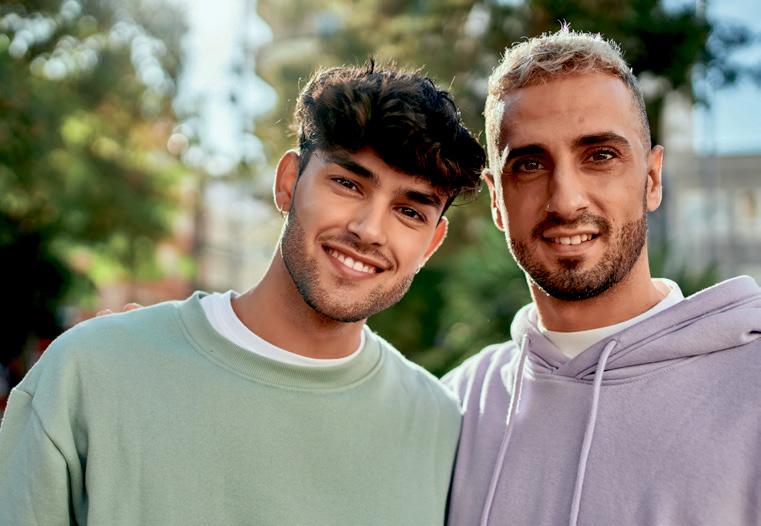
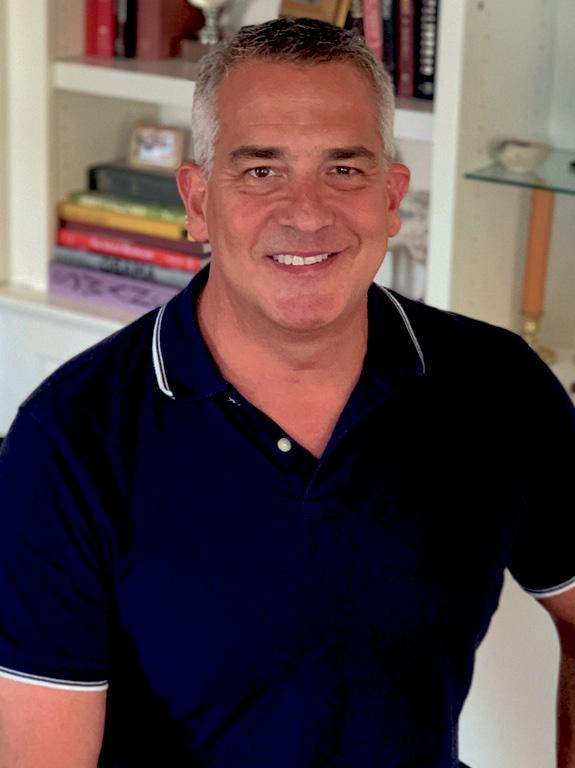
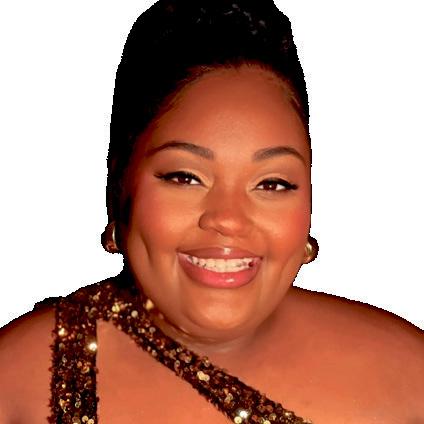
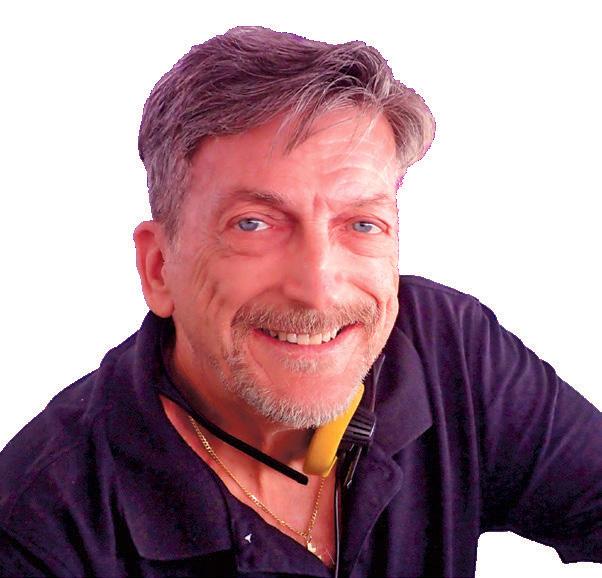
CAMP Rehoboth’s mission isn’t just about programs and services—it’s about making sure every person feels embraced for who they are. That takes resources, and it’s the member-driven donor system that keeps the mission moving forward. I donate because I believe in CAMP Rehoboth’s ability to create a stronger, more inclusive community for all of us here in Delaware.
— Dennis Diaz
EXPLORE WAYS TO GIVE
CAMP Rehoboth Membership
Give ongoing support monthly or yearly.
One-Time Gift
Give instantly online.
Donor Advised Fund (DAF)
Recommend a grant from your DAF to support our work.
Tribute Giving
Honor someone special.
Planned Giving
Include us in your will or trust.

Stock Gifts
Donate appreciated assets.
Corporate Matching Employer match donations.
Fundraise for Us
Start a peer-to-peer fundraiser.
Transfer from an IRA
If you are 70 1/2 years of age or older.
Cryptocurrency Giving
Donate crypto securely.


CAMP Matters
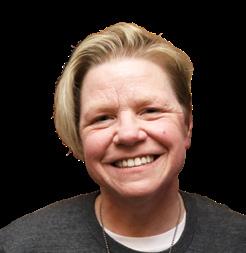
BY ROBIN BRENNAN, DRPH
The Words We Choose. The Community We Build.
Recent essays in the Wall Street Journal, “I’m Gay But That Doesn’t Make Me Queer,” and the New York Times, “I’m Gay, Not Queer. It Matters.,” have sparked a lot of debate about identity, language and, most importantly, belonging within LGBTQ+ communities.
As I read the articles and hear the conversations surrounding them, I keep returning to one principle: people have the right to name themselves. If someone says, “I am gay, not queer,” we should listen. If someone says, “Queer is exactly who I am,” we should listen to that too. No one should be assigned a label they do not claim.
But the conversation cannot end there.
Words carry history. For some, particularly those who remember when queer was used to shame, threaten, or demean, the word still carries pain. Reclaiming it may not feel empowering. For others, queer represents freedom, pride, resistance, and space beyond categories that never fully fit. Both experiences are valid.
The harder question is whether we can honor those differences without turning them into new divisions. It is about who gets to define, or redefine, the language we use for ourselves and for one another. What happens when words meant to create community begin to draw new lines around who belongs and who thrives? Does difference threaten solidarity, or can it strengthen it?
Especially at a time when LGBTQ+ people face persistent political attacks and erasure, when there is not only permission, but encouragement, to bully us, silence us, and deny our very existence, we should be careful about building new walls between one another.
At CAMP Rehoboth, these questions matter.
We are a multigenerational community. Some proudly identify as lesbian, gay, bisexual, asexual, transgender, or nonbinary. Some claim queer. Some
use multiple words. Some reject identity labels altogether. Some remember when living openly could mean losing a job, a home, a family, or personal safety. Some lived through the darkest years of the AIDS epidemic and carry memories of extraordinary loss, activism, and resilience. Others are coming of age with language for gender and sexuality that previous generations may never have encountered.
Every one of these stories belongs.
What happens when words meant to create community begin to draw new lines around who belongs and who thrives?
But belonging requires curiosity. It requires us to understand why a word matters to someone rather than assuming we already know. It asks us to honor the history behind another person’s discomfort without dismissing it and to recognize another person’s freedom without diminishing it.
In the Wall Street Journal essay, the idea of being normal is closely tied to being seen as legitimate. For LGBTQ+ people, normal has never been a neutral word. For generations, we were told we were not normal and did not belong. We were viewed as less than. Our identities were pathologized. Our relationships were criminalized. Our families were dismissed as less legitimate. Too many people learned to hide who they were because safety, employment, housing, family, and acceptance could depend on appearing “normal.”
But we insisted that our lives were worthy. That our love was real. That our families were legitimate. That we deserved human rights, protections, and opportunities as much as anyone else.
Our worth should never depend on being seen as normal.
Because normal becomes dangerous when it quietly becomes a condition of belonging.
It is not authentic belonging when we welcome people because they are “just like us.” It is not belonging, when we make room for people only when their identities fit neatly into categories that feel familiar.
There is space at CAMP Rehoboth for the person who says, “I am gay, not queer.”
There is room for the person who says, “Queer is exactly who I am.”
There is a home for the person still searching for the words.
And there is value in the person who wants no labels at all.
Belonging cannot require sameness. Our responsibility is not to decide which word should define all of us. It is to build a community strong enough to hold our differences, curious enough to learn from one another, and courageous enough to keep making room for one another.
Because maybe the goal was never to prove that we are normal. Maybe the goal is to build a world where no one has to be. Where no one has to become more familiar to be accepted. More “normal” to belong.
The words we choose matter.
But the community we choose to build matters more.
And that community must have room for all of us. ▼
Robin Brennan, DrPH, is Executive Director of CAMP Rehoboth.
inside
THIS ISSUE
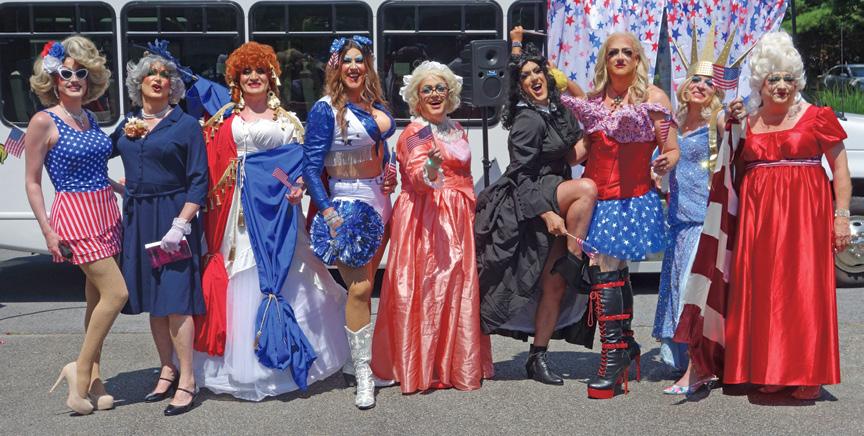
PIE LADIES CELEBRATE
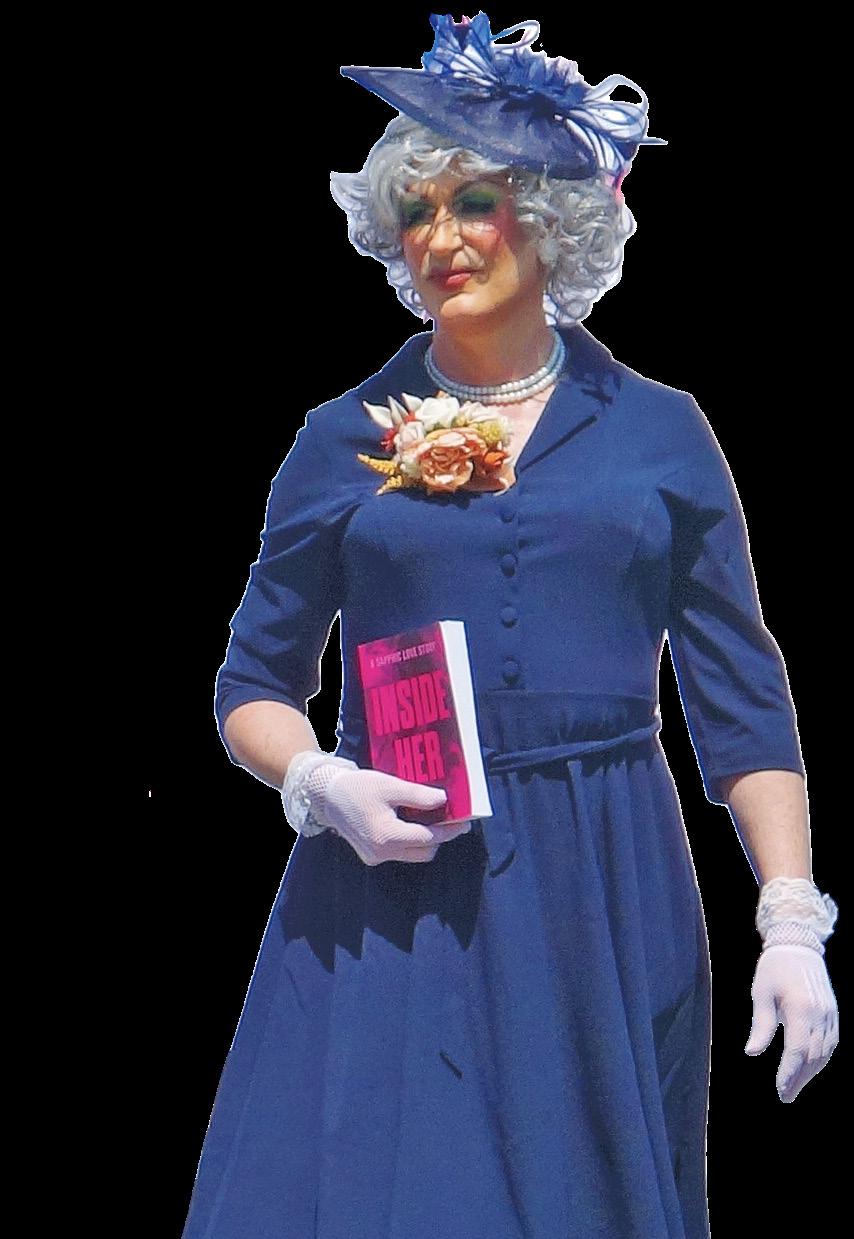
Pictured above, L-R: Magnolia Applebottom, George Southworth (Eleanor Roosevelt), Dennis Shine (Carol Burnett), Derrick Friday (Dallas Cowboy Cheerleader), Dirk Smith (Betsy Ross), Alex Aces (Mary Todd Lincoln), Jonathan Lockerby (Madonna), Grant Oines (First Miss America Margaret Gorman), and Leon Vignes (Dolly Madison).
Letters from CAMP Rehoboth welcomes submissions. Email editor@camprehoboth.org. Photographs must be high resolution (300 dpi). Documents should be sent as attachments in Microsoft Word®. Deadline for submissions is two weeks prior to the issue release date. Letters to the Editor (up to 300 words) are published at the discretion of the Editor on a space-available basis. Letters may be edited for length or clarity.
VOLUME 36, NUMBER 6 • JULY 24, 2026
64 Write On!
Toot Your Own Horn
CHRISTOPHER MOORE
68 Celebrity Interview
Nicholas Molencupp & Cameron Moir
MICHAEL COOK
74 View Point
True Patriots Resist RICHARD ROSENDALL
76 Visiting View
Hot Child (Summer) in the City
ROBERT DEDOMINIC
84 Gallimaufries & Curiosities
I Scream, You Scream TERRI SCHLICHENMEYER
86 OutTakes
Summer Fun. Summer Not. SANDY CLARK
92 CAMP Arts
LOGAN FARRO & JOE GFALLER & MARY JO TARALLO
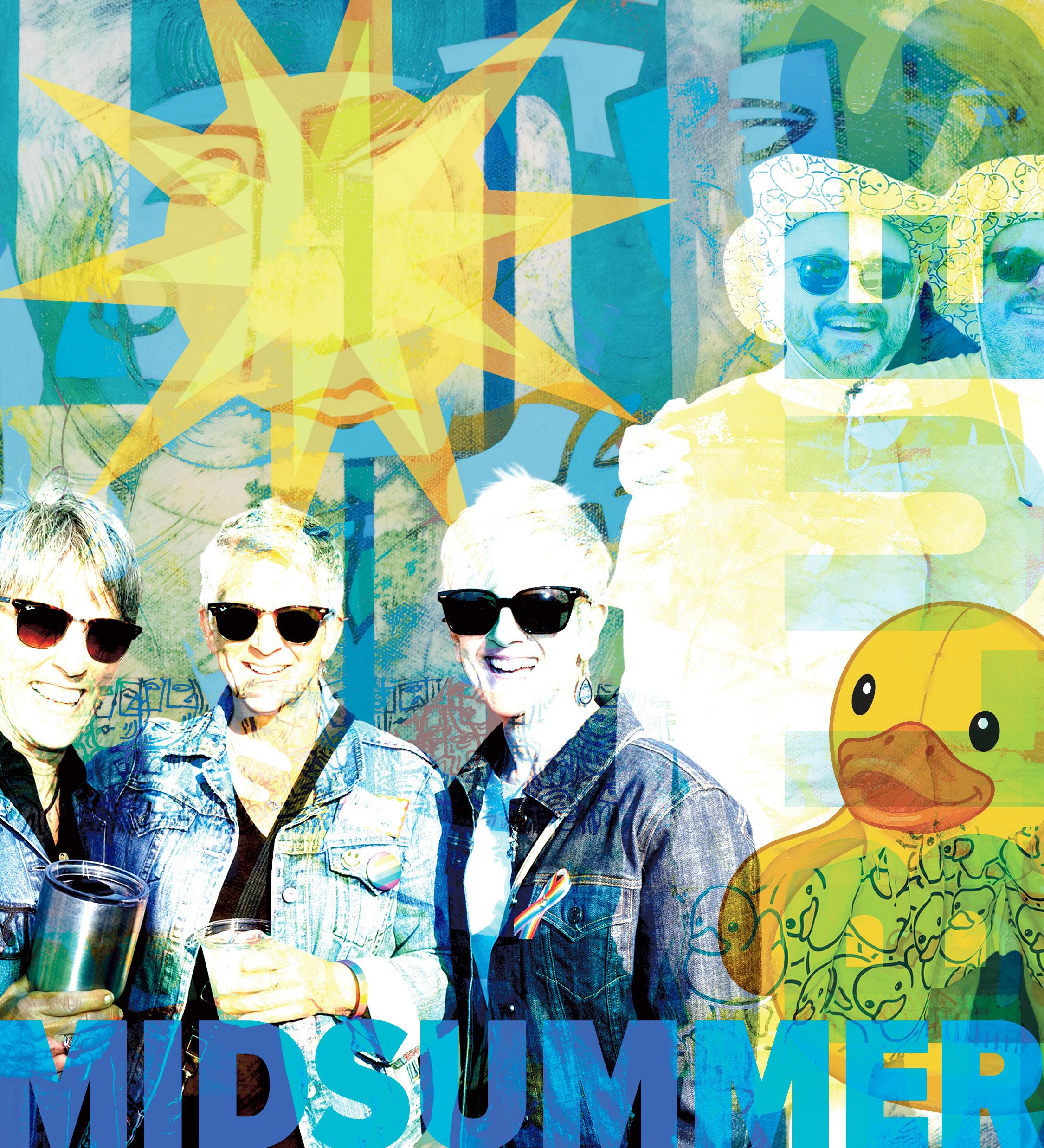
ON THE COVER Midsummer Blues by Murray Archibald

EDITOR: Marj Shannon
EDITORIAL ASSOCIATE: Matty Brown
DESIGN AND LAYOUT: Mary Beth Ramsey
ADVERTISING SALES MANAGER: Tricia Massella
DISTRIBUTION: Mark Wolf
CONTRIBUTORS: Ann Aptaker, Chris Azzopardi, Rich Barnett, Robin Brennan, Matty Brown, Pattie Cinelli, Sandy Clark, Michael Cook, Robert DeDominic, Logan Farro, Clarence Fluker, Michael Thomas Ford, Joe Gfaller, Tom Iarossi, Fay Jacobs, Leslie Ledogar, Tricia Massella, Christopher Moore, Sharon Morgan, Eric Peterson, Mary Beth Ramsey, Stephen Raskauskas, Richard Rosendall, Nancy Sakaduski, Terri Schlichenmeyer, Marj Shannon, Beth Shockley, Mary Jo Tarallo, Laurie Thompson, Shae Wagner, Eric Wahl, Rick Welk
Letters from CAMP Rehoboth is published 11 times per year, between February and December, as a program of CAMP Rehoboth Inc., a non-profit community service organization. CAMP Rehoboth seeks to create a more positive environment of cooperation and understanding among all people. Revenue generated by advertisements supports CAMP Rehoboth’s purpose as outlined in our mission statement.
The inclusion or mention of any person, group, or business in Letters from CAMP Rehoboth does not, nor is it intended in any way, to imply sexual orientation or gender identity. The content of the columns are the views and opinions of the writers and may not indicate the position of CAMP Rehoboth, Inc.
© 2026 by CAMP Rehoboth, Inc. All rights reserved by CAMP Rehoboth. No portion of this publication may be reproduced in any form without the prior written permission of the editor.
The iconic Pie Ladies returned for the July 4th holiday weekend in Rehoboth Beach. This year, they rocked the campy theme “The Real Housewives of America 250.”
CAMP REHOBOTH
MISSION STATEMENT AND PURPOSE
MISSION
CAMP Rehoboth is an LGBTQ+ community center determined to Create A More Positive (CAMP) environment that is inclusive of all sexual orientations and gender identities in southern Delaware and beyond. We seek to promote cooperation, understanding among all people, and well-being, as we continue our work to build a safer community with room for all.
VISION
CAMP Rehoboth envisions communities in southern Delaware and beyond where all LGBTQ+ people thrive.
VALUES
Community | Belonging | Positivity Diversity | Visibility | Transparency Safety | Partnership | Compassion
From the Editor
WPRESIDENT Leslie Ledogar
VICE PRESIDENT Polly Donaldson
SECRETARY Pat Catanzariti
TREASURER Kevin Ussery
AT-LARGE DIRECTORS
Robin Brennan, DrPh (non-voting)
Lorne Crawford, AJ Eckman, David Garrett, Jenn Harpel, Michelle Manfredi, Marty Rendon, Teri Seaton, Hope Vella, Joe Vescio
EXECUTIVE DIRECTOR Robin Brennan, DrPH
CAMP REHOBOTH
37 Baltimore Avenue, Rehoboth Beach, DE 19971 tel 302-227-5620
email editor@camprehoboth.org www.camprehoboth.org
CAMP Rehoboth, Inc. is tax-exempt under section 501(c)(3) of the United States Internal Revenue Code. Contributions to CAMP Rehoboth are considered charitable contributions for federal income tax purposes and may be deducted to the fullest extent of the law. A copy of our exemption document is available for public inspection.
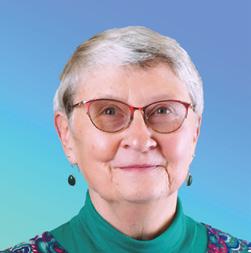
BY MARJ SHANNON
ell, Letters readers—summer is most assuredly HERE, heat domes and all. Hopefully, between ocean breezes and time in the water and maybe an umbrella drink or two, you’ve found some ways to beat the heat. Speaking of umbrella drinks—Rich Barnett takes a refreshing look at one of the summer’s trendiest cocktails: a Reflection Pool, anyone? See page 40.
Maybe some indoor (aka air-conditioned) pursuits hold particular appeal about now? Browse CAMP Arts for some ideas and make plans to stop by a gallery (including CAMP Rehoboth’s) and/or take in a theater performance. While you’re in that section, meet one of those “men behind the curtain,” Barry Bugg. He’s someone whose artistry you may be enjoying without even thinking of it as “art.” (You will, once you’ve read the piece.)
Or take a look at Community News, where you can find info on upcoming concerts in cool venues (as well as some outdoor ideas for hardier souls). For the film buffs among us: Michael Cook recounts his conversation with the folks behind In Between, a new movie, and Chris Azzopardi interviews the star of Blue Film, a 2026 Sundance Film Festival reject that’s nonetheless finding its audience.
More for those hardy folks: Mary Jo Tarallo suggests bocce. There are local courts; maybe you’ll be tempted? If a game leaves you longing for a summer treat, Terri Schlichenmeyer’s got you covered: ice cream! (Actually, no bocce—or any other exertion—required. Just get a scoop and enjoy.) Eric Wahl writes about another taste of summer: corn. Yum!
Of course, you could just find yourself a cozy poolside, beachside, or indoor lounge and page through this entire issue. Our three Flash Fiction Honorable Mentions begin on page 30—each is a terrific read. Maybe you’re feeling creative yourself? Take a look at Nancy Sakaduski’s column on clerihews (fun little four-line poems) and pick up that pen! Richard Rosendall did and sent along a few clerihews to add to Nancy’s list….
Michael Thomas Ford and Christopher Moore both have their minds on music this issue, be it the soundtracks of their youth or the unusual instruments sometimes lurking in those tunes. Glockenspiel, anyone?
Fay Jacobs and Robert DeDominic also look back—but not quite so far, as they recall this year’s Pride Month and July 4th celebrations. And Stephen Raskauskas reports on the first-year activities of Delaware’s recently-expanded LGBTQ+ Commission.
But rest assured: even as we steep ourselves in all-things-summer, CAMP Rehoboth is making plans to usher out the season in our usual (fabulous!) fashion. Visit the centerfold to get a glimpse at what SUNFESTIVAL 2026 (Love Out Loud) holds, and read about this year’s headliner, David Archuleta. As always, it’ll be a must-do weekend— plan now to be part of it.
And thanks for reading Letters! ▼
CAMP Rehoboth Awarded Grants from State, Wawa Foundation
CAMP Rehoboth has been awarded both $100,000 and $45,000 in grants from the state of Delaware.
The first award is part of the General Assembly’s allocation within the bond bill’s Community Reinvestment Fund, a capital grant program for local and community-based nonprofit organizations.
This award follows previous allocations of $1,160,000 since 2022 to CAMP Rehoboth. Funds will help to protect structural integrity and create a more positive, welcoming environment for CAMP Rehoboth’s properties, especially for 39 Baltimore Avenue, which will welcome an expanded Wellness Center with Beebe Healthcare in 2027.
The second award was granted
Block Party Registration
Tthrough the state’s Grant-In-Aid program. These funds will support many of CAMP Rehoboth’s health classes and programs, including tai chi, yoga, and other health initiatives that promote community well-being on all levels as CAMP Rehoboth continues to build safe, inclusive communities for all people.
CAMP Rehoboth thanks the state for its decision to affirm our property as a valuable resource, and our programs as vital services.
The third award came from the Wawa Foundation for $1,000. As a new recipient, CAMP Rehoboth extends its gratitude to the Wawa Foundation for supporting LGBTQ+ affirming programs and services in the community. ▼
OPERA America Supports CAMP Rehoboth
This May, OPERA America hosted its annual national conference in Wilmington, Delaware. As part of the event, over 500 attendees gathered to support this vital art form. The conference hosted an LGBTQIA+ Affinity Network, which partnered with CAMP Rehoboth to share local LGBTQ+ resources. As part of this partnership, OPERA America donated $1,688.33 from proceeds from the conference to support CAMP Rehoboth.
Thank you to both OPERA America and local host OperaDelaware for the support, and for keeping the arts alive and vibrant! ▼ 2026
he CAMP Rehoboth Block Party will return Sunday, October 18, 11:00 a.m. to 4:00 p.m., and registration is now open for this signature event. As CAMP Rehoboth’s largest outreach event of the year, last year’s Block Party brought in an estimated 4,100 attendees to shop art and merchandise from local craftspeople and small businesses, learn more about featured nonprofits, and enjoy the performances from musicians, actors, and drag queens.
Sponsorship opportunities are available, and vendor spaces are included with each sponsorship package. ▼
Visit camprehoboth.org/blockparty to learn more and to reserve a vendor space.
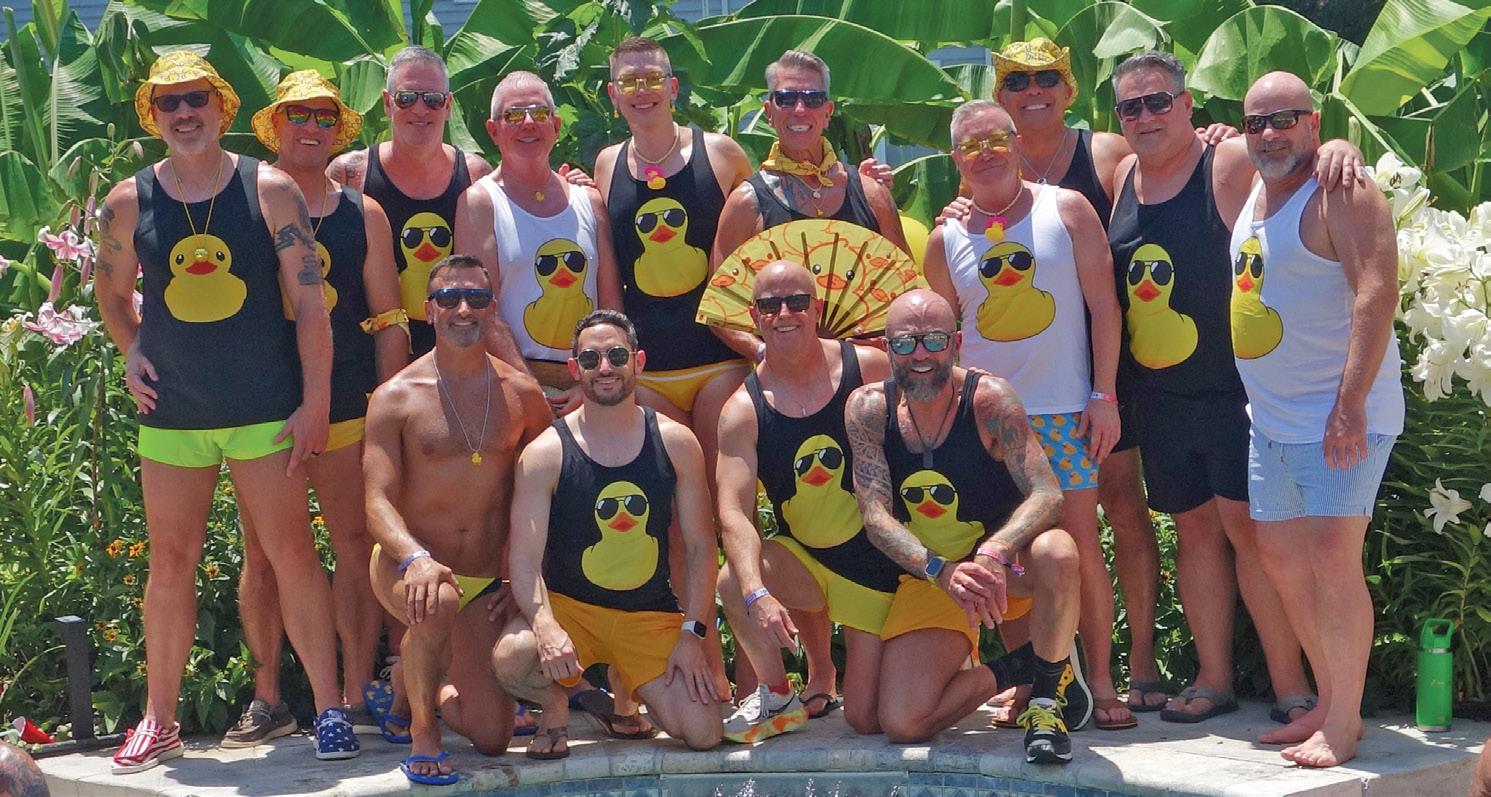
Rubber Ducky Pool Party Makes a Big Splash
CAMP Rehoboth extends its gratitude to Mike DeFlavia, Tony Sowers, and their housemates for hosting The Rubber Ducky Pool Party on Saturday, July 4. This annual holiday tradition raised over $15,000 to support CAMP Rehoboth’s life-affirming services and programs. Thank you to the over 600 attendees who celebrated and donated.
Funds raised from the party directly support the CAMP Families Water Taxi Cruise on Wednesday, August 12, among other programs. Find out more about this event on page 12 (CAMP News). ▼
Pictured (party hosts): Scott Sarver, Mark Latulippe, Brian Moore, Mike DeFlavia, Tony Sowers, Christian Becker, Noah Cohen, Dennis Konzelman, Mike Reimer, John Brown, Lynden Armstrong, Jeff Wilson, Patrick Bosak, and David Debarri. Photo credit: Tony Burns.
CAMP REHOBOTH
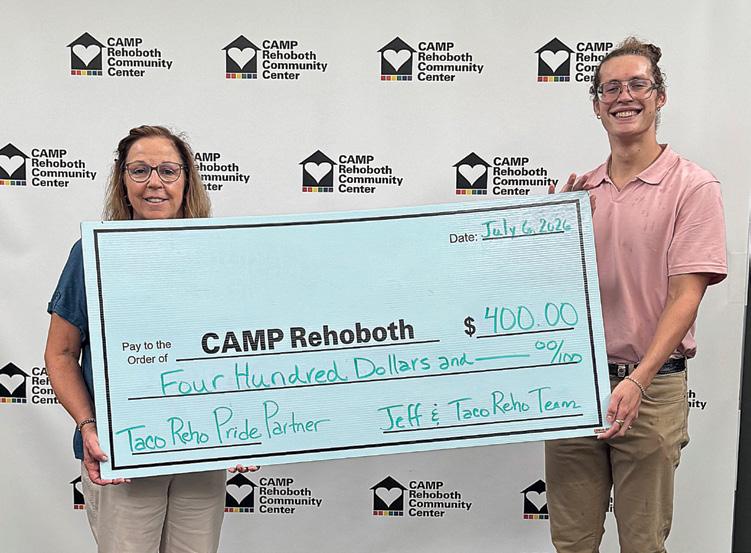
Thank You, Pride Partners
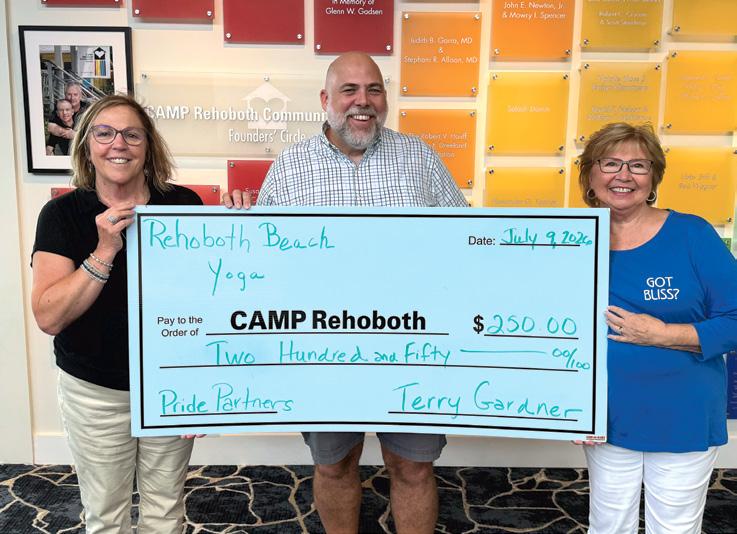
Throughout June and July, over 20 businesses showed up and showed out to support CAMP Rehoboth as Pride Partners. By hosting events, promotions, specialty cocktails, desserts, and much more, organizations donated proceeds to CAMP Rehoboth to show solidarity with the LGBTQ+ community in honor of Pride Month. CAMP Rehoboth recognizes the following Pride Partners who hosted check presentations to celebrate their support:▼ Pictured, L-R: Laurie Thompson, with Jeff Dicken of Taco Reho; Laurie Thompson, Matt Castrina, with Terry Gardner of Rehoboth Beach Yoga.
AIDS Walk Delaware to Celebrate 40th Anniversary
AIDS Walk
Delaware is set to honor its 40th anniversary this September. Mark your calendars for the annual walk, and join CAMP Rehoboth’s team on Saturday, September 19, in Rehoboth Beach. Presented jointly by AIDS Delaware and the Delaware HIV Consortium, the fundraiser—which also takes place
in Wilmington—works to advance HIV awareness, eliminate stigma, and endorse HIV-informed community health for all Delawareans.
For 40 years, AIDS Walk Delaware has brought communities together to support those impacted by HIV. As a longstanding partner with the walk, CAMP Rehoboth will benefit from the Walk via funds and walkers who sign up for its team. Register online at camprehoboth.org/events. ▼
Bachelors and Bachelorettes Brace for Battle August 10
T he annual Battle of the Bachelors and Bachelorettes will return to Aqua Bar & Grill on Sunday, August 9, from 5:00-7:00 p.m. Join us for a fun-filled time with great prizes and special surprises. The renowned Lorne Crawford will once again oversee the battle, and the iconic Magnolia Applebottom will host the event.
In the Battle of the Bachelors, bachelors (and some bachelorettes), wearing swimsuits, compete to see who can raise the most money for CAMP Rehoboth. The funds raised directly benefit CAMP Rehoboth’s community-support programming.
Be sure to arrive early for a good spot at the venue. Or check out the fun event from the Top of the Pines.
Thank you to the event host Aqua and swimsuit sponsor BRASHhh! ▼
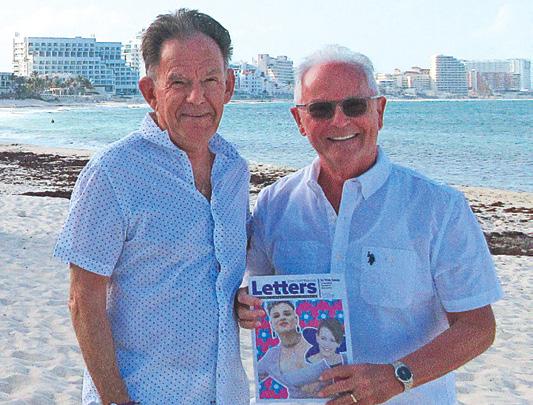
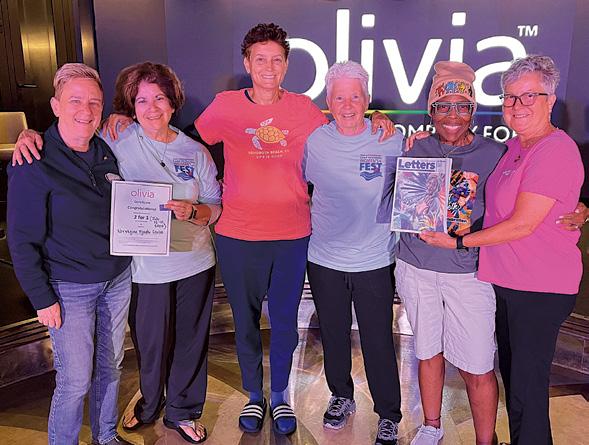
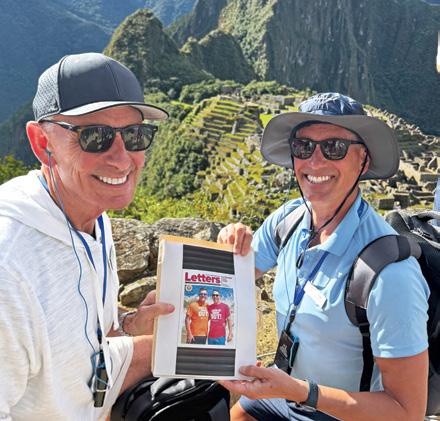
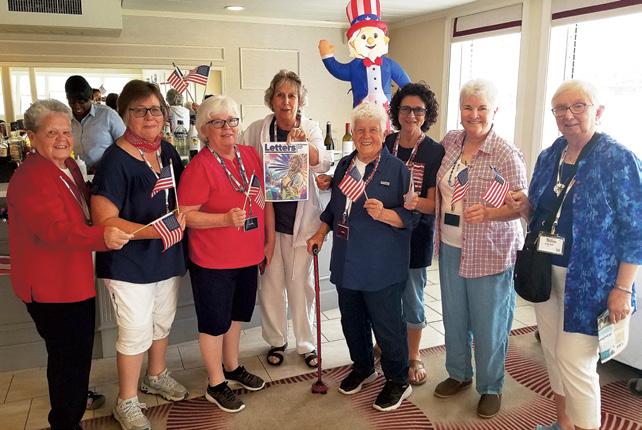
CLUB ATLANTIS, CANCUN Bill Graff, Jeff Schuck
OLIVIA CRUISE, IRELAND/SCOTLAND
Laurie Schneider, Margie Ripalda, Mari Blackburn, Michelle Perry, Gail Jackson, Donna Davis
COLUMBIA RIVER CRUISE, OREGON UUSD members & friends
MACHU PICCHU, PERU John Hackett, Tom Newton
Engaging in Advocacy
Another Way that CAMP Rehoboth Shows Up and Shows Out
Advocacy is one of the four pillars of CAMP Rehoboth because, who better to advocate for our rights than ourselves? In view of recent rulings by the Supreme Court of the United States (SCOTUS) and the official end of the Delaware Legislative session, it seems timely to provide examples of CAMP Rehoboth’s advocacy efforts. These include offering counter-programming, responding directly, and partnering with others as ways to amplify our voice.
Counter-programming: SCOTUS, in West Virginia v. B.P.J. and Little v. Hecox upheld state bans against transgender youth in sports in West Virginia and Idaho, respectively, but left decisions about transgender participation in school sports largely in the hands of states. In Delaware, we do not have a ban in place and current policy allows kids to play on teams that match their gender identity.
Even before B.P.J. and Hecox, CAMP Rehoboth was committed to providing a space where transgender, nonbinary, and gender expansive folks can meet and feel supported. We are amplifying those efforts through our Chroma social group for transgender, nonbinary, and gender expansive folks, and through our H.I.M. Society, where trans men can be in community with other trans men. Chroma meets twice a month regularly on the first and third Wednesdays. The H.I.M. Society also meets twice a month regularly. Meeting dates for both can be found at camprehoboth.org; just click on “Calendar.”
Additionally, CAMP Rehoboth recently stood up the LGBTQ+ Youth Empowerment Program. Funded by a Highmark Small Grant-BCBS, we are now able to provide no-cost/low-cost behavioral health support to Sussex County LGBTQ+ (including gender-expansive) youth 13-18 years of age and their families through Delaware Psychological Services (DPS). This initiative is our response to a critical need experienced by LGBTQ+ youth,
who often face high rates of suicidality and victimization that are worsened by anti-LGBTQ+ politics. More info can be found at camprehoboth.org/programs.
Responding Directly: Senate Substitute 2 for Senate Bill 100 is the first leg of a constitutional amendment that will enshrine marriage equality in Delaware. After passing the State Senate but narrowly failing to get the required twothirds vote in the State House, CAMP Rehoboth was there by writing a letter to all House members urging them to support this bill. We also kept in constant touch with our very own 14th House Representative District Rep. Claire Snyder-Hall and 6th Senate District Senator Russell Huxtable, who worked tirelessly
Equally important is the passage of House Substitute 1 for House Bill 200, which requires health insurance coverage for PrEP and PEP.
in support of this effort. The House finally returned to the issue on the last day of Session and passed the bill. Having now passed the 153rd General Assembly, CAMP Rehoboth will be there to support the second leg of the process when the next General Assembly convenes after the midterms.
Beyond that, the legislature passed and Governor Matt Meyer signed Senate Bill 250, which updates Delaware’s Uniform Parentage Act around in vitro fertilization (IVF) and surrogacy to enhance protections for these family-building methods, which are key to many LGBTQ+ families. SB 250 also ensures equal treatment of children born to same-sex couples, including how to establish a de facto parent (one who functions as a parent to the child but is unconnected
LESLIE LEDOGAR
through biology or marriage) as a legal parent of a child to be part of the provisions related to adjudicating parentage and updating the assisted reproduction provisions of Delaware’s parentage law, including the parental status of a deceased individual.
Equally important is the passage of House Substitute 1 for House Bill 200, which requires health insurance coverage for PrEP and PEP. This is a particular win for the CAMP Rehoboth community as we endeavor to open our Beebe Health Suite at CAMP Rehoboth, where we will be offering PrEP and PEP, along with HIV testing and counseling.
Partnering with Others: CAMP Rehoboth signed on to a comment letter prepared by the Delaware Alliance for Non-Profit Advancement (DANA) that opposes the Federal Office of Management and Budget’s proposed changes to federal financial assistance rules. The proposed rule could have significant practical consequences for nonprofit organizations that receive, administer, or partner on federally funded grants and programs. Both DANA and CAMP Rehoboth support transparency, accountability, and responsible stewardship of federal funds. However, we both believe that federal grant rules should not create unnecessary uncertainty, delay payments, or add unfunded administrative burdens that could disrupt nonprofit operations and service delivery. We will continue to monitor this rulemaking.
Being an advocate is a key role that CAMP Rehoboth plays, not just in July, but throughout the year. We believe that we must speak for ourselves, our community, and our community center. It’s one of the many ways that we Show Up and Show Out. ▼
Leslie Ledogar is CAMP Rehoboth Board President.
Community Connections
BY LAURIE THOMPSON
Membership Is How We Show Up
Membership has always been one way CAMP Rehoboth turns care into action. As we launch the 2026 SHOW UP, SHOW OUT! membership campaign during our 35th Anniversary year, Rainbow Membership carries special meaning. Since February 2009, members have helped sustain the spaces, programs, and welcome that make CAMP Rehoboth feel like home.
Membership is personal. It says, “I believe this place matters, and I want it to be here for others.” Annual membership creates a steady foundation, helping CAMP Rehoboth plan ahead, respond to community needs, and show up throughout the year.
Jean Metzar, a new Rainbow Member and weekly CAMPcierge volunteer, shared why she and her wife, Debbie Bonn, chose to support CAMP Rehoboth:
“Debbie and I support CAMP Rehoboth Membership because it helps us feel connected to the larger community. Rehoboth is a melting pot of people, and CAMP has been instrumental in creating a place of belonging for all. CAMP Rehoboth helps bring people together, and membership helps drive that mission forward.”
For decades, Tony Burns has helped tell the story of the Rehoboth Beach community through his camera, capturing the people and moments that bring us together. As a longtime CAMP Rehoboth volunteer and social photographer, Tony has captured countless CAMPshots for Letters magazine since the beginning:
“As a Rehoboth Beach resident for 50 years and a CAMP Rehoboth member since its founding, I have witnessed how CAMP Rehoboth has created a very special place for the entire community. That is why I continue to support CAMP Rehoboth and its mission through my yearly membership.”
Membership helps someone who walks into CAMP Rehoboth unsure of where to turn, to leave feeling welcomed, heard, and connected to resources that can help.
Rainbow Members make those moments possible. Their annual support keeps CAMP Rehoboth strong for today’s community and the next person looking for support, connection, or belonging.
As CAMP Rehoboth’s Development Manager, I see what membership makes possible: people looking for connection, volunteers giving their time, and members who believe CAMP Rehoboth should be here for everyone who needs it. I hope you will SHOW UP, SHOW OUT! by renewing your membership, becoming a Rainbow Member, or inviting someone to join. Your membership is more than support for CAMP Rehoboth. It is a promise that this community will continue to welcome, care for, and stand with one another. ▼
Laurie Thompson is CAMP Rehoboth’s Development Manager. She can be reached via email at laurie@camprehoboth.com or call 302-227-5620.
GOLD SPONSORS




PLATINUM SPONSORS
SILVER SPONSOR
BRONZE SPONSORS























































2 0 2 6 THANK



































































































Catie Walther
Lisa, Holly, & John Will “Find a Way or Make One”
The dynamic trio of Lisa Graff, Holly Lane, and John Francis Flynn will bring “Find a Way or Make One!,” Graff's ninth original show, to the CAMP Rehoboth Elkins-Archibald Atrium on Saturday, August 22, at 5:00 p.m. The show is about “all those times when life presented obstacles, and I found a way to thrive,” says Graff.
The show follows the trio’s debut outing of “Woke & Proud” on Saturday, August 1, at 5:00 p.m. Limited tickets remain for both performances. Get yours today at camprehoboth.org/events. ▼
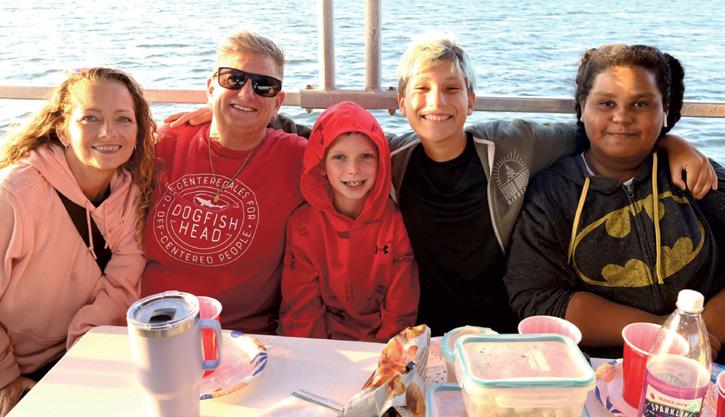
CAMP FAMILIES
Water Taxi Cruise
CAMP
Families is set to charter a sunset cruise aboard the Cape Water Tours on Wednesday, August 12, from 6:30-8:30 p.m.
CAMP Families is a network of LGBTQ+ inclusive families. The program includes families with LGBTQ+ parents, families with LGBTQ+ children, and sometimes, a little of both. The program is open to the broad spectrum of family structures of the queer community, including grandparents and grandchildren, foster children, LGBTQ+ parents, allies with LGBTQ+ kids, etc. The group is committed to building community, supporting each other, and creating great and meaningful memories with each other here in southern Delaware.
Thanks to the Rubber Ducky Pool Party fundraiser, registration is FREE. Register by visiting camprehoboth.org/ events. ▼
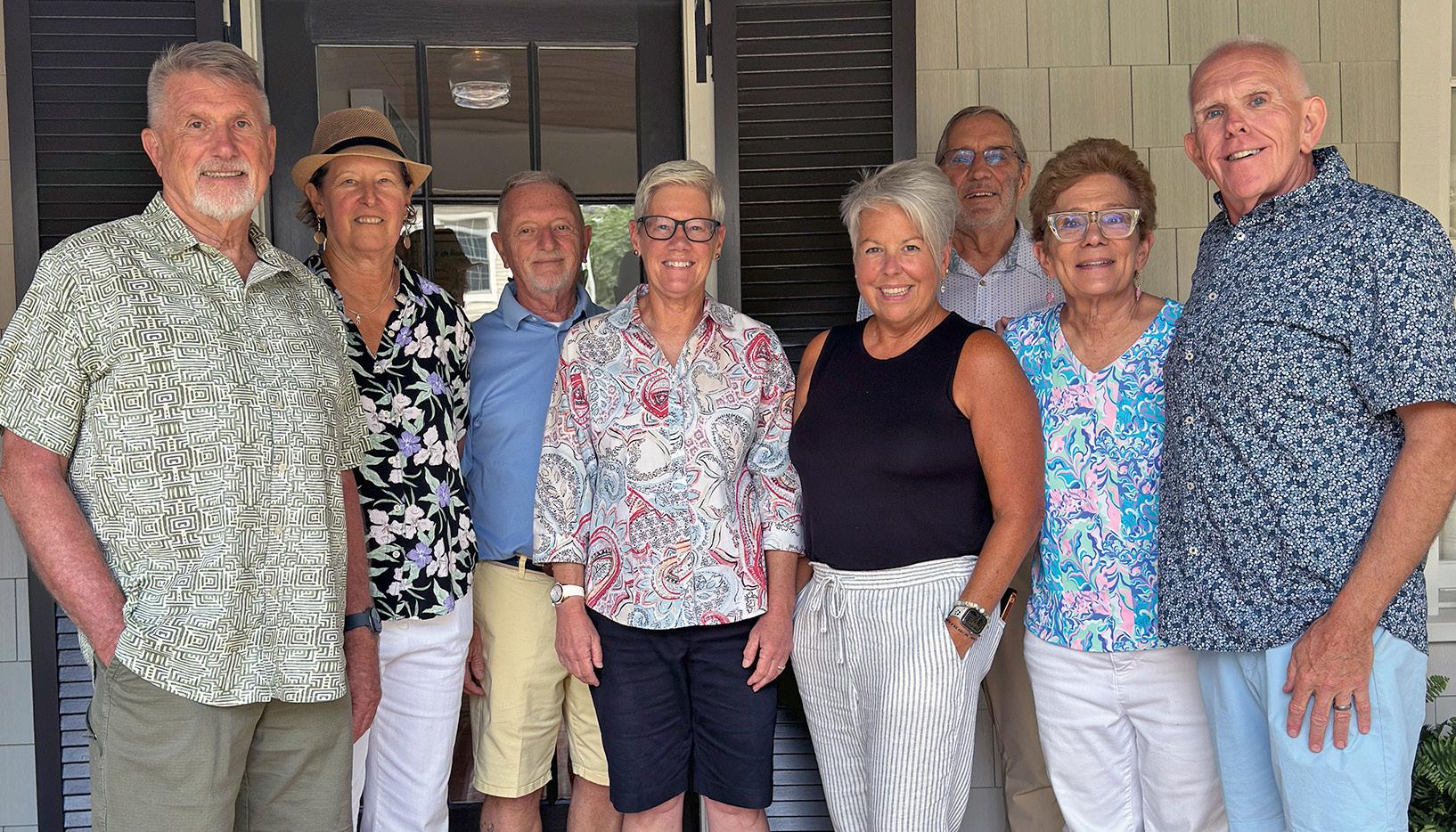
CROP Volunteers Show Out for Food Bank, RAL
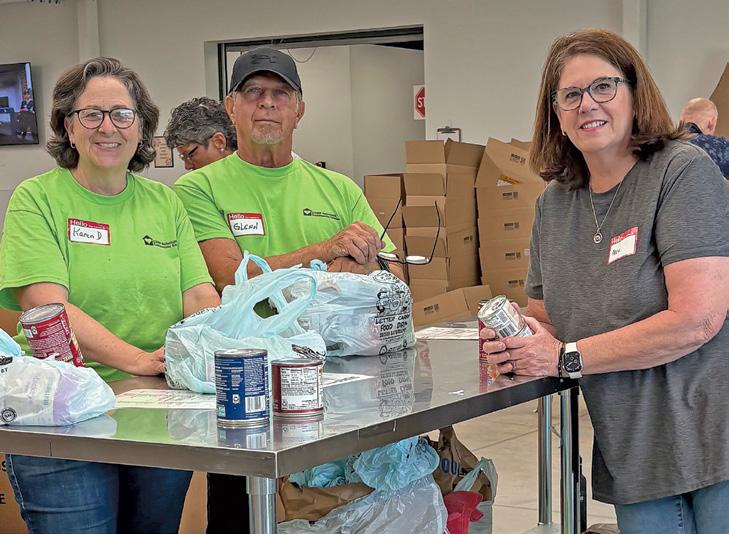
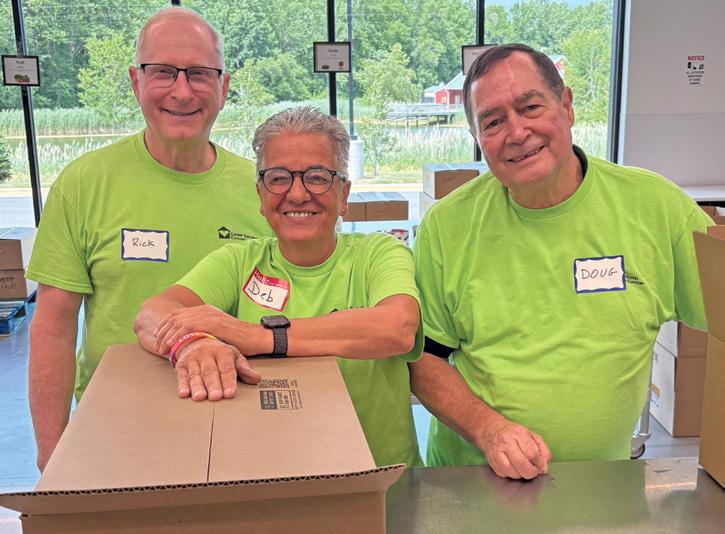
CAMP Rehoboth Outreach Program (CROP) volunteers showed up and showed out in big ways this summer for community partners.
First, on Tuesday, June 9, CROP visited the Food Bank of Delaware, a volunteer-favorite activity. “It was a fun-packed day at the Food Bank while volunteers sorted donations to be distributed to other organizations throughout Delaware,” said CROP Food Bank team lead Deb Carroll. CROP volunteers integrated with other group volunteers to get the job done.
In its effort to fight food insecurity in Delaware, CROP has upgraded its outreach from bimonthly to monthly.
“Outings to the Food Bank are some of CAMP Rehoboth’s most popular volunteer opportunities, with registration often filling up quickly,” said Shae Wagner, Event and Volunteer Coordinator at CAMP Rehoboth. “We’re excited to expand CROP’s footprint even more and continue to support the Food Bank’s mission to nourish Delawareans and address hunger in the state.”
Next, CAMP Rehoboth volunteers were delighted to once again serve as docents for the Rehoboth Art League’s (RAL) 76th Annual Cottage Tour on July 7 and 8. Dedicated teams welcomed visitors and shared the unique architectural features and history of a stunning Rehoboth Beach cottage. With beautiful
weather and more than 800 visitors over the two-day event, it was a wonderful success! RAL is always appreciative of CAMP Rehoboth's participation, and our docents received rave reviews for their friendliness, enthusiasm, and hospitality. A heartfelt thank-you to our outstanding volunteers for representing CAMP Rehoboth so beautifully! ▼
From top, CROP at Rehoboth Art League’s 76th Annual Cottage Tour. Below, at the Food Bank.













































































































Edward Chrzanowski
Rick Perry
Danny Sebright

Greg Albright & Wes Combs


Marc Charon & Jon Dauphine
Mike DeFlavia & Tony Sowers
Dennis Diaz & Michael Ewald
Max Dick, Jim Villareale, Ed Miller & Glen West
Polly Donaldson
Lewis Dawley, Greg Becker, Kevin Goeltz & Pete Slesser
Jim & Duane
Fatula Fishman Tucker
John Hackett & Tom Newton
Kerry Kegerise

Jamie Kotchek & Craig Schwartz
Chris Lay & Dr. Mari Blackburn
Kim Leisey & Kathy Solano & SODELO
Evelyn Maurmeyer in memory of Natalie Moss
Dennis Morgan, Paul Christensen, Paul Nye & Jerome Hofer
Fran O’Brien & David Gifford
Mark O’Connor & Scott Wistner
Clarence Pineda, Compass Porter-Gordon Family
Jen Rubenstein, Diane Scobey, Leslie Sinclair & Debbie Woods
Nancy & Robert Sher
Dennis Shine & Edsel Gayoso
Dr. Dean Tyson & Michael Linardi











Gary Alexander & Craig Sencindiver
Tom Balling & Rex Varner
Jay Chalmers, John Potthast, John McLaughlin & Paul Frene
Jenn Harpel
CAMP Rehoboth Chorus: Music & More
Luck Be Some Broadway Tonight!
Rehoboth Beach audiences do love their Broadway musicals—the scores, the words, the dancing, the sheer joyful pageantry of it all. It’s in their DNA.
The CAMP Rehoboth Chorus delivers what they want in their next concert, “100 Years of Broadway,” on September 25, 26, and 27 at Epworth United Methodist Church, 19285 Holland Glade Road, in Rehoboth Beach.
The concert includes many of the classics audiences have enjoyed for so long, including “Circle of Life” from The Lion King, “Seasons of Love” from Rent, “Luck be a Lady” from Guys and Dolls, and selections from South Pacific, Chess, and A Little Night Music, 42nd Street, A Chorus Line, and more. “One… singular sensation….”
No one is better suited to present those classics than the CAMP Rehoboth Chorus, which continues to provide southern Delaware with an epic banquet of delicious music, from popular and folk tunes, to rock and roll and traditional classics, and of course Broadway blockbusters. A true abundance of riches.
“For the first time in my life I feel like I’ve got real friends around me,” said one member…. I have found another family here.”
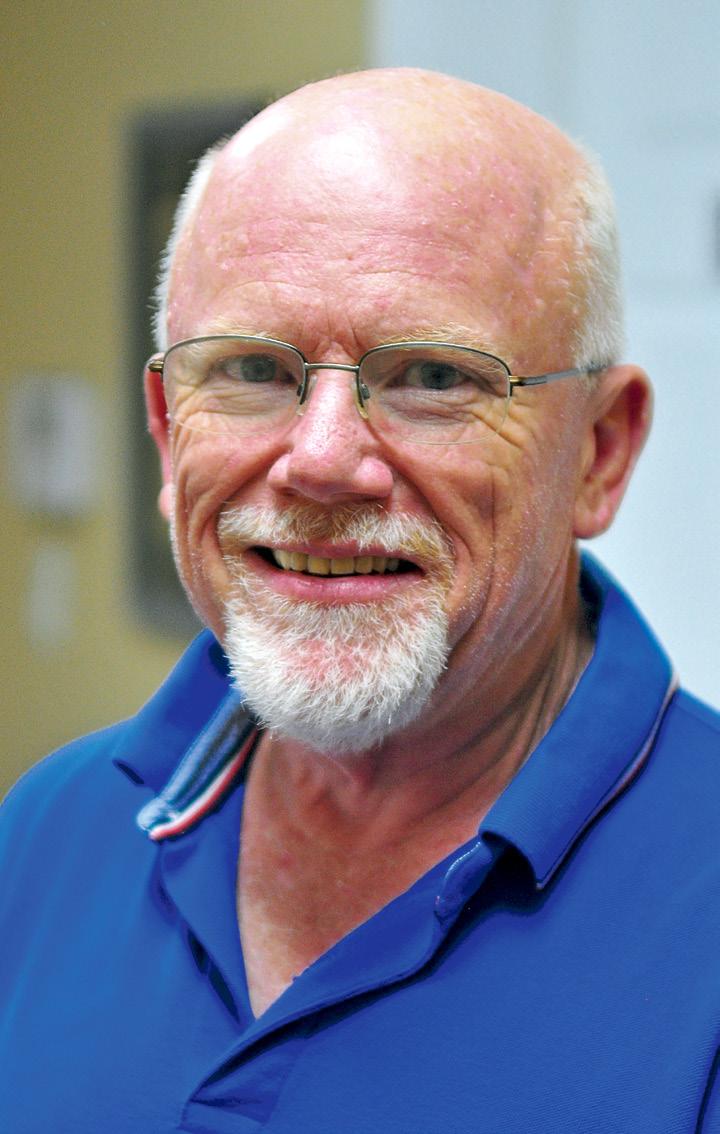
Tenor Dave Kemper, a former middle school math teacher who retired to Rehoboth Beach in 2012, is one of the people lending his voice to the Chorus. In addition to his educational career, Kemper has had a close relationship with music for most of his life as a singer and instrumentalist, starting at six years old and nurtured by his music-loving mother, also a singer and pianist.
He has continued to hone his musical chops as the Director of Music at St. Martha’s Episcopal Church in Bethany
Beach, where he directs the choirs and serves as organist. Kemper serves on the American Guild of Organists’ board and provides accompaniment and musical direction for local theater productions. Kemper is also the owner and operator of High Tide Pool Services.
“The Chorus is different than most of the groups I’ve been with,” says Kemper. “Since we’re a community-based chorus, we have people with very different skills. But we have an extraordinary level of talent in one place and we can perform a variety of music at a very high level. Our shows usually sell out and our audiences love what we give them.”
Artistic Director Doug Yetter has devoted his life to musical theater as a director, composer, and arranger, and his love of Broadway show tunes is obvious. Yetter’s parents were avid record collectors, and most of what they collected was Broadway albums. “By the time I was five, I could sing every song from dozens of shows. To me, there is absolutely nothing that makes me feel more alive than the magic of theater,” he said.
Yetter shares that enthusiasm readily. “Doug communicates his love of the music to the singers, telling us anecdotes about the composers and how certain pieces came to be written,” reports Kemper. “We come away from rehearsals with a better feeling for what we’re singing, and that emotion comes through when we perform.”
There are many elements that determine the success of a large musical organization, but the CAMP Rehoboth Chorus has that special something that can’t be taught or directed: its members genuinely like each other. “That’s what makes this different than any chorus I’ve been associated with,” Kemper said. “We’re friends. We care about each other. We share each other’s joys and support each other through the sorrows.”
Other members confirm Kemper’s view. Through illness, injury, and personal loss, choristers are embraced and uplifted, easing their pain. “For the first
BY TOM IAROSSI
time in my life I feel like I’ve got real friends around me,” said one member who was recently hospitalized. “I have found another family here.”
Additional information about the Chorus and the upcoming concert is available on the CAMP Rehoboth website under the PROGRAMS tab, and the Chorus can be contacted at chorus@ camprehoboth.org. Tickets for “100 Years of Broadway” will be available in late July through the website. ▼
Tom Iarossi is a retired US Army First Sergeant and elementary school teacher who relocated to Delaware in 2021 from California to be near family. He joined the CAMP Rehoboth Chorus in 2023 and sings bass.
Photo: Dave Kemper; credit: Tom Iarossi
FALL 2026
Friday, September 25 7pm
Saturday, September 26 7pm
Sunday, September 27 3pm
Epworth United Methodist Church Rehoboth Beach, Delaware
$30 Adult $15 Student Tickets at camprehoboth.org
Doug Yetter Artistic Director David Zipse and the CAMP Chorus Band




CAMP Rehoboth
Aging Gracelessly
Pride in the ’Burbs
June was a very proud and thought-provoking Pride Month. More than usual, I found myself involved in Pride activities that were both great fun and greatly important.
My season started in the ‘burbs out at Independence, an over-55 subdivision on Route 9 outside Millsboro. The community hosted a Pride event and invited CAMP Rehoboth co-founder Murray Archibald, writer James Sears, and me to talk about how Rehoboth became so LGBTQ+ (I hate having to write all those letters!) friendly.
Waiting for the program to begin, the sound system blasted our anthems like “Gloria,” “We Are Family,” and “Celebration.” Gay music trivia 101.
The large crowd leaned mostly straight with a nice contingent of gay (I am not writing that alphabet jumble again) homeowners there, too. Posters of Harvey Milk, Sylvia Rivera, Freddie Mercury, Larry Kramer, and more adorned the walls (the committee did its homework) and the vibe in the large auditorium was festive and wonderfully welcoming.
As we wrap up half the year, keep celebrating Pride daily until next June and enjoy the summer.
CAMP Rehoboth Board’s Veep, Polly Donaldson, moderated our talk and it was fun and easy telling stories of how Rehoboth became the gay haven it is. Our talk was followed by a contingent from the CAMP Rehoboth Chorus, sounding awesome as ever. Bravo to Independence for organizing the Pride event, the invite, and for celebrating Pride with us. Great job.
Days later, at the bank, I was tickled when I was wished a “Happy Pride” by the straight employee assisting me.
Also during Pride Month, I felt compelled to get back out onto the street,
waving protest signs against our current presidential administration and exercising my right of free speech. Face it, it’s pretty much the only exercise I do.
As we did the sign wave on Route One by Giant, somebody had a portable speaker playing “This Land Is Your Land” and other 1960s folk music. It was a regular hootenanny. (Unfamiliar term? Ask a Boomer.)
On the whole, the sign wave was satisfying and the response from honking vehicles was thrilling. It does feel like more of a victory to be enthusiastically honked at by a pick-up truck than a Subaru, and it’s especially rewarding to get a big bass honk from a cement truck.

The next day I went to researcher Carolanne Deal’s Pride program at the Rehoboth Beach Museum. Deal is a major contributor to the Delaware Division of Historical and Cultural Affairs’ groundbreaking digital project, “LGBTQ+ History of Delaware: We Have Always Been Here.” The Division has done a fantastic job of preserving and sharing Delaware’s gay history. Their web site is history.delaware.gov/lgbtq-history/ and it’s amazing.
Among other forerunners, Deal talked about Barbara Gittings, calling this remarkable pioneer the First Lady of Delaware’s LGBTQ+ history (Carolanne used the alphabet, not me!). That was when I realized I’m so old: Barbara was a friend of ours, a houseguest, a peer. Oy!
At the CAMP Rehoboth Pride in the Courtyard event, this dinosaur noted there were far more people I did not know in the crowd than those I did. Younger people. I love that, but it did make me wonder if my name tag should have said “Do you know who I used to be?”
Further compounding my creakiness,
BY

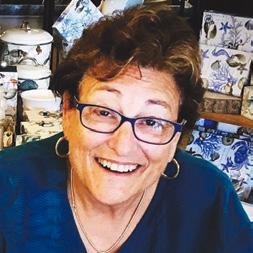
came my birthday. Not a big one, thank goodness, but we stretched the fun to at least five days. My favorite moment was reading a birthday card pictured above.
Well, ain’t that the truth!
As we wrap up half the year, keep celebrating Pride daily until next June and enjoy the summer. My heart is full, even as our presidential administration is full of s***. We march on. We celebrate. We are family. ▼
Fay Jacobs is a freelance writer, storyteller, and author of six books of (mostly) comic essays. She has written for the Washington Post, Baltimore Sun, The Advocate, the Washington Blade, Delaware Beach Life, and—for 30 years—Letters.
Do you tinkle when you laugh, sneeze, cough, or exercise?
Do you constantly wake up at night to go to the bathroom?
Do you feel like you need to pee, but can’t go once you try?
Do you sometimes just can’t get to the bathroom quick enough?

Do you carry around extra underwear, just in case?
Do you notice blood in your urine?
Do you feel pain when you start to go to the bathroom?
Is your worry starting to take over your daily life?
Brandywine Urology Consultant’s Dr. Alice Y. Wang, MD, is Fellowship trained in Pelvic Medicine and Reconstructive Surgery who, depending on your symptoms, can provide a variety of treatment options ranging from lifestyle changes, minimally invasive treatments or surgical operations. Dr. Wang is accepting male and female patients in all three offices. Please contact the office today to schedule your conversation with Dr. Wang.
Brandywine Urology Consultants, Delaware’s leading urological practice, delivers comprehensive urological solutions for men and women enabling them to remain in Delaware throughout the duration of their treatment. Brandywine Urology Consultants team of Surgeons and Advanced Practice Providers specializes in urinary cancer care, reproductive and sexual health, bladder and kidney dysfunction, chronic urinary tract infections and prostate health.
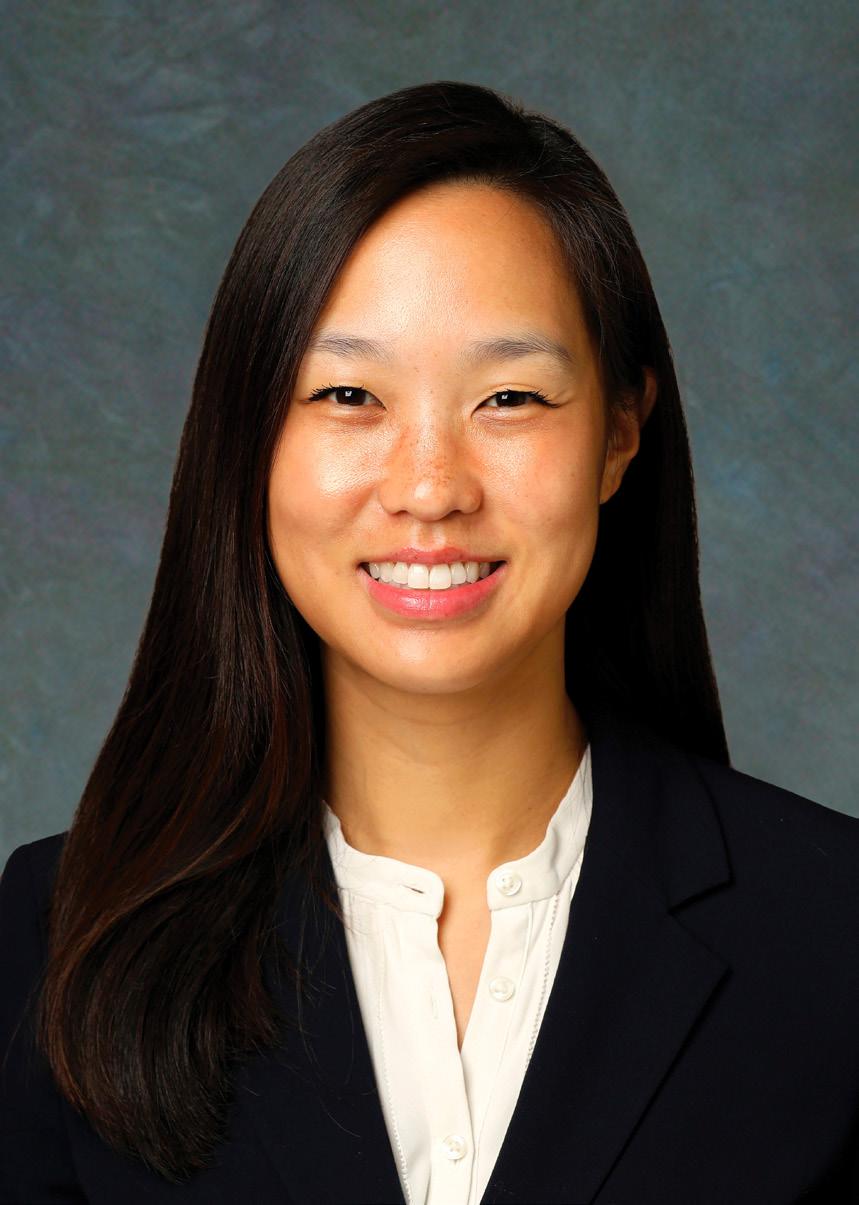
Dr. Alice Y. Wang, MD

You’d Better Sit Down, Kids
In last month’s column, I confessed an undying love for divas in general, and one diva in particular. Her name is Liza May Minnelli. She was born in Hollywood, California on March 12, 1946, and today, at 80 years of age, lives in Hollywood again. This is somewhat ironic, because she seems to be the living embodiment of New York City to many of her fans. Perhaps it’s the four Tony Awards, but more likely the fact that she’s the original (and best—sorry, Frank) singer of the Kander & Ebb anthem, “New York, New York.”
And yet, Liza Minnelli was first introduced to me by way of Berlin. When I was a teenager, I discovered a bunch of pirated VHS tapes among my family’s collection that included the 1972 film Cabaret, in which Liza appears (and later won an Oscar) as Sally Bowles, one of the most lovable narcissists ever captured on film. So lovable, in fact, that I had seen the film over 20 times before I allowed myself to pay close attention to her flaws. The film is set in Berlin against the backdrop of a nascent Nazi party who no one seems to take all that seriously (least of all Sally), and anyone who knows their history knows just how well that turned out. If you haven’t seen Cabaret in a while (or ever), it’s especially prescient right now, as we wait and see if we as a society appropriately learned that lesson.
Earlier this year, I received a copy of Liza’s memoir in the mail (signed, naturally). It’s not the most somber reflection of a life in show business. In fact, it’s called Kids, Wait Till You Hear This!—which sets the tone for the entire book. As a lifelong fan, I knew most of the details captured inside it. I knew that Kay Thompson and Halston were important mentors and friends. I knew about the wild nights at Studio 54. I knew about the time she filled in for Gwen Verdon and single-handedly saved Kander & Ebb’s Chicago. I knew about the tumultuous affairs with Peter Sellers and Martin Scorsese.
I didn’t know about the time that Scorsese berated her on the street
for having a simultaneous affair with Mikhail Baryshnikov, despite the fact that both she and Scorsese were married to entirely different people at the time. Messy! I didn’t know that Stephen Sondheim didn’t like her disco rendition of “Losing My Mind.” Messier! I didn’t know that Liza is completely unafraid of starting a beef with Lady Gaga. Messiest! And there were a few other things that surprised me.
…while I technically knew about Minnelli’s fourth marriage, the chapter she devotes to this liaison had me howling with laughter. Talk about messy!
Firstly, it was refreshing to hear Liza refer to her mother as anything but saintly. Liza’s mother was, of course, actress and singer Judy Garland. Like Liza, Judy suffered from a substance use disorder. Unlike Liza, recovery never really stuck for Judy. She had moments of recovery, but they never lasted long. And yet, until I read this book, I had never heard Liza say a bad word about her mother, even though being the child of an addict cannot be 100 percent happy, all the time. I always appreciated Liza’s loyalty, and also perhaps her desire to make a name for herself by not always dwelling on her mom, the Hollywood legend. The memoir, however, gives her a chance to paint a more nuanced portrait of her mother—a woman she clearly loved very much while not always living with in perfect harmony. Secondly, her own battle with substance use disorder was rendered with incredible honesty. While there are always mitigating factors in any addict’s story, Liza never blames anyone for her issues with drugs, but neither does she wallow in self-recrimination. She’s very clear about the fact that she has a disease—one that she almost surely inherited from her mother—and that
BY ERIC C. PETERSON
her own choices also played a role, not only in her drug use, but also (and more importantly) in her recovery.
I’m lucky in that I’ve never dealt with addiction in my own life or family. For someone like me, it can be difficult to understand how and why addicts have such a difficult time controlling their drug use, but reading Liza’s memoir made the relationship between addicts and their substances more clear to me. In this way, the book is helpful, for those who have substance use disorder and those who want to understand them.
Finally, while I technically knew about Minnelli’s fourth marriage, the chapter she devotes to this liaison had me howling with laughter. Talk about messy! The penultimate chapter of the book is called, “The Marriage from Hell.” The opening lines are, “His name was David Gest. What in God’s name was I thinking? I clearly wasn’t sober when I married this clown.” It’s a bit harsh, but Liza has built up some credit at this point, speaking of her first three husbands (all of whom she eventually divorced) in almost glowing terms. So, she whips out the steak knives to talk about Gest, and honestly? He deserves it. From the unexpected tonguekiss at the altar (“… like a shark mangling a piece of meat”) to all the grift and fraud he either committed or attempted, the chapter is both a cautionary tale and the funniest, most brutal revenge tour ever.
Before I opened this book to the first page, I knew I’d love it—not surprisingly, I did. Because the book is just like Liza herself—always shrewd and insightful, but layered with so much laughter and eccentricity that it’s hard to categorize, except that you know you’ve just had a whole lot of fun and maybe learned something too. Five out of five high kicks. ▼
Eric Peterson is a Diversity, Equity & Inclusion (DEI) practitioner, pop culture junkie, and sometime novelist. His debut novel (Loyalty, Love & Vermouth) is available at Broweseabout Books and online.





Community News

Celtic to Classical
Now in its 11th season, one of the Delaware seashore’s perennial favorites, Celtic to Classical, has announced its 2026 two-concert series at the seashore.
First up: Trio Barclay, composed of international cello soloist Jonah Kim, violinist Dennis Kim, and pianist Sean Kennard. Trio Barclay will offer performances of music from Baroque to bluegrass, featuring brand new American works. These performances mark the official Delaware debut of these three musicians as Trio Barclay. Performances (all at 7:00 p.m.):
• Monday, July 27, Avenue United Methodist Church, 20 Church Street, Milford
• Tuesday, July 28, Epworth United Methodist Church, Holland Glade Road, Rehoboth Beach and
• Wednesday, July 29, St. Martha’s Episcopal Church, 117 Maplewood Street, Bethany Beach
But wait! There’s more! It’s just been announced that an additional short concert, featuring Jonah Kim and Sean Kennard, will be presented on Tuesday, July 28, at 12:00 p.m., at St. Peter's Episcopal Church in Lewes. This concert will have its own unique program, distinct from July's evening shows.
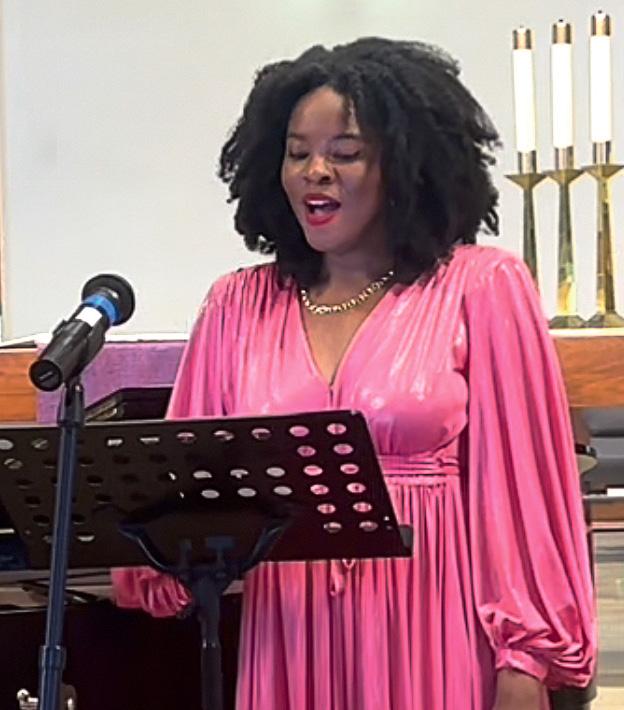
The second concert in the series features founders Sheridan Seyfried (violin) and Ya-Jhu Yang (piano), performing with flutist Pam Pecko Smith and soprano Kristin Renee Young. The program will feature the ensemble’s characteristic mix of genres. Performances (all at 7:00 p.m.):
• Monday, August 17, Avenue United Methodist Church, 20 Church Street, Milford
• Tuesday, August 18, Epworth United Methodist Church, Holland Glade Road, Rehoboth Beach
• Wednesday, August 19, St. Martha’s Episcopal Church, 117 Maplewood Street, Bethany Beach
All concerts run a little over one hour. A free-will offering is accepted in lieu of ticketed admission; seating is first-come, first-served. Learn more at celtictoclassical.com/. ▼
RAL’s 53rd Annual Outdoor Show
The Rehoboth Art League's signature summer event, the Outdoor Show, returns to its historic Henlopen Acres campus in August. More than 125 artists and artisans from around the country will display and sell their fine art and fine crafts amidst the Rehoboth Art League's 3.5+ acre wooded campus. The annual Outdoor Show is a juried event yielding exceptional work, and many of the artists demonstrate their creativity during each day of the show.
The Outdoor Show also offers great food, live music, artist demonstrations, gallery exhibits, beautiful gardens, the historic Peter Marsh Homestead, and a Dogfish Head Beer Garden.
The Outdoor Show will be held, rain or shine, on two weekends: August 1 & 2 and August 8 & 9. Hours are Saturdays, 10:00 a.m.-5:00 p.m., and Sundays, 10:00 a.m.-4:00 p.m. There is an entry fee of $5 (ages 13+); tickets can be purchased (cash or credit card) at the gate.
Parking is limited. Attendees are encouraged to carpool, use Jolly Trolley services (including from the Rehoboth Elementary School parking lot), or bike, scooter, or walk to the RAL campus. Designated bike and scooter parking is available. ▼
Spunky Women Walking Tour
The Spunky Women of Rehoboth Tour begins at 9:00 a.m. at the Village Improvement Association parking lot located next to the Henlopen, the Boardwalk, and Grenoble Place (415 North Boardwalk). Wear comfortable shoes and bring a bottle of water.
The one-hour guided stroll through town highlights the women of Rehoboth who made the town a “more pleasant place” to live and vacation. It includes the town history and improvements, the founding of the Rehoboth Art league, the Rehoboth Library, the Mosquito Matron, the children’s fishing pier, and Irene Dupont’s plans for Lake Gerar. Along the way, there will be stories about health care, real estate, businesswomen and entrepreneurs, suffragettes, restaurateurs, and philanthropists. The tour will end at the Anna Hazzard Museum on Christian Street.
Upcoming tour dates are Monday, August 10, and Monday, September 14. Tours begin at 9:00 a.m.; registration is $10. For more information or registration, visit rehobothbeachmuseum.org. ▼
Pictured at top, Trio Barclay, L-R Dennis Kim, Sean Kennard, Jonah Kim.
Kristin Renee Young
health+wellness
In Our Right Mind
All the decisive blows are struck lefthanded. – WALTER BENJAMIN
My dear was-band (an affectionate term for an ex-husband) and I are both left-handed. For the most part, our handedness didn’t matter to us, although when we played sports against each other, a decided advantage was lost. We were fascinated, however, by how others reacted to our hand dominance, particularly if we were writing. So many times, people would ask if it hurt to write, that it looked so challenging. When we had our son, we were relieved that he, too, appeared left-handed. I remember my right-handed Dad trying to teach me to tie my shoes. I just couldn’t see it. He finally sat behind me and watched what I was doing, guiding my hands to make a bow. Having a child mirroring our handedness just seemed like an easier proposition.
Differences in handedness have been documented since the beginning of recorded time. Very few individuals, however, are strictly one-hand dominant or the other. Rather, handedness can be viewed as a spectrum, where someone tends to favor one hand the majority of the time. Even more rare is true ambidexterity, where either hand is easily used with equal skill.
…a higher percentage of gay men and women identify as left-handed, and more bisexual men and women state they are ambidextrous.
Archeological evidence has provided clues as to the prevalence of handedness. For example, by studying arm bone length, researchers surmise that Neanderthals were right-hand dominant. How tools were shaped, manipulated, and gripped also suggest handedness polymorphism, but with a majority of
BY SHARON MORGAN

right-handers. Negative hand paintings in caves reflect both hands, but a majority left, suggesting the artists were righthanded.
But why even have asymmetry in handedness? The ability to efficiently complete tasks is one hypothesis. In most cases, a right-handed approach was sufficient, but some tasks were better completed using the left hand. Other research points to the development of speech: in some individuals, brain lateralization and hand gesturing fostered the use of one hand over the other as speech evolved.
Over time, handedness has also been shaped by religious and cultural influences. For instance, the first 10 principles of the Greek mathematician Pythagoras contain pairs of opposites, where the right side is aligned with light, good, male, and straight, whereas the left is aligned with dark, bad, female, and crooked. Ancient Romans believed a wedding band worn on the left hand would ward off evil emanating from the left side, and the modern right-handed handshake evolved from the Roman tradition of exposing your right hand as proof you carried no weapons. The word sinister, suggesting darkness or evil, comes from the Latin word meaning “on the left side.” During the Middle Ages, under the influence of the Catholic Church, left-handedness related to evil, filth, and the feminine.
Music and the arts boast a substantial number of left-handers, a reflection surmised to be due to… brain cross-lateralization.
Such persuasive practices persisted well into the 20th Century. In his 1935 book The Prevention and Correction of Left-Handedness in Children, the author J.W. Conway urged that from infancy, children should learn to use the right hand, to overcome the stigma and handicap associated with being left-handed. A survey conducted in China during the 1970s highlighted that many respondents acknowledged institutional social pressure to use the right hand.
While variations exist among different societies, roughly 10-15 percent of the population worldwide is left-handed, a percentage that has not varied significantly over time. Hand dominance can be demonstrated as early as two years old. Men are more likely than women to be left-handed, and clear familial patterns toward handedness have been observed. Of interest, a higher percentage of gay men and women identify as left-handed, and more bisexual men and women state they are ambidextrous. Thus far, the research to support this has been mostly anecdotal.
A defined genetic link has been difficult to quantify. Of the offspring of two right-handed parents, only 10 percent of males and 8.5 percent of females will be left-handed. If the father only is left-handed, 18 percent of male and 15 percent of female children are left-handed. However, if the mother only is left-handed, the percentages jump up
to about 22 percent for both male and female children being left dominant. Still, if both parents are left-handed, only 27 percent males and 21 percent females will carry the trait. Further twin studies may bear more fruit related to genetic linkage, as identical twins are more likely to reflect both-hand dominance versus fraternal twins.
Besides genetic links, research has also focused on hormonal influences in utero to explain asymmetry in handedness. Sex hormones, specifically testosterone, impact central nervous system and brain hemisphere development in the developing fetus and are also associated with left-handed dominance. This may also explain the prevalence of certain neurological and immune disorders among left-handers. Health issues such as dyslexia, asthma, and Crohn’s disease all share something
LET’S STAY CONNECTED!
All of CAMP
Rehoboth’s programs, services, and events are listed here: camprehoboth.org/ events-calendar/. Please visit the site often to ensure you have up-to-date information on what is being offered—and when
Youth Crisis Support: Crisis intervention services for children under 18. Parents and caregivers are connected to a crisis clinician.
Available 24/7. Call 800-969-4357 or text DE to 741-741.
988: Free, confidential support and resources for anyone in distress. Available 24/7. Call 988.
Delaware Hope Line: Free coaching and support. Links to mental health, addiction, and crisis services. Available 24/7. Call 833-9-HOPEDE (833-946-7333).
in common with left-handed dominance: a higher level of circulating testosterone in utero. Left-handers also are diagnosed with a disproportional number of mental illnesses, including psychosis and schizophrenia.
Left-handers’ brains do function differently. The brain is cross wired: the right side controls the left side of the body and vice versa. Left-handed individuals, however, have better and more coordinated connections across the hemispheres. Unlike right-handed folks, left-handers use both sides of their brains for facial recognition. Music and the arts boast a substantial number of left-handers, a reflection surmised to be due to this brain cross-lateralization. The theory, however, is being challenged in more recent studies. Being left dominant does appear to provide an advantage in some sports.
At the most elite levels, left-handers are overrepresented in such sports as boxing, fencing, baseball, and table tennis.
Every August 13 we celebrate the uniqueness of left-handers. As for the belief our son, too, would share the uncommon perspective of swimming against the handedness currents, alas; that was not to be. Soon into his first year of school, I noticed him struggling to write. I asked if it would be easier to function using his right hand, to which he gave a resounding yes. Dang that cursive. ▼
Sharon A. Morgan is a retired advanced practice nurse with over 30 years of clinical and healthcare policy background.
Photo by Kateryna Hliznitsova on Unsplash
Summer Safety Tips
Having a great summer does not rely on handedness. Common sense, though, will come in “handy” in assuring you both enjoy summer and make it safely to fall:
• Hydrate, hydrate, hydrate: Water is fine; most of us don’t need drinks with electrolytes. Alcohol, by the way, doesn’t count: it may be wet, but it actually dehydrates.
• Take precautions against UVA and UVB rays: Use sunscreen (SPF 30 or higher), wear broad-brimmed hats and sunglasses, maybe even consider ultraviolet-protective (UPF) clothing, especially if you’re often outdoors for long stretches of time.

• Beware of insects: Ward off mosquitoes with an insect repellent containing DEET; if you’re going into grassy or wooded areas, treat clothing with permethrin. (If you’re applying both sunscreen and an insect repellant, use the sunscreen first, then layer on the repellent.)
• Keep your cool: Seek shade under a tree, an umbrella, or a picnic pavilion. Or visit an air-conditioned oasis—a library, store, community center, or restaurant.
• Be mindful of the signs of overheating: Watch for dizziness, nausea, muscle cramping, and heavy sweating; seek help sooner v. later.
• Be water aware: don’t swim alone and heed lifeguards’ warnings. If you’re boating, wear life jackets and consider investing in an EPIRB (Emergency Positioning Indicating Radio Beacon)—waterlogged cell phones won’t save you, even if there is a signal. ▼
Photo by Gary Tou on Unsplash
Coming Very (Very!) Soon
Beebe Health Suite at CAMP Rehoboth
First patient appointments begin July 29
Beebe Healthcare and CAMP Rehoboth are proud to announce that beginning Monday, July 27, scheduling is open for appointments at the Health Suite, located at 39 Baltimore Avenue in downtown Rehoboth Beach.
The first patient appointments will begin Wednesday, July 29, at the newly named Beebe Health Suite at CAMP Rehoboth.
The Health Suite is the first phase of a partnership between Beebe Healthcare and CAMP Rehoboth. The partnership is focused on expanding access to prevention, screening, care navigation, and health education in a trusted and convenient downtown location.
The Health Suite builds on CAMP Rehoboth’s longstanding commitment to community health while connecting patients with Beebe’s licensed clinical team and broader network of care.
Initial offerings include:
• HIV screening and counseling
• STI screening and testing
• PrEP services
• Vaccinations
• Care coordination and referrals
• Health education and outreach
One of the unique offerings planned through the Health Suite is a co-pharmacist-led PrEP program. PrEP, or pre-exposure prophylaxis, is a medication that helps prevent HIV infection in people who may be at increased risk. Under a new Delaware law, specially trained pharmacists can play a larger role in helping patients access PrEP, making it easier and more convenient to receive prevention services, education, follow-up care, and ongoing monitoring.
“Access is one of the biggest factors in preventive healthcare,” said Rebecca Marciniak, PharmD, Clinical Pharmacist, Beebe Healthcare. “By bringing services into a trusted and familiar community setting, we’re helping people connect with care earlier and more easily. The pharmacist-led PrEP model allows us to
remove some of the traditional barriers to prevention and support patients throughout their care journey.”
In this convenient downtown setting, patients will receive the same quality of care, delivered under the same clinical standards, as is found throughout Beebe Healthcare.
Appointments will be available during the following hours:
• Monday: 9:00 a.m. to Noon
• Wednesday: 1:00-4:00 p.m.
• Friday: 9:00 a.m. to Noon
Appointments may be scheduled, beginning July 27, through Beebe’s website: beebehealthcare.org/locations/ beebe-health-suite-camp-rehoboth.
“CAMP Rehoboth has been a trusted source for HIV testing, counseling, and prevention for decades,” said Robin Brennan, DrPH, Executive Director for CAMP Rehoboth. “Our partnership with Beebe Healthcare allows us to expand the scope of services available while ensuring that everyone in our community has access to affirming, welcoming care in a place they know and trust.”
Beebe Healthcare and CAMP Rehoboth aim to make it easier for both year-round residents and visitors to access the care and support they need.
The Health Suite serves as an important healthcare access point in downtown Rehoboth Beach, a community that experiences significant seasonal growth during the summer months. The location has long provided health-related resources and support through CAMP Rehoboth, and this partnership ensures
those services will continue while expanding opportunities for prevention, care navigation, and connection to Beebe’s broader network of care.
By maintaining and enhancing access in the heart of downtown, Beebe Healthcare and CAMP Rehoboth aim to make it easier for both year-round residents and visitors to access the care and support they need.
“This partnership allows us to build on the strong foundation CAMP Rehoboth has already created and ensure people continue to have access to screening, counseling, prevention, and support close to home,” said Bill Chasanov, DO, Infectious Disease physician and Chief Health Systems Design Officer for Beebe Healthcare. “More importantly, it gives us a framework to continue growing and responding to the needs of the community for years to come.”
The Health Suite is the first phase of Beebe Healthcare’s partnership with CAMP Rehoboth. Planning continues for a future expanded clinical and wellness space at 39 Baltimore Avenue, where additional healthcare services and community wellness programming are being explored. Future offerings will be guided by community feedback and evolving healthcare needs throughout Sussex County. ▼

Medical Foundation


we’ve got you covered - literally!


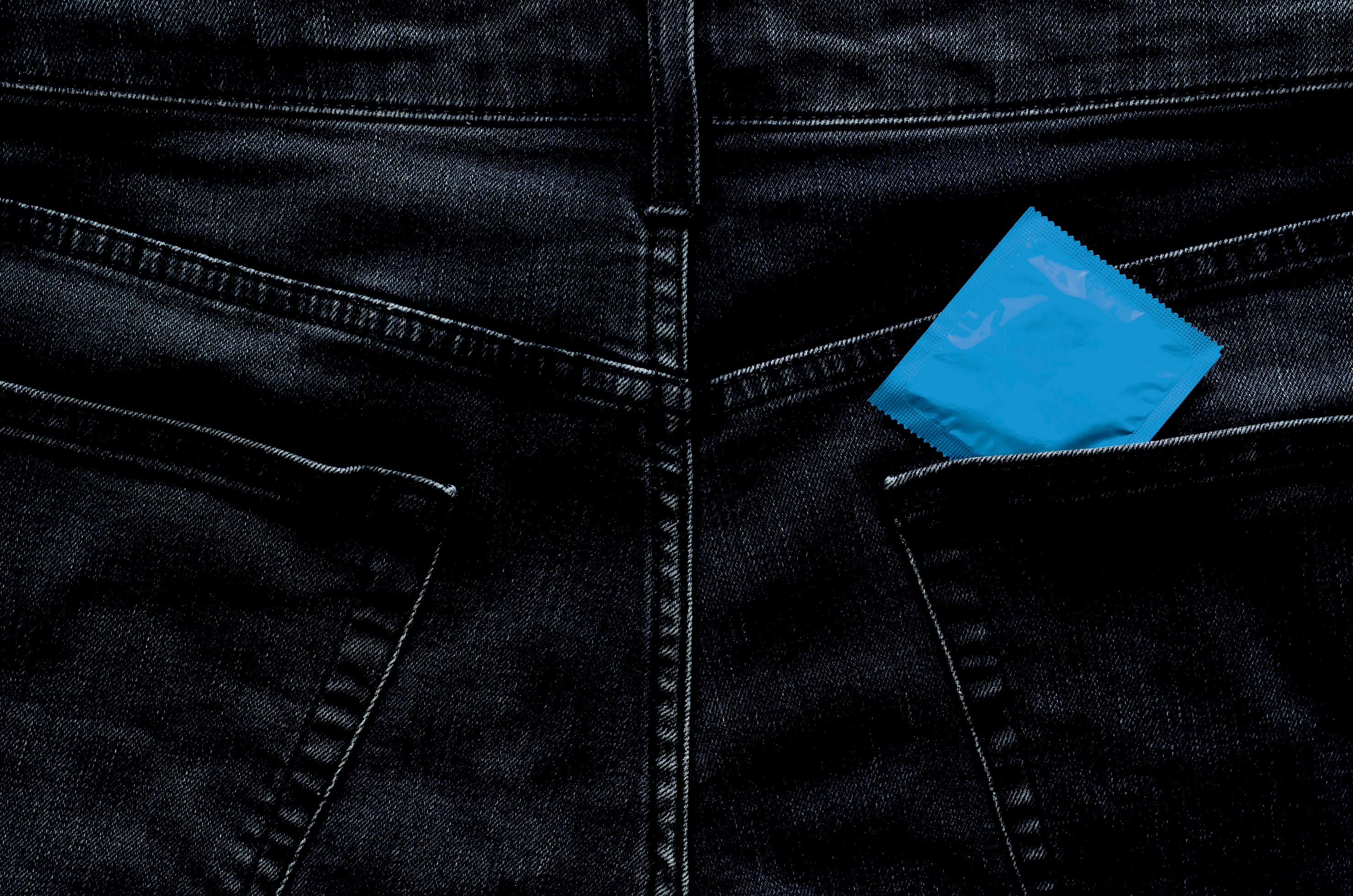
Free condoms and safer sex tools like dental dams and lubricant are available at CAMP Rehoboth!



BY ERICA BUTZ

Honorable Mention
Go Knicks W
READER’S PANEL COMMENT
Churches and sports stadiums are places that can bring thousands of people—who might otherwise believe they have nothing in common— together under one roof or united by a single banner. For a brief moment, they create a sense of unity and togetherness, allowing people who might normally pass each other on the street without a second thought to look one another in the eye and recognize the humanity in each other. This story reminded me of that.
e were an hour outside of Des Moines when the rain started. Heavy darts drilled the roof of the car, a cacophony of loud splats. The windshield wipers were putting up a noble fight, slicing violently back and forth, while the headlights were all but useless, dead after a hundred feet. Already behind schedule, I acquiesced to the demands of my fellow passengers with some bitterness, pulling off the road at the next exit. Southern Iowa, quarter past eleven, only the gas station was open.
The five of us tumbled out of the car, kicking loose the clothing and empty chip bags that clung to our ankles, banishing them to the back seat. We crossed the parking lot, squealing, heads bowed and arms raised, though they provided little cover from the torrent around us. The bell above the door echoed our laughter as we shook our hair out like dogs, the ten yard dash leaving us soaked and revitalized. Peering over his paper, the cashier arched a bushy gray eyebrow at the puddle growing under our feet, then ignored us completely.
Kim made a beeline for the bathroom. Danny and Miles waltzed towards the soda fountain, while my eyes followed Annie down the candy aisle. Her hair had started to curl from the water, and she twisted it around her finger, lock by lock, absentmindedly. She was scanning the shelves for sustenance, one last sugar kick to get us to our hotel in Omaha. I was holding my breath.
She was beautiful under the fluorescent lighting, swaying to the sound of Little Feat over fuzzy speakers. I, on the other hand, had never been the kind of girl who makes her way gracefully through a storm. Squinting into the tiny mirror on the carousel of sunglasses, I took stock of the situation and condemned it as dire. I acknowledged this reality with a heavy sigh, turned away from my reflection, and peered through the window, trying to decipher the sky, looking for any hint of respite.
Lightning cut across the blackness and a loud slap of thunder caused everyone to jump.
“Okay,” Kim came out of the bathroom in time to vocalize a response for the room. “Which one of you pissed off God?”
“Guilty,” Miles raised his hand, planting a kiss on Danny’s cheek.
I envied my friends. I was in awe of them most of the time. Kim, loud and unapologetic. She was pierced, had a dyed mullet, a sleeve of homoerotic tattoos from left wrist, crossing her collar bone and wrapping around her right shoulder. At that very moment, Danny was whispering in Miles’ ear, his index finger hooked around his boyfriend’s belt loop, both of them blushing in full view. Annie, who moved through the world like it mattered that she was there. I found her reflection in the window, wishing I was bolder.
All four of them were city kids, born and bred. This was their first time in flyover country. A six-day road trip from New York to San Francisco. One urban mecca to another. But I was a transplant. I knew this gas station; I’d grown up in a town like the ones found in southern Iowa. Everyone always worries about the big bad city, but small is a quiet kind of scary. There’s venom in subtext and violence can be a slow burn. In the city everything is loud, you see what’s coming. Which is why I was the first to notice them.
Kim was telling a joke; no one heard the bell. Even if they had, I don’t think the threat would have registered right away. The three men could have been anyone, t-shirts and blue jeans. But I saw where their eyes went, saw their stance shift when they dialed in on Miles and Danny. They fanned out. One towards the bathroom. The tallest of the trio lingered by the door, stooping over a rack of magazines, eyeing Annie. The third pulled down on the bill of his hat and headed towards the soda fountain, his lips twitching. It only took a step in their direction for Danny to put space between himself and Miles. Kim stopped talking and suddenly there was no air in the room.
I went to the counter, knowing that everyone was prepared to leave their intended purchases and make a quick exit, but we needed enough gas to get to Omaha. “Thirty on pump six please.”
...small is a quiet kind of scary. There’s venom in subtext and violence can be a slow burn.
There was a mirror behind the register; I could see the whole store. Danny had moved so that he was between Miles and the guy with the hat, who stood leaning against the refrigerator, disgust slathered across his face.
“Some storm,” the cashier grunted.
“Yes.” Kim and Annie had found each other one aisle away from me. My mouth was dry, as I imagined trying to push past the willowy man by the door.
“We’ve been having flash floods all summer, should pass soon. Smart to pull over, wait it out.” The first man emerged from the bathroom. As he walked past Kim he took a deep breath, smelling her and smiling when she flinched away. My pulse was ringing in my ears. Or was it the bell above the door? I paid the cashier with two crumpled twenties.
“Where are you folks from?”
“New York,” The men were leaving. I heard car doors close, an engine start. I could breathe again.
“Go Knicks.”
“What?” I asked, having heard him but caught off guard.
He looked out the window as the truck drove away, waited until it was out of sight before handing me my change, “Go Knicks,” he said again, meeting my eye and offering the most unexpected of smiles. One that did not seem to come naturally, but appeared, and could not be mistaken for anything other than the offering it was.
So, having never seen them play a day in my life, I accepted, smiling back, “Go Knicks.” ▼
ABOUT THE AUTHOR
Erica Butz lives in Sunnyside Queens where she spends her time doing hot yoga, obsessing over women’s basketball, and collecting antique clocks. Her writing can almost exclusively be found in the notebooks that litter her apartment and occasionally can be heard at open mics around NYC. She believes strongly that eating a bagel a day can do wonders for your emotional wellbeing.

BY GREGORY A. KOMPES
Honorable Mention
The Middle of Nowhere “P
READER’S PANEL COMMENT
I admired its quiet confidence and the way it lets meaning emerge through conversation and silence. What begins as an ordinary road trip gradually reveals deeper tensions between the characters, and the story trusts the reader to notice what lies beneath the surface without insisting on a definitive explanation. I found that restraint particularly effective; the story lingered with me precisely because it leaves space for the reader’s interpretation.
ut it there.” Pete pointed to a spot in the back of the SUV. Mario didn’t move fast enough, so Pete took the bag out of Mario’s hands and placed it into the hole he’d indicated. “See, it fits perfectly. Enough room for everything and now the rearview mirror won’t be blocked.”
Mario nodded. “That’s it, then?”
“We took the dogs to the kennel, packed, made lunch for the road, and now have loaded the car. Yes, that’s everything on the list. I’ve also chosen music and synced up the MP3 player with the car. And, I’ve downloaded two New York Times bestsellers from Audible.”
“You’ve scheduled every minute of our trip?” Mario walked to the passenger side of the SUV and, after two attempts, hoisted himself up into the vehicle.
“Just about every second,” Pete said. He pulled his seatbelt over his body and clicked it into place. He started the car and waited while Mario positioned himself, put on his seatbelt, kicked off his shoes. “Comfy?”
Mario couldn’t tell if Pete was being sarcastic; he nodded as Pete backed out of their driveway. Before putting the car into drive, he hit the button and a professorial voice intoned: “This is Audible…”
Mario didn’t really care about the life cycle of the yak, so he watched the scenery change from urban sprawl, to inner city, back to urban sprawl and then to open desert. He liked living in Las Vegas: the middle of nowhere. Just a couple dozen square miles of dense, city living surrounded by hundreds of miles of nowhereness desert.
The recording skipped. First just a word or two and then it sounded like the Chipmunks on crack. Repeated itself. Stuck. Just like old CDs used to or dusty scratched records.
Mario reached for the little machine, but Pete called out: “No. I’ll do it.” Pete
hit the blinker, slowed, stopped on the side of the road, and turned on the hazard lights. He pushed buttons, started the thing again, it skipped. He changed to music, some classical piece Mario didn’t know or remember knowing, but that skipped, too. “Not to fear, I have Pandora on my phone.” Pete pushed the device to life. “Damn, no signal.”
“Let’s just go,” said Mario, hoping beyond hope that his joy in this moment of digital disaster, this period of technical difficulty, this time of radio silence would be hidden behind his hooded lids.
“Well, I, well…” Pete turned off the hazard lights and turned the indicator toward the highway. He pulled back onto the road and got their speed up to cruising altitude.
“Maybe we should talk,” said Mario. His remark rejoined by silence. “I met a woman a few days ago at the blackjack tables.”
Mario didn’t move fast enough, so Pete took the bag out of Mario’s hands and placed it into the hole he’d indicated. “See, it fits perfectly.”
“You were in a casino?” Pete kept his eyes on the road.
“Yes. I play every once in a while. We learned the strategy for your little study a few years ago and I find the game fun and even relaxing.”
“You throw away your hard-earned money at the tables? It’s like I don’t even know you.”
“It’s just like that,” said Mario, brave for a moment, then fearful he’d be dumped at the side of the road.
“My little study found no good can come of gambling, even when you play perfect strategy. There are too many human factors involved for it to work.”
“Maybe we should talk… I met a woman a few days ago at the blackjack tables.”
“Anyway, this woman I—”
“I’m not interested in some random woman. Why would you go against the math?”
Mario said nothing. He went back to watching the desert landscape. Breathing through the silence, now wondering how the yak was doing. ▼
ABOUT THE AUTHOR
Gregory A. Kompes, founder of The Writer Workshop and author of dozens of books, including the forthcoming novel Shards (Flexible Press, 2026), leads a writer critique group for Rehoboth Beach Writers Guild. More at: Kompes.com.
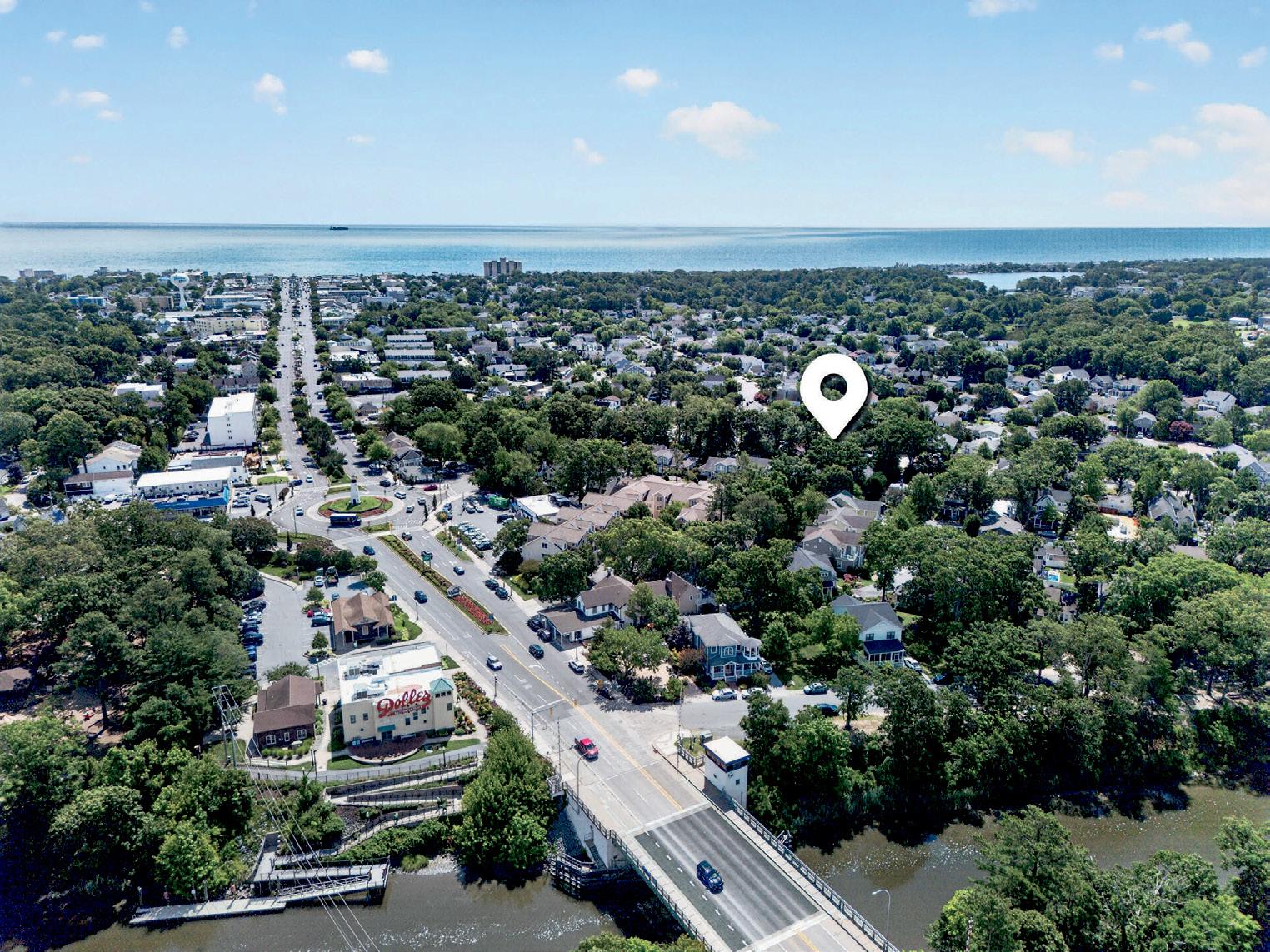






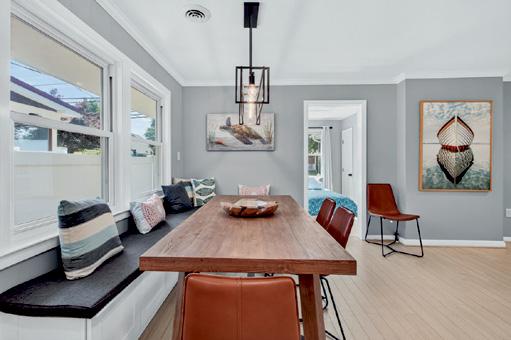
Move right into this professionally decorated fivebedroom beach home, just a short stroll from the Atlantic Ocean, restaurants, and shops. Featuring a bright, updated kitchen, inviting living spaces, a screened porch, outdoor shower, and fenced yard, it's perfect as a full-time home, beach getaway, or investment property with major rental potential Turnkey and offered at an exceptional value!





BY TERRI SCHLICHENMEYER
Honorable Mention
Invisible
The cage door made a sound like a cheap metal bracelet dropped on a marble countertop.
“Aw, man. He pissed all over himself.”
“Who? The puppy, or some guy in the hallway? Who’s gonna know the difference?”
READER’S PANEL COMMENT
A great short story starts with a great first line, and this one not only inexorably draws the reader in, but also provides a prelude to the cold, hard truths to come. It’s easier not to listen. But therein lies the tale.
The teenage volunteers from the Animal Shelter snorted at their own joke as they wiped the dog down and carried it out of the room for Pet Day.
Al Pietor turned one cloudy eye in their direction as they exited. Little jerks didn’t even notice anyone else in the room, didn’t even bother to see somebody off to one side, slumped over in a wheelchair like a toy bear with half its stuffing gone.
That’s the problem with people, Al thought. They look and look, but they don’t know what they’re seeing and they don’t give a damn.
Didn’t matter. Self-absorbed little jackanapes.
Born to an abusive father and a mother who loved the bottle more than her children, Al had always been a grump. A toddler who skulked in the corners of a room, smug and silent. A kid who stole pretty pens from absent desks, who broke other kids’ best crayons, and tattled self-righteously because it was a passive-aggressive way to get vengeance for near-daily playground indignities. By eighteen, Al had firmly become a “You Damn Kids Get Off My Lawn” kind of person, someone who permanently confiscated balls that accidentally crossed property lines.
A lonely, angry person who just wanted to be left the hell alone.
And then Cara moved to town, and the sun rose that day.
Cara was incredible: shiny brown hair that avalanched down her back, fingers that danced like excited butterflies when she talked about something that tickled her. A voice like delicate crystal wind chimes, dark sparkling eyes that crinkled at the corners when she was happy.
She smelled like summer.
Al fell in love. Instantly, deeply, awkwardly, with no real idea where to take
things except to manufacture reasons to “accidentally” run into Cara around town, to chance small interactions that were terrifying causes of an ache to want more just like them. Her fingers smooth on a sleeve, coy compliments, the idea that Cara might be flirting was impossible to imagine and equally impossible to articulate. Soon, they were calling friendly greetings out to one another across the street, waving hello, a familiarity that, over months, gave Al the dry-mouthed courage to invite Cara out to a candlelight dinner one night.
Could anyone in the history of the world have been so clueless?
Cara was insulted right then, and told Al to get lost – not exactly in those words, but there was a physical recoil, a gasp, a sense of disgust that was there, clear as day. The revulsion, the twisted lip on that exquisitely lovely face.
The sarcastic scorn and sneering laughter of folks who heard about the whole thing.
That was cause enough for scythe-like pain, enough humiliation to last anyone for the rest of their days, so Al retreated away from those smug bastards. Back to isolation, refusing to leave the house again except to the back yard to make sure no ignorant little jerk-offs were crossing property lines, relying on condescendingly disapproving siblings and a handful of nervous neighbors to tend the lawn and bring groceries and supplies, until the day a younger brother found Al face-down at the bottom of the basement stairs, trousers soiled, concussed, half-conscious. Then a hospital stay. A doctor’s intervention, social workers, government workers. A nephew who bought the house and cleaned it up, tossing out everything that Al had carefully curated and collected over the years.
It happened fast, this forced placement into a nursing home.
The Nursing.
Home.
Was no home, it was a warehouse for hiding people, for stories nobody gave a damn about anymore – if they ever did. Al was disgusted by that, and the fact of a medical chart hanging somewhere that said Needs assistance dressing, cannot
Could anyone in the history of the world be so clueless?
self-feed, needs help toileting, mostly non-verbal. Disgusted by forced daily interaction with people who tried to speak with tongues fat like garden slugs in their mouths, roommates and their diapers in cramped spaces, absolutely no privacy, counselors who thought they knew everything, overeager activities directors who couldn’t take “leave me be” for an answer, dressing people like clowns, addled old women who masturbated in wheelchairs in the hallways.
Ignorant, self-absorbed little jackanapes with puppies.
Disgusted by people who assumed, never seeing past shaky hands and gray heads.
Disgusted by this place where Al, resigned to fate, would eventually die. Which, honestly, couldn’t happen soon enough.

Suddenly, there was a jolt as someone unlocked the wheelchair brakes. Al felt a hot breath to the right side, a chirpy voice that was too faux-happy and way, way too loud.
“There you are, Miss Alice! We thought we lost you, were you waiting for them to bring the puppy back?”
The wheelchair moved, swung around, Al felt dizzy, briefly nauseous.
“Okay, it’s lunchtime! Are you hungry? Casserole’s on the menu! And myyy, don’t you look pretty today, is that the new dress your brother brought for you?”
The attendant didn’t wait for an answer, didn’t expect one. And that was fine, Al wasn’t going to give one anyhow.
“The men in the lunchroom are gonna fight over who gets to sit at your table, my dear!”
Al merely grunted.
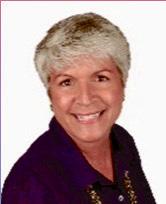
Self-absorbed SOBs taking second-hand stories as fact, to hell with truth. Nobody listens. They just see right through you. It’s easier for them if you just stay invisible. ▼
ABOUT THE AUTHOR
Terri Schlichenmeyer, when she’s not writing, reviews books for 135 print publications in the US and Guam. She lives in Wisconsin with one little pet-monster and her partner-incrime, Mark.



BATSON CREEK ESTATESFrankford. 2019 3BR/2BA is 2,272sf w/4-season sunroom. Beautiful kitchen. Split BR plan. Lawn maintenance included. $539,000 (2114550)


MILTON - Atlantic Ave. 2026 Stunning 4BR/2.5BA home on 1/4-acre lot. Near historic district $599,000 (2071890) Call Theresa Cappuccino for an appointment (609) 515-5820
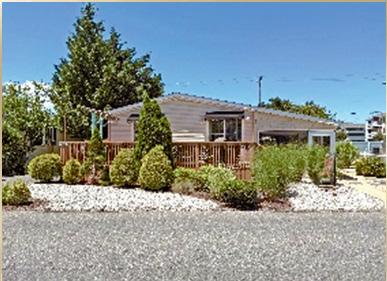
SEA AIR - Rehoboth. 2005 “showcase” home. 3BR/ 2BA is nicely remodeled. 1,680sf. Hardscaping. Pool & 3 miles to bch.
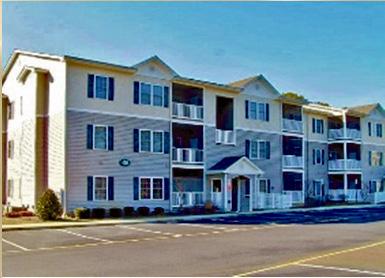
CREEKWOOD -Rehoboth 2002 2BR/2BA is a 1,060sf 3rd-floor condo. Split BR plan. Partially furn. Pool. Just 4 miles to boardwalk. $345,000 (2114828)

REHOBOTH BAY -Rehoboth. Remodeled 1987 3BR/2BA. 1,440 sf. Gorgeous & private backyard. Pool. Marina. 6.5 miles to beach. $260,000 (2103152) Lot Rent $779/mt.

PLANTATIONS EAST - Lewes. 2002 3BR/2.5BA InFeeSimple townhouse w/owned solar panels. New LVP. Garage & sunroom. Just 5 miles to the beach. $426,900 (2111598)



ENCHANTED ACRES -Long Neck. 2005 3BR/2BA home is +1,400sf. Nice! $165,000 (2112592) Lot Rent $719/mt. Call Scott Weyer for an appointment (814) 935-5530
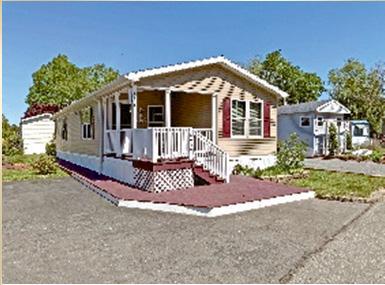
A SPEN MEADOWSRehoboth. Remodeled 1989 3BR/2BA w/2-car garage. Pool & just 4 miles to boardwalk. $235,000 (2113632) Lot Rent $909/mt.
SEA AIR -Rehoboth. 2011 2BR/2BA doublewide is 900sf. Great front porch. Pool & just 3 miles to beach. $150,000 (2111278) Lot Rent $721/mt.
SUSSEX WEST -Lewes. 2005 3BR/2BA. 1,700sf home w/oversized 1-car garage Indoor community pool & 6 miles to beach. $289,900 (2113106) Lot Rent $881/mt.
Golf Cart w/Full Price
NEW CONSTRUCTION
Golf Cart Included
Sounding Off
BY STEPHEN RASKAUSKAS
Inside Delaware’s New LGBTQ+ Commission
Delaware seems like a relatively safe place to be queer. It was among the first states to pass marriage equality, back in 2013. Rainbow flags fly in Rehoboth year ‘round— not just during Pride Month.
But ask Leslie Ledogar, a Delaware native and member of the state’s newly formed LGBTQ+ Commission, and the picture gets more complicated. “We can have rights on paper,” she explained, “but that doesn’t mean people in our everyday lives treat us like we deserve to be.”
The gap between protection in statute and protection in practice is one of the main reasons why Delaware’s first LGBTQ+ Commission exists.
One year after its first full slate of commissioners was seated, and a little more than a year after it was created by executive order, the Commission is settling into what its Chair, Cora Castle, calls its real work: not just helping to enact policy decisions, but making sure policy gets enforced, and making sure the state actually hears from the people it’s meant to protect.
WHY NOW
Nationally, LGBTQ+ young people report alarmingly high rates of anxiety, depression, and suicidal thoughts, not because of who they are, but because of how they’re treated, according to a 2025 survey by The Trevor Project.
More than a third seriously considered suicide in the past year, and that number climbs for transgender and nonbinary youth. Youth of color reported attempting suicide at higher rates than their White peers, with roughly a third experiencing racial or ethnic discrimination on top of anti-LGBTQ+ bias. And what puts people at even greater risk? Nearly half of young people who wanted mental health care couldn’t get it.
The research is consistent on what helps: supportive families, affirming schools, and communities that accept LGBTQ+ people, especially trans and nonbinary people, as who they say they
are. Young people who described their communities as very accepting attempted suicide at less than a third of the rate of those who called their communities very unaccepting.
These are things that advocates at the state level can actually change. They can help move agencies, schools, and health systems toward the practices that are proven to keep us alive.
Delaware does have real legal protections on the books like nondiscrimination law, marriage equality, and hate crimes statutes. What the Commission is built to address is the distance between that legal floor and what LGBTQ+ Delawareans actually experience.
ONE COMMUNITY, 1,000 DIFFERENT NEEDS
What makes this work hard, and one of the biggest challenges for the Commission, is our diversity. The LGBTQ+ community isn’t one constituency; it’s dozens and dozens. Queer people show up in every age group, every race, every income bracket, and in every town and city throughout Delaware. Queer people can be born into families from any part of the globe who now find themselves living in Delaware. We practice all religions. We work in all industries.
But that also means that while we share common needs for legislative protections, we also have specific needs based upon our lived experiences. A teenager fighting for access to gender-affirming care and a 70-year-old in a nursing home need very different things from their government.
Ledogar points to elder care as an example most people never think about. “Who would ever think that in a nursing home, you could be separated from your spouse because you’re a same-sex couple?” she asks. “Or that a trans woman could be housed with men?” Meanwhile, veterans, people with disabilities, and people of color within the community each carry their own layered set of concerns.
Part of the Commission’s job, then, is a sort of triage: figuring out where priorities overlap and where they compete, so limited time and political capital go where they’ll do the most good for the most people, without letting any one group’s needs get drowned out.
HOW IT STARTED
The Commission traces back to January 16, 2025, when then-Gov. Bethany Hall-Long signed Executive Order No. 1 during her brief two-week stint as acting governor, creating Delaware’s first state body dedicated solely to LGBTQ+ issues. She appointed the first four commissioners, including Ledogar.
Later, Gov. Matt Meyer, who took office shortly after, appointed the remaining five that summer to bring the Commission to its original nine members. He named Castle, an electrical engineer and longtime Delaware resident, as chair.
“Our first mission was simply to get organized,” Castle says. “There was no infrastructure when the Commission was stood up.” Members had to build bylaws, structure, and subcommittees from nothing, all while navigating open-meetings requirements that limit how much coordinating members can do outside of public sessions. “Because we can’t legally coordinate outside of public meetings,
Cora Castle


figuring out how to divide the work without violating that took real effort.”
HOW IT’S EVOLVED
While the Commission is absolutely necessary, the rollout wasn’t without some friction. Some advocates publicly criticized the original nine-member Commission for lacking diversity. So, the Commission listened, and in March 2026, Meyer signed Executive Order 20, expanding the body from nine to 15 members. Six new commissioners were added as a result, several specifically to broaden the group’s racial and professional diversity.
Today the Commission is composed of six subcommittees: Executive, Intersectionality, Health & Human Services, Justice/Labor/Housing, Youth & Education, and Outreach. Vice Chair Vienna Cavazos has described those early months as building the plane while flying it: there was no template to follow, so the group had to invent its own process for how work gets divided, researched, and reported back to the full Commission before anything becomes a recommendation.

STRATEGY NOT AN ADDRESS



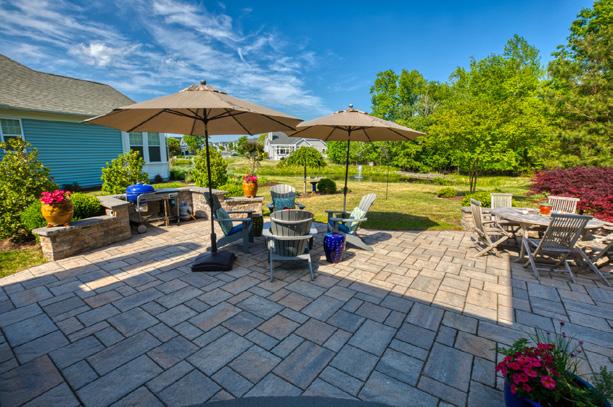





Amanda.barrowsandassociates.com
…one of the biggest challenges for the Commission is our diversity. The LGBTQ+ community isn’t one constituency; it’s dozens and dozens.
The Commission has already produced tangible work: a formal letter to the General Assembly opposing SB 215, which would have restricted transgender student-athletes to teams matching their sex assigned at birth, and sustained attention to shrinking access to gender-affirming care in the state after a major children’s hospital scaled back services for new patients.
Subcommittees have also taken testimony from community organizations on issues ranging from LGBTQ+ homelessness to protections for transgender youth and incarcerated people. Ledogar’s own subcommittee work has centered on aging and veterans: two populations she says get overlooked

in conversations that tend to focus on younger, higher-visibility issues.
WHAT’S NEXT
Year one, Castle says, was defined by loosely structured meetings that touched on a bit of everything. Year two looks different. Each monthly meeting will now spotlight a single issue area on a rotating basis, giving subcommittees months to plan real content instead of scrambling before each session. Though Castle is clear it’s “a guideline, not a strait jacket,” leaving room to respond fast when something urgent breaks. The Commission is also drafting its first annual report and its first budget. ▼
The Commission would love to hear from you. Learn more and reach out to it at lgbtq.delaware.gov
Stephen Raskauskas is a Sussex County native who has produced content for radio, TV, digital, and print.
Listed By: Kim Hamer
Coastal Escape
Listed By: Jenn Barrows

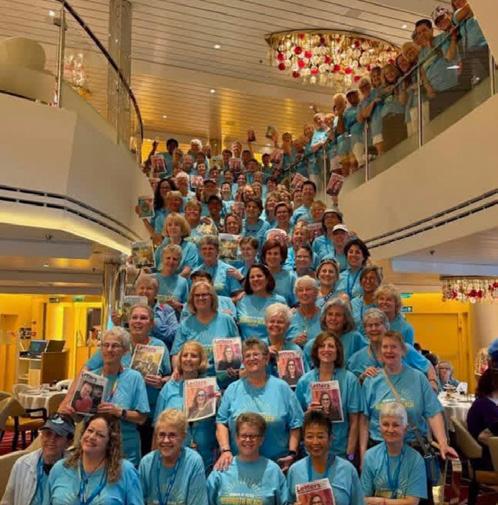
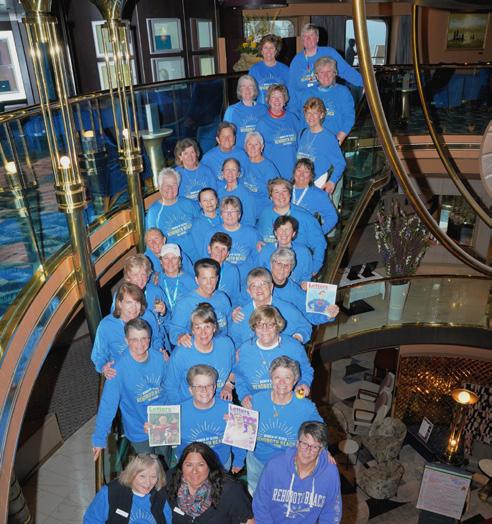


UNICO Hotel Riviera Nayarit II | Nov 15–22, 2026
Balkans on the Danube Riverboat Cruise | Apr 5–12, 2027
Cancún, Mexico Resort | May 8–15, 2027
Barcelona to Lisbon Luxury Cruise | Jun 8–16, 2027
A Taste of France Riverboat Cruise | Jun 29–Jul 6, 2027
Machu Picchu Incan Adventure | Aug 26–Sep 4, 2027
Wonders of Patagonia Adventure | Oct 22–29, 2027
Hard Rock Hotel Vallarta | Oct 24–31, 2027
New Year's in New Zealand Adventure Cruise | Dec 30, 2027–Jan 9, 2028
Women of Rehoboth aboard Olivia's 2026 Alaska in Spring Cruise
Women of Rehoboth aboard Olivia's 2025 35th Anniversary Coral Jubilee


Garnish the Absurd
As a cocktail enthusiast and amateur cocktail historian, I was intrigued when I noted mixologists and publications predicting a revival of older or lesser-known cordials for this summer. Town & Country was pushing St-Germain and Lillet. Punch was peddling a return to Green Chartreuse and Génépi, an intensely herbal liqueur popular in the Alps.
The experts were half right. What actually surged this summer were blue- and green-colored liqueurs and the irresistible urge to turn political absurdity into happy hour.
Yes, I’m talking about Donald Trump and the Reflecting Pool fiasco. Cocktail recipes began appearing on social media almost before the algae had finished blooming.
One popular recipe everyone seemed to be sharing called for rum and blue curaçao shaken with pineapple, mango, or lemonade. We all know what blue plus yellow equals…. And for a garnish? How about edible gold flakes or a blue fruit roll-up?
A swank recipe for the “Big Beautiful Reflecting Pool” combined Midori melon liqueur with Coconut/Pineapple Sparkling Ice and butterfly pea flower syrup. Served “up,” of course. Frankly, I found that recipe a bit froufrou for the occasion.
My favorite was a riff on a margarita. Start with tequila blanco and add Galliano, fresh lime juice, a splash of pineapple, and matcha powder. Shake it up and pour it over vivid blue liquid spirulina (edible algae). The murky green mixture floats above the blue water before slowly sinking. I didn’t make this one. Too complicated. I watched it instead on a TikTok video.
And then there were the comments. They were as entertaining as the recipes.
“Add a dash of hydrogen peroxide!”
“Give it a Cheeto garnish!”
“When it tastes bad, blame the distiller not the bartender!”
I laughed, clicked “like,” and kept scrolling.
The recipes I found weren’t especial-
ly sophisticated. They didn’t make my mouth water. But they had accomplished something rare. They’d made thousands of strangers laugh at the same absurdity. Which got me thinking about what these drinks actually are and what they aren’t.
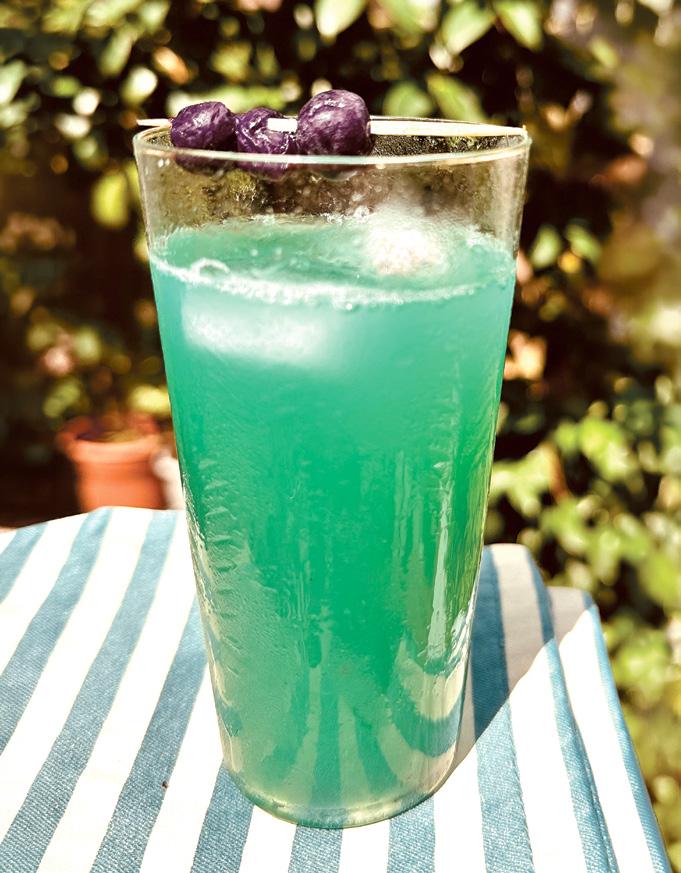
What actually surged this summer were blue- and greencolored liqueurs and the irresistible urge to turn political absurdity into happy hour.
Revered cocktail historian David
Wondrich once observed that politically inspired drinks might be okay drinks, but it’s hard for them to outlast the issues that they’re tied to. He’s right, of course. But people keep making them anyway.
A cocktail occupies a curious place in our social lives. It’s part refreshment and part conversation. Nobody orders a martini and immediately falls silent. Heaven forbid. A cocktail often invites a story. It begs for a toast, a witty remark, or even a history lesson. Especially when it arrives with a little flourish and a catchy name.
I seriously doubt anyone will be making a “Reflecting Pool” when this column comes out. The drink will never be included in any authoritative cocktail
guide. Nor will it be served in any serious cocktail lounge.
Nope. It’ll be sitting instead on the same dusty back-bar shelf as other internet cocktails such as “The Blue Dress,” a mix of vodka, blue curaçao, lime juice, and a splash of cream of coconut or Irish cream to stain the pretty blue drink. It’ll be right next to Dick Cheney’s “Hunting Accident” cocktail of Wild Turkey bourbon with a shot of red grenadine. Garnish with muddled cherries or a few black peppercorns.
Of course, these drinks were never meant to become classics. They’re buckshot—I mean snapshots. Little liquid time capsules that capture a few weeks’ worth of headlines before the country stumbles on to the next spectacle.
If you think about it, David Wondrich’s point cuts both ways. The drink doesn’t outlast the controversy, but then again, neither does the outrage. Both eventually expire. The cocktail just has the decency to be festive about it.
Editorials try to persuade. Cable news tries to win. Social media rewards the outrageous. Cocktails have more modest ambitions.
“What’s that green drink?”
“The Reflecting Pool.”
Someone chuckles. Someone rolls their eyes. For a moment, it’s not Fox News versus MSNBC. It’s about enjoying the joke. And there’s something wonderfully civilized about that.
A political cocktail doesn’t try to settle a debate. It isn’t even trying to change your mind. It merely garnishes the absurdity as it slides across the bar. Because, my friends, not every political moment has to leave us shaken. Sometimes it’s enough to leave us simply…stirred.
Cheers. ▼
Rich Barnett’s column just celebrated its 20th year in Letters. He is the author of two books and is an occasional contributor to Delaware Beach Life. He can be reached at richbarnettwriter.com.
Photo: courtesy of the author
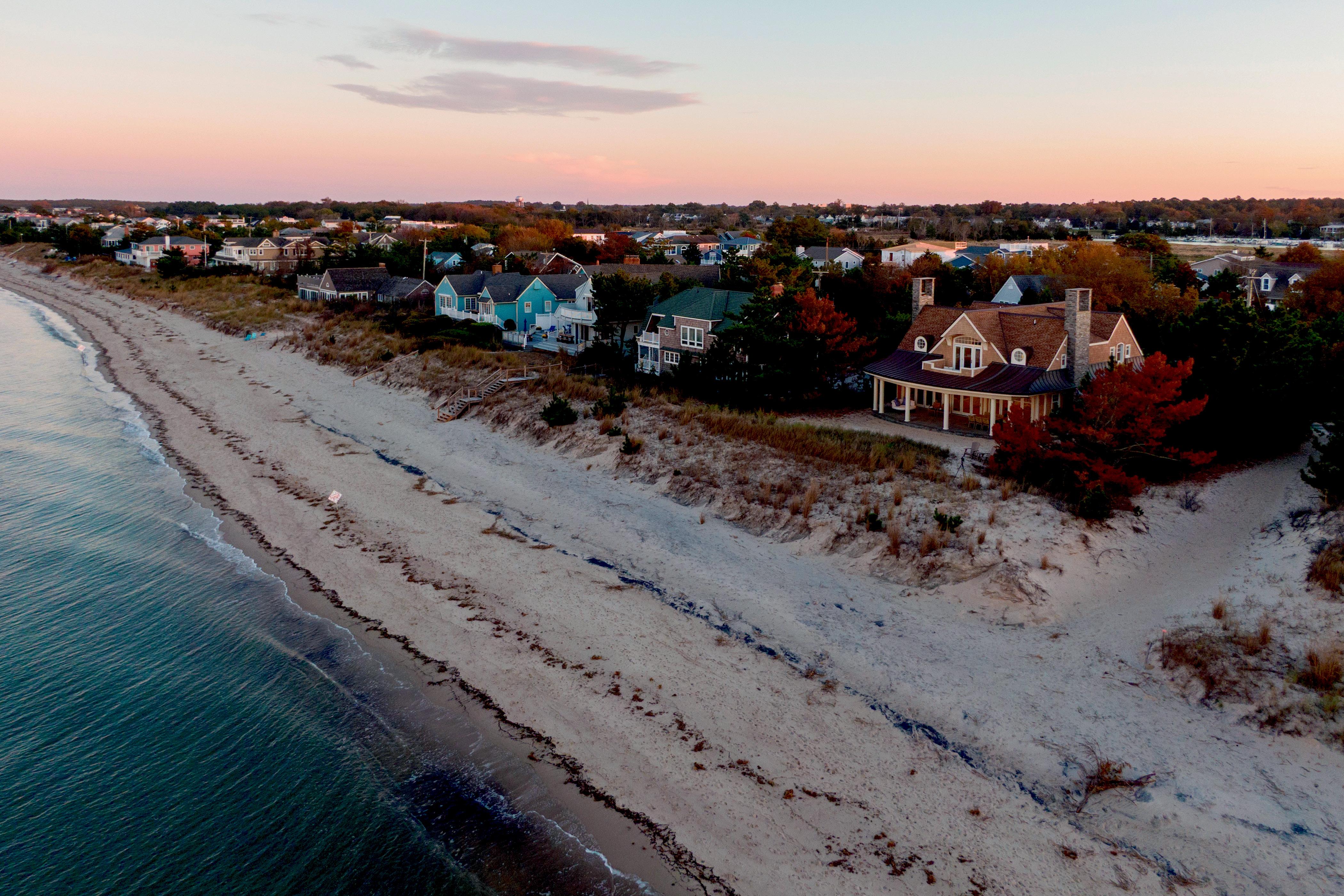

The Story We Are Still Writing
In the days before Independence Day, and in the days since, I have found myself reflecting on our beloved America: how we began, how far we have come, and how much farther we still have to travel.
At the end of June, I was invited to a luncheon in Washington, DC hosted by a group of women who are members of several different chapters of the National Society Daughters of the American Revolution (DAR). The organization was founded in 1890 to promote historic preservation, education, and patriotism across the United States. Its membership is open to women who can prove lineal descent from patriots of the American Revolution. The luncheon I attended, held annually, was created in part to illuminate the contributions of Black patriots and other patriots of color whose service during the American Revolution has too often been overlooked or forgotten.
The luncheon took place at the Hamilton Hotel, originally known as Hamilton House, which its owners, friends of Eliza Hamilton Holly, named in her honor. Holly was the daughter of Alexander Hamilton. As I sat in the ballroom, that fact was not lost on me as I considered the paradox of people fighting for the promise of a free nation, while nearly 500,000 people were enslaved on the same land. I thought about how men were fighting for the idea of life, liberty, and the pursuit of happiness, even though they would largely not have the right to pursue those very aims for themselves and their families. The contradiction did not end with the Revolution. It has echoed throughout American history. I thought back to grad school, when I wrote a paper that referenced the “Double V” campaign, which in the 1940s urged Black Americans to champion victory in World War II against racial intolerance abroad, and victory against racial segregation at home. They were fighting on two fronts.
Two decades later, that same tension would be articulated with remarkable clarity by Martin Luther King Jr., when he delivered his “I Have a Dream” speech to
The American story has always been, in many ways, the story of closing the gap between our founding principles and our lived reality.
BY CLARENCE FLUKER
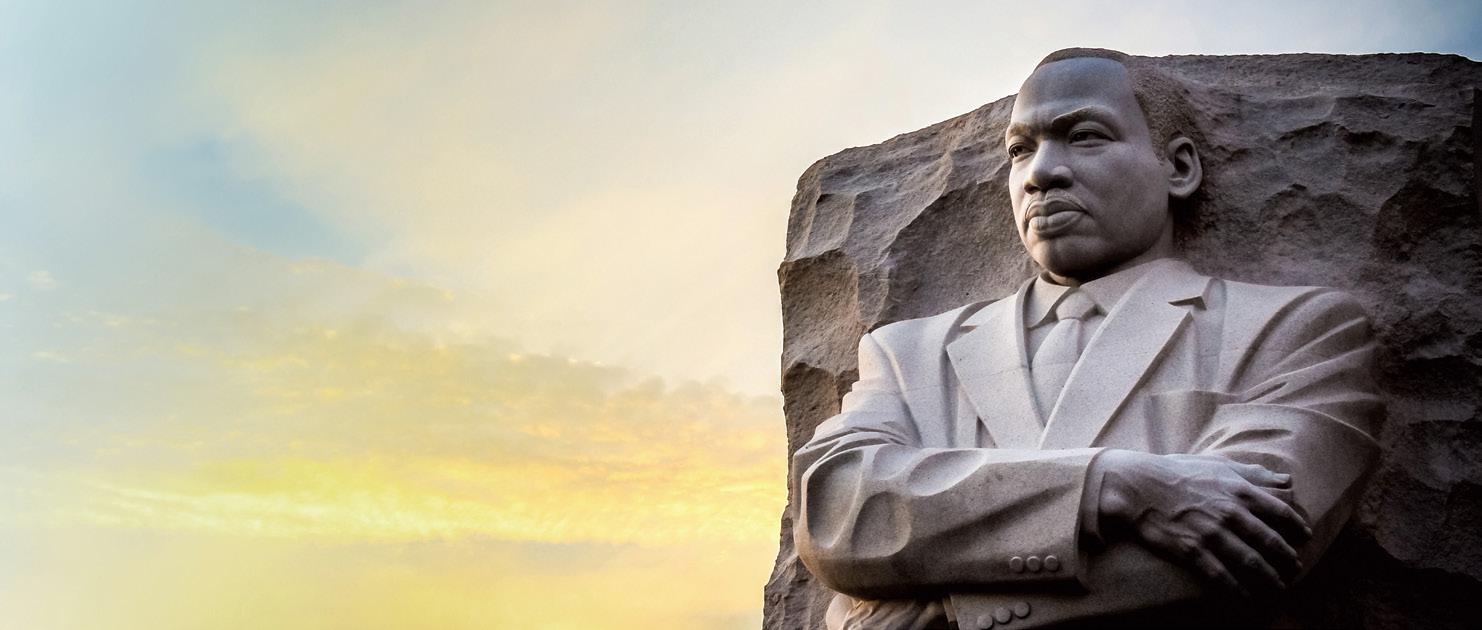
the crowd at the March on Washington for Jobs and Freedom. There he offered, “When the architects of our republic wrote the magnificent words of the Constitution and the Declaration of Independence, they were signing a promissory note to which every American was to fall heir. This note was a promise that all men—yes, Black men as well as White men—would be guaranteed the unalienable rights of life, liberty, and the pursuit of happiness.
“It is obvious today that America has defaulted on this promissory note insofar as her citizens of color are concerned. Instead of honoring this sacred obligation, America has given the Negro people a bad check, a check which has come back marked insufficient funds.”
For 250 years, the beautiful declaration that all people are created equal and endowed with the unalienable rights to life, liberty, and the pursuit of happiness has existed alongside an uncomfortable truth: our actions have too often failed to reflect our ideals. That disconnect has affected not only Black Americans and Indigenous peoples, but countless others who have struggled to claim the full promise of citizenship. The American story has always been, in many ways, the story of closing the gap between our founding principles and our lived reality.
Over the last few weeks, I’ve been asking people what they hope the next 250 years of our nation will look like. The responses ranged from hopes that we would finally live up to our founding ideals, to achieving health equity, to one
of my favorites: reigniting kindness. Of the nearly 20 people I asked, no one answered with cynicism. They were Black and White; gay, lesbian, and straight; married and single; parents and caregivers from different geographic regions and with different lived experiences. They were diverse, but they had a common theme in their responses. Despite the current political and social climate, they were all still optimistic about the future of the nation and what we could accomplish together.
The words of the Declaration of Independence still resonate. They remain our nation’s drumbeat, calling each new generation to move closer to the promise of liberty and justice enshrined at our founding, even for those our founders did not consider in their narrow vision. Today, we recognize the humanity and dignity of people whom many of the founders failed to see as full participants in the American experiment. While our work is unfinished, that broader understanding of who belongs within the promise of America is itself evidence that the nation can grow. Our history has never been one of perfection, but of striving. That gives me hope for the next 250 years. ▼
Clarence J. Fluker is a public affairs and social impact strategist. Since 2008, he’s also been a contributing writer for Swerv, a lifestyle periodical celebrating African American LGBTQ+ culture and community. Follow him on Instagram: @ Mr_CJFluker.
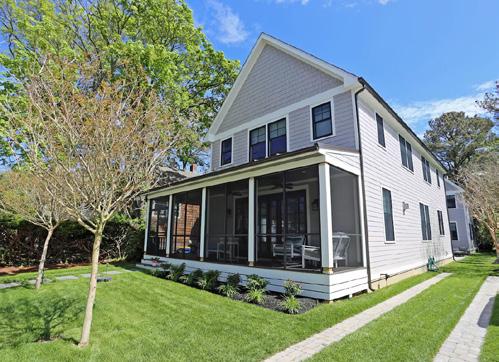

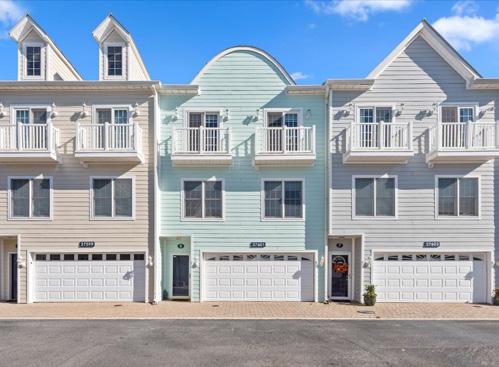
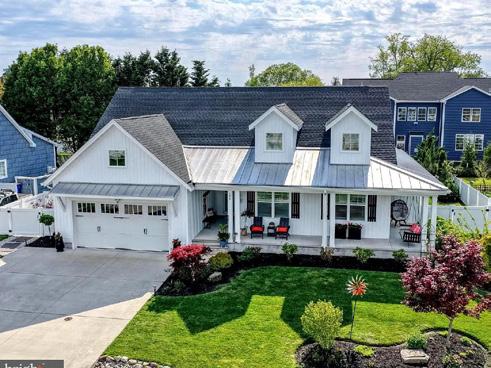
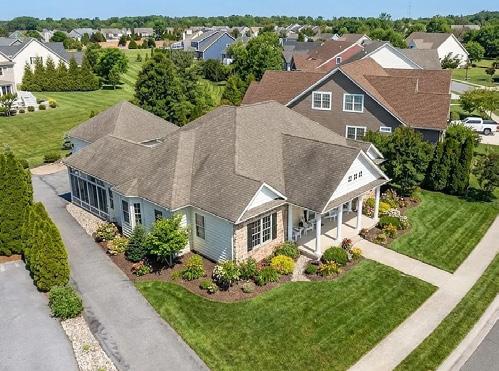




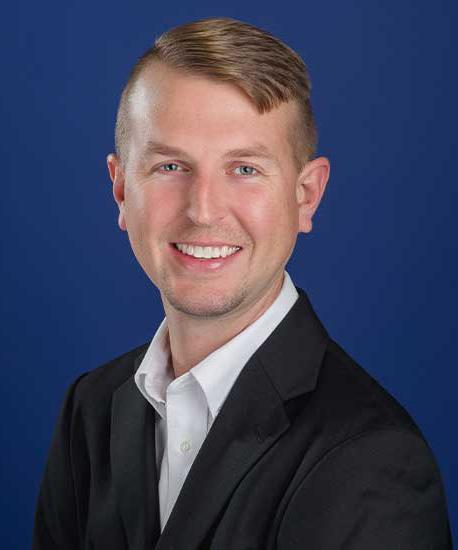



Happy Clerihew Day
Nancy Day Sakaduski
Doesn’t have a Siberian husky. But as deadline approached, she found herself in a bind
And the dog was the only rhyme she could find.
Aclerihew is a little-known (at least to me) four-line biographical poem that follows an AABB rhyming scheme (the first two lines rhyme with each other, and the last two lines rhyme with each other). The first line of the poem should be a person’s name, and the other lines should provide facts about that person. A certain amount of snark, and humor at the person’s expense, is both invited and expected.
The author we have to thank for all this is Edmund Clerihew Bentley, although I would have preferred that the poetic form he invented be called a “Bentley,” which evokes the image of an elegant automobile rather than a “clerihew,” which sounds more like a bad haircut.
Mr. Bentley was born in London in 1875 and was a well-known writer and wit (apparently of the full, not the half, variety). He was interested in writing from an early age and claimed to have invented the clerihew form when he was 16 and bored in chemistry class (I could have been writing poetry?!).
A certain amount of snark, and humor at the person’s expense, is both invited and expected.
is what led to the new verse form being called the clerihew.
One of the often-quoted poems in the book concerns English architect Sir Christopher Wren, who is celebrated for his masterpiece, London’s St. Paul’s Cathedral.
Sir Christopher Wren Said, “I am going to dine with some men. “If anyone calls “Say I am designing St. Paul’s.”
I prefer this one, which goes to heroic lengths to get the rhyme:
John Stuart Mill, By a mighty effort of will, Overcame his natural bonhomie And wrote Principles of Political Economy. Here’s another of Bentley’s:
George the Third Ought never to have occurred. One can only wonder At so grotesque a blunder.
Although clerihews are most associated with Mr. Bentley, some other writers have taken a crack at them:
Archbishop Tutu
Kept in his mitre a hoopoe, But few zulus knew the ensuing to-do Was due to the cuckoo that flew up his tutu.
- PETER HARTLEY
King Henry the Eighth, Defender of the Faith, Would have happily run a marathon To escape Queen Catherine of Aragon.
- PETER HARTLEY
Noah
LINE 4: The kicker, which should rhyme with the previous line Rhyme Time!
BY NANCY SAKADUSKI
He began publishing his own poetry at the age of 30 whilst (he’s British, so I can say that) working as a journalist. He published a book titled, Biography for Beginners, which somehow escaped being on my English 101 class syllabus. The collection of poems was ostensibly edited by “E. Clerihew,” which presumably
Dante Gabriel Rossetti was never mean or petty, though he would occasionally fiddle with Lizzie Siddall.
- GEORGE SZIRTES
Carl Gustav Jung Was impressively hung, Which sorely annoyed The good Dr. Freud.
- PAUL INGRAM
Wanted to leave behind the boa, But God made the rules and wouldn’t be contradicted,
So Noah’s options were constricted.
- ROBERT SCHECHTER
George Bernard Shaw Is a man of straw. But his brother, Bob, Was a bit of a snob.
- G. K. CHESTERTON
Gertrude Stein thought Hemingway a swine and offered to pay his air fare to where there was no there there.
- GAIL WHITE
For a few current-day clerihews, we turn to fellow columnist Richard Rosendall: US Attorney for DC Jeanine Pirro Will never be my personal hero, But she causes me few worries Thanks to bad luck with grand juries.
Sarah McBride serves in the House With more than one transphobic louse. Off-course they fail to send her With petty slights against her gender.
The Grifter never found a worthier way To misuse America’s birthday Than to nickle ‘em and penny ‘em On our republic’s quarter millennium. ▼
How to Write Your Own Clerihew
LINE 1: The name of a person (you, someone you know, or a famous person)
LINE 2: A fun fact about the person, ending with a word that rhymes with their name
LINE 3: An additional line that sets up the punchline but does not rhyme with the previous lines
































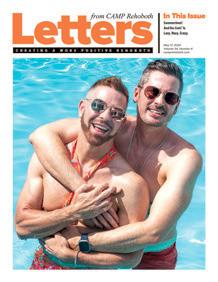










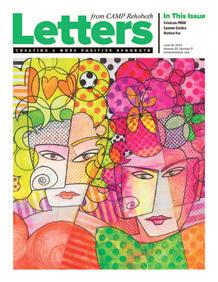





































It’s My Life
Radio GaGa
Iwoke up this morning to the news that singer Bonnie Tyler has died at the age of 75. Coincidentally, I’ve been thinking about her a lot lately, so this hit a little bit harder than it might ordinarily have.
In the summer of 1978, my family moved from suburban Virginia to the tiny rural village in New York where my father grew up and where our extended family still lived. For 10-year-old me, this was a huge adventure. It was especially exciting because my father had acquired a big red pickup truck for the trip and I got to ride in it with him while my mother drove the station wagon with our dogs in it.
For some reason, my clearest memory of that drive is of listening to Bonnie Tyler’s song “It’s a Heartache” on the truck’s radio. It was a huge hit that summer, so it’s not surprising that we would likely have heard it multiple times over the seven hours it took to get to our new home. But why that song stands out from all the rest we must have listened to, I don’t know. Maybe it was Tyler’s raspy voice, so different from anything else on the radio then. Whatever the reason, the memory of riding along with the window open while Bonnie’s voice crackled out of the truck speakers and I fantasized about what my new life would be like, is forever etched on my brain.
Growing up, listening to the radio was a regular part of my life. A radio was always playing in the house. My older sisters routinely won call-in contests, and whenever we were in the car, the radio was playing there as well. Once my parents and I moved to our new home, the radio became my connection to the larger world, and in the days before MTV and the internet was largely responsible for shaping my musical tastes.
I haven’t listened to the radio in years, relying on services like Spotify to stream whatever I’m in the mood to hear. I just have to holler, “Alexa, play me songs by the Go-Go’s!” and it’s July of 1984 and I’m at my very first concert again. I mostly listen while I’m doing the dishes, selecting the first song and allowing
Spotify to choose subsequent ones.
But it’s not the same as listening to the radio. If I’m not liking a song, I can easily skip to the next one. And while that’s convenient, it eliminates part of the radio experience that I didn’t realize was important until recently: having to listen to things I didn’t choose. Many of the songs and artists I came to love were ones I initially didn’t take to. But having to listen to them on the radio forced me to give them a chance because the only alternative was to change the station or turn it off.
…listening to the radio activates a different part of my brain, one that analyzes the songs that come on in a more active way.
I know this sounds counterintuitive, but something about only taking in music that I curate myself feels very different. It’s passive, while listening to the radio activates a different part of my brain, one that analyzes the songs that come on in a more active way. So, I’ve been trying to do more of this.
The other day, I had to make a drive that is about two hours each way. I decided to do it while listening to the radio. I found a station playing songs from the 70s and 80s and settled in for a couple of hours of getting lost in the past. And as songs by Prince, Aerosmith, and Chic flowed, I thought about other radio-specific memories like the one triggered by “It’s a Heartache.”
My first thought was of my sister Nancy, who died five years ago this month. Nancy was a decade older than me. When she was a teenager, she got a job at the local mall. She didn’t yet have her own car, so my parents would sometimes drop her off and pick her up. One night, I was allowed to come along as my mother picked Nancy up after the mall closed. It was past my usual bedtime, and I was sleepy but thrilled to be up
BY MICHAEL THOMAS FORD
late. I have a strong memory of watching the lights of the downtown shopping area through the rain-streaked window of the car while a specific song played on the radio.
Curiously, in my head the song has always been the Pointer Sisters’ “Fire.” But after years of remembering it this way I discovered that that song hadn’t yet been released at the time this event would have occurred, so it was more likely Barbra Streisand’s “Evergreen” or Yvonne Elliman’s “If I Can’t Have You.” Still, whenever “Fire” plays, I think of that rainy night ride to pick my sister up and bring her home, and how I felt being up late, serenaded by the radio.
Another memory is less pleasant. I was 15. Although I did not have a permit, my father occasionally allowed me to take our car for drives on back roads. While driving down a dirt road, Joan Jett’s “Crimson and Clover” came on the radio. Overly confident in my driving abilities, I turned the music up, hit the gas, and moments later skidded on loose gravel and found myself going off the shoulder and into a pasture. I remember breaking through a wooden fence and stalling in a patch of daisies while the Blackhearts shouted the “ba-da-da-da-da-da” chorus and some bemused cows stared at me through the windshield. I was able to start the car and drive home, and my very patient father was unbothered, but 43 years later I still can’t listen to “Crimson and Clover” without feeling guilty for having been so reckless.
Tonight, while I do the dishes, I’ll ask Alexa to play “It’s a Heartache” on Spotify. Then I’ll let the algorithm choose what comes next. I know the era of the radio creating memories for me is over, but for a little while I can feel like I’m sitting in that truck with my dad, heading off on a marvelous adventure. ▼
Michael Thomas Ford is a much-published Lambda Literary award-winning author. Visit Michael at michaelthomasford.com.
Located at the south end of the boardwalk in beautiful Rehoboth Beach Full custom design center and repair service on premises, most can be completed while you’re here on vacation
home of the “Rehoboth Beach Bracelet”


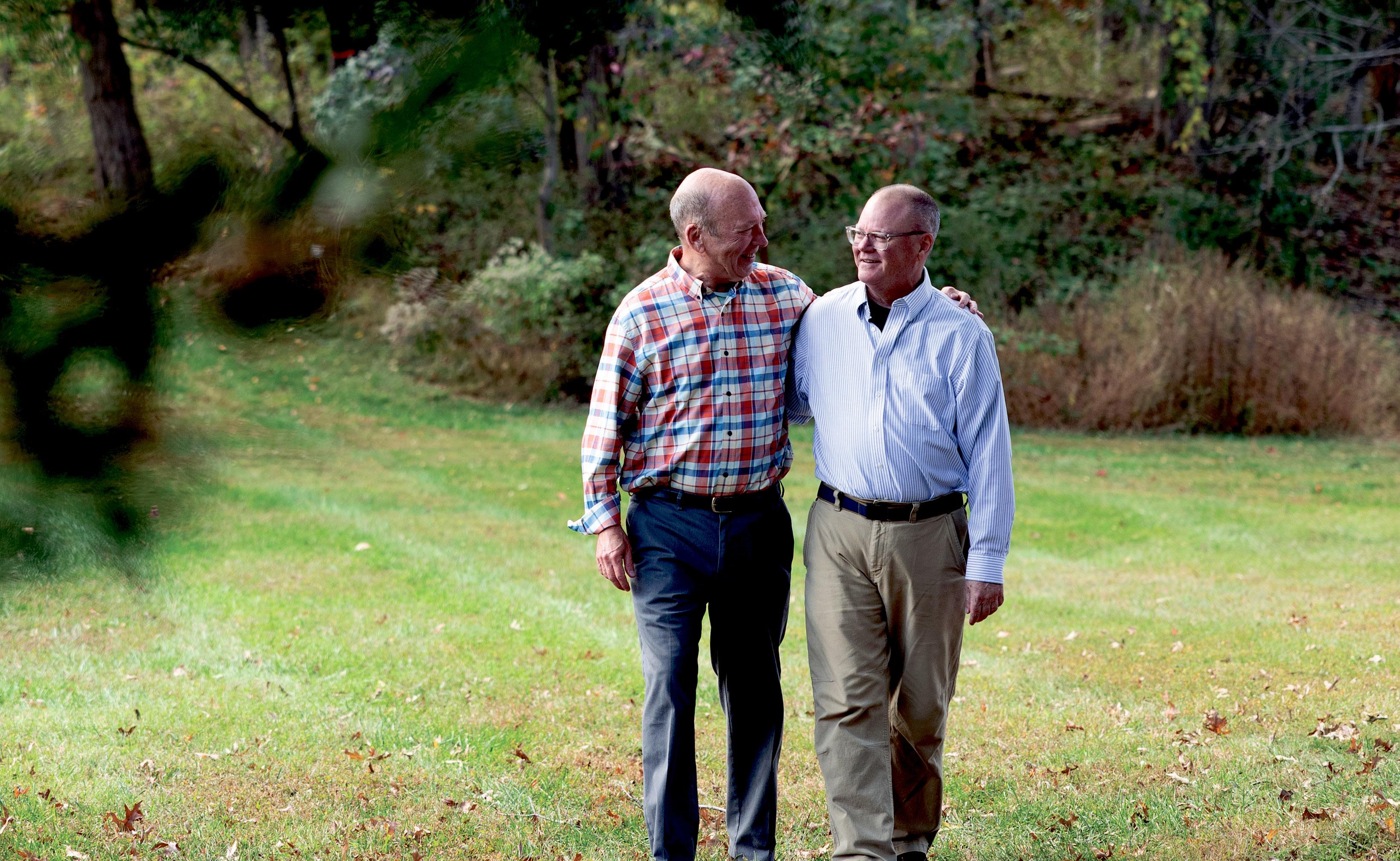
Where Inclusion Lives. And The Future Is Expanding
Set within 125 acres of natural beauty near Washington, D.C., we are a community rooted in nature and guided by a spirit of openness. A place where diversity is celebrated and belonging is real. Here, you’ll find more than beautiful surroundings—you’ll find people who see you, welcome you, and are excited to know you.
With exciting new expansions on the horizon, there are more opportunities to gather, grow, and help shape what comes next.
Because here, the future isn’t just something you move into—it’s something you help create.
*Collington’s expansion is pending approval by the Maryland Department of Aging. Renderings for illustrative purposes only; subject to change.

Proudly






Be A Sport!
The Game of Inches
Bocce just may be the oldest sport in existence. It has an impressive pedigree and timeline plus a rich and colorful history.
Bocce originated in ancient Egypt around 5200 BCE when early players used polished rocks to play. The earliest roots are known through Egyptian tomb paintings.
Later the game was adopted by the Greeks and the Romans. Roman soldiers popularized it throughout Europe, and it eventually developed into its current form in Italy during the heyday of the Roman Empire.
Modern rules and court layouts were formalized in Italy. In 1898, the first bocce federation (Union Bowling Piemontese) was established in Turin, Italy.
Today, bocce’s popularity is surging. It is now the third most popular outdoor sport in the world, after soccer and golf. Over 25 million Americans play this “game of inches,” and depending on how one counts “playing,” bocce is giving pickleball a run for its money. It is catching on in Delaware as well.
The game is played with two teams. Each team can have one, two, or four players. The toss of a coin determines which team will start. A small ball, called a pallino, is tossed by a member of the starting team and then, depending on scoring, teams alternate throwing the pallino. The object of the game is for one team to get as many of their bocce balls closer to the pallino than the opposing team’s closest ball.
After all balls are thrown, the team whose ball is closest to the pallino gets a point for it and for each ball that is closer to the pallino than the opposing team’s balls. Strategy can include knocking the opposing team’s balls away from the pallino.
The scoring system might sound complicated but can be grasped quickly. However, the term “game of inches” is taken very seriously.
Depending on the situation, players might slide a dollar bill in between the
BY MARY JO TARALLO
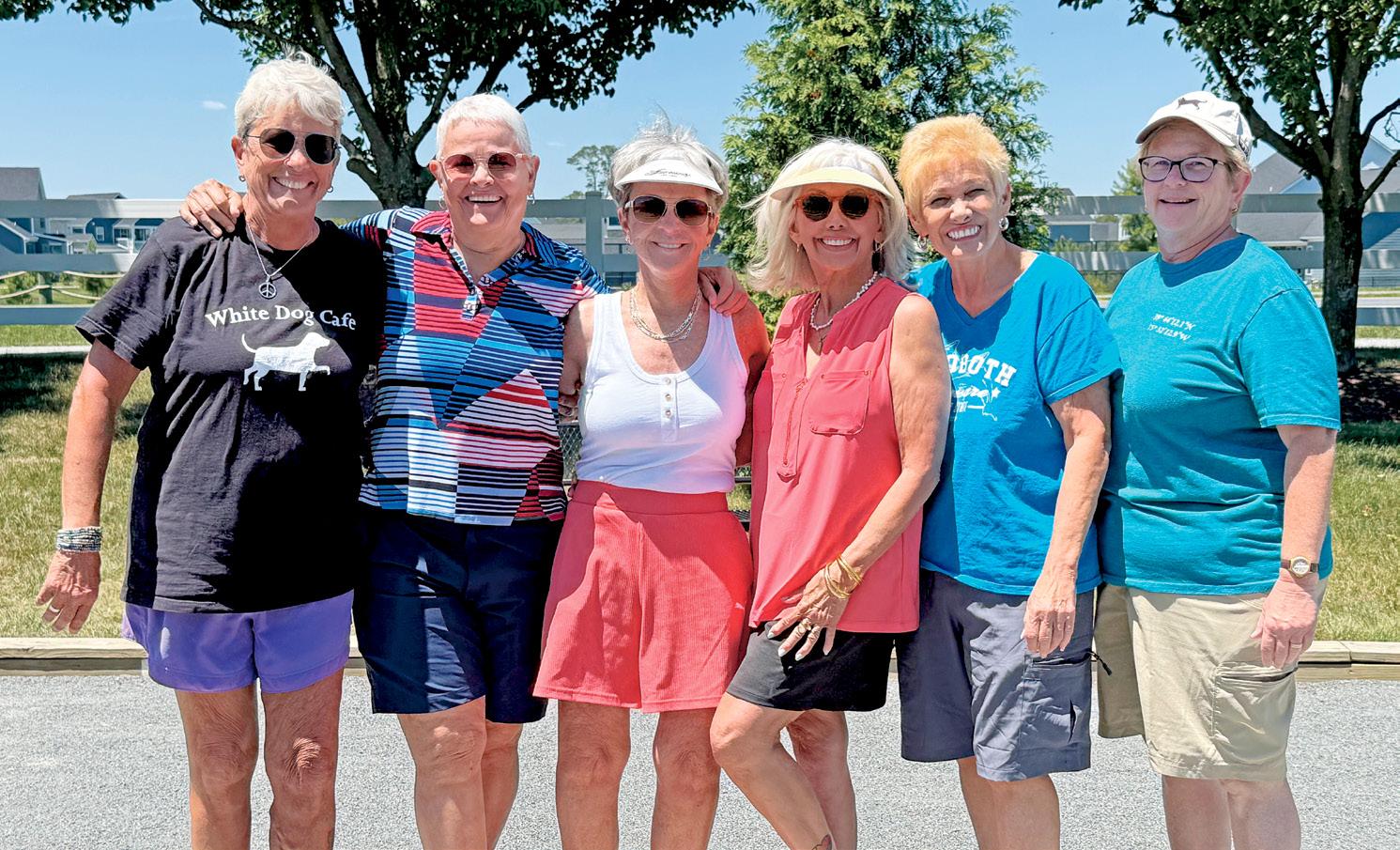
pallino and a ball to see if the ball is touching the pallino. If so, that team gets two points instead of one. Using a specially designed tape measure, team members also can meticulously measure to see which team’s balls should be counted. It is not unusual for team members to get down on their hands and knees to scrutinize the positions of the balls.
Lee Kamasinski has been playing for about three years. He and his husband Jeff signed up for the Sawgrass community’s bocce league because they wanted to learn the sport. The league has 14 teams. According to Lee, they found the sport to be easy and fun.
CAMP Rehoboth volunteer Jean Metzer has been playing different versions of bocce for 30 years—first with her Italian wife’s extended family, where she claims the games were very competitive! “I’ve watched versions of similar games in Europe: Petanque in France on dirt courts, and on the beach in the Canary Islands,” she said. “Here in Delaware, I’ve been playing in our community league since 2022.”
Jean also lives in Sawgrass. Her wife Debbie is team leader for the Conwell Rollers. “It’s a fun game that anyone can play,” Jean says. “As you improve, there
is a lot of strategy and skill to it, so you continuously grow into the game. It’s also very social, so it’s very enjoyable getting together, laughing, playing the game, and cheering people who have great shots!”
Recently, Jean conducted an informal “clinic” for a group of five women, only one of whom had ever played—and one who does not play sports at all.
“I’ve never played bocce before because I’ve never played anything that involved a ball,” said Alexis (Lexi) McKensie, one of the five. “I decided to do it now because it involves throwing the ball underhand. I knew I was at least capable of that!” Her efforts to learn a sport earned her the title “Baltimore Bocce Queen.”
Aside from a few procedural rules, Alexis found the game easy to learn. She credited Metzer for that and the support she got from the group.
“Jean was not only pleasant and humorous at times about the instructions, but she was also very knowledgeable, patient, and encouraging,” she said. “I also think that we learned as much as we did in one session because she is a great instructor. Being amongst friends who knew I was not a ‘sportsperson’ truly helped because they were cheering me on.”
Alexis’s partner, Denise Myers, is at the opposite end of the spectrum regarding sports. She plays golf, pickleball, and softball; she also bowls and she bikes. A retired Marine, Denise plays golf in the CAMP Rehoboth Women’s League and pickleball in programs coordinated by Rina Pelligrini.
“I thought it would be something that I could play with Lexi—since she’s not a “BALL” woman.... [It] seemed like it would be up her alley,” Denise noted. Both women said they planned to continue with the sport and improve their skills.
Dee Marlin agreed that bocce is “a very social game that is outdoors.” The retired transplant and former skier from Colorado noted that “you don’t have to be an athlete to be good at it. It’s great for all ages, as well.”
Meanwhile, Alexis worries that her newly acquired sport will explode and there will not be enough courts to keep up with demand. Currently, courts are scattered locally in the Rehoboth area and also in other locations in Delaware. Aside from Sawgrass, other communities with bocce courts include the Canal Point neighborhood, Bay Crossing, and
Coastal Club. Paynter’s Mill installed two bocce courts a couple of years ago to augment their pickleball and tennis courts. Mulligan’s Point in Georgetown and Crooked Hammock in Middletown have bocce courts. Both host leagues.
[Bocce] is now the third most popular outdoor sport in the world, after soccer and golf.
The Town of Ocean View’s bocce ball courts are open to the public. However, Special Olympics Delaware and other club play are scheduling priorities. The Town of Ocean View’s web site has a page for sign-ups. The George H.P. Smith Park in Lewes (near the elementary school) also has public courts.
New York transplant Jan Tricarico plays with a group of women at the park on Wednesday afternoons. Jan has been playing “on and off” for about 10 years. The New York native claims that the fact she is Italian has nothing to do with her playing bocce. She didn’t play when she
lived in Manhattan. Jan also plays with friends in Bay Crossing who host a bocce event a couple of times a year.
“It’s low intensity but I really like it because of the social aspect,” she said.
A group called Stonewall Sports, based in Philadelphia, offers pointers on how to start a bocce league. One of the largest is in Washington, DC. Stonewall Bocce DC was founded in 2011 and is based on the belief that a league “should be inclusive, fun, and make our local community stronger,” according to the group’s website. The league has grown from approximately 80 players in its first season to over 780 players today.
Additional sources of information are majorleaguebocce.com and bocce.org. ▼
Mary Jo Tarallo is a former journalist and public relations professional for various non-profits including a ski industry trade association. She won a Gold Award for a United Way TV program starring Oprah Winfrey.
Bocce Clinic L to R: Mary Ann Slinkman, Dee Marlin, Denise Myers, Alexis McKenzie, Gail Atchison, Jean Metzer. Photo credit: Mary Jo Tarallo:
CAMPshots
SCENES FROM REHOBOTH BEACH & BEYOND
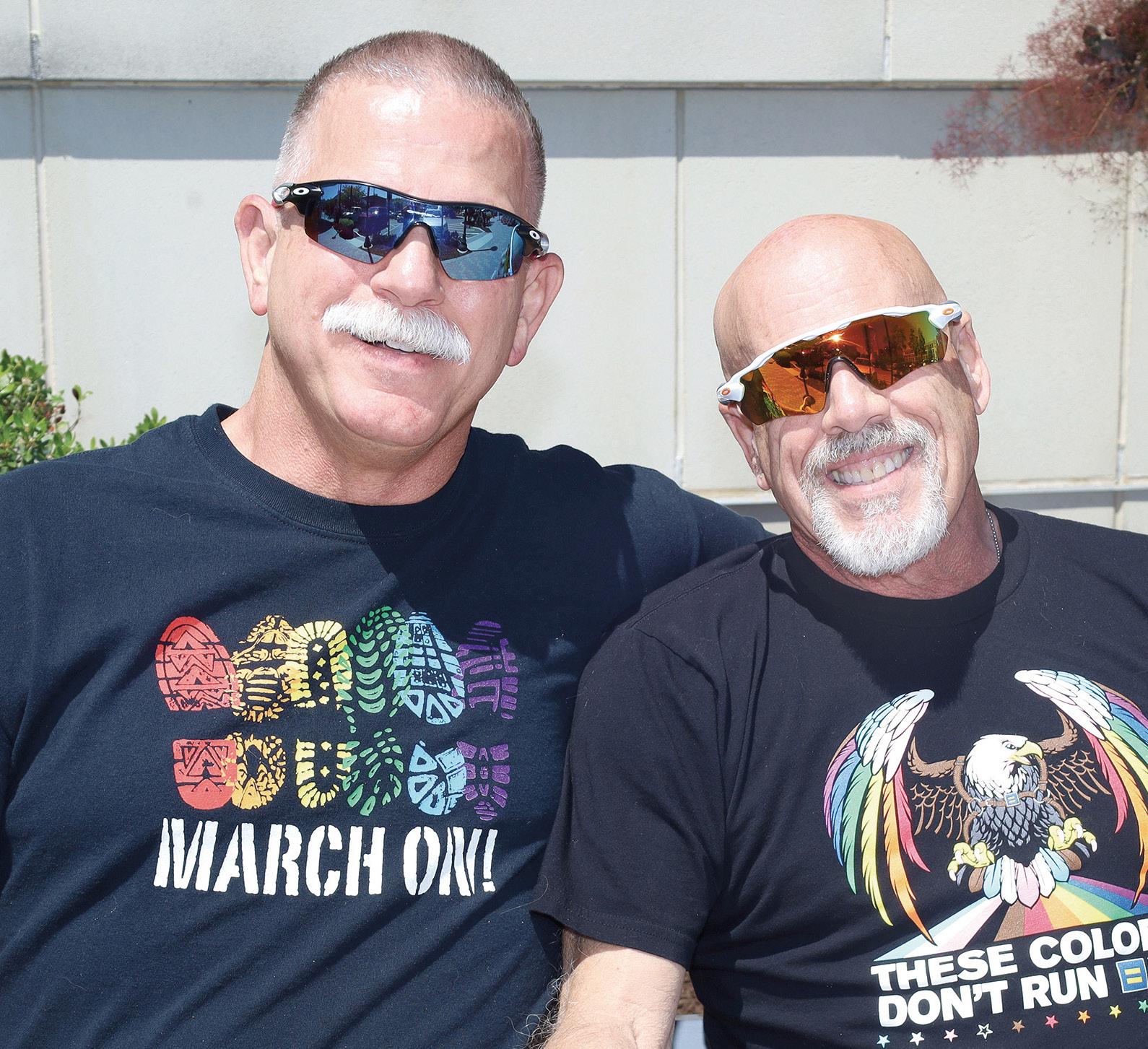
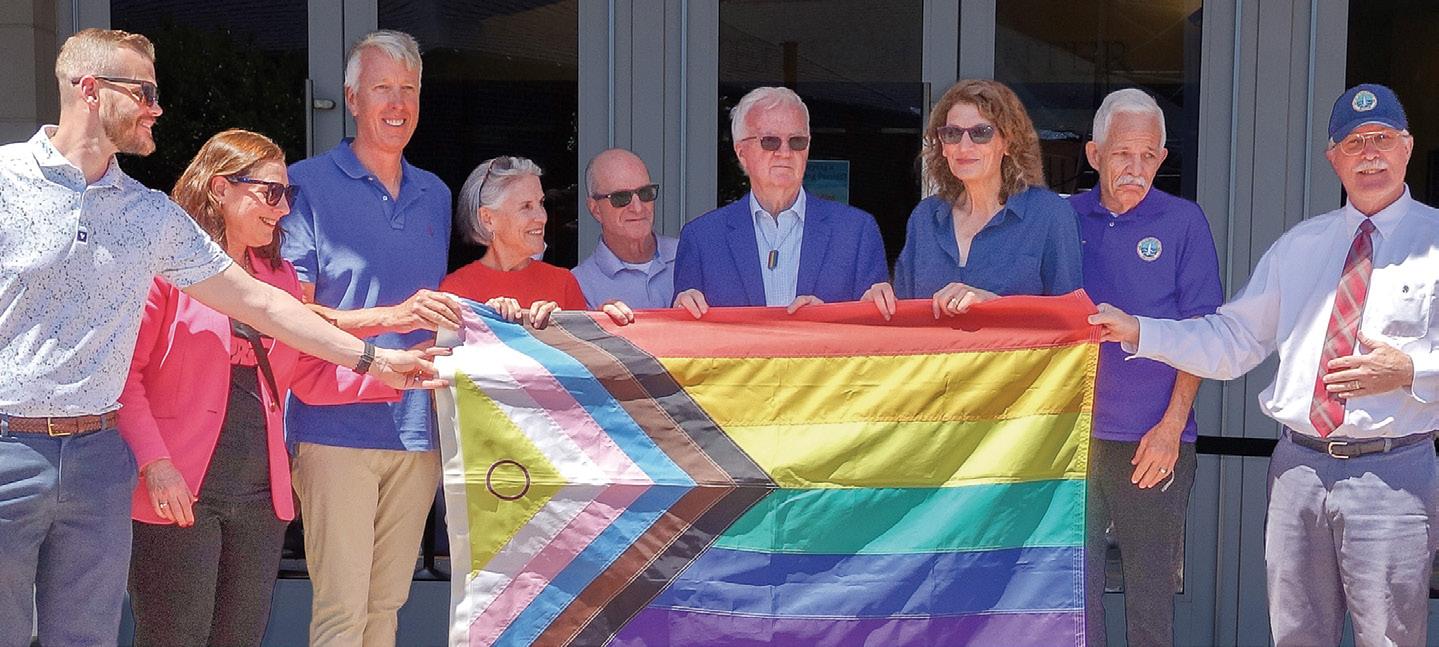
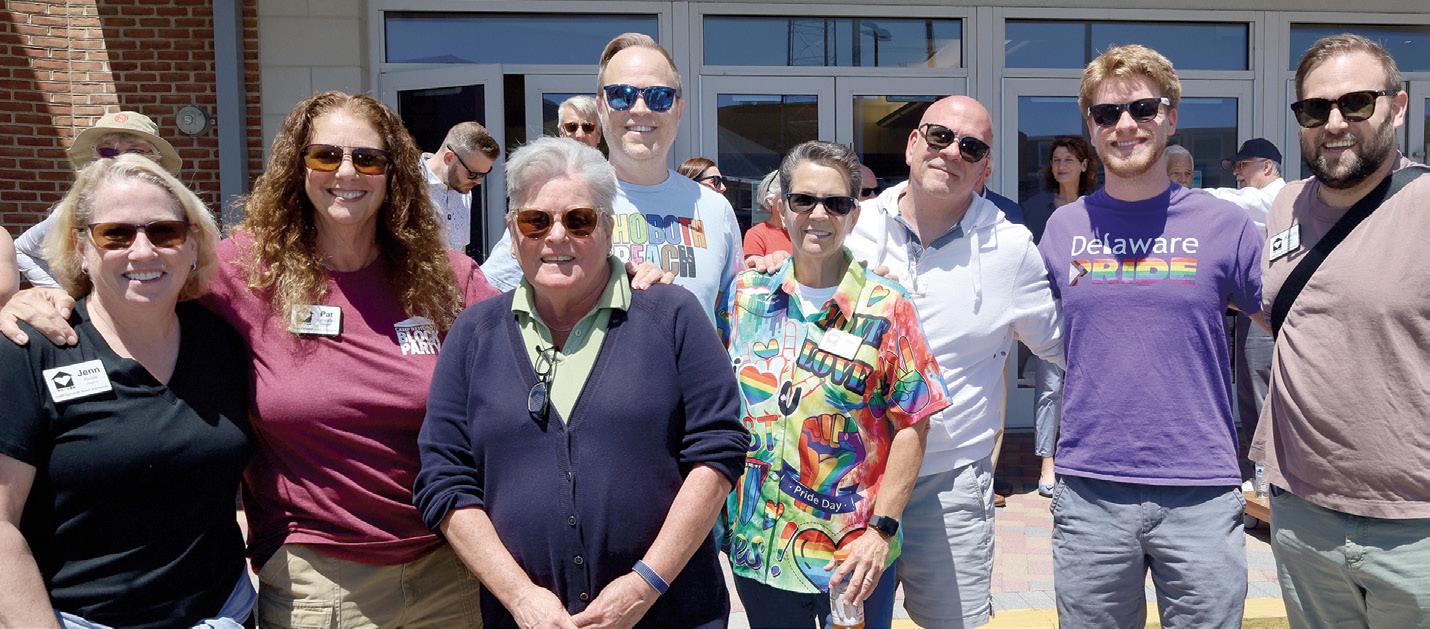
Flag Raising, DE Pride, and so much more!
THIS PAGE (left to right) 1 ) at City of Rehoboth Beach Pride
Flag Raising: James Buswold, Tony Incalcatera, RB City Manager Taylour Tedder, DE State Rep. Claire Snyder-Hall, RB Commissioner Chris Galanty, RB Commissioner Susan Stewart, RB Commissioner Craig Thier, RB Commissioner Mark Saunders, RB Commissioner Suzanne Goode, RB Commissioner Patrick Gossett, RB Mayor Stan Mills, Robin Brennan, Bunny Brennan, Alli Brennan, Jenn Harpel, Pat Catanzariti, Polly Donaldson, Mark McDaniels, Teri Seaton, Joe Vescio, Matty Brown, Kevin Ussery, Michael Fetchko, Keith Petrack, Howard Menaker, Eric Engelhart, Joe Gfaller.
OPPOSITE PAGE 2) at Delaware Pride Festival in Dover: Chasity Reaves, Charlie Washinski, David Rollins, Lawrence Hayes, Vicki Deschere, John McDonald, Morgan Johnson, Sean Larry, Sandra Skidmore, Lucien Thomas, Matty Brown, Demi Lower, Daniel Attaway, Linda Hanick, Michael Foster; 3) at Lewes Rainbow Pride Kickoff: Dan Campione, Dan Gallery, Mike Brossman, Jim Avens, Gary Moyer, Robert Gordon, Ruth Kloetzli, Peter Garneau, Bryan Hecksher, Pat Fitzsimons, Paul Seyfert, Barry Dunkin.
(More CAMPshots page 58)
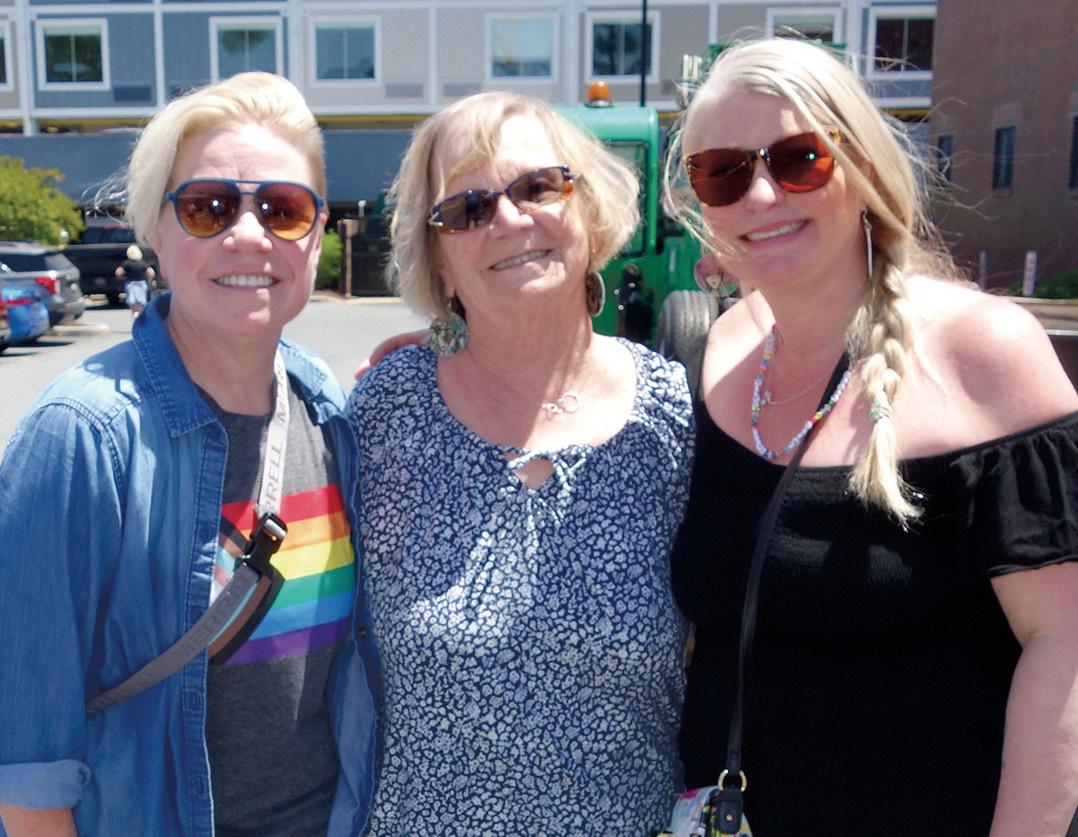
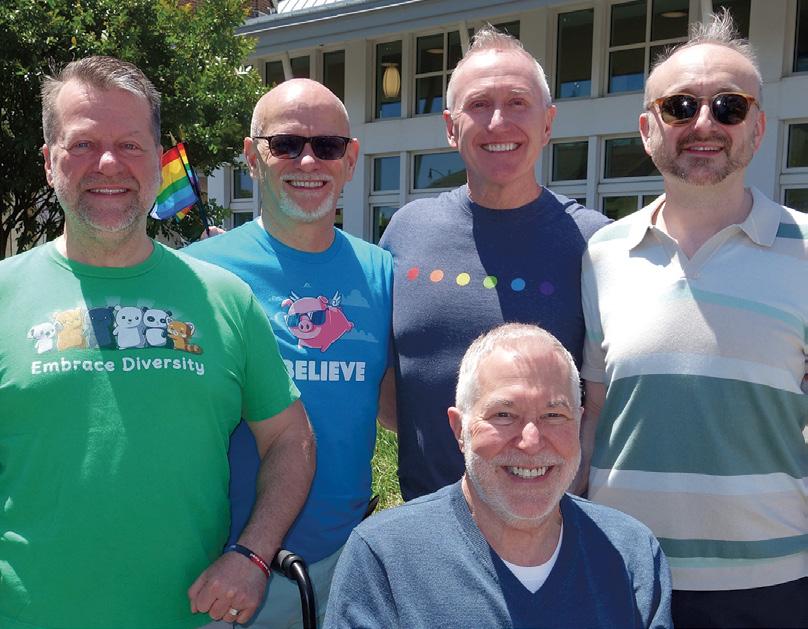
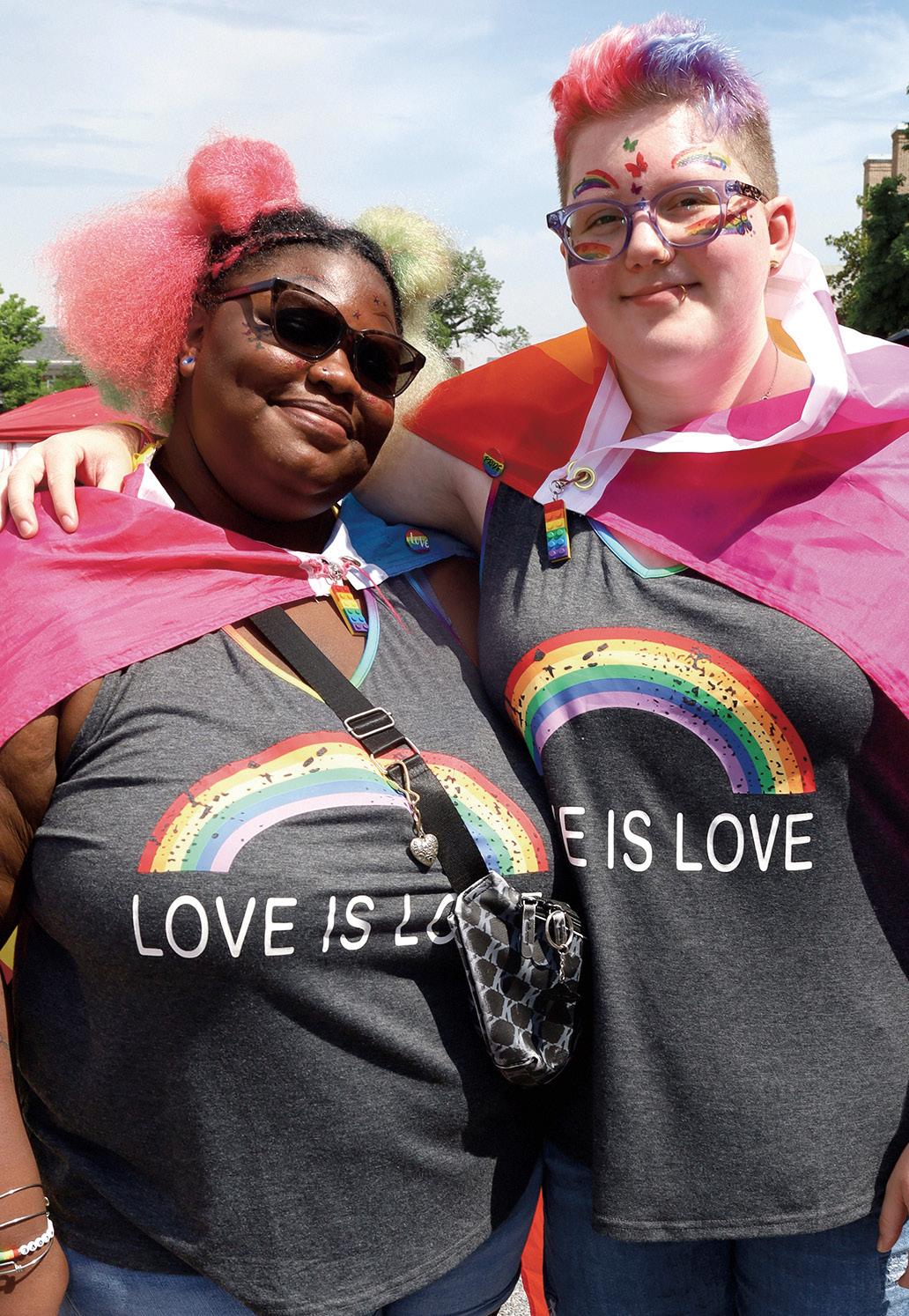
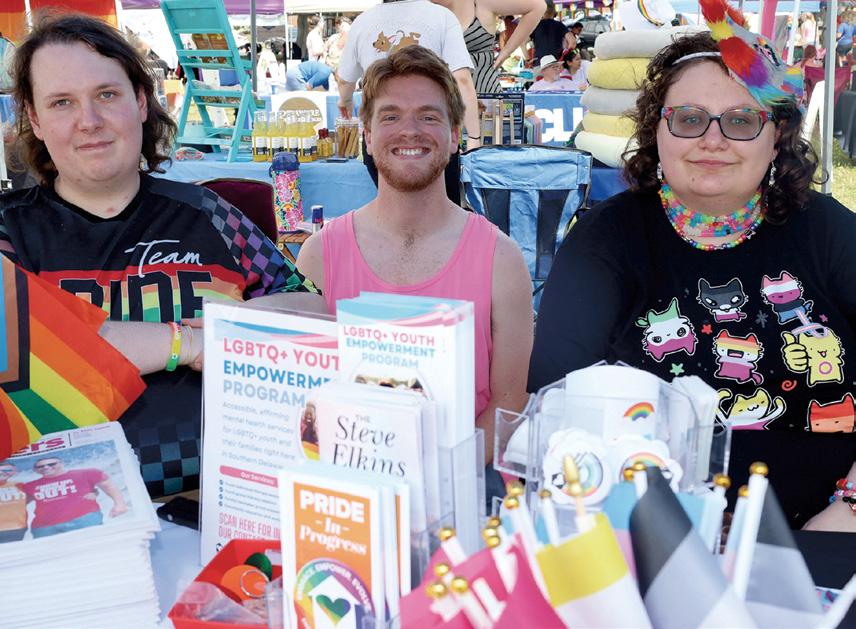
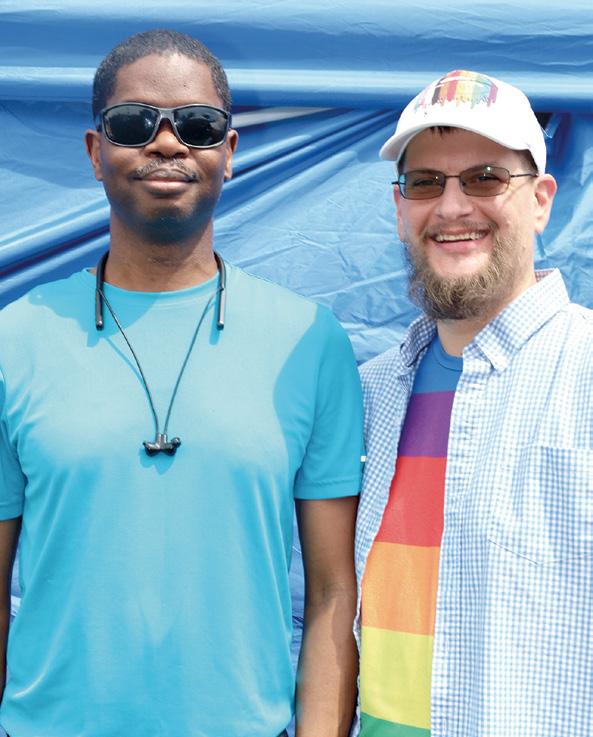
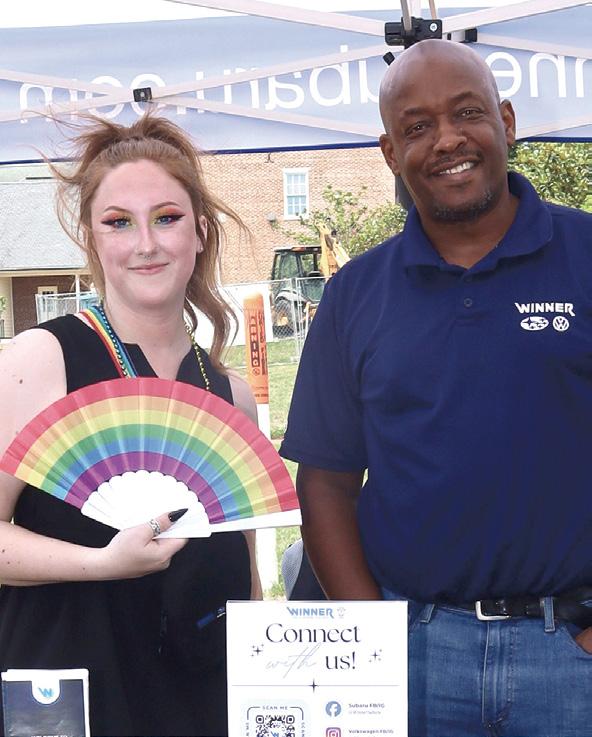
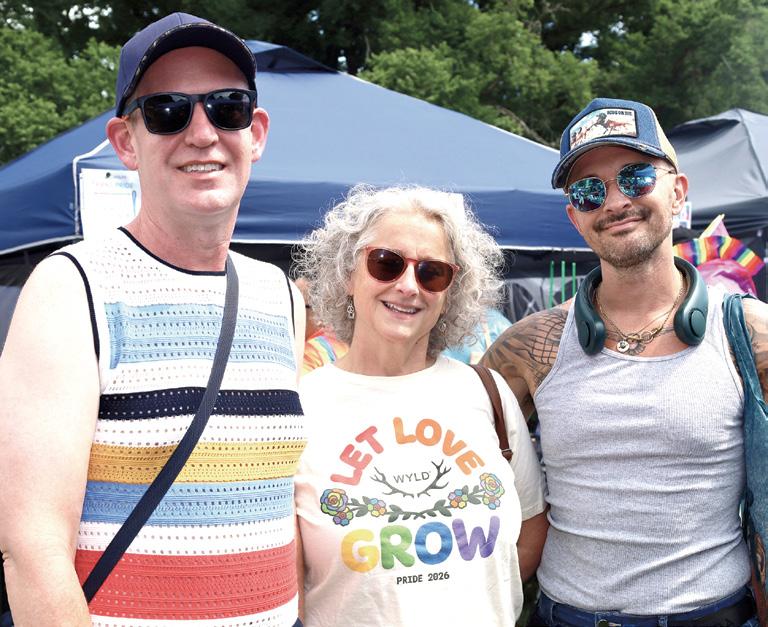
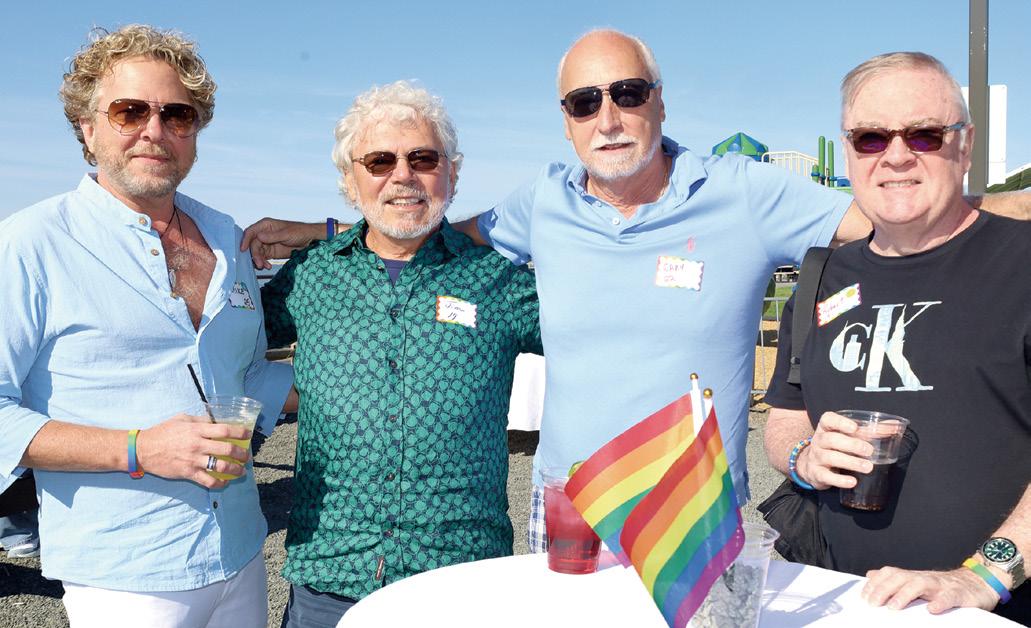
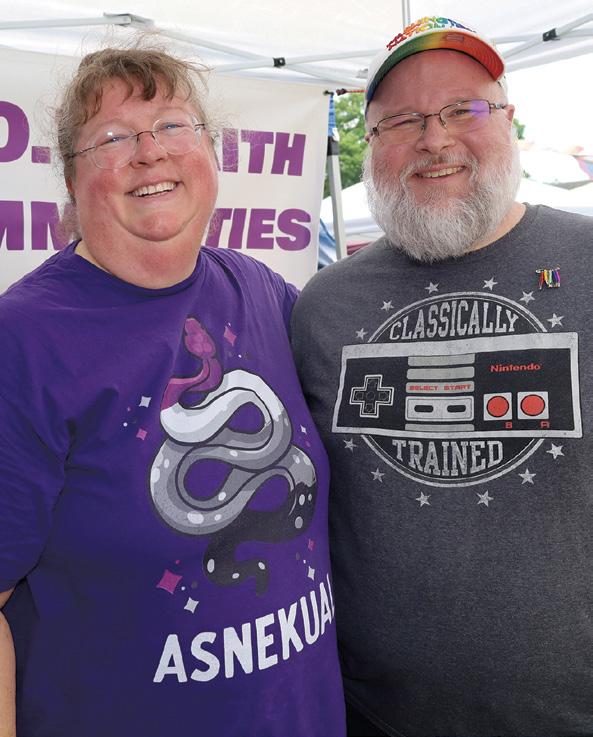
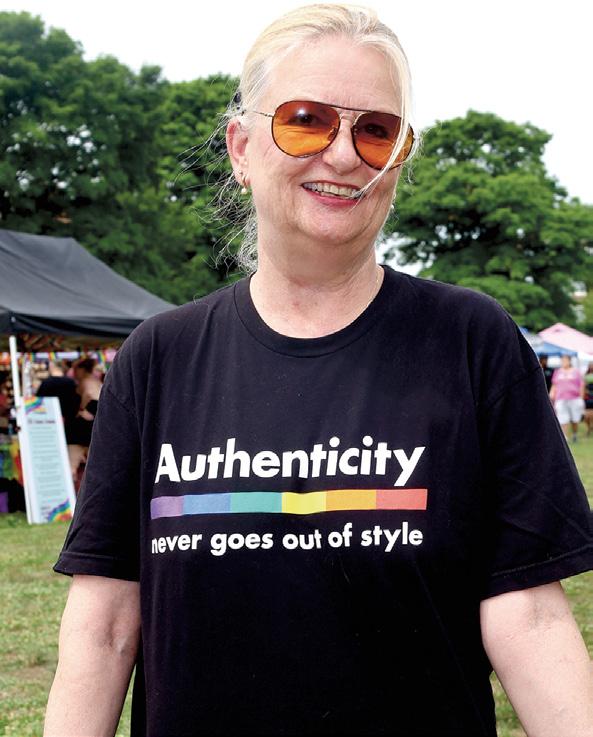
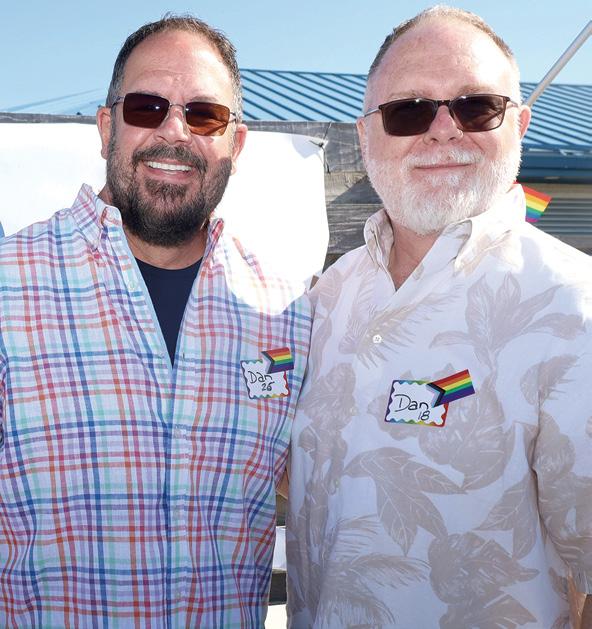
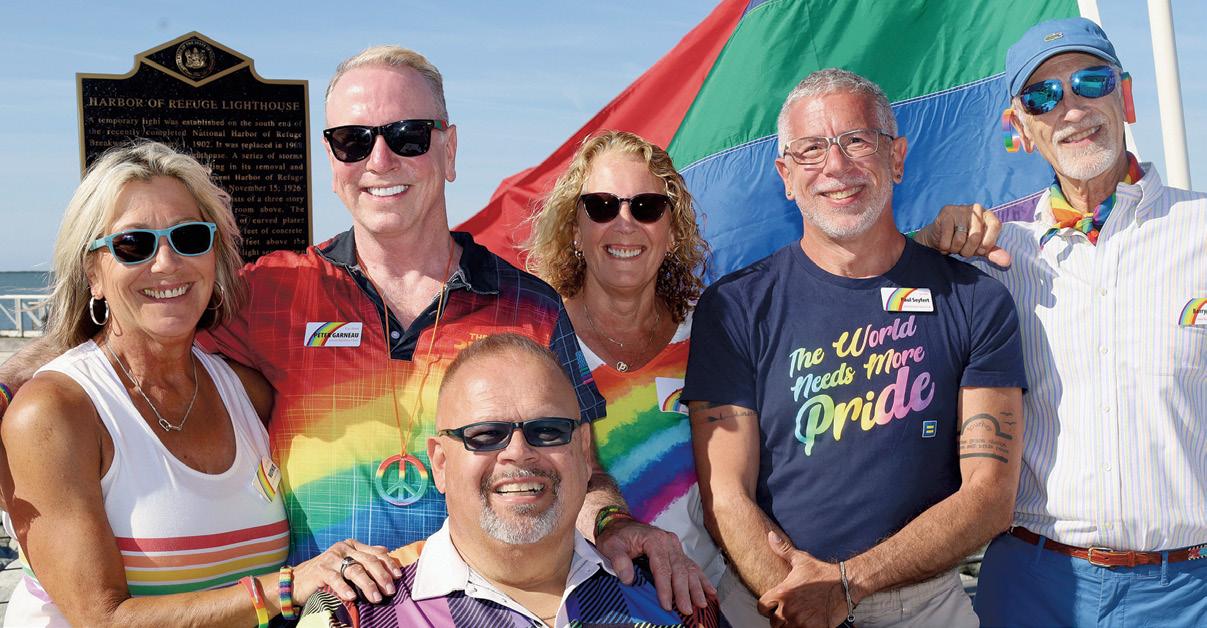
SCENES FROM REHOBOTH BEACH & BEYOND
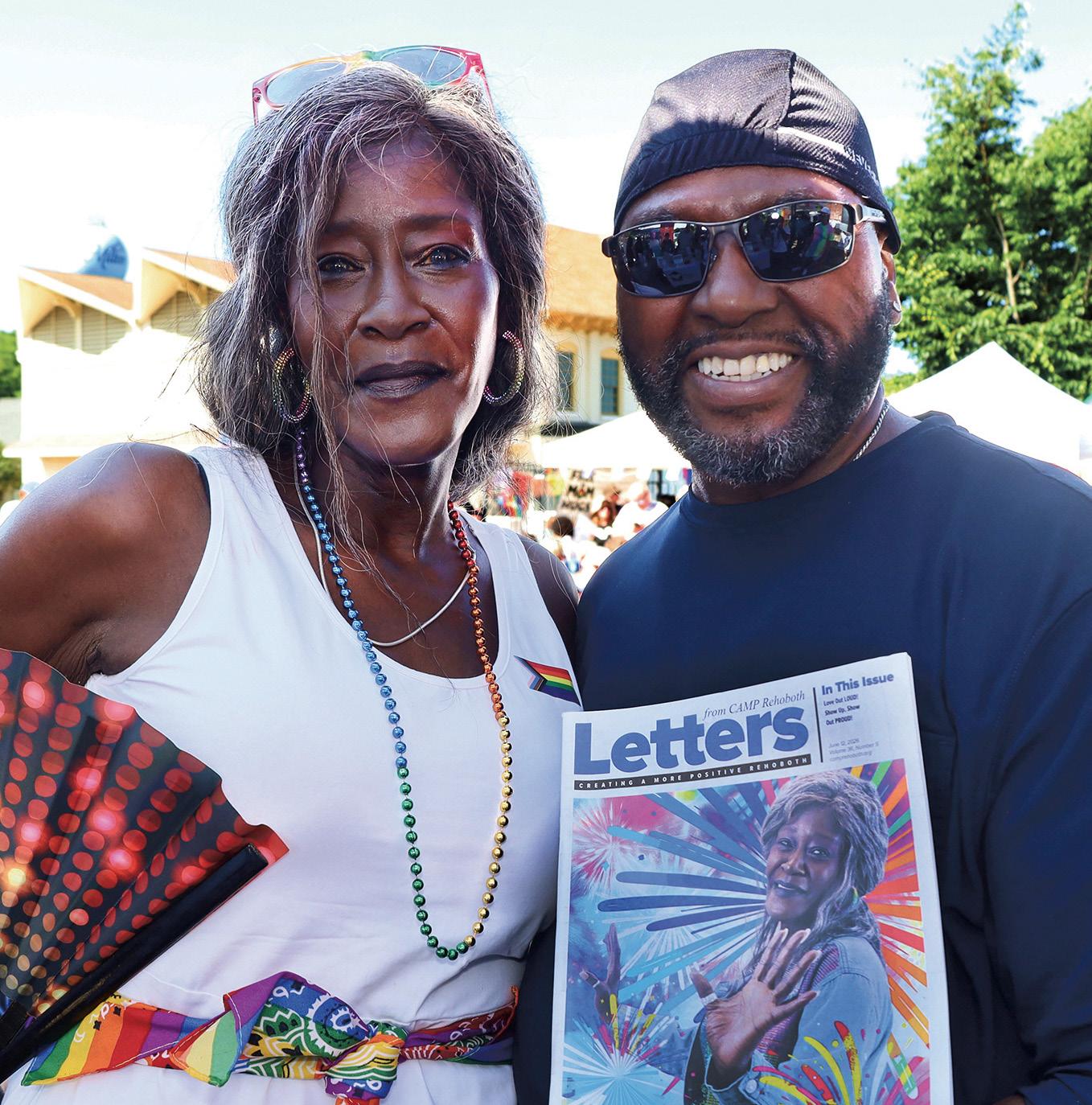
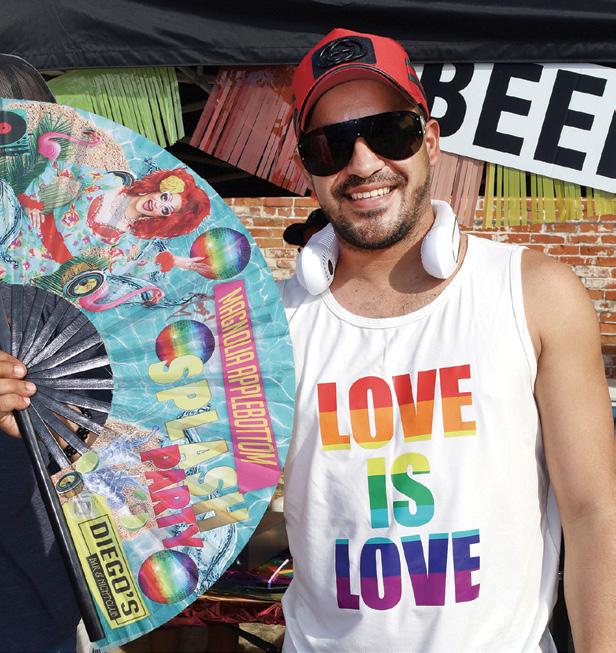
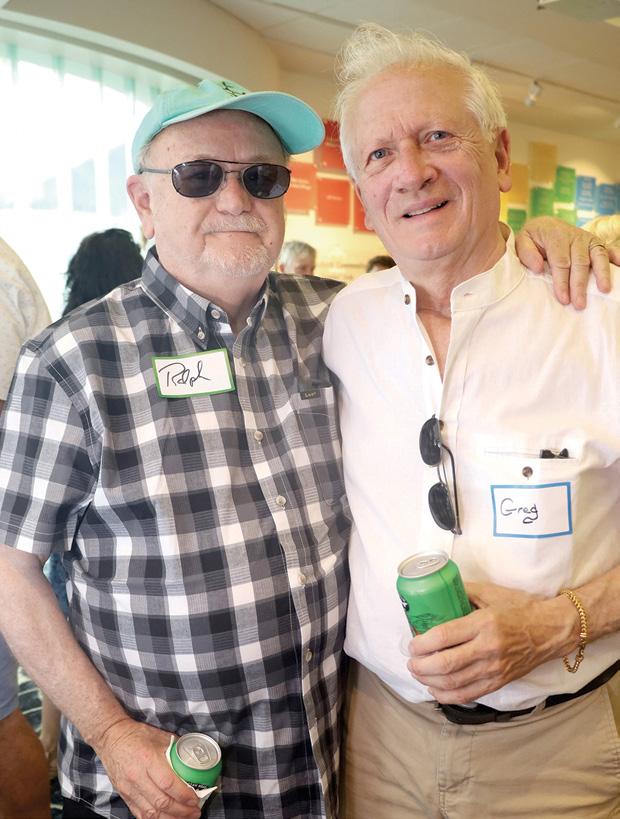
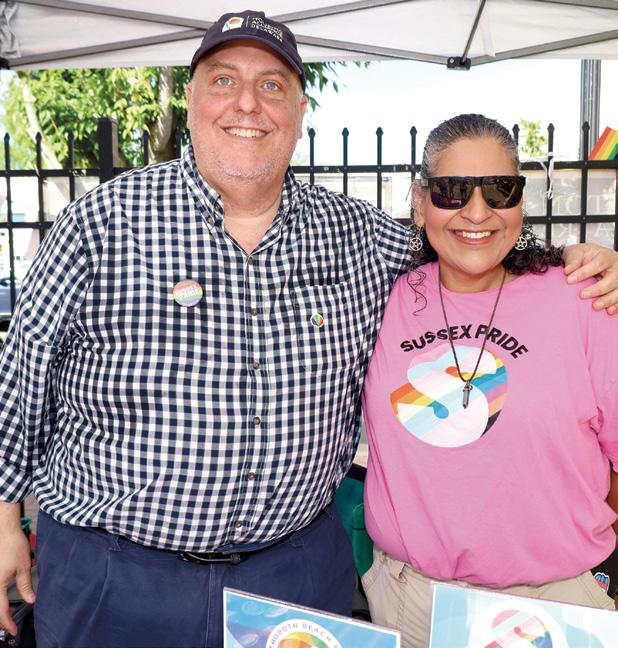
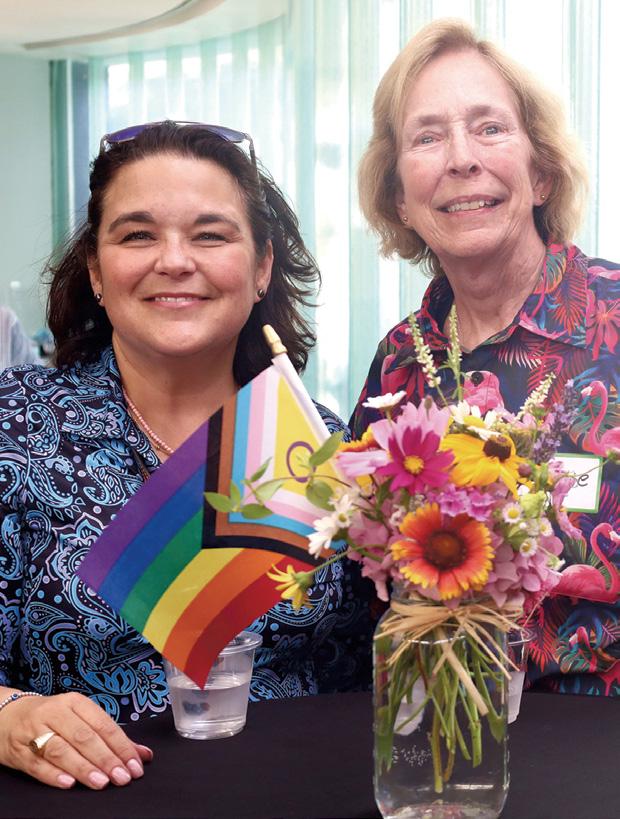
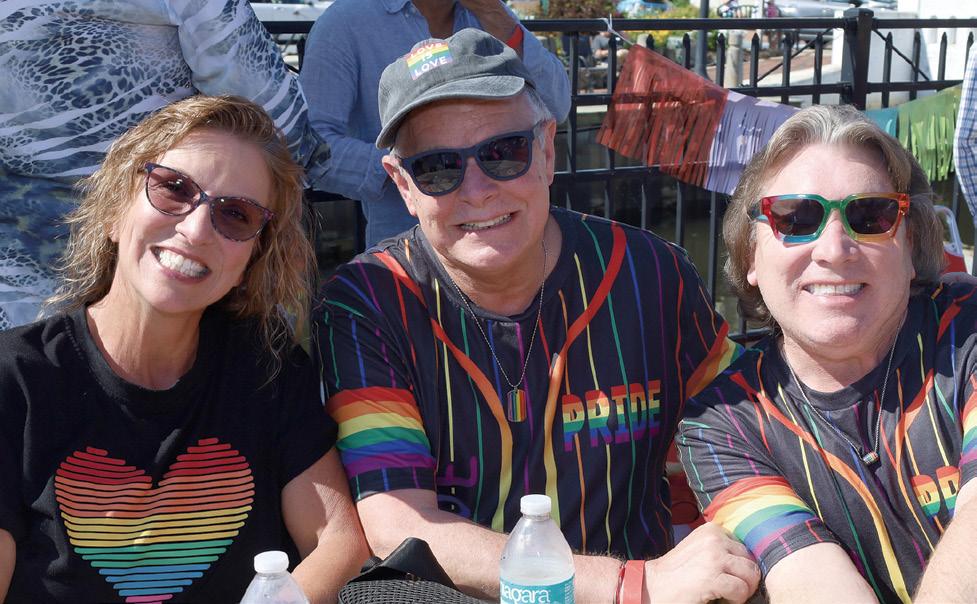
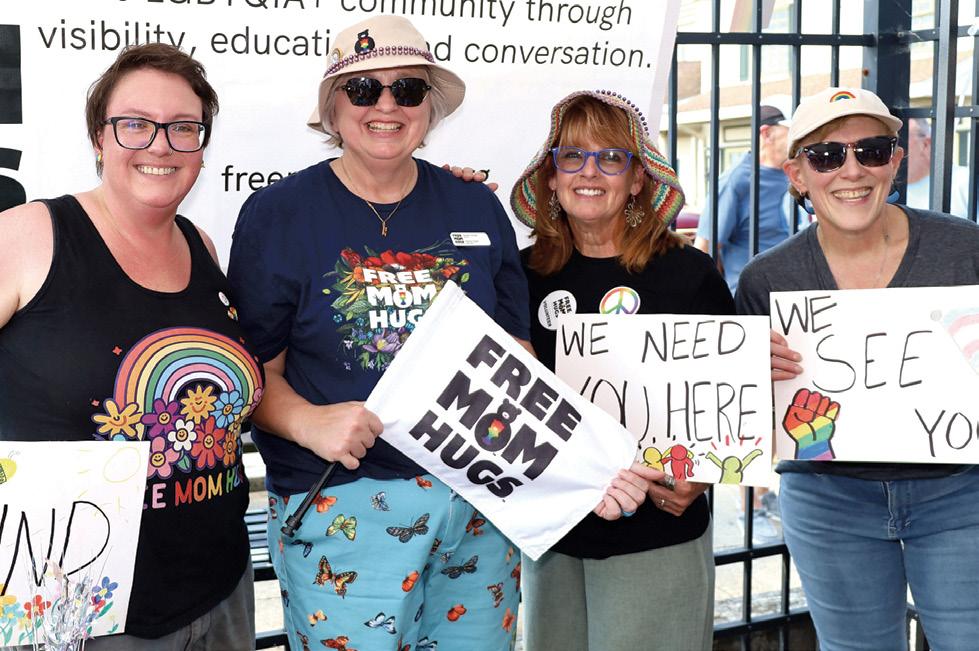
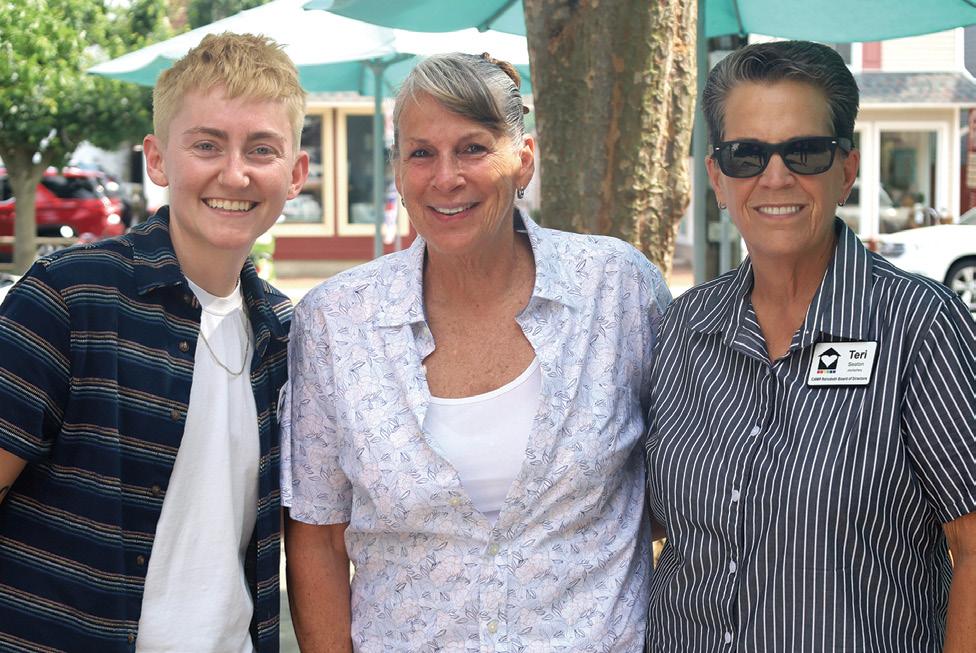
(Continued from page 57)
THIS PAGE (left to right) 1) at Milton Pride Festival: Hope Vella, Graeme Davis, Kim Cramsey, Bob Robinson, Frank Echols, Cynthia Poletti, Sandy Schad, Meg Ligotti, Donna Henderson, Alberth Silva, David Mariner, Norma Eckard; 2) at Pride in the Courtyard at CAMP Rehoboth: Shae Wagner, Joanie Pegler, Teri Seaton, Ralph Ashworth, Greg Weidner, Meridith Rothstein, Connie Holdridge.
OPPOSITE PAGE: 3) at Pride in the Courtyard: AJ Eckman, Kat Takacs, Jose Luis Guerrero, Brian Kane, Brett Applebaum, Leslie Ledogar, Polly Donaldson, Pat Catanzariti, Eric Peterson, Bonnie Quesenberry, Fay Jacobs, DJ Shady P, Tim Cash, Steve Creps, Jefferson Rougeau, Logan Scanlon, Matt Castrina, Nicole Chubioglu, Denise Anderson; 4) at Pride Art at CAMP Rehoboth: Murray Archibald, Chris Yochim, Kathleen Fitzgerald, Alicia Mickenberg, Kelly Doyle, Michael Beigay, Thomas Doyle, Maureen Doyle.
(More CAMPshots page 70)
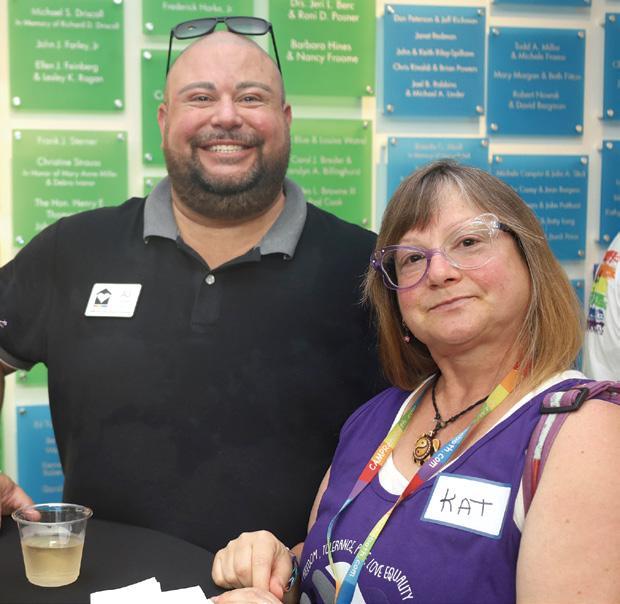
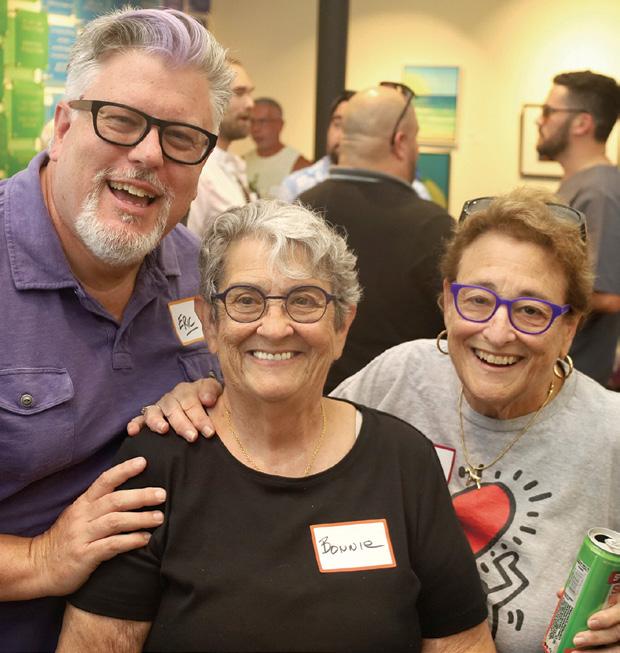
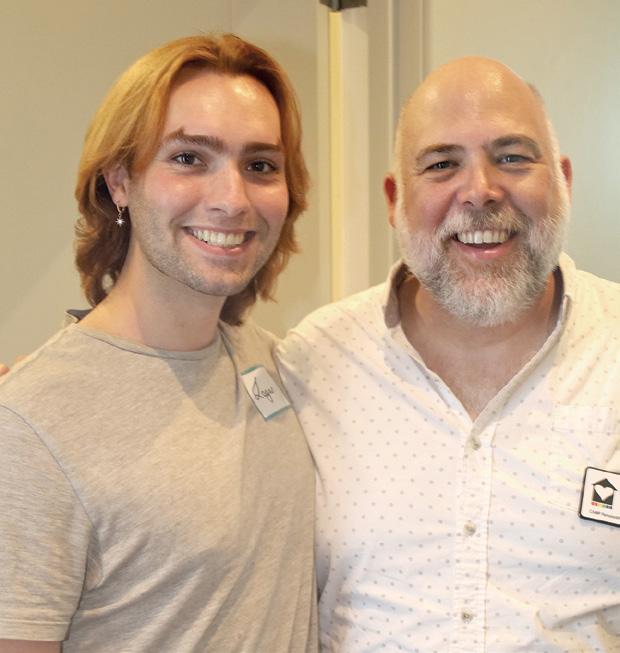
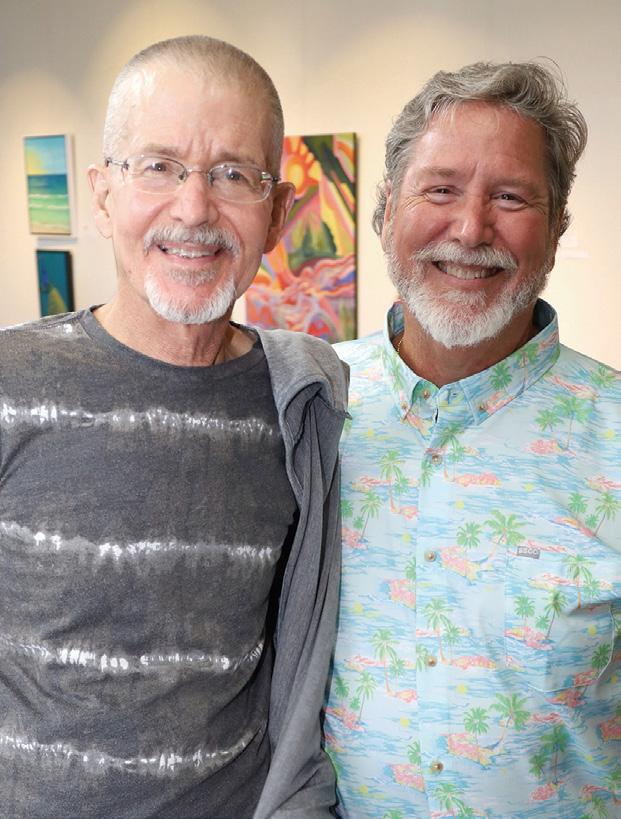
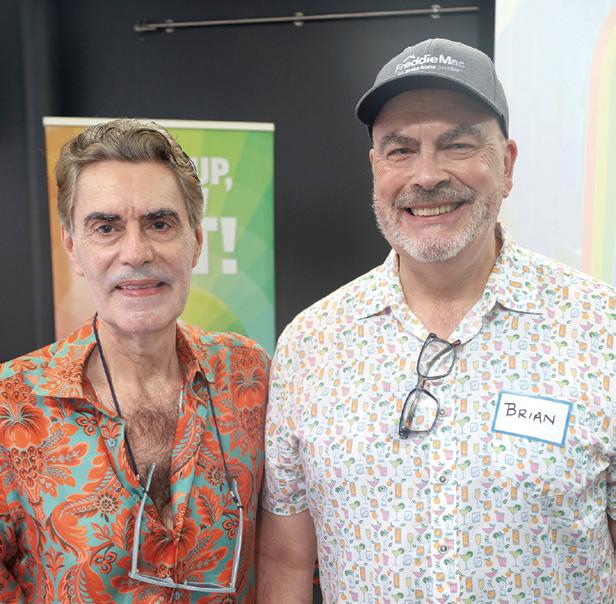
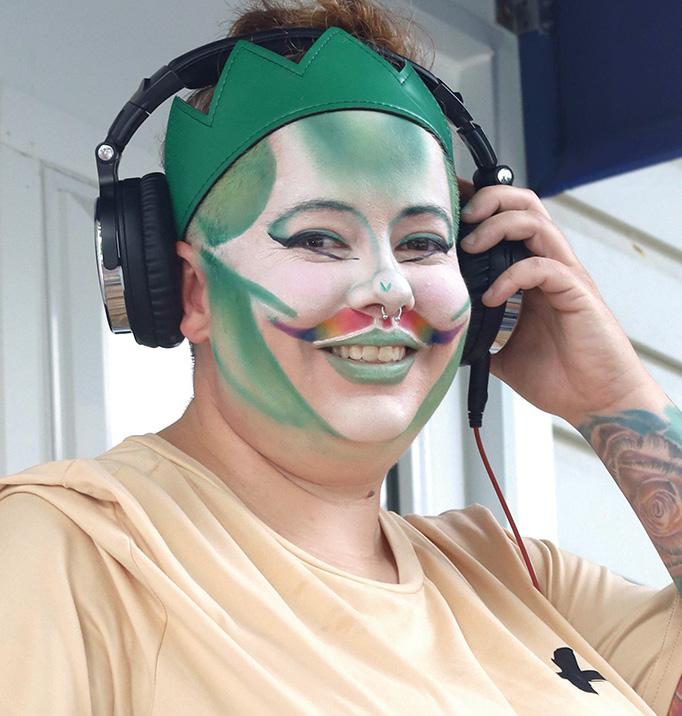
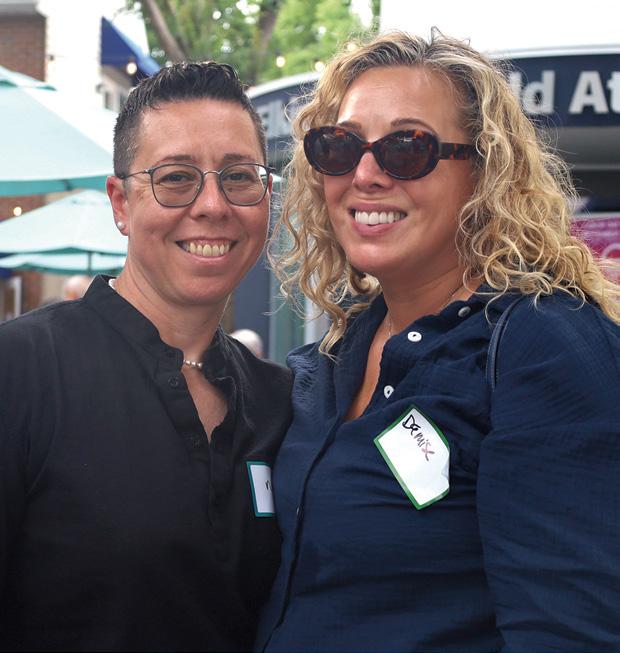
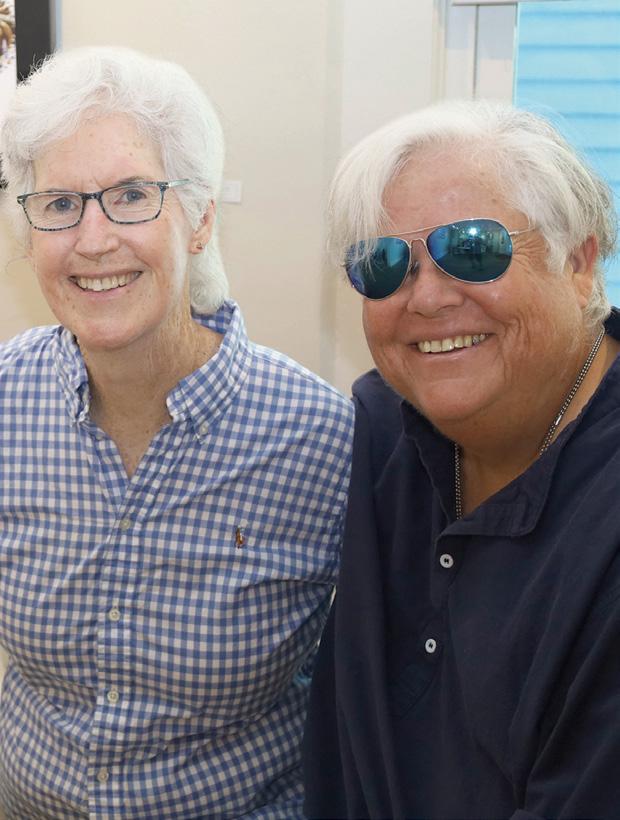
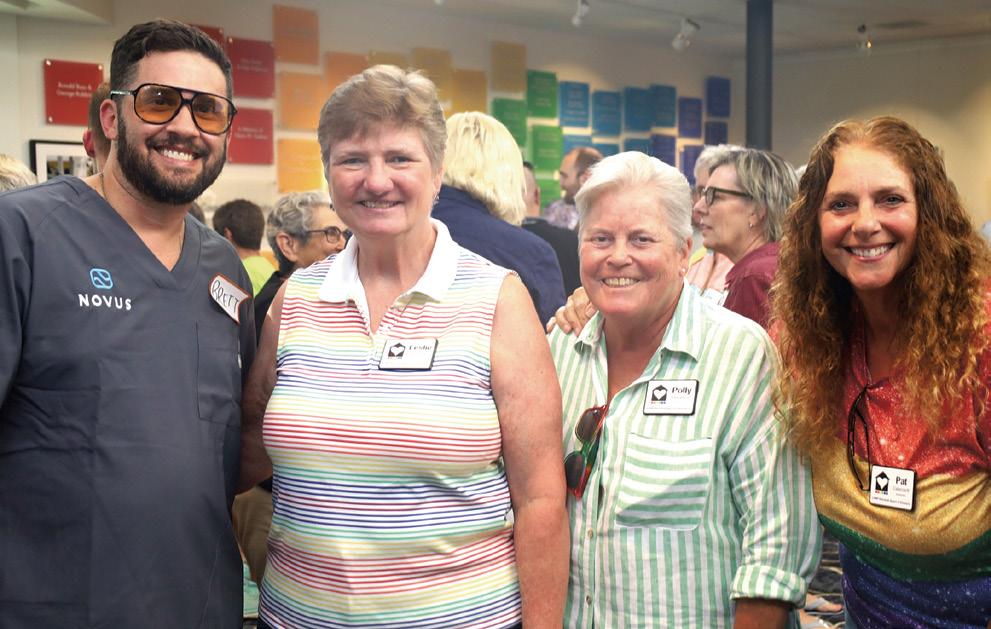
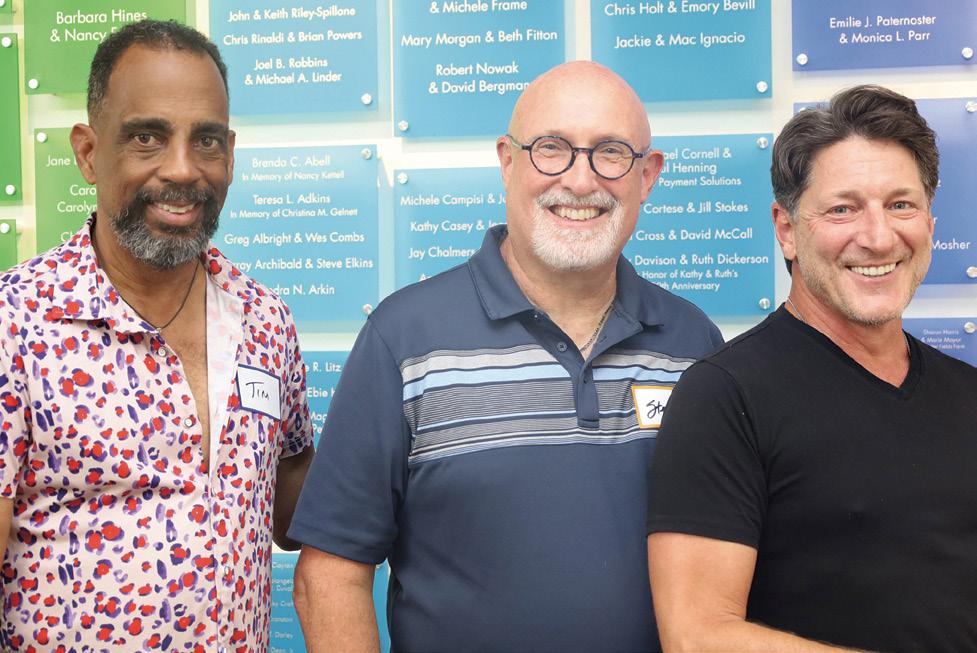
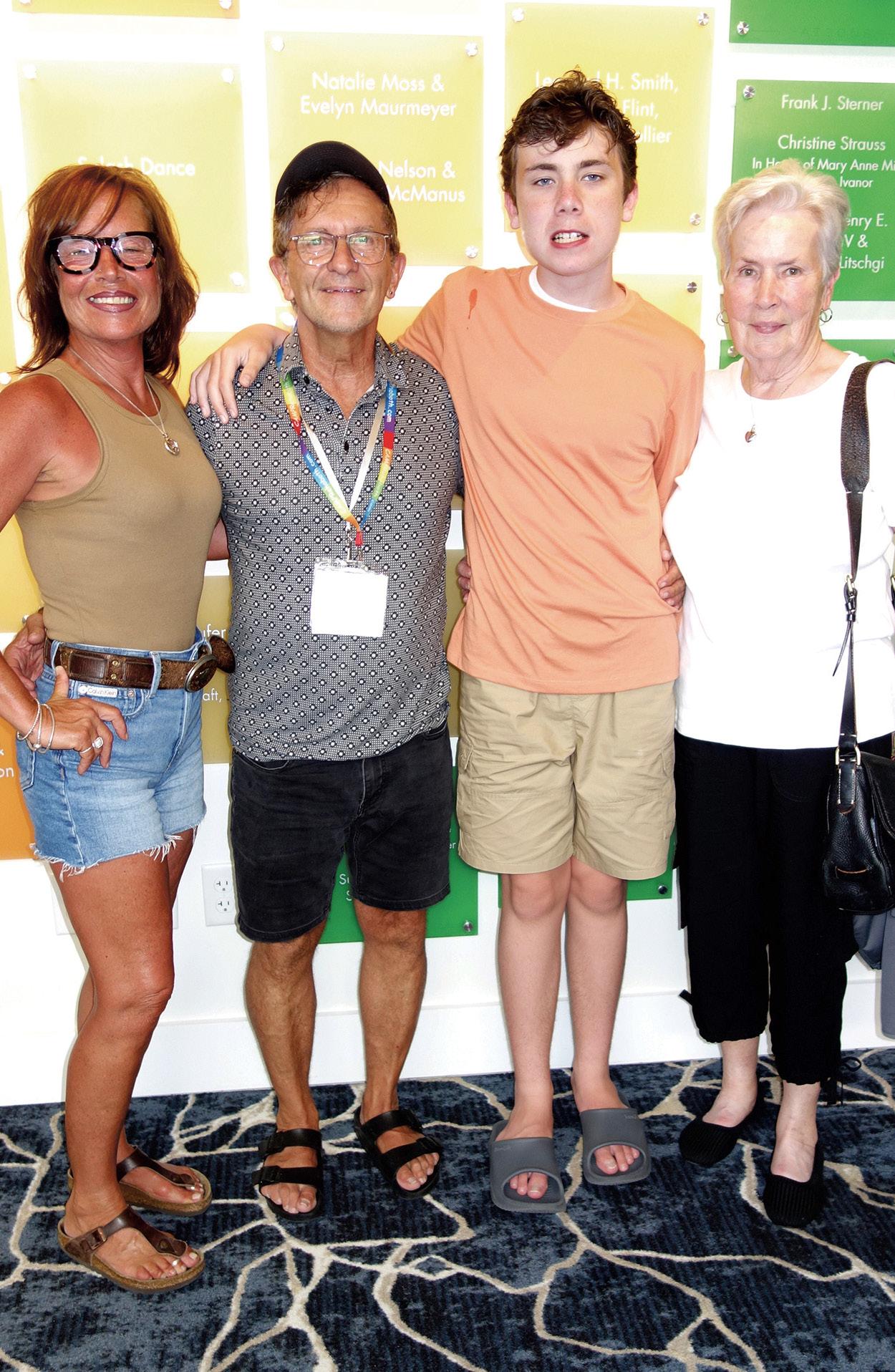
SUNFESTIVAL 2026
GET READY TO LOVE OUT LOUD
It’s about freedom and freedom of expression and learning to love who you are.
SUNFESTIVAL HEADLINER
DAVID ARCHULETA
World-class entertainers, toptier DJs, and a dream-making auction. What’s not to love? Here comes SUNFESTIVAL:
LOVE OUT LOUD If you don’t already have tickets, stop what you’re doing right now and go to: give.camprehoboth. org/events/ sunfestival-2026. Don’t get left out!
SUNFESTIVAL is a destination event. For exclusive booking rates visit: give.camprehoboth.org/ sunfestival-accommodations
SATURDAY, SEPTEMBER 5
A NIGHT OF ENTERTAINMENT
Our entertainers this year are more than just phenomenal singers—they’re amazing storytellers as well, capturing the emotion of each song and connecting with their audiences.
Opener Ashley Williams is known not only for her powerful voice but also for her spot-on song interpretation. Ashley’s been seen in cabarets at Blue Moon and in major roles for Clear Space Theatre, but we’ll have her all to ourselves at SUNFESTIVAL. Her repertoire spans soul/R & B, gospel, Broadway, and other genres, and she plans to pump up the SUNFESTIVAL crowd with Gloria Gayner, Whitney Houston, and other favorites. She says she has an endless love of storytelling, which fuels the impact of her singing.

David Archuleta’s incredible life narrative provides a wealth of stories to draw from in his songwriting. He sings with passion and emotion, getting crowds on their feet to dance and party. Get ready for singing, dancing, and celebrating. And after seeing him live, you won’t want to miss meeting him in person at his book signing, Sunday, September 6, 2:00 p.m., at Browseabout Books.
AUCTION
The SUNFESTIVAL auction is legendary for its travel and adventure offerings, and this year will be no different. So, get out that bucket list and get ready to check off an item or two. Also coming back is the popular Dine Around Rehoboth gift-card package and a few more tantalizing “must have” items. Remember—your auction donations fund the critical services and programs provided by CAMP Rehoboth.
Doors open at 6:30 p.m.
BY NANCY SAKADUSKI
SUNDAY,
SEPTEMBER 6
A NIGHT OF DANCE


Double your pleasure, double your fun, with two dances and two internationally known DJs all in one night, for one ticket price. Getting the party started is legendary DJ Robbie Leslie, a SUNFESTIVAL favorite (and veteran of Studio 54 and other top clubs). Robbie seems to read the crowd instantly and give them what they want at that exact moment. Taking it up a notch later in the evening, worldwide dance floor innovator, renowned New York City-based DJ, producer, and SiriusXM host DJ James Anthony takes over with his signature blend of big room, tribal, and vocal house music. Doors open at 7:00 p.m.
SUPPORT OUT LOUD
A limited number of sponsorship packages are still available. They’re one of the best ways to show your support for CAMP Rehoboth. Sponsorships range from $600$10,000 and directly fund CAMP Rehoboth’s health programs, arts and culture events, advocacy, and community-building work. For questions or to explore custom sponsorships, contact Shae Wagner, Event and Volunteer Coordinator, at swagner@ camprehoboth.org or 302-227-5620.
ACCESSIBILITY: Inclusivity is more than a buzz word here. CAMP Rehoboth is committed to creating and maintaining an inclusive environment for all participants. If you plan on joining us for SUNFESTIVAL and have needs related to accessibility, please contact accessibility@camprehoboth.org by August 21 to ensure needs may be met.
Ashley Williams photo: clearspacetheatre.org. David Archuleta photo by Savanna Ruedy. Opposite page: David Archuleta photo by by Irvin Rivera.
DJ Robbie Leslie
DJ James Anthony
OUT LOUD with David Archuleta
David Archuletta’s just-released song, “Love for Free,” makes it clear that he knows his own worth and is not dealing with games anymore, or as he puts it, “I know my value now, and if you want a piece of this, you’re going to have to work for it.”
It’s a remarkable statement from someone who had nearly given up. Raised as a Mormon, David understood the plan. “They teach you from an early age that when you grow up you’re supposed to start a family,” he says.… “That’s the one thing I saw for myself, was to create a family, get married, and make it back to heaven someday.... It was mortifying when I didn’t see myself being able to execute the plan that was given to me. I thought my world was over. I thought if I can’t do this, what’s the point of living?”
But we’re getting ahead of ourselves.
David Archuleta was born a few days after Christmas in 1990. His mother was a salsa singer and dancer, his father a jazz musician, so the musical performance spark was there from the beginning. At age six, he heard Les Misérables and was hooked.
When David was 10, his father entered him in the Utah Talent Competition. David was terrified about performing in front of an audience. “I didn’t want to do it. I really resented my dad for it. He made me do it anyway.” David had a panic attack, but his father pushed him to continue. David ended up getting a standing ovation and winning the competition.
Over the next 20 years, David’s career took off, with more competitions (including Star Search and American Idol) and more successes. In 2008, his hit “Crush” was followed by a self-titled album three months later, which debuted at number two on the Billboard 200 chart. There were more albums, performances, world tours, awards, and even a two-year Morman mission in Chile.
During this time, David tried dating women, and even got engaged several times, but struggled with same-sex attraction. Year after year, he prayed and tried to
change, but nothing worked.
He began to think the answer was suicide. He felt that no matter what he did in his life, it wouldn’t make up for being gay. Then he had a revelation. He isn’t sure whether it was God telling him or his own realization—he was going to accept his identity and stop asking to be changed.
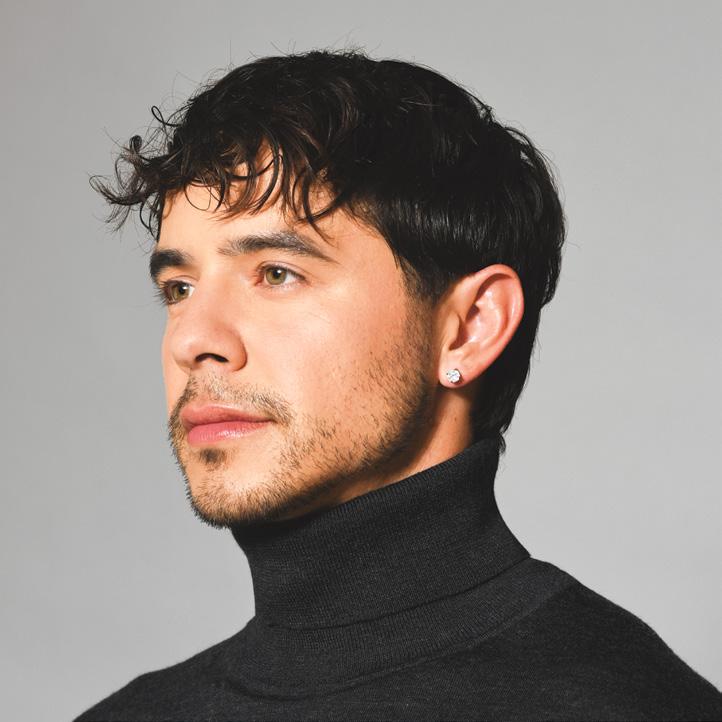
“I’m expecting a great vibe, I’ve heard some really wonderful things about Delaware and the queer community that is there.”
In June 2021, at age 30, David came out. His book, Devout: Losing My Faith to Find Myself, details what it took to find his authentic self. The transformation was so fundamental that David equates it with blossoming into a whole new person.
“It’s like wearing blurry glasses for all your life,” David says, “and then you take them off and it’s like, ‘Wow I can see so much more clearly now. This is really fun. Let me go take a hike and see the view now, because I didn’t know it could look this way.’…I just want to experience life all over again with this new clarity and vision.”
That vision is especially clear when performing for an LGBTQ+ audience. “It’s a different type of connection and relatability that you have with each other,” he
explains, “and so you’re able to express a side of you that I feel doesn’t come out as much in another type of setting. It’s like a language that you’re speaking in a way with your form of expression that you are conveying with an LGBTQ audience.… The types of songs that I’m singing are a little different, too, because it’s about freedom and freedom of expression and learning to love who you are and being in touch with your sensuality.”
Although David’s relationship with his father has been difficult, his father taught him how to reach the audience. “Make sure you create moments,” his father told him. “Create subtle moments, create big moments, but make sure that you have both of them because that’s where you get a range of emotion and that’s when you really hit deeply into people’s souls.” Critics often point to David’s use of emotion as part of the authenticity that connects with fans.
“When you’re able to create something and convey the message and really pay attention to what it’s saying,” David explains, “you can be a real messenger and a storyteller. It can be a really cool superpower in a sense.”
As for SUNFESTIVAL, David says, “I think we’ll have a lot of fun...there’ll be a nice variety of energy and letting people celebrate. I think that’s the biggest thing— is letting people celebrate. How far we’ve come, with some of those songs reflecting on where we were and where we are now.”
“I’m expecting a great vibe,” he says. “I’ve heard some really wonderful things about Delaware and the queer community that is there—that it’s a really fun place, that it’s a safe place with some beautiful history, and so I just can’t wait to take part in that.”
Don’t miss David’s book signing Sunday, September 6, 2:00 p.m., at Browseabout Books for a chance to meet him and get an autographed copy of his book.
David’s two new tracks, “Love for Free” and “Better Than You” were released in June and are available on all platforms. ▼




































CAMP REHOBOTH MEMBERSHIP
Join today to support our mission!
CAMP REHOBOTH RAINBOW MEMBERS RECEIVE:
• Advance access to ticket sales for CAMP Rehoboth events
• Invitations to member-only events and updates
• Recognition in Letters from CAMP Rehoboth (3 times per year)
• Rainbow Member window cling
• Weekly What’s Happening at CAMP Rehoboth email
INDIGO & PURPLE MEMBERS RECEIVE:
• All Rainbow Member benefits, plus: Private invitations to special events, including VIP receptions and donor appreciation events
FOUNDERS’ CIRCLE MEMBERS RECEIVE:
• Annual recognition in Letters from CAMP Rehoboth PAY ANNUALLY or MONTHLY
☐ PURPLE LEVEL ☐ $2400 annual or ☐ $200 monthly
☐ INDIGO LEVEL ☐ $1200 annual or ☐ $100 monthly
☐ BLUE LEVEL ☐ $900 annual or ☐ $75 monthly
☐ GREEN LEVEL ☐ $600 annual or ☐ $50 monthly
☐ YELLOW LEVEL ☐ $300 annual or ☐ $25 monthly
☐ ORANGE LEVEL ☐ $180 annual or ☐ $15 monthly
☐ RED BASIC ☐ $50 annual or ☐ Basic Dual/Family, $85 annual
☐ YOUNG ADULT (18-25 years old) ☐ $25 annual
VOLUNTEER spotlight
BY SHAE WAGNER
Demi Lower & Lucien Thomas
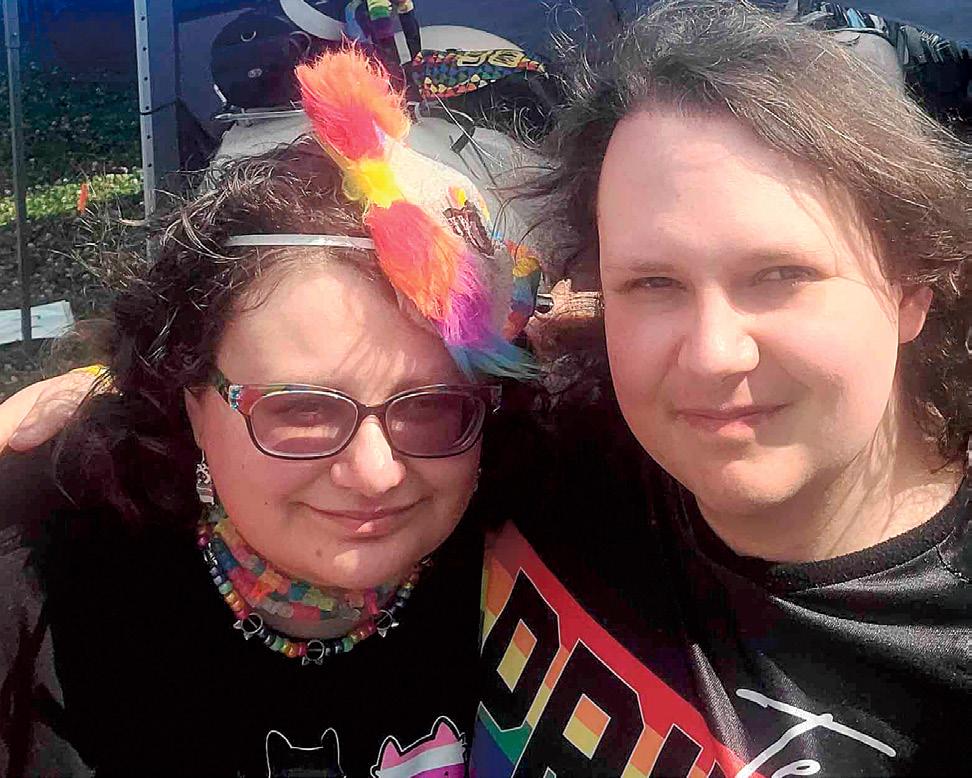
Q: When did you start volunteering at CAMP Rehoboth?
A: Demi and I first started volunteering in August of 2025.
Q: Of the many events held by CAMP Rehoboth, which is your favorite and why?
A: Our favorite event we volunteered for would be the 2026 Dover Pride festival, as we got to meet a lot of cool people.
Q: What’s a hidden talent or fun fact about you?
A: Demi is very good at Perler bead crafts and I (Lucien) am surprisingly very good at Minecraft interior design.
Q: Describe an ideal date night.
EMAIL 1 CELL 1 EMAIL 2 CELL 2
☐ Enclosed is my check payable to CAMP Rehoboth for the full annual amount.
☐ Please charge my Recurring Monthly or Annual Membership fee to: CREDIT CARD NUMBER
SIGNATURE
CORPORATE MATCHING
EXPECTED
A: Our ideal date would be hanging out and watching our favorite YouTube shows, with some pints of ice cream.
Q: If you could instantly travel anywhere right now, where would you go?
A: If we could instantly travel anywhere, Demi would want to go to Italy, and I would like to go to Ireland.
Q: What advice would you give to a new CAMP Rehoboth volunteer?
A: Our advice to a new CAMP Rehoboth volunteer would be to work with compassion in your heart. If you do your best to help others, then you will surely succeed in your mission. ▼
ShaeWagner is Event and Volunteer Coordinator at CAMP Rehoboth.
Photo credit: Raven (L-R: Demi, Lucien)
Write On!
Toot Your Own Horn
Ilove music in all its forms. It’s a love affair which started when I was a child, raised by parents who treated music as an essential part of daily life. There was always something playing in the house.
My mother favored contemporary music and softer sounds. Today, the kids would probably call much of it “yacht rock,” but she also loved Whitney Houston and Linda Ronstadt. Ronstadt, as it turns out, would introduce me to an instrument that would continue popping up throughout my life, including in this very column.
My father, meanwhile, was happily settled several decades in the past. Motown, Philly Soul, classic rock, and jam bands were his specialties. It wasn’t unusual to hear Diana Ross and the Supremes followed by the Grateful Dead and then Teddy Pendergrass. Looking back, it was a remarkably well-rounded musical education.
That blend of influences helped shape my own eclectic taste. More importantly, it sparked a curiosity about the sounds hiding beneath the songs. I began listening not only to the singers and songwriters but also to the instruments that gave the music its personality.
By extension, I fell in love with the instruments themselves. The grandeur of a piano. The majesty of a trumpet. The depth and pulse of a bass guitar. Together they create a cocktail of sound that many of us have spent our lives happily intoxicated by.
But beyond the familiar orchestra of everyday music lies a wonderfully strange world of uncommon instruments.
Take the harpsichord.
In 1996, Tori Amos famously incorporated the harpsichord into her album Boys for Pele, transforming her piano-driven songwriting into something that felt equal parts Baroque cathedral and Southern Gothic fever dream. The instrument sounds like a piano that has decided to become royalty. It doesn’t strike strings with hammers. Instead, it
plucks them, producing a bright, crisp sound that somehow feels both ancient and rebellious.
Then there is the glass harmonica, or glass armonica, depending on whom you ask.
Music…is full of surprises. Sometimes the most memorable sound in a song [is]…a strange little instrument sitting quietly in the background, waiting for its moment.
Invented by Benjamin Franklin in 1761, the instrument consists of spinning glass bowls that produce sound when touched with wet fingers. Composer Philip Glass has helped keep interest in the instrument alive, while one of its most memorable appearances in popular music came on Linda Ronstadt’s 1992 album Winter Light Its sound is haunting and serene. It lingers in the air like perfume and somehow makes everything feel slightly enchanted.
The glass harmonica was once so mysterious that some people believed it caused madness. Considering the state of the world today, I suspect social media deserves that reputation far more.
Speaking of enchantment: there’s the quirky glockenspiel.
Despite sounding like either a German insult or a minor Harry Potter character, the glockenspiel is a percussion instrument made of tuned metal bars. Its bright, bell-like tone appears everywhere from orchestras to pop songs and holiday music. Once you know what it sounds like, you’ll start hearing it everywhere. It is essentially the musical equivalent of discovering that cilantro is in half the things you eat.
Another instrument that often flies under the radar is the dulcimer.
Natalie Merchant’s 1998 album Ophelia featured the dulcimer among its rich
BY CHRISTOPHER MOORE
tapestry of folk-inspired instrumentation. The dulcimer has a warm, earthy quality that feels simultaneously Appalachian and not of any specific time. Listening to it is like sitting on a front porch at sunset while someone tells a story that’s been passed down for generations.
Then there is the hurdy-gurdy, an instrument so delightfully strange that it sounds made up.
The hurdy-gurdy uses a handcranked wheel that rubs against strings, creating a continuous drone while a keyboard changes the notes. Imagine if a violin and a bagpipe got together and decided to build a machine. That’s essentially a hurdy-gurdy. Its sound is medieval, hypnotic, and unexpectedly beautiful.
For centuries it was a staple of European folk music. Today, it occasionally appears in film scores and recordings by artists searching for something distinctive. Whenever I hear one, I immediately picture castles, candlelight, and at least one person wearing a cloak.
Then there’s the theremin, which is one of the few instruments you play without actually touching it. Invented in the 1920s, it uses electromagnetic fields that respond to the movement of your hands. The result is that eerie, wavering sound heard in countless science-fiction movies and television shows.
Watching someone play a theremin is fascinating. It looks less like a musical performance and more like someone conducting an invisible orchestra while attempting to communicate with extraterrestrials.
And let’s not forget the accordion.
In the United States, the accordion has often been unfairly typecast as either a polka machine or the instrument your uncle bought during a midlife crisis. Yet around the world it is capable of astonishing beauty and emotional depth. From French cafés to Argentine tango halls, the accordion has a versatility that deserves far more respect than it typically receives.
Continued on page 66
2026 SUMMER M ARKET SEASON
Market at George H.P. Smith Park
SATURDAYS | 8 AM to 12 PM | May 2 to September 26
Dupont Avenue at Johnson Avenue, Lewes, DE
Market at Crooked Hammock
WEDNESDAYS | 8 AM to 11:30 AM | June 3 to September 2
Crooked Hammock Brewery , 36707 Crooked Hammock Way, Lewes, DE
Fall Market at Lewes Elementary
SATURDAYS | 9 AM to 12 PM | October 3 to November 28
820 Savannah Road, Lewes, DE (school parking lot)
Holiday Market at Lewes Elementary
SATURDAY | 9 AM to 12 PM | December 5
820 Savannah Road, Lewes, DE (school parking lot)
Sorry, no pets allowed within Markets. Only service dogs are permitted.
Write On! Continued from page 64.
Even the cello, while not uncommon, often occupies a special place in this conversation.
Most people think of the cello as a classical instrument, but its rich, humanlike voice has found a home in rock, folk, and alternative music. Few instruments can convey melancholy, longing, comfort, and joy with such immediacy. If the violin is the soprano of the orchestra, the cello is its storyteller.
What fascinates me about these instruments is not just their sound but their persistence. Despite changing tastes, new technologies, and increas-
listeners centuries into the past. A glass harmonica can make a room feel suspended in time. A dulcimer can evoke a landscape. A hurdy-gurdy can summon an entire medieval village. A glockenspiel can add a sparkle that no synthesizer quite replicates.
These instruments remind us that music is ultimately about texture and emotion. The unusual sound is often what catches our attention, but the feeling it creates is what stays with us.
Music, after all, is full of surprises. Sometimes the most memorable sound in a song isn’t the singer or the guitar
You may discover that the instrument stealing the show isn’t a guitar, piano, or drum kit.
It might be a dulcimer. It might be a theremin. It might even be a glockenspiel.
And before long, you’ll find yourself explaining the difference between a harpsichord and a piano at a dinner party where absolutely nobody asked. Trust me. This is how it starts. ▼
Christopher Moore is a writer, and a teacher — English or Yoga, depending on your vibe. He
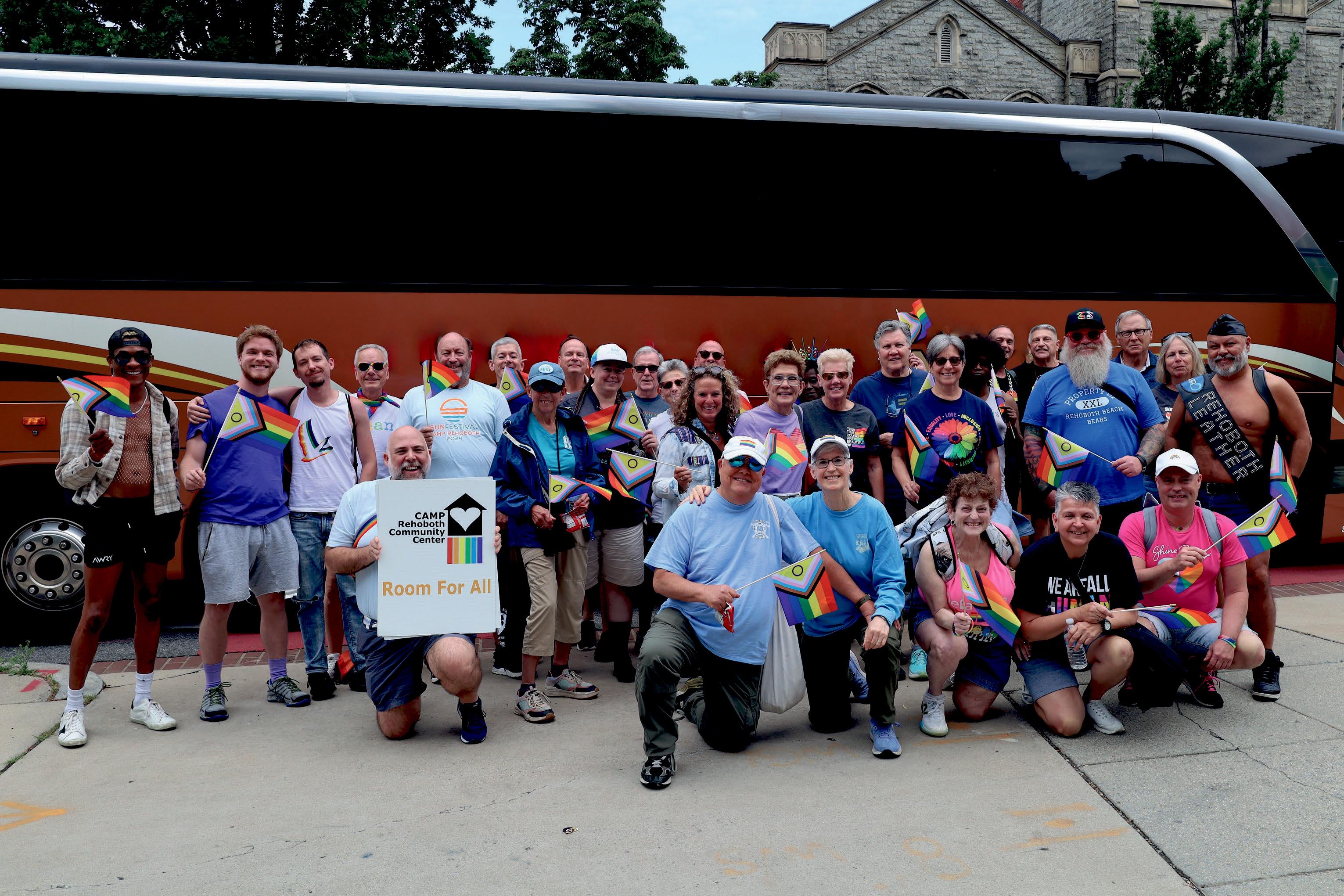






Celebrity Interview
In Between
Finding the Magic: Nicholas Molencupp & Cameron Moir on Bringing This New Movie to Life
The queer movie cannon consists of a litany of different types of films, from the brooding romanticism of Brokeback Mountain to the sweet late-night moments in Trick. In Between though, is the type of project that the community has been waiting for. The queer romantic dramedy tells the story of a bigger gay man (Nick) who has felt the sting of rejection more than once. Nick meeting Beau brings a charming, British, new romantic interest—but also may be bringing the same type of disappointment that Nick has felt in the past.
I sat down with Nicholas Molencupp (Nick) and Cameron Moir (Beau) for an in-depth conversation that ranged from the origin story of In Between to the other inspirational LGBTQ+ films that have inspired both their lives and In Between
MICHAEL COOK: Every great project has an origin story, and yours feels especially personal. Nick, take me back to the beginning. How did In Between come to life?
NICHOLAS MOLENCUPP: It really starts with my own story. I grew up in a single-parent household, and television and film became my escape. I was always glued to the TV, but I never thought of myself as creative or as someone who could act.
That changed in middle school. We had to choose an elective, and I picked drama. I immediately fell in love with it. In college, I pursued a business degree because I came from a low-income background and wanted something practical. During my third year, I realized I couldn’t ignore my passion anymore, so I added theater as a second major.
I never imagined I’d become a writer, but I figured I probably had a story worth telling.
I wrote a 16-page short film called Beyond Expectations and shared it with someone I trusted—a professional writer in Los Angeles. He told me the script
was good but asked what made it different. What was the secret sauce? Then he told me to acknowledge that I’d written it, throw it away, and start over.
In August 2025 I called my friend Julian DeBarros, who became my co-director and producer, and asked if
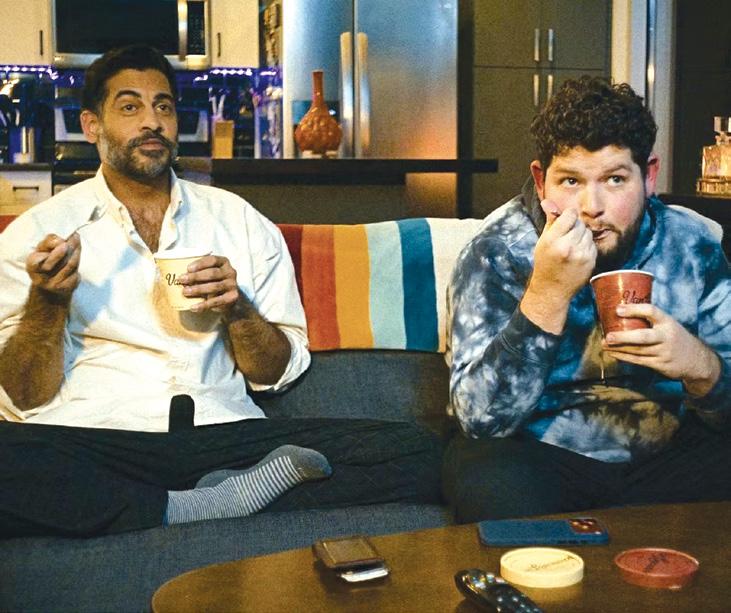
We’re living in a new era now where queer storytelling continues to evolve. Every generation builds upon the work that came before it.
she wanted to build this together. She immediately said yes.
By September we launched our crowdfunding campaign. Originally, we planned to shoot it on an incredibly small budget—even considered using an iPhone—but then Cameron entered the picture.
MC: It sounds like that was quite the game changer….
NM: Honestly, Cameron changed the direction of both this film and my life.
Through him we connected with an incredible producing team, including executive producers Jay Manuel and Krystal Joy Brown, along with Christian DeMarais, Elle Army, and so many others. Cameron opened doors I never imagined possible.
We met our fundraising goal, continued attracting supporters, completed pre-production during the holidays,
BY MICHAEL COOK
started filming on January 10, wrapped 10 shooting days later, and now we’re nearing the end of post-production. It’s all happened in less than a year, and I’m incredibly proud of what we’ve created.
MC: Cameron, now that you’re watching the final pieces come together in the editing room, what does it feel like seeing this story become a reality?
CAMERON MOIR: It’s incredibly rewarding. The script itself made people want to be part of the project. Raising money is always difficult, but once people read it, they understood why we wanted to make this film.
MC: Nick, what first opened the door for you when it comes to LGBTQ+ cinema? What films helped shape your creative voice?
NM: I actually never got to watch Brokeback Mountain when it came out. I heard all about it growing up as a closeted kid, but I wasn’t allowed to see it, and somehow I still haven’t circled back. One film I absolutely loved was The Birdcage. Robin Williams was incredible. As I got older, Love, Simon really resonated with me.
During COVID I spent a few months living with my cousin and his husband, and they jokingly called it my “gay education.” They introduced me to Queer as Folk, Trick, and Noah’s Arc. Those shows and films opened up an entire world I hadn’t fully experienced before.
Outside LGBTQ+ films, I also love classic romantic comedies like 13 Going on 30 and Romy and Michele’s High School Reunion. Those movies celebrate individuality and finding confidence in who you are. I’m also a huge horror fan. There’s something about horror that resonates with queer audiences because we often identify with the outsider or the misunderstood monster. I think that perspective has absolutely influenced my creativity.
MC: Cameron, what about you? Which LGBTQ+ films have inspired you?
CM: Definitely Queer as Folk—both the UK and US versions. Films like To Wong Foo, Thanks for Everything!, Julie
…now we can also tell stories about joy, love, and self-acceptance. We can simply tell human stories without requiring trauma to justify our existence.
Newmar, Tarnation, Mysterious Skin, and so many others helped pave the way for projects like ours. Without those earlier LGBTQ+ stories, films like In Between wouldn’t exist.
We’re living in a new era now where queer storytelling continues to evolve. Every generation builds upon the work that came before it.
NM: I completely agree. Without Trick, maybe there isn’t Love, Simon. Without To Wong Foo, maybe there isn’t RuPaul’s Drag Race. Each generation of storytelling makes the next one possible.
What also excites me is that we’re finally reaching a point where queer stories don’t have to revolve entirely around trauma. For so long, LGBTQ+ films focused on AIDS, addiction, rejection,
or coming-out struggles. Those stories absolutely mattered.
But now we can also tell stories about joy, love, and self-acceptance. We can simply tell human stories without requiring trauma to justify our existence. That feels incredibly meaningful.
MC: Finally, when audiences walk out after seeing In Between, what do you hope stays with them?
NM: I hope people realize it’s okay to be “in between.” That idea isn’t exclusive to sexuality. People feel caught between cultures, careers, families, identities, expectations—everyone experiences being in between something.
I hope audiences leave inspired and a little more comfortable with where they are in their own lives. Accepting yourself


isn’t easy, but once you do, you surround yourself with people who genuinely love you for who you are. Everything begins to change after that.
CM: I hope people leave with warm hearts, maybe a few tears, and a greater sense of acceptance for themselves.
That’s really what this film is about. ▼
Follow “In Between” on Instagram: inbetweenthemovie/
Michael Cook has been a part-time resident of Rehoboth Beach for over a decade. He is currently a contributor to WERRRK.com, OUTSFL, and The Philadelphia Gay News.
Photos: credit: inbetweenthemovie.com
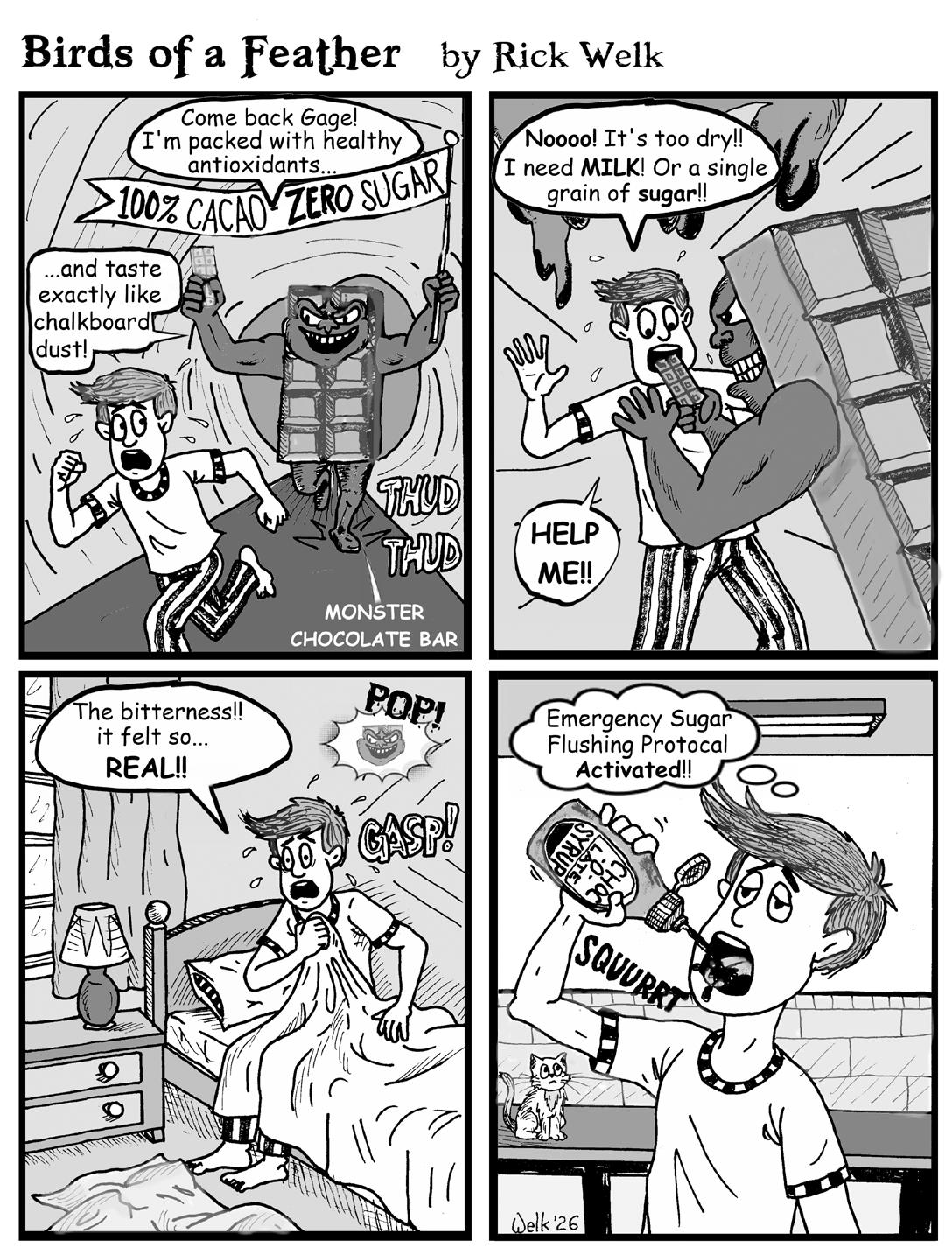
SCENES FROM REHOBOTH BEACH & BEYOND
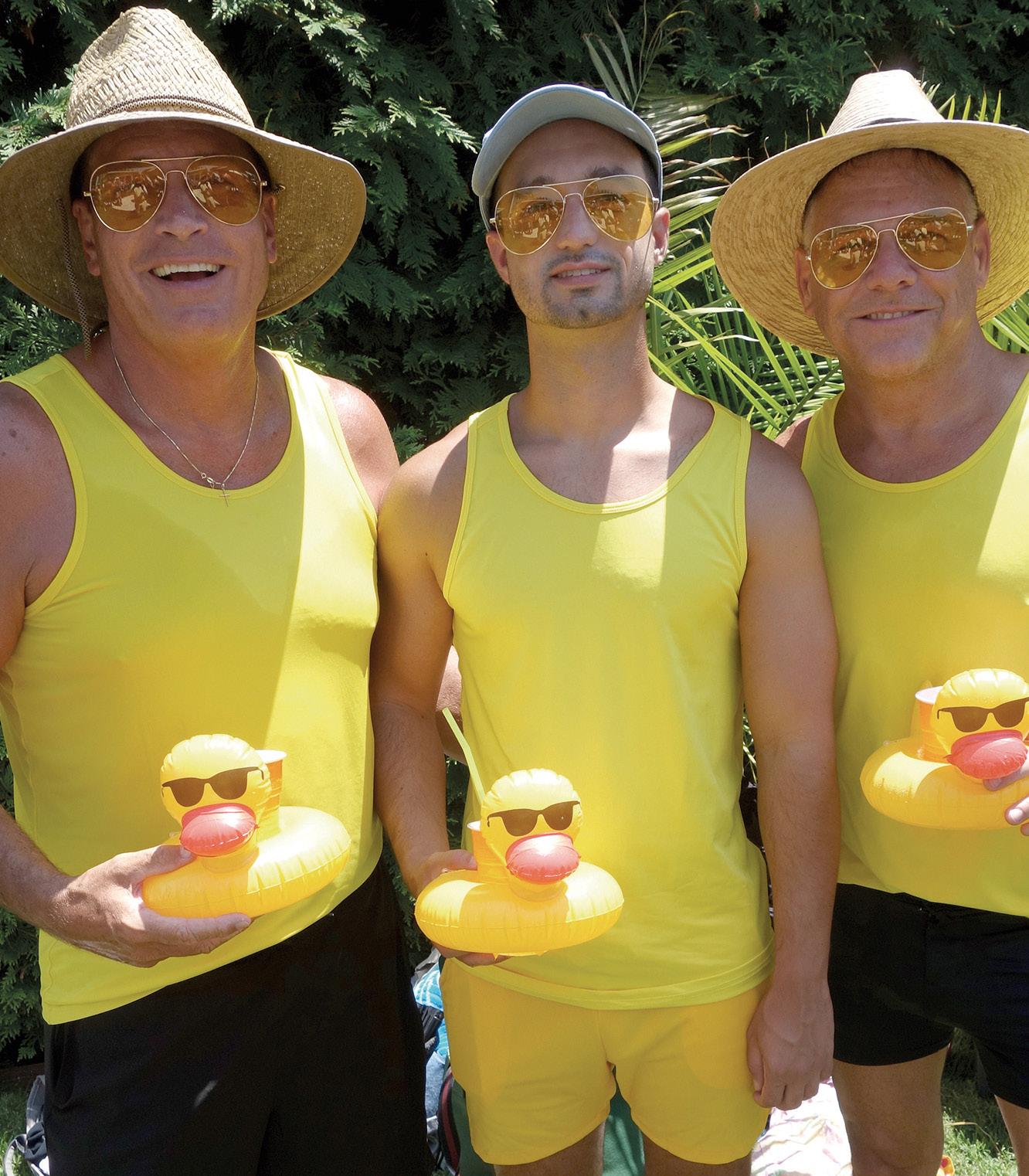
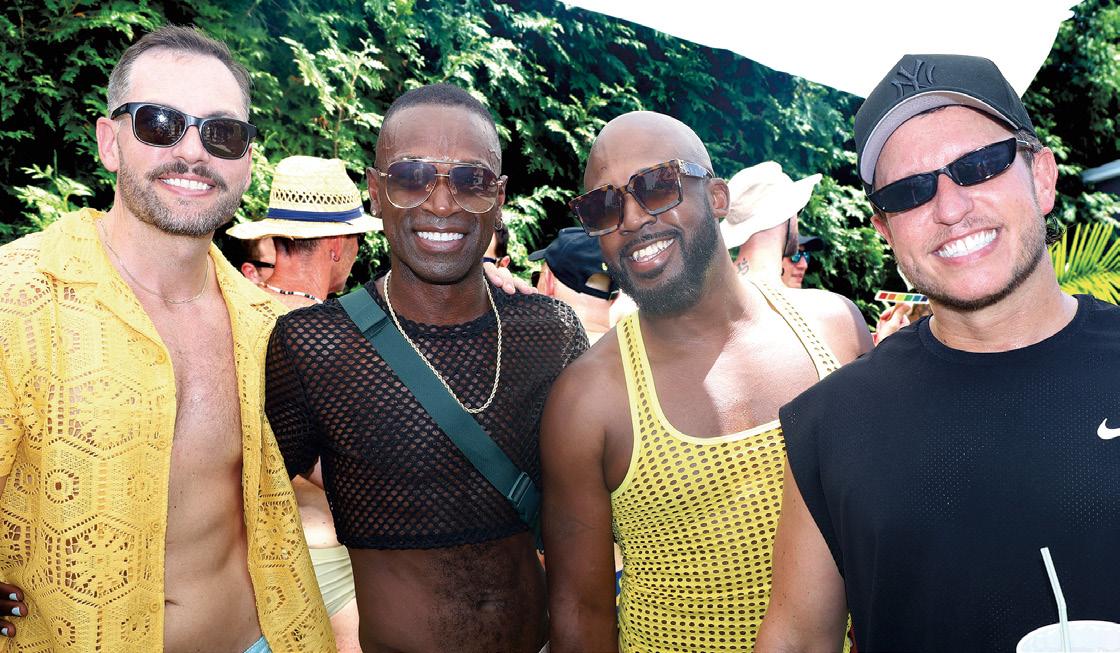
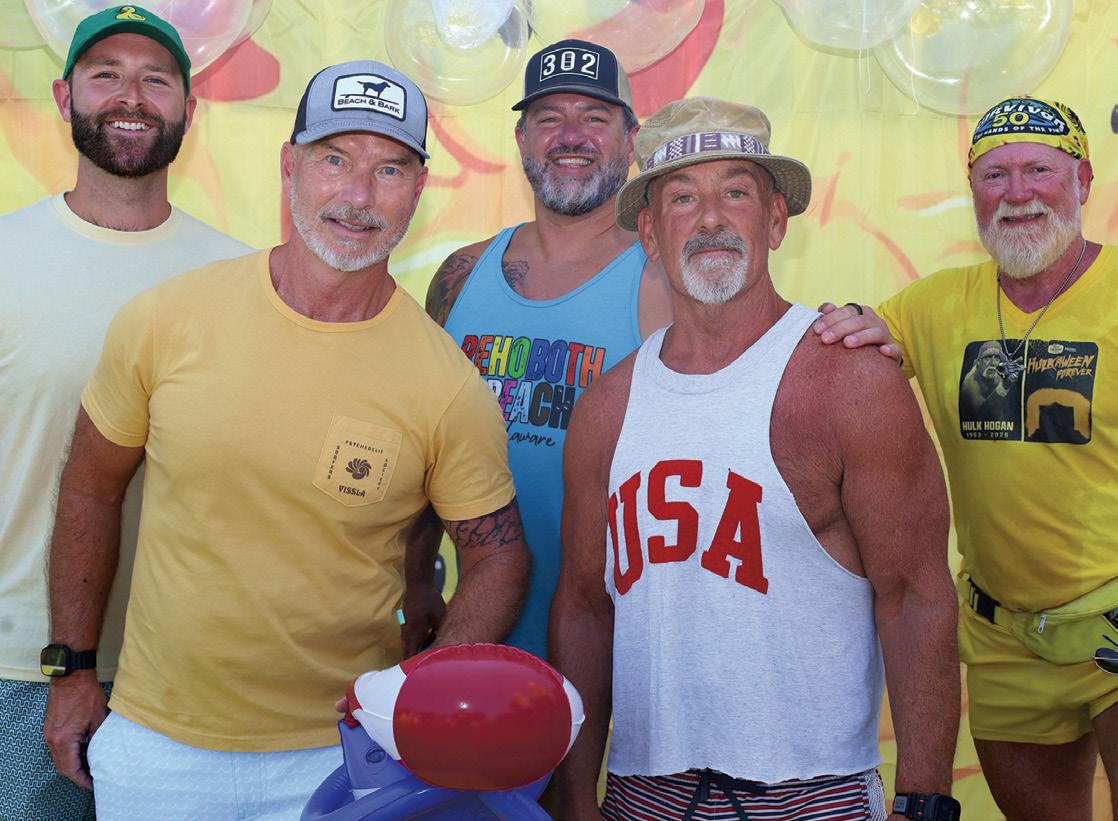
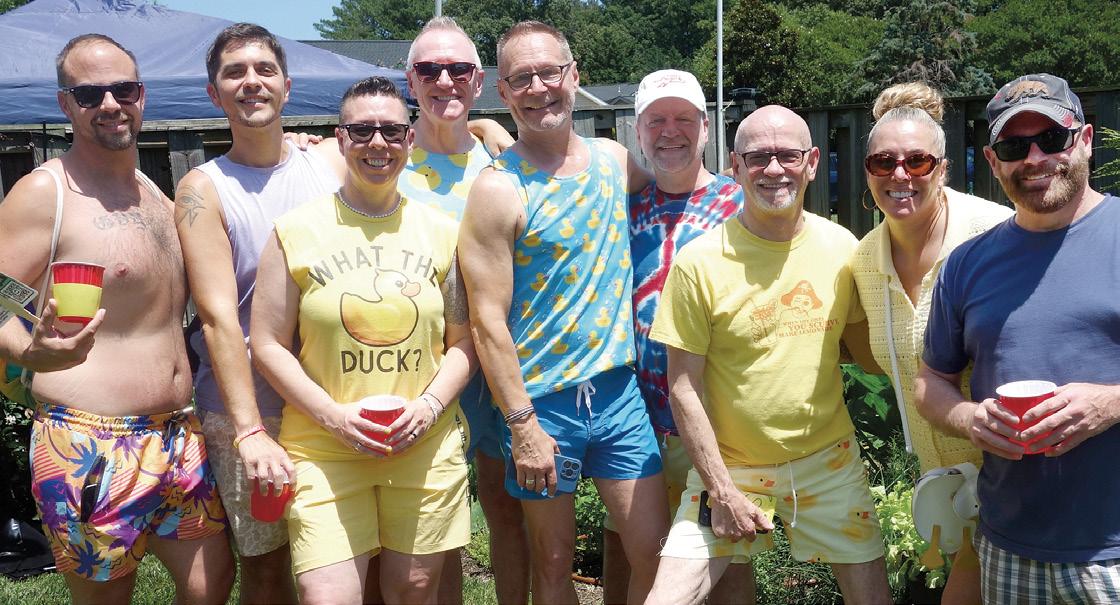
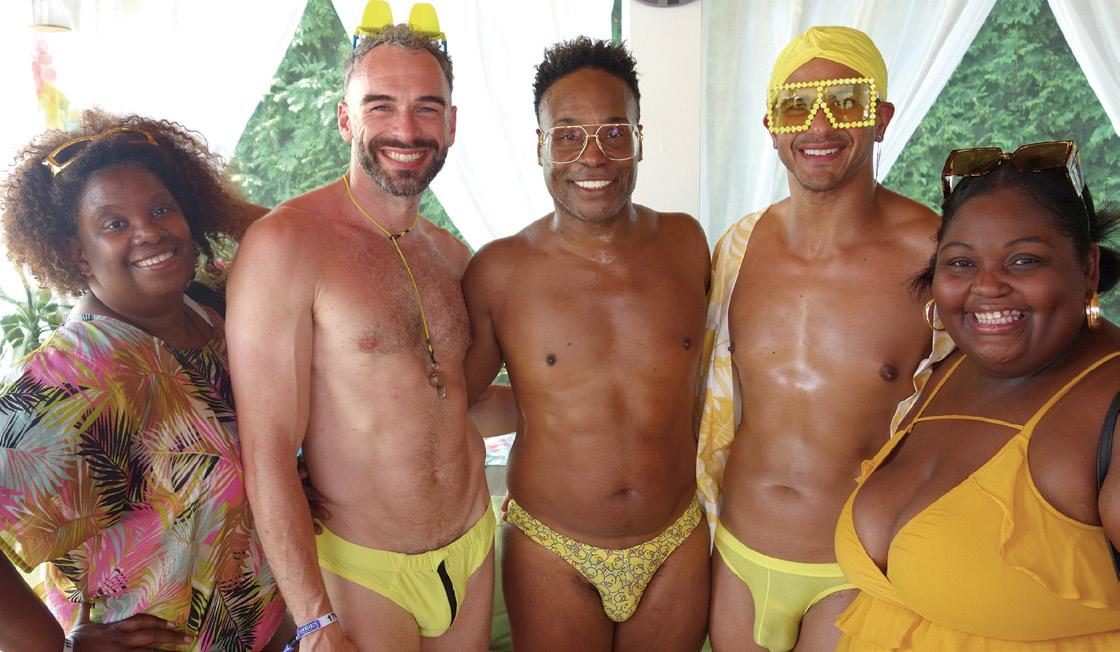

(Continued from page 59)
THIS PAGE (left to right) 1) at Rubber Ducky Pool Party: Al Drulis, Joe DeCollibus, Scott Silber, Brandon Guy, Ryan Hooper, Nicole Chubioglul, Eric Engelhart, Chris Beagle, Michael Fetchko, Keith Petrack, Denise Anderson, Carlos Morales, Precious Brown, Cory Rose, Billy Porter, Eric Anderson, Ashley Williams, Chris Forbes, Terry Isler, Letez Hudson, Matt Rice, AJ Eckman, John Costanzo, Matthew Heck, Cole Larkins, Conor Casey, Scott Foreman, Rob Carman, Tom Graham, Paul Frene.
OPPOSITE PAGE 2) at Clear Space Tony Party: Jeff Rowe, Ida Rowe, Ashley Williams, Kirk Schneck, Jadine Pilotti, Justin Jewel, Brendan Smith, Wes Drummond, Joe Gfaller. Jason Matthews, Candice Jewel, David Streit, Scott Button, Derrick Kelley, Brittany McCunney, Robb Mapou, Mike Zufall, Fran O’Brien, Danny Sebright; 3) at Juneteenth Celebrations, West RB & Lewes: Afrika Kenyatta, Wezo Kenyatta, Sikano Kenyatta, Eric Peterson, Derrick Johnson, Darryl Isom, Shelatia Dennis, Tyere Dennis.
(More CAMPshots page 72)
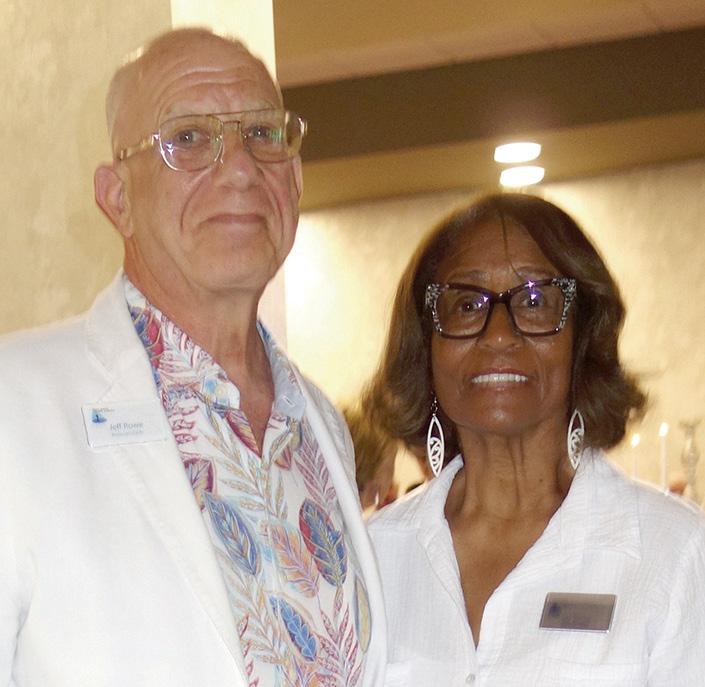
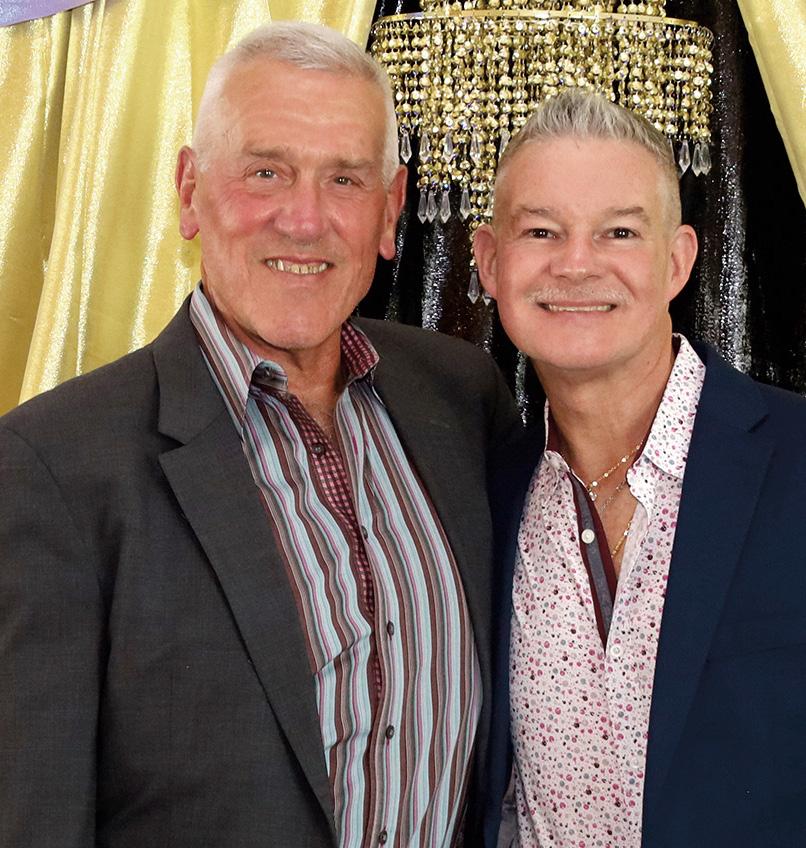
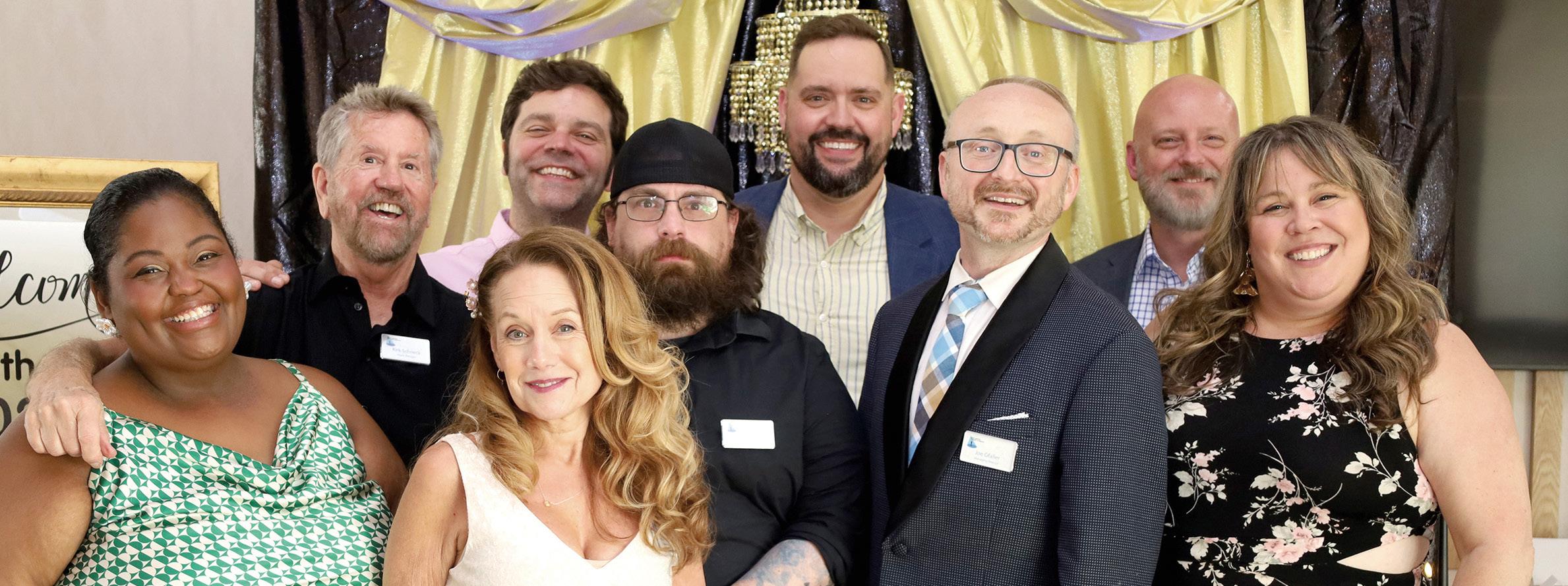
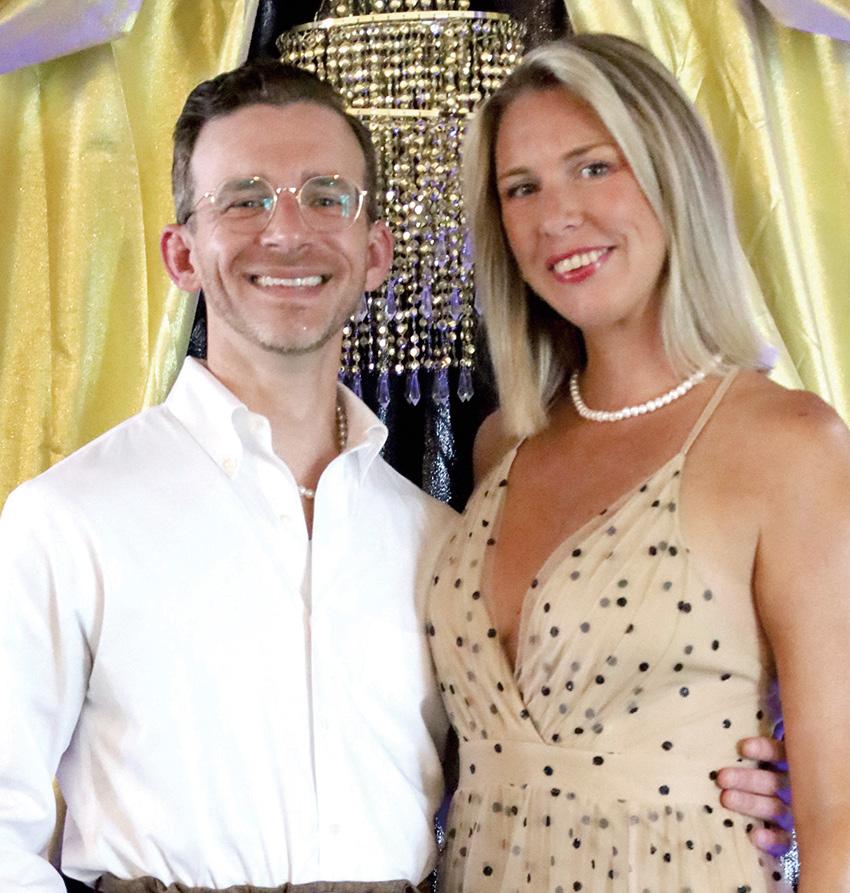
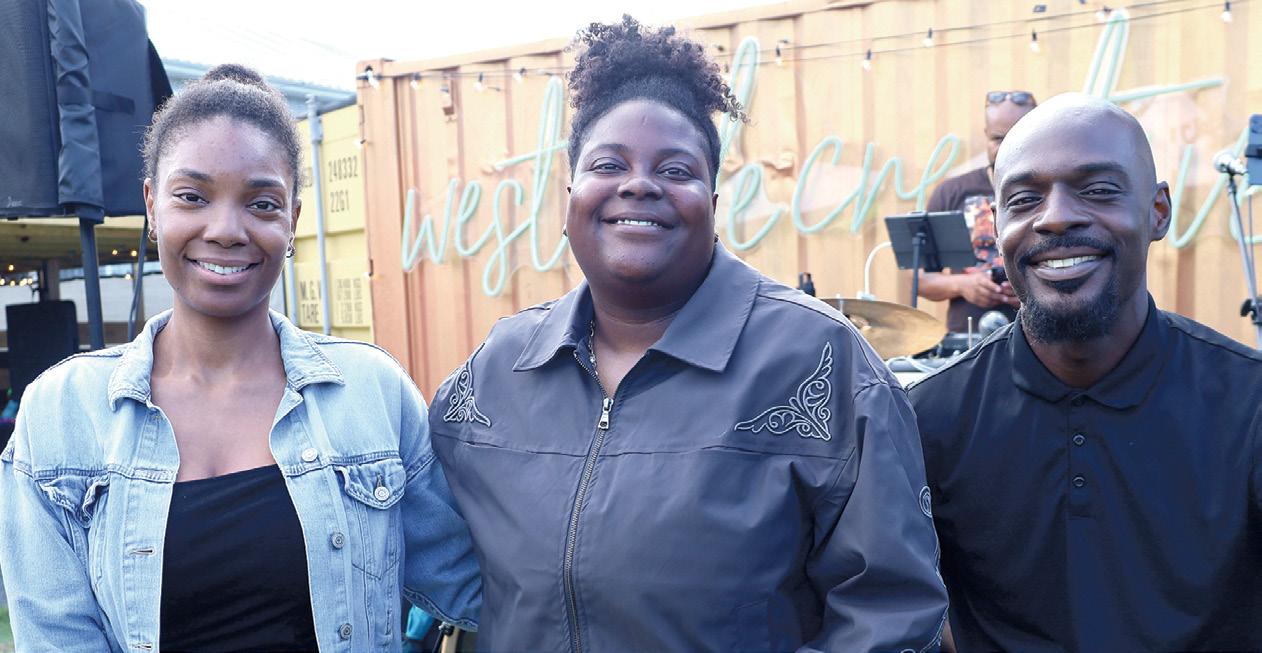
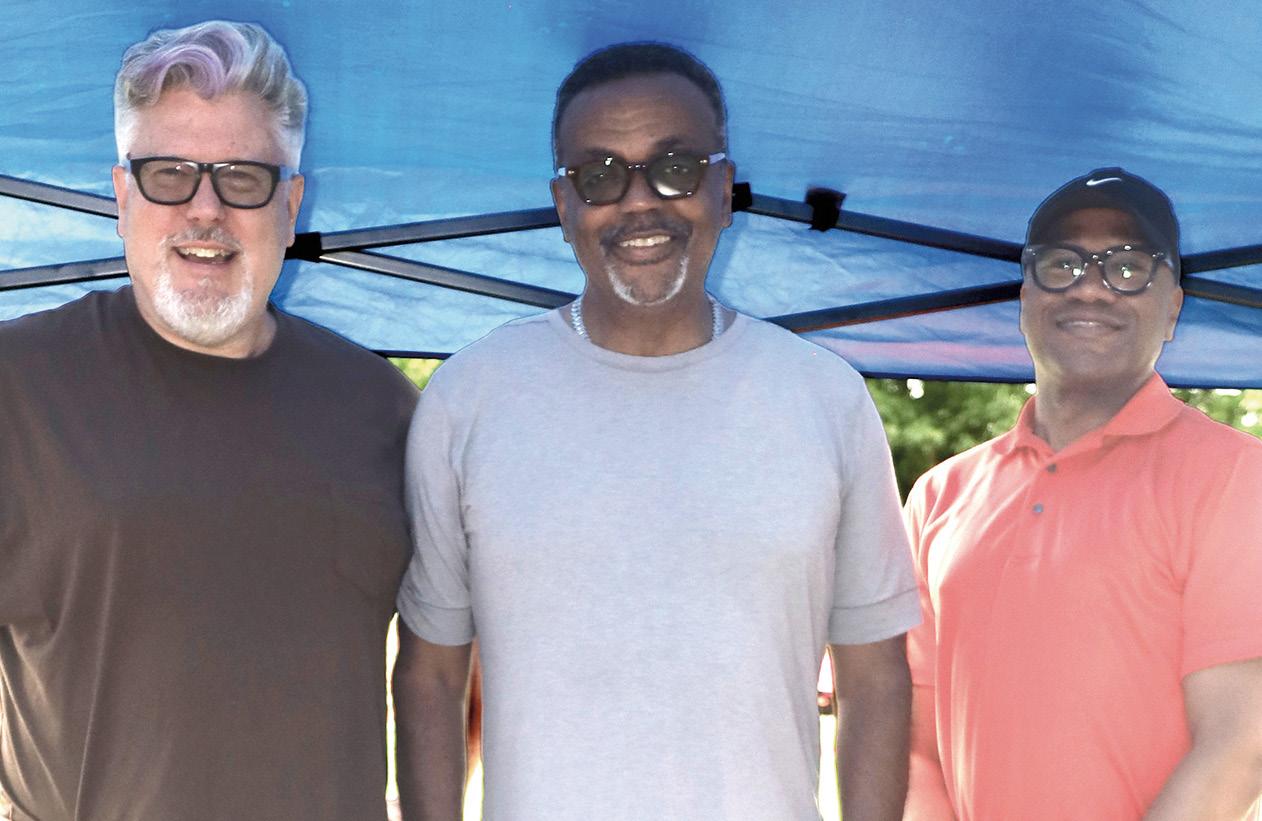
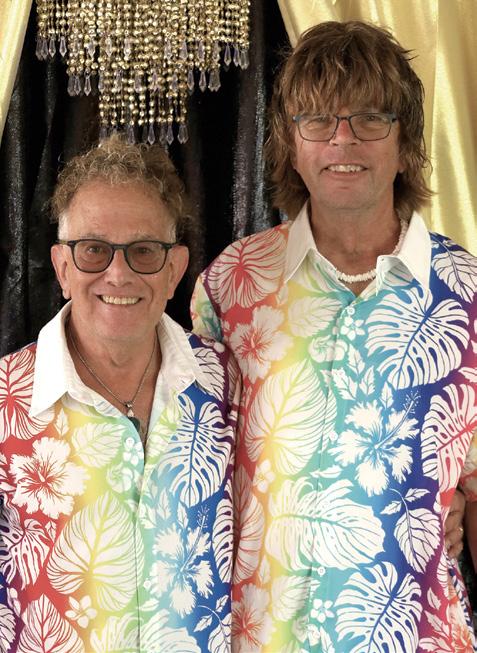
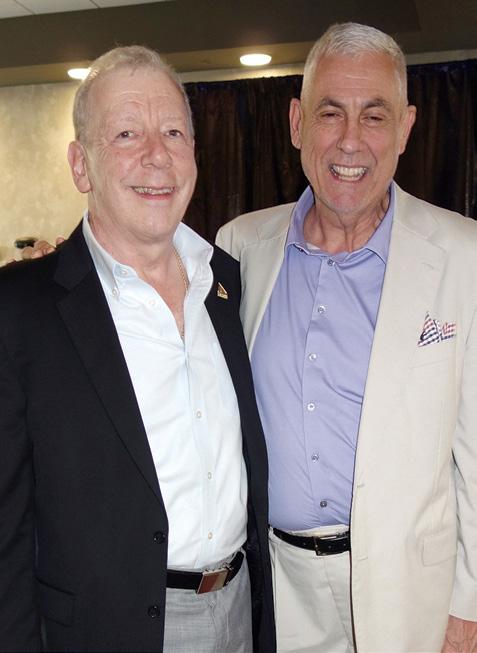
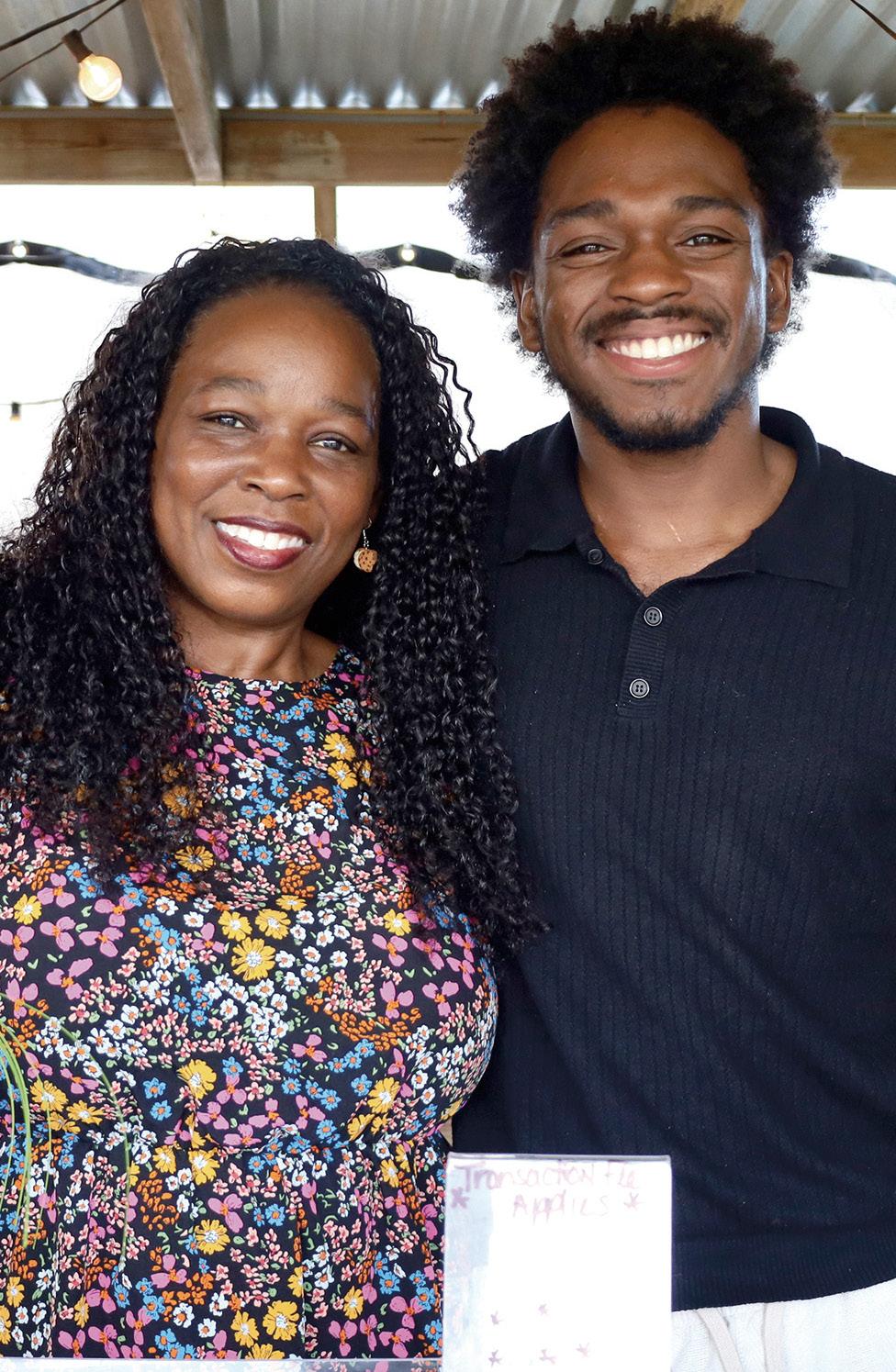
SCENES FROM REHOBOTH BEACH & BEYOND
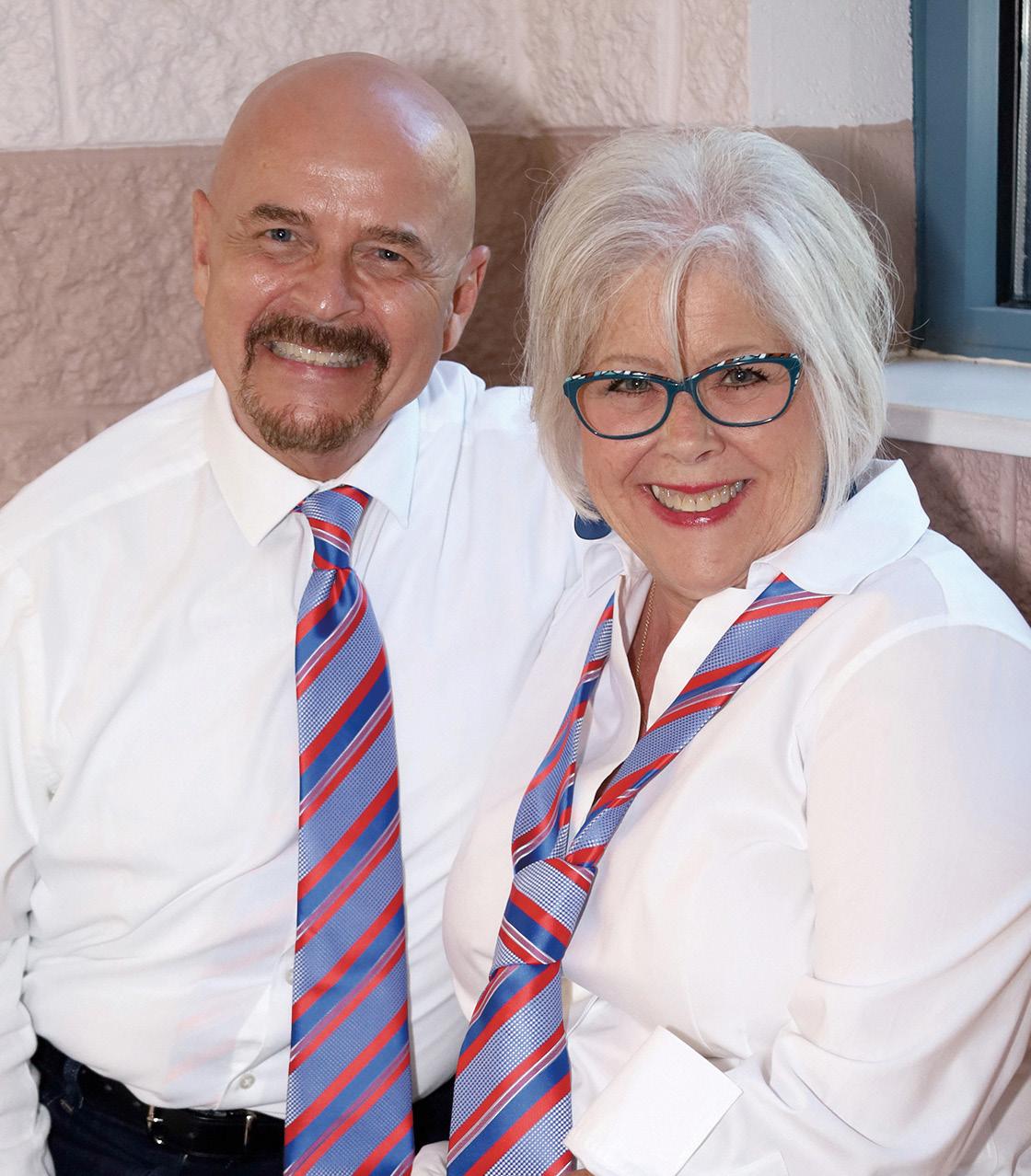
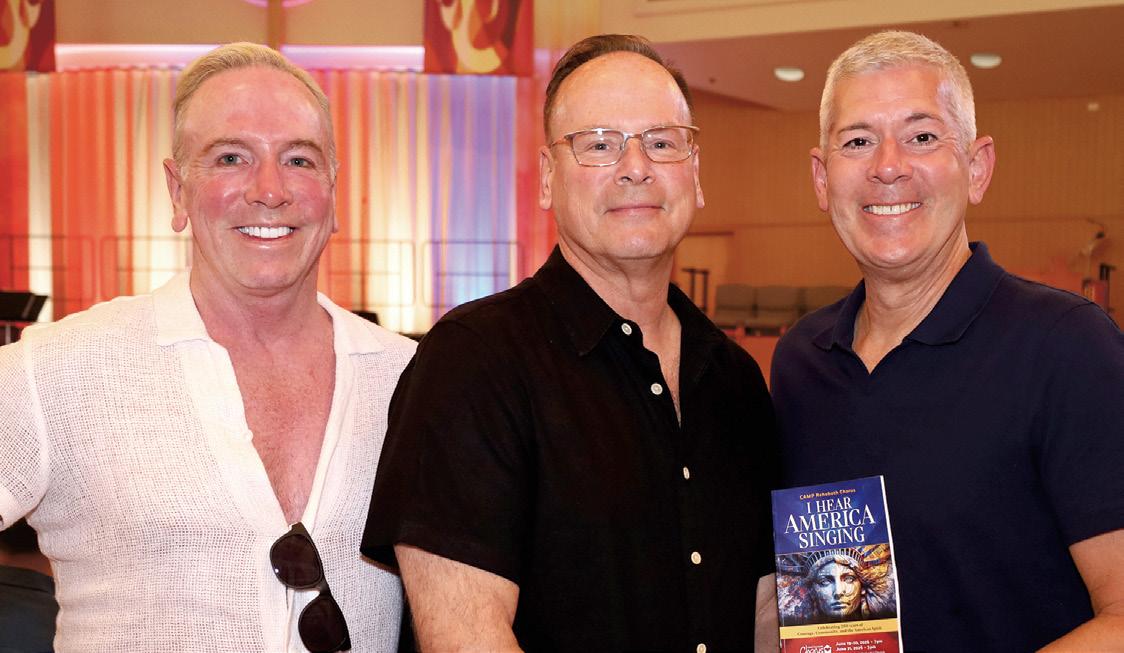
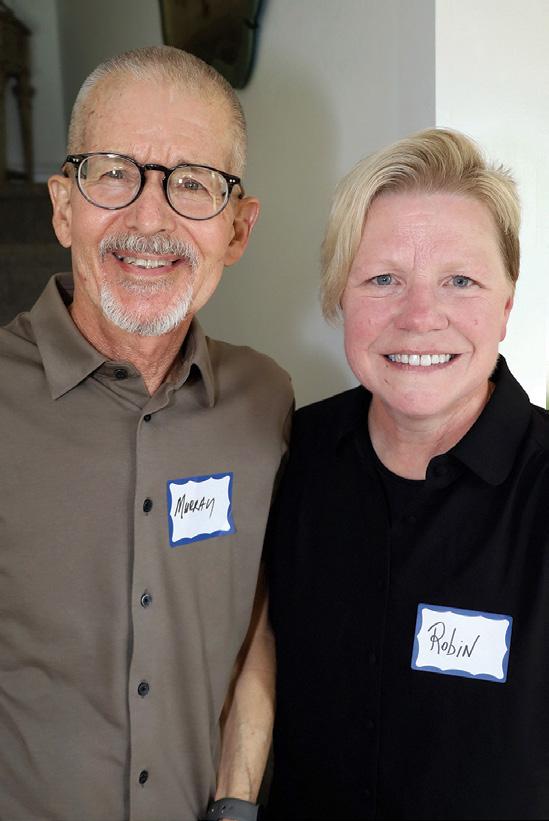
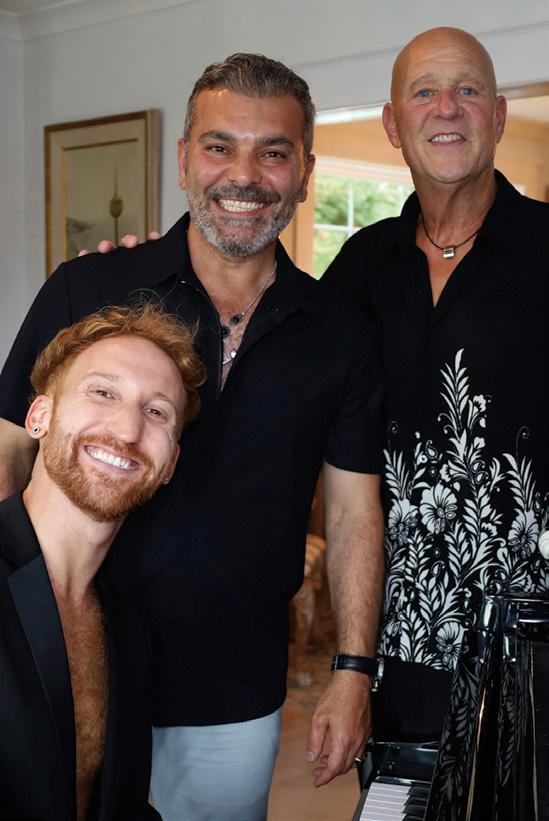
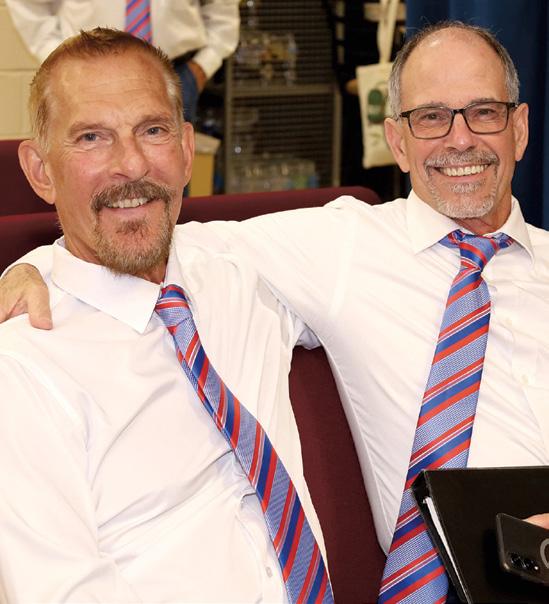
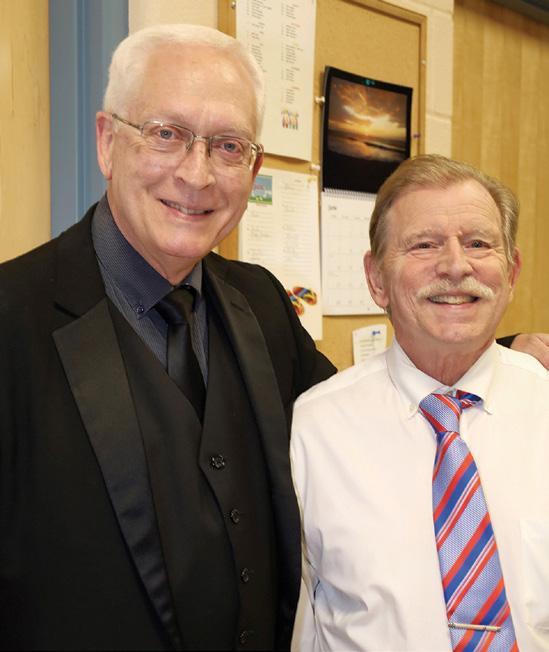
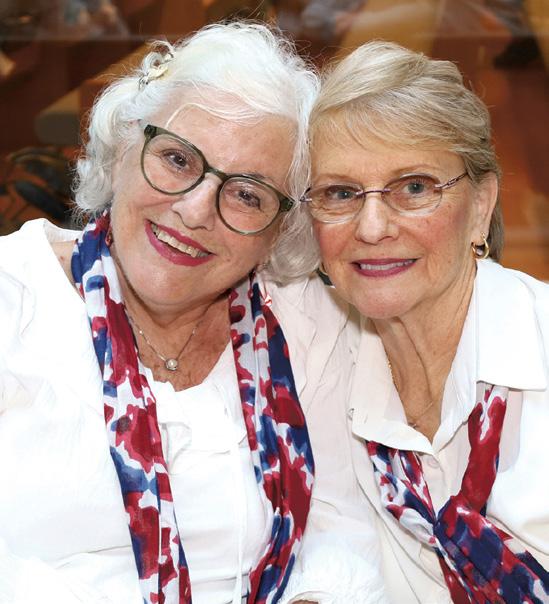
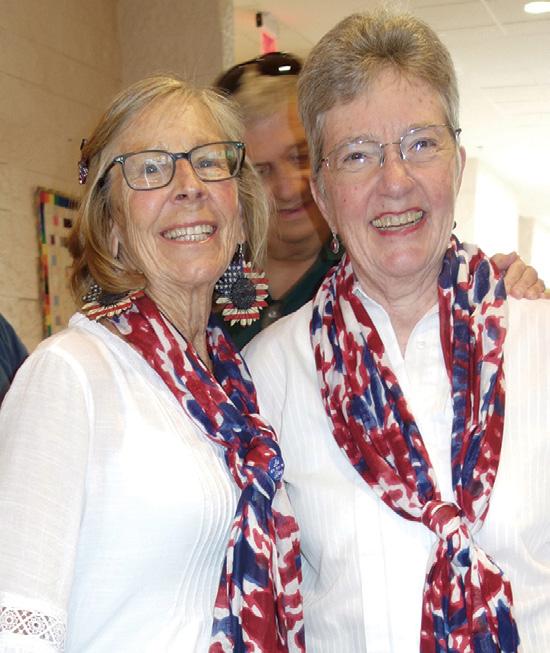
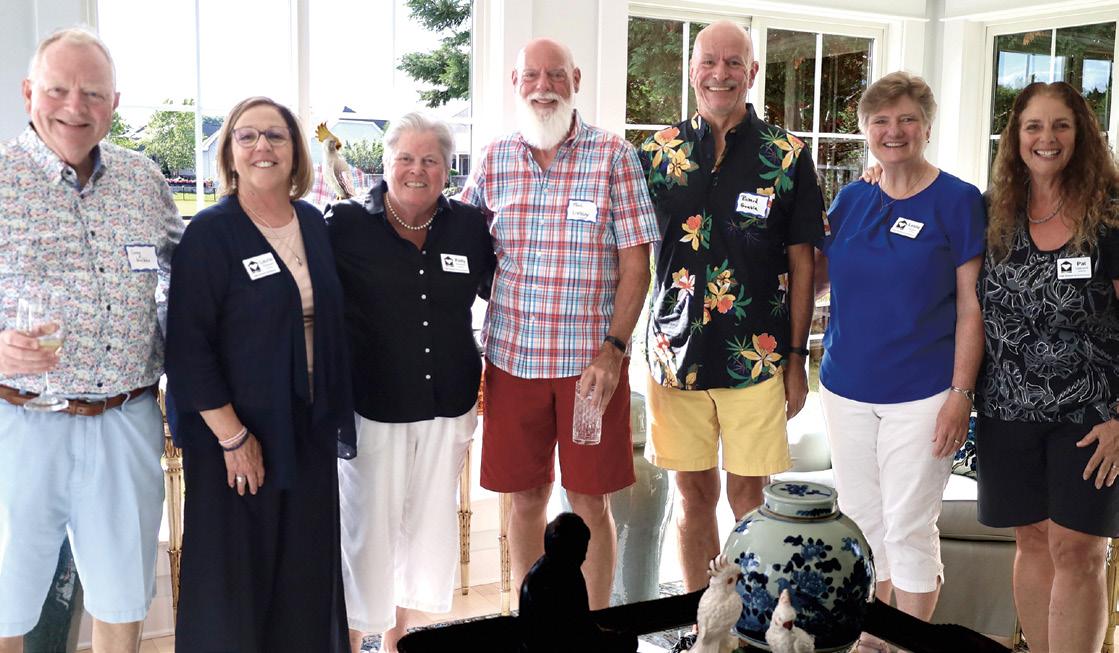
(Continued from page 71)
THIS PAGE (left to right) 1) at CAMP Chorus at Epworth UMC: Mike Tyler, Tracey Seabolt, David Camorali, David Weidner, Carolyn Laurenzo, Gwen Osborne, Doug Yetter, David Scuccimarra, Maryanne Graham, Trudie Thompson, Peter Garneau, Barry Moshinski, Robert Ponzini; 2) at Pop Up Piano Bar: Greg Walden, Laurie Thompson, Polly Donaldson, Paul Lindsey, Richard Gamble, Leslie Lodogar, Pat Catanzariti, Murray Archibald, Robin Brennan, Etienne Pilon, Simon Fares, Lorne Crawford.
OPPOSITE PAGE 3) at Queering Delaware Lecture at RB Museum: Matty Brown, Fay Jacobs, Carolanne Deal, Joel Stango, Michaela McNichol, Bob Graff; 4) at Poodle Beach: Dan Kendle, Matt Richards, Rich Norcross, Michael Taggert, Brian Helsdon, Sam Gambino, Matt D’Amico, Scott Brinitzer; 5) at Diego's: Matt Hocking, AJ Eckman, Cole Larkins, Lee Whitehead, William Gestole, Jeff Donovan, Dave Lyons, Rick Hardy, Mitch Selbiger, Jody Bergeron, Stephen Pleshach, Manny Tejeda, Wes McNealy, Matt Rich, Chris Weiler, Paul Pfizenmayer.
(More CAMPshots page 108)
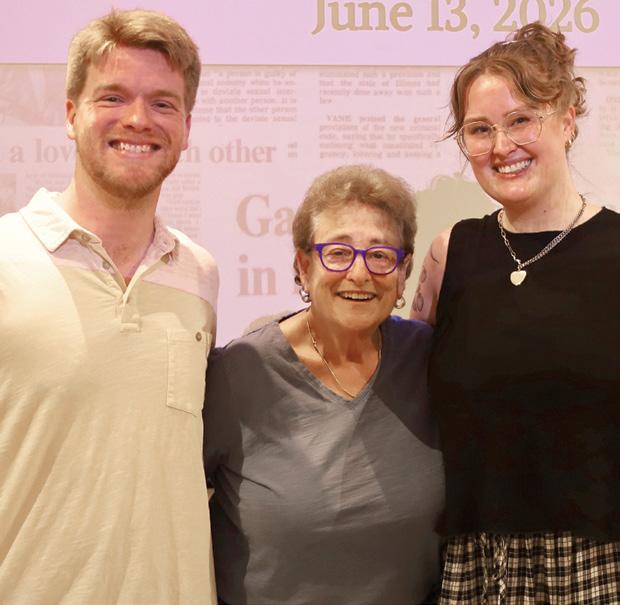
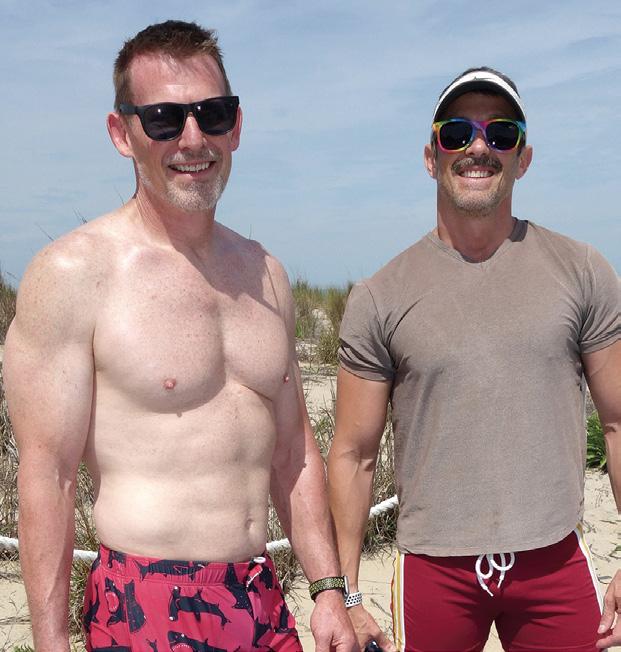
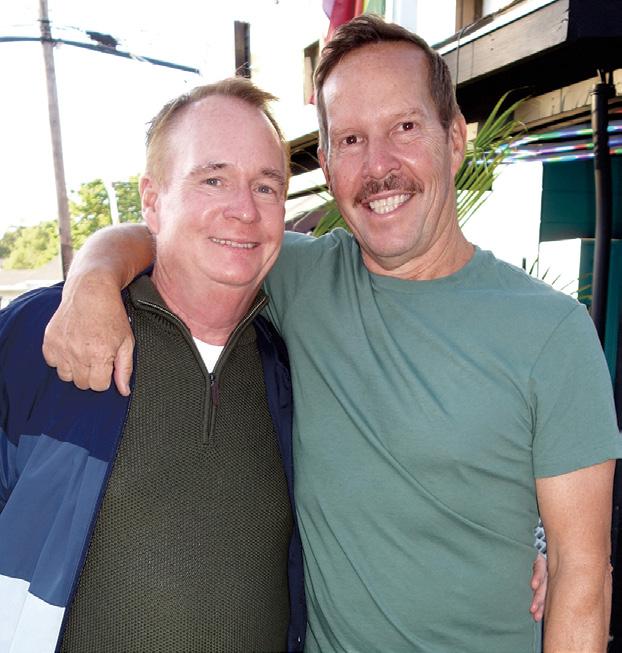
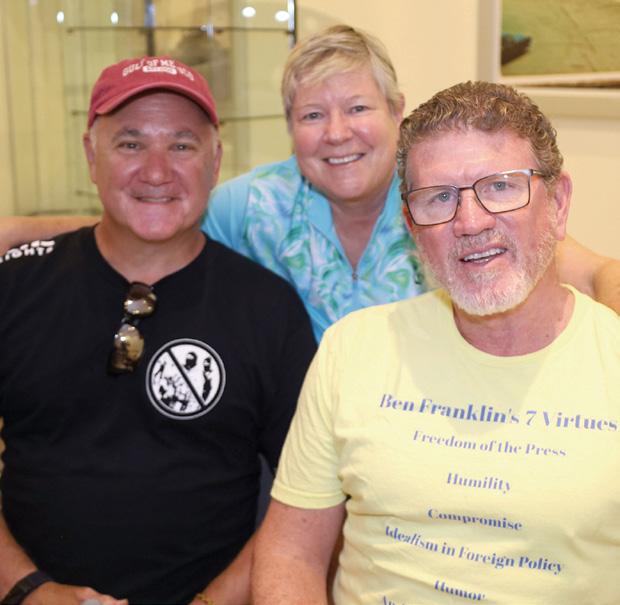
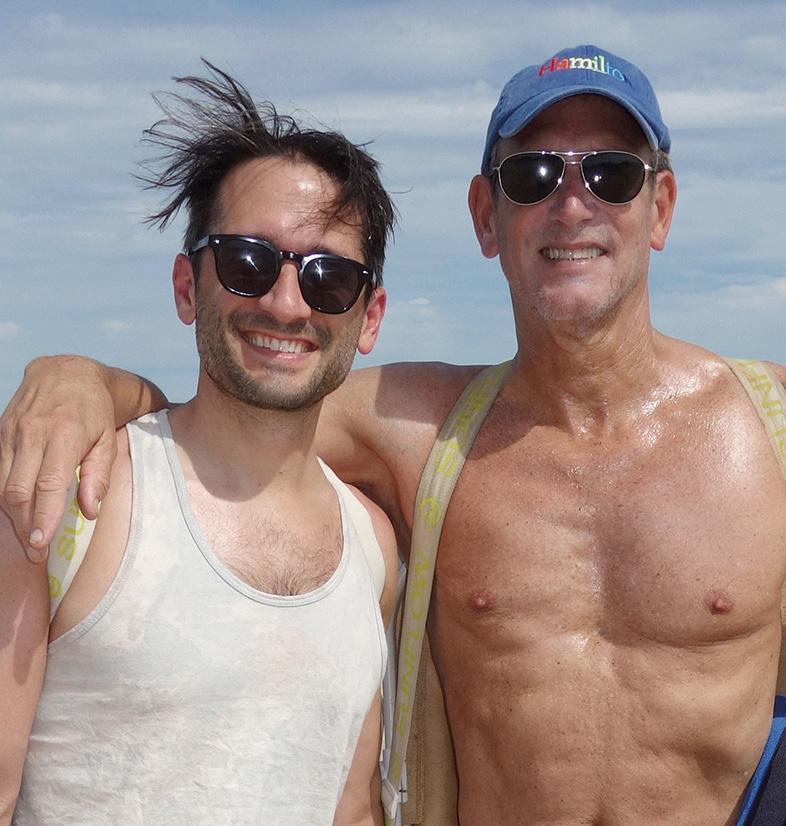
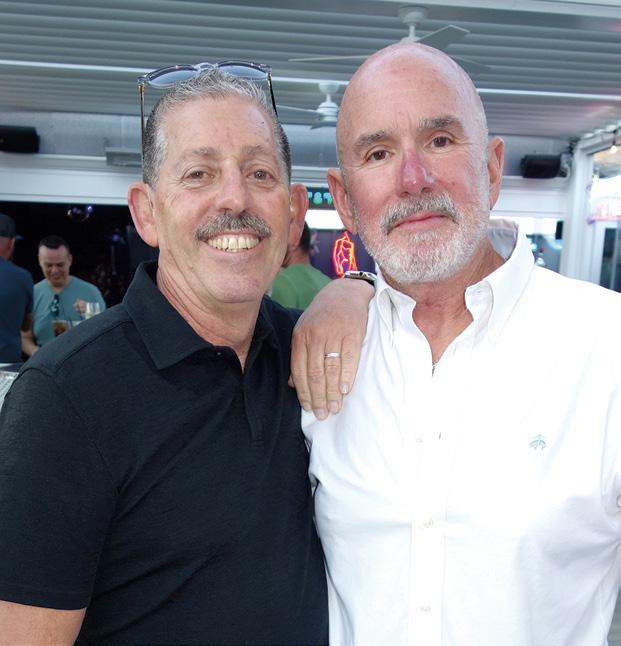
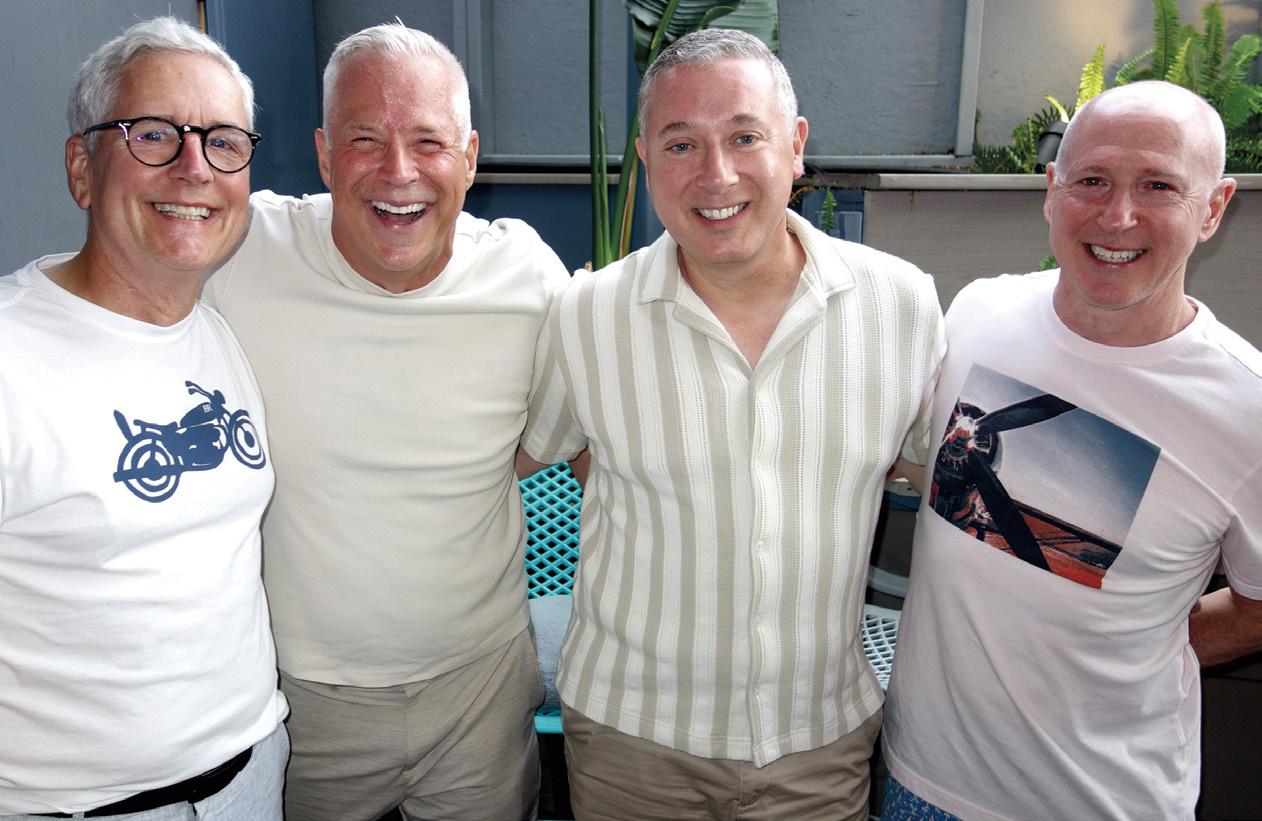
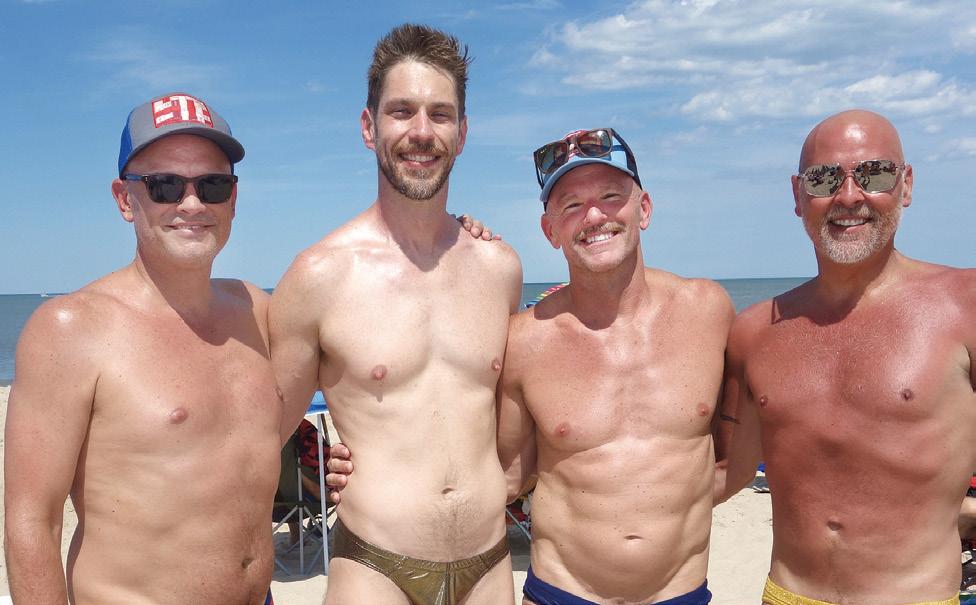
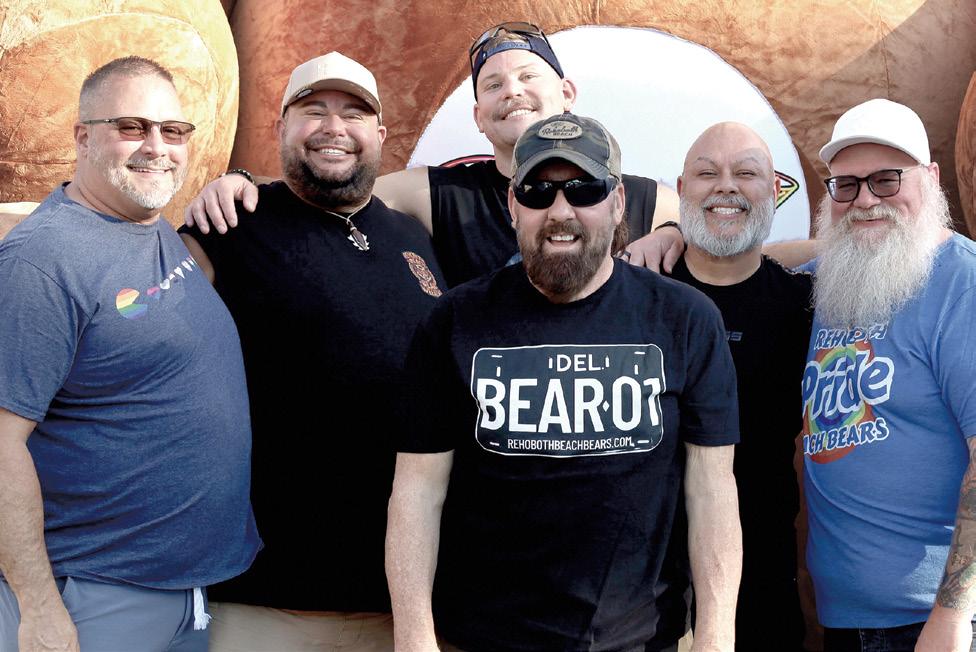
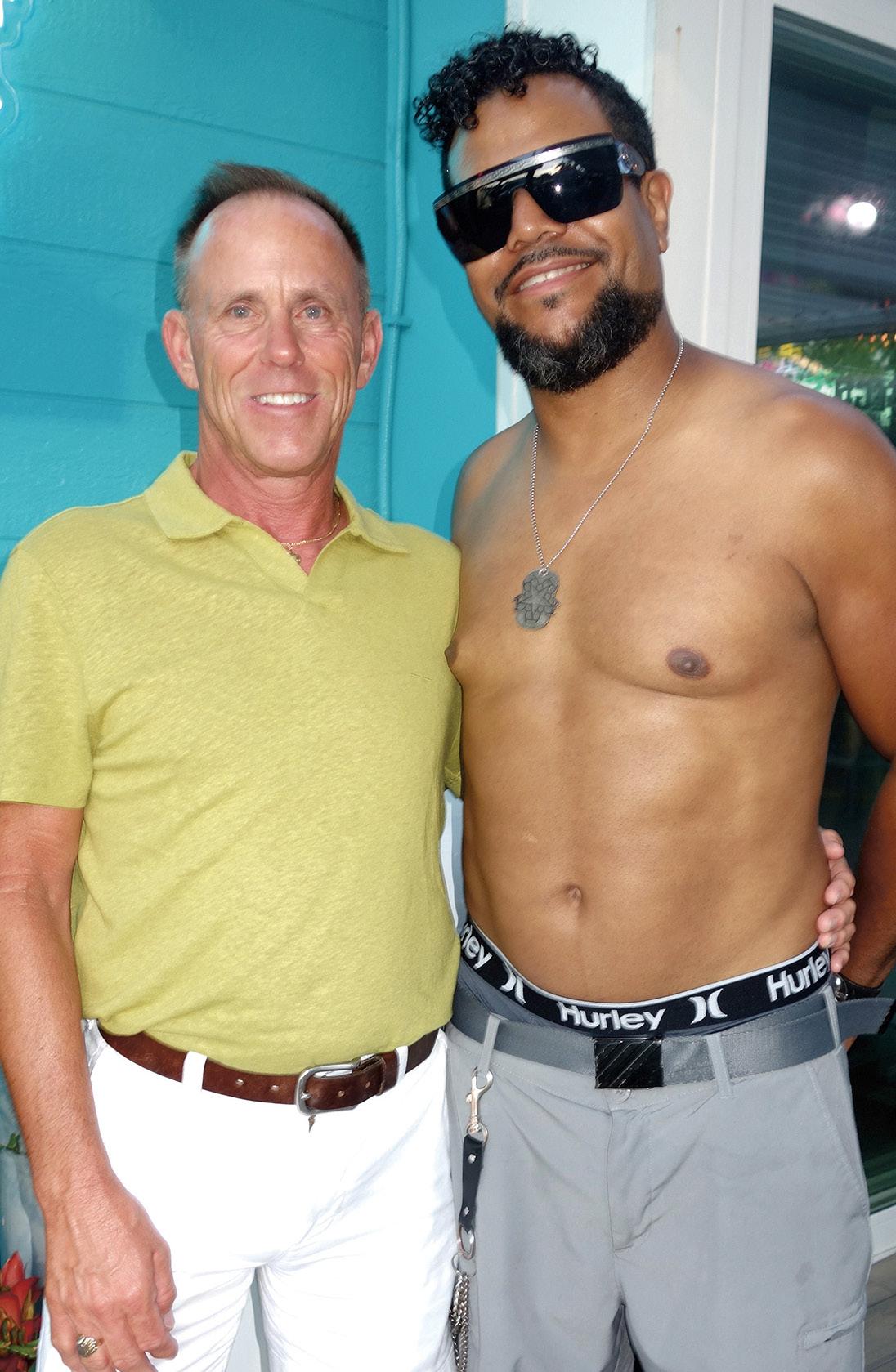

View Point
True Patriots Resist Trump Tyranny
People Avoid Freedom 250 in Droves
Anumber of ugly incidents made it difficult for many people to be in a celebratory mood on America’s 250th birthday.
Let me cite one example: Immigration and Customs Enforcement agents arrested Sister Leticia Ugboaja on June 28 on her way to Sunday Mass in McAllen, Texas, and held her in detention for several hours until Rep. Henry Cuellar (D-Texas) and Rep. Monica De La Cruz (R-Texas) intervened.
Did ICE somehow mistake Sister Letty for one of the “dangerous criminals” the administration claimed to be targeting? No. That claim was a lie, a thin cover for the White supremacist motives exemplified by White House Deputy Chief of Staff Stephen Miller.
The self-styled patriots who arrested Sister Letty do not represent me. But their actions were not the end of the story. Not just in the House of Representatives but all across the country, people pushed back.
When President Trump says affordability concerns are a Democratic hoax, he is overestimating his ability to fool people.
The real fools are Trump and those who eagerly swallow his lies. In recent days, he said he wanted to give himself a Medal of Honor; visited Mount Rushmore and served cookies on his new Qatari-gifted Air Force One showing his face added to that memorial; and pledged to give a long July 4 speech in the extreme heat to prove he can do anything.
Trump and the fireworks were delayed by a storm, but he did not keel over.
Even if he did, JD Vance would take over. So our travails continue.
The far right was steamed over the Supreme Court ruling upholding the birthright citizenship provision of the 14th Amendment. Sean Davis, CEO of right-wing media outlet The Federalist,
suggested several actions including forcible sterilization of all foreign visitors to the United States.
I am not eager to test the limits of how unhinged the MAGA crowd is prepared to get. Queer folks have already been caught up in anti-immigrant sweeps. Justice Clarence Thomas wants to revisit the Obergefell marriage equality ruling.
“For all those whose cares have been our concern, the work goes on, the cause endures, the hope still lives, and the dream shall never die.”
Meanwhile, many establishment Democrats are upset over primary wins by several Democratic Socialists over incumbent Democrats. Some say the socialists are only running as Democrats for ballot access. Pardon me, but I remember when self-appointed gatekeepers kept me out.
Trump falsely calls the socialist candidates communists in an effort to resurrect Cold War fears and threatens deportation.
A lot of progressive voters rightfully criticize over-caution by establishment Democrats. We handicap ourselves if we cannot celebrate New York Mayor Zohran Mamdani, for example, an extraordinarily gifted politician who has delivered results in his first six months, including a rent freeze and lowered crime rates.
In remarks celebrating Independence Day, Mamdani addressed those who say, “Love America or leave it.”
“Patriotism has never been about pretending our nation is without flaws. Patriotism is every act of righteous dissent, it is every march led under the heavy sun, it is every protest held a
BY RICHARD J. ROSENDALL
decade before its time. It is precisely because we love this nation that we will not leave it.”
This is not new. Frederick Douglass said in 1857, “If there is no struggle there is no progress. Those who profess to favor freedom and yet deprecate agitation are men who want crops without plowing up the ground; they want rain without thunder and lightning.”
Our nation was built on an idea, and we are not done in the long effort to create a more perfect union. When Trump’s masked thugs call peaceful protesters terrorists, they echo supremacists of the past. If they think they are changing any minds, they should reflect on the vast expanse of empty lawn at Trump’s Great American State Fair on the National Mall. People avoided his celebration of himself in droves.
Bigots and bullies have always been with us and have their moments in the spotlight. But they should take care lest their phony posturing collapses, as did a piece of a State Fair stage, which fell during a rehearsal, nearly striking the dancers.
Establishment Democrats who scorn bold progressive voices may find they are whistling past the political graveyard. I can still hear Senator Ted Kennedy’s words at the Democratic National Convention in 1980: “For all those whose cares have been our concern, the work goes on, the cause endures, the hope still lives, and the dream shall never die.”
It is time for us to seize the moment, refuse to be intimidated by Trump’s scaremongering, and provide the bold alternative voters want. ▼
Richard Rosendall is a writer and activist who can be reached at rrosendall@me.com.

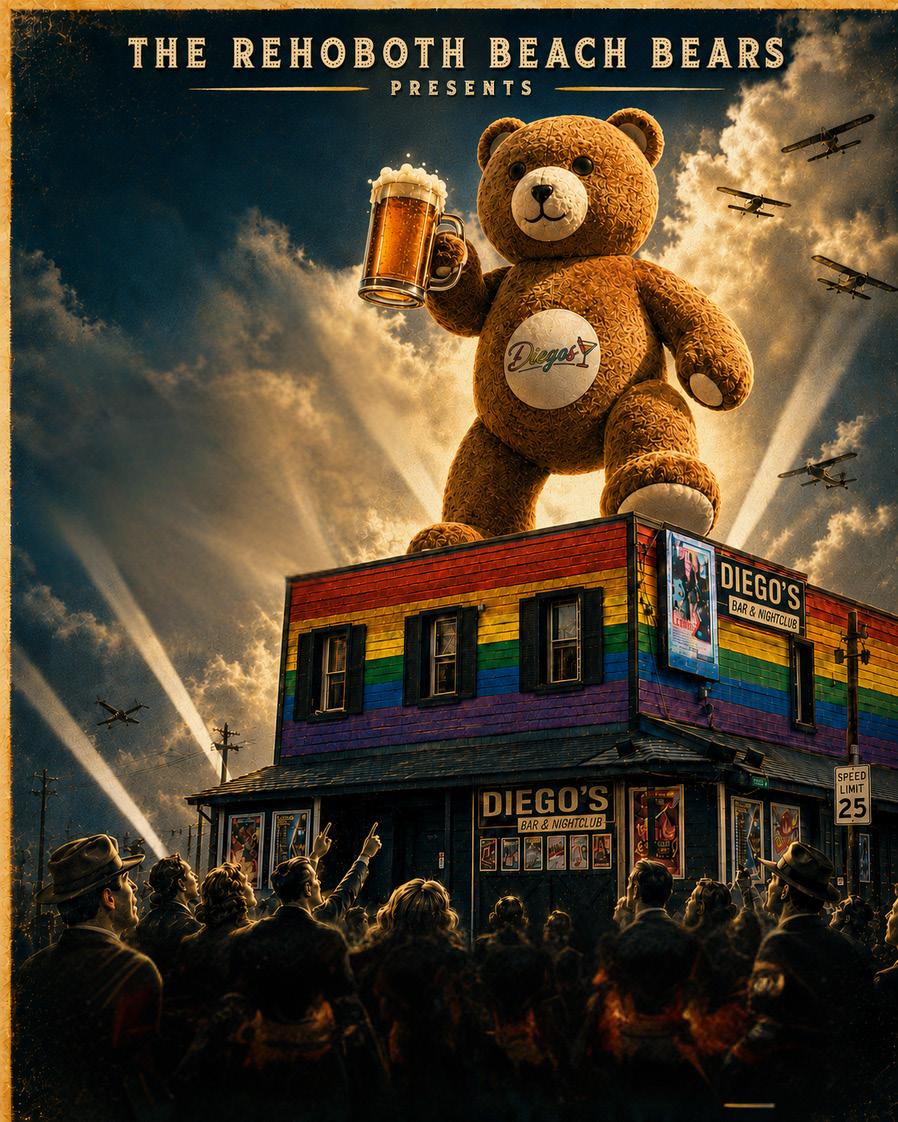

BY ROBERT DEDOMINIC
Hot Child (Summer) in the City!
Greetings Letters readers, Robby from Brooklyn here, writing to you on a beautiful, sunny, warm summer afternoon in NYC. Right off the bat, this column is going to be celebratory—because lord knows we need to celebrate something, anything. So get ready for my words of pure joy and happiness!
And there is no better recipient of all this joy and happiness than Miss New York City herself. Summer here is always pretty great but this year is positively electric. Our Pride month of June was off the charts AND the beloved New York Knicks won their first championship in 53 years (longer than I have been alive!). To call that moment huge would be an understatement.
Another sporting event I am not normally tuned into is the World Cup. Before the World Cup began, I felt like there really was not a lot of publicity, not a lot of excitement; I didn’t see lots of signage. I did read about the low expectations because hotel reservations in host cities were shockingly low. However, once it did arrive, this city is turnt up. Bars and restaurants packed with excited viewers, many even having viewing parties on the sidewalks or streets. Revelers wearing their home country jerseys exuberantly celebrating on the subways. Juan, a bartender at longtime Chelsea staple Gym Bar, told me, “The World Cup has united the city in ways I have never seen before.”
This past Fourth of July weekend saw massive celebrations coinciding with America’s 250th birthday—in spite of the sentiment these days. (Hopefully, the next Democratic President will hold a 255th USA celebration to make up for the lackluster, pathetic attempt that this Administration gave us….) It also saw a brutal heat wave and the Taylor-Travis wedding. NYC is booming.
Many—myself included—are calling it the Mamdani effect. WE LOVE OUR NEW MAYOR, Zohran Mamdani. All those screaming “Socialism,” “Communism,”
“Sharia Law,” “All the rich people are gonna leave,” can shut up – especially since they don’t live in New York. They might be confusing Texas with New York, as Texas just passed a law forcing
The night of the Fourth I spent with dozens and dozens of queer friends and allies at a rooftop party to watch the fireworks.
the Ten Commandments into public schools—where is all the screaming and pearl clutching? The hypocrisy is unreal. I honestly don’t care about the words like socialist and progressive when I am voting, just tell me you are gonna fight for the working class and me and not the billionaires and corporations. Like Mamdani promised—and has delivered. Just this year, Mamdani has:
• Secured $1.2 billion in funding alongside Governor Kathy Hochul to roll out universal child care for NYC families with programs expanding to two-yearolds.
• Recovered $9.3 million in worker and small business restitution and won $34 million on behalf of exploited tenants through legal settlements with bad landlords.
• Launched massive citywide cleanup and maintenance efforts, repairing broken roads, clearing major blizzards, and fixing 100,000 potholes.
• Passed the Fiscal Year (FY) 2027 Executive Budget aimed at protecting working-class services and addressing city infrastructure by repairing 6,069 apartments.
COME THRU MAYOR MAMDANI!
This past July Fourth weekend, this New Yorker got to spend Friday, July 3, at the beach celebrating my cousin Ryan’s 23rd birthday. On the North Shore
of Long Island, the sand was steamy, the water was cool and clear, and the drinks were flowing. Stayed at the beach so late I missed the huge Confessions II release party at Three Dollar Bill in Brooklyn. (Yet another reason for celebration: the new Madonna album is a banger with numerous danceable songs that have the potential to be radio hits.)
The night of the Fourth I spent with dozens and dozens of queer friends and allies at a rooftop party to watch the fireworks. Thank you, Steve, for hosting— and truth be told, the fireworks show was truly impressive. This is coming from a person who usually isn’t impressed by fireworks. Usually, I kind of think, “You have seen one firework, you have seen them all.” (My favorite fireworks moment is Katy Perry performing at Biden’s inauguration all in white with the Washington Monument illuminating behind her. Check it on YouTube if you need a boost.)
Sunday was spent bar hopping throughout Chelsea and the Village, hitting Gym Bar, The Monster, and Ty’s—Sundays are for throwbacks. Leaving now to go to TKTS for half-price Wednesday matinee tickets, with too many options to choose from. Top three hopeful tickets we want to get are for the Nathan Lane/Laurie Metcalf Death of a Salesman revival, best musical winner, Schmigadoon, and the show of the moment. best revival winner Ragtime
All in a week in NYC in July.
That’s it for me this month readers. Hope each and every one of you is having a great summer. As Katy Perry sings, “let your colors burst, ignite the light and let it shine.” And find something to celebrate today—you deserve it! ▼
Robert DeDominic is a queer freelance writer living in Brooklyn, NY. Follow Robert on Bluesky at robertdominic.bsky.social.

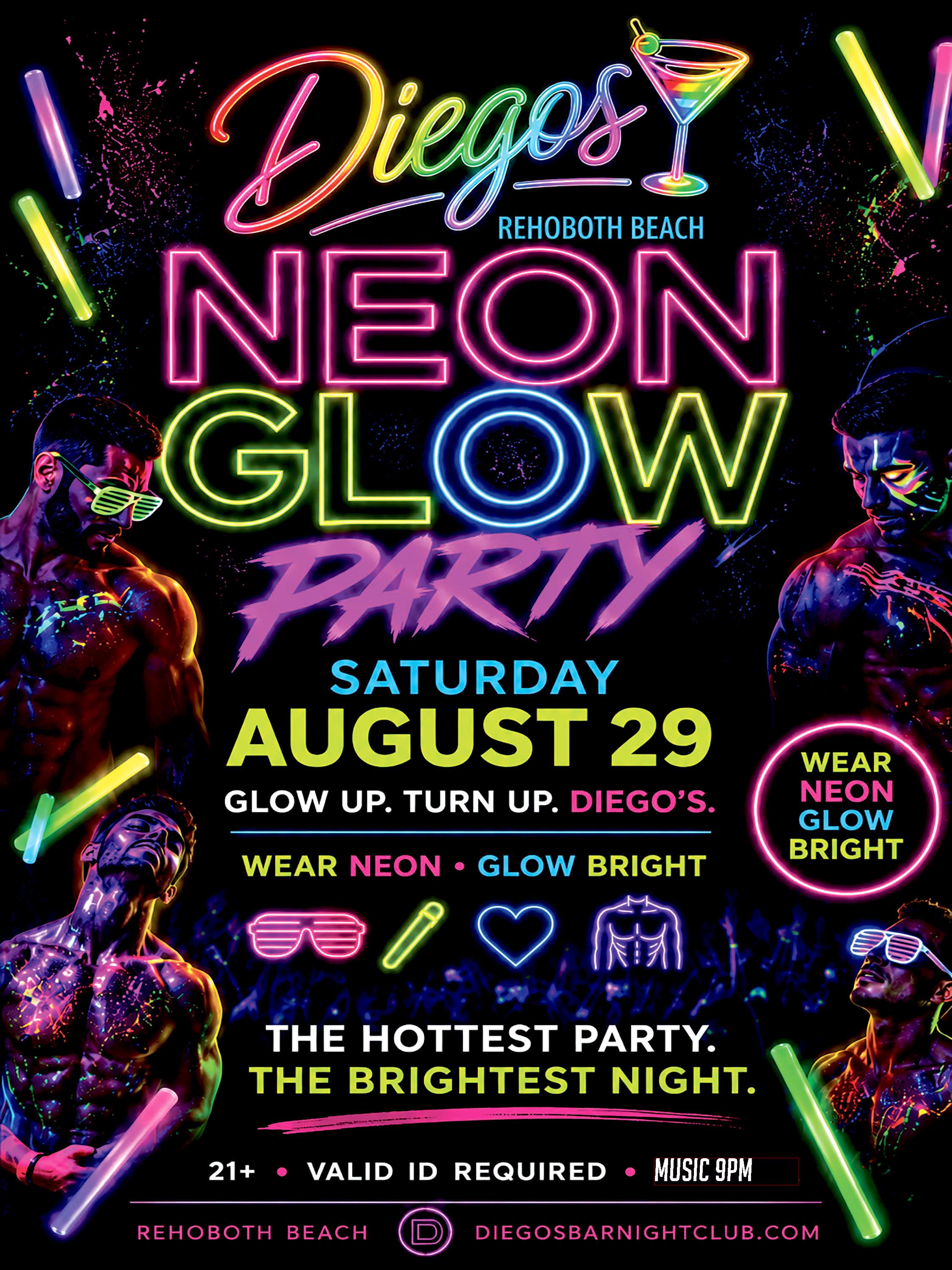




Gallimaufries & Curiosities
I Scream, You Scream….
They say that the difference between summer and winter is that in winter, you can put on more clothes but in summertime, you can take off only just so much. Yeah, and right about now, that might sound appealing. You’d do almost anything to get cooler. So you know what would taste really good right about now, in a bowl, on a spoon, or in a cone….?
Though we have no idea exactly when it happened, experts at this kind of thing say that ice cream dates back to somewhere around 3000 BC. It’s said that Alexander the Great liked flavored snow, and Emperor Nero Claudius regularly sent one of his boys up the mountains to fetch some snow for dessert, so we know iced refreshments were a thing then. Even the Bible hints that King Solomon liked having a cold drink when the weather was warm.
In the late thirteenth century, when Marco Polo left Asia for Italy, he brought back a recipe for what seems now to be pretty close to sherbet, probably because the Asians he lived with had perfected the art of icy desserts about 1,500 years prior. Once he shared the recipe, sherbet gelled into gelato. By the sixteenth century, Europeans, and Italians in particular, had come up with the idea of using milk in the concoction, calling it “Cream Ice.”
It wasn’t until the latter 1600s that the delicacy was available to just any old body in Europe.
On this continent, though, Americans were late to the party.
In 1744, Maryland Governor William Bladen hinted that he’d tasted Cream Ice. Three years later, the treat was advertised in New York as being available nearly all the time, year ‘round. George Washing
ton loved ice cream so much that he reportedly spent a couple hundred dollars on the stuff during the summer of 1790. That’s more than $7,000 in today’s money, so you know George was a fan.
Thomas Jefferson, ever the epicurean, experimented with ice cream in a dish that sounds today like Baked Alaska. Getting ahead of her namesake company, Dolley Madison served strawberry ice cream for her husband’s inauguration, as well at other fetes. And so it went: ice cream was something enjoyed often, but mostly by the elites because of the expense of collecting river ice during the winter and storing it on a large scale for the summer.
All that changed in 1844.
Technological innovations in refrigeration helped, but when a Philadelphia woman named Nancy M. Johnson patented a hand-cranked ice cream maker, suddenly, anyone with strong arms (or a couple of eager kids) could make ice

Ice cream parlors followed, and then soda fountains, in answer to many churches’ complaint that the rich taste of ice cream was “sinful.” Famously, a pharmacy intern named David “Doc” Strickler invented the banana split in Latrobe, Pennsylvania in 1904. That same year, at the St. Louis World’s Fair, waffle-maker Ernest H. Hamwi offered to help a nearby ice cream vendor who’d run out of bowls by wrapping hot sugar waffles in a coneshape, letting them cool for a few seconds, and handing them over to hold the other vendor’s wares. Instant—and wildly popular—
But now, let’s be honest. Hamwi just brought the ice cream cone to the forefront and made it a dessert invent the ice cream
BY TERRI SCHLICHENMEYER
cone. Nope, a recipe for edible cones appeared in an 1888 cookbook by Agnes Marshall; Italo Marchiony owned a factory that manufactured wafer cones in New York in 1896; and other vendors used similar edible ice cream holders around the turn of the twentieth century.
…when a Philadelphia woman named Nancy M. Johnson patented a handcranked ice cream maker, suddenly, anyone with strong arms (or a couple of eager kids) could make ice cream anywhere.
Today, on average, the global consumption of ice cream is around six pints per person, per year. New Zealanders top the charts by eating up to 60 pints (7.5 gallons) of ice cream per person, on average. We Americans are second in line, with up to 20 pounds of ice cream eaten per person annually, or roughly up to five gallons. You can get (or put) pretty much anything in ice cream that strikes your fancy, including spicy things, salty things, and savory things that most folks wouldn’t think about, but you do you. It’s easy to make ice cream at home; all you need is a base recipe, some salt, cream, ice, and a willingness to wipe the drool off your face for a short few minutes of prep time.
And that’s a fact that can’t be licked!▼
Terri Schlichenmeyer is the author of four books on trivia.

OutTakes
Summer Fun. Summer Not.
Fear has been trying to ruin my summer this year. When I was young, I was taught that most fears are just fear of the unknown. I’m beginning to doubt the truth of that assumption. Thanks to my phone, I keep learning about previously unknown things that scare the crap out of me. Maybe ignorance really is bliss. Not all my fears are new or triggered by my phone. Some have been with me forever. I’m terrified of heights, enclosed small spaces, and dentists. (Sorry, dentists. Try not to take it personally.) But I don’t usually feel the fear of these things until I’m actually confronted by them.
This summer though, my phone feels like a fear alarm clock. Like someone has to remind me of things to be afraid of all day long. I don’t know exactly when or how my phone wheedled its way into my fight or flight response, but I’m finding it difficult to determine whether I really feel fear or I’m just overwhelmed by the amount of information I need to run through my threat assessment mental process.
I wasn’t aware this was happening until some of my summertime joy started to be affected. Both my wife and I grew up around water and spent many a summer day in the ocean, rivers, and some questionably safe ponds and creeks. We love the beach. But now we get troubling notifications on our phones about scary things
like sharks, jellyfish, poisonous algae, and flesh-eating bacteria.
Even if we stay out of the water, our phones bombard us with cautionary advice. The weather app on my phone warns me that this beautiful day can cause problems. Sunburn! Heat stroke! Harmful UV rays! Delaware’s Department of Natural Resources and Environmental Control (familiarly, DNREC) sends a notification that today might be a Code Orange Day for ozone. Do we need to be afraid of the air too?
So, we head to the Boardwalk for some of our favorite fun foods. French fries, pizza, caramel popcorn, soft-serve ice cream, and some fudge for later. But unsolicited news of the latest studies on cholesterol, carbohydrates, blood pressure medication, and regulating our A1C just keep coming.
Enough! I’m tired of being told to be afraid. I want to be well informed, but please give me a chance to digest this stuff! If only for a few hours, I want my phone to shut up about greed and corruption and the collapse of democracy. I don’t need minute-by-minute notifications about the estimate of when Social Security will run out of money. I can’t handle constant speculation about how AI is going to destroy life as we know it. Just stop feeding us a steady, never-ending stream of imagined emergencies! I’m exhausted trying to make sense of it all.
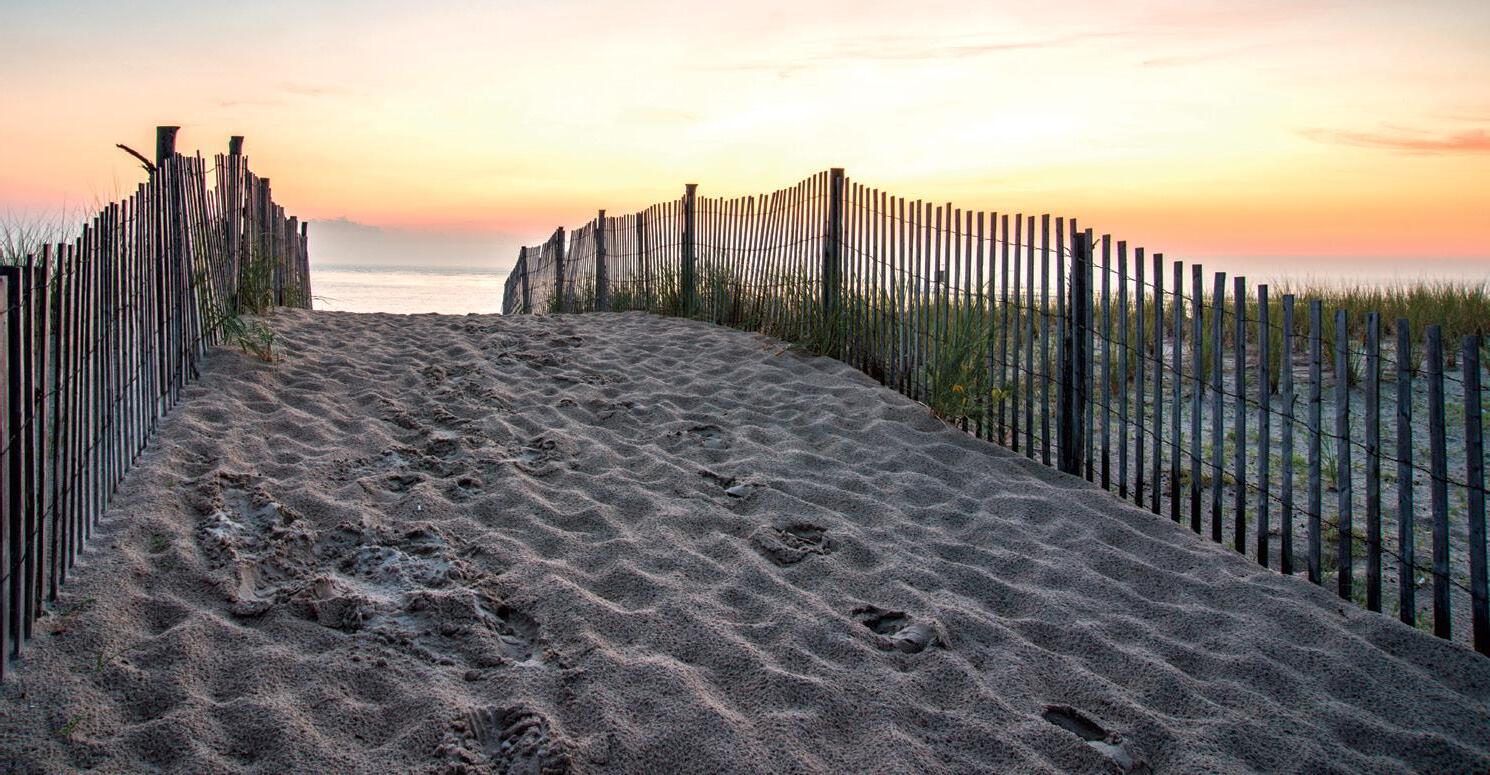
BY SANDY CLARK
And then something happened that brought everything into painfully sharp clarity.
Last month my wife had surgery for breast cancer. I drove her up to Christiana and sat in the waiting room while she did the hard work of fighting this disease. I sat on the vinyl-upholstered chair next to the family members of other patients of other doctors, all of us waiting for our loved ones. I waited with them for five hours. It was five hours of sitting and thinking. Five hours of looking at my phone but not really reading anything. Five hours of wondering how this was going to turn out. Five hours of imagining the worst-case scenario. Five hours of feeling more alone than I have ever felt in my life. I ate a package of peanut butter cheese crackers and drank lukewarm tea out of a little paper cup. I paced the length of the waiting room. I sat back down and felt the fear. It was real fear, not the social media-induced kind.
Then the surgery was done and they called me back into the recovery room. There she was! Sitting up, sipping ginger ale, and smiling at me. The surgery was successful. No complications and no surprises. The surgeon explained that we would have to wait for the pathology report on the excised bits before we would know what the next steps would be. More waiting. More sitting with the unknown. Ignorance is not always bliss.
This week we found out that the pathology showed clean margins and was negative for migration of cancer cells to the lymph nodes. Now we wait for the treatment plan from the oncologist. More waiting. But this time we wait together and promise to find as much joy as we can. “Hey Honey, let’s go to the beach today!” I turn off the notifications on my phone and put it in my pocket. Not today, Fear. Not today. ▼
I’m tired of being told to be afraid. I want to be well informed, but please give me a chance to digest this stuff!
Sandy Clark, retired and living in central Delaware with her wife and two cats, loves sharing her humorous observations on the weirdness of life.















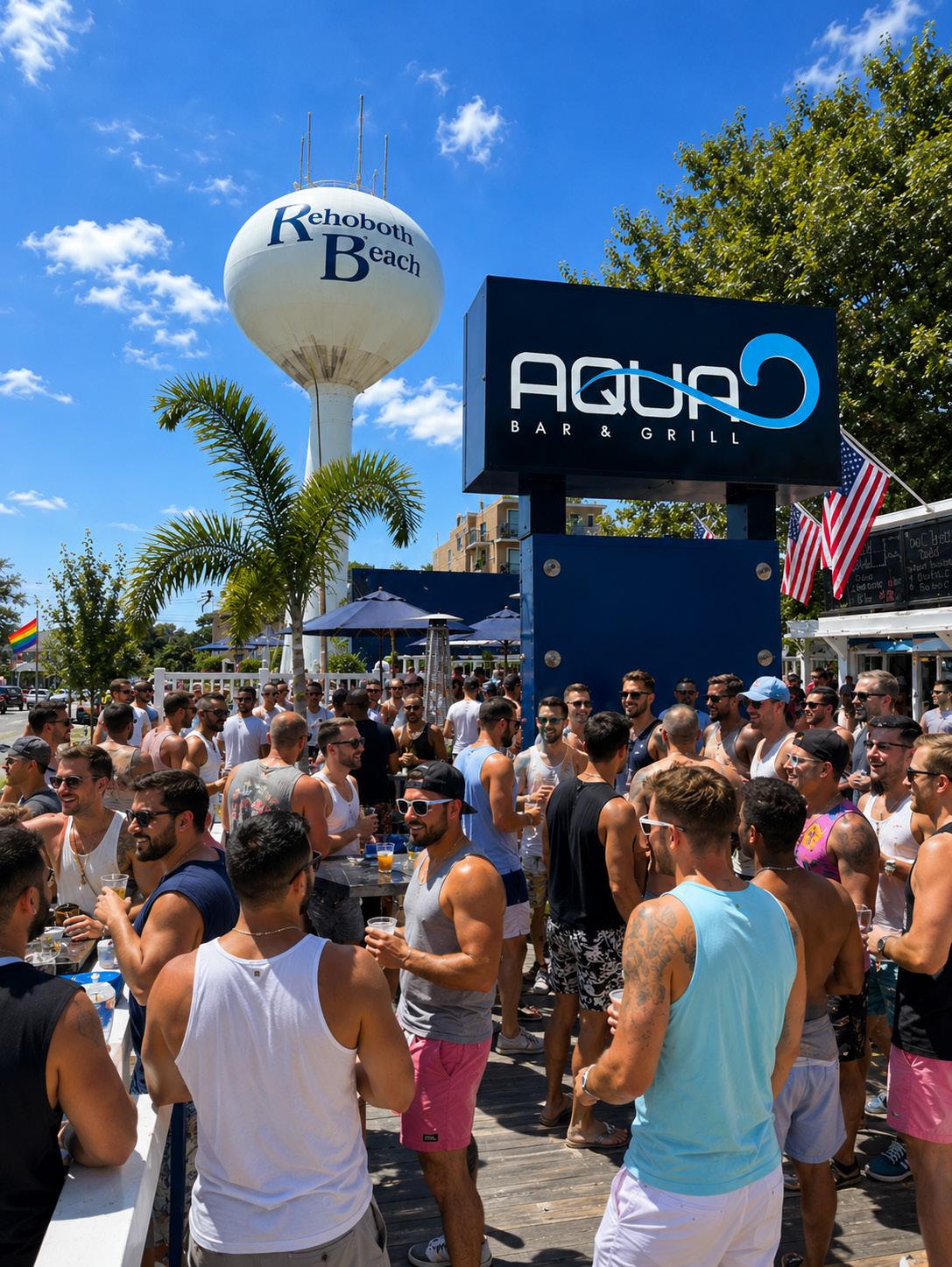
AUGUST
Songs of Madonna Solution




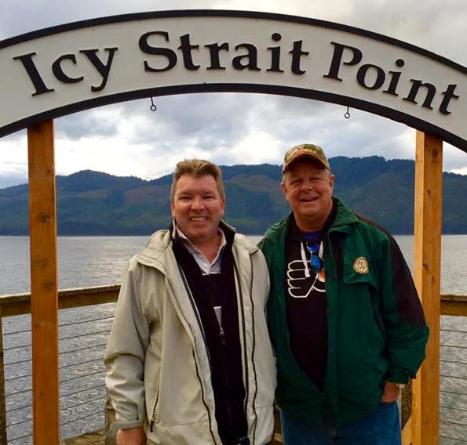
Join us on our hosted cruise to:
July 5 - 15, 2027
Alaska Ocean Cruise and Land Package
Vancouver, Ketchikan, Icy Strait, Juneau, Skagway, Anchorage, Fairbanks, and Denali
Whales and Glaciers and Eagles...oh, YES! Let's capture the essence of the Last Frontier...TOGETHER!
Space is limited – join today!
Frank@Where2NextTravel.com
Here are some of our other upcoming escorted trips:
2027:
2026: - August 10-21: Portugal river cruise - May 16-23: Rhine river cruise - October 3-14: Italy land trip (limited space) - July 5-15: Alaska ocean cruise - November 7-14: Costa Rica all-inclusive - September 19-30: Egyptian Nile river cruise - November 1-15: Romania land tour
Traveling without Frank and Bob is not an option! They introduced me to international travel. Group vacations withthem over the past 10 years are always fun! I have never been disappointed. Every question is immediatelyaddressed and every vacation exceeds my expectations.

Adventure, relaxationand culture await in a place wherenature and history collidein breathtaking beauty like nowhere else on Earth. Call Frank to book your next trip! (302) 945 - 3460 www.Where2NextTravel.com Frank@Where2NextTravel.com
has traveled with us:
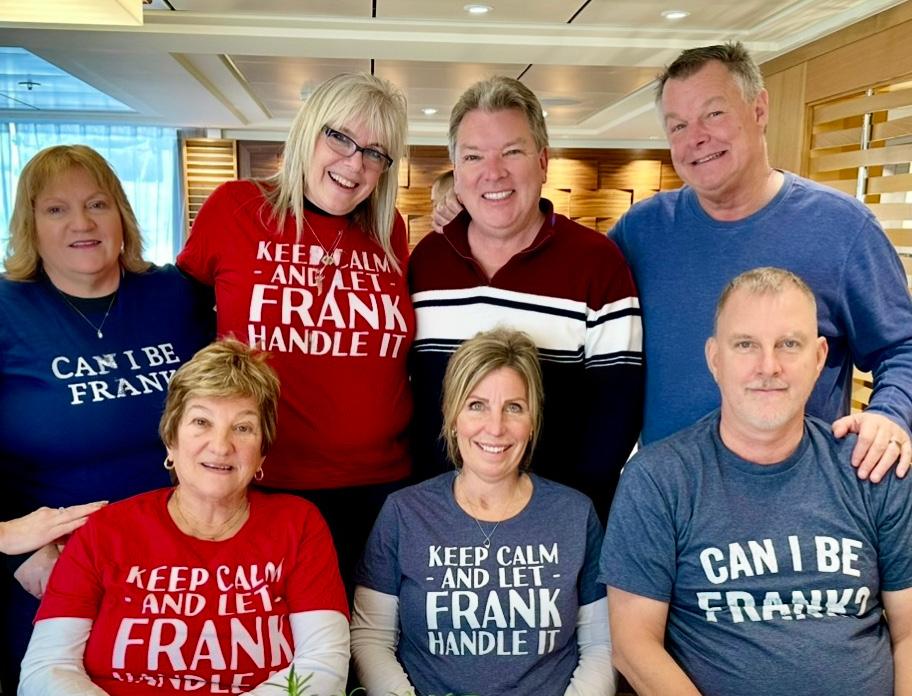
BY LOGAN FARRO

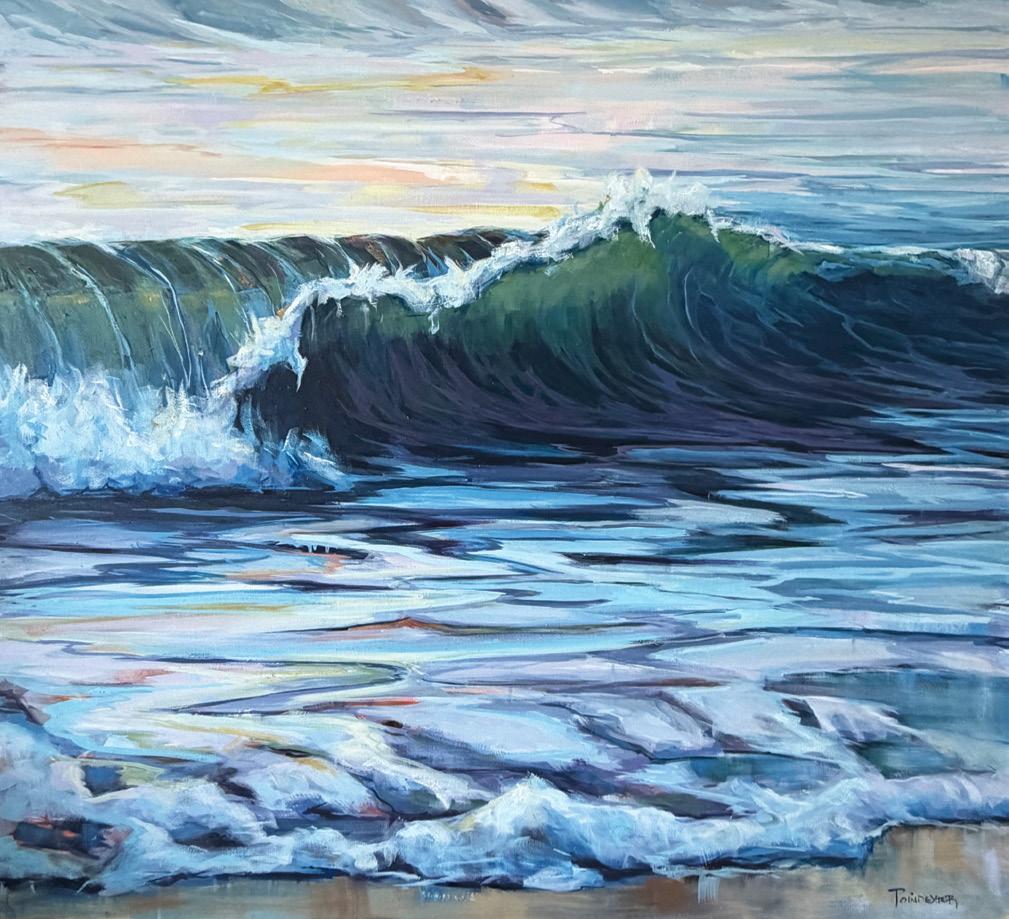
Rising Tides: An Exhibition by Dianna Poindexter
August 7-September 10, 2026
Join us this August for CAMP Rehoboth’s upcoming exhibition, Rising Tides: An Exhibition by Dianna Poindexter. The exhibit will feature a variety of Poindexter’s expressive and impactful works.
Dianna Poindexter is a contemporary expressionist painter whose work is inspired by the beauty, power, and constant change found both in nature and in the human experience. Through expressive brushwork, rich color, and a strong sense of movement, she creates paintings that invite viewers to pause, reflect, and discover their own connection to the stories within them.
Working primarily in environmentally friendly water-soluble oils and acrylics, Poindexter draws inspiration from the Atlantic coastline, tidal marshes, rolling waves, weathered boats, and moments that have shaped our collective history. Her work explores themes of transformation, resilience, the ever-changing beauty of the coast, and social justice.
Throughout her work, the idea of “rising tides” emerges as both a natural and human metaphor. Just as the tides continually reshape the shoreline, the forces of change shape our lives, challenging us, bringing us together, and moving us forward. Whether reflected in nature or the human spirit, her paintings celebrate the beauty, strength, and shared experiences that connect us all.
Originally from Scottsdale, Arizona, Poindexter earned her Bachelor of Fine Arts from Moore College of Art & Design in Philadelphia before making the East Coast her home more than 30 years ago. She now lives and works in Rehoboth Beach, Delaware, with her wife, Margo, where the rhythms of the coast continue to inspire her creative practice.
Poindexter’s paintings have been exhibited in galleries throughout Pennsylvania, Maryland, and Delaware and are held in private collections across the United States.
The opening reception for Rising Tides will be Friday, August 7, from 5:00-7:00 p.m. We hope to see you there! ▼
Images (from top): At Peace Between Tides
BY JOE GFALLER
JO TARALLO
CAMP REHOBOTH ARTIST PROFILE ⊲
Barry Bugg: The Man Behind the Curtain
The CAMP Rehoboth Chorus bills itself as a “diverse community chorus” that includes more than 100 singers from all walks of life. It is the largest choral group on the Delmarva Peninsula.
While the audience is squarely focused on the singers, the production crew for performances is equally important. That’s where Barry Bugg (yes, his real name) shines.
Barry works closely with conductor Doug Yetter on several crucial elements for each show. Audiences may not often realize what happens “behind the scenes” to put on a quality production.
“My part is working with Doug to determine what his vision for a concert is, and what he would like it to look like,” he said. “I attend rehearsals to get a feel for the mood of the songs to determine lighting that helps convey those moods. Softer lighting for slower ballads and such, along with muted colors from the floor lights, and brighter lighting and colors for the more upbeat songs.”
Yetter provides a draft of a tech script with all the songs and narrations, and Barry configures it so it all makes sense on stage. Barry’s expertise helps set the tone for each song. To that end, he programs and runs the light board.
“Additionally, I use the big screens in the performance venue to collect and display as many appropriate images as possible that help augment the songs being performed,” he added.
These details may seem insignificant, but they can make or break the delivery and quality of a performance. As an example, the recent show— called “I Hear America Singing”—had 205 slides shown via PowerPoint to add some color, feeling, and emotion to the show.
Production work for the CAMP Rehoboth Chorus entails many things. Barry’s roommate, Larry Rosen, and he split production duties according to their interests and abilities. Larry typically works with Yetter to deter-
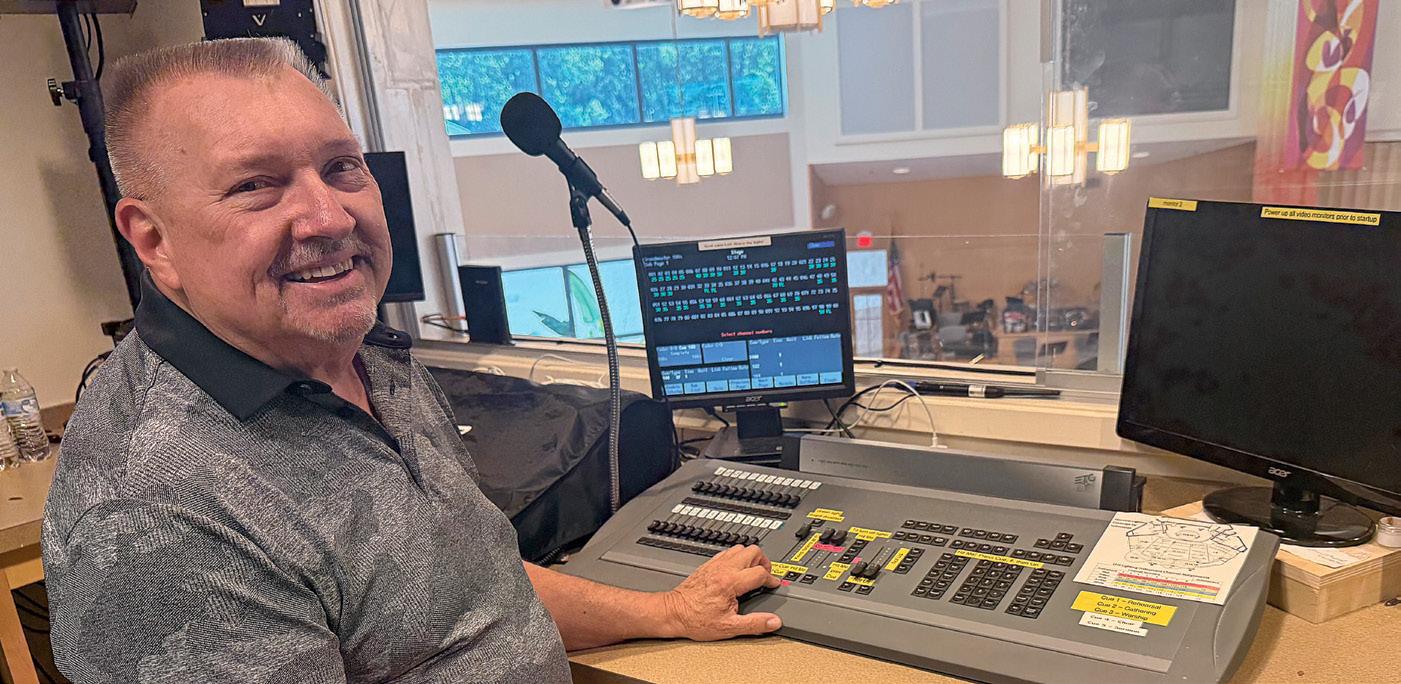
movement, entrances and exits for the chorus. Per Barry, he is also the “Voice of God” that one hears making introductions and announcements.
Prior to their stint with the CAMP Rehoboth Chorus, Barry and Larry worked with the Gay Men’s Chorus of Washington DC. Barry started out as a stagehand and was one of the stage managers for several years. “I was the guy way up in the tech booth calling the shows. Every light change, spotlight move, sound cue, and curtain is done on the stage manager’s command. Working from a detailed tech script, you give the folks manning the various functions a standby call, but no one does anything till the stage manager says “GO.
“There were three of us, me calling the show, Larry running the stage, and a guy named Joe in charge of the overall production. I spent many of those years (1996-2014) working with Jeff Buhrman, who is now the CAMP Rehoboth Chorus assistant director and recently founded the women’s acapella group, WomenKind. It’s a small world.”
Barry and Larry moved to Rehoboth in April 2016, after Barry retired from teaching at Prince George’s Community College in Largo, Maryland. He had come to the beach as a teenager and thought he would like to move here one day. “I like the laid back, small town feel, especially when compared to Jersey beaches and Ocean City, Maryland,” he said. “I like how gay friendly it is and
been friendly and welcoming.”
His involvement with the CAMP Rehoboth Chorus was somewhat serendipitous. “Some friends visited for cocktails and tossed a copy of Letters on the coffee table,” he said. “There was an ad for a production assistant for the chorus.”
Barry contacted CAMP Rehoboth staff. He told them who he and Larry were and what they had done with the Gay Men’s Chorus of Washington for many years. He also mentioned that if the position came with a salary, he and Larry would be happy to split whatever was budgeted for one person.
“They had us meet with Doug, and he recommended to the Chorus Leadership Committee that they hire us. So, that’s how we both got involved with the Chorus,” he said.
Barry is affable and a great storyteller. He explained that he and Larry approach work with a sense of humor. Larry is known as Mother Rosen and Barry is Sunny Boy. Chorus members play along and also call the duo BLarry. The men jokingly call their Rehoboth home BLarrywood.
In another aspect of his life, Barry has been the president of the Straight Eights Region of the Lambda Car Club International for a few years and got to know CAMP Rehoboth at that time, as the organization would rent out the Atrium and hold some events there.
Continued on page 95
BY JOE
Theater is Ephemeral. And That’s a Good Thing.
Afew months back, after the closing of our production of Dear Evan Hansen at Clear Space, I wrote a post on my personal Facebook page reflecting on the experience of bringing that production to life in the company of such a talented and kind group of artists on stage and off—and how every piece of theater is something ephemeral and fleeting. Shortly afterwards, one of Clear Space’s Board members, Rick Perry, suggested that I publish it somewhere.
Time has passed, and rather than rehash an old Facebook post, I have found myself reflecting on why, in this day and age, experiences that are ephemeral matter.
Think about it for a moment. Most of what we watch today doesn’t simply disappear. Thanks to boundless streaming services, we can literally watch life on repeat. Our favorite episode from our favorite television show is always available to re-watch whenever we want. That amazing World Cup goal? It’s accessible online 24/7. Our favorite playlist? Always on our fingertips thanks to Spotify.
Live theater, dance, music, etc. is nothing like that. Once we’ve lived the experience as an audience (or once we’ve created the experience as artists), it will never happen exactly the same way again.
At any given performance, one line lands differently, and it has a ripple effect for the entire show. An audience laughs where they never have before. An actor discovers a new truth to a scene because of something they carried with them from earlier in the day. A cast lifts up a fellow performer who is ailing. Small details ripple differently each time thanks to the magic created by the constantly evolving relationship between the audience and the artists. The artists may be performing the show, but the audience makes the show real simply through their presence and their response.
Unlike every repeatable, mediated

It activates your heart; it engages your capacity for empathy; it actually changes you for the better.
experience available to us today, theater forces us to be present—because when something real is coming to life in front of us, we simply don’t want to look away. When you’re not a passive observer staring at a screen, but an invested participant sharing common air with those artists, that experience does more than make you laugh or clap. It activates your heart; it engages your capacity for empathy; it actually changes you for the better.
For while it is unfolding, we realize what we’re seeing won’t ever be repeated exactly the same way. And even if we can come back and see it again next week, we know that the show must eventually close. So we cherish the experience as something special. Because it is.
Wouldn’t it be wonderful if we could apply that feeling to more things in our lives? To conversations with friends? To moments on the Boardwalk this summer? To walks with our pets? To dinners with our family?
What if we did cherish those experiences with the kind of intentionality
we give to appreciating the arts? What if we allowed going to the theater to do more than remind us how important it is to appreciate what’s in front of us in this darkened room, but also to cultivate that ability for all of the next 24 hours to come?
We live in an age of FOMO, because we are reminded constantly of how much there is to miss out on. It’s not healthy. The only antidote for that is to appreciate all the moments we are experiencing—because they’ll be gone before you notice. And what is worse than fear of missing out on what you could get to? Having missed out on what was right in front of you all along.
If theater is one of the first places we practice that skill, then going to the theater is doing more than just sparking joy, inspiring creativity, and building community. It’s helping us appreciate this life we all get to share with one another a little bit more.
That may be ephemeral too. But that is still a beautiful thing. ▼
BY TERRI SCHLICHENMEYER
BOOKED SOLID
Poking the Squid: What We Can Learn from Animal Sex
By Perrin Roosevelt Ireland © 2026, W.W. Norton, $29.99, 241 pages
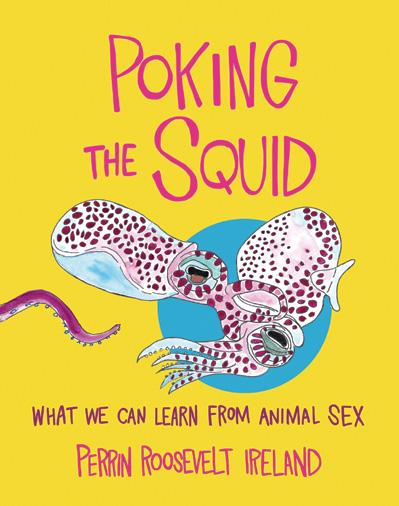
Birds do it. According to Cole Porter, bees do, too, but it’s not exactly what he imagined. Wild and tame, avians, insects, and mammals all have sex—although not always as you’ve been told or for reasons you might think. Even educated fleas do it and, as in the new book, Poking the Squid by Perrin Roosevelt Ireland, humans can learn from them all.
If you read through scientific papers on animal reproduction, you might notice something unusual: for scientists, the word “sex” means a lot of different things.
Says Ireland, “It’s used to describe behaviors, biology, life histories, and more.”
That might be because animals are not simply binary. Take, for instance, hyenas. It’s easy for the casual observer to mistake a male hyena for a female and vice versa because of stereotypes of anatomy. Mating, for hyenas, requires subordination for the male and a nifty trick on the part of the female’s body to get things done.
Our feathered friends are no birdbrains, either: blackbrowed albatrosses were once thought to be monogamous but global warming seems to have changed their nesting habits sometimes. Male flamingos have sex with one another, as a territorial thing; other birds and animals form same-sex pairs for other reasons.
The Chinese mantis eats her mate after fertilization. Female
CAMP Rehoboth Artist Profile Continued from page 93
Barry says he has always been “a car guy” and has owned many over the years. Currently, he has a 1963 Chevrolet Corvair convertible, a 1972 Cadillac Coupé deVille and a 1977 Cadillac Sedan deVille.
“I attend many of the gay car club events and recently attended the LCCI National Invitational in Atlanta with the ‘77 Cadillac,” he said. He won “a couple awards” with his ‘72 Cadillac at the Cadillac Grand National in Charlotte, North Carolina in early June. “I’ve met many new friends from all over the country with similar interests,” he added. “The people are what makes the hobby fun!”
Barry’s introduction to stage management was also somewhat acciden-
arts+entertainment
snakes, alpacas, guinea pigs, and monkeys are anatomically able to enjoy sex. Genitalia between species varies quite a bit; in fact, the vaginas of ducks “are highly complex.” Lionesses will mate up to 100 times when in heat. Female damselflies will change into a “third sex” to avoid overly-aggressive mating males. Bearded dragons can change their sex, if needed, as can yellow clown goby fish. And seahorse pregnancy and birth sparked a book-banning in Tennessee.
So, asks Ireland, if animals, including us, vary so much in biology and life, “… why are we using the word sex like it means something, anything, consistent?!”
Pick up Poking the Squid, page through it a few seconds, and you’ll see that the information here is largely told through cartoon-like drawings mixed with captions. It seems to be something on the lighter side, but don’t let that artwork fool you.
Author Perrin Roosevelt Ireland offers readers solid information that cozies up to the scholarly, with hard science, philosophy, feminism, and quotations from researchers to support it, thus furthering the narrative and hitting the points squarely. If you see the art and expect something lighthearted, comic, and small-talk-worthy, you could be disappointed.
On the other hand, if you want solid, wryly-serious facts, you’re in for a treat.
There’s lots of learning to be gleaned here, and some slight nudge-wink whimsy to emphasize the absurdity of wrong-headed thinking. This can make readers feel like they’re in-the-know on the jokes, and the playfulness balances the seriousness of the information well.
So, serious, scholarly, or slightly silly, none of these are negative but you’re going to know what you want from a book like this. For the right reader, someone in the mood, Poking the Squid is wild. ▼
tal. He studied business education in college, taught accounting and computer subjects in high school for six years, and continued teaching computer subjects at Prince George’s Community College for 34 years. While in college, he says, he was talked into auditioning for a folk dance ensemble. “Before I ever got on stage, I had been sick for an extended period—so I never performed,” he explained. “I did, however, stay on their tech crew and mostly set and wired lights.”
Barry and Larry have spent many years working as a team, including running theaters for the GALA organization of gay and lesbian choruses at their festivals held every four years.
Now Barry thinks of himself simply as an attendee at various community and cultural events. “At age 72, it is almost time to slow down, so I figure when Doug retires, I will be ready to hang up my headset too,” he said. ▼
Logan Farro is CAMP Rehoboth’s Visual Arts Coordinator. They may be reached at logan@ camprehoboth.org.
Joe Gfaller is Managing Director of Clear Space Theatre Company.
Mary Jo Tarallo is a former journalist and public relations professional for various nonprofits.
Reflections
Looking for the Lovely
When my writing coach first talked about ‘looking for the lovely,’ my gut recoiled like a frightened snake. ‘Eww,’ I thought. I’m not the Pollyanna type and I author stories that are not always ‘lovely.’ After all, I’m an Italian from New York who was taught to criticize, judge, and shout about the worst.
I refrained from lashing out with my opinion and just listened to the comments from fellow writers. When I wrote that evening, I realized my piece took on a different tone because I held that little phrase in the back of my mind, “Look for the lovely.”
The obvious result—my writing was more cohesive, flowing, and simply better—gave me pause and has started me on a path that has surprisingly become fun. I’ve been consciously stopping myself from dwelling on what doesn’t work and searching for what does work. ‘Looking for the lovely’ isn’t about denying the darkness; it’s about refusing to let the darkness be the only thing I see. I’m learning to acknowledge my life’s disappointments and hardships, while turning my gaze to the joy that appears in small, ordinary moments.
I now am working on seeking out and appreciating beauty, positivity, and goodness in my everyday life, even when things are not the exact way I would like. When I wake up most mornings, I follow my pups out and talk to my backyard trees, look into the woods, and listen to the birds chirp and frogs croak. Instead of whining in my head about how hot it is, I think about how cool where I live is and how peaceful my mornings are.
The more I state my mantra to ‘look for the lovely,’ the more I notice thoughts that once triggered tears no longer stimulate deep sadness. Instead, the feeling of loss is fleeting and replaced with fond memories. In the moment I turn my attention to what I want, the negative attraction stops. In the moment the negative attraction stops, the positive attraction begins. And then my feelings change
from not feeling good to feeling good. I learned a long time ago that to eliminate a habit you need to replace it with something else. I don’t say, “I don’t want to think this way.” I say, “I want to think a better-feeling thought.” I’ve found that it has become easier to find something to feel good about. If I want, I can find a million reasons to hate life and be angry at the world, individuals, and situations. But now I am choosing to find a million reasons to love life and be happy.

Focusing on what feels good is easy to do. I don’t try to control every thought, but I do decide to look for what I want to see.
It turns out I’m not alone in my quest to feel good. ‘Looking for the lovely’ is a movement popularized by author Annie F. Downs in her book, Looking for Lovely, Collecting Moments that Matter. The book focuses on intentionally collecting positive moments and seeing God’s beauty even during seasons of hardship. Downs describes it as training yourself to see beauty and grace amid life’s mess-
BY PATTIE CINELLI
iness. She doesn’t think everything is lovely and positive, but she does believe that among the muck there are still lovely moments to be found.
Focusing on what feels good is easy to do. I don’t try to control every thought, but I do decide to look for what I want to see. That tiny intention can make a big difference in what I bring into my experience.
Most days I intentionally shift my focus about a situation I’m in. For example, when I come home, my two doodles go nuts jumping on me, barking and obstructing my access to the house. I used to be annoyed. Now I participate in the crazy love fest every time I walk into my home and appreciate that I have these guys. It’s a big shift for me. Another attitude adjustment that has reaped lots of benefits is instead of complaining about how hot it is playing pickleball, I now focus on how good the sun feels, how fortunate I am to be able to play when others can’t, how much I love the sport. Guess what? I don’t feel the heat as much!
Once I figured out life is supposed to be good and I’m supposed to have fun— and most important, that it’s okay to have fun—more of my moments are about things that interest me, that feel good while I am focused on them, and that make my heart sing. Everyday chores are less burdensome, annoying people are less annoying or disappear from my radar, and everyday experiences are more interesting. I encourage you, too, to ‘look for the lovely.’ ▼
Pattie Cinelli is a writer who is having fun looking for the lovely. Email her with comments, questions or story ideas at: fitmiss44@aol.com.
Photo by Kateryna Viderska on Unsplash.

Historical Headliners
Ancient Romance: Mary Renault
These days, one of the controversies in the world of queer literature is the peculiar prevalence of gay male romances written by women, often straight women. Why so many straight women write about gay guys in love is a question I can’t answer. Like any other genre, though, these romances vary in quality from award-winning excellence to why-did-the-authordare-to-pick-up-a-pen (or more likely tap a computer keyboard) in the first place.
An exception—in both the sexuality of the author and the sustained high quality of her books—is British author and lesbian Eileen Mary Challans, known worldwide by her pen name Mary Renault. Renault’s novels of ancient Greece and the male lovers who fought its wars and ruled its city-states were generally well received by reviewers. The books sold in the millions. A self-taught Classicist, Renault’s depictions of ancient Greece were admired for their well-researched details of Greek life.
She did have her detractors, however. Among them was the esteemed Classicist and Cambridge University scholar Mary Beard, who found Renault’s depictions more myth than reality. Author, theatrical luminary, and gay man-about-town Noël Coward, reviewing Renault’s rare contemporary novel, The Charioteer, set in 1944, thought the depiction of gay male love “turgid, unreal and so ghastly earnest.”
Renault’s detractors were the exceptions in what was otherwise a glittering literary career. For example, noted author and gay bon vivant Gore Vidal gave Renault’s The Persian Boy a rave review.
Born in 1905 in the village of Forest Gate in Essex, England, young Eileen Challans received a traditional education. In 1924, she was admitted to St. Hughes College, Oxford, graduating in 1928 with a degree in English. While at Oxford she also studied ancient mythology, history, and ancient literature, beginning a lifelong love of the ancient world. She took advantage of Oxford’s extensive libraries of ancient Greek works, and her fluency in the Greek language was largely
Despite Renault’s own lifelong lesbian love story, her major books all centered around homosexual affairs between Greek men in the ancient world.
self taught. It was at Oxford where she decided upon a future as a writer.
Her parents, however, refused to support their daughter in her pursuit of the iffy career of an author. Though determined to be a writer, she also understood the need to make a living. She therefore trained as a nurse at Oxford’s Radcliffe Infirmary. It was at Radcliffe where she met Julie Mullard, another nursing student. The two entered into a lesbian relationship, one which lasted until Renault’s death in 1983.
Before Renault gained her stratospheric fame as the author of novels set in ancient Greece, she made her literary debut with the novel Purposes of Love, published in 1939, while she and Mullard were both employed as nurses. There is odd disagreement in describing Purposes of Love. Some biographers call it the first Renault book dealing with lesbian love, while other biographers consider her 1944 novel The Friendly Young Ladies, (titled The Middle Mist in the American edition) to be Renault’s first and only lesbian love story.
BY ANN APTAKER
In 1948 Renault’s novel of heterosexual love, Return to Night, won the prestigious MGM prize. The financial award, plus the royalties from the book, enabled Renault to leave nursing and write full time. It also enabled Renault and Mullard to move to Durbin, South Africa, where they remained for the rest of their lives.
Despite Renault’s own lifelong lesbian love story, her major books all centered around homosexual affairs between Greek men in the ancient world. Eight of her novels, published between 1956 and 1981, were set in ancient Greece and featured gay male characters, most prominently in the Alexander Trilogy, featuring Alexander the Great. Fire From Heaven, published in 1969, told the story of Alexander from the age of four up to the death of his father, Phillip of Macedon. The Persian Boy, published in 1972, was narrated by Alexander’s young Persian lover during the years of Alexander’s military conquests, and Funeral Games, published 1981, explored the period after Alexander’s death and the power plays to succeed him. These and Renault’s other books set in ancient Greece sold wildly.
Renault’s love of ancient Greece and her exacting research of the period also resulted in two non-fiction books: The Lion in the Gateway, about the battles between Greeks and Persians, and The Nature of Alexander, a biography of Alexander the Great.
Though generally met with critical praise, Renault’s books also had scholarly detractors who challenged her depictions of the ancient world. But to my mind, a novel’s strength is more likely due to its accurate exploration of emotions, not a slavish adherence to facts. The emotions of love and passion are Mary Renault’s strengths, and ancient history is her imaginative playground. ▼
Ann Aptaker is the author of short stories and the Lambda & three-time Goldie award winning Cantor Gold series. Her latest in the series—Gold for the Dead—was released in October 2025.



















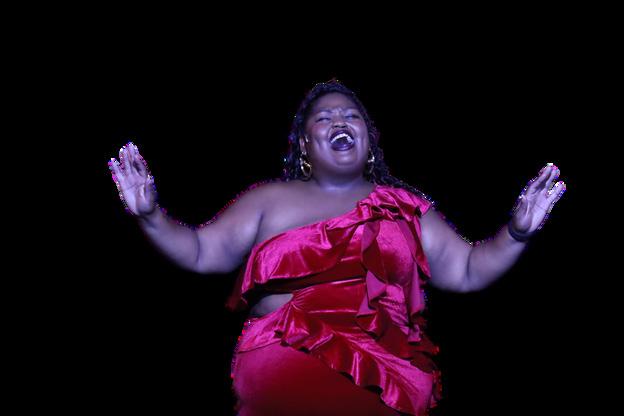

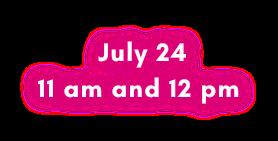



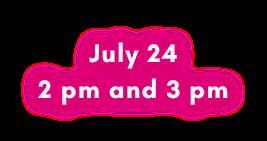
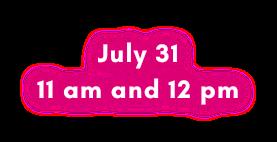
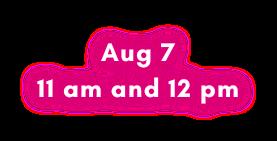




How I Spent My Summer
Ididn’t have “breast cancer” on my 2026 bingo card. And yet, here we are. The good news is they got all of it in surgery last month, so I just need to spend a few weeks doing targeted, daily radiation to obliterate any of the straggler cancer cells still hanging around. My friend Cynthia said I’d kick cancer to the curb. I can’t claim the credit; I didn’t have that much to do with it, although my outlook about it is mostly positive. I know that makes a big difference.
But the truth is, I’ve been very lucky so far. It was not an aggressive breast cancer. It was urgent but not an emergency. There would be surgery, then radiation. But no chemo. I am extremely fortunate.
At the same time, it’s disorienting. I got the news standing in my underwear in the bathroom, via a call about a sketchy mammogram. But even after the biopsy confirmed it was cancer, I was still pretty blindsided. The news lands differently when they’re telling you you’re the one with cancer. It was visceral, for me, and hit right in the gut. Cancer killed both of my parents. One of my brothers has also battled it and won. So far.
I’m also lucky because I have good health insurance. I pay through the nose for it, but it’s decent coverage. I had better insurance when I was working, but so far, so good. Of course, I haven’t received any of the bills for all this. Hopefully, I won’t. One step at a time. I’m new to all this Medicare stuff.
And finally, I’m most fortunate to have the support I have. My wife, Sandy, has been the best support person anyone could ever ask for. She has schlepped me up and back from Dover to Christiana’s Helen Graham Cancer Center for all my surgeries and appointments. Fortunately, I can do my radiation treatments closer to home, so she won’t have to haul me back and forth every day.
Sandy hasn’t been my only support. My dear friends and family have also been wonderful, lifting me up with their best wishes, visits, prayers, and offers of help.

Life has a weird way, sometimes, of redirecting your plans.
BY BETH SHOCKLEY
I tell them what I’ll tell everyone reading this. Ladies, get your mammograms! Yes, I’ve become one of those people. But the truth is I would not have known I had cancer were it not for the mammogram. I had no symptoms. Nothing was off, nothing looked or felt unusual. My health was otherwise fine. So I implore everyone—please make sure you have an annual mammogram. And if it’s been a while since your last one—please, please, please, schedule it.
Prevention is key. In addition to my parents, I have lost friends, band mates, relatives, and a former partner to cancer
over the years. It’s a blight on our existence and now it’s come for me, too. But thankfully, it’s not staying. It just sat on my shoulder and whispered cold, scary things in my ear for a minute. For me, thankfully, cancer just seems to be visiting. But it’s an unwelcome guest, for sure. One I hope never returns.
Life has a weird way, sometimes, of redirecting your plans. I expected my summer to be about playing drums and singing again in a new band. I auditioned, got the gig, and had two rehearsals. Then, this.
But the good news is things are slowly returning to normal. I’ve been cleared to drum, drive, and resume yoga. After not being driven for weeks, my hero car started right up—hooray for my Silver girl, a 2015 Mazda that just won’t quit. Like me, she doesn’t seem the worse for wear.
For the past two days, I’ve been drumming and I’m a happy camper. I bought a practice pad and did rudiments, not crossing my arms, to keep my chops up during the restricted weeks and it seems to have worked. But I do have this annoying pouch of fluid under my arm that doesn’t seem to want to go away. The surgeon says it will reabsorb over time, but it really feels uncomfortable and gets in the way when I’m drumming. But if that’s the worst thing that results from all of this—again, I’ll consider myself lucky, indeed.
So I guess I’m spending my summer kicking cancer to the curb, like my friend Cynthia said I would. That’s the plan, anyway. I can’t say this is how I wanted to spend it but that’s just how it goes sometimes. The best news, ever, is that the cancer is almost all gone. I’ll take it. And I’m grateful. ▼
Beth Shockley is a retired writer and editor, and shares life with her wife and kitty boys.


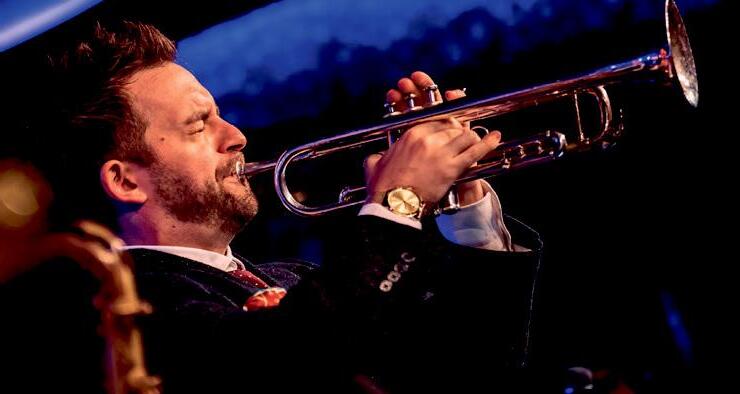





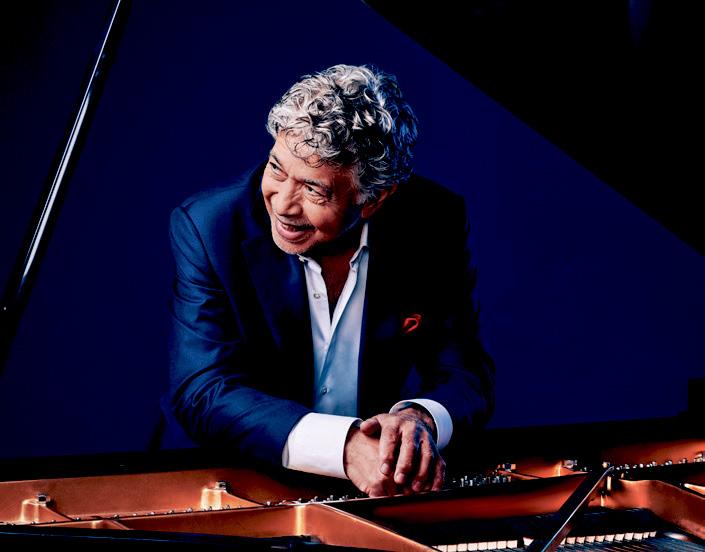



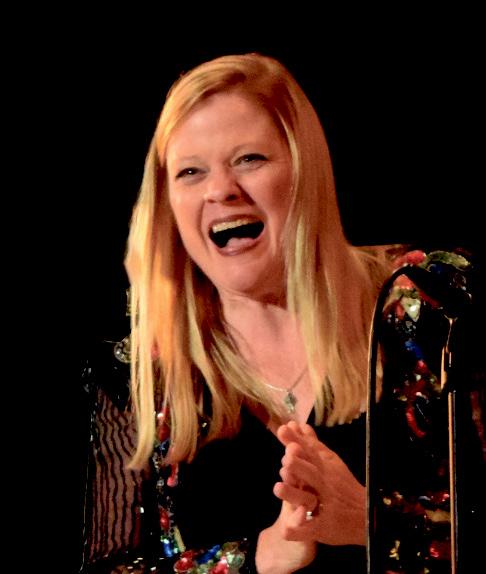


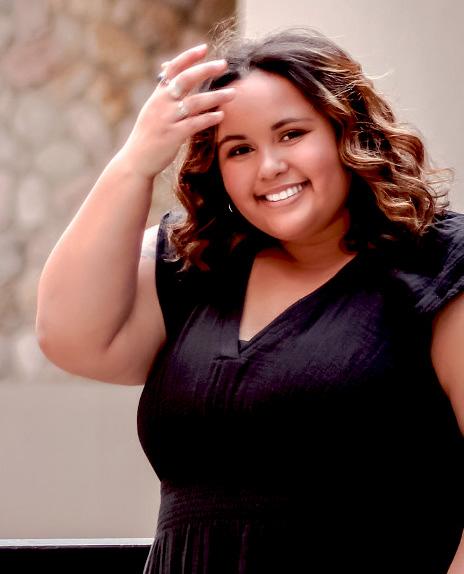
Sherman
Jackie Johnson
Peggy Raley
Attendees enjoy CAMP’s annual Women’s+ Fest
Belonging for
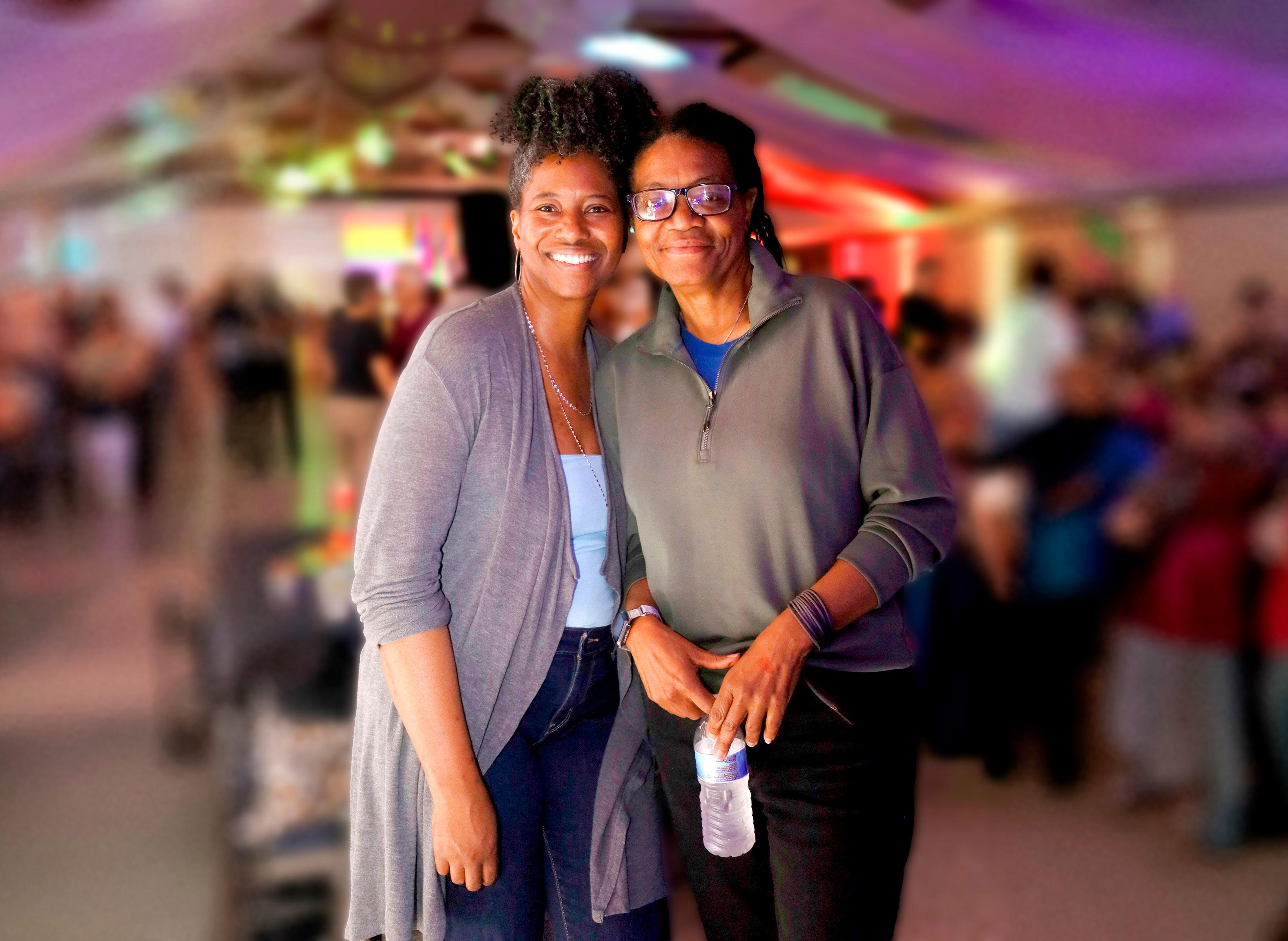
In 1991, CAMP (Creating a More Positive) Rehoboth changed the region through a big idea: creating a safe and inclusive space for the LGBTQIA+ community. Since inception, the DCF has supported the organization with programming and capital grants.







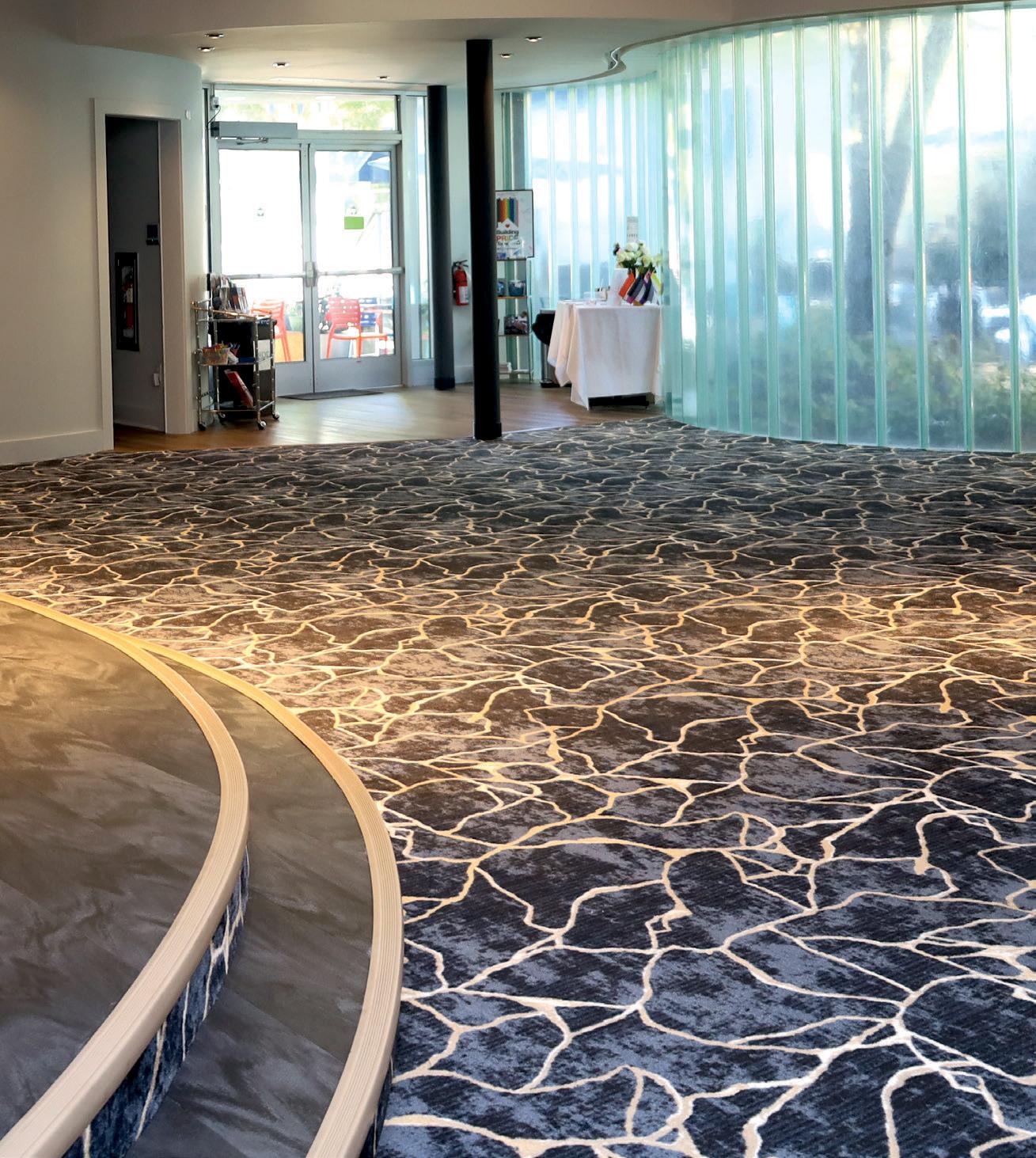

The Real Dirt
BY ERIC W. WAHL
The Crop that Shapes Southern Delaware
Across the broad fields of southern Delaware, few crops are as recognizable—or as influential—as corn. For generations, towering rows of green have defined the rural landscape from spring through autumn. More than a source of food, corn has become woven into the region’s history, culture, economy, and identity. Its annual cycle mirrors the rhythm of life on the Delmarva Peninsula, where agriculture remains both a livelihood and a tradition.
Corn has been cultivated in the region for thousands of years. Long before European settlement, Indigenous peoples, including the Nanticoke and Lenape, grew corn alongside beans and squash in what is often called the “Three Sisters” method of companion planting. These crops supported one another, with corn providing a natural trellis for climbing beans, beans enriching the soil with nitrogen, and squash shading the ground to conserve moisture and suppress weeds. This sustainable approach demonstrated a sophisticated understanding of ecology that continues to inspire modern agricultural practices.
European settlers quickly recognized the value of corn after arriving in Delaware during the seventeenth century. By the eighteenth and nineteenth centuries, corn had become one of the area’s staple crops, feeding both people and livestock. As farming expanded throughout Sussex County and neighboring communities, corn production became central to family farms that often grew multiple crops while raising poultry, dairy cattle, and hogs.
The twentieth century transformed corn production through advances in mechanization, hybrid seed development, fertilizers, and irrigation. Today, southern Delaware remains one of the state’s leading corn-producing regions. Much of the harvest is not destined for dinner tables but instead serves as feed for the area’s nationally significant poultry industry. Delaware’s broiler chicken industry depends heavily on a reliable supply of locally grown grain, creating a close part-
nership between crop farmers and poultry producers. This relationship has strengthened the local economy for decades by keeping agricultural dollars circulating within the region.

From its Indigenous origins to its vital role in today’s agricultural economy, corn has shaped southern Delaware in countless ways.
Corn also plays a significant cultural role throughout the region. The changing appearance of cornfields serves as a seasonal calendar for residents. Spring planting signals new beginnings, while the emergence of tall green stalks announces the arrival of summer. By midsummer, roadside stands offer fresh sweet corn, one of Delaware’s favorite seasonal foods. Community festivals, county fairs, corn mazes, harvest celebrations, and agricultural exhibitions all highlight the importance of this versatile crop. For many families, harvesting and sharing fresh local sweet corn remains a cherished summer tradition that con-
nects generations.
Although field corn and sweet corn belong to the same species, they serve different purposes. Sweet corn is harvested while immature, when the kernels are tender and rich in natural sugars. Field corn, the dominant commercial crop in southern Delaware, is allowed to mature fully before harvest and is primarily used for livestock feed, processed food products, ethanol, and numerous industrial applications.
Growing successful corn requires a combination of favorable weather, healthy soils, and careful management. Corn thrives in full sunlight and performs best in well-drained loam or sandy loam soils with abundant organic matter. Southern Delaware’s coastal plain soils are generally well suited for corn production, although irrigation may be needed during dry summers.
As agriculture continues to evolve, corn remains an enduring symbol of southern Delaware’s resilience. Farmers increasingly incorporate conservation practices such as cover cropping, precision nutrient management, reduced tillage, and improved water stewardship to balance productivity with environmental responsibility. These innovations ensure that corn continues to support both local communities and the surrounding landscape.
From its Indigenous origins to its vital role in today’s agricultural economy, corn has shaped southern Delaware in countless ways. It nourishes people and livestock, supports local businesses, preserves rural heritage, and reminds us that the health of our communities remains deeply rooted in the land. Each growing season tells a story of tradition, innovation, and stewardship—a story that continues with every field planted across southern Delaware. ▼
Eric Wahl is a landscape architect at Pennoni, artist, author, and president of the Delaware Native Plant Society.
Photo by Olivie Strauss on Unsplash


FLOYDIAN TRIP
Premier Pink Floyd Tribute
August 7 - 7:30 PM
August 8 - 3:00 PM & 7:30 PM
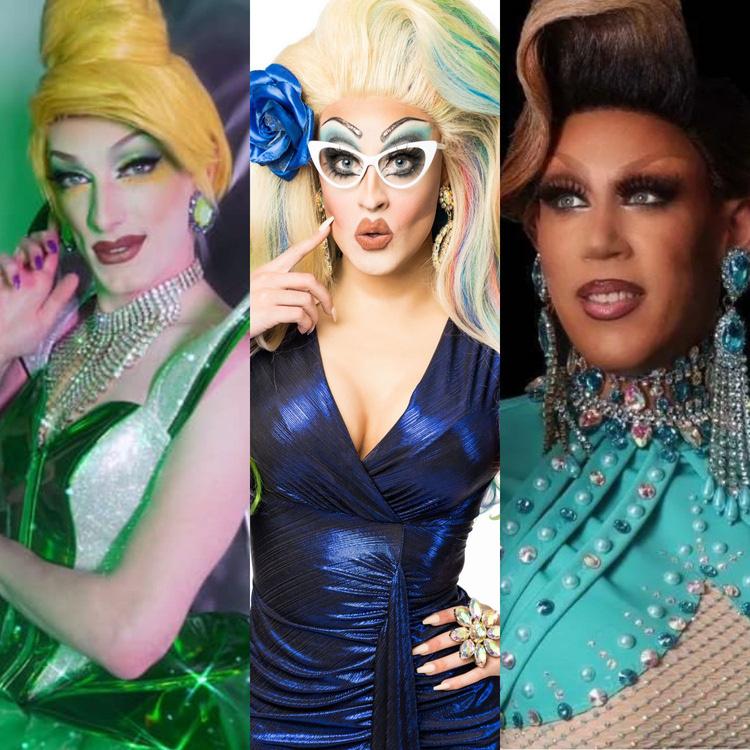
DISNEY DIVAS Comedy Drag Show
August 14 - 7:30PM

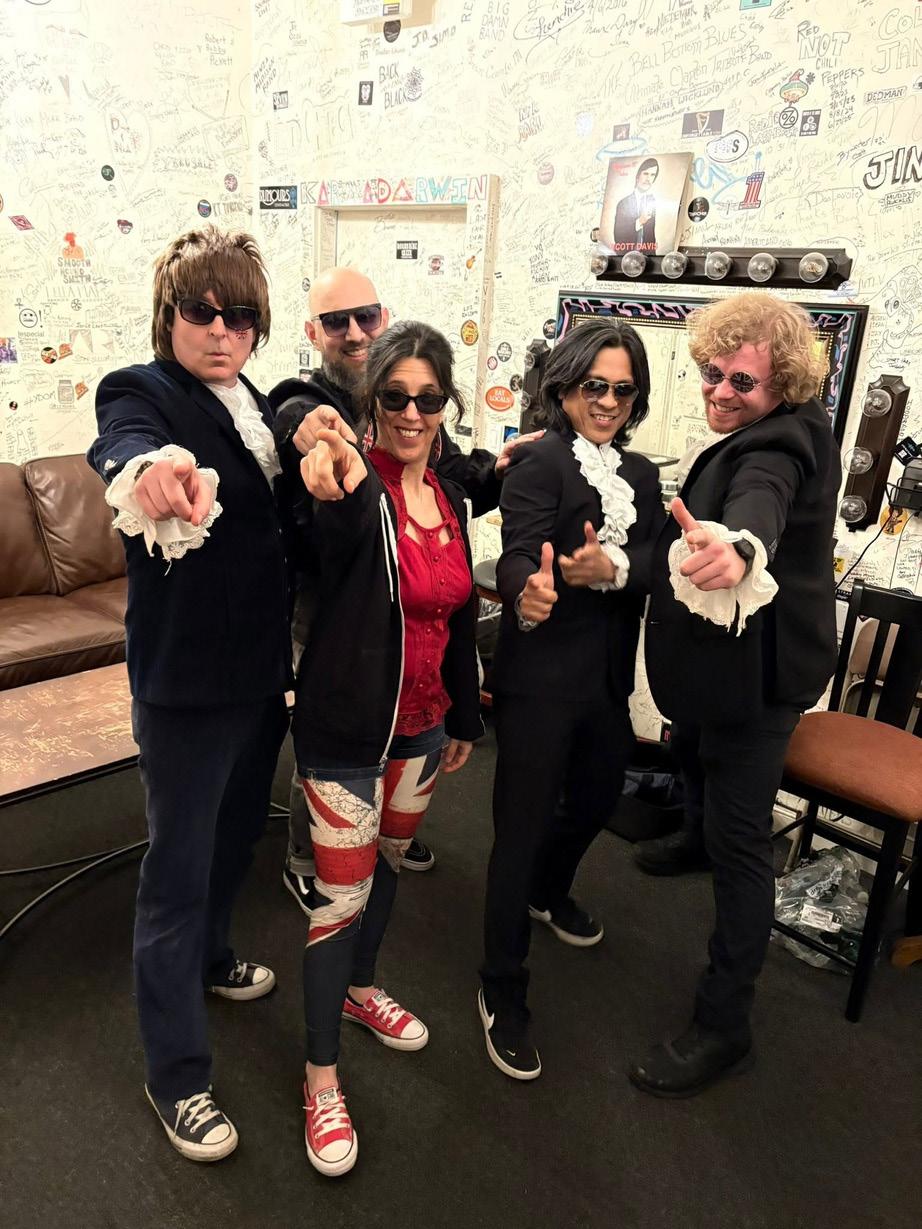
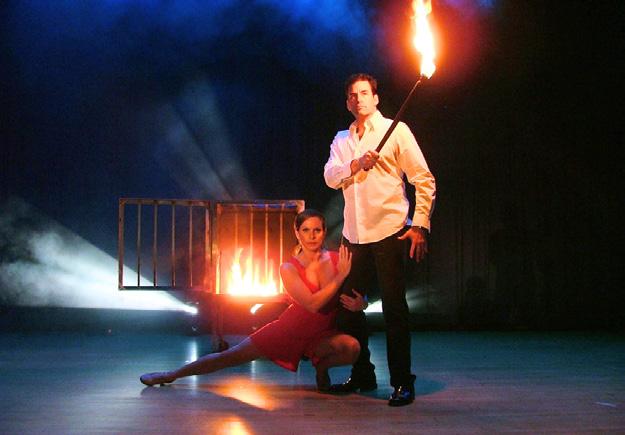
August 16 - 7:30PM
JULY 26 - THE MAGIC DUEL: Interactive Magic Show
JULY 30 - MAMA’S BLACK SHEEP: Quayside@Nite
AUGUST 2 - TRIBUTE TO ELTON JOHN: Featuring Lee Alverson
AUGUST 5 - CLOSE TO YOU: Music Of The Carpenters
AUGUST 6 - JOSH CHRISTINA & THE REVIVALS: Tribute To Piano Men - Jerry Lee, Elton, Joel & More!
AUGUST 13 - CHARLIE & THE COOLTONES: Quayside@Nite
AUGUST 13 - ZOSO: The Ultimate Led Zeppelin Experience
AUGUST 15 - SIZZLING POINT: A Summer Comedy Special
AUGUST 20 - LOWER CASE BLUES: Quayside@Nite THE MAGIC OF JOHN WESTFORD
LIVE MAINSTAGE PRODUC
TIONS
DISNE Y ’S DESCENDANTS: THE MUSIC AL
Student Mainstage Produc tion 5 SHOWS: August 20 - 23
SWEENE Y TODD: The Demon Barber of Fleet Street 17 SHOWS: S eptember 24 to Oc tober 11
HEDWIG AND THE ANGRY INCH
10 SHOWS: Oc tober 22 to November 1
ELF: THE MUSIC AL 23 SHOWS: November 19 to December 13
AUGUST 23 - THE BELL BOTTOM BLUES: The Endorsed Live Clapton Experience
AUGUST 26 - OZZMOSIS: Ozzy Osbourne Tribute Show
AUGUST 27 - AL FRANTIC BAND: Quayside@Nite
AUGUST 27 - HIGH NOON: Tribute To Lynyrd Skynyrd
AUGUST 28 - KNOW RETURN: A Tribute To Kansas & Styx
AUGUST 29 - BRANDEN & JAMES: Operatic Tenor & Cello Virtuoso
AUGUST 29 - GREEN RIVER: CCR & John Fogerty Tribute
AUGUST 30 - BEGINNINGS: A Celebration Of The Music of Chicago
SCENES FROM REHOBOTH BEACH & BEYOND
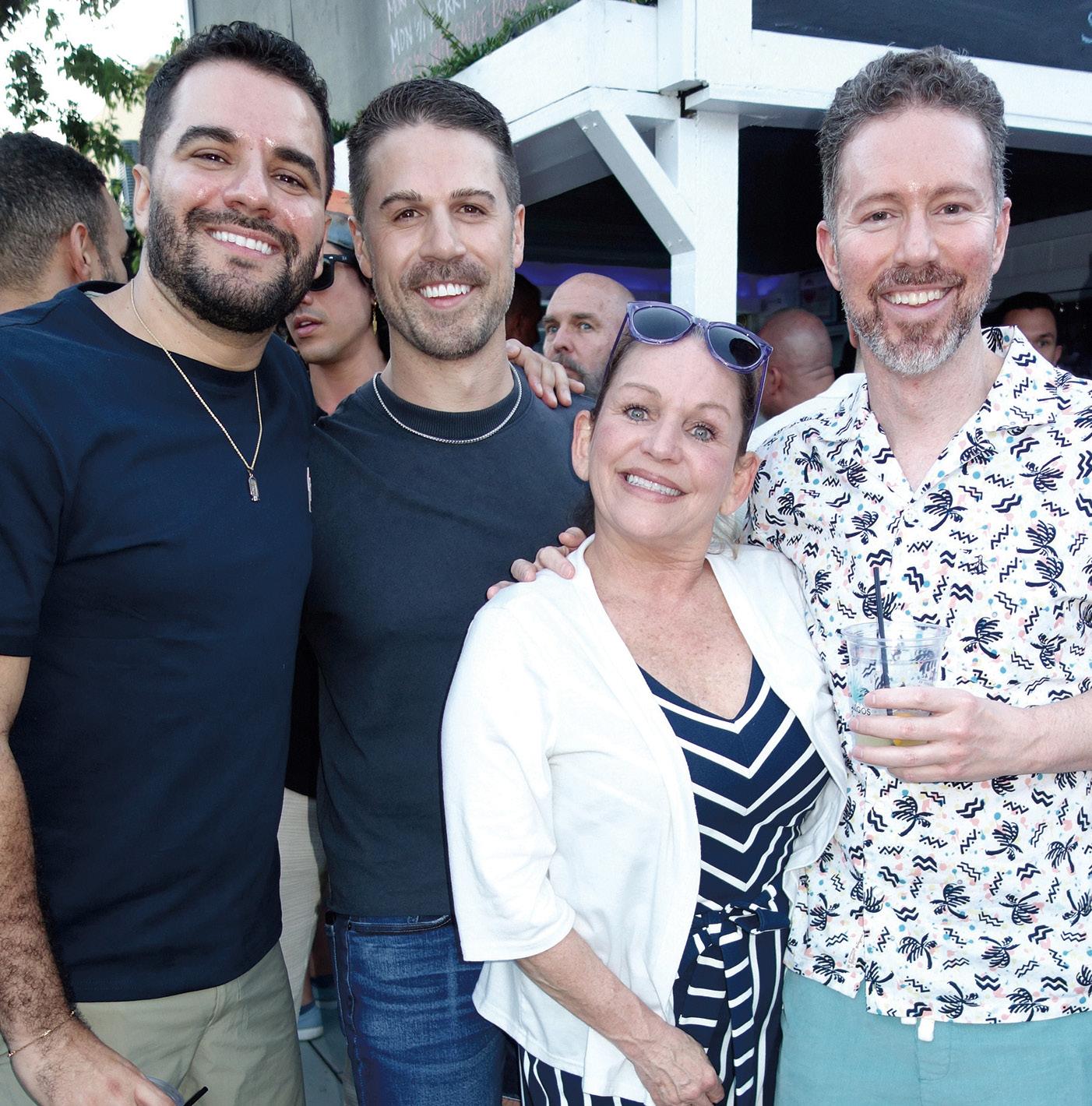
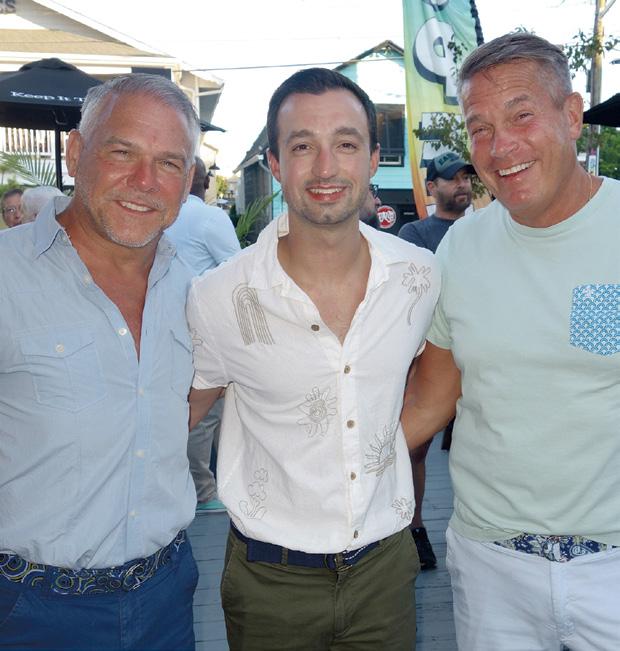
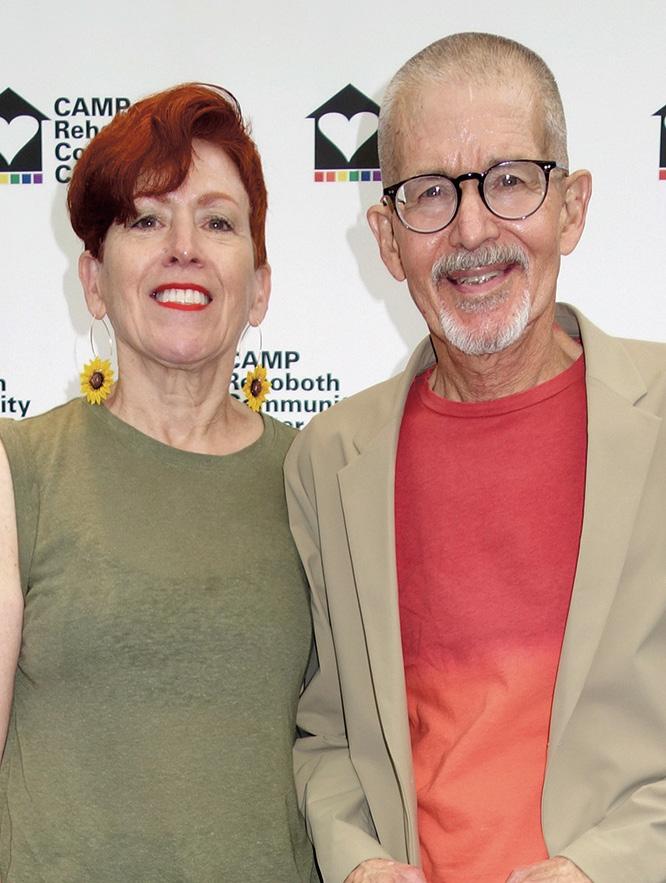
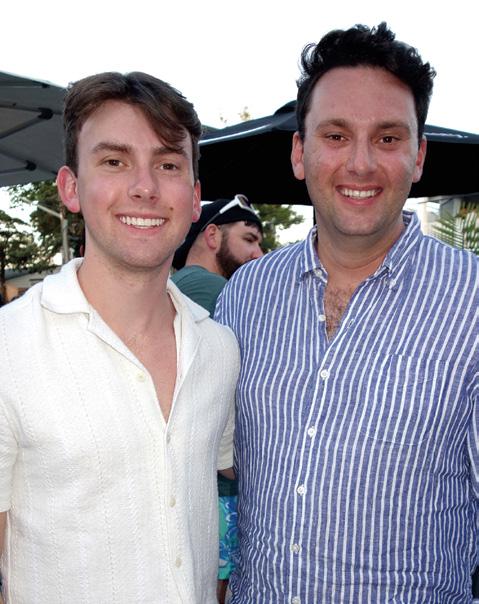
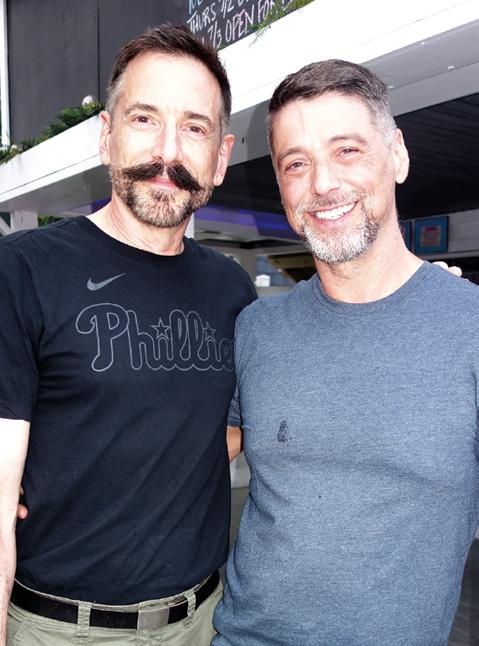
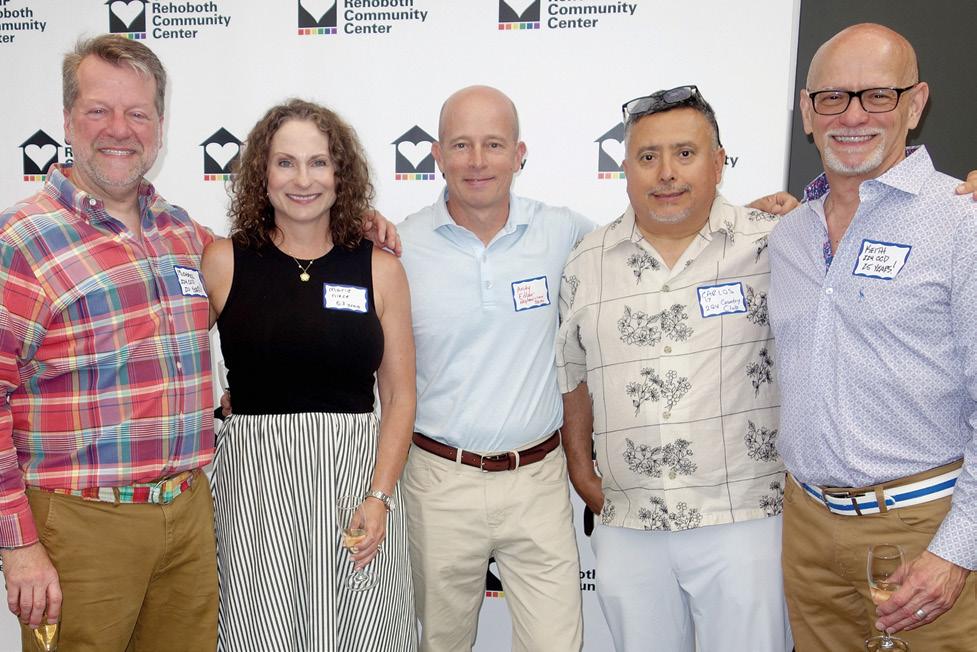
(Continued from page 73)
THIS PAGE (left to right) 1) at Aqua: Chris Ortez, Adam Motsney, Eileen O’Neill, Frank Sermarin, Connor Miller, Jacob Glasser, Beth Yocum, Deb Kennedy, Ayran Athey, Joseph Mingari, Jason Lambert, Blair Cappuccio, Scott Silber, Joe DeCollibus, Al Drulis, Tony Burns, Gary Seiden; 2) at Charlie Browne’s Celebration of Life at CAMP Rehoboth: Michael Fetchko, Marie Elder, Andy Elder, Carlos Morales, Keith Petrack, Mary Beth Ramsey, Murray Archibald, Larry Richardson, Sallie Forman, Joe Filipek.
OPPOSITE PAGE 3) at Dogfish Head: Clarence Pineda, David Park, Bill Paveletz, Tom Balling, 4) at Freddie’s: Thomas Crisp, DJ Biff, Kevin Morris, Ken Jamison; 5) at Purple Parrot: Georgiy Yanchenko, Chris Chandler, Corina Ciunt, Elena Marin, Michelle Manfredi: 6) at Rigby's: Bryan Hecker, Lee Whitehead, Melvin Frye, Chris Yocum; 7) at Back Porch Café: Ken Effinger, Meg Rapp, Richard Lynam; 8) at The Pines: Patti Reiver, Suzi Wolk, Bonnie Zeldon; 9) at Blue Moon: John Flynn, Scott Wealand, Sharon Henderson, Sabrina Williams, Lisa Schlosser, Michael Beigay. ▼
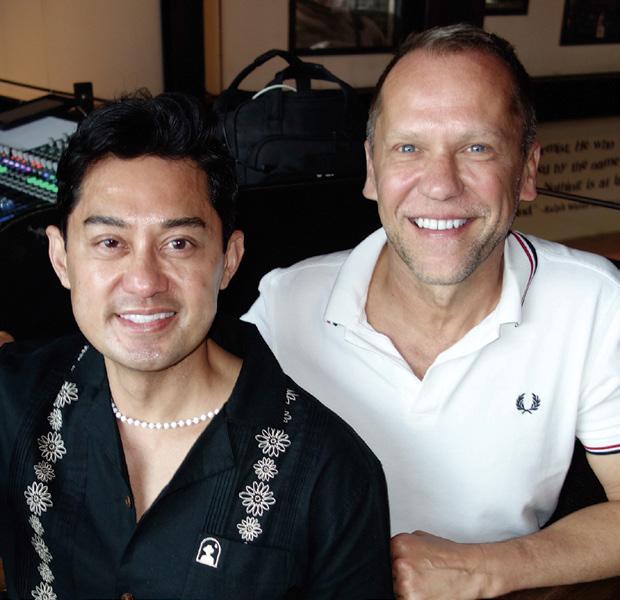
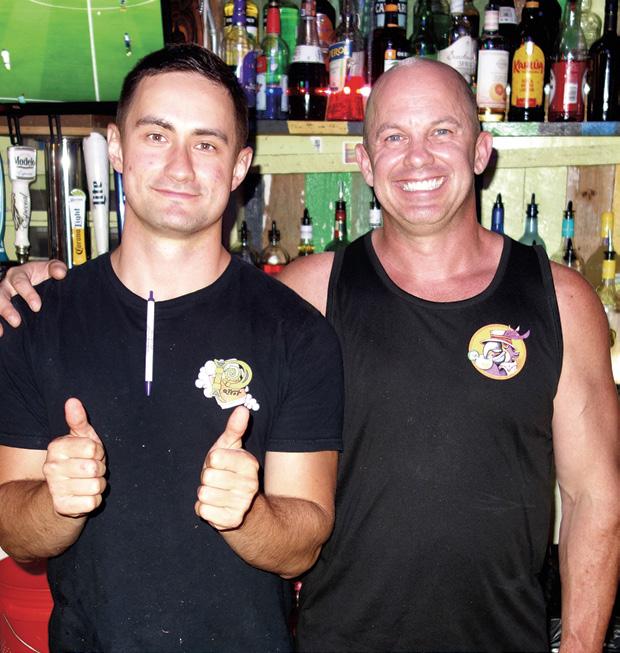
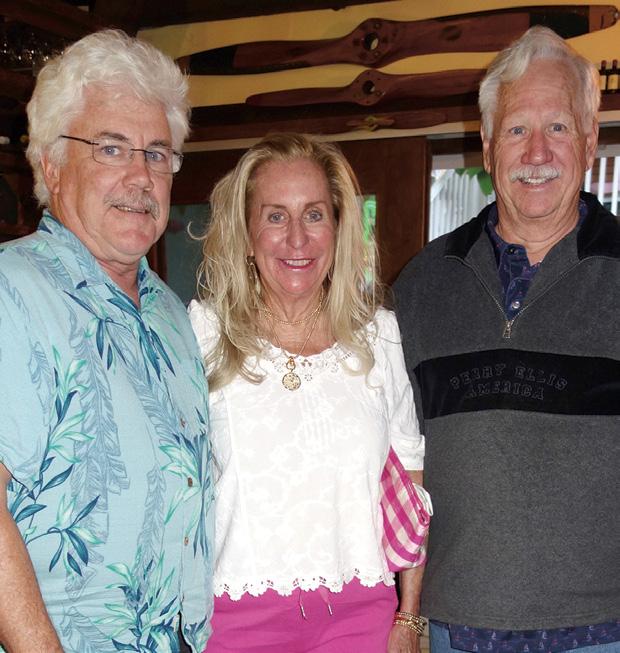
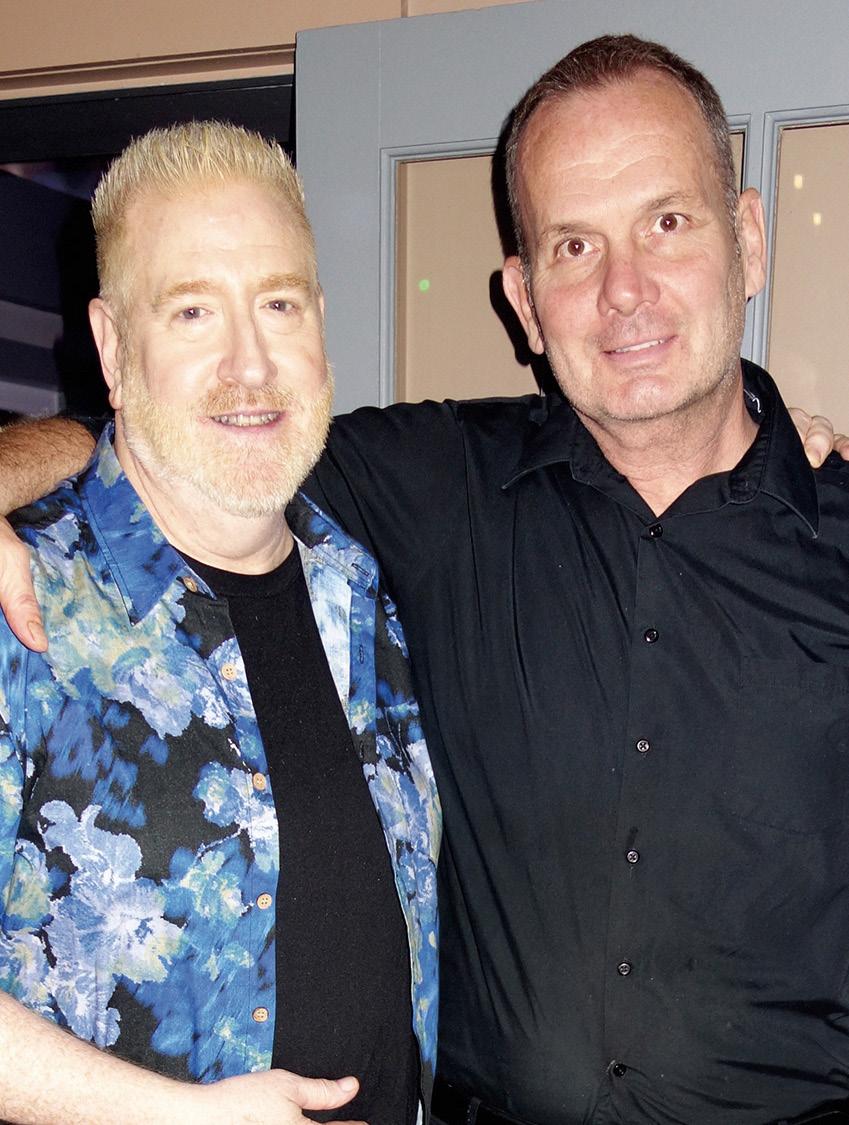
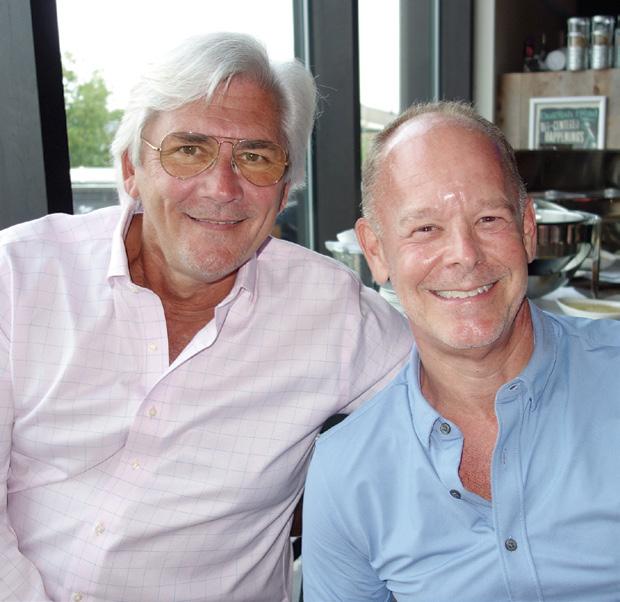
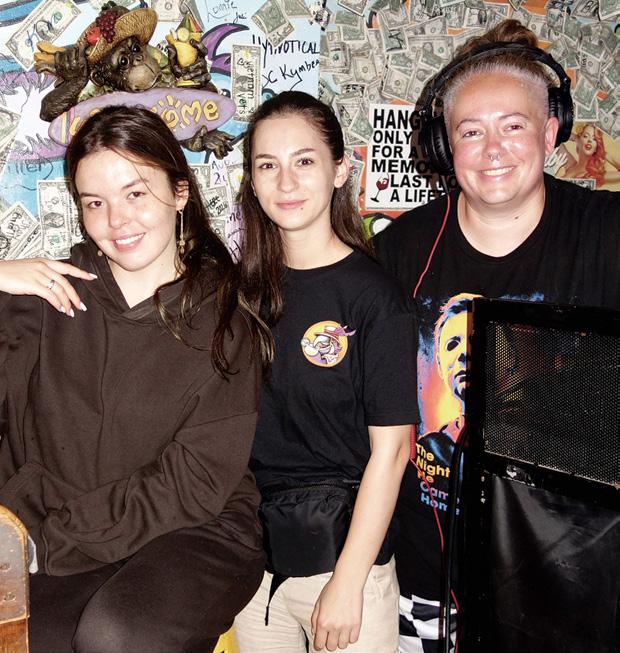
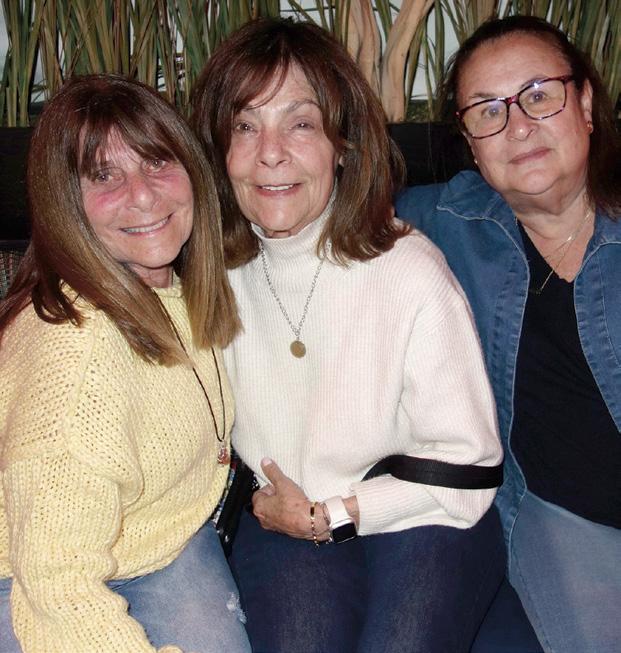
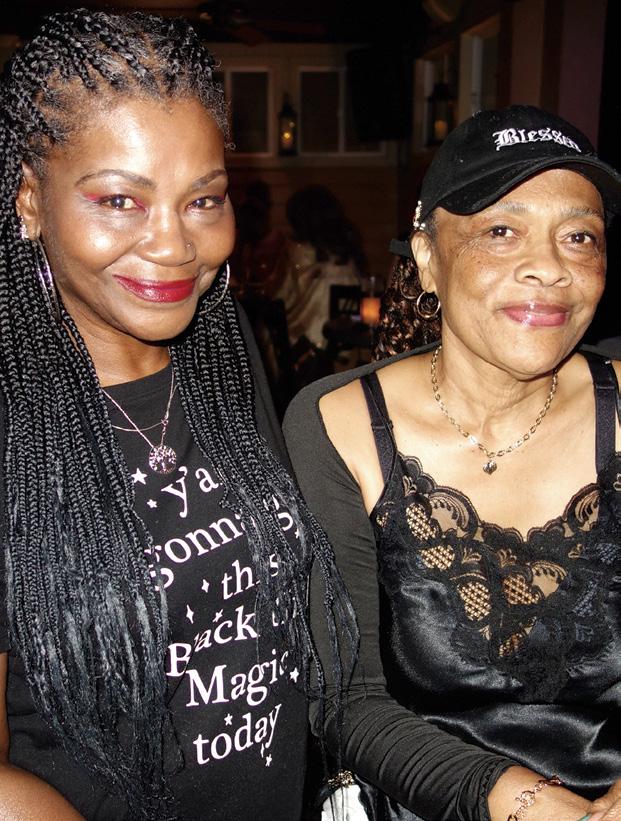
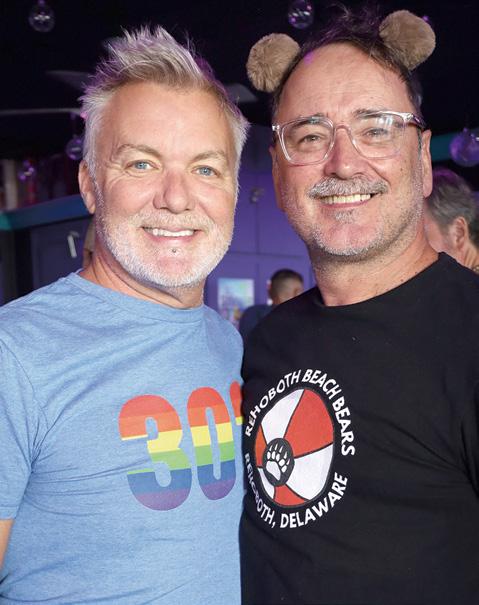
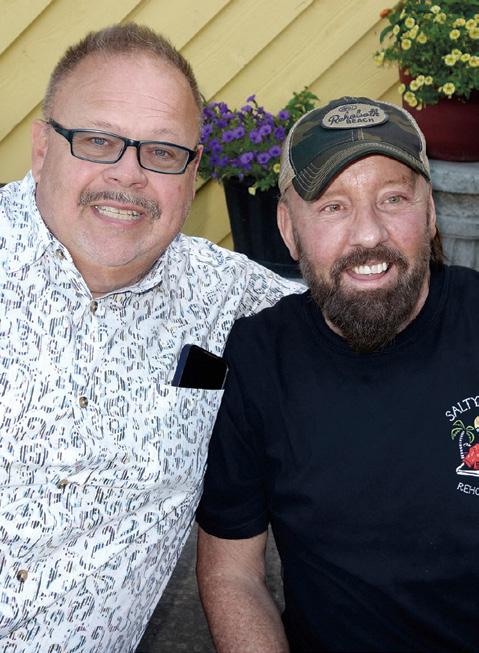
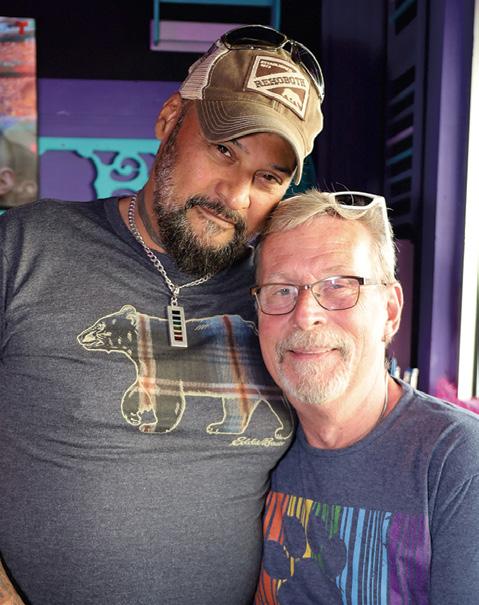
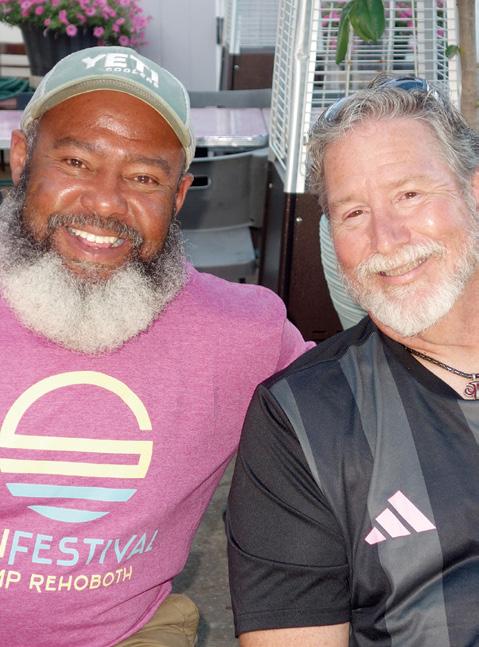
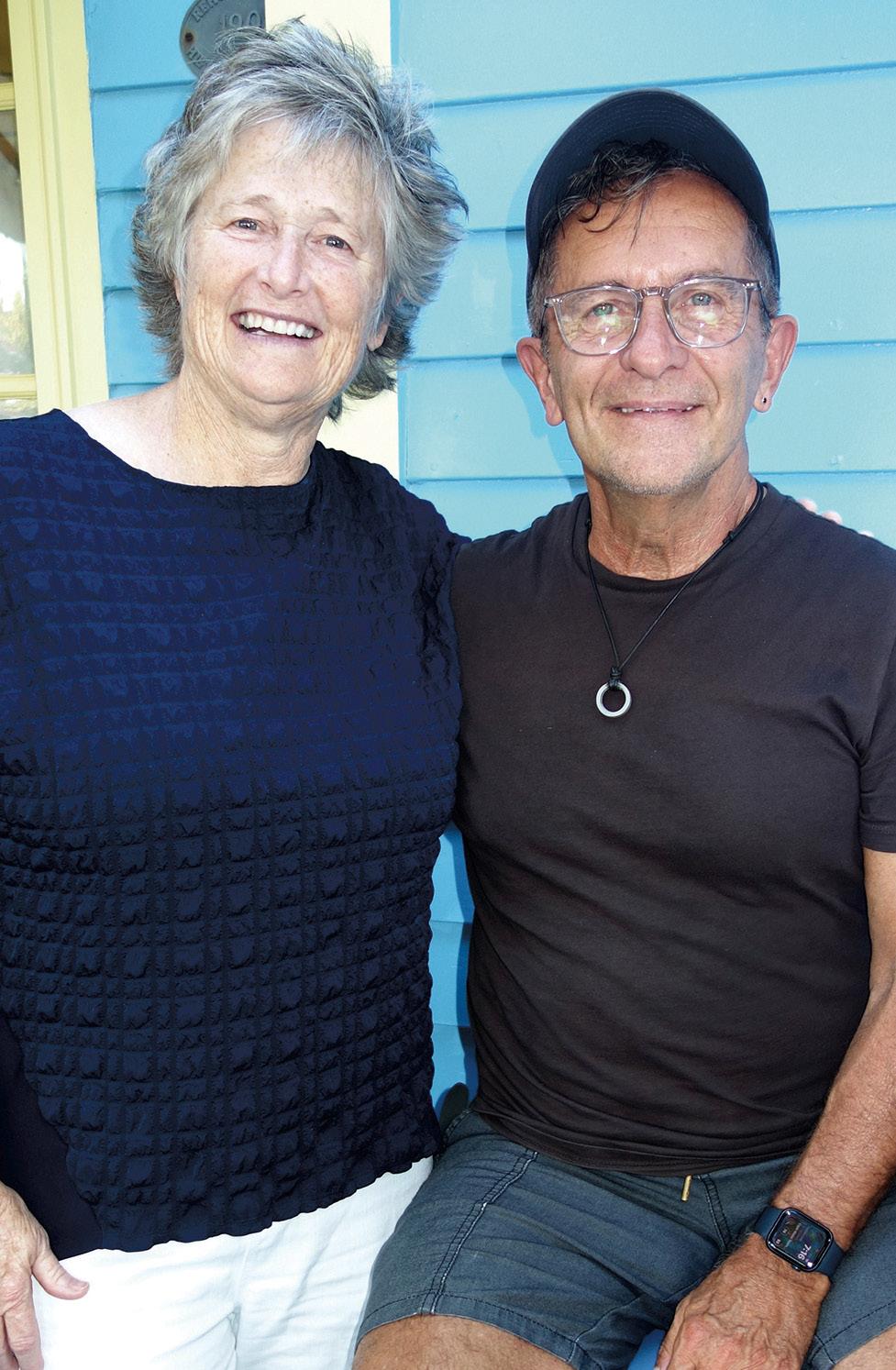
The Sundance Reject
Why Blue Film Is Finding Its Own Way
For queer audiences who know what it means to feel unseen, Irish actor Kieron Moore’s performance in Blue Film offers a rare kind of recognition: a character who isn’t reduced to his wounds, his sexuality, or his mistakes, but allowed to be fully human.
In the film, now available to stream on VOD, Moore stars as Aaron Eagle, a charismatic gay cam performer whose carefully controlled online persona begins to unravel when an unexpected connection from his past (played by Reed Birney) forces him to confront desire, intimacy, and the emotional distance he has cultivated from the people around him.
The provocative new drama, written and directed by Elliot Tuttle, has courted controversy for its explicit content, taboo subject matter, and difficulties securing acceptance at major film festivals despite strong audience reactions. And Moore’s role demands vulnerability and a willingness to sit inside uncomfortable questions rather than provide easy answers. So much rides on his performance that, if the audience doesn’t believe that Aaron (whose real name is Alex) is a fully realized person, the whole movie falls apart. It’s a different kind of challenge for Moore, who portrayed Nicholas Slovacek, a violent, deeply homophobic criminal, in Netflix’s acclaimed series Boots
Recently, Moore spoke about stepping into a queer story as a straight actor, the conversation and controversy surrounding Blue Film, and the surprising parallels he sees between Aaron and Nicholas— two seemingly opposite characters who, in Moore’s view, reveal different facets of performative masculinity.
CHRIS AZZOPARDI: How much pressure did you feel carrying a character who has to hold so many contradictions at once?
KIERON MOORE: It’s a luxury, really. It’s definitely made it harder now for me when I’m navigating the next job. I think Elliot’s writing is so strong that so much of it was already there, but it had so much room for me to paint my own picture and bring my ideas to it.
A lot of writers feel quite protective of their characters that they write. Elliot obviously was with Aaron and Alex, but he just handed them over. That’s a real relief as an artist. You go, “OK, I’m trusted.” It’s so relieving now to hear that people are having this interpretation of my performance. Of course, there’s conflicting opinions from different audience members, but that just makes it, for me, all the more fruitful.
CA: Did you have any idea how controversial this film would be when you got the script?
KM: Honestly, naïvely, I didn’t. Looking

BY CHRIS AZZOPARDI
back now, that was idiotic. I just immediately was like, “This is such a strong piece of writing.” I’m very lucky to play the characters I’ve played, but I know that none of them had the opportunity to
The similarities make all of the difference when it comes to people. If you really look at us under a magnifying glass, we’re all living the same life in different colors.
be exploited in this way, for the camera to sit with me as much as it was going to sit with me as Aaron. So, I think I was just so magnetized to that opportunity of like, can I do this? It wasn’t until we started to submit to film festivals where I was kind of like, “Oh yeah, we’ve done this thing that is terrifying to people.”
CA: When Sundance rejected the film— I’m assuming because of the content itself—what did that feel like?
KM: I’ve always said that the process has always been the point for me. It made me feel like, “Well, maybe this is just the journey.” I just had a feeling it would all work out, and it seems to have been carving its own way now. Audiences are going “Who are these people to tell me that this movie wasn’t OK for me to watch?” That’s quite exciting. It’s its own success story now.
CA: As a straight actor working with a queer director, what was the most valuable insight that Elliot gave you about Aaron and the world that he inhabits?
KM: There were different stages. When they first offered me to do it, I really challenged Elliot: “Are you sure?”
CA: A good question that every straight actor should ask at the beginning of a production like this.
KM: Absolutely. Obviously, I’m very lucky that I’ve got a lot of friends in the gay community, and I’ve been so welcomed by the gay community, but to step into
Continued on page 112.
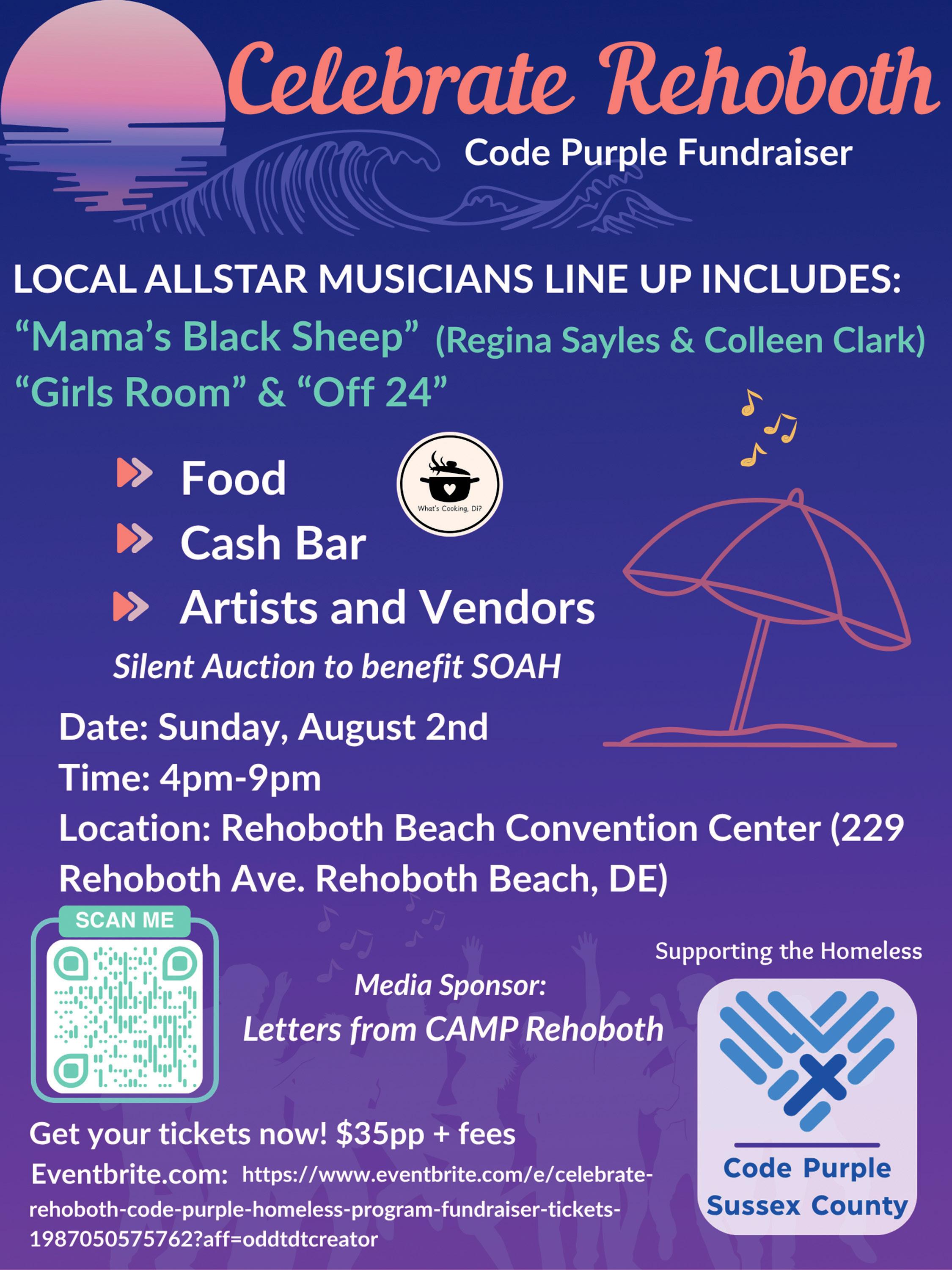
The Sundance Reject
Continued from page 110.
these experiences and to try and live through it is no small task. It’s a big honor. I pleaded, “You’re going to have to defend this choice, that’s something you’re going to have to be OK with.”
And [Elliot] never ever shied away from that.
When I met Elliot, I knew that there was a lot of Aaron in him. There’s an extension of himself in that character. So, once I met Elliot, I was like, “I think I’ve got my final colors to add to this painting now.” So, it just morphed into this thing. Where I tried to crack [into] Alex, Elliot just sort of held my hand the whole time. It was really intimate, in a beautiful way. Elliot wouldn’t watch from the monitor; he’d be in the room. And I’ve always said this: I know a lot of actors talk about the audience, and the audience is the reason why we make films, and the reason I get to do this. But as far as filming goes, my audience is the director. The director can worry about the audience at that moment. If I worry too much about the audience when I’m doing it, I’m going to be so in my head.
CA: In this film, there is unexpected tenderness that caught me off guard. When did the emotional parts of the story hit you?
KM: The script is special, and my imagination is strong enough from the amount of reading that I do that I saw this movie whilst I was reading it. But then when you do it, it becomes this whole other beast. It’s fascinating because as Kieron, the story impacts me way more, and I was really struggling with my sympathy as Kieron. Because Reed is so phenomenal as an actor and such a kind human being, when he was performing, I found myself struggling to cling to Aaron’s stubbornness and dismissiveness of this man in ways. Kieron wanted to embrace him and be like, “I wish I could hug you.” I think if you truly listen to this piece on what’s being said, or you truly sit with it and try to be as unjudgmental as possible, which is a real challenge, it’s quite hard to deny that it moves you.
CA: That first scene really grabs you. How much research did you have to do to really understand gay camboy culture and sex work?
KM: Thank you, because that first scene
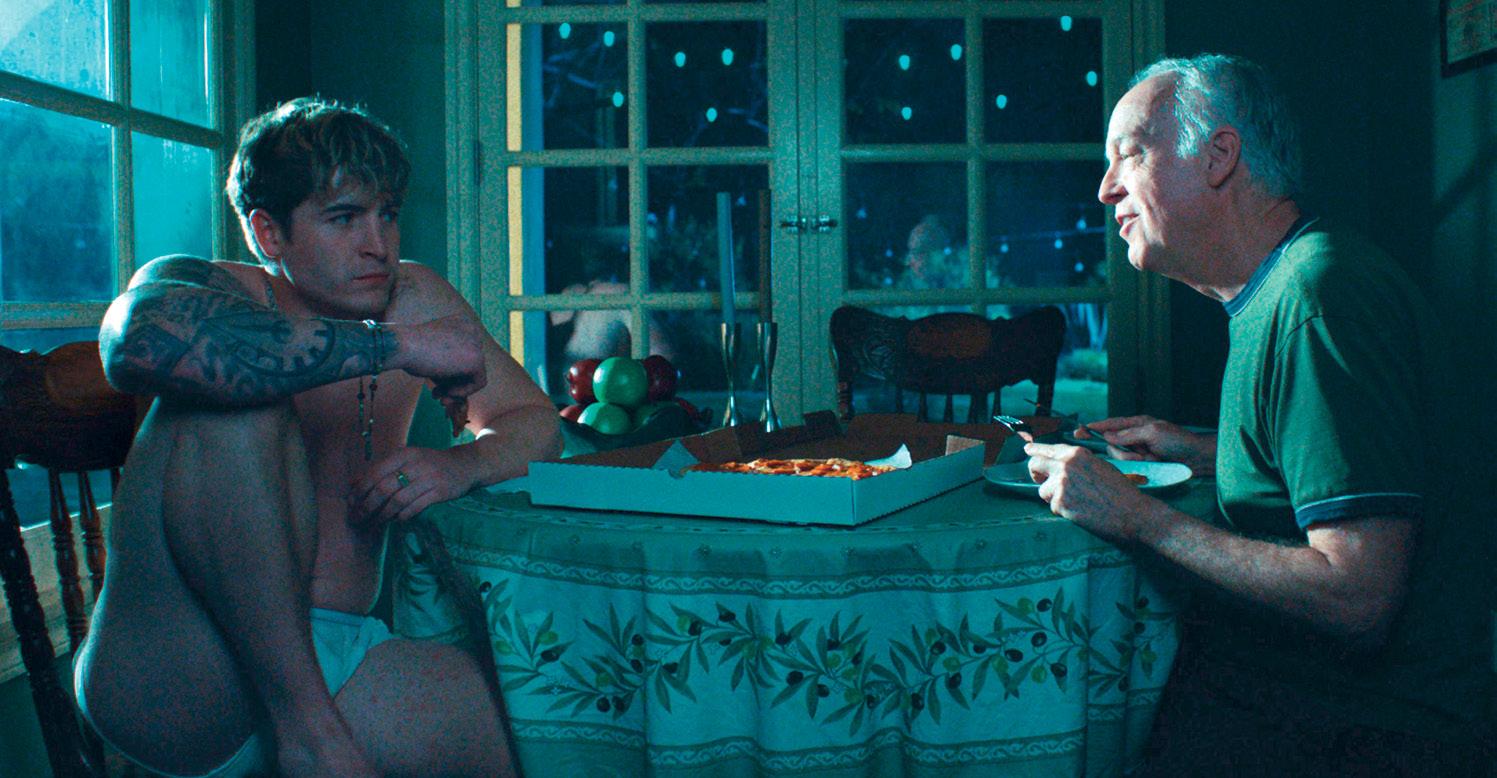
was my most challenging scene, for different reasons. So, I’m glad it sells. You do know what you’re getting, and you’re kind of dared, which I think is exciting. Every time I watch it, I’m like, “Is this getting longer?” [Laughs.] But I’ve got so many wonderful [queer] friends around me and my acting coach is a gay man that grew up in a different time and faced different challenges. But you come to realize that attraction is attraction and something that is primal in us.
Once I felt brave enough, and that was massively because of Elliot, I just let loose. There is a real weird metaphor when it comes to the first scene in the sense that there’s a screen between Aaron and his audience. It’s like he’s being watched, but in a way that he controls. He doesn’t feel he’s being perceived, which I think is interesting. He’s telling you what you see.
It’s like this Zoom right now. I’m just looking at you, and it’s like as much as we’re having this conversation, it drops this veil of myself. Whereas, if that was open and you’re conscious of it, I think it’s quite unsettling and you become very self-aware. That’s not who Aaron is. He’s masked himself. It’s all a lie, I guess.
A lot of people have this idea about me and it couldn’t be further from the truth. I’m actually quite an insecure person, other than when I’m acting. I feel so powerful stepping away from Kieron. But there’s a line in the film where Aaron says, “If you look like me, you’d want to be naked all the time too.” That is so untrue. I love having my clothes on. [Laughs.]
CA: Both Blue Film and Boots explore
performative masculinity. Is that something that you’ve consciously been drawn to explore in the projects that you take on?
KM: Look, I’m very happy to get the opportunity to explore these characters and hopefully explore myself in that way. But I would also really love it if we could get more examples of positive masculinity. I think the link between Boots and Blue Film is really interesting. I’ve always liked to think that my characters are quite different. I went from playing this super homophobic, straight criminal to Aaron Eagle, right? And both of them have the same weaknesses: love, capacity, and incapacity. But they both use the same tools. I think it’s really fascinating because I think out of all of them, they’re probably the most similar, which is wild because I think Slovacek (from Boots) would probably look at Aaron and be fascinated, and be like, “Hey, you abuse these men online for money, and I do it for free. What’s going on here?”
It’s two sides of the same coin. I say this sentence a lot: The similarities make all of the difference when it comes to people. If you really look at us under a magnifying glass, we’re all living the same life in different colors. ▼
Chris Azzopardi is the Executive Editor and Brand Director of Pride Source Media Group and Q Syndicate, the national LGBTQ+ wire service.
Photos: Courtesy-Obscured Releasing
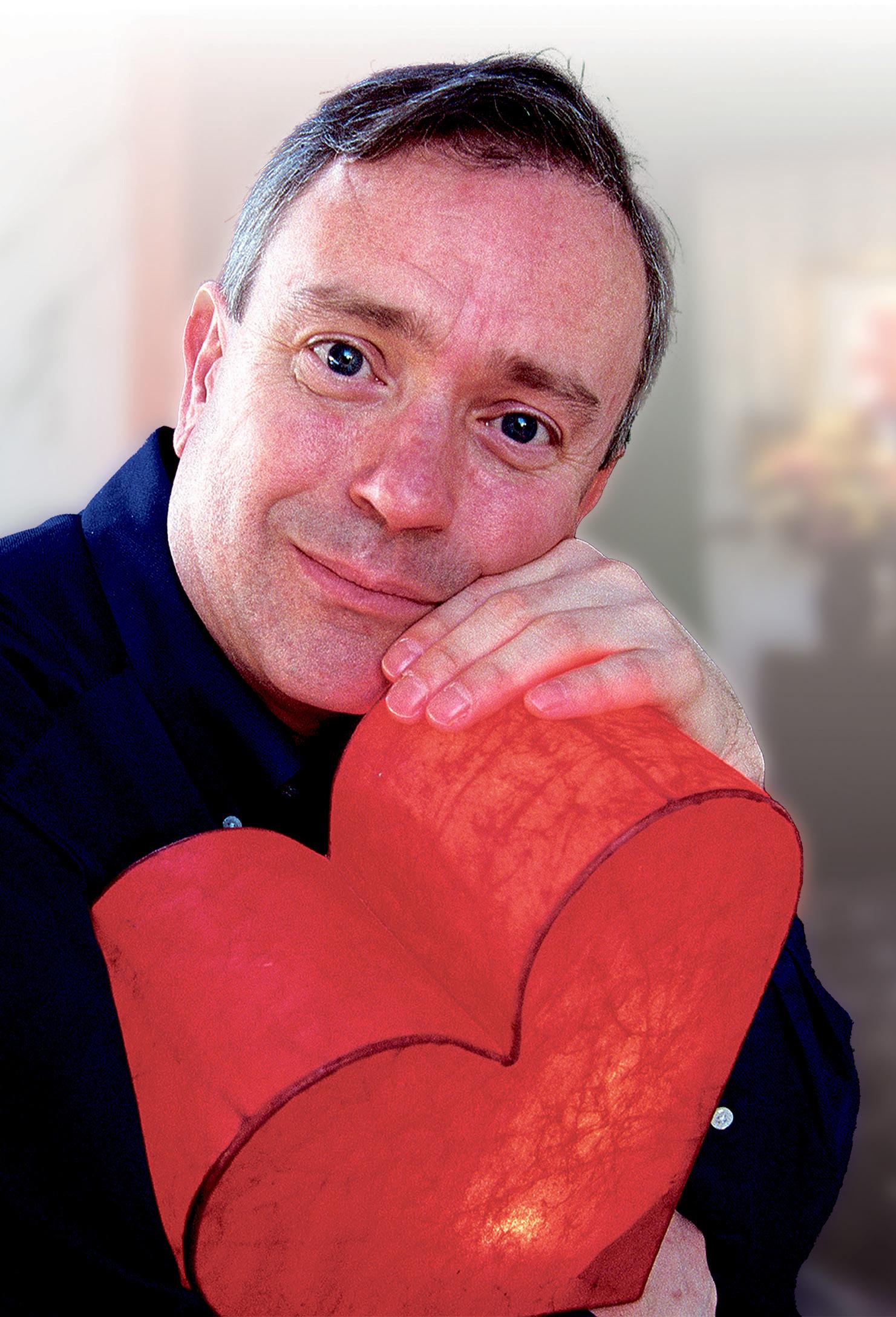
“We
PLANNED GIVING OPTIONS
Bequests
Name CAMP Rehoboth in your will or trust
Retirement Accounts & Life Insurance
Designate CAMP Rehoboth as a beneficiary.
IRA Charitable Rollover
If 70½ or older, give up to $100,000 tax-free from your IRA.
Appreciated Stock & Bonds
Donate securities to maximize impact and reduce capital gains tax.
Gifting Real Estate or Personal Property
You may leave your home or other property to CAMP Rehoboth through your will or a charitable trust. Consult your legal and tax advisors to determine the best way to structure your gift.
envisioned CAMP Rehoboth as the heart of the community. CAMP Rehoboth became a gift to the community around us.”
—Murray
Archibald,
CAMP Rehoboth Co-Founder

Contact our Development Manager, Laurie Thompson, at Laurie@CAMPRehoboth.org to learn more about these ways to give. CAMPRehoboth.org/PlannedGiving EIN # 51-0331962 © CAMP
We Remember
Gerald Duvall
Gerald John “Jerry” Duvall, 82, passed away on Sunday, July 5, 2026, in Lewes, Delaware. Born on July 20, 1943, in Jacobsburg, Ohio, he was the son of the late Mildred Marie Steiner Duvall and Dale Duvall. He grew up in Shadyside, Ohio, where he was educated and raised as one of five children.
In 1967, Jerry received his diploma in nursing from Saint Francis School of Nursing in Columbus, Ohio, where he was awarded Highest Academic Achievement in a class of 38. In 1968, he completed the Army Nurse Operating Room Course at Fort Benning, Georgia.
As a First Lieutenant in the United States Army Nurse Corps, Jerry was assigned to the 95th Evacuation Hospital in Da Nang, Republic of Vietnam. He later served as a Captain in the Army Nurse Corps at Tripler Army Medical Center in Hawaii and at Fort Ord, California. In 1974, he entered the Active Army Reserve and became a Multi-Service Operating Room Nurse at Walter Reed Army Medical Center in Washington, DC. Over the next 31 years, Jerry assumed increasing responsibilities, and in 1998 he became Head Nurse and Instructor for Peripheral Vascular Service Nursing and Head Nurse for the Cardio-Thoracic Nursing Service.
Drawing on his experience in Vietnam, he cared for the combat wounded from the Iraq Wars and Afghanistan. Because of his expertise and reliability, he was entrusted with the care of high-profile patients, including heads of state, a president of the United States, Supreme Court justices, members of Congress, and members of the Joint Chiefs of Staff. In 2002, he received the Department of the Army’s Superior Civilian Service Award, the highest award given by the Department of Defense to a civilian employee. “Mr. Duvall was one of the most conscientious and dedicated employees in govern -
Glenn Joseph Casey
Glenn Joseph Casey, 62, of Georgetown, passed away Wednesday, July 1, 2026. He was born February 28, 1964, to the late Joe Casey and Irene Casey in New Jersey.
Glenn grew up in New Jersey. He graduated from high school and attended a professional trade school. Glenn worked in healthcare. His hobbies included cars and trucks, and he loved his pets dearly.
Glenn is survived by his partner, Joe Kirk; his brother, Kevin Casey and his wife Denana; son, Fred Gardener; nieces, Jillian
ment service. He consistently set the highest personal and professional standards for all assignments and positions.”
Jerry spent his weekends with his partner, Gary, at their cabin in the Shenandoah Valley, where they hiked and rode horses along mountain trails, canoed on the Shenandoah River, and tended a garden and vineyard on the property. An avid naturalist, Jerry knew birds by their songs and wildflowers by name. He and Gary also cycled the C&O Canal and many of the bike trails in Washington, DC, and sailed the Chesapeake Bay together for more than 20 years.
After retiring to Rehoboth Beach, Jerry and Gary traveled throughout Europe and Southeast Asia. They especially enjoyed European riverboat trips, where they made many friends. They embraced the social life of the beach community and shared their home with three beloved Weimaraners over the years: Ziggy, Ryker, and Willow.
Jerry is survived by his partner and husband of 56 years, Gary Colangelo of Rehoboth Beach; his sisters, Bonnie Maxine Bonar of West Liberty, West Virginia, and Marlene Kay Krupa of Shadyside, Ohio; and his brother, Terry Richard Duvall of Shadyside, Ohio. He was predeceased by his sister, Darlene Fay DeLong of Shadyside, Ohio.
Jerry never sought power or acclaim. What he wanted most was to be an excellent clinical staff nurse, and by every measure, he exceeded that goal.
“Excellence is never an accident. It is always the result of high intention, sincere effort, and intelligent execution.” – Aristotle
A funeral service with military honors will be held at 11:00 a.m. on Saturday, September 12, 2026, at All Saints Episcopal Church, 18 Olive Avenue, Rehoboth Beach, where family and friends may visit from 10:00 a.m.to 11:00 a.m. Entombment will be held at a later date at Arlington National Cemetery.
In lieu of flowers, donations may be made to Brandywine Valley SPCA: bvspca.org/donate.
Jerry’s Life Memorial webpage is available at parsellfuneralhomes.com. ▼
Casey and Samantha Casey; and his extended friends and beach family. In addition to his parents, he was preceded in death by his sister.
Glenn will be deeply missed by his partner, friends, and family and all who had the privilege of knowing him.
A celebration of life will be held at a later date.
Memorial donations in Glenn’s honor may be made to Brandywine Valley SPCA in Georgetown, bvspca.org/donate.
Glenn’s Life Memorial webpage is available at parsellfuneralhomes.com. ▼
Cecile Caroline Huff
Cecile Caroline Huff, known to all as Caroline, passed away peacefully on May 26, 2026. Born on July 18, 1933, in Nash, North Carolina, she was the beloved daughter of Sadie Moore Huff and Miller Gatro Huff. Caroline’s early talent and love of art came from her father, who was himself an accomplished artist. Art shaped her life and provided direction for both her academic and professional endeavors for years to come.
Caroline received her Bachelor of Arts from Richmond Professional Institute Center Virginia Commonwealth University and her Master of Fine Arts from American University. She taught painting and art history at Prince George’s Community College, going on to become the Chair of the Art Department for the last five years of her teaching career. Caroline would be remembered by her students for her gregarious spirit and positive encouragement; she heard from many of them for years after her teaching career ended.
Caroline became a well-known local artist in Rehoboth Beach,
Delaware, where she had lived since 2013. Her paintings have been exhibited across the country in galleries and museums. Perhaps a quote from Caroline herself best expresses her work:
“I enjoy painting moments in the changing light of timeless settings—old boats at rest on the Chesapeake Bay, the sunny beach of a Greek island, gondolas bobbing in the shimmering reflections of Venice, or Paris in the rain. I often also paint figures captured at a moment of aloneness in quiet contemplation. Light is the common denominator in my work. It is the stimulus for color, provides the structure for design, creates shapes, defines images and establishes mood.”
Carolyn was known for her rich, layered, acrylic style of landscapes and people inspired from her many years of traveling the world with her late spouse and soulmate, who shared her life for 27 years, Brenda Robertson, as well as dear friends.
Caroline’s indomitable spirit drew everyone to her and she will long be remembered for her wit, humor, and intellectual curiosity. Her life will be celebrated in a private gathering at a later date. In lieu of flowers, she asked that donations be made to the Brandywine Valley SPCA in Georgetown, Delaware, at bvspca. org/donate. ▼ Photo © 2015 by Barry Bonds.




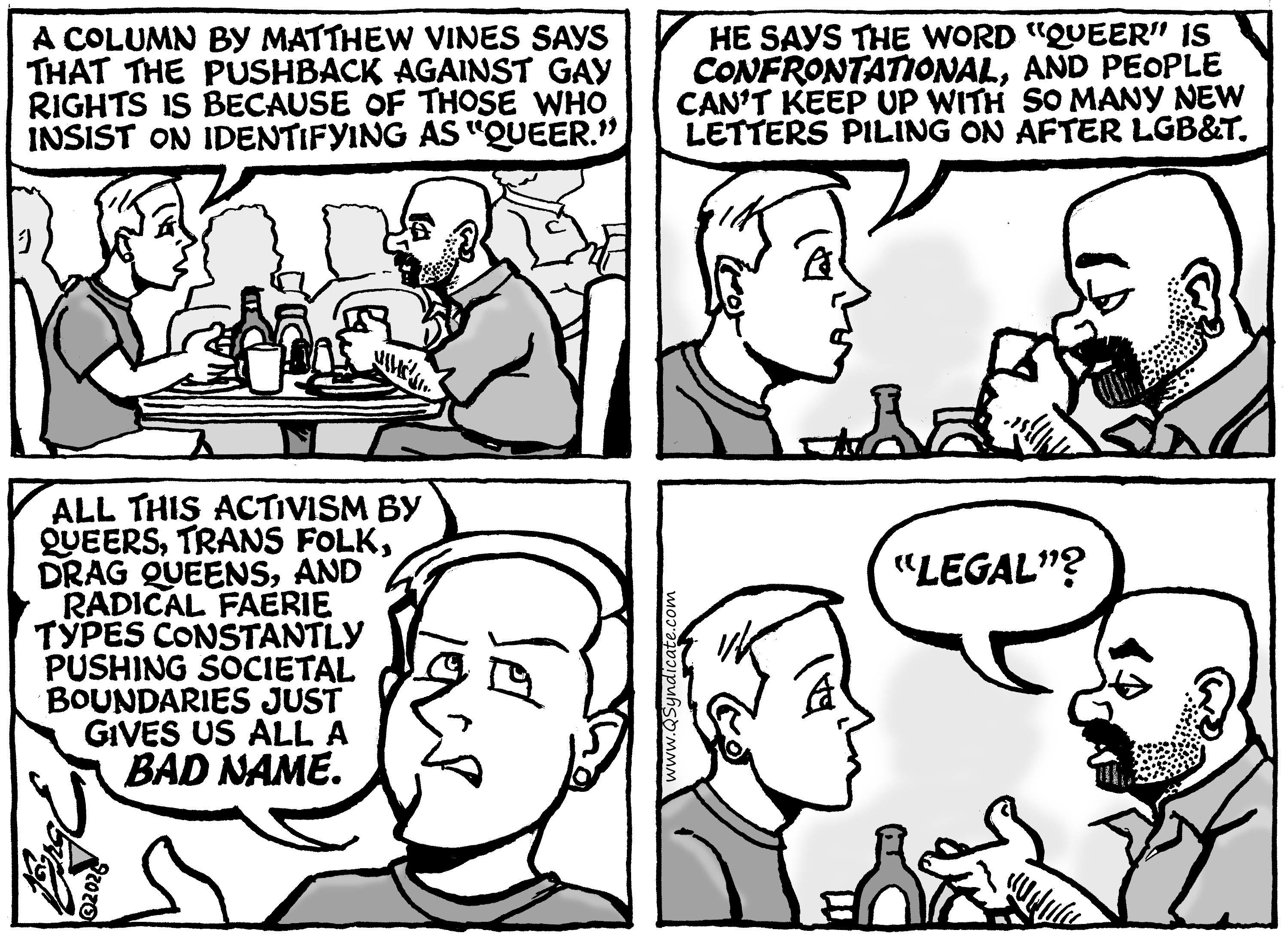
Leaving a Legacy
Planned giving enables you to support CAMP Rehoboth even a er death. Options include:
• Bequests
• Retirement Accounts & Life Insurance
• IRA Charitable Rollovers
• Appreciated Stocks & Bonds
• Real Estate & Personal Property
TO LEARN MORE
Contact CAMP Rehoboth Development Manager Laurie ompson at laurie@camprehoboth.org.
CROSSWORD PUZZLE SOLUTION
(puzzle on page 90)

Subscribe today.


PARTNER’S NAME ( IF APPLICABLE) STREET MAILING ADDRESS
CAMP Rehoboth Volunteer Opportunities

CAMP REHOBOTH ACCESSIBILITY
Hope Vella
CAMP REHOBOTH ADMIN
Sherri McGee
CAMP REHOBOTH ADVOCACY COMMITTEE
Daniel Bruner
David Garrett
Leslie Ledogar
CAMP REHOBOTH ART RECEPTION ASSISTANTS
Lissa Dulany
Jim Perrine
CAMP REHOBOTH CHORUS LEADERSHIP COMMITTEE
Bill Fuchs
Karen Gantz
Rob Jasinski
Sue Pound
Gloria Richards
Dave Scuccimarra
Rose Verona








Send your check for $50 to CAMP Rehoboth, 37 Baltimore Ave., Rehoboth Beach, DE 19971. If you prefer to use your Visa, MasterCard or American Express call 302-227-5620. YOUR NAME
BE PART OF THE SUNFESTIVAL MAGIC!
SUNFESTIVAL is CAMP Rehoboth’s biggest fundraiser of the year, and we can’t make it happen without an incredible team of volunteers! From welcoming guests and assisting with registration to helping behind the scenes, there are opportunities for everyone. Join us Labor Day weekend, meet new people, have fun, and play an important role in making this signature event a success. We’d love to have you on the team!
CROP: CAMP REHOBOTH OUTREACH PROGRAM
The CAMP Rehoboth Outreach Program (CROP) is constantly working to cultivate community and strengthen relationships and the connections between us all. Check the site for monthly volunteer opportunities.
Sign up at camprehoboth.org/volunteers.
Your volunteer efforts benefit you and others. — PLEASE VISIT — camprehoboth.org/volunteers to register as a volunteer and to sign up for available opportunities.
THANK YOU
CAMP REHOBOTH DEVELOPMENT TEAM
Pat Catanzariti
Lorne Crawford
Mike DeFlavia
Leslie Ledogar
Michelle Manfredi
Teri Seaton
Joe Vescio
CAMP REHOBOTH FACILITIES
Carol Brice
Lisa Evans
Eric Korpon
CAMP REHOBOTH VISUAL ARTS
Joe Burton
Logan Farro
Sona Nathan
Haley Pottle
Patricia Stiles
CAMPCIERGES
Ken Currier
Susan Goudy
Peter Keeble
Jim Mease
Jean Metzar
Meg Morgan
Kim Nelson
Lori Rocheleau
Jefferson Rougeau
Pamela Rule
Maria Scannapieco
Patricia Stiles
Linda Tiano
CAMPSHOTS PHOTO VOLUNTEERS
G Michael Beigay
Tony Burns
CONDOM
STUFFING PARTY
Mark Eubanks
Bill Graff
Jim Mease
Jeff Schuck
Doug Sellers
Dave Walker
CROP SUPPORTS
FOOD BANK OF DE
Rick Buske
Karen DeSantis
Max Dick
Mark Eubanks
Stephanie Hoenig
Demi Lower
Jim Mease
Meg Morgan
Doug Sellers
Lucien Thomas
Glenn West
Holly West
CROP SUPPORTS THE RAL COTTAGE TOURS
Chris Allison
Kris Aulenbach
Rick Buske
Patty Lee
Jim Lesko
S. McHugh
Jim Mease
Tom Mosher
Barry Moshinski
Kim Nelson
Darrell Rublee
Sam Sassano
Leslie Sinclair
Jeff Straub
Matt Swalga
Joe Vescio
Lori Waldee-Warden
Mary Ann Wangemann
Debbie Woods
DELAWARE PRIDE
DJ Lopez
Demi Lower
Michelle Manfredi
Jefferson Rougeau
Lucien Thomas
JUNETEENTH RECOGNITION
Eric Peterson
LETTERS
DISTRIBUTION TEAM
Jim Mease
LETTERS MAILING
TEAM
Nancy Hewish
Joanne Yurik
LETTERS PROOFING
Barb Ralph
MILTON PRIDE
Kathy Fitzgerald
Alicia Mickenberg
Kat Takacs
PRIDE BUILD
Rick Buske
Robin Cunningham
Lewis Dawley
Michelle Gonzalez
Meg Morgan
To all the CAMP Rehoboth Volunteers for the period: May 30 - July 10, 2026
Beefy Pine
Di Pine
Alynda Ponder-Pope
Terry Stinson
Linda Tobin
RAINBOW THUMB
CLUB
Chris Bowers
Carol Brice
Robin Cunningham
Linda DeFeo
Karen DeSantis
Patty DiModugno
Shawn McHugh
Diane Scobey
Linda Yost
RBL FRIDAY FLICKS
Marvin Garcia
Sue Goudy
Larry Rosen
THIS MONTH IN QUEER HISTORY
Beth Shockley
USHERING AT CAMP
REHOBOTH CHORUS
Gail Atchison
Deb Bricker
Rick Buske
Chris Cascio
Donna Dolce
Robert Fleming
Cheri Garnet
Joe Hayden
Shawn McHugh
Jim Perrine
Mary Ann Wangemann
YELLOW RUBBER
DUCKY POOL PARTY
Paul Frene
Leslie Ledogar
Michelle Manfredi
Robb Mapou
Martin Morris
Larry Rosen
Margaret Tobin
AD INDEX
CAMP Rehoboth Annual Sponsors 10
CAMP Rehoboth Atrium 105
CAMP Rehoboth Block Party ...................................... 15
CAMP Rehoboth Chorus 100 Years of Broadway 17
CAMP Rehoboth Development Ways to Give 2
CAMP Rehoboth Letters Subscription 117
CAMP Rehoboth Membership 62
CAMP Rehoboth Membership Sign Up 63
CAMP Rehoboth Mental Health Support Program 105
CAMP Rehoboth Online Store 29
CAMP Rehoboth Planned Giving Legacy Society 113
CAMP Rehoboth Pride Month Partners 11
CAMP Rehoboth Pride Month Partners Thank You 66
CAMP Rehoboth Required Minimum Distribution 115
CAMP
Realtors 33
Delaware Community Foundation 104
Diego’s Bar Nightclub 77, 78, 79, 80, 81, 82, 83, 85
Dogfish Head 90
Dwayne Bensing for Delaware Attorney General 23
Elegant Slumming 31
Freddie’s Beach Bar & Restaurant 119 go fish go brit 21 Historic Lewes Farmers Market 65 iHeart Media 48, 101 Jack Lingo, Real Estate 47 Jenn Harpel, Morgan Stanley 9 John Black, Realtor 45 Jolly Trolley


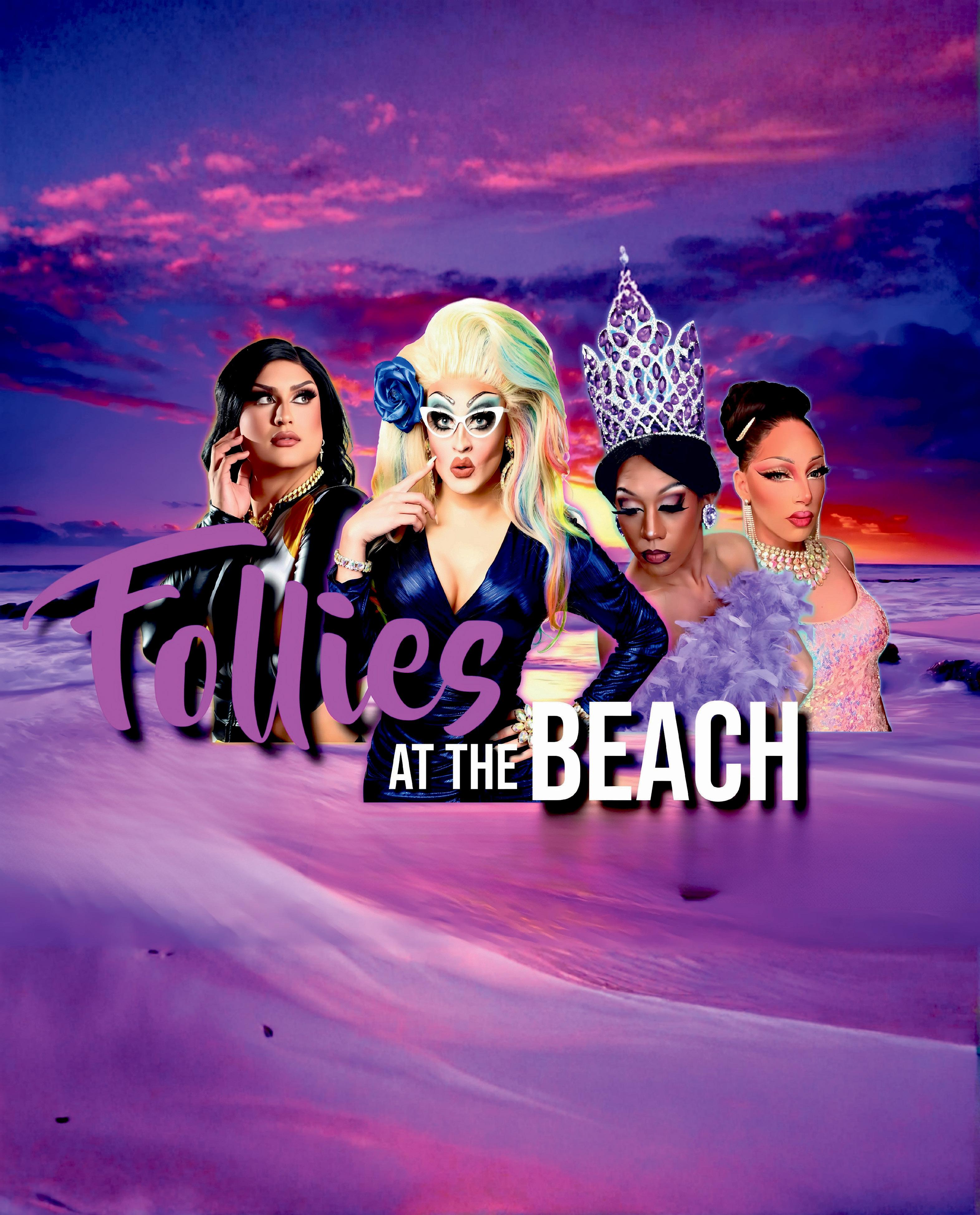
FRIDAYS & SATURDAYS 9 PM 9 PM