Mancomunidade de Concellos Galegos do Camiño Francés
SAVOUR THE FRENCH WAY
Design, Creative Direction & Texts | Estudio Boconti
The Mancomunidade de Concellos Galegos do Camiño Francés encompasses the final stretch of the Camino in Galicia — a 160kilometre journey where every step becomes an invitation to discover the most authentic flavoursoftheregion.
Along this route, gastronomy unfolds as a sensory voyage, where tradition and contemporaneity meet in dishes that tell stories and in local produce that awakens every sense. From artisanal cheeses and comforting broths to prime meats, freshly caught fish, octopus, seasonal vegetables and delicate sweets that evoke the very essence of the land, each bite pays tribute to Galicia anditsmillennia-oldspiritofhospitality.
A journey to savour, to delight in, and to surrendertosurprise ateveryturn.
SAVOUR
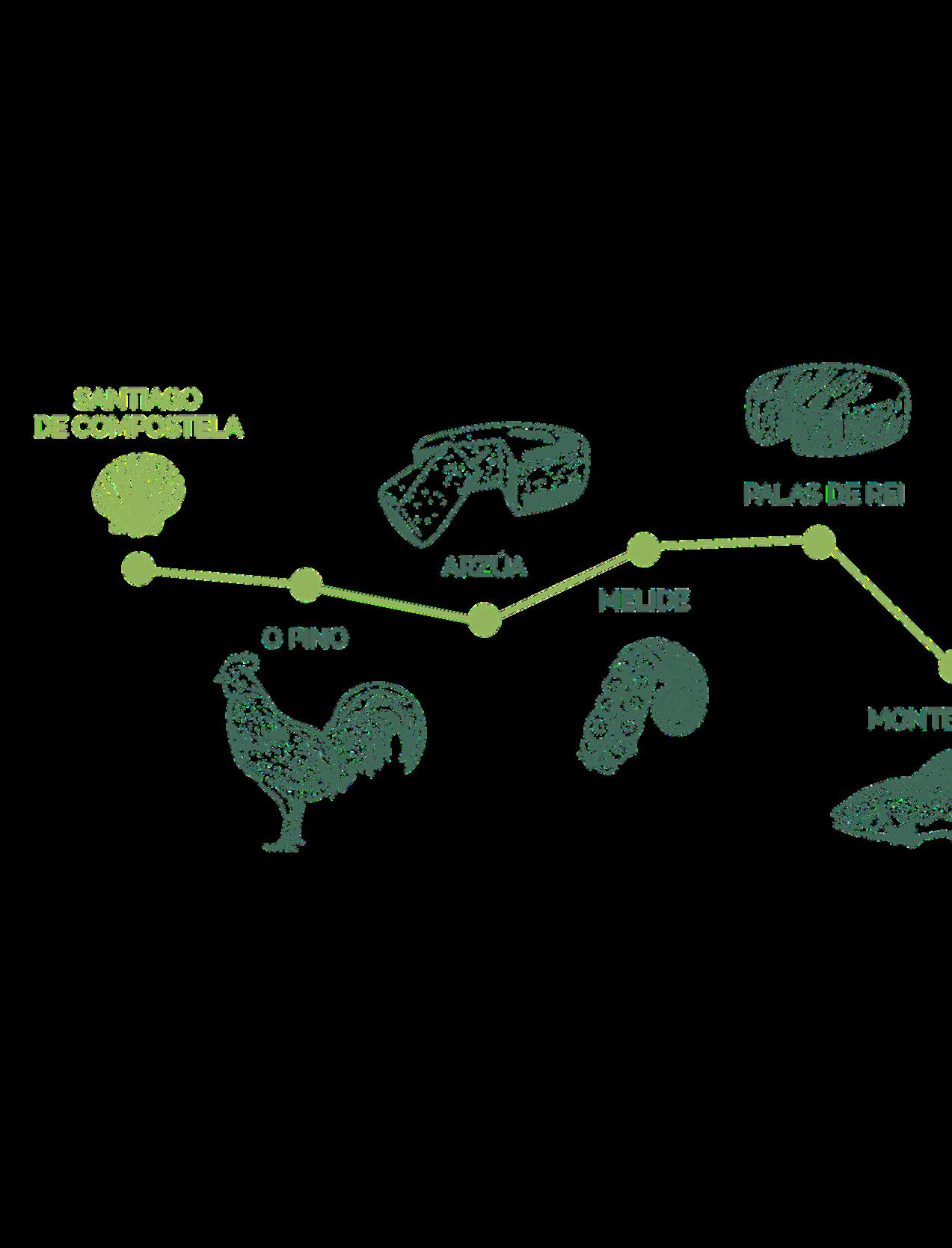
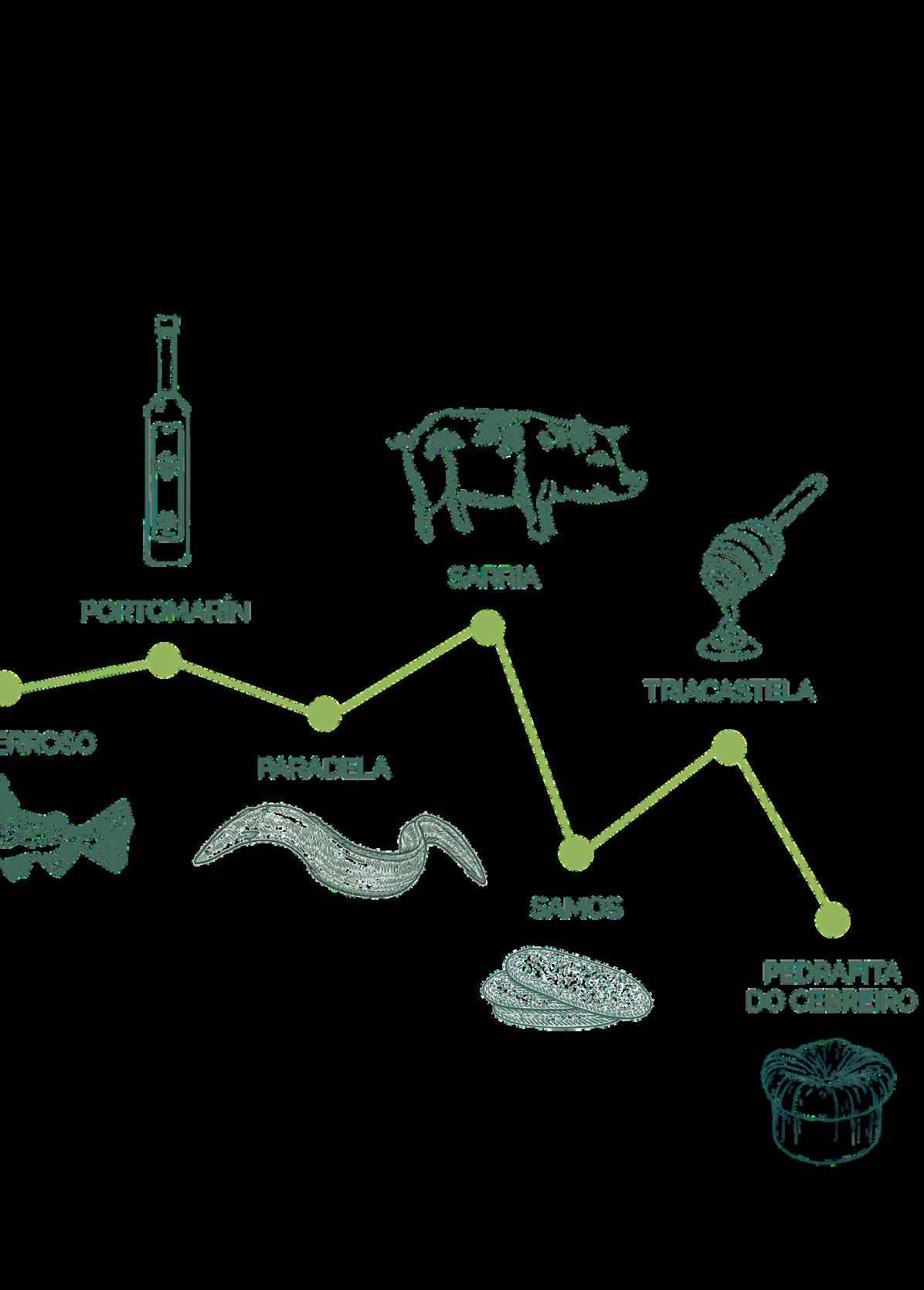
pedrafita do cebreiro triacastela samos sarria
paradela portomarín monterroso palas de rei melide arzúa o pino
To enter Galicia along the French Way is to step into a land where gastronomy walks beside you, inviting you to see each stage through a different lens. As you move forward, The Way becomes a map of flavours, guiding you through the essence of the municipalities you cross.
You will discover exquisite cheeses born from Galicia’s finest pastures; breads that still hold the warmth of traditional wood-fired ovens; meats that speak of devotion to the land; kitchen gardens that fill the table with seasonal produce; rivers that lend freshness and balance to every dish. Here, the table is always a welcome. A steaming bowl of broth after a demanding day, an empanada shared among fellow pilgrims, a sweet that echoes ancient traditions, a toast to newfound friendships. It is an ancestral culinary legacy that lives in harmony with contemporary creative interpretations — proposals that reimagine The Way through emotion, heritage and memory.
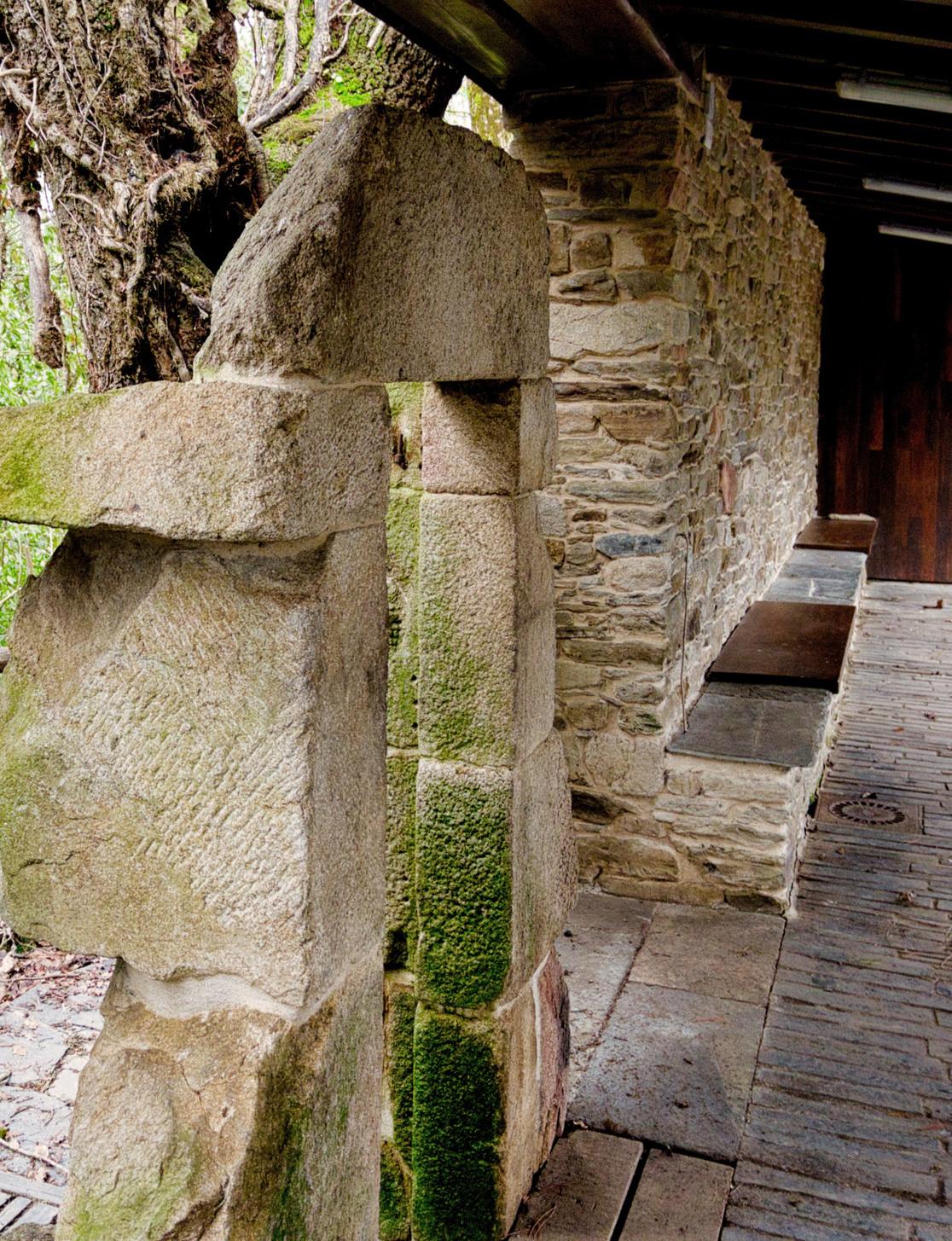
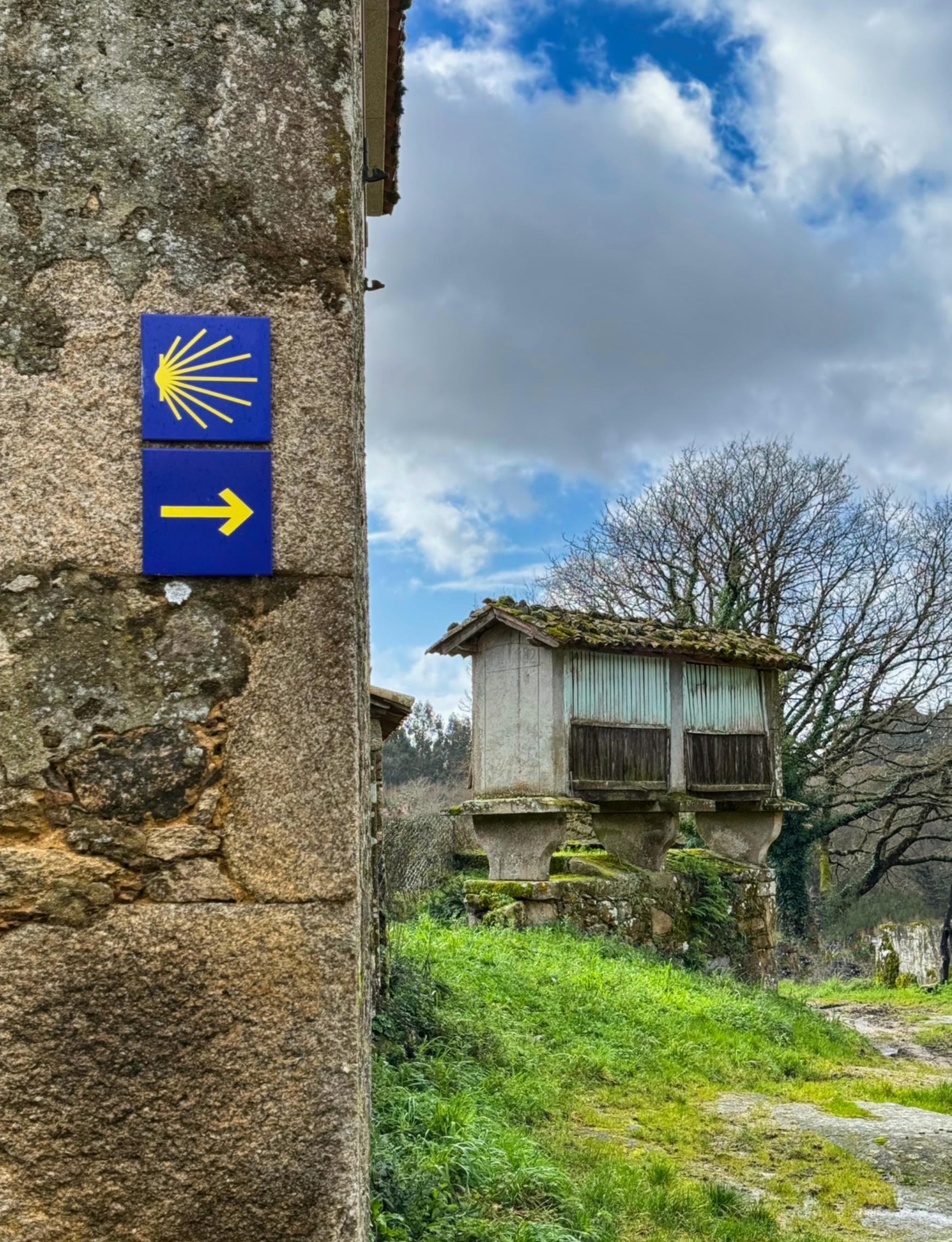
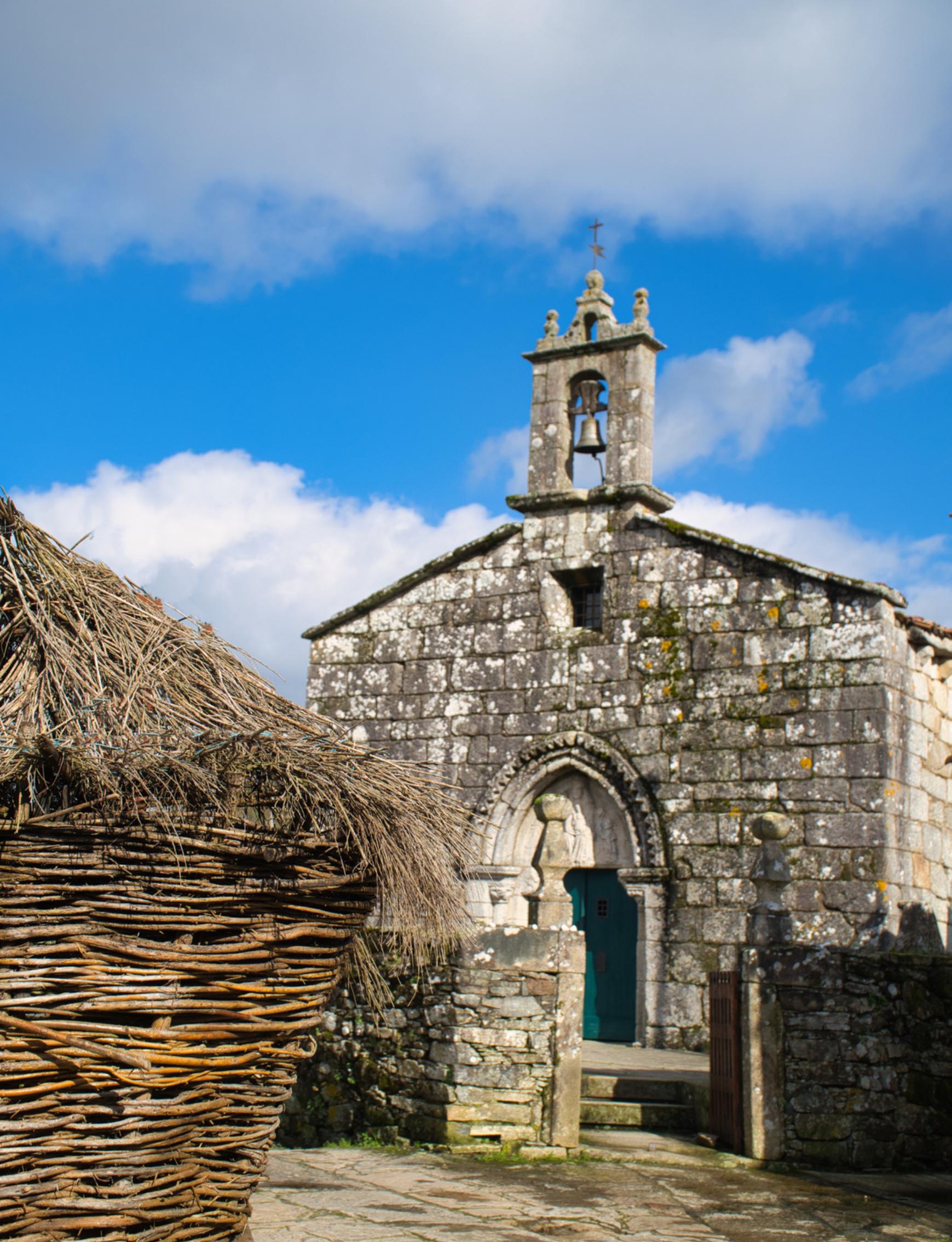
Yet flavour is also revealed when you lift your gaze. Along the route, traditional food-related architecture forms part of the landscape itself: hórreos of varied typologies safeguarding the grain; alpendres where tools and harvests were once stored; threshing floors recalling communal labour; ovens that still seem to carry the echo of freshly baked bread. These humble and essential structures speak of self-sufficiency, of reverence for natural cycles, and of a way of life deeply rooted in the earth.
In this land of mist and intense greens, every bite tells a story. To savour the French Way in Galicia is to allow your palate to trace its own map. Embrace The Way as an invitation to discover the true taste of Galicia.
FLAVOURS THAT TRAVEL WITH YOU
The Way does not end when you return home. It lingers in memory, in conversations, in photographs — and, of course, on the palate.
For this reason, within these pages you will find a recipe connected to each municipality along the French Way in Galicia. Some draw deeply from tradition; others reinterpret local produce through a more contemporary lens. All share the same purpose: to allow you to recreate, in your own kitchen, the flavours discovered at every stage of The Way.
Cheese, bread, honey, meat, fish, wine… Ingredients that speak of place and provenance, transformed into dishes that become lasting memories.
For the most authentic journeys are not kept in a suitcase alone, but preserved within the senses.
Discover a Way of Flavours
PEDRAFITA DO CEBREIRO
Savour the cheese of kings
O Cebreiro Cheese
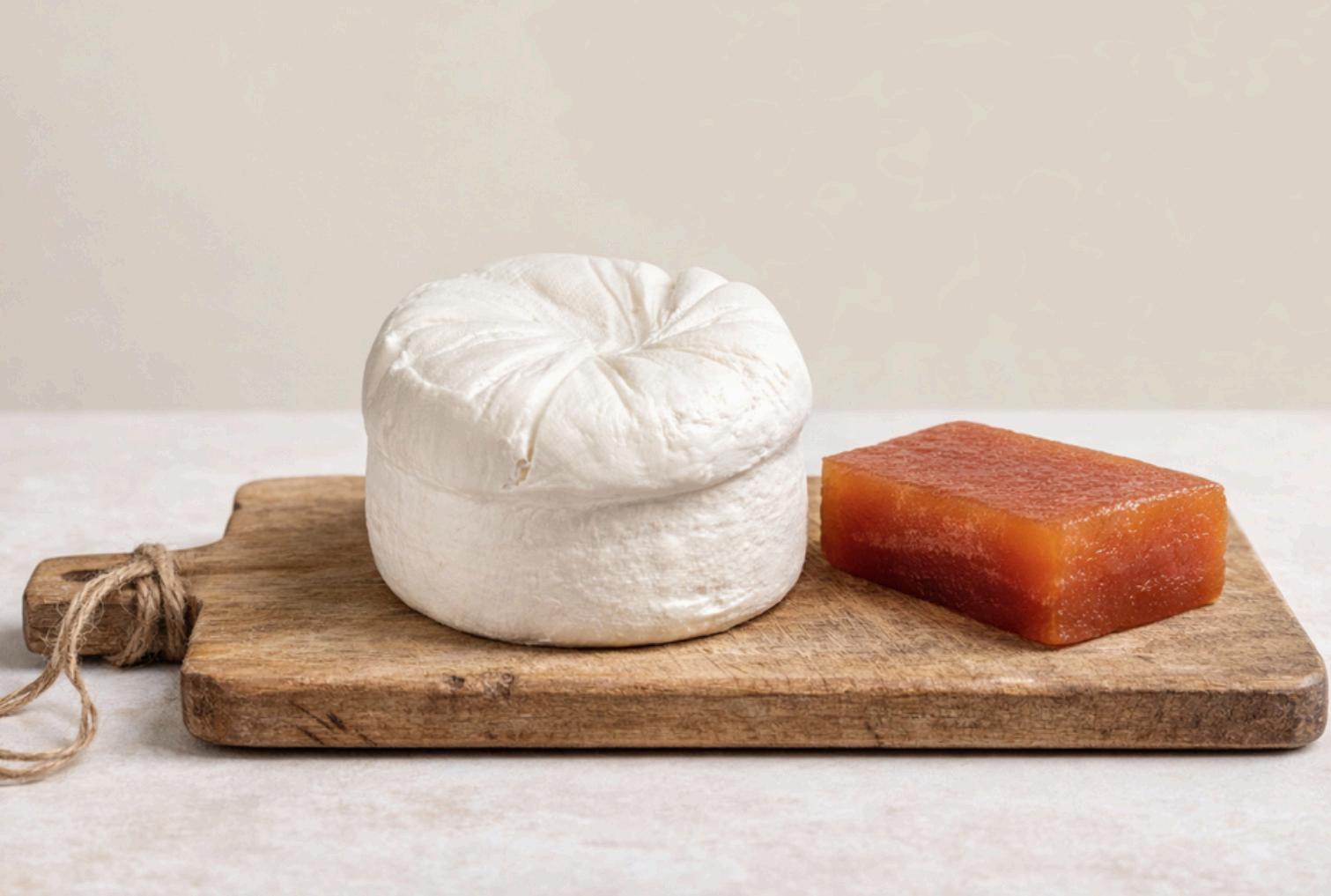
It is the gastronomic emblem of these mountains and one of the most recognisableflavoursoftheFrenchWay in Galicia. Instantly identifiable — with its distinctive “little hat” shape, as if sculpted by hand — this white, fresh, delicately tangy cheese is crafted from high-altitude cow’s milk.. Its tender, slightly grainy texture and its clean, lactic and refined flavour make it a true jewelofGalicianartisancheesemaking.
The story
OCebreiroCheesetracesitsoriginsback to the Middle Ages, when monks were already crafting a distinctive curd in these mountains. Its reputation grew to such an extent that it became a highly prized gift among European royal houses. After facing near disappearance in the 20th century, it was revived by local artisans. Today, protected by its Protected Designation of Origin, it stands as a powerful symbol of the territory — and of the authentic gastronomicheritageofTheWay.
More Flavours
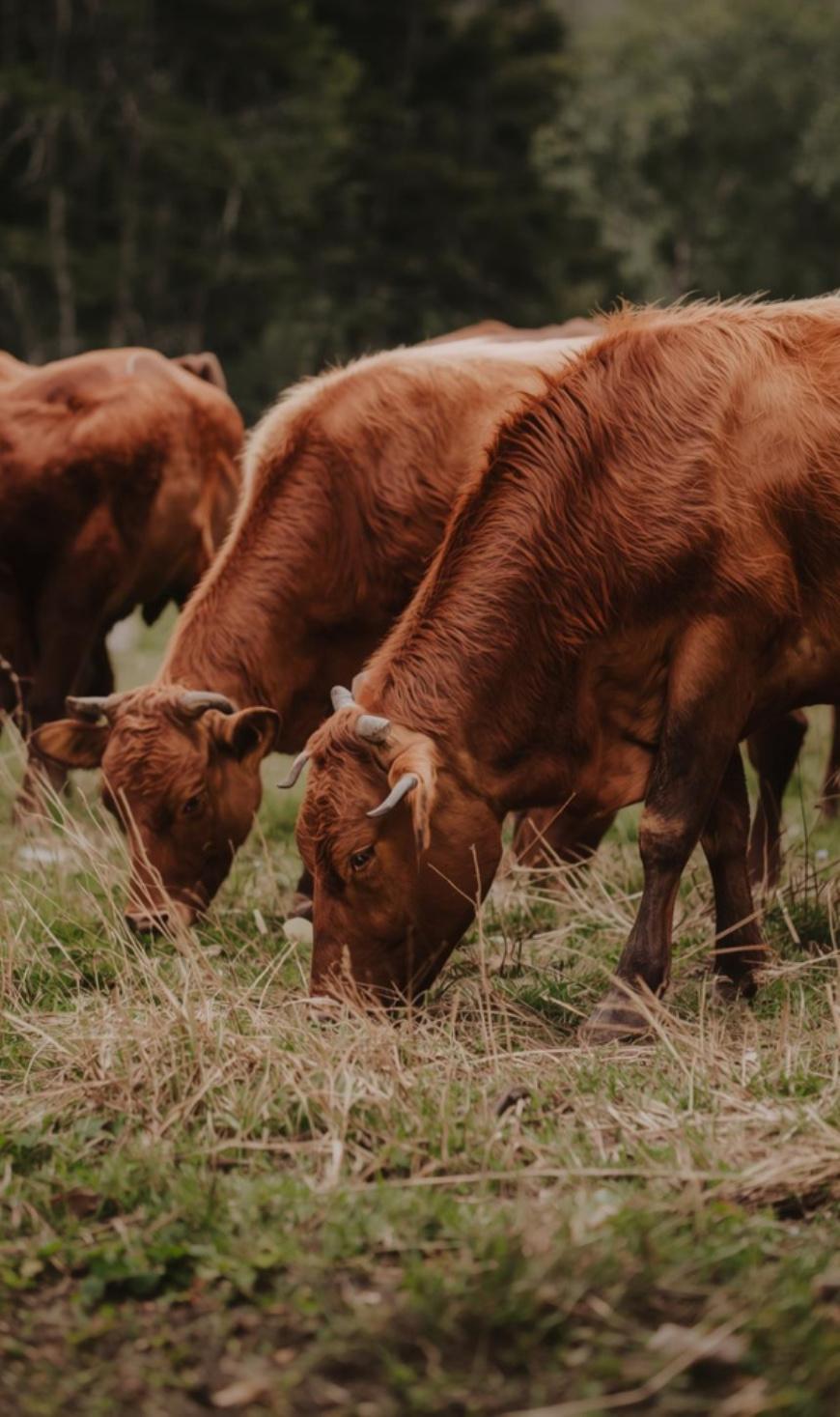
Beyond the celebrated O Cebreiro Cheese, this municipalityoffersatruefeastfor those in search of flavours with deep roots. The gastronomy of Pedrafita is shaped by local produce of exceptional quality: prime beef from the Galician breed, protected under the Ternera Gallega PDO, traditional cured sausages that lend character to the hearty mountain cocido; breads baked in artisan ovens; and sweets that combine the honey of Os Ancares with local walnuts and chestnuts It is a cuisine that is sincere, robustandprofoundlyconnected to its landscape — the perfect reward after your first day on The WayinGalicia,
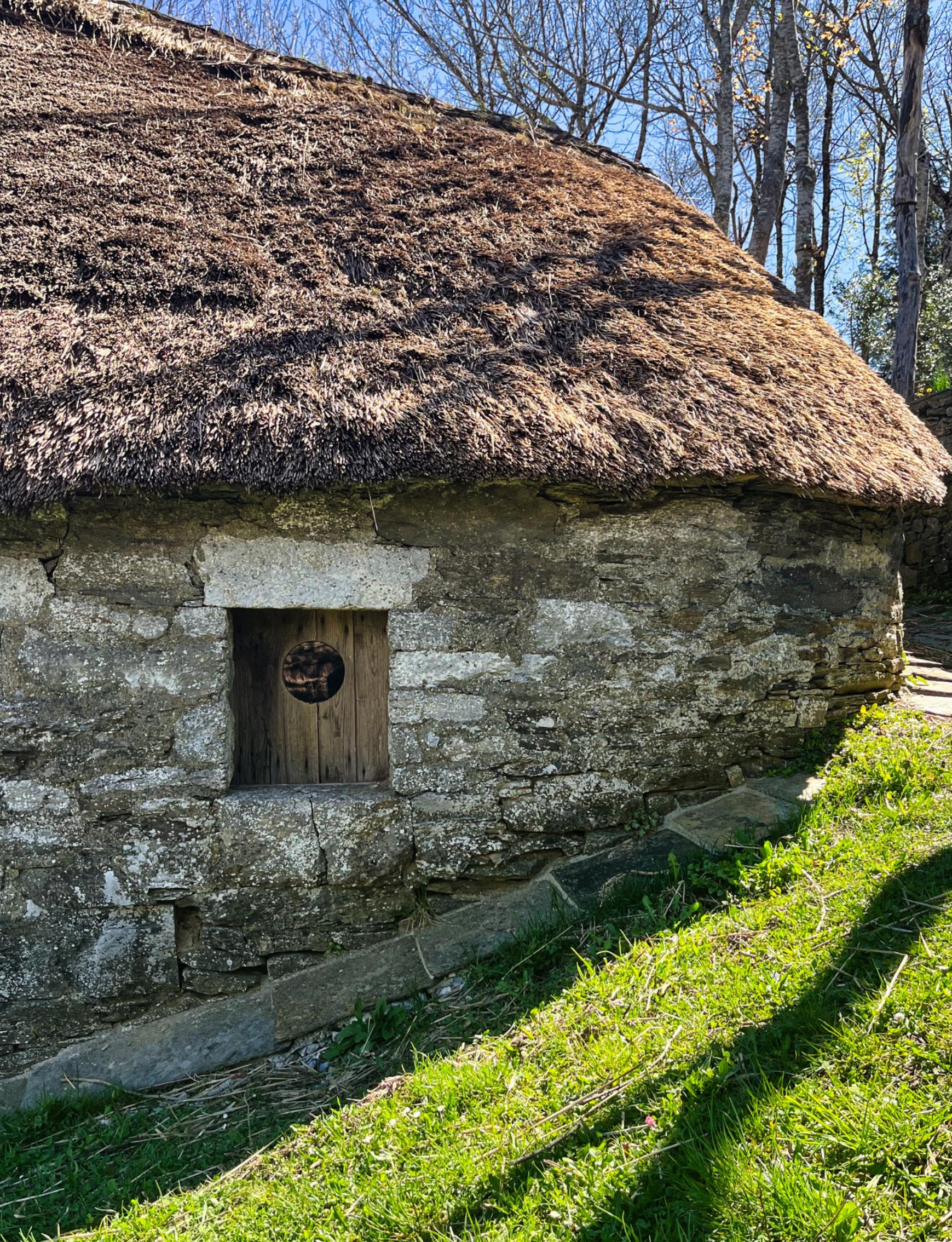
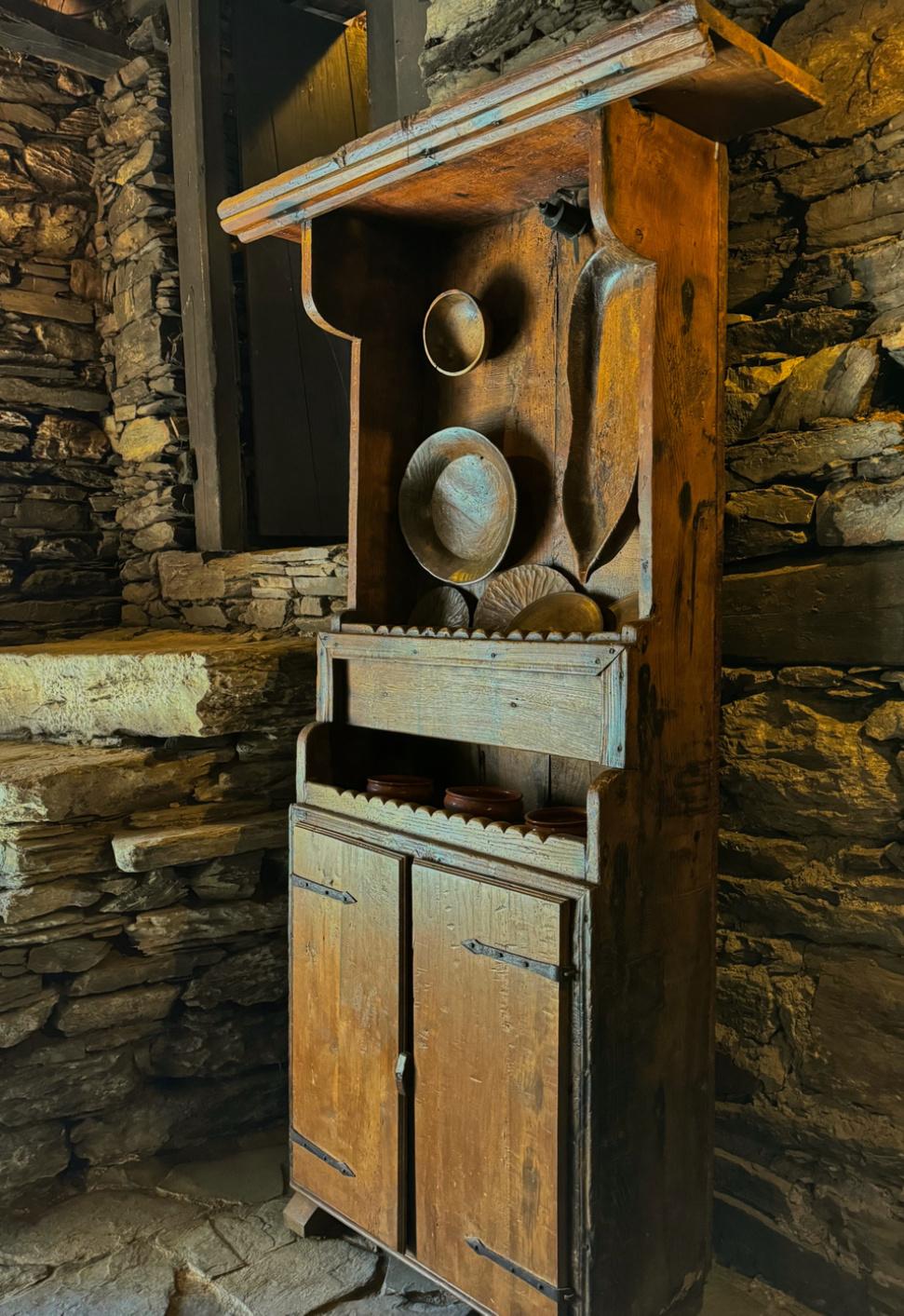
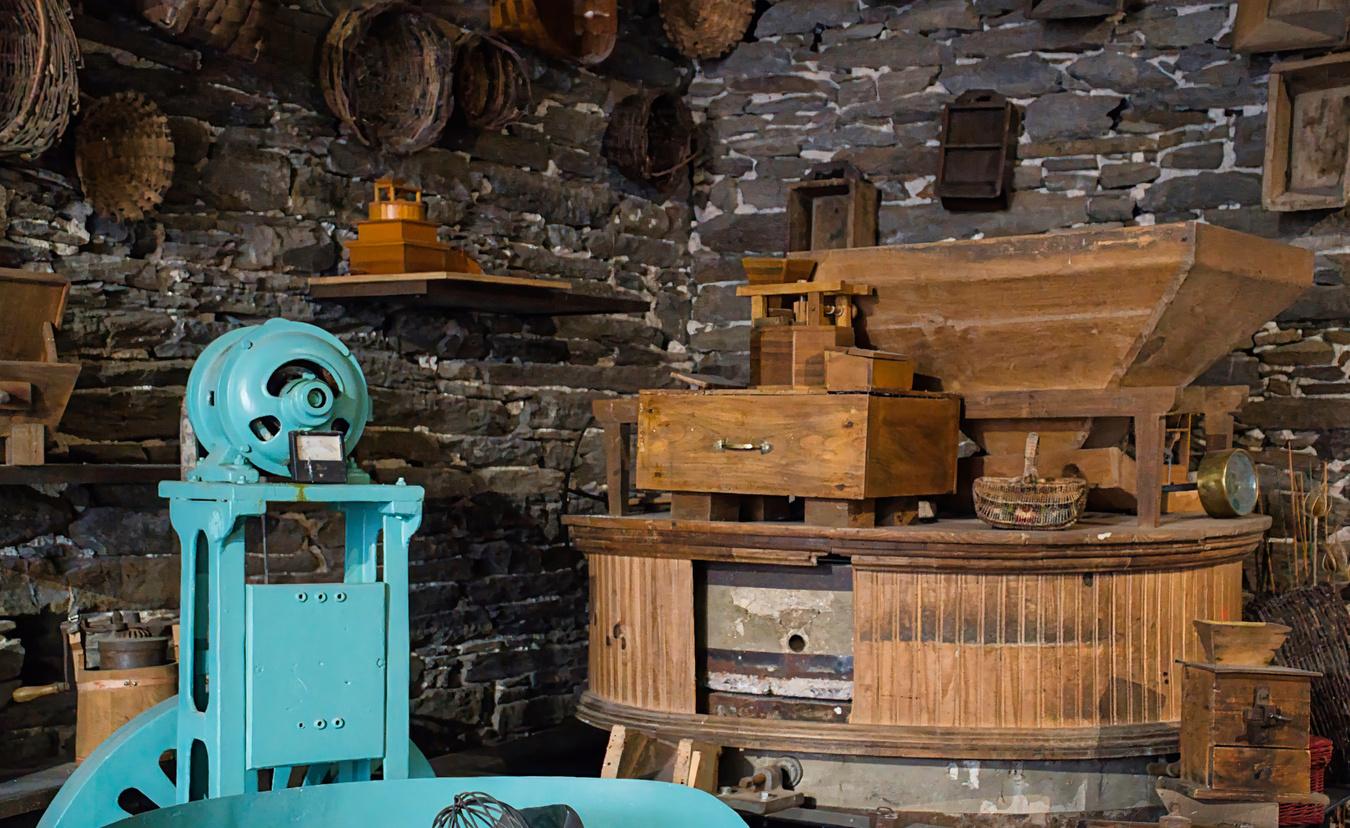
Traditional Kitchen Furnishings and Utensils Pedrafita do Cebreiro Ethnographic Ensemble
Food & Festivities
Feira do Queixo do Cebreiro. Good Friday. A celebration devoted to O Cebreiro Cheese and other artisan mountain produce, where tradition and flavour come together in the heart of the village.
Romería de Santa María A Real do Cebreiro. 8-9 de September. The most emblematic festivity of the area, bringing together locals, visitors and pilgrims to share in a traditional festive atmosphere enriched by music, devotion and the gastronomy of the mountains.
Feria de Pedrafita. 5th and 21st of each month. A traditional agricultural market where sampling freshly prepared pulpo á feira — Galicia’s iconic fair-style octopus — is simply essential.
Restaurants & Tourist Information
The Recipe
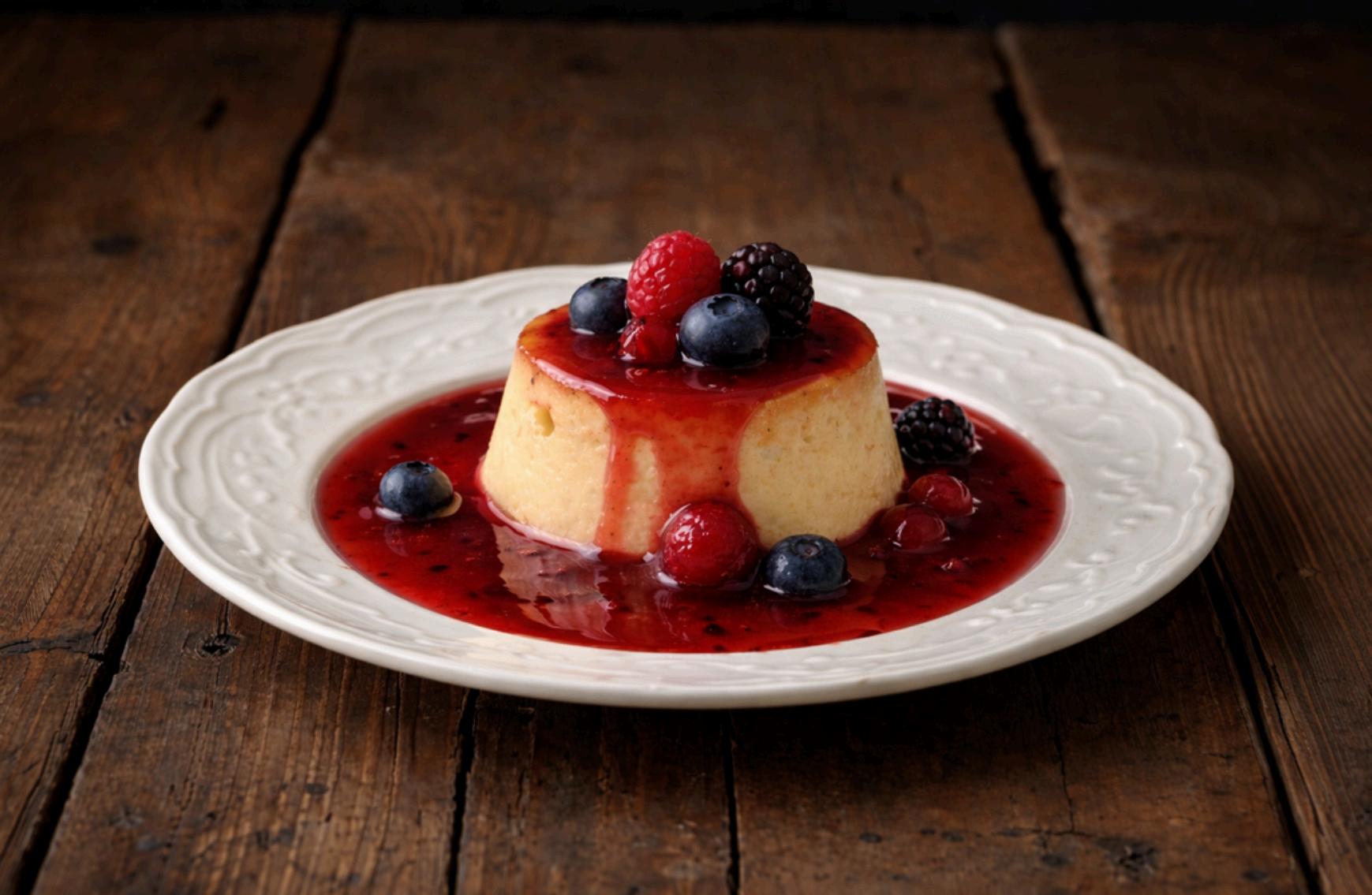
O CEBREIRO CHEESE FLAN
Ingredients for 4
125 g O Cebreiro Cheese
75 g sugar
3 eggs
250 ml double creamy & 250 ml milk
4 tablespoons sugar (for the caramel)
Red berry sauce: 150 g mixed red berries, 1 small glass of water & 2 tablespoons sugar. Place all the sauce ingredients in a saucepan over a gentle heat and cook until the desired consistency is reached. Set aside a few berries for garnish.
Method
Heat the milk with the sugar and add the O Cebreiro Cheese, stirring gently until a smooth cream is obtained. Whisk the cream together with the egg yolks and incorporate this mixture into the warm, strained milk. Pour the mixture into caramelised moulds and place them in a bainmarie in the oven at 160 °C for approximately 60 minutes, until the custard is set with a smooth, silky texture. Garnish to taste with the red berry sauce and the reserved berries.
TRIACASTELA
Where the Way tastes of honey
José Salgado Alvariza
The honey Ancestral beekeeping
Triacastela’s honey is a direct reflection of its mountain landscape. Harvested using traditional methods in a setting of forests, meadows and wildflowers, it stands out for its purity, its smooth texture and its naturally balanced aromas
With delicate floral notes and subtle hints of heather and highland botanicals, this exceptional honey captures the very essence of the territory through which the French Way unfolds.Pausetosavourit,andtakewith youasmalltasteofthelandscapeitself.
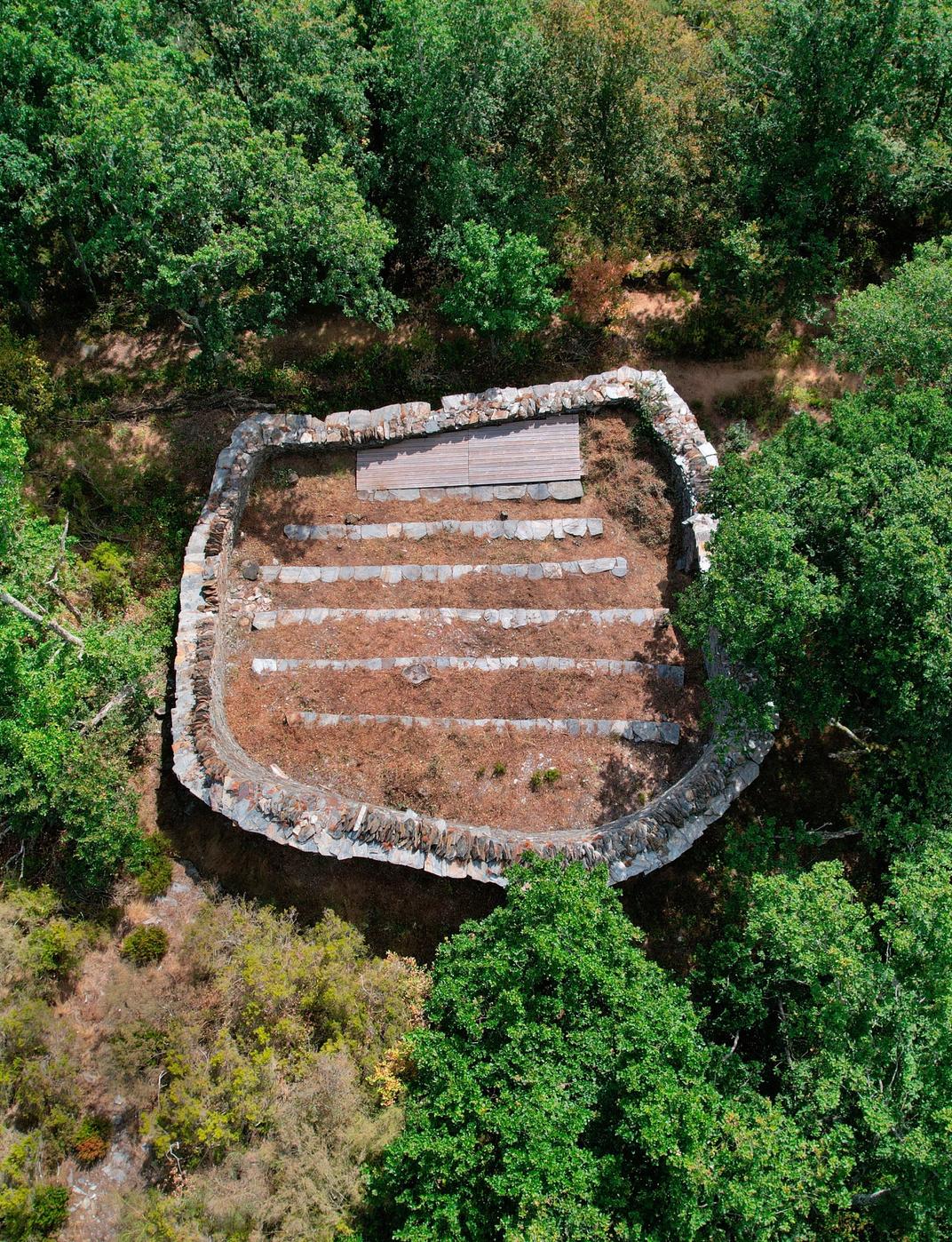
Beekeeping in Triacastela is rooted in an ancestral practice in which hives are placed in carefully chosen enclaves protectedby alvarizas.Thesetraditional, medieval-origin stone enclosures were designed to shield the hives from wild animals — particularly bears — allowing the bees to thrive and draw upon the extraordinary richness of the mountain’s wild flora. If you wish to discover one of these remarkable constructions, a signposted trail begins in the square of the Town Hall, leading you through a beautiful landscape to a large alvariza that has today been transformed into an open-airamphitheatre.
More Flavours
Beyond its honey, Triacastela offers a characterful inland cuisine shaped by the rhythms of the mountains and the flavours of theseasons.Atthisstage’send— already mentioned in the medieval Codex Calixtinus — take advantage of a well-earned pause to savour its gastronomy, where meats hold a place of honour: Galician beef and porco celta, the native Celtic breed, form the basis of traditional lacón, cured sausages and butelos crafted according to time-honouredmethods.. Chestnuts, walnuts, seasonal vegetables and other local produce complete a cuisine that is honest, comforting and deeply rootedinitslandscape.
Food & Festivities
Feria de Artesanía y Productos de la Zona. Late September. Do not miss this traditional gathering of artisans and local producers, celebrating the creativity and flavours of the territory.
Feria mensual de Triacastela. 28 each month. A lively market held along the main street, where local produce can be found and the vibrant atmosphere enjoyed.
Romería de San Mamede. 17 August. A traditional celebration at the hermitage, offering the opportunity to experience the festive spirit of a Galician romería.
Restaurants & Tourist Information
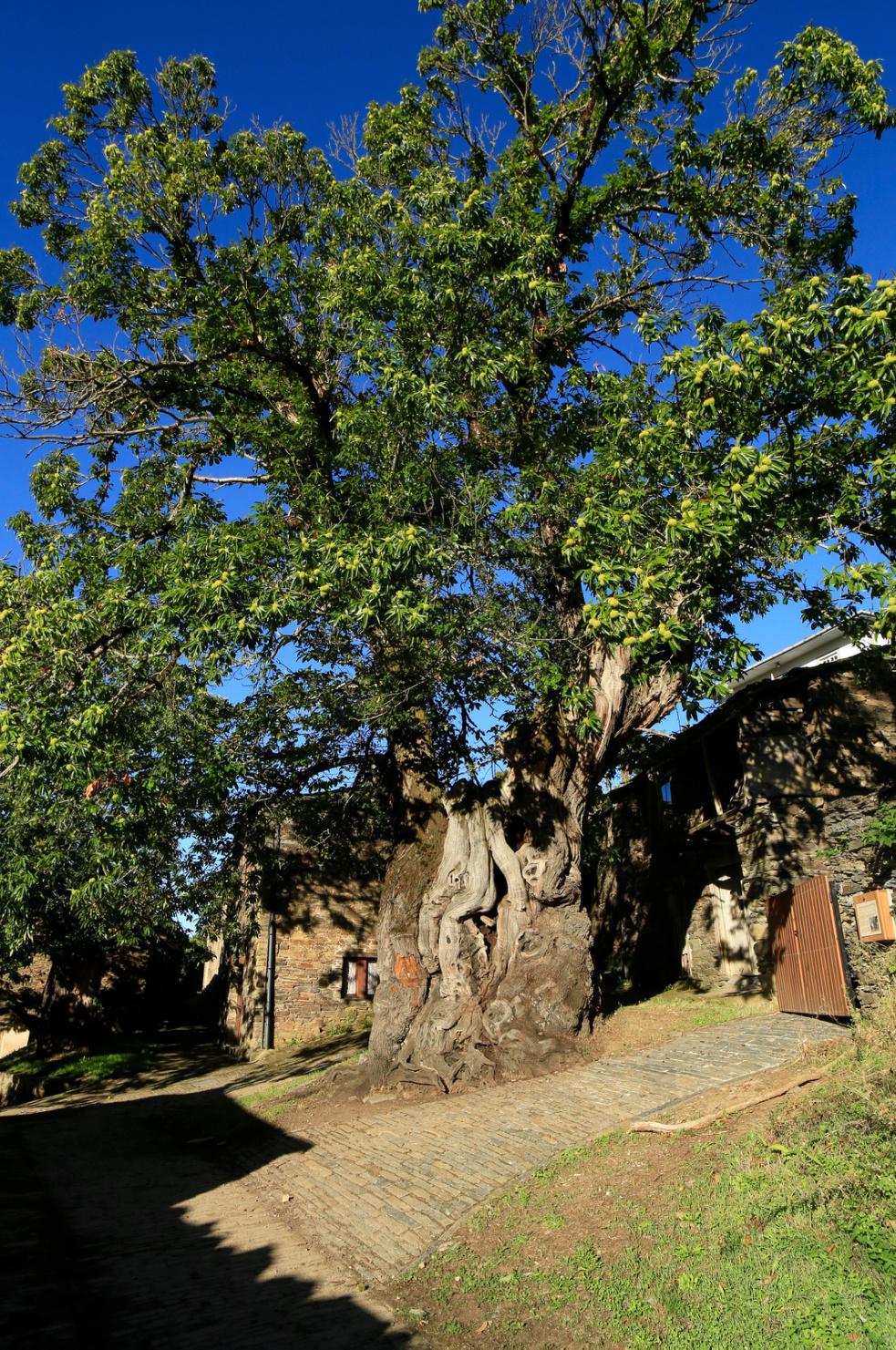
Ramil Chestnut Tree
José Salgado
The Recipe FILLOAS WITH HONEY & WALNUTS FROM TRIACASTELA
Ingredients for 10-12 filloas
250 ml milk
100 ml water
3 large eggs
150 g wheat flour
A pinch of salt
Pork fat (to grease the pan) or butter
Honey and walnuts from Triacastela
Method
Whisk the eggs together with the milk and water mixture, add the pinch of salt, then gradually incorporate the sifted flour until a smooth, lumpfree batter is obtained, similar in consistency to light cream. Leave to rest for about 30 minutes. Heat a non-stick frying pan or filloeira, lightly grease it with the pork fat, and pour in a ladleful of batter, quickly tilting the pan to spread it into a very thin layer. When the edges begin to turn golden, flip and cook for a few seconds more. Serve the filloas drizzled generously with honey and sprinkled with chopped walnuts, folded or rolled as desired.
SAMOS Ancient Abbey recipes
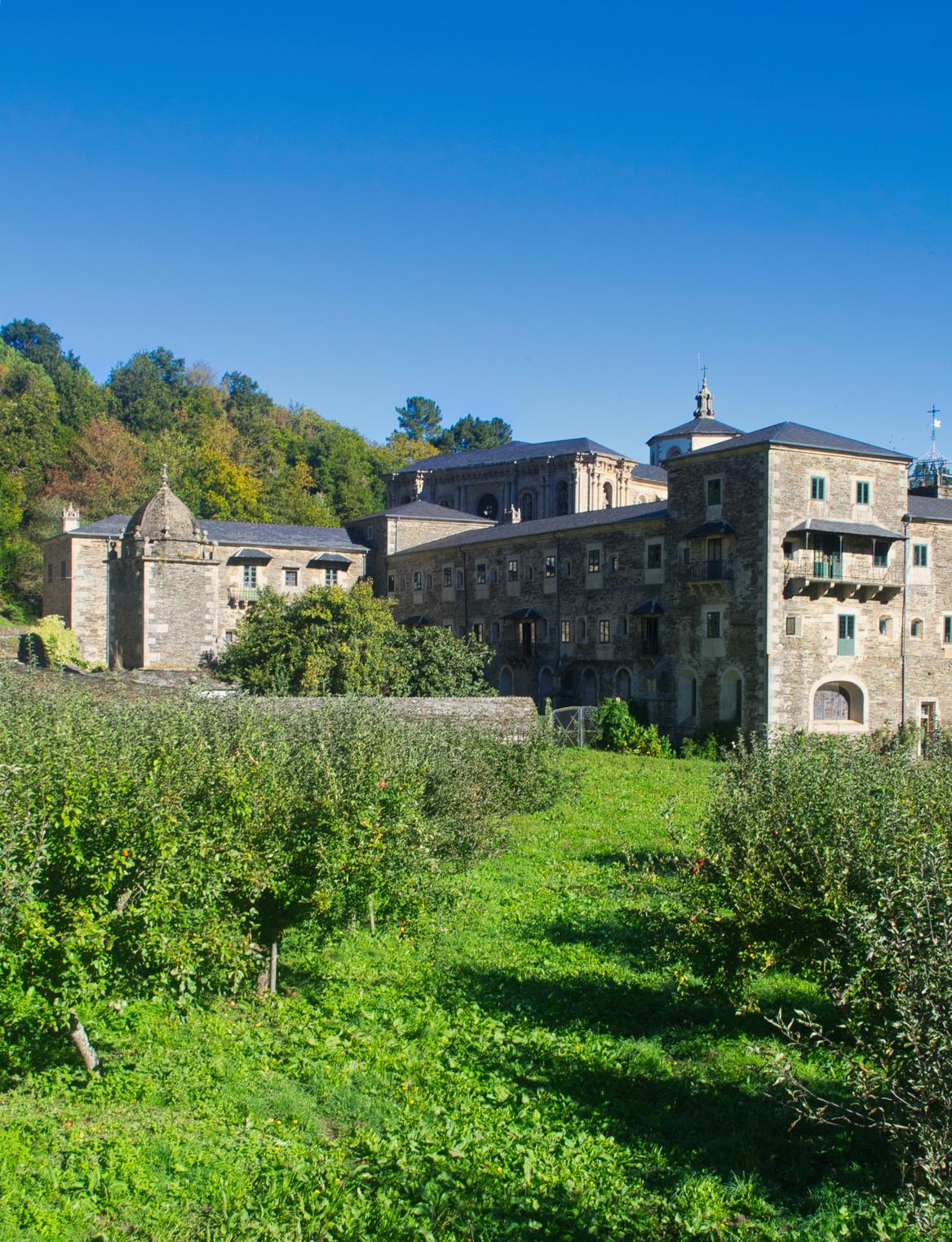
Orchard at the Abbey of Samos
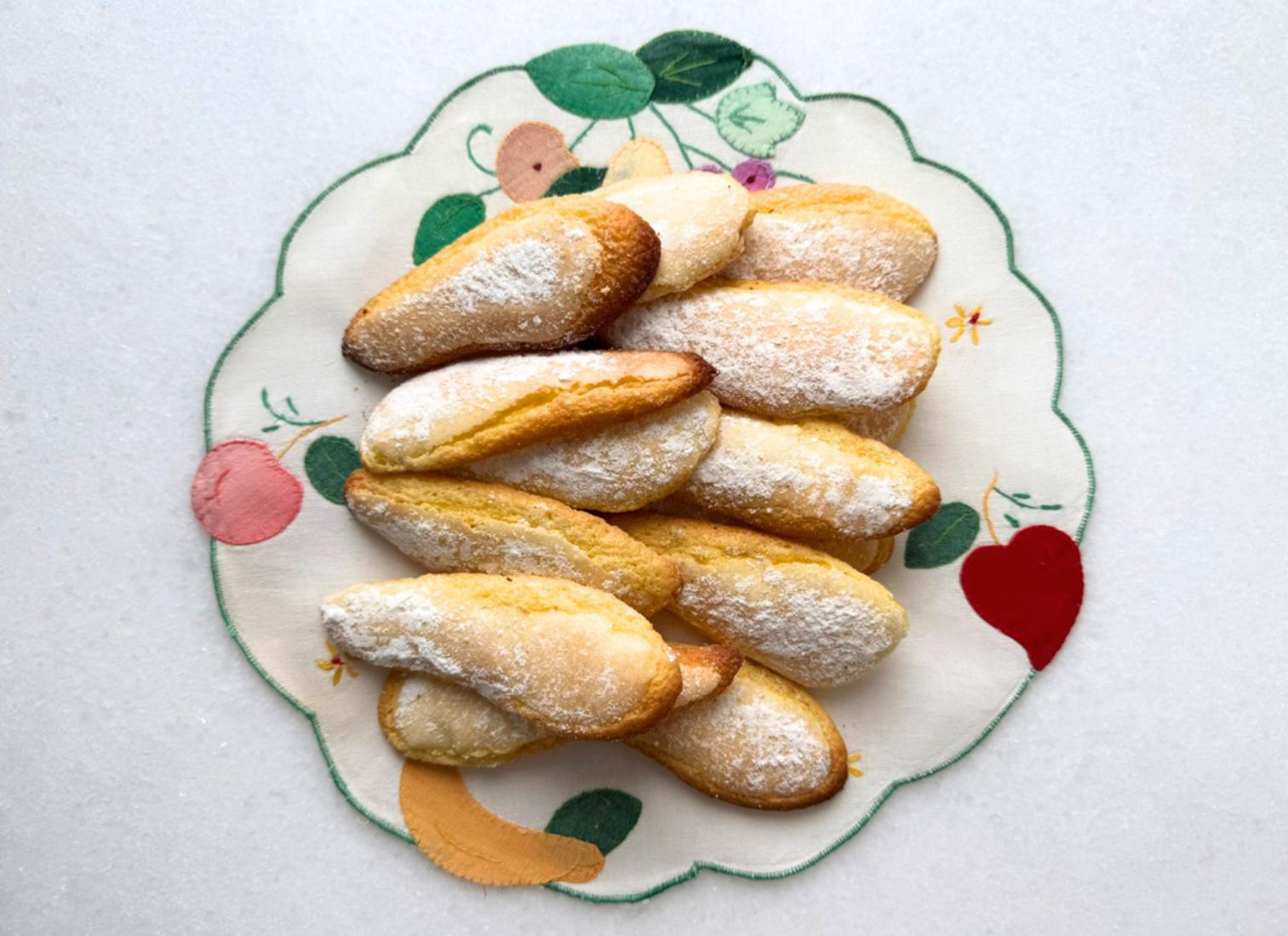
Bizcochos de Samos Monastic tradition
Bizcochos de Samos are among the oldest and most recognisable sweet recipes along The Way. With origins dating back at least to 1740, this centuries-old preparation has endured, passed down from generation to generation,remainingalivetothisday. Light, delicate and gently sweet, these small sponge cakes form part of the local gastronomic memory. They continue to accompany the pilgrim just as they have for centuries: a simple, honest bite, deeply rooted in Samos’ enduringtraditionofhospitality.
The Abbey of Samos has given both name and meaning to the town and the municipality that surround it. Set beside the River Sarria, it stands out for the sobriety of its slate walls and the eleganceofitsgranitecloisters.
Home to Benedictine monks for more than thirteen centuries, it is considered the oldest continuously inhabited monastery in Spain. From this place also emerges a fundamental part of the local gastronomy, including renowned creationssuchas LicordePax. A living heritage that transcends the culinary realm, uniting history, culture andflavouralongTheWay.
Food & Festivities
More Flavours
Beyond its monastic heritage, Samos’ gastronomy is rooted in a generous rural setting and in a traditional cuisine shaped by seasonal produce. Beef and pork — notably Galician beef and porco celta, the native Celtic breed — form the foundation of dishes and preparations linked to the timehonoured matanza and the hearty cookingoftheinlandlandscape. In the local restaurants and traditional eateries, you may pause to discover these flavours, complementedby artisancheeses, honey,walnutsandchestnuts that lend character to both savoury dishes and traditional sweets. It is an honest, comforting cuisine that youwillundoubtedlysavourasThe WaypassesthroughSamos.
Feria de Productos Artesanales de Samos. Second Sunday of August. A summer gathering where craftsmanship and local gastronomy come together in a festive atmosphere enriched by music and popular traditions.
Feria de Artesanía de A Ponte de Lóuzara. 17 August. A celebration dedicated to traditional crafts, featuring artisan stalls, local produce and cultural performances..
Fiesta de San Benito. Second Sunday of July. A festivity closely linked to Samos’ cultural heritage, with celebratory events and traditional gastronomy that mark the beginning of summer in the area.
Restaurants & Tourist Information
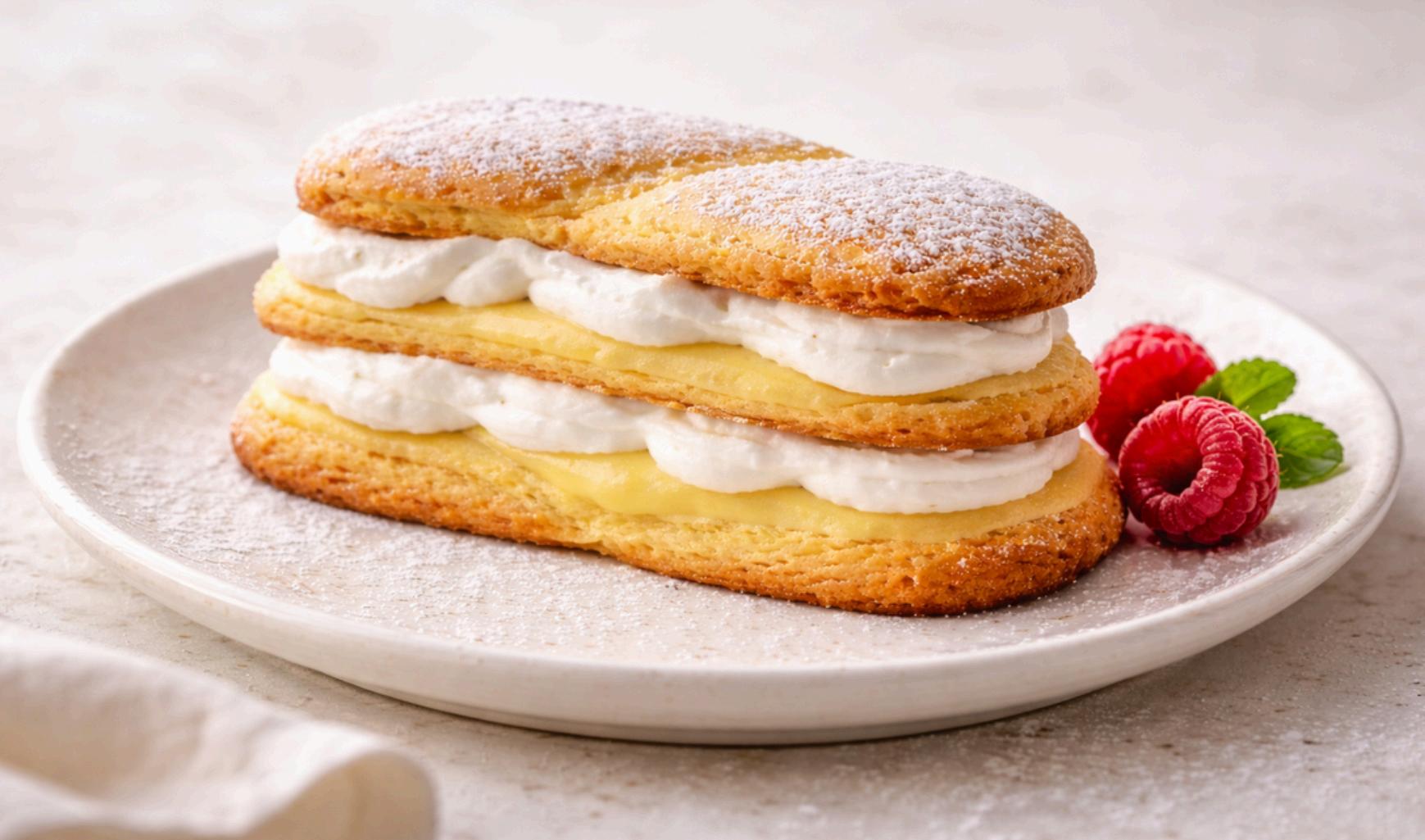
The Recipe MILHOJAS OF BIZCOCHOS DE SAMOS
Ingredients for 4
Sponge cake (if authentic Bizcochos de Samos are not available)
3 eggs · 90 g sugar · 90 g flour · icing sugar
Pastry cream
500 ml milk · 4 egg yolks · 50 g sugar · 40 g cornflour · vanilla or lemon zest
Whipped cream
300 ml double cream (35% fat) · 40 g icing sugar
Method
To prepare the sponge biscuits, whisk the eggs and sugar together until pale and airy. Gently fold in the flour using light, enveloping movements. Pipe or spoon elongated shapes onto baking parchment and bake at 180 °C for 8 minutes. Leave to cool, then dust with icing sugar. For the pastry cream, first heat the milk with the vanilla and remove from the heat just before it begins to boil. In a separate bowl, mix the egg yolks, sugar and cornflour. Gradually incorporate the hot milk, then return to the heat, stirring continuously until the cream thickens. Set aside, covering the surface directly with cling film to prevent a skin from forming. Whip the cold double cream with the icing sugar until softly whipped. To assemble the milhojas, place a sponge biscuit as the base, add a layer of pastry cream, followed by a layer of whipped cream. Repeat the layers, finishing with a final sponge biscuit. Dust with icing sugar and decorate with red berries.
SARRIA Roots and flavour on The Way
Traditional Alpendres at Campo da Feira, Sarria
A Tradition of Meat The Porco Celta
In Sarria, the tradition of meat is a living expression of the territory and its culinary history.Therawingredients—particularly those derived from porco celta, the native Celtic breed — are artisanally transformed into a rich variety of cured specialities such as chorizo, salchichón and chicharrones, crafted in local drying housesandbutcher’sshops.
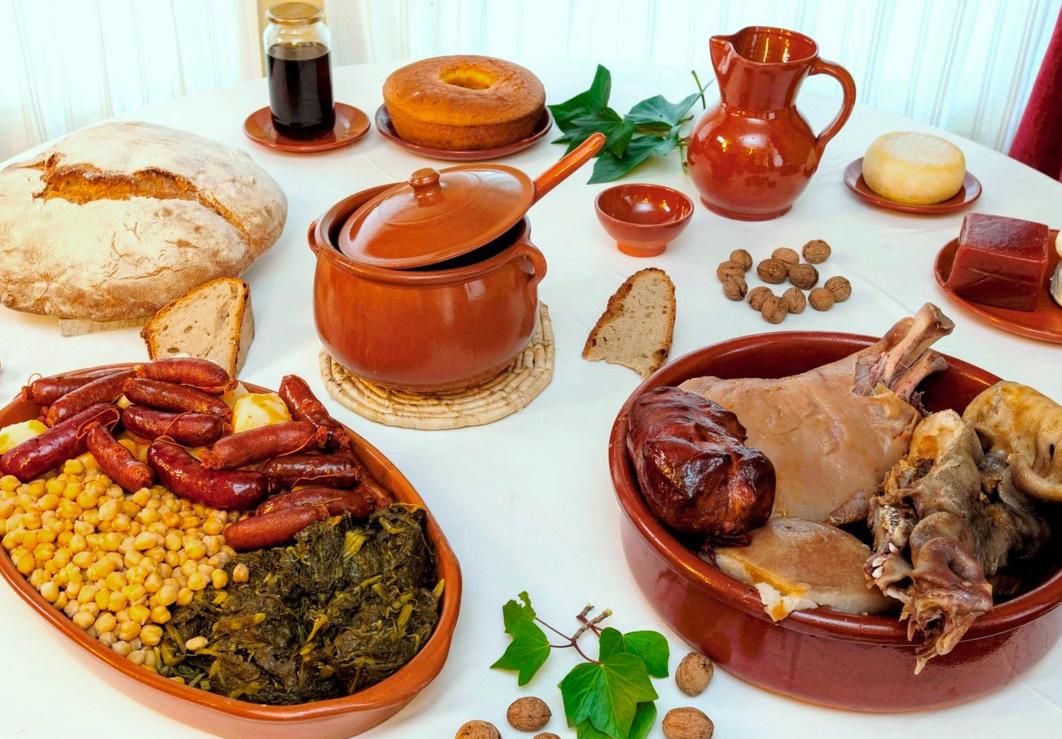
This abundance of meats finds its most complete expression in a dish that is, in itself, a true cultural experience: the emblematic cocido made with porco celta. In it, lacón, solana, butelo and other traditional cuts are slowly cooked with grelos, potatoes and chickpeas to create a deep, comforting stew — one whose flavourlingerslonginthememory.
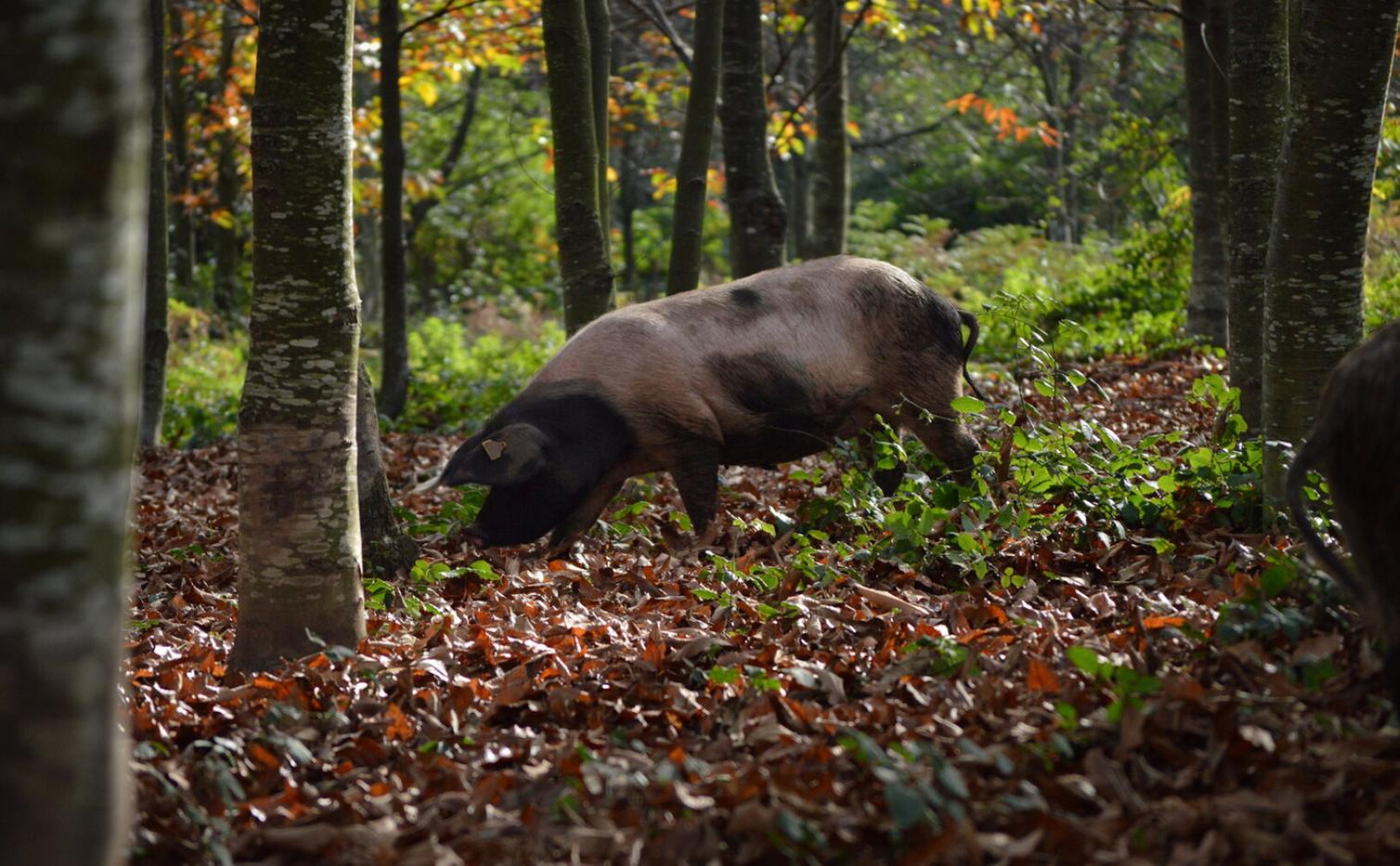
The Porco Celta is a native breed raised in freedom and perfectly adapted to the Galician landscape, where it feeds on the natural resources of the forest — chestnuts and acorns among them — within an extensive farming system that contributes to the stewardship of the landandthepreservationofrurallife. This combination of heritage genetics, natural feeding and open-air rearing results in meat of exceptional quality, prized for its depth of flavour, refined texture and nutritional value — a direct reflection of the territory from which it comes.
More Flavours
Beyond porco celta, Sarria offers a rich gastronomy well worth a pause along The Way. The town is known for the purity of its mineral waters from Fontecelta, the excellence of its Galician beef, and the delicious empanadas and artisan breads crafted in Sarria’s traditional bakeries. At the monthly fairs, pulpo á feira becomes both ritual and gathering — served, as tradition dictates, simply and authentically.
Thelocalrecipebookisfurtherenriched bysweetslinkedtothefestivecalendar: on All Saints’ Day, Santitos take centre stage, while throughout the year the TortadeSarria,madewithalmondsand chestnuts, provides a sweet finale to a gastronomic experience that invites you to savour this stop along The Way at an unhurriedpace.
Food & Festivities
Festa do Cocido do Porco Celta. Late January. A gastronomic celebration devoted to one of the most emblematic dishes of the local cuisine, where porco celta takes centre stage and the region’s meat tradition is proudly showcased.
Tapicheo de Sarria. Early December (bank holiday weekend). A tapas competition that transforms bars and restaurants into a route of culinary creativity, filling the town with festive atmosphere and flavour.
Mercado Tradicional de Sarria. 6, 20 and 27 each month. A regular market where it is customary to enjoy pulpo á feira alongside local produce.
Restaurants & Tourist Information
Bread Museum
The Recipe COCIDO DE PORCO CELTA
Ingredients
Porco Celta cuts
Cured lacón (whole joint)
Solana (cured pork backbone)
Cachola (pig’s head)
Salted pork ribs
Unto (cured pork fat)
Cured sausages
Butelo and Sarria-style androlla
Porco celta chorizo
Vegetables
Galician potatoes, grelos and chickpeas
Method
This cocido, typical of winter and the Carnival season, is prepared in the traditional way — with time and care. The salted meats are first soaked to remove excess salt, then slowly simmered, adding each cut according to its optimal cooking time: the firmer pieces first, followed later by those requiring less time, removing them as they reach the desired tenderness.
In the resulting broth, the chickpeas, potatoes and grelos are cooked until perfectly tender. The result is a dish with a festive spirit — deep, generous and comforting — made to be enjoyed in good company.
To discover the step-by-step preparation, you may consult the full recipe on the website of the Festa do Cocido do Porco Celta.
PARADELA
The kingdom of eel
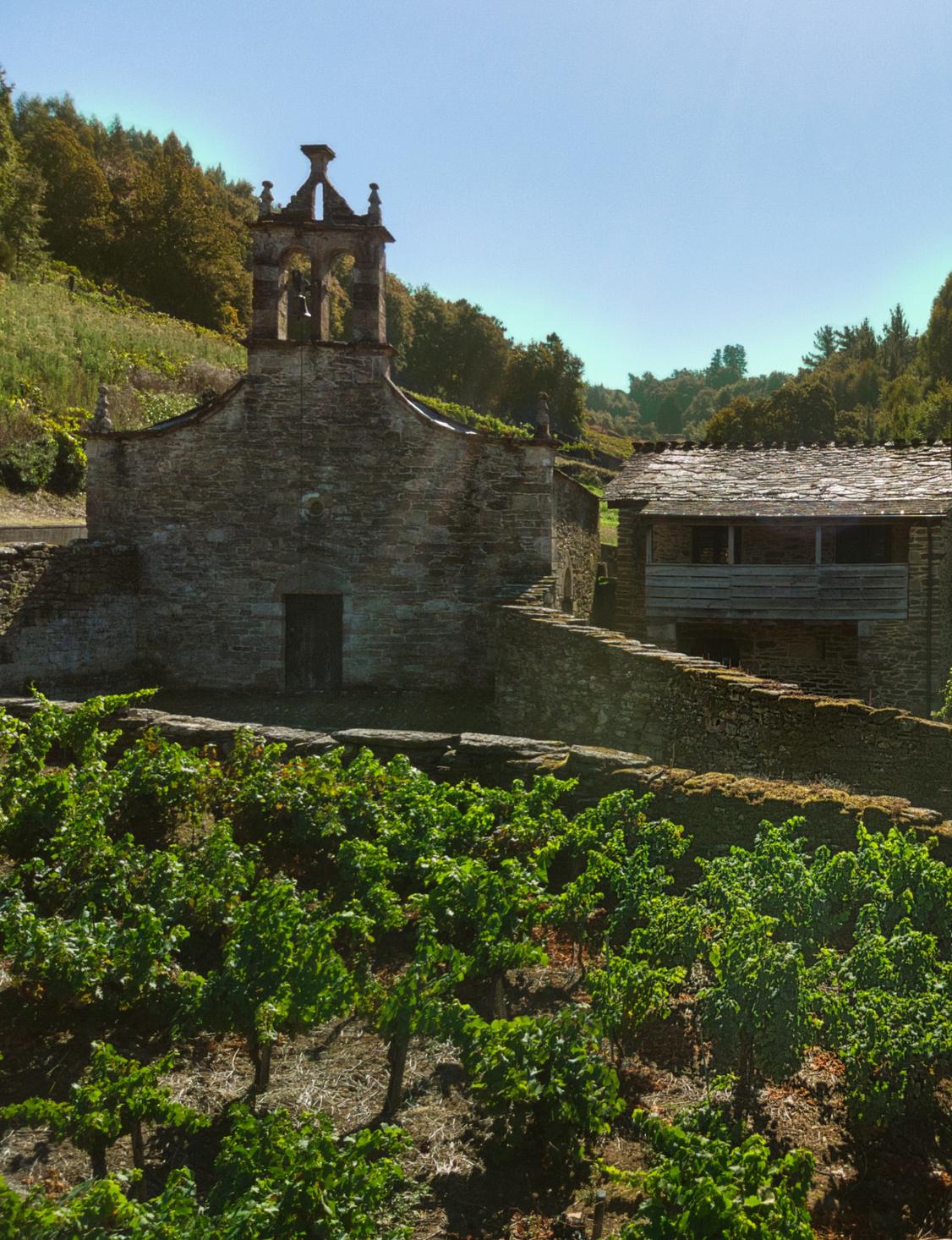
Vineyards at the Monastery of San Facundo de Ribas de Sil
The taste of the river
In Paradela, eel holds a privileged place in the local culinary tradition. Present forgenerationsinitsriversidecuisine,itis prepared in a variety of ways that highlight its intense flavour and firm texture: in stews with slow-cooked onionandtomato,bakedorfried,andin delicious empanadas that form part of thepopularrecipebook.
This versatility has made eel one of the great gastronomic symbols of the municipality — a distinctive product that undoubtedly invites the pilgrim to pause along The Way and savour an authentic andmemorableculinaryexperience
A truly singular fish
The eel is an unmistakable fish, with its elongated body and smooth, mucous skin that allows it to move with remarkable agility through rivers and along their beds. Its life cycle is as singular as it is fascinating: it spends several years in freshwater before setting out on its journey to the sea to reproduce, thus completing a truly unique natural passage. Traditionally caught using woven traps, its fishing is now regulated to ensure the conservation of the species, safeguarding this river treasure so that it may continue to shape both the landscapeandthecultureofParadela.
More Flavours
Paradela’s gastronomy is further enriched by essential dishes of inland Galician cuisine. Cocido, prepared with grelos or cabbage, and carefully cooked Galician beef form part of a culinary tradition deeply rooted in the territory. Local chestnuts and apples lend seasonal nuance to bothdessertsandaccompaniments formeatdishes.
All of this finds its perfect pairing in the wines of the Ribeira Sacra, produced on the characteristic terraced vineyards that descend towards the River Miño and protectedbytheirPDOstatus.Their freshness and mineral character elevateeverymeal.
As a sweet finale, the Torta de Paradela bringstheexperiencetoa close — a dessert profoundly anchored in the landscape from whichitisborn.
Food & Festivities
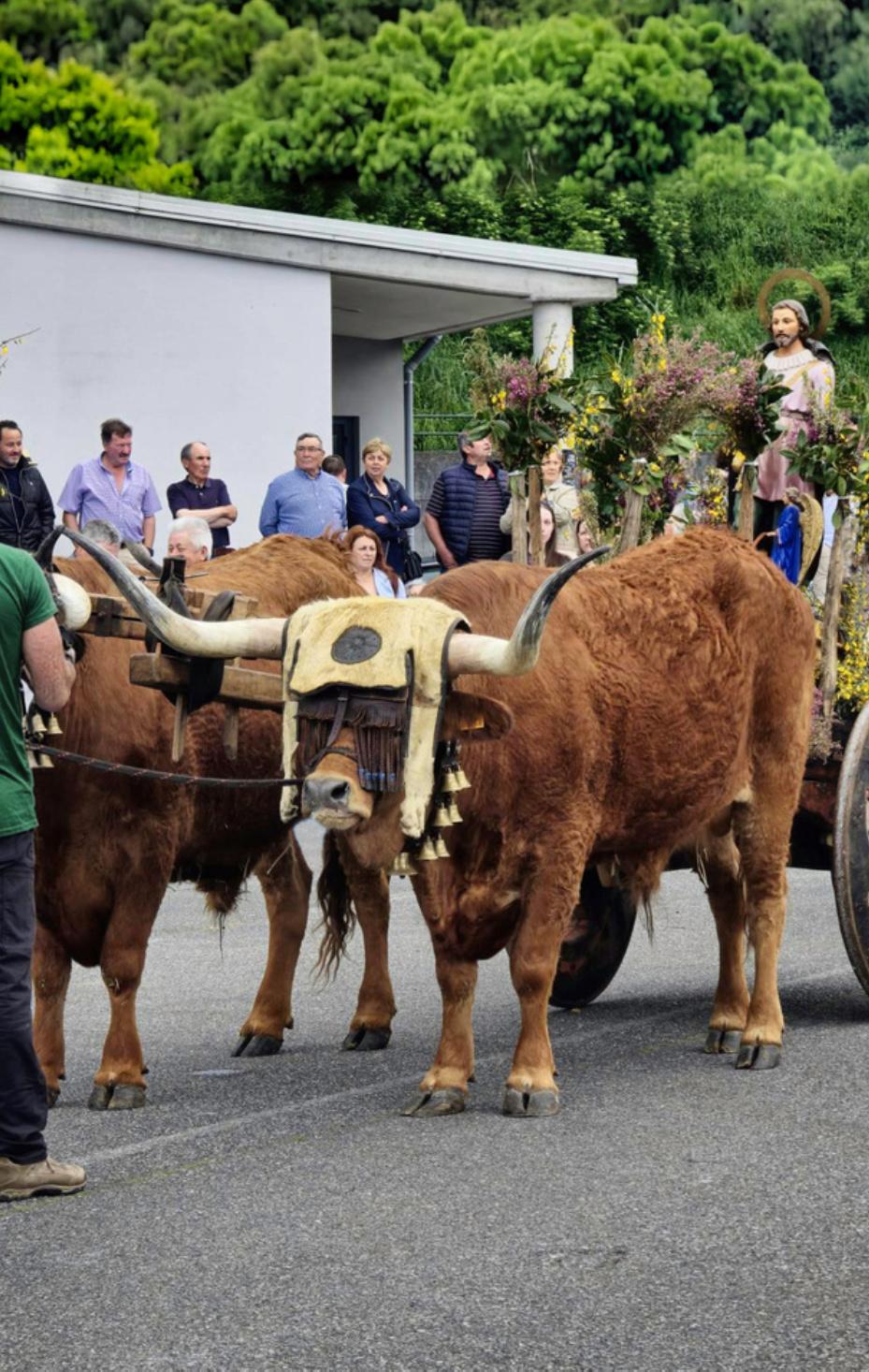
Fiesta de San Isidro. 15 May. A festive day devoted to the agricultural world, where the cattle fair sets the rhythm and a grilled Galician beef feast, accompanied by wines from the Ribeira Sacra, becomes the gathering point around the table, all within an atmosphere enlivened by music and popular celebration.
Feria mensual de Paradela. 15 each month. A traditional local fair where residents and visitors gather at a popular market, offering the chance to savour the unmissable pulpo á feira.
Restaurants & Tourist Information
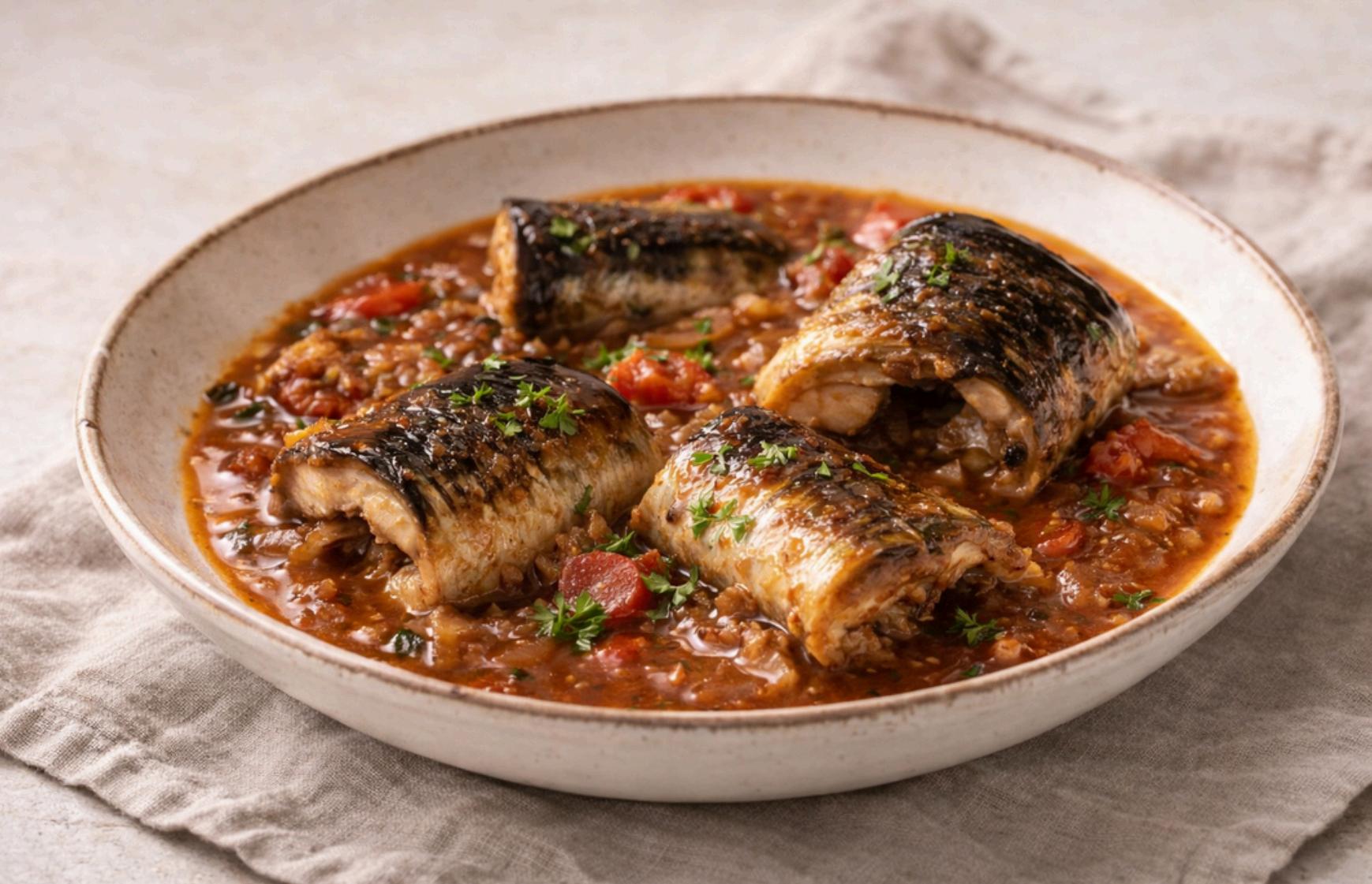
The Recipe PARADELA EEL IN SAUCE
Ingredients for 4
1 kg eel
2 onions
4 garlic cloves
2 ripe tomatoes
Chopped parsley, 2 bay leaves and 1 chilli
1 tablespoon paprika and 1 tablespoon flour
Water or fish stock
Galicianpotatoes,toserve
Method
Clean the eel carefully, removing the head, entrails and thin outer skin, then cut it into pieces of approximately ten centimetres. In a large casserole, slowly sauté the finely chopped onion until golden. Add the peeled and chopped tomatoes, allowing them to soften and blend into the base. Separately, prepare a paste of garlic and parsley and incorporate it into the sauté, cooking briefly to release its aroma. Add the paprika, stirring quickly, then sprinkle in the flour to thicken the sauce before deglazing with white wine and adding water or fish stock. Finally, add the eel, bay leaves and chilli, and allow everything to simmer gently until the sauce thickens and the fish is tender.
PORTOMARÍN
The Order of the Alquitara
The Aguardiente Distilled tradition
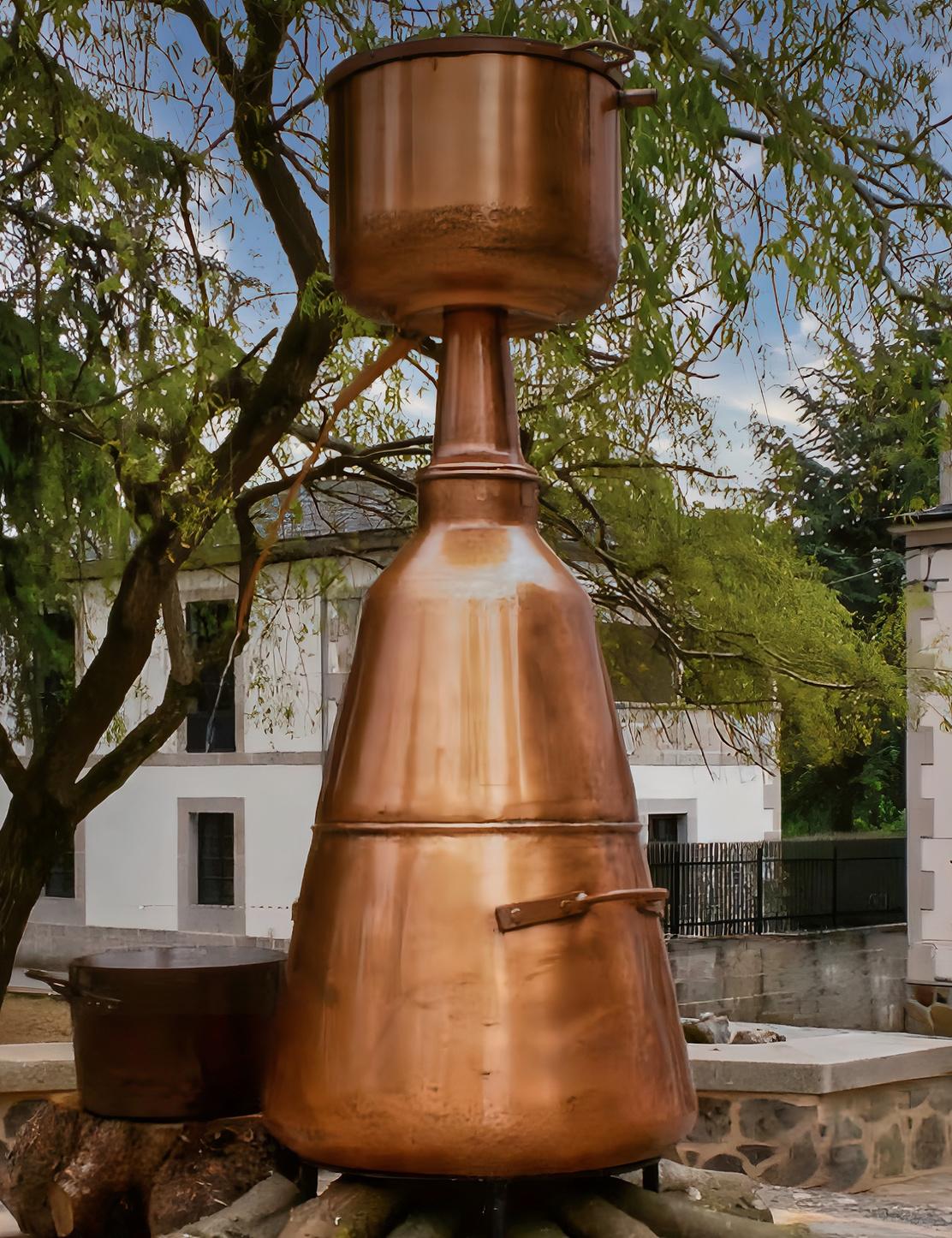
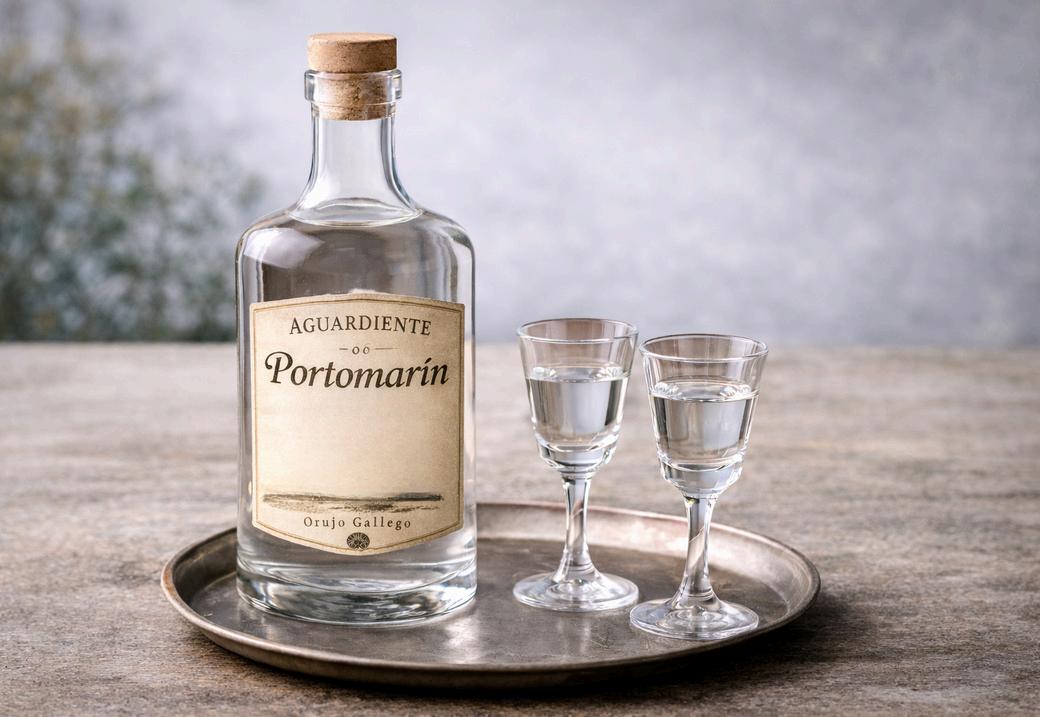
Portomarín’s aguardiente is far more than a distilled spirit: it is a symbol of identity that here accompanies life and celebrations. Traditionally crafted in an alquitara — rather than in the more common alembic used elsewhere — this spirit preserves a distinctive character that has been passed down from generation to generation. Its quality and subtle nuances have made it a classic companion to long sobremesas and gatherings, as well as the very soul of the queimada — a collective ritual that brings together fire, spoken words and tradition, and which will become an inseparable part of your experience in Portomarín.
The history of aguardiente in Portomarín is deeply intertwined with the community and its celebrations. Each Easter Sunday, the town marks the Festa da Augardente, one of Galicia’s longest-standing gastronomic festivals. On this day, the alquitaras are lit, aguardiente is tasted, new knights and ladies of the Serenísima Orden da Alquitara are appointed, and local cultureissharedinafestiveatmosphere enlivened by music and celebration. It is alivingtraditionthathonoursthecraftof distillation and the collective memory of TheWay.
More Flavours
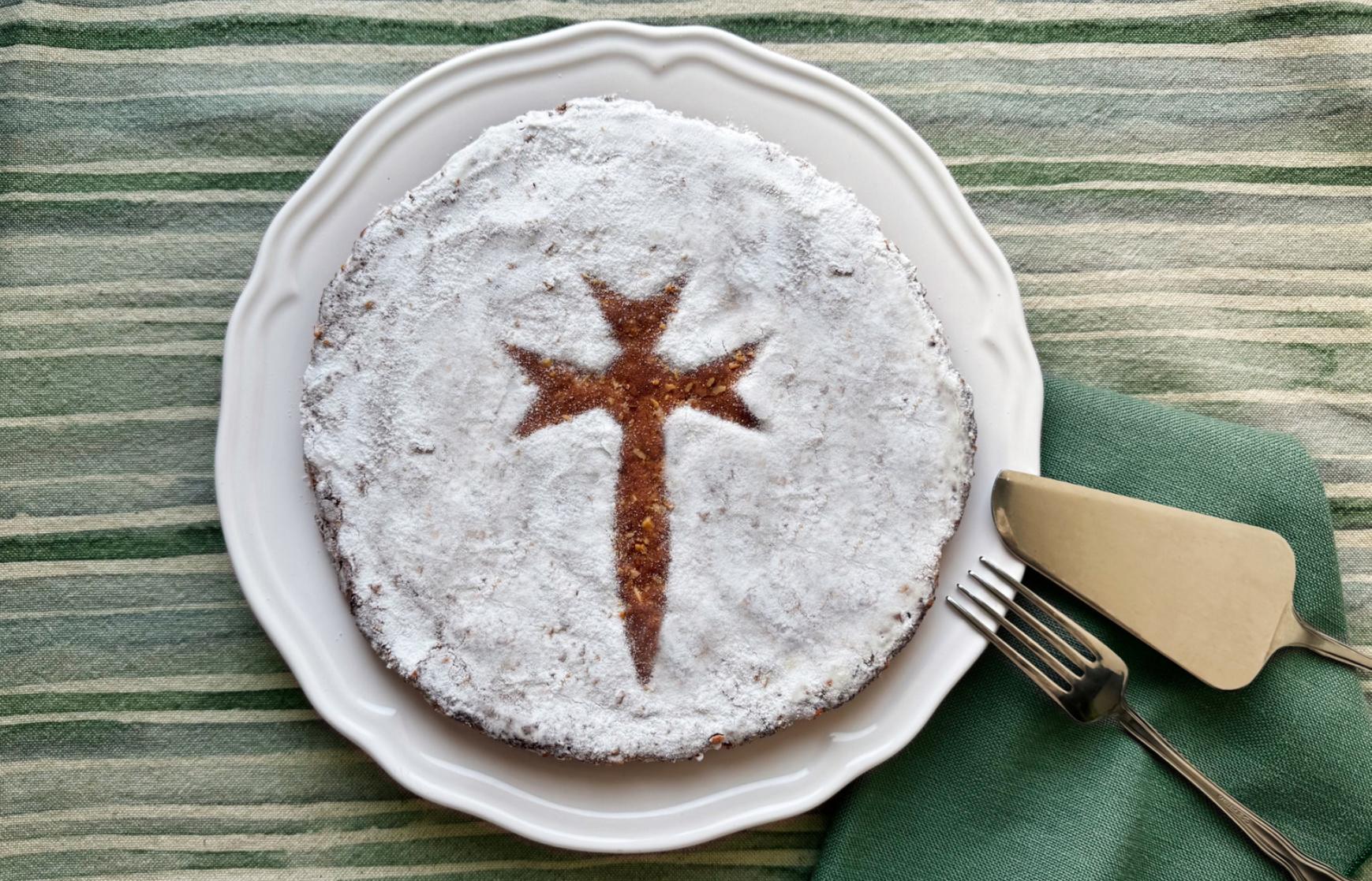
Beyond its aguardiente, Portomarín’s gastronomy offers other flavours well worth discovering in the restaurants and at the tables of the town. The delicious Tarta de Portomarín, made with almonds and internationally recognised, is an emblematic sweet of the local pastry tradition, accompanying coffees and lingering sobremesas. Empanadasandeeldishes arealso essential to its cuisine, while the excellent wines of the Ribeira Sacra complete the experience — the perfect companions to meats, stewsanddessertsalongthetables ofTheWay.
Food & Festivities
Festa do Augardente. Easter Sunday. A celebration dedicated to the augardenteiros, featuring traditional distillation in alquitara, tastings and the appointment of new knights and ladies of the Serenísima Orde da Alquitara, all enlivened by music and popular festivities.
Feria tradicional de Portomarín 9 each month. A regular market with local produce and a lively, popular atmosphere.
Domingos Folclóricos Throughout August A summer gathering to enjoy music, folklore and local gastronomy in a festive setting.
Restaurants & Tourist Information
The Recipe QUEIMADA GALEGA
Ingredients for 8
1,5 l Aguardiente de Portomarín
250 g sugar
Lemon peel
A few roasted coffee beans
Optional: 1 cinnamon stick
Method
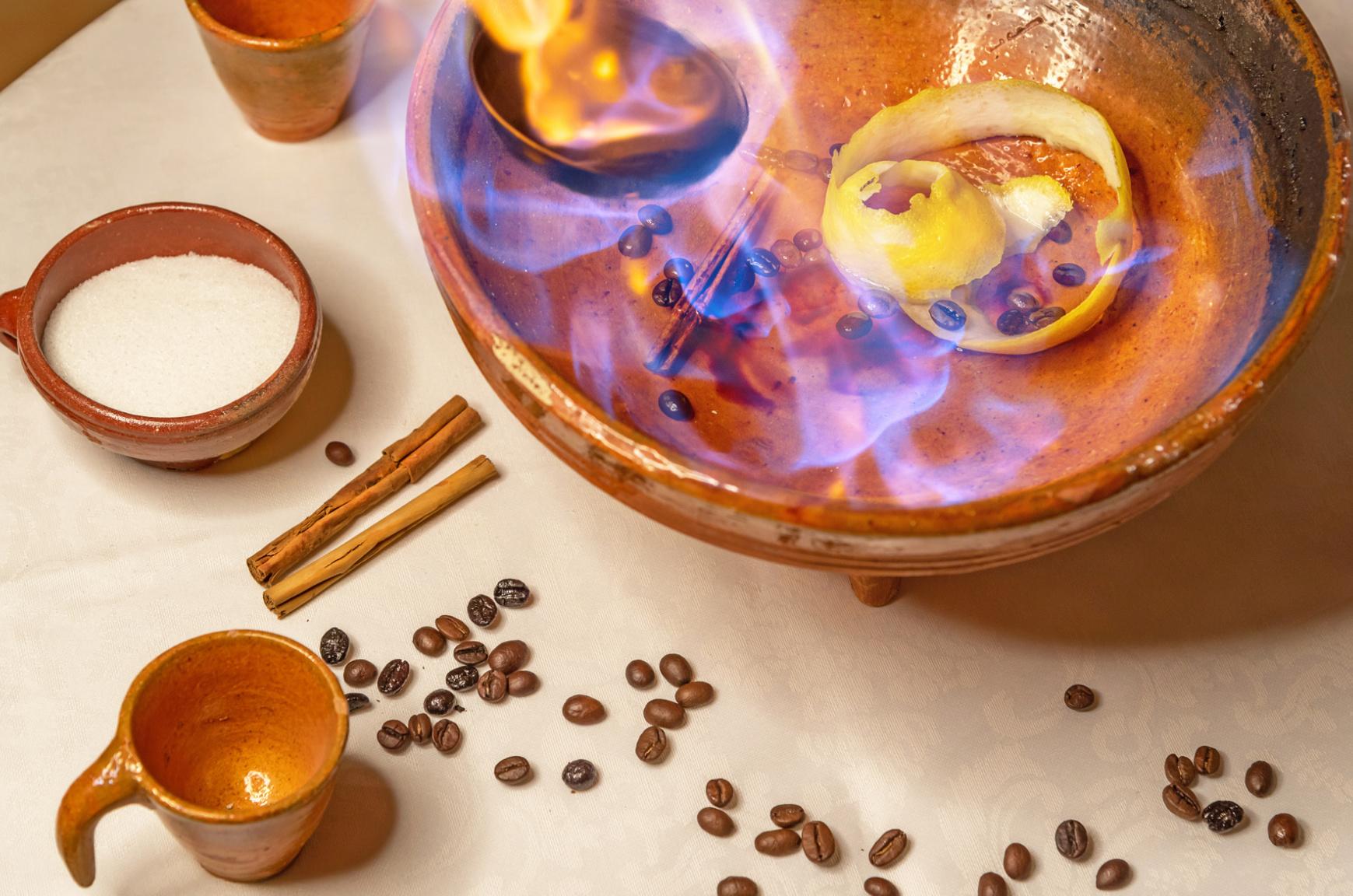
The queimada is far more than a drink: it is a Galician ritual rooted in popular tradition, conceived as a protective preparation meant to ward off evil spirits and invite good fortune. Preferably prepared at nightfall, it is made in a deep earthenware bowl, where the aguardiente is combined with sugar, coffee beans and strips of lemon peel. A small portion of the spirit is first set alight, and the flame is then gently extended to the rest, stirring slowly while the traditional incantation is recited. It is left to burn, stirring continuously to dissolve the sugar, until the flame naturally subsides. The queimada is served hot. Although it may be prepared at any time of year, it is on St John’s Eve that the ritual takes on special significance.
MONTERROSO
Flavour of river and meadows
TroutfromtheRiverUlla Tradition & landscape
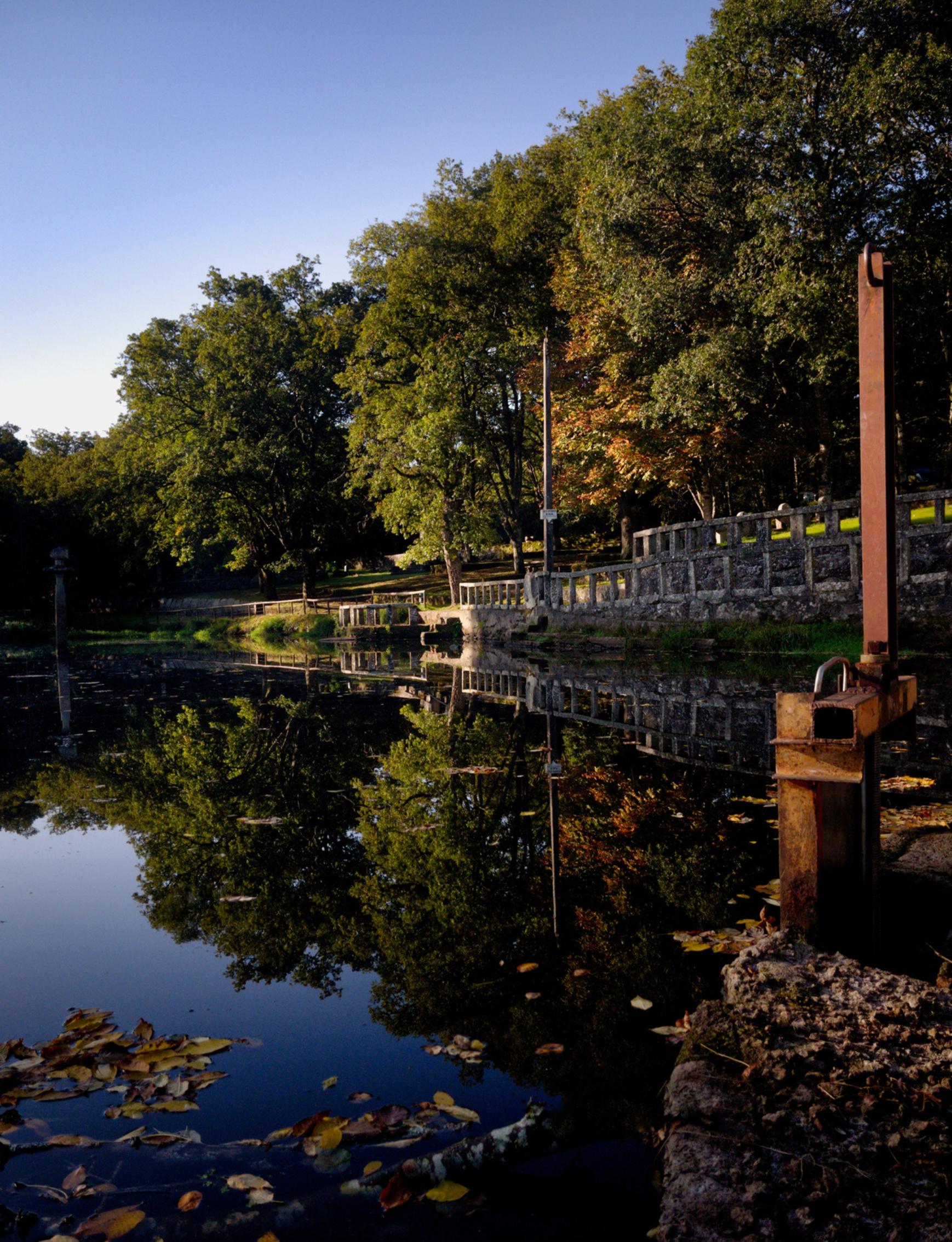
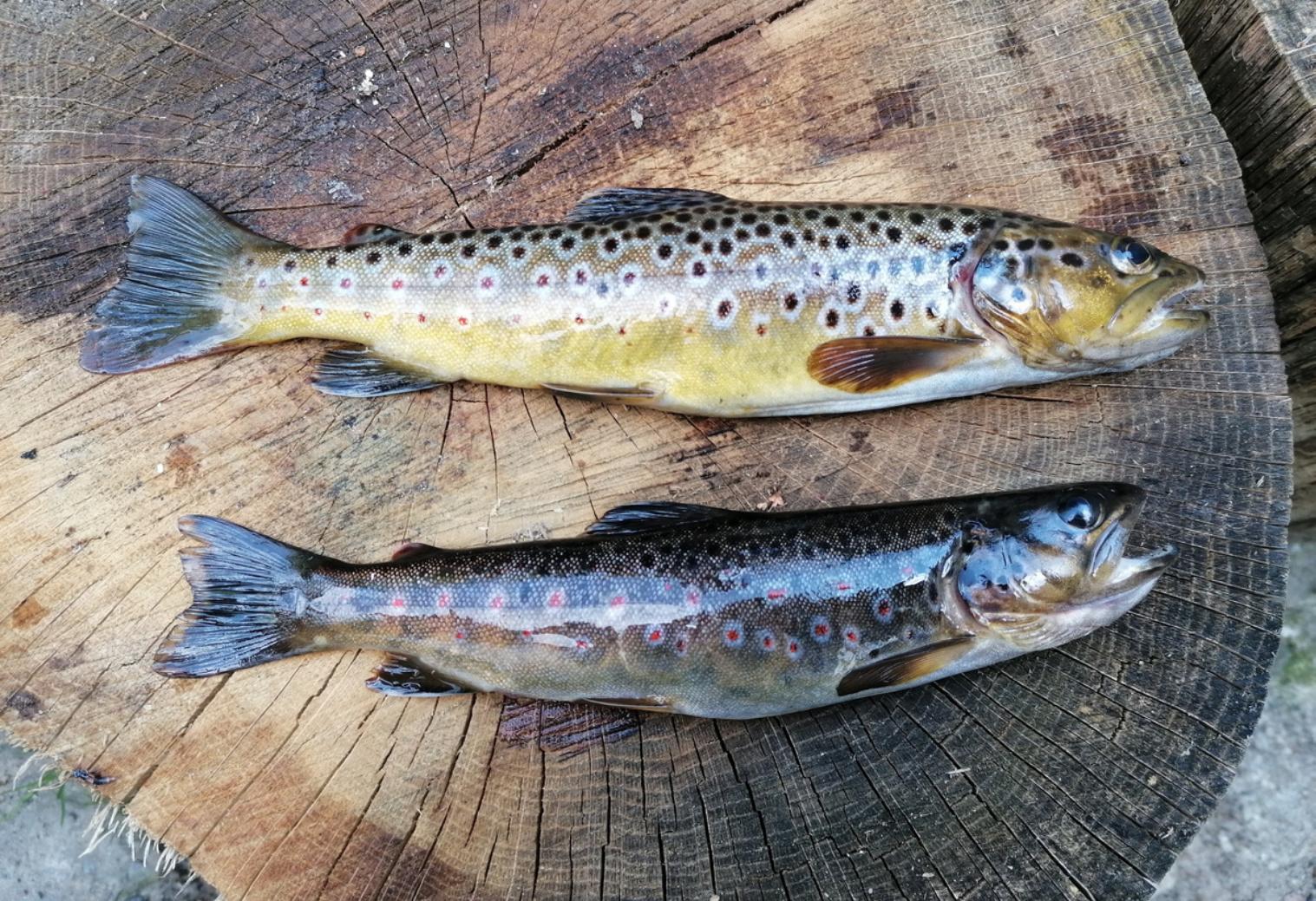
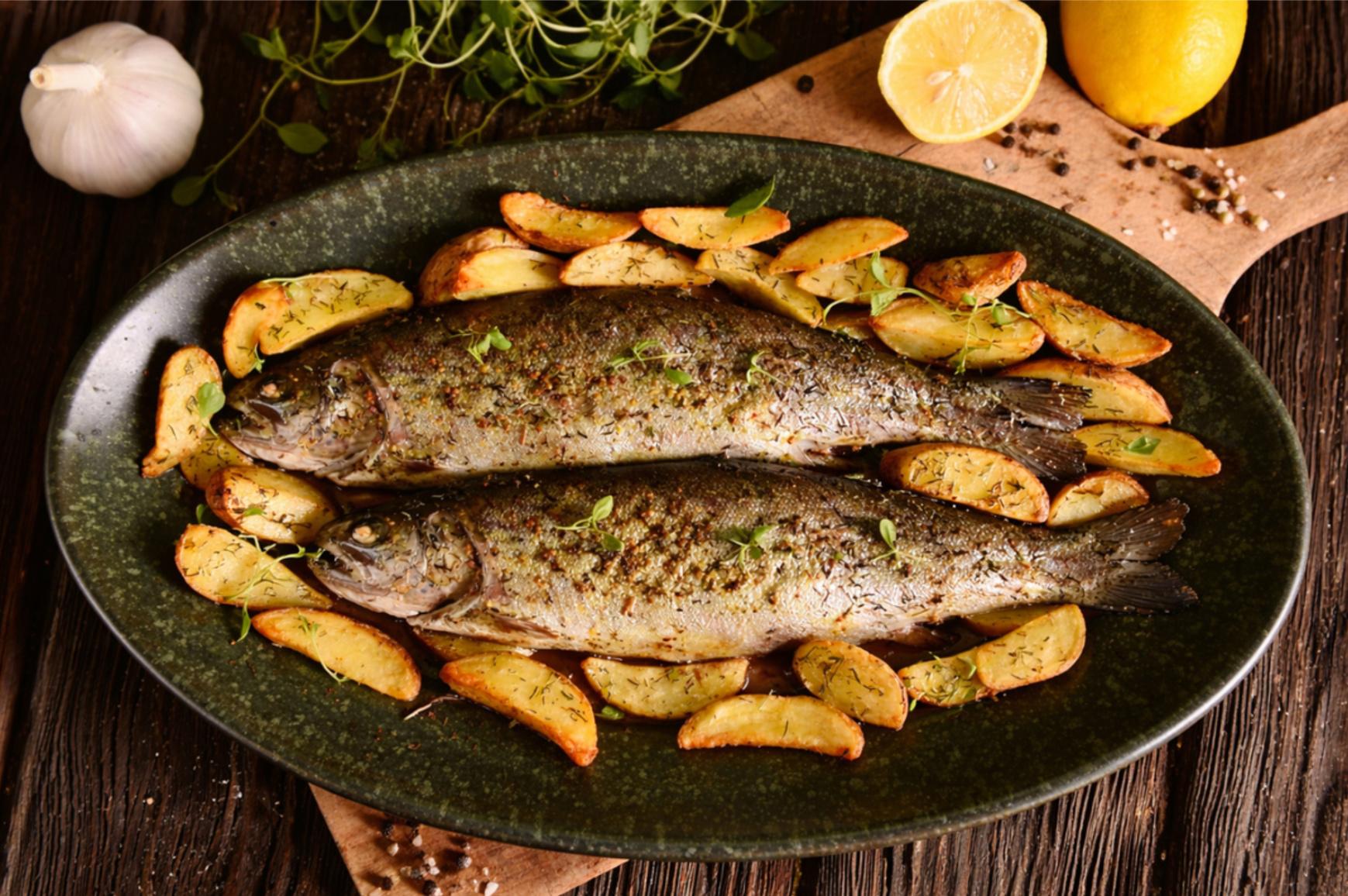
In Monterroso, trout from the River Ulla is far more than an ingredient: it is a culinary emblem of the rich fishing heritage sustained by its clear and abundantwaters.Renownedforitswhite, tender and delicately flavoured flesh, this trout draws anglers and lovers of fine cuisine from across Galicia. It is enjoyed in simple preparations that highlight its natural purity, as well as in more elaborate versions that pair it with aromatic herbs and local accompaniments. To taste trout from the Ulla in the restaurants and traditional eateries of the municipality is to encounteraflavourthatevokestheliving natureofitsriversandbanks.
Monterroso’s landscape is profoundly shaped by the River Ulla, one of Galicia’s great fluvial arteries, whose waters have been a source of life and sustenance for centuries. Its riverbanks, woodlands and fertile meadows have fostered a tradition closely linked to fishing and to a cuisine born of the natural environment, in which trout holds acentralplace.
This intimate relationship between river, landscape and table defines Monterroso’s gastronomic identity, accompanying the pilgrim with flavours that speak of a unique and authentic territory.
More Flavours
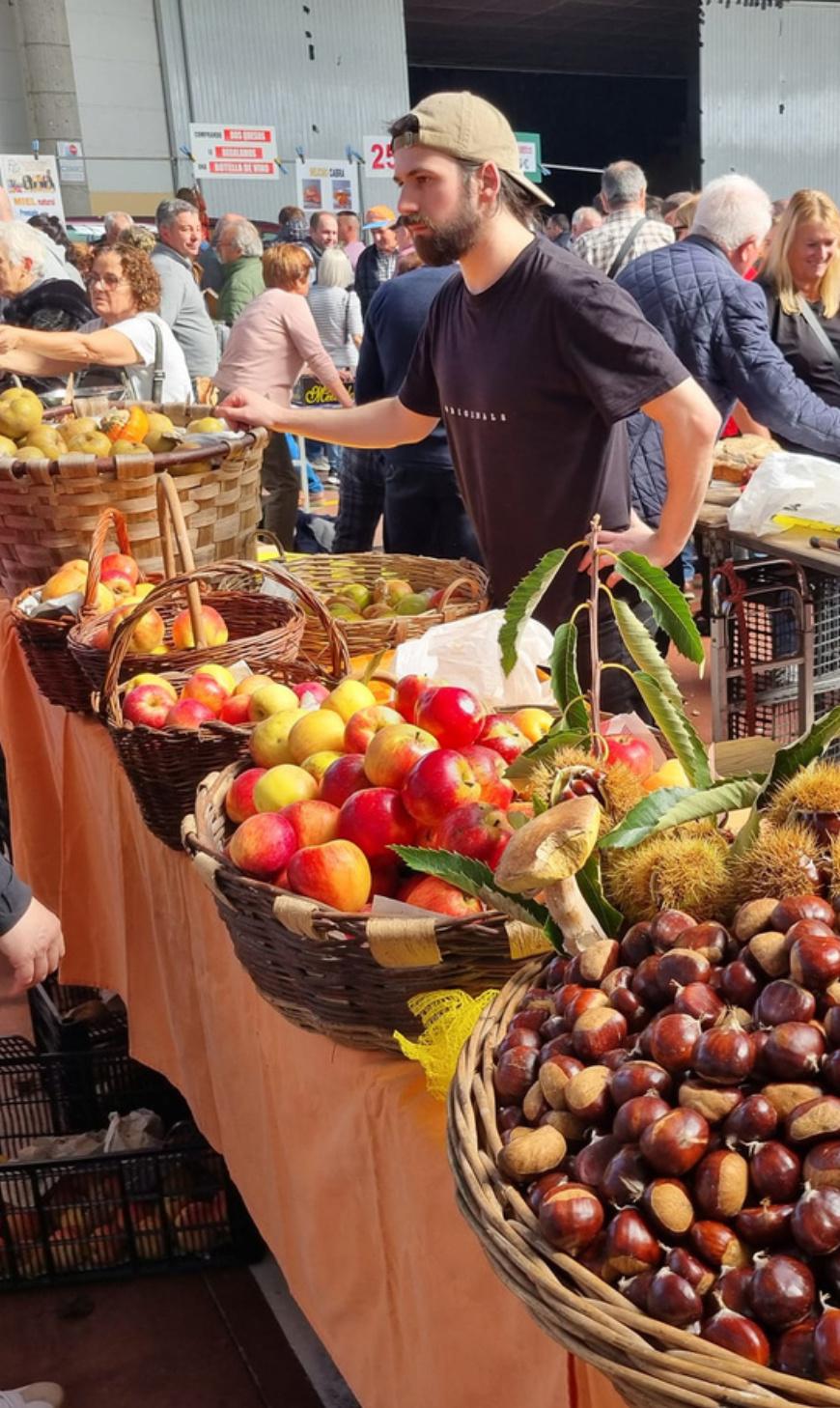
If there is one product that truly defines Monterroso’s gastronomic identity, it is undoubtedly the pulpo á feira. Prepared according to tradition and indispensable at its fairs and celebrations, here octopus attracts countless visitors who come to savour it throughout the year. Alongside it, the cheese of A Ulloa, protected under the Arzúa-Ulloa PDO, stands as another of the great references of the region. Monterroso ham also holds a place of honour in local tradition — a product that once inspired verses by the writer Ramón OteroPedrayo during one of his stays in the town, thus transcending the table to become part of the municipality’sculturalmemory. Chestnuts, an emblematic fruit of the Galician landscape, complete this pantry with their seasonal presence in traditionalsweetsandrecipes.
Food & Festivities
Feira de Santos. 1 November. Considered by historical sources to be the oldest fair in Galicia, this gathering has, since the Middle Ages, been a major meeting point for livestock and agricultural produce, becoming a true showcase of the Galician pantry. Declared a Festival of Tourist Interest of Galicia, it remains a key event where pulpo á feira, ham, A Ulloa cheeses, chestnuts and other traditional products reinforce its prestige well beyond the local sphere.l.
Monthly Market. 1 each month. Once a month, Monterroso becomes a vibrant meeting point, renowned especially for its celebrated pulpo á feira. Several pulpeiras set up their copper cauldrons, turning the day into a true gastronomic festivity where octopus takes centre stage.
Restaurants & Tourist Information
The Recipe FRIED TROUT FROM THE RIVER ULLA
Ingredients for 4
8 fresh trout from the River Ulla
8 thin slices of cured ham
Wheat flour
Mild olive oil or vegetable oil
Optional: a few slices of garlic and a drizzle of lemon juice
Method
Clean the trout carefully, pat them dry and season lightly with salt. Place a thin slice of cured ham inside each fish, allowing it to release its aroma and provide a delicate savoury contrast during frying. Lightly dust the trout with flour, shaking off any excess, and fry in plenty of hot oil until golden and crisp on the outside while remaining tender and juicy within. Remove and drain on kitchen paper, then serve immediately, accompanied by fried potatoes, boiled cachelos or a simple seasonal salad. If desired, enhance the flavour with thin slices of garlic browned in the same oil or finish with a squeeze of lemon.
PALAS DE REI
Flavours of A Ulloa
Traditional hórreo in San Xiao do Camiño
A unique cheese Arzúa-Ulloa PDO
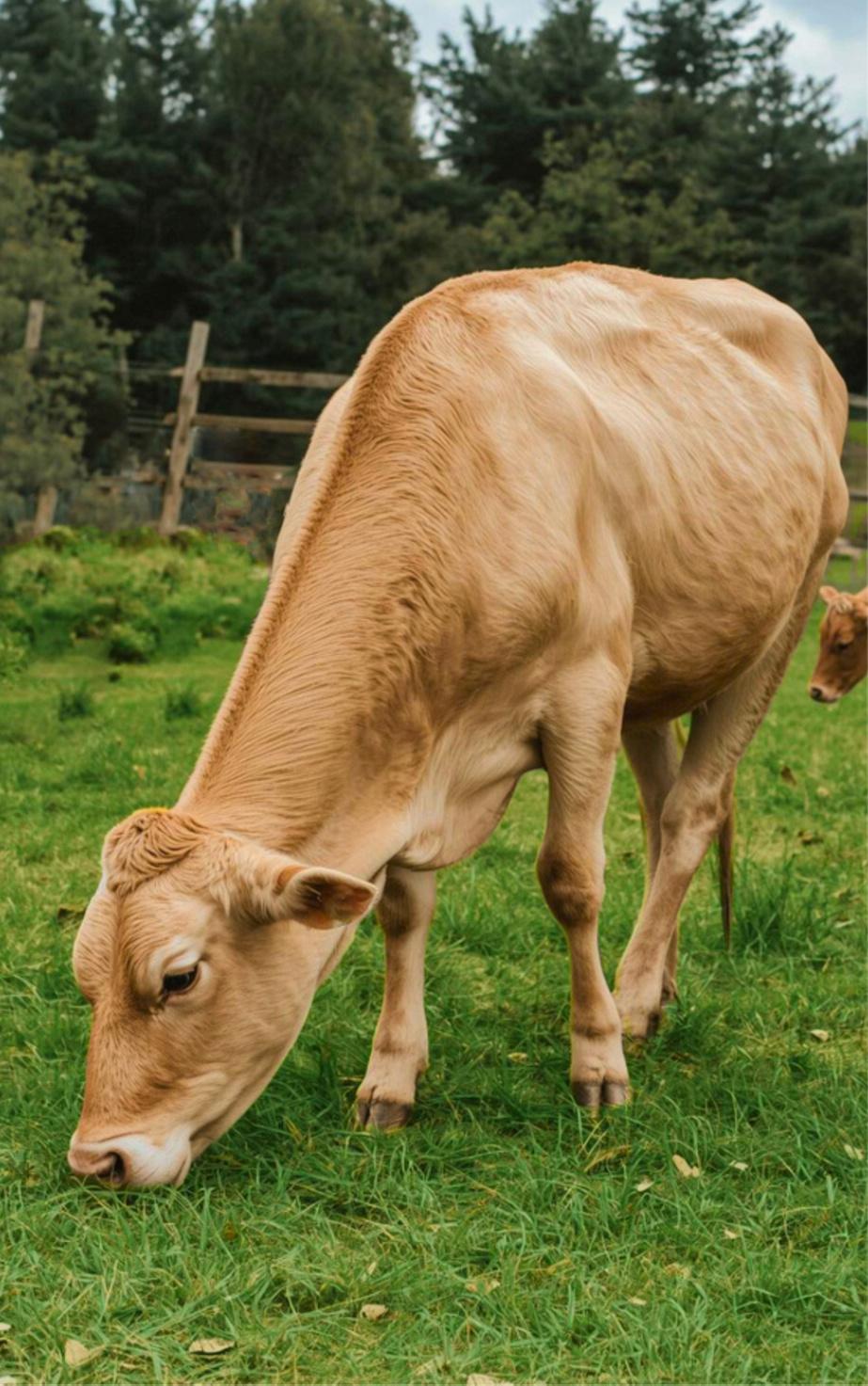
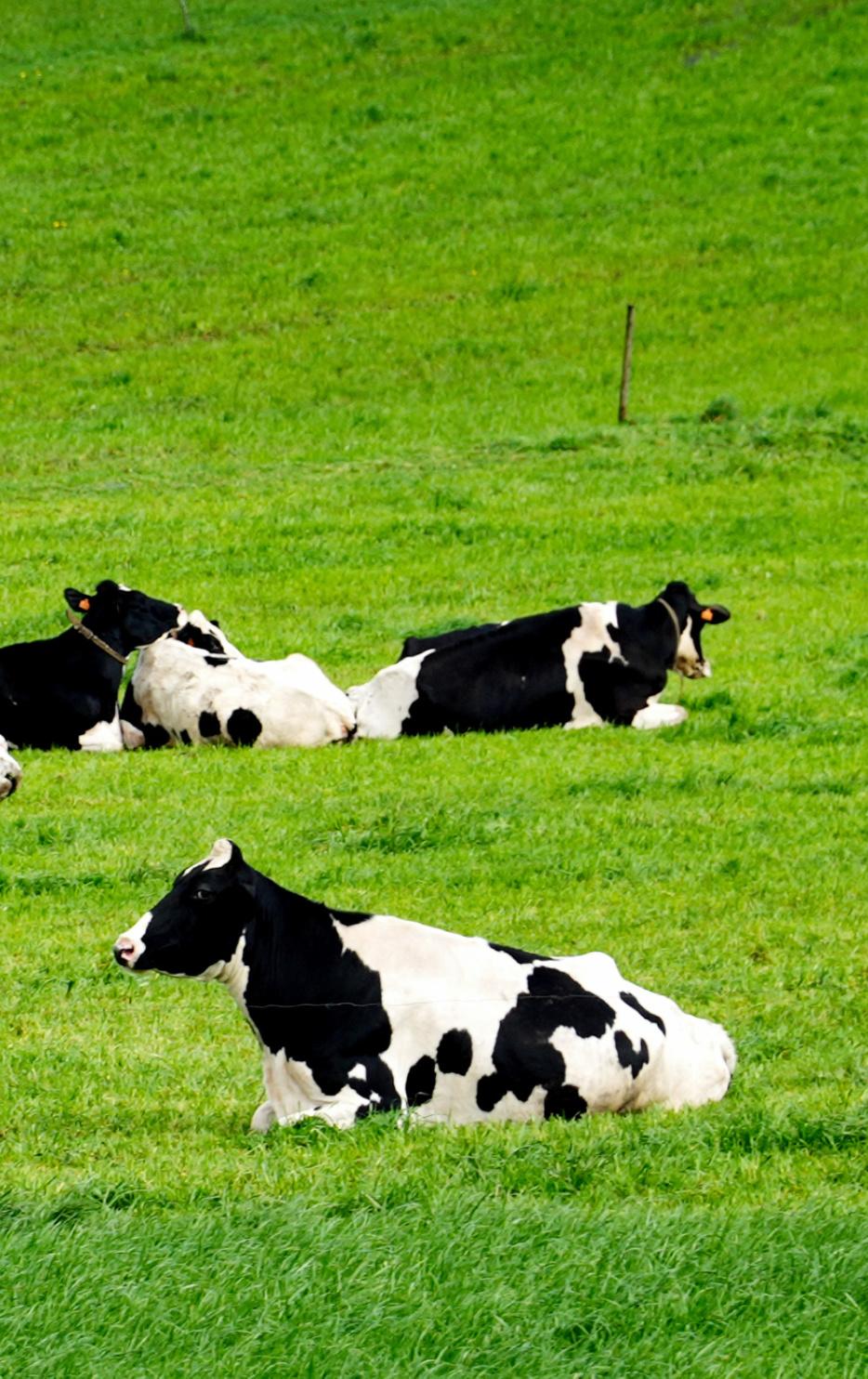
In Palas de Rei, the Arzúa-Ulloa cheese takesona distinctivepersonality.Made from the milk of Rubia Gallega, PardoAlpina and Frisian cows, it is characterised by its soft paste, creamy texture and mild, lactic flavour. In this area of A Ulloa, it is common to find small-scale dairies and farm productions where the cheese is crafted exclusively from the milk of the holding itself. This direct bond between meadow, livestock and creamery lends unique nuances — subtle variations in aroma and texture that reflect the grass, the climate and the expertise of every producer.
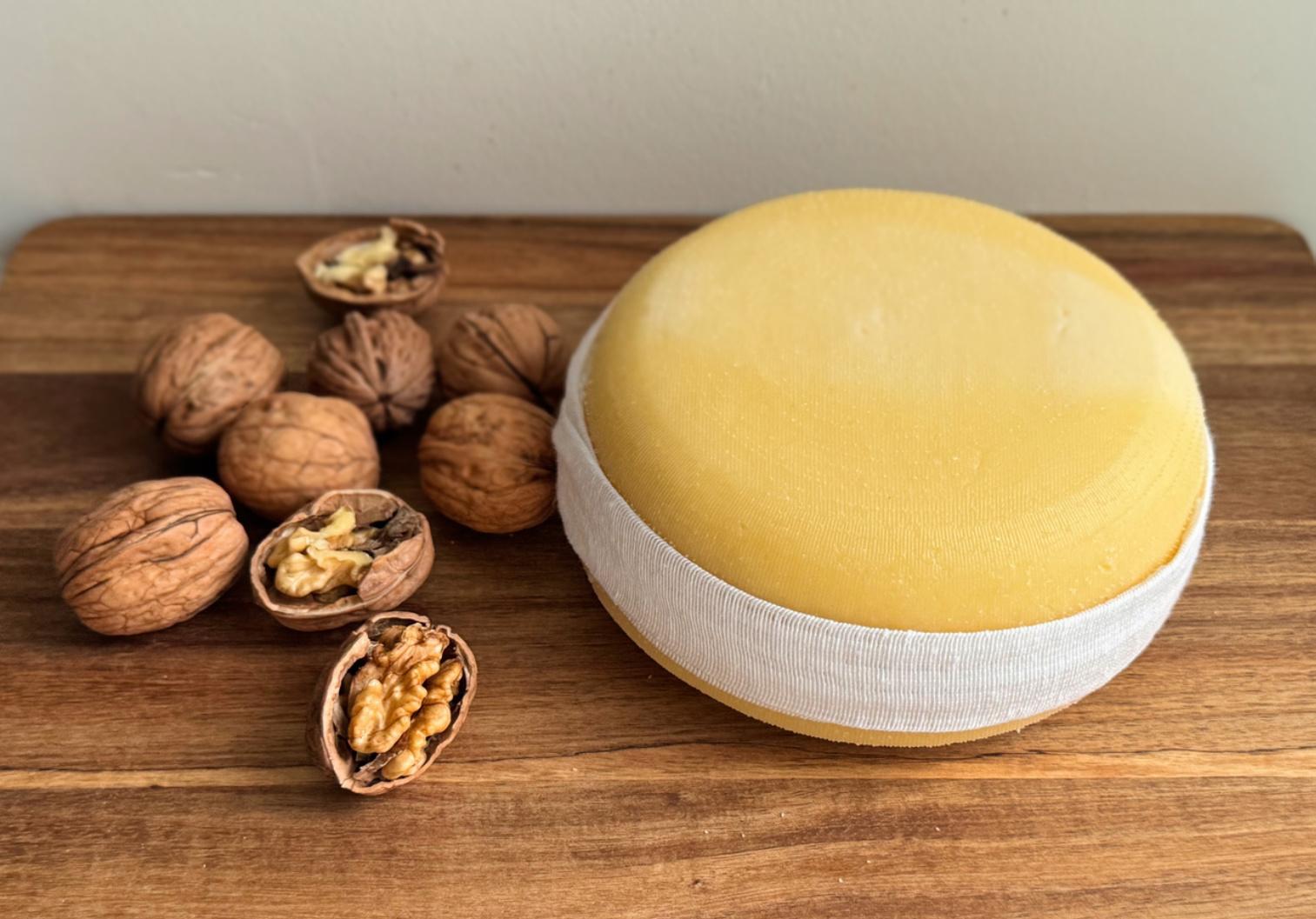
Palas de Rei forms part of the ArzúaUlloa Protected Designation of Origin, which encompasses three varieties: the Traditional Arzúa-Ulloa, with minimal maturation and a tender paste; the Farmhouse variety, made exclusively with milk from the producer’s own herd; and the Matured, aged for longer to intensify its aromas and develop more complex,subtlypiquantnotes. WhilethePDOensuressharedstandards ofqualitythroughouttheregion, inPalas de Rei a more artisanal and rural dimension prevails — where each cheese becomes a direct expression of thelandscapeofAUlloa.
Food & Festivities
More Flavours
Palas de Rei offers a gastronomy deeply rooted in the quality of its meadows and livestock farms. The meatsprotectedunderthe Ternera Gallega PDO are among the great prides of the region, prized for their tenderness,succulenceandrefined flavour — the result of careful rearingandnaturalfeeding. At local tables, the raw ingredients aretreatedwithrespect,whetherin roasts and stews that evoke tradition or in contemporary signature cuisine, where local produce is reinterpreted with creativity and technique. Alongside them, artisan bread and other products of proximity complete a proposal that is honest, versatile and profoundly connected to the landscapeofAUlloa.
Festas do Ecce Homo. 14 September. The municipality’s principal celebration, where tradition, music and popular gastronomy come together in the streets of the town.
Feira del Caballo de Vilar de Donas. Second Sunday of August. An equestrian gathering marked by lively horse races and a festive atmosphere, complemented by food stalls and local gastronomic offerings.
Local Market ofPalas de Rei. 7 and 19 each month. A regular market where you can find traditional products and locally sourced flavours in a friendly and vibrant setting.
Restaurants & Tourist Information
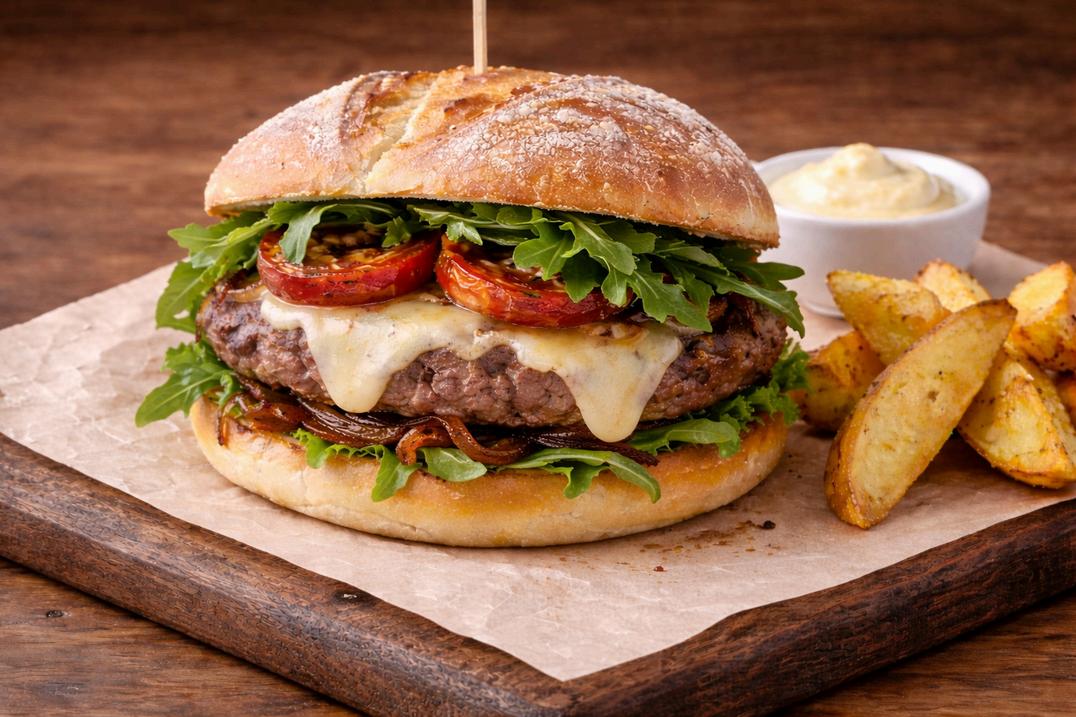
The Recipe GALICIAN SUPREME BEEF BURGER WITH ARZÚA-ULLOA CHEESE
Ingredients for 4
Minced Galician Supreme Beef
Artisan bread from Palas de Rei
Arzúa-Ulloa cheese
Tomato, onion and rocket
For the sauce: mayonnaise, Worcestershire sauce, wholegrain mustard and local honey
Method
Season the Ternera Gallega Suprema minced meat with salt and pepper, shaping the burger gently and avoiding excessive handling in order to preserve its natural texture. Prepare the sauce by combining the mayonnaise with Worcestershire sauce, wholegrain mustard and a touch of local honey, mixing until smooth and well balanced. Slowly caramelise the onion over a low heat and lightly sauté the tomato. Cook the burger on a very hot griddle, first searing both sides to seal in the juices. In the final moments of cooking, place a generous slice of ArzúaUlloa cheese on top, allowing it to melt gently over the meat. Assemble the burger on toasted artisan bread, spreading the sauce as a base, then adding the fresh rocket, warm tomato, caramelised onion and the burger crowned with melted cheese.
MELIDE
Savoury & Sweet
The tradition of pulpo
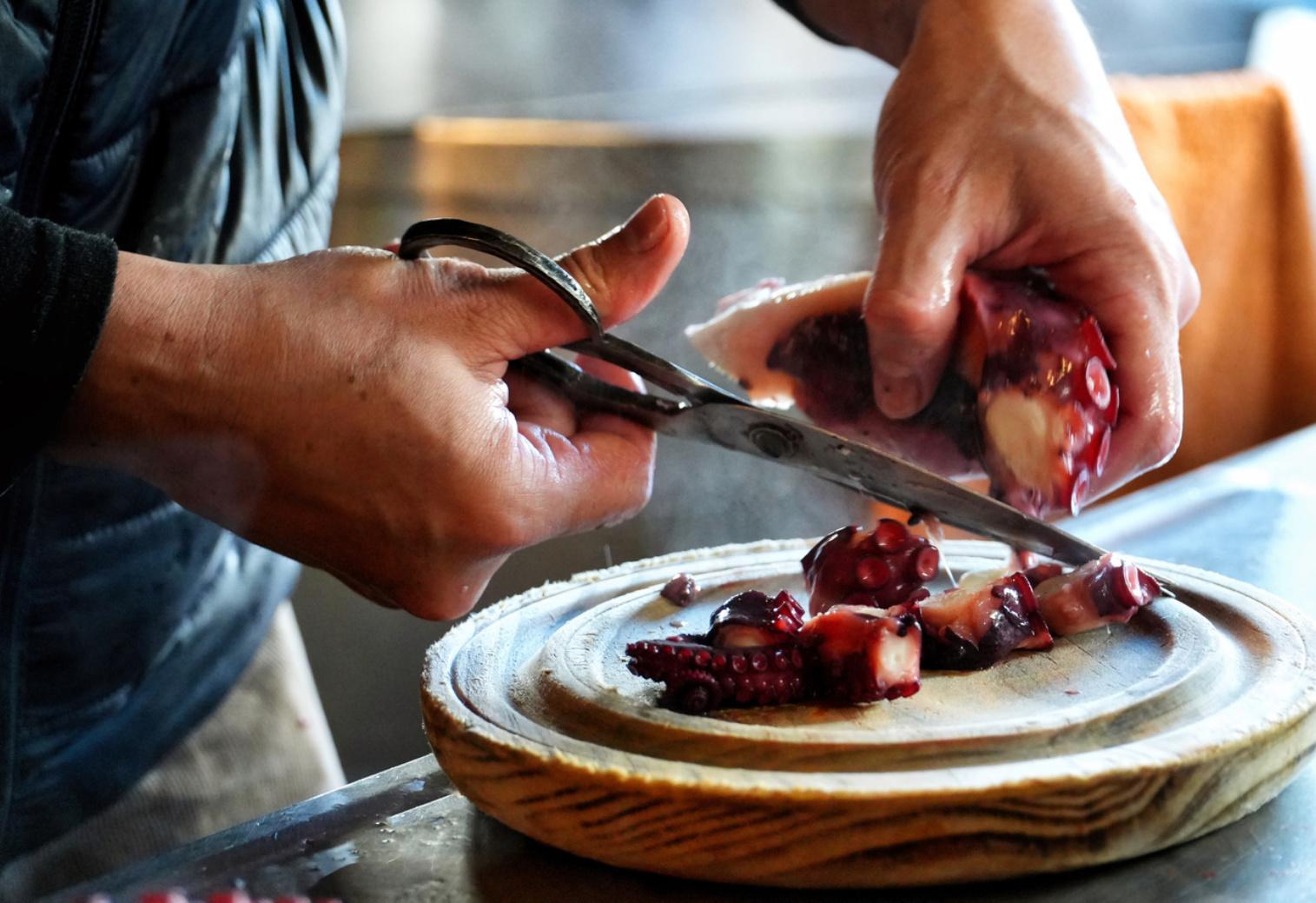
Melide has built part of its gastronomic identity around pulpo á feira — also known as Galician-style octopus — despite not being a coastal town. Savouring this dish, traditionally prepared with boiled octopus served with olive oil, paprika and salt, and always presented on wooden plates, has become an essential stop for pilgrims walking the French Way for decades. Sit down to enjoy it, accompanied by the excellent artisan bread of the area, cachelos (Galicianstyle boiled potatoes) and a fine wine fromtheRibeiraSacra.
Fairground flavour
Pulpo á feira was born in the context of Galicia’s historic fairs, where pulpeiras cooked in large copper cauldrons to feed traders, livestock dealers and travellers. Melide — a historic market town and crossroads — became one of the places where this tradition took root most deeply. Here, octopus is not merelyadish:itisa sharedritual around long wooden tables. At this meeting point along the French Way, the recipe preserves its popular essence, transforming every stop into a celebration of hospitality, conversation andflavour.
More Flavours
Melide’straditionasa markettownand crossroads has shaped a diverse pantry, where products from inland Galicia and recipes passed down throughgenerationscometogetherina cuisine defined by its vibrant fairs and enduringhospitality.
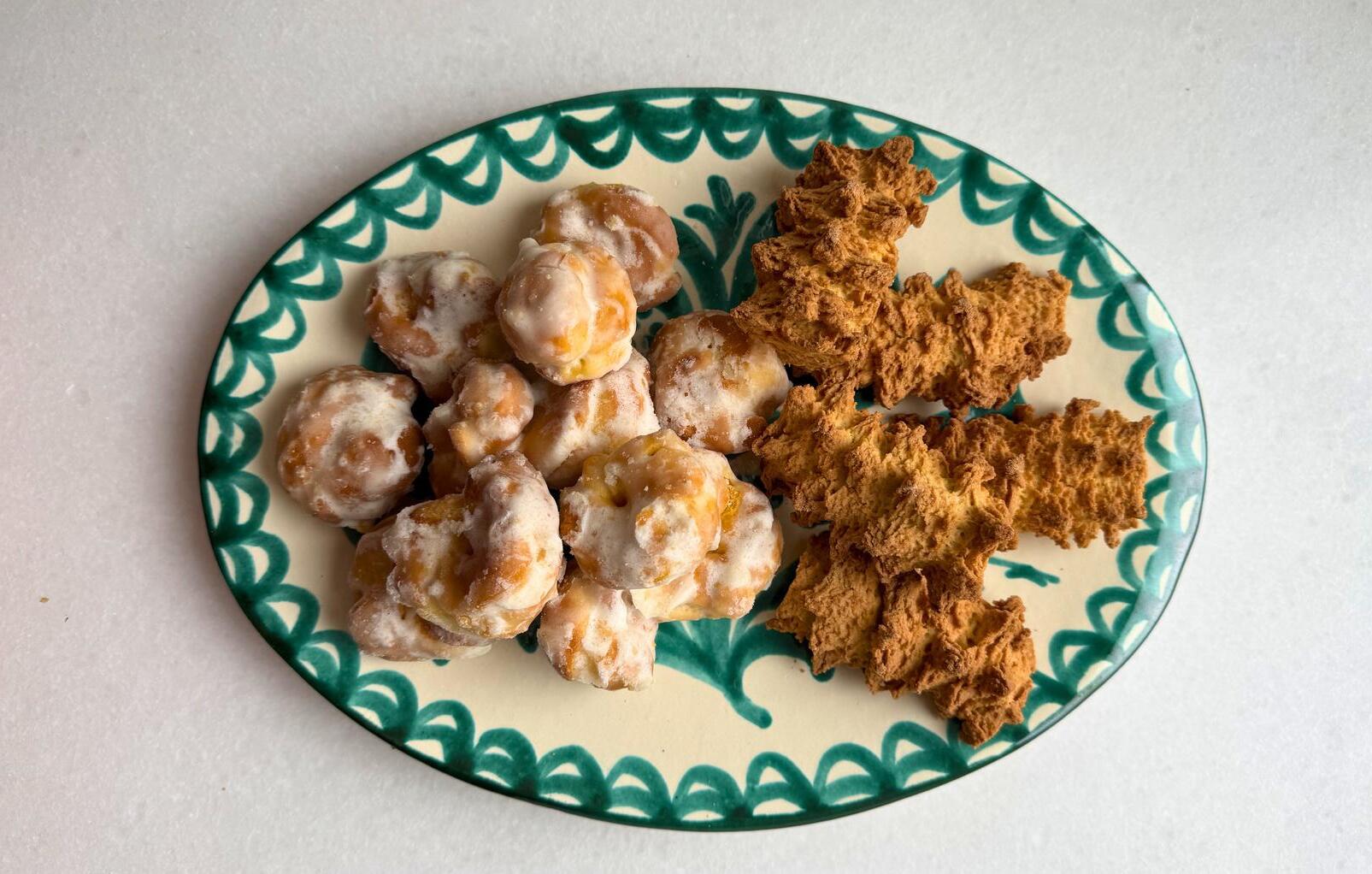
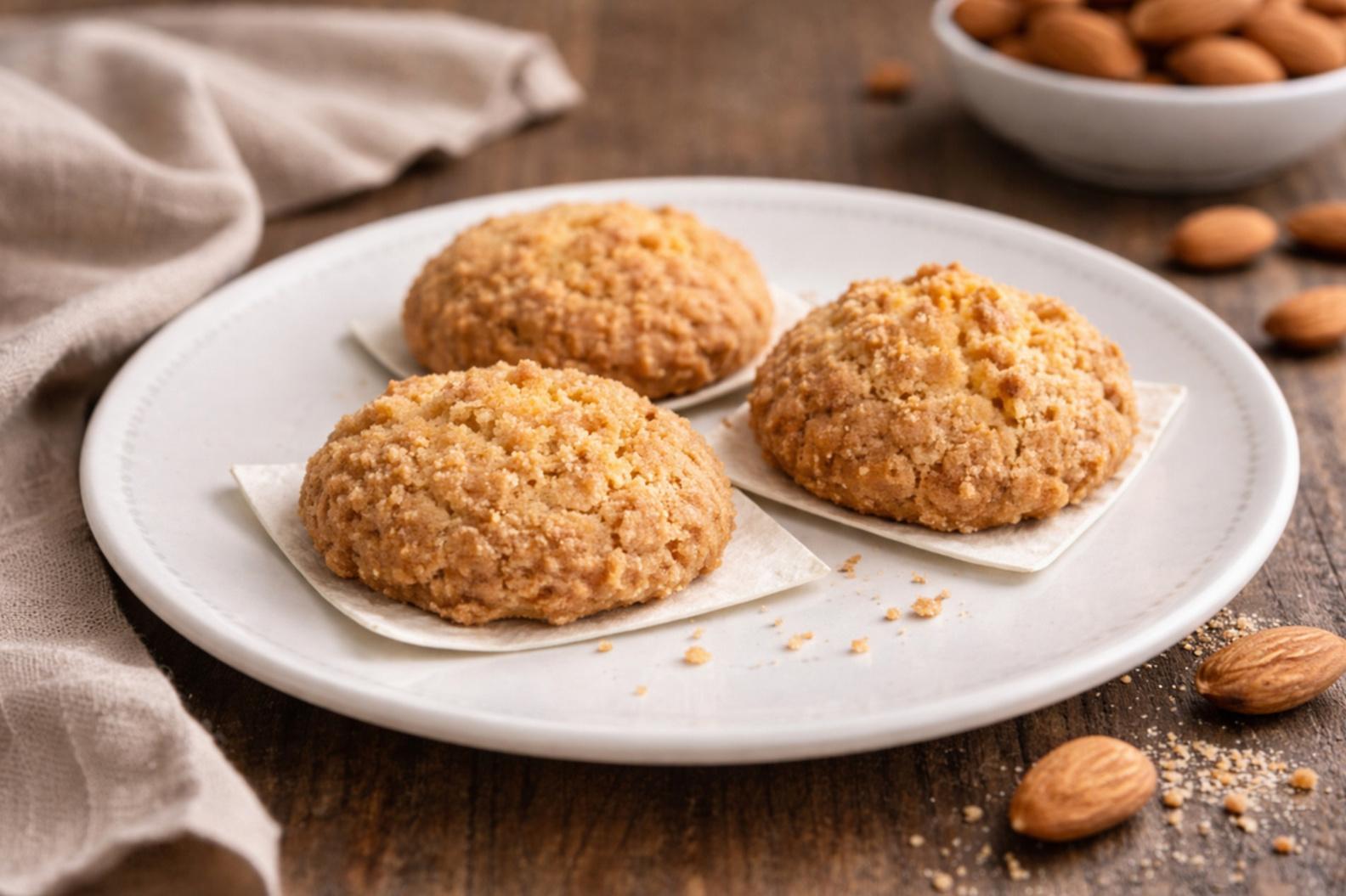
The town also boasts a rich confectionery heritage, expressed most vividly in delicacies such as melindres, almendrados and ricos — small treats that have accompanied generations of families and visitors. Made with traditional ingredients such as flour, eggs, butter, sugar and aniseed, these sweets form part of a culinary legacy that celebrates the “sweet land” of Melide and will add a touch of sweetness to your finest momentsalongTheWay.
Food & Festivities
Fiesta del Melindre y de la Repostería Tradicional de la Tierra de Melide. Second Sunday of May. Declared a Galician Festival of Tourist Interest, this celebration showcases Melide’s artisan sweet-making traditions and encourages visitors to discover its most iconic recipes.
Mercado Dominical de Melide. Every Sunday morning. The historic centre hosts a lively market of fruit, cheeses and local meats, where producers from the area offer quality goods with traditional flavour.
Feira Grande. Last Sunday of each month. A major commercial fair that turns Melide into a bustling meeting point, drawing hundreds of visitors and reinforcing its long-standing identity as a town of fairs and markets.
Restaurants & Tourist Information
The Recipe TRADITIONAL ALMENDRADOS
Ingredients for 6
250 g ground almonds
200 g sugar
2 egg whites
Lemon zest
Whole almonds (optional)
Method
In a large bowl, combine the ground almonds with the sugar and lemon zest, mixing well to release the aromas. Lightly beat the egg whites without bringing them to stiff peaks, then gradually incorporate them into the almond mixture until a dense, slightly sticky dough is formed. Using a spoon or lightly moistened hands, shape small mounds and place them on a baking tray lined with parchment paper. If desired, decorate each one with two or three whole almonds. Bake at 180 °C for 10–12 minutes, until the surface takes on a light golden hue while the interior remains tender and moist. Allow them to cool completely before handling, as they are delicate and fragile when freshly baked.
ARZÚA
Capital of Cheese
The heart of cheese Arzúa-Ulloa PDO
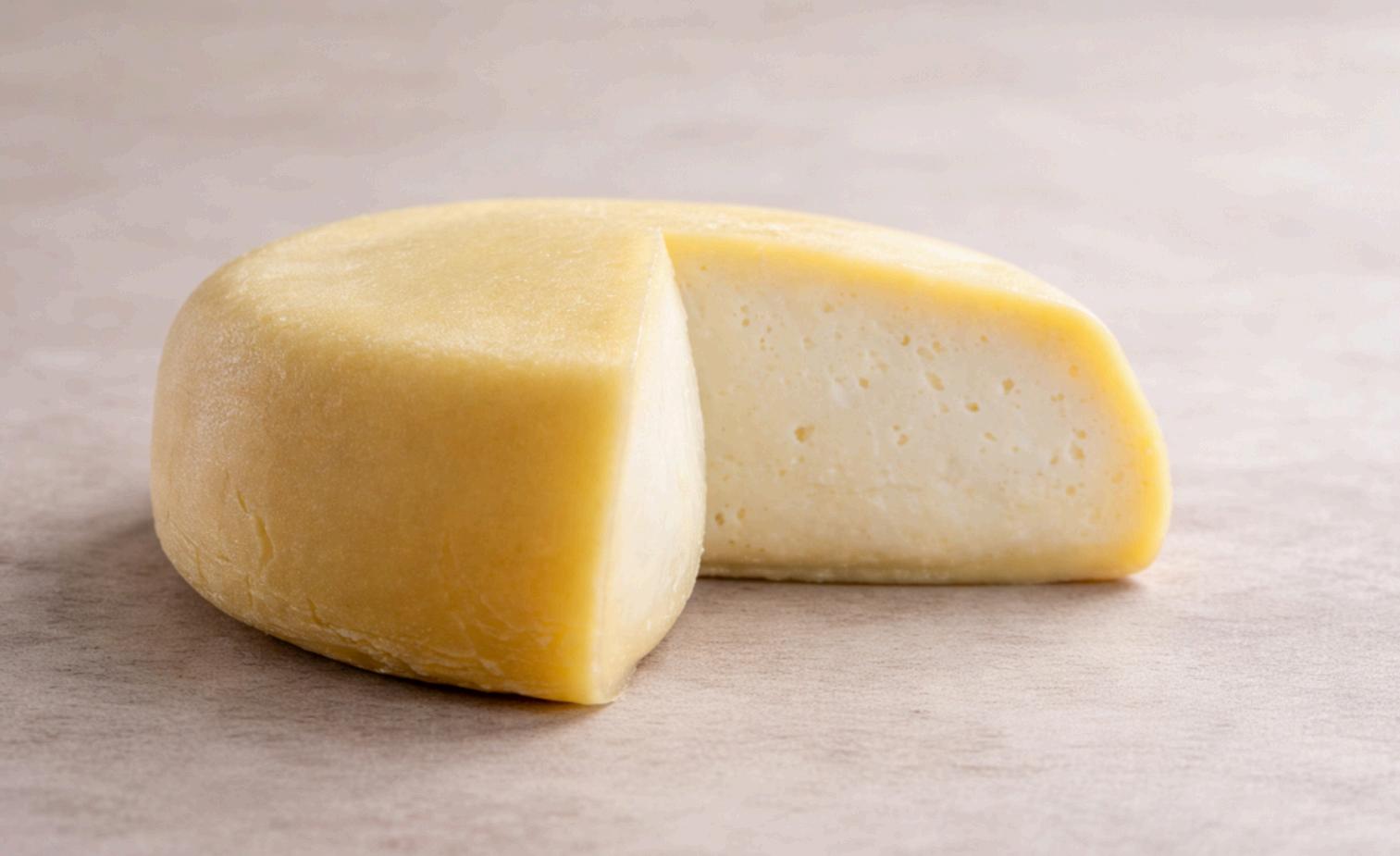
Arzúa is, without question, one of Galicia’s great cheese territories. The Arzúa-Ulloa PDO is here far more than a product: it is an economic, cultural and gastronomic identity. Made from whole cow’s milk, its soft and supple paste, thin and elastic rind, and lactic flavour — lightly acidic and delicately buttery—havemadeitthemostwidely produced and consumed cheese in Galicia. With maturation, sweeter notes emerge, along with hints of butter and nuts, enhancing its complexity. Its versatility — whether enjoyed on its own or incorporated into gratins and sauces — places it as the undisputed protagonistofanytable.
Cheesehasbeenproducedintheregion for centuries, yet the modernisation initiated in the 1980s allowed processes toberefinedanditsprestigetobefirmly established.In1989itwasrecognisedas a Galician Quality Product, and in 1995 it was granted the Arzúa-Ulloa Protected Designation of Origin, covering exclusively the cheeses produced within its defined geographicalarea.
The Festa do Queixo, one of Galicia’s most emblematic gastronomic events, reinforces each year the central role this cheeseplaysintheidentityofArzúa.
More Flavours
Beyond its celebrated cheese, Arzúa offers a rich and varied pantry that reflects its agricultural and livestock heritage. Fresh seasonal vegetables and honey produced within the region bring brightness and natural nuance to the local cuisine. These ingredients not only anchor traditional recipes but also inspire restaurants committed to contemporary signature cooking, where locally sourced produce is reinterpreted withtechniqueandcreativity.
PausealongTheWayanddiscover howtheseflavoursaretransformed into dishes that unite memory and innovation.
Food & Festivities
Fiesta del Queso. Early March. One of Galicia’s most emblematic gastronomic events. For several days, Arzúa becomes the capital of cheese, with tastings, professional gatherings, cultural activities and concerts that fill the town with festive atmosphere and flavour.
Ferias quincenales de Arzúa. 8 and 22 each month. A traditional market where you can find fresh produce, local specialities and a lively market atmosphere.
Feria del Capón. December. Held as part of the Christmas Fair, it is a special occasion to savour this traditional winter delicacy.
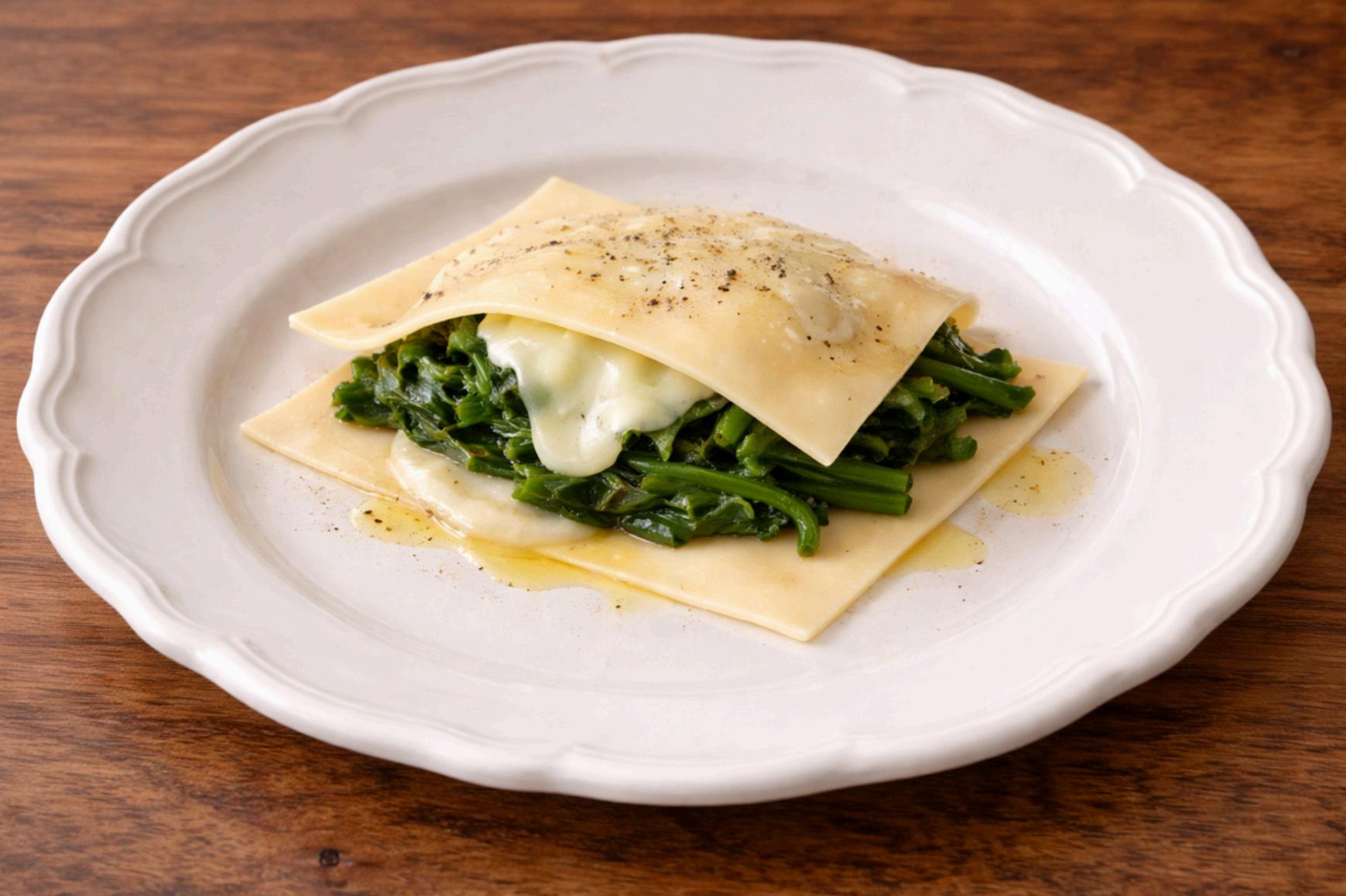
The Recipe GALICIAN RAVIOLI WITH GRELOS & ARZÚA-ULLOA CHEESE
Ingredients for 4
8 sheets of fresh pasta
400–450 g Arzúa-Ulloa cheese
500 g fresh grelos (trimmed and cleaned)
2 garlic cloves
Extra virgin olive oil
Fine salt
Freshly ground black pepper
Optional: a pinch of nutmeg
Method
Blanch the grelos, then gently sauté them in a little olive oil with the sliced garlic cloves until tender and flavourful. Cook the fresh pasta sheets in salted water, drain carefully and keep warm. On one sheet of pasta, place a base layer of cheese, followed by a bed of grelos, and distribute generous slices of Arzúa-Ulloa on top. Transfer to a preheated oven at 160–170 °C for 1–2 minutes, just long enough for the cheese to begin melting gently. Remove from the oven and cover with the second pasta sheet, creating the effect of an open ravioli.
Finish with a drizzle of extra virgin olive oil, freshly ground black pepper and a touch of nutmeg.
O PINO Celtic flavour
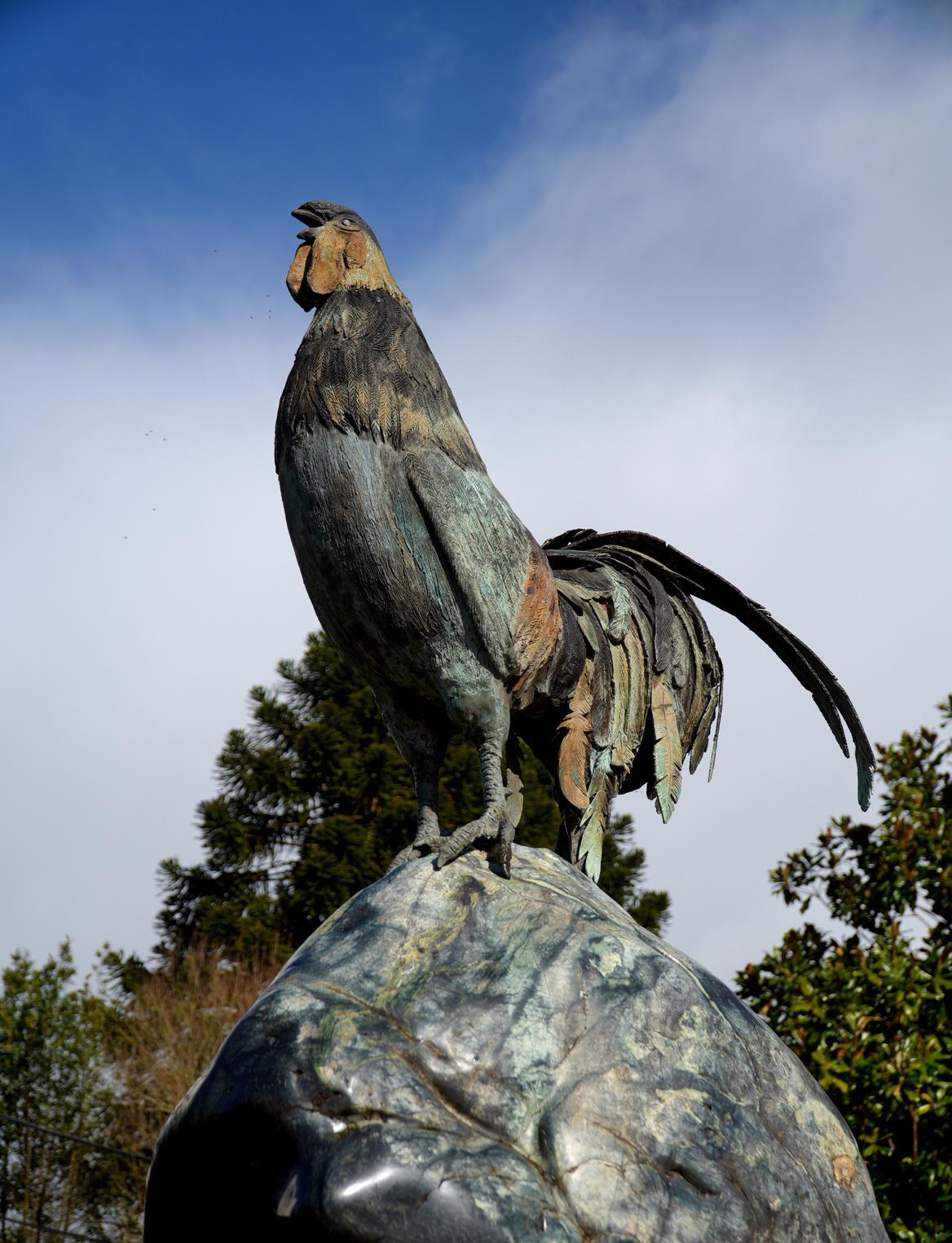
Monument to the Galo Piñeiro
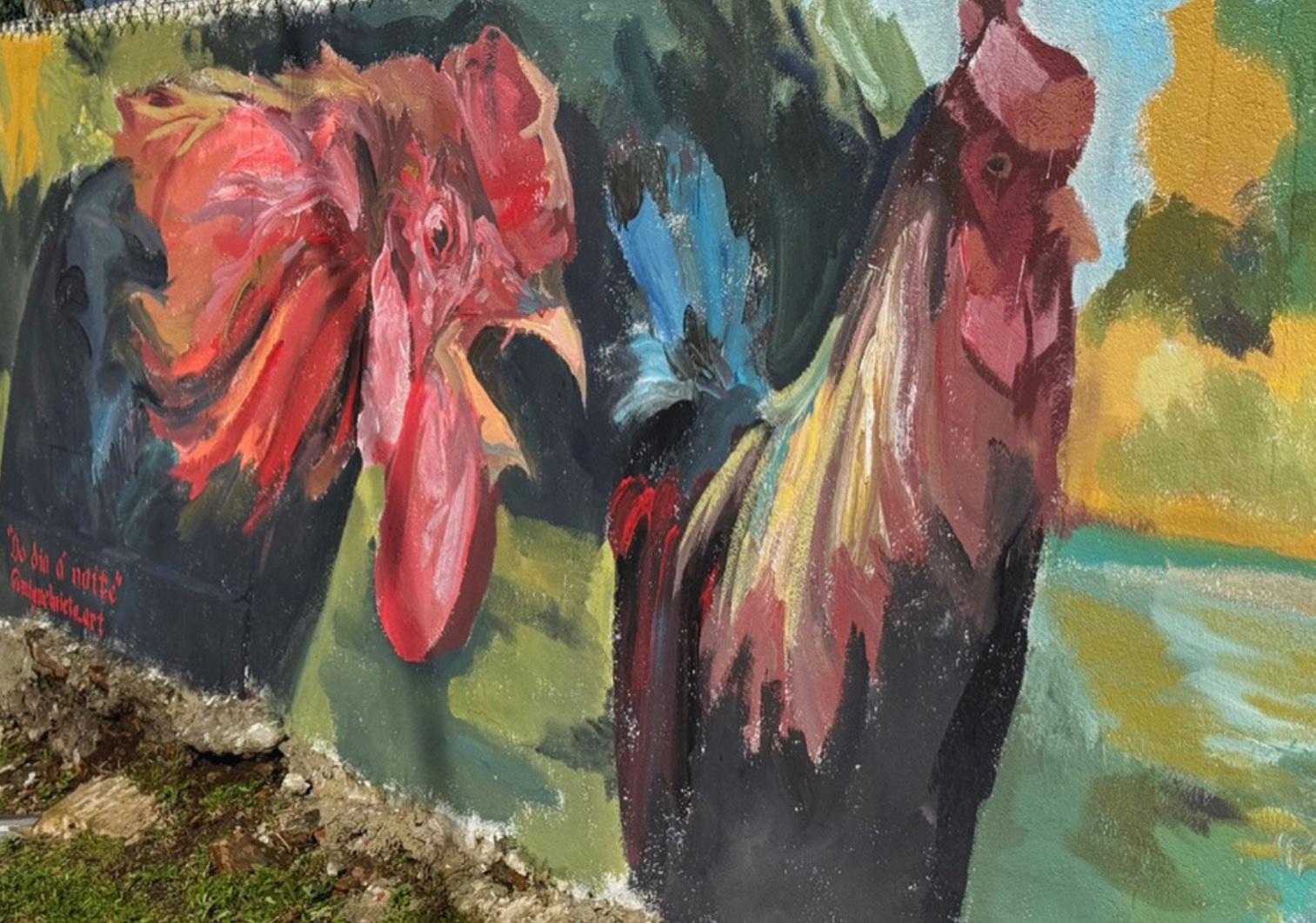
Galo Piñeiro
In O Pino, the undisputed protagonist of the table is the Galo Piñeiro, a native Galician rooster breed from the region of Arzúa and originally from this municipality. With its Atlantic bearing and distinctive plumage, these roasters and hens are reared according to traditional methods, resulting in firm, flavourful meat with a consistent texture — highly prized in Galician cuisine. Its slower growth and natural feeding lend depth and character to its flavour, making it the ideal ingredient for slow-cooked stews and festive recipes where the product itself takes centrestage.
A breed with history
The Gallo Piñeiro, which some studies suggest was introduced during the Celtic period, forms part of the genetic and cultural heritage of O Pino. Beyond itsdistinctivephysicaltraits—suchasits rose comb and the rooster’s characteristic golden plumage — it embodies a tradition closely linked to rural life and to the preservation of Galicia’snativebreeds.
Each year, the Festa do Galo Piñeiro e Mostra Cabalar pays tribute to this identity, transforming the product into a symbol of belonging and a driving force for the municipality’s gastronomic promotion.
More Flavours
Beyond its emblematic roaster, O Pino shares in the rich culinary heritage of the Arzúa region. The quality of its meadows and livestock farms is reflected in excellent beef and pork, while game lendsdeeper,moreintense nuances to seasonal cuisine. Cheese and honey produced locally, together with freshvegetables from the kitchen gardens, complete a pantry that is both honestandvaried.
To this are added the wines from the banks of the River Ulla, which find in thesetablesanaturalpairing,shapinga gastronomy deeply rooted in the land andintheunhurriedrhythmofthisfinal stage of The Way before your arrival in SantiagodeCompostela
Food & Festivities
Festa do Galo Piñeiro e Mostra Cabalar. First weekend of August (Arca). The municipality’s great gastronomic and festive event, featuring a popular lunch where the Galo Piñeiro takes centre stage. Traditional equestrian displays add to the celebration, turning the town into a vibrant meeting point.
Romerías da Madalena y de San Pedro. 22 July (Castrofeito) and 29 June (Arca) Two traditional celebrations that keep alive the custom of gathering in beautiful oak groves to share open-air meals, music and conviviality around the table.
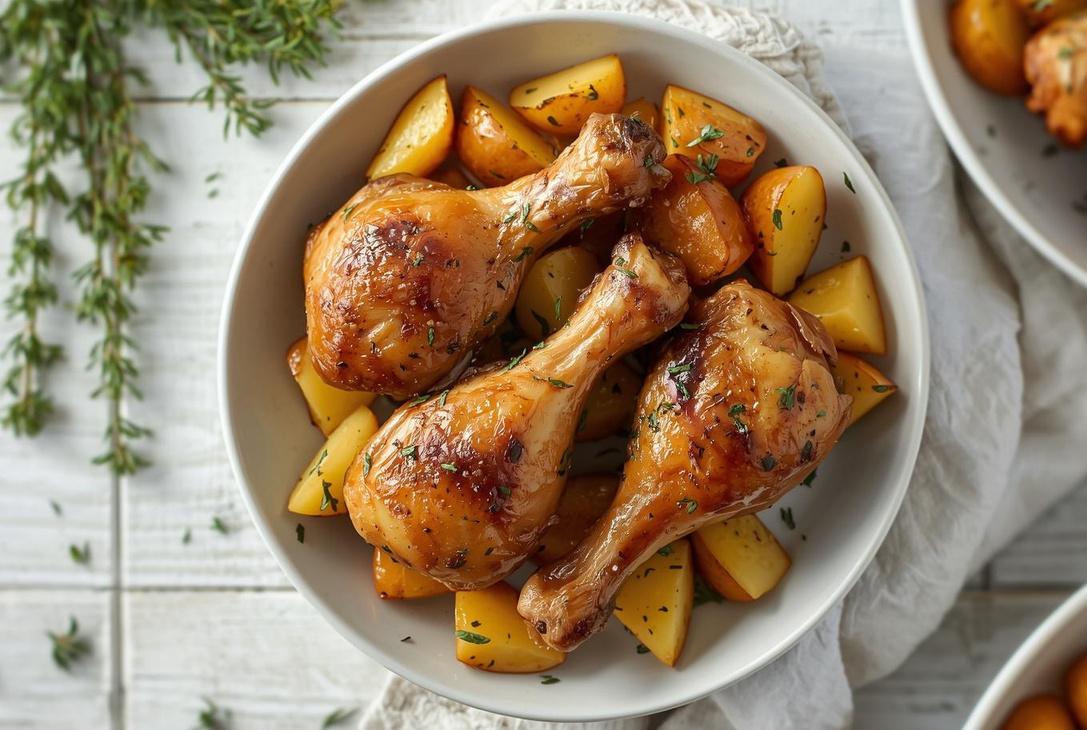
The Recipe ROAST GALLO PIÑEIRO WITH LEMON
& THYME
Ingredients for 4
1 Galo Piñeiro, cut into pieces
800 g Galician potatoes
4 garlic cloves
2 lemons
120 ml dry white wine
Fresh thyme
1 teaspoon sweet paprika
Extra virgin olive oil
Salt and pepper
Method
Crush the garlic with a pinch of salt and mix it with the lemon juice, white wine, stripped thyme leaves, sweet paprika and a generous drizzle of olive oil. Rub the Galo Piñeiro thoroughly with this marinade and leave to marinate for at least two hours, allowing the meat to absorb the aromas. Preheat the oven to 190 °C. Arrange the potatoes, cut into wedges, in a large baking dish, season with salt and pepper and drizzle with a little olive oil. Add the marinated rooster along with its juices and roast for 45–50 minutes, basting occasionally with the pan juices, until the skin is golden and crisp and the potatoes tender and lightly caramelised. Allow to rest for a few minutes before serving. The result is an aromatic and balanced roast, lifted by the freshness of lemon and the fragrance of thyme.
Continue savouring the French Way
This guide comes to a close here, yet the flavours of the French Way remain open to you. Whether you are about to begin the route or have already walked it, these pages are an invitation to continue exploring the unique tastes of the municipalities through which the French Way passes in Galicia.
If you are preparing to set out, this gastronomic journey offers an early gateway to the landscapes, the produce and the authenticity you will encounter in each town. A preview of the culinary richness that will welcome you at every pause, at every table, in every gesture of hospitality.
And if you have already reached the end, these lines evoke the flavours that accompanied you and now form part of your story — a thread that reconnects you with the mountains, the valleys, the villages and towns, and the ancestral recipes discovered along The Way. An invitation to return, to keep exploring and to allow yourself to be surprised once more.
For The Way does not end at its destination: it continues in what you carry with you and in what you choose to keep discovering. And its flavour — authentic, profound and unmistakably Galician — will remain with you always.