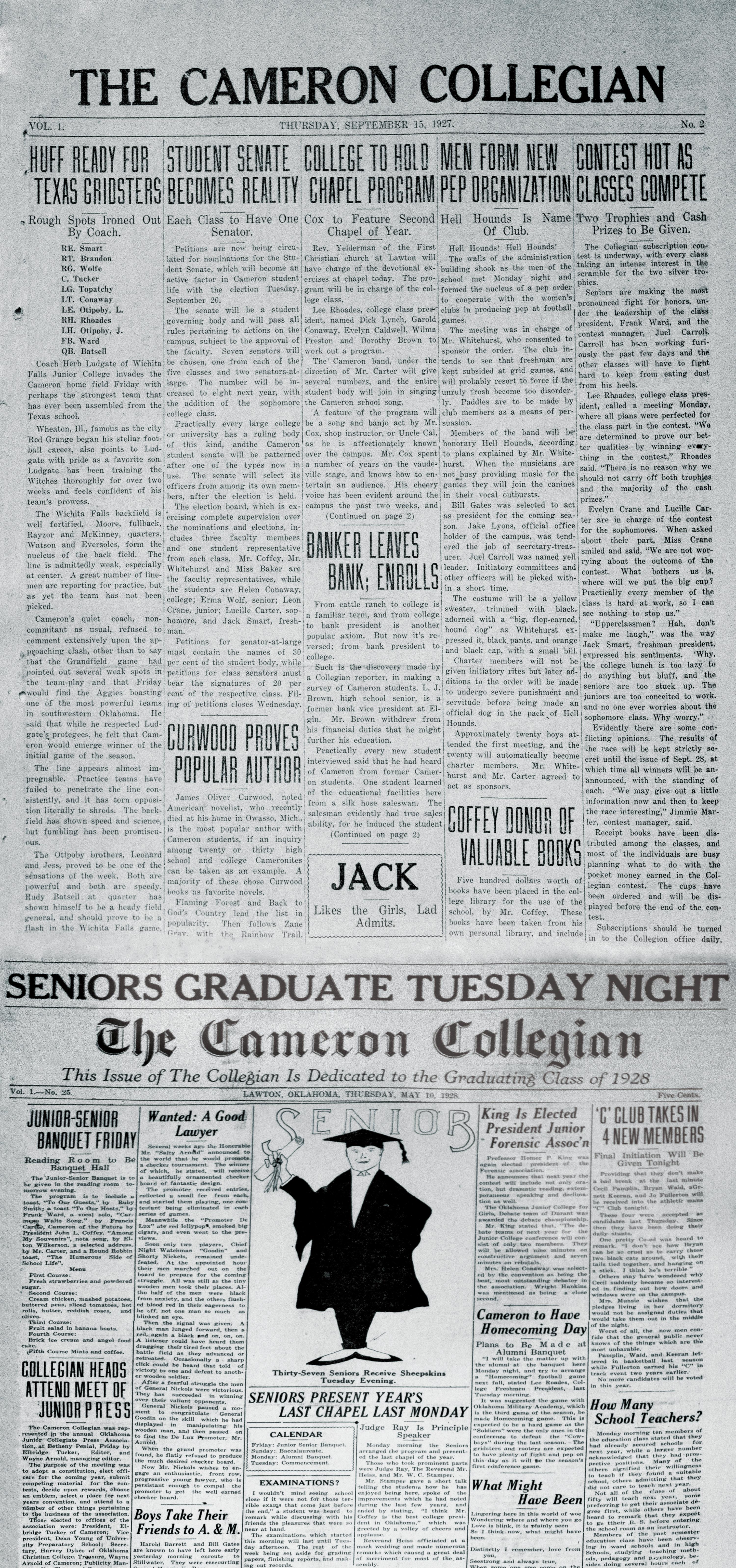
Cameron University’s student-led newspaper, the Collegian, began reporting on campus in 1926, and we get the distinct pleasure of celebrating a century of Aggie news this year, in 2026.
campus and even met his wife in a 1995 16th Century British Literature course, so his personal ties and commitment to the Aggie family run deep.
available, to make their lives easier, while executing the mission of the Collegian, to seek truth across campus and report it.
Newspapers are a special type of media, preserving moments in time and serving as a tangible piece of history for any area of coverage. The Collegian has been in publication across campus, supposedly never missing a semester since its launch, reporting through wars, historical events and unprecedented occurences like the COVID-19 pandemic.
This near-constant coverage is no small feat for the countless journalists over the past 100 years who have acted as the gatekeepers of information, reporting the facts and ensuring balanced and unbiased coverage is always maintained with ethical professionalism. Those journalists have been led by various faculty members over the years; their role is to guide and assist the students in a variety of ways, always allowing the creative freedom and content decisions to remain with the editors who have final approval of what the Collegian publishes.
Dr. Christopher Keller is a former Collegian Faculty Adviser from 2001 to 2013, with a sabbatical from 2003-2004 spent at Fort Sill as an instructional designer and educational psychologist for his Ph.D., who understands the importance this unique role plays for the publication.
“We’re a public university, which means our newspaper is a firstamendment-protected product, and while it's published under the auspice of a faculty adviser, there is no prior restraint to control the content of that paper. It's produced completely by students for students,” Keller said.
A Cameron alum, having graduated here in 1997, Keller has many ties to
Keller was at the helm of the Collegian through a pivotal moment in the paper’s history and had a hand in some major changes that supported the evolution of not just the print media on campus, but all future journalism at Cameron.
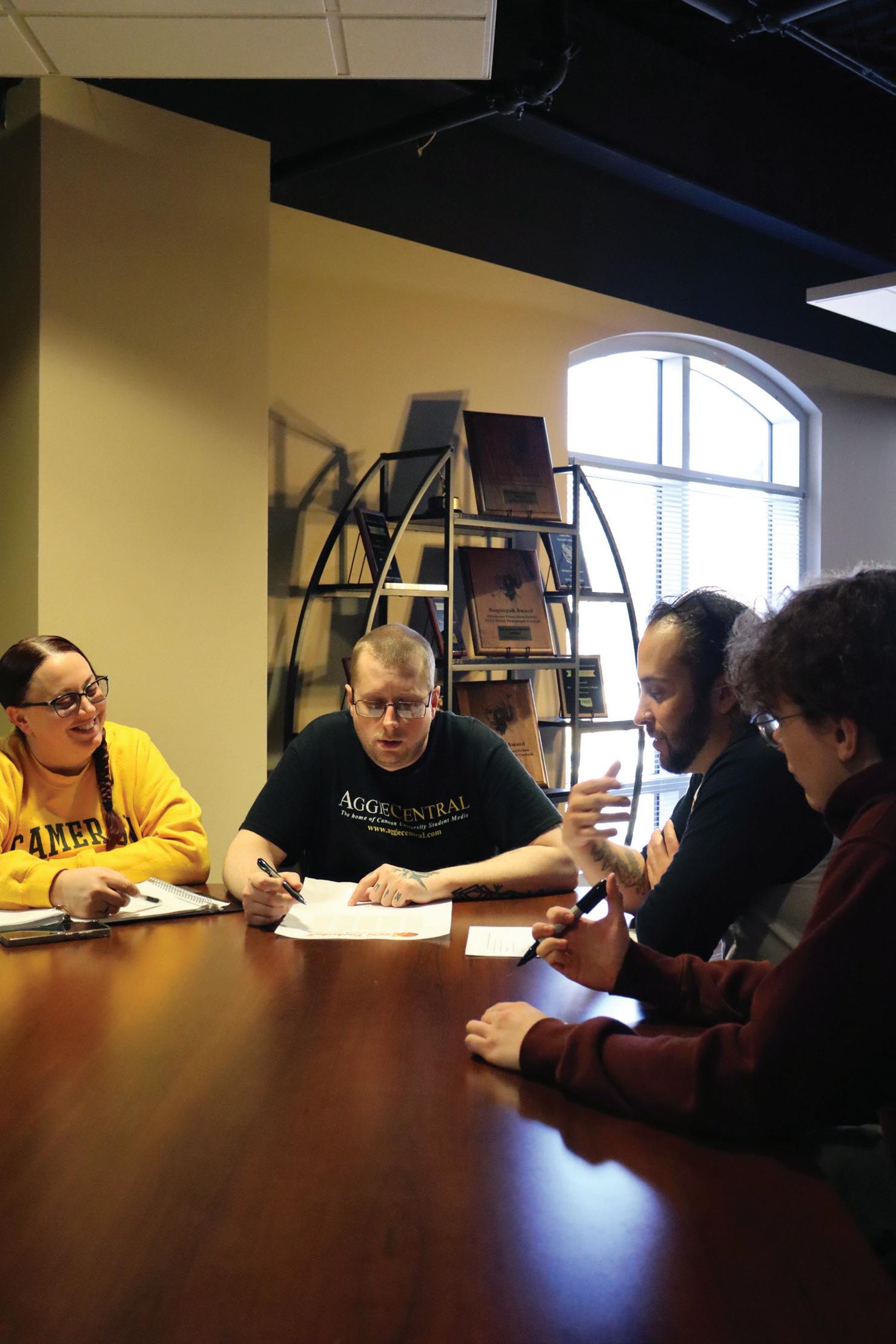
The current Eugene D. McMahon newsroom the Collegian operates out of weekly, was built in the newly restructured Academic Commons, after Dr. John McArthur, then Vice President of Academic Affairs, and soon to be 17th Cameron University President, had acquired a grant for the upgrade on campus. The construction project was announced on April 1, 2011, according to a former Collegian article published on April 4, 2011, from Volume 85, Issue 17.
Keller recalls his managing editor, Jim Horinek, from that timeframe when he was assisting McArthur in the converging media program plans across campus and building AggieCentral from the ground up, to house our university’s digital media, the site still used today.
Keller enjoys watching students move on from Cameron media and technology programs, especially those he was able to work with during his tenure at the Collegian as they embark on their professional journeys.
“Not everybody goes into journalism,” Keller said, “but that skill set that you learn as an editor, managing people and content, working on deadlines, being both creative and task-oriented, it suits people well for any profession that they want to go into.”
Keller took over for Dr. Donna Evers stepping into the adviser role in 2001, and he immediately set out to put his Ph.D. in technology to use by ensuring that the journalism and media students were utilizing and learning about every new tool and technological opportunity
“So, my goal was to maintain the excellence that Dr. Evers showed me as my advisor and what I knew about professional journalism,” Keller said, “and then to also make sure that my students were as well-equipped with the literacy knowledge regarding the media we were producing, and the technology that we were utilizing. And that we were making it to where our students could go and get immediate employment and were trained in both the ethics and the process of our craft.”
historical headlines and events covered over the last century on campus, as well as illustrate the writing and layout and design evolution.
Benke said, “I think it’s amazing that the paper is not only turning 100, but through that time it’s had a lasting impact on student bodies at Cameron.”
Leaving his position as a Senior English teacher at Lawton High School, Associate Professor David Bublitz, another alum, took on the role as Collegian Faculty Adviser, relieving Keller in 2013.
“That skill set that you learn as an editor, managing people and content, working on deadlines, being both creative and taskoriented, it suits people well for any profession that they want to go into.”
- Dr. Christopher Keller Education Professor
Cameron students cover a wide variety of content from campus firsts, comical issues such as missing mascot attire when they briefly lost Ole Kim years ago, to more serious events on a local and global scale.
“There is not a better source of Cameron University history — the small things that happen, that are big to us, but not to the world — there is not a better historical reference than what we do with the Collegian,” Keller said.
Cameron's physical archived records go back to 1927, which is kept in a room dedicated to campus history, housed in the Eugene D. McMahon Library. While some dates were misprinted over the years and the very first issue published is not on record, we maintain the year passed down from our editorial predecessors and campus documents, and honor 1926 as the Collegian's inception.
Library Specialist and Archivist Kimberly Jackson is currently responsible for maintaining this important room and keeping this roadmap to the past intact for future Aggie generations to come.
“There is so much history; I had no idea that Cameron actually started off as an Agricultural school for High School students,” Jackson said. “Some of the yearbooks that we have actually go back to like 1914, for the High School, so it's fascinating to see the history and how its evolved.”
Jackson provided Collegian Historical Editor Elaina Benke access to the oldest physical copies of the publication, to examine and document in digital formats to help bring these ancient chronicles back to life for today's readers to enjoy.
“I’m interested in working on the Centennial Tribute page because it's important to not only see how far we've come, but also to acknowledge the history, so our future can be brighter and better,” Benke said.
In an effort to pay homage to our humble beginnings, some of the oldest Collegian issues will be featured on page 6, for a peek into the past. Benke will continue to highlight issues from our archives on our Centennial Tribute for the remainder of this semester (volume 114). Page 6 will showcase some of the
“I thought this was a wonderful opportunity to return to campus and the publication, serve students in the journalism program and put in work as a fierce advocate for student media and the first amendment,” Bublitz said.
As a Cameron student, Bublitz worked as a Collegian editor, so he understands the requirements and expectations from the staff, which provides insight into the necessary guidance an adviser should convey.
“Dr. Keller was my faculty adviser when I was a student journalist,” Bublitz said, “so, in a way I inherited this position from him, and it was a great opportunity to pay forward in service the knowledge and experience I received from him.”
Bublitz has kept the publication going strong and ensured that the paper remained entered into several media organizations to compete against similar publications across the state.
One organization, the Oklahoma Press Association has the Better Newspaper contest, from which the Collegian has taken home a staggering 100 plus awards, since 2012, on top of the additional recognition when the Collegian was a part of the Oklahoma Collegiate Media Association.
Among this elite recognition are the highly coveted Sequoyah Awards, of which the Collegian won in 2020, 2021, 2023 and 2024. The Sequoyah is the highest honor an Oklahoma newspaper can receive and to compete against all other colleges across the state and bring home that title to share with the Aggie family is incredibly special for the journalists involved in the Collegian’s time-honored responsibility of seeking truth and reporting it, along with the preservation of history on campus.
We thank you for being a valued reader and supporter of the Collegian, and hope that you continue to enjoy one of our university’s oldest and longest running media outlets on campus, as always, for students, by students.
Photo by Angelica Martinez
Cameron University has recently instated Kristine McCarty as the new Vice President for University Advancement, but while her time at Cameron has just begun, her life has been focused on pursuing education for as far as she can remember.
Growing up in Idaho as a first generation College student, McCarty prioritized education above everything else. Coming from rocky beginnings, McCarty’s earlier career began when her mother enrolled her into ISUs Early Learning Center (ELC). Meanwhile her mother tried to fund her own college degree while supporting McCarty as a child. McCarty remembers looking out toward the college from the playground fence, watching college students commune with heavy backpacks and thick textbooks, imagining herself in their shoes. While unfortunately college did not work out for her mother, that didn’t discourage McCarty from wanting college for herself.
“I just wanted to be there one day,” she said. “We always struggled financially, and I knew pretty early on that my path out of that was through higher ed and through getting an education.”
When it came time to choose a college, McCarty faced difficult realities. Although she was accepted to several universities, family circumstances and financial barriers made decisions a little more difficult. A strong scholarship package from Idaho State University allowed her to stay close to her mother while moving out on her own “I chose ISU begrudgingly at first, but I loved it,” she admitted. “And a lot of that was because the faculty and staff were so supportive – it reminds me a lot of Cameron and the interactions that faculty and staff have here with students.”
McCarty started out college as an anthropology major, but she soon found out that even if she got a doctorate degree, her job opportunities would be sparse. “Financial stability was a huge goal for me,” she said. “So I really started to dive into opportunities wherever I could find them.” Even though she began unsure of a future career path, she eventually immersed herself into college life further through advising jobs, tutoring and assisting with their Honors Program in the Student Success Center. To her, those experiences were securing a future for herself. Her undergraduate career eventually led her to pick
up a marketing minor, which sparked a new interest for her. Her connections at the university eventually led to her being recommended to join the MBA (Masters of Business Administration) program.
“I never thought I would end up there as an anthropology major,” she said. “I ended up loving the program; it gave me so many skills and confidence in a lot of areas that I wouldn’t have had otherwise.”
Through kind advisors and a newfound spark, she found passion for fundraising, recruiting and alumni engagement. She loved the program so much in fact, it eventually led her to the role of the MBA director which she worked for six years, increasing enrollment by nearly 50 percent within the first few years of her service.
Soon after her time with the MBA, then Dean of the College of Business at ISU Shane Hunt encouraged McCarty to transfer into development. According to Hunt on the “Bengal Business” podcast, she made record breaking progress in scholarship creation and fundraising.
“I don’t want to take credit because it truly goes to our generous donors,” she said. “The person who’d been in my role previously had done an excellent job of building donor relationships, so I was really able to build off of the hard work that she’d done and even the person before her.”
These experiences led her to understanding the growth and generosity of kinder philanthropists.
When McCarty first applied to work at Cameron, she knew the hiring process would be competitive. Nevertheless she prepared thoroughly for her interview and gave it her all.
Now she serves as Cameron’s very own Vice President for University Advancement where she found herself most drawn to the school’s environment. During her interview period, it was her conversations with students that held up the most.
“They told me stories about why they chose Cameron.” she said. “Their favorite classes, faculty, and that said a lot about the culture here, just how much people care about one another.”
One of McCarty’s goals at Cameron is to create a student philanthropy board, where they would work to engage students more with the work they are doing to advance the university further. “I have missed working with students,” she said. “So I guess selfishly it gives me
the opportunity to work with students a little bit more closely.”
McCarty advises Cameron students to say “yes” when opportunites arise.
“Get involved,” she said. “Try things. My years in college where I started working on campus totally changed my experience and opened up a lot of doors for me.”
She also encourages students not to panic over choosing the “perfect” major.
“I felt if I made the wrong choice the rest of my life could be a disaster” she said. “If you’d told me at 22 that I’d be a fundraiser one day, I would have said that doesn’t sound quite right.”
McCarty said that her own path is a prime example of how college careers are not straight lines.
“If you work hard, stay open and build relationships, opportunities will come,” she said. “College is the time to experiment.”
For McCarty, that exploration led her back to the very thing that first inspired her as a child, the power of higher education.
Jake Thomas News Editor
Courtesy Photo
Photos by Mason Route
CatChing Zs ...
How much sleep do you really need?
Elizabeth Lehman Staff Writer
Sleepless nights and early mornings make up the typical college student’s weekdays, but how much sleep do you really need?
According to the National Institute of Health, roughly half of college students suffer from poor sleep quality or have diagnosable sleep problems. sixty percent or more experience significant sleep disruptions, with many studies indicating that 75% of students report occasional sleep disturbances, and 15–20% suffer from chronic insomnia.
The Center for Disease Control and Prevention (CDC) recommends that the average adult sleep seven to nine hours of a night. While the ideal amount of sleep varies from one individual to the next, it is a widespread myth that you can “catch up on sleep.” It may seem harmless but skipping sleep and sleeping in on the weekend has consequences.
The National Library of Medicine (NLM) published a 2018 study that explored the cardiovascular effects of “sleep debt.” Tomás Cabeza de Baca from the NLM defines sleep debt as “as the difference between self-reported total weekday and weekend sleep hours of at least two hours.” They found that women and men with sleep debt were more likely to suffer from health complications and had worse cardiovascular health overall.
Putting off sleep can also disrupt your circadian rhythm or “internal clock.” Your brain works on a schedule; it makes cortisol to wake you up and melatonin to lull you to sleep.
Disrupting this process can lead to sleep disorders like insomnia or falling asleep at inconvenient times. Insomnia can impact your ability to regulate your nervous system, leading to mood disorders, depression and cognitive decline that may affect your memory, ability to focus and overall quality of life.
Another commonly held belief is that one sex needs more sleep than the other. While on average women do sleep for longer periods of time than their male counterparts, it is only around 15 minutes more, according to the CDC. Though hormone fluctuations do affect sleep patterns, the claim that women need more sleep than men is not universally supported by medical science.
How can college students get better quality sleep?
Doctor Krishna Vakhariam, from the National Health Service in England, specializes in preventive medicine. She said that mental health is a leading cause of poor sleep habits. Treating stress and anxiety often leads to better sleep outcomes for her patients.
The waking hormone and the stress hormone are the same chemical: cortisol. Cortisol can produce racing thoughts, anxiety and insomnia. Poor sleep leads to worse stress and creates a feedback loop that can have devastating effects.
Dr. Vakhariam recommends breaking this cycle with relaxation techniques and changing your lifestyle. She emphasizes the only use for the bedroom is the bed, not studying, eating or socializing.
Watching an exciting movie or even a few Tiktok videos can keep the mind active at night and makes it difficult for the brain to make the connection between bed and rest. Comfort also plays a major role. If possible, investing in a supportive mattress and soft, cool bedding can greatly improve sleep quality.
The most recognized relaxation technique for sleep is the power down method coined by psychologist Micheal Breus. It is a sixty minute bedtime routine proven to lead to better sleep.
For the first 20 minutes, use this time to handle necessary tasks. Preparing for the next day, setting alarms, organizing or last minute chores.
At 20-40 minutes in, take care of your hygiene bathing, brushing teeth and washing your face. Turning down the lights during this phase signals the brain to start producing melatonin.
The rest of this time should be dedicated to calming activities that do not involve electronics, including meditation, deep breathing, reading (with a book light), gentle stretching or yoga.
Even though a nighttime routine may sound like it starts at night, preparing for sleep should start during the day.
Leaving bed as soon as you wake up and exposing yourself to natural light helps regulate cortisol production. If you struggle with sleeping at night, you should avoid napping and caffeine throughout the day.
The bed is for sleep; instead of bedrotting, exercising throughout the day helps burn off excess energy that keeps us up at night.
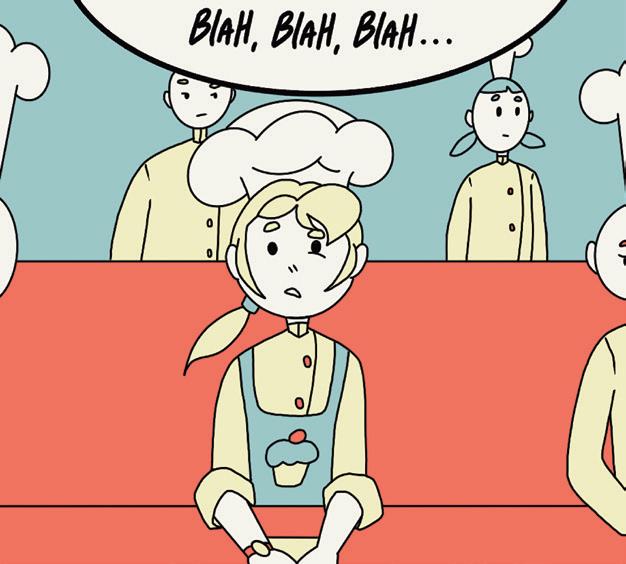
The most important rule is to remain consistent and stick to a routine no matter what that routine might be. Training your brain to sleep and wake at the same time every day is the best method for regular nights of good sleep.
Graphic by Fabiola Perez-Aponte
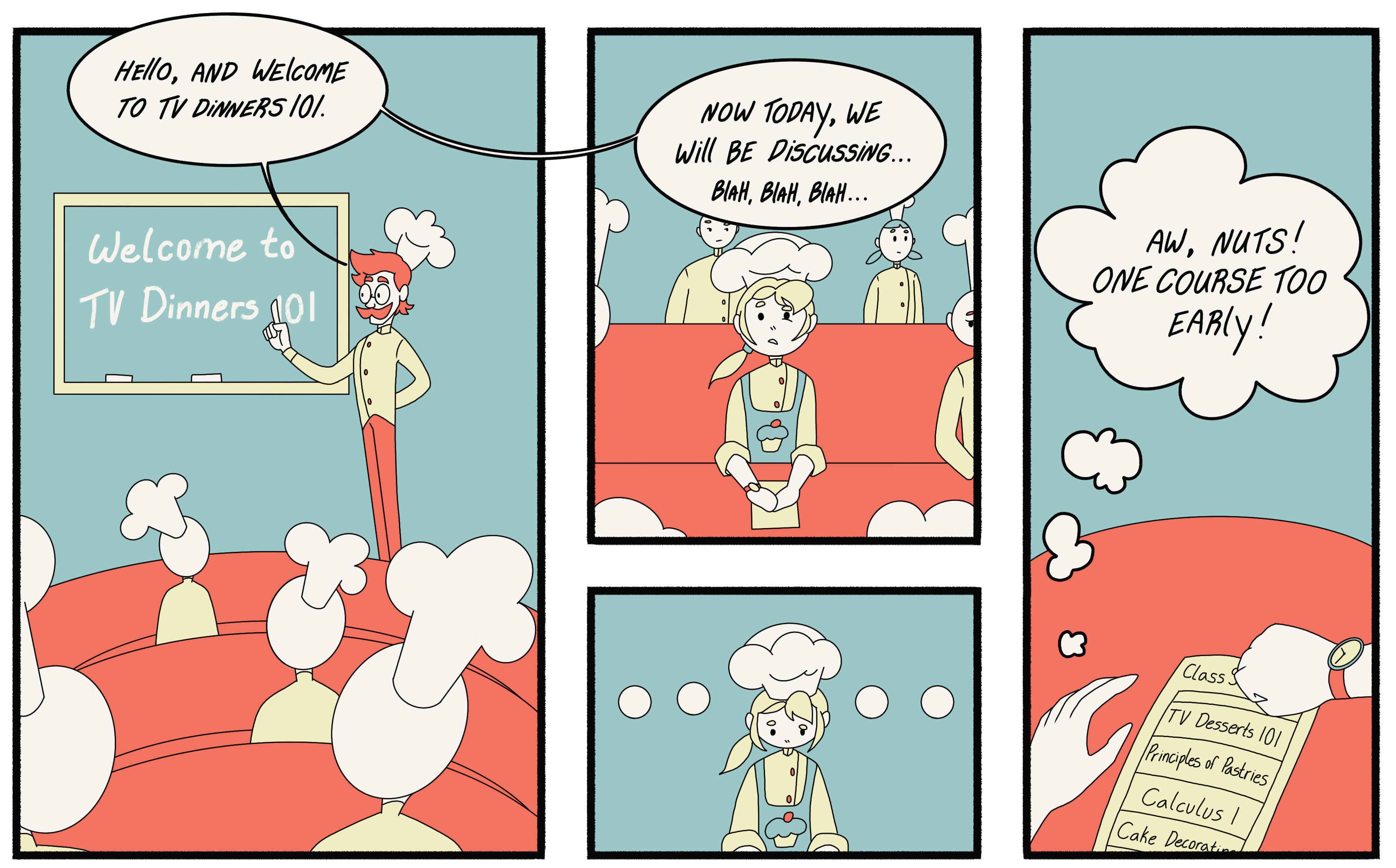
Comic by Jaley Melton-Wiley
photo
‘Zootopia 2’ a mission to save hiss-tory
Makayla Flenoury A&E Editor
“Zootopia 2” is an amazing sequel to the original story, and rumors of a third movie are circulating. The first Zootopia is a clever allegory for issues such as racism, prejudice and the abuse of government power. Not only that, but the movie also showed the importance of empathy, self-reflection and the value of unlikely allies.
The first film fits these messages into a comedic adventure filled with tension and heart, making the original film both entertaining and impactful.
“Zootopia 2” expands on those themes and the Zootopia universe, adding reptiles into the mix. The sequel felt more mature without alienating children, reflecting on the fact that its audience matured since the first movie was released about a decade ago in 2016.
Before I watched “Zootopia 2”, small mentions of
controversy circled the film, saying that it was too woke and progressive. Some reviewers even said the movie should have been rated R because of the violence, suggestive humor and systemic issues. There is even a reference to the R-rated movie, “The Shining.”
“Zootopia 2” didn’t become anything fundamentally different from the original film. It was always about systemic issues, but the second film expands those themes. It now represents colonialism and gentrification and keeps the theme of unlikely allies working together.
The opening portion of the movie focuses on Judy Hopps and Nick Wilde and how their differences have become an issue in their partnership. It does not specifically say they are anything more than police partners, but a relationship is heavily implied. Because this conflict was introduced so early, I worried that the sequel might
stray from the larger messages that made the first films so powerful.
However, my concern quickly subsided as the movie progressed. Although Judy and Nick’s conflicting tension only thickens, the themes of systemic issues come into focus.
The main antagonists of the story are the Lynxleys, a wealthy, influential family of lynxes in the Tundra zone of Zootopia. The Lynxley family is credited as the founders of the Weather Walls, which created different climate zones that allowed various species to live in the city of Zootopia. For the 100th anniversary of the Weather Walls, the family hosted a gala where the original journal was displayed. In celebration, the family plans to expand the Tundra Town zone.
No reptile has been seen in Zootopia since the Weather Walls were created until Gary De’Snake slithers in, with the help of Pawbert Lynxley, to
steal the journal. Judy and Nick attempt to stop him, only to find Gary pleading for his chance to reveal the truth.
The pair accidentally becomes fugitives, but Judy makes it their mission to help Gary. We later find out that reptiles have been hiding in Zootopia, occupying the very land the Lynxleys plan to claim for expansion.
Not only that, but it is also revealed that the Lynxleys stole the original journal from Gary’s ancestor and framed her for the murder of the Lynxley maid. After this, reptiles became feared and untrusted and left the city. Their portion of Zootopia was buried in snow for Tundra Town. Like the events of “Zootopia 1”, a person in power targets a specific group for their own gain.
The only way to prove the truth is to find the Reptile Town hidden beneath the snow. Judy, Gary and Pawbert turn on the power to create a beacon. After
the location was revealed, Pawbert betrays Judy and Gary. This turn of events caught me off guard and added tension. Pawbert nearly succeeds in killing Judy, Nick and their new beaver ally, while also attempting to frame Gary and permanently bury the truth. In the end, Pawbert was not successful in his betrayal. The group managed to find the original patent to the journal and reptiles were reintegrated back into Zootopia.
Rumors of a third movie sparked from the end credits scene, where a feather floats down into frame. The addition of birds in “Zootopia 3” could be a possibility.
“Zootopia 2” did not have the same impact as the first film, in my opinion. However, the movie still represented the original themes of the film. The movie was still an entertaining comedic adventure. I would give it a 7/10.
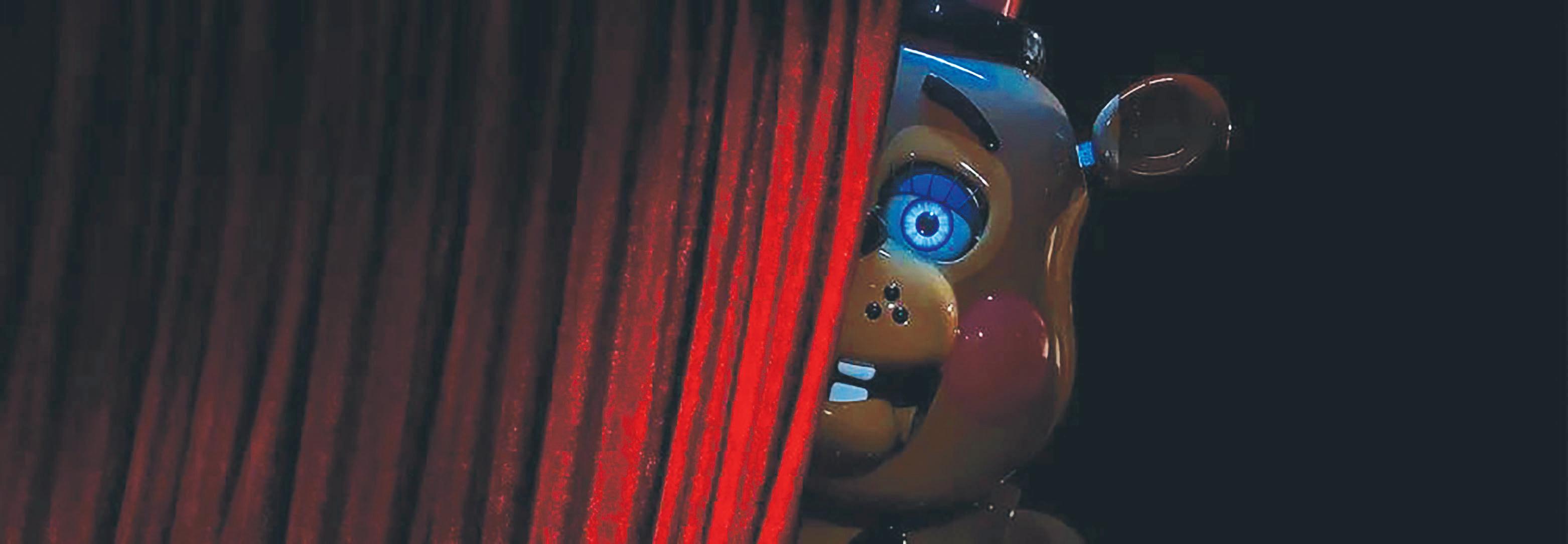
‘Five Nights at Freddy’s 2’
Makayla Flenoury A&E Editor
Ever since the release of the first Five Nights at Freddy’s (FNAF) game in 2014, I have been a huge fan.
I’ve studied the game lore like I’m preparing for a college exam. Imagine my inner child’s excitement when Blumhouse announced the production of the first FNAF movie.
When the first film hit theaters on Oct. 27, 2023, fans were ecstatic. Auditoriums were packed with cosplayers, and the movie had the biggest horror opening of the year. Despite the box office success, I left the theater disappointed.
The movie retained the core of FNAF, William Afton (Purple Guy or SpringTrap) murdered five children and stuffed their bodies in animatronic suits. The spirit of those kids trapped in the suits now possessed the animatronics.
However, the movie strayed too far from any other parts of the game lore and chose to tell its own story. This choice could have worked if the
storytelling had been stronger. The execution felt messy and didn’t hit the way fans hoped. As a longtime fan, it was upsetting.
The first film left my expectations of FNAF 2 quite low. I went into the theaters prepared for another letdown. Surprisingly, the sequel flew past my expectations with flying colors. The producers of FNAF 2 refused to let the movie fail like FNAF 1.
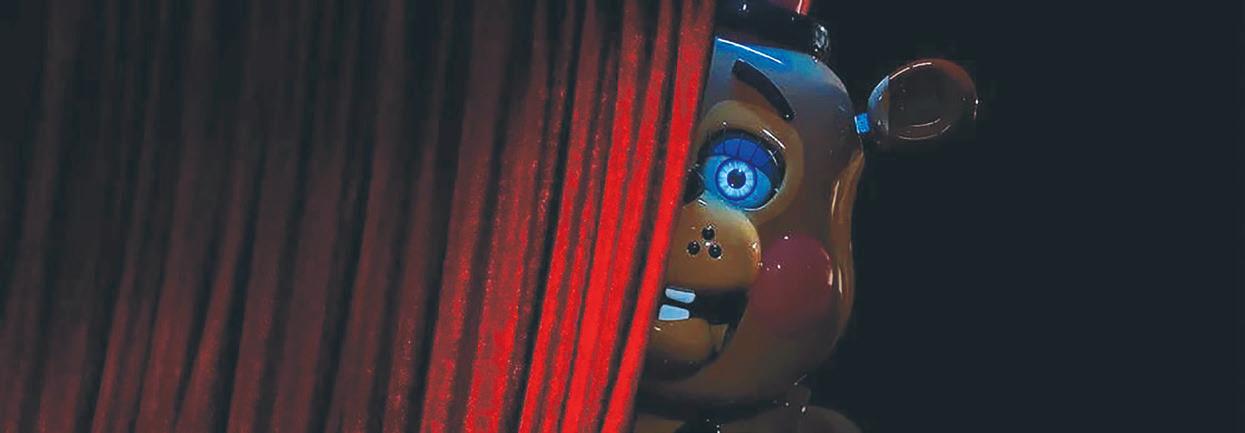
FNAF 2 picks up one year after the events of FNAF 1, following Mike (Josh Hutcherson), Abby (Piper Rubio), and Vanessa (Elizabeth Lail) as they attempt to live a normal life. Abby, however, longs to reconnect with her friends (the animatronics), but Mike and Vanessa try to protect her from them. Little do they know Charlotte (Audrey Lynn Marie) has other plans.
Charlotte Emily was killed at the original Freddy’s location in 1982.
Charlotte’s murder, along with the original location, was hidden from the public. Just as the other children possessed animatronics, Charlotte took control of the Marionette. Her presence grounds the film in lore that longtime
fans can appreciate.
Charlotte was able to control the Toy Animatronics and manipulate Abby’s love for them to disable a perimeter lock so the animatronics could terrorize the city using the cover of the Fazfest event. Mike and Vanessa were left to the task of stopping them.
This adds a more horror-oriented element to the movie. Charlotte is angry and wants revenge against the parents who witnessed her murder. With the animatronics under her control, they are much more aggressive. The movie felt more serious and tailored towards the games.
While the plot is still messy and not very good, FNAF 2 was able to connect with its audience. Blumhouse already established the movie’s own storyline, so producers rely on game references and memes to appeal to fans.
Those moments alone changed the outcome of the film and the opinions of the viewers. It didn’t make the plot good, but entertaining enough to satisfy the audience. Many references can be found throughout the film, but
three stood out as my favorites.
The first two go hand in hand; there is a scene in the movie where Mike is tasked with finding the location of the Toy Animatronics using the old computer in the office. This scene is a huge reference to the mechanics of the FNAF 2 game; Mike is actually playing the game.
During this scene, for a split second, Shadow Bonnie appears. Shadow Bonnie is an extremely rare occurrence in the FNAF 2 game, and it can even crash your game.
My other favorite reference is at the end of the movie. Mike, Abby and Vanessa are cornered by the Toy Animatronics, and things aren’t looking great for the trio. Just when tension is at its peak, Foxy’s hum from the first FNAF game signals recuse and the original animatronics come to save them once again.
The FNAF 2 movie is bad and a bit corny, but as a longtime fan, I appreciate the effort the producer put in to include the games. I would give this movie a 7.5/10 for the references alone.
Courtesy
Courtesy photo
Matthew Hasley Sports Editor
As a student who’s spent their fair share of evenings in the Aggie Gym watching our teams battle, I’ll be honest… this basketball season has tested the patience of this Aggies fan.
With both the men’s and women’s teams sitting at eight games left in the regular season, the records don’t lie.
The men’s team sits at 6-14 (3-9 Lone Star Conference), the women at 2-18 (2-10 LSC). That’s not the stuff of bannerraising ceremonies.
But as someone who bleeds black and gold, I refuse to think this is the future. This is a rebuild, plain and simple, and sometimes the best stories come from the lowest points.
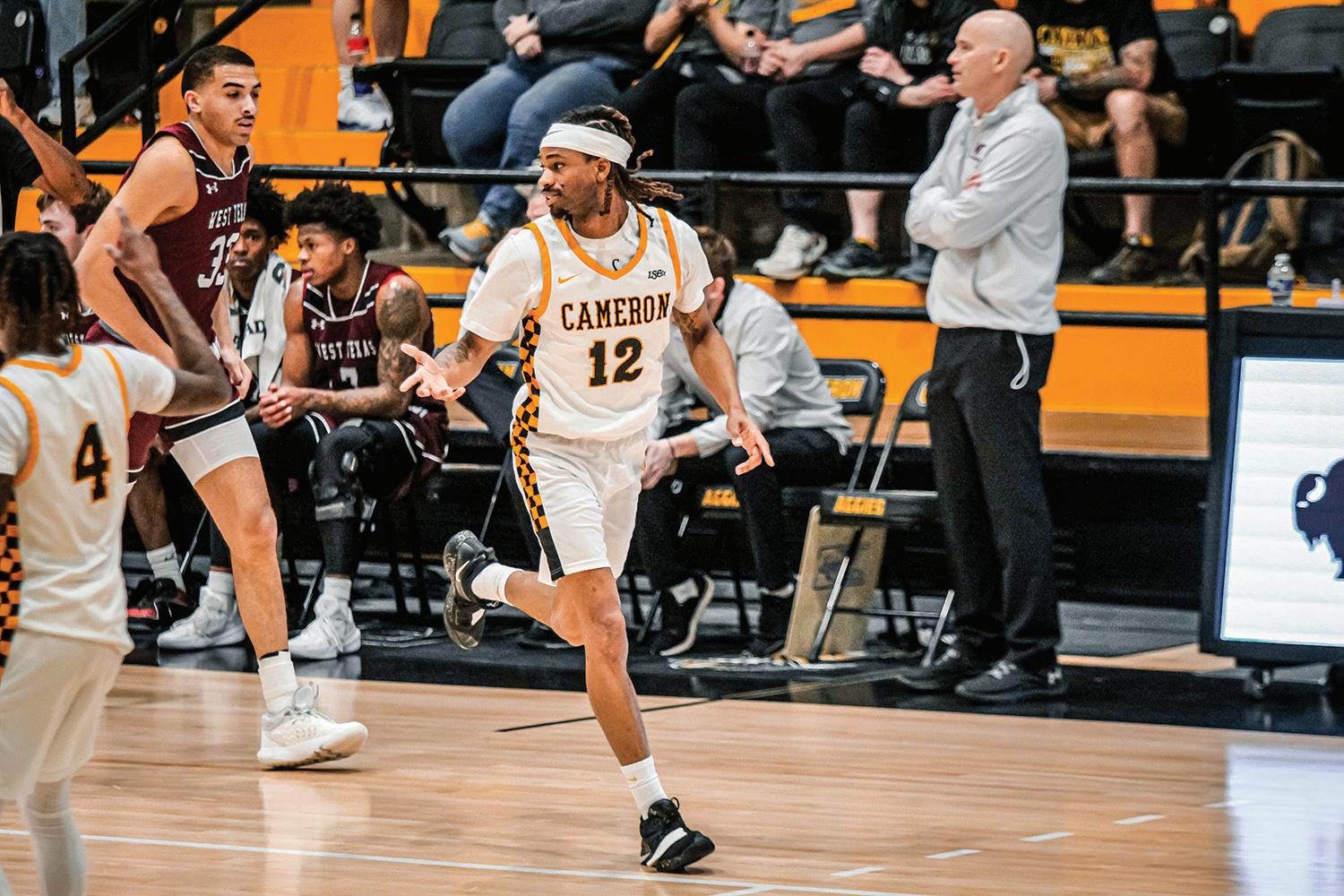
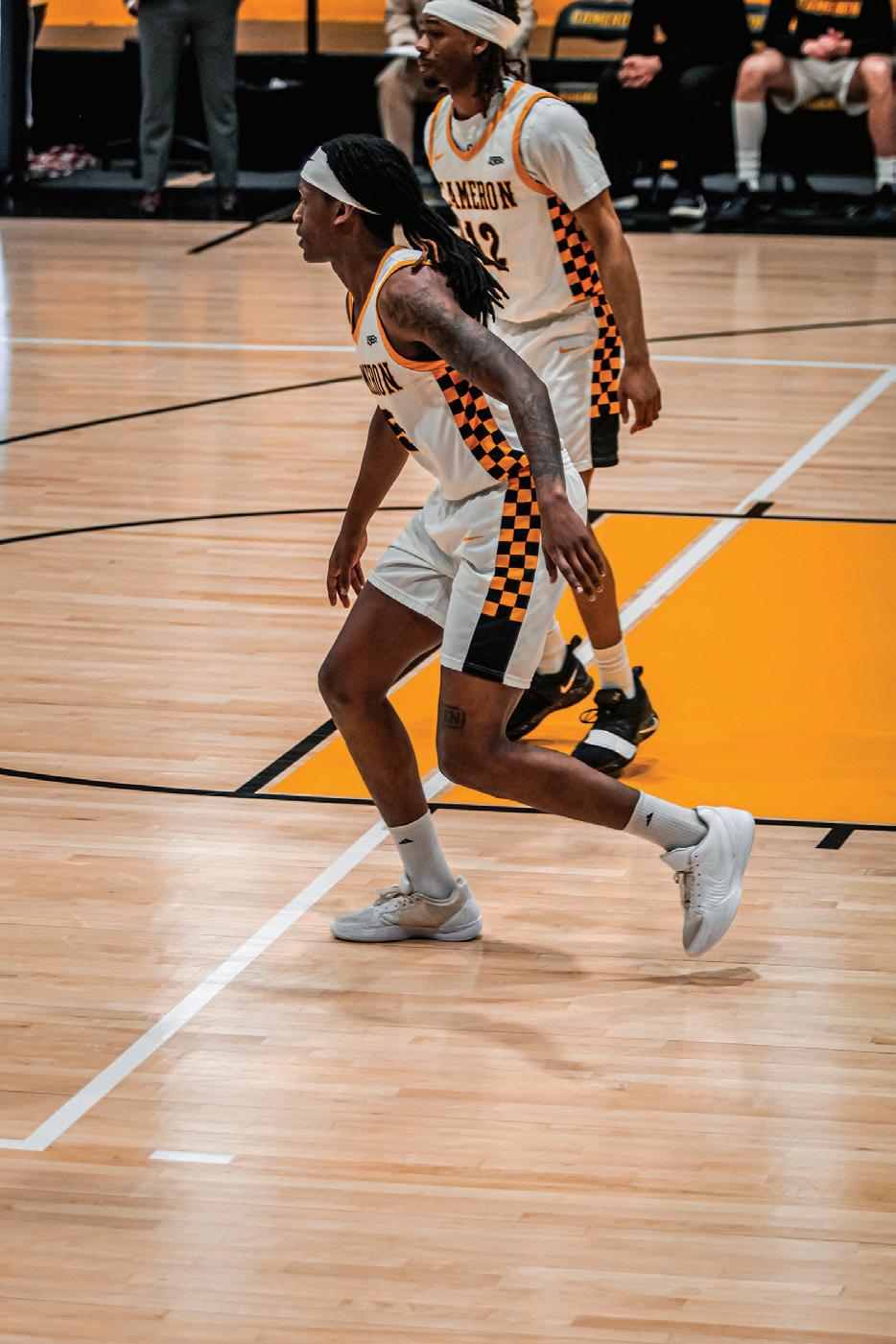
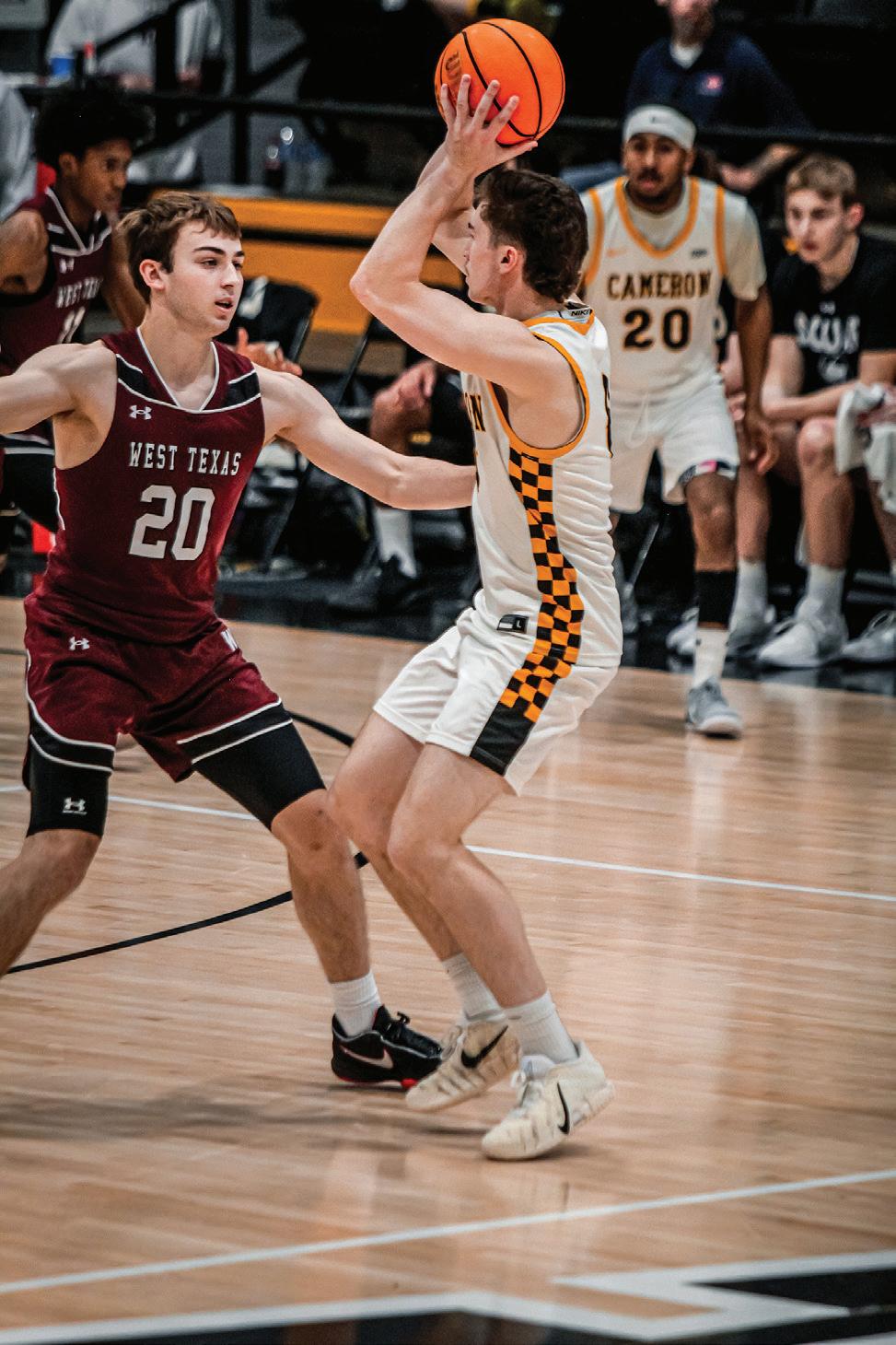
Let’s start with the men’s side as Coach Nathan Kennedy’s first year has been the definition of “new era growing pains.” Only three players returned from last season with the rest either graduating or hitting the transfer portal. That’s a complete roster turnover, and it shows.
Early non-conference games were a mixed bag. The men had a gritty road win at Western Colorado (90-83), a
solid home victory over New Mexico Highlands (89-81) and a thriller over Southeastern Oklahoma (111-109).
The conference play brought the real test and the Aggies delivered three wins. The first was a statement 87-83 of Lubbock Christian at home, a dramatic 84-82 road victory at Texas A&M International and a hard-fought 76-71 win over Angelo State.
But let’s not sugarcoat the rough patches — the team is on a six-game losing streak. Unfortunately, capped by Saturday’s embarrassing 107-50 road loss at Lubbock Christian. In that game the Aggies shot just 31% from the field and got outrebounded by 20.
Defense has been the Achilles’ heel all year it seems, as opponents are averaging 86.1 points while our men manage only 76.8. Turnovers (14.9 per game) and poor rebounding (-4.3 margin) have killed too many possessions.
Yet here’s where we can have hope as Aggie fans; Junior forward Michael Jones from Tarpon Springs, Florida, is putting up 15.6 points and 6.1 rebounds on a crazy 60.0% field-goal shooting. Meanwhile, Senior guard Jordan Mitchell from West Memphis,
Arkansas, is right behind Jones at 15.0 points, while dishing 4.1 assists.
These two are carrying the load, and with this young lineup, that matters. There have been flashes of hope with close losses like the 7271 heartbreaker at Sul Ross State or the 86-79 defeat to Midwestern. I feel these games show that the team can hang with the conference middle.
With eight games left, including four at home, there’s still time to steal a few wins, build confidence and maybe sneak into the LSC Tournament. It won’t be easy by any means with Eastern New Mexico, UT Dallas and St. Mary’s all ahead, and they are no pushovers. However, if Jones and Mitchell stay hot and the rest of the squad can get theirs, this could be the stretch where the Aggies start looking like the team we expect to come next year.
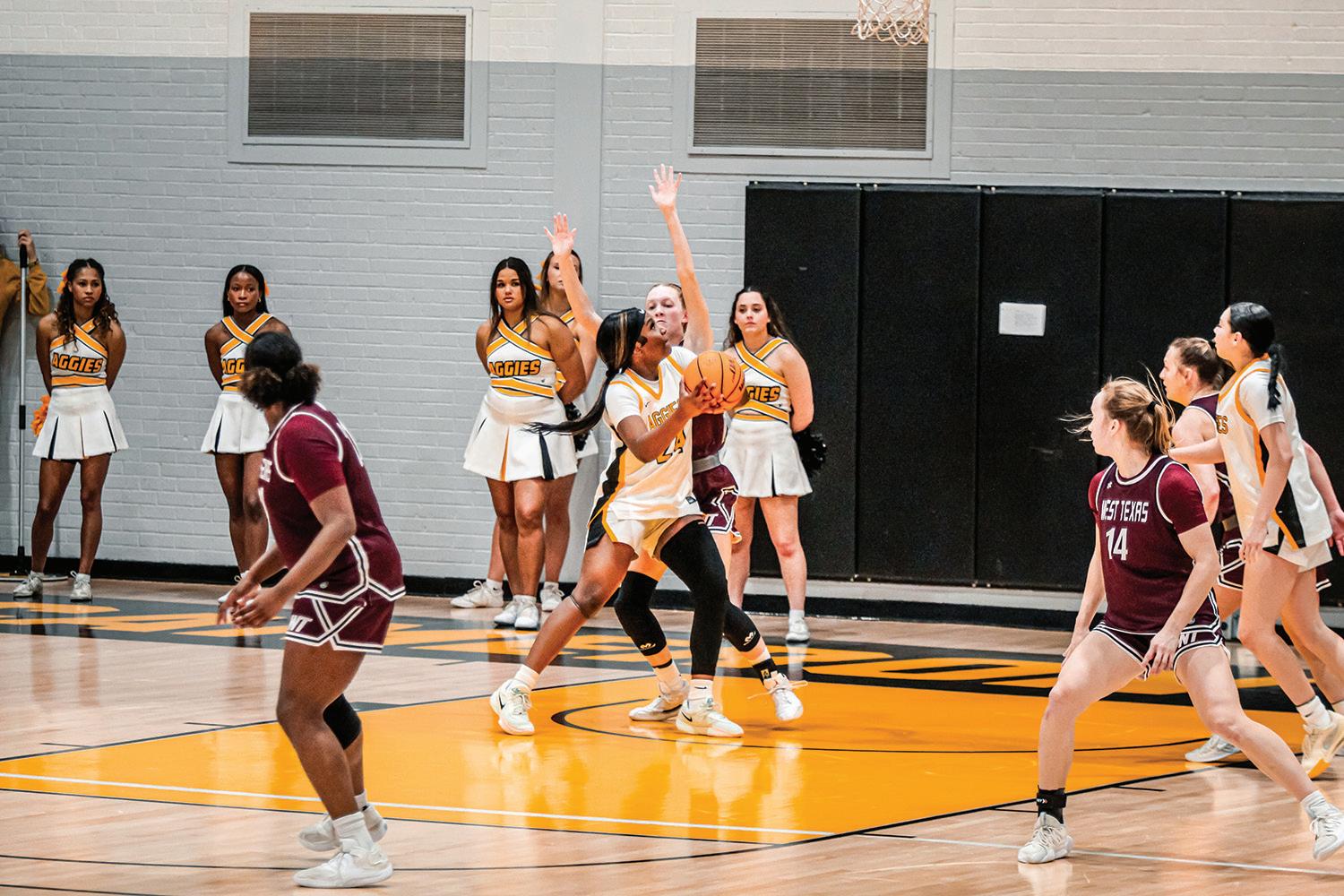
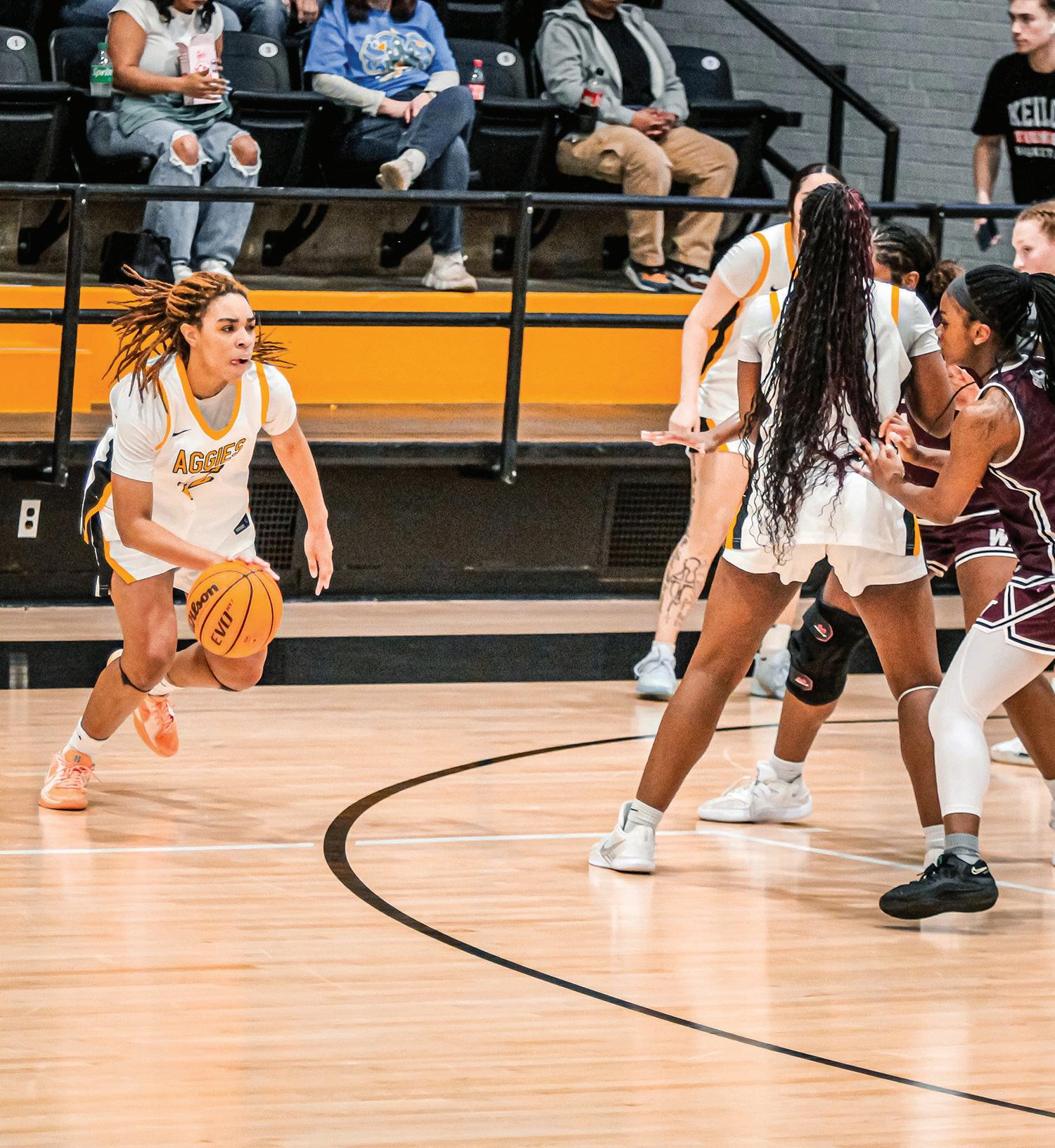
With Coach Jeffrey Mahoney in his fourth year for the women’s team, he’s facing the exact same rebuilding challenge with only three returners. The record (2-18) stings badly, especially with zero home wins so far.
The last two games were particularly tough with a 73-47 loss at Lubbock Christian and
a 60-56 loss at home to St. Edward’s. Scoring has been the biggest issue, though, as the women have averaged 58.9 points per game against 75.2 allowed.
But again, there are bright spots that keep me excited and still cheering. Sophomore forward Madison Griggs from Mansfield, Texas, is playing well — averaging 18.4 points per game. Senior Kloe Heidebrecht from Cache, Oklahoma, is contributing 12.3 points while leading the team in three-pointers (3.2 per game). I remember telling her last season that she just needs to start shooting those three’s, and it’s good to see she is doing that. The two women carried the Aggies to their only conference wins, a 75-68 road upset at Western New Mexico on Jan. 15 and a 70-64 home victory over Sul Ross State two days later. That back-to-back sweep was the high point of the season, proof that when the shots fall and the energy is there, this team can beat anyone.
I like to think that the criticism is fair, as there have been too many blowouts and too many nights where the Aggies look overmatched. Defense and rebounding need massive improvement if
they want to avoid finishing dead last. With eight games remaining, including home matchups against Oklahoma Christian, UT Dallas and St. Mary’s, there’s still an opportunity to end the season on a positive note.
Griggs is only a sophomore after all. The freshmen are gaining experience every night and the team is learning to gel with one another.
I don’t think this is the end of the story, it’s just the middle chapter of a longer rebuild for our women’s program. As a student who wants to see our university thrive everywhere it can, it hurts to see these results at times. I’ve seen the empty seats and have heard the quiet crowds. But I’ve also seen the effort, I’ve seen the practices, I’ve spoken with Coach Kennedy and Coach Mahoney and they both preach growth over giving excuses.
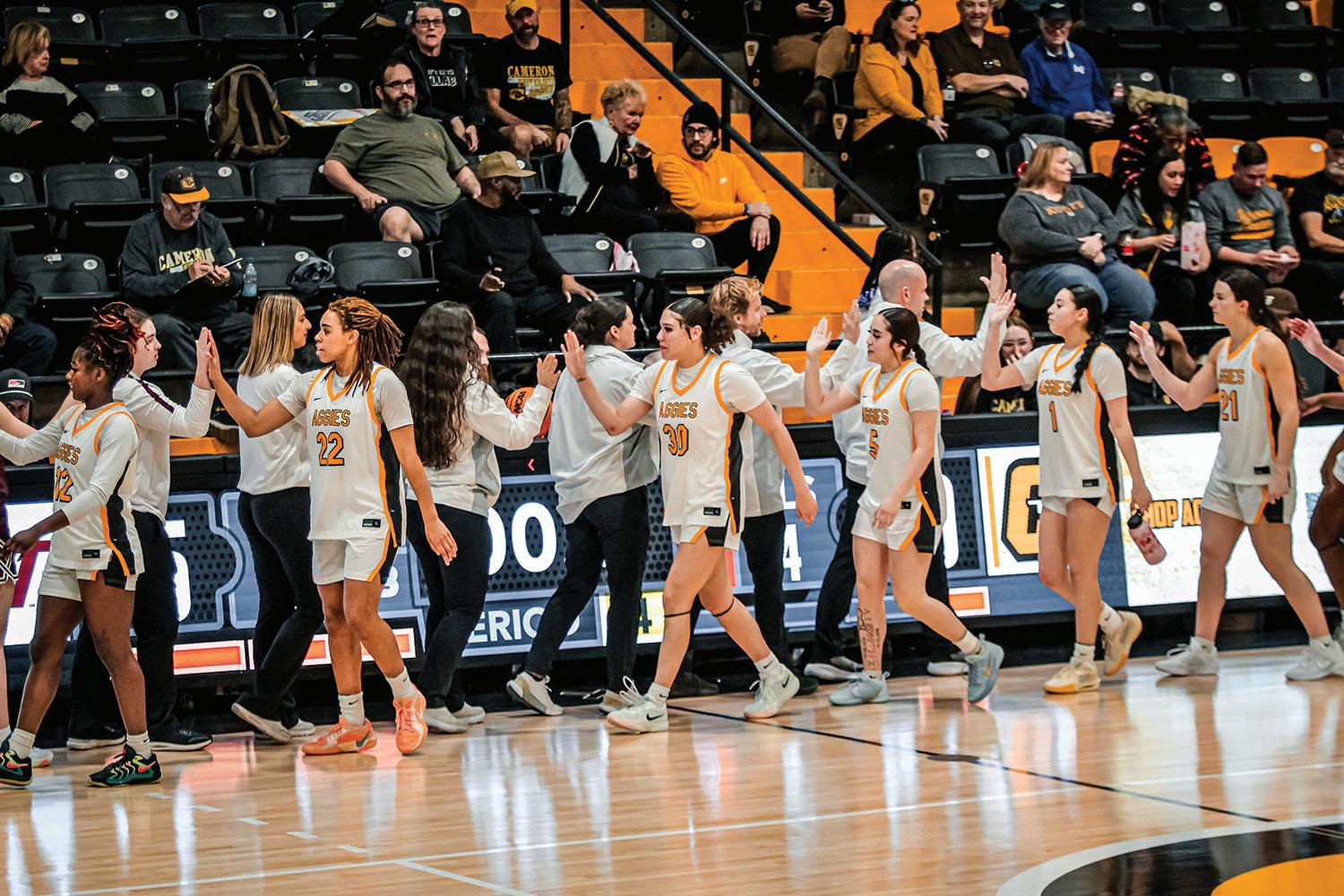
Eight games left — that’s eight chances to prove the haters wrong, eight chances to send the seniors out with pride, eight chances to remind everyone why we show up to play.
So yeah, the records aren’t great, but the future, that’s still ours to decide.
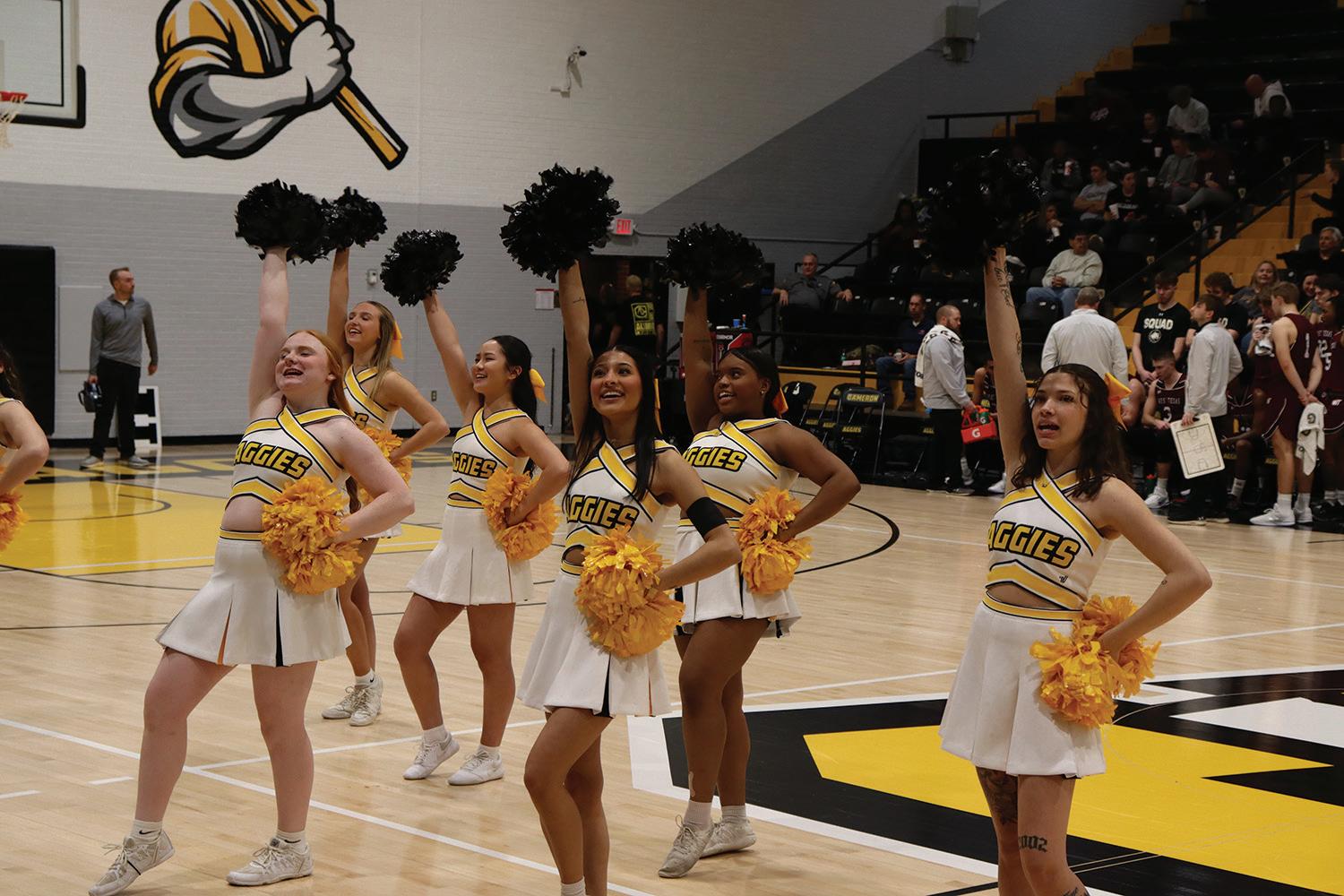
In the famous words of President Hunt, “Go Aggies!”