



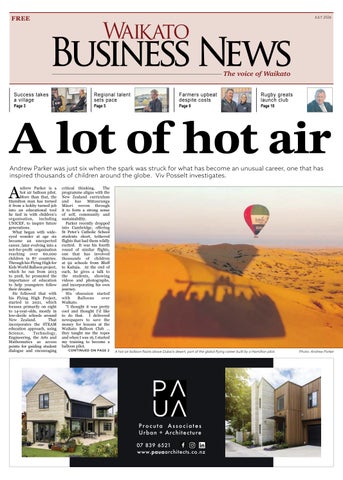
Andrew Parker was just six when the spark was struck for what has become an unusual career, one that has inspired thousands of children around the globe. Viv Posselt investigates.
Andrew Parker is a hot air balloon pilot.
More than that, the Hamilton man has turned it from a hobby turned job into an educational tool he tied in with children’s organisation, including UNICEF, to inspire future generations.
What began with wideeyed wonder at age six became an unexpected career, later evolving into a not-for-profit organisation reaching over 60,000 children in 87 countries. Through his Flying High for Kids World Balloon project, which he ran from 2013 to 2018, he promoted the importance of education to help youngsters follow their dreams.
He followed that with his Flying High Project, started in 2021, which focuses primarily on eight to 14-year-olds, mostly in low-decile schools around New Zealand. That incorporates the STEAM education approach, using Science, Technology, Engineering, the Arts and Mathematics as access points for guiding student dialogue and encouraging
critical thinking. The programme aligns with the New Zealand curriculum and has Mātauranga Māori woven through it to form a strong sense of self, community and sustainability.
Parker recently dropped into Cambridge, offering St Peter’s Catholic School students short, tethered flights that had them wildly excited. It was his fourth round of similar flights, one that has involved thousands of children at 92 schools from Bluff to Kaitaia. At the end of each, he gives a talk to the students, showing videos and photographs, and incorporating his own journey.
His obsession started with Balloons over Waikato.
“I thought it was pretty cool and thought I’d like to do that. I delivered newspapers to save the money for lessons at the Waikato Balloon Club … they taught me the ropes and when I was 16, I started my training to become a balloon pilot.








Roy Pilott editor@goodlocal.nz 027 450 0115
Mary Anne Gill maryanne@goodlocal.nz 021 705 213
Viv Posselt viv@goodlocal.nz 027 233 7686
Advertising Director
Janine Davy janine@goodlocal.nz 027 287 0005
Owner/Publisher
David Mackenzie david@goodlocal.nz
Office/Accounts admin@goodlocal.nz 07 827 0005
Readers’ contributions of articles and letters are welcome. Publication of contributions are entirely at the discretion of editorial staff and may be edited. Contributions will only be considered for publication when accompanied by the author’s full name, residential address, and telephone number. Opinions expressed are not necessarily those of the publishers. Waikato Business News is published by Good Local Media Limited. Also publishers of






“I could fly a balloon before I could drive a car … and once I knew I could make a career of it, I was off.”
He gained his private pilot’s licence in his late teens, left school early with University Entrance under his belt as back-up, found a job then returned to Australia to train for his commercial pilot’s licence, which he attained aged 18. He trained there in outback New South Wales and Alice Springs before being offered a job flying balloons in Poland.
That was his first commercial gig. It was also the start of his wider adventures that saw him ballooning in Europe for several months then returning to New Zealand when the season ended. He purchased a balloon in Hamilton at age 20 and ran the Kiwi Balloon Company for six years. After selling it, he went to Russia, then Brazil, where he first considered turning his ballooning into something inspirational for kids. That kickstarted his Flying High for Kids initiative … he purchased a truck and drove with his balloon through 87 countries.


Later, he liaised with UNICEF in New Zealand who pledged logistical support for his next venture – the Flying High Project and its educational programme. Because that support wasn’t financial and he volunteers his time, he flies the Dream Big balloon from April to June then spends the rest of his year earning by flying tourists in Europe, primarily in France and Dubai.
It’s an extraordinary journey that is far from over for Parker. He has a home in France which he shares with his Russianborn balloon pilot wife Mariya.
He took 2025 off, reviewing and upgrading the education programme and planning ahead. He would like to build a network of sponsors which would enable him to make the project more sustainable.
“I’d like to get businesses involved, perhaps to sponsor the balloons,” he said. “This offers so many pathways to spreading their message at the same time as helping children view their world and its opportunities from a completely different perspective.”
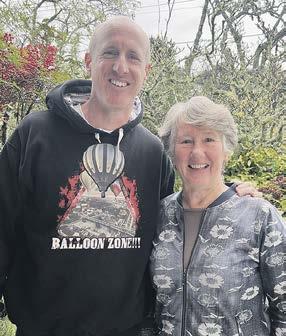
By ANDREA TWADDLE
Employers can now consider a significant shift in the Employment Relations Act when managing disciplinary matters and personal grievances where employee contribution is involved.
Central to the legislative reforms is a clear policy objective. Workplace Relations and Safety Minister Brooke van Velden said the changes are designed to ensure employees are not “rewarded… for poor behaviour” and to “increase certainty for employers” navigating the personal grievance system.
Under the previous framework, if an employee contributed to the situation giving rise to a grievance, the Employment Relations Authority and Employment Court could reduce remedies such as compensation. In practice, those reductions were often modest and inconsistent.
New sections 123B and 123C of the Act, alongside section 124, significantly change how employee conduct affects outcomes.
Where an employee’s actions contributed to the situation giving rise to a personal grievance, reinstatement and compensation are no longer available.
If that contribution amounts to serious misconduct, the employee is entitled to no remedies at all.
Where remedies are still available, they
may be reduced by up to 100 percent. In addition, an employee’s conduct in impeding an employer’s ability to run a fair process can be taken into account.
The overall effect is to remove much of the discretion previously available, which sometimes allowed substantial remedies despite significant fault on the part of the employee.
However, the Act does not define “contribution” or “serious misconduct”, leaving these concepts open to interpretation and likely to be developed through litigation.
The new law is not retrospective. However, a recent Authority decision helps illustrate how these provisions may operate in practice.
In Gorrett v Skibo Limited, an employee reported repeated conduct by a colleague amounting to sexual harassment. Gorrett admitted sending inappropriate messages, an explicit image and a letter. He was dismissed immediately.
Although there were significant defects in the employer’s process that would normally justify remedies for unjustified dismissal, the Authority reduced all remedies by 100 percent. It found the conduct was “not only blameworthy but also wholly contributed to the situation giving rise to the dismissal”.
Awarding remedies would have been inconsistent with equity and good conscience.
While decided under the previous law, the case reflects the more certain outcomes employers may expect under the new regime, with a stronger focus on employee behaviour alongside employer process. The reforms are likely to prompt earlier and more detailed debate about how conduct is characterised - for example, whether it amounts to poor performance, a minor breach, or serious misconduct.
Employers should review their disciplinary processes and consider whether adjustments are needed given the changing risk landscape. Clear definitions of serious misconduct will be important.
While employees may be less inclined to pursue personal grievance claims, the changes are not a licence to ignore fair process. However, employers may be less likely to settle claims purely to avoid the risk of remedies where there is clear evidence of employee contribution.
• Andrea Twaddle is a director of DTI Lawyers who specialises in sports and employment law and independent investigations.






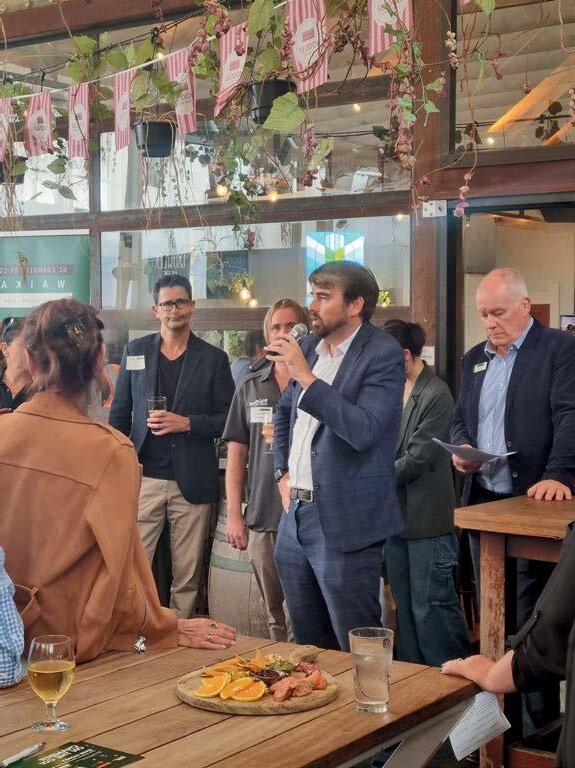
Hamilton central hospitality operators will showcase bite sized creations in the Love Bites promotion next month. More than 20 venues will participate, alongside themed events and tasting experiences. Organisers say the initiative highlights the city’s diverse food scene and encourages people to explore new venues through small, creative dishes.
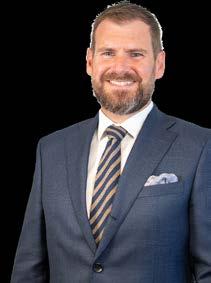
Templeton Group has revealed plans for a $100 million plus, 25 level high rise on Hamilton’s Victoria Street riverfront. The mixed-use development includes a fivestar hotel, hospitality precinct, residences and wellness facilities. Backed by strong demand for accommodation, the project signals growing confidence in Hamilton’s future and is set to become a landmark city development.
Two Hamilton venues have reached the Monteith’s Wild Food Challenge final. The Keg Room and The Lookout Bar and Kitchen will compete in an Auckland cook off after earning strong public support for their creative dishes. The competition showcases bold use of local ingredients and culinary innovation, with judges assessing flavour, presentation and originality.
Waikato law firm Gallie Miles has opened a new office in Cambridge, expanding its regional footprint. The firm says the move responds to strong local demand and aligns with client and staff connections in the area.
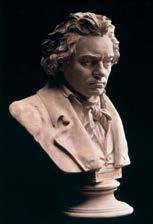
Opus Orchestra brings an accessible twist to classical music with Beethoven Unwrapped in Hamilton this month. Guest conductor Hamilton's Michael Joel guides audiences through Symphony No. 4, explaining themes and structure before a full performance. The orchestra draws strongly from Waikato musicians, including University of Waikato students. Among them is Cambridge based violinist Indiana Williamson, alongside Hamilton musicians
Nrusingha Rath, William Ziyue Zhang, Samara Nation and trumpeter Sitiveni Palei
Elite athletes may stand alone on the podium, but success takes a network of support, sacrifice and planning beyond the field of play, writes Mary Anne Gill.
The business audience expected to hear about medals, marginal gains and what it takes to win on the world stage.
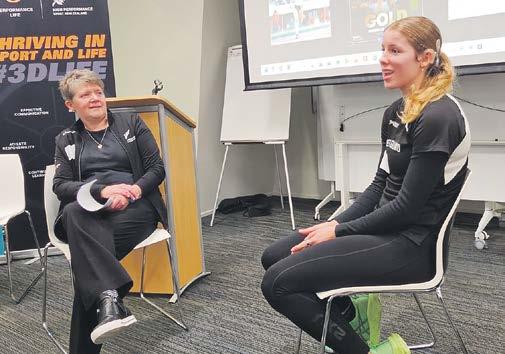
Instead, three High Performance Sport New Zealand athletes spoke at the National Performance Centre in Cambridge’s Velodrome about the realities behind elite sport. Their focus was less on results and more on what sits around performance. Planning, setbacks, study, family and what comes next when a sporting career ends.
The three athletes brought a mix of backgrounds, from Waikato’s Morrinsville and Patetonga to Taupō and Christchurch, and are now based within New Zealand’s high-performance system.
Senior performance life coach Christina Jacklin set the tone. Her role sits largely outside competition, supporting athletes in the hours beyond training and helping them manage life off the track, the water or the road.
Training centres in Auckland, Cambridge, Karāpiro, Wellington, Christchurch, Dunedin and Wanaka provide environments where athletes and coaches can access facilities and support to reach their potential.
Cyclist Anna Taylor said success at that level is not individual.





“If you’re training for four, maybe six hours a day, that still leaves most of the day,” she says.
“For us it’s about wellbeing, personal development and career development. The one thing you can guarantee is your sporting career is going to end.”
Her comments reflected the experiences of sprinter Danielle Aitchison and rower Kathryn Glen.
Aitchison, 24, who was born in Morrinsville and grew up in nearby Patetonga, came to high performance sport without a background in para sport. Growing up she played mainstream sport before discovering what is now a central part of her life.
Seven years into the system, and aiming for at least another six, she spoke about the discipline needed to keep improving.
“It’s very deliberate,” she says.
“It’s not just turning up and training every day. It’s structured and it changes.” Training cycles vary across seasons and campaigns, and when motivation drops, the approach shifts.
“When I hit harder blocks where I’m not enjoying it, it’s about finding new goals and a new target,” she says.
After the Paralympic Games she trialled running for six months before returning to sprinting with renewed focus.
Away from competition she has completed a Bachelor of Social Science and is now studying for a Master of Sport, Health and Human Performance. Her interest is in improving pathways for other para athletes.
“We’re looking at the barriers and enablers. I’d love to see more para athletes on the pathway,” she says.
Her advice to younger athletes is simple.
“It can feel overwhelming coming in. Just take it one day at a time.”
Taylor, 34, who was raised in Taupō and is now based in Cambridge, shows how the system adapts as life changes. The Paralympic silver medallist has returned to training with her eightmonth-old son, Henry.
“It takes a village to raise a baby, and it takes a village to raise an athlete,” she says.
“It probably takes even more when you’re doing both.”
Support from Cycling New Zealand and High Performance Sport New Zealand has allowed her to train largely from home. A gym setup and indoor trainer mean she can balance training with caring for Henry.
Her partner Franz looks after their son while she trains.
“When I go to training, Henry is with his dad and I can be fully present,” she says.
The decision to start a family came with uncertainty.
“I knew I wanted a family. If I didn’t come back to competition, I was okay with what I’d achieved,” she says.
Removing that pressure helped her return.


She has built trust within her support team through years of self-directed training.
“I’ve shown that I’ll do the work whether someone is watching or not,” she says.
Like Aitchison, Taylor is also preparing for life beyond sport. She holds degrees in sport management and public health and works with ACC on injury prevention, focusing on increasing participation for women and girls.
Glen, 25, who started rowing in Christchurch and continues to train within New Zealand’s highperformance programme, followed her older sister into rowing, initially for fun.
“I didn’t start with a big plan. I started because my sister was doing it,” she says.
Over time, that changed.
A message from her father on her mirror pushed her to think bigger, but her definition of success has shifted.
“Success doesn’t happen overnight. It comes from small goals that build confidence,” she says.
Her achievements include national titles and world championship bronze medals, but she focuses on process rather than results.
“Those results came from focusing on what I could
control day to day,” she says. Setbacks have been part of that. A stress reaction in her ribs ruled her out of this year’s World Cups just days before departure. She has also experienced missed seasons and missed Olympic qualification.
“Missing a goal isn’t failure, it’s feedback,” she says.
Glen is completing a business degree and has gained experience through the Prime Minister’s Scholarship and internships. She sees a clear link between sport and business.
“The same things show up. Consistency, preparation, accountability and taking feedback,” she says.
High Performance Sport New Zealand aims to support that transition beyond competition, with programmes that include education, internships and wellbeing services.
As Jacklin told the audience, sporting careers are only one part of a much longer working life.
For the Waikato business community, the lessons were familiar. Planning, resilience and support networks matter as much in the workplace as they do in sport.
Success is built over time, both on and off the field.
New Zealand’s immigration system is complex, constantly evolving, and highly impactful for individuals, families, and businesses. While there is no legal requirement to engage an immigration adviser, the stakes involved mean that many applicants benefit significantly from experienced professional guidance. The immigration advice industry was formally regulated under the Immigration Advisers Licensing Act 2007, and immigration advisers first became licenced in 2008. Today, anyone providing New Zealand immigration advice, irrespective of their location, must be either:
• A Licensed Immigration Adviser (LIA), or
• An exempt person, such as a New Zealand lawyer or CAB worker
“Immigration advice” means using, or purporting to use, knowledge of or experience in immigration to advise, direct, assist, or represent another person in regard to an immigration matter relating to New Zealand, whether directly or indirectly and whether or not for gain or reward.
Licensed Immigration Advisers (LIAs) are regulated by the Immigration Advisers Authority (IAA), which sets competency standards, issues licences, and enforces a detailed Code of Conduct. To become fully licenced, advisers must complete the Graduate Diploma in New Zealand Immigration Advice from the ToiOhomai Institute of Technology, and work under supervision for 2 years. They must undertake ongoing professional development and renew their licence (at a cost of $2,000) annually. LIAs are subject to a formal complaints and disciplinary regime, with significant penalties for misconduct, including suspension, cancellation, or prosecution. New Zealand currently has around 1,500 licensed advisers, with some 350 advisers located offshore. There is a relatively small number of substantial immigration companies who employ 10+ immigration advisers, while the majority of advisers work as sole practitioners or in small businesses.
Immigration policy is not only complex but frequently changing, and individual circumstances rarely fit neatly within standard rules. An experienced adviser can:
• Assess eligibility and identify the most appropriate visa pathway Prepare and present applications correctly and efficiently
• Liaise with Immigration NZ on the applicant’s behalf
• Manage risk and avoid costly mistakes
• Instil confidence that the process is being professionally managed and that the applicant’s interests are being properly represented
Choosing the right adviser can be critical and the most reliable starting point is often a personal referral from a trusted source. Beyond that, applicants should:
• Verify the adviser’s licence on the IAA register
• Check how long they have been licensed and their experience with similar cases
• Look for independent reviews, and not rely on website testimonials and be wary of websites that appear to prioritise marketing over substance Consider professional memberships (such as NZAMI and NZAIP), which indicate an ongoing commitment to, and interaction within, the profession. Advisers who present at professional development events are also generally well-regarded by their peers
• Communicate directly with the adviser early to assess their, knowledge, experience, and willingness to interact – establishing a trusting and constructive relationship is important Experience is particularly important. Immigration work is nuanced, and realworld case management over many years is difficult to replicate through theory alone.
Licensed Immigration Advisers must charge fees that are fair and reasonable, typically reflecting factors such as the complexity of the case, the adviser’s experience, and the level of service provided. Fee structures vary, but transparency is key. A written agreement setting out scope, deliverables, and costs is a requirement under the Code of Conduct.
For many, migrating to New Zealand is one of the most important decisions of their lives. While it is possible to navigate the process alone, professional advice can significantly reduce risk and improve outcomes.
Ultimately, the immigration advice industry in New Zealand is wellregulated and supported by robust professional standards. The challenge for applicants is not whether quality advice exists—but rather how to choose the right adviser for their specific needs.


By PHIL MACKAY
A recent Time magazine article suggested that we often overlook the value of generalists, and that, long-term trends towards specialisation are responsible for architects losing influence.
“The discipline has allowed, and at times encouraged, scope to be subsumed by adjacent professions: transport planners, cost consultants, project managers. Today, the architect is one consultant among many.”
Many industry conversations I’ve had in the last few years support this. Consultants consistently agree, none actually enjoy working in silos, yet it seems to be the default outcome of (over-)specialisation.
The drivers of this are many and varied, and I expect the trend has been at play for centuries. Like so many things in society, step by incremental step we let systems change. Each little change seems reasonable, and too few people have perspective to question the overall direction of travel.
Risk, though, has been a large underlying factor. In a New Zealand context we have a track record of over-reacting to one-off events. Think health and safety post-Cave Creek, or seismic regulation post-Christchurch earthquakes. Well-meaning responses to horrific events, but we’ve often not been clear enough on the outcome we want, or the practicality of trying to eliminate all risk. Instead, we create new specialisations and whole industries dedicated to compliance.
We also have a planning system that tries to eliminate bad outcomes with excessive rules. An approach which I think we can safely say has not worked. In fact, I think an overly



prescriptive planning system has probably hampered more good projects than it has prevented poor ones. It turns out you can’t regulate your way to good design. It’s easy to see why a design and build approach is attractive to many clients. By taking the lead, a contractor can relieve clients of the admin and frustration of engaging and managing a host of different consultants. There becomes just one contact responsible for delivery – it’s more risk and responsibility, but also more reward.
With this in mind, more construction companies have started bringing design, or at least design management, in-house. Vertical integration makes a lot of sense, however it seems mostly in one direction. Unfortunately very few architects have the risk appetite to consider taking on the role and responsibilities of a head contractor.
This is a great loss, as reducing architects to just another consultant, or having contractors reduce design to just another cost to be minimised, misses the enormous value that architects can bring. Architects are fundamentally holistic problem solvers, something we certainly need in our built environment.
Cities are complex systems, and decisions made today will have long-term impact. Rather than breaking them down into siloed parts to be optimised by specialists, we require generalists who can make good judgments that make great places to live.
• Phil Mackay is Business Development manager at Hamilton-based PAUA, Procuta Associates Urban + Architecture.
By NICOLA GREENWELL
A year ago, we celebrated the return of international flights to Hamilton Airport: Jetstar launched direct flights from Sydney and Gold Coast.
For residents, the benefits were immediate. International travel became more convenient for holidays, business travel, and visiting family and friends. For us in tourism and regional development, the return of international flights also represented the opportunity to bring in new visitors, new spending, and more economic activity directly into our region.
International air connection is an asset, but its true value is realised when a region actively works to convert seats on planes into visitors exploring local destinations, staying in accommodation, dining in restaurants, and supporting local businesses.
Over the past year, we’ve seen what can happen when a region is ready to act on that opportunity. When flights were first announced, our Hamilton & Waikato Tourism team partnered with neighbouring regions to develop the One Flight campaign, encouraging Australian visitors to use Hamilton as their gateway to exploring the central North Island.
When Tourism and Hospitality Minister Louise Upston announced the Regional Tourism Boost Fund, designed to encourage international visitation during the traditionally quieter autumn and winter months, Waikato was positioned to respond. We already had strong partnerships in place, a clear campaign concept, and international connectivity. The result was funding approval for an enhanced One Flight campaign worth nearly $500,000.
The investment enabled us to amplify our efforts and showcase Waikato to Australian travellers through a coordinated campaign
positioning the Waikato as part of a broader North Island itinerary.
This activity is already translating into economic benefit for our region. For the year ended April 2026, Australian visitors spent $93.5 million in Waikato, an increase of 16 percent compared with the previous year. Australia accounts for 14 percent of the region’s total international visitor expenditure, reinforcing its importance as one of our most valuable markets.
Importantly, benefits extend beyond a single campaign. This funding enabled creation of content, partnerships, and promotional assets that will continue to support visitor growth.
One year after the return of international flights, Waikato is seeing the value of having both the connectivity and the capability to maximise it. Opportunities do not automatically translate into economic outcomes. They require organisations that can build partnerships, secure investment, activate markets and convert visitor interest into visitor spending.
The Regional Tourism Boost Fund is a strong example of what can be achieved when a region has a proactive and engaged regional tourism organisation working alongside industry, local government and central government partners to turn opportunity into impact. The benefits extend well beyond tourism. Every Waikato business that welcomes visitors, hosts clients, attracts talent or exports products gains from a region that is better connected and more visible internationally. The result is greater visibility for Waikato, more visitors exploring our region, and increased economic benefit flowing through to local businesses and communities.
• Nicola Greenwell is general manager of Hamilton and Waikato Tourism.
From new tools to renewed channels, leading practitioners share how the craft is evolving and where the next opportunities lie, writes Mary Anne Gill.
Waikato and Bay of Plenty communications professionals have featured strongly at this year’s Public Relations Institute of New Zealand awards, highlighting the growing strength and confidence of the regions’ agencies and in house teams.
Among the standouts, Cambridge based Belle PR secured the Isentia Prize for Excellence in Research, Measurement and Evaluation.
In the consultancy categories, The Shine Collective, with offices in Tauranga and Rotorua, and Hamilton firm Brainchild both picked up gold awards in the small to medium category.
They were not alone. Other regional winners included
HMC Communications, Hamilton City Council, Whakatāne District Council and Waikato University.
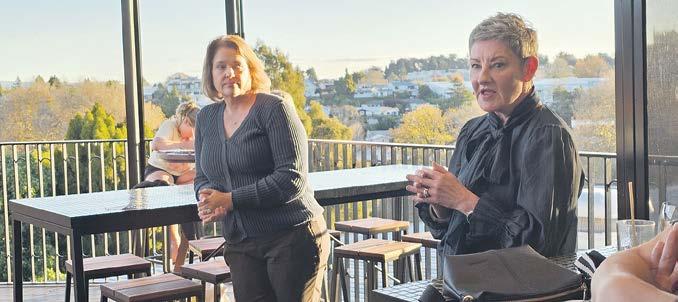
The spread of winners across Waikato and the Bay of Plenty is a reminder that high calibre communications work is no longer centred in Auckland or Wellington. That success was celebrated at a recent PRINZ Waikato function in Hamilton, where practitioners gathered to recognise the finalists and reflect on where the industry is heading. Speaking at the event, HMC Communications director Heather Claycomb outlined several trends shaping public relations.
She pointed first to the growing role of artificial intelligence in research. Tools such as Perplexity are lowering the cost and complexity of insight gathering, opening up opportunities for smaller organisations. As Claycomb put it, there are now “so many good things right at your fingertips,” replacing the need for expensive surveys and focus groups.
At the same time, she noted a resurgence in traditional media. After years of digital dominance, earned media is again proving effective.
“We’re seeing lots of clients
being successful with op eds and various types of media work,” she said, pointing to renewed value in credible coverage, particularly as large language models draw on trusted sources.
Podcasting is also gaining ground. Once peripheral, it is now a practical tool for building profile.
“It’s just such a great tool, and once you get that podcast episode, it gives you the opportunity to use that for more PR and even marketing,” Claycomb said.
Despite these shifts, authenticity remains critical, she said.
Audiences and media are
increasingly wary of overly polished, Ai generated material.
“You can really spot it, can’t you. Your grammar is perfect, but you just sound like a robot,” she said, recalling a journalist who specifically asked that no Ai be used in preparing a media release.
Her final observation was the growing value of LinkedIn for thought leadership. While not always suited to brands, it is proving effective for leaders who invest in a consistent voice, with strong content sometimes leading directly to media opportunities.
Xero’s first small business productivity measure shows Waikato lagging behind national performance, with output at $59.20 per hour compared to the $74 average. National productivity has also dipped slightly and remains behind Australia and the United Kingdom. The data highlights uneven regional performance and reinforces the ongoing challenge of lifting productivity across New Zealand’s small business sector.
Hamilton’s H3 has launched a campaign challenging the idea that major events require large cities, promoting regional centres as flexible, cost-effective alternatives. Highlighting venues like Claudelands and FMG Stadium Waikato, the campaign emphasises delivery certainty, accessibility and experience, positioning Hamilton as a strong contender for business events.
Whare Hau Tutū is launching a Matariki wānanga series in Hamilton, offering handson creative workshops for adults. Running through June and July, the programme encourages reflection, connection and storytelling through toi Māori practices such as weaving, journalling and natural pigments, creating accessible spaces for cultural expression and wellbeing.
Running a business shouldn’t feel isolating. Growth shouldn’t feel accidental.
At Waikato Chamber of Commerce, we help Waikato businesses: Make meaningful connections, Generate quality leads, Increase visibility across the region, Develop through events and training, Grow sales.
Real relationships. Real growth.
Because connection fuels confidence. And confidence drives growth.


Commercial property syndication, also known as proportional ownership, is an investment structure that allows multiple investors to collectively own a commercial property. This approach provides access to larger, high-quality commercial assets that would otherwise be beyond the reach of individual investors. The investors buy a proportionate share in the property and benefit from the income and potential capital growth relative to their ownership stake.
How it works:
• Investors contribute capital to purchase a share of a commercial property.
Ownership is divided proportionally, based on their investment amount or shareholding.
• Rental income generated by tenants is distributed to investors according to their ownership percentage. Property management, leasing, maintenance, and administration are typically handled by experienced professionals on behalf of the syndicate.
Key benefits of property syndication: Access to premium commercial properties with a lower capital outlay.
• Regular income from rental returns.
• Potential for long-term capital growth.
Commercial property syndication can be an attractive option for investors seeking exposure to commercial real estate, without the complexity or financial commitment of sole ownership. As with any investment, investors should carefully consider the risks and suitability of the opportunity before investing.
A Share in One of Hamilton’s Premier Commercial Investments
A rare opportunity has come to market for investors seeking exposure to one of Hamilton’s most prestigious commercial properties, with a 5.88% ownership share in the landmark office building at 24 Anzac Parade, Hamilton East now available for purchase. Fully managed, it provides a monthly paid cash distribution to investors.
The offering marks the first time a stake in the property has become available since the original ownership group was established in 2008, presenting an opportunity to become part-owner of one of the city’s most sought-after investment assets.
Investor demand for quality commercial property remains strong, particularly for assets backed by government
and professional service tenants. Positioned prominently above the Waikato River in the heart of Hamilton East, the modern A-Grade office building ticks all the boxes for those seeking a fully managed investment - fully tenanted and anchored by blue-chip organisations, Deloitte and NZ Transport Agency / Waka Kotahi, providing investors with the security of quality covenants.

The building comprises approximately 3,549sqm of premium office accommodation on a 2,513sqm site, together with approximately 59 car parks, including electric vehicle charging facilities. Designed and constructed to a Green Star 4 rating, the development reflects the increasing demand for environmentally sustainable office space and modern workplace standards.
For the year ending 31 March 2026, a gross dividend of $41,176 has been declared to the holder of the 5.88% ownership interest.
The location enjoys close proximity to the popular MADE Market, numerous cafes and eateries, and offers convenient access across the bridge to Hamilton’s CBD.
The Green Star standard, substantial parking provision, EV charging infrastructure and premium office environment all contribute to the building’s long-term appeal. These are the types of features that quality tenants expect and value.
With Hamilton being the fastest growing city in New Zealand and a major economic centre for the Waikato region, the availability of a 5.88% share presents a unique chance to secure a stake in a landmark commercial investment, with an asking price of $675,000.
The information provided in this guide is of a general nature and should not be considered personal investment advice. Investing in commercial property, as any investment, carries potential risk. Before investing, please seek advice from a financial advisor who can advise on the best options for you.


By ANGELA MARCH
Running a business in the Waikato right now is exciting.
Everywhere I look, I see ambition. New developments, growing companies, investment flowing into the region, and business owners backing themselves to build something bigger.
The Waikato has always punched above its weight, but it feels like we’re entering a new chapter. As our economy grows, so does the opportunity for local businesses to compete on a much larger stage.
At the same time, we’re navigating one of the most significant technological shifts of our generation.
Artificial intelligence.
In the communications industry, AI has changed almost everything in a remarkably short period of time. Tasks that once took hours can now be completed in minutes.
The businesses embracing these tools are already seeing the benefits.
But what I’m seeing across the Waikato is a growing divide between businesses that are actively learning about AI and those that are hoping they can ignore it for a little longer.
I don’t think that’s an option.
You don’t need to become an AI expert overnight, but business leaders need to understand what’s happening and
how these technologies will affect their organisations, customers and industries. Because AI isn’t just changing how businesses operate. It’s changing how customers search, how they make decisions, how they consume information and how they build trust.
That’s a challenge and an opportunity.
As someone who works in reputation and communications, I find that particularly interesting. Because, while AI can create content, it can’t create trust.
That’s why business leaders need to understand AI.
Not simply because it can improve productivity, but because it is reshaping the environment in which trust is built.
As Waikato continues its remarkable growth trajectory, our businesses have an opportunity to lead the way. We can embrace innovation while remaining grounded in the values that have always underpinned successful businesses: authenticity, accountability and trust.
Because in a world where content is becoming easier to create, credibility is becoming harder to earn.
And that may prove to be the most valuable business asset of all.
• Angela March is founder of Brainchild, a public relations and communications agency based in Hamilton.

By MARGARET EVANS
It’s not solely governing structures that interest us. Let’s focus on services, their provision and costs. For people and places.
‘Core services’ are described as ‘network infrastructure (roading, transport, water), public transport, waste management, Civil Defence emergency management, and libraries, museums, reserves and recreational facilities’. That’s confirmed in the new Local Government (System Improvements) amendment.
The new water entities come within that definition, and their council shareholders may replace board directors (and staff) if they fail to deliver ‘cost-effective, good quality local infrastructure and public services’ (as required).
As the August 9 deadline looms for submitting local council amalgamation proposals, two key issues are emerging in community chat on central government’s Head Start reforms.
One is service delivery, and the second relates to community participation.
Some councils have accepted staff advice that the timetable is too tight to consult the public, but others are seeking out opinion. As they should. Local Government reform has been signalled for years.
And there is mounting pressure for an overall public sector tidy up, with disclosures ranging from Immigration’s IT disaster to Wellington City Council’s ongoing ‘catastrophic infrastructure failures, severe budget blowouts, contract mismanagement, and deep internal political divisions…’ That includes the Moa Point raw sewage spill, Golden Mile revamp, and mega-milliondollar project cost blowouts (including the sludge plant and Town Hall restoration).
Locally, Hamilton mayor Tim Macindoe last month appointed a new Think Tank to “advise him with independent financial
perspectives on key issues”. He had added a Procurement Subcommittee to the council’s structure after his election last year to dig into council operations in response to concerns raised by councillors and locals. In 2023, a strong call for mayors and their councils to ‘think differently’ arose from two public gatherings (in person and via Zoom) hosted at Waikato University, and a summary was sent to core politicians (in Wellington and locally).
One clear point: “Poorly maintained and inadequate infrastructure, resistance to innovation/deficient planning and engineering, increasing costs/poor financial monitoring, and comms-spin rather than clear information…”
We should know by now that a new order comes only when new ‘governors’ bring in innovative thinking, with determination to oust processes (and people) that fail to guarantee ‘efficiencies, effectiveness, transparency and accountability’. Great official words and still the challenge. WEL Trust elections are now over and hopefully with a better voter turnout (previously 10%). Village chat was mostly about the cluster of former local body politicians with their hands up.
Whoever has the winning votes, we should again urge them to push hard for electricity consumers, to replace the past focus (and divisions) over community grants versus discounts. Get WEL Networks innovating and influencing the entire energy sector. It’s the same call for change.
Overall, reform concepts insist representative democracy requires improved connections between MPs, mayors and councillors, and residents. Let’s tell them.
• Margaret Evans was Hamilton mayor from 1989 to 1998 and was first elected to the council in 1974.
A new national alumni network is bringing schools together to share solutions and strengthen engagement with former students, writes Viv Posselt.
chools from across Waikato were among those involved in the launch of New Zealand’s first dedicated alumni association network, aimed at strengthening connections between past and present students.
Known as ANZAAN (Australia and New Zealand Alumni Association Network), the initiative brings together school alumni groups, old boys’ and old girls’ associations, and engagement teams that have traditionally worked independently.
Representatives from a range of schools attended, including hosts St Peter’s School, Cambridge Primary School, and Hamilton schools St Paul’s Collegiate, Hamilton Girls’ High School, Southwell School and St John’s College. Delegates also came from St Kentigern’s College, Mount Maunganui College, Frances Douglas Memorial, Lindisfarne College, Woodford House and Christ’s College.
The conference focused on equipping alumni organisations and school engagement teams with tools and connections to address common challenges.
David Wybourne is behind the initiative. Together with his wife Melissa, he co-founded Hamiltonbased advisory consultancy Wycane, which provides expertise in strategy, operational design and
fundraising across sectors including education.
Wybourne, an alumnus of St Peter’s School, says he established ANZAAN after recognising that alumni associations often face similar challenges but work on them in isolation.
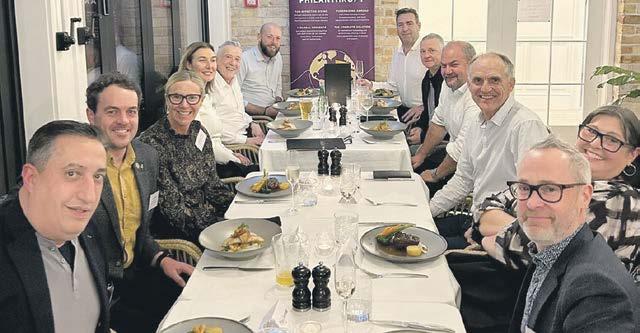
“One of the motivations was seeing alumni organisations across New Zealand trying to solve the same problems alone. There are incredibly talented and passionate people doing great work, but many face the same issues around engagement, data, events, volunteers and fundraising,” he says.
“In business, organisations don’t work in isolation—we share ideas, benchmark performance and learn from each other. ANZAAN aims to create that same environment for alumni associations.”
The conference, led by Wybourne and Wycane’s Howard Baker, sought to identify shared challenges and provide practical solutions for attendees to take back to their organisations. Wybourne says a key goal was identifying best practice that creates real value for alumni communities. He hopes the event will become an annual conference, with Cambridge as its base.
A major topic discussed was the challenge of reconnecting with former students whose contact
details have been lost. While many schools hold alumni records, outdated information often makes it difficult to maintain relationships that support reunions, mentoring, networking and fundraising.
To address this, Wycane has partnered with Hamilton-based technology firm Company X to develop an alumni engagement platform tailored specifically for New Zealand schools.
Company X head of delivery Arno van Niekerk says that although social media helps people stay connected, there is currently no
dedicated platform designed for school alumni communities.
“We are building something that helps schools rebuild lost connections while giving alumni a genuine reason to stay engaged,” he says.
Wybourne says the platform is intended to become a central hub for alumni engagement, helping schools reconnect with former students and strengthen long-term relationships.
Welcoming delegates was St Peter’s head of school Jason Speedy, who highlighted five key factors


for successful alumni relationships: active communities aligned with school vision, strong partnerships, visible engagement with school life, mentorship opportunities, and mutually beneficial networks.
Wybourne says the positive response to the inaugural conference highlights the need for a dedicated alumni network in New Zealand.
“Schools are recognising that alumni communities are far more than reunion organisers. This conference was just the beginning.” • More goodlocal.nz





















Demand for retirement living in the Waikato continues to grow, but securing suitably large development sites is becoming increasingly challenging, according to Summerset chief executive Scott Scoullar. Mary Anne Gill reports.
The opening of Summerset’s new Cambridge village centre marks a major milestone for the retirement operator, but it also highlights challenges shaping its future growth.
Chief executive Scott Scoullar says the $85 million three level facility, officially opened in March, represents a significant regional investment, but attention is already turning to where the company can expand next.
Finding appropriate land is proving to be one of the biggest hurdles, with Summerset searching for suitable Waikato sites for several years as options become increasingly limited.
“It’s harder than it looks. What we’re generally looking for is eight to 10 hectares of flat land, and while it feels like there’s plenty of green space around the edges of towns, a lot of it is productive dairy land or simply not suitable,” he says.
The issue is not demand, but the economics and practicality of land supply
in a region facing sustained growth, competing land uses and infrastructure pressure.
Summerset has explored opportunities in centres such as Te Awamutu and Matamata, but without success so far.
Despite that, Scoullar remains confident the company will eventually secure another Waikato site.
“The Waikato works for us. Our villages here are full, residents enjoy the lifestyle, and we’ll keep looking.”
Partnering with iwi has formed part of Summerset’s land strategy elsewhere, including land purchases and workforce initiatives, particularly in Auckland. Scoullar says those partnerships are focused on development and employment rather than shaping resident mix, with villages expected to reflect their surrounding communities over time.
Summerset Cambridge is the company’s fourth village in the Waikato and represents an $85 million investment although Scoullar says the
overall investment across the Cambridge village is closer to $200 million.
Retirement villages, Scoullar says, should be viewed as long-term economic infrastructure rather than one-off property developments.
“These villages operate for decades. They’re not built and finished. They require ongoing staffing, services, maintenance and reinvestment. That creates stable, long-term employment rather than short construction spikes,” he says.
In regions like the Waikato, retirement villages also play a role in easing pressure elsewhere in the housing system.
“When people move into a village, they’re often freeing up a family home for the next generation. That has a flow-on effect, particularly in towns where housing supply is tight.”
Residents moving into villages also tend to unlock housing equity that is recycled through the local economy.
“People don’t see themselves as wealthy, but they may suddenly have a few hundred thousand dollars freed up,” he says.
“That money often gets spent locally - on travel, supporting family, health services or simply enjoying life.”
Scoullar pushed back against the perception that retirement villages are only accessible to wealthy New Zealanders, saying much of Summerset’s product sits below the median house price.
“What we see is people selling a large family home, downsizing into something more manageable and putting some money aside. It’s about choice and sustainability rather than luxury.”
One of the ongoing business challenges for the sector is shifting outdated perceptions of retirement living.
Retirement village living does not yet reflect the full diversity of the wider community, he says.
There are relatively few Māori residents in villages
Fonterra’s $85 million investment in a new wastewater treatment plant at its Hautapu site is already delivering more than environmental gains, helping secure the long-term future of one of the region’s key processing assets.
At the co-operative’s annual community meeting last month, staff outlined how the Wai Mahia plant, opened in February and now fully operational, is improving compliance, reducing risk and strengthening relationships with regulators and mana whenua.
Environmental manager Jude van Bommel told the meeting there had been three reportable incidents to Waikato Regional Council last season, down from six the previous year. Complaints had also reduced, with one odour issue and one noise complaint compared to four previously.
The improvements came as the plant transitioned from its commissioning phase to full operation.
The new treatment process is designed to significantly reduce nutrient loads before water is discharged to land or the Waikato River, a change expected to deliver long term benefits for groundwater quality.
Quarterly monitoring
of nitrates and sodium in surrounding bores is continuing, with early indications pointing to a gradual improvement as lower nitrogen loads move through the system.
Fonterra said it expects a turnaround in bore water quality over time, reflecting the reduced nutrient levels in treated wastewater.
The company is also refining how and when it discharges water, balancing irrigation to land with river discharge depending on seasonal conditions and rainfall, in line with consent requirements.
Supporting that work is DairyFert, the co-operative’s by-product management arm, which continues to spread treated material onto farms under separate consents.
Manager Janelle Jenson outlined new equipment and future plans for real time nutrient monitoring, allowing more precise application of by-products to land.
At present, nutrient levels are confirmed through laboratory testing, which can take up to 10 days, meaning estimates are used in the interim for compliance reporting.
Real time data would tighten that process, improving accuracy and
operational efficiency.
Alongside environmental upgrades, the site is also continuing work on energy use, including its transition from coal to biomass, as Fonterra looks to reduce emissions across its network.
Hautapu has been recognised internally for its performance, winning the company’s Best Medium Size Site Cup and Quality Cup in 2025, followed by the Japan Cup in 2026 for cheese quality.
But alongside the operational gains, Fonterra says one of the most important outcomes has been the strengthening of its relationship with mana whenua.
National environmental operations manager Dale Arbury said the project had shifted the company’s approach from a transactional model to one focused on long term partnership.
Regular engagement with Ngāti Korokī Kahukura and Ngāti Hauā throughout the project has seen cultural practices incorporated into site activities, including karakia for key milestones and the gifting of the name Wai Mahia for the treatment plant.
That relationship is also reflected in wider site
like Cambridge, a pattern he says is consistent with what the company sees elsewhere.
The company has looked at the ethnic make-up of its Auckland villages and found it broadly mirrors surrounding communities, suggesting participation tends to follow local demographics rather than deliberate exclusion.
“There’s still a view that villages are somewhere you go when you’re unwell. But many of our residents are active, still working, volunteering, or contributing in other ways.”
It is common for residents to say they wish they had
made the move earlier, particularly after spending years living alone in large homes.
“They tell us they should have come five to 10 years earlier,” says Scoullar.
Nationally, Summerset continues to expand, with dozens of villages completed or under development and a substantial land bank across New Zealand and Australia. But in regions like the Waikato, where population growth, productive land use and infrastructure demands intersect, securing large, well-located sites is becoming increasingly complex.
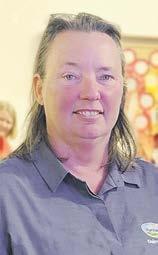
developments, including the upcoming unveiling of a carved pou created from a tōtara tree
In a regulatory environment where environmental performance and community expectations continue to tighten, the ability to demonstrate improvement and build trust is becoming critical to maintaining a licence to operate.
At Hautapu, the co-operative is positioning itself for that future by combining capital investment, operational change and closer engagement with those connected to the land.
–
Mary Anne Gill
Chiefs legends, administrators and supporters came together at the University of Waikato to celebrate the launch of the Ruakura Rugby Football Club and mark the franchise’s 30-year milestone.
The gala dinner held at The Pā drew alumni, sponsors and fans from across Waikato, Bay of Plenty, Taranaki, Hawke’s Bay and Auckland, with a strong sense of pride and history evident throughout the evening.
The club has been established to honour, preserve and celebrate the people and legacy of the Chiefs, with club manager Kent Currie leading the initiative. Currie has previously been involved in establishing the Seddon Cricket Club.
The event featured interviews, panel discussions with former players and coaches, and fundraising auctions, while also promoting the newly released Chiefs book He Piko, He Taniwha.
Co-written by Tony Johnson and Lynn McConnell, the book documents the history of the franchise as it marks its 30th anniversary.
Former Chiefs captains Liam Messam and Sam Cane were announced as patrons of the Ruakura club.
Among those taking part in panel discussions was former Chiefs player
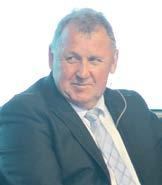
and coach Ian Foster, who reflected on the development of players within the franchise. Foster directed his comments to the current coaching group - Jono Gibbes, Roger Randle and David Hill - all of whom he had coached during their playing careers. He said he was proud to see former players continuing their involvement in the game.
“It’s great to see guys who have put so much into the jersey carry that through into coaching,” Foster said. Assistant coach Marty Bourke, who represented Bay of Plenty during his playing days, is also part of the current coaching group.
The evening highlighted strong connections across generations of Chiefs players and the role the new club will play in maintaining those links. – Jesse Wood • See: Out and About, page 11
Good Local Media reporter Jesse Wood attended a Federated Farmers national sector chairs Q&A panel at Fieldays last month, hearing the current highs and lows across farming sectors.
There was a mix of optimism and caution at a Federated Farmers breakfast and Q&A session held during Fieldays last month.
The event brought together Federated Farmers national board members and sector chairs to discuss the state of the meat and wool, arable and dairy industries.
Waikato Federated Farmers co-vice president Andrew Reymer later told The News the event was a valuable opportunity to connect and highlight the organisation’s work.
“It’s all about getting everyone under one roof to connect. It’s great to see the positivity all round,” Reymer said.
He said there would have been many conversations about PC1 (Plan Change 1) in the tent.
The breakfast, held at the Power Farming site, included a Q&A led by Communications manager Ben Chapman-Smith.
“We’ve brought together three of Federated Farmers’ national sector leaders for what we hope is a frank conversation about the state of farming right now,” ChapmanSmith said.
The South Island-based panel featured Richard Dawkins (meat and wool), David Birkett (arable) and Karl Dean (dairy).
They were asked about conditions in their sectors, the biggest challenges and opportunities, and what leadership is focusing on in the next 12 months.
Dawkins is a sheep and beef farmer 30km southwest of Blenheim.
“We do a bit of farm forestry and viticulture as well. I’m third generation on the home farm, but sixth generation farming in Marlborough,” Dawkins said.
“[At the moment in the industry there is] overwhelming positivity. It’s just so refreshing.
“Sheep and beef had a challenging run for a good while. The more experienced farmers have been through potentially tougher times before.”
Dawkins said there have been strong returns in mutton, lamb, beef and even wool.
“It’s not only covering the cost of shearing, but the associated animal health treatments,” he said.
“It’s covering costs and, in most cases, generating a profit.”
“But it’s almost a once in a lifetime situation for the sector.
Strong returns across the board, favourable interest rates and a reasonably favourable climate in most provinces.”
He said the policy environment was also supportive.
“It’s potentially once in a generation type condition, but I hope I’m wrong. Hopefully it lasts for a good while yet.”
Birkett said the arable sector was not experiencing the same level of positivity.
“But we’re always looking forward and I do see similarities with the red
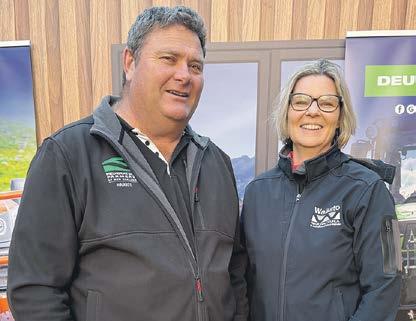
meat sector and the struggles they had for a number of years, and how quickly they’ve recovered,” he said.
“We’re starting to see some green shoots in international markets.
“The world is starting to come right, but it has taken time to recover from the impacts of Covid.”
Dean said many dairy farmers would agree the past 12 months had been an exceptional season.
“We don’t normally get a good return price, strong production and favourable conditions all at once,”
Dean said.
“It will be hard not to look back in five years and say this was one of the best years we’ve had.
“The next 12 months will be different. We don’t normally get weather and pay-out in one season.
“We’ve already had the pay-out and it’s looking fairly stable, but costs are creeping up quickly.”
Heading into winter, farmers are holding onto a positive outlook, although rising costs remain a concern for the season ahead.
A full house at St Peter’s Cathedral last month turned music into momentum for heritage in Hamilton.
The Hamilton Civic Choir joined forces with the cathedral’s singers for a concert that raised $5000 towards the earthquake strengthening fund.
It comes as the cathedral works through a $22 million strengthening project aimed at securing its future.
The concert marked another milestone for the choir, which is celebrating its 80th anniversary with a programme of performances and collaborations.
The programme, Maana e Whakarewa – Raising Voices in Song, featured Gabriel Fauré’s Requiem alongside works by Haydn, Mendelssohn, Stanford and Vaughan Williams.
Two soloists featured in the Requiem.
Gabriella Schuitemaker, a Year 13 student and head girl at Waikato Diocesan School for Girls, has been a chorister at the cathedral since the age of five. She is a member of the New Zealand Secondary Schools Choir and has performed internationally as a violinist.
Baritone Robert Abbel, originally from Germany, began singing as a boy soprano and has performed across Europe before settling in New Zealand. He
is now a member of Voices 60 and the Hamilton Civic Choir.
Choir chair Tara Jeory said the evening was a success on every level, with strong audience support and a shared sense of purpose.
“This is a good news story,” she said.
“A legacy choir helping to preserve a legacy building.” Hamilton mayor Tim
Macindoe attended and has taken on the role of patron of the choir. He is also a member of the cathedral fundraising committee.
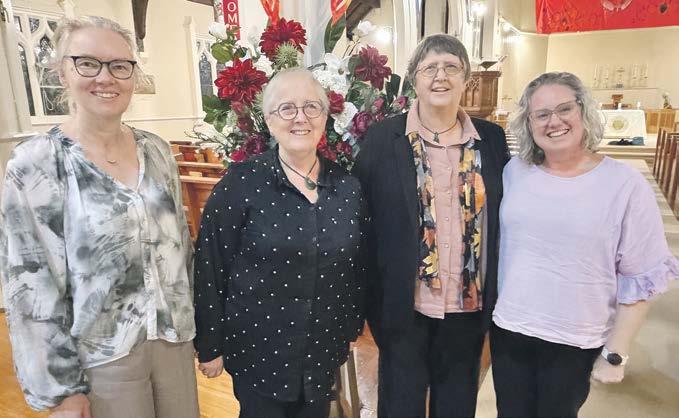
The concert also brought together four of New Zealand’s leading women conductors, Racheal GriffithsHughes, Elise Bradley, Karen Grylls and Maria Colvin. Their involvement,
alongside the combined choirs, highlighted the strength of the Waikato’s music community and its ability to support causes beyond performance.
The evening reflected a wider effort across the region to protect historic places, with the cathedral relying on community fundraising and support.
Founded more than eight
Gallagher has appointed Rob Clayton as chief executive of its Animal Management business, marking a new phase of global growth. The division has seen strong expansion, including advances in agritech and international markets. Clayton brings extensive agribusiness experience and is expected to strengthen the company’s position in connected farm technology.
farewelled Construction
chief executive Anita Crowe is stepping down after 19 years with the Cambridge firm. Rising from junior quantity surveyor to CEO, she helped shape the company’s growth, culture and client relationships. Crowe is relocating to Central Otago for family reasons. Director John Mason will lead the business while recruitment begins for a new chief executive.
A nationwide survey is calling on women in farming to share their mental health and wellbeing experiences. Led by Massey and Lincoln universities, the research addresses a lack of New Zealand data on rural women. Findings aim to inform policy and support services, highlighting the pressures of balancing farm work, family and community roles.
New World Matamata has launched a dedicated “Chat Lane” to offer customers a slower, more social checkout experience. Designed for those who value conversation or need extra support, the initiative encourages connection and flexibility. Inspired by a European concept, the lane has received strong community feedback for its focus on care and inclusivity.
Wintec students are gaining real-world experience through a student-led creative agency supporting K’aute Pasifika Trust. The team is delivering marketing solutions for an early learning centre, including photography and digital content, while building industry-ready skills through hands-on work and community partnership in Hamilton.
decades ago, the Hamilton Civic Choir continues to play a role in the region’s cultural life while contributing to wider community causes.
For Jeory, that connection remains central.
“We are part of the city’s story,” she said.
“Supporting the cathedral is about ensuring that story continues.” - Mary Anne Gill
Connexis is encouraging more young women into infrastructure trades through its Girls with Hi-Vis initiative, offering hands-on experience with industry employers. The programme connects students to career pathways in construction, energy and water, strengthening awareness of vocational training. Participation and female enrolments have grown steadily, highlighting increasing interest in traditionally male-dominated sectors.
A new fund honouring one of Waikato’s most influential farming and political figures was launched at Fieldays, aiming to open doors for Māori into the primary sector. Jesse Wood was there.
John Luxton believed farming was one of the best lives a person could have.
That belief was front of mind as the Luxton family launched the John Luxton Legacy Fund at Fieldays last month, honouring the life and values of the former Agriculture Minister.
Māori Development Minister and Hamilton West MP Tama Potaka joined the family at the Fieldays Luncheon for the launch.
The fund, unveiled by John’s son Richard Luxton, aims to continue his father’s vision of creating opportunities for Māori in the primary industries.
Luxton, who died in 2021, was a fifth-generation Waikato dairy farmer and former Agriculture and Māori Affairs Minister. He held a number of leadership roles across the agricultural sector and was closely involved in Māori development and Treaty of Waitangi processes.
support members of WaikatoTainui and Hauraki iwi into education and training pathways across the sector.
Richard Luxton later expanded on the initiative during a panel session at the Westpac site at Fieldays.
“Dad genuinely believed farming was one of the best lives a person could have,” he said.
“Not because it was easy, but because it taught you responsibility, resilience, community and connection to the land.
“He believed there was real dignity in producing food, caring for animals and leaving the land better than when you found it.
“What mattered most to him was people and family.”
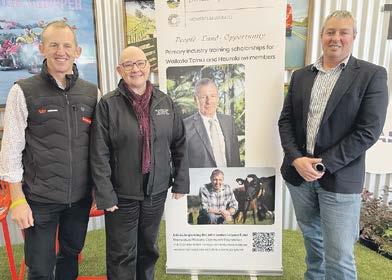

Following his passing, the Luxton family established the fund to reflect his belief in opening doors for tangata whenua into agriculture and other primary industries.
The fund is an endowment managed by Momentum Waikato Community Foundation and will
Richard said his father had a deep respect for Māori and recognised both the strength of connection to land and the barriers that still exist.
“He also realised talent is everywhere, but opportunity is not,” he said.
“He understood many young Māori still face barriers accessing education, training and pathways into the primary industries.”

Momentum Waikato professional advisor network manager Pamela Storey said the

is Consistent, Reliable, Professional & Considerate
Our
Our team is Consistent, Reliable, Professional & Considerate
endowment model would ensure the fund’s impact continued long term.
“When endowment funds are established, the capital is invested and from those investments, the values and priorities of those who set up the fund are carried forward,” she said.
The fund was designed to go beyond traditional scholarships and address a range of barriers.
“For some people the course fees might be the barrier. For others, it might be travel, living costs or acquiring the tools of the trade,” she said.
Luxton said the goal was to support young Māori into all areas of the primary industries.
“It doesn’t matter if that’s
in agriculture, horticulture, dairy farming, processing or environmental science,” he said.
“It’s about working with iwi to understand where they see opportunities and working with partners to help provide those pathways.”
Matariki ki Waikato has unveiled its 2026 programme, featuring more than 50 events across the region celebrating the Māori New Year. Anchored by seven signature events, the festival highlights arts, culture and community, with strong iwi involvement and growing participation from diverse groups across Waikato and Waipā.
Waikato Regional Council has won the Supreme Award at the LGFA Taituarā Local Government Excellence Awards for its Pathways to the Sea strategy. The initiative improves fish passage through flood infrastructure using researchdriven solutions, delivering strong environmental outcomes and gaining national and international attention for

While the Luxton family has helped establish the fund, further support will be needed to grow its reach.
“There are opportunities for partners to come on board, whether through donations, work placements or mentorship,” Storey said.
“We often critique people’s choices, but if you’ve never had that alternative pathway shown to you, how can you choose it?”
Waikato Waters has appointed Dr Marcos Pelenur as chief executive, starting October 2026. Currently leading the Energy Efficiency and Conservation Authority, he brings strong leadership and public sector experience. The organisation will deliver water and wastewater services across multiple districts, supporting more than 170,000 people once transitions are complete.
The University of Waikato has confirmed clinical placement regions for the New Zealand Graduate School of Medicine. Students will train across five regions from 2029, with a focus on rural and community-based healthcare. The programme aims to address doctor shortages by training graduates in underserved areas and strengthening long-term workforce sustainability.






Rodney Stirling
Rodney Stirling
Rodney Stirling








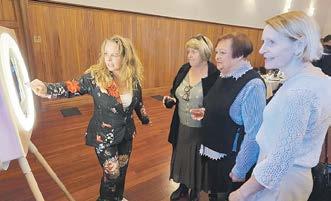
Record breaking lunch – A record level of generosity helped lift this year’s Cambridge Chamber Long Lunch well beyond previous fundraising efforts, with close to $7000 raised for
from






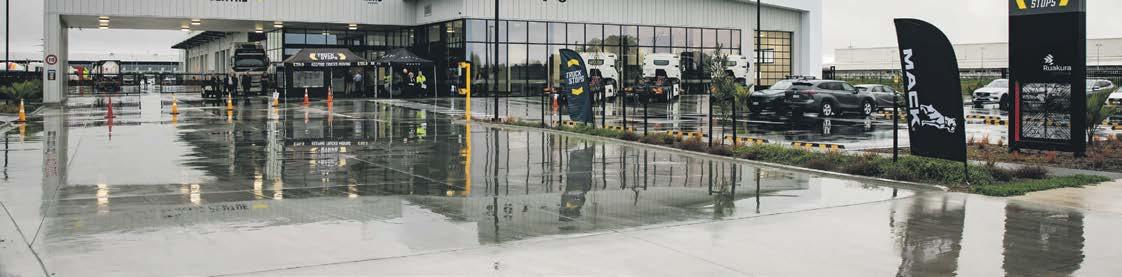


Sime Motors Head of Property Andrew Brown describes the Ruakura Sime Truckstops facility as a world-class, fit-for-purpose development designed to support its New Zealand Commercial Sales and Aftersales teams, customers, brands, and the future growth of the business.
“Hamilton is a key market for Sime Motors, and Ruakura is now our largest truck workshop in the North Island,” he said.
Located at Ruakura Superhub, the facility includes a flagship Volvo and Mack showroom, a 14-bay truck service centre, office space, parts storage, and extensive yard areas. A major component of the project was the construction of specialist underground service pits, requiring extensive excavation, precast panel installation, waterproofing, and multiple concrete pours over an extended programme.
The workshop includes a gantry crane for servicing operations, while the showroom was engineered to permanently display heavy vehicles, requiring oversized aluminium joinery and strengthened concrete floor design. The building footprint is 4,750m² across a total site area of 24,000m².
“Fosters was chosen for this project based on their track record of delivering highcalibre projects around the Waikato,” said Andrew. “They were also competitive, able to meet our brief and programme, offered an experienced team, and were in favour of using local subcontractors.
“At a time when work was short, this project supported local businesses and the local economy. That was important to us.”
What stood out for Andrew was Fosters’ proactive management of the project.
Fosters readily engaged with our design and consultant team to achieve the best outcome from a buildability perspective.
Andrew Brown, Head of Property Sime Motors
“Fosters readily engaged with our design and consultant team to achieve the best outcome from a buildability perspective,” he said. “They constantly queried whether there were more beneficial and practical ways to address the more complex issues.”
Delivered within budget, the facility was handed over two months ahead of schedule, saving Sime Motors “considerable business disruption and expense” in exiting their former leased premises.
“I’d happily recommend Fosters to other businesses looking for a high-quality build outcome,” said Andrew.
#BuiltByFosters