New bridge will be better
By Chris Gardner
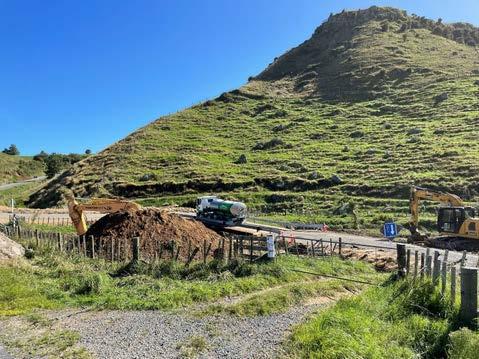
A new bridge spanning Mangati Stream will be designed to withstand a second one in 250-year severe weather event.
New Zealand Transport Agency (NZTA) Waka Kotahi plans to open a temporary one-lane prefabricated Acrow steel bridge on State Highway 39 south of Pirongia tomorrow, (Friday).
It is a stopgap measure while the old bridge – a victim of last month’s storms - is replaced with something taller and stronger than what went before.
NZTA area manager Andy Oakley hoped construction of the new permanent bridge might begin before the end of winter.
“It’s hard to know how long it will be before we have the design in place,” he said. “The amount of
water we had was significant and the new design will need to cater for that.”
The installation of the temporary bridge had cost NZTA’s emergency response fund $1.6 million to date.
It’s five weeks since a Valentine’s Day flood cascaded down the maunga, took out the bridge, and diverted income out of the township.
Tomorrow, the first of about 4200 vehicles should be able to cross the bridge after five weeks of intensive work on the site.
Work has been ongoing seven days a week to get the new bridge in.
“All the resources that has been reasonable to thrown at it has been thrown at it,” Oakley said.
This week Fulton Hogan construction divisional manager Gordon Inglis said workers were
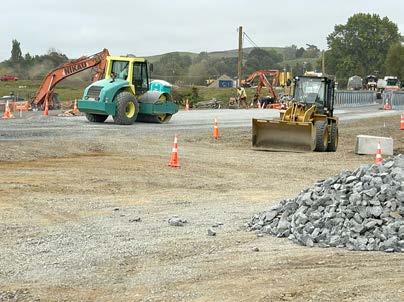
completing the approaches to the new bridge.
Meanwhile several tracks in Pirongia Forest Park have reopened in the wake of February storm significantly damaged the network across the maunga. Damage included slips and downed trees. Floodwaters destroyed some bridges and steps.
Conservation Department Waikato Operations Manager Niwha Jones says staff have completed initial assessments on all tracks across the park, and several have now reopened.
“The popular Nikau Walk and Loop has reopened – however, visitors should be aware there are contractors working on repairs and there may be pedestrian management in place to ensure visitor safety while machinery is used,” Niwha said.
The Pahautea Hut and campsite has reopened for booking – but visitor access is now from Waite Rd and only via Ruapane and Tirohanga tracks.
Visitors naturing in that part of the forest park should return via the Tirohanga and Ruapane tracks
to Waite Rd.
DOC will plan for repairs to Tahuanui Track.
“The Mangakara Nature Walk will remain closed for some time, due to the destruction of two bridges. We will need to plan and budget for replacements.”
The Bell Track and Mahaukura Track were significantly damaged by slips and will require further assessment before any decisions are made.
The Hihikiwi Track remains unavailable due to the closures of surrounding public roads.
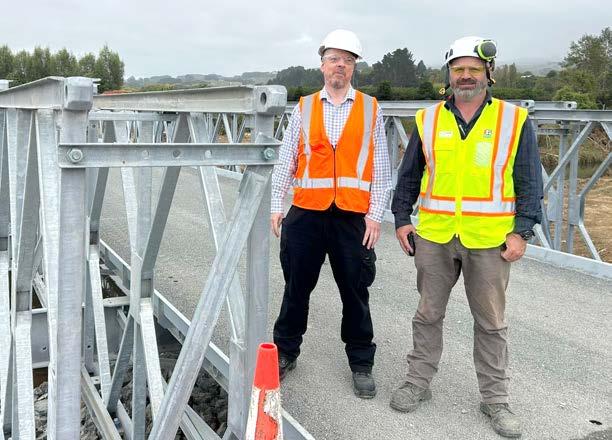










Waka Kotahi area manager Andy Oakley, left, with Fulton Hogan construction divisional manager Gordon Inglis on the bridge.
Workers prepare to lay paving north of Mangati Stream’s temporary bridge. Photos: Chris Gardner





Wednesday 25 March 5.30pm Te Awamutu Library, Selwyn Lane



Perfect package for St John
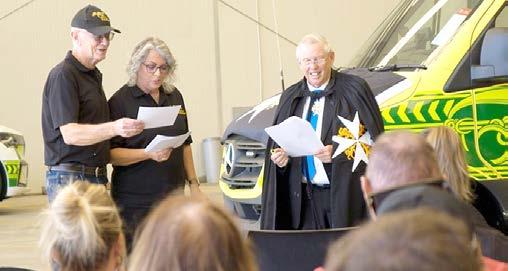
Hamilton and its surrounding communities have a newly donated emergency ambulance at the ready, donated by Karāpiro-based Whitehall Fruitpackers. The kiwifruit production and postharvest operation was the site for the new ambulance’s recent handover. It was



CONTACTS
News/Editorial
Roy Pilott editor@goodlocal.nz
027 450 0115
Mary Anne Gill maryanne@goodlocal.nz
021 705 213
Viv Posselt viv@goodlocal.nz
027 233 7686
Advertising Director
Janine Davy janine@goodlocal.nz
027 287 0005
Owner/Publisher
David Mackenzie david@goodlocal.nz
Office/Missed Deliveries
07 827 0005 admin@goodlocal.nz
attended by Hato Hone St John dignitaries and emergency ambulance staff, local iwi representatives and the Whitehall Fruitpackers team.
The company’s co-founders, Mark and Robyn Gardiner, handed the keys over to Steve Evans, Grand Cross of the Order of St
On the beat
Car thieves active
Over the past week, Cambridge has had 19 reported incidents of car crime.
Te Awamutu has also experienced car crime, with eight incidents reported.
This serves as a reminder not to leave valuables, especially wallets, in your vehicle, and to consider investing in an alarm, immobiliser, or steering lock. While a determined offender may still attempt to enter your car, the more deterrents in place, the less attractive your vehicle becomes as a target.
This increase reflects a rise in youths interfering with and stealing from vehicles and in some cases taking the vehicles themselves. We’re grateful to members of the public who have shared CCTV footage (and other information) as these recordings often provide the strongest evidence allowing us to identify offenders quickly.
Combined with our own resources, we now have solid leads on those responsible, both locally and from outside the area. We are steadily working to hold them accountable.
Earlier this week, a youth was arrested after running from a vehicle into which he had gained entry. He was found with items taken from the car still in his possession and has been referred to Youth Aid. Our investigations continue as we work to identify others involved.

Young people engage in this type of offending for a range of reasons including peer pressure, the desire for approval and social media attention. Disengagement from school or training and simply having too much unstructured time without positive outlets such as team sports may also play a part. At this age, peer influence is particularly strong, so knowing where your teen is and with whom they are spending time is important.
In other matters this week, Counties Manukau Police arrested a man following a family harm incident in Leamington last weekend. He now faces two related charges in court. Additionally, a woman was arrested for shoplifting and was found in possession of an offensive weapon and drugs; she faces multiple charges.
Finally, we continue to receive reports of scam texts claiming to be from police about overdue fines.
Remember, New Zealand police will never contact you by text about fines. If you are ever uncertain about the validity of a text or email, err on the side of caution. Contact the organisation directly by alternative means and confirm any communication sent to you.
It is a good idea not to click on hyperlinks sent in a text or email unless you are 100 per cent sure of their authenticity.
John.
The Gardiners said they were extending their charitable activities, with a focus on benefitting human wellbeing through their support of local organisations. They said supporting the work of St John was a ‘great fit with our charitable side’ and said they were proud to have contributed to the delivery of the new ambulance.
The new Generation 4 vehicle is the newest model, with improved safety and driving capabilities. It is fitted with equipment that includes a power-load electric stretcher and stair carry chair, making it easier and safer for frontline personnel to move patients in and out of the ambulance.
“Our workload in the Waikato has been rising every year,” St John area operations manager for Hamilton Adrian Gavin said. We’ve seen a 15 per cent increase in callouts since 2020, so donations of this size are much appreciated by our crews, and important to ensuring they have modern equipment to carry out their work and provide our patients with the best care,” he said.
“Hamilton is also one of our busiest response areas in the country, which highlights just how valuable this new ambulance is.”
The event was opened by St John donor relationship specialist and Order of St John, Gunner Lovich, and the dedication of the vehicle was led by Rev Stephen Black, youth pastor Aaron Hodgson, and Māori teacher Luke Goodwin.
The new ambulance will replace an older vehicle and will be stationed at Hamilton.





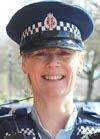
with Senior Constable DEB HANN
Mark and Robyn Gardiner of Whitehall Fruitpackers speaking at the dedication event, pictured with Steve Evans.
Appeal lodged
A $2.5 million damages claim against Waipā District Council for negligence has been dismissed by the High Court but it is now subject to appeal, the council’s Risk and Assurance committee heard on Monday. A second negligence claim for an unquantified amount in relation to the way council exercised its building control functions on a district dwelling is still before the court.
Information sought
Waipā staff have processed 1083 Local Government and Official Information Act requests in the seven months since the start of the current financial year on July 1.
Minister talks
Health Minister Simeon Brown will give a public talk tonight to the Cambridge Prostate Cancer Support Group at Cambridge Primary School. A representative of Waikato Urology will join the minister in speaking to what the coalition government is doing to tackle the rising incidence of prostate cancer in New Zealand. At current levels, one man in eight will be diagnosed with prostate cancer in 2026. Support group co-ordinator Ron Greenwood said information for men and their families will be available during the evening.
Body identified
Police have confirmed the remains of a person found off State Highway 3 between Te Awamutu and Ōtorohanga earlier this month were those of Colin Heath, a 47-year-old last seen in Te Kūiti in 2022. The death has been referred to the coroner and police say Heath’s family have asked for privacy.
Centre opens
Summerset says a new village centre it declared open last week at its Cambridge retirement centre is an $85 million investment in community, care and local employment. Summerset Cambridge is planned to eventually have 260 independent homes alongside serviced apartments and a range of care options.
Hunting in our back yard
It’s a great time to go bush, but being prepared ahead of the roar can avert tragedy, as Jon Rawlinson discovered.
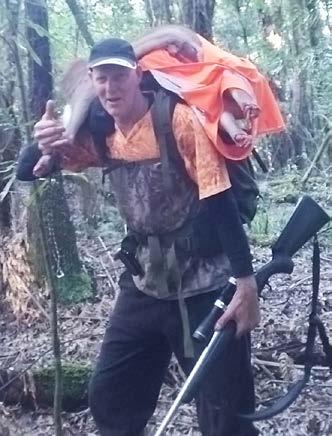
Dom Fortis can often be seen stalking in the Pureora Forest.
Although he’ll avoid being seen as much as possible by wildlife, visibility among hunters is vital.
“Wear bright colours and clearly identify targets,” he says. “During the roar, there are more people out there with less experience than usual, so the noise you hear could be from another hunter.”
The mating season for deer, the roar runs from late March until April depending on species. Stags make low, guttural sounds while calling out for a mate.
An NZ Deerstalkers Association (Te Awamutu) member, Ōtorohanga based Fortis tends to hunt practically in his own backyard, the Pureora Forest.
Some aim for trophies but his primary intention is to make a meal of it.
“It’s nice to get antlers, for example, if only for a competition, but I’m mostly a meat hunter,” he says. “There are lots of ways to cook venison and if I can fill up some freezers for family and friends, that’s a good deal.”
The Department of
Conservation’s Pureora Hunting Competition which runs to April 26 provides added incentives to bag a stag.
Running for more than 30 years, the contest is focused on red deer but it also includes categories for other species.
This year, junior hunters will win prizes for mustelids (ferrets, stoats and weasels) as well as goats and rats. The competition helps keep the populations of these pest species in check.
“Shooting for sport is a form of pest control,” Fortis says. “There are areas in Pureora Forest that are heavily populated with deer and other pests, so hunters are actually doing the forest a favour.”
He knows about the importance of pest control in protecting native wildlife. This former head bird and reptile keeper at Ōtorohanga Kiwi House now looks after parks and reserves for Ōtorohanga District Council.
Although he’s been hunting for much longer, Fortis is a relatively new member of the NZ Deerstalkers Association –he joined both to learn and
teach.
“I’ve only been a member for a couple of years, mostly to further my own knowledge and share my knowledge with new hunters. It’s an organisation that could always do with more support.”
His dad was a hunter, but he credits a friend’s father with showing him the ropes.
“Mostly, it was a mate’s father, a wild bushman type who taught us both how to hunt. I still hunt with his son (who’s my best mate) quite often.”
Dom’s son, Grayson is also honing his hunting skills with help from his dad.
Whenever firearms are involved, knowledge can make the difference between life and death, and survival skills are vital when out in the bush.
“Going into the roar, firearm safety is essential, fitness is important and novice hunters should always be with someone with experience,” Dom Fortis says. “That’s where the NZDA comes into its own – sometimes, you can join groups through them and they have some special hunts.”
In addition, membership unlocks discounts for all sorts of equipment.
Aside from acquiring trophies, prizes and a feast for the family, the roar presents the perfect opportunity to simply enjoy
our great outdoors, he says. “The bush is such an interesting place because it’s full of all sorts of wildlife and Pureora Forest is one of the best places to be for that – it’s home to some pretty rare native species.”
Home programme success
A housing programme that has helped Waipā families into their first homes is nearing capacity and just one home remains available.
Cambridge based Bridge Housing Charitable Trust says following strong demand for its leasehold affordable housing programme the initiative is now nearly fully subscribed - 34 families are in homes across Waipā.
The programme enables eligible first-home buyers to purchase a two-bedroom home for just over $300,000 – significantly below
typical market prices — by separating the cost of the home from the land through a long-term leasehold structure.
Bridge Housing, an initiative started by the Brian Perry Charitable Trust, opened in Peake Road, Cambridge in Decemebr 2023 with $4 million pumped into it by the trust.
Bridge Housing General Manager Jen Palmer says the model has been a game changer for families who thought home ownership was out of reach.
“Many of the families
in this programme never imagined they could own a home in today’s market,” Palmer says.
“By removing the upfront land cost, we’ve been able to create a pathway where hardworking local families can secure a stable home and start building equity for the future.”
The programme has also delivered results in Queenstown, where housing affordability challenges are among the most severe in the country.
“We’ve seen first-hand how transformational this
can be,” Palmer says. “It’s not just about housing. It’s about stability for children, connection to community, and the confidence that comes from having a place to call your own.”
The initiative was supported through the previous Government’s Progressive Home Ownership programme, which provided funding to not-for-profit housing developers to develop affordable pathways into ownership.
However, Palmer says the funding programme has
not been renewed, and as a result opportunities like this are limited.
She says the strong response demonstrates the scale of demand for alternative pathways into home ownership.
“There are many families doing everything right – working hard, saving where they can – but the traditional housing market simply isn’t accessible to them. This programme shows that with the right support and structure, home ownership can still be within reach.”
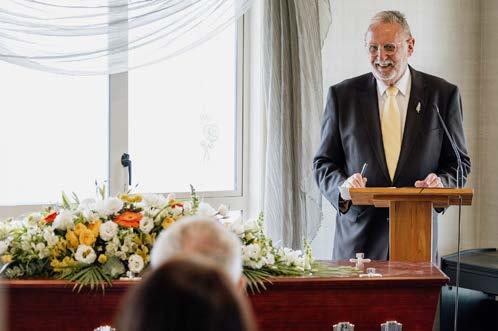
Celebrant David Natske
Dom Fortis says “if I can fill up some freezers for family and friends, that’s a good deal”.
ON SHAKY GROUND
First to Help, Last to Leave:
The Quiet Heroism of New Zealand Farmers
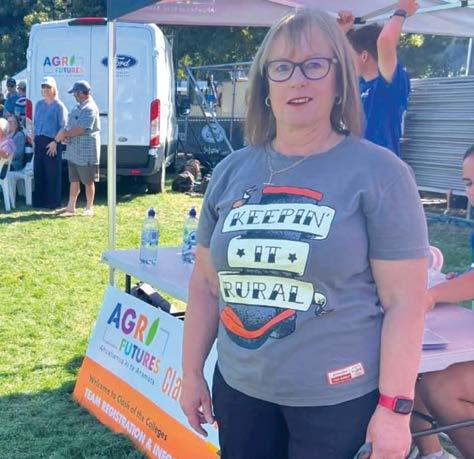
by Barbara Kuriger, MP for Taranaki-King Country
When emergencies hit New Zealand, such as floods, cyclones, droughts, and earthquakes, farmers are often the first to respond and the last to leave. Some people are unaware of this, and surprised by it. I’m not. As a farmer and a Member of Parliament, I’ve seen how the rural community acts. I admire it, I applaud it, but I’m not surprised by it.
When things go wrong, farmers invariably step in. They bring practical skills, local knowledge, and heavy machinery that suddenly turns into emergency gear. Tractors, diggers, and quad bikes become tools for rescue and recovery, clearing slips, hauling debris, and reopening tracks. Most farmers are trained in animal welfare and biosecurity, so they can safely manage and care for livestock during and after a disaster.
In small rural communities, people look to farmers for steady, familiar leadership. Farmers often belong to local Federated Farmers branches, the volunteer fire brigade, Land Search and Rescue, the school board, and the sports club. When a crisis hits, farmers bring everyone together, share information, and determine who needs help first. Farm sheds, woolsheds, and community halls quickly turn into dropoff points for supplies, meeting places, and rest areas for tired volunteers. Equally important is how farmers support each other. After a significant storm, a flood, or a disease outbreak, someone fires up the barbecue. Soon, there’s a fundraiser, a community meal, or a working bee to fix fences, clear silt, and replant pasture. These gatherings break the isolation that can creep in behind the farm gate. In short, in a country where rural communities are spread out and emergency services are often stretched thin, New Zealand farmers carry a heavy load, often at personal risk to themselves and their properties.
Yet their local knowledge, their equipment, and their willingness to help mean that when crises arise, the response is faster, more practical, and rooted in a simple truth: neighbours helping neighbours, and farmers supporting their communities.


The journey of sand
By Janine Krippner
We love our beaches. Some of us love our sandy seaside, while others prefer our rockier beaches, covered in pebbles or stones.
Each one of these grains or rocks has an individual history, shaped by its geologic origin and moving water. The composition of an individual beach results from how energetic the waves are at that location, and where the sand or rocks come from. Some are carried from far inland by rivers, others erode along the coastline itself.
Sand primarily results from shells, rock, or coral breaking down into smaller pieces.
The rocks are made up of minerals, some too small to see without a microscope and others larger, like within a granite. Some rocks are a mixture of both, like many volcanic rocks.
Over thousands, or even millions of years, those rocks break down from a mixture of physical and chemical weathering processes. Tougher, more stable minerals like quartz and feldspar can survive this process, while softer minerals are broken down and removed from the mixture.
A high proportion of quartz and feldspars can result in our white beaches. One way we get these minerals on a beach is from the erosion of granite, which begins as a large magma reservoir that cooled slowly below the surface, then is eventually uplifted and the other rock around it is worn away. What a journey.
The presence of iron oxide in these minerals can lead to our golden sandy beaches, and tropical regions can have much more shelly material. When white sand grains are smaller they can reflect more light, so, a fine-grained sandy beach can appear whiter.
A glass half full
By Christine Bryant, Lay Minister, St John’s
Times are tough – there is no denying it – both in Aotearoa and in many parts of the world.
This week we learned of the planned closure of the Wattie’s Frozen Food Factory in Christchurch - 300 jobs going, 300 families affected, also the livelihood of some 200 farmers who grow peas, beans and other vegetables for freezing.
Our west coast black sand beaches are a bit special, in my biased volcanologist opinion.

The titanomagnetite minerals, a mix of titanium and iron, come from volcanic rocks down in the Taranaki region. We can also see these black sand beaches in other volcanic regions, like Hawai’i, the Canary Islands, and Iceland.
There are even rare green sand beaches, where olivine minerals erode out from basalt lavas.
Globally, beaches are changing along with the climate. Stronger storms and a higher sea level can carry the sand away. Humans can also make a huge difference. Building rapidly in some areas can make the ground itself subside, making sea level change much more impactful.
We even have some beaches where we import sand so that we can enjoy it. This happens at Oriental Parade in Wellington, where around 1900 cubic metres of sand is trucked in annually.
Building structures like seawalls or groynes can change the energy dynamics of a coastline, resulting in significant erosion. There are plenty of cases where these are meant to save a beach from erosion and end up making it far worse. It is important to understand the environmental systems before we make changes.
All of this together, the source of the sand, the journey it took, wave action, and our own human interference shape our beaches. The sand composition of each one is like an individual fingerprint.
A fleeting moment in time that we get to enjoy and protect.
themselves as “joyful” people. Nevertheless, Archbishop Justin challenges us not to be weighed down by contemporary reality and to develop a joyful mindset.
How might we do that? For Christians, it means taking hold of the reality of God’s presence with us. We can celebrate that and find joy in it even as we experience difficult situations. The Archbishop then encourages us to consider what daily rhythms we can set up to cultivate a positive mindset. Some of these, such as daily prayer, reading the scriptures and going to church will not appeal to everyone. However, the principles behind them hold good.
Inglewood Office 80 Rata St, PO Box 124, Inglewood 06 756 6032 • Kuriger.Inglewood@parliament.govt.nz
Te Awamutu Office 196 Alexandra Street, Te Awamutu 07 870 1005 • Kuriger.Teawamutu@parliament.govt.nz
King Country Virtual Office 021 815 017 Kuriger.Kingcountry@parliament.govt.nz






It is the latest in a string of large business closures, including two in Tokoroa which have impacted South Waikato. Only a month ago we had the devastating rain. People in West Waikato are still coping with the aftermath of that. Local papers have also alerted us to the rising use of drugs as evidenced in the testing of wastewater. Where there is drug use, there is crime. When these factors are added to the volatile world situation, where resolving conflict by force of arms seems to be occurring with greater frequency, our circumstances are certainly challenging. New Zealand’s distance from conflict zones might seem like a protection, but equally, our position at the end of supply chains increases our vulnerability. Unemployment, climate change, crime, armed conflict – it doesn’t seem possible to build joy into any of these.
I was thinking about all this when I watched a short video which Archbishop Justin Duckworth posted on YouTube three weeks ago. He reminds us that the first Christian message which came to Aotearoa on Christmas Day 1814 was: “Behold I bring you glad tidings of great joy”. I don’t think most New Zealanders would describe
Daily habits of exercise and/or meditation are proven to improve well-being. Spending time with family and friends or with a group with whom you share an interest help us all see life as a glass half-full, the point being that if we have joy, it overflows into the community and helps to build up everyone. This struck me when I helped at the Monday community meal at St John’s recently. About 35 people come each week to share a meal. Whether they come out of loneliness, ill health or poverty, their joy at being together is obvious. The buzz of conversations over a cup of tea and dinner is infectious.
No one goes away without a smile – not even those who stay to clean up. So how could you build some joy into your life? Any of the churches would welcome you on a Sunday to share in the joy of being in God’s presence.
FAITH IN WAIPĀ
Vet’s welfare top priority
By Viv Posselt
Te Awamutu RSA president
Daniel van der Hulst wants to use his tenure to broaden the organisation’s reach into communities where support is needed by many who don’t even know it is available.
Veteran welfare is his top concern. Many veterans don’t know about the support the RSA offers, he says; some are reluctant to ask for help.
“There are veterans who don’t think they are entitled to support because they didn’t serve overseas, others who are too embarrassed to ask for help,” he told The News. “We need to make sure that everyone who served in our forces, whether they went overseas or not, understands that veteran welfare is a major part of what we do. It is there for them for as long as it’s needed… and they need to be willing to accept help when it is offered.”
Van der Hulst believes the difficulty in getting that message through is a failing on the part of the RSA. It is one the national body is increasingly tackling, but he sees it as important that individual RSAs reach deep into their communities to get the message across.
Within weeks, van der Hulst will steer the Te Awamutu RSA through its first Anzac Day with him at the helm. His own involvement with the organisation
began when, as a military veteran, he was asked to speak at the Anzac Day 2021 Pirongia dawn service.
“I didn’t really know what I was doing,” he said, “but I made it slightly different from the usual speech, and it seemed to go down well enough for someone to suggest that I stand for the executive. I’ve been involved since then.”
The organisation’s full title is the Te Awamutu and District Memorial RSA, which means van der Hulst’s scope extends into Pirongia, Ōhaupō and Kihikihi. They are also helping with a project in Kawhia.
He did seven years in the New Zealand army, working primarily in logistics; he joined up in 1998, just before Kiwi troops were sent into East Timor as part of the 19992005 UN peacekeeping exercise.
His dad had been a prison officer for 36 years, and his grandfather – who came to New Zealand in 1951 and was awarded a QSM for his services to education – had done his national service in his home country of The Netherlands.
After leaving the forces, van der Hulst spent a few years in the United States, driving and working on farm machinery. He came back to New Zealand in his mid-20s ready to see what was next.
Fifteen years ago, he joined Schick Civil Construction in
Hamilton, where he is now a divisional manager. They put him through the Waikato leadership programme, CELF… the Community and Enterprise Leadership Foundation.
“It massively changed me, made me look at myself and what I wanted in life in a totally different way. That set me up for the senior role I was looking for.”
Much of what he brings to his role at the RSA springs from that. “I learned to say yes to things.” It has also helped drive his concern for veterans, no matter how long or short their service.
“You are what you have seen,


what you have experienced, and you take that into your future no matter how hard you try not to,” he said.
“New Zealand has around 65,000 contemporary veterans, with only around 20,000 who have served overseas. That leaves 40,000 whose service was equally important, and who warrant our assistance in whatever form we can give it.
“Just because they didn’t deploy doesn’t mean we can’t provide support when it’s needed. It is the RSA’s job to make sure they don’t have to jump through hoops to get it.”
Open day for Kids in Need
By Viv Posselt
An open day at Kids in Need Waikato’s Cambridge base will see the public launch of the charity’s Legacy Project campaign. The campaign powered up late last year. It is aimed at securing Kids in Need Waikato’s future by raising an initial $1 million to facilitate the purchase of the Fencourt Rd property it rents from the charity’s founders Graeme and Linda Roil, then another $1 million for its long-term development.
Kids in Need Waikato began in 2014 when the Roils began fostering children in need. They soon started turning community donations into care-packs for children up to the age of 18, and their caregivers, quickly developing into a major enterprise.
The Kids in Need Charitable Trust established in 2018, is leading the Legacy Project as the Roils prepare to step back. The plan is to futureproof the charity by buying the property from the Roils, enabling an expansion of services and unlock access to grants and funding possibilities not available to renters.
The charity has grown to support more than 560 caregivers and 1300 children in the Waikato each year, and an average 168 care-packs go out monthly.
Sunday’s Open Day at the property will enable people to look behind the scenes, meet the team, see the facilities and what they do.
Women’s Family Planning Menopause & Sexual Health Clinic
Get a green light on your sexual health! Book to see our specialised women’s health GPs and nurses, for any of the following and more. Appointments are 30 minutes long - ask our receptionist to book you for a Women’s Health appointment.
You do not need to be a registered patient with us to attend this clinic. Many services are subsidised, so the cost is reduced for most patients.
Menopause advice and care
‘Well woman’ checks - comprehensive check-up and screening service to optimise women’s health
Contraception:
• Emergency
• Long acting reversible IUDs, jadelles
• Depo injection
• Pills, condoms
Pregnancy testing
Early pregnancy assessment
STI checks for all genders
Abortion care and support
Dainel van der Hulst is the Te Awamutu RSA president. Photo: Viv Posselt.
MAKE YOUR MOVE.
Retirement where the living is easy.
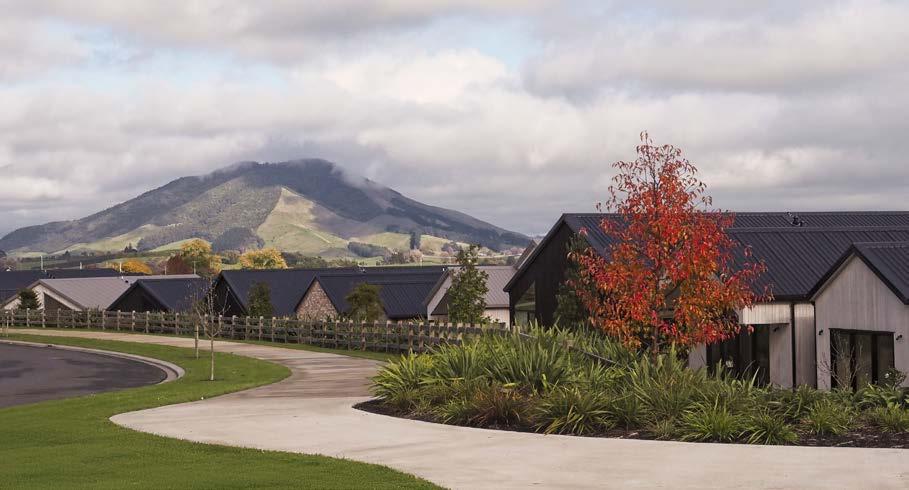
Arvida in Te Awamutu has its last available two and three-bedroom ridgeline villas with views to Mt Pirongia and Mt Kakepuku, these are priced from $1,295,000 (licence to occupy)*.
Add to this the brand-new clubhouse and resident workshop underway, featuring a dining area, library, pool, gym, bowling green and outdoor fire and you have a retirement lifestyle worth making a move for. Now’s the time to get in touch.


Book a private tour.
Arvida Whai Mauri Ora is situated at 319 Manaia Road, Te Awamutu. We’d love to show you around and answer any questions you have. To book your tour, call Juliet on 07 444 4023.
Scan to take a virtual tour.
Artist Impression
A century of connection
By Jesse Wood
There were plenty of smiles, hugs and shared memories as women from across Waipā and King Country came together in Te Awamutu to celebrate a remarkable milestone - 100 years of Rural Women New Zealand.
Held at Te Awamutu Bible Chapel last week, the luncheon marked a century of connection, service and quiet support that has helped shape rural communities throughout the region.
As members mingled over lunch, the conversation turned easily to memories - of meetings in small country halls, children underfoot, countless cups of tea, and the simple act of being there for one another when it mattered most.
After a year of planning, Waipā King Country provincial president Denise Powell said the relaxed, friendly atmosphere was exactly what organisers had hoped for.
“I just wish we had 100 people instead of 99. I’m totally happy with how it all went.”
The Waipā King Country provincial includes six branches Arohena, Crossroads, Pōkuru, Te Rahu, Waitanguru and Districts, and Wharepapa South - with around 270 members.
For many women, Rural Women New Zealand has been a constant through generations, offering friendship, purpose and practical help in good times and bad.
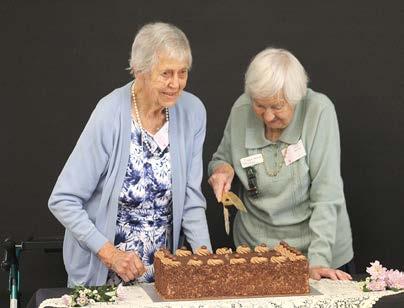
That legacy was highlighted during the cutting of the centennial cake by Tui Trow and Olwyn Verhoef.
Trow, who will celebrate her own 100th birthday next month, joined the organisation in 1964 and has been a member for more than 60 years. Verhoef holds the distinction of being the provincial’s longest-serving member, with an extraordinary 79 years of involvement.
She joined the Te Rore branch in 1947 at just 15 and remained there for 70 years before later moving to the Te Rahu branch. Her commitment spans generations.
Daughter Raewyn Marwood also joined at 15 and has gone on to serve as provincial treasurer for more than 25 years.
Centennial committee member Barbara Burden shared her own memories of the organisation.
“My first memory was at the Ngahape branch when the Ngahape Hall was there - I would have been about four,” she said. “I remember going with my mum, but then as we went to school and grew up, that branch closed.”
Burden later rejoined Rural Women when she had children of her own, becoming involved through the Maihiihi branch.
“We took our little kids along and really looked forward to those meetings once a month,” she said.
“It was very community friendly.”
Guests included Waitomo mayor John Robertson and Ōtorohanga deputy mayor Katrina Christison, who both acknowledged the organisation’s long-standing contribution to rural life.
“There are not many organisations that last for 100 years,” Robertson said. “This is a tremendous organisation of women who have helped in rural areas for so many years and have been so important for supporting local communities.”
Entertainment was provided by Kihikihi-based singer Alice Collins, whose operatic performance concluded with Climb Every Mountain from The Sound of Music, drawing warm applause from the crowd.
Centennial committee chair Judy Board read a message on behalf of national centennial committee chair Bronwyn Main, reflecting on the meaning of the milestone.
“We are now in the second half of our centennial year - a time when we reflect, remember and honour our organisation, the members gone before us and the massive contribution we have made, not just to rural women, but to rural communities,” the message said.
As the afternoon wound down, there was a strong sense that while much has changed over the past century, the heart of Rural Women New Zealand remains the sameneighbours supporting neighbours, and service simply given.
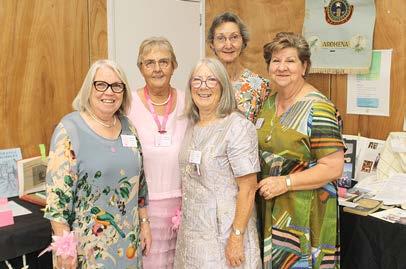





From left, Waipā King Country provincial RWNZ centennial committee members Barbara Burden, Denise Powell, Judy Board, Raewyn Marwood and Sue Hall. Photo: Jesse Wood
Tui Trow and Olwyn Verhoef cut the cake at the centenary celebration. Photo: Jesse Wood














This Sunday 22 March 10am-2pm
Victoria Street, Empire Street, Victoria Square & Town Hall



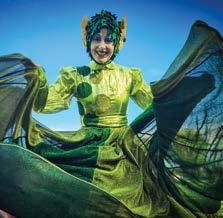
Get ready for the colour, fun, and excitement of our iconic Carnival Day and Autumn Art Market. With over 200 performers and 60 art stalls, there’s something happening around every corner.






Live Music





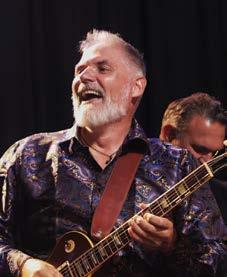
We’re thrilled to have the brilliant Darcy Perry Blues Band headlining the Victoria Square Stage as they celebrate the 20th anniversary of their album “Heavy Rain”. Plus, there’s jazz, easy listening music, and performances by talented dance groups.
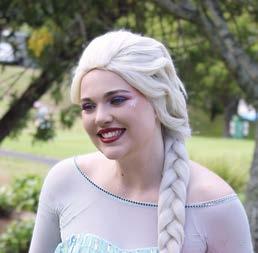
For the kids, there’s face painting, sugar art, giant bubbles, and head to the Empire Street Kids Zone to join characters Moana, Spiderman, Anna and Elsa for fun, games and crafts.
If art is your happy place, browse and admire the beautiful art, jewellery, pottery, carving, and see the woodturners in action. Then head to the Town Hall for the Art Exhibition + Sale and visit the Exhibition of Photos and Quilts in the St Andrew’s Church Hall.









Come and enjoy this amazing community day!







Live Music













Cambridge Autumn Festival
TE AWA LIFECARE
MAIN STREET CARNIVAL
10AM 2PM
SUNDAY 22ND MARCH
VICTORIA SQUARE
10am Floating on Air - giant bubbles
10.20am Cambridge High School Big Band
11am Cambridge High School Jazz Band


11.15am Floating on Air - giant bubbles
11.45am Darcy Perry Blues Band
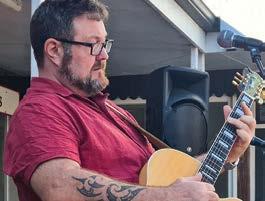
1pm Alby Collier - guitar & vocals
1.30pm Te Ropu Kapa Haka o Kemureti
DAYDREAM CAFÉ
10.15am Ignite Arts Academy Music Students
11am Zoë Clarke - violin
12noon Cherie Holden - singer
1pm Z.O.H.D.I.A.C.K - duo
FRAN’S CAFÉ
10.45am Alby Collier - guitar & vocals
11.45am Jessica Kent-McDonald - guitar & vocals
1.30pm T & M Showstopper - duo
BNZ
10am Ignite - Dance
10.30am Riverside Ukes
11.30am KS School of Dance
12noon A rmation - band
12.45pm Strive Performing Arts
1.15pm Cambridge Brass Band
ROUGE COURTYARD
10am Mosaic Choir
11.15am Jazz Guitar Jase
12.45pm St Peter’s School Music Students
EMPIRE ST KIDS ZONE
10am Crafts and games with Spiderman & Moana
12noon Crafts and games with Anna & Elsa
PLUS ROVING STREET
PERFORMERS, SUGAR ART, FACE PAINTING, AND GIANT BUBBLES!
Dene: scouting trailblazer
By Chris Gardner
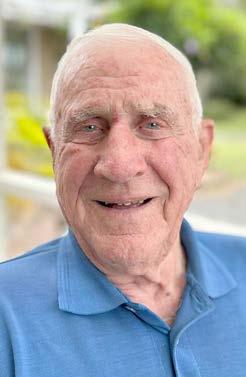
Pirongia’s Dene Richards was ahead of his time when he accepted half a dozen girls into Piopio Scout Group about 52 years ago.
Richards, 89, is now patron of Scouts Aotearoa Waikato Zone, but back then he was the scout master in a King Country township that had a problem.
Piopio’s Girl Guide Group was about to close with the retirement of its leader, and its members had nowhere to go.
With a decade of service to the scouting movement under his belt, Richards accepted the girls under the condition that they would wear the same uniform as the boys and take part in the same programme of activities.
It had been 66 years since Muriel Cossgrove has founded a Girl Peace Scout Troop in Christchurch in 1908. It was 64 years since the founding of the Girl Guides. It would be another two years before the Scout Association of New Zealand officially allowed girls into its ranks.
“It was about being part of the community,” he said.
Guides and Scouts met on the same night in different locations to allow parents to drive siblings many kilometres into the township.
Richards, an electrician by trade, began his adult scouting career in 1964 where he was recruited to join Waitārere Beach Scout Group in Levin as a founding leader.
“They were looking around for young people to become young leaders, and I was asked if I wanted to give something back to the community,” he said.
A promotion shortly after saw him move to the King Country and assist the Piopio scout leader.
“I saw him for two weeks,” Richards said.
He was put in charge of 25 scouts and handed the keys to the scout hall.
Under Richards’ leadership his scouts, slashers in hand, became involved in clearing the tramping track to Leitch’s Clearing.
Richards, who established a 16ha dry stock farm, soon found himself taking on other scouting roles.
A founding leader of the Piopio Adventure Camp, celebrating its 50th event this year, Richards has only missed two, one for his father’s 100th birthday celebration.
While today the camp is open to all senior scouts, back then it was only the region’s patrol leaders who were invited as a reward for their work among their peers.
scouts.”
They were offered additional training at the camp.
Today the camp is more like a mini jamboree with all manner of adventurous activities on offer including abseiling, caving, and quad biking.
Richards also became district scout leader, providing encouragement and support for leaders in other groups, and also served as a national training leader, hosting week long training camps at the national Scout training centre at Tatum Park near Levin.
Among his many highlights was arriving at the first jamboree at Mystery Creek with his troop in a waka, having paddled from Cambridge, and attending the international Friendship Jamboree with two Scouts in Japan in 2002.
“We had a great time,” he said.
Latterly, Richards served as a zone commissioner and assistant zone leader and moved to Pirongia in 2010.
His former scouts include two sporting greats - Sir David Fagan and Rod Waddell. Richards was recently presented with a long service award by Scouts Aotearoa Waikato Zone leader Jane Hansen.


“We used the patrol leaders to train the
“Dene’s commitment to Scouting has been exemplary,” said Hansen, who described him as a role model for the youth that he had led during his 60 plus years as a leader”.
Riders eye rep place
Easter’s Kihikihi horse trials competition is the next hurdle for some of New Zealand’s best upand-coming equestrians with selection to compete for Waikato at the eventing championship on the line, Riders from the Te Awamutu Pony Club could well be in the running after one of its two teams placed third at the recent Timberlands North Island Eventing Championships in Tokoroa.
Warkworth District Pony Club topped the table followed by a team from Ōtorohanga Pony Club in second.
“We were really pleased with how well our riders went,” Te Awamutu team manager Jo Howes said. “Especially as it was the first time at Timberlands for some of our riders and it’s known for its challenging cross-country track.
“Grace Gower, Emilia Howes and Isobella Roycroft went double clear, which made a big difference for the team because results can change dramatically with cross country – it can all go wrong very quickly.”
The team also included Zara Gollan, Amelia Johnson and Georgia McKeon. Individual efforts count,
but team eventing requires solid contributions from all members to make the grade. Competing as the Lions, a second Te Awamutu Pony Club team finished 14th in a fiercely competitive field from across the North Island. Howes expects some of her riders will secure selection in the Waikato squad for the eventing championship in Hastings next month.
Until then, solid performances at Kihikihi –near enough a home track – could see things go right very quickly for some of Howes’ young ‘chargers’.
Dene Richards
A line in the river
New Zealand Outdoor Instructors’ Association Bush Leader and senior writer Chris Gardner shares how the mutual support method saved the day on the Waitawheta Tramway track.
The tramping group wobbled across the Waitawheta River like a line of nervous tightrope walkers.
They hopped, skipped, and leapt from rock to rock, arms stretched wide as they tried to keep their boots dry and themselves out of the water.
Almost everyone had a moment teetering on the brink of a splash. One tramper even managed the crossing while carrying a small child tucked “safely” under their arms.
Bridges were out after being washed away by Cyclone Gabrielle, but the Department of Conservation had opened the Waitawheta Tramway track with the warning some river crossings were necessary.
Boulder hopping is not recommended as boulders can slippery or unstable and a fall can have serous consequences.
Our group – scout Kaiarahi and youth completing a three-day adventurous journey for the Chief Scout’s Rimu Award – watched others cross and learned from their mistakes.
“You know what to do,” I said as our scouts checked the river was safe to cross before discussing their plan to use the mutual support method and executing a textbook crossing.
They had watched the New Zealand Mountain Safety Council’s Get Outdoors series, read the Bushcraft Manual, and practiced the skill many times on dry land.
The Bushcraft Manual suggests lining the party up with a strong people at the upstream end of the line, the strongest, most experienced person next to them for extra support, another strong person at the downstream end and the rest of the group in between.
The group undoes backpack chest straps,
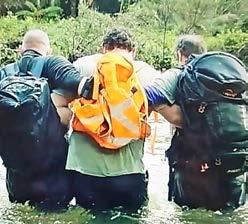
in case a stumble makes a quick release of the pack necessary, and loosening shoulder straps.
Then the group checks backpack hip belts are done up.
Arms are inserted between each neighbour’s backpack and the back, and group members grasp either their neighbour’s hip belt or pack strap down low on the side furthest from them.
They move into the river as a single unit, on shuffling step at a time.
There is, of course, much more to it than this.
River crossing should never be attempted without prior training and plenty of practice.
Drowning was once known as the national death because more people died from drowning than any other cause.
Some might have considered our scouts approach as overkill, given the slow flow of the river and its shallow depth, but the mutual support method reduced the risk of an autumn soaking at the very least.
Waste Minimisation Community Fund
Now for rugby…
By Jesse Wood
Leamington and Pirongia will kick off their Waikato Club Rugby division one seasons with a magic round at FMG Stadium Waikato this weekend.
Ōhaupō starts the season with a bye week.
It’s a dream start to the season for Pirongia as they celebrate 150 years.
“Our A and B squads have been training together and they’re having really good numbers, 40 to 50 at training,” life member Ross Denize said.
“We’ve got some new recruits. Some premier players have joined from other clubs, nearly all of last year’s players are back with a few from a couple of years ago returning just to play in the 150. We have five senior teams again - senior A, senior B, Colts, women’s and presidents.”
The senior squad have had a strong pre-season beating Taumarunui Eels and Districts as well as Leamington on Friday.
“Most players from last year have come back and some premier players have joined from other clubs,” Denize said.
The Pirongia B team went unbeaten in 2025 and their goal is to retain their title.
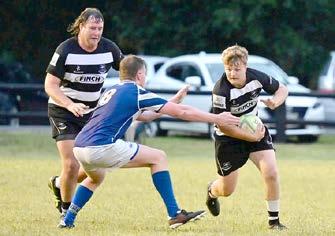
“The Colts had good preseason at the 10-a-side tournament at Te Awamutu Sports,” Denize said.
The 150-year celebrations are ready to go for Kings Birthday Weekend.
“We’ve got an invitational team for the Sunday including lots of ex-Waikato and Thames Valley players, as well as lots of cool events throughout the whole weekend.”
Returning Leamington head coach Wayne Bootten said they have a relatively young team with a couple of good old heads coming back.
“Having this super round at the stadium is fantastic. It just opens up people’s eyes to be a little bit different.
For some of these boys, it’ll
be their first time to ever run on that stadium and that’s a beautiful place to play rugby.
“As far as club rugby goes, our numbers are looking good, this year. It’ll be an interesting year,” Bootten said Ōhaupō had a close preseason game with Clive from Hawke’s Bay on Saturday, following a tough trip to Taumarunui the previous weekend.
Numbers wise, they’re looking to have solid season with a senior A and B squad eager to go for March 28.
Hautapu and Te Awamutu Sports kick off their premier seasons on Easter weekend.
Te Awamutu Marist’s presidents, Kihikihi women and Kihikihi presidents still have a few weeks to go.
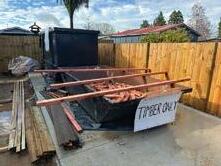
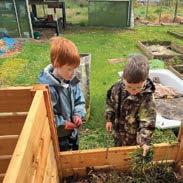
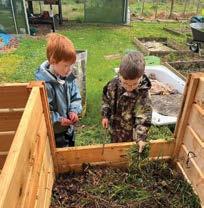
April 8
Chris Gardner, right, practices the mutual support method with other Kaiarahi on Bush Leader training.
Pirongia forward Ethan Kiernan runs the ball towards a Leamington defender. Photo: Julie Gibson
Thursday, March 19, 2026



Reconnecting, rebuilding, recovering: Waipā’s road ahead
It ’s hard to believe it ’s already been a month since that storm tore through areas of our district Like many of you, I still think back to those first few days the slips on the hillsides, roads, culverts, bridges cut away, and the sense of uncertainty that hung over everything A lot has happened since then, and while we’ve made real progress, recovery is something we’ll be working through together for some time yet, along with many impacted in the rural sector
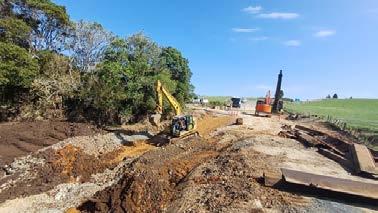
One of the turning points has been the announcement of the temporary bridge on State Highway 39 When the Mangati Bridge was destroyed, it cut more than a route it cut a daily connection that so many people in and around Pirongia rely on Hearing that a 40‐metre temporary steel bridge will be in place by mid‐March has been a real lift for the community Crews have already cleared debris and built up the approaches, and once the bridge components arrive, it should go up in just a few days It won’t solve everything, but it ’s a big step toward getting people and businesses moving again
During a recent visit to Pirongia, I stopped in at the local Four Square and had a good conversation with the duty manager about those early days and the challenges ahead Hearing this firsthand really reinforced how deeply the event affected people on the ground
Water has also been a major pressure point Damage at the Te Tahi Water Treatment Plant left Pirongia vulnerable, and while the new backup connection at Frontier Road has stabilised supply, we still need to assess what is needed long‐term to strengthen our wider network
Our outdoor spaces have taken a hit too Pirongia Forest, Sainsbury Road Reserve and Kakepuku Mountain Track remain closed due to unsafe ground conditions, slips and debris Drone flyovers and geotechnical assessments are underway, and while reopening these well‐loved places will take time, it remains a clear priority
Support for those doing it toughest continues to grow The Mayoral Relief Fund has received an additional $100,000 from central government and $13,000 from local trusts and organisations, helping more people access the support they need
What stays with me most is how people across Waipā have shown up for one another Staff, contractors, volunteers, local businesses and neighbours have all played a part in helping the district back onto its feet Recovery isn’t quick, and there’s still plenty to do, but we’re moving forward together
Mayor Mike Pettit
Your Elected Members





Waipā Mayoral Relief Fund open to support storm-affected residents
The Waipā Mayoral Relief Fund has been established to support people, families and organisations affected by the severe weather and flooding that impacted parts of the district in February
The fund has been set up to provide financial assistance to individuals, whānau, small businesses, community organisations, volunteer groups and marae experiencing hardship as a result of the event
In addition to the $100,000 start up funding from Waipā District Council and the matching support from Government, there has been over $13,000 donated to the fund with almost $45,000 already allocated to help those in need
The fund is intended to provide short-term support where people have urgent needs that may not be covered by insurance or other forms of assistance In many cases, it can help with immediate recovery costs such as essential household items, clean-up costs, or other urgent expenses linked to the storm event
Who can apply
Applications are open to:
Individuals and families affected by the severe weather event
Small businesses experiencing hardship as a result of the event
Community organisations, volunteer groups and marae supporting recovery efforts
How to apply
People who have been impacted and require assistance can apply by completing the Mayoral Relief Fund application form available on our website
Because funds are limited, applications will be assessed against the fund’s criteria and support will be prioritised for those experiencing the greatest need
For more information about eligibility or to apply, visit waipadc govt nz/relief-fund or contact us on 0800 924 723





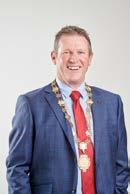
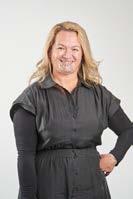
Mike Pettit Mayor Jo Davies-Colley Deputy Mayor
Roger Gordon Aidhean Camson
Pip Kempthorne
Clare St Pierre Les Bennett
Shane Walsh Dean Taylor
Marcus Gower Mike Montgomerie
Dale-Maree Morgan
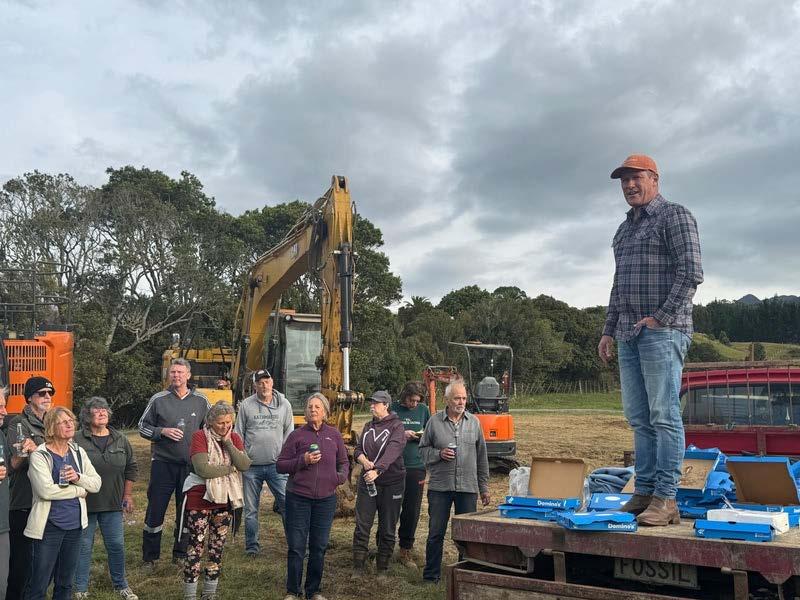
Mayor Mike updating the residents of Corcoran Road, Te Pahu, about progress to clear the blocked culvert
Confidence returns as resilience tested
Stronger sheep prices, lower costs and new export markets are restoring confidence on farms as rural communities grapple with more extreme weather events, reports senior writer Mary Anne Gill.
Flooding across parts of Waipā and Ōtorohanga has added fresh strain to King Country farmers already worn down by years of low prices, rising costs and uncertainty.
But Agriculture minister Todd McClay says rural resilience is once again showing through.
Speaking to Good Local Media, McClay said he “absolutely” felt for farmers dealing with yet another extreme weather event, describing farming as one of the most resilient - but also most isolated - professions in the country.
“Farming can be very lonely, even though rural communities are incredibly strong,” he said.
“When it’s wet, when you’re worried about your animals, and you’re dealing with damage day after day, you can feel very alone.”
For many in Waipā and the wider King Country, the floods have come on top of several difficult years marked by low commodity prices, rising compliance costs and uncertainty about land use.
But McClay rejected suggestions it is “too late”
for some sheep and beef farmers, saying the picture on the ground is beginning to improve.
“They are very resilient, and we need to recognise just how challenging it’s been,” he said.
“But if you look at the prices many sheep farmers are getting at the works right now, they’re better than they’ve been for a long time. Farmers are making money again.”
That turnaround, he said, is translating into renewed confidence.
“They’re getting debt down, they’re investing back into their farms, and for the first time in a long time they’re thinking about increasing production.”
McClay said the government’s focus on resilience goes beyond farm balance sheets to the wellbeing of farming families and rural communities. In last year’s Budget, $4 million was set aside for communityled resilience initiatives - programmes designed by farmers, for farmers.
“This isn’t about business resilience – a lot of that already happens,” he said.
“It’s about the resilience of individuals, families and communities.”
Examples include initiatives encouraging farmers to get off the farm, connect with others and talk openly, from “surfing for farmers” to informal gatherings such as “blokes on gateposts”.
“If you live in town, you can pop out and see your mates or go for a meal.
That’s not always easy in rural New Zealand,” McClay said.
“When rural communities are strong, the people in them do well – and when rural New Zealand does well,
all of New Zealand does well.”
Rebuilding trust with farmers has also meant reducing what McClay described as unnecessary regulatory costs. He pointed to reforms removing rules that “added cost but didn’t deliver environmental outcomes”, along with changes to stop large-scale full farm conversions to forestry.
“That law was backdated, and it’s working,” he said.
“Forward orders for pine seedlings have virtually disappeared.”
While flood recovery is immediate and physical,

McClay said long-term resilience depends on confidence there will be markets for what farmers produce. Improved sheep prices and access to export markets are critical.
“Our job as a government is to reduce costs and open up markets,” he said.
“If a farmer wants to put more ewes on the farm, there needs to be certainty there will be a market for that lamb.”
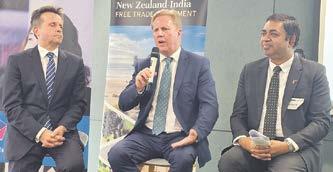
McClay said trade discussions with India could help underpin future demand. India already imports New Zealand lamb and wool, and lower trade barriers could improve returns.
“Lower tariffs mean better prices – and that means better returns at the farmgate,” he said.
McClay acknowledged the recent floods have been “exceptional” and said government agencies are continuing to work through issues around waterways, forestry slash and catchmentbased rules to reduce future risk.
But he remained optimistic about the sector’s future.
“Farmers are resilientthey always have been,” he said.
“If we get the rules and markets right, rural New Zealand will continue to lead this country forward.”


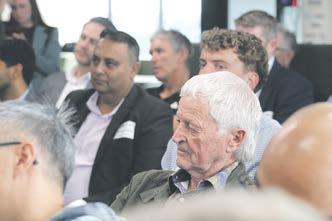
Minister of Trade & Investment Todd McClay, centre, with Vangelis Vitalis, Ministry of Foreign Affairs and Trade chief negotiator and his Excellency Dr Madan Mohan Sethi the Auckland-based Indian Consul General to New Zealand. Photos: Mary Anne Gill
Waikato regional councillor Keith Holmes, a former Federated Farmers president, listens as Agriculture minister Todd McClay outlines the New Zealand-India Free Trade agreement.
Heart health for Fieldays
When getting to the doctor is easier said than done, a Waikato heart team is using Fieldays to put rural health front and centre, reports Mary Anne Gill.
Health care is something that fits in when it can in rural communities.
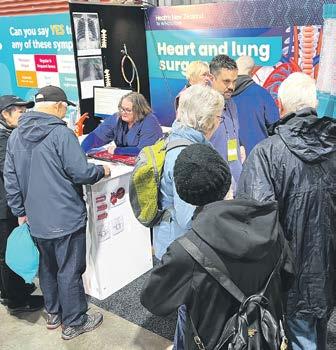
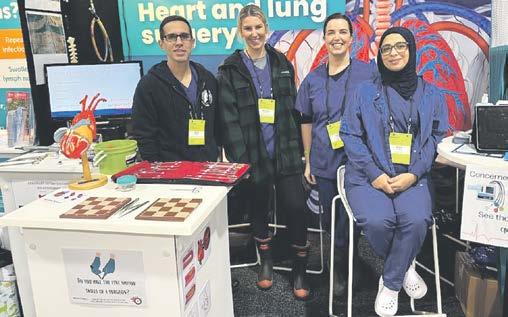
Stock needs moving, weather waits for no one, and a “quick trip” to town can chew up half a day. That reality is exactly why the Waikato Cardiothoracic (Heart & Lung Surgery) team is heading back to Fieldays for the third year running.
The Waikato Hospital team will again be part of the Fieldays Health Hub, taking heart health checks out of the clinic and straight to where rural people already are. The Waikato cardiothoracic service covers a vast population across the Te Manawa Taki region, stretching from the Coromandel through to Gisborne and across to Taranaki.
A significant portion of those people live and work in rural communities, where access to regular healthcare can be challenging due to distance, time pressures and workforce shortages, says clinical nurse specialist Kelsey Abercrombie.
“Fieldays provides a unique opportunity to bring heart health screening directly to the community in a relaxed and accessible
setting,” she says.
“Last year we screened thousands of attendees and were able to encourage GP follow-up where needed, helping raise awareness about the importance of knowing your pulse and recognising early warning signs. We also use our stall to chat with school-age children about health careers.”
Across the event, the team offers simple heart rhythm checks, practical advice, and conversations about heart health without an appointment, referral, or waiting room. The value of that approach was clear last year when more than 1500 heart rhythm screenings were carried out on people of all ages.
Among those checks, several individuals were identified with previously undiagnosed atrial fibrillation and other abnormal heart rhythms. Because the cardiothoracic team was on site, urgent follow-up could be arranged directly, either through the person’s GP or by organising specialist referrals. Those numbers represent real people who might otherwise have carried
on unaware of a serious condition, increasing their risk of stroke or heart failure. That success has set an ambitious goal for 2026: screening 5000 people over the four days of Fieldays.
Atrial fibrillation is one of the most common heart rhythm conditions, affecting nearly one in four people over the age of 40. Many people have no symptoms, which is why it is often
described as a “silent” condition. Left undetected, it significantly increases the risk of stroke and other complications, yet early detection can make a real difference.
Sometimes all it takes is a simple pulse or rhythm check to raise the first red flag.
That simplicity is what makes Fieldays such a powerful setting. A few minutes at the Health Hub can prompt potentially life-saving follow-up.
The Fieldays stall is staffed entirely by volunteers from across the cardiac service, including nurses, surgeons, perfusionists, and electrophysiology specialists from the cardiac catheterisation lab.
“Beyond the screenings, the team values the conversations just as much, answering questions about heart health, prevention, and lifestyle,” says Abercrombie.
Fieldays is about more than numbers. It is about connection, trust, and practicality and delivering healthcare locally.

Planning the Next Chapter: Navigating Retirement with Confidence
Waipa is evolving into a desirable retirement destination, known for its tree-lined streets, vibrant town centre, and close-knit community. With new retirement villages emerging, it’s becoming one of New Zealand’s most sought-after hubs for retirees.
Retirement marks a significant milestone, bringing excitement and new questions. Common concerns include whether to downsize, the suitability of retirement villages, and ensuring legal documents like Wills are current. Consulting a lawyer specialising in elder law can facilitate this transition, helping you create a clear plan, update your Will, establish Enduring Powers of Attorney, and navigate the legal aspects of retirement village living.
Your Will
Many New Zealanders find their Wills outdated or nonexistent. Life changes—such as family dynamics, asset shifts, and the arrival of grandchildren—necessitate updates. A lawyer can ensure your Will accurately reflects your current wishes, protecting your loved ones and preventing future confusion
Enduring Powers of Attorney
Enduring Powers of Attorney are crucial, allowing trusted individuals to make decisions regarding your property or personal care if you’re unable to do so. Without these arrangements, families may face stressful and costly court applications. Setting them up in advance provides certainty and peace of mind.
Understanding Retirement Village Living Waipa has seen significant growth in retirement village developments. Unlike traditional home purchases, moving into a retirement village involves complex legal arrangements, typically through an Occupation Right Agreement (ORA). Seeking legal advice before committing is essential to fully understand your rights and obligations. Creating Certainty for the Future Retirement planning isn’t about anticipating the worst; it’s about preparation. It involves protecting your assets, ensuring trusted individuals can step in if needed, and clearly documenting your wishes. With legal guidance, these matters can be proactively addressed, making retirement more about opportunity than uncertainty. With the right planning, retirement can be a confident new beginning. It’s a time to enjoy grandchildren, travel, volunteer, or embrace a slower pace of life—all with the reassurance that your affairs are in order and your family is protected. Retirement is your next chapter; with careful preparation and sound legal advice, it can be a truly rewarding experience






Rachael Beattie
Karen Nixey (nurse educator) left and Karl Coley (clinical physiologist) speak to farmers at Fieldays.
Heart to heart with, from left surgeon Zachary Deboard, Kelsey Abercrombie (clinical nurse specialist), Fiona Bunce and Alaa Hussein (clinical physiologists).
Cautious rural confidence
By Jon Rawlinson
Improved profitability, strong meat and dairy prices, a bumper Fonterra payout and recent tweaks to KiwiSaver rules are all positive signals for the rural sector.
At the same time, global uncertainty, including conflict in the Middle East, along with rising input costs, is keeping confidence in check.
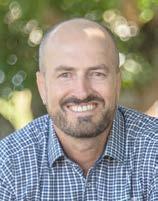
Demand for farms has been increasing, including in the Waikato and King Country, but that is only one part of the picture when it comes to rural property, PGG Wrightson sales manager Camron Meade says.
“The rural property market has been positive for the past 18 months or so, particularly in the dairy sector,” he says.
“In spring, there was a buildup in demand, which created good competition for wellpresented farms.”
Meade oversees the Waikato, King Country and Bay of Plenty markets and says while buyer interest has strengthened, that has not necessarily been matched by an increase in supply.
“Heading into autumn, we’re noticing a reluctance to bring properties to the market,” he says. “A lot of farmers are holding on because they’re
making good money, so that pent-up demand is building.”
For some farmers, however, current conditions may present an opportunity to sell.
“For the right property, particularly in the dairy sector, there is a pool of buyers, which creates more of an exit opportunity for people holding that type of land,” Meade says.
Dairy continues to lead the way, supported by a strong farmgate milk price.
Fonterra’s sale of its consumer division has also contributed to improved returns, adding further confidence for dairy farmers considering their options.
The sheep and beef sector has faced a different set of pressures, particularly in areas such as the King Country, where forestry has played a significant role in recent years.
“The region was heavily exposed to forestry, and sheep and beef land was closely linked to that,” Meade says. “There were some very strong hectare rates as a result, but that chequebook has largely been put away now.”
Changes to KiwiSaver rules have been welcomed by Federated Farmers as a step
forward for younger farmers looking to enter the market, but Meade does not expect the reforms to have a major influence on rural property values overall.
“It will make things a bit easier for some young farmers, which is positive, but I don’t see it shifting farm values or overall market activity in any significant way,” he says.
Looking ahead, the general election is expected to be a key factor, with some potential buyers and sellers taking a wait-and-see approach.
“The election will have a major impact,” Meade says. “People tend to hold off until they have certainty. From a farming perspective, the outcome will be critical.” Lending conditions remain a driver.
Fresh thinking needed
By Liz Stolwyk, Regional Councillor
“The bus stop could be the next hotspot of innovation.”
Public transport in our region is quietly proving its value.
Bus services connecting fastgrowing towns such as Cambridge and Te Awamutu are seeing increasing patronage.
When reliable services exist, people will use them - and that tells us there is real potential to build something much bigger.
But success brings responsibility. If we want more frequent buses, better connections, and a network that genuinely serves our communities, the system must be used.
Public transport cannot thrive on good intentions alone. Patronage drives investment, and communities need to step up and make the network part of everyday travel.
Employers can play a key role. Around the world, businesses are including public transport in staff wellbeing and sustainability initiatives.
Locally, offering Bee Cards as part of employee packages can encourage staff to try buses for commuting.
Equally important is feedback: if routes don’t match work hours or commuter needs, councils need to know so improvements can be made.
Elected members also need to think beyond today’s transport models.
Driverless vehicles, hydrogen-powered buses, and smarter digital systems are no longer distant ideas - they are already shaping the future. Innovation is essential if our communities are to



remain connected and congestion-free.
Growth across the Waikato region continues at pace.
Hamilton is the economic engine, but surrounding towns such as Cambridge, Te Awamutu, Ōtorohanga, Te Kūiti and Waitomo are vital to supporting that growth. Commuting, freight movement, and local travel are putting pressure on both state highways and local roads.

These pressures cannot be solved by widening one road or building another intersection.
The answer lies in an integrated network - buses, trains, walking and cycling infrastructure, all supported by technology.
The Future Proof partnership has been crucial in planning for long-term regional growth.
But strategy alone is not enough. The focus must now shift to delivery - turning plans into action that people can see and use.
The Te Huia train also sits within this conversation.
With a one-year extension, there is time to assess its future, but patronage has declined and subsidies remain high. If people want the service to continue, they must use it.
To keep our communities connected, competitive, and free from congestion, councils, businesses, and residents must think differently, embrace innovation, and turn planning into action.











Camron Meade of PGG Wrightson.
Farming excellence celebrated
Two sets of awards this month celebrated excellence across the sector and recognised farmers at different stages of their careers. Mary Anne Gill wraps up the awards.
Ōtorohanga dairy manager
Annie Gill has been named Waikato dairy manager of the year at this year’s Waikato Dairy Industry Awards, with King Country and Waipā firmly in the spotlight.
The 24-year-old, who manages a 56-hectare dairy farm near Ōtorohanga, took out the prestigious title at the annual awards dinner held in Cambridge, recognising her strong leadership, technical skill and clear pathway toward future progression in the dairy industry. Meanwhile, Noel and Lorraine Fox of Ōtorohanga were recognised at the Waikato Regional Ballance Farm Environment Awards ceremony in Hamilton, winning both the Livestock Farm and Sustainability and Stewardship awards.
Luke Campion of Hopehill Farm, Cambridge, won the Risk Management Award, while North Waikato sheep and beef farmers Jon and Fiona Sherlock were named overall winners, recognised for their powerful combination of profitability, innovation and environmental stewardship.
Judges at the dairy awards praised Gill’s strong financial
literacy, structured career planning and passion for stock work and breeding.
“I’ve always had a shared passion for pedigree cows with my Dad, and I’m lucky enough to live that passion every day,”
Gill said.
“I love genetics, breeding and seeing our stock do well for other people.”
Gill has set her sights on becoming a sharemilker within the next two years, with plans to build equity through the sale of Holsteins.
Waikato Dairy Industry Awards –
Share Farmer: Winner – Georgie & Glenn van Heuven (Matamata); runner-up – Deependra Parajuli (Waitoa); third – Emma Walton & Jared Van Tiel (Puketaha).
Dairy Manager: Winner – Annie Gill (Ōtorohanga); runner-up –Danielle Brown (Morrinsville); third – George Eaddy (Ōhaupō).
Dairy Trainee: Winner – Levi Wesford (Cambridge); runner-up – Abigail McLean (Morrinsville); third – Renee Teers (Pukeatua).
Waikato Ballance Farm Environment Awards: Jon and Fiona Sherlock (Otorohaea), Noel and Lorraine Fox (Ōtorohanga), Willy and Keely Muir (Waiuku), Luke Campion (Cambridge).
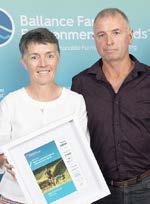
Noel and Lorraine Fox from Ōtorohanga took out the Livestock Farm and Sustainability and Stewardship awards at the Ballance ceremony.




NZ Designed Filtration Systems for the Removal of
and Manganese and Other Rural Problems

NZ Designed Filtration Systems for the Removal of iRon and Manganese and Other Rural Problems
NZ Designed Filtration Systems for the Removal of
and Manganese and Other Rural Problems
• Results guaranteed
NZ Designed Filtration Systems for the Removal of iRon and Manganese and Other Rural Problems
• Fully automated
• Results guaranteed
NZ Designed Filtration Systems for the Removal of iRon and Manganese and Other Rural Problems
• NZ designed systems tailored to suit your water needs
• Fully automated
• Results guaranteed
• Latest in electronic technology , wireless & alert systems
• Results guaranteed
• NZ designed systems tailored to suit your water needs
• Fully automated
• Results guaranteed
• Servicing the Waikato, Bay of Plenty, Taranaki & Gisborne
• NZ designed systems tailored to suit your water needs
• Fully automated
• Latest in electronic technology , wireless & alert systems
• Fully automated
• Servicing the Waikato, Bay of Plenty, Taranaki & Gisborne
• NZ designed systems tailored to suit your water needs
• Latest in electronic technology , wireless & alert systems
• NZ designed systems tailored to suit your water needs
• Latest in electronic technology , wireless & alert systems
• Servicing the Waikato, Bay of Plenty, Taranaki & Gisborne
• Latest in electronic technology , wireless & alert systems
• Servicing the Waikato, Bay of Plenty, Taranaki & Gisborne
• Servicing the Waikato, Bay of Plenty, Taranaki & Gisborne
FOR YOUR NO OBLIGATION
test report costs not

AND QUOTATION*
test report costs not included)

Otorohanga dairy manager Annie Gill with her award.
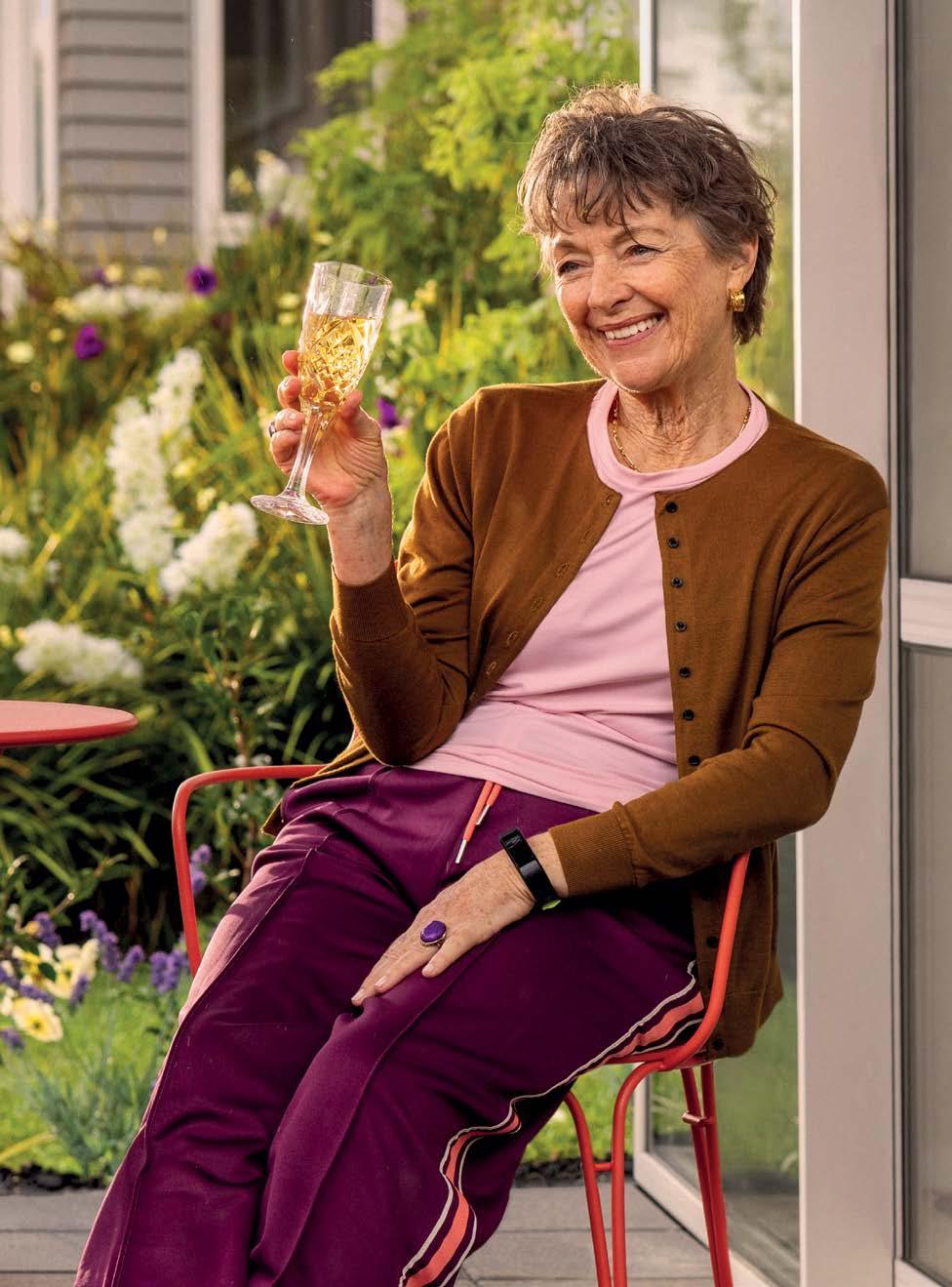


Summerset Cambridge Village Centre Open Weekends
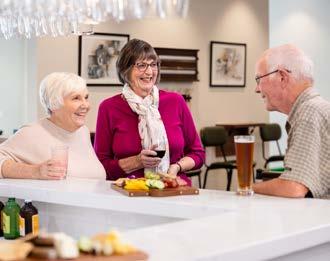
Summerset Cambridge offers a relaxing, resort-style retirement in a vibrant and growing village. The grand village centre is now open and residents have been loving their resort-style facilities, from an indoor pool to a café, residents’ bar and hair salon.
So if you have been wondering, like most of Cambridge, what the stunning new building at Summerset is, this is your official invitation to take a tour around our new facilities and range of homes available, from villas and cottages, to serviced apartments and care suites. Come along to one of our official Village Centre Open Weekends on 21 & 22 March or 28 & 29 March and see for yourself why the community is absolutely buzzing. Love the life you choose.
Village Centre Open Weekends
21 & 22 and 28 & 29 March, 10am - 2pm
Summerset Cambridge 1 Mary Ann Drive, Cambridge 07 839 9482 | summerset.co.nz/cambridge



Using tech safely
Technology is an integral part of everyday life in New Zealand, from online banking and contactless payments to booking medical appointments and staying in touch with family.
For many older people who lived in a world where none of this was even thought of, this rapid change often feels overwhelming. How many of us have heard another, joking “I’ll just ask my 10-year-old grandson to do it!”? With the right support, patience, and safety advice, however, technology can become a helpful tool rather than a source of stress. Online banking remains one of the biggest concerns for older generations, especially with the closure of so many branches in smaller towns. While it can save time and reduce the need for travel, it also introduces worries about scams and mistakes – something that exponentially, is increasing and much more sophisticated than even the techaware of us realise.
A good starting point is to sit down together with someone you trust and go through the basics slowly. This includes logging in, checking balances, paying bills, and logging out securely. Writing simple stepby-step notes can be useful,
especially for people who prefer something they can refer back to later.
Safety is absolutely key. Older users need to understand the necessity to create strong, unique passwords and never share them with anyone, most especially people claiming to be from the bank.
“How many of us have heard another, joking “I’ll just ask my 10-year-old grandson to do it!”?
Banks in New Zealand will never ask for passwords or one-time codes over the phone or by email. Understanding common scamssuch as fake emails, text messages, or phone calls - can make a huge difference. If something feels urgent, threatening, or “too good to be true,” it is best to stop and check with a trusted family member or the bank directly. And these days, banks and similar institutions are asking for twofactor authentication, meaning you can have a digital password, but to be absolutely sure it’s you, may also need a code that will come through on your cellphone to verify who you are.
Everyday digital payments, such as using EFTPOS, PayWave, or mobile wallets, can also feel

intimidating at first. Practising in a calm environment helps build confidence. Many people find it reassuring to start with small amounts and learn how to check receipts and bank statements to confirm transactions are correct. For those involved in helping the navigation of the tech world, patience and encouragement matter just as much as technical instruction. It is important to avoid rushing or taking over, which can leave people feeling powerless and not wanting to ask for help – which in turn leaves them at a serious financial disadvantage.
Instead, letting older learners do the steps themselves - while offering gentle guidance - helps build independence.
Community support can also play a role. Libraries, senior centres, and banks often run free digital literacy sessions designed specifically for older adults. These provide a safe, friendly space to ask questions without embarrassment.
With understanding, clear explanations, and a strong focus on safety, today’s technology can help older generations stay independent, connected, and confident in a digital world.


























It’s Time to Experience Premium Independent Retirement Living
Family owned and operated, Te Awamutu’s High eld Country Estate was established in 2012 and is set in beautifully landscaped grounds.
Due to unprecedented demand for quality independent living, we are proud to release a limited number of brand-new two- and three-bedroom villas , thoughtfully designed for comfort, sun, and e ortless living.
Construction of Stage One of our newest villas at High eld Country Estate is moving ahead swiftly, with a scheduled completion date of 1st October 2026.
With Stage One now under construction and Stage Two planning already underway, this is an exciting opportunity to secure your place in one of the region’s most sought-after retirement communities.
“The reality is that people living here enjoy it so much, they tell their friends, and we want to be able to o er the same lifestyle to more people,” explains High eld General Manager, Sheryl Thomas.
Our Residents Enjoy the Benefits of:
•A family focused and dedicated Management Team
•Friendly, welcoming and supportive sta
• A comprehensive programme of weekly social outings, events and activities
•A safe and secure living environment
•Beautifully landscaped well-established and maintained grounds
•A vibrant community atmosphere and sense of belonging
•A focus on health, tness and well-being
•Maintenance free, lifestyle living
“One of the best decisions we made was to move into High eld, where we know, and our family knows, that we live in a safe, happy, and friendly environment where people look out for one another. We love living here and if you are lucky enough to get the opportunity to purchase a villa, please come and join us and enjoy our retirement.” – Dave & Shona Hollinshead
To learn more about the bene ts of independent lifestyle living at High eld and to organise a personalised tour of our facilities contact General Manager Sheryl Thomas – 07 871 2020 manager@high eldcountryestate.co.nz | 397 Swarbrick Drive, Te Awamutu www.high eldcountryestate.co.nz
e Lifestyle You Want, the Peace of





Hearing Aid Technology
Hearing aid technology has advanced dramatically in recent years, providing us with more effective, comfortable, and connected ways to manage hearing loss.
Far beyond simple sound amplification, modern hearing aids now include intelligent features, seamless connectivity, and personalised sound processing that make daily listening easier and more natural for users.
One of the most significant developments is the integration of artificial intelligence (AI) into hearing aids. Unlike older digital models that simply amplified all sounds, AI hearing aids can automatically distinguish between speech and background noise and adjust settings in real time to enhance clarity and comfort. These systems use deep neural networks—similar to those found in smartphone speech processing—to prioritise conversations and reduce unwanted noise, especially in challenging listening environments like cafés or social gatherings.
Leading brands available through New Zealand audiologists have embraced AIdriven sound processing.
For example, ReSound’s Vivia™ 9 uses advanced AI to prioritise the speech that matters most and can connect to compatible public audio systems using Auracast™ and Bluetooth LE Audio for clearer hearing in busy spaces.
Other models, such as Oticon’s Intent series, feature 4D user-intent sensors that adapt sound based on head and body movement, conversation activity, and the surrounding environment, offering a tailored sound experience for each user.
Rechargeability is another innovation
Driving and cognitive test issues
In New Zealand, drivers must meet medical fitness standards to hold a licence, and for older drivers this can include cognitive screening by your family doctor.
While intended to improve road safety, recent rule changes have meant failing a cognitive test can have significant personal and social consequences, particularly for drivers over 65 – especially as there is currently no ability to apply for an appeal to Waka Kotahi NZTA.
One of the key issues is that cognitive tests are screening tools, not definitive assessments of driving ability.
Factors such as anxiety, fatigue, hearing or vision problems, language background, or unfamiliarity with testing environments can affect results. A single poor performance may not accurately reflect a person’s day-to-day functioning or realworld driving competence.
And this can have quite an impact when the doctor taking you for this test is not the one who knows you and your history, something that happens much more frequently in today’s times than it ever has before.
Losing a licence can have serious impacts. For many older Kiwis - especially those in rural or provincial areas - driving is essential for independence, social connection, medical appointments, and

transforming user experience. Modern hearing aids now often come with long-lasting rechargeable batteries, eliminating the need for frequent battery changes and offering a full day of use with a single charge. This not only simplifies daily routines but also makes devices more environmentally friendly and convenient.
Connectivity has also seen major progress. Bluetooth compatibility allows wearers to stream phone calls, music, and TV audio directly to their hearing aids - a feature many users find enhances both communication and entertainment.
Dedicated smartphone apps now let users fine-tune settings and save personalised listening profiles, which can adapt automatically to familiar environments like home or work. These technical advancements are more than just incremental upgrades; they represent a shift toward devices that work intuitively with the wearer’s lifestyle. By combining intelligent sound processing, app-based control, rechargeable batteries, and seamless connectivity, today’s hearing aids help users stay engaged, active, and connected to family and community - a crucial benefit as hearing loss becomes more common with age.
For New Zealanders living with hearing challenges, these innovations offer not only clearer sound but also greater confidence, independence, and quality of life.
mental wellbeing. Sudden licence loss can contribute to isolation, depression, and reduced quality of life.
There are also concerns about consistency and subjectivity. Different GPs may use different tools or thresholds, leading to uneven outcomes. Some patients report limited explanation or lack of clarity about appeal options.
However, there are some possible alternative suggestions to think about, than relying solely on brief cognitive tests. These alternatives include:
• On-road driving assessments conducted by qualified occupational therapists
• Conditional or restricted licences, such as daylight-only or local-area driving
• Regular review periods, allowing time for reassessment rather than immediate licence cancellation
• Multidisciplinary input, combining medical, functional, and driving evaluations
A more graduated, individualised approach can balance safety with fairness. As New Zealand’s population ages, refining how fitness-to-drive decisions are made will be essentialprotecting public safety while respecting dignity, independence, and the realities of ageing.
Retirement Village Law
Residential, Commercial & Rural Property
Rural Law & Farm Succession
Employment Law
Dispute Resolution
Relationship Property
Wills, Trusts, Estates & Enduring Powers of Attorney
The one you’ve been waiting for!














Pristine Sound - Unseen Style
Finally a hearing aid that has it all Exceptional clarity, AI driven noise processing, streaming connectivity, rechargeable battery, no compromise on size. Coming to New Zealand March 25th
Be one of the first to experience this tiny unseen wonder Book your free personalised demonstration at Wolfe Hearing Cambridge or TeAwamutu
0800 300 303

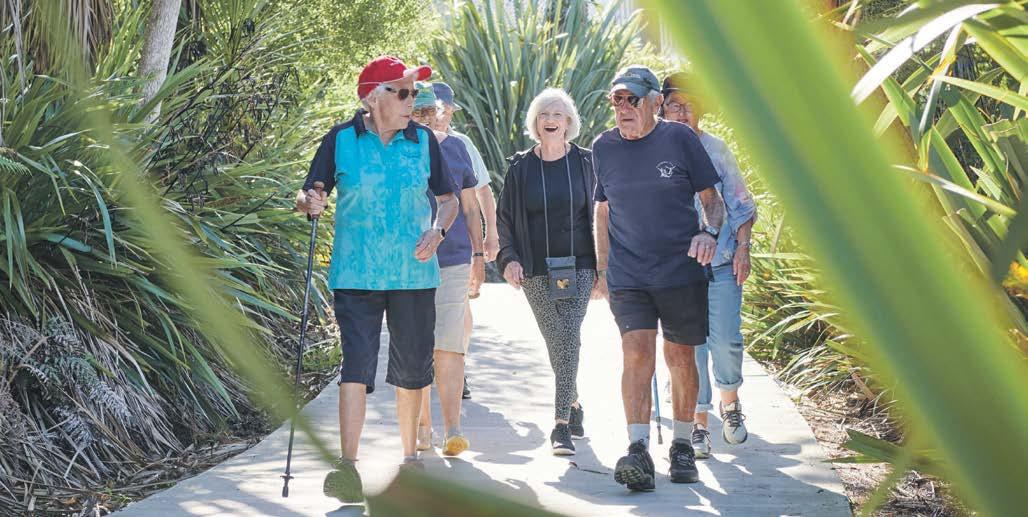
THE ART OF living well

At Te Awa Lifecare, we believe life should continue to be lived fully, warmly and well.
Set amongst beautiful open spaces on the edge of Cambridge, Te Awa Lifecare o ers a unique lifestyle where independence, companionship and peace of mind come together. From architecturally designed villas and serviced cottages to our 24-hour care centre and specialised dementia homestead, every stage of living is thoughtfully supported.
However, Te Awa Lifecare is more than just beautiful homes and quality care - it’s a vibrant community within a community. Residents enjoy shared experiences, new friendships, activities, events and the simple pleasure of knowing neighbours and sta who genuinely care. Here, life continues to unfold with comfort, connection and security - all within a welcoming environment that celebrates wellbeing, independence and belonging.
At Te Awa Lifecare, it’s not just about where you live. It’s about how you live. Te Awa Lifecare — living the life you deserve.
Villas | Serviced Cottages | Care Cottages | Care

For enquiries about living at Te Awa Lifecare, contact Nikki at any time on 027 417 5617, or email nikki@teawalifecare.nz
Hobby Shed Library
Snooker + Indoor Bowls
Cycling Group
Craft Group
Onsite Wellness
New disabled older people’s group
Older people often face overlapping challenges related to age, accessibility, health and participation in community life – and for some, being disabled can feel like an insurmountable issue at times.
However, help is available – it’s just knowing where to turn.
The relatively recently formed Disabled Older People’s Group (DOPG) is one of the voices that has emerged nationally to represent the interests and rights of people who live at this intersection of ageing and disability.
This group brings attention to the lived experience of older disabled people - people who identify as disabled not simply because of their health conditions, but because of the barriers they face in everyday life and society.
DOPG advocates for a social model of disability, which focuses on removing environmental and attitudinal barriers that prevent full participation, rather than viewing impairment alone as the problem. Their work complements that of organisations like Grey Power, which represents older people’s interests broadly, and disability rights groups such as Disabled Persons Assembly NZ (DPA), which works for inclusion and equity across all age groups.
The group raises awareness about issues uniquely affecting disabled older people - including access to appropriate health care, suitable housing, transportation, and social inclusion. They often publish articles and submissions to both local and central government to contribute to
public dialogue and policy thinking. DOPGs insights help ensure older disabled voices are considered in broader disability policy discussions and initiatives. While they may not be a formal Disabled People’s Organisation (DPO) coalition member, their perspective aligns with the work of groups like DPA that advocate system-wide change.
By engaging with government consultations and publications, DOPG helps shape policies that affect access to services, supports, and the built environment.
This continues through articles and public commentary, helping the wider public and service providers better understand the needs and rights of disabled older people.
Working alongside other advocacy organisations and networks strengthens collective impact. For example, broader disability networks like the DPO Coalition bring disabled-led voices into national conversations about rights and services. In a society with an ageing population, the Disabled Older People’s Group plays a critical role in ensuring that older disabled Kiwis are not overlooked - championing dignity, independence, inclusion, and respect throughout later life. For those who want more information, contact ahawker011@gmail.com.
ADVERTORIAL
The kindest and most practical thing you can do for your family
No one enjoys talking about Wills, but having one in place is one of the kindest and most practical things you can do for your family.
A Will sets out clearly who receives your home, your savings, personal belongings, and any investments (including your KiwiSaver). It allows you to appoint someone you trust to carry out your wishes and, if needed, to provide for grandchildren, charities, or specific gifts that matter to you. Most importantly, it removes uncertainty at a time when your loved ones will already be grieving.
If you die without a Will in New Zealand, you are said to die “intestate”. That means the law decides
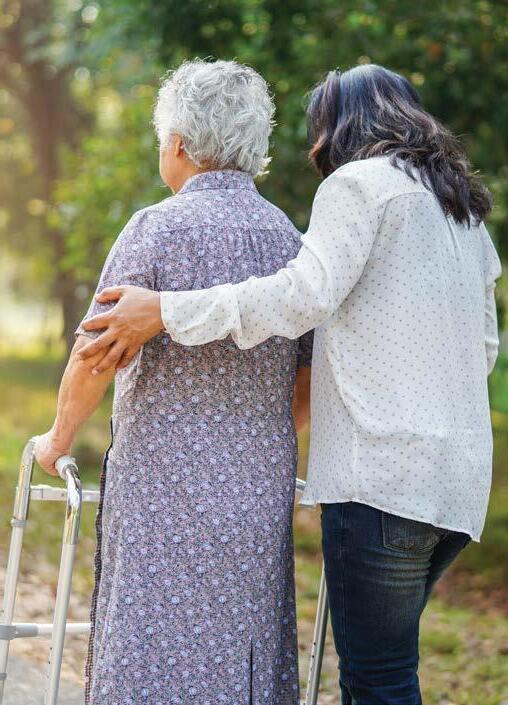
Choosing a rest home with hospital facilities in Waipa
who receives your estate. Your spouse or partner may have to share your assets with your children, including the family home. If there is no partner, assets are divided between children or passed to other relatives according to a fixed legal formula.
Without a Will, the process of administering your estate is often slower, more stressful, and more expensive. Having a Will in place means you stay in control of your decisions, rather than leaving them for others, or the law, to make.
We are happy to discuss your Will with you. Feel free to get in touch with us at Gallie Miles.
Shelley Greer shelley@gallie.co.nz
Renee Dunn renee@gallie.co.nz


Phone 07 872 0560 | galliemiles.co.nz
For many whānau, it’s about ensuring dignity, safety, comfort and the right level of care now and into the future. Before you start looking, arrange a formal needs assessment through your local Needs Assessment Service Coordination (NASC) service, often with the help of your GP. This assessment determines whether the person requires rest-home level support or hospitallevel care, which includes more complex nursing, medication management and clinical oversight. Knowing this ensures you look at facilities that match your current and potential future needs. Every rest home and hospital in New Zealand must be certified and audited by the Te Whatu Ora (Ministry of Health). These audit reports assess care quality, staffing, safety, clinical records and overall management. Reviewing these reports gives you an independent picture of how well a facility performs and highlights any concerns that have been noted.
plans are personalised. Check the physical environment: accessibility features (ramps, handrails, non-slip flooring), cleanliness, room sizes and options (private or shared, ensuite or not), and outdoor spaces. Hospital care units may have more clinical equipment and design features tailored to residents with high dependency needs.
Good facilities will offer social, cultural and recreational activities that keep residents engaged and connected. Ask about their programmes, involvement of family, and support for individual hobbies or interests. Emotional and mental wellbeing is known to be as important as physical health.
Understand all costs: basic governmentsubsidised fees, potential premium room charges, (even ones with an ensuite) and any extras like specialist outings or therapies. Carefully read the admission agreement before signing - it explains responsibilities, any potential or required additional costs and residents’ rights. Choosing a facility close to whānau and friends can make regular visits easier, which supports the resident’s emotional wellbeing and keeps them connected to community.


Nothing replaces seeing a potential resthome in person. Arrange visits to your shortlist of facilities, ideally at different times of day. Look at how staff interact with residents, observe mealtimes and activities, and pay attention to the atmosphere - does it feel welcoming and respectful? Ask to speak with managers and care staff to understand staff-to-resident ratios, registered nurse coverage and how care
Make sure you take your time, ask plenty of questions, review official information and trust your observations. A wellchosen facility will not only meet medical needs but support quality of life in every way.



Owners change at longstanding funeral home
A change in ownership at a local business brings the ‘Cambridge’ back to a funeral home that had its roots here 80 years ago and is opening doors to more flexible farewells.
On December 1, Legacy Funerals Cambridge reverted back to Cambridge Funeral Home under the new ownership of Carla and Phil Turner.
The couple, who live in the area and have educated their children here, have a deep sense of returning the business to its community roots after it operated for several years under the Legacy banner.
The Turners have been active professionals in the industry for 10 years, beginning their journey with Melrose Funeral Home in Tauranga, named for Carla’s mum Gayle Melrose with whom they started the business.
From there, they spread across the region, adding Simply Funerals, Simplicity Funeral Home, Simply Cremations, Waihi Funeral Home and Te Rapa Crematorium to their portfolio, along with Simply Trust, which worked with families to prepay or pre-arrange their wishes. Next, they launched Simply Estate, which takes care of all the matters arising after a death, including the packing up of houses and belongings, and the cleaning and selling of a home of a deceased person whose family are not around to tackle those jobs.
Together with many of their own family – including their seven children who are part of their family support system – they work in the business to provide a streamlined professional and compassionate service to people of all cultures and religions.
“This is not a job for me … it’s a real passion,” Carla explains. “I think it’s important to distinguish between family-owned and the big operators who are more profit-

driven. We are family-driven and we’re not strangers to Cambridge. It’s exciting to be opening here.”
Carla had a varied career before moving into the funeral industry. Those years of experience across numerous fields have forged in her a unique ability to understand people from all walks of life.
She’s sassy and smart, someone who recognises the importance of empowering families to have control and choice over how they farewell their loved ones.
“It’s more than just a business because of that. After all, you can get married half a dozen times, but you pass on just once. It is important to make sure that farewell is exactly as it should be for that person.”
Cambridge Funeral Home will remain at the same place, nestled at the base of the hill at 2 Albert Street in Carter’s Flat. Also staying on is funeral director Ian Calvert, who has been there for several years, and his wife Raewyn, who will continue as a funeral celebrant. Joining them will be Carla’s daughter Lyric, who does their marketing and IT, and another daughter Kaylan, who is an embalmer. Carla’s mum Gayle will be in several times a week, as will Carla herself.
Ensuring families have choices – and finding ways to personalise each service to suit the deceased and their family – is crucial to Carla and her team. They see every journey of loss as deeply individual.
“Families often don’t realise that they don’t have to rush into decisions. They can take their time … we can keep their loved one for as long as it takes,” she says. “It’s vital
to get it right, and if they don’t know what they want, we can guide them through those options.”
The choices they offer are adaptable and right up to date. They have even been involved in taking families through farewelling those who have died through an assisted death.
There is so much more to funerals today than a simple choice of burial or cremation. Carla encourages families not to be afraid of having early conversations with family members about what options might be open to them, or perhaps even coming in for a visit to get some advice.
Greater flexibility is the today’s norm, and the Turners can offer cremations at their Te Rapa Crematorium that respectfully fit with whatever cultural requirements may be required.
They are also introducing a water-cremation option that offers an environmentally-sustainable alternative to traditional cremation. Also known as Green Cremation, the process uses a mixture of water and alkaline solution to break a body down quickly in a special chamber. “It does in about four hours what happens beneath the ground over a much longer period.”
Those seeking more traditional types of burials or services can advance any ideas on personal touches. Gayle has done funerals where the casket has been driven from the service on a tractor, and there is a golf-cart alternative for someone who had a penchant for the game.
“It simply a case of talking to us about what you want as a family,” Carla says.


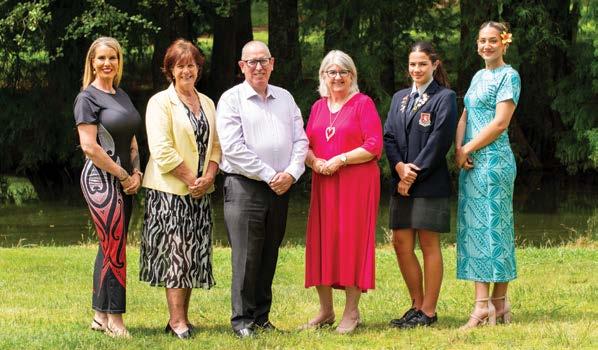
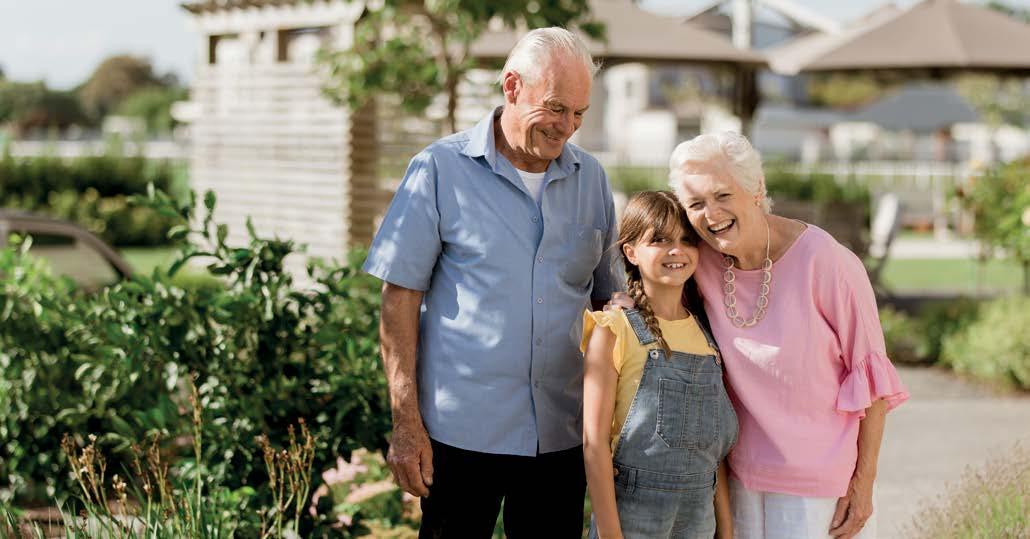


Villas
Taking care of your pets when you can’t
For many Kiwis, pets are an integral part of the family. They provide companionship and comfort, particularly for those in the winter of their lives.
Yet when facing major life changes - such as moving into an aged care facility or planning for what happens after your death - pet care can often be inadvertently overlooked. Making arrangements in advance ensures your animals continue to receive love, stability, and proper care. If you are considering a move into an aged care facility, it’s important to know that most facilities do not accommodate pets. Begin by identifying trusted friends or family members who may be willing to take your pet. Have open conversations early, so expectations are clear. It’s also wise to write down key information about your pet: feeding routines, veterinary details, medications, behavioural quirks, and likes or dislikes. This makes the transition easier and reduces stress for both your pet and their new caregiver.
Some people choose to arrange temporary foster care while longerterm plans are finalised. Reputable animal welfare organisations or breed-specific rescue groups in New Zealand may be able to help, particularly if planning is done well in advance.
Pets are considered property under New Zealand law, which means, unlike some other countries, they cannot
inherit money directly.
However, you can include clear instructions in your will about who should care for your pet and leave funds to help cover ongoing costs such as food, vet care, and grooming. It’s important to confirm beforehand that your chosen caregiver agrees to take on this responsibility. Naming a backup option is also recommended in case circumstances change.
Some people also create a pet care memorandum - a separate document that outlines day-to-day care instructions.
While not legally binding, it provides valuable guidance.
Budgeting for your pet’s future care is essential. Veterinary costs, especially for older animals, can be significant.
Setting aside funds or arranging a specific bequest helps ensure your pet’s needs are met without burdening others.
Making these plans may feel emotional, but it is an act of kindness and responsibility. Knowing your pet will be cared for allows you to focus on your own wellbeing and ensures your companion remains safe, settled, and loved - no matter what changes life brings.
If you need legal advice, consult your lawyer and make sure to update your plans when circumstances change.
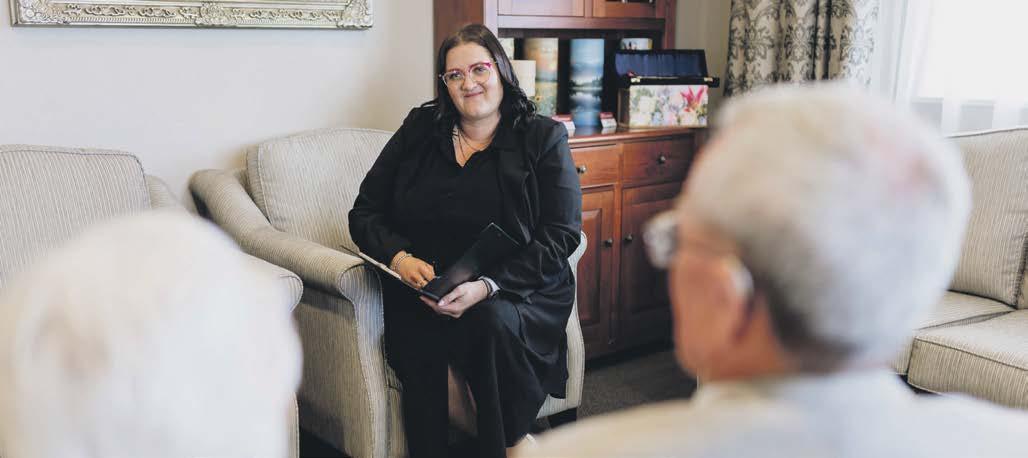
Young at heart — and wise enough to plan ahead
Enjoying your retirement years is about living well – and thinking ahead. Planning your funeral now means your wishes are known, and your loved ones won’t have to make di cult decisions during a time of grief. At Rosetown Funerals, we’re here to help make those conversations easier.
Start the conversation today – visit or call our friendly team at Rosetown Funerals.
Rosetown Funerals proudly serves the people of Te Awamutu, Ōtorohanga and the surrounding

Infused inspirations with Jan Bilton
It takes years for a professional coffee tester to develop a perfect palate. However, you can quickly compare coffees yourself to find the one you enjoy by ‘cupping’. It is similar to wine tasting. You need to slurp to fully aerate the liquid, swirl it in your mouth and spit it out so you don’t overload your palate with too many flavours. Select two ground coffees you want to taste. Boil fresh cold water. Put two teaspoons of one of the coffees in a heatproof cup. Top with hot but not boiling water. Steep for three minutes. Break the grounds on the top and smell the coffee. Spoon away any remaining grounds from the surface. Take a dessertspoon of the coffee and slurp it in your mouth. How does it feel in your mouth? Spit it out. What flavours are left in your mouth? Repeat with the second coffee. Which one did you prefer?
Tea has been appreciated since the fourth century BC. In China, some teas are used as the cooking liquid for noodles. It also makes a great marinade; dried leaves can be used as a base for smoking fish, meat, vegetables, or cheese; combined with spices, it makes a tasty meat rub for barbecues; and in baking and desserts, it adds a subtle flavour.
Coffee log
Toast the walnuts on a tray in the oven while it preheats — for about 5 minutes. You could use a shallow roasting pan of similar dimensions to the Swiss roll pan to cook the log. This large log freezes well either in a whole piece or in slices.
Log: 6 medium eggs, at room temperature
3/4 cup caster sugar
1 tablespoon instant coffee granules
2 tablespoons boiling water
1 1/4 cups self-raising flour
50g butter, melted
Filling: 1 teaspoon instant coffee granules
1 tablespoon boiling water
250g mascarpone
4 tablespoons icing sugar
150ml cream

75g walnuts, toasted and chopped
Preheat the oven to 180°C. Line a 26cm by 39cm Swiss roll pan with non-stick baking paper.
Log: Whisk the eggs and sugar together until light and fluffy, about 5 minutes. Dissolve the coffee in the boiling water. Cool.
Fold the flour into the egg mixture until evenly mixed.
Gradually fold in the coffee and melted butter. Spoon into the prepared pan and level the surface. Bake for about 12 -15 minutes until the cake, when tested with a thin skewer comes out clean.
Cool a little, then turn out onto a sheet of baking paper dusted with icing sugar. Roll up from a long edge with the baking paper in between. Cool.
Filling: Dissolve the coffee in the boiling water. Cool. Mix into the mascarpone with the icing sugar. Fold in the whipped cream.
When the sponge is cool, unroll it carefully and spread evenly with the mascarpone. Sprinkle with the walnuts. Roll up like a Swiss roll again. Cover and refrigerate for 8-24 hours.
To serve, sprinkle with icing sugar and slice. Great served with extra whipped cream or yoghurt. Serves 14.
Lemon Tart ‘Tea-Ramisu’
Serve in teacups or glasses. I used 4 lemon and ginger tea bags to make the tea.







200g trifle sponge
1/2 cup strong lemon & ginger tea, cooled 3 tablespoons orange liqueur, optional 2 cups lemon yoghurt
6 rounded teaspoons mascarpone
1/2 cup glacé mixed peel
Cut the sponge into small fingers or squares. Pack half into six teacups. Sprinkle with half the cold tea and liqueur, if using.
Spoon half the yoghurt on top, add more sponge, sprinkle with the tea and top with more yoghurt. Cover and refrigerate for up to 2 days for the flavours to develop. Top with a teaspoon of mascarpone and some mixed peel just before serving. Serves 6.
Coffee Fizz
Make strong coffee using your coffee machine. Or, if making it with a plunger, use twice the amount of coffee grounds you would normally use for a cup of coffee. A great alternative to Coke.
3/4 cup very strong cold coffee
2 teaspoons maple syrup or to taste
6 ice cubes
chilled sparkling water or soda water to taste
Divide the coffee between 2 medium glasses. Stir in the maple syrup. Add the ice cubes and top with the sparkling water. Serves 2.


Coffee Log
Lemon Tart ‘Tea-Ramisu’




At Te Awamutu Funeral Services our dedicated team is passionate about providing valuable guidance and a personalised service at a time when you need it most. - Offering Generations of Experience -
CHAPEL & CATERING FACILITIES • PREPLANNED FUNERALS • THE FUNERAL TRUST PREPAID PLAN

Across 1. Spice used in Middle Eastern cuisine (5)
4. Strongly dislike (6) 8. Missile (7) 9. Remote in manner (5) 10. Fitness exercise (3,2) 11. Bright red (7)
12. Quantity (6)
14. Pang (6)
Last week
17. Quiver (7)
19. Ointment (5)
21. Spacious (5)
22. Conflagration (7)
23. Amiss (6) 24. Coherent (5)
Down 1. Acceptable (12)
2. Worth (5)
3. Devalue (7)
4. Sleepy (6) 5. Ornamental headband (5) 6. Puffed up (7)
7. Unofficially (3,3,6) 13. Demanding (7) 15. Thoughtful, sad (7) 16. Substantiate (6) 18. Purchaser (5) 20. Song words (5)
Across: 1. Bacon, 4. Almost, 7. Orb, 8. Caviar, 9. Anyway, 10. Goodnaturedly, 14. Rigid, 15. Quota, 18. Hit the jackpot, 23. Advice, 24. Groggy, 25. Sue, 26. Exodus, 27. Token. Down: 1. Bravo, 2. Child, 3. Normal, 4. Abacus, 5. Maybe, 6. Shawl, 10. Girth, 11. Ought, 12. Droop, 13. Yeast, 16. Recess, 17. Gadget, 19. Index, 20. Triad, 21. Kiosk, 22. Organ.
OLHAUUCHOWMEINNDLP NKADSCHASIUBAOPRAO GCMMRABTUNOCOCIWOT GUIUISRAHCASACHIMA ADFEHABGJTNEEGXGBC OGZKABNRMODPRTGASM LNOPIGIIOOUAOENRHA EINVPZVDADSNYAOGAP EKGZOZLIDSGONCTGOO DEZAPETIJSSAOTNEBT EPIYSUNEUPRNCKOAIO IJAOOGLITOGAZCWENF RNUYSLJMLEGGTARTGU FPZAYSNLEBANGTOFUE
BANANA ROLL
BANG TOFU
BAOZI
BRAISED PORK
CHA SIU BAO
CHAR SIU
CHOW MEIN
COCONUT BAR
CONGEE
DIM SUM
EGG TART
FRIED EEL
GRASS JELLY
HOT POT
JIAOZI
LAMIAN
MAHUA
MANTOU
MAPO TOFU
MOONCAKE
NAI LAO
NOODLE SOUP
PEKING DUCK
POPIAH
RICE PUDDING
SACHIMA
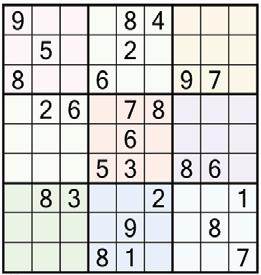
SHAOBING
SHUIZHU
SONG GAO
SOY EGG
TANGYUAN
TARO PUREE
TEA EGG
TONG SUI
WONTON
YANPI
YOUTIAO
ZONGZI

All puzzles © The Puzzle Company





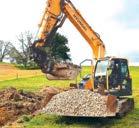




















DO
Rosetown Choristers welcome new members. We sing a variety of music, mainly in 3-part harmony. For more information call 021 0258 4628



WORKSHOP MECHANIC WANTED – TE KUITI
Work on diverse fleet of plant, heavy machinery, and trucks with a well-established local employer. Monday-Friday role, with a supportive, down-to-earth workplace.
HR Connect is assisting with this role. Please call Bronwyn on 0800 131 557 or collect an application form from Inframax Reception.
COMMUNITY CARE GIVER
Due to increasing demand for our community services, we are looking to add another Community Care Giver to our team.
Everyday, clients entrust us to assist them with their daily living requirements in their own home.
If you are a mature, honest and empathetic person who has:
• The ability to work rostered shifts Monday to Sunday, and
• Have your own vehicle with a clean driver’s licence. You might be the person our team is looking for. Whilst care giving experience is preferable, full training will be offered to the right applicant.
07 870 2137
262 Ohaupo Road, Te Awamutu www.rosetown.co.nz
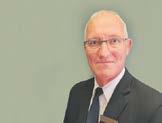

SITUATIONS VACANT COUNSELLOR
MEAGHER, Kevin Barry – Peacefully slipped away at Waikato Hospital on Tuesday, 10th March 2026, aged 54 years. Dearly loved son of Noeleen and the late Mike. Much loved brother and brother-in-law, and cherished uncle to his nieces and nephews. Kevin was a very private man who will be greatly missed by those who knew and loved him. A private family celebration of Kevin’s life has been held. Messages to the Meagher family may be sent c/- 262 Ohaupo Road, Te Awamutu 3800, or left in Kevin’s online tribute book at www. rosetown.co.nz.

MORAN, Barry Clinton –Peacefully passed away at Waikato Hospital on Monday, 9th March 2026, aged 85 years. Dearly loved husband to Pam. Loved father & father-in-law of Clint & Kim, Cleonie & Phil, and Doug & Kylie. Loved Grandy to Zac & Pare, Hannah & Joe, Mackenzie, Lochlan, Isla, and Fabien, and Great Grandy to Kalyn. Rest in love always. At Barry's request a private family farewell has taken place. Messages to the Moran Family can be sent c/- 262 Ohaupo Road, Te Awamutu 3800 or in Barry's online tribute book at www.rosetown.co.nz
BALLINGER, Noel Raymond – Passed away on 11th March 2026, shy of his 98th birthday. Loving husband of the late Betty. Much loved father of Ken & Chrissy, Anne, Beth & Phil. Loving grandad of 10 and 18 grandchildren. A service for Noel will be held at Alexandra House Chapel, 570 Alexandra St, Te Awamutu on Friday, 20th March 2026 at 1pm followed by private cremation. The service will be livestreamed, please email office@ teawamutufunerals.co.nz for the link. All communications to the Ballinger family, PO Box 137, Te Awamutu 3840.
Te Awamutu Funeral Services, FDANZ
Kainga Aroha Community House in Te Awamutu is seeking an experienced Counsellor for 8 hours per week with possible flexible hours. Start around the end of April 2026 with some training beforehand. Contact office@ka.org.nz for further information of the role and application closing date.



CHURCH SERVICES 10am 22nd March
Rev Ken Wall
All Welcome
GRAZING AVAILABLE for up to 200 heifers. Five minutes from Otorohanga. Give Ben Connolly a call, 0272398211 Te Awamutu Funeral Services, FDANZ
DOYLE, Louise Ruiha (née Fitzell, formerly Le Bas) – Peacefully slipped away surrounded by her loving family at Radius Windsor Court on Thursday, 12th March 2026, aged 94 years. Dearly loved wife of the late Trevor Le Bas and Gordon Doyle. Cherished mother and mother-in-law of Yvonne and the late Bob, Faith and Grant, Steven and Alison, and Brendan and Greta. Devoted Nan to Marcia, Renee, Natalia, Miah, Amiria, Jake and Theo. Adored Great-Nan to Mia, Baden, Coby, Awahou, Mason and Mokatea. A celebration of Louise’s life has been held, and she was laid to rest at the Te Awamutu Lawn Cemetery. Messages to the Doyle family may be sent c/- 262 Ohaupo Road, Te Awamutu 3800, or left in Louise’s online tribute book at www.rosetown.co.nz.
JAMES, Josephine (Josie)

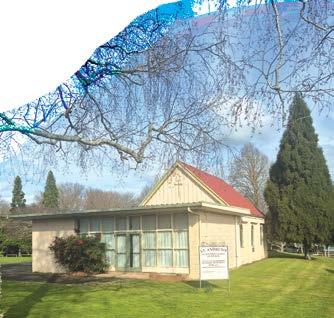
or


STOREY, Susan Margaret – 21st March 1941 – 13th March 2026. Much loved wife of John. Mother and mother-in-law to Sarah and Scott, Douglas and Penny, the late Emma and Jason, Andrew and Sarah. Dearest grandmother to Olive and James, Josh and Bayley, Harriet and Scott and Georgia and the late Olivia Grace and Kitty, Ollie, Tom and Charlie, John and Freddie. Great grandmother to Charles, Henry and Wilbur.
‘Sue was loving and generous, kind and capable, positive, gutsy and fun. She created a home that welcomed family and friends with warm hospitality and legendary cooking. A classy lady and wonderful person who will be deeply missed.’
A service of celebration for Sue will be held at St John's Anglican Church, Arawata Street, Te Awamutu (today) Thursday, 19th March at 11:00 am. The service will be livestreamed please email office@teawamutufunerals. co.nz for the link. All communications to the Storey family, PO Box 137, Te Awamutu 3840.
– Passed away peacefully on 10 March 2026, surrounded by her loving family, aged 90 years. Much loved wife of the late Frank. Loving mother of Pam, Robyn, Graeme and Diane and mother-in-law of David, Roy and Janis. Cherished grand and great grandmother. A celebration of Josie’s life will be held at Alexandra House Chapel, 570 Alexandra St, Te Awamutu (Today) Thursday, 19th March at 11am followed by private cremation. The service will be live streamed please email office@ teawamutufunerals.co.nz for the link. All communications to the James family, PO Box 137, Te Awamutu 3840.
Te Awamutu Funeral Services, FDANZ
Support when you need it most Saying goodbye is never easy, but our local, compassionate team is here 24/7 to guide you with care and respect.
Jim Goddin & Teri Keir - Funeral Directors