
Here come the bands
By Viv Posselt
One of the country’s biggest concert band festivals comes to Cambridge this weekend for what is believed to be the first time in its 40-year history.
Some 1000 musicians –28 bands, 40 soloists and 37 small ensembles from Whangārei to Wellington – will perform at St Peter’s Cambridge in this year’s national concert band festival. The weekend event, held annually by


the New Zealand Concert Band Association (NZCBA) in different centres around the country, brings together musicians of all ages and backgrounds. All will be adjudicated, with gold, silver or bronze certificates presented at the end of the weekend.
Festival organiser, NZCBA president James Bevin, said they have never had as many registrations. “We even had to turn own a few late entries because we couldn’t fit them into the time available.”
Participating bands include non-NZCBA bands, school and community bands. There are also workshops and trade displays throughout the weekend.
Simon Brew – skilled saxophonist and manager of Cambridge Town Hall – will be conducting the band he formed in 2022, the AllComers Band.
“I started it five years ago, really to give musical ‘orphans,’ or those not affiliated to any official band, an opportunity to play,” he explained. “This year, there are 42 in the band, coming from all over the North Island. They get the music two months out, practise on their own, and we rehearse for the first time together on the Friday evening. We will be playing on Saturday morning.”
Brew, who started out


playing the piano as a lad then switched to saxophone at age 9, has been involved with the festival since 1992, competing as a musician for 10 years then conducting and adjudicating various groups.
While the festival music has a distinctly classical feel, no-one is expected to be a maestro, he said. Fun and fellowship are what this event is all about.
St Peter’s director of performing arts Mary Lin said the school’s concert band will take part.
“Most of our members


live in Cambridge – Sam Haines, Kate Sheehan, Toby Mateni-Riddle, Lucia Li, Conan Chen to name a few, and our alumni Mitch Denne, who is studying music at Waikato University.
“We usually enter as a beginner band… this will be our first year doing something as a formal band,” she said. “We are super excited to be hosting the festival.”
Also taking part is the Waikato Schools Symphonic Band, made up of around 45 primary, intermediate and secondary school
students, most of them from Hamilton. Musical director Oliver Barratt is a former Cambridge High School student, while his co-conductor Caleb Botting, is from Te Awamutu. Another Hamiltonbased band is the Waikato Symphonic Band, with Kim Ranson as musical director. Several of its members are from Te Awamutu.
Open to the public, festival performances run throughout both days and there will be a gala evening on Saturday and prizegiving on Sunday.






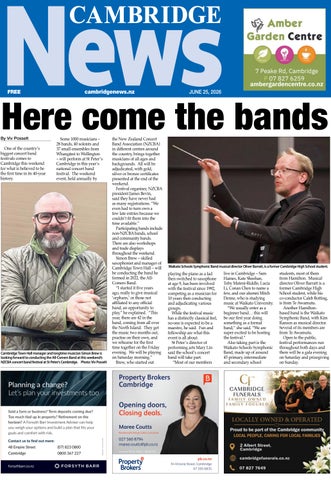
Cambridge Town Hall manager and longtime musician Simon Brew is looking forward to conducting the All-Comers Band at this weekend’s NZCBA concert band festival at St Peter’s Cambridge. Photo: Viv Posselt
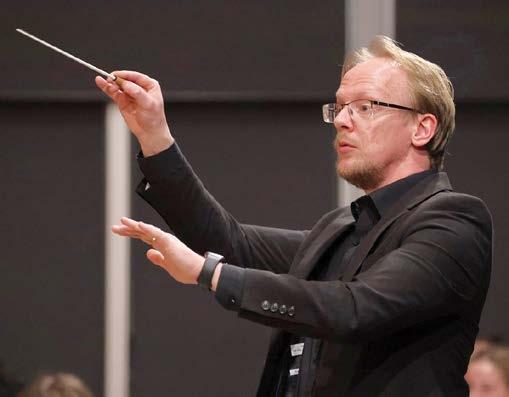
Waikato Schools Symphonic Band musical director Oliver Barratt, is a former Cambridge High School student.


Bus changes signalled
By Mary Anne Gill
Cambridge’s main bus service could split in two. Instead of a single Route 20 linking Leamington, Cambridge and Hamilton, the service could branch at the town centre into two routes. A 20L bus would continue serving
Leamington, while 20N would extend into northern Cambridge.
Waikato Regional Council planners favour this approach over creating a separate service, saying it builds on an already well-used route. The changes could be introduced by the middle of next year- at the earliest - if



Car crime: what to do CONTACTS
Last Thursday I had the opportunity to meet with the volunteers from the Cambridge Citizens Advice Bureau. I was invited to speak on the topic of family harm, including Police Safety Orders, Protection Orders, stalking, and the support services available to those affected. I appreciated the volunteers’ interest and engagement. We are fortunate in Waipā to have people who give their time so generously to help others. Cambridge CAB is located at 62 Alpha Street and is open weekdays 9am to 4.30pm.
In recent columns, I have discussed ways to target-harden your vehicle against car crime. This week, I would like to give a reminder of what to do if your vehicle is stolen and you later locate and recover it independently of police.
With the widespread use of Automatic Number Plate Recognition technology, detection of any vehicle registration plate flagged as stolen will generate an alert to police.
On a few occasions, staff responding to these alerts have stopped a vehicle only to find the registered owner driving, rather than the car thief we expected. If you find your stolen vehicle before police do, please
notify us immediately so records can be updated and any unnecessary response avoided.

At the same time we can then also discuss with you the remaining opportunities for forensic examination and carry out relevant CCTV or other enquiries around the recovery location in a timely manner.
One car thief or group of thieves will be responsible for multiple offences so evidence gained from one, will often contribute to solving another.
A related issue is the theft of registration plates. Offenders will often steal plates from one car and attach them to another to avoid identification while committing offences such as petrol drive-offs or shop thefts. Thanks to information provided by a vigilant member of the public, a man was arrested in Cambridge last week for exactly this type of offending.
If your registration plate is stolen, it is advisable to obtain a replacement set with a new registration as soon as possible. As long as the original plate remains flagged stolen, your legitimate vehicle may otherwise generate unnecessary and misleading alerts as it travels around town.
councillors back them.
By alternating trips between the two branches, buses would run more often along the busiest section between Cambridge and Hamilton, where most passengers travel. For users, it would mean more frequent buses where demand is strongest, while also reaching parts of the town that have limited or no access to public transport.
Waikato regional councillor Liz Stolwyk said the proposal strikes a balance between improving access and making better use of an existing service.
“This builds on a route people already know and use but extends it so more parts of Cambridge are connected while also improving frequency where demand is highest.
“The real winner here is we get even more services,” she said.
Cambridge’s growth is part of what is driving the rethink. The town’s population is expected to climb from around 22,000 today to close to 31,000 within the next decade.
The preferred option would add about $750,000 a year to operating costs, taking the total to around $1.8 million.
There are hurdles to clear. New stops will be required.
The council has yet to consider the staff recommendations. If they are approved, the council will seek funding through the National Land Transport Programme, with the expectation that the New Zealand Transport Agency will co-fund the increased service levels.




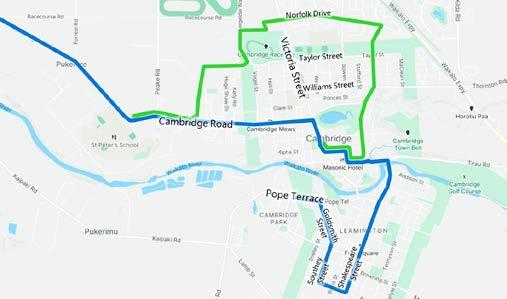
The suggested route serving the northern area of Cambridge, running between the Velodrome in the west and the town centre in the east. The proposed route is shown in green. The existing route 20 (in blue) would continue to operate to Leamington.
Crash investigated
Police investigation a fatal crash on Te Pahu Road, south of Whatawhata late last year want to speak with motorists who were on that section of road prior to the incident. The single-vehicle crash happened about 5:10pm on October 31 and resulted in the death of the sole occupant, Detective Deb Ngatai says.
Paying by the litre
The Board of Iawai, a councilowned waters company serving Hamilton city and Waikato district will install water meters over the next four years. Chief executive Peter Winder said the costs for households “if we don’t start metering” would be far greater than the costs to introduce them. Meanwhile, the Waikato Regional Council has approved a plan “to improve drought management and water reliability across the region”.
Church celebrates
The St Peter’s Catholic brick church in Cambridge will mark 100 years on Sunday. Sunday is the Feast of Saints Peter and Paul, the parish’s patronal feast day when the community will celebrate the centenary. The parish also has an ongoing fundraising campaign to raise $4 million to build a new church.
Opshop birthday
Cambridge will host a first birthday which blends an opshop with the adoption of pound puppies on Saturday. Rescued Op Shop in Wordsworth St will open at 9.30am with adoption from 11am. Rachel Haakma who opened the opshop uses funds it raises with the help of volunteers to run Pound Hounds Rescue care.
Correction
A United Kingdom doctor and a photographer who became New Zealand citizens this month were James and Holly Fulforth. Our edition of June 18 misspelt their surname. We apologise for the error.
East-west option emerges
By Mary Anne Gill
A catchment-based model for local government reform has emerged as a contender in the Waikato, and early public feedback suggests growing interest in splitting the region along river lines.
Discussions at recent gatherings and community events show the debate is still fluid, despite an initial preference among councils for a single Waikato-wide authority.
Speaking to Cambridge Chamber members last week, Waipā mayor Mike Pettit said councils had to move quickly under tight Government timeframes. Proposals are due by August 9 and final decisions are expected before the November 7 general election.
“The government wants to change the whole makeup of the country inside 12 weeks,” he said.
A single Waikato “super council”, remains the preferred model among most councils. Pettit said it offered scale, consistency and simplicity.
He said a unified model would create “a one stop shop to work with” for iwi and businesses, with “one set of consents, one way of doing business”.
To date in the greater Waikato Ōtorohanga and Waitomo councils have agreed to look at amalgamation.
While a unified model was also
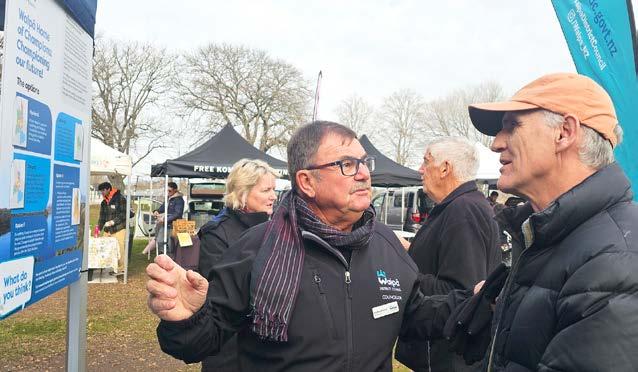
the favourite among those spoken to at the Cambridge Farmers’ market on Saturday, some, mostly younger people, appeared drawn to another of the five options suggested, which splits the region into two unitary authorities based on river catchments.
That option - “option D” was introduced later in the process.
“Option D almost came from sitting with my boy on the couch,” Pettit said, explaining how the idea was sparked by thinking about river systems and control from source to sea.
The model would align governance with major waterways such as the Waikato and Waihou rivers, reflecting natural environmental boundaries rather than district lines.
It also reflects a natural split between the Pacific coast to the east and the Tasman coast to the west, grouping communities with similar coastal and catchment interests.
Pettit said catchment thinking already played an important role in regional council functions.
“All of Waikato takes the biggest catchments, the Waihou, and the Waipā rivers and the Waikato River. Catchment-based is actually quite important,” he said.
The emergence of Option D comes as councils grapple with balancing efficiency against local
representation. Pettit acknowledged no proposal was perfect.
“There’s disadvantages in all of them, there’s advantages in all of them,” he said.
He also signalled significant changes ahead, suggesting the number of elected members across the Waikato – sitting at around 200 –may be cut to 40 to 50.
Behind the scenes, chief executives and mayors are working through issues such as funding, infrastructure and subsidies between districts. Pettit noted that larger urban areas support smaller councils through regional rates and that could influence final decisions.
Public consultation is now underway, and councils are expected to refine their proposals as more information becomes available.
“We really are literally building a plan as required,” said Pettit.
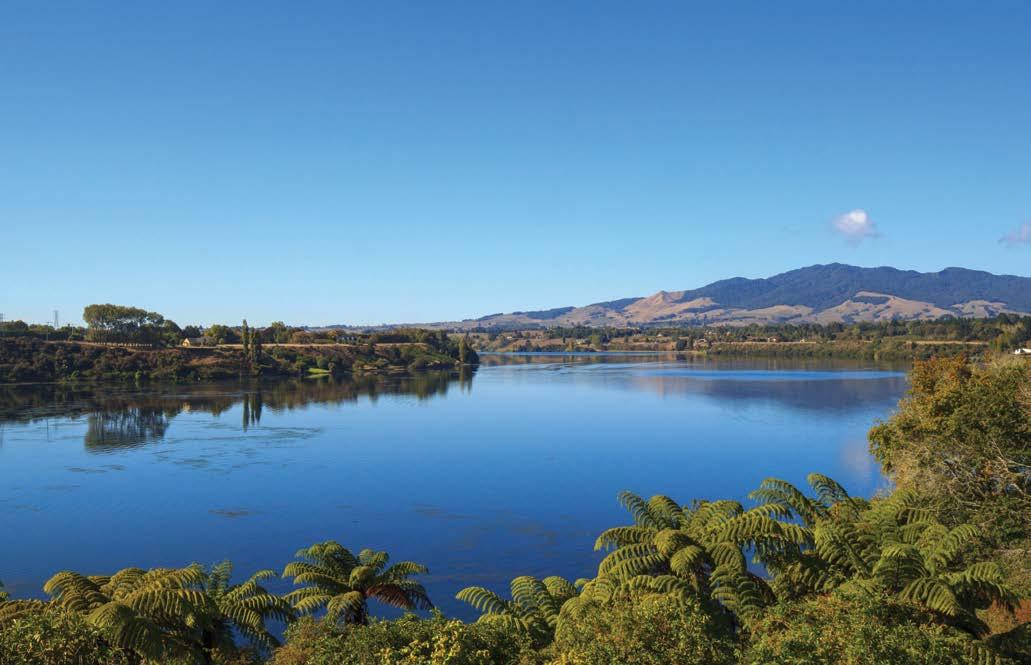
Interest in the catchment-based approach is particularly relevant for the eastern Waikato, where ThamesCoromandel, Hauraki, MatamataPiako and part of South Waikato sit along the Waihou–Piako system and the Pacific coast, distinct from districts facing the Tasman Sea to the west.
The model would align those eastern areas within a shared riverbased authority if favoured.
Submissions to Waipā council close later this month and the council

will have its proposal submitted to government by August 9.
$200m plant planned

A Raynes Road, Rukuhia site has been tagged as the preferred location for a wastewater treatment plant.
The announcement was made last week following a board meeting of the Iawai – Flowing Water Board, the water organisation owned by Hamilton City Council and Waikato District Councils.
Under the plan the $200 million Southern Wastewater Treatment Plant will be built at 131 and 139 Raynes Road.
The project will be submitted for fasttrack referral.
The board also confirmed the Waikato River as the preferred “re-entry environment” for treated water from the plant.
Iawai Chief Executive Peter Winder called the decisions a significant milestone.
The new plant represented a “best for river” approach to wastewater management and gave effect to Te Ture Whaimana o Te Awa o Waikato, a vision, to restore and protect the health and wellbeing of the Waikato River, he said.
“The new plant will contribute to this by using leading treatment technology to clean wastewater to a much higher standard than we have today.”
He said the new wastewater treatment standards are consistent with the performance now in place at the upgraded Cambridge plant.
The project supports a new, boundaryless approach to managing wastewater across Hamilton, Waikato, and Waipā.
Cambridge ward councillor Pip Kempthorne, left, shows Gerry Westenberg a map of the options at the Farmers’ Market while behind him Waipā council chief executive Steph O’Sullivan discusses with a member of the public.
Photo: Mary Anne Gill
Peter Winder















Lunch serves up community spirit
By Mary Anne Gill
A record level of generosity helped lift this year’s Cambridge Chamber Long Lunch well beyond previous fundraising efforts, with close to $7000 raised for Kids in Need.
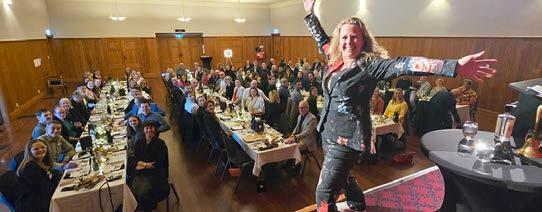
More than 100 guests gathered at Cambridge Town Hall on Friday for the lunch on an afternoon that delivered far more than fine food.
The five-course dining experience brought together business leaders, sponsors and community members around four long tables, continuing a popular event that alternates each year with the Waipā Business Awards.
Adding to the atmosphere before the meal, the Cambridge High School Premier Jazz Band entertained guests, led by vocalist Caitlin Lewis, a young singer who has gained recognition through the National Youth Jazz Competition.
Guests would likely have welcomed the group playing throughout the afternoon, but teacher Lisa Norman said several band members had to return to school to sit a calculus exam.
This year’s Long Lunch, supported by Cambridge Real Estate and the Cambridge Business Chamber, focused on connection as much as
cuisine. Guests sampled a seasonal menu while sharing conversation and building relationships in a relaxed midwinter setting.
The auction again proved a highlight, boosted by a significant on-the-day donation from chamber partner Ian Grant of Aircon Group Waikato. Grant contributed a Daikin air conditioning unit valued at $3000, which drew strong bidding before being won by accountant Shelley Tweedy.
Chamber chief executive Kelly Bouzaid said the event had become a highlight on the local calendar because of the way it brings people together.
“The Long Lunch is about creating space for meaningful connection. People step away from their desks, sit beside someone new and have time to talk. That is where
New Dentures
Missing teeth can affect more than most people expect;
relationships begin and grow,” Bouzaid said.
While fundraising is part of the day, Bouzaid said the true value goes deeper than the final dollar figure.
“There is always generosity in the room, especially when we have strong auction items and guests who are willing to support the cause,” she said.
“But the real return is in the relationships built, the visibility for our sponsors and the sense of goodwill across the community.”
Past events have supported organisations through raffles and auctions. The 2024 event raised $2500 for Cambridge Lifeskills, while $1445 was raised for Waikato Hospice in 2022.
Bouzaid said those outcomes reflected both the quality of what was on offer and the willingness of guests

From eating and speaking, to how confident you feel when you smile. Wanting to make a change but not sure what’s involved or the cost?
Get a free denture consultation at Alpers Dental Cambridge
Full dentures or partial, our dental team will walk you through your options, explain the process clearly, and give you an honest picture of what it will cost.
No surprises. No pressure. No obligation to commit to anything. If you decide to proceed, you’ll get 15% off your new
Book your appointment today call 07 222 3498 or alpersdentalcambridge.co.nz

On the road to repairs
Waipā district councillors have determined how road repairs will be carried out – and taken the view that delaying the work would result in it costing more.
Road damage costs following February storms are estimated at $1.72 to $1.8 million
Waipā District Council’s Service Delivery Committee last week considered the cost of storms since last October which damaged roads and bridges.
to give.
“Fundraising depends heavily on what is donated and the generosity on the day. We are fortunate in Cambridge to have both,” she said.
The Long Lunch continues to grow in popularity as a more intimate alternative to larger networking events, with its emphasis on shared experience.
From carefully prepared dishes provided by local caterer Gourmet Delicious to thoughtful table settings, the afternoon created an atmosphere where business conversations flowed as easily as the food and wine.
As guests lingered at the end of the meal, the lasting impression was clear. The Long Lunch is as much about strengthening a community as it is about enjoying a good meal together.
Some repairs have already been completed. The storm damage late last year - including washouts and slips in Te Reti Road and Oliver Road, and a culvert collapse in Cambridge Road - cost around $644,600.
The reinstatement of the Mangauika Stream Bridge and Whatauri Road culvert is estimated at a further $3.7 million.
Subsidies from NZ Transport Agency Waka Kotahi are covering a significant share of the repairs to date, some funds have been allocated from existing budgets.
At the meeting, councillors approved additional funding for the culvert washout on Te Reti Road near Parawera ($138,500) and a collapsed culvert outfall on French Pass Road ($380,000). They also approved $350,000 for a retaining wall on Limeworks Loop Road.
Council will borrow to fund the Te Reti and Limeworks repairs, while the Frenchpass work will be funded by reallocating drainage renewal budgets.
Committee chair Aidhean Camson, said delaying repairs would cost more in the long run.
“I’m careful about debt, but this is exactly what borrowing is for. These are long-life assets, NZTA is covering a significant share, and spreading the rest over time is fairer to ratepayers than loading it all on to one year or letting the cost climb while we wait.”
Cambridge Chamber Long Lunch master of ceremonies Camille Guzwell gets the afternoon underway in the town hall with guests seated behind her.
Photo: Mary Anne Gill

Return of the radio hams
By Jesse Wood
Waipā Ham Radio
enthusiast Don Short is hoping to bring the younger generation up to frequency on an important part of Civil Defence and communications across the world.
“My father was involved with CB radios when I was younger and that gave me some interest,” Karāpirobased Short said.
“I got my ham licence 30 years ago, used it for bit, had kids and then just more recently I got back into it. My father sparked it off again. But boy has it changed.”
Ham Radio, or amateur radio, is about experimenting and communicating using not only radio, but also a range of technologies. It can be used with no power, in places with no internet or cell phone service.
A nationwide Ham Radio event – Potaholics Midwinter 30 – will take place on Sunday.
Pota is an abbreviation for Parks On The Air. Kiwi enthusiasts set up in parks with mobile equipment and make contacts with other people up and down the country.
“You can put up an aerial temporarily, running on
batteries and talk to people all over New Zealand on something smaller than the size of my hand. It’s very low powered,” Short said.
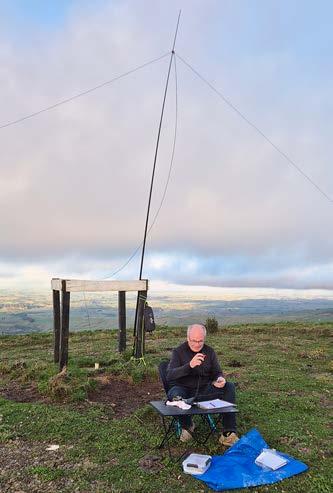
“I have a 20-metre piece of wire, I put that up a sixmetre pole, slide it down to the ground and connect that to the radio. Then I plug a phone power bank into my little transmitter.
“That’s how portable it is now – before you’d be lugging a car battery around.”
The goal is to bank 30 voice contacts between 9am and 9pm. The call sign and time must be logged for each contact before being uploaded to an online application.
Short and other Waipā enthusiasts will set up at the Karāpiro Lookout.
“It will be out in the public and offer an opportunity for anyone interested in the radio hobby to have a look and ask some questions,” Short said.
“In the old days you had to attend night classes, learn morse code before you could start using a radio.
“The morse code requirement has long since been removed and clubs run exam cram weekends to help people get their licences.
“Back in the day,
Cambridge had a Ham Radio club that operated out of the bottom of the Band Rotunda in Leamington.”
Short said Ham Radio has really changed over the past three decades; there
aren’t many clubs around but individually there’s a resurgence.
“Another new thing I discovered is, some guys send balloons up several thousand metres. They can
circumnavigate the world, multiple times, and send a signal down,” Short said.
“You can track where in the world the balloons are. You’d never have been able to do that in the past.
“My hope is, to be able to go to a school, and launch a balloon with the children seeing it.
“Then I can give them the details about how to log in and track it, so they can see how it works.”
Short recalls having to spend thousands of dollars to get into the radio side of the hobby. With Chinese-made radios, the entry cost has diminished considerably.
“It’s a great opportunity for kids if they’re exposed to this technology. People can come along to the POTA event and see how it works,” he said.
“You turn up there with your gear on a planned time and particular day and tell other enthusiasts what the frequency is.”
Short learnt morse code 30 years ago is relearning it again via the internet.
“I can reach people around the world with a lot less power,” Short said.
“I have my morse code key and I plug it into my computer, go to a chat room,
THE DENTURE MAN



somebody responds and we’re sending morse code across the internet.
“We’re not actually using radio waves, but we’re using it to learn morse code. That’s how the whole digital aspect has come into it.
“If there’s a disaster, it’s the people with Ham Radio that can go out, set up temporary stations and provide that comms service.
“There’s still definitely a place and a space for it in the world today.”
Another aspect Short thinks is important is keeping people connected, especially those that may be housebound.
“Ham is great for older people that don’t have mobility. They don’t get out but still love the radio,” Short said.
“This creates a really neat connection for some of them. They can listen during the day and have a yack to somebody.”
Potaholics event organiser Grant Gilbert echoes Short’s sentiments. It’s great for all ages and stages.
“If anyone is interested in getting their licence and making heaps of new mates with awesome activities, this would be a great time to come along and check it out.”






Don Short activating the summit on Ruru at Te Miro.
Photo: Doug Hopkins

New to the market
The Townhouses at Te Awa Rise, Cambridge
Large, 4-bedroom freehold townhouses now available to buy for those seeking space, style and low-maintenance living.
Each townhouse is generously spacious from 180m², on large lots up to 250m². Perfectly designed for modern living with thoughtful layouts including a private lane for access, quality finishes, airy open-plan ground-floor living, and the comfort of a brand new, low-maintenance build.
With limited availability and only minutes from Cambridge, you’ll need to get in fast if you want to call The Townhouses at Te Awa Rise home.
Visit Te Awa Rise Contact us
Sales Office: End of Keri Rua Road, Cambridge Monday - Friday: 10am - 4pm
Large 4-bedroom townhouses
OBITUARY: CYNTHIA GRAHAM – April 3, 1934 - June 7, 2026
Special send off for Cynthia
By Viv Posselt
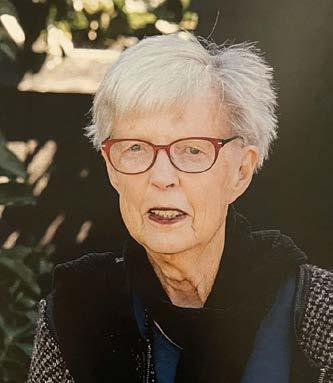
One of Cambridge Lyceum’s stalwarts, Cynthia Graham, was remembered earlier this month for her many attributes… among them her deft ability to handle the club’s heavy silver coffee pots.
Cynthia died on June 7, aged 92, leaving three children, two grandchildren and several former Lyceum clubmates mourning the loss of someone for whom nothing was ever too much trouble.
Her farewell service at Trinity St Paul’s Union Parish Church was attended by family and friends as well as a contingent of former Lyceum members who formed a guard of honour for their friend as the service ended.
Cambridge Lyceum closed
in 2024 after 84 years. By then it had run its course, affected by changing social norms and dwindling membership.
Its Dick Street base was sold in 2021. Many of its members have continued meeting casually since then, enjoying croquet and coffee, and until quite recently, Cynthia was among them –if not for the croquet, then certainly for the coffee.
Speaking at the service was the last Cambridge Lyceum president Barbara Fisher. The two women met when Barbara returned to her hometown Cambridge and rang Cynthia to make enquiries about joining Lyceum.
“Cynthia had joined many years earlier. For something like 30 years Cynthia gave her time and energy… she had a wide range of

interests in Lyceum. She served on the management committee for many years, even in the later part of her life,” Barbara said. “She was president from 2000 to 2002 and became a life member in 2014.”
Describing Cynthia as always gracious and warm, she added: “I so admired the way she managed those heavy silver coffee pots!”
Cynthia’s birthdate numbers of 3-4-3-4 aligned with her Cambridge home address, something son Bevan remembered with a smile. She had been born in Wellington to a Catholic family, educated in the strict Catholic schools of the day and then launched into work, first with Shell Oil, then with a dentist. He set her up on a blind date with Trevor Graham but promptly dismissed her
once they married in 1959 … he didn’t approve of married women working.
Cynthia went on to work in the haberdashery department at Kilcaldie and Stains. The young couple built their first home in Wadestown and along came Bevan, Brent and then Alison.
The family moved from Wellington in the 1970s, first to Taupō and in 1980, to Cambridge. Trevor’s death at age 54 in 1983 left Cynthia with the task of navigating her three teens’ grief along with her own. She did so with her characteristic quiet resilience that saw her return to work and focus on her family.
It was around the time she was thinking about retirement that she joined Lyceum and found, said her children, what may
have been her true calling in life. She embraced the opportunities it offered… she blossomed and made lifelong friends. Lyceum became her second home.


CAMBRIDGE HEAT PUMP SPECIALISTS
CAMBRIDGE HEAT PUMP SPECIALISTS
Air Conditioning Group Waikato are the specialists for Heating, Cooling, Ventilation, and Air Purification for Homes, Rentals, Businesses, and Commercial Buildings.
Conditioning Group Waikato are the specialists for Cooling, Ventilation, and Air Purification for entals, Businesses, and Commercial Buildings.








Family speaking at her service remember Cynthia as quietly strong, a very good baker, and a trendy dresser with a delightful sense of humour.
Cynthia Graham died in Cambridge on June 7.
ON SHAKY GROUND
Kick ’em Jenny
By Janine Krippner
If you ask a volcanologist what their favourite volcano name is, Kick ‚em Jenny is often a contender.
This brilliantly named volcano is a submarine volcano about 8 km north of Grenada in the Caribbean Sea. It is also one of the most frequently active volcanoes in the eastern Caribbean and is monitored by the University of the West Indies Seismic Research Centre (UWI).
Kick ‚em Jenny first made the world aware of its presence in 1939, when earthquakes were felt in Grenada and produced higher waves along the coastlines. It eventually reached sea level, producing an explosive eruption with ash and steam plumes.
The life cycle of this volcano involves growing towards the surface, then being worn back down. Currently, the summit is around 200 metre below the surface of the sea.
It is a beautiful example of the early stages of how other eastern Caribbean islands formed.
The volcano is a site of geothermal activity, where fluids and gases are vented at temperatures that can reach around 150°C. In 1989, a submersible was sent down to check it out, and an updraft over the crater pushed the craft towards the surface. That would have been an experience for the pilot onboard!
There is a 1.5 km exclusion zone around the 300 metre wide crater in place for marine vessels. It is located within a main shipping route, as well as a popular area for recreational sea-goers. It doesn’t take too much imagination to grasp why you don’t want to be on a boat directly above an active volcano.
Eruptions can occur with little to no perceptible warning.
A fascinating and rather scary process can occur when a large amount of gas is released into the water above.

It reduces the density of the water, and water density is important for the buoyancy of marine vessels. If a boat enters the wrong area at the wrong time, it can lose that critical buoyancy and sink.
This likely occurred in August 1944, when the Island Queen disappeared with more than 60 souls onboard. No debris was found. T
his would have been a spooky and devastating event, and we can see how myths like the Bermuda Triangle take hold.
One misconception that has spread because of understandable fear is the threat of large tsunamis. While volcano-induced tsunamis are definitely a major concern, the hazard at Kick ‚em Jenny has been studied, and the conclusion is that it is not a large threat at this time. Not all eruptions produce tsunamis, and the tsunamis it does produce can be quite small.
This is another example of how we must study each individual volcano to understand the dangers to communities. It’s also important to keep studying the volcano, as the situation may change as activity progresses.
If you want to learn more, all this information is from the UWI website. You can also learn about the other volcanoes of the eastern Caribbean, including explosive eruptions that have had devastating impacts on the islands.
Life in the fast lane
By Murray Smith, Bridges Church
At the 1924 Summer Olympics held in Paris, a young man from Scotland distinguished himself as an exceptional track athlete and won the gold medal in the 400 metres.
What made his win remarkable was setting an Olympic and world record with a time of 47.6 seconds in an event that was not his specialty. His time stood as the European record until the 1936 Berlin Olympics.
Eric Liddell earned the title ‘Scotland’s fastest man’ in his years as a champion athlete at the University of Edinburgh while studying for a Bachelor of Science degree.
After representing the university in 100yard and 220-yard races and playing rugby for its First XV, he was selected in 1922 to play in the backline for a strong Scotland rugby team. He scored crucial tries in wins over Ireland, Wales and France in a Five Nations series.
As British record holder for the 100 metres (with a time of 9.7 seconds, which remained unequalled for 23 years), Liddell was naturally selected for the 1924 Olympics in that event.
However, learning heats were scheduled to be held on a Sunday, he withdrew. Eric’s deeply held personal convictions as a Christian meant choosing not to compete on Sundays - a stance many great Christian sporting stars have chosen, including Sir Michael Jones - one of the greatest players to wear the All Black jersey.
Many branded Liddell a ‘traitor’ initially. Still, he competed in the 400 metres held on a weekday, instead of his 100 metres specialty on Sunday.
Days earlier Liddell received a bronze medal in the 200 metre finals, but his success

in winning the 400 metre gold, was hailed as a vindication of faith and courage for holding fast to his convictions.

The 1981 Oscar winning movie ‘Chariots of Fire’ tells Liddell’s story reasonably accurately, though dramatic liberties around timelines, rivalries and personal relationships were added.
Eric Liddell’s full, yet relatively short life challenges me- particularly around how he ordered his priorities. A deeper passion than his love for sport was to lead him on another path.
In part, Liddell’s background explains the calling that ‘tugged on his heart’. Liddell was born to Scottish missionary parents in China and returned there to serve as a missionary from 1925 to 1943. He married Florence, a daughter of Canadian missionaries in China in 1934, and, raising a family, good years ensued.
Dangers increased from 1941 with China’s invasion by Japanese troops expanding. Florence returned for safety to Canada with their children.
Their mission station was overtaken with Liddell being incarcerated in the degradation of a concentration camp.
There, ‘Scotland’s fastest man’ showed humility and kindness, serving like Jesus would - in the midst of suffering. Seriously underplaying his own failing health, he dictated his last letter to his wife Florence on February 21,1945… the day he died. Eric Liddell understood temporal accolades fade - his legacy inspires us to pursue true, lasting glory… the eternal prize for all who live surrendered to Christ.

Thursday, June 25, 2026



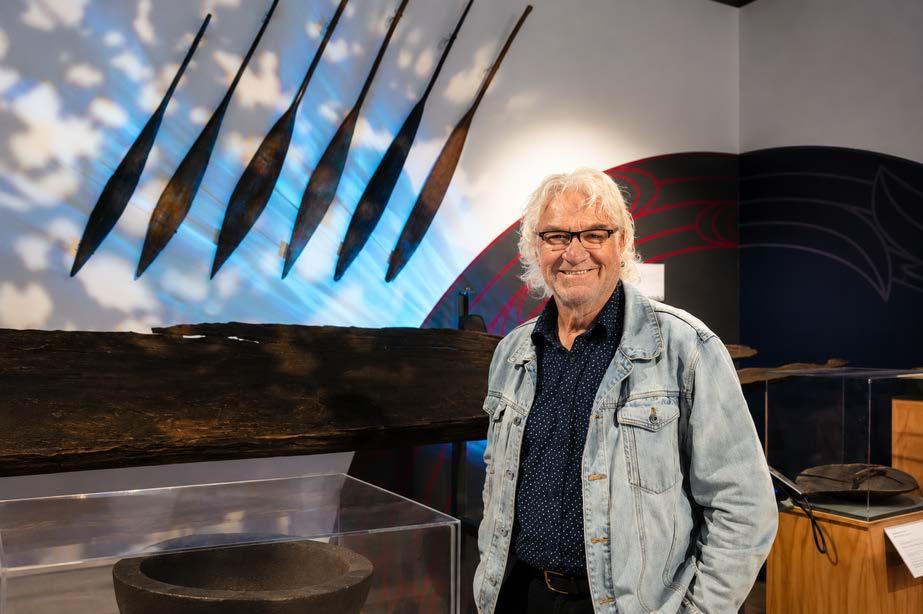
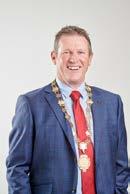
From the newsroom to the council table:
After nearly 40 years telling the stories of Te Awamutu as a reporter and photographer, Councillor Dean Taylor is now helping shape the next chapter of the town he has always called home
While he once thought he would leave Te Awamutu for good, life had other plans After training as a teacher and struggling to find work, he found his way into journalism with the Te Awamutu Courier - beginning a career that deeply connected him with the district
“After being a community journalist and editor, I’ve had the chance to hear countless local stories, meet a wide range of people and see the community grow and change,” Dean says
That long connection to Waipā, combined with a passion for local projects, eventually led him into local government He first entered local body politics in 2001 after wanting to help community group ideas gain momentum
“I figured it would be better to work from inside the system rather than from the outside,” Dean says
After serving on the Community Board, including as chair from 2004 to 2013, he stepped away from politics for a time - but always suspected he might return
“I felt I still had knowledge and experience to offer as a long-time resident ”
Since rejoining Council and the Te Awamutu and Kihikihi Community Board last October, Dean says one of the biggest lessons has been how much more complex local government has become
Council is a much bigger and more complicated business



than when I was last involved,” he says But the process of being an effective local representative hasn’t changed ”
He also values the collaborative culture around the council table
I enjoy being part of the team of councillors under Mayor Mike Pettit It ’s a very different way of working from the business world I came from, but I believe we all get the opportunity to be individuals while still being part of a good team ”
One project especially close to Dean’s heart is the proposed Te Ara Wai Museum Having been involved with Te Awamutu Museum Trust since 1989, he believes Waipā has stories of national significance worth sharing
Dean is also passionate about protecting Waipā’s character as the district grows
“Growth should happen on our terms and shouldn’t diminish the quality of life of the people who already call Waipā home ”
Outside of council, Dean and his wife Robyn enjoy spending time with friends and family, exploring the Coromandel and attending live music gigs
Dean still keeps one foot in journalism through contract work for a car and boating magazine company and enjoys life as a self-confessed “petrol head” through Te Awamutu Rod and Custom Club
For someone who has spent decades documenting Waipā’s stories, helping shape its future feels like a natural next step




We want to hear what’s most important to you! We are considering how we could join with other councils as we navigate the Government's Head Start process Have a chat with us at one of two community pop up events this weekend
Rosetown Monthly Fair, Te Awamutu Saturday, June 27, 10am - 2pm Pirongia Monthly Market Sunday, June 28, 9am - 1pm
Share your feedback: letstalk waipadc govt nz/ championing-our-future
Deep dive into biology and nature
Tamariki aged five to 12 can choose between two free programmes at our libraries these school holidays, which start on Monday July 6 Te Awamutu Library will host Wildcraft Holidays, with nature-inspired stories and crafts, while Cambridge Library will run Bodily Functions, a look at the amazing things our bodies can do Hour-long sessions run weekdays from 10 30am
Learn kaitiakitanga (guardianship)
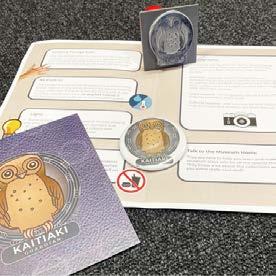
Te Whare Taonga o Te Awamutu Museum’s new Kaitiaki Passport experience will help tamariki aged five to 12 learn what it means to care for taonga The hands-on programme explores how museums help protect and share taonga for future generations One-hour sessions will run from 9am on Mondays, Tuesdays, and Wednesdays during the holidays, with spaces limited to 12 children per session Children must be accompanied by an adult Register at: events.humanitix.com/kaitiakipassport-adventure
Celebrate Matariki
The museum is also marking Matariki, the Māori New Year, with a special display celebrating reflection, renewal, and connection until Friday, July 31




Dean Taylor’s passion for Te Awamutu
Mike Pettit Mayor Jo Davies-Colley Deputy Mayor
Roger Gordon Aidhean Camson
Pip Kempthorne
Clare St Pierre Les Bennett Shane Walsh Dean Taylor
Marcus Gower Mike Montgomerie Dale-Maree Morgan


COMMERCIAL PROPERTY • FARMING EMPLOYMENT PERSONAL
AGE OF REASON
A matter of mergers
In the late 1980’s the (then) Labour government instructed the Local Government Commission to review the make-up of no less than 850 scattered territorial and single-purpose elected board (remember Rabbit Boards?).
The chair of the commission (Brian Elwood - a previous mayor of Palmerston North) led the charge and by November 1989 put in place just 10 per cent of those numbers being one unitary authority (Gisborne), 13 regional councils and 72 city and district councils. And everyone got on with their lives.
The current government (interestingly not Labour) is at it again and not only wants to do away with a ponderous group of regional councillors but demands that the city/district councils move into amalgamations with each other. Note they are not telling them how to do it but giving them the opportunity to come up with reasonable and sensible geographical socio/economic groupings which will become unitary authorities.
To give Waipā District Council their
By Peter Carr
due they have gone out and offered their residents to declare their views on five options – one of which is to do nothing. So, Mayor Mike, chief executive Steph and your teams take a bow. Democracy at work in its most visible sense.
I am not going to debate my views on what should emerge – I will leave that for the WDC survey that they have offered me. But I suggest that if Waipa becomes one of a number – somewhere between five and 12 current groupshow should the new body operate?
Will the chair of the new group be one of the existing mayors (post2028)? Should there be an independent appointed non-political chair who is not elected - with the mayors as the Board? Will there be a drive to reduce staff numbers – or rather reduce an over-proliferation of people with similar roles? All that conjecture is for consideration further down the track.
But at least we have a number of options to consider – and not every council will be as open as Waipā due to a very tight deadline set by the government for consideration in its
OPINION
Confusion at crossings
One day there will be an accident at one of Cambridge’s staggered crossings and the blame will fall on the pedestrian.
currently elected dying days.

As an opinion though I would postulate that creating and governing a unitary authority in a tight urban district like Auckland is a very different beast to one which will mix a tight city environment (aka Hamilton) with a disparate group of rural bodies. There is enough hot air and anti-mayor rough edges apparent in Auckland City right now. How will it look in a revised Waikato be it still the whole or perhaps in (at least) two major groupings?
And what of the honest citizens who stood, only last year, to be elected to the governance seats in regional councils? They are not guilty of anything sinful other than their honesty and public responsibilities.
They will be out of their seats and cast back among the common herd that is the populace.
We are in for an interesting ride so filling in the Waipā District Council survey sensibly is the very least we can all do.
By Mary Anne Gill
everyone, including me, in an awkward position.
towards the traffic.
COMMERCIAL PROPERTY • FARMING EMPLOYMENT PERSONAL
I am not talking about the raised courtesy crossings, like the one between the Town Hall and the Town Clock. They are different. Drivers are not legally required to stop, but most do.
Experienced professionals. Local specialists. Quality advice.
Cambridge | 07 827 5147
Hamilton | 07 848 1222 www.lewislawyers.co.nz
Experienced professionals. Local specialists. Quality advice.
Experienced professionals. Local specialists. Quality advice.
Cambridge | 07 827 5147
Cambridge | 07 827 5147 Hamilton | 07 848 1222 www.lewislawyers.co.nz
Hamilton | 07 848 1222 www.lewislawyers.co.nz
The change in surface and colour tells everyone what is expected. It works because people understand it.
The crossings I am talking about are the staggered ones with a central refuge, the kind where you cross one lane, wait, then cross the other. There are a couple I use regularly in Queen Street between Lake Street and the entrance to Lakewood. They look helpful, even reassuring, with their islands and barriers guiding you into position.
But they can also be confusing. I will often stand in the middle, waiting for a break in traffic, doing exactly what the road code says. Then a car stops to let me cross. It is meant kindly. I know that. But it puts
The driver who has stopped thinks they are being courteous. The driver behind them is often less impressed. I have heard horns. I have seen hands thrown up in frustration. It is not hard to imagine the next driver not stopping in time.
So, I usually run. Not because I have the right to cross, but because someone has stopped and I feel I should not hold them up.
That is the problem.
At a staggered crossing, pedestrians do not have right of way. Each side of the road is effectively a separate crossing. You are meant to wait until it is clear. The central island is there so you can pause safely, not so traffic has to stop for you.
Drivers are not required to stop. In fact, stopping unexpectedly can create its own risk. A following driver may not expect it, particularly on a busy road like Queen Street where traffic is travelling at speed.
And yet the design hints at something else. The barriers angle you
The refuge invites you to step out. It feels like a crossing where something is meant to happen.

But the rules do not match the behaviour.
That disconnect is what worries me. We have created a space where pedestrians think they are semiprotected and drivers think they are being helpful, but neither is certain. In a busy town, with school children, older residents and plenty of throughtraffic, that is not a good mix.
It will only take one misunderstanding. One driver who does not stop. One pedestrian who thinks they should have been seen.
Then the question will be asked. Who was at fault?
The answer, according to the rules, may be simple. The reality will not be.
Perhaps it is time we looked again at how these crossings are used, and more importantly, how they are understood. What do you think? Email editor@ goodlocal.nz
Tiles, Swimming Pool Tiles.




Waipā Home of Champions: Championing our future!
The options
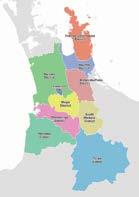
Option A
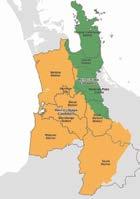
A ‘One Waikato’ approach combining all 11 Waikato councils into one to deliver all regional and district council functions.
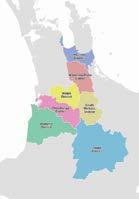
Option C
Partnering with our Waikato Waters shareholding councils, plus Taupō. This would see Matamata-Piako, Hauraki, Ōtorohanga, Waitomo, South Waikato, Taupō and Waipā form one council.
Option E
Do nothing. Council does not put forward a proposal and continues in its current form for now. Change would still follow through the government’s compulsory backstop process after the 2028 elections.
Tell us your thoughts at your local market
Cambridge Farmers Market
Saturday June 20, 8am to 12pm
What
Waipā is one of New Zealand’s fastest-growing districts.
We’re proud of our strong communities and reputation as the Home of Champions. But like all councils across New Zealand, we’re facing increasing challenges – from funding infrastructure and supporting growth to keeping rates affordable while planning for the future.
The Government has signalled major changes to local government and has invited councils to help shape what comes next through a process called ‘Head Start’.
For Waipā, the question isn’t whether change is coming. It’s how we make sure any change delivers the best outcomes for our communities.
That’s why we’re seeking your feedback before making any decisions about our future direction.
Option B
A unitary authority based on the existing Future Proof growth council boundaries. This would see Hamilton City, Waikato District, MatamataPiako District and Waipā combine to deliver all regional and district council functions.
Option D
Rosetown Monthly Fair, Te Awamutu
Saturday June 27, 10am to 2pm
Pirongia Monthly Market
Sunday June 28, 9am to 1pm
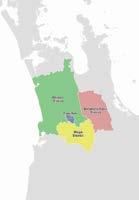
Championing two unitary authorities based on river catchments:
1. A Waikato/Waipā catchment unitary authority, potentially including Taupō, South Waikato, Ōtorohanga, Waitomo, Waipā, Hamilton City and Waikato Districts.
2. A Waihou–Piako catchment unitary authority covering the eastern part of the Waikato region, potentially including Matamata-Piako, Hauraki and Thames-Coromandel districts, along with parts of South Waikato District.
do you think?
We want to hear what’s most important to you. Your feedback will inform our thinking. Feedback closes on Sunday, June 28. Visit www.letstalk.waipadc.govt.nz/ championing-our-future or call into your nearest Council office for more information.
Pause change, say Feds
Federated Farmers wants Waikato Regional Council’s Plan Change 1 shelved until major policy reforms are sorted.
The Environment Court has given the council until July 21 to make 20 changes before the plan will be finalised.
But Federated Farmers says it is concerned at the length of time taken by the court to make a final decision on “the most significant rule change ever seen by farmers in the Waikato and Waipā catchments”.
“These rules took so long to work their way through the court system that by the time they landed they were already out of date
and out of step with central government,” Feds president Chris Woolerton said.
“This process has taken more than 14 years, and in that time we’ve seen significant changes in farmers’ environmental practices.
Farmers have moved quicker than the RMA process has.”
He said proposed restrictions and compliance requirements being placed on Waikato farmers would “totally change the nature of farming in the region”.
“Plan Change 1 will add cost, complexity and duplication, with thousands of farmers needing both a resource consent and a goldplated farm plan just to keep
farming.”
Woolerton, a Taupiri dairy farmer, wants to see the plan change paused until there’s clarity on resource management, local government and farm plan reforms.
“These new farming rules are completely at odds with the Government’s direction of travel and vision for the country,” he said.
“On one hand we have a Government saying it wants to cut the cost and complexity from farming by overhauling local government and the RMA. But on the other hand we’ve got a binding court decision pushing in the opposite direction, bringing
in very prescriptive farming rules with huge compliance requirements.
“Why roll out new farming rules that are about to be replaced? When the RMA goes, PC1 will go with it.”
Plan Change 1 will impact on more than 4500 farms across the Waikato and Waipā River catchments.
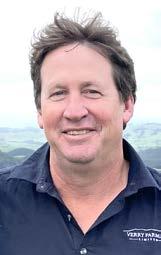
King Country sheep and beef farmer Reon Verry, who serves as Waikato Federated Farmers meat and wool chair, is also concerned about what the plan change might mean for farmers.
“The environment is something I really care about, but these rules will simply see a whole lot of money wasted
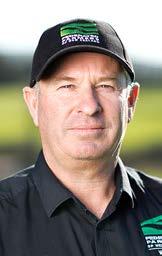
on compliance costs rather than on-farm action,” he said.
“With all the Government’s reforms currently underway,
it makes total sense to press pause on implementing these new rules until everyone has more clarity.
A good yarn… Depot stays
A Leamington works depot that’s been the subject of a 50-signature petition to Waipā District Council will stay open.
The council’s Service Delivery Committee considered a petition from Arnold Street residents, concerned about heavy truck movements through the neighbourhood, asking council to close the depot,
The depot is in a former landfill site has been used to store council roading materials for more than 50 years just outside the town belt.
A report from the council’s transportation team said closing it now would result in a cost of around $80,000 a year to store materials elsewhere.
Arnold Street has the only secure roading materials storage site near Cambridge. Councillors were told have having materials stored nearby resulted in road sealing wok being carried out more quickly and cheaper.
Councillors resolved to look for a better long-term option as part of the 2027-37 Long Term Plan process. That includes developing part of the former wastewater treatment plant land in Matos Segedin Drive.
Committee chair Aidhean Camson said the decision balanced the concerns of Arnold Street residents with the need to spend ratepayers’ money wisely.
“We hear what residents are saying and we take it seriously. But closing the depot right now would cost ratepayers significantly more with no guarantee of a better outcome. Giving ourselves time to find the right alternative site is the responsible call.”
Staff were asked to work with the residents who raised the petition on possible alternative short-term solutions, while also working with Council’s roading contractors on remedies to minimise impacts pending a long-term option.
Kakepuku back on track
The 7.2km Kakepuku mountain track has reopening following extensive repair and clean-up work.
The track, which attracted almost 33,000 visitors last year, closed as a result of storm damage in February. As repairs neared completion, Cyclone Vaianu in early April brought further damage.
Contractors have since restored the track to a safe, walkable condition.
Community services manager Brad Ward said while safe, the track can be slippery.
“The public need to remember a good level of fitness is required. While signage warns of an active landslip risk, this is a precautionary measure due to
the maunga’s geology. Visitors need to take care, and know the area is regularly monitored and managed as part of ongoing safety planning.
Kakepuku Mountain Conservation Society member Emily Empson said Kakepuku was a place of natural and cultural significance and a space that supported the health and wellbeing of the wider community.
The $14,500 repair project included restoring eroded sections of track, relaying clay-based surfaces, clearing blocked culverts, and removing rocks, fallen trees, and built-up silt.
Drainage improvements were also carried out, slips stabilised and gutters cleared.
Reon Verry
Chris Woolerton
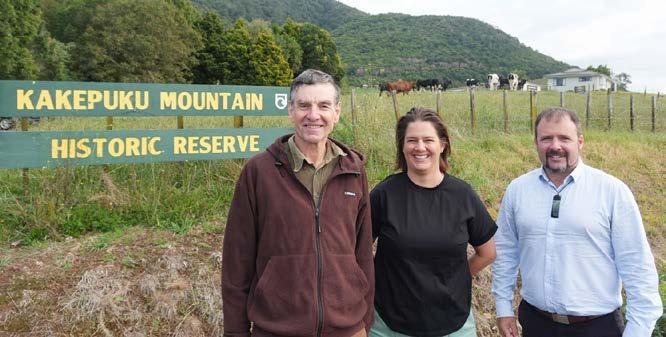
Kakepuku Mountain Conservation Society members Adrian Black and Emily Empson with Waipā District Council community services manager Brad Ward.
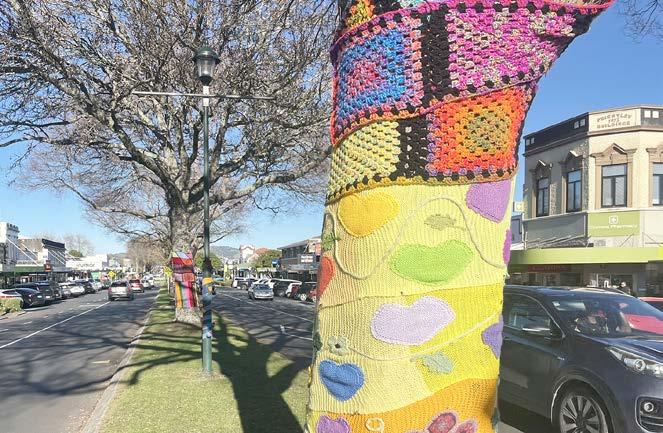
The yarn bombing around town says it all… Cambridge Creative Fibre is back, filling the town hall with a showcase of skills across a raft of fibre arts disciplines. The exhibition runs through to Sunday and items on show include delicate lace knitting, warm knitwear and intricate weaving. Some items will be for sale.

KNOW YOUR PROPERTY MANAGER
Waikato Trends
In May, the Waikato’s median house price increased by 1.4 per cent year on year to $750,000, compared to the same month last year, according to the Real Estate Institute of New Zealand.
The REINZ report said that all buyer groups were active across the region, while vendor expectations were described as mixed, with some being said to be realistic about the current market, while the expectations of others were still based on the stronger market conditions that prevailed in recent years.
Open homes were still attracting a steady number of viewers, especially those that were new to the market, or had been subject to change in price and/or marketing strategies.
Attendance at auctions was described as typically limited to a small number of serious buyers rather than larger crowds.
It was also reported that market sentiment had also improved as buyers became more tolerant of interest rates and were showing greater confidence. Even so, affordability and the election later this year remained the primary concerns of many buyers.
Salespeople predicted that the market would remain relatively consistent, although may soften a little before improving, with much of that to do with current interest rates, ongoing global
conflicts and the results of the next election.
The median price in May in the Waipa District was $890,000, which was down from $912,000 in April, a fall of around 2.4 per cent. However, May’s figure was still up considerably from the $769,000 recorded at the same time last year which represents a yearon-year increase of around 15.7 per cent. In that same 12-month period, many other districts either recorded negative price growth or achieved comparatively small increases. In Cambridge, according to a report from Opes Partners Market Report for June, the average house price was $1,086,100, up about 1.16 per cent year on year.
The median weekly rent was $658, which gave an estimated gross yield around 3.2 per cent. Around 23.8 per cent of residents rent and threebedroom homes were the most commonly rented at about 36 per cent of rentals.

For investors, this points to a relatively high value, lower yield market where demand is strongest for well presented three bedroom homes with off street parking.
In Te Awamutu, the average house price was $721,200, which is up about 1.99 per cent since June 2025 and a median weekly rent of $600 provided an estimated gross yield of about 4.3 per cent, which was higher than Cambridge’s. Around 28 per cent of residents rented three-bedroom houses, making up nearly 54 per cent of rented properties. According to Tenancy Services’ Market Rent database, which is based on
Healthy Homes: Make Sure Your
All rental properties in New Zealand must comply with the Healthy Homes Standards, and for first time investors this can feel overwhelming. Introduced in July 2019, the standards set minimum requirements for heating, insulation, ventilation, drainage, moisture ingress, and draught stopping. Their purpose is simple: to ensure tenants live in warm, dry, healthy homes - and to make sure landlords meet those expectations now and into the future. While there are a few limited exemptions, these do not remove the obligation to comply; they simply extend
the timeframe in which compliance must be achieved. In practical terms, if you intend to rent out a property, you must ensure it meets the Healthy Homes Standards. Failing to do so can have consequences. Landlords who do not meet their obligations under the standards may be in breach of the Residential Tenancies Act 1986 and could face financial penalties of up to $7,200. This is where a good property manager becomes invaluable. They can explain the standards in clear, straightforward language and outline what, if anything,
bonds lodged in the past six months, three bedroom homes in comparable North Island towns typically rent in the mid $600s per week. Cambridge and Te Awamutu rents fall squarely within that range, confirming that both towns are aligned with regional market norms.
Waipā District continues to outperform many regions in annual price growth. Cambridge remains a premium, lower yield market with strong family demand. Te Awamutu provides better yields and a deeper renter pool, making it attractive for first time or yield focused investors. Three bedroom homes remain the ‘sweet spot’ for renters across the district.
Manager is Ahead of the
needs to be done to bring a property up to compliance. Many managers can carry out a Healthy Homes assessment themselves or are able to arrange for a qualified assessor to do so.
Heating assessments, for example, require a range of factors to be taken into consideration, such as the home’s age, location, construction type, existing insulation, glazing performance, and even the shape and slope of ceilings. For a new investor, these calculations can quickly become a headache.
A knowledgeable property manager understands the standards and the
Curve
practical steps required to meet them. They can provide a clear plan and timeline for achieving compliance, manage any upgrades or repairs, recommend trusted contractors, and ensure the correct records are kept.
A manager who treats Healthy Homes as a priority, and not just as an afterthought, helps protect your investment and ensures your tenants enjoy a warm, dry, healthy home. Just as importantly, those managers also help protect you from unnecessary risks that could arise by not acting in accordance with the required standards.

KNOW YOUR PROPERTY MANAGER
Should You Use a Property Manager? A Side-by-Side Look for Investors
There are clear advantages to engaging a property manager to look after your investment. For many landlords, the question is whether the management fee is worth it. The comparison below outlines what it looks like to go it alone versus having a professional on board.
Time and Workload
Managing a rental property yourself may seem like a way to save money, but every decision carries a cost. When you try to manage alone, you end up handling everything: advertising the property, running viewings, screening tenants, conducting inspections, organising maintenance, ensuring Healthy Homes compliance, managing rent arrears, and keeping up with paperwork. You can also expect any number of unexpected calls on your time - leaks, damage, lockouts, disputes, and the general administrative issues that come with
being a landlord.
A property manager takes over the day to day operations and interactions with tenants. You will receive updates, reports, and still have the decisions to make - just not the workload. This is ideal for landlords who are busy, live out of town, travel frequently, or simply prefer a more passive investment.
Legal Knowledge and Compliance
Selfmanaging landlords need a working knowledge of the Residential Tenancies Act, the Healthy Homes Standards, and the rules around bonds, notice periods, and Tenancy Tribunal processes. Mistakes can be costly, and even unintentional noncompliance can result in fines or penalties.
Property managers understand the legislation and know how to keep you compliant. Thay stay abreast of any changes and arrange and manage documentation, assessments,
and deadlines and, if needed, will represent you at the Tenancy Tribunal.
Tenant Selection and Management
If you manage the property yourself, you will need to run viewings, check references, and rely on your own judgement when selecting tenants. Without experience, it is easy to miss red flags. You will also be the one having difficult conversations about rent arrears, damage, or behaviour issues which are all situations that can be stressful and emotionally draining. Property managers have established processes for screening tenants, including credit checks and reference verification. Their experience helps them identify potential risks early on in the vetting process. They are also capable of maintaining a professional distance when difficult conversations with tenants are required, acting as a buffer between you and them. You still make the final decisions, but without
the emotional weight.
Maintenance and Repairs
Selfmanaging means organising all repairs and maintenance yourself and ensuring the work meets tenancy and Healthy Homes requirements. Property managers, on the other hand, have reliable networks of tradespeople and can coordinate repairs quickly. Because they provide consistent work to contractors, they often secure better pricing. They also maintain the necessary compliance records on your behalf.
The Bottom Line
You may avoid management fees by doing everything yourself, but your time has value, and you assume all the risk and stress. Using property professionals lowers the chance of noncompliance, improves tenant retention, and frees you from the day to day demands of being a landlord.

KNOW YOUR PROPERTY MANAGER
Choosing the Right Property Manager: A Guide for First Time Investors
Deciding to invest in a rental property can be both exciting and a little daunting. Property investment is a powerful way to build for the future, but purchasing a significant asset also means wanting to ensure that your property—and your tenants—are well cared for. One of the most effective ways to achieve that is by choosing the right property manager.
A good property manager does far more than collect rent. They become your partner: someone who protects your investment, keeps you informed, and helps you navigate the responsibilities that come with being a landlord.
Every investor is different. Some prefer a hands off approach as far as day to day management goes, while others like to stay closely involved. Taking time to think about what matters most to you will help identify a management company that aligns with your expectations. Being clear
about the qualities you value in a business relationship makes it easier to recognise a ‘good fit’ when you see it.
It is also important to choose someone who understands compliance issues. Regulations governing the landlord - tenant relationships change regularly, and you will want a manager who can guide you through your obligations and keep you updated, clearly and promptly, about any changes that may affect your property.
Local knowledge is another advantage. Property managers based in your community often have a deeper understanding of the rental market and what tenants in the area are looking for. They also tend to have established relationships with reliable tradespeople such as plumbers, electricians, and maintenance contractorsconnections that can save you time and stress.
For first time investors, the right support is especially valuable. Look for a management team that explains things without jargon, walks you through the onboarding process step by step, and ensures you understand your legal responsibilities. They should offer guidance on rent setting, tenant selection, and longterm maintenance planning. Most importantly, they should be proactive, anticipating issues before they arise rather than simply reacting to them.
Whether you’re new to property investment or have been a landlord for years, you should feel comfortable asking questions and raising concerns. A good property manager creates an environment where communication is easy and respectful. As the saying goes, there are no dumb questions - and the right manager will make sure you never feel you need to hesitate in asking them.





Hautapu wins derby

By Jesse Wood
Hautapu came out on top in the Waikato Club Rugby premier battle of the Waipā against Te Awamutu Sports on Saturday.
The home side won the premier A Breweries Shield clash 31-8 at Cambridge Memorial Park.
Speedster Waisake Salabiau scored three tries for Hautapu, while number eight David Morris and fullback Nathan Stephens also scored. Pivot Patrick Hedley converted three of his team’s tries.
Left winger Jonan Heke-Heays was the sole try scorer for Te Awamutu and midfielder Austin Anderson, on his return from the Brumbies, slotted a penalty.
University beat Leamington 41-20 in the premier A Lone Star Cup division.
Centre Robert Day scored 10 points off the kicking tee for Leamington, while loose forward Hirini Murfitt and outside back Jarrod Davey grabbed tries at the University complex.
Both Cambridge club B teams won their matches by default.
In the women’s premiership, Mel-tap (Melville-Hautapu combined) were beaten 22-19 by Suburbs at Collins Road.
Blindside flanker Lachyn Moeke, lock Kyra Mita and reserve Katie Hepi-Hagan crossed the chalk for Mel-tap and fullback Keira Russell converted twice.
Pirongia hosted Leamington in the under-21 division, beating them 39-15. Try scorers for the visiting side were reserves Lachlan Cattley and Riley Jackman as well as captain William Lord.
In another battle of the Waipā, Hautapu colts dealt to their Te Awamutu Sports opponents 47-5 in Cambridge.
Number eight Jack Mathis (two), fullback Kaden Tohia (two), openside Noah Walker, winger Morgan Baker and Jack O’Dwyer crossed the chalk for the home side. First five-eighth Cooper Young kicked five conversions and Mathis one.
Belonging to the Chamber gives access to unrivalled networking and referral opportunities, educational and training programmes, and effective advocacy for your business and the wider business community.

Games crew prepares
By Jesse Wood
Waipā and King Country connected athletes are on their way to the 2026 Commonwealth Games in Glasgow next month.
The 23rd Commonwealth Games will be the Scottish city’s second time hosting the event, after 2014.
Cambridge, Te Awamutu and Ōtorohanga are the home or origin of a handful of athletes.
Glasgow 2026 marks the first combined New Zealand track cycling team and three para cyclists are involvedNicole Murray, Emma Foy and Devon Briggs.
Briggs has spent hundreds of hours training at Cambridge’s velodrome and this will be his first games.
He’s excited to represent para sport within the Commonwealth Games movement.
“We’re setting a stepping stone for para sport,” Briggs said. “I think it’s really cool to be part of that.”
Rural Ngāhinapōuri School boasts two alumni there in Foy’s pilot Jessie Hodges and Ōtorohangabased former Waitomo Caves guide Murray.
Foy and Hodges are preparing for the women’s Tandem B Sprint and Tandem B 1000m time trial.
Murray will compete in the women’s C5 4000m individual pursuit and C5 1000m time trial.
Te Awamutu College also has two former students journeying to Scotlandswimmer Hazel Ouwehand and cyclist Rebecca Petch.
After the recent birth of her son, Petch returns alongside Ellesse Andrews, Bryony Botha and former St Peter’s student Ally Wollaston who have all been part of Te Awamutu Sports Cycling Club at some point.
Andrews and Botha have been strong performers on the track in recent years and lay claim to seven Commonwealth Games medals between them.
“Heading to my second Commonwealth Games next month and this one feels an extra bit special,” Petch said on social media. “It’s been a big team effort and I’m so excited to line up to race again.”
New Zealand national road champion Wollaston leads the women’s endurance squad.
She will get on track in the women’s points race and team pursuit with an option to start in the elimination race and the scratch race.
Andrews is competing in the women’s team sprint, sprint, time trial and

keirin, while Botha is in the women’s individual pursuit and team pursuit with an option to start in the points race, elimination race and the scratch race Petch joins Andrews in the spring team with an option to start in the sprint and keirin.
Butterfly specialist Ouwehand, the only noncyclist, is aiming for her first Commonwealth medal. The former Te Pahū School student will compete in the 50m and 100m butterfly events. Ouwehand is ranked in the top eight in the world across the 50m distance this season.


Devon Briggs
Hautapu stalwart David Morris (number 8) tackles Te Awamutu Sports front-rower Albert Nadan.
Photo: Justin Miezenbeek
Spotlight on Cambridge
Joe’s Garage
Joe’s Garage in Cambridge has built a reputation for being a casual, family friendly café that o ers great food and some of the best co ee in town.
The comprehensive menu o ers an all-day dining experience and caters to a wide range of dietary requirements – so whether you’re gluten free, dairy free, vegetarian or vegan the team at Joe’s is happy to customise any of their extensive range of dishes for you. Fully licenced, they o er a dinner menu from 5pm onwards each day.
The café stocks its own special blends of co ee that they source through Ozone and can satisfy almost any taste with a large selection of alternative milks and avoured syrups. Even four-legged visitors are welcome –dogs can relax in the outdoor area and enjoy a treat from the cafe’s doggie menu.
Joe’s Garage is the sort of place where




people feel comfortable settling in for a chat or can sit for an hour or so catching up on work, and the sta pride themselves on getting to know their regulars. Sports fans can even enjoy World Cup games on the café’s screens. Whether you’re planning a work function, a birthday celebration, or simply gathering together, Joe’s Garage is the ideal place to do it.






































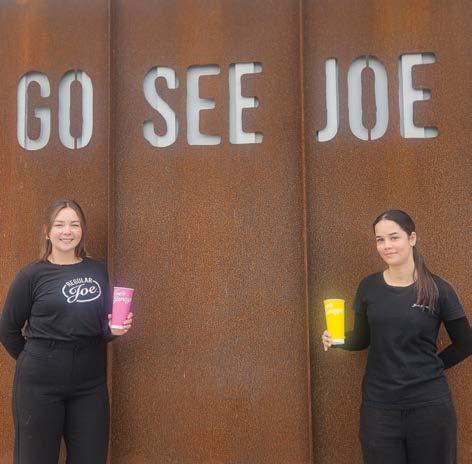
Left to right - Tayla Sanson & Tayla Hendrick
Mavis & Mick

Cambridge Auto Electric

Winter has greeted us this year with cooler temperatures, and with that, now is a great time to check your batteries, lights & wipers says Oliver Wilson from Cambridge Auto Electric.
The well-established business with the personal touch o ers a free ABC check on batteries and charging systems, in just about every type of vehicle from motorcycles, side-by-sides, cars, SUVs, trucks, to mobile homes and horse trucks powered by petrol, diesel, hybrid & full electric.



Oliver says there are three main contributing factors that lead to batteries dying in the winter: reduced capacity, increased draw from starter motors, and increased draw from accessories. A car battery can die in cold weather due to several interconnected factors that collectively strain its ability to provide su cient power to start the vehicle. Cold temperatures exacerbate the challenges faced by batteries, particularly those nearing the end of their lifespan or lacking proper maintenance.
Firstly, in cold weather, the chemical reactions within the battery slow down signi cantly, yet there will be more asked of the battery, when accessories such as heaters, defrosters, and headlights are often used more frequently.
Secondly, cold weather increases the viscosity of engine oil, making it thicker and more resistant to ow. This, in turn, places additional strain on the battery when starting the engine because the starter

motor must work harder to overcome the resistance posed by the thickened oil. Thirdly, the cold temperature increases the internal resistance of the battery itself.
Higher internal resistance means that the battery cannot deliver as much current as it would in warmer conditions, further reducing its ability to supply the required power to start the engine. Additionally, batteries lose some of their charge naturally over time, and cold weather can exacerbate this process. If the battery is already weakened or old, the combination of cold temperatures and reduced charge can lead to a failure to start the vehicle.
In addition to the free battery check, they will also do a free “C and B Seen” check on your bulbs, screen wash, and wiper blades
to make sure they are all good to go for the colder, darker season.
Cambridge Auto Electric stock what Oliver believes are the biggest range of highquality batteries in Cambridge, but they also do a whole lot more.
“We do Warrants of tness – and that includes motorbikes and caravans, trailers and horse oats; servicing, air conditioning, diagnostics scanning, repairs – just about everything,” Oliver says.
Students and Gold Card holders are o ered discounts, as are those in essential services.” Cambridge Auto Electric, located at 4 Gillies street Cambridge is open Monday to Friday from 8am till 5pm and by appointment on Saturdays. Check out our social media & website for further specials & o ers over the coming weeks.



Photo taken by Matt Smith
WEEKLY ADVERTISING DEADLINES
Cambridge News Publishing Every Thursday
RUN OF PAPER ADVERTISING
Booking & copy setting
Noon Friday of week prior to Thursday publication Finished artwork 11am Tuesday prior to Thursday publication
CLASSIFIED ADVERTISING
Booking & copy setting
5pm Monday prior to Thursday publication
*All classified advertising is prepaid prior to publication *Late bookings after deadline are subject to space available.
St John Cambridge Health Shuttle
Providing transport to medical and health related appointments between Cambridge, Hamilton and return.
0800 846 9992
Bookings are required by 3.00pm the working day prior to appointment. Donations appreciated.

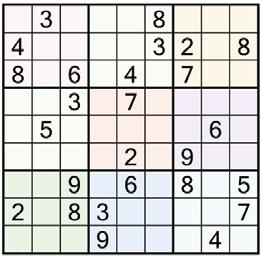
Across 1. Resound (5) 4. Rubbish (6) 7. Poem (3) 8. Foetus (6) 9. Bulbous plant used in cooking (6) 10. Full of joy (8) 12. Large urban area (4) 13. Pierce through (6) 15. Bless with oil (6)
16. Data (abbr) (4) 17. Romper (8) 19. Underground chamber (6) 20. Parentless child (6) 22. Chuddy (3)
around (6)
Stroll (5)
(3)
(13)
Turn rancid (2,3)
Royal insignia (7)
Fierce (9)
Exact likeness (colloq) (8,5) 11. Long running TV drama (4,5) 14. Erase, cross out (7) 18. Scent (5) 21. Hostelry (3)
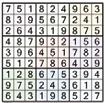
Across: 1. Ambush, 4. Absent, 9. Ledge, 10. Obscure, 11. Garment, 13. Able, 14. Streamlined, 17. Food, 18. Limited, 21. Dearest, 22. Sushi, 24. Averse, 25. Browse. Down: 1. Allege, 2. Bid, 3. Suede, 5. Basmati, 6. Ebullient, 7. Them, 8. Contemplate, 12. Rationale, 15. Endless, 16. Admire, 19. Miser, 20. Idea, 23. Sow.
YAAOCHIWRNXLNNIOUD VLREXICFAYCXAGSCTA DIFTPAAIOZAMIELYCN CAATDJSEETRNJKOIHI NNUXIIDCUEITIYVISS PAGTRRHRGPBAFPALEH IINFDIKDYNAMORKIGV DSIYNIBSPANISHXHPK GSLDSPUSNALLALNAHS IUIHSTNIRADNAMPWTS NRBOTNAREPSEWELSHN AFRIKAANS ALBANIAN





























Looking For Location
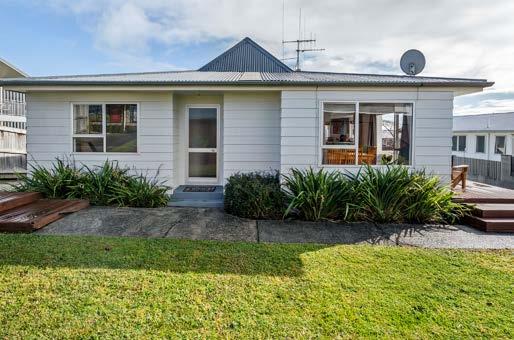
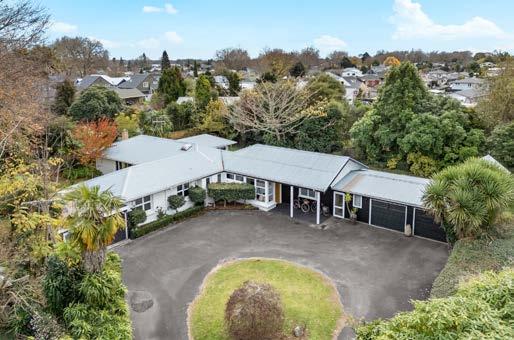
- Easy care section, directly opposite the entrance to the Village at Leamington Shopping Centre as well as close to transport and local primary school.
- Sunny North facing deck off the living area.
- Well laid out 3 bedroom home with separate double garage plus sleepout.
- Great property for a first home buyer or investor.
- Don’t take too long to think about this one as it won’t last long.
Inside - The Design Of Space Unfolds

- Modern,
- Designed for modern living, the open plan kitchen, dining, and living area is elevated by striking scissor truss ceilings, creating a lightfilled and spacious hub.
- Indoor-outdoor flow to landscaped, low maintenance backyard with the pergola a focal point.
- Well-appointed master with walk-in robe, ensuite & its own adjoining lounge or office, at the top of the hallway with outdoor access.


- Beautiful character home that has been thoughtfully blended with modern upgrades showcasing comfortable, spacious and private living.
- Privately tucked away in one of Cambridge’ most convenient locations on a rare 1,831m2 (more or less) section.
- Large deck, heated pool, pool house, designed for privacy and easy entertaining.
- Brick construction, with welcoming circular driveway.

- Space, serenity, pool, and exceptional shedding, all set on 3,150m² (more or less) of attractive lawns.
- Modern conveniences and upgrades to be cherished.
- A luxurious, private swimming pool sits beautifully within the grounds, creating a relaxed retreat for summer fun.
- Exceptional garaging for 12 covered vehicle carparking, including a 110m² workshop.
- Master with ensuite and walk-in robe, with warm and welcoming interiors designed for comfort and family connection.






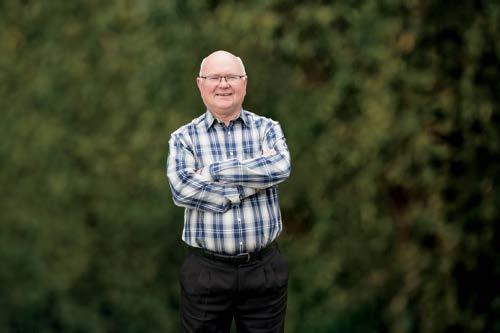
















Specialists





























































Stud sends nine to Karaka
By Joshua Smith, Loveracingnz
Cambridge Stud was set to offer a select draft at the New Zealand Bloodstock’s National Weanling Sale at Karaka today (Thursday).
The stud was in the news for Joliestar’s gallant third placing in the $2.4 million Group 1 Queen Elizabeth II Jubilee Stakes over 1200 metres in Berkshire, England on Sunday.
Farm principals Sir Brendan and Lady Jo Lindsay are in England where they cheered home the mare – ridden by Cambridge’s James McDonald - and they are proud of her performance.
“She tried her best and she wasn’t good enough on the day,” Sir Brendan told Racing and Sports. “We came here full of hope, and we have left here pretty happy.
“James said she slipped coming down the hill and that might have been the difference, but at the line she was as strong as anything.
“We would have liked to have won. Are we disappointed? No. We have just had a life experience and lucky for Jo and I, we have met the King and the Queen. Life’s not too bad.”
Back in New Zealand, Cambridge Stud
staff have this week put the final touches on their nine weanlings ahead today’s sale, and sales and nominations manager Scott Calder is pleased with the quality.
“We have nine in our draft and obviously have a good representation from our own stallions,” he said. “We have a five-strong cohort of Almanzors and a lot of them are out of black-type mares or out of young, well-credentialled mares.
The farm will also offer a couple of weanlings by outside stallions and a colt by champion sire Savabeel, who died aged 24 last week.
The colt is one of only two weanlings by Waikato Stud’s former patriarch in the sale. While not in their draft, the first New Zealand progeny of Cambridge Stud’s freshman sire Chaldean will go through the sales ring at Karaka.
The Group One-winning son of Frankel’s first crop of weanlings have been well-received in Europe, averaging the equivalent of NZ$260,000 and selling up to NZ$580,000 at the Tattersalls December Foal Sale in England, while his first Southern Hemisphere youngster to be offered at a public sale was purchased at Inglis’ Great Southern Weanling Sale earlier this month for A$180,000.

Cambridge’s Australian based James McDonald rode at Royal Ascot at the weekend.
Venue


CALF MILK WANTED

Bocock ’s Calf
MADE
22a Taylor Street, Cambridge
Speaker: Phillippa Pitcher, Macular Degeneration NZ (Eye Condition)

2016 Holden Cruze Wagon
Small practical, safe wagon in good condition. Perfect first car or workhorse.
1.8L petrol engine, 6-speed automatic, 8.2L/100km. Summit white, alloy wheels, cargo barrier in the boot. Has new WOF, 12-month Rego, and 4 new tyres. Travelled 176,000 km, mostly on open roads, ex-fleet



. Phone 027 287 0005




FITTALL, Michael John (John) – Passed away peacefully at home on Friday, 19 June 2026, aged 81 years. Beloved husband of Jenny. Dearly loved father and father-in-law of Glenn & Nadine, and Mark & Anna. Proud and loving grandfather of Gabrielle, Luke, Melissa & Alkin, Eden, Josie, and Amie, and a cherished great-grandfather. John will be sadly missed, fondly remembered, and forever loved by his family and friends. Rest in Peace. A service to celebrate John's life will be held at Raleigh Street Christian Centre, Raleigh Street, Leamington, Cambridge, on Thursday, 25 June 2026 at 1.00pm, followed by a private cremation. Messages to the Fittall family may be sent c/3 Hallys Lane, Cambridge 3434, or left in John's online tribute book at www.grinters. co.nz.



GIBBONS, Margaret Chalmers – Passed away in her 81st year at Lauriston Care Suites on June 12, 2026. Beloved wife of Jim (dec), treasured mum of Andrea and Lesley, proud Grandma of Jemma and Connor. Adored sister, sister-in-law, aunty, and great friend to many. Heartfelt thanks and appreciation for the amazing care and compassion mum received in her final years at Lauriston. A private cremation has been held. All communication to the Gibbons family. C/- Gibson Funerals Limited, 30 Gillies Street, Cambridge 3434.










HAMPTON, Dorothy June – Peacefully passed away 20th June 2026 after a short illness. Loving wife to the late Arthur Hampton, loving mother to Joy & John, Kay & Brendon. Grandmother to Annalise & Sam, Nicole & Martin, Josh, Summer and Cruz. Great grandmother Rory & Caleb (old nanna) to Arty & Greer. Our greatest loss is your greatest reunion. Rest easy you legend. At Dorothy's request a private farewell has taken place. Messages to the Hampton Family can be sent c/- 3 Hallys Lane, Cambridge 3434 or in Dorothy's online tribute book at www.grinters. co.nz