Fieldays week mooted
By Mary Anne Gill
Fieldays must evolve beyond a four‑day event and tell New Zealand’s story better to build resilience and long‑term growth, chief executive Richard Lindroos says.
Lindroos is clear the focus is on positioning it as ‘New Zealand Inc’ and strengthening its role as a national showcase for the primary sector.
That includes shaping Fieldays into a full week of activity, improving quality and continuing to respond to feedback.
The direction follows one of the strongest events at Mystery Creek recent years. More than 132,000 people went through the gates across four days, the first time attendance has topped 130,000 in five years. Wednesday was its biggest opening day and Friday again proved the busiest overall.
Attendance was up about 20 per cent on last year and sites sold out well in advance. Lindroos said that reflected growing confidence in the rural sector and reinforced Fieldays as a “national strategic asset that brings together the best of our primary industries in one place.”
On site, that confidence translated into strong sales and engagement.
“There are different objectives for different exhibitors,” Lindroos said. “For some it’s about connection and being top of mind, not just what they sell over those four days.”
Fine weather helped, but a bigger shift was in the level of interaction between government, business and visitors. Ministers from across the political spectrum were on site, adding to what Lindroos sees as a stronger sense of Fieldays as a meeting point for national conversations.
Exhibitors also lifted their presentation, while investment in areas such as the speaker programme drew strong crowds. An upgraded function space hosted high‑profile speakers and packed sessions.
Looking ahead, the focus will be on refining logistics, expanding infrastructure and shaping a broader Fieldays experience beyond Mystery Creek.
“We’ve got to keep delivering, but also think about the whole week, not just the four days,” he said. “There’s an opportunity to take more ownership of that and build something bigger.”
He also wants to improve how the sector’s story is told, ensuring Fieldays reflects its wider economic and social impact.
The full economic benefit of this year’s event will take time to emerge, but organisers are confident it will rank among the





most successful on record.
Fieldays 2027 will run from June 16 to 19. Lindroos signalled the work has already begun to build on this year’s gains, and exhibitors
are moving quickly to secure their places.
• More on Fieldays – See pages 3, 12,14 and cambridgenews.nz
Wait for it…
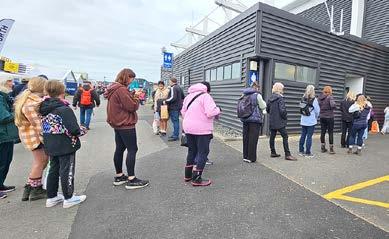
Fieldays’ record crowds came with a catch getting in from the north felt less like a drive and more like joining a very patient convoy. A few nose‑to‑tail mishaps added to the crawl, turning the approach into a full length farm parade.
Inside the gates, success brought its own drama. Cleaners barely turned their backs before toilet facilities descended into chaos, proving that crowds and cleanliness have a complicated relationship.
Long queues and maintenance issues were among the most frequent complaints, and improvements will include more facilities and upgrades to existing blocks.
“Toilets were a challenge,” Fieldays chief executive Richard Lindroos said.
“That’s a classic sign of success. We need to invest more in facilities and keep lifting standards.”
Traffic management also came under scrutiny. While some routes worked well, including shuttle services from Cambridge, Te Awamutu and Hamilton, others were slower to clear.
Safety systems were tested in a minor fire at an exhibitor site on closing day, which Lindroos said demonstrated the team’s preparedness with a quick and controlled response.






Visitors stream through the Mystery Creek site on the Friday, Fieldays’ busiest day.
Photo: Mary Anne Gill
While sales were excellent, it took a long time to spend a penny.
prior to publication.
*Late bookings after deadline are subject to space available.





CONTACTS
News/Editorial
Roy Pilott editor@goodlocal.nz
027 450 0115
Mary Anne Gill maryanne@goodlocal.nz 021 705 213 Viv Posselt viv@goodlocal.nz
janine@goodlocal.nz
Owner/Publisher David Mackenzie david@goodlocal.nz
Office/Missed Deliveries
827 0005 admin@goodlocal.nz
Remembering Dr Rogers
]By Jesse Wood
The News had great response following the recent article about the “Guerilla Surgeon” Lindsay Rogers.
Wellington based Dan Armstrong is piecing together Rogers’ story for a biography and sought help from readers of The News.
When the late Te Awamutu doctor returned to New Zealand 80 years ago, he brought with him clay tablets containing some of the oldest written records. Now Cuneiform Australia New Zealand (Canz) is working to translate and understand the Sumerian clay tablets – dating back more than 5000 years.
Dr Lindsay Rogers OBE was born in Dunedin in 1902 and died in New Caledonia where he drowned in 1962. He practiced medicine in the 1930s in and around Te Awamutu.
He served with the British Royal Army Medical Corps and volunteered for special duty with the British Special Operations Executive and was deployed to Yugoslavia to work with the Partisan forces led by dictator Josip Tito.
Post war saw a stint in Iraq teaching
medicine and acquiring many antiquities, including the Sumerian clay tablets. Rogers’ many experiences of war prompted him to write the memoir Guerilla Surgeon, published in 1957 and republished as recently as 2024.
Researchers hope to publish a book next year detailing the collection Rogers donated to the Otago Museum. It is one of the most significant of its kind in the Southern Hemisphere.
Armstrong, originally from near Taumarunui but who grew up in Te Awamutu, is piecing together Rogers’ story for the book.
The longtime Te Awamutu community advocate learned Rogers’ story in the late 2010s and is grateful to have heard more about him from Waipā residents in the past weeks.
The News received a series of response from in and outside Waipā.
One came from Kate Peacocke who published a Wikipedia page on Rogers in January.
“I grew up in Te Awamutu and was conscious of the lack of a biographical profile although after I did some research found that there many resources to draw on.
Fog follows Fieldays
A quick thank you to the Cambridge 60s Up Club for inviting me to speak recently. We had a valuable discussion about scams, what to look out for, how to protect yourself, and why staying informed is so important. Scammers target people indiscriminately, and the more awareness we can spread, the better equipped our community is to prevent victimisation.
Last week I spent three days at Fieldays. It’s always a great event and I enjoy the opportunity to connect with people in an informal setting. In addition to our foot patrols, both the police recruiting and road safety stands had steady interest throughout the event. Overall attendee behaviour was good, with only minor issues reported. Thanks to the sharp eyes of a member of the public, we did locate two males who decided to pair their Fieldays visit with a bit of high value shoplifting. They targeted four stores, taking more than $3000 worth of items. Both will be appearing in court on related charges. While Fieldays gave us some blue sky days, this week fog has arrived. It’s a timely reminder to ensure your vehicle meets warrant of fitness standards and specifically that all front and rear lights are working properly. With many students biking or using e scooters to get to school, visibility is crucial.
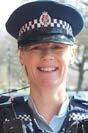
At a minimum, they need front and rear lights, and ideally some high vis gear to reduce risk. Please take a moment to help your children stay roadwise and ensure they remain extra alert on their commute. For drivers, the message is simply to drive to the conditions. In fog, reduce your speed, use the fog line as a guide, keep headlights on low beam, and use fog lights if your vehicle has them. Increase your following distance to give yourself more time to react. Over the past seven days, staff across Waipā attended nine traffic crashes. Defensive driving can make a real difference in reducing road trauma. Finally, a wee reminder to call 111 immediately if you see suspicious or criminal behaviour. We continue to see car crime and burglary activity across Waipā, and in most cases offenders are responsible for multiple incidents. If you become aware of people trying car door handles, breaking into vehicles, or walking onto private, commercial, or construction properties overnight, police need to know at the time. Where it’s safe, keep observing and provide updates to the call taker about what the offenders look like, what they are doing and where they’re heading. CCTV footage is also extremely helpful.
She says her parents knew him and his widow Isobel.
“I went to Pekarau School briefly with his adopted sons Hone and Rewi. We also lived next door to Elsie and Ted Murtagh, his faithful friends, whom he mentions as dedicatees in the Author’s Note to the 1957 edition of Guerilla Surgeon. My mother told me that Elsie wrote to him all through the war.”
The community feedback will be helpful in continuing Armstrong’s biographical work.
“I’m overwhelmed at the response from the Waipā community,” Armstrong said. “It just goes to show that Lindsay was so memorable, even 60 years on.”
Know something more? Email editor@ goodlocal.nz
CAMBRIDGE HEAT PUMP SPECIALISTS
Air Conditioning Group Waikato are the specialists for Heating, Cooling, Ventilation, and Air Purification for Homes, Rentals, Businesses, and Commercial Buildings.
Conditioning Group Waikato are the specialists for Cooling, Ventilation, and Air Purification for entals, Businesses, and Commercial Buildings.








with Senior Constable DEB HANN
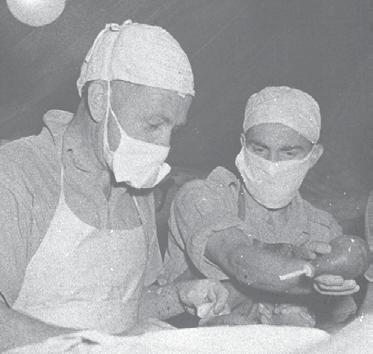
Dan Armstrong is seeking stories about Dr Lindsay Rogers (at left).
Photo: Hocken Digital Collections - 41356
Plan changes
The Environment Court has told Waikato Regional Council to make 20 changes to its proposed Waikato Regional Plan Change 1. The plan change, 14 years in the making, aims to reduce discharges of nitrogen, phosphorus, sediment and microbial pathogens from farming activities and is part of a broader effort to improve water quality in the region. Federated Farmers, which has raised concerns about the impact on farmers, said the court’s interim decision released last week appeared measured and balanced.
Bold as brass
About 1000 wind, brass and percussion players will perform in Cambridge at the country’s biggest concert band festival. A total of 28 bands, 40 soloists, and 37 small ensembles have registered for the event at St Peters School on June 27 and 28.
Waiting for Matariki
A series of creative workshops for adults, running across June and July 2026, will be held at Whare Hau Tutū in Hamilton’s Pembroke St. Organisers say the series “creates space for adults to slow down, remember, reflect, reconnect, and look ahead through toi Māori, storytelling, whenua, taiao, and contemporary creative practice”. The Matariki public holiday will be on July 10.
Cats on show
More than 140 cats representing 15 breeds ranging from ragdolls, British shorthairs, Persians, Abyssinians and Burmese to companion cats will be on show in the Tamahere Community Centre on July 5 at the 2026 Hamilton Cat Show.
Correction
Inside Arapuni’s hidden past in The News (11 June) we said Karāpiro was upstream from Arapuni when it is in fact downstream. Thanks to our eagle eyed readers for spotting that error.
Ministers talk rates, roads
By Mary Anne Gill
Questions over rising rates and long awaited roading projects were put to Prime Minister Christopher Luxon and Finance Minister Nicola Willis at Fieldays last week, focusing on what comes next for fast growing Waikato communities.
Willis said the government wanted to ease cost of living pressure on households while ensuring councils focused on core services.
“We’ve been very clear that rates increases have been going up far too fast in many parts of the country, and that’s putting real pressure on households,” she said in response to The News’ questions.
More detail was still to come but she said there would be flexibility for councils facing genuine pressures, particularly around growth and infrastructure.
Waipā, Waikato and Hamilton councils are tier one designated growth councils due to their large
populations and high growth rates.
“The key point is this. Councils need to live within their means, just like households do,” said Willis.
Rapid growth in Cambridge, Te Awamutu and Tamahere has driven increased infrastructure demand, while rural communities across the districts continue to face rising rates bills.
The policy could influence how councils such as Waipā and Waikato fund everything from roads and water upgrades to community facilities in the coming years.
Willis also responded to The News’ question on Southern Links, the long discussed transport project linking Hamilton to surrounding areas, including routes affecting Waipā and Waikato commuters.
She described the project as a priority.
“Southern Links is a really important project for this region. It’s one of our Roads of National Significance.”
Design work and planning is under way. The project forms part of a wider infrastructure pipeline aimed at supporting regional growth.
“We are committed to it. It’s part of our broader infrastructure programme, and we know how important it is to unlock development in this area.”
Before the 2023 election, National included Southern Links in its $24 billion Transport for the Future policy, listing it among 13 Roads of National Significance alongside Cambridge to Piarere.
The Southern Links project carried an estimated cost of $600 million and was expected to begin within a four to 10 year timeframe.
That timeline has begun to shift. Earlier this month, the government confirmed funding for the 16 kilometre Cambridge to Piarere extension of the Waikato Expressway.
The key change was certainty, enabling the New Zealand Transport Agency to



“hit go” on the long planned project, Willis said.
But Transport Minister Chris Bishop said Southern Links was still some years away from construction and would be delivered as part of a staged programme of national projects. For Waikato, that means some long planned roads are now moving ahead, while others are still waiting their turn.
A permanent adventure
Among the newly minted citizens at a citizenship ceremony in Cambridge last Friday were a United Kingdom doctor and a photographer couple who met at Edinburgh University and who are delighted to have made Waipā their home.
Gastroenterologist James Fulworth, his photographer wife Holly and their children Freddie, 13, and Eliza, 10, couldn’t be happier with their choice to come to New Zealand.
“We came here first on a bit of an adventure in 2008,” said James. “I was on a work visa and we planned to stay for a couple of years. We ended up in Australia for a while but decided we’d rather be in New Zealand. We settled in Cambridge about seven years ago… absolutely love it.”
Holly said she loves the local market and the fact “it is so safe for the kids here”, while both Freddie and Eliza reckon the move was the best decision ever.
• See story Page 9
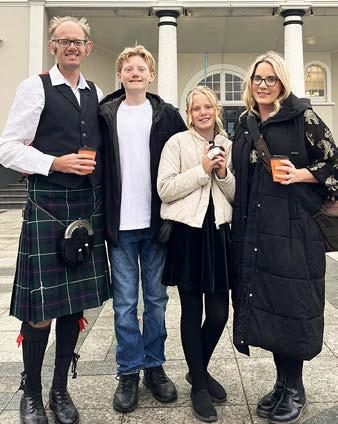
The Fulforth family were among those who affirmed their status as New Zealand citizens at Friday’s ceremony in Cambridge. Pictured were James and Holly Fulforth with their children Freddie, and Eliza.
Photo: Viv Posselt
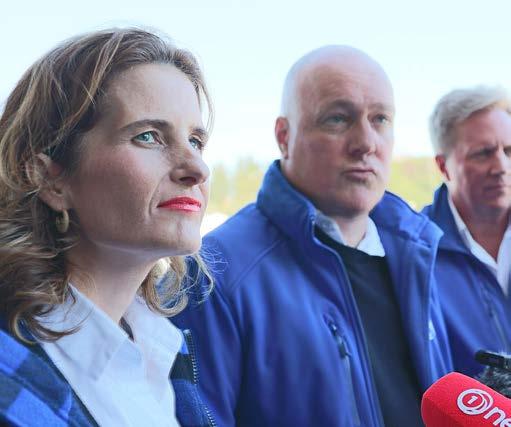
On the spot, from left Finance Minister Nicola Willis, Prime Minister Christopher Luxon and Trade Minister Todd McClay at Fieldays.
Photo: Mary Anne Gill














New bridge fills missing link
By Mary Anne Gill
It’s not the bridge Leamington residents have been waiting for to ease the traffic queues but it is one that might quietly change how people move around Cambridge.
Tucked into the edge of the Te Awa Rise subdivision, the new cycle and pedestrian bridge opened with little fuss and a strong message. Sometimes it is the small links that make the biggest difference.
Waipā mayor Mike Pettit, cycling advocate and Olympian Tim Gudsell and Sanderson Group chief executive Jared Baronian spoke at the opening on Tuesday morning.
Speeches were made, Pettit cut
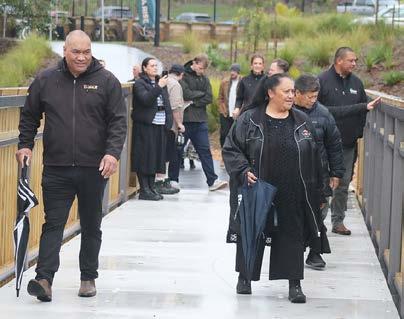
the ribbon and, fittingly, iwi, guests and cyclists were the first across it.
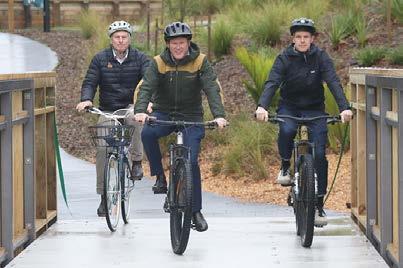
The bridge is about making it easier for people to move safely between neighbourhoods and into town without relying on their cars, said Pettit, describing it as “a safe and direct connection for residents to Cambridge Road, the town centre and the Te Awa River Ride”.
Without it, those living in the new development would have had to wind their way down Lamb Street in Leamington and through busier roads, a route that does little to encourage walking or cycling.
“People wouldn’t get on their bikes,” Pettit said.
That idea was picked up by Gudsell, speaking on behalf of Cambridge Bicycle Revolution.
“One of the biggest things that holds this up is often small connections,” he said.
The town already has footpaths and shared spaces but without a bridge like this, the network does not work.
“We’ve got footpaths on either side… but without this connection, we basically don’t have an infrastructure.”
He described the bridge as a prime example of how a relatively small piece of infrastructure can unlock what is already there. Without it, the paths on either side remain isolated. With it, they become part of a usable system. Similar projects around Cambridge are already changing habits, particularly for school children. They are finding their own safe routes across town, creating what he called “little highways around our town now”.
Gudsell said towns of a similar size were “very, very envious of our active transport and the options that we have”.
Baronian said the bridge was designed with connectivity in mind and is part of a bigger pictureat
Te Awa Rise, a subdivision in Cambridge’s south west developed by the Sanderson Group.
It is “a well considered master plan” with “wide pathways providing connectivity throughout the estate”.
Getting the bridge built when it did required a push. Baronian said the company approached Waipā
District Council late last year to bring the project forward.
“Let’s make it happen. Let’s bring the bridge forward,” he said.
The build itself was no small feat. The bridge was assembled off site, transported in one piece and lifted into position by crane.
Baronian described it as “incredible precision level engineering and construction”.
He was also clear that while the bridge sits within Te Awa Rise, its benefits extend well beyond the subdivision.
“It’s a key link,” he said, connecting into the wider Cambridge network and the Te Awa River Ride.
The opening also acknowledged the role of mana whenua, with reference made to a nearby cultural reserve recognising the history and guardianship of the land.
It was a reminder that developments like this sit within a longer story, even as they shape what comes next.
For all the talk of planning and engineering, the message of the morning was a simple one. This is not a project that will grab headlines in the way a new highway might. It will not suddenly clear the queues. But it does something just as important in its own way. It completes the missing link.

Ngāti Korokī Kahukura’s Harry Wilson, left and Norma Taute were the first pedestrians across the bridge.
Photo: Mary Anne Gill
The first cyclists across the new bridge, from left Te Awa Rise sales manager Anthony Merrington, Waipā mayor Mike Pettit and Olympic cyclist Tim Gudsell. Photo: Mary Anne Gill
ON SHAKY GROUND
Underwater puzzles
By Janine Krippner
Volcanic island groups like the Azores in Portugal and the Canary Islands in Spain have been shaped by a lifetime of both submarine and subaerial (on land) volcanic activity. It begins below the ocean. As eruptions add more rock and material to the growing piles we call volcanoes, islands eventually emerge. At the same time, erosion and collapse work against that growth. Wave action wears away landforms below the ocean and along coastlines, while mass wasting events, from small rockfalls to massive flank collapses, reshape them through gravity and time. These are dynamic environments, and the landscapes that attract residents and visitors alike are constantly changing.
Like any environment, we need to understand the land we live on so we can do so safely and work with natural processes in ways that reduce or eliminate harm.
What happens on the seafloor around volcanic islands also impacts communities. I have previously covered how submarine eruptions can produce earthquakes as well as deadly pyroclastic surges that can travel over water and onto the land.
Most of a volcanic island’s structure lies beneath the ocean. By studying marine cores, scientists build a picture of the processes occurring below the waves. A pipe or drill is pushed into the seafloor and brings back a column containing layers of sediment, rock, and anything else in that location.
Scientists use different techniques to determine the ages of those layers. These include radiocarbon dating tiny shells or the remains of microscopic organisms called foraminifera, studying pollen, or dating volcanic glass. Different methods are appropriate for different age ranges. For
example, radiocarbon dating is generally only useful for material younger than about 60,000 years.

Using these records, researchers can identify layers deposited by volcanic ash, pyroclastic flows, landslides, and turbidity currents that some landslides can transform into. Thin ash layers or scattered grains of volcanic glass can also point to large explosive eruptions that occurred far away.
Some of these processes can generate tsunamis that threaten nearby islands and can damage critical seafloor infrastructure such as internet cables.
Lava flows reaching the ocean can build lava deltas. These deposits can become thick and steep, creating potential for collapse and offshore landslides. Deposits can take decades, or even longer to become unstable enough to fail.
Each piece of information is part of a puzzle and reveals more of an ever evolving picture. Where possible, the submarine record can be linked to processes observed on land.
Understanding these systems requires many research projects, involving different specialties and often spanning decades.
Scientists can also identify patterns through time. In some volcanic regions, periods of increased activity have been linked to times of sea level change, which can alter the pressures acting on the Earth’s crust.
In the end, all of this fascinating work benefits those living in these environments and those who travel to experience them. The better we understand these systems, the better equipped communities, institutions, and governments are to make informed decisions about the future.

Mission accomplished
By Murray Smith, Bridges Church
Each year a fresh edition of the Guinness Book of World Records releases whacky but strangely interesting and quirky information.
From the world of nature to people’s achievements in multiple endeavours, it covers sport, human endurance, the arts, science and technology, always including downright peculiar new records attained by people… like wearing the tallest ‘stack of hats’, or imbedding the most forks possible in your beard.
Maybe striving to achieve some notable deed in life expresses our need to feel significant as in attempting to ‘leave our mark’ somehow. That need for significance often manifests in seeking fame or notoriety even though it is fleeting. The Guinness Book of Records mentions a guy (whose name I forget ), who inspired us all by growing a huge pumpkin weighing almost 400 kg; he hollowed it out to make a round shaped ‘boat’, then paddled it 60km down a river.
A famous extreme cyclist (an Austrian whose name I also forget), hit 272.9 kph while being pulled by a motorcycle on a track in Brandenburg, Germany. It was evidently something he had on his bucket list. A bucket list is a list of things people want to do before dying. It comes from the term, ‘to kick the bucket.’ That’s exactly what’s likely to happen, pursuing that sort of goal.
Time, energy and discipline is invested by hopefuls attempting their claim to fame. Like the man from the Czech Republic who’s swum further than anyone else under ice in one breath. He made over 80 metres beneath the frozen surface without
fins or wetsuit. Perhaps you have a goal in life? Some dream you aspire to accomplish that would be of significance to you. There’s nothing wrong with that, but too often it falls short of ‘scratching the itch’ that God built into every human, to accomplish enduringly worthwhile things things of significance in terms of having lasting usefulness and value that benefits others a legacy that inspires after we’ve gone.
I spoke with a ‘successful’ businessman who achieved his long held dream of accumulating wealth and retiring to a comfortable lifestyle, enjoying past times as he pleased. Only it wasn’t enough. Health issues obstructed the activities he anticipated and with his goals proving elusive, he reflected: “I am so bored…”
Often, I’m asked to lead funeral services. It’s a privilege and responsibility. In that context, it’s appropriate sometimes to quote the words of Jesus when He asked, “What good is it for someone to gain the whole world, yet forfeit their soul?” (Mark 8:36). It’s pointless to die having achieved fame or fortune while neglecting an issue of massive consequence that is settling in advance where we’ll spend eternity. Heaven is real. Vaguely holding the false notion you make the cut by having been a ‘reasonably good’ person is a tragic error. Be assured, when this life ends, there’s only one way to receive Jesus’ commendation, “Mission Accomplished!” That’s through trusting and receiving Him now.
Protect you and your business with a trusted local partner
At Unite Insurance, we believe the best insurance advice comes from people who know you, your business, and your community. Our goal is to go beyond just offering insurance products; we’re dedicated to building strong partnerships with our clients, providing guidance and support tailored to help your business thrive.
What makes Unite Insurance Brokers stand out is our commitment to fostering genuine connections with you. We believe trust is the foundation of every successful relationship, which is why we take the time to understand your business’s specific needs.
We’re a locally-owned brokerage with decades of combined experience in both business and personal insurance, and here’s what makes us different: all four of our brokers, Mark Sloman, Anthony Allen, Renae Porter and Ange McVeigh live right here in Cambridge. We understand this community because we’re part of it.
Welcome, Ange and Renae
We’re thrilled to announce that Ange and Renae have joined Mark and Anthony at Unite Insurance. Both have come to us from established local brokerages and bring a wealth of experience, strong insurer relationships, and a client-first approach that fits perfectly with our values.
If you’ve worked with either Ange or Renae before, you’re in great hands. If you haven’t, now’s your chance.
Business or Personal — We’ve Got You Covered
Whether you’re insuring your home and vehicles, protecting your business assets, or managing complex commercial risks, we take the time to understand your needs and find cover that actually works for you, not just what’s easiest to sell.
We’re brokers, which means we work for you, not the insurer. We compare options, negotiate on your behalf, and we’re there when you need to make a claim.
And here’s the thing: your life changes. Your business grows. Your assets increase in value. That’s why regular insurance reviews matter. What was right for you three years ago might be leaving you underinsured today — or overpaying for cover you no longer need. We stay in touch, we check in, and we make sure your insurance keeps pace with your life.
Let’s
Have a Conversation
If your insurance is coming up for renewal or you just want peace of mind that you’re properly covered, get in touch for a no-obligation review.
Mark Sloman - mark@uniteinsurance.co.nz
Anthony Allen - anthony@uniteinsurance.co.nz
Ange McVeigh - ange@uniteinsurance.co.nz
Renae Porter - renae@uniteinsurance.co.nz
Renae Porter, Ange McVeigh and Anthony Allen
TALKING ECONOMICS
Falling house prices
In the last few weeks there have been a number of news items about falling house prices in New Zealand.
The current downturn in prices has lasted since early 2022, making it one of the longest over the last 50 years. The average house price in New Zealand is now about 14 per cent below the peak level reached in 2022. In Auckland and Wellington the downturn is even larger. This also makes it one of the deepest downturns we have had.
The other side of this story is of course that these downturns are being measured from a peak that was reached after an extraordinary surge in our house prices. This is the time when economists and financial journalists should have been ringing the alarm bells about unsustainable house prices and the negative consequences that would follow from that. The average house price in New Zealand rose by 19 per cent in 2020 and by a further whopping 28 per cent in 2021.
This price surge was largely driven by the ridiculously low interest rates policy that the Reserve Bank of New Zealand had at that time. They were facing the uncertainties of what the Covid pandemic
By Peter Nicholl
may do to the economy. But they took their Official Cash Rate too low. They reduced it to 0.25 per cent in March 2020 and held it at that low level for too long until October 2021. The house price surge was well and truly underway by then.
At the property price peak in 2022 the average house price was almost 16 times the average income in New Zealand. That is a staggering level and took the prospect of house owning away from many people. I think the affordable level is regarded as being five or six times the average income. Even after a four year downturn in house prices, prices are still above the ‘affordable’ level but not by such an extreme amount.
Another feature of the interest rate debate in New Zealand is that it is usually very one sided. The focus is almost entirely on mortgage interest rates, the impact mortgage payments have on household disposable income and the wealth effect on spending that comes when property values increase. There is very little mention of the income and wealth effects on the many people who have term deposits in our banks. But at least half and possibly even two thirds of the increased income mortgage holders

get when interest rates go down is a transfer from savers whose income goes down.

What New Zealand needs is a long period where house prices stay flat or rise only moderately. People might then see housing for what it should be – something that provides services for the family. But for a long period, New Zealanders have looked at housing as an investment that will generate capital gains – and usually tax free capital gains.
Primarily because of policy settings in New Zealand, people have for a long time been right in having this view. Investing in housing has been the smart thing to do. But this has distorted investment in New Zealand and investment in productive enterprises and infrastructure has lagged as a result.
Hopefully, politicians won’t be tempted to fiddle with policies so as to get house prices rising again. It does make people who are property owners feel better off, and it is probably smart politics in New Zealand. But it is not what the country needs. We need stability in house prices.
Rural voice to be heard
Rural residents will have an opportunity to discuss issues with local body politicians next week.
The Cambridge Community Board hosts its rural tour event on two farms next Tuesday.
Andrew Myers, the board’s rural representative, is a dairy farmer and will host the first meeting.
Myers’ haybarn event in Roto o Rangi will start at 10am and a second meeting, will be on a Fencourt farm from 12.30pm.
Myers said it was a chance for farmers, growers, and rural residents to meet in their community and discuss unique issues with mayor Mike Pettit and councillors.
‘Rural people play a big part in driving the economy of Waipa and like to talk about issues affecting their livelihoods,” he said.
Issue up for discussion could range from rates, zoning of land, road and bridge infrastructure and services like drainage and water supply to recent plan change processes to change kiwifruit shelter heights and a bid to convert 100ha of Leamington rural land to medium density urban land.
The central government’s drive to amalgamate councils will also be top of mind, Myers said.


No turning back for Fran
By Jesse Wood
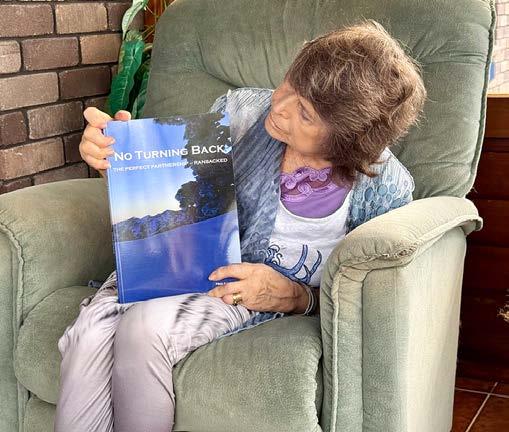
Waipā author Fran Allcock’s second book – No Turning Back: The Perfect Partnership Ransacked – is written from firsthand experience.
“The book is about a nameless woman’s life and her adventures while she’s coping with Parkinson’s, how it affects her and how she tries to ignore it,” Fran said.
She has the condition and notes “I’ve been
Med sites revealed
Twelve clinical learning centres covering five regions will support the New Zealand Graduate School of Medicine when it opens at Waikato University.
They include four in the Waikato –covering north Waikato, Hauraki Thames Coromandel, South Waikato and Waipā King Country.
The sites were announced last week and the first placements are expected to be made in 2029.
Students will complete their first year in the graduate entry programme at the university campus before starting a three year clinical placement in one of five regions. The regions are Waikato, Bay of Plenty, Taranaki Whanganui, Hawke’s Bay and Nelson Marlborough.
The programme is designed to address the country’s biggest doctor shortages, which are in primary care specialities, and in regional and rural communities.
a lot of places with Mr Parkinson,”
“But I haven’t let it rule my life because it’s like an infiltrator, the enemy, and you don’t give in to the enemy – no surrender.
That’s why the book is called no turning back.
“Because once you get on a course, you need to stay on it.”
“It’s got true characters and true events; everything is true in it. Except I’ve chosen to make it like an interview with an interviewer and an interviewee. That part is fictitious because there’s no interview. It was all written by me.”
Fran lived in Tamahere and Pirongia before meeting the love of her life Tony. Te Rore has been her home of 49 years. Tony’s family have lived there for generations, and the pair took over the farm.
Together they have explored New Zealand, Australia, Canada and North America together – including after Fran was diagnosed with Parkinson’s 20 years ago.
“We’ve covered a lot of the States in the Midwest and Southwest. Idaho, Oregon, Wyoming and Montana,” Fran said.
The story is coupled with Fran’s photographs of animals and places she has ventured with Tony.
“I like taking photographs. I’ve been able to photograph beautiful things like the aurora and raindrops – not just the raindrop but the reflection, the picture that’s inside it,” Fran said.
“Tony is a hunter. I’ve been very fortunate to go with him on most trips. That’s given me the opportunity to take some amazing shots – they’re my trophies.
“I realised I’ve got to live off my memories. I thought I’d better put some of them down, so I don’t forget them. That’s probably what
Gallie Miles opens new Cambridge legal office
Waikato Law firm Gallie Miles has opened a new o ce in Cambridge, further expanding its Waikato presence.
With o ces already in Te Awamutu, Ōtorohanga and Hamilton, Director Bryce Bluett says opening in Cambridge was a logical next step for the firm.
“We already have a range of clients in the Cambridge area, and some team members who live here, so it was a logical next step for us to expand and open a new o ce here,” says Bryce.
“Not only is it convenient for our clients to meet us here, but Cambridge is a thriving Waikato town with lots of industry, farming and agriculture, and residents that can benefit from our services.”
The Waikato firm o ers a range of legal services including property, rural, corporate and commercial, asset planning, relationship property, dispute resolution, Wills and EPAs, estates and intellectual property law.
Bryce says Gallie Miles Cambridge will o er the full range of Gallie Miles legal services.
“We’re growing and currently recruiting for a Legal Executive for our property law team and an intermediate lawyer for our corporate and commercial law team.”
Gallie Miles Cambridge 4 Lake Street, Cambridge Open Monday-Friday, 8.30 am – 5.00 pm.
started the book.
Fran said hunting adventures and Parkinson’s experiences have been presented together as they’ve both influenced her life.
Fran chose to author the book almost without named characters to leave room for imagination.
“I want my characters to be open so you can step into their shoes if you want to,”
Fran said.
“There’s only about two people’s names in that book because I like the thought that
people can put themselves in a place.
“When you’re reading, you can think this applies to me or it doesn’t apply to me. But if I labelled it then you might think, I can’t do that because I’m not Fran or I’m not Tony.
“They say a picture is worth a thousand words, I think you can probably do less than that if you’re clever with your words.”
She will host a book launch at 2pm on Saturday in the Te Rore Hall – halfway between Pirongia and Ngāhinapōuri.
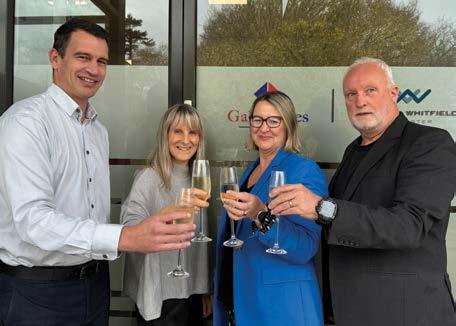
Alex McIvor,
and


Gallie Miles Directors
Shelley Greer, Kirsty McDonald
Bryce Bluett officially open the new Gallie Miles Cambridge Office at 4 Lake Street, Cambridge
Frank Allcock will host a book launch on Saturday.
Photo: Jesse Wood.
The class of 71
By Viv Posselt
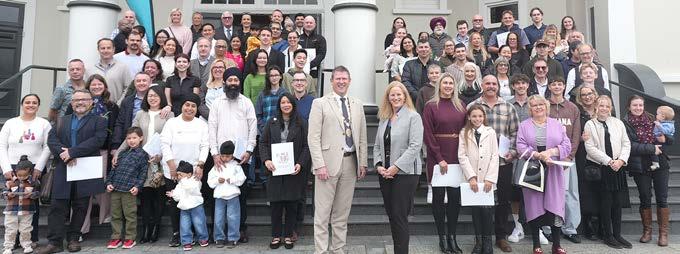
Waipā mayor Mike Pettit welcomed 71 new citizens to the region last week, describing his overseeing of their welcoming ceremony as a highlight of his mayoralty.
Pettit was joined at the Cambridge Town Hall for Friday’s ceremony by several councillors and Taupō MP Louise Upston. He told The News this was his third citizenship ceremony, and his first in Cambridge.
The 71 citizens, who hail from 18 countries, took their citizenship oaths and affirmations. Pettit described the event as the next step in their journey.
“One of the most special parts of being mayor is welcoming new citizens to our district,” he said. “Becoming a citizen is about choosing to be part of a community, joining its life, and sharing its future. Each of you will help make our community stronger
and more connected. You will help our neighbourhoods become better places to live.”
Gourav Sood, originally from India, said he had been in New Zealand for 10 years. “I’m delighted to be part of this community. I opened a new business last year and Waikato is now my home. I’m here with my family, and my wife and six year old son who also became new citizens.”
Ericson Edralin Namoc and his wife Kathleen came from the Philippines in 2019. “We came for a new life and to pursue our careers. Both our kids were born here and they are Kiwis.”
Each family was presented with a native pikopiko fern as a symbol of the roots they have put down in Waipā. Citizenship ceremonies are held by Waipa District Council every quarter, alternating between Cambridge and Te Awamutu. The next two will take place in September and November.
Schools on track
More than 185 students from across the Waikato are taking on a challenge, the Battle of the Schools track cycling series at the Grassroots Trust Velodrome.
The event has attracted students ranging from years 5 to 13 from more than 25 schools.
Over a six week lead up, teams have trained together on the track, ahead of a final race day on Sunday.
For many of these riders it has been their first time on a track bike – riding with no brakes on a steep surface.
The programme also includes rider accreditation, enabling participants to continue attending track cycling sessions after the event and stay involved in the sport if they choose.
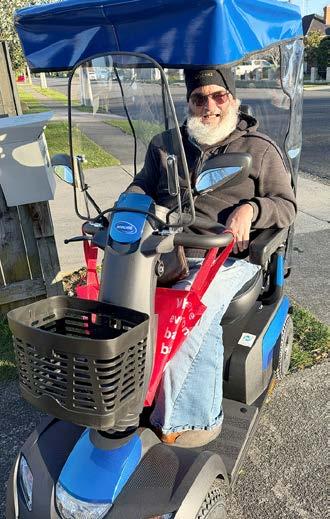

Bruce Polglase’s Cambridge News delivery run – he was pictured during it last week - has become a much smoother operation. A fundraising effort to replace his ageing scooter
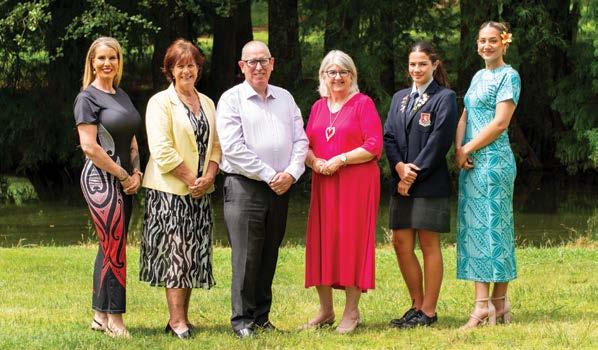
Waipa’s newest citizens gather pictured on the steps of the Cambridge Town Hall with Waipā mayor Mike Pettit and Taupō MP Louise Upston.
When The Tremors five were
By Mary Anne Gill
Long before global tours, private jets, and digital playlists, music in Waipā meant packed dance halls, crepe paper streamers, and teenagers chasing the excitement of a new sound.
At the heart of that scene was David Stone, the charismatic frontman of Cambridge’s 1960s band The Tremors.
“We were just five guys who wanted to make a nice noise,” he says.
For a few years, that “noise” took them from Cambridge to Hamilton to Te Awamutu, playing to packed dance halls.
Stone is 78 and lives in Nawton, Hamilton. He was born in Dunedin and moved north to Cambridge as a child.
His family story is part grit, part determination. His father Gorton was an architect and builder and had Parkinson’s disease. His mother, Ethel, bought a business in Hamilton, employed a baker and opened a sponge kitchen.
“Within three or four years she’d freeholded the house, bought a car, put money in the bank,” he says. “Good old mum.”
Music had arrived earlier in Cambridge after Austin Pattison moved in next door when Stone was about nine or 10. The boys would entertain adults at home with skits and music.
Stone suggested to Pattison that they get a band together. Pattison bought a snare drum and a hi hat and became the drummer.
“That was the starting kick,” says Stone of The Tremors’ formation.
Stone sang and played bass, swapping duties with Max Edge so there was always someone behind the microphone. When they
played instrumentals, Stone stood out front with maracas or tambourine.
“And smile at girls and phone numbers,” he says of his time as a local heart throb.
The band’s rise coincided with an explosion in popular music. Armed with guitars, drums and boundless enthusiasm, they played a steady circuit of dances, school events and club nights.
They built a set list around English rock and roll and the songs that were landing with young crowds. Rhythm guitarist Jeff Allan’s sister travelled to England and brought back a copy of the Dave Clark Five hit Glad All Over.
“We listened to it, we practiced it, and we
cashback PLUS free weekly fees for 12 months!*
did it that night,” says Stone. “We probably did it for six weeks before anyone else had heard it (on the radio).”
They played hard and often. The fifth member of the band was lead guitarist John Meddings.
The band had a standing gig every two weeks at the Buffalo Hall in Cambridge. The parents chaperoned, and the band and their mates decorated the place themselves.
“We used to go down and get big punga leaves and crepe over streamers and do it up and blow balloons up,” he says.
“I can see it now. I can smell it when you walked in with all the punga,” Stone says.
The Tremors broke up when Meddings,
who Stone says was the band, left town. After a brief period performing and running a record shop in Rotorua, Stone made a pivotal decision to move to “the other side of the business.”
Joining WEA (Warner Elektra Atlantic), he built a career spanning more than three decades in music promotion and artist management, helping bring international acts to Australia and New Zealand.
His job was taking new releases to radio stations and convincing programmers to play them.
“I’ve met hundreds of overseas acts,” he says. “I’ve driven them, partied with them, been on tour with them.”
Among the highlights was working with legends such as Eric Clapton, whom he describes warmly as “one of the loveliest guys I’ve ever looked after”.
He also spent time with Robert Plant of Led Zeppelin and drove members of Elvis Presley’s original backing band through the South Island. There was also George Benson, fresh off a concert in front of 32,000 people at Mt Smart Stadium.
The job wasn’t all glamour. It involved relentless travel, pitching songs to radio stations, and managing the unpredictability of touring artists. Yet it placed Stone at the centre of the music industry during some of its most dynamic decades. His diaries, kept over 32 years, document every journey, gig and encounter.
He has thought about a book, but what happens on the road stays on the road, he says.
Through it all, his perspective remained grounded. While he witnessed the excesses often associated with the industry, he largely steered clear, reflecting that his early band days were more about “beer, shandies
Serviced apartments with assisted living From $455,000^
Designed to evolve with your needs over time, our serviced apartments with assisted living offer FREE daily bed making, weekly clean, weekly linen laundry and sheet change, plus 10 meals each week**. We also offer additional support options.

One and two bedroom villas
Our one and two bedroom villas offer a warm, spacious home and lock up and leave lifestyle. You’ll enjoy a modern kitchen, open plan living, patio and garage, and emergency alarm system for peace of mind.
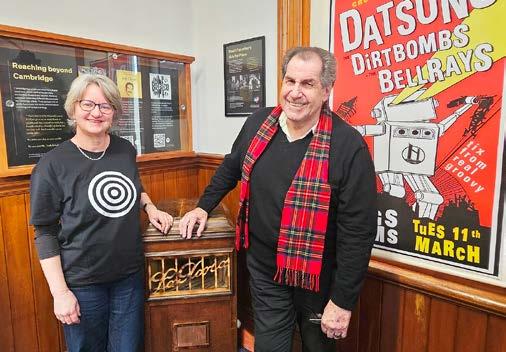
David Stone checks out part of the local music display at Cambridge Museum with administrator Karen Payne.
Photo: Mary Anne Gill

glad all over
and playing music” than anything more destructive.
Now 78, Stone looks back on a life defined by music, with no regrets about the path he chose. He is curious about how things have changed, even experimenting with AI music, though he says nothing compares to the raw energy of a live band.
Band member Jeff Allan has donated his stage jacket to Cambridge Museum. Combined with black trousers made of wool, terylene and mohair and they with the checked jacket were made by Wilkinson’s Tailors in Hamilton, costing £37.10 each.
They are a reminder of a time when a local group could pack a hall every fortnight, learn a song off a record from England, play
it that night, and have the crowd feel like they were part of something big.
The band reunited in the early 2000s and has played again in recent years, including last year at Lake Karāpiro, drawing crowds keen to relive the dance hall days.
Stone is still up for it too. If The Tremors play again, he does not want a sit down concert.
“We’ll do a dance night,” he says, with three 45 minute sets.
And if he gets his pick, there is one song that keeps coming back.
“Route 66,” Stone says. It does not need a big arrangement, and he has performed it hundreds of times with that twinkle in his eye the girls used to love.


Visit our new website which showcases our outstanding range of tiles as well as offering trend and design inspiration, valuable tips and advice on FAQs.



CountryLife
CountryLife
Reach
Reach
THE DENTURE MAN



















A 1965 publicity photo for The Terrific Tremors, from left David Stone, John Meddings, Jeff Allan, Max Edge and Austin Pattison. Photo: Cambridge Museum
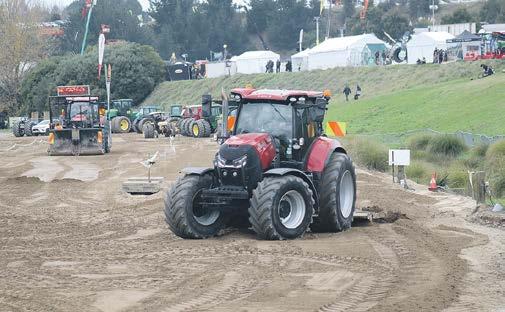
Faces of Fieldays
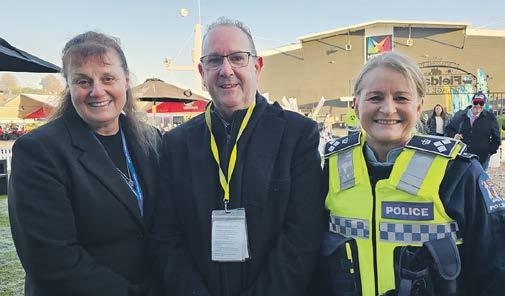
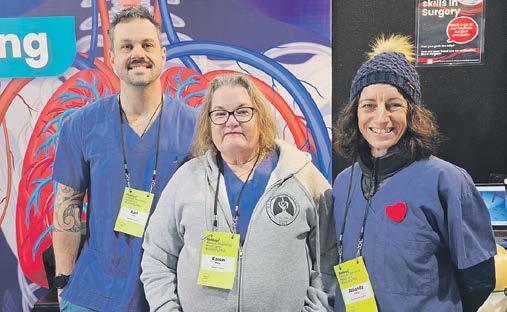
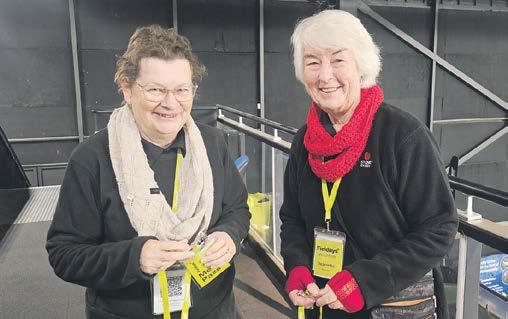
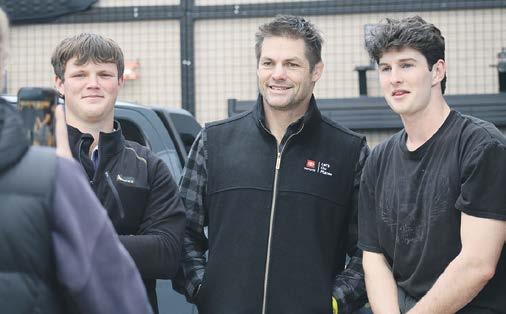
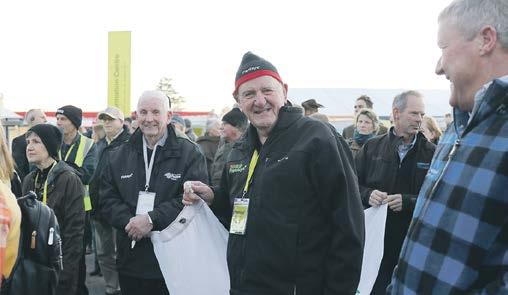
Mary Anne Gill toured the Fieldays site last week to capture key moments and key people.
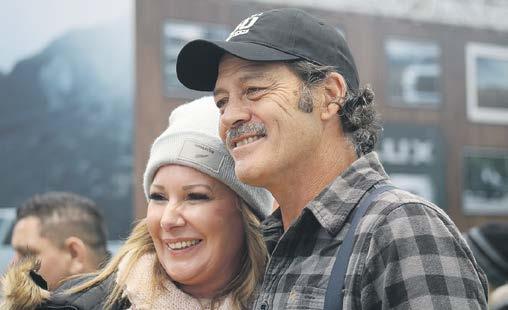
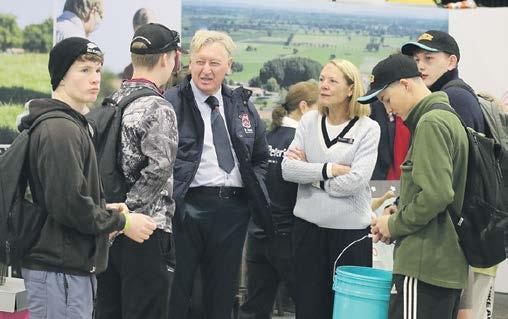
There was a strong police presence at Fieldays both at a recruitment stand and around the site including top-level protection for chief executive Richard Lindroos from assistant commissioner Jeanette Park, right, and recruitment manager Wendy Spiller.
Volunteers Wendy King, left, and Jeanette Boswell of Cambridge.
At Fieldays Health and Wellbeing Hub, Waikato Hospital’s Cardiothoracic team Karl Coley, Karen Nixey and Amanda Danby were doing free health checks.
Past New Zealand National Fieldays Society presidents Warwick Roberts, left, and Peter Carr prepare to raise the society flag in recognition of the many volunteers whose dedication continues to shape and strengthen the event.
St Peter’s Head of School Jason Speedy, left, and wife Janine field questions in the Cambridge school’s stand.
Former NZSAS soldier and Victoria Cross recipient Willie Apiata was a star attraction as brand ambassador at the Toyota stand.
Looking happy at Fieldays before his beloved Crusaders lost to the Chiefs was Toyota brand ambassador, former All Black captain Richie McCaw.
Fergus Goodwin on the level bars for the Tractor Pull committee at Fieldays.
Waipā Home of Champions: Championing our future!
The options
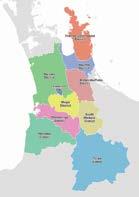
Option A
A ‘One Waikato’ approach combining all 11 Waikato councils into one to deliver all regional and district council functions.
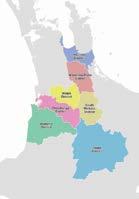
Option C
Partnering with our Waikato Waters shareholding councils, plus Taupō. This would see Matamata-Piako, Hauraki, Ōtorohanga, Waitomo, South Waikato, Taupō and Waipā form one council.
Option E
Do nothing. Council does not put forward a proposal and continues in its current form for now. Change would still follow through the government’s compulsory backstop process after the 2028 elections.
Tell us your thoughts at your local market
Cambridge Farmers Market
Saturday June 20, 8am to 12pm
What
Waipā is one of New Zealand’s fastest-growing districts.
We’re proud of our strong communities and reputation as the Home of Champions. But like all councils across New Zealand, we’re facing increasing challenges – from funding infrastructure and supporting growth to keeping rates affordable while planning for the future.
The Government has signalled major changes to local government and has invited councils to help shape what comes next through a process called ‘Head Start’.
For Waipā, the question isn’t whether change is coming. It’s how we make sure any change delivers the best outcomes for our communities.
That’s why we’re seeking your feedback before making any decisions about our future direction.
Option B
A unitary authority based on the existing Future Proof growth council boundaries. This would see Hamilton City, Waikato District, MatamataPiako District and Waipā combine to deliver all regional and district council functions.
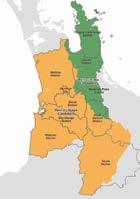
Option D
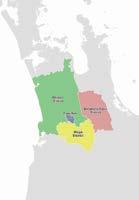
Rosetown Monthly Fair, Te Awamutu
Saturday June 27, 10am to 2pm
Pirongia Monthly Market
Sunday June 28, 9am to 1pm
Championing two unitary authorities based on river catchments:
1. A Waikato/Waipā catchment unitary authority, potentially including Taupō, South Waikato, Ōtorohanga, Waitomo, Waipā, Hamilton City and Waikato Districts.
2. A Waihou–Piako catchment unitary authority covering the eastern part of the Waikato region, potentially including Matamata-Piako, Hauraki and Thames-Coromandel districts, along with parts of South Waikato District.
do you think?
We want to hear what’s most important to you. Your feedback will inform our thinking. Feedback closes on Sunday, June 28. Visit www.letstalk.waipadc.govt.nz/ championing-our-future or call into your nearest Council office for more information.
Bouncing back from depression
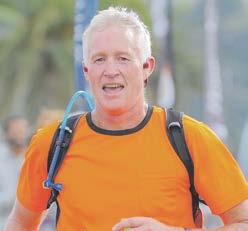
Waipā dairy farmer Marc Gascoigne says Fieldays provides a great chance for farmers to pause and reflect on their processes and ensure that their life is in balance.
Stress is blamed for many injuries suffered by New Zealand farmers and Gascoigne was at Fieldays to talk about his journey and give advice.
“I can still remember sitting at the kitchen table on our farm in Cambridge, staring at a to do list and being completely unable to move,” he said.
“The jobs were all there in front of me. None of them had changed. But for 30 minutes I just sat there, frozen. At the time, I didn’t really understand what was happening. I just knew I couldn’t think straight, couldn’t make simple decisions, and couldn’t seem to get myself going. Looking back now, I can see that stress, anxiety and depression had caught up with me.”
That was 11 years ago… “it felt as though my brain had gone into fight or flight mode”.

“It was telling my body something was seriously wrong. The result was that my ability to make even basic decisions disappeared. On a farm, that is dangerous. Farming is full of small judgement calls that have to be made every day — around stock, vehicles, machinery, timing and fatigue. If your head is not clear, the risks rise fast.
He was herding cows one day when one bolted. Instead of taking a second to think, he chased after her on a quad bike and flipped it on its side.
“The truth is I made a poor decision because I was stressed and fatigued.”
Research backs that up. An ACC funded study for Farmstrong found 58 percent of injured farmers linked their injury to stress associated with farm work, and a quarter said it was a major factor.
Farmstrong exists to help farmers and growers and ACC has continued to invest in its programme, recognising the link between wellbeing and injury.
“For me, protecting my wellbeing now comes down to a few simple things that I try not to compromise on. The first is exercise. Getting out for a run or a cycle clears my head and gives me more energy, not less. A lot of farmers will say they do not have time for that, and I used to think the same way. But I have learnt that making time for wellbeing is not a luxury — it is part of being able to do the job properly.
The second is connection.
“When you are dealing with depression, the temptation is to withdraw and sit at home by yourself. In my experience, that is the worst thing you can do.”
Gascoigne says today he makes a point of connecting with people whenever he can. He says he would not have shared his
with Jan Bilton
Zesty winter winners
Winter in New Zealand brings a vibrant burst of goodness to menus. I’m talking about the delicious lineup of seasonal stars such as citrus, kiwifruit and tamarillos guaranteed to cure any cold-weather blues.
Ruby-red tamarillos definitely shout winter! They’re yummy peeled, sliced and sweetened on morning porridge, or added to savoury dishes for a punchy, peppery kick. Yes, they are expensive unless you grow your own. But they add vitamins A, C, B6, E, plus potassium to your daily diet. Tamarillos also add an exotic touch to special occasion meals.
Oranges, lemons, limes and grapefruit are at their peak in winter. Their zesty flavours and high vitamin C content are great for boosting your immune system to beat the winter chills. I start the day with a glass of vaguely warm water with a squeeze of lemon juice. It certainly peps me up. But topping a casserole or dessert with a drizzle of citrus juice is another easy way to boost your daily C.
Kiwifruit are colourful treasure chests that are recognised around the world for their vitamin-packed goodness. I wish our local chefs would incorporate this wellness into more of their dishes. Kiwifruit are the perfect start to the day, scooped out after lunch or added with imagination to mains.
White Chocolate Panna Cotta With Tamarillos
Tamarillos: 6 medium tamarillos
1/2 cup red wine
2 tablespoons brown sugar
1 1/4 cups water
2 x star anise
1 packet raspberry jelly crystals
White Chocolate Panna Cotta: 1 1/2 teaspoons powdered gelatine
1 tablespoon water
150ml milk
300 ml cream
200g white chocolate, chopped.
Peel the tamarillos. Cut into 1cm thick rounds. Place in a saucepan with the red wine, brown sugar, water and star anise. Bring to a simmer and poach for about 6 minutes,
story 11 years ago “but speaking up lets people help, and it may also help someone else recognise what is happening in their own life”.
“We spend our days looking after animals, land and business pressures. We need to get better at looking after ourselves as well, because a clear head is not just good for your mental health — it can keep you safe.
Farmstrong shares practical tools and
farmer stories about managing pressure and staying well, and the Rural Support Trust is available for rural people and farming families who need support.
In 2025 ACC accepted 17,057 work related agricultural claims which came at a cost of $119 million to help people recover.
The leading region for work related agricultural claims in 2025 was Waikato –with 2715 claims.
Te Kūiti’s band aid
By Dan Tasker
More than 100,000 Fieldays smart bands passed through Aunties Laundromat this year, marking the Te Kūiti business’ busiest event yet.
It’s the fifth year the laundromat has cleaned, bagged and dried the Fieldays smart bands, an RFID enabled band visitors wear to interact with Fieldays exhibitors. RFID stands for Radio Frequency Identification
Owners Dave Crone and Donna Missen washed around 1.3 tonnes of the bands during the four day event at Mystery Creek.
“It’s always around a ton and this year it’s closer to 1.3 tonnes or just over,” Missen said. “It’s increased every year, but this year’s the best because of the weather.
“We’re farmers ourselves, we’ve always been dairy farmers until the laundromat, and we had visited over the years before moving here, because it’s the biggest of these events in the southern hemisphere.”
In years gone by, the smart bands have either been thrown away or taken home by event goers, but smart band designers and

until tender.
Drain most of the juice into a measuring cup, then add enough water to bring the total to 2 cups. Bring to the boil. Place the jelly crystals in a bowl and add the boiling mixture. Stir well, then leave until cold but not set.
Drain 6 slices of tamarillo. Place in the base of six 1-cup glass serving dishes or jars. Top each with about 4 tablespoons of the jelly. Refrigerate until set.
Pour the remaining jelly into a shallow pan to a depth of about 1cm. This will make the tamarillo jelly garnish. Chill until set.
To make the panna cotta, soak the gelatine in the cold water until swollen.
Place the milk and cream in a saucepan and bring to a simmer. Add the white chocolate and gelatine, mixing until melted. Cool. Pour evenly over the tamarillos in their serving dishes. Refrigerate until set, 4-5 hours or overnight.
Great decorated with more tamarillo slices and diced tamarillo jelly. Serves 6.
Mandarin Marmalade
1kg mandarins, unpeeled
1/4 cup lemon juice
4 cups water
5 cups white sugar, approximately
Combine the whole mandarins, lemon juice and water in a large saucepan. Bring to the boil. Reduce the heat, cover and simmer for about 45 minutes, or until the fruit is soft. Remove the mandarins from the saucepan but reserve the liquid. Coarsely chop the unpeeled mandarins. Discard any pips. Return the chopped mandarin to the reserved liquid. Measure the contents. Allow 1 cup of sugar for each cup of the fruit mixture. Return all the ingredients to the pan. Stir over high
digital innovation company Satellite have taken a clean and sustainable approach in recent times.
The couple arrived in Te Kūiti at the end of 2020 from an East Gippsland dairy farm in Victoria, Australia, after two weeks spent in quarantine during the Covid 19 lockdowns. Crone and Missen took on the laundromat as a follow on from the Aunties Laundromat Crone’s parents were operating in Te Awamutu. It led to their gig with Fieldays.
“They contacted my in laws, but they said we’d be better equipped because we’ve got the big back area to work with in the room, where they don’t,” Missen said.
The couple still set aside the first day to see what’s on offer at Mystery Creek, before getting into their work for the week.
“They put the bands into wheelie bins, and we load up the trailer at the end of each day and then we bring it back here. We load up all the washing machines and wash then dry them, and then we bag them, weigh them, put them back in the bins, and then take them back the next morning… and we do that each day.”
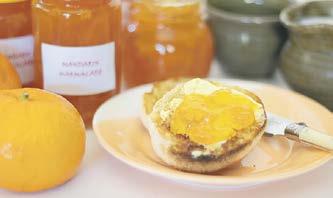
heat without boiling until the sugar dissolves. Bring to the boil and cook, uncovered, without stirring, for about 30 minutes, or until the jam gels when tested or reaches 104°C. Pour the hot marmalade into hot sterilised jars and seal immediately. Label and date jars when cold.
Kiwi Chicken Stir-Fry
This colourful meal is great served piled on boiled rice or noodles.
500g skinned and boned chicken
2 tablespoons cornflour
1 teaspoon five-spice powder
2 large firm but ripe green kiwifruit
3 tablespoons canola oil
1 clove garlic, crushed
1 red capsicum, thinly sliced
Sauce: 1-2 teaspoons brown sugar
2 tablespoons each: balsamic vinegar, water
1 1/2 teaspoons cornflour
Slice the chicken into thin strips. Combine the cornflour and fivespice powder in a bowl, then add the chicken and toss to coat. Place aside.
Peel and slice the kiwifruit into strips.
Heat 2 tablespoons of the oil in a wok or frypan over high heat. Add the garlic and cook for 30 seconds. Stir-fry the chicken in batches, about 2-3 minutes, until cooked. Drain on a paper towel.
Wipe the pan clean, add the remaining oil and heat. Stir-fry the capsicum until crisp-tender. Place aside.
Combine sauce ingredients and pour into the pan, stirring until thickened. Add the chicken and heat through. Add the capsicum and kiwifruit and serve immediately. Serves 4.
White Chocolate Panna Cotta With Tamarillos Mandarin Marmalade
Marc Gascoigne says getting out for a run or a cycle clears his head
Snapshots behind the lines
By Viv Posselt
Te Kūiti resident Dave Roebuck was so gripped by news of the commemoration of the 1941 Battle of Crete he contacted us with a curious yarn of his own.
The May 20 battle began when thousands of elite German paratroopers dropped from the skies in what was believed to be the first mainly airborne invasion in military history.
For 12 days troops on the ground, including Greeks, New Zealanders, Australians and British, tried to repel the assault.
The statistics were horrendous.
More than 1700 British, Commonwealth and Greek soldiers were killed, and 15,000 captured.
There were 670 New Zealanders fatalities and 2180 Kiwi prisoners of war, in addition to the 1800 captured after the campaign ended in Greece.
More than 6000 Germans were killed or wounded and more than 350 German aircraft lost.
Dave read last month’s story of the Te Awamutu RSA’s commemoration of the battle, at which Richard Cato spoke about his father, Sgt Colin Cato, who then headed No 3 Platoon of the 27th Machine Gun Battalion.
His interest piqued, Dave contacted The News with memories of his father in law, Charles Walter Dugleigh Tait – known to all as ‘Wattie’ Tait. “Wattie was also a member of the 27th Machine Gun Battalion and was in Crete briefly. He described it as last in, first out.”
He said Wattie, a truck driver at Piopio, had enlisted in Te Kuiti. His own father, also named Charles Walter Tait, had served in World War One.
Dave, who was born in the Leicestershire town of Melton Mowbray, migrated solo to New Zealand in 1966, aged 19, and quickly picked up where he had left off in England, working on farms. He met Wattie’s daughter Margaret at Taupō’s Karapiti Blowhole, the one time famous vent just north of the town. Wattie had been working as caretaker at Te Awamutu College around the time the young couple met.
Dave and Margaret married in 1969 and, after moving around, finally settled in Te Kuiti in 1980. Dave worked on the railways for 40 years before retiring and Margaret (widely known as Bobbie), worked in seniors’
motivational therapy. She died in 2013.
Dave kicked off the story of ‘Pops’, as he called Wattie, by saying he was one of many Kiwis labelled a ‘deserter’ after disobeying army orders to return to the WW2 battlefront for yet another tour of duty.
“He was one of several hundred who came back in 1944 and refused the call to go back. A lot of them took that stand,” he said. “He had already done four years over there. He looked at the work needing done on the farm and decided it was someone else’s turn.”
The old telegram informing Wattie of his changed status now hangs on Dave’s daughter Chandry’s wall… a reflection of her grandfather’s military journey.
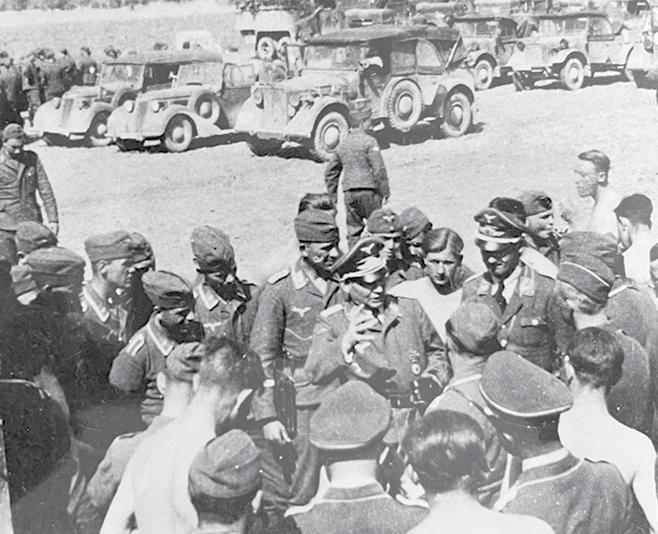
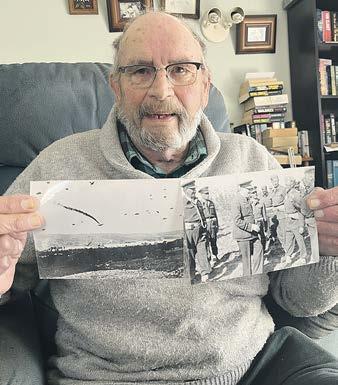
While in Crete, Wattie took a camera and Luger 9mm pistol from a German soldier who, as Dave said, “didn’t need them any longer”. Wattie carted both around for the rest of his service, most of it in North Africa, adding his own photographs as he went to those taken by the dead German soldier.
Years later, Dave and Margaret had the films developed and offered the images to Waiouru Army
Museum.
They were extremely interested and have incorporated many into their displays. Among the images are several taken by the German soldier, and a number taken by Wattie, both in Crete and in North Africa.
Some show the action on land and in the skies, others are of major political players of the day, including
Minister
Churchill, Commander of the NZ Expeditionary Forces General Freyberg, and the German commander Rommel, also known as ‘The Desert Fox’. They are an unexpected treasure of memories taken by a soldier who determined his future would unfold in New Zealand, no matter what, and are now a source of pride to his Kiwi family.

Prime
Winston
Dave Roebuck with just two of the images captured by his father-in-law on the camera taken from a dead German soldier. Photo: Viv Posselt
This rare image of the German commander Rommel was among the images on the camera Wattie ‘acquired’.
CAMBRIDGE OPEN HOMES
CAMBRIDGE OPEN HOMES
Saturday 20 June
7 Vogel Place $999,000 10:30-11:00am
Sunday 21 June
41 Wordsworth Street PBN 10:15-10:45am 168 Victoria Street $899,000 10:15-10:45am
10:30-11:00am
1/1873 Maungatautari Rd Deadline Sale 11:00-11:45am 2/1873 Maungatautari Rd
LJ HOOKER
Sunday 21 June
53b Hamilton Road $689,000 10.15-10.45am 15 Princes Street $555,000 11.00-11.30am 72a Raleigh Street PBN 11.00-11.30am 30 Oaklands Drive Deadline Sale
MORE-RE Saturday





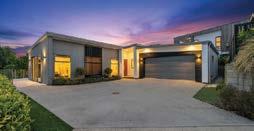



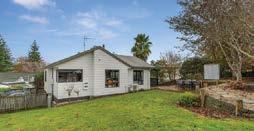
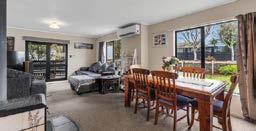







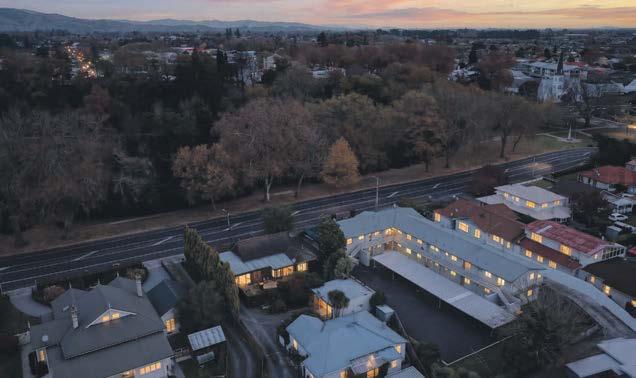





Karapiro 21 Kiteroa Street


bayleys.co.nz/2351063
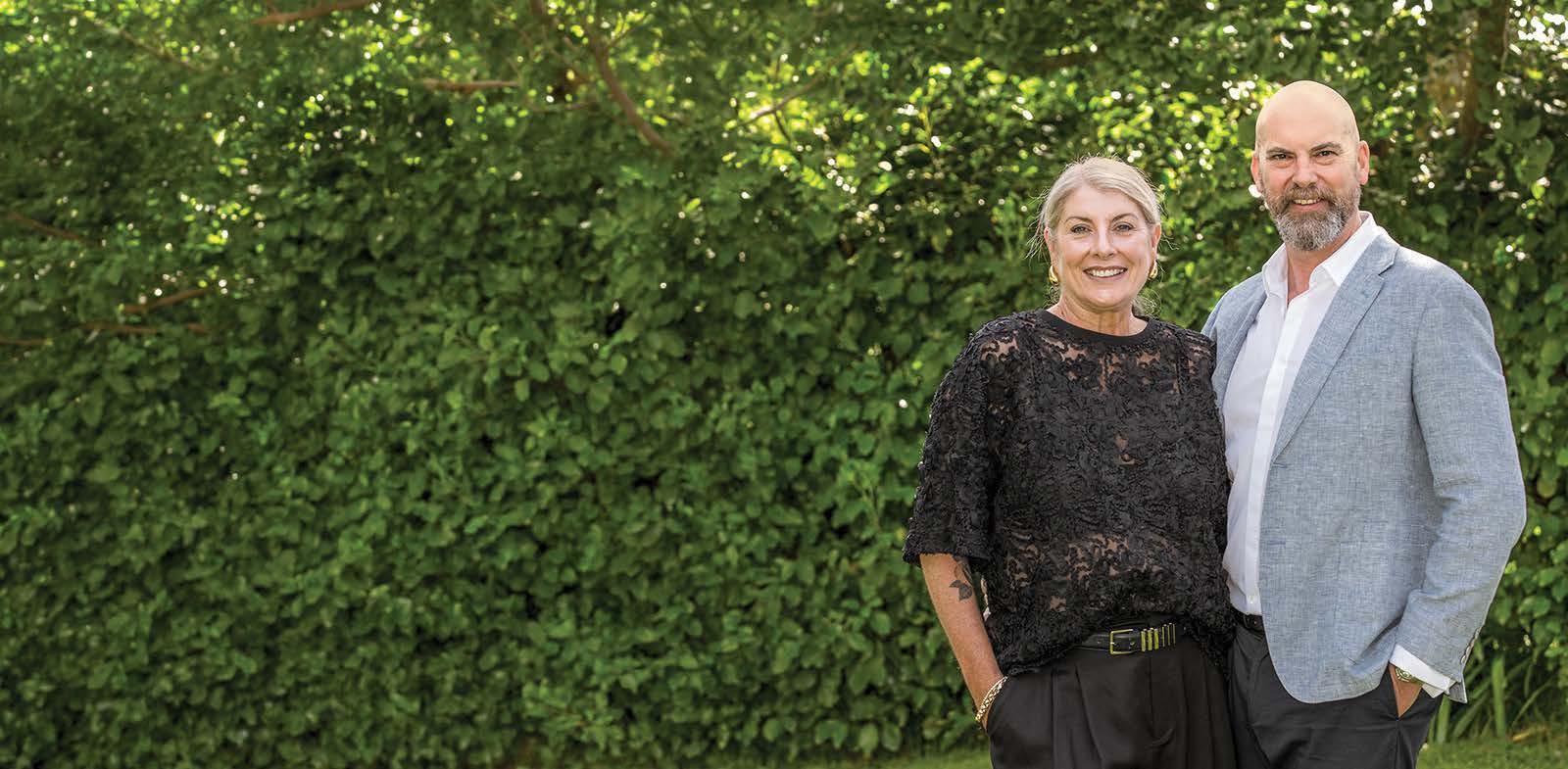
With over 25 years in the digital marketing industry, a background in staging, design and sales - you couldn’t be in better hands for the sale of your most prized asset.
Amanda and Andrew noticed something missing in the real estate market for homes that didn’t require full staging, but partial and some finishing touches. With this in mind, when you list your home with them, they’ll use the majority of your furnishings and add the missing pieces. As part of their marketing fee, they’ll include a service to finish your rooms - lamps, side tables, rugs, artwork, cushioning etc. The result is a home that feels more aspirational, memorable and market-ready.
If you are interested in an obligation free appraisal or just a chat around what’s happening in the current housing market in Cambridge.
475 475 today and we’ll organise a time.

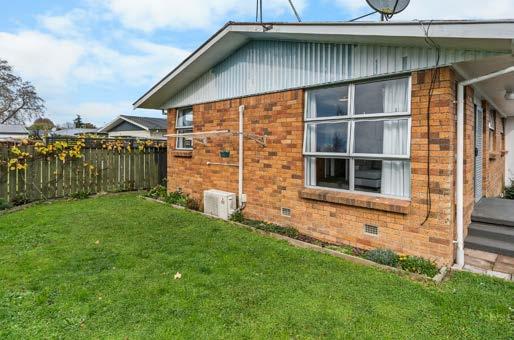
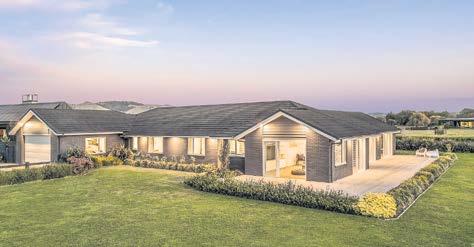
- Low-maintenance design and super easy-care section create the ultimate lock-and-leave lifestyle.
- Perfect for first-home buyers, investors, or downsizers.
- Outdoors, an array of fruit trees adds charm and personality.
- Single carport provides everyday practicality.
- Cute as can be and light and bright throughout, this inviting two-bedroom home offers comfort, practicality, and exceptional value.
- The Design Of Space Unfolds
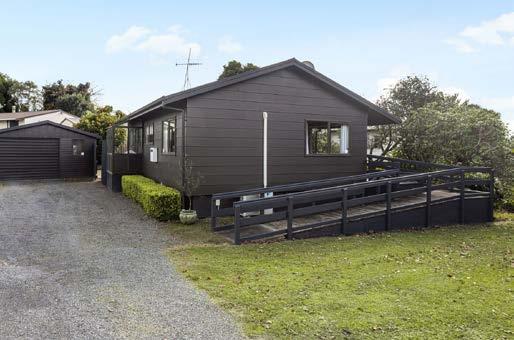
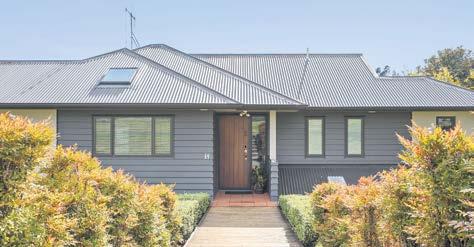
- Charming two-bedroom home offers warmth, comfort, and plenty of potential to make it your own.
- Featuring attractive timber interiors, spacious open-plan living, and well-proportioned rooms.
- Step outside to enjoy the inviting backyard, large deck, and versatile garage/workshop.
- Ramped access to the lounge slider provides added convenience and accessibility.
Setting, Covered Parking For 12
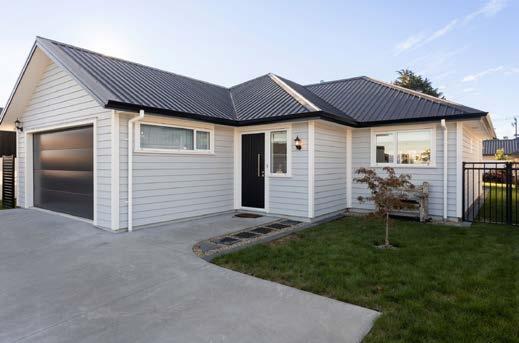
- Modern,
- Designed for modern living, the open plan
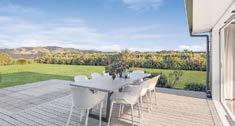
- Indoor-outdoor flow to landscaped, low maintenance backyard with the pergola a focal point.
- Well-appointed master with walk-in robe, ensuite & its own adjoining lounge or office, at the top of the hallway with outdoor access. Once Inside



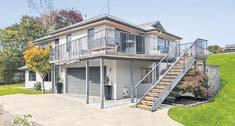
- Space, serenity, pool, and exceptional shedding, all set on 3,150m² (more or less) of attractive lawns.
- Modern conveniences and upgrades to be cherished.
- A luxurious, private swimming pool sits beautifully within the grounds, creating a relaxed retreat for summer fun.
- Exceptional garaging for 12 covered vehicle carparking, including a 110m² workshop.
- Master with ensuite and walk-in robe, with warm and welcoming interiors designed for comfort and family connection.
























EXPERTS





























EXPERTS







Hautapu, Leamington win
By Jesse Wood
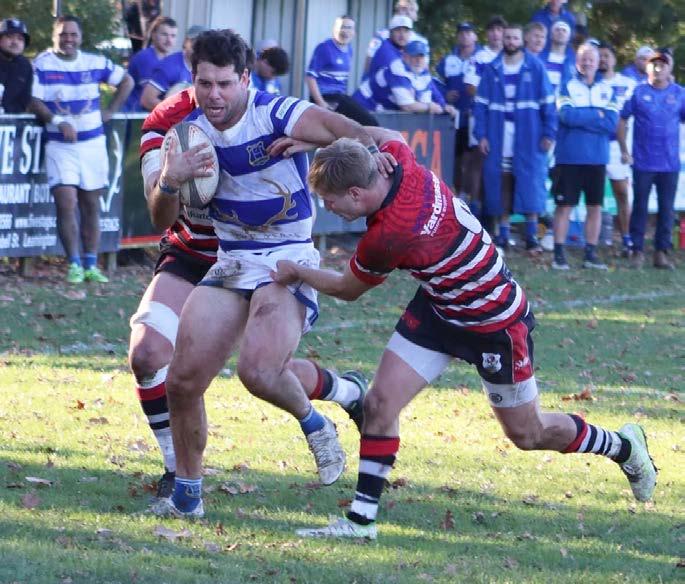
Hautapu returned to winning ways with a 46 21 win over Fraser Tech at Cambridge’s Memorial Park on Saturday.
Reserve Jacob Carmichael scored a double for the home side. Other try scorers included winger Nathan Stephens, blindside flanker Konelio Burgess, veteran David Morris and reserve Josh Brunger. Fullback Patrick Hedley added 11 points off the kicking tee.
Te Awamutu Sports’ premier A and B sides had a bye week.
Marist top the five team Breweries Shield table with two wins from two after a 34 14 victory at Morrinsville Leamington won their first match in the five team premier A Lone Star Cup division a 30 17 win over Matamata in front of home fans.
Lock Matthew Lyttle, Jonathon Kelly, winger Robert Day and hooker James Nelson crossed the chalk for the blue and white hoops. Day also kicked two conversions and two penalties, adding to his impressive season tally.
In the other matches Old Boys thrashed University
73 25. In the premier B Rowe Cup division, Hautapu B dealt to Fraser Tech B 57 7.
Centre Ihaka Harper Dent scored three of his side’s nine tries, while number eight Luke Goodman grabbed two. Winger Vilimone Bainibure, fullback Marae Nepia, Flynn Morey and Ben Brown also scored five pointers. First five eighth Callum Beckett converted six of the tries.
United Matamata Sports B beat Leamington B 24 15 in their premier B championship WRU Trophy clash.
Fraser Tech beat Hautapu
Melville combined (Mel tap) 20 12 in the women’s premiership encounter in Hamilton.
In the women’s championship quarter finals, United Matamata Sports beat Pirongia 43 10, while Kihikihi demolished Morrinsville Sports 50 15. It was a tough round for Waipā sides in the under 21 competition.
Hautapu colts were pipped 31 29 by Fraser Tech, Hamilton Old Boys beat Pirongia 40 5 and Hamilton Marist colts won against Te Awamutu Sports 47 14. Leamington beat United Matamata Sports by default.
Lakeview Archers on target
By Jesse Wood
Cambridge’s Simon Young is one of three Lakeview Archers heading to Yankton, South Dakota, with the New Zealand Black Arrows team next month.
The Lake Karāpiro based club also have Raglan duo Kieran O’Brien, 13, and his dad Rory competing in the International Field Archery Association (IFAA) World Field Archery event.
Young has been selected for both the Champion of Nations team and the Bowhunter Unlimited Style team. Rory is also in the Bowhunter Unlimited Style team and Kieran will travel with him.
Kieran is excited to be a member of the large team.
“Normally archery is an individual sport, so it is really nice to be in a team environment for this event,” he said.
Lakeview Archers president Christine Finnegan said it’s great to see club members being selected to represent New Zealand in this discipline.
“It is particularly exciting to have a father and son duo heading off for a great adventure together,” Finnegan said.
Selection followed a busy May for the archers which included a successful showing at the Field Archery Marked Nationals.
Fiftseen Lakeview Archers travelled to the nationals hosted by the Massey Archery Club in Kumeu. Almost 80 archers competde Field archery involves following a designed route, shooting targets at varying distances at varying angles similar to playing a round of golf.
Sometimes these are paper bullseye style targets, and there are also 3D
rounds where archers shoot at life size rubber models of popular game hunting animals.
The nationals saw archers shooting four arrows at each of the 28 bullseye style targets out on the course each day with each round taking between six and seven hours to complete.
Thirteen Lakeview Archers brought home medals and certificates from the weekend.
Five – Kieran O’Brien, Robyn Denton, Christine Finnegan, Dennis Bryce and Dave Nicholson – also brought home trophies for winning the marked league series which consisted of three one day events leading up to and including the nationals.
“The weather was absolutely perfect for archery,” Finnegan said. “The Massey club did a great job in putting out a technically challenging course for us to shoot.”
Leamington’s Jonah Haycock attempts to bust through the United Matamata Sports defence.
Photo: Leamington Rugby Sports Club
MEETING NOTICES

2026 Ownership Review





PUBLIC CONSULTATIVE PROCEDURE
In accordance with the Deed of Trust under which the Waipā Networks Trust has been constituted, the Trustees and the Directors of Waipā Networks Limited have prepared a joint report considering proposals and available options for the future ownership of Waipā Networks Limited.
The Trustees and the Directors propose that the Ownership of the Company should continue to remain 100% Trust owned on behalf of the Community.
The Trustees hereby implement a Public Consultative Procedure. Notice is given that the Ownership Review will be available for inspection by the public from the 1st May 2026, from the Trusts website www.waipanetworkstrust.co.nz or during normal business hours at the following


BIBI, Bashiran – Peacefully passed away at Rhoda
Read Continuing Care on Saturday, 13th June 2026, aged 82 years. Dearly loved wife of the late Muhammad Shafi Chatha. Loved mother and mother-inlaw of Arshad and Sajada and their partners. Loved Nan to her grandchildren. Prayers for Bashiran have been held, followed by burial at Ngāruawāhia Muslim Cemetery. Messages to the Bibi family may be sent c/3 Hallys Lane, Cambridge 3434, or left in Bashiran’s online tribute book at www. grinters.co.nz

Persons interested in the proposals are invited to

All email submissions should be addressed to:

Persons wishing to make submissions should ensure that those submissions are received at the above address no later than 5pm 30th June Submissions received by

In due course, any persons who make written submissions by the due date will be offered an opportunity to be heard by the Trustees at a

SPICER, Connor Mark – Passed away at home on Saturday, 13th June 2026, aged 31 years. Dearly loved son of Richard Stinson and Joanne Spicer. Adored father of Aurora. Much loved brother to Jade and Lucas. Cherished uncle, and grandson. A celebration of Connor’s life will be held at Raleigh Street Christian Centre, Raleigh Street, Leamington, Cambridge, on Monday, 22nd June 2026 at 11:00am, followed by burial at Leamington Public Cemetery. Messages to the Spicer family may be sent c/- 3 Hallys Lane, Cambridge 3434, or left in Connor’s online tribute book at www. grinters.co.nz.
WORK WANTED CONTACT GOOD SPEED for all your building and project needs. Call Ross 021 063
Can’t believe it’s been 5 years. Still love and miss you every day. In our hearts forever you’ll stay.
Love you always, your loving wife and family, Carolyn, Debbie and Piet, Shelly and Glenn, grandie's and nearly five great grandie's XX



Cambridge Creative Fibre
FIBRE FAIR


Cambridge Town Hall, Victorian Room
Exhibition items for sale
Raffles • Sales Table Wednesday 24 June 12pm -4pm • Thurs 25, Fri 26, Sat 27 June 10am - 4pm Sunday 28 June 10am-3pm GOLD COIN ENTRY
Saturday 27 June 10am - 3pm
Cambridge Town Hall
• 18+ Traders • Coffee/Tea, Sandwiches, Baking • Raffles ENTRY: $5.00 (EFTPOS available) Bring cash for traders
NWERIBAHDGVEOSEOAA YDADBUPMAYLLTTSBRG OPPIATVWTYGIMEUEDX BOEATLZRXAANAWOLEJ SRECLEANERBGNAHBNJ UTWHSRRETAINERDAEM BESRHOUSEBOYXDXTRJ PRUQOLLDSTNAVRESOK FNDOORMANFACTOTUML
Proudly family-owned, experienced and qualified, Gibson Funerals, located in Cambridge, serves the Waikato region with warmth, dignity, and genuine care.
Rooted in community, we are known for creating bespoke services that honour each life in a way that feels authentic. We also specialize in prearrangements, offering the ability to tell your story, exactly how you would like it told.
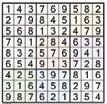

Contain,
Slain, 10. Slim, 11. Dialogue,
Goose step,
Optional, 19. Snug, 21. Times, 22. Improve, 23. Stolen, 24. Tint. Down: 2. Ranking, 3. Tear, 4. Consideration, 5. Obsolete, 6. Slang, 7. Kneel, 8. Cash, 12. Colossal, 14. Pontoon, 15. Youth, 16. Ogle, 18. Tempt, 20. Spot.
Jono Gibson Funeral Director