Make Cambridge learning available to every kind of learner, at every stage of adult life.
Who we are
Over 150 years ago we sparked a learning revolution. Offering flexible, accessible, high-quality education at every stage of adult life, to learners from all walks of life.
We’re the University of Cambridge’s largest and longest-standing provider of part-time education. Because we work across its College and School system, we have uniquely wide access to its knowledge, resources and academics. We harness that collective excellence to inspire and inform our hundreds of courses, from summer short courses to postgraduate degrees.
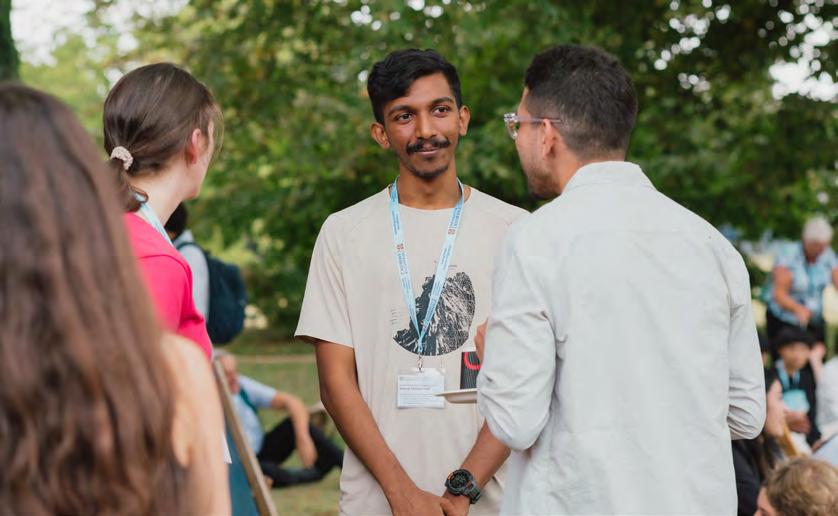
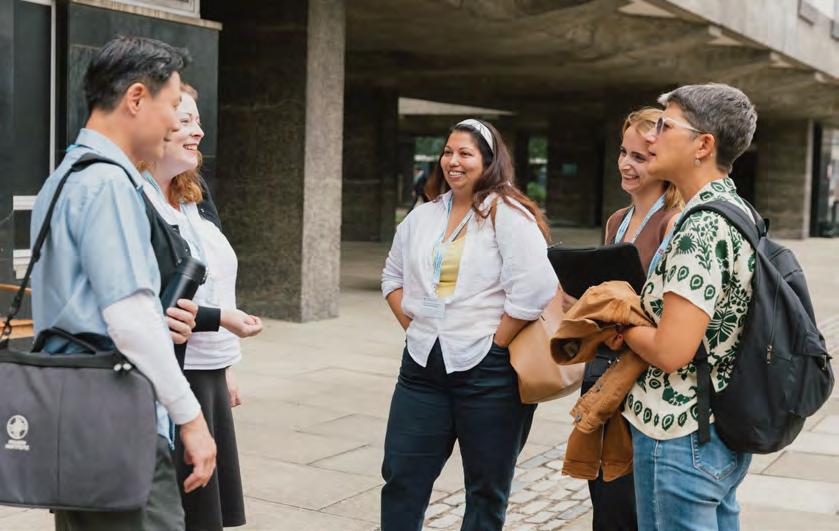
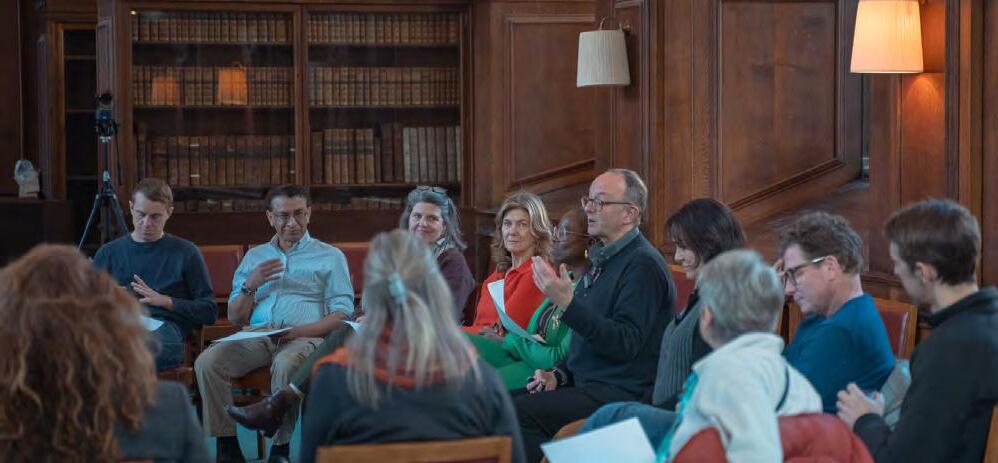
With us, thousands of students gather online and in person to join a vibrant global community and learn from the best.
Whether your goals are personal improvement, studying for the first time since school, or enhancing your professional qualifications, we’re here for you - wherever you want to go.
What we offer, and to who
We’re here for lifelong learners from across the globeadults of all ages, all levels, and all walks of life. Whether your goal is personal development, a skills top-up, a reboot, or the chance to pursue the education you always wanted before life got in the way.
Our wide range of courses combine the rigour of Cambridge teaching with flexibility of use and access. From pursuing a passion to professional development. From early-career skills through mid-career specialisation to post-career enrichment. Over a day, a weekend, a year or a lifetime.
We bring together thousands of students from over 100 countries, to study on over 200 courses. And we welcome each into our inclusive learning community, where they can thrive and grow through opportunity, inspiration and connection.
Our courses
• Master of Studies qualifications
• Postgraduate certificates and diplomas
• Undergraduate certificates, diplomas and advanced diplomas
• Apprenticeships
• Career accelerators
• Short courses including fully online, weekend courses and programmes on edX and Coursera platforms
• University of Cambridge Official International Summer Programme
• Encore education (Better Futures, commencing 2025-26)
Our team
A total of 230 colleagues were employed across Professional and Continuing Education (PACE) in 2024-25:
• 164 FTE (full time equivalent) within PACE
• 239 hourly-paid panel tutors
• 38 FTE across Madingley Hall
Director’s report
The 2024-25 academic year saw the Institute of Continuing Education (ICE) become Professional and Continuing Education (PACE). The end of the year marked the close of our 2021-25 strategic period and the chance to take stock on several other important developments, the achievements of colleagues and the ongoing need for operational agility as the lifelong learning sector continues to be shaped by the changing needs of adults and employers, disruptive technologies, government policy and competition. Amongst such flux remains the constant of a community of adult learners who enrich, enliven and challenge the University of Cambridge to offer a wide portfolio of open, accessible and affordable courses to meet their needs as professionals, citizens and human beings seeking understanding.
After more than three years’ intensive work, the Institute of Continuing Education changed its name to Professional and Continuing Education (PACE), repositioned its brand proposition and launched its new website (www.pace. cam.ac.uk) in July 2025. This work, an extensive department-wide endeavour, was a key pillar of our 2021-25 strategy. The name, branding and website seek to ensure that we communicate our life-wide learning offer to the market in clear and compelling ways. Aligning to the provenance of Cambridge yet distinguishing the mission of our open university from the selectivity of the collegiate University.
Reflecting further at the end of the 2021-25 strategic period, considerable progress was made during this fouryear term, the first year of which continued to be affected by the overhang of the global pandemic.
As a consequence of the pandemic, our award-bearing undergraduate sub-degrees became the first fully online award-bearing courses in the history of the University of Cambridge. The University granted permission for the qualifications to remain fully online in perpetuity, breaking away from the traditional residency requirements stretching back 800 years.
Other key developments since 2021 included continuing investment in IT systems such as an integrated CRM, a new dedicated student recruitment and enrolments function, enhanced student and wellbeing support, a new governance division, extended quality assurance provision, creation of a development and alumni relations function, growth of partnerships with major online platforms (e.g. 2U-edX, FourthRev and, most recently, Coursera), Levy-funded apprenticeship provision (achieving a Grade 1 Outstanding inspection outcome in 2024), a degree progression agreement in creative writing and English literature with the Open University and during 2023 a range of events marking the 150th anniversary of the formation of the Institute and the 100th anniversary of the first summer programme for international students.
Looking across the 2021-25 strategic period as a platform for future work, the implementation of the Worktribe curriculum management system provides the foundations for the flexibility required for the Lifelong Learning Entitlement (LLE). The University’s investment in a portfolio of change projects will enable future improvements in data quality and analytics, which will in turn support more efficient and informed ways of working.
Further work on curriculum design and portfolio review and governance structures should permit the integration of weekend courses and the summer programme with award-bearing curricula. There must be a future aim for a fully integrated and stackable portfolio, funded by LLE for eligible candidates, allowing students to study a wider
range of content and receive Cambridge qualifications which support their employability and educational goals.
Addressing structural challenges such as credit transfer and clearer progression routes into the University’s triposes offers an important opportunity to strengthen accessible pathways into higher education at Cambridge.
While current approval processes and the PACE-based admissions and registry service for University-wide parttime Master of Studies (MSt) programmes bring valuable academic oversight and consistency, a review of resourcing and responsibilities would reduce administrative pressure and improve sustainability as demand for mid-life and mid-career postgraduate study continues to grow.
PACE and Madingley Hall each play distinctive and vital roles. As the University’s largest educational department by enrolment and a major historic site respectively, both would benefit from more tailored leadership arrangements that reflect their scale, complexity, and potential.
Enrolment growth across the 2021-25 strategic period demonstrates demand for lifelong learning. For example, between 2020-21 (the end of the previous strategic period) and 2024-25 the number of MSt students increased by 77%. If the number of MSt enrolments on PACE courses were compared between 2016-17 (my first at Cambridge) and 2024-25 then the uplift has been 190%. With enhanced employer and regional engagement, expanded business development capacity, and more systematic market research, there is significant scope to build new partnerships and further bolster enrolments and diversify provision, including internationally.
In the 2024-25 academic year, overall student enrolments fell to 8,101, a 2% decrease on the previous year. There was a strong performance on MSt enrolment, up 15% year-onyear to 435 and postgraduate certificates and diplomas up 22% to 220. The increasing demand for postgraduate study mirrors a wider trend in the higher education sector, with many professionals seeking advanced postgraduate training.
Other positive areas included Weekend Lifelong Learning up 19% to 928 enrolments, an 8% uplift to 3,044 on International Summer Programmes and strong growth in Career Accelerator numbers, progressing to 176 enrolments against 49 last year.
It was a challenging year for fully online short courses, with courses on the PACE platform decreasing by 13% year-on-year to 1,174 and royalty-generating edX courses down by 21% to 1,616. Most concerningly, fully online undergraduate award-bearing courses fell by 25% to 440 enrolments. The redevelopment of the undergraduate portfolio must now be a priority.
Gross revenue from education-related activities rose by 9% year-on-year to £11.66m. Tuition fee income contributed £9.79m of the total gross sales, a 9% increase. However, both expenditure on salaries and tutor payments rose by 15% year-on-year, meaning the outflow on total wages exceeded £7.5m. Salaries as a percentage of total revenue were 55%, which remains marginally above a sustainably affordable level. Nonetheless, the operating surplus rose to £676k, an uplift of 28% on the previous year.
A breakeven position is now clearly within reach if controls are put in place on salary expenditure and strategic investment. In broad terms this demonstrates the qualified success of the last strategic period, which has been characterised by strong tuition fee revenue growth and a wide programme of systems investment intended to drive student recruitment and increase effectiveness. Noting, however, that in such a fast-moving and competitive segment there is always more to be done, and the standstill is to move backwards.
Madingley Hall’s gross sales increased by 8% year-onyear to £2.82m, despite the significant loss of revenue caused by remedial building works in the old core building caused by beetle infestation and the lack of a long-term maintenance programme. The Hall returned an operating loss of £323k with an overall loss of £526k. This loss is underwritten by the University, rather than being due to the institute. With an uninterrupted trading year in 202526, it is likely that the Hall will approach breakeven.
In April our student awards ceremony was successfully held in central Cambridge at the Guildhall for the first time as Madingley Hall was unavailable due to the building works. Delivering the ceremony in the heart of the city connected our students to the University. It was fantastic to see the true diversity of our amazing adult learners and to present honorary awards for excellence in continuing education to Alice Benton (University of Cambridge) and Dr Nelson Baker (Georgia Tech)
It was pleasing that the new Better Futures Programme, the University’s official and first encore education provision, delivered in partnership with Downing College, successfully recruited its first cohort. This distinctive programme will support experienced leaders to curate their own bespoke learning experience across the entire breadth of the collegiate University. It is the first of its kind in the UK, emulating the encore offers of Harvard and Stanford. The inaugural cohort will commence in the 2025-26 academic year.
During the year we commenced a new partnership with the world-leading online platform Coursera. Moreover, it was pleasing to note that four of PACE’s online courses in fields including finance, healthcare data and psychology were amongst the top 250 globally most popular online courses during the 2025 calendar year. This was the most courses on the list of any UK provider, highlighting the Institute’s capability to play a leading role as an online provider, working in partnership with the 2U-edX and Coursera platforms. Arguably, by volume, these free-toaccess courses – generating over 87,000 enrolments - are the University’s largest outreach projects.
During the 2024-25 academic year, a new postgraduate programme in Dental Education, an updated MSt in Healthcare Data, and a new undergraduate apprenticeship in Coaching (Level 5) were approved for inaugural delivery in 2025-26. The latter will be an important first step in undergraduate apprenticeships, particularly as the new government regrettably announced the removal of Levyfunded level 7 study, meaning, for example, the 2025-26 Architecture PtII/III programme will sadly see its final intake of apprentices, despite apprenticeships promoting greater access to high-skilled professions.
Additionally, a new online career accelerator, in partnership with FourthRev, in the cybersecurity field was approved in readiness for the forthcoming academic year.
We were delighted to secure through a competitive tender process the opportunity to deliver the DFN Charitable Foundation’s summer programme for postgraduate students living with disability. The pilot offer will be delivered in July 2026.
Also, through competitive tender, we were pleased to renew our longstanding partnership with the NHS around postgraduate genomic medicine training.
The academic year saw the final delivery of the Undergraduate Certificate in Botanical Horticulture. This longstanding programme, delivered in partnership with the University’s Botanic Gardens, has supported many trainees to develop their theoretical and practical skills and progress their careers as horticultural professionals. A new programme will be delivered by the Botanical Gardens in partnership with Royal Horticultural Society.
In June it was pleasing to see creative writing academics Dr Jenny Bavidge and Dr Midge Gillies support the Southport Learning Town event, part of a series events to rebuild community relations a year on from the dreadful attack on a dance studio which resulted in the deaths of three children.
Earlier, in December, I had been fortunate to speak at the Southport University Extension Society’s 150th anniversary. SUES was founded with the support of Cambridge extramural academics in 1874 and continues to thrive as the only remaining independent branch of the ‘extramural empire’ fostered by Cambridge’s original Local Lectures Syndicate.
In terms of senior staffing, Dr Claire McCafferty (Director of Academic Programmes) left the organisation in October and Dr Holly Tilbrook (Director of Academic Centres [Student and Professional Services]) completed her secondment at Gates Cambridge and subsequently left the University in the summer. Stewart McTavish joined as Director of Academic Programmes with specific responsibility for the Better Futures Programme in October.
Dr Sarah Ormrod (Director of Summer Programmes), who first joined the University in 1987, announced her intention to retire at the end of the 2025 calendar year. Sarah became Director of the International Summer Programme in 1995 and later took on leadership of the Weekend Lifelong Learning Programme in 2018. By the end of her tenure, Sarah will have completed over 38 years of service. In May she attended the King’s Garden Party at Buckingham Palace which recognised key figures in UK education. Sarah’s final summer programme in July and August was a tour de force. Sarah’s name was added to the Distinguished Service Board acknowledging a career of service to lifelong learning at the University of Cambridge.
Richard Gant (Head Gardener) retired in July, having joined Madingley Hall in 1988. In recognition of Richard’s sustained excellence, his name was also added to the Distinguished Service Board.
Dr Roxane Farmanfarmaian (Academic Director, International Relations) retired, and Drs Kal Winston (Associate Teaching Professor, Medical Education) and Chris Smith (Public Understanding of Science Fellow) left during the academic year. Alison Webster (Registry Data Manager) retired in March after 21 years’ service.
I am pleased to report that six academics were successful in the Teaching and Scholarship promotion round. Professor Lydia Hamlett (Teaching Professor), Professor Alex Carter (Associate Teaching Professor), Dr Jonnie Penn (Associate Teaching Professor) and Dr Lucy Durneen, Dr Joe Reed and Rupert Wallis progressed to Senior Teaching Associate. Their new titles become effective from October 2025 onwards.
Professor Carter’s sustained excellence in continuing education teaching was recognised by the award of the 2025 Pilkington Prize, receiving his prize from the Vice Chancellor at a reception held at Christ’s College.
It is with sadness we must report that our muchloved colleague Emma Whybrow (Head of Academic Administration) in the International Summer Programme and Lifelong Learning Division passed away in October 2025. Over a 20-year period, Emma was centrally involved with the Summer Programme and shaping the Oxbridge Academy Programme. Emma will be greatly missed by colleagues and students alike.
This annual report is my tenth and last as Head of Institute. I stepped down at the end of the 2024-25 academic year. Working for the University of Cambridge,
Annual enrolments overview
* includes 78 degree apprenticeships learners ** Includes verified enrolments only, where a fee is paid by students.
a Fellow of Wolfson College and, most importantly, leading Professional and Continuing Education here since 2016 has been a privilege.
I have been inspired each day by a wonderful global community of lifelong learning students. I am grateful for the generous support of many expert, professional and dedicated colleagues across the collegiate University. In adult education staff and students act as a collective, fellow travellers in an ongoing quest for understanding. When delivered well it is a fabulous thing to witness at close quarters.
Looking ahead, the need for life-wide learning has never been greater. To respond to technological change. To underpin learning organisations. To grow professionally and personally. To promote wellbeing and good mental health. To live longer and meaningful lives. To foster coherent and tolerant societies. Cambridge must continue to play a leading role across this agenda.
To my successors and colleagues, I wish fair winds and following seas. To policy makers and the University’s leaders I beg for a greater understanding and appreciation of the value of all forms of open adult education.
Education for all at one of the world’s greatest universities. Established 1873. Continuing in 2025, and beyond.
Academic provision
Award-bearing programmes
Overall enrolments in our award bearing provision were down 5% at 1,095 in 2024-25, compared with 1,147 in 2023-24, although this remains well above pre-pandemic levels. This headline figure masked variation across the portfolio. Undergraduate enrolments were down 25% at 440 in 2024-25, compared with 590 in 2023-24. However, this was offset by significant growth in our postgraduate provision, including a 15% increase in our MSt enrolments (435 in 2024-25 compared with 377 in 2023-24) and our postgraduate certificates and diplomas (220 in 202425 compared with 180 in 2023-24).
Award outcomes data showed a similarly mixed picture. Certificate-level awards remained stable year-on-year, while advanced diplomas held steady at lower volumes. By contrast, diploma awards declined more sharply in 202425, highlighting underlying differences in demand and sustainability between award types within the portfolio.
This is reflective of a wider trend observed over the last five years suggesting a growing popularity of postgraduate study. This trend, together with variable enrolment levels across different courses, emphasises the need for us to review our award-bearing portfolio to ensure it remains attractive in a competitive continuing education market, meets the needs of our diverse lifelong learners and remains sustainable in the long-term. This portfolio review work will be prioritised in the 2025-26 academic year.
We recognise that a sense of belonging to an academic community is important for our students. We were able to run termly networking evenings at Madingley Hall for our students to meet each other and share their learning journeys. Our annual awards ceremony was held in April at the Cambridge Guildhall, bringing together 181 attendees, comprising graduating students and their invited guests, including friends and family.
Student outcomes and satisfaction
Student outcomes across award-bearing provision remained strong in 2024–25. PACE conferred 369 undergraduate awards across certificates, diplomas and advanced diplomas, alongside 41 combined undergraduate awards. At postgraduate level, 228 postgraduate awards were made across certificates, diplomas and standalone modules.
In addition, a total of 480 students successfully completed Master of Studies (MSt) degrees where PACE acted as the administering body for the University of Cambridge. Of these, 186 related to programmes delivered by PACE, with the remainder reflecting PACE’s admissions responsibility for MSt provision delivered elsewhere in the University.
External Examiners confirmed that academic standards were appropriate and comparable with similar programmes across the UK, with assessment and moderation processes operating effectively. In professionally accredited provision, achievement rates remained above National USS benchmarks, and examiners highlighted the strength of curriculum design, assessment rigour, and the integration of professional practice.
Student satisfaction data from the annual student survey shows continued improvement across core measures. 94% of respondents expressed overall satisfaction with their course, with particularly strong results for teaching quality (99% positive), intellectual challenge (96%), and academic support (94%). These findings align with External Examiner commentary noting high levels of student engagement and the quality of teaching and learning across the portfolio.
94% of survey respondents expressed overall satisfaction with their course 99% for teaching quality
96% intellectual challenge 94% academic support
Academic staffing and development
Growth in selected areas of the portfolio during 2024-25 was supported by changes to academic staffing, including new appointments across teaching-focused and practicebased roles to strengthen delivery and support priority areas.
The year marked the retirement of Dr Roxane Farmanfarmaian, who led the Global Studies and International Relations portfolio. Dr Farmanfarmaian retired in July 2025 after seven years’ service with PACE, having made a significant contribution to the development and success of the portfolio.
Ultimately the quality of our provision relies on an academic team who are dedicated to excellent learning and teaching and supporting our students in their lifelong learning by drawing on excellence in research and scholarship. We are particularly proud to see our colleagues’ dedication and commitment recognised. During the 2024-25 Academic Career Pathways scheme, Dr Lydia Hamlett was promoted to Teaching Professor, Dr Alexander Carter and Dr Jonnie Penn were promoted to Associate Teaching Professor, and Dr Lucy Durneen, Dr Joseph Reed and Rupert Wallis were promoted to Senior Teaching Associate.
We are particularly proud of Professor Gilly Carr, who was recognised with an OBE in the King’s 2025 New Year Honours for services to Holocaust research and education.
Dr Alexander Carter was awarded the University’s Pilkington Prize for excellence in education. Dr Jedrzej Niklas was awarded with AdvanceHE Fellowship following engagement with the Cambridge Centre for Teaching and Learning’s recognition scheme.
As ever, we continue to draw on a network of 239 tutors who make valuable contributions to the delivery of our learning and teaching and enhance our students’ learning by bringing in specialist academic and practice-based expertise. The professional development of our tutors and wider academic community continues to be a priority, and we ran four development events for our tutors last year, including our annual symposium in September.
External Examiners frequently commented on the effectiveness and commitment of academic delivery teams, noting the quality of teaching, clarity of assessment design, and the strength of moderation practices. This alignment between staff development, curriculum design and student outcomes remains a core feature of PACE’s academic model.
Apprenticeships
Apprenticeships continued to form a focused part of our professional education portfolio in 2024–25. Delivery centred primarily on the Level 7 Architect Apprenticeship, which remained the main area of provision during the year. The Level 7 Senior Leader (Policing) Apprenticeship concluded its teaching-out phase, with the final cohort completing successfully in 2024–25.
A total of 157 (78 within PACE) apprentices were enrolled across both programmes. The Architecture Apprenticeship attracted learners from 54 employers and achieved an achievement rate of 73%, exceeding the national average. The Senior Leader programme achieved a final completion rate of 60%, bringing the programme lifecycle to a planned and orderly close.
Achievement, progression and compliance were closely monitored throughout the year. The overall achievement rate for 2024–25 was 64%, above the reported national average of 60%. Internal audit activity confirmed compliance with ESFA funding rules, building on the Grade 1 Outstanding outcome from the Ofsted inspection in September 2024.
The year also marked an important transition in academic leadership. Dr Andi Bawden concluded her secondment as Deputy Director of Academic Centres (Apprenticeships) in December 2024, having played a pivotal role in stabilising and strengthening the provision and leading it successfully through the Ofsted inspection. In April 2025, Tanya Baney was appointed Head of Apprenticeships, bringing strong sector expertise and taking the provision forward into its next phase, supported by the appointment of a dedicated Compliance Manager.
Development work continued on two new apprenticeships planned for launch in 2025–26: the award-bearing Level 5 Coaching Professional and the Level 4 Data Analyst apprenticeship. In line with national policy changes and the withdrawal of funding for new Level 7 apprenticeships from 2026 onwards, future focus will be on provision at levels 4 to 6.
PACE continued to work closely with the University’s central Apprenticeships Team within HR, supporting coordinated employer engagement and alignment with institutional workforce priorities. Apprenticeship activity remains carefully managed to ensure regulatory compliance, academic quality and alignment with PACE’s wider mission to support professional education and regional skills development.
Online short courses and online partnerships
Online provision continued to form a significant proportion of total enrolments, with a total of 1,174 learners enrolled on PACE’s online short courses in 2024-25. Engagement remained strong across subject areas including cognitive psychology, coaching, finance and creative writing, with particular growth in our ancient history courses.
We also strengthened our long-standing partnership with edX by entering into an agreement with Construct Education to increase capacity for high-quality online course production. Through this collaboration, PACE delivered the MicroMasters in Healthcare Data Science (five courses), a jointly developed course with Arm on AI for Arm platforms, and support for two further University projects migrating to the edX platform. With 87,751 learners accessing courses through edX, including 1,616 verified fee payment enrolments on the edX platform.
A major development this year was PACE’s new partnership with Coursera, one of the world’s largest Online Programme Managers (OPM). Since the partnership launched in July 2025, fourteen courses have gone live, attracting more than 42,000 tuition-fee generating registrations from learners worldwide. This collaboration has already begun to broaden access to Cambridge-designed learning for diverse audiences.
In addition to our online short courses and OPM partnerships, PACE works with FourthRev. This collaboration delivers Career Accelerators, combining University of Cambridge academic provision, with industry relevant experience and personalised career support. The initial offering in data science and AI has four intakes per year. This provision has grown to 176 enrolments in 2024-25, with further accelerators to be launched in 2025-26.
Student story
Clarissa
Postgraduate Certificate in Philosophy
For more than a decade, Clarissa led the nonprofit Teach for the Philippines, however, she really wanted to explore deeper questions, especially around morality and leadership, and was driven by a longstanding passion for philosophy, so she stepped down in 2023.
“I’m not sure that humanity is predominantly good,” she reflects. That uncertainty led her to philosophy, searching for frameworks to navigate complexity and leadership responsibility.
Studying for the Postgraduate Certificate in Philosophy brought a fresh perspective. “It reintroduced me to logic, discipline, and structured reasoning; tools that are essential at the executive table.”
Balancing study with a busy career, Clarissa needed flexibility. The flexibility of University of Cambridge PACE made it possible to keep learning without stepping away from her commitments. “The structure allowed me to challenge ideas in a thoughtful way, while still staying grounded in the real-world decisions I had to make.”
For Clarissa, the course has been “a journey” - one she’d happily embark on again. She’s now exploring further study with Professional and Continuing Education and speaking with her professor about where philosophy might take her next.
International Summer Programme
We delivered the University’s annual International Summer Programme in July and August, providing short, intensive study opportunities for learners from around the globe. All teaching was delivered in-person, with a timetable designed to afford both depth and breadth through course and plenary lecture attendance. The academic programme was augmented by the opportunity to experience College living and by a programme of excursions and events, including optional walking tours of Cambridge, visits to Ely, Norwich and Bletchley Park, two afternoon teas in Newnham College and two concerts.
Participants attended for between 1 and 4 weeks, with between 370 and 400 on the teaching site each week. Each participant enrolled in two courses per week, resulting in 3,029 course bookings in total, with an average of 18 bookings per course session. Courses offered ranged across several subject streams, including literature, history and archaeology, science, global studies, art and visual culture, business and creative writing. Academic feedback indicated strong engagement with teaching and course materials. Some 117 academics, members of PACE, the wider University and Colleges, or members of the PACE tutor panel, delivered the 147 courses and 46 plenary lectures.
The programme continued to attract a diverse cohort, with 880 participants representing 70 different countries, all seeking short-term, intensive study opportunities, whether as part of their current degree course, for professional development or for personal interest. The majority of applications came from North America, East Asia and the UK. Participants ranged in age from 18 to 92 and included around 23% who had attended in previous summers.
Bursary supported places underpinned by the James Stuart Fund were offered to fifteen students, of whom seven (from Kyrgyzstan, Palestine, South Africa, Tajikistan Tanzania, and Uganda) were able to get visas to attend.
Participant satisfaction remained high, with 92% of students returning feedback indicating that they would consider taking another PACE course and 94% would recommend the programme to others.
Bespoke short course:
Oxbridge Academy
The tenth annual iteration of the Oxbridge Academy programme ran in the Spring. 15 students and four faculty (including the Head of School at Oxbridge Academy) stayed for one week at Madingley Hall, and one week at St Catharine’s College. The programme theme this year was A history of English identity: 1066 to the Victorians.
Weekend courses
Our programme of weekend courses, delivered in-person at Madingley Hall saw considerable growth. Of the 65 courses offered, just four were cancelled due to low enrolment. The remaining 61 attracted 928 bookings, up 25% on 2023-24’s total of 740. Whilst the majority of participants were in the 55+ age bracket, the audience continues to diversify, with participants aged 18 to 92. Most of those attending were based in the UK, but increasing numbers travelled from abroad specifically to attend these short courses. High-enrolling courses included AI and society; The Renaissance world in Italy and beyond; World order under stress; The catastrophic 14th century; Venerated landscapes: hunters and farmers from the Palaeolithic to the Bronze Age and the Creative Writing retreats. The weekend courses continue to provide an important entry point for the study of new subjects, with many students progressing to options for further study with us.
Student story
Lilian
University of Cambridge International Summer Programme
For Lillian, a teacher educator from Uganda, the University of Cambridge International Summer Programme offered a chance to grow, connect globally, and experience life at one of the world’s most historic universities.
“I hoped to gain new perspectives on education and sustainability through global dialogue. What I found was a truly dynamic community, with participants from every continent. I felt at home away from home.”
The programme was thoughtfully designed, balancing academic rigour with space for reflection, adventure, and connection. “Each session, whether a lecture, cultural outing, or social gathering, was rich with ideas and inspiration. It broadened my thinking and transformed me in ways I hadn’t anticipated.”
The academic environment was inclusive and stimulating. “Evening talks and plenary sessions opened up new ways of seeing the world,” she recalled. “And the Thursday tea at Newnham College created a space for informal reflection and conversation. It wasn’t just about learning - it was about being part of a global conversation.”
Outside the classroom, Cambridge offered unforgettable moments. “Punting on the River Cam brought laughter and calm and cycling through historic streets gave me a sense of freedom. Visiting Ely Cathedral and the National Gallery connected me with art, history, and spirituality.”
Formal dinners at Selwyn College were a weekly highlight. “Sharing meals and stories with peers made me feel part of a timeless tradition,” she said. “And the speeches from Director Sarah Ormrod reminded us of the privilege and responsibility of being part of this academic community.
“Academically, I sharpened my critical thinking and explored new methodologies. Personally, I gained confidence and built lasting friendships. Professionally, I’m excited to bring insights on inclusive education and global citizenship into teacher training back home.”
For Lillian, the International Summer Programme was more than a learning experience, it was a journey of transformation, connection, and discovery.
Student story
Katherine
University of Cambridge International Summer Programme
Katherine, an International Studies and Spanish student at University of Michigan, found more than academic credit at the University of Cambridge International Summer Programme. It reignited her love of learning.
“I first heard about the Summer Programme from my cousin who works at Cambridge. The idea of earning college credit while studying in such a diverse and intellectually rich environment immediately caught my attention.”
The decision to attend proved transformative. “The experience far exceeded my expectations. From the calibre of the professors to the thoughtfully curated events like concerts, plenary lectures, and afternoon tea, it was all unforgettable.”
The academic sessions stood out for their depth and clarity. “The lecturers were incredibly knowledgeable and engaging. You could sense their passion and expertise in every class. It was inspiring.”
Beyond the classroom, the programme offered something even more valuable: perspective. “At my home university, it’s easy to get caught up in grades and deadlines,” she said. “Cambridge reminded me of the pure joy of learning, of being curious for curiosity’s sake.”
The international nature of the programme added another layer of enrichment. “Meeting people from all over the world was one of the best parts. Everyone brought something different to the table.”
Academic growth, cultural exchange, and a renewed passion for learning. For this Michigan student, the summer programme was more than a study abroad, it was a celebration of global ideas and personal discovery.
Encore education
During 2024–25, development continued on the Better Futures Programme, a new University initiative for experienced leaders seeking to apply their skills and networks to wider societal and organisational challenges. Created in partnership with Downing College’s Centre for Better Futures, the initiative expands Cambridge’s later-career provision and supports the University’s commitment to knowledge exchange and public value.
The programme responds to growing demand for structured opportunities for senior professionals to reflect on their experience, apply it in new contexts and contribute to evolving community and industry needs. Comparable models are established at institutions such as Harvard University and Stanford University. Cambridge’s approach builds on these examples while drawing on the strengths of the collegiate University, including research expertise, interdisciplinary communities and engagement with students and early-career researchers.
Better Futures Programme has three core aims: to support participants in defining their next phase of contribution; to connect leaders with emerging research, policy and innovation across the University; and to foster reciprocal exchange between participants and Cambridge’s student and research communities.
A cross-University group, including colleagues from Professional and Continuing Education, Downing College and external partners, contributed to the design. The programme is led by Andy Neely (Programme Chair) and Stewart McTavish (Director of Academic Programmes). The first cohort of 21 participants will commence their studies in Michaelmas 2025.
Better Futures represents a significant addition to Cambridge’s lifelong learning portfolio, providing a new framework for senior leaders to contribute to the University’s mission while shaping their future direction. Work continues in 2025–26 to deliver the curriculum, strengthen partnerships and refine the programme based on the first cohort’s experience.
Student story
Dominic
Master’s in AI Ethics and Society
Dominic was drawn to our MSt in AI Ethics and Society for its unique blend of academic challenge and practical relevance, along with the opportunity to study part-time while continuing to work full-time at NatWest Group.
“PACE was the only university to offer the Master’s in AI Ethics and Society, and it was fascinating,” he said. “The ability to do it part-time in the residential/home structure has also allowed me to continue working full time.”
For Dominic, the diversity of the cohort was one of the most valuable aspects. “I loved the people on my course and the course leads,” he said. “Given most students are working full-time, there’s an incredible array of diversities in seniorities, roles, and industries, which makes the seminars and residentials fascinating and adds a whole new element to academic learning.”
The course not only expanded his academic thinking, but directly shaped conversations at the highest levels of his organisation. “I’ve sent all my essays to senior people in NatWest Group, and they’ve been received very well, often changing key stakeholders’ views on topics such as nudging and shareholder voting in ‘Big Tech’.”
He even helped bring those ideas to a wider audience. “I also ran a panel on Gender and AI with one of the professors, with over 200 employees in attendance.”
“It taught me a new way of thinking,” he reflected. “And developed many skills and knowledge which I’ve found very useful in my day-to-day work.”
Student support and wellbeing
The Student Support Team provided guidance and assistance to learners throughout their studies, helping to address challenges that may affect academic engagement. Support was delivered through regular check-ins, one-to-one meetings and access to specialist study skills provision. The team supported learners studying online across the world as well as those attending programmes in Cambridge.
In 2024–25, the team received 139 referrals relating to wellbeing, welfare or safeguarding. Each case was supported individually to ensure students were able to continue with their studies. The team also received 357 disability disclosures and worked with 138 requests for additional requirements, including adjustments for physical access, extended time in examinations and flexibility with assessment deadlines.
The Student Support Team continued to collaborate closely with the University’s Accessibility and Disability Resource Centre – Non-Matriculated Service (ADRC NMS). The ADRC NMS provided student support documents outlining recommended adjustments for award-bearing students on undergraduate and postgraduate certificates, diplomas, CPPD and credit modules.
Support is also provided to non-award-bearing learners on the International Summer Programme, online short
courses and weekend residential programmes, including administering applications to the PACE Student Support Fund. Study skills support was delivered through a blend of group sessions and one-to-one appointments, led by our study skills tutor, David Galbraith, supporting students entering higher education for the first time or returning after a significant period away.
Student counselling services continued to be offered through an external provider, complementing the support available to matriculated students and apprentices through their Colleges and the wider University.
The team also oversaw PACE’s responsibilities for Safeguarding and Prevent. Under the leadership of the Designated Safeguarding Lead (DSL), Henrietta Branston, engagement took place with regional safeguarding leads, including for areas where apprentices were based.
Dr Annie Carr, Student Welfare and Safeguarding Manager and Designated Safeguarding Officer (DSO), left PACE in July 2025. During her time at the institute, Dr Carr played a significant role in the development of our student support and safeguarding framework.
In the annual student survey, students told us that welfare and student support provision is increasingly meeting their needs. Nearly three quarters of respondents (73%) definitely agreed or agreed that the welfare and student support available to them is appropriate to their needs, reflecting a clear improvement on the previous year and a marked reduction in uncertainty. Students were similarly positive about the support they receive when they actively seek help: 73% definitely agreed or agreed that the information and advice provided by the Student Support Team had been helpful when needed. Taken together, these responses suggest growing confidence in the visibility, accessibility and usefulness of student support, and indicate that students are increasingly clear about where to turn for help and how that support can make a difference.
Digital learning infrastructure
We continued to enhance the quality and consistency of its online learning environment, which support our students in their studies, and our online programmes. The rollout of digital credentials, piloted successfully in 2023–24, was extended across all non-award-bearing provision. International Summer Programmes and weekend courses are now issuing digital certificates and badges via Accredible, ensuring consistent, secure and portable recognition of learning. The next phase will focus on optimising processes across teams and making greater use of Accredible’s communication and campaign tools.
We also became the hosting partner for the Department of History’s Global History Lab modules, supporting more than 450 learners on the Institute’s Virtual Learning Environment (VLE). The Global History Lab is an educational platform based at the University of Cambridge’s Centre for Research in the Arts, Social Sciences and Humanities (CRASSH) that enables collaborative learning in world history across institutions and countries.
The Technology Enhanced Learning team continued to support our Zoom operations. Across the 2024–25 academic year, the platform facilitated 8,108 sessions, attended by more than 50,000 participants and totalling over 2.4 million session minutes. The service now hosts 16.2 TB of recorded teaching content, supporting flexible learning for students across time zones.
Enrolments by academic centre
Creative
International Summer Programmes & lifelong learning
Academic quality and governance
In 2024-25 we undertook substantial work to strengthen academic governance, quality assurance and operational oversight.
During the year, we undertook a review of our academic governance arrangements with the aim of improving clarity, efficiency and consistency across committees. As part of this work, Terms of Reference were reviewed, documentation was standardised and several processes were streamlined to support clearer reporting lines and more effective oversight. Improvements focused on enhancing transparency, strengthening routes for escalation and ensuring committees could operate with up-to-date information.
During the year, we also completed a review of its Mitigating Circumstances Procedure, ensuring that both documents reflect the latest sector standards, regulatory expectations and University policy. The new procedure introduces clearer responsibilities for Course Directors, streamlined routes for decisionmaking, and improved guidance for students.
Academic quality and standards at PACE are assured through a combination of external examining, student feedback, professional accreditation, and internal review. In 2024–25, External Examiners across award-bearing provision confirmed that standards were appropriate, assessment processes were fair and rigorous, and awards were comparable with sector norms. Where recommendations were made, these focused on enhancement rather than risk, including cohort size management, feedback clarity and communication of assessment processes.
Safeguarding governance was strengthened during the year, including improved reporting mechanisms, updates to policy documentation and continued engagement with the University-level Freedom of Speech and Prevent Committee. Training for Hall staff and Course Directors remained a priority, supporting awareness of responsibilities and consistency in approaches across the organisation.
External engagement
The 2024-25 academic year marked the final stage of the institute’s current five-year strategic plan (2021–2025). It was a year of meaningful progress, shaped by cross-team collaboration and focused delivery of strategic projects that advanced our goals of access, community and growth.
We are proud to report that all strategic objectives within the remit of the External Engagement Division (EED) were fully achieved during this period. These achievements include delivering key initiatives that have significantly enhanced the visibility of the institute, deepened our connection with learners and stakeholders, and strengthened the foundations for future growth.
Now operating under our new name, University of Cambridge Professional and Continuing Education (PACE), the institute has a more coherent identity and a stronger foundation for engaging with its diverse audiences. External Engagement played a pivotal role in making this transformation possible.
Strategic delivery: a new identity and digital home
At the heart of our strategic achievements this year was the successful launch of our new brand and digital platform. These were not simply cosmetic changes, but investments in how we communicate our mission, support our students and position ourselves within the wider Cambridge ecosystem.
The rebrand represents a comprehensive update, three years in the making, to how we present ourselves externally and internally, as a centre for accessible, world-class learning designed to support personal and professional growth.
The core idea, “Life continues. So does learning.” expresses the essence of PACE: accessible, inclusive and high-quality education for learners at every stage of life.
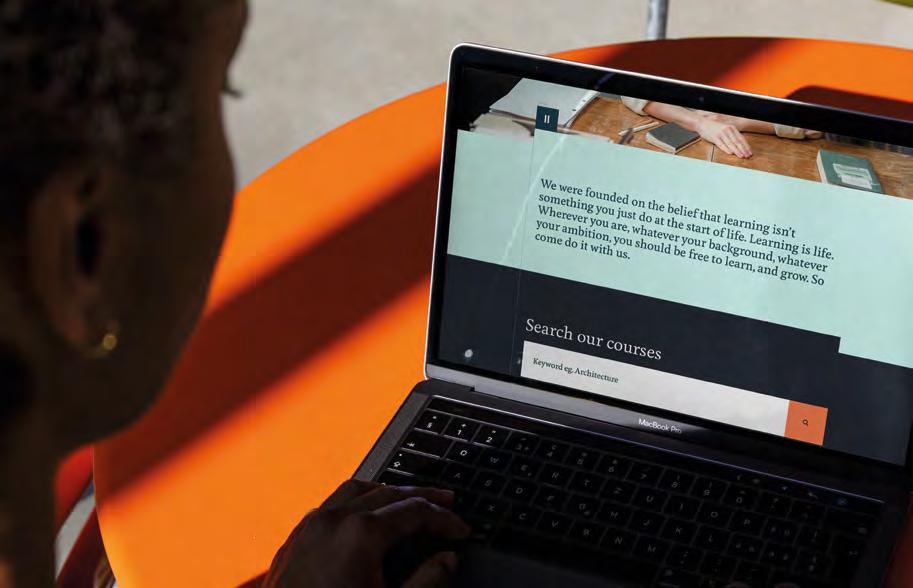
The new pace.cam.ac.uk website was a cornerstone of this transformation. Built on Drupal 11, it aligns technically with the main University site, ensuring future integration and long-term sustainability. But it’s true impact lies in the experience it offers learners: intuitive navigation, user-centred and accessible content, and a clear, welcoming design that reflects our new brand voice.
The website rebuild, alongside the brand refresh, has helped us tell our story with greater confidence and clarity, strengthening how we present our purpose and academic offer to learners and partners, extracts of which can be seen on page 31-32.
Connecting through marketing: storytelling, strategy and brand activation
Despite a reduction in marketing budget in 2024-25, the Marketing Team delivered strong performance through refined targeting, innovation, and collaboration.
The marketing budget was reduced by 27%, with several posts held vacant as part of wider cost control measures. As a result, activity was necessarily focused on conversion-driven priorities, including events, paid campaigns, organic social media and newsletters, rather than broader brand-building or awareness-raising initiatives. While this approach supported short-term cost saving, the reduced investment in sustained market visibility and reduced reach at the top of the funnel will have a lagged impact on course demand and enrolments in subsequent years.
A core focus was the successful implementation of the brand launch and associated campaign, including the rollout of new creative guidelines. This transformation provided a timely opportunity to clarify our values, sharpen our messaging and change the way we communicate with our audiences.
The brand launch campaign, which ran until January 2026, featured authentic, student-led video content that brought our brand values to life. With early indicators showing a projected 27% year-on-year increase in brand impressions, the campaign helped to raise awareness and build connection with diverse learner audiences.
While the paid media budget was constrained, the team continued to explore new and innovative marketing channels, such as YouTube advertising and digital outof-home placements. These pilot approaches will be scaled and refined in 2025-26.
Internally, the marketing structure has begun to evolve to support a more strategic and responsive function. The newly appointed Head of Marketing Alice Bream will lead expanded services beyond recruitment, to include portfolio insight, market research, and storytelling.
Driving enrolment growth and student success
Increasing access to high-quality education remains at the core of our mission. The combined Enrolments and Admissions team, which came together in May 2024 with the appointment of Head of Student Recruitment and Admissions Antony Bounds, was key to supporting learners across their journey, from first enquiry to enrolment and onboarding.
This year, the team managed a high volume of activity across both undergraduate and postgraduate programmes, reflecting the growing reach and reputation of the institute.
• Over 1,200 undergraduate applications were processed
• Over 1,900 postgraduate applications were managed, including 984 on behalf of departments across Cambridge
• The team supported 1,335 undergraduate and 1,836 postgraduate prospective students, managing nearly 8,400 direct email conversations
• Direct email campaigns to prospective undergraduate students generated 11,192 views, driving meaningful engagement and conversions
The focus on improving the applicant experience paid off. During 2024-25, we saw an undergraduate conversion rate of 38%, a significant improvement from 28% the year prior, placing us well above sector benchmarks; however, overall enrolment volumes remained lower year-on-year, reflecting reduced application numbers linked to softer market demand and constrained marketing investment. These gains were achieved through improved targeting, timely communication, and closer collaboration across the institute.
Alongside operational delivery, the team introduced new admissions policies, including a deferral framework that has now been adopted across all University postgraduate courses. A dedicated Early Engagement Package and VLE space was also launched for new undergraduate students, helping to create a more supportive and informed onboarding experience.
The Enrolments and Admissions function now plays a central role in recruitment strategy, student data reporting and compliance, ensuring we meet both regulatory requirements and the evolving needs of learners.
Enhancing student access and support
Building on our brand promise of access, the External Engagement team delivered enhanced information, advice and guidance this year. This included launching a dedicated website section, improving enquiry handling processes and supporting prospective learners through a growing array of communications.
We took over full responsibility for the Bursary Committee, awarding 13 bursaries across 144 applications. This work ensures that financial support is allocated fairly and efficiently, and that we remain committed to widening participation and removing barriers to learning. However, it has also highlighted the need to redesign our bursaries with less restrictive eligibility criteria to ensure available funds will allow us to support more learners and ensure that available resources have greater impact.
Established in memory of a valued colleague who supported thousands of adult learners, the Alison Fordham Bursary was created to offer financial support to those returning to education or new to online study. Funded by the James Stuart Endowment, it provides up to seven awards each year, covering 50% of the course fee.
Additionally, the admissions team led the creation of the English Language and Non-Standard Admissions working groups, helping to shape policy and ensure consistency across programmes. These contributions are an important part of the institute’s commitment to inclusive access and regulatory excellence.
Fostering lifelong relationships: development and alumni relations
One of the most meaningful achievements of the strategy has been the establishment of a new Development and Alumni Relations function at the institute. This work is led by Head of Development and Alumni Relations Sarah Austin, appointed in July 2024, who has started to cultivate connections, develop processes to secure financial support, and position PACE as a valued part of the wider Cambridge community.
A key milestone was the University’s October announcement extending alumni status to all learners who completed award-bearing courses at the institute, reflecting a shared commitment to inclusivity. Our communications celebrated the change and its benefits for our learning community, delivered in alignment with the central alumni office.
We have identified over 4,000 alumni records at the institute, which will need to be integrated in the University’s central alumni database, Amicus. This will lay the foundation for segmented, strategic engagement, ranging from donor prospecting to targeted communications and alumni storytelling.
Focus has been on leading efforts to cultivate donor relationships, steward bursary partners, and engage alumni in new and meaningful ways. This includes:
• Collaborating with marketing to feature alumni voices in the new brand videos
• Supporting fundraising considerations for strategic initiatives such as the Better Futures programme
• Representing PACE at events such as the Alsama Project Dinner, Cambridge Citizens meeting, and the Guild of Benefactors gathering
In its first phase, the Development and Alumni Relations function has helped ensure that our alumni remain part of a vibrant, supportive community, and that we are building long-term capacity for philanthropic support and advocacy.
Strengthening internal collaboration and data-led decision making
As the External Engagement Division has developed, we have placed increasing emphasis on working collaboratively within and beyond the institute. Over the last year, the team has established strong working relationships with Cambridge University Development and Alumni Relations, the Postgraduate Admissions Office, the Language Centre, the University Recruitment and Marketing Team, the International Recruitment Team, and the International Student Office. We are now active contributors to University-wide postgraduate admissions working groups and strategic planning forums, and supporters of alumni and donor events.
Internally, we have streamlined data reporting and created more robust KPI tracking to support continuous improvement. This new capability has enhanced visibility across the learner pipeline, from awareness to conversion, and will inform our marketing, enrolment and course development strategies in the year ahead.
Cross-divisional collaboration is also at the forefront of our forward plans, with new processes being designed to enhance coordination between the External Engagement and other divisions. Together, these efforts support a more integrated and data-driven institute.
Our mission
Welcome to Professional and Continuing Education
On 1 July 2025, we marked a new phase in our story by launching a new name, brand identity and website. More than just a new look, this marks a renewed commitment to lifelong learning and the global community we’re proud to represent. Life continues. So
does learning.
Make Cambridge learning available to every kind of learner, at every stage of adult life.
Cambridge education, within reach.
Community
Collaborative learning, continuing support, lasting connections. All are welcome.
Growth
Transforming individual lives, education and society.
Our brand narrative.
Learning is a right that should be available to everyone, everywhere, at every stage in life.
That was the radical belief that drove our founders. It remains just as radical today.
From weekend courses to part-time Master’s degrees, we open the door to thousands of students to pursue hundreds of the highest quality courses. On-site, online and on their own terms.
Each student joins a diverse and democratic global community: one where all perspectives are welcomed, and every student and tutor keeps learning from each other. And behind all of this is the knowledge and know-how of one of the world’s oldest and greatest universities.
From aspiring professionals to motivated individuals, this is education for a lifetime. Meeting learners where they are, and helping them get where they want to go.
Watch our brand video
Student
story
Wes
Online course in Executive Coaching
Wes enrolled in the Executive Coaching short online course to enhance his ability to support and guide others in high-pressure roles. What he found was a course that not only delivered expert-led content, but also helped shape his future direction.
“I chose this course because the content was the best out there, and the lecturers were all experts in their fields,” he said. “The structure and quality of the learning materials have been excellent.”
He especially valued the peer learning element. “I’ve really enjoyed the opportunity to study alongside, and learn from, like-minded individuals,” he said.
The course had a lasting impact on both his confidence and professional goals. “It’s given me a sense of direction and allowed me to set goals for my future self-development,” he said. “I’ve realised just how important these skills are when supporting, mentoring, and advising business leaders and safety professionals alike.”
Inspired by the experience, Wes has now progressed to the Undergraduate Certificate in coaching.
Student story
Nikki Master’s in History
For Nikki, learning has always been about exploration: “Growing up in Caerphilly, South Wales, I pursued STEM subjects and earned an undergraduate degree in maths from Cardiff before building a career in financial services, specialising in credit risk assessment.”
But after five years, her personal passion for history called her in a new direction. She began by studying GCSE history, then progressed to A-Level history alongside full-time work before completing an undergraduate degree in history at the University of London.
Wanting to take her studies even further, Nikki chose Cambridge for its flexible learning opportunities. Still based in South Wales, PACE allows her to study without relocating, bringing Cambridge’s world-class education within reach.
“The course really understands the diverse circumstances of its students,” she shares. “Catch-up sessions are scheduled after working hours, making learning accessible. My experience has been enriched by interactions with diverse individuals and residential modules.”
She’s especially valued the quality of feedback. “It’s far beyond what I experienced in my undergraduate studies- really helping me develop my skills.”
Looking ahead, Nikki is considering a shift towards academia, with aspirations to pursue PhD studies at Cambridge.
Her journey has been one of determination, growth, and discovery, and her parents couldn’t be prouder. “My studies at PACE are seen as an incredible and admirable feat.”
Operations
Operations continued to provide the institutional infrastructure required to support high-quality teaching, learning and student experience throughout 2024–25. Teams across the organisation contributed to maintaining safe, efficient and accessible operations for staff, students and visitors, ensuring that programmes were supported by robust systems, clear oversight structures and reliable operational services.
The Human Resources team continued to support PACE and Madingley Hall through sustained and often high-volume recruitment activity, with more than 75 new appointments made over the year.
Combined, PACE and Madingley Hall now employ 230 colleagues, equating to 164 full-time equivalent (FTE) posts. This includes 38 FTE at Madingley Hall and 126 within PACE. Overall, the FTE count has grown by 24 over the year, with total headcount increasing by 39.
The team continued to administer the University’s reward schemes, supporting successful applications to both the Teaching and Scholarship Pathway and the Contribution Reward Scheme.
Progress also continued in strengthening the management of the casual workforce. While improvements have been made, the complexity of casual staffing across the organisation means that further work will continue into the year ahead.
Hall HR supported a significant reorganisation of the Madingley Hall operational structure, including the creation of new roles such as Guest Services Manager, Property, Estates and Safety Manager and Housekeeping Manager, alongside additional posts in Food and Beverage, Front of House and the Gardens team.
The team has also begun preparing for the forthcoming Employment Rights Bill. Early steps have included strengthening approaches to preventing harassment and sexual misconduct, and reviewing the use of guaranteed hours for colleagues with variable working patterns. As the final detail of the legislation is still emerging, the team will continue to respond to developments as they arise.
Alongside this, work to streamline internal processes has remained a priority, with improvements delivered to file management, internal training and the review and update of safeguarding records and procedures.
The Finance Team has been working in support of the varied activities across the organisation, with a focus building towards the University’s transition to a new financial approach, and finance system, set to launch in 2027. Our financial performance is covered in the Financial Summary section of this report.
As a member of UPCEA (The Online, Continuing and Professional Education Association) and UALL (The Universities Association for Lifelong Learning) PACE ensures its collaborating with its peers to ensure we offer student pathways to study at Cambridge, enhance its offerings, collaborate internationally, and advocate for the importance of accessible, continuing education.
The PACE Systems Team supported the organisation by delivering secure, data-led systems that enhanced the student experience and improved operational efficiency. The team maintained and developed our core platforms, including Olympus, the new website, Salesforce Customer Relationship Management (CRM) tool and the newly implemented Curriculum Management System (WorkTribe), ensuring reliable integration across University and external systems.
Key activities
A strong focus this year was improving the student journey. The team expanded student support functions within the CRM, introducing tailored processes and more consistent communications. Enhancements to Olympus continued, with particular attention to undergraduate engagement and enrolment pathways.
In July, the team played a central role in launching the new PACE website, working closely with marketing to ensure seamless technical delivery and integration. This work aligned our digital infrastructure with the new brand and provided a more accessible and intuitive platform for learners.
The CRM continued to mature, replacing several manual processes with automated workflows and user-specific dashboards. Case management tools were strengthened to give clearer oversight of enquiry volumes, types and response times across the organisation.
Finance summary
Professional and Continuing Education (PACE) is a trading unit of the University of Cambridge, utilising its fee revenue to deliver academic operations. Its activities are supplemented by University funding and the investment returns from an endowment. Fee revenue increased to £9.8m in 2024-25 across its academic centres, International Summer Programmes, lifelong learning, online and partnerships.
Award-bearing provision remains robust with 1,095 course enrolments, particularly due to continued strong growth of award-bearing postgraduate courses. This has buffered the decline in undergraduate award bearing enrolments.
International Summer Programmes and Lifelong Learning saw growth to 3,972 in 2024-25 due to uplifts on both our core summer programme, delivered across University of Cambridge Colleges, and weekend courses, delivered at Madingley Hall.
Other non-award programmes include online programmes and partnerships, with 2,966 course enrolments, incorporating for the first intakes of Career Accelerator with FourthRev, verified course enrolments our partner edX and our own online programmes. Overall edX enrolments, including free study, totalled 87,751.
Overall academic operations reported a £676k operating surplus in year, up from £530k in 2023-24, with an overall loss of £611k including non-operational costs, strategic investments £432k, to improve our website and support our rebrand, and distributions of £854k, including to our parent University.
PACE reserves
PACE’s reserves are made up of its position in year, its strategic reserve, held to support the operations and mission of PACE, and its Trust Fund holdings to support students.
Overall, PACE has a total loss of £611k in 2024-25 with revaluations of its holdings, principally in the Cambridge University Endowment Fund (CUEF), of £479k, an overall movement of £132k in year. Total reserves carried forward to 2025-26 are £3.8m.
Members of the Strategic Committee
Chair: Professor Bhaskar Vira (Pro-Vice-Chancellor for Education and Environmental Sustainability)
Secretary: Dr James Gazzard, Director Professional and Continuing Education
Dr Xavier Montiel (School of Physical Sciences)
Professor Shaun Larcom (School of Humanities and Social Sciences)
Professor Fiona Gribble (School of Clinical Medicine)
Professor Karen Ottewell (School of Arts and Humanities)
Professor Luca Pellegrini (School of Biological Sciences)
Lindsay Hooper (School of Technology)
Alice Benton (Education Services)
Student story
Kivlyn
Master’s in Genomic Medicine
“I work at the East Genomic Laboratory Hub at Addenbrooke’s as a Scientific Support Officer and Healthcare Scientist. Most of my work involves analysing patient data from genomic tests; mainly solid cancer genome sequencing. It’s complex, but incredibly rewarding.”
Kivlyn’s path to Cambridge began in Uganda, where she was born. “I moved to the UK when I was 11. It was a big adjustment; new culture, new school, and some health challenges along the way. But those experiences shaped me.”
In 2019, she came to Cambridge to study Biomedicine at Anglia Ruskin University. “Cambridge gave me a sense of peace and independence. It’s where I’ve built my life.”
When it came to continuing her education, Kivlyn chose to study with PACE.
“The teaching style really stood out; it’s personal, engaging, and supportive. I’ve grown so much, both professionally and personally.”
One of the highlights of the MSt in Genomic Medicine has been the people.
“Each module brings together such a diverse group of learners. You meet people from all walks of life, and that makes the learning experience even richer.”
“It’s about building credibility and deepening my expertise. But more than that, I want to take what I’ve learned and give back. I’d love to return to Uganda one day and help raise awareness of genomics as a future health priority.”
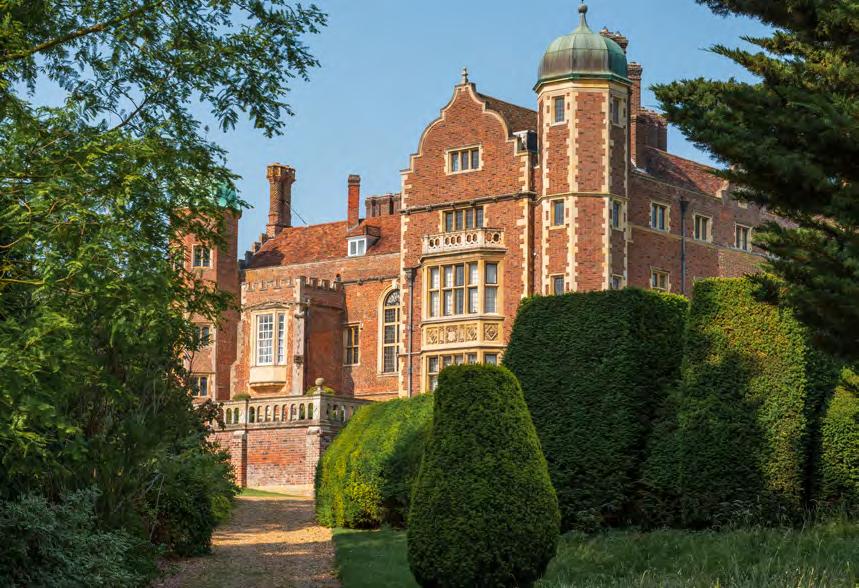
Madingley Hall and Gardens
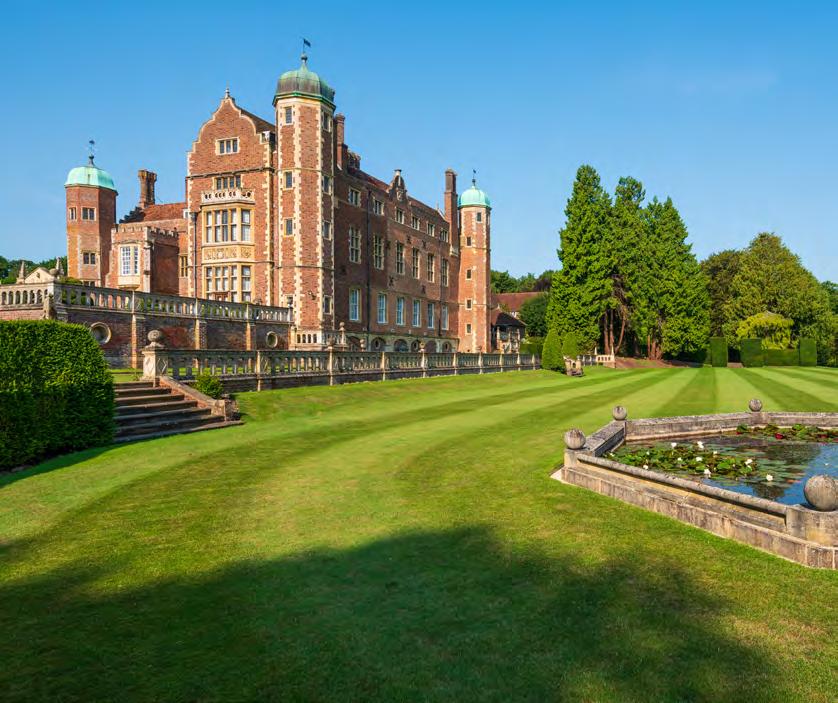
The year was one of both challenge and achievement for Madingley Hall and Gardens. Despite a partial closure between January and May due to essential building works in the original sixteenth century core of the building, revenues remained broadly in line with the previous year, an impressive outcome under the circumstances. Projections indicated that, had full trading been possible, revenues would have increased by more than £500k, which would have significantly reduced the losses associated with closure.
Several key appointments were made to strengthen operations and enhance guest experience. These included a Property, Estates and Maintenance Manager, Ali Digby, to improve oversight of compliance; a Housekeeping Manager, Delia Boboia, to drive standards; a Guest Services Manager, George Fleming, to support a seamless guest journey; a dedicated Overnight Manager, Mark Simpson, plus two new colleagues outsourced from the Central Safety Department to replace agency staff; a Deputy General Manager, Laszlo Makar, to lead daily operations; and a new Head Gardener, Tom Wheatcroft, following the retirement of our long-serving predecessor.
Building and operations
The Hall experienced several significant structural issues during the year. Deterioration in the main stair hall flooring and joists required urgent intervention and resulted in a five-month partial closure. In addition, instability in a section of the external fascia demanded immediate structural review and remedial works. These incidents underscored the importance of proactive maintenance and reinforced our commitment to ensuring the Hall’s safety, integrity and compliance.
Continuous monitoring and planning continued throughout the year to address longer-term maintenance requirements and safeguard the Hall’s historic fabric. Despite the operational challenges, Madingley Hall retained its Visit England Five-Star Campus Rating. This recognition was encouraging, while also highlighting the increasing need for refurbishment to maintain standards in line with guest expectations.
Gardens
The gardens continued to welcome visitors from the local community, the University and international guests, with many course and conference delegates making use of the gardens and Capability Brown landscape. More than 300 visitors attended guided tours delivered by the garden team.
At the time of reporting, bulb planting had begun in earnest, with over 1,000 bulbs being added to enhance displays in the walled garden and courtyard areas. These plantings were intended to complement the extensive naturalised displays that once again provided a highlight in spring.
The growing season from spring to summer 2025 brought exceptional heat and drought, creating significant challenges for the garden team. The lawns, which are not irrigated, were particularly affected; however, following late-season renovation, they had returned to a healthy condition by the end of the season. Despite the weather, the gardens experienced an excellent flowering season, supported by the warm conditions. The walled garden continued to supply the Hall with cut flowers throughout the year, including scented sweet peas, Dahlia ‘Chat Noir’, Panicum ‘Frosted Explosions’ and a range of hardy and non-hardy chrysanthemums. Cut-flower production remains an important feature of the garden, creating a connection between the Hall and the historic productive landscape.
The increasingly unpredictable weather patterns will continue to shape future decisions about plant selection, placement and irrigation to ensure sustainable use of water and staff resources.
The gardens’ mature tree collection remained a particular feature. Autumn colour was especially strong, with Liquidambar styraciflua ‘Lane Roberts’ producing long-lasting reds and the Ginkgo biloba displaying striking butteryellow foliage. The clipped yew topiary and hedging provided structure throughout the year. A significant loss was the removal of a 200-year-old Cedrus libani (Cedar of Lebanon), which had suffered from white rot caused by Ganoderma adspersum. Following specialist advice, removal was the only safe option. A replacement tree had been pre-emptively planted and has established well, and timber from the original tree has been retained for future garden features, with one section remaining in situ to provide seating.
In July, Richard Gant, Head Gardener at Madingley Hall, retired after a distinguished career spanning more than 37 years. Since his appointment in 1988, Richard had played a central role in shaping and sustaining Madingley’s gardens as a place of beauty, learning and restoration. Under his stewardship, the gardens had been carefully preserved and enhanced, including the expansion of tree genera, the restoration of the historic meadow, and the development of a diverse walled garden representing plants from five continents. Richard’s work has been widely recognised for its sensitivity and excellence, and the gardens had become an integral part of the student and visitor experience at Madingley, offering a valued environment for reflection, wellbeing and inspiration. His contribution to public engagement, education and partnership working across the University and wider horticultural community has been significant, and his legacy continues to shape the gardens for future generations. In recognition of Richard’s sustained excellence, his name was added to the Distinguished Service Board at Madingley Hall.
Hall financial summary
Madingley Hall and Gardens supports University educational delivery to its students, supplemented with external conferencing and hospitality activity. In 2024-25 the Hall achieved income of £2.8m, returning a £323k operating loss, and a total loss of £526k after nonoperational overheads and distributions.
Madingley Hall and Gardens revenue by activity
Madingley Hall and Gardens financial summary
Student story
Kristina Master’s in Coaching
For Kristina, education has always been about possibility. Born in Belarus, she was determined to pursue the best learning opportunities she could, moving to Spain at age 10 and studying across multiple countries. In Prague, she mastered Czech in just nine months to access free education, proving that learning can fit into anyone’s life, at any age.
A passionate lifelong learner, Kristina’s academic journey includes awards in international relations, economics and philosophy in addition to psychology, counselling and coaching. Kristina’s passion for education extends beyond the classroom. As Editor-in-Chief of Clever Magazine, a nonprofit educational editorial, she helps shape conversations about the future of learning worldwide.
Studying at PACE was a natural choice. The course provided a high standard of academic and professional training,” she says. “Beyond that, the course structure is carefully designed to balance theoretical understanding with practical application.”
As a busy professional, Kristina needed flexibility. “The part-time structure is exactly what I need - it allows me to fully engage with my studies while managing my responsibilities.”
Reflecting on her experience, Kristina is grateful for the knowledge, tools, and methodologies she’s gained. “These resources enhance my ability to deliver tailored academic and career coaching. To anyone considering this journey, embrace it wholeheartedly. Studying at Cambridge offers a unique opportunity to learn from world-class educators, connect with a diverse community and grow both personally and professionally.”
Dr Jim Gazzard
Director of Professional and Continuing Education College: Wolfson
Resigned September 2025
Christine Kinally Director of External Engagement
Natalie Palfrey HR Manager
Senior leadership team
Henrietta Branston Director of Professional and Continuing Education Governance
Dr Claire McCafferty Director of Academic Programmes
Resigned October 2024
Richard Stuckey Director of Finance, Business Systems and Partnerships
Dr Chris Huggins Director of Academic Programmes College: Lucy Cavendish
Stewart McTavish Director of Academic Programmes, Better Futures College: Downing
Monica Kelly Deputy Director, Academic Centre Division
Sarah Ormrod Director of International Summer Programmes and Lifelong Learning
Academic staff 2024–25
Academic
Job Title
Dr Ali Al-Sherbaz Associate Teaching Professor - Digital Skills
Dr Yvonne Battle-Felton Associate Teaching Professor - Creative Writing