For over 50 years, California State Parks Foundation has been the leading statewide voice in advocating for parks and people, protecting the best of California for future generations.
We want to hear from you!
Tell us what you think of this issue of California’s State Parks by taking our short survey. Your feedback helps us improve future editions — and you’ll be entered to win a California Explorer Vehicle Day Use Annual Pass ($195 value), provided by California State Parks Foundation! Just scan the QR code to get started.
Ways to Get Involved
DONATE
Scan the QR code to enter to win!
Our donors make our work possible. We welcome gifts from individuals, corporations, and foundations — including gifts from donor-advised funds, stock gifts, workplace giving, and in-kind donations. Learn more at calparks.org/allwaystogive
BECOME A MEMBER
Join our community of park lovers working to protect California’s state parks. Membership starts at $25 and includes great benefits. With a gift of $1,000 or more, you’ll join the Californians Leadership Circle and enjoy exclusive perks like event invitations and a parks pass. Learn more at calparks.org/membership
LEAVE A LEGACY GIFT
Many people choose to leave a gift to charity in their will or trust because they care about the causes that matter most in their lives. To learn more about making California state parks a part of your enduring legacy, visit calparks.org/legacy or contact Samantha Joseph, Director of Development, at 415-262-4404 or samantha@calparks.org.
VOLUNTEER
Volunteers are critical to the work we do — taking care of state parks. Together, we can accomplish so much to make our parks safe and enjoyable for visitors and their natural inhabitants. To sign up for a volunteer day near you, visit calparks.org/volunteer
CONNECT
California’s 280 state parks need you! Please visit them and be inspired, learn, relax, and have fun. To stay up to date on our projects, programs, park events, activities, and more ways you can support parks every day, visit our blog at calparks.org/blog and connect with us on social media:
DISCOVER MORE
Explore how we’re protecting California’s state parks and how you can get involved. To experience this magazine online, visit calparks.org/magazine. To learn more about our work, head to calparks.org.
California State Parks Foundation 235 Montgomery Street, Suite 1202 San Francisco, CA 94104 calparks.org /calparks @calparks @californiaparks @calparks
Executive Director’s Letter
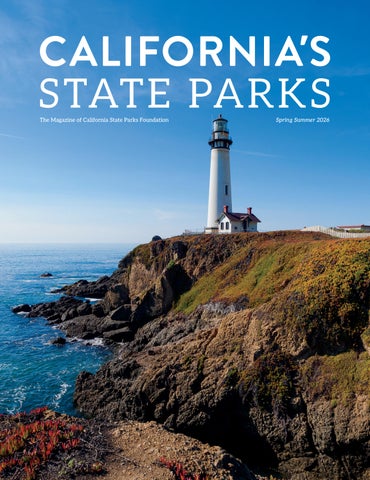
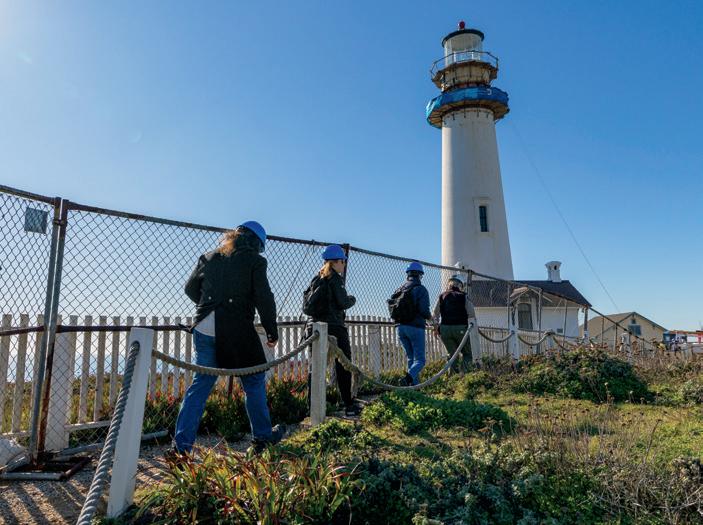
California’s state parks are places of connection — to nature, to history, and to the communities that shape us. From the lighthouse at Pigeon Point Light Station State Historic Park to the overlooks at Anza-Borrego Desert State Park, these places help us understand where we come from and why they matter today.
This issue reflects that truth. Parks hold layered natural and cultural histories — coasts where land meets water; living cultures and stewardship traditions; and lesser-known stories found in rivers, canyons, and historic sites across the state. Preservation is not just about protecting scenery or structures; it is about honoring the people and experiences tied to them and ensuring they endure for generations.
Visitors are increasingly seeking experiences that help them understand the history, culture, and meaning of the places they visit. The articles in this issue show what happens when those connections are made — through storytelling, restoration, and the care communities invest in parks across the state.
California State Parks manages these places every day, and at California State Parks Foundation, we are proud to serve as their nonprofit partner. A key part of our vision is a state park system that is accessible and relevant to all Californians. We advocate for policies that preserve historic places, invest in climate resilience, and expand equitable access. We work with park staff and partners to restore ecosystems, support the people who bring park stories to life, and help every visitor feel a sense of belonging. The stories in this issue reflect the dedication of staff, volunteers, and community partners — the people whose commitment makes this work possible.
Parks are reflections of our shared past and promises to our future. As California faces rapid environmental and social change, the role of parks has never been more essential — and neither has the work of protecting them.
Thank you for being part of this work.
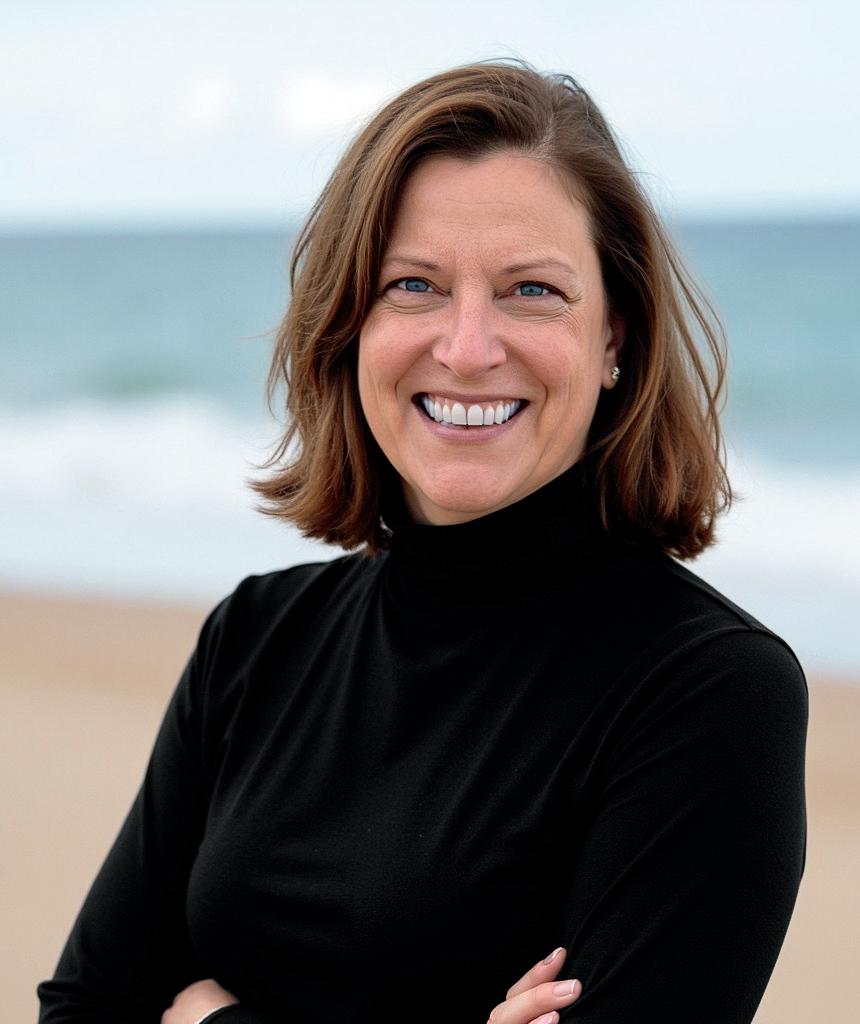
Rachel Norton Executive Director
Write us a letter about the current Spring Summer 2026 Issue
Scan the QR or visit calparks.org/ LetterstotheEditor
Letters to the Editor
“You guys are a really good thing in this crazy world. Keep up the great work.”
— Sabrina L.
“I think that the articles really showcased the dedication and level of expertise of the California State Parks staff, which I don’t think … the general public fully understands or appreciates. I also like the way the articles discussed the complexities of managing parks regarding public access, invasive species, climate change, etc.”
— Sarah J.
“I shared this magazine with my neighbor who has two young boys. They may start visiting more parks. They enjoy watching the monarchs who are also feeding and becoming caterpillars in my yard.”
— Trudy L.
“I was so happy to get this magazine and sat down and read the whole thing right after the mailman delivered it. Thank you.
I loved every article.”
— Jan S.
“I really enjoyed your wide range of topics in this issue! There was something for everyone — practical tips for camping, various park highlights (so you can learn about the next park you want to visit), and wonderful educational information (which also informs us of how our donations can be effective).”
— Valerie L.
“I always enjoy articles about different state parks. I forget how many there are, and when I read an article, it usually reminds me I need to get out and explore more of California’s state parks.”
— Beth Q.
“Public awareness about the many beautiful California state parks is important to preserving our natural beauty and encouraging visitors. This magazine is an inviting medium to get this information into our homes.”
Five river parks reveal why every protected acre matters in California’s San Joaquin Valley.
By Rachael Kirk-Cortez
o the untrained eye, the San Joaquin Valley appears to be a grid of perfectly straight lines. Large highways, brimming with cars and trucks barreling through the valley, divide the land. Precise rows of orchards and crops slide past car windows in endless repetition, interrupted only by the concrete aqueducts, often mistaken for rivers, that channel water to these crops.
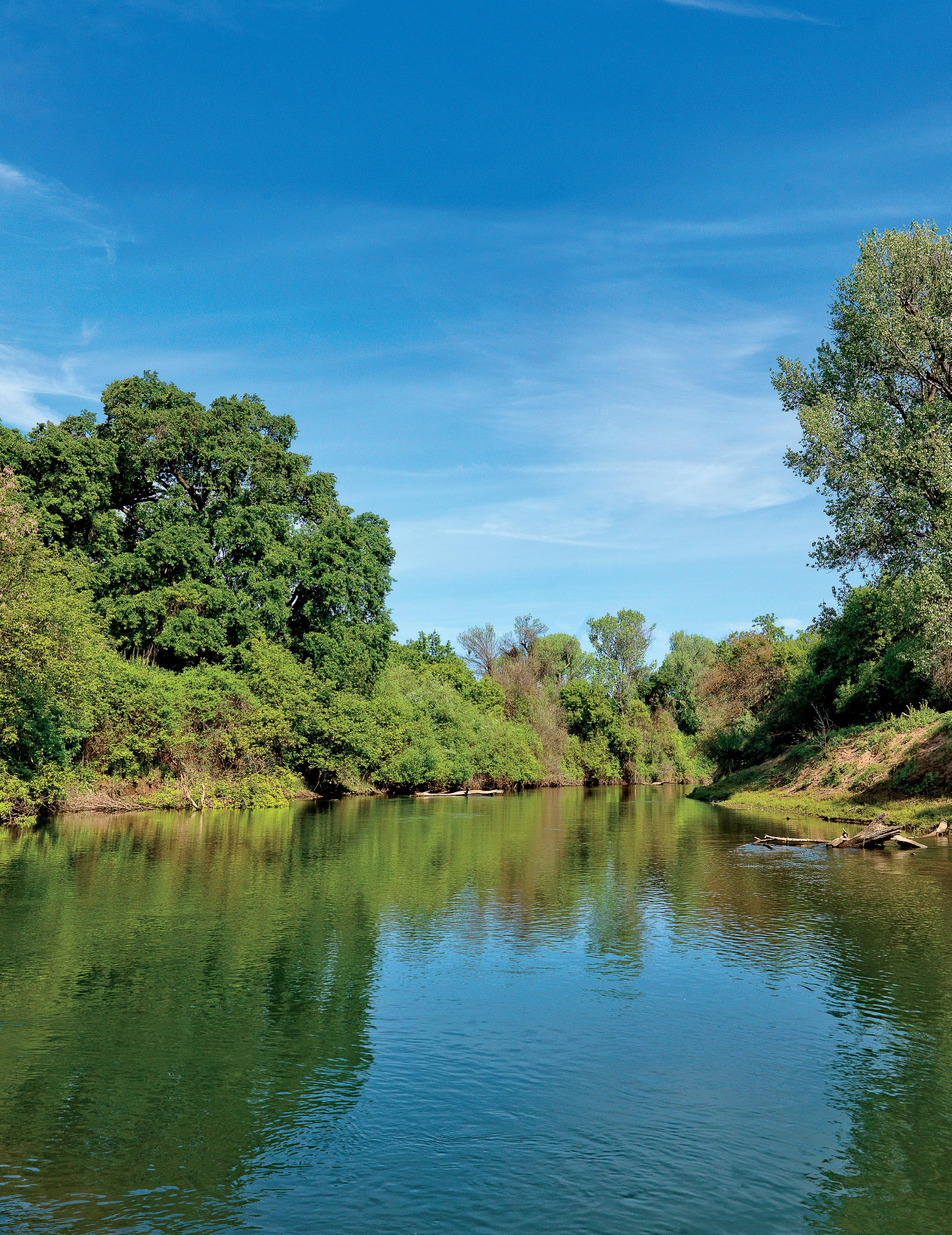
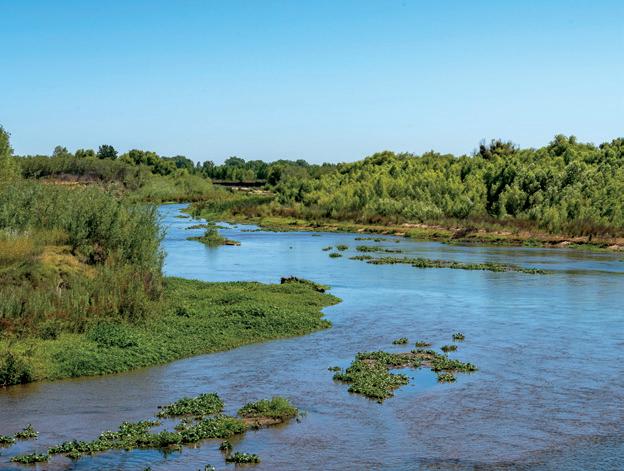
Yet for those who know where to look, this same valley offers unexpected beauty, endangered ecosystems, and worthwhile opportunities for recreation. Beloved rivers, more often photographed at their headwaters in the Sierra Nevadas, peacefully wind through this same valley. Hidden in plain sight, the five parks in California State Parks’ Rivers Sector defy human-made order, reminding us that we need wild spaces to thrive.
Where Every Acre Matters
Less than 1% — that’s what the 5,000 acres preserved within these five parks represent. Together, they make up less than 1% of the land inside the San Joaquin Valley. Caswell Memorial State Park, Dos Rios, George J. Hatfield State Recreation Area, Great Valley Grasslands State Park, and McConnell State Recreation Area together protect parts of the Stanislaus, Tuolumne, Merced, and San Joaquin rivers as they merge and flow into the Sacramento-San Joaquin Delta. In a place where protected land is limited, every acre of these parks holds outsized importance.
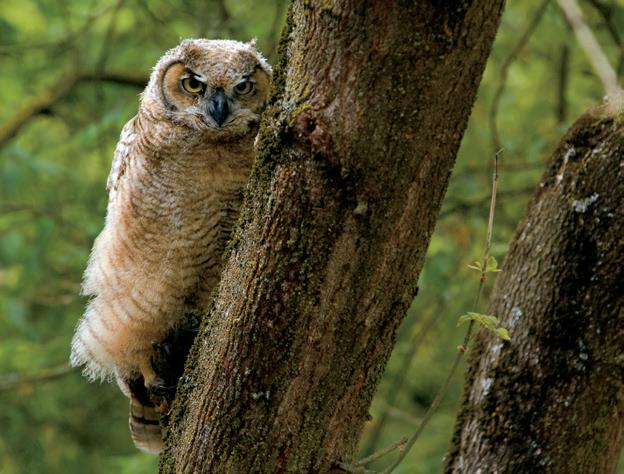
These parks offer a rare view of the San Joaquin Valley’s natural ecosystems before human intervention. Although the surrounding farmland may look like green space, it does not provide food, shelter, native habitat, or protection from predators that wild animals need to survive. These parks are essential to the survival of threatened plants and animals, from the delta button celery to the riparian brush rabbit. Paige Haller, Rivers Sector Manager with California State Parks, shares, “It’s been personally worldaltering for me to experience the life and vibrancy within the ecologically important habitat these parks protect.”
These parks are critical to a climate-resilient future. By restoring and protecting natural floodplains, these parks allow rivers to rise and spread safely, improving conditions for nearby communities, recharging aquifers, and strengthening the region’s resilience. Ongoing work in riparian oak forests to reduce their fuel load helps prevent megafires in landscapes where fire was once managed naturally.
Recreation adds another layer of value. These parks offer a respite from the valley’s summer heat, giving visitors a place to reach the river and connect with nature. Their distance from major cities also protects dark skies, making stargazing a signature experience during campfire programs. “We all need open space,” says Danielle Gerhart, Central Valley District Superintendent of California State Parks. “We all need a place where we can enjoy nature and experience the unexpected sense of peace these parks provide.”
They also carry cultural importance. Located within the ancestral home of the Northern Valley Yokuts, the land now contained in these parks has sustained human life since time immemorial. >>>
While these parks together form a connected system, each park offers something unique, inviting visitors to discover how much nuance and detail can be found within this region.
McConnell State Recreation Area
Where the Valley’s Park Legacy Began
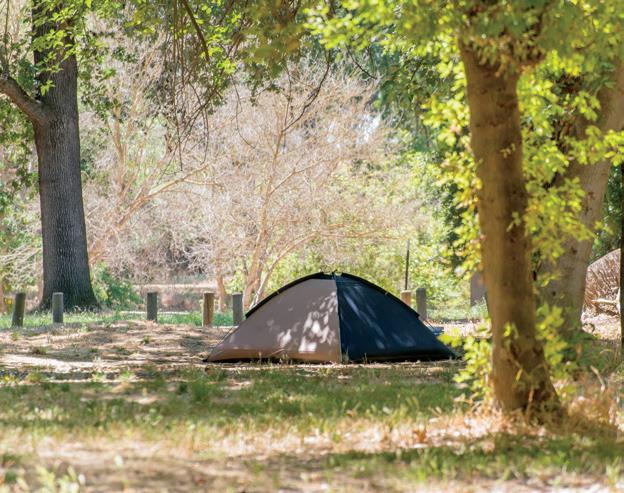
McConnell State Recreation Area opened in 1950 as the first state park within the San Joaquin Valley; it was created specifically to bring protected land to a region with few parks. Set along the Merced River, it has served as a welcoming gateway to the beauty of these rivers for the past 75 years. Within a small footprint of 74 acres, visitors enjoy camping, picnicking, and fishing year-round, and swimming and rafting or kayaking in warmer months.
George J. Hatfield State Recreation Area
A Gift to California
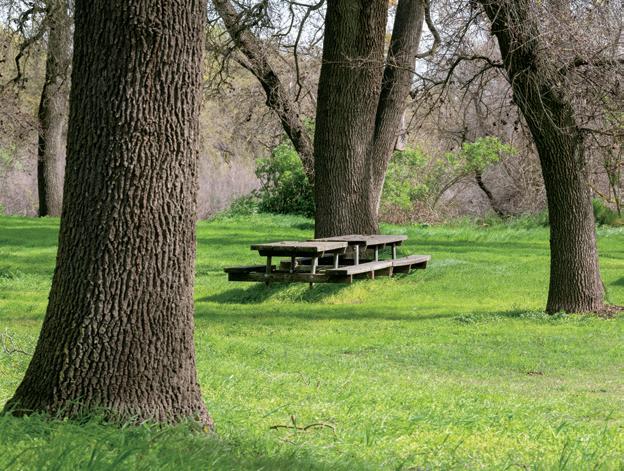
This park was established in 1953 on 46 acres donated by California Lieutenant Governor and State Senator George J. Hatfield and offers opportunities to kayak, canoe, picnic, swim, and fish along the San Joaquin River. Campers can look forward to campground enhancements, including new picnic tables, shade ramadas, fire rings, modernized restrooms, upgraded parking areas, and refreshed interpretive panels — updates that help the park continue its role as a place of connection and recreation.
Caswell
Memorial State Park
Float Through a Rare Forest
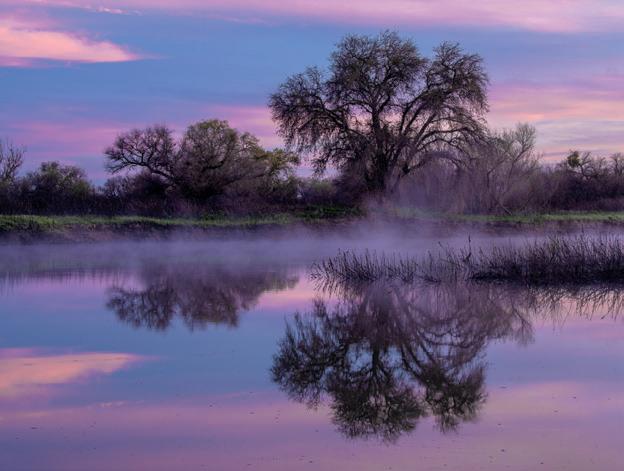
Caswell Memorial State Park started from a gift from the Caswell family to preserve the mature riparian oak woodland found within the park from encroaching development. Here, visitors can float through willows alongside the Stanislaus River or camp among cottonwoods, experiencing a living window into the San Joaquin Valley of long ago. California State Parks is currently performing trail restoration work and installing campfire center improvements, ensuring that future generations can discover the same sense of refuge and relaxation that inspired the park’s creation.
Dos Rios
The Next Chapter of the Valley’s Legacy
A new chapter unfolds at Dos Rios. Purchased through a partnership in 2012, River Partners and the Tuolumne River Trust spent more than a decade transforming working ranchland into restored floodplain forest. More than 350,000 native trees and plants now take root across eight river miles, causing birds (and birdwatchers!) to flock to this park at the confluence of the San Joaquin and Tuolumne rivers.
The park opened to the public for day use in 2024 with guided tours, picnic areas, and educational programs. The 3-acre Native Use Garden preserves culturally significant plants in perpetuity, ensuring Native peoples have continued access to materials for ceremonies, food, medicine, and traditional arts such as basket weaving. In 2026, a new welcome center will open with expanded public gathering space.
Great Valley Grasslands State Park Restoration Continues in the Wetlands
Great Valley Grasslands State Park protects over 2,800 acres that contribute to California’s largest contiguous wetland block. Current work in the park includes breaching levees that no longer serve a purpose, allowing the San Joaquin River to move more naturally across its historic floodplain. This reconnects fish to spawning grounds and restores wetlands and native grasslands while strengthening resilience in the face of future floods. Visitors can take a day trip through this park using the Fremont Ford small boat launch or by walking along the unpaved roads, where wildlife and seasonal wildflowers are common sights.
Find Your Place: These Parks Await You
Enjoying these parks is simple. Share the space with other visitors and with the plants and animals that rely on it. Come with curiosity, take time to observe, and immerse yourself in the landscape. “These places have special meaning to the plants and animals that call them home and to the humans that call them a home away from home,” says Haller.
In a region where protected land is scarce, these river parks carry a responsibility far greater than their size. They are windows into the past, anchors in the present, and living investments in the future — inviting every visitor to step in, look closely, and see what thrives when rivers and people have room to breathe. “When people discover these places, they love them and want to keep coming back,” says Gerhart.
Parks for the People: Make Your Mark
Both first-time visitors and familiar faces have the opportunity to chart a course for the future of these parks. Dos Rios and Great Valley Grasslands are currently undergoing the general plan process, a crucial step that allows permanent improvements to be made. “Our goal is to build these parks with the community, not just for the community,” says Gerhart. “These are public places, and we value input.” \\\
Scan to follow the progress at Great Valley Grasslands State Park and stay involved.
Discover Anza-Borrego Desert State Park in just 24 hours.
BY JAIME PURINTON
Saturday Midday
By midday, the desert sun warms the open expanses of Anza-Borrego Desert State Park, California’s largest and one of the most ecologically diverse state parks. Spanning 650,000 acres about an hour and a half east of San Diego, the park stretches across rugged mountains, palm oases, slot canyons, and broad alluvial valleys; it’s a place that invites you to begin exploring the moment you arrive. You start your visit at the Anza-Borrego Desert State Park Visitor Center, a partially subterranean building that blends seamlessly into the surrounding terrain. From the rooftop garden, you take in the dramatic rise of Indianhead Peak above the desert floor. Inside, exhibits introduce you to the region’s remarkable ecological diversity and offer you a glimpse of what you will see in person. Located just inside, you can shop at Anza-Borrego Foundation’s Park Store for maps, field guides, and desert-inspired goods to help you orient yourself within the park’s hundreds of miles of trails and 500 miles of dirt roads.
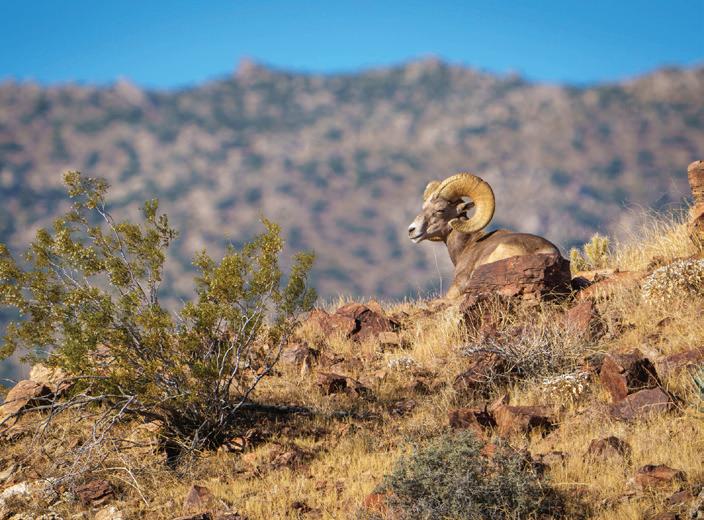
From here, you make your way west to Borrego Palm Canyon, home to one of California’s largest naturally occurring fan palm oases. A 3-mile round-trip trail winds along a sandy wash lined with brittlebush, barrel cactus, and unique rock formations to the palm oasis. Keep an eye on the ridgelines, and you may spot endangered Peninsular bighorn sheep perched on the canyon walls.
Saturday Evening
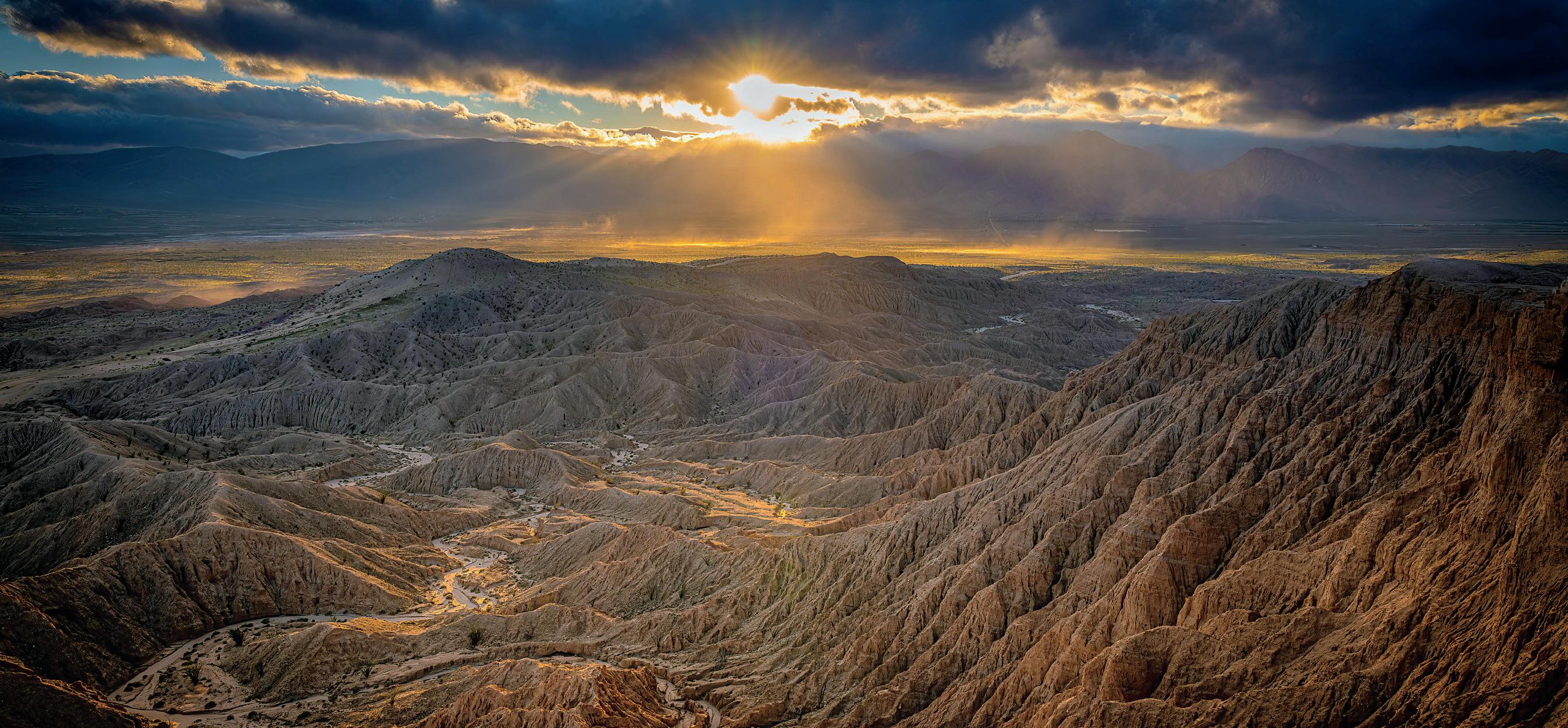
As late afternoon settles in, you set your sights on Fonts Point, one of AnzaBorrego’s most dramatic overlooks. If you’re driving a high-clearance or an all-wheel-drive (AWD) vehicle, a sandy road takes you to a cliffside viewpoint above the Borrego Badlands. Arrive in time for sunset, when the maze of ridges and canyons glows in shades of rose and gold. It is a sweeping view into millions of years of natural history.
Anza-Borrego Desert State Park
For dinner, you return to Borrego Springs and settle in at Carlee’s Bar & Grill, a long-standing community favorite. But if you want to deepen your connection to the desert, you continue back into the park to Blair Valley, a broad basin designated for primitive, first-come, first-served camping. With wide horizons and quiet evenings, it’s an ideal place to settle in for the night.
When night falls, you look up. Both Anza-Borrego Desert State Park and Borrego Springs are internationally recognized Dark Sky Parks and Dark Sky Communities, where natural darkness is carefully protected. Under the Milky Way, the clarity of the desert sky offers a sense of scale and wonder you won’t soon forget.
Sunday Morning
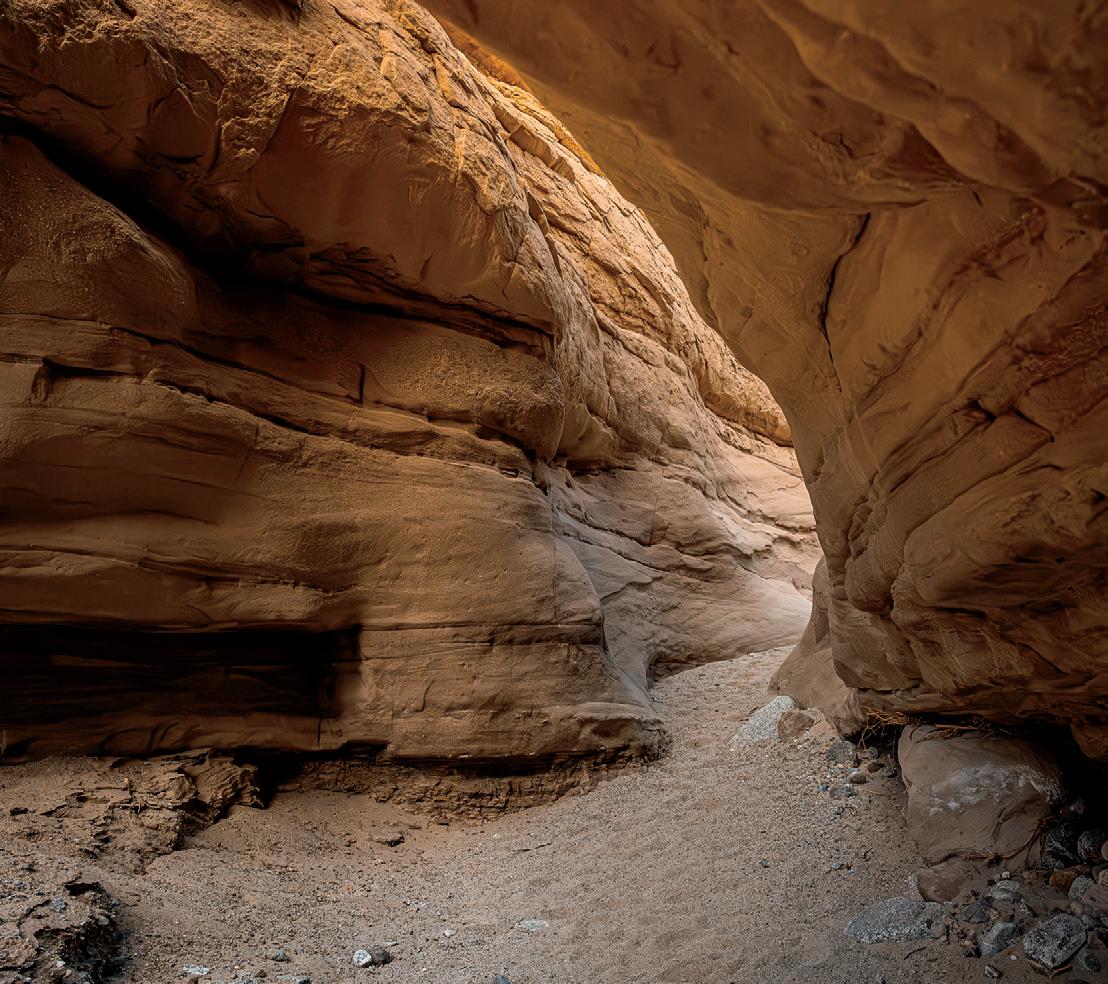
You wake up to the yelps of the coyotes and a full day of adventure ahead. Break down camp and head toward the slot canyons for one of the most unique hikes in the park. The trail is short — about a mile round trip — but unforgettable. You squeeze between towering sandstone walls, walk beneath dangling overhangs, and follow twisting passageways. It’s a brief hike, but one that reveals an entirely different side of the desert: shaded, quiet, and shaped by water in a landscape defined by sun and stone.
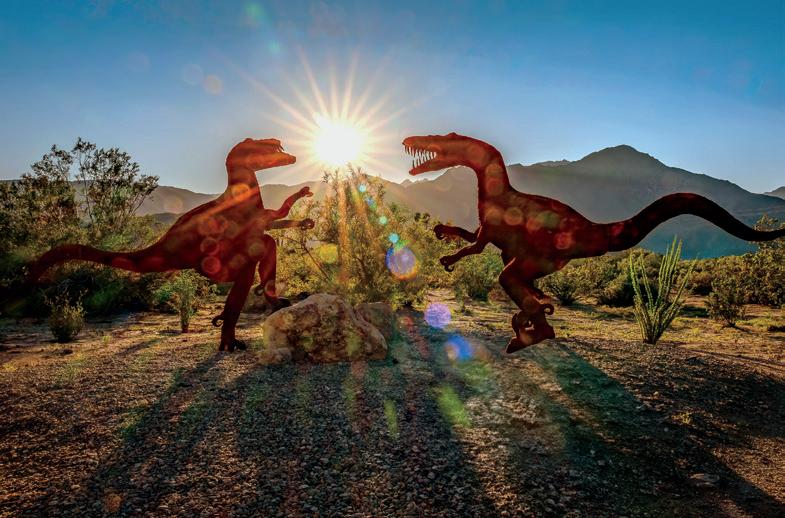
After your hike, you head into Borrego Springs, the small, welcoming community completely surrounded by the state park. Stroll through town, visit the Borrego Art Institute’s gallery, or seek out the imaginative Galleta Meadows sculptures — a collection of large-scale metal artworks featuring prehistoric creatures, animals, and other figures located around Borrego Springs.
Sunday Afternoon
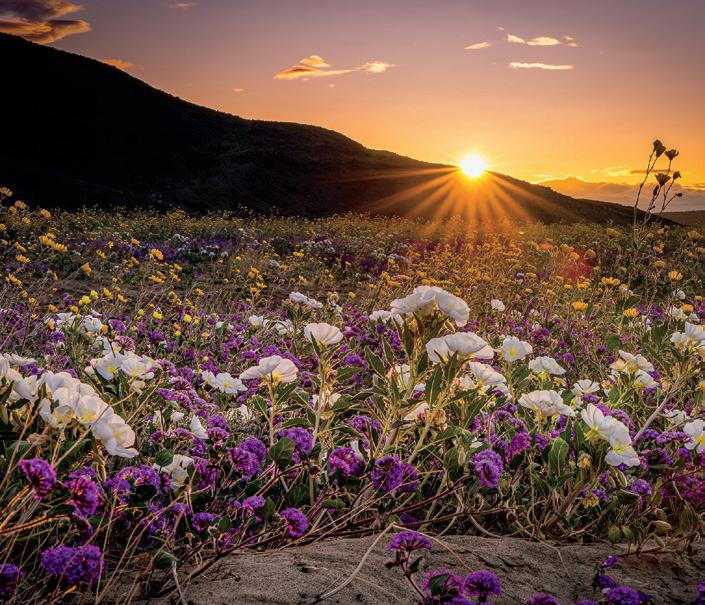
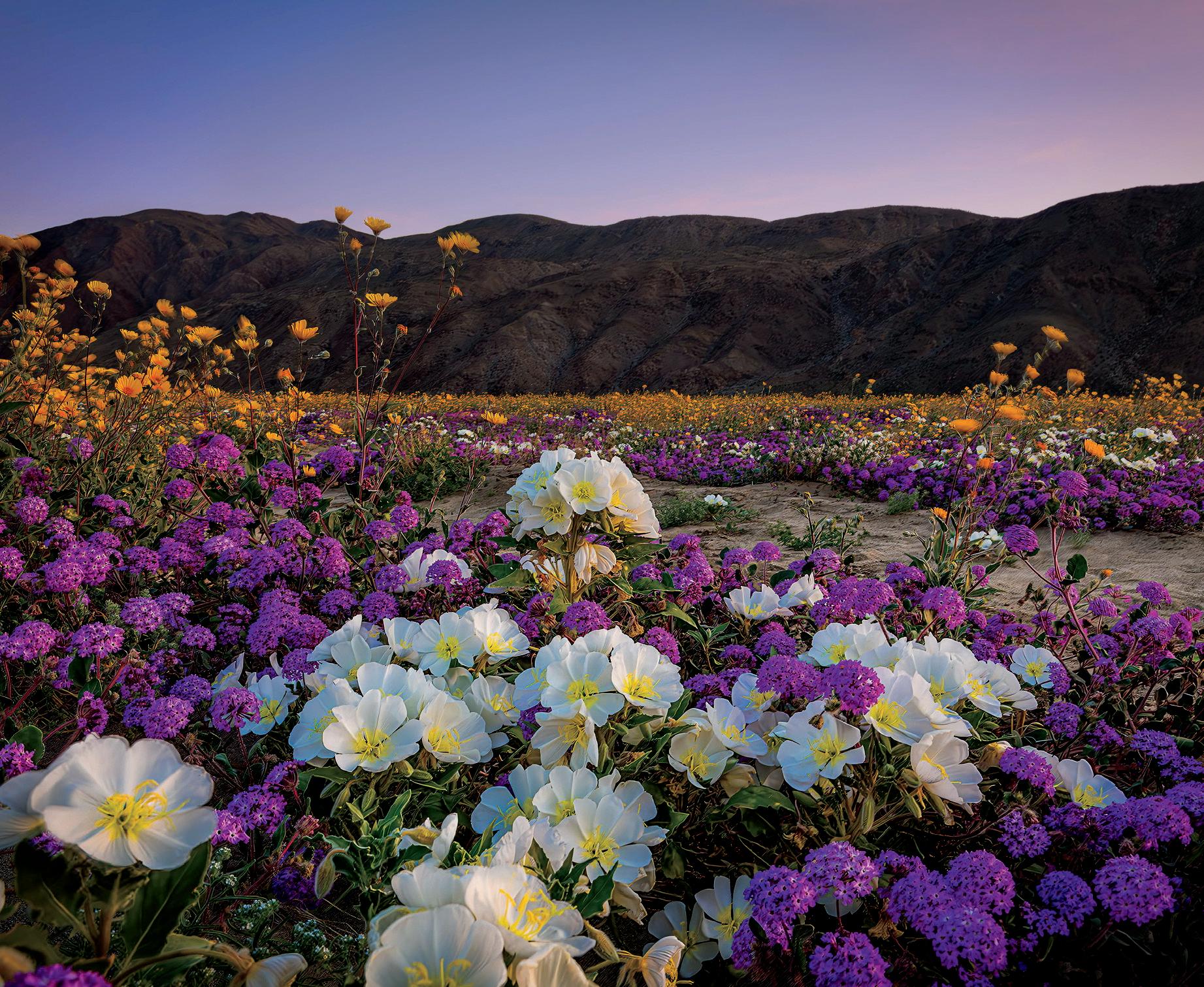
As you prepare to head out of town, you gas up and make a stop along Henderson Canyon Road to look for seasonal wildflowers. Sometimes a single bloom appears. Sometimes whole stretches of color appear, depending on the year and the amount of rain.
In just 24 hours, you’ve experienced a sampling of what makes Anza-Borrego extraordinary — geological drama, diverse wildlife, expansive views, and rare opportunities for natural darkness and natural quiet. As the weekend comes to an end, you may leave with the sense that 24 hours in this vast and varied park is only the beginning. Yet even a single day offers a lasting connection to this magnificent place, the quiet it provides, and the community that thrives with it. \\\
To learn more, watch our interview with Danny McCamish, Senior Environmental Scientist with California State Parks: calparks.org/anzavid
QUICK SAFETY CHECKLIST
There is no cell service in most of the park, so download maps before you arrive.
Many dirt roads require AWD/highclearance vehicles.
Tell someone where you’re going and when you’ll be back.
Bring plenty of water (at least 1 gallon per person per day).
Advice from real families on enjoying parks together.
Make It a Game
“We spend hours walking the Redwood Grove Loop at Henry Cowell Redwoods State Park, telling forest stories, feeling small beneath towering giants, and counting every banana slug we find. It is always the perfect family adventure.”
— Erica T.
othing beats connecting with loved ones in a beautiful place. Every family is unique and has their own creative ways to enjoy the outdoors together. For some, it’s a day at the park with children. For others, it might be a serene day with grandparents, close friends, pets, or anyone else you call family.
We asked our community to share their best tips for having fun with their families in state parks. We hope these eight tips help you tap into the joy of a family park visit.
Some responses have been lightly edited for clarity and length.
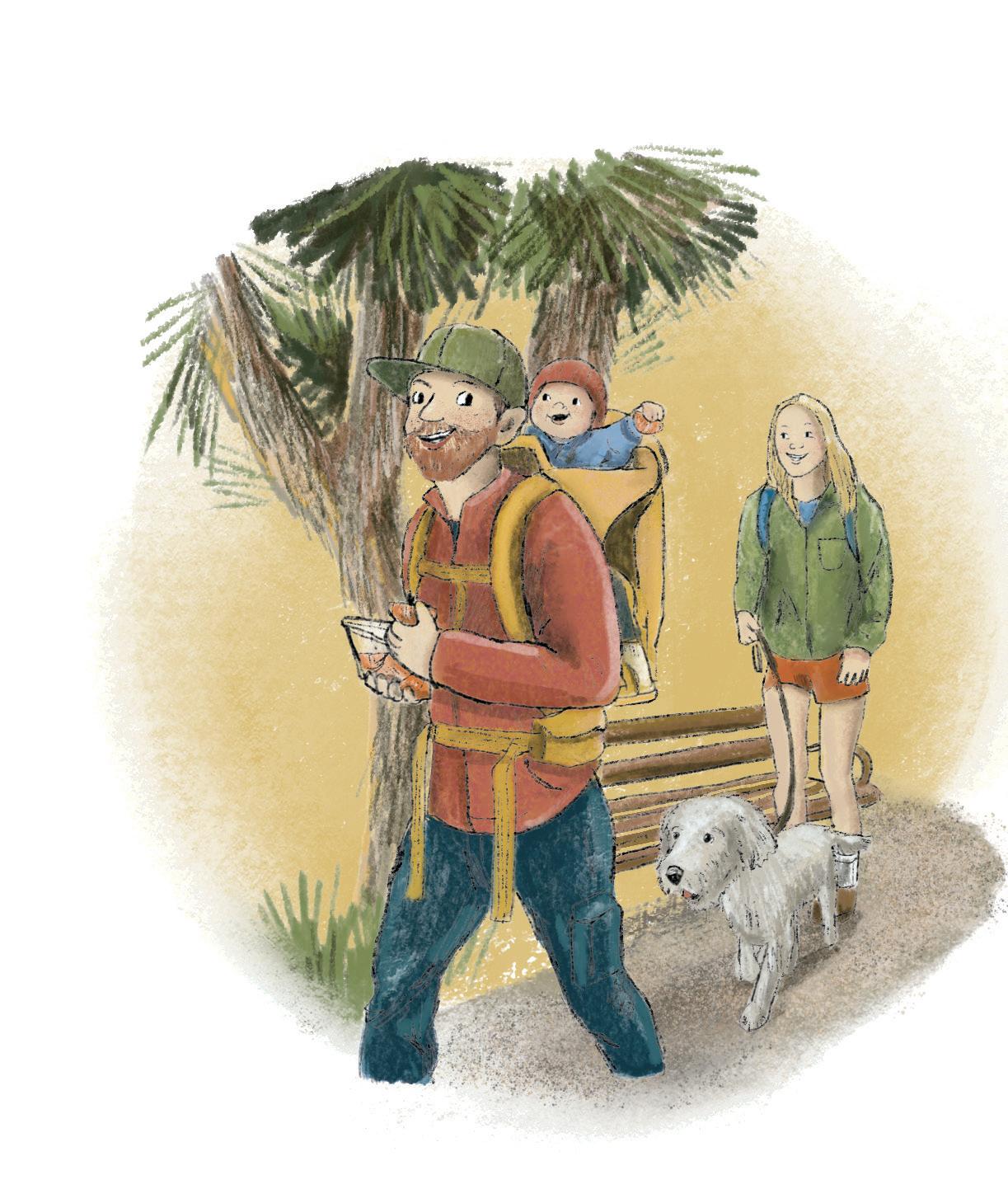
“With a curious on-the-move 1-year-old, we’ve learned to keep things simple: a solid carrier, lots of snacks, and a short trail with room to pause. Going out when he’s in a good mood makes all the difference, and slowing down helps us appreciate the little adventures along the way.”
— Tricia V.
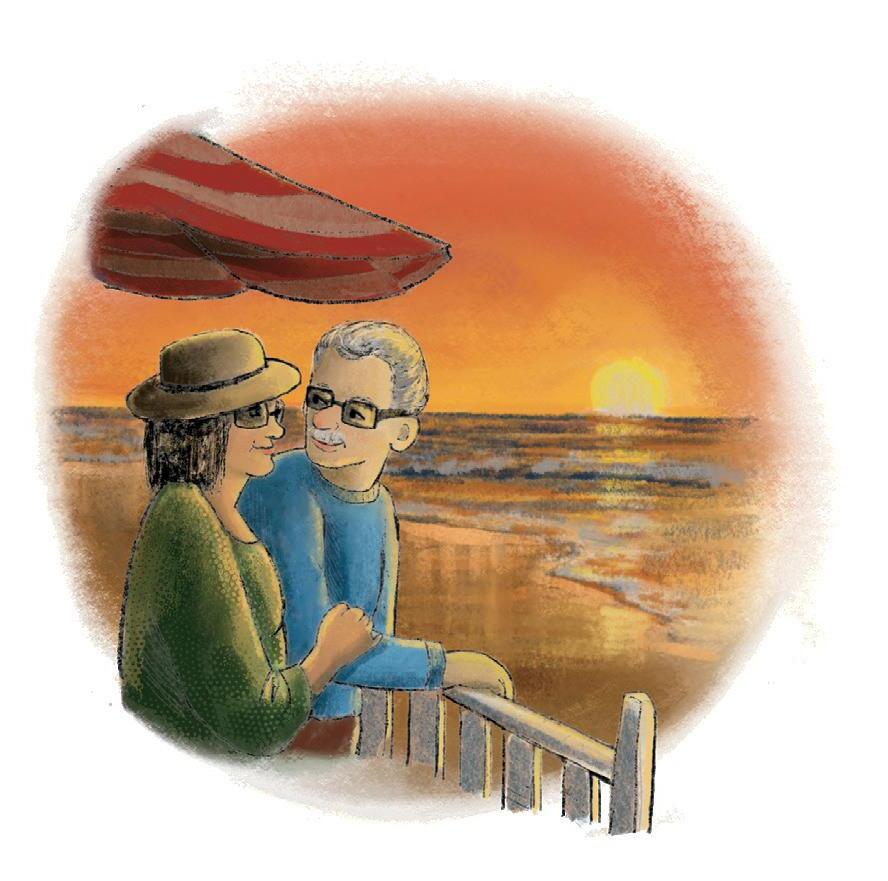
“I recently stayed at the Crystal Cove Beach Cottages with my family. My parents aren’t really ‘parks people,’ so it was really special to have them so excited about the trip! I attended the park’s biodiversity day hike, took the family tide pooling, and enjoyed the sunsets.”
— Melissa P.
“Try to plan with attention spans in mind and do the most structured thing first. Then try to end at a playground or open field to allow for some unstructured playtime.”
— Molly M.
Treat Yourself
Stick to the Basics
Get the Wiggles Out
Keep Accessibility Top of Mind
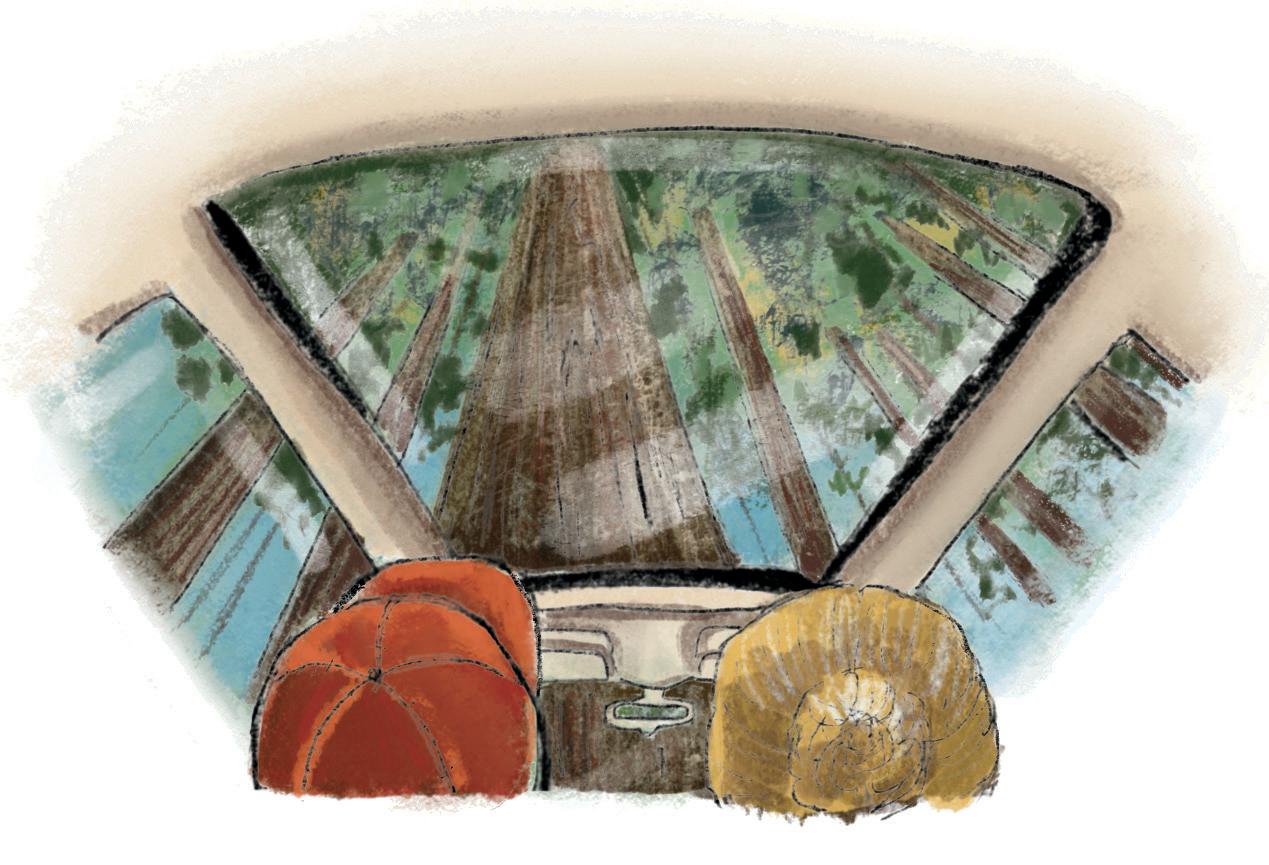
“My late mother-in-law had very limited mobility in her last years, but she wanted to visit the redwoods. Armstrong Redwoods State Natural Reserve was amazing. You can drive right under the redwood canopy and get within a few dozen feet of the Colonel Armstrong Tree. Highly recommend this to anyone with limited mobility.”
— Sydney M.
Find Something for Everyone
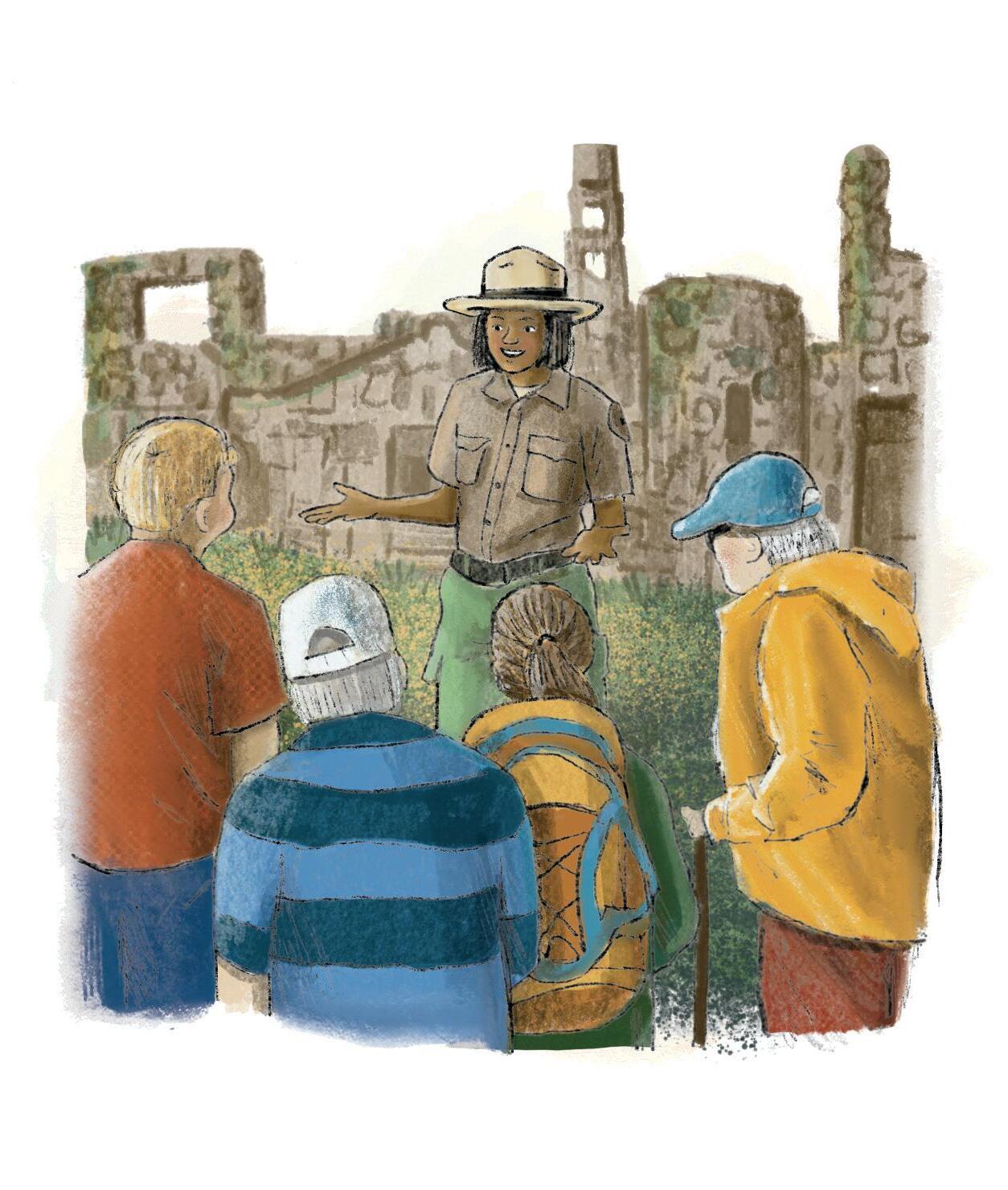
“I love taking my parents to California’s state historic parks like Jack London State Historic Park. There’s just enough walking and nature to enjoy the day together, plus incredible history and guided tours that make it meaningful for all of us.”
— Luke R.
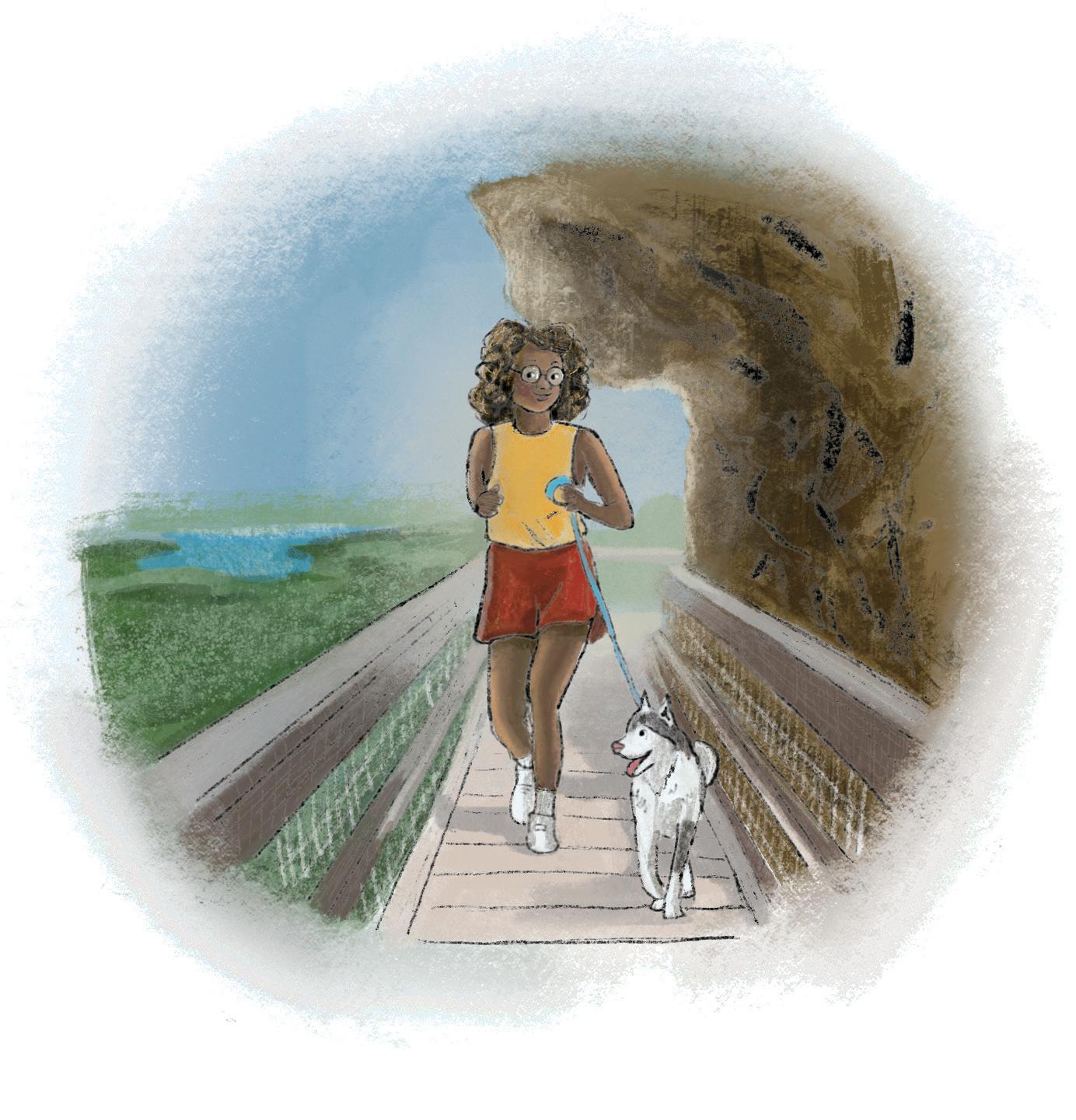
“If you’re traveling with your dog, be sure you know which parks you can visit together and the areas that are dog-friendly! My dog, Lola, and I like the Verna Dunshee Trail at Mount Tamalpais State Park.”
— Haley G.
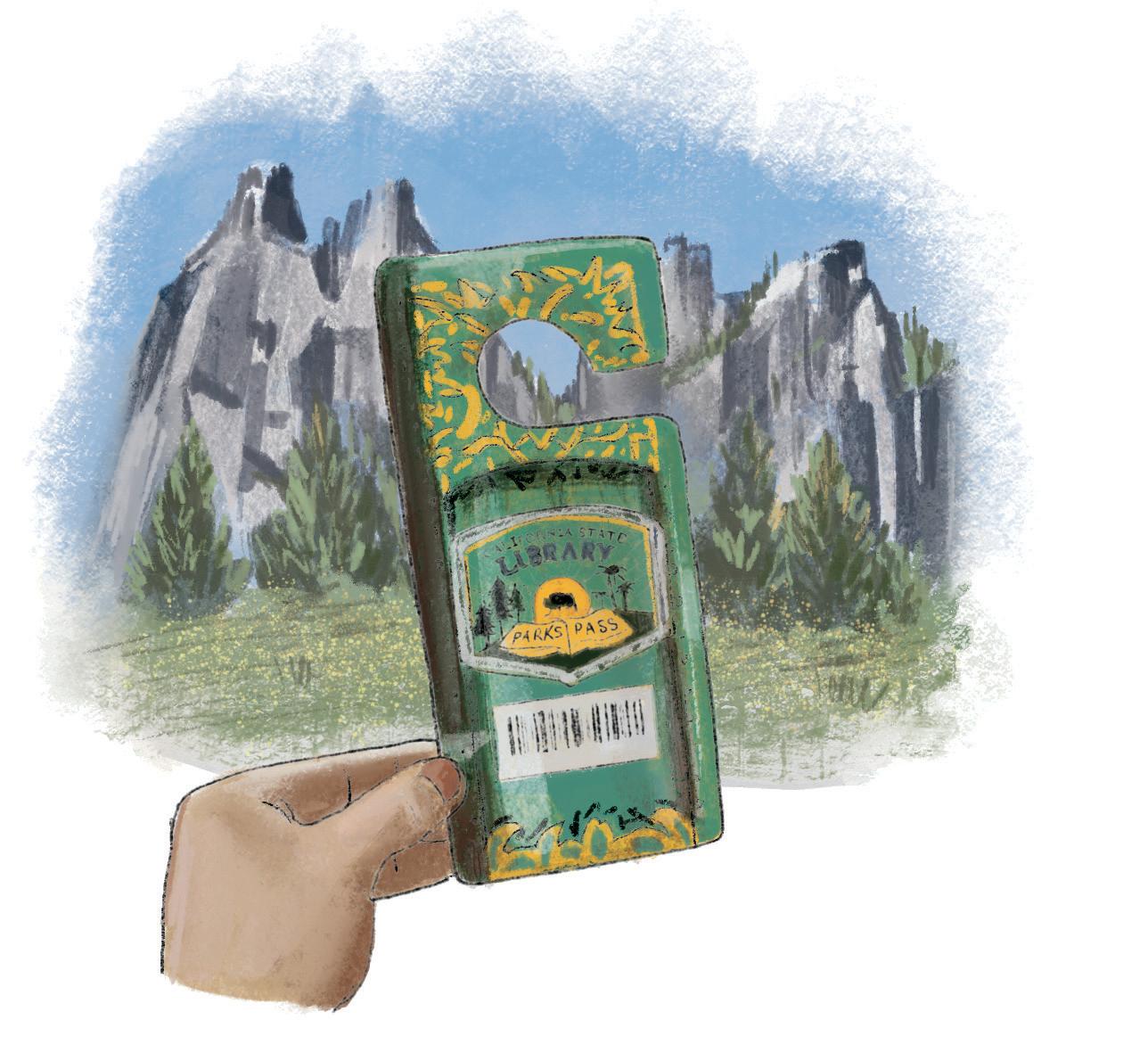
“Research ahead of time for bathrooms, long walks, parking costs, etc. Also, check the library to rent a state park pass!”
— Lily K.
Tell us what you want to know more about. Suggest a topic for a future issue at calparks.org/quicktips
Bring Your Fur Baby
Illustrations: Jennifer Doehring.
RESTORING A BEACON
BY KATHLEEN OK-SOO RICHARDS
After being closed for over 20 years, Pigeon Point Lighthouse will open, reconnecting visitors to an important piece of California history.
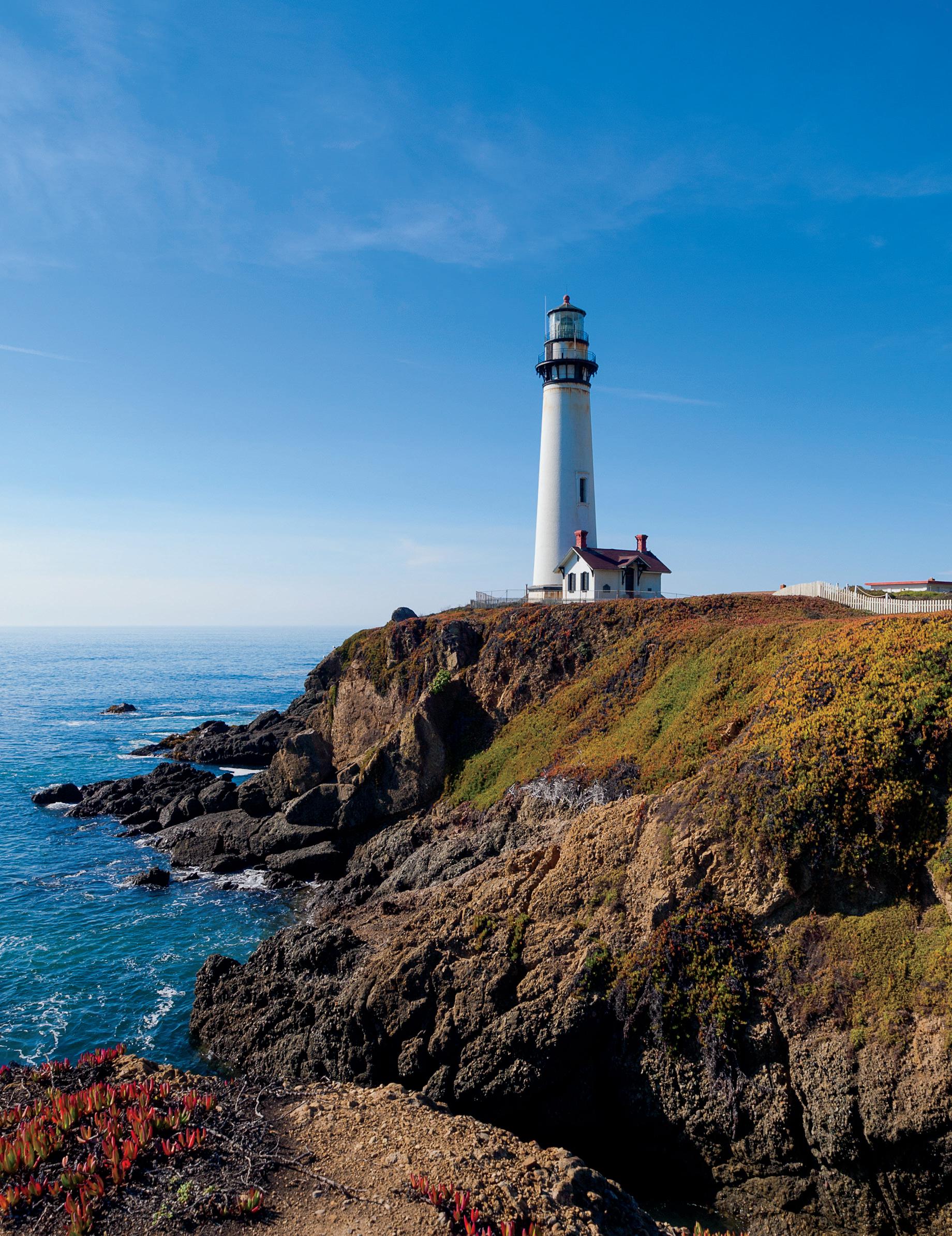
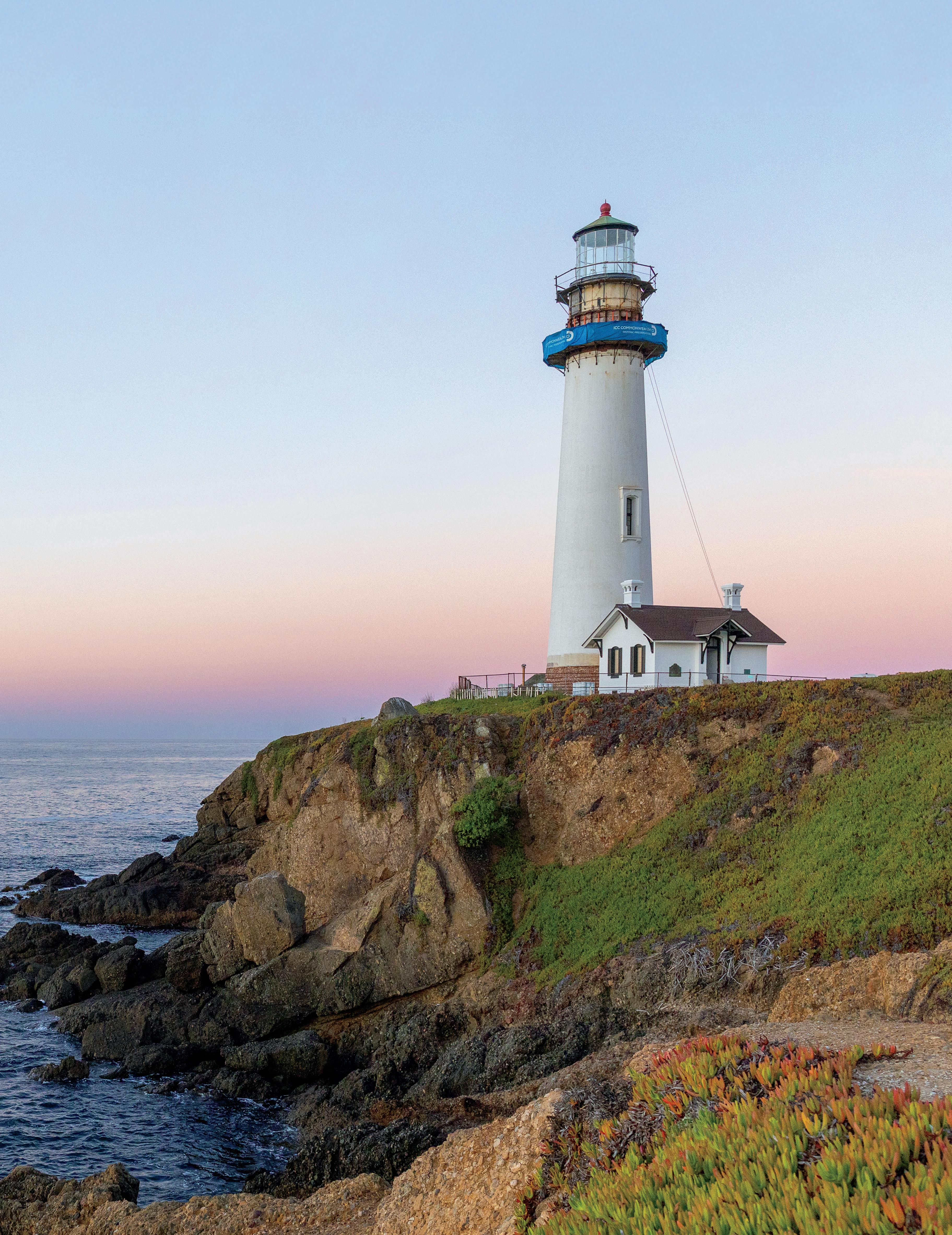
ising 115 feet atop a windswept bluff on the Central Coast of California, about an hour south of San Francisco, Pigeon Point Lighthouse at Pigeon Point Light Station State Historic Park stands like a sentinel above the Pacific Ocean. For more than 150 years, the lighthouse — one of the tallest on the West Coast — has safely guided mariners past these rocky shores to San Francisco and points beyond. But since 2001, the crumbling structure, in desperate need of repair, has been closed to the public. Now, after more than two decades, Pigeon Point Lighthouse is being painstakingly restored thanks to state and private funding, including from California State Parks Foundation, and is set to reopen to the public by spring 2027 (or sooner).
“Restoring the lighthouse is a way to keep history alive,” says Linda Hitchcock, Senior Park and Recreation Specialist for the Santa Cruz District State Parks and the District Project Manager for the Pigeon Point restoration project. “It reminds you of the past.”
Lighting the Way Through History
Built in 1872 by the U.S. Lighthouse Service, Pigeon Point
Lighthouse helped ships navigate during a crucial time in California history, in the aftermath of the Gold Rush and the onset of industrialization and urbanization, when the state’s population was rapidly expanding.
“People would take a boat to go from Los Angeles to San Francisco, and they would go up the coast in this rough water,” explains Hitchcock. “That’s how we would transport people and goods. It really wasn’t that long ago in California history.”
In fact, Pigeon Point gets its name from the Carrier Pigeon, a clipper ship traveling from Boston to San Francisco around Cape Horn (at the southern tip of Chile) that ran aground in 1853 when it encountered dense fog. >>>
Two more shipwrecks in the 1860s, resulting in 50 deaths, spurred public demand for the lighthouse at Pigeon Point.
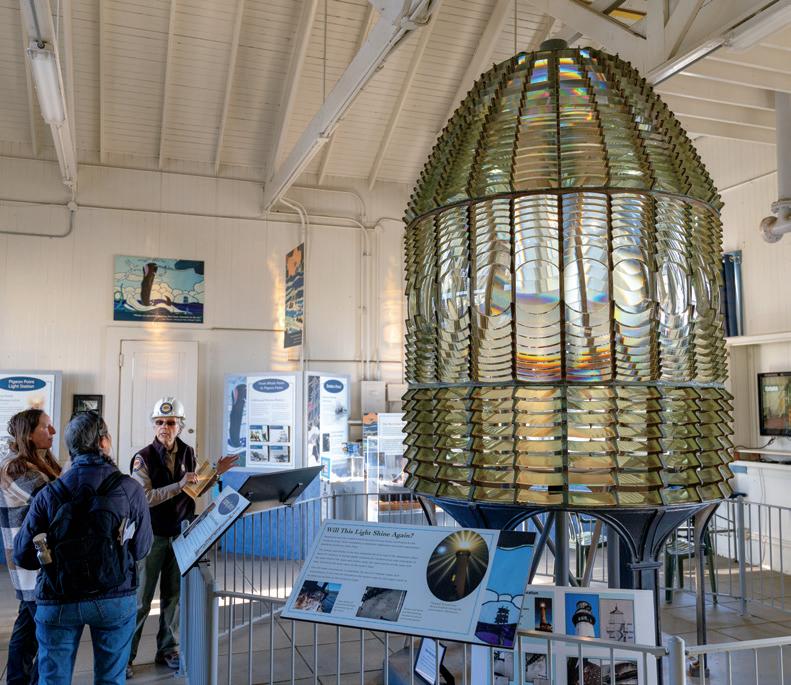
Also of historical significance is the lighthouse’s first-order Fresnel lens, which focuses a concentrated beam of light. It consists of 1,008 glass pieces, stands 9 feet tall, and weighs 2,000 pounds. It was first used at Cape Hatteras in Buxton, North Carolina, during and after the Civil War.
As a vital navigational aid on the California coast, the lighthouse was maintained by four keepers at a time. This continued even when the U.S. Coast Guard took over the lighthouse in 1939. But in the mid-1970s, when the lighthouse became automated, the building was no longer maintained regularly and began to fall into disrepair.
Years of exposure to the elements came to a head in 2001, when two large pieces of cast iron and brick, each weighing several hundred pounds, broke off the tower’s upper belt course. Inspections revealed extensive structural deterioration of the unreinforced brick-and-mortar structure, requiring the Coast Guard to close the lighthouse to the public.
Scan to learn about progress updates at Pigeon Point Lighthouse.
The Long and Winding Road to Restoration
The journey to restore the lighthouse has been long and complex. Throughout, California State Parks Foundation has been a crucial partner.
The Foundation helped transfer ownership of the lighthouse from the Coast Guard to California State Parks in 2005 and raised over $3 million for emergency stabilization, the removal of the Fresnel lens, engineering studies, design, and construction drawings, as well as the necessary
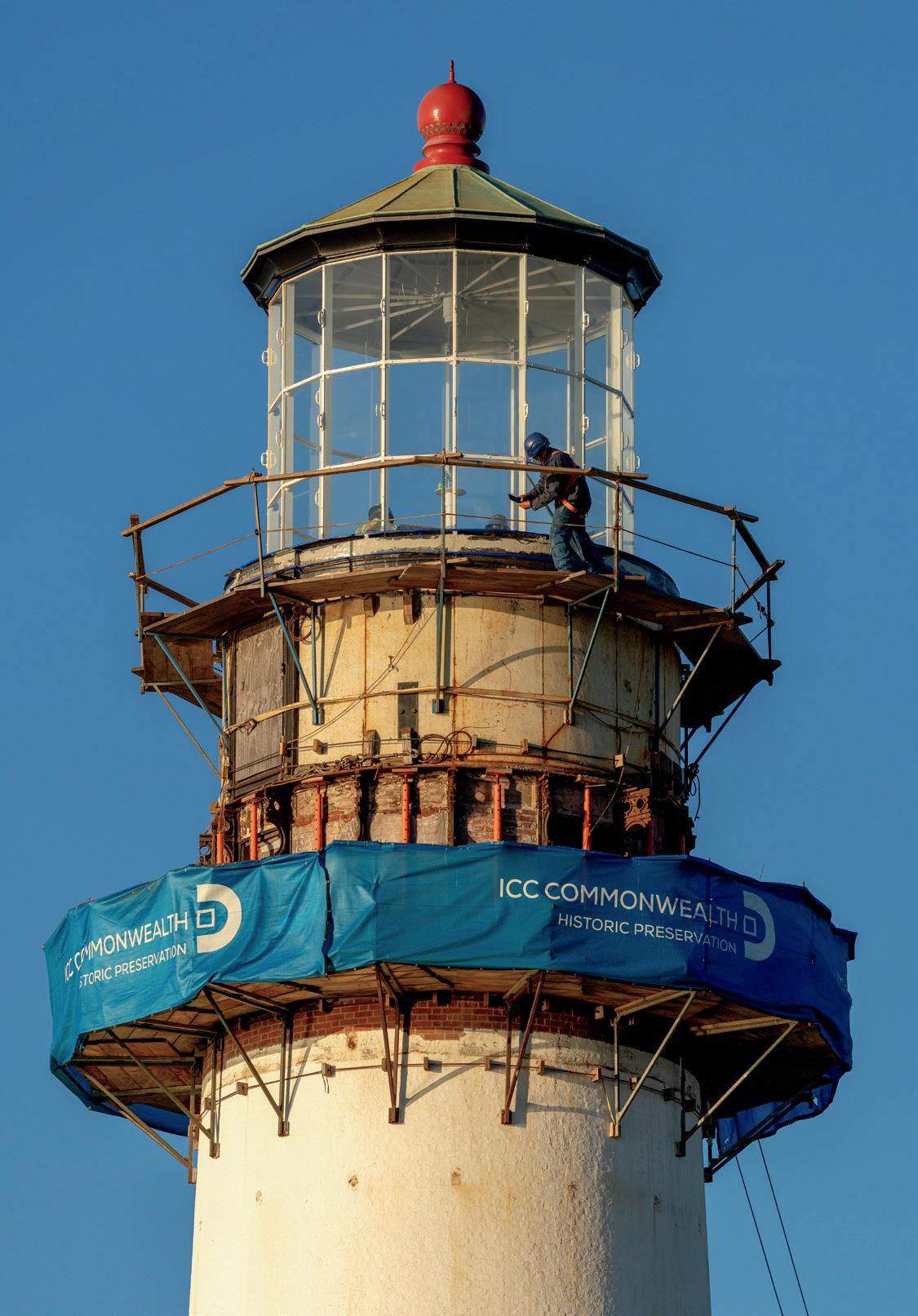
LEFT A crew member works on restoration efforts at the lighthouse.
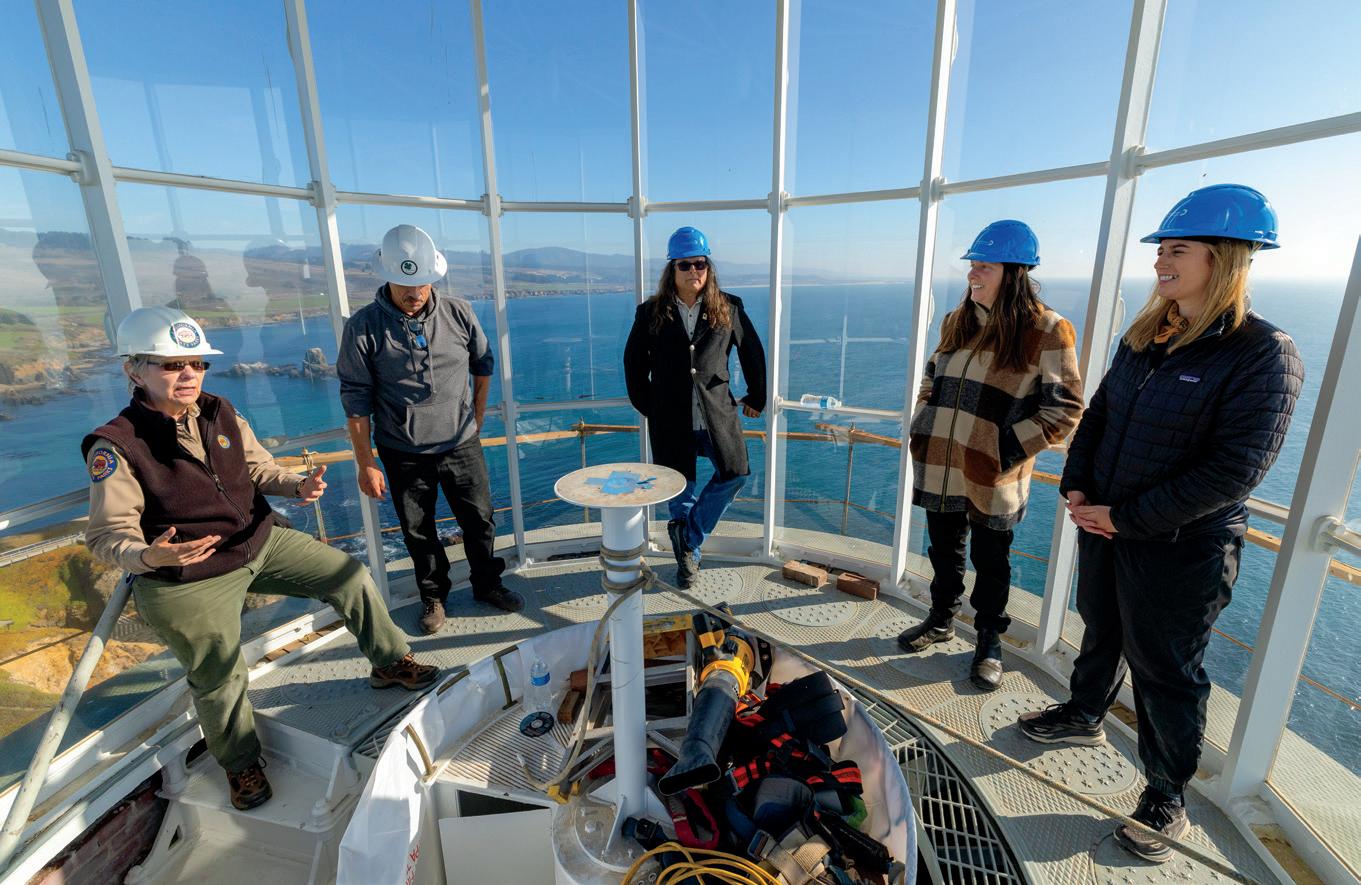
TOP RIGHT Visitors gather at the top of the lighthouse to learn about ongoing restoration work.
MIDDLE The Fresnel lens, currently housed in the Fog Signal Building, will be returned to the top of the lighthouse.
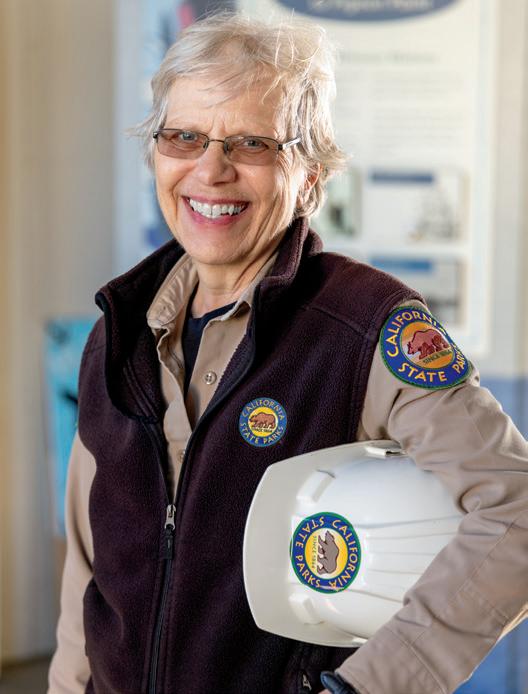
BOTTOM RIGHT Julie Barrow, Special Projects Coordinator at Pigeon Point Light Station State Historic Park.
permits to create a “shovel-ready” project, explains Randy Widera, Director of Programs for California State Parks Foundation.
Private donations were key early on. Notable donors Diane and Donald Cooley and Bill and Jean Lane helped start the campaign and bring in more funders.
Thanks to advocacy by the Foundation and others, local lawmakers also got on board, which ultimately led to Governor Gavin Newsom approving $18 million in state funding for the full restoration in 2021.
Breaking ground in early 2024, the restoration project is from top to bottom, inside and out. In the upper portion of the tower, the roof was repaired and repainted, the vent ball was removed and restored, and new glass was installed in the lantern room. Corroded cast-iron belt courses, outer galleries, railings, and brackets were removed and are being replicated in marine-grade stainless steel by a foundry in Alabama (then painted black to resemble the cast iron). Three circular bond beams — rebar surrounded by concrete — are being added for strength and stability at the top of the tower. Brick and mortar are also being replaced.
At the base of the tower, two belt courses are being replaced, as are brick and mortar that were badly deteriorated from the salty air and condensation. “Literally, the brick had turned to mud,” says Julie Barrow, Special Projects Coordinator at Pigeon Point Light Station State Historic Park, who has been supporting the restoration.
Inside the tower, lead paint was removed, and stairs, landings, and walls have been repainted. Windows were replaced or repaired and refurbished. Seismic cracks were repaired. And in the attached oil house, the keeper’s office and oil room were renovated, with new hearths and oak flooring. Seismic bracing was also added to the attic and chimney.
The restoration has required skilled tradespeople, including carpenters, masons, painters, electricians, roofers, metalworkers, crane operators, and others — many of whom specialize in lighthouse restoration. “It’s fulfilling for me to just be part of this historical restoration and keep the lighthouses in the best condition as we can make them,” says Roger Wykle, the founder and CEO of Sustainable Group, the general contractor for the project, working alongside subcontractor ICC Commonwealth. Between the two companies, they’ve worked on more than 50 lighthouses around the country.
Restoring a building of this historical nature requires balancing preservation with long-term durability. Many pieces that were hoped to be salvaged ultimately had to be replaced, pushing what started as a $12 million project to $15 million.
Separate from the current restoration project, the full restoration of the Fresnel lens is also being planned. It will return to the top of the lighthouse, where it will be lit for special occasions. After years of being dark, Pigeon Point will become a working navigational aid when a new automated LED beacon returns to the balcony outside the lantern room. When the project is completed, visitors will once again be able to walk inside the lighthouse, and plans are in the works for a limited number of tours to the top.
Barrow expects the refurbished, reopened lighthouse will become a major tourist attraction. “At our height, we were seeing 200,000 visitors a year, pre-pandemic,” she says, and that was when visitors couldn't go inside the lighthouse.
The biggest problem now? Figuring out how to expand the site’s small parking lot to accommodate new visitors.
A Place of Hope
What draws people to lighthouses? For some, it’s the romantic idea of being a lighthouse keeper, a solitary yet noble job out there in the elements. For others, it’s the striking architecture of a tall, conical structure at the edge of the ocean, the beauty of the Fresnel lens, or the emotional significance of guiding people home.
Regardless of the reason, what’s clear is that the allure of lighthouses goes far beyond their functionality; they speak to something deeper within us.
“The whole idea of the lighthouse and having that lens up there and thinking about these stories, it’s a way to create imagination,” says Widera. “Culturally, it plays a significant role in terms of how we see ourselves and how we see ourselves connected to history and the future.”
For Barrow, a former longtime docent and interpreter at Pigeon Point, the lighthouse has a more personal meaning. At age 46, she was diagnosed with stage-four breast cancer. “I didn’t know if I would see my 47th birthday,” she recalls.
Barrow credits the lighthouse with helping her heal. “This suddenly became a safe place where my partner and I could come and just be and take in that healing energy,” she says. As it was for sailors, the lighthouse “represented hope and safety and security and a way home,” she says — in her case, “a way through the cancer journey.”
Thanks to the efforts of Barrow and Hitchcock at California State Parks, as well as the many donors, lawmakers, workers, and others who made the restoration a reality, Pigeon Point will be a safe, healing, and inspiring place for generations to come. \\\
Wildflower
Magic
Discover
the rare plants hidden at Mount Diablo State Park.
BY ELISE MATERA
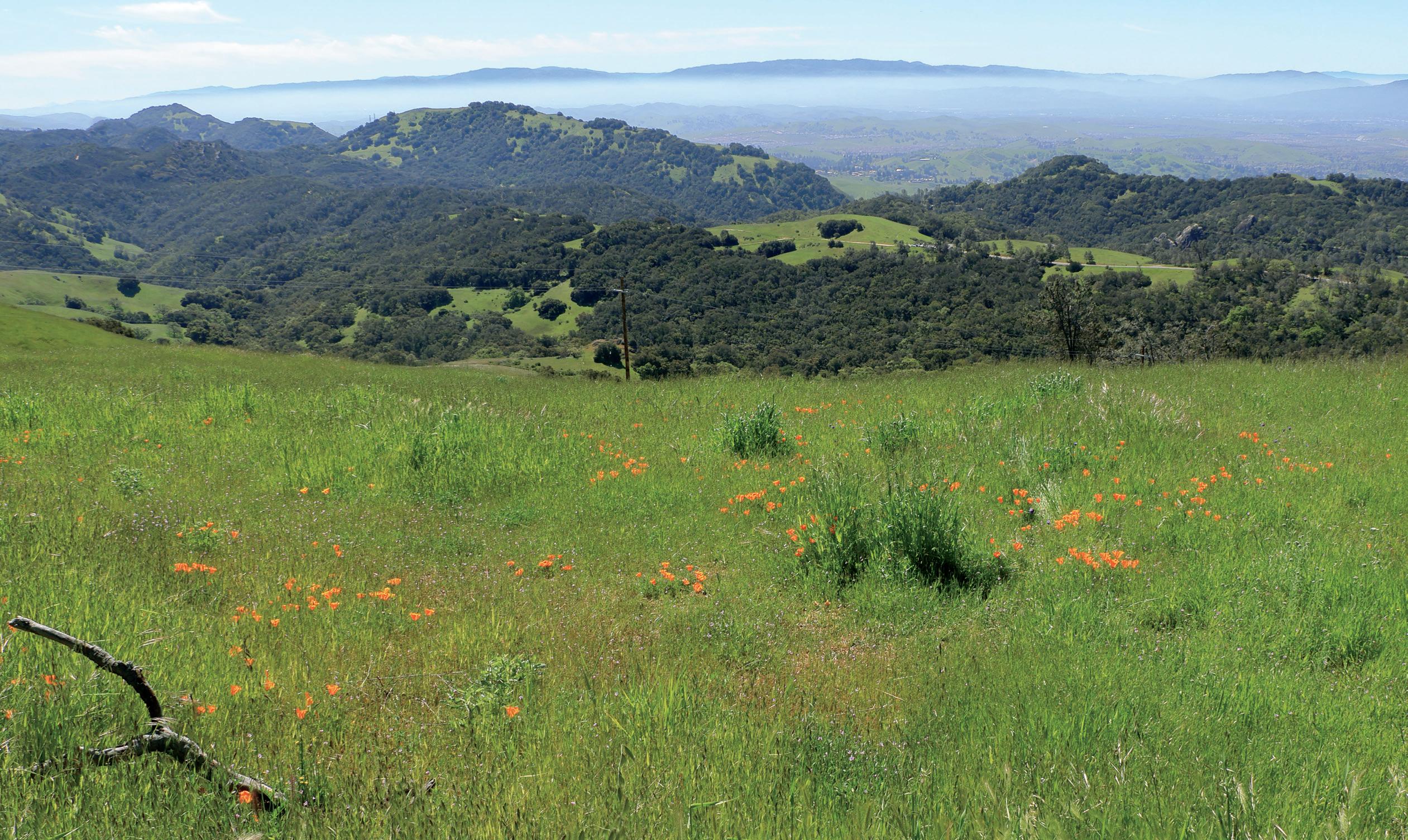
pringtime at Mount Diablo State Park is nothing short of remarkable. The park’s once golden-brown slopes are transformed by an abundance of vibrant green life. In the morning — whether on foot, by car, or on a bicycle — the approach to Mount Diablo’s peak is often shrouded by mist. Lichen and moss make their homes on craggy outcroppings, quenched by the fog. At the base of the mountain, visible shafts of light dapple through oak branches, budding after a long winter. With gravel crunching and mud squelching beneath boots, carpets of grass unfurl on either side of the trail, serving as a verdant backdrop for the park’s brilliant array of wildflowers.
Renowned for its panoramic views from the summit, Mount Diablo rises nearly 4,000 feet in the East Bay region of the San Francisco Bay Area, near Danville. Even a short climb garners gorgeous views, but some of the most spectacular elements of the park are at ground level. “The Diablo range is a really amazing part of California that’s got a ton of botanical diversity,” says Amy Patten, California Native Plant Society’s Rare Plant Treasure Hunt Manager. “The rugged topography has led to a lot of isolation, so there’s a lot of different rare plant species. Many of them are endemic to the Diablo range and not found anywhere else.”
California poppies, lupines, monkeyflowers, and paintbrush are some of the familiar flowers that appear along the journey. But if you know what to look for, Mount Diablo offers even more magic, with rare plant species in bloom.
There are two visitor centers in the park — one at the summit and one on the north side of the park at Mitchell Canyon. Park staff and volunteers at both sites are knowledgeable about where to find the best blooms. Wildflowers respond to a delicate balance of rain, sun, and temperature, so the best regions to find flowers shift from year to year. The North Peak and Juniper trails near the summit often boast colorful displays due to their sun exposure. The Falls Trail on the less-traveled north side of the park is also particularly beautiful in the spring, when the park’s many waterfalls are active and flowing.
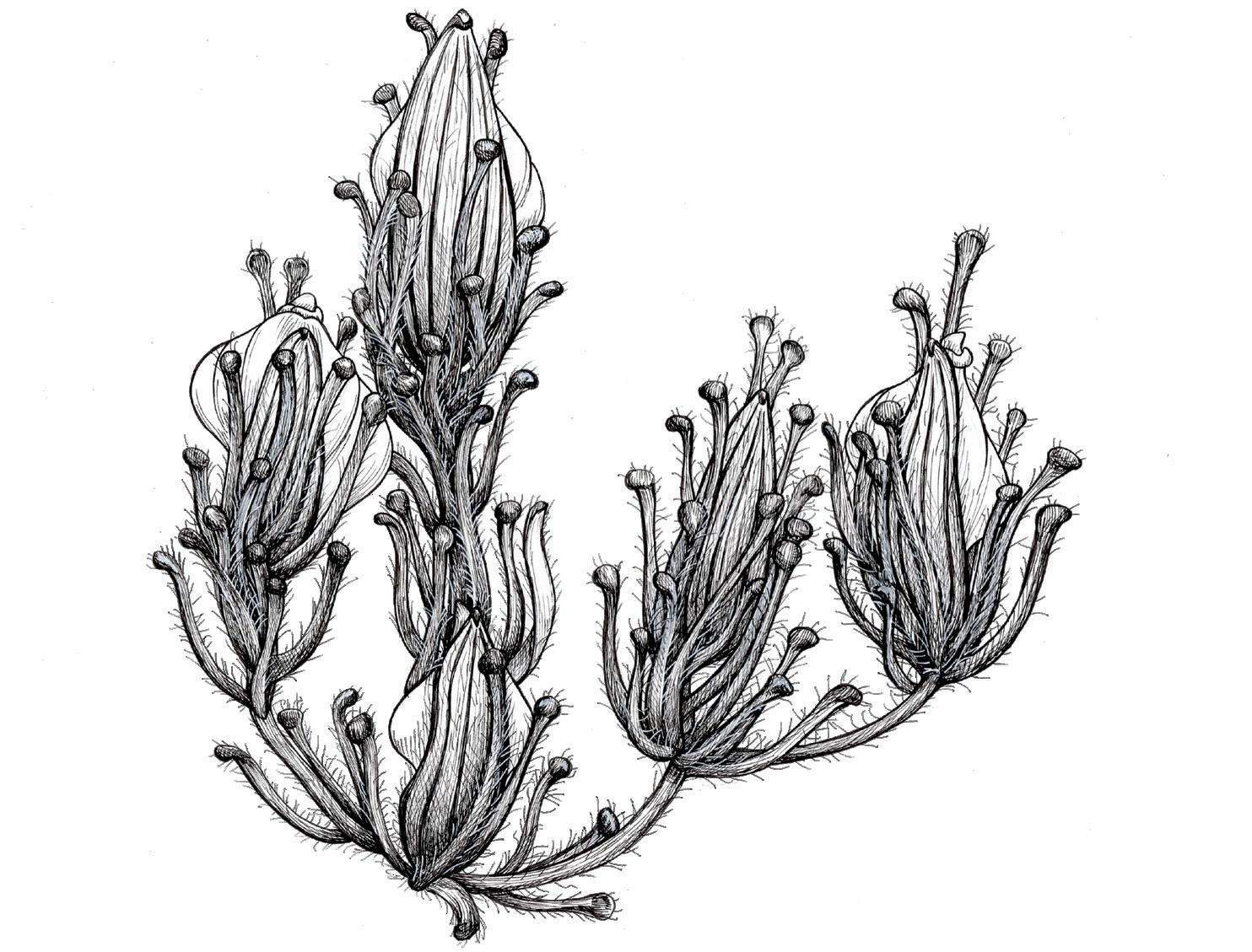
Along the way, visitors may encounter the following endemic species. All three are rare and endangered plants, so it’s important to stay on the trail and observe flowers from afar — a good magnifying glass or simple camera zoom can reveal the stunning details of these special species.
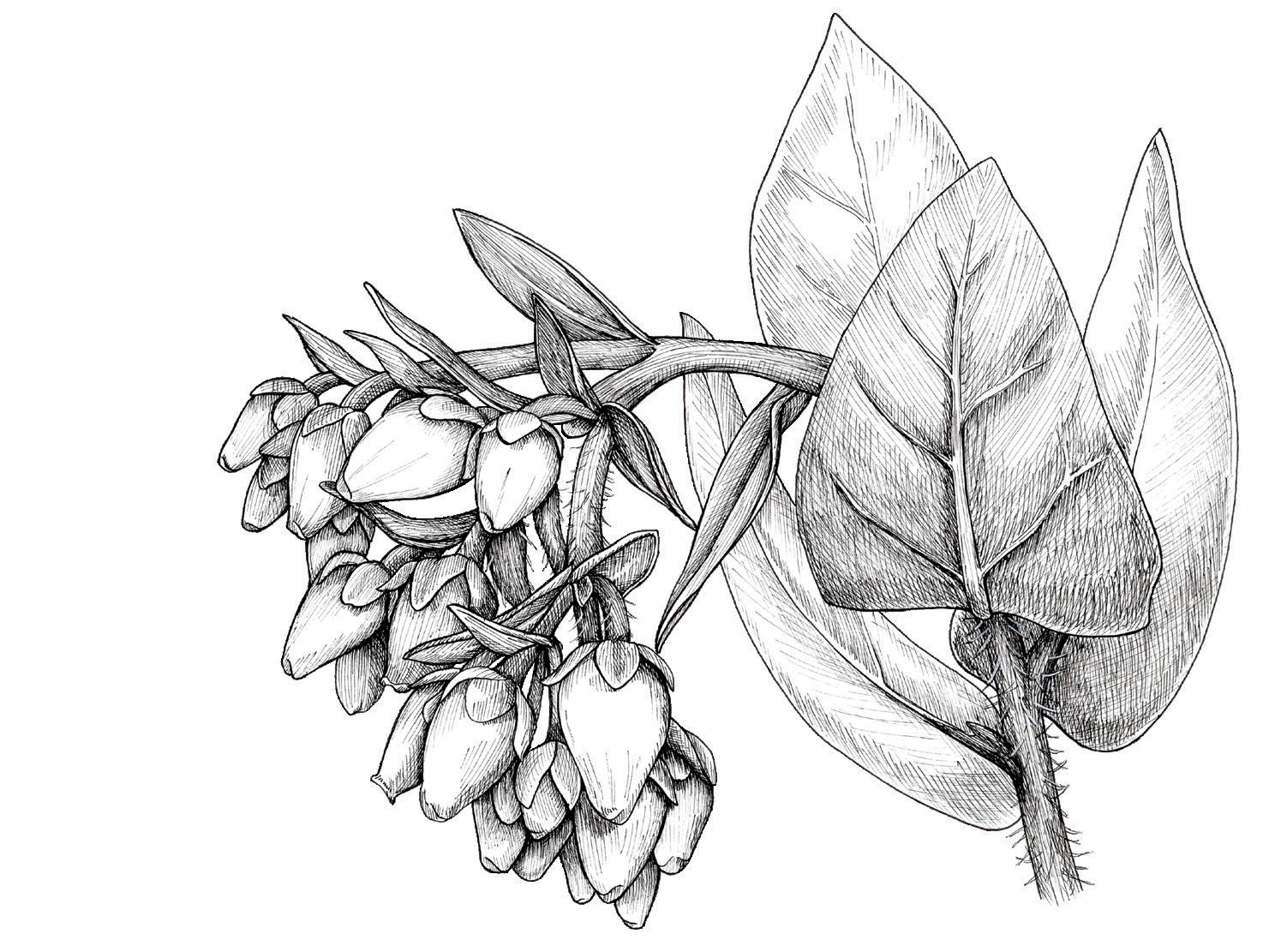
Mount Diablo manzanita (Arctostaphylos auriculata)
These woody shrubs have gray-green leaves and iconic reddish bark that makes the branches feel as if they were dipped in candle wax. Manzanita are some of the earliest bloomers at Mount Diablo, showing off their clouds of tiny white or light-pink flowers as soon as February.
Mount Diablo bird’s beak (Cordylanthus nidularius)
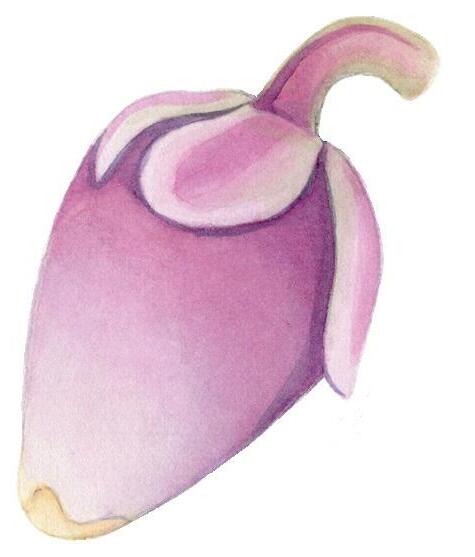
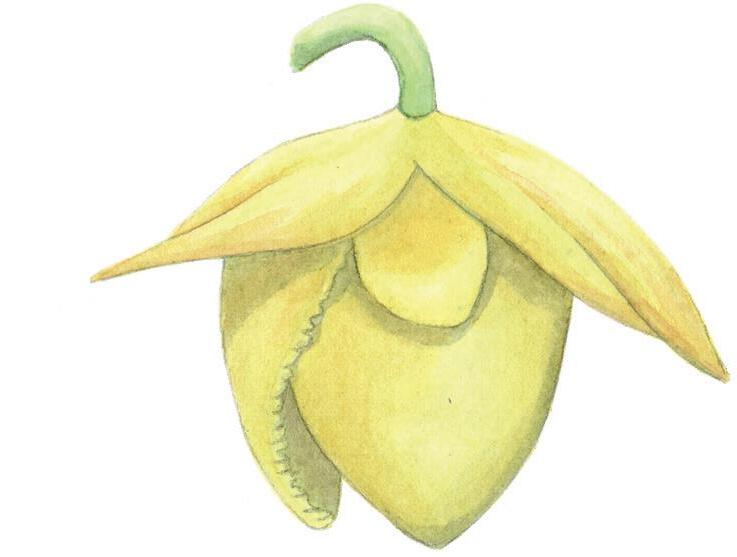
Mount Diablo fairy lantern (Calochortus pulchellus)
Blooming from April through June, this tiny butter-yellow flower hangs upside down from its stem, resembling a streetlamp dainty enough for a fairy. Found in only 52 locations, they are just as elusive as their magical name suggests. One way to distinguish it from its more common cousin, the golden fairy lantern, is that the insides of its petals are fuzzier.
Scan the QR code across California’s state parks, or visit calparks.org/wildflowerguide features 27 fantastic parks for floral experiences.
Illustrations: Sami Chang.
THE STORYTELLERS OF CALIFORNIA’S PARKS
Inside the work of interpreters who help visitors understand why California’s state parks matter.
BY ASHLEY MOORE
hen most people visit a state park, they come looking for something simple: fresh air, open space, a trail to walk, a moment to admire the view. A visit to a park can be memorable on its own. But what transforms that experience into something deeper — something that stays with us or inspires us to care for a place?
That transformation often begins with the interpreters.
Interpretation is the bridge between a park and its deeper stories. Interpreters help visitors see beyond what’s in front of them to understand the landscapes, wildlife, and human histories that shape these places. California State Parks has more than 200 interpreters and guides working across the state, along with hundreds of docents and volunteers, each helping spark curiosity, build understanding, and cultivate care. Their work blends science and history with empathy, communication, and community partnership.
For Heather Holm, Chief of Interpretation and Education for California State Parks, the work is deeply personal. “I would say my entire life has been with state parks,” she says. “My dad was a ranger. I was born at Red Rock Canyon State Park and grew up at La Purísima Mission State Historic Park. That shaped what I wanted to do with my life.”
Holm came to Sacramento to pursue a graduate degree in public history, starting as a volunteer and seasonal interpreter and then holding nearly every position in the interpreter series before stepping into statewide leadership. Through it all, one thing has remained constant:
“The best thing,” she says, “is seeing the light of understanding dawn on someone’s face.”
That spark of understanding is what separates interpretation from information. Visitors often assume interpreters are rangers, and while some rangers do interpretation, the roles are distinct. Rangers focus on operations and public safety. Interpreters focus on communication and helping visitors connect to parks.
“Interpreters are skilled communicators,” Holm explains. “We do more than share information. Our job is to build connection, curiosity, and engagement and to foster experiences.”
Interpretation also requires understanding what visitors need before learning can begin. Interpreters are trained to recognize when safety, comfort, or emotional readiness may be barriers to engagement and to adjust accordingly. By meeting visitors where they are, interpreters create the conditions for curiosity, reflection, and deeper connection to take hold.
Interpretation takes many forms: guided walks and hikes, campfire programs, school field trips, living history demonstrations, kayak tours, exhibits, and community events. Interpreters also translate complex work into meaningful public experiences, helping visitors understand not just what
“We do more than share information. Our job is to build connection, curiosity, and engagement and to foster experiences.”
— HEATHER HOLM Chief of Interpretation & Education for California State Parks
they are seeing but how the park functions as a living system shaped by people, time, and change.
At its core, interpretation is often about helping visitors reach the “so what?” — the moment when facts turn into meaning and meaning into care.
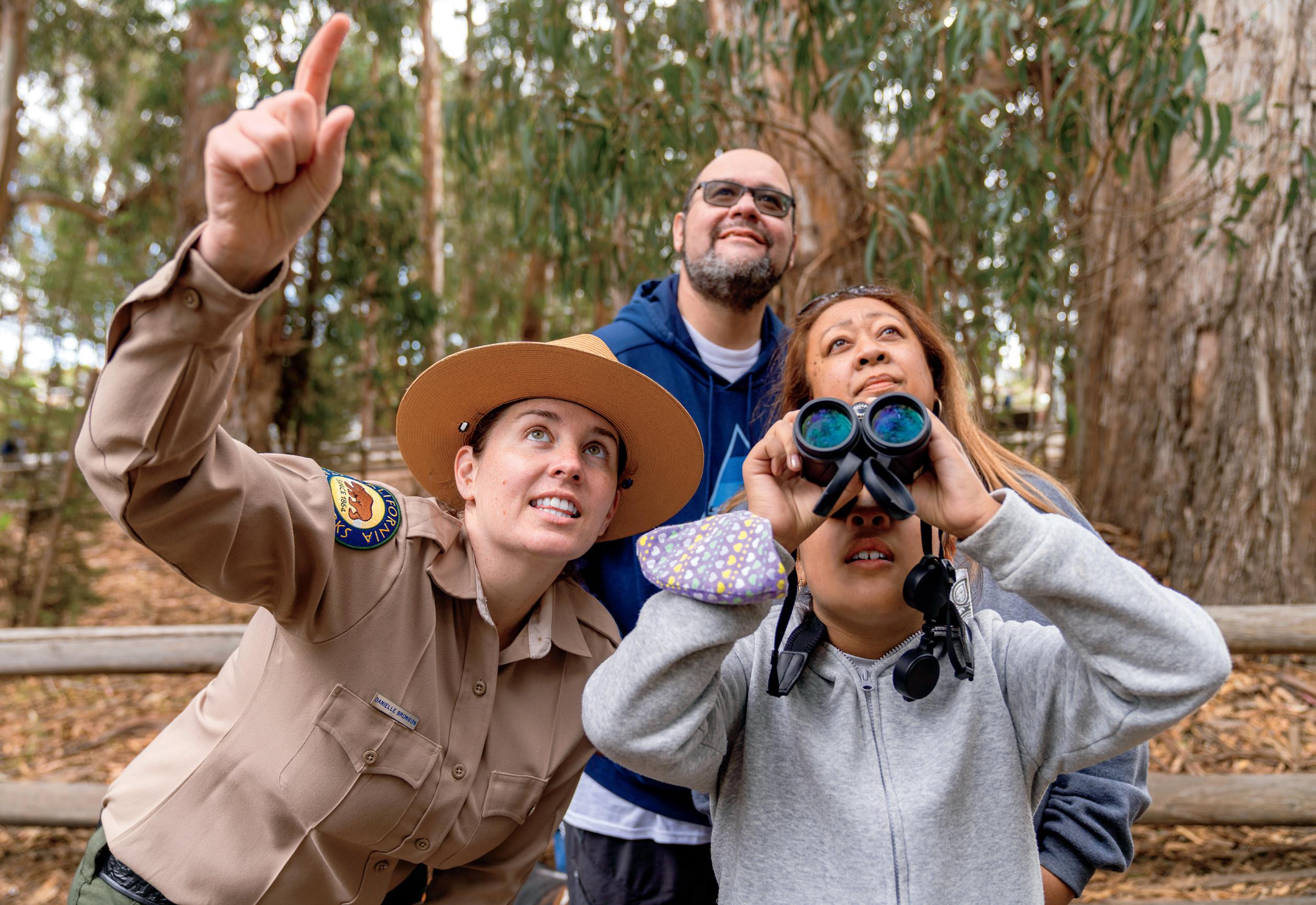
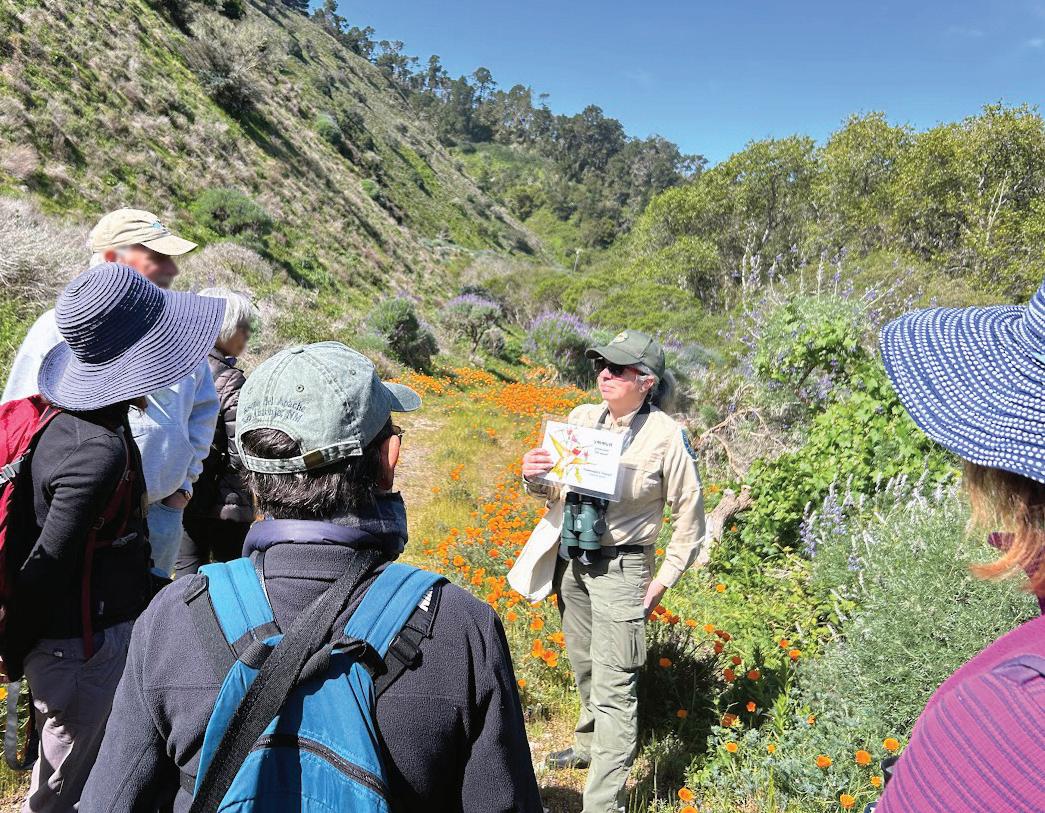
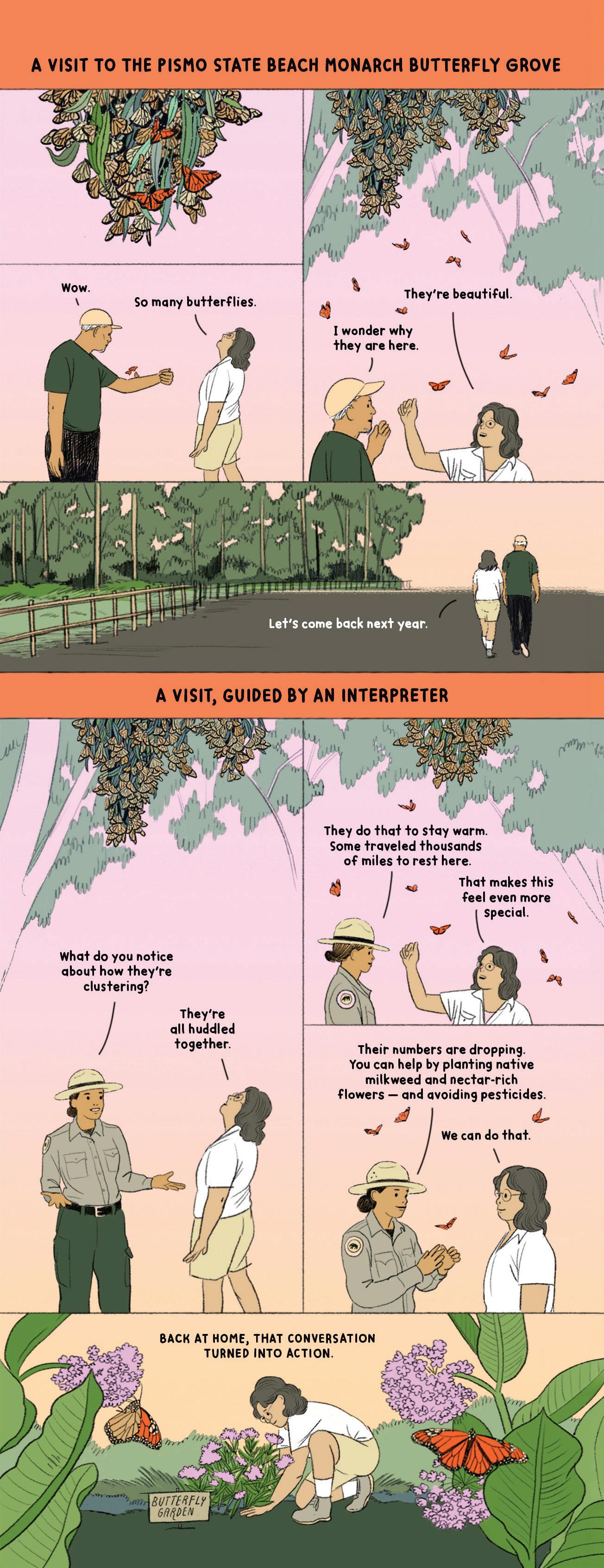
At Pismo State Beach, Danielle Bronson, a State Park Interpreter III for the Oceano Dunes District, sees that shift happen every day in the monarch butterfly grove. “Monarchs are what I think of as a ‘Hollywood species,’” she says, recalling visiting the grove on a school field trip when the tree trunks were “just saturated with butterflies.”
Protecting monarchs, she explains, also means protecting countless other species and the habitats they depend on. “When I give a program, my goal is to have a visitor walk away wanting to know more and wanting to share what they’ve learned,” Bronson says. “The ripple effect is my end goal, because if you love the parks, you also want to protect them.”
For Violet Smith, a State Park Interpreter I working in Indigenous Programs in the Monterey District and a member of the Rumsen Ohlone Tribal Community, interpretation is rooted in relationships — to land, to community, and to responsibility. She lives and works in her ancestral homeland, and her role reflects a deeply held sense of purpose.
“I’m trying to inspire visitors to love the parks as much as I do,” Smith says.
Interpretation, Smith emphasizes, is not just about delivering facts. It’s about helping people understand why a place matters and what that understanding might inspire them to do once they leave the park. >>>
That focus has reshaped how interpretation looks today. Whereas interpreters were once seen primarily as experts delivering information, the field has shifted toward dialogue, relevance, and shared storytelling. Interpreters now ask what resonates with visitors, how lived experience shapes understanding, and how stories can invite reflection rather than dictate conclusions.
In the interpretive world, there are many buzzwords for this approach. Smith prefers one over the others. “We talk a lot about provocation,” she says. “I don’t really like that word. I prefer ‘evocation,’ trying to evoke emotion and inspire care.”
That care is not abstract. “The goal,” Smith adds, “is to get people to protect the parks.”
This evolution is especially evident in how California State Parks is working with Tribes and other cultural communities to cocreate the stories told at parks. The work begins with trust and respect, shaped by the recognition of past harm and the lasting impacts experienced by many Native communities. Meaningful collaboration requires time, listening, and a willingness to acknowledge harm before moving forward.
For Smith, relationship is the foundation, and it takes patience. “You’re not starting with a clean slate,” she says. “You’re starting from a place of repair.”
When those relationships are honored, the results can be powerful. During California State Parks Week, an event at Andrew Molera State Park invited visitors to learn directly from the Indigenous communities that have stewarded the land for thousands of years. Supported by California State Parks Foundation, representatives from the Esselen Tribe of Monterey County and the Ka Koon Ta Ruk Band of Ohlone-Costanoan Indians of the Big Sur Rancheria shared their histories and perspectives through presentations and hands-on activities. Visitors moved through interactive stations that emphasized culture, history, and connection to place, learning directly from Tribal voices alongside interpreters and Tribal partners.
Moments like these reflect where interpretation in California State Parks is headed — toward experiences grounded in lived perspectives, shaped through partnership, and rooted in trust. California State Parks Foundation has supported this work in concrete ways, helping fund gatherings, stipends, and basic hospitality that make relationship-based, community-centered interpretation possible.
That support extends beyond individual events. Through programs like PORTS (Parks Online Resources for Teachers and Students), the Summer Learning Program, Outdoor Youth Connection, FamCamp, the California State Park Adventure Pass, and the California State Library Parks Pass,
California State Parks Foundation has helped support interpretive experiences that welcome new audiences into parks, often for the first time. These efforts help reduce barriers to access while pairing education with curiosity, connection, and care, especially for young people and families that may not otherwise see parks as places for them.
For Holm, the long-term impact of interpretation is about belonging. When visitors feel welcomed, reflected in the stories being told, and supported in their curiosity, they are more likely to see parks not as distant destinations, but as places in which they belong.
“The goal,” she says, “is to make people feel like the park is theirs.”
In a time of rapid change, interpretation remains one of the most powerful tools California State Parks has. It invites visitors to slow down, listen closely, and see familiar landscapes in new ways. Across California’s state parks, interpreters are helping people move from seeing a place to understanding it and from understanding to care — building relationships with parks that last far beyond a single visit. \\\
PREVIOUS SPREAD Danielle Bronson shares the magic of western monarch butterflies with visitors at Pismo State Beach.
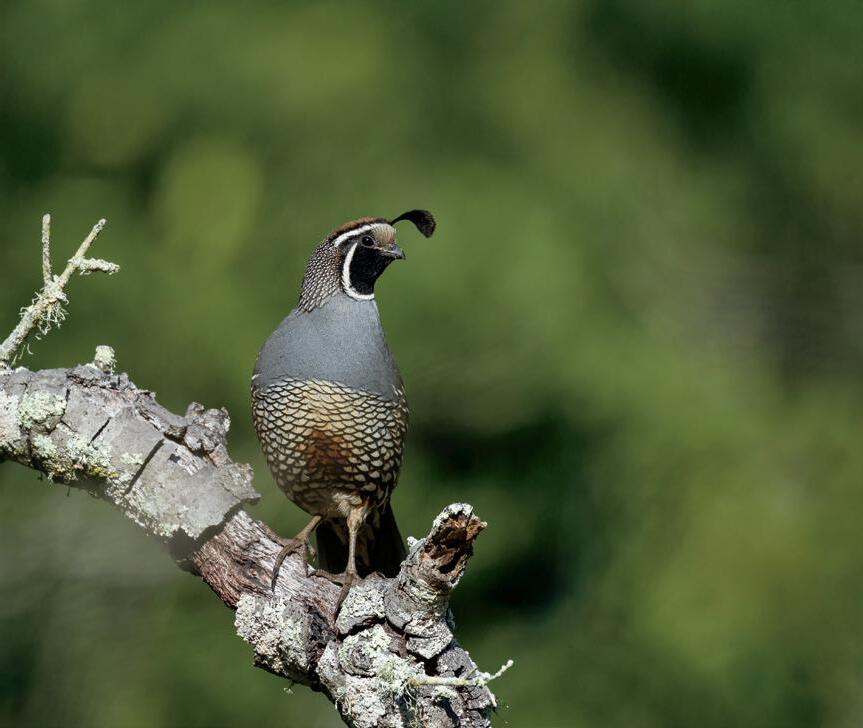
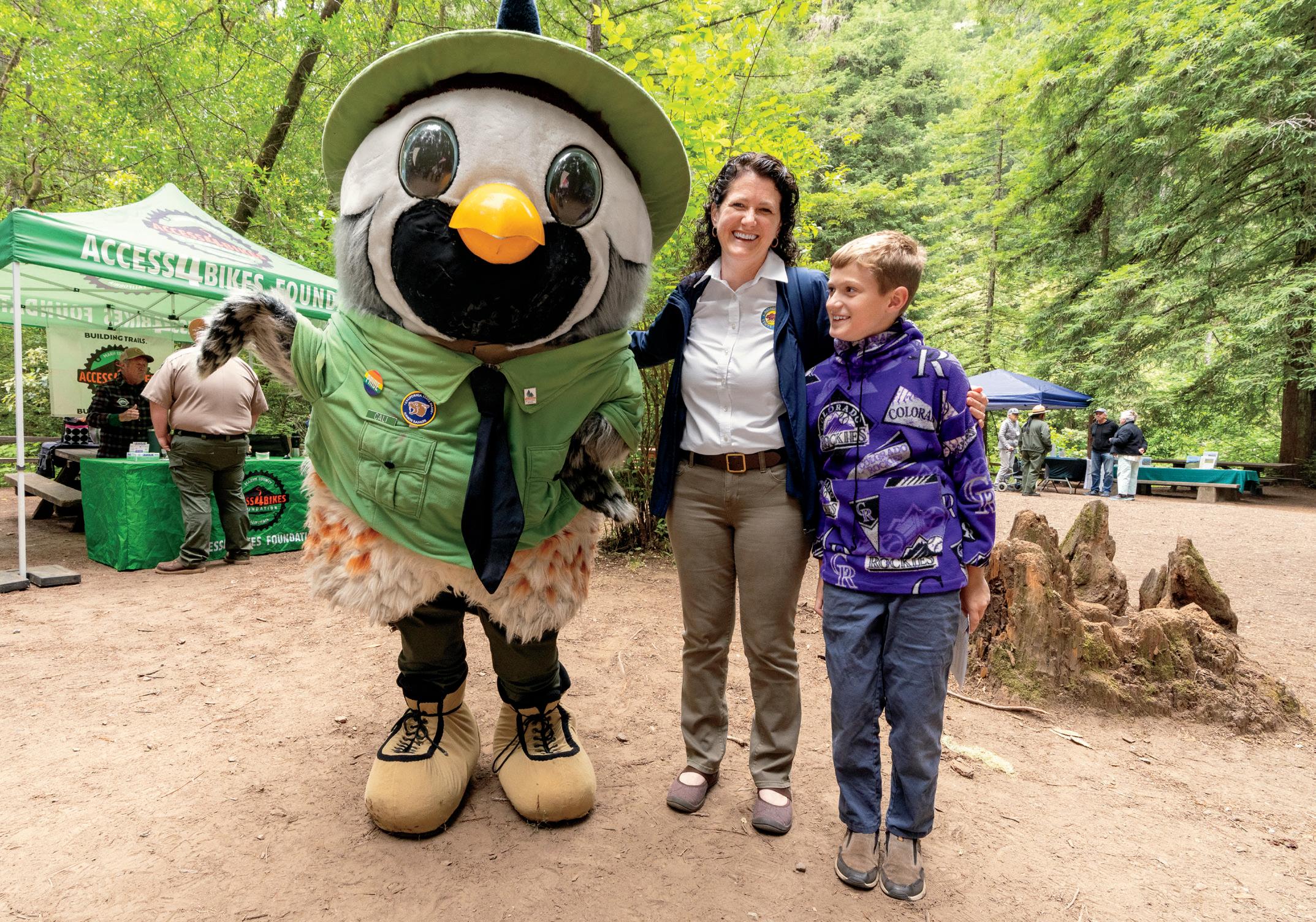
LEFT Heather Holm and her child, posing with Cali Quail, the unofficial mascot of California State Parks at the 2025 California State Parks Week Kickoff event at Samuel P. Taylor State Park.
BELOW Violet Smith at Ishxenta State Park on a bird and culture tour that she co-leads with Environmental Scientist Amanda Preece.
Illustration: Julia Kuo.
PLEASE NOTE Monarch butterflies are protected in California State Parks, and visitors are not permitted to touch or handle them.
Ask a Museum Curator
A conversation with Taylor Moore, the first California Native Museum Curator with the State Indian Museum and Sutter’s Fort State Historic Parks.
did not set out to do museum work at all. I kind of just fell into it,” says Taylor Moore, Museum Curator I for California State Parks, who manages collections at both the State Indian Museum and Sutter’s Fort State Historic Parks. As a first-generation college student at CSU Sacramento, Moore moved from one internship to another before finding herself — almost by happy accident — working in a place deeply familiar to her in childhood.
“In a weird turn of events, it turns out my grandmother, Linda Blue, worked for the State Indian Museum as well. And I never knew this was a California State Parks job at all,” Moore says and laughs.
While California’s state parks are often associated with sweeping coastlines and outdoor recreation, the system also stewards one of the largest cultural heritage collections in the country, with millions of museum objects, archaeological specimens, and archival records housed across more than 120 parks.
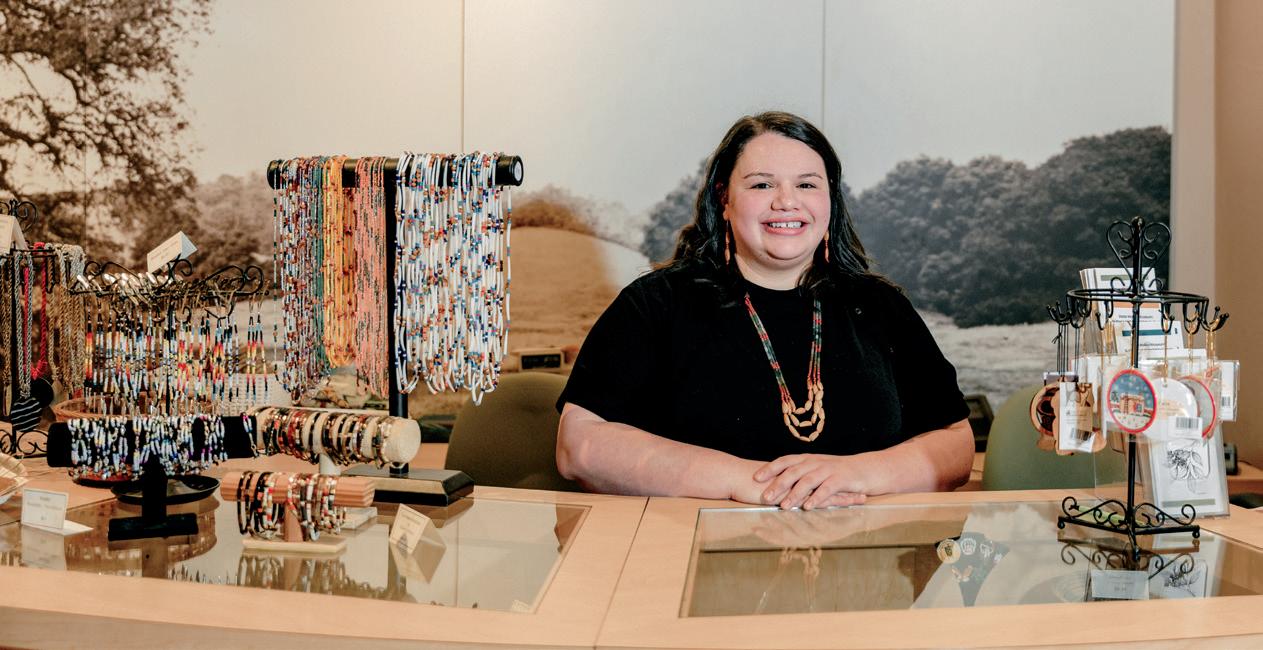
“Growing up as a kid, I would go to the State Indian Museum to see my grandmother,” Moore says. “She worked at the gift shop, always behind the front desk. She would give me little beaded bracelets or turtles, and I have very fond memories of seeing her here.”
After joining California State Parks herself, Moore discovered her grandmother’s name in records. “She’s passed, but seeing the projects she worked on is really touching,” Moore says. “I still feel like she’s here with me, supporting me. Working here feels very serendipitous.” Moore’s work reaches far beyond her own family history. A core part of her role supports compliance with the
Native American Graves Protection and Repatriation Act (NAGPRA), a federal law requiring museums to return cultural, ceremonial, and ancestral items to the Indigenous communities from which they were taken.
You’re the first Native curator at both sites.
What does that mean for you?
I’m Miwok Maidu, and it is a huge honor to be working with Native collections. It’s the perfect blend. On one side, I get to work in the museum world, where I can dive deep into accession records, databases, and collections processing. On the other side, being Native means I’m really connected to the culture and how items should be treated. We need to remember that these items are like family. They’re very sensitive in nature. Having both a curatorial background and a cultural tie helps ensure they’re handled with care. I’m also able to be an advocate for Native communities, and that representation matters.
What do you hope visitors take away from the State Indian Museum and Sutter’s Fort?
Both sites are in periods of transition, and staff on-site are really passionate. At the museum, visitors may notice empty cases. That’s intentional. We’re actively engaging with Tribal partners to make sure that what’s on display is appropriate. If it’s not, it’s being removed. That consultation process is essential.
At Sutter’s Fort, it’s a different kind of complexity. Historically, it was a place of refuge to a lot of people, and at the same time, it caused a lot of harm and generational trauma. We’re at a pivotal point where we’re reevaluating how that history is presented and consulting with communities that were impacted by the Fort to ensure the story isn’t one-sided.
Overall, I hope visitors come away having learned something new — whether that’s a deeper understanding of Native cultures at the museum or a more complete picture of the Fort’s history and its impacts.
What has been your proudest accomplishment working for California State Parks?
I’ve worked on a lot of amazing projects, but the work nearest and dearest to my heart is repatriation. I recently was part of the State Indian Museum’s first major
repatriation in over a decade, which was carried out through consultation with Tribes. I was really honored to be a part of the repatriation process and help belongings return home. Being able to work with communities whose items were taken, stolen, or looted and being able to return them back to the Tribes is really touching. It’s one of the best feelings.
NAGPRA is a human rights law. There’s a legal obligation to return these items, but there’s also a lot of emotion involved — anger, happiness. It’s heavy work, but it’s also incredibly meaningful. Unfortunately, this process can take a really long time. I feel like a detective searching the records and trying to find items. But all that work is worth it if it means these items are a step closer to being home. \\\
To hear from Moore about her work, watch our Parkside Chat: calparks.org/pcmoore
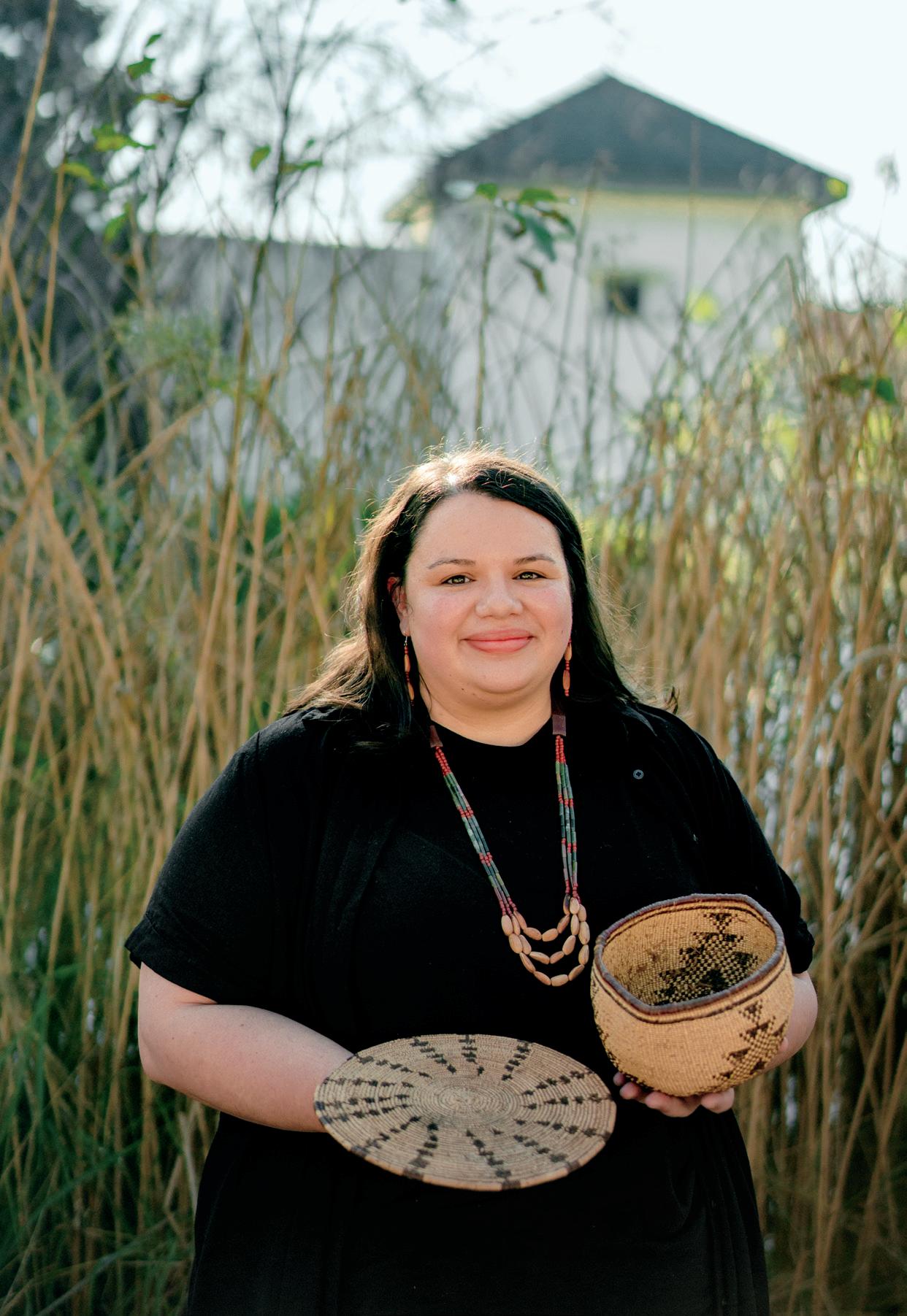
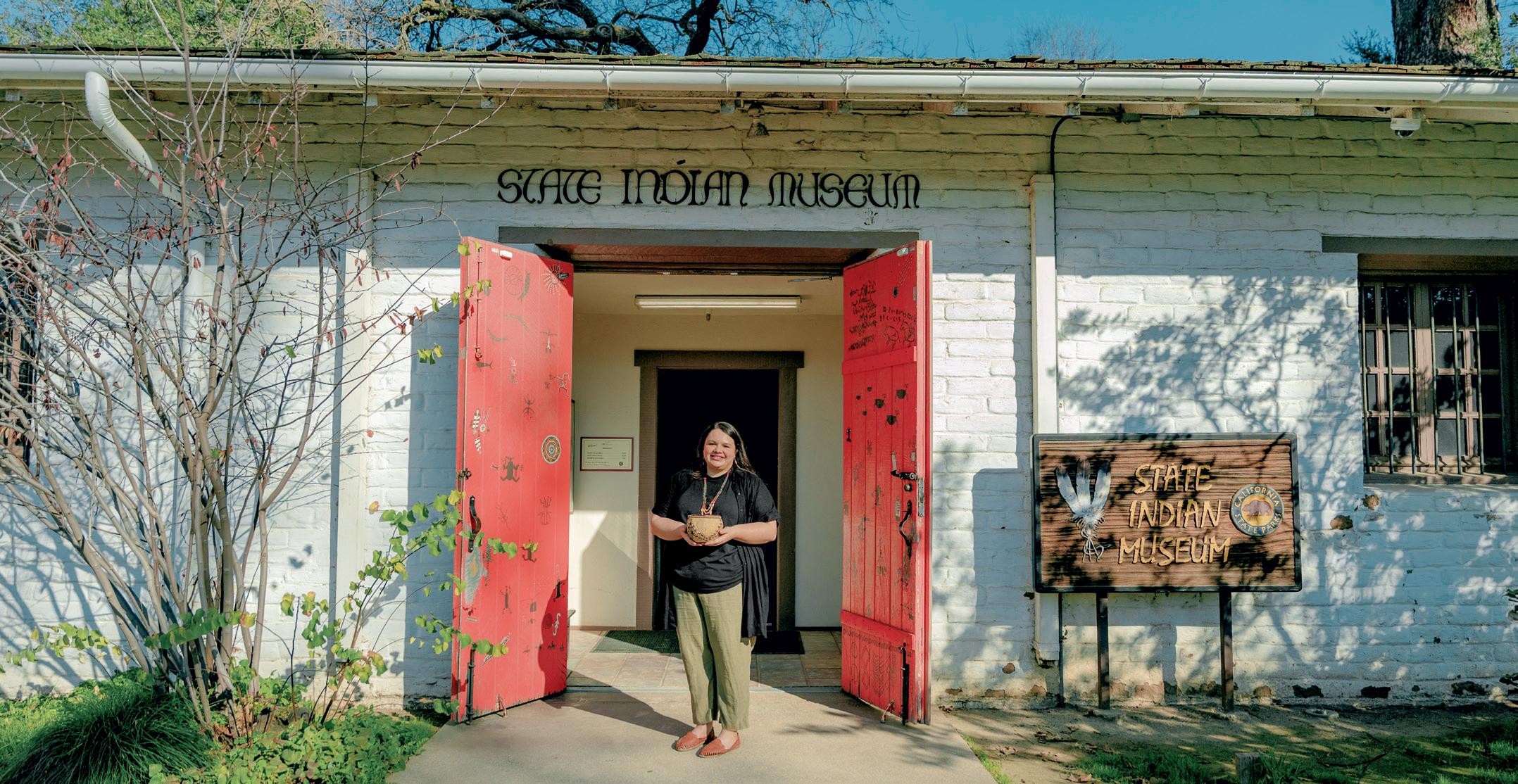
LEFT Moore holds display basketry outside Sutter’s Fort State Historic Park’s walls. ABOVE The open red doors of the California State Indian Museum welcome visitors. RIGHT Moore’s grandmother, Linda Blue, worked at this same gift shop counter at the California State Indian Museum when Moore was a child.
PROTECTING HISTORY, BUILDING RESILIENCE
How California State Parks is preparing historic places for a changing climate.
BY JESSICA KUSZ
istoric buildings are vital to telling the story of California’s state parks. Through these structures, visitors witness the continuum of time — from Indigenous grinding rocks to Mission-period adobe buildings to Gold Rush-era homes to 1930s beach cottages — each one anchoring history to a specific place. Together, these historic buildings help define the character and sense of place of a park, making history immediate and real. That story extends beyond the buildings themselves. The surrounding infrastructure of historic roads, bridges, boardwalks, and trails also shapes how visitors move through and understand these historic sites and landscapes.
But climate change is testing that sense of place. Wildfire can reduce historic structures to ashes, while sea level rise and erosion threaten to dismantle them piece by piece. As these risks intensify, California State Parks faces a critical challenge: how to protect irreplaceable historic resources while planning for an uncertain future. Across the state park system, districts are confronting these realities head-on, developing strategies that prioritize preparation, adaptation, and long-term resilience. Their work demonstrates that with planning and sustained investment, parks can continue to preserve history, identity, and a sense of place — even in a changing climate.
When Place is at Risk
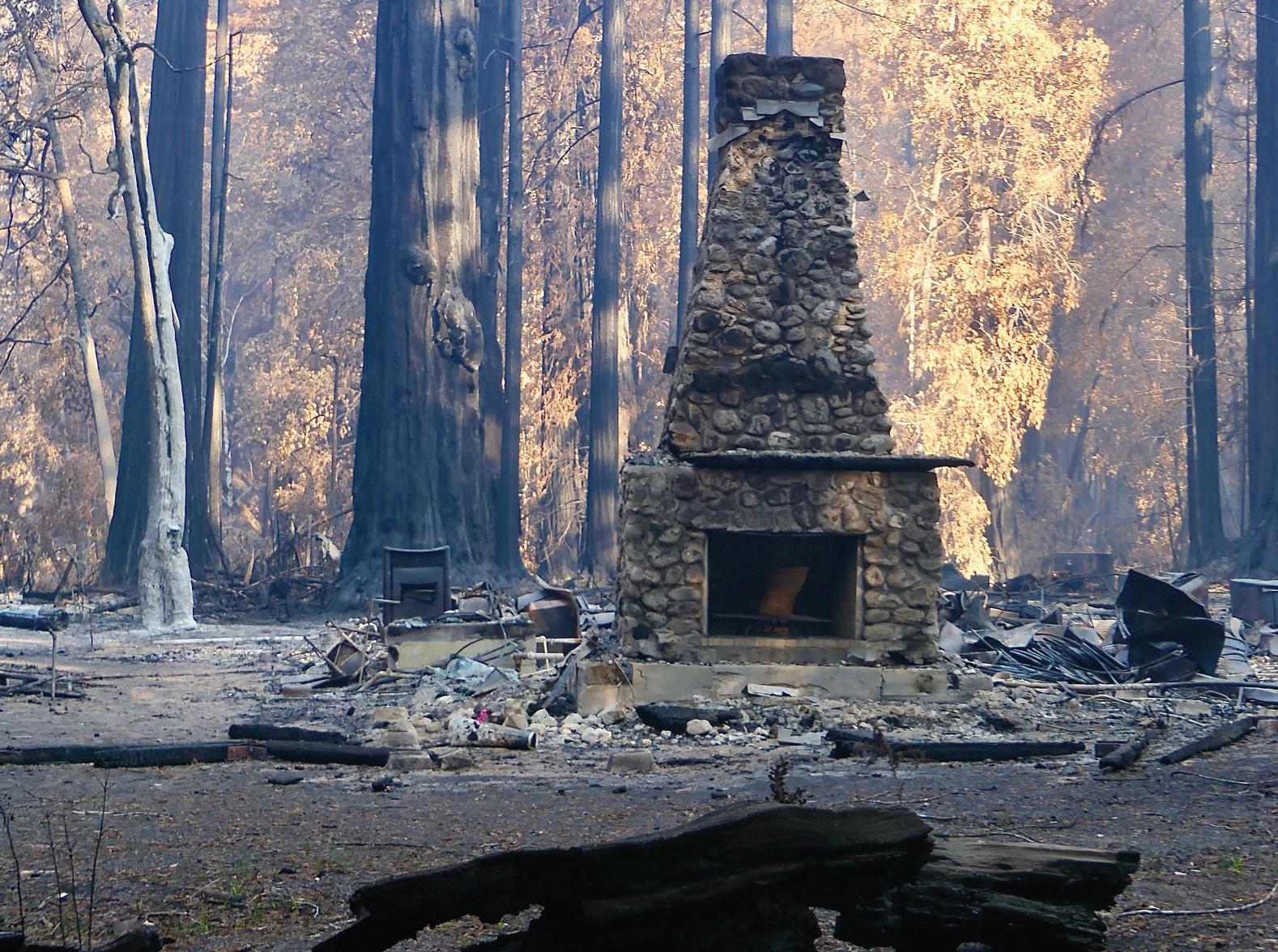
In 2020, the CZU Lightning Complex Fire burned 97% of Big Basin Redwoods State Park, including ancient coast redwoods and the park’s historic core. Beloved historic buildings such as the Park Headquarters, Big Basin Lodge, >>>
Marshall Gold Discovery State Historic Park
Nature Lodge and Store, and the Campfire Center — many built in the park rustic style in the early-to-mid-20th century by the Civilian Conservation Corps — were lost. These buildings held decades of shared memory, meaning, and functions, serving as the heart of the visitor experience for generations. Though the wildfire erased these tangible links, Big Basin endures in its natural landscape, underscoring why it was established in 1902 as California’s first state park. Five years later, new growth fills the park, highlighting the resilience of fire-adapted coastal redwoods that benefit from periodic fires.
Planning for the Future
California State Parks is shaping a long-term plan for the park’s future. According to the Reimagining Big Basin plan, “the long-standing commitment to protecting old growth and stewarding natural lands will be reinvigorated. Park stewardship, based on scientific and Indigenous knowledge, will foster forest health and create opportunities to connect visitors of all backgrounds and abilities with redwood forests for generations to come.” Big Basin’s recovery offers important lessons for parks across California, providing a road map for resilience through thoughtful planning, preparation, and stewardship to protect cultural and natural resources as climate impacts intensify.
Preparing for Wildfire
Steve Hilton, District Superintendent of the Gold Fields District in Northern California, oversees numerous parks, including Marshall Gold Discovery State Historic Park in Coloma. This site marks where James Marshall, in 1848, discovered gold in the tailrace of the sawmill he was building. For thousands of years before, the Nisenan people lived on and cared for this land, with deep ties to the river and surrounding landscape. The discovery of gold would trigger one of the largest voluntary migrations in history. The park’s historic buildings tell the stories of the diverse people who shaped California — including Chinese, Japanese, Swiss, Italian, and African American people. The park also tells the story of the Nisenan people, native to the area, whose lives were changed forever by the Gold Rush. Situated along the American River in wildfire-prone Sierra foothills, these historic structures face ongoing risk. “It’s not if, but when a
wildfire could destroy these significant buildings,” Hilton says. Hilton, working alongside State Archaeologist Ian Springer, has led a holistic approach, drawing on the cultural and natural resources teams, volunteers, and local community members to tackle wildfire resilience projects at the park.
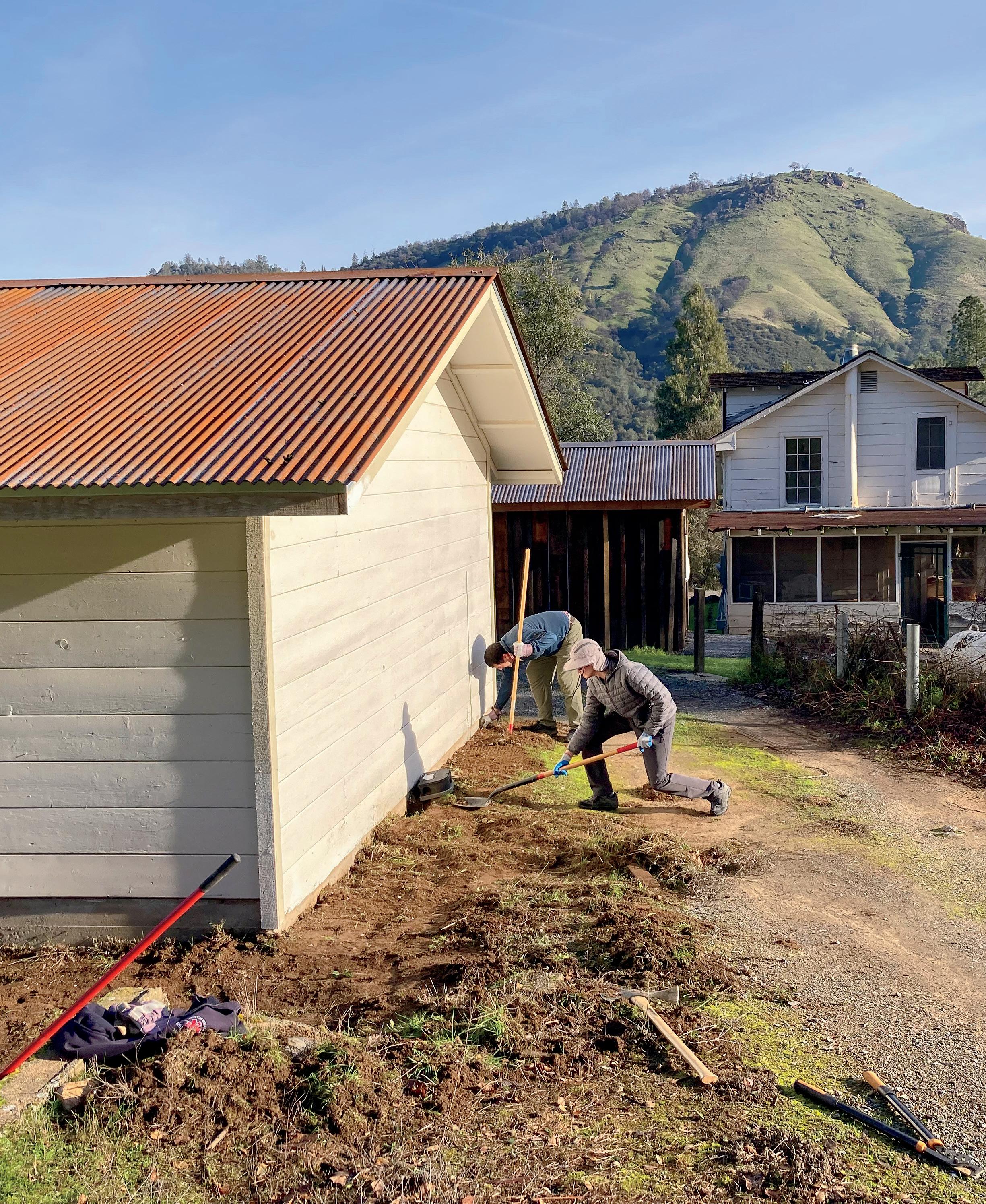
“We want to be proactive, not reactive,” Hilton notes as he lays out the steps the Gold Fields District is taking to prepare for wildfire. Planning and preparation were a collective effort of the entire Gold Fields District staff. Their efforts include creating defensible space around historic buildings, installing hydrants, replacing roofs with fire-resistant materials that remain historically compatible, and developing comprehensive evacuation plans for artifacts. In some cases, irreplaceable objects are replaced with replicas, while the originals are stored off-site. Buildings are documented through 3D scans, and staff maintain safety checklists to reduce potential ignition sources. Funding from California State Parks Foundation has supported fire access roads in the upper ridge of the park and reestablished fire breaks. For six years, California State Parks Foundation volunteers, led by Volunteer Core Leader Jim Anderson, have dedicated one weekend a month to these ongoing projects. “It’s taken some emergency situations and disasters to wake people up, but it’s our responsibility to save it for the next generation,” Hilton emphasizes. Through planning, innovation, and community engagement, the Gold Fields District is establishing a model for wildfire resilience, ensuring this important history and historic buildings endure, even in a changing climate.
Adapting Along the Coast
Wildfire isn’t the only threat climate change poses. Rising seas, coastal erosion, and stronger storms are reshaping California’s
THE HISTORIC headquarters and lodge at Big Basin Redwoods State Park were destroyed in the 2020 CZU Lightning Complex Fire.
coastline. In 2023, Seacliff State Beach faced these challenges when storm-driven waves damaged the historic pier leading to the Cement Ship, destroying popular beach-level campsites and exacerbating erosion at the park. The extensive damage required removal of the pier and eliminated much of the camping infrastructure, including concrete pads, water, electrical hookups, and restrooms. For the community and generations of visitors who cherished Seacliff State Beach, the loss was profound. In response, California State Parks, in partnership with Friends of Santa Cruz State Parks, launched the Seacliff Resilience plan, a proactive effort to secure a resilient future. Using scientific research and community input, the plan assesses vulnerabilities, identifies adaptation strategies, and explores how Seacliff State Beach can remain a vibrant coastal destination despite changing conditions. The lessons learned from this process are already informing how other coastal parks approach similar risks.
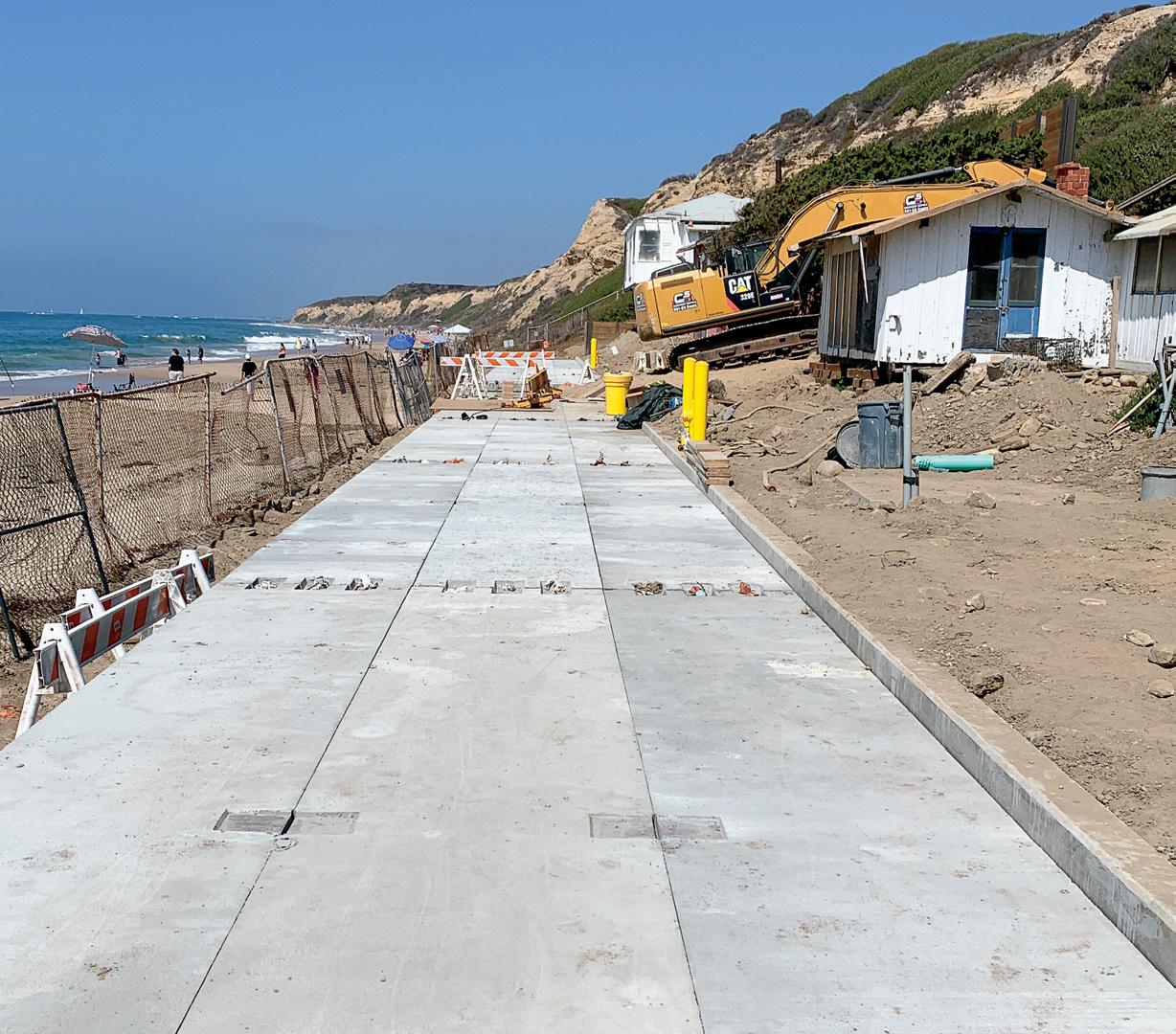
At Crystal Cove State Park near Laguna Beach in the Orange Coast District, the Crystal Cove Conservancy is taking proactive steps to prepare for coastal disasters. Crystal Cove President and CEO Kate Wheeler emphasizes the park’s rarity and resilience, saying, “Crystal Cove is an easy place to love, in part because it’s so improbable that it exists. When you look around coastal Southern California, there are so few stretches of the coast that have been protected, and when you look at the historic district, you see the pressure of development and really how improbable it is that the cottages are still there and there are still 3,000 acres of backcountry for biking and hiking.” The 46 historic cottages provide affordable coastal accommodations, but restoration efforts must also account for sea level rise. The North Beach project, including an upgraded boardwalk to the cottages, was carefully designed with strict guidelines from the California Coastal Commission to withstand wave energy and prevent erosion. The Crystal Cove Conservancy also educates the community through programs like the Coast Dynamics Initiative, which teaches students about coastal engineering and innovative ways to protect beaches. Wheeler credits California State Parks Foundation with supporting their Earth Day event and notes the Foundation team also collaborates closely as thought leaders on issues such as climate change. Wheeler notes, “I think the way to protect a place is to take down fences and bring people in. The cottages are only a portion of the park, but they are where people deposit their love and memories.”
Preserving and safeguarding these cottages is essential to maintaining that connection.
At San Onofre State Beach, also located in the Orange Coast District, sea level rise is reshaping not only the coastline but also a place long woven into California’s cultural history and identity. Known for its iconic surf breaks and midcentury beach infrastructure, the park embodies a dynamic landscape where recreation, identity, and place intersect. District Superintendent Scott Kibbey notes that coastal erosion at Surf Beach has already affected historic access routes and parking areas, limiting entry to a location often described as the “Yosemite of surfing.” Guided by the California State Parks’ Sea Level Rise Adaptation Strategy and partnering with groups such as the Surfrider Foundation, Kibbey’s team is exploring coastal resilience approaches that protect public access while recognizing the cultural significance of places where people have built deep connections over generations.
Protecting What Matters
Historic buildings and the vibrant landscapes around them are at the core of California’s state parks, connecting visitors to the people, stories, and events that shaped the state’s history. They define the sense of place and provide tangible reminders that connect us to the past. While climate-driven threats pose unprecedented challenges, the proactive and innovative work underway across the park system offers a clear path forward. Through preparation, partnership, and long-term planning, California’s state parks are not only preserving the past — but strengthening it for the future. \\\
NORTH BEACH project at Crystal Cove State Park met Coastal Commission guidelines for erosion resilience.
Dr. Helen Smith’s lifelong devotion to Vikingsholm.
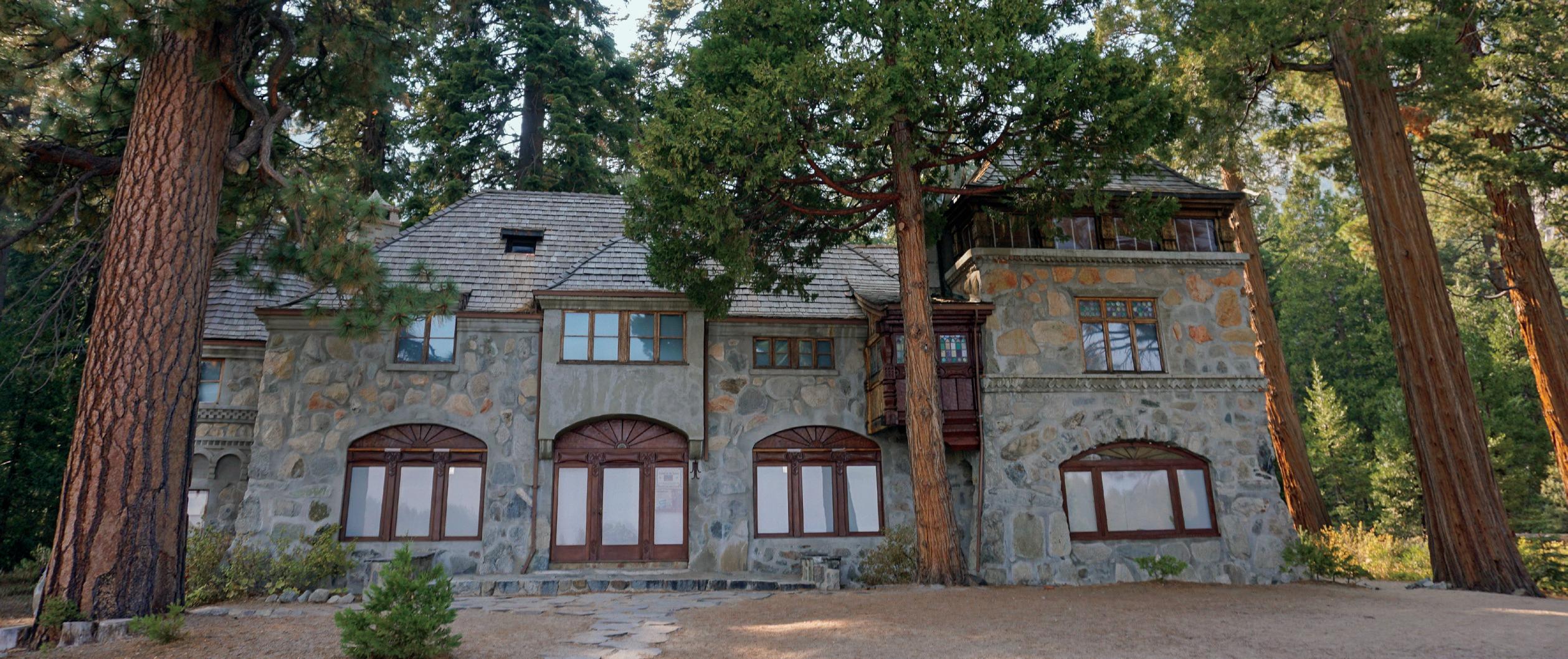
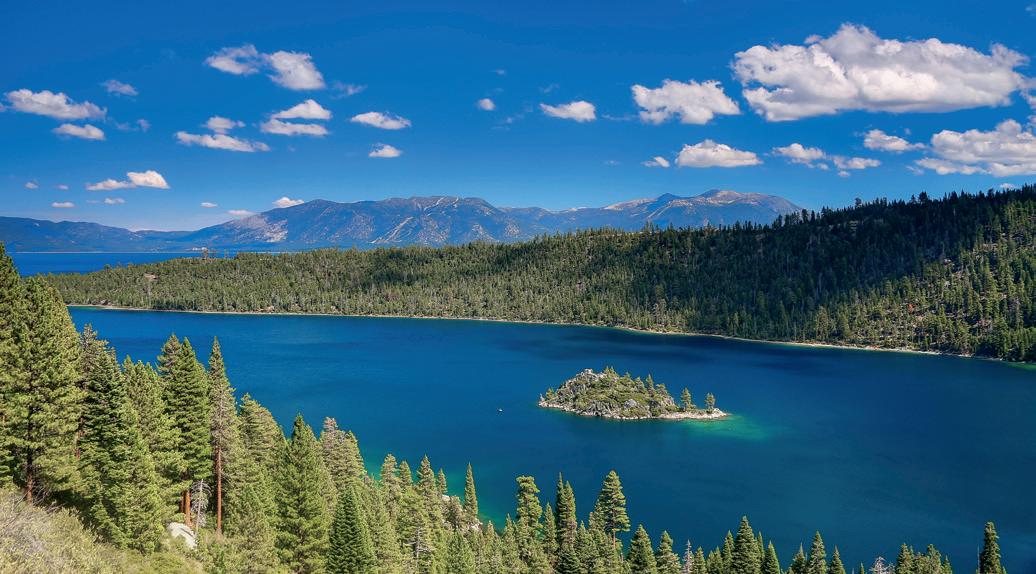
t Emerald Bay, where Lake Tahoe’s water glows deep blue and the mountains rise like sentinels, Vikingsholm sits quietly at the water’s edge. For Dr. Helen Smith, it has always been more than a building. It is a place that has shaped her life from the very beginning.
Smith’s connection to Vikingsholm began in her earliest years. Lora Josephine Knight, who built the estate, invited the Smith family to spend two weeks at Vikingsholm each summer. The tradition began around 1931, when Smith’s mother was pregnant with her, and continued for the next 14 years. “I grew up with this house and fortunately did know Mrs. Knight,” she recalled. Those early visits left an indelible mark, shaping Smith’s lifelong appreciation for the estate and its remarkable surroundings.
When Smith finally returned as an adult, the visit was unplanned but deeply meaningful. A park employee invited her inside, and she found the house much as she had last seen it, still furnished with pieces she remembered from her youth.
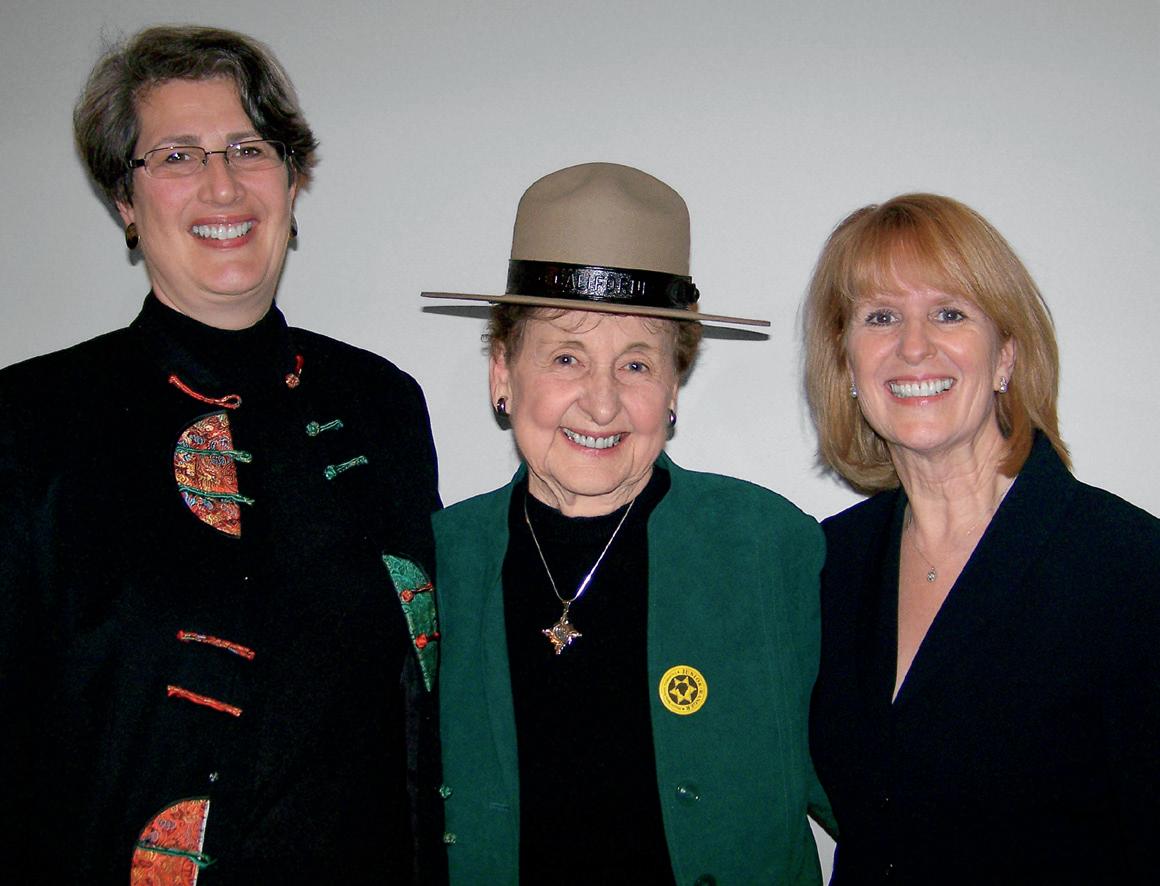
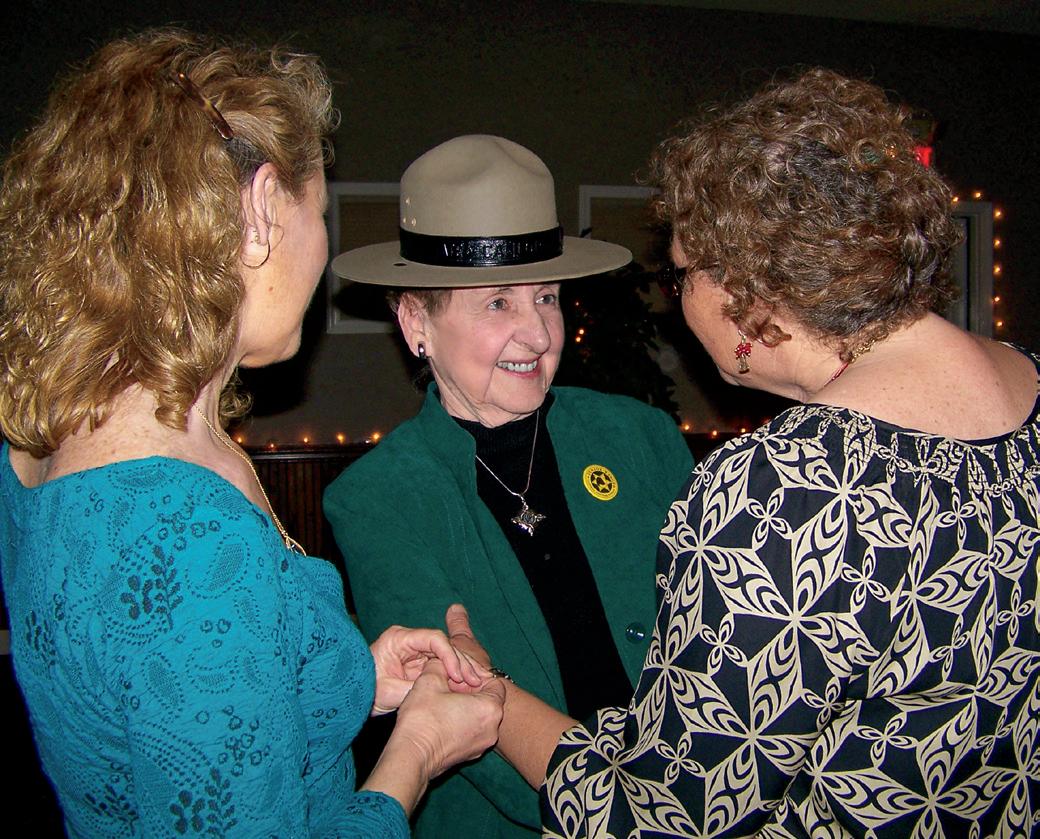
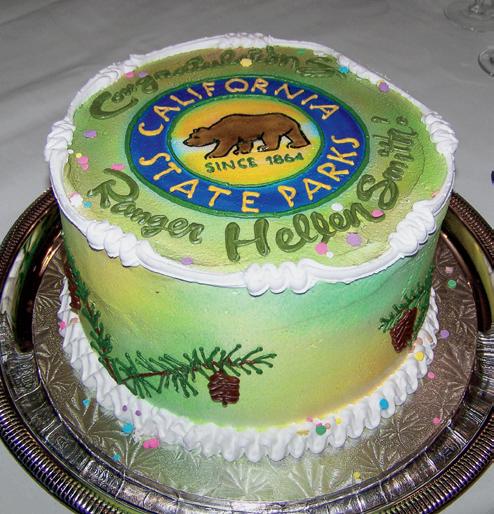
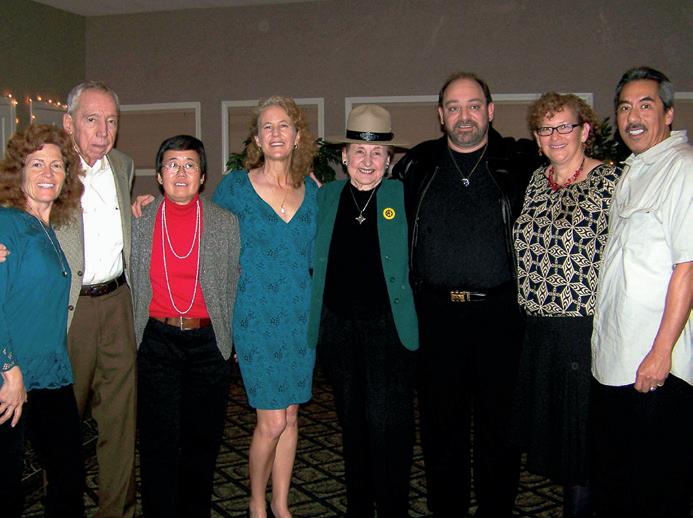
PHOTOS All photos are from the event honoring Dr. Helen Smith with the Honorary State Park Ranger Award from the California State Park Rangers Association. She is wearing the Stetson hat presented as part of the award. The photo above includes Elizabeth Goldstein and Susan Smartt, both former Presidents of California State Parks Foundation.
Emerald Bay State Park
But seeing inaccurate information about the estate’s history troubled her. For some, it might have been a minor detail. For Smith, it was a call to action. That moment marked the beginning of her return as a steward of the place.
She began volunteering soon after, spending her summers camping with her family at Emerald Bay while giving tours of the estate. Despite facing gender-based employment barriers that were common at the time, Smith became one of Vikingsholm’s most dedicated caretakers. She guided visitors through its rooms, helped deepen visitors’ understanding of its history, and ensured that the estate’s story was told with care and integrity.
As the years passed, Smith realized that Vikingsholm needed more than volunteer support. It needed significant restoration and investment. In the early 2000s, she reached out to California State Parks Foundation for help. She connected with then-Executive Director Susan Smartt, who worked with her to raise more than $3 million for the estate’s preservation.
Smith’s contributions extended far beyond fundraising. She wrote Vikingsholm: Tahoe’s Hidden Castle, a book that remains an essential resource for visitors and history enthusiasts. She spent 47 years giving tours of the estate, generously sharing her knowledge and passion with thousands of people.
Throughout this work, Smith valued California State Parks Foundation as a trusted partner. “I had a great experience with California State Parks Foundation early on, and I trusted that the management of the money would be strong,” she said. “I knew my wishes would be listened to because of my past experience.”
Eventually, Smith turned her attention to Vikingsholm’s long-term future. She chose to include California State Parks Foundation in her estate plans, ensuring continued care for the property for generations to come.
For Smith, the most important aspect of any legacy gift is clarity. She encourages others to be explicit about their intentions to ensure that their contributions reflect their values. Her own wish has always been simple: to share Vikingsholm and its stories with the public and to safeguard its history.
Today, Smith’s impact lives not only in the stone walls of the estate but in the countless visitors who have walked through its doors because she helped keep them open. Her
story is a reminder that one person’s dedication can preserve a place so others can feel that same spark of awe.
Her devotion to Vikingsholm is more than a personal history. It is a legacy. And thanks to her partnership with California State Parks Foundation, the hidden castle at Emerald Bay will continue to inspire all who visit. \\\
LEAVE A LEGACY THAT LASTS
To learn more about how you can make a planned gift and join Helen Smith in safeguarding California’s state parks, visit calparks.mylegacygift.org or contact development@calparks.org