DON’T WAIT. COMMUNICATE. Talk to your loved ones about how you are going to be ready in an emergency. VISIT
STATE OFFICERS
President
Dennis Bell
Captain Franklin County S.O.
Vice President
Hal Braswell, Section Director
Ga. Public Safety Training Center
Second Vice President
James McLaughlin, Lt. Colonel
Ga. Dept. of Natural Resources
Third Vice President
Cory Andrews, Corporal
Georgia State Patrol
Executive Director
Dennis Bell, Interim
Legislative Liaison
Harlan Proveaux
Dir. of Law Enforcement
Ga. Dept. of Agriculture
Past President
Dennis Baker, Retired Chief Special Inv. Clayton County D.A. Office
DISTRICT DIRECTORS
North Georgia
Wesley Wellborn
Metro Atlanta
Vacant
West Georgia
Vacant
North Central
Willie Bolton
Northeast
Matt Miles
Middle Georgia
Dottie Harden and Guy Fussell
Southeast
Cyrus Purdiman
Southwest
Jason Anthony
South Central
James Waters
Coastal Georgia
Ronnie Lynn and Bob Lynn
ANNUITY & BENEFIT FUND
Homer Bryson, hbryson59@gmail.com, 770-228-8461
LEGAL ADVISOR
Jay Swindell, Claxton
CHAPLAINS
Dr. Rick Lanford
Reverend Greg Loskoski
ACCOUNTANTS
Dabbs, Hickman, Hill & Cannon, LLP Statesboro
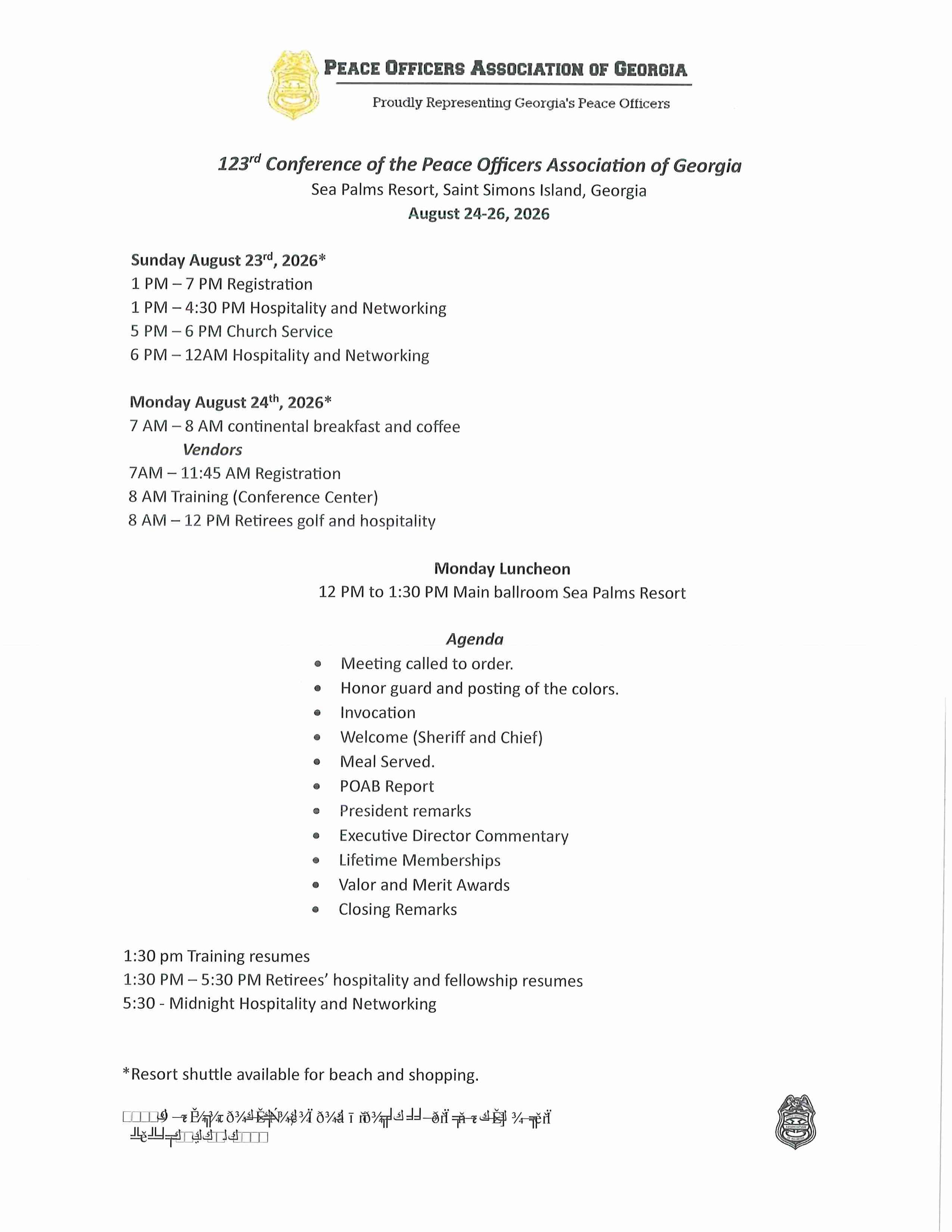
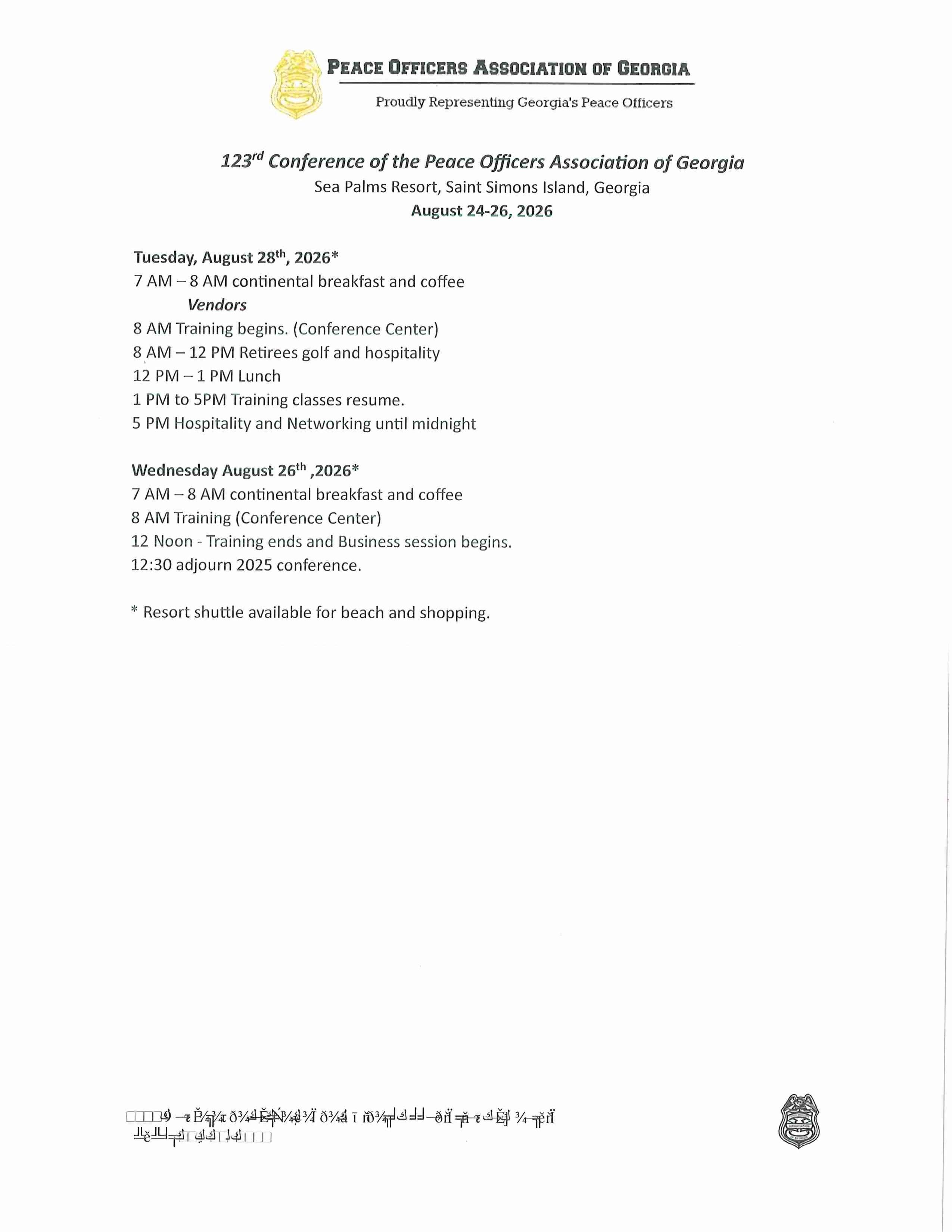
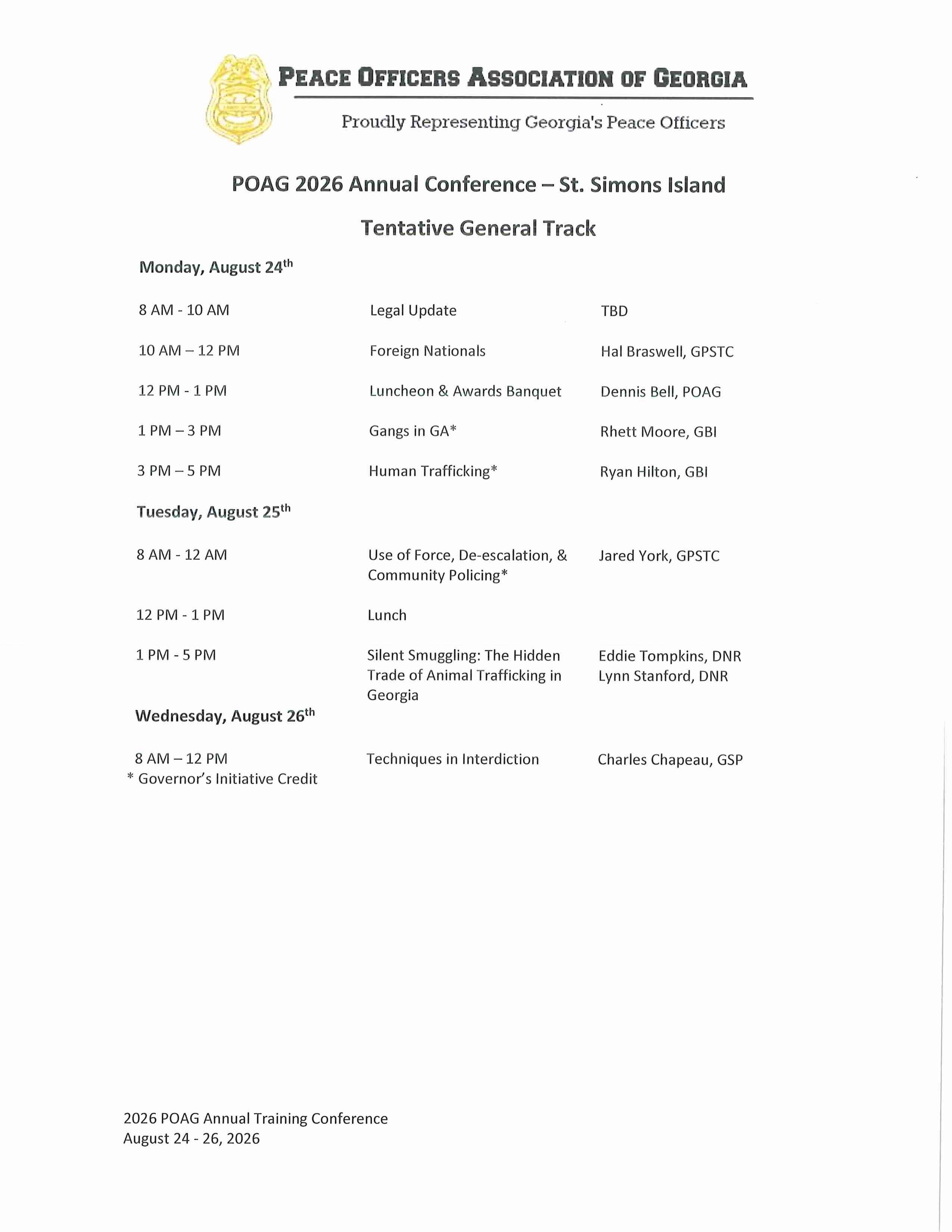
2026 POAG Conference Info/Registration
Leadership Messages
2025 POAG Conference Highlights
Georgia Case Law Update
When Hiring Mistakes Become Costly
Nine Steps to Decentralized Command
Public Attitude Towards Police Increasing, Gaps Remain
Signal Detection For Police
Understanding Gang Language
Wellness Policy Checklist For Public Safety Agencies
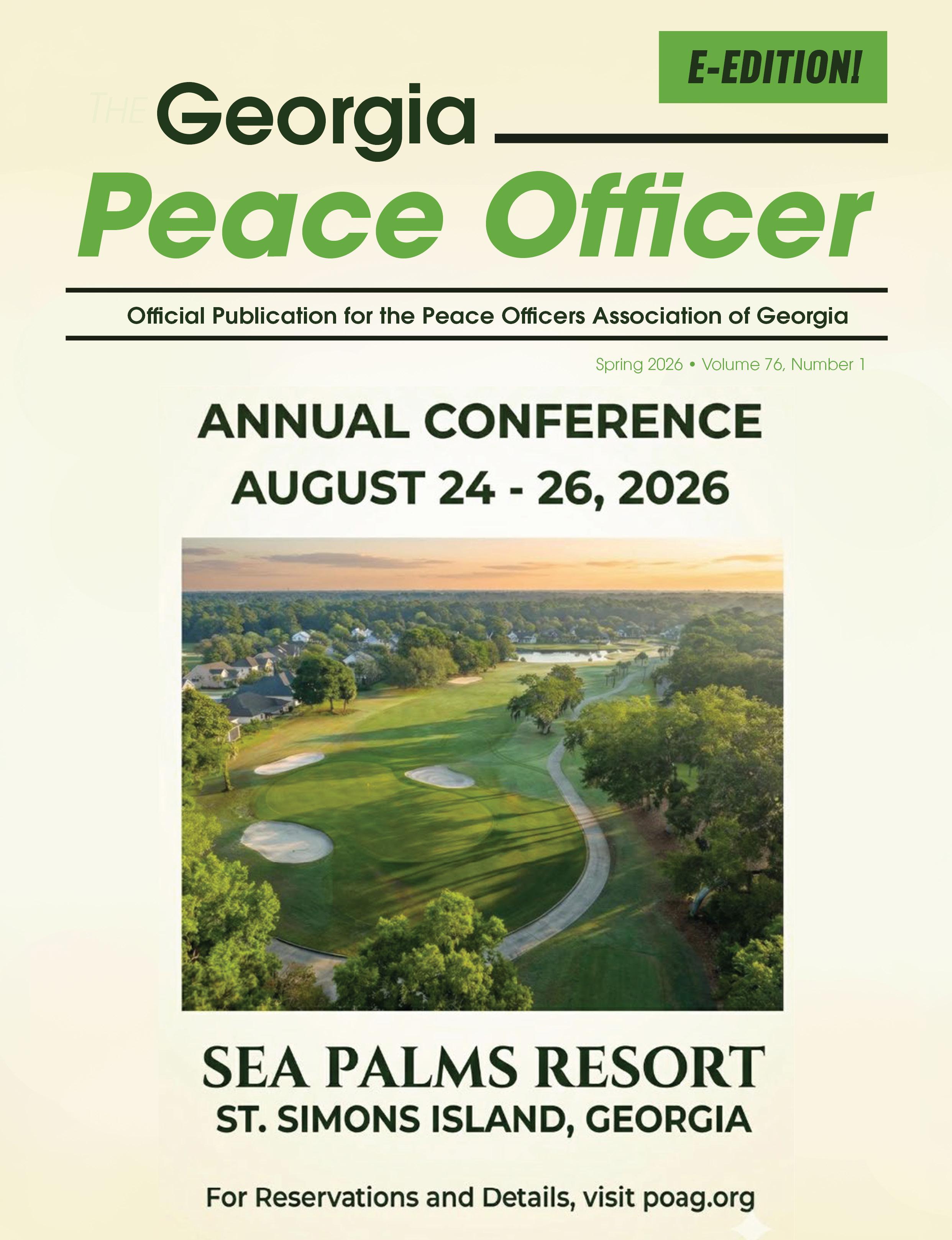
On the Cover:
This year's annual POAG Conference will be held at the beautiful Sea Palms Resort on St. Simons Island. For more info, see page 10.
In Unity There Is Strength
The
Last Name ________ First Name
Employed by or retired from what law enforcement agency
Home address----------------------------------
City Zip code Persona l E-mail
Years as peace officer Date of birth:
D $20 POAG dues, includes $2 for the Georgia Peace Officer
Are you a member of POAB? -----Are you POS T certified? ______ Your O-KEY number:
Peace Officers Association of Georgia• P.O. Box 1040• Reidsville, GA 30453 • poag@poag.org• www.poag.org
Contributions or gifts to the POAG are not tax-deductible as charitable contributions. For office use only:
RECIPIEN TS TO RECEIVE ANY DEATH BENEFIT
$4,000 Line of Duty Death Benefit
First Recipient: Relationship: Address:
Second Recipient: Relationship: Address:
Signed:
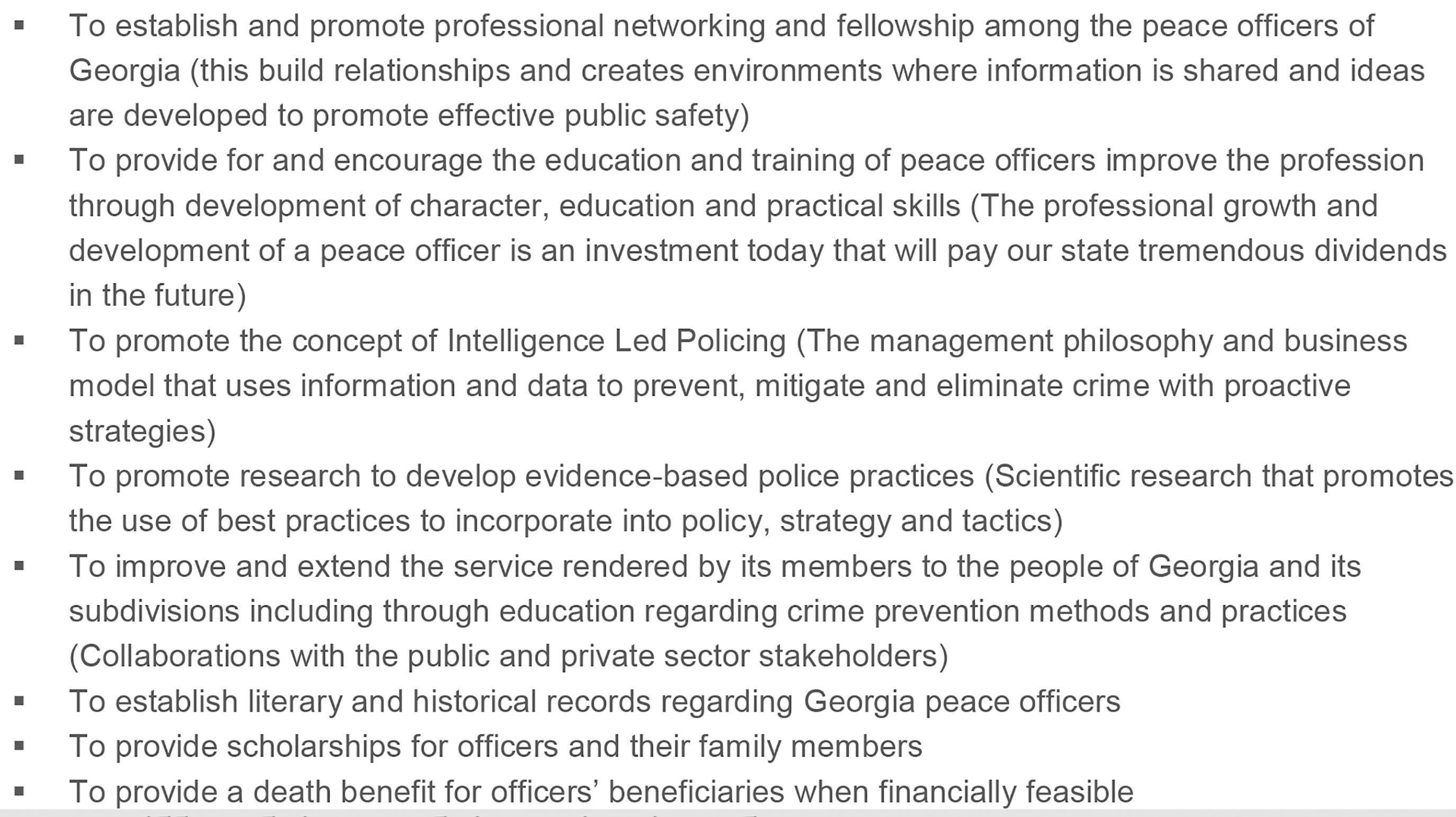
Mission Statement of the Peace Officers Association of Georgia
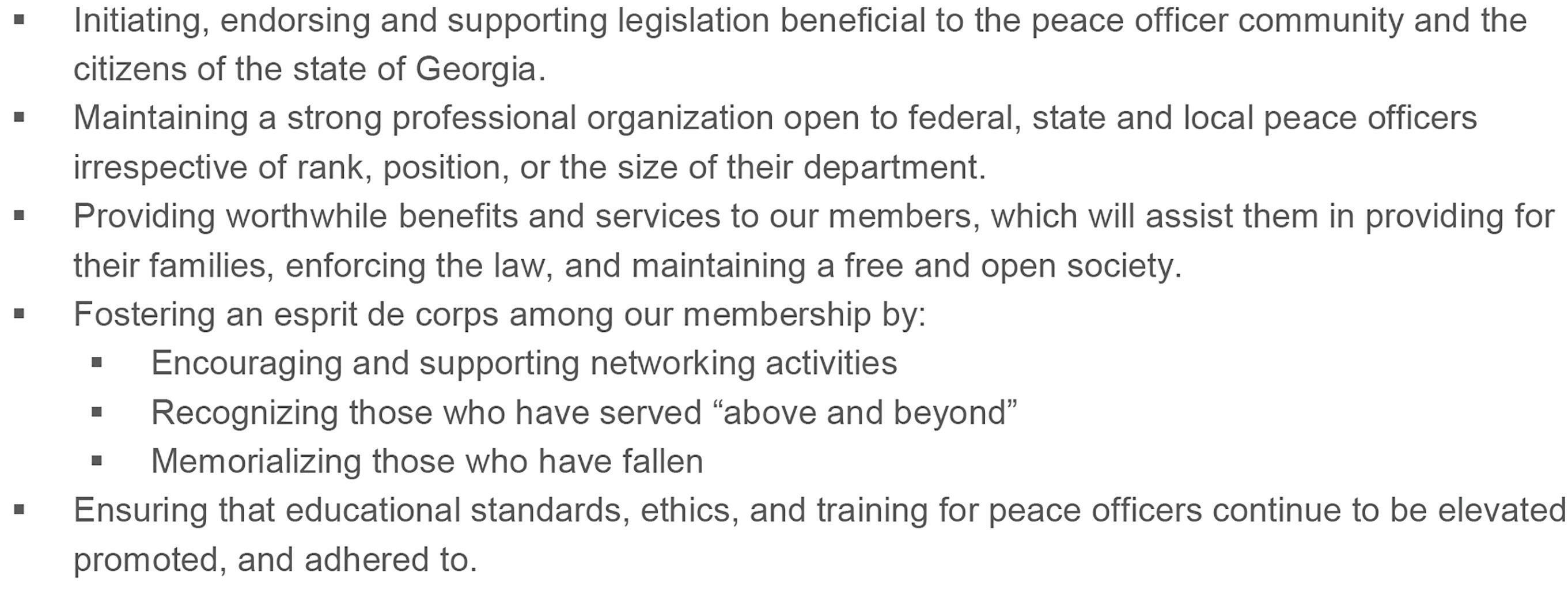
We will achieve this mission by:
Super Mercado Tarahumara
E
Street
(912) 384-8224
515-0816
Past Presidents and their Vice Presidents of the Peace Officers Association of Georgia
2020 Chris Hodge, Vice President Scott Andrews
2019 Garry Moore, Vice President Chris Hodge
2018 Garry Moore, Vice President Chris Hodge
2017 Dennis Bell, Vice President Garry Moore
2016 Dennis Bell, Vice President Garry Moore
2015 Tommy Spires, Vice President Dennis Bell
2014 Kyle Sapp, Vice President Tommy Spires
2013 Stephen Adams, Vice President Kyle Sapp
2012 Stephen Adams, Vice President Kyle Sapp
2011 Mike Jones, Vice President Stephen Adams
2010 M. Keith Glass, Vice President Mike Jones
2009 M. Keith Glass, Vice President Mike Jones
2008 Jimmy W. Jones, Vice President M. Keith Glass
2007 Gary W. Hill, Vice President Jimmy W. Jones
2006 Gary W. Hill, Vice President Jimmy W. Jones
2005 Keith Moran, Vice President Gary W. Hill
2004 Homer Bryson, Vice President Keith Moran
2003 Harry Colbert, Vice President Homer Bryson
2002 Wayne Avery, Vice President Harry Colbert
2001 W.W. (Bill) Hitchens, Vice President Wayne Avery
2000 W.W. (Bill) Hitchens, Vice President Carson Knight
1999 Mickey Pearce, Vice President W.W. (Billy) Hitchens
1998 Mickey Pearce, Vice President Billy Hancock
1997 Wesley Mott, Vice President Mickey Pearce
1996 Martin Moses, Vice President Wesley E. Mott
1995 Martin Moses, Vice President Wesley E. Mott
1994 Donnie Haralson, Vice President Martin H. Moses
1993 Donnie Haralson, Vice President Martin H. Moses
1992 Bob Brown, Vice President Donnie Haralson
1991 Cliff W. Tacket, Vice President David L. Willis
1990 Cliff W. Tacket, Vice President David L. Willis
1989 Norman E. Denney, Vice President Derrell R. Carnes
1988 Charles D. Sikes, Vice President Norman E. Denney
1987 Bill Hutson, Vice President Don Arnett
1986 Bill Hutson, Vice President Don Arnett
1985 Terry McAffee, Vice President Bill Hutson
1984 Terry McAffee, Vice President Bill Hutson
1983 Robert S. Boney, Vice President Terry McAffee
1982 Robert S. Boney, Vice President Jackie P. Smith
1981 Harold D. Thomas, Vice President Harold Lloyd
1980 Doyle D. Broome, Vice President Harold D. Thomas
1979 Doyle D. Broome, Vice President Claude E. Sapp
1978 Jack E. Benford, Vice President Doyle D. Broome
1977 Jack E. Benford, Vice President Doyle Broome
1976 John F. Collins, Vice President Jack Benford
1975 John F. Collins, Vice President W.E. Strickland
1974 Porter Weaver, Vice President John F. Collins
1973 A.L. Phillips, Vice President Porter Weaver
1972 Raymond Purvis, Vice President Henry Dillard
1971 Dave Higingbotham, Vice President James G. Beck
1970 Dave Higingbotham, Vice President William L. (Bill) Cline
1969 Harry E. Schmid, Vice President Ray Wilkes
1968 Ray Pope, Vice President Ralph D. Ruff
1967 Luther F. Butler, Vice President Fred (Slick) Culberson
1966 Luther F. Butler, Vice President Fred (Slick) Culberson
1965 George Mutimer, Vice President Dave Higingbotham
1964 George Mutimer, Vice President L.P. (Pinky) Allen
1963 P.C. Peacock, Vice President J.W. Beasley
1962 Grady W. Cochran, Vice President Kermit Sanders
1961 L.B. McCallum, Vice President T.J. Mahoney
1960 John Redding, Vice President Hoyt Henry
1959 Carlus Gay, Vice President P.C. Peacock
1958 Carlus Gay, Vice President J.H. Bisson
1957 Carlus Gay, Vice President J.H. Bisson
1956 John Redding, Vice President J.H. Bisson
1955 John Redding, Vice President J.H. Bisson
1954 G. Allen Maddox, Vice President J.H. Bisson
1953 E.S. Burke, Vice President G. Allen Maddox
1952 E.S. Burke, Vice President G. Allen Maddox
1951 No record
1950 No record
1949 E.S. Burke, Vice President Geo. Allen Maddox
123rd
Annual Conference
August 24-26, 2026
St Simons Island, Georgia
Sea Palms Resort
The Peace Officers' Association of Georgia: Elevating Excellence at the 2026 Annual Conference
submitted by Hal Braswell POAG Vice President
The Peace Officers’ Association of Georgia (POAG) is proud to reaffirm our unwavering commitment to our members by delivering premier training at our upcoming annual conference.
Hosted once again at the Sea Palms Resort, our members will gather amidst beautiful coastal landscapes and world-class amenities to focus on what matters most: The growth and development of law enforcement leaders across our great state.
Dual-Track Training: Tailored for Every Rank
This year, we are proud to offer two distinct training tracks designed to meet the specific needs of our diverse membership. All sessions are led by recognized experts who remain active in their respective fields, ensuring the information you receive is both current and tactical.
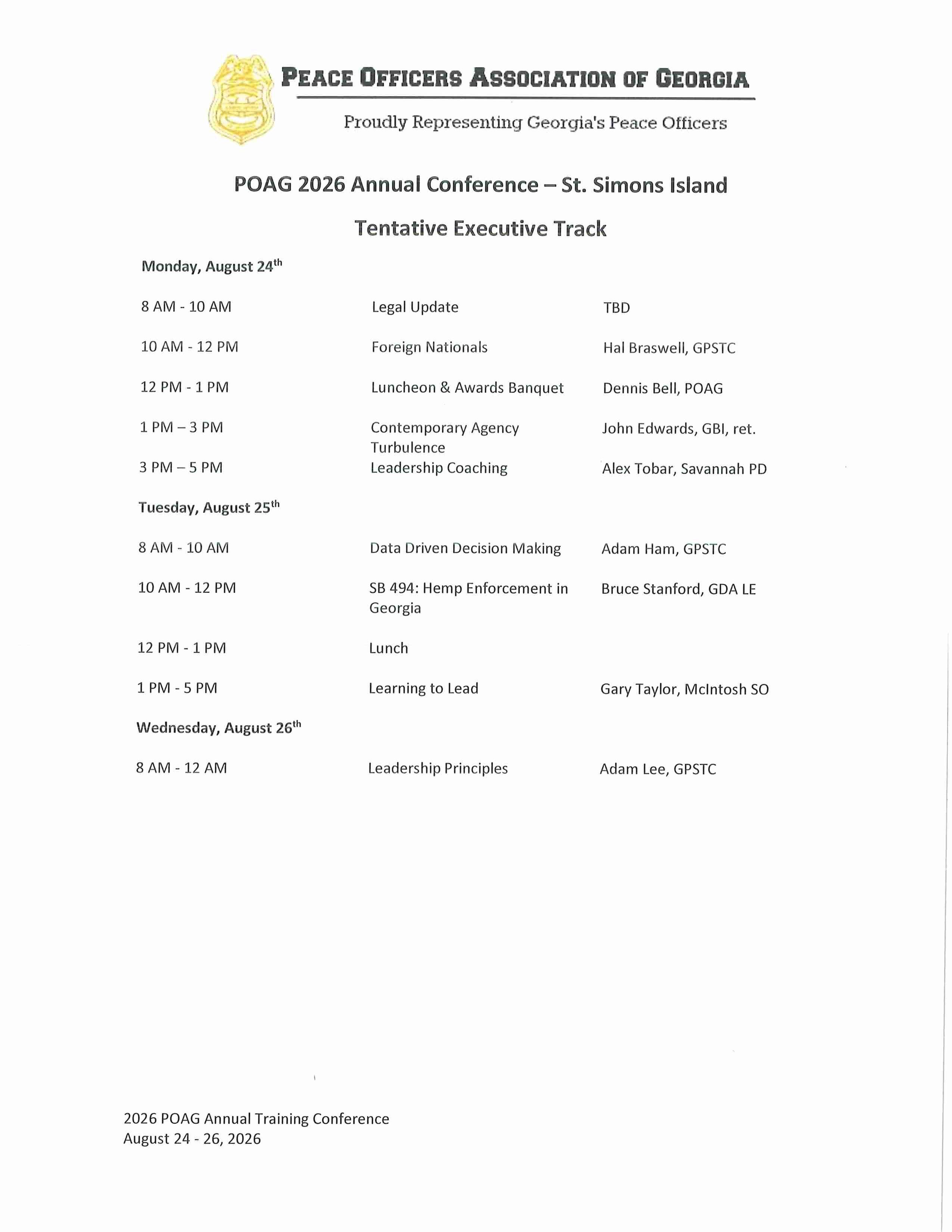
• The General Track: This track covers all mandatory POST annual training requirements, ensuring you stay compliant while gaining specialized knowledge. Highlights include Animal Trafficking insights
from the DNR Game Wardens and advanced Interdiction Techniques from the Georgia State Patrol.
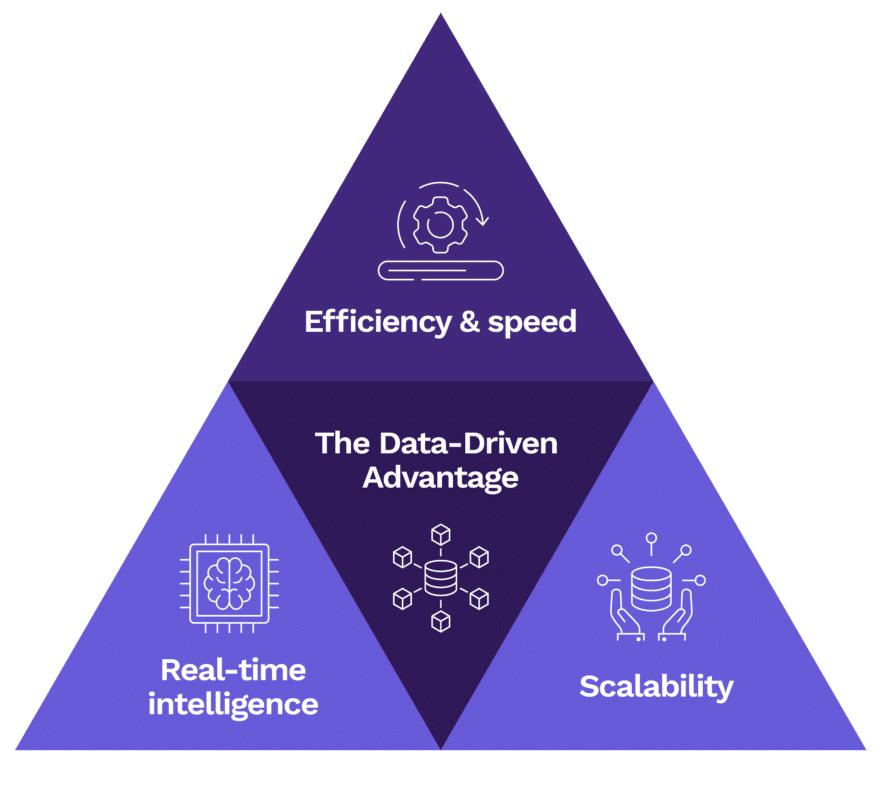
• The Executive Track: Designed for current and aspiring command staff, this track features leadership modules from active agency heads. This year, we emphasize Data-Driven Decision Making to help you lead more efficient agencies, alongside the essential Georgia Legal Update.
Unmatched Value and Professional Development
What defines this conference as a resounding success is our ability to offer high-caliber professional development that remains affordable for every peace officer, from the rookie on patrol to the veteran Chief. Our curriculum addresses the most pressing challenges facing Georgia today, including:
• Human Trafficking & Gangs in Georgia
• Managing Order & Disorder
• Hemp Enforcement & Emerging Legislation
Beyond the classroom, the networking opportunities remain second to none. The conference creates a unique environment
where professionals from every corner of the state can engage, share strategies, and celebrate our shared calling.
Your Voice, Our Mission
The POAG Board remains dedicated to the principle that your concerns are our concerns. We don't just provide training; we provide a voice. We promise to listen to your suggestions and actively advocate for your interests before policymakers to effect positive change in our beloved state.
We look forward to seeing you at the coast as we continue to build a safer, stronger Georgia together.
Be safe, and may God bless each and every one of you.
2026 Conference Registration Form
126th Peace Officers’ Association of Georgia Annual Training Conference August 23-26, 2026
Name and Rank:
Agency Represented:
Mailing Address:
Telephone Number:
Alternate Number:
Personal Email Address:
OKEY Number: (Mandatory to Receive
Active Law Enforcement Member: ☐
Associate Member: ☐
Retired Member: ☐
Pre-Registration ** Only if received on or before August 14th, 2026(No refunds for cancellations made after 7/24/26)
Checks only with this form. For credit cards, please register online at www.poag.org. Hotel reservations should be made directly with Sea Palms Resort at 912-638-3351 (Make sure to request the POAG group rate) Reservations should be made by individual. Conference rate of $159.00/night.
Jimmy Waters Scholarship Fund
Criteria for Application
• Applicant must be child or grandchild of active, retired or deceased POAG member.
• Applicant must be a full-time college student.
• Applicant must have completed at least one year of college
• Application must have a need for financial assistance.
• Application must be in POAG office before June 15th
Application Form
Are you a previous recipient of the Jimmy Waters Scholarship Fund? ______ If yes, what year? _________
Applicant’s Full Name:
Mailing Address:
Phone Number: _ Date of Birth ___/___/_____
Applicant is (Circle One) son, daughter, grandson, or granddaughter of ________________________________, who is (was) an active member of the POAG from __________ to __________.
Applicant has completed at least one year of college credit at _______________________, with a grade point average of ___________.
Applicant will be a full-time student at ______________________________ for the upcoming academic school year.
Please list all service organizations, clubs, etc., to which you belonged in high school and college, as well as any honors and awards received.
Please state why you are applying for the scholarship and why you think you should be chosen as this year’s recipient.
I do hereby certify and affirm that all information provided herein is true and correct to the best of my knowledge and belief, and permission is hereby given to the POAG to verify same.
Send to:
Applicant’s Full Name (please print) POAG PO Box 1040
Reidsville, GA 30453
Or email to poag@poag.org
Applicant’s Signature
(678) 691-1650
Vice President's Message
Reflecting on Service and the Path Forward: POAG's Enduring Commitment
As our successful 122nd Annual Conference on St. Simons Island wraps up, I, like many of you, find myself reflecting on the bedrock principles required to establish and sustain a thriving professional association. It demands a clear vision, a dedicated effort, and an unwavering commitment to the members we serve. This past year, the Peace Officers’ Association of Georgia has once again demonstrated that commitment, but it has also been a period of significant transition and growth.
Our recent conference at Sea Palms Resort was a resounding success, offering fantastic professional development opportunities that are both significant in quality and affordable for all peace officers, not just those in leadership roles. From the vital Legal Updates and sessions on Elder Abuse and Child Victim Crimes to crucial instruction on Human Trafficking, Gangs in Georgia, and Hemp Enforcement, the training provided essential tools for survival and professional excellence.
Furthermore, the networking opportunities remain second to none, fostering an environment where professionals from diverse
regions and jurisdictions can engage and celebrate our common interest in being Peace Officers. A strong association is powered by strong leadership. This year, we honor a remarkable figure: Our Executive Director, JB Edwards, who in his retirement, leaves behind a truly wonderful legacy of dedication and service to this association and our profession. The structure and commitment he fostered will be felt for years to come.
We also thank our immediate outgoing President, Dennis Baker, for his exceptional leadership and dedicated service to the organization. He transitions now into the role of Past President, where his insight will continue to guide us.
As we bid farewell to one great leader and transition to new board roles, we are fortunate to welcome a new era. We extend our heartfelt appreciation to Dennis Bell for stepping up to serve not only as our President but also as our new Executive Director. His willingness to take on this dual role is a testament to his dedication to the mission of the POAG.
We also recognize the dedicated service of our outgoing
Past President, Franklin County Sheriff Scott Andrews, for his guidance and commitment over the past year.
Our success hinges on the diverse expertise and hard work of our entire team. We are thrilled to welcome our newest board member, Cory Andrews of the Georgia State Patrol, and are excited to have his experience serving the association.
We also thank the committed professionals who continue to drive our efforts. We rely heavily on the efforts of 2nd Vice President James McLaughlin of the Georgia DNR Game Wardens, while our crucial legislative work is expertly led by Legislative Liaison Harlan Proveaux of the Georgia Department of Agriculture Law Enforcement. Furthermore, none of our operations — especially a conference of this
Vice President Hal Braswell
magnitude — would be possible without the diligent efforts of our Administrative Director, Kristal Odum. Her hard work is truly the backbone of our ability to serve our members.
Finally, we owe a special debt of gratitude to our unsung heroes. Our dedicated volunteers and the entire team of Sergeant at Arms who tirelessly served during the conference, ensuring everything ran smoothly and securely for all attendees.
The POAG Board promises to actively listen to your suggestions and concerns, because your concerns about our profession are our concerns about the profession. We will always continue to represent and advocate
for your interests, addressing challenges and engaging with policymakers to affect positive change in our beloved state.
Be safe, and may God bless each and every one of you.
Best regards,
Hal Braswell Vice President POAG
Ten Reasons to Join the POAG
1. Peer to peer officer guidance and assistance program.
Advice, guidance and counseling for officer navigation through a traumatic event or adverse issue.
2. Regional training outreach.
A premier up-to-date regional training delivery system regarding important subjects relating to peace officers’ duties and responsibilities that will enhance expertise, provide personal and professional growth and result in POST credit.
3. Strategic and tactical think tank service.
Opportunity to receive information and participate in discussions regarding the latest evidence-based law enforcement best practices involving law enforcement operations.
POAG retains a pool of subject matter experts in the field to promote research, share knowledge and experiences.
Access to POAG-published white papers regarding these strategies and tactics formulated.
Active website depository of information and contacts.
Social media updates and outreach regarding timely and important subjects to peace officers.
4. Subscription to The Georgia Peace Officer magazine.
Articles and information regarding our organization, law enforcement operations, equipment, supplies, financial planning, peace officer history and benefits.
5. Special membership discounts on association merchandise, police supplies and other benefits.
Discounts on clothing, shirts, caps, emblems and other POAG items.
Discounts from other police supply retailers, such as 5.11 Tactical.
Discounts for retirement planning, legal insurance, college tuition and other benefits.
6. Scholarships for officers and their dependents.
Members may apply each year for funding to support and further their education or the education of their children.
7. Annual POAG training conference.
20 hours of exceptional training covering three tracks: executive, patrol and investigative. Firearms range and competition, officer awards, chaplain resources, statewide networking and fellowship opportunities.
8. Partnership with the Georgia Southern University to preserve peace officers’ history.
Documentation of interviews and collection of records for the accurate capture and retention of credible stories, accounts and events regarding Georgia peace officers to ensure your legacy.
9. Lobby for, and the promotion of, important legislation for Georgia peace officers
POAG promotes the passage of laws that protect, promote and benefit peace officers. Our membership motto is “in unity there is strength.”
10. Line of duty and accidental death benefit. Line of duty and accidental death benefit /dismemberment benefit payment.
Roswell Road, Ste E, Sandy Springs (848) 336-5524
Food Mart 5698 Hwy 20 SE Cartersville (678) 721-1352
607 Baytree Road Valdosta (229) 232-5143
1229 n. Glenwood Ave
Dalton (706) 226-3030 151 W Main Street Cartersville (770) 334-8755 ABC Country Shoppe 3356 S Dixie Hwy
Dalton (706) 277-3808
(912) 748-9465
Quick Stop 101 N. Elm Street Ocilla (229) 468-9690
Restaurant 47 E. May St, Winder (678) 425-6447
Lafayette Road Fort Oglethorpe (706) 406-2108
2025 POAG Conference Highlights
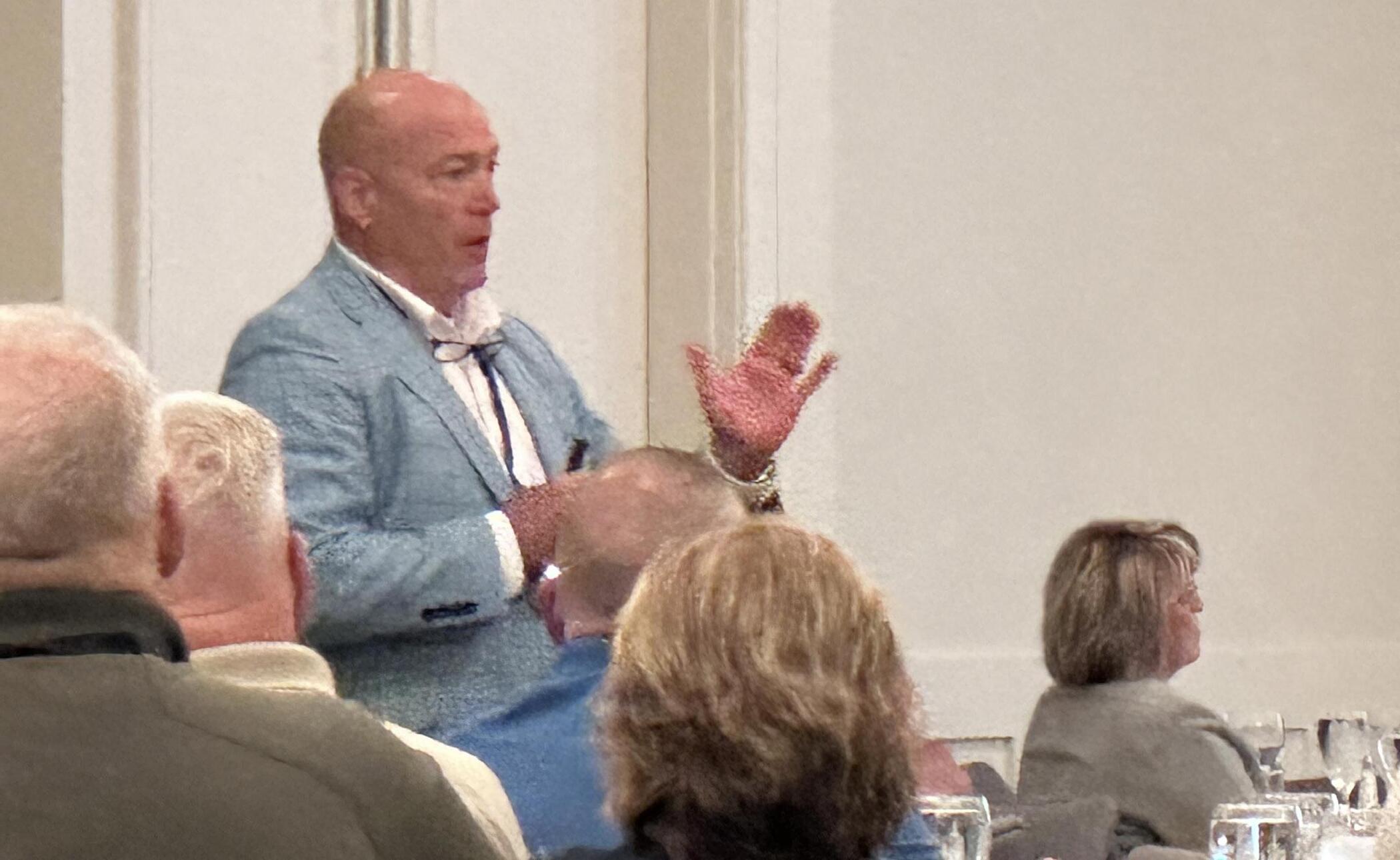
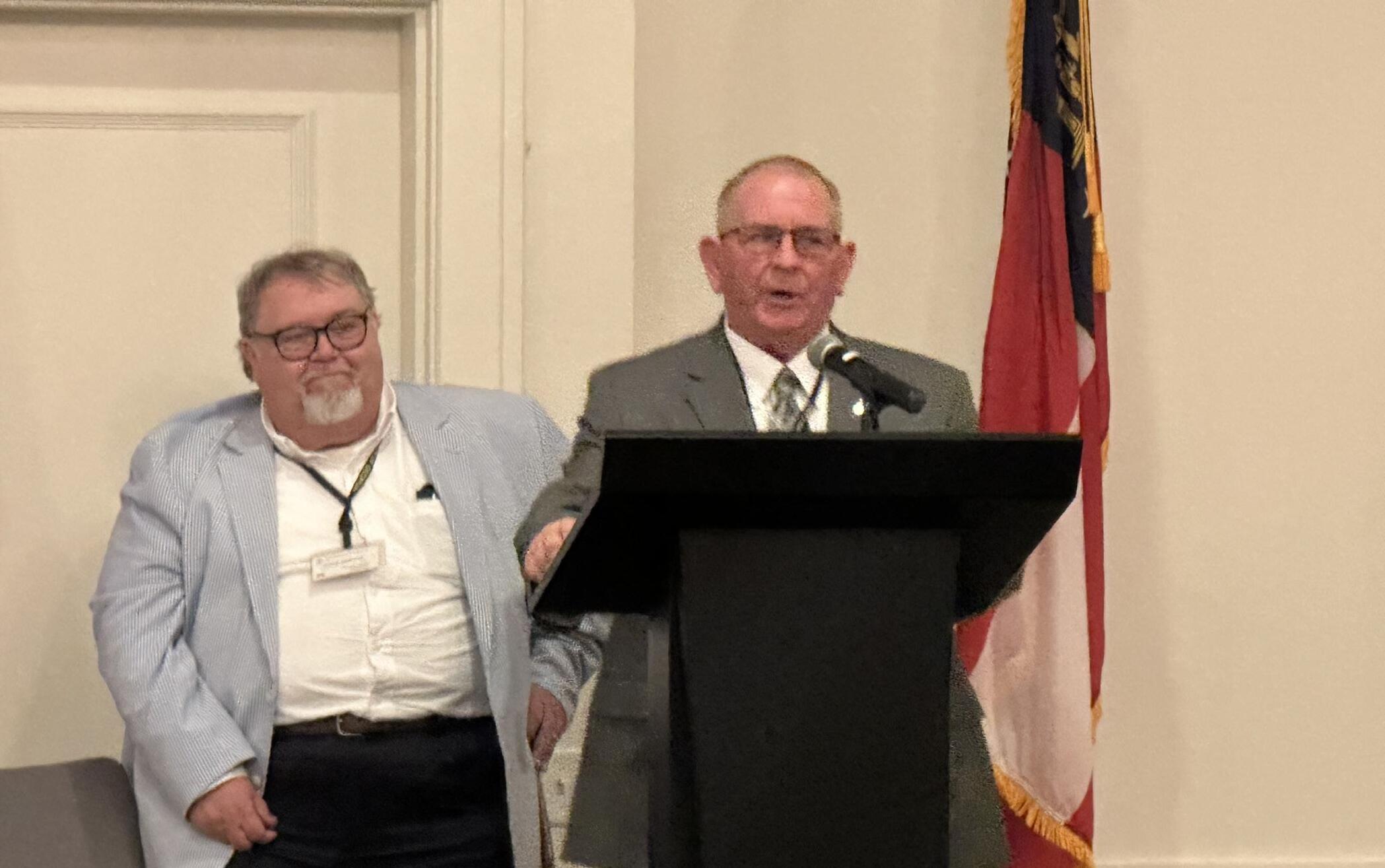
Vice President Dennis Bell with Executive Director John Edwards.
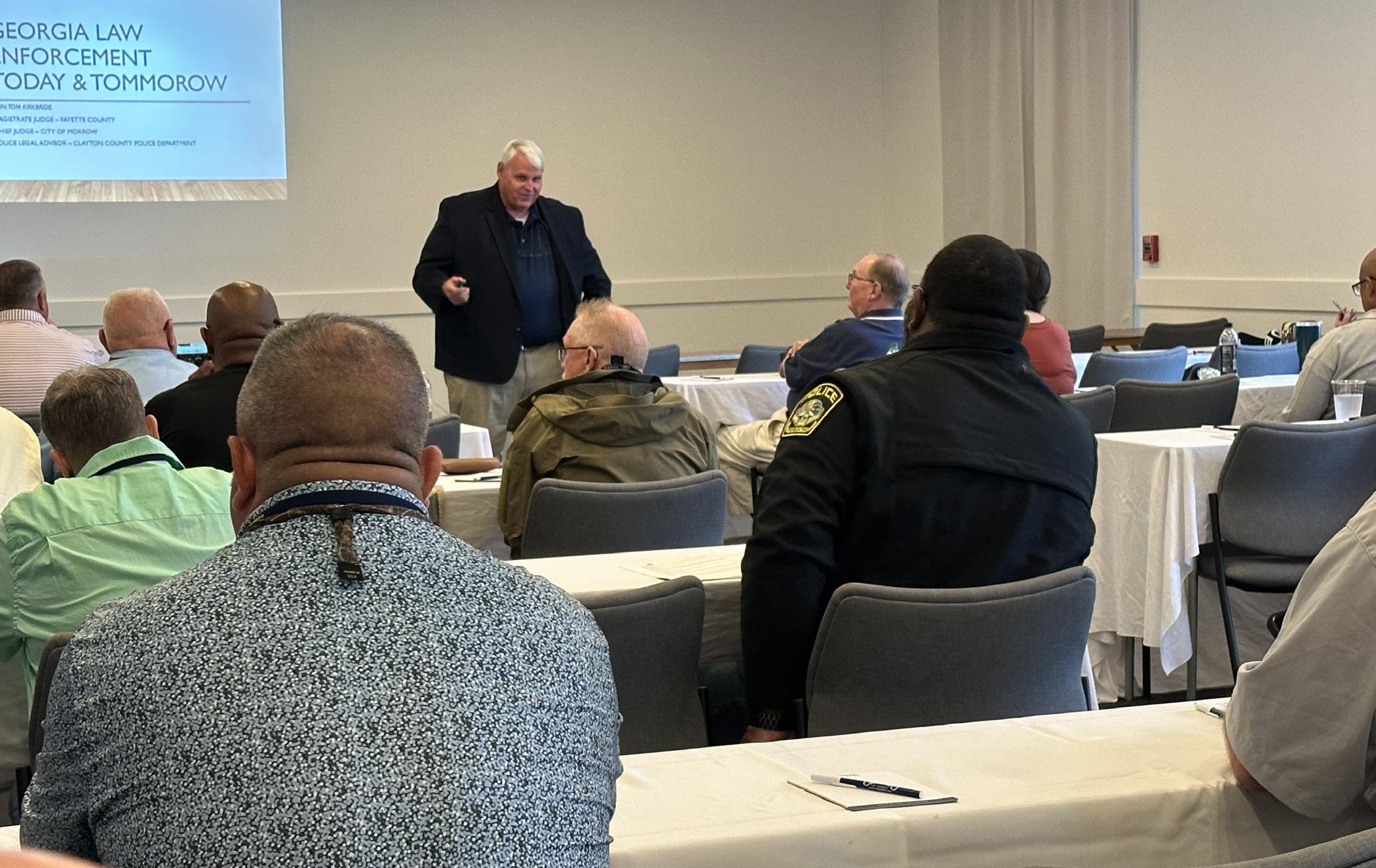
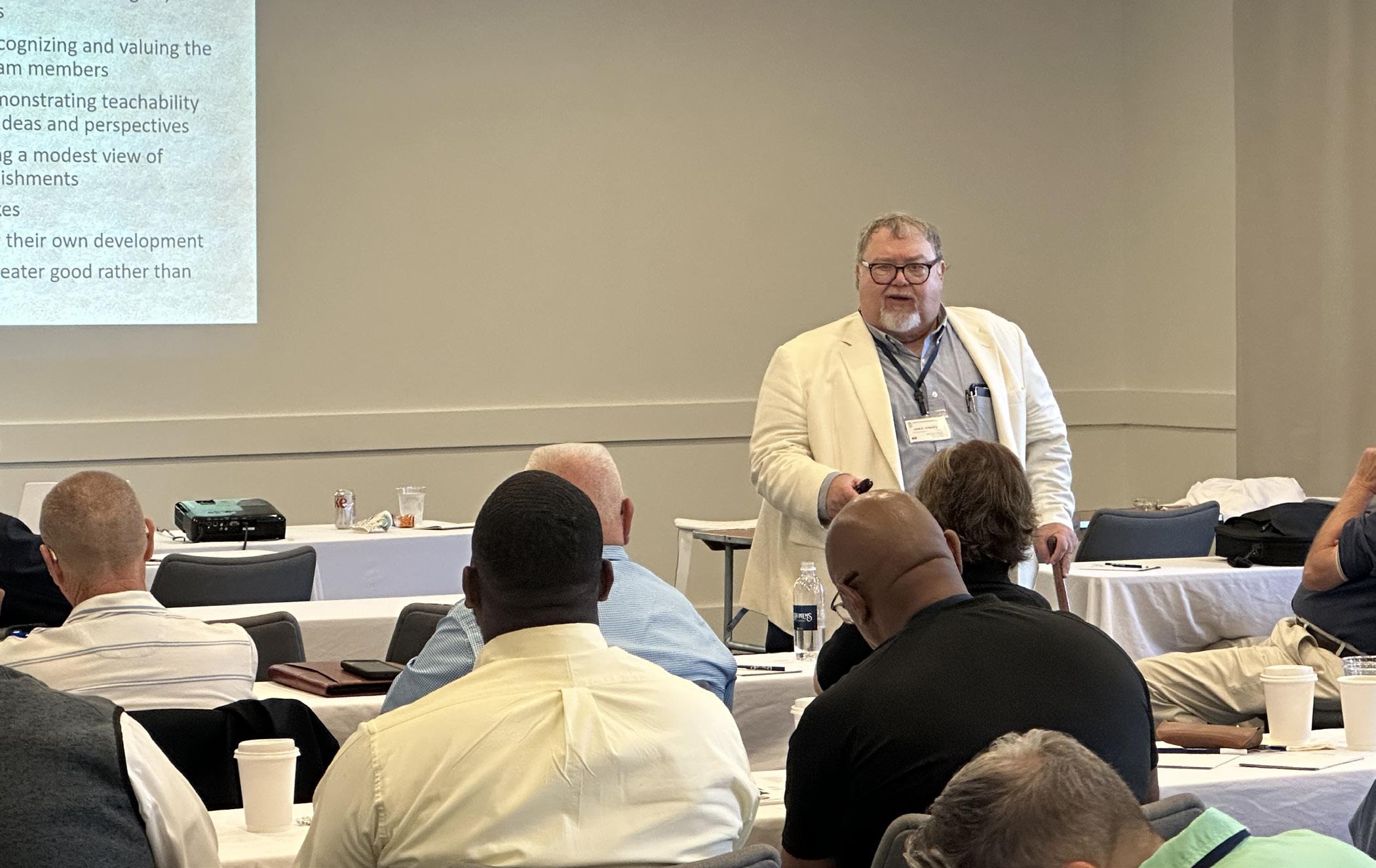
Attorney Tom Kirkbride speaks to conference attendees.
Instructor Pat Strode, GPSTC.
Executive Director John Edwards presents to attendees.
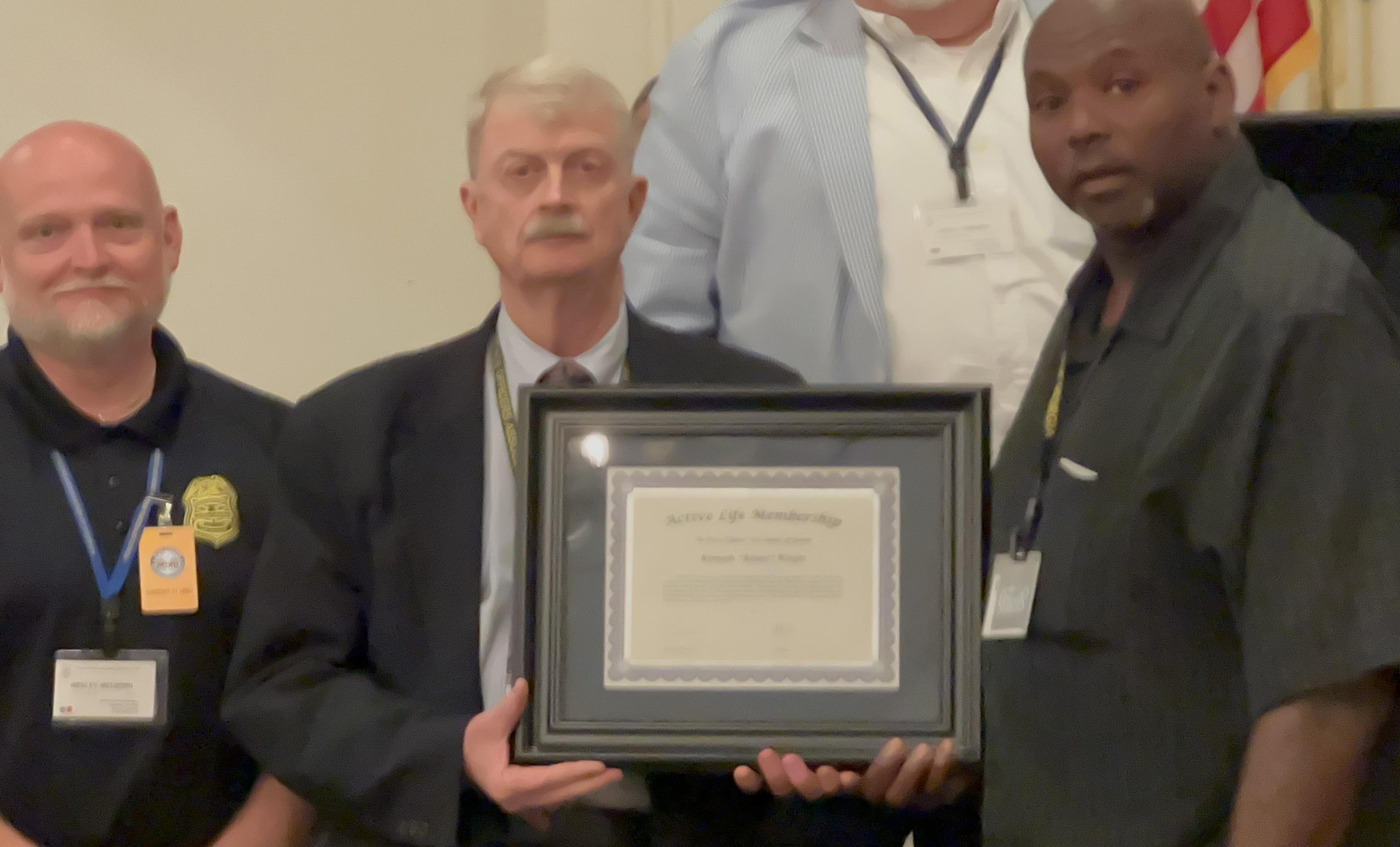
President Dennis Bell, Chief Sergeant at Arms Cyrus Purdiman accepting Active Life Membership award for Sergeant at Arms Kenny Wright, Appling County S.O.
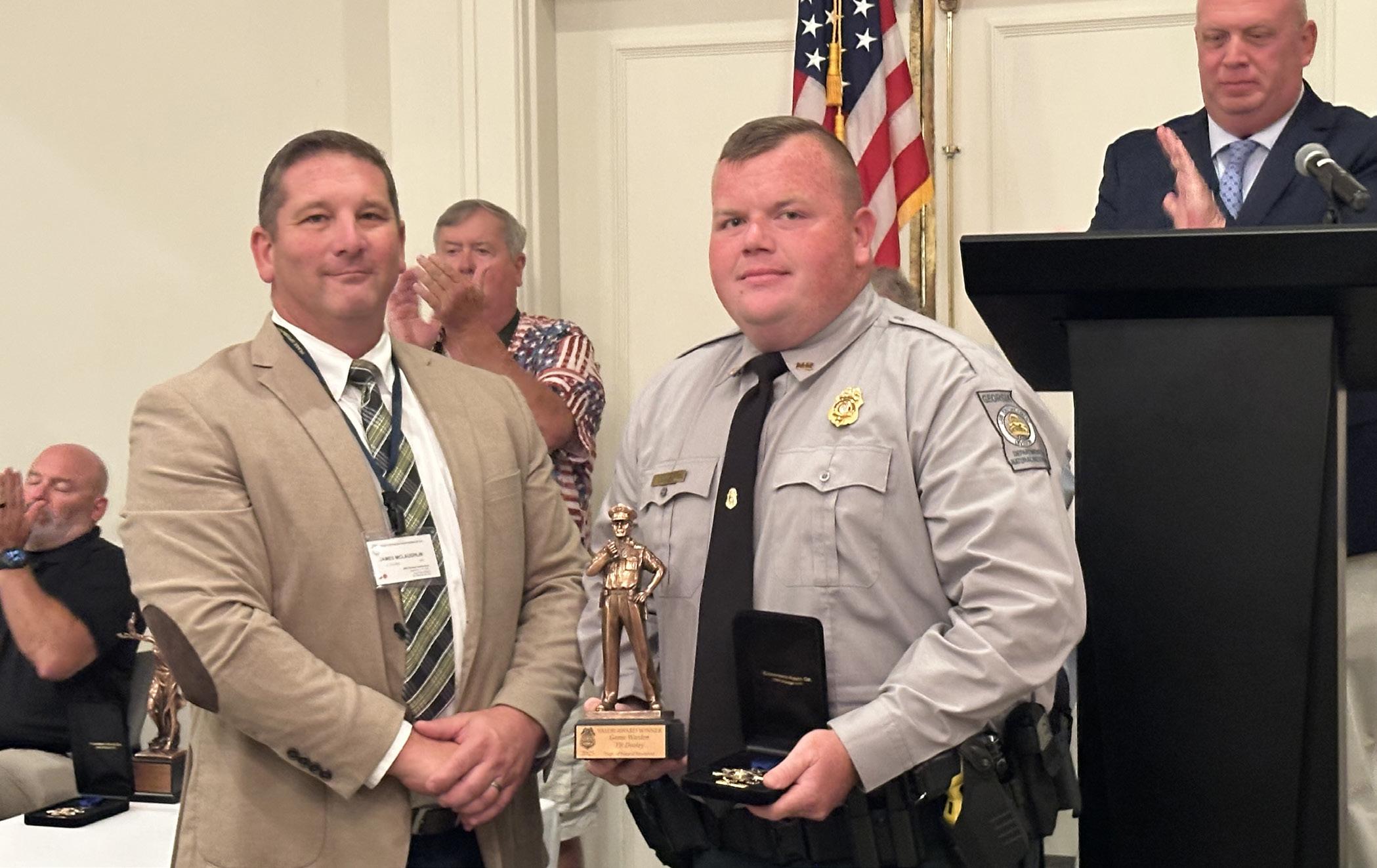
DNR Lt. Colonel James McLaughlin, POAG Board Member, Game Warden TR Dooley, POAG Valor Award Winner.
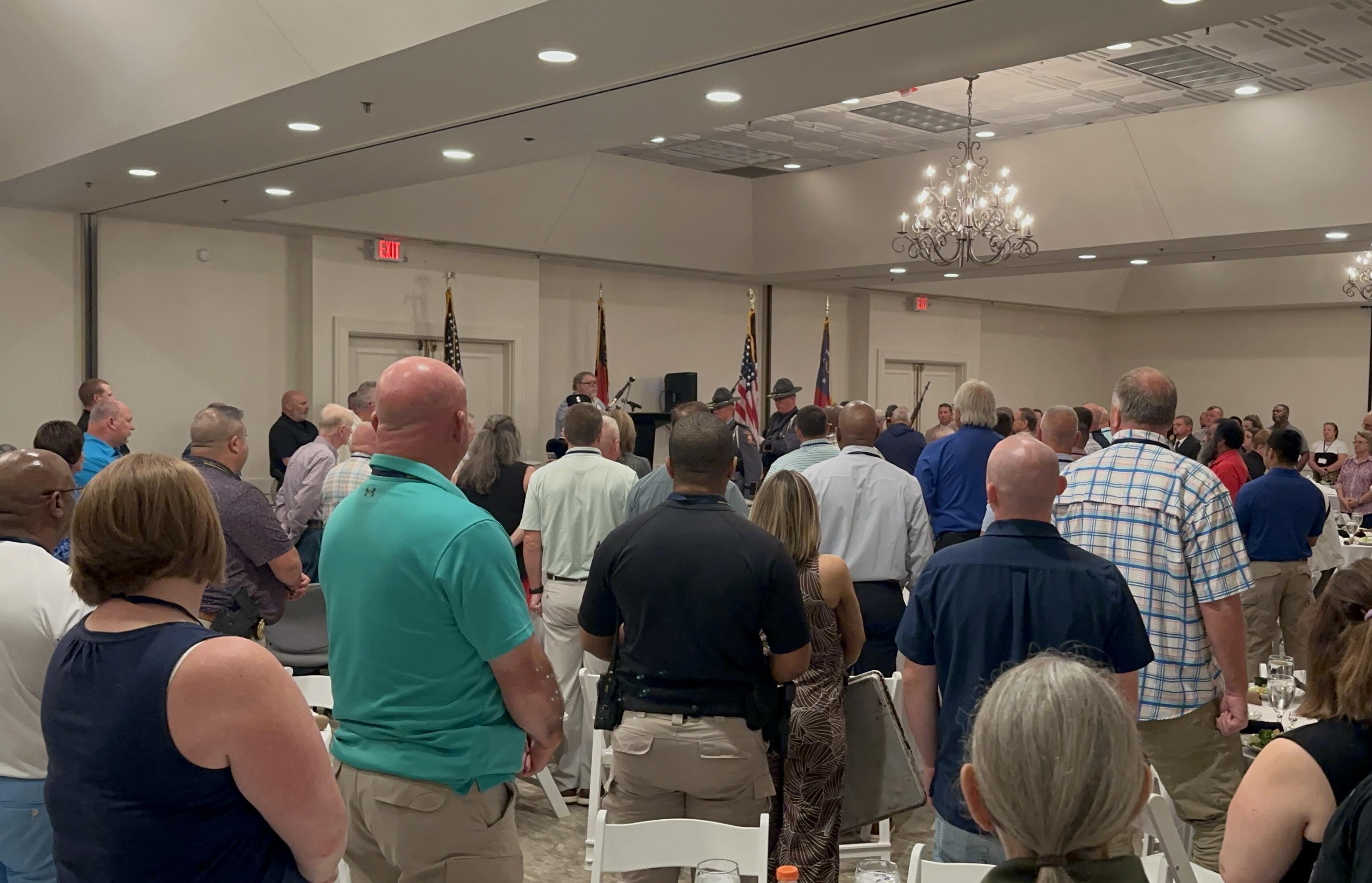
The Georgia State Patrol Honor Guard posting colors for the POAG Conference Awards Banquet.
Instructor Bruce Stanford, Georgia Department of Agriculture.
11451 Veteran Memorial Hwy Douglasville
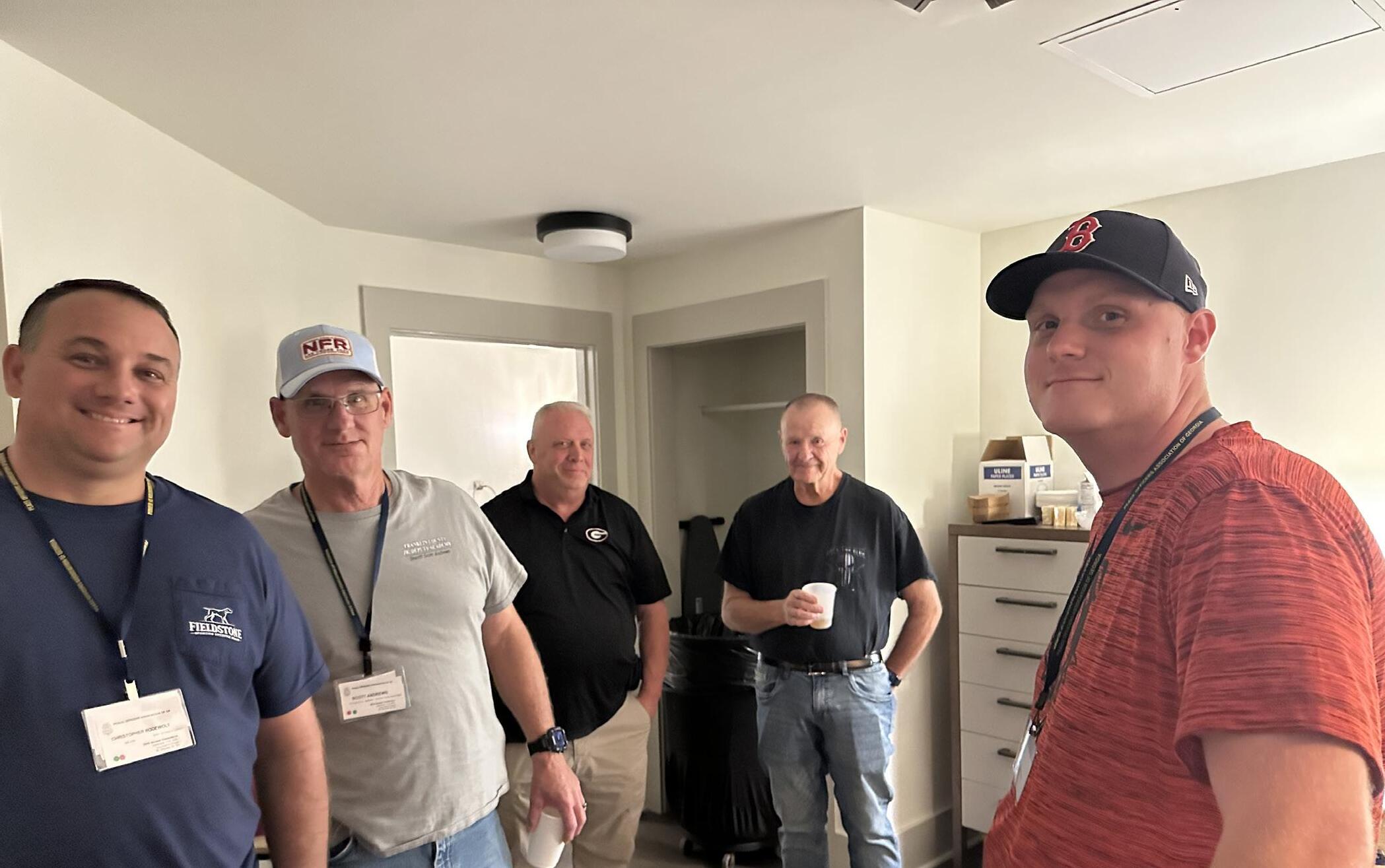
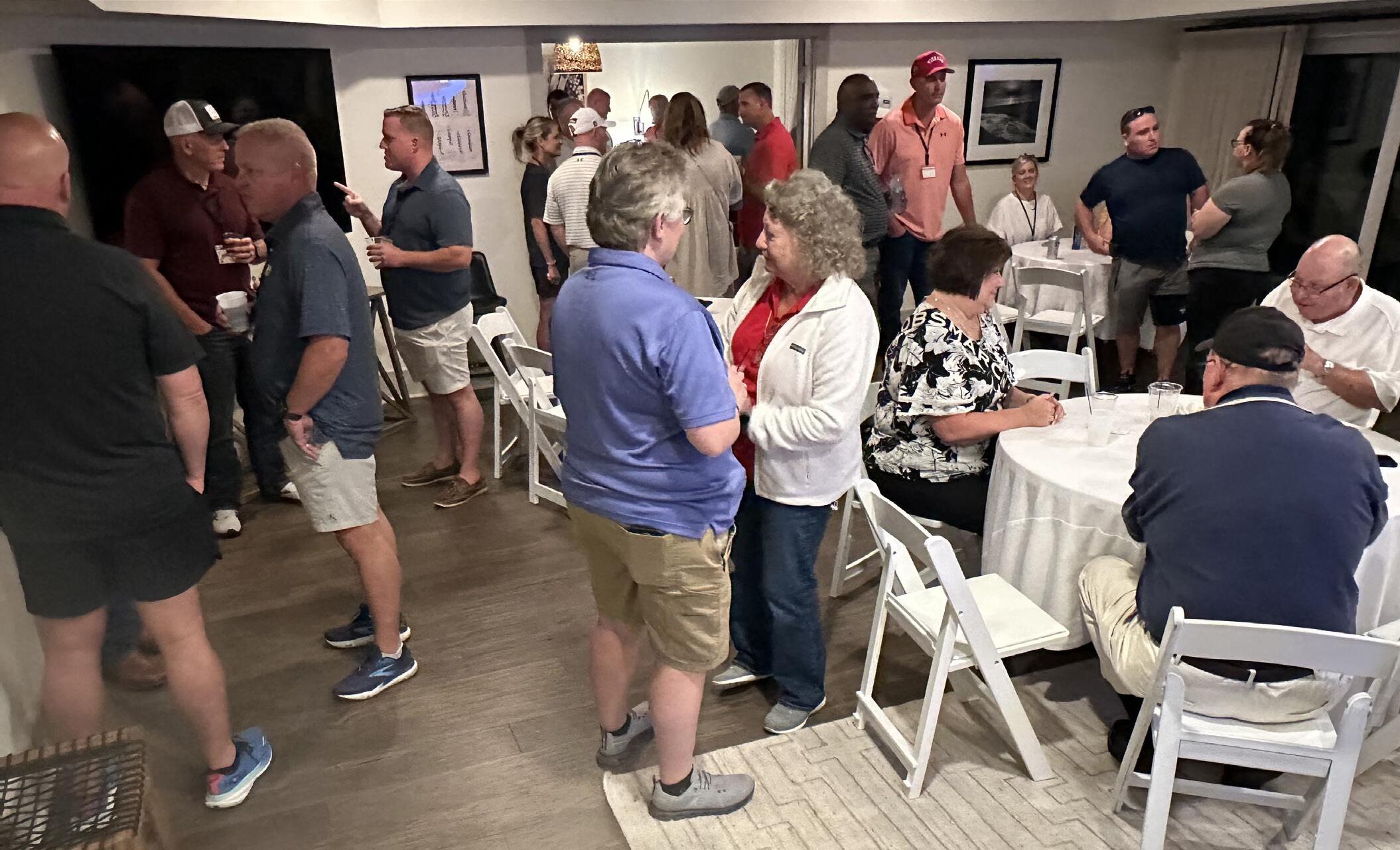
Attendees enjoying the Networking Platform Room.
Sheriff Neal Jump of Glynn County.
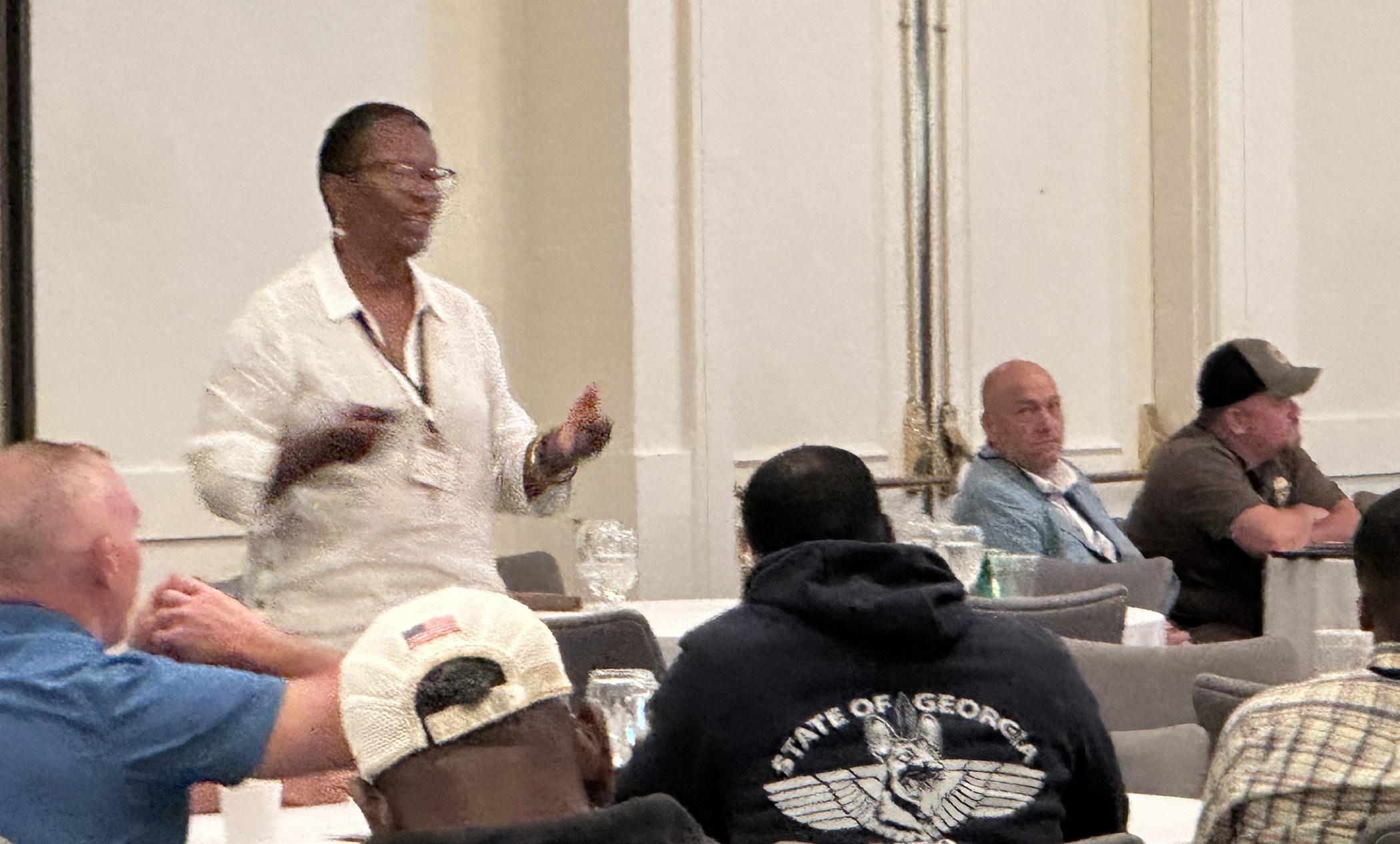
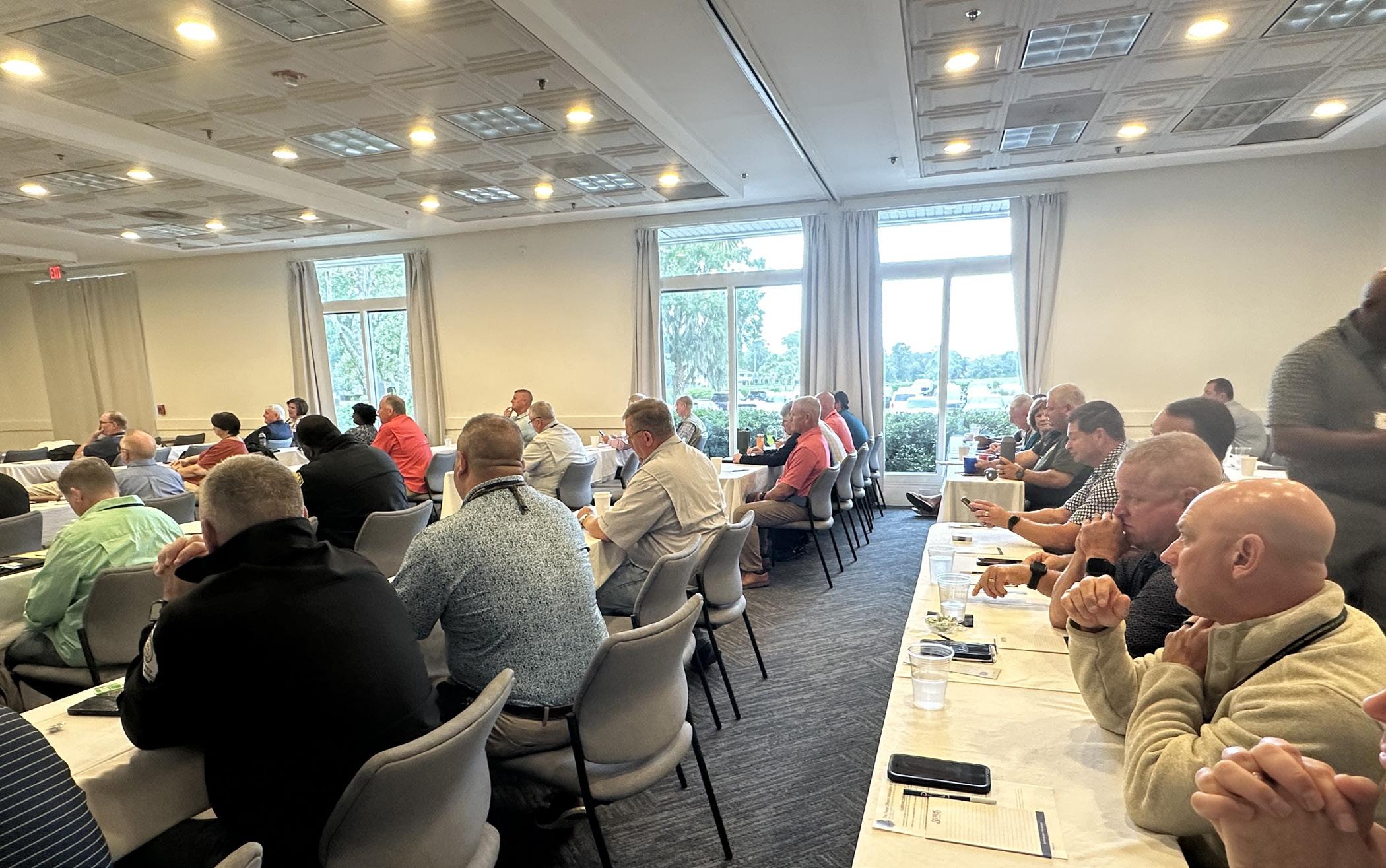
Attendees at a training session.
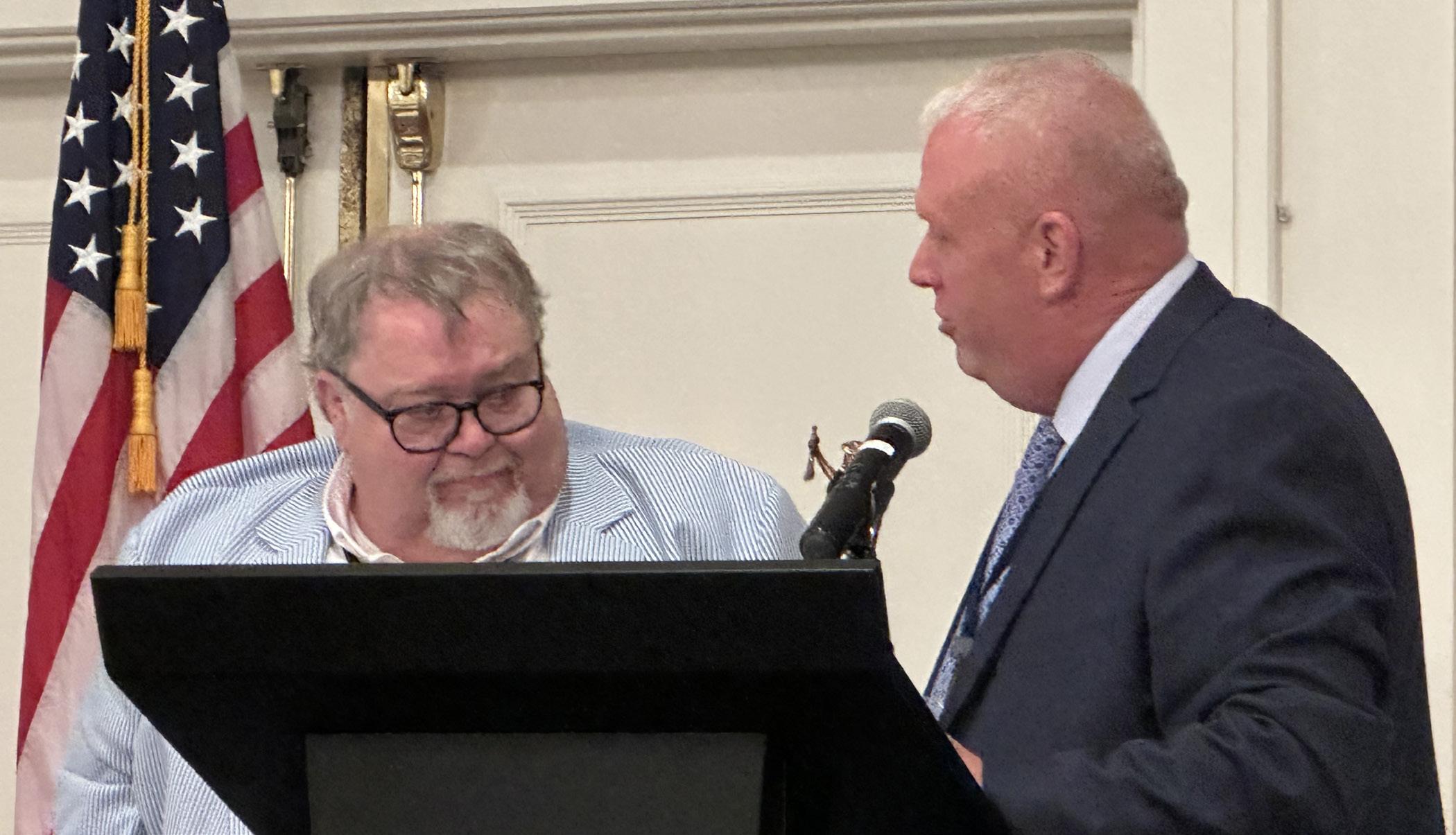
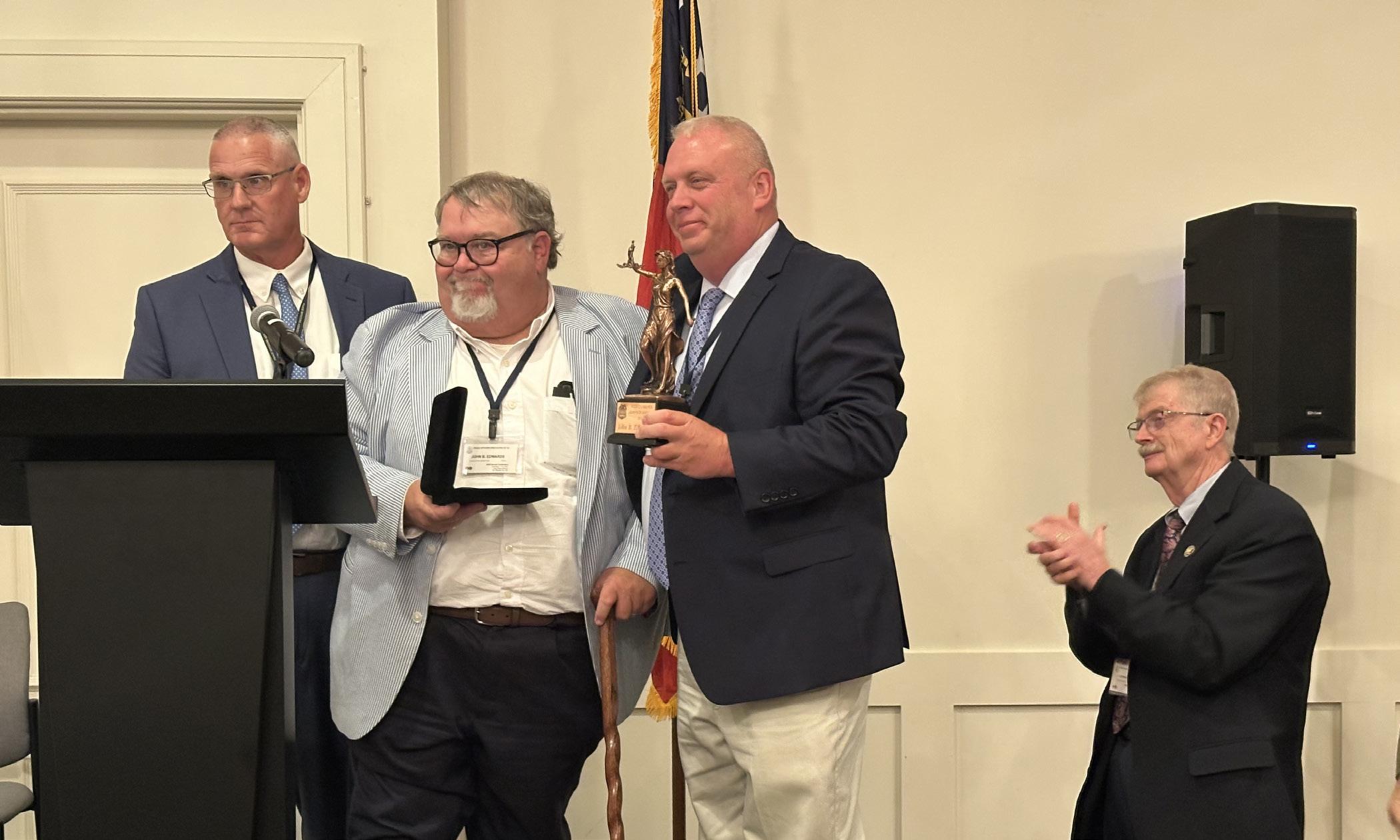
Vice President Dennis Bell, Past President Scott Andrews, President Dennins Baker present Executive Director John Edwards with the Meritorious Service Award.
Georgia State Patrol Major Doug Wilson and Director Chris Wigginton, GPSTC.
President Dennis Baker.
Vice President Dennis Bell.
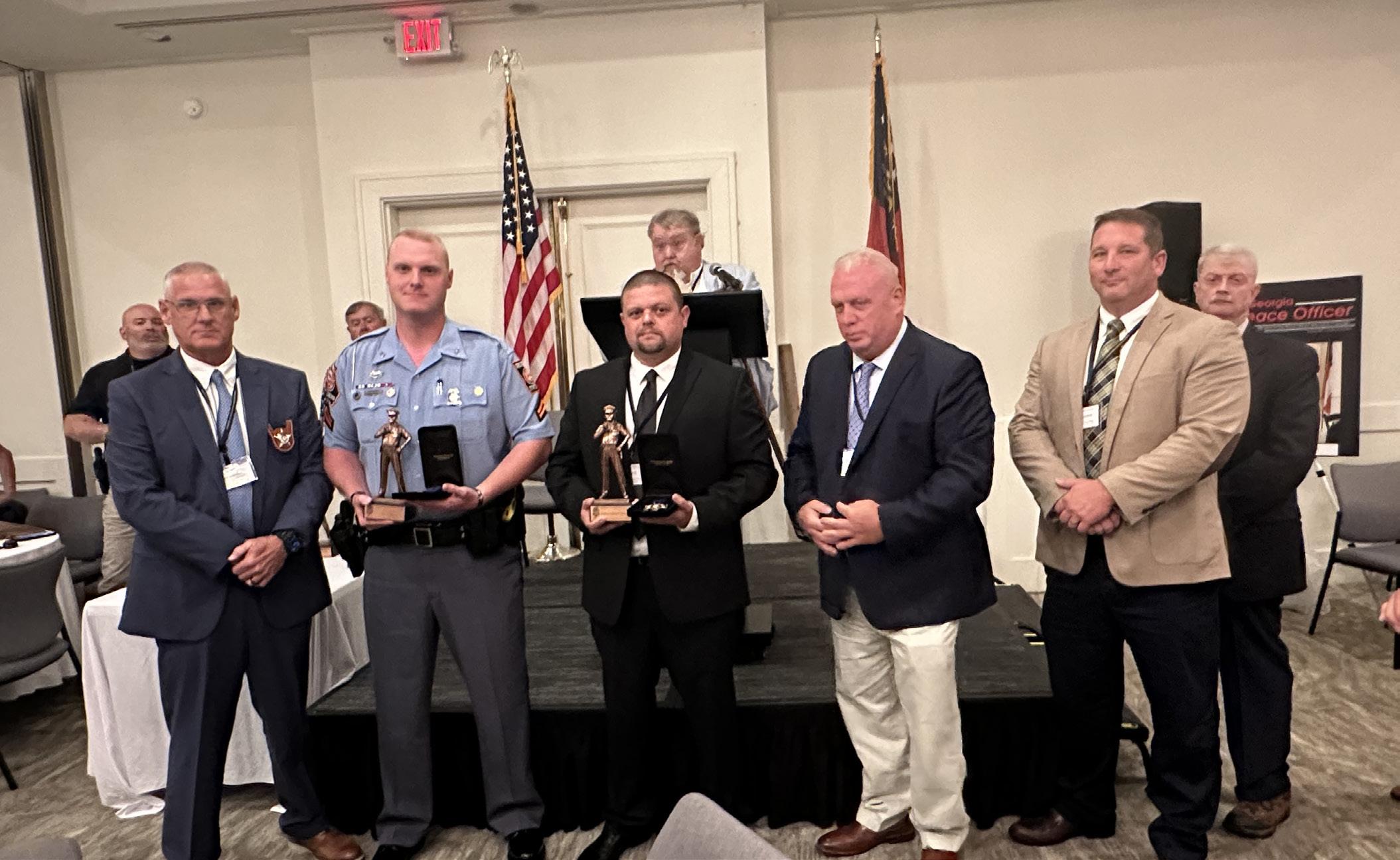
Past President Scott Andrews, Board Member Cory Andrews, Franklin County, Deputy Jason Roach - POAG Valor Award Winner, Vice President Dennis Bell, Board Member James McLaughlin, President Dennis Baker.
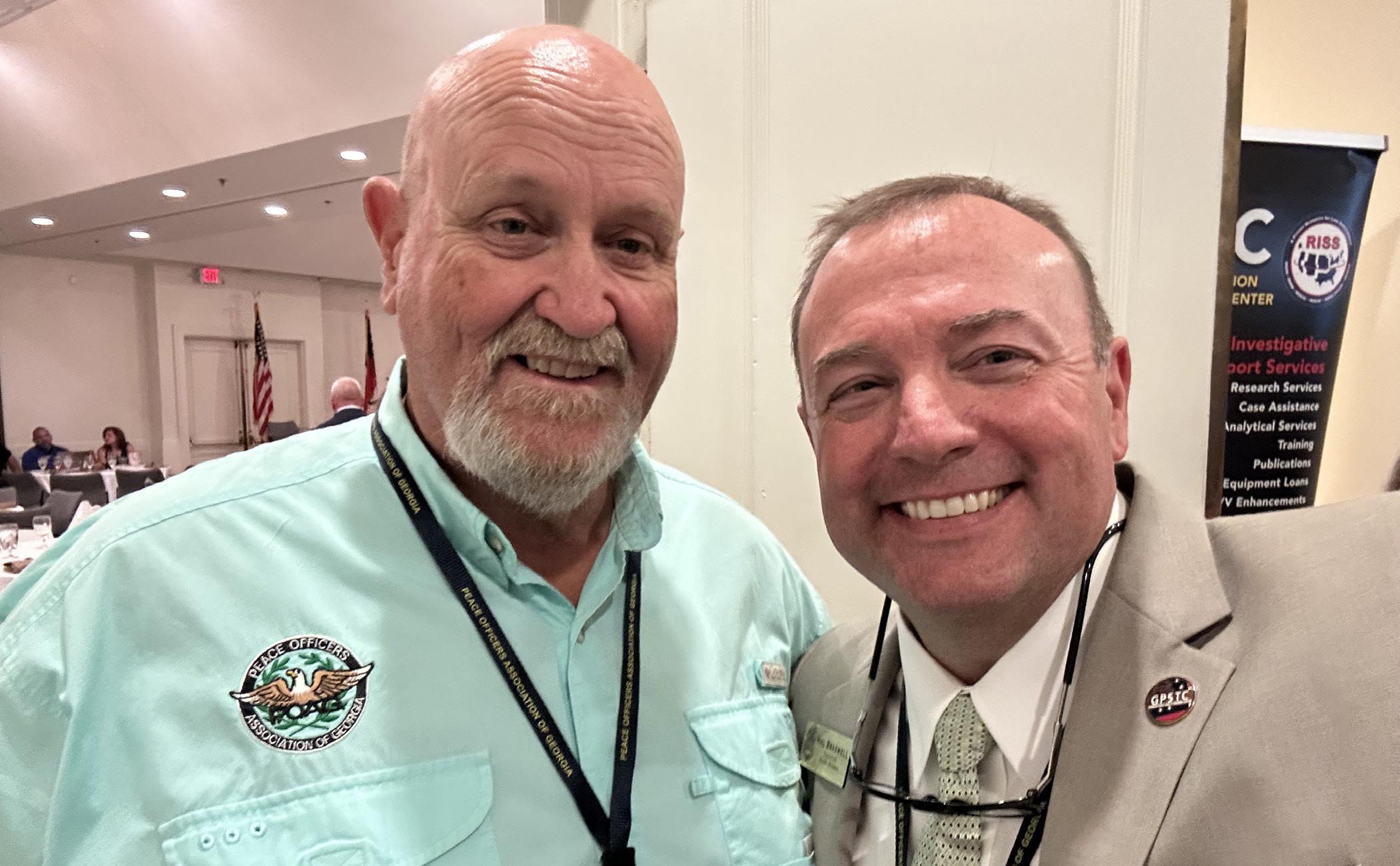
Past President Keith Glass and POAG Board Member Hal Braswell.
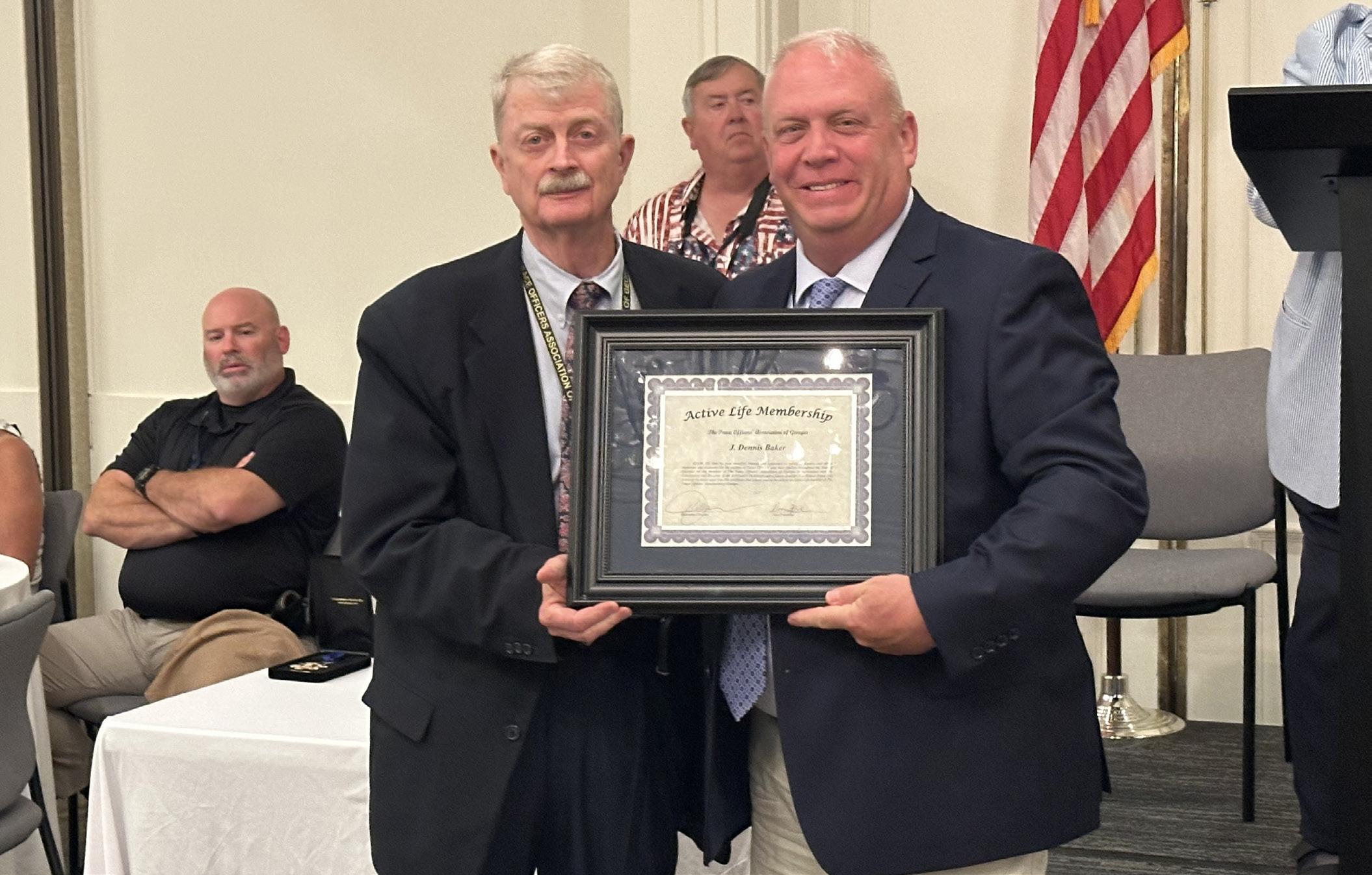
Vice President Dennis Bell presents the Active Life Membership Award to President Dennis Baker.
Attendees gather at the Networking Platform Room.
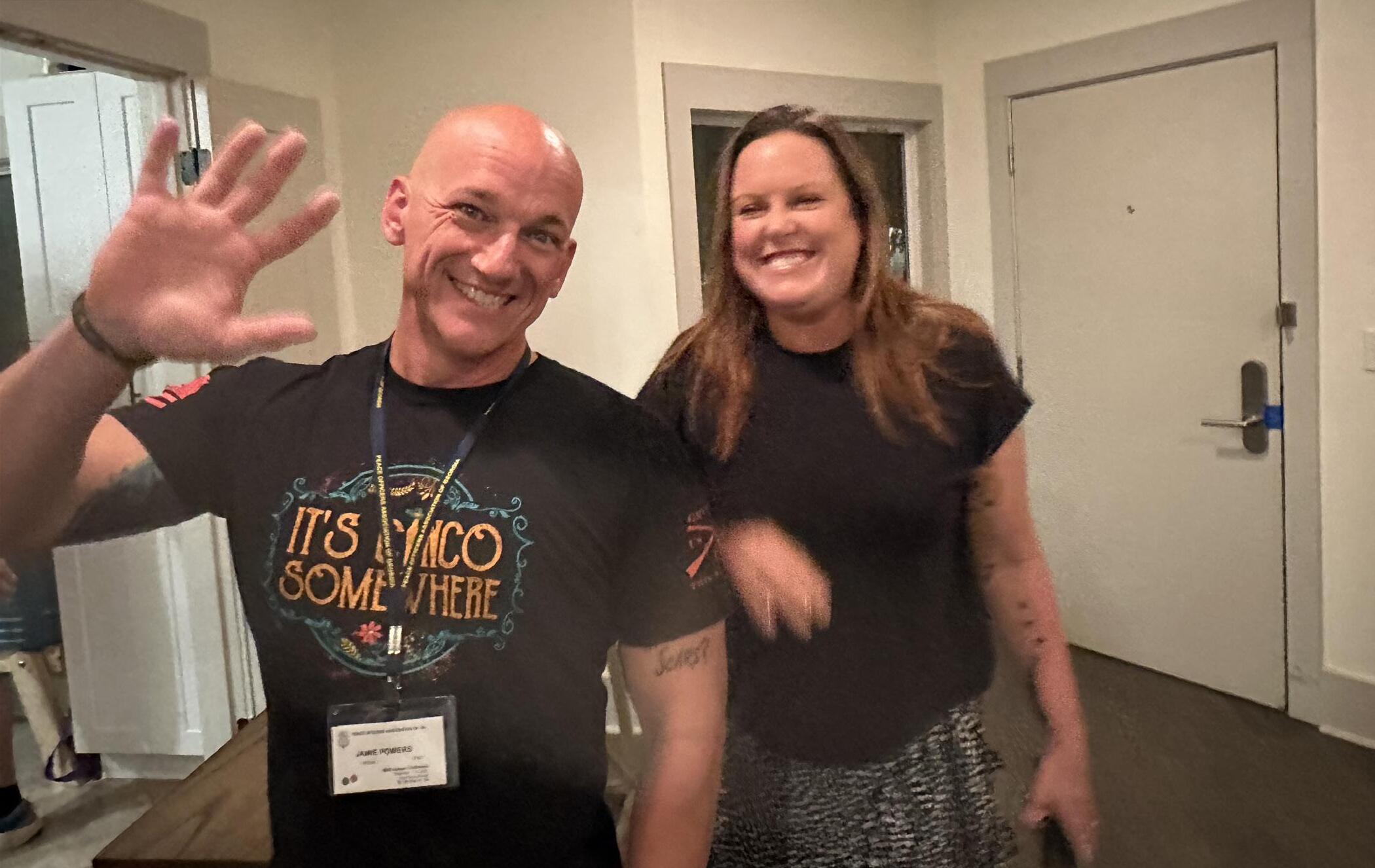
GPSTC Jamie Powers, GPSTC Jennifer Powers.
Market
Gloucester Street Brunswick (912) 785-0657
(912) 593-3073
(478) 783-2584
100 Percent and Proud of It
Adairsville P.D.
Appling Co. S.O.
Athens-Clarke County Corrections
Atlantic Judicial Circuit
Baldwin Co. S.O.
Barrow Co. S.O.
Bibb Co. S.O.
Bibb Co. Civil Court S.O.
Cairo P.D.
Chatham Co. D.A.
Chatham Co. BOE P.D.
Chattooga Co. S.O.
Cherokee Co. Marshal’s Office
Colquitt Co. C.I.
Comer P.D.
Dept. of Revenue, ATD
Dougherty Co. P.D.
Dunwoody P.D.
Effingham Co. S.O.
Ellaville P.D.
Emanuel Co. S.O.
Evans Co. S.O.
Franklin Co. S.O.
Gainesville P.D.
Garden City P.D.
Glennville P.D.
Gwinnett Co. D.A. Office
Gwinnett Co. S.O.
Kennesaw P.D.
Lavonia P.D.
Jesup P.D.
Leesburg P.D
Liberty Co. S.O.
Lilburn P.D.
Lowndes Co. S.O.
Lyons P.D.
Manchester P.D.
Marietta P.D
Milledgeville P.D.
Monroe P.D.
Nashville Marshal’s Office
Reidsville P.D.
Savannah-Chatham Co. Metro P.D.
Schley Co. S.O.
Snellville P.D.
Ga. Med. Bd. Of Investigations
Statesboro P.D.
Stone Mountain P.D.
Sumter Co. C.I.
Sumter Co. Magistrate
Sumter Co. S.O.
Swainsboro P.D.
Sylvester P.D.3
Tattnall Co. S.O.
Valdosta P.D.
Walton Co. S.O.
Wayne Co. S.O.
Winder P.D.
Georgia Case Law Update
by the Prosecuting Attorneys' Council of Georgia
Right of Confrontation/ Hearsay
Welsch v. State, S25A1094(2/3/26)
Appellant was convicted of murder and related crimes in connection with the shooting deaths of Walton and Gore. Very briefly stated, appellant ambushed and shot Walton and Gore in a parking lot. Walton had been driven there by Martinez.
Shortly after Martinez heard the gunshots, Walton, who had been shot and was bleeding profusely, then jumped back into Martinez’s car and told Martinez to get him to a hospital. According to Martinez, Walton identified appellant as the shooter.
Appellant argued that the trial court plainly erred by admitted a statement from Walton in violation of Georgia’s evidentiary rule against hearsay and the federal Confrontation Clause. At trial, the State played a recorded phone call between Martinez and Walton’s mother, during which Martinez said that Walton identified appellant as the shooter to Martinez shortly after Walton was shot. The State also played clips from a police interview of Martinez, during which Martinez repeated that account.
The Court stated that a Confrontation Clause violation occurs when an out-ofcourt “testimonial” statement is admitted into evidence and the declarant is unavailable at trial and was not previously subjected to cross-examination. A statement is testimonial if its primary purpose was to establish evidence that could be used in a future prosecution. Appellant claimed Walton’s identification “was testimonial and ... was a deliberate statement meant to identify a suspect in a criminal investigation.” And appellant contended admitting this statement violated the Confrontation Clause because he never confronted or cross-examined Walton.
However, the Court found, appellant failed to show that the trial court clearly and obviously erred by not excluding Walton’s statement on Confrontation Clause grounds. An error is clear and obvious when it is plain under controlling precedent or in view of the unequivocally clear words of a statute or rule. And beyond a bare assertion that Walton’s identification was testimonial, appellant made no argument and cited no record evidence or authority supporting his claim that, in making the statement, Walton primarily intended to create evidence to be used against appellant. Walton made the statement to an acquaintance of several years, shortly after being shot,
and with no apparent indication that he intended the statement to be used at trial later. But the Court stated, it did not need to decide whether Walton’s statement was in fact testimonial because appellant identified no authority showing that the trial court clearly and obviously erred by not concluding that the statement was testimonial. And the Court noted, it also found no such authority.
So, the trial court did not plainly err, and appellant’s Confrontation Clause claim failed The Court also found that the trial court did not plainly err by failing to exclude Walton’s identification of appellant on hearsay grounds. Appellant argued that no hearsay exception (particularly the excited utterance and dying declaration exceptions, see OCGA §§ 24-8-803(2), 24-8-804(b)(2)) would have covered Walton’s statement. But even if Walton’s statement fit no hearsay exception, appellant did not object to that statement on hearsay grounds. And it is not clear and obvious that a trial court must step in and exclude hearsay absent an objection. So even if it should have been excluded upon proper objection, no controlling authority made it clear that the trial court had to exclude the un-objected-to testimony, and this claim also failed.
South GA Pkwy
(229) 272-3744
Ossie Davis Pkwy
(912) 286-8376
(229) 861-2070
When Hiring Mistakes Become Costly
by Lexipol Content Development Team
Originally published March 27, 2025
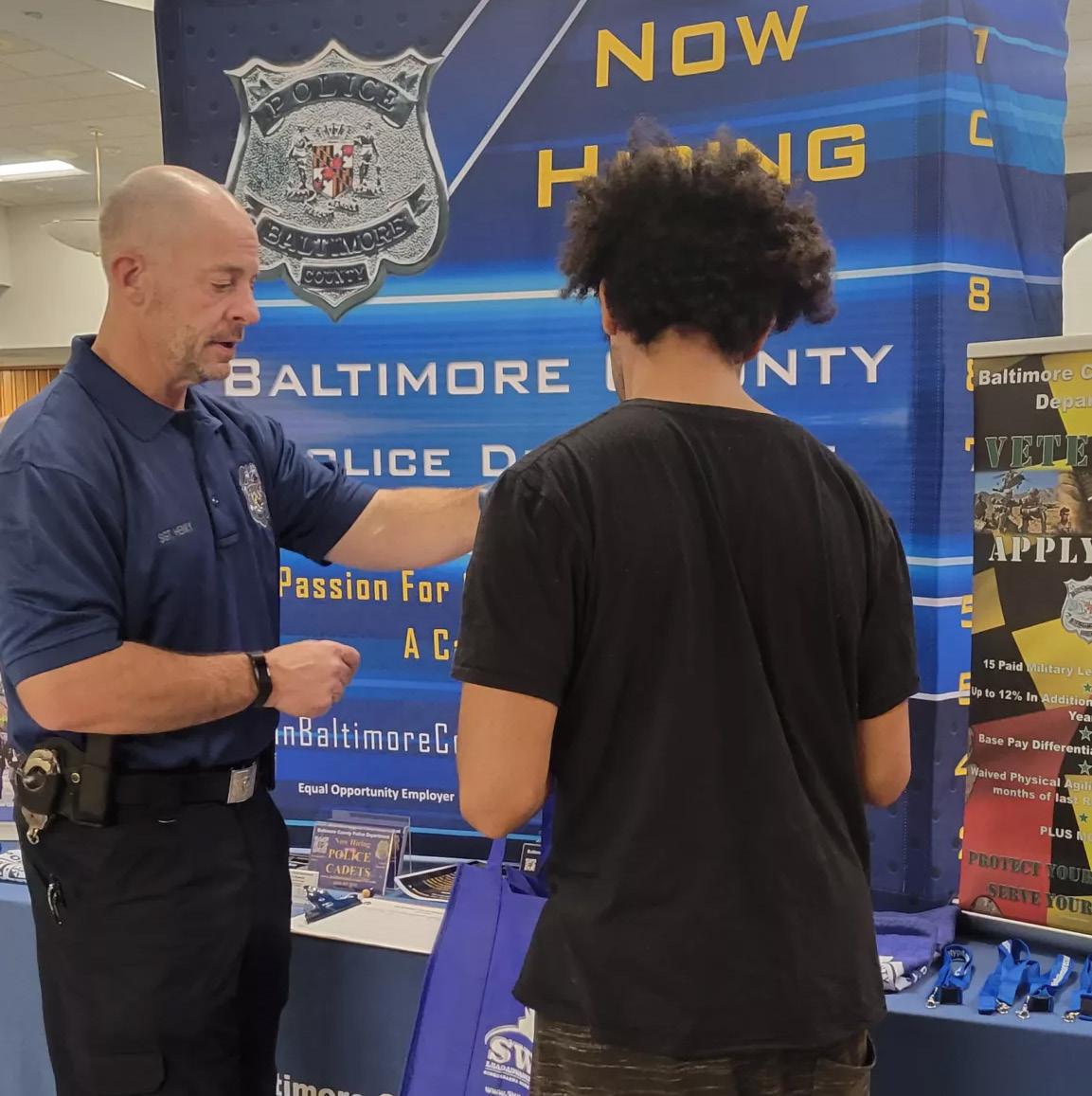
In law enforcement, recruiting and retaining good people has always been a challenge. Especially in today’s climate, though, making smart hiring decisions is more critical than ever. When bad hires slip through the cracks, the consequences can be severe — ranging from poor performance and low morale to legal liabilities and erosion of public trust.
In the recent Lexipol webinar, “Why Law Enforcement Hires Go Bad — And What We Can Do About It,” panelists addressed this difficult issue. The first in a two-part series, the event features Lexipol co-
founder Gordon Graham and Bruce “Coach Sok” Sokolove, principal at Field Training Associates. Pulling from a combined 107 years of law enforcement experience, these industry veterans highlight common mistakes agencies make when selecting new officers. More importantly, they offer helpful advice on solutions to resolve these issues.
Below, we break down some of the most important takeaways from the discussion, exploring why hires fail, how agencies can improve their recruitment and background investigation processes, and what steps leaders should take to ensure they bring in only the best candidates.
The True Cost of a Bad Hire
Both Graham and Coach Sok emphasize that bad hires don’t just weaken individual agencies — they can harm the entire profession. Bringing on just one officer with the wrong temperament or skillset can cause major damage to morale, create unnecessary liabilities and erode community trust.
It’s the age-old “one bad apple” situation. As Graham puts: “Every time we see a tragedy in law enforcement — an excessive use of force, an officer-involved shooting gone wrong, a scandal — it almost always traces back to hiring. If we don’t fix recruitment, we’ll never fix the profession.”
Sok concurs, adding that many agencies treat recruitment as an administrative task rather than a strategic mission. Instead of actively seeking out and identifying the best candidates, too many departments rely on outdated processes or settle for whoever applies.
“Unfortunately, a lot of agencies are just posting vacancies,” Sok says. “They’re not actually recruiting. There’s a difference.”
This “post and pray” approach means departments often get stuck with candidates who lack the character, work ethic or emotional resilience necessary for police work. Worse yet, these officers can become long-term problems, requiring excessive supervision, failing to meet performance standards or even engaging in misconduct.
So, how can agencies stop bad hires before they happen? The panelists provided some helpful answers.
1. Rethinking recruitment: Target the right people
One of the most significant points raised in the webinar is the need to rethink how law enforcement agencies recruit. Rather than waiting for applicants to come to them, departments must actively seek out candidates with the right mindset, values and work ethic.
Sok emphasizes that college athletes, an often-overlooked candidate pool, are a great demographic to recruit from. “These are men and women who get up before their class-
mates, who are in the gym before the sun rises, and who understand teamwork,” he says. “They have discipline, resilience, and a competitive spirit that makes them exceptional candidates for law enforcement.”
In addition to athletes, agencies should also consider former military personnel and even service industry workers. Since customer service is so critical to law enforcement work, people who can serve customers daily without getting their feathers ruffled have already learned some important “policing” skills.
“Look for people who already know how to work with the public — bartenders, waiters, hotel clerks,” Graham sug-
Hiring Mistakes
gests. “These folks know how to manage difficult interactions and solve problems under pressure.” In fact, Graham notes, he himself was recruited from a Swenson’s ice cream parlor to become a member of the California Highway Patrol.
Here are some important tips the panelists shared for more effective recruitment:
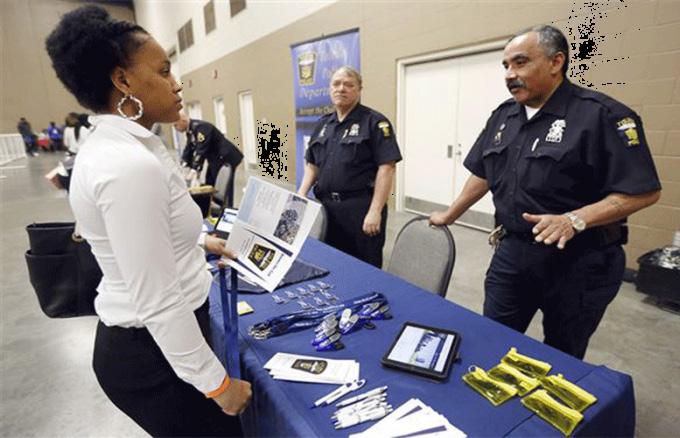
• Proactive outreach: Go beyond job fairs — actively recruit at universities, community centers, military bases and other locations where highly motivated candidates spend their time.
• Look for character, not just skills: Focus on resilience, integrity and teamwork rather than just tactical abil-
ity. You want someone who can work well with others and persist for the long haul.
• Use personalized recruiting: Cold-calling top candidates, as Sok suggests, can be highly effective. When potential recruits are personally invited to consider a career in law enforcement, they are much more likely to rise to the occasion.
• Everyone’s a recruiter: Finding qualified candidates isn’t just the job of leadership or human resources. The rank and file can be an amazing force multiplier for recruiting. When you “deputize” everyone in the department to search for and find their own coworkers, you may be surprised at
how many good candidates they turn up. (Of course, if your current employees aren’t happy at your agency, they’re not likely to be particularly helpful with recruiting.)
The most important thing, in the eyes of the panelists, is being very intentional about who and what you’re looking for. Law enforcement work requires people who are tough and resilient — but it also requires compassionate problem-solvers.
2. The background investigation:
A critical but often flawed process
One of the most costly mistakes agencies make is too little atten-
tion to background investigations. Graham and Sok stress that a thorough background check is the best predictor of future performance.
“A dollar properly spent on a background check can save you a million dollars in lawsuits,” Graham warns. He cited multiple cases where officers with red flags in their backgrounds — such as DUIs or prior terminations — were hired anyway, leading to disastrous consequences. In many of these cases, the agencies who hired these problematic employees neglected to do their due diligence during the hiring process.
Though it’s tempting to consider everyone who can fog a mirror, it’s critically important to make sure future employees
haven’t established patterns of aberrant behavior in previous jobs.
Sok highlights a particularly alarming case in which an officer was hired despite having been discharged from the military for multiple incidents of drunk driving. The same officer later caused a wrongful death incident, resulting in a $10 million settlement against the agency that hired him.
Here are a few of the most egregious failures Graham and Sok have seen in the hiring process:
• Not contacting previous employers: Many agencies rely on dates of employment only, missing red flags like poor performance or
terminations. Indeed, many departments are reluctant to volunteer information about former employees because of fears of being sued. This makes the “Waiver for Lateral Hires” even more important. (See below.)
• Ignoring past misconduct: Officers who leave departments under questionable circumstances often move to other agencies without thorough scrutiny. This is the problematic “He’s their problem now” approach to personnel management.
• Not verifying education and training: Make sure they’ve actually done what they say they’ve done. It’s not unheard of for candidates to falsify credentials or over-
state their experience and training.
As President Ronald Reagan was fond of saying, “Trust, but verify.”
To help improve the quality of your agency’s background investigation process, consider the following:
• Use the “Waiver for Lateral Hires:” Graham mentions using a simple form allowing agencies to access full personnel records from previous employers. When presented with this waiver, he notes, half of lateral candidates drop out, knowing their past records will be reviewed.
• Require mandatory ridealongs: Before advancing in the hiring process, candidates should participate in ride-alongs to assess their fit for the job. And if they actually show up for their scheduled ride-along, that’s a good start!
• Conduct comprehensive military and employment checks: Agencies should pull military discharge records (DD214) and thoroughly vet past employment history. Be sure you’re paying by the hour rather than a flat rate. That will encourage those doing the investigations to be more thorough as they vet your agency’s candidates.
It’s hard to overstate the importance of the background inves-
671-1400
Cheapo 805 N. Veterans Glennville (912) 654-1595
(706) 375-6747
(229) 436-3990 Smoke Shop & Beverage 13311 N. Hwy 27
tigation process in law enforcement hiring. Sure, turning over rocks may lead to information that will (or should) disqualify a potential recruit. But that’s a good thing — it means you won’t put more time and money into training and onboarding someone who isn’t a good fit for your organization.
3. The academy:
Catching red flags early
While solid recruitment practices and background investigations can help prevent many hiring mistakes, some issues don’t emerge until training begins. Both Graham and Sok stress that agencies must monitor recruits closely during their academy training.
“Too many agencies send candidates to the academy and forget about them,” Sok says. “We need to stay engaged, talk to instructors and watch for warning signs early on.”
Here are some potential red flags to watch for as your new recruits complete their training:
• Struggles with stress management: If a recruit panics or freezes in stressful scenarios, they may not be a good fit for law enforcement. While it’s common for cadets to be occasionally overwhelmed, if that becomes a pattern it might be good to wash them out.
• Inability to write reports: Poor report writing can cause legal issues and signal a lack of basic skills. Be-
sides poor writing, pay close attention to really good writing, which may indicate the candidate might be using AI tools to make up for a lack of skills.
• Lack of situational awareness: Recruits who don’t notice critical details during training exercises can become liabilities in the field. Failing to recognize potential threats, read body language or assess unfolding situations can lead to dangerous misjudgments, putting both officers and the public at risk.
Academy training provides a crucial opportunity to confirm whether a recruit is truly suited for the job. It’s far better to identify any deficiencies before sending the officer into high-risk, real-world situations. Agencies must be willing to make tough decisions, ensuring that recruits who consistently struggle with stress, critical thinking or report writing do not advance. As Graham points out, “You’re not doing anyone any favors by pushing someone through who isn’t cut out for the job”
Recruitment as a Long-term Investment
Hiring the right people in law enforcement isn’t just about filling vacancies — it’s about building a foundation for effective, ethical policing. Bad hires can lead to scandals, lawsuits and lasting damage to public
trust, while good hires strengthen agencies and communities.
Graham and Sok make it clear: “If you’re not taking hiring seriously, you’re putting your entire agency at risk.”
By proactively recruiting, conducting thorough background checks and fine-tuning training processes, agencies can avoid costly mistakes and build a police force that is truly prepared to serve and protect.
The future of policing depends on hiring the right people today — and that starts with making recruitment a strategic priority, not an afterthought.
Varnell Store
3617 Cleveland Hwy
Dalton (404) 775-4899
Minh Sun Restaurant
5299 New Jesup Hwy
Brunswick (912) 267-9398
Kool’s Cleanup
300 N. Wall Street
Calhoun (706) 263-0160
San Lucas Mexican Restaurant 5149 Jimmy Lee Smith Pkwy
Hiram (770) 999-1187
(770) 529-0404
El Solecito Mexican Grill
511 Veterans Memorial Hwy
Mableton (770) 944-0511
Supermercado El Ranchito 710 N Jefferson Street
East Dublin (478) 595-2431
Sunshield Auto Trim 1221 Watson BLvd
Warner Robins (478) 929-9376
Royal Buffet
3257 Inner Perimeter Road
Valdosta (229) 219-9928
Los Maguey 3359 US 41 Chatsworth (706) 673-7814
Costa Mar Seafood & Grill 677 Franklin Gateway
Marietta (678) 503-2301
Aagnee Food Mart
3671 Hutchinson Road #B
Cumming (470) 297-8578
Costa Mar Seafood & Grill 677 Franklin Gateway
Marietta (678) 503-2301
China Star II 1705 Hwy 42 N
McDonough (678) 432-1919
El Fogon Restaurant 1550 Dean Forest road
Garden City (912) 235-2184
Panaderia La Juquilita 221 Bullsboro Drive, Ste B
Newnan (770) 253-2862
(678) 712-5059
expediacruises.com/VincentBonfanti
Valor and merit award nomination
PEACE OFFICERS’ ASSOCIATION OF GEORGIA VALOR AND MERIT AWARD
Eligibility
To be nominated for an award:
The nominee must meet the criterion that would be necessary to be a POAG member.
The nominee for valor must have engaged in a “above-and-beyond the call of duty” action or event and must be selected by the board as a qualified nominee meeting that criterion before receiving an official endorsement and recognition as a board nominee selection.
The nomination can be made by an individual, agency, association or citizen, and must be submitted via the nomination form on the POAG website.
The nominee shall be free of any pending disciplinary actions.
Award Categories
Two categories of awards will be established: The first will recognize valor, acts of heroism or outstanding deeds which resulted in the protection of life and/or property. When submitting a nomination via the website a letter of support from the agency head, statewide association or statewide board should be uploaded with the supporting documents of the nomination. If one cannot be provided, then the nomination cannot be accepted!
The second category recognizes merit or the contribution to profession or outstanding job performance, which serves to enhance the public safety profession. Anyone nominated for this award should be someone who has made a significant contribution to the betterment of their profession. Significant consideration to be given to impact outside the nominee’s local area, including leadership and contributions on regional, state and national issues related to the profession. When submitting a nomination via the website a letter of support from the agency head, statewide association or statewide board.
These categories are not intended to recognize employees for merely “doing a good job,” or responding to a call, but to recognize employees who actually go beyond the ordinary to protect Georgia’s citizens and property, or who contribute significantly to the public safety profession.
Selection
Selection of individual recipients from each group will be the responsibility of the POAG Executive Committee.
Officer of the Year Application
Deadline is July 9th
• Date* Date Format: MM/DD/YYYY
Nominee information
• Name* First Middle Last Suffix
• Address* Street Address Address Line 2 City State ZIP Code
• Title
• Agency or Department
• Phone
• Business Phone
Food Mart & Tobacco 1422 Hwy 41
Calhoun (706) 659-7759
Novedades Y Tienda
San Judas
702 Atlanta Hwy
Gainesville (770) 532-5651
El Campesino
Mexican Restaurante
17 Campbell Street
Cleveland (706) 348-1275
Savannah Mart 2810 Skidaway Road
Savannah (912) 349-1122
Country Corner 693 N. 1st Street
Jesup (912) 530-6110
Citgo 2674 Hwy 20
Conyers (770) 918-2100
Officer of the Year Application
• Basis For Nomination*
(A narrative description of why the nominee should be chosen “Officer of the Year”) (Additional pages may be attached as well as witness statements, newspaper articles, photographs, supervisor endorsements, etc.)
2 Magnolia Blvd
Port Wentworth (912) 398-0280
2130 Sigman Road NW Conyers (866) 605-1596
Title
Agency or Department
Phone • Business Phone • Photo of nominee* Bottom of Form
6979 Nashville Street Ringgold
Nine Steps to Decentralized Command Inside the Blue Line
Originally published by police1.com
by Dr. Ed Buckman
In the ever-evolving law enforcement landscape, agencies are constantly seeking innovative approaches to meet the complex challenges of modern policing. One approach gaining traction is decentralized command, a paradigm shift from traditional hierarchical structures toward distributed decision-making and empowerment at various organizational levels.
Decentralized Command Outside the Organization
Rooted in military doctrine and organizational theory, the principles of decentralized command structure are based
on pushing decision-making authority closer to frontline officers. This concept is rooted in the notion that in a complex and swiftly evolving environment, it is impractical for a sole leader to shoulder all decisionmaking responsibilities. Rather, the leader should empower and entrust subordinates who are closest to the situation with authority and decision-making capabilities, provided they possess the requisite knowledge and information to make wellinformed choices.
Law enforcement already has a framework of decentralized command in nearly all external situations. Leaders set clear missions and values for the organization while entrusting subordinate teams and individ-
ual officers with the autonomy to make real-time decisions aligned with the overarching mission. For example, a new officer is working third shift and makes a traffic stop on someone with a warrant. The officer knows what to do, and outside some possible process questions, makes the physical arrest and takes the person to jail. Generally speaking, the officer would not need to call and ask for permission to make the arrest or even notify anyone he was doing his job.
A more serious situation is an active shooter. An officer gets a call that there is an active shooter at a movie theater. The officer knows they must go directly to threats, eliminate bad people and save lives. All the elements
of a functioning decentralized command structure are met: trust, communication, mission and vision, and agency to the organization. These elements are established in the academy and then reinforced throughout training.
So, the question arises as to why some law enforcement organizations prohibit decentralized command inside the organization in areas such as discipline, budgeting, policy review and training. These areas shape the organization’s internal culture, so why not allow those it affects the most to have more than just input on decision-making?
Let’s look at how we can apply a decentralized command framework to inner departmental operations.
Decentralized Command Inside the Organization
Introducing decentralized command within an organization requires both top-down movement and bottom-up change. The lower-level employees on the traditional hierarchical chart must have specific elements for the department to function, such as initiative, communication, accountability and agency.
Here are nine steps to accomplishing decentralized command within your organization:
1. Initiative
If the patrol officers in a department want more authority to make decisions, they must be willing to put in the time to ad-
dress the needs they would like fixed. There is a saying, “Do not just look for problems. Look for solutions.” If, at each level, individuals seek to fix problems instead of sending them up to the next level, then the power shift has already begun. Research has found that companies that adopt business excellence models have typically done so by using initiatives to achieve the desired results.[1]
2. Communication
Communication from top to
bottom must be a priority for a decentralized command structure to work. Sending and receiving information allows informed decision-making to occur. In some traditional police organizations, communication must take these long paths up and back down the chain, with each level taking time to pass the information. When the communication is received by the individuals, the information is likely stale or less valuable. New communication standards must be implemented where
6000 Joe Frank Harris Pkwy Adairsville (770) 773-3521
asking questions and giving feedback are required.
3. Accountability
Accountability ensures that individuals within the organization take ownership of their actions and decisions. It fosters trust among team members and between employees and management. Clear accountability structures clarify employees’ roles, responsibilities and performance expectations.
Also, a culture of high accountability facilitates learning and improvement while enhancing decision-making. Lastly, accountability promotes ethical behavior and helps deter unethical behavior by establishing clear standards of conduct and penalties for violations. When employees know they will be held accountable for their actions, they are less likely to engage in unethical or dishonest behavior.
4. Agency
Team orientation suggests
employees feel accountable to one another for work that needs group collaboration. In a dynamic work environment, law enforcement teams need cooperation from within and with other teams inside the organization. The aim is to improve the work output and enable employees to achieve their objectives.[1]
5. Situationally aligned leadership
In situationally aligned leadership, individuals with the right skills, experience and abilities for situations are realized and emerge as leaders within their team. Many older law enforcement leaders may look at this situational leader and think of loss of control, anarchy, or disorganized chaos. However, strategically aligned leadership is already ingrained in police culture in the external operation of the organization.
In a department of 400 officers, a single night can include several separate incidents: The
death of a child, a barricaded suspect and a severe traffic crash. All three of these incidents require different expertise and skill sets. The upper echelon may be notified, but they are likely not giving orders to handle the specific logistics of any of the three scenes.
Teams with a shared leadership structure involve networks with status equivalence rather than influence focused typically on a single, often hierarchical, leader. Several meta-analysis studies provide reliable evidence that shared leadership systems are positively associated with overall team and organizational performance.[2]
6. Process redesign
Redesign your processes to facilitate decentralized decisionmaking. A new process may involve redefining roles and responsibilities, establishing clear guidelines and implementing agile methodologies.
Take for example, a decision being made to assign new employees take home vehicles. In a decentralized environment the department could establish a group of officers to address the goal. The group would be given the parameters of logistics, finances and policy. These individuals have a vested interest in the issue, thus adding motivation to solve it. A chief should be looking up and out for the organization.
Jocko Willink advocates for leaders to have a comprehensive understanding of both the
higher-level strategic goals of the organization (“looking up”) and the external environment in which the organization operates (“looking out”).[3] This perspective enables leaders to make informed decisions and lead their teams effectively toward mission success.
7. Implement collaborative tools
Invest in technology and tools that support collaboration and communication among teams. This could include project management software, communication platforms and knowledgesharing tools.
In General Stanley McChrystal’s book, “Team of Teams: New Rules of Engagement for a Complex World,” he describes an incident where a conference call initially started with 100 people but quickly escalated to over 7,000 participants due to the urgent and rapidly evolving nature of the situation. In the book, McChrystal explains how this call expedited passing information from around the world.[4]
In the standard framework of a department, there are executive meetings several times per week; why not allow everyone from patrol officers and firstline supervisors to join these meetings via video conference?
8. Celebrate successes and learn from failures
The U.S. Army coined the process of after-action reviews. Each project or process should
be scrutinized and noted where successes and missteps were made. Praise milestones and achievements along the way to reinforce the importance of decentralized leadership.
One of the more complex elements in instituting a decentralized leadership culture is encouraging a culture where it is okay to experiment and learn from failures. The feeling of safety will form around mutual trust from the top down and bottom up.
9. Institute feedback mechanisms
Recognize that transitioning to decentralized leadership is an ongoing process. Continuously ask for feedback from officers, first-line supervisors and middle managers, and be willing to iterate and adapt your approach as needed.
In “Call Sign Chaos,” Gener-
Command
al James Mattis wrote that command and feedback are essential mechanisms of effective leadership in the military.[5] Command creates the framework for action, while feedback provides the necessary information for leaders to adapt and make informed decisions, ultimately contributing to mission success and organizational effectiveness and performance.
Practical Applications of Decentralized Command
Let’s review some practical applications of decentralized command in law enforcement, demonstrating how it empowers specialized task forces and problem-solving teams to effectively tackle a range of internal and external challenges.
Specialized task forces/Problem-solving teams
• Create specialized task forces
focused on inner departmental issues such as shift preference, promotional process and policy review or external issues such as gang violence, traffic violations and community engagement.
• Assign leadership roles within these task forces to officers with relevant expertise and experience.
• Focus on cross-departmental collaboration and information-sharing to address multifaceted challenges.
• Empower task force leaders to adapt strategies and tactics based on real-time intelligence and feedback from differing department areas.
• Provide these teams with the authority to develop and implement innovative solutions tailored to their unique challenges.
• Encourage collaboration, creativity and informationsharing among team members to identify root causes and develop sustainable strategies for addressing problems.
Reorganize the Organizational Chart
A new look at the standard law enforcement organizational chart, which looks like a ladder or pyramid, could provide new insight into improving communication. Moving from a ladder chart to a lattice concept allows more fluid communication and decentralized authority.
Training and development
• Person-to-person communication: Contrary to a ladder chart, information within a lattice system travels directly to those who require or have information.
• Objectives set by those who must make things happen. In a police department, these objectives could be set by a third shift officer who has identified a specific homeless problem in their district.
• Commitment: Within a topdown hierarchy department, a higher-ranking officer can issue orders; however, it is impossible to order someone else to be committed. Within a lattice organization, there has to be self-commitment, which is fostered by intrinsic motivation, autonomy, and a positive working environment.
• Invest in leadership development programs that equip officers at all levels with the skills and competencies needed to lead in a decentralized environment.
• Provide ongoing training in decision-making, conflict resolution and community engagement.
• Foster a continuous learning and improvement culture where officers are encouraged to take initiative and innovate.
Some of these novel ideas may seem counterculture to the “do as I say” paradigm many law enforcement departments are used to; however, when we look at other leading industries and the academic literature, it seems like this transformation could be very valuable to the law enforcement industry.
Conclusion
A lattice organization has the following attributes:[6]
519-0431
Mitt’s Food Mart #4
Traditional law enforcement agencies conduct organizational operations on a binary scope. On the one hand, most actions are conducted externally with fluid, decentralized command. The lowest level employees make life-and-death decisions absent higher powers telling them what to do or how to do it. They are empowered to act on behalf of the organization with little or no guidance.
On the other side of the spectrum, regarding inner department workings, budgeting, finance and strategic planning, 90% of the decisions are made by 5%-10% of the staff. Applying a shared leadership culture in law enforcement can add agility to the planning and success of strategic objectives and organizational performance within police departments.
References
1. Lasrado F, Kassem R. (2021.) Let’s get everyone involved! The effects of transformational leadership and organizational culture on organizational excellence. Int J Qual Reliab Manag, 38(1):169194.
2. Norman MD, Silvey PE, Koehler MT, Joe KC. (2021.) Engineering decentralized enterprises: emergent mission accomplishment without centralized command and control. In: Conference of the Computational Social Science Society of the Americas. Cham: Springer International Publishing, 124-151.
3. Willink J, Babin L. Extreme Ownership: How U.S. Navy SEALs Lead and Win. New York,
NY: St. Martin’s Press, 2015.
4. McChrystal SA, Collins T, Silverman D, Fussell C. Team of Teams: New Rules of Engagement for a Complex World. New York, NY: Portfolio Penguin, 2015.
5. Mattis J, West B. Call Sign Chaos: Learning to Lead. New York, NY: Random House, 2019.
6. Gronning T. Working Without a Boss: Lattice Organization With Direct Person-to-Person Communication at WL Gore & Associates, Inc. SAGE Publications: SAGE Business Cases Originals, 2016.
Additional resources
Altamimi H, Liu Q, Jimenez B. (2023.) Not too much, not too little: Centralization, decentralization, and organizational change. Journal of Public Administration Research and Theory, 33(1):170185.
Xu N, Ghahremani H, Lemoine GJ, Tesluk PE. (2022.) Emergence of shared leadership networks in teams: An adaptive process perspective. The Leadership Quarterly, 33(6): 101588.
About the author
Ed Buckman is the current Chief of Police at the Graysville (Tenn.) Police Department. He started his law enforcement career in 2011 at the Chattanooga Police Department. He served on the Chattanooga SWAT team for 10 years and rose to the position of team leader and was assigned to the Organized Crime Unit as an investigator. He achieved a Doctorate in Strategic Leadership in 2023 from Liberty University. Ed is also the founder and CEO of Justified Coffee Company, whose mission is to support military veterans, police and other first responders. In his free time Ed
has also created and published a children’s book.
Shorter Avenue
604-0182
Public Attitude Toward Police Increasing, But Gaps Remain
Originall published by Lexipol Aug. 19, 2025
by David Baker
New Gallup and Pew data show growing confidence in law enforcement across demographics, but lingering misconceptions still challenge community relations
Again and again, the national conversation around policing in America gets hijacked by the latest high-profile crisis. From nationwide protests to calls for defunding agencies, law en-
forcement has often found itself in the eye of a political and cultural storm. The good news is that public trust in law enforcement is ticking up.
I discussed this topic in my 2024 article, “Recent Polls on Policing Show Positive Trends for U.S. Law Enforcement.”
Not unexpectedly, current polling shows a modest but consistent rebound in confidence toward police. And it’s not just among select groups — improvement is visible across racial lines, including among Black Americans, as well as other demographics.
Before everyone in law enforcement takes a victory lap, though, it’s important to note there’s still plenty of room
for improvement. In fact, the data show misconceptions and media-fueled distortions about policing remain deeply embedded in the public psyche.
Let’s unpack some of the numbers, examine what’s changed since 2020, and explore how law enforcement agencies can continue to improve relationships and increase trust with the communities they serve.
Gallup Polling on Police-Community Relations
In May 2025, Gallup published the results of a survey showing encouraging signs for local police departments across the U.S. Drawing on data collected
2430 Cobb Pkwy Smyrna (770) 612-0738 Taco
438-6500
throughout 2024, the report found 74% of Americans have confidence in their local police — up from 71% in 2023.
The poll, conducted by the Gallup Center on Black Voices, shows the shift in attitude is even more striking among Black Americans. In 2021, just 59% of Black survey respondents expressed confidence in local law enforcement. By 2024, that number had climbed to 64%.
Meanwhile, white respondents actually showed a slight decline in confidence over the same period, from 80% in 2021 to 77% in 2025. The long-term, overall trend, though, is positive.
Gallup also asked whether survey participants were satisfied with police-community relations. After dipping to 74%
in 2023, overall satisfaction rose again to 76% in 2024. And here’s a stat worth highlighting: When asked whether they believed police would treat them with courtesy and respect, 75% of Black respondents said yes. That number is up from 69% in 2021. While not exactly a giant leap, it’s definitely a positive sign. (The aggregate stat for all U.S. adults is 87%.)
As Gallup’s Megan Brenan puts it, “While confidence and satisfaction levels among Black adults remain below those of white Americans, they have improved across multiple measures.” In other words, things aren’t perfect, but at least they’re moving in the right direction.
Pew Polling on Attitudes About the Police
The Pew Research Center conducted its own query into race, policing and politics in May 2025 — and it’s no accident this coincided with the five-year anniversary of George Floyd’s 2020 death in Minneapolis, Minnesota.
When it comes to race and policing, according to Pew, 54% of Americans think things are “about the same” as they were in 2020. The Pew data also highlights a partisan divide.
• 28% of Democrats and 39% of Republicans believe relations between police and the Black community have worsened since Floyd’s death.
• 59% of Democrats and 49% of Republicans think relations have stayed the same. These views are largely consistent across racial and ethnic
(770) 694-6270
4100 Jiles Road
Kennesaw (678) 797-1914
3895 Cherokee Street NW
Kennesaw (678) 653-8280
groups, which suggests the real divide isn’t about race, but perception.
Proactive Public Relations
Public trust in law enforcement is improving — slowly, steadily and across demographics. That’s the good news. But perception still lags behind progress. While meaningful reforms have happened at every level of government and in agencies across the country — reshaping policies, strengthening accountability and re-centering on community safety — many Americans remain unaware of or unconvinced by these efforts.
Based on the perceptions
reflected in the polls mentioned above, there plenty of improvements agencies and officers can make to keep moving the needle:
• Engage transparently: Public dashboards, community meetings and candid conversations go a long way in humanizing officers and what they do.
• Prioritize procedural consistency: When people feel they’re being treated fairly — even when outcomes don’t go their way — they’re more likely to view law enforcement through a positive lens.
• Train with purpose: Bias
awareness, crisis response and cultural sensitivity should be core competencies, not check-the-box requirements.
• Build personal relationships: Trust doesn’t come from one well-drafted policy, it comes from thousands of small, respectful interactions in grocery stores, schools, neighborhoods and traffic stops.
• Foster a culture of intervention: This might be the most important change an agency can make. Whether or not your jurisdiction has passed legislation to codify a legal duty to intervene, it’s also critical for law enforcement leaders to grant permission to intervene. This is not just about following the law or improving public perceptions. It’s about taking care of each other, being willing to step in when the warning signs are obvious. It’s about prolonging careers and protecting lives.
In short, officers and agencies don’t need to wait for Congress and the courts to effect change. The power to continue rebuilding trust already exists — in every roll call, on every shift, during every community contact.
Don’t Ignore Younger Generations
As your department does what it can to promote its efforts to ensure ethical policing in your
community, it’s critical to find ways to reach young people, who are much less likely to trust law enforcement.
Unfortunately, those from the millennial generation and younger often have wild misperceptions about the realities of policing and criminal justice. In a poll published in 2024, the Skeptic Research Center asked, “How does Americans’ accuracy about policing vary by generation, and how does being inaccurate about policing relate to trust of police?”
A key question included, “How many unarmed Black men were killed by police in 2021?” Almost 40% of Gen Xers and 34% of baby boomers got the “right” answer, according to the report. Startlingly, over 40% of Gen Zers and nearly 30% of millennials be-
lieved the number was at least 1,000. In fact, a whopping 14% of Gen Z respondents believed the number of unarmed Black men killed by police the previous year was 10,000 or greater.
The actual number (according to the Washington Post) was 11.
The survey found those who vastly overestimated the number of lethal force encounters were much less likely to trust law enforcement to “act in the best interest of citizens.” When perceptions are this far removed from reality, it’s hard get people interested in the changes your agency is making.
Improvements Continue
For some, law enforcement still exists primarily in black-andwhite reruns, stuck in a version of America where accountabili-
ty was virtually nonexistent and justice only applied to certain segments of the population. That disconnect has real consequences: It undermines morale, erodes public confidence and fuels polarization around criminal justice issues that should be above partisanship.
In reality, law enforcement in the United States has never been perfect. It never will be. No profession that operates at the intersection of power, discretion and public service can be. Yet that doesn’t mean we should ignore the progress that’s been made or stop striving to be better.
What we do now will determine whether the current upward trend in trust is a blip or a breakthrough. Progress is happening. It’s measurable. It’s encouraging. And it’s not
Signal Detection for Police: How it Works and When to Use It
Article originally published by police1.com
by Joshue Lee
Every year, investigators are tasked with finding people, devices and evidence in places where sight and certainty disappear: a missing hiker somewhere in the backcountry, a dementia patient who wandered from a care facility, a fugitive moving through city blocks, or a suspect blending into the crowd of a packed event.
Traditional policing tools like interviews, surveillance video, canine teams, aircraft and cell provider data help narrow the search, but they all have limits. Phones die, GPS fails and witnesses go missing. When that happens, we are forced back to
old-school ground canvassing and following faint trails in the dark.
Signal detection changes that. Instead of depending on a phone’s network history, investigators can now smell the digital trail as it happens, catching the scent of Bluetooth, Wi-Fi, and other radio-frequency emissions drifting through the air. It turns the invisible pulse of the radio spectrum into a tangible signal scent that can be tracked, mapped and pursued in real time.
Often referred to as a “signal sniffer,” the more accurate term is signal detection — the passive identification of radio-frequency (RF) emissions without interacting with the device.
Signal Detection in the Field
One of the most widely reported uses of signal detection in 2026 was during the search for 84-year-old Nancy Guthrie. News outlets reported investigators deploying a tool called a signal detector mounted on a helicopter to detect transmissions from her pacemaker after the device lost its connection to her phone. The system detects Bluetooth Low Energy (BLE) signals emitted by the device, which are amplified and captured using directional antennas. This allows investigators to map signal strength over terrain and, when needed, triangulate the signal’s origin before sending officers to the ground.
Police agencies have been
using this technology for years, but the Guthrie case opened up the discussion on what exactly signal detection does and, more importantly, what it doesn’t do.
How Signal Detection Works
Many types of digital listening devices are available for purchase from online retailers and mobile app stores. Unfortunately, the term “signal sniffer” is often used loosely to describe all of them. In reality, a true signal detector works differently. It listens passively, simply detecting the presence of signals without capturing data, imitating networks, or forcing connections. It does not extract encrypted content. It measures the presence of a device and its
strength.
To understand how it works, a brief technical overview helps. Every wireless device transmits on a specific frequency. Bluetooth and BLE use the 2.4 GHz range, Wi-Fi uses 2.4–6 GHz, and cellphones transmit across various MHz and GHz bands. A detector has receivers tuned to these frequencies, often involving multiple radios and antennas. Bluetooth signals are already weak, and BLE signals are even weaker since they are designed for low power use.
The lower the transmit power, the closer the signal detection device must be to detect it. The range for communications is typically 7 to 35 feet, but the RF propagates farther and can be detected at ranges in excess
Signal Detection (continued)
of 2,000 feet depending on the device and conditions.
These devices broadcast small data packets that include unique IDs (often a MAC address), service information, and even optional manufacturer data. These packets function like digital beacons that announce, “I am here.” Because these broadcast packets are typically unencrypted, they can be detected passively, which makes them valuable for investigators and appealing to malicious actors.
Signal detectors use signal strength, called RSSI, to estimate distance. A stronger signal usually means the source is closer. Drones or aircraft can make multiple passes to create a heat map of signal strength.
Although this method cannot match GPS precision, it narrows down search areas.
To locate the signal’s direction, police use several receivers or directional antennas to determine its bearing, known as azimuth. By moving or flying in patterns and collecting measurements, they can triangulate the origin of a transmission, much like cellphone tower tracking.
Drone-Mounted Detection
Many consumer apps and devices claim to “detect signals,” but most are not investigativegrade tools. Government-only tools are much better. They are more reliable, more versatile, and more powerful.
A recent Police1 article highlighted how a system called
BlueFly (a BLE/Wi-Fi detector mounted on drones or helicopters) helps responders locate missing persons faster by capturing low-power Bluetooth and Wi-Fi signals, then transmitting that data in real time into TAK mapping platforms for responders on the ground.
Airborne platforms significantly improve area coverage per unit time, much more than ground teams alone could manage. In rugged wilderness or dense forests, you can sweep a large grid in hours that might otherwise take days. The efficiency of using airborne systems has also been proven successful in many academic studies.
Limitations, Challenges
Signal Detection (continued)
and Considerations
Signal detection is a tool; it’s not perfect. If you do not understand its constraints, you will overestimate what it can do and make bad operational decisions.
1. Range is physics
Bluetooth and Wi-Fi were engineered for short-range communication. BLE typically operates within tens of feet under normal conditions. With high-gain antennas and amplification, you may extend over 2,000 feet.
Terrain is also important. Urban canyons behave differently than open fields. Forest canopy behaves differently than desert. Any model that ignores RF propagation variables is setting itself up for operational failure. That is why it is important to have various deployment modalities like helicopter, drone, and handheld.
2. RF congestion is real
Urban environments are saturated with 2.4 GHz traffic. If you want to get a good idea of how many signals are floating around your neighborhood, just download a phone app. You will be surprised at what you find. Apartment complexes, stadiums, shopping centers and office buildings are loud in the radio spectrum, and trying to manually navigate these signals is very hard.
High device density areas create signal clutter. Without proper filtering and contextual intelligence, you are not detecting a specific device. You are
6010 Singleton Road #206 Norcross (770) 680-5972
One Stop #43 4192 Norwich St Ext Brunswick (912) 466-0123
One Stop #42 4544 Old Cypress Mill Rd
(912) 264-1728
One Stop #43 39156 Durham Hwy
(912) 342-8123
9600 Connors Road
(678) 840-5013
detecting everything. Effective systems require filtering logic, signal profiling and sometimes signature matching to separate the target device from background noise.
3. Not every signal is your signal
Smart watches, vehicle telematics systems, fitness trackers, wireless earbuds and IoT sensors all broadcast. If analysts cannot distinguish routine ambient traffic from the device relevant to the investigation, they are generating data instead of usable intelligence. Signal identification and casespecific correlation matter more than raw collection volume. Collection without analytical discipline just becomes digital wandering.
4. Legal boundaries are not optional
Passive collection, meaning listening to signals already being broadcast, is fundamentally different from active interaction.
Once you move into stimulating devices, emulating infrastructure, or capturing carrier identifiers such as IMSI data, you are operating in a different legal category. That category often requires heightened judicial authorization and, yes, a warrant.
If your agency cannot clearly explain whether a system is passive or active, you are creating suppression risk. Know the technical distinction. Document the authority and stay within
constitutional limits.
Conclusion
Signal detection is a powerful asset when investigators understand and apply it correctly. It brings together radio frequency science, wireless communication protocols, and real-world law enforcement practice. When used with clear awareness of its strengths and limits, it can greatly accelerate search-andrescue efforts and missing-person investigations.
Signal detection is not just another gadget or media headline. It is science put to work to help locate people faster and with greater precision. Yet one principle always remains: advanced technology does not replace boots on the ground. It simply helps them know where to step.
Joshua Lee is a multifaceted law enforcement professional with almost two decades in law enforcement. He currently serves as an active-duty police sergeant for a municipal police department in Arizona.
Joshua specializes in complex cases involving racketeering offenses related to civil asset forfeiture, white-collar financial crime, cryptocurrency, and fraud.
Beyond his police duties, Joshua is a sought-after expert in financial crime investigations, police wellness, report writing, and artificial
intelligence for government use. Joshua holds a Bachelor of Arts in Justice Studies, a Master of Arts in Legal Studies, and a Master of Arts in Professional Writing and he is a Certified Fraud Examiner (CFE), Certified Anti-Money Laundering Specialist (CAMS), Certified Cyber Crimes Investigator (CCCI), and is an ISSA Certified Tactical Conditioning Specialist.
Joshua serves as an adjunct professor teaching law, criminal justice, government, police technology, professional and technical writing, and English.
He can be reached at joshua. lee@secretsquirrelpress.com.
Understanding Gang Language
If You Don't Speak the Language of Gangs, You Miss the Threat
This article was originally published by police1.com April 2, 2026
by Calvin Scudder
Society has no problem accepting that to understand medicine, you must first learn the language of medicine. You don’t walk into a hospital, hear “myocardial infarction,” and pretend you understand it because you’ve seen a heart before. You learn the terminology. You learn the context. You learn how the language reveals the problem.
Yet when it comes to gangs, many officers still rely on surface indicators: Colors, tattoos, hand signs. That’s not intelli-
gence. It’s decoration.
If you truly want to understand gangs, you must first learn the language of gangs.
Every criminal subculture has its own language. Gangs are no different. Slang, coded phrases, lyrics, hashtags, emojis and inside references are how they communicate identity, loyalty, intent and threat. This language evolves constantly, and if you are not immersed in it, you are always behind.
As a young gang officer, I spent time listening to music created by active gang members and analyzing their lyrics. I wasn’t consuming it for entertainment. I was studying lan-
guage, threats, affiliations and admissions tied directly to the violence impacting our communities.
One day, a supervisor walked by my desk and asked, “How can you listen to that stuff?” Before I could respond, he told me to turn it off, warning it could lead to an internal complaint. What he failed to understand was that I wasn’t listening for me. I was studying a group of people who victimize our communities at an overwhelming rate.
When an officer says, “I don’t listen to that garbage,” what they are really saying is, “I am choosing to be ignorant of my
adversary.” I do not listen to Dallas drill music because I like it. I listen to understand the language, identify moniker names and track emerging groups.
Music is Intelligence, Not Entertainment
Gang members do not write music for you. They write it for each other. Lyrics are not just art; they are status updates, clout chasing, confessionals, warnings and sometimes admissions.
Drill, trap and regional gang music are not abstract or metaphorical. They routinely reference specific sets, blocks and neighborhoods, often naming territories with precision that rivals any map.
Lyrics openly document ongoing beefs and rivalries, recount who is at war with whom and why. Past shootings and retaliations are revisited in detail, sometimes celebrated, sometimes used as warnings. Weapons are not just mentioned; they are described, along with tactics, ambush styles and methods of approach. Even drug trafficking is woven into the narrative, with references to supply sources, distribution methods and the economics of the trade.
The same applies on the extremist side. Hardcore white supremacist music, prisonbased power music and ideological propaganda tracks are not random noise. They are indoctrination tools. They reinforce identity, justify violence and
normalize criminal behavior. You are not listening to agree. You are listening to understand. Investigators who dismiss this are the same ones who miss threats until they turn into bodies.
If You Don’t Know the Language,You Miss the Threat
Gang members rarely say, “I am about to commit a murder.”
They say:
“We sliding.”
“It’s up.”
“Catch him lacking.”
“On sight.”
“Spinning the block.”
Those are not slang terms. Those are operational indicators.
If you don’t know what they mean, you don’t recognize preincident indicators. You don’t see escalation. You don’t understand motive. You don’t connect
cases.
That’s how shootings get labeled “random.” They’re not random. You just didn’t understand the language.
Culture Drives Behavior
Gangs are not just criminal enterprises. They are identity groups. Music, language, clothing, social media and symbolism all reinforce belonging.
That culture shapes:
• Who they target
• How they retaliate
• What they value
• What they fear
If you don’t understand the culture, you misread behavior.
An officer who understands gang language hears things differently in interviews, Title III intercepts, jail calls, traffic stops and street contacts.
How to Build Real Gang Flu-
ency
This is not complicated. It requires discipline. Criminal organizations are converging. Gangs work with cartels. Extremist groups recruit in prisons. Organized crime uses the same online platforms as street gangs. The language overlaps. The symbols blend. The ideologies cross-pollinate.
• Listen to the music — not casually, but analytically.
• Follow artists and local rappers connected to gangs in your area.
• Track lyrics that reference violence, locations or rivalries.
• Study regional slang. What means one thing in Chicago means something else in Dallas. For example, in Dallas the term “striker” is slang for a stolen vehicle.
• Pay attention to social media captions and comments.
That’s where real communication happens.
• Talk to your gang unit — not just about who they are, but how they communicate.
Cartel Music as Strategic Messaging
If you think cartel music is just cultural flavor, you are already behind.
Narcocorridos, trap corridos and cartel-aligned artists are not entertainers. They are narrators of power. These songs glorify traffickers, celebrate executions, document smuggling routes and reinforce cartel mythology. In many cases, they are commissioned, approved or tolerated by the organizations themselves.
Cartel music routinely references:
• Specific plazas and corridors
• Known traffickers and lieutenants
• Methods of execution and intimidation
• Smuggling techniques and concealment methods
• Weapons platforms and convoy tactics
These lyrics are cultural reinforcement and psychological warfare. They normalize brutality. They build legend. They recruit.
If you work gangs, narcotics or organized crime and you are not familiar with this music, you are missing context when subjects reference it or use it online. You are also missing early indicators of alignment and radicalization.
White Supremacist Music as Ideological Conditioning
Hardcore white supremacist music, prison power music and extremist propaganda tracks are not fringe noise. They are ideo-
5866 Spout Springs Road, Ste C Flowery Branch (678) 828-9144
Mexican Restaurant
344 S Fairground Street SE
(678) 290-0202
3050 Windy Hill Road Atlanta (770) 612-2727
logical weapons. These songs reinforce identity, dehumanize perceived adversaries, glorify violence and normalize criminal behavior. This is not edgy counterculture. This is conditioning.
White supremacist music has been documented as a recruitment and radicalization tool. Lyrics frame minorities as subhuman, government as the enemy and violence as necessary and honorable. The repetition matters. Over time, those messages normalize hatred, validate aggression and create a narrative where violence is expected.
If you don’t understand these references, you miss red flags in interviews, jail calls, social media posts, tattoos and housing decisions inside detention facilities. You also miss recruitment pipelines.
Many extremist recruits are not pulled in by manifestos. They are pulled in by music first. The music makes the ideology feel normal, acceptable and justified. That is how radicalization works.
And here’s the uncomfortable truth: Most officers are completely ignorant of this space — not because it’s hard to learn, but because it’s uncomfortable to acknowledge. Discomfort is not a defense strategy.
Final Thought
No doctor would treat a patient without understanding medical terminology. No pilot would fly without understanding aviation language. Yet law enforcement
continues to work gangs without understanding gang language. That is unacceptable. If you want to disrupt violence and dismantle criminal networks instead of reacting to them, you must become fluent in the language of the streets.
Because if you can’t understand what they’re saying, you will never understand what they’re planning next.
Tactical Takeaway
Audit one active group this week — map their language from music and social media to real-world behavior, then brief your team on what those signals actually mean.
Roll Call Discussion
• Where are we currently missing warning signs because we don’t understand language or context?
• How often are music, slang and social media reviewed as intelligence sources?
• Do investigators share a consistent understanding of current regional terminology?
• What processes do we have to track and update evolving gang language?
About the author
Sergeant Calvin Van Scudder has spent over 16 years with the Dallas (Texas) Police Department specializing in violent crime, gang investigations and proactive enforcement strategies. He currently supervises the
Violent Crime Unit, provides training to law enforcement agencies nationwide, and is the author of “Gangs Uncovered.” He is also the owner and lead instructor of Sentinel Training Group, LLC. other private avenues.
Wellness Policy Checklist for Public Safety Agencies What to Include and Why It Matters
Originally published March 26, 2026
by the Lexipol Content Development Team
Most public safety agencies profess to care about wellness. That’s a good thing, but caring about wellness and implementing a carefully structured, effective wellness policy are two very different things.
A strong wellness policy doesn’t just say, “We support our people.” It creates interconnected systems that help employees as they manage the everyday stressful demands of the job. It also provides targeted resources to help them before, during and after traumatic incidents. Most importantly, an effective wellness policy ensures support is available whenever someone needs it — and not just when an employee reaches a breaking point.
The most effective programs are intentional, integrated, and clearly defined. A wellness policy is the foundation that makes that possible.
So, what should an agency wellness policy actually include? And why does each piece matter? Let’s walk through the elements and recommendations.
Start With Purpose — and Mean It
Every effective wellness policy begins with a clear statement of purpose. This section doesn’t need to be complex, but it should clearly explain why the program exists and what it is designed to do.
A strong purpose statement focuses on providing guidance for establishing and maintaining a proactive agency wellness program. It should also make clear the program is intended to support a comprehensive, “all
of the above” approach to wellness, including physical fitness, mental health and overall wellness.
Keeping this section straightforward and grounded in the policy helps ensure consistency across the organization. It also reinforces that wellness is not a one-time initiative, but an ongoing effort supported by well-defined structure and expectations.
Define Who the Policy Covers
A wellness policy should clearly outline who it applies to. In most agencies, that should include sworn personnel, professional staff, dispatchers, and even volunteers and reserves. Many agencies also extend resources to family members and retirees, recognizing that family and community support plays a critical role in resilience.
When policies are narrowly defined, gaps can form. For example, a narrow policy may focus on specific events, major critical incidents, or clear signs of distress while overlooking the gray areas where many personnel actually struggle. Those gaps may exclude personnel unless they meet certain “qualifying” conditions, forcing them to wait until issues escalate before help is available.
Establish Definitions
Wellness policies often use language that can be easily misunderstood. Terms like “peer
(912) 236-8236 1051 Nathan Dean Bypass Rockmart (770) 684-7377
(770) 382-5806
support,” “critical incident,” “confidentiality,” and “fitness for duty evaluation” should be spelled out in plain language. This prevents confusion and helps ensure consistency in how the policy is applied.
Clear language also builds trust. When everyone involved understands the terminology, they are more likely to feel confident engaging with the system.
Clarify Leadership Responsibilities
A wellness policy should clearly outline roles and responsibilities related to the program.
In most agencies, this will include identifying a coordinator to help establish and run the wellness program. This role typically involves managing wellness resources, developing procedures for peer support and ensuring personnel have access to available services. Responsibilities may also include identifying and facilitating access to qualified support providers, employee assistance programs (EAPs), and other agency resources. It could also include delivering wellness information and training to members.
In addition, the policy should address how supervisors are supported in recognizing behaviors that may indicate an employee is experiencing challenges that could impact their ability to do their job.
While the policy may not specifically define a leadership philosophy, it should make clear that supervisors and leaders play
a role in supporting the program by helping connect personnel with resources and participating in wellness-related training.
Depending on the size of an agency, a wellness policy may define additional roles and responsibilities specific to the program. For example, an agency may appoint or hire a wellness coordinator to manage the program. It may also tap a leader of its peer support team.
Build a Strong Peer Support Framework
Peer support is one of the most valuable components of a wellness program, but only if it’s structured properly. When done right, peer support creates a bridge between personnel and formal resources. It allows employees to talk to someone who speaks the same language and understands the job. With proper training, members of a peer support team should feel empowered to suggest or refer people to additional resources, as needed.
A wellness policy should outline how members of the peer support team are selected, trained and supported. It should define each role, clarify limitations, and address confidentiality expectations. In addition, a policy should make clear that peer support should be voluntary and accessible.
Policies should also clarify when peer support is activated. In many agencies, that means peer support plays a major role after a critical incident (see below), helping ensure support is offered
quickly and consistently. When that expectation is built into the process, supervisors are more likely to view peer support as a standard part of post-incident care rather than a “nice to have.”
Without clear policy guidance, peer support programs can become inconsistent or underutilized. Avoiding a “set it and forget it” mentality requires ongoing focus to ensure these resources aren’t introduced with great fanfare and then promptly forgotten.
Provide Support Following Critical Incidents
A wellness policy should address how the agency supports personnel following critical incidents. In public safety, a critical incident is generally defined as an event that may cause a strong emotional, cognitive, or physical reaction that has the potential to interfere with daily work or everyday life. Critical incidents can happen to anyone in public safety at any time, and your agency’s policy should outline procedures for providing support as soon as practicable after such events.
This typically includes coordinating a range of support resources, such as peer support outreach, chaplaincy services, and access to culturally competent clinicians. In some cases, agencies may also offer structured discussions (often referred to as critical incident stress debriefings or CISDs) to provide care and support following such an incident. Regardless of the specific approach, the goal is to
ensure personnel have timely access to appropriate resources and support in a structured and consistent manner.
In addition to peer support, personnel should have access to appropriate support resources, such as licensed mental health professionals or employee assistance programs, depending on the situation and the needs of the individuals involved.
By clearly outlining how support is initiated and delivered following a critical incident, the policy helps ensure personnel receive timely, consistent assistance when they need it most.
It’s worth pointing out that some agencies are moving away from formal CISDs. Recent cases, including Huffman v. City of Boston in Massachusetts and State v. Segura in Washington, have raised concerns about the confidentiality of statements made during post-event group debriefings. As a result, some agencies are shifting toward more flexible, voluntary, and evidence-informed approaches to post-incident support, focusing on providing a range of resources rather than relying on a single intervention.
Beyond the Policy: Ongoing Support
While policies around critical incidents often focus on the immediate response, agencies may also consider additional followup efforts over time. Continued check-ins, access to ongoing support resources and monitoring of wellness needs can help
address concerns that may not surface right away.
These types of efforts may extend beyond what is formally outlined in policy, but they can provide added support and help reinforce a comprehensive approach to employee well-being.
Provide Clear Access to Mental Health Resources
Another key aspect of a wellwritten wellness policy is the identification of available mental health resources. These might include employee assistance programs, licensed mental health professionals, peer support, and other services available through the agency.
However, identifying resources alone is not enough. A wellness policy should also outline how personnel can access those services and how referrals are made. Clear procedures help ensure members can obtain support in a timely and appropriate manner.
Leaders play a critical role in whether those resources get used. Regardless of what your policy says, when leaders speak openly about mental health, normalize conversations around stress, and share their own experiences, they reduce stigma and build trust. Even more importantly, when leaders actively use agency resources, this signals to personnel that wellness is not just encouraged — it’s accepted and expected.
Protect Confidentiality
If there’s one element that
determines whether a wellness program succeeds or fails, it’s confidentiality. A wellness policy should address how sensitive information is handled within the program.
Personnel need to understand that conversations related to wellness are treated with discretion, but the level of confidentiality may vary depending on applicable laws and agency policy. In some states, legislative protections provide a degree of privilege for peer support communications, while in others, protections may be more limited. Because of this, policies should be developed in alignment with state statutes and clearly explain how confidentiality is maintained for both individual and group interactions.
Policies should also define appropriate exceptions to confidentiality, such as mandatory reporting requirements or situations involving safety concerns. These exceptions are typically mandated by law and should be communicated clearly so personnel understand when information may need to be disclosed.
Ultimately, the goal is to provide the highest level of confidentiality possible (within the bounds of the law) while ensuring personnel understand both the protections in place and their limitations. When that balance is clearly communicated, personnel are more likely to engage with agency wellness resources.
Proactive Wellness Checkins
101 W Walnut Avenue, Ste 19
(706) 277-9829 737 Riverbend Road
(706) 529-5530
Coastal Mart 7552 Blythe Island
(912) 275-8067
While not always included in formal policy, many agencies are incorporating periodic wellness check-ins as part of their broader wellness efforts. These are routine, proactive check-ins conducted by trained professionals and offered as an additional layer of support for personnel. They can help normalize conversations about wellness, reduce stigma about seeking help, and encourage early engagement with available resources.
These check-ins are not intended to replace existing support systems, but to complement them by providing personnel with opportunities to connect with qualified professionals before concerns escalate. Establishing familiarity with available resources can make it easier for members to seek support when needed.
Approaches vary by agency. Some offer check-ins on a voluntary basis, while others make them mandatory and/or incorporate them into broader wellness initiatives. Regardless of structure, the goal is to provide consistent access to support and reinforce a proactive approach to employee well-being.
Make Training Part of the Policy
A good wellness policy should be supported by ongoing training. That includes training for peer supporters, supervisors, and line personnel. It should cover topics like recognizing stress, responding to warning signs, initiating tough conversations, and understanding available resources. Training should also be role-
specific. Supervisors need to understand that taking care of their people is part of the job. That means noticing when someone may be struggling, stepping in early and being willing to have direct (sometimes uncomfortable) conversations instead of waiting for things to escalate. They should be equipped to ask questions, show genuine concern, and help connect personnel with support when needed.
Just as importantly, training must be continuous and not just a one-time event. Regular refreshers, integration into in-service training, and inclusion in academy curricula help reinforce expectations and normalize wellness as part of the job. Over time, this builds a shared language (and culture) around stress, resilience, and support.
Clarify Fitness-For-Duty Processes
A wellness policy — or a separate policy addressing fitness for duty — should clearly distinguish between voluntary wellness support and fitness-for-duty evaluations. While wellness resources are intended to provide general support to boost well-being, fitness-for-duty evaluations are used in more limited circumstances when there is a question about whether an employee can perform the essential functions of the job.
At the policy level, the focus should be on defining when these evaluations may (or must) be initiated, who has the authority to require them and the general responsibilities of employees and supervisors. The policy should
also make clear that these evaluations are separate from routine wellness services and are governed by specific legal, medical, and administrative considerations.
Because these evaluations involve sensitive medical and psychological issues, policies should address confidentiality, documentation, and how fitness-for-duty determinations relate to other personnel actions (such as temporary relief from duty or return-to-work decisions). More detailed procedures can then be addressed in a separate document.
Agencies should also ensure that fitness-for-duty policies and procedures are developed in collaboration with qualified professionals, including culturally competent mental health clinicians who have experience conducting evaluations in public safety settings. This helps support a process that is fair, legally sound, and aligned with professional standards.
Assign Oversight and Evaluate the Program
Every wellness policy should include a plan for oversight and evaluation. Who is responsible for the program? How often is it reviewed? How does the agency measure effectiveness? What does “success” look like?
Programs should evolve over time based on feedback and emerging best practices. Agencies should regularly assess whether their wellness efforts are truly meeting the needs of their people.
112 North Irwin Avenue
Ocilla (229) 457-1135
Quick Gas 1656 US 221
Douglas (912) 384-0175
JV Mart
262 Ocilla Hwy S #11
Fitzgerald (229) 345-1428
La Plaza Azteca Supermarket
162 Ocilla Hwy #16
Fitzgerald (229) 424-9708
838 Chestnut Street
(678) 450-8377
Five Data-Driven Strategies to Improve Police Performance and Trust
Article originally published by police1.com by the Lexipol Content Development Team
Law enforcement is an increasingly complex and highly scrutinized profession. To maintain (or rebuild) trust with their communities, public safety leaders are expected to make datadriven decisions, monitor and improve officer performance and provide timely, ongoing training. We scrutinize policies and read reports, but are we really using the information we collect to its fullest potential? That question took center stage in the Lexipol webinar, “Analytics for Developing Officers and Improving Agencies: 10 Metrics That Matter.”
Led by Chief (Ret.) Aaron Ambrose and Chief (Ret.) Michael Ranalli, along with Bryan Selzer, president of Performance Excellence at Lexipol, the panel offered important insights into how law enforcement agencies can use data to improve performance, prevent liability and support their personnel. Here are a few main points from the discussion.
1. Data isn’t about discipline — it’s about development
One of the most important ideas emphasized throughout the webinar is that data is not being collected in order to punish. It’s not about catching someone doing something wrong, but rather about identifying patterns and fixing problems early.
“Data can be a great asset to leadership,” Selzer says. “You want to be able to identify something before something happens, and then maybe change the policies, change the training.” To do that, he says, “you need to have actionable data.”
Ambrose supported this point from a risk management perspective: “We’re way past the days of trying to figure out how to do this. We definitely have to shift our thinking and our approaches on how we collect data and then how we utilize it.”
Yes, collecting use-of-force reports, claims data and early intervention flags can expose problems. But it can also show what’s working. Corrective action can include training, coun-
selling and other early interventions. The ultimate goal, though, is to make people better, not punish them.
2. Transparency builds trust
Data doesn’t just benefit internal performance; it also helps foster transparency for external stakeholders by demonstrating accountability to your community and elected officials.
“When you collect data on everything we’ve talked about, you can extrapolate it, build a report and bring that data to those meetings,” Ambrose explains. “Even if you have some negative incidents, that just gives transparency and builds trust and confidence in your elected officials and your com-
munity.”
It’s important to note the goal here is not to justify the actions of your officers or your agency. But just like in high school math class, showing your work is crucial. An agency willing to examine itself, report its results and make adjustments publicly is one that builds long-term credibility.
3. Training isn’t just a checkbox
Training is often the very first thing to go out the window when time, staff or budget are limited. But according to Ranalli, that can be a huge mistake. “Training is the first thing cut when time is tight,” he says, “but it’s the first thing that gets
you in trouble when things go wrong.”
Rather than training for the sake of checking boxes, the panelists stress a smarter approach. One benefit to collecting information is that you can let the data guide your training priorities. Are your officers consistently having trouble with pursuits? Are use-of-force reports showing poor decisionmaking under stress? Let that inform your next in-service training.
Selzer gives the example of OC spray. If an analysis of the data shows it’s not working because officers are using it from 20 feet away, that’s not a tool problem. It’s a training opportunity.
Ambrose also notes the link between claims data and training. “It’s the high-frequency, low-severity things that add up and get you in a jam,” he says. In his role as director of Risk Management for Midwest Public Risk, claims data directly influenced training: “We used those claims to structure our entire training platform.”
4. Claims data reveals the bigger picture
Speaking of claims, many linelevel officers may not realize how much information gets unearthed during civil litigation. When claims start piling up, though, it impacts more than just your legal budget.
“Risk pools know who the bad players are,” Ambrose says. “They know who’s causing the big payouts. And that raises your premiums, which affects your department budget.”
Ambrose adds that claims data can shine a spotlight on troublesome behaviors, helping leaders identify officers who may need retraining, reassignment or even wellness services. From the agency perspective, failing to track this information is a risk in itself. It can lead to a pattern that only becomes visible during discovery — when it’s too late to fix it.
5. Comprehensive metrics can save lives and careers
Whether it’s pursuits, complaints, vehicle damage or community interactions, collecting and analyzing a broad range of
Data-Driven Strategies
data points helps prevent problems and support officers.
“You can’t collect data just for the sake of collecting it,” Selzer says. “It has to be actionable.”
That might mean tracking which de-escalation tactics actually get used in the field. Or identifying officers whose complaint patterns suddenly shift. Or logging compliments, so you can single officers out for praise or commendation.
More than once, the panel stressed how comprehensive data collection is about seeing the whole person. If an officer with a spotless record suddenly has issues, the data might show he’s dealing with a personal crisis — giving leadership an opportunity to intervene with support, not punishment.
“You want to collect data to
identify issues before something happens,” Selzer says. “It could be the one thing that prevents a life-altering decision.”
The Future is Proactive Law enforcement is changing. The agencies that excel will be the ones that use data not as a hammer, but as a spotlight. Not just to catch problems, but to understand them. Not just to react, but to lead.
“Let’s stop blaming and start fixing,” Chief Ranalli says. “If we have the tools and the ability to help officers get better and learn how to do the right things for the right reasons, then that’s the future of law enforcement.”
469-7865 / (229) 247-7756
Hibachi & Sushi
Altama Connector Brunswick (912) 342-8772
333-0025
Classified Directory
We are pleased to offer our readers this easy reference guide to additional businesses. We urge you to patronize these advertisers, as well as those who have purchased display space in this magazine.
1ST PRO NAILS
1475 BUFORD DRIVE
770-338-9311… LAWRENCEVILLE
#1 CHINESE RESTAURANT 2380 BUFORD DRIVE #107 770-513-9022… LAWRENCEVILLE
In addition to the advertisers who have display and directory space in this issue, these merchants and firms are cooperating to make this magazine a successful and valuable publication.