Calhoun Community College promotes student success and community development through quality education, cultural enrichment, and workforce training.
VISION
Success for every student, the community, and the College.
VALUES
Accountability
Respect
Collaboration
Innovation
Access Integrity
Enrollment
Student
Academic
Teaching
Human
Community
Technology
STRATEGIC PLAN
Strategic
Welcome From the President
At Calhoun Community College, our mission is centered on student success and community development. Every initiative we undertake is guided by a deep commitment to helping our students achieve their goals and to strengthening the community we serve.
This strategic plan represents the collective vision, dedication, and hard work of our faculty, staff, students, and community partners. It is a living document that reflects our priorities, our progress, and our promise to continuously improve. Through this plan, we align our efforts, set meaningful goals, and hold ourselves accountable to the values that define Calhoun.
Thank you for taking the time to explore our strategic direction. We are excited about the future and confident that, together, we will continue to make a lasting difference.
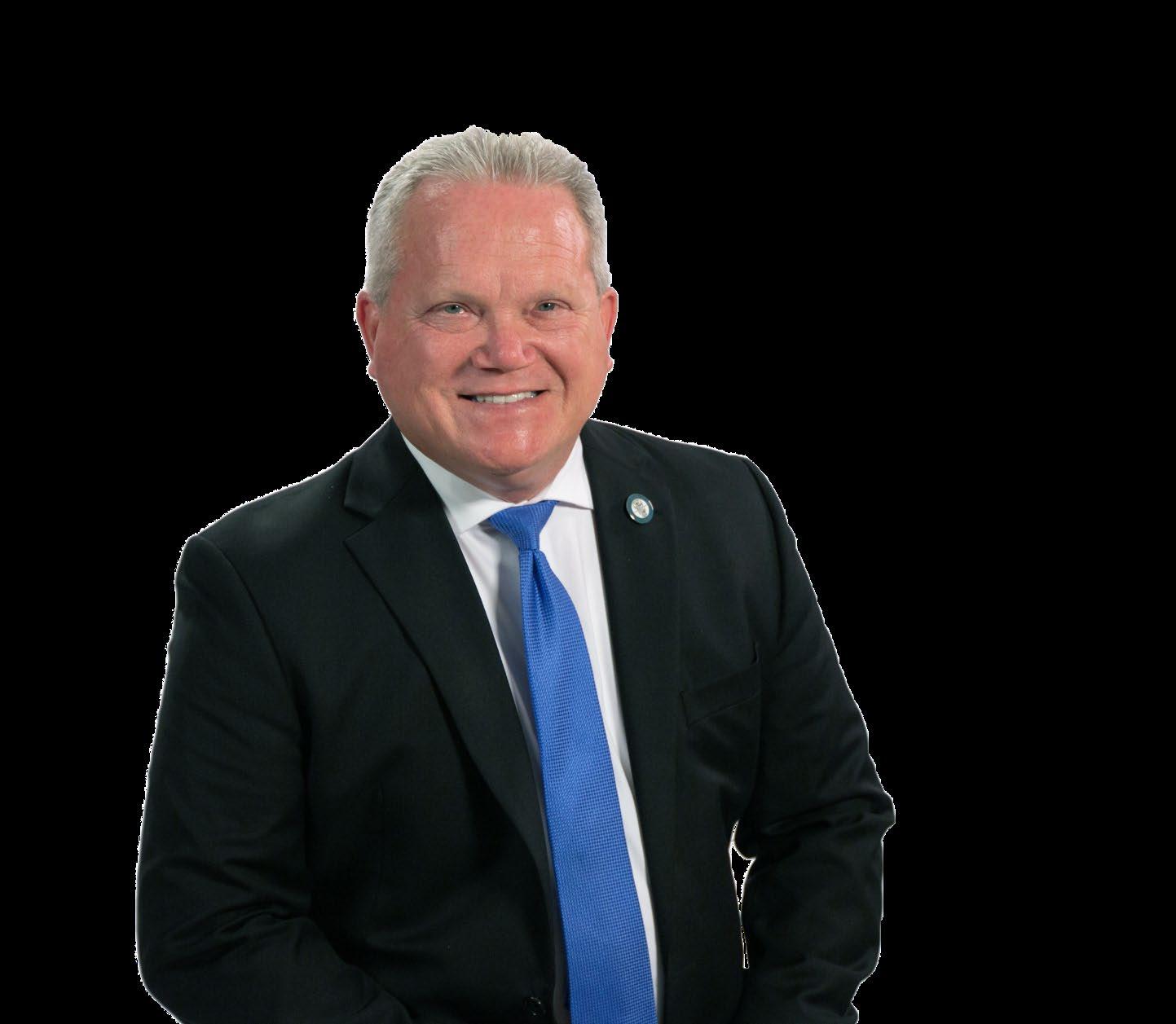
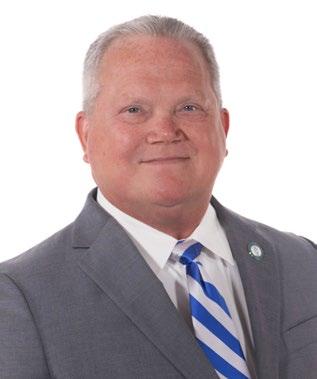
Jimmy Hodges, Ed. D. President
OVERVIEW OF THE STRATEGIC PLANNING PROCESS
In 2023, Dr. Jimmy Hodges, President of Calhoun Community College, initiated a revitalized strategic planning process to guide the institution into its next chapter. This renewed approach was designed to keep faculty and staff focused on fulfilling the college’s mission while fostering a culture of continuous improvement and accountability.
Calhoun’s strategic plan is not a static, multi-year document, but rather a living document that evolves annually. While it includes long-term goals and initiatives, the plan is updated each year to reflect institutional progress, respond to emerging needs, and incorporate new priorities. This dynamic structure allows the college to remain agile, mission-driven, and forward-looking.
The planning process is grounded in data-informed decision-making. Each year, the Strategic Planning Committee—comprising students, faculty, staff, administrators, and community stakeholders—conducts a comprehensive review of institutional performance. This review draws from a wide range of sources, including assessment results, improvement plans, survey data, institutional research, regional trends, and workforce needs. As part of this process, the committee also integrates findings from other institutional planning efforts. Reflections and improvement plans developed through student learning outcomes assessment, administrative and operational reviews, academic and student services evaluations, and the Quality Enhancement Plan (QEP) are carefully considered. Additionally, the college’s goals for student achievement—such as graduation rates—are explicitly embedded within the strategic plan as high-level institutional goals. Strategic initiatives are designed to support progress toward these goals, ensuring alignment between planning, action, and measurable outcomes.
The first plan under this revitalized process was implemented for the 2024–2025 academic year. Each annual update includes a summary of completed objectives, celebrating the achievements of Calhoun’s students, faculty, and staff.
2025-2026 STRATEGIC PLAN
FACILITIES & INFRASTRUCTURE
ENROLLMENT MANAGEMENT & RETENTION
Enhance and expand campus facilities and infrastructure to support student success, cultural enrichment, and workforce training through well-maintained, functional, and welcoming environments.
STUDENT SUPPORT SERVICES
Increase enrollment to expand community impact and improve student retention to support academic success and completion.
ACADEMIC AFFAIRS
Enhance student support services to improve student success and promote personal development.
TEACHING & LEARNING
Advance academic excellence through improved programs, learning environments, and institutional practices.
HUMAN RESOURCES
Strengthen instructional quality across all teaching modalities and support faculty development to promote student success and workforce readiness.
COMMUNITY RELATIONS
Improve human resources practices to support employee growth, operational efficiency, and institutional success.
TECHNOLOGY
Support community development by building stronger connections with K–12 students and the public through educational outreach and engagement.
CULTURE
Improve technology services and communication to support instructional effectiveness and operational efficiency.
Support student success and community development by cultivating a positive and engaged campus culture.
FACILITIES/INFRASTRUCTURE
Performance Goal 1.1 - Environmental Services
Action Steps and Areas of
Focus
1.1.1 - Take down trees obscuring lighting. Replace lighting with LED bulbs and add new bulb covers.
1.1.2 - Remove and/or prune trees that are damaging infrastructure such as sanitary, storm drains, waste pipes, sidewalks, roadways, and roofs.
1.1.3 - Establish Building Coordinators for each building. Conduct monthly Teams calls including Janitorial Services, Building Coordinators and necessary facilities personnel.
Performance Goal 1.2 - Student Meeting Centers
Action Steps and Areas of Focus
1.2.1 - Build a New Library/Student Union with food service.
1.2.2 - Build an event center to seat 5,000 and new baseball and softball Fields.
1.2.3 - Refit the Huntsville Student Center kitchen to become a full-use kitchen.
1.2.4 - Build a new Residence Hall in Downtown Decatur to include 150-200 beds. 2026
80% Satisfaction Rate with cleanliness and safety by polling persons on call
Facility open to students, faculty, and staff
Facility open to students, faculty, and staff
Access to full food service for entire site
Facility open to students, faculty, and staff
Performance Goal 1.3 - Renovations and New Construction
Action Steps and Areas of Focus
1.3.1 - Expand the Huntsville-Research Park Site for healthcare programs, technology programs, and meeting spaces.
1.3.2 - Build a New Aviation Facility on Airport Property.
1.3.3 - Renovate the Rural Development Park site.
Expansion open to students, faculty, and staff
Facility open to students, faculty, and staff
Renovated Facility open to students, faculty, and staff
1.3.4 - Improve Decatur Campus Wayfinding. Fall 2027 Facilities Director
1.3.5 - Renovate the CBIT building including windows, doors, roof, HVAC, electrical and plumbing.
1.3.6 - Renovate the Building Envelope of Kelley Gym including Roof, Walls, Windows and Doors.
1.3.7 - Purchase and renovate property in Downtown Decatur to offer a Culinary Arts Program.
1.3.8 - Build the Academy for Music and Movement Building at the Alabama Center for the Arts.
1.3.9 - Renovate and Expand Decatur Campus Health Science Building to meet industry demand. Including new Radiography program
Second Quarter 2027
Third Quarter 2027
Second Quarter 2026
Second Quarter 2026 Fall 2027
Wayfinding system is installed, accessible, and actively used as an information resource for all campus visitors, including street signs and outdoor maps with QR codes placed in multiple visible locations, offering GPS-oriented guidance (if possible) and supporting intuitive navigation across Decatur Campus.
Renovated Facility open to students, faculty, and staff
Renovated Facility open to students, faculty, and staff
Renovated Facility open to students, faculty, and staff
Facility open to students, faculty, and staff
Renovated Facility open to students, faculty, and staff
Performance Goal 1.4 - ADA Compliance
Action
1.4.1 - Install Wave Motion Door Openers on Automatic Doors.
1.4.2 - Ensure all campus signage is ADA compliant.
1.3.10 - Build a new Maintenance, Shipping/ Receiving, Janitorial, Printshop and Mailroom Services Facility. Fall 2026 Fall 2027
Third Quarter 2028 for completion
Facility open to Facilities staff.
Openers installed and operational on all automatic doors.
Improved signage for all students and staff is available and in use.
ENROLLMENT MANAGEMENT & RETENTION
Performance Goal 2.1 - Enrollment
Action Steps and Areas of Focus
2.1.1 - Increase fall enrollment to 10,000.
2.1.2 - Improve internal and external service and communication.
• Launch targeted direct advertising campaigns using digital banners, social media, geo-fencing, and direct marketing.
• Update marketing materials with modernized viewbook and student testimonial videos.
2.1.3 - Increase the number of stop-outs (students who have stopped out or left the College without completing credentials) who reenroll and persist to completion.
• Create personalized outreach campaign for 90% completers.
• Create a plan to provide targeted scholarships to adult learners through the Pathways to Progress and ReEngage initiatives.
2.1.4 - Streamline processes and decrease barriers in the admissions process.
• Review functionality and lean processes as appropriate.
• Implement Persona fraud prevention software.
• Revisit Clean Address to verify student addresses.
• Review and revise communication plan to guide students through the enrollment process from recruitment through registration, including checking emails, balances, etc.
10/31/25
VP of Student Services, Recruitment Coordinator, Director of Advising and Retention
10/31/25
10/31/25
Enrollment Reports
1/1/26
Director of Public Relations, Recruitment Coordinator Director of Advising and Retention, Director of Admissions, Recruitment Coordinator Director of Admissions
Argos, Student Surveys, Published Viewbook
Application, Enrollment Reports
Reporting, Revised Communication Plan
2.1.5 - Create new Business Office page to include essential student resources such as tuition calculator, payment plan, and refund info.
10/31/25
2.1.6 - Increase financial aid outreach internally/ externally to increase awareness of financial aid availability, increase FASFA applications, and decrease percentage of students dropped for non-payment.
• Create Financial Aid outreach plan.
• Digital signage across campus displaying key dates and information.
• Host “FAFSA Help Days” in high-traffic areas.
• Partner with academic departments for programspecific scholarship sessions.
• Coordinate with academic advisors to discuss financial aid during advising sessions.
2.1.7 - Leverage the TargetX CRM system to implement a personalized communication strategy for all student related departments.
• Hire a CRM Manager.
• Segment prospective students based on interests.
• Send targeted email campaigns from Admissions, Financial Aid, Advising, and STAR Institute, and track response rates to optimize outreach efforts.
2.1.8 - Increase enrollment of GED graduates by developing a structured transition program that provides personalized admissions, advising, and financial aid support.
Performance Goal 2.2 - Retention
Action Steps and Areas of Focus
2.2.1 - Improve semester-to semester persistence among first generation students by implementing targeted support strategies including first generation orientation and personalized academic success planning.
12/31/25
Chief Financial
Officer,
VP of Student Services, Director of Accounting Director of Financial Aid
Student Satisfaction Survey, Financial Aid Reporting
6/1/26
4/1/26
Recruitment Coordinator
TargetX Reporting
Recruitment Coordinator, Director of Admissions, Director of Adult Ed, Director of Financial Aid
Enrollment Reporting, Revised Enrollment Management Plan
4/1/26 Dir. of Advising, Dir. of Student Success, and Student Advocate Reporting, Orientation Course Scheduled
STUDENT SUPPORT SERVICES
Performance Goal 3.1 - Mental Health
Action Steps and Areas of Focus
3.1.1 - Provide additional mental health resources.
• Equip faculty and staff with the necessary knowledge, tools, and skills through collaborating with relevant experts, consultants, or organizations to provide in-depth insights to support students in relation to their mental health.
• Promote the mental health resources and awareness by hosting an annual Mental Health Symposium.
3.1.2 - Increase wrap-around services and nonacademic support for students by hiring an additional social worker.
Performance Goal 3.2 - Tutoring
Action Steps and Areas of Focus
3.2.1 - Engage at-risk populations with tutoring services.
• Evaluate data to identify at-risk student populations and develop an outreach plan to connect them with tutoring services.
• Refer students not meeting satisfactory academic progress (SAP), students on warning, and those that file a SAP appeal to the STAR Institute to address academic deficiencies and receive tutoring services.
4/1/26
Director of ADA/Title IX
VP of Student Services, Dean of Humanities & Social Sciences Maxient
Employee Hired
Director of Student Success, Director of Financial Aid
Survey, Student Data, TargetX, SAP Report
Performance Goal 3.3 - Student Life
Action Steps and Areas of Focus Timeline Lead
3.3.1 - Bring together appropriate stakeholders to explore options to provide campus-to-campus transportation (e.g., 14 passenger van, Uber, etc.).
3.3.2 - Establish a committee to conduct feasibility study on providing childcare on campus for students and employees.
• Connect with academic areas to promote the cooperative learning program.
• Share student success stories to internal and external audiences.
• Expand advertisements for WBL opportunities to students.
• Provide resources for students to meet career readiness indicators upon graduation.
3.3.4 - Increase the number of students actively participating in Clubs/Organizations and engaging with the Campus Groups platform to strengthen involvement and belonging.
Spring 2026
Spring 2026
Spring 2026 Dec. 2025
Director of Facilities, Director of PR and Digital Media Child Development Instructor Director of Career Services Student Engagement Coordinator
Completion of research and analysis, plan created Survey Results
Data Report
Campus Portal Usage Report
ACADEMIC AFFAIRS
Performance Goal 4.1 - Research
Action Steps and Areas of Focus
4.1.1 - Provide robust data, analysis, and reporting in multiple venues to foster data-informed decisions.
Dean of IE, VPAA
4.1.2 - Strengthen the Institutional Review Board to promote both faculty and student research, including the support of research grant opportunities.
Performance Goal 4.2 - Programming Pathways
VPAA, Dean of IE
Form and charge a Data Strategy and Governance Committee to meet bi-monthly beginning in September 2025 to inform Academic Affairs decision-making.
Increase the number of approved research grant proposals by 10%.
4.2.1 - Provide learners with timely, relevant, and accredited pathways with multiple on-ramps and off-ramps for a fluid transition between academics, transfer, and workforce.
4.2.2 - Provide learners with flexible scheduling options via a two-year course offering guide to promote increased enrollment and completion.
Performance Goal 4.3 - Classroom Upgrades
Action Steps and Areas of Focus Action
4.3.1 - Re-imagine classrooms and buildings with a learner-centered approach to promote academic excellence and innovation.
4.3.2 - Perform a systematic review of instructional technologies and infrastructure to develop and maintain a technology-ready mindset.
VPAA, Instructional Deans IT Technical Director, Facilities Director
Academic pathways made public
VPAA, Instructional Deans
Projected academic offerings made public for all academic divisions for Fall Semester 20262028 by April 1, 2026.
VPAA, Distance Learning Director
Instructional technologies strategic plan and Instructional facilities strategic plan in place by June 1, 2027.
Instructional technologies advisory committee charged for first meeting in September 2025.
Performance Goal 4.4 - Policies and Procedures
Action Steps and Areas of Focus
4.4.1 - Implement an Administrative Modernization plan to review and revise the Faculty Handbook, Distance Learning Policies, and the Personnel Handbook.
4.4.2 - Develop a comprehensive AI policy and strategy for the college.
20252026 20252026
VPAA, VPSS Cabinet
Revised handbooks and policies Form an AI Advisory Council to research AI policies and implications for the College.
TEACHING AND LEARNING
Performance Goal 5.1 - Virtual
Action Steps and Areas of Focus
5.1.1 - Ensure quality and consistency by:
• Defining clear expectations for virtual office hours
• Reducing reliance on 3rd party content
• Increasing the utilization of proctoring services
• Intentional course redesign focusing on active learning and instructor presence
Performance Goal 5.2 - Traditional
Action Steps and Areas of Focus
5.2.1 - Provide targeted faculty development incorporating best practices from distance learning to increase relevance and promote preparedness for sudden shifts to virtual learning.
5.2.2 - Designate faculty champions for innovation and excellence in classroom instruction who will promote institution-wide adoption of best practices.
Performance Goal 5.3 - Hyflex/Hybrid
Areas
5.3.1 - Target professional development around Hyflex teaching modalities.
5.3.2 - Analyze classroom technology needs for Hyflex and Hybrid instruction as part of classroom redesign.
Performance Goal 5.4 - Dual Enrollment
5.4.1 - Provide standardized course shells to DE faculty to ensure consistency in learner experience. Provide a full-time faculty mentor for each DE faculty during their first year of instruction.
20252026
20252026
20252026
VPAA
20262027
20252026
Director of Faculty Development
Revised DL Handbook that includes guidelines and requirements on instructor presence and 3rd party software content usage.
20262027
Dual Enrollment Director VPAA, Instructional Deans
Director of Faculty Development
VPAA
Course Requirement Checklist
List provided to Director of Faculty Development
PD Offerings
Needs Assessment Report
Course shells available in LMS; DE faculty mentor list submitted to DE Director and VPAA.
5.4.2 - Develop a 4-year plan to provide systematic coverage of the DE service area with pathways for DE students that ensure student progression toward their degree/transfer while ensuring compliance with SACSCOC .
20262027 VPAA, DE Director, Dean of IE
Performance Goal 5.5 - Faculty Development
Action Steps and Areas of Focus
5.5.1 - Develop a systematic three-year plan for focused and intensive faculty development with emphasis on innovation, dynamic classroom experiences, and active learning including peer-led sessions that share best practices gained through participation in external PD.
Expected course offering schedule for 2026-2029 for each DE site.
20252026 Director of Faculty Development 3-Year Plan
HUMAN RESOURCES
Performance Goal 6.1 - Policies
Action Steps
and Areas of Focus
6.1.1 - Evaluate the College’s hiring policies and procedures through the LEAN process to identify areas to streamline the overall hiring process.
Performance Goal 6.2 - Compensation
6.2.1 - Explore alternative benefits and compensation to market to current and potential employees.
6.2.2 - Establish an employee portal for a “one stop shop” place for employees to view and gain more information regarding their benefits.
Performance Goal 6.3 - Orientation/Training
Action Steps and Areas of Focus
6.3.1 - Implement leadership training & career development pathways for employees who want to advance.
Performance Goal 6.4 - Staffing
and Areas of
6.4.1 - Recruit and retain additional faculty and staff in all instructional areas as needed, focusing on maintaining a highly qualified and learner-centered pool of adjunct and full-time faculty.
Director of HR
Updated policy manual presented to the President
Director of HR, Payroll Specialist
Director of HR, Payroll Specialist
Director of HR, Director of Faculty Development
Recommendations for Total Compensation approach presented to the President Website published and available for all employees
VPAA and Instructional Deans
Leadership Calhoun Committee formed and program established
Minimum 50% of program courses taught by full-time faculty. 30% or less of full-time faculty teaching an overload.
COMMUNITY RELATIONS
Performance Goal 7.1 - K-12 Outreach
Action Steps and Areas of Focus
7.1.1 - Create and enhance a streamlined and comprehensive Calhoun Learning Camp information and registration process for our K-12 community.
Performance Goal 7.2 - Public Outreach
Creation and publication of content
7.2.1 - Develop a Public Speakers bureau. Initiate “Did You Know?” campaign.
TECHNOLOGY
Action Steps and Areas of Focus Action Steps and Areas of Focus
Creation and publication of Speakers Bureau
Performance Goal 8.1 Communication
8.1.1 - Publish a monthly Information Technologies email for faculty and staff. Include current projects, happening in the department, and information about department processes.
Technical Dir., Assistant to the Dir. of Information Technologies
More efficient use of Helpdesk Services. Less misdirected work orders and direct calls.
Performance Goal 8.2 Support
8.2.1 - Establish and maintain a direct line of communication between IT and academic offices in regards to computer labs. Academic offices will be responsible for reporting computer lab issues.
8.2.2 - Establish and maintain a status report for all classroom technology to share with academic offices. Report is to be updated semi-monthly.
Monitor number of Helpdesk calls, work orders and complaints
Monitor number of Helpdesk calls, work orders and complaints
CULTURE
Performance Goal 9.1 - Expectations
Action
Steps and Areas of Focus
9.1.1 - Create and implement specific expectations of the Warhawk Culture. Create a focus group consisting of faculty, staff, and students to discuss the Warhawk Culture expectations. This initiative is rooted in the college values of Access, Accountability, Innovation, Integrity, and Respect. Develop an ad hoc committee to compose the list of expectations.
Performance Goal 9.2 - Collaboration
Action Steps and Areas of Focus
9.2.1 - Create more collaborative programs, activities, and community service projects to provide a supportive relationship between faculty, staff, and students
Coordinator of Student Advocacy & Accountability
Completed list of expectations
9.2.2 - Align administrative, academic, and business office procedures to promote collaboration and success of faculty, staff, and students.
Director of Faculty Development, Professional Development Committee Staff Member, Student Representative VPAA, VPSS, CFO
Schedule of first year activities and programs
Updated procedures
Performance Goal 9.3 - Student Leadership
Action Steps and Areas of Focus
9.3.1 - Create and implement a student leadership program for Calhoun Students.
Student Engagement Coordinator, other campus departments.
First year pilot
CALHOUN COMMUNITY COLLEGE GOALS FOR STUDENT ACHIEVEMENT
CALHOUN COMMUNITY COLLEGE GOALS FOR STUDENT ACHIEVEMENT
Calhoun Community College assesses student achievement through a variety of measures that span the entirety of a student’s academic journey. These measures were selected by the Strategic Planning Committee and are aligned with the institution’s mission, as well as state and federal performance indicators.
Calhoun Community College assesses student achievement through a variety of measures that span the entirety of a student’s academic journey. These measures were selected by the Strategic Planning Committee and are aligned with the institution’s mission, as well as state and federal performance indicators.
1. Graduation and Transfer Rates
1. Graduation and Transfer Rates
1a. Graduation Rate, 150% of normal time: Defined as the rate for first-time, full-time credential-seeking students completing any formal award (certificate or associate degree) in 150% of normal time (normal time = two years; 150% = three years). (US Department of Education Integrated Postsecondary Education Data system (IPEDS) data). The IPEDS 3-year graduation rate is the chosen graduation rate metric on file with SACSCOC.
1a. Graduation Rate, 150% of normal time: Defined as the rate for first-time, full-time credential-seeking students completing any formal award (certificate or associate degree) in 150% of normal time (normal time = two years; 150% = three years). (US Department of Education Integrated Postsecondary Education Data system (IPEDS) data). The IPEDS 3year graduation rate is the chosen graduation rate metric on file with SACSCOC.
2022-23 Fall 2019 The three-year graduation rate will increase to 45% by 2025-26
Fall 2020
Target: 40%
Disaggregation of First-time, Full-time Students From the Fall 2021 Cohort Who Graduated in 150% of Normal Time by Race / Ethnicity
Other (Asian, American Indian or Alaskan Native, Hawaiian or Other Pacific Islander, Non-resident Alien, Two or more races, Unknown)
Disaggregation of First-time, Full-time Students From the Fall 2021 Cohort Who Graduated in 150% of Normal Time by Gender
Disaggregation of First-time, Full-time Students From the Fall 2021 Cohort Who Graduated in 150% of Normal Time by Socioeconomic Status
1b. Graduation + Transfer-Out Rate: Defined as the percentage of first-time, full-time, degree-seeking students in the fall semester that complete any formal award (certificate or associate degree) within 150% of normal program time or transfer out to another institution within three years (Aspen Institute measure).
2022-23 Fall 2019 The three-year graduation + transfer-out rate will increase to 62% by 2025-26.
2. Retention Rates for Full-time and Part-time Students
2a. Retention, full-time students: Defined as the percentage of first-time, full-time students from the fall of first enrollment who are enrolled the following fall (US Department of Education Integrated Postsecondary Education Data system (IPEDS) data).
2b. Retention, part-time students: Defined as the percentage of first-time, part-time students from the fall of first enrollment who are enrolled the following fall (US Department of Education Integrated Postsecondary Education Data system (IPEDS) data).
Fa 2021 – Fa 2022 Freshmen-to-sophomore retention rates will increase to 50% by Fall 2025
3. Licensure Passage Rates and 3rd Party Credentials
3a. Licensure Passage Rates: Defined as the three-year average of licensure examination passage rates for graduates of all health science programs. In the State of Alabama, professional licensure is required for health science graduates to enter the workforce, making passage rates a key indicator of student achievement and program quality. While the college sets a goal and minimum target based on the combined three -year average across all programs, results are disaggregated by individual program to allow for targeted evaluation, support continuous improvement, and ensure accountability.
The 3-year average licensure passage rate will increase to 95% for 2023-25
Target: 93%
Disaggregation of Health Science Programs
3b. 3rd Party Credentials: Defined as the annual count of 3rd Party Credentials (annual count = Total of Summer, Fall, and Spring). A third-party credential refers to a workforce-related certification, license, or other formal recognition awarded to a college student by a nationally or state-recognized professional organization, industry association, or licensing body outside the academic institution (e.g., American Heart Association, National Coalition of Certification Centers (NC3), Cisco, etc.). These credentials validate a student's knowledge, skills, or competencies in a specific occupation or career field and are intended to enhance employability and align with industry standards.
2022-23 The number of 3rd party credentials earned will increase to 3,500 by 2025-26. Minimum Target: 2,200
Core Course Proficiency Success: Defined as the mean scaled score of students completing at least 75% or more of the E-Proficiency Profile. The proficiency profile is a test of college-level skills in reading, writing, critical thinking, and mathematics designed to measure the academic skills developed through general education courses, rather than the subject knowledge specifically taught in those courses. A sample of students from the college take the test each spring.
Number of Students Testing
2023 571 The mean scaled score will increase to 440 by 2026.
5. Degrees, Certificates, and Non-Credit Credentials
Degrees and Certificates awarded: Defined as the annual count of for-credit certificates and associate degrees awarded (annual count = total of Fall, Spring and Summer).
Non-Credit Credentials: Defined as the annual count of non-credit credentials and certificates completed through the college’s workforce training programs (annual count = total from Aug 1 through July 31).
2021-22 The College will award at least 7,700 degrees, certificates and non-credit credentials annually by 2024-25. Minimum Target: 7,000
Disaggregation of Degrees, Certificates and Non-Credit Credentials by Type
6. Prestigious Awards and Achievements
6a. SkillsUSA Medal Rate: Defined as the percentage of Calhoun students that compete in the state level SkillsUSA competition and earn a gold, silver, or bronze medal. SkillsUSA is a United States career and technical student organization serving colleges and professional members enrolled in training programs in the trades, technical, and skilled service organizations, including health occupations. High performing students are selected by faculty advisors to compete in State level competitions as representatives of the colleges. Students who win 1st place advance to the national level competition. These competitions are held annually. A SkillsUSA prestigious award is a medal, trophy, or scholarship awarded to students through a competitive process where a student has demonstrated cognitive, psychomotor, or affective achievements beyond levels expected of other students enrolled in the same trades, technical, healthcare, and skilled service occupational training programs.
2023 40 The percentage of students earning a medal at the state SkillsUSA competition will increase to 100% by 2026.
6b. Honor Societies: Defined as the annual count of students that join one of the college’s honor societies (annual count = total from May 1 through April 30). These honor societies include Phi Theta Kappa, Sigma Kappa Delta, and the National Technical Honor Society. The students that are invited to join an honor society demonstrate cognitive, psychomotor, or affective achievement beyond levels expected of other students enrolled in the same programs. These students are required to earn a specific GPA and earn a certain amount of credit hours to be invited.
The number of students joining an honor society will increase to 500 by 2025-26.
Target: 400
ACCOMPLISHED INITIATIVES FROM 2024-25
• Updated Cleaning Service Contract
• Planted New Landscaping Features
• Renovated Huntsville Student Center
• Launched STEAM Imagination Center
• Established Aviation Program and Hangar Facility
• Strengthened Outreach to Senior Citizens
• Expanded Translation Services in Advising
• Optimized Student-Focused Class Scheduling
• Improved Mental Health Services
• Hired a new Full-time Counselor
• Expanded Program-Specific Tutoring
• Introduced Online Student Engagement Portal
• Unified Student Activities Calendar
• Revised Pay Structure for Dual Enrollment Faculty
• Hosted the First Annual Faculty Showcase of Best Practices
• Added New Staff in Academic Affairs
• Enhanced Budget for the Office of Institutional Effectiveness & Research
• Produced New Spotlight Videos
• Reduced Student Calls to IT Helpdesk
• Improved Classroom Technology Plans
• Streamlined Student Technology Loaner Process
Dr. Jimmy Hodges President Phone: 256-306-2555 jimmy.hodges@calhoun.edu
CALHOUN LEADERSHIP
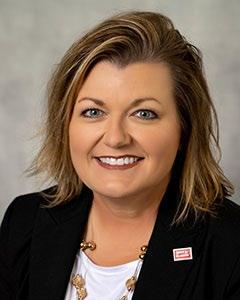
Kassie Mathis VP of Student Services (256) 306-2743 kassie.mathis@calhoun.edu
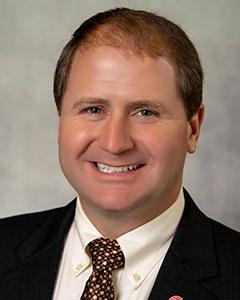
Wesley Rakestraw VP for Academic Affairs (256) 306-2619 wesley.rakestraw@calhoun.edu
BOARD OF TRUSTEES
Gov. Kay Ivey President Phone: 334-242-7100
Valerie Gray Chair, District 3 Term: 2021-2025
Phone: 706-590-8817 valerie.gray@accs.edu
Jimmy H. Baker Chancellor, ACCS Phone: 334-293-4524
Britton Lightsey District 4 Term: 2023-2027
Phone: 205-921-6712 britton.lightsey@accs.edu
Llevelyn Rhone District 7
Term: 2021-2025
Phone: 334-352-3736 llevelyn.rhone@accs.edu
J.E.B. Shell
Vice Chair, District 1 Term: 2021-2025 Phone: 251-476-0605 jeb.shell@accs.edu
Dus Rogers District 5 Term: 2021-2025 Phone: 256-638-2144 goodrich.rogers@accs.edu
Tim McCartney Member-At-Large Term: 2023-2027 Phone: 256-295-0240 tim.mccartney@accs.edu
John Mitchell District 2 Term: 2019-2027
Phone: 334-406-8000 jmitchell@mitchellauto.com
Ron Houston District 6 Term: 2023-2027
Phone: 205-572-3766 ron.houston@accs.edu
Dr. Yvette Richardson Ex-Officio Member Phone: 205-527-7186 205-527-7186 yvette.richardson@accs.edu
STRATEGIC PLANNING COMMITTEE MEMBERS
Dr. Jimmy Hodges President
Wes Torain Director of Public Relations & Digital Media
Kimberly Parker Dean of Fine Arts / Executive Director of the ACA
Takeema Johnson Director of the Huntsville/Research Park Site
Robin Self Instructional Services Coordinator
Alan Kelley Technical Director of IT
Jessica Jackson Recruitment Coordinator / CRM Specialist
Malea Milstead Director of Admissions & Records / College Registrar
Bruce Causey Executive Director of Facilities, Maintenance & Safety
Dr. Brandon Brown Director of Disability Services
Dr. Leigh Ann Rhea Faculty Senate President / English Instructor
Dr. Tiffany Bain Physical Therapist Assistant Instructor
Dr. Symmetris Gohanna QEP Director / Composition Department Chair / English Instructor
Crystal Brown President and CEO, Decatur-Morgan County Chamber of Commerce
Wes Rakestraw Vice President for Academic Affairs
Sherika Attipoe Assistant Director of Public Relations
Cynthia Buchheit Dean of Business & CIS
Gwen Baker Director of Dual Enrollment
Doug Brazier Director of Workforce Solutions
Kim Gaines Director of Human Resources & Payroll
Melissa Creasy Director of Student Financial Services
Miesha Watts Assistant Director of Admissions
Valerie Cox Director of Student Success
Nicole Ricketts Coordinator of Student Advocacy & Accountability
Lisa Crawford Faculty Senate VP, Chemistry Instructor
Larry Owens Machine Tool Technology Instructor
Melissa Ledbetter Grants Coordinator
Pammie Jimmar President and CEO, Athens – Limestone Chamber of Commerce
Kassie Mathis Vice President of Student Affairs
Dr. Donna Estill Dean of Humanities & Social Sciences