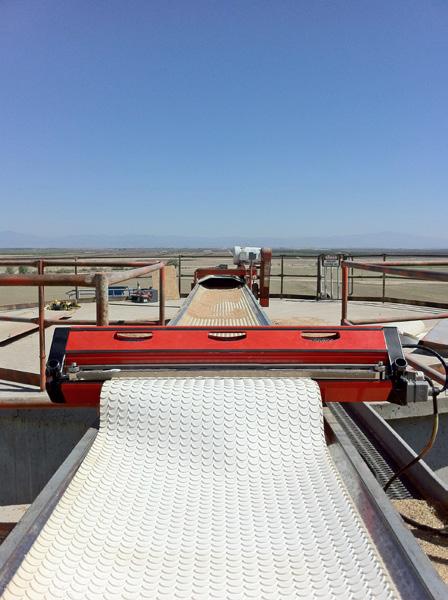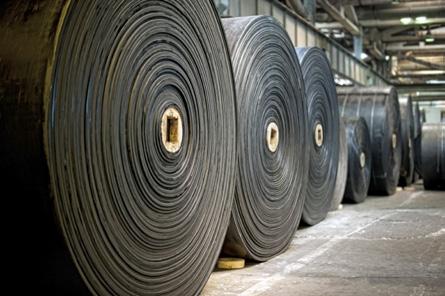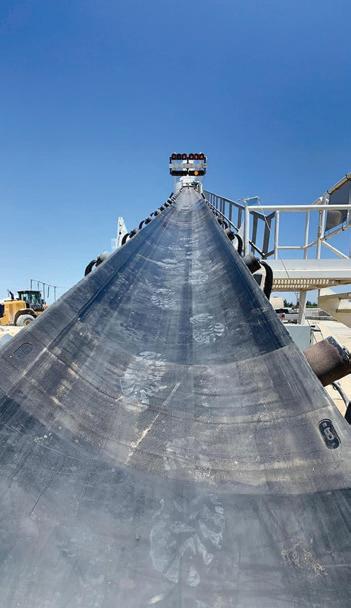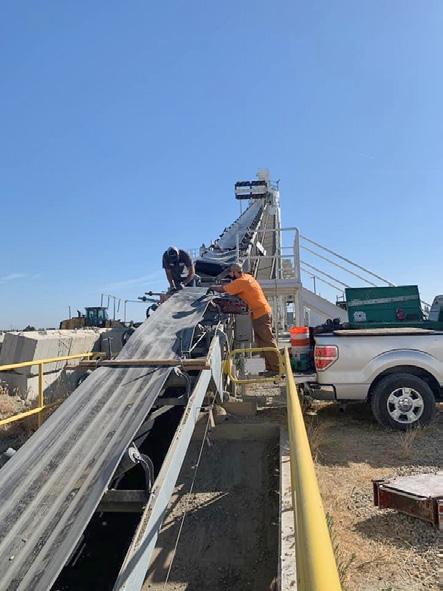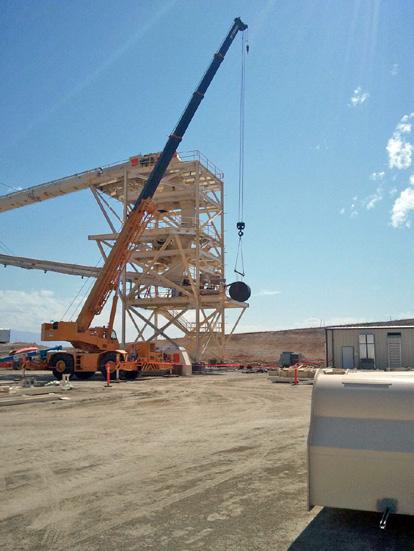


It’s the foundation of the strongest conveyor belt you’ve ever used.
At Fenner Dunlop, our domestic manufacturing model ensures that everything from weaving and treating the fabric and finishing the final belt is done close to our customers.
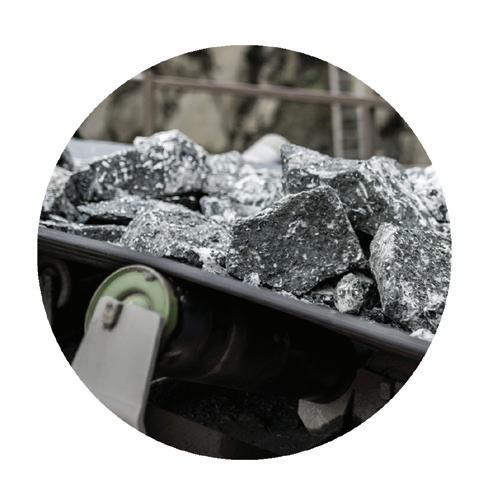
Fenner Dunlop’s Weaving and Treating Facility in Lavonia, Georgia, USA
Tough Belts For Tough Applications For industrial and mining conveyor belt sales, call: 1-(800)-661-2358. www.fennerdunlopamericas.com




CHAIRMAN'S
SMARA
PRESIDENT & CEO MESSAGE
Environmental stewardship, supply chains, and the story we must tell
FEATURE STORY
SMARA at 50: A conservation framework born of California’s environmental awakening
AB 978
Advancing recycled materials and local sustainability in roadway construction
SITE TOUR
Blue Planet Systems' carbon mineralized aggregate technology

The Conveyor is a publication of the California Construction and Industrial Materials Association. The views expressed herein are fixed expressions of the contributing writers and not of CalCIMA. All rights reserved.
CalCIMA
455 Capitol Mall, Suite 210 Sacramento, CA 95814 (916) 554-1000 www.calcima.org www.distancematters.org
P.O.
Publisher
Graphic
Editorial
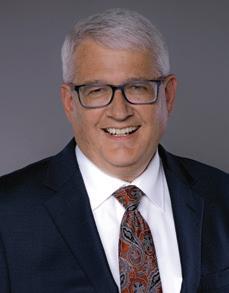
I am guessing many people primarily associate sustainability with environmentalism. The reality is that sustainable solutions go beyond environmental practices and cover a gamut of management practices that each CalCIMA member company faces. Besides more commonly recognized sustainable objectives designed to reduce greenhouse gases, energy and water consumption and waste, sustainability management practices touch on much more. A business today is not sustainable unless it operates ethically, manages all types of risk from cybersecurity to supply chain, invests in talent, diversity and succession plans, safeguards employee health and safety, and engages with the Community.
From my interactions with CalCIMA peers, I am proud to be associated with so many member companies that understand the importance of all facets of sustainability. What I see is our industry isn’t greenwashing but instead delivering sustainability initiatives that provide real solutions by reducing our impacts, reclaiming properties, providing essential materials locally and building public trust.
Economic growth and environmental protection go hand in hand, and this issue of The Conveyor shares several examples of our industry’s stewardship. There is probably no better example of our industry’s contribution to sustainable practices than our state’s Surface Mining and Reclamation Act of 1975. As you may notice, this year marks the 50th anniversary of SMARA. SMARA wasn’t the first law regulating mining reclamation, but it has proven to be the most significant. As you’ll read in this issue of The Conveyor and in upcoming CalCIMA communications during the year, the 50th anniversary of SMARA is a significant milestone. This anniversary gives our industry a great opportunity to not only promote the essential work we do but also remind community stakeholders that we do our work responsibly as good stewards, which is at the heart of sustainability.
PS: Please reach out to Adam Harper and share your SMARA story. The 50th anniversary gives CalCIMA members an excellent opportunity to showcase past and recent reclamation projects. Adam is working diligently to compile and tell our SMARA story. n
Dana Davis President - Teichert Materials CalCIMA Chairman





California’s construction and essential materials industries—mining, aggregates, asphalt, concrete, and critical minerals— have always been deeply connected to the environment. We work and plan with it in mind, restore it, and d epend on it. That connection is not new. What is new is the urgency of telling that story clearly, confidently, and on our own terms.
In 2026, California marks the 50th anniversary of the Surface Mining and Reclamation Act (SMARA), a law born from the environmental awakening of the 1970s and designed to ensure that resource development and environmental stewardship stay together. At the same time, Washington has renewed its focus on rebuilding domestic supply chains, securing critical minerals, and reducing reliance on foreign sources for the materials that underpin infrastructure, energy systems, and national resilience.
While it may seem counterintuitive to some, those two imperatives—environmental stewardship and reliable domestic supply— are not in conflict. In our industry, they are inseparable.
For half a century, SMARA has served as our collective roadmap for thinking beyond extraction. We embedded reclamation, land-use planning, financial assurance, and local accountability into the full lifecycle of mining. Long before “sustainability” became a buzzword, our industry was restoring landscapes, protecting water quality, and returning mined lands to productive use— often as habitat, agriculture, flood control, open space, or future development. SMARA did not eliminate mining; it made mining better, smarter, and more transparent.
That legacy matters because California’s most pressing environmental and economic goals—housing affordability, connected transportation infrastructure, climate adaptation, wildfire resilience, water infrastructure, and clean energy—are material-intensive. Wind turbines, transmission lines, vehicles, batteries, computers, roads, bridges, levees, and fire-resilient communities all depend on aggregates, cement, concrete, asphalt, and industrial minerals that exist only where geology placed them. You cannot offshore geology. And you cannot build a sustainable future without responsibly sourcing the materials that make it possible.
At the federal level, policymakers are recognizing this reality. Supply-chain resilience is now a national priority. Critical minerals are no longer an abstract concept; they are central to energy security, manufacturing, infrastructure, and national security. The real question is not whether we need these materials, but whether we will produce them domestically—under some of the most rigorous environmental standards in the world—or become more dependent on others to provide them for us.
California already knows the answer. Across the state, our industry continues to innovate—improving energy efficiency, reducing emissions, deploying new technologies, advancing environmental product declarations, and exploring carbon sequestration and recycling pathways. These efforts are happening every day at quarries, asphalt plants, concrete facilities, and reclamation sites. They demonstrate a simple truth: Environmental progress is achieved not by eliminating industries, but by embracing organic innovation.
As SMARA turns 50, this is the year to tell the full story. Not just a story of compliance, but one of conservation through stewardship. Not just a story of materials, but of communities, infrastructure,
and resilience. Not just a story of yesterday’s regulation, but of tomorrow’s self-sufficiency.
Policy is increasingly shaped by narratives. If the conversation is framed as “environment versus infrastructure,” we lose sight of reality. Infrastructure is environmental policy. Roads reduce emissions by easing congestion. Reclaimed mines restore ecosystems. Local materials reduce hauling distances and carbon footprints and drive local employment. Domestic supply chains reduce geopolitical risk. Our responsibility as a collective is to connect those dots.
This year, CalCIMA will elevate the voices, projects, and places that show how environmental stewardship and resource development coexist in practice. We will
highlight reclamation success, innovation on the ground, and the people who make it happen every day.
Because the materials that build California are not incidental to its environmental future. They are foundational to it.
And it’s time we told that story—clearly, confidently, and together. n
Sincerely,

Robert Dugan President/CEO CalCIMA

By Adam Harper, Senior Director of Policy, CalCIMA.
implementation since 1999.
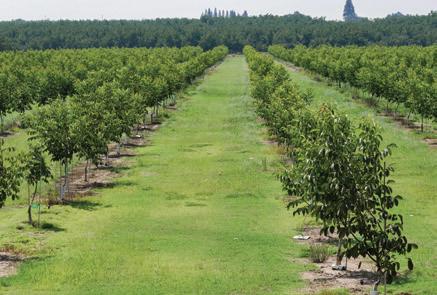
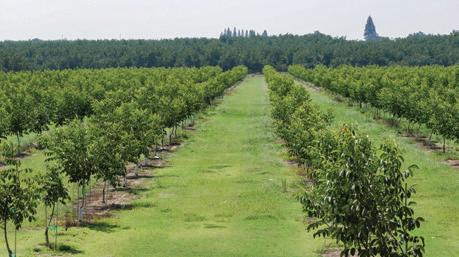
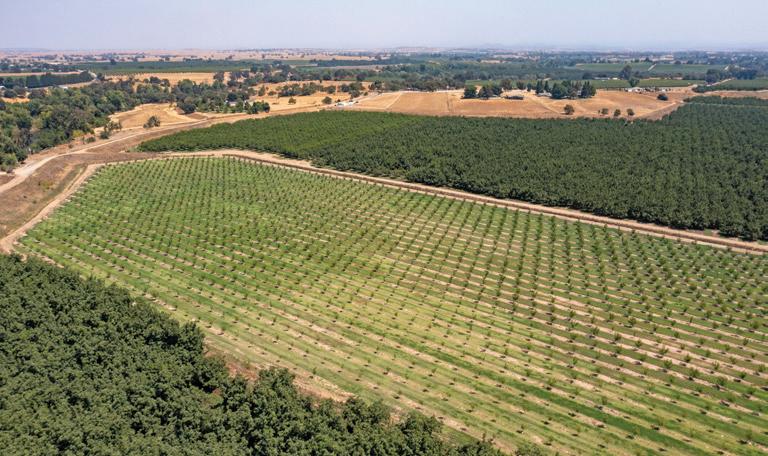
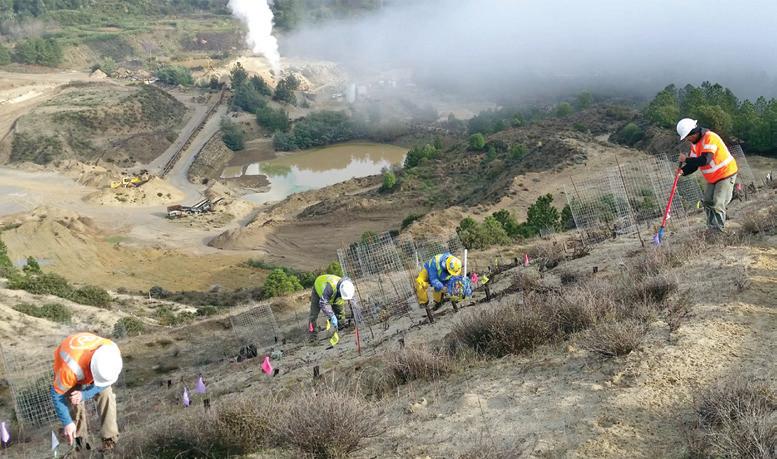
Through phased reclamation under SMARA, the George Reed Clements Pit mines and restores the Reed Family Orchard, demonstrating how surfacemined lands can return to productive agricultural use while preserving working landscapes.
California marks the 50th anniversary of the Surface Mining and Reclamation Act (SMARA) in 2026. It’s a law that quietly reshaped how California manages working lands, mineral resources, and post-mining landscapes. In other words, the act has been a profoundly important conservation framework, and also shows the lifecycle of important California land.
Understanding SMARA’s origins is essential to understanding its durability, and why it continues to matter as California confronts housing shortages, climate adaptation, wildfire resilience,
The author has been involved in SMARA policy development and
water infrastructure needs, and critical mineral supply challenges. Mineral and rock producers hope that policymakers, agency heads and environmental groups join us to tell this 50-year story.
By the late 1960s and early 1970s, environmental policy in the United States had entered a period of rapid transformation. The Cuyahoga River fire, the publication of Silent Spring, and growing public concern over air and water pollution catalyzed a wave of landmark legislation. Congress enacted the National
Environmental Policy Act, the Clean Air Act, the Clean Water Act, and the Endangered Species Act. In California, the legislature adopted the California Environmental Quality Act (CEQA), the CA Endangered Species Act, and expanded statewide approaches to land and resource management.
Up to that point, most regulation affecting mining and other industrial activities had been by local governments. Its focus was on health and safety ordinances, building codes, nuisance controls, and zoning requirements. While some operators reclaimed land
voluntarily, this did not ensure long-term land restoration, nor did it resolve conflicts where mineral deposits crossed jurisdictional boundaries or where urban expansion encroached on finite mineral resource areas.
SMARA emerged at the intersection of these realities. It was designed to fill a critical gap: 1) Establish a statewide landuse and reclamation framework to ensure mined lands would be restored to usable and environmentally sound conditions once extraction ended, and 2) Map and conserve for potential future development and societal benefit the state's essential mineral resources.
Senator John Nejedly authored SMARA. He explained the following in his 1975 letter to Governor Edmund G. Brown requesting favorable consideration of SB 756 (SMARA):
“…existing controls do not (1) adequately assure that reclamation will occur, (2) provide a mechanism to resolve jurisdictional problems when mineral deposits cross city
and county boundaries, and (3) recognize the need to protect mineral resource deposits from the effects of urbanization.”
This framing remains central to SMARA’s role today.
Often overlooked in modern debates is the conservation philosophy embedded in SMARA. Conservation, as understood by the law’s authors, did not mean locking landscapes away from use. It meant managing working lands responsibly, balancing extraction for infrastructure projects with restoration. Lawmakers were adamant in protecting resources essential to society.
A fundamental recognition in SMARA is that mineral resources exist only where geology placed them. They are finite, locationspecific, and foundational to human civilization, from housing and transportation to renewable energy, water systems, and wildfire-resilient infrastructure.
SMARA explicitly recognized this reality by pairing reclamation requirements with policies to identify and conserve mineral resource lands of regional and statewide significance.
SMARA’s definition of reclamation is both practical and ecological. The law focuses on recontouring, slope stability, revegetation, erosion control, water quality, and post-mining land uses compatible with surrounding conditions and community needs.
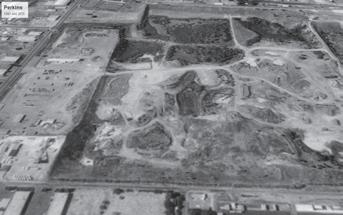
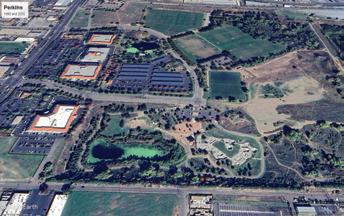
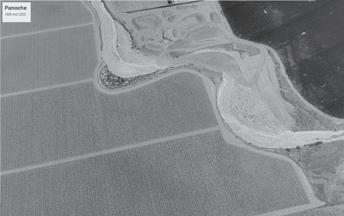
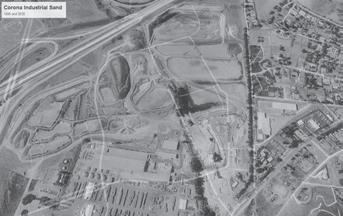
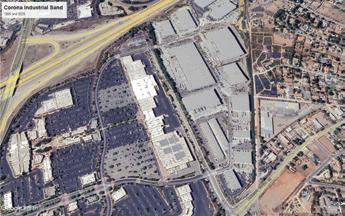
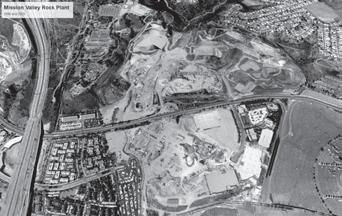
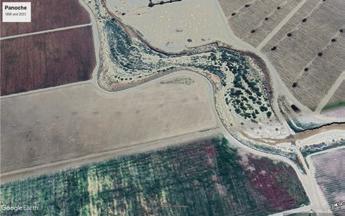
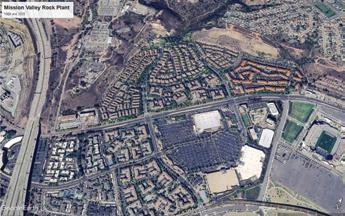
Over time, reclaimed mines across California have become housing developments, schools, parks, agricultural lands, wetlands, flood control facilities, habitat preserves, and open space. SMARA encourages reclamation concurrent with mining activities so that many mines restore habitat and undertake other reclamation activities as they mine. While satellite imagery enables us to highlight high-visibility

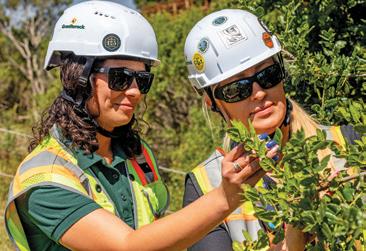
Below: Jacquie Borges, Environmental Engineer, and Rachel Reed, Senior Land Use Specialist at Graniterock’s 21.6-acre A.R. Wilson Quarry revegetation area, featuring coast live oak woodland, grassland, and scrub species.
conversions of final reclamation of land to residential or commercial use, it should be emphasized that mines reclaim to landforms suitable for such development. The majority of reclaimed mine lands return to open space or naturalized conditions reflecting California’s broader land-use reality.
According to the California Natural Resources Agency’s 2022 Nature-Based Solutions strategy, only a small fraction of the state’s land, roughly six percent, is developed. Most landscapes remain open space, agricultural, or managed for natural resource values as over 25% of the state is durably conserved. Mine reclamation outcomes likely mirror that distribution.
SMARA has become one of the state’s most dynamic laws and a model for updating old
frameworks. Legislative updates, including major reforms in the early 1990s and later modernization efforts such as AB 1142 in the last decade, strengthened financial assurance bonding, clarified state oversight, and improved consistency across jurisdictions. These updates reinforced the act’s original purpose while adapting it to contemporary expectations.
Throughout these changes, SMARA has remained distinct from environmental statutes governing pollution control. As Assemblymember Byron Sher (D-Palo Alto) later emphasized, SMARA is fundamentally a land-use and reclamation law, complementary to environmental frameworks.
As California navigates climate adaptation, housing affordability, infrastructure renewal, wildfire
safety and critical mineral supply chains, SMARA’s relevance is growing. SMARA’s story demonstrates that resource development and environmental stewardship can work in tandem, and that long-term planning can align economic necessity with land restoration.
Throughout the 50th anniversary year, CalCIMA will highlight reclamation outcomes, historic investments, and modern success stories that illustrate how the act has worked in practice. These stories, grounded in real landscapes, partnerships, and communities will help inform industry, policymakers, educators, and the public about a law that quietly shaped California’s working lands for half a century.
This article is only the beginning of a series of activities and articles this year to recognize the accomplishments of SMARA. n








By Erik Turner, Director of Legislative Affairs, CalCIMA
California’s ongoing transition toward more sustainable infrastructure reached a significant milestone with the enactment last year of AB 978 by Assemblymember Josh Hoover (R-Folsom), a measure designed to expand the use of recycled construction materials.
The legislation strengthens and modernizes local specification requirements, ensuring that cities and counties allow at least the same level of recycled material use permitted under Caltrans’ Standard Specifications. This includes up to 25 percent reclaimed asphalt pavement (RAP) in asphalt mixtures, the use of base with recycled concrete and asphalt, and concrete with recycled aggregate, fly ash, and other materials. Furthermore, by removing the sunset established under AB 2953 (Salas, 2022), the bill makes these requirements permanent and creates greater consistency across jurisdictions.
“AB 978 is a constructive step toward promoting the consistent use of recycled materials in local street and highway projects, helping California reduce waste and support its sustainability goals,” said Assemblymember Hoover. “I want to acknowledge the dedication and collaboration that made the successful passage of this bill possible. I extend my sincere thanks to CalCIMA for their support throughout this effort, and I look forward to continuing work in this important area.”
At its core, AB 978 addresses a longstanding gap between state policy and local practice. While Caltrans and the private sector have made steady advances in material recycling technologies, many local agencies have lagged in adopting these methods, often out of administrative caution rather than performance considerations. California currently ranks 30th out of 34 states reporting RAP utilization, despite research confirming that recycled mixes match or exceed the performance of conventional asphalt and despite successful use of higher RAP percentages—up to 40 percent—on private projects such as large technology campuses. AB 978 is intended to accelerate the statewide transition to modern, resource-efficient paving practices by requiring local governments to integrate these proven techniques
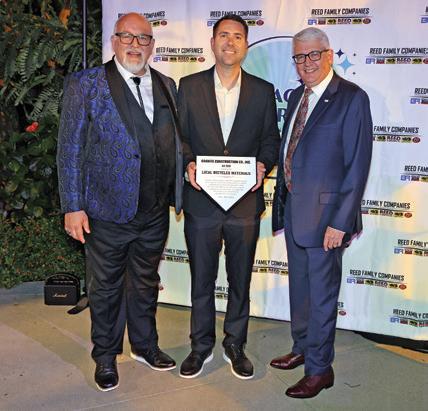
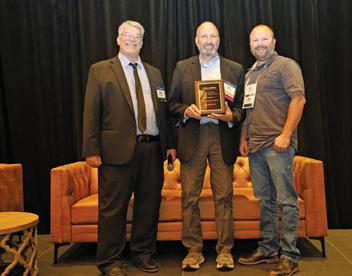
the AB 978 Local Recycled Materials Award to James Hancock, Quality Control Manager, Granite Construction, at the CalCIMA banquet.
unless they can provide a specific rationale for deviating from state specifications.
Granite Construction Co., Inc., which sponsored the bill, emphasized the alignment between sustainability and sound business practice. “This achievement illustrates how responsible sustainability practice is also good business. Now that the governor has signed the bill, we can look forward to sustained, and potentially increased, use of RAP by cities and counties across the state. We greatly appreciate CalCIMA’s support to get this effort across the finish line,” said Don Roland, Granite Construction’s Manager of Construction Materials.
The sustainability implications are substantial. RAP, for instance, is one of the most recycled materials in the United States.
Nationally, more than 94 percent of RAP is reused in new asphalt mixtures, displacing the need for virgin aggregate and binder potentially reducing both project costs and environmental footprints. The use of RAP in new pavements reduces greenhouse gas emissions, conserves aggregate resources, and saves landfill capacity. According to the National Asphalt Pavement Association, between 2009 and 2019, increased RAP utilization nationally resulted in a net reduction of 21.2 million metric tons of CO2-equivalent emissions— equal to removing roughly 460,000 passenger vehicles from the road for a year. In 2019 alone, RAP recycling saved nearly 59 million cubic yards of landfill space. Cost savings are equally notable: the average use of 21 percent RAP in asphalt mixtures saves approximately $7.80 per ton compared to mixes made solely from virgin materials.

AB 978 aligns local policy with these demonstrated benefits and supports broader state goals for climate resilience, waste reduction, and cost-effective infrastructure maintenance. The bill preserves flexibility for local agencies by allowing them to exceed Caltrans’ maximum recycled content levels where appropriate and ensures accountability by requiring them to provide justification when deviating from state specifications for feasibility or cost reasons. This balanced approach promotes innovation while recognizing the diverse geographic and operational conditions faced by local governments.
For CalCIMA members, AB 978 underscores the industry’s role in advancing material efficiency and resilient infrastructure. By creating a more uniform statewide framework, the bill helps ensure that recycled materials—already widely validated by decades of research and field
performance—become a standard tool for lowering emissions, reducing waste, and extending the life of California’s transportation network. The measure also positions local agencies to benefit from the cost efficiencies and supply-chain stability that RAP and other recycled materials provide, further aligning state climate goals with practical, on-the-ground project delivery.
As implementation moves forward, CalCIMA will continue supporting public agencies and industry partners in integrating recycled materials into pavement management strategies and in advancing the state’s long-term sustainability objectives. AB 978 represents a durable step toward a more circular and climate-aligned infrastructure system—one in which California’s roadway construction practices increasingly reflect the environmental and economic imperatives of the decades ahead. n


By Adam Harper, Senior Director
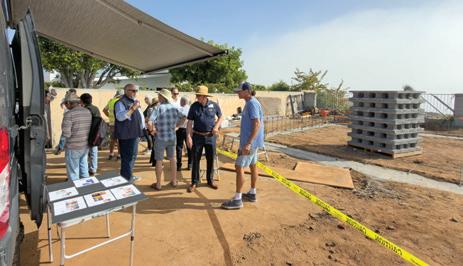
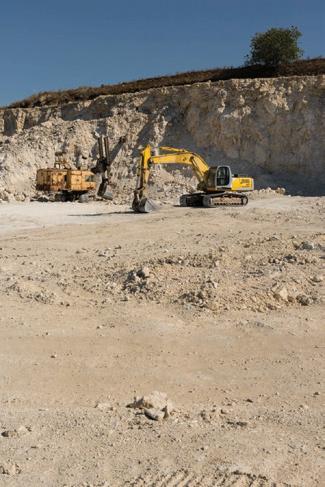
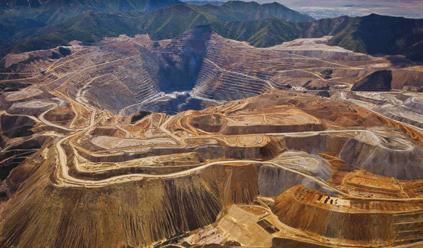
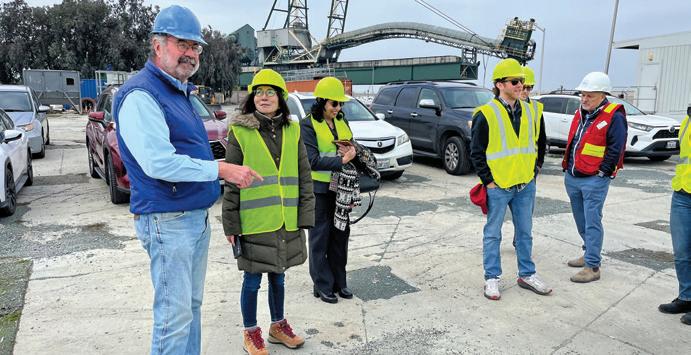
ecently, Erik Turner, CalCIMA’s Director of Legislative Affairs, and I were invited to tour Blue Planet Systems’ Pittsburg, California facility alongside representatives from the California Air Resources Board (CARB) and the California Energy Commission (CEC). We welcomed the opportunity to evaluate an emerging carbon sequestration technology that uses the chemical properties of recycled concrete to mineralize carbon dioxide into limestone aggregate for use in new concrete. While it may sound like magic, it is chemistry.
Although the process was not operating during our visit, Blue Planet staff provided a detailed technical briefing that clarified both the process and several common misconceptions. The technology relies on large quantities of recycled concrete, but that material is not consumed or incorporated into the final aggregate. Instead, recycled concrete supplies alkalinity to a solution, enabling dissolved carbon dioxide, sourced from waste effluent streams or ambient air, to react and precipitate limestone. The resulting material is then separated, dried, and formed into aggregate suitable for concrete applications. This approach differs meaningfully from most other carbon-reduction strategies in the concrete sector. Many current efforts focus on reducing the carbon intensity of concrete by improving efficiency during cement manufacture, such as through alternative cements or supplementary cementitious
materials or by incorporating technologies that reduce or mineralize CO2 during concrete production. Blue Planet’s process instead removes CO2 from the air or industrial streams and mineralizes it into limestone, which is then encapsulated in concrete.
The technology, however, is not a silver bullet. Blue Planet was clear that meaningful production depends on access to large volumes of recycled concrete. Even in highly developed regions such as the Bay Area or Los Angeles, facilities are envisioned to produce on the order of 100,000 tons of aggregate annually. While that volume is significant in isolation, it is modest in context: in 2022, California produced roughly 127 million short tons of construction aggregates (sand, gravel, and stone), underscoring the vast scale of aggregate use relative to the volumes emerging carbonmineralized technologies might supply.
As a result, while the technology has genuine potential to sequester carbon, it would supply only a small fraction of the aggregate required each year for concrete use in California. This scale limitation complicates how the material might fit within emerging policy frameworks related to embodied carbon accounting, offsets, or sequestration credits. Questions of scalability and system-level impact were clearly among the issues CARB and CEC representatives were evaluating during the visit, though I do not know what conclusions they may ultimately reach.
I left the tour impressed by the potential to directly sequester carbon from effluent streams, but also keenly aware of the logistical challenges involved in scaling the process. Waste concrete is the critical input, yet it is primarily generated across thousands of dispersed construction sites and is typically reused as a low-value fill

Land Use and Environmental Planning / CEQA and NEPA Compliance
Construction Materials, Industrial Minerals, and Metal Mining / SMARA Compliance
Air Quality & Permitting Services
Environmental Health and Safety and Regulatory Compliance and Permitting
Hazardous Materials and Hazardous Waste Management
Groundwater and Surface Water Studies and Permitting
Geologic and Mineral Resource Assessment and Characterization
Comprehensive Transactional Due Diligence Services
Environmental Site Assessment and Investigation
Industrial Hygiene / Support to Legal Counsel / Training


By Erik Turner, Director of Legislative Affairs, CalCIMA
Wildfires are increasingly understood not only as natural disasters, but as major environmental events with long-lasting climate, air quality, water quality, and public health consequences. In California, wildfires that burn through the wildland–urban interface (WUI) and other areas release vast quantities of greenhouse gases, fine particulate matter, and toxic compounds derived from the combustion of buildings, vehicles, and household materials. Research has shown that emissions from burning structures are often more chemically complex and hazardous than those from vegetation alone, introducing heavy
metals, synthetic chemicals, and persistent pollutants into the air, soil, and watershed systems. These impacts extend well beyond the fire footprint, degrading regional air quality, contaminating water supplies, damaging ecosystems, and compounding climate change through avoidable emissions.
As wildfire frequency and severity continue to rise in California, rebuilding decisions have become a critical environmental policy lever. In response to the LA fires last year, CalCIMA and our Building With Resilience (BWR) initiative partners have prioritized noncombustible construction as a cornerstone of wildfire resilience and environmental protection.

A growing body of empirical research demonstrates that homes built with noncombustible materials—such as concrete, masonry, and steel—are far more likely to survive wildfire exposure. Studies of recent California fires consistently show that structural ignition, rather than direct flame contact from vegetation, is a primary driver of community-scale loss. Ember intrusion and radiant heat ignite combustible roofs, siding, and eaves, allowing fires to spread from structure to structure.
Peer-reviewed analyses of Southern California wildfires find that fire-resistant construction materials are among the strongest predictors of structure survival,
even when controlling for landscape and weather conditions. Post-fire assessments following the 2018 Camp Fire further demonstrate that homes built to newer California WUI building standards survived at nearly three times the rate of older construction.
From an environmental perspective, these findings are consequential. Each home that does not burn represents avoided emissions, toxic releases, and debris disposal. National Academies research has emphasized that urban-material combustion during wildfires contributes disproportionately to hazardous air pollutants, including dioxins, heavy metals, and microplastics. A study conducted by researchers at the University of Chicago found that the increase in emissions due to wildfires in a single year (2020) was about two times the reductions achieved from 2003 to 2019. If the carbon dioxide from wildfires were counted against California’s emissions targets, the carbon emissions from California’s 2020 fire season alone would account for 49 percent of the state’s 2030 emissions target. Reducing the volume of combustible structures in fireprone areas directly lowers these environmental impacts when fires occur.
The environmental benefits of noncombustible construction extend well beyond immediate fire suppression. Wildfire smoke is now a leading driver of poor air quality days in California, with documented impacts on respiratory health, agricultural productivity, and ecosystem function. UC Davis environmental health research underscores that particulate matter from wildfires can travel hundreds of miles, settling into waterways and soils and impairing downstream ecosystems.
By reducing structural ignition and fire spread, resilient construction lessens the cumulative emissions
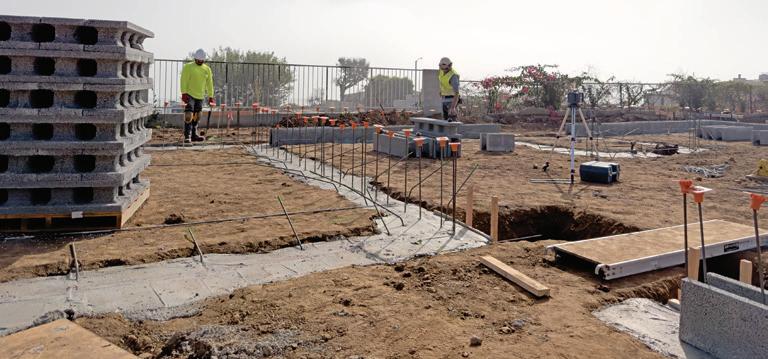
released during WUI fires. This mitigation effect is especially important as climate-driven fire seasons lengthen and overlap with periods of atmospheric stagnation, amplifying pollution exposure.
In this context, building wildfireresilient communities functions as a form of environmental prevention— limiting the scale and intensity of pollution events before they occur.
Noncombustible materials also deliver lifecycle environmental advantages. Resilience frameworks consistently find that durable materials reduce the frequency of repair and rebuilding cycles, lowering long-term material throughput, construction waste, and associated emissions. When integrated with modern energyefficiency standards, resilient buildings can achieve strong performance outcomes without increasing per-square-foot costs, aligning wildfire mitigation with broader climate and sustainability objectives.
CalCIMA’s wildfire-resiliency agenda reflects this growing convergence between disaster mitigation and environmental policy. Through sponsorship of Senate Resolution 61 (Pérez, Allen), CalCIMA helped elevate legislative recognition that rebuilding with noncombustible, fire-resistant materials is a matter of statewide public interest. SR 61 frames wildfire resilience as a systems-
Above: Builders in Sunset Mesa began rebuilding after the Palisades Fires using ICCF, or insulated composite concrete form.
level issue—linking land use, building codes, insurance markets, and environmental protection—and calls for coordinated action to reduce structural vulnerability in high-risk regions.
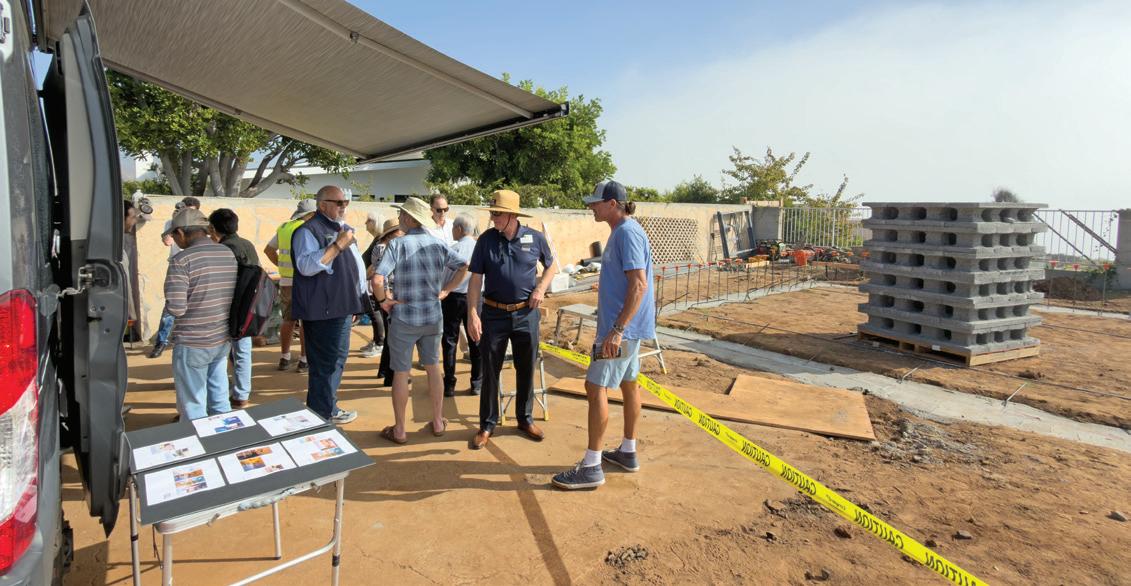
Complementing this legislative work, CalCIMA and the California Nevada Cement Association (CNCA) launched Building With Resilience (BWR), a collaborative initiative designed to translate policy into practice. BWR provides technical education, research synthesis, and real-world case studies to homeowners, architects, contractors, insurers, and local governments. Its central premise is straightforward: reducing the amount of combustible material in the built environment reduces fire spread, structural loss, and the environmental impacts that follow. This approach received national attention during a CalCIMAsupported press event in Malibu, highlighted by the Los Angeles Times and other media outlets, which documented how residents of Sunset Mesa are rebuilding with insulated composite concrete forms and other noncombustible systems after the Palisades Fire. The reporting highlights a “herd immunity” effect, in which clusters of fire-resistant homes can shield neighboring properties
by interrupting ember-driven fire spread. From an environmental perspective, this neighborhoodscale resilience model offers a pathway to materially reducing emissions and toxic releases during future fires.
Insurance market responses further reinforce the environmental case. As insurers increasingly recognize the risk-reduction benefits of noncombustible construction, communitywide adoption can expand insurability while incentivizing building practices that reduce catastrophic loss. By lowering the probability of large-scale burn events, resilient construction reduces the environmental costs that ultimately burden public health systems, water agencies, and state disaster budgets.
Economic analyses cited by Headwaters Economics and other institutions indicate that wildfireresistant construction yields
exceptionally high benefit-cost ratios, in some cases exceeding 30:1, by avoiding structural losses and cascading economic impacts. When environmental damages—air pollution, water contamination, debris disposal, and greenhouse gas emissions—are considered alongside direct losses, the public value proposition strengthens further.
Critically, research also shows that mandatory building codes outperform voluntary measures in delivering these benefits. This finding has direct policy implications: achieving environmental and resilience outcomes at scale requires consistent standards that normalize noncombustible construction in high-risk areas, rather than relying on individual choice alone.
As California adapts to a hotter, drier, and more fire-prone future, wildfire resilience must be understood as environmental
policy. CalCIMA’s work through SR 61, Building With Resilience, and community-level engagement demonstrates that building materials matter—not only for protecting homes, but for protecting air quality, ecosystems, and climate stability.
Every structure that does not burn reduces emissions. Every neighborhood that resists fire spread lowers environmental harm. By advancing noncombustible construction as a mainstream rebuilding strategy, CalCIMA is helping shift wildfire response upstream—away from repeated disaster recovery and toward prevention that delivers measurable environmental benefits for California. n

By CalCIMA Members
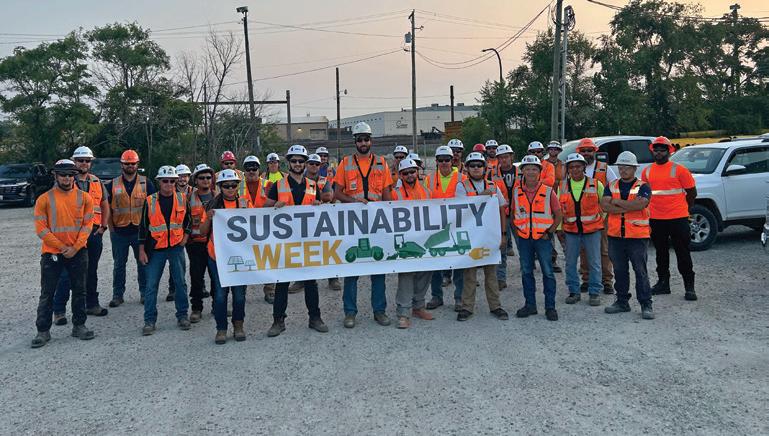
Granite Sustainability Week
Granite’s fourth annual Sustainability Week engaged teams across the company with this critical core value. Operational regions celebrated through sustainability-themed events, contests, and volunteering
Holliday Rock’s Headquarters in Upland, CA has achieved US EPA ENERGY STAR® certification, earning an impressive score of 93 when compared to similar buildings. This accomplishment places the facility among the topperforming buildings nationwide for energy efficiency. Upgrades the building has undergone include LED lights, Level 2 EV chargers, and on-site solar power. Additionally, Holliday Rock’s Asphalt Plant on Campus Avenue in Upland has also achieved Energy Star certification. This
activities like beach clean-ups. One region even had a series of unique challenges throughout the week, including a food drive and a clean transportation day. Company-wide leadership messages, educational articles, and webinars focused on leveraging sustainability as a competitive advantage with the theme “Sustainability Value Add.”
Granite Construction celebrated its Sustainability Week on August 4-8, 2025. Its theme was "Sustainability Value Add." Keep an eye out on social media for Granite's 2026 Sustainability Week, happening August 10-14.
Granite’s Needles Third Main Track Project Advances Sustainability and Wins Constructors Award
The Associated General Contractors of California of California recognized Granite’s Needles Third Main Track project with the 2025 Constructors Award in the Heavy Civil ($25M to $50M) category. The project, located in Needles, CA, demonstrated how sustainable practices can drive environmental and financial performance by reducing materials hauling, lowering fuel consumption, sourcing materials on-site, and generating savings for the client. The project also maintained an impressive safety record, with more than 82K work hours and zero OSHA recordables.
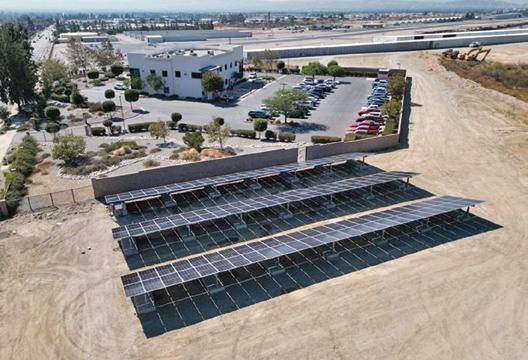
certification is newly available for asphalt plants this year and Campus is among the first 50 plants in the nation to qualify.
Holliday Rock achieved ENERGY STAR ® certification, and received upgrades including LED lights, Level 2 EV chargers, and on-site solar power.
These certifications reflect Holliday Rock’s ongoing commitment to sustainability, efficiency, and operational excellence.
Graniterock’s Wilson Quarry achieved 100 percent sustainable operations in 2025 through two on-site solar installations and the purchase of renewable energy from Central Coast Community Energy (3CE) during the offseason, when solar production is limited. This milestone demonstrates Graniterock’s commitment to clean energy and sets a strong example for both the construction materials industry and the communities it serves.
Scan to watch the full video.
Graniterock powers Wilson Quarry with 100% renewable energy in partnership with 3CE
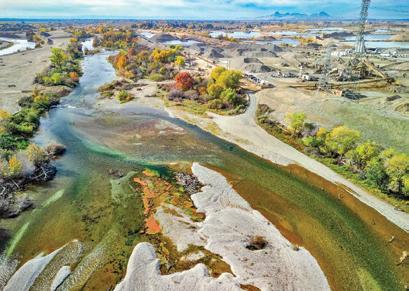
Hallwood Side Channel and Floodplain Restoration
Teichert Materials’ Hallwood Side Channel & Floodplain Restoration Project has successfully restored over 150 acres of floodplain and 7.8 miles of side channels along the Yuba River, enhancing salmon habitats and improving flood resilience for local communities. It was delivered in partnership with the Yuba Water Agency, U.S. Fish and Wildlife Service, CA Natural Resources Agency, and the South Yuba River Citizens League, and
other technical and governmental partners.
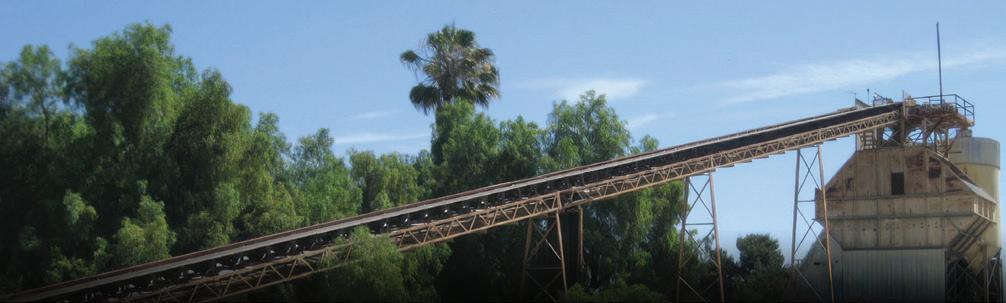
Teichert led the rough grading work to remove the middle training wall, and managed material processing at the Hallwood Plant situated immediately north of the project site, efficiently moving material using conveyor belts. Triangle Land Restoration played a key role in habitat restoration, strategically planting over 25,000 native willow, cottonwood, oak, elderberry, and other riparian species.
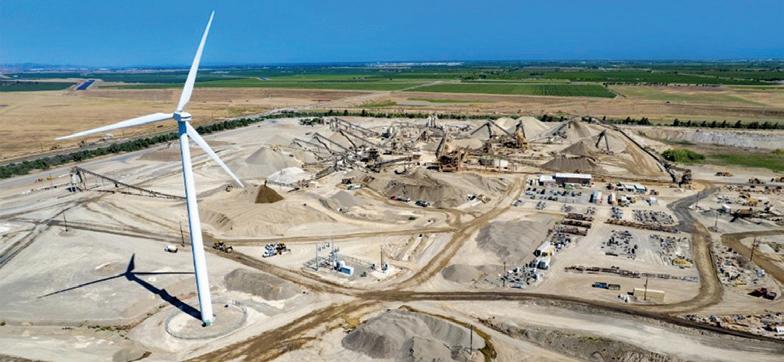
The 1.5 MW wind turbine at Teichert Materials’ Vernalis plant has produced more than 23 gigawatt hours (GWh) of clean electricity since 2010, the equivalent of more than 1,800,000 gallons of gasoline in clean, renewable energy, thereby avoiding more than 16,000 metric tons of CO2e. Teichert was the first company in northern and central California to install a large wind turbine on-site for use at a manufacturing facility. n


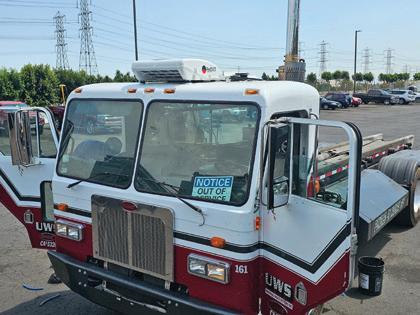
At G3 Equipment AC Specialists, we provide expert AC repair services for commercial fleets. Our skilled technicians ensure your systems operate safely and efficiently— keeping your vehicles running smoothly and your drivers safe and comfortable. • RED DOT Roof Top • Air Central • Mobile AC Hoses
PARTS IN STOCK FOR SALE

CalCIMA held its 2025 Education Conference on November 10-13 at Disney’s Grand Californian Hotel and Spa in Anaheim, California. Throughout the week, attendees had the opportunity to improve their leadership skills and connect with
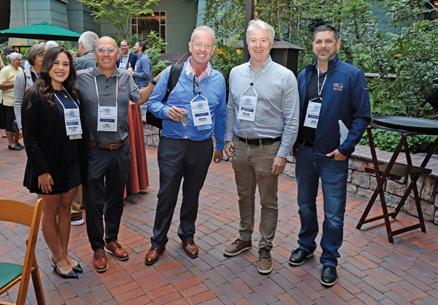

Attendees stop by the Fenner Dunlop booth during the Welcome Reception.
other members. Expert panels included artificial intelligence, carbon-smart practices, rebuilding with resiliency from wildfires, the latest developments in policy. Caltrans, the California Air Resources Board, University of California Pavement Research
Alexandria Pedrin, Calpine Energy Solutions (left), Jon Layne, Solomon Colors, Alistair MacDonald, CR Minerals, Patrick Frawley, Vulcan Materials, and Josh Hedden, Solomon Colors, connecting at the WoCIMA Mixer.
Center and the State Architect on CALGreen joined for technical talks on concrete and asphalt. The conference concluded with mining, concrete and asphalt breakout groups. Attendance was at an all-time high, with 370 attendees! n


Lilburn Corporation hosted a putting competition, which proved to be a popular stop for conference attendees.

Maurice Arbelaez, Instrotek (left), John Lamond, TransTech Systems, Sarah Sisson, All States Asphalt, Debbie Wells, CEMEX and Aimi Dutra, CRH Americas, networking at the WoCIMA Mixer.

Reed Family Companies sponsored the special guest appearance and photo opportunities with Mickey Mouse at the Awards Banquet, held on the Adventureland Lawn.
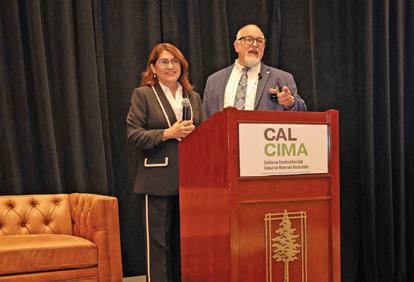
Assembly Member Sharon Quirk-Silva (left) and Robert Dugan, President/CEO of CalCIMA, take part in the welcome program kicking off the conference.
Mentalist magician Terry Tyson delivered the keynote presentation, The Magic in Leadership, and later performed at the Awards Banquet.
Dedication to the association, commitment to the membership, and outstanding support of the industry.
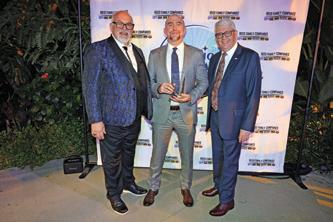
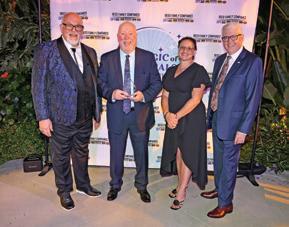
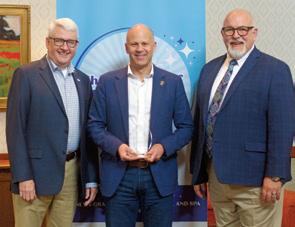
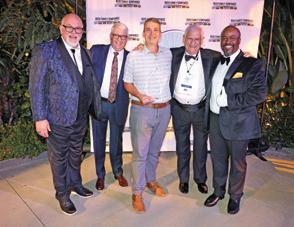
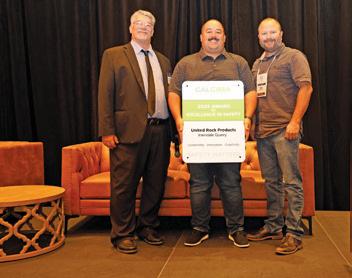
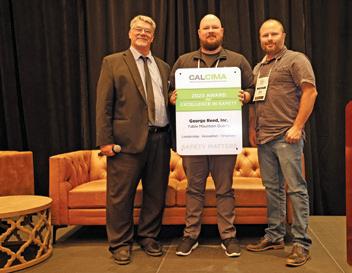
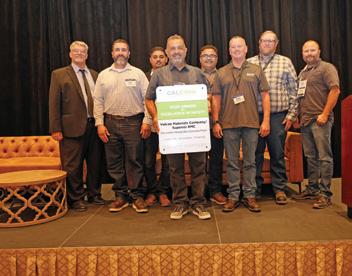
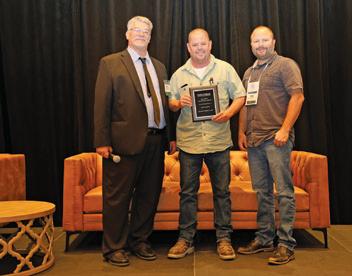
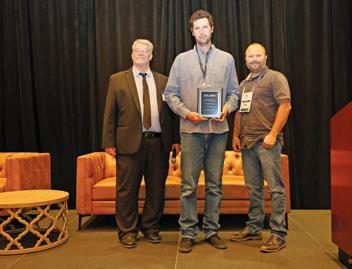
• Mixer Rollover: Russell Morton, National Ready Mixed Concrete
• ASR Performance Spec: Mark Hill, CEMEX
• Legislative Leadership - Recycling AB 978 (Hoover): Don Roland, Granite Construction
• Western Joshua Tree: Matthew Hinck, CalPortland; Bill Taylor, Robertson’s Ready Mix; Scott Williams and Ian Davies, Reed Family Companies; Mari Quillman, ECORP Consulting, Inc.; Rachel Reed, Graniterock
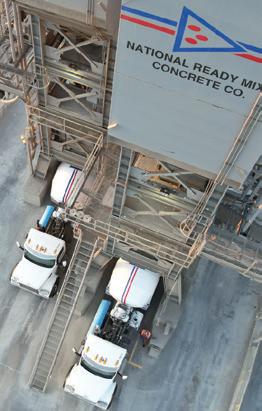
• NRMCC leads in sustainability by fully adopting Type 1L cement and introducing our Type 1T cement (LC3) the first in the Western U.S. with nearly 40% lower GWP than the OPC national average.
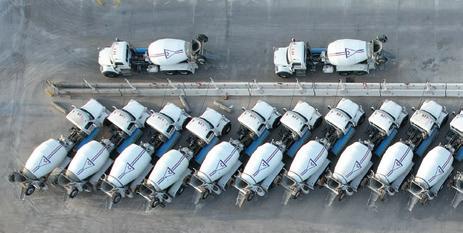
• Utilizing Type 1L (HS) low carbon cement to reduce embodied carbon and CO2 emissions.
• Providing innovative, high performance mix designs with third party verified Environmental Product Declarations (EPDs) available with every mix.
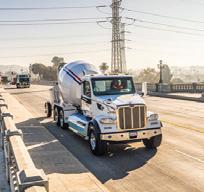
• Incorporating a large fleet of bulk material haulers (aggregate and cement) and concrete mixers that run on renewable natural gas RNG, reducing GHG emissions.
• Technically advanced, high production facilities providing superior quality and service throughout Los Angeles, Orange and Ventura Counties.
nrmcc.com























Industry Update
2026 looks to be another very busy year. We anticipate the Senate to pick up the progress the House made on permitting reform, and EMA will engage to get this over the finish line. There is a lot of movement at the Food and Drug Administration to redefine GRAS (generally-recognized as safe) and ultra-processed foods. Tariffs and trade will continue to be priorities as the Administration implements new rules. And finally, EMA will explore pathways to address Federal Mine Safety and Health Review Commission’s new definition of “significant and substantial” violations.
Mark your calendars for EMA’s 2026 Annual Conference, which will be held May 11-14 at Skamania Lodge in Stevenson, Washington. If you or someone from your company would be interested in speaking on issues relevant to the minerals industry, we’d love to hear from you. Please reach out to Jenny Martin at jennymartin@essentialminerals.org More information and registration details are available on our website, essentialminerals.org
Industry Update
NAPA’s Emerald Eco-Label (EEL) tool continues to roll out new features as road owners nationwide increasingly request environmental product declarations (EPDs) as part of bidding practices.
NAPA worked with Caltrans and Oregon DOT to streamline data entry for contractors using
open EPD’s data exchange format, which simplifies the EPD submission process while reducing the data entry errors. The third-party independently verified EEL tool also includes new toggling abilities to allow EPD owners full control over which entities can access their data. Publishers can keep EPD data private, share it only with customers, or allow for open access. EPDs in the EEL database that are set to public availability will be reflected in external databases like the Embodied Carbon in Construction Calculator (EC3), providing producers with exposure to clients who use embodied carbon as a factor in material and vendor selection.
Users can adjust mix design parameters and assess the impact of increased plant efficiency using The Optimizer function, which can help estimate energy efficiency savings and meet owner-specified embodied carbon reduction targets.
PCR/EPD Webpage is Live NSSGA has been working to become the program operator for the Construction Aggregates product category in relation to Product Category Rule (PCR) and Environmental Product Declaration (EPD) development. We are pleased to officially assume the role of program operator and to launch our new webpage that will be the central location for these activities. NSSGA has been in contact with many of the EPD vendors working in the aggregate industry and have been assured this transition
will not impact any previously published or currently developed EPDs. Many important decisions about the next update to the PCR will begin to take place in early 2026 with an application process for committee members, followed by a mid-cycle update. Please keep an eye out for an announcement and timeline early next year. Please visit the webpage by scanning the QR code and reach out to PCR@nssga.org with any questions.

Scan for more info.
While federal policy towards sustainability and the environment has shifted direction over the past year, NRMCA has continued to support members in addressing state and local regulations, end user requirements, and construction specifications for sustainability while meeting resilience objectives.
In 2025, NRMCA collaborated with partner associations to deliver workshops on blended cements and other topics nationwide, and we will once again be partnering with the American Cement Association to deliver panel presentations on this topic at NAHB Committee meetings ahead of the International Builders Show in Orlando in February.
NRMCA has advanced revisions to the Concrete Product Category Rule (PCR) and is conducting analysis for the revised Industry Average Environmental Product Declaration (EPD) and Regional Benchmark report, which are both anticipated to be published in Q1 of this year.
NRMCA and NSSGA will host their annual conventions at the Fontainebleau Las Vegas February 28-March 2, ahead of CONEXPOCON/AGG, where NRMCA serves as a principal sponsor. NRMCA will be delivering education sessions at the show on topics including but not limited to Evaluation of Cementitious Materials for Concrete Performance, Engineering Resilience: Concrete Innovations that Reduce Operational Expenses, and Concrete Innovations: Pathways to Reducing Carbon Footprint. n

Building a better future for our families, our communities and our region since 1900.

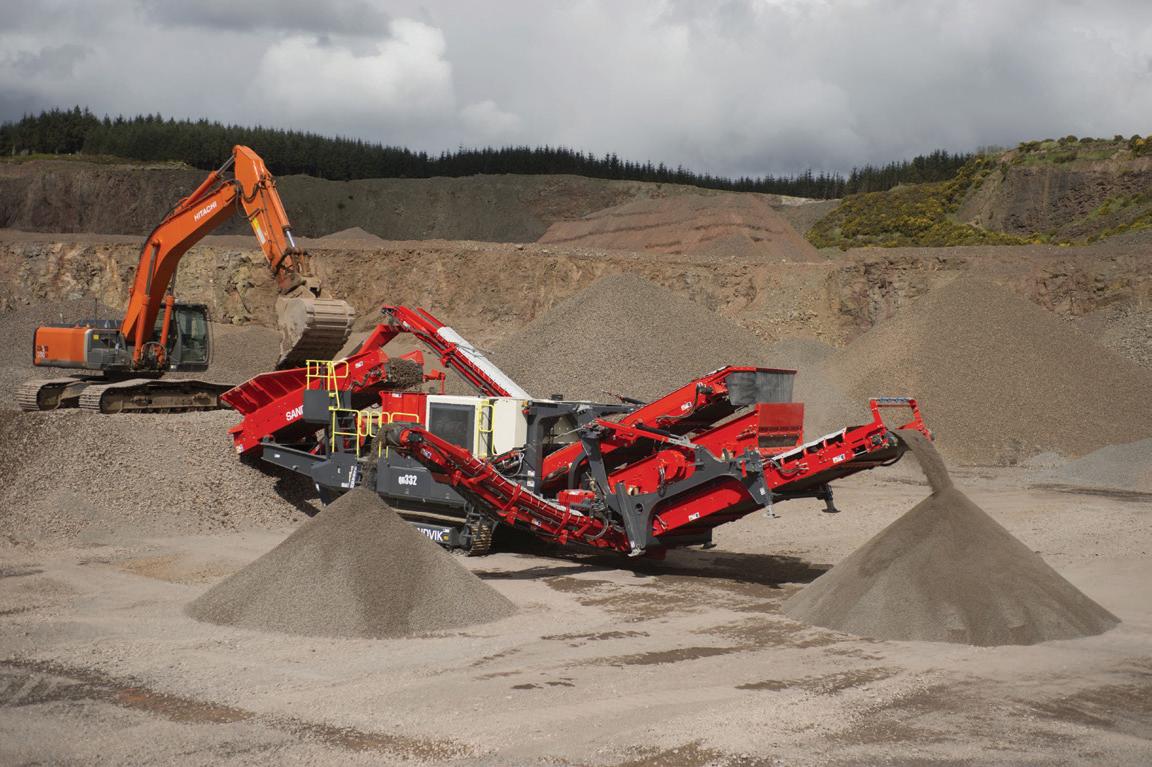
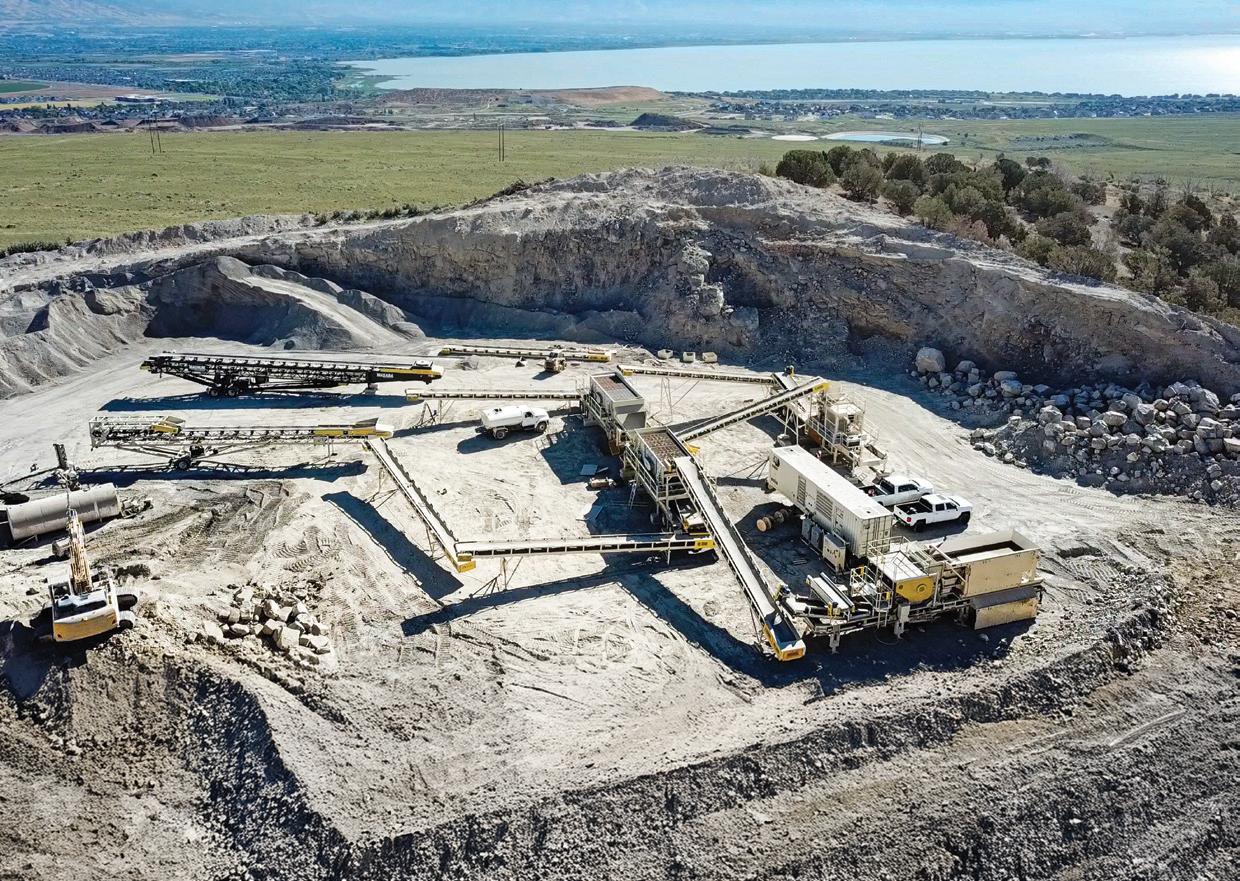
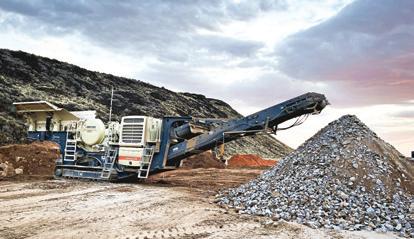
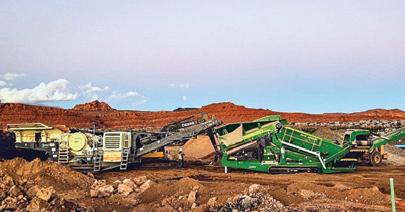
Sandvik we have combined years of industry expertise and the latest advances in technology to develop pioneering mobile crushing and screening solutions for you. Utilizing Sandvik’s renowned, proven technology and smart process solutions, such as My Fleet remote monitoring, our equipment is designed to increase operational efficiency, optimize productivity and maximize uptime.
vcesvolvo.com


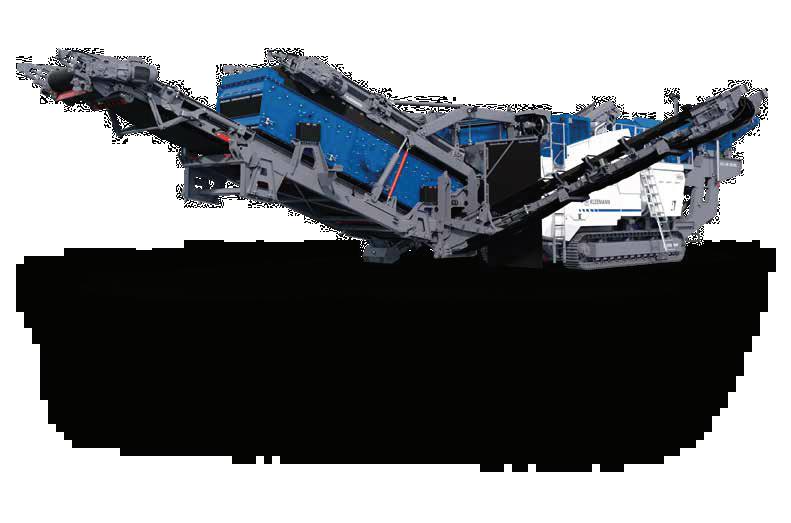


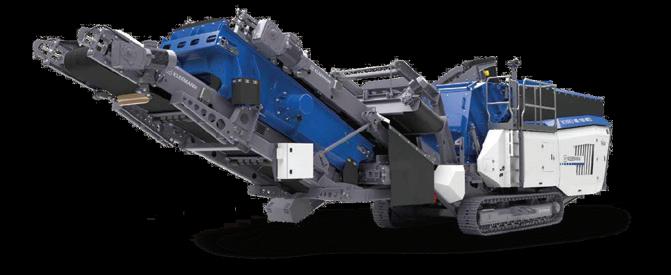
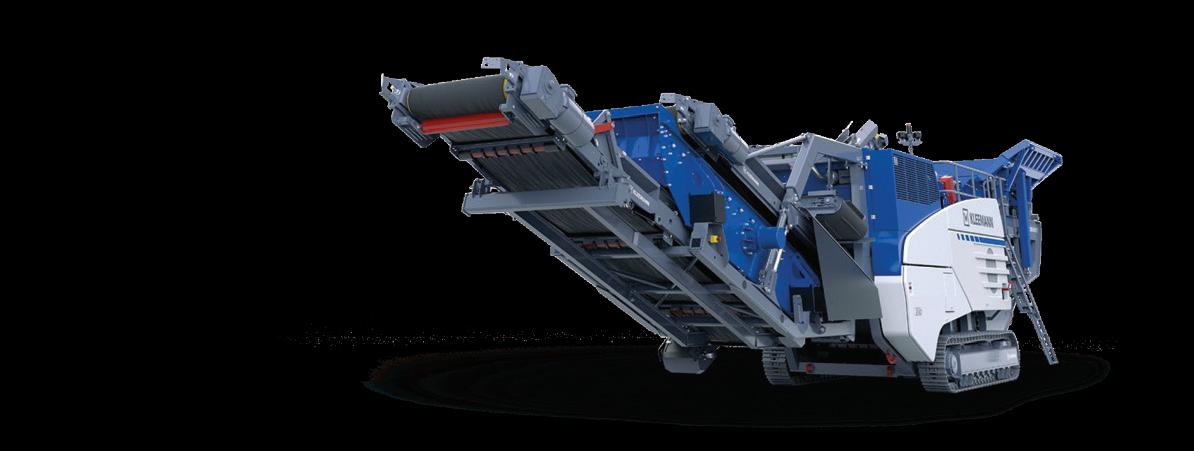
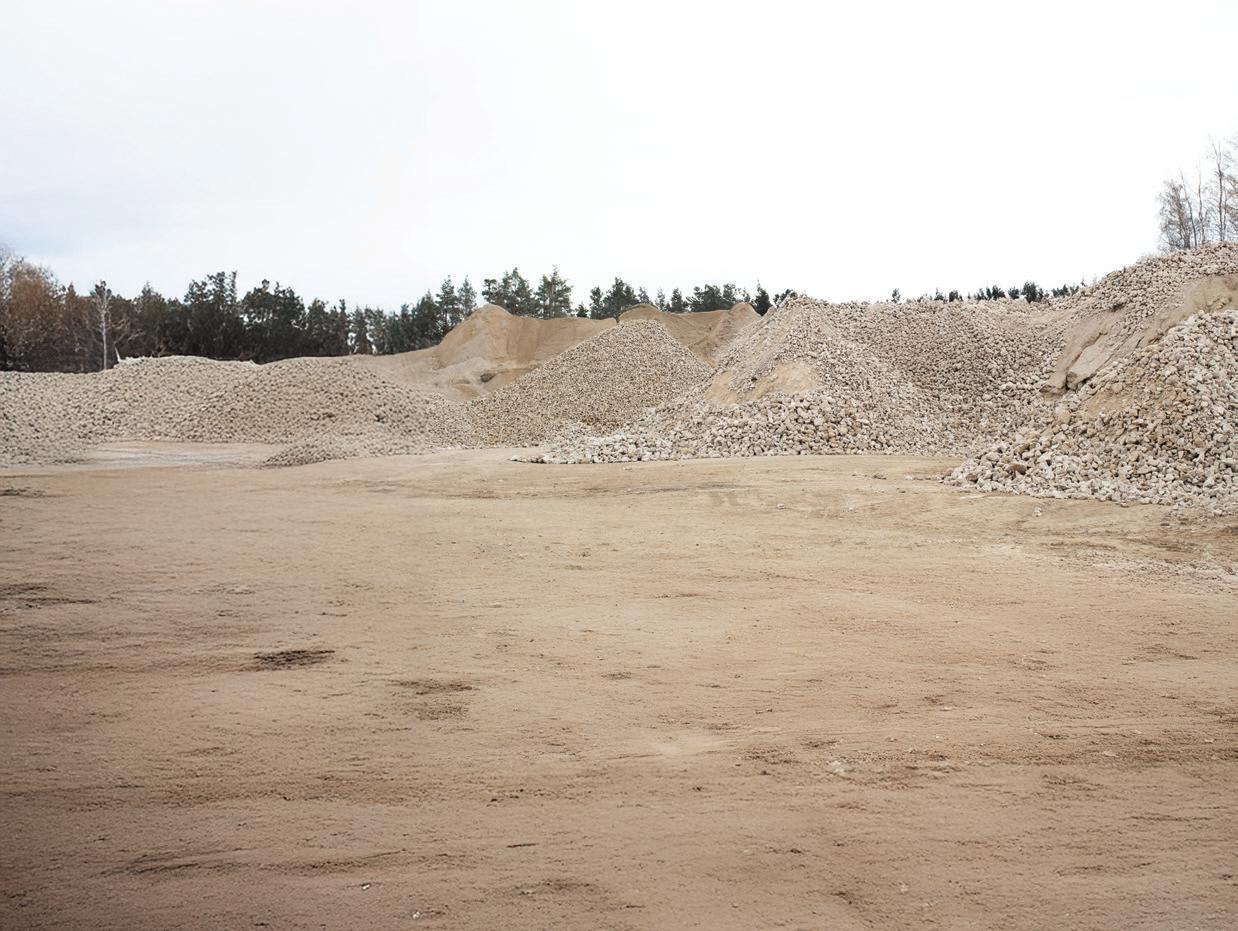
The mobile MOBIREX impact crushers are used in soft to medium-hard natural stone and in recycling. The performance of the plants is impressive – not just in terms of pure volume reduction. The focus today is on cost and environmental awareness, availability, versatility and, above all, the quality of the end-product to be achieved. The MOBIREX plants crush stone so e ciently that the grain shape, grain size distribution and cleanness comply with the strict standards for concrete and asphalt aggregates.