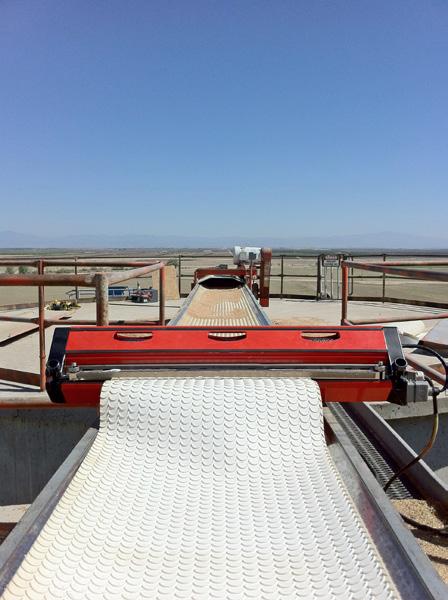


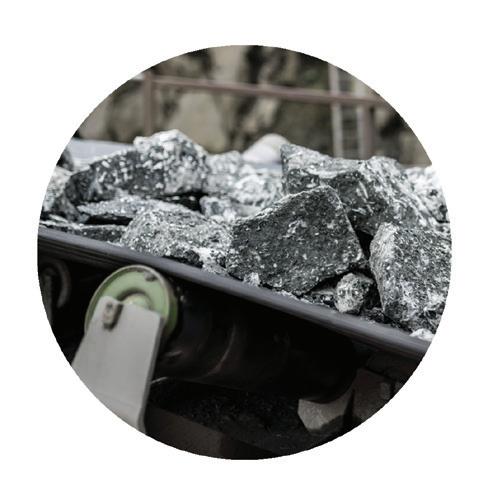
It’s the foundation of the strongest conveyor belt you’ve ever used.
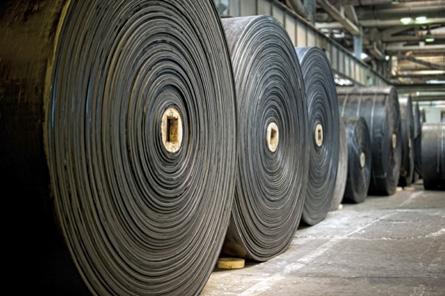
At Fenner Dunlop, our domestic manufacturing model ensures that everything from weaving and treating the fabric and finishing the final belt is done close to our customers.
Fenner Dunlop’s Weaving and Treating Facility in Lavonia, Georgia, USA
Tough Belts For Tough Applications For industrial and mining conveyor belt sales, call: 1-(800)-661-2358. www.fennerdunlopamericas.com




CHAIRMAN'S LETTER
Safety and community remain top priorities
PRESIDENT & CEO MESSAGE
Connecting the Dots: Safety, community, and the responsibility we carry
FEATURE STORY
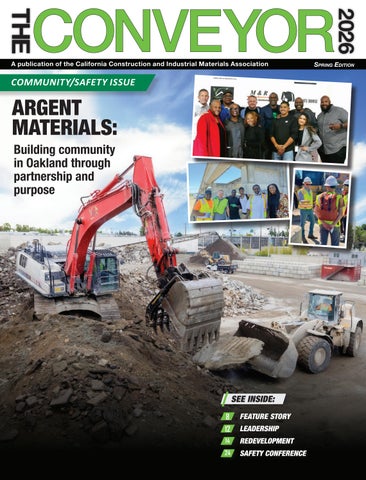
Argent Materials: Building community in Oakland through partnership and purpose
LEADERSHIP
7/11 Materials mine operator transforms protocols at Coyote Pit
REDEVELOPMENT
From mine to community asset: Granite Regional Park and the progress of mine reclamation in California
PHILANTHROPY
Members give back
ADVOCACY
Building California: Inside CalCIMA’s 2026 Legislative Summit
SAFETY CONFERENCE
Safety in bloom at CalCIMA’s 2026 Spring Thaw
NATIONAL ASSOCIATION NEWS
The Conveyor is a publication of the California Construction and Industrial Materials Association. The views expressed herein are fixed expressions of the contributing writers and not of CalCIMA. All rights reserved.
CalCIMA
455 Capitol Mall, Suite 210 Sacramento, CA 95814 (916) 554-1000 www.calcima.org www.distancematters.org
P.O.
(909) 772-3121
Publisher Kerry Hoover khoover@calcontractor.com
Graphic Designer Aldo Myftari
Editor Julia Maldonado, Communications Coordinator, CalCIMA
Editorial Contributors Adam Harper, Senior Director of Policy, CalCIMA
Erik Turner, Director of Legislative Affairs, CalCIMA
Jason Stevenson, Safety Manager, 711 Materials
Suzanne Seivright-Sutherland, Director of Regional Government Affairs and Grassroot Operations, CalCIMA
The
This issue of the Conveyor features articles central to construction and industrial materials producers – safety and community relations. Two topics that for me deserve top billing in any industry discussion.
“Sending everyone home safe every day” resonates deeply in our mining, asphalt, readymix concrete and related industries at multiple levels simultaneously — moral, operational, and cultural. At its core, every worker is someone’s spouse, parent, child, or friend. The people operating in our businesses have families expecting them home at the end of the shift. No tonnage target, no margin improvement, no schedule pressure justifies compromising that.
From my observation, a safe culture is highly visible and hard to fake. Crews watch what supervisors do when production pressure conflicts with safety. As many of us have come to understand, if a supervisor ever signals — even once — that tons or yards matter more than safety, that message spreads instantly and undermines everything.
Conversely, a superintendent who genuinely stops production for a hazard builds credibility that no safety poster or training program can replicate.
The same commitment to excellence applies to community relations. We operate at the goodwill of our neighbors. A producer with
poor community standing faces an uphill battle every time it needs a new permit or expansion approval. From what I’ve seen firsthand, producers who host public events, sponsor community activities and build trust with neighbors earn real dividends in return.
I’ve come to believe it’s less about OSHA or MSHA incident rates - it’s about the person standing next to you. And it’s less about regulatory compliance and fines – it’s about what your neighbors genuinely think. As our industry incident rates continue to decline and as we get better educating neighbors about the real value we bring to local communities, we are making our case that we are indeed essential and a great industry to work in.
Fittingly, this issue of the Conveyor shares many stories highlighting our members’ safety and community relations successes. I am fortunate to serve as chair for an industry that is passionate about safety and community relations. The measure of our industry isn’t just the tons we mine or the roads we pave — it’s whether every person who builds them gets home safe, and whether every community that hosts us is genuinely glad we’re there. n
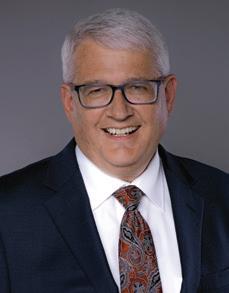
Dana Davis President - Teichert Materials CalCIMA Chairman


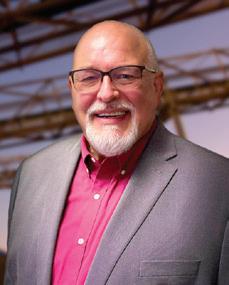
As our Chairman rightly points out in this issue, safety is job one in our industry. It has to be. In our business, safety is more than a priority—it’s a value. Priorities can shift. Values do not.
The work we do— mining and manufacturing the materials that build California’s infrastructure and support everyday life—is demanding, complex, and at times messy. That reality makes our commitment to safety not just operational, but personal. It is how we honor one another in the important work we do.
Each year at our Spring Thaw safety conferences, that commitment comes into sharper focus. Stepping back to reflect and learn—together as an industry—reinforces that safety is not a program, it is culture. In the field, in how we train, and in how we lead. It is something we carry into our operations every day—and something we are responsible for, every single day.
Safety is job one. Community engagement is a very close second. Everything we do depends on the partnership of the communities in which we operate. Whether it is a mine, quarry, asphalt plant, or ready-mix facility, our ability to operate depends on trust. You can meet every regulation to the “T” and still lose your social license to operate—if you lose your community.
In the weeks following our Spring Thaws, we gathered in Sacramento for our annual Legislative Summit. What was clear in those conversations is that many of the challenges we face today are not rooted in bad intent, but in a lack of understanding. And when understanding is absent, Mis-perception often fills the gap,— which drives hostile legislation, and outcomes. That is on us.
We cannot assume understanding or trust. We cannot expect it. We have to earn it— community by community.
Without construction materials, there is no foundation for civilization. Without industrial, essential, and rare earth minerals, there is no technology, clean energy, or modern economy. We are not adjacent to California’s future, but foundational to its existence, durability, and sustainability.
Further, we know that our operations contribute more to environmental stewardship than many realize. From reclamation to habitat restoration, to water management and long-term land use planning, our industry has been practicing sustainability long before it became a policy mandate. But we have to show it.
As highlighted throughout this issue, we are marking the 50th anniversary of the Surface Mining and Reclamation Act—one of California’s most important environmental frameworks. For five decades, our industry has embraced that responsibility. This anniversary is more than a milestone, it is an opportunity. This is our chance to engage more deliberately with our communities and to connect the dots between what we produce, what it builds, and how we do it responsibly.
Ultimately, the success of our industry will not be decided solely in Sacramento. It will be decided in our communities—site by site, operation by operation, relationship by relationship. That’s how we secure our future.
Each of us has a role to play in that effort. When we lead with safety and earn trust in our communities, everything else becomes possible. n
Sincerely,

Robert Dugan President/CEO CalCIMA
So much goes into securing your mining approvals. Maximize your investment by maintaining those rights. Keep that open mine.
In a state where community and environmental requirements are never fixed for long, you need skill, patience and agility to see it through.
Benchmark Resources has earned the trust of more than 350 California operators, supporting them for over 30 years.
By Suzanne Seivright-Sutherland, Director of Regional Government Affairs and Grassroot Operations, CalCIMA
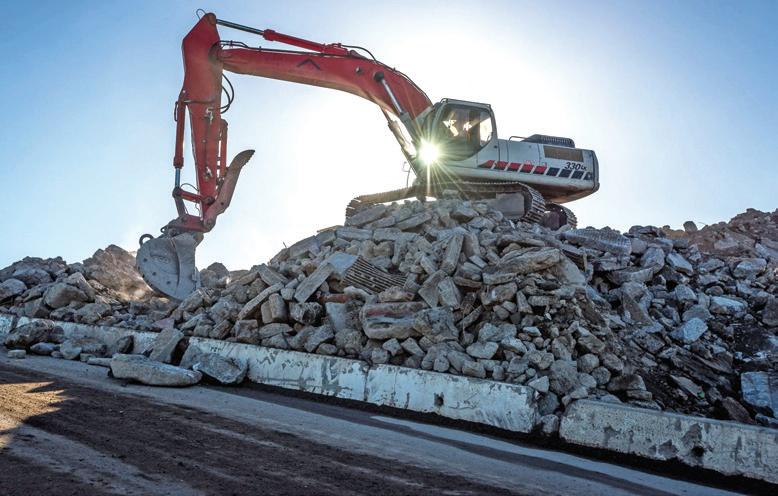
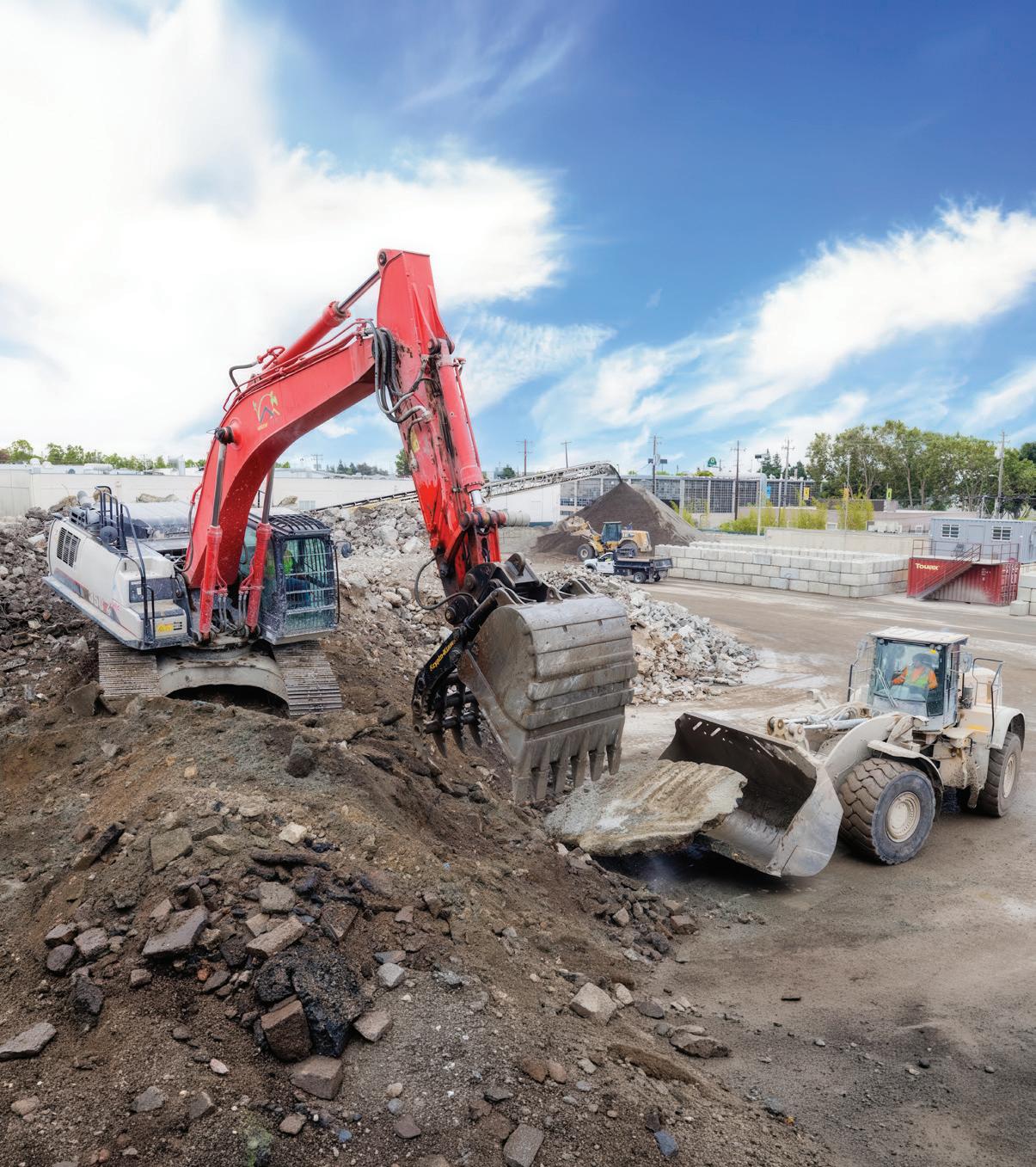
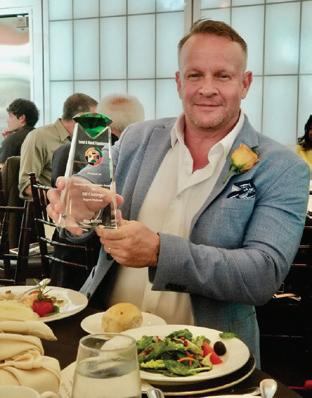
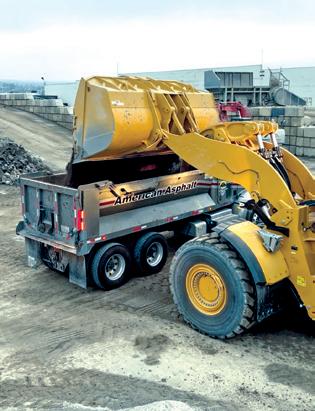
In the heart of Oakland, Argent Materials, a local recycler of concrete and asphalt materials, has established itself as more than a construction materials operationit’s a committed community partner. Argent embraces an approach that integrates operational excellence with thoughtful engagement, demonstrating how industry and community can move forward together.
Bill Crotinger is at the center of Argent’s approach. His leadership reflects both operational expertise and a deep commitment to community engagement.
“As founder and president, my role is similar to any manufacturing CEO, but with a much greater focus on community and the impact
our business has on the people around us,” Crotinger said.
With more than 35 years of industry experience and 13 years leading Argent, Crotinger has cultivated a culture grounded in listening, adaptability, and continuous improvement. His leadership has positioned Argent as a respected presence in Oakland and a model for others operating in complex environments.
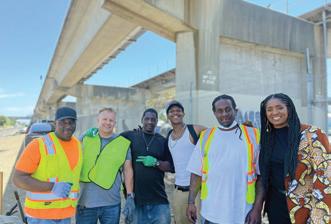
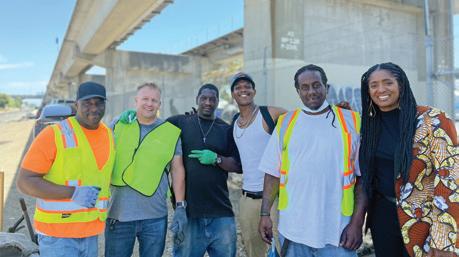
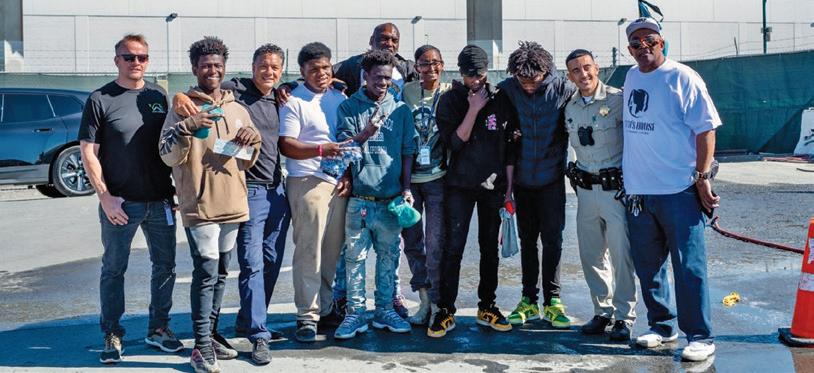
Argent Materials engages with its community year-round. From illegal dumping and stolen car cleanup, to highlighting the murals and local artists around their plant, Argent takes great pride in its community.
“Connecting with the community is the only way to build the relationships required to operate in an urban area,” Crotinger said. “We support and work with many groups that include but isn't limited to Arsola's House, Lifers Leaving a Legacy, East Oakland Bridges Coalition, Lend a Hand Foundation, Cypress Mandela Training Center, Homies Empowerment, Oakland Unified School District, The JTA (Journey to Achievement) Foundation, East Bay Clean Cities Coalition, Oakland Private Industry Council, East Bay Society for the Prevention of Cruelty to Animals, Oakland Beautification Council, Beat 31YZ, Sobrante Park Resident Action Committee, and many more.” In addition to these activities, Argent hosts a variety of community-focused events such as:
• 2025 Trunk or Treats
• Small Business Expos
• East Oakland Boxing Association holiday food drive
• Trash pickup in the surrounding neighborhood cleanups
• ‘Help Argent Remain Dust Free Program’
Argent’s work reflects a clear understanding that successful operations depend not only on production but also on trust, communication, and shared value. Its approach offers a strong model for producers navigating increasingly complex urban and regulatory environments.
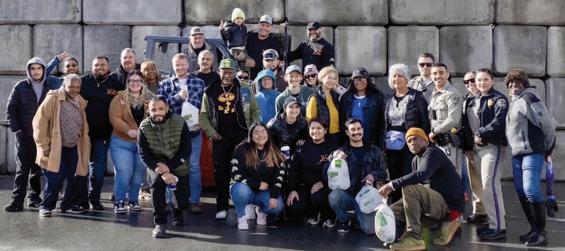
Proactive community engagement
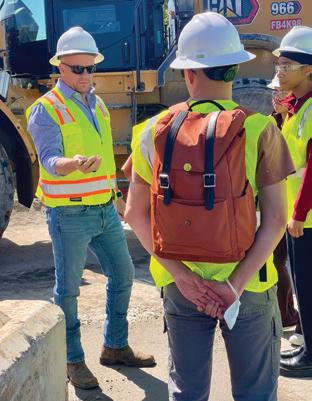
Argent prioritizes early and ongoing communication with local stakeholders, including neighborhood groups, local officials, and community organizations. “We have hosted many tours and open house events, and invited elected officials, local residents, and stakeholders to see what we're doing up close. We also regularly allow non-profits and others to use our properties for events including back-to-school fundraisers, environmental summits and car shows,” Crotinger said. The Argent team actively shares operational information, listens to concerns, and incorporates feedback when feasible, rather than waiting for issues to arise. “One of my biggest critics became a mentor and a friend,” Crotinger recalls. “He taught me that being defensive instead of first listening made it impossible for the community to trust that I was truly hearing them. Many of
1,500 families with turkeys, pies, and gift cards.
these discussions made me very uncomfortable-I learned to channel that discomfort into productive outcomes.”
Collaborative governance in action
Argent’s commitment to working alongside public agencies and community representatives is a defining feature of its approach. Through participation in forums such as East Oakland’s AB 617 Community Steering Committee, Argent has gained firsthand experience navigating diverse perspectives and contributing to meaningful dialogue. The AB 617 Community Air Protection Program is a California law that focuses on reducing air pollution in heavily impacted communities through local monitoring, community input, and targeted emission reduction plans. The program aims to bring communities together to identify pollution issues and implement solutions at a local level.
“Before working in an AB 617 community, I had very limited experience engaging with agencies in this way,” Crotinger notes. “That changed quickly. These meetings bring together a mix of agencies, community members, and other voices, which is a real advantage when trying to solve problems. You hear from activists, from agencies with data, and from neighbors who live three to five blocks away. Each perspective is different and important. It’s not always easy, and at times you feel targeted, but hearing concerns directly has been incredibly valuable.”
Advancing technology for operational and community benefit
Argent is also leading through innovation by leveraging advanced technologies to improve both
operational performance and community outcomes. Its operation transitioned a portion of its fleet to cleaner technologies and continues to invest in forwardlooking solutions.
“We now operate about 15% of our fleet with fully electric equipment and added a fully autonomous skid steer for security and dust control solutions,” Crotinger said. “We’re shifting from diesel to renewable diesel to electric, we’re making those changes in real time. We had two options, go away or change. We’re choosing to change, and to do it in a way that works for our business and the community.”
Argent’s efforts extend beyond equipment.“We’re a net carbonneutral company, and we’re doing things that are not typical in our space. As a recycler of concrete and asphalt, we’re focused on
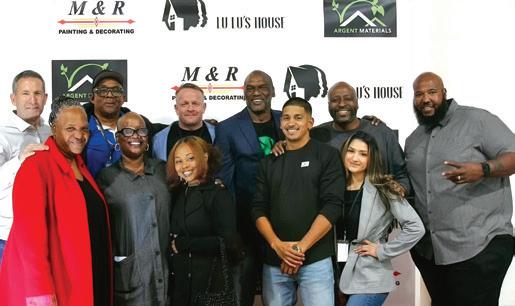
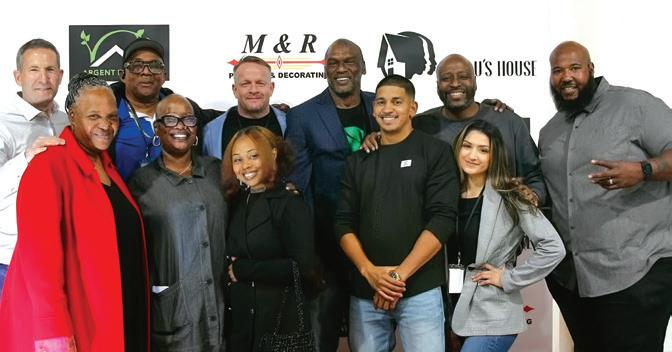
Left: Sponsoring and attending a Lu Lu’s House Charity comedy show.
Below L-R: Deacon
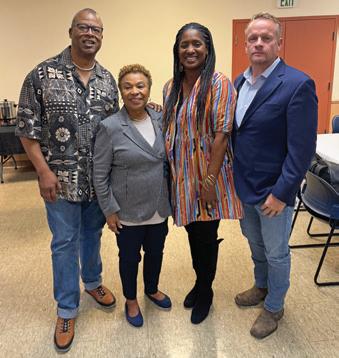
producing sustainable materials and doing it through the lens of the community we live and work in every day.”
As California advances ambitious housing and infrastructure goals, companies like Argent demonstrate that progress is strongest when industry and community move forward together. Its approach shows that with intentional engagement, collaboration, and innovation, construction materials operations can be both highly effective and deeply connected to the communities they serve. n
CalCIMA: What have you found to be most effective in building trust with local stakeholders?
Crotinger: “Real relationships built over time. Working shoulder-to-shoulder with people who care about the community. My neighbors are my friends and family.”
CalCIMA: What advice would you give operators working in urban or highly visible environments?
Crotinger: “Don’t be afraid to connect with your community. It takes time, and not everyone will engage, but often your biggest critics can be your most insightful partners. If you’re sincere, it shows. Caring about people isn’t a feeling, it’s a behavior.”
CalCIMA: How has your leadership approach evolved?
Crotinger: “Listen, even when you think you understand, you may not. Be prepared
to be wrong. That mindset changes everything.”
CalCIMA: Looking ahead, what opportunities exist for a deeper partnership between industry and community?
Crotinger: “Helping communities see that a business they once viewed as an adversary can be a partner and helping businesses understand how to genuinely connect and work with their communities.”







By Jason Stevenson, Safety Manager, 7/11 Materials & Julia Maldonado, CalCIMA
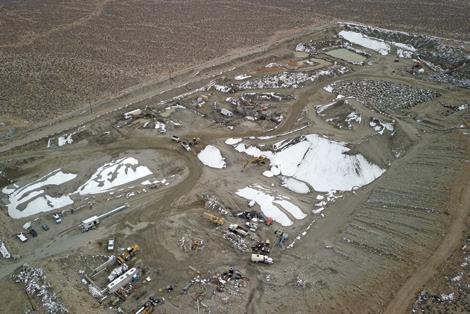
There’s a mine site located in the middle of California’s high desert, where winters are below freezing and summers are above 110°F. It is an aggregate mine in Inyo County called “Coyote Pit.” There is only one worker, and he is a shining beacon of light: Alan Goede.
In the early 2000s, 7/11 Materials, a producer of aggregates and ready mixed concrete throughout California, purchased the Coyote Pit. One can imagine this environment is not the easiest atmosphere to work in and has proven to pose a challenge for most miners, operators and foremen who have stepped through its gates. But Goede was the one who was up for the challenge.
Goede came to 7/11 Materials on the ready-mix side as a driver at the Bishop Ready-Mix plant in December 2021. His first couple years for the company included going to the mine site for aggregate to deliver to
the ready-mix plant. He voiced his observations and concerns over several months with the mine site, mentioned his equipment operating experience and gave suggestions as to how he can make improvements to the mine site to management.
But change doesn’t happen overnight.
In early 2023, Goede got his chance to show 7/11 Materials what he could do when a position opened for an operator at Coyote. He jumped at the opportunity. With what little spare time he had, he put together lists and recommendations on ways to improve the safety, quality and efficiency of the work. He managed to keep the material flowing, has changed and adapted equipment to a safer status within the mine, and has had zero injuries through this whole process, all by himself.
Before Goede came on board, there had been several safety citations with fines in the tens of
thousands of dollars. But thanks to him, he helped the plant receive its first ever zero citation inspection from Cal/OSHA in 2024, and from the Mine Safety & Health Administration (MSHA) in 2025; the latter being the first zero citation in over 17 years from MSHA.
Some of Goede’s improvements on the Coyote Pit include:
1. Implementing the breakdown of the very hazardous 'dry side' of the plant to promote the rebuilding of the plant at a safer location on the property.
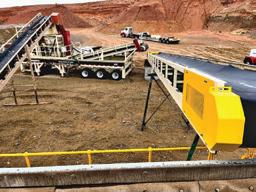
2. Utilizing a portable crusher to prepare the material, which allows him to work in a more open area and an area to allow him to observe the rest of the plant for operation and the arrival of haulers and visitors.
He has done more for this plant regarding safety than any other team of people has been able to accomplish in almost two decades. This is all while he gets product out the door, repairs machinery, loads trucks, entertains regulatory inspections, answers phones, runs the scale house and most importantly, safely returns home to his family. All with a smile on his face.
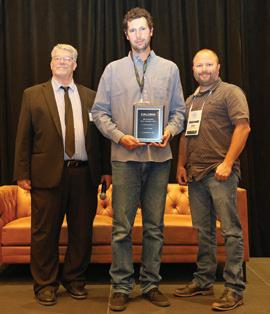
To honor Goede’s work, CalCIMA awarded him with the Outstanding Safety Leadership Award at its 2025 Education Conference. Goede is the prime example of what it means to prioritize safety, and I can’t wait to watch him continue to grow within the company. n

Industrial Hygiene / Support to Legal Counsel / Training Services:
Land Use and Environmental Planning / CEQA and NEPA Compliance
Construction Materials, Industrial Minerals, and Metal Mining / SMARA Compliance
Air Quality & Permitting Services
Environmental Health and Safety and Regulatory Compliance and Permitting
Hazardous Materials and Hazardous Waste Management
Groundwater and Surface Water Studies and Permitting
Geologic and Mineral Resource Assessment and Characterization
Comprehensive Transactional Due Diligence Services
Environmental Site Assessment and Investigation
By Adam Harper, Senior Director of Policy, CalCIMA.
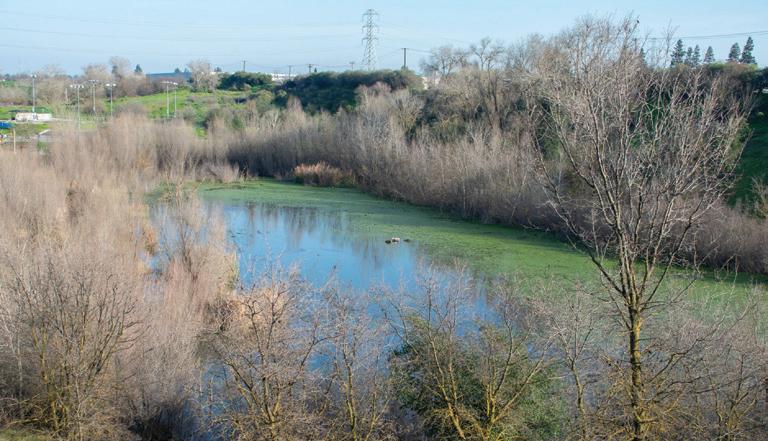
What is known today as a heavily used regional park and adjacent employment center in Sacramento was, for decades, an active gravel mining operation known simply as “Perkins” in state records. The transformation of Granite Regional Park reflects more than successful reclamation. Through long-term planning and sustained partnership, it shows how a working mine can become another lasting community asset.
The site’s transition began well before final reclamation, and even before the adoption of the Surface Mining and Reclamation Act (SMARA) in 1975. In 1971, Granite Construction entered into an agreement with the City of Sacramento to convey land
for what would become a future regional park while continuing mining operations under a leaseback arrangement.
That decision set the direction for what followed. Mining continued, but with a defined future in mind. Over time, the site, covering roughly 260 acres, remained an active operation into the early 1990s before moving toward its next phase, as Granite Construction and the City of Sacramento began shaping a long-term vision for its reuse.
By the late 1990s, a broader vision for the property had begun to take shape. In 1998, City approvals put a plan in place that combined a regional park with surrounding commercial
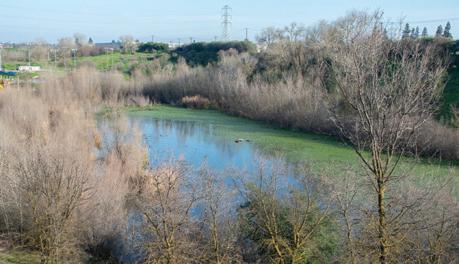
Granite Regional Park was once a mine site. Now, it’s been turned into a community park, thanks to the Surface Mining and Reclamation Act (SMARA).
uses, including office and related development.
That vision was shaped in part by the broader economic conditions facing the region at the time. The closure of major military installations through the federal Base Realignment and Closure (BRAC) process had significantly impacted local public resources, limiting the city’s ability to fund large-scale park development on its own. Leadership at the city, including thenCouncilmember Darrell Steinberg, helped drive the project forward, alongside Granite Construction’s leadership, including then ChairmanDick Solari, who remained focused on fulfilling the company’s original commitment to the city.
The project also required sustained leadership to maintain its direction. As funding pressures mounted, alternative uses for the site were considered. However, that shared commitment to delivering a regional park and community amenity, remained in place. That commitment had deep roots: When Granite acquired and later conveyed portions of the property, it had previously been used as a pitch-and-putt golf course, and community expectations for the site’s future were already well established.
During this period, Granite also explored additional paths to advance the project, including efforts to attract a minor league baseball team to the site. Its location, including proximity to light rail, made it a viable candidate at a time when multiple locations across the region were independently pursuing similar opportunities. While those plans did not ultimately materialize, they reflect the degree to which both public and private partners were working to identify viable ways to move the project forward.
As Scott Wolcott, former President of Granite Land Company, recalled, “There were times when the path forward wasn’t clear, and different options were on the table. But the commitment to a regional park never changed. It took a true publicprivate partnership that brought together the City of Sacramento, Separovich/Domich, and Granite Construction Company, along with committed leadership and a longterm view to see it through.”
The park was not defined by maps and entitlements alone. Public meetings in 1998 show community members working through what they wanted the space to become, raising practical questions about trails, parking, play areas, tournament use, fishing, dog access, and the addition of features such as a
skate park. In that sense, the plan reflected not only redevelopment goals, but how the community wanted to use the park from the beginning.
That broader vision was carried forward in 2000 through a Development Agreement between the City and a partnership that included Granite Construction and private developers. The agreement tied roughly $9.2 million in park improvements, plus inflation, to the conveyance of land for development. As those improvements were completed, beginning with early phases around 2000 and continuing over time, land was conveyed incrementally. The project moved forward step by step, with each phase building on the last and the park gradually taking the shape the community had helped define years earlier.
Granite Regional Park was not delivered all at once. It took shape over time, as development moved forward and park improvements were built in phases tied to that progress.
Early work focused on establishing the foundation of the park within the former mining basins, site grading and drainage, the construction of the lake and wetlands areas, and the initial buildout of fields and parking. As
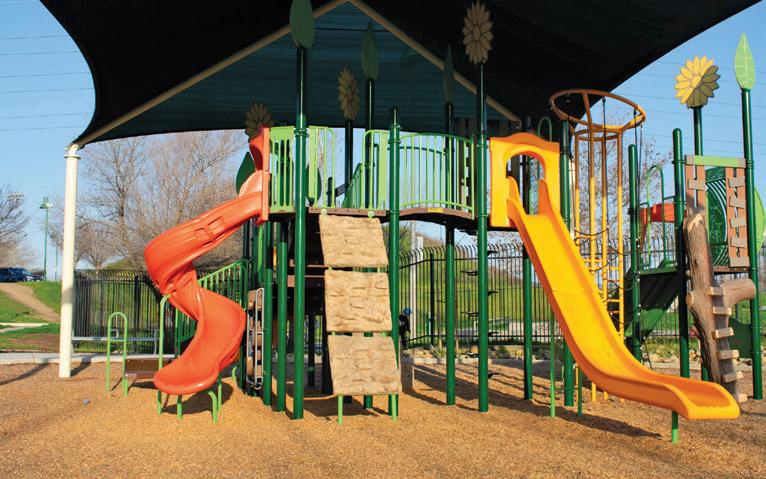
The community can enjoy the playground at Granite Regional Park.
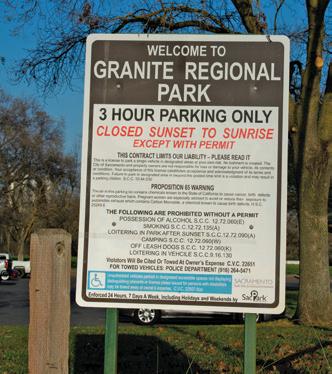
Granite Regional Park is named after CalCIMA producer member Granite Construction, the company that mined this site more than 30 years ago.
surrounding development advanced, additional phases added the features that had been discussed years earlier through the planning process, including expanded recreation areas, a dog park, and a skate park.
By 2011, millions of dollars in park improvements had been completed, with additional work continuing under the terms of the Development Agreement. What emerged was not simply a reclaimed site, but a park built over time, shaped by phased investment, evolving development, and the community uses that had helped define it from the beginning.
Today, Granite Regional Park encompasses more than 250 acres of recreational space within a broader mixed-use setting. The park includes sports fields, community amenities, water features, and naturalized areas, and was developed alongside an adjacent employment center, now home to county offices and courtrelated services, as part of the same long-term vision.
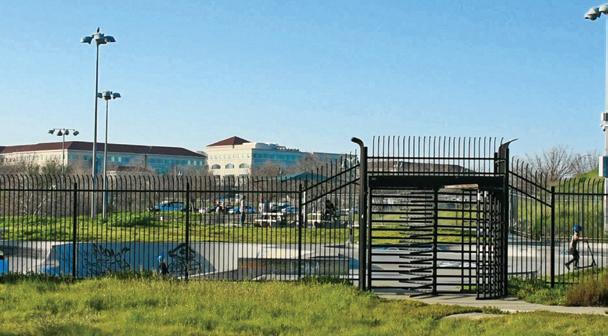
The integration of uses extends beyond land planning. More than 500 parking spaces serving the office development are shared with the park during evenings and weekends, and are shaded by a solar array that generates approximately 0.9 megawatts of power for the office buildings.
The site was not simply reclaimed; it was repositioned to serve both community and economic functions. It now contributes to recreation, open space, energy production, and the surrounding economy. It also reflects a full lifecycle, supplying the materials that helped build the surrounding community, homes, roads, and infrastructure, before becoming part of it.
That outcome aligns with the intent of SMARA, which was designed to ensure mined lands are returned to other productive uses. At Granite Regional Park, that objective is not theoretical. It is visible on the ground.
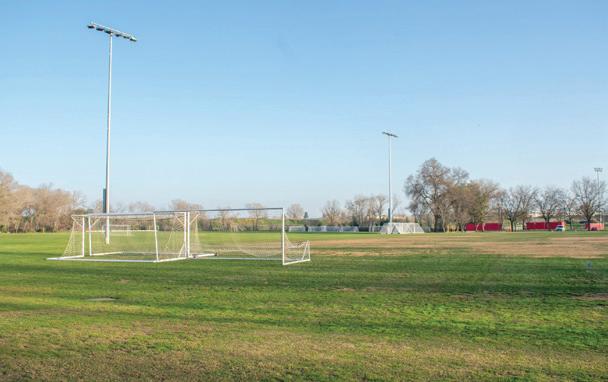
Granite Regional Park’s soccer field allows players to practice on several fields.
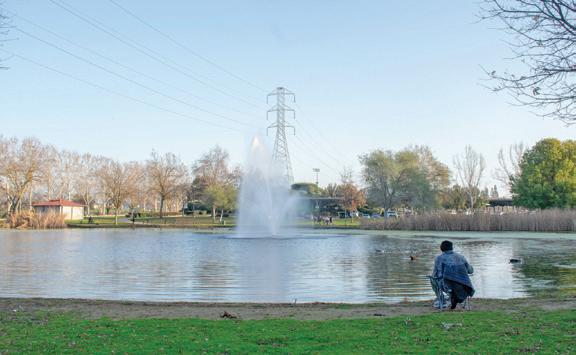
Granite Regional Park shows what can happen when a long-term vision is carried forward over time.
Granite Construction’s early decision to align mining with a future public use, and its commitment to seeing that vision through, alongside the City of Sacramento’s willingness to plan for it, set the foundation for everything that followed.
From there, the project advanced through a coordinated effort. Development partners, Separovich/ Domich and Panattoni Development Company, delivered the project in phases that responded to community input. What emerged was not the result of any single action or entity, but of many efforts aligning over time.
The result reflects that alignment. Rather than ending with site stabilization, as mine lands often do in more remote settings, the property continued to evolve— shaped by sustained commitment, coordinated investment, and the people who now use it. It is not just
a reclaimed site, but a landscape that has come full circle.
Granite Regional Park demonstrates that sand and gravel operations near growing communities serve both immediate and long-term roles, providing essential construction materials during operation and, when planned for early, becoming lasting community assets once mining is complete.
As California continues to implement its reclamation practices under SMARA, projects like Granite Regional Park offer a clear example of what is possible when reclamation is viewed not as an endpoint, but as part of a longer-term vision for land use and community development. n
The author would like to thank Scott Wolcott, former President of Granite Land Company, for sharing his perspective and firsthand knowledge of the project.
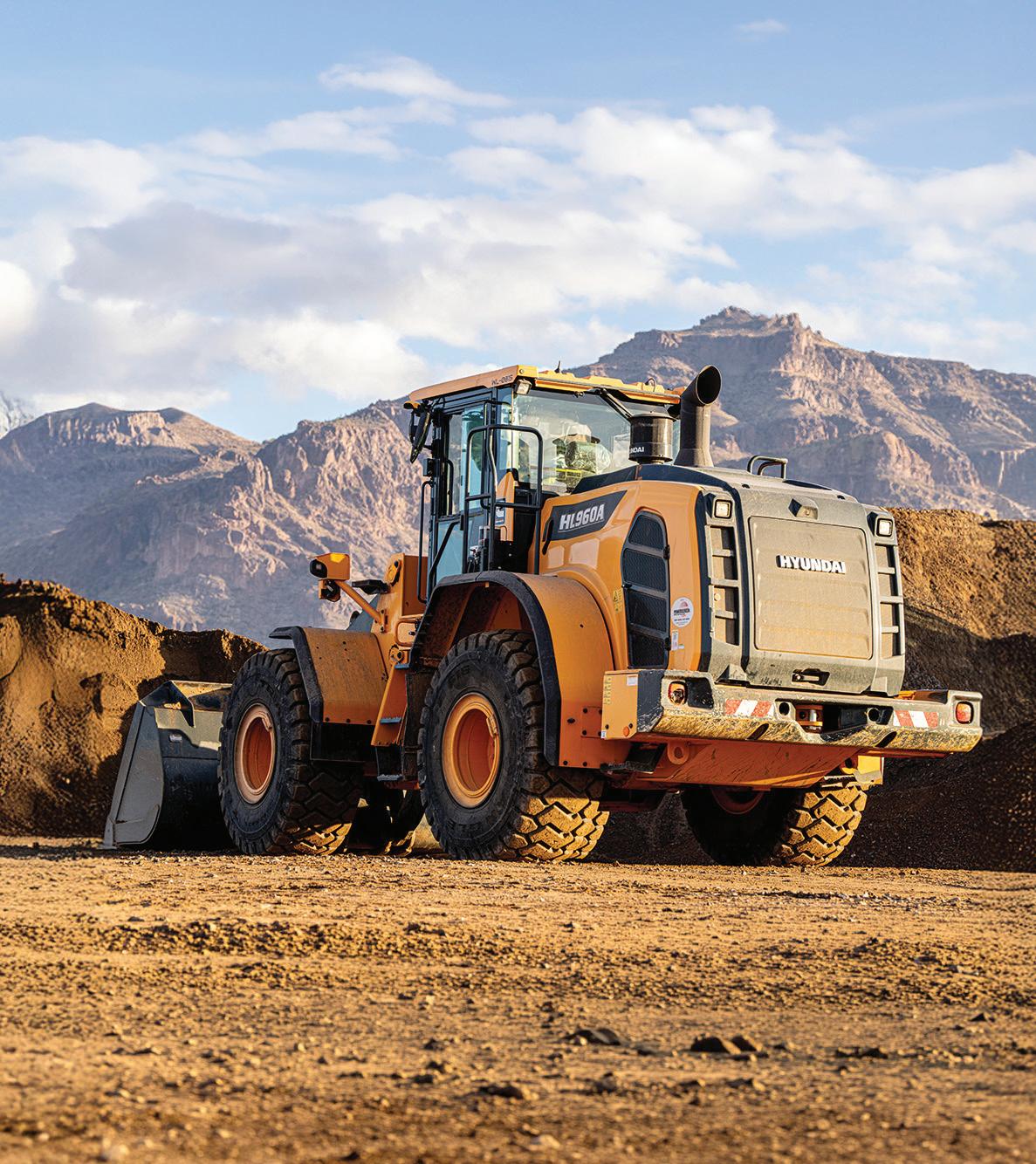
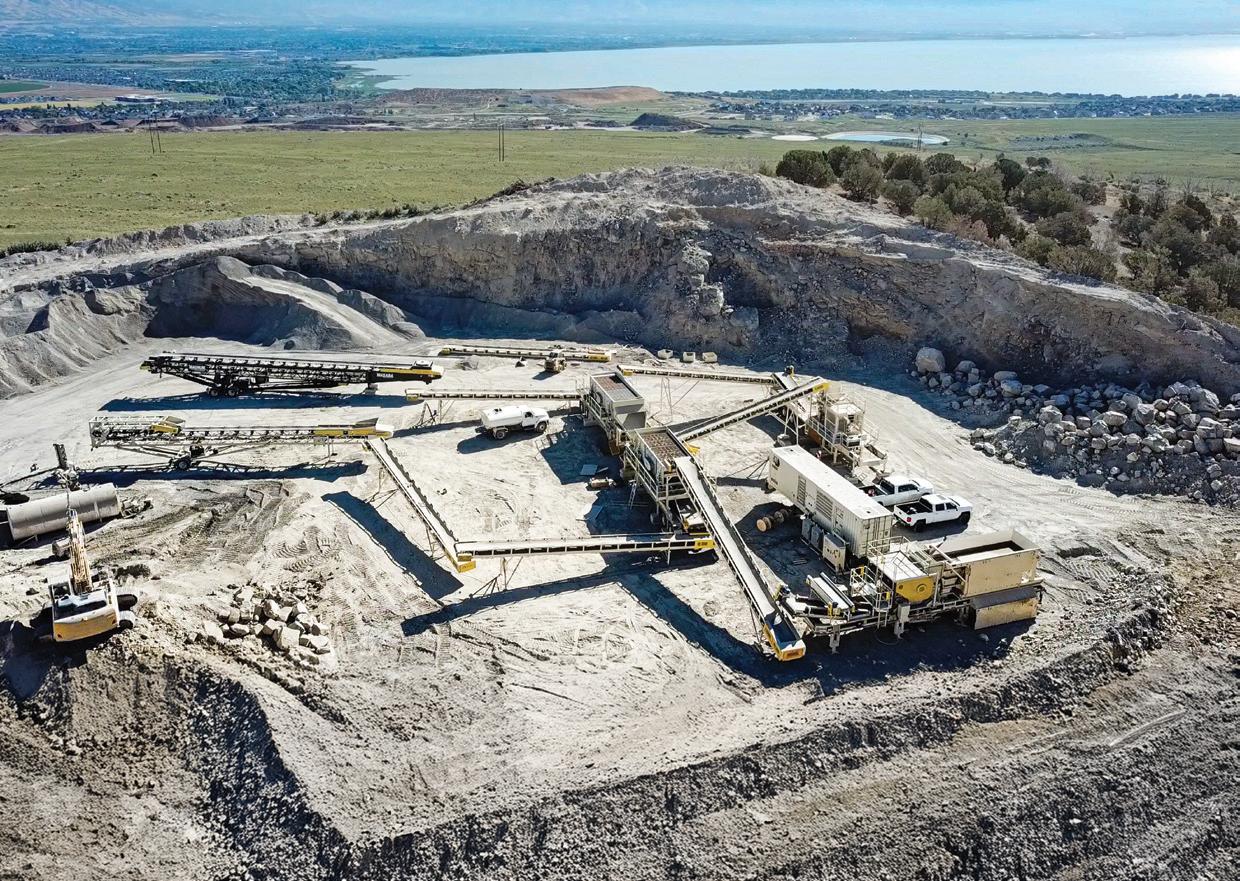
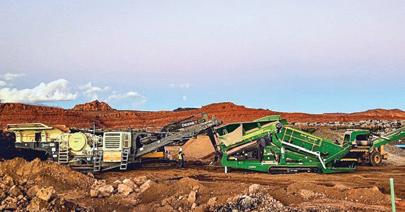
With a comprehensive range of new and used equipment from industry-leading brands, we are sure to have the right solution for your materials processing & materials handling equipment needs. Prefer to rent? We have the largest rental fleet on the West Coast, allowing us to quickly respond to your business requirements. All backed up by our spare parts and highly skilled service engineers to keep your operation running.
By CalCIMA Members
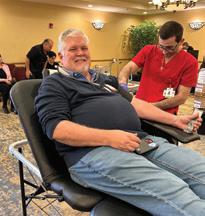
In March 2025, Holliday Rock partnered with the local Red Cross and the Claremont DoubleTree by Hilton to host a community blood drive supporting life-saving efforts. Held from 1 – 7 p.m., the event drew strong participation from employees and community members, with staff also volunteering to assist donors. Holliday Rock promoted the drive throughout the month and provided custom merchandise for donors and volunteers. The drive collected 42 blood products, potentially helping up to 90 lives, reaching 76% of its goal.
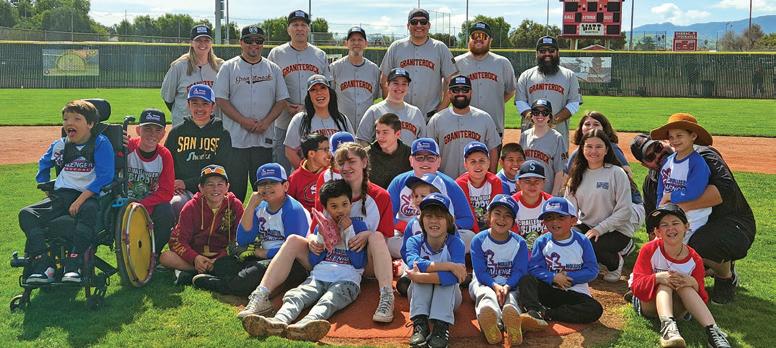
In 2025, Graniterock supported 109 community organizations and groups, including nonprofits focused on youth development, environmental conservation, education, economic opportunity and local community events. Through the company’s Graniterock Cares initiative, team members, family owners and partners worked together to invest in programs that create meaningful, lasting impact.
Granite HQ Builds Beds for
In February, Granite Construction’s corporate headquarters in Watsonville, CA participated in a Build-a-Bed event with Sleep in Heavenly Peace San Jose (SHP). The mission of SHP is simple: No kid sleeps on the floor in our town! They rely on teams of volunteers to make this mission possible. 75 Granite employees came together on a Friday morning: Cutting, sanding, and drilling raw lumber and assembling the beds. The team produced 55 beds for local kids.

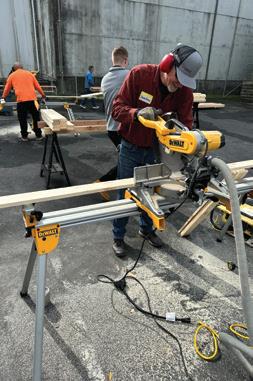
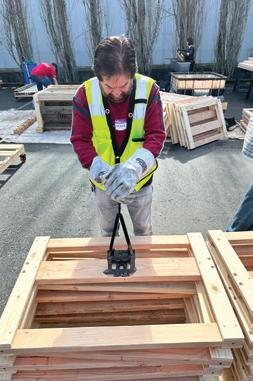
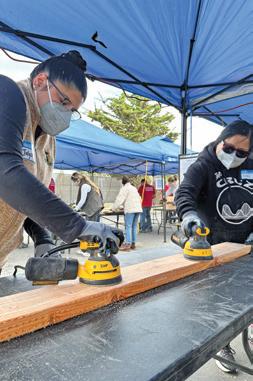
Teichert at the American Heart Association’s Heart and Stroke Walk
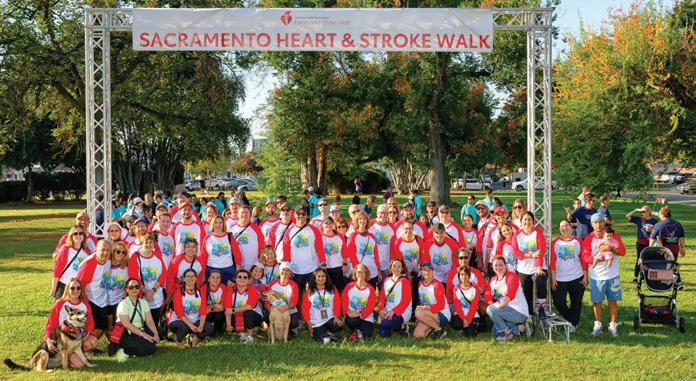
On September 20, Teichert participated in the American Heart Association's Heart and Stroke Walk for the fourth consecutive year. This inspiring event unites our team with other organizations from across the greater Sacramento area for a walk through Land Park, all in support of heart health awareness and fundraising. We’d love to see you there this year –mark your calendars for Saturday, September 19th!
The Teichert Family of Companies was proud to
Hope Church of Turlock Basketball Court Donation Project
Reed Family Companies partnered with local vendors to deliver a 52' x 82' basketball and mixed-use court for Hope Church in Turlock for youth programs, outreach events, and everyday community use.
Reed Family Companies affiliates and several valued partners generously contributed their time, materials, and skills:
• George Reed: Project design, demolition, rough and final grading, and concrete placement.
• 711 Materials: Supplied high-strength concrete with fiber reinforcement, custom coloring, and delivery.
• GCU Trucking: Material hauling services.
• Collins Electric: Electrical work.
• Chrisp Company handled professional court striping.
support the Northern Nevada Children's Cancer Foundation's annual Dozers & Dirt event last September, giving children ages 2–17 a hands-on opportunity to operate real heavy equipment under professional supervision.
First responders and law enforcement also showcased vehicles on-site. Beginning next year, Teichert will serve as hosting sponsor, bringing the event – and tons of smiles – to our Tracy/Clark Aggregate pit.
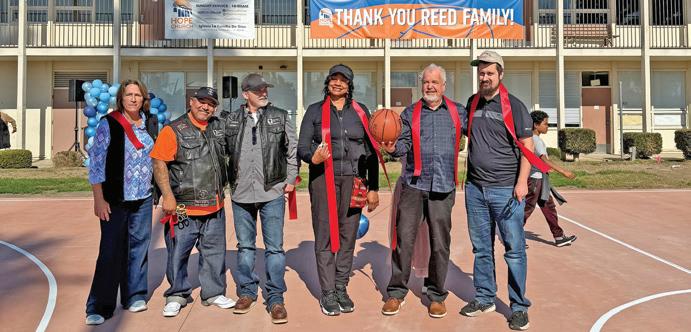
• Hope Church Volunteers: Landscaping, bringing the project together visually and functionally.
The Community Called - We Answered!
Reed Family Companies completed a donation project for Lucille School in Waterford, CA in Stanislaus County. Nineteen employees volunteered nearly 150 total-hours to design, build, and deliver 14 custom backpack racks
for the school. From start to finish, this effort was a true team collaboration.
Our volunteers cut and welded the metal frames, painted and assembled, and transported the finished product to Lucille School. BUILD member and RFC’s Stephany Garcia was presented with a plaque from the Waterford School District and the Lucille Whitehead Intermediate School Principal Ryan Smith. n
By Erik Turner, Director of Legislative Affairs, CalCIMA
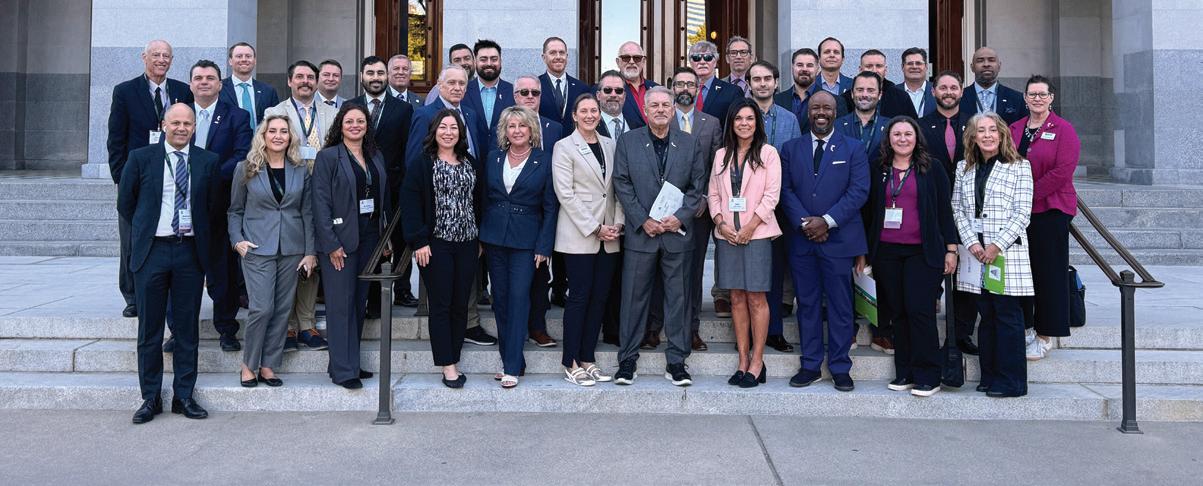
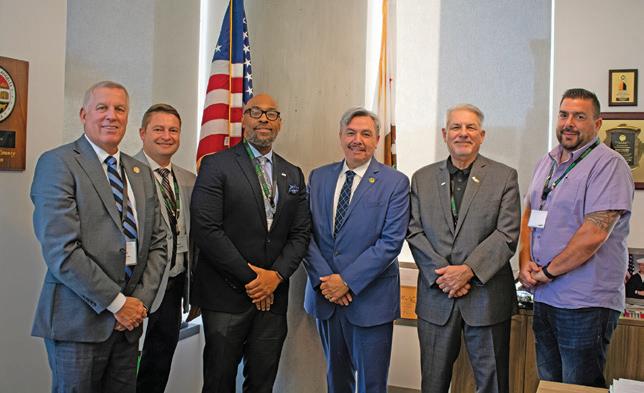
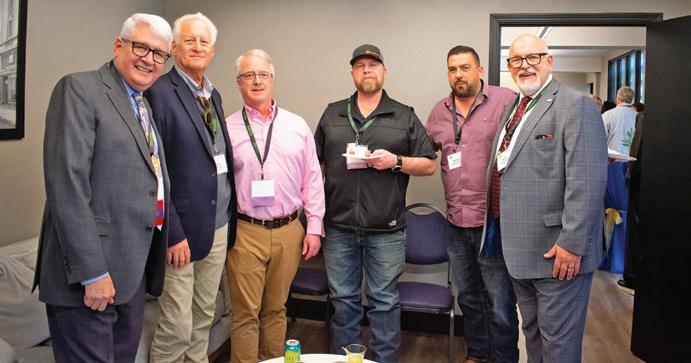
CalCIMA and its members convened in Sacramento on March 10-11 for the 2026 Legislative Summit and Lobby Day, bringing together industry leaders, policymakers, and state officials to advocate for our industry. This year’s agenda focused on affordability, infrastructure, and responsible resource development.
The annual event kicked off with a dinner on Monday evening with key lawmakers, including Assemblymembers Isaac Bryan (Chair, Assembly Natural Resources Committee), Juan Carrillo (Chair, Assembly Local Government Committee), and Lori Wilson (Chair, Assembly Transportation Committee), and Senator Tim Grayson (Chair, Senate Banking and Financial Institutions Committee).
On Tuesday, the Legislative Summit featured a host of speakers, from lawmakers to industry partners to government officials. CalCIMA President and CEO Robert Dugan led an Industry CEO Roundtable featuring leaders from United Contractors, the California Building Industry Association, and the Associated General Contractors. The discussion highlighted the interconnected challenges facing the broader construction and infrastructure sectors—from regulatory complexity to supply chain constraints—and underscored the importance of alignment across industries. Dugan also moderated a discussion with Lance Hastings, the President & CEO of the California Manufacturers & Technology Association.
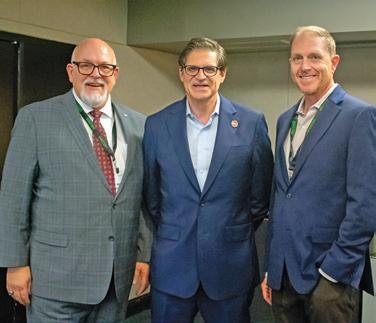
Members also heard directly from influential legislators, including committee chairs and caucus leadership, on issues ranging from transportation funding and housing to natural resources and water policy. Speakers included Senator Josh Becker (Chair, Senate Natural Resources & Water Committee), Senate Minority Leader Brian
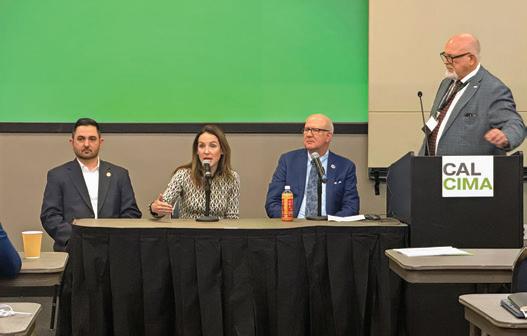
Jones, and Assemblymembers
Lori Wilson and Buffy Wicks (Chair, Assembly Appropriations Committee), all of whom provided insight into legislative priorities and the policy landscape moving forward.
The program also featured presentations from key state agencies and organizations, including the State Architect, Caltrans, and the director of the Department of Conservation. Topics included CALGreen embodied carbon requirements, transportation funding outlooks, and resource management priorities—issues that are increasingly central to the industry’s role in delivering sustainable and cost-effective infrastructure.
Throughout the Legislative Summit, a consistent theme emerged: California’s ability to build depends on maintaining
access to essential construction materials and addressing the growing barriers that threaten supply, affordability, and economic competitiveness. CalCIMA’s 2026 legislative priorities reflect this reality, emphasizing the need to protect local mineral resources, support infrastructure investments and streamlining, and advance sustainability while maintaining affordability across the state.
On Wednesday, CalCIMA members put these messages into action, splitting into teams to meet with legislators and key staff at the Capitol. These meetings provided an opportunity to educate policymakers on the essential role of construction materials in building California’s infrastructure, housing, and economy, while reinforcing the real-world implications of policy decisions on supply, cost, and project delivery.
With significant legislative turnover every two years, these direct engagements remain critical. Connecting the dots between local mining operations, construction materials, and the housing crisis and infrastructure needs in California helps ensure policymakers have a clear understanding of how decisions in Sacramento translate on the ground.
The 2026 Legislative Summit and Lobby Day underscored a central reality: California’s future depends on its ability to build. Ensuring that the state can do so affordably, sustainably, and efficiently will require continued collaboration across industries, engagement with policymakers, and continued messaging about the importance of local construction materials supply. n


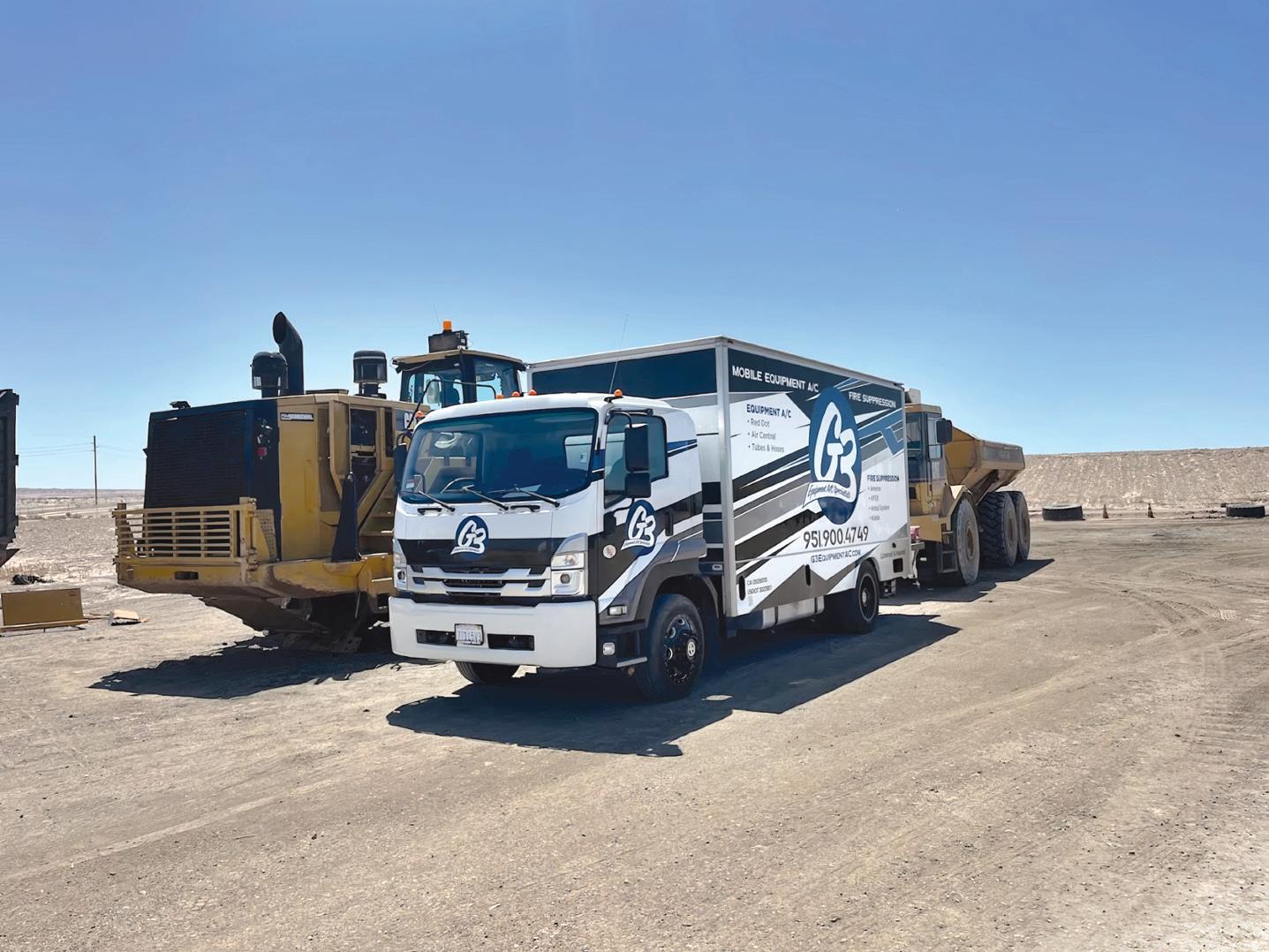
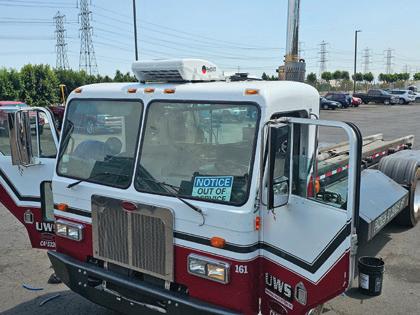
At G3 Equipment AC Specialists, we provide expert AC repair services for commercial fleets. Our skilled technicians ensure your systems operate safely and efficiently— keeping your vehicles running smoothly and your drivers safe and comfortable.
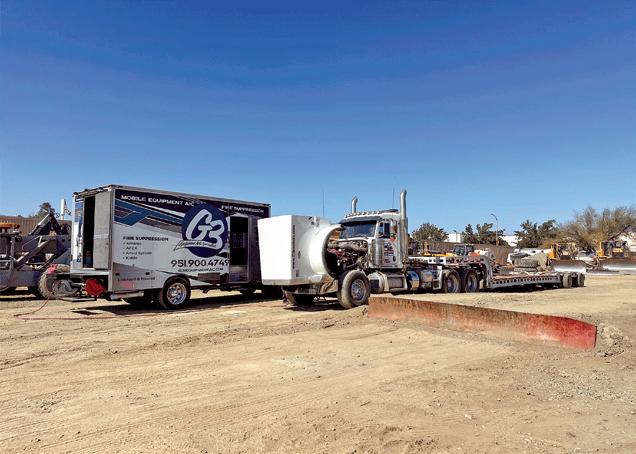
RED DOT Roof Top
Air Central
Mobile AC Hoses

By Julia Maldonado, Communications Coordinator, CalCIMA
Nearly 200 professionals total gathered in Sacramento and Ontario this past February for CalCIMA’s Spring Thaw safety conferences. Vulcan Materials Company’s Chad McDougal delivered the keynote address, where he shared his experience and knowledge in achieving safety and wellness within Vulcan, such as its Under the Hard Hat mental health campaign.
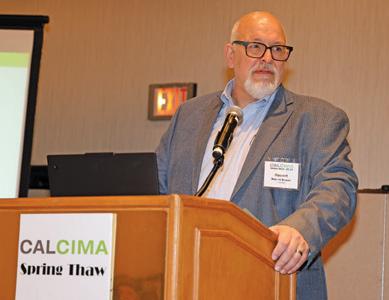
and the importance of safety in the industry.
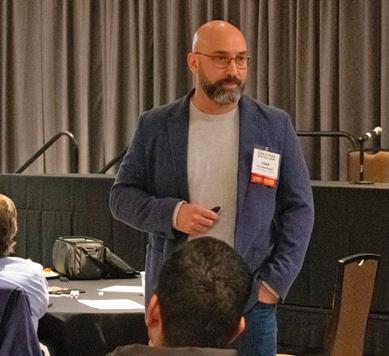
The thaws included a fallen miners remembrance, where attendees honored 25 fallen miners from 2025 with a moment of silence and candlelight ceremony.
Attendees heard a wide array of presentations, from mixer rollover safety to mobile equipment, utility infrastructure and conveyor guarding. Other topics included pre-trip inspections, site awareness, driver fatigue, and many more.
• Benchmark Resources
• Dyno-Noble
• Jeffer Mangels & Mitchell LLP.
• Martin Marietta
• Mitchell Chadwick
• Command Alkon
• Con-Tech Mfg.
• Lilburn Corp.
One highlight of the conference was the Early Careers Workforce Panel. Employees who are early in their construction materials career held a Q&A session with veteran employees to discuss how they entered the industry, how to recruit, and what challenges they face as an early career employee. n
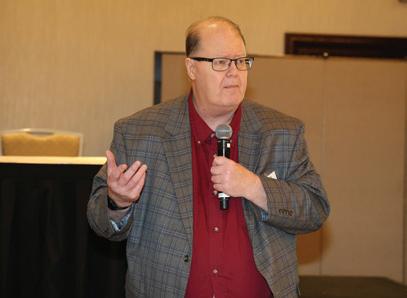
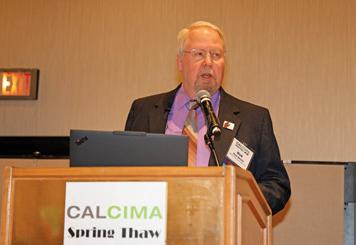
Mine Safety and Health Administration Assistant District Manager James Fitch provided an update on MSHA’s recent initiatives.
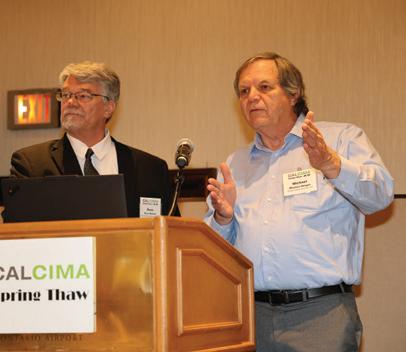
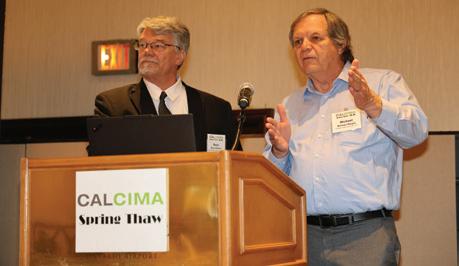
Mark Abrams of Mobile Relay Associates discussed building a successful business in today’s evolving industry.
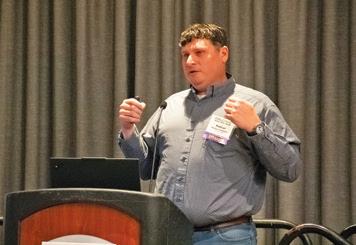
CalOSHA Mining and Tunneling’s Nathan Siemens gave a Cal/OSHA update, discussing safety and accidents around berms, and mining hazards.
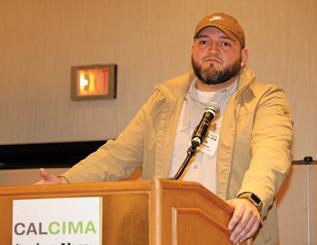
Erik Castro of Vulcan Materials Company highlighted in-house innovations improving jobsite safety.
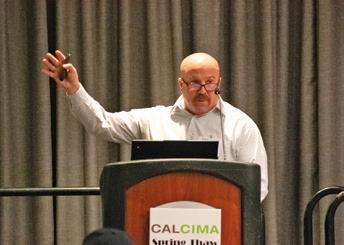
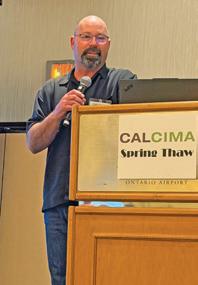
Jason Stevenson, 711 Materials, talked about ready mixed concrete safety when it comes to operations and drivers.
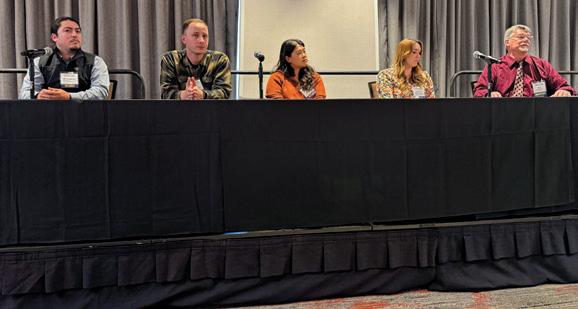
A panel of early-career construction professionals discussed workforce recruitment, their career paths, and how industry veterans can attract the next generation. Participants included Markanthony Rivera, Granite Construction, Clayton Nelson, Stevens Creek Quarry, Daisy Kwan, Graniterock, Stephany Garcia, George Reed and Russell Morton, National Ready Mixed Concrete Company.
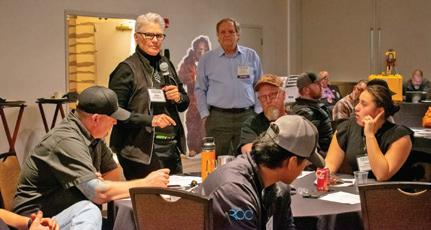
Attendees took part in an interactive exercise, working together to analyze mine accident root causes and identify preventable measures.
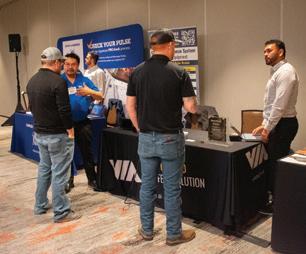
Members visit the vendor booths during the Sacramento Spring Thaw.
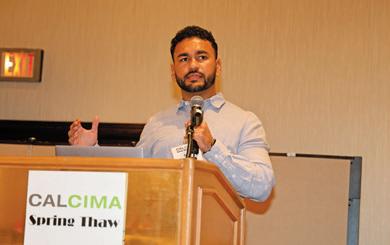
Chai Khoche presented advancements in mobile equipment and wearable technology enhancing worker safety.
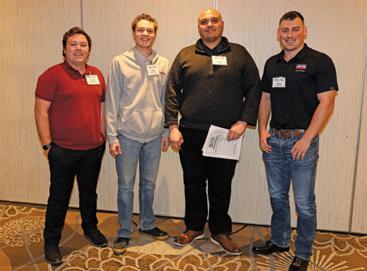
The Early Career Panel featured emerging leaders from Tanner Bain, Lapeyre Sand, Tyler White, P.W. Gillibrand, Tony Zavala, CEMEX and Brett Rankin, United Rock Products.
Justin Vander Woude of Robar Enterprises shared best practices in ready mixed concrete operations and driver safety. Sterling Wainscott of Cal/ OSHA Mining & Tunneling updated attendees.
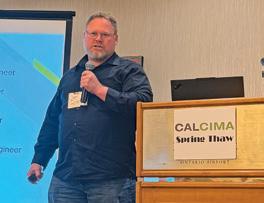
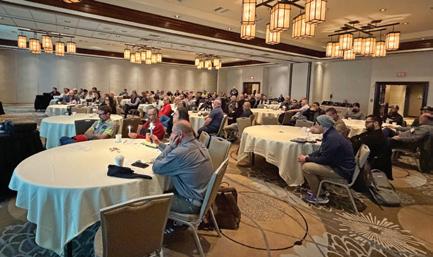
Attendees held a candlelight vigil and observed a moment of silence for fallen miners.
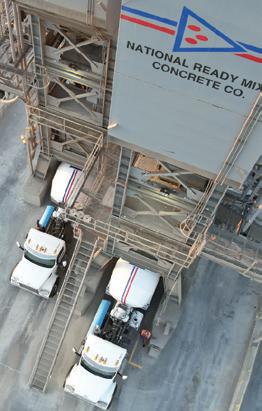
• NRMCC leads in sustainability by fully adopting Type 1L cement and introducing our Type 1T cement (LC3) the first in the Western U.S. with nearly 40% lower GWP than the OPC national average.
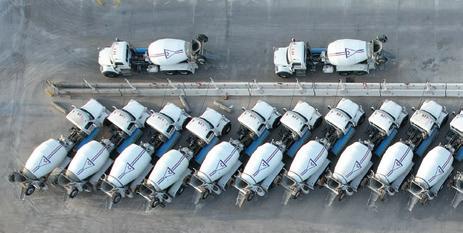
• Utilizing Type 1L (HS) low carbon cement to reduce embodied carbon and CO2 emissions.
• Providing innovative, high performance mix designs with third party verified Environmental Product Declarations (EPDs) available with every mix.
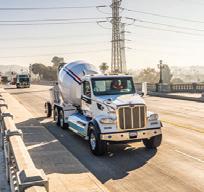
• Incorporating a large fleet of bulk material haulers (aggregate and cement) and concrete mixers that run on renewable natural gas RNG, reducing GHG emissions.
• Technically advanced, high production facilities providing superior quality and service throughout Los Angeles, Orange and Ventura Counties.
nrmcc.com















The minerals industry is committed to employee safety and ensuring our workers get home safe every day. EMA recently launched a series of toolbox talks, resources to help site managers lead short, informal safety meetings, typically lasting 10–15 minutes, conducted on-site before a work shift begins. The first toolbox talk is focused on proper PPE fit for all. As more women enter mining and other industrial trades, it’s clear that one-size-does-not-fit-all PPE leaves many workers without proper protection. It’s important to understand why proper fit is necessary and the specific challenges women face. You can download this free resource at essentialminerals.org/toolbox-talks
Mark your calendars for EMA’s 2026 Annual Conference, which will be held May 11-14 at Skamania Lodge in Stevenson, Washington. Registration is open and we look forward to gathering with the industry in May! More information and registration details are available on our website, essentialminerals.org
Two Midwest asphalt pavement mix producers are going above and beyond to encourage personal protective equipment (PPE) standard compliance and enhance training for operating in confined spaces. Gallagher Asphalt in Thornton, Illinois and Kokosing Materials Inc. in Fredericktown, Ohio were both announced as 2025 winners of the National Asphalt Pavement Association (NAPA) Operational Excellence Awards for Asphalt Safety Innovations due to their novel contributions to the industry.
regardless of language or literacy barriers.
Kokosing developed a confined space training simulator. Designed with three entry points—two vertical and one horizontal— the simulator offers realistic practice for a wide range of confined space entry and rescue scenarios. Outfitted with industry-standard entry and rescue systems, crews can run through confined space procedures in their entirety before facing them in the field.
Gallagher produced a set of 150 pictograms depicting the appropriate PPE for different workers across job sites. By creating visual references, the pictogram familiarizes workers with PPE requirements
The NSSGA Awards of Excellence honor producer member facilities that go above and beyond in community relations, environmental practices and/or safety. The application period for the awards ended on March 30. Over 800 applications were submitted across all categories. Next, the applications for Community Relations Excellence and Environmental Excellence will undergo judging by NSSGA member volunteers, while NSSGA staff will collect injury reporting data from MSHA for the Safety Excellence applications. The overall platinum winners, along with all gold winners for every category, will be recognized on stage at the Legislative & Policy Forum, Sept. 20-23, in Washington, D.C. At the same event, NSSGA will also recognize the individual winners of the Environmental Leadership Award and the James M. Christie Safety & Health Professional of the Year Award. To learn more about NSSGA’s Awards of Excellence, please visit nssga.org/awards. n



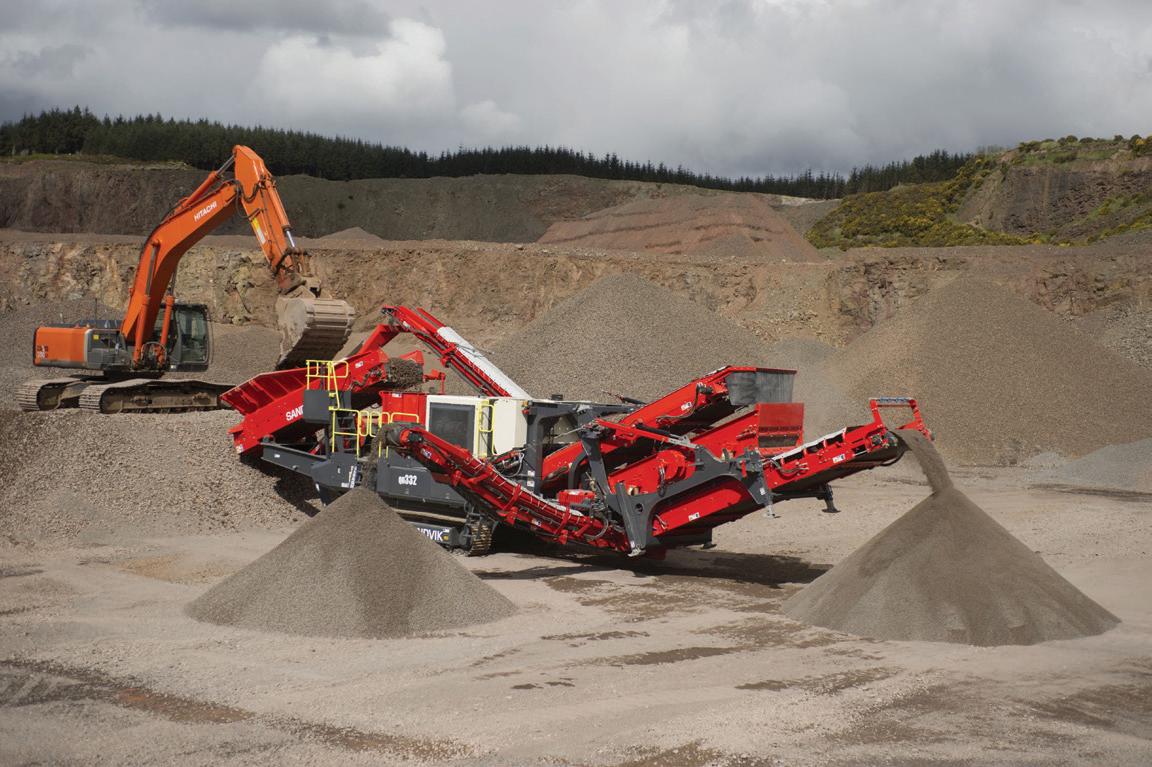
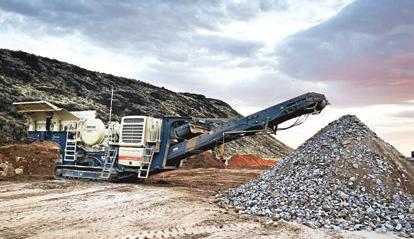
Sandvik we have combined years of industry expertise and the latest advances in technology to develop pioneering mobile crushing and screening solutions for you. Utilizing Sandvik’s renowned, proven technology and smart process solutions, such as My Fleet remote monitoring, our equipment is designed to increase operational efficiency, optimize productivity and maximize uptime.
vcesvolvo.com