


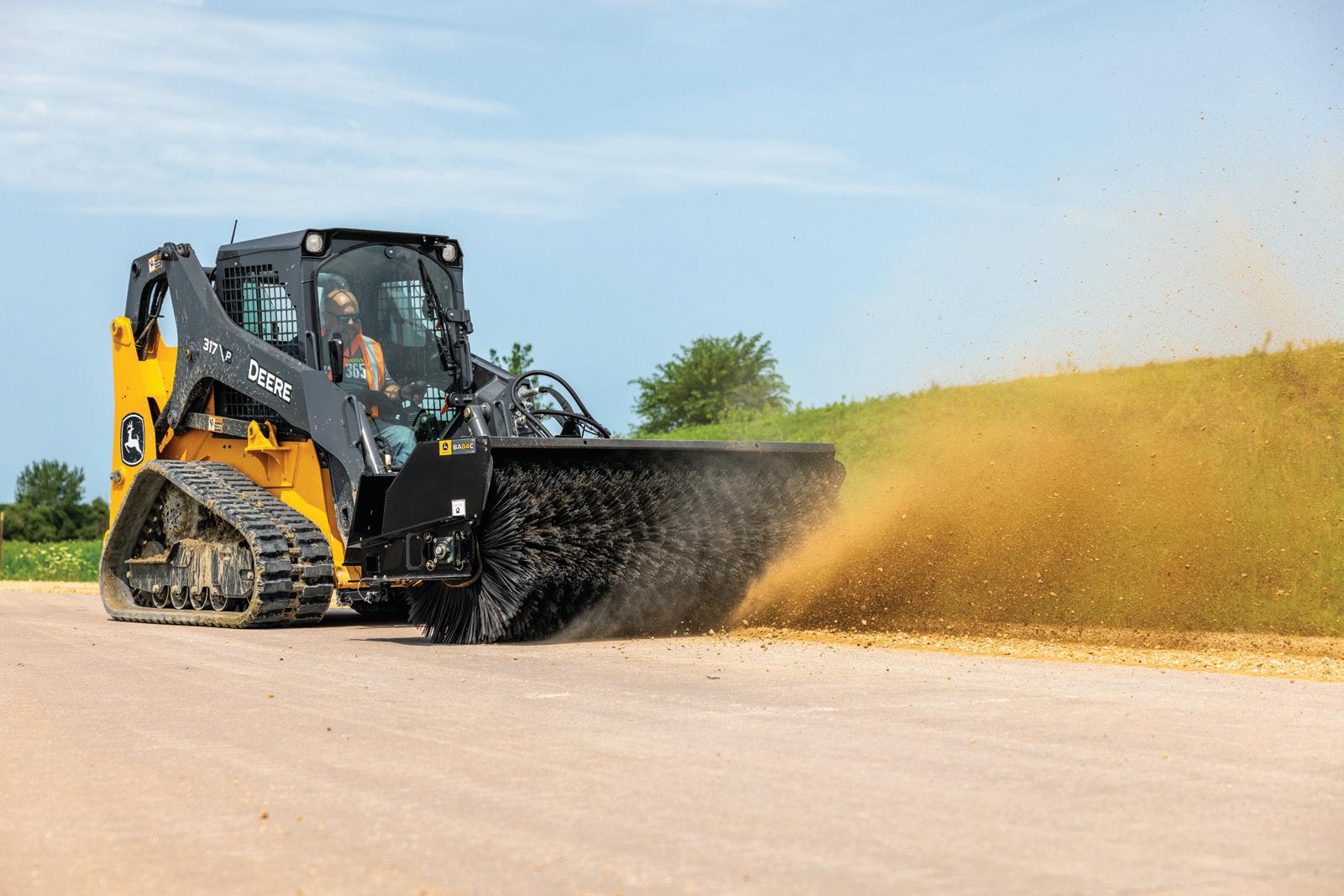
0% for 60 Months — Small & Mid-Size Skid Steers & Track Loaders
(316 P-Tier / 317 P-Tier / 318 P-Tier 320G / 324G / 325G) & 331 P-Tier

*0% Annual Percentage Rate for 60 months: Offer valid on qualifying purchases made 01
through 30
2026 from participating dealer inventory or ordered and delivered before 30 June 2026 at participating dealers. Subject to approved installment credit with John Deere Financial, for commercial use only. Down payment may be required. Average down payment is 10%. 0% APR for 60 months only. Qualifying equipment includes the following models: 316 P, 317 P, 318 P, 320G, 324G, 324 P, 325G and 331 P. Taxes, freight, setup, insurance, fees, and delivery charges could increase monthly payment. Available at participating U.S. dealers. Prices and models may vary by dealer. Offer not available to customers receiving Strategic Account discounts.
**0% Annual Percentage Rate for 48 months: Offer valid on qualifying purchases made 01 April 2026 through 30 June 2026 from participating dealer inventory or ordered and delivered before 30 June 2026 at participating dealers and is subject to approved installment credit with John Deere Financial. For commercial use only. Down payment may be required. Average down payment is 10%. 0% APR for 48 months only. Taxes, freight, setup, insurance, fees, and delivery charges could increase monthly payment. Available at participating U.S. dealers. Prices and models may vary by dealer. Offer not available to customers receiving Strategic Account discounts.




Long Beach Branch – Los Angeles and Orange Oxnard Branch – Northern Los Angeles, Ventura and Santa Barbara Santa Maria Branch – San Luis Obispo and Santa Barbara Bakersfield Branch – Kern, Inyo, Mono and Eastern Los Angeles Lake Forest and Sylmar Branches – Parts Only Stores
PUBLISHER: Kerry Hoover khoover@calcontractor.com
EDITOR: Brian Hoover, Senior Editor



By Brian Hoover
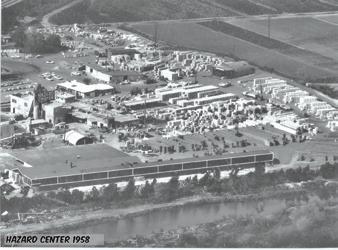
For nearly a century, Hazard Construction Company has played a foundational role in shaping the infrastructure of Southern California. Its work is not confined to a handful of landmark projects or tied to a specific period of growth, but instead spans generations, embedded in the roads, bridges, runways, and civil systems that define how San Diego County functions today. From early access routes built across undeveloped terrain to modern freeway systems and highly technical airport construction, the company has remained a constant presence in a region that has undergone tremendous transformation.
For Hazard Construction President Jason Mordhorst, that long-standing contribution is best understood through the essential role infrastructure plays in everyday life. “Infrastructure is what moves San Diego County,” Mordhorst said. “We’ve built roads, we’ve built bridges, we’ve built transit, we’ve built runways. That’s what keeps everything going. Without it, nothing else works.”
It is a simple statement, but one that reflects a deeper truth. Infrastructure often goes unnoticed when it is working as intended, yet it is critical to everything else. It supports commerce, enables growth, and connects communities. For companies like Hazard Construction, the work is rarely about recognition. It is about reliability, consistency, and long-term impact. That philosophy has been part of the company since its founding in 1926, when the work was less about optimization and more about making movement possible.
When Roscoe Elwood “Pappy” Hazard founded the original contracting company, R.E. Hazard Contracting Company, San Diego County was still developing its most basic infrastructure. Many areas were difficult to access, roadways were limited, and the terrain itself presented significant challenges. At the time, construction was not driven by
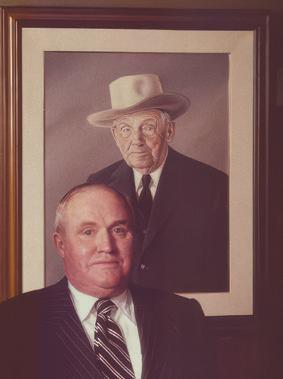
Bruce Hazard of Hazard Construction Company stands in front of a portrait of his father, R.E. Hazard Contracting Company Founder Roscoe Elwood “Pappy” Hazard.
efficiency metrics or advanced planning systems. It was driven by necessity. “He was figuring out how to make places accessible that weren’t accessible,” Mordhorst said. “That’s really what it came down to in those
early days. It wasn’t about making things faster or more efficient. It was about making it possible to move.”
One of the most illustrative examples of that early ingenuity was Hazard’s construction of plank roads across desert terrain. These wooden roadways allowed vehicles to travel over sand that would otherwise make passage impossible. The work was physically demanding and required a hands-on approach that combined practical problemsolving with persistence.
In those early years, success was measured not by production rates or output, but by whether a route could be established at all. That mindset shaped the company’s approach to construction, emphasizing
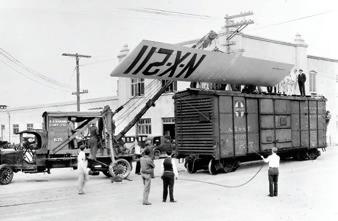
adaptability and a willingness to tackle challenges directly. That same resourcefulness carried into other projects. In 1927, Hazard Construction played a role in transporting a key component of the Spirit of St. Louis during its assembly in San Diego. The company’s equipment was used to move the aircraft’s wing to its final assembly site, contributing in a small but notable way to one of aviation’s most historic achievements.
While that moment may seem like a footnote in the company’s history, it highlights something important. From its earliest days, Hazard Construction was connected to the growth and evolution of the region in ways that extended beyond traditional construction work.
As San Diego began to expand, the role of construction evolved alongside it. Hazard Construction became involved in early development projects such as Rancho Santa Fe, helping transform undeveloped land into structured communities supported by functional infrastructure.
At that stage, the work required more than grading and paving. It required an understanding of how infrastructure supports long-term growth, how roads connect neighborhoods, and how access drives development. “As the region grew, the work changed,” Mordhorst said. “You go from basic roads to needing bridges to get across canyons. Then highways, then freeways. Every step builds upon the last, and every step adds complexity.”
That complexity required Hazard Construction to expand its capabilities and refine its approach. Projects became larger, timelines became more demanding, and expectations for quality increased. The company’s ability to adapt to those changes while maintaining consistency in execution is a key reason it has remained relevant for so long. Over time, its footprint expanded across San Diego, Imperial, Riverside, and Orange counties, reflecting a regional presence built through decades of steady work. “There’s a very good chance that anyone driving around San Diego has been on something we’ve built,” Mordhorst said. “A road, a bridge, a runway. We’ve been part of it all.”
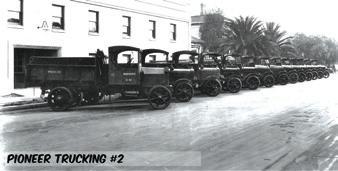
Early business preceding R.E. Hazard Contracting Company was the Pioneer Trucking business with their fleet shown here.
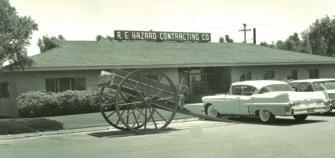
R.E. Hazard Contracting Company’s original headquarters on Friars Road in San Diego.
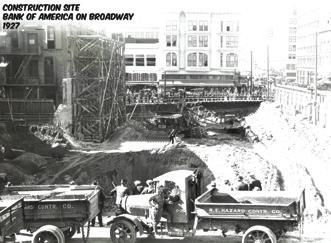
R.E. Hazard Contracting Company excavating for the Bank of America building on Broadway in San Diego in 1927.
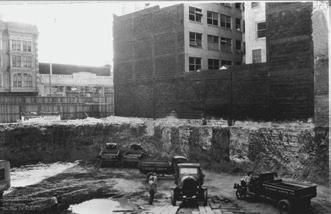
Excavating and moving dirt at the Trust and Savings Bank on Broadway in San Diego in 1927.
The development of the interstate highway system marked one of the most significant periods of growth for both San Diego County and Hazard Construction. As the region expanded, the need for reliable, high-capacity transportation networks became critical.
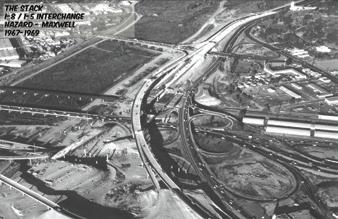
Hazard Construction played a role in building major segments of Interstate 5, Interstate 8, Interstate 15, and Interstate 805, contributing to the network that supports millions of daily trips. “When you look at those freeways, that’s the backbone of the region,” Mordhorst said. “People rely on them every single day, whether they think about it or not.”
These projects required a higher level of coordination and technical expertise than earlier work. Bridge construction became an integral component, particularly in areas where terrain made traditional roadway construction difficult.
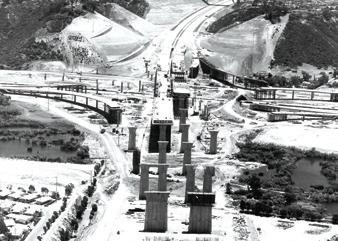
Among these structures was the Adams Avenue Overcrossing, later named the Roscoe E. Hazard Memorial Bridge, honoring the company’s founder and his contributions to the region.
This era established Hazard Construction as a full-service heavy civil contractor capable of delivering complex infrastructure projects on a large scale.
{ Continued on page 10 }
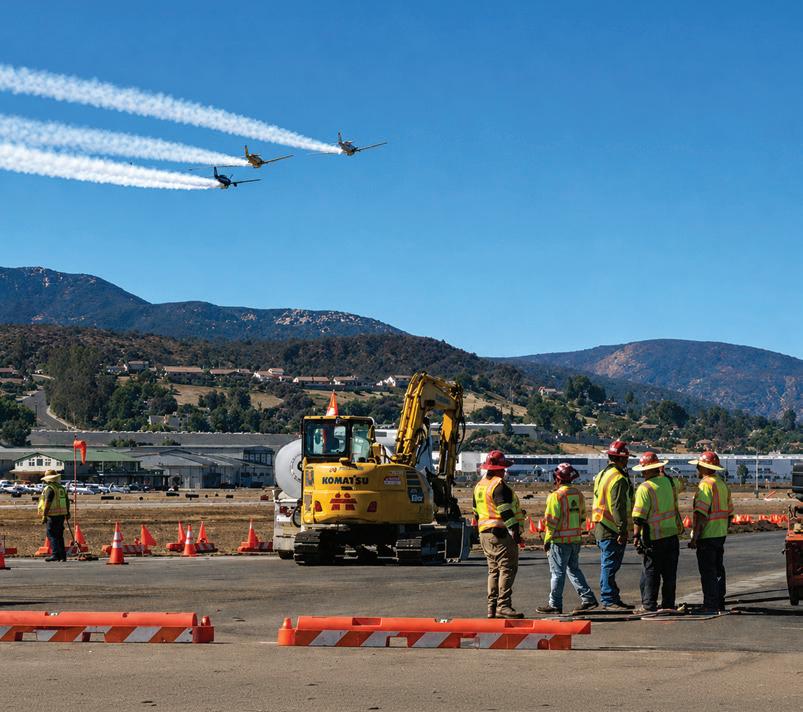


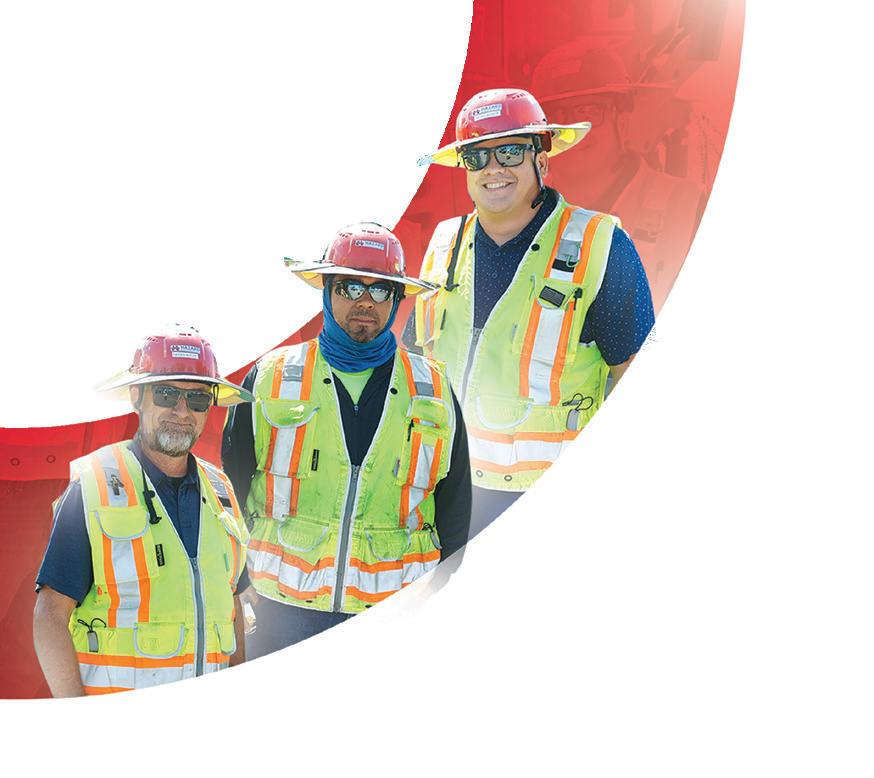
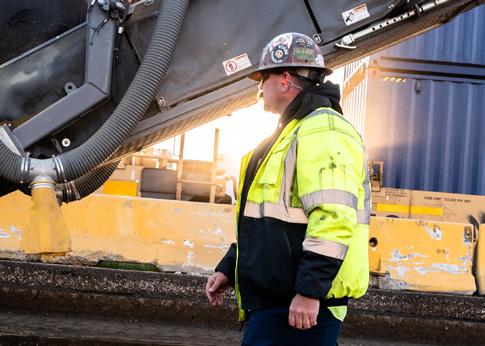
Big shoutout to the team who made it happen out on the paving on Jimmy Durante Blvd. in Del Mar, led by Superintendent Hayden Butler, Paving leads Sam Saldana & Froy Salgado, and Project Manager Paul Hutchins, and Project Engineer, Navid Nasirpour. Pictured L-R: Hayden Butler, Sam Saldana, and General Superintendent, Geoff Acosta.
{ Continued from page 8 }
As infrastructure needs continued to evolve, Hazard Construction expanded its capabilities to match. Today, the company operates as a full-service heavy civil contractor, performing a wide range of work that includes paving, grading, underground utilities, bridges, and
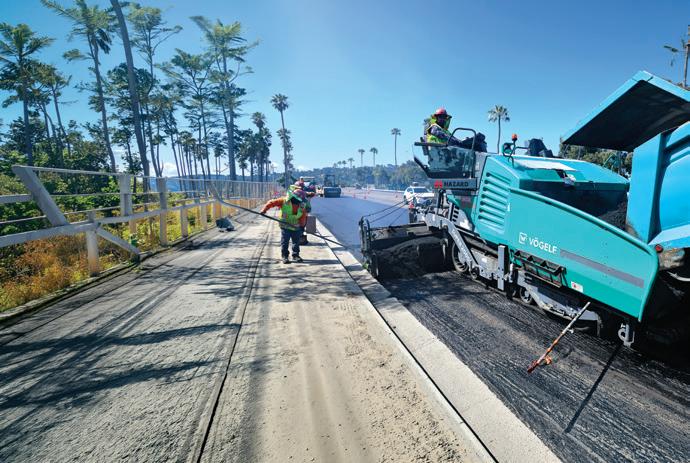
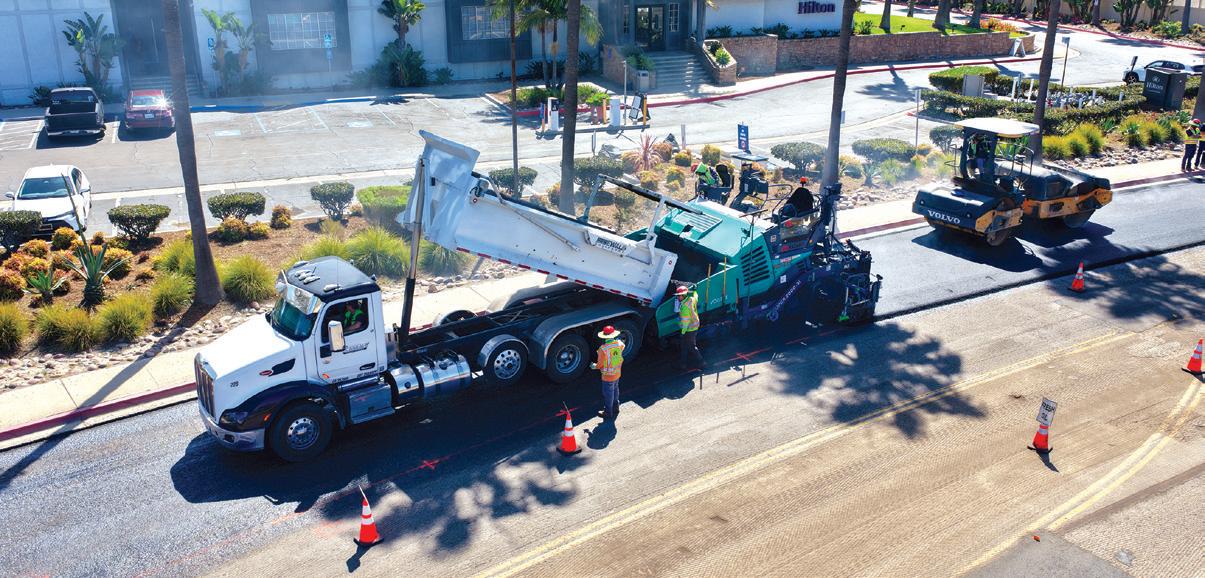
Hazard Construction paving overlay along Jimmy Durante Blvd. in Del Mar. This phase included variable-depth cold milling and a full asphalt overlay.
traffic control. “We’re a general contractor, so we do everything,” Mordhorst said. “Paving is about 30 percent of what we do. The rest is everything else that goes into infrastructure.”
The company operates two fulltime paving crews while maintaining the flexibility to take on a variety of


EARTH RETENTION & SHORING
COFFERDAMS & WATER CONTROL
FLOODWALLS & MARINE

DEEP FOUNDATIONS


SCAN TO LEARN MORE
{ Continued from page 10 }
One of the defining characteristics of Hazard Construction’s longevity has been its ability to transition leadership effectively while maintaining continuity in its core values and approach to the work. From its founding in 1926 to today, the company has moved through multiple generations of leadership, each building on the foundation established by those before them.
Roscoe Elwood “Pappy” Hazard established the company with a hands-on approach rooted in problem-solving and adaptability, setting the tone for how the business would operate in its earliest years. His son, Bruce Hazard, followed, learning the business from the ground up and helping guide the company through a period of significant regional growth as San Diego expanded and infrastructure demands increased.
As the company matured, leadership transitioned beyond the founding family, marking an important turning point in its history. Under leaders such as R. David Randal, the company evolved from a family-run operation into a more structured heavy civil contractor, expanding its capabilities and positioning itself to take on larger, more complex public works projects.
Subsequent leadership under industry veterans including Doug Urbick and Tom Shaddox further strengthened the company’s operational depth, helping refine its approach to project delivery, management systems, and longterm planning. These transitions were not abrupt shifts, but rather
a steady progression that allowed the company to adapt while maintaining stability. “That continuity is a big part of why we’re still here,” Mordhorst said. “Every group that came through built on what was already in place. Nobody tried to reinvent it, they just made it better.”
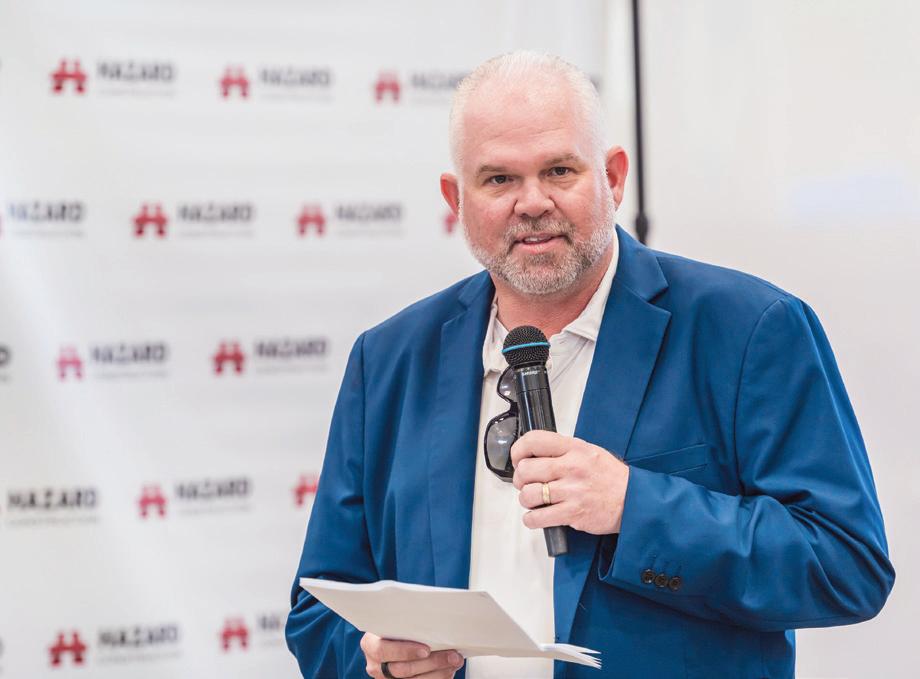
When Jason Mordhorst stepped into the role of President in 2014, he became part of that ongoing progression. His leadership reflects both an understanding of the company’s history and a focus on positioning it for the future, particularly through investments in technology, systems, and workforce development. “You don’t get to 100 years by starting over every time leadership changes,” he said. “You get there by building on what works and continuing to improve.”
Mordhorst’s own career reflects the company’s approach to developing talent. He joined Hazard Construction in 2002 as an estimator and project manager, working on major developments such as Black Mountain Ranch, now known as Del Sur. “That was one of my first major projects here,” he said. “It gave me a chance to understand how everything comes together, from the field side to the office side.”
From there, he moved into estimating, eventually leading the department before becoming President in 2014. “It’s the classic construction path,” Mordhorst said. “You learn the work, you take on more responsibility, and you grow with the company.”
Today, Hazard Construction is guided by a leadership team with extensive experience across all aspects of the business. “This isn’t a one-person operation,” Mordhorst said. “We’ve got people here who understand every part of this business.”
Executive Vice President William Rogers provides leadership in estimating and project management, Chief Financial Officer Noli Gavino oversees financial operations, Vice President Mark Thunder focuses on field execution, and Vice President Bryan Seeger leads estimating and preconstruction. “We’ve got people here who’ve been through everything,” Mordhorst said. “That experience matters.”
Technology has become an increasingly important part of Hazard Construction’s operations, influencing everything from planning to execution. “When I stepped into this role, one of the biggest priorities was bringing our operations into the modern era,” Mordhorst said.
The company has invested in systems that provide real-time data, improving decision-making and efficiency. “We’re measuring smoothness with lasers now and paving with 3D GPS driven software and hardware,” he said. “That changes how you approach the work. Everything has to be precisely coordinated and hightech is helping us to get it all done more efficiently.”
Along with the modern GPS systems, Hazard has also moved to owning and operating the most advanced equipment available on the market today. This includes
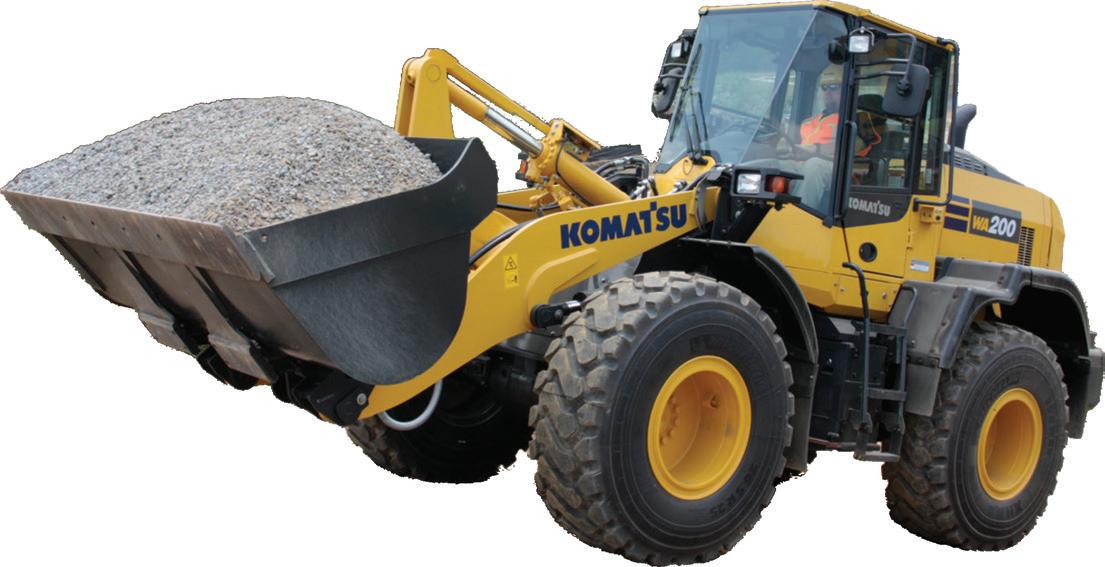
Vogele pavers and Hamm rollers from Nixon-Egli Equipment Co. and Komatsu grading and excavating heavy machinery from Clairemont Equipment, furthering the company’s goal of achieving the most advanced precision and performance.
“
Every group that came through built on what was already in place. Nobody tried to reinvent it, they just made it better.”
President Jason Mordhorst

Despite the evolution of technology and equipment, Mordhorst emphasizes that the company’s success continues to be driven by its people. “The company was built by our people,” he said. “Our operators, our laborers, our project managers, our engineers—they’re the ones making it happen every day.” That focus extends to long-term planning, training, and development, ensuring that the company remains strong for future generations.
As Hazard Construction enters its second century, the focus remains on adaptability, growth, and long-term success. “We’ve been part of building San Diego for 100 years,” Mordhorst said. “The goal is simple: stay true to our roots, continue doing everything we can to deliver quality work, and remain a proud contributor to the growth and success of San Diego’s infrastructure. It’s been 100 years, but we all believe we’re just getting started.” Cc
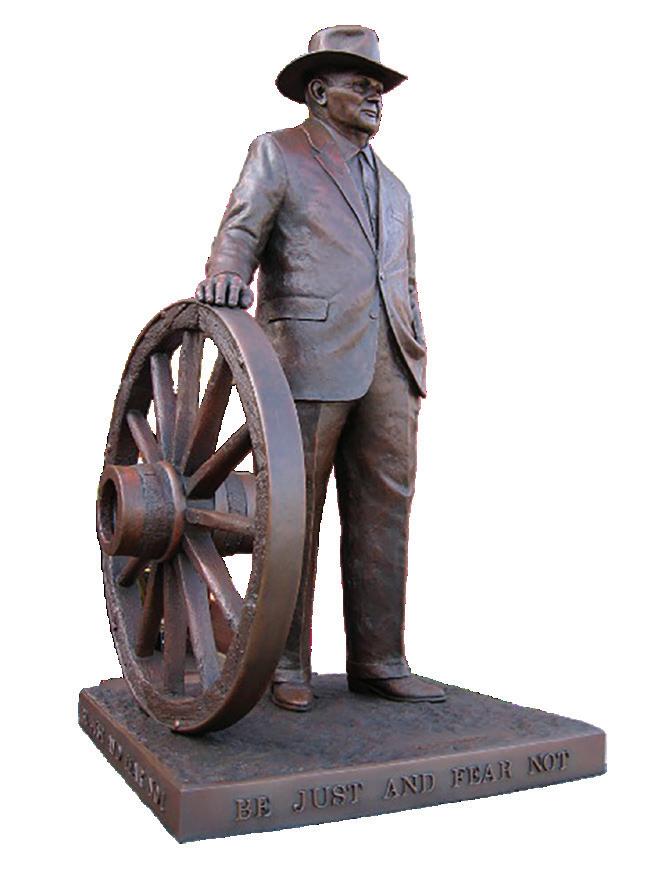
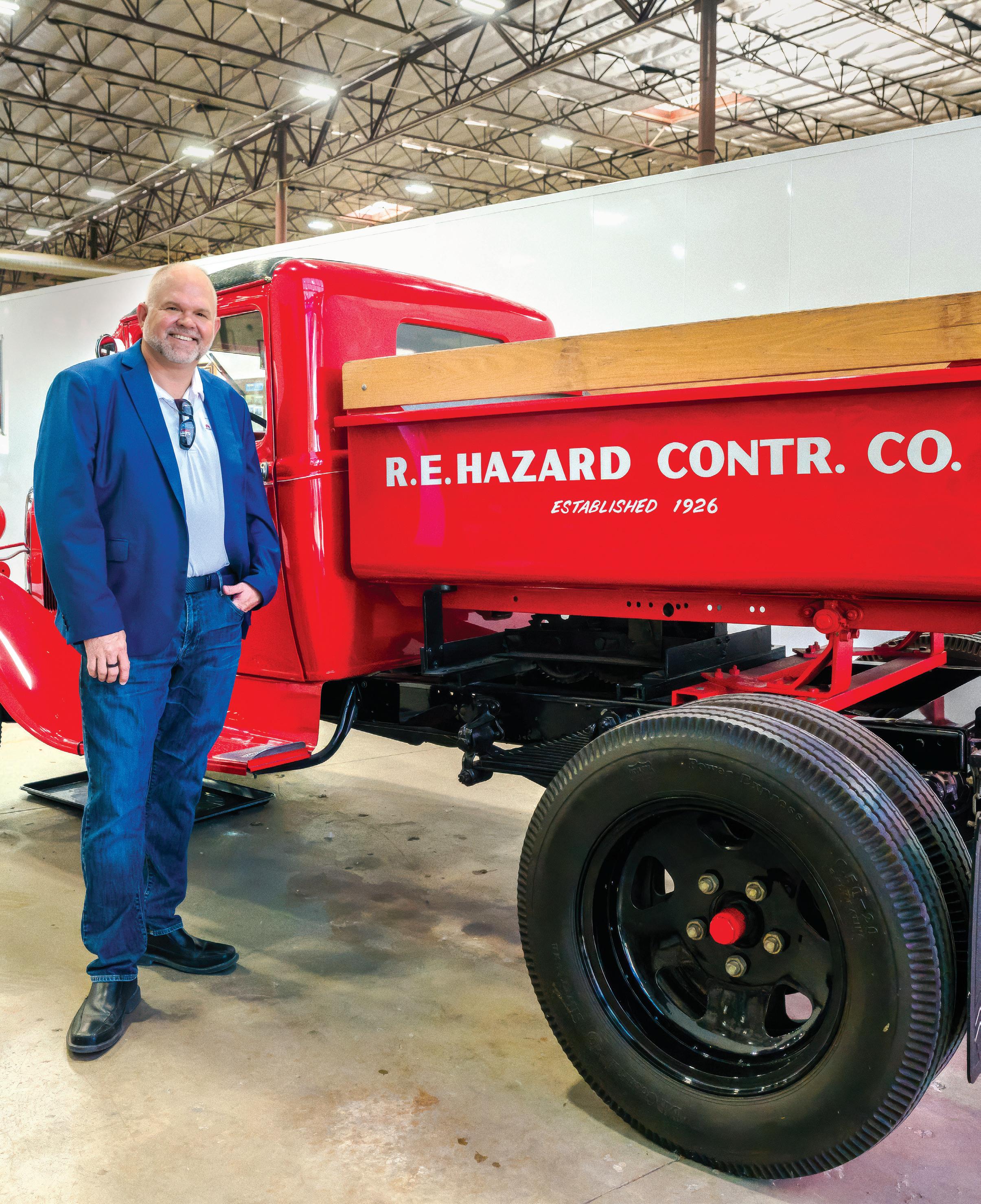
It all started with one man’s vision. In 1926, Roscoe E. “Pappy” Hazard, Sr. founded R.E. Hazard Contracting Company, laying the literal foundations for development throughout greater San Diego.





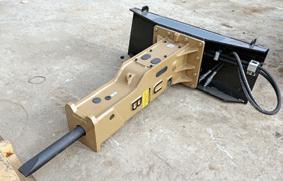

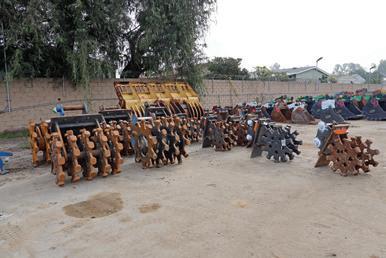
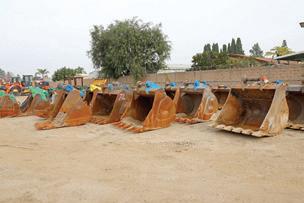




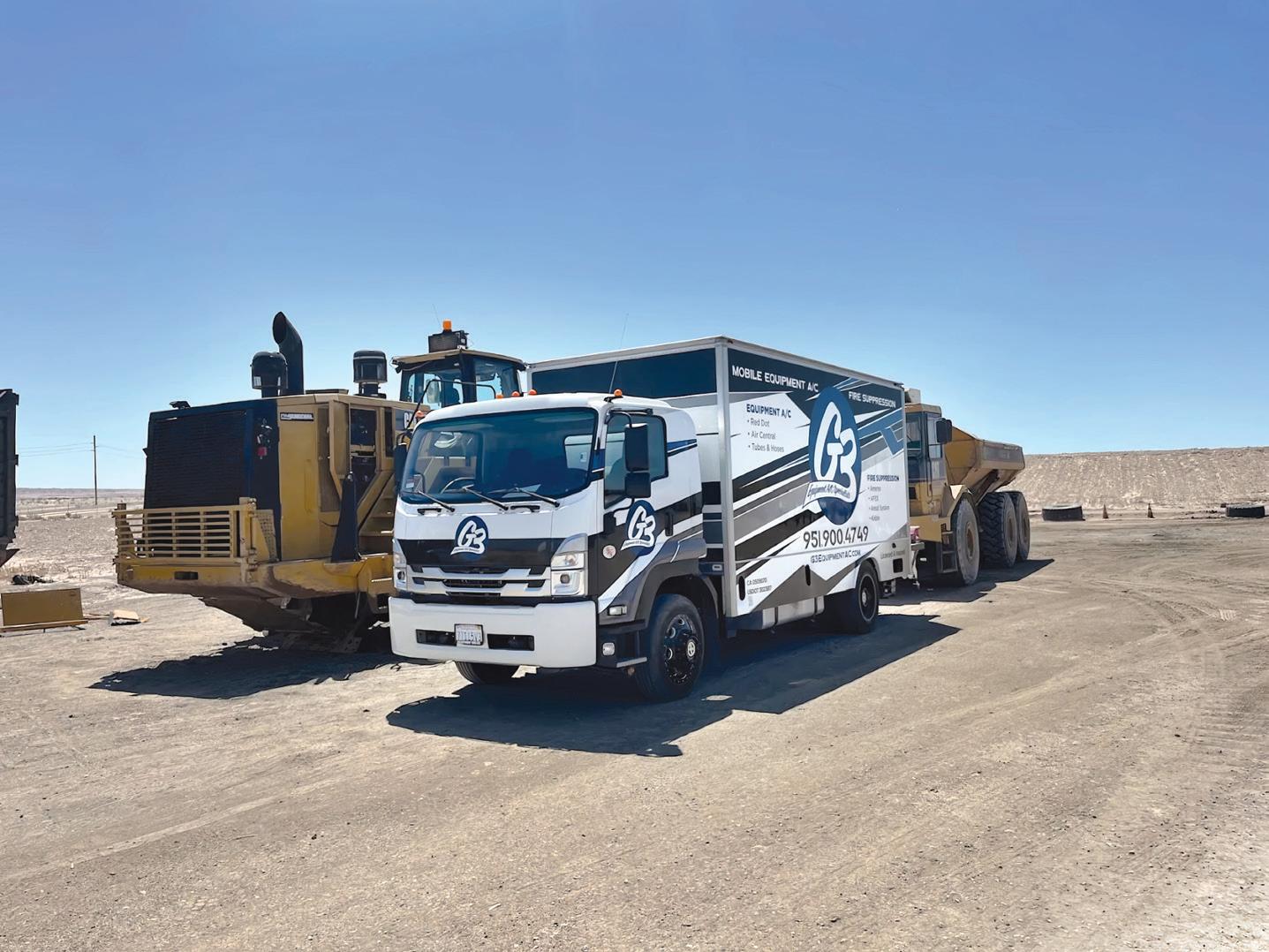
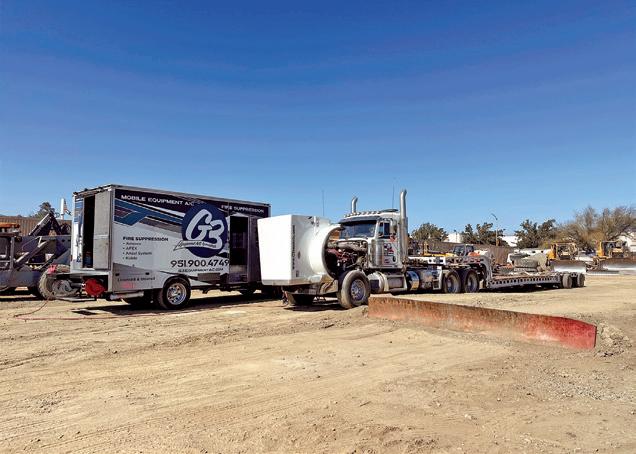
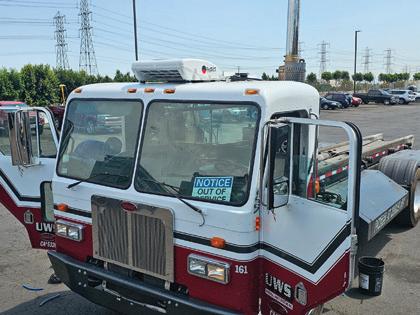
At G3 Equipment AC Specialists, we provide expert AC repair services for commercial fleets. Our skilled technicians ensure your systems operate safely and efficiently— keeping your vehicles running smoothly and your drivers safe and comfortable.
‰RED DOT Roof Top
‰Air Central
‰Mobile AC Hoses
AC PARTS IN STOCK FOR SALE

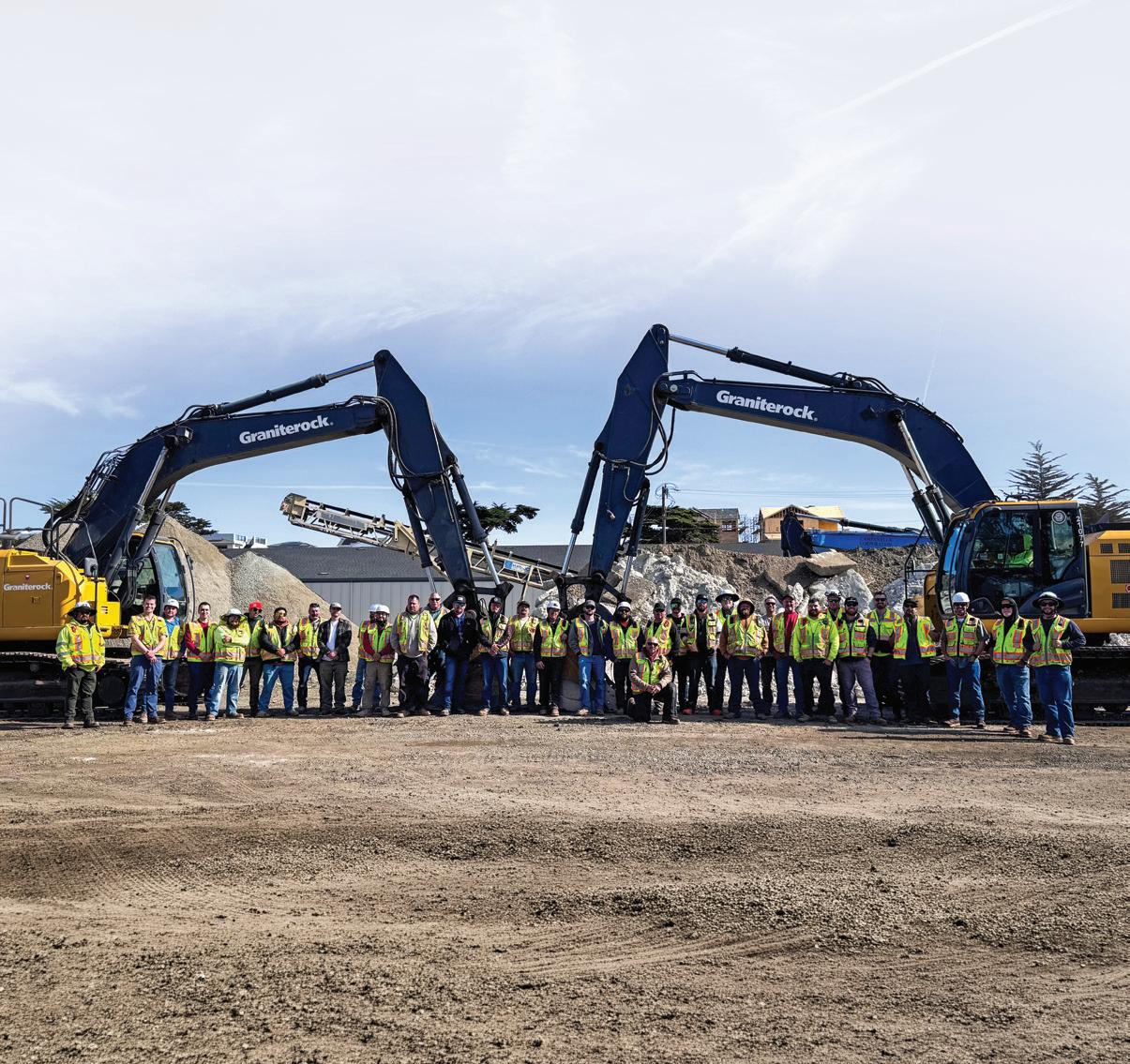
By Brian Hoover / Photos provided by Graniterock
Anyone who has spent time traveling the Highway 1 corridor through Monterey County understands the frustration. Long lines of brake lights stretch for miles as commuters inch their way toward Monterey each morning while traffic bottlenecks continue to grow throughout the region. The new MST SURF! Busway and Bus Rapid Transit Project is designed to change that reality, creating a dedicated transit corridor that will allow buses to bypass congestion
while providing riders with a faster, more reliable transportation option along the Monterey Peninsula.
Running adjacent to Highway 1, the new corridor will eventually allow transit riders to move past stop-and-go traffic while traveling between Marina, Sand City, Seaside, and Monterey with views of the coastline on one side and packed traffic lanes on the other. The project represents one of the largest transportation mobility improvements currently underway
in Monterey County and is intended to reduce congestion, improve regional connectivity, and encourage greater use of public transportation throughout the area.
Based on the scale and complexity of the work underway, the $59 million Graniterock Myers Joint Venture is transforming what was once an abandoned rail corridor into one of the region’s most significant transportation infrastructure improvements in decades.
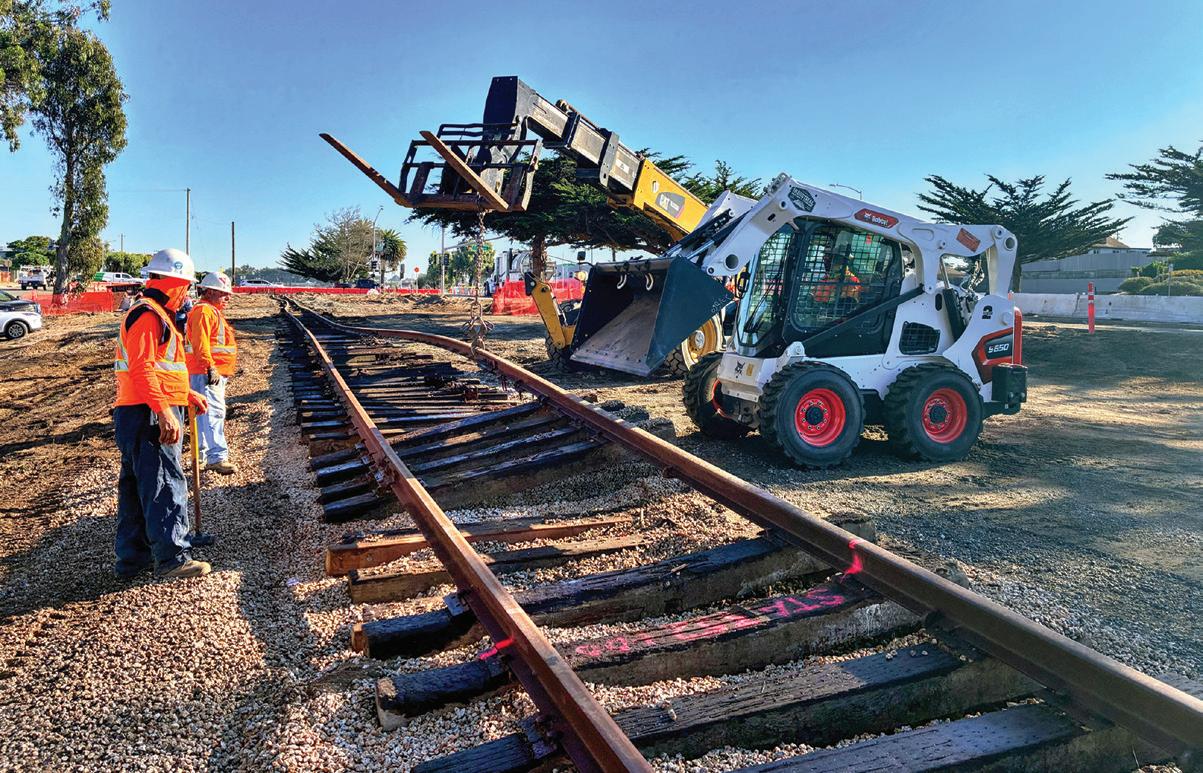
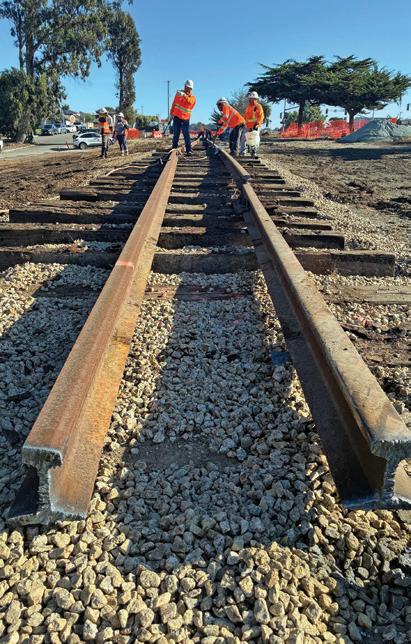
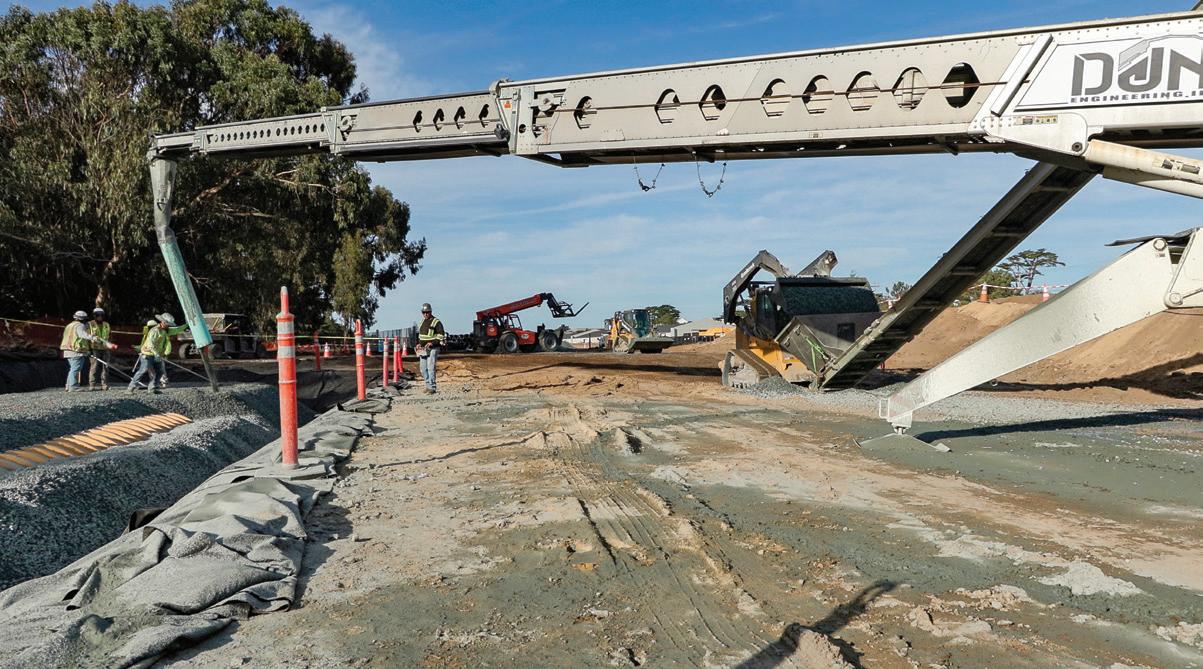
Above and Right: Crews using a Cat telehandler and a skid steer to remove approximately 34,000 track feet of abandoned rail, followed by GRM crews harvesting and recycling the concrete ballast material. The ballast material was crushed onsite into more than 30,000 tons of Class 2 & 3 base material reused throughout the project.
Construction officially broke ground in September 2025 following contract award activities that began earlier in May. Substantial completion is targeted for November 2027, with the project tied to a hard revenue service date of March 2028, when Monterey-Salinas Transit plans to begin full operations on the corridor.
The SURF! project itself consists of a five-mile dedicated busway corridor with approximately one additional mile of transit signal priority improvements, bringing the overall project length to roughly six miles. The dedicated corridor begins near Del Monte Boulevard and Palm Avenue in Marina and travels south to Sand City and Seaside before tying into the California Avenue interchange area near Playa Ave/California Ave Intersection.
The project is being constructed within the Monterey Branch Line right-of-way owned by the Transportation Agency for Monterey County (TAMC). Segments 1 and 2 create a direct transit connection between the Marina Transit Exchange and the Sand City Transit Center while paralleling Highway 1 for much of the route. Segment 3 ultimately connects the busway through the California Avenue interchange area and into Monterey.
“The whole purpose is to improve regional mobility and reduce congestion,” explained Guerrero. “There’s a lot of traffic entering Monterey, and this gives MST (Monterey-Salinas Transit) a much more reliable system for pickups and drop offs. Riders are coming not only from Marina and
Seaside, but from Salinas, King City, and throughout Monterey County.”
In addition to improving transit reliability, the project is expected to enhance air quality, reduce
greenhouse gas emissions, improve bicycle and pedestrian trail connectivity, and create a stronger regional transportation network throughout the Monterey Peninsula. Local agencies also anticipate that the dedicated corridor will encourage increased public transit use by offering a predictable alternative to the heavily congested Highway 1 commute.
One of the more unique aspects of the project is that the dedicated busway is being built directly within an abandoned railway corridor. Originally, the concept had involved maintaining the rail alignment, but Coastal Commission requirements
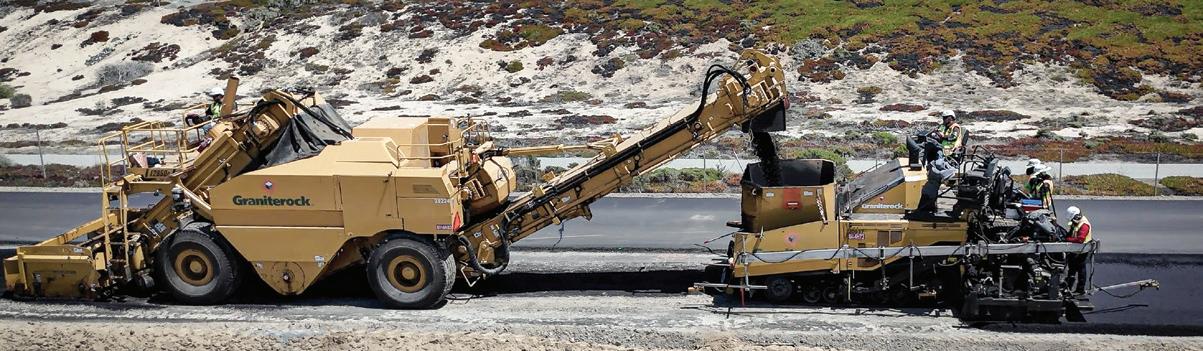
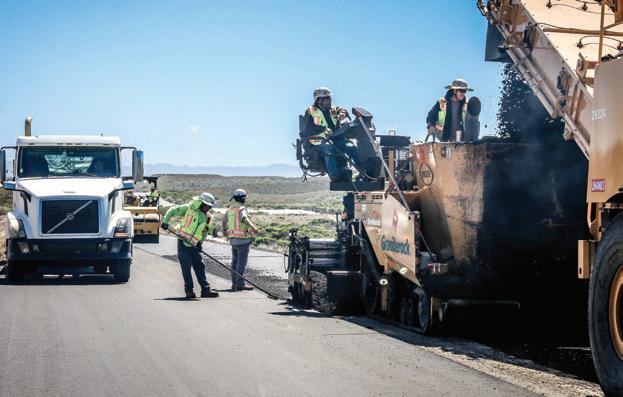
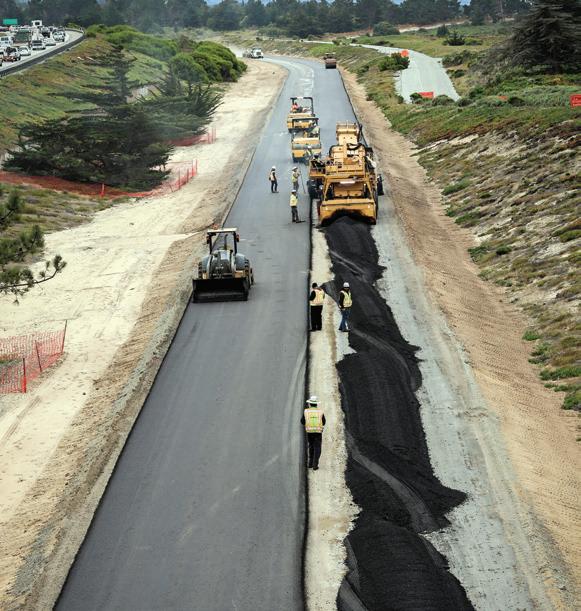
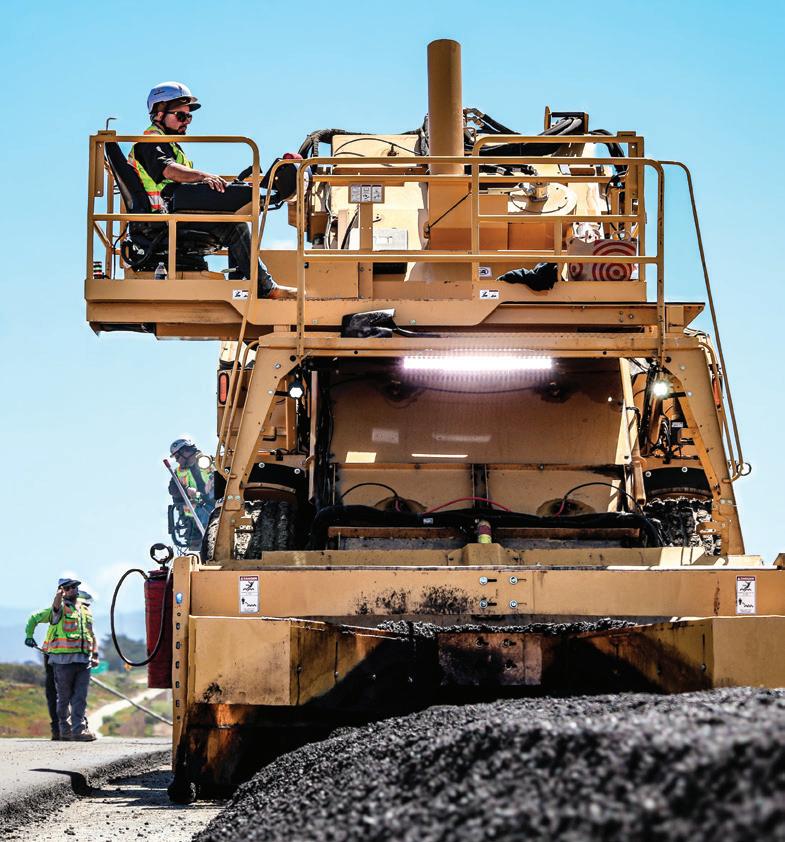
Above: Asphalt paver being fed by a material transfer vehicle (MTV) placing 3/4” Superpave mix in 4-inch lifts.
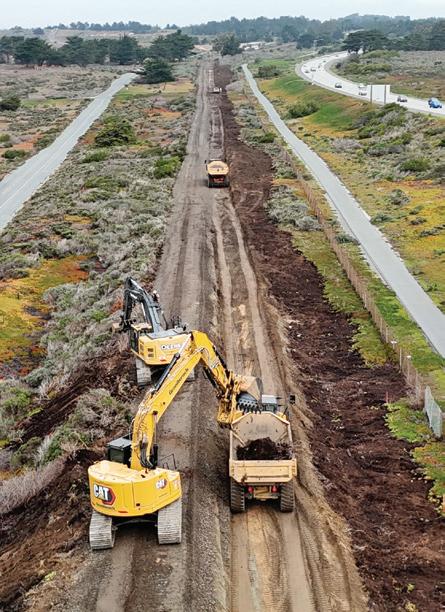
Left: GRM crews moved approximately 100,000 cubic yards of material while importing an additional 15,000 cubic yards to balance grading requirements across the corridor.
Below: Aerial view of the paving operation on the
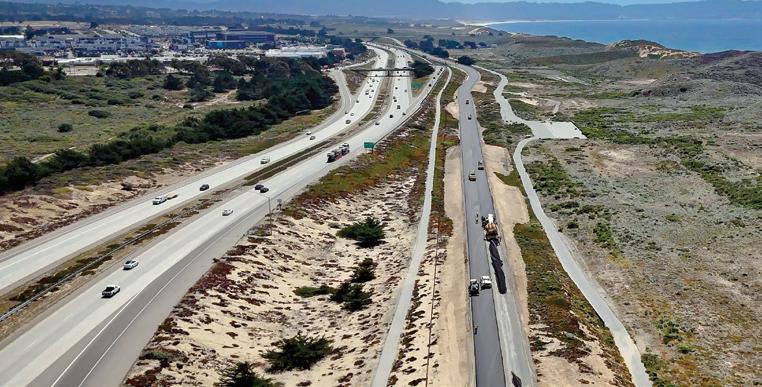
ultimately pushed the team toward removing the inactive rail system entirely and converting the corridor into the dedicated transit route.
The first major operation after mobilization involved removing approximately 34,000 track feet of abandoned rail. A subcontractor removed the rails while GRM crews followed behind harvesting and recycling the ballast material. Instead of exporting the material, the team crushed and repurposed it into Class 2 and Class 3 aggregate base for the new corridor.
“We’ve recycled all of that material,” Guerrero said. “At one point we had more than 30,000 tons
stockpiled for reuse throughout the project.”
After rail removal operations, the team encountered one of the project’s largest challenges: evolving design requirements tied to Coastal Commission approvals and issuance-for-construction plan revisions. Rather than slowing down operations, the joint venture strategically shifted focus toward station construction while final corridor design updates were completed.
Three major stations anchor the project. The largest, known as the Fifth Street Station near the VA
{ Continued on page 22 }





{ Continued from page 20 }
Hospital in Marina, serves as the operational hub of the corridor and houses the project staging yard. Two additional stations are located near Del Monte Boulevard in Marina and Playa Avenue in Sand City.
Construction of the stations required extensive underground utility work, grading, hardscape installation, paving, electrical systems, and stormwater infrastructure. Electrical improvements include lighting systems, traffic signalized intersection, bus and vehicle charging stations, and bus entrance and exit control arms.
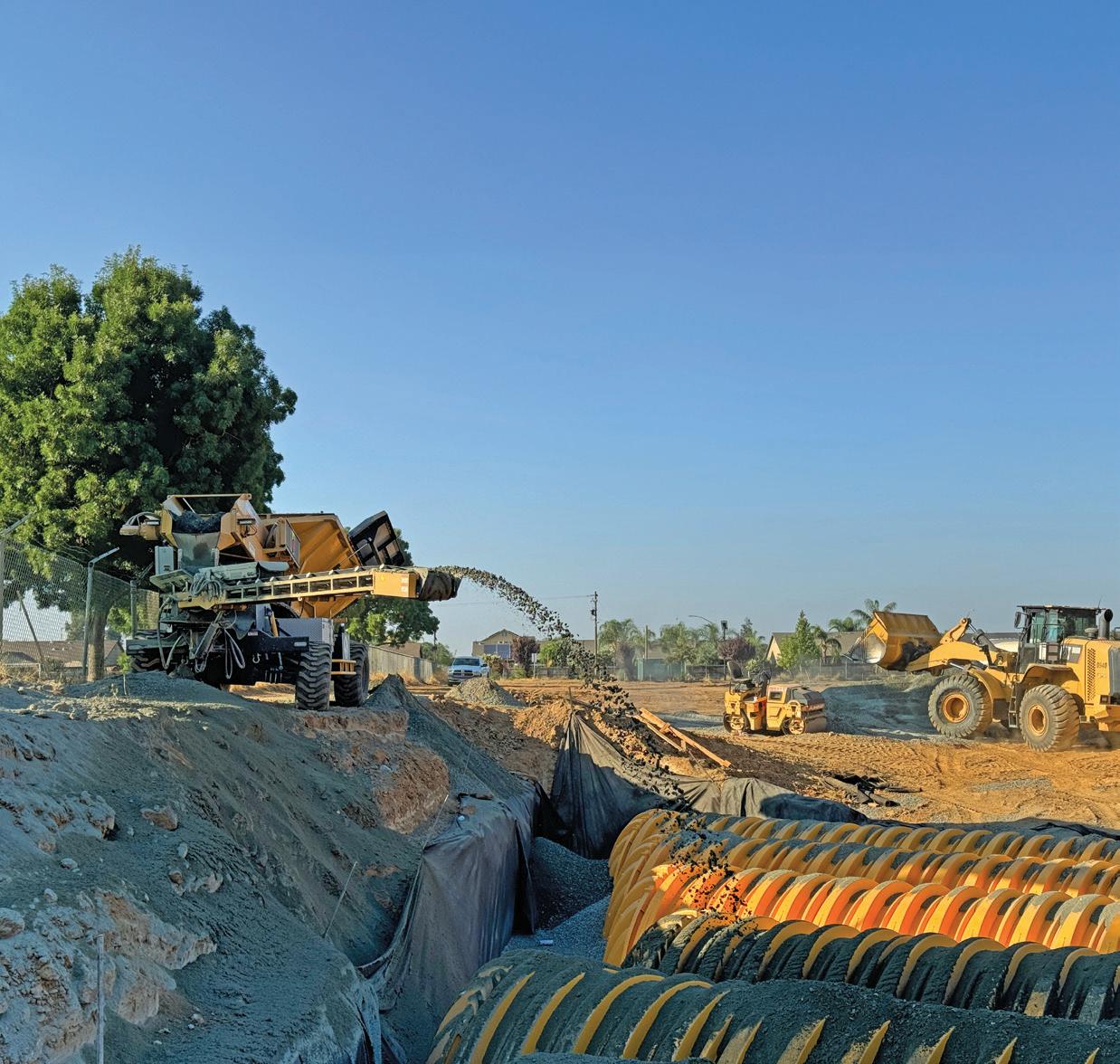
Stormwater management plays a major role throughout the project. The corridor includes nine large infiltration basin systems designed to capture, filter, and infiltrate runoff water back into the ground. These systems utilize underground chamber structures capable of handling significant stormwater volumes while reducing downstream impacts.
{ Continued on page 24 }
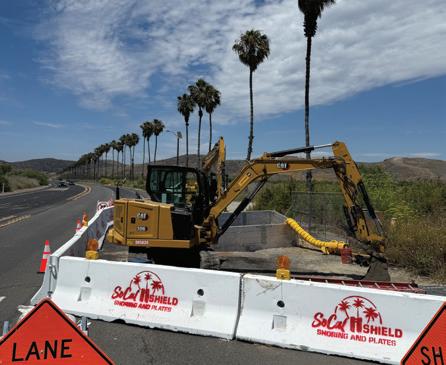
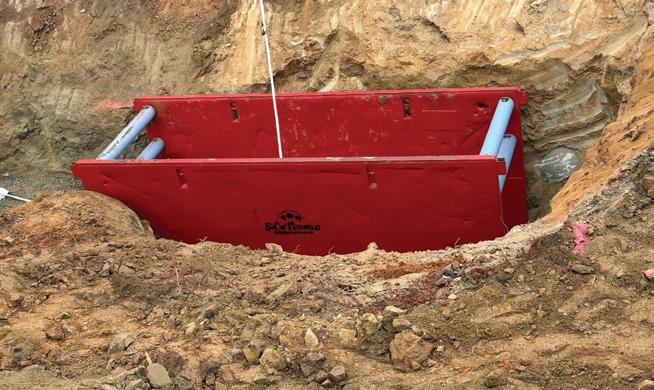
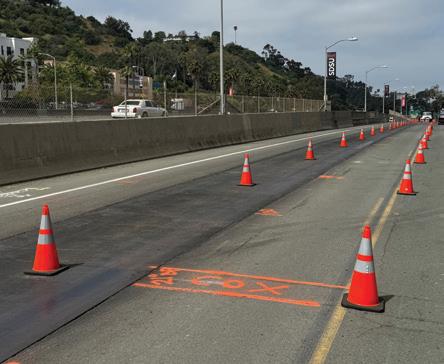

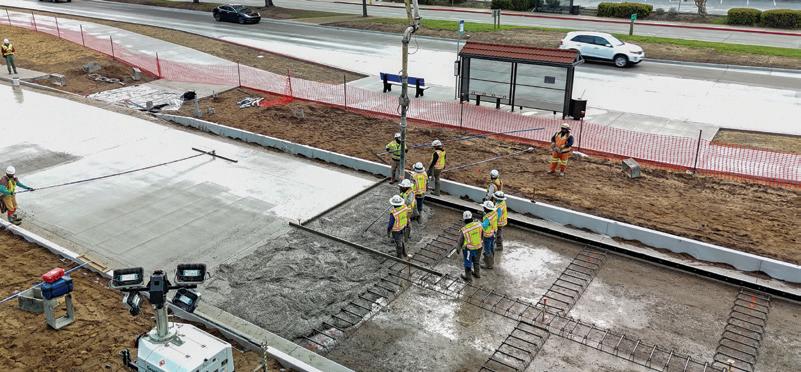
Right & Below: GRM is a vertically integrated joint venture that self-performed nearly all aspects of work on this project. Other concrete entrance sections utilized 10-inch-thick colored concrete designed to distinguish bus access points from surrounding pavement.
{ Continued from page 22 }
The largest infiltration basins measure roughly 30 feet wide by 200 feet long and nearly 10 feet deep. Drainage infrastructure throughout the project includes 12-inch, 18-inch, and 24-inch storm drain systems feeding into the infiltration chambers.
“These systems are being used more and more throughout the region,” Guerrero explained. “The water flows into the chambers, infiltrates into the ground, and overflow systems help regulate capacity during larger storm events.”
Once station construction progressed, crews shifted focus toward preparing the corridor itself. Operations included subgrade preparation, placement of recycled aggregate base, and full depth reclamation work. Soil conditions throughout portions of the corridor
required stabilization using cement-treated FDR (Full-Depth Reclamation) methods. The FDR reduced the import of aggregate for the roadway section and export of existing dirt from the reduced section.
The project includes approximately 786,000 square feet of full depth reclamation with 12-inches being mixed, 6-inches aggregate subbase, and over 6-inches of native material. At the time of the interview, roughly 300,000 square feet had already been completed.
Paving operations are equally substantial. The finished busway corridor consists of a 4-inch section of asphalt pavement using roughly 27,000 tons of asphalt pavement placed in a four-inch lift utilizing a three-quarter-inch Superpave mix specifically
designed to withstand the heavy and repetitive loads generated by transit buses.
Earthwork operations have also been extensive, with crews moving approximately 100,000 cubic yards of material while importing an additional 15,000 cubic yards to balance grading requirements across the corridor. Much of the onsite excavation material is being reused elsewhere on the project.
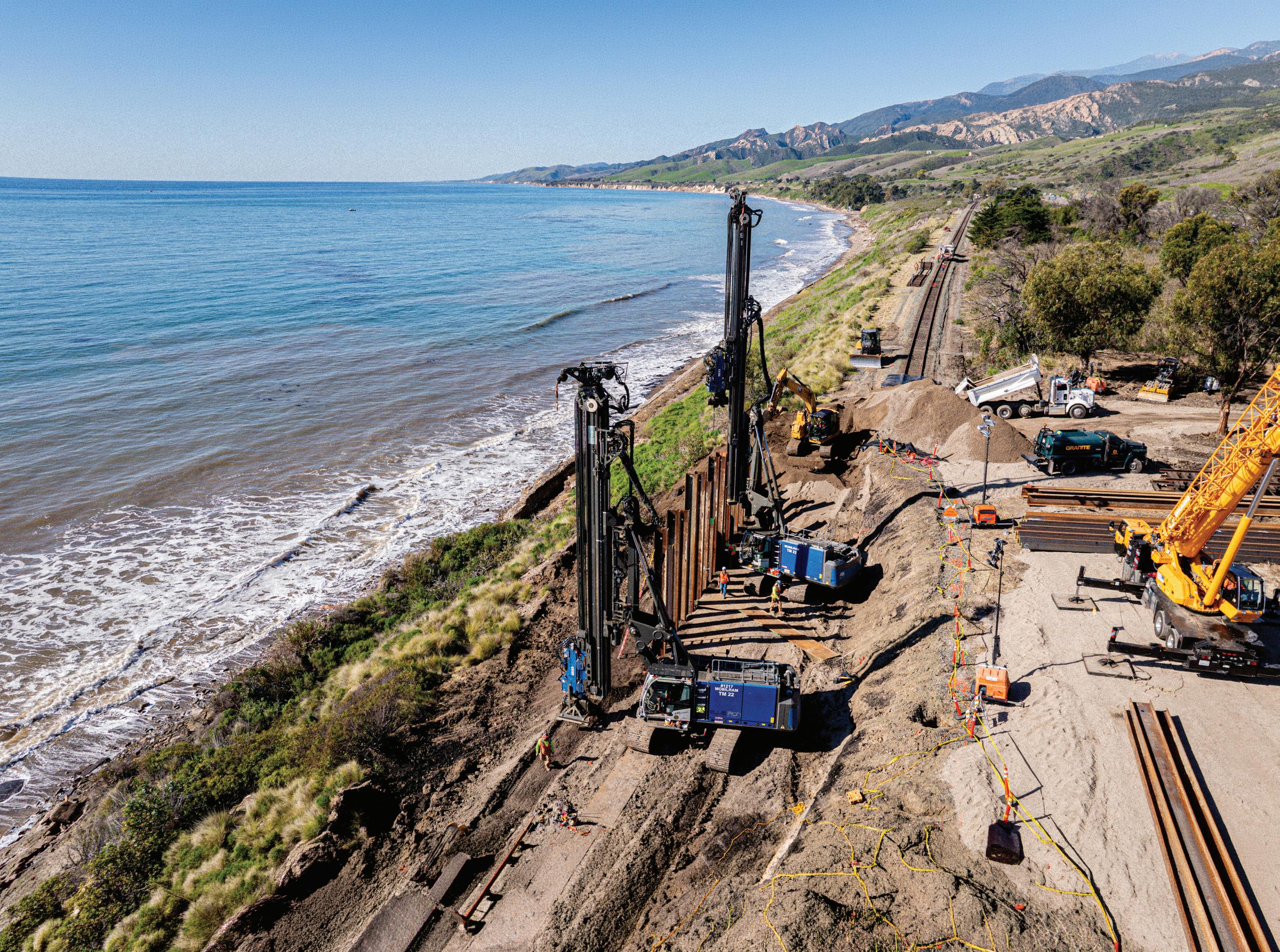
The project also includes approximately 1,800 linear feet of retaining walls strategically placed where corridor elevations transition between the Coastal Trail, adjacent roadways, and the busway alignment itself. Crews recently completed pile driving operations and have moved into concrete lagging installation for those wall systems.
Concrete operations across the project total roughly 6,500 cubic
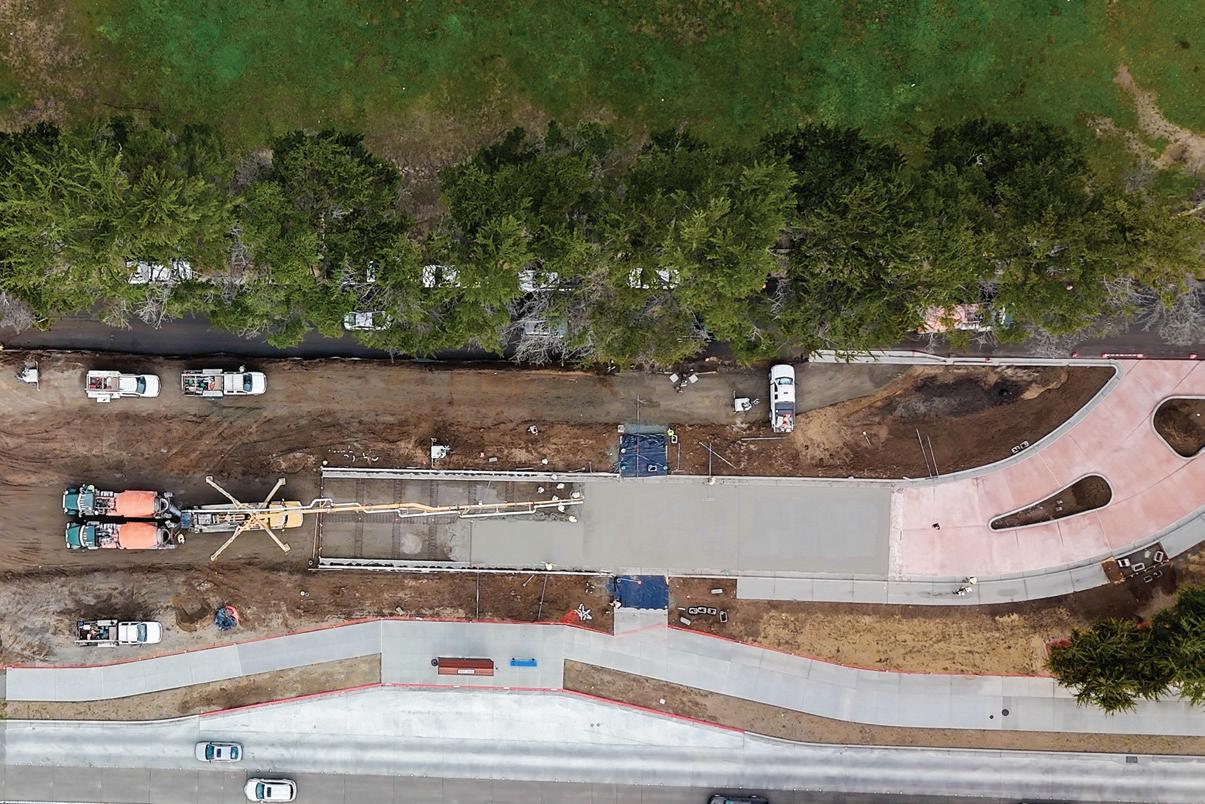
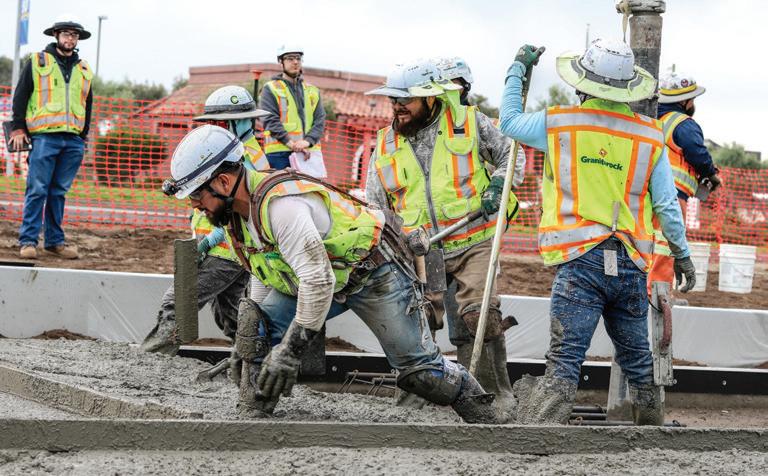
yards and include curb and gutter, sidewalks, valley gutters, drainage structures, and specialized busway entrance slabs. Certain bus entrance sections utilize ten-inch red colored concrete designed to distinguish bus access points from surrounding pavement.
To keep the massive operation moving, GRM has maintained workforce levels ranging from 30-person crews to peaks exceeding 65 personnel onsite in a single day. The project is budgeted for approximately 125,000 man-hours.
Equipment working throughout the corridor includes scrapers,
dozers, wheel loaders, large excavators, pavers, material transfer vehicles, rollers, off-road haul trucks, and support equipment operating simultaneously across multiple work zones.
Among the largest pieces of equipment onsite is a Caterpillar 374 excavator supporting major earthmoving operations. The team is also utilizing Euclid off-road haul trucks to move material throughout the corridor and staging areas.
Despite the complexity of the work, Guerrero emphasized that one of the project’s biggest strengths has been the collaborative
CMGC (Construction Manager/ General Contractor) process, which allowed the contractor, owner, engineers, and construction management team to work together throughout evolving design conditions.
“Our biggest challenge was keeping the wheels turning while plans were still evolving,” said Guerrero. “The good part about the CMGC process is that everyone is in the same room working through solutions together. We’re able to collaborate, avoid rework, and keep the project moving while maintaining schedule.”
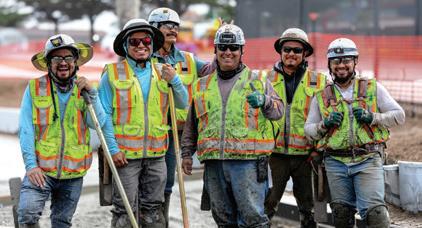
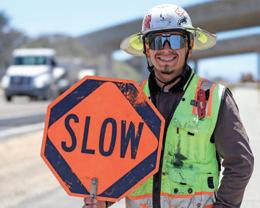
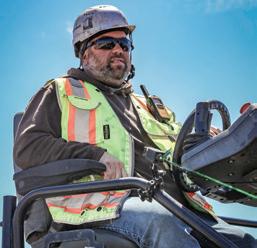
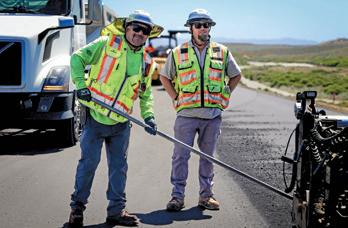
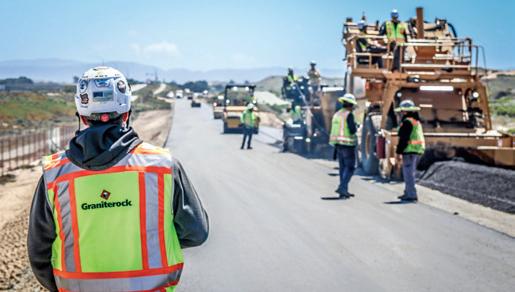
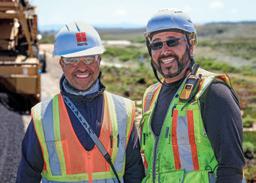
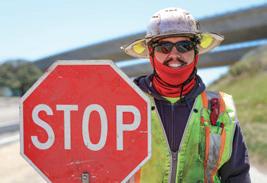
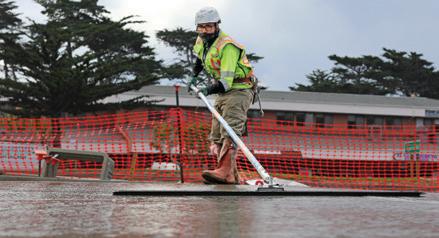
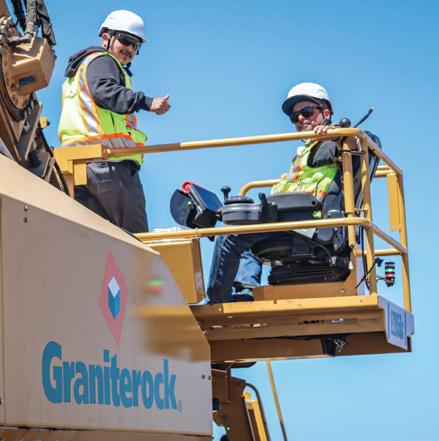
Guerrero credited several individuals for helping drive the project forward, including Graniterock’s Executive Vice President of Construction Rob Snyder, Senior Estimator Vicki Narciso, Construction Manager Spencer Wright, Myers Area Manager Micaiah Revero, Project Manager Forrest Sundquist, and Project Superintendent Mike Mowry, along with project engineers Chris Collins, Pablo Romo, Daniel Olivarez-Vega, and Horacio Vargas managing the construction project.
He also praised the partnership between the joint venture,
Monterey-Salinas Transit, and the construction management teams overseeing the project. “A project of this magnitude only succeeds through strong coordination between all involved parties. It is important that we take a moment to credit Monterey-Salinas Transit, TAMC, regulatory agencies, construction management teams, engineers, consultants, and the joint venture crews for maintaining open communication and working collaboratively through the many design revisions and construction challenges encountered so far,” says Guerrero. “Continued support and
coordination between stakeholders has been essential in keeping the project on track.”
As construction continues through 2027, MST SURF! is steadily taking shape as a major transportation investment for Monterey County. What was once an abandoned rail corridor is now becoming a modern transit route designed to improve mobility, reduce congestion, enhance regional transit connectivity, and provide commuters with a faster and more dependable way to travel the Monterey Peninsula for decades to come. Cc
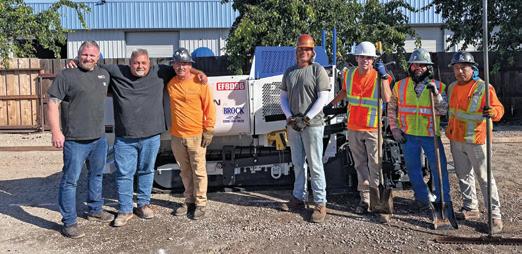
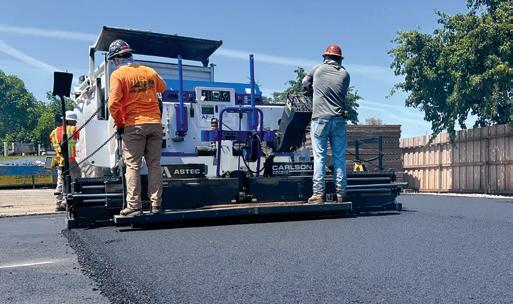
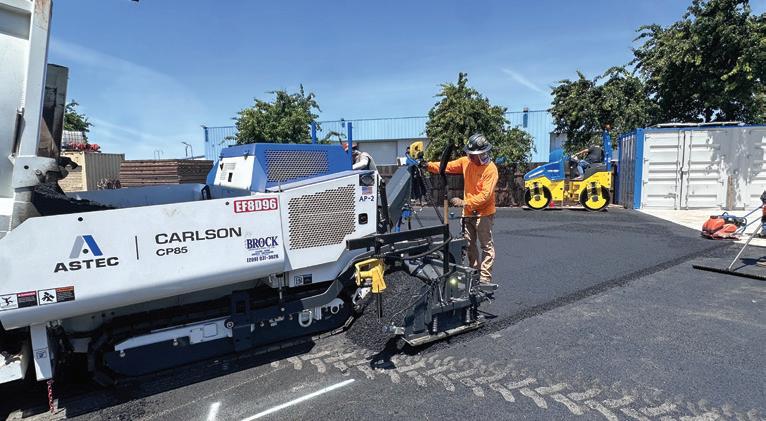
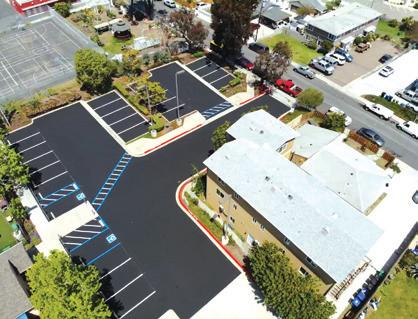
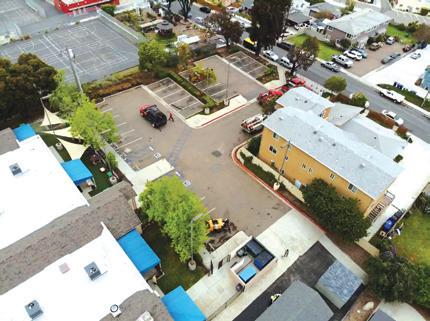
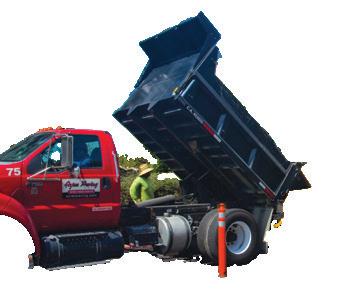
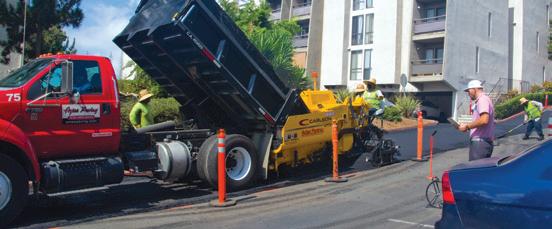
G&L Brock Construction utilizes their Astec Carlson CP85 paving machine on an inaugural paving project in Stockton, California. Team members shown above played a key role in delivering a smooth, ef cient paving operation, highlighting the mobility, versatility, and performance of the CP85 on commercial paving applications.
For more than 40 years, G&L Brock Construction Co., Inc. has been a trusted name in Central California construction, specializing in grading, paving, concrete, excavation, and underground utilities for residential and commercial projects. Since 1979, the company has built everything from roads and sidewalks to subdivisions and tank farms with a reputation for quality and reliability.
When it came time to purchase a small to mid-size paver for parking lots and apartment complexes, President David Brock knew exactly where to turn.
“When we decided to purchase a smaller paving machine, we had no doubts about where to go,” Brock said. “Herrmann Equipment has been our paver supplier and support team for decades. We purchased a larger paving machine from them back in 2003, and they’ve helped us keep that machine running strong ever since.”
G&L Brock recently added the Carlson CP85 to its fleet, a compact commercial paver known for its maneuverability, easy transport, and impressive mat quality.
“We purchased the CP85 because it fits the type of work we do perfectly,” Brock explained. “We love the mobility of the machine, the ease of transport, and the fact that it can be operated with a two-man crew, which helps keep us competitive. It lays down an awesome mat too.”
The Carlson CP85 is also known for its operator-friendly controls, excellent visibility, and fuel-efficient performance, making it ideal for parking lots, pathways, and residential developments.
“We truly appreciate our relationship with Herrmann Equipment and Matt Herrmann, who is always there when we need him,” Brock added. “Matt took the time to train us on the new machine and was extremely supportive throughout the process. We trust Herrmann Equipment and the quality brands they represent.”


Three Generations Strong, Aztec Paving Continues to Deliver in San Diego
In an industry where companies come and go with the cycles of the market, Aztec Paving, Inc. has quietly built something far more enduring, trust. For more than five decades, the San Diegobased contractor has carved out a reputation rooted not just in asphalt, but in honesty, consistency, and a family legacy that continues to shape its future.
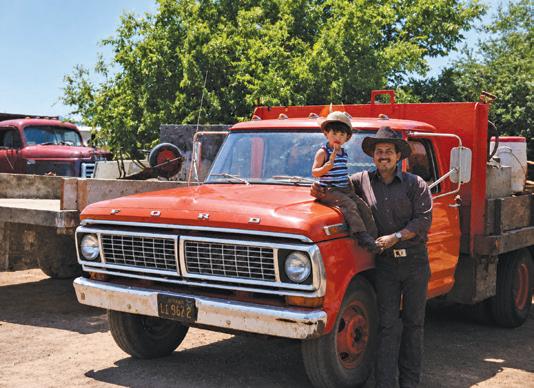
Founded in 1970, Aztec Paving traces its origins back to Glendale, California, where founder Pat Ferry first honed his craft alongside his
brother in the 1960s. The name of their company was originally Ferry Brothers Grading and Paving. Looking for new opportunity, the brothers relocated to San Diego in the late 1960s. What began as a small operation focused on grading and paving quickly evolved into a company that would stand the test of time.
That history, however, reaches back even further. The Ferry family’s involvement in paving dates to the early 1900s, when Patrick Ferry’s great-grandfather
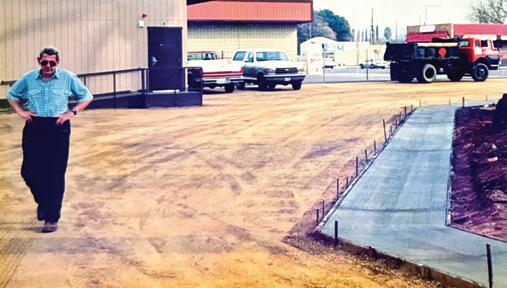
was already performing grading and paving work in California, providing a rare four-generation foundation in the industry.
In 1969, Pat’s brother, Jack, retired from Ferry Brothers Grading and Paving. The following year, Pat officially formed Aztec, guiding the company through its transition and name change to Aztec Paving, Inc. From there, the company grew steadily, fueled by experience, hard work, and a willingness to adapt.
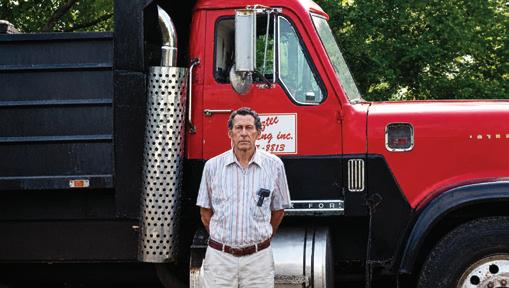
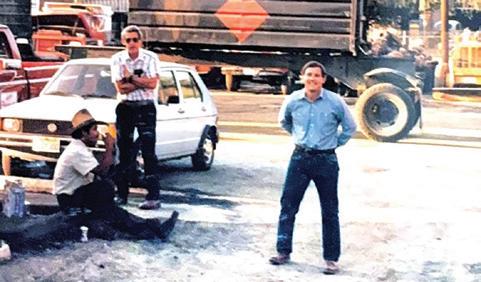
In those early years, Aztec took on a wide range of work, primarily grading and paving for new construction projects. Parking lots, roadways, and site work for general contractors made up the bulk of the company’s workload as it built its reputation throughout the San Diego region.
The second generation entered the picture in the mid-1970s when Pat’s son, Bob Ferry, joined the business. Like many in family-run construction companies, his introduction to the trade came early, working weekends, learning the yard, and following his father from one jobsite to another. Bob’s path through the company was built from the ground up, literally.
He started with a shovel, moved to a rake, then to a roller and paver, even driving haul trucks before ever stepping into the office. That field-first experience would later shape how he approached estimating and managing projects.
As Bob took on greater responsibility, Aztec began to evolve. While the company had
built its foundation on new construction work, the realities of delayed payments and extended billing cycles in subcontracting began to take a toll. By the early 1980s, Aztec made a defining shift, moving away from general contractor work and focusing almost exclusively on privatesector projects. That decision changed everything.
By becoming its own general contractor and working directly with property owners and managers, Aztec gained control over scheduling, quality, and client relationships. Today, that model remains the backbone of the business.
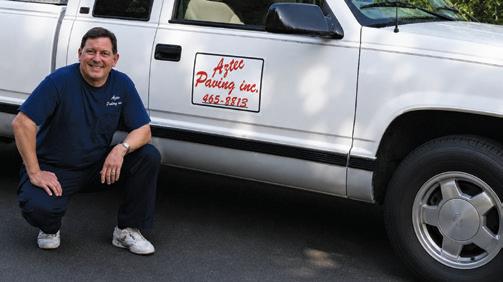
Now in its third generation, Bob’s son, Patrick “Pat” Ferry, serves as Project Manager and Estimator, carrying forward both the business and the philosophy instilled by his father and grandfather. After graduating from San Diego State University in 2017, Ferry officially joined the company full time, though like the generations before him, he had been immersed in the work long before that.
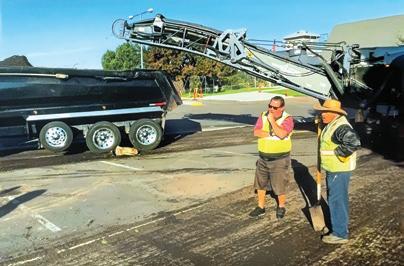
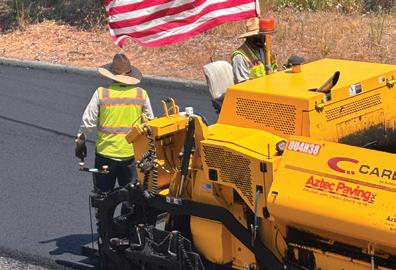

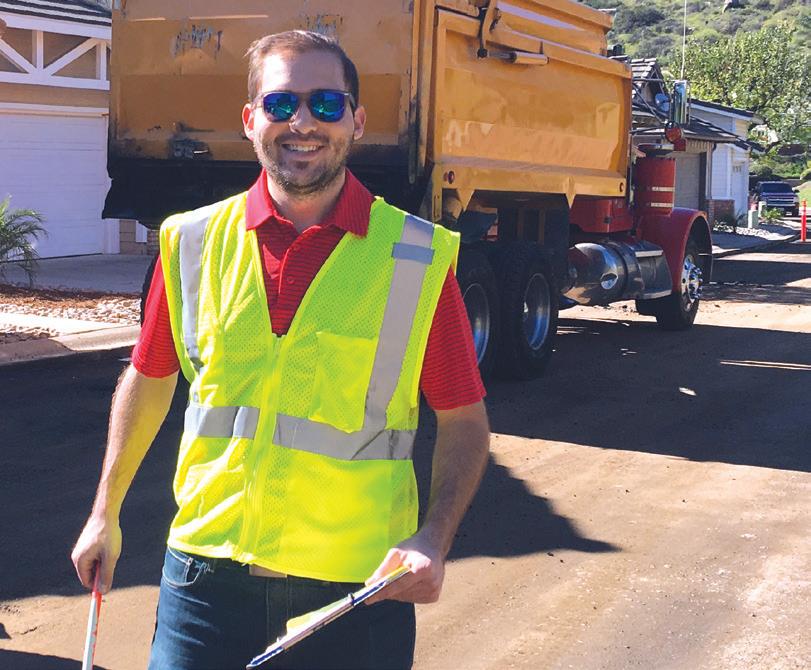
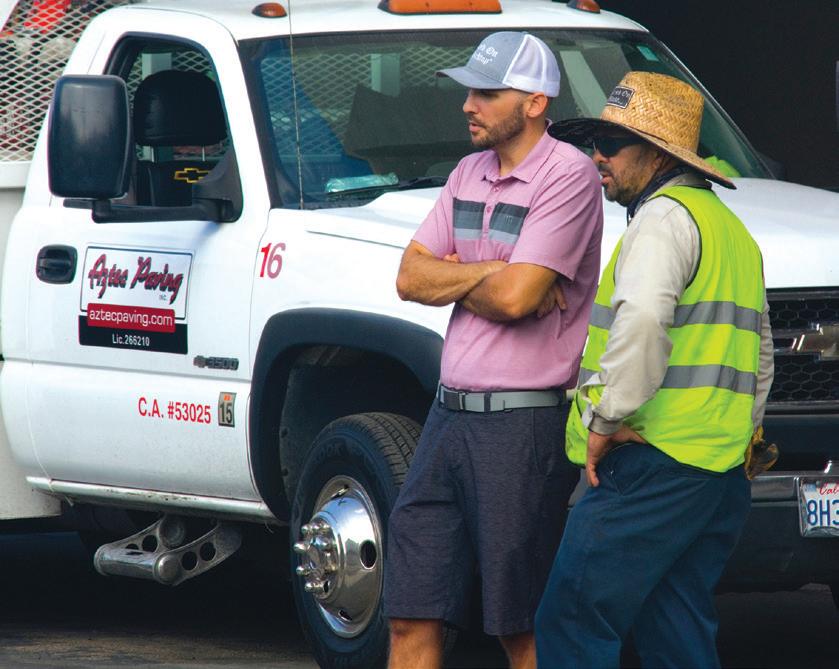
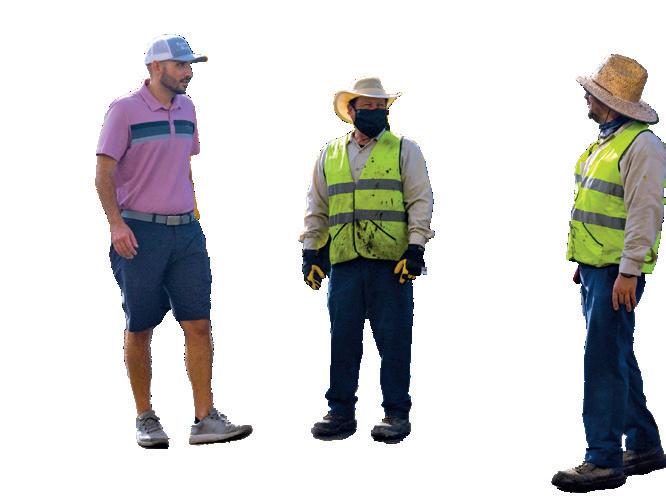
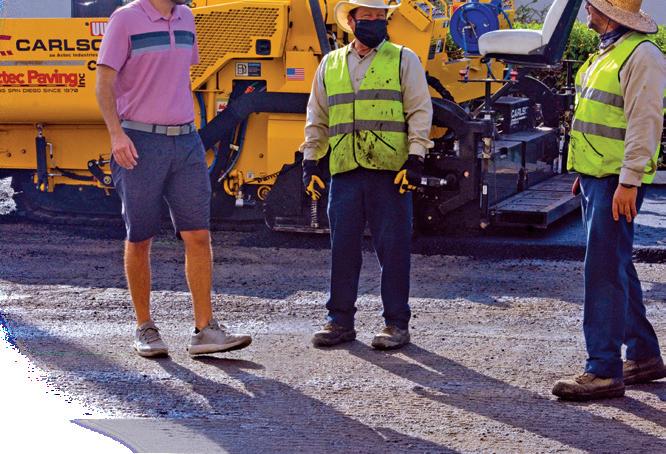
Today, Aztec Paving operates with a tight-knit team of approximately 15 field employees, supported by a small office staff. It’s a size the company has intentionally maintained, large enough to handle multiple projects simultaneously, yet small enough to retain control over quality and execution. “Our bread and butter is private work,” Pat Ferry (Ferry) explains. “HOAs, property managers, anyone with a parking lot or private road, we handle everything from milling and overlay to patching, seal coating, and striping.”
As Pat points out, homeowners’ associations and property management companies make up a significant portion of that work, with projects ranging from full asphalt rehabilitation to ongoing maintenance programs. A large percentage of that work comes from repeat customers, a direct result of the company’s long-standing reputation in San Diego and its consistent focus on delivering quality results over decades.
{ Continued on page 34 }
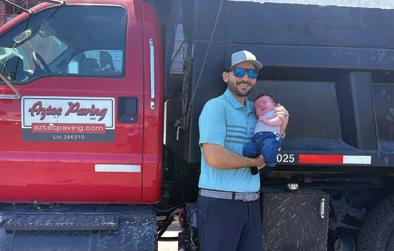
A large percentage of our work comes from repeat customers, That’s a direct result of our long-standing reputation in San Diego and our commitment to quality.”
Pat Ferry
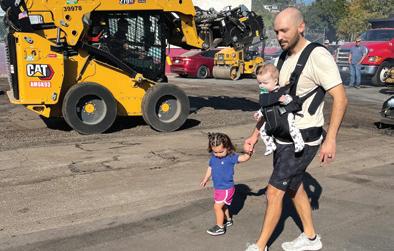
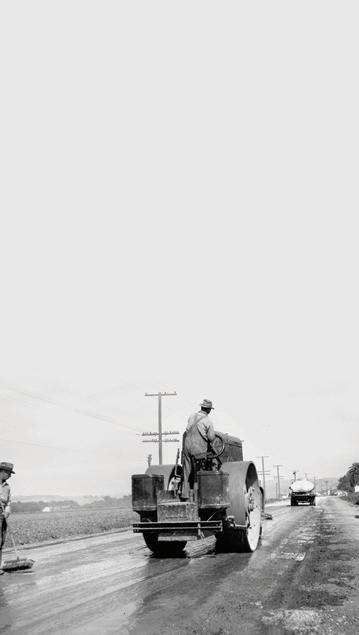
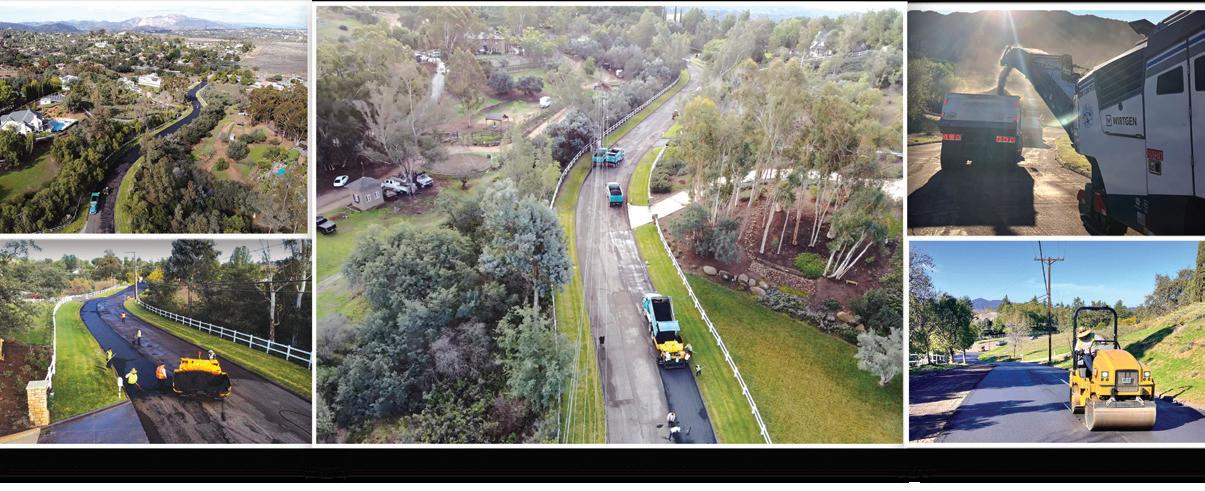
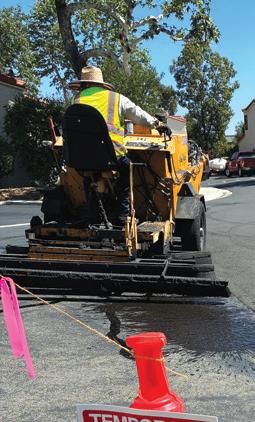
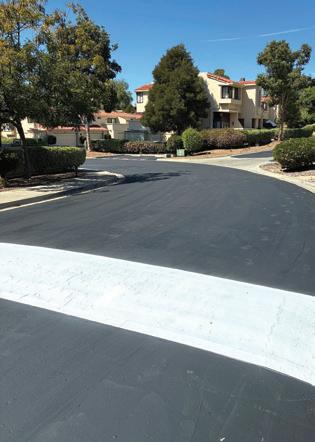
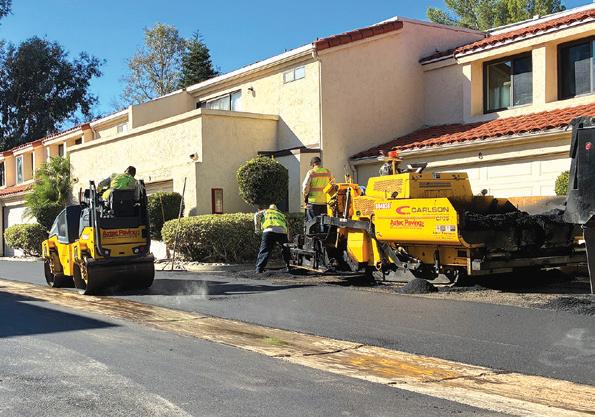
Aztec Paving recently completed a project in Alpine, paving more than a mile of private roadway within a gated HOA community and required a full two-inch grind and overlay totaling approximately 2,000 tons of asphalt.
{ Continued from page 32 }
One recent project in Alpine highlights the company’s capabilities and approach to complex work. The job involved more than a mile of private roadway within a gated HOA community and required a full two-inch grind and overlay totaling approximately 2,000 tons of asphalt. The project was completed in multiple phases over four to five weeks, carefully coordinated to maintain access for residents while delivering a uniform finished product.
Closer to home in La Mesa, Aztec completed another project that reflects its hands-on, consultative approach. After reviewing specifications provided to the client from a rival paving contractor, Ferry quickly identified issues with the proposed scope, areas where repairs were insufficient and long-term performance would be compromised. Rather than simply bidding the work as written, Aztec provided an alternative plan, walking the client through the reasoning behind it. The project ultimately included more than 200 tons of patching, followed by crack sealing, seal
coating, and restriping across multiple phases.
That willingness to speak candidly, even when it means challenging a bid, has become one of Aztec’s defining traits. “I’m not trying to sell you something,” Ferry says. “I’m trying to tell you what you actually need. If it was my property, what would I do? That’s how we approach every job.” It’s a philosophy that resonates with clients, particularly in an industry where cutting corners can lead to costly failures down the line. The company’s operational structure supports that consistency. With crews sized to allow flexibility without overextending resources, Aztec is able to maintain control over both quality and scheduling.
The company’s equipment fleet reflects a similar focus on practicality and performance. Aztec’s fleet includes a Carlson CP75 paver purchased from Herrmann Equipment. Aztec Paving chose to purchase their Carlson paver after a firsthand visit to the manufacturer’s facility. The company also owns and operates Cat rollers and multiple Cat skid steers equipped with a range of attachments, purchased from their local dealer, Hawthorne Cat.
Rather than overextending into specialized equipment like milling machines, the company partners with trusted providers such as Pavement Recycling Systems to deliver those services efficiently. “We’ve done the math,” Ferry explains. “To justify owning that kind of equipment, we’d need to use it every day. For our company and our clientele, it makes more sense to bring in the right partners.”
If it was my property, what would I do?
That mindset has helped build trust with clients and long-term relationships throughout San Diego.”
Pat Ferry
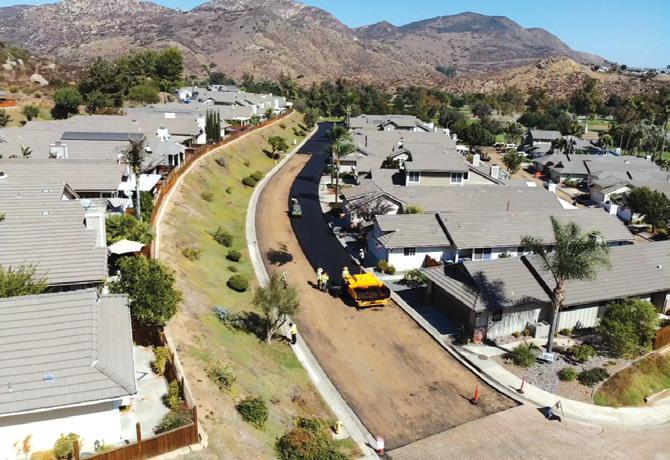
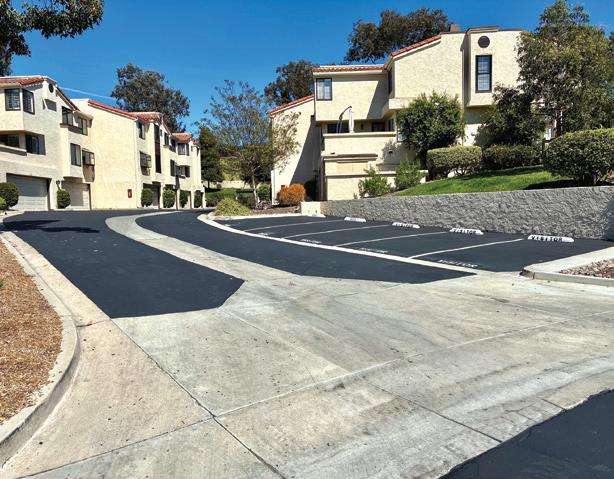
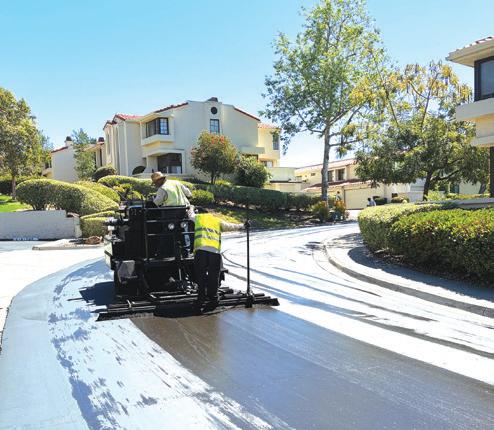
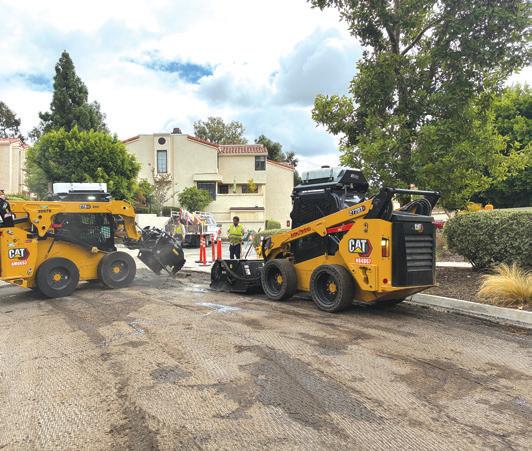
Aztec Paving recently completed a project in Alpine, paving more than a mile of private roadway within a gated HOA community and required a full two-inch grind and overlay totaling approximately 2,000 tons of asphalt.
That disciplined approach extends to growth as well. While many contractors chase expansion, Aztec has remained deliberate, choosing to scale only when it aligns with demand and available resources. It’s a balance between opportunity and stability, one that reflects both the experience of the past and the considerations of the future. Equally important is reliability. Finishing projects when promised, and setting realistic timelines with builtin buffers, has become a cornerstone of the company’s approach, helping maintain strong relationships with repeat clients.
At its core, Aztec Paving remains a family business in the truest sense, not just
through bloodlines, but through loyalty. Longtime foreman Jesus “Chuy” Basulto has been with the company since its earliest days, even raising his family on the company’s yard property in the 1970s. Today, his son, Junior, continues that legacy, working alongside the Ferry family as part of a team that blurs the line between employees and extended family.
It’s that sense of continuity, across generations, across roles, and across decades, that defines Aztec Paving. In an industry driven by schedules, specs, and margins, Aztec has built its success on something simpler: doing the job right, standing behind the work, and treating every project as if it were their own.
Looking ahead, Aztec’s growth strategy remains measured. While opportunities exist to expand, the company continues to prioritize stability, quality, and control. A succession plan is already in place, ensuring continuity as leadership transitions to the next generation. “When the time is right, we’ll explore new opportunities,” he
says. “But right now, everything is running well with my father at the helm. We’re not going to fix something that isn’t broken.” For Ferry, the goal is simple: build on what has already been established while staying open to the future.
After more than 50 years, Aztec Paving continues to prove that success in construction isn’t just
about laying asphalt. It’s about building relationships, earning trust, and standing behind the work, generation after generation. For more information on Aztec Paving, please visit their website at aztecpaving.com or call their Spring Valley office at (619) 465-9813. Cc
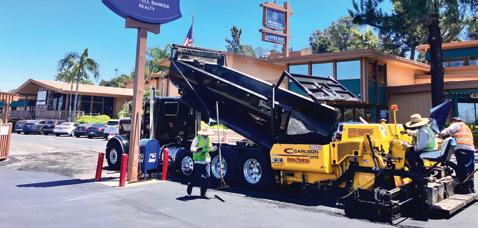
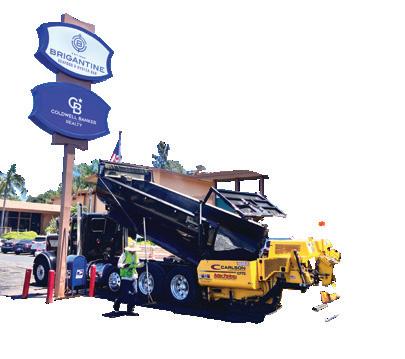
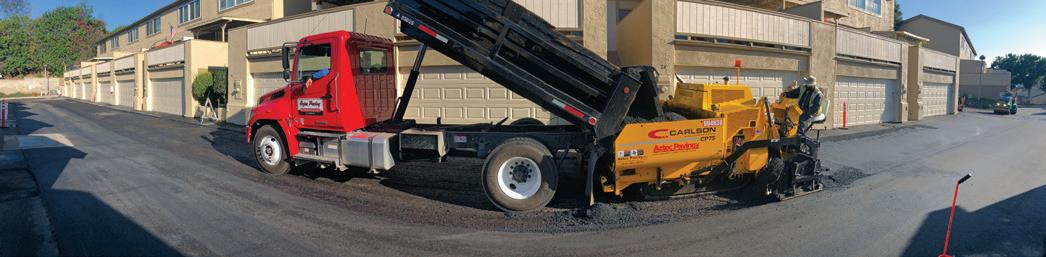

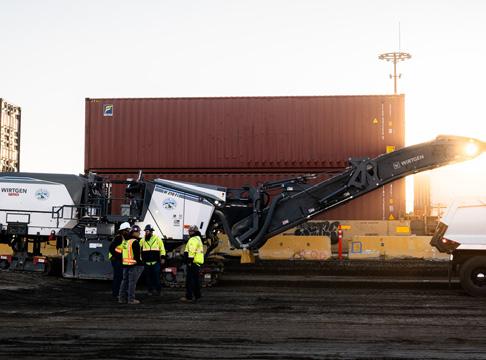
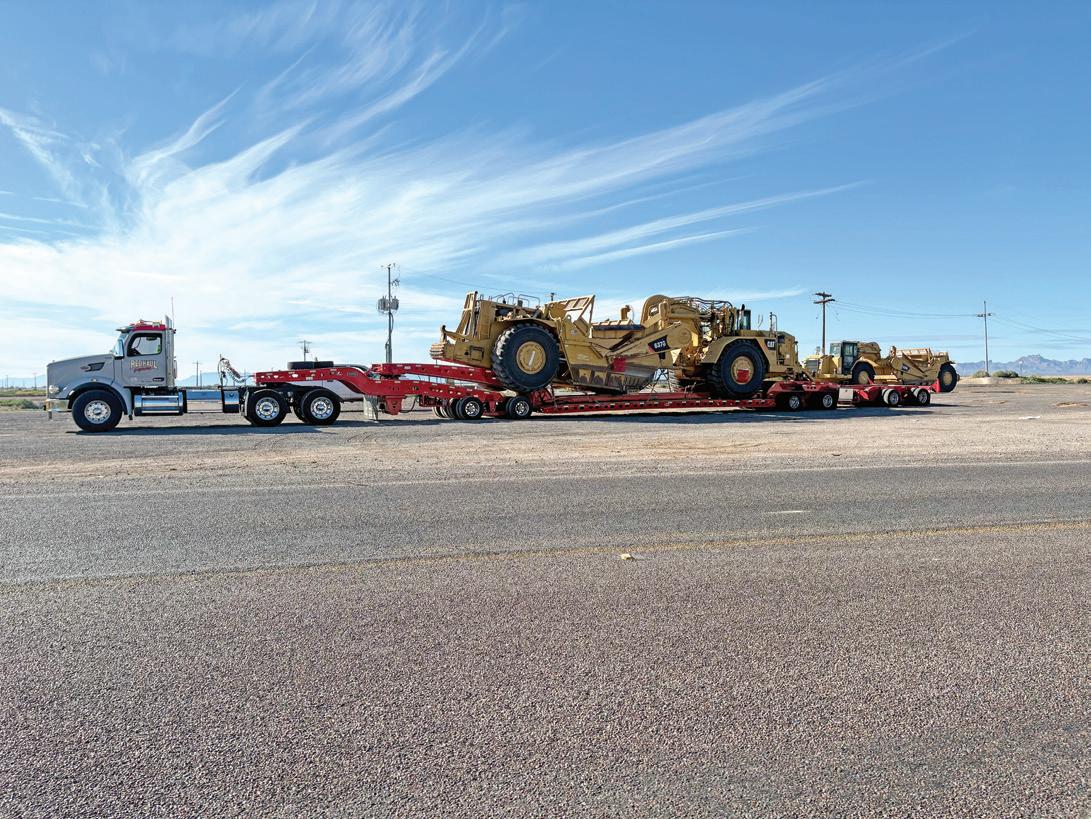
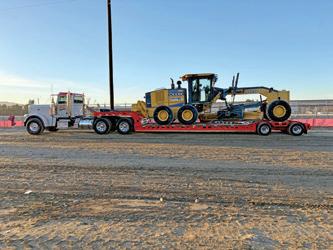


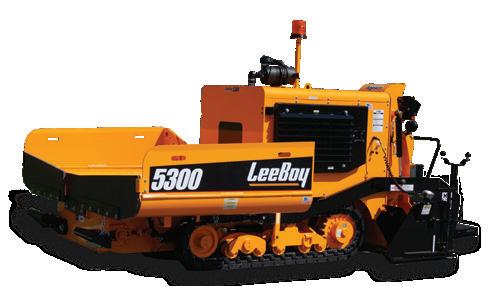
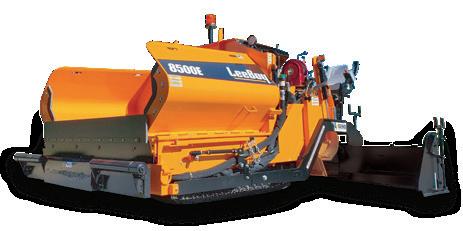
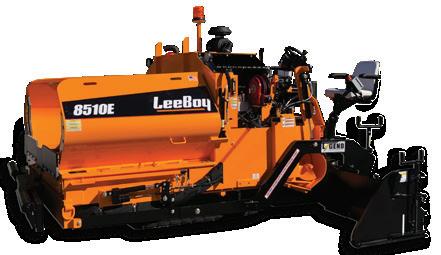
Sonsray offers road building equipment for asphalt construction and compaction technology
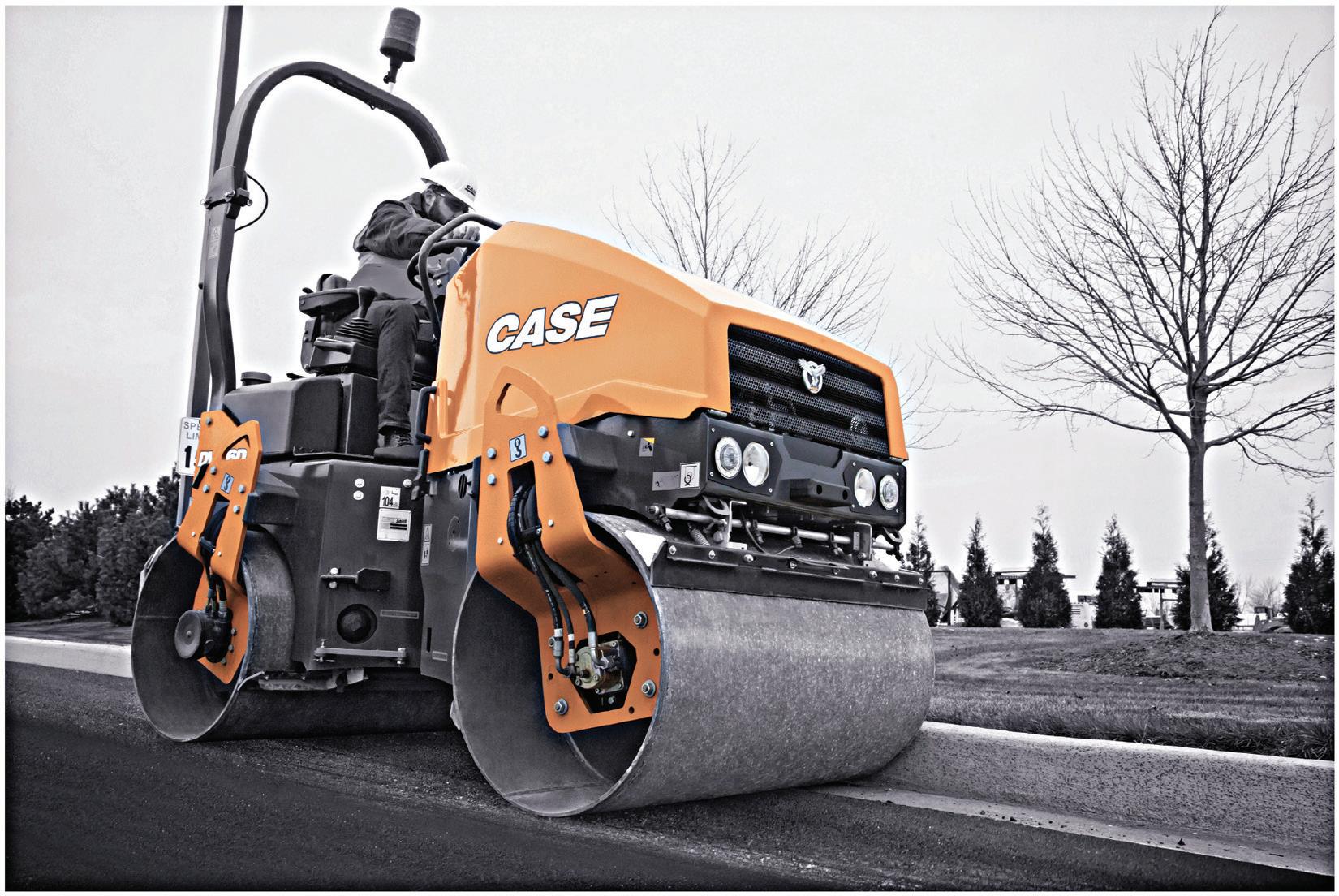

From bike paths to highways, Sonsray Machinery has the machine for the job.