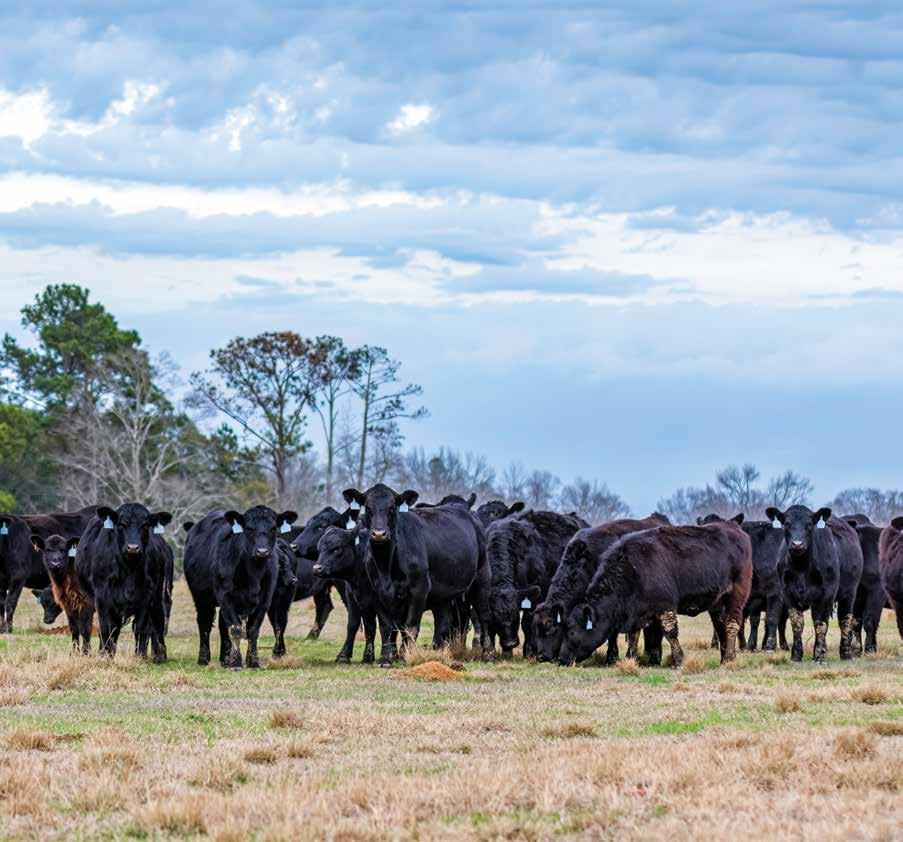
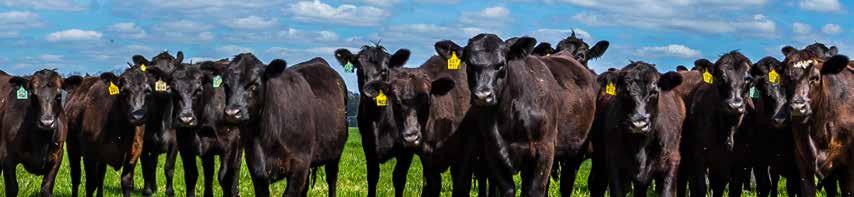
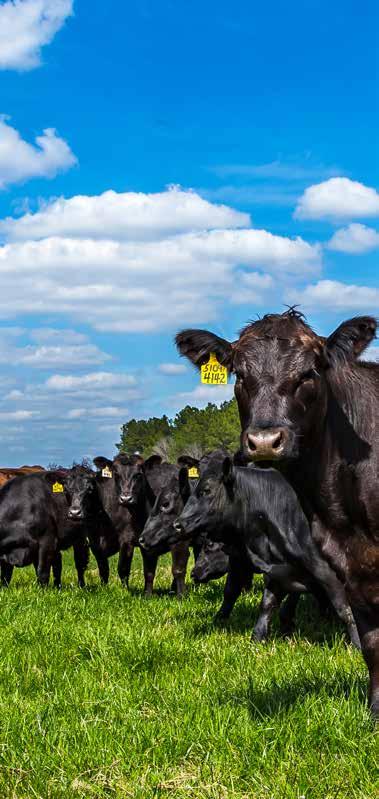
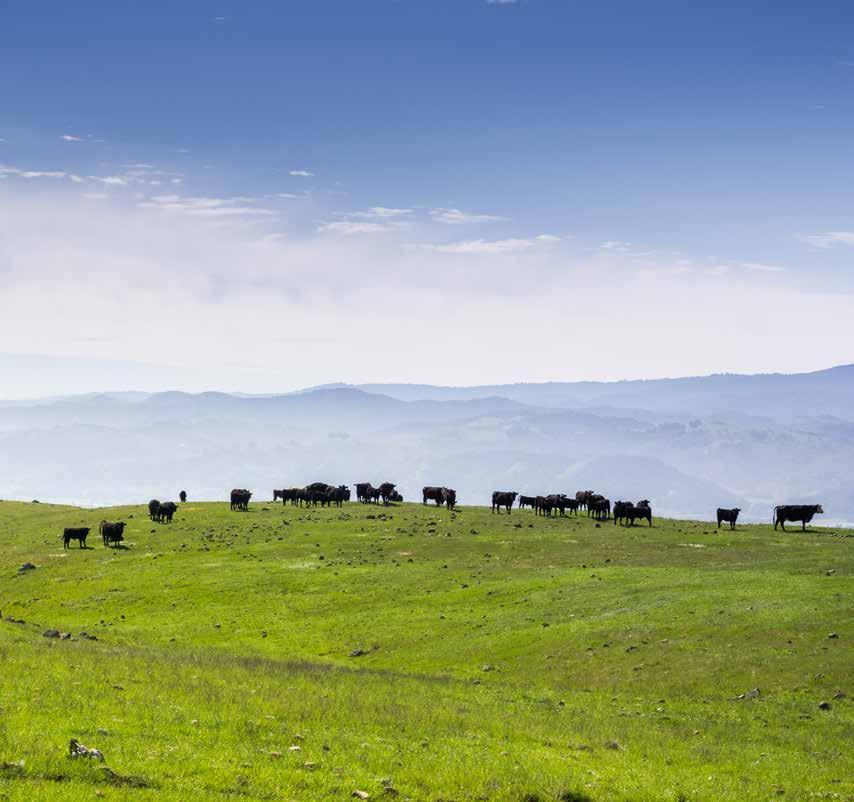
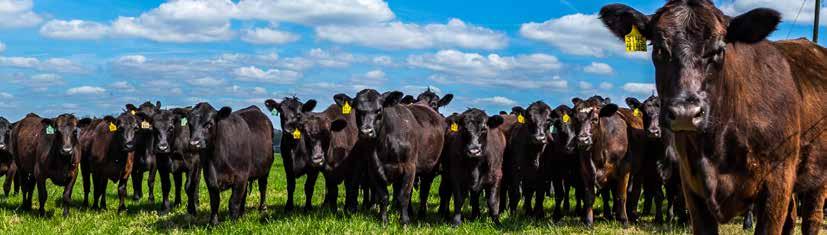
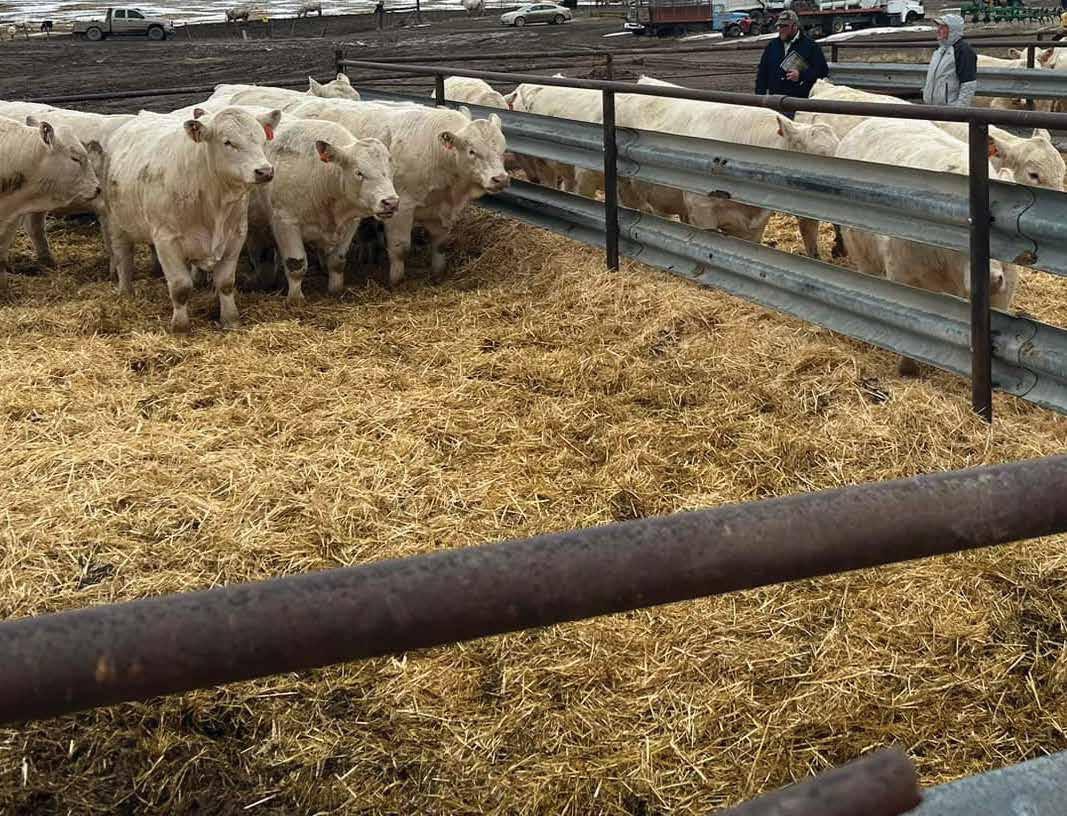
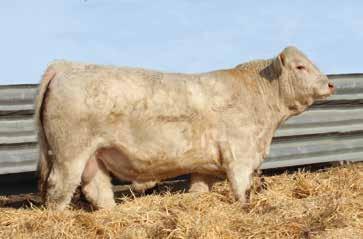
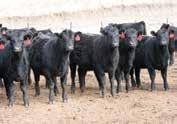
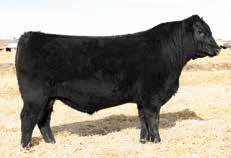
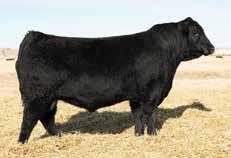
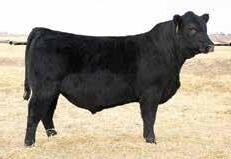
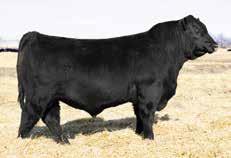
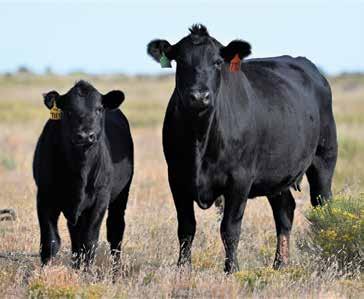
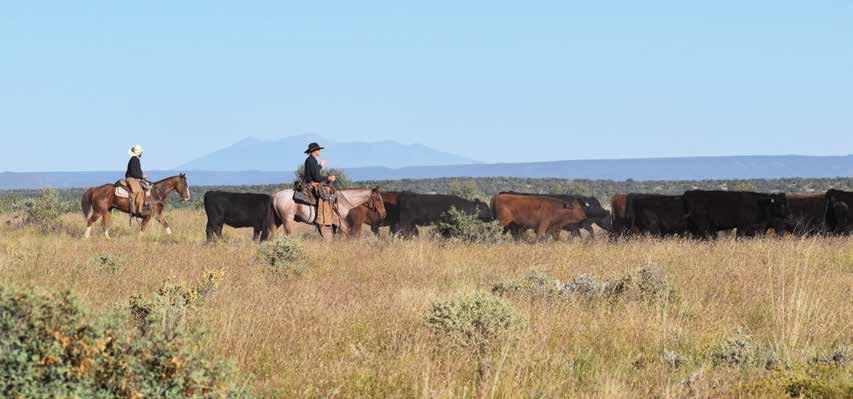
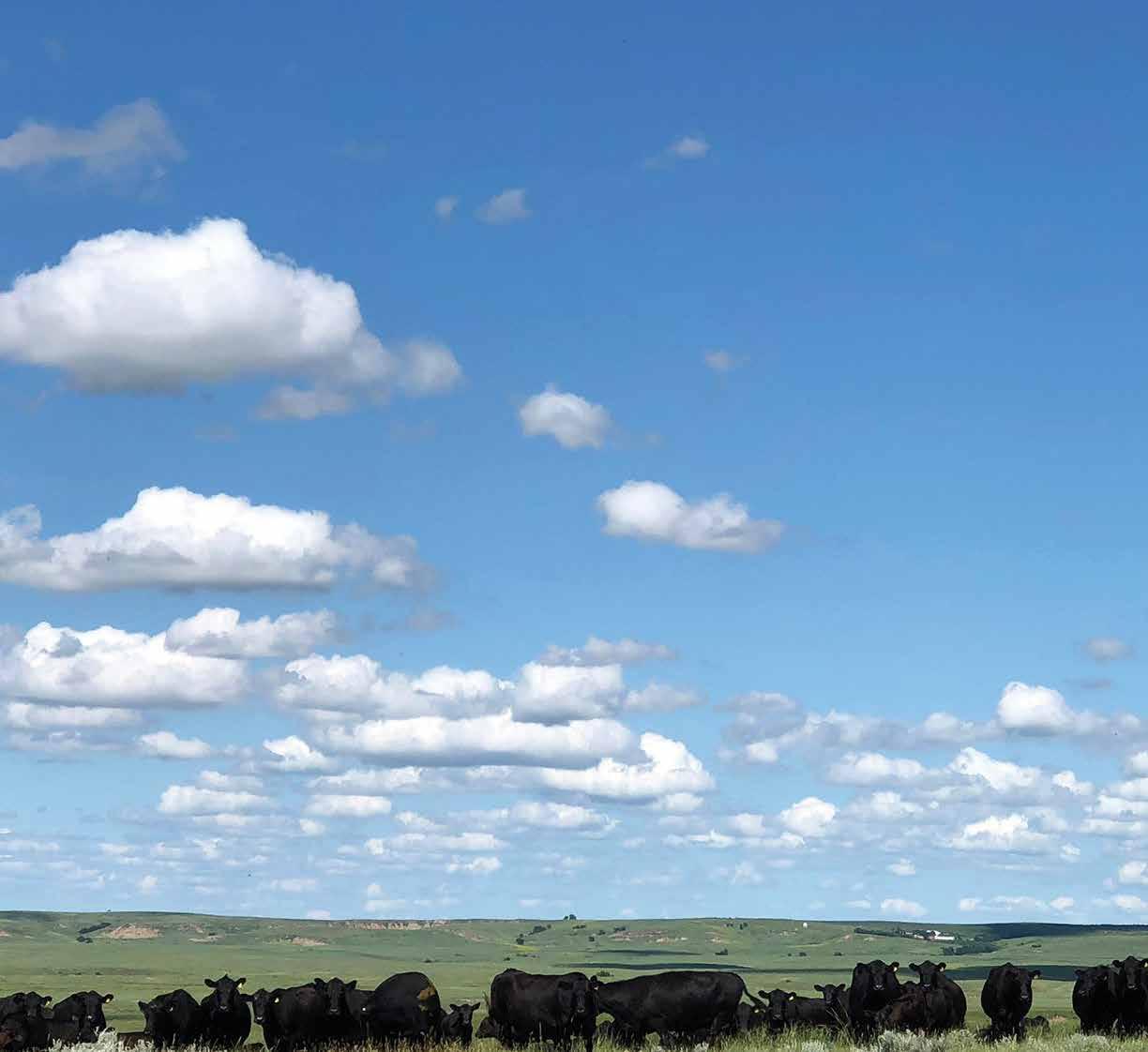
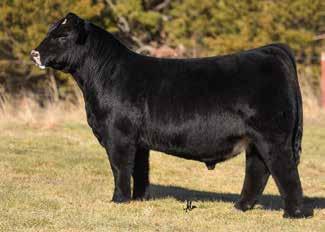
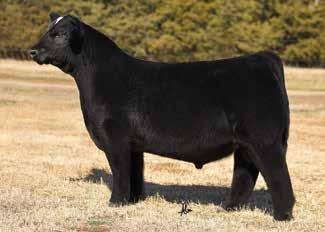
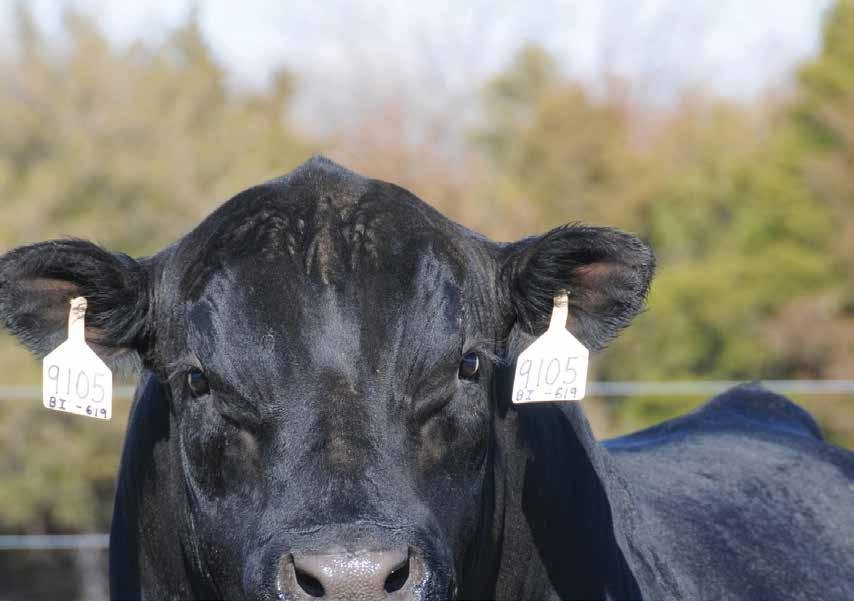
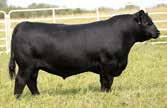
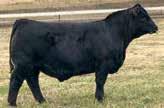
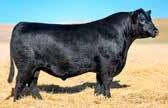
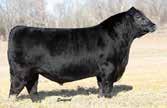
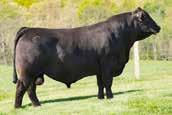
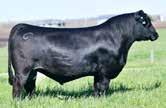
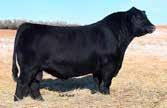
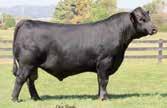
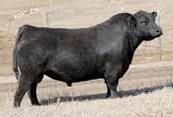
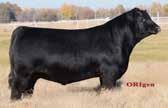
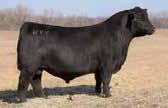
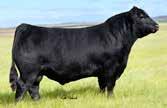
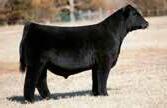
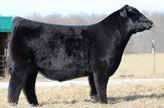
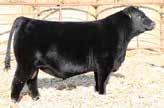
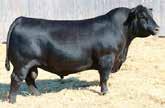
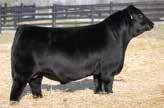
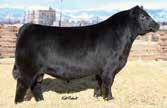
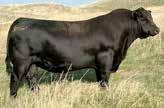
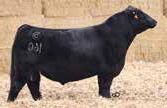
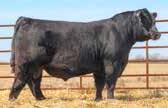
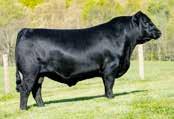
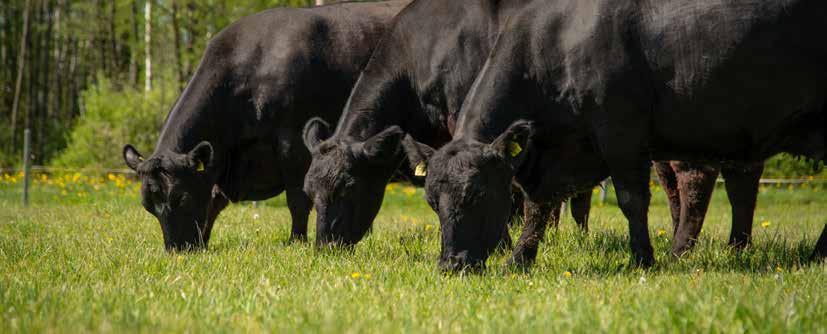
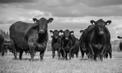
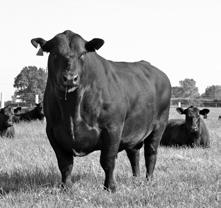
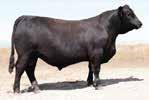
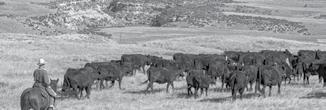
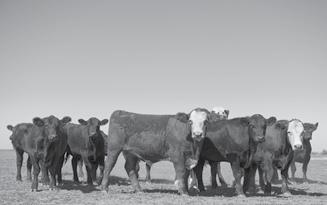
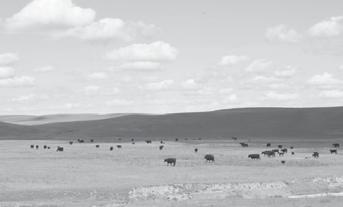
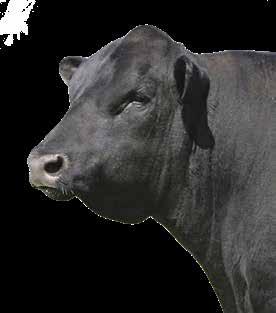
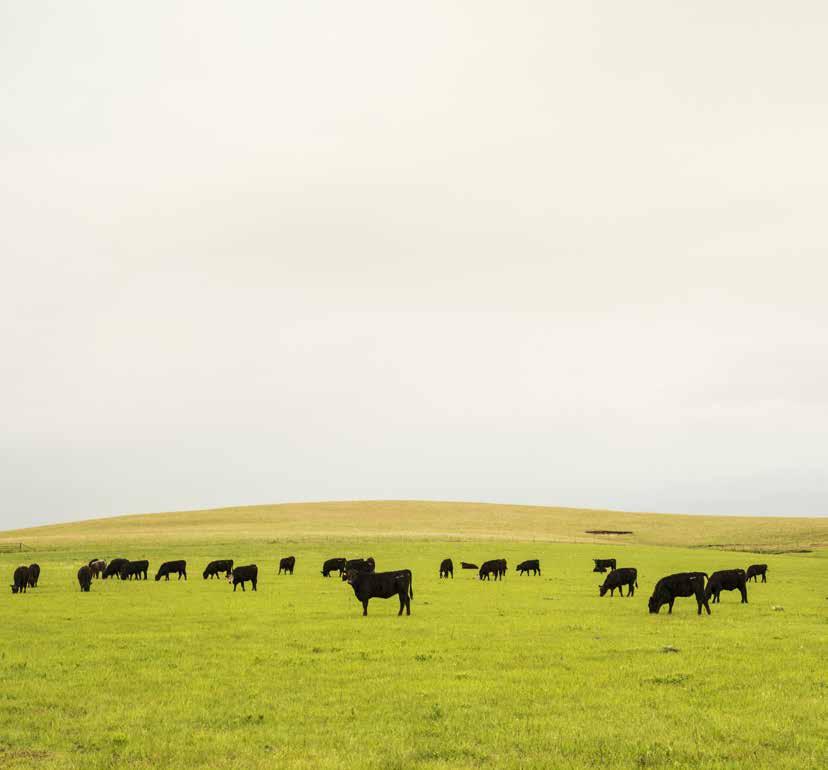
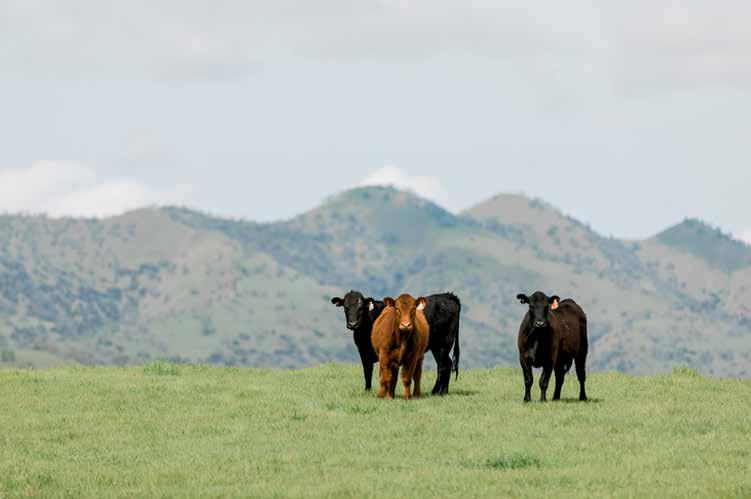
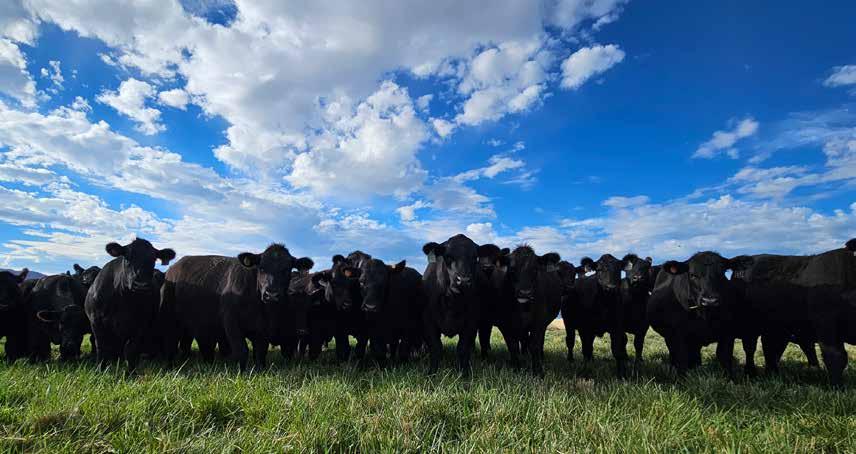
FALL CALVING, FIRST-CALF COMING 3-YEAR-OLDS. ANGUS/ANGUS-CROSS, RED ANGUS/RED ANGUS CROSS. ALL ARE ULTRASOUND CONFIRMED TO CALVE BETWEEN SEPT. 10 AND OCT. 20. HAND SELECTED FROM THE TOP END OF 1,400 REPLACEMENTS. ORIGINATED FROM REPUTATION RANCHES. ALL FOOTHILL & ANAPLAS VACCINATED AND ON A COMPLETE YEARLY MODIFIED-LIVE VACCINATION AND MINERAL PROGRAM. THEY HAVE BEEN RUNNING IN THE SIERRA FOOTHILLS FOR TWO SEASONS!
PLUS: COMPLETE HERD DISPERSAL!
85 FALL CALVING RUNNING AGE COWS
FOOTHILL AND ANAPLAS VACCINATED AND EXPOSED. FULL VACCIATION AND MINERAL PROGRAM. BRED TO HIGH-END LUDVIGSON STOCK FARM BULLS AND IRON-LORENSEN RED ANGUS BULLS.
OTHER FEATURED OFFERINGS:
HEIFERS
ANGUS/ANGUS CROSS BRED TO LOW BIRTH LINZ ANGUS BULLS TO CALVE SEPT./OCT. FULL YEARLY MODIFIED-LIVE VACCINE PROGRAM. BORN AND RAISED IN THE CENTRAL COAST MOUNTAIN RANGE.
40 HEAD 4-5 YEAR OLD FRONT END FALL CALVING COWS FOOTHILL VACCINATED AND ON A COMPLETE YEARLY VACCINATION PROGRAM. BRED TO HIGH-END ANGUS BULLS TO CALVE SEPT./OCT. ORIGINATED IN SOUTHERN OREGON
120 HEAD 3-4 YEAR OLD FALL CALVING COWS
ANGUS/ANGUS CROSS CALIFORNIA NATIVE COWS ON A COMPLETE VACCINATION PROGRAM AS WELL AS FOOTHILL VACCINATED. BRED TO ANGUS BULLS TO CALVE IN SEPT./OCT.
PLUS SEVERAL SMALLER CONSIGNMENTS OF YOUNG FALL CALVING COWS AND HEIFERS AS WELL AS SOME SMALLER GROUPS OF SPRING PAIRS AND CLOSE UP COWS.
VISALIA LIVESTOCK MARKET
CALIFORNIA CATTLEMEN’S ASSOCIATION
3841 North Freeway Blvd., Suite 130 Sacramento, CA 95834
Matt Macfarlane | (916) 803-3113 m3cattlemarketing@gmail.com
BILLING SERVICES
Lisa Brendlen lisa@calcattlemen.org
SERVING CALIFORNIA BEEF PRODUCERS SINCE 1917
Bolded names and businesses in editorial represent only current members of the California Cattlemen’s Association or California CattleWomen, Inc. For questions about membership status, contact the CCA office at (916) 444-0845.
The California Cattleman (Publication #8-3600) is published monthly except May/June is combined by the California Cattlemen’s Association, for $20/year, or as part of the annual membership dues. All material and photos within may not be reproduced without consent of publisher.
Periodical postage paid at Lubbock, Texas, 79402. Publication # 8-3600
National Advertising Group: The Cattle Connection/The Powell Group, 4162-B Carmichael Ct, Montgomery, AL 36106 (334) 271-6100.
POSTMASTER: Send address changes to: California Cattleman, 3841 North Freeway Blvd., Suite 130 Sacramento, CA 95834
Humbolt/Del Norte Dinner Dance
March 7
Humboldt County Fairgrounds, Ferndale
CCA Executive Committee Meeting
March 10
Sacramento
Steak & Eggs Breakfast
March 11
Sutter Club | Sacramento
San Joaquin-Stanislaus Cattlemen
Spring Meeting
March 12 | Stockton
Sonoma-Marin Cattlemen’s Corned Beef and Cabbage Dinner
March 14 | Forestville
Santa Barbara County Cattlemen’s Meeting
March 18 | Santa Maria
Fall River/Big Valley Cattlemen’s
Spring Meeting
March 21
Intermountain Fairgrounds | McArthur
Tulare County Cattlemen’s Meeting
March 24 | Tulare
TURLOCK LIVESTOCK AUCTION YARD
special pair & bred female sale
Tuesday, March 17
45 Angus and Black/White face 4-7 year old 3-in-1 pairs from one ranch! Cows foothill and anaplas exposed and bred to leachman angus bulls.
watch for upcoming special showcase feeder sale dates soon •Stanislaus, san joaquin, alameda and contra costa counties•
ASSOCIATION PERSPECTIVES
8
10 32
12 24 34
CATTLEMEN’S COLUMN
No better business to be in
BUNKHOUSE
On the road: Visiting producers and looking out for you
DUES DOLLARS AT WORK
Predator issues top of mind in all corners of the state
HERD HEALTH
Genetic link to BVD treatment
COUNCIL COMMUNICATOR
Weight loss and nutrition go hand in hand
ALLIED INDUSTRY SPOTLIGHT
Working for you, working with you
SPECIAL FEATURES
MUSIC CITY MEMORIES
California success at CattleCon Nashville event
ANGUS RESEARCH
Breed innovations benefitting all beef producers
WOLVES’ FINANCIAL FOOTPRINT
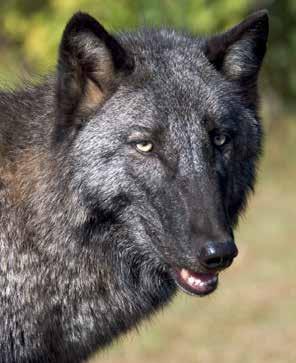
How much are wolves costing California beef producers?
SIMMENTAL INSIGHT
Balancing cow weight and industry demand
BREEDING SCIENCE
Commerical considerations of A.I. and embryo transfer
RED BLUFF RECAP
Scenes and results from best of the West event
CATTLEMEN’S REPORT
Early results from spring bull sales
RANCH FAMILY ROUNDUP
Obituary and new arrivals
BUYER’S GUIDE
Services from breeders and beef industry experts
INDEX
This landscape photo taken by Thomas Norman features a coastal California Angus heifer grazing in a blooming field with the iconic coastline glowing in the background on a sunny spring day.
CATTLEMEN’S COLUMN
THE BEST ALL AROUND BEEF INDUSTRY ATTRACTS
FIRST CLASS ADVOCATES
by CCA First Vice President Mike Williams
I am continually impressed by the caliber of people this industry attracts. Ranching draws men and women of uncommon character— people who work hard, think deeply and care fiercely about the land and livestock entrusted to them. Yet even with such capable individuals, the challenges facing ranchers today are numerous and increasingly complex. Faced alone, they can feel overwhelming.
Complete agreement on solutions is rare, and sometimes even defining the problem can spark debate. That’s precisely why our county, state and national cattlemen’s associations matter. They provide a place for ranchers to wrestle with these issues together. There is strength in numbers, and there is wisdom when many minds tackle a problem. The process isn’t always tidy, but the outcomes are stronger because our members show up, speak up and contribute.
My first real exposure to the California Cattlemen’s Association came when I was scrambling to deal with a water‑quality regulation. Thanks to work CCA had already done—and the relationships they had built—the potential impact on my operation was almost entirely mitigated. That experience made something very clear: the efforts of ranchers who came together before us have made our work today far easier. And the work we do now will shape the future for ranchers who follow.
Numbers matter, but credibility matters just as much—perhaps even more. Much of CCA’s effectiveness today stems from the trust and respect it has earned with civic and political leaders. That credibility comes from grounding our positions in science and reason rather than emotion. You can see the results in the level of respect our representatives receive in
Sacramento.
Our advocacy is strengthened by access to solid research—often funded by the Checkoff, the California Beef Council and the California Cattle Council. These organizations make it possible for scientists to produce the data and analysis that underpin our positions on prescribed fire, grazing benefits, animal welfare, water quality, and many other issues. When we walk into a room, we’re not just offering opinions—we’re bringing evidence.
Perhaps the most important factor in our industry’s success, though, is the reputation ranchers have built over generations. Surveys consistently show that ranchers are among the most respected and trusted professions in the country. That didn’t happen by accident. It happened because ranchers tend to be respectable and trustworthy people. Maybe it’s the “cowboy code,” or maybe it’s the nature of our work—Mother Nature is brutally honest, and ignoring reality can have disastrous consequences.
Events like the CCA Steak and Egg Breakfast give us a chance to showcase these qualities to civic and political leaders. These interactions matter—often far more than we realize in the moment.
Whether the issue is wolves, water, fire, grazing lands or any of the countless challenges ahead, CCA is well positioned to advocate for you. And together, we are far stronger than any of us could ever be alone.
BUNKHOUSE GOOD TO SEE YOU RTAP MEETING AND HELPING PRODUCERS IN RED BLUFF AND BEYOND
by Noah Lopez for the Rancher Technical Assistance Program
On a shelf at home, I have a world globe. It’s your standard 12 inch elementary school globe, with countries shaded in different colors and tiny text scattered across its surface. As I was spinning it the other day, something caught my eye.
A few major California cities were listed. Metropolises like Los Angeles and San Francisco. But that wasn’t what surprised me. What really grabbed my attention was an unexpected name among them: Red Bluff, California.
I’m not sure why the globe’s designers chose to include Red Bluff, and I’m confident it has far less global name recognition than San Francisco. But perhaps its inclusion is fitting—at least to those of us in the cattle industry. Every year, Red Bluff hosts one of the largest stock sales and shows in the West: the Red Bluff Bull and Gelding Sale.
The sale takes place during the last week of January, and this year marked the Rancher Technical Assistance Program’s (RTAP’s) fifth year in attendance. RTAP participates to connect with producers, share information about the program and provide direct assistance when possible. This year was no exception.
For the past three years, RTAP has been part of the Ag Hub, a collaborative effort bringing together four key organizations: the California Cattle Council, the California Cattlemen’s Association, the California Farm Bureau (CFB), and the University of California Cooperative Extension Service (UCCE).
Because these groups share a common goal of advancing California’s cattle industry, they teamed up to create a one stop shop where ranchers could discuss the issues impacting ranching across the state. This year’s Ag Hub built on the success of the previous two years.
Ranchers stopped in throughout the week, and the Ag Hub hosted a wide range of conversations. These included discussions on local Northern California issues with CFB’s Ned Coe, on ranch technical advice with UCCE’s Laura Snell and state policy conversations with CCA President Rick Roberti. There was also plenty of good old fashioned visiting with folks from up and down the state.
For RTAP, however, one topic dominated the Ag Hub this year: Annual Water Rights Reporting.
At the end of last year, the State Water Resources Control Board replaced its old eWRIMS water rights platform with a new system called CalWATRS. CalWATRS is now the online platform for all water rights administration and reporting in California.
This change required all water right holders and reporters to create new CalWATRS accounts and migrate existing water rights records in order to complete their annual reports by the January 31 deadline. Needless to say, the short turnaround time left many ranchers scrambling to create accounts, migrate records and complete their reporting.
While the compressed timeline made compliance challenging, the timing of the Red Bluff Bull and Gelding Sale proved ideal for providing in person assistance. Throughout the week at the Ag Hub, RTAP staff helped ranchers set up accounts and migrate records, at times with folks waiting in line for help.
Then, on Friday, Jan. 30, at 3 p.m., the Water Board sent an email extending the reporting deadline to March 2. Perhaps it was only me, but I felt a palpable sigh of relief ripple through the room. While some ranchers still stopped by for assistance on Saturday, the pressure had eased, and the Ag Hub wrapped up with more time simply spent visiting with friends from across the state.
Although the extension provides some breathing room, many ranchers still need to create CalWATRS accounts, migrate records and complete their annual reporting. Now that the bull sale has wrapped up and the RTAP team is back in the office, RTAP remains available to help.
RTAP is funded by the California Cattle Council and provided at no cost to all California ranchers through the California Cattlemen’s Foundation. If you would like assistance creating an account, migrating records or completing reporting in the CalWATRS system, please contact RTAP at: rtap@wrstrat.com or (916) 409 6902.
YOUR DUES DOLLARS AT WORK
A BUSY MONTH FOR PREDATOR POLICY
CCA COMBATS STATEWIDE DEPREDATION
Between late January and mid-February, several significant predator policy developments occurred at the Department of Fish and Wildlife, the Fish and Game Commission, the State Legislature - and on the natural landscape. This month’s Your Dues Dollars at Work column rounds up the most significant recent developments and details how CCA is fighting for your right to safeguard your livestock and your livelihood from California’s apex predators.
ASSEMBLYMEMBERS CONSIDER THE IMPACTS OF CALIFORNIA PREDATOR SPECIES
On Jan. 27, the Assembly Water, Parks and Wildlife Committee held an informational hearing on human-wildlife conflict, primarily focused on the state’s predator management. The hearing was an opportunity for Committee members to gain greater understanding of an issue within the Committee’s jurisdiction and will likely inform policy and budget discussions in Sacramento this year and in the years to come.
Among the hearing’s participants was Assemblymember Heather Hadwick (R-Alturas). Though not a sitting member of the Committee, Hadwick was invited to participate because she was “a big part of why this hearing came to light given [that]…a lot of the conflicts and interactions happen in her district,” according to Committee Chair Diane Papan (D-San Mateo).
Hadwick noted that for her sprawling Northern California district, predator conflicts are “our biggest issue right now. We have mountain lions, bears and wolves.” She added that “I’m very concerned about our big-picture management of wildlife. Our deer, antelope and elk herds have plummeted and we just don’t have the food supply to have all these predators living in our area.”
The Committee first heard from the leadership of the California Department of Fish and Wildlife, with introductory comments from Secretary Wade Crowfoot, whose Natural Resources Agency houses the Department. “While millions of Californians don’t even understand [human-wildlife conflict] as an important issue, this is a full-blown crisis in many of our rural communities,” Crowfoot said. The Secretary noted that wolves deserved legislators’ particular attention given the “current impact of some of the packs on communities and ranching” and because of their status as an endangered species.
The hearing’s second panel was comprised of speakers drawn from academia, including
Kaggie Orrick, the Director of the UC Berkeley California Wolf Project. Seemingly validating Assemblymember Hadwick’s concerns, Orrick stated that the risk of livestock depredations by wolves increases as deer density declines, noting that California’s dearth of native ungulate species likely explains why the Golden State had a higher rate of depredations-per-wolf than any other western state in 2023.
The final panel of the hearing highlighted the real-world impacts of California’s predator species. The panel kicked off with a presentation by CCA Vice President of Government Affairs Kirk Wilbur. The CCA representative overviewed the wide array of predators that harm cattle –including black bears, coyotes and even ravens –but drew the Committee’s attention to mountain lions and wolves because “their status as a specially-protected species and an endangered species, respectively, create unique management difficulties and considerations in California.”
Displaying images from Santa Clara County of a mountain lion chasing a cow and her calf, Wilbur shared that mountain lion attacks on livestock are increasingly common throughout the state.
CCA staff was particularly critical of CDFW’s ‘three-strikes policy’ for issuing mountain lion take permits in the Central Coast and Southern California, arguing that the policy violates the spirit and the letter of Proposition 117, a 1990 ballot initiative that in part requires CDFW to issue take permits for mountain lions which stalk, injure or kill pets and livestock.
Wilbur noted that “Proposition 117 was explicitly sold to voters as a provision that would allow ranchers to protect their livestock from mountain lions” but argued that “CDFW’s permit process almost completely frustrates Proposition 117’s intent to authorize management of mountain lions that harm livestock. For instance, permits authorizing only pursuit and hazing in the Central Coast and Southern California fail to comply with the Department’s legal obligations under Proposition 117.” Wilbur summed up ranchers’ frustrations with CDFW’s policies by pointing out that “the Department’s requirement that a single ranch must suffer multiple depredations from an individual, identifiable mountain lion within a relatively short period of time often…frustrates ranchers’ ability to actually manage” the animals as authorized by California voters.
Turning to gray wolves, CCA overviewed the direct and indirect damage wolves cause to
cattle, as well as the economic and psychological toll suffered by ranchers and the communities they call home. Wilbur concluded by providing a menu of policy options that legislators and regulators should consider, including fitting more wolves with GPS collars and sharing that data with ranchers; investing in research and development for improved wolf-tracking technologies; establishing an appeals board for CDFW’s wolf depredation determinations; and providing additional guidance and assistance enabling ranchers to utilize more-aggressive lessthan-lethal deterrence tools under Phase II of the Conservation Plan for Gray Wolves in California. Wilbur also urged legislators to appropriate $31 million for CDFW’s Wolf Program as specified in CCA’s budget request letter submitted in early January.
Another panelist discussing real-world predator impacts was Sierra County Sheriff Mike Fisher. Fisher noted that Sierra Valley livestock producers suffered roughly $250,000 in damages from the Beyem Seyo wolf pack last summer, with CDFW expending another $2 million in failed efforts to curb the Pack’s livestock depredations. “But the greater impact was the human impact,” Sheriff Fisher argued. “Chronic stress; sleep deprivation; anxiety for months; constant vigilance of our community, our ranchers and even our CDFW partners that were there living this day in and day out…as part of the Strike Force. Ranchers stated publicly that the emotional toll was far worse than what the financial toll was.”
Fisher also addressed the human safety threats caused by black bears, highlighting the killing of a Downeyville resident by a humanhabituated black bear in November of 2023.
CCA President Rick Roberti, Loyalton, had the final word of the informational hearing, speaking at the tail end of a public comment period. Speaking of gray wolves, Roberti argued that “We’ve created a monster in a wolf that is not afraid of people anymore,” adding that “we need help, but we don’t need a bunch of talk.”
CFDW COLLARS FIVE WOLVES; ANOTHER DIES
In mid-January, CDFW captured and collared five wolves during helicopter-assisted operations
in Lassen, Modoc, Shasta, Siskiyou and Tehama counties. One of those wolves – a male of the Harvey Pack which had dispersed into Modoc County – was already collared, but had its GPS collar replaced. The remaining four wolves were all from the Harvey and Whaleback wolf packs.
According to a Department press release, 13 wolves within the state are now carrying active collars. However, CCA analysis shows that at least six of the state’s wolf packs – the Ashpan, Diamond, Grizzly, Ice Cave, Lassen and Tunnison packs – do not currently have any wolves fitted with active GPS collars.
At least one wolf did not survive the Department’s capture-and-collar efforts: CDFW reported in early February that a breeding female from the Harvey Pack died shortly after being captured by the agency.
COLLARED WOLF VENTURES INTO LOS ANGELES COUNTY
The Los Angeles Times reported on February 7 that a collared gray wolf had been tracked to the San Gabriel Mountains of Los Angeles County (though it returned to Kern County not long afterward, where it remained as of press time). The wolf, BEY03F, was originally a member of Sierra Valley’s now-defunct Beyem Seyo Pack before dispersing into Tulare County, where it spent roughly nine months with the Yowlumni Pack before venturing out on its own again in early February.
It is the furthest south a wolf has been spotted in California since 2021, when a wolf designated OR-93 traveled through San Luis Obispo and Ventura counties before ultimately being struck and killed by a vehicle while traveling along Interstate 5 in Kern County.
FISH AND GAME COMMISSION LISTS REGIONAL MOUNTAIN LION POPULATION AS THREATENED
Just two weeks after CCA raised concerns about mountain lion mismanagement during the Assembly Water, Parks and Wildlife Committee hearing, the California Fish and Game Commission voted 3-0 to list a distinct population
...CONTINUED ON PAGE 14
segment of mountain lions throughout the Central Coast and Southern California as ‘threatened’ under the California Endangered Species Act. Mountain lions in that range had been deemed a candidate species for CESA listing in April of 2020, a designation which has afforded them full CESA protection for the past six years.
CCA has strongly opposed CESA protections for Central Coast and Southern California mountain lions since 2019, when the Center for Biological Diversity and the Mountain Lion Foundation petitioned to list them under CESA. CCA submitted detailed comments opposing CESA listing at every phase of the regulatory process and appeared at the Feb. 12 hearing to argue against further protections for mountain lions. Rancher Vince Fontana, Half Moon Bay, was also present at the hearing to oppose listing. Fontana showed Commissioners a brief video of a cow killed by mountain lions in which he explained to a CDFW investigator the destruction mountain lions had wrought upon his herd and his livelihood.
While CCA is disappointed by the Commission’s listing decision, it is not clear that listing will impact ranchers’ ability to obtain depredation take permits for the animals, as Proposition 117 specifically requires CDFW to issue take permits for mountain lions found to stalk, injure or kill livestock or pets. During the Commission meeting, Department legal staff noted that the agency has been issuing take permits throughout candidacy, relying in part on Fish & Game Code Section 2081(a), a CESA provision which allows take permits to issue for “management purposes.” Department staff stated that take permits will continue to issue, as required by Proposition 117, now that the species has been formally listed as threatened.
While CCA is pleased that CDFW will continue issuing take permits despite mountain lions’ threatened status, the Association still has strong objections to the way in which the Department has chosen to interpret its take permit authorization obligations under Proposition 117, and CCA will continue to seek amendments to the Department’s restrictive ‘three-strike policy’ (as well as the ‘two-strike policy’ employed outside the Central Coast and Southern California, which requires at least two depredation events by a mountain lion before lethal take may be authorized).
HERTEL TAKES THE REINS AS CDFW DIRECTOR
In December, then-Director Charleton “Chuck” Bonham announced that he was departing CDFW after 14 years at the agency’s helm to take a job as the Executive Director of The Nature
Conservancy’s California chapter. In late January, Gov. Gavin Newsom announced his successor: Meghan Hertel, who most recently served as Deputy Secretary for Habitat and Biodiversity at the California Natural Resources Agency. Hertel formally started as CDFW Director on Feb. 17.
As Deputy Secretary for Habitat and Biodiversity at CNRA, Hertel spent the last two years working in part to further the state’s “30x30” initiative, an effort to durably conserve 30 percent of the state’s lands and coastal waters by 2030. In that role, Hertel worked closely with CCA, one of approximately two dozen organizations represented on the 30x30 Partnership Coordinating Committee, even appearing on the September 2025 edition of CCA’s Sorting Pen podcast. Hertel also occasionally collaborated with CCA between 2010 and 2022, when she held various positions at Audubon California.
Given that long working relationship, CCA made an intentional effort to keep Hertel in the loop any time the Association lobbied the Department, Legislature or Governor’s Office on matters relating to gray wolf policy over the past two years. Consequently, Hertel takes the helm of CDFW well-aware of CCA’s policy priorities regarding the apex predator.
Hertel likely has less familiarity with the Association’s other wildlife priorities. To that end, CCA submitted a letter to the Director shortly after she took over the Department outlining the Association’s perspectives on mountain lion depredation take permits, including a pointed request that she significantly revise the Department’s ‘three-strikes policy’ for issuing mountain lion take permits in the Central Coast and Southern California.
MOVING FORWARD
While the Commission’s CESA-listing of Central Coast and Southern California mountain lions is a seeming setback for predator management, a new Director at the helm of CDFW and the Legislature’s attention to humanpredator conflict present potential opportunities for CCA to advance its predator management policies in the months and years to come.
On the legislative front, no legislation regarding predators had been introduced as of press time, just a few days before the Legislature’s bill introduction deadline. That said, there were strong indications at the Jan. 27 Assembly hearing that at least one significant human-wildlife coexistence bill would be introduced this year, and numerous spot bills have been introduced this Session which may be amended later this year to address predator policy. CCA will continue monitoring the legislative, regulatory and policy landscape in Sacramento and tirelessly advocating for sensible predator policies.
RAISING THE BAR IN MUSIC CITY
CATTLE INDUSTRY ADVOCATES GATHER IN NASHVILLE
More than 9,500 cattle producers, industry partners and stakeholders descended on Nashville, Tenn., Feb. 3–5, making the National Cattlemen’s Beef Association (NCBA) CattleCon 2026 and NCBA Trade Show the largest in the event’s history. From the packed general sessions to the buzzing trade show floor, the week reflected both the energy and momentum of today’s cattle industry.
California ranchers were well represented, with more than 200 Californians attending what proved to be a high impact week of policy discussions, education, and connection. Several California leaders played key roles during the convention, including Tony Toso, Hornitos, chair of the International Trade Committee; Dave Daley, Oroville, member of the NCBA Nominating Committee; and Tim Koopmann, Sunol, chair of the Environmental Stewardship Award selection committee.
“For California producers, being present matters,” CCA President Rick Roberti noted. “This is where national policy conversations happen, and it’s important our perspective is part of that discussion.”
SETTING THE POLICY TABLE
Before the trade show floor officially opened, the NCBA Executive Committee convened to review and approve the organization’s policy priorities for 2026. The focus remains squarely on issues that directly impact producer profitability including reducing regulatory burdens, defending free markets, expanding trade opportunities and maintaining strong beef demand.
“NCBA focused on practical, workable solutions that produced meaningful policy wins in 2025,” said NCBA President Elect Gene Copenhaver, a Virginia cattle producer. “Those
efforts resulted in key tax and regulatory improvements, including expanded estate tax exemptions, new Waters of the U.S. rules, and the rescission of the Bureau of Land Management Public Lands Rule, providing greater certainty and opportunity for cattlemen and cattlewomen.”
NCBA leaders emphasized that those achievements provide a strong foundation for the year ahead. The 2026 policy agenda will continue advancing regulatory reform, strengthening animal health protections, expanding market access and addressing workforce challenges to ensure the cattle and beef supply chain can keep pace with consumer demand.
“Now is the time to continue reforming federal regulations that have hindered conservation efforts for decades, strengthen protections against the northward spread of New World Screwworm, expand foreign market access for U.S. beef, and advance science based policies that keep beef at the center of the plate,” Copenhaver said.
From a California perspective, many of those priorities hit close to home. “Our producers operate under some of the most complex regulatory environments in the country,” said CCA First Vice President Mike Williams. “Efforts to roll back unnecessary regulations and protect working lands are critical for keeping family ranches viable here.”
NCBA’s 2026 Policy Priorities Include:
• Pressing the administration to roll back harmful regulations to keep working lands working
• Enhancing U.S. mitigation measures against the incursion of New World Screwworm
• Protecting the U.S. cattle herd from foreign animal diseases and pests through
by CCA Executive Vice President Billy Gatlin
heightened awareness and preparedness
• Expanding market access for U.S. beef exports and holding trade partners accountable to equivalent animal health and food safety standards
• Promoting science based nutrition policies and fact based information for consumers
• Pushing for hours of service flexibility, increased truck weights and continued delays of electronic logging device requirements for livestock haulers
• Safeguarding the cattle and beef supply chain by ensuring a strong workforce to limit processing disruptions
REGION VI BRINGS WESTERN VOICES TOGETHER
Ranchers from California, Nevada, Arizona, New Mexico, Utah and Hawaii gathered during the NCBA Region VI meeting to discuss shared priorities across the West and Southwest. Unsurprisingly, delisting gray and Mexican wolves topped the list of concerns, reflecting ongoing challenges faced by producers across western states.
Beyond policy discussions, the meeting provided a valuable opportunity for California ranchers to reconnect with one another and exchange perspectives with peers navigating similar issues in neighboring states. For many, the conversation reinforced how regional collaboration strengthens national advocacy efforts.
The meeting concluded on a celebratory note as attendees honored Region VI Federation Vice President Michael Smith, Selma, who is retiring after three years of service. Smith was recognized for his leadership and dedication to representing western cattle producers at the national level.
In addition to the Region VI discussions, on Monday, Feb. 1, NCBA affiliate the Public Lands Council hosted a Grazing Industry Roundtable, a wide ranging conversation with the Bureau of Land Management and U.S. Forest Service about the agencies’ respective grazing programs. The discussion was moderated by PLC Executive Director Kaitlynn Glover, with California permittees represented by Katie and Michael Delbar, Potter Valley, and Rick and Carolyn Roberti, Loyalton.
Topics at the roundtable discussed included the agencies’ efforts to facilitate grazing on currently vacant allotments, the need for flexibility in permit administration and improvements to the agencies’ communications with permittees. The roundtable was merely the first in a series that will be hosted by PLC throughout the spring, so California public lands permittees who couldn’t make the
trip to Nashville will have additional opportunities to discuss grazing program improvements with agency leadership in the months to come.
EDUCATION, ENTERTAINMENT AND OUTLOOKS
CattleCon 2026 delivered its signature blend of high caliber education and entertainment. Attendees heard from NASCAR legend Dale Earnhardt Jr., New York Times bestselling author Jon Acuff and award winning songwriter Jimmy Yeary, who brought both inspiration and a bit of Nashville flair to the week.
As the convention wrapped up, the CattleFax team offered a detailed look at what 2026 and beyond may hold for the cattle industry. CEO Randy Blach and atmospheric scientist Matt Makens joined analysts in outlining a market defined by historically tight supplies and strong demand.
“The U.S. cattle and beef industry enters 2026 with strong but volatile market conditions,” said Mike Murphy, CattleFax chief operating officer. “Historically tight cattle supplies, record setting beef demand, and elevated policy and weather uncertainty continue to support prices, even as markets near cyclical highs.”
Troy Bockelmann, CattleFax director of protein and grain analysis, shared a cautiously optimistic economic outlook. Inflation moderated through 2025, ending the year at 2.7 percent CPI growth.
“After several years of navigating economic turbulence, the U.S. is finally entering 2026 with a macroeconomic foundation that feels steady and more predictable,” Bockelmann said.
Kevin Good, vice president of market analysis at CattleFax, reported the U.S. beef cow herd declined by 280,000 head, while dairy cow inventories increased by 190,000 head. Cattle availability is expected to remain constrained through the first half of 2026, with fed slaughter projected to decline by 600,000 head and non fed slaughter remaining historically tight.
Despite reduced production, retail beef demand remained historically strong in 2025. “With 84 percent of fed cattle grading Choice or higher and 12 percent grading Prime, the industry is well positioned to sustain premium pricing,” Good noted. Even as markets adjust, the long term fundamentals supporting beef demand remain solid.
SightsNashvillefrom
California Rangeland Trust CEO and Potter Valley Rancher Michael Delbar and Past CCA President Tony Toso talk about NCBA Region VI topics of
The CattleCon trade show covered over 10 acres at the Music City Center in February.
CCA President Rick Roberti, First Vice President Mike Williams and Weston Roberti between meetings in Nashville.
NCBA President Buck Werhbein celebrated Trump Administration victories alongside Sec. of Health Robert F. Kennedy, Jr., one of this year’s keynote speakers.
concern.
NCBA
CattleCon speakers covered the gamut of industry topics. Top of mind for many attendees were the cattle market and weather patterns, which were addressed by CattleFax’s Randy Blach and atmospheric scientist Matt Makens
Region VI Federation Vice President Mike Smith ended his successful term.
CCA’s Lisa Brendlen and Past CCA President Dave Daley.
Past CCA President Kevin Kester shares a laugh with CCA VP of Government Affairs Kirk Wilbur.
Kester and Toso remain focused on California issues while working closely with NCBA leadership.
Sheri Roen, Holly Foster and Katie Roberti having fun after a day of meetings.
NCBA Vice President Skye Krebs and President-elect Kim Brackett are strong allies for California producers.
CattleCon attendees enjoyed an evening at the Grand Ole Opry where they listened to several musicians including Vince Gill.
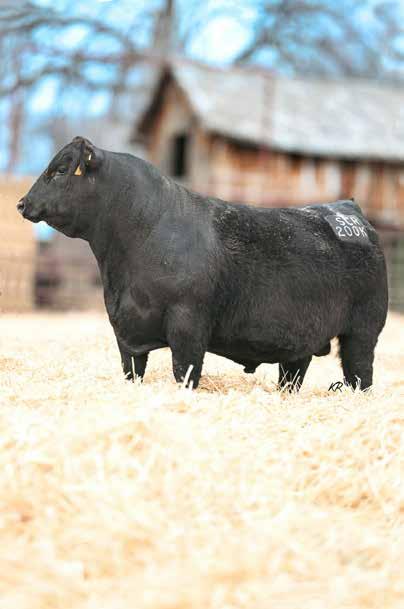
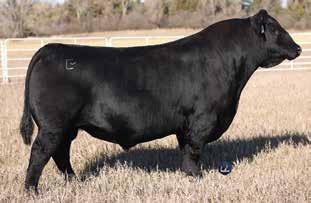
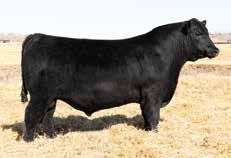
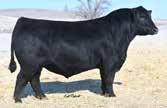
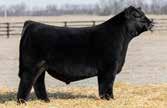
Baldridge Incognito J852
Poss Palisade Reg: 20597198
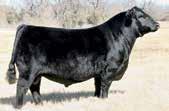
Sitz Stellar 726D Sitz Barricade 632F
SITZ Barbaramere Nell 765D
• Our highest demand bull this past year, INCOGNITO demonstrates balance across the board and consequently ranks in the top 1% for $Combined Value.
• He’s backed by one of the breed’s most proven and influential cow families, and his combination of mass and power matched with added length and structural integrity make him a must use this spring.
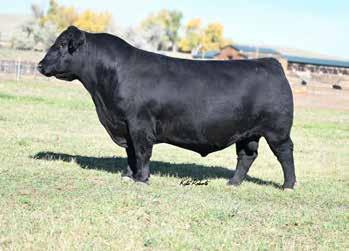
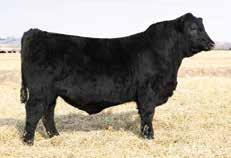
• A moderate BW, high-growth Barricade son with loads of depth and internal dimension. He’s wide based and easy moving.
• He offers top 1% WW EPD ranks in the top third of the breed or better for Docility, Heifer Pregnancy, and both foot EPDs which elevates him to a top 2% rank for $M.
• Dam is a maternal sister to Poss Ratified out of an elite Pathfinder donor.
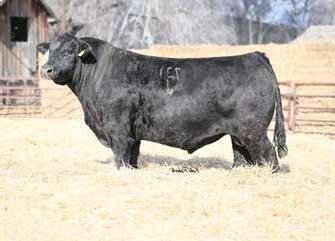
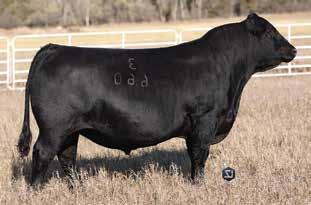
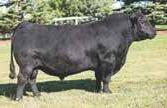
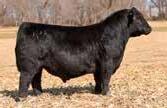
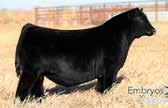
Tehama Tahoe B767
Canny of Conanga 921E Black Cathy of Conanga 8521
• Low-birth Salvation son with an extremely efficient growth pattern ranking in the better third of the breed for RADG with a favorable DMI component.
• His dam by Tahoe is a model female in the Connealy program and a maternal sister to Connealy Craftsman out of the $95,000 high-selling Pathfinder donor that topped the 2024 Connealy sale to Stellpflug Cattle Co. in WY.
• Expressively made Ratified son that has added length and extension. He’s wide topped, thick ended, and has an excellent disposition.
• He’s double-digit for both CED and CEM and offers a rapid growth pattern. He’s solid across his convenience traits and consequently has a top 2% breed rank for $M and top 2% for Combined Value.
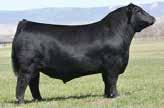
V A R Next Level 1534 Reg: 20131066 DOB: 08/05/21
G A R Big Step K715
EZAR Step Up 9178 Basin Lucy 4261
All Around V A R Blackcap 9319 EXAR New Design 4212
• NEXT LEVEL has one of the most dynamic EPD profiles in our lineup ranking in the top 30% or better for 18 different economically relevant traits.
• Performance standout at Vintage where he charted a 790 lb. adjusted WW (109 ratio) and a 1334 lb. adjusted YW (107 ratio), and also has the unique combination of a top 2% RADG with a top 25% DMI. His dam carries a Nursing Ratio of 3/115.
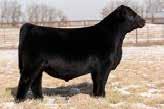
Schiefelbein Hezekiah 214
Schiefelbein Showman 338
Schiefelbein GOAT 271
Frosty Elba 2928
Elba 4600
• This son of the $232,000 Schiefelbein GOAT 271 charts top-end growth in the elite 3% of the breed. He’s a stout made, square hipped bull with a “performance look” and recorded an 809 lb. adj. WW (ratio 106).
• His daughters should be equally productive where he maintains excellent foot quality and also ranks in the top 10% for Teat and top 10% for Udder Suspension with a top 20% rank for Functional Longevity as well.
DESIGNED WITH YOU IN MIND
by Megan Silveira for the Angus Journal
CURRENT ANGUS RESEARCH INITIATIVES AND PRIORITIES
Having access to cutting edge genetic tools has helped Angus breeders reach new levels of success. But it takes time asking questions and finding answers to build the toolbox.
In 2007, genomics were gaining traction amongst cattlemen. Angus Genetics Inc. (AGI) was, in part, created as a subsidiary of the American Angus Association in response.
“We knew that [genomics] was going to be a transformative shift in how we analyzed cattle through an objective genetic evaluation,” explained AGI President Kelli Retallick Riley during the Research Advantage general session hosted at the Angus Convention in November. “Our mission is really to lead genetic change for the Angus industry and the beef industry as a whole.”
For breeders, AGI is a vital piece of the profitability puzzle, keeping access to tools and data in the American Angus Association — an advantage for members.
“They don’t have to go outside to find a private entity to create tools, create access and those tools are accessible for every member, whether they have two head or 2,000,” said Jonathan Perry, former president of the American Angus Association.
Today, Retallick Riley said there’s three categories of research projects that happen at AGI:
1. Novel trait development: exploring new items to potentially be added to the breeder’s genetic evaluation toolkit
2. Genetic evaluation maintenance: helping optimize that toolkit; includes weekly expected progeny difference (EPD) updates
3. Progress of commercial tools: creation and development of programs like GeneMax®
As far as research priorities, the AGI team is always asking questions. But as scientists and researchers, Retallick Riley says the input of those out in the pasture is crucial. That’s where the Association’s breed improvement committee comes in.
Smitty Lamb, chairman of the breed improvement committee, said Board members serve as the conduit between the Association and AGI.
Perry confirmed the research Retallick Riley’s team does for the Association is reactionary. AGI finds answers when Lamb and the breed improvement committee approach to them with a question or identify a hole in the industry.
“But for a breeder like myself, I want [AGI] out in the space,” Perry said. “I’m busy breeding cows, calving cows, selling cows, trying to make a living, trying to stay in business...I want [the AGI staff] identifying things that are coming at me that I’m not smart enough or aware enough of to know that I may need to be headed in that direction in three or four years.”
When research kicks off, it usually comes in two forms: individual universities approach AGI with a partnership opportunity, or AGI puts out requests for research proposals.
For research to be a viable option for a new tool, Retallick Riley said it has to be heritable, scalable and compatible. Without heritability, there’s no control in genetics. Scalability refers to the cost, measurability and accessibility. Compatibility is to better understand how selecting for a new trait will affect the outcome of another.
Research also has to fit the needs of Angus producers; cattlemen want to be able to easily select for the trait and see an effect in profitability.
“I think one of the strengths of this breed for some time has been science based research and data behind decision tools and behind decisions that are made around business and this breed,” said Mark McCully, Association CEO.
Though membership surveys show that research is one of the top priorities for breeders within the Association, a recent grant to fund methane and feed efficiency research sparked a lot of questions.
“What we found in a lot of those discussions, candidly, was a lot of members maybe even weren’t aware of research projects we were currently a part of or had been a part of in the past that led to tools that we had today,” McCully said.
RESEARCH UPDATE
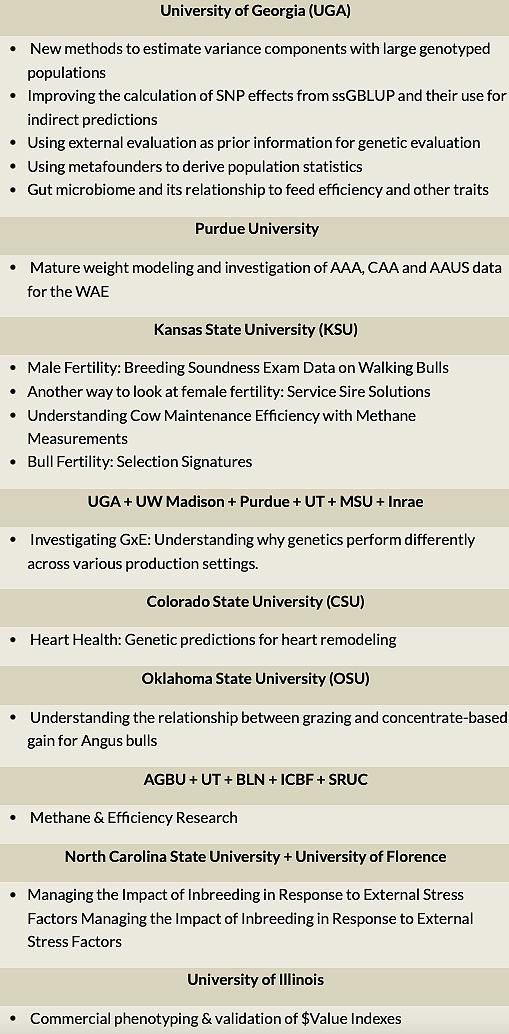
Currently, AGI is involved in numerous research projects both internally and through external collaborations (see Figure 1 on page 22).
A few highlights include work with the University of Illinois, where AGI is focused on index validation through multi year selection via a mating project with the university’s 600 commercial cow herd.
“We get this question a lot — are we validating these tools we’re using?” Lamb explained. “That’s something we do all the time...The last person you
want to fool is yourself. So if there’s something wrong with these dollar value indexes, we want to know.”
The project also puts the indexes in perspective in the commercial space, Retallick Riley added.
Kansas State University and AGI are partnering on three fertility projects. Retallick Riley said they’re using breeding soundness exams on bulls and other data to see if more information on fertility can be answered from both the bull and female side.
In many cases with AGI’s research, the team is trying to build tools to allow breeders to find animals that can lead to higher levels of efficiency or
FIG. 1: ONGOING AGI RESEARCH PROJECTS
profitability. Essentially, ‘Are there cows that can do more with less?’
Research around the globe has shown that capturing gas flux measurements could be used to determine if there were genetic differences in maintenance energy requirements among the cow herd.
Cattle can take a low quality forage and upgrade it to a high quality protein for consumption. That process all happens in the rumen as microbes break down forage into cellulose. The cellulose is broken down into volatile fatty acids, which are the main form of energy for cows.
Enteric methane is a natural byproduct of this process and is released through eructation or burps.
Retallick Riley said, “It is a very natural process of how our animals digest food. But the reason we wanted to look at it is because there’s lots of studies out there that show that methane production [is heritable and is interpreted as] energetic loss.”
Studies have shown methane production in cattle has a heritability of about 0.2, which is similar to weaning weight, so Retallick Riley said she’s hopeful to learn more. The question still remains whether methane production can be used as an element to predict which cows are more efficient on grass or the way they partition their energy resources.
Past research has used dairy cattle or been conducted in confinement settings. But the Methane Efficiency Research, headed by the Animal Genetics and Breeding Unit at the University of New England in Australia, presented the chance to collect thousands of phenotypes in a grazing setting.
“Really what this research is about is to understand the influence genetics has on methane production, whether it can be reduced through genetic solution, [and how that reduction plays into the efficiency conversation],” Retallick Riley said.
While there’s optimism for what might be revealed, there’s no set path for the future either, as the research is in its beginning stage.
“This Board of Directors will determine whether or not any selection tools are ... added to our suite of selection tools that are currently available to our membership,” said Lamb.
When the diversity of the breed is paired with technology and research opportunities, there’s potential for Angus cattle to continue to lead the industry. One thing has been made clear: communication between members and the Board makes all the difference.
“Input is key and vital going forward,” Perry said. “We cannot know what you want, what you think and what you need if we don’t hear it on a regular, engaged basis.”
Want to learn more about AGI research? Visit www.angus.org/agi/research.
HERD HEALTH
GENETIC BREAKTHOUGH MANAGING BVD THROUGH GENETIC PREDICTIONS
from Zoetis
In early February, Zoetis announced the launch of bovine respiratory disease (BRD) genetic predictions in INHERIT® Select for commercial cow calf operations and as an upgrade to its INHERIT Connect test for seedstock. This marks the first time that producers can select females and evaluate sires based on genetic predictions for BRD health and survival.
BRD costs beef producers nearly $1 billion each year due to calf and production losses and treatment expenses. Until now, producers had no way to evaluate or select for the genetics that influence BRD health and survival after weaning.
“This is a breakthrough for the beef industry,” said Brett Bristol, head of Zoetis Precision Animal Health. “For the first time, producers can make selection and breeding decisions based on Genomic EPDs (GEPDs) for BRD health, in addition to production traits. Long term, this innovation is expected to have meaningful economic impacts on commercial producers, backgrounders and feeders.”
GENETICS THAT COMPOUND OVER TIME
As the rebuilding of the U.S. cowherd begins and replacement costs are at historic highs, producers seek ways to build cow herds that last longer, raise healthier calves and deliver predictable value. Genetic advancement from testing and selection compounds over time; breeding decisions made today influence future herd health and productivity.
INHERIT Select and INHERIT Connect with the BRD Upgrade include three BRD genetic predictions in the form of Genomic Expected Progeny Differences (GEPDs):
• BRD Health (BRDH) GEPD: Predicts genetic differences in the likelihood that calves will stay healthy after weaning without requiring treatment for BRD. Higher BRDH and lower percent rank are better.
• BRD Survival (BRDS) GEPD: Predicts genetic differences in the likelihood that calves will survive from arrival for backgrounding to harvest without dying from BRD. Higher BRDS and lower percent rank are better.
• $BRD Economic Index: Combines BRDH and BRDS into a single dollar value that estimates revenue impact per calf (progeny). Higher $BRD and lower rank are better.
These predictions are based on feedlot health and performance data from a representative population of more than 50,000 head of cattle across North America. These phenotypes, along with continual genetic data additions, are updated weekly and included in the Zoetis Multi Breed Genetic Evaluation.
SELECT REPLACEMENTS THAT BUILD HEALTHIER CALF CROPS
“GEPDs for BRD and $BRD bridge an economically important gap in current beef genetic evaluations,” said Kent Andersen, Ph.D., Zoetis, “BRD predictions give us a way to select for post weaning BRDH and BRDS and related economic impact that we couldn’t before. That matters when used along with predictions for maternal, feedlot, carcass and adaptability traits and simplified via economic indexes.”
With BRD genetic predictions in INHERIT Select, commercial cow calf producers can:
• Select replacement heifers with stronger genetic potential across all major traits to set the stage for healthier and more productive calf crops.
• Identify and invest in genetics for greater profit potential and less risk that compounds over time.
Using the population of more than 440,000 commercial animals tested using INHERIT®, researchers compared the top versus bottom 25th percentile rank based on GEPDs for BRDH, BRDS and $BRD.
The comparison shows progeny of the top 25th percentile that are genetically:
• 25 percent more likely to stay healthy and not require treatment for BRD from feedlot arrival to harvest.
• 14 percent more likely to survive and not die from BRD from feedlot arrival to harvest.
• $12 per calf advantage in net return from combined genetics for BRDH and BRDS.
EVALUATE BULLS FOR BRD HEALTH GENETICS
For seedstock, the INHERIT Connect + BRD Upgrade provides a powerful way to evaluate bull batteries and potentially differentiate sale bulls based on BRD GEPDs and $BRD.
With the INHERIT Connect + BRD Upgrade, producers can:
• Potentially differentiate sale bulls with BRD predictions that benefit commercial buyers, backgrounders and feeders.
• Evaluate sires and bull batteries to benchmark genetic merit for BRD and identify favorable and unfavorable outliers.
• Document genetic merit for BRDH and BRDS and position future calf crops for premium prices.
When comparing bulls tested using INHERIT Connect + BRD Upgrade, bulls in the top 25th percentile rank for $BRD have a $1200 predicted advantage over bulls in the bottom 25th percentile rank, assuming they sire 100 calves during their lifetime.
UC DAVIS RECEIVES $120M GIFT, LARGEST EVER TO SCHOOL OF VETERINARY MEDICINE
The University of California, Davis, today announced the largest gift ever made to veterinary medicine worldwide: $120 million from philanthropists Joan and Sanford I. Weill through the Weill Family Foundation to support its top ranked veterinary school.
In recognition of this commitment, the university has renamed the school the University of California, Davis, Joan and Sanford I. Weill School of Veterinary Medicine — or simply the UC Davis Weill School of Veterinary Medicine.
“UC Davis is home to one of the world’s most outstanding veterinary schools and many of the brightest minds in animal and human medicine,” said Sanford “Sandy” I. Weill, a long serving member of the UC Davis Chancellor’s Board of Advisors. “We are proud to support an institution where groundbreaking research and compassionate care are prioritized together, and where discovery benefits both animal and human health.”
The gift is one of the largest in university history. It will strengthen UC Davis’ leadership in comparative medicine — the study of health and disease across species — and advance translational research initiatives for diseases such as cancer, neurological disorders and cardiovascular conditions that affect both animals and humans. The funds will also support a reimagined, leading edge renewal of the veterinary campus including construction of a small animal teaching hospital and expand the school’s capacity to train the next generation of veterinarians.
“By naming our veterinary school in Joan and Sandy’s honor, we celebrate their transformative generosity and lasting commitment to improve the health of all species,” said Chancellor Gary S. May. “UC Davis is world renowned for excellence in veterinary medicine, research and service. We are deeply grateful for Joan and Sandy’s vision and partnership to help us accelerate the great work taking place here.”
Mark Stetter, DVM, dean of the UC Davis Weill School of Veterinary Medicine, said the Weills’ support will revolutionize what is possible in veterinary medicine.
“Joan and Sandy Weill’s extraordinary generosity will allow UC Davis to move faster, think bigger and rise to meet the most urgent challenges facing our world,” Stetter said. “This gift empowers us to drive discoveries, expand access to world class education and develop new insights at the intersection of veterinary and human health. It launches an exciting new era in veterinary medicine and provides the catalyst needed to advance the construction of our new hospital. With continued support from our philanthropic community, we can bring this vision to
completion.”
Eighty million dollars of the gift will help build a new small animal teaching hospital, part of the school’s $750 million Veterinary Medical Complex expansion initiative to build the premier veterinary campus in the world. The current facility, which is already one of the busiest veterinary hospitals in the world, cares for approximately 50,000 patients annually.
Designed to meet the growing demand of clients, educate more students and expand the school’s impact, the state of the art facility will enable:
• Care for up to 20,000 additional animals across an array of specialties;
• More cutting edge research and clinical trials, advancing treatments that benefit both animals and humans; and
• Integration of artificial intelligence and precision medicine, unlocking new possibilities in diagnostics, treatment planning and patient outcomes.
The Weills’ support will help UC Davis address the shortage of veterinarians by expanding the facilities and infrastructure needed to recruit and train more veterinary students and specialists in high demand fields such as emergency and critical care, oncology, neurology, cardiology and primary care.
The remaining $40 million will be dedicated to fundamental and clinical research. The enhanced research funding will accelerate team science, support early stage discovery projects and enable faculty to pursue high impact ideas that often fall outside traditional funding sources.
From left to right: UC President James B. Milliken, his wife Nana Smith, Sanford I. Weill, Joan Weill, LeShelle May, UC Davis Chancellor Gary S. May and UC Davis Weill School of Veterinary Medicine Dean Mark Stetter. (Gregory Urquiaga/UC Davis)
COSTING YOU MILLIONS
by Ria DeBiase for
the University of California Department of Agriculture and Natural Resources
LIVESTOCK LOSSES AND WOLF DETERRENCE EFFORTS COST CALIFORNIANS MILLIONS
Nearly a decade after the California Department of Fish and Wildlife confirmed the state’s first wolf pack, the rural community in Sierra Valley faced unprecedented challenges when the Beyem Seyo wolf pack began to regularly attack and kill domestic livestock. Despite extensive efforts at non lethal deterrence, the pack became so dependent on cattle as a food source that several members of the pack were ultimately euthanized in October 2025.
A new study by UC Cooperative Extension analyzed the costs associated with these wolf attacks and found that, when combining the costs of livestock losses and interventions aimed at deterring further depredations (the injuring or killing of livestock by wolves), the economic toll over seven months reached at least $2.6 million.
The gray wolf, a species protected under both federal and state Endangered Species Acts, was first introduced into Idaho and Yellowstone in the mid 1990s. After a century long absence, the first wolf was documented migrating into California in 2011, and the first pack was confirmed in the state in 2015. By the end of 2024, at least 50 individual
wolves had been confirmed in California. While some saw this as a conservation success story, ranchers in Sierra Valley experienced the downside of this resurgence when the Beyem Seyo pack began preying on local cattle in March 2025.
By summer, the pack was found near residences during daylight hours and had become dependent on cattle as its main source of food. To reduce the harm this pack was causing to the community, CDFW deployed what they called the Summer Strike Team – a group of biologists, wardens and CDFW staff – whose goal was non lethal hazing and deterrence of wolf related livestock attacks.
Yet despite spending 18,000 staff hours over 114 days, the attacks continued to increase, and by October 2025, 92 cows and calves had been injured or killed by the pack. As a result, four members of the pack were ultimately euthanized. To better understand the economic impact of this livestock depredation, UC Davis professor
...CONTINUED ON PAGE 28
Estimated Fair Market Value (FMV), in Dollars, of Wolf-Related Losses and Possible Multiplier Approaches
...CONTINUED FROM PAGE 26
professor of Cooperative Extension Tina Saitone and UC Cooperative Extension livestock and natural resources advisor Tracy Schohr analyzed the direct costs associated with the attacks.
First, they looked at the direct costs of cattle losses between March 7 and Oct. 10, 2025 that either the CDFW or the U.S. Department of Agriculture verified as ‘confirmed’ or ‘probable’ wolf depredations; only these verified kills were eligible for rancher compensation under the state’s Wolf Compensation Program. Using the fair market value for these ‘confirmed or probable’ kills, the authors estimated $234,735 in losses to Sierra Valley ranchers.
Saitone said, “Beyond direct predation, wolves impose additional costs. Cattle exposed to wolves show increased vigilance and avoidance behaviors that reduce weight gain and conception rates while increasing disease vulnerability. Producers face higher expenses from intensified monitoring, fence repairs, non lethal deterrents, and depredation investigations.”
Further, when the authors considered missing or unconfirmed cattle losses, the total wolf related depredation losses
ranged from between $533,688 to $1.7 million, depending on methodology. When these costs are added to the cost of agency interventions (e.g., the efforts of the Summer Strike Team), which totaled more than $2 million, this single wolf pack was responsible for damages of at least $2.6 million in 2025. This research underscores the importance of wildlife agency resources and funding of comprehensive livestock loss compensation programs.
To learn more about the economic impacts of the Beyem Seyo wolf pack on California, read the full article by Tina L. Saitone and Tracy K. Schohr: “The Beyem Seyo Wolf Pack: Economic Toll of Unprecedented Livestock Conflict in California.” ARE Update 29(2): 1–5. UC Giannini Foundation of Agricultural Economics, online at https://giannini. ucop.edu/filer/file/1767890615/21559/
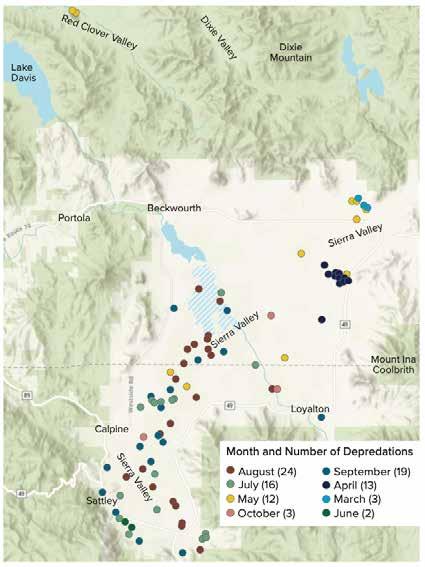
Location and Month of Confirmed and Probable Depredations: March 7–October 10, 2025
The Beyem Seyo wolf pack killed or injured 92 domestic animals between March and October 2025.
PERFORMANCE
Selling
26
ALLIED INDUSTRY SPOTLIGHT HERE FOR YOU ALLIED LEADERS’ LOVE OF THE GAME
from the CCA Allied Industry Council
Woody Melton, this year’s chairman of the California Cattlemen’s Association
Allied Industry works for Merck Animal Health and lives in Bakersfield. As a Merck representative Melton travels this territory services veterinary accounts, meeting with livestock producers and attends industry events to support the industry as a whole and educate producers about the innovations at Merck that can benefit their operations. Here is what he has to say about his involvment with Allied and CCA.
Q What is your favorite CCA event?
A
My favorite event is the CCA Convention. I enjoy seeing new and old friends and catching up with them.
Q Why do you support CCA?
A
I support CCA because of what they do for our Industry. We have a voice and it doesn’t matter if we have five head or 1,000 head.
Q Why is it important for other allied business to support CCA and its various causes?
A
Support from Allied can help make a difference. CCA and Allied working together for the common goal to better the livestock community. Being part of Allied shows that there is more to our group then just selling a product we take pride in the beef industry.
Jenna Chandler, Allied’s secretary, is employed with Hygieia Biological Laboratories, a small veterinary biologics lab located in Woodland, focusing on research and development of vaccines and biologics, primarily for food animals. Though Chandler’s title is Ruminant Marketing Manager, her role encompasses a bit of everything. Field research, educational outreach, marketing, sales, communications and even some occasional laboratory work means her days are never dull! Most in the beef industry knows Hygieia as as
the manufacturer of the long awaited Epizootic Bovine Abortion (or Foothill Abortion) Vaccine.
Q What is your favorite CCA event?
AWhile everyone’s, first instinct is to say convention, if I put a little more thought to it, I would have to say Legislative Breakfast, or more importantly, the legislative meetings that follow it (although the Sutter Club doesn’t disappoint when it comes to that meal!). The CCA staff does a FABULOUS job of bringing the concerns and priorities of California’s ranching communities to legislators and their staff year round, but it can’t be denied that the gravity is different when its their own voting constituents looking them right in the eye and asking them to account for their votes; the votes that directly impact producer livelihoods and tradition of generations before them. Cowboy hats and boots on Capitol steps move mountains…and public policy.
QWhy do you support CCA?
A I didn’t grow up in the beef cattle industry, but I got here as soon as I could. Now that I’m lucky enough to be here, I darn sure don’t want it to go away. While I don’t think that is going to happen any time soon, we all know about the struggles that beef production faces in a state like California, largely governed by its urban areas. I want to make sure that I do my part to keep the legacy of ranching in the golden state not only going, but going STRONG, so there is always a place for people like me to find their home and their future in it.
QWhy is it important for other allied business to support CCA and its causes?
AAllied businesses supporting CCA is a pretty clear slam dunk. Our connected businesses wouldn’t exist if the cattle industry didn’t. Supporting it is a cost of doing business. The nice part about supporting CCA is that theres something for everyone and a way to get involved for every area of interest. You just have to find it. Policy and political action your thing? The Steaks & Eggs Legislative Breakfast and PAC might be a fit for you. Education and outreach? California CattleWomen are always looking for support. Federal lands? There’s a committee for that. For me, it’s animal health, but there’s a policy committee and an avenue for involvement for it all.
Vermilion Ranch Vermilion Ranch
MARCH 26, 2026
Heifers
5,000 Fancy Open
Commercial Replacement
Angus Heifers
MARCH 27, 2026
All One Iron - Ready to Breed Bangs Vaccinated - Montana’s Best 45 First-Calf Pairs
All sired by Irish Whiskey.
Bulls sell at 11:00 at Public Auction Yards, Billings, MT
500 Total Performance Bulls
Sired by Unified, Riverside, Jameson, Leo, Prosper, Congress, Teton, Bedrock and Effective.
USDA ANNOUNCES COMPLETION OF STERILE FLY DISPERSAL FACILITY IN TEXAS
On Feb. 9. at Moore Air Base, U.S. Secretary of Agriculture Brooke L. Rollins and Gov. Greg Abbott of Texas celebrated a big achievement in the fight against New World Screwworm (NWS) with the completion of a U.S. based sterile fly dispersal facility in Edinburg, Texas. This facility expands USDA’s ability to disperse sterile flies along the border and into the U.S., if necessary.
“The Trump Administration continues to bring the full force of the federal government to fight New World Screwworm,” said Sec. Rollins. “This sterile fly dispersal facility was a high priority project, and our team delivered it in record time. This new facility is a monumental achievement for our domestic preparedness efforts, but we are also diligently working to stop the spread of screwworm in Mexico, conduct extensive trapping and surveillance along the border, increase U.S. response capacity, and encourage innovative solutions. We will never stop fighting to protect American agriculture. USDA, through a whole of government approach, will continue to hold Mexico accountable to mitigating the spread of this dangerous pest.”
“America is going to take care of ourselves, including dealing with the approach of screwworm as it gets closer to our border,” said Governor Abbott. “We put together the resources necessary for Texas to provide a Texas size response to this.”
TRUMP ADMINISTRATION NWS RESPONSE
In June 2025, Secretary Rollins announced a sweeping five pronged plan to enhance USDA’s already robust ability to detect, control, and eliminate NWS. As part of that announcement, she also shared plans to build this sterile NWS fly dispersal facility in South Texas. The completion of the facility further expands the network of dispersal facilities through Central America and Mexico and solidifies the increased preparedness offered by having a U.S. based facility.
On Jan. 30, USDA announced a shift in its 100 million per week sterile fly dispersal efforts to reinforce coverage along the U.S. Mexico border. While the sterile flies for this effort will initially be dispersed from the Tampico, Mexico facility, USDA is prepared to quickly and strategically shift operations to the new Texas facility should there be a change in the location or new concentration of NWS cases in northern Mexico.
ABOUT STERILE FLY
Sterile insect technique, when paired with surveillance, animal movement restrictions and education and outreach, is a proven tool for controlling and eradicating NWS. Female NWS flies only mate once in their lives, so if they mate with a sterile male, they lay unfertilized eggs that don’t hatch. Releasing sterile flies just outside
of affected areas helps ensure flies traveling to new areas will encounter sterile mates and not reproduce.
Sterile insects are spread through aerial dispersal or ground release. Aerial operations are preferred as they allow dispersal at a steady rate through a large area and because sterile insects may be dispersed in areas unreachable from the ground. Ground release is used when there is a need to quickly deploy sterile insects outside of the facility range. Mass production and targeted dispersal of sterile flies remain critical for an effective response.
USDA currently produces sterile flies for dispersal at the COPEG facility in Panama. USDA is also investing $21 million to support Mexico’s renovation of an existing fruit fly facility in Metapa—which will double NWS production capacity once complete. With ongoing support from technical experts in USDA’s Animal and Plant Health Inspection Service (APHIS), Mexico anticipates this sterile fly production to begin as soon as summer 2026.
To continue to expand USDA’s domestic response capacity, the Department is building a sterile fly production facility at Moore Air Base in Edinburg, Texas, with a targeted maximum capacity of 300 million sterile flies per week. USDA expects to break ground on that facility this spring. With existing and planned production facilities fully operational, USDA will have up to 500 million files per week in its arsenal to fight the pest all the way back to the Darién Gap. The international network of facilities will produce 100 million flies per week at COPEG in Panama, 100 million at in Mexico, and 300 million at Moore Air Base.
WHAT YOU CAN DO
Even though there have been no detections of NWS inside the U.S. and the northernmost active case of NWS is still about 200 miles away from the border, USDA is asking Americans to continue to remain vigilant by checking their livestock and pets for signs of NWS. Look for draining or enlarging wounds and signs of discomfort. Also look for NWS larvae (maggots) and eggs in or around body openings, such as the nose, ears, and genitalia or the navel of newborn animals. If you suspect your animal is infested with NWS, immediately report it to your state animal health official or USDA area veterinarian in charge.
NWS maggots can infest livestock and other warm blooded animals, including people. They most often enter an animal through an open wound and feed on the animal’s living flesh. While not common in people, if you notice a suspicious lesion on your body or suspect you may have contracted NWS, seek immediate medical attention.
GENETICS THAT MATTER
BALANCED TRAIT SELECTION
Temperment • Soundness
Life Cycle Efficiency • Moderate Size
Post Weaning Growth • Carcass Merit
Low PAP • Focus on $RANCH Selection
ADDED VALUE
Free delivery • Ultrasound IMF, REA, BF
Select bulls PAP tested upon request
Every bull feed efficiency tested since 2010
$RANCH COWHERD BUILDERS
All sale bulls’ averages rank in top 13%.
Mothers calve every year in 45 days or they are gone.
All sale bulls’ averages rank in top 13% for Fertility.
All sale bulls’ averages rank in in 10% for Teat and Udder.
100 Balancer
Balancer x SimAngus
Southern Balancer 25 Angus & High% Angus
70 Calving Ease Specialists
150 Blacks • 50 Reds
Utilize the most proven database in the industry for traits that go directly to your bottom line and give you a marketing advantage.
Now is the time to invest in bulls that excel at maternal traits and will improve your fertility, longevity and profitability . Bulls out of the most proven range cow herd in the Southwest.
COUNCIL COMMUNICATOR
NUTRITION CONVERSATIONS GLP-1S, PROTEIN AND MAKING EVERY BITE COUNT
from the California Beef Council
GLP 1 medications are now part of everyday nutrition conversations. Research on GLP 1s continues to be studied beyond diabetes and weight management, examining a range of health areas including cardiovascular disease, kidney and liver health, neurodegeneration, and women’s health. Today, about one in eight U.S. adults has tried a GLP 1 weight loss medication, and use continues to grow as these medications become part of long term weight and chronic disease management. As this research expands, it has also raised new questions about how nutrition supports health when eating patterns change.
For many people using GLP 1 medications, appetite changes are one of the most noticeable shifts.¹ Meals may be smaller, less frequent or skipped altogether, which can feel like a relief for some and a challenge for others. Even so, the body’s need for nutrients does not change, meaning the foods people choose play a bigger role in supporting health when overall intake is lower.
This shift is happening at a time when protein already matters to consumers. Research from the International Food Information Council shows that protein consistently ranks among the top nutrition priorities, driven by interest in muscle health, feeling satisfied after meals and overall wellness. For many people, protein is often thought of in terms of energy, physical strength, and staying functional day to day, rather than weight loss alone.
As appetite changes with GLP 1 use, the question is not whether protein still matters, but how to get enough of it in a way that fits new eating patterns. Adequate protein intake helps preserve lean muscle during weight loss and supports strength and metabolic function. Research consistently shows that higher protein eating patterns are associated with better retention of lean body mass, particularly when weight loss occurs alongside a reduced appetite.
Choosing protein rich foods that deliver meaningful amounts of protein and essential nutrients in a relatively small portion becomes especially valuable in this context. Lean beef is an example that can fit this need.
Lean beef is a nutrient dense protein option. A three ounce serving of cooked lean beef provides about 25 grams of protein for around 170 calories, along with ten essential nutrients that can support muscle and metabolic health. Maintaining muscle mass is not only about strength. Muscle plays an important role in blood sugar control, mobility and long term cardiometabolic health, especially as people age. Preserving muscle through adequate protein intake may help support these outcomes alongside GLP 1 use, particularly for older adults and others at higher risk for muscle loss.
GLP 1 medications influence appetite, but they do not replace the role of nutrition. Research shows these medications work best when paired with supportive eating patterns and healthy lifestyle behaviors. Even as appetites and routines change, balanced meals that include protein rich foods, along with fiber rich fruits, vegetables, whole grains and regular movement, remain central to overall health.
One thing is clear: as eating patterns evolve, making every bite count becomes more important. Foods that deliver high quality protein and essential nutrients in a reasonable portion help people get more value from the meals they enjoy. Beef offers a wholesome, familiar and flavorful way to do just that, which can help support health and wellness goals while fitting into changing eating patterns.
NCBA ELECTS NEW LEADERSHIP FOR 2026
Since 1850, Gene Copenhaver’s family has been rooted in the land raising crops and livestock. The Virginia cattleman now takes the helm as the new president of the National Cattlemen’s Beef Association (NCBA). Copenhaver’s new leadership role began at the end of CattleCon 2026, held in February in Nashville, Tennessee.
The 2026 NCBA officer team was approved by the NCBA Board of Directors and includes Kim Brackett of Idaho, president elect, and Skye Krebs of Oregon, vice president. Kenny Rogers of Colorado was elected chair of the NCBA Policy Division and Scott Anderson of Oklahoma was elected policy vice chair. Travis Maddock of North Dakota and Dan Hanrahan of Iowa, were elected as chair and vice chair of the NCBA Federation Division, respectively. Brad Hastings of Texas will serve in the role of NCBA treasurer.
Copenhaver currently manages his family’s stocker operation in southwest Virginia with his son, Will, and was an agriculture loan officer for 38 years. He has been married to his wife, Jodi, for more than 35 years, and they have three grown children, Brad, Will and Jaymee, and three granddaughters.
Copenhaver’s father taught him early to “be at the table,” especially when policy decisions were being made. About 25 years ago, he helped launch a county cattlemen’s group, then worked his way through leadership roles at the state level, eventually serving as president of the Virginia Cattlemen’s Association. Nationally, he became involved with NCBA, serving on the Tax & Credit and International Trade committees, multiple
task forces and the officer team. If there is a single theme to his leadership philosophy, it is grassroots engagement.
“I’ll go to my grave saying our greatest strength is grassroots,” Copenhaver said.
The new president’s priorities are straightforward: continue what works, stay grounded in grassroots input, remain open minded and focus on profitability. Copenhaver wants every sector and every scale of operation to be viable. That means pushing back against regulatory barriers, supporting policies that allow reinvestment and building on recent momentum around tax provisions.
“We can’t build the future if every good year gets taxed away before we can shore up our infrastructure,” he said.
Copenhaver remains optimistic about the future for two reasons. First is the demand the beef industry has built steadily in the last four decades. Second is the next generation — young producers who are smart, relationship driven and family centered, and who want to build operations that last.
Success, for Copenhaver, is not complicated. “Build a good operation. Involve your family. Treat people right,” he said. For the industry, it means continuing to grow demand and profitability across all sectors without losing sight of its roots.
CALIFORNIA STUDENT RECOGNIZED
A total of 10 outstanding students pursuing careers in the beef industry received $1,500 scholarships from the National Cattlemen’s Foundation during CattleCon 2026. Among them was William Kemp of Bishop, was recognized through the CME Group Beef Industry Scholarship program for emerging industry leaders.
“It is exciting to see so many students pursuing careers in the beef industry,” said NCF Chair Dave True. “We are grateful to our partners at CME Group for making this scholarship program possible.”
Introduced in 1989 and sponsored by CME Group, the scholarship identifies and encourages talented students who play a vital role in the future of food production. Students studying education, communication, production, research or other areas related to the beef industry are eligible to apply for the annual scholarship program.
(L to R): Skye Krebs, Dan Hanrahan, Travis Maddock, Brad Hastings, Kenny Rogers, Buck Wehrbein, Kim Brackett, Gene Copenhaver, Scott Anderson
BALANCING ACT
by Lilly Platts for the American Simmental Association
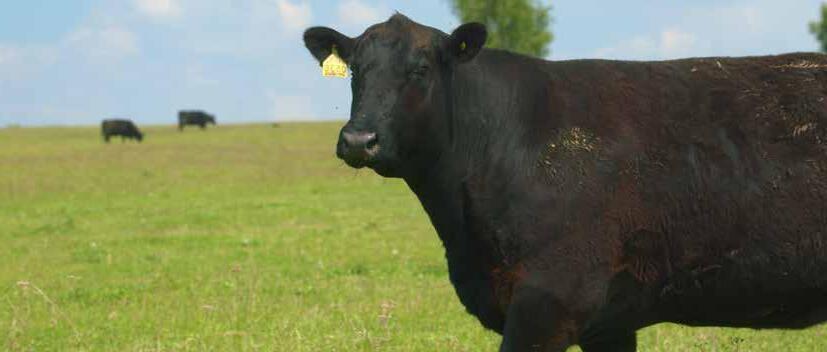
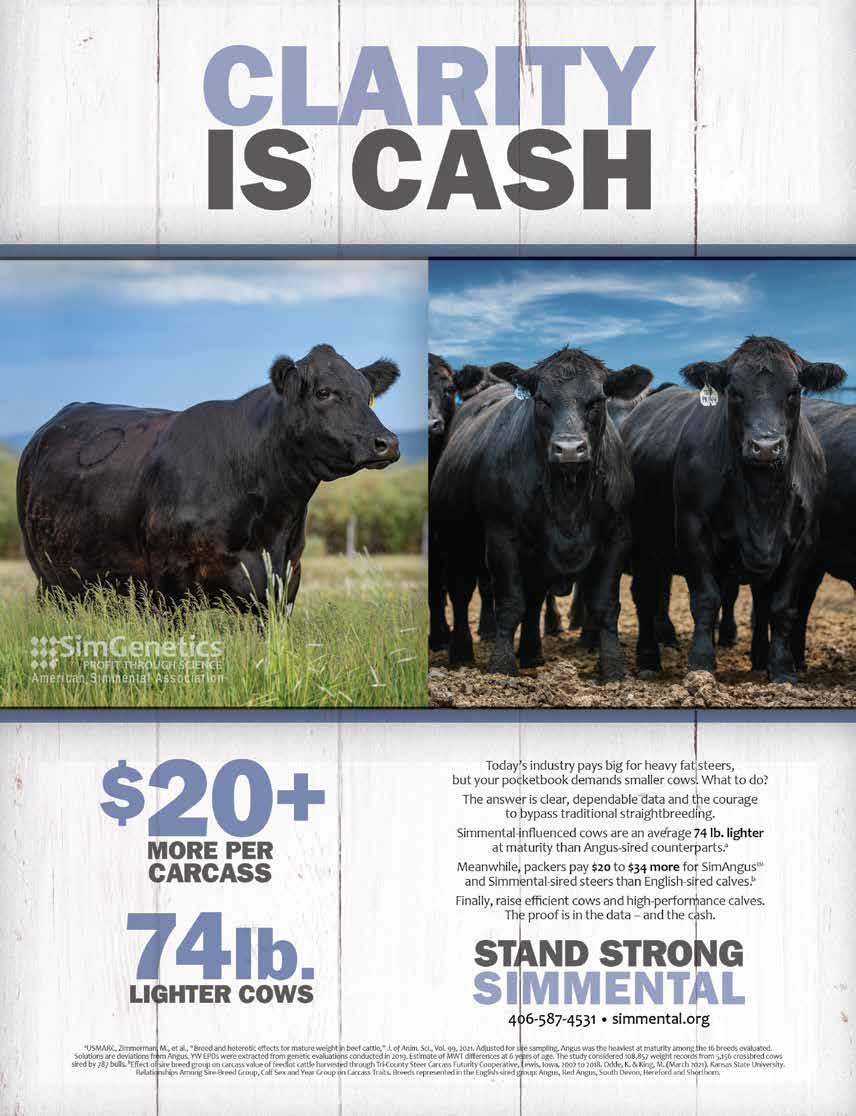
BALANCING COW WEIGHT WITH INDUSTRY DEMAND
Optimizing efficiency and productivity are central goals for all cow calf producers. The end product and the demands of the packer are also a consideration, and often go against what is best for long term cow calf profitability. Bigger cows can produce bigger calves, but at what cost? Jamie Courter, Ph.D., a beef extension specialist with the University of Missouri, shared shared that the push for bigger carcass weights will continue in the future, and because of this, focusing on cow herd efficiency and profitability is more important than ever. “Whether we’re talking about the end product, or selling a weaned calf, your motivation should still be the cow,” Courter shared.
Mature cow size has been steadily increasing over time, which is evident in data across breed associations. Courter evaluated Angus, Red Angus and Simmental trends, and saw a uniform trend throughout. “Regardless of breed, we are increasing cow size,” she said.
The cow calf phase of the production cycle accounts for 74 percent of the overall input required to produce one pound of carcass weight, and the bigger the cow, the higher this number is. “A 30 percent larger cow will consume 22–28 percent more dry forage matter,” Courter shared. “Mature cow weight matters.”
Courter encourages producers to think about their cow herd as a whole unit, as opposed to individual animals. Heavier calves may bring more on sale day, but if the female that raised that calf required more input, those extra dollars may cancel out. “Yes, heavier calves make more money, but if we think about fixed resources, smaller cow size and more moderate weaning weights aren’t always a bad thing,” she said.
Many beef cattle traits are optimized somewhere in the middle, like docility and Courter believes the same is true for cow size. An 1,100 to 1,200 pound cow usually strikes the
right balance between input and productivity, and Courter encourages producers to look at their output as pounds weaned per acre, as opposed to individual cow performance. “The key is to avoid cows that are over 1,400 pounds, and that are consuming more nutrients than they are providing you in profit,” she said. “The data shows that mature cow size is an intermediate optimum trait.”
Birth weight is as frequently discussed as mature cow size, and is another important factor in optimizing productivity. There are several EPD associated with birth, including calving ease direct, calving ease maternal and birth weight. Calving ease direct predicts the probability of a first calf heifer experiencing dystocia; calving ease maternal predicts the probability of first calf daughters experiencing dystocia; and birth weight predicts the calf’s weight compared to the breed average.
Courter shared that producers often put emphasis on the wrong trait. “Time and time again, producers think that birth weight is equivalent to calving ease, especially on the commercial side,” she explained.
Using correlations, Courter explained that birth weight and calving ease are genetically related, but not the same trait. Conversely, the correlation between calving ease direct and the percentage of unassisted births is high. This means that producers who select primarily for birth weight may only be starting off with lighter, more issue prone calves, and not actually solving dystocia problems. “When we select for low birth weight, we are not solving the problem,” Courter shared. “Selection for birth weight does not ensure calving ease. It just creates light calves.”
Data shows that calves that start out lighter will also be lighter at weaning and yearling.
...CONTINUED FROM PAGE 36
Commercial producers often use birth weight over other calving EPDs when selecting bulls, which may lead to long term financial loss. If calving ease direct predicts that a first calf heifer can have a 60 pound calf unassisted, then putting emphasis on birth weight and pushing that weight down to 50 pounds is only taking pounds away long term.
“We need to be having these tough conversations with our commercial buyers,” Courter shared.
Crossbreeding is one of the most reliable methods for increasing productivity while maintaining input costs, and Courter emphasized this. “We know that crossbred cows raising crossbred calves wean over 23% more weaning weight per cow exposed,” Courter said. “Crossbreeding and mating systems will increase the resources we have while keeping cow size moderate.”
Courter encouraged producers to consider crossbreeding systems, as well as maternal and terminal herds. Increasing carcass weights while keeping cow size moderate is difficult, and while genetics and technology have produced bulls
and cows that “do it all,” genetic potential can only go so far. Pushing the cow herd to meet end product demands could have negative long term effects. “If we want to avoid doing that to our cow herd, we need to start thinking about the story differently,” Courter explained. “We need to start thinking about creating maternal cows that will be the factory, while also creating terminal animals that are all pounds weaned,” Courter shared.
Specific crossbreeding systems have been considered labor and resource intensive in the past, but Courter countered this belief. Other industries, like dairy, have been successfully using sexed semen and technology to create maternal and terminal crosses. “With the advent of AI, sexed semen and genomic testing, we are past that. We are past the argument of it being labor , cost and resource intensive,” she said.
Courter concluded that through crossbreeding and technology, producers can meet the demands of the industry while also maintaining profitability in the cow herd. “My challenge to you is this. How can we adopt technology to meet what the market is telling us, and at the same time, not detrimentally impact our cow herd?”
Copacetic x Diamonds Destiny (Broker)
Wallstreet x G293 (Profit)
SHOW SIRES
CATTLEMEN’S KIND
Musgrave OG 513
Musgrave Jumbo x Panther Cr Raindance 9019
NO LONGER JUST A LUXURY WHY EMBRYO PRODUCTS MAY MAKE SENS FOR COMMERCIAL CATTLE OPERATIONS
For decades, embryo technologies were viewed as tools reserved for seedstock breeders, show focused programs or those chasing the absolute top end of pedigree driven genetics. But today, the economics of commercial beef production have shifted.
The U.S. beef industry finds itself in a period of intense pressure and opportunity. Cow numbers sit at modern lows, yet beef demand remains strong. Producers are feeding cattle to heavier end weights, but at the same time, larger cows aren’t necessarily weaning heavier calves. Efficiency, not size, is becoming the currency of competitiveness. In this landscape, many commercial operations are reconsidering how they build their cow herds. One approach gaining traction is the use of F1 replacement heifer embryos. Embryo products are no longer a luxury. They’re becoming one of the most practical, cost effective ways for commercial producers to build better cow herds faster, improve consistency and maximize heterosis, while capturing value in both maternal and terminal directions without compromise.
INDUSTRY REALITIES: EFFICIENCY MATTERS MORE THAN EVER
The U.S. is producing record volumes of beef with significantly fewer cows. Mature cow size has increased due to selection pressure for growth and carcass weight. Larger cows eat more, require more resources and don’t always produce correspondingly heavier calves. Meanwhile, packers and feedyards increasingly demand heavy muscled, feed efficient, high marbling terminal cattle that finish around 1,500 lbs— without compromising yield grade.
This creates an inherent tension: The genetics that make for the best cows are rarely the same
by Cary Crow, business acquisition specialist, TransOva Genetics
that produces top tier terminal progeny in the feed yard.
Trying to chase both maternal strength and terminal merit with the same genetics for the entire calf crop (replacements and feeder cattle alike) nearly always forces compromise. And compromise is expensive.
F1 FEMALES ARE THE BACKBONE OF COMMERCIAL EFFICIENCY
Across decades of university research, one finding is remarkably consistent: First generation crossbred (F1) females outperform straightbred cows in fertility, longevity, calf survivability, adaptability, and overall pounds of calf per cow exposed.
This advantage stems from heterosis. When genetically different breeds are mated, heterosis produces offspring that outperform the average of their parents for key traits—especially low heritability traits like fertility, maternal function and cow efficiency. As an industry we can’t ignore the facts.
COMMERCIAL PRODUCERS BENEFIT FROM F1 FEMALES BECAUSE THEY:
• Breed back more consistently, even under marginal conditions
• Stay in the herd longer, reducing replacement pressure
• Wean more pounds of calf per cow exposed
• Adapt to a wider range of environments
• Raise calves with more vigor and survivability
No other breeding strategy delivers more maternal “bang for the buck” than a true F1. But there’s a catch… F1 cows can’t replace themselves through natural service or artificial insemination. Managing two purebred herds to generate
replacements is costly and unrealistic for most ranches.
This is where replacement heifers in the form of embryos change the game.
F1 REPLACEMENT HEIFER EMBRYOS: SOLVING THE F1 SUPPLY PROBLEM
Traditionally, producing F1 females required:
• Maintaining at least two purebred cow herds, or
• Buying replacements from the marketplace, often at a premium and without full visibility into genetic selection or maternal quality.
Embryo programs eliminate these hurdles by allowing commercial operations to generate true F1 females inside their existing cow base. Recipient cows carry embryos created from high quality donor dams and sires selected specifically for maternal traits.
The result is a repeatable source of elite F1 replacements without managing purebred herds or relying on volatile replacement markets.
This approach provides three clear benefits:
1. UNIFORMITY AND PREDICTABILITY
Embryo derived F1s come from a tightly selected donor and sire pool focused on maternal traits. This produces heifers that are consistent in type and development, similar in mature size, predictable in udder quality, fertility and structural correctness. Uniformity reduces management headaches and improves long term herd stability.
2. INCREASED EFFICIENCY
IN THE BREEDING SYSTEM
Commercial herds often struggle with the “all purpose genetics trap”: trying to make good replacement heifers while also producing competitive feeder cattle from the same mating decisions.
Embryo F1 programs separate the maternal and terminal goals:
• Embryo recipients produce maternal replacements.
• The recipients not getting pregnant to the embryos (along with the rest of the herd) can be cleaned up and bred to sires selected strictly for terminal merit.
This structure maximizes heterosis on the maternal side while also enabling aggressive terminal selection without compromise.
3. LONG-TERM VALUE
When a replacement female has higher fertility, longer stay ability, lower maintenance requirements and better calf survivability, the economic compounding effect across her lifetime is enormous. Many producers report that embryo produced females have exceptionally low cull rates and nearly every heifer makes the replacement pen. Replacing fewer females every year improves
cash flow and reduces the long term cost of production.
HOW
EMBRYOS STRENGTHEN YOUR HERD STRATEGY
Embryo derived F1 replacements fit naturally into a modern, efficiency driven reproductive program. Most commercial operations use them in a way that looks like this:
STEP 1: DESIGNATE A RECIPIENT GROUP
Typically, animals with good fertility and maternal instincts but not needed as genetic contributors. Although some producers have started with using their open cows after the breeding season as a bit easier step into the process.
STEP 2: PRODUCE A CONSISTENT SET OF F1 REPLACEMENTS
These heifers enter your system with maximum maternal heterosis and predictable performance.
STEP 3: FOLLOW UP THE EMBRYO TRANSFER AND BREED THE REST OF THE HERD STRICTLY TERMINAL
With replacement needs met, every other female can be mated to high growth sires, carcass focused sires and superior feed efficiency lines.
This separation of maternal and terminal goals is one of the largest sources of system level efficiency available to commercial ranches today.
STEP 4: REPEAT ANNUALLY
Over time, you will see more uniform calf crops, higher weaning weights per cow exposed, longer lasting cows, better terminal calf performance and a more predictable, stable business model.
FINAL THOUGHTS: A PRACTICAL TOOL FOR COMMERCIAL HERD PROGRESS
Embryo technology is no longer an elite luxury. It’s a practical tool helping commercial ranches solve one of the industry’s most persistent problems: how to produce high quality replacement females without compromising terminal calf performance.
Using embryos to generate true F1 replacements, enables producers to capture maximum maternal heterosis, improve uniformity and predictability, reduce long term replacement costs, breed the rest of the herd for maximum terminal value and build a more efficient, profitable system over time
For operations committed to long term sustainability and efficiency, replacement heifer embryos offer a path toward a more balanced and productive future.
Consignor of
Ellington Peek, John Flynn and Gary Nolan at the Western Video Market Sale on Thursday of Red Bluff.
Richard Egan and CCA President Rick Roberti catching up at this year’s event.
Rich Rice, Col. Trent Stewart and Daniel Rice at the Western Video Market Replacement Female Sale.
John Pierson and Rod Wesselman in the Don Smith Pavilion between events.
the Year Award went to Sonoma Mountain Herefords.
Congratulations to Hannah Cash and her dog WD John on being this year’s stock dog champions.
The crew of auctioneers, ringmen and breed representatives for the bull sale, horse sale and stock dog sale.
Walter Ring Nielsen passed away peacefully in his home on Jan. 29. He was born to Walter Ring Nielsen, Sr., and Alice Flaccus Nielsen in Pittsburgh, Penn., during World War II on December 16, 1942. Due to the war, he did not meet his father until he was almost two years old.
Walt was raised in Southern California and attended college at the University of Arizona, where he met his wife, Pamela Twist Nielsen. They married on November 27, 1965. They started their family while Walt was teaching junior high science in Las Vegas, Nev. They spent every summer on a ranch in the Smoky Valley in central Nevada. They hosted many visitors, held 4th of July rodeos, and even ran a boys camp for several years.
In 1978, they relocated to the Twist Ranch on Creston Road outside of Paso Robles, where Walt was able to be a full time rancher. The Twist Ranch specialized in registered Red Brangus cattle and also had a vineyard. Walt was honored as SLO’s Cattleman of the Year and later as Agriculturalist of the Year. He particularly enjoyed his work with the Ag in the Classroom committee.
Walt’s flexible schedule allowed him to be a very involved parent. He never missed his kids’ sporting events and spent many Friday nights cheering on the Bearcats football team. Walt was happiest when he was barbecuing tri tip with the Cattlemen at the fair or for gatherings of family and friends.
The Twist Ranch was sold in 2013, and after Pam’s death in 2016, Walt
SHARE YOUR FAMILY NEWS!
To share your family news, obituaries, weddings and birth announcements, please contact the CCA office at (916) 444 0845 or e mail magazine@calcattlemen.org.
retired to Anthem, Arizona, where he enjoyed the warm weather and spent time with his family. He will be remembered as a loving and generous father, a strong advocate for agriculture, and a solid cribbage player.
He was preceded in death by his parents and in laws (Basil and Audrey Twist) and his wife, Pam. He is survived by his children, Laura (Rich), Eric (Ellen), and Amber, his grandchildren Ben, Rachel, Nick, and Audrey, as well as two brothers, Robert and David and their families. He will be missed.
No services are currently planned. In lieu of flowers, donations can be made to the SLO County Agricultural Education Committee.
SHOULD YOU ORDER THE ANAPLASMOSIS VACCINE?
Anaplasmosis is an infectious parasitic disease in cattle, spread primarily by ticks and blood sucking insects like mosquitoes. The killed anaplasmosis vaccine protects cows and bulls of any age from infection and requires a booster given 4 to 6 weeks after the inital vaccination. Find out below if you should order the vaccine!
Do you own cattle?
You don’t need it, but should still support the California Cattlemen’s Association
Do they graze in areas where Anaplasmosis is a problem?
Do you want to prevent the effects of the disease including severe anemia, weakness, fever lack of appetite, depression, constipation, decreased milk production, jaundice, abortion and possibly death?
You don’t need to
(Consult your local veterinarian to find out)
Noah’sRanchAngus
John Teixeira: (805) 448-3859
Allan Teixeira: (805) 310-3353 Tom Hill: (541) 990-5479
40 CONFIRMED KILLS, RAPID POPULATION GROWTH, CONTINUED LIVESTOCK PRESSURE
WHALEBACK PACK
25 CONFIRMED KILLS, HUGE LITTERS, DOCUMENTED IN ELEMENTARY SCHOOL AREAS
TUNNISON PACK
KILLED A FAMILY HORSE WITHIN 200 YARDS OF RESIDENCE
KILLED A FAMILY HORSE WITHIN 200 YARDS OF RESIDENCE
• BNWZ GRAVITY 4812 THE $525,000 TOP SELLING BULL FOR NOWATZKE CATTLE CO. OCT. 18, 2025. HE WAS PRODUCED BY A VINTAGE ANGUS BRED DAM.
• BNWZ FANNY 4049 SOLD FOR A VALUE OF $220,000 OCT. 18, 2025. SHE WAS PRODUCED BY A VINTAGE ANGUS BRED DAM.
• EPF PRIMROSE LADY M9127 TOP SELLING FEMALE FOR EDISTO PINES ANGUS SOLD FOR $240,000 AUG. 2, 2025. SHE WAS PRODUCED BY A VINTAGE ANGUS BRED DAM.
• RIVERBEND RANCHES SOLD VINTAGE BLACKBIRD 3182 TO TOP THEIR FEMALE SALE AT $175,000 FOR ONE HALF INTEREST ON AUG. 23, 2025.
• SMR HENRIETTA PRIDE 3541 WAS THE LOT 1 $110,000 HALF INTEREST SELLING FEMALE FOR SPRUCE MTN. RANCH ON AUGUST 9, 2025. HER DAM WAS A VINTAGE ANGUS BRED DAM.
• DEER VALLEY FANNY 5301 SOLD FOR $140,000 NOV. 3, 2025. SHE WAS PRODUCED BY A VINTAGE ANGUS BRED DAM.
• GOBBELL G3 FARMS SOLD FOUR DAUGHTERS OF VINTAGE BLACKBIRD 9240 ON APRIL 26, 2025. THEY WERE VALUED AT $80,000, $70,000, $60,000 AND $50,000.
• AAA RITA 4506 WAS THE TOP SELLING HEIFER AT AAA ANGUS FOR $110,000 ON APRIL 12, 2025. HER DAM WAS THE TOP TWO SELLING FEMALES FOR KL3 ANGUS FARMS ARE BOTH PRODUCED BY FEMALES BRED AT VINTAGE ON SEPT. 26, 2025 THEY WERE VALUED AT $35,000 AND $34,000. WILKS RANCH LED OFF THEIR OCT. 16, 2025 FALL CALVING COW DIVISION WITH A $47,000 DAUGHTER OF VINTAGE TOP SELLING HEIFER AT $135,000 FOR ONE HALF
TOP TWO SELLING BULLS AT POSS ANGUS RANCH SALE FEB 6, 2026 WERE BOTH PRODUCED BY A VINTAGE ANGUS BRED DAM. THEY COMMANDED BIDS OF $180,000, $160,000 FOR THEIR PROGRAM.