Platinum Sponsors Performance MARKETING PLAN SPONSORS
Available Termite & Pest Control Inc.
Bar-B-Clean San Diego South
Bemus Landscape Inc.
California Commercial Coatings
Clean Earth Restorations
Costa Roofing
Dunn-Edwards Corporation
Enterprise Coatings Inc.
Fenn Termite and Pest Control
Fenton Grant Kaneda & Litt, LLP
Fiore Racobs & Powers, A PLC
Silver Sponsors
Generation Contracting & Emergency Services
Heritage Bank of Commerce
LaBahn’s Landscaping
Landscapes USA
Major League Pest
McKenzie Mena, LLP
Modern Pipe Solutions, Inc.
The Naumann Law Firm, PC
O’Connell Landscape Maintenance
Pacific Coast Construction & Waterproofing, Inc.
Pacific Green Landscape
Pacific Standard Plumbing
Parking Squad
Rayco Exteriors
Reconstruction Experts
Riley Pasek Canty Seltzer LLP
Rose Paving
Saddleback Fence and Vinyl Products, Inc.
SBS Lien Services
Trash Day Can Carriers
WM of San Diego
www.caionline.org
#WeAreCAI
WHAT’S THE BEST PART ABOUT JOINING CAI? WELL, THERE’S MORE THAN ONE…
You have the support of more than 45,000 community association professionals. CAI’s online forum, the Exchange, is available 24/7 to ask your questions, share resources, and find solutions to matters that keep you up at night.
The Benefits of Membership
And, CAI’s Job Market helps you find the best talent or a new career—at affordable pricing just for CAI members.
As a CAI member, you’ll unlock access to exclusive benefits—resources and services designed to help you and your communities thrive. You’ll also be able to enroll in career-enhancing CAI education and connect with nearby CAI members through your local chapter, where you can network and learn with peers and meet potential new clients.
Discover more CAI membership benefits and join today at www.caionline.org/join
EXPERIENCE THE CAI COMMUNITY.
EXPERIENCE THE CAI COMMUNITY.
YOUR MEMBERSHIP BENEFITS INCLUDE:
More than 44,000 community association professionals agree it’s the best investment they’ve made in their future and the future of community associations.
Automatic membership in your local CAI chapter
www.caionline.org
More than 44,000 community association professionals agree it’s the best investment they’ve made in their future and the future of community associations.
, CAI’s online members-only forum to ask questions, get answers, and share
www.caionline.org
#WeAreCAI
Sign up for Mentor Match to connect with an experienced professional in your field or Legislative, regulatory, and media advocacy at national and local levels
z Free subscription to Common Ground,™ CAI’s bimonthly, award-winning magazine
z E-newsletters, including CAI@Home CAI’s monthly digital publication
z Member rates for CAI education courses and certification opportunities
z Up to 40% off for members on all books and merchandise from CAI Press
z Member discount programs on D&O insurance
z Member registration rates for national and chapter events
z CAI Job Market, the industry’s leading online recruitment service
z Listing on CAI’s online Professional Services Directory
z The Directory of Credentialed Professionals, CAI’s online database of trusted companies and individuals who have earned industry designations and certifications
The official quarterly publication of CAI San Diego
John MacDowell, Esq., CCAL Fiore Racobs & Powers, A PLC
Bridgette Tabor LaBaree/Oksnee Insurance
Heather Wiltshire, CCAM, CMCA, AMS, PCAM N.N. Jaeschke, Inc. – An Associa Company
EXECUTIVE DIRECTOR
Carissa Mace executivedirector@cai-sd.org
COMMUNITY INSIDER PUBLICATIONS COMMITTEE
CHAIR
Carrie Heieck, Esq. Roseman Law, APC
VICE CHAIR
Johanna Deleissegues, Esq.
Adams I Stirling, PLC
BOARD LIASON
Rei Takeda
Normal Heights Community Association
Jeffrey French, Esq.
Green Bryant & French, LP
Alma Galindo, CMCA, AMS
Action Property Management
Rhonda Goldblatt, Esq. Epsten, APC
Elaine Gower
The Naumann Law Firm, PC
Brian Kalmenson, CIRMS Gemini Insurance Agency, Inc.
Tyler Kerns, Esq Kriger Shuber
Anja Potenza
LaBahn’s Landscaping
Kumar Raja, Esq. The Raja Law Center
Shannon Smith AD Magellan
Vivian Tran, Esq. Roseman Law, APC
Emily Whittemore, PCAM FirstService Residential
Sarah Yesil, Esq. Flanagan Law, APC
DESIGN & PRODUCTION
REY ADVERTISING & DESIGN
Editorial and advertisements represent the opinions of the authors and advertisers and not necessarily the opinion of Community Insider Magazine or CAI San Diego. Information contained herein should not be construed as a recommendation for any course of action regarding financial, legal, real estate, accounting or other professional services and should not be relied upon without consulting legal counsel, financial and accounting professionals, or other expert business advisors.
CAI San Diego Chapter encourages submission of news and articles, subject to space limitations and editing. All articles submitted for publication become the property of the CAI San Diego Chapter. Non-commercial reproduction of published articles or columns permitted with the following requirement of acknowledgement “Reprinted with permission from Community Insider Magazine, a publication of CAI San Diego.”
ADVERTISING AND CORRESPONDENCE
Community Insider Magazine
CAI - San Diego Chapter
9920 Pacific Heights Blvd., Ste. 150, San Diego, CA 92121
It is an honor to serve as your Chapter President this year and I am sincerely grateful for the opportunity to do so. I look forward to working alongside our Board, committees, and members as we continue to strengthen our chapter and advance our shared mission.
The strength of our chapter is rooted in meaningful connections, thoughtful collaboration, and a shared commitment to excellence in community association leadership. It is because of your engagement, experience, and willingness to support one another that CAI San Diego continues to grow and succeed. I’ve seen firsthand how strong relationships and shared knowledge elevate not only our chapter, but the communities we serve.
As we look ahead, I’d like to share a few goals that will guide my focus and our collective work this year:
Updating the Chapter’s strategic plan. The work we do this year to gather data and member feedback will strengthen and align the chapter for the future. This process relies on open communication and member input. It’s important that our goals and priorities truly reflect the needs of our diverse and growing membership community.
Increasing volunteer involvement and committee participation. Our committees are the foundation of the chapter’s success, and we are actively seeking more members to get involved. By sharing your time and talent, you help strengthen our educational programs, foster collaboration, and ensure we continue delivering value to our membership. Not sure where to start? Reach out to our rockstar chapter staff — they’d be happy to help you find a place where your talents can make the greatest impact.
Expanding educational opportunities by offering relevant, timely programs and resources that support the evolving needs of community associations and industry professionals.
Strengthening engagement and connection by encouraging greater participation in chapter events, educational offerings, and networking opportunities. In doing so, we foster an environment that supports the growth and retention of our membership.
This year presents a meaningful opportunity to work together with purpose and intention. Whether through volunteering on a committee, contributing ideas during the strategic planning process, or staying actively engaged in chapter programs, your involvement reinforces the collaborative spirit that defines CAI San Diego.
Thank you for your continued support and commitment to our chapter. I look forward to the year ahead and to all we will accomplish together during this exciting and important time for our chapter.
With sincere appreciation,
Amanda Francis, CCAM-LS, CMCA, AMS President, CAI San Diego Chapter
Amanda Francis, CCAM-LS, CMCA, AMS 2026 Chapter President
By Kumar Raja, Esq.
Jamie Hackwith, CMCA, AMS, PCAM
Johanna Deleissegues,
Esq.
Rhonda L. Goldblatt, Esq.
Michael Lockwood
By Sarah E. Yesil, Esq.
Jeffery A. French, Esq.
By Reece Poth
Bridgette Tabor
BY KUMAR S. RAJA, ESQ.
RECRUITING & RETAINING Strong Board Members
Community associations rise or fall on the strength of their membership. Yet across the state, many associations struggle with homeowner apathy. This challenge often becomes visible at annual meetings, where low voter turnout makes it difficult to achieve quorum. A far greater concern is how member disinterest affects the ability to recruit and retain qualified and engaged board leaders.
Persistent vacancies and disengagement can create a leadership vacuum with serious consequences, including
mismanagement, dysfunction, and expensive legal fees. When capable owners decline to serve, boards are often left with too few directors or with members who are unprepared for the responsibilities of governance. In that vacuum, boards may have no practical alternative but to appoint a director who may not be optimal for the role.
The antidote is to generate community-wide interest in board leadership and that effort must begin long before an election. Effective boards treat recruitment as an ongoing process rather than a last-minute scramble when terms are about to
Continued on page 10
expire. Education plays a critical role in that process. Many owners decline to serve because they assume the commitment is overwhelming or fail to understand how board leadership benefits the community and promotes property values. Clearly communicating what board service entails can demystify the role and reduce hesitation among possible candidates.
Vague calls to “join the board” are rarely effective. Providing regular updates on current projects and using social events to explain board roles can encourage participation by making governance more transparent and relatable. Beyond general outreach, boards should identify residents who already show community interest, such as committee members or frequent meeting attendees, and approach them personally to explain how their skills and involvement could add value.
Retention is equally critical, as burnout remains a primary reason directors resign. Board members are more likely to remain engaged when they feel supported and comfortable in their roles. Regular board member training, along with management-led workshop and legal
updates, equip directors with a clear understanding of their responsibilities. Uncertainty and hesitation give way to confidence when directors understand how and why board decisions are made. Understanding the role of management and delegating tasks to committees can significantly reduce fatigue. Publicly acknowledging board service reinforces the value of volunteer leadership and demonstrates to potential candidates that their time and contributions will be respected and appreciated if they choose to become board leaders.
Rogue directors rarely emerge through competitive elections. The goal is not simply to fill seats, but to build boards that work collaboratively together while respecting their fiduciary obligations to the association. Strong communities exist because of intentional leadership that governs effectively today while actively identifying qualified board members for tomorrow.
Kumar S. Raja, Esq. is owner of The Raja Law Center and can be reached at kumar@rajalawcenter.com
HOLIDAY TRADE SHOW & RECEPTION
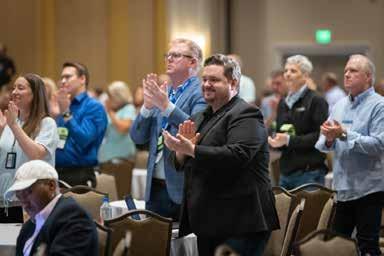
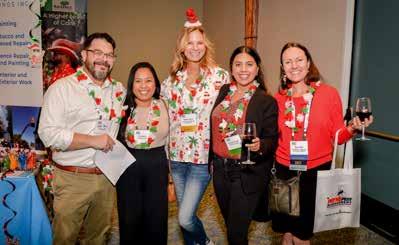
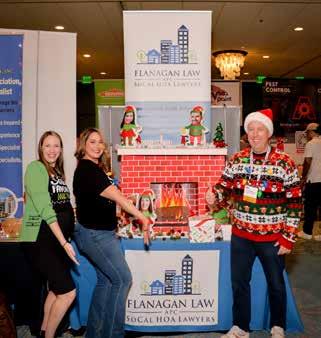
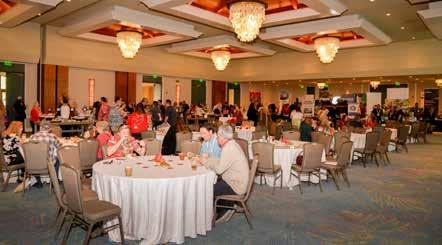
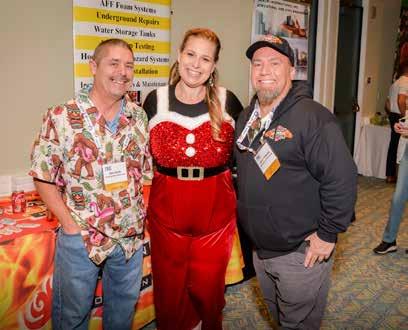
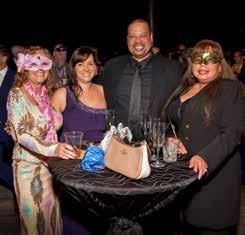
The year came to a festive close on December 10th at Paradise Resort & Spa. Attendees embraced the holiday spirit with our Ugly Sweater Contest, delicious food and drinks, and a bustling trade show floor. Flanagan Law, APC earned top honors, taking home the award for Best Booth. It was the perfect way to celebrate the season and wrap up an incredible Chapter year.
FESTIVITIES SPONSORS
EXHIBITORS
(*CLAC Upgrade Sponsors)
619 Roofing
Accurate Termite & Pest Control
AD Magellan
Alta Roofing & Waterproofing
Andre Landscape
Apex Contracting & Restoration
The Arbor Group
Ascend Plumbing, Inc
Bald Eagle Security Services, Inc.
Bemus Landscape
Black Diamond Paving BPR, Inc.
BrightView Landscape Services, Inc.
Chapman & Intrieri, LLP
Costa Roofing
Diamond Roofing
Dunn Edwards Corporation EmpireWorks
Enhanced Landscape Maintenance
Fenton Grant Kaneda & Litt, LLP
First Citizens Bank
Flanagan Law, APC*
Four Seasons Tree Care, Inc.
Goldstar Asphalt Products
Gothic Landscape
Guard-Systems, Inc.
Harvest Landscape
Horizon Lighting
Khatri International
Kingsiii Emergency Communications
Life Deck Coating Installations
MC Contracting
McCormick-JWC Construction & Consulting
McKenzie Mena
Monarch Landscape Companies
PRODUCTSSERVICE
Mt. Helix Pest & Termite Control
Nautilus General Contractors
NPG Asphalt
O’Connell Landscape
Pacific Backflow Corporation
Park West
Payne Pest Management
Precision Concrete Cutting
Precision Construction and Painting
Precision Door Service
Premier Roofing California
Reconstruction Experts
S.B.S. Lien Services
San Diego Roof Doctor
SavATree, LLC
SAX Insurance Agency
SERVPRO of San Diego City SW
Sid’s Carpet Barn Inc.
Smartstreet powered by Banc of California
Splash Plumbing
Teel Painting, Inc.*
Tinnelly Law Group*
Tree Life CA
Vista Paint Corporation
Western Fire Protection
Western Towing
WICR Waterproofing & Construction
PHOTOGRAPHY SPONSORS
Teel Painting, Inc.
DRINK TICKET SPONSORS
Associa N.N. Jaeschke
The Naumann Law Firm, PC
Pilot Painting & Construction
Pride Plumbing, Inc.
WM of San Diego
COFFEE BAR SPONSORS
Parking Squad
Reconstruction Experts
HOLIDAY SPONSORS
Antis Roofing & Waterproofing
Ben’s Asphalt
Berding Weil
BrightView Tree Care
Building Resource Management, Inc.
Empireworks
LaBarre/Oksnee Insurance Agency
Landscapes USA
Pacific Green Landscape, Inc.
PrimeCo
Primus Paint Worx, Inc.
Pro-Tech Painting
Rancho Vista Roofing
Rayco Exteriors
RealManage
SERVPRO of Sorrento Valley
CLAC SPONSORS
A. Preman Roofing & Solar
Alliance Environmental Group
Click2Bind Insurance
LaBahn’s Landscaping
Pacific Standard Plumbing
Park West
Reconstruction Experts
Riley Pasek Canty LLP
Ryan Construction Defect Law
Sherwin Williams
Window Screens Repair
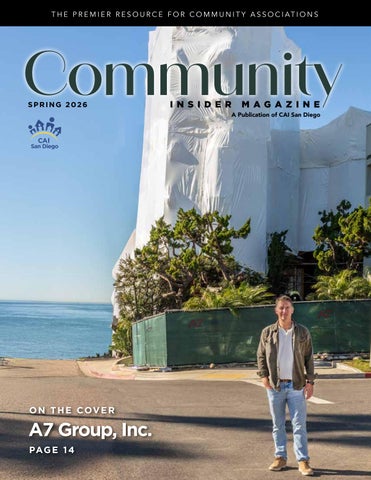
ON THE COVER A7 Group, Inc.
REDUCING RISK THROUGH INDEPENDENT ARCHITECTURAL OVERSIGHT
Community managers are increasingly asked to make decisions with long-term consequences, often with incomplete information and under growing scrutiny. Aging buildings, rising construction costs, and expanding regulatory requirements have significantly narrowed the margin for error. In this environment, the question is no longer simply what needs to be repaired, but how those decisions are made and who is guiding them.
Managers operate at the intersection of boards, residents, lenders, and technical professionals, translating complex findings into clear, defensible action. One of the industry’s persistent challenges, however, is the blurred line between evaluation and execution. Repair recommendations are frequently provided by the same parties who will ultimately perform the work. While common, this model introduces an inherent conflict of interest that community managers are often left to manage on behalf of their boards.
A7 Group was founded to eliminate that conflict.
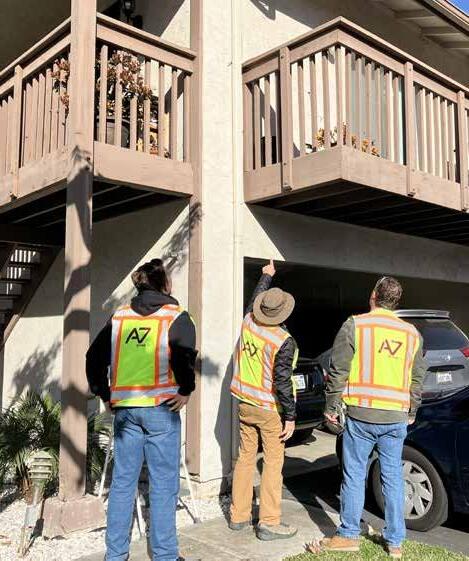
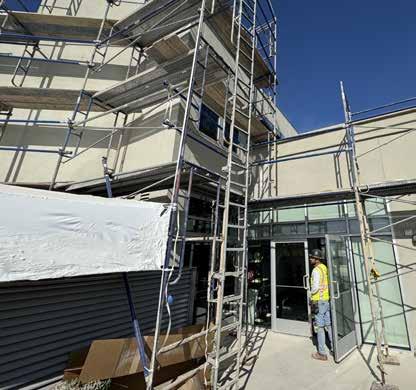
A7 is an independent, third-party architectural and construction consulting firm unaffiliated with any general contractor. This independence is intentional and central to how we serve community managers and associations. Rather than selling construction services, A7 evaluates building conditions, conducts forensic investigations, defines repair strategies, and oversees construction solely as the owner’s representative. Our role is to advocate for the association, so decisions are driven by performance, longevity, and value rather than contractor convenience or sales objectives.
This independence is especially critical during repair and reconstruction projects. By utilizing a DesignBid-Build delivery method, A7 develops clear, well-defined scopes of work before bidding begins. Contractors compete on equal footing, pricing becomes more consistent and comparable, and scope gaps are reduced. The result is fewer change orders, improved cost control, and fewer difficult conversations once construction is underway, outcomes that directly support a manager’s responsibility to boards and owners.
Continuity of professional oversight further strengthens project outcomes. When a California
A7 evaluates building conditions, conducts forensic investigations, defines repair strategies, and oversees construction solely as the owner’s representative.
from larger repair scopes, community managers may be left defending recommendations that are difficult to substantiate or explain to boards and owners.
licensed architect remains involved from initial investigation through construction, decisions are guided by original design intent rather than field interpretation. Construction quality is measured against drawings, specifications, and applicable industry standards, not assumptions made on site. For community managers, this architect-led continuity enhances risk management and provides confidence when responding to boards, residents, lenders, insurers, and legal counsel.
A7 engagements are led by founder Adam Rohrbaugh, AIA, NCARB, who brings more than 30 years of experience in building envelope investigations and reconstruction design. His career has focused on diagnosing complex, poorly documented, and long-neglected building failures. Through construction forensics, A7 identifies root causes, understands how building assemblies fail over time, and translates findings into practical, constructible scopes of work that contractors can price accurately and execute successfully.
The value of independent evaluation is particularly evident in the evolving SB 326 landscape. As inspection demand has increased, bundled service models that combine inspections, design, and construction into a single pipeline have become more common. While these approaches may reduce upfront inspection costs, they can influence outcomes in less visible ways. When evaluators benefit
Building envelope forensics is a specialized discipline that extends well beyond code compliance. Effective SB 326 inspections require deep knowledge of waterproofing assemblies, material performance, and long-term building behavior. Associations are well served by confirming that the design professional signing the report has meaningful experience diagnosing building performance, not simply interpreting statutory requirements.
At its core, A7 Group exists to support the role community managers already play, guiding boards through complex decisions with clarity, discipline, and defensible expertise. Through independent evaluation, rigorous investigation, and architect-led oversight, A7 helps communities protect their residents, their assets, and their long-term stability.
866.210.2080 | a7arch.com
COMMITTEES: A USEFUL RESOURCE, BUT PROCEED WITH CAUTION
by Sarah E. Yesil, Esq.
Homeowners are often eager to assist the elected boards in governance and enforcement of their associations. Some of these homeowners may be overly zealous in their well-meaning attempts and sometimes overstep their roles. This could look like the formation of a neighborhood watch group with homeowners bringing a taser or weapon to “monitor” the neighborhood, a neighbor installing and monitoring numerous security cameras to catch their neighbors’ violations, or a “parking police” group monitoring parking in the community by taking photographs of vehicles that pause in their driveway. The unsanctioned takeover of enforcement responsibilities by homeowners can get out of hand easily and lead to a tense community environment and even legal exposure.
Many boards believe that a solution to appease zealous homeowners is to create a committee to assist and advise the board in the discharge of its duties to the association. Boards may form committees under Corporations Code Section 7210, but should proceed with caution. The formation of a committee can potentially help the board engage the community, reduce the board’s workload and shorten the length of board meetings, but committees can also expose the association to liability if the committees do not have a short enough leash or if committee members act in their own interests instead of the association’s.
There are multiple types of committees that boards can create, which include ad hoc committees and standing committees. Ad hoc committees are committees created in the board’s discretion that perform a single task and upon completing the task, cease to exist. Ad hoc committees operate for a limited amount of time such as a committee to assist in a CC&R amendment. Whereas, standing committees are committees that continue in existence such as a landscape committee or an Annual budget committee. Standing committees are usually appointed by the board following the election of a new board of directors. Both types of committees can be dissolved by the board at any time.
Potential Liability from Committees
Committees can be a helpful tool for communities to allow homeowners to participate and alleviate some of the burden of the volunteer board. However, committees do expose associations to multiple types of liability. Associations are responsible for the actions of their committees because the committees are the association’s agents. Even if a committee is not acting on behalf of the association and exceeds the scope of the authority provided by the board, the association may still be liable for that committee’s actions, especially if the board fails to oversee the committee. Unless a majority of the board is on the committee forming an “executive committee”, committees cannot and should not make decisions for the association with the caveat that some architectural committees may make architectural decisions if that authority is set forth in the CC&Rs. If a board allows a committee to make decisions without any oversight, it will be in breach of the fiduciary duties owed to the association. Alternatively, if a committee is made up solely of board members, any meeting of the committee where at least a quorum of the board is present is considered a board meeting and the Civil Code provisions regarding executive session board meetings will apply.
A considerable issue present in committees is the potential for the unequal enforcement of the governing documents by the committee members, utilized to further escalate what would otherwise be “neighbor-to-neighbor” issues, and heighten mistrust within the community. Committee members
may act in their own personal self-interest rather than in the association’s best interest by using their position to further their own personal agenda against another homeowner in the community or by helping one of their friends by skirting around the rules.
Another liability issue is if a committee member is injured in the common area or causes an injury to someone else during the course of their duties to the committee so associations should ensure they have adequate workers compensation insurance and directors and officer’s liability insurance in place before forming a committee.
Committee Charters & Code of Conduct
Given the potential liability associated with committees, how should boards mitigate exposure? The answer to this is two-pronged: committee charters, and a code of conduct signed by all volunteers, with an emphasis on clear communication throughout the process. Boards need to establish parameters and structure for any committee that is formed with a committee charter. Committees must have board oversight for all decisions and written limitations of the scope of a committee’s authority.
Key provisions to include in a committee charter are the committee’s specific purpose, goals and objectives, the term, the number of members, appointment procedure, removal/dissolution procedures, and qualifications, and any other additional parameters like limits on spending.
The charter should explain that committee members’ positions are advisory in nature and that they lack the power to make decisions on the association’s behalf, or to speak/act on the board’s behalf. Other charter
provisions can restrict committee members’ ability to sign vendor contracts, prohibit the acceptance of vendor gifts, or use of their position for their own personal benefit. The committee charter should be set forth in a board resolution and adopted at an open session board meeting.
Lastly, a code of conduct should be drafted to establish a code of ethics and standards of conduct for all volunteers in the association, including committee members and board members. The code of conduct should be signed by every volunteer leader to ensure the association is transparent in how volunteers are expected to conduct themselves when executing their duties to the association or committee and help gain the confidence/trust of the association’s members. The signed code of conduct is also a contract binding the volunteer leader and could mean legal ramifications for a breach of the code of conduct.
It is a fine line for homeowners associations to balance keeping the community engaged with active committees while also mitigating potential liability for the actions of the committee volunteers. Ultimately, boards need to ensure they have adequate supervision and control of any committee formed, make the final decisions for association business, and have a means to swiftly dissolve a committee should any issues arise.
Sarah E. Yesil, Esq. is an Associate Attorney at Flanagan Law, APC. She can be reached at sarah@flanaganhoalaw.com
2026 Kick-Off Breakfast
On January 9, more than 75 Chapter volunteers came together to kick off 2026 with energy and enthusiasm. 2026 Chapter President, Amanda Francis with Renaissance Owners Association, and Chapter Executive Director Carissa Mace shared an update on the Chapter’s strategic plan, along with an overview of key goals and initiatives planned for the year ahead.
Committee Chairs also highlighted their priorities and plans for 2026, setting the stage for a productive and impactful year. The event concluded with time to connect and network — the perfect way to start the new year strong.
Our Specialty Services
Lighting Maintenance, Light Pole Inspections, New Construction, Electrical Panels, Switchgear and Lighting Installation
Author of the Year
Chapter Volunteer of the Year
Best Educational Program of the Year Business
President’s
Portfolio Manager of the Year (6+ Years)
Portfolio Manager of the Year (Under 5 Years)
Onsite Manager of the Year (6+ Years)
VIEW THE ONLINE GALLERY
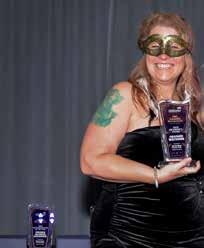
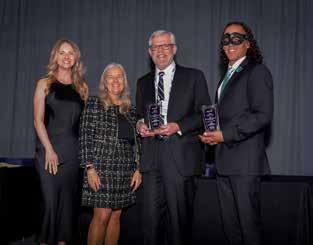
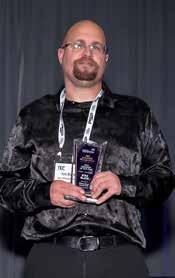
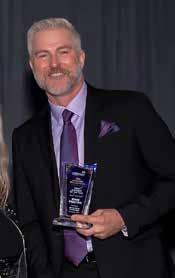
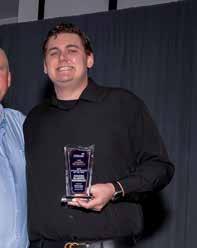
Congratulations to our 2025 serviCe award winners
President’s Award
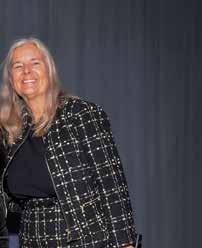
Heather Wiltshire, CMCA, AMS, PCAM
Associa N.N. Jaeschke
Author of the Year
Best Practices for Changing Management Companies, Summer 2025
Authored by Jillian Wright, Esq., Epsten APC
Best Educational Program of the Year
Fire Hardening Strategies for Existing Communities
Matthew Boomhower, AIA, Esq., Southern Cross Property Consultants
John R. MacDowell, Esq., CCAL, Fiore Racobs & Powers, A PLC
Ian Navarro, CMCA, AMS, FirstService Residential
Business Partner of the Year
Golden Alliance Insurance
Chapter Volunteer of the Year
Arthur Hopkins, CIRMS, CMCA, AMS
Click2bind Insurance Services
Manager of the Year – Portfolio, Under 5 Years
Kyle Black, CMCA, AMS
Walters Management
Manager of the Year – Portfolio, 6+ Years
Brittany Vik, CMCA
360 Management Company
Manager of the Year – Onsite, Under 5 Years
Nafisa Braimah, CMCA, AMS
FirstService Residential
Manager of the Year – Onsite, 6+ Years
Ryan Preston, CMCA, AMS, PCAM
Action Property Management
Business Partner of the Year
President’s Award
Onsite Manager of the Year (Under 5 Years)
CAI San Diego
2026 Awards Gala Sponsors
TITLE SPONSORS
AWARDS DINNER TABLE SPONSORS
Andre Landscape
Available Termite & Pest Control Inc.
Berding Weil
Brightview Landscape Services, Inc.
Epsten, APC
Harvest Landscape Enterprises, Inc.
Kustom U.S.
Park West
Proform Interiors
Pro-Tech Painting
ProTec Building Services
SERVPRO San Diego City SW
Summit Property Management
RECEPTION SPONSORS
Ben’s Asphalt, LLC
Nissho of California
PHOTOBOOTH SPONSORS
Bald Eagle Security Services, Inc.
MC Contracting
McKenzie Mena, LLP
Precision Construction and Painting
DRINK TICKET SPONSORS
AD Magellan
Eagle Paving Company, Inc.
EmpireWorks
PrimeCo
SavATree, LLC
CENTERPIECE SPONSORS
Labarre/Oksnee Insurance
Rayco Exteriors
San Diego Backflow Testing, Inc.
Western Towing
PARTY FAVOR SPONSORS
A. Preman Roofing & Solar
WM of San Diego
MUSIC SPONSORS
Behr Process LLC
Fenton Grant Kaneda & Litt, LLP
Monarch Landscape Companies
Rose Paving
REGISTRATION SPONSORS
Advance Construction Technology
Modern Masters Painting
The Naumann Law Firm, PC
Parking Squad
Pride Plumbing
Rainscape Environmental Management
SERVPRO of Sorrento Valley
Business Partner of the Year
Alta Roofing and Waterproofing, Inc.
BrightView Landscape Services
Jocelyn Urbina, CMCA, AMS Prescott Companies
Building Resource Management, Inc.
Click2bind Insurance Services, LLC
Eagle Paving Company, Inc. EmpireWorks
Golden Alliance Insurance Agency, Inc.
Natiulus General Contractors, Inc. Park West
Precision Construction and Painting Proform Interiors
Rancho Vista Roofing
San Diego Roof Doctor Servpro of San Diego City SW & Centre City/Uptown
Authored by Alma Galindo, CMCA, AMS, PCAM Action Property Management
“Knowing Your Lane: When to Call an Expert” Fall 2025 Authored by Ryan Figley, CMCA, AMS Moonstone Management
“Best Practices for Changing Management Companies” Summer 2025 Authored by Jillian Wright, Esq. Epsten, APC
Best Educational Program of the Year
“Embracing Electronic Voting: The Future of HOA Elections in California”
Kurtis Peterson, CMCA The Inspectors of Election, LLC Garrett Wait, Esq. Kriger & Schuber, APC
“De-Escalating Conflict”
John Edwards, Esq. West Coast Resolution Group
Christina Mercer PMP Management
Jacqueline Pagano, Esq. Roseman Law, APC
“Fire Hardening Strategies for Existing Communities”
Matthew Boomhower, AIA, Esq. Southern Cross Property Consultants
John R. MacDowell, Esq., CCAL Fiore Racobs & Powers, A PLC
Ian Navarro, CMCA, AMS FirstService Residential
The Importance of Well-Drafted Contracts
The goal is to have a fair contract that protects the association’s interests and ensures complete, clear, and certain terms.
BY JOHANNA DELEISSEGUES, ESQ.
Contracts are integral to community association operations, as they serve to establish clear, enforceable agreements between parties, allocate risks, and provide certainty in legal and business relationships, particularly with vendors. One primary purpose of contracts is to eliminate certain risks for each party in exchange for others, while offering certainty regarding price, scope of work, start date, time for performance, termination, and addressing variables such as market changes or additional costs. Contracts also enable parties to ensure that performance is enforced in a manner consistent with the parties’ expectations, promoting predictability and stability in relationships and accountability for when one party does not perform as agreed. For these reasons, a wellwritten contract is essential.
The following terms are critical for well-drafted contracts:
Background – The first step to ensuring a good relationship is to make sure that each party is properly named and licensed. One way to do this is to check the Secretary of State’s website to determine
if the parties are corporations or LLCs in good standing and to verify with the Contractor’s State Licensing Board whether a party is a contractor with a current license and insurance. Both of these webpages can be used as background tools to make sure each entity is properly named in a contract, that the correct business address is included for notice purposes, and the correct signor is named who is an officer or managing member of the business entity. For other professions, other licensing entities may exist. For instance, the California Bureau of
Security and Investigative Services provides licensing for security companies.
Term & Termination – How long will the contract last? If it is for a period longer than a year, double-check the association’s governing documents to ensure the board has the authority to enter into a long-term contract without a member vote. Make sure the language for termination is clear. Ideally, an association
should be able to terminate a contract without cause by providing 30 or 60 days notice. Unfortunately, most proposals and contracts provided by vendors have more stringent termination provisions, such as being operable only during a particular time period (e.g., 60 days before the end of the term) or only allowing termination by the vendor or contractor. Therefore, it is important to make sure the contract gives both parties the right to terminate the contract. Contracts without mutual provisions are generally a red flag.
Indemnity – The idea of indemnity is complicated. Nobody likes to think of a situation where a contractor or vendor causes injury to the association, a homeowner or third party. However, an association has a duty to protect itself from claims or damage caused by vendors. Therefore, the contract should ideally contain a provision in which the contractor or vendor will indemnify the association and
manager, protecting them from liability against any claim, liability, lawsuit, loss, damage, or expense, including attorney’s fees, arising out of the vendor’s (or their employees’ or subcontractors’) performance of the contract or any harm, loss or damage the vendor causes. A typical indemnity provision excludes damages or injuries caused by the gross negligence or willful misconduct of the association or management.
Insurance – Each association should require its contractors and vendors to be insured at the proper level to ensure the association is protected in the event of a loss or claim. The association, and its management company, should be named as additional insureds on the vendor’s policy. There should be a requirement that the policy not exclude multi-family housing and a provision for notice to the association if the policy is canceled or not renewed. The association’s insurance broker is a fantastic resource for questions regarding adequate coverage and protection.
Scope of Work – It is essential to understand the work to be performed and for the contract to be reflective of same. Whether it is in the vendor’s bid or a more detailed description of the work in an addendum, the contract should state what the work entails, how it will be performed, when it will be performed, by whom,
and what materials and labor will be used. Plans, photos, and diagrams can also be added to help define the scope. Do not rely on verbal representations made by the vendor as to what is included in the work. If they say it, it should be written into the contract.
Warranties – Warranties provide assurances regarding the quality, condition, and suitability of products, thereby protecting the parties involved. Warranties can be express or implied. Express warranties arise from promises or descriptions, while implied warranties arise by operation of law unless excluded or modified.
Labor Code Section 2810 requires that construction contracts between property owners and contractors include key disclosures intended to protect the employees of the contractor. Such information includes the employer identification number of the contractor, worker’s compensation information, information about the vehicles to be used by the contractor, the number of workers versus independent contractors who will be employed and the license number of each independent contractor. Labor Code Section 2810 prohibits entering into a contract for certain types of services if than entity knows or should know the contract price is insufficient to permit the other party to comply with applicable laws in the performance of the contract. Associations can incur financial penalties if a construction contract does not include this information.
Prevailing Party Attorney Fees
–Each party to a contract bears its own attorney’s fees and costs in a legal dispute unless there is an applicable Continued on page 26
Continued from page 25
statute that provides for recovery of attorney’s fees or there is a provision in the contract that provides for recovery of attorney’s fees. To hold parties accountable, it is important that the contract contain a provision awarding the prevailing party its reasonable attorneys fees and costs in the event of a legal dispute.
Dispute
Resolution – Ideally, parties to a contract should be able to resolve a dispute through direct negotiation before initiating legal action. One way to encourage this process is to require that the parties mediate their dispute prior to initiating litigation and to explain that a party will not be entitled to attorney fees if an attempt at mediation or negotiation was not made prior to litigation.
Timing – It is essential to include a start date and completion date in a contract, to the extent they are known. If specific dates are not known, then a time frame is important. By specifying that the work will be completed within 30 days and that monetary penalties will be incurred if it is not finished by that time, parties can ensure that projects are completed on a timely basis.
Specialized
Contracts – Some specialized contracts require specific disclosures. Management contracts, for example, require specific information to be disclosed pursuant to Civil Code Section 5375. This information includes what licenses are held, the dates the licenses are valid and the name of the licensee, whether or not any relevant professional certifications are held and a disclosure of any business in which the management company has any ownership interests, profit-
sharing arrangements, or other monetary incentives and whether or not the management company receives a referral fee for distributing escrow documents.
Conclusion
The above points are the minimum provisions recommended to include in association contracts. The association’s legal counsel should review all contracts to ensure adequate protections. The goal is to have a fair contract that protects the association’s interests and ensures complete, clear and certain terms.
Johanna Deleissegues, Esq. is a Senior Attorney with Adams | Stirling PLC. She can be reached at jd@adamsstirling.com
A Cautionary Tale: The Repercussions of a Board Refusing to Follow Expert Advice
The Ridley v. Rancho Palma Grande Homeowners Association case is a story of common area maintenance gone wrong. There are several lessons to be learned from Ridley.
BY RHONDA R. GOLDBLATT, ESQ.
Plaintiff homeowners Doug Ridley and Sherry Shen owned a condominium unit within Rancho Palma Grande Homeowners Association. In 2018, the unit’s tenants reported flooding in the crawlspace beneath the unit. Various professionals informed the association that the leak may have been emanating from an abandoned well under the crawlspace (the land on which the association was built was previously a farm): a plumber, the city of Santa Clara, the Santa Clara Valley Water District, several drilling contractors, and an engineer. The association’s law firm advised the association to take “all steps … to avoid further damages from the water flow under the unit” because of the “exponential costs involved if not properly addressed.” A water restoration consultant also recommended that the association dry out the crawlspace to reduce the risk of mold developing in the homeowners’ unit.
Unfortunately, the association ignored this advice. Despite admitting in initial communications that there was a suspected well underneath the crawlspace, the association subsequently reversed course. Instead of attempting to find and destroy the suspected well, the association
decided to pursue the less costly option of installing a French drain within the crawlspace. The association also hired a new attorney, who sent the city and water district a letter, which the court later described as part of a pattern of “falsehood” and “deception,” claiming the water intrusion was a one-time event caused by a high groundwater table under the condominium complex rather than an abandoned well. The association’s board president forwarded the attorney’s letter to the plaintiff homeowners and asserted there likely was not an abandoned well or mold within the Unit. The board president admitted later during trial that many of his statements were false.
In March 2019, two months after the association claimed the flooding was a one-time event, the crawlspace flooded again. The association continued to insist the flooding was due to a high groundwater table rather than an abandoned well. In September, an engineer discovered a sinkhole in the crawlspace. The city prohibited occupation of the unit and ordered the association to correct the issue. However, rather than searching for the suspected Continued on page 28
What are the Lessons We Can Learn from Ridley?
Listen to your experts! The defendant association in Ridley ignored multiple experts who indicated there was likely an abandoned well underneath the crawlspace. The association even fired the lawyer who advised the association to address the issue promptly. The association’s decision to ignore that advice did not make the well disappear. Instead, the unaddressed maintenance only resulted in additional time, expense, and liability for the association.
Associations have a duty to investigate common area maintenance issues in a reasonably timely fashion. That duty is typically triggered when the board becomes aware of a common area maintenance issue requiring attention. In Ridley, the association failed to fully remediate the mold in the unit by the time of trial in 2023, five years after the water intrusion first occurred. The association also otherwise delayed investigating and undertaking necessary repairs and faced liability on that basis.
Integrity is important. The court saved its most blistering commentary for the association’s pattern of “falsehood” and “deception,” specifically finding that the association withheld crucial information from its own experts, hired workers, membership, and the plaintiff homeowners regarding the source of the water intrusion. The plaintiffs were also awarded hefty punitive damages as a result of the defendant association and board president’s “despicable” behavior. Associations’ duty to turn over documents to homeowners, as well as associations’ common area maintenance obligations, are nuanced legal topics. However, associations cannot mislead or misstate facts with impunity. Honesty is the best, and really only, policy.
A Cautionary Tale...
Continued from page 27
well, the association decided to pour concrete on top of the sinkhole. Workers hired by the association to do so cut a hole in the floor of the unit and began removing soil. After about two hours, the workers found the abandoned well. The workers were not told ahead of time there might be a well underneath the soil they were removing, which the trial court later found put the workers at physical risk.
Tests indicated mold in the homeowners’ unit by June 2019, and a consultant recommended drying out the crawlspace. However, by the time of trial in 2023, the mold still had not been fully remediated.
The homeowners sued the association and the board president. The trial court found in favor of the plaintiff homeowners on all claims. The trial court awarded plaintiffs damages for restoration costs, lost rent, utility, and emotional distress. Additionally, finding the defendant association and board presidents’ conduct “despicable,” the trial court awarded plaintiffs $275,000 in punitive damages. The trial court additionally issued an injunction ordering the association to perform specified work on the crawlspace and the unit. The defendants appealed the injunction.
The appellate court took the defendants to task in a blistering decision. The appellate court found the association failed to conduct a reasonable investigation of the water intrusion, failed to act in good faith, and acted without regard to the health and safety of others. The appellate court additionally affirmed the trial court’s finding that the association was grossly negligent. The appellate court affirmed the injunction on that basis and awarded the plaintiff homeowners their costs on appeal.
Associations facing common area maintenance conundrums should consult (and listen to!) their community association counsel.
Rhonda R. Goldblatt, Esq. is a Senior Attorney at Epsten, APC. She can be reached at rgoldblatt@epsten.com
New Chapter Members
MANAGERS
Stephany Adrian Armitage Properties Inc., DBA SDHOA
Villa Mar HOA c/o Property Management Consultants, Inc.
Cynthia Burrascano
Elena Holland
Windingwalk Master Association
Emmanuel Adjasu
Robert Flores
Steve Lindgren
Steve Mallon
Sarah Teller-McClement
Leaf It to This Beetle to Cause Trouble
Early diagnosis and treatment may help to protect a community’s Eucalyptus trees.
BY MICHAEL LOCKWOOD
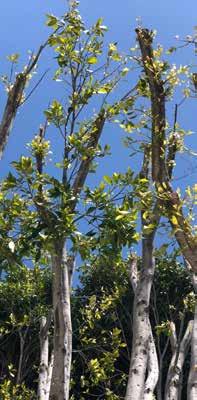
Despite a few showers here and there, the NOAA (National Oceanic and Atmospheric Administration) has predicted a warm and dryish winter again. So, this means that we are preparing for an earlier and longer lasting onslaught of our garden and tree pest foes come spring. First observed in Los Angeles in 2022, the Dotted Paropsine Beetle (Paropsis atomaria), is characterized by its yellow and orange markings with black spots on their wing case. This beetle established itself and spread north to Ventura County and south to Orange County from 2023 to 2024. With a mild 2024/2025 winter, and an abundance of food, this new eucalyptus pest rapidly made its way to San Diego feasting on the stressed eucalyptus along the I-5 corridor.
The life cycle of this beetle begins with cylindrical eggs surrounding leaf petioles (the stalk that joins the leaf to the stem) and hatching into voracious larvae that are yellowish in color with black heads and black ends, that feast on the young tender growth. Once the larvae mature, they will fall to the ground and pupate into adult beetles that can fly and crawl, spreading to neighboring trees. The adults begin feeding on the more mature hardened off leaves, leaving a distinct rounded notch pattern on leaf margins, mating, and then laying eggs to repeat the cycle all over again. Adult females can produce anywhere from 20 to 100 eggs two times per year, during peak feeding seasons in the spring and fall. This results in the quick establishment of a large population that can defoliate tree leaves faster than can be replaced in the right conditions.
Voting by electronic secret ballot
associations must individually notify members no less than 120 days prior to the election of (1) their current voting preference, (2) the primary email address they have on file with the association, (3) how they can change their voting preference from electronic secret ballot to paper secret ballot or vice versa, and (4) how to update their email address if need be.
Levels of Administration & Timeline
Trees that are most susceptible to ‘death by defoliation’ include stressed, over-pruned, over-thinned, and aggressively “topped” trees (a no-no in the tree world). The mess made by the beetles beneath the tree canopy is very substantial (specifically referring to a significant amount of greenish, cylindrical feces (frass) and fallen leaves/leaf fragments). Once this mess (and the beetle) is identified, it is time to place a tolerance value on certain trees in certain locations – the trees may not recover even with an aggressive treatment plan.
Offering voting by electronic secret ballot requires added levels of administration. Electronic elections must begin even earlier than the prior voting scheme, and there are more action items in the election timeline to track. Special care is required to ensure none of these actions or deadlines are missed. Associations should attempt to combine the items listed above where possible. In our experience, fewer mailings can be valuable when sending information to the voting membership due to member attention fatigue. Qualified inspectors should be able to guide management through all required notices and timelines, and we suggest that they rely heavily on the inspector of election to either perform or oversee the entire process.
If associations are going to attempt election by acclamation
Consider treatments for trees towering over parking areas as well as eating/leisure areas such as balconies and patios. Being that most Eucalyptus are substantial in size, systemic soil treatments can take approximately 4-6 weeks to take full effect. A faster-acting foliar crown spray may end up doing considerable harm to un-targeted pests, such as our pollinator friends, and may also incur additional costs by utilizing a boom-lift just to reach the upper crowns of these large trees. Early diagnosis and treatment may help protect a community’s assets, so it is wise to plan accordingly.
inspector of election to ensure all legal requirements are adhered to.
method it intends to use prior to any election. We would also recommend that associations are consistent with the method they choose from election to election to avoid confusion.
Voting by electronic secret ballot means more diligence from the association, management and the inspector of election. Hopefully, the ultimate result of increased voter participation and potential cost savings should make it all worthwhile and provide a easy, safe and enjoyable experience for all California association voters.
Happy Voting!
Recommendations
Michael Lockwood is the Tree Care Business Developer for BrightView Tree Care Services. He can be reached at michael.lockwood@brightview.com
Our recommendation is that association election rules provide for both opting methods and allow the association to choose which
General Counsel
• ADA & DFEH Compliance
• CC&R & Bylaw Amendments
• Architectural Matters
• Contracts & Insurance
• Elections & Recalls
• Employment Law
• Legal Opinions
Assessment Collection
• Timely Status Reports
• Responsive Paralegals
• Collectability Analysis
• Judicial or Non-Judicial Foreclosures
• Money Judgment Lawsuits
• Small Claims Assistance
• Post Judgment Recovery
Best Practices for Major Roofing Projects
BY REECE POTH
Every building has a roof, and despite generations of modern construction that have developed standardized best practices and construction methods, challenges with roofing construction, repair, and replacement plague our industry. In fact, studies suggest that approximately 70% of construction defect litigation is due to water intrusion issues. If this is such a common occurrence in the construction industry, why do we still make the same building enclosure mistakes?
Building enclosure consultants will often respond to the above postulation by simply suggesting that every major roofing project should hire a building enclosure consultant. A clearly defined playbook is the most important guardrail for a successful project.
At the beginning of a project, the owner should clearly define the project delivery gameplan that identifies responsible parties, milestones, and requirements. By defining a gameplan, liability is distributed amongst responsible parties, challenges are identified, resolved early, and executed with the appropriate standard of care. But what general game plan works for major roofing projects?
Every major project should include an architect of record, general contractor, and consultant for each discipline. Major roofing projects often encounter challenges not just with the construction with the roof, but interfaces with code compliance, mechanical, electrical, and plumbing engineering (MEP), the Americans with Disabilities Act (ADA), structural impacts, and many more variables best suited to be addressed by a specialist. Perform a baseline survey and assessment of the existing roof. Identify all current and past occupancy failures (e.g., leaks) and perform a root cause analysis of all failures. Ensure that the planned project resolves all failures.
about violence incidents, and outline the investigative procedure that will be used. It must further provide for training, procedures for identifying hazards, and procedures for timely correction, post-incident response and investigation and finally, the effectiveness of the plan must be evaluated and revised as warranted.
Create fully developed drawings and specifications for the roofing project. Not only does this serve as a project record and means to solicit a competitive bid, but provides a clear visual to hedge against challenges which may be discovered during the design process.
Once a general contractor is secured, all responsible trade partners should submit qualifications, product data, and shop drawings documenting their scope of work to ensure requirements are met.
The architect and their consultants should observe and document the construction and are responsible for ensuring the general contractor’s work meets the design criteria. Site visits can be periodic, or frequent.
Next, employers are also required to train employees when the plan is implemented, and then annually thereafter. The training must cover the WVPP and inform employees about how to obtain copies of it, inform employees how to report violent incidents, identify hazards that are specific to each employee’s work environment, identify corrective measures, advise how to seek assistance to prevent or respond to violence while avoiding physical harm, and finally inform the employees about the log and how to get copies of the log.
Once the project work is deemed “substantially complete,” the owner may opt to perform field verification testing to ensure quality construction such as an infrared thermographic survey or roof adhesion and wind uplift testing.
AB 2159 provides that associations may allow their inspector of elections to conduct an election by electronic secret ballot. Keep in mind that voting by email is not, and cannot, be secret. Electronic secret ballots must be cast via an internet-based voting system and the inspector of election must ensure this system conforms to the requirements set forth in Civil Code § 5110(c)(4).
Not every project is complex enough to warrant such an in-depth process. Certainly, an owner may modify the above 6 steps to fit within the budget and complexity of their project, but in general, the above process should serve as a guide for adequate due diligence, execution and verification of a major roofing project and can be applied to any major enclosure project.
And if you are not sure what your next step should be – hire a building enclosure consultant!
Employers must record all incidents of violence in detail (who, what, where, when, and why) but without personal identifying information of the person providing the information for a log. Further, the classification of the circumstances and location of the incident must be included, the type of violence, consequence of the incident (was law enforcement called?), the name as well as job title of the person making the log entry and the date the entry was completed. Finally, all associated records (log and training records) must be maintained and made available to employees upon request within fifteen days.
There is also a new law that went into effect on January 1, 2025, that makes it easier for employers to obtain a workplace restraining order on behalf of their employees. This law applies to all common interest developments with employees.
Reece Poth is a Team Leader, Building Enclosure Consultant, and Business Development Professional for Pinchin Building Science and Resiliency.
Online voting is the way of the future. Online voting provides many advantages: enhanced participation; potential cost savings; real time results; and the ability to vote from anywhere from the device of the voter’s choice, just to name a few. In general, we find that in most communities, given the choice, at least 4 out of 5 members will vote online versus via paper ballot.
This article discusses the key topics we have discussed with associations as of the signing of AB 2159 into law, which became
on page 36
Know Your Rights: Responding to ICE
BY JEFFREY A. FRENCH, ESQ.
Recent reports indicate ICE agents are appearing at residences and business offices seeking information about residents, and employees.
Of late, this has even included community associations in the mix of places being visited by ICE agents seeking people or information. This raises important legal and ethical questions about what information associations must provide, when they are legally required to comply, and how to respond professionally and lawfully to such requests. Accordingly, it is important for managers and boards to understand their legal obligations while at the same time protecting residents’ privacy.
The Critical Distinction: Warrant Types
ICE agents must present a judicial warrant to access private areas or obtain specific association information. Not all warrants grant the same authority. A judicial warrant – issued by a court and signed by a judge – specifically authorizes entry to association premises or access to records. An administrative warrant, signed only by an ICE officer, permits arrest of individuals suspected of immigration violations but does not grant authority to enter private association areas or obtain employment or residency information. Without a valid judicial warrant or subpoena,
associations have no legal obligation to provide access or disclose confidential information.
Verify Before Acting
When ICE agents appear, request official identification including name and badge number, and ask for business cards. Carefully examine any warrant presented, ensuring it specifies the exact premises to be searched or documents to be obtained. Do not share personal information – names, addresses, vehicle information, or membership lists – without proper judicial authorization. The association has a duty to protect member and employee privacy.
Prepare A Response Plan Now
If possible, designate a specific point of contact to handle ICE interactions and train all staff to recognize the difference between judicial warrants, subpoenas, and administrative warrants. Consult with association legal counsel to establish compliant procedures. When approached by ICE agents, respond calmly and respectfully, stating that you cannot consent to access or provide information without valid authorization. Provide your attorney’s contact information for further inquiries. If interactions escalate, contact local law enforcement for assistance.
Special Considerations
For I-9 audits, employers must receive at least three business days’ notice to produce requested forms and records. Association representatives are not obligated to answer questions or allow voluntary interviews without legal compulsion – consult counsel first. If ICE attempts entry without a proper warrant, never physically interfere; legal remedies are available after the fact. Document everything: write down agent names, badge numbers, dates, times, and make copies of all presented documents. Immigration enforcement practices continue evolving. Stay informed through the National Immigration Law Center, ACLU Immigrants’ Rights Hub, and regular consultations with association legal counsel. Another good resource is CAI National’s Guidance for Community Associations Handling ICE Requests, which is available for download at caionline.com. By understanding these protocols, associations protect both their legal standing and community members’ rights.
Jeffrey A. French is a partner with Green, Bryant, & French, LLP. He can be reached at jfrench@gbflawyers.com
Patrick Derr, CMCA Action Property Management, Inc.
Alma Galindo, CMCA, AMS, PCAM Action Property Management
Noemi Gonzalez Vazquez, CMCA
Mindy Grimming, EBP CES - An AquaFinity Company
Noah Jackson, EBP Third Party Voting
Kimberly Kizer, CMCA Walters Management
Amanda Martinez, CMCA Elite Community Management
Gabrielle Olcese, CMCA, AMS
Ryan Preston, CMCA, AMS, PCAM Action Property Management, Inc.
Jessika Rubalcava, CMCA, AMS, PCAM PMI San Diego
Mai-Lahn Smith, CMCA, AMS Seabreeze Management Company, Inc.
When Repairs Begin, Coverage Can End
BY BRIDGETTE M. TABOR
The Importance of Builders’ Risk Insurance
California community associations are navigating an unprecedented wave of legislative mandates that directly affect aging infrastructure. Among the most consequential is Senate Bill 326, enacted in 2019 and now fully implemented, which requires the inspection and repair of elevated exterior elements such as balconies and walkways. At the same time, expanded reserve study requirements now compel associations to fund for components historically excluded from reserves, including plumbing and electrical systems.
These developments have significantly expanded the responsibilities of volunteer board members, particularly in the area of insurance oversight. While most boards are familiar with their association’s property (hazard) insurance, many are unaware of the critical exclusions that apply once construction begins.
Standard commercial property policies commonly exclude loss or damage arising from construction, renovation, or repair activities, including work in progress and faulty workmanship. As a result, when an association undertakes structural repairs—such as SB 326 balcony reconstruction, plumbing replacement, or electrical upgrades — the property policy designed to protect completed buildings may provide little or no coverage if a loss occurs during the work.
This coverage gap can expose associations to substantial financial risk. Consider a common SB 326 balcony repair project. Contractors remove deteriorated framing, temporarily exposing portions of the structure. A sudden rainstorm results in water intrusion, damaging interior units below. Because the damage occurred during active construction, the association’s property insurer may deny the claim. Without appropriate coverage in place, the association could be responsible not only for completing the project
Continued on page 38
YOUR COMMUNITY DESERVES
THE BEST PROFESSIONALS
When Repairs Begin, Coverage Can End
Continued from page 37
but also for repairing the resulting damage— potentially requiring reserve depletion or special assessments.
To address this exposure, associations should consider securing Course of Construction coverage, also known as Builders Risk insurance. Unlike a standard property policy, this coverage is specifically designed to insure property while it is being built, significantly renovated, or repaired. It typically covers work in progress, construction materials on site, and, in many cases, portions of the existing structure during the course of construction.
Course of Construction policies may be written on a project-specific basis, which is often appropriate for large, discrete projects such as balcony or building envelope repairs. Associations managing multiple projects over time may benefit from an annual policy that provides blanket coverage up to a stated total project value. Premiums are generally calculated as a percentage of the total project cost – often between one and four percent – making this coverage a modest investment relative to the potential exposure.
In addition, boards should require detailed certificates of insurance from all contractors, confirm adequate general liability and workers’ compensation coverage, and ensure the association is named as an additional insured. For larger projects, performance and payment bonds should also be considered.
As California continues to impose new requirements on community associations, proactive insurance planning during construction is not optional. It is a fiduciary responsibility essential to protecting association assets and ensuring long-term financial stability.
Bridgette M. Tabor is a Senior Marketing Executive with Labarre Oksnee Insurance Agency. She can be reached at bridgettet@hoa-insurance.com