Learning in Between
A Learning Network for Everyday Education
Muara Baru, Jakarta, Indonesia
Academic/Individual project
2026.01-2026.04
Tutor: Neo Sei Hwa
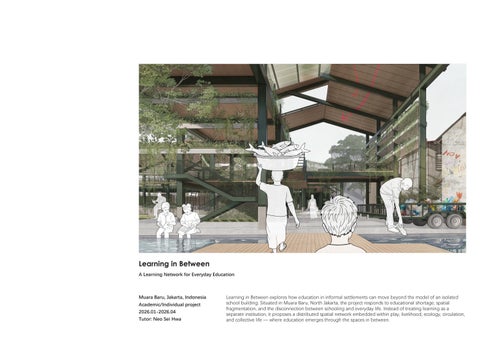
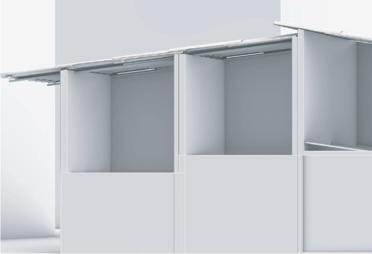
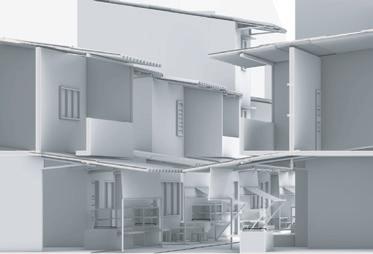
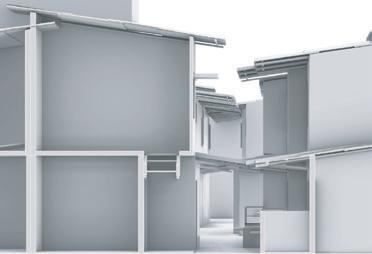
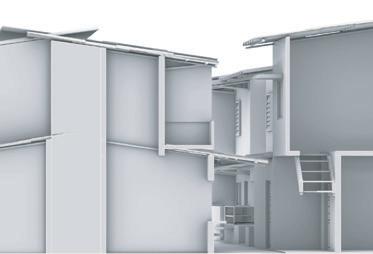
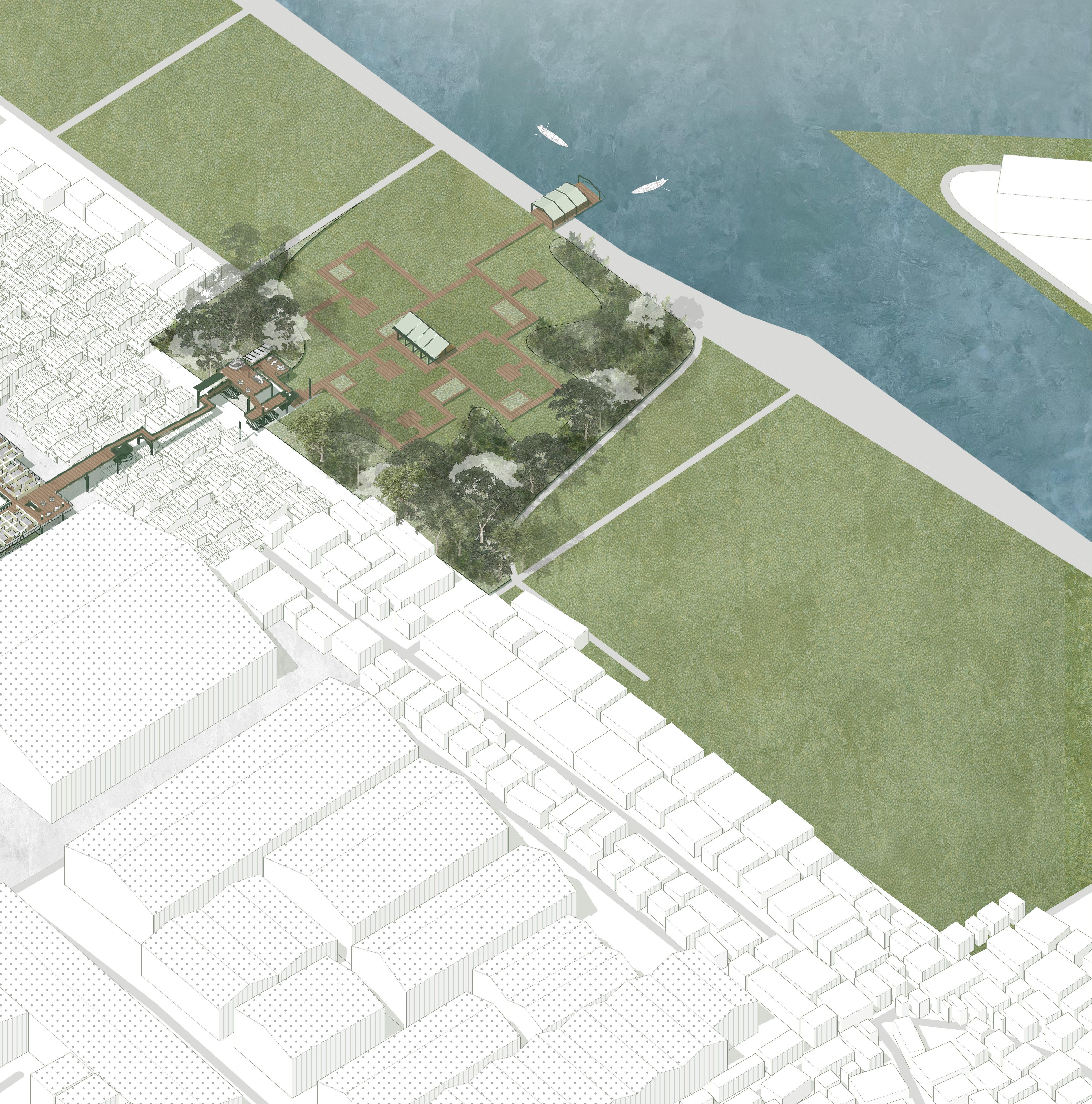
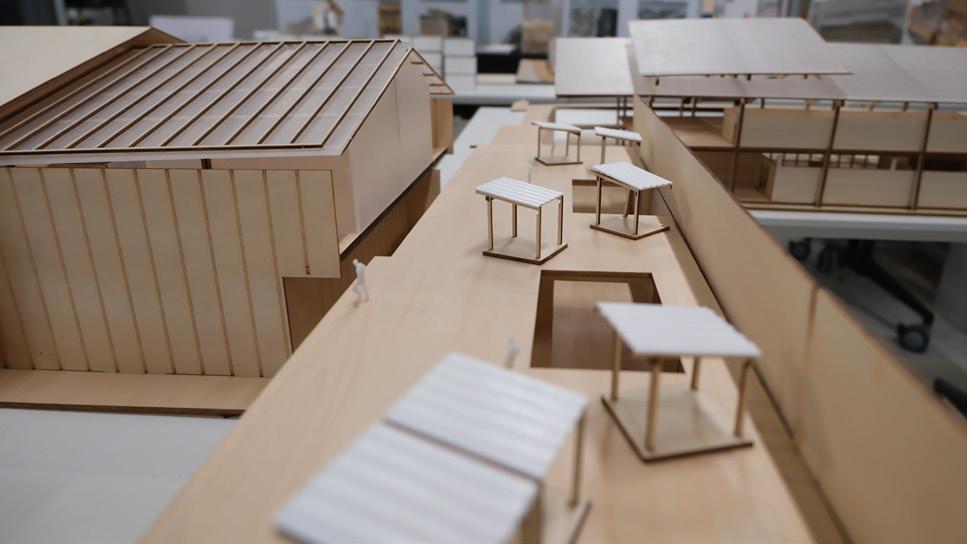
Learning in Between explores how education in informal settlements can move beyond the model of an isolated school building. Situated in Muara Baru, North Jakarta, the project responds to educational shortage, spatial fragmentation, and the disconnection between schooling and everyday life. Instead of treating learning as a separate institution, it proposes a distributed spatial network embedded within play, livelihood, ecology, circulation, and collective life — where education emerges through the spaces in between.
Formal Educational Shortage
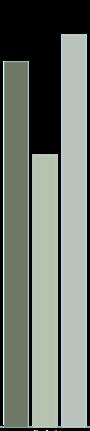
School Coverage Ratio in Jakarta’s Informal Settlements
Absence of Informal Learning Infrastructure
internal open space.
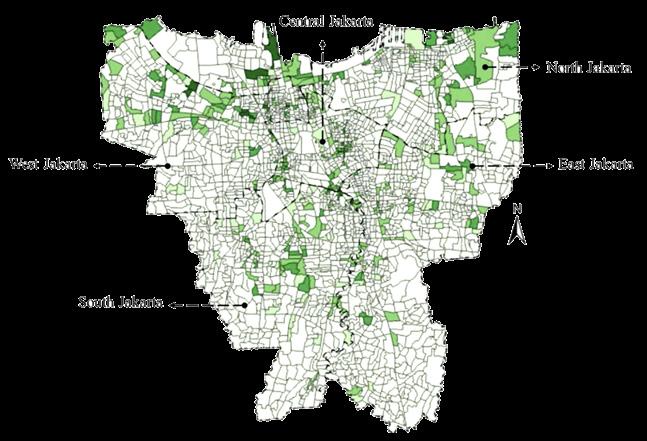
NORTH JAKARTA
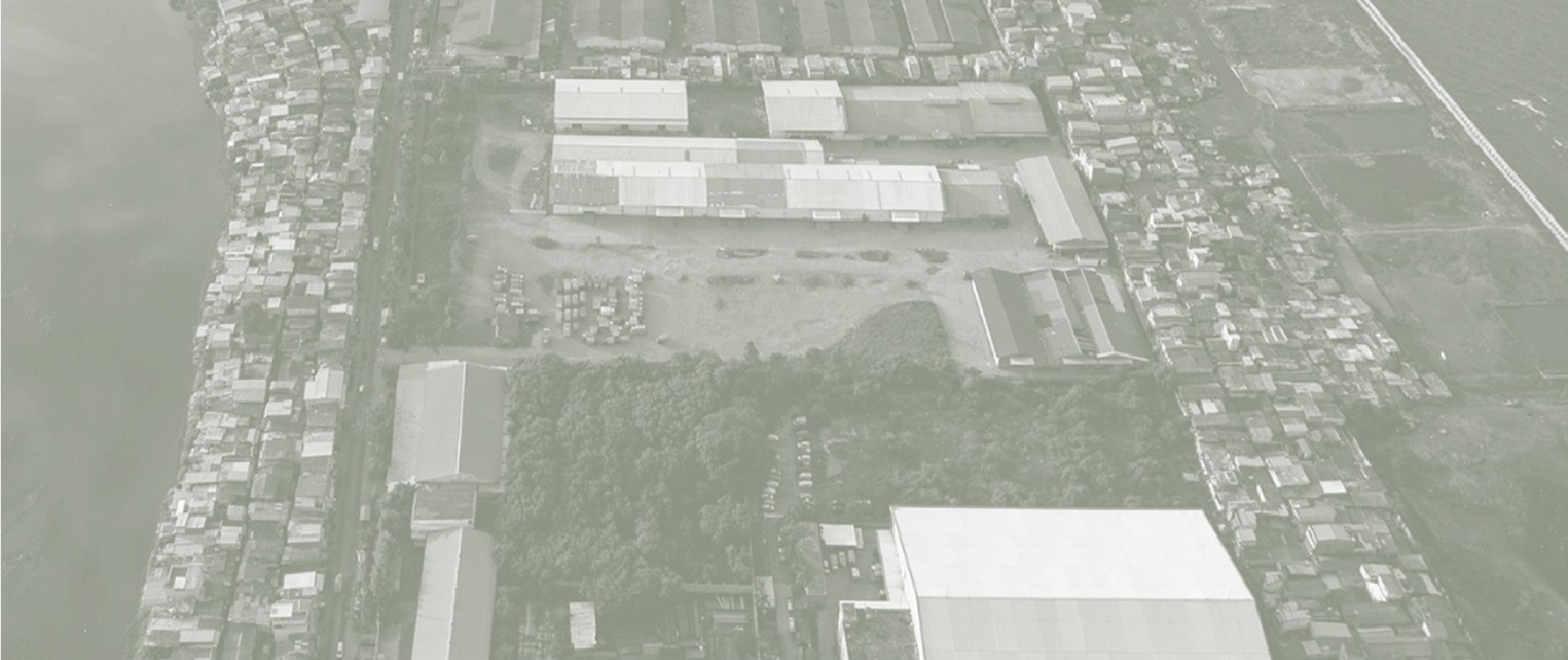
North Jakarta, especially Muara Baru, ranks first in slum rate and population density but last in school coverage.
alleys
serve circulation and domestic spillover.
The Skille-Reality Mismatch
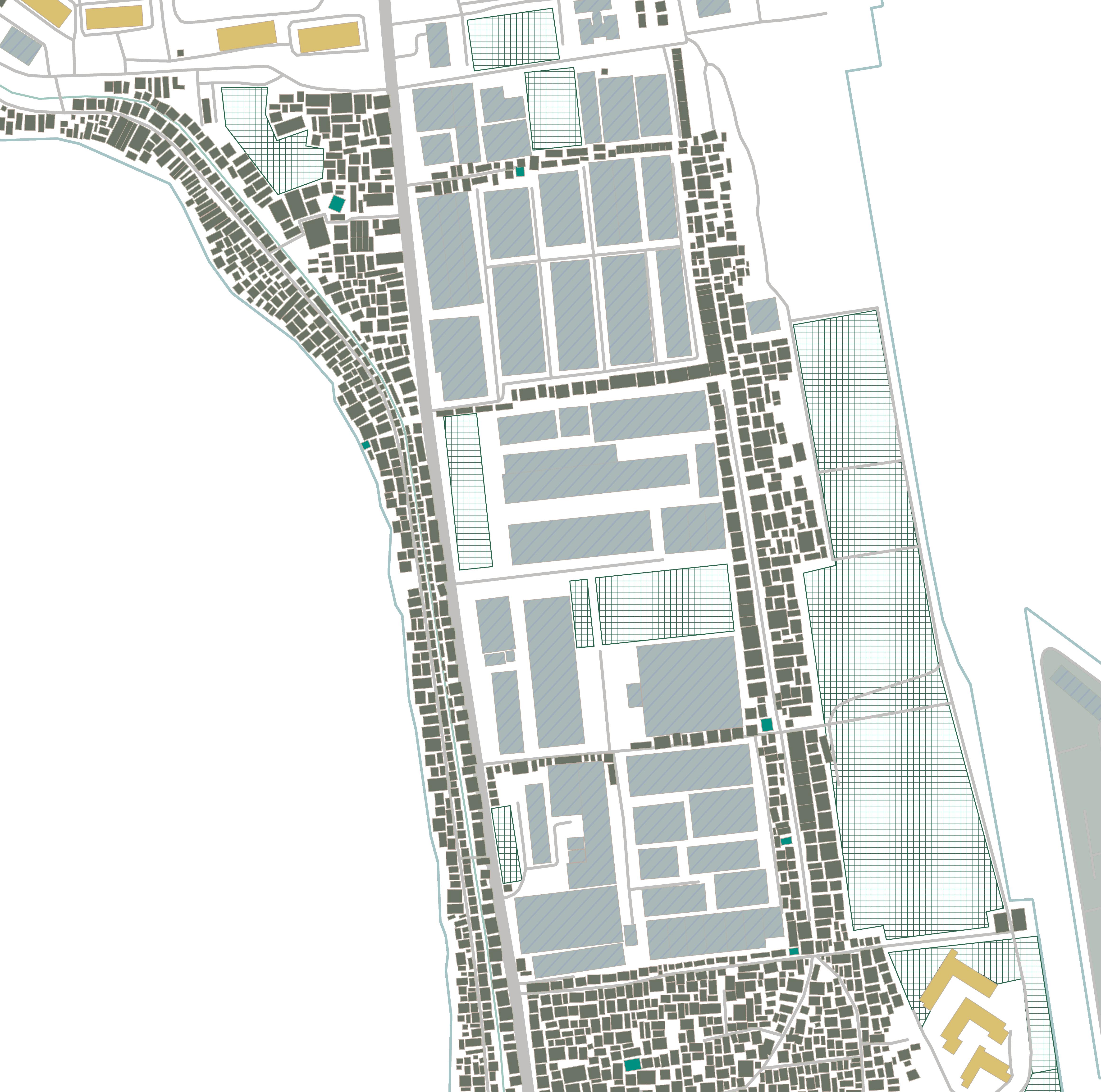
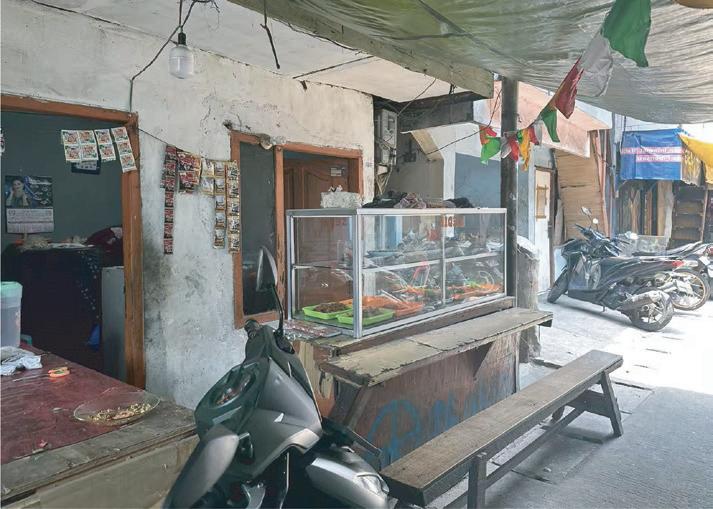
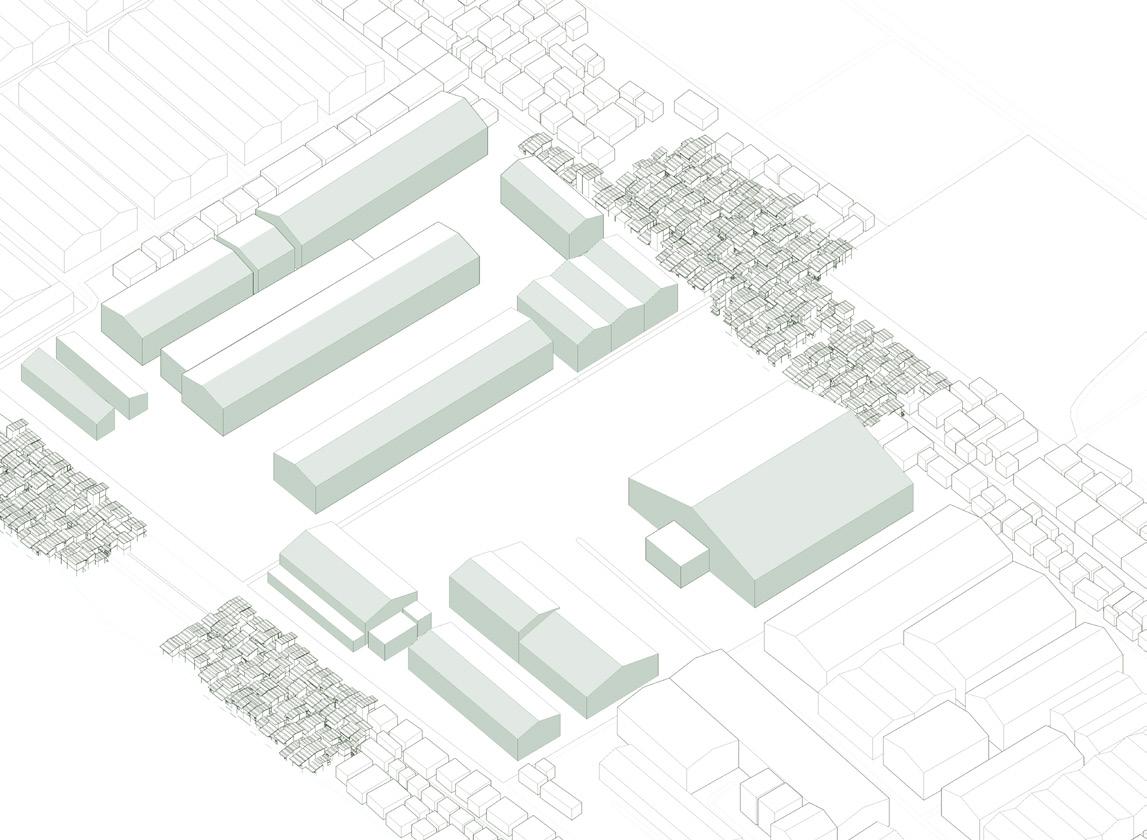
The dense settlement fabric offers almost no spatial support for informal learning. Everyday spaces are limited to narrow circulation alleys, while the only large open ground remains fenced and inaccessible.
A Site of Segregated Resources
Children are often part of the household
Schooling Mismatch
Even when access to schooling exists, education may still fail to retain children if it does not connect to their everyday realities. In low-income settlements, where family survival depends on immediate labor and mutual support, schooling often appears distant, abstract, and economically unproductive in the short term. As a result, children may leave school not simply because education is unavailable, but because it does not seem able to support life as it is lived. Delayed returns Uncertain pathway to livelihood
short-term relevance
Even when schooling is available, it may not appear meaningful if it does not connect to everyday life or survival needs.
are physically
The dense built fabric leaves no
mainly
The larger pen plot is not accessible as part of the community’s everyday learning space.
Hard Industrial Edges
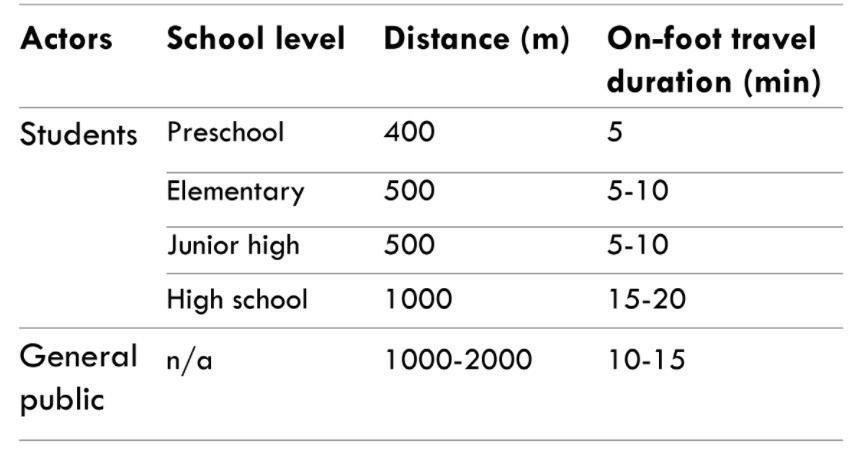
A 1200m × 1200m area in central Muara Baru remains entirely without school provision.
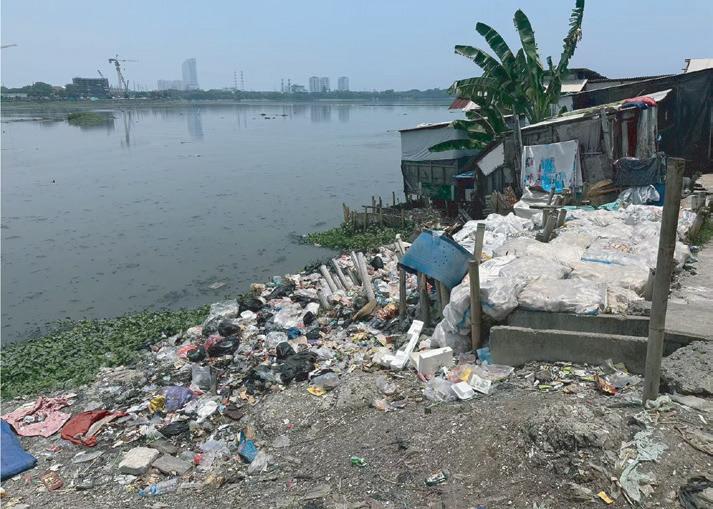
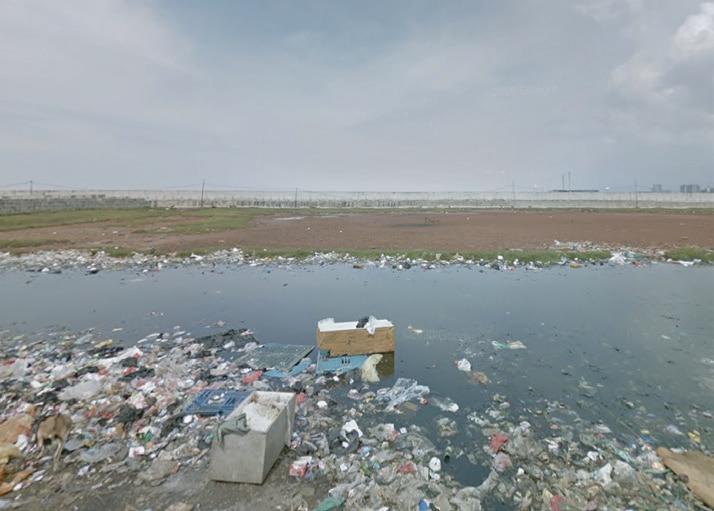
Reservoir edge clogged with plastic waste, exposing severe ecological degradation.
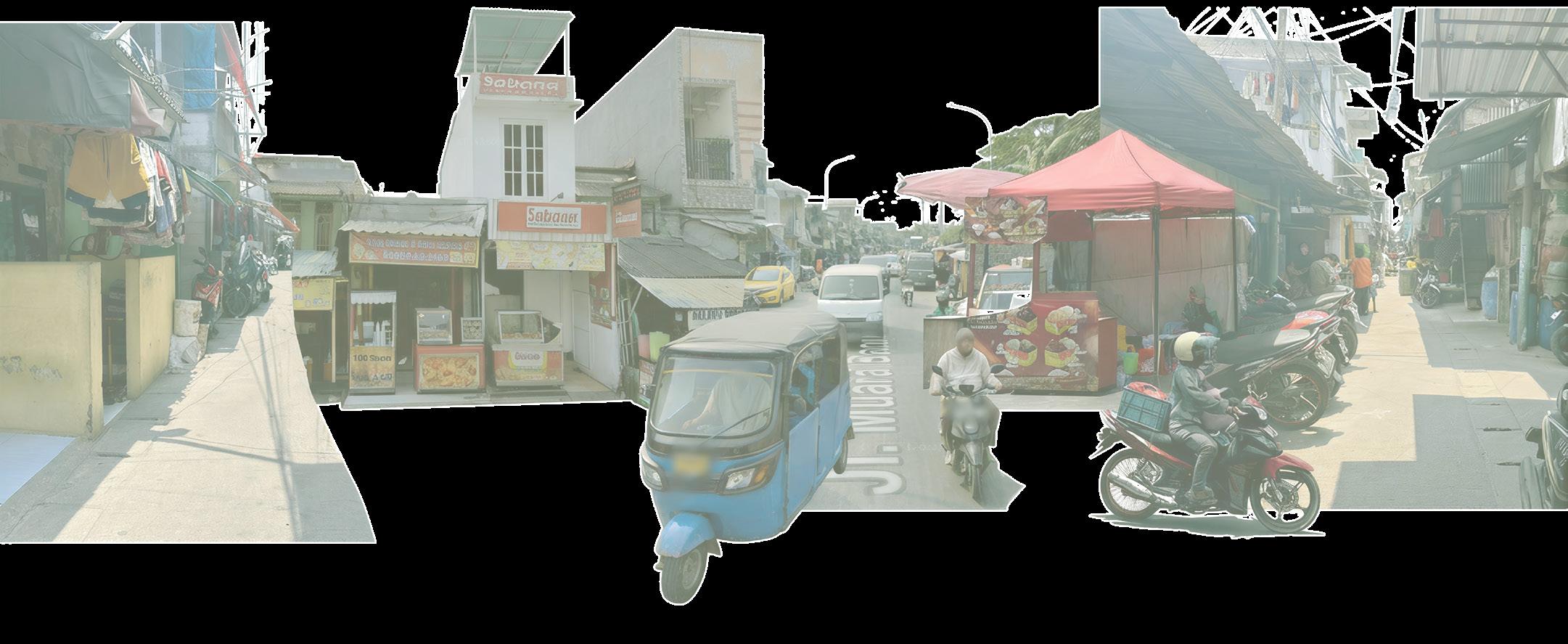
Narrow alley within the eastern kampung, shaped by density and informal daily life.
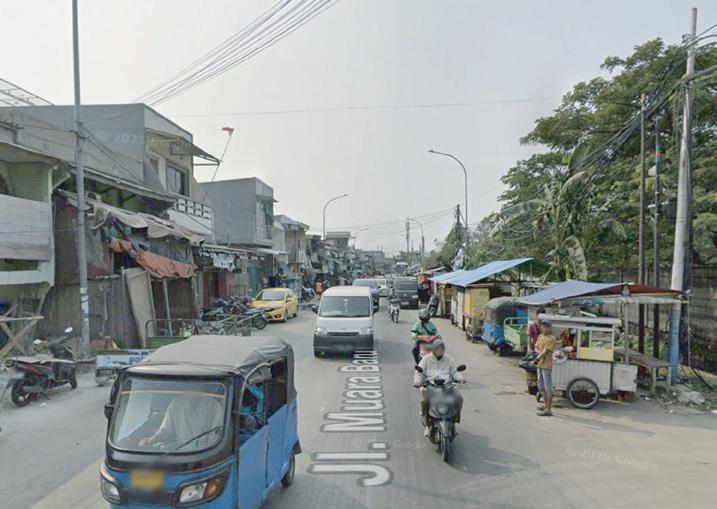
The site’s only vehicular road, lined with informal stalls and intense street activity.
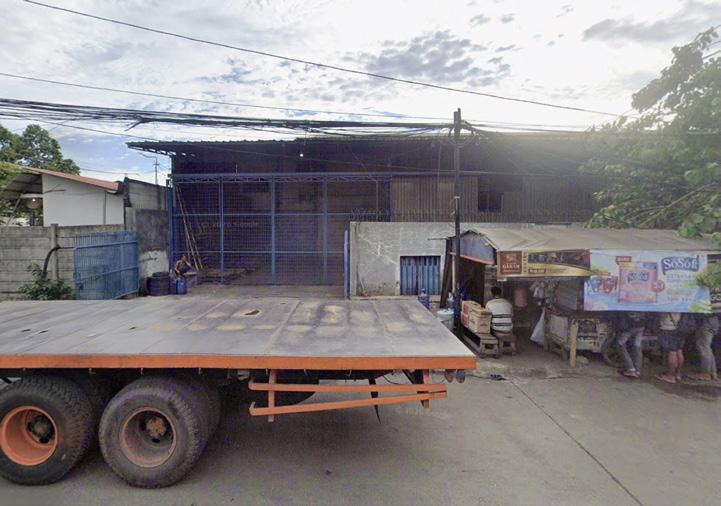
Industrial edge forming a hard boundary between production land and settlement.
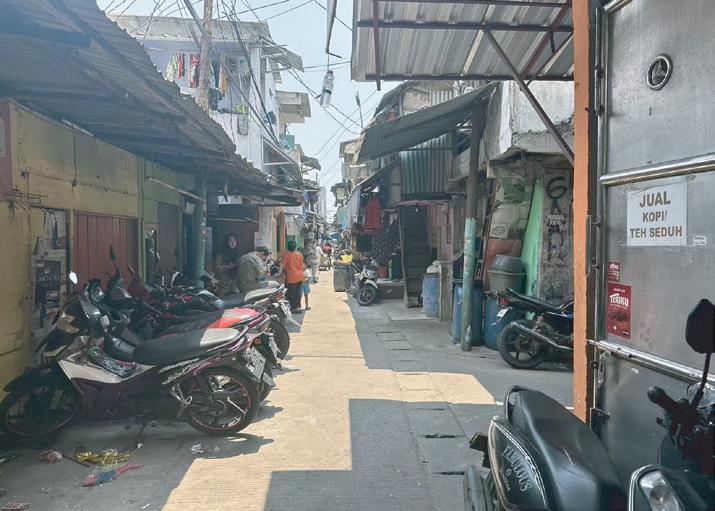
Narrow lane within the western kampung, defined by tight circulation and close community life.
Wetland area heavily polluted by plastic waste, with urgent need for ecological restoration.
Access Alone is not Enough
Children may physically reach schooling, yet still withdraw if education does not connect to survival, family support, or visible future pathways.
Spatial Response
Core Tensions
The Site is Resource-Rich but Support-Poor Learning is Separated from Daily Life
Ecological, social, and production assets exist across the site, but remain fragmented, fenced, or spatially unsupported as collective learning infrastructure.
Schooling, movement, care, work and ecology operate is parallel, rather than being woven together into an everyday pedagogical environment.
Existing Interdependencies Remain Spatially Blocked
Kampung commerce already reaches industrial workers, but hard edges prevent these links from becoming shared spaces.
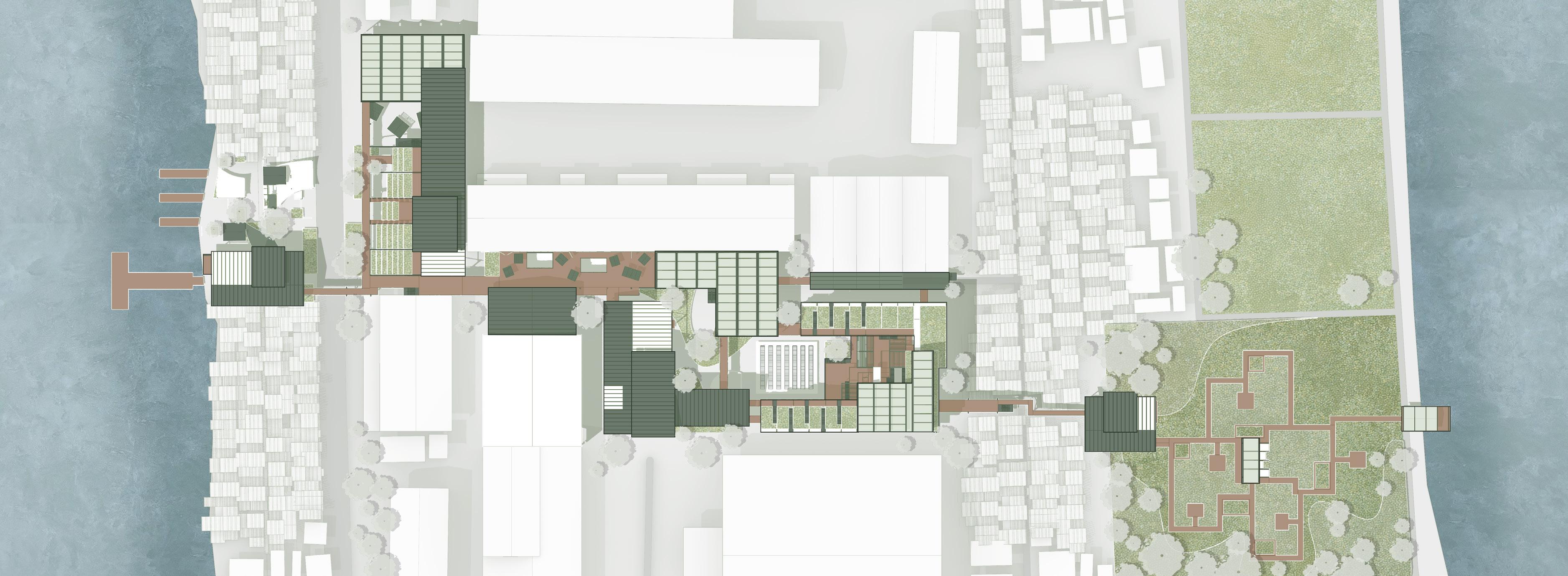
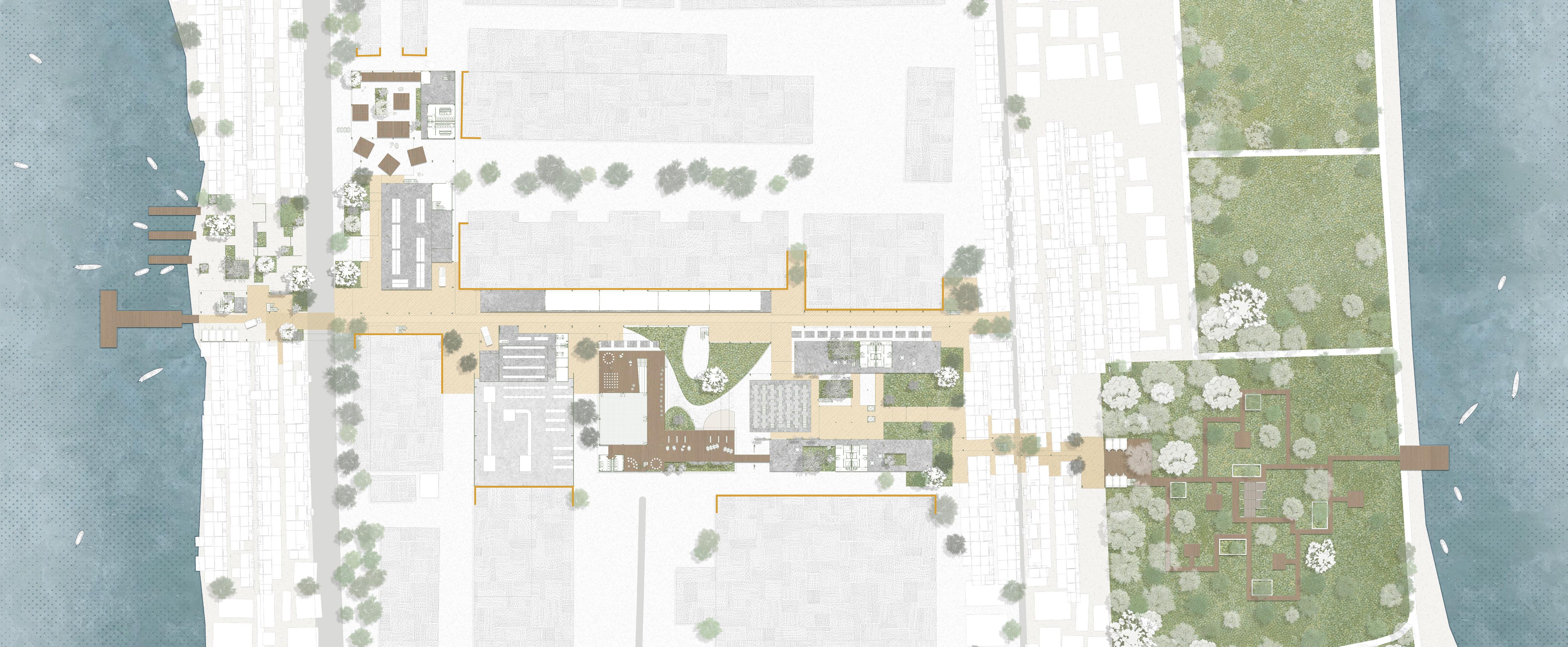
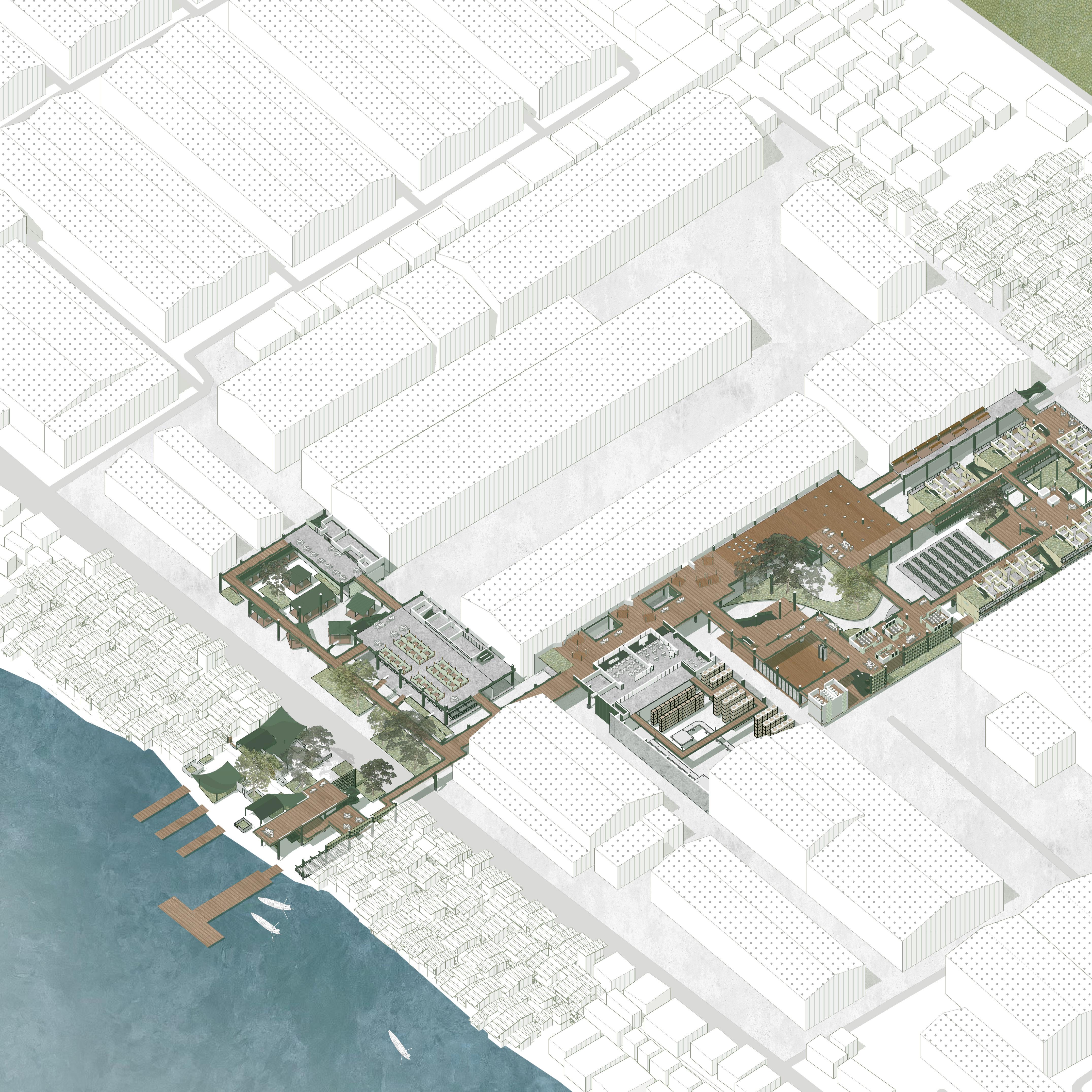
In response to the shortage of formal education, the lack of everyday learning space, the skills–reality mismatch, and the spatial segregation of site resources, the project proposes a transverse learning system across the site.
Open Blocked Interfaces
The first move is to interrupt hard boundaries and reclaim inaccessible thresholds, especially around the industrial plot and fenced central ground.
Insert a Transverse Learning Spine
A transverse learning spine is introduced across the site, connecting parallel territorial bands through a shared framework of movement, encounter, and learning.
Where the spine intersects with different territorial bands, it forms a series of junctions that translate local resources into specific learning environments.
Anchor each junction in familiar local practices, so learning emerges through daily use, observation, and participation.
Ecological Junction
Ecological Junction
Community Junction
Mobility Junction Productive Junction
Community Junction
JAKARTA
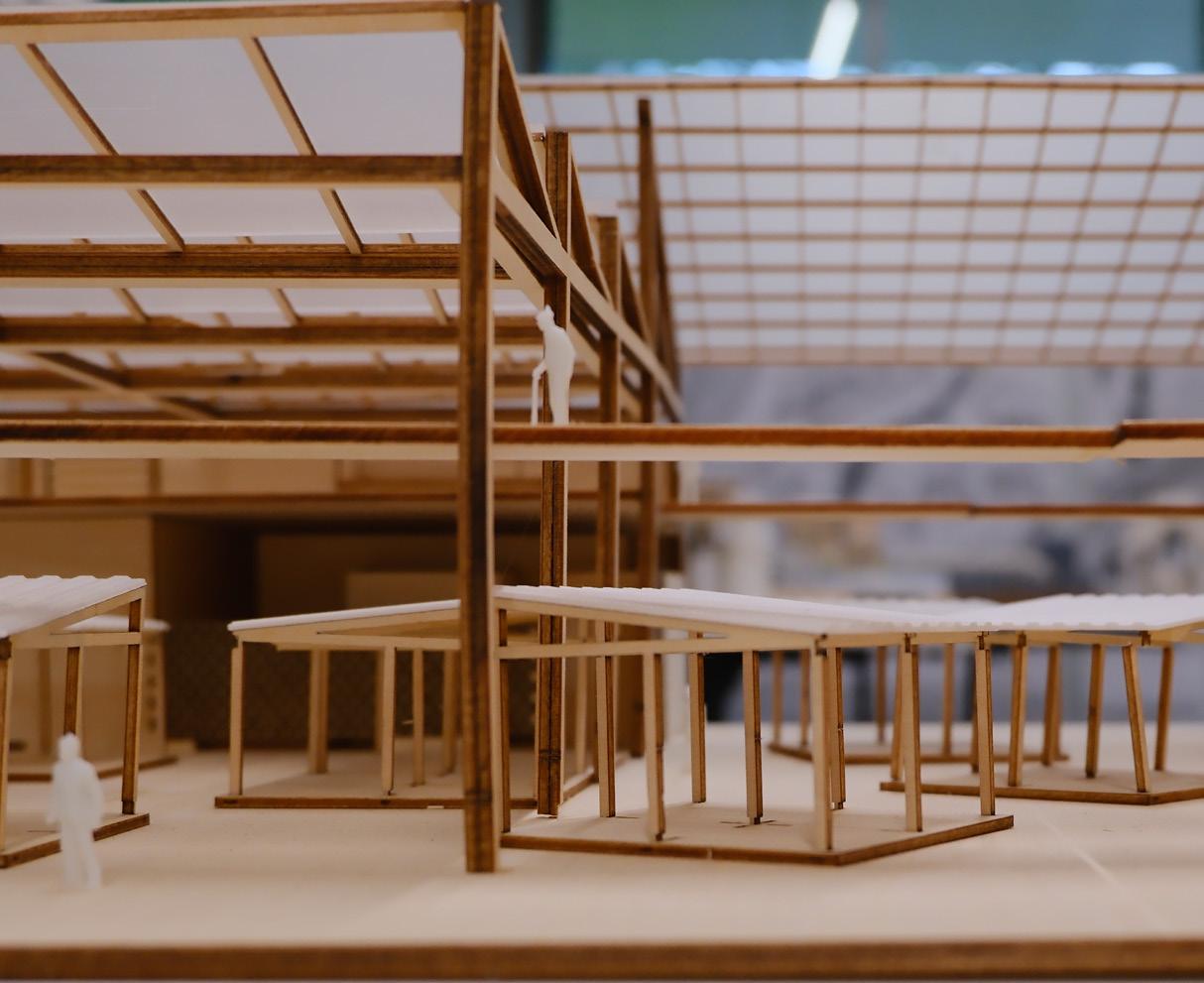
In a context where open space is extremely limited, the ground is first reopened as a collective condition. It supports play at the reservoir edge, exchange in the market, overlap between dwelling and school, production within the residential cluster, and ecological access at the wetland edge. So before learning becomes a structured journey above, it is first rooted here in the realities of labor, memory, ecology, and shared life.
Reservoir-Edge Play
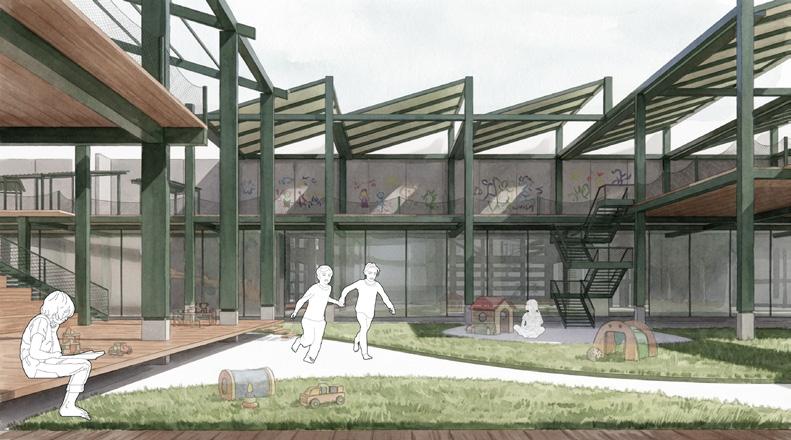
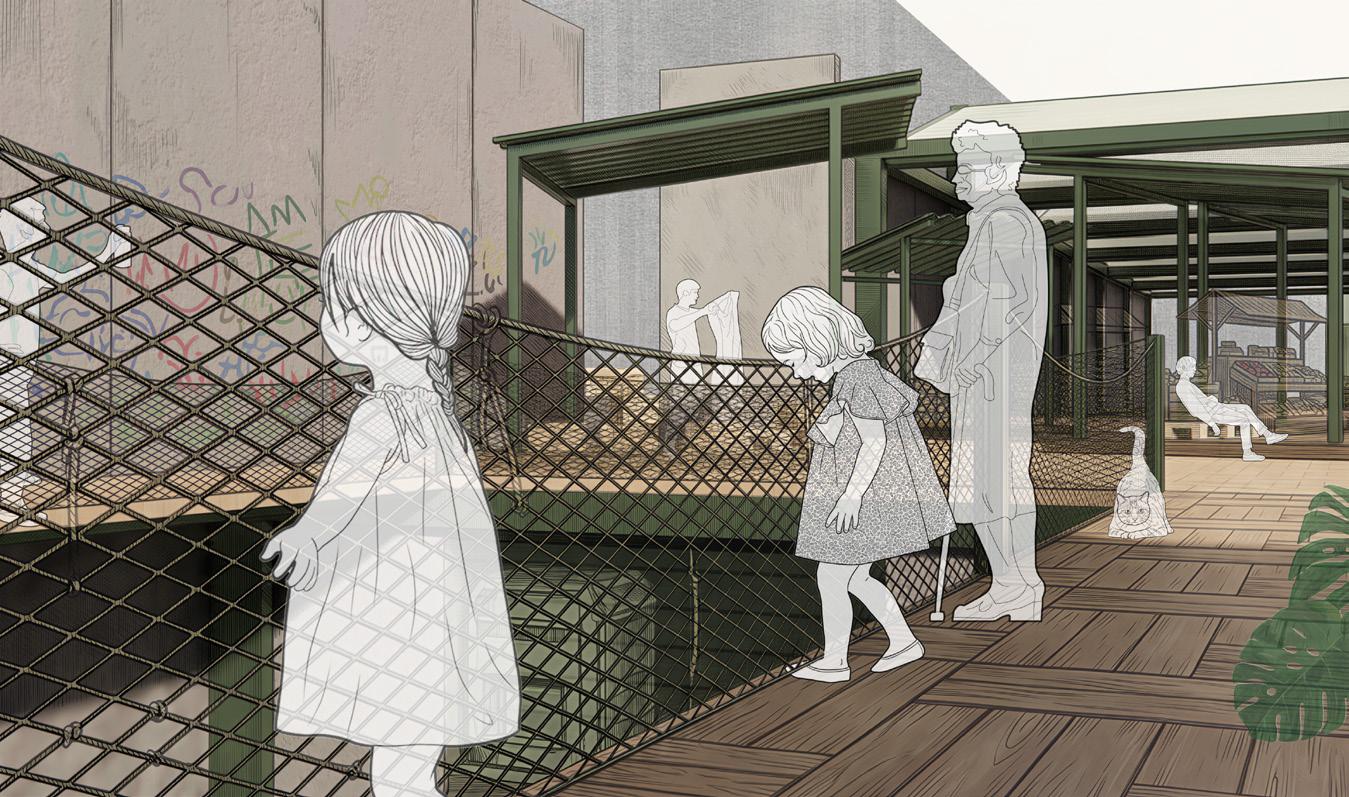
The play space is inserted into the reservoir edge while retaining parts of the existing kampung structure, allowing the new intervention to grow from the spatial logic already embedded in the site.
The design works with what remains, combining climbing nets and open play surfaces with familiar built fragments to create a more continuous, adaptable, and socially grounded play environment.
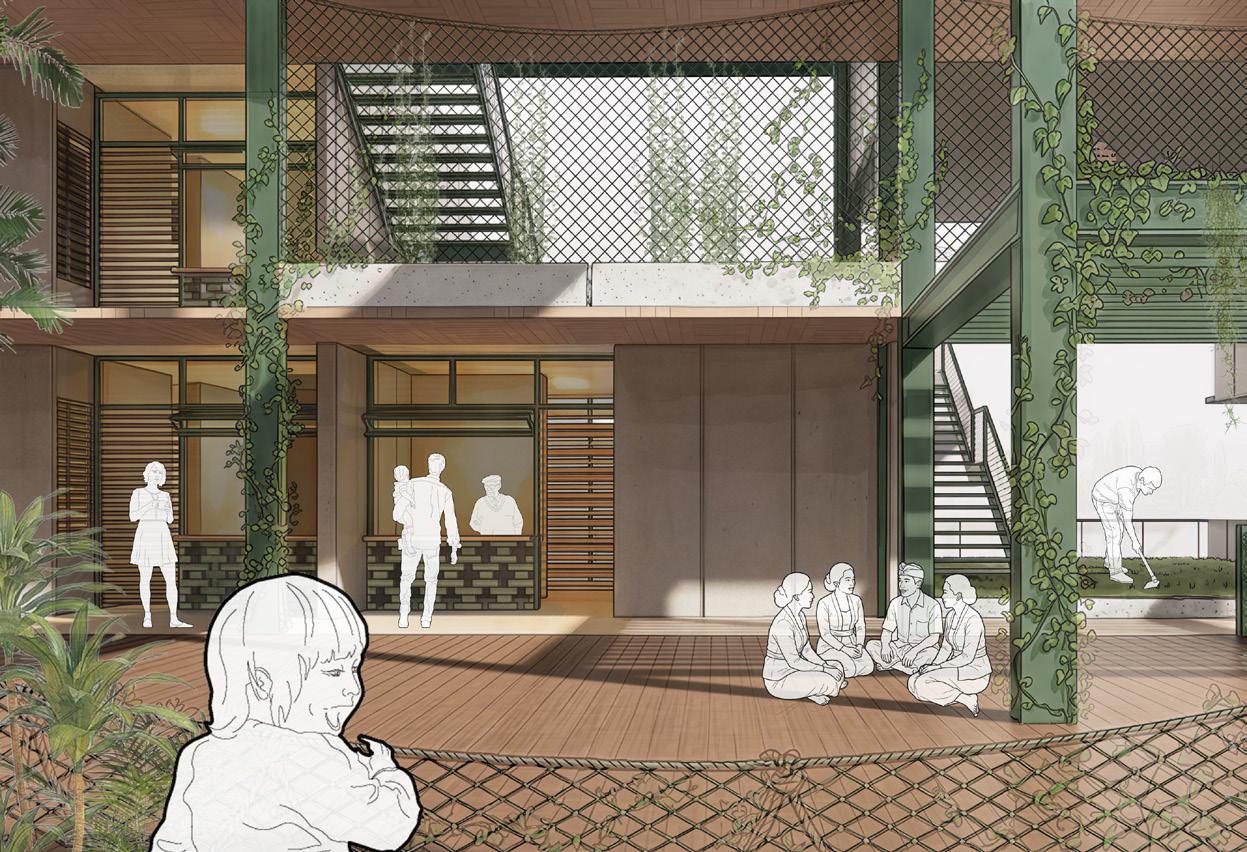
In a fabric once too tight to hold this kind of openness, the ground is made available again. Children take it up through play, while adults remain nearby in looser rhythms of gathering and watching, so that the space becomes a shared center shaped by presence as much as by activity.
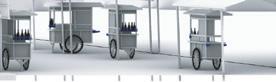
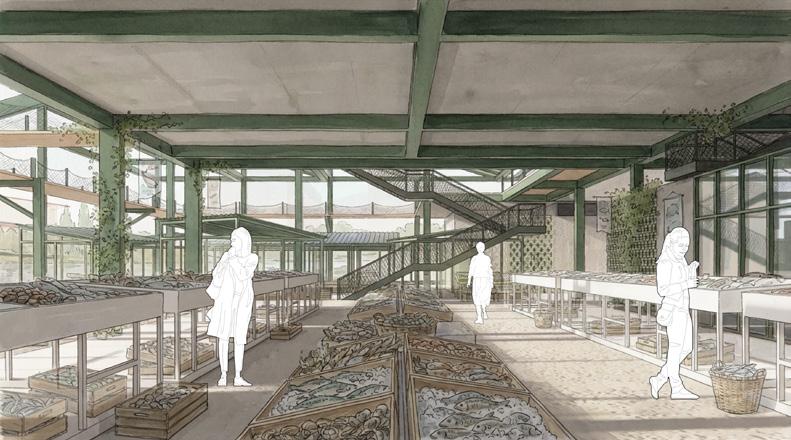
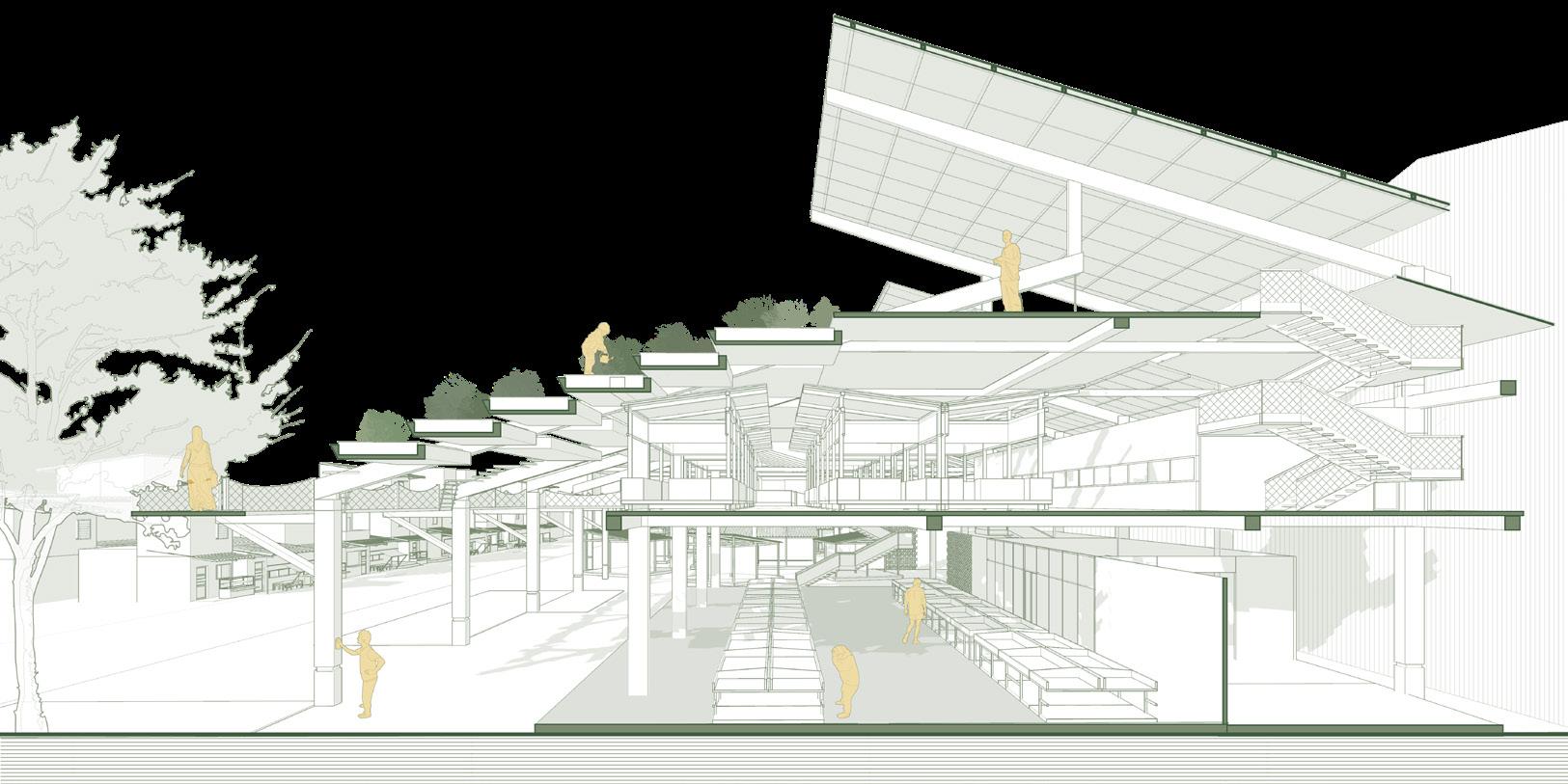
The market is conceived not as an enclosed building, but as an open trading interface embedded within daily circulation. Through shaded structures, generous thresholds, and direct connection to pedestrian flows, the architecture supports both economic exchange and social interaction, making livelihood activities visible and integrated into the larger community network.
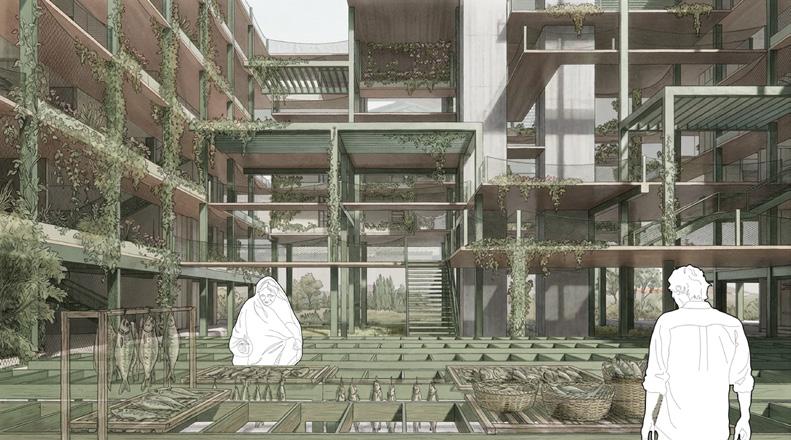
At the center of the residential area, fish drying becomes part of the daily rhythm of living rather than a separate activity set apart from it. The vertical greenery on the housing facades helps to soften this productive landscape, allowing the space to feel at once lived-in, shaded, and socially shared.
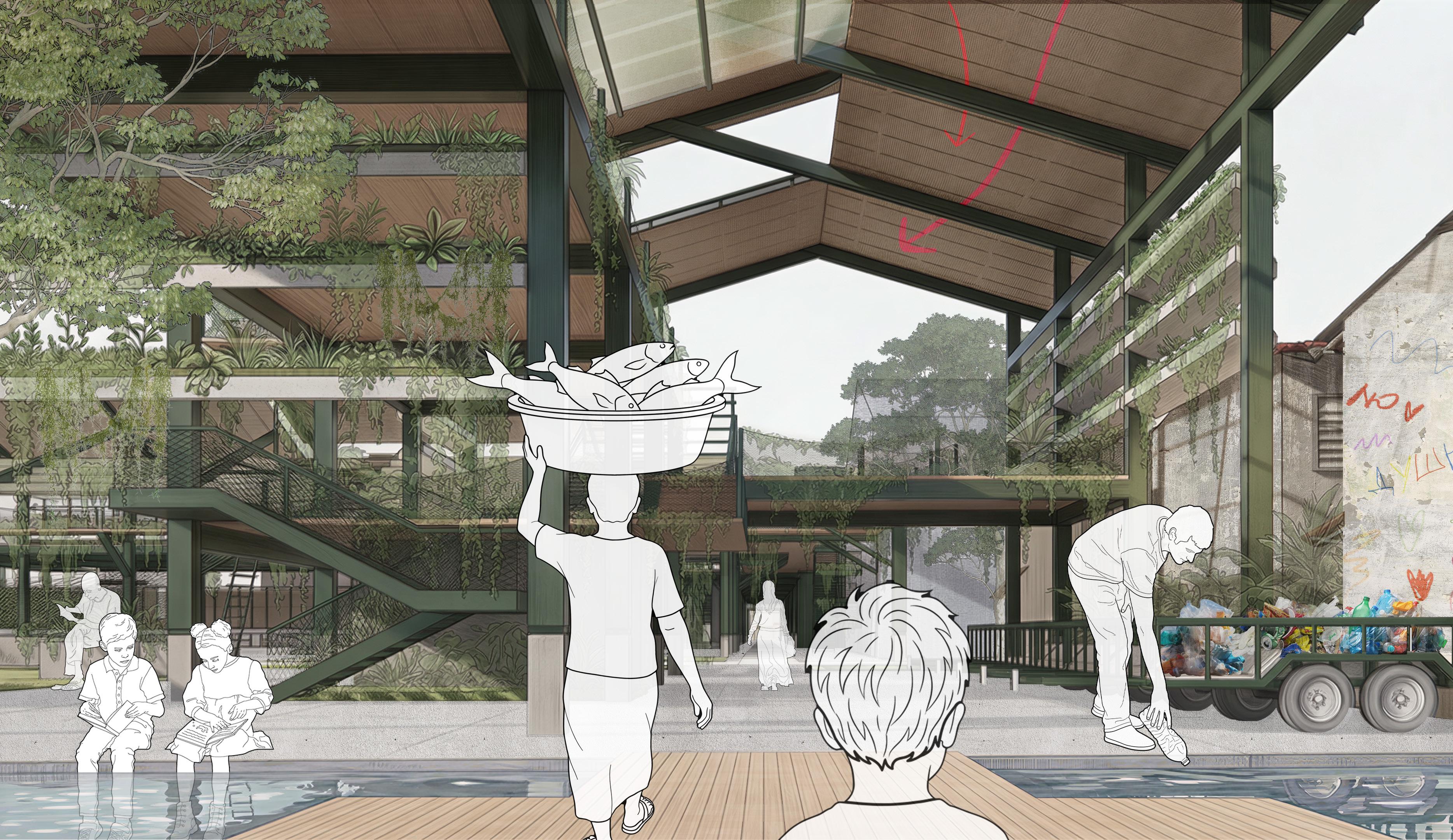
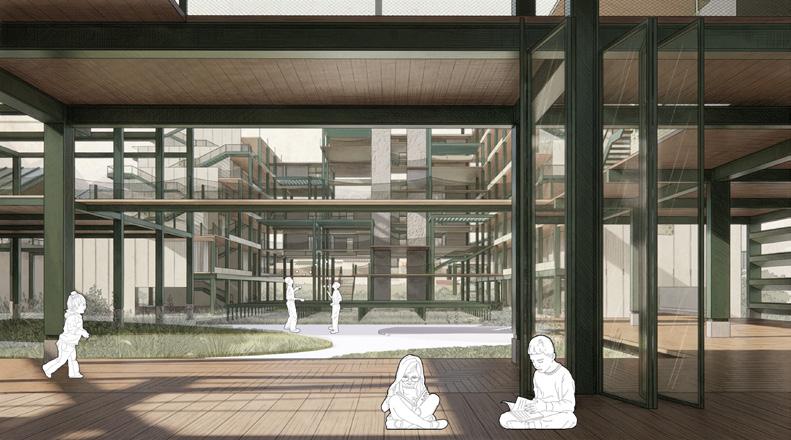
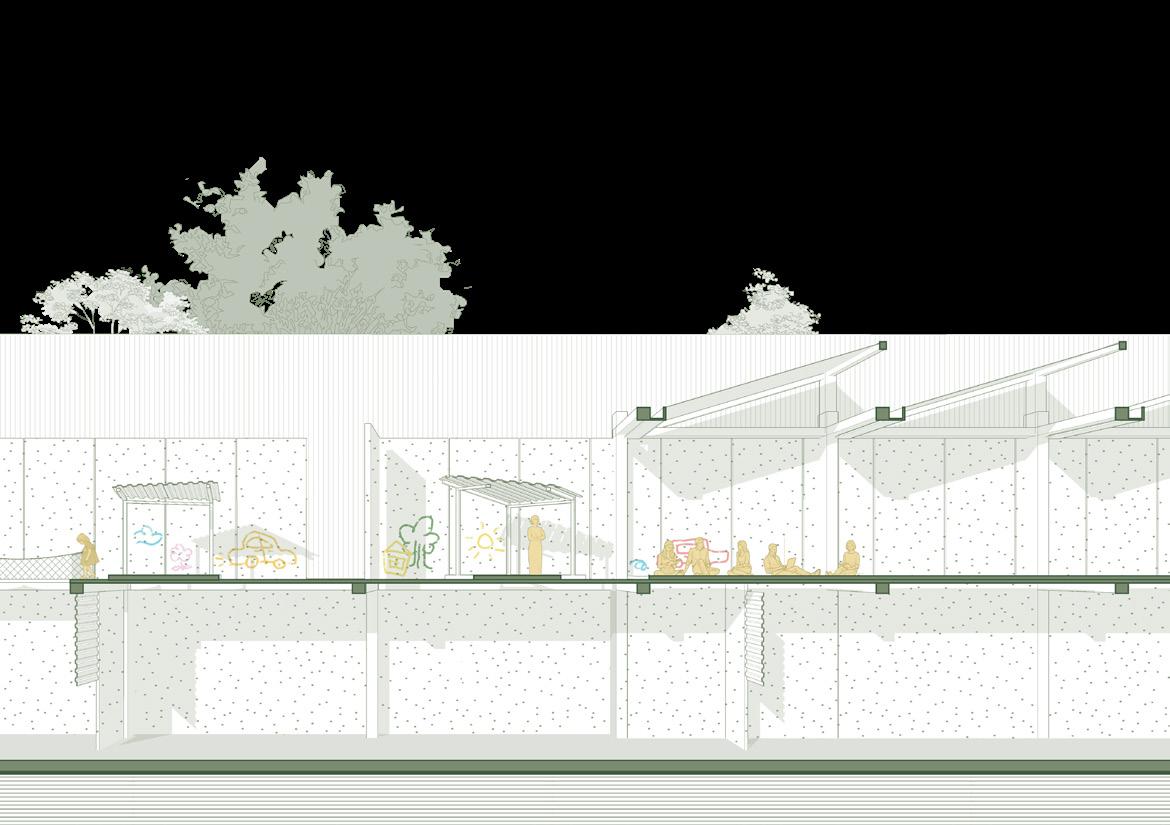
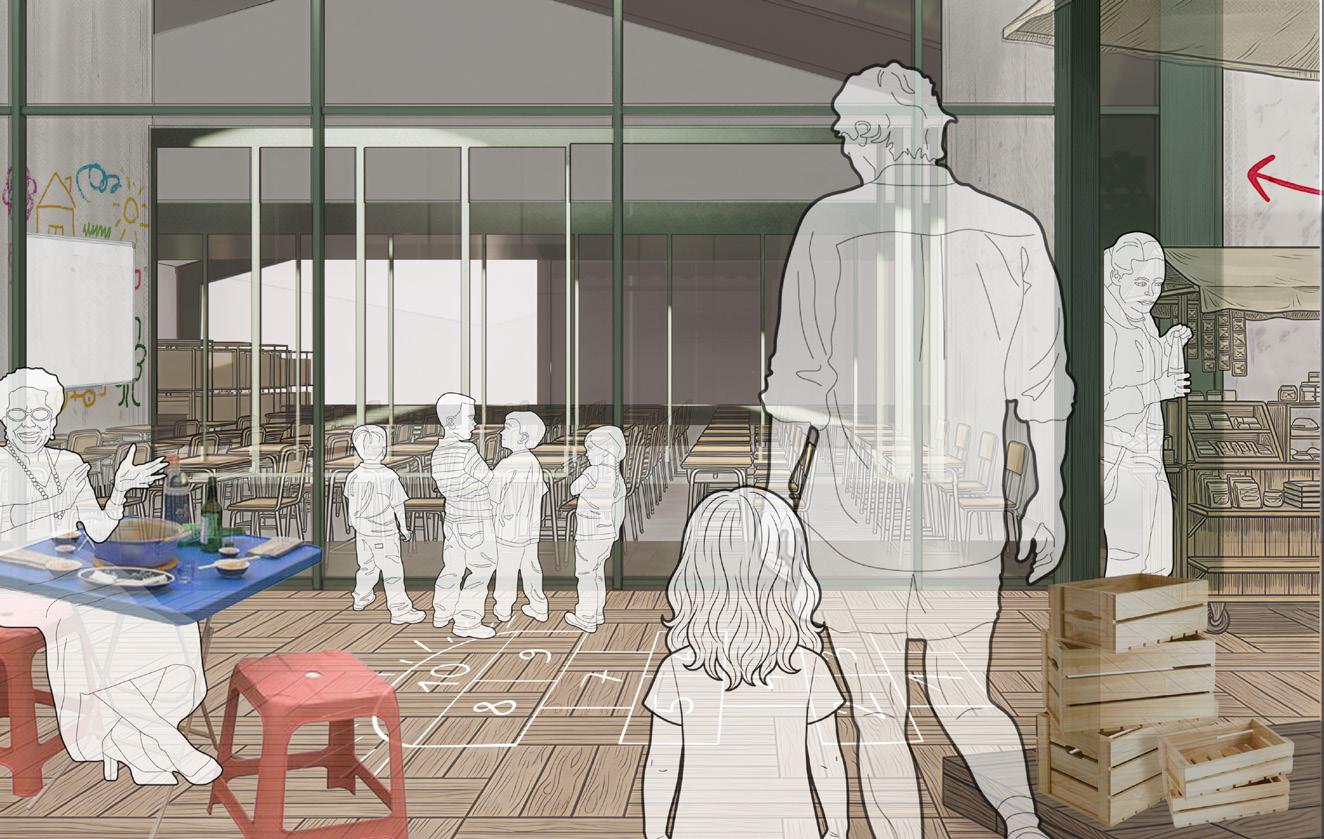
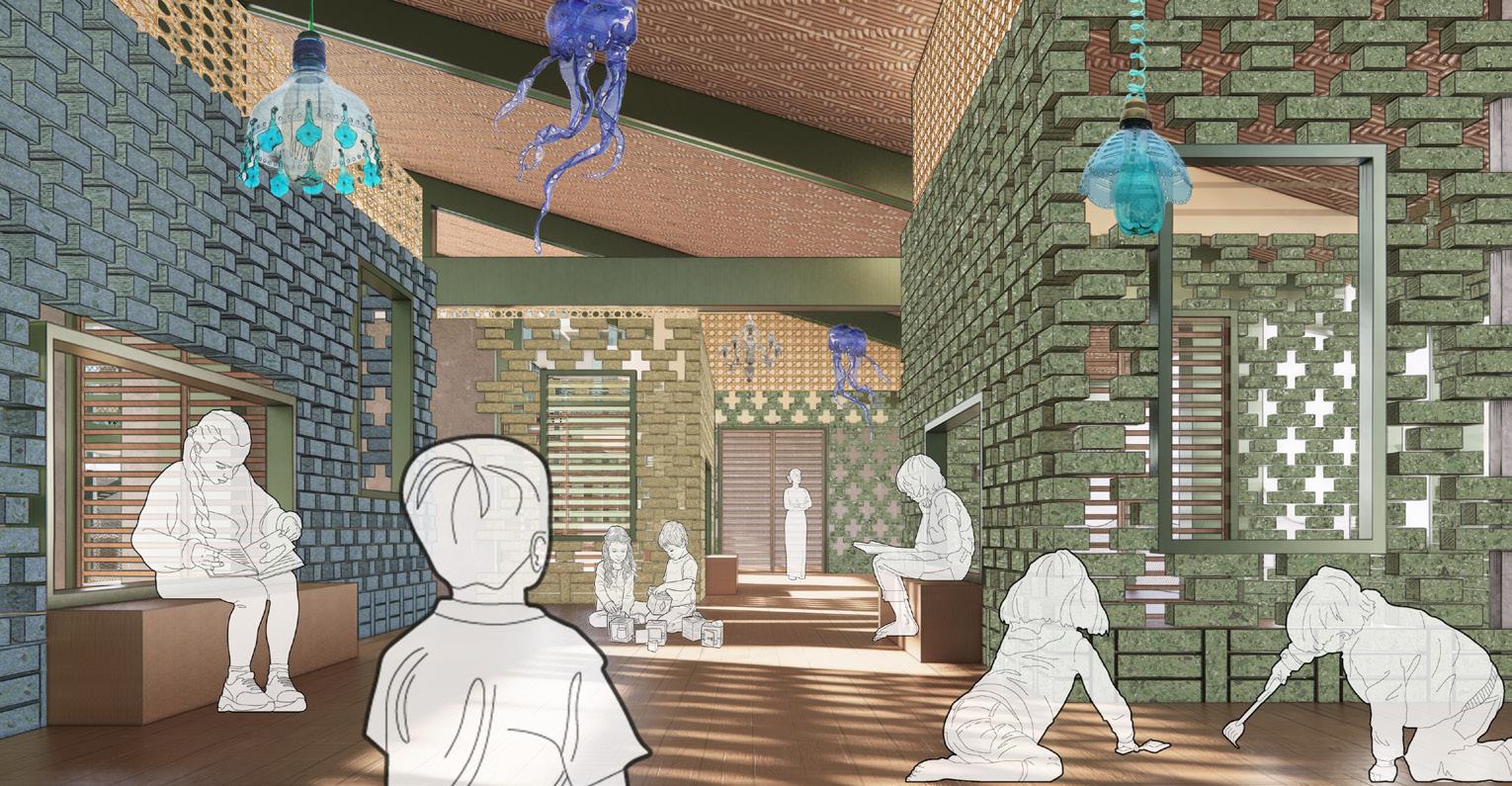
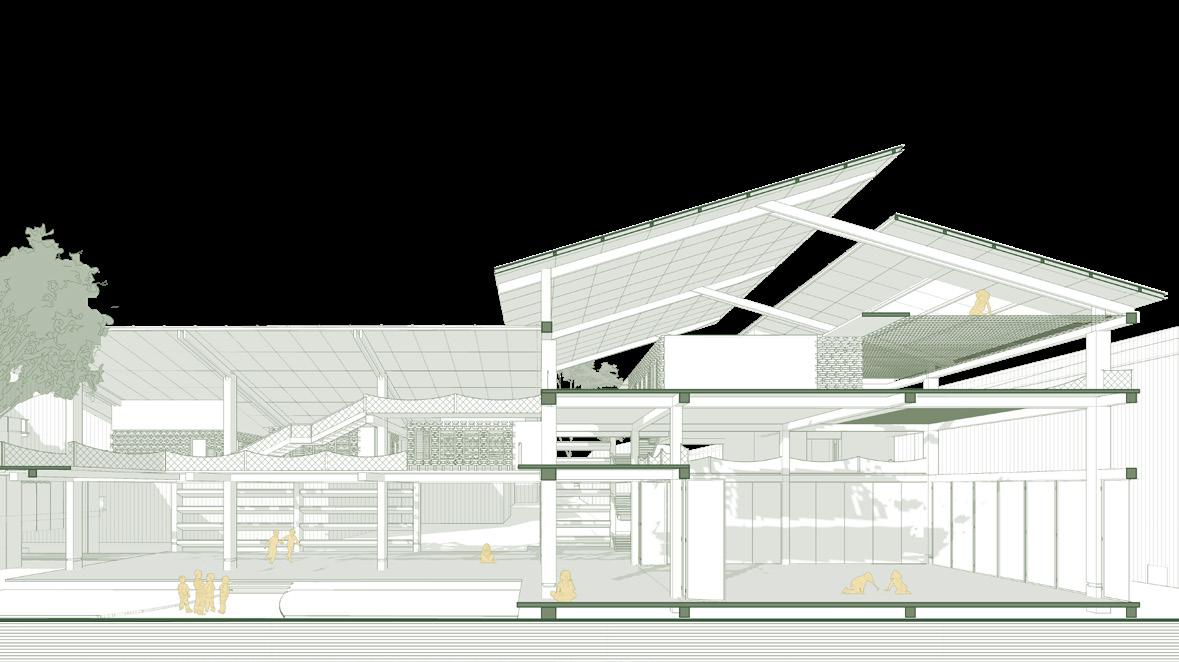
From here, the school does not end at the edge of the hall. Reading, wandering, pausing, and playing spill gently across the thresholds, while further out, the rhythms of dwelling and fish drying remain quietly present in the same field. Learning is therefore held within a larger everyday world, where different forms of life stay close to one another rather than being neatly separated.
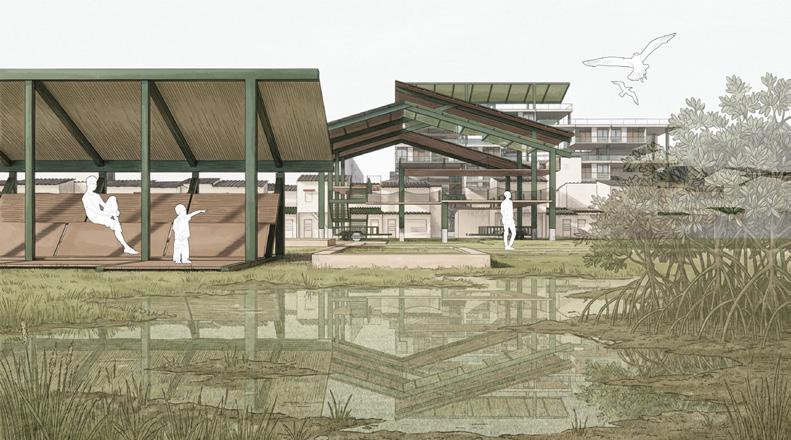
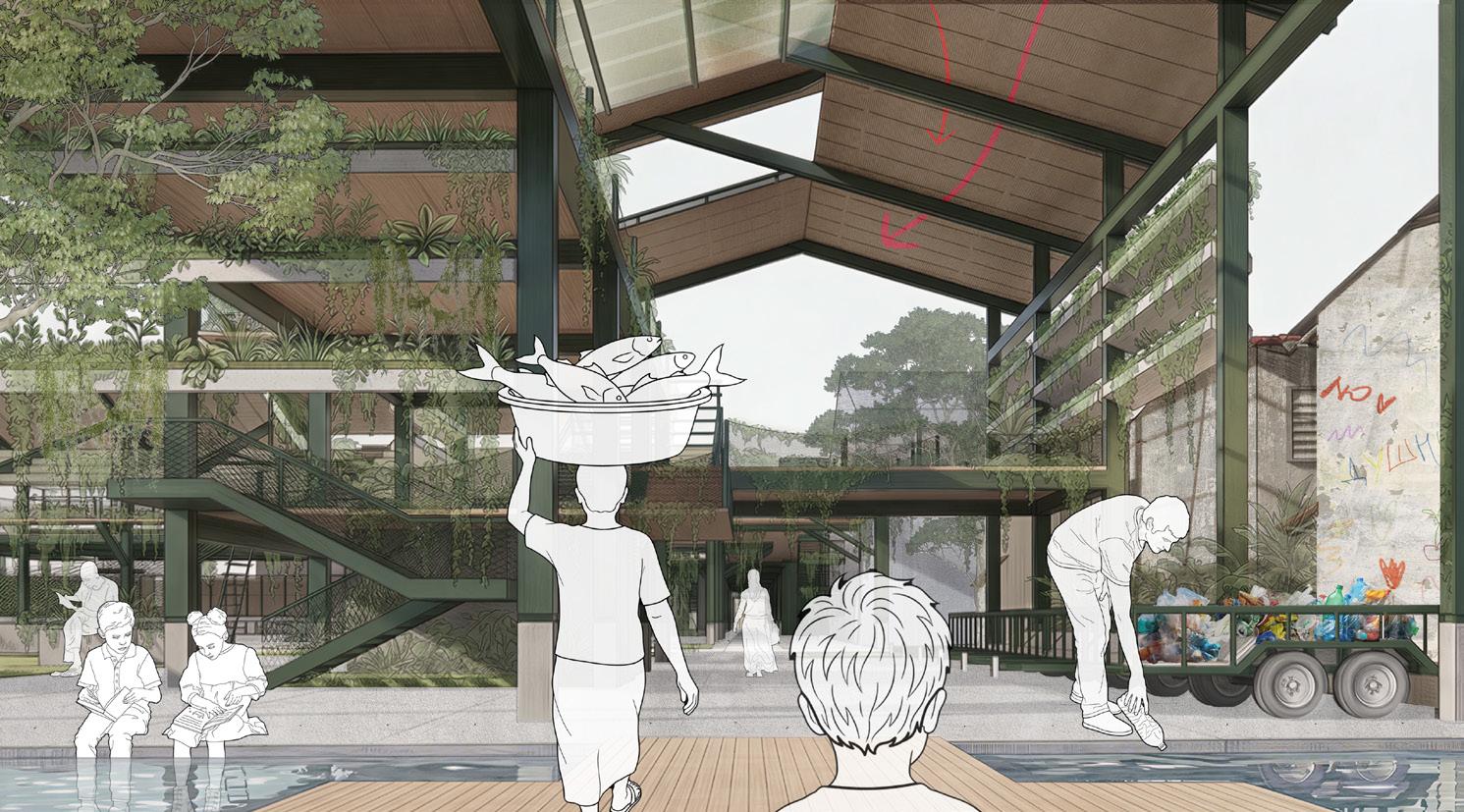
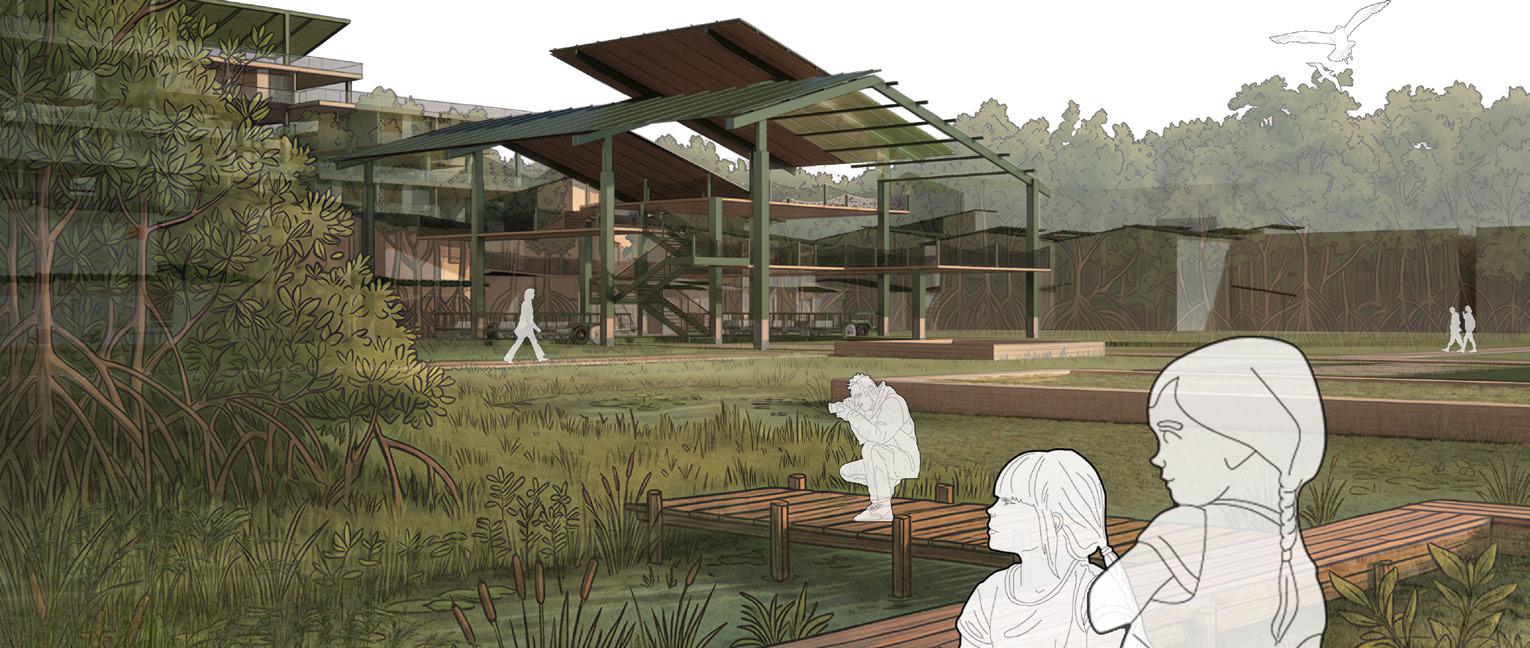
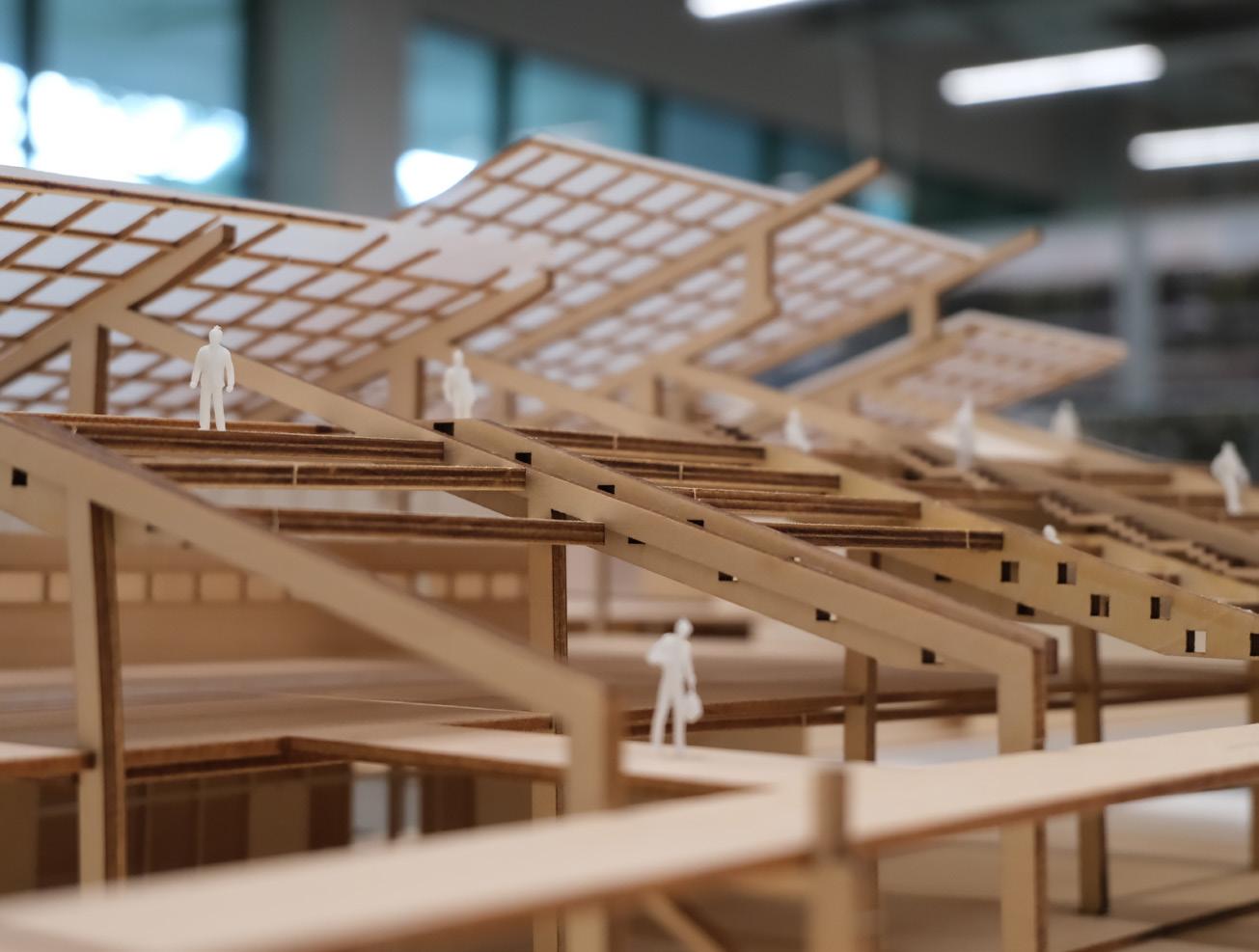
The wetland walkway is designed as both circulation and pedagogy: a linear public path that connects ecological space with everyday movement. Rather than separating recreation from education, the architecture frames the wetland as an accessible learning environment, where walking, observing, and environmental awareness are woven into daily experience.
Wetland Ecological Education
A Shared Field of Everyday Life
Fish Auction Hall
Fish Drying Plaza
Spaces of Overlap
Wetland Learning Walk
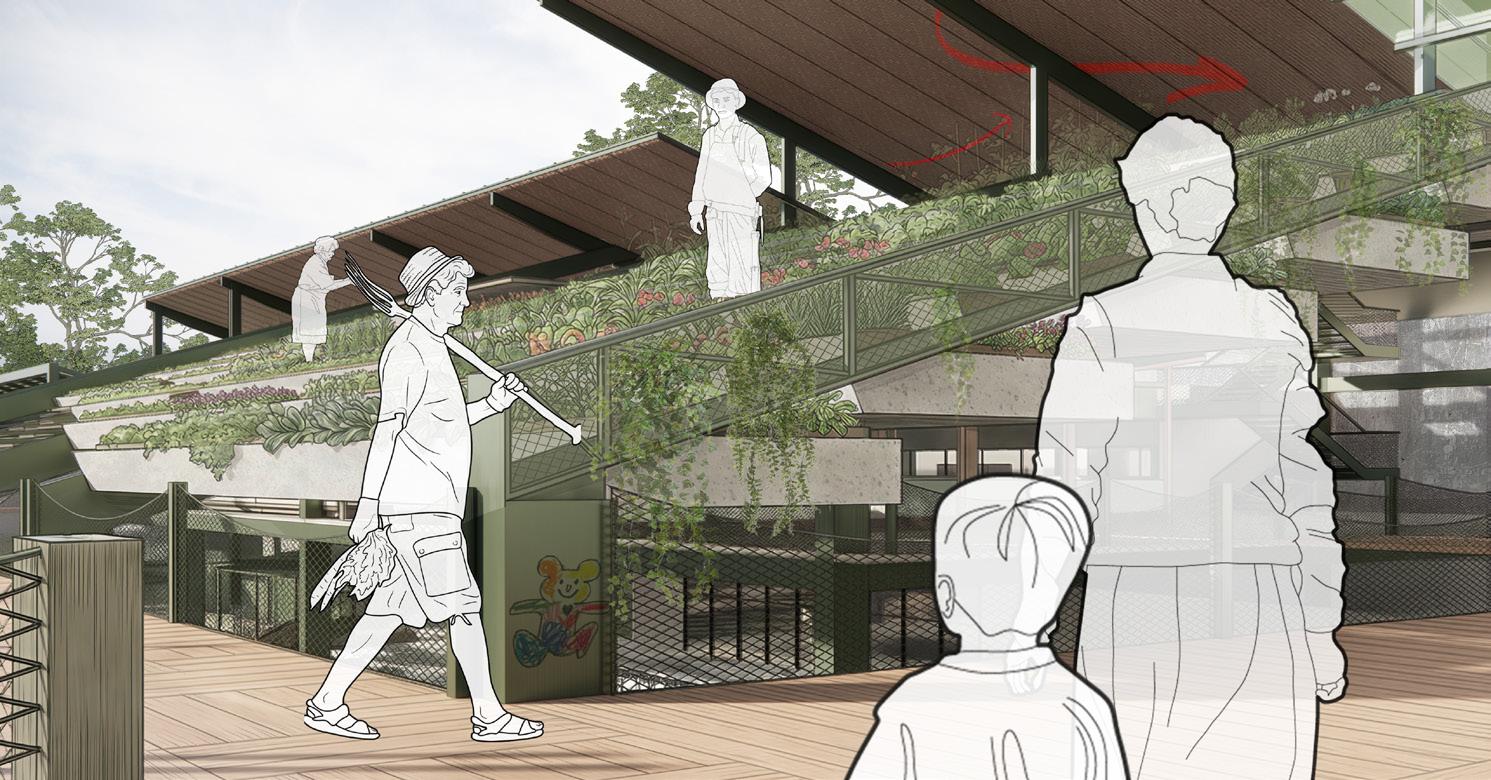
Community Market
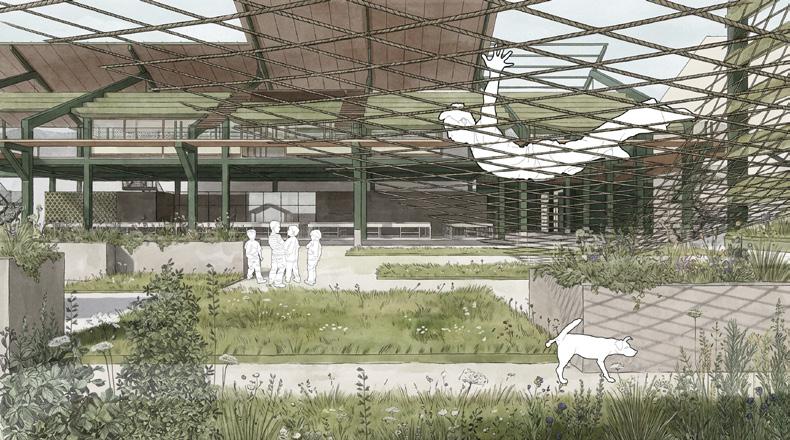
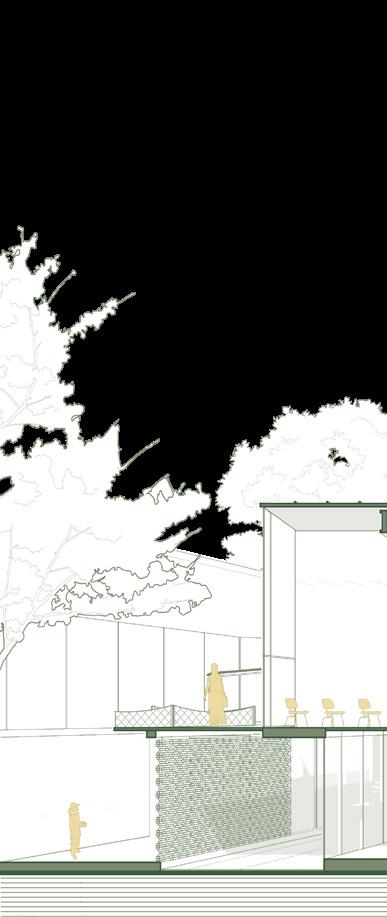
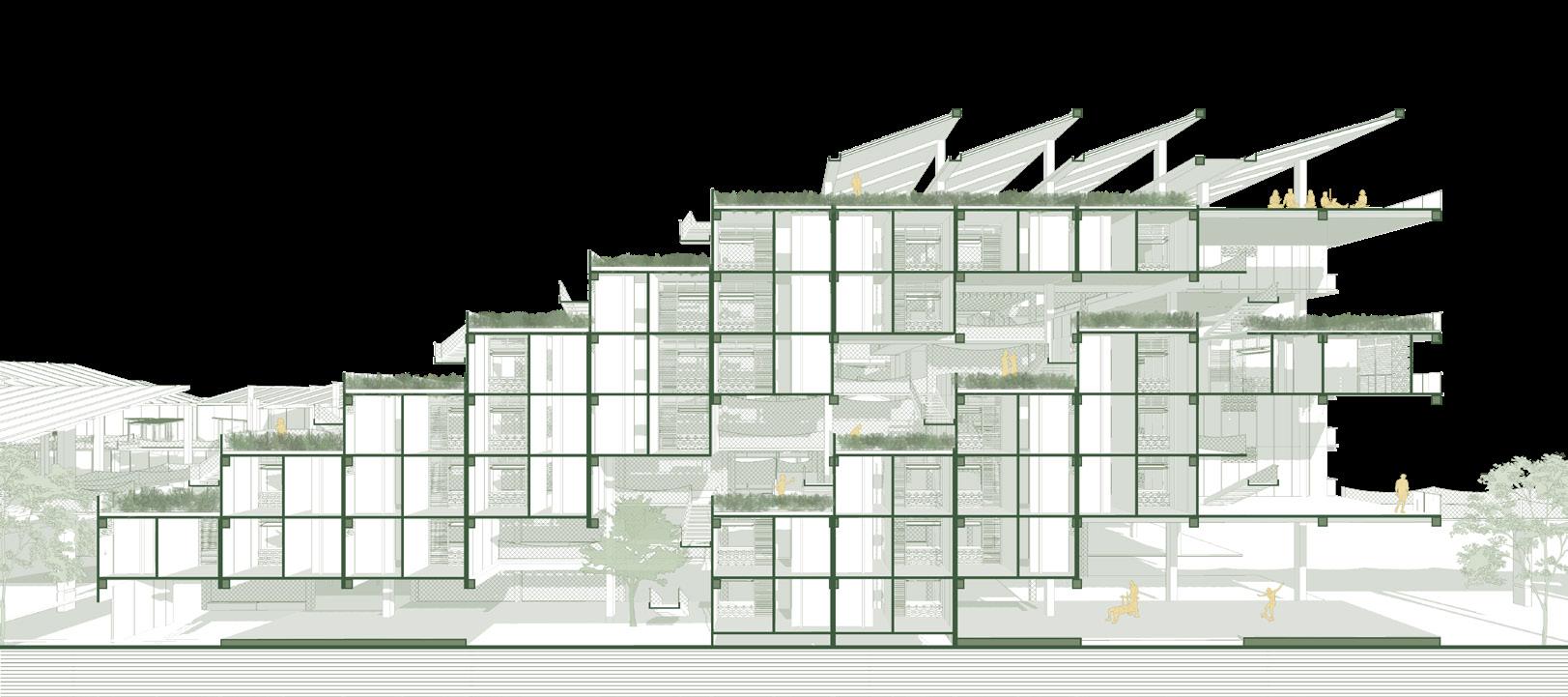
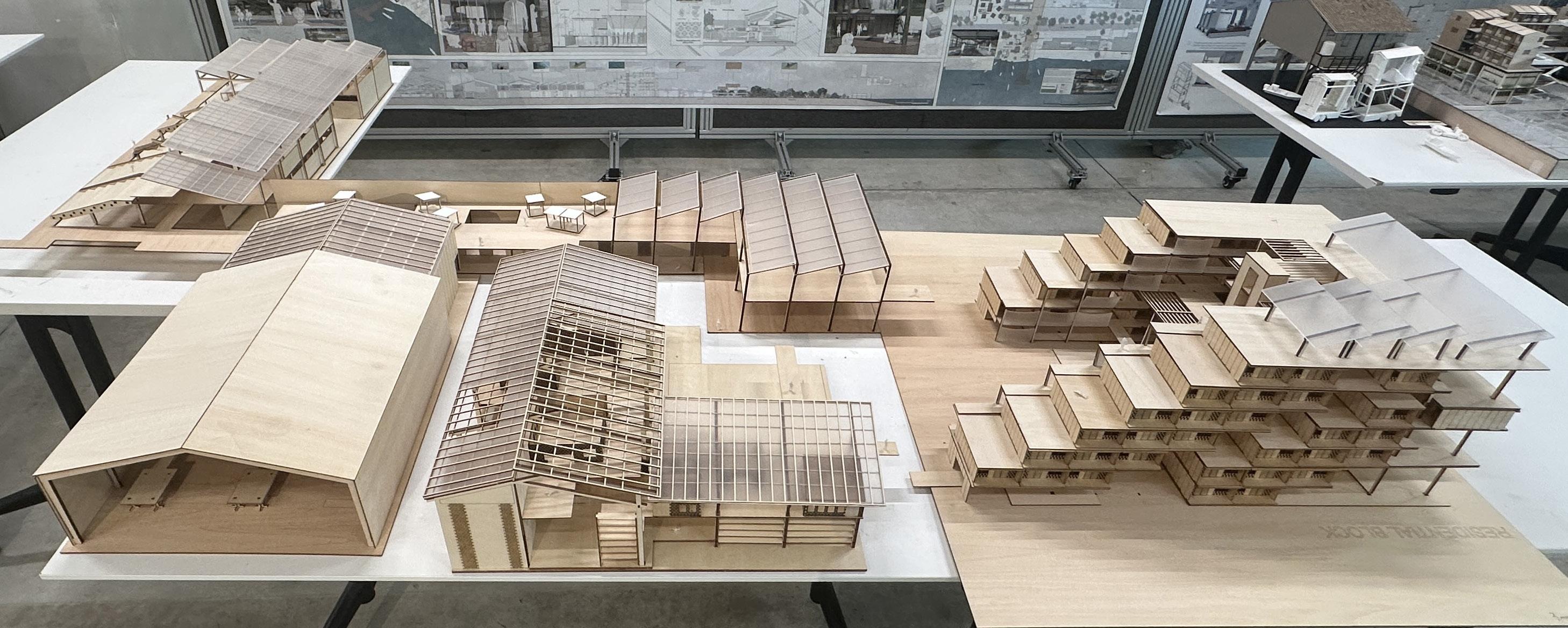
Stacking fish auction, market exchange, planting terraces, and dining space in section turns the community market into a vertical learning landscape. Stepped platforms connect the second and third levels while maintaining visual relations to the reservoir and the activities below. Learning happens between production, trade, cultivation, and collective use.
or
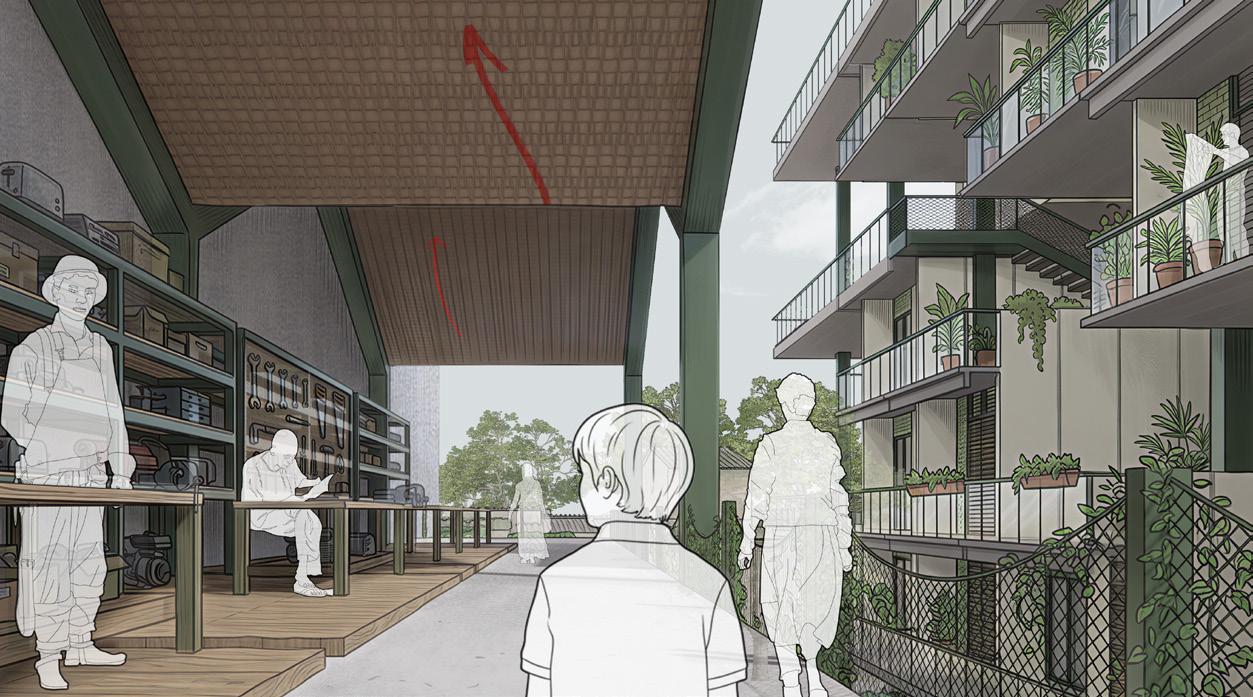
Positioning repair work along an open linear passage makes technical knowledge of everyday circulation. Learning happens between movement, observation, and hands-on practice.
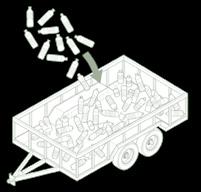
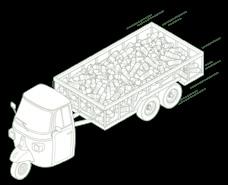
At ground level, the boardwalk brings children close to the wetland through walking, play, and observation, while the bottle collection point connects down to the lower-level recycling route. Above, platforms provide spaces for pause and viewing. Learning happens between landscape experience, waste collection, and the larger process of material recovery.
Central School
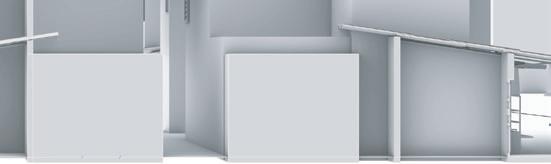
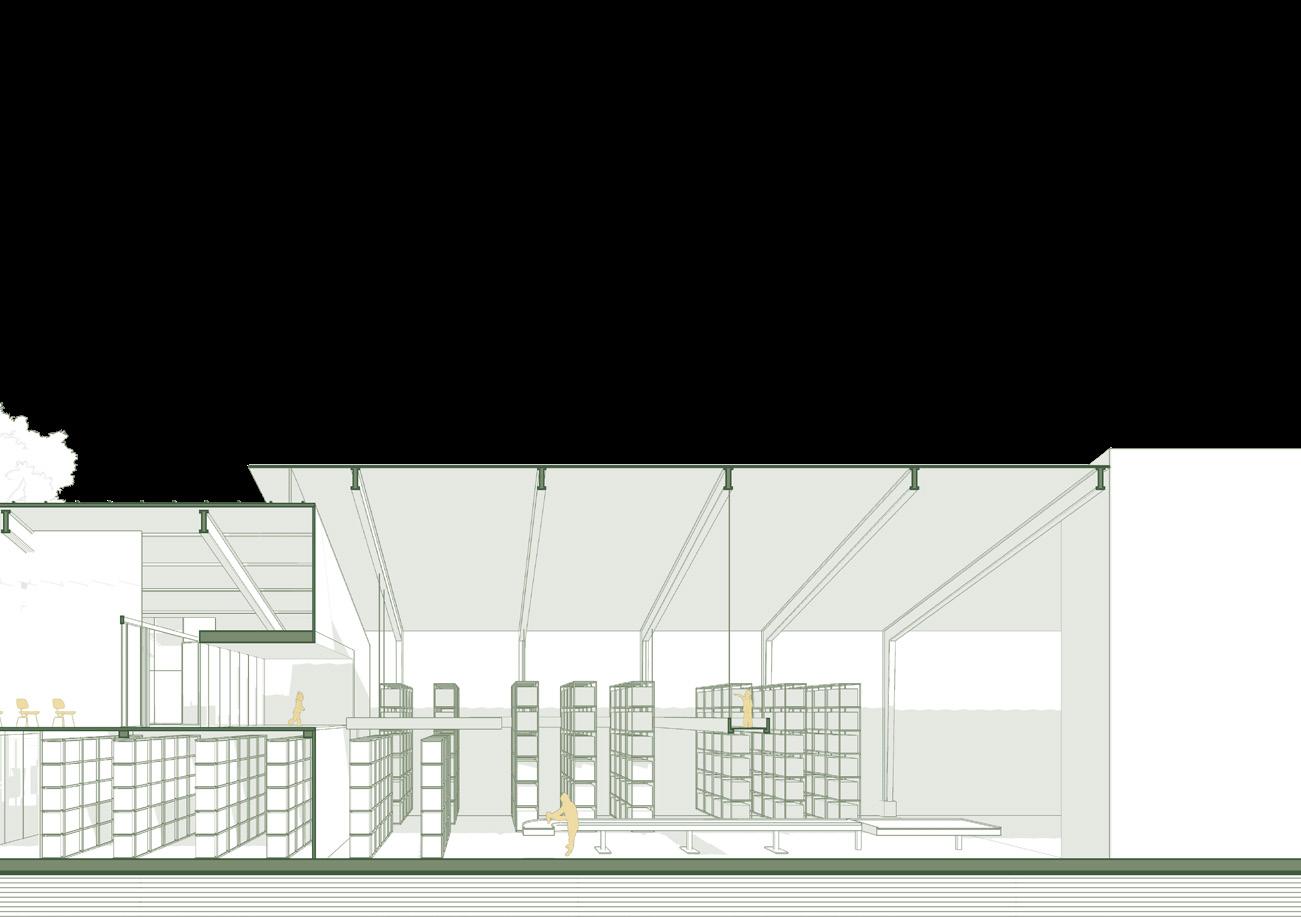
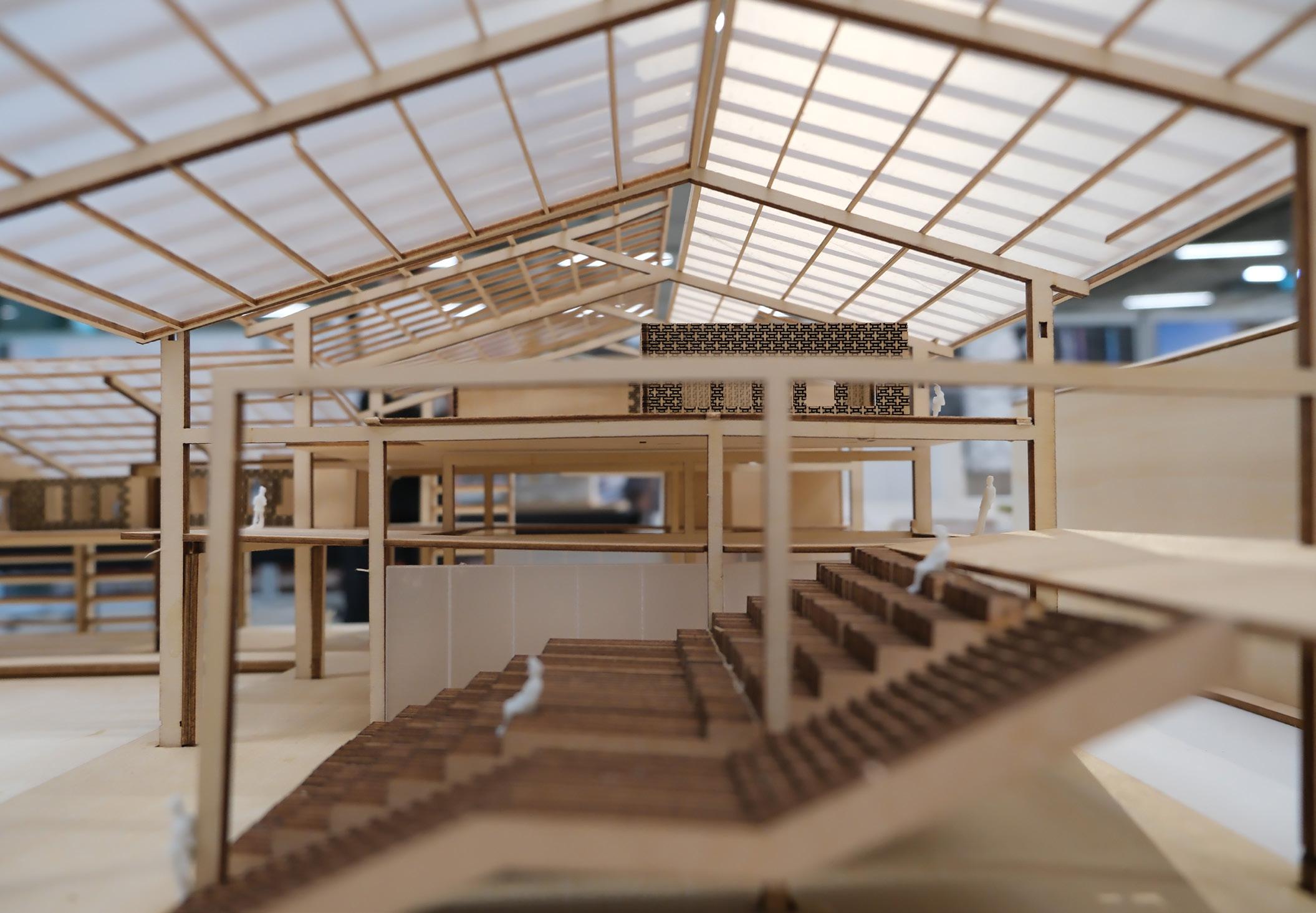
Arranging permeable classrooms and pause spaces around the central activity void keeps formal learning open to shared life below. Learning happens between teaching, observation, and collective gathering.
learning center directly beside the retail street keeps classroom activity visible from circulation. Moving further inward, the learning space extends into an observation adjacent logistics hub. Learning happens between display and depth, between observation, and between digital knowledge and the real systems of trade beyond.
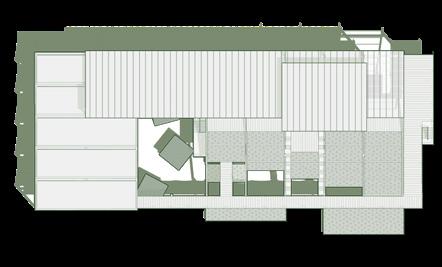
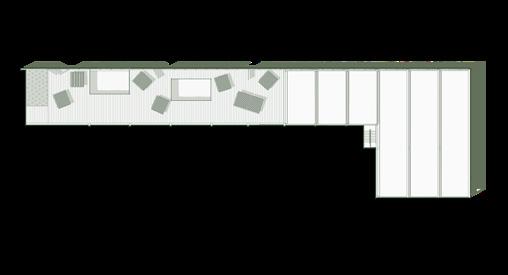
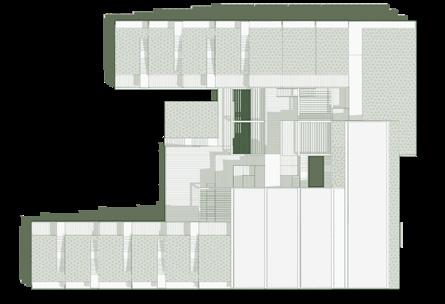
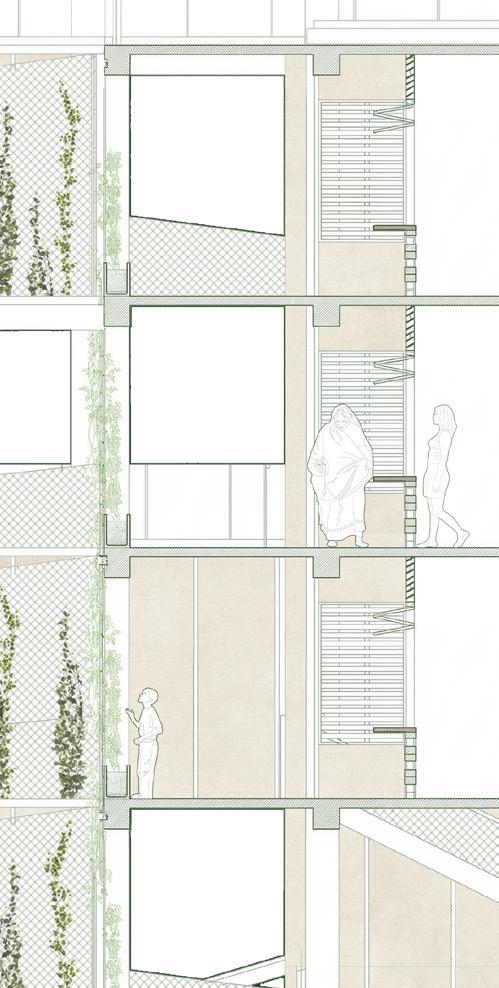
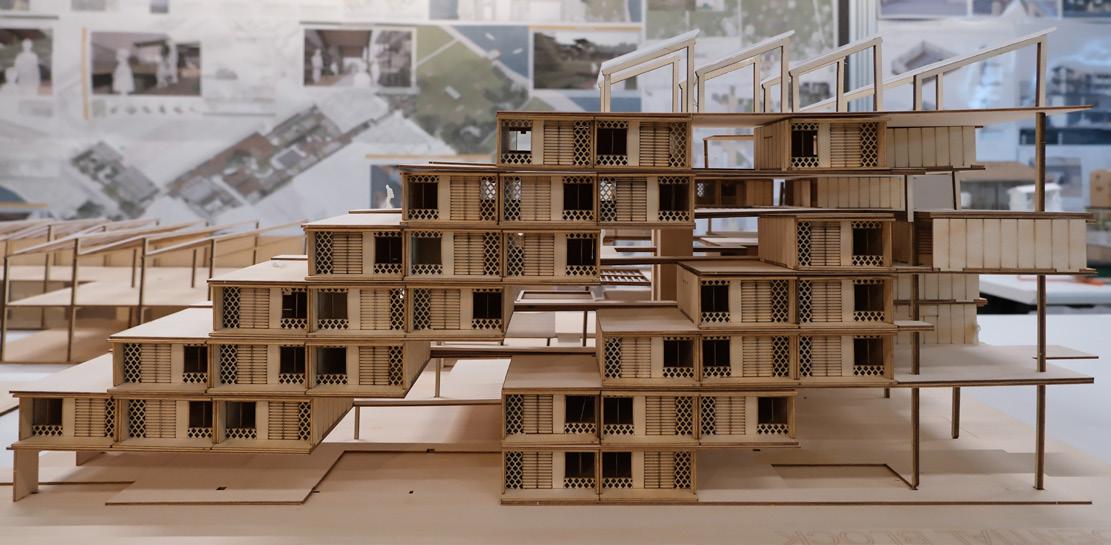
Stepping the housing block back turns each lower roof into a planted terrace, while the courtyard below supports fish drying as a shared productive ground. Inner corridors look onto these daily activities and incorporate retail windows, while fish-net screens support vertical planting along the façade. Learning happens between home and work, between movement and observation, and between familiar livelihood practices and environmental adaptation.
Material as Pedagogy
Materials here are tied to memory, transformation, and environmental response.
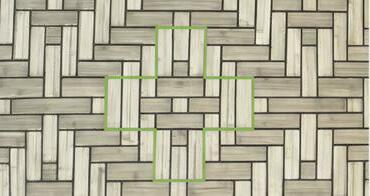
Indonesia Woven Banboo Ceiling
Sheets
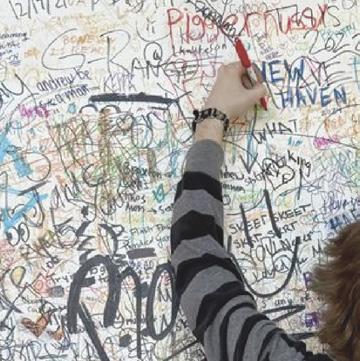
Graffiti Concrete Wall Waterproof Canvas Fabric
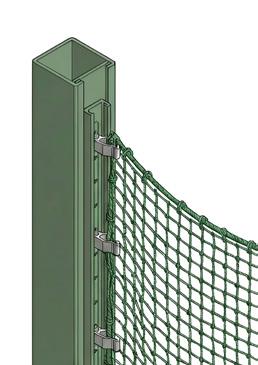
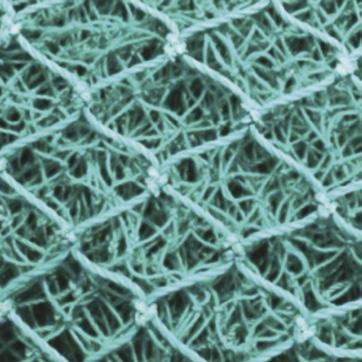
Fish Net Trellis Screen
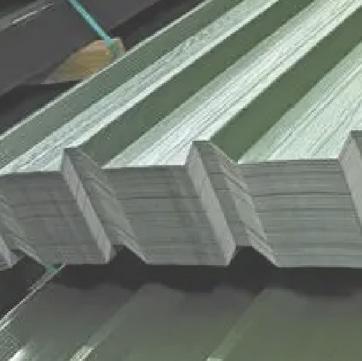
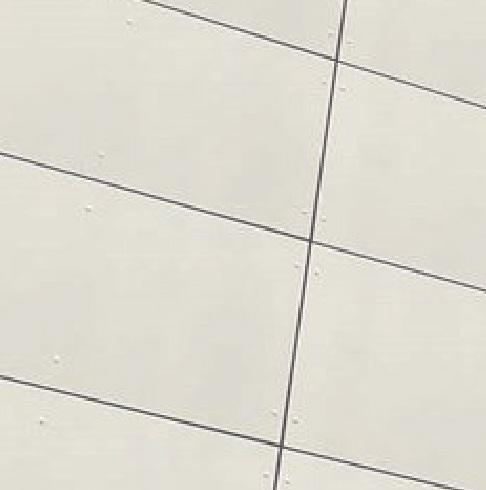
Precast GFRC Panels
Bringing local craft knowledge into everyday communal space through texture, shade, and material memory.
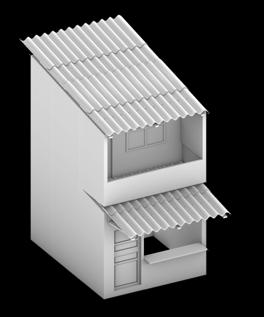
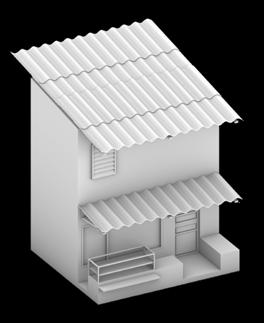
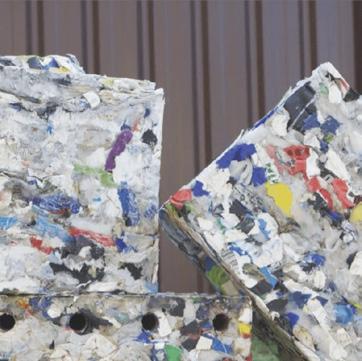
Retaining a familiar lightweight construction language common to the kampung. Transforming recovered plastic into light-filtering, ventilated walls that make recycling spatially visible.
Providing a durable surface for expression, play, and informal learning.
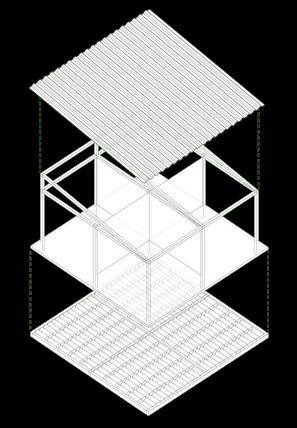
Forming lightweight shaded cover for flexible gathering and market activity.
Supporting vertical planting while reworking familiar fishing material into façade infrastructure.
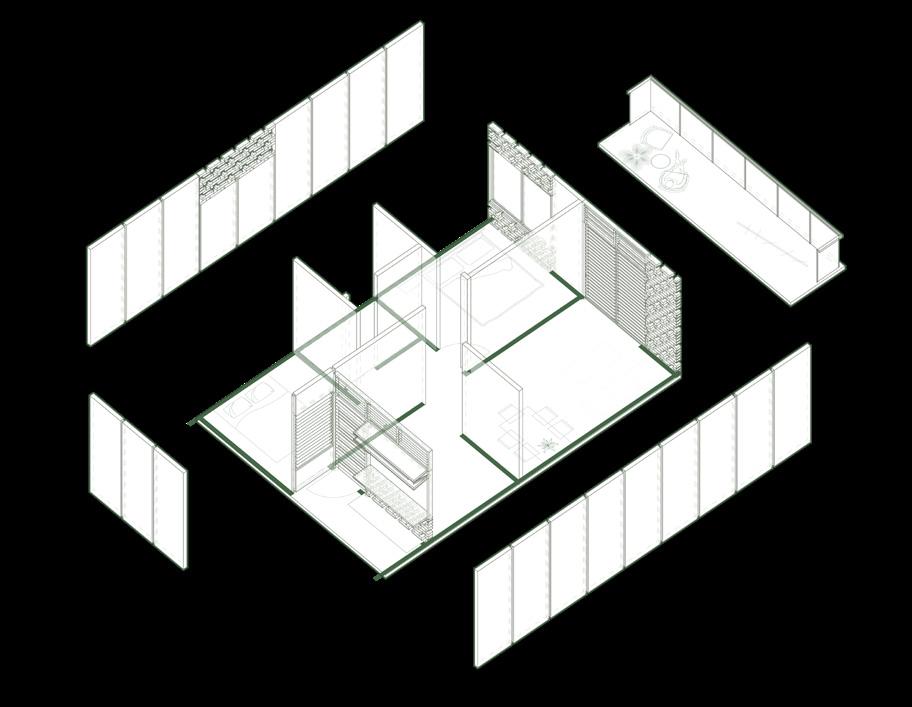
Using a lightweight prefabricated envelope to support modular growth, durability, and incremental assembly.