

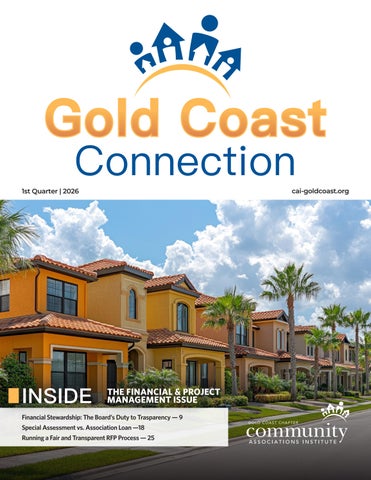
9 Financial Stewardship: The Board’s Duty to Trasparency
13 Navigating the Top Budget and Financial Topics for Florida HOAs and Condos
18 Special Assessment vs. Association Loan: Choosing the Right Funding Strategy
22 The Power of Partnership: Why Strong Board-Manager Relationships Define Successful South Florida Communities
25 Running a Fair and Transparent RFP Process
28 Noisy Neighbors and Pitfalls for the Unwary

Brenda Kettwig
As we welcome 2026, I am filled with gratitude for the momentum our Chapter continues to build and excitement for where we are headed next.
Over the past few years, we have been on a strong growth trajectory. Our membership has expanded, our events have grown in both attendance and impact, and our educational offerings continue to meet the evolving needs of community association professionals. This progress is not accidental; it is the result of engaged members, dedicated volunteers, and a shared commitment to excellence within our industry.
In many cultures, 2026 is recognized as the Year of the Fire Horse, a symbol of energy, forward motion, resilience, and bold leadership. That symbolism could not feel more aligned with where our Chapter stands today. We are moving with purpose, fueled by passion, and unafraid to take meaningful steps forward.
We want to see more of our members involved serving on committees, attending events, and taking full advantage of the exceptional educational resources available through our Chapter. Whether you have years of experience or are new to the industry, there is a place for you to contribute, learn, and lead. Committees and the events they organize are the heartbeat of our Chapter. Your voice, ideas, and proficiency truly make a difference.


Education stands as a vital cornerstone of our mission, inspiring a brighter future for all. In 2026, we will continue to deliver relevant, high-quality programs designed to support professional growth, strengthen communities, and elevate industry standards. I encourage every member to explore these opportunities not only as attendees, but as active participants shaping the conversation. Your next step starts here:
• Our 2026 events and education calendar, highlighting networking, professional development, and signature Chapter programs
• Ways to get involved at every level, whether you have one hour a month or want to take on a leadership role
Mark your calendar and lean into the energy of this year moving forward together with intention, courage, and momentum. If the Fire Horse represents anything, it’s the power of a community in motion.
Thank you for being part of this journey. Let’s make 2026 our most engaged and impactful year yet.
With appreciation and enthusiasm, Brenda Kettwig
President, CAI Gold Coast Chapter
Brenda Kettwig President
Luis Alicea President-Elect
Erica Dalesandro Vice President
Tana Callahan Treasurer
Terri Streng Secretary DIRECTORS
Chris Hernandez
Marcy Kravit
Cliff Nash
Kathy Naughton
Catie Phillips

Tressa Bishop MBA, CIC, EBP, CIRMS®

Dear Gold Coast Connection Community, The first quarter of the new year brings renewed energy, excitement, and the purposeful execution of plans set in motion during the last few months of the prior year. Legislative changes over the past several years have forced many communities to switch priorities for long-term sustainability and security (both physical and fiscal). This quarter’s magazine theme of Financial and Project Management highlights financial stewardship, project funding options, internal community partnerships, and project-focused tactical guidance. We’ve also included an insightful article regarding noise issues within communities.
Interested in shaping future issues of the Gold Coast Connection magazine?
We’d love to have you join us! Reach out to me directly at Tressa.Bishop@Alliant.com or our Chapter Executive Director at CED@cai-goldcoast.org.
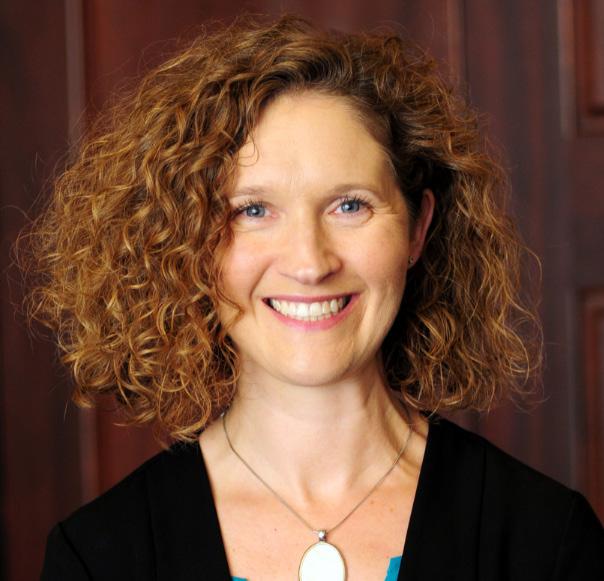
A quick introduction to our 2026 Editorial Committee:
• Marcy Green, CAM, CMCA, AMS
• Beth Rappaport, CAM, CMCA
• Kejsi “KC” Shuaipi
• Board Liaison: Marcy Kravit, CMCA, AMS, PCAM, CFCAM, CSM
A heartfelt thanks to those that contributed to this first issue of 2026. We’re excited to highlight many of our Chapter Partners throughout the year, as well as many other contributors. Reach out for the updated article guidelines and be sure to submit articles before the quarterly deadlines listed below for consideration.
Happy reading!
Tressa Bishop, MBA, CIC, EBP, CIRMS® Senior Vice President Alliant Insurance Services
Connor O’Dell connor.odell@acentria.com
Tressa Bishop, MBA, CIC, CIRMS® tressa.bishop@alliant.com
Shernelle McCombie shernelle.mccombie@gmail.com
Millie Ventura mventura@castlegroup.com
Chellee Rovner chellee@munyanpainting.com

Bryan Rubin brubin@legacyinsuranceassociates.com
Trisha Fohr tfohr@my100bank.com
pending


Budgets, balance sheets, and best practices every HOA and Condo board should master

Maria Thompkins, CPA, MAcc Hafer Company, LLC

Board members are the financial stewards of their community’s financial health. Financial oversight is not optional, it is essential. Board members have a fiduciary duty to their communities – which is both a legal and ethical obligation to act in the best interests of the associations that they serve and to responsibly manage association assets. This article outlines best practices and tools to help board members to lead with transparency, because transparency builds trust.
Budgets are a vital tool for planning long-term financial stability within your community. Ensuring that the budget is realistic and transparent is critical to building trust with homeowners. When preparing annual budgets, boards should rely on data-driven expense forecasting and up-to-date reserve studies to promote stability and avoid unexpected special assessments.
Expense forecasting begins with review of historical operating expenses such as utilities, landscaping, insurance, maintenance, and management fees to identify past spending trends. Next, adjustments should be made for inflation and market changes such as insurance
premium increases. Finally, expenses should be categorized as recurring or non-recurring. For example, you may have had a roof replacement project last year that would not be a recurring expense for the current year you are forecasting for.
When determining annual reserve funding, boards should rely on an up-to-date reserve study which provides critical information on the estimates of useful lives, remaining useful life, and replacement cost of the association’s structural and non-structural shared assets. Conducting a reserve study every three to five years keeps projections accurate in light of asset wear and tear and inflation. Funding reserves in accordance with the updated study minimizes financial strain on homeowners when major repairs or replacements become necessary. Board members should fully understand the reserve study and seek clarification from their reserve specialist whenever questions arise.
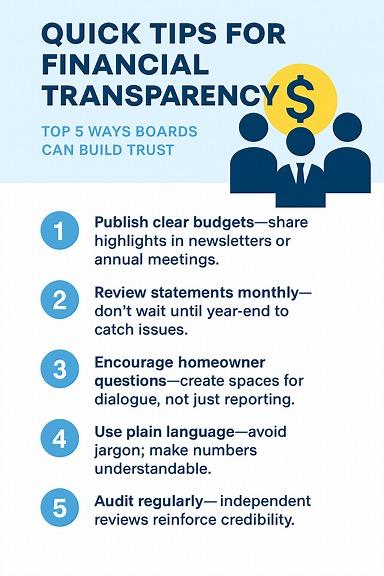
Financial statements provide a clear picture of the association’s financial health. Board members should review financial statements and bank reconciliations monthly to prevent year-end surprises and to address issues promptly.
Below are several actionable steps associations can implement transparency and strengthen monthly financial review
Red flags to watch out for during monthly financial reviews include:
• Cash flow issues - Are there frequent transfers from reserves to cover operating expenses? Is there enough cash to cover 3-6 months of operating expenses?
• Unusual variances - Sudden increases in maintenance or utilities should be investigated
• Delayed or missing reporting
• Irregular or duplicate vendor payments.
Consistent monthly review and thoughtful questioning of variances can help catch any issues timely, save money, and protect homeowner trust.
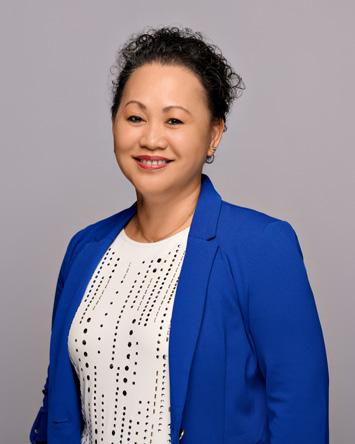
Maria is an Audit Associate at Hafer Company LLC, CPAs, based in Pensacola, FL, with over five years of audit experience. She specializes in auditing HOAs and condominiums. As a rising professional in the field, she serves on the FICPA CIRA committee and was awarded The FICPA Horizon Award.




As a board member and former community manager, I have seen firsthand how strong financial management the backbone of a thriving community is. Florida’s environment, marked by unpredictable weather, rising costs, and aging infrastructure, requires us to stay proactive and plan for the future. Addressing current challenges while preparing for what’s ahead is essential to keep our communities safe, vibrant, and financially sound. Below are some of the most pressing financial topics communities are facing today. I also offer practical recommendations and questions to guide your planning.
Maintaining adequate reserve funds is critical, especially in Florida’s coastal regions where infrastructure deteriorates faster. I recommend conducting reserve studies every three to five years and updating them regularly. Adequate reserves enable us to handle unexpected repairs, replacements, and future upgrades without resorting to special assessments that can burden homeowners.
Questions to consider:
• Are our reserve studies current and reflective of the actual condition of our assets?
• Do we have enough funds set aside to cover major repairs over the next decade?
• How transparent are we with residents about reserve funding and long-term planning?
Transparency builds trust in our communities. It is important to share clear, detailed budgets and financial reports with owners. Hosting educational sessions and providing online access to financial documents can help residents understand how their dues are used and foster confidence in our management.
Questions to ask:
• Are we providing understandable financial updates to residents?
• Do we hold regular meetings or webinars to explain our budget decisions?
• Are we actively seeking feedback from owners and responding promptly?
Long-term planning is essential. We need to prioritize safety-related repairs and major upgrades. Including these projects in our annual budgets and reserve studies helps us stay ahead of deterioration and avoid costly emergency repairs.
Questions to consider:
• Do we have a comprehensive maintenance plan and schedule?
• Are we allocating funds each year for capital improvements?
• How are we involving residents in decisions about major upgrades?
When reserves are insufficient, communities often face difficult decisions about levying special assessments. To minimize reliance on assessments, I recommend building a healthy reserve fund and planning projects well in advance. Clear and honest communication about the necessity of assessments helps residents understand their importance.
Questions to ask:
• Are we planning and funding projects proactively?
• How effectively are we communicating assessment needs to residents?
• Are we exploring phased approaches or alternative funding options?
Utility expenses—such as electricity, water, and waste disposal—can significantly impact budgets. Implementing energy-efficient upgrades like LED lighting, solar power, and water-saving fixtures can reduce ongoing costs while supporting our sustainability goals.
Questions to consider:
• Have we evaluated potential savings from energy upgrades?
• Are we applying for rebates or incentives for green initiatives?
• How can utility savings be incorporated into our long-term budgets?
Florida’s laws and regulations are constantly changing. Working with experienced legal and financial professionals helps ensure compliance and reduces the risk of costly penalties.
Questions to ask:
• Are we regularly reviewing and updating our governing documents?
• Do we have access to legal counsel familiar with Florida statutes?
• How are we communicating legal or regulatory updates to residents?
Looking ahead, it is essential to plan for future-proofing our communities. This includes budgeting for technology upgrades, infrastructure renewal, and safety systems that meet or exceed current standards.
• Do we have fiber optic internet to provide our remote workers the best service possible?
• Are we allocating funds for upcoming technology upgrades like smart systems?
• Do we have a plan to replace aging electrical equipment and upgrade electrical panels and wiring?
• Are budgets set aside for modern fire safety systems including alarms, sprinklers, and emergency lighting?
• How are we preparing for climate change impacts such as sea level rise and extreme weather?
Large projects such as roof replacements, seawall repairs, or clubhouse renovations should be planned many years in advance. Building a dedicated reserve fund for these projects is critical to financial stability.
• Are we identifying and prioritizing projects based on long-term needs?
• Do we have a reserve fund specifically for large-scale upgrades?
• How are we communicating upcoming projects and their benefits to owners?
Managing a community’s finances in Florida involves more than just balancing the books. It requires strategic planning, proactive maintenance, and a focus on technology and future-proofing. By addressing these key topics and asking the right questions, we can keep our communities safe, vibrant, and well-prepared for what is ahead.
From my experience as a board member and former community manager, I believe that a thoughtful, proactive approach will help us create communities that stand the test of time. Together, we can build neighborhoods that residents are proud to call home now and in the future.
Marcy Kravit serves as Vice President of HOA Relationship Banking for SmartStreet Powered by Banc of California, partnering with community associations, management companies, and board leadership to strengthen financial strategy, operational clarity, and long-term community health. Marcy is a published author, HOA board member, and fierce advocate for the community association industry.
In the face of increasing complexity, our approach is simple: hire the best people and invest extensively in the industries and clients we serve. We operate through one national platform, so clients have access to our resources and expertise – regardless of where the resource is located –to capitalize on new opportunities to grow and protect their organizations.
The More Rewarding Way to Manage Risk


When reserves are insufficient for major projects, HOA and COA boards often face a critical decision: levy a special assessment or secure an association loan. Each option has distinct advantages and challenges.
A special assessment is a one-time charge to homeowners, typically collected over a short period, to fund specific projects such as roof replacement, balcony repairs, or elevator upgrades. Ideally, reserve funds should cover these costs, as they represent a fair, longterm approach. However, when reserves fall short, special assessments offer:
Advantages:
• Speed and Simplicity: No loan application, underwriting, or ongoing debt payments.
• Lower Cost: Avoids interest and closing fees.
• Immediate Resolution: Once paid, the financial obligation ends quickly.
Disadvantages:
• Financial Strain: Owners must pay large sums up front, which can cause hardship or lead to delinquencies.
• Fairness Concerns: Current owners bear the full cost, even if they plan to sell.
• Community Impact: Frequent assessments
may harm property values and reputation.
• Approval Delays: Often requires a community vote.
Loans are increasingly common for large-scale projects, especially in older communities facing infrastructure needs like pipe replacement or concrete restoration. Loans allow boards to raise full project funding immediately while spreading repayment over time.
Advantages:
• Reduced Owner Burden: Eliminates need for individual financing.
• Fairness: Costs are distributed over several years.
• Project Efficiency: Enables completion in one phase, reducing contractor costs.
Disadvantages:
• Higher Expense: Includes interest, closing costs, and legal fees.
• Complex Process: Requires documentation, board effort, and owner education.
• Ongoing Obligations: Compliance with reporting, insurance, and reserve requirements.
There is no universal solution. If most owners can afford a lump-sum payment, a special assessment may be faster and less costly. Conversely, if the assessment amount would create hardship or force owners to seek personal financing, a loan may be the responsible choice. Boards should consult trusted banking partners and weigh financial impact, fairness, and community stability before deciding. In addition, they should also review their governing documents to ensure they are acting appropriately and obtain legal counsel opinion before deciding.
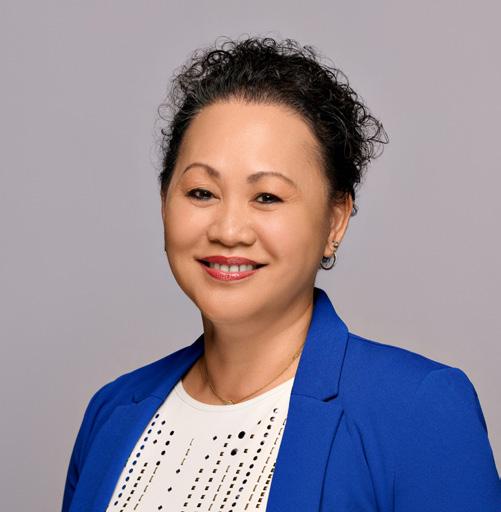
Trisha is an Association Banking Relationship Manager for Centennial Bank with over 20 years of sales experience. Trisha obtained her Florida Community Association Manager’s license in 2024, has been a Florida Notary Public commissioned since 2000, and is a CAI Educated Business Partner.








As a community association manager, you understand the importance of reliable, future-ready connectivity. Hotwire Communications offers superior benefits for your community backed by award-winning customer service.

Dedicated Bandwidth
No shared bandwidth or slowdownsevent at peak times


Exceptional Support
Local 24/7 support, ensuring seamless support for your community

Future-Proof Infrastructure
100% fiber network boosts property value with scalable, cuttingedge technology





















































For more than two decades, Hotwire Communications has been an industry leader in providing future-proof connectivity and advanced technology solutions to communities like yours through our true Fiber-to-the-Home technology.

Symmetrical Speeds
Unmatched symmetrical speeds for work, streaming, and more.
Successful South
Florida Communities

Steven Harshman, President of Seacrest Services CHAPTER sp s

Serving on a board in South Florida means stepping into a role that directly shapes the quality, stability, and long-term success of your community. While budgets, maintenance plans, and legal requirements all matter, one factor consistently determines whether a community thrives: the strength of the partnership between the board and its property management company. When this relationship is built on clarity, trust, and collaboration, everything else becomes easier.
A successful partnership begins with clear expectations. Management teams perform best when they understand exactly what the board wants—how often updates should be provided, which priorities matter most, and how communication should flow. Many challenges arise not from a lack of capability but from assumptions or unclear direction. When expectations are openly discussed and aligned, managers can anticipate needs, streamline operations, and deliver a higher level of service.
Communication is the foundation of this relationship. Regular, structured conversations create a predictable rhythm that keeps everyone aligned. These check-ins give the board insight into ongoing projects, emerging issues, and upcoming decisions, while giving
the manager a forum to raise concerns and offer recommendations. Consistent communication builds trust, and trust is what allows a community to move forward without unnecessary friction.
The most successful boards treat their management company as a strategic partner rather than a vendor. Property managers see the community from the ground level every day. They understand resident concerns, operational challenges, and the nuances of the property in ways board members— who often juggle full-time careers—may not. When boards value this expertise and involve managers in planning discussions, the results are noticeable: faster project completion, improved compliance, and a more responsive community experience.
Feedback is another essential part of a strong partnership. Managers thrive when they know what’s working and what needs adjustment. Constructive feedback delivered promptly and respectfully helps refine processes and strengthens the relationship. Silence creates uncertainty; communication creates progress.
Every community has its own identity, and a strong board–management partnership ensures that identity is honored. Whether your community is quiet and residential
or active and social, your manager should understand the culture you want to cultivate. When both sides share the same vision, residents feel it through clearer communication, smoother operations, and a more cohesive environment.
Ultimately, the partnership between a board and its management company is a shared
commitment to accountability. Boards rely on managers for accurate reporting and professional guidance, while managers rely on boards for timely decisions and unified direction. When both sides uphold their responsibilities, the community benefits from stability, transparency, and long-term success.
Steven brings over 12 years of property management and 5 years of country club management experience to his role as President of Seacrest Services. Steve has led teams to deliver exceptional client service, and his career path has included growing and selling his own management company. Outside of work, Steve is a proud father of two young children and enjoys coaching their sports teams and boating.

RFP PROCESS: Why Strong Board–Management
Relationships Define
Successful South
Florida Communities
Chellee Rovner, Munyan Painting & Restoration CHAPTER sp s

In Florida, painting projects for condominiums and homeowners’ associations present unique challenges. Harsh sun exposure, humidity, salt air, and storm conditions all impact coating performance and long-term maintenance. From a painting contractor’s perspective, a fair and transparent Request for Proposal (RFP) process is essential to ensuring these projects are priced accurately and executed successfully.
A clear RFP benefits not only contractors, but also boards, managers, and residents by reducing misunderstandings, minimizing change orders, and supporting informed decision-making.
The most important component of a fair RFP is a well-defined scope of work. In Florida communities, surface conditions often vary due to moisture intrusion, stucco cracking, corrosion, and previous coating failures. When these conditions are not clearly addressed, contractors must make assumptions that can lead to inconsistent pricing.
A strong RFP should identify:
• Areas included and excluded from the project
• Substrate types and visible conditions
• Required surface preparation and repairs
• Manufacturer-approved coating systems appropriate for Florida’s climate
• Access requirements, phasing, and resident coordination
When all bidders are pricing the same scope, proposals can be compared fairly and accurately.
Provide Equal Information to All Bidders
Transparency requires that all contractors receive the same information, site access, and deadlines. In Florida condominiums— particularly gated or high-rise properties— logistics can significantly affect cost and scheduling.
If walkthroughs are conducted or questions are submitted, responses should be shared with all bidders. This consistency ensures that differences in proposals reflect experience and methodology, not unequal access to information.
From a contractor’s standpoint, knowing how proposals will be evaluated is critical. While cost is important, Florida associations must also consider durability, warranty
protection, safety compliance, and project communication.
When evaluation criteria are clearly stated— such as experience with Florida properties, coating longevity, manufacturer support, or scheduling flexibility—contractors can tailor proposals to meet the association’s priorities rather than competing solely on price.
Preparing a detailed painting proposal requires significant time, site analysis, and coordination with coating manufacturers. Using one contractor’s pricing or approach to negotiate another’s bid undermines trust and discourages qualified contractors from participating in future RFPs.
A fair process evaluates proposals as submitted and allows for structured clarification without compromising ethical standards.
From a Florida painting contractor’s perspective, a fair and transparent RFP process leads to better pricing, stronger partnerships, and higher-quality outcomes. Associations benefit from fewer surprises, improved project performance, and coating systems designed to withstand Florida’s demanding environment.
Ultimately, transparency in the RFP process protects the community’s investment and sets the foundation for a successful project.
Chellee is the Project Manager and Marketing & Event Coordinator for Munyan Painting & Restoration’s East Coast Division.


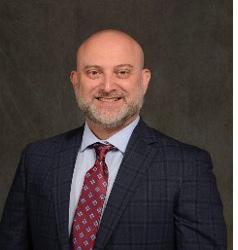
Steven R. Braten
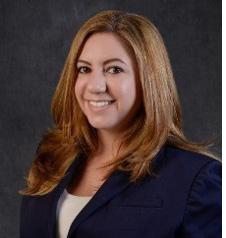
Lauren Feffer
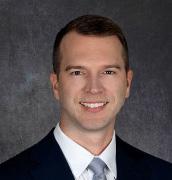
Stephanie Galloway
Jim Wright
Rosenbaum PLLC

What happens when your neighbor’s pool pump and lights keep you up at night? That issue was recently addressed by Florida’s First District Court of Appeal in, Roebuck v. Sills, a case between two neighbors in a homeowners’ association. Sara Sills installed a pool pump and heater twelve to fourteen feet from Julian Roebuck’s master bedroom. Roebuck claimed that the noise from the pool equipment, and light from exterior lighting, were interfering with his sleep because they came on throughout the night.
Roebuck filed a lawsuit against Sills for common law nuisance and violation of the homeowners’ association’s declaration. Like nearly all homeowners’ associations, Roebuck’s association’s declaration included a nuisance prohibition. Specifically, the declaration provided “[n]othing shall be done or maintained on any Lot or Common Property which may be or become an annoyance to any other Lot in the vicinity or to its occupants, or to the Common Property.” Roebuck brought a lawsuit against Sills for breach of the declaration because Florida Law allows an owner within a homeowners’ association to bring a lawsuit against a fellow owner for failure to comply with the declaration.
The court found in favor of Roebuck for the common law nuisance claim and awarded Roebuck $10,280.00 to build a wall on his property to abate the noise, and prohibited Sills from using the exterior lighting or pool equipment between the hours of 9:30 p.m. and 9:30 a.m., except for once a year to clean the pool. However, the court found in favor or Sills on the breach of declaration’s nuisance prohibition. The declaration did not define “annoyance or nuisance” in the community. Rather, the declaration empowers the association’s board of directors alone to resolve community nuisance-related disputes. The declaration required Roebuck to submit his dispute to the board of directors, which in turn was required to issue a written decision. Apparently, Roebuck failed to abide by the declaration and did not submit his dispute to the association’s board of directors.
Roebuck’s failure to follow the process under the Declaration resulted in the court finding in favor of Sills on the nuisance claim under the Declaration. While Roebuck prevailed on his common law nuisance claim and received a court order abating the noise, Sills was nevertheless awarded her attorney’s fees because she prevailed on the portion of the lawsuit to enforce the declaration, pursuant to Chapter 720,
Florida Statutes. This case provides a good lesson that homeowners and community associations should seek the advice of an experienced community association attorney prior to bringing a lawsuit to enforce the association’s governing documents to
ensure the enforcement process provided for in the governing documents and Chapter 720, Florida Statutes were followed before initiating a lawsuit.

Rosenbaum PLLC represents community associations throughout Florida and focuses on condominium and homeowner association law, real estate law, civil litigation, land use and zoning, and commercial transactions. The information provided herein is for informational purposes only and should not be construed as legal advice. The publication of this article does not create an attorney-client relationship between the reader and Rosenbaum PLLC or any of our attorneys. Readers should not act or refrain from acting based upon the information obtained in this article without first contacting an atttorney, if you have questions about any of the issues raised herein. The hiring of an attorney is a decision that should not be based solely on advertisements or this newsletter.

Shernelle McCombie, Membership Committee Chair
Millie Ventura, Membership Committee Vice-Chair
Dear CAI Gold Coast Members,
As we move confidently into 2026, we are pleased to share an update from your Membership Committee. The energy, commitment, and collaboration demonstrated in our first two meetings of the year have set a strong foundation for growth, engagement, and impact. We are not simply focused on numbers; we are focused on meaningful engagement, professional development, and strengthening the entire community association industry.
Membership Momentum: Growth & Retention
We began the year with 462 active members and have already grown to 467 as of the end of January. This steady progress keeps us on a clear path toward our goal of becoming a large-scale chapter.
Our retention efforts are also seeing incredible early success. While we closed 2025 with a retention rate of 72.1%, the retention rate for the month of January alone reached 80.6%. We are off to a fantastic start and are already performing at the high level we strive for. Our official goal is to end 2026 with a minimum 75% retention rate, with the ultimate ambition of maintaining a steady 80% year-over-year.
This momentum is a direct result of proactive outreach, personal calls, and meaningful engagement from our Membership Committee, our Board of Directors, our various other committees, and the many regular members who consistently advocate for our chapter. It truly takes a village, and we are proud to recognize everyone who contributes to our collective success.
As we look ahead, our committee is unified by a clear set of objectives designed to elevate the CAI Gold Coast Chapter to its next level of excellence:
• Reaching “Large-Scale” Status: We are currently just 33 members short of this prestigious designation. Achieving this status will provide our chapter with greater national visibility and additional resources from CAI National.
• Driving Membership Growth: Our target is to reach 512 active members by yearend, representing a net gain of 50 new members joining.
• Empowering Homeowner Leaders: We are focusing on increasing Board member participation. By bringing more homeowner leaders into the fold, we ensure our education and advocacy reach the people making the most critical decisions for their communities.
• Market Expansion: We are strategically expanding our footprint into the Treasure Coast market, ensuring that managers and partners in those areas have local access to the benefits of CAI.
• Educational Innovation: We are in the process of becoming an approved educator through the DBPR. This will allow us to offer courses—specifically designed for managers and Board members—providing the continuing education credits they need while delivering high-value, industry-specific knowledge.
The Membership Committee recognizes that many of our key initiatives naturally cross over into the vital work being done by other committees, particularly Education and Treasure Coast. We want to make a firm
commitment to our members that we will be working very closely with these committees, as well as all our other chapter committees. By breaking down silos and collaborating on shared goals, we ensure that every event, course, and outreach effort is cohesive and provides the maximum benefit to our community.
January and February have been active months. We had strong volunteer representation at Condo Fest and the Palm Beach Condo & HOA Expo. While attendance at Condo Fest was lower than expected, the February 10th Expo was a success, generating 28 new leads—an excellent opportunity for follow-up and conversion.
To strengthen our trade show presence, we are implementing several improvements:
• New chapter business cards and updated postcards.
• A digital sign-up and contact form for instant engagement.
• Streamlined membership collateral to better share our story.
During our February meeting, we discussed why CAI remains the gold standard for our industry. Our members identified several core differentiators:
• National Standards: CAI sets the bar for excellence across the country and defines the industry.
• Legislative Voice: We serve as the leading advocate for community associations.
• Industry Focus: We are 100% dedicated to the community association industry.
• Relationship Driven: CAI is about building lasting professional relationships, not just collecting contacts. Managers join to grow their careers and earn respected credentials. Board members join to reduce risk and improve governance. Business partners gain direct access to decision-makers, while management companies benefit from elevated credibility.
The committee is committed to continuous improvement based on your feedback. We also heard thoughtful concerns from committee members regarding postPCAM career pathways, ROI for long-term involvement, and the need for more diverse event formats. These conversations are essential, and we appreciate the honesty and passion behind them.
We are currently exploring several new initiatives to address these points:
• Non-traditional Socials: Creating events like sporting or wellness-based gatherings for those seeking alternatives to the traditional happy hour.
• Scholarships: Exploring opportunities for members to attend national conferences.
• New Designations: Supporting the discussion of a high-rise designation to provide value beyond the PCAM.
• New Course Development: Progressing on an educational program designed to help professionals navigate their career pathways within the industry.
We are energized by the commitment of our current team and the responsiveness of our chapter members.
If you have questions about your membership benefits or simply want to help us reach our large-scale chapter goal by referring a colleague, we invite you to connect with us. Together, we are elevating the Gold Coast Chapter and the communities we serve.
Best regards,
Shernelle McCombie, Membership Committee Chair
Millie Ventura, Membership Committee Vice-Chair

Founded in 1919, the Plastridge Insurance Agency has served the South Florida community with a commitment to integrity and trust for over 107 years.

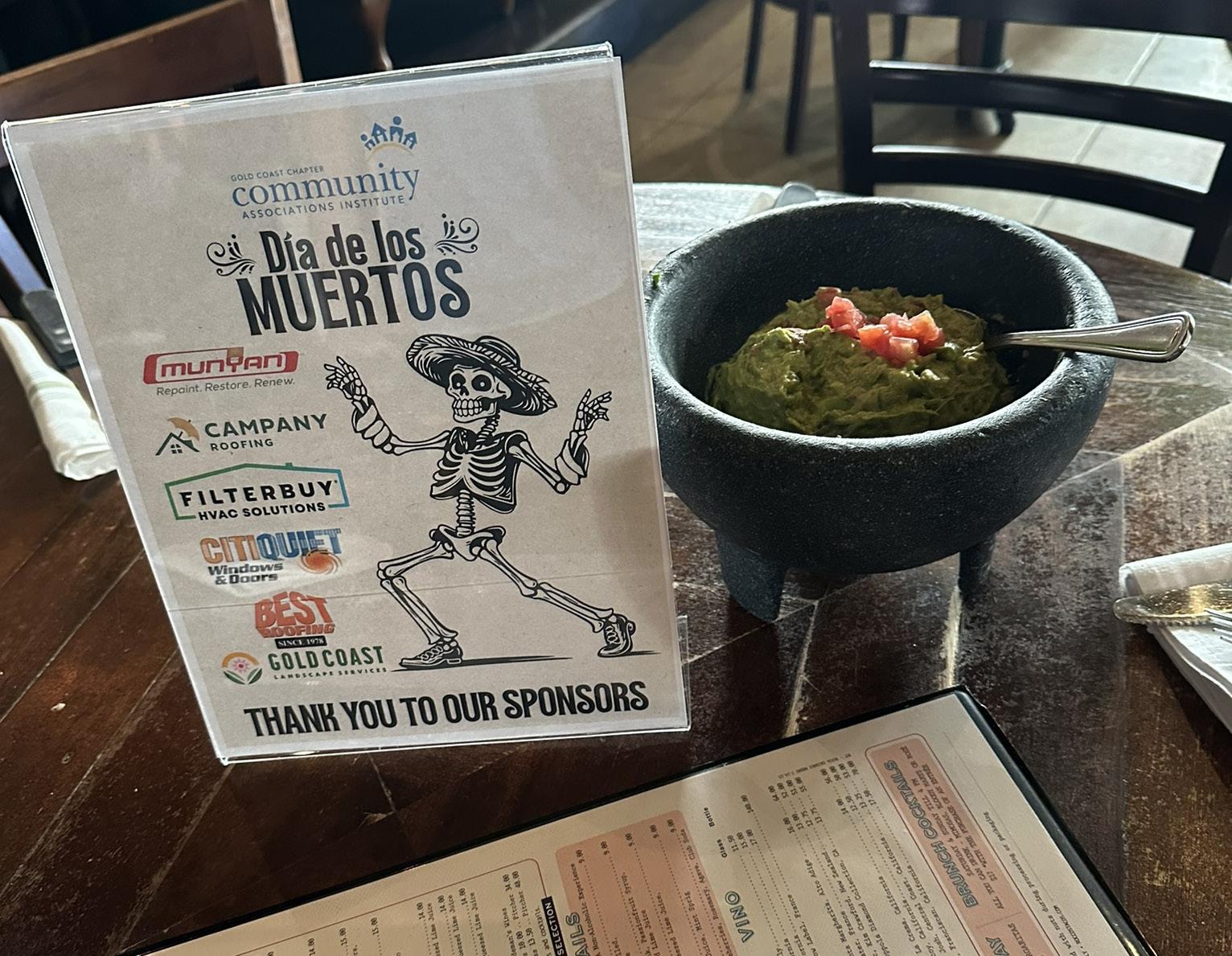
Chellee Rovner

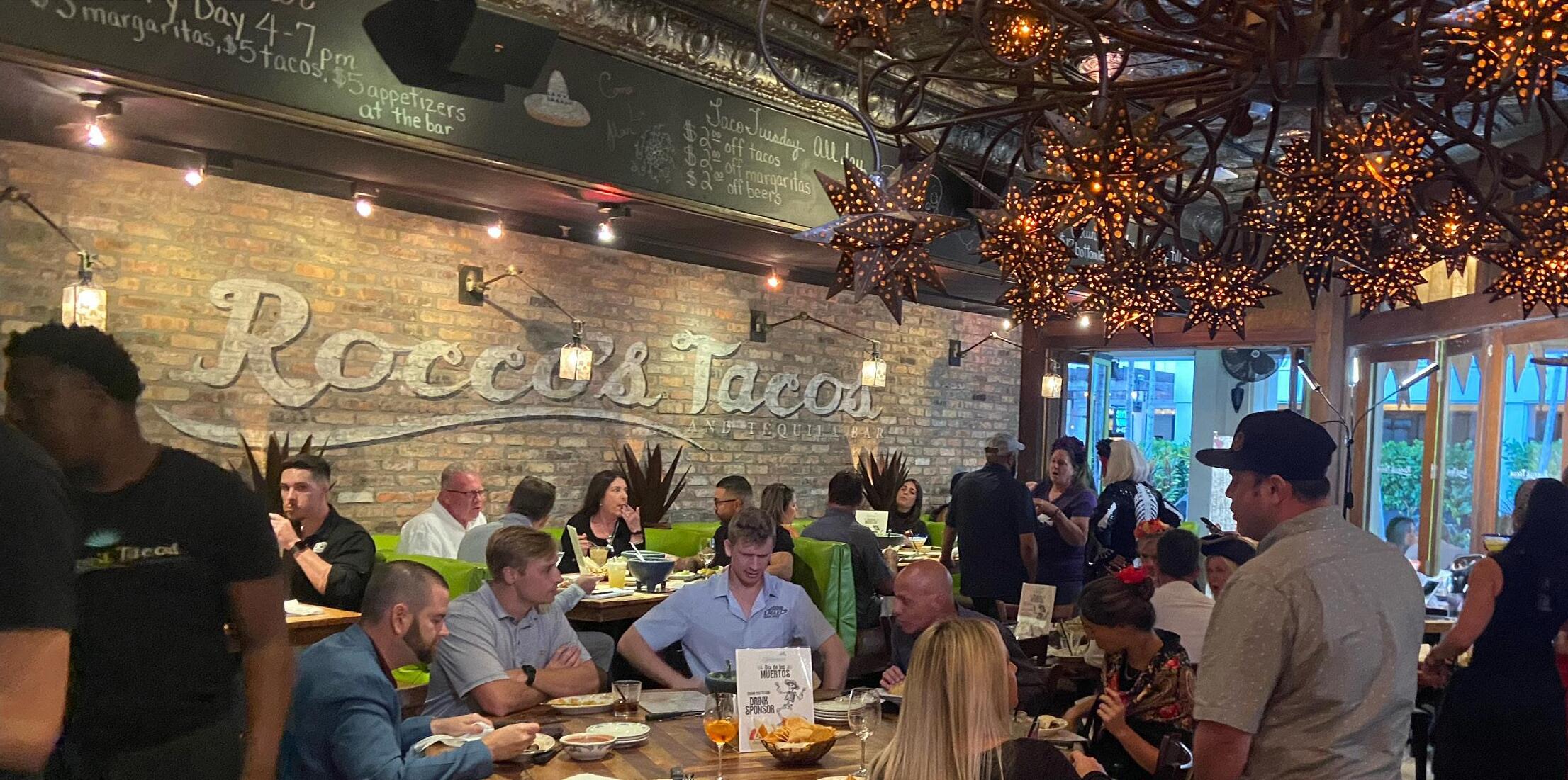
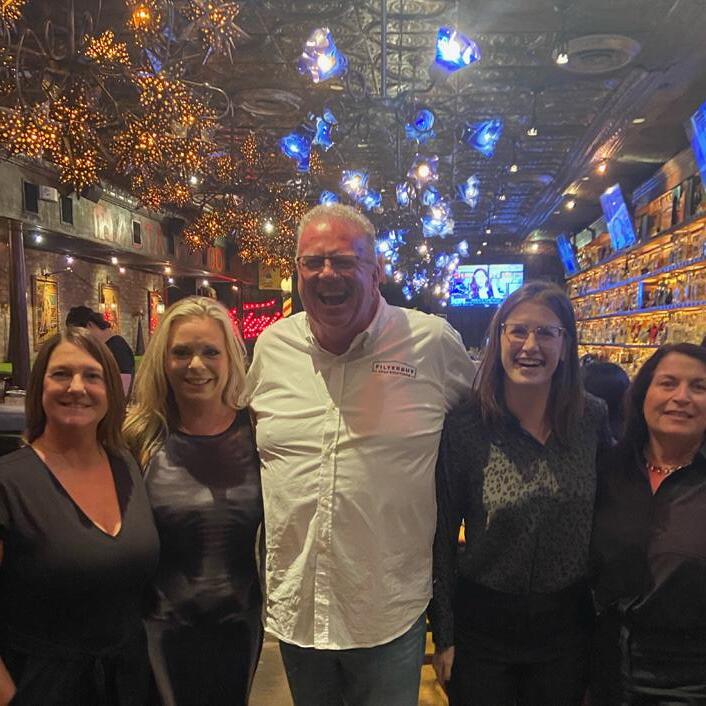
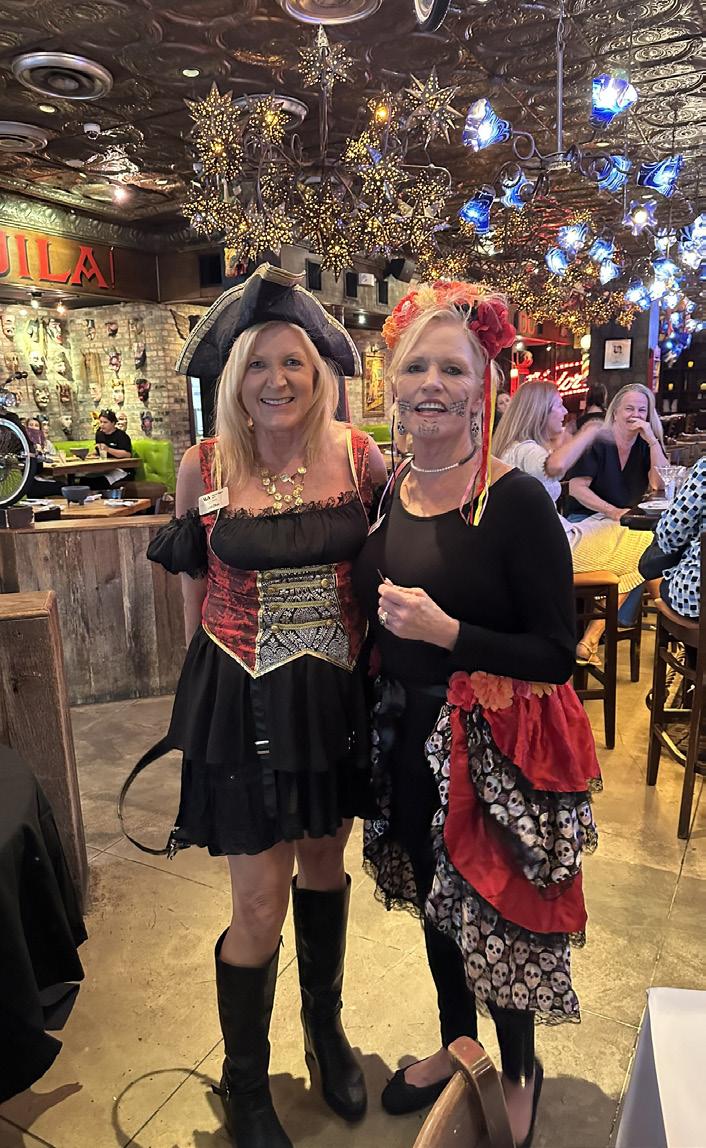
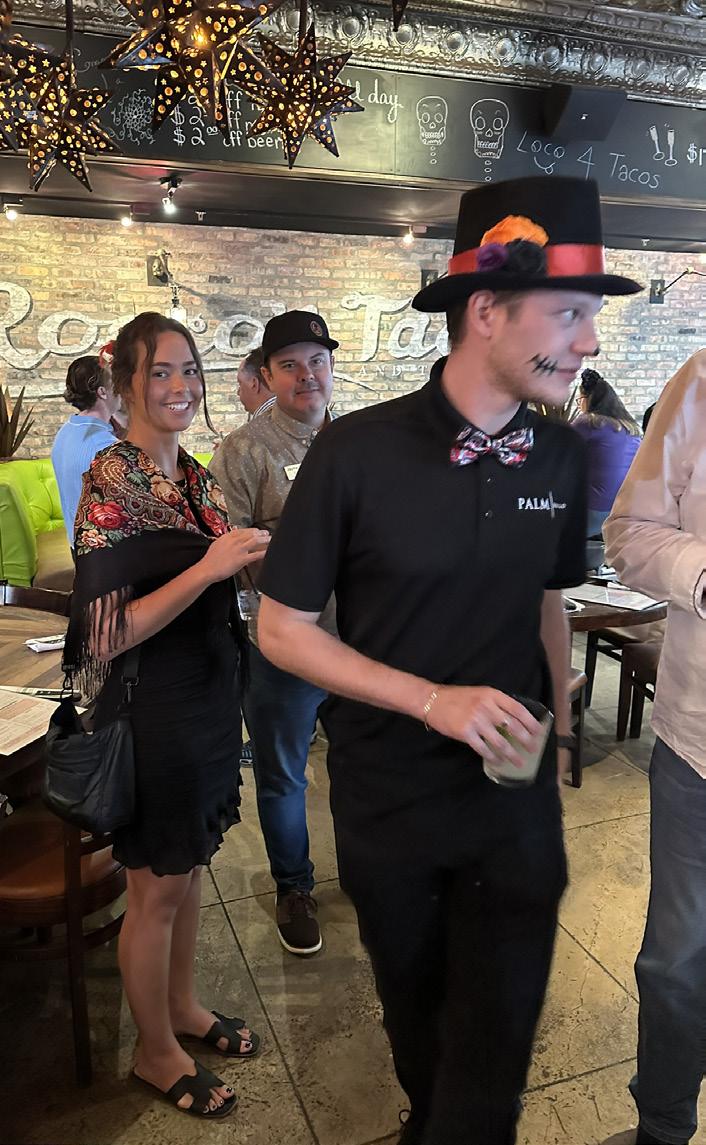
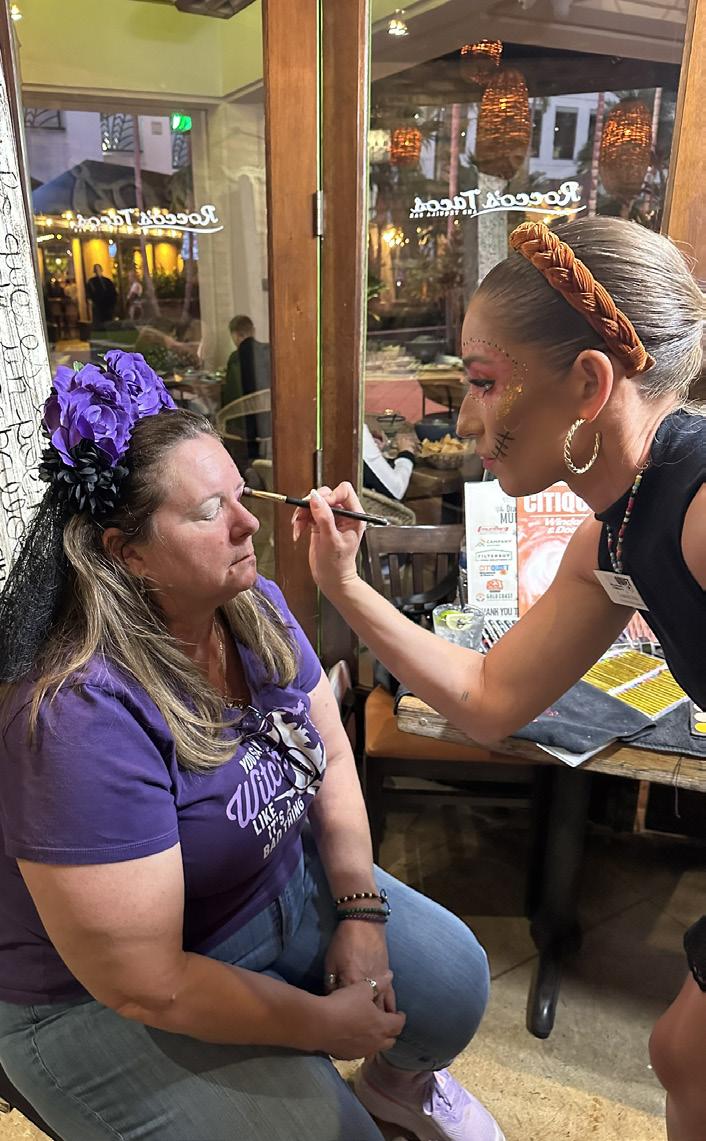
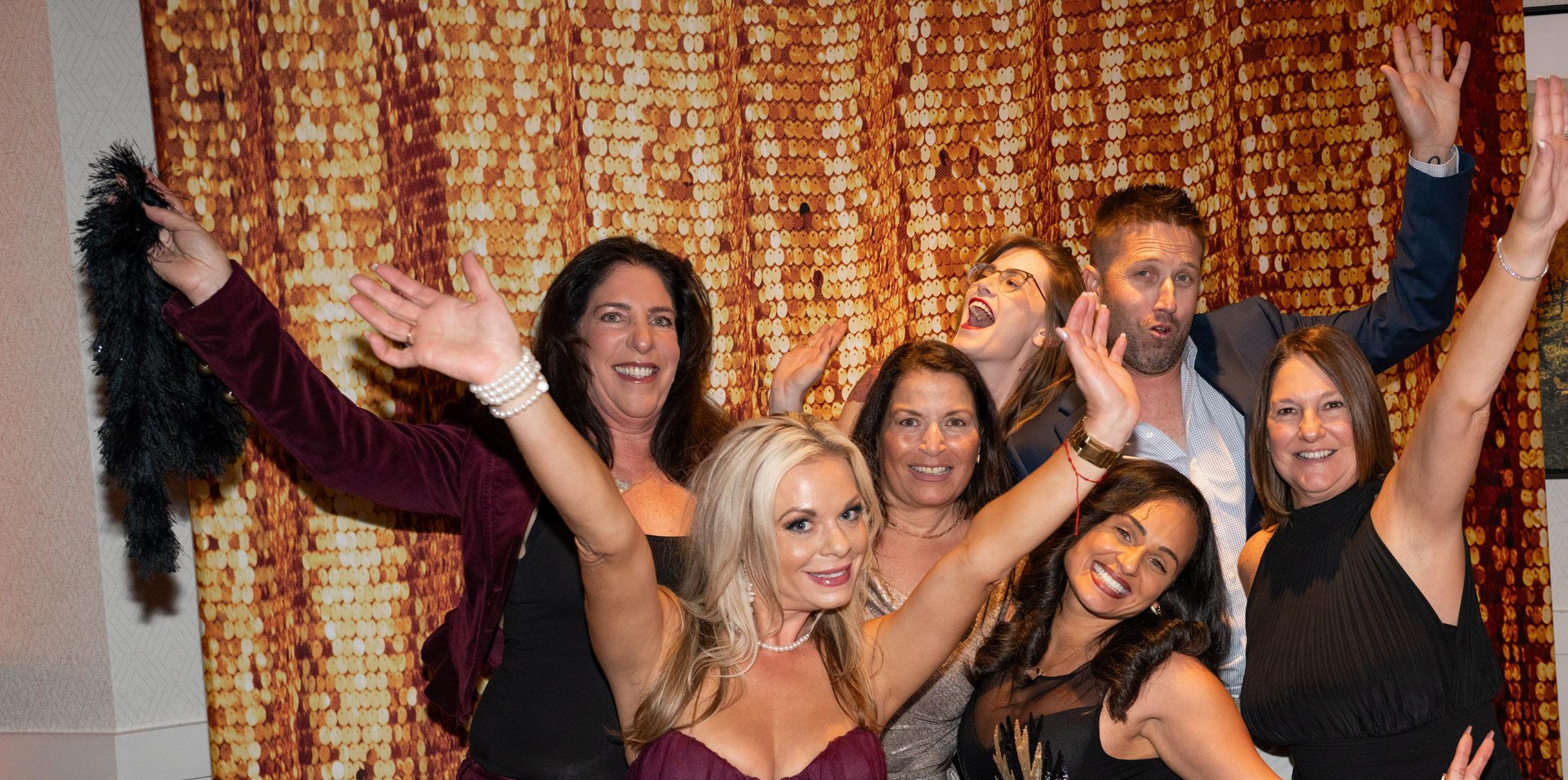
The Social Committee continues to stay active and engaged, focusing on creating meaningful networking opportunities, educational events, and social gatherings that bring our members together. We’re looking forward to hosting the following events so keep an eye out for sponsorship and registration opportunities from the Chapter:
Motunui Catamaran Sunset Social
West Palm Beach • April 14 th
5:00–7:00 PM
Drive Shack – Par for Partnerships
West Palm Beach • June 23 rd 5:30–7:30 PM
Our recent events have seen strong attendance and positive feedback, reinforcing the value of in-person connection and shared experiences.
A huge THANK YOU to our dedicated committee members who consistently go above and beyond – we couldn’t do this without you.
10.30.2025

Mr. Jerry Lindstrom, CMCA Associa Gulf Coast
Ms. Vanessa Martins RealManage
Mr. Theodore Hyde
Beth Susan Kline
Ms. Tamara Justine Kralick, CMCA
Ms. Catherine Likowski
Mr. James D Richardson
Mrs. Eniko Sestakl
Jessica Shilling Advanced Mulch
Ms. Christine White
Complete Aluminum General Contractors
Brett Studley
Aastro Roofing Company
Mr. Brian Bosscher Condo Control
Ms. Alicia Granados, AMS, PCAM Columbia Bank

Ms. Candy Peak Ross CMCA
Ms. Tamara Justine Kralick, CMCA