We are a Catholic healthcare service inspired by the spirit and vision of the Missionary Sisters of the Sacred Heart of Jesus.
What we believe
We are a community of care, reaching out with compassion, integrity, courage and respect to all we serve.
What we do
We provide excellence in all of our services and work to identify and meet unmet needs.
Our values are drawn from Mother Cabrini’s life and reflect her heart, her spirit, her conviction and her approach.
Compassion: Our drive to care is not just a professional duty to provide excellent quality care but is born of a heartfelt compassion for those in need, motivated by God’s love for all people.
Integrity: We believe in the power of hope to transform people’s lives and remain faithful to the bold healing mission and legacy of Mother Cabrini.
We acknowledge the Bunurong and Wurundjeri peoples of the Kulin Nation who are the Traditional Custodians of the land and waters, where Cabrini is situated and pay our respects to Elders past and present. We extend that respect to all Aboriginal and Torres Strait Islander peoples in the care of our health services today.
Courage: We have the strength, determination, vision and conviction to continue the work of Mother Cabrini and the Missionary Sisters of the Sacred Heart of Jesus.
Respect: We believe every person is worthy of the utmost
and the best possible
know that our
entrusted to us
Welcome
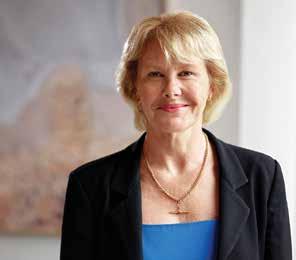
The past year has reaffirmed Cabrini’s position as a leading private healthcare organisation with a strong interest in clinical research. Our work continues to show that compassionate care and scientific discovery are not separate endeavours, but powerful forces that together define who we are and how we serve our community.
At Cabrini, research is embedded at every stage of the patient journey. This model enables our clinicians not only to deliver the best available care, but to play a direct role in discovering it. From bedside insights to laboratory breakthroughs and back again, research continually informs our clinical practice and shapes the future of medicine in ways that directly benefit our patients.
This Annual Report highlights the key achievements of our research teams across the 2024-25 financial year. During this period, our teams have made landmark discoveries published in leading international journals, broadened access to promising new therapies through clinical trials, and advanced innovations that will form the basis of future diagnostics and treatments.
These achievements reflect our strong research governance and quality systems, evidenced by Cabrini’s accreditation receiving the highest possible rating under the National Clinical Trials Governance Framework. They also speak to the strength of our strategic leadership, which continues to guide our growth and lay the groundwork for major initiatives that will accelerate our progress toward a future of precision medicine for every patient.
The spirit of collaboration, innovation, and equity that underpins our work is shared across our organisation. Our long-standing academic partnership with Monash University, along with an expanding network of collaborators across healthcare, research, and industry, has been central to our success. Equally, none of this would be possible without the generosity of our philanthropic community. Your support creates opportunities for discovery and translation that few private healthcare providers are able to realise.
As we look ahead, research will remain at the heart of Cabrini’s vision for patient care. It is through research that we push the boundaries of clinical knowledge, and ensure that the care we provide is not only excellent today, but transformative for generations to come.
Sue Williams Chief Executive Officer, Cabrini Australia
RESEARCH LEADERSHIP
We are pleased to share the 2024-25 Cabrini Research Annual Report, showcasing a year of significant progress and meaningful impact.
Across discovery, translational, and clinical research, our dedicated teams have advanced knowledge and delivered innovations that are improving outcomes for patients within our community and beyond.
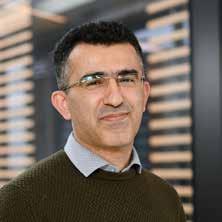
Over the past year our research output remained strong, with 146 peer-reviewed publications, including contributions to leading journals such as The Lancet portfolio, Nature Medicine, European Heart Journal, Molecular Cancer, Journal of Clinical Oncology, and Intensive Care Medicine. A major driver of this impact was Associate Professor Mohammad Asghari-Jafarabadi, our biostatistician, who continues to be recognised within the top two per cent of researchers in the world. The Department of Cardiology Research also saw sustained growth, with significant publications in the European Heart Journal and JAMA Cardiology. Among these, Professor Peter Kistler’s study on recurrent atrial fibrillation after catheter ablation was recognised as Cabrini’s Publication of the Year for 2024.
Clinical trials remained at the heart of our mission, with 92 trials conducted throughout the year. Nearly half of these were early-phase cancer studies, giving patients access to promising new treatments that would otherwise have been out of reach. In December 2024, Cabrini achieved the highest possible maturity rating under the National Clinical Trials Governance Framework. This recognition confirms our position as a national leader in trial quality and governance. This milestone was made possible by the tireless efforts of Dianne Biermann, our Research Quality Manager, and the dedication of our entire team.
Our commitment to partnering with consumers continues to shape a culture of research excellence and accountability. Through the Cabrini Research Consumer and Community Involvement Committee and representation on key governance committees, consumers have played a vital role in guiding research priorities, strengthening governance, and ensuring patient voices remain central to everything we do. Their insights have influenced strategic planning, accreditation processes, and the creation of patientfocused tools. These contributions reinforce our belief that research is most powerful when informed by lived experience.
Looking ahead, we are advancing several large-scale initiatives in cancer research, including the development of the Precision Oncology Research Program and planning for a dedicated cancer genomics laboratory. In partnership with Alfred Health and Monash University, we have established the Academic Department of Cancer Medicine. This collaboration will link clinical trials, biobanks, and data across organisations to better meet the growing and complex needs of patients in Melbourne’s southeast. Beyond cancer, we are exploring new research opportunities in neurology and geriatric medicine to address emerging health priorities and improve care for our community.
Philanthropy continues to drive the strength and ambition of Cabrini Research. Major contributions from the PMF Foundation, the Pratt Foundation, and the Selwyn family have supported sustained growth across our cancer departments, while generous support from many others has enabled new initiatives across multiple clinical areas. This year, we also focused on securing support for cardiology research and creating opportunities for early-career clinician researchers, building a strong pipeline of future leaders in medical research.
We extend our sincere appreciation to the clinician researchers, scientists, professional staff, and partners whose dedication shaped the achievements of 2024-25. We also acknowledge the leadership of the Cabrini Research Committee, Scientific Advisory Committee, and Consumer and Community Involvement Committee, which safeguard the integrity and sustainability of our research. Our gratitude goes to Cabrini Health, CEO Sue Williams, the Cabrini Australia Board, and the Cabrini Sisters for their ongoing guidance and support.
Finally, to our donors, thank you for believing in our vision and enabling discoveries that change lives. And to our patients, we are deeply grateful for your trust. Your courage, experiences and insights guide our research and inspire us to keep striving to deliver better care and outcomes.
With
appreciation and commitment to the future,
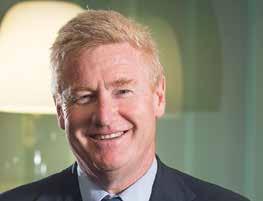
Professor Gary Richardson OAM Group Director, Cabrini Research
Professor Terence O’Brien Chair, Cabrini Research Committee
Professor Stephen Jane Chair, Scientific Advisory Committee
Strategy Our achievements and goals
Over the past year, Cabrini has completed the final phase of its 2021-25 Research Strategy, an ambitious plan embedded within the broader Cabrini Australia Group Strategy. Eight of nine objectives were successfully achieved, with one previously achieved objective now under review to ensure closer alignment with Cabrini’s needs. This period delivered major advances that strengthened Cabrini’s ability to generate research with real clinical impact. The establishment of the Cabrini Cancer Institute and the Department of Cardiology Research, together with the expansion of our translational research programs, created a strong, enduring foundation for discovery and innovation across the organisation.
Development of the new strategy
As the previous strategy period neared completion, work began in 2024 on a successor plan to guide the next phase of growth. The development process involved broad consultation across Cabrini, including the Cabrini Research Committee, Scientific Advisory Committee, and the Cabrini Research Consumer and Community Involvement Committee, along with clinicians, scientists, professional staff, and patient contributors. To ensure external relevance and future readiness, independent experts were also engaged to assess national and global trends shaping biomedical research, healthcare delivery, and precision medicine.
Through this process, three strategic priorities emerged:
1. Institutional agility: enabling Cabrini to adapt quickly to shifting operational and research needs.
2. Financial sustainability: building a broader and more reliable mix of funding sources, especially as research funding becomes less predictable across Australia.
3. Strengthening our clinical trials capability: as new treatments are developed, and trials expand into new disciplines, a strong multidisciplinary team is required to run clinical trials and support the growing adoption of precision medicine.
Following endorsement by the Cabrini Executive Committee, the Cabrini Research Strategy was formalised for the 2026-30 period. Underpinned by an overarching institutional aim, to transform patient lives through clinically impactful research, the strategy is structured around four core pillars: clinical research, translational research, research capacity, and research sustainability, each supported by defined outcomes and milestones.
This renewed strategic framework establishes a roadmap of growth for Cabrini Research, outlining clear pathways to deepen the integration between research and patient care; enhance collaboration with academic, healthcare, and industry partners; and strengthen the infrastructure required to lead national adoption of precision medicine. Reinforcing Cabrini’s commitment to an end-to-end research hospital model, the strategy ensures the highest standards of care for patients, today and into the future.
CLINICAL RESEARCH
To improve standards of clinical care through research
TRANSLATIONAL RESEARCH
To translate research findings into clinically meaningful outcomes
RESEARCH SUSTAINABILITY
To pursue sustainability in research for future patient populations
RESEARCH CAPACITY
To provide enabling capacity for communityaligned research
INSTITUTIONAL AIM
To transform patient lives through clinically impactful research
CLINICAL RESEARCH OUTCOMES
Expanded clinical trials program with nationally leading treatment selection capabilities
Precision oncology program for cancer patients across south-east Victoria
New benchmarks in clinical service delivery through integration of health informatics
TRANSLATIONAL RESEARCH OUTCOMES
Globally significant translational outputs collaborating with a network of research partners
Consolidation of cancer bioresources and datasets towards a translational oncology platform
Continuous adoption of scientific advances and new technologies into research workflows
RESEARCH SUSTAINABILITY OUTCOMES
Organisational identity as a nationally recognised end-to-end research hospital
Expanded and diversified value streams to secure financial sustainability in research
Pipeline of early-career clinician researchers securing future research leadership at Cabrini
RESEARCH CAPACITY OUTCOMES
Enabling infrastructure and services supporting research through to clinical impact
A culture of clinical research facilitating opportunities for clinician researchers
Consumer engagement and involvement embedded across all research activities
Our committees
Scientific Advisory Committee
Prof Terence O’Brien
Prof Stephen M Jane Chair
Prof Chris Bain
Dr Emma Baker
Prof Alex Boussioutas
Prof Wendy Brown
Prof Andrew Forbes A/Prof Caroline Gurvich
Prof Anne Holland
Prof David Kaye
Prof Julia Morphet
Prof Mark Shackleton
Prof Karen Walker-Bone
Prof Terence O’Brien Chair
Prof Warwick Anderson AO A/Prof Caroline Brand
Prof Sally Green
Dr Joseph Kong
Prof Eric Morand
Prof Gary Richardson OAM
Bob Santamaria
Sue Williams
Kee Wong Consumer
Cabrini Research Committee
Cabrini Research Governance Committee
Dr Emma Baker | Chair
Dr Danielle Berkovic | Consumer
Dianne Biermann
Dr Giselle Dela Cruz
Dr David Denton AM RFD KC | Consumer
Dr Stefanie Elbracht-Leong
Gavin Horrigan
Stephanie Kwok
Donna Li
Prof Paul McMurrick
Prof Gary Richardson OAM
Michele Speak
Michele Tonkin
Rochelle Woods
Cynthia Wyatt
Cabrini Research Consumer and Community Involvement Committee
Prof Paul McMurrick | Chair
Dr Emma Baker
Dr Danielle Berkovic | Consumer
Dianne Biermann
Dr Keith Chamberlain | Consumer
Dr Stefanie Elbracht-Leong
The late Norman Faifer AM | Consumer
Gavin Horrigan
Prof John Langford AM | Consumer
Dr Catherine Milvain | Consumer
The late Tanya Pejnovic | Consumer
Gayle Pettigrew
Prof Gary Richardson OAM
The late Marilla Rootsey | Consumer
Joseph Schibeci | Consumer
Grace Scoleri | Consumer
Michele Tonkin
Rochelle Woods Cabrini Research Data Governance Committee
Dr Stefanie Elbracht-Leong | Chair
Dr Emma Baker
Dr Keith Chamberlain | Consumer
Gavin Horrigan
A/Prof Jeffrey Lefkovits
Vana Madelli
Prof Paul McMurrick
Dr Shehara Mendis
Dr Catherine Milvain | Consumer
Prof Gary Richardson OAM
THE POWER OF DONATIONS
$7.5m ANNUAL TURNOVER including
$3.0m of clinical trials income
$3.3m of philanthropic funding
$1.2m of grant and other funding
Donor generosity fuels the discoveries that shape our future. Your support accelerates research with real-world impact, and we remain deeply grateful for your partnership.
2025 Research grants awarded 100% powered by donors
We are proud to highlight Cabrini’s 2025 winning research grants, each one fully funded by donor generosity through the Cabrini Foundation. None of this is possible without our community of supporters who choose to invest in research that directly improves care. Your support is the catalyst that turns bold ideas into rigorous studies, accelerates discovery, and brings evidence-based innovations to patients faster.
Your philanthropy does more than fund projects, it changes outcomes. By backing patient-centred research at Cabrini, you are helping deliver breakthroughs with international impact on survival, safety, and quality of life. Thank you for championing research that translates to better treatments, smarter decisions, and healthier futures for patients here and around the world.
Transforming colorectal cancer care through data
Cabrini researchers are launching a groundbreaking project to transform how we predict survival in colorectal cancer. Led by Associate Professor Mohammad Asghari-Jafarabadi and Dr Simon Wilkins, the team will harness advanced machine learning techniques to analyse more than a decade of realworld clinical data. This innovative approach will uncover complex patterns that traditional models miss, delivering more accurate, personalised predictions for patients. The project has the potential to improve treatment decisions, identify high-risk patients earlier, and ultimately save lives.
Supporting smarter cancer care for older adults
As Australia’s population ages, more older adults are facing cancer diagnoses, often with complex health, functional and social needs that aren’t routinely captured in standard oncology care. To address this gap, Dr Paul Viray is leading the establishment of the Cabrini Geriatric Oncology Registry, which will embed internationally recognised frailty and geriatric assessments into the treatment pathways of older cancer patients. By linking these assessments with treatment choices and outcomes, the registry will help clinicians identify risks, anticipate complications, and tailor care more effectively. Importantly, the registry will also provide a platform for future research and quality improvement. As the first initiative of its kind at Cabrini, it has the potential to position the hospital as a national leader in geriatric oncology.
Down the Drain: Uncovering hidden infection risks in hospitals
Dr Isabella Centeleghe is leading a new study to better protect patients from healthcare associated infections. The project investigates an often-overlooked source of harmful bacteria: hospital sinks and their drainage systems. By surveying staff, observing sink use in high-risk wards, and testing sink drains for dangerous pathogens, the research will reveal behaviours and environmental risks that contribute to infection spread. The findings will guide staff education, strengthen infection control protocols, and support safer clinical spaces. This research will have real impact by helping prevent avoidable infections and enhancing patient safety across Cabrini and globally.
Autologous fascia lata vs donor alternatives: Evidence driven strategies for pelvic floor surgery
Pelvic organ prolapse (POP) affects up to half of postmenopausal women and is associated with substantial discomfort, incontinence, and reduced quality of life. Improving outcomes for women undergoing pelvic floor reconstruction is at the heart of a new Cabrini study led by Professor Anna Rosamilia. With many patients requiring surgical repair for POP, choosing the safest and most effective graft material is critical. This project compares patient-derived fascia lata with donor tissue to understand differences in strength, safety, and suitability for older women or those with medically complex presentations. Through laboratory testing using a preclinical model, the research will guide personalised graft selection and reduce complications and repeat surgeries, helping to advance safer, evidencebased care for women experiencing pelvic floor disorders.
THESE GRANTS ARE 100% DONOR FUNDED, MADE POSSIBLE BY THE GENEROSITY OF CABRINI FOUNDATION SUPPORTERS
Enhancing treatment response in breast cancer through exercise
A new Cabrini led study is exploring how exercise could play a vital role in improving outcomes for women undergoing treatment for breast cancer. Associate Professor Eva Zopf is leading the Australian arm of Neo-ACT, the first large-scale international trial to test whether a structured exercise program during neoadjuvant chemotherapy (treatment administered before surgery) can increase the number of patients achieving a pathological complete response, a measure where no cancer remains after treatment and a key indicator of longterm survival. Participants will complete remotely supported aerobic and strength-based exercise while being closely monitored for tumour response, treatment side effects and quality of life. Cabrini’s involvement gives patients access to world-class research and advances an emerging model of care where exercise is used not only to support wellbeing, but to enhance the effectiveness of cancer treatment itself.
Auric Innovation Grant Awarded to Professor Gary Richardson OAM FOR
GROUNDBREAKING CANCER RESEARCH
Cabrini Research is proud to announce that Professor Gary Richardson OAM, Director of the Neil Beauglehall Department of Medical Oncology Research and Group Director Cabrini Research, has been awarded the prestigious 2025 Auric Innovation Grant. This award will support a groundbreaking project that has the potential to transform the future of cancer research and treatment.
A major challenge in cancer care is predicting how each patient will respond to treatment. Despite decades of scientific progress, only around five per cent of new cancer drugs succeed in clinical trials. This is largely because current laboratory models cannot fully reflect the complexity of human tumours and the differences that exist from person to person. Prof Richardson and his team aim to change this by creating a new type of cancer biobank using advanced ‘village models’, that will allow researchers to study cancer in a way that more closely represents real patients.
The project begins with tumour cells collected during routine clinical care. Scientists will then reprogram these cells into human induced pluripotent stem cells (hiPSCs), a type of cell that represents a stem cell-like state that can be grown into many different cell types by a process called differentiation. Reprogramming and differentiating the cells creates the cell lines required to construct the village models, which are unique in their ability to capture hundreds of patient tumours within a single laboratory dish. New computational tools based on single-cell genomics will also be developed to help connect what is seen in the laboratory back to individual patients and their clinical outcomes.
The first phase of the project will focus on developing a breast cancer village model, providing a proof-of-concept for this innovative technology. The approach has already shown promise in research on cardiac and neurodegenerative diseases. Cabrini will lead patient recruitment, collect tumour samples, gather clinical information, and manage biobanking. Laboratory and technical development will be led by CellTellus, a biotechnology company founded by members of the research team. The company will build on proven methods that have already been published in leading scientific journals such as Science, Nature Communications and Genome Biology.
If successful, this research could have profound impact on cancer care. The village models could offer better tools to guide treatment decisions by replicating human tumours with greater accuracy and at a scale that represents the true diversity of the patient population. They could also improve the way new treatments are tested by helping researchers identify the most promising drugs earlier and design smarter, more targeted clinical trials. In addition, the project will generate large and reliable datasets that will support the development of artificial intelligence tools for discovering new cancer therapies.
Prof Richardson’s leadership ensures that Cabrini remains at the forefront of precision oncology, delivering hope for more effective treatments and better quality of life for patients.
A LEGACY THAT LIVES ON: The Johnstone family’s gift to Cabrini
For more than a decade, Lee and Brian Johnstone OAM supported medical advancement by establishing the Auric Innovation Grant at Cabrini. With a deep commitment to innovation, they wanted to ensure Cabrini continues to grow, evolve, and deliver even better care into the future.
Sadly, Brian passed away in 2025, and their son Evan Johnstone is now continuing this legacy by committing to fund the Auric Innovation Grant ongoing.
A community-minded man and active CFA volunteer, Evan understands the needs of non-profit organisations.
“Mum and Dad had a strong connection with Cabrini for many years, as regular patients and as donors. They also supported and advocated for people living with a disability, especially young people and their families. I want to make sure I continue the programs they set up and keep the family legacy going. The Auric Innovation Grant at Cabrini is a key part of that legacy,” Evan shared.
2025 Peter Meese Memorial Lecture
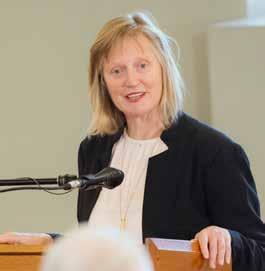
This annual event, held in honour of Dr Peter Meese, continued its proud tradition in 2025 with guest speaker:
Professor Jennifer Philip
Dr Meese was a highly regarded Melbourne general practitioner and sexual health physician who was diagnosed with bowel cancer in 1999.
During his illness, Cabrini Oncology and Palliative Care nursing staff provided compassionate care, which inspired Peter’s partner, Dr Darren Lockie, to establish a program of cancer research grants, scholarships, and this memorial lecture as a lasting tribute.
Since its inception in 2001, the Peter Meese Memorial Lecture has consistently explored oncology, palliative care, and research-related themes, attracting a diverse audience of medical, nursing, and allied health professionals, as well as members of the public.
The 2025 guest speaker was Professor Jennifer Philip, a distinguished palliative care physician and academic. Appointed Chair of Palliative Medicine at the University of Melbourne in 2017, Prof Philip leads the Palliative Nexus Research Group, a multidisciplinary team dedicated to improving care for people with advanced illness. She also serves as Academic Lead for
Palliative Care and Co-Chair of the Health Equity Program at the Victorian Comprehensive Cancer Centre Alliance.
Prof Philip’s work focuses on ensuring high-quality, equitable care for underserved populations, and her research includes clinical trial programs in palliative care across regional and community settings. In recognition of her significant contribution to the field, she was awarded the Bethlehem Griffiths Research Medal in 2024.
Her lecture explored the role of palliative care in the evolving landscape of oncology, presenting well-established and robust evidence that early integration of palliative care into treatment pathways improves outcomes for patients, families, and health systems. Despite this, palliative care has often struggled to be considered part of mainstream medicine. Her presentation explored barriers to early adoption, its potential to transform cancer care, and innovative models that could reimagine future delivery.
The event reaffirmed Cabrini’s commitment to advancing research and education in oncology and palliative care, honouring Dr Meese’s legacy. We extend our sincere thanks to Dr Lockie, whose generous support continues to make the lecture possible in honour of his late partner.
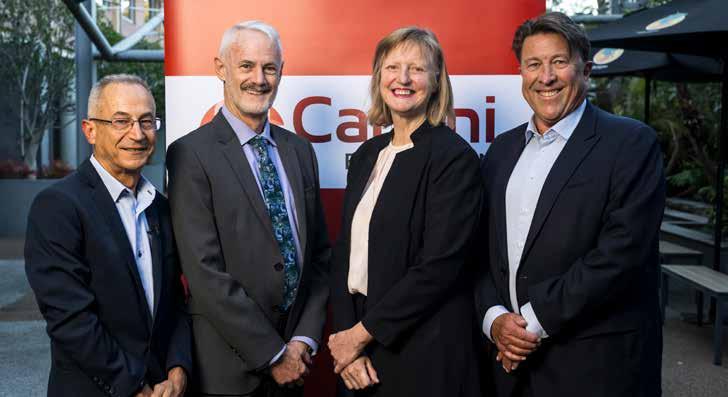
Speakers and special guests at the 2025 Peter Meese Memorial Lecture (left to right): Professor Philip Russo, Dr Darren Lockie, Professor Jennifer Philip, and Professor Gary Richardson OAM.
Mapping breast cancer to change the future of care
Thanks to the extraordinary generosity of donors, Cabrini researchers are making major strides toward transforming the future of breast cancer treatment. In 2024, Dr Dilys Leung was awarded a $50,000 Cabrini Foundation Research Grant, funded entirely through donor-driven contributions. This investment has powered an ambitious and groundbreaking project with the potential to change how breast cancer is understood and treated.
Breast cancer remains the most commonly diagnosed cancer in women, and despite medical advances, more than 3000 Australians die from the disease each year. Dr Leung and team, a collaborative effort between Cabrini Research and the Monash Biomedicine Discovery Institute, created the first-ever 6000 plex single-cell spatial map of breast cancer, a high-resolution snapshot of millions of individual cells within tumours. This map reveals not only which genes are active in each cell, but also where those cells sit in relation to one another, a level of detail never achieved before.
One of the project’s most significant findings highlights the role of cancer associated fibroblasts (CAFs), supporting cells that surround and feed the tumour. The team discovered that certain CAF subtypes activate critical signalling pathways, including the Notch pathway, which is associated with poorer patient outcomes. Understanding how these cells influence tumour growth and spread provides powerful new clues for developing targeted, personalised treatment strategies.
For patients, the implications are profound. This detailed spatial map
opens the door to better prediction of how breast cancer cells will behave, and the identification of promising new therapy targets, especially for aggressive subtypes. Beyond this, the dataset will be shared widely across the global research community, accelerating discovery and driving new collaborations.
This project is a shining example of how donor investment fuels innovation. Every dollar contributed has brought us one step closer to more personalised care and better outcomes for people facing breast cancer.
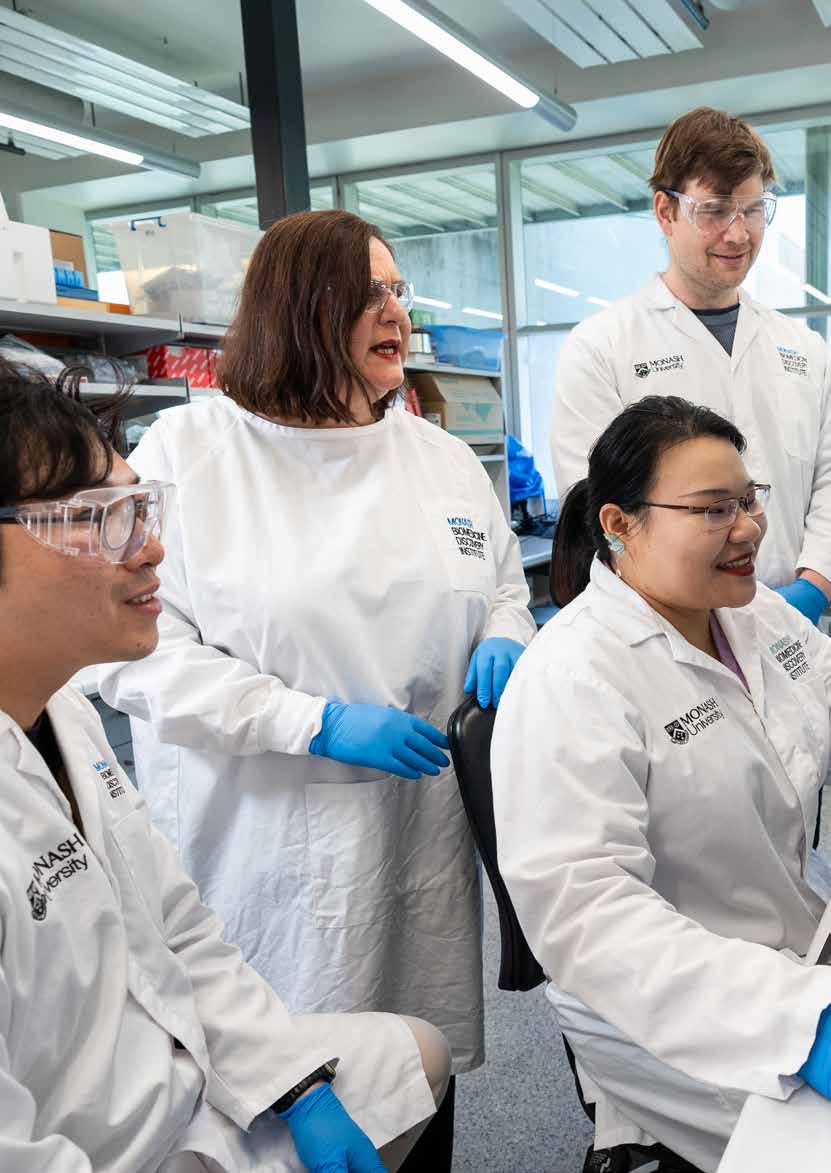
Dr Dilys Leung is a Research Fellow in the Neil Beauglehall Department of Medical Oncology. Her research focuses on breast cancer and is carried out at the BDI laboratories at Monash University.
“I’m not going anywhere”
How research gave Roulla more years, and a mission
Twenty years ago, Roulla was told to prepare for the worst. Her breast cancer had returned and metastasised to her supraclavicular lymph node, signalling advanced, aggressive disease.
At just five and eight years old, her children were far too young for her to accept such devastating news. Roulla refused to give up. “No way,” she remembers telling her Cabrini oncologist, Professor Gary Richardson OAM. “There must be something. I’m not going anywhere. I want to see my children turn 18, turn 21. I want to see grandkids.”
Determined to fight, Roulla entered an experimental stem cell therapy delivered through a clinical trial. She describes the treatment as “groundbreaking” and recalls the media attention it attracted at the time. But above all, she remembers that research funding made the treatment possible. “That trial cost a lot of money. Fundraising for research saved my life.”
Roulla speaks with deep affection and gratitude for Prof Richardson. “He’s wonderful, not only a doctor, he’s a friend. He looks at you not like a number, he looks at you like a person. He truly is there to help you in any way he can.” In gratitude, and in her firm belief in the impact research makes, she fundraises to support his breast cancer research and often encourages others to seek his care. “I’ve taken a lot of people to Gary so he can help them too.”
The vows she made in those early, terrifying days have since become milestones she has lived to celebrate. “My children have had their 21st birthdays… I saw the milestones.” And now, another long-held wish is coming true: “I’m going to be a grandma.” She says she feels grateful, “every day that I wake up and see the sun.”
Survival has also meant ongoing vigilance. Years after her stem cell therapy, another breast cancer, unrelated to the first, was discovered during a routine follow-up. “I kept going every three months for tests with Gary and that cancer was caught early.” She underwent surgery and therapy, and two decades later, continues to thrive. Her message is clear: “Cancer is not always a death sentence. But we need to help research to make sure it’s not a death sentence.”
Her experience has turned her into a passionate advocate for research participation and philanthropy. “Give research a try, a clinical trial can help. It’s an opportunity.” In 2025, she organised her latest fundraising event, the first one she ran entirely on her own, filling a 150-person venue in Dingley. While everyone gave
Roulla was joined at the event by Professor Gary Richardson OAM.
generously and the silent auction significantly increased the funds raised, education was just as important to Roulla. Prof Richardson spoke about his research and Roulla followed with a heartfelt speech, “Research saves lives, I’m living proof of that. But research needs the support of everyone. It doesn’t receive government support. Give money to research now, because one day you might need its help.”
Roulla believes every dollar truly matters. “People are sceptical nowadays… they want to know 100% of the money is going where it’s supposed to go. Even if you can only afford $10 or $20, it doesn’t matter. Thinking $5 isn’t going to do much? No, but if it’s five from there, and five from a few others, that could fund research for a day.”
Roulla’s story is both a celebration and a call to action. Research gave her precious years, and she is committed to doing more. “We’ve got to kill breast cancer. There are so many different types, and we need to find killers for all of them. We have to keep doing research, and it’s up to all of us to fundraise to make it happen.”
Her motto is simple yet powerful: “Imagine what could be achieved with investment in research, even five dollars can make a difference.”
Roulla (second from left) was joined by many friends and family who generously gave to support breast cancer research.
New ovarian cancer models offer hope to patients
More than 1700 Australians are diagnosed with ovarian cancer each year. Often called a ‘silent killer’, the disease is typically detected late because diagnosis still relies heavily on recognising symptoms, something that frequently occurs only after the cancer has progressed.
“When ovarian cancer is identified, it has often already spread to other parts of the body,” says Professor Gary Richardson OAM, oncologist, Group Director of Cabrini Research, and Director of the Neil Beauglehall Department of Medical Oncology Research.
“As a result, three-quarters of patients require chemotherapy or immunotherapy, and only half survive beyond five years.” Despite these sobering statistics, Prof Richardson is optimistic.
“We believe there is an opportunity to intervene earlier and to treat patients more precisely, with therapies tailored to the biology of their individual cancer.”
A breakthrough approach to personalised treatment
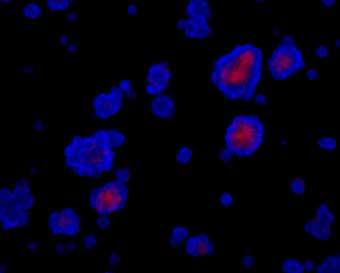
To help make this vision a reality, Prof Richardson is leading a partnership between the Neil Beauglehall Department of Medical Oncology Research at Cabrini and Monash University’s Biomedicine Discovery Institute (BDI) to establish a pioneering biobank of ovarian cancer organoids. Organoids are small, three-dimensional tumour models grown in the lab using tissue from patients’ ovarian tumours. These living models closely replicate the complexity of a patient’s tumour. By studying them, we can gain unprecedented insight into how ovarian cancer behaves, and, in the future, test treatments directly on a patient’s own tumour cells before those therapies are given.
This approach has the potential to transform ovarian cancer care, shifting treatment from a one-size-fits-all approach to truly personalised medicine. However, the work is technically demanding. “Ovarian cancer is one of the most challenging cancers to model in the lab,” says Dr Sylvia Mahara, a Research Fellow in the Neil Beauglehall Department of Medical Oncology, and based at the BDI. “There are more than 30 known subtypes, samples are difficult to obtain, and the biology is highly complex.”
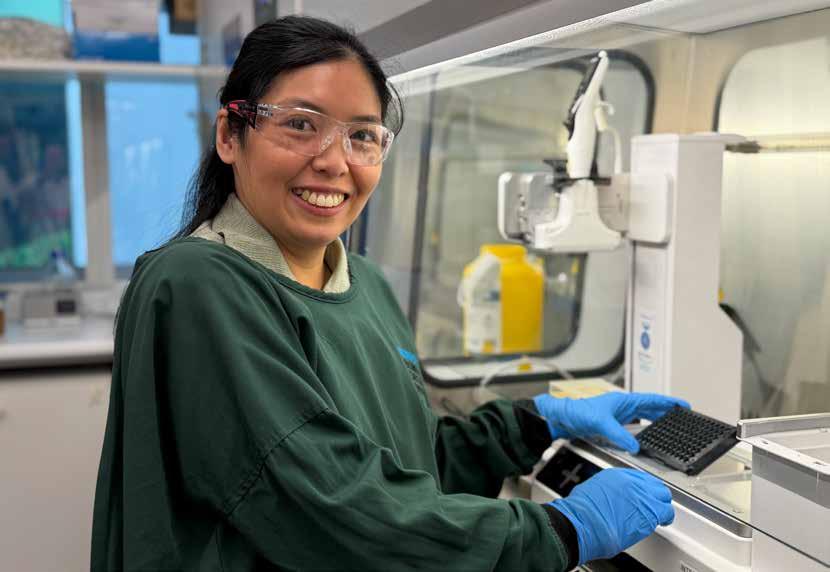
Dr Sylvia Mahara is a Research Fellow in the Neil Beauglehall Department of Medical Oncology. Her ovarian cancer research is conducted at the BDI laboratories at Monash University.
With the support of Cabrini’s gynaecological surgeons, tumour tissue is carefully collected during surgery and grown in the lab into organoids that faithfully mirror each patient’s cancer. “These organoids are incredibly powerful pre-clinical models,”
Dr Mahara explains. “They allow us to study how different ovarian cancers respond to specific drugs. By testing treatment strategies on organoids developed from a patient’s own tumour, we can identify what is most likely to work for them.”
Prof Richardson says translating these advances from the lab to the clinic will be a game changer. “This could significantly improve survival outcomes while also reducing unnecessary side effects, ultimately improving quality of life for patients.”
A patient’s contribution to future breakthroughs
For patients like Helen, contributing tumour tissue to the organoid biobank program offers a way to create meaning from an otherwise devastating diagnosis. Helen’s cancer was discovered unexpectedly after a minor fall overseas led to medical scans back in Australia. A casual comment about bloating prompted further investigation, and the discovery of an ovarian tumour.
“The symptoms are so easy to dismiss as everyday problems,” Helen says. “I would never have made a separate appointment for bloating alone. That’s what makes ovarian cancer so frightening.”
By donating her tumour tissue, Helen became part of a research effort that could change outcomes for future patients.
“If my experience can help ovarian cancer research progress the way breast cancer research has over time, then something positive can come from this,” she says.
Powered by philanthropy
This vital organoid program is made possible through the generosity of donors to the Cabrini Foundation. Philanthropic support enables researchers to overcome technical barriers, expand the biobank, and accelerate discoveries that could lead to earlier intervention, more effective treatments, and better lives for women facing ovarian cancer. With continued donor investment, this research has the potential to reshape the future of ovarian cancer care, turning hope into measurable impact.
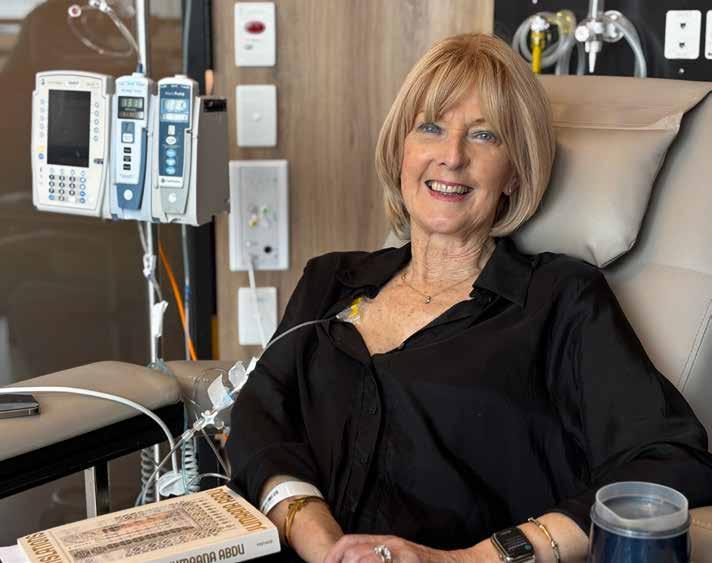
Helen’s diagnosis of ovarian cancer came as a shock. She has donated her cancer tissue to the ovarian cancer research program being led by the Neil Beauglehall Department of Medical Oncology.
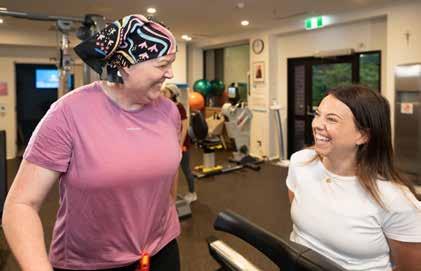
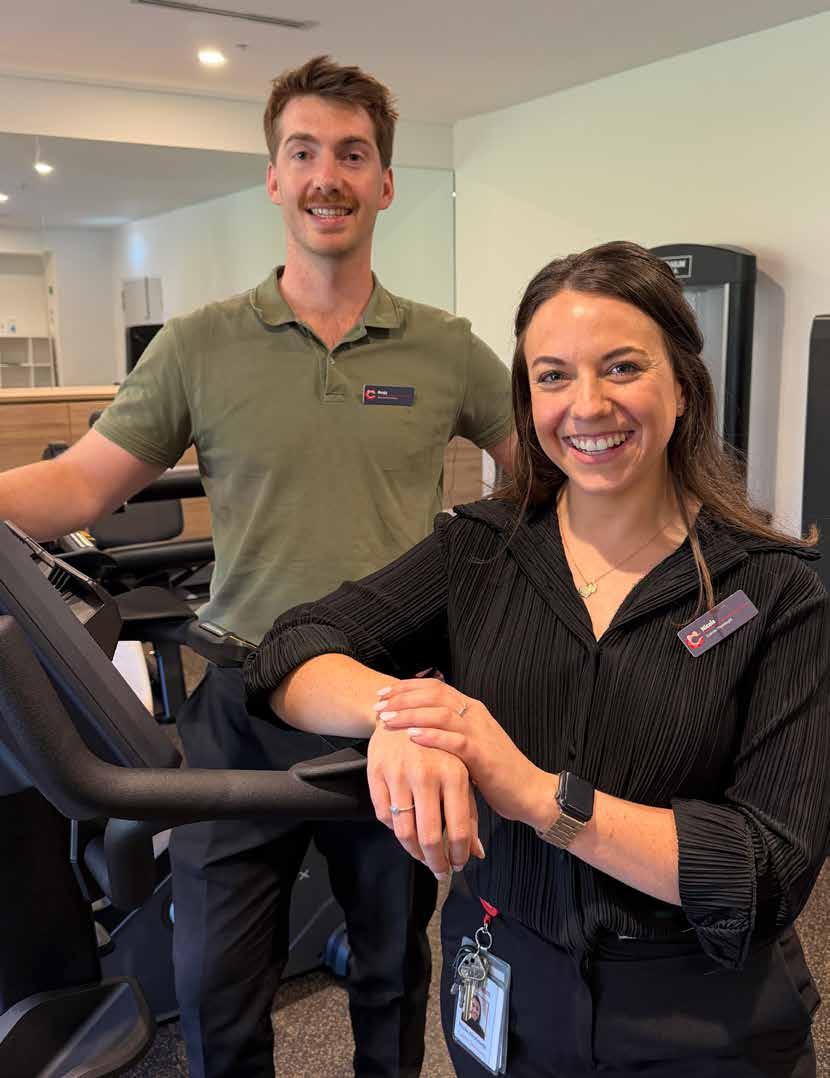
Benjy Taylor and Nicole Hirshowitz are part of the Exercise Oncology program, which is led by Associate Professor Eva Zopf. Based at the Cabrini Cancer Institute, the team leads research into the benefits of exercise for cancer patients throughout all stages of treatment and survivorship.
Thank you Our donors
DONORS ESTATES
Alan and Mary-Louise Archibald Foundation
Bamford Family Foundation
Ms Deborah Beale AM and Mr Chris Jackson
Mr Andrew and Mrs Annie Bell
The Calvert-Jones Foundation
The CASS Foundation
George and Freda Castan and Family
Maureen Coomber
Corrilee Foundation
Robert Dalziel AM and Barbara Dalziel
Drummond Foundation
Mr and Mrs Wal Edgar O’Connor Duffy Foundation
Mr Andrew C Facey
The Fox Family Foundation Pty Ltd
Heidelberg Golf Club
John Higgins AO and Jodie Maunder
Highland Foundation
Mr Russell Hutchinson
Lee and Brian Johnstone OAM
Evan Johnstone
Johnstone Family Foundation
Mary and Charles Kerstjens
Dr Darren Lockie
Eirene Lucas Foundation
Mr David and Mrs Barbra MacDonald
Peter Marriott
Christine and Denis McConnell
Peter Meese Cancer Nursing Fund
The Nossbaum Family and Marion & David Slonim
Elizabeth Nixon
PMF Foundation
Pratt Foundation
M & J Rockman Foundation
Rotary Club of Brighton
Eva Selwyn
Neville & June F. M. Smith
Rodney and Ann Smorgon Family
Mr Graham Smorgon AM and Mrs Annette Smorgon
Paul & Rose Spano
G & K Stansen
Mr Douglas Stutt
The Stewardson Charitable Trusts
Margaret Walkom Trust
Edward Wilson Trust
In Memory of Suzanne Young
Neil Beauglehall
Elaine Louise Benger
Nance Nevasa Buchanan
Gary George Conway
Dr Betty Elliott
Peter Francis Fleming
Harold Francis
Peter Greenham
Maxwell Francis Gregory
Hamling Bequest in memory of Fiona Hamling
Peter Richard Hicks
In memory of Ernest Albert Ireland and Jean Linton Ireland
Florence Sheila Johannes
Doreen Johnson
Heather Jones
Douglas Alan Keillor
Irene Kozica
Mary Alice Mann
June Masson
Veronica Choo Neo Png
Tracy Anne Rasmussen
Paula & Alexander Reinders
Grace Saunders
Leslie Alfred Shapland
The Brian J Sutton Charitable Trust
Hugh Lauder Wallace
RESEARCH COMMUNITY
Exceptional, committed people sit at the heart of our work, delivering award-winning research that drives innovation, advances care and improves patient outcomes. We partner with consumers, whose lived experience shapes our direction, ensuring we pursue research that is purposeful, impactful, and connected to real needs.
Why consumer voices matter
Elevating research through consumer insight
Since joining Cabrini as a consumer representative in 2015, Cath has brought a deeply personal, professional, and medical perspective to research governance.
With a background in education and lived experience of breast cancer and metastatic disease, she contributes to both the Cabrini Research Consumer and Community Involvement Committee and Cabrini Research Data Governance Committee, offering reflections that blend empathy with evidence.
Cath sees her role as more than symbolic. “I feel consumer representation is not just an obligatory position for research to occur, it’s actually an integral part of the process,” she explains. Her input has shaped research protocols, improved clarity in ethics applications, and reinforced the importance of human dignity in data collection.
Cath eloquently draws on Archbishop Desmond Tutu’s metaphor: “There comes a point when we need to stop pulling people out of the river. We need to go upstream and find out why they are falling in.” For her, this encapsulates the purpose of research, to move beyond symptom management and toward understanding root causes of illnesses. She sees the consumer role as vital in ensuring that research remains person-centred, adding a qualitative lens to data-driven inquiry.
Her contributions are not limited to reflection. Cath actively reviews research protocols, offers feedback that leads to tangible improvements, and engages with researchers preparing ethics applications. Her educational background enables her to identify gaps in clarity and communication, particularly in early-stage research documents. As she puts it, “Because of my educational background, I know how to identify the key insights and understand the complete picture,” ensuring both technical precision and human relevance.
Cath also champions the value of lifelong learning. She credits her committee involvement with driving her to expand her own knowledge, as she attends webinars, and endeavours to seek broader perspectives beyond her own experience. Her advice to future consumer participants is to be grounded in preparation and purpose. She encourages academic reading and an understanding of the role’s responsibilities, noting that acceptance and inclusion are key to meaningful engagement. “If you’re accepted as part of the team, then you behave as part of the team,” she says. “You bring the information that you can to that team.”
Cath’s reflections and contributions exemplify the evolving role of consumers in research, not just as participants, but as collaborators shaping the direction, relevance, and humanity of healthcare inquiry.
Your story shapes research
Behind every clinical trial is a simple truth, research is about people. When consumers share their stories, they do more than speak, they shape the future of healthcare.
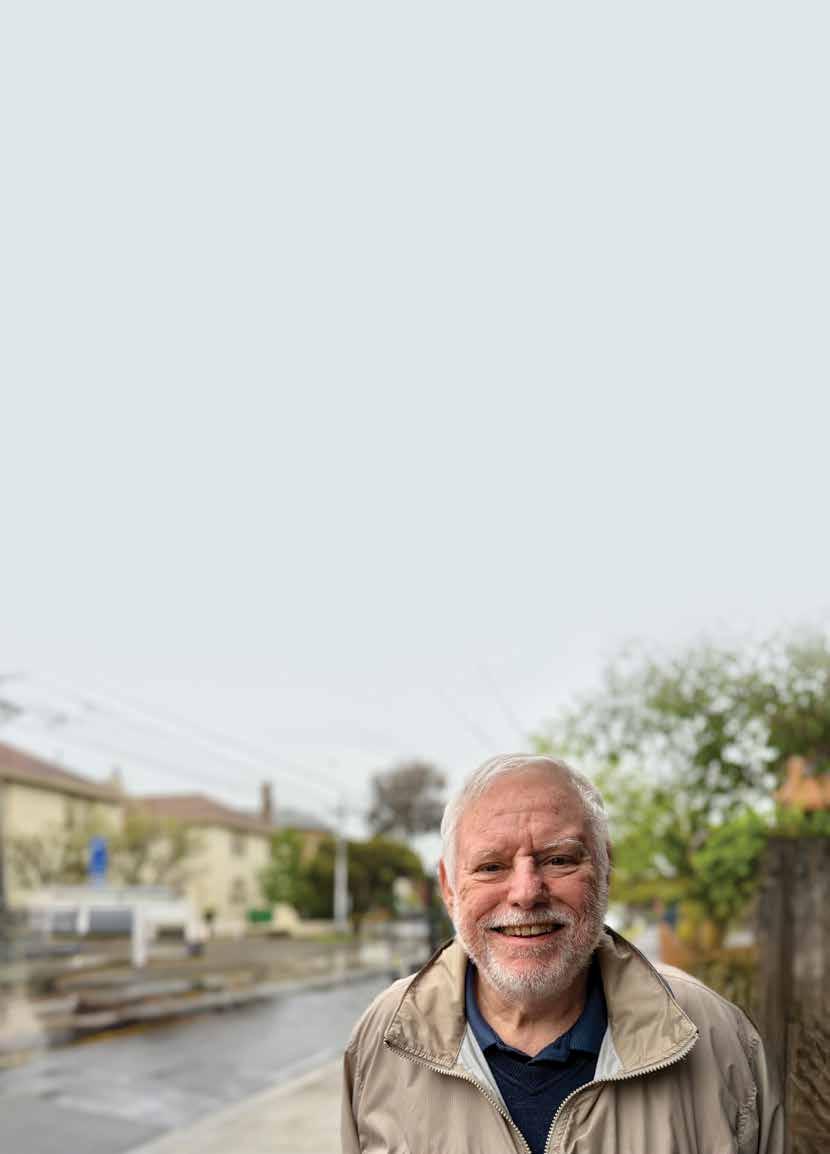
John is a passionate advocate for research and values the strong emphasis Cabrini Research places on building meaningful partnerships with consumers to drive quality. As John says, “If we don’t have research, we don’t have innovation and we’re not going to have improvements in care.”
As a member of the Cabrini Research Consumer and Community Involvement Committee, John plays a vital role in ensuring research is designed and governed to the highest standards, integrating patient experience at every step.
Recently, John spoke to Cabrini’s Research Governance Committee about his personal experience of taking part in a clinical trial. John participated in a trial led by his specialist ophthalmologist, Associate Professor Heather Mack AM. “One of the reasons why I willingly volunteered was to contribute to knowledge. However, I felt that my participation would also provide useful information about my eyes to my treating specialist.”
He also reflected on the importance of people who support research, noting, “In my case the research nurse was an absolute gem because she organised everything precisely, including transportation, pathology for blood tests, and everything else related to study participation.”
John’s reflections demonstrate how consumer stories help governance and research teams make decisions that reflect participant needs and give real-world meaning to data. Cabrini is incredibly grateful to people like John, exemplary consumers willing to share their stories and lived experience so we can learn and grow. Consumer insights transform research from a numbers game into a meaningful partnership, ensuring trials are patientcentred, ethical, and effective.
Vale Tanya
This year, we said our final goodbyes to one of our valued consumer representatives, Tanya Pejnovic, who sadly passed away.
For two years, Tanya partnered closely with Cabrini Research, offering guidance and reflections that were consistently thoughtful, insightful, and grounded in lived experience. As a consumer representative, she worked alongside us, not just advising, but truly collaborating, to ensure that our research remained connected to the people it is meant to serve. Her feedback was always generous, constructive, and deeply appreciated.
Tanya’s smile and stories brought warmth to our committee meetings, adding compassion and humanity to discussions that could otherwise feel technical or procedural. She brought a unique viewpoint as an allied health professional with a career in orthoptics, as a researcher with the Centre for Eye Research Australia, and as a patient. This blend of expertise and lived experience made her contributions exceptional.
Tanya’s contributions to Cabrini’s first National Clinical Trials Governance Framework accreditation assessment were invaluable. She helped demonstrate the strength of our consumer partnerships and showcased the high calibre of consumer representatives who work with us to embed meaningful consumer involvement within our research programs.
We are profoundly grateful for the dedicated contribution Tanya made to our committees. Thanks to Tanya, and to all our consumer representatives, we are able to keep patients at the heart of our work. Their perspectives help us improve and ensure that patient care remains central to everything we do.
We are mature! Cabrini Research achieves
highest NCTGF rating
Cabrini Research is proud to share an incredible milestone: we have received the highest possible ‘maturity’ rating in our first National Clinical Trials Governance Framework (NCTGF) assessment. This achievement places Cabrini among the top-performing health services in Australia.
The NCTGF was introduced nationally in May 2023 to ensure clinical trials meet the same safety and quality standards as hospitals set by the National Safety and Quality Health Service (NSQHS) Standards. Trials are now assessed against two key standards: the Clinical Governance Standard, which focuses on safety, quality systems, leadership and accountability for clinical care; and the Partnering with Consumers Standard, which ensures patients, carers and consumer representatives are actively involved in trial design, delivery and evaluation. From July 2023, hospitals began undergoing assessments against these benchmarks.
In December 2024, Cabrini participated in the Short Notice Assessment Program (SNAP), a process where hospitals receive just two days’ notice before accreditation begins. This approach ensures hospitals maintain high standards every day, not just during planned audits. Our NCTGF assessment formed part of this rigorous process.
Over a week-long review, assessors interviewed Principal Investigators, study coordinators, trial participants, and consumer representatives. They examined trials across oncology, haematology, cardiology, neurology, intensive care, rehabilitation, and more. Cabrini achieved a perfect score of
three out of three, confirming our systems are fully established and mature. The assessment report noted, “Safety for clinical trial participants is paramount in all that is done.”
At the time of writing, only 13 per cent of hospitals assessed nationwide have reached this maturity level, highlighting Cabrini’s leadership in clinical trial governance.
A key reason Cabrini received the highest score was our genuine commitment to partnering with consumers, ensuring patients remain at the heart of everything we do. One consumer shared, “I am supported to add value by sharing my humanity in decisionmaking across key Cabrini trials and research.”
This success would not have been possible without the exceptional leadership of Dianne Biermann, Research Quality Manager, and the dedication of our entire team. This commitment ensures Cabrini remains a trusted partner for patients and donors, delivering safe, innovative, and consumer-focused clinical trials.
Together, we’ve proven, Cabrini Research is mature, exceptional, and committed to advancing care.
Our exceptional NCTGF assessment outcome is a testament to the dedication and hard work of the entire Cabrini Research team.
Awards and prizes
Spotlight
Transforming ED care with AI: A student’s breakthrough project
Each year, Cabrini’s Senior Medical Staff Association supports the next generation of clinician researchers through competitive scholarships offered to Monash University medical students completing clinical placements at Cabrini Health. These awards give students the opportunity to contribute to impactful research that strengthens future patient care.
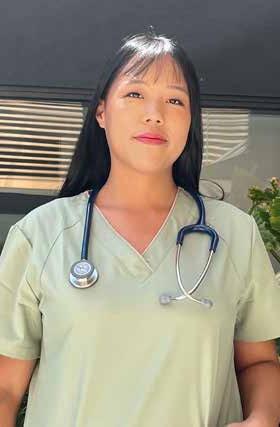
For 2024, the Best Medical Student Presentation Award was presented to Tina Tang, a fifth-year Monash medical student, for her project ‘Using Artificial Intelligence to Generate Discharge Summaries in the Emergency Department’. Tina explored how artificial intelligence (AI) large language models, specifically ChatGPT4, could assist clinicians by producing accurate, clear, and clinician ready discharge summaries.
Her proof-of-concept study used real, de-identified Emergency Department (ED) patient notes to assess how AI-generated summaries compared with traditional documentation. Six independent doctors rated both versions across 17 criteria within four domains: expected contents, readability, internal consistency, and accuracy. The results suggested that AI-generated summaries have the potential to match, and in some areas exceed, the quality of traditional ED medical notes.
These findings highlight a future where AI may help reduce administrative workload, improve document clarity, and support high-quality communication with GPs, ultimately freeing doctors to focus more on hands-on patient care rather than administrative tasks.
“I was excited to contribute to this project,” Tina said. “Innovations like this could allow future junior doctors to dedicate more time to patient care, where it is most needed.”
Fifth-year
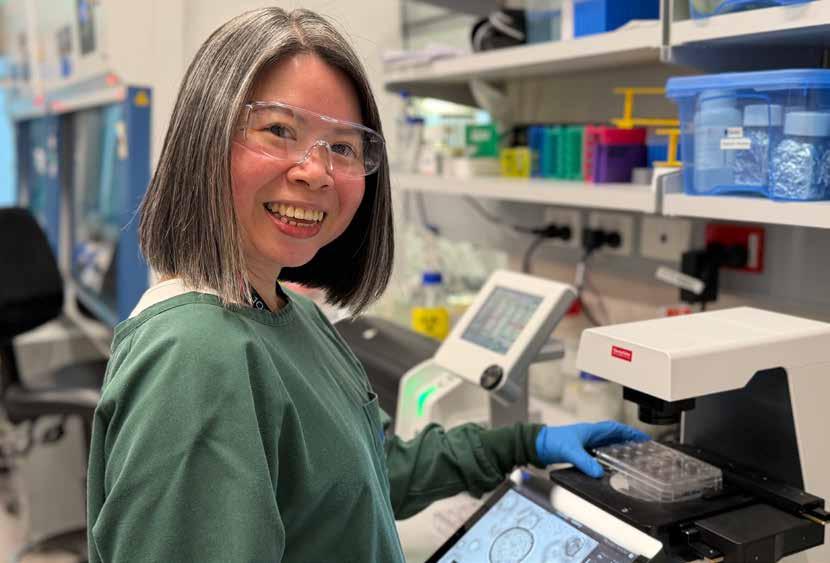
medical student Tina Tang received the Best Medical Student Presentation Award for her innovative research on AI-generated discharge summaries in the Emergency Department.
Winners Celebrating innovation at the 2024 Cabrini Research Forum
The Cabrini Research Forum is a major highlight of our research calendar, showcasing progress across our priority areas and celebrating the exceptional work being led at Cabrini and in collaboration with other institutions. In 2024, 44 research posters were presented during our online event, reflecting the depth, quality, and collaborative strength of our research community. The outstanding work demonstrates our commitment to research that delivers real-world benefits for patients and highlights the breadth and impact of Cabrini supported research. We congratulate the winners in each category.
Undergraduate Researcher Award
YAJAT DUA
During his Scholarly Intensive Placement at Cabrini, fifth-year medical student Yajat investigated how chronic kidney disease affects outcomes for patients undergoing bowel cancer surgery. Under the supervision of Mr Raymond Yap, Professor Paul McMurrick and Dr Simon Wilkins, Yajat analysed data from more than 2000 patients across Australia. His study showed that people with chronic kidney disease faced significantly more complications after surgery and had a higher risk of early death compared with those with healthy kidney function. The research identified poor kidney function as a strong, independent risk factor for worse outcomes. These findings highlight the need for careful pre-surgery assessment in older patients to help improve safety and recovery.
Mid Career Researcher Award
ASSOC PROF SHAYANTI MUKHERJEE
Shayanti, together with Cabrini urogynaecologist Professor Anna Rosamilia, is leading research to improve surgical options for women with pelvic organ prolapse. With many pelvic reconstruction materials no longer available, there is an urgent need for safe and effective alternatives. This study investigated how the body reacts to human fascia lata (HFL) grafts, which are made from donated tissue, compared with synthetic mesh. Using detailed imaging and molecular testing, the team found that HFL produced a milder immune reaction and integrated more naturally with surrounding tissue, and encouraged healthy blood vessel growth and stronger tissue repair. These findings suggest that HFL may offer a more durable and biologically compatible option for future pelvic reconstruction surgery.
Clinician Stepping into Research Award
DR ARTHAVAN SURENDRAN
Arthavan is helping shed new light on an important question in colorectal cancer care. His study examined why some patients with late-stage II cancer fare worse than those with early-stage III disease, even though stage III is considered more advanced. He found that stage IIB/C patients were more likely to undergo emergency surgery, had more aggressive tumours, and were less likely to receive chemotherapy. Even after accounting for these factors, they still had poorer survival and higher relapse rates. His work suggests that current staging may underestimate risk in some patients, and that offering more intensive treatment earlier could save lives. He has presented this work at the 2024 CSSANZ Spring Meeting and is preparing a manuscript for publication.
Experienced Researcher Award
ASSOC PROF EVA ZOPF
Eva is leading work to improve the wellbeing of people living with metastatic breast cancer. As part of the PREFERABLE-EFFECT study, she examined whether a structured, supervised exercise program could reduce fatigue and improve quality of life during treatment. The international trial involved 357 patients from Europe and Australia and compared usual care with a nine month personalised exercise program. Participants in the exercise program reported less fatigue, better overall quality of life, and improvements in symptoms such as pain, breathlessness and sexual wellbeing. Many of these benefits were sustained at nine months. The study shows that supervised exercise is safe and effective for women with metastatic breast cancer and should be considered an important part of their care.
People’s Choice Award RACHEL LIM
Rachel’s scoping review explored long-term coronary complications in people who have had an arterial switch operation (ASO) for transposition of the great arteries (TGA). TGA is one of the most common causes of cyanosis in newborns, the bluish discoloration of skin and mucous membranes caused by a lack of oxygen in the blood. The ASO corrects this by moving the coronary arteries to their proper position.
Rachel’s review summarised published evidence on how often coronary problems occur after ASO, what symptoms patients may experience, and how these issues are managed. Published in 2025 in the World Journal for Pediatric and Congenital Heart Surgery, the review found that complications are uncommon but can be difficult to detect, as many patients have no symptoms. As more people with ASO survive into adulthood, clear, evidence-based guidance is needed to support long term monitoring and care. Rachel completed this work as a medical student undertaking a research scholarship with Cabrini cardiologists Associate Professor Jeffrey Lefkovits and Professor Samuel Menahem.
Postgraduate Research Award
HARRISON BOKA
Harrison, a PhD student from the Monash Biomedicine Discovery Institute and a collaborator with the Cabrini Monash University Department of Surgery, is using cutting edge laboratory models to better understand colorectal cancer. His research focuses on patient-derived organoids, tiny threedimensional tumours grown from real patient samples, to study how different types of bowel cancer respond to chemotherapy. Harrison is particularly interested in why tumours on the left and right sides of the colon behave differently, and how these differences may influence treatment success and the risk of cancer returning. His early findings are promising and have already contributed to a recent review published in the high impact journal Molecular Cancer He has also recently presented his latest results at major international conferences in Malta and Greece.
Early Career Researcher Award
DR EVELINE MU
Eveline’s research is improving our understanding of the safety of clozapine, an antipsychotic medication sometimes used during pregnancy when other treatments are not effective. Her study compared outcomes for women taking clozapine with those taking another antipsychotic, quetiapine, or no medication at all. The team found that women using clozapine had higher rates of miscarriage, more cases of gestational diabetes, and babies with lower birth weight. Other measures, such as the baby’s health at birth and timing of delivery, were similar between groups. These findings suggest clozapine may carry additional risks in pregnancy and highlight the need for careful treatment planning. Dr Mu has shared her work widely, and it has been published in the international journal Schizophrenia Bulletin
Celebrating excellence in men’s health
Professor Mark Frydenberg AM awarded the 2024 Doug Lording Research Award
Professor Mark Frydenberg AM has received the highest award conferred at Cabrini Research, recognising his lifetime commitment to advancing men’s health and improving outcomes for patients with prostate cancer.
Prof Frydenberg began his journey at Cabrini in 1992, following a fellowship at the Mayo Clinic in the USA. Over three decades, his research and clinical leadership have transformed prostate cancer care. Early in his career, mentoring psycho-oncology PhD students opened his eyes to the profound survivorship challenges men face, such as incontinence, erectile dysfunction, and the emotional toll of treatment. These insights shaped his lifelong mission: to personalise and de-escalate treatment, ensuring men receive the care they need while minimising lifealtering side effects.
His pioneering work has championed approaches like active surveillance and focal therapy, reducing morbidity without compromising cancer outcomes.
Beyond research, Prof Frydenberg has held leadership roles at Monash University and Monash Health, contributed to national advocacy through organisations like Andrology Australia and Movember, and worked tirelessly to improve access to specialist care in regional communities.
Reflecting on the honour, Prof Frydenberg said, “Like Doug Lording, I have a passion for men’s health. It’s about putting patients first and ensuring they are managed appropriately.”
This award celebrates not only his scientific achievements but his unwavering dedication to improving the lives of men and their families.
From ‘negative’ trial to award winning impact
Atrial fibrillation research wins 2024 Publication of the Year
Professor Peter Kistler and his research team took home Cabrini’s 2024 Publication of the Year for an international study that shows how powerful new knowledge can arise, even when a clinical trial does not find a clear ‘winner’.
Atrial fibrillation (AF), the most common heart rhythm disorder, is often treated with catheter ablation, a procedure that uses small burns to block faulty electrical signals in the heart. While this often works well for people with paroxysmal AF (intermittent episodes), results are less predictable for persistent AF, where the abnormal rhythm is ongoing.
Prof Kistler led the CAPLA trial, involving 11 international centres throughout Australia, Canada and the UK, including Cabrini Health. The trial compared the two most common approaches to ablation in people with persistent AF. The main trial showed no added benefit from doing more extensive ablation, an important finding in itself as this supports a shorter, safer procedure.
However, a detailed follow-up study, recently published in the European Heart Journal in 2024, revealed something entirely new. The researchers discovered that when AF returned after treatment, it often came back in a milder, intermittent form rather than as persistent AF. Importantly, patients with this milder form had fewer hospital visits, fewer emergency presentations, and better quality of life. Patients whose AF did not return felt best of all.
This award-winning publication highlights how thoughtful research can change the way we understand treatment success, showing that even so called ‘negative’ trials can deliver positive, lifechanging insights for patients worldwide.
DEDICATED RESEARCH TEAM MEMBERS comprising 23 researchers 26 research support 9 research operations staff
RESEARCH HIGHLIGHTS
Our exceptional and dedicated researchers lead the way in discovery, innovation, and advancing knowledge to improve health and outcomes. Through the powerful use of data, AI, clinical trials and advanced laboratory models, they continue to break new ground. Their achievements, reflected in strong research performance and high-impact publications, highlight the depth, quality, and influence of our work.
A year of high-impact research
Every year, our researchers publish studies that shape the future of healthcare. Here is a look at several of our most impactful recent publications, with more highlighted as full articles throughout this report. Featured in journals known for showcasing the world’s most influential science, these publications reflect not only the strength of our research, but also the real-world difference it is making for patients and communities.
Research impact IN NUMBERS
255 ACTIVE RESEARCH PROJECTS
47 NEWLY APPROVED PROJECTS
92 ACTIVE CLINICAL TRIALS
22 NEW CLINICAL TRIALS OPENED
146 PEER REVIEWED PUBLICATIONS
18 PAPERS PUBLISHED IN JOURNALS WITH A JOURNAL IMPACT FACTOR GREATER THAN 20
A high journal impact factor means the journal is highly respected, with research that is widely read, often cited, and considered influential within the scientific community.
6 FOUNDATION GRANTS AWARDED totalling $468,388
Global recognition for research excellence
ASSOCIATE PROFESSOR
MOHAMMAD ASGHARI-JAFARABADI, Cabrini’s biostatistician, co-published 28 research papers this year, including seven as part of his longstanding commitment to the Global Burden of Disease (GBD) Study, one of the largest and most influential scientific collaborations in the world.
Through the GBD Study, Assoc Prof Asghari-Jafarabadi contributed to research examining the global prevalence of child, adolescent and adult obesity and smoking; the burden of stroke and its risk factors; non traumatic subarachnoid haemorrhage; acute and chronic care needs; and progress towards global nutrition targets. This work was published in leading journals, including The Lancet portfolio, Nature Communications, and JAMA Neurology
These impressive research outputs, together with Assoc Prof Asghari-Jafarabadi ’s extensive collaborations across Cabrini departments, demonstrate his excellence and leadership in global health research. They have also contributed to his consistent ranking among the top two per cent of researchers worldwide, as identified by Stanford University and Elsevier.
BREAKTHROUGH FOR PATIENTS WITH KRAS G12C MUTATIONS
A new international study, co-authored by Professor Gary Richardson OAM, has delivered promising results for people with advanced colorectal cancer carrying the KRAS G12C mutation, a patient population with limited treatment options. Published in the journal Signal Transduction and Targeted Therapy, the trial tested the targeted drug garsorasib alone or with cetuximab. Nearly half of patients receiving the combination saw tumour shrinkage, and most achieved disease control. The treatment was also generally well tolerated. These findings offer fresh hope, highlighting a precision-medicine approach that may improve outcomes when standard therapies fall short.
NEW SCAD INSIGHTS THAT COULD SAVE LIVES
A study co-authored by Dr Swati Mukherjee and published in the European Heart Journal, has delivered important insights for people affected by spontaneous coronary artery dissection (SCAD). The research, involving over 500 patients, found that certain medications, including stronger dual antiplatelet therapy and anticoagulation, were linked to a higher risk of future heart complications. These findings will help doctors choose safer, more tailored treatments for SCAD patients, reducing the chance of recurrence and improving long-term heart health.
EXERCISE AS MEDICINE: PREFERABLE-EFFECT TRIAL
A major international study, led in Australia by Associate Professor Eva Zopf and coauthored by Professor Gary Richardson OAM, has delivered compelling evidence that structured, supervised exercise provides meaningful benefits for people living with metastatic breast cancer. Results from this research were published in the Journal of Clinical Oncology and Nature Medicine Across the trial, involving 357 participants in Europe and Australia, a personalised nine-month exercise program significantly reduced physical fatigue and improved health related quality of life, enabling patients to feel stronger, more energised, and better able to manage day-to-day life. These findings confirm that tailored exercise is both safe and highly beneficial, even during advanced cancer treatment. Importantly, the research also showed that the program is cost-effective, improving quality of life while reducing overall healthcare and productivity costs, further strengthening the case for integrating supervised exercise into standard supportive care.
THE CLEEN STUDY
An Australian led study, co-authored by Professor Philip Russo and published in The Lancet Infectious Diseases journal, has shown that enhanced cleaning of shared medical equipment can significantly reduce hospital acquired infections. The CLEEN study found that adding dedicated cleaning staff and improving cleaning practices dramatically increased thoroughness and led to a 35 per cent drop in infections, including serious bloodstream and surgical site infections. These results show that a simple, practical intervention can save lives, shorten hospital stays, and improve patient safety across healthcare settings.
THE DYNAMIC BREAKTHROUGH
A study co-authored by Associate Professor Jeremy Shapiro and published in the journal Nature Medicine, has shown that using circulating tumour DNA (ctDNA) to guide treatment decisions in stage II colon cancer can safely reduce the use of chemotherapy. The trial found that patients managed with ctDNA testing had similar five-year survival to those receiving standard care, while many avoided unnecessary treatments. Importantly, clearing ctDNA after chemotherapy was linked to an excellent chance of remaining cancer free. These findings promise more personalised, less intensive care for patients.
SHIFTING THE ODDS IN HIGH-RISK LYMPHOMA
A new study, led by Dr Adrian Minson as first author and co-authored by Associate Professor Kirsten Herbert, has been published in the Journal of Clinical Oncology. The COALITION trial tested adding the immunotherapy drug glofitamab to standard chemotherapy for younger patients with high-risk large B-cell lymphoma, patients with historically low cure rates. The results were striking, almost all patients responded to treatment, with 98 per cent achieving complete cancer clearance, and two-year survival rates exceeded 90 per cent. These findings offer new hope, pointing to a more effective frontline therapy for patients facing this aggressive cancer.
From marine biology to microbial frontiers
DR ISABELLA CENTELEGHE
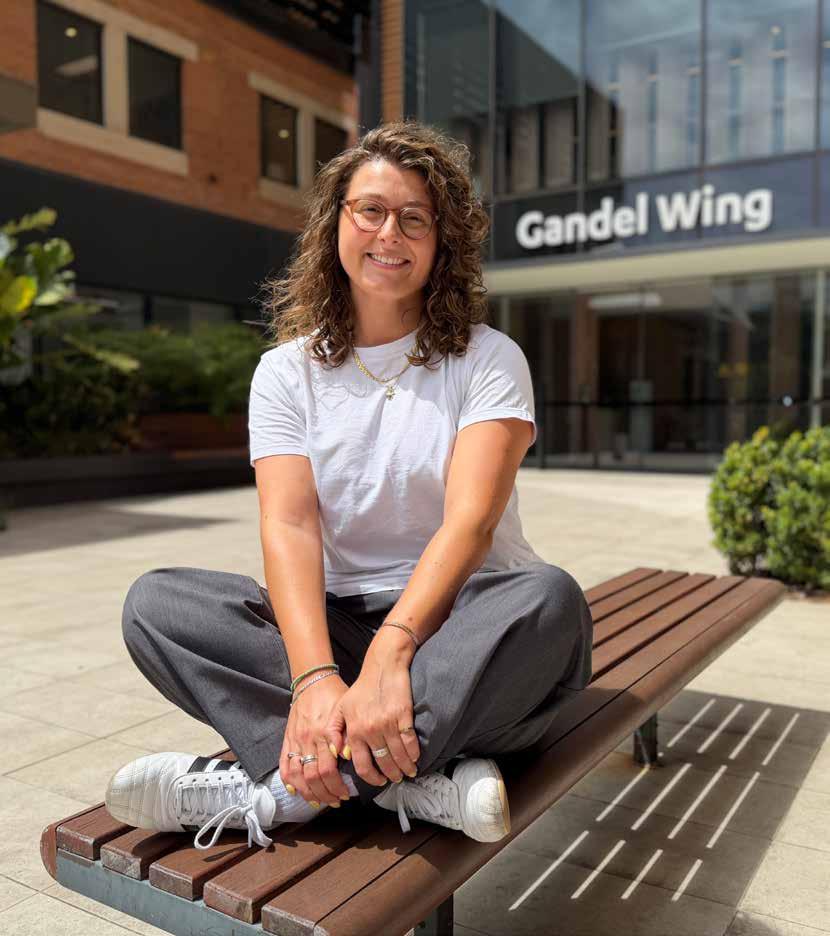
In April 2025, Cabrini welcomed Dr Isabella Centeleghe as a Nursing Research Fellow, in a joint appointment with Monash University.
Dr Centeleghe brings a unique blend of clinical insight and microbiological expertise to the Cabrini Monash University Department of Nursing Research. Originally from the UK, Dr Centeleghe joined us following a postdoctoral fellowship at Cardiff University, where she led pioneering research into antimicrobial resistance and hospital environmental hygiene. Her appointment marks a significant step in strengthening Cabrini’s nursing-led research capacity and advancing evidence-based infection control practices.
Dr Centeleghe’s scientific journey began with a deep-rooted love for water. “I’ve always been a water baby,” she recalls, crediting her mother for introducing her to swimming at a young age. This passion, combined with an interest in biology, led her to pursue an undergraduate degree in marine biology at Newcastle University in the UK, where she undertook fieldwork in the North Sea, studying marine ecosystems and organisms. In her final year, she was assigned a dissertation subject that was outside of her preferred field. Dr Centeleghe chose to embrace the unexpected oceanography project, leading her to discover a new appreciation for the physics of marine environments. This adaptability and openness to explore new research areas would become a hallmark of her career.
After completing her undergraduate degree, Dr Centeleghe pursued a Master of Research in the School of Biosciences at Cardiff University. It was here that her interest in microbiology took hold. Her Master’s research focused on the antibacterial properties of natural clays against pathogens like Methicillinresistant Staphylococcus aureus (MRSA), sparking a fascination with bacteria and laboratory research.
A timely opportunity led her to a position within the School of Pharmacy and Pharmaceutical Sciences at Cardiff University, where she completed her PhD on dry surface biofilms, an emerging area of study with significant implications for infection control. Dr Centeleghe was drawn to this field not only because she is passionate about making a meaningful impact, but also by a desire to undertake accessible and relevant research.
“Microbiology is an approachable subject because it affects absolutely everyone. Everyone knows what bacteria are,” she notes, “every department in the hospital will be affected by microbiology, so I knew I wanted to go into something like that.”
Dr Centeleghe’s work has contributed to a growing body of research on dry surface biofilms, communities of bacteria that persist on hospital surfaces despite routine disinfection, posing a risk for healthcare-associated infections. Her research has
highlighted the limitations of conventional disinfectants and demonstrated the potential of probiotic cleaning products, which introduce beneficial bacteria to outcompete harmful pathogens. These findings carry significant implications for sustainable infection control strategies and are shaping the design of future clinical trials.
At Cabrini, Dr Centeleghe is leading several nursing-led projects aimed at improving infection surveillance and environmental hygiene. One such initiative, the Smart Surgical Wound Infection Surveillance (SWIS) study, is developing a decision-support algorithm tool, to help predict if a patient might develop a wound infection after surgery. By streamlining the work of infection control teams and enabling earlier, targeted interventions, the project has the potential to significantly reduce infection-related complications, improve patient outcomes, and optimise the use of healthcare resources. Research like this is shaping smarter, more sustainable ways to keep patients safe.
Dr Centeleghe was also recently awarded a Cabrini Foundation Research Grant for her project ‘Down the drain: the hidden risks of sinks in healthcare’. This study focusses on sink hygiene in highrisk hospital wards, and will combine on-the-ground observations with staff surveys to better understand awareness and practices around sink-related infection risks. The findings aim to inform policy around practical changes that reduce the risk of infection and improve patient safety.
Looking ahead, Dr Centeleghe is excited by the potential of artificial intelligence (AI) to transform infection surveillance. In collaboration with researchers in the UK, she is exploring AIdriven systems that can detect infection risks earlier, helping to reduce complications for patients and ease the workload on busy healthcare teams.
Beyond technology, she is a strong advocate for ongoing education and awareness, aiming to make infection prevention a shared responsibility for all clinical and non-clinical staff. Reflecting on her journey, Dr Centeleghe encourages students and early-career researchers to stay open to change and pursue work that feels meaningful. “Always do things outside your comfort zone, because it usually works out well in the end,” she says. “And if you choose to do research, make sure it’s something you’re truly passionate about.”
Dr Isabella Centeleghe joined the Cabrini Monash University Department of Nursing Research in 2025, bringing her expertise to the role of Nursing Research Fellow.
Using artificial intelligence to improve emergency care communication
Recent research led by the Alan, Ada and Eva Selwyn Emergency Department shows how artificial intelligence could help improve patients’ outcomes and experience when they leave the hospital.
Clear communication is essential to safe and effective healthcare, especially when patients leave hospital.
Published recently in the Australian Health Review journal, the study explored whether artificial intelligence (AI) could assist doctors by generating high quality discharge summaries for patients leaving the Emergency Department (ED). Discharge summaries explain what happened during a hospital visit, what treatment was provided, and what patients and their general practitioners (GPs) need to know once care continues at home. When done well, they support reassurance, understanding, and continuity of care. When rushed or unclear, they can create confusion and stress for patients and families.
Emergency departments are fast-paced, high pressure environments. Doctors must balance urgent clinical care with significant documentation requirements, often under time constraints. This study examined whether AI could help ease that burden, without compromising quality, accuracy, or patient safety.
The ED team analysed 142 randomly selected de-identified emergency department cases who were able to be discharged home after care by a single ED doctor. Using secure processes, clinical notes written by doctors were entered into an AI system, which then generated discharge summaries in a clear letter format. Senior ED doctors independently reviewed both the AI-generated summaries and traditional medical notes, without knowing which was which. They assessed how well each document explained key information, how easy it was to read, how accurate it seemed, and how internally consistent it was.
The results were encouraging. Overall, the AI-generated discharge summaries performed just as well as clinicianwritten notes in most areas.
In several important aspects, including clarity of diagnosis, explanation of examination findings, detail of care plans, and readability, the AI summaries were rated even higher. These are features that matter greatly to patients and GPs, who need to clearly understand what has happened and what comes next.
Importantly, the study does not suggest that AI replaces doctors. Instead, it highlights AI’s potential as a supportive tool, one that could help clinicians communicate more clearly and consistently, while giving them more time to focus on direct patient care. The researchers emphasise that careful oversight, clinical judgment, and strong governance remain essential.
This research was conducted entirely at Cabrini Health and reflects the commitment of the ED to improving care through innovation and evidence-based practice. It also demonstrates how research can be closely aligned with everyday patient experience, addressing real challenges in communication and continuity of care.
A key contributor to the project was Monash University medical student Tina Tang, who was the first author on the publication and was awarded the Best Medical Student Presentation Award at the Cabrini Research Sessions, underscoring Cabrini’s strong track record in supporting the next generation of clinician researchers.
As healthcare systems continue to evolve, thoughtfully applied digital tools such as AI offer new opportunities to enhance quality, safety, and patient experience. This study provides early evidence that AI-assisted documentation may become one of those tools in the future, helping ensure that when patients leave the ED, they do so with clear and understandable information to support their recovery.
Tina Tang led the publication as first author and was honoured with the Best Medical Student Presentation Award.
Transforming the future of care
when patients and data come together
One Sunday, Keith Chamberlain arrived at church and was met with an unexpected remark from a friend, a retired nurse, who told him he ‘didn’t look right’.
Initially thinking she was commenting on his clothes, Keith was surprised to learn she had noticed something far more serious. Her clinical instincts proved life saving: Keith’s heart was in dangerous atrial fibrillation (AF), and he needed immediate hospital care.
AF is an irregular and often very rapid heart rhythm caused by abnormal electrical signals. It affects around 500,000 Australians each year and significantly increases the risk of blood clots, stroke, and heart failure. With approximately 200,000 AF related hospital admissions annually, it remains one of the leading causes of hospitalisation across the country.
Keith’s relationship with Cabrini spans decades, but his experience following his AF diagnosis and ablation procedure sparked a deeper involvement in the hospital’s research community. After his procedure, he was invited to participate in the Cabrini Electrophysiology Database (EP Database), which collects essential health information about patients undergoing an AF ablation, including their treatments, outcomes, and any complications.
Established by Cabrini cardiologist and researcher Professor Peter Kistler, the EP Database is already driving cutting-edge research aimed at improving treatment methods, reducing risks, and enhancing patient outcomes. Although it was only established a year ago, there are multiple research publications in progress and several new projects underway. Its early success highlights the power of highquality data and the profound impact it can have on patient outcomes and future models of care.
Keith was enthusiastic about contributing to the database and, drawing on his background in computer engineering, quickly offered support beyond simply participating. Recognising his passion and technical insight, Cabrini invited him to join the Cabrini Research Consumer and Community Involvement Committee, and he now also contributes as a member of the Cabrini Data Governance Committee.
Keith brings a rare combination of lived experience, technical insight, and genuine compassion to the team. For him, being part of Cabrini Research is about more than data or governance, it’s about people. “I like helping people,” he says with a smile, “and I like helping people help people.”
When asked what he would say to others considering joining a research committee, Keith encourages them to be open, honest, and curious, even without a background in research. His advice is simple, “Be prepared to learn about new topics, contribute when you feel ready, and remember that even small insights can be meaningful.” He emphasises that being a consumer on a research committee is like coming in as an outsider, “You bring clarity, fresh perspectives, and valuable questions that researchers may overlook.”
“It’s important to contribute to the future world by sharing your information and your opinions, good or bad,” Keith says. His involvement highlights the importance and impact of including consumers in research design, governance, and decision-making. Their perspectives ensure projects remain grounded in realworld experiences and truly reflect patient needs. Through his warmth, humour, and advocacy, Keith reminds us that research is most powerful when it elevates and includes the voices of those it aims to help.
Dr Keith Chamberlain is a consumer representative on both the Cabrini Research Consumer and Community Involvement Committee and the Cabrini Research Data Governance Committee.
As part of his PhD, Harrison Boka is studying ‘tumour sidedness,’ a major research focus of the collaboration between the Cabrini Monash University Department of Surgery and the Monash Biomedicine Discovery Institute.
Does the side of colorectal cancer matter?
Colorectal cancer is often spoken about as if it were one single disease, but emerging research is revealing a far more complex picture.
It is becoming evident that the location of a tumour within the colon, whether it begins on the right side or the left, can influence how the cancer grows, spreads, and responds to treatment.
This idea, known as ‘tumour sidedness’, is the focus of a major program of research within the collaboration led by Professor Paul McMurrick of the Cabrini Monash University Department of Surgery, and Professor Helen Abud of the Monash Biomedicine Discovery Institute.
Their work is reshaping our understanding of colorectal cancer and offering new hope for more personalised and effective therapies.
Central to the research is PhD candidate Harrison Boka, first author of the team’s recent high impact review article published in Molecular Cancer. His contributions have been recognised through numerous national and international awards, including the Carmela and Carmelo Ridolfo Prize for Excellence in Stem Cell Research, and the prestigious trainee award at the 2025 International Conference on Stem Cells held in Greece. The team’s publication underscores the significance of their ongoing efforts to decipher the differences between right and left-sided colon cancers.
Although the colon appears to be a continuous tube, its right and left sides differ in their developmental origins, blood supply, immune activity, and microbial environment. These biological contrasts help explain why cancers that arise on one side often behave very differently from those on the other. Right-sided colorectal cancers, for example, are more likely to be diagnosed at a later stage, and they tend to exhibit more aggressive traits and poorer responses to some standard therapies. They are also more frequently linked with specific genetic changes and molecular pathways that may drive faster tumour growth or resistance to treatment. Left-sided cancers, on the other hand, often progress more slowly and respond better to certain targeted therapies.
The differences extend beyond the cancer cells themselves to the tumour’s surroundings, its immune cells, supporting tissues, and even the bacteria that inhabit the colon. Some bacterial species found more commonly on the right side have been shown to interfere with chemotherapy or reduce the effectiveness of immunotherapy. Meanwhile, left-sided tumours tend to carry different microbial and immune signatures, which may help explain why their behaviour and treatment responses vary so markedly from right-sided tumours.
To uncover the reasons behind these variations, the CabriniMonash team has developed an extraordinary scientific resource, a bank of more than 130 patient-derived organoid lines. Organoids are tiny three-dimensional ‘mini tumours,’ grown from real patient tissue, that mimic how cancer behaves inside the body. They allow researchers to observe, in real-time, how tumours respond to chemotherapy or how they adapt when repeatedly exposed to common chemotherapy drugs. Using these organoids, the team has been able to watch cancer cells undergo long-term changes during cycles of treatment and recovery, changes that may explain why therapies lose effectiveness over time. Because their organoid collection includes both right and left-sided cancers, they can directly compare how each type evolves under treatment pressure. With the latest advances in genetic profiling, they are now building detailed maps showing which genes are switched on or off in each tumour type, and whether these patterns can help predict sensitivity or resistance to different therapies. This work has the potential to reveal entirely new targets for future treatments, particularly for patients with late-stage disease who currently have limited options.
What is becoming clear is that tumour sidedness is far more than a descriptive label. It may be a key to developing the next generation of personalised therapies.
Rather than treating all colorectal cancers the same way, future care could tailor treatment plans based not only on the tumour’s genetics but also on where it originates within the colon. This approach could help ensure that patients receive therapies designed specifically for the biology of their cancer, improving outcomes and reducing unnecessary side effects.
Bridging surgery and science in early career
Dr Jordan Santucci
Dr Jordan Santucci joined the Department of Urology in 2025 as the Urology Research Fellow, a position generously funded by the Pratt Foundation. Bringing fresh energy, curiosity, and a rigorous focus to the team, Dr Santucci has benefited from protected research time that allowed him to spend the past year deeply engaged in studies that lay the groundwork for future advances in urological care.
Q: How did you decide to specialise in urology?
A: I developed an interest in basic science and research early during my undergraduate years when I was given opportunities to be involved in cancer research projects. During medical school the practical application of anatomy through surgery appealed to me, and urology combined rapid research progress with a wide clinical scope. You get both acute procedures like kidney stone removal and long-term care for cancers, plus a blend of surgical and medical skills. Generous mentoring from urologists I met through my formative training years also pushed me toward the specialty.
ethics, study design, and data governance under strong mentorship. I’ve published broadly this year, covering AI in patient information, endoscopic innovations, and systematic reviews of topics ranging from testosterone replacement in prostate cancer patients to pelvic lymph node dissection at cystectomy. My main focus has been prostate cancer, exploring how PSMA PET can refine risk assessment and potentially spare men from radical treatment, while also managing the NanoKnife registry to track outcomes and quality-of-life in focal ablation.
Q: How do you balance clinical and research responsibilities?
Q: What research, training, and projects have you undertaken during your time at Cabrini?
A: I’ve combined hands-on research training with leading projects in prostate cancer and beyond. I helped build a database to study the predictive ability of Prostate-Specific Membrane Antigen Positron Emission Tomography (PSMA PET) for patients undergoing prostatectomy, gaining skills in
A: The Pratt Foundation generously funds the Urology Research Fellowship position which provides a couple of days of protected research time each week, while also allowing me to hold a part-time clinical role. I split my clinical time between private surgical assisting and being a urology registrar at a regional hospital. The flexibility of employers has been crucial, I schedule research days around clinical commitments so both can be sustained.
Q: Reflecting on the Pratt Foundation funded Urology Research Fellowship role, how has this experience shaped your year?
A: The Urology Research Fellowship has been pivotal. It provides scholarship funding that explicitly protects research time, allowing me to dedicate a couple of days each week to research while maintaining part-time clinical roles. That protected research time made it feasible to design and run projects from the ground up, pursue ethics approvals, and develop databases.
Q: Why is this fellowship model important for early-career clinician-researchers, and could it be expanded more broadly?
A: It’s a scalable model that tackles a common barrier: clinicians often struggle to find time for meaningful research amid heavy clinical duties. This model demonstrates how targeted funding and institutional flexibility allow clinicians to maintain clinical skills while building research portfolios. With protected research time offered through fellowships or scholarships, more trainees could pursue research alongside parttime clinical work without sacrificing patientfacing experience. Although programs exist, they remain limited in scope. Broader adoption of this model could provide many more earlycareer clinicians with viable research pathways while sustaining clinical service.
Q: What new skills did you pick up during the fellowship?
A: The fellowship allowed me to deepen my statistical literacy and gain experience in designing studies and preparing ethics applications end-to-end. It also broadened my exposure to novel therapies like NanoKnife and alternative PSMA applications, areas I hadn’t encountered in my regional clinical work before.
Q: Has the research changed the way you practice clinically?
A: Definitely. Working with emerging technologies made me scrutinise the evidence behind clinical decisions and guidelines more closely. It’s a reminder to critically appraise the literature rather than defaulting to guidelines without questioning their underlying data. That habit feeds back into day-to-day clinical decision-making.
Q: Where do you see your career heading next?
A: I want to be a clinician-researcher, and follow the pathway of completing urology training, continuing research, and ideally do a PhD. The goal is to combine operative expertise with the ability to lead practical, clinically meaningful research. I’m inspired by mentors who have balanced both roles and hope to follow a similar pathway.
Q: What advice would you give students or early-career clinicians who want to combine research and clinical work?
A: Find a topic that genuinely interests you, as passion sustains effort. Get involved, even without your own big idea; volunteering on projects builds experience and opens doors. Be flexible with clinical scheduling and say yes to opportunities when they arise. Experience compounds, the more you do, the more opportunities appear.
Global experts unite to improve difficult airway care
Tracheal intubation is one of the most critical procedures performed in the care of severely ill adults. For many patients, however, it carries significant risks because of the unstable physiology that accompanies life-threatening illness.
unstable blood pressure, or impaired heart and lung function, create what clinicians refer to as a physiologically difficult airway. When these conditions are present, even a routine intubation can become hazardous, and expert preparation makes an immediate and measurable difference to patient outcomes.
In 2024, the Society of Critical Care Anaesthesiologists (SOCCA) brought together an international group of experts to address this challenge through a large, structured study. The aim was to build global consensus on how best to support patients who require intubation under physiologically fragile conditions. The resulting guidance, published in the journal Intensive Care Medicine, is now helping critical care teams worldwide deliver safer and more consistent care.
Professor David Brewster, Head of the Cabrini Critical Care and Anaesthesia Research Department and a member of the study’s international Steering Committee, was at the heart of this project. His leadership helped shape every stage of the study, from preparing the initial statements for evaluation, to identifying and recruiting a diverse group of global experts, to carefully coordinating the multiple rounds of review required for consensus. The Steering Committee ultimately invited 40 leading clinicians and researchers in airway management to participate. These experts represented 15 countries across six continents and brought experience from intensive care, anaesthesia, emergency medicine, and pulmonary care. Their diversity ensured that the final recommendations would reflect a wide range of healthcare environments, including hospitals with limited resources to those with advanced technological capacity.
The study process allowed these experts to consider, refine, and vote on proposed clinical practices over several iterative rounds, with the Steering Committee analysing responses, incorporating feedback, and drafting the final clinical statements. Prof Brewster’s influence was central in ensuring the scientific rigour, transparency, and international inclusiveness of the study. In the end, agreement was reached on 53 clinical statements, which now form the most comprehensive global guidance to date on managing the physiologically difficult airway.
These new international recommendations emphasise the importance of structured preparation, team coordination, and careful physiological optimisation before and during intubation.
They highlight the need for appropriately trained teams, advanced monitoring, and techniques that increase oxygen reserve and protect against cardiovascular collapse. In doing so, they address the very complications that have historically threatened the safety
of critically ill patients undergoing this essential procedure. The guidelines provide practical direction for hospitals around the world, setting clearer standards for managing patients at highest risk and improving the likelihood of safe and successful outcomes.
In late 2024, Prof Brewster presented the findings and global significance of this work at the Australian Society of Anaesthetists National Scientific Congress in Darwin, sharing the international recommendations with Australian clinicians and highlighting how these consensus-driven guidelines are already shaping safer airway management practices around the world. His presentation helped bring this important work to a national audience, reinforcing the role of Australian leadership in advancing global patient safety.
Prof David Brewster played a central role in the study to improve difficult airway care as a member of the international Steering Committee.
Improving care for women with severe mental illness during pregnancy
Pregnancy should be a time of care, safety, and support. For women living with severe mental illness, such as schizophrenia, it can also bring fear and uncertainty.
Severe psychosis during pregnancy can be devastating. Without effective treatment, women face higher risk of relapse, hospitalisation, and harm to themselves and others. Clozapine is often the only antipsychotic medication that works for these women. However, until now, clinicians have had limited evidence to guide decisions about the safe use of clozapine during pregnancy, forcing families and care teams to make choices with incomplete information. Dr Eveline Mu’s work is helping to change that.
Dr Mu is the Research Fellow and Manager at HER Centre Australia and the Multidisciplinary Alfred Psychiatry Research Centre (MAPrc). Recognised as world-leading centres in women’s mental health, and led by preeminent Professor Jayshiri Kulkarni AM, their research spans a wide range of mental health conditions affecting women from adolescence through to menopause and beyond. Their work reflects how women actually experience mental health: as something dynamic, biologically influenced and deeply personal. Dr Mu’s early background in neuroscience and autism shaped her research career. Rather than viewing mental illness as separate symptoms or diagnoses, she is interested in how brain systems, hormones, and life stages influence mental health outcomes in women. “Being a woman myself, I am really interested in why women experience mental illness differently to men,” Dr Mu explains. “Hormones, reproductive events, stress and trauma all interact in women’s mental health, yet research has historically treated women as a variation of men.” This perspective underpins one of Dr Mu’s most impactful recent contributions: research into the safety of clozapine use during pregnancy.
The study utilised data from the National Register of Antipsychotic Medication in Pregnancy (NRAMP). Developed by Prof Kulkarni in 2005, NRAMP is one of the world’s most detailed prospective registries on pregnant women taking antipsychotics. Australian women diagnosed with schizophrenia spectrum disorders who became pregnant while taking clozapine were followed and their pregnancy outcomes compared with those of women taking quetiapine, another commonly used antipsychotic, and with women who chose not to take antipsychotic medication during early pregnancy. This design allowed the researchers to examine real-world experiences and outcomes across these groups.
The findings showed that women taking clozapine during pregnancy experienced higher rates of miscarriage and were significantly more likely to develop gestational diabetes than women in the comparison groups. Babies exposed to clozapine in pregnancy had a lower average birth weight. At the same time, the research offered reassurance in key areas. Gestational age at birth, Apgar scores (a newborn’s overall physical condition), and rates of admission to neonatal intensive care were similar across all groups, suggesting that many immediate newborn outcomes can be comparable when women receive appropriate, specialist care.
This research has meaningful implications for women living with severe mental illness who wish to become mothers, replacing uncertainty with clearer, evidence-based information. The findings challenge longstanding assumptions. Clozapine was not shown to be automatically unsafe, but it was associated with increased medical risks that require careful management. For many women, stopping the medication is not a safe or realistic option. Instead, the study highlights the need for coordinated, specialist care that includes early screening for gestational diabetes, close monitoring, and strong collaboration between mental health, obstetric, and neonatal care teams. With the right supports in place, risks can be anticipated and addressed rather than feared. This research also strengthens the ability of clinicians, midwives, and mental health teams to have honest, informed conversations with patients and families as they navigate complex and deeply personal decisions during pregnancy.
Dr Eveline Mu, Research Fellow and Manager at HER Centre Australia and the Multidisciplinary Alfred Psychiatry Research Centre (MAPrc).
CLINICAL TRIALS
Clinical trials provide vital options for patients and open pathways to better treatments. Hearing directly from those who choose to participate reminds us of the hope, courage, and real-world impact these trials create.
Participating in the LION study has had a meaningful impact on Jen’s life (centre). She attributes much of her positive experience to the personalised support of research staff Nicole Hirshowitz (left) and Benjy Taylor (right).
Finding strength after cancer
JEN’S LION STUDY EXPERIENCE
When Jen was diagnosed with triple positive breast cancer in July 2023, her world shifted overnight. What followed was 18 months of intensive treatment including chemotherapy, surgery, radiation, and other therapies that saved her life but left her physically exhausted and emotionally depleted.
“I was scared,” Jen recalls. “After treatment, I felt fragile, like I might break if I fell. I’d lost confidence in my body, and I was still dealing with pain from radiation burns and pneumonitis. I didn’t know how to get back to myself.”
That turning point came through Jen’s participation in the LION study at Cabrini, a large international multisite clinical trial designed to help cancer survivors recover their physical and emotional wellbeing through professionally prescribed and supervised exercise. The LION study provides participants with a free, tailored 12-week online exercise program, aimed at addressing some of the most common but often under-recognised long-term side effects of cancer treatment. These include persistent fatigue, reduced physical functioning in daily life, anxiety or depressive symptoms, and chemotherapyinduced peripheral neuropathy. The study is being led by Associate Professor Eva Zopf, Head of the Exercise Oncology Program at the Cabrini Cancer Institute. “There is a lot of focus on helping patients get through cancer treatment,” Assoc Prof Zopf explains, “but we sometimes forget about the post-treatment phase, when many people are no longer receiving active care and are still struggling with longlasting side effects that can significantly impact quality of life.”
Decades of research have shown that appropriately prescribed exercise can safely reduce treatment-related side effects and improve long-term outcomes for people with cancer. The LION study builds on this evidence by evaluating the cost-effectiveness of delivering supervised exercise online. “Our aim is to show that a supervised exercise program delivered online, for example via Zoom, can improve quality of life after cancer and be delivered at scale,” says Assoc Prof Zopf. “Ultimately, we hope findings like these will help facilitate the integration of post-treatment exercise programs into standard care guidelines and make exercise programs for people with cancer more accessible.”
For Jen, the impact was immediate and profound. Referred to the program by her Cabrini oncologist, she joined three supervised Zoom sessions each week. The online format quickly became a strength rather than a limitation. “It was safe, convenient, and surprisingly motivating,” she says. “I didn’t have to travel anywhere or feel self-conscious. I just had to show up at home. That made all the difference.”
Over 12 weeks, Jen gradually rebuilt her strength and confidence.
“At the start, I didn’t think I could do it. By the end, I was lifting weights and doing step aerobics. I even bought weights while on holiday in Perth so I wouldn’t miss a session.”
She credits the research team’s personalised support as a key factor. “Nicole and Benjy were amazing, encouraging, patient, and responsive. Even though it was on Zoom and in a group, it felt incredibly individual. When I had rib pain, they adjusted the program so it still worked for me.”
Beyond the physical benefits, the LION study helped Jen reconnect socially and emotionally. She formed strong bonds with other participants, and the group continues to meet for lunches and dinners. “There’s something incredibly comforting about being with people who really understand what you’ve been through,” she says.
Today, Jen walks her dog daily, tracks her fitness with a wearable fitness tracker, and prioritises her wellbeing. “I feel like myself again. Not just surviving, but thriving. I honestly believe I’d be a very different person today if I hadn’t been part of the LION study.”
Her message to others considering participation is simple, “Just try it. You don’t need gym experience or special equipment. It’s tailored, supportive, and everyone there understands your journey.”
The LION study is part of the PREFERABLE II project funded through the European Union’s Horizon Europe research and innovation programme and co-funded by the National Health and Medical Research Council of the Australian Government.
Jorge’s experience in the MATADOR clinical trial has been overwhelmingly positive. His study coordinator, Romaniya Fernando, has overseen all his weekly visits, ensuring his trial commitments were coordinated to have as little disruption to his daily life as possible.
A brick in the wall
JORGE’S JOURNEY THROUGH THE MATADOR CLINICAL TRIAL
When Jorge first arrived at Cabrini, he had no idea that his personal health journey would soon contribute to the future of cardiovascular medicine. Diagnosed with cardiomyopathy following an episode of previously undetected sepsis, Jorge came under the care of Professor Nathan Better.
It was through this clinical relationship that Jorge was introduced to the MATADOR clinical trial, an innovative Phase II clinical trial investigating a new approach to preventing heart attacks and strokes.
Cardiovascular disease is one of the leading causes of death worldwide, claiming approximately 20 million lives each year.
Many of these deaths are linked to atherosclerosis, a condition in which fatty and cholesterol-rich plaque builds up in the blood vessels. While many people live with atherosclerotic plaque and never experience symptoms, some plaques are unstable and vulnerable to rupture. When rupture occurs, it can trigger blood clots, heart attacks, or strokes, often without warning. Current prevention strategies include lifestyle modification, medications such as statins, and increasingly, screening tools like coronary artery calcium scoring. Yet a major unanswered question remains: how do clinicians identify which plaques are most dangerous, and how can treatment be intensified for those at highest risk?
The MATADOR trial seeks to answer this question. Initiated in 2025 by Bitterroot Bio and conducted at Cabrini, the study is investigating a novel therapy that targets CD47, a molecule known as the ‘don’t eat me’ signal. CD47 is found at significantly higher levels in vulnerable atherosclerotic plaque compared with healthy blood
vessels. By blocking this signal, researchers hope to enable the body’s immune system to naturally clear unstable plaque from arteries, potentially reducing the risk of heart attack, stroke, and heart failure. Advanced PET imaging is central to the trial, allowing researchers to identify patients with vulnerable plaque in the carotid arteries, which supply blood to the brain. Participants with abnormal scans may receive a subcutaneous injection of the anti-CD47 antibody drug, with the study assessing both safety and whether treatment improves PET scan findings over time.
For Jorge, the decision to participate was motivated by a deep respect for science and a strong sense of responsibility to others. “I have a lot of faith in science,” he says. “If I’m benefiting from treatments today, it’s because someone else put their hand up before me. I think it’s our obligation to do the same.” His experience in the trial has been overwhelmingly positive. Weekly visits include injections, blood tests, echocardiograms, and periodic PET scans, all of which Jorge describes as well coordinated and minimally disruptive to his daily life. He values the close monitoring and access to advanced diagnostics, which provide reassurance and insights that would not otherwise be available. “If there’s something concerning in those scans, someone will let me know,” he says. “That alone is a benefit.”
As the MATADOR trial progresses, Jorge remains hopeful, not only for his own health, but for the wider impact of the research. “I’m just one brick in the wall,” he reflects. “It takes a lot of pieces to build something meaningful. If this drug helps others down the line, I’m proud to have played a small role.”
Jorge encourages others who may be eligible for clinical trials to consider participating, noting that the time commitment is small compared with the potential benefit to future generations. “Think about what you’re offering your kids and your grandkids,” he says.
“Every medication we take today exists because someone, somewhere, took part in a study like this. We’re all benefiting from that now, so why not offer something to those who come after us?”
Cabrini is proud to be a site for this groundbreaking research, led by Principal Investigator Prof Nathan Better. He believes the implications of a successful CD47-targeted therapy could be profound. “If this drug proves effective, it could fundamentally change how we identify and treat patients at risk of heart attack and stroke,” Prof Better says. “For the first time, we may be able to pinpoint the most dangerous plaques and intervene before a catastrophic event occurs. While this therapy does not currently exist in clinical practice, success in this trial could make significant inroads into reducing the global toll of cardiovascular disease.”
Jorge’s story highlights the essential role patients, clinicians, researchers, and supporters all play in advancing medical science. Together, brick by brick, they are helping to build a future with better outcomes for millions.
Yvonne (left) felt she had nothing to lose by joining the AKTive-001 trial and is grateful for the dedicated support of Koby Scarff (right), her study coordinator, who has guided her every step of the way.
Precision medicine and the power of resilience
YVONNE’S AKTIVE‑001 STORY
When Yvonne was diagnosed with metastatic breast cancer in March 2021, her life changed in an instant. What began as a subtle change in the shape of her breast quickly escalated into a diagnosis revealing cancer in both breasts and her lungs. Despite the severity of her condition, Yvonne’s story is ultimately one of resilience, self-advocacy, and hope, qualities that have shaped her experience throughout treatment and her participation in the AKTive-001 clinical trial at Cabrini.
After navigating multiple oncologists and treatment plans that left her feeling like “just another number,” Yvonne found compassionate and attentive care with oncologist Dr Elizabeth Blackley at Cabrini Brighton. “She was amazing,” Yvonne recalls. “As soon as she saw me, she was so engaged, and I felt like I meant something to her.” Under Dr Blackley’s guidance, she began chemotherapy and responded remarkably well.
By 2022, chemotherapy had successfully cleared cancer from Yvonne’s lungs and breasts, but in late 2024, the disease had returned. This time, her oncologist recommended the AKTive-001 clinical trial, an early-phase study evaluating ALTA-2618, a small molecule therapy designed to target tumours with an AKT1 E17K mutation. The AKT1 E17k mutation is an oncogenic driver found in approximately five per cent of breast cancers, particularly hormone receptor-positive disease, and in one to two per cent of all cancers more broadly.
This trial is led at Cabrini by Dr Prachi Bhave, Phase I Clinical Trials Unit Lead, recognised for her expertise in precision medicine and her ability to match patients with emerging targeted therapies. Though hesitant at first, Yvonne was reassured by the intensive care and monitoring offered by the early-phase trials unit, as well as
the promise of a treatment designed specifically for the mutation driving her cancer’s return. Reflecting on her first discussions, Yvonne said, “Dr Bhave and my clinical trial coordinator, Koby, were both very kind and also upfront about it being an early-phase clinical trial. They explained everything to me. I felt that I had nothing to lose by trying, and everything to gain.”
Yvonne’s experience in the trial has been profoundly encouraging. “The tumour reduced by 55 per cent in the first six weeks,” she says. “Every scan since then has shown further reduction.” While she has managed some side effects, such as elevated blood sugar and skin rashes, Yvonne remains positive and proactive, adjusting her diet and continuing complementary natural therapies to support her wellbeing.
Yvonne’s experience highlights the transformative potential of precision medicine when it is supported by equitable access to clinical trials. Reflecting on her journey, Dr Bhave emphasised its broader significance, noting that, “Coming from
rural Victoria, Yvonne is the perfect example of how precision medicine, advocacy for rare cancer trials, and support for regional and rural patients can come together to benefit patients.”
Yvonne’s commitment to self-advocacy and holistic care is a defining part of her strength. “I believe you’re responsible for your own life,” Yvonne says. “The doctors are the experts, but I know my body best.” She credits her emotional resilience to her children, close friends, and the support of the Cabrini research team, especially her study coordinator, Koby Scarff. “She’s wonderful. I can call or message her anytime.”
Yvonne’s involvement in the AKTive-001 trial is helping her confront her own cancer while also contributing to future advances in targeted cancer therapy.
“If I can help in any way, I’m happy to. People are fearful of trials, but cancer is scary too.”
Yvonne (left) with Dr Prachi Bhave, Phase I Clinical Trials Unit Lead, who is overseeing Yvonne’s trial.
Our sincere thanks to all our partners, donors and research participants.