Route 66 Museums Worth the Stop
Illinois
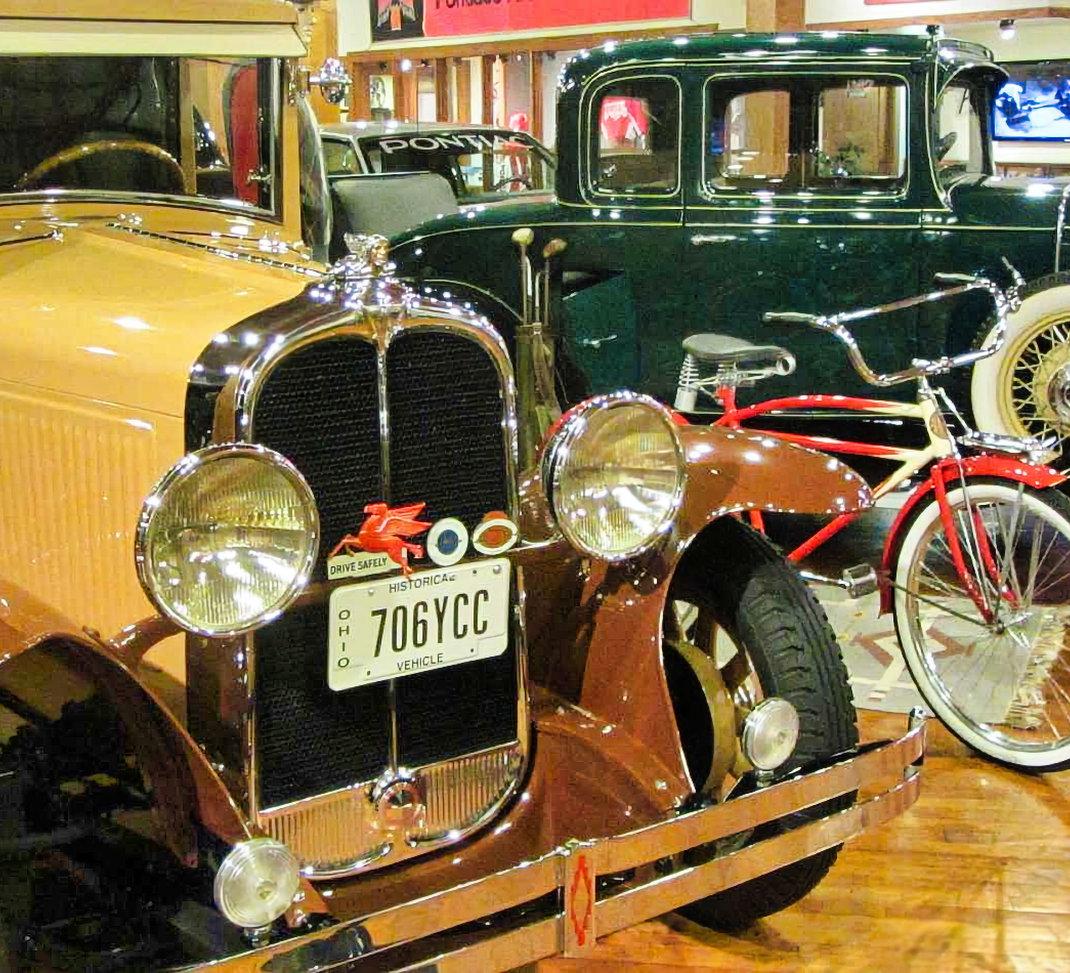
Route66 Hallof Fame& Museum —Pontiac, Illinois
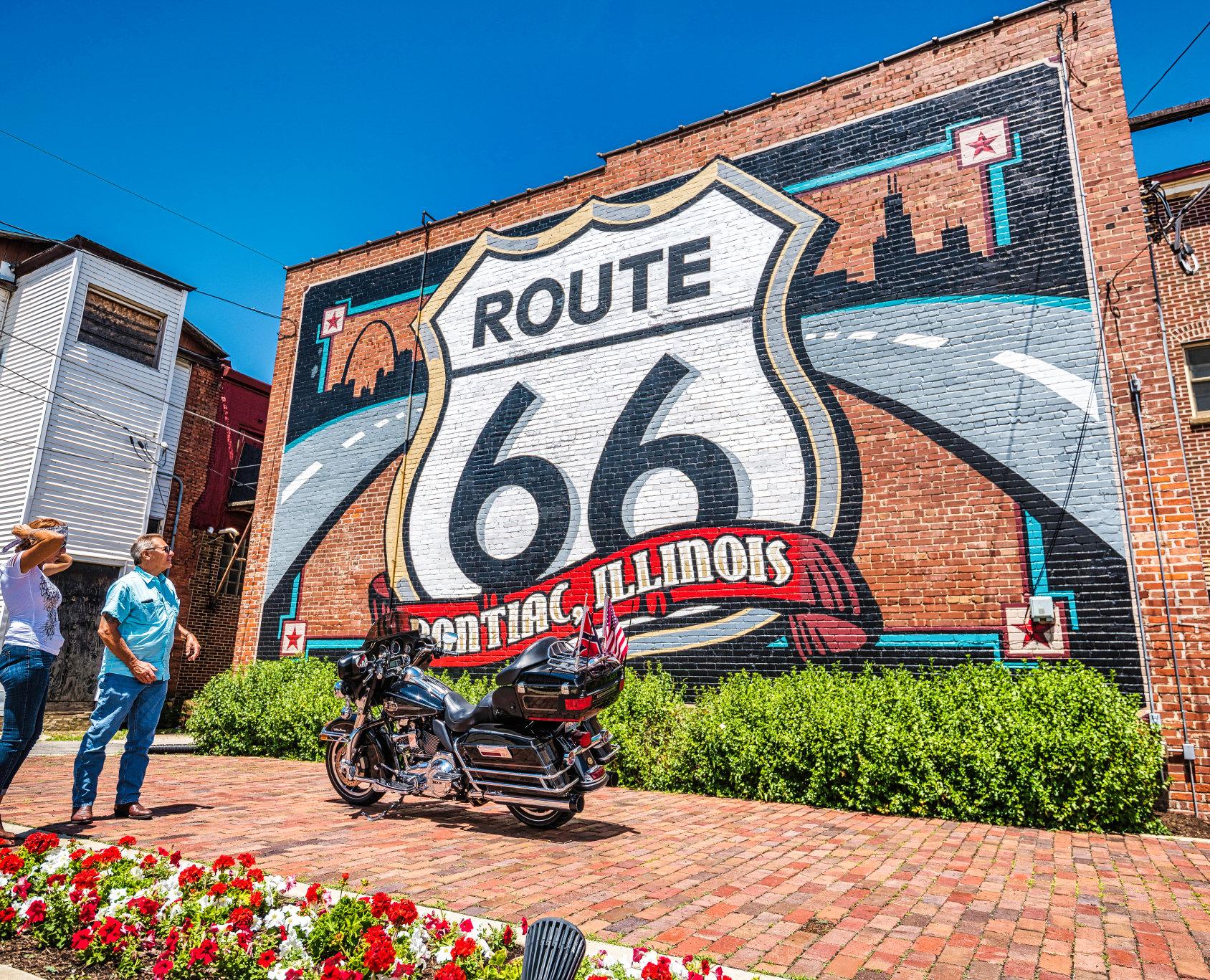
Located in arestoredhistoricfirehouse,this museum celebrates thepeoplewhopreservedtheMother Road. Murals,classiccars,and Route66memorabilia highlightPontiac’s roleas oneof themostenthusiastic Route66 communities.
Missouri
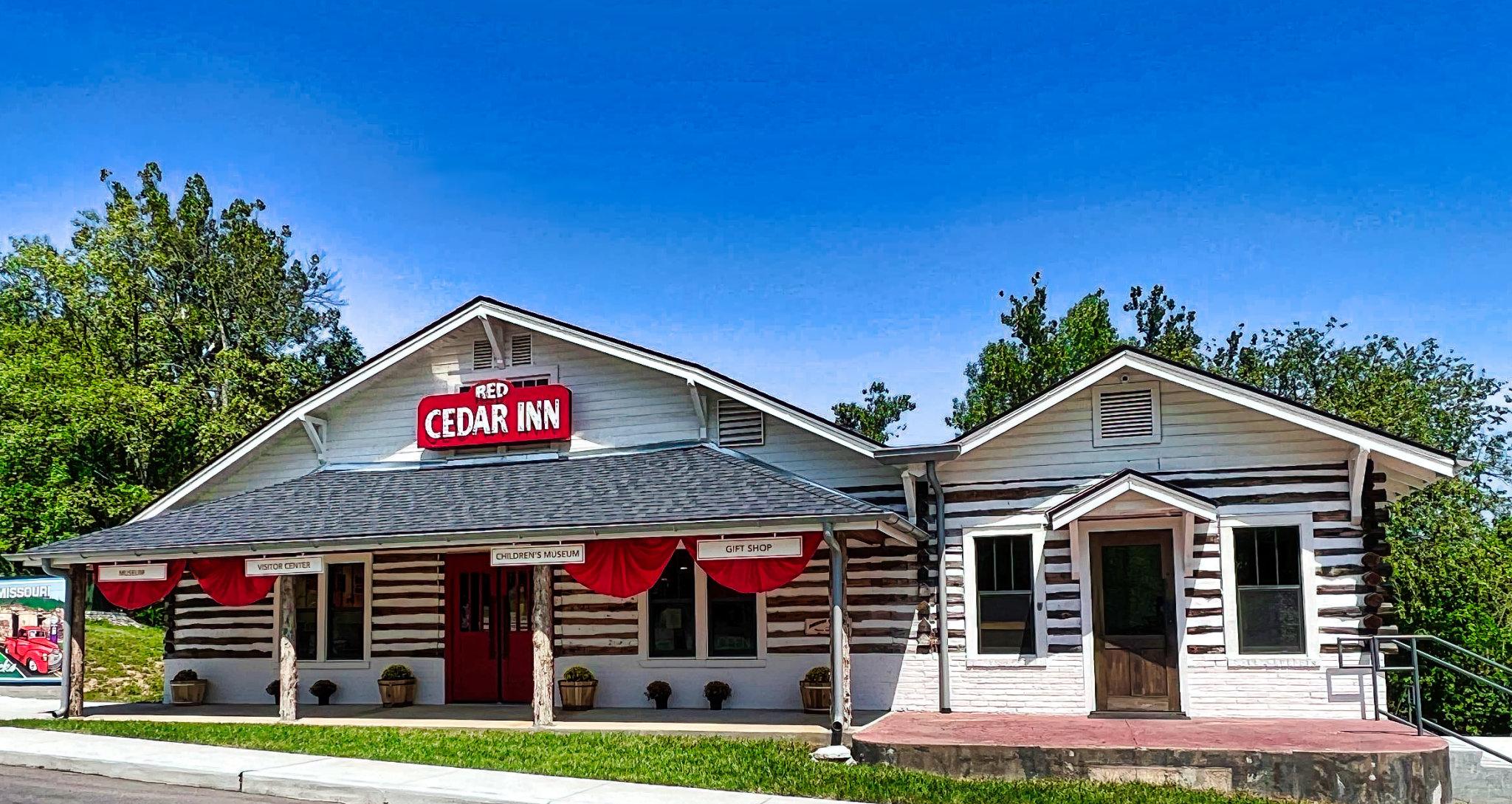
Route66 StateParkVisitorCenter—Eureka, Missouri
Justwestof St. Louis, this visitor center sits alongthe originalRoute66 alignmentandfeatures exhibits on thehighway’s construction,roadsideculture,andthe families who traveledit.
Kansas
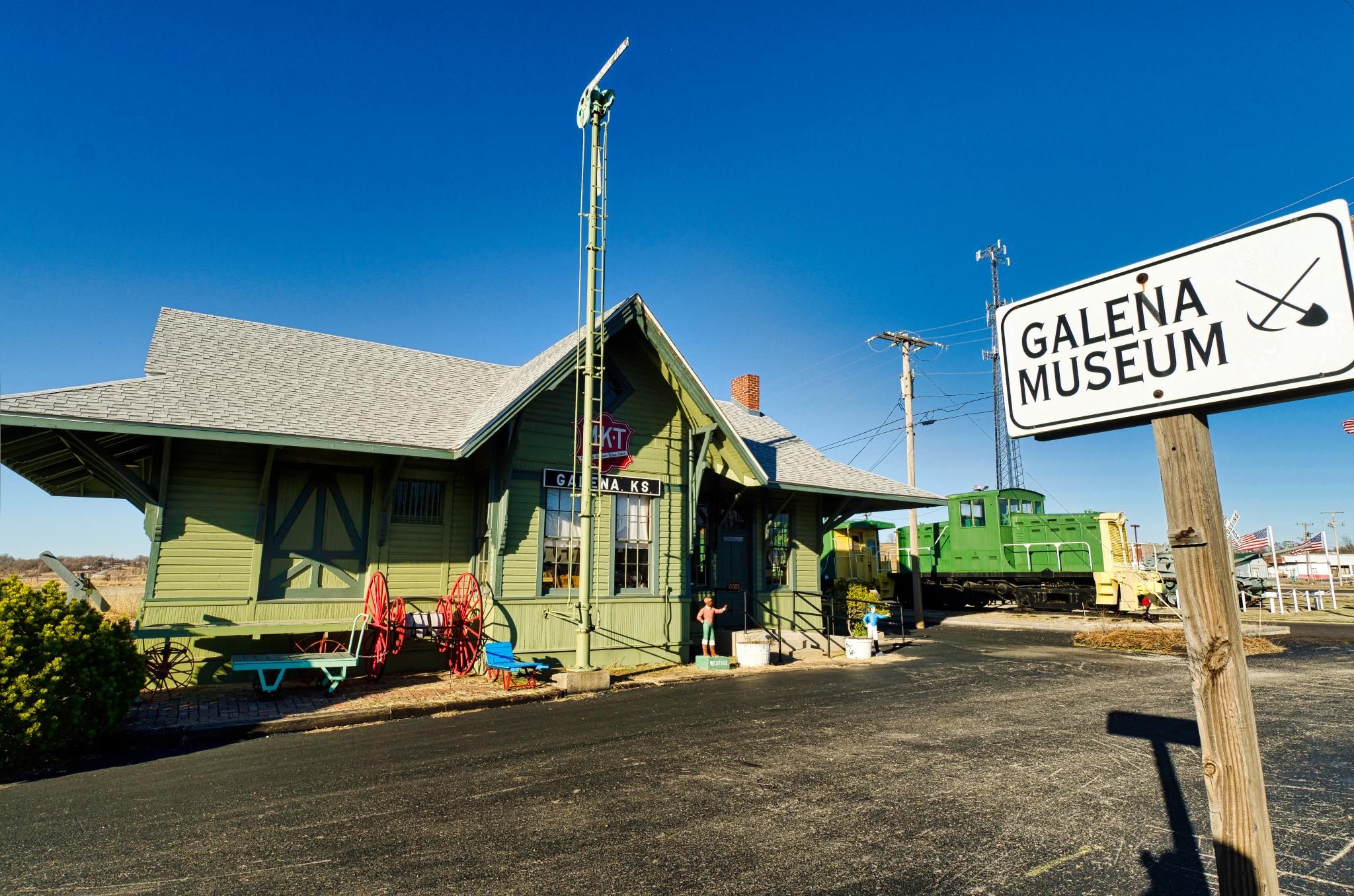
Cars on theRoute— Galena,Kansas
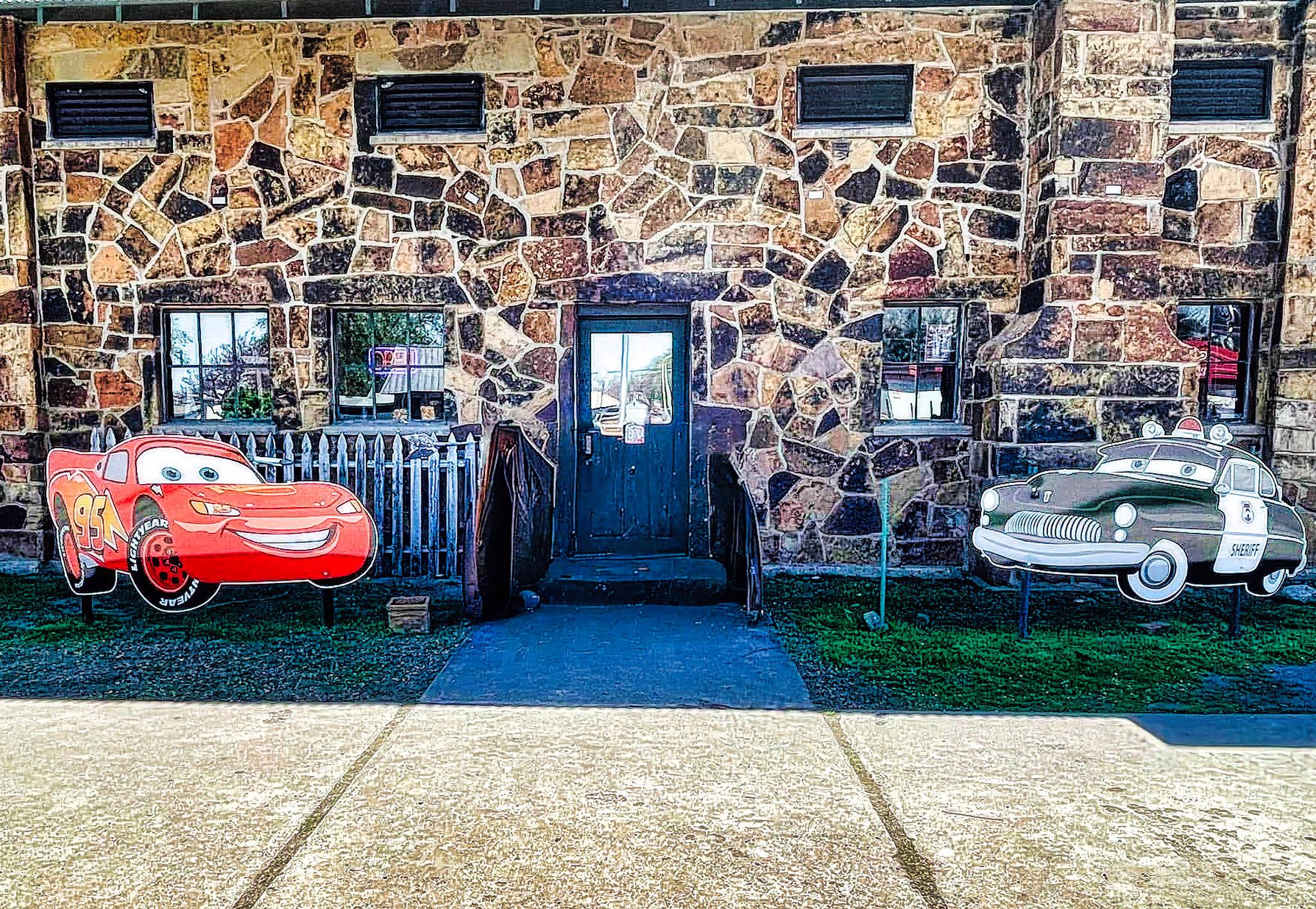
Arestored Kan-O-Texservicestationhouses vintage automobiles and memorabiliatiedtoRoute66.The sitehelpedinspirecharacters intheanimatedfilm Cars and remains oneof Kansas’mostphotographed Route66 stops.
Oklahoma
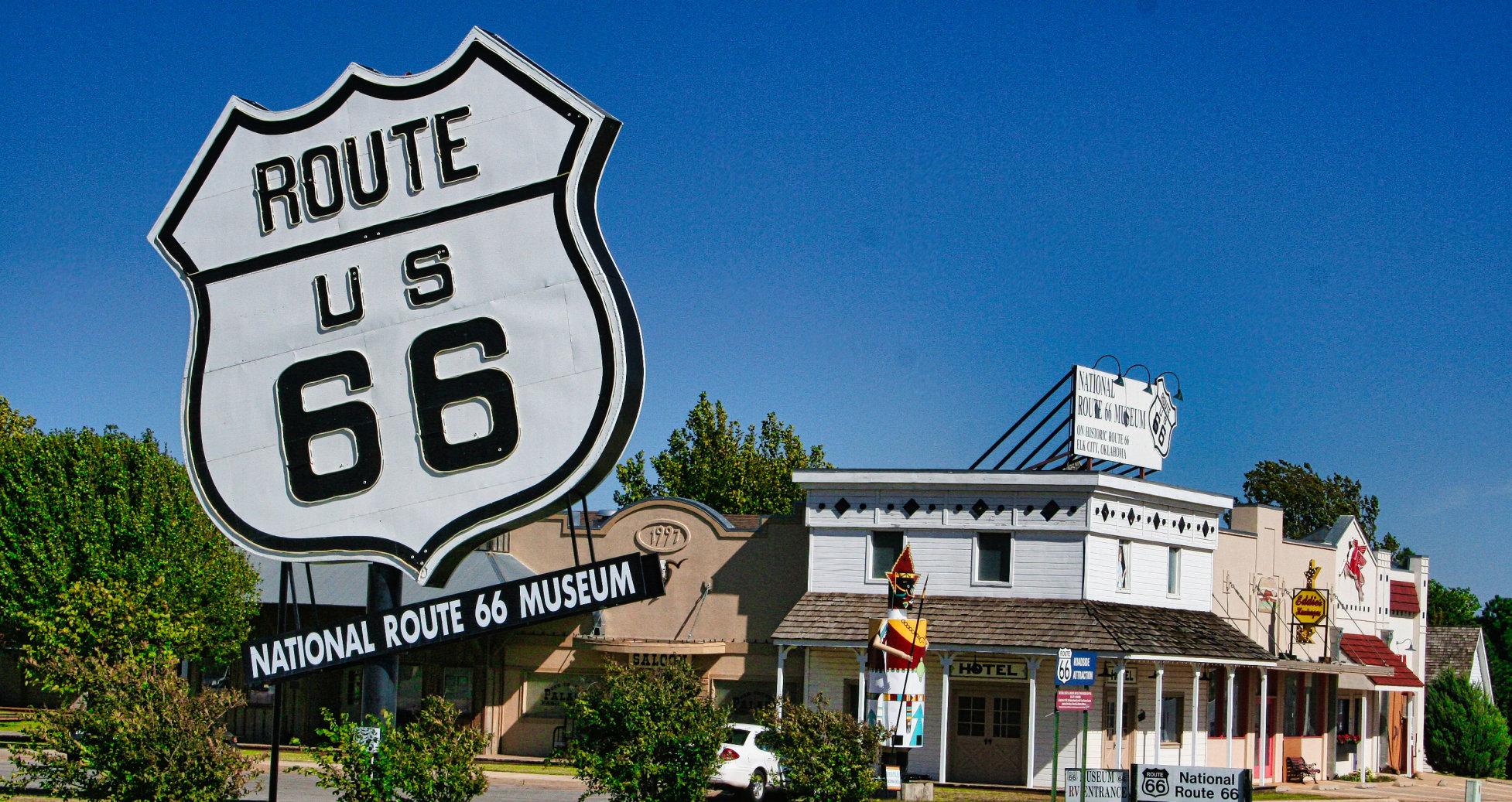
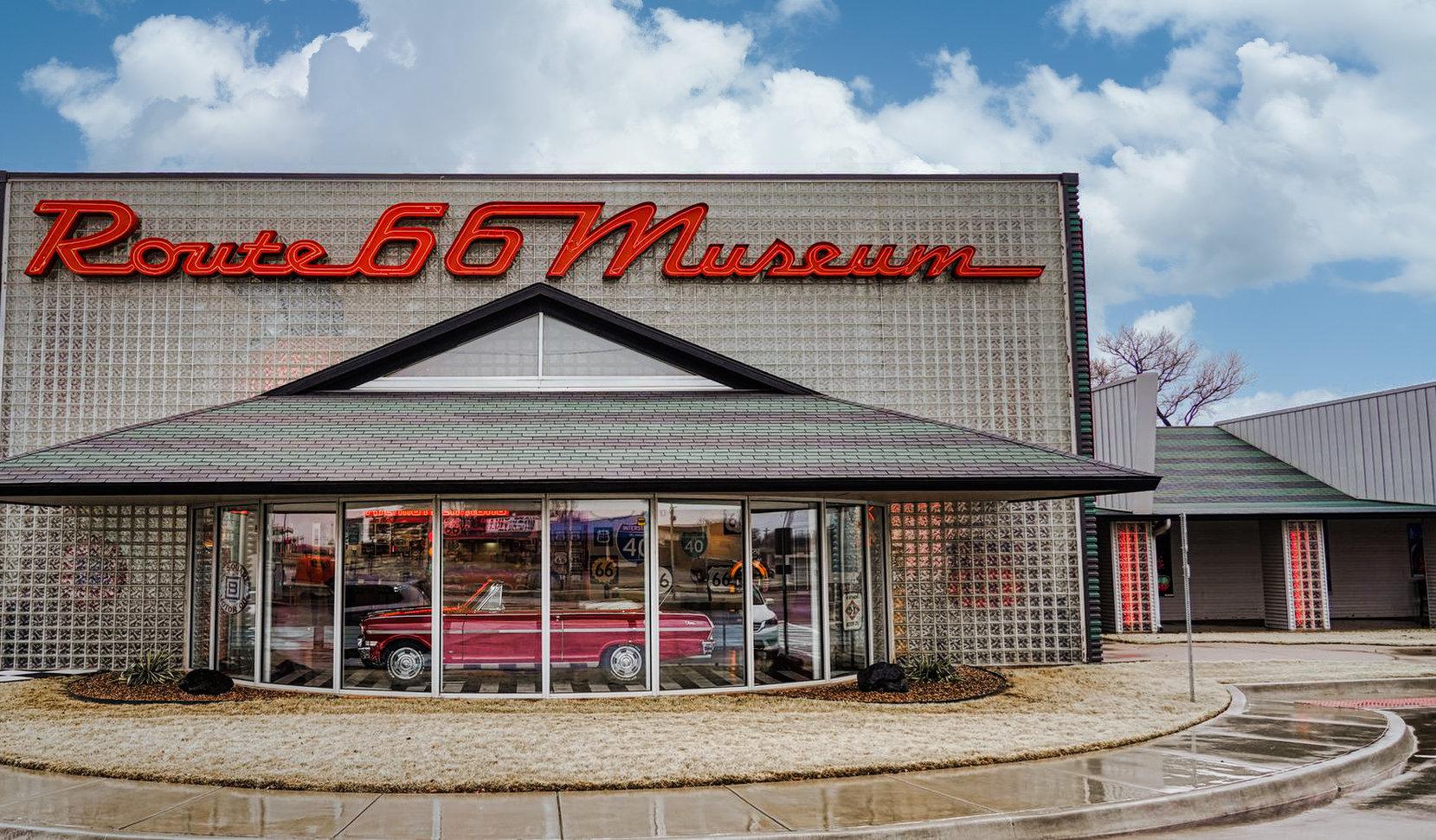
NationalRoute66 Museum —Elk City,Oklahoma
Oneof themostcomprehensiveRoute66museums anywhere, this complex recreates differentdecades of travelalongthehighway,fromtheDustBowl
Byways 8
migrationyears totheheydayof roadsidediners and motels.
Texas
Devil’s RopeMuseum —McLean,Texas
Locatedin thehistoricBrass Lantern Inn,this unusual museumexplores thehistory of barbed wirewhile also featuringanextensiveRoute66exhibitabout travelandranchlifealongthehighway.
New Mexico
New Mexico Route 66 Museum — Tucumcari, New Mexico
Inside the Tucumcari Convention Center, exhibits showcase classic neon signs, vintage travel artifacts, and stories from one of Route 66’s most colorful roadside towns.
Arizona
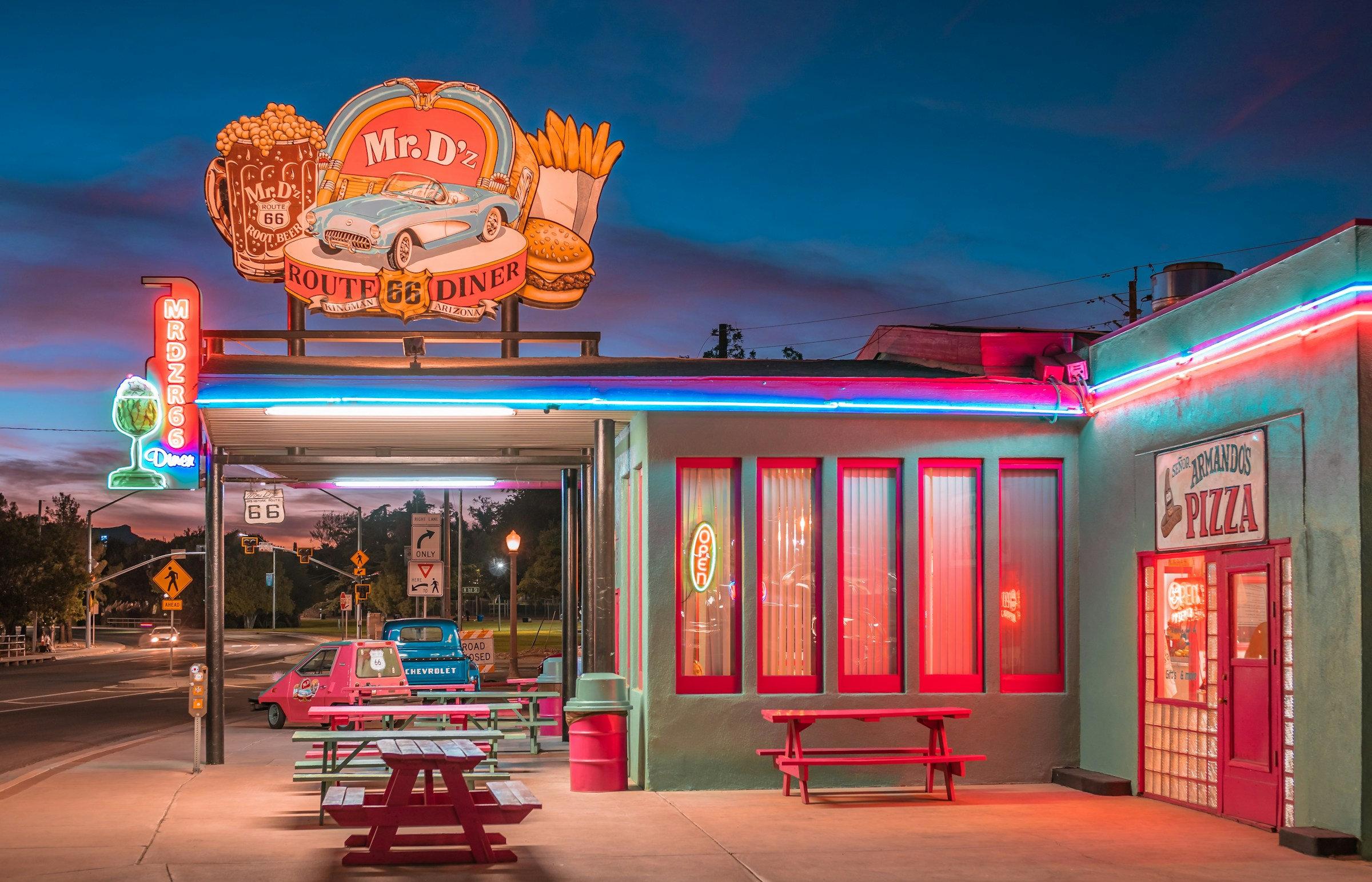
ArizonaRoute66Museum —Kingman,Arizona
Partof thePowerhouseVisitor Center,this museum traces thehighway’s storythrough theBlack Mountains andtherugged desertlandscapes of westernArizona.
California
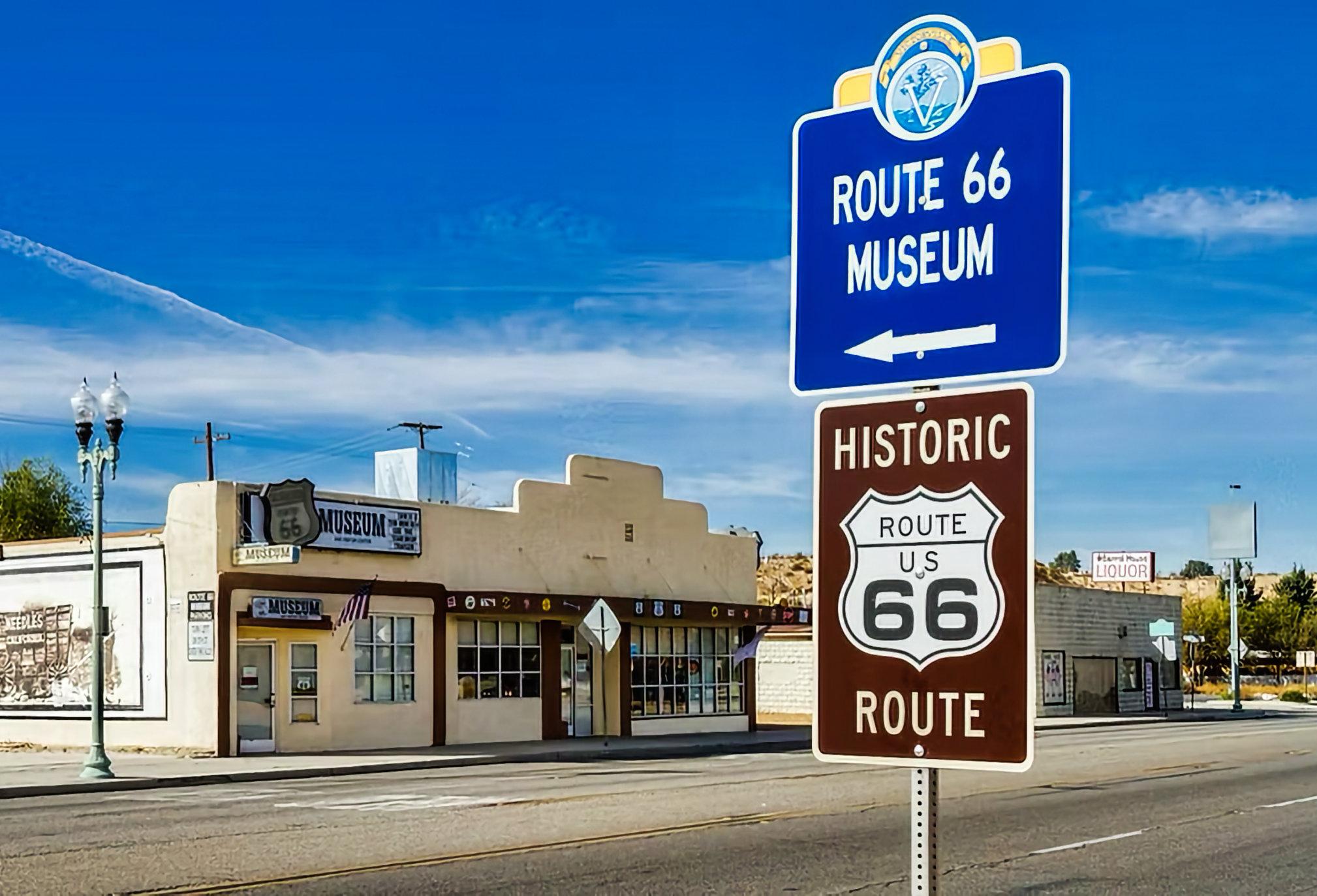
CaliforniaRoute66 Museum —Victorville, California
Locatedalongthehistorichighway intheMojave Desert, themuseumfeatures vintagevehicles, roadsideartifacts,andexhibits celebratingthegolden ageof Route66travel.
43, Issue No. 2 2026
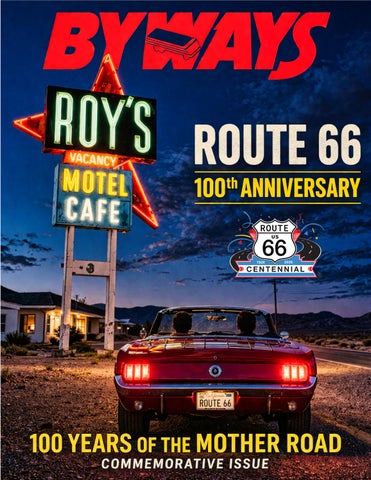
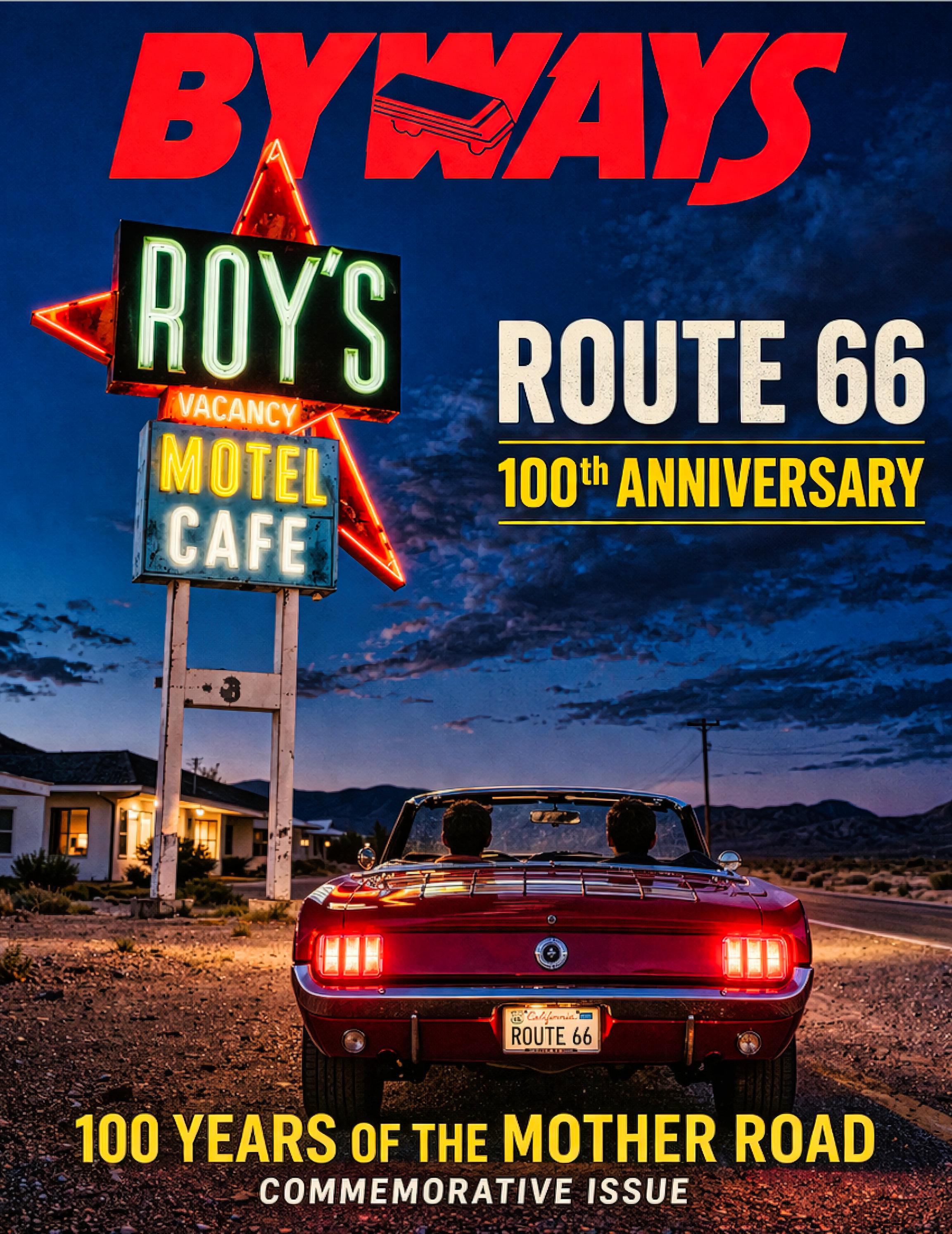
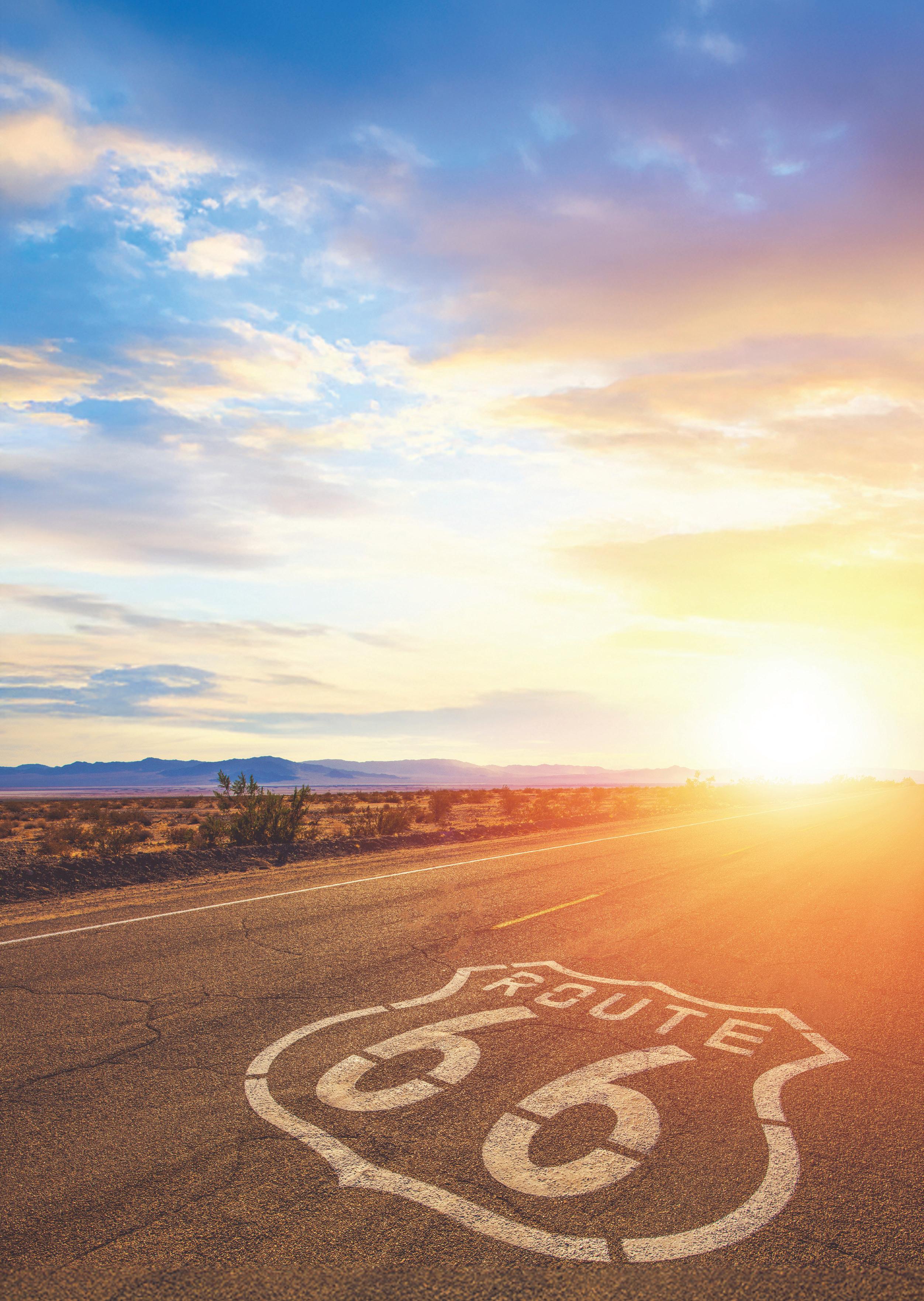
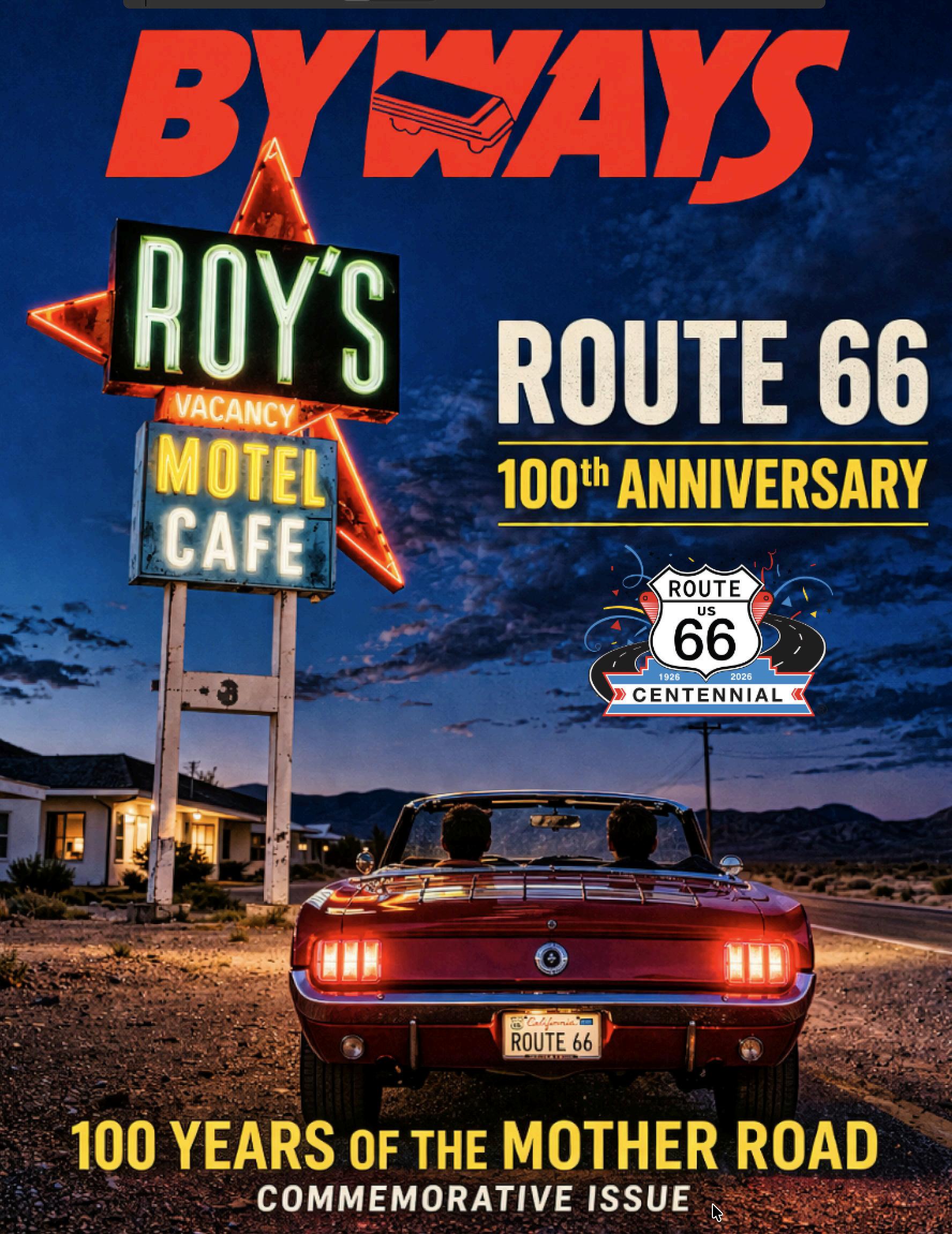
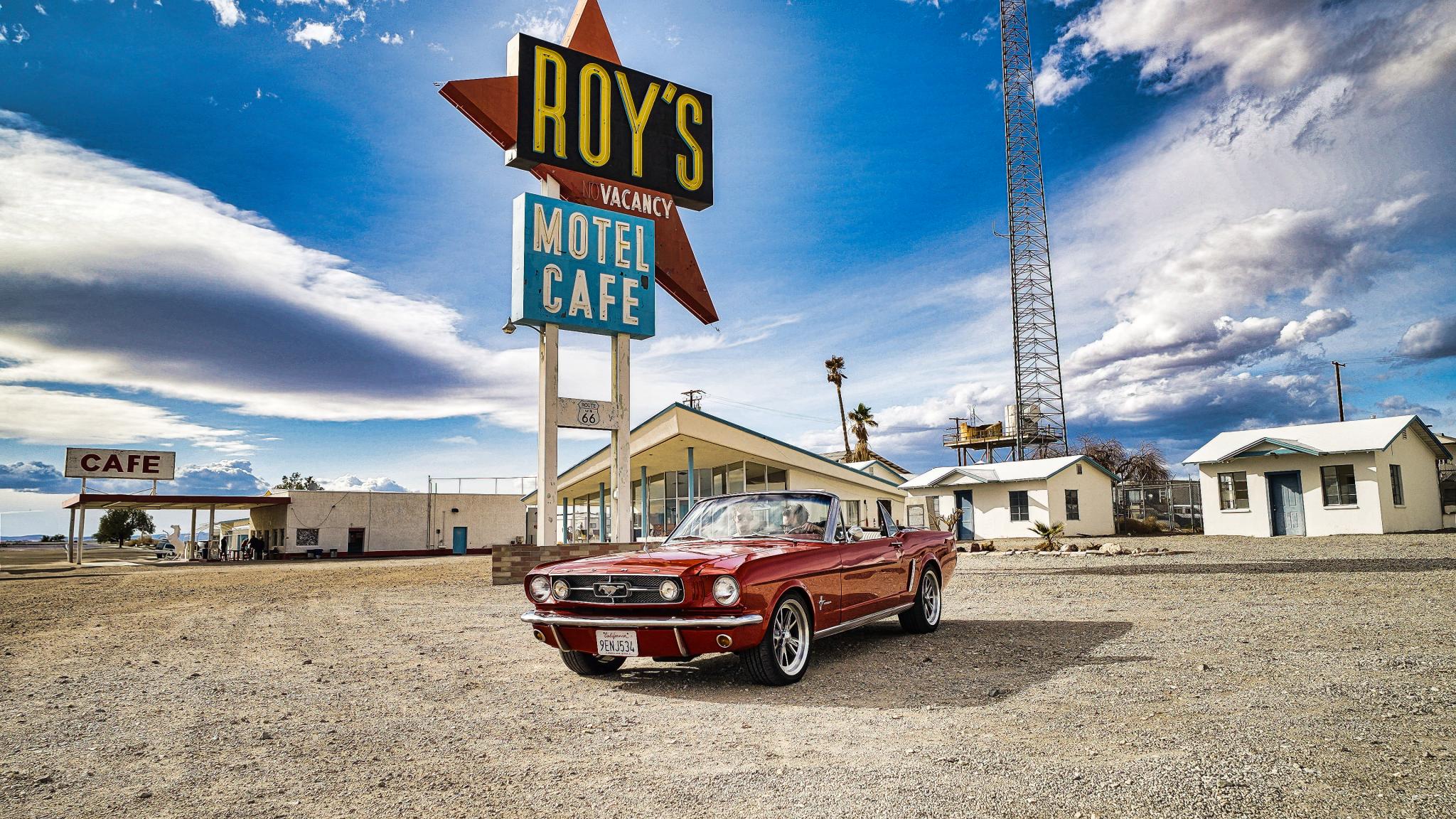
On thecover.Roy’s Motel&Caféglows alonghistoricRoute66inAmboy, California. Openedin1926, thelegendary“Mother Road”continues to draw travelers across theMojaveDesertnearly acenturylater. Joinus for the UltimateMother RoadJourney. Photocourtesy CaliforniaofficeofTourism.
Route 66 at 100, The Road that Built America....................................................................................10 The Commissioner's Message............................................................................................................15 Illinois, Where the Route 66 Journey Begins ......................................................................................16 Missouri, the Heart of Route 66...........................................................................................................30 Kansas, Short Road, Long Legacy on Route 66.................................................................................40 Oklahoma, the Heart & Soul of Route 66............................................................................................50 Texas, Wide Open Skies on the Mother Road ....................................................................................62 New Mexico, the Southwest Heartbeat of Route 66............................................................................70 Arizona, Red Rocks, Roadside Icons, and the Soul of the Southwest................................................78 California, The End of the Road -- and the Start of a Dream
Departments
What’s Happening
Coming in Future Issues
America250 Future issues of Byways will feature America’s 250th Birthday, Mountains and Valleys, Great American Roads and more . . .
Next:
Right.This year theUnited States marks the 250th anniversary of thesigningof the Declarationof Independence.Byways America250 edition spotlights drive-to destinations, historicsites,sceniccorridors,and communities across six regions of thecountry-connecting travelers with theplaces where America’s story continues tounfold.
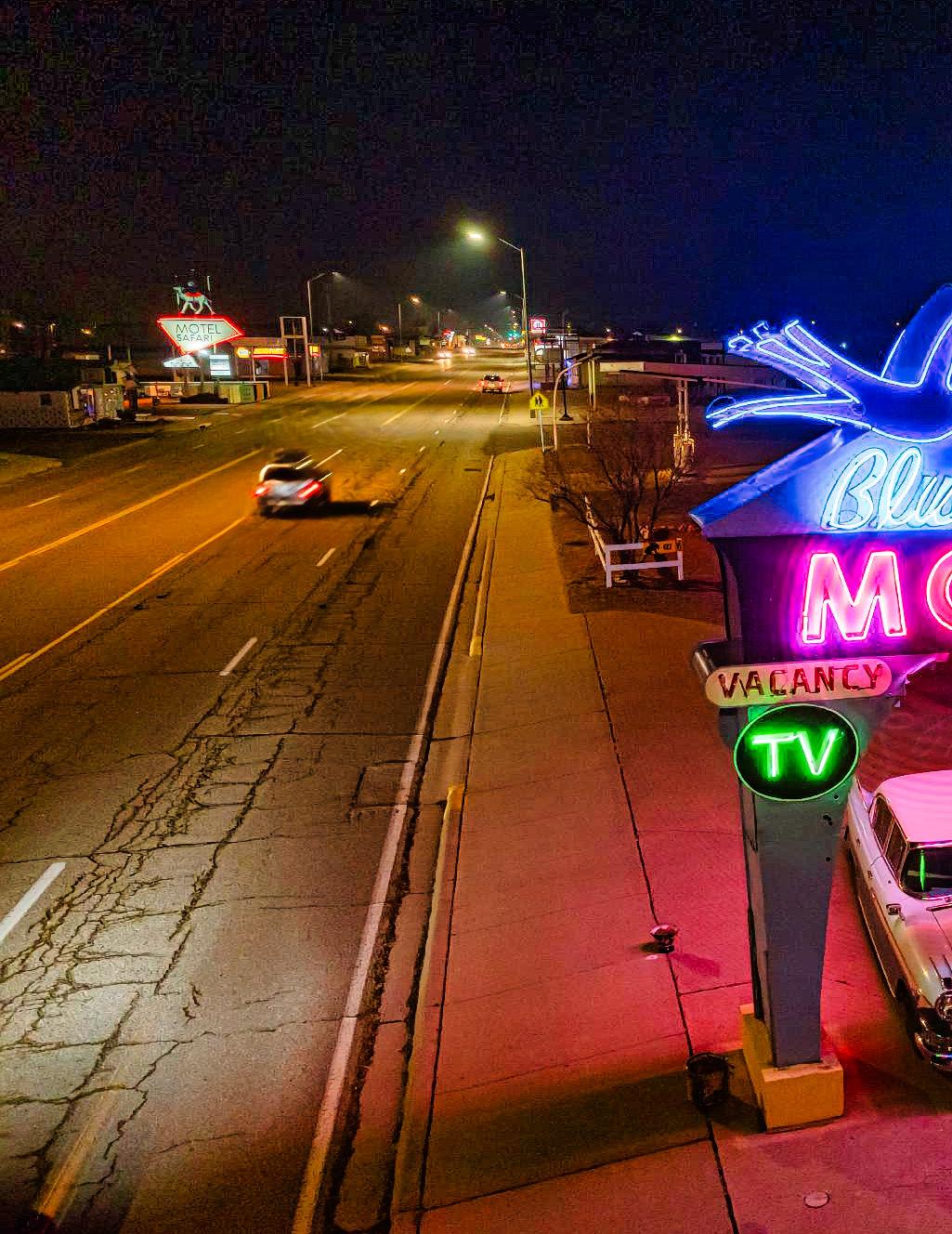
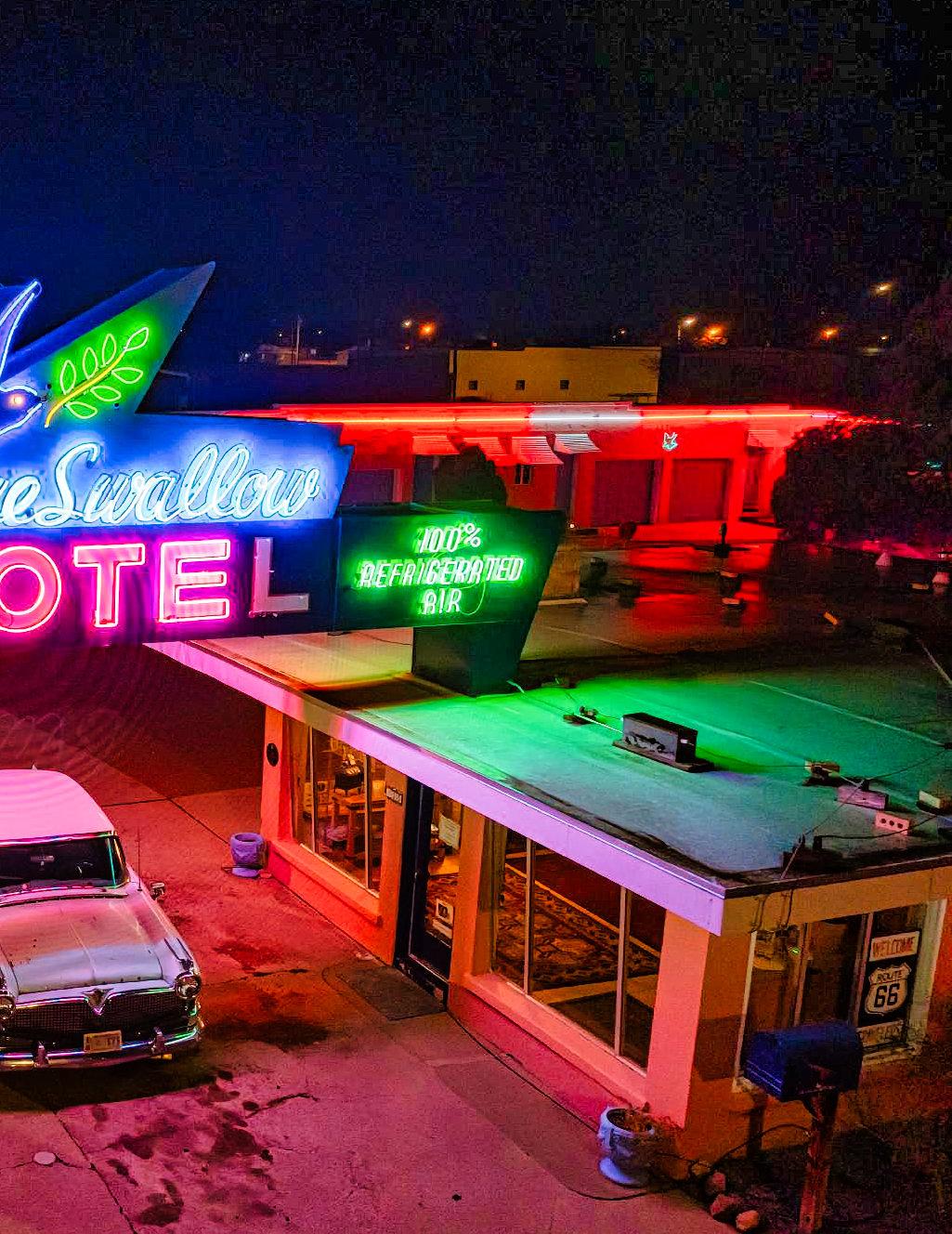
As thesunsets over thehighdesert,thefading lightcatches theglintof chromeonanold Ford parkedbeneath aneonsignthatstill hums “Vacancy”.
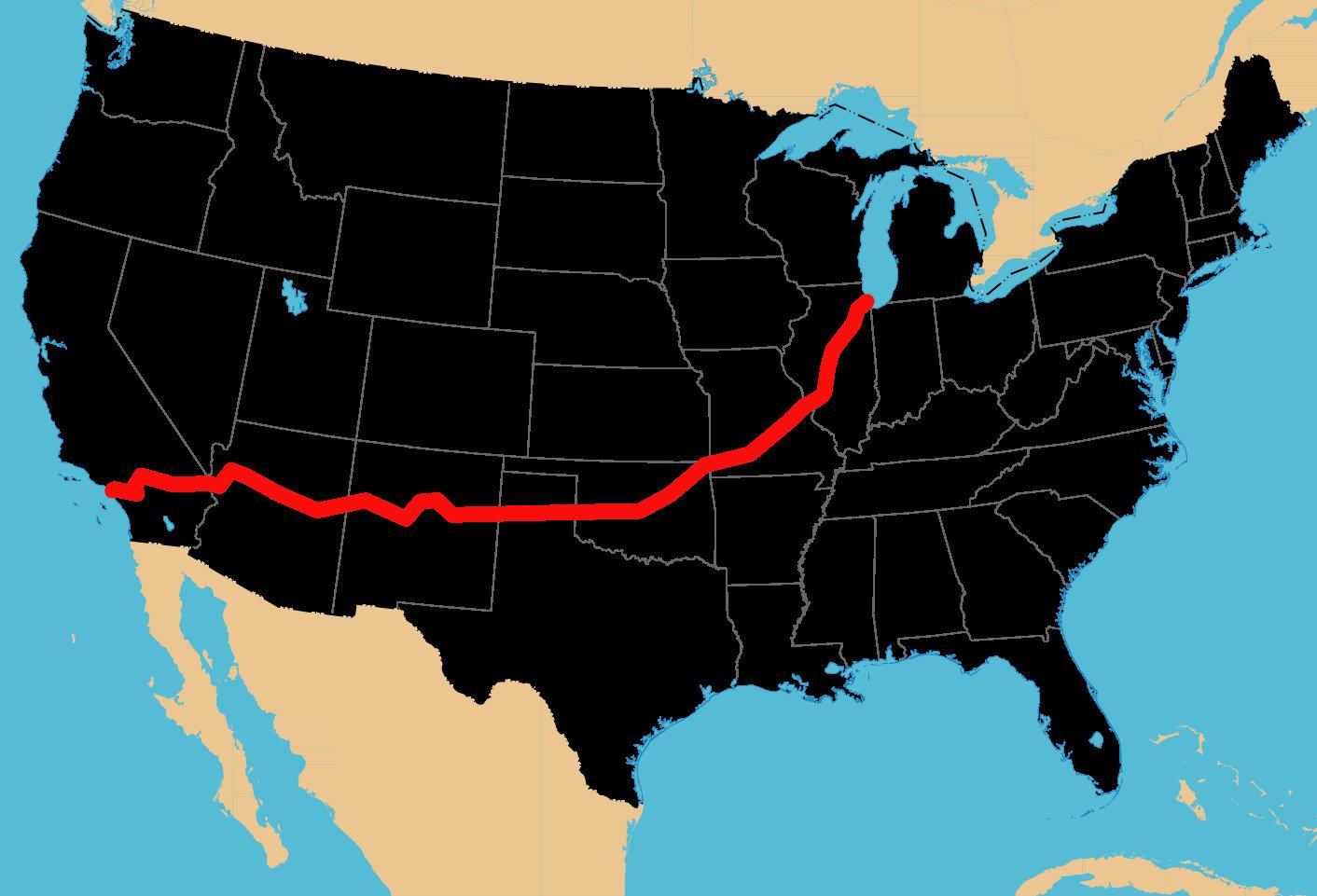
SomewherebetweenChicagoandSantaMonica,the open road stretches endlesslyahead-- aribbonof asphaltthathas carried dreamers,travelers,and drifters for nearly acentury.This is Route66-- the Mother Road -- ajourney, alegend,andaliving symbolof theAmerican spirit.
For almost100 years, Route66has beenmorethan justahighway. Ithas been astagewhereAmerica’s story has played out-- fromhardshipandhopeto freedomand discovery. Now,as thecountryprepares to celebrateits centennial,theroadthatbuiltAmerica is as aliveas ever, calling totravelers whostilllongto rolldownthewindows, follow thesun,andseewhat lies beyond thenextbend.
The Birth of the Mother Road
The story of Route 66 begins in 1926, when the newly established Federal Highway System sought to
linkAmerica’s growing cities with its remote towns. Among those who saw the potential of a transcontinental highway was CyrusAvery of Tulsa, Oklahoma, a visionary known today as the “Father of Route 66”.Avery understood that roads meant opportunity. He championed a diagonal route connecting Chicago to LosAngeles, passing through the Midwest’s farms, the Great Plains’grasslands, and the desert plateaus of the Southwest.
When itopened, Route66becameknown as “The Main StreetofAmerica”.Unlikeother highways that skirtedsmalltowns,this oneran rightthroughthem. Farmers soldproducetotravelers.Mechanics, restaurateurs,and motelowners foundsteady business.Anationaleconomybuilton mobilitywas takingshape-- andRoute66was thelifelinethat carrieditwest.
The Road to Opportunity
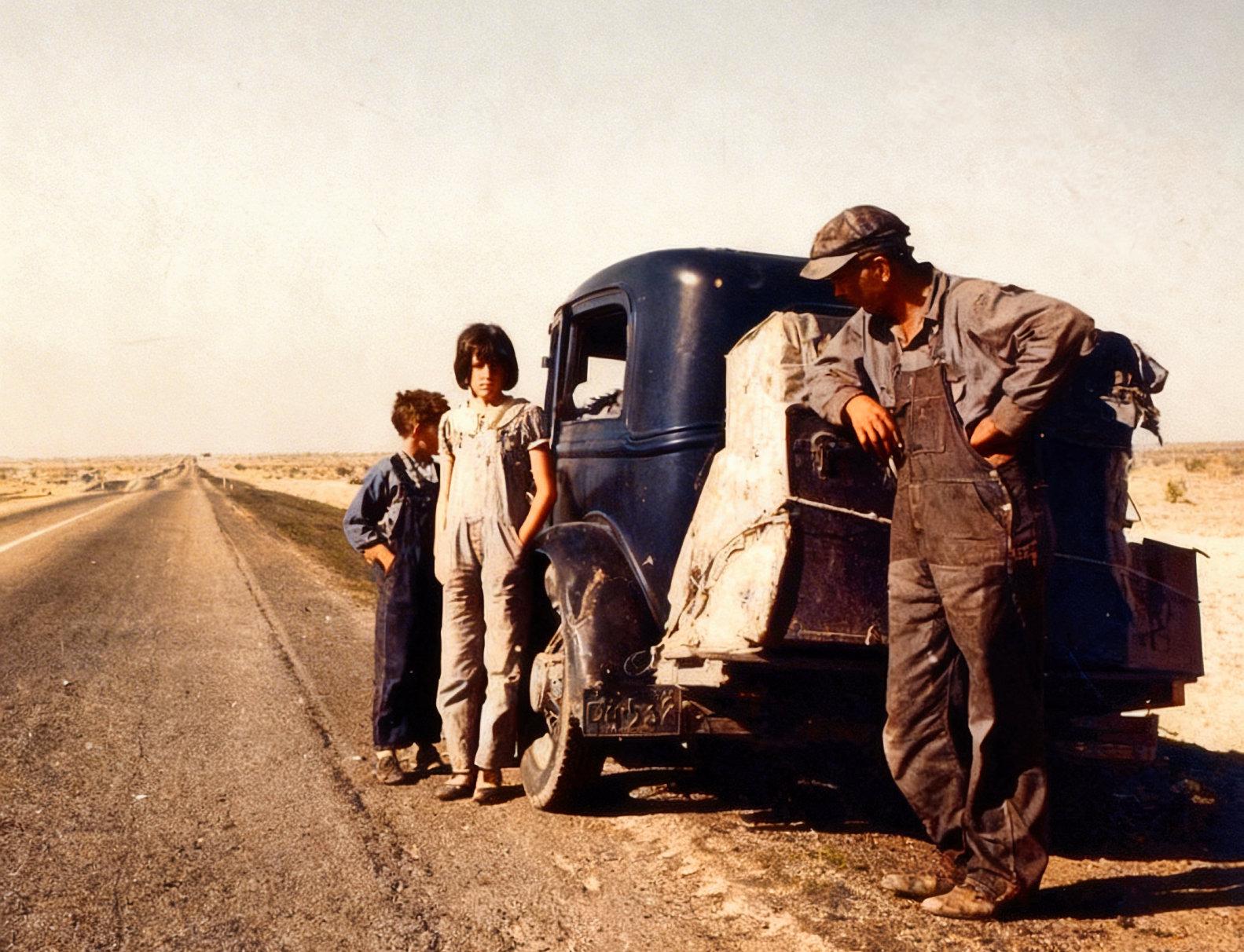
By the 1930s, the Great Depression had gripped the country, and the Dust Bowl forced thousands of families to flee their desolate farms in search of work. Route 66 became a road of migration and hope, the westward path to California’s fertile valleys and new beginnings. John Steinbeck immortalized it
in The Grapes of Wrath, calling it “the Mother Road”, a name that endures to this day.
DuringWorldWar II, Route66 servedanother purpose:moving troops,vehicles, and supplies to military bases in theWest.Convoys of trucks rumbled across its miles, carrying notjustgoods butthe promiseof victory.After thewar, prosperity followed andRoute66 becametheroad to leisure.
Families packed uptheir cars for vacations outwest. Diners,motor courts, and roadsideattractions sprang up, offering everythingfrom homemadepieto giantneon cowboys.Thehighwaybecamea living postcard of postwar optimism.
Icons of the Open Road
Every stretch of Route 66 tells a story, and every state contributes its icons. In Illinois, travelers begin their journey under the Chicago skyline and find classic diners and restored filling stations in places like Pontiac and Springfield.
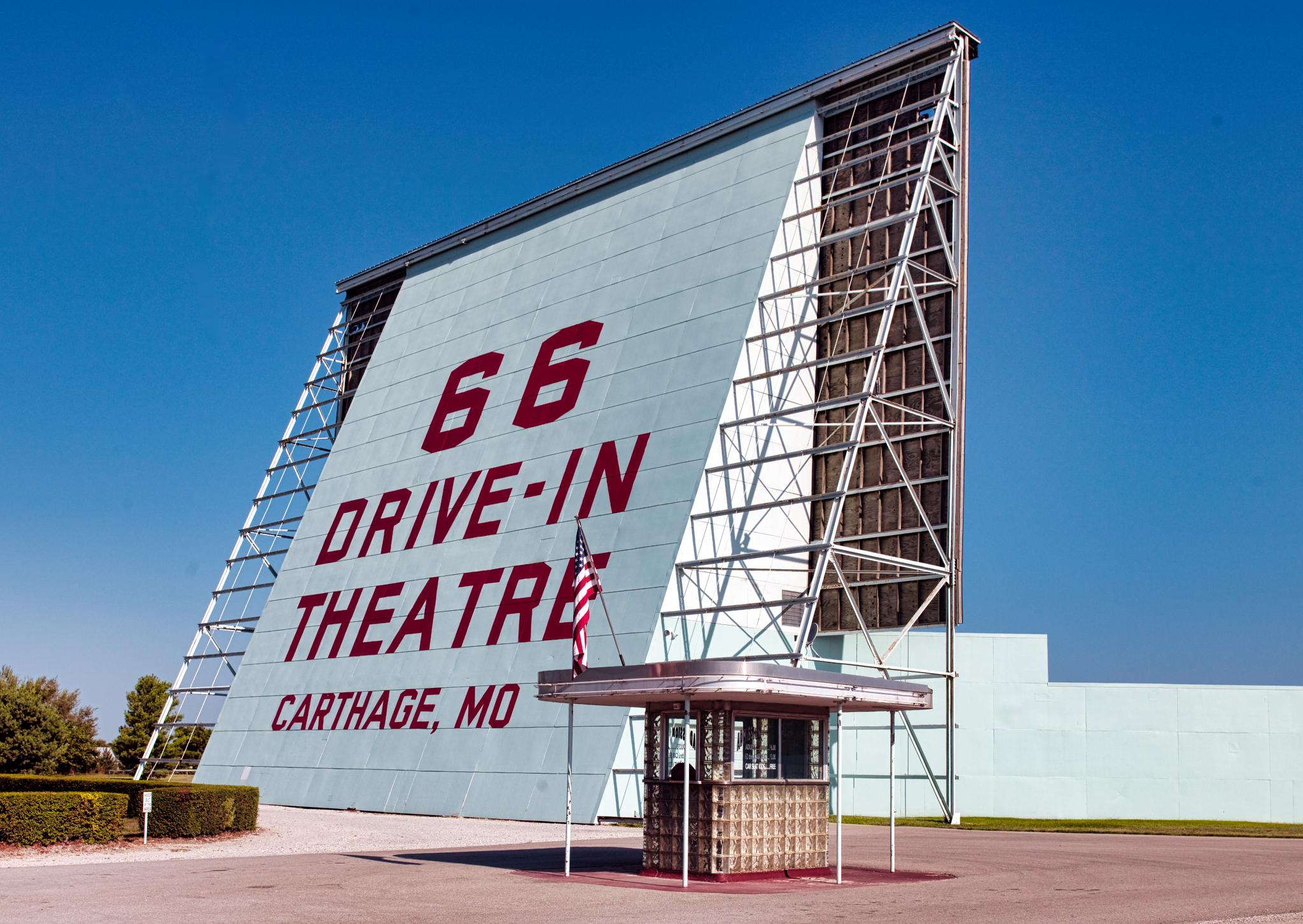
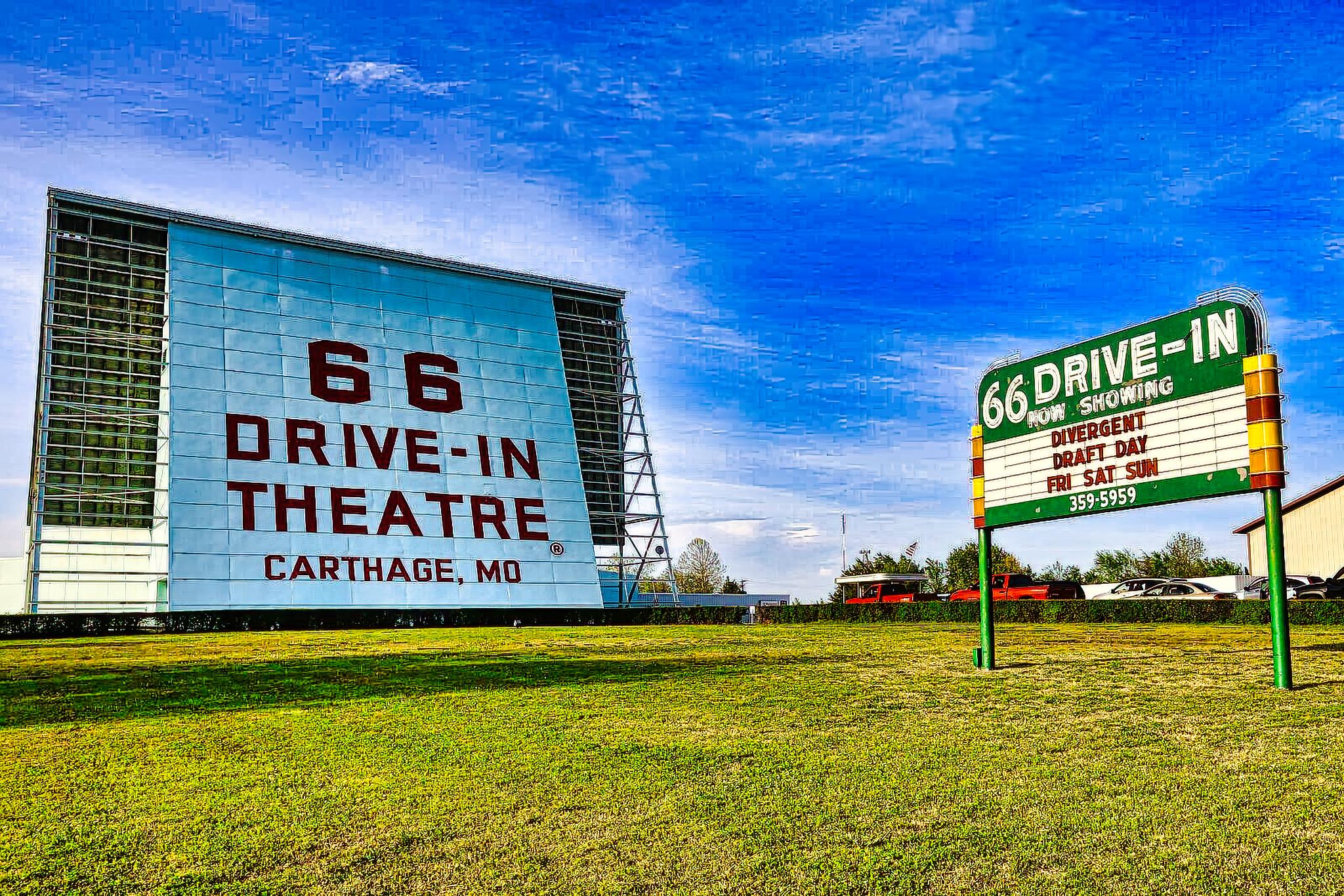
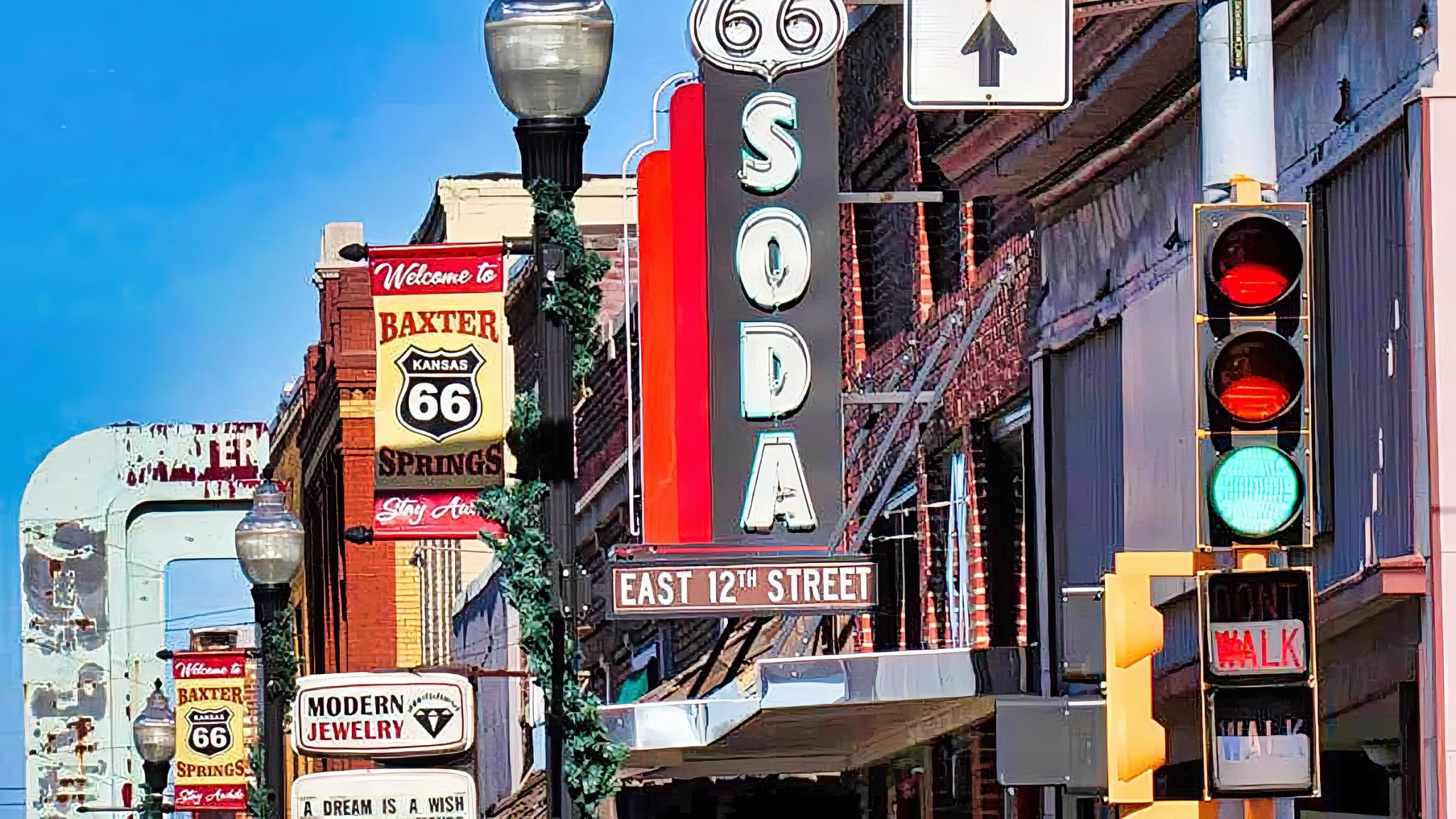
Missouri brings the Meramec Caverns, once advertised on countless barn roofs, and the famous 66 Drive-In Theatre in Carthage. Kansas contributes just 13 miles, but they’re among the most authentic, featuring the Rainbow Bridge and the friendly towns of Galena and Baxter Springs.
In Oklahoma, whereCyrusAvery’s dreamtookshape, Route66trulycomes alivewith history, fromTulsa’s Blue DomeDistrictto theRoundBarnof Arcadia.
TheTexas Panhandleadds aflavor all its own, with thekitschy CadillacRanch nearAmarillo, wherevisitors stillplant spray-painted tributes in theupturned tailfins. In New Mexico,Tucumcari’s neon signs glow againstdesertskies, whileSantaFeandAlbuquerqueblend ancientPueblo heritagewithclassic roadsideAmericana.
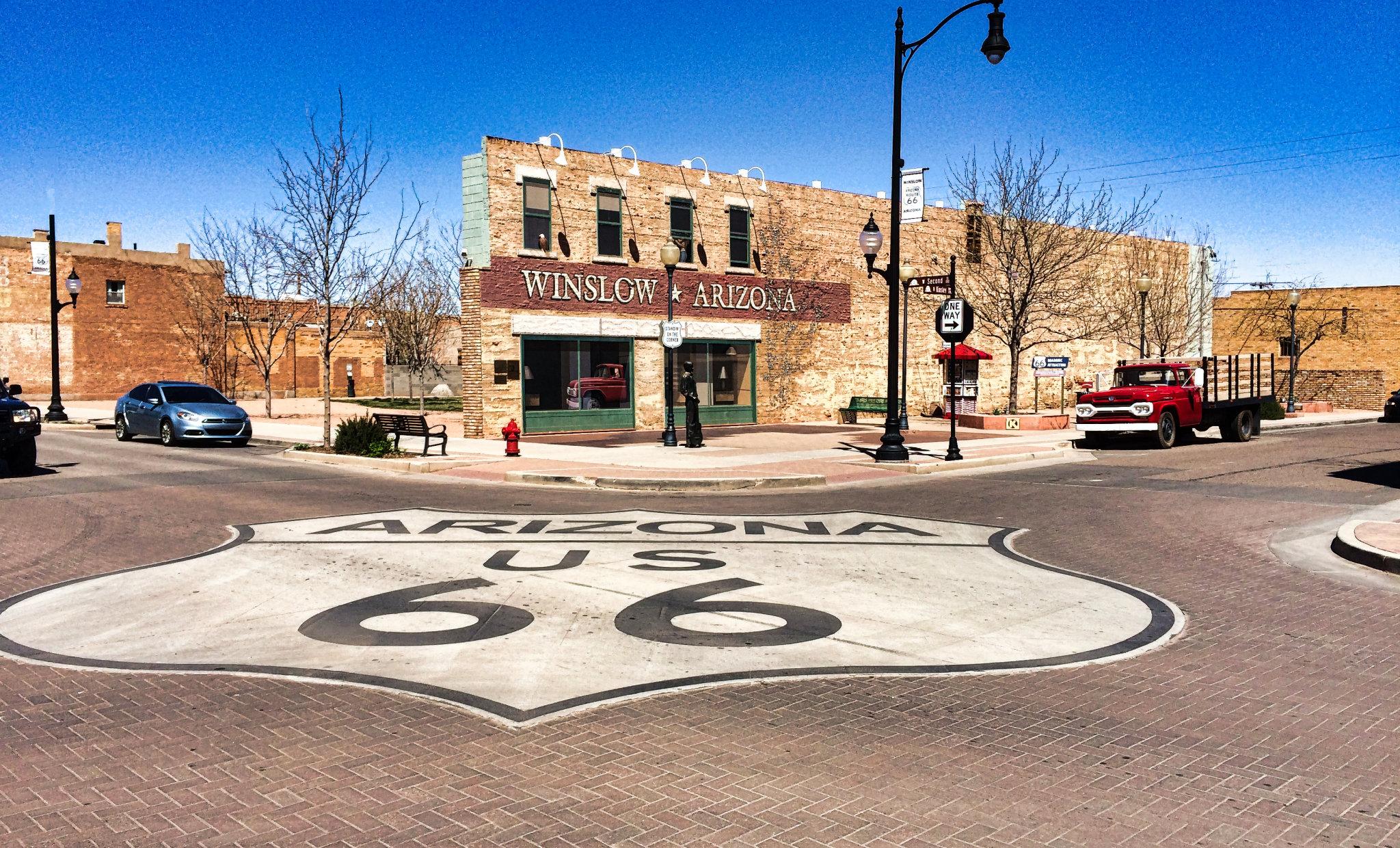
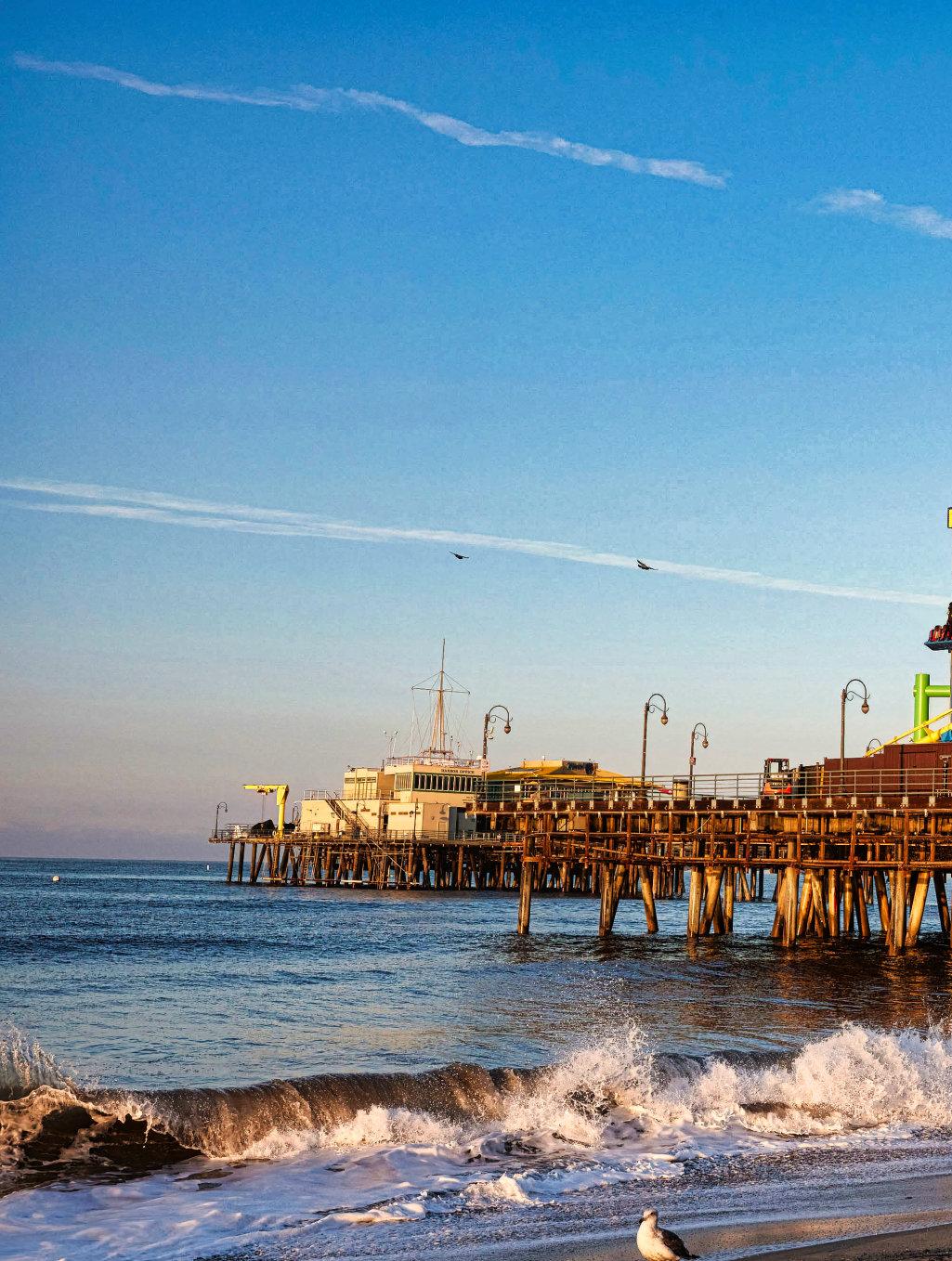
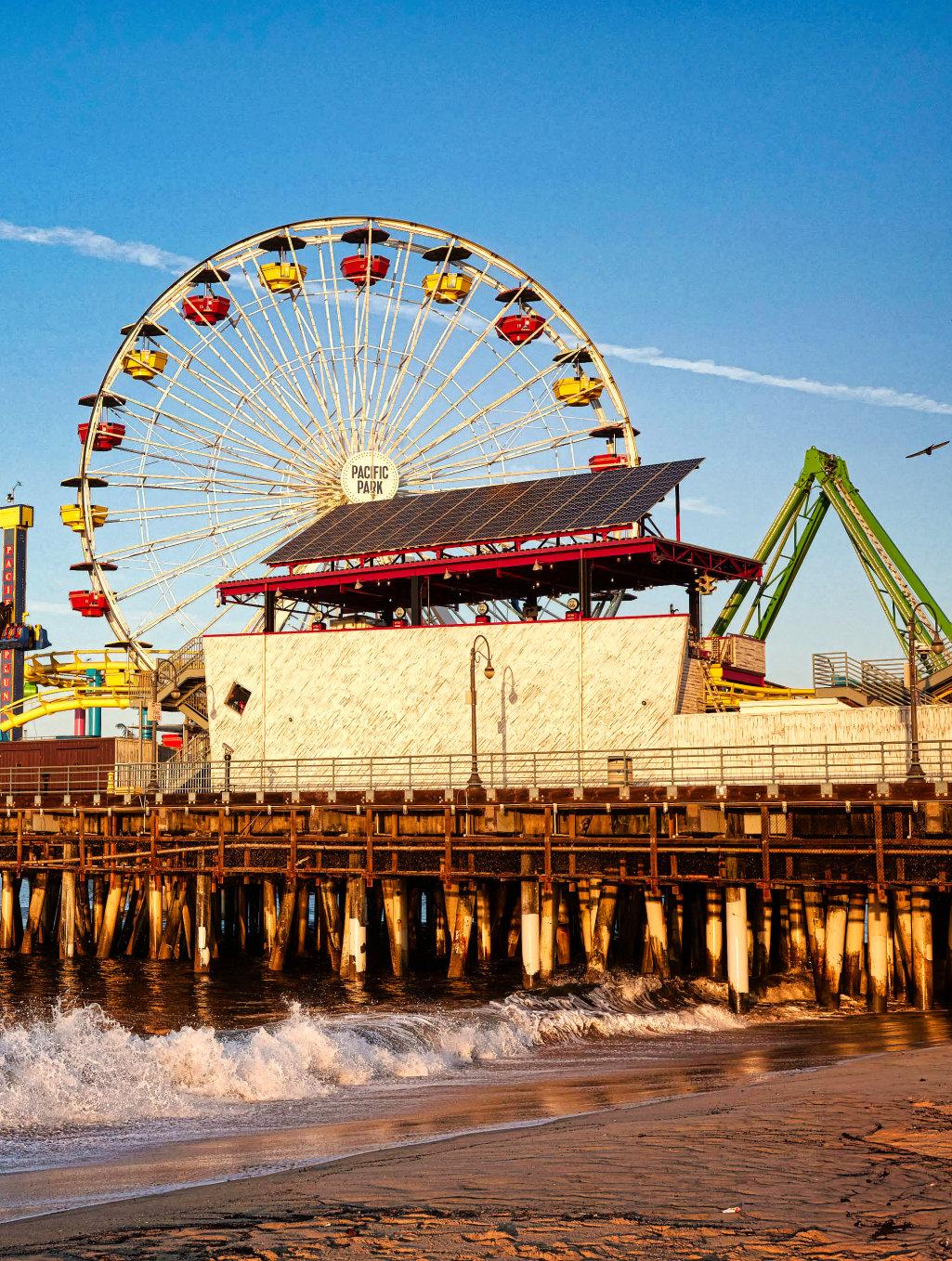
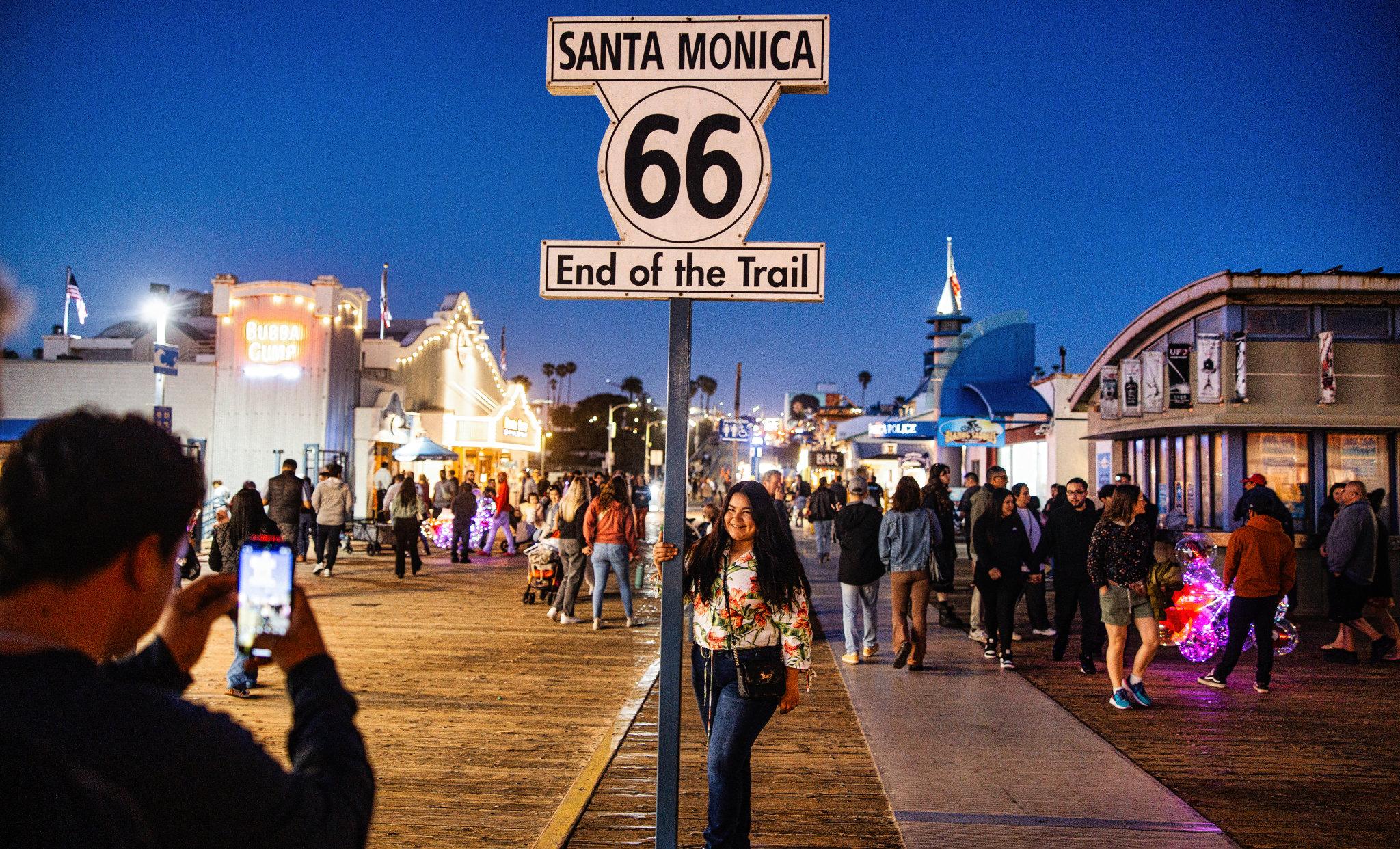
Arizona’s PetrifiedForestNationalParkandStandin’ ontheCorner ParkinWinslow remainessentialstops, andfinally, Californiaoffers thesymbolicend of the journey-- theSantaMonicaPier,wherethe“End of theTrail”sign marks thePacifichorizon.
Eachof thesestops represents notjustadestination, butapieceofAmericanidentity-- atimewhenthe roaditself was partof theadventure.
The Fall — and the Resurrection
By the mid-1950s, the dream of faster, safer travel gave rise to the Interstate Highway System. New routes bypassed the small towns that had thrived on Route 66 traffic. By the 1970s, motels stood empty, diners closed, and once-busy downtowns grew quiet. In 1985, Route 66 was officially decommissioned, erased from federal highway maps. For many, it felt like the end of an era.
Buttheroadrefusedto die.Nostalgiaruns deepin American veins, and travelers beganreturning-- not
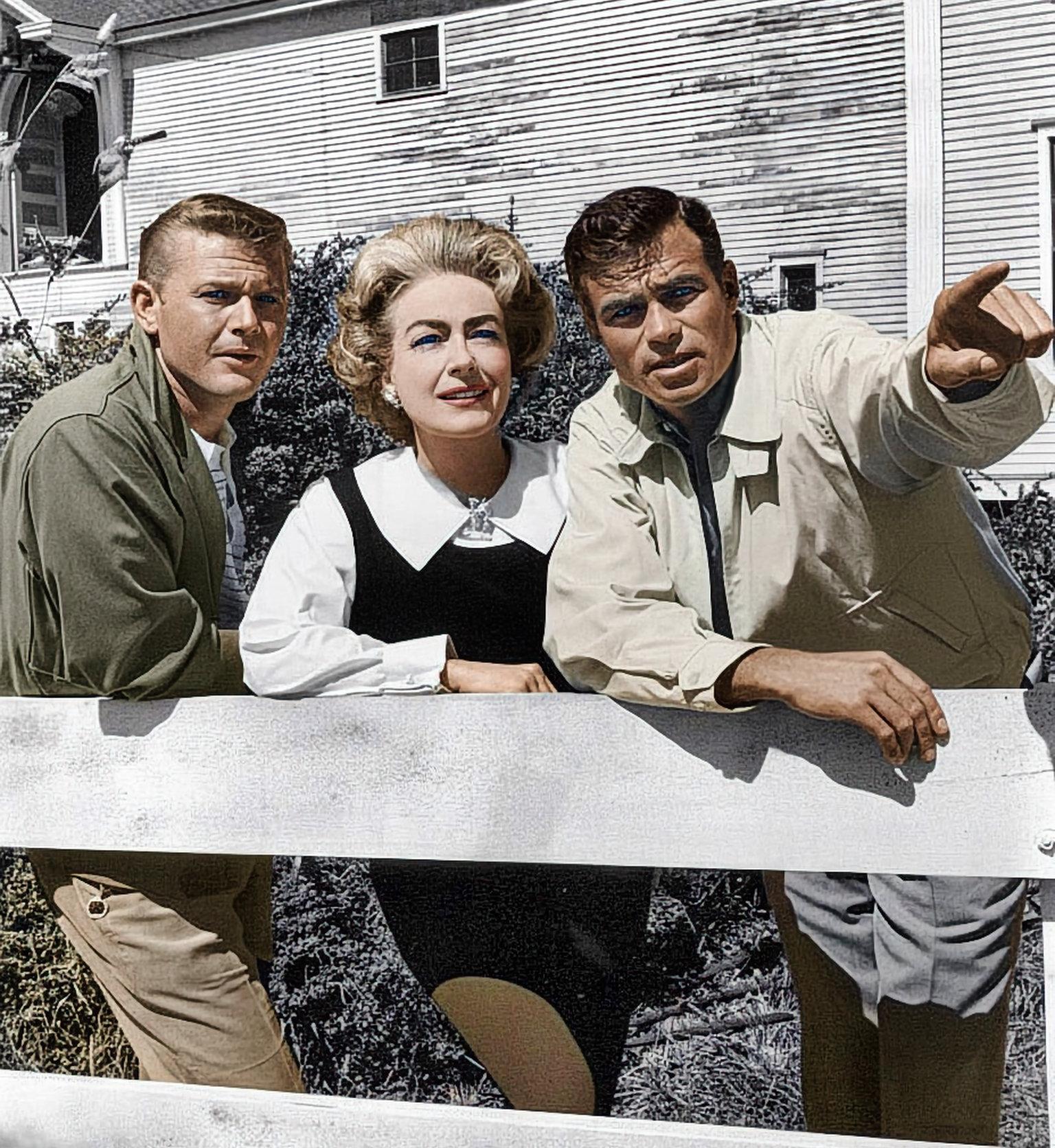
for convenience,butfor connection.LocalRoute66 Associations formed, preservationgroups restored neonsigns,andenthusiasts aroundtheworld rediscoveredthehighwaythroughcar clubs,festivals, andmusic.BobbyTroup’s 1946song, Get Your Kicks on Route 66,found new life,as didthetelevisionshow Route 66 inthe1960s, whichhelpedcementtheroad’s mythicstatus.
Today, Route66 is recognized as aNationalScenic Bywayandan enduring pieceof culturalhistory.The Route66Corridor PreservationProgramcontinues to fundrestoration projects alongtheroute, ensuring that its uniquecharacter,fromvintagemotels to artdeco gas stations,remains intactfor futuregenerations.
Route 66 Today: A Living Highway
In many ways, Route 66 has entered its renaissance. Travelers from around the world still flock to the highway to experience its blend of history, Americana, and authenticity.
Towns once left behind have reinvented themselves as nostalgic waypoints, full of murals, diners, and classic cars. Businesses like Lou Mitchell’s in Chicago, Pops 66 Soda Ranch in Oklahoma, and Delgadillo’s Snow Cap Drive-In in Seligman, Arizona, continue to welcome visitors with humor and hospitality.
Theroad alsoserves as aculturalbridgebetween generations. Babyboomers retracetheir childhood vacations, whileyounger travelers discover the
romanceof analog adventures -- paper maps,roadside motels, and conversations withlocals.Thecentennial has inspired festivals, restorationcampaigns,and renewed prideamong thecommunities thatkeep Route66 alive.
Andfor thosewho driveits full2,448miles,the experienceremains transformative.Fromthe skyscrapers of Chicago tothepalmtrees of Santa Monica, thejourney is as muchaboutinner discovery as outer scenery.
Eight States, One Story
Route 66 runs through eight states and three time zones, connecting big cities, small towns, and countless personal histories. Each state along the route adds its own flavor -- Illinois’urban energy, Missouri’s Ozark charm, Kansas’small-town friendliness, Oklahoma’s heartland hospitality, Texas’ big-sky bravado, New Mexico’s cultural blend, Arizona’s natural grandeur, and California’s coastal glamour.
Together, they formacross-sectionofAmerica-diverse,enduring, and deeplyhuman.As Byways Magazinetakes readers onastate-by-statejourney through each of theseeightchapters,thecommon thread willremain clear:Route66is notjustaroad.It is aliving story thatcontinues tounfoldwithevery traveler whosets outuponit.
The Road Ahead
As Route 66 celebrates its 100th anniversary, the “Mother Road” is once again at the center of attention. Preservationists, tourism boards, and local businesses are preparing for a wave of centennial events, from car rallies and festivals to museum exhibits and historic restorations. But even without fanfare, Route 66 endures as a pilgrimage -- a road that invites reflection as much as movement.
For some,it’s nostalgia.For others,it’s discovery. Butfor everyonewhodrives it,Route66represents theessenceofAmericanfreedom-- theopenroad, theunexpected detour,and thejoyof simplygoing.
A hundred years after the first traveler rolled west, Route 66 still whispers to the dreamer in all of us: pack light, keep moving, and never lose sight of the horizon.
A Message from the Commissioner
Fromits birthin1926 to its centennialin 2026, Route66has been more thanalineonamap. Itis America’s MainStreet:a 2,400-milethreadstitching together smalltowns and big dreams,neon nights and wide-opendays,generations of travelers and thecommunities thatwelcomedthem.
As wecelebratethe100thanniversary of Route66, weareworking toensurethatthis legendary highway is notonlyrememberedbutrenewed.The Centennialis aninvitation topreserveendangered landmarks, restoreclassicroadsidearchitecture, and investin themom-and-popbusinesses thatgivethe road its soul. Itis alsoachancetotellafuller story— honoringtheNative,Black,Latino,immigrant, and DustBowlfamilies for whomRoute66meantwork, escape,or anew start.
Bypromoting heritagetourism,educational programs,and communityprojects along the corridor, theCentennialseeks to inspireanew generationto discover thefreedomof theopenroad -- responsibly, sustainably,and inclusively. One hundred years on,Route66stillpoints west, toward possibility.TheCentennialsimplyasks us to follow, andtokeepAmerica’s moststoried highway alive for thenexthundredyears.
BillThomas Commissioner
- U.S.Route66Centennial Commission
Chairman - Route66RoadAheadPartnership https://www.route66centennial.org
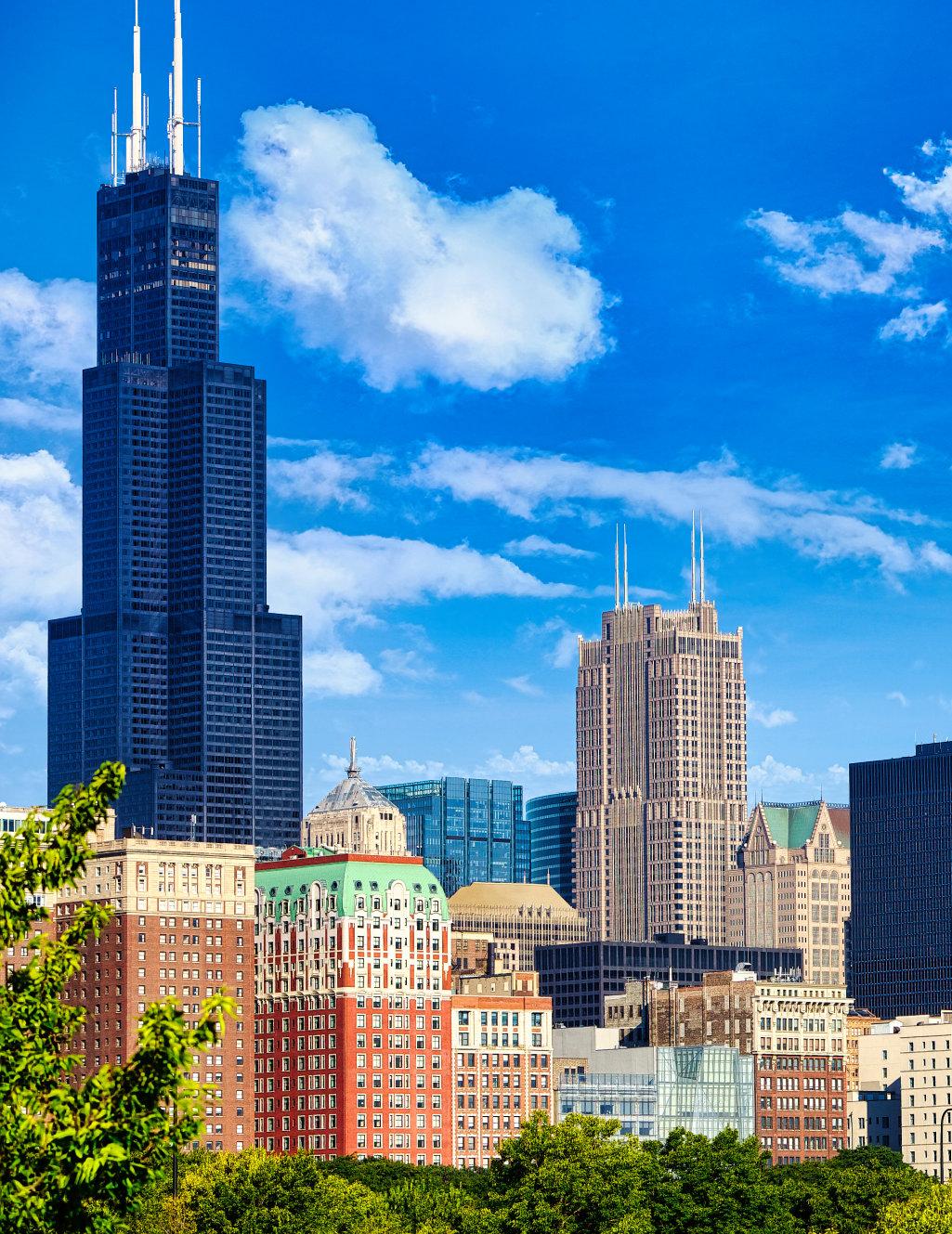
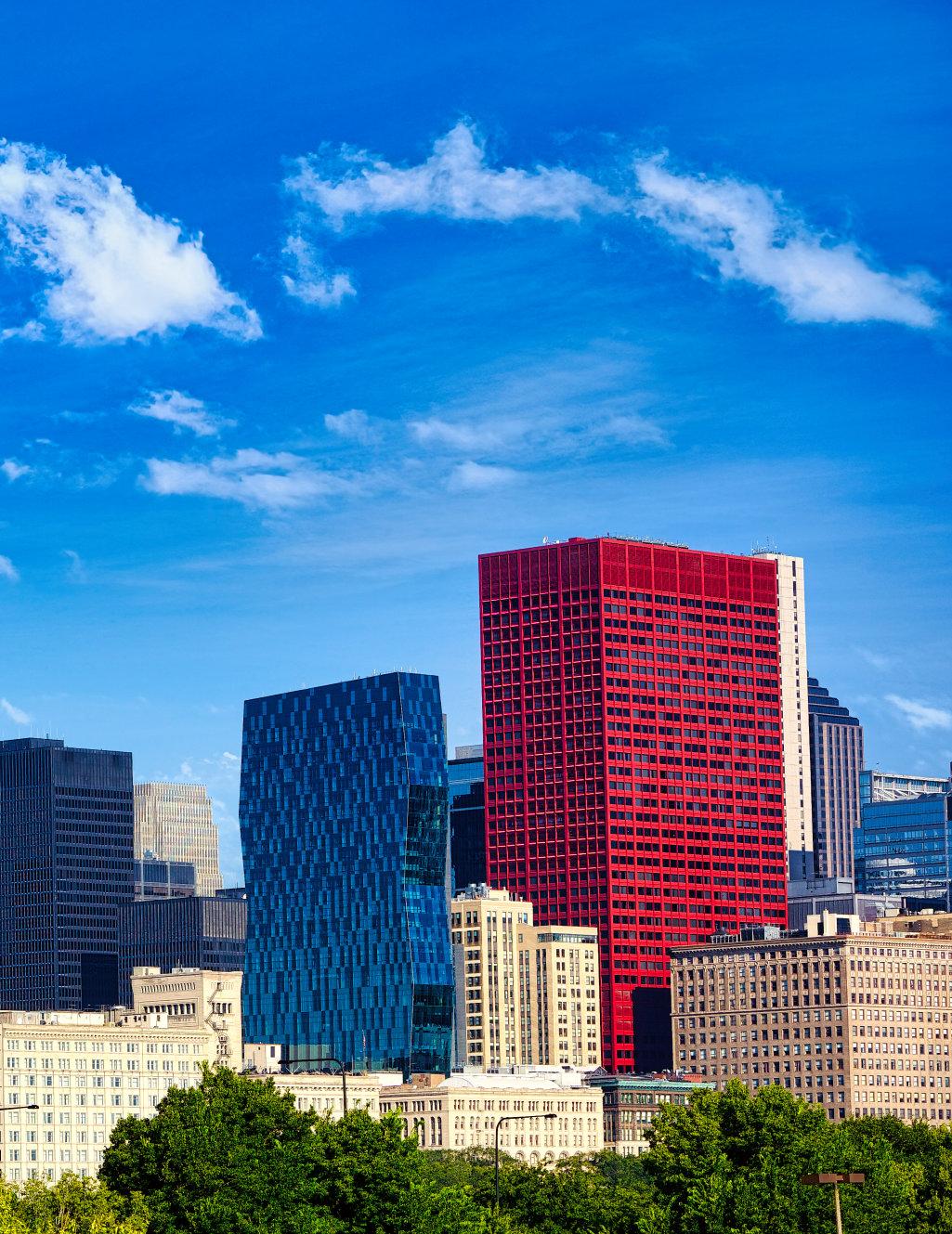
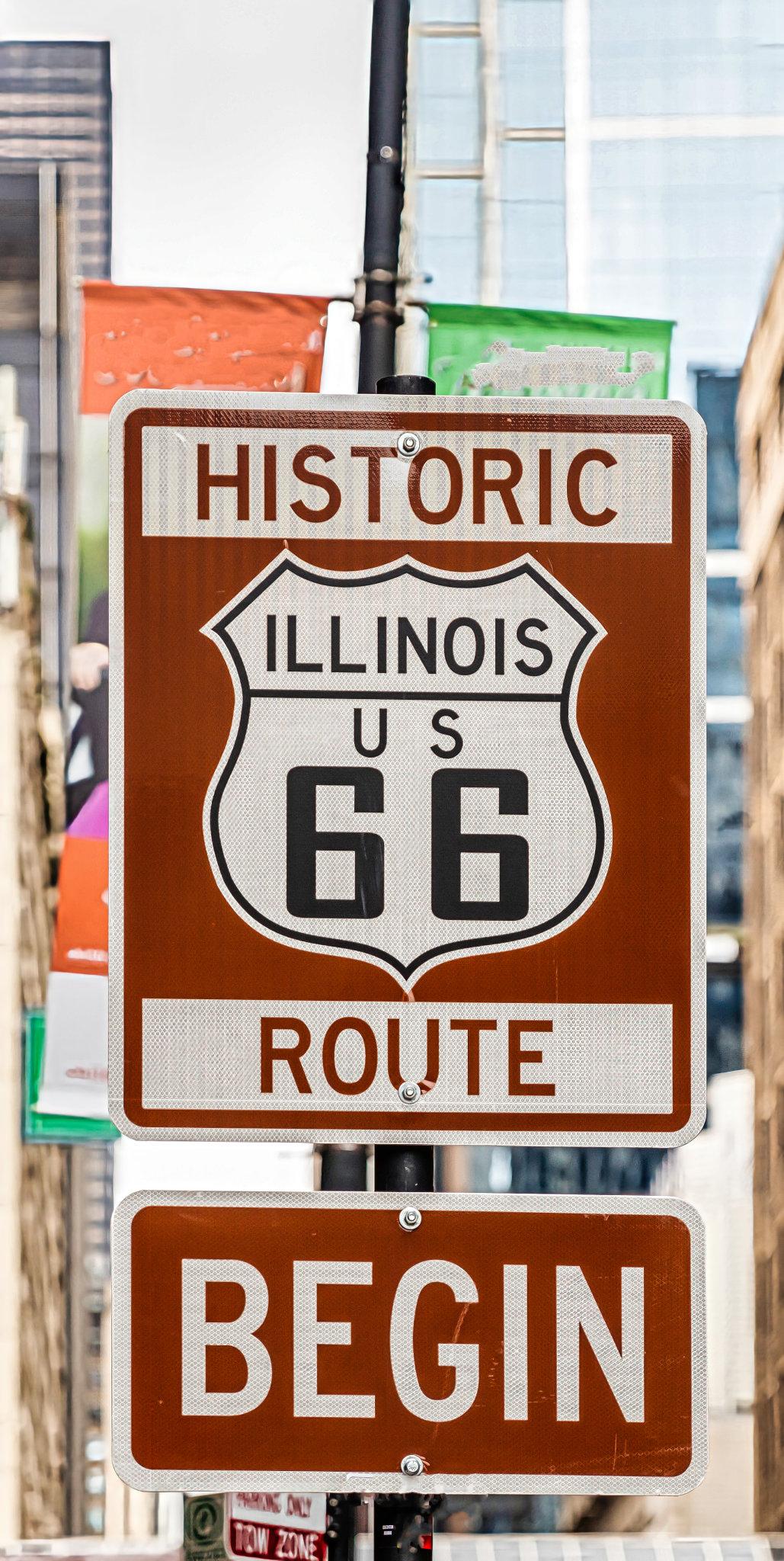
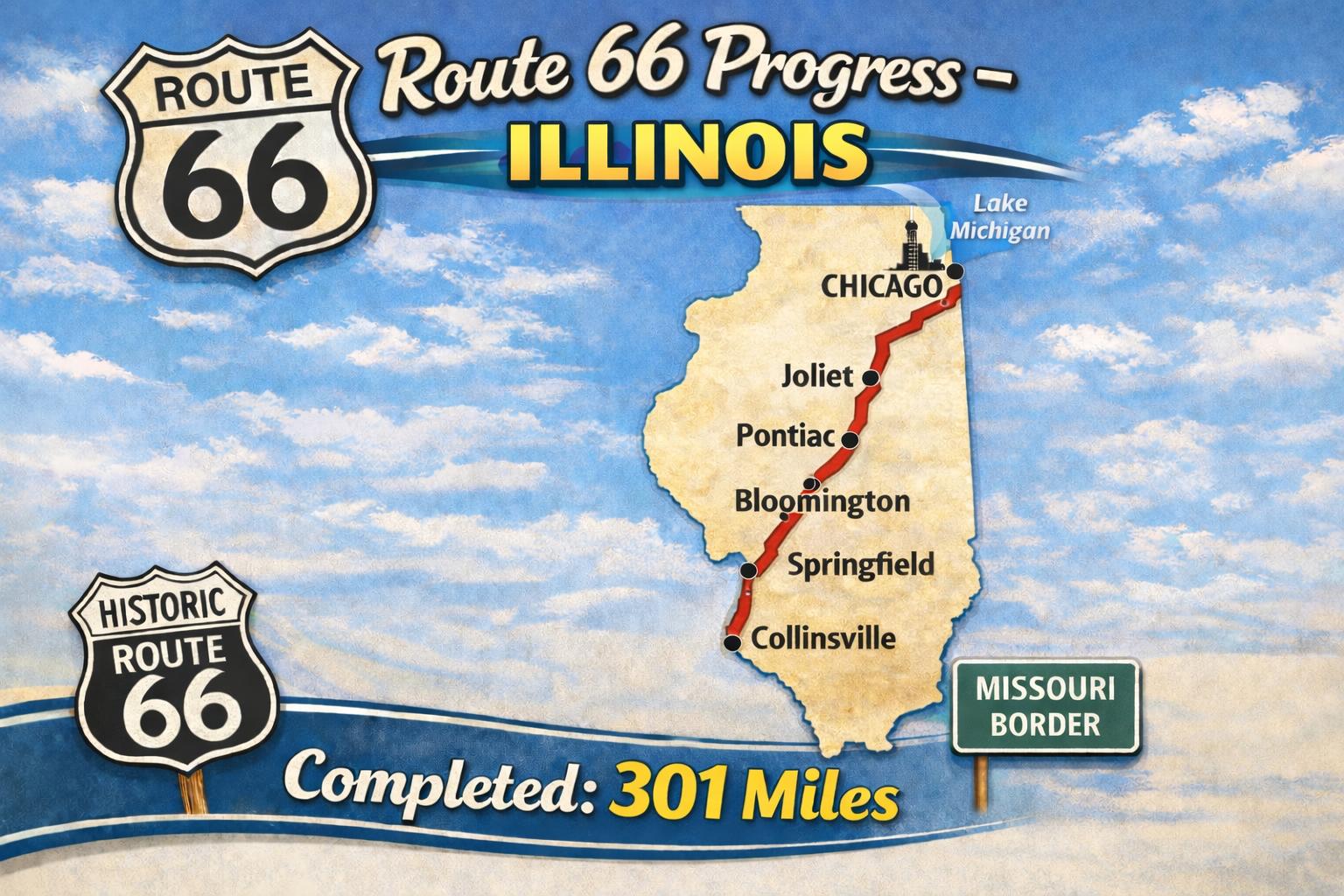
Fromtheheartof downtownChicago,where towering skyscrapers risebesidethewaters of LakeMichigan, alegendaryroadbegins its journeywest. It’s here,atthecorner ofAdams Street and MichiganAvenue, thattravelers findthefirst Route66 sign -- asmallmarker thatpoints theway toward adventure.
For nearly acentury, this has beenthestartinglineof America’s mostfamous roadtrip,astretchof asphalt thatwinds fromtheWindyCitythroughrolling farmland,small-towndiners,androadsideicons that capturethesoulof theopenroad.
The Birthplace of the Mother Road
llinois holds a special place in Route 66 history. When the route was officially designated in 1926, Chicago was chosen as its eastern terminus, linking the industrial heart of the Midwest to the promise of theAmerican West. For early travelers, the road offered a way out of the city and into opportunity. Farmers hauled goods to markets, families sought new beginnings, and adventurers loaded their Model Ts with maps and dreams.
Byways 18
Muchof theoriginalalignmentthroughIllinois still exists, offeringvisitors adrivethrough livinghistory. Theroutecuts southwestthroughJoliet,Pontiac, Bloomington,Springfield,Litchfield,andCollinsville beforecrossing theMississippiRiver atEastSt. Louis.Alongtheway,itreveals amixof urban energy, small-town charm,andpureAmericana.
Chicago: The Gateway to the Road
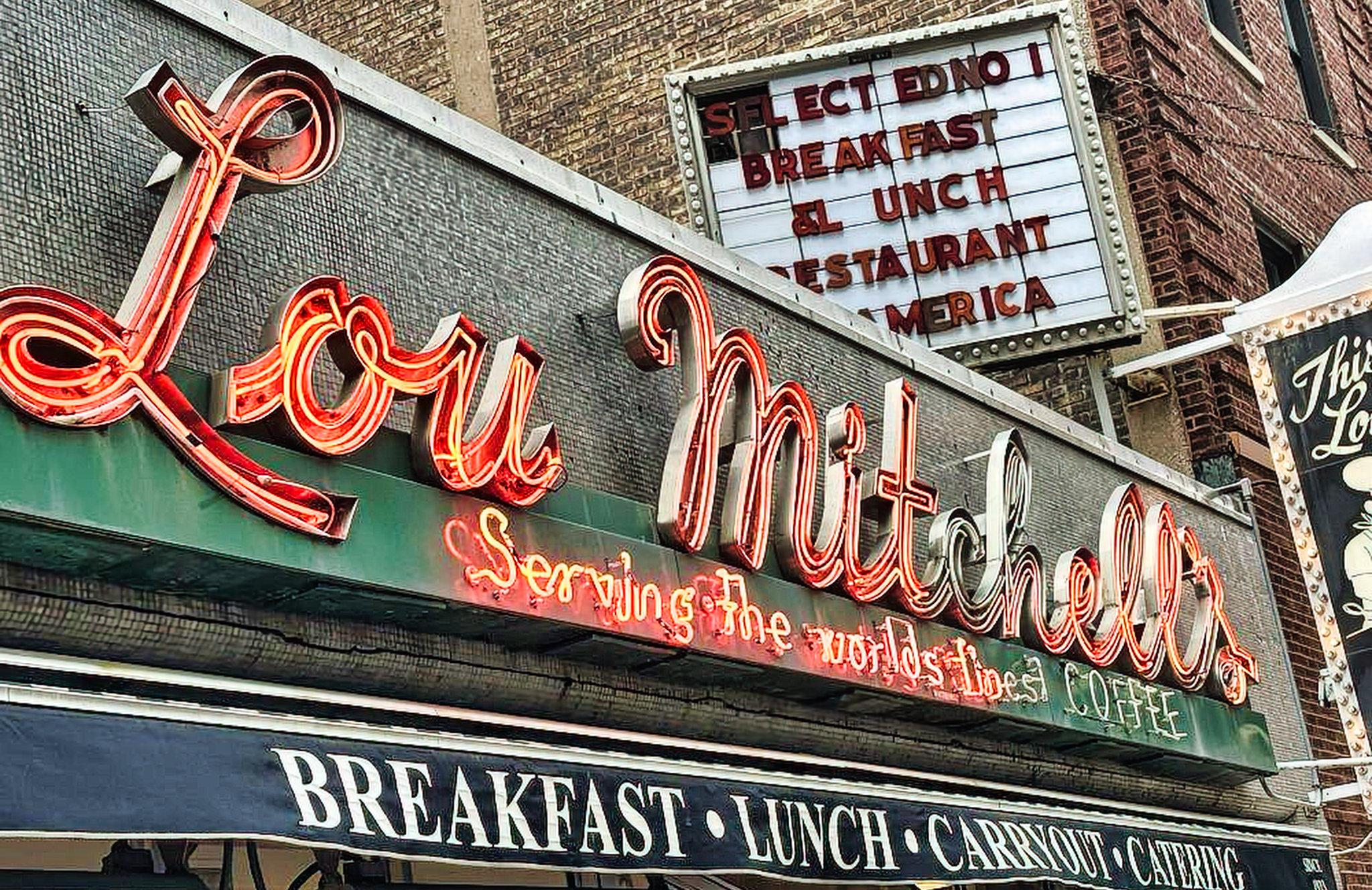
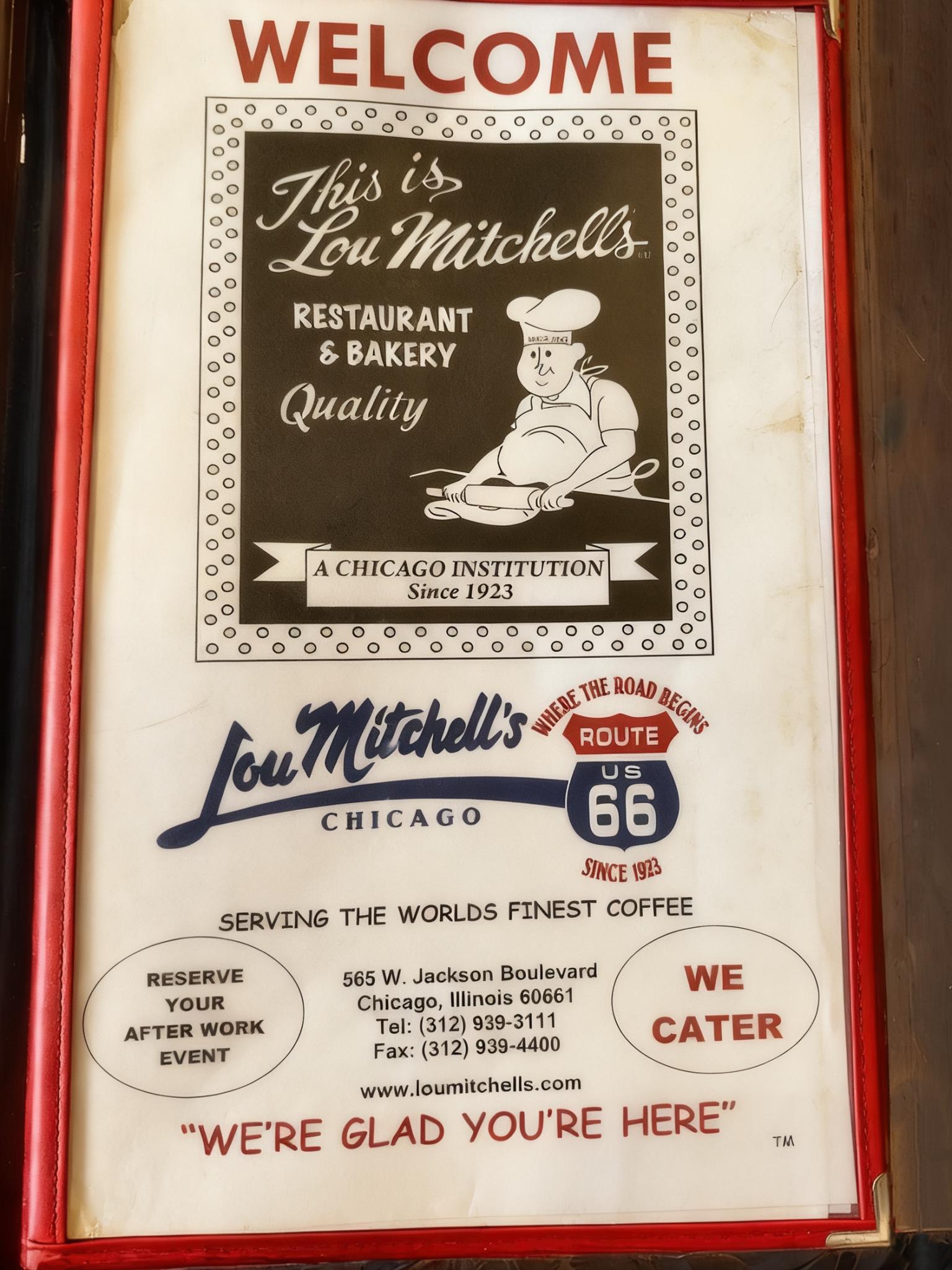
Chicago’s role as the eastern anchor of Route 66 gives travelers a dramatic starting point. Before setting out, many begin with breakfast at Lou Mitchell’s, a legendary diner on Jackson Boulevard that’s been serving hungry travelers since 1923.
Known as the “First Stop on the Mother Road,” Lou Mitchell’s remains one of the most enduring connections to the highway’s earliest days.
DowntownChicagoalsooffers severalways to trace theroad’s beginnings.TheRoute66StartSign near theArtInstituteof Chicagomarks theofficial launchingpoint.Fromthere,drivers can follow the classicroutepasttheoldHarpoStudios and into the
city’s vibrantneighborhoods beforetheskylinegives wayto open country.
The Heritage Corridor, Joliet to Pontiac: Neon, Nostalgia, and Classic Cars
Stretching from the Chicago suburbs to the Mississippi River, Illinois’Route 66 Heritage Corridor captures the spirit of the Mother Road at its most authentic, where roadsideAmericana, industrial history, and small-town character come together mile by mile.
Along this nationally recognized corridor, travelers encounter classic Route 66 icons -- vintage diners, restored gas stations, historic motels, and neon signage -- set alongside canals, railroads, and river towns that tell the deeper story of how transportation shaped the Midwest.
Communities such as Joliet,Pontiac,andDwight preserveboth theromanceandtherealityof Route66, offering museums, murals,andwalkabledowntowns
thatrewardthosewho linger.Guidedby thework of Illinois Route66 HeritageCorridor, this stretch of Route66invites travelers toexperienceIllinois notas apass-throughstate,butas adestinationwhere history,culture,and theopen roadareinseparably linked.
THE MAIN STREET ACROSS
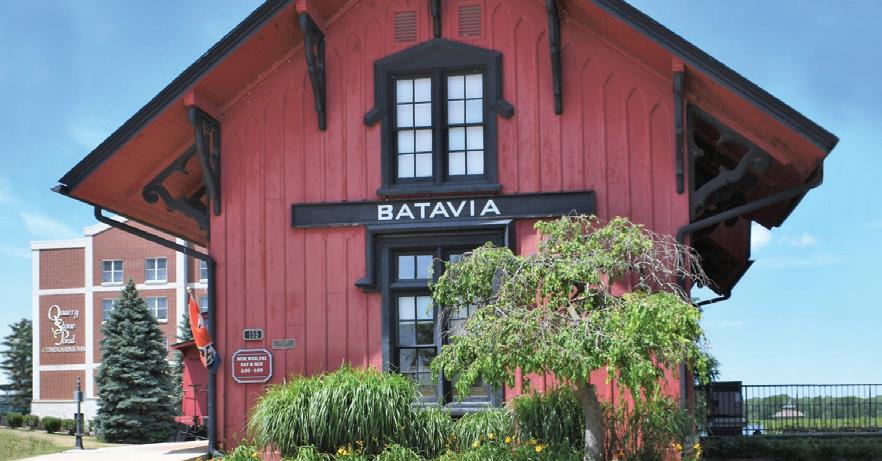
Photo courtesy of Batavia Park District
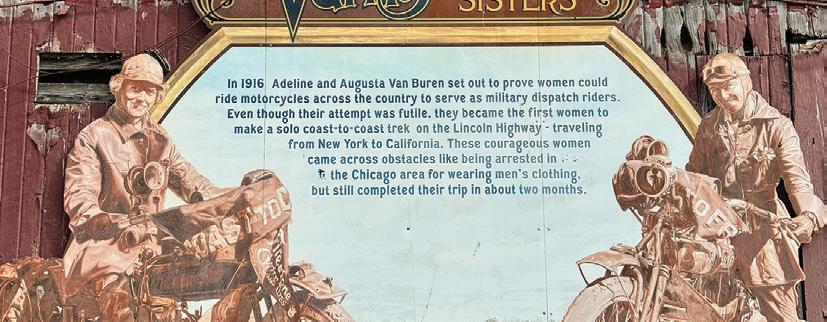
I&M Canal, Joliet Van Buren Sisters Mural, University Park Batavia Depot Museum, Batavia
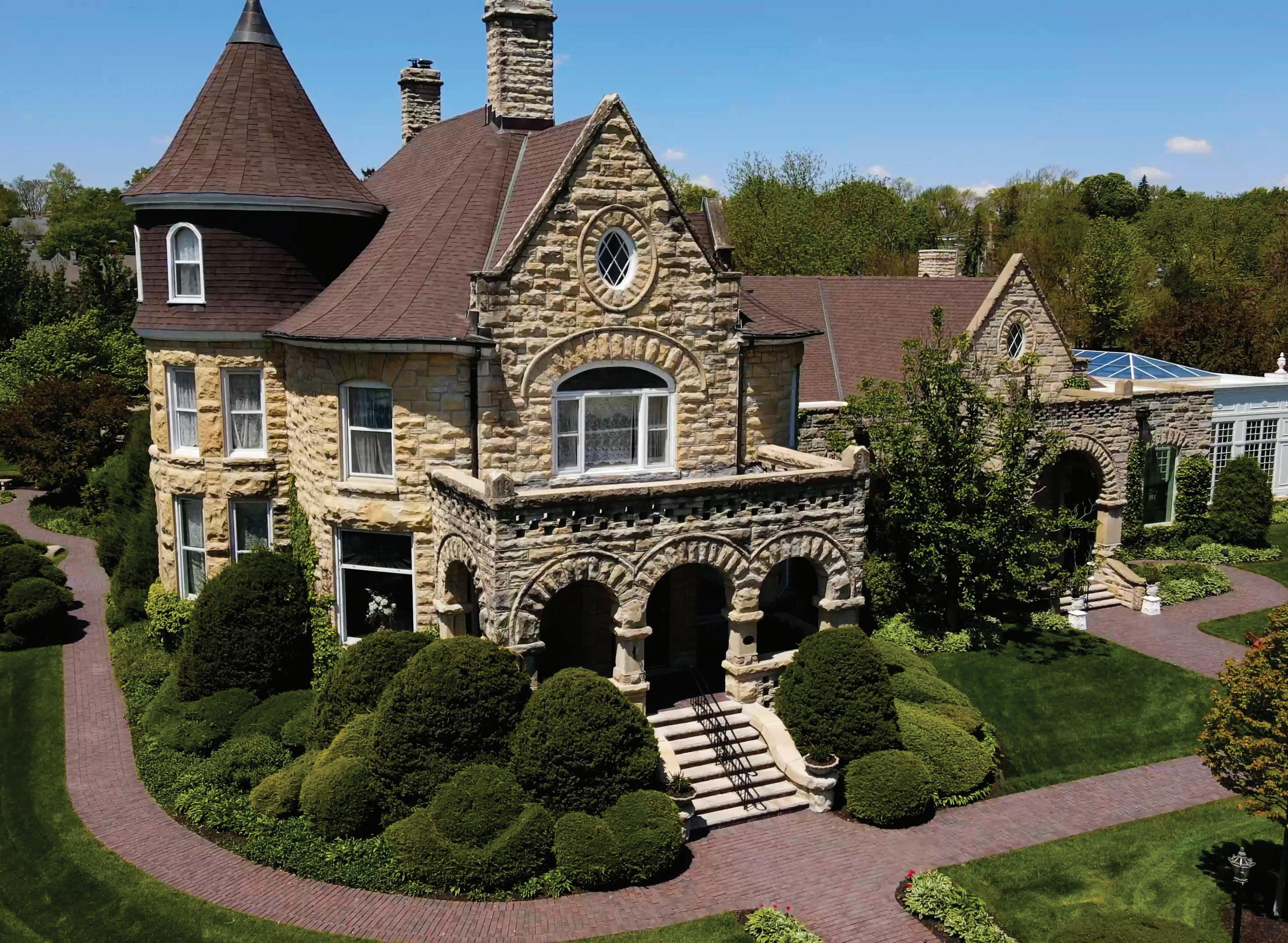
The Hayley Mansion, Will County
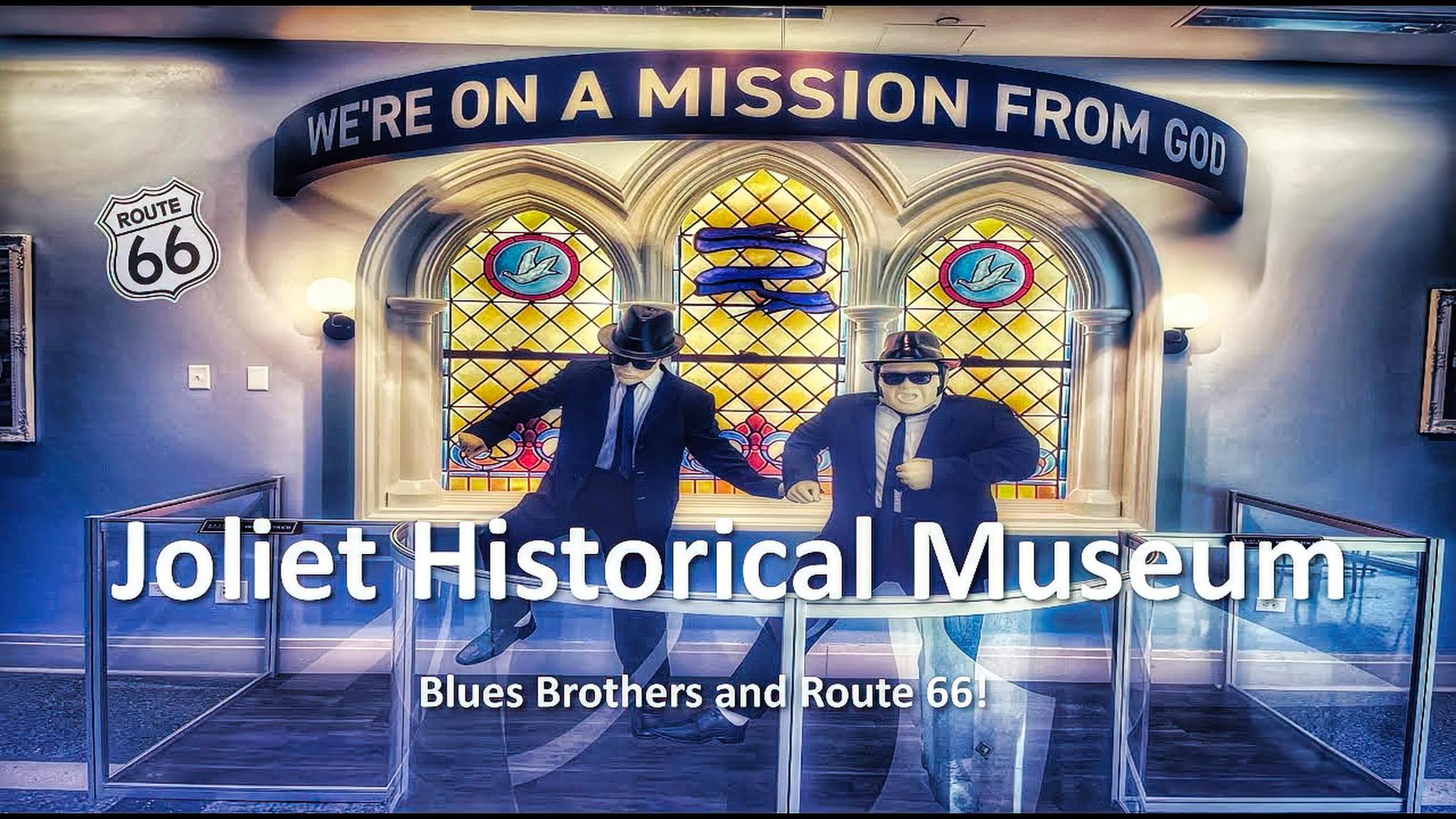
Jolietis hometotheRoute66WelcomeCenter and MuseuminsidethehistoricJolietAreaHistorical Museum.Exhibits herehighlighttheroletheroad playedin shapingAmerica’s car culture.
Travelers exploringIllinois soondiscover thatthe statesits atacrossroads ofAmerica’s mosthistoric highways.WhileRoute66carries visitors westward fromChicago,another legendaryroad-- theLincoln Highway-- alsopasses throughtheregion.Thetwo iconicroutes intersectnear Joliet, creatingaunique meetingplaceof earlyAmerican roadtravel.
Today, communities throughouttheIllinois Heritage Corridor celebratethis richtransportation history, offeringtravelers thechancetoexperiencetwoof the nation’s mostfamous highways inonememorable destination.
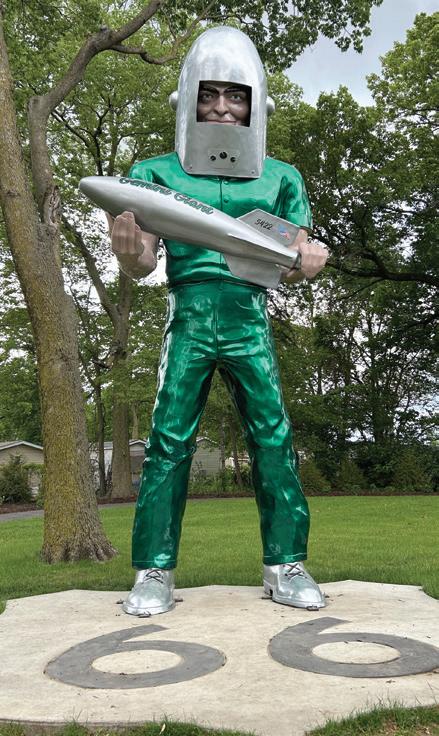
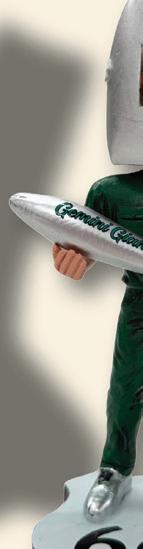
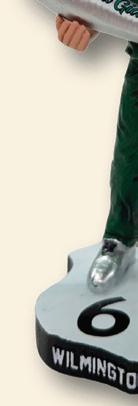
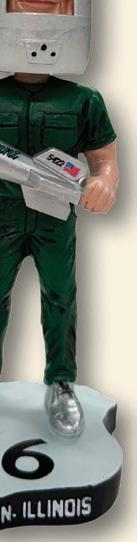
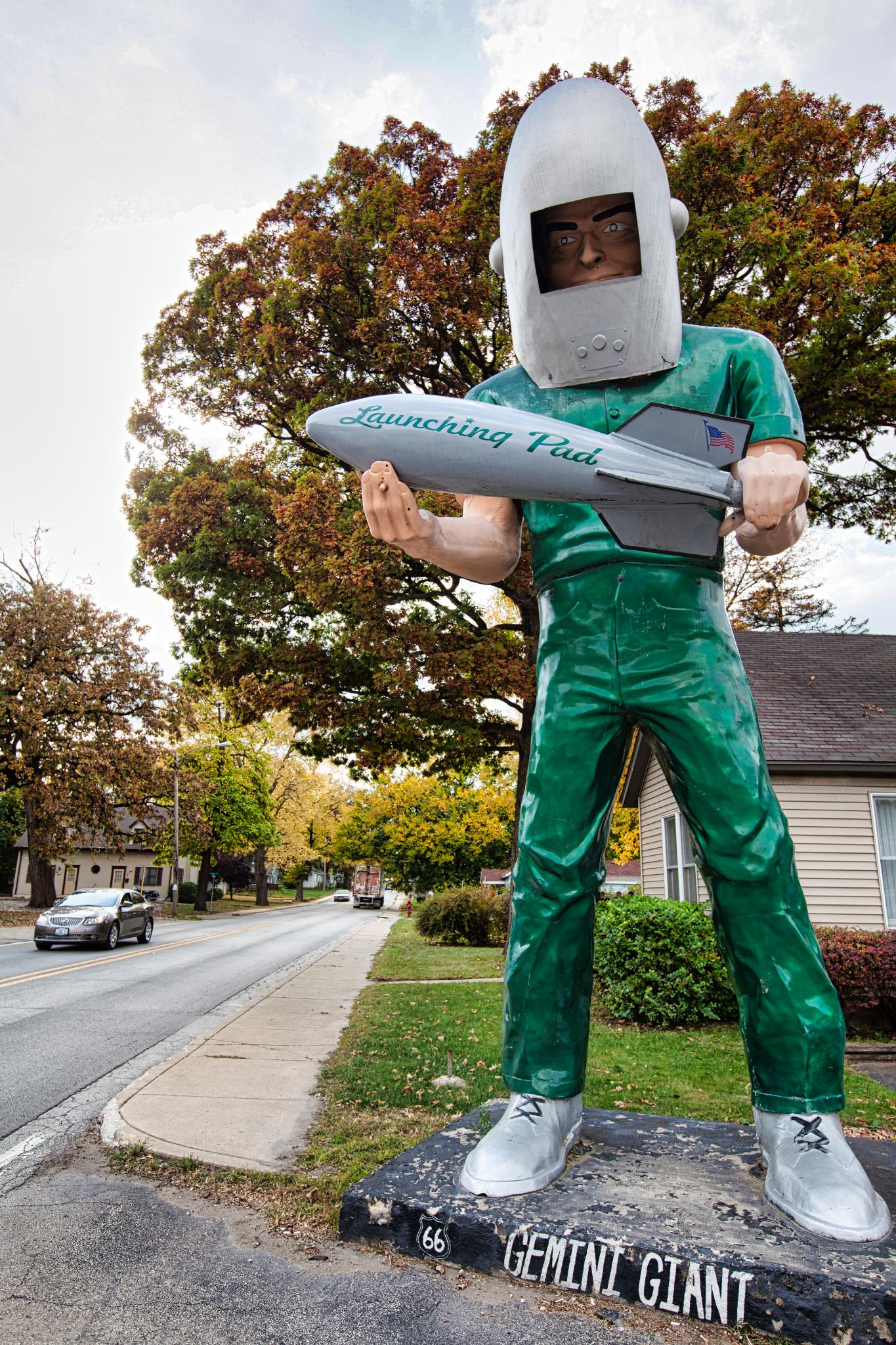
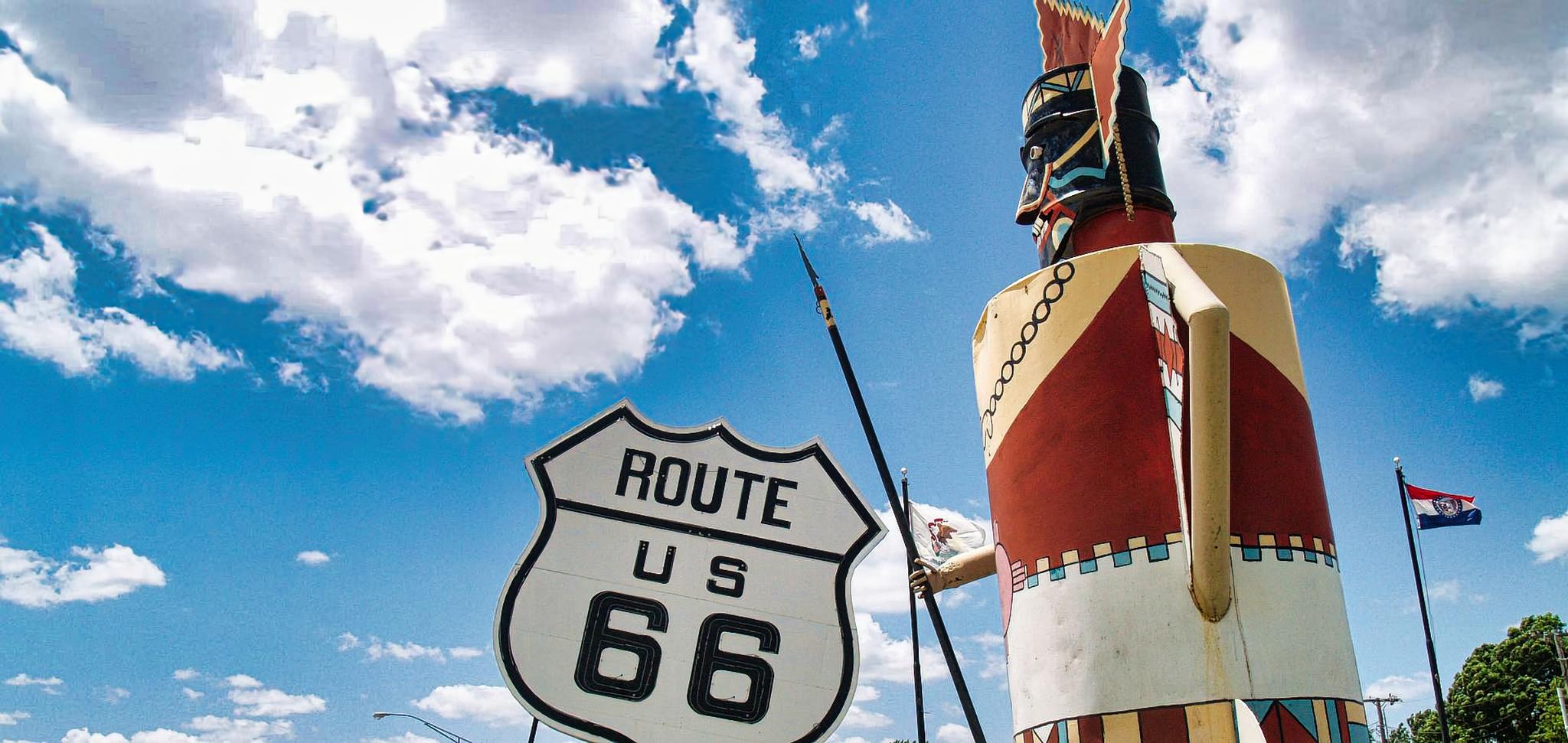
Justoutsidetown,therestored GeminiGiant,a toweringfiberglass “Muffler Man,”stands watchover theoldLaunching PadDrive-In,welcoming visitors with asmilestraightfromthe1960s.
Further downtheroute,DwightandOdelloffer glimpses of classicservicestations lovingly preserved for visitors.
TheOdellStandard OilStation,builtin1932,is now a smallmuseum, apicture-perfectexampleof the mom-and-pop businesses thatthrivedwhenRoute66 was in its heyday.
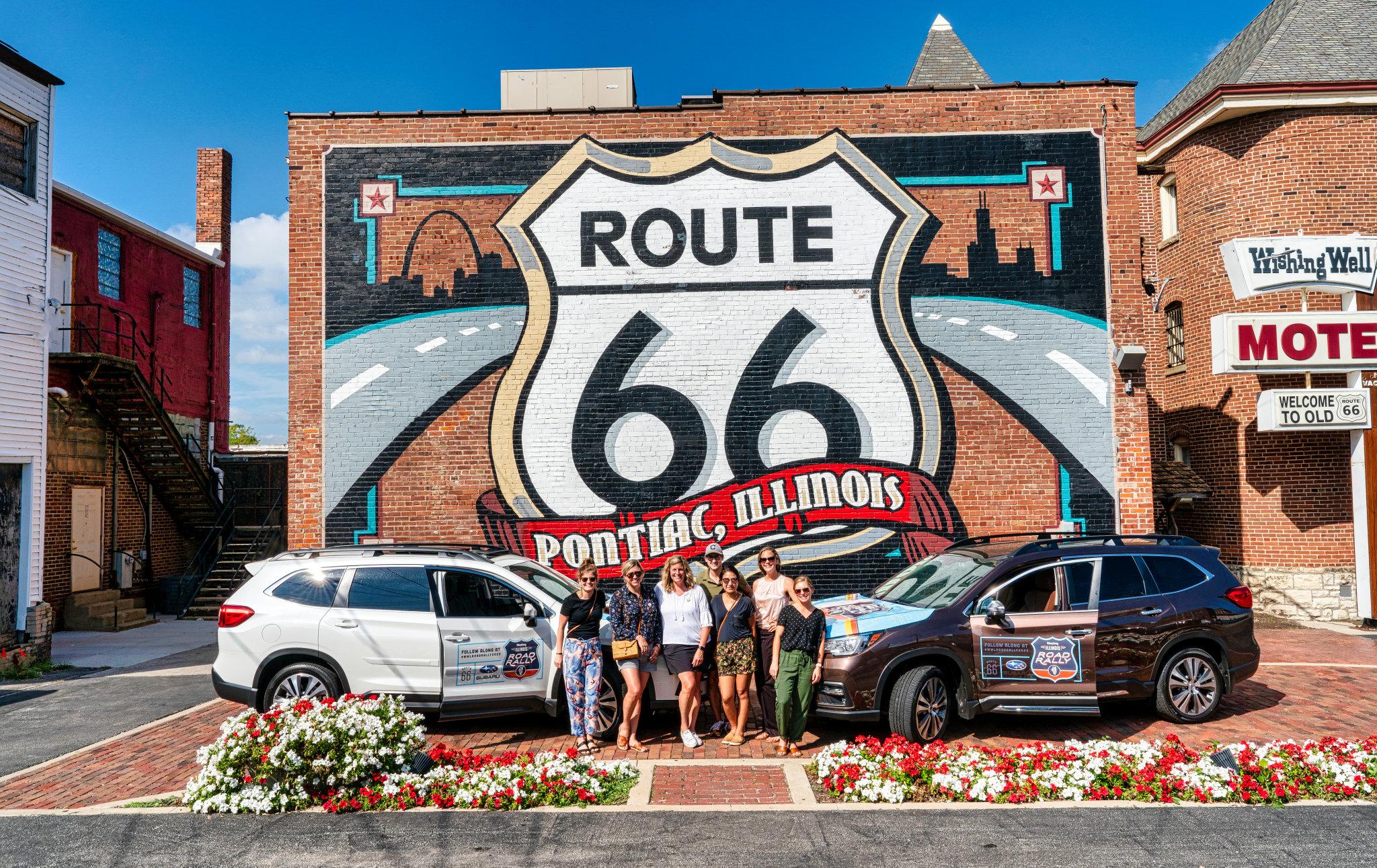
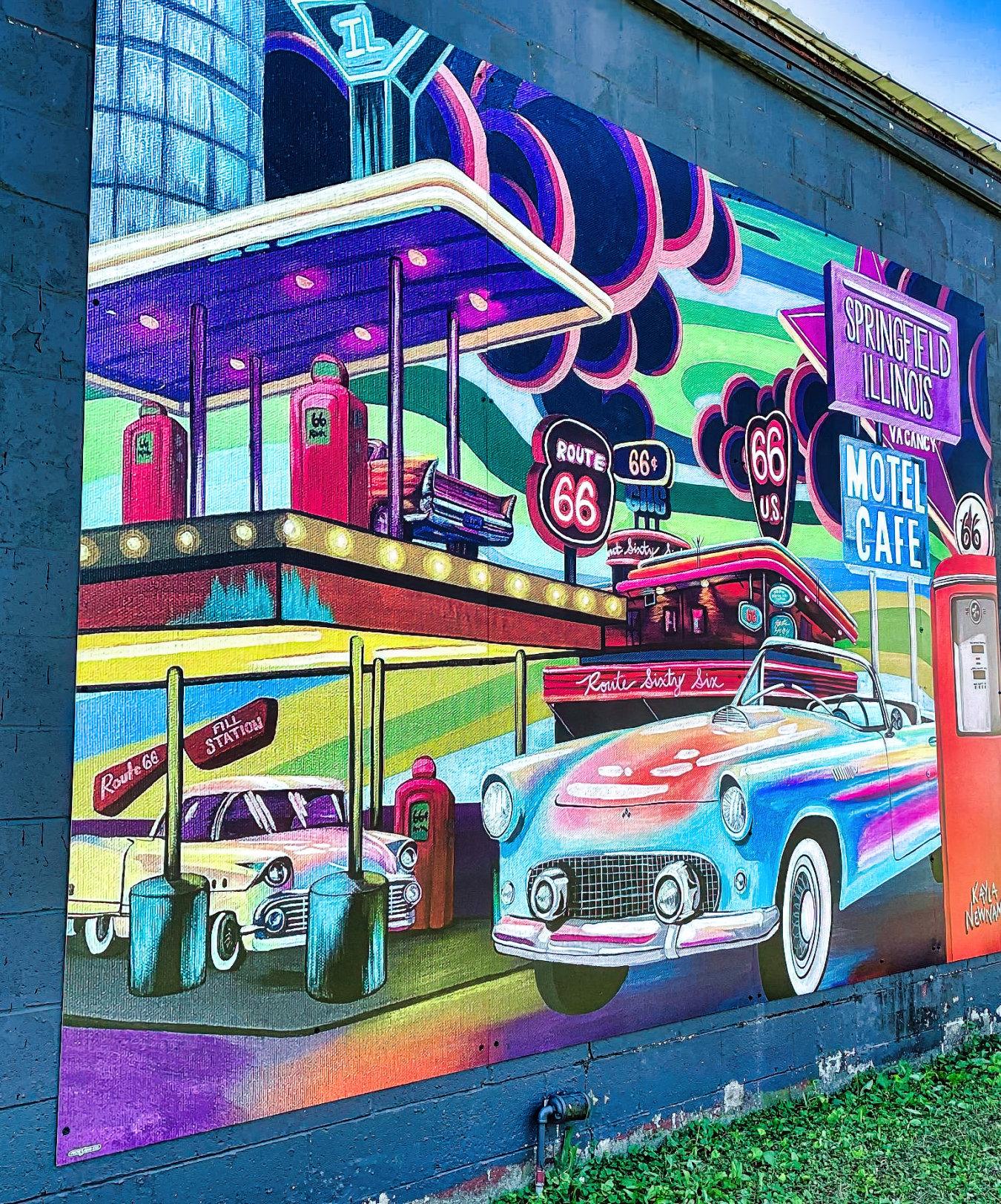
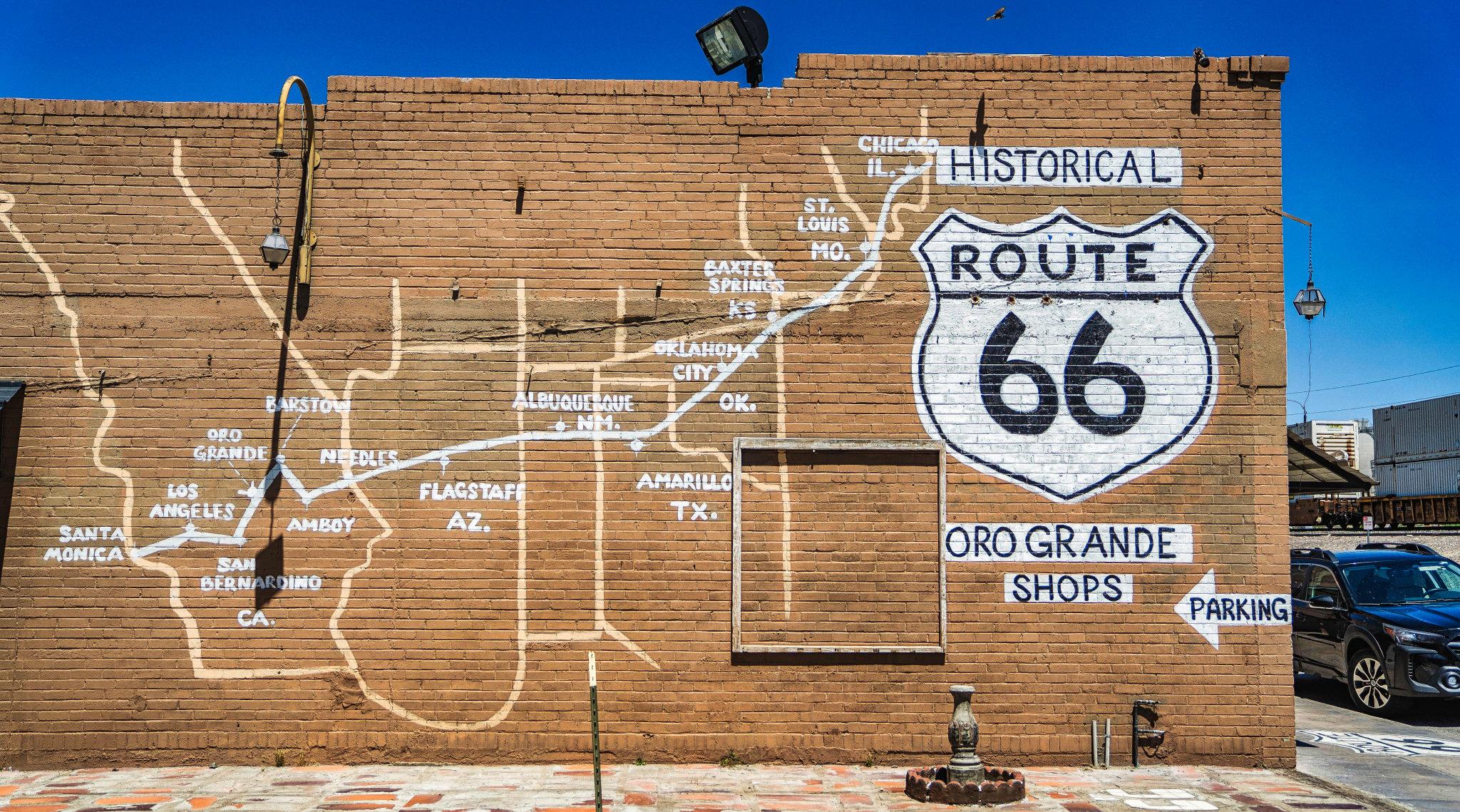
In Pontiac,theRoute66experiencecomes tolifein fullcolor.TheRoute66 Hallof FameandMuseum tells thestory of thepeopleandplaces thatdefinedthe Mother Road, with vintagecars,memorabilia,andthe world’s largestRoute66shieldpaintedonthesideof a downtown building.Pontiacalsoboasts thePontiacOaklandAutomobileMuseum,andmurals throughout town celebratebothRoute66andAmerica’s automotiveheritage.
Springfield: The Heart of Illinois and of Route 66
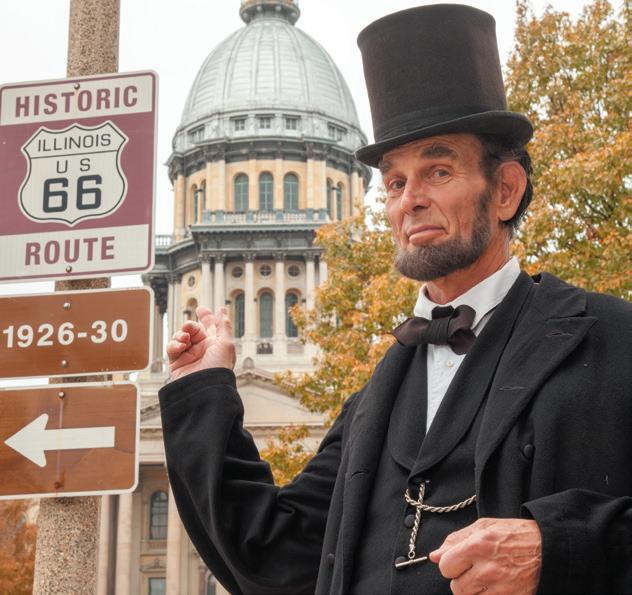
As the road rolls south, travelers reach Springfield, the state capital and one of the most vibrant stops along Route 66. Here, the connection between history and hospitality runs deep.Abraham Lincoln lived and worked in Springfield, and visitors can tour the Lincoln Home National Historic Site, the Old
Byways 24
State Capitol, and theAbraham Lincoln Presidential Library and Museum.
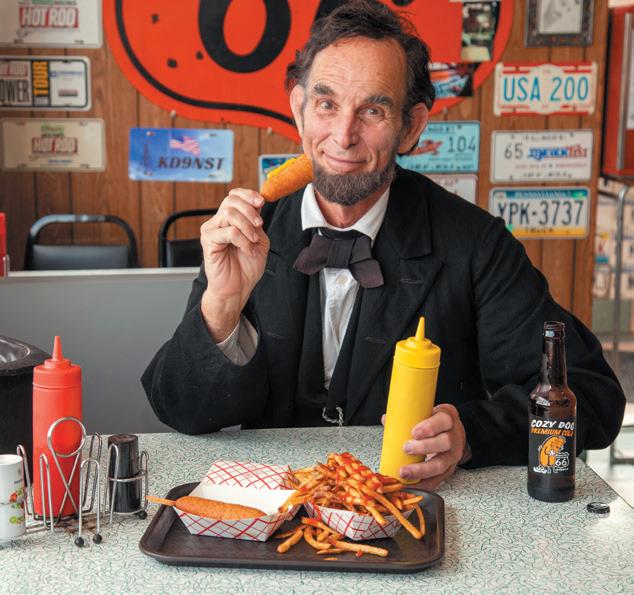
ButSpringfield’s connectiontoRoute66is equally rich.TheCozy DogDriveIn,homeof theoriginal corn dog on astick, has beenserving travelers since1949.
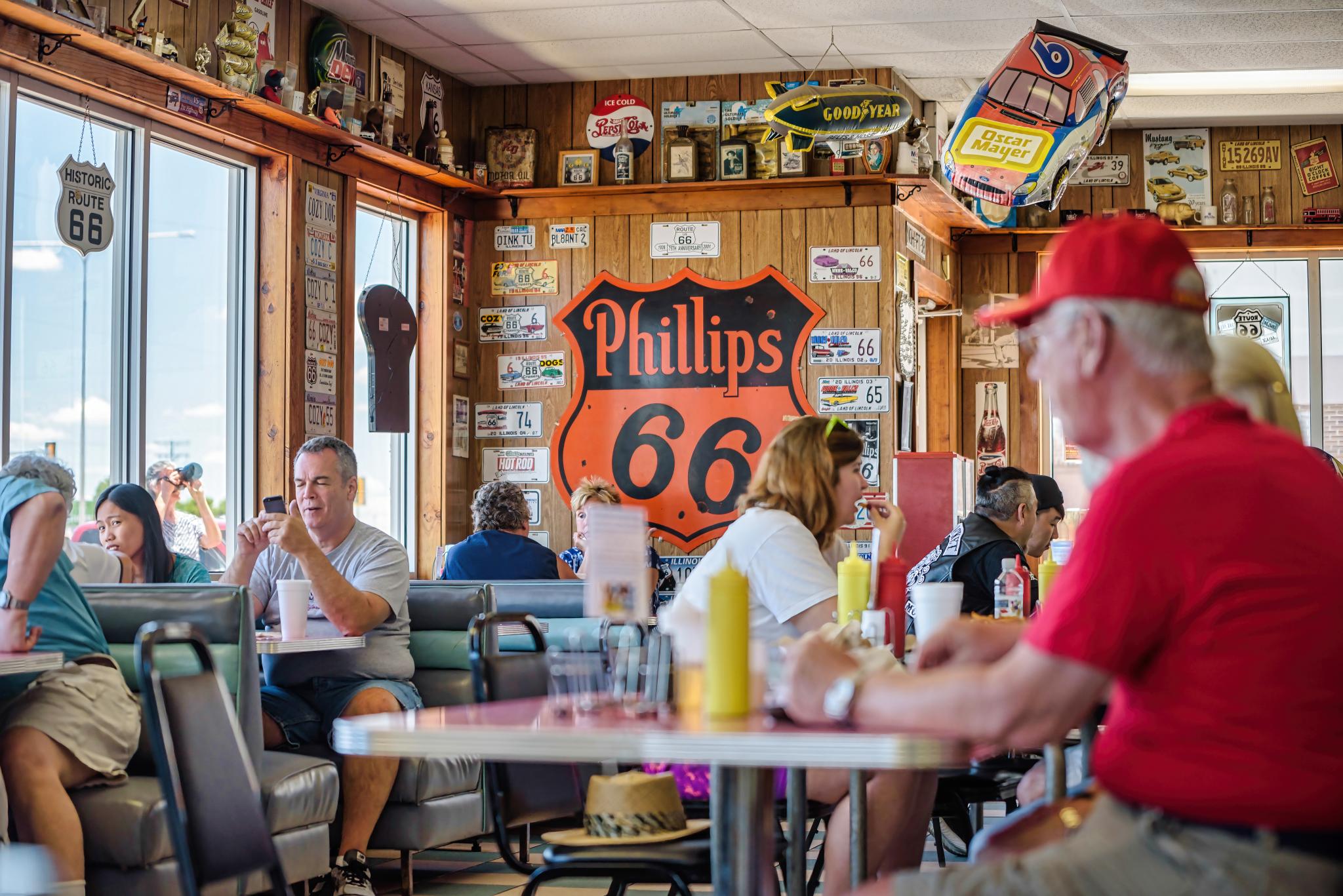
Therestaurantremains inthefounding family, and thewalls arelinedwith Route66 memorabiliaandphotos from theroad’s early days.Justoutsideof town, theRoute66 Drive-InTheater at Knight’sAction Parkstilloffers double features under thestars, continuinga tradition of open-air entertainmentthat defined midcenturyAmerica.
Litchfield to Staunton: The Golden Age of Travel
Between Springfield and the Mississippi River, the road feels frozen in time. The towns of Litchfield, Mount Olive, and Staunton showcase some of the best-preserved roadside attractions in the Midwest.
In Litchfield, theAriston Café stands as one of the oldest continually operating restaurants on Route 66. Established in 1924, the café serves hearty Midwest fare in a vintage setting that embodies the golden age of highway dining.
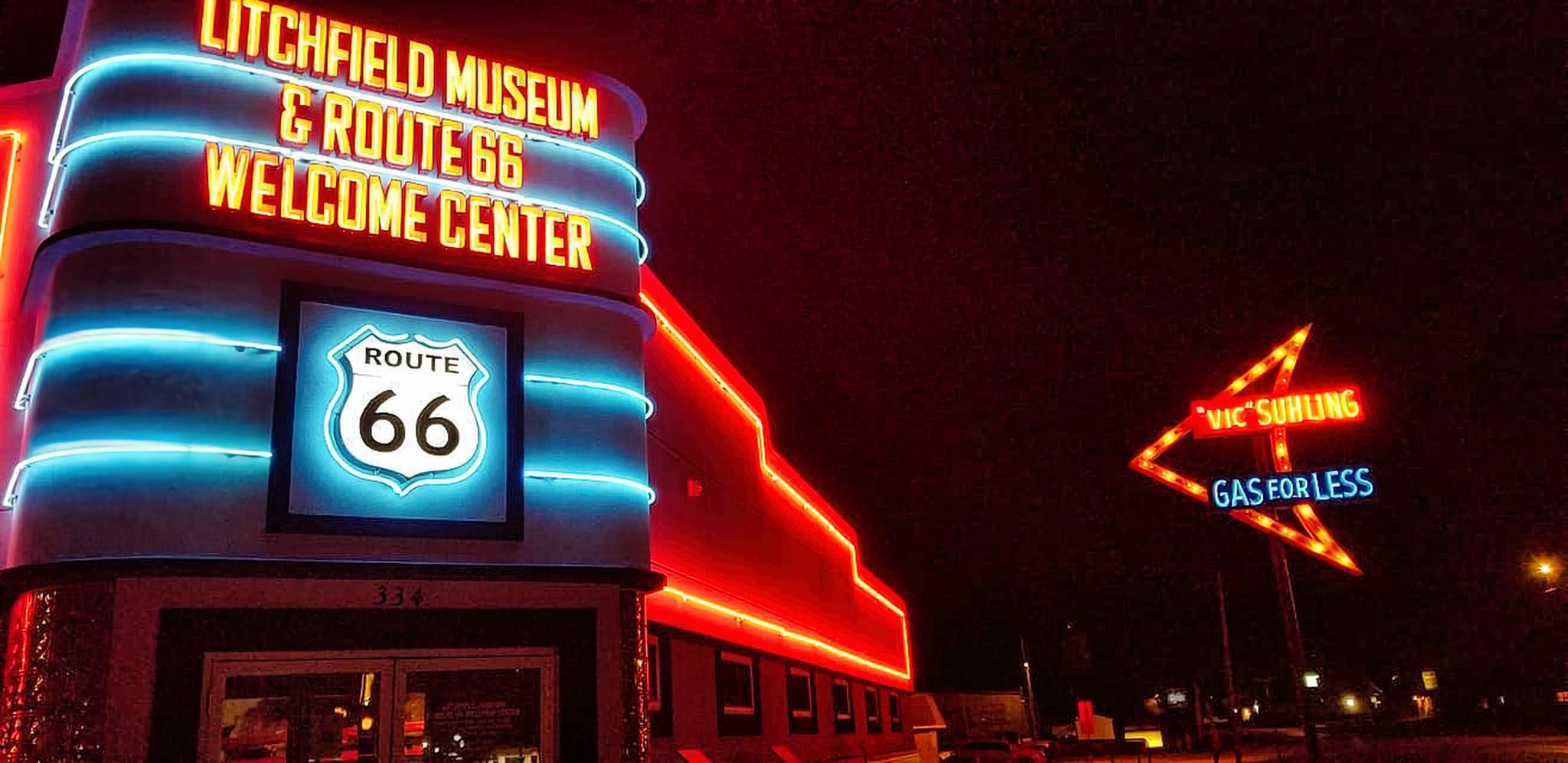
Ashortdrivesouthbrings travelers totheLitchfield Museumand Route66WelcomeCenter,filledwith localmemorabiliaand photographs chroniclingthe town’s connection tothehighway.Further along,in
Staunton,theCountryClassicCars showroomand museumfeatures acollectionof restored vintage automobiles -- theperfecthomagetotheroadthat madeAmericafallinlovewiththecar.
For anostalgicreststop,theSoulsby ServiceStationinMountOliveand the Henry’s RabbitRanchinStaunton offer plentyof photoops andstories fromthe days whenRoute66was themain street throughtown.
The Crossroads of Route 66
Alton, Illinois, sits at one of the most dramatic crossroads along the Route 66 journey, where the Great River Road meets the legacy of the Mother Road at the confluence of the Mississippi and Missouri Rivers.
Long before Route 66 carried motorists west,Alton was already a river town shaped by movement, commerce, and history—and that layered past still defines the visitor experience today.
Travelers followingRoute66throughtheregion can explorelimestonebluffs, historicneighborhoods, riverfrontparks, and arevitalizeddowntownthat celebrates everything fromLincoln-erahistory to classicAmericana.
Withscenicdrives,outdoor recreation,andeasy access to river views thatfeeltimeless,GreatRivers & RoutesTourisminvites Route66travelers toslow down, explore, and discover whyAltonremains one of Illinois’mostcompellingriver destinations just beyond thepavementof theMother Road.
Largest Catchup Bottle
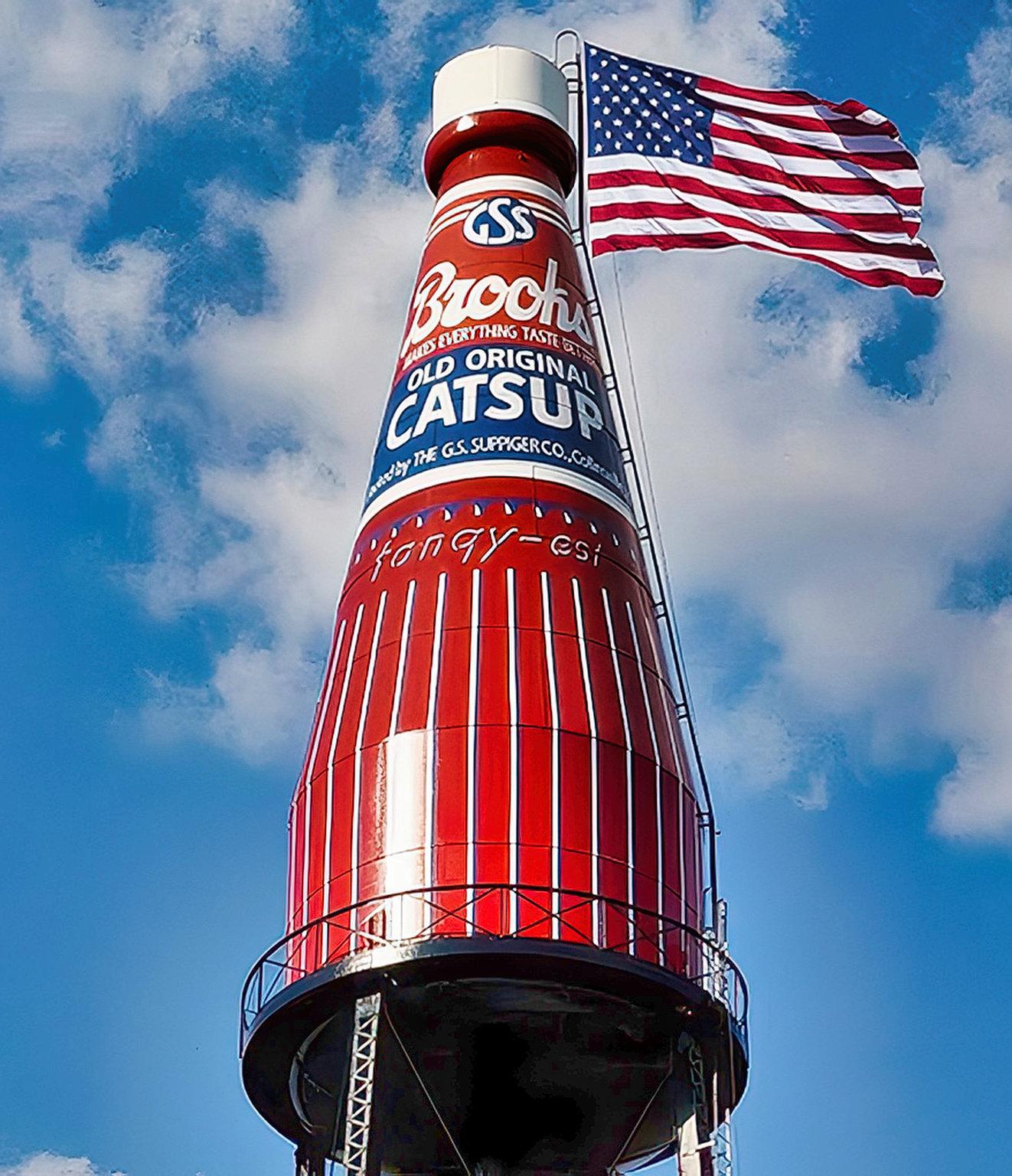
As Route 66 approaches the Mississippi River, one of its quirkiest landmarks rises above Collinsville -- the World’s Largest Catsup Bottle. Built in 1949 as a working water tower, the 170-foot-tall bottle has become an unexpected icon of roadsideAmericana,
reminding travelers that on Route 66, even condiments can achieve legendary status.
Crossing the Mississippi: The Road West
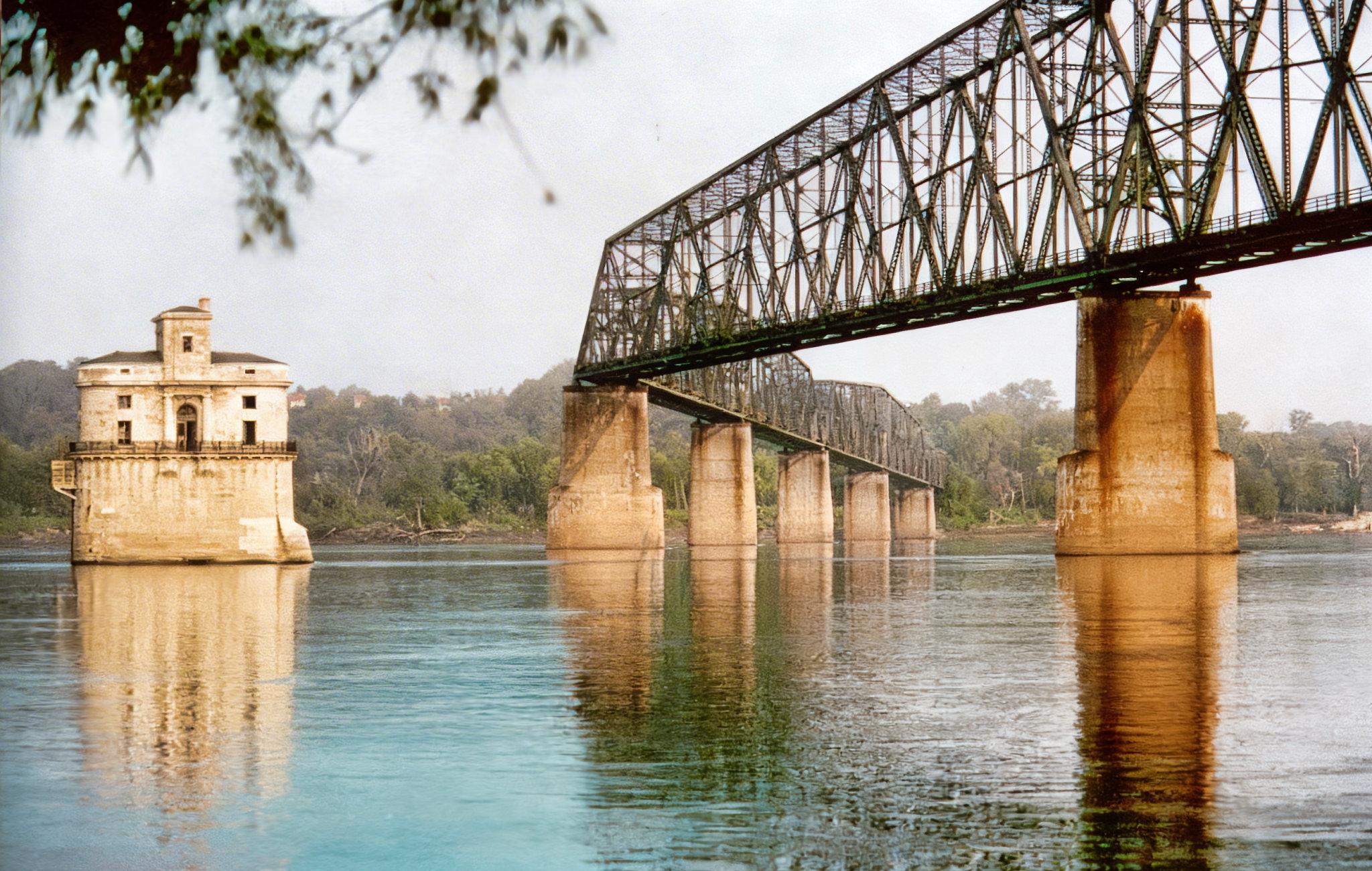
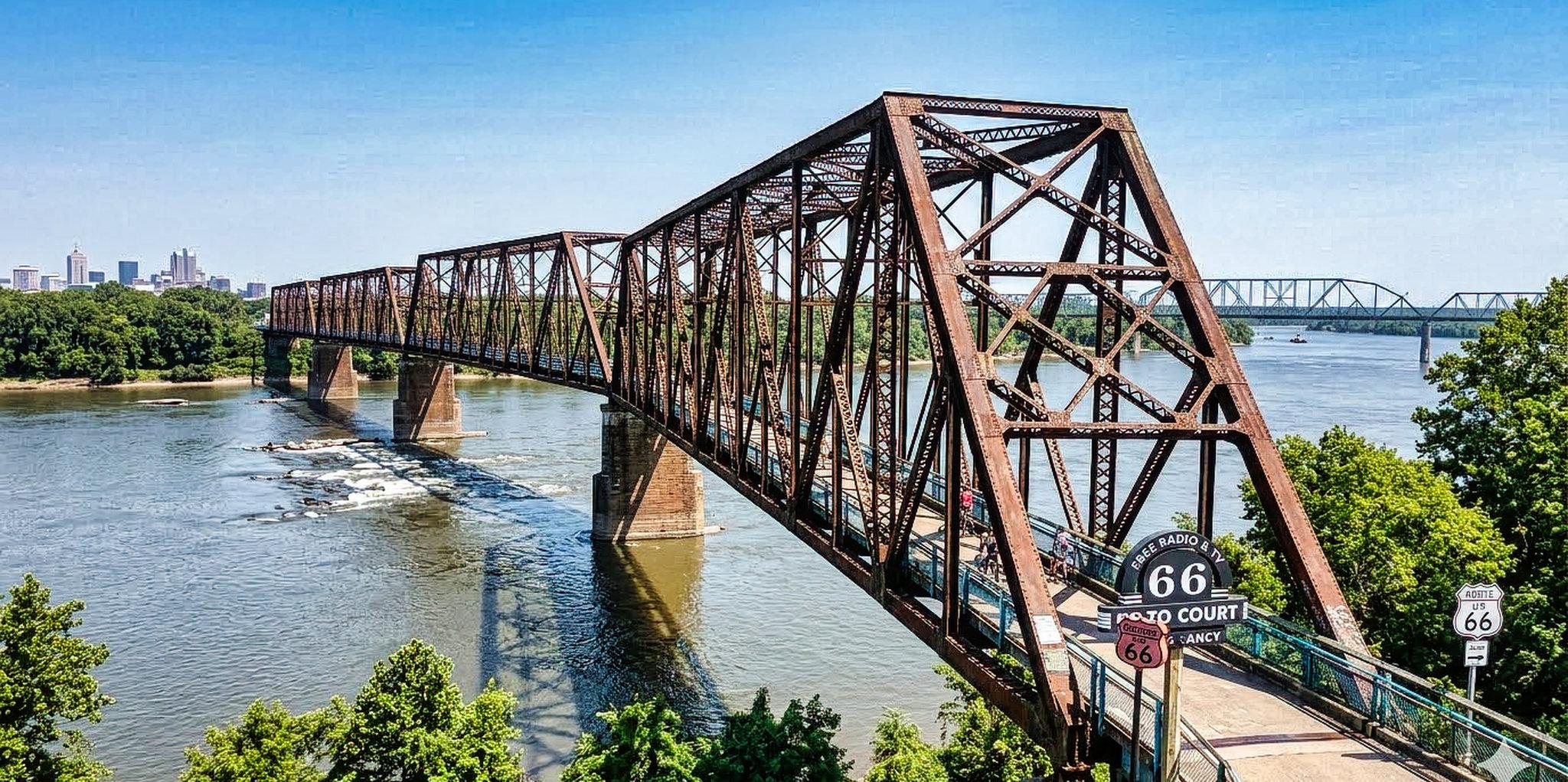
The Illinois stretch of Route 66 ends dramatically at the Chain of Rocks Bridge, which spans the Mississippi River into St. Louis. Built in 1929, this mile-long bridge is famous for its unique 22-degree bend midway across the river.
Today, it’s open to pedestrians and cyclists -- a fitting gateway between the Midwest and the West. Standing there, with the river flowing beneath and the skyline of St. Louis rising in the distance, travelers can sense the excitement that must have filled the hearts of those who first drove west on Route 66 nearly a century ago.
Byways 28
Route 66 Illinois Today
Illinois has embraced its role as the starting point of the Mother Road. The state’s tourism agencies, local historical societies, and Route 66 associations have worked tirelessly to preserve landmarks and create experiences for a new generation of travelers.
TheIllinois Route66 Scenic Byway organizationconnects visitors to dozens of attractions, fromrestored motels and diners to interpretiveexhibits and festivals celebrating theroute’s legacy.
TheRoute66Association of Illinois was foundedin 1989 to preserveand promotethelegacyof the Mother Road.Throughits research,advocacy,and preservation efforts, theassociationhelps ensurethat thehistory and stories of U.S.Route66continuetobe shared. Click on the logo to learn more about Route 66 in Illinois.
Everysummer, thousands of visitors fromaroundthe world cometo drivetheIllinois section,takepartin
classiccar rallies, andexperience small-town Americanafirsthand. Whatthey findis not justnostalgia-- buta living, breathing highwaythat continues toinspire freedomand adventure.
The Road That Starts It All
For nearly 100 years, Illinois has been where Route 66 begins , a place where the road meets the horizon and the spirit of adventure takes hold. From the big-city energy of Chicago to the quiet streets of small towns that still welcome travelers with a wave and a smile, this is where the story of the Mother Road begins.
“Get your kicks on Route 66,” the song goes -- and for every traveler starting the journey, Illinois is the first verse in a timeless American story.
When Route66firstopened in1926,Missouri stood attheheartof thehighway’s story-both geographicallyand spiritually.Itwas here, between theMississippiRiver andtherolling OzarkHills,thattheMother Roadfoundits rhythm.
Smalltowns, family-ownedmotels,neon-litdiners, and roadsideattractions blossomedalongtheroute, turning Missouriintoalivingshowcaseof midcentury Americana. For nearly 300miles,fromSt.Louis to Joplin, travelers experiencedacross-sectionof the nation’s character:hardworking,welcoming,and always ready with asmileandasliceof pie.
Crossing the Mississippi into the Show-Me State
For those beginning their journey west from Illinois,
Byways 32
the Mississippi River crossing marks a powerful transition. The Chain of Rocks Bridge, completed in 1929, once carried Route 66 traffic across the river north of St. Louis.
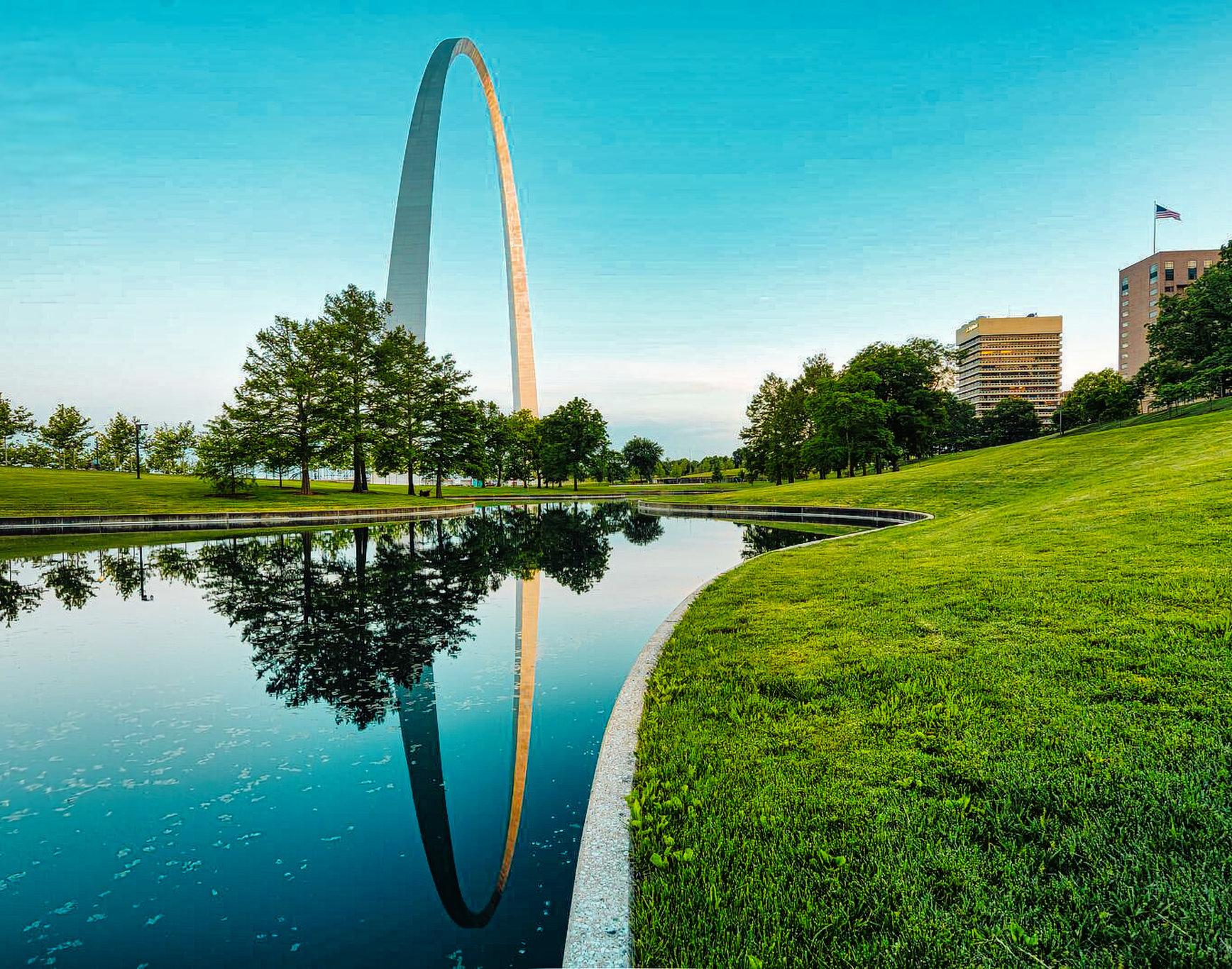
With its graceful steel spans and unique 22-degree bend, it became one of the most photographed crossings inAmerica. Today, the bridge is open to pedestrians and cyclists, offering sweeping views of the river and the GatewayArch, a fitting introduction to Missouri’s stretch of the road.
Fromhere, travelers canenter St.Louis,acitythat grew upalongsideAmerica’s fascination with mobility. Longbeforeitwas aRoute66stop,St. Louis was known as the“Gateway totheWest”.
Thecity’s GatewayArch NationalPark celebrates thatspirit,and nearbyOld Chainof Rocks BridgeParkconnects the moderntraveler to thehistoricroutethat carried generations across thecontinent.
St. Louis: Gateway to the West and to the Road
In St. Louis, Route 66 wound its way through classic neighborhoods filled with brick storefronts, mom-and-pop diners, and gas stations that served travelers heading west. While many of the original alignments have changed over the decades, today’s visitors can still trace the route through Chippewa Street and Watson Road, where vintage neon signs glow once again thanks to local preservation efforts.
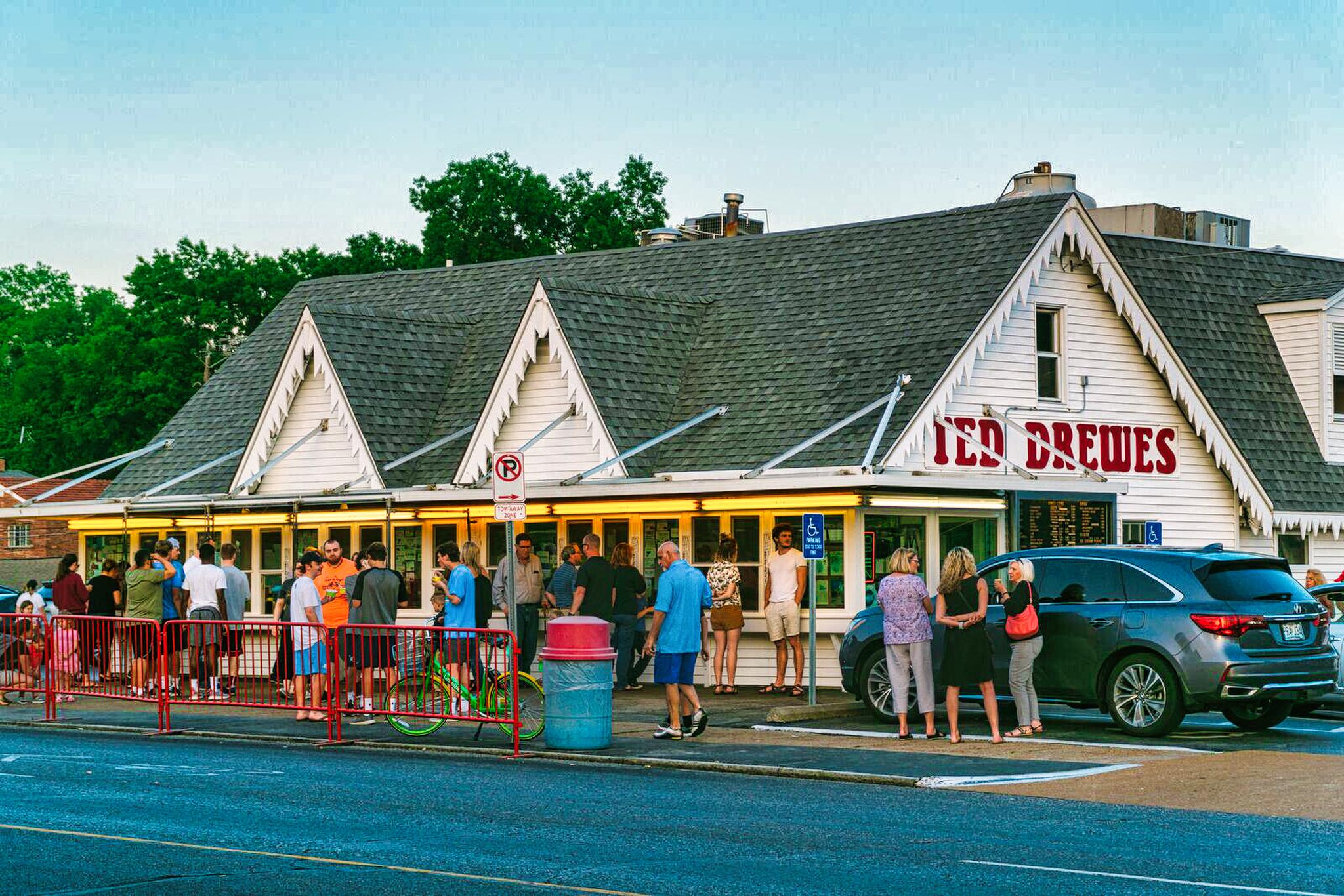
Oneof thecity’s mostfamous stops is TedDrewes Frozen Custard,whichhas beenserving its thick,creamy “concretes”since1929.Justafew miles away, theDonutDrive-InandCrownCandy Kitchencontinuetodeliver sweetnostalgiatolocals and road-trippers alike.
Beforeleavingtown, visitors canstopattheMuseum ofTransportation,hometoanimpressivecollection of historiclocomotives, automobiles,andeven Route 66-erahighwaysigns.
Through the Ozarks: The Scenic Soul of Route 66
Leaving St. Louis, Route 66 begins to show its wilder side.As the highway curves southwest, it enters the Ozark Plateau, a region of rolling hills, limestone bluffs, and forested valleys. For early travelers, this stretch was both breathtaking and challenging -- winding roads, steep grades, and tight turns made for an unforgettable drive.
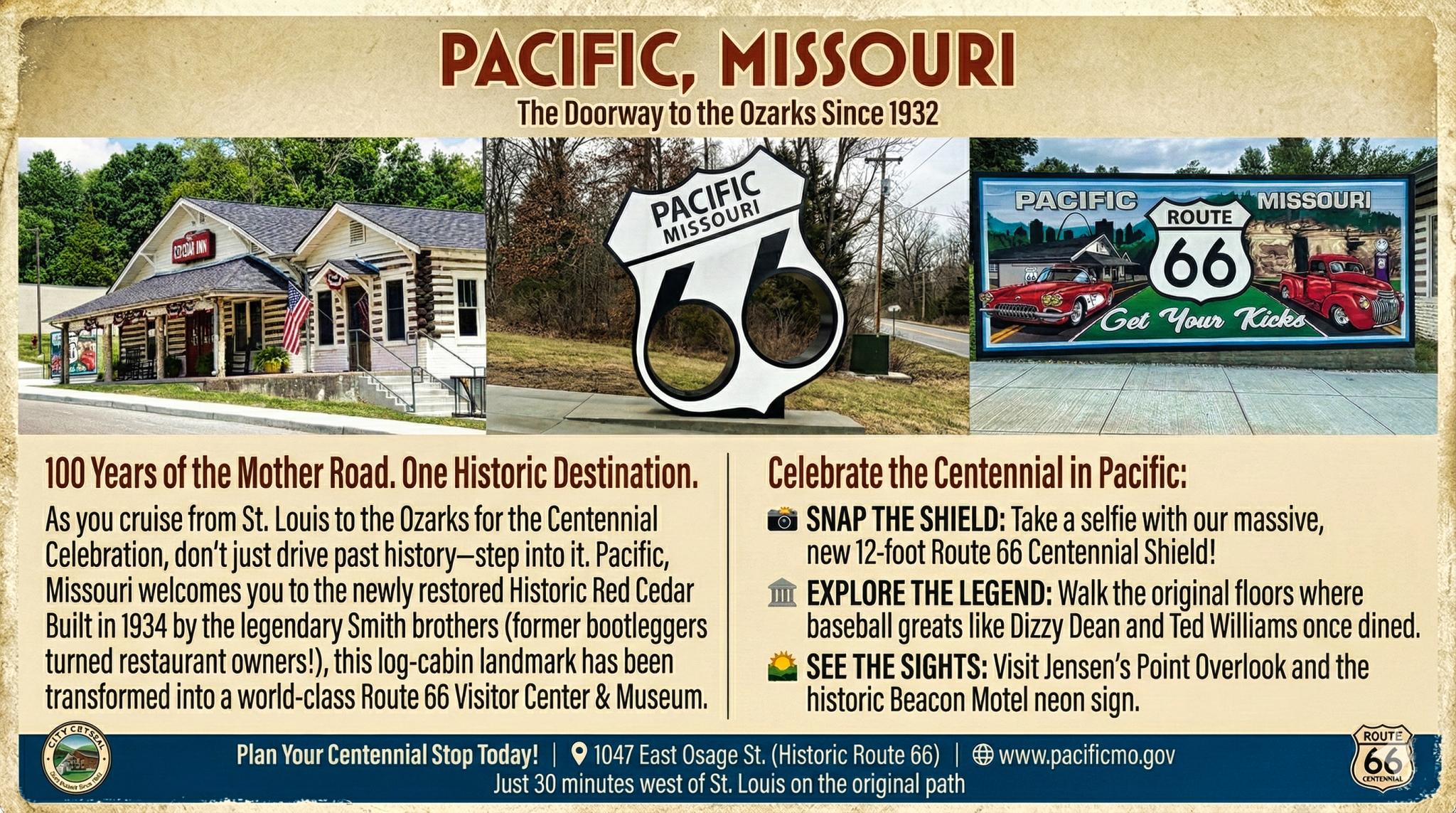
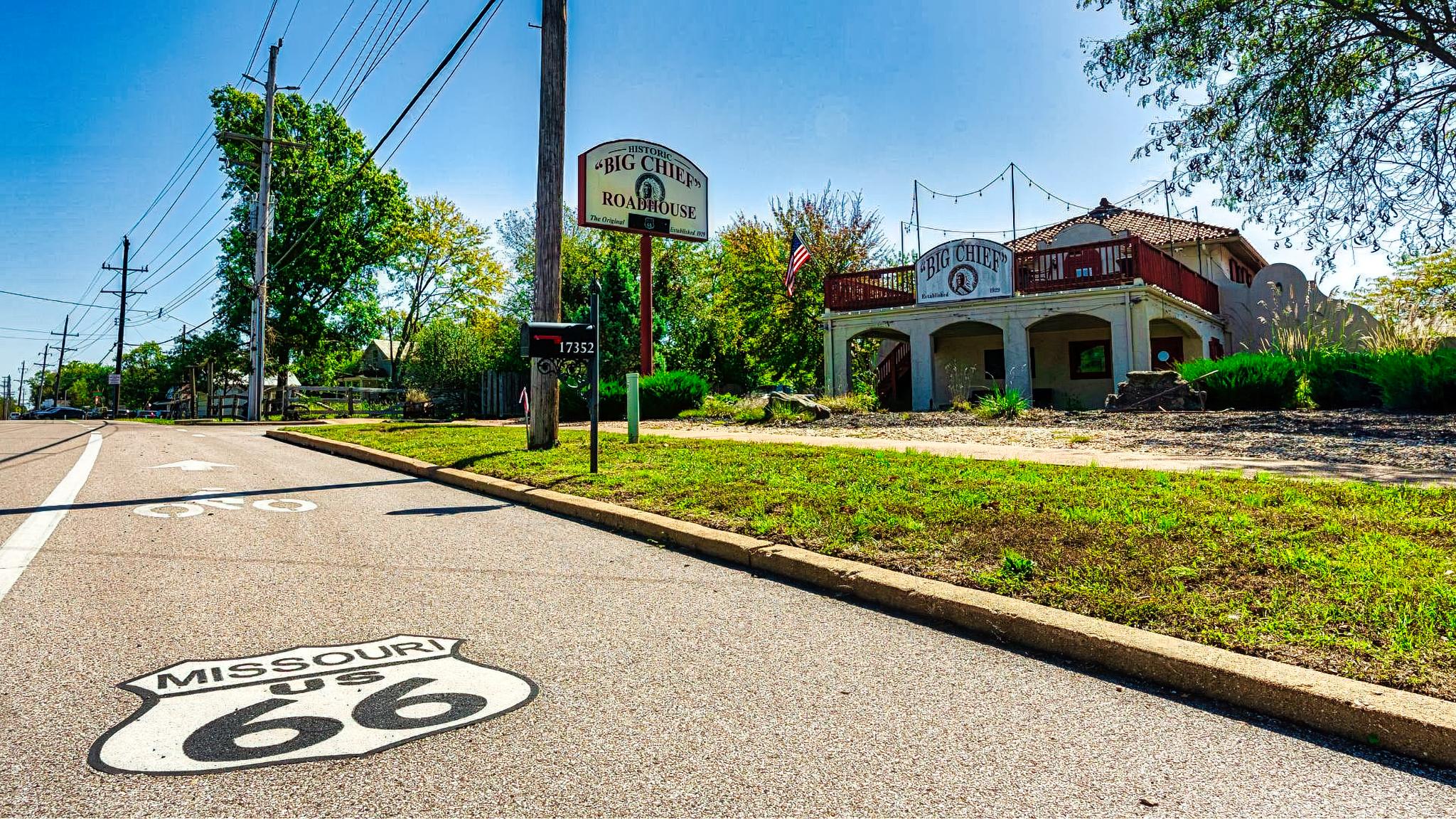
Pacific, Missouri, proudly embraces its placealong Route66as oneof theMother Road’s mostauthenticsmall-townstops, whereOzark foothills meetclassicroadside history justwestof St. Louis.Incorporated in 1932, thesameyear Route66was fully paved -- Pacificgrew alongsidethe highway, welcominggenerations of travelers heading toward theOzarks andthe AmericanWest.
Today,visitors can explorearevitalized stretchof historicRoute66thatincludes restored landmarks, vintageneon,and scenicoverlooks thathintatthetown’s deep connection to theroad.
With easyaccess, walkableattractions, and astrong senseof preservation,Pacificinvites Route66 travelers to slow down, stepoff thepavement,and experienceacommunitywherethespiritof the Mother Roadis stillverymuch alive.
Thescenery remains spectacular,and thesmalltowns thatdottheroutestill welcomevisitors with openarms.In Cuba, known as “Route66Mural City”, travelers can strollamong dozens of hand-painted murals that celebrateboth thetown’s andtheroad’s history.TheWagonWheelMotel, dating to 1936, is theoldest continuously operating motelonRoute 66 and offers lovinglyrestoredrooms thatblend vintagecharmwithmodern comfort.
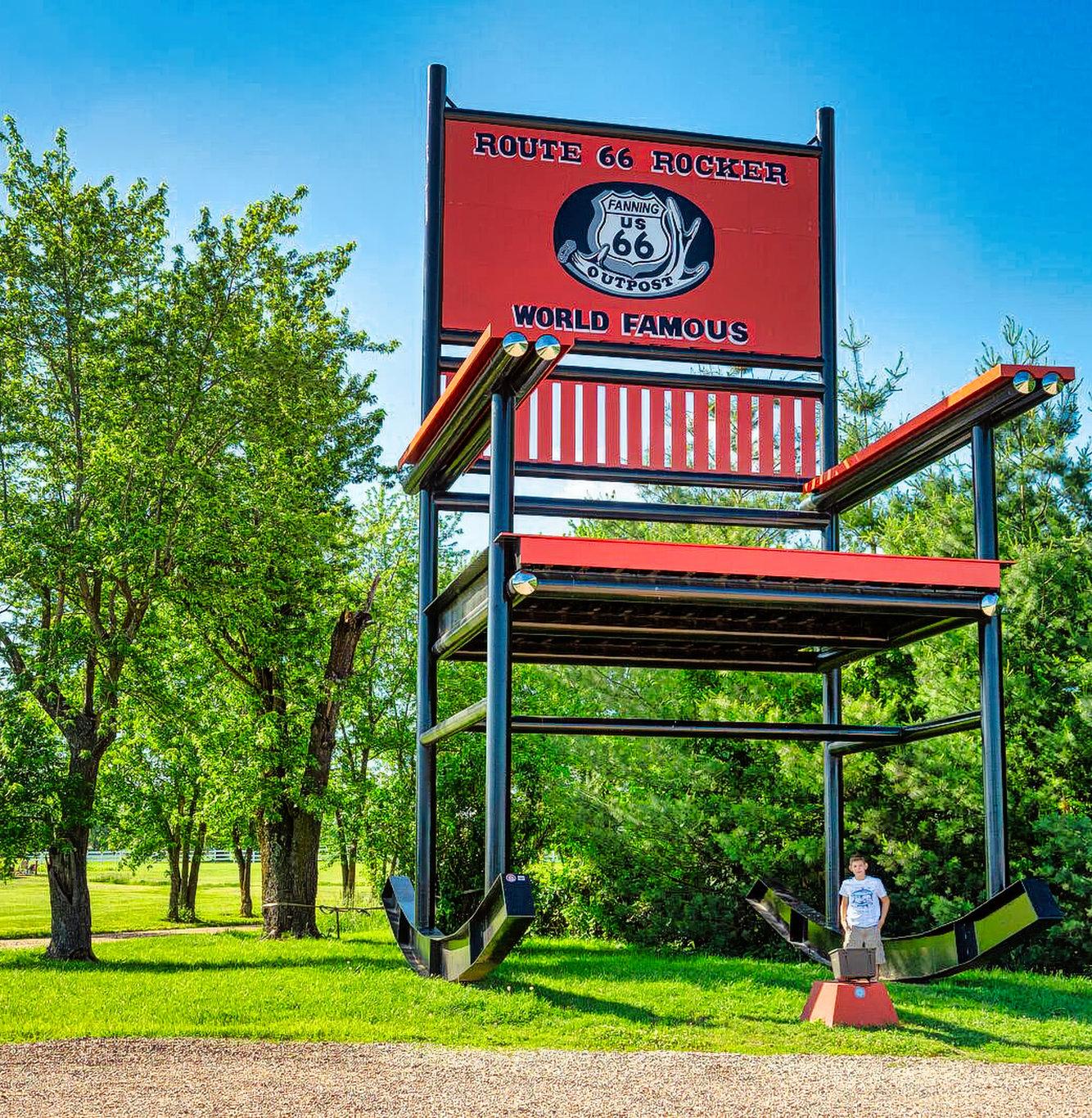
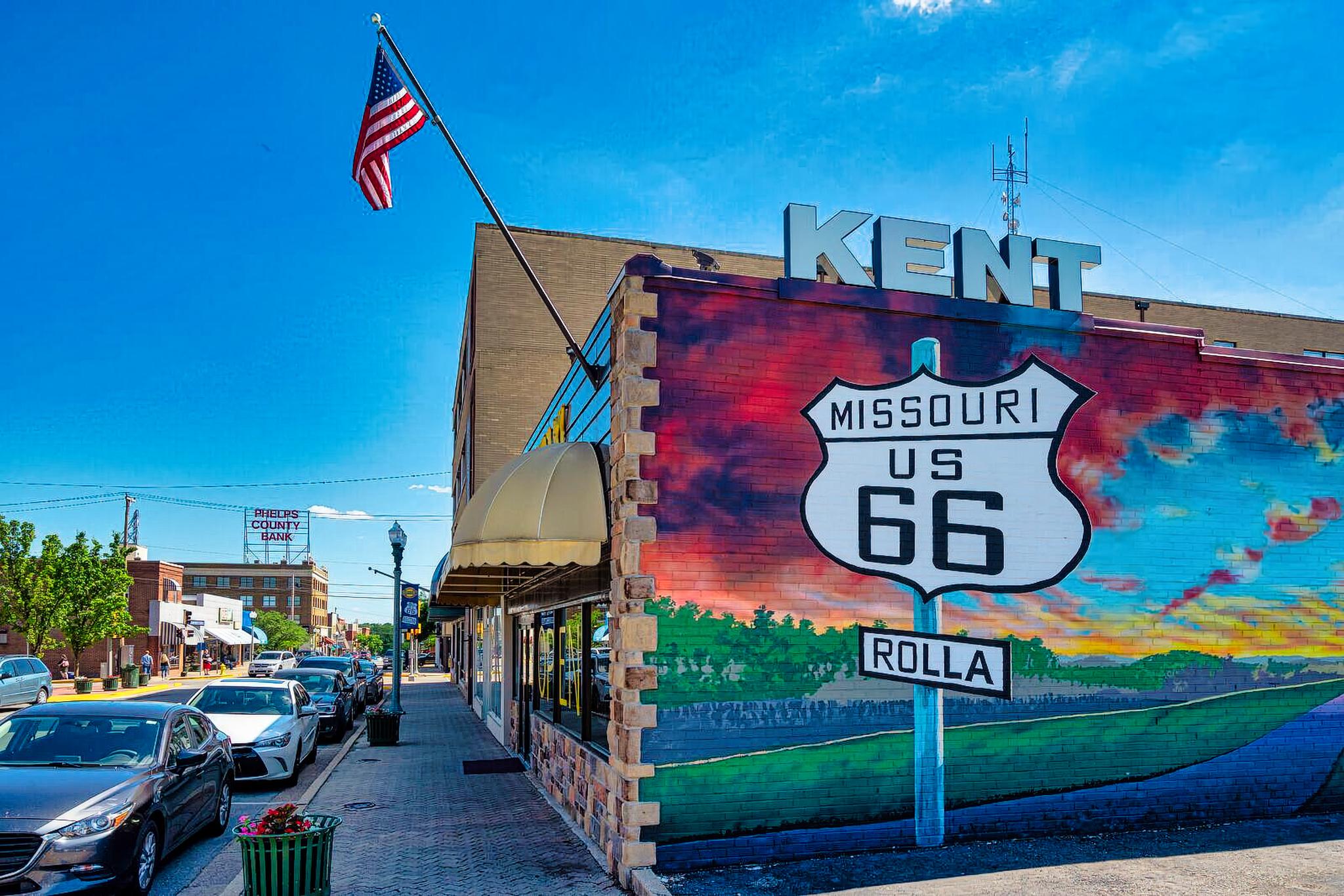
Oneof thequirkieststops along Missouri’s stretch of theMother Road is Fanning Outpost,locatedjustoff Interstate44 between CubaandRolla. Theoutpostis famous for its enormous red rocking chair, oncecertifiedas the world’s largest, standing42feettall and serving as aplayfulroadside landmark thatperfectlycaptures Route 66’s loveof big, boldAmericana.
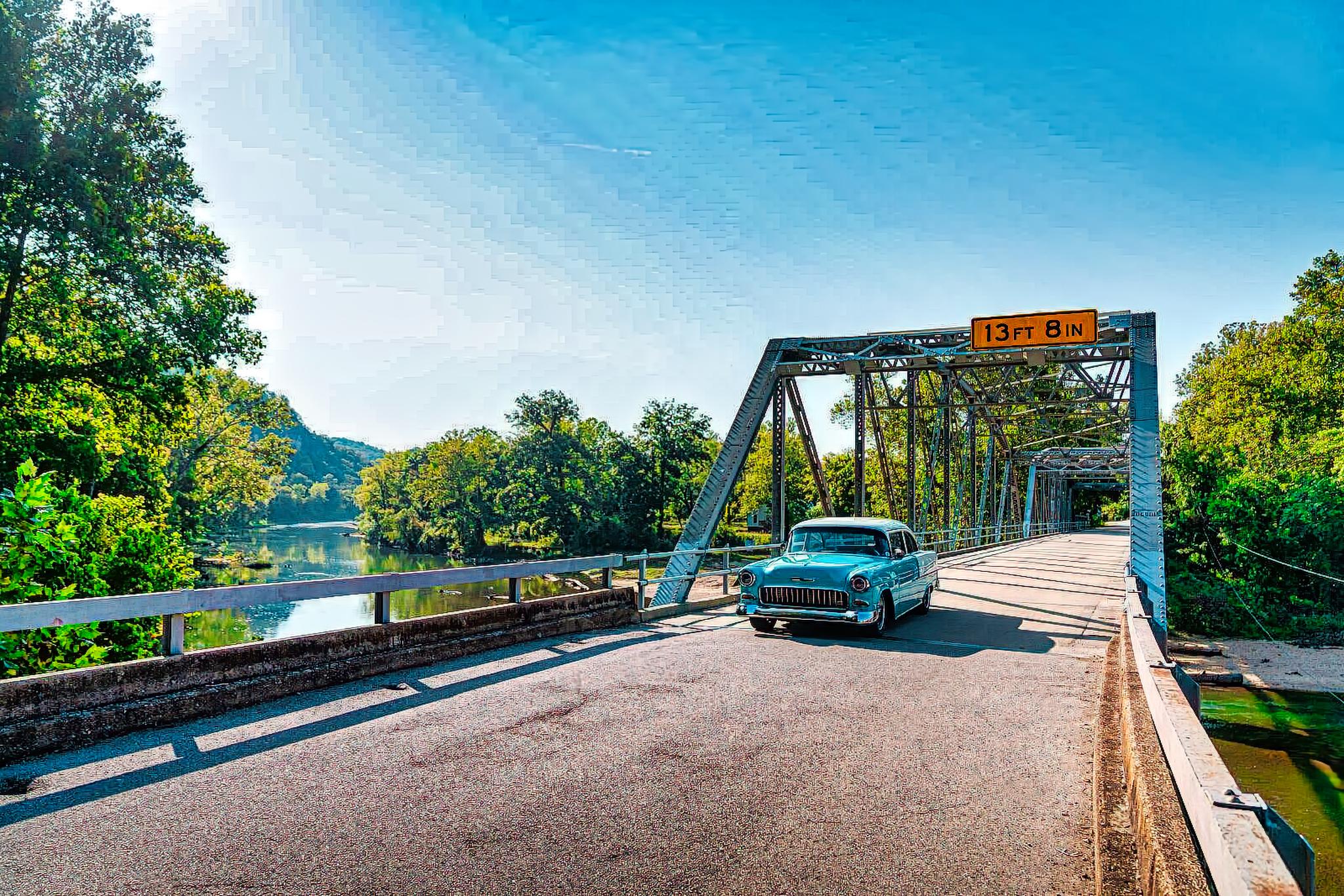
Further down theroad, Devil’s Elbow near Rolla offers oneof themostscenicviews alongMissouri’s stretchof Route66.TheoldbridgecrossingtheBig PineyRiver, surroundedbyruggedOzarkcliffs -looks muchas itdid inthe1940s,whensoldiers, families, and wanderers alikestoppedheretomarvel atthebeauty of theAmericanlandscape.
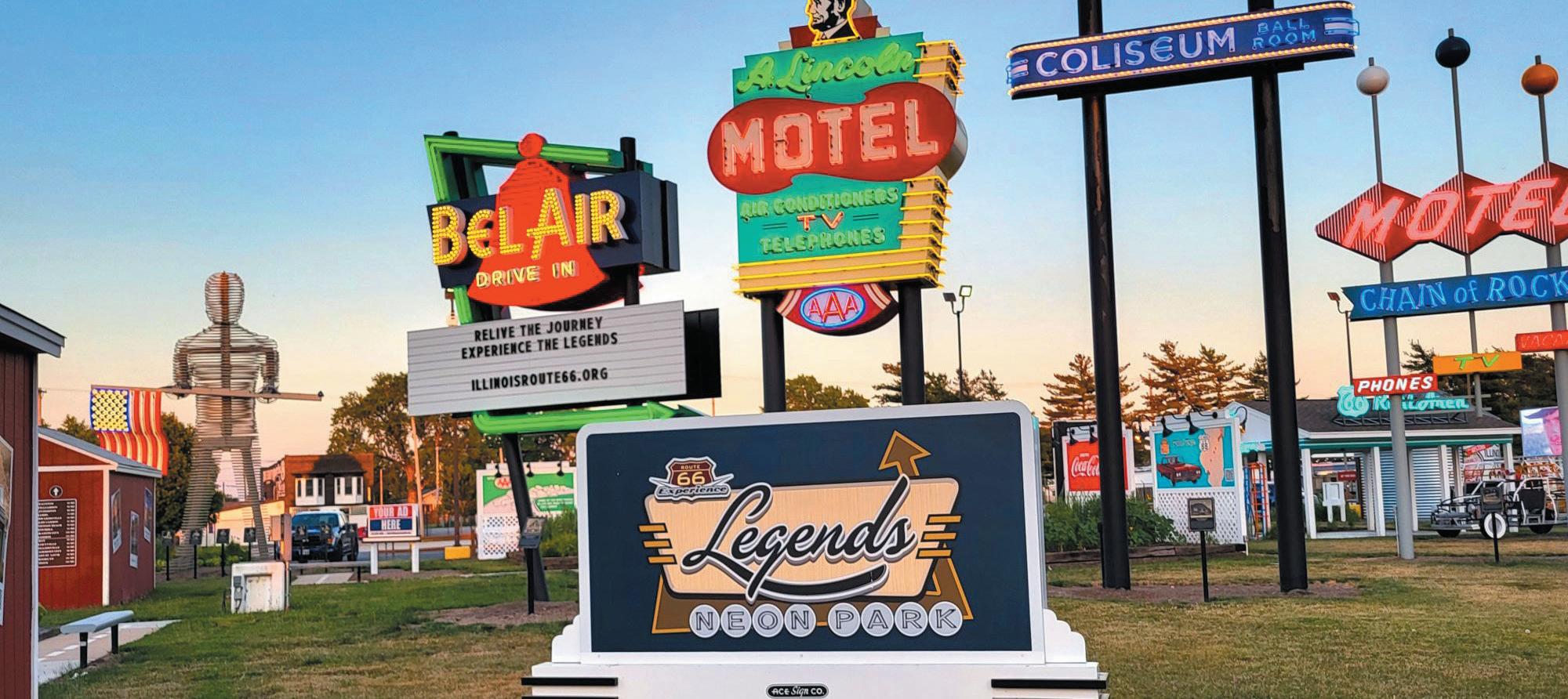
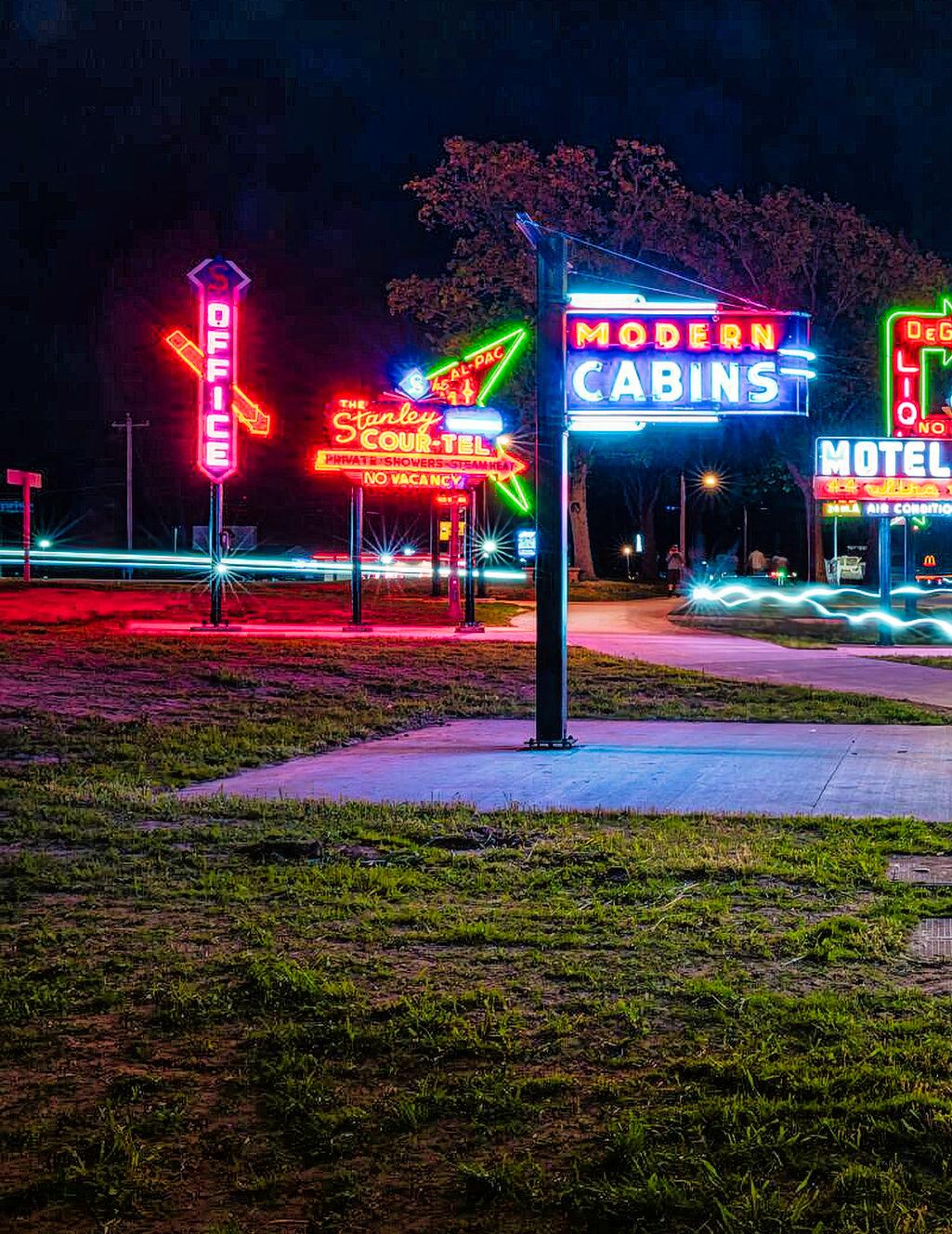
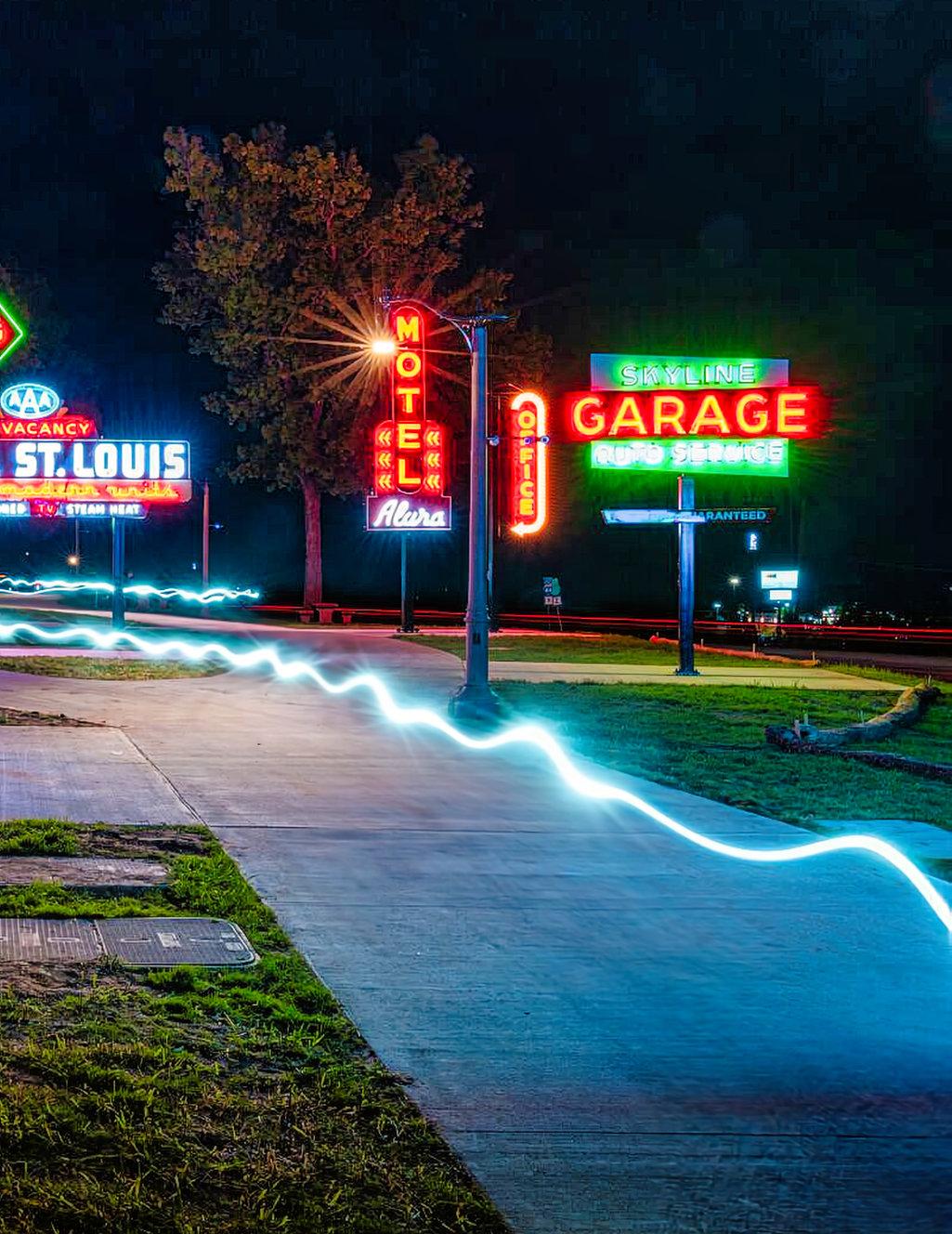
In St. Robert, Route66’s pastglows onceagainatthe Route66 Neon Park, whererestored vintagesigns fromlong-gonemotels and roadsidebusinesses shinebrightlyagainst theevening sky.Thepark preserves pieces of theMother Road thatmight otherwisehavebeen lost,reminding travelers thatRoute66is notonly remembered-- it’s beingrevived.
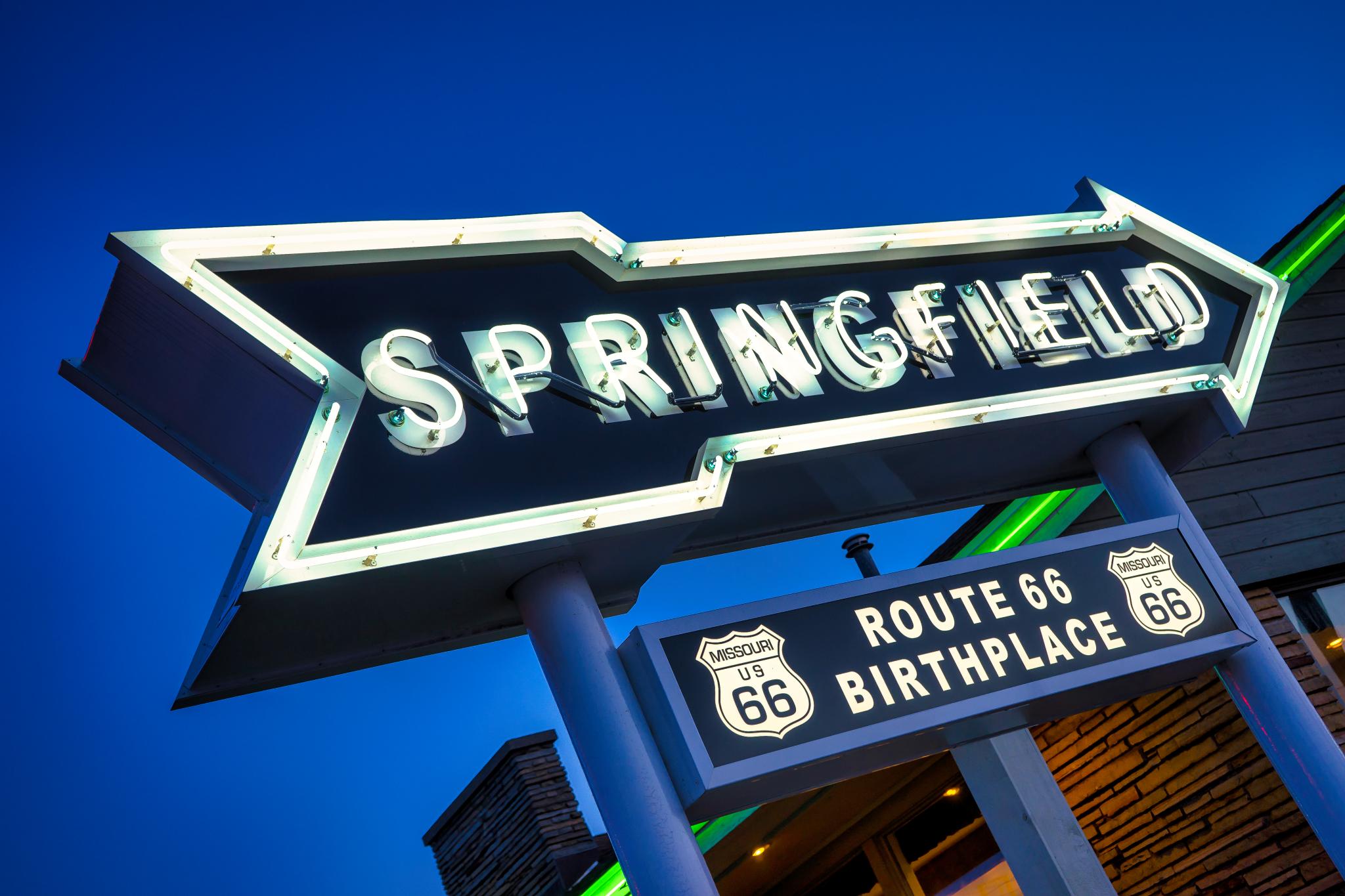
Springfield: The Birthplace of Route 66
No city inAmerica can claim a deeper connection to the Mother Road than Springfield, Missouri, where the name
Byways 36
“Route 66” was first proposed. In 1926, local businessman John T. Woodruff and highway commissioner CyrusAvery met here to finalize the designation of the new highway, giving birth to the route that would defineAmerican travel for the next century.
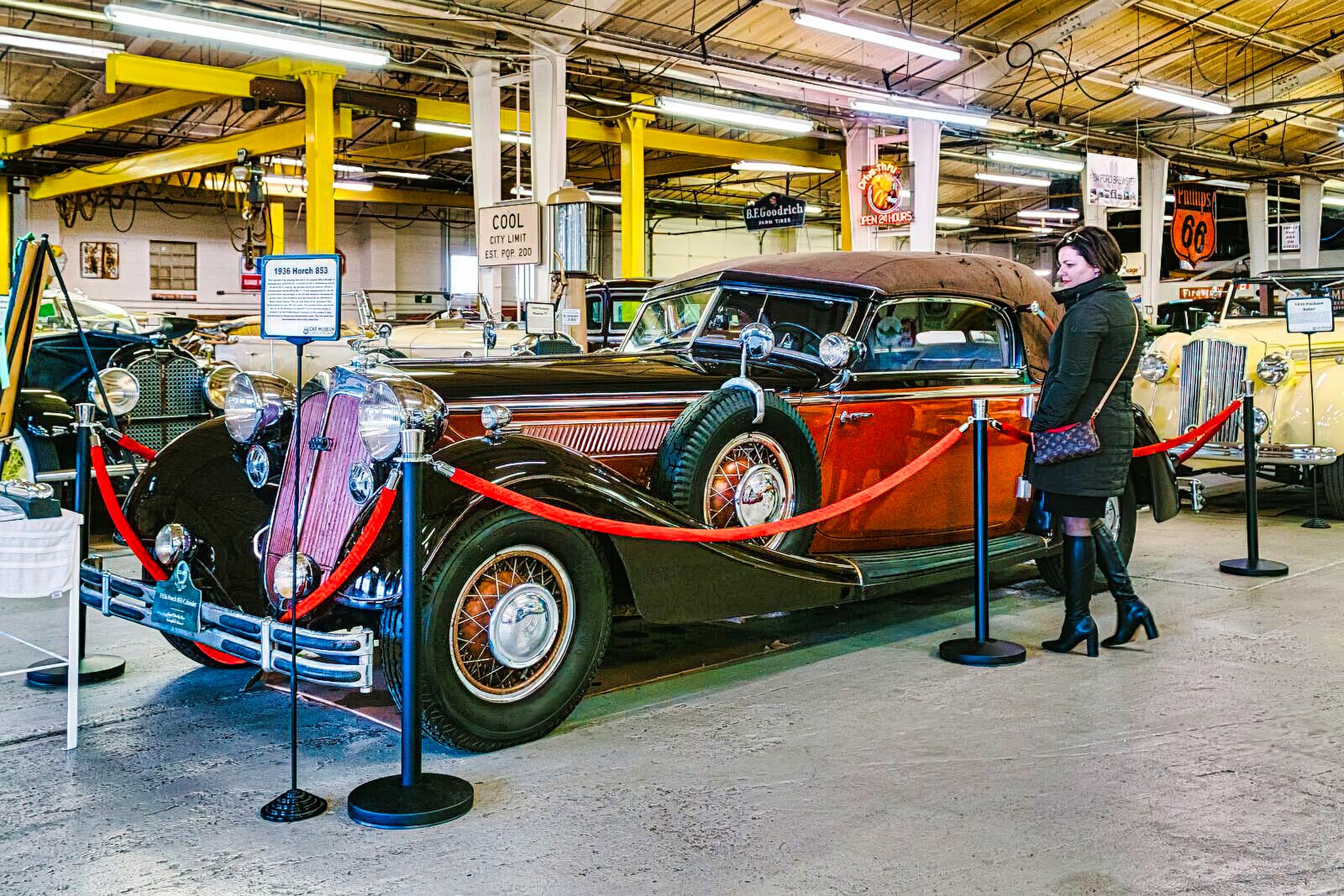
Today, Springfield embraces thatheritageproudly. TheRoute66 Car Museumdisplays morethan60
vintageautomobiles,includingclassicFords, Packards,and even theBatmobile.Thecityalso hosts theBirthplaceof Route66Festival,whichdraws thousands each year for livemusic,vintagecars,and classicAmerican food.
DowntownSpringfieldoffers its ownlineupof nostalgicstops, fromtheretro-styleSteak ’nShaketo localdiners thatserveheartyOzark fare.For travelers seekinganauthenticsliceof small-cityAmerica, Springfielddelivers theperfectmixof history and hospitality.
Lebanon to Carthage: SmallTown Treasures
Continuing southwest, Route 66 passes through towns that seem preserved in time. Lebanon, once a popular stop for overnight travelers, features the Route 66 Museum inside the local library -- a treasure trove of photographs, vintage signs, and recreated 1950s storefronts. In Phillipsburg, visitors can shop for nostalgic souvenirs at Redmon’s Candy Factory, a favorite for both kids and adults since the road’s heyday.
InCarthage,the66Drive-InTheatrestill lights upthenightskyeverysummer weekend.This classicoutdoor theater, restoredtoits 1949glory,is oneof thefew remainingdrive-ins ontheMother Road.
Carthage’s Jasper CountyCourthouse,builtfrom localCarthagemarble,provides another landmark stop for travelers exploringthetownsquare.
Further along theroute,theBoots CourtMotelin Carthage, restored toits originalartdecosplendor, invites guests to stay “WheretheStars Stayed”, recalling nights when ClarkGableandother Hollywood icons rested hereontheir cross-country journeys.
Joplin: The Western Gateway
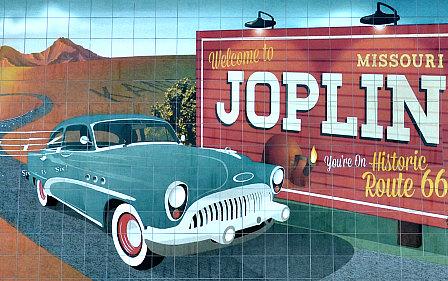
The final Missouri stop on Route 66 is Joplin, a city that embodies the resilience and charm of the road itself. During the Dust Bowl migration of the 1930s, Joplin was a key stopover for families heading west, offering gas, food, and a warm bed after long days of travel. Decades later, it became a symbol of rebirth after a devastating 2011 tornado, rebuilding its downtown into a lively mix of art, dining, and historic charm.
Missouri’s Route 66 Legacy
For travelers, Missouri’s stretch of Route 66 offers more than nostalgia -- it offers authenticity. The state has done more than preserve the physical remnants of the road; it has kept alive the spirit that made Route 66 a cultural icon. Each town has its own festivals, murals, and stories, all united by a shared pride in their role alongAmerica’s Main Street.
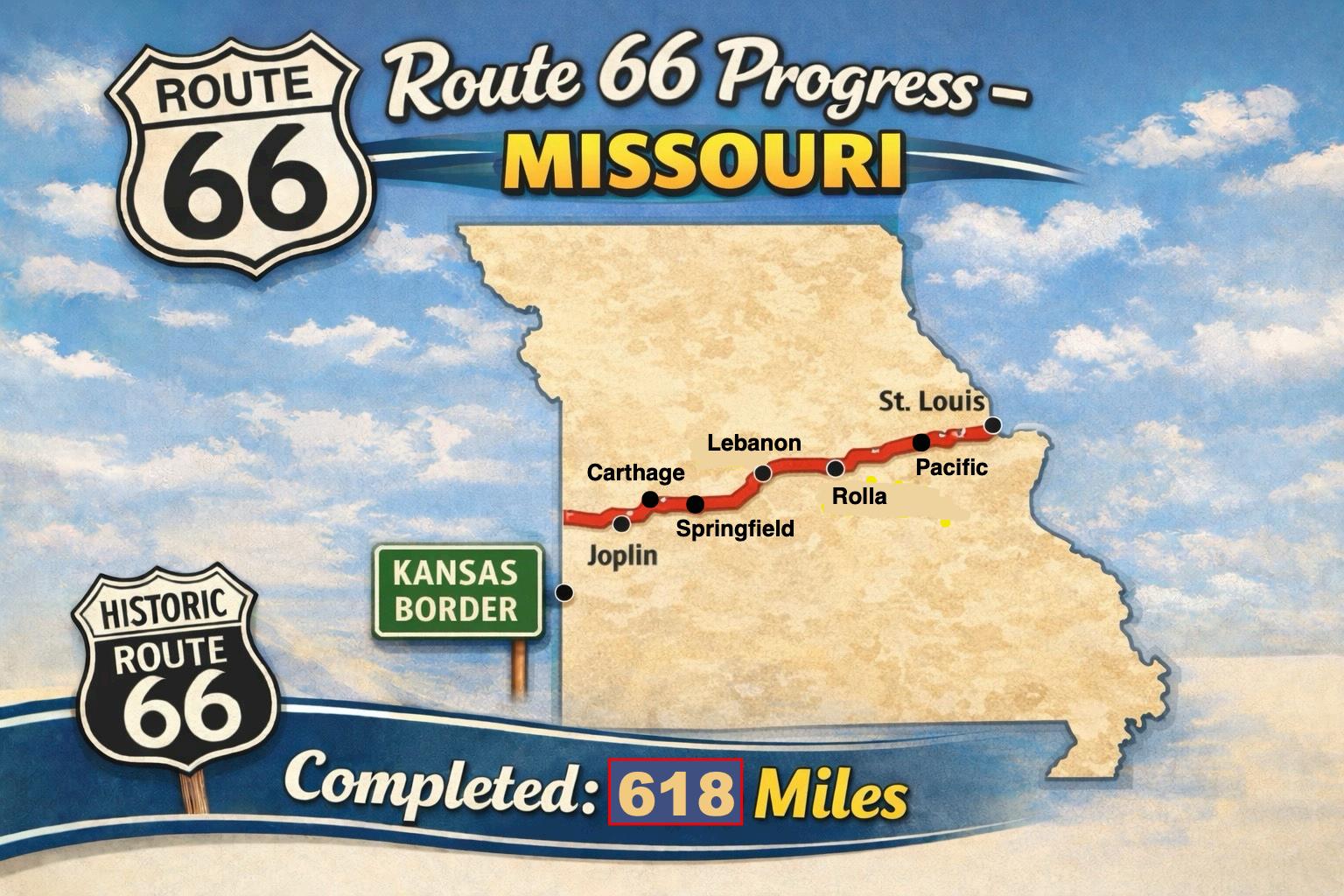
TheRoute66Association of Missouriand countless localorganizations have worked tirelessly to restoreneonsigns, refurbish diners, and reopenclassic motels.Their efforts haveensuredthat thedrivefromSt. Louis toJoplin remains oneof themostenjoyableand visually rewarding sections of theentire
route. Click on the logo to learn more about Route 66 in Missouri.
The Spirit of the ShowMe State
Route 66 in Missouri is more than a highway, it’s a living museum of American life. It tells the story of travelers chasing dreams, families building communities, and small towns adapting to change while holding onto their roots.
For those who follow the Mother Road, Missouri is where the open road feels most like home -- a place where the neon still glows, the pie is always fresh, and the people are happy to show you what makes their stretch of Route 66 so special.
“Missouri doesn’t just preserve the Mother Road -- it keeps her heartbeat alive.”
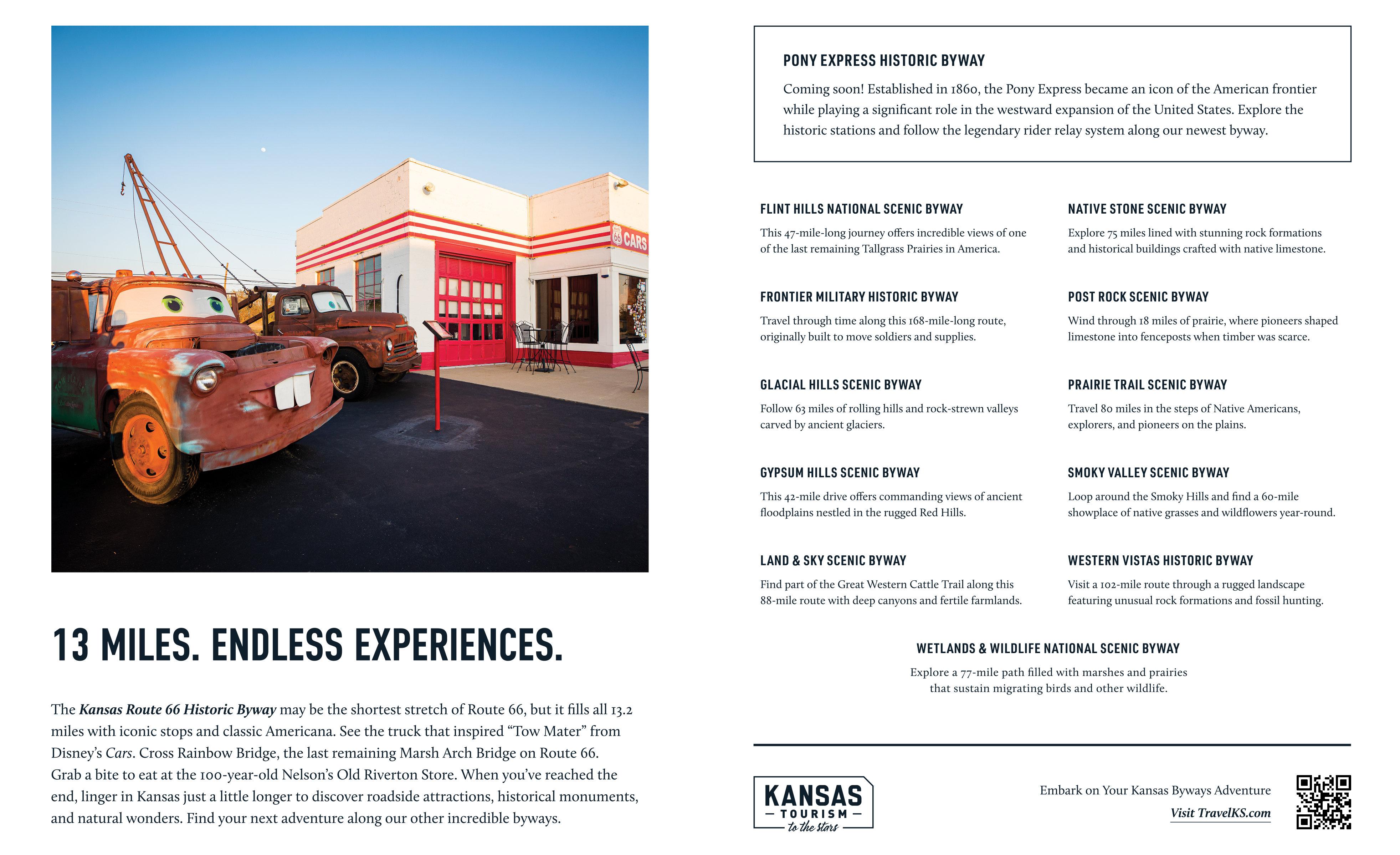
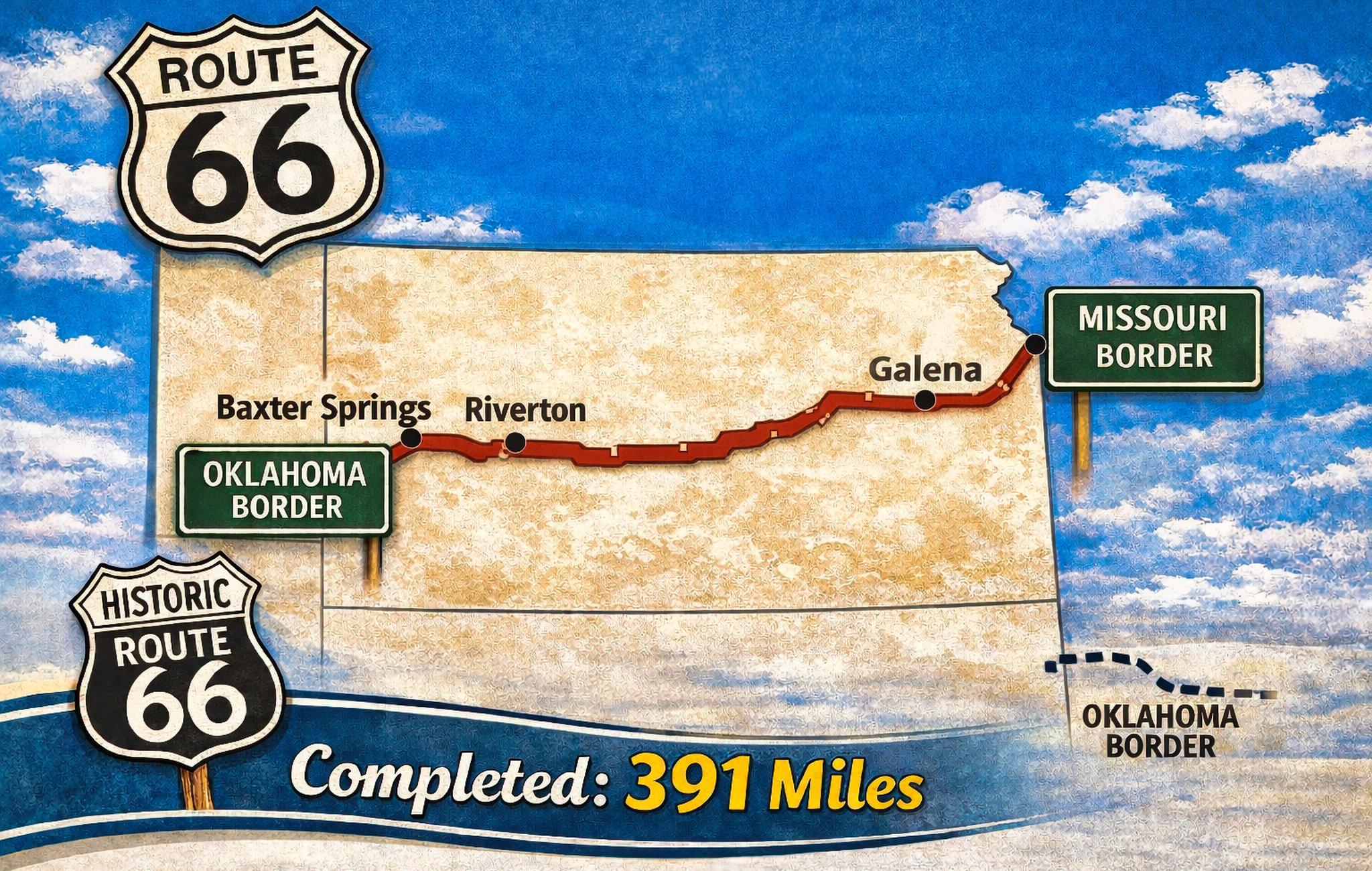
Atjustalittlemorethan13miles,Kansas claims theshorteststretchof Route66of any of theeightstates thehighwaycrosses.Yetin those13 miles -- winding throughthesoutheastern corner of thestatenear theborders of Missouriand Oklahoma,travelers experienceapureandauthentic sliceofAmerica’s Mother Road.
Here,thesmalltowns of Baxter Springs,Riverton, and Galenapreservethespiritof anearlier time,when atwo-lanehighwayconnectedtheheartlandto therest of thenation. Kansas maybesmallinmileage, butits contribution to thelegend of Route66looms large.
A Road Through America’s Heartland
When Route 66 was commissioned in 1926, it stitched together hundreds of small towns across the Midwest. In Kansas, the highway cut across the state’s southeastern corner, following the same corridor once used by NativeAmerican trails and pioneer wagon routes. The road carried coal miners, farmers, and travelers through the Cherokee Lowlands, a region shaped by industry and community spirit.
Byways 42
Whilemuchof Route66has beenbypassed or rerouted over thedecades,Kansas’sectionremains almostentirelyoriginalanddrivable.This shortbut scenicportion,designated aNationalScenicByway, has beenlovinglypreservedandmaintained.
Visitors findrestoredbridges,vintageservicestations, andfriendlytowns thatkeepthelegacyof Route66 alive-- notas amuseum,butas aliving,breathing highway.
Galena: Where the Mother Road Comes to Life
On the Missouri - Kansas line is a swath of yellow brick road, the asphalt is stamped and painted yellow. Continuing west you come to Kansas’s Route 66 drive through shield and a photo op paying tribute to the Pixar Cars movie.
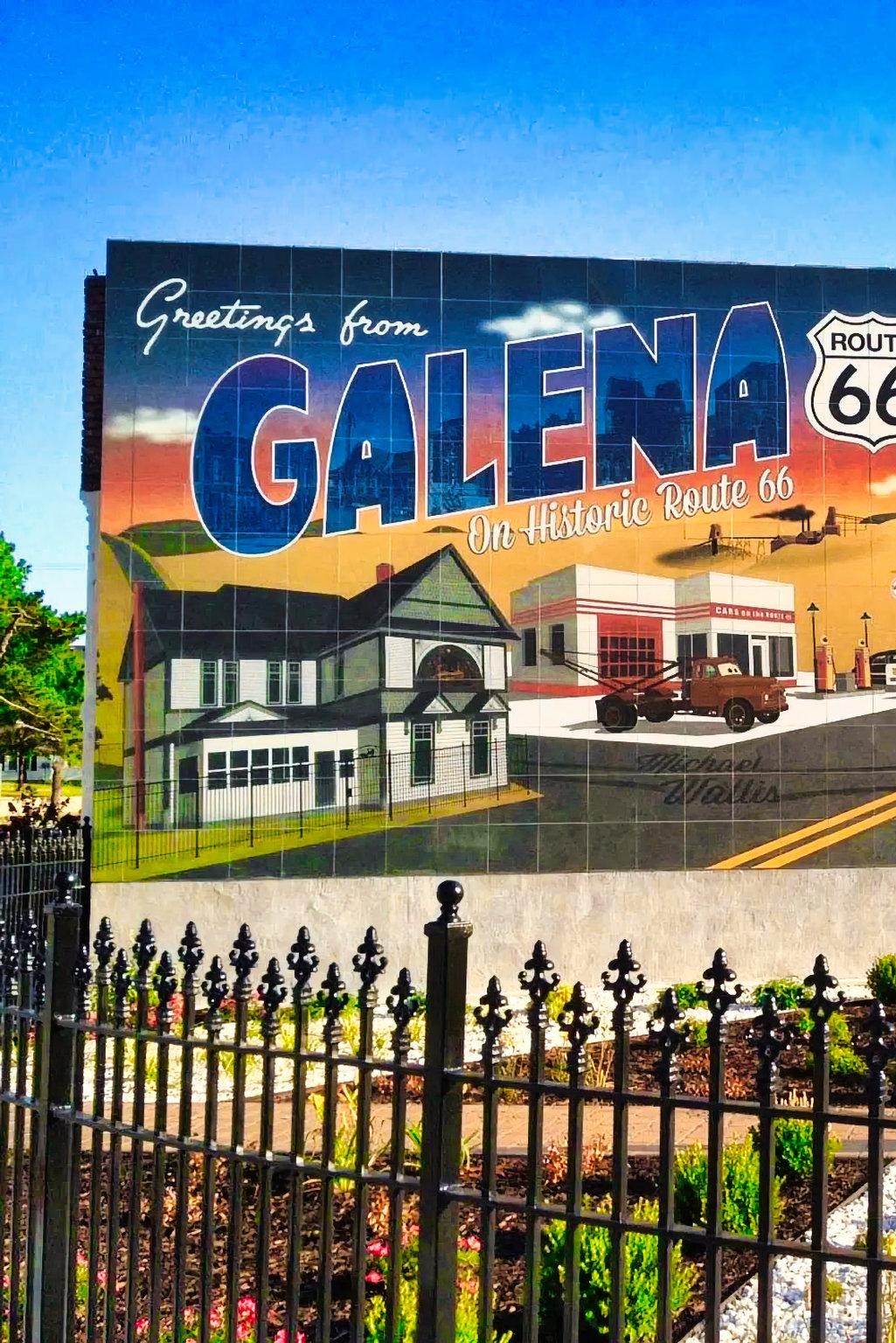
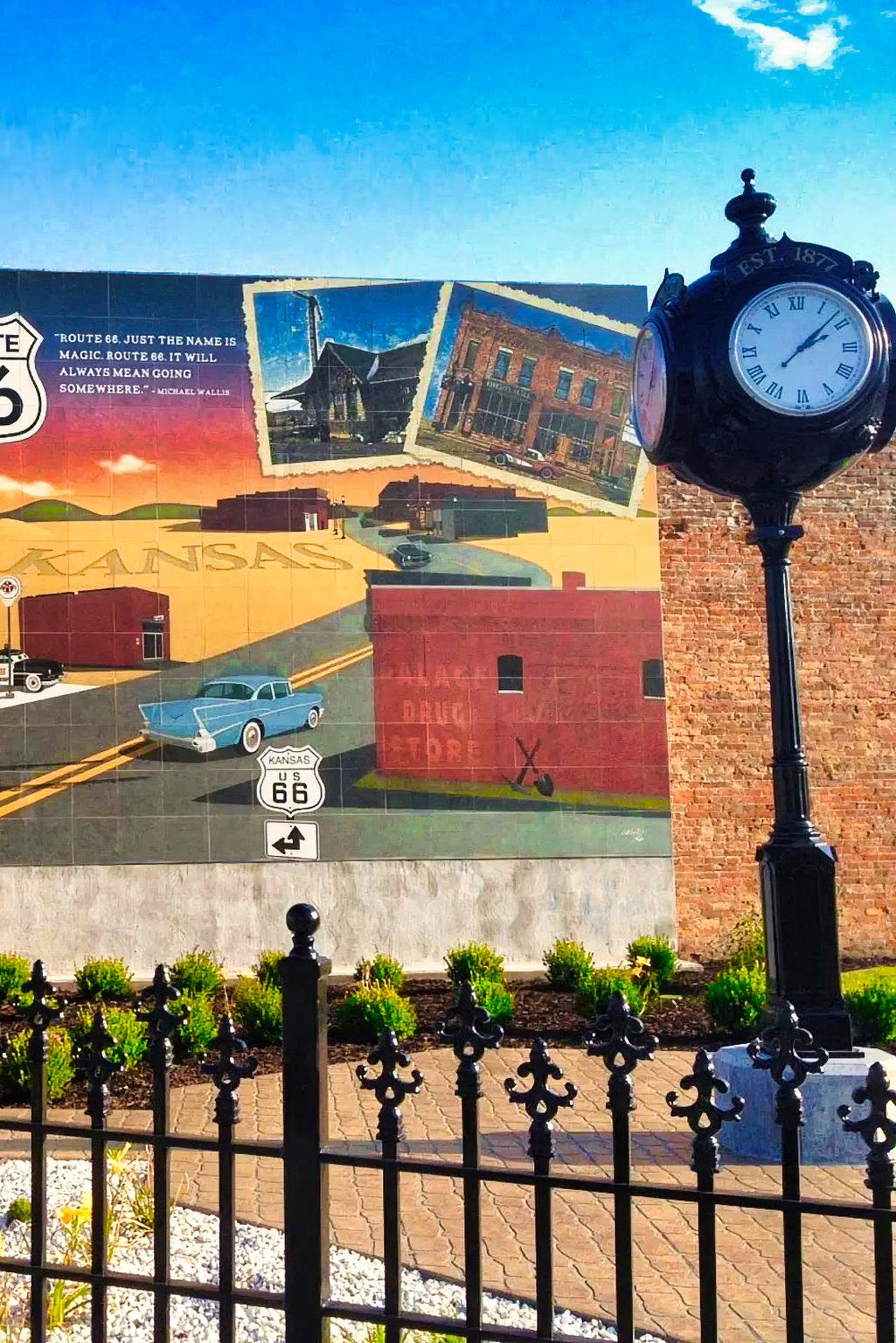
Travelers enter Kansas atGalena, amining town foundedinthelate1800s.Onceknownfor its lead and zincproduction,Galenahas reinventeditself as a shining exampleof Route66pride. Its downtown,
linedwith red-brick storefronts and murals,feels likeastep back in time-- aplacewhere theheartbeatof small-town Americastillechoes in every doorway.
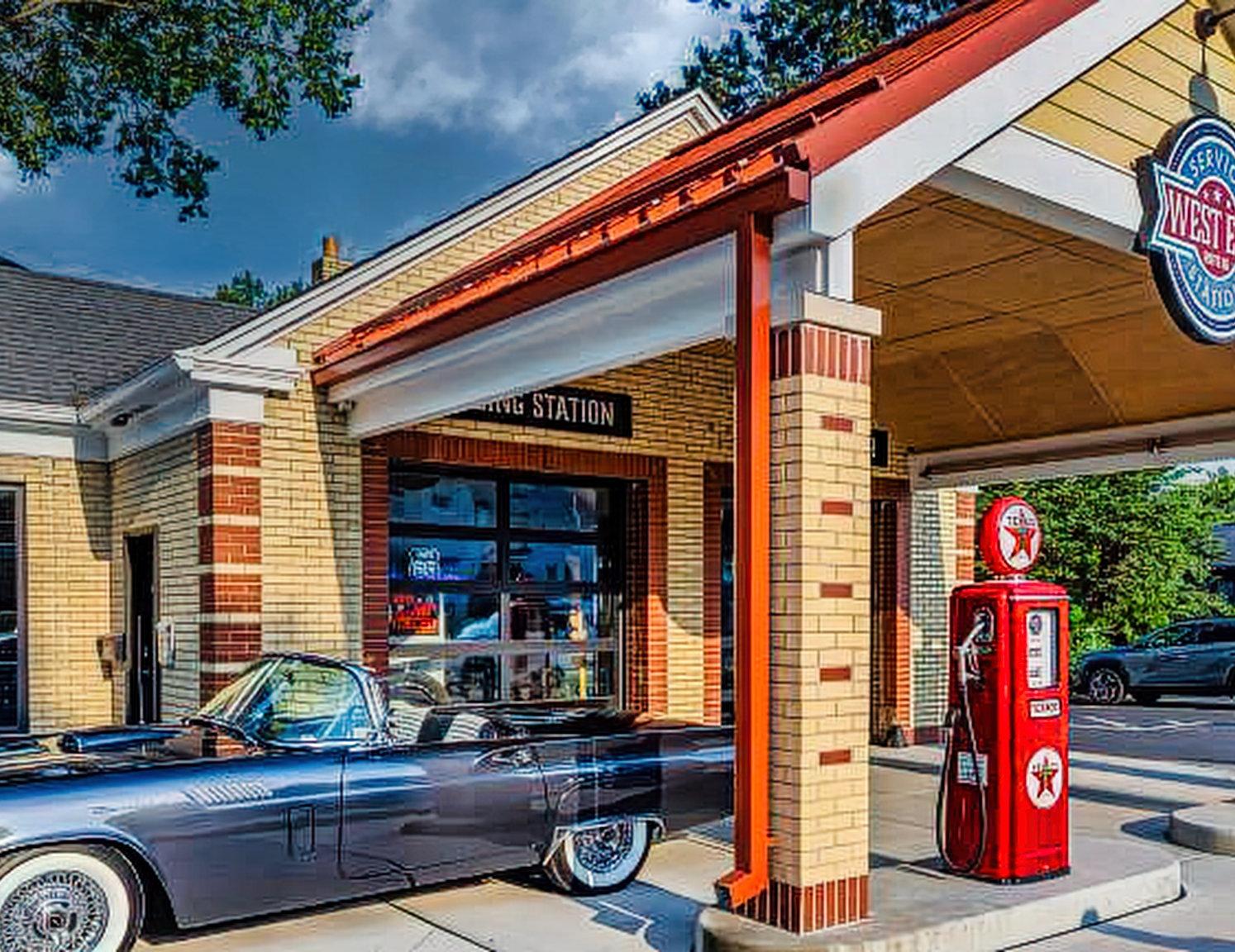
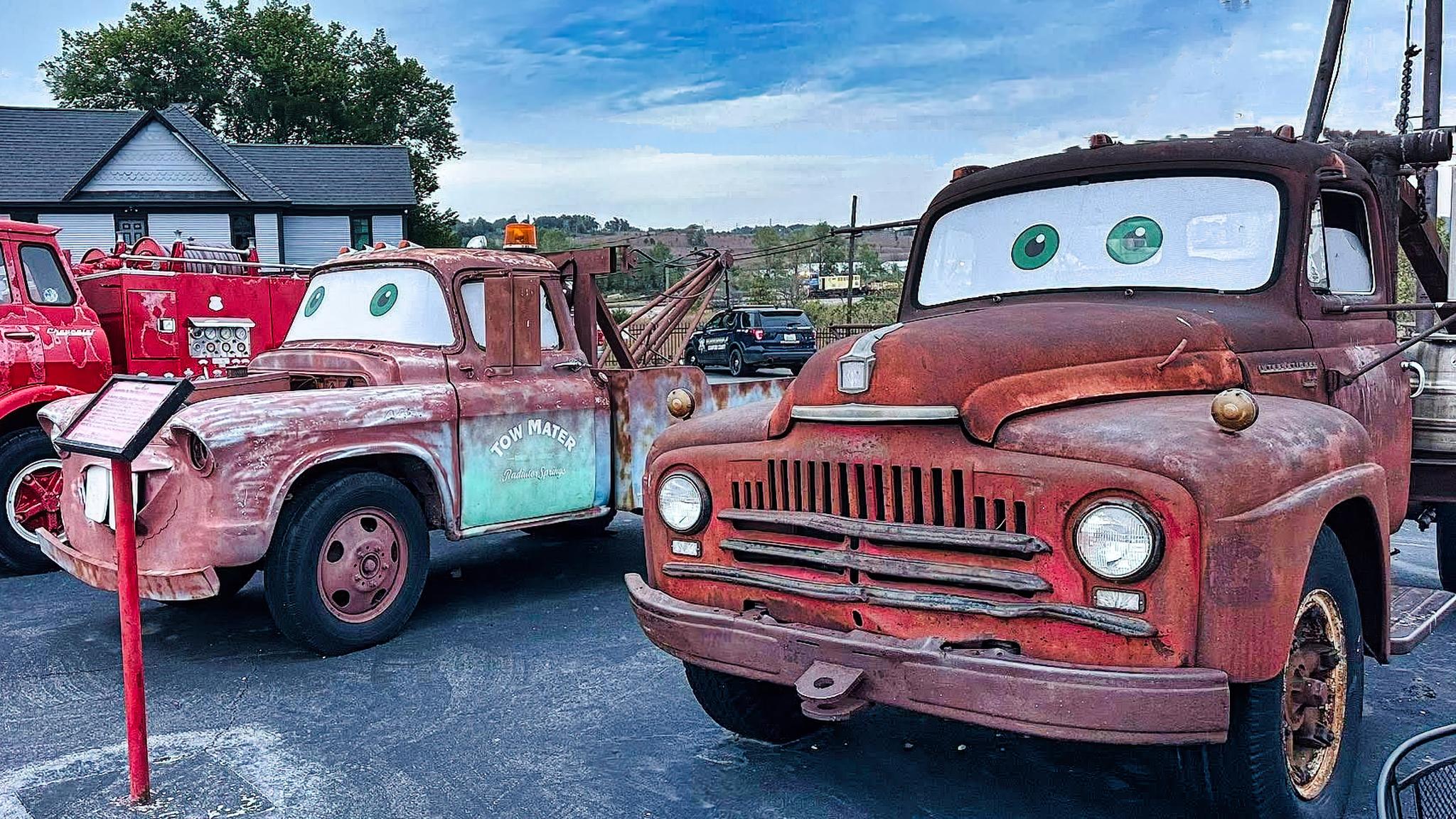
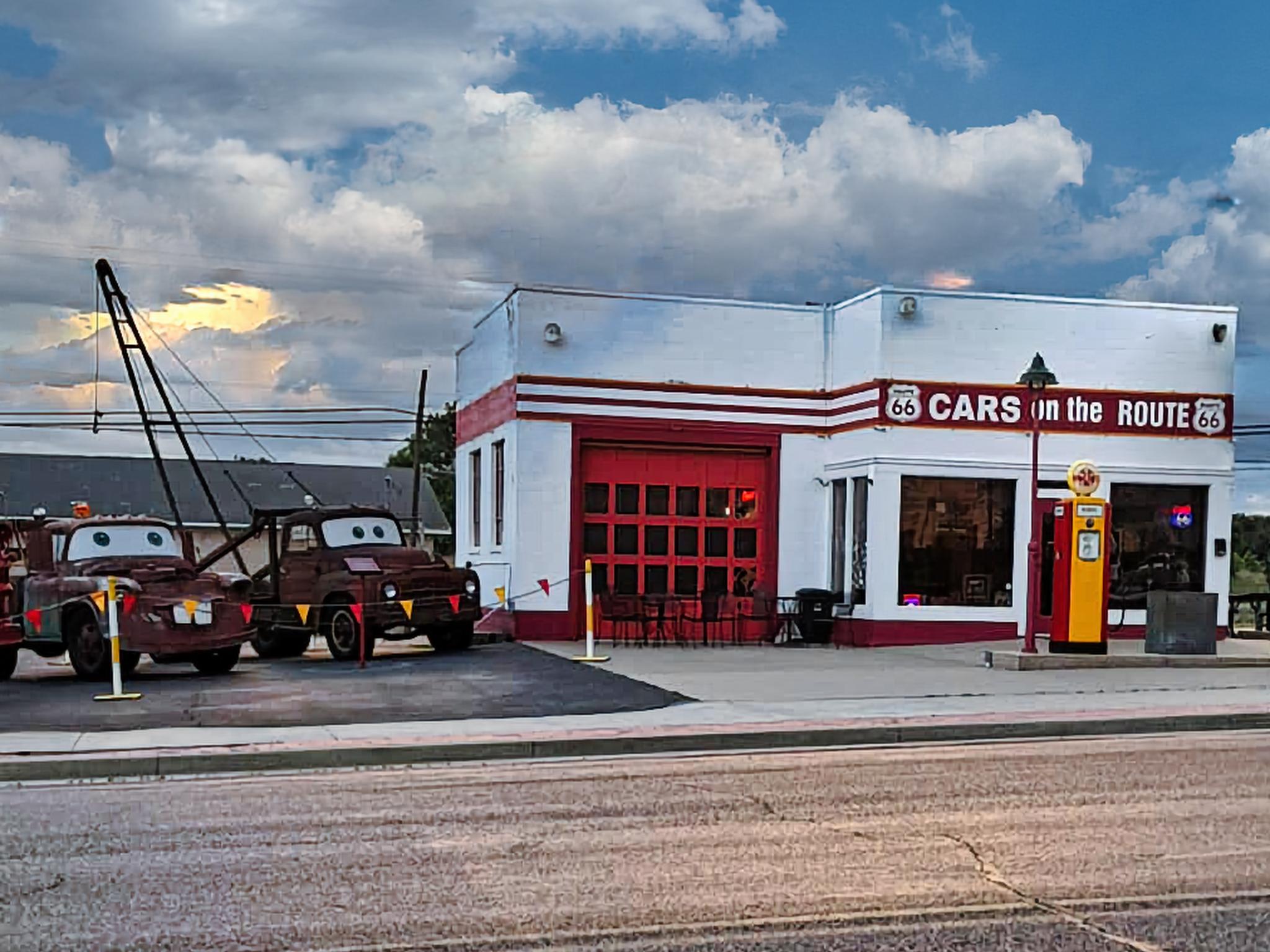
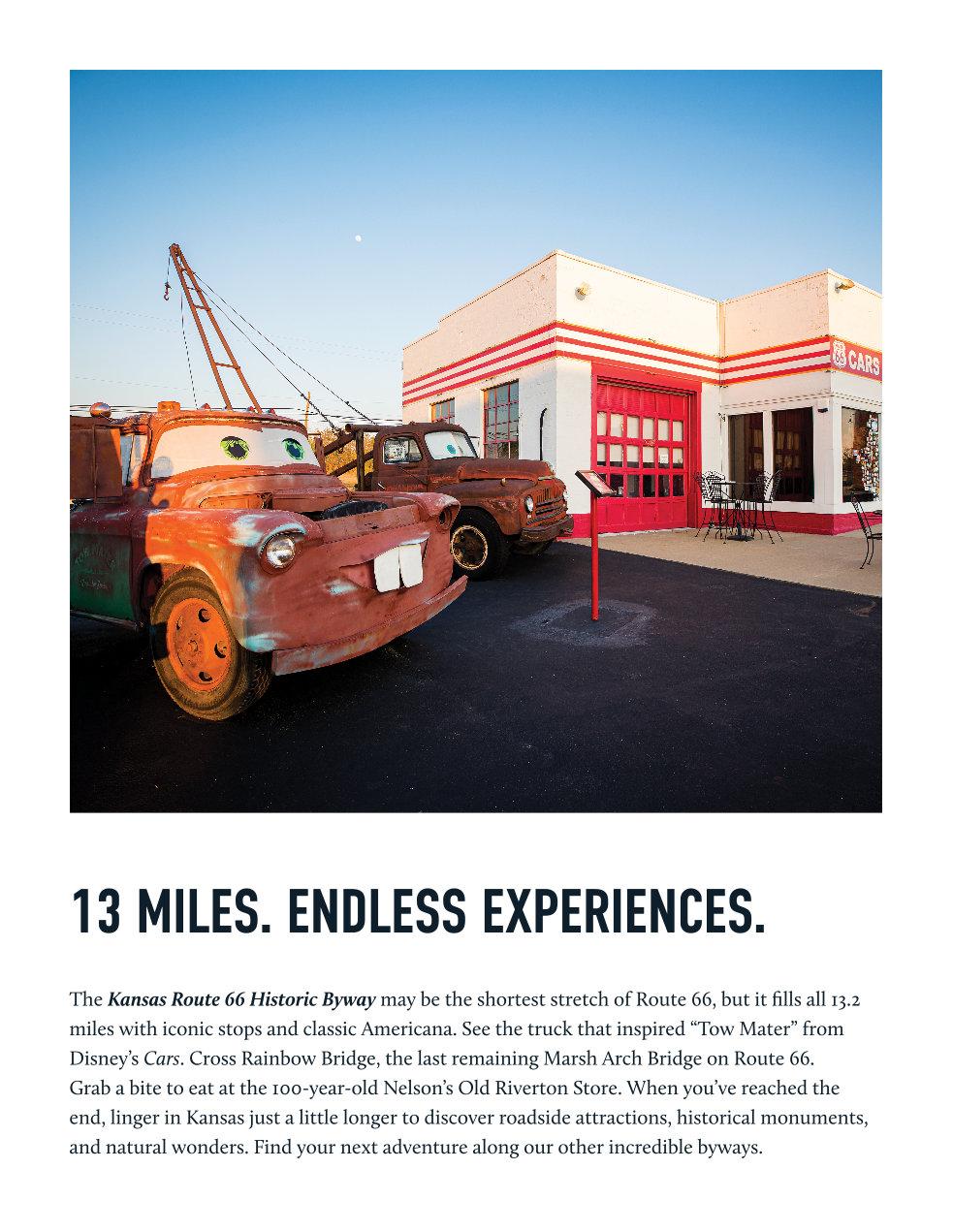
Cars on theRoute, arestored 1930 Kan-O-Tex servicestation thathas a1951 International boomtruck, inspired the character “Tow Mater”from Pixar’s movie Cars.Thebrightred tow truck outfronthas becomeoneof themost photographed vehicles onthe entireMother Road.
Inside, visitors can enjoy burgers andPhilly steak sandwiches, snacks, local souvenirs,. Listen toRoute66stories of the connections of Kansas Route66andthePixar movie Cars told bythefriendlylocals whohelpedpreserve thebuilding.
downthe
2018this roadside
in
boasts themost photographed restroomonRoute66,vintagegas pumps,andclassicneonthatis illuminatedevery night.
Just
streetheadingwestbound
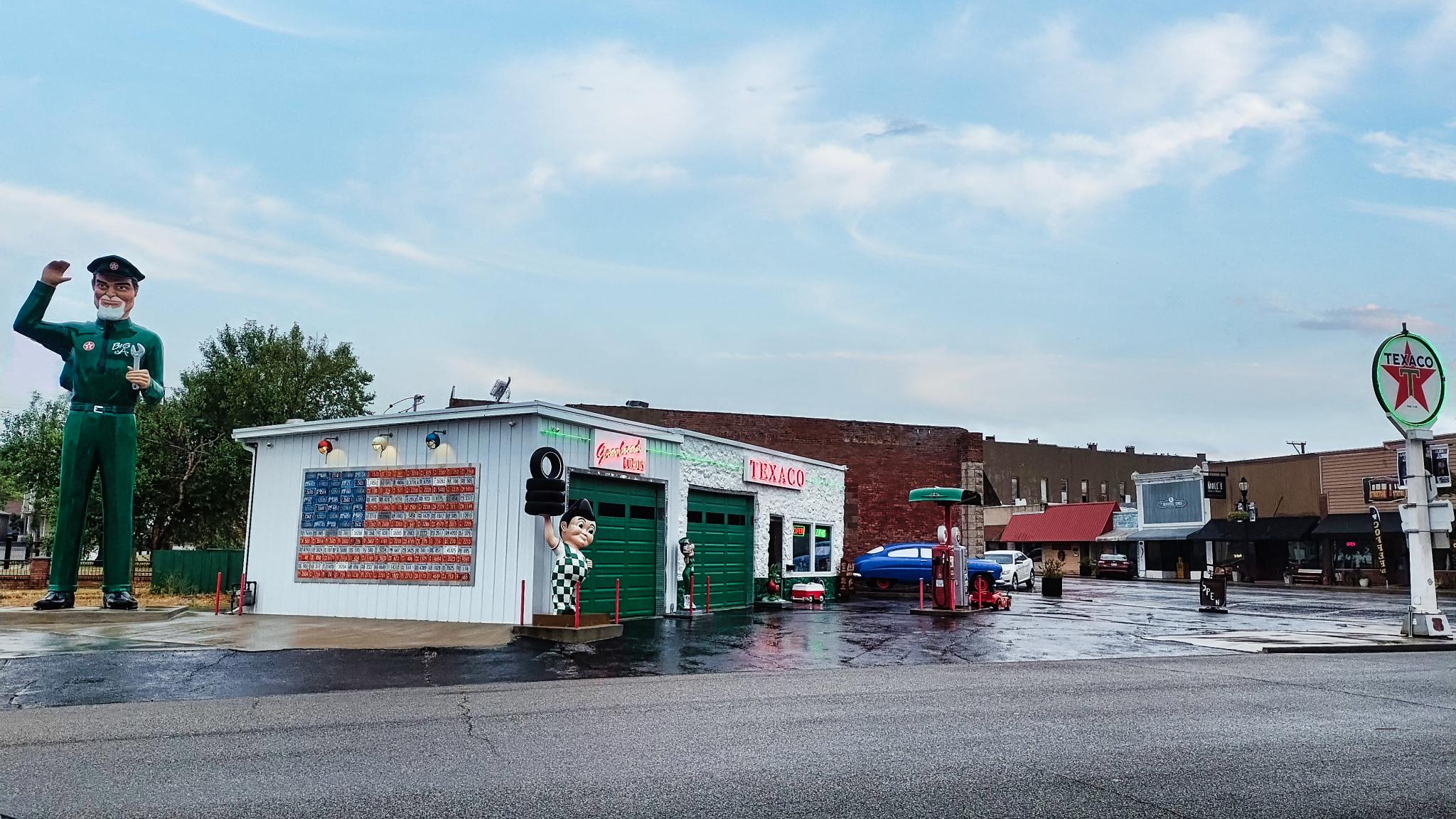
arestored 1939Texacostationis GearheadCurios. Openingin
attraction
AnAmerican flag created from169Kansas License plates, and a22-foottallTexacogiant,is theonlygiant on Kansas Route66 greetingtravelers. Insideyou willhear stories of Route66fromthewell-traveled eccentricowner, andthelargestselectionof souvenirs on Kansas Route66.
Afew blocks away, theGalenaMining&Historical Museumexplores theregion’s richminingpast. Galenaalso boasts animpressivecollectionof murals and sculptures.
Riverton: A Roadside Tradition Since 1925
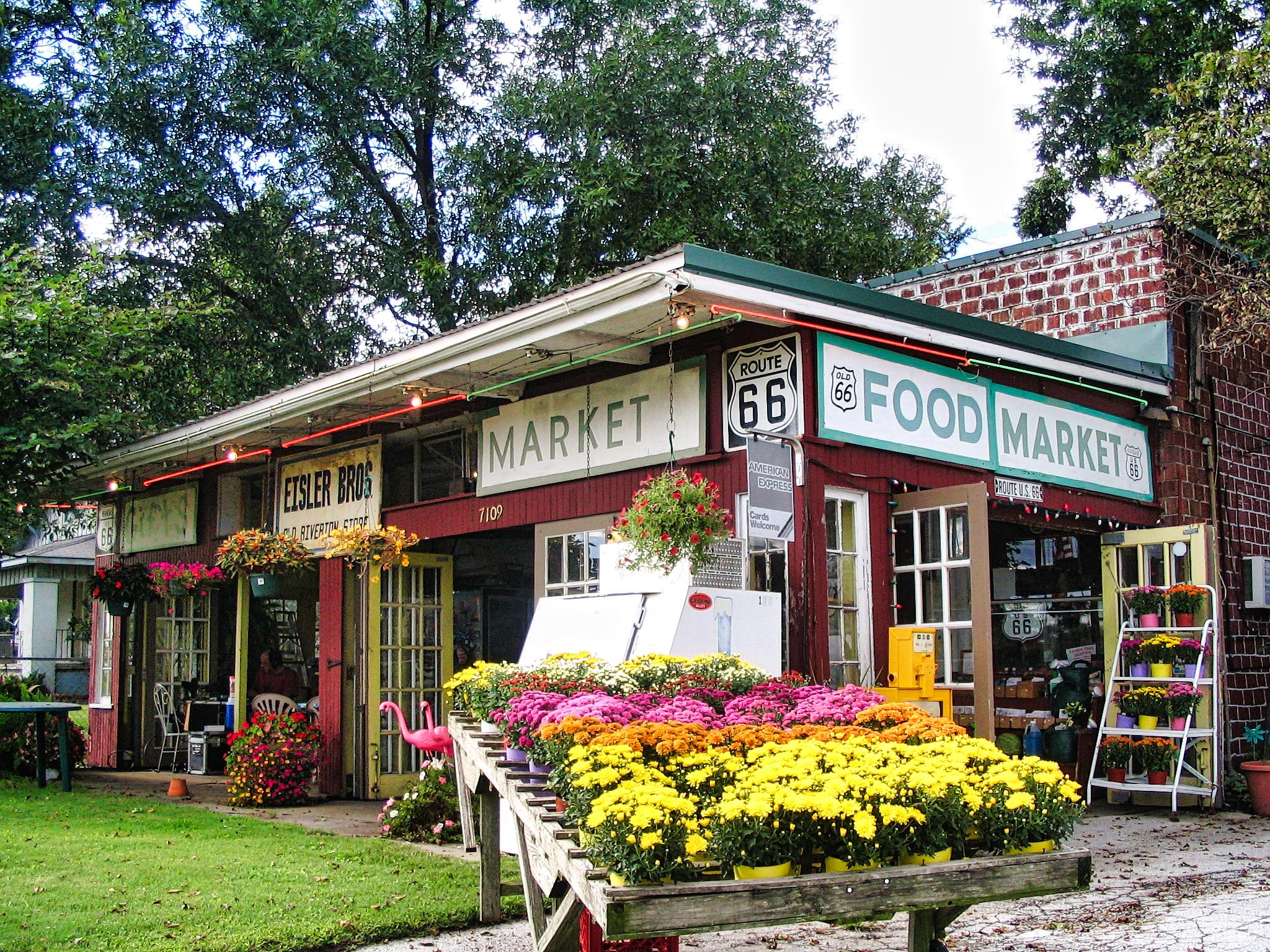
Just a few miles down the road lies Riverton, home to one of Route 66’s most enduring landmarks, the Eisler Brothers Old Riverton Store.
Established in 1925, this familyowned market has served travelers for over a century. It began as a small grocery for local miners and farmers but quickly became a beloved stop for travelers seeking sandwiches, cold drinks, and a friendly chat.
Steppinginsidetodayfeels likeenteringatime capsule.Theoriginalwooden shelves andcreaking floors remain,andthestorestillserves up delicious delisandwiches madefreshto order.
TheEisler Brothers Storeisn’tjustabusiness -- it’s a communityinstitutionandalivingconnection to the earlydays of theMother Road.Generations of travelers havepassedthrough its doors,many returning years later tofindthesamewelcoming faces andtimeless hospitality.
Baxter Springs: The First “Cow Town” on Route 66
The final Kansas town on Route 66, Baxter Springs, is one of the most historic communities on the entire highway. Established in the 1850s along the Old Military Road, the town played an important role during the Civil War and later became a thriving cattletrading center -- the first true “cow town” on the route to the West.
When Route66 was built, Baxter Springs quickly becameamajor stop for travelers. Thebeautifully restored Phillips 66 ServiceStation was builtin 1930.Themuseum,a block away, is wellworthvisiting.
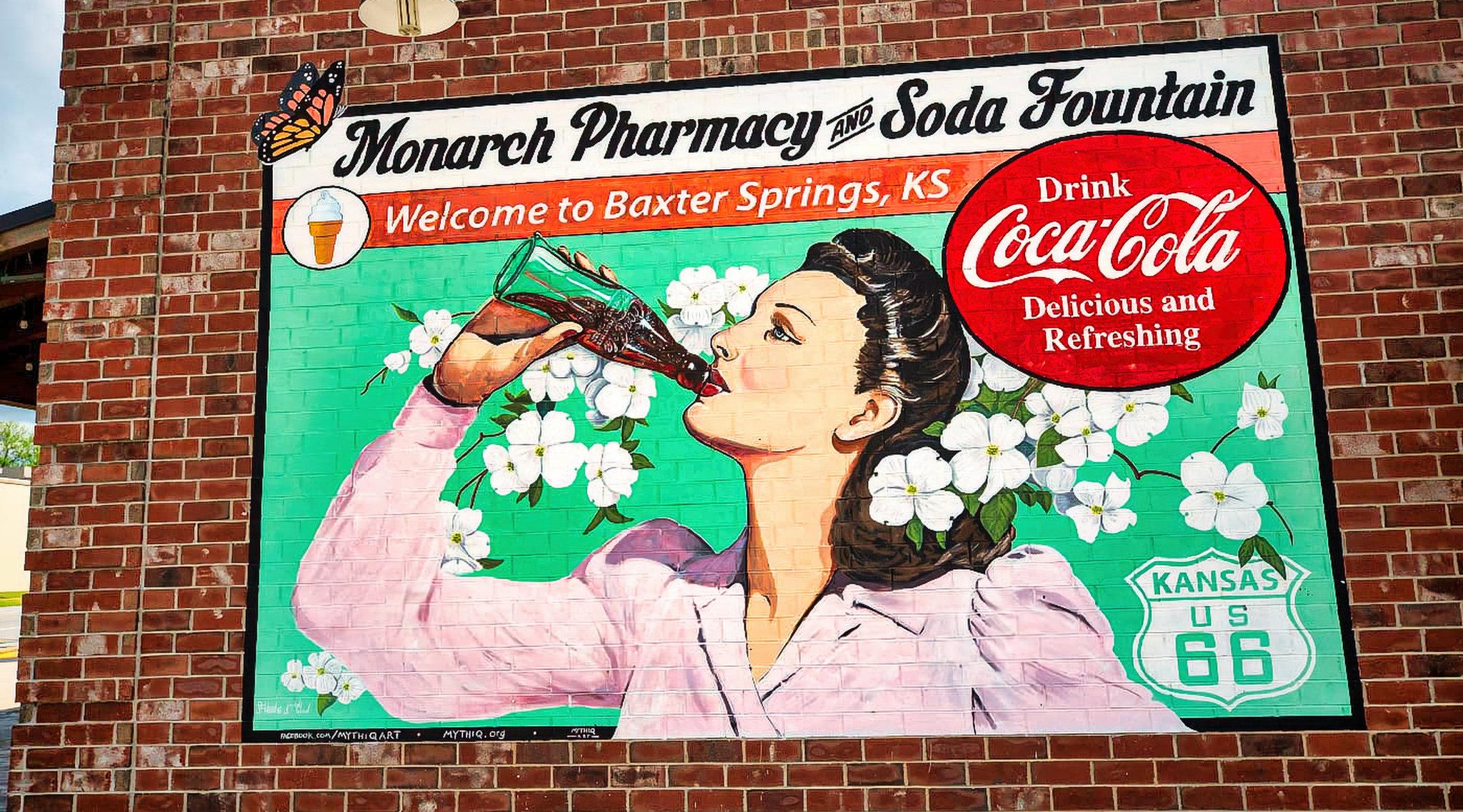
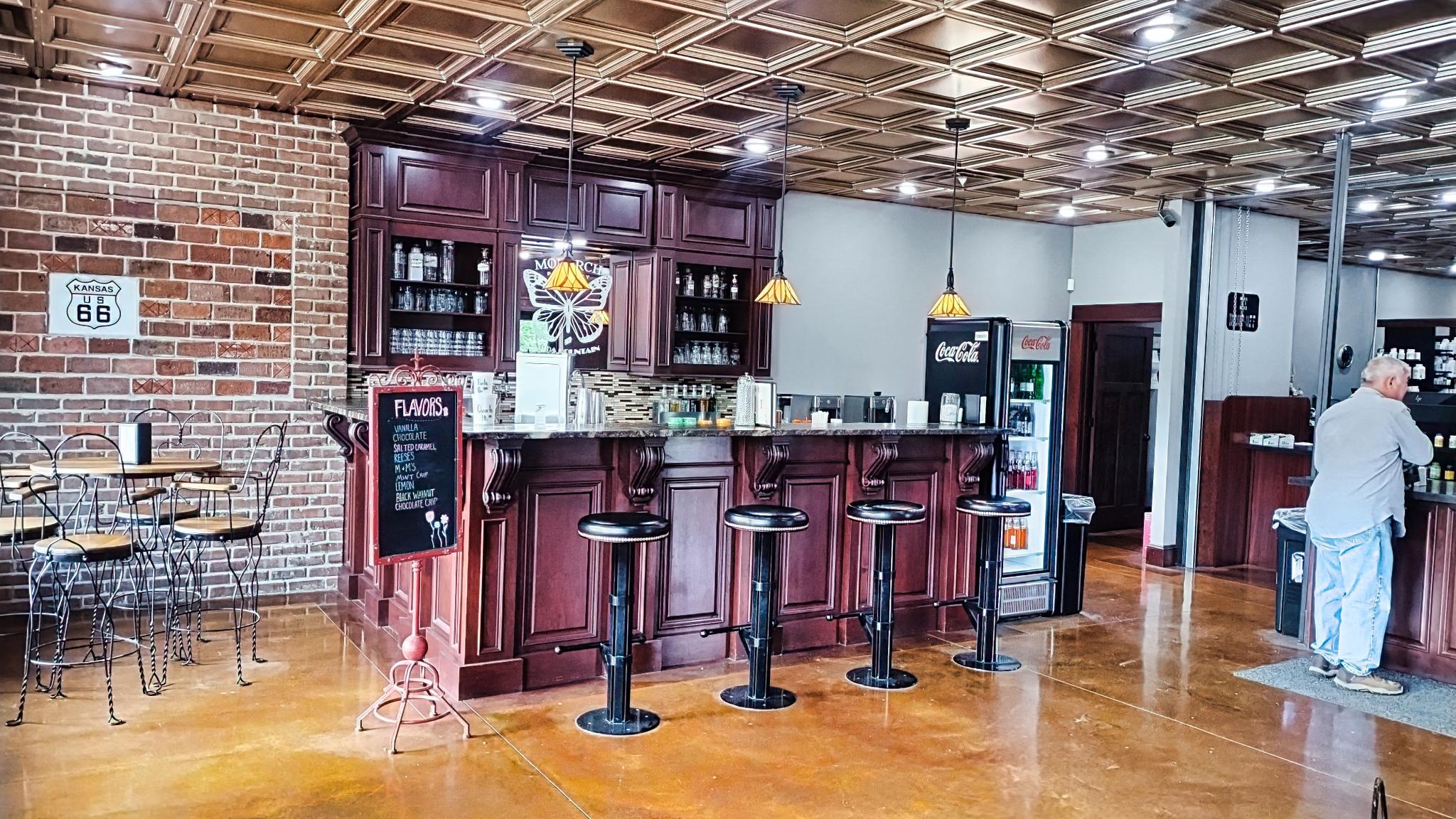
Monarch Pharmacyis housedinaredbrickbuilding withCoca-Colamurals on twosides andanoldfashionedsodafountain. Whenonewalks intothe pharmacy they aregreetedbyfriendlystaff filling prescriptions and talking withcustomers,buttakea seatatthewooden sodafountainbar andbewhisked back in time. Whiletakingintheambienceenjoya handmadechocolatecoconutcolaor maybearoot beer float.
This is aplacethattimetravelthroughtastebuds becomes areality.
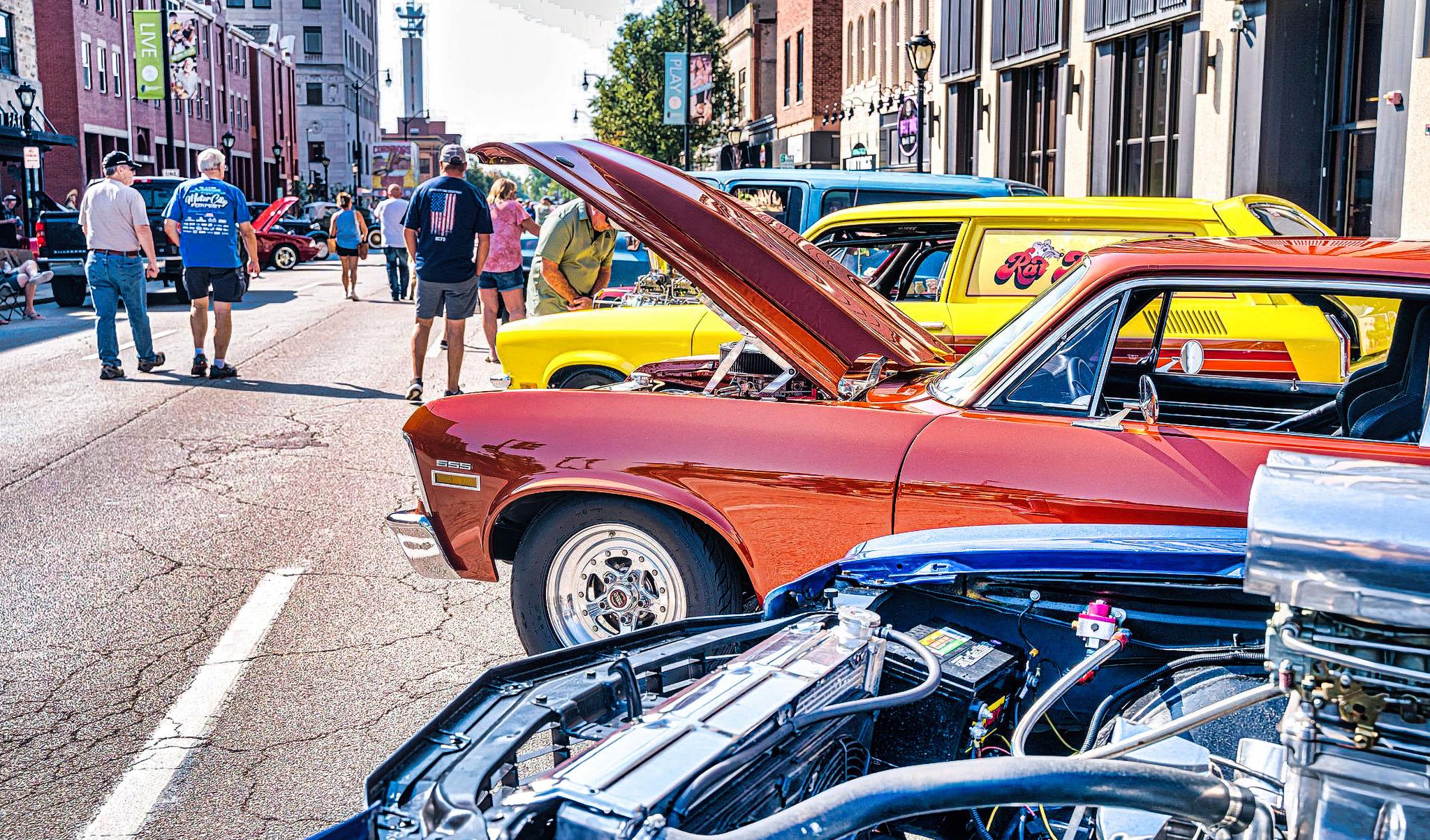
DowntownBaxter Springs offers apleasantstroll throughwell-preservedarchitecture,andmurals depictingthetown’sWildWestand Route66 heritage. Inspringandfall, thecommunity celebrates with car shows and festivals thatbringtheMother Roadto life onceagain.
Historic Bridges and Scenic Views
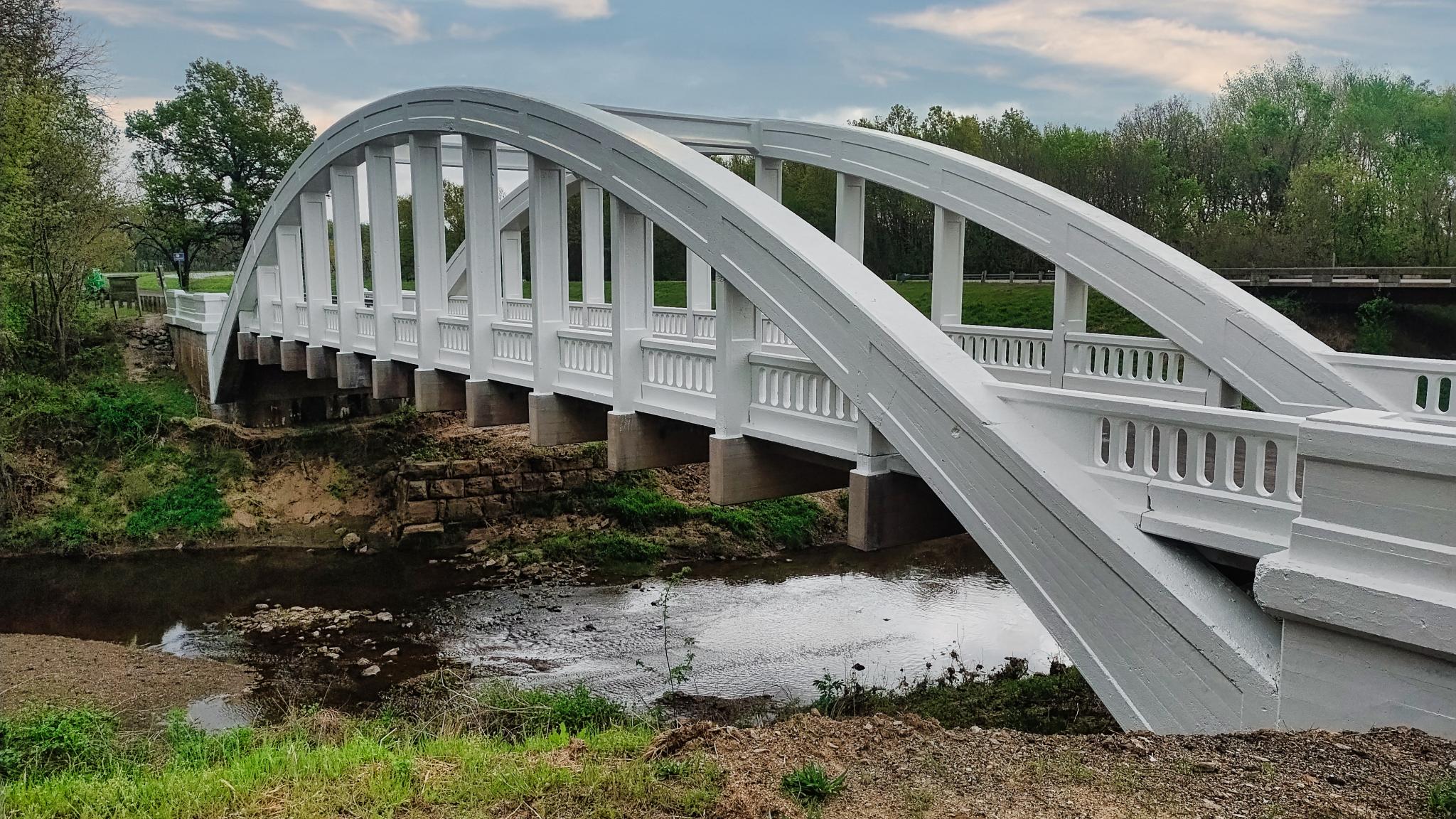
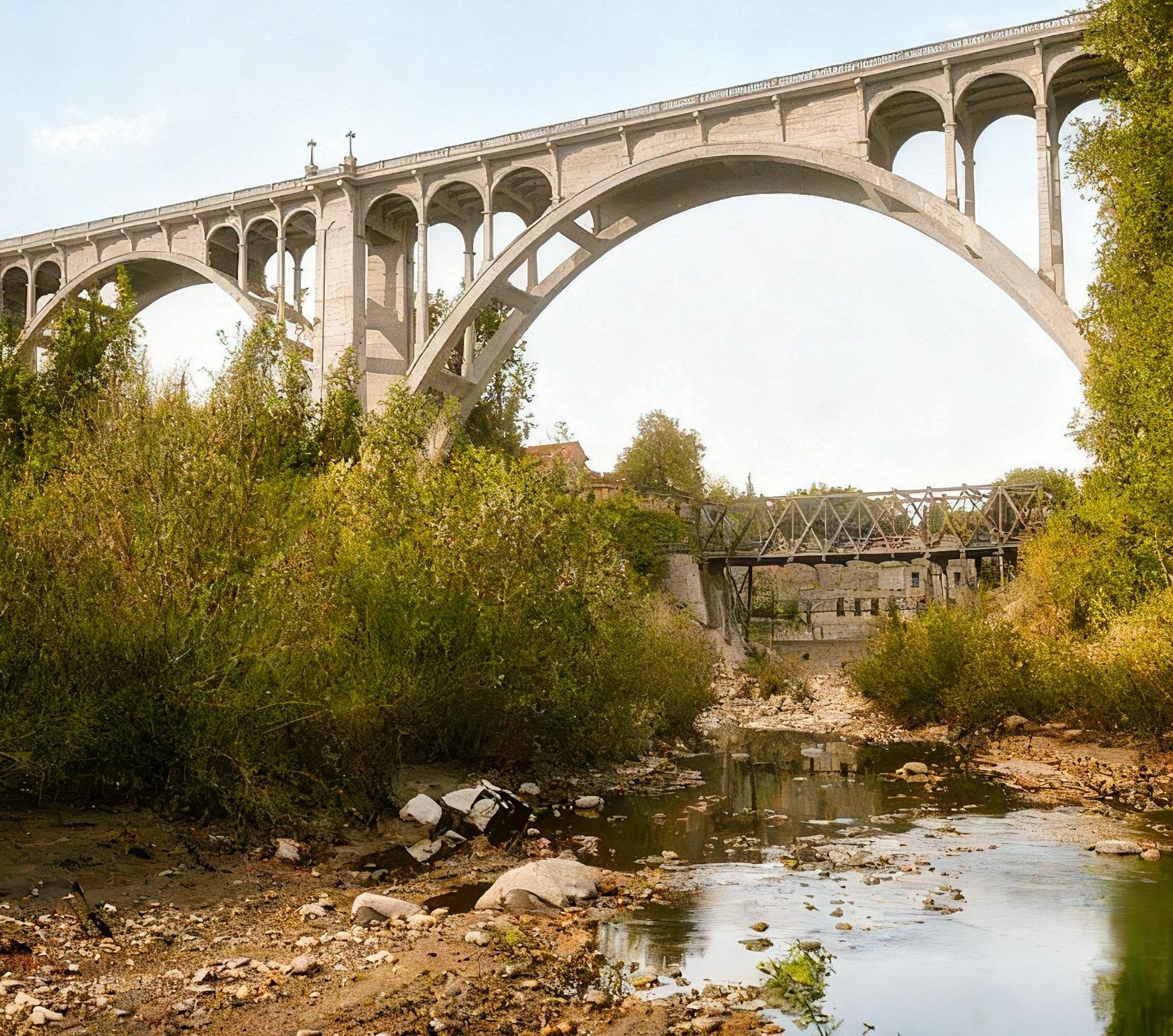
Oneof Kansas’mostphotogenicRoute66landmarks lies justoutsideRiverton, theRainbow Bridgeover Brush Creek. Builtin 1923,this gracefulconcretearch bridgeis thelastremainingexampleof its kindon the Route66.
Travelers can stilldriveacross it,hearingthe satisfying humof tires on thepavementas theycross a pieceof history. Nearby,interpretivesigns explainthe bridge’s design andimportancetotheroad’s development.
For thosewho wantto seeKansas’ruralbeautyatits best,thestretch between RivertonandBaxter Springs offers rolling hills, fields of wildflowers,andtreelinedbends thatcapturetheessenceof theMidwest. Theopen landscape, punctuatedbytheoccasional barn or roadsidesign, makes iteasytoimaginewhat thejourney musthavefeltlikefor travelers inthe 1930s and 40s -- when theroadaheadseemedendless and fullof promise.
Preservation and Pride
Kansas’Route 66 communities take immense pride in preserving their stretch of the highway. Local volunteers and the Route 66Association of Kansas have worked for decades to restore landmarks,
improve signage, and maintain the authentic feel of the road. Their efforts have paid off -- the Kansas portion of Route 66 is now recognized as one of the best-preserved segments in the country. Click on the logo to learn more about Route 66 in Kansas.
Visitors willfindinterpretivekiosks along theroute, marking historicbuildings andphoto-worthyspots. Eachtownalsooffers plentyof smallbusinesses ready to welcometravelers,fromantiqueshops and diners to bed-and-breakfastinns thatembody theroad’s timeless charm.
Small Towns, Big Heart
What makes the Kansas stretch of Route 66 truly special isn’t just its history -- it’s the people. Travelers who stop in Galena, Riverton, or Baxter Springs are often struck by the warmth of the residents, who are eager to share stories about their towns, their families, and the road that shaped them. This friendliness, this open invitation to slow down and connect. is what the Mother Road has always been about.
For roadtrippers drivingall2,448miles of Route66,Kansas offers aperfectinterlude. It’s shortenoughto savor slowly,long enough to experiencefully,andrichenoughin history andhearttomakealastingimpression.
The Spirit of Kansas on Route 66
Kansas may only hold 13 miles of the Mother Road, but it captures the essence of all 2,448. It’s a place where small towns have preserved not just the pavement but the purpose of Route 66 -- to bring people together, to celebrate the journey, and to remind travelers that every mile tells a story.
For anyonechasingthefullRoute66 experience,those13miles through Kansas are essential.They representwhattheroad has always stoodfor:independence,optimism,andtheenduring beautyof theAmericanheartland.
“In Kansas, Route 66 doesn’t stretch far -- but it reaches deep.”
Byways
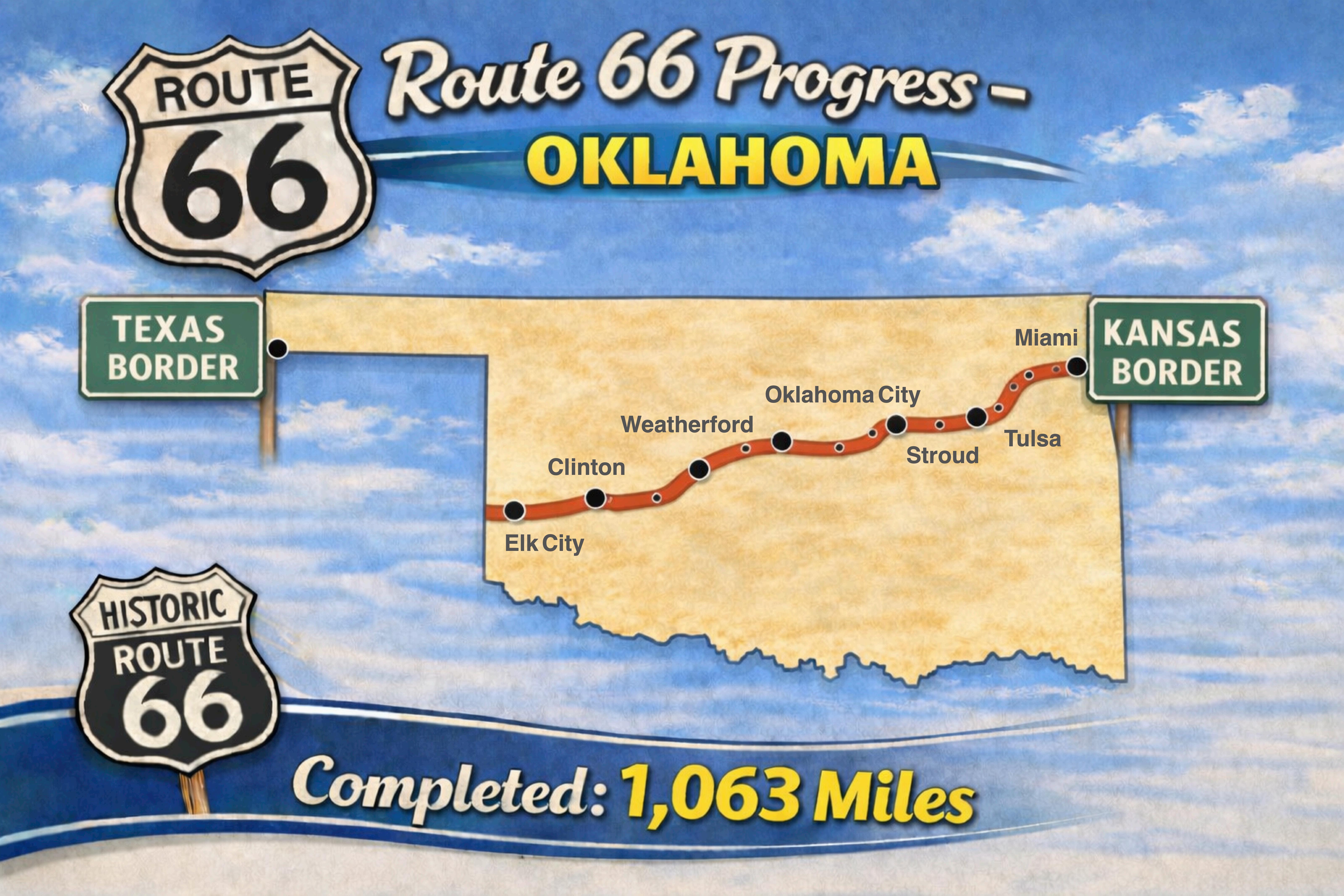
If Route66 is the“Mother Road”,thenOklahoma is surely its beating heart.Stretchingfor morethan 400miles ,thelongestdrivablesegmentof the historichighway, Oklahomaoffers anunbroken line of smalltowns, neon-litmotels,diners,andmuseums thatembodythespiritofAmerica’s openroad.
Fromthered-dirthills near theTexas border tothe rolling green prairies of thenortheast,thehighway cuts apath through boththestate’s geographyand its history.
Itwas inOklahomathatRoute66foundits soul,andit was fromOklahomathatits greatestchampion,Cyrus Avery,dreamed up theroutethatwouldlinkChicago to LosAngeles. Nearly acenturylater,travelers can stillfollowAvery’s vision, mileafter mile,throughthe heartlandthatmadetheMother Roadfamous.
The Birthplace of the Mother Road
No state has a deeper connection to Route 66’s creation than Oklahoma. In the early 1920s, Tulsa businessman and highway commissioner Cyrus
Byways 52
Avery pushed for a diagonal road that would connect America’s heartland to the West Coast. He understood that good roads meant opportunity -- for farmers, for merchants, and for travelers seeking a better life.
When thehighwaywas officiallydesignated in1926, Averyinsisteditpass through his homestate.The resultwas aroutethatlinkedtheGreatLakes to the Pacific,carrying countless travelers through Oklahoma’s smalltowns and cities.
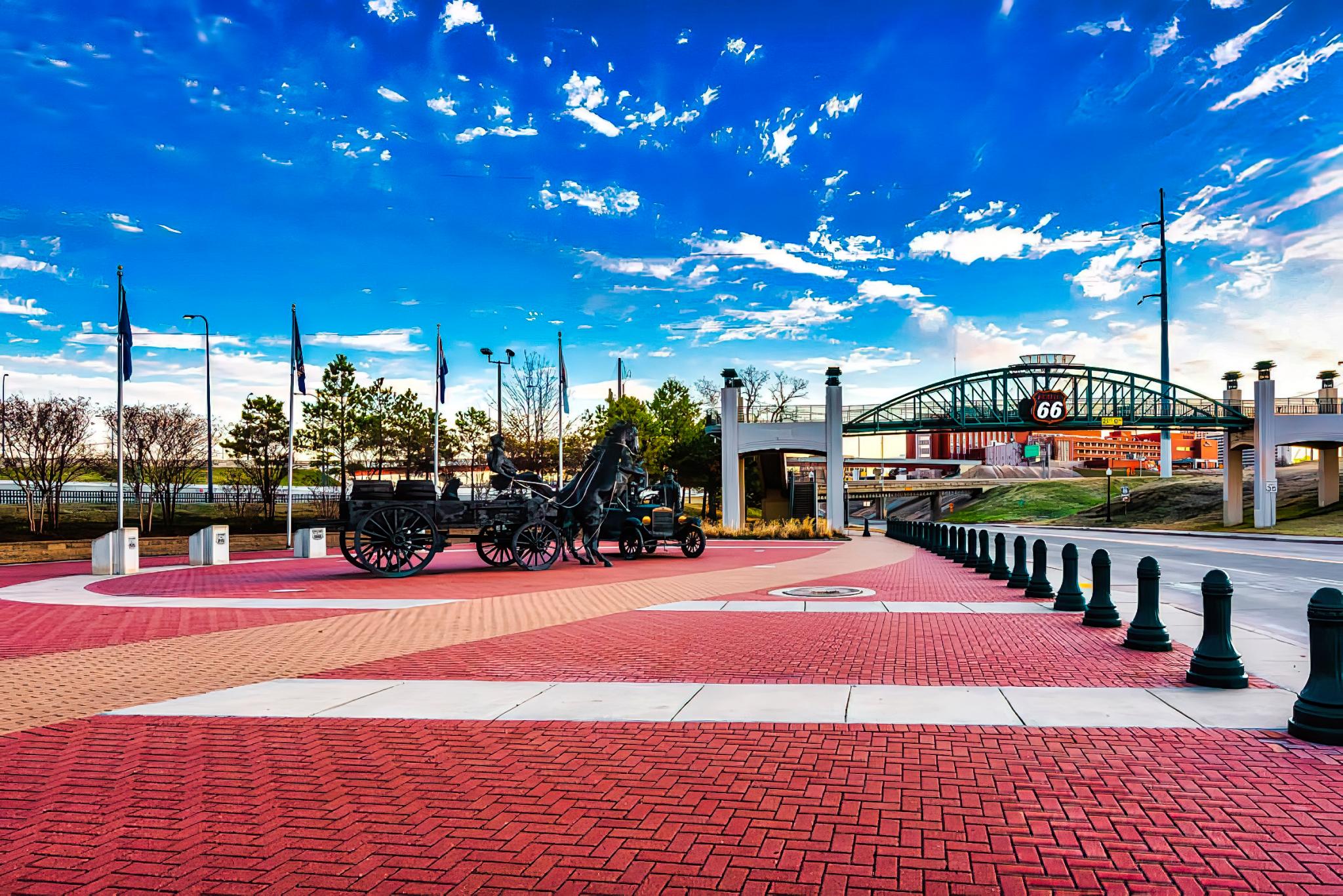
Today, theCyrusAveryCentennialPlazainTulsa commemorates his vision withastrikingbronze sculpturetitledEastMeetsWest,depictingaModelT meetingahorse-drawn wagon-- symbolizing America’s transitionintothemodernage.
Tulsa: Neon, Art Deco, and Highway Heritage
For many travelers, Tulsa is the cultural heart of Route 66. Once known as the “Oil Capital of the World”. Tulsa embraced modernity early, and its
downtown still glows withArt Deco architecture from the 1920s and 30s. Route 66 runs directly through the city, offering a mix of old and new for those following its path.
TheBlueDomeDistrictdowntownis amust-visitstop. Namedfor a1924 Gulf Oilservicestationwitha distinctiveblue-tiled roof, theareais now filled with cafés,galleries,and restaurants thatcelebrateTulsa’s creativespirit.
Nearby, theRoute66 Historical Villagerecreates thegoldenageof thehighway with vintagesigns, restored vehicles, andareplicaofTulsa’s firstoil derrick.
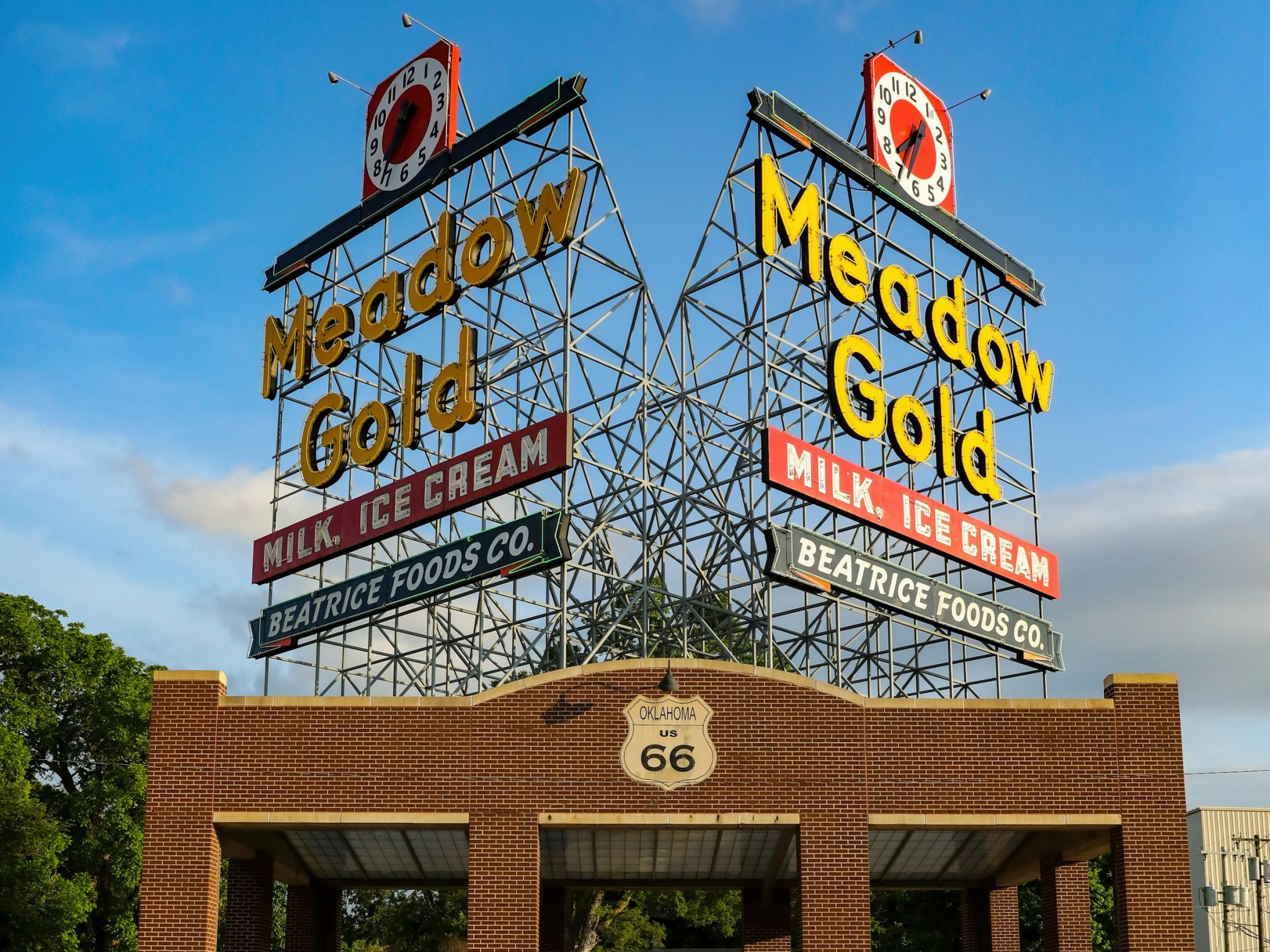
Justwestof downtown, theMeadow GoldSign-- a towering neon landmarkfromthe1930s -- has been restored and now stands proudlyas oneof themost photographed icons ontheMother Road.Andonthe city’s outskirts, travelers canstopatRoute66Village West, ascenicpark overlookingtheArkansas River
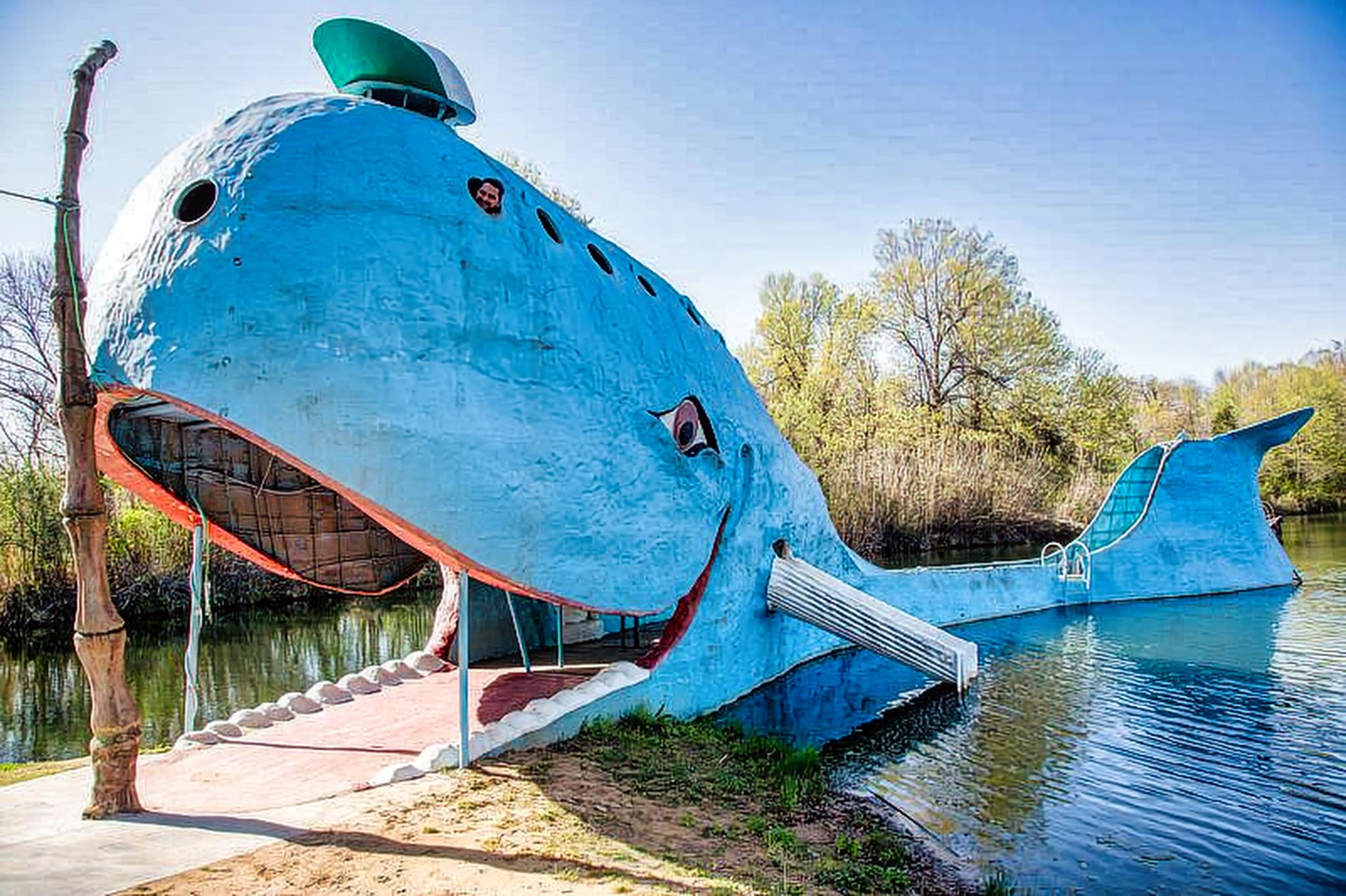
JusteastofTulsainCatoosa, oneof Route66’s most playfulicons awaits -- theBlueWhale.Builtin 1972 as an anniversarygift,thecheerfulconcretegiantsoon becamearoadsideattractionin its ownright.Today, travelers stillpullover tophotograph its widegrin, proof thatRoute66 has always embraced alittle whimsyalongsideits history.
thatconnects theold roadwithmodernTulsa’s sense of prideandplace.
Will Rogers Memorial Museum
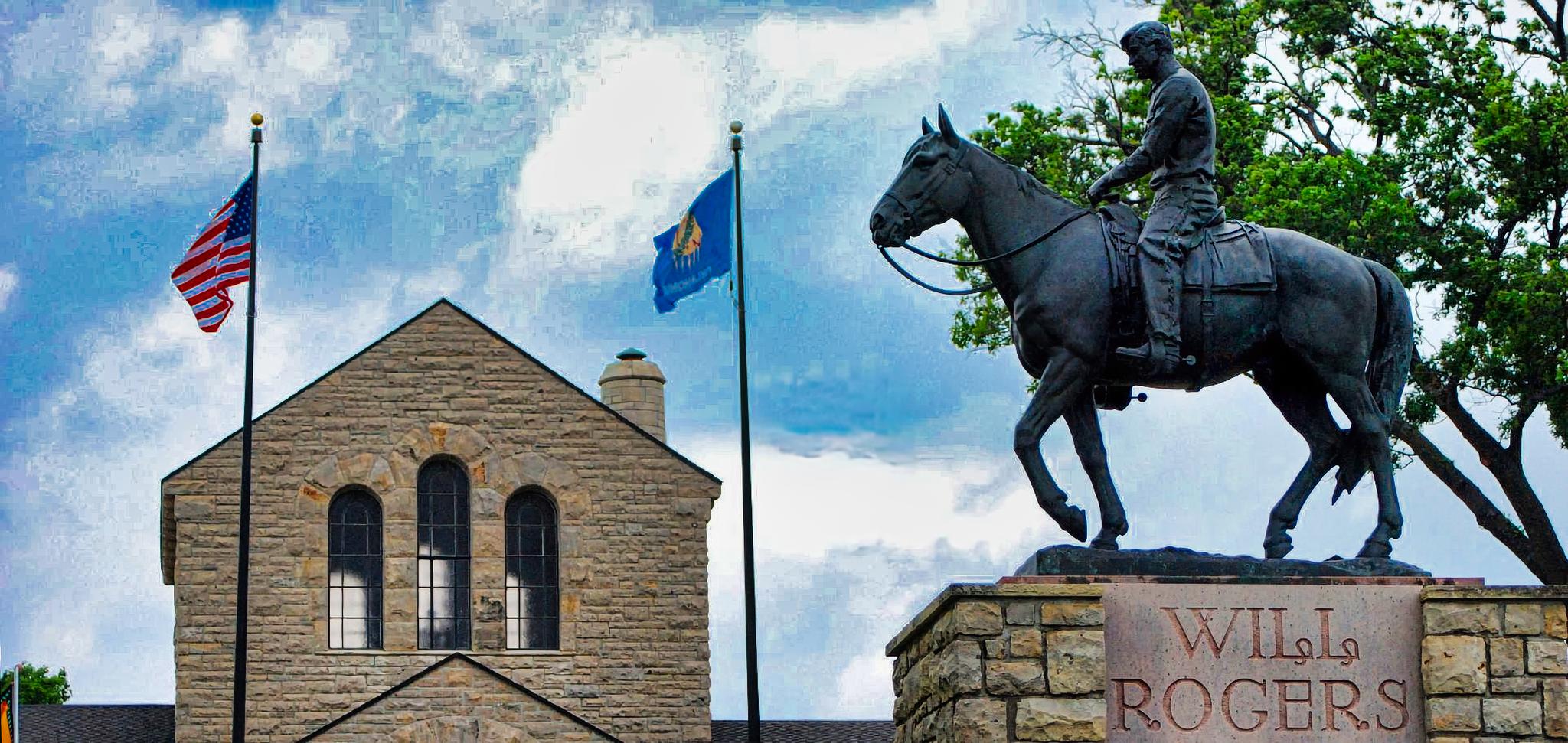
Afew miles northeast in Claremore, another Oklahoma legend waits, not in neon, but in memory. The Will Rogers Memorial Museum honors the cowboy philosopher and humorist who became one of the most beloved voices of the Route 66 era.
Rogers’wit and optimism defined the 1920s and ’30s, and his legacy became so intertwined with the highway that Oklahoma’s stretch was later known as the Will Rogers Highway. His steady, hopeful voice feels right at home along the Mother Road.
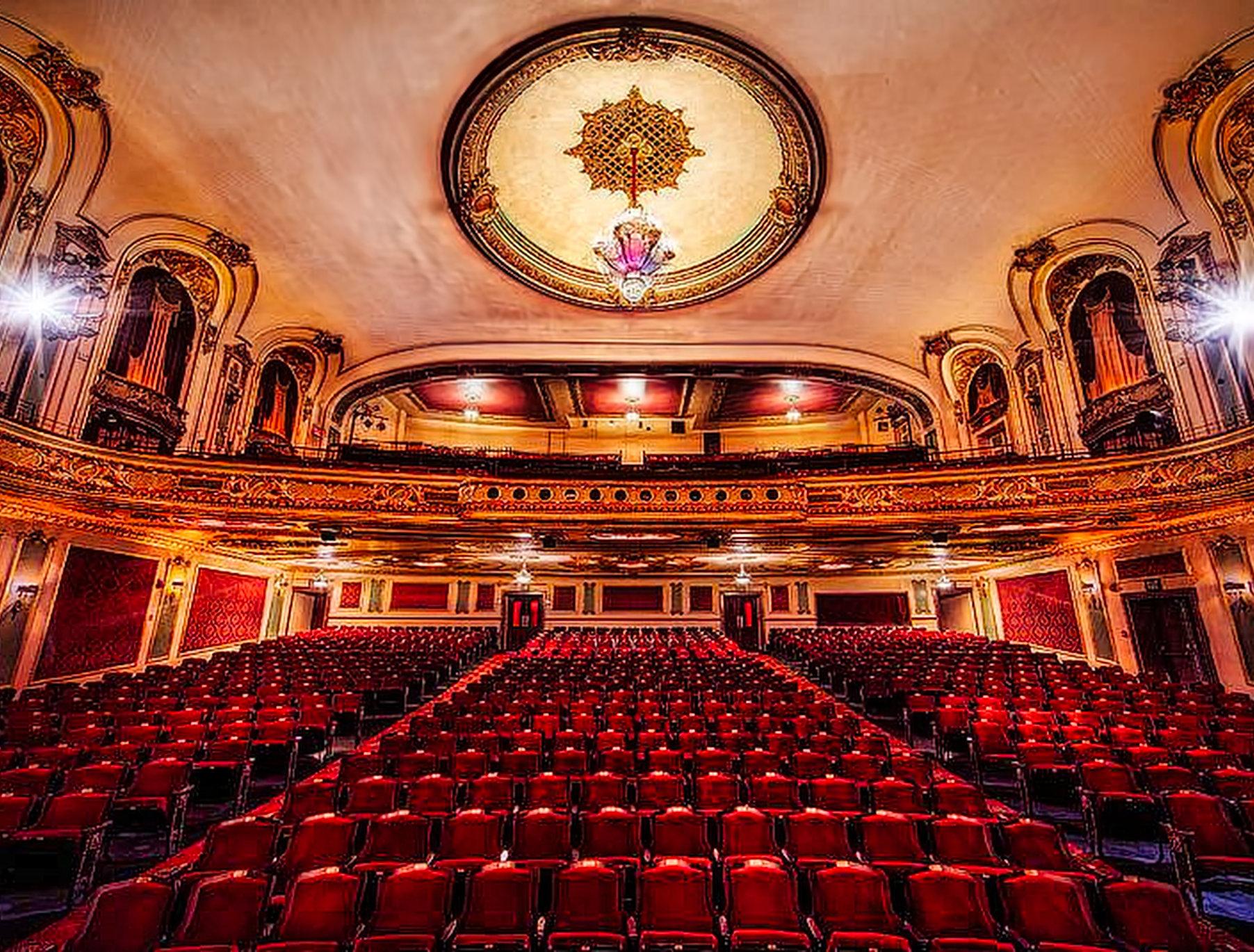
Farther northeastnear the Kansas border, in thetownof Miami, theColemanTheatre rises likeaEuropean opera housein themiddleof Route 66 country.
Opened in 1929 duringthe region’s mining boom,its ornatechandeliers,grand staircase,and Mighty Wurlitzer organ remind visitors thatRoute66towns oncedreamed big.Thetheater
Byways 56
stillhosts performances today-- proof thatalong the Mother Road,historyisn’tjustpreserved.Itperforms.
FromMiami’s gildedstagetoTulsa’s neon glow, northeastOklahomareveals theculturalrichness that helpedshapeRoute66.Fromthere,theroad turns southwesttowardOklahomaCity.
Oklahoma City: A Capital Stop on the Route
Continuing southwest, travelers reach Oklahoma City, where Route 66 intersects with one of the most dynamic capitals in theAmerican heartland.
The highway once followed Northwest 39th Street -now Route 66’s historic corridor through the city -and that stretch still echoes with midcentury nostalgia. Restored motor courts, classic diners, and neon signage hint at the days when westbound families pulled in for the night before pressing on toward the Texas Panhandle.
ButOklahomaCityis far morethananostalgic waypoint. Itis acity thathas reinventeditself while honoring its heritage.
Downtown, theskylinerises abovetherevitalized Bricktown district, whereformer warehouses now houserestaurants, livemusicvenues,andpublicart.A canalwinds throughthearea,creatingawalkable urban corethatfeels vibrantyetgroundedinhistory. For Route66 travelers,it’s areminder thattheMother Road doesn’tjustconnectsmalltowns,itthreads through evolvingAmericancities as well.
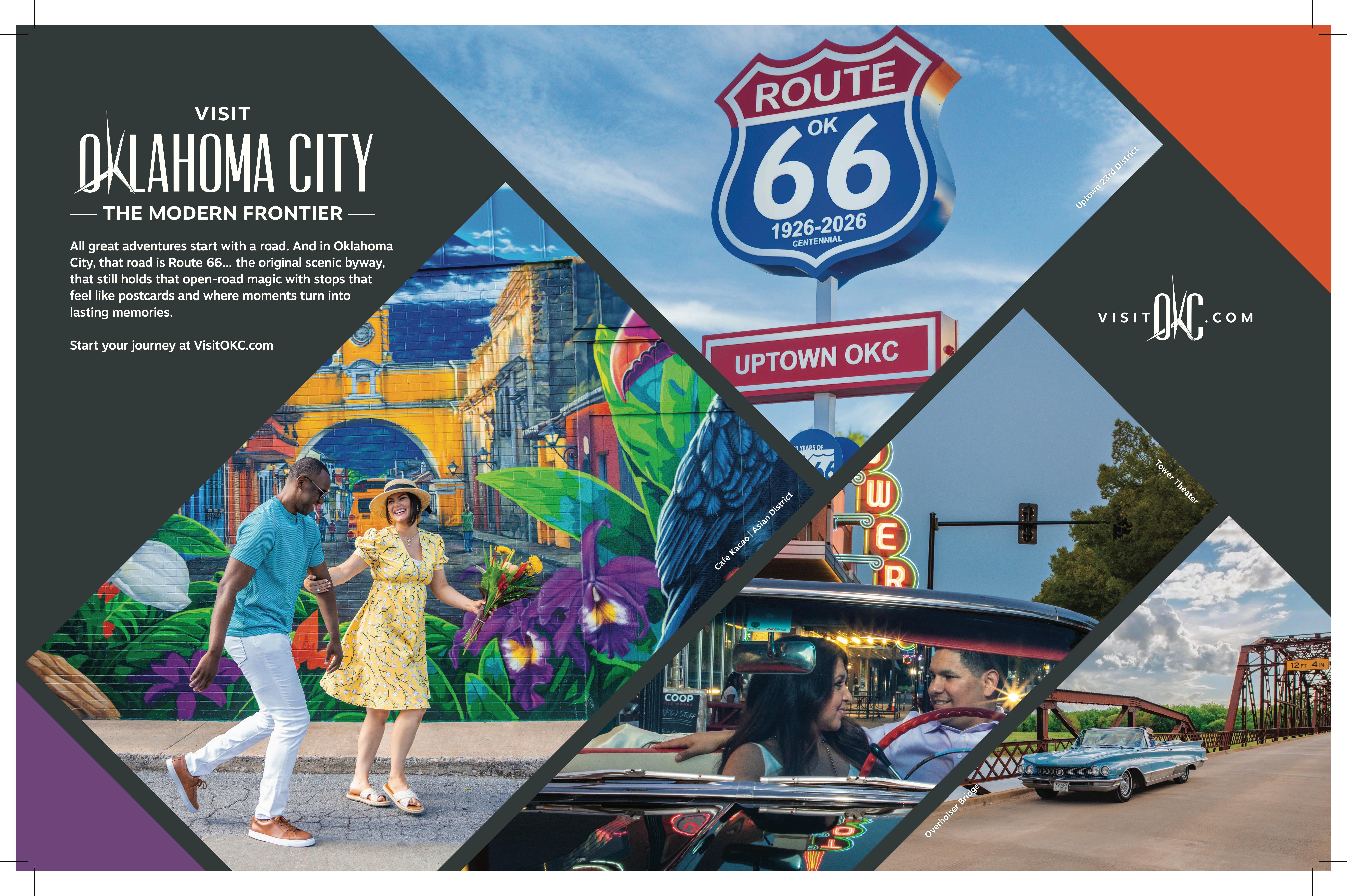
Thestretch of Route66 through OklahomaCity reflects that blendof pastand present.Along NW23rdStreetand NW39th Street, classicsignageand vintagestorefronts standbeside new cafés and creativespaces. Murals celebratetheMother Road, and thecity has embraced its roleinpreserving and promoting thehighway’s legacy.
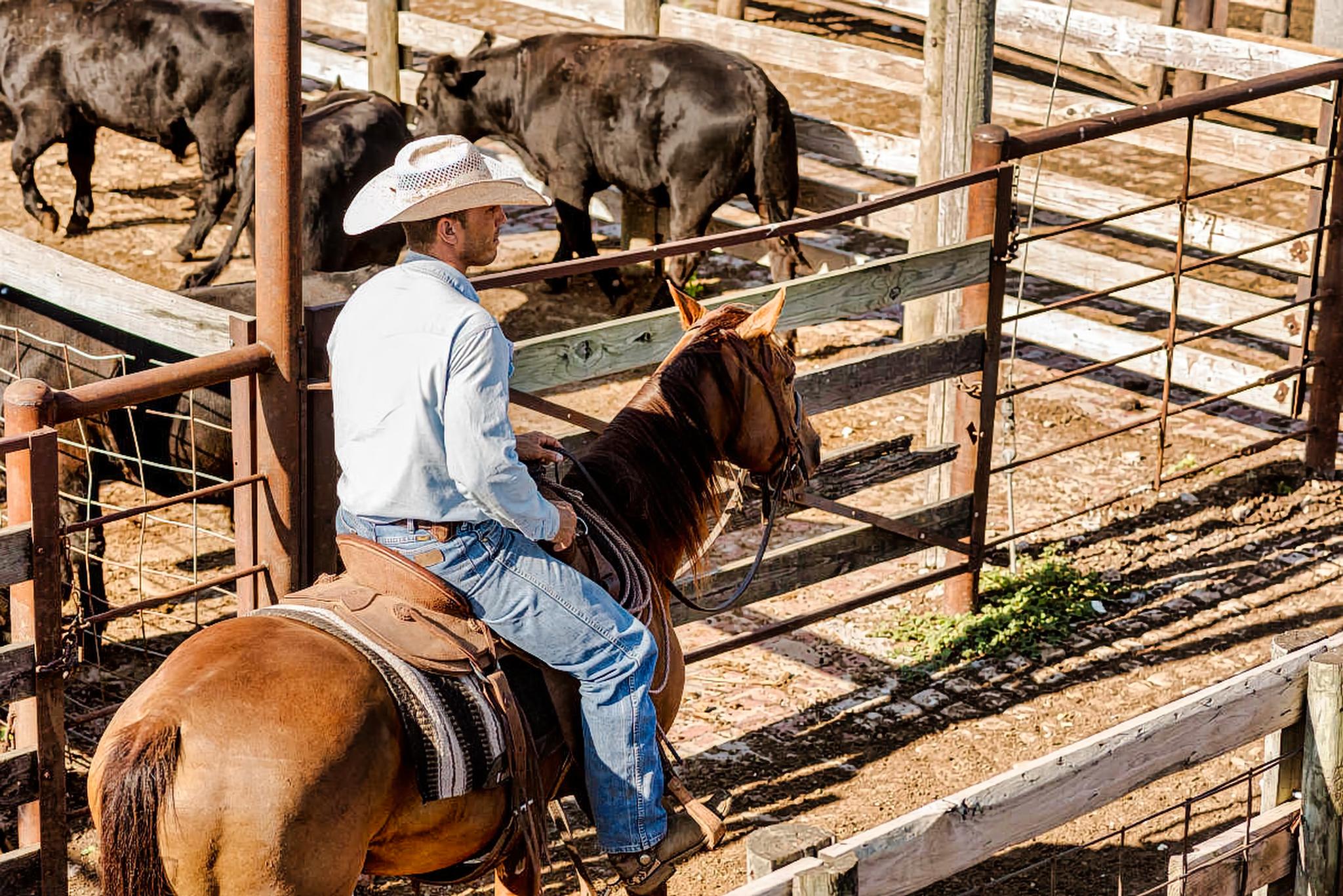
Novisitto OklahomaCity would becompletewithout exploringStockyards City,one of thelargestworking cattle markets in theworld.Here,
Byways 58
boots stilloutnumber briefcases, andtherhythmof auctions andranchlifeconnects travelers to the frontier spiritthathelpeddefineRoute66’s westward promise.Thesurroundingdistrictis filled with western wear shops,steakhouses,andhistoricbrick buildings thatfeelauthenticallyOklahoman.
Justashortdriveaway, theNationalCowboy & WesternHeritageMuseumexpands thatfrontier story. Its galleries celebrateranchingculture,Native Americanheritage,westernart,andthemythologyof theAmericanWest-- theverybackdropagainstwhich Route66carried generations of dreamers towardnew horizons.
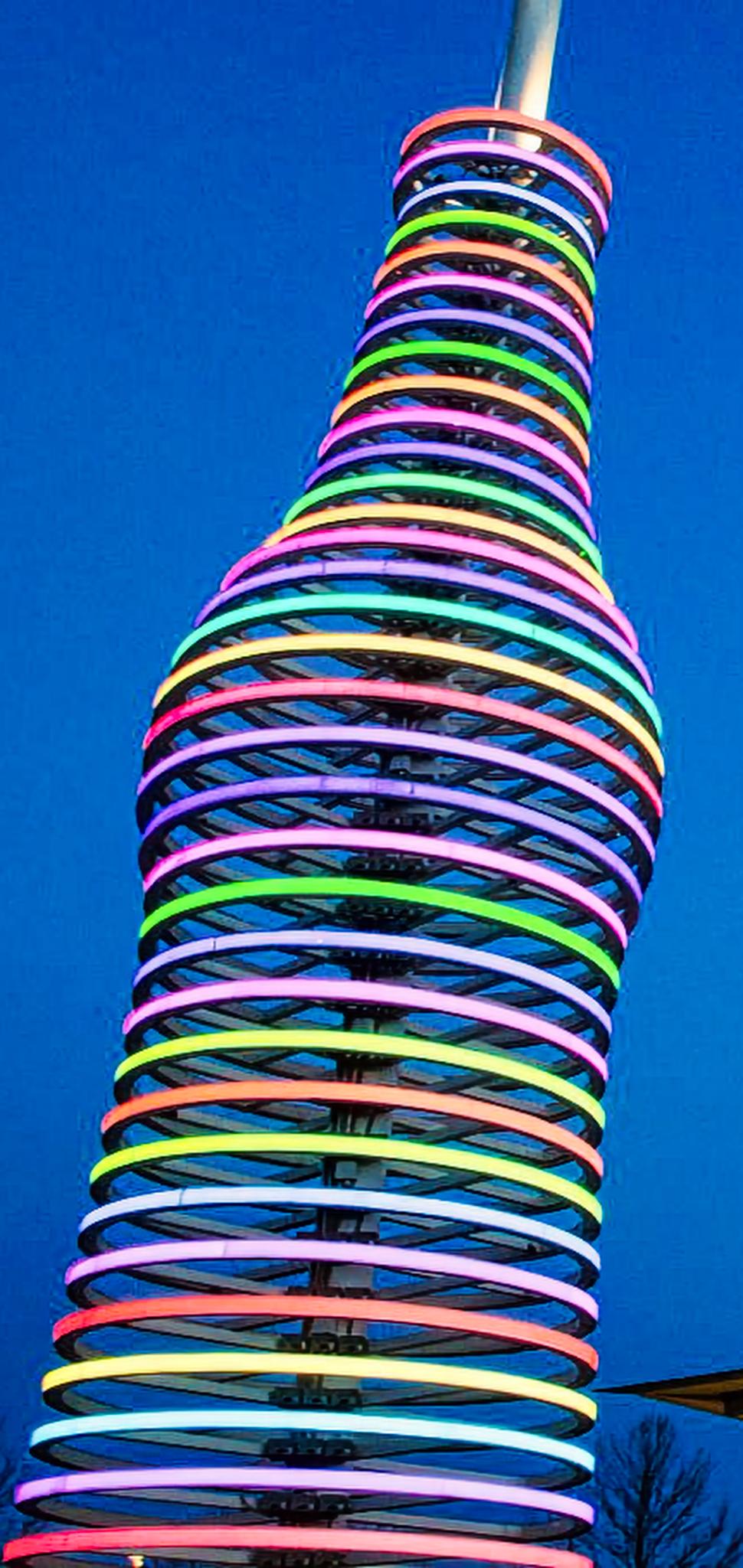
For amoderniconthatcaptures theplayful sideof theMother Road,travelers headeast toArcadiaand Pops 66SodaRanch.Its 66foot-tallilluminatedsodabottleglows againsttheprairiesky,especiallyatnight, becoming oneof Oklahoma’s most photographed Route66landmarks.Inside, hundreds of sodavarieties linethewalls,a colorful, contemporary tributetotheroad’s traditionof roadsidenoveltyand hospitality.
AndwhiletheOklahomaRoute66 MuseuminClintonlies westof thecity,it serves as apowerfulcompanion tothe OklahomaCityexperience.
Operated by theOklahomaHistoricalSociety, the museumwalks visitors throughthedecades of the highway’s history fromtheDustBowlmigrations to theneon boomof the1950s.Interactiveexhibits, recreated storefronts, andvintageradiobroadcasts immersetravelers inthesounds andstories of the road’s golden era.
OklahomaCitystands atthecrossroads of memory andmomentum.Ithonors thecattletrails, oilbooms, andmigrations thatshapedthestate, whileembracing new growthandcreativity.Along Route66,it represents bothcontinuityandchange-- acapitalcity thatunderstands its pastandconfidentlybuilds its future.
Arcadia to Chandler: Icons of the Open Road
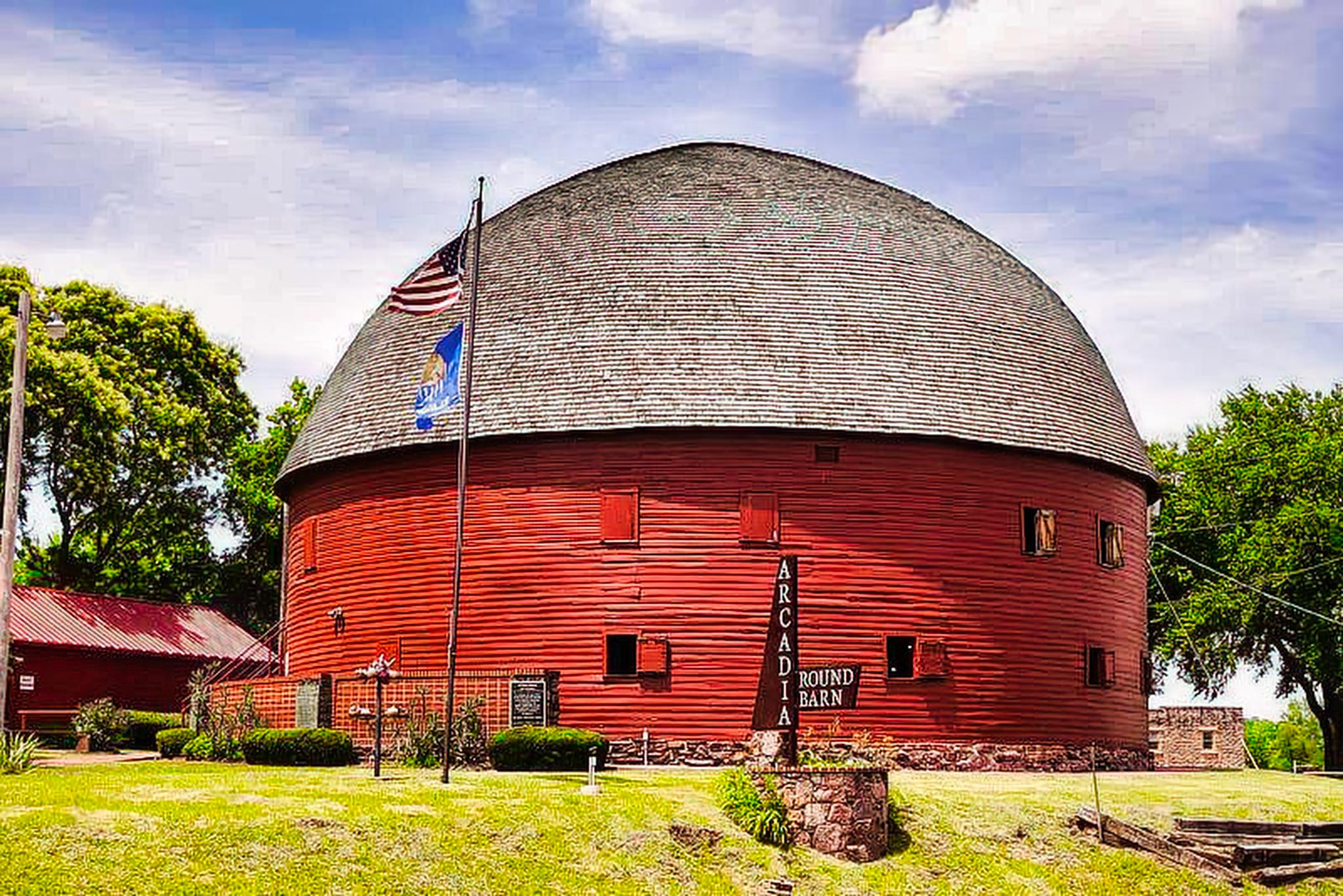
East of Oklahoma City, the road passes through some of Route 66’s most photogenic small towns. InArcadia, the Round Barn, built in 1898, remains one of the most beloved structures on the highway. Restored by local volunteers, it’s now a museum and community gathering spot, a symbol of the resilience and pride that keep Route 66 alive.
Afew miles farther, Chandler offers moreclassic charmwithits historicLincoln Motel,neon-litin vintageglory, andtheRoute66Interpretive Center,which uses immersivestorytellingto let visitors experiencelifealongtheroad across generations.
Fromthere, travelers can headtowardStroud,homeof theRockCafé, a1939 diner builtfromlocalsandstone thatinspired thecharacter “SallyCarrera”inPixar’s movie Cars. Stillfamily-owned, thecaféremains a must-stop for comfortfoodandfriendlyconversation.
Weatherford to Clinton: The Road’s Golden Era West of Oklahoma City, the landscape begins to open into the Great Plains -- long horizons, red soil, and skies that seem to stretch forever. This region is where Route 66’s midcentury heyday comes alive. In Weatherford, the Heartland ofAmerica Museum showcases Oklahoma life through the decades, complete with vintage cars and storefronts.
Farther west, in Elk City,travelers findthe NationalRoute66 Museum,asprawling complexthatincludes replicas of historicshops, ablacksmith’s shop, andtheoldClintonOklahoma-WesternRailroaddepot.The museum’s exhibits takevisitors fromtheroad’s earlydays through thepostwar boom,whengas stations,diners, and motels dottedthehighway in endless repetition.
The Dust Bowl, and Road to Hope
Oklahoma’s relationship with Route 66 is about more than motels and neon, it’s about survival. During the Great Depression and Dust Bowl of the 1930s, thousands of “Okies”
packed their belongings into battered trucks and headed west on Route 66, searching for work and new beginnings in California. John Steinbeck’s The Grapes of Wrath immortalized their struggle, calling Route 66 “the Mother Road, the road of flight”.
For many,thatroadrepresentedmorethan escape, it symbolized resilienceandfaithinabetter future. Eventoday,visitors driving across Oklahoma’s prairies canimaginethosefamilies pushing west, their hopes risingwitheverymile.Theroad remains a testamenttothestrengthandperseveranceof the peoplewhotraveledit.
Western Oklahoma: Big Skies and Bigger Stories
As Route 66 nears the Texas border, it rolls through towns like Sayre, Erick, and Texola, each with its own story to tell. In Sayre, the elegant Beckham County Courthouse, featured in The Grapes of Wrath film, towers above Main Street, reminder of the road’s cinematic legacy.
In Erick, the Roger Miller Museum celebrates the Grammy-winning singer and songwriter who grew up here and penned the classic King of the Road Nearby Texola, the last stop before Texas, is nearly a ghost town, but its quirky signs and photo ops -including one reading “There’s No Other Place Like This Place,Anywhere Near This Place” -- make it a perfect farewell to Oklahoma.
Preserving the Heart of the Mother Road
No state has invested more in preserving its stretch of Route 66 than Oklahoma. The Oklahoma Route 66 Association has helped restore landmarks, fund interpretive signs, and promote festivals that keep the spirit alive.
Each summer, thousands of travelers drive the state’s segment to relive the past, celebrate car culture, and meet the locals who still see Route 66 as part of their identity. Click on the logo to learn more about Route 66 in Oklahoma.
Oklahoma’s commitmentto preservationgoes beyond nostalgia-- it’s aboutheritage.Theroadrepresents connection, endurance,andpridein place.Here, the Mother Roadisn’tarelic.It’s alivinglinkbetween generations.
Oklahoma: The Heart of the Journey
From the neon of Tulsa to the windmills near Texola, Oklahoma offers the most complete Route 66 experience anywhere. Its people, towns, and stories form the very backbone ofAmerica’s love affair with the open road.
Whether you’re chasing memories, adventure, or the freedom of the highway, you’ll find it here -- in the state that gave the Mother Road its name and its heart.
“Oklahoma didn’t just build Route 66 -- it gave the road its soul.”
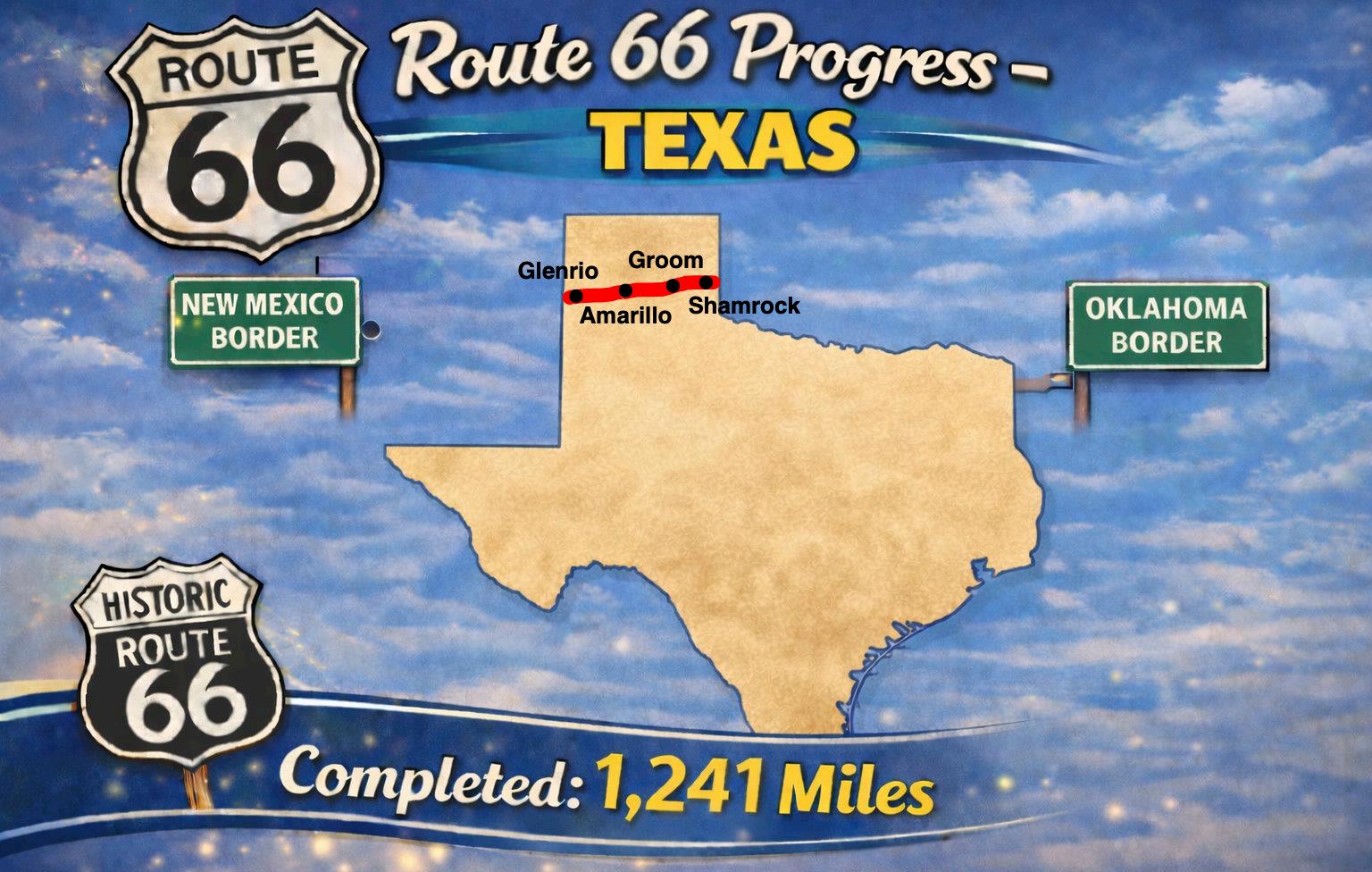
Everything’s bigger inTexas -- eventhelegends alongRoute66. Stretchingjust178miles across thePanhandle, theTexas sectionmay notbethelongest, butitembodies thespiritof the open road likenowhereelse.
Fromwindmill-dottedhorizons toquirkyroadside attractions and neon-litmotels,this stretchof the Mother Road celebrates freedom,optimism,andthe wide-open spaces thatdefinetheAmericanWest.
Here,thesky goes on forever,theroadruns straightas an arrow,and thepeoplealongthewayhavebeen welcoming travelers for nearlyacentury.TheTexas Panhandle’s Route66isn’tjustadrive-- it’s ajourney through time, wherehistory,humor,andheartallmeet under avastbluesky.
Gateway to the West
As Route 66 crosses from Oklahoma into Texas, the landscape opens dramatically. The rolling green hills give way to flat plains and endless horizons -- a change that early travelers described as both
Byways 64
exhilarating and humbling. This was where east met west, where the journey shifted from farmland to frontier.
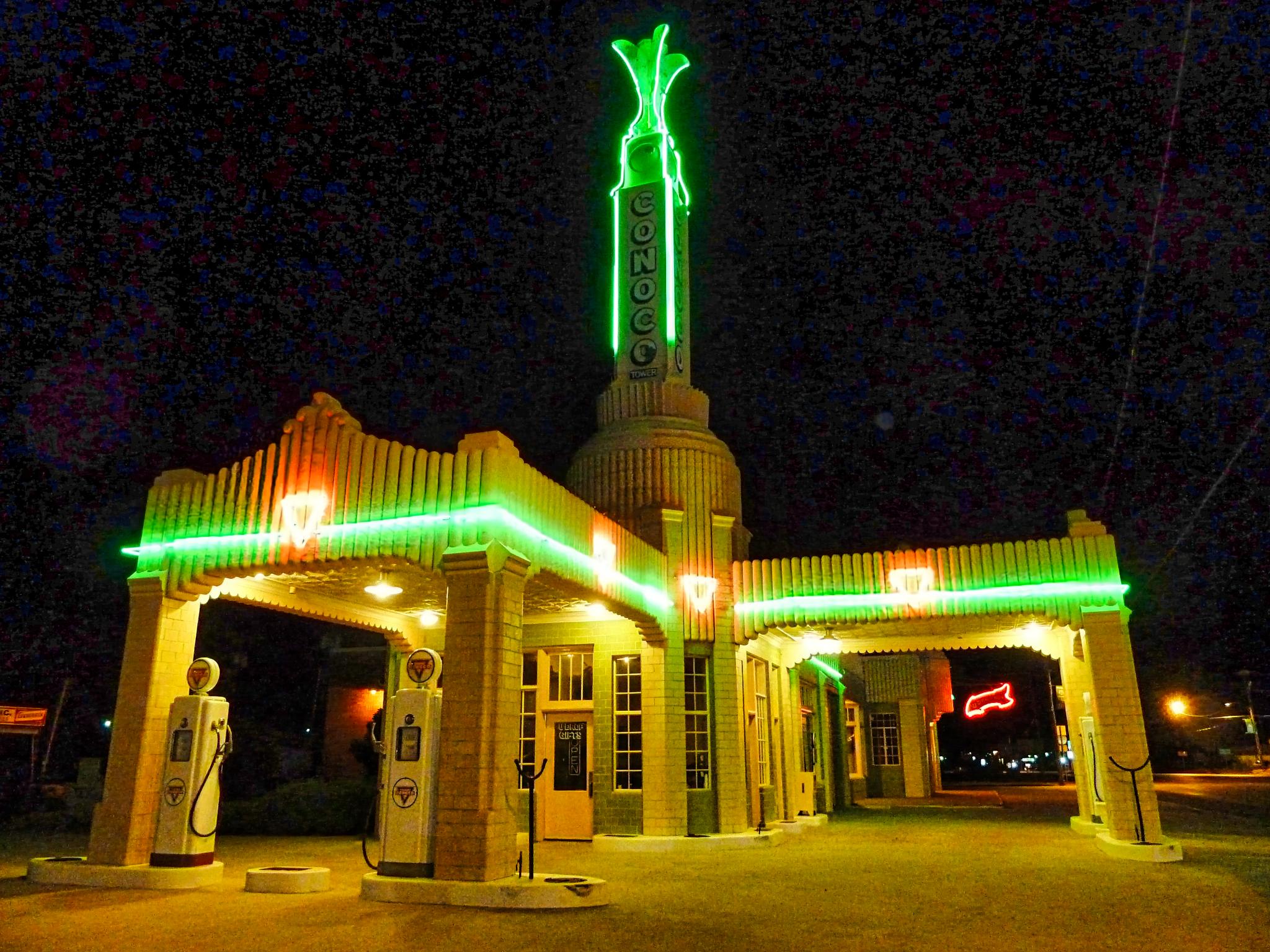
Thefirstmajor townontheroute,Shamrock,still wears its heritageproudly.Theshining star hereis the U-DropInn,anArtDecomasterpiecebuiltin 1936. With its green-tiled spireand sweepingcurves,it’s oneof themostrecognizablebuildings onRoute66-soiconicthatPixar modeled “Ramone’s Body Shop” in themovie Cars after it.
Inside,theU-DropInnhas beenbeautifullyrestored andnow houses avisitor center,museum, andcafé, wheretravelers canenjoylunch surroundedby the glow of neonand nostalgia.
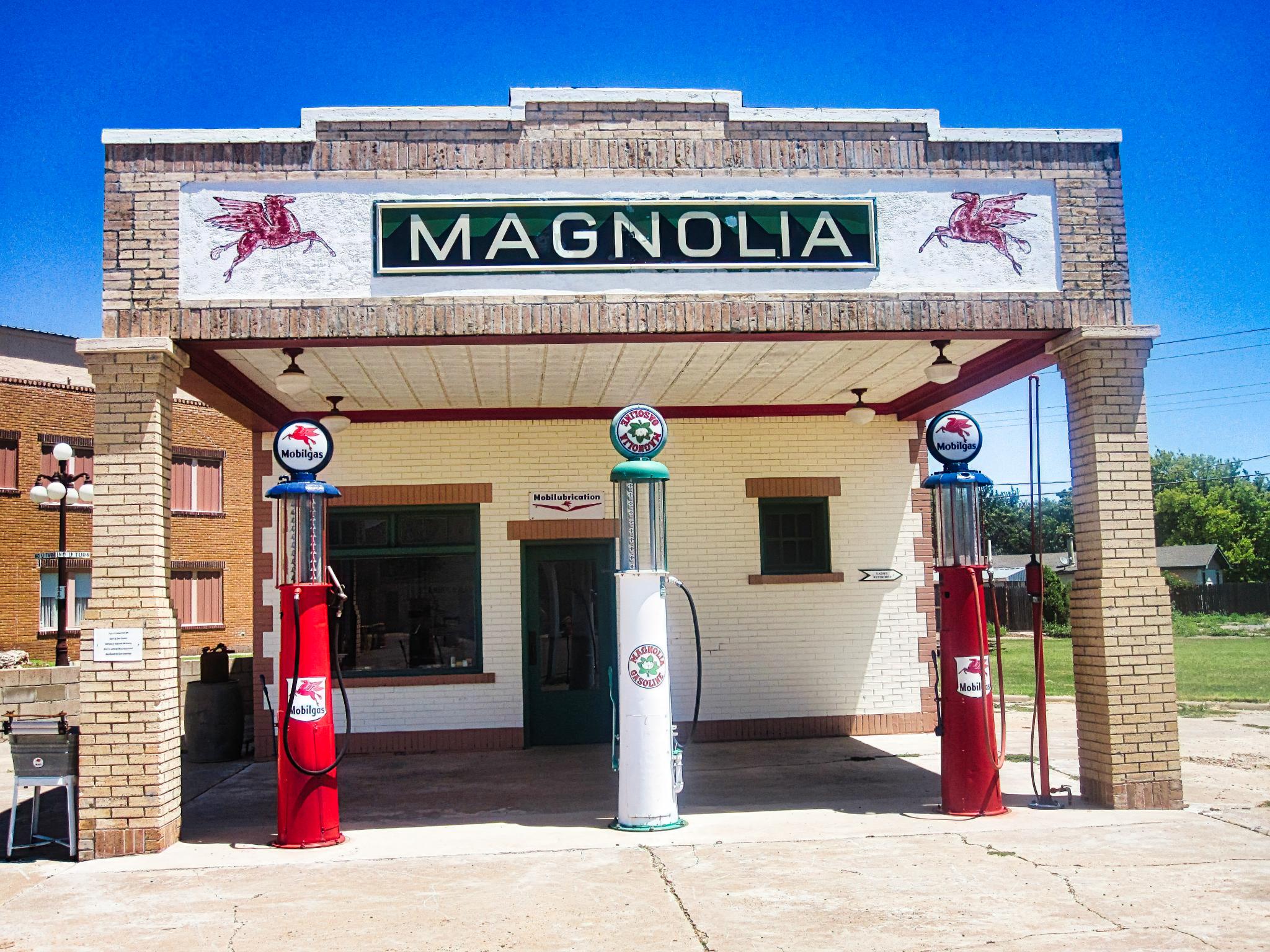
Justafew blocks away,visitors can stop atthe MagnoliaGas Station,another restoredgemthat recalls theearlydays of roadsideservice.Together, theselandmarks makeShamrockaperfectfirststop for travelers headingwestacrossTexas.
McLean: The Heart of the Panhandle
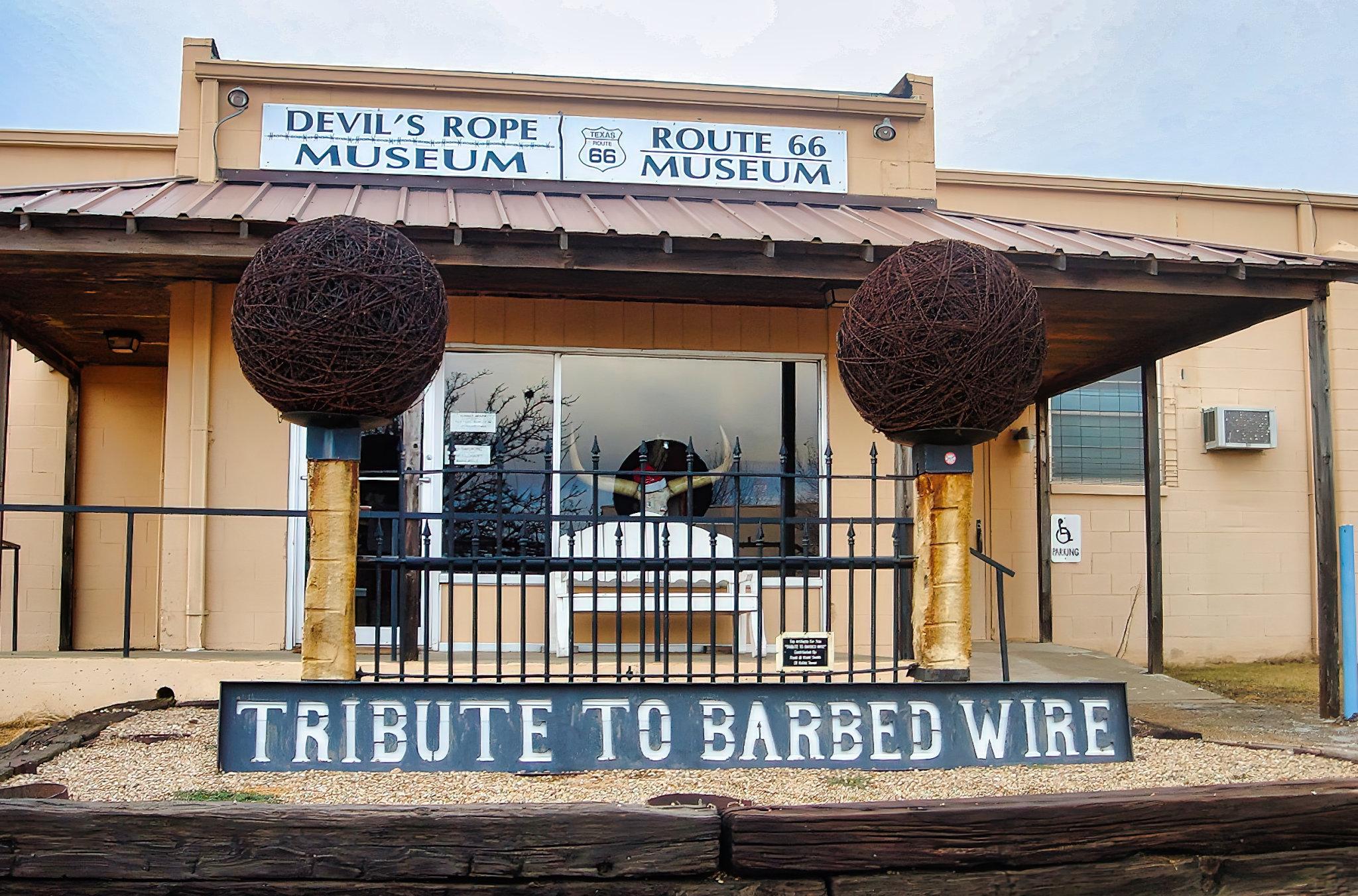
Ashort drive west brings travelers to McLean, a town that captures the character of small-town Texas at its best. Once a bustling stop on Route 66, McLean is home to one of the road’s most fascinating museums -- the Devil’s Rope Museum.
Dedicated to thehistoryof barbed wire, themuseumoffers an unexpectedly engaginglookathow this simpleinvention transformed ranching and settlementacross the West.TheadjoiningTexas Route66 Museumshowcases classiccars, vintagesigns, and memorabilia fromthehighway’s goldenyears.
McLean’s main streetstillfeatures vintagegas stations,murals, and restoredbuildings,offeringa glimpseinto the1940s and50s whenthetownwas
alivewithtravelers.TheCactus Inn,withits retrosign andwelcomingspirit,continues toserveroad trippers lookingfor atrueRoute66overnight.
Groom: The Leaning Tower and Giant Cross
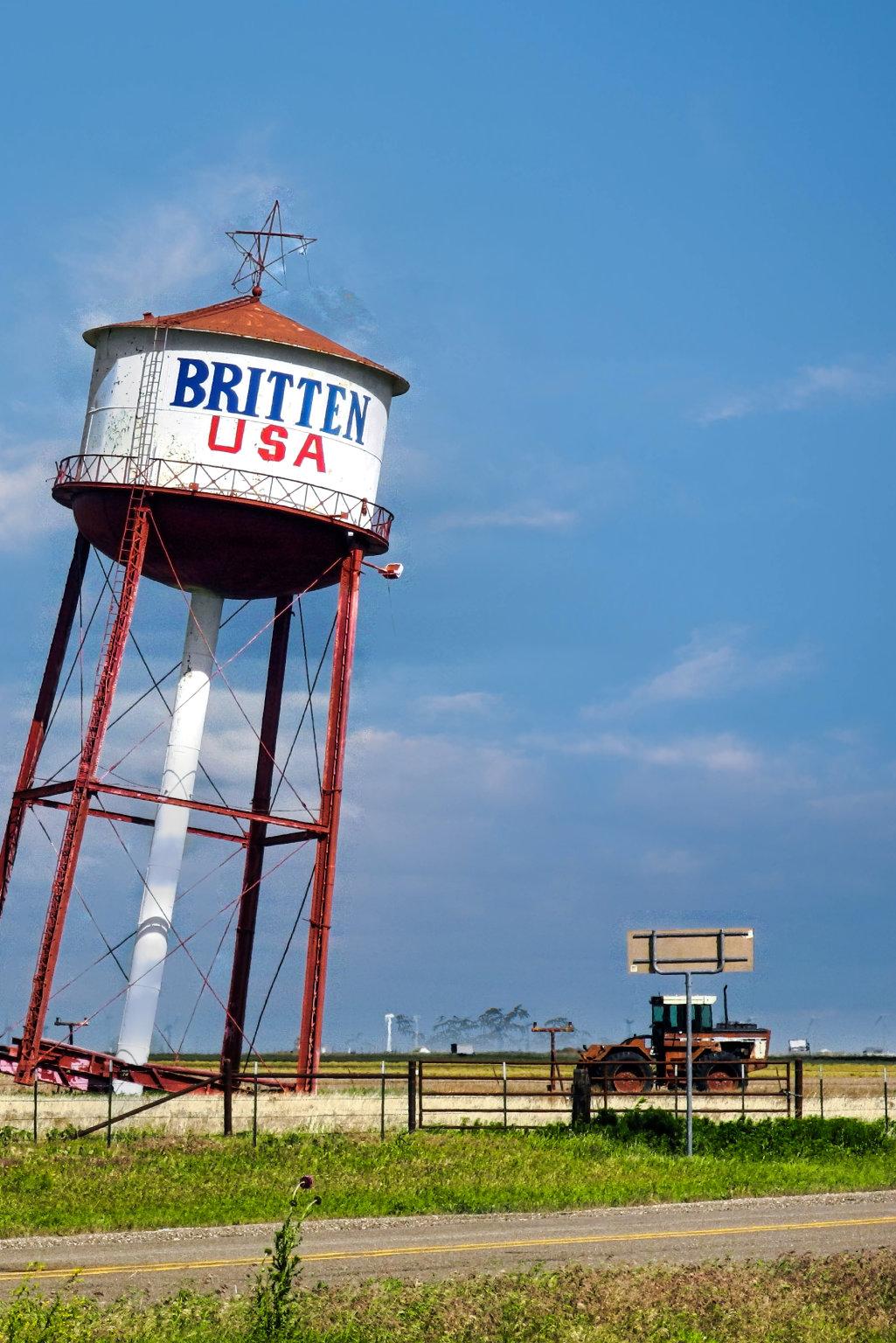
Further west, Route 66 travelers encounter one of the road’s most photographed oddities, the Leaning Tower of Texas in Groom. Originally a water tower, it was intentionally tilted by a local entrepreneur in the 1980s to attract travelers.
It worked, and today, it stands as a beloved piece of Route 66 whimsy.
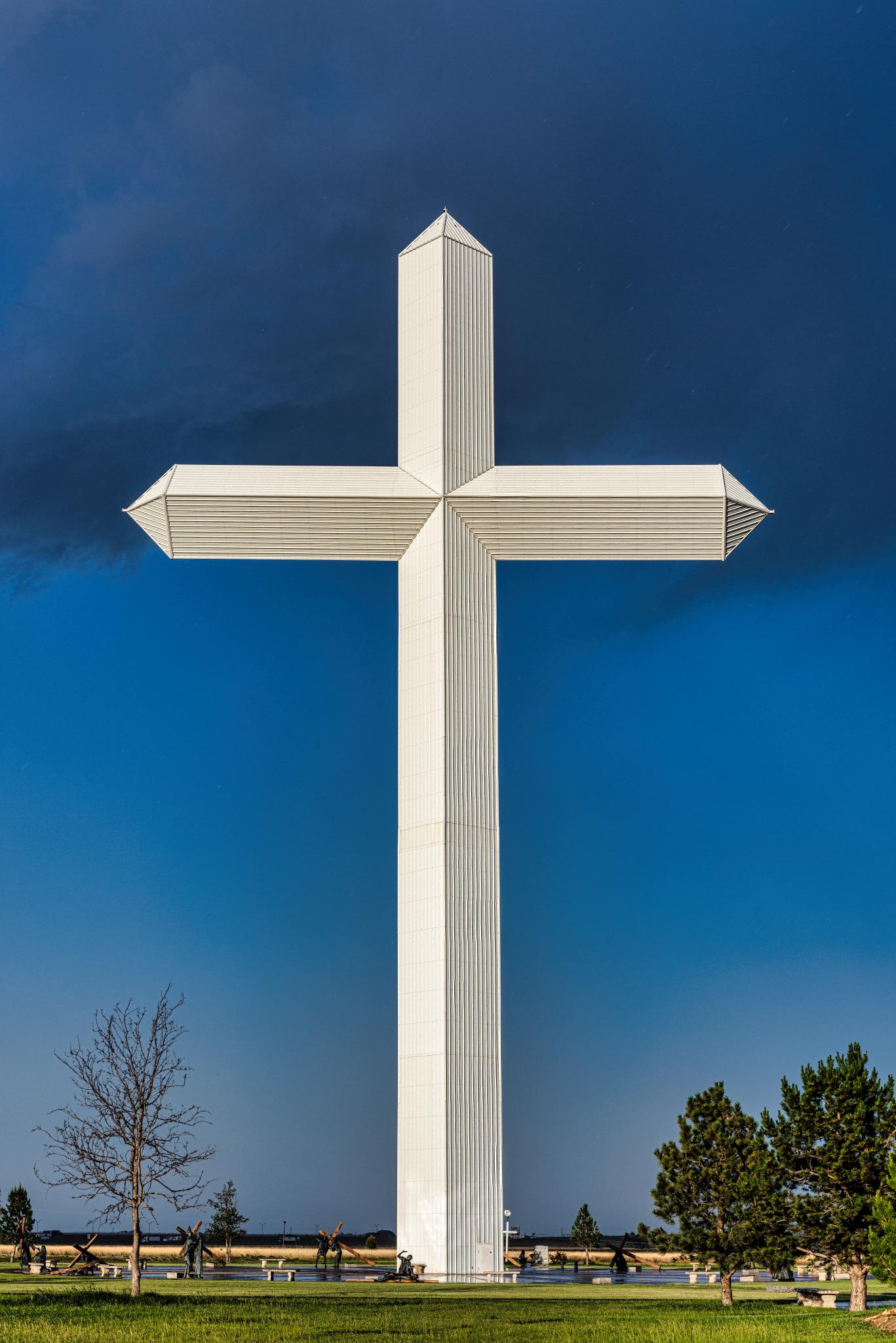
Nearby, another towering landmark rises into the Texas sky: the Cross of Our Lord Jesus Christ, a 190foot-tall steel cross surrounded by life-size bronze sculptures depicting the Stations of the Cross. Whether you come for reflection or roadside spectacle, Groom offers both faith and fun in equal measure.
Amarillo: The Big Stop on the Road
At the center of Route 66’s Texas stretch lies Amarillo, the biggest city along the route between Oklahoma City andAlbuquerque, and a place where the Mother Road truly comes to life.Amarillo embraces its Route 66 heritage wholeheartedly, blending nostalgia with contemporary creativity.
Startwith astrolldownSixthStreetHistoric District,wheremorethan amileof original Route66 businesses now houseantique shops,artgalleries, andretrodiners.
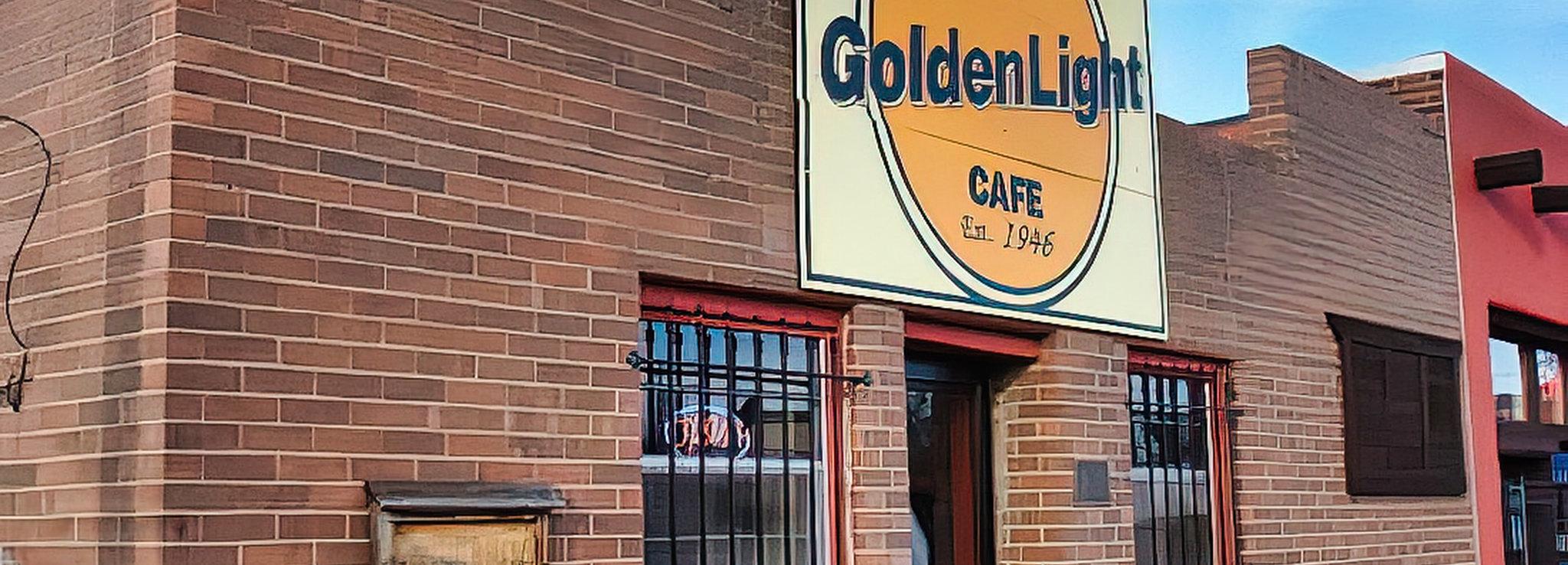
Neonsigns lightup theevening,recallingthe road’s golden age, whilestreetmurals celebratethetown’s placeinhighwaylore. Stopby theGolden LightCafé,openedin 1946 and stillserving burgers andfries the old-fashioned way,or grabacolddrinkatthe Broken SpokeLounge, wherelivemusic keeps thespiritof theWestalive.
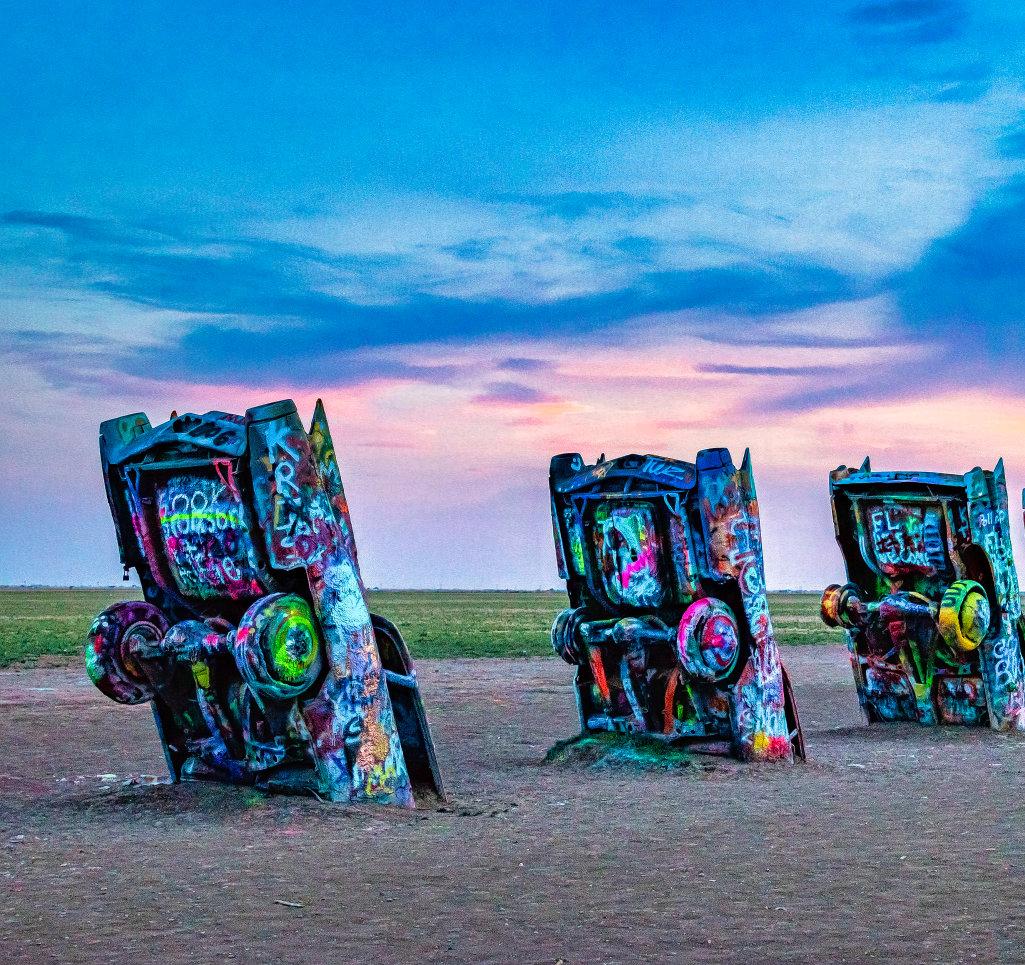
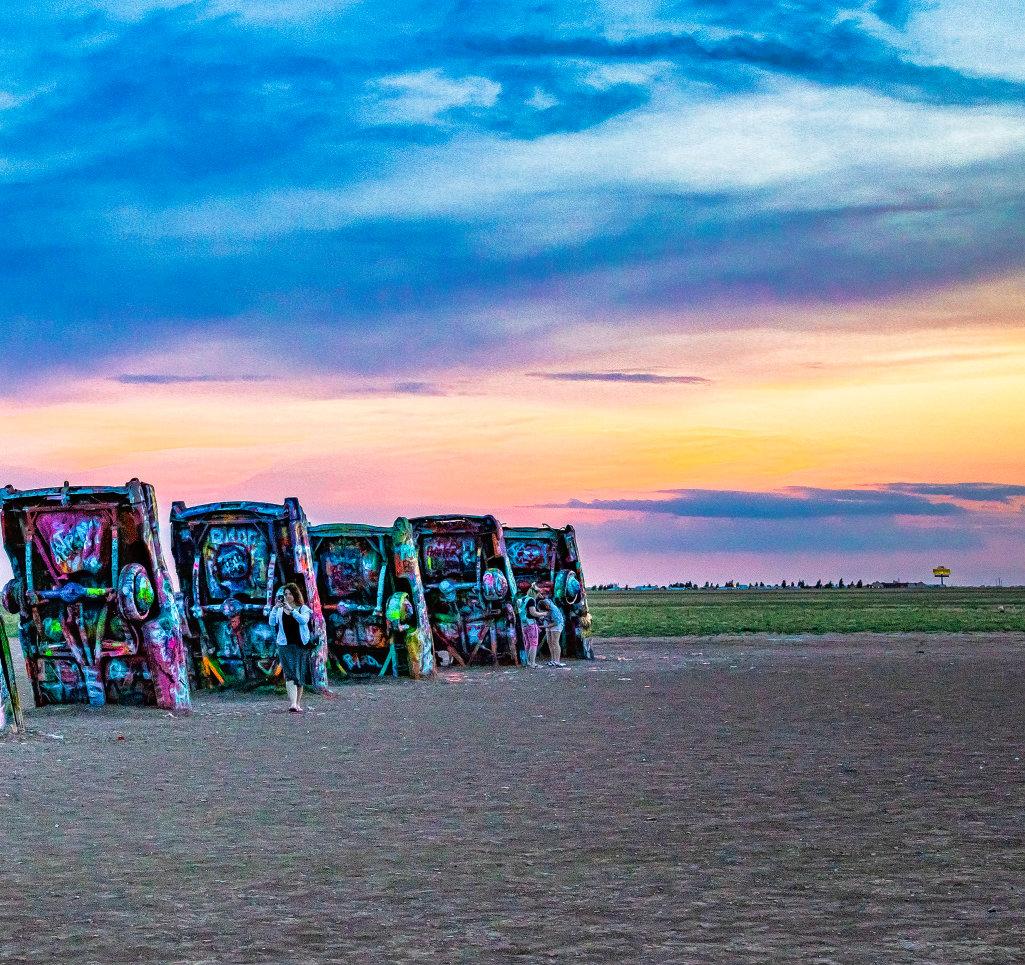
Justwestof downtown lies oneofAmerica’s mostfamous roadsideattractions -- Cadillac Ranch. Created in 1974 byagroupof eccentricartists knownas theAntFarm,this open-air artinstallation features tenCadillac cars buried nose-firstin thedirt,their tailfins jutting toward thesky.
Visitors areencouraged tobringspray paintand leave their owncolorfulmark,turningCadillacRanch intoa constantly evolvingmonumenttocreativityand freedom.
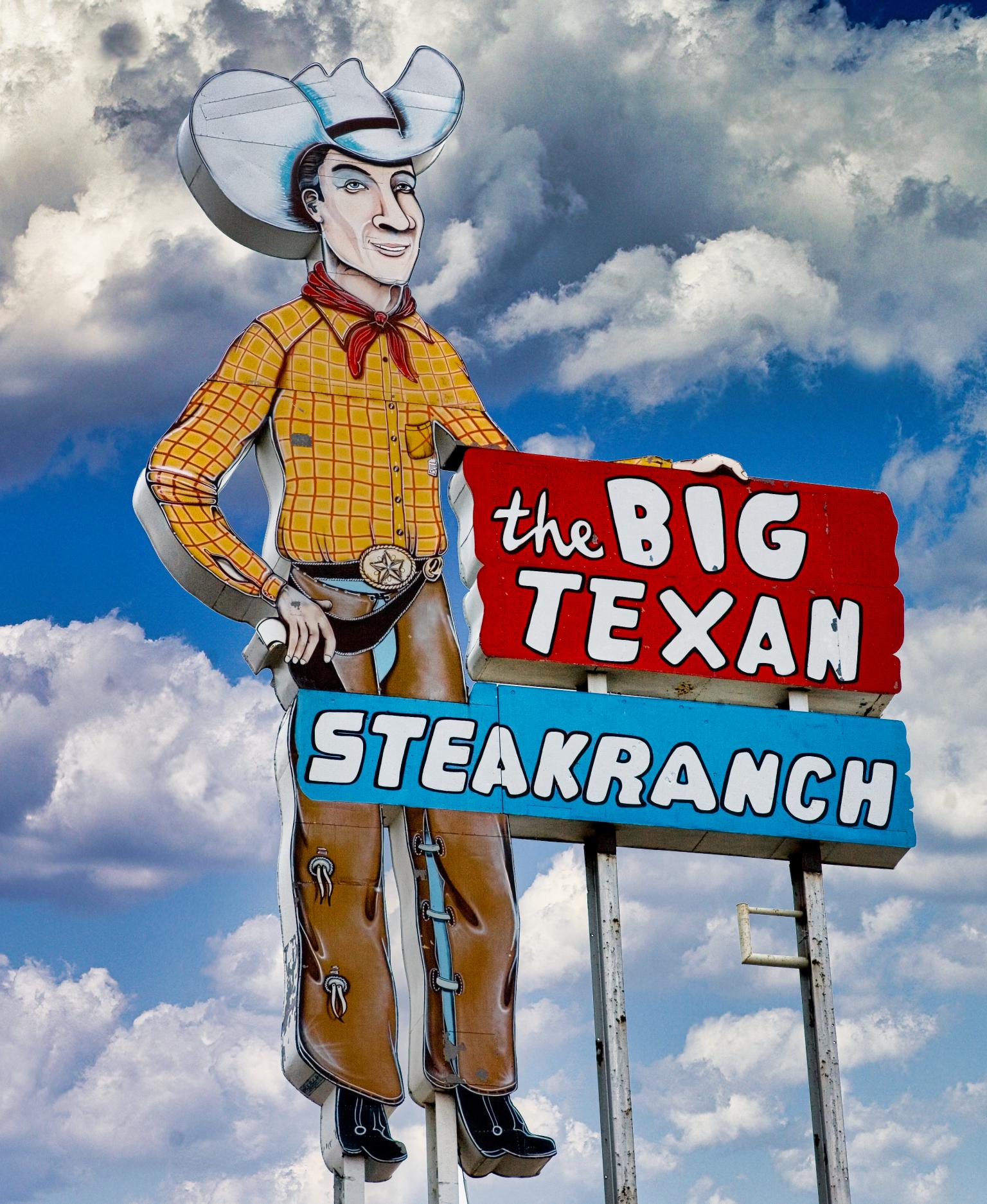
Amarillois alsohometotheBigTexanSteak Ranch, another Route66legend.Since1960,it’s been challenginghungrytravelers tofinishits famous 72ouncesteakdinner -- freeif youcaneatit(andallthe sides) inunder anhour.Whether youattemptthe challengeor justcomefor theatmosphere, it’s amuststopiconofTexas hospitality.
TheTexas Panhandlealsocelebrates theMother Road eachsummer duringtheAmarilloRoute66Festivalin Amarillo.
Thelivelydowntown eventfeatures classiccar shows, livemusic, food vendors,andRoute66-themed activities thatdraw travelers andvintagecar enthusiasts fromacross theregion.It’s afittingtribute to thehighway thathelped putAmarilloonthemap.
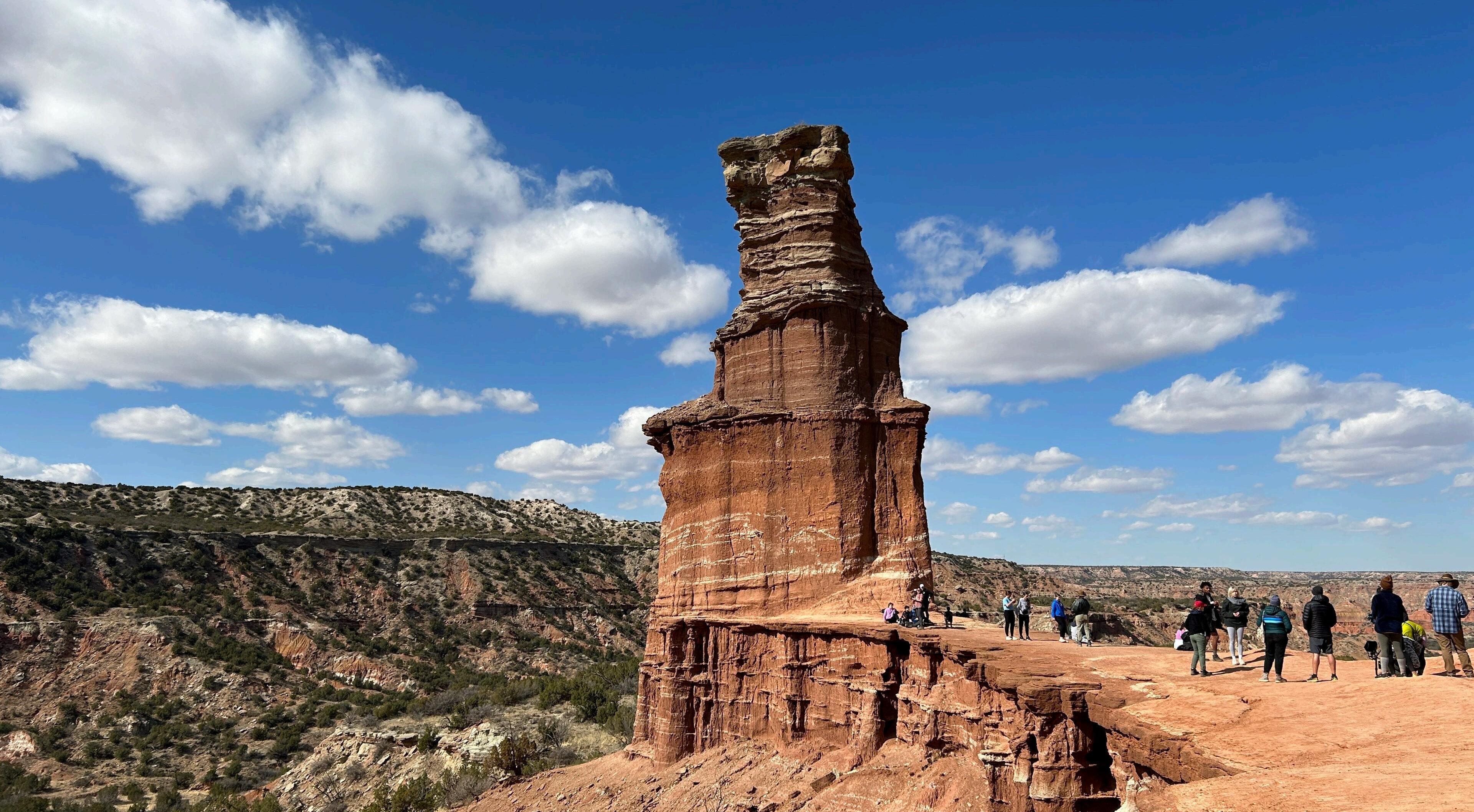
Justsouth ofAmarillo,ashortdriveoff Route66,lies oneofTexas’mostspectacular naturalwonders -- Palo Duro Canyon.
Often called the“GrandCanyonofTexas”,its colorful rock layers stretch for 120miles across thePanhandle.
For Route66 travelers wantingmorethanneonand nostalgia,Palo Duro offers hikingtrails,scenicdrives, and sweeping canyon views thatremindvisitors just how vasttheTexas landscapetrulyis.
Adrian: The Halfway Point
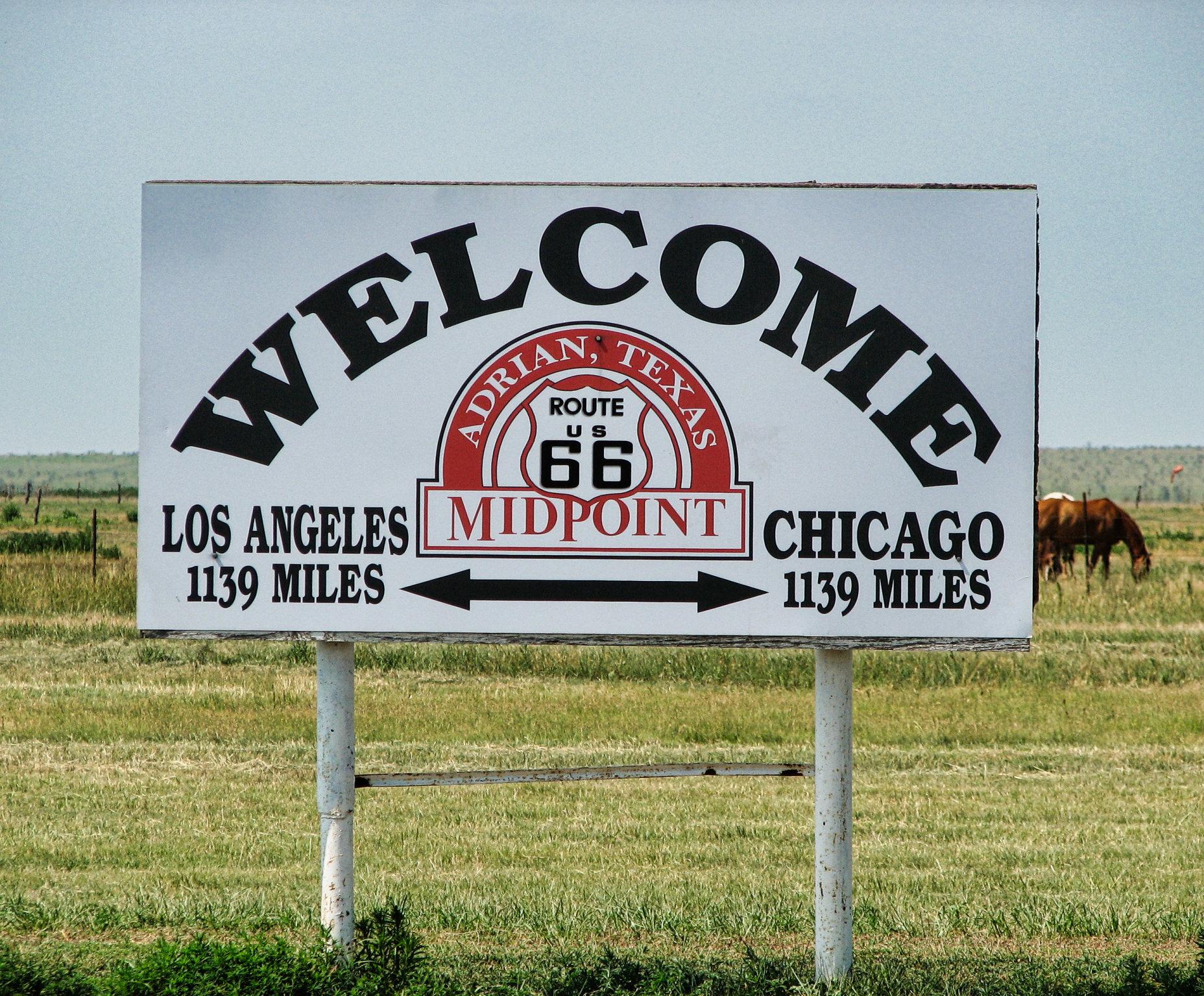
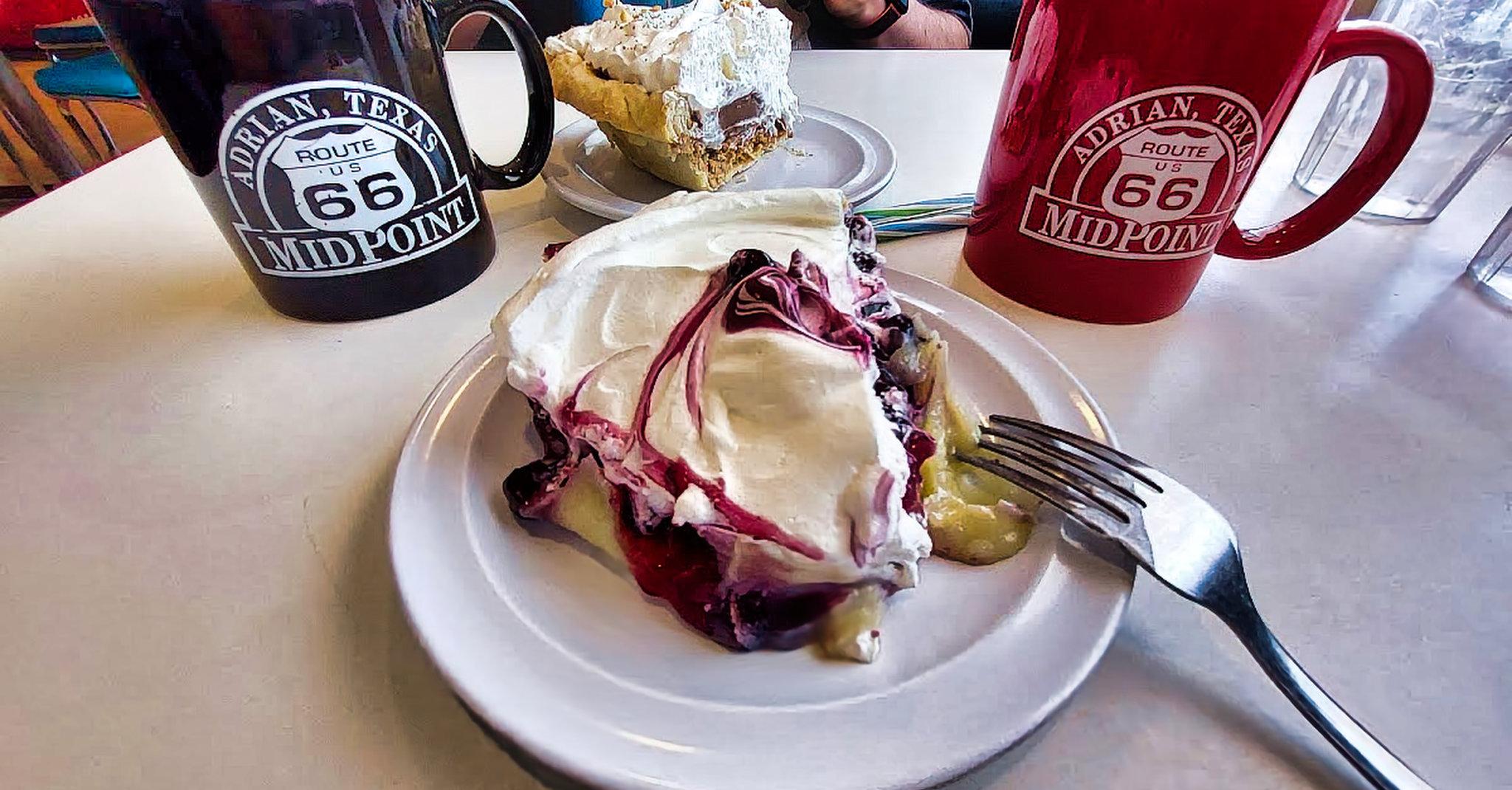
Continuing west, travelers reachAdrian, a tiny town with a big claim to fame -- the Midpoint Café. Sitting at exactly 1,139 miles from both Chicago and Los Angeles, it marks the halfway point of Route 66.
The café has been serving travelers since the 1940s and inspired “Flo’s V8 Café” in Pixar’s Cars. Inside, the walls are lined with memorabilia, and the café’s signature “Ugly Crust Pies” are a delicious reward for anyone making the cross-country trip.
Nextdoor,theMidpointSign provides theperfect photo opportunity-- asimplewhitemarker declaring: “You’rehalfwaythere!”Manytravelers sayit’s the mostsatisfying stopontheentireroute,amomentto pauseandreflectbeforecontinuingwestward toward New Mexicoandbeyond.
Texola and the Borderlands
Though technically just across the state line in Oklahoma, Texola is often included in Texas travelers’Route 66 itineraries.
This near-ghost town is a photographer’s dream, with weathered buildings, faded signage, and a haunting quiet that contrasts sharply with the road’s livelier stops. The transition from Texola to the Texas plains -- and then on to the mesas of New Mexico -reminds travelers just how quickly the Mother Road’s landscape can change.
Preserving the Texas Stretch
Like other Route 66 states, Texas has made major efforts to preserve its section of the historic highway. The Texas Old Route 66Association and local communities have
restored buildings, created interpretive trails, and hosted festivals celebrating the road’s legacy. Click on the logo to learn more about Route 66 in Texas.
InAmarillo, the annual Route 66 Celebration brings car enthusiasts, artists, and travelers together for live music, food trucks, and classic car parades along Sixth Street.
ThroughoutthePanhandle,travelers canstillfind originalsections of theoldconcreteroadbed, ghostly remains of abandonedmotels,and lovingly restored neonsigns.Themixof oldand new gives theTexas stretch of Route66its uniquepersonality-- both a museumof thepastandalivingroad stilltraveledby dreamers, bikers,andfamilies chasingthehorizon.
The Spirit of Texas on Route 66
Texas' 178 miles of Route 66 capture the essence of the open road -- wide skies, endless horizons, and the thrill of discovery. It’s a land where cattle graze beside vintage motels, where art meets asphalt, and where travelers still stop to share a story or a slice of pie.
For thosewho driveit, theTexas stretchis morethana journeybetweenstates -- it’s apassagethrough Americanaitself.Every neonsign,everydiner stool, everystretchof sun-bakedpavementspeaks of freedom, faith,and theenduringpower of theroad.
“In Texas, Route 66 stretches across the plains like a promise -- that the next mile will always lead to something unforgettable.”
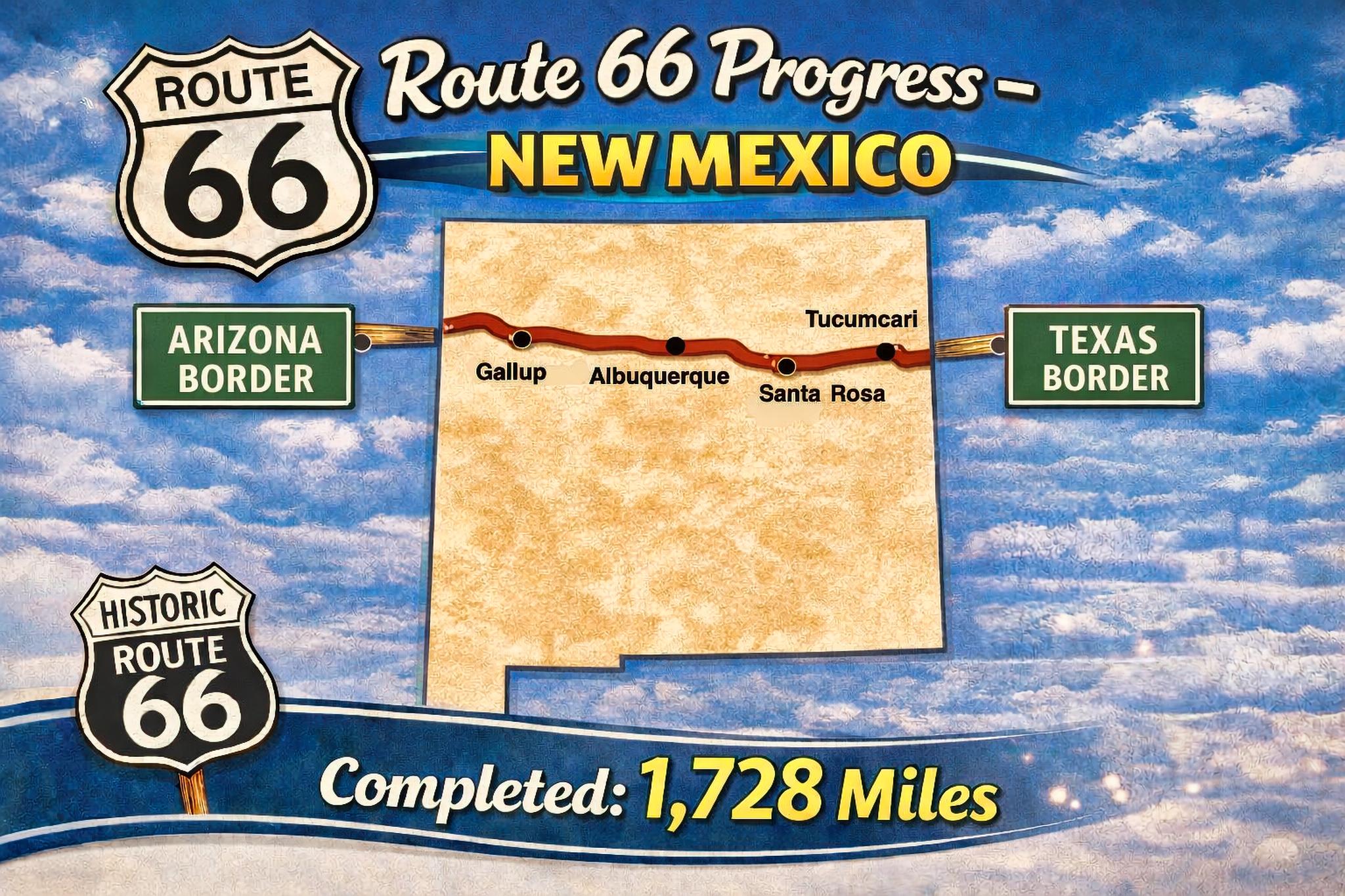
Few stretches of Route66capturethesoulof the American Southwestliketheonethatwinds through New Mexico. Fromtheredmesas and highdesertof thewestto themountainvalleys of the east,New Mexico’s sectionof theMother Road blends NativeAmericanheritage,Hispanicculture, and frontier gritintooneunforgettablejourney.
Morethan 380 miles of Route66cross this “Landof Enchantment”, offering travelers alivingshowcaseof theold and new. Here, neonmotels sitbesideancient pueblos,diners sharemenus withchile-lacedcuisine, and thehumof tires on asphaltechoes through desert valleys thatseemto stretchforever.
In New Mexico, Route66 is notjustaroad-- it’s a bridgebetween centuries.
A Tale of Two Routes
Unlike most states, New Mexico can boast two historic alignments of Route 66. When the highway was first established in 1926, it took a diagonal path from Santa Rosa through Santa Fe before dropping south towardAlbuquerque. In 1937, to shorten the route and avoid political disputes, a straighter
alignment was built directly from Santa Rosa to Albuquerque, cutting more than 90 miles off the trip.
Today, travelers canexplorebothalignments -- theold SantaFeLoop,whichwinds throughancientSpanish plazas and Pueblolands,andthemodern routethat follows Interstate40for muchof its length.Together, theytellthestoryof how Route66evolvedwith the times whilekeepingits spiritintact.
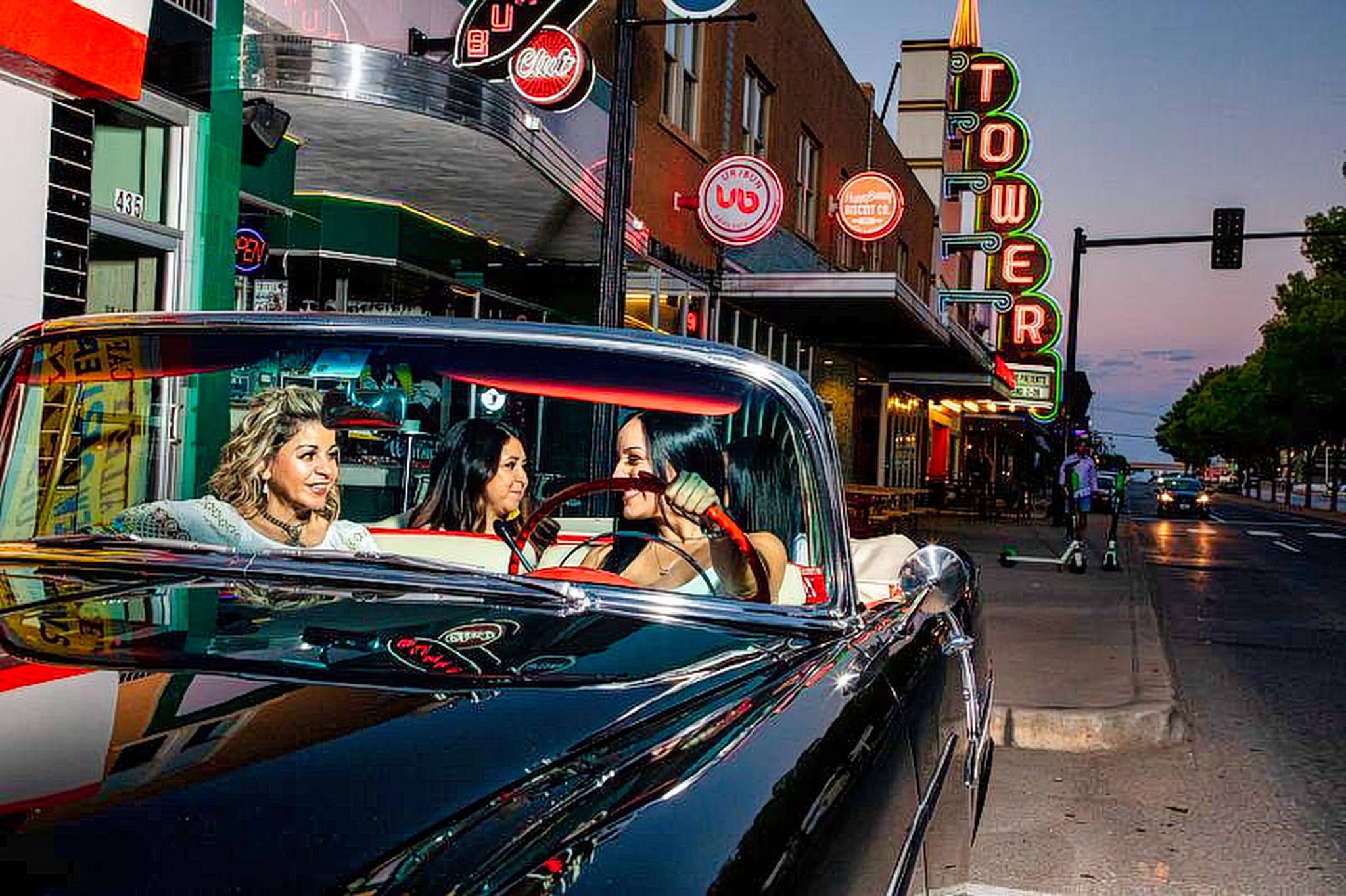
Tucumcari: Neon Dreams and Desert Skies
Heading west from the Texas border, the first major stop is Tucumcari, one of Route 66’s most photographed towns. In its heyday, this desert outpost boasted over 2,000 motel rooms and a reputation summed up in its famous slogan: “Tucumcari Tonight!”
Today, thetown’s neon corridor alongoldRoute66 stillglows with themagicof midcenturytravel.The BlueSwallow Motel, builtin1939,is oneof thebestpreservedmotor courts ontheentireroute.Its pastel façade,neonswallows,andcozygarages for each roomevoketheromanceof abygoneera.Many
travelers book their stays months in advancejustto experienceanighthere.
Other nostalgicfavorites includethe Roadrunner LodgeMotelandMotelSafari, bothlovingly restoredwithmidcentury flair. Murals depictingRoute66history decoratebuildings across town,andthe New Mexico Route66Museum,locatedat thefairgrounds, showcases everythingfrom vintageroad signs toclassiccars thatonce roamed theMother Road.
Santa Rosa: Blue Water and Classic Cars
Continuing west, travelers reach Santa Rosa, home to two Route 66 treasures. The first is Blue Hole, a natural artesian spring with crystal-clear water and a depth of 80 feet. Once a roadside curiosity, it’s now a scuba-diving destination that surprises travelers in the middle of the desert.
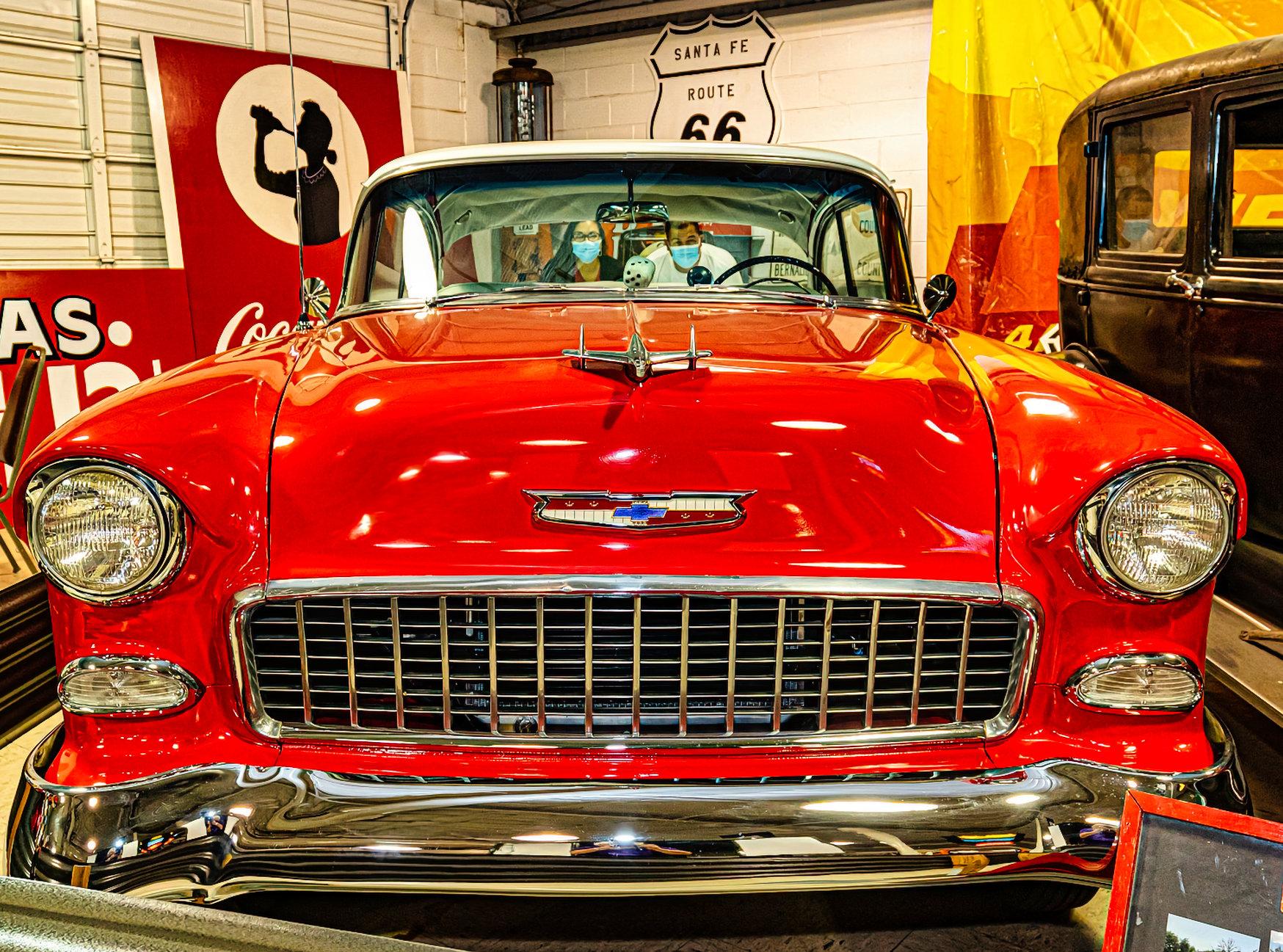
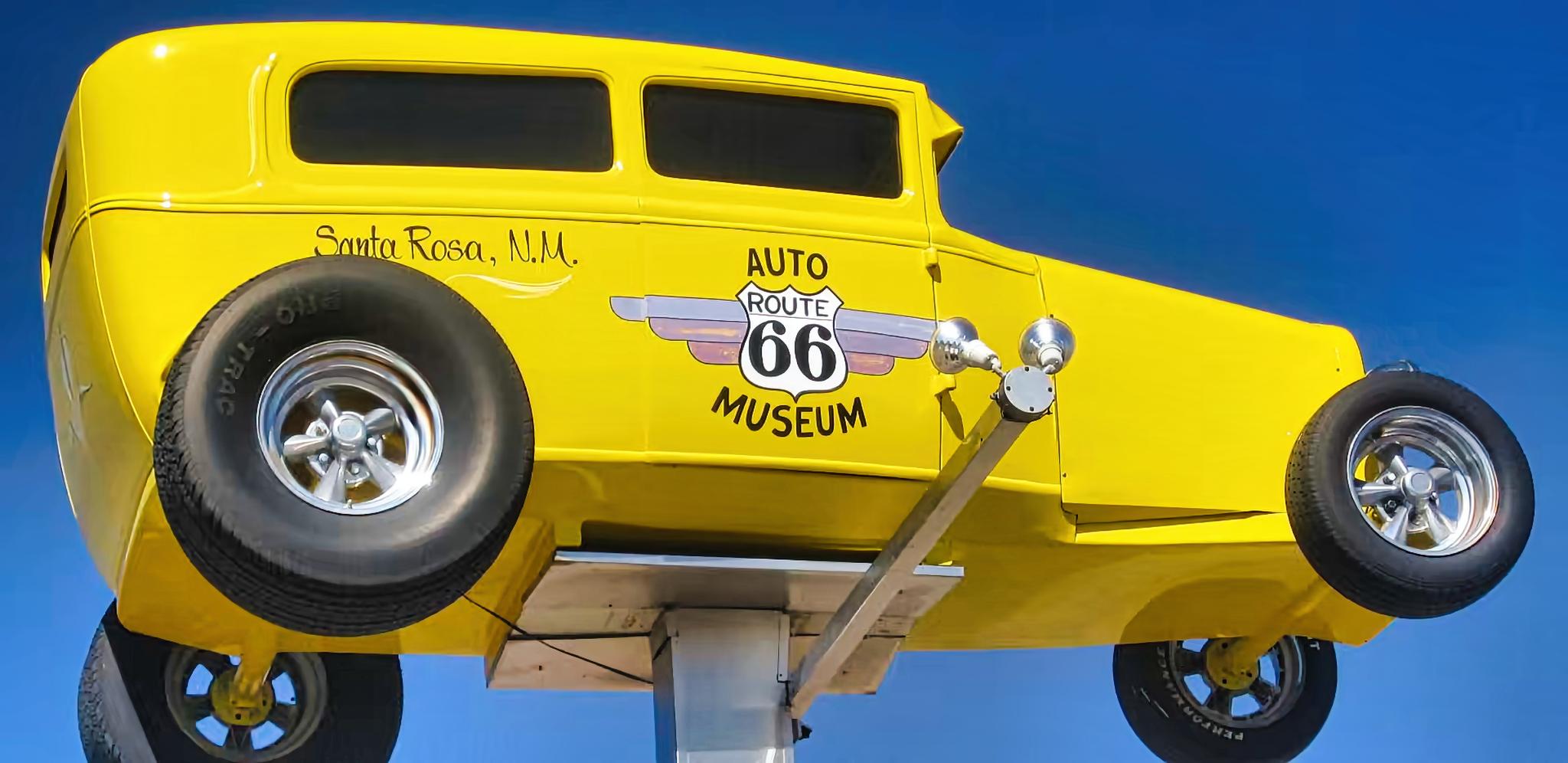
Thesecond is theRoute66AutoMuseum,founded by localenthusiastBozoCordova.Filledwithrestored classics, hotrods, andmemorabilia,themuseum celebrates thecar culturethatdefinedRoute66’s golden age.SantaRosa’s mixof nostalgiaandnatural wonder makes itan idealstopbetweenTucumcari’s neon andAlbuquerque’s bustle.
Santa Fe: The Old Road and the Old World
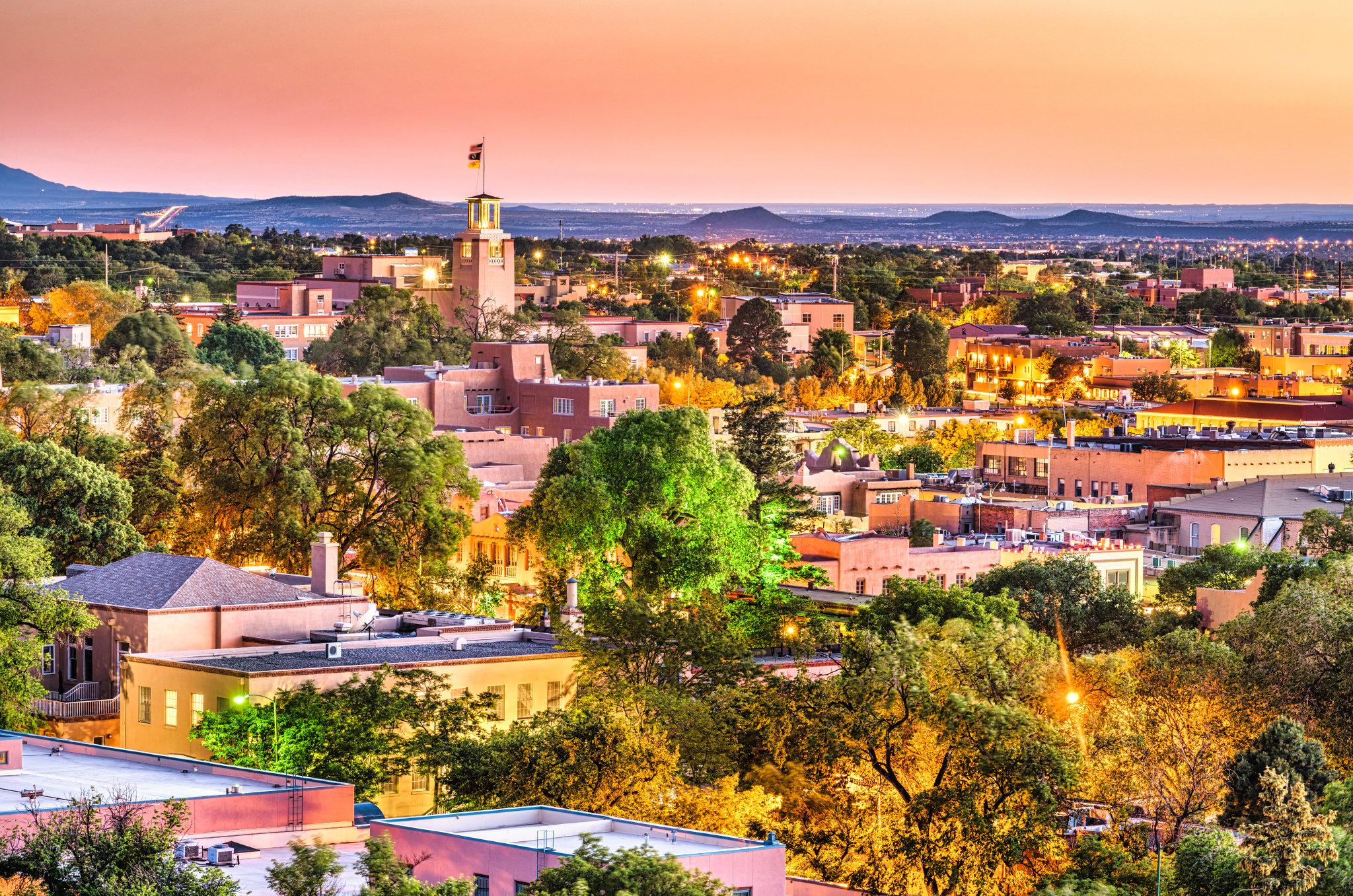
For those following the original 1926 alignment, Santa Fe is a highlight unlike any other on Route 66. Founded in 1610, the city predates the Mother Road by centuries and offers a fascinating contrast to its fast-moving reputation.
The narrow streets around Santa Fe Plaza are lined with adobe buildings, galleries, and historic landmarks such as the Cathedral Basilica of St. Francis ofAssisi.
Route66oncewoundthroughherealong Cerrillos Road,whereremnants of oldmotels andgas stations can stillbefound.Themixof Pueblo,Spanish, and Anglocultures, alongwith a thrivingarts scene, gives SantaFea timeless quality thatconnects the modern traveler to centuries of history.
Eventhoughthe later alignment bypassed thecity, SantaFeremains anessential pilgrimagefor Route66 fans seeking to experiencethe Mother Road’s deeper roots.
Albuquerque: Neon Capital of the Southwest
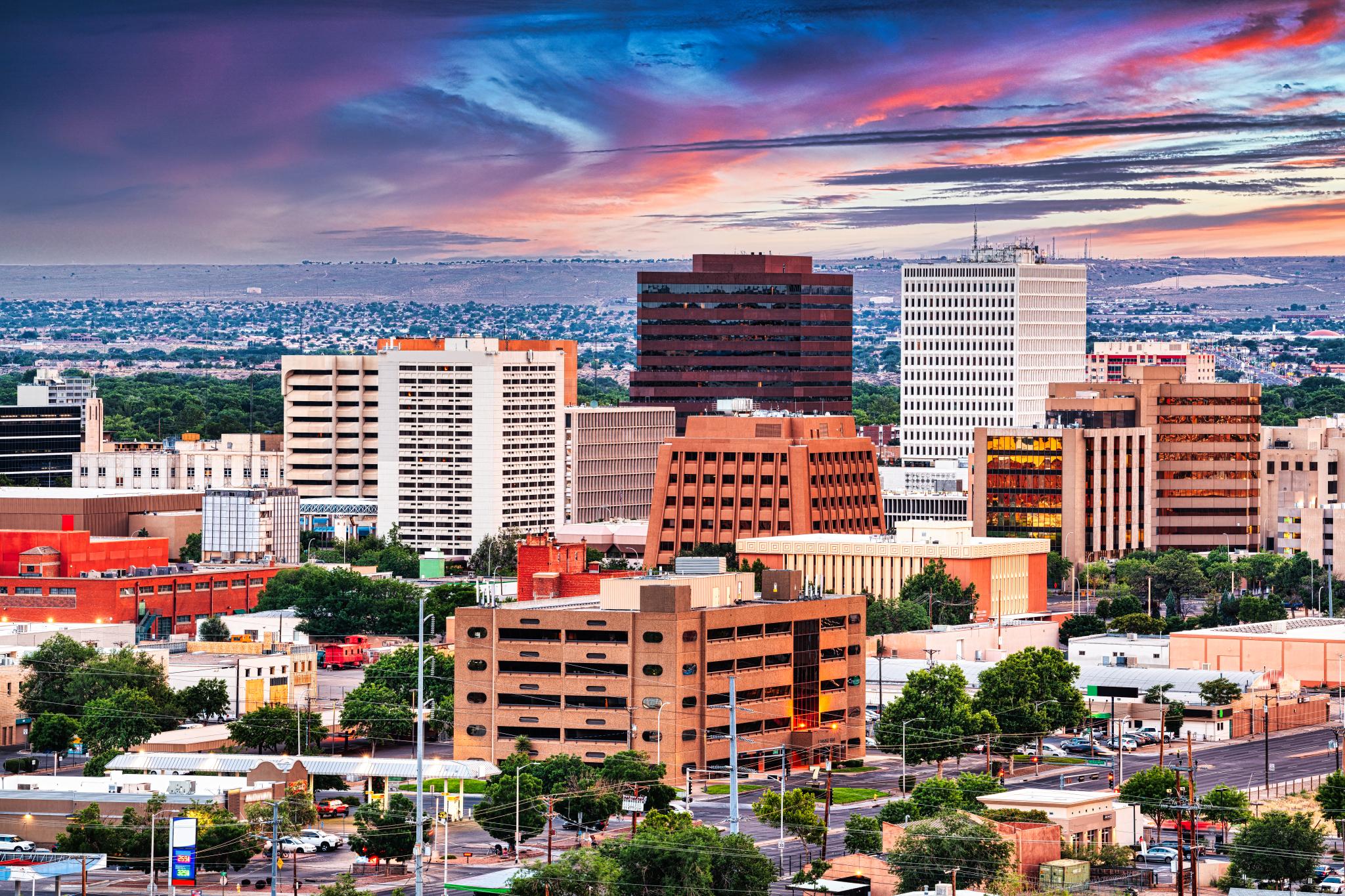
Few cities embrace Route 66 likeAlbuquerque, the beating heart of the highway in New Mexico. The road runs straight through town along Central Avenue, where neon signs blaze above diners, motels, and theaters much as they did in the 1950s.
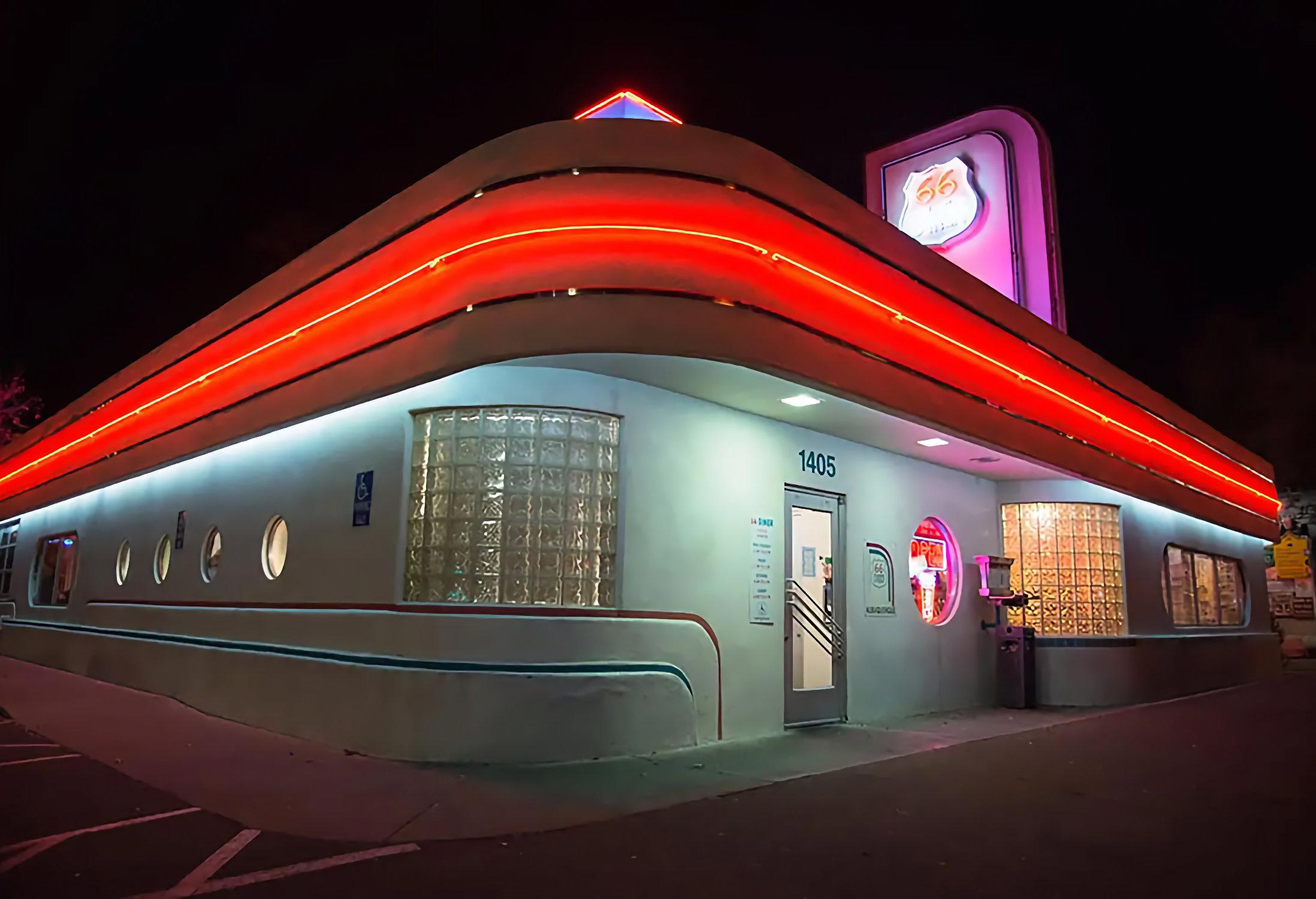
TheElVado Motel,originallybuiltin1937,has been beautifullyrestoredinto amodernboutiquestay completewith shops, ataproom,andfoodpods serving everything fromtacos totamales.Nearby,the 66 Diner offers burgers, shakes,andjukeboxtunes straightoutof theEisenhower era.
Downtown, theKiMoTheatre-- anArtDeco masterpiecewith Pueblo Revivaldesign-- stands as oneof Route66’s architecturalgems.Builtin1927, it remains abeloved locallandmarkandperformance venue.
Byways 74
Visitors canalsoexploreOldTownAlbuquerque, foundedin1706,wheretheadobearchitectureand historicplazaoffer aserenecounterpointtotheneon glow of CentralAvenue.Whether you’redrawnto nostalgiaor New Mexico culture,Albuquerque delivers bothin abundance.
Grants, Uranium Capital of the World
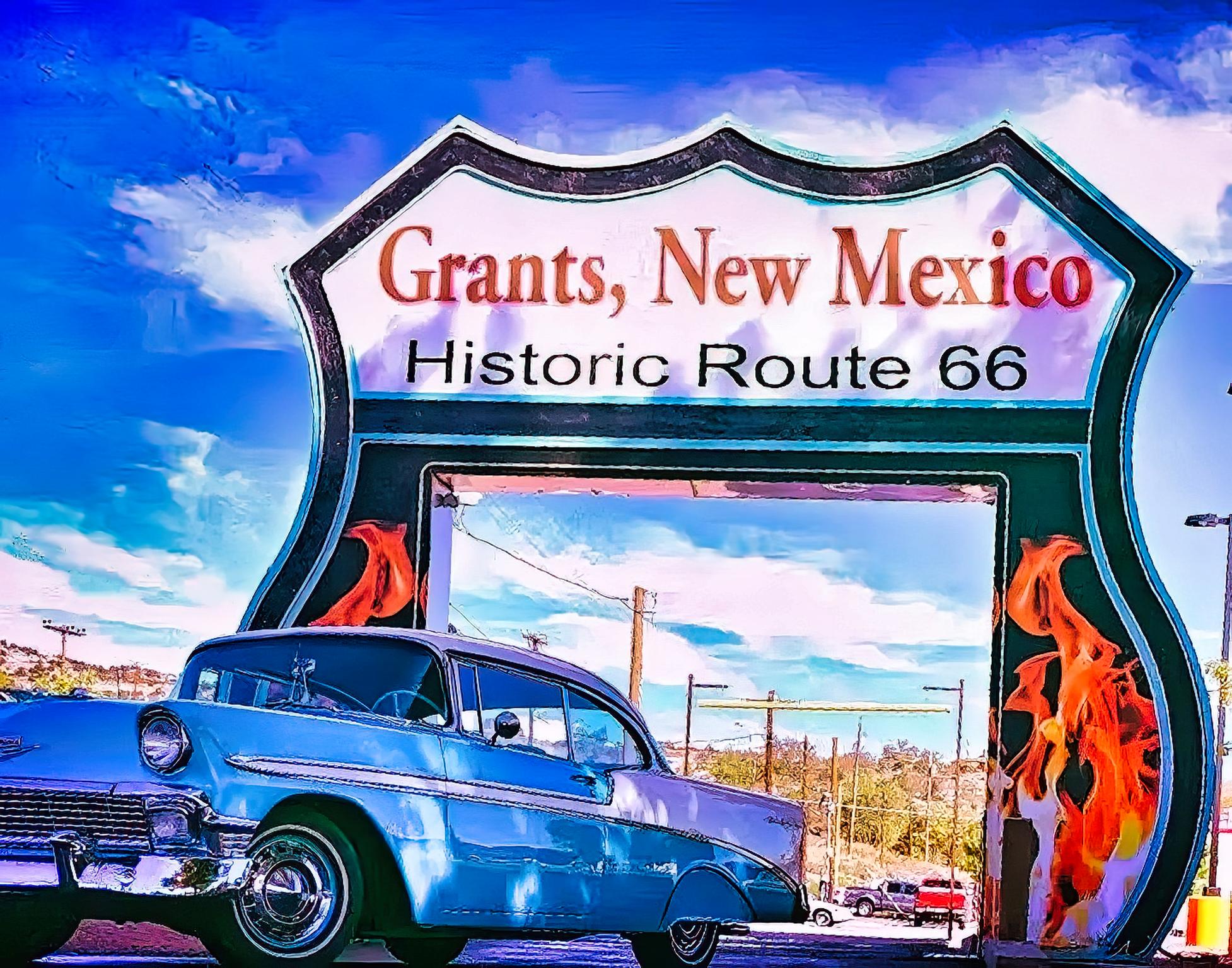
Travelers following the Mother Road across western New Mexico soon arrive in the city of Grants, a classic Route 66 community that grew from a railroad town into a bustling stop for highway travelers.
During the mid-20th century, Grants became known as the “Uranium Capital of the World”, and remnants of its mining history can still be explored today. Visitors will also find easy access to nearby natural attractions such as El Malpais National Monument and El Morro National Monument, both showcasing the region’s dramatic volcanic landscapes and centuries of traveler inscriptions.
Acoma Pueblo
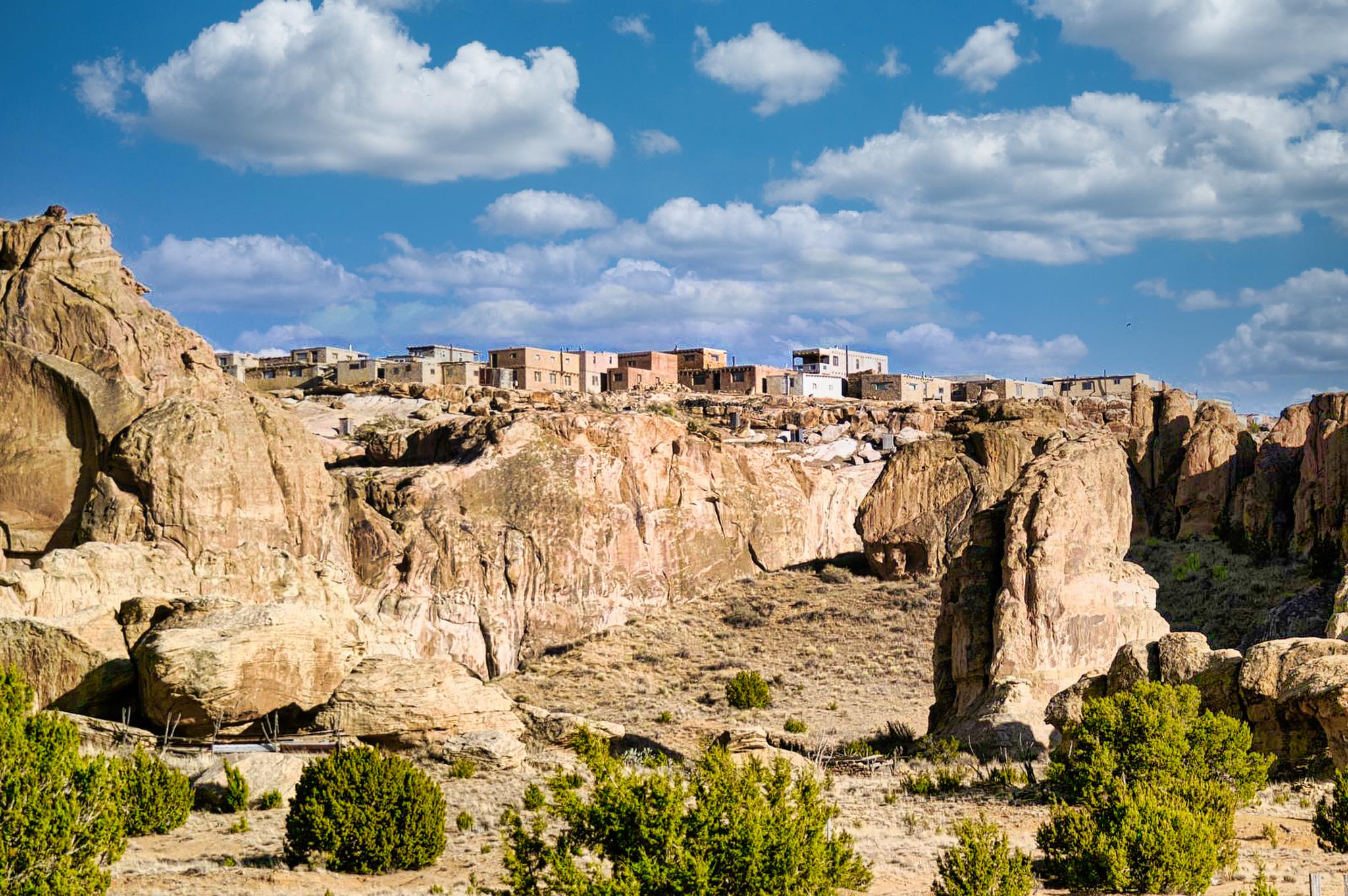
Just a short drive south of Grants isAcoma Pueblo, often called “Sky City”, Perched atop a 367-foot sandstone mesa, it is considered one of the oldest continuously inhabited communities in North America.
Guided tours introduce visitors to centuries of Native American culture and history, including the remarkable 17th-century San Esteban del Rey Mission. While not directly on Route 66, the pueblo has long been a meaningful cultural detour for travelers exploring the historic highway.
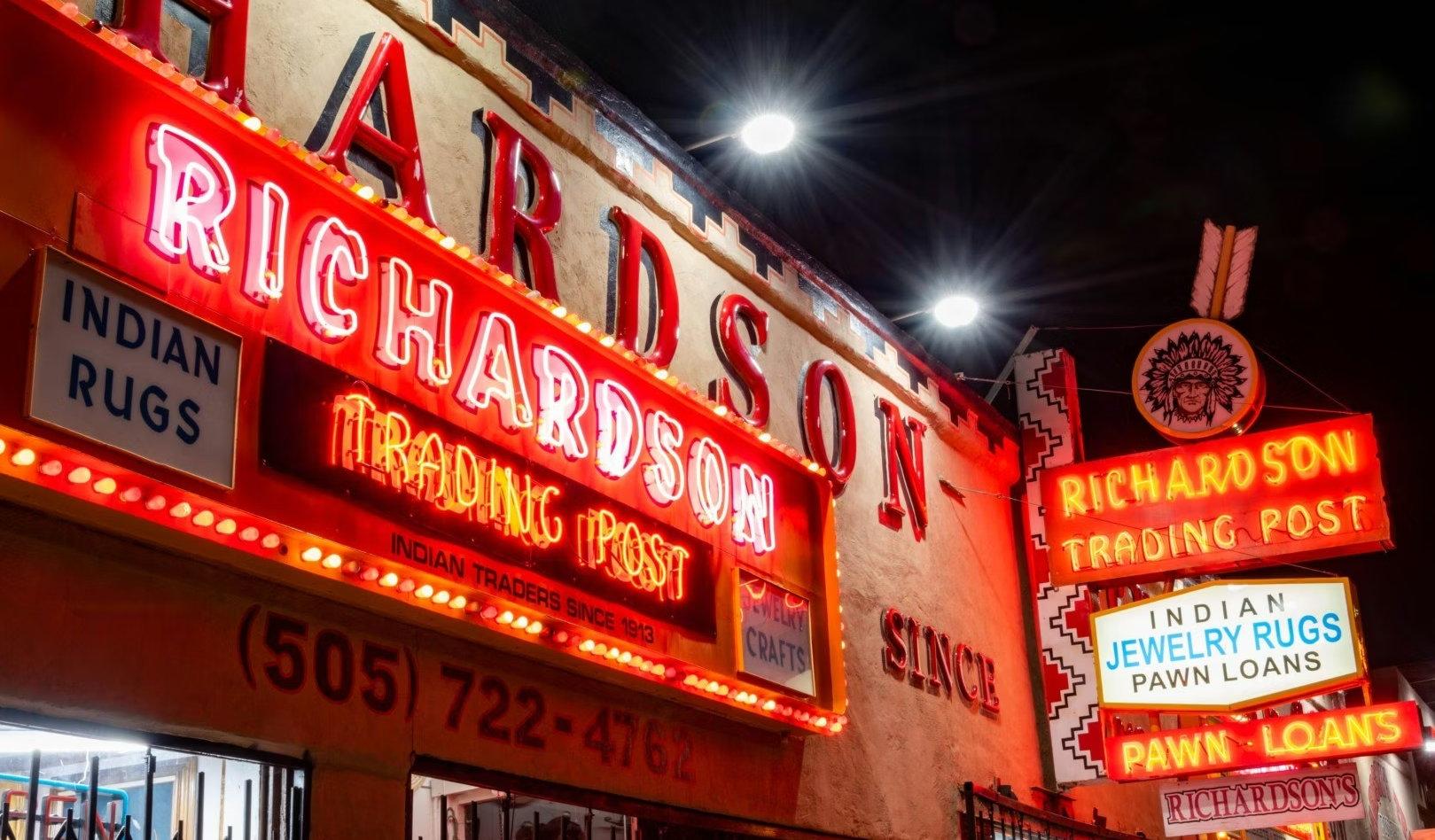
Gallup: Gateway to the Navajo Nation West ofAlbuquerque, the road leads through wide open desert into Gallup, long known as the “Indian Capital of the World”. Surrounded by Navajo, Zuni, and Hopi lands, Gallup is one of Route 66’s most culturally rich stops.
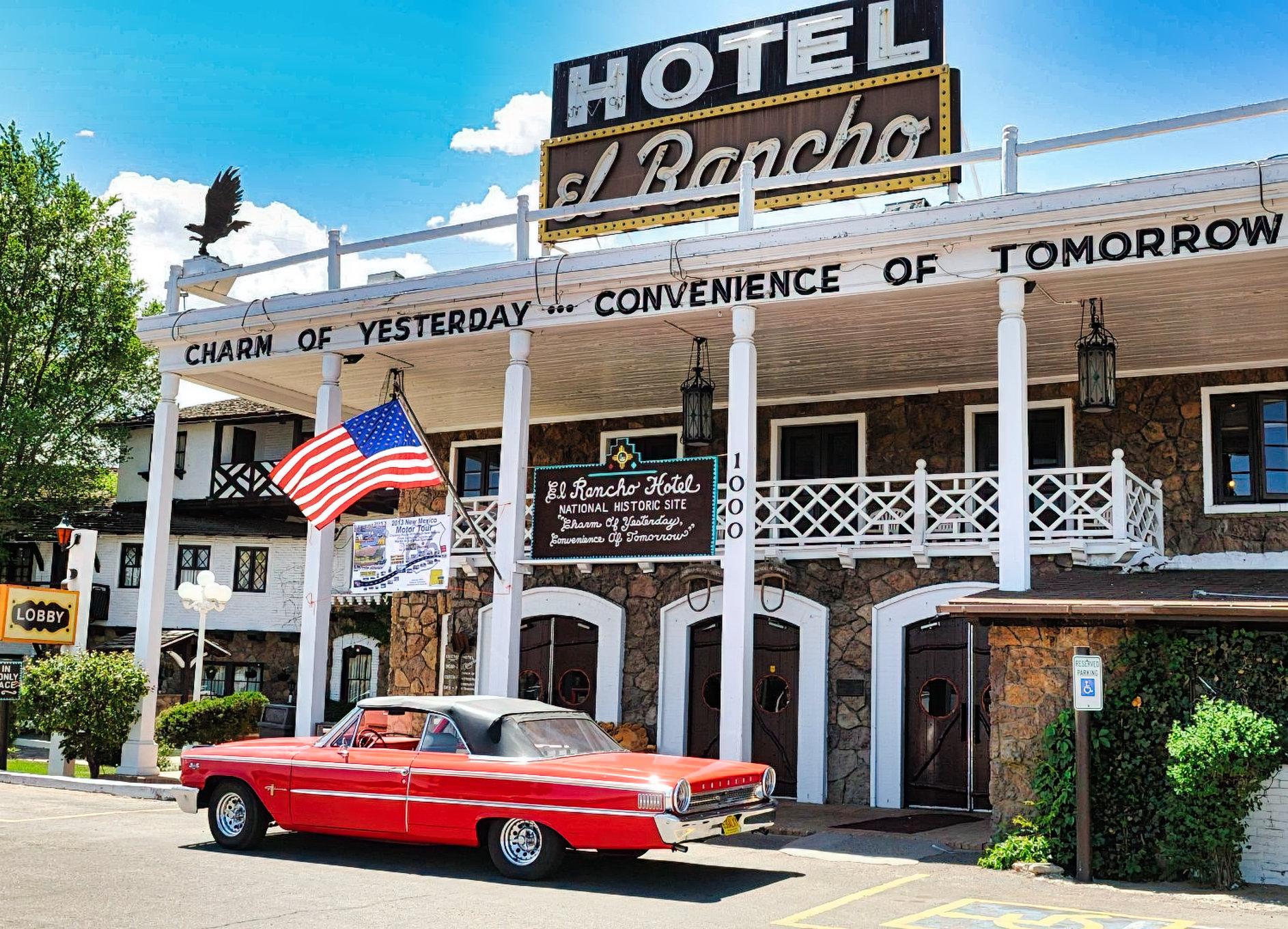
Thecity’s crownjewelis theElRanchoHotel, builtin 1937byR.E. Griffith,brother of filmdirector D.W. Griffith.DuringHollywood’s goldenage,ithosted moviestars likeJohnWayne,KatharineHepburn,and SpencerTracywhiletheyfilmedWesterns nearby. Today, guests can stillstayin rooms named after the stars,dineunder massivelogbeams,and admirethe hotel’s grandstaircaseandvintagephotos.
Gallup also celebrates its Nativeheritagewithtrading posts, galleries, and theannualInter-TribalIndian Ceremonial, oneof theoldestculturalevents inthe country. For travelers, Gallupoffers asenseof connection -- notjusttoRoute66’s history,butto the deeper traditions of theSouthwest.
Landmarks of the Open Road
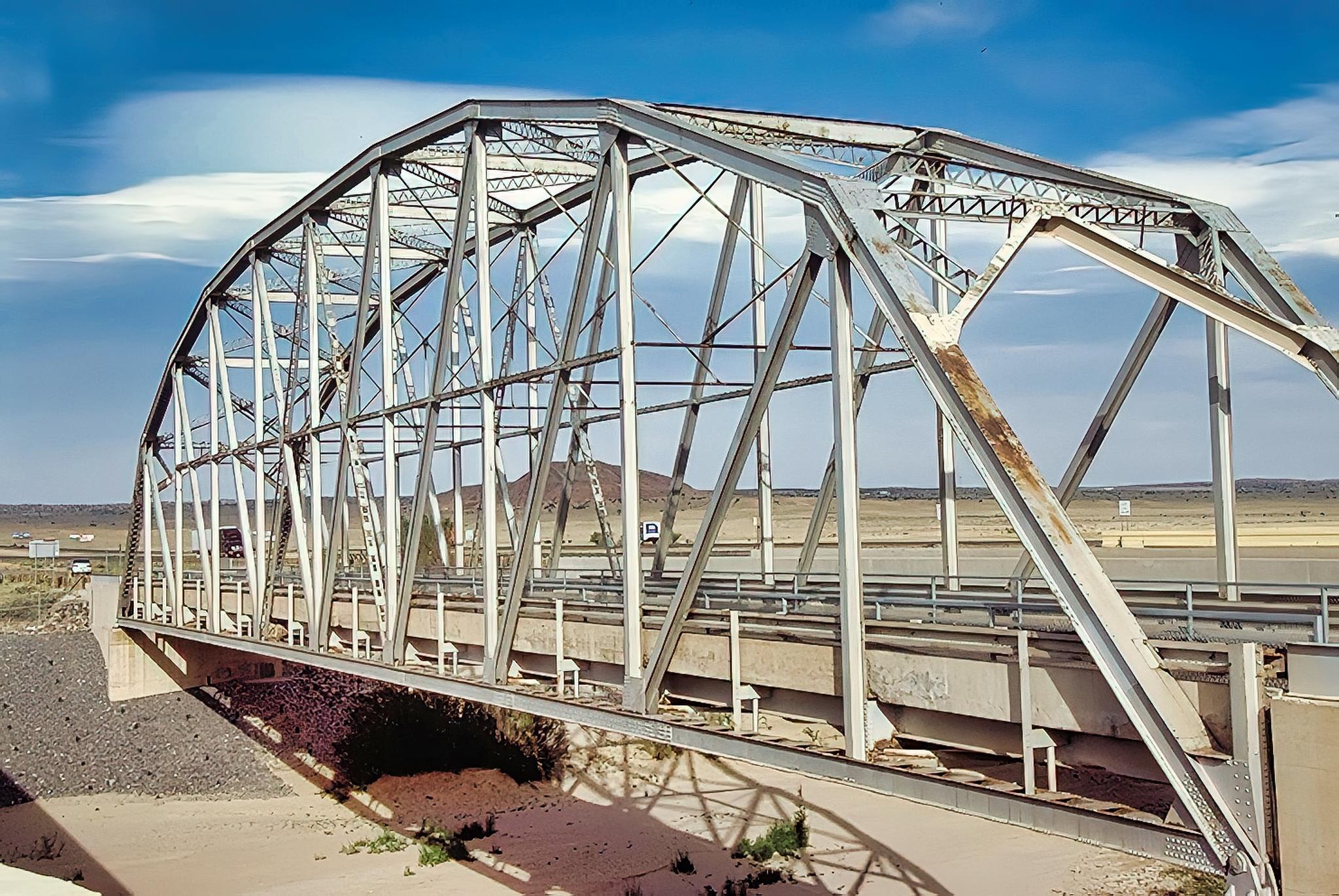
Between towns, New Mexico’s Route 66 landscape is dotted with unforgettable landmarks. The Rio Puerco Bridge, a 1933 steel truss structure west ofAlbuquerque, stands as a classic example of early highway engineering. In Cuervo and San Fidel, the crumbling remains of gas stations and motels make haunting photo stops for those drawn to the romantic decay of the old road.
For atruly panoramicview,theclimbinto Mesitaand LagunaPueblooffers sweeping vistas of red mesas and sandstonecliffs glowing in thelateafternoonsun.Thepueblos themselves, someinhabitedfor over a thousand years, provideareminder thatthe Mother Road runs throughlands withfar deeper roots than its own.
Byways 76
Preserving
the Spirit of the Southwest
New Mexico has worked tirelessly to protect its stretch of Route 66. The New Mexico Route 66 Association and local preservation groups have restored neon signs, reopened vintage motels, and promoted cultural tourism across the corridor. Festivals inAlbuquerque, Tucumcari, and Santa Rosa draw thousands of travelers each year who come to
celebrate the road’s legacy through car shows, parades, and music.
DrivingRoute66 hereis as muchabout preservation as itis about discovery. Each café, eachmural, andeach stretchof cracked pavementtells astory -of resilience, reinvention, andcommunitypride. Click on the logo to learn more about Route 66 in New Mexico.
New Mexico: Where the Road Meets the Sky
From Tucumcari’s glowing neon to Gallup’s sandstone mesas, New Mexico’s section of Route 66 captures everything that makes the Mother Road timeless: beauty, diversity, and the promise of adventure.
This is wheretravelers slow downto watch thesunset paintthedesertred,wherethesmellof roastingchiles mingles withthehumof engines, andwhereevery milefeels likeboth amemory andadiscovery.
“In New Mexico, Route 66 is not just a highway -- it’s a horizon.”
Byways
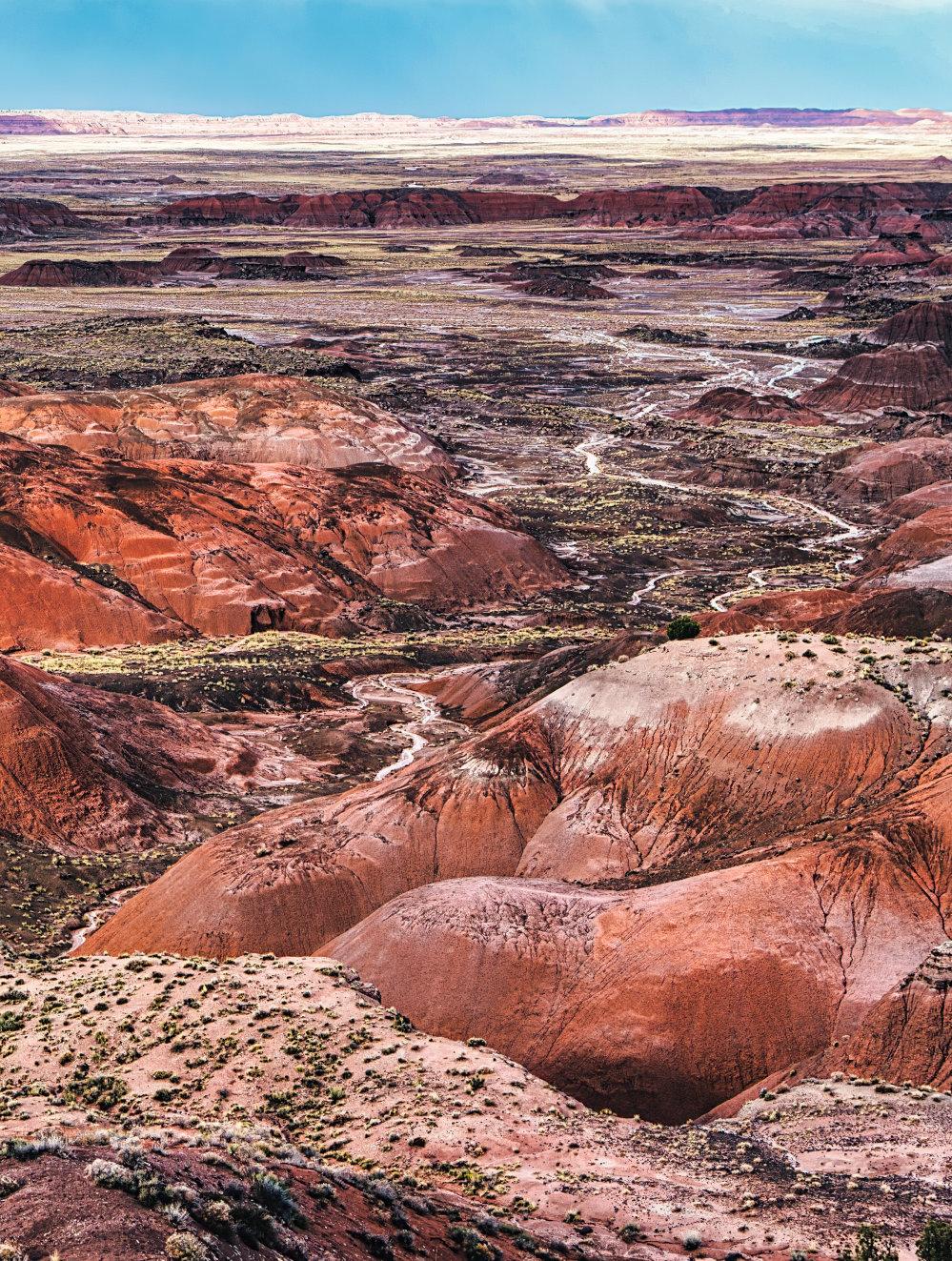
If thereis onestatewhereRoute66feels eternal, it’sArizona.Here, theMother Roadwinds through painted deserts,red rockcanyons,andsun-washed plateaus thatseemuntouchedbytime.
It’s alandscapewheretheghosts of travelers,traders, and dreamers stilllinger -- andwheretheroaditself feels alivebeneath thedesertsun.
Fromthewindsweptmesas near theNew Mexicoline to thepineforests of theSanFranciscoPeaks, Arizona’s stretch of Route66captures thefullbeauty and mystiqueof theAmericanWest.Alongthese385 miles, travelers encounter ancientwonders,neon motels, classicdiners,and towns thatrefusedtofade whentheinterstatecame.
InArizona,Route66 isn’tamemory-- it’s aheartbeat.
Gateway to the Painted Desert Crossing from New Mexico, the first majorArizona stop on Route 66 is Holbrook, a town that perfectly blends kitsch and history. Founded as a railroad stop
Byways 80
in the 1880s, Holbrook became a Route 66 favorite in the 1930s, and remains one today.
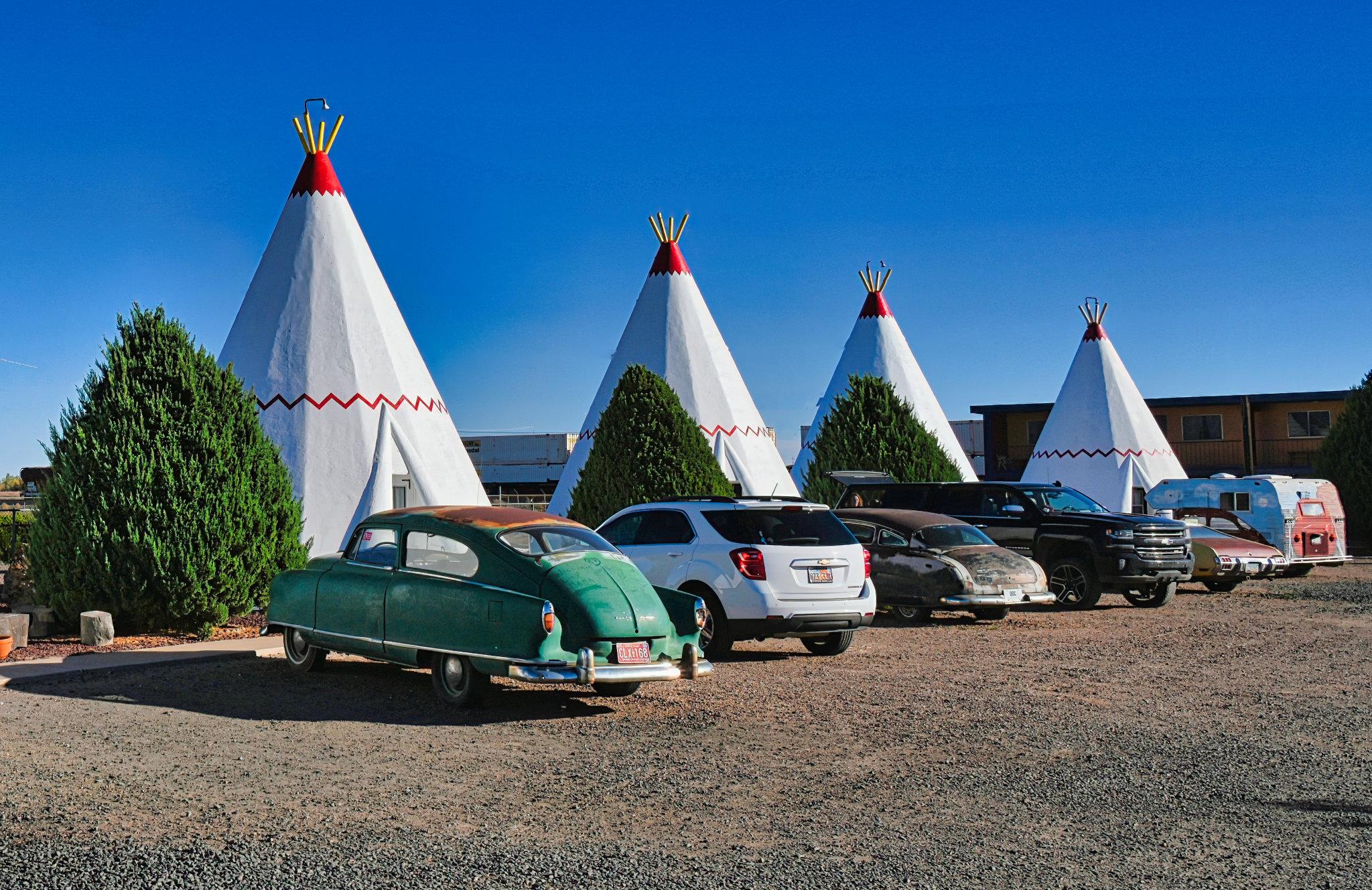
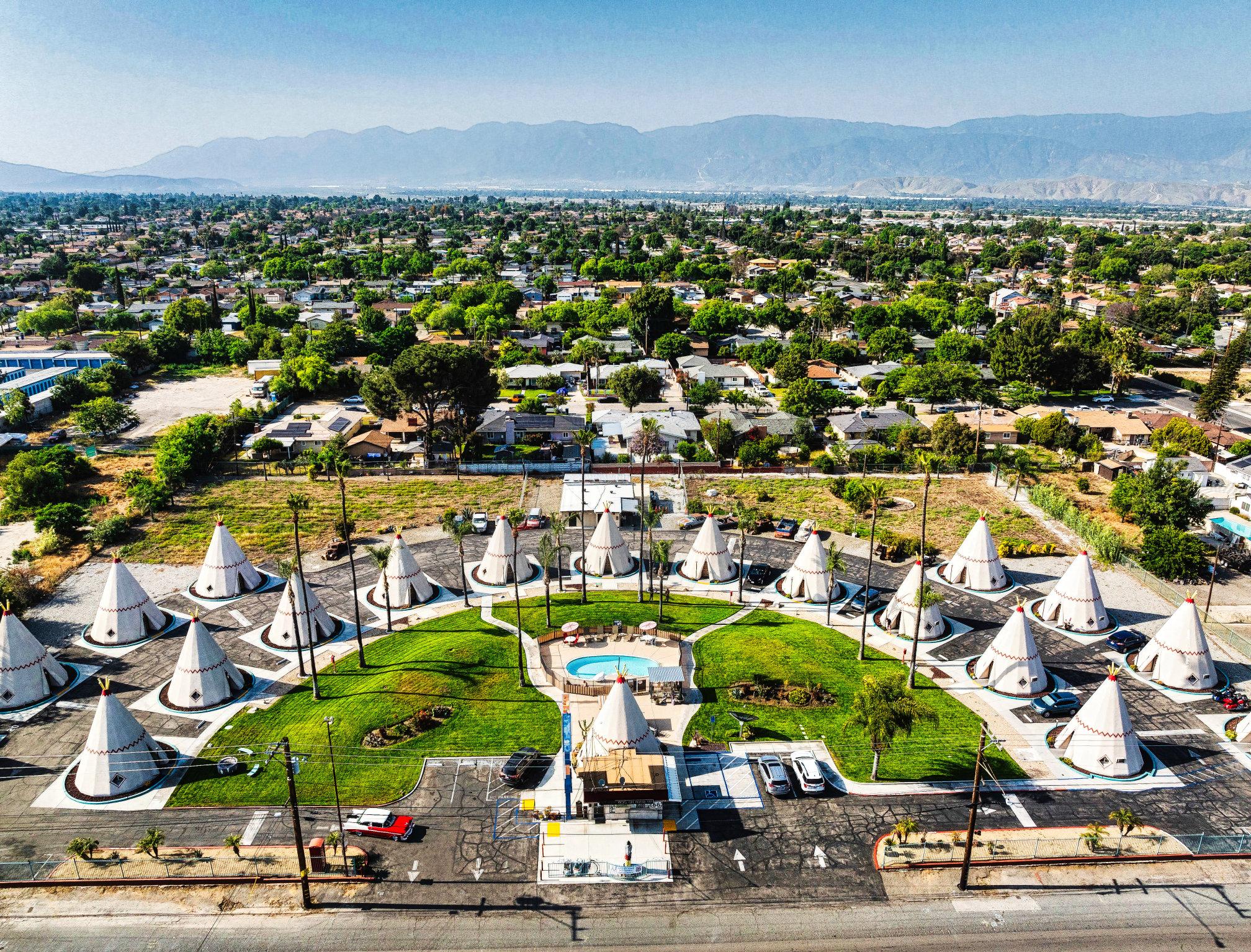
Thetown’s mostfamous landmarkis the WigwamMotel, with its distinctiveconcrete teepees arranged around vintagecars.Built in 1950, it’s oneof only threesurviving WigwamMotels in theU.S.(theothers arein Californiaand Kentucky). “Sleepina Wigwam”stillshines in neoneachnight, inviting travelers to relivemidcentury Americana.
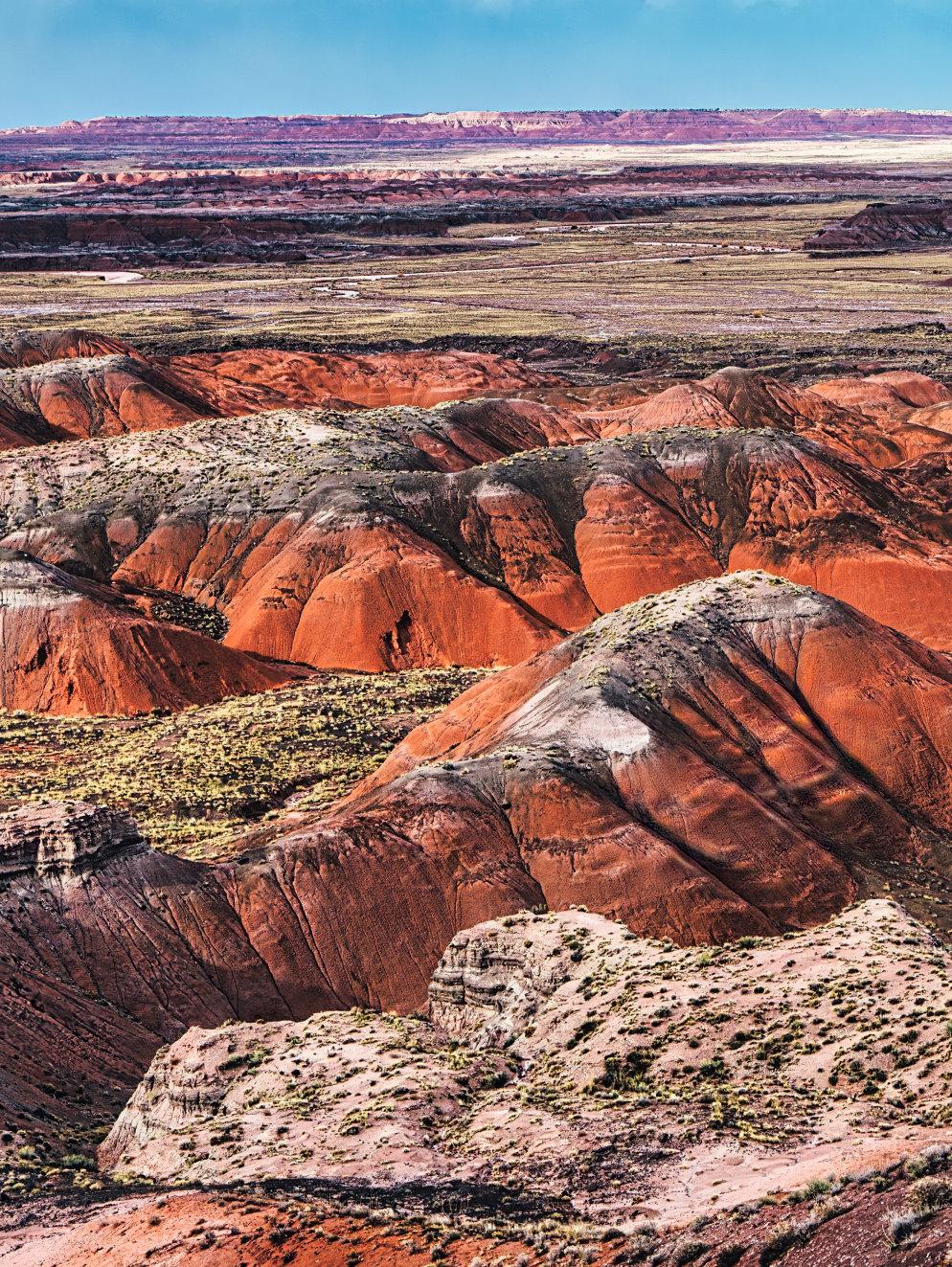
Nearbylies oneof theMother Road’s most remarkablenaturalwonders -- PetrifiedForest NationalPark. Route66oncecutdirectlythroughthe park, and today travelers canstillseeremnants of the oldroad besidethepark’s visitor center,includinga 1932 Studebaker abandonedwherethehighwayonce ran.
Thepark’s colorfulbadlands,fossilizedtrees,and expansiveviews makeitoneof themostdramatic landscapes along theentireroute.
Winslow: Standing on the Corner
Continue west and you’ll find Winslow, immortalized in the Eagles’1972 hit Take It Easy. The town has embraced its fame with humor and pride -- a bronze statue of a guitar-toting man “standin’on a corner” draws thousands of fans each year to snap photos at the intersection of Route 66 and North Kinsley Avenue.
ButWinslow offers morethanacatchy lyric.The beautifully restoredLaPosadaHotel,designed by legendaryarchitectMary Colter in 1930for theSanta FeRailway,is amasterpieceof SpanishRevivalstyle. Today, it’s oneof thefinesthotels alongRoute66, with anacclaimedrestaurant,TheTurquoiseRoom, serving regionalfarelikeelk medallions and Navajo tacos.
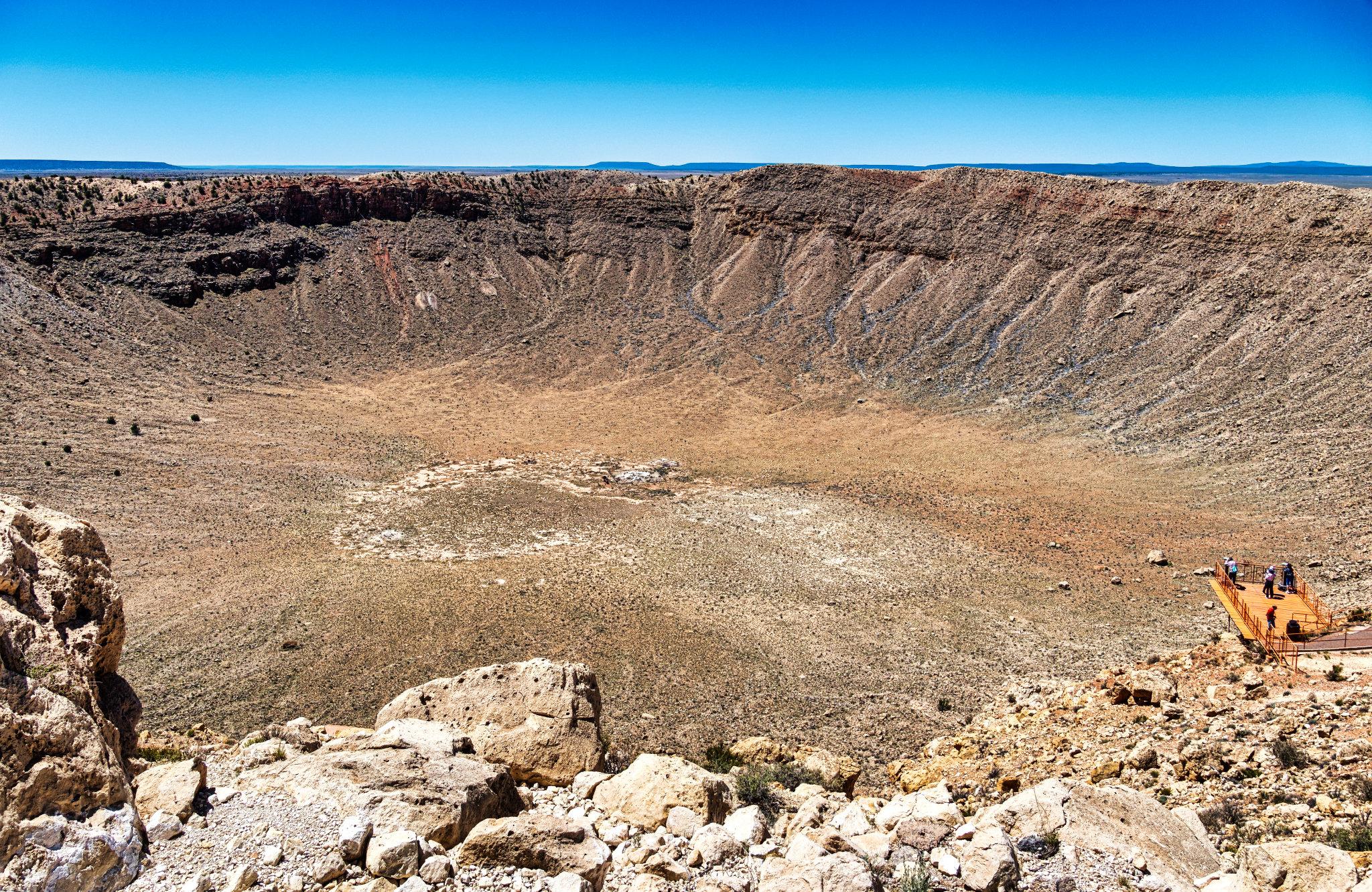
Ashortdrivewest,Meteor Crater,a50,000-year-old impactsitenearlyamilewide, adds another layer of fascinationto theregion’s landscape.Standingon the crater rim,travelers canimaginethevastness of both spaceandtimethatdefinethis partofArizona.
Flagstaff: Gateway to the Grand Canyon
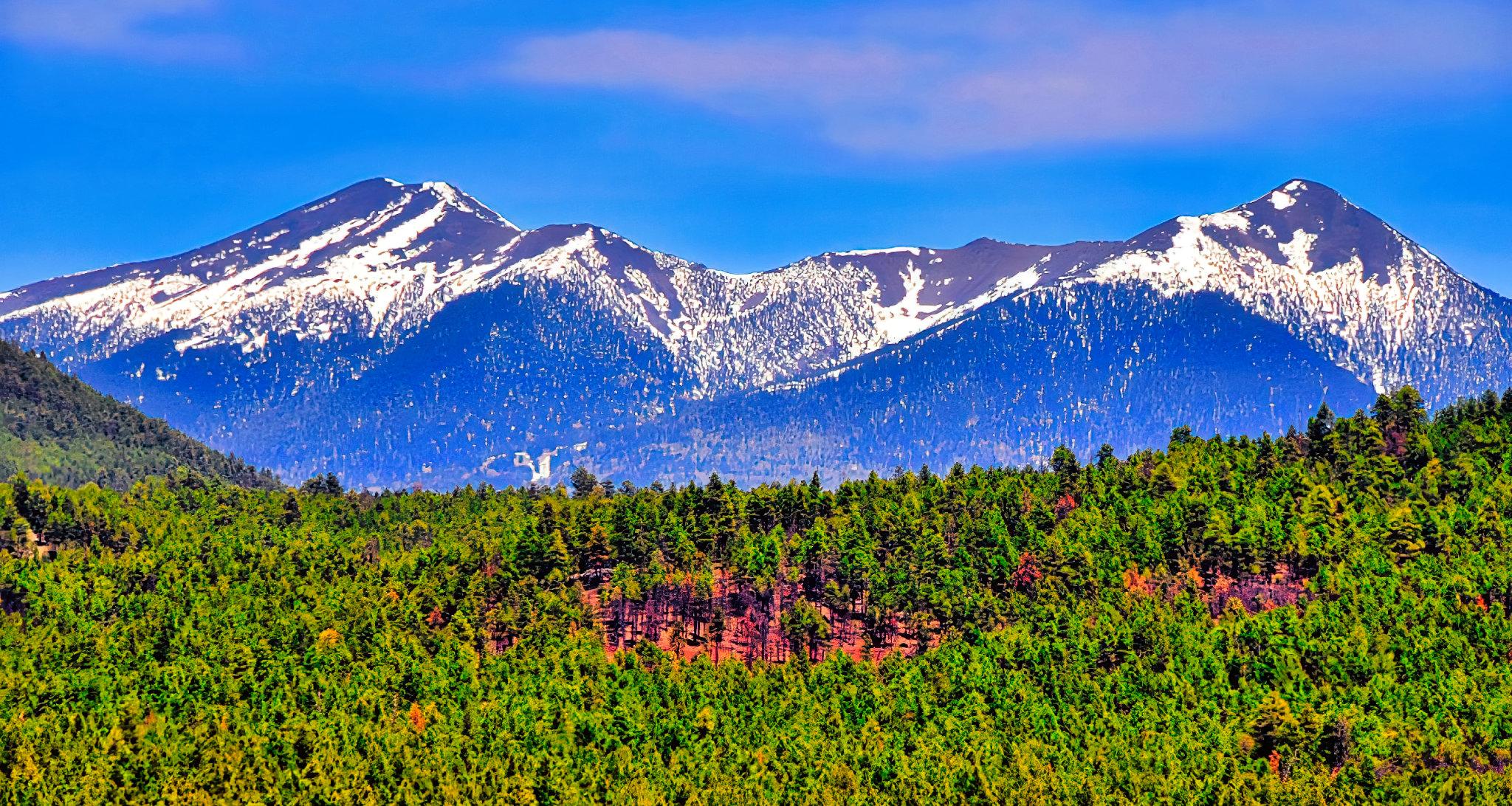
High in the ponderosa pines, Flagstaff feels like a world apart from the desert below. Route 66 cuts directly through town, passing beneath the shadow of the San Francisco Peaks, the highest mountains in Arizona.
Onceavitalstop for travelers headingtotheGrand Canyon,Flagstaff remains alivelycollegetown filled with Route66charm.TheDowntown Historic Districtis linedwithpreservedhotels,diners,and neonsigns,includingthefamous HotelMonteVista andMotelDuBeau, bothdating fromthe1920s.
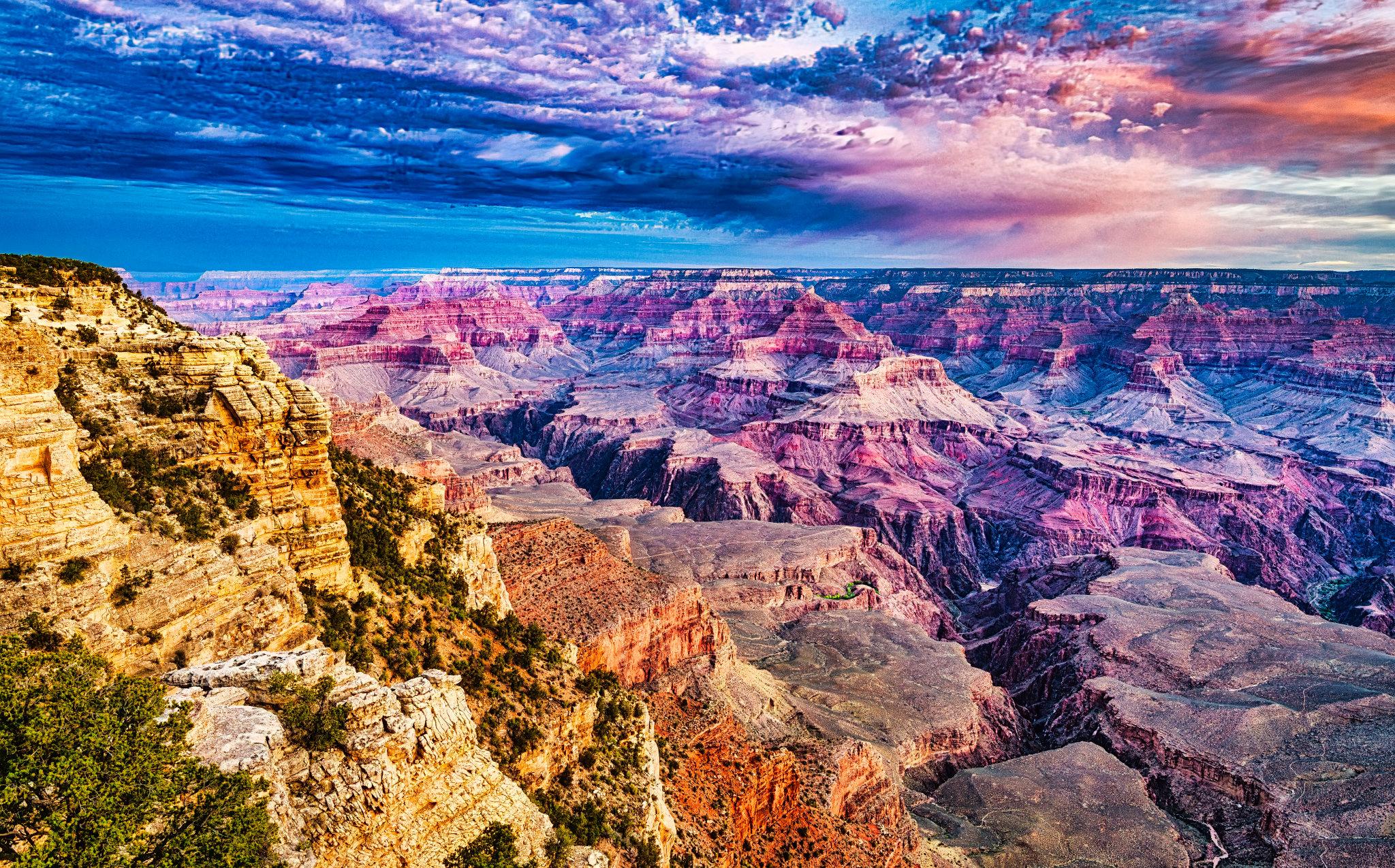
Visitors can explore Lowell Observatory, where Plutowas discoveredin 1930, or head north 80 miles to Grand CanyonNational Park,stillthecrown jewelof the AmericanWest.For thosetracingthe Mother Road, Flagstaff offers both modern comforts andan authentic senseof history-- a perfectmidpoint betweennostalgia andadventure.
Williams: The Gateway That Wouldn’t Quit
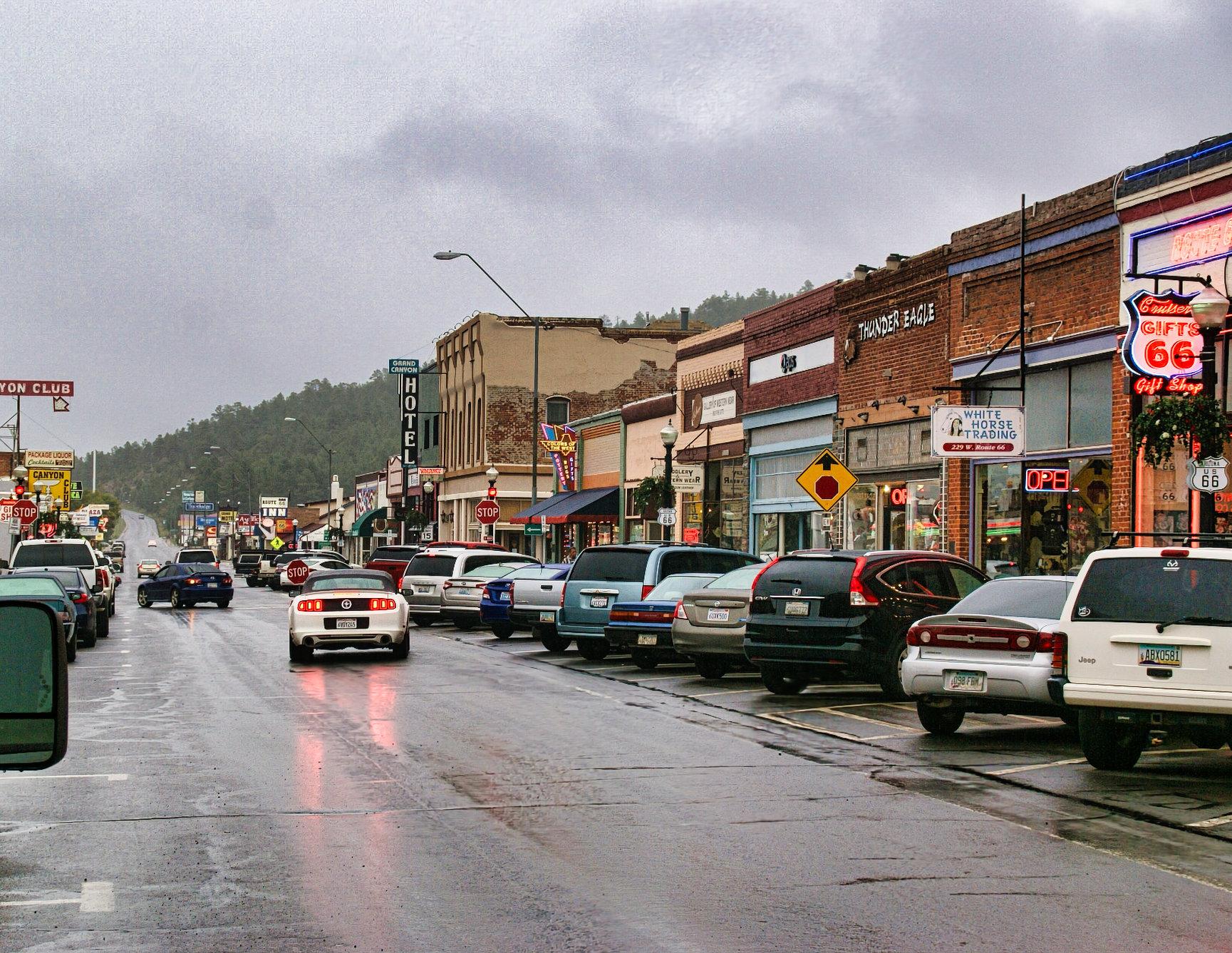
Just west of Flagstaff lies Williams, known proudly as “The Last Town on Route 66”. It earned that nickname because it was the final Route 66 community bypassed by Interstate 40 -- in 1984. Rather than fade away, Williams reinvented itself as one of the highway’s most beloved stops.
Today,its brick-linedstreets areacelebrationof classicAmericana.Visitors canstrollpastvintagegas stations,sodafountains,anddiners likeCruiser’s Café 66, wherelivemusicandgrilledburgers bringthepast roaring back to life.TheRoute66Zipline,which soars over Main Street,adds adashof modernthrillto this vintagetown.
Williams is also thejumping-off pointfor theGrand Canyon Railway, which runs dailytrips totheSouth Rimfromabeautifullyrestored1908depot.The combination of old-timetraintravelandRoute66 nostalgiamakesWilliams amust-visitstopfor travelers seeking thetruespiritof theopenroad.
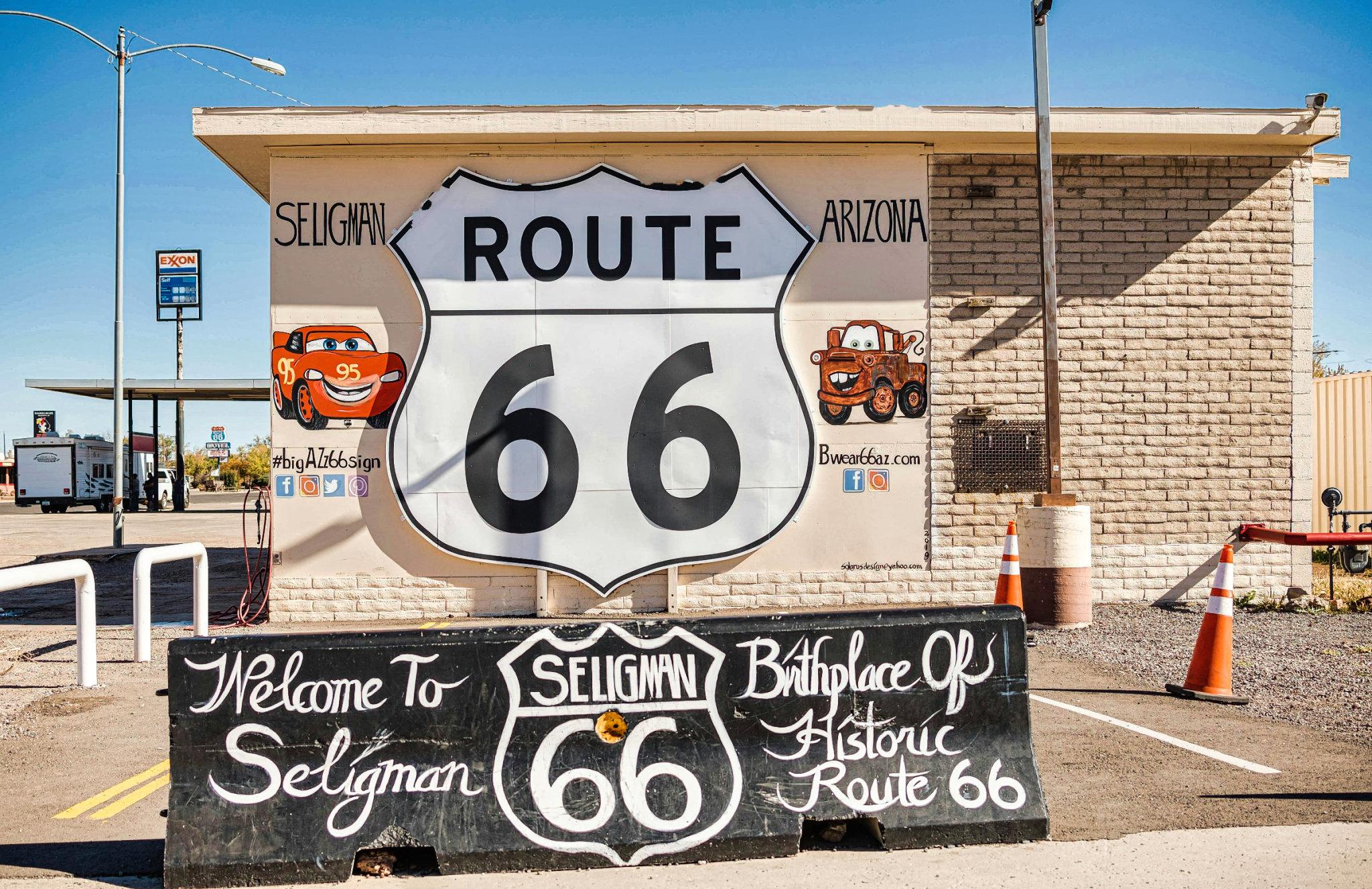
Seligman: Birthplace of Route 66’s Revival
If there’s one place that saved Route 66 from disappearing, it’s Seligman. When the interstate bypassed the town in 1978, local barberAngel Delgadillo refused to let the Mother Road die.
He organized the first Route 66Association and began promoting the highway’s preservation. His shop,Angel & Vilma’s Route 66 Gift Shop, remains the symbolic birthplace of the modern Route 66 revival movement.
Seligman’s mainstreetfeels likeamovieset -- classic cars, neonsigns,andvintagestorefronts linetheroad. Delgadillo’s Snow CapDrive-In,openedbyAngel’s brother Juan in1953,stillserves burgers,milkshakes, andpuns with equalenthusiasm.Its hand-painted signs andplayfulhumor capturethejoythathas kept Route66alivefor generations.
Kingman: Crossroads of the Desert
Farther west, the town of Kingman anchors the Arizona stretch of Route 66. Known as “The Heart of Historic Route 66”, Kingman offers a wealth of attractions for travelers tracing the highway’s story.
TheArizonaRoute66 Museum,housedinthe PowerhouseVisitor Center,takes visitors onavisual journeythrough thehighway’s evolution-- from NativeAmerican traderoutes totheriseof the automobileage. Nearby,theHistoricRoute66 LocomotivePark displays amassive1928steam engine, reminding travelers of theparallelpaths of rail and road thatshaped theAmericanWest.
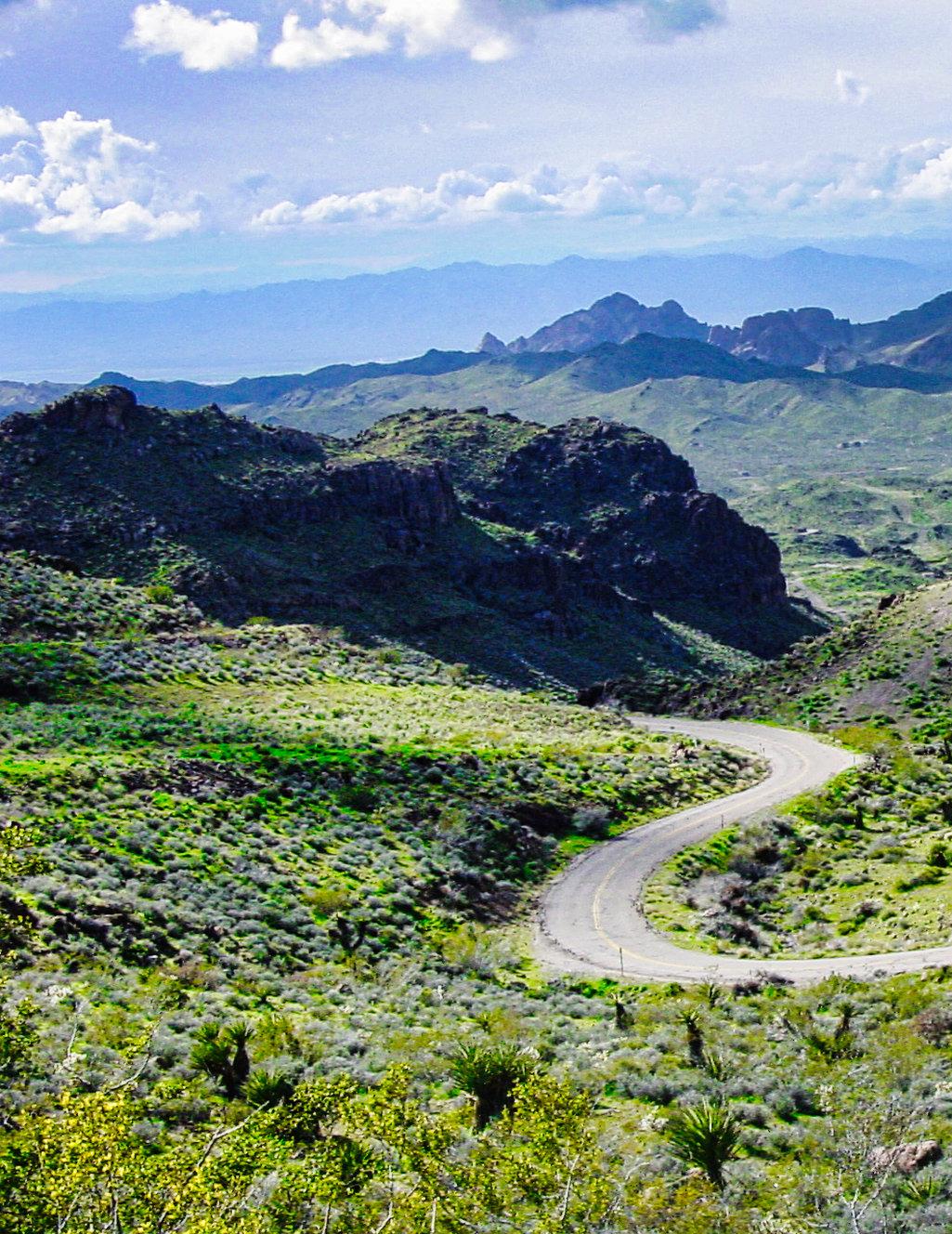
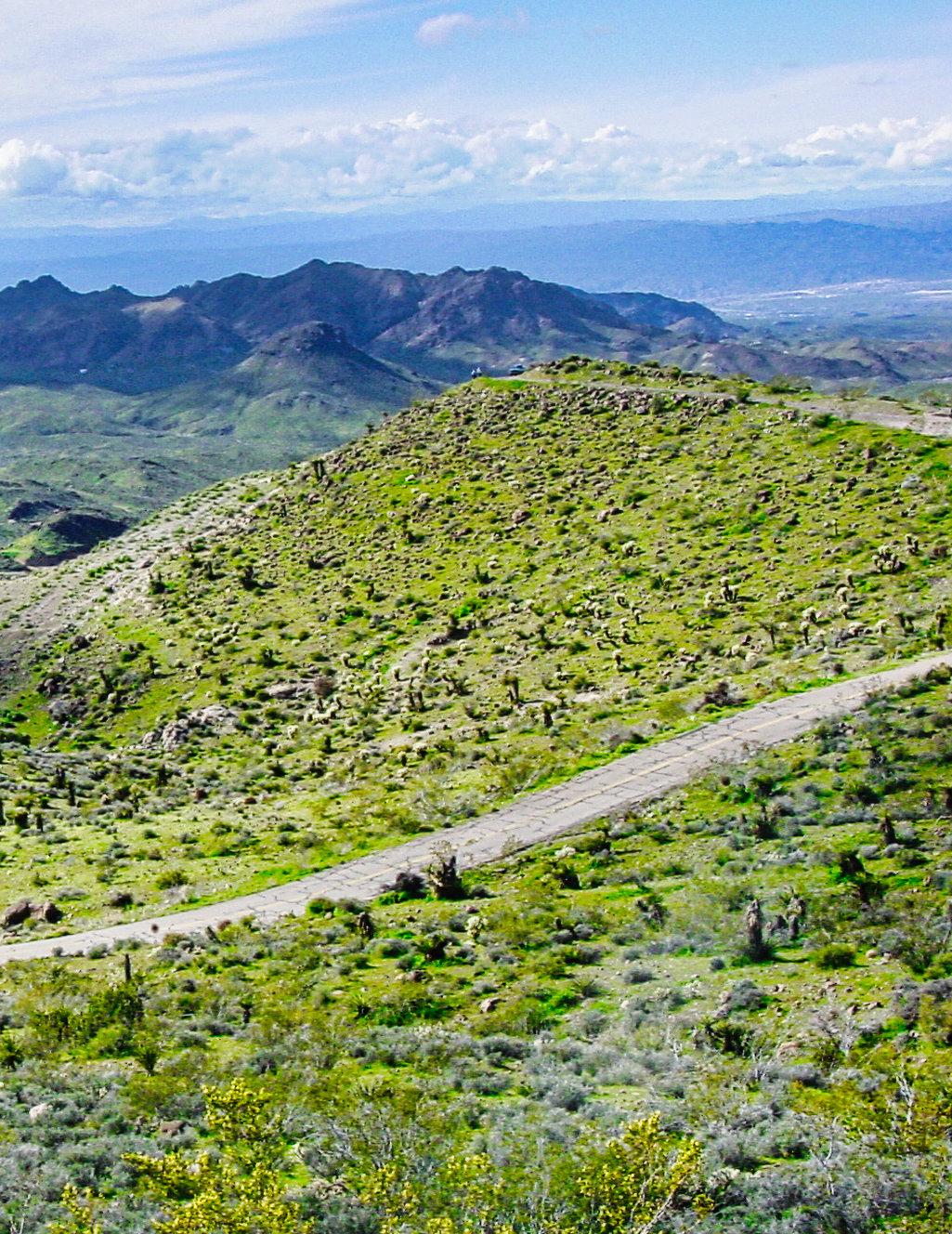
Kingman also boasts oneof the region’s mostscenic drives, the87-mile Route66 Byway to Oatman.This twisting mountain road climbs through theBlack Mountains,offering breathtaking views and hairpin turns thattesteven experienced drivers. Along theway, old mining relics and ghosttowns whisper stories of theboomand-bustWest.
Byways 84
Oatman: Wild Burros and Old Gold
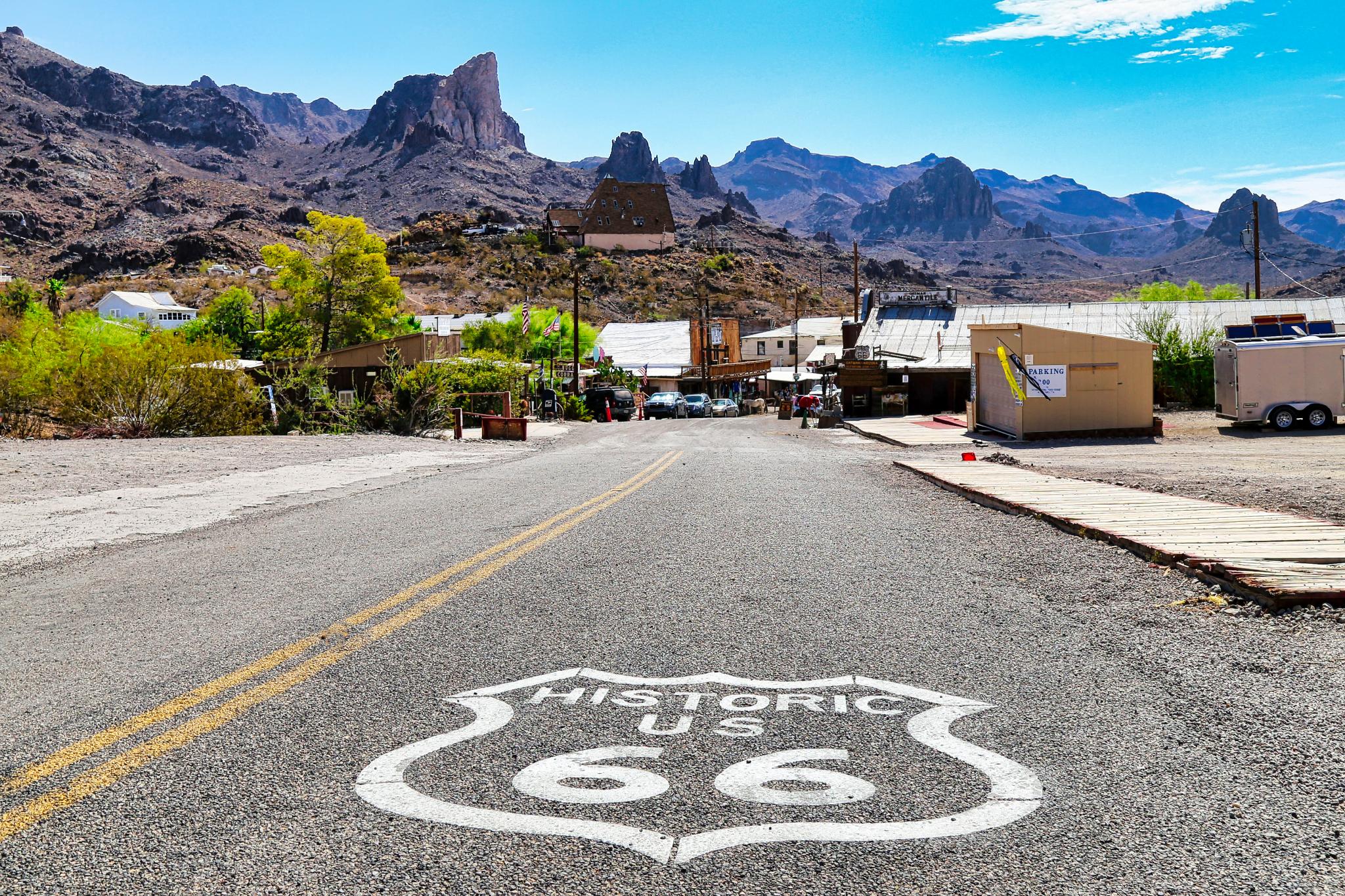
Few places capture Route 66’s eccentric charm like Oatman, a former goldmining town turned roadside legend. Nestled high in the mountains, Oatman’s wooden sidewalks and false-front buildings look straight out of the Old West. But it’s the residents -- dozens of free-roaming wild burros, descendants of miners’pack animals -that steal the show.
Visitors feed thefriendly donkeys,browsethegift shops, andwatchmockgunfights staged onMain Street.Though nearlyabandoned after themines closed,Oatman foundnew lifeas abeloved stopon theMother Road.Theclimbintotown,withits sharp curves andsweeping views, is oneof themost unforgettabledrives inAmerica.
Preserving Arizona’s Mother Road
Arizona’s Route 66 corridor remains one of the best preserved in the nation, thanks to the efforts of local communities, preservationists, and the Historic Route 66
Association ofArizona. Many towns have restored their neon signs, reopened historic motels, and developed visitor centers that celebrate the road’s legacy. Click on the logo to learn more about Route 66 in Arizona.
Eachspring andsummer,festivals inWilliams, Kingman,andSeligmandraw thousands of travelers, provingthattheroadstillconnects peoplejustas itdid acenturyago.Here,Route66 isn’tjusthistory-- it’s heritage,pride,andawayof life.
Arizona: Where the Past Meets the Horizon
From Holbrook’s petrified forests to Oatman’s wild burros,Arizona’s Route 66 is the Mother Road at its most cinematic. Every curve, every roadside relic, and every sunset over the mesas tells a story of adventure and endurance -- of a road that became more than a highway.
“In Arizona, Route 66 is where the past meets the horizon -- and the journey never truly ends.”
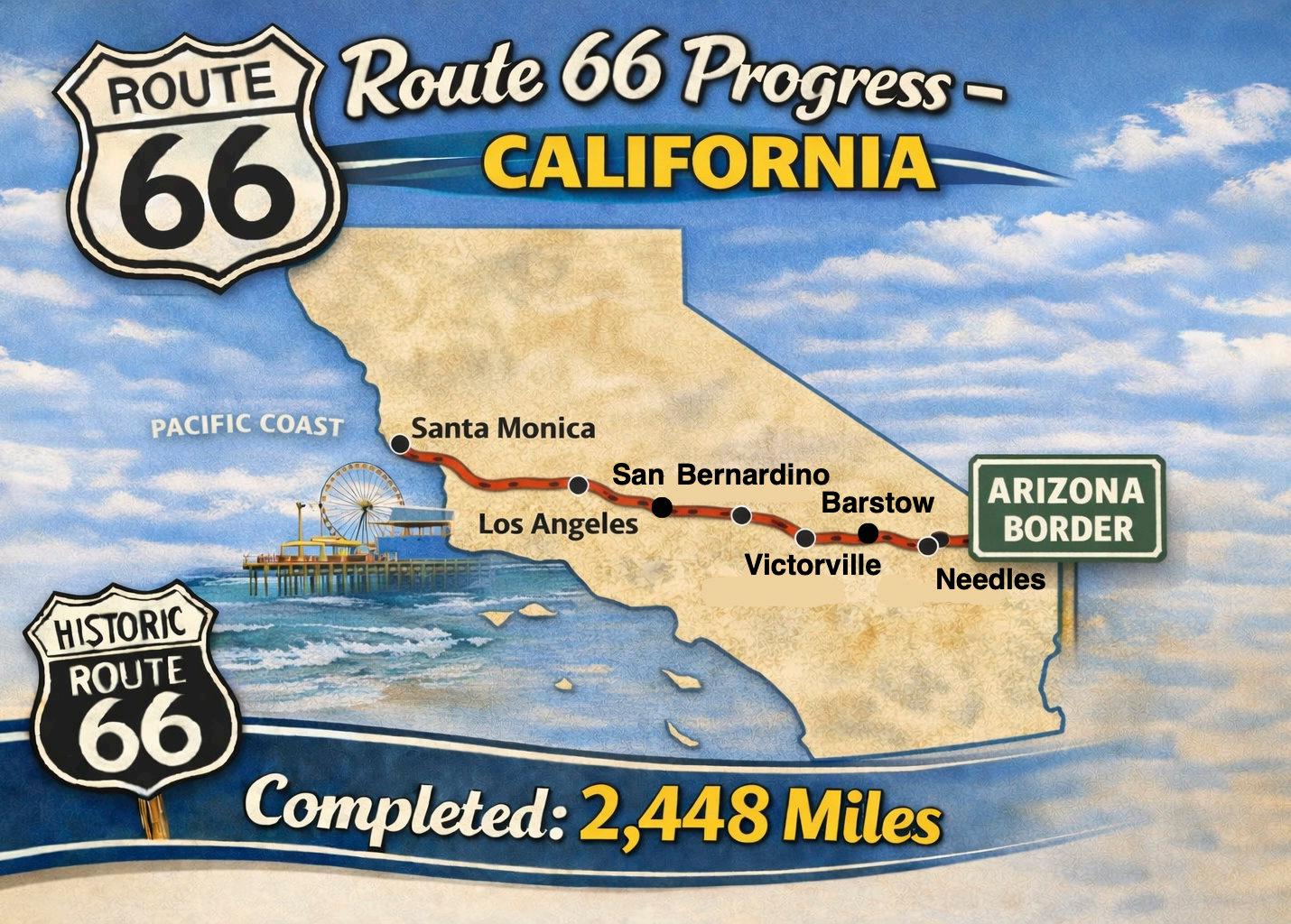
For countless travelers over thepastcentury, Route66 has always endedthesameway -- at theedgeof thePacificOcean.Californiais wheretheMother Roadmeets thesea,wherethelong journeywestfinallyfulfills its promiseof sunshine, opportunity, and new beginnings.
FromtheMojaveDeserttotheSantaMonicaPier,the Californiastretch of Route66offers afinal, unforgettablemix of ruggedlandscapes,roadside icons, and urban legends. It’s thegrandfinaleof the GreatAmerican RoadTrip-- aplacewheredreams, dust, and neon allmeetunder thegoldenCalifornia sun.
Crossing the Mojave: Into the Golden West - Needles
After winding throughArizona’s red rock country, Route 66 crosses the Colorado River at Needles, entering the arid vastness of the Mojave Desert. For travelers of the 1930s Dust Bowl era, this crossing symbolized hope -- the final barrier between hardship and the promise of California.
LocatedalongtheColoradoRiver near theArizona border,Needles was oneof thefirstCaliforniastops for Route66 travelers heading west.Thetown grew as arailroad hubandlater as ahighwaystopfor motorists crossingthedesert.Historicsites such as the restoredElGarces Hotelrecalltheearlydays of desert travel.
Temperatures herecansoar above110degrees, justas theydidfor thoseearlymigrants whoseoverloaded cars creptacross theshimmeringlandscape.Yetamid theharshbeauty, remnants of theold roadstillstand: weathered bridges,abandoned motels,andgas stations thatonceofferedacold drinkandasliceof salvation.
Afavoritestop is Goffs, hometotherestored 1914 Goffs Schoolhouse,whichnow serves as amuseum celebratingthedesert’s earlysettlers andtravelers.
Amboy: Roy’s and the Road to Forever
Abouthalfwayacross thedesertlies oneof Route66’s mosticoniclandmarks -- Roy’s Moteland Caféin Amboy. Foundedin1938,Roy’s becameabeaconfor
wearymotorists crossing theMojave.Its soaring midcenturysign, stillstandingtallagainsttheblue desertsky, remains oneof themostphotographed sights on theentirehighway.
ThoughAmboy is nearlyaghosttowntoday, restorationefforts havebroughtRoy’s backtolifeas a nostalgicstop for travelers.Visitors canrefuel, snap photos, and feelthesilenceof thedesertallaround-thekind of quietthatreminds youjusthow far you’ve come.
ThedrivefromNeedles toAmboy,pastghosttowns, lavafields, and lonely stretches of two-laneasphalt, captures theraw, cinematicessenceof theMother Road.This is thelandscapethatinspiredcountless Hollywood films, endless horizons,freedom,andthe humof tires beneath aboundless sky.
Mojave National Preserve
Just north of Route 66 lies the vast Mojave National Preserve in San Bernardino County. Covering more than 1.6 million acres, the preserve protects towering sand dunes, lava fields, Joshua tree forests, and historic railroad sites. The landscape looks much as it did when early motorists crossed this remote stretch of Route 66 during the highway’s golden age.
Barstow: A Junction of Highways and History
As Route 66 continues west, the desert gives way to civilization in Barstow, long known as the crossroads of the Mojave. Once a key stop for rail travelers, Barstow became a vital hub for Route 66 motorists, offering motels, diners, and roadside curiosities by the dozen.
Today, Barstow honors thatlegacyattheHistoric Route66Mother RoadMuseum,locatedinsidethe 1911HarveyHouseRailroadDepot.Exhibits feature vintagemaps,photos,andartifacts thattracethe highway’s impactonAmerica’s growth.Justoutside, travelers can admiremurals depicting scenes fromthe route’s glorydays.
Nearby,Elmer’s BottleTreeRanchonNationalTrails Highway(theoriginalRoute66alignment) is oneof California’s mostwhimsicalattractions.
Createdby thelateElmer Long,it’s aforestof welded metal“trees”adorned withcolorfulglass bottles that sparklein thedesertsun. It’s equalparts art installation,folkmonument,andloveletter tothe openroad.
Victorville and the High Desert Highway
Farther west, Victorville keeps the Route 66 spirit alive at the California Route 66 Museum, located in the town’s historic downtown. The museum features classic cars, retro gas pumps, and interactive exhibits that let visitors step back into the 1950s.
Victorvillealso marks thepointwheretheMother Road begins its gradualclimboutof thedesertand into theSanBernardino Mountains.Travelers of the pastoften faced this stretchwithrelief -- they’d survived thedesert, andLosAngeles was finally within reach.
San Bernardino: The First McDonald’s and the Road to the City
Descending into the San Bernardino Valley, Route 66 begins to merge into the suburbs that would come to define Southern California’s postwar boom. In San Bernardino, travelers can visit the Original McDonald’s Museum, located on the site of the very first McDonald’s restaurant, opened in 1940 by Richard and Maurice McDonald.
Themuseum, packed withvintagememorabilia, tells notonly thestory of afast-foodempirebutalsothe
evolutionofAmerican roadsideculture-- frommomand-popdiners tothefranchised foodchains that spread across thenation.
SanBernardinoalsomarks asymbolictransition: fromruralroadtourban sprawl.Yeteven here, along stretches of FoothillBoulevard,neon motels andretro signs stillrecalltheMother Road’s goldenage.The WigwamMotel,builtin1949,continues thetradition of “sleepingin ateepee”for travelers seekinga nostalgicnight’s rest.
Byways 90
Pasadena to Santa Monica: The Final Miles
From San Bernardino, Route 66 threads through the greater LosAngeles basin -- through Rancho Cucamonga, Pasadena, and into the heart of the city. Though much of the original highway has been absorbed by modern streets and freeways, echoes of the old road remain in diners, theaters, and gas stations that refused to vanish.
Pasadena’s Colorado Boulevardoncehostedparades of ModelTs and Buicks makingtheir waywest,andit remains avitallinkin theRoute66chain.Nearby,the Colorado StreetBridge,builtin1913,arches
Byways 92
gracefullyover theArroyoSeco-- astriking monumenttotheerawhenroadtravelwas both art andadventure.
Los Angeles
For many travelers, the journey west along Route 66 ended in LosAngeles. When the highway was first established in 1926, its western terminus was downtown LAat the intersection of Seventh Street and Broadway.
During the Dust Bowl migration of the 1930s, thousands of families followed the Mother Road into Southern California seeking new opportunities. In 1936 the route was extended
another 15 miles to the Pacific Ocean at Santa Monica, where a sign at the Santa Monica Pier now marks the end of the historic highway.
Today, portions of Route 66 still wind through Los Angeles neighborhoods, passing vintage motels, neon signs, and classic roadside diners that recall the golden age ofAmerican road travel.
Finally, after morethan2,400miles fromChicago,the roadreaches its symbolicendattheSantaMonica Pier.Asimplesignmarks thespot:“Endof theTrail”.
Here, travelers canstand abovethePacificOcean and watch thesunsinkintothewaves,thesameview that
greeted millions who chasedthepromiseof California for generations.
Thepier,onceamodestamusementarea, has become apilgrimagesitefor Route66fans. Streetmusicians
play,couples stroll, andfamilies takephotos under the sign, completing their journeywherethelandgives wayto thesea.
California’s Preservation Legacy
California has embraced its role as Route 66’s grand finale with enthusiasm. The California Historic Route 66 Association works with towns and tourism boards to preserve landmarks, restore neon, and maintain stretches of the original highway between Barstow and Needles.
Click on the logo to learn more about Route 66 in California.
Festivals in San Bernardino,Victorville,andSanta Monicacelebratetheroad eachyear, drawingclassic cars, motorcyclecaravans,and travelers fromaround theworld.
For many,it’s notjustaboutnostalgia-- it’s about honoringaroadthatconnectedpeople,ideas, and cultures for 100 years.
The End of the Trail, but Not the Journey
California’s stretch of Route 66 captures the road’s entire story -- from the dust of the desert to the glow of the Pacific.
It’s whereAmerica’s journey westward finally meets the horizon, and where travelers realize that the end of the road is really just another beginning.
“In California, Route 66 doesn’t end -- it simply opens to the sea.”
Travelers alongRoute66quicklydiscover that thehighwayis filledwith colorfulroadside attractions, neon signs, andquirkylandmarks. Theseeightstops -- onein eachRoute66state-- are among themostphotographedalongthelegendary Mother Road.
Illinois – Gemini Giant, Wilmington
Standing more than 25 feet tall, the fiberglass Gemini Giant is one of the last remaining “Muffler Men” along Route 66. Built in the 1960s, the towering spaceman has become one of the highway’s most recognizable photo stops.
Missouri – Chain of Rocks Bridge, St. Louis
This historic Mississippi River bridge, famous for its unusual 22-degree bend, once carried Route 66 traffic into St. Louis. Today it serves as a pedestrian bridge and a favorite photography location along the Mother Road.
Kansas – Cars on the Route, Galena
Arestored Kan-O-Tex service station filled with vintage automobiles makes this one of Kansas’most popular Route 66 stops. The site even helped inspire characters in the animated film Cars.
Oklahoma – Blue Whale of Catoosa
One of the most beloved roadside attractions along Route 66, the giant blue whale sits beside a small pond near Catoosa. Built in the early 1970s, it remains one of the most whimsical landmarks on the highway.
Texas – Cadillac Ranch, Amarillo
Ten classic Cadillacs buried nose-down in a Texas field have become a Route 66 icon. Visitors are encouraged to add their own spray-paint art, making Cadillac Ranch a constantly changing roadside gallery.
New Mexico – Route 66 Arch, Grants
Acolorful gateway arch welcomes travelers to Grants, New Mexico, celebrating the town’s long connection to the Mother Road.
Arizona – Wigwam Motel, Holbrook
One of the most famous motels along Route 66, the Wigwam Motel features teepee-shaped guest rooms and classic cars parked outside, creating a scene straight from the golden age of road travel.
California – Roy’s Motel & Café, Amboy
Roy’s glowing neon sign rises above the Mojave Desert and remains one of the most iconic Route 66 landmarks in California.
No Route66journeywould becompletewithoutastop ataclassicroadsidediner. Theselongtimefavorites have servedtravelers alongtheMother Road for decades.
Lou Mitchell’s – Chicago, Illinois
Often considered the traditional starting point of Route 66, Lou Mitchell’s has welcomed hungry travelers since 1923 with hearty breakfasts and homemade pastries.
Ted Drewes Frozen Custard – St. Louis, Missouri
ARoute 66 institution famous for its rich frozen custard, Ted Drewes has been serving travelers along the Mother Road since the 1930s.
Nelson’s Old Riverton Store –Riverton, Kansas
Part grocery store and part deli, this historic Route 66 stop is known for its freshly made sandwiches and small-town charm.
Rock Café – Stroud, Oklahoma
Opened in 1939 and built with local sandstone, the Rock Café is one of the most famous diners along Route 66. Its longtime owner inspired a character in the movie Cars.
MidPoint Café –Adrian, Texas
Located at the exact halfway point between Chicago and Santa Monica, this diner is known for its “ugly crust pies” and classic Route 66 atmosphere.
66 Diner –Albuquerque, New Mexico
Aretro diner filled with neon lights and 1950s décor, the 66 Diner serves burgers, milkshakes, and plenty of nostalgia.
Mr. D’z Route 66 Diner – Kingman, Arizona
This colorful diner features classic Route 66 décor, old signs, and some of the best root beer floats along the highway.
Bagdad Café – Newberry Springs, California
Made famous by the 1987 film Bagdad Café, this quirky roadside stop remains a beloved destination for Route 66 travelers.
Byways is published bi-monthlybyByways,Inc.and distributed electronicallythroughoutNorthAmerica. Byways is emailed to morethan4,000tour operators andtheTravelTrade. Subscriptions are complimentary. AnAndroid browser versionis availableat www.issuu.com/byways
Byways’distribution includes motorcoach companies, tour operators, selected travel agents, and other group
tour travel promoters. It is also available to consumers with an interest in North American travel. For advertising rates, editorial deadlines, or to place advertising insertions, contact: Byways Magazine at 540-233-1121.
©Copyright 2026 by Byways, Inc.All rights reserved. No portion of this publication may be duplicated in any form without express written permission of the publisher.
Byways 100