Preview
ByStephenKirchner,Editor&Publisher
thechallenges andtheprogress thathaveshapedthe nation’s identity.
Turninginland,theGreatLakes andMidwestpresent thenationatwork.This heartlandis definedby industry,agriculture, andinnovation,where communities grew andtherhythms ofAmericanlife took hold,drivenbydeterminationand ingenuity.
BeyondtheMidwest, thelandscapeopens across the GreatPlains andRockies,wheretheideaof expansion becomes tangible.Thesewide horizons tellthestoryof movement,of trails, railroads, androads thatcarried generations westward insearch of opportunity.
Finally, thejourney reaches the FarWestandPacific, wherethe continentmeets theoceanand thestorylooks ahead.This regionrepresents bothan arrivaland abeginning,wherediversecultures and new ideas continuetoshapeAmerica’s future.
Thejourney begins inNew England,wherethe earliestchapters of theAmericanstorytookshape. Here,thefoundations of independencewerefirst imagined, and historyremains presentintown greens, colonialstreets, and enduringtraditions.
Fromthere, theroad leads intotheMid-Atlantic, wherethoseideas weretransformedintoaction.In cities thathelped definegovernanceandleadership, thenation found its voiceandestablishedinstitutions thatcontinueto guideittoday.
Moving south, theSoutheastoffers adeeper andmore complexchapter.This is aregionwhereAmerica’s ideals weretested andredefined,fromRevolutionary battlefields to CivilRights landmarks.Itreflects both
Byways 4
Together,thesesixregions formmorethana geographicoutline.They createanarrativeof anation shaped byits landscapes,its people,andits enduring senseof possibility.
AsAmericamarks 250years, this issueencourages readers to lookbeyondthemilestoneitself.The nation’s storyis notfinished, itcontinues intheplaces wevisit,theroads wetravel,andthecommunities we encounter.
America,after all,has always beendefined by movement.
Andtherehas never beenabetter timetogeton the road.
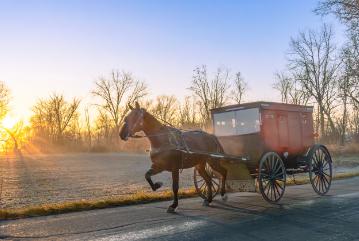
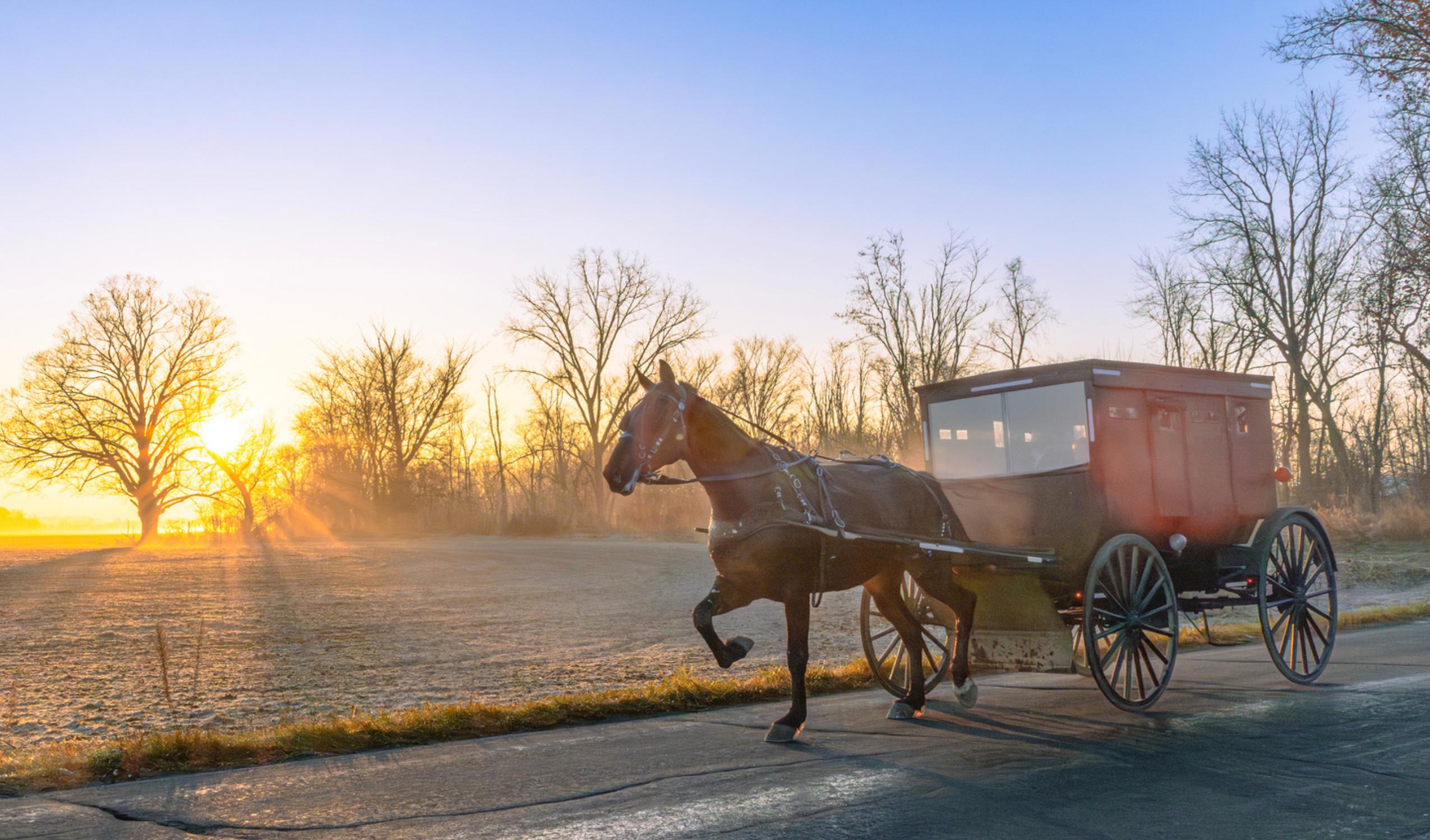
Thisfall,gatheryourgroupanddiscoverthecozycharmofShipshewana.Enjoyscenic autumndrives,deliciousAmishhomestylecooking,one-of-a-kindshopping,live entertainment,andunforgettableexperiencesaroundeverycorner.Whetheryou’re planningadaytriporovernightgetaway,Shipshewanaistheperfectplacetoslow down,explore,andenjoytheseasontogether.
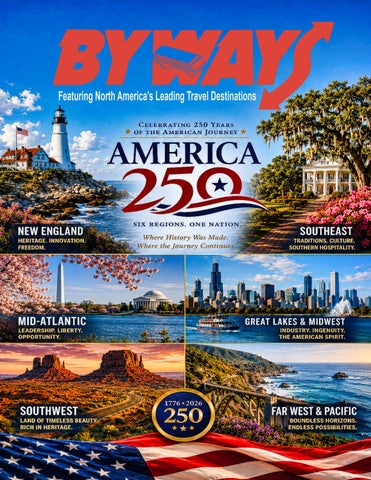
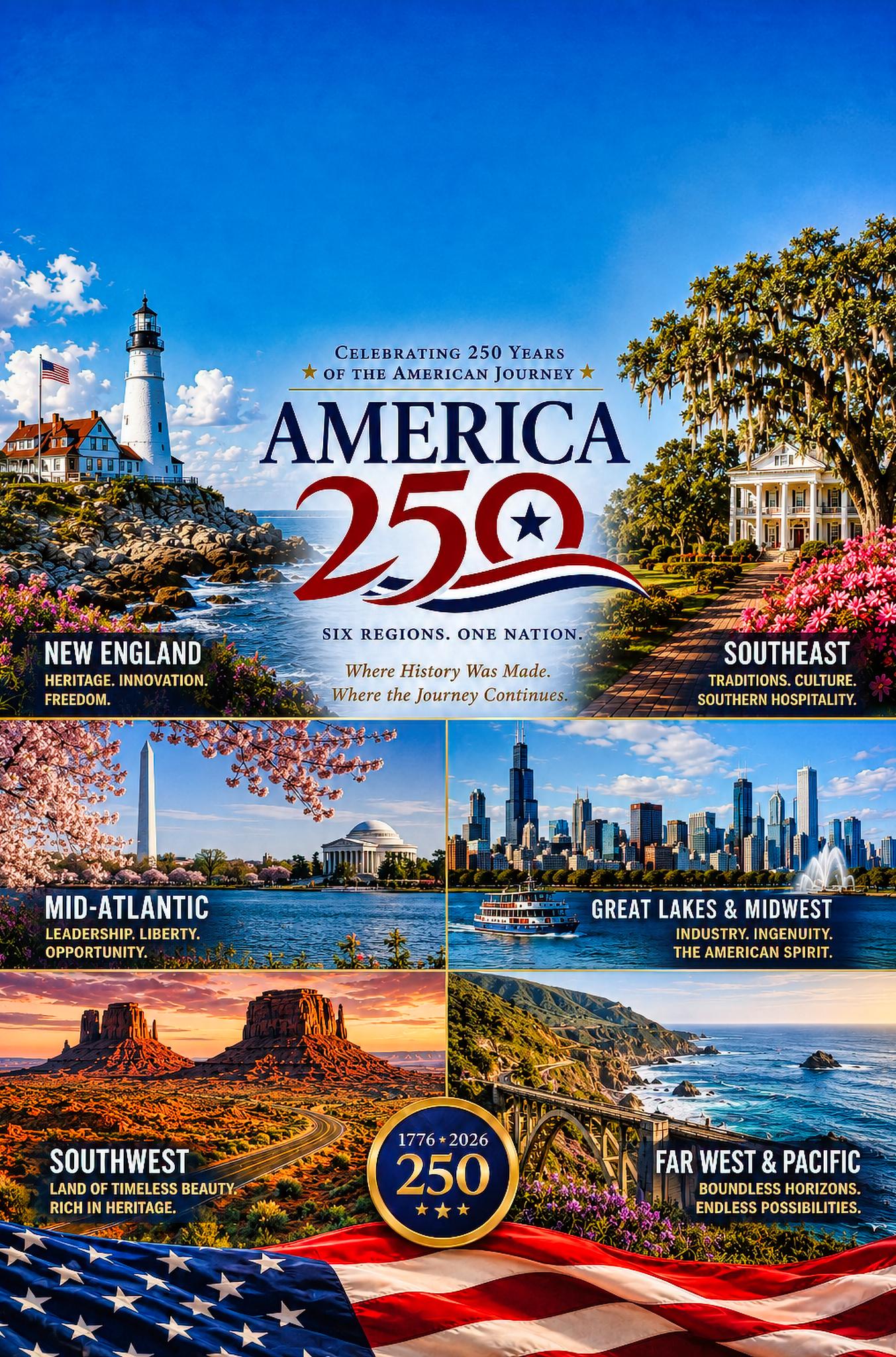
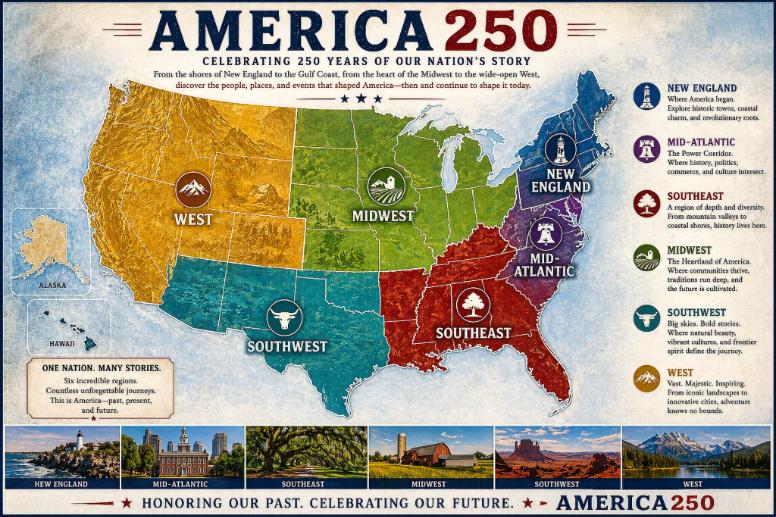
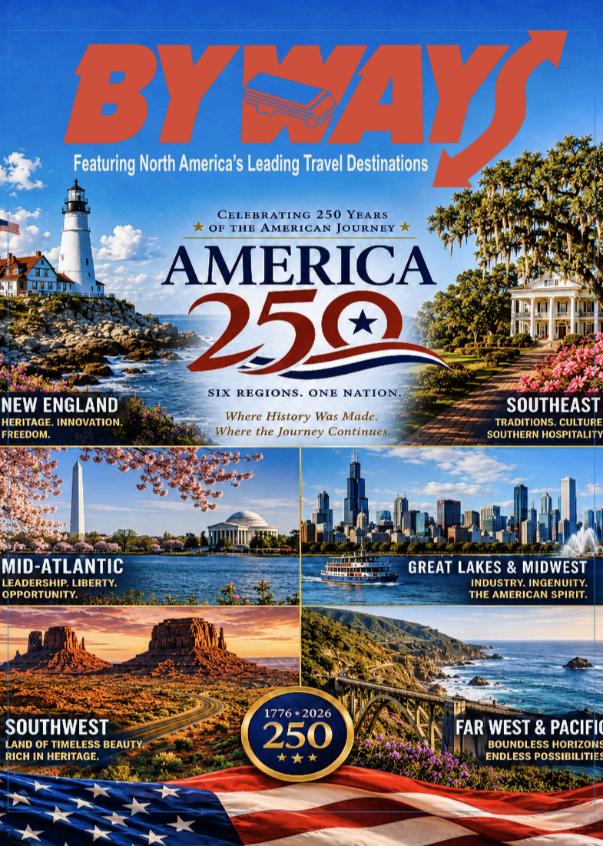
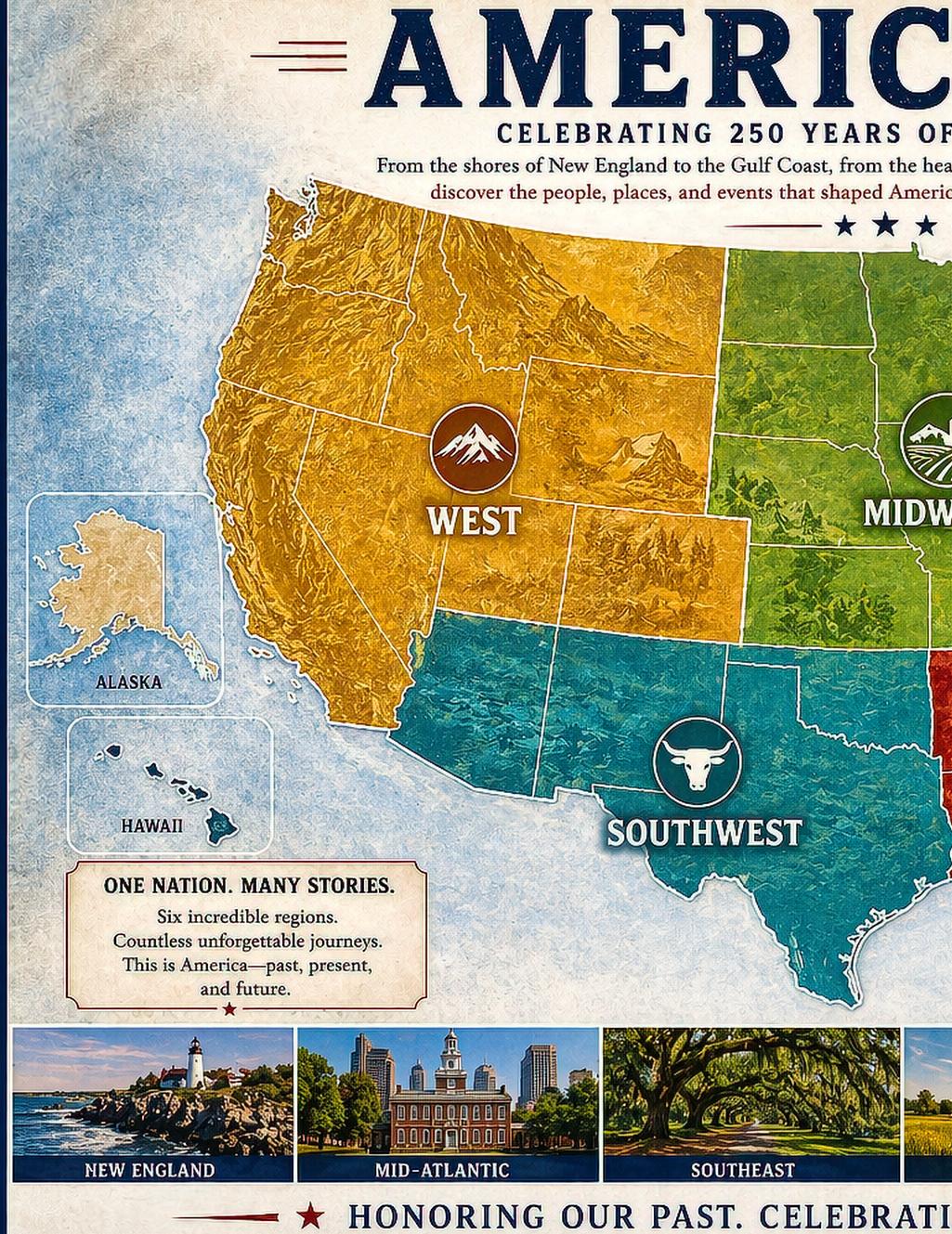
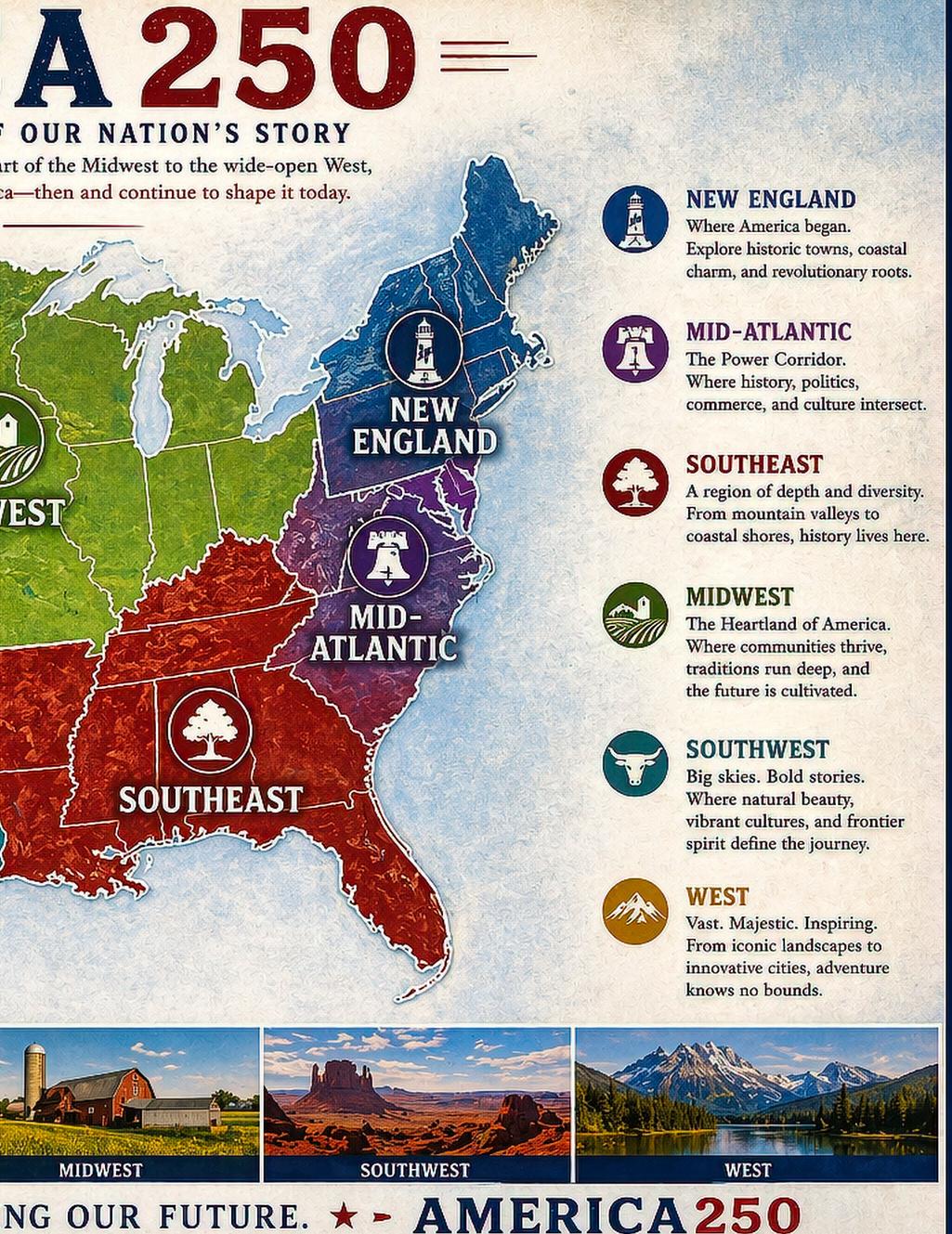
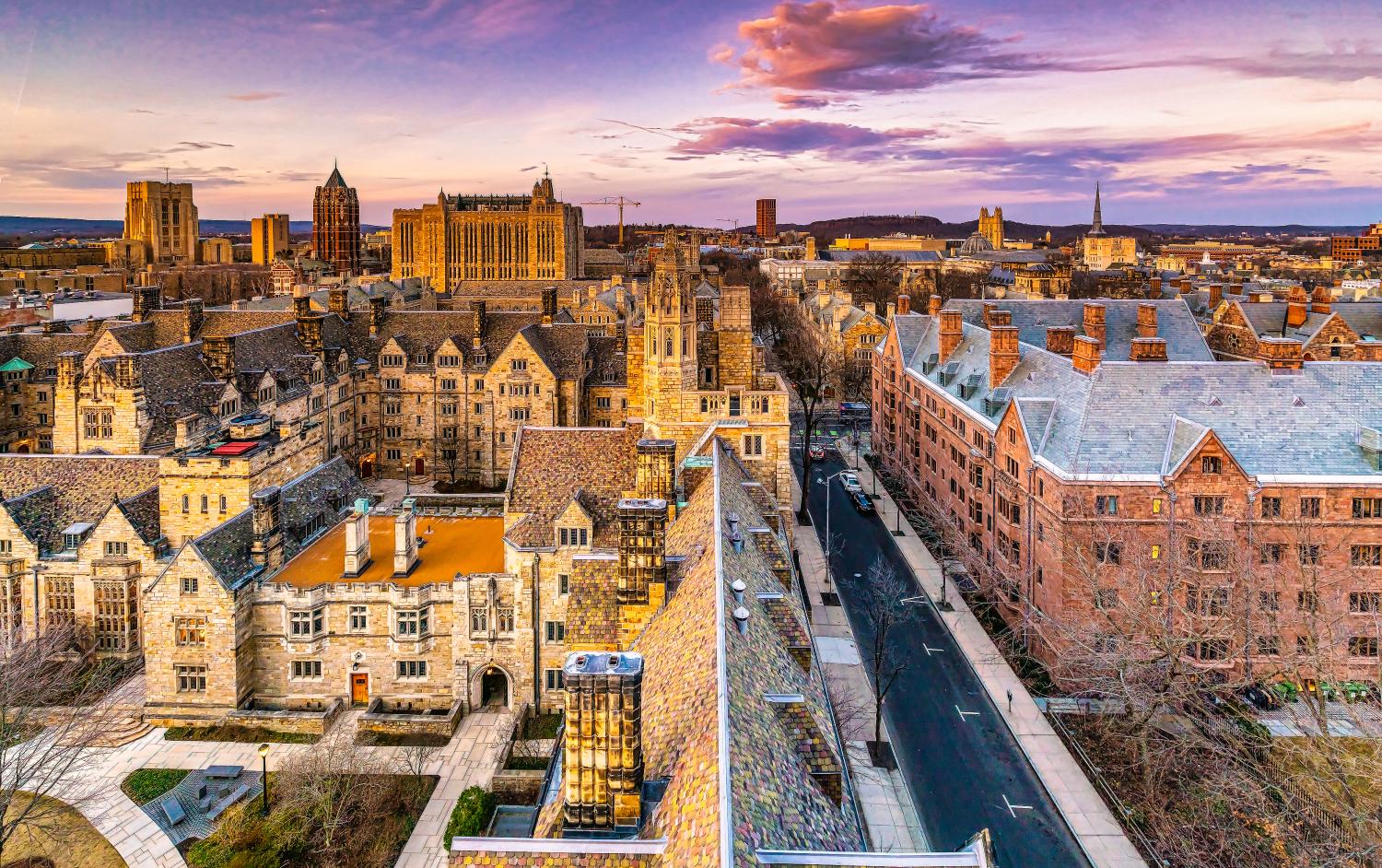
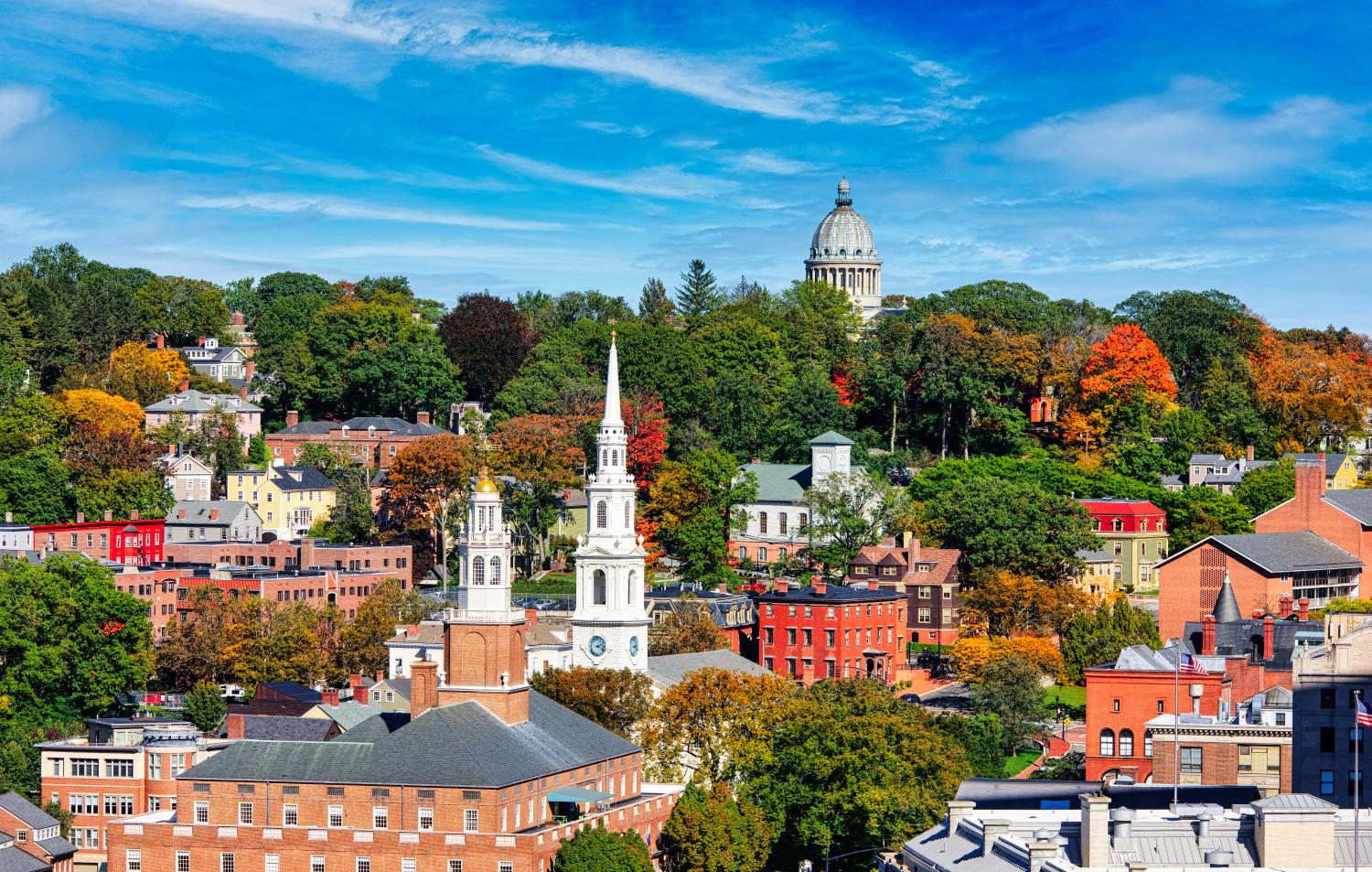
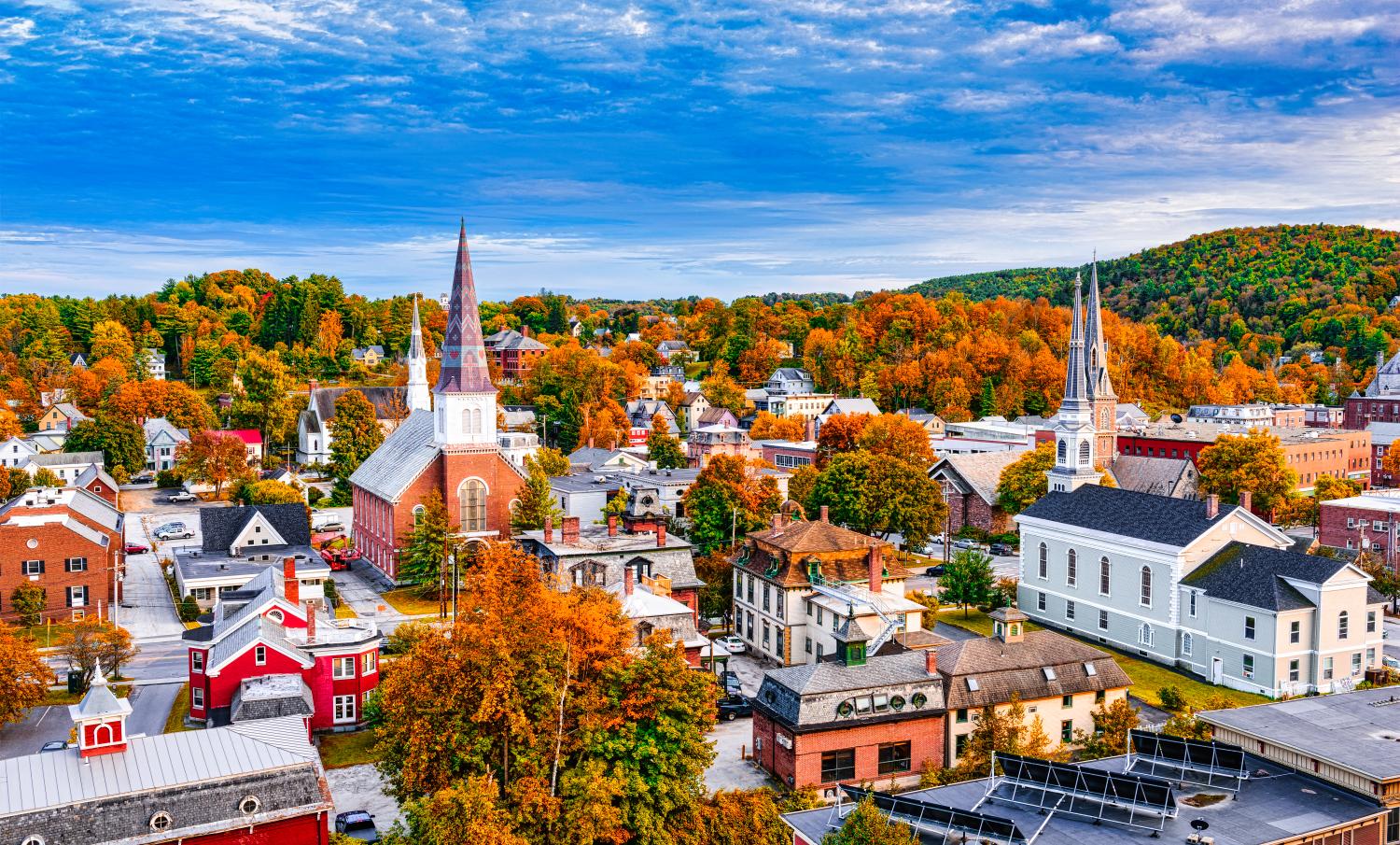
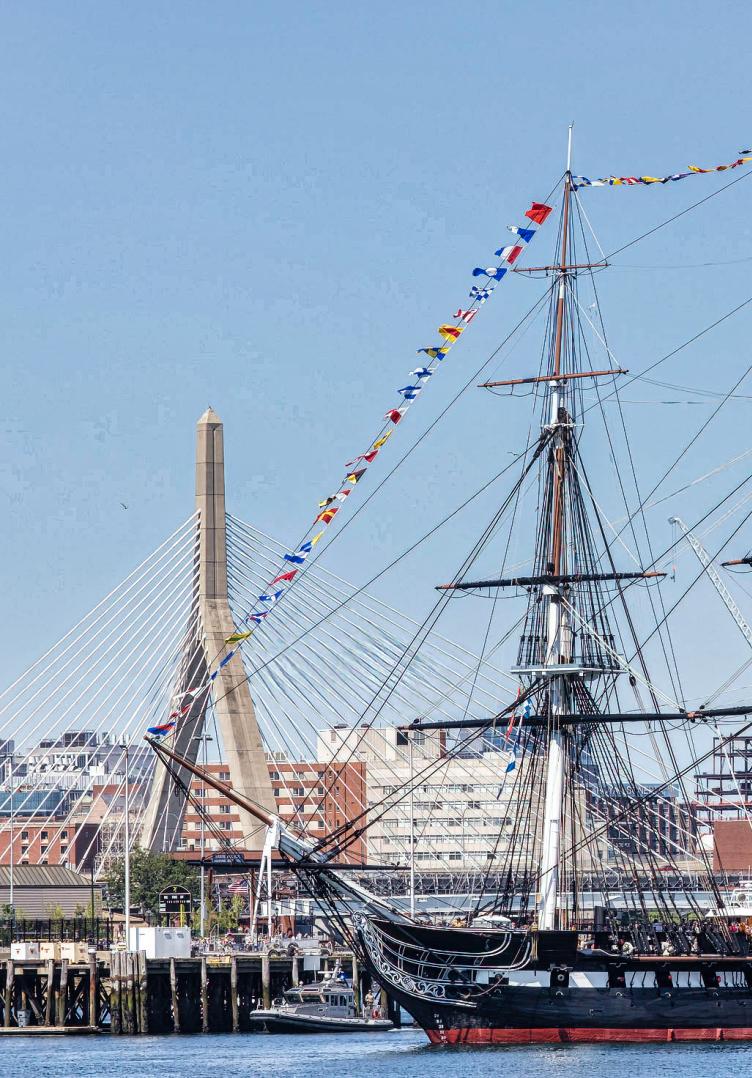
Thecover of Byways’America250issuecelebrates thenation’s 250th anniversarywith abold,coast-to-coasttributetoAmerica’s landscapes, landmarks,and heritage.FromNew England’s historicshores totheMidAtlantic, Southeast,GreatLakes &Midwest,Southwest, and FarWest& Pacific, thecover reflects thediversityandsharedspiritof theAmerican journey.
England, Where itAll Began.........................................................................................................................14
The Power Corridor
Southeast: WhereAmerica’s Story Runs Deep .............................................................................................36 The Great Lakes & Midwest, The Nation at Work
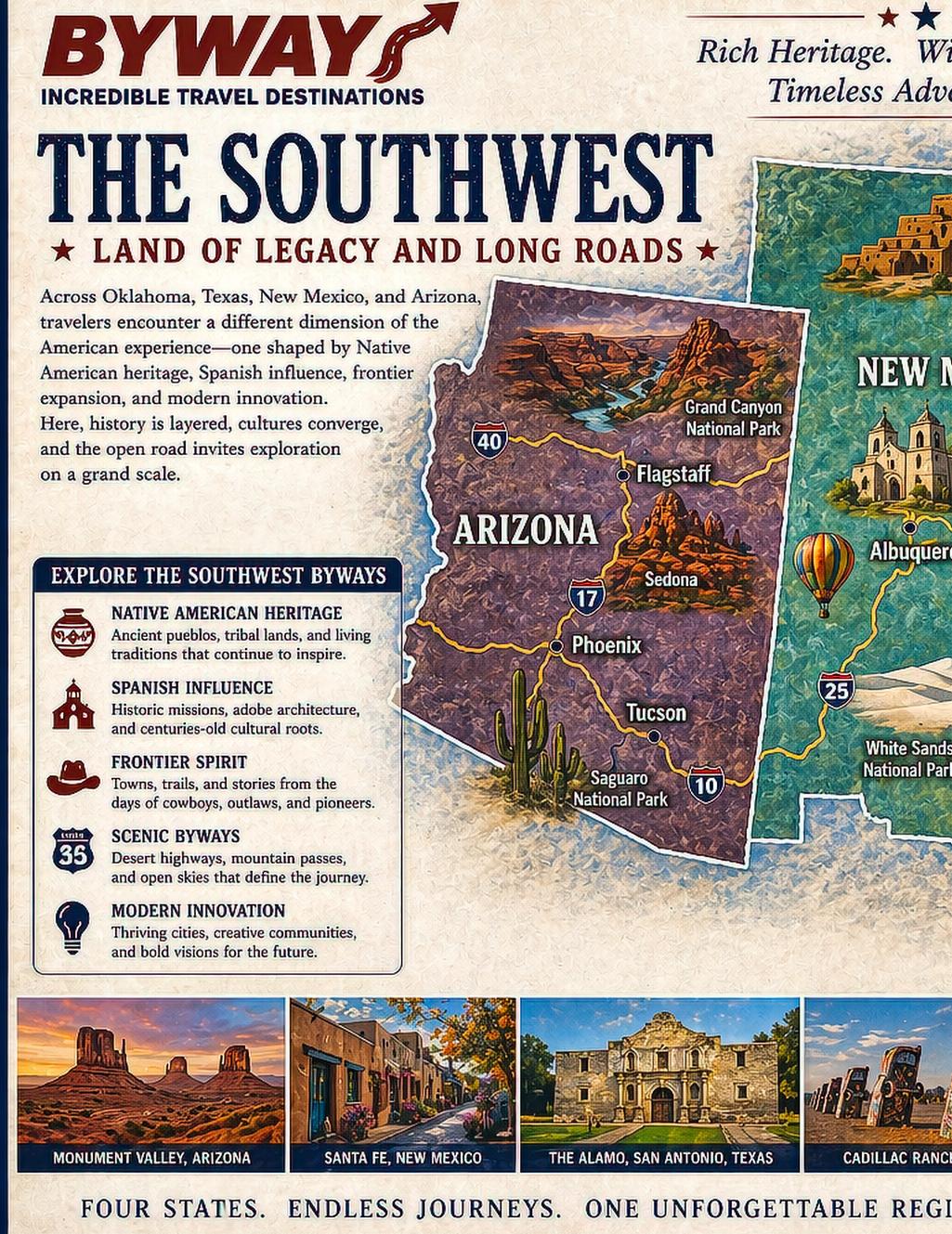
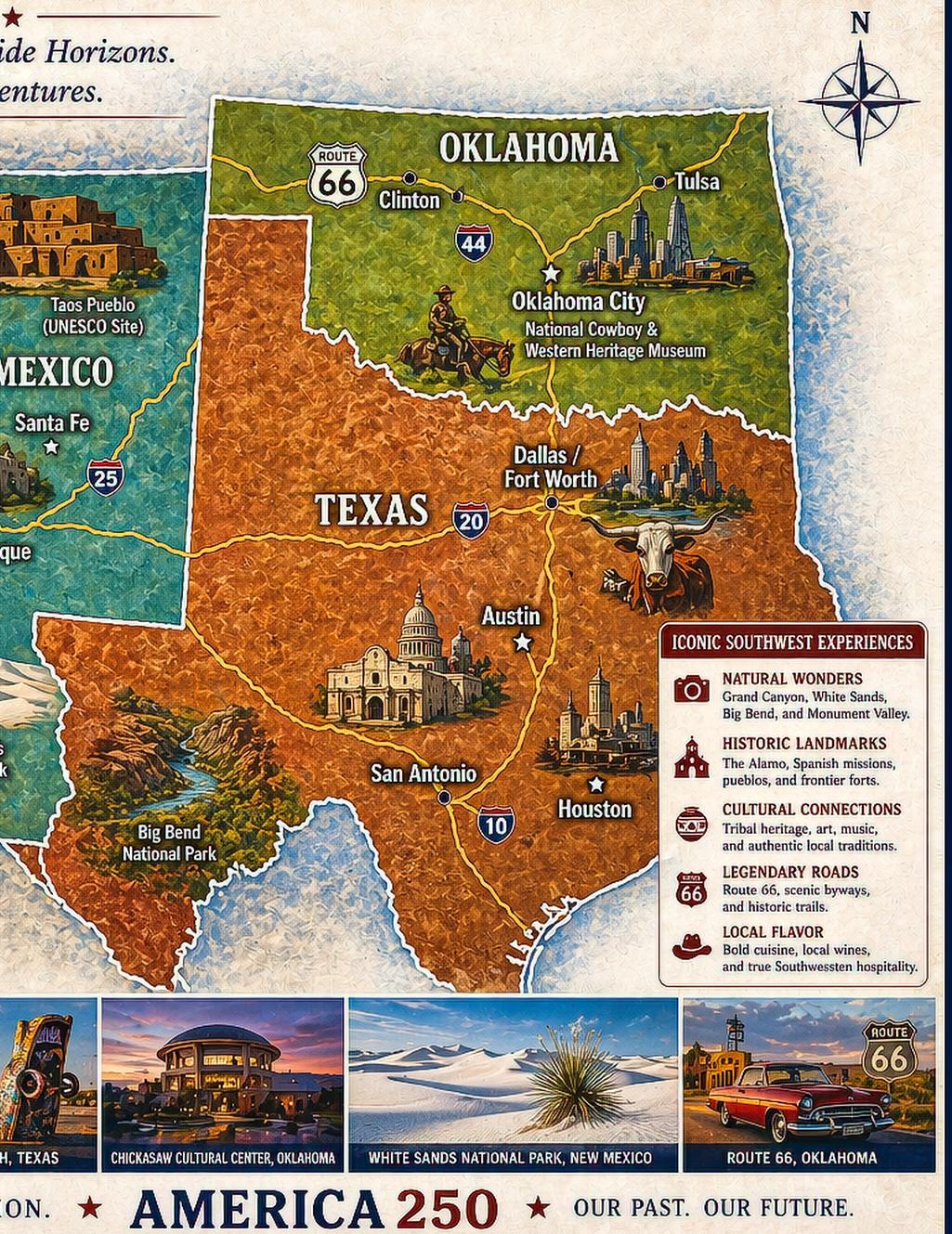
The Southwest: WhereAmerica’s Spirit Expands
Coming in Future Issues
Future issues of Byways will feature Byways 101st Digital Issue, Mountains and Valleys, Great American Roads, National Parks and more . .
Up Next:
Byways 101st Digital Issue
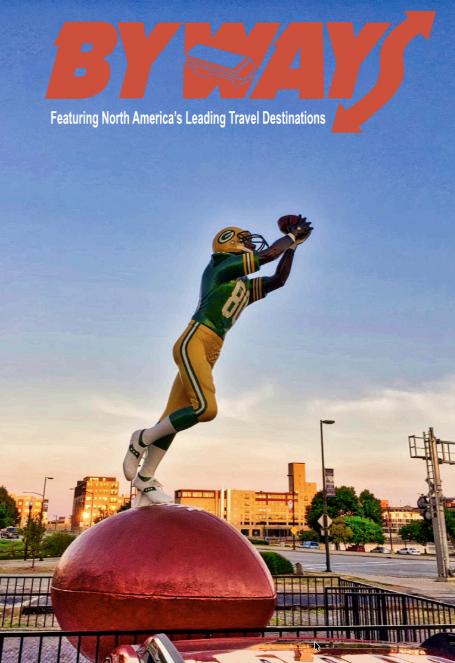
Right.Theupcoming101stByways Digitalissuemarks another milestone in Byways’long-runningjourneyof showcasing thehighways andbyways of NorthAmerica. FromNational Parks, to NFLFootball,toTaylor Swift, we'vegotitcovered inthis specialissueof Byways.
Therearemany ways totellthestoryofAmerica. Itcan befoundin documents anddates,in monuments and museums,inmoments of triumph and times of trial. Butperhaps themost meaningfulway to understandthenation,especially as itapproaches its 250thanniversary,is toexperience ittheway ithas always beendiscovered:alongthe road.
America is, at its core, a journey
From the earliest settlements along theAtlantic coast to the far reaches of the Pacific, the nation has grown not just outward, but forward, shaped by movement, by ideas carried from one place to another, and by the people who followed opportunity across an everexpanding landscape.
Highways and byways have long connected these places, linking communities, cultures, and chapters of a story still being written.
This specialAmerica250 editionof Byways Magazine invites youto travelthatstory,notas aseries of isolated destinations,butas acontinuous journey across anation. Organized intosixdistinctregions, each sectionreflects adifferentchapter inthe American experience, offeringbothperspectiveand discoveryalong theway.
Thejourney begins inNew England,wherethe foundations of thenationwerefirstestablished.In towns and cities across theregion,theearliest expressions of independencetookshape,andthe
ideals thatwoulddefineAmericawerefirstimagined. Here, historyis notdistant,itis presentin thestreets, thearchitecture,andthetraditions thatcontinueto endure.
Fromthere,theroad leads intotheMid-Atlantic, wherethoseideas weretransformedintoaction.In cities likePhiladelphia,Washington,and NewYork, thenationfoundits voice,builtits institutions, and steppedonto theglobalstage.
This is thecorridor wheregovernance, influence, and ambitionconverged,and wheretheycontinueto shape thecountrytoday.
As thejourney moves south,thestory deepens inthe Southeast.This is aregionwhereAmerica’s ideals weretestedandredefinedacross generations.From Revolutionarybattlefields toCivilRights landmarks, theSoutheastreflects boththechallenges andthe progress thathaveshapedthenation’s identity. Itis a landscapewherehistory carries weight,and whereits lessons remain vital.
Turninginland,theGreatLakes andMidwestreveal thenationatwork.Here,Americabuiltits strength throughindustry,agriculture,andinnovation.Cities rose,communities formed,andtherhythms of daily lifetookon adistinctlyAmerican character.This is the heartland.aregiondefinednotbyspectacle, butby substance,wherethenation’s growth was poweredby determinationandingenuity.
Beyond theMidwest, thelandopens intotheGreat Plains and Rockies, wherethehorizonstretches wide and theideaof expansion becomes tangible.Theseare thelandscapes of movement,of trails,railroads, and roads thatcarried generations westwardinsearchof opportunity. Itis aregion shapedbyresilienceand defined by its connection totheland,wherethespirit of thefrontier continues to resonate.
Andfinally, thejourneyreaches theFarWestand Pacific, wherethecontinentmeets theoceanandthe story turns onceagain towardthefuture.Fromcoastal highways to vibrantcities,fromdeserts toforests,this region represents both anarrivalandabeginning. Itis wherewestward dreams foundtheir destination,and wherenew ideas, industries,andcultures continueto emerge.
Together, theseregions formmorethanageographic outline.They createanarrative,onethatreflects how Americahas evolved over time,shapedbyits landscapes, its people, andits enduringpossibility.
Yetwhatmakes this journeytrulymeaningfulis not justwhereitleads, buthow itis experienced.
Travelhas always been centraltotheAmerican identity.Fromearlysettlers forgingpaths through unfamiliar terraintomoderntravelers exploring scenicbyways,theactof moving across theland has been awayof understandingit.Each mileoffers perspective.Eachstopreveals astory.And each regioncontributes toalarger,morecompletepicture of thenation.
AsAmericareaches this 250-year milestone, thereis valuein looking back, butalso inlookingaround, and ahead.Thenation’s storyis notfinished. Itcontinues to unfold intheplaces wevisit,thecommunities we encounter, andtheroads wechoosetofollow.
Fromcoasttocoast, fromthefirststeps of independenceto theever-expandinghorizonbeyond thePacific,Americaremains ajourney.onethat invites exploration,reflection,anddiscovery.
Andlikeany greatjourney,itbegins withasingle road.
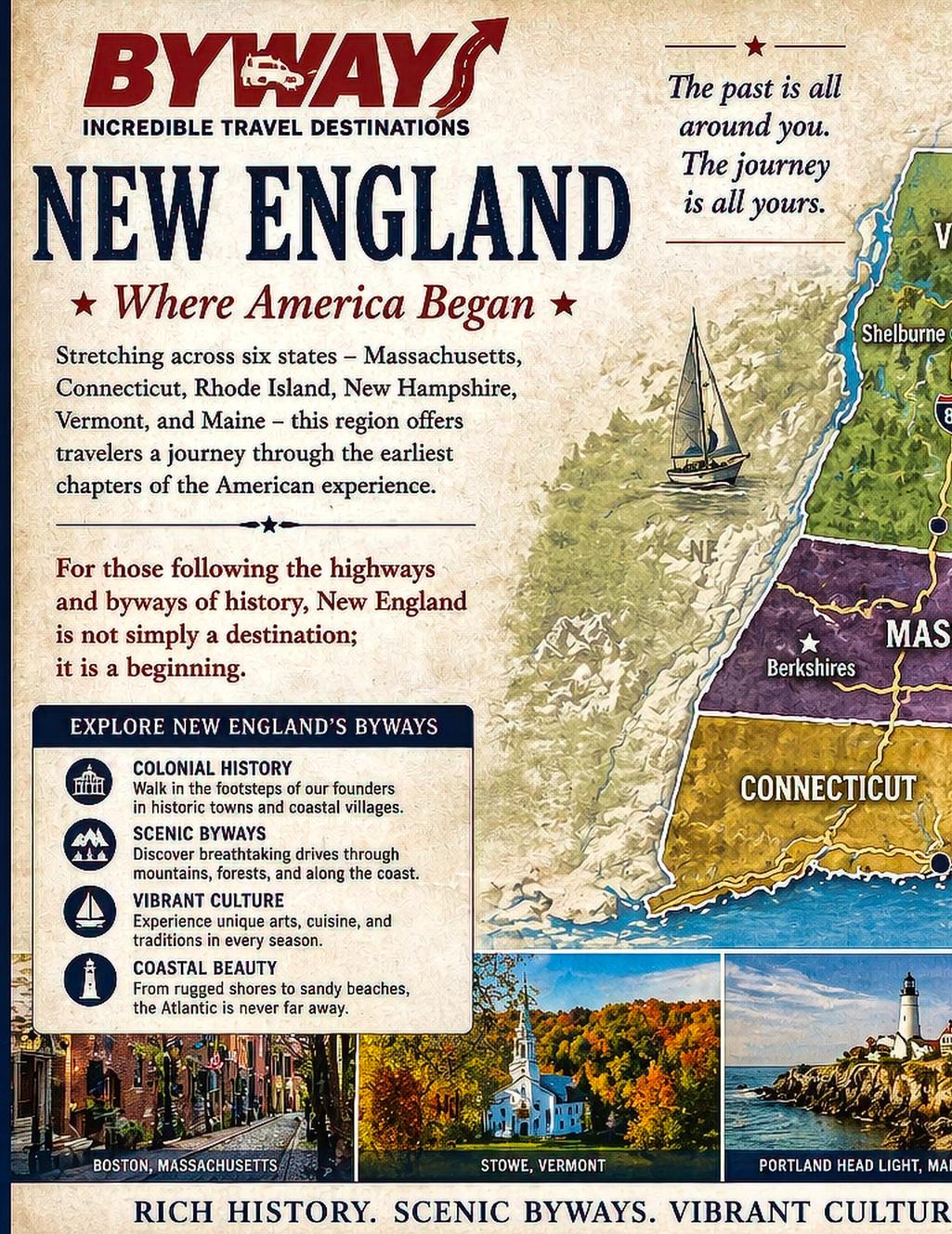
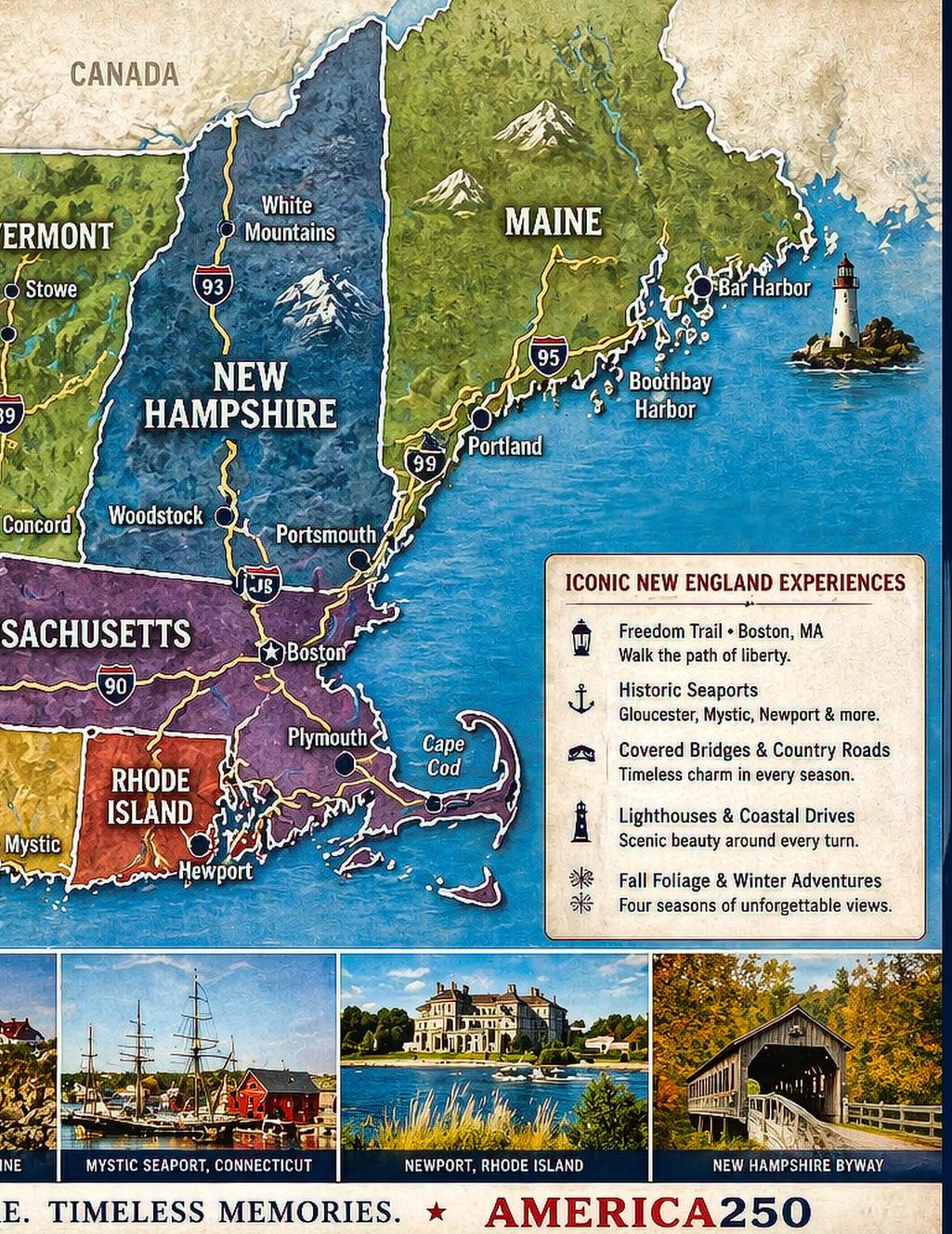
InNew England, theAmericanstorybegins not with asinglemoment,butwithacollectionof places, smalltowns,harbors,meetinghouses,and winding roads, whereideas tookholdandanation slowly emerged.
Stretching across six states -- Massachusetts, Connecticut, RhodeIsland,New Hampshire, Vermont, and Maine-- this regionoffers travelers a journeythrough theearliestchapters of theAmerican experience. For thosefollowingthehighways and byways of history, New Englandis notsimplya destination;itis abeginning.
The Cradle of Independence
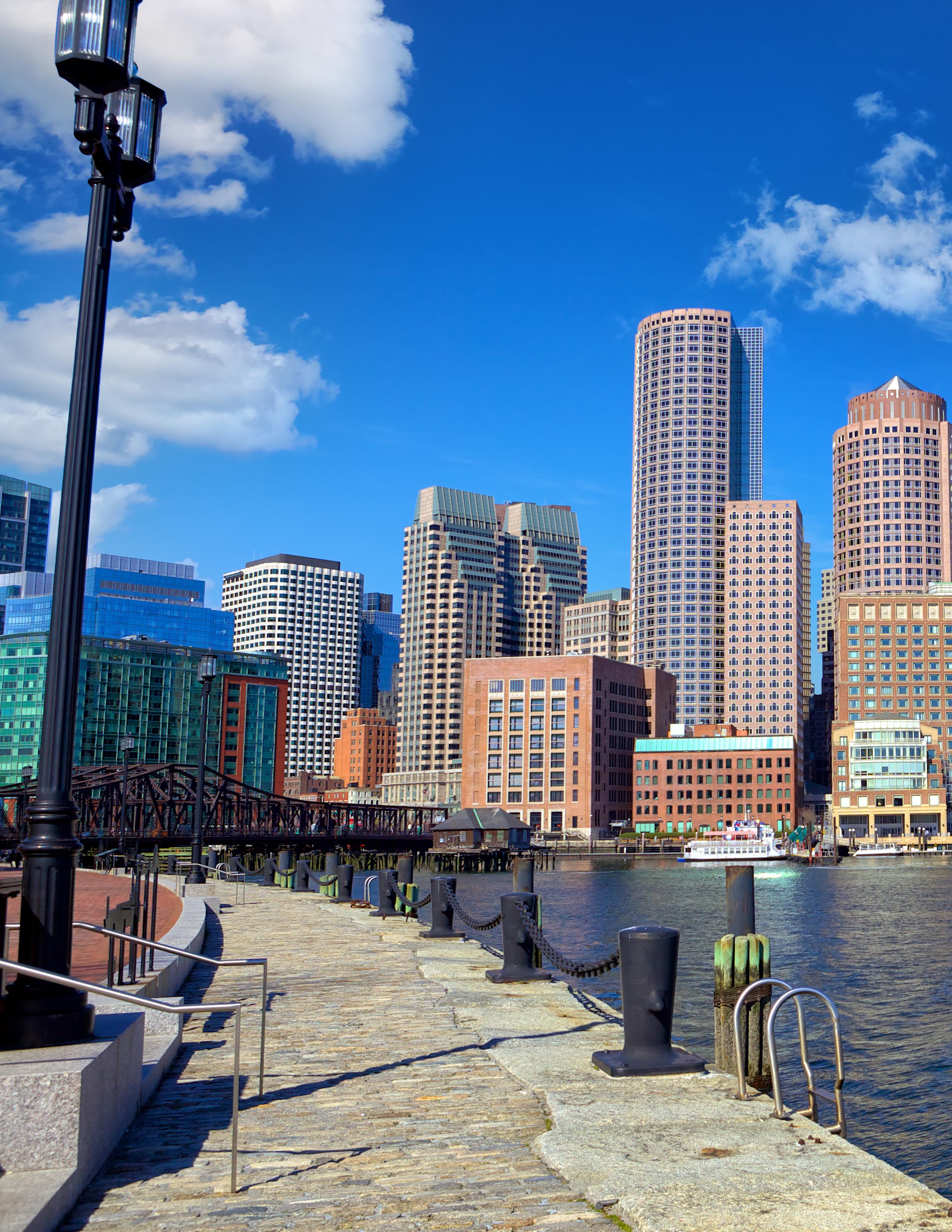
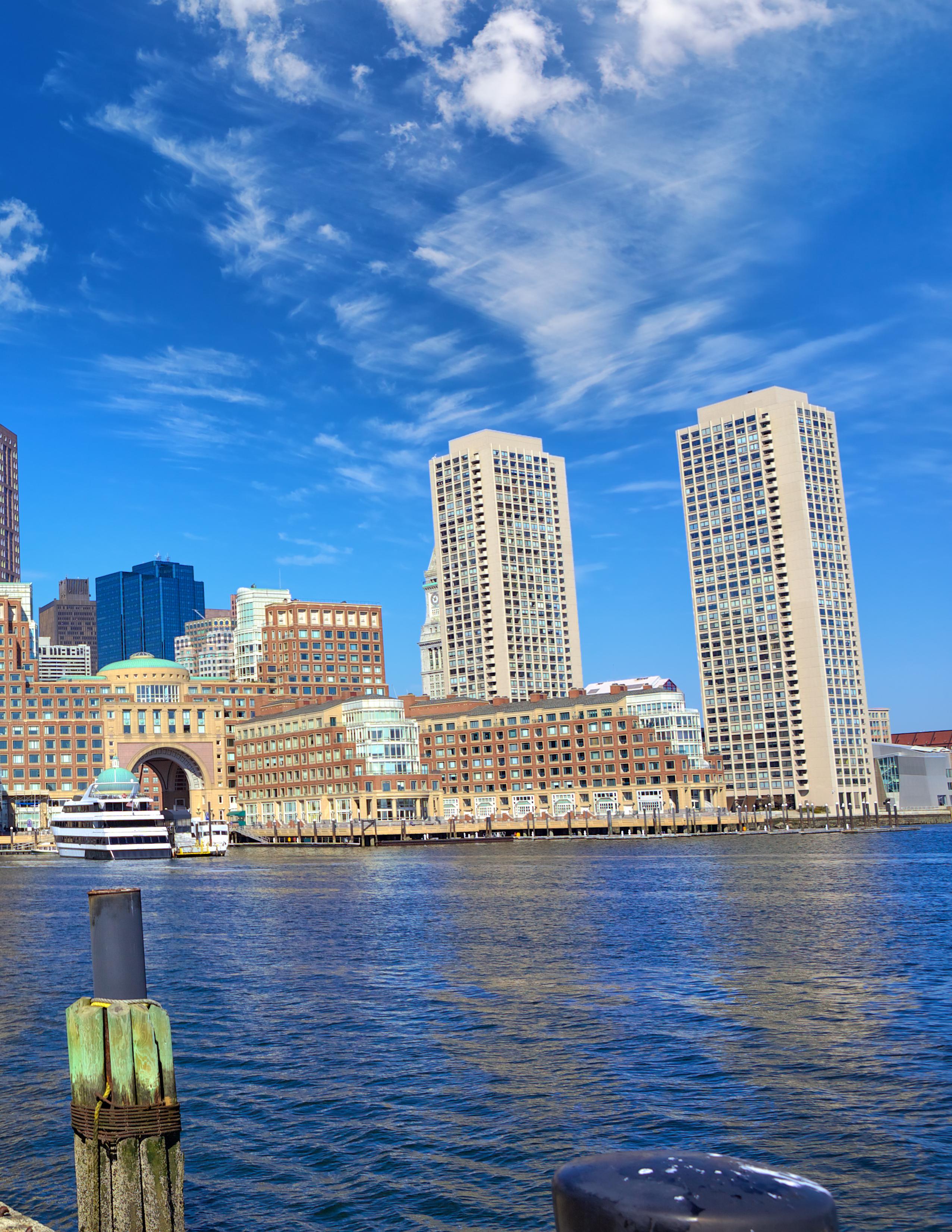
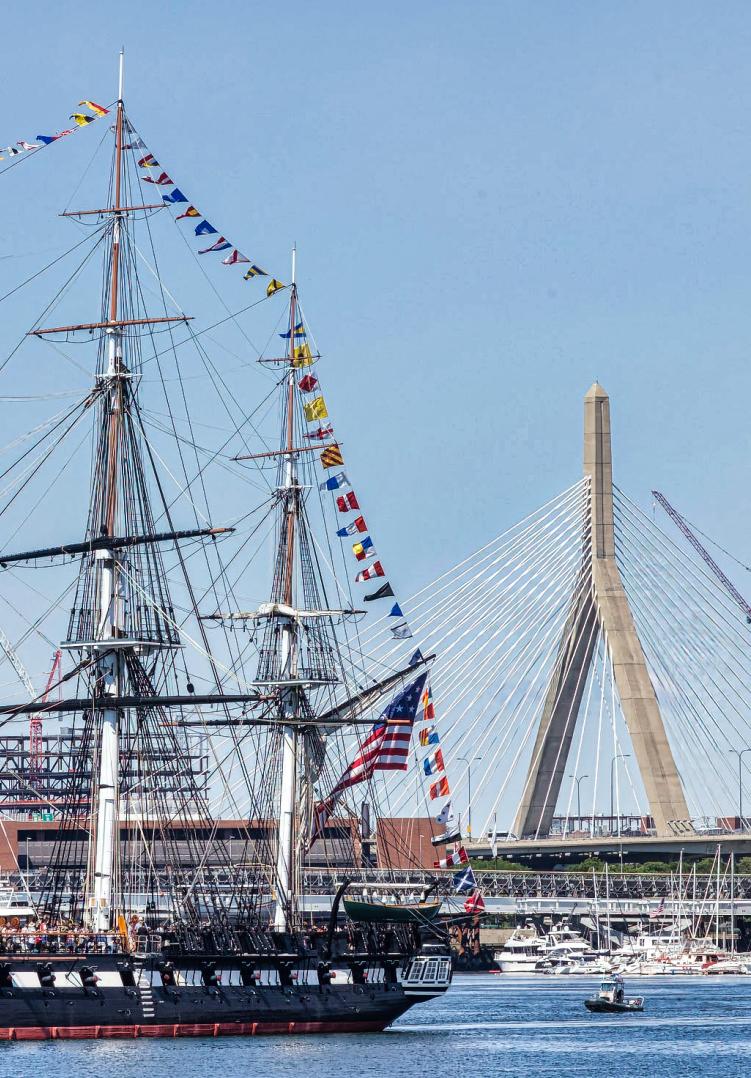
The road into New England’s past often starts in Boston, where brick sidewalks and historic landmarks form a living timeline of the Revolution.
The Freedom Trail winds through the city, connecting sites where colonial resistance transformed into revolution. From meeting houses where dissent was voiced to the harbor where tea once spilled into the water, Boston offers a compact
Byways 18
yet powerful introduction to the ideals that shaped the nation.
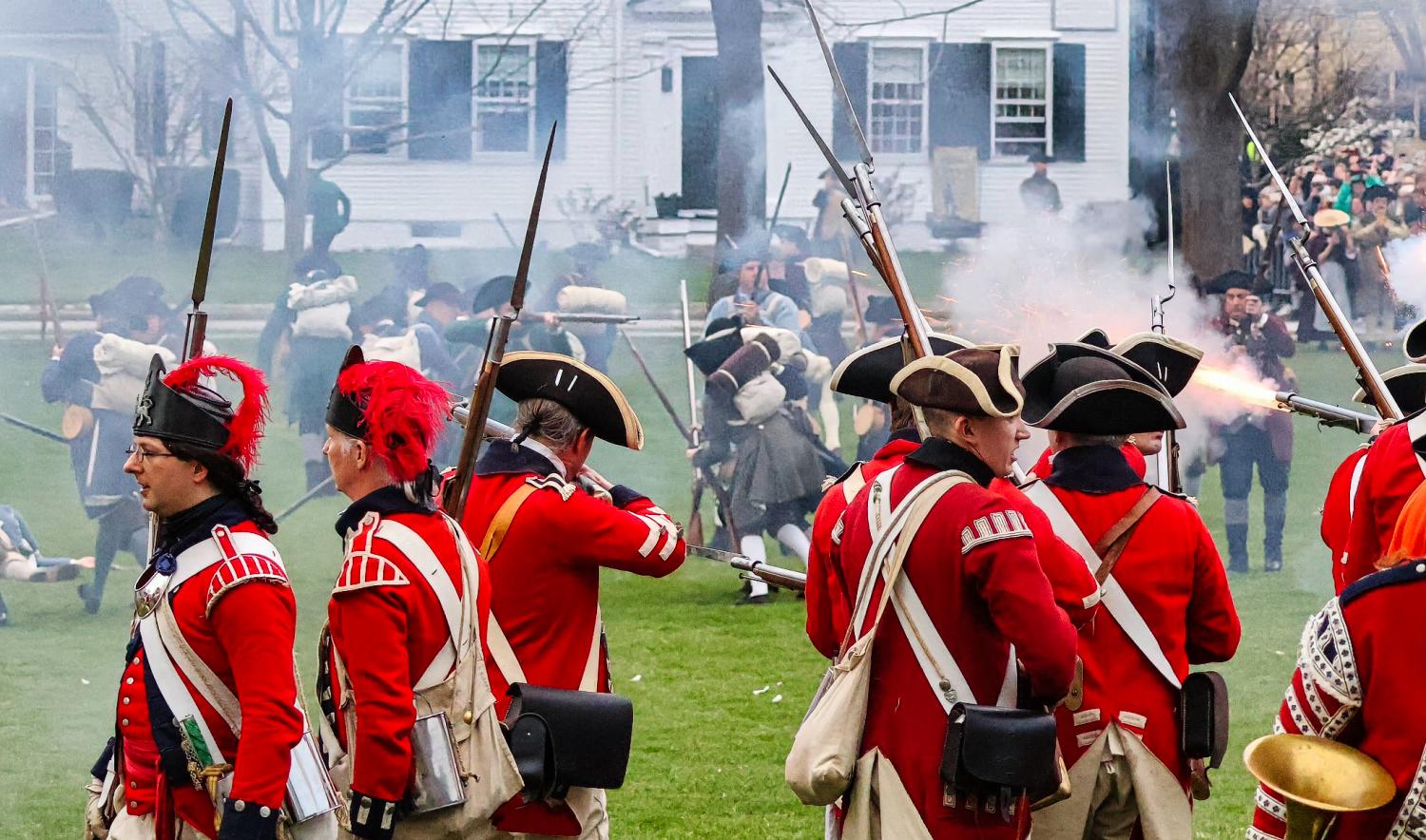
Ashortjourneywestleads toLexingtonandConcord, wherethefirstshots of theAmerican Revolutionwere fired.Today,thesetowns retain aquietdignity, their greens andhistorichomes preservingthememoryof a turningpointthatwouldechofar beyondNew England.
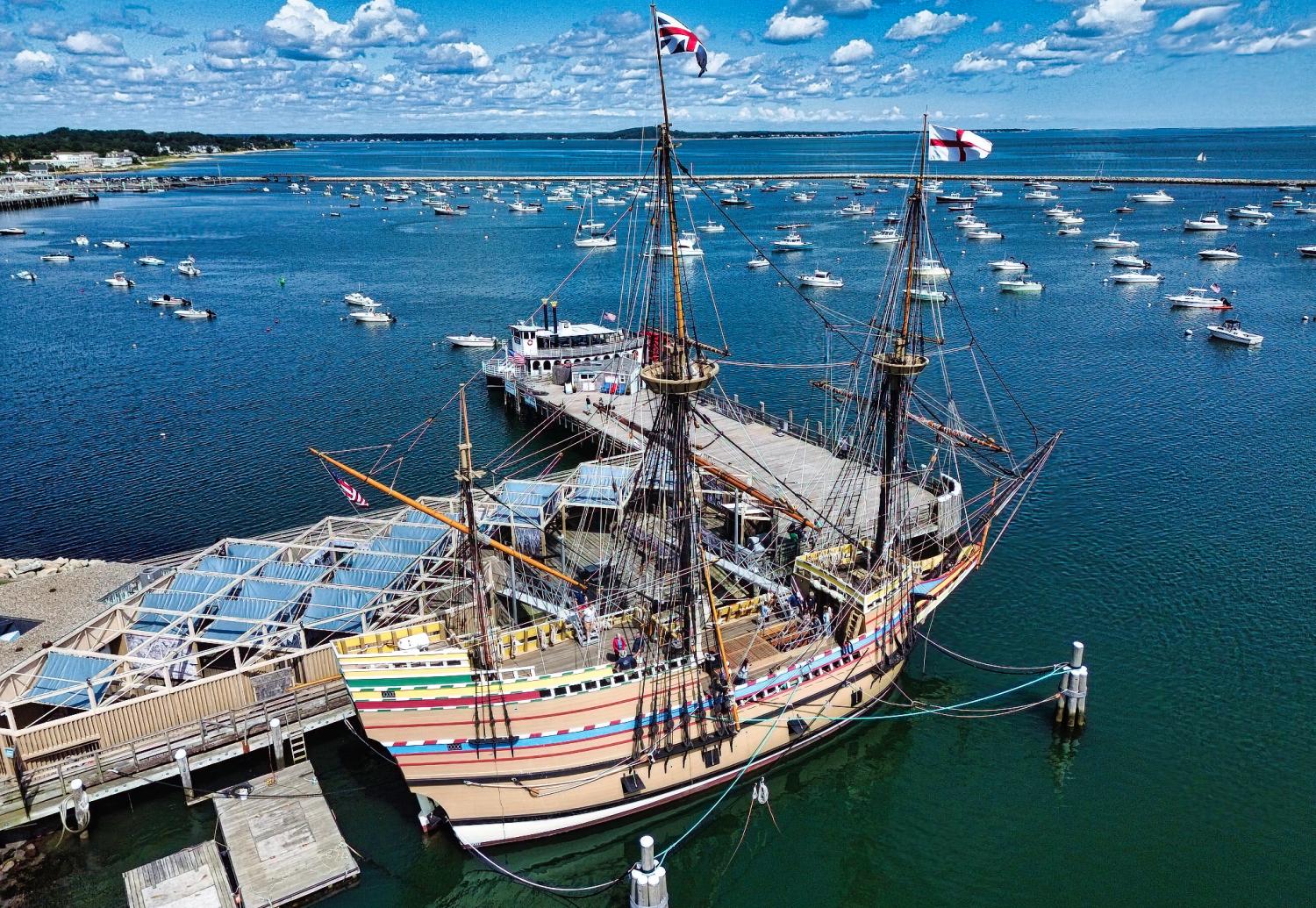
Further south, Plymouthconnects travelers toan even earlier chapter.Here,thestory of thePilgrims andthe Mayflower voyagereflects thecourageand uncertainty of thosewhocrossed theAtlanticseeking anew life.Alongthewaterfront,historyfeels closeat hand,groundedin bothlegendand legacy.
Coastal Traditions and Maritime Heritage
From Massachusetts, the road follows the coastline north into Maine, where rocky shores, working harbors, and historic lighthouses define the landscape. In Portland, cobblestone streets and
waterfront views reflect centuries of maritime commerce and culture.
Further along the coast, small fishing villages continue traditions that have endured for generations, offering a glimpse into a way of life shaped by the sea.
Maine’s scenicbyways. particularlythosethattracethe Atlanticshoreline, offer travelers sweeping views of ruggedcliffs, quietcoves, and iconiclighthouses standing watch over theocean. Theseroutes areidealfor motorcoachtravel, withfrequent stops for photography,localdining, and culturalexploration.
Tothesouth, RhodeIsland,thesmalleststateinthe nation, delivers an outsizedexperience.InNewport, thefamed CliffWalkoffers adramaticblendof naturalbeauty and GildedAgegrandeur,as ocean views meethistoricmansions thatoncehosted America’s wealthiestfamilies.
Theregion’s coastaldrives areas accessibleas they arescenic,makingRhodeIslandanaturalinclusion in anyNew Englanditinerary.
Inland Roads and Rural Character
Leaving the coast behind, New England reveals another side, one defined by rolling hills, covered bridges, and small towns where time seems to move at a gentler pace.
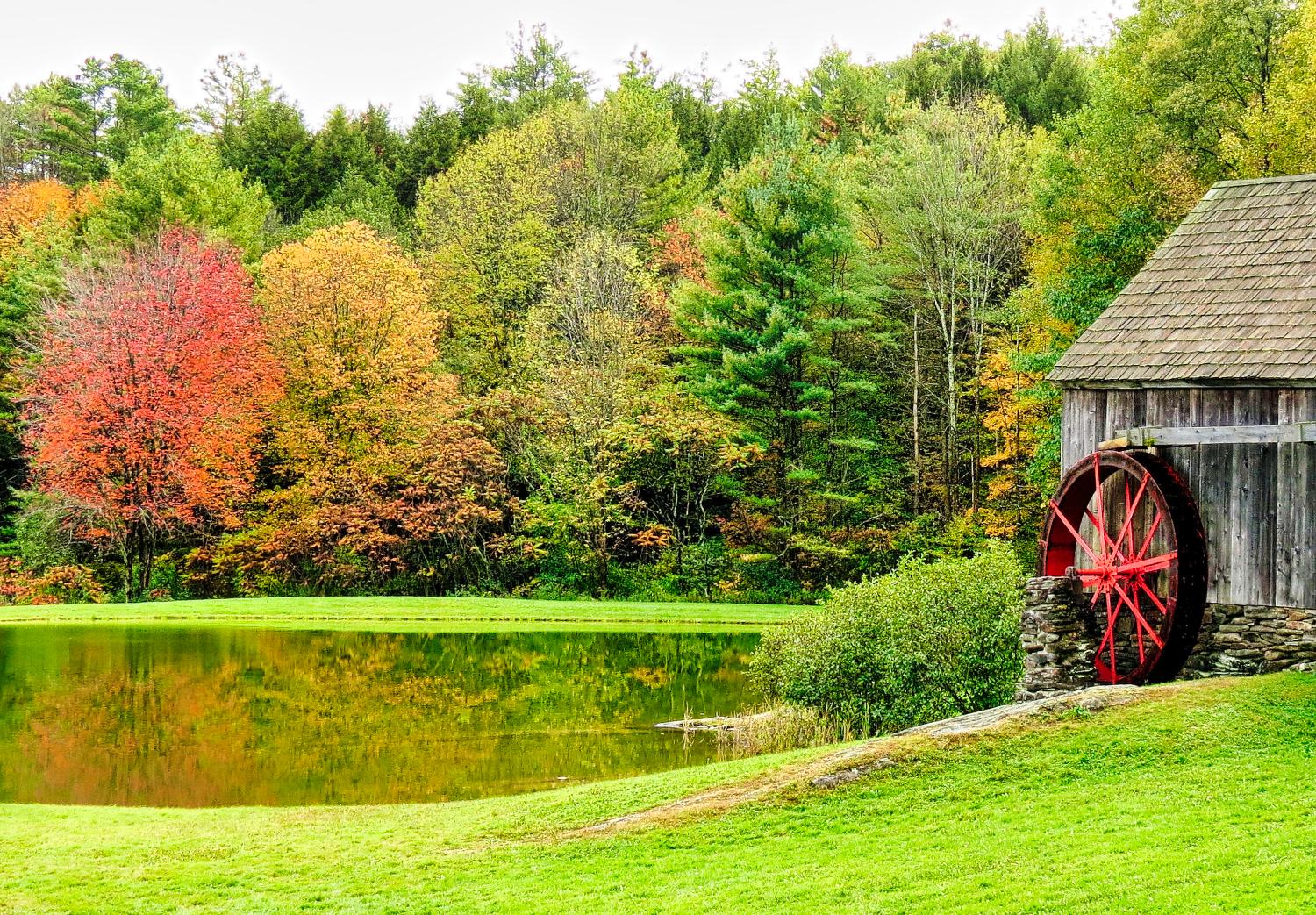
In Vermont, scenic routes wind through valleys and mountains, particularly vibrant during the fall foliage season. White church steeples rise above village greens, and local farms and markets offer travelers a taste of regional tradition.
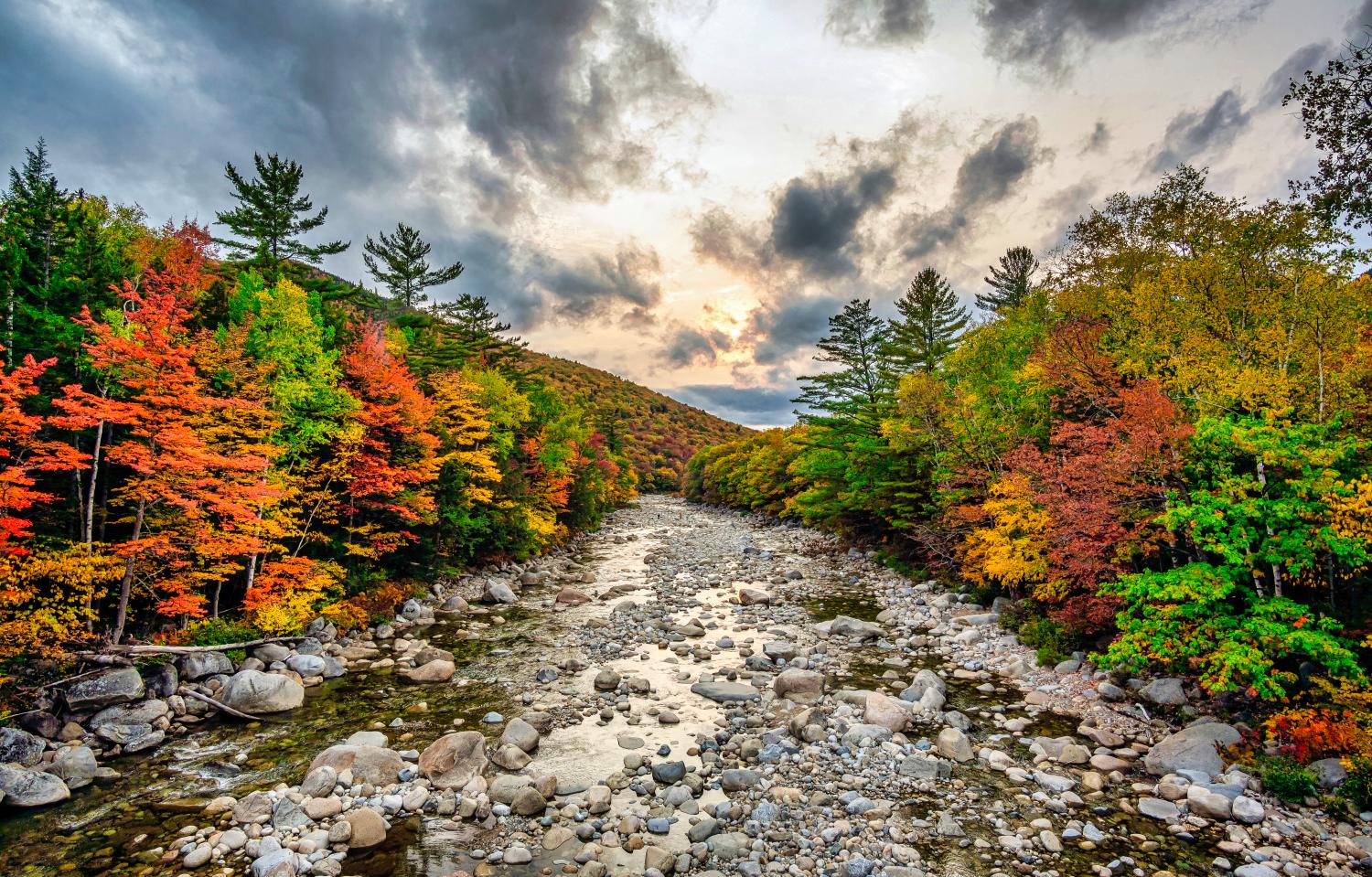
Nearby, New Hampshireoffers someof themost dramaticlandscapes intheregion.TheWhite Mountains providea backdrop for oneof New England’s most celebrateddrives, where winding roads climb through forests and open to panoramicvistas. Routes such as the Kancamagus Highway arewell-suited for both individualtravelers and group tours, combining accessibility with unforgettablescenery.
Byways 20
Theseinlandbyways highlightadifferentkind of history-- onerootedinagriculture, craftsmanship, andcommunity.Smalltowns acrossVermontand New Hampshirereflectacontinuityof tradition, wherelocalidentityremains strongand deeply connected totheland.
Innovation and Industry
While New England is often associated with its colonial past, it also played a central role in shapingAmerica’s industrial future. In Connecticut, cities such as Hartford and New Haven reflect a legacy of innovation, education, and enterprise. Historic mills and manufacturing centers once powered the early American economy, laying the groundwork for the nation’s growth.
Connecticut’s location between Boston and NewYorkmakes ita naturalcorridor for travel, offering both historicaldepthand modernaccessibility. Scenicdrives alongthe ConnecticutRiverValleyprovideaquieter,more reflectivejourney throughtheregion’s past,with opportunities to explorehistorictowns,cultural institutions, and localcuisine.
Beyondits mostwell-knownhistoriclandmarks, New England’s character is equally definedby acollection of vibrantsmaller cities andcoastaldestinations. In Hartford,alegacyof literatureand industry reflects theregion’s intellectualroots,whileProvidence blends arts,culture, andarevitalizedwaterfront.
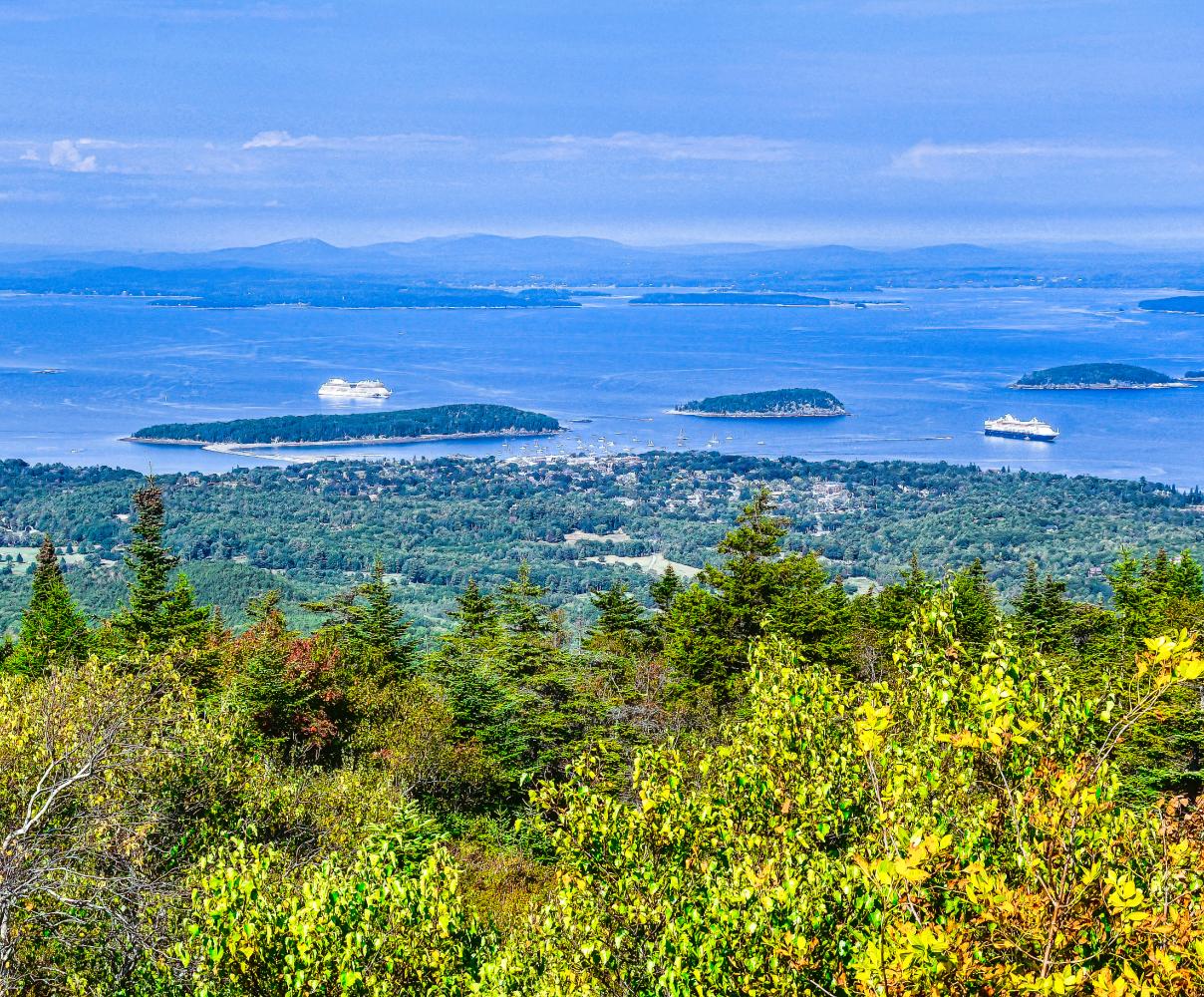
Further north, Burlingtonoffers sweepingviews of LakeChamplain andalivelydowntown,while Portsmouth preserves arichmaritimeheritage.Along theMainecoast, Bar Harbor serves as thegatewayto AcadiaNationalPark, wherescenicdrives andrugged shorelinecreateoneof New England’s most memorabletravelexperiences.
A Region of Traditions
What sets New England apart is not only its history, but how that history continues to shape everyday life. Seasonal festivals, town greens, and longstanding traditions create a sense of continuity that travelers can experience firsthand.
Whether it’s a harvest celebration in Vermont, a seafood festival in Maine, or a historic reenactment in Massachusetts, the region invites visitors to engage with its past in meaningful ways.
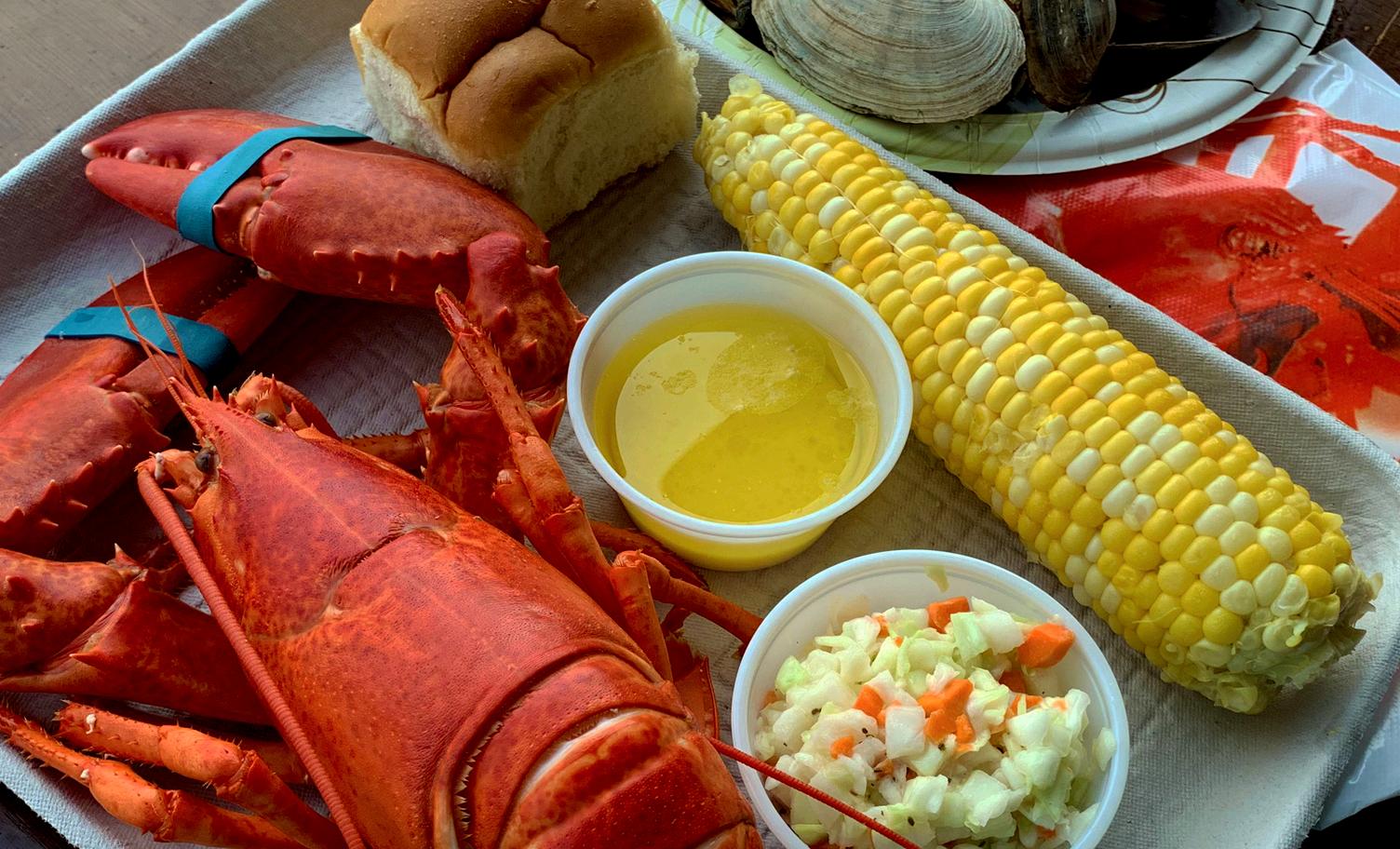
Food, too,plays aroleintellingNew England’s story. Fromlobster rolls alongthecoasttomaplesyrup in thenorth, regionalflavors reflectbothgeography and heritage.For group travelplanners,theseculinary experiences add depthto itineraries,offering opportunities for memorablestops thatgobeyond sightseeing.
Byways 22
Traveling the New England Byways
New England’s compact geography makes it particularly well-suited for multi-state itineraries. Travelers can move seamlessly from coastal routes to mountain drives, from historic cities to rural landscapes, often within the span of a single day. This flexibility is especially appealing for motorcoach tours, where accessibility and variety are key.
Routes such as theMohawk Trailin Massachusetts, the coastalhighways of Maine and RhodeIsland, andthe sceniccorridors ofVermont and New Hampshireprovide aframeworkfor exploration. Each offers its
ownperspectiveontheregion,yetallcontributetoa cohesivenarrative,onethatbegins with thefounding of anationand continues throughits evolution.
Where the Journey Begins
AsAmerica approaches its 250th anniversary, there is no better place to reflect on its origins than New England. Here, the past is not distant, it is present in the landscapes, the architecture, and the traditions that endure. From the first settlements to the birth of independence, from maritime heritage to industrial innovation, the region offers a comprehensive view of where the nation began.
For travelers settingouttoexploretheAmerican story, New England is morethan astartingpoint.Itis a reminder thathistoryis notconfinedto asingleplace or moment,butlives onintheroads wetravelandthe communities weencounter alongtheway.
InNew England,everybywayleads back to the beginning,and forward toeverything thatfollowed.
IntheMid-Atlantic,theAmericanstoryshifts from bold ideas to lasting institutions.This is wherea new nationfoundits voice,definedits principles, and builttheframeworkof governancethatcontinues to guideittoday.
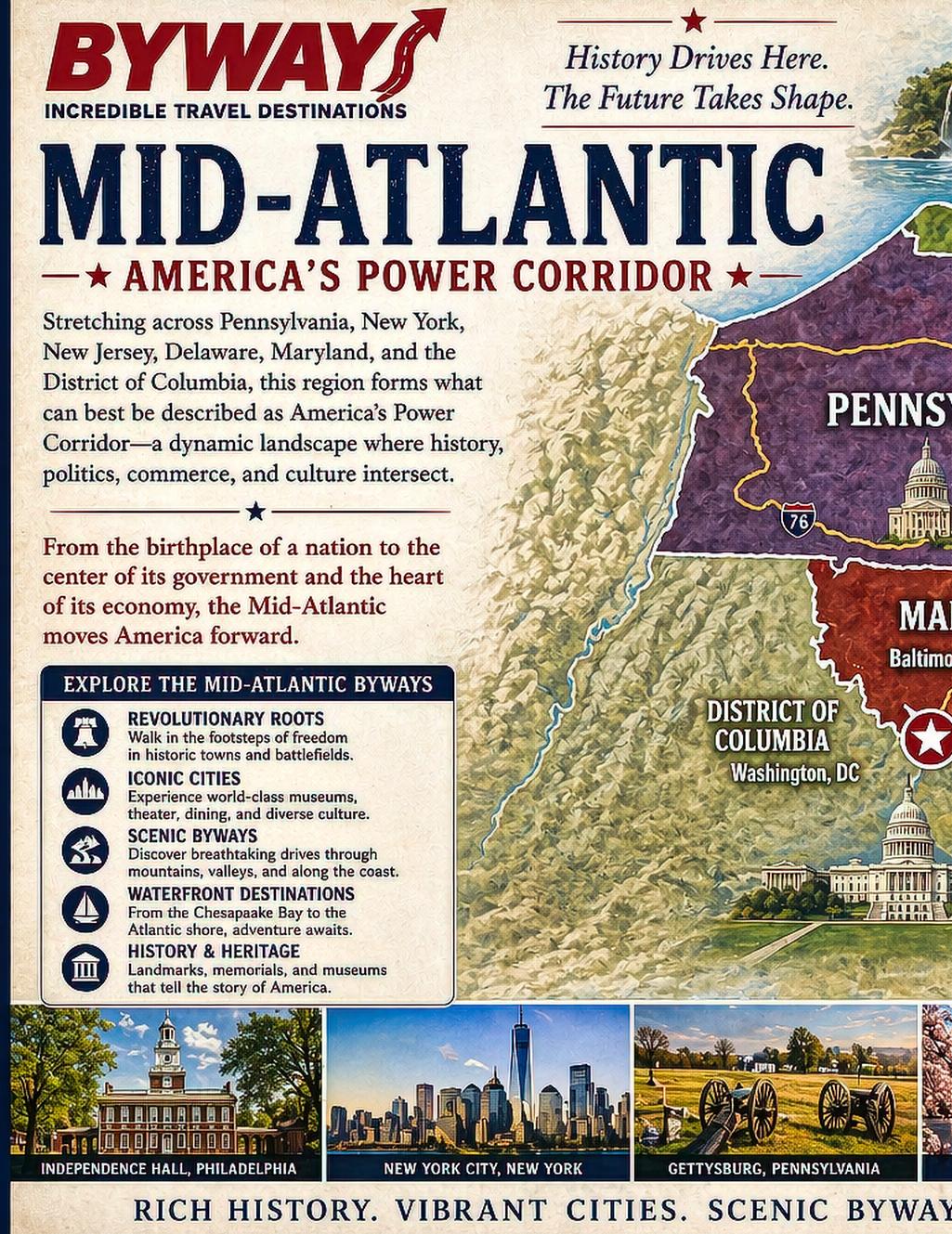
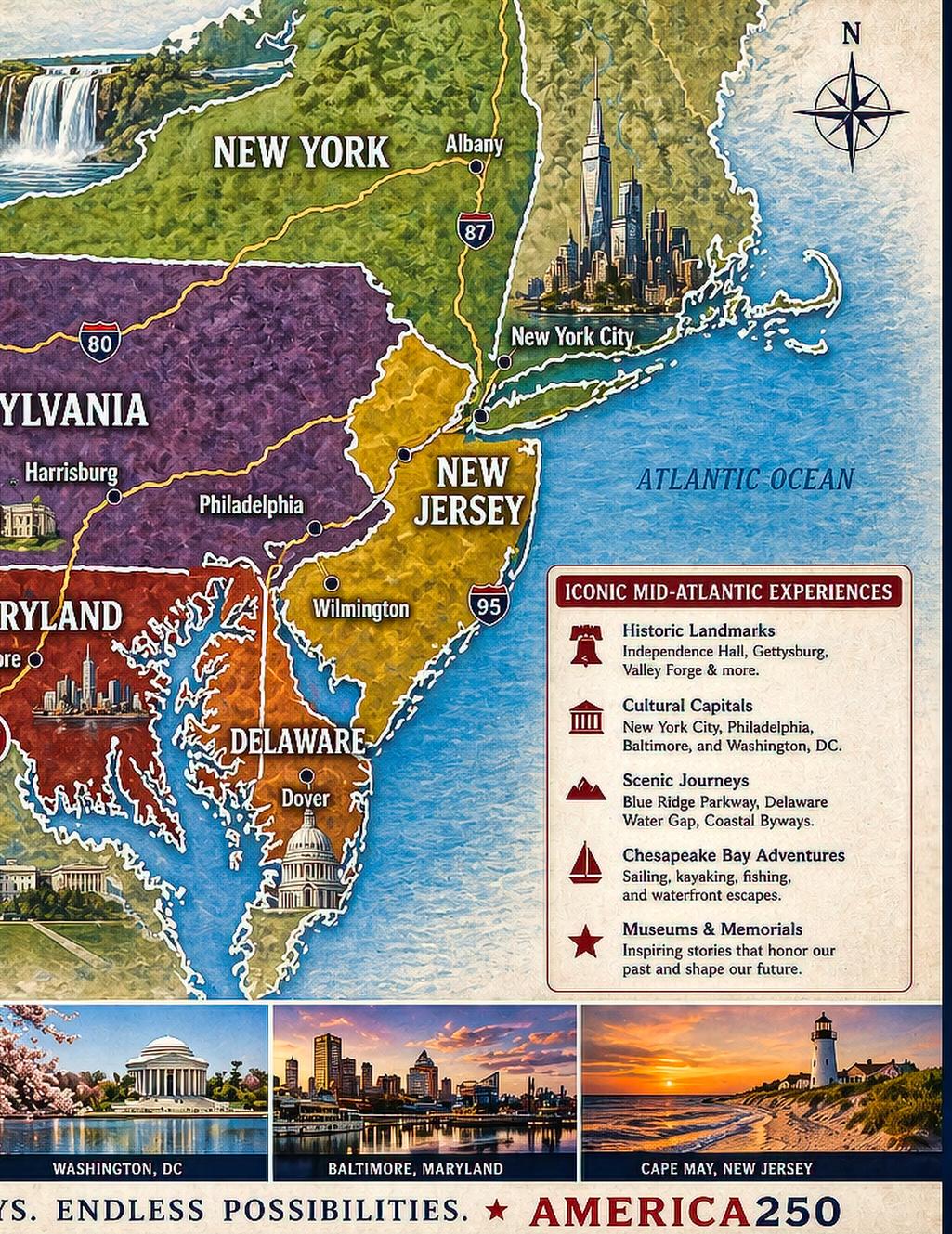
Stretching across Pennsylvania,NewYork,New Jersey,Delaware, Maryland,andtheDistrictof Columbia, this regionforms whatcanbestbe described asAmerica’s Power Corridor,adynamic landscapewherehistory,politics,commerce,and cultureintersect.
For travelers followingthehighways andbyways of thenation, theMid-Atlanticoffers anunparalleled
Byways 28
journeythroughtheplaces whereAmericawas debated,defined,and continues to evolve.
Philadelphia — Where a Nation Was Declared
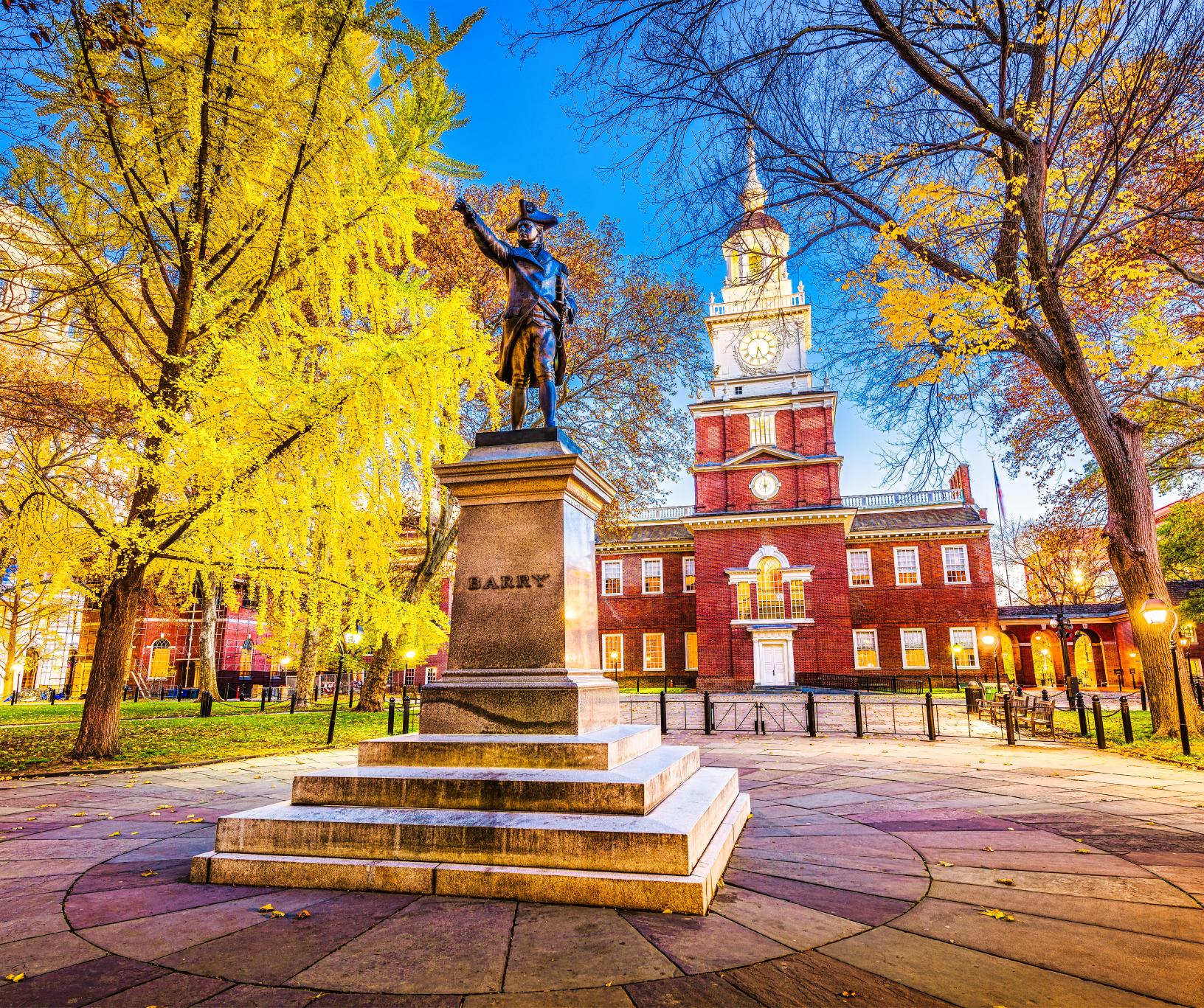
The journey often begins in Philadelphia, a city that holds a singular place inAmerican history. Within a few walkable blocks, visitors encounter the very foundations of the nation.
At Independence Hall, the Declaration of Independence was signed, followed by the drafting of the Constitution, documents that would shape not only the United States, but democratic ideals around the world.
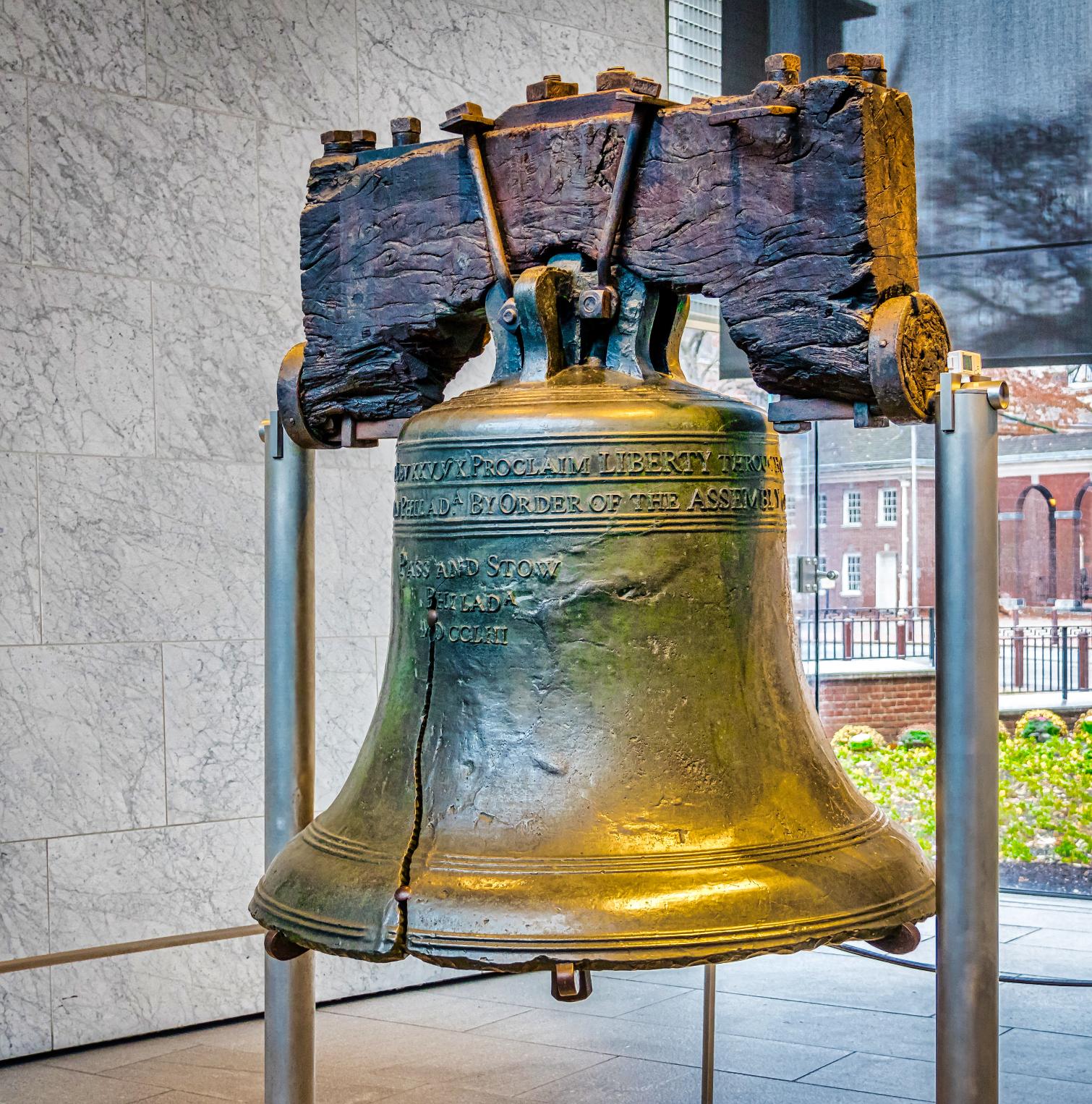
Nearby, theLibertyBellstands as an enduring icon of freedom.Yetbeyondits mostfamous landmarks, Philadelphia reveals layers of history inits neighborhoods, markets,andcultural institutions. Fromcolonialstreets tovibrant moderndistricts, thecityblends pastand presentinaway few places can.
Philadelphiaoffers accessibility, walkability, and adenseconcentrationof attractions,making itanessentialanchor in any Mid-Atlanticitinerary.
Washington, D.C. — The Seat of Power
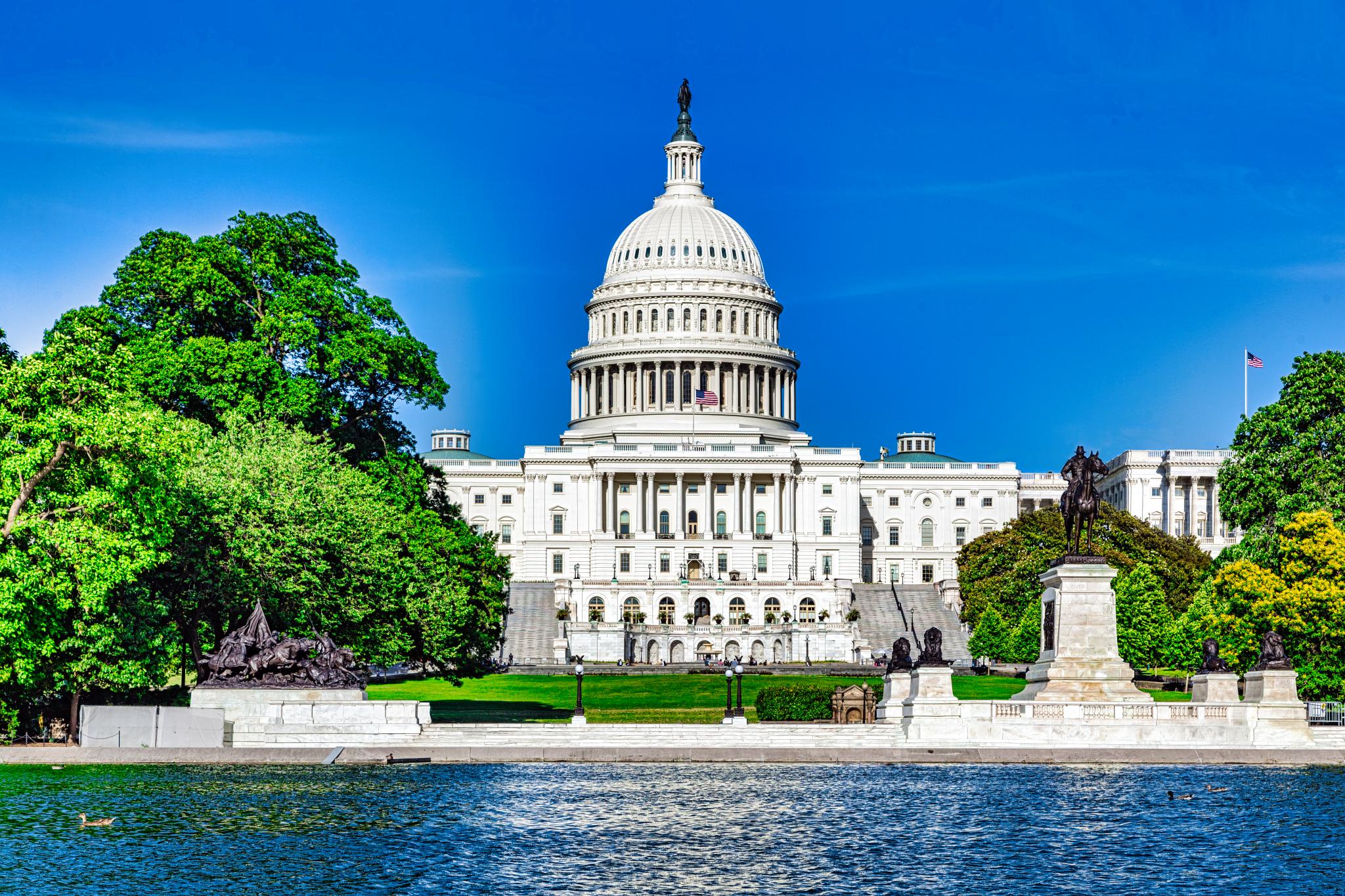
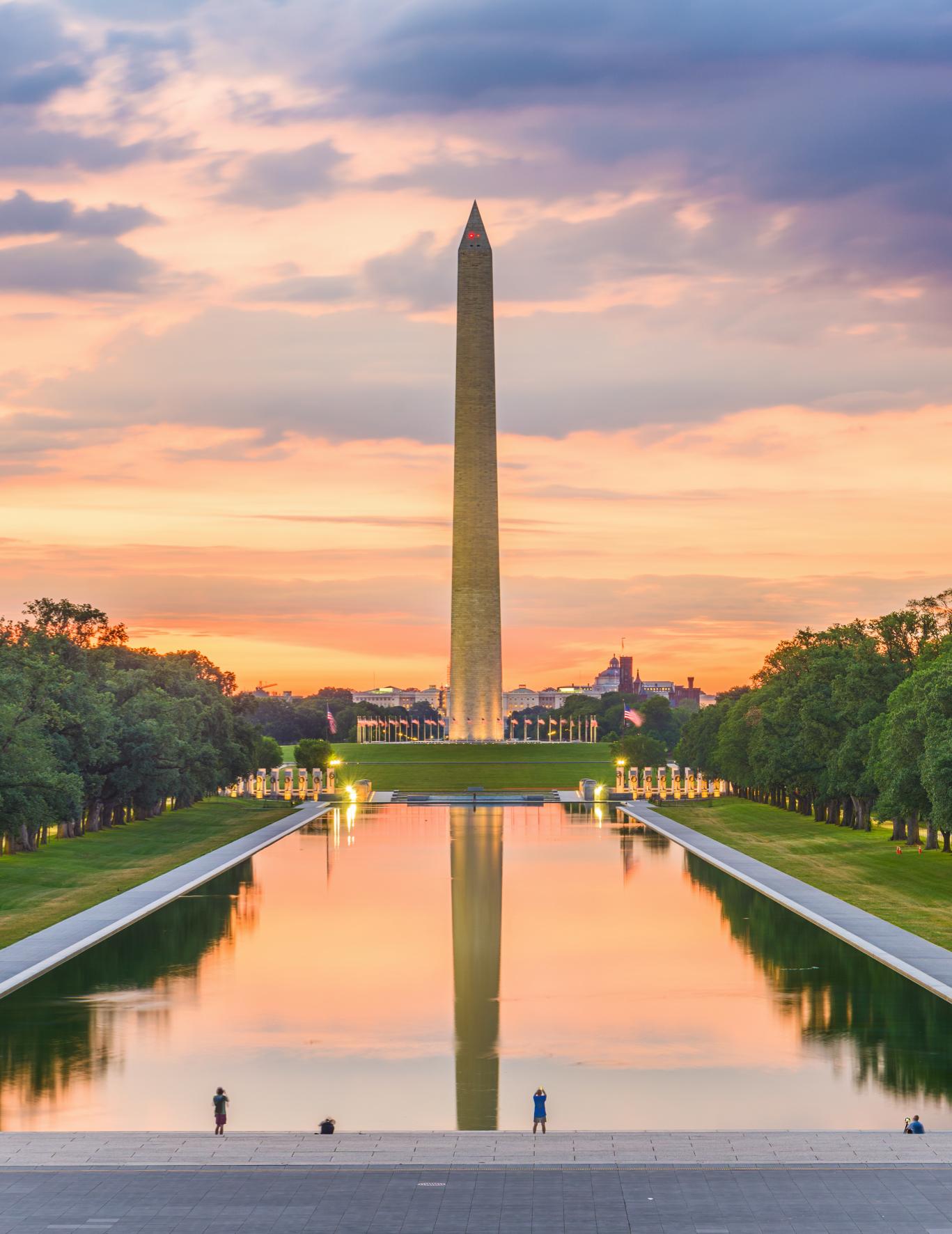
Traveling south, the corridor leads to Washington, D.C., where the ideals first expressed in Philadelphia were transformed into a functioning government. The National Mall serves as both symbolic and physical center, framed by monuments that tell the story of a nation across generations.
Here,visitors can stand beforetheLincolnMemorial, reflectattheVietnamVeterans Memorial,andlook toward theCapitol, each siterepresentingadifferent chapter in theAmericannarrative.
Thecity’s museums, manypartof theSmithsonian Institution, providedepthandcontext,offering travelers an opportunity toexplorethenation’s history, culture, and innovationunder oneexpansive umbrella.
Washington is morethanadestination-- itis aliving city wheredecisions madetodayshapethefuture,just as surely as thosemadehereincenturies past.
New York City — America on the Global Stage
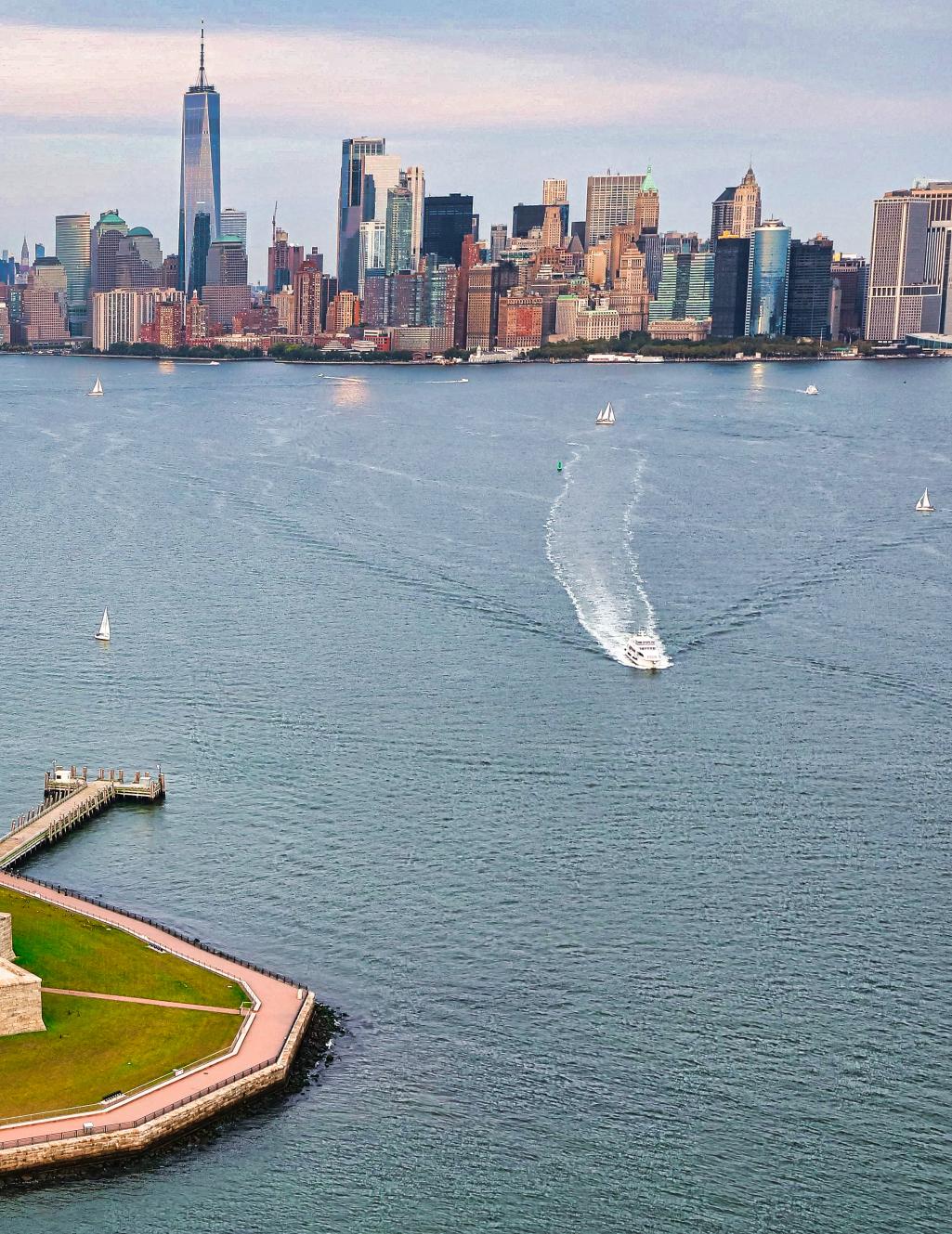
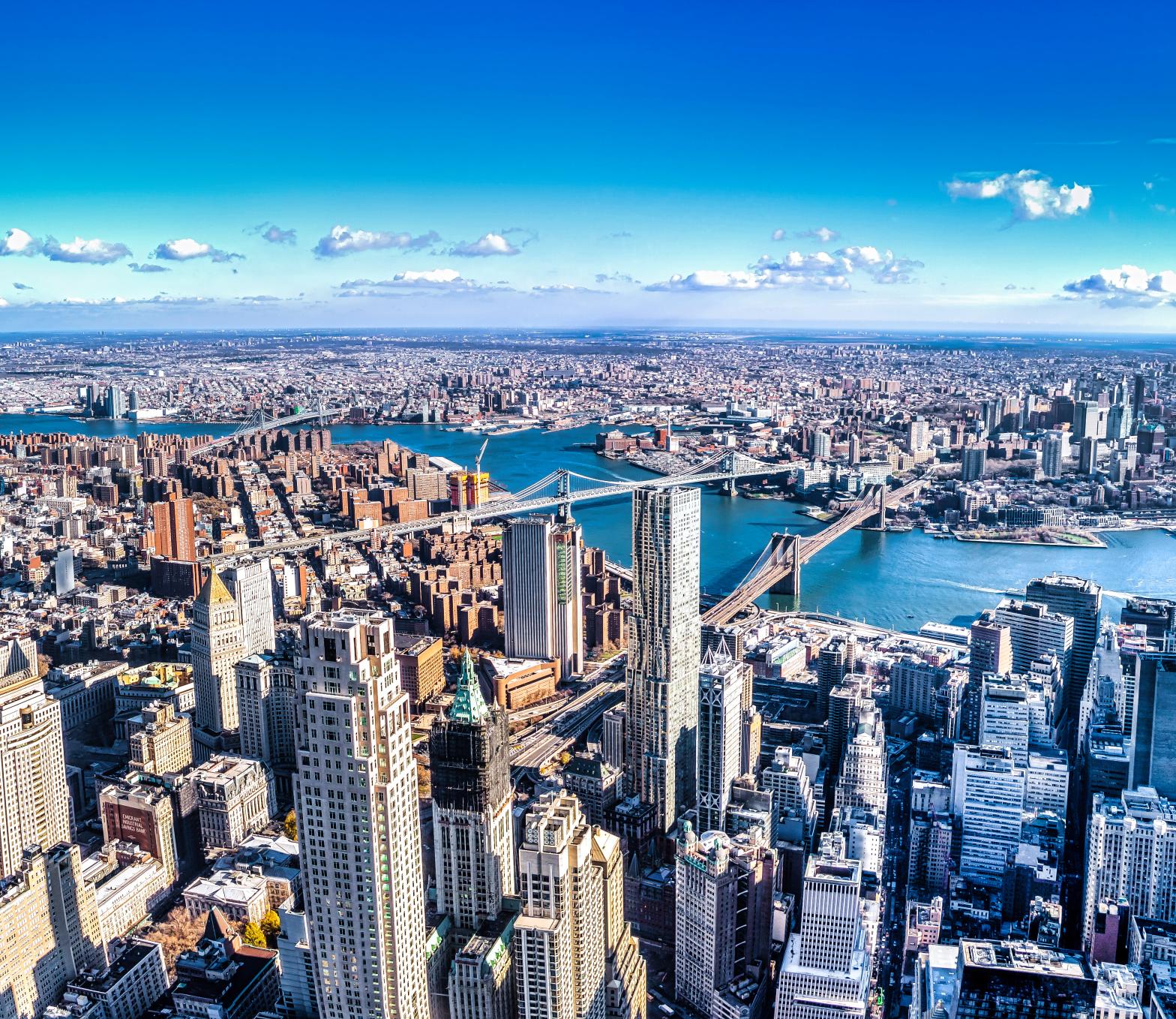
To the north, New York City represents another dimension of the Power Corridor, one defined not by governance, but by influence.As one of the world’s leading financial, cultural, and media capitals, New York reflectsAmerica’s global reach and diversity.
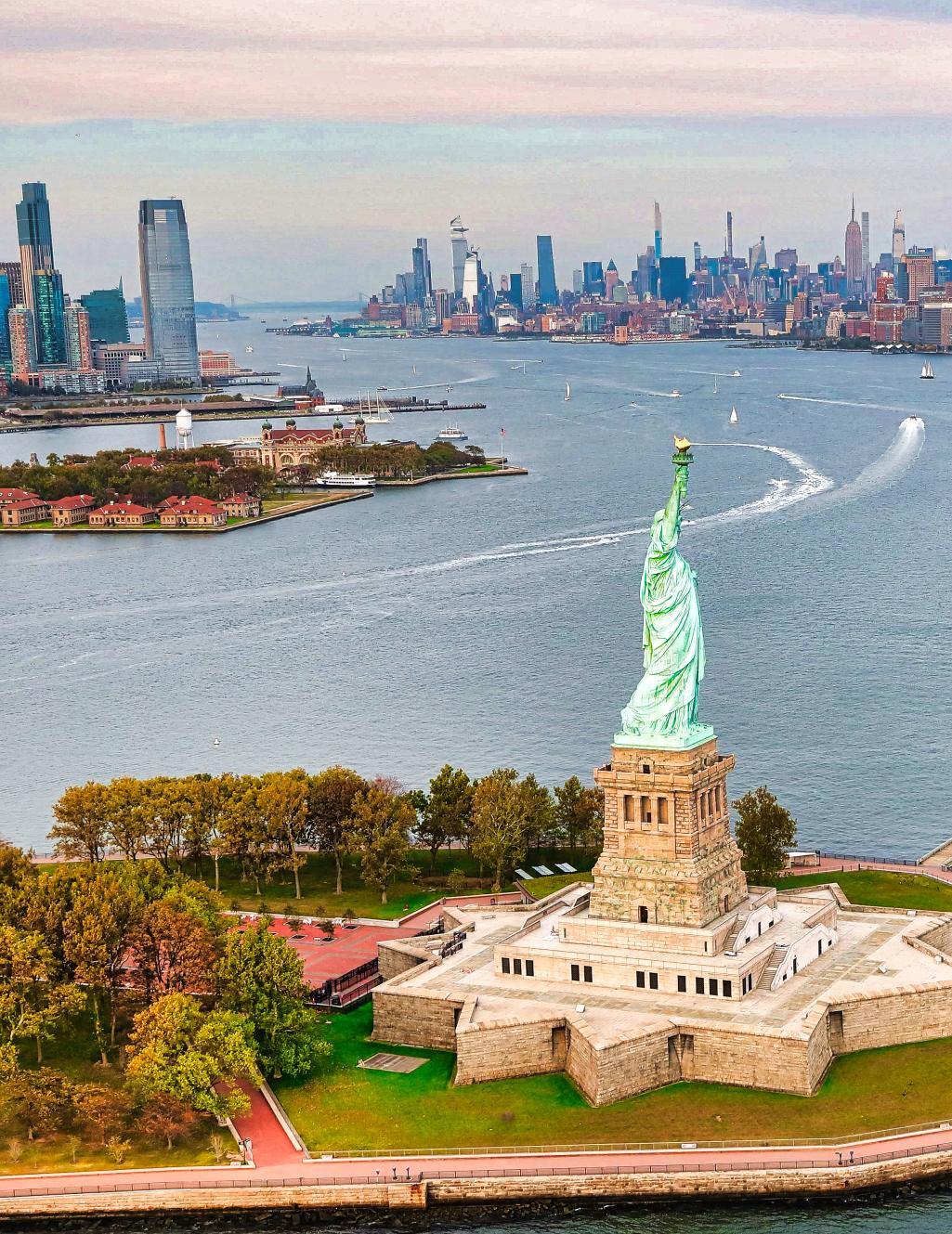
Theskylineitself tells astory of ambition, while landmarks suchas theStatueof Liberty and Ellis Islandspeakto themillions whoarrivedseeking opportunity.
Inneighborhoods across thefiveboroughs,thelegacy of immigrationcontinues toshapethecity’s identity,
making itoneof themostdynamicurban environments in theworld.
For travelers, NewYorkoffers endless possibilities, fromiconicsights to lesser-knowncultural experiences, ensuring thateveryvisitreveals something new.
Baltimore & Annapolis — Maritime Heritage and Colonial Roots
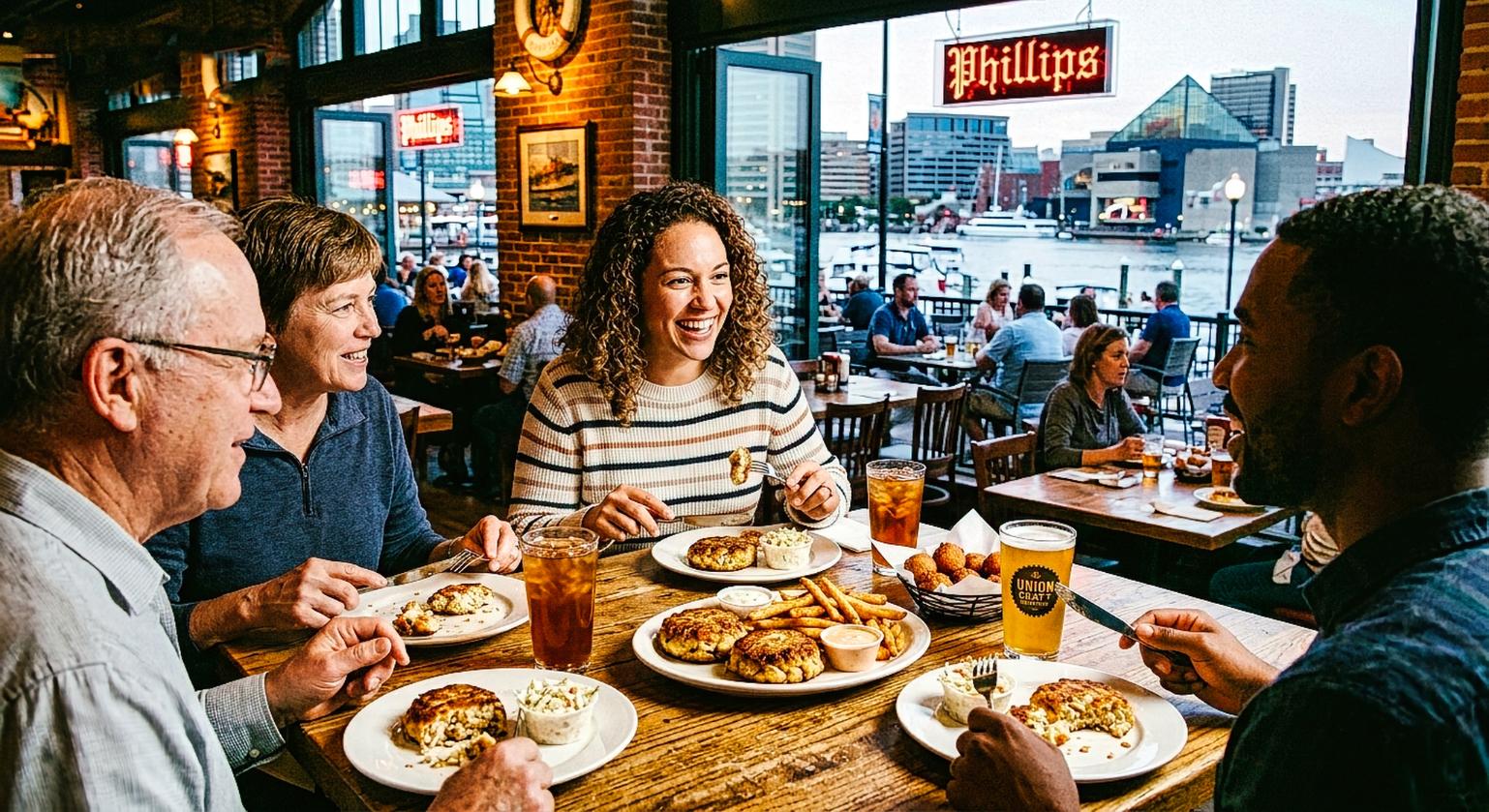
Between Philadelphia and Washington lies Baltimore, a city whose harbor has long been central toAmerican commerce and defense. The Inner Harbor today is a revitalized hub, blending history with modern attractions.
Nearby, Fort McHenry, where the national anthem was inspired, adds another layer to the city’s historical significance.
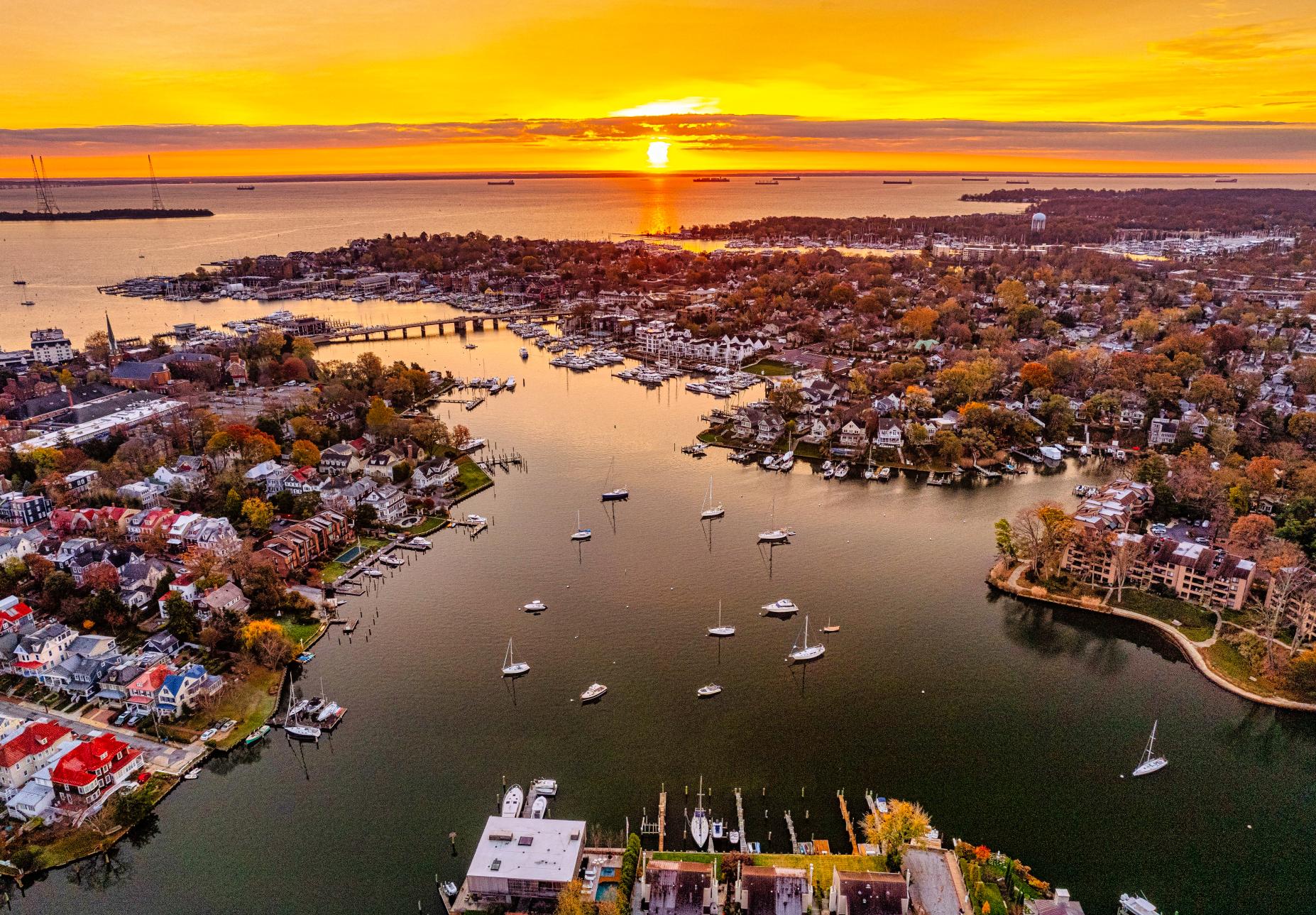
Justashortdriveaway,Annapolis offers amore intimatelook atcolonialAmerica.As thecapitalof Marylandand hometotheU.S.NavalAcademy,
Byways 32
combines historiccharmwithongoing nationalimportance. Its brickstreets,waterfront views,and well-preservedarchitecturemakeita favoritestopalongthecorridor.
New Jersey & Delaware — Crossroads of the Corridor
Often overlooked but essential to the Mid-Atlantic story, New Jersey and Delaware serve as connective tissue within the region.
InNew Jersey,cities suchasTrenton andPrinceton playedkey roles duringtheRevolutionaryWar. Princeton, inparticular,offers ablendof historic significanceandacademicprestige,anchored byits renowneduniversity.
Further south, Delaware.knownas thefirststateto ratify theConstitution,provides its own historic perspective.InDover, visitors canexplorecolonial sites andgovernmentbuildings thatreflecttheearly days of therepublic.Thestate’s smallsizemakes it
Annapolis
easy toincorporateintobroader itineraries, offering meaningful stops withoutextensivetraveltime.
Pennsylvania Beyond Philadelphia — Fields of History
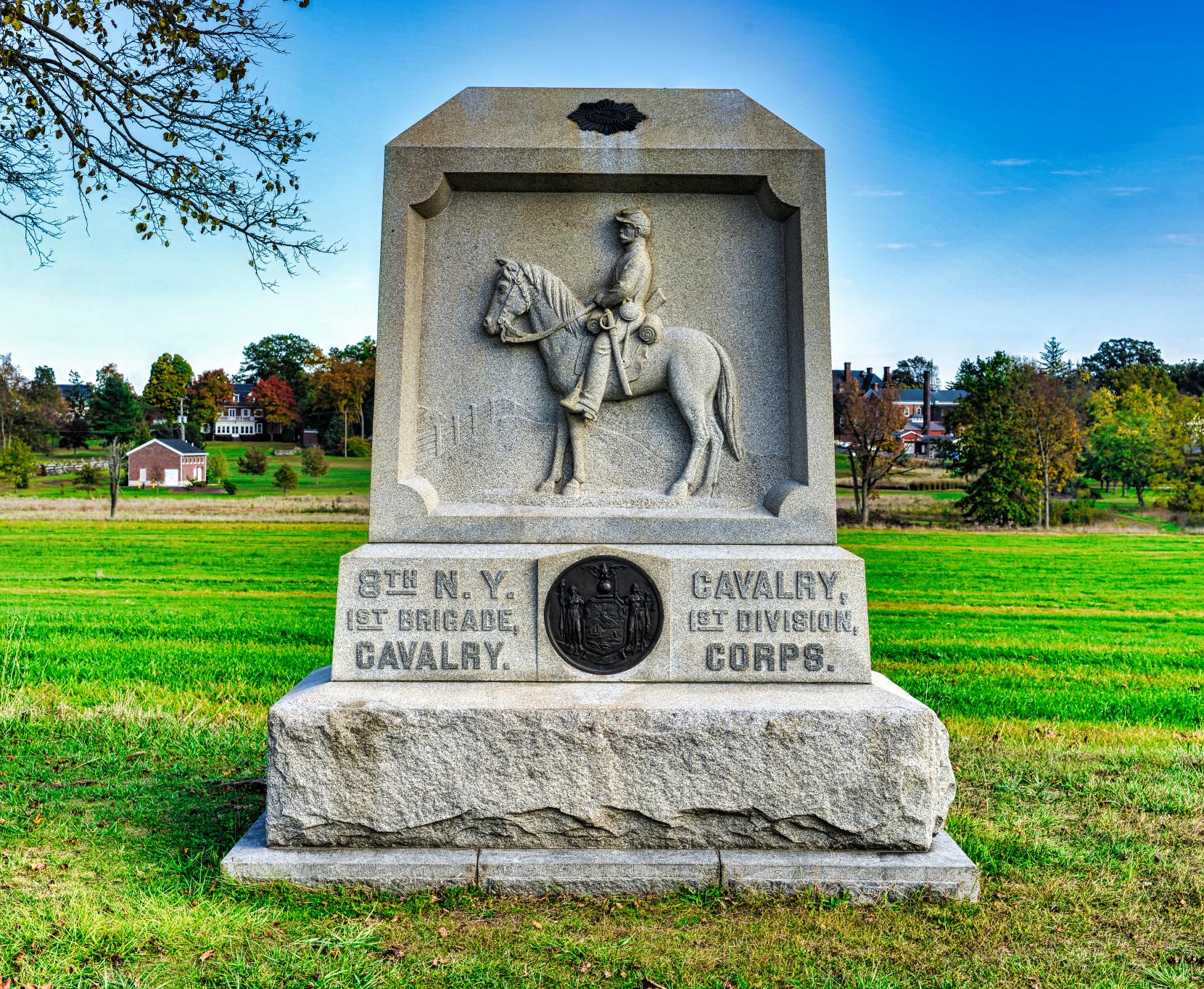
While Philadelphia anchors Pennsylvania’s place in the Power Corridor, the state’s interior tells another critical chapter of the American story. In Gettysburg, the site of one of the Civil War’s most pivotal battles, travelers encounter a landscape that remains both solemn and powerful.
TheBattleof Gettysburgmarkeda turning pointin theconflict,and today,thepreservedbattlefield allows visitors to reflectonthecost of unity and theenduringstruggle to defineit.For motorcoachtours, Gettysburg offers awell-developedvisitor experience, withguided tours and interpretiveprograms thatbring history tolife.
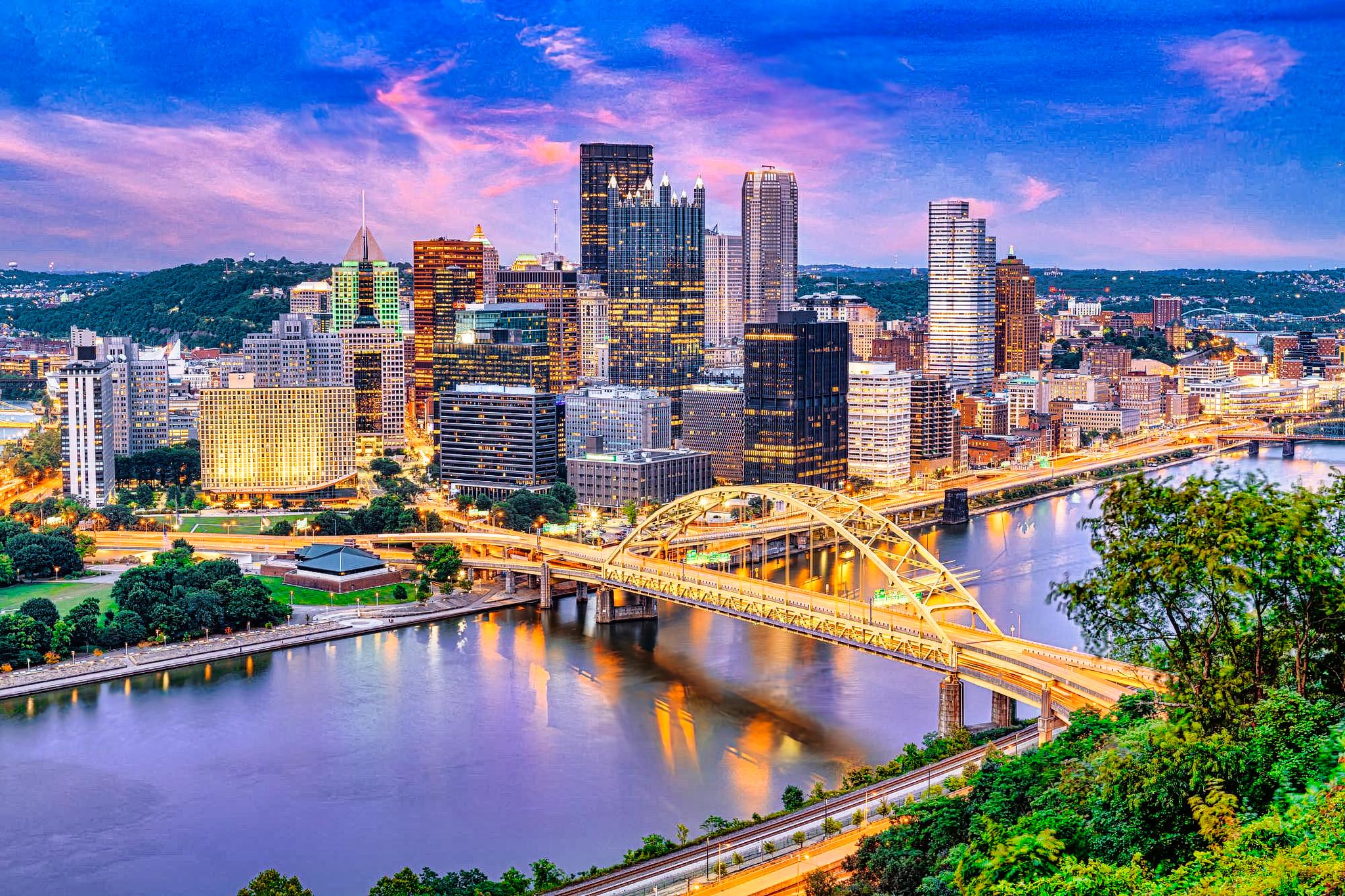
Whilethemajor cities definethecoreof thePower Corridor,thebroader regionincludes additional destinations thatcontributetoits depth anddiversity. InPittsburgh,aformer industrialpowerhousehas
transformed into acenter of innovationandculture, whererivers and bridges shapethecity’s identity.
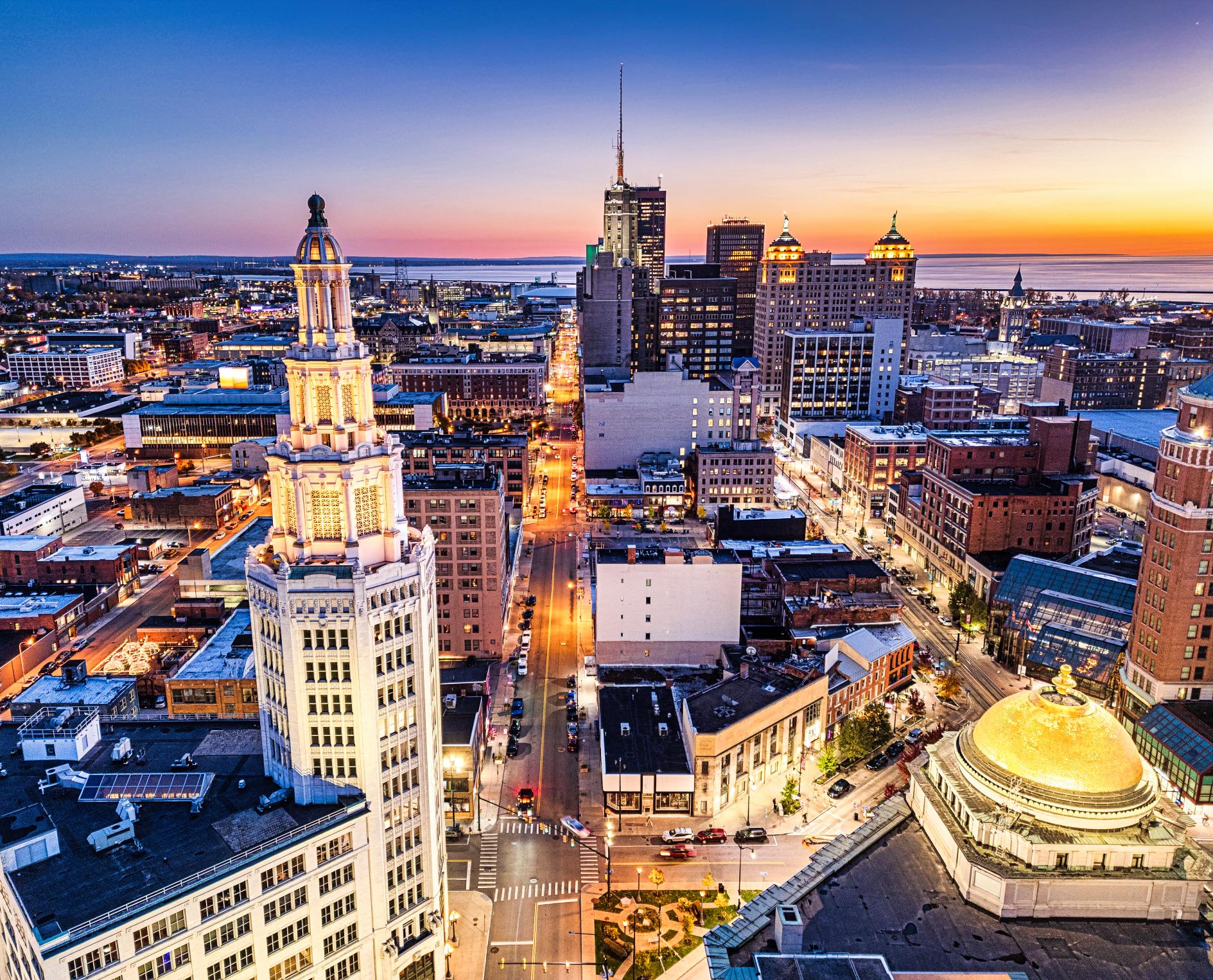
Tothenorth, Buffalo offers access totheGreatLakes and proximity to NiagaraFalls,whileAlbanyreflects NewYork’s politicalheritageas thestatecapital.
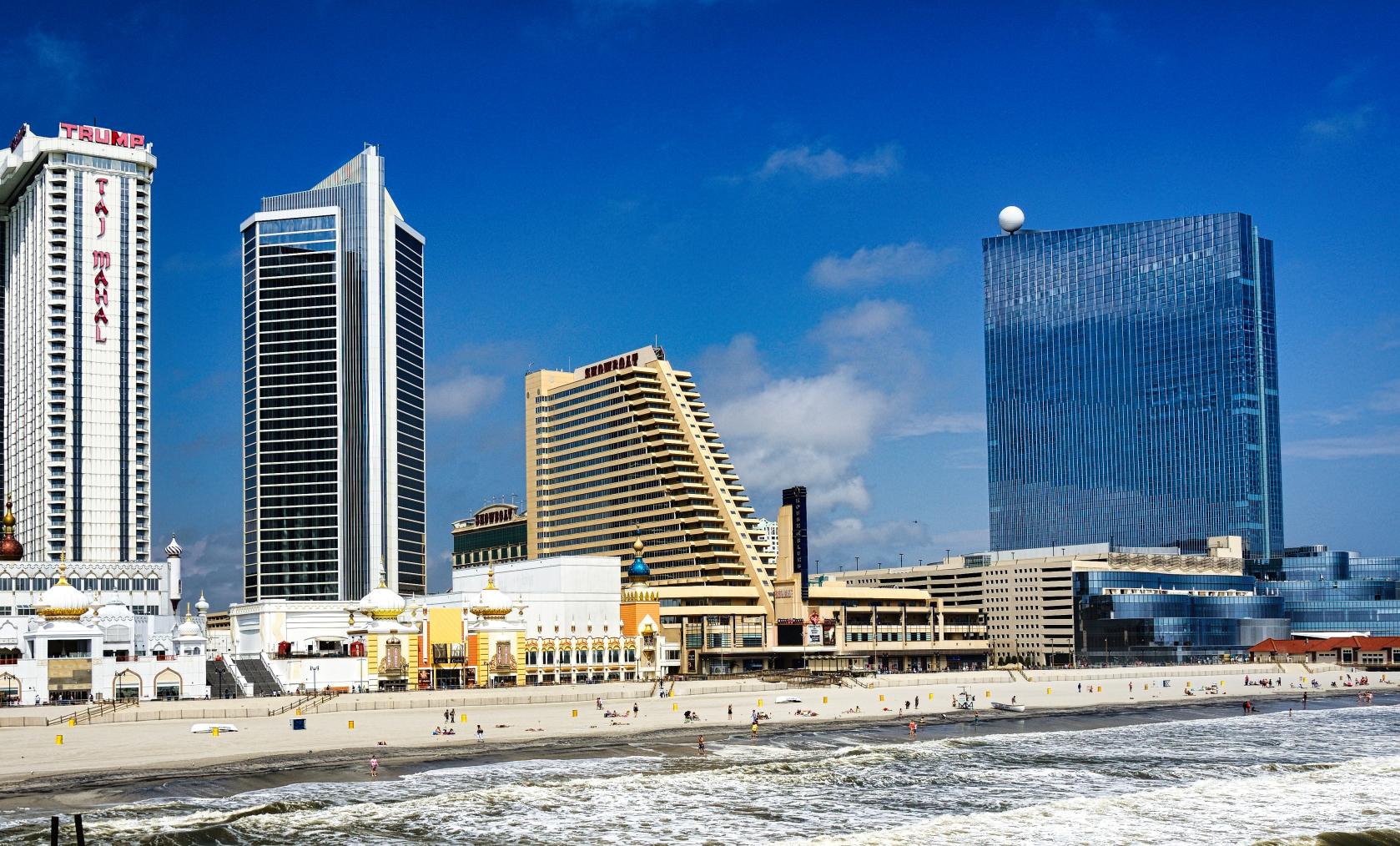
AlongtheNew Jerseycoast,AtlanticCityprovides a blendof seasideentertainmentandhistoricboardwalk tradition,addinganother dimensiontotheMidAtlantictravelexperience.
Traveling the Power Corridor
What makes the MidAtlantic unique is not just the significance of its individual destinations, but how closely they are connected. Within a relatively compact geographic area, travelers can experience multiple layers ofAmerican history -- from colonial beginnings to modern global influence— often within a single itinerary.
Major highways such as I-95linkthe
corridor’s primary cities, while scenicbyways and secondary routes offer alternativepaths through smaller towns and historiclandscapes.
For group travelplanners,the region’s infrastructure, accessibility, and concentration of attractions makeitoneof the mostpracticaland rewarding areas in thecountryto explore.
Culture, Cuisine, and Community
Beyond its landmarks, the MidAtlantic is defined by its diversity. Each city and state contributes its own cultural identity, reflected in food, neighborhoods, and local traditions.
Philadelphia’s markets, Baltimore’s seafood,New York’s globalcuisine, andWashington’s international influences alloffer opportunities for travelers to experiencetheregionthroughits flavors.
Theseculinary experiences aremorethanjustmeals, theyareexpressions of thecommunities thathave shaped thecorridor over time.
Where America Comes Together
AsAmerica approaches its 250th anniversary, the Mid-Atlantic stands as a reminder of how far the nation has come, and how its foundational ideas continue to evolve. This is where independence was declared, where government was formed, where unity was tested, and whereAmerica engages with the world.
For travelers,thePower Corridor offers morethan a collectionof destinations.Itprovides ajourney throughthevery mechanisms of thenation—its history,its institutions,andits ongoingstory.
Fromthecobblestone streets of Philadelphiato the monuments of Washington, fromthe skylineof NewYork to thequietfields of Gettysburg, theMidAtlanticinvites exploration atevery turn.
Here, theAmerican story is notonly remembered,itis lived,debated,and carriedforward every day. tt
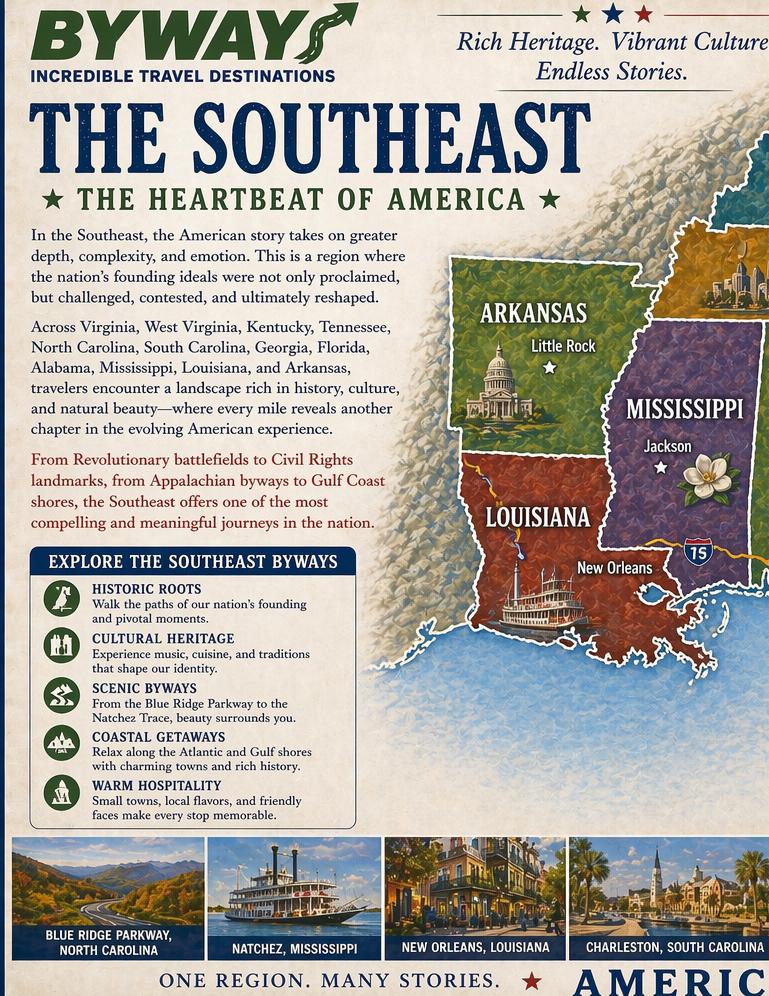
IntheSoutheast,theAmericanstorytakes on greater depth,complexity,andemotion.This is a region wherethenation’s foundingideals werenot onlyproclaimed, butchallenged,contested,and ultimatelyreshaped.
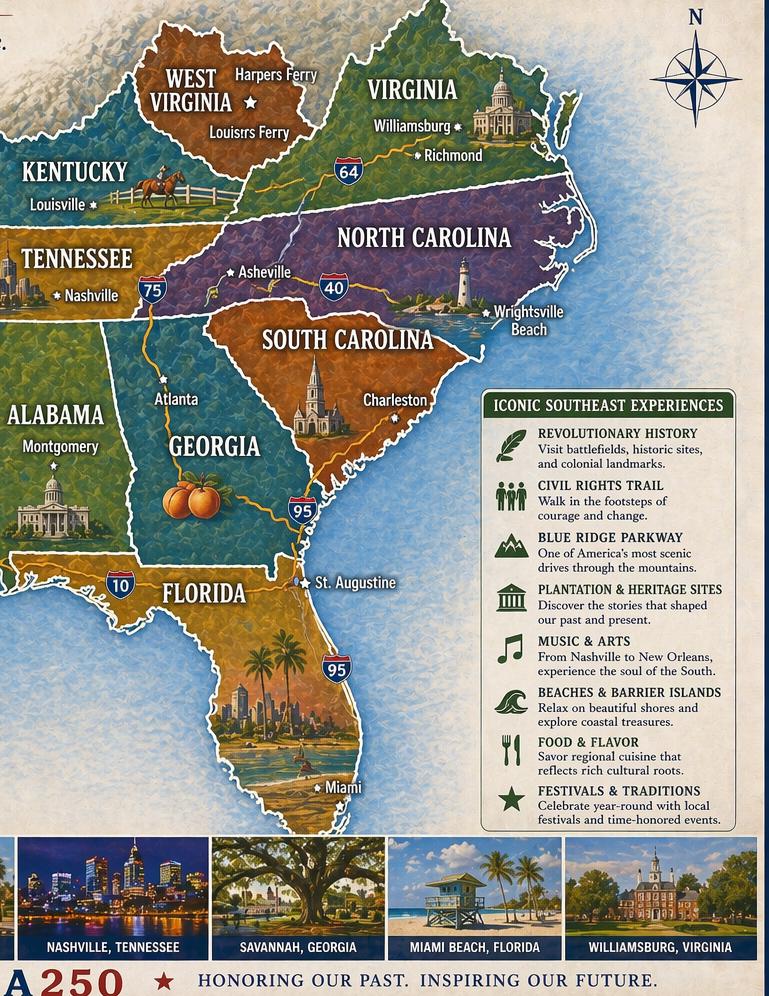
AcrossVirginia,WestVirginia,Kentucky,Tennessee, North Carolina, SouthCarolina,Georgia,Florida, Alabama, Mississippi, Louisiana,andArkansas, travelers encounter alandscaperichinhistory,culture, and naturalbeauty, whereeverymilereveals another chapter in theevolvingAmericanexperience.
FromRevolutionarybattlefields toCivilRights landmarks, fromAppalachianbyways toGulf Coast shores,theSoutheastoffers oneof themost compelling and meaningfuljourneys inthenation.
Virginia — The First Chapters
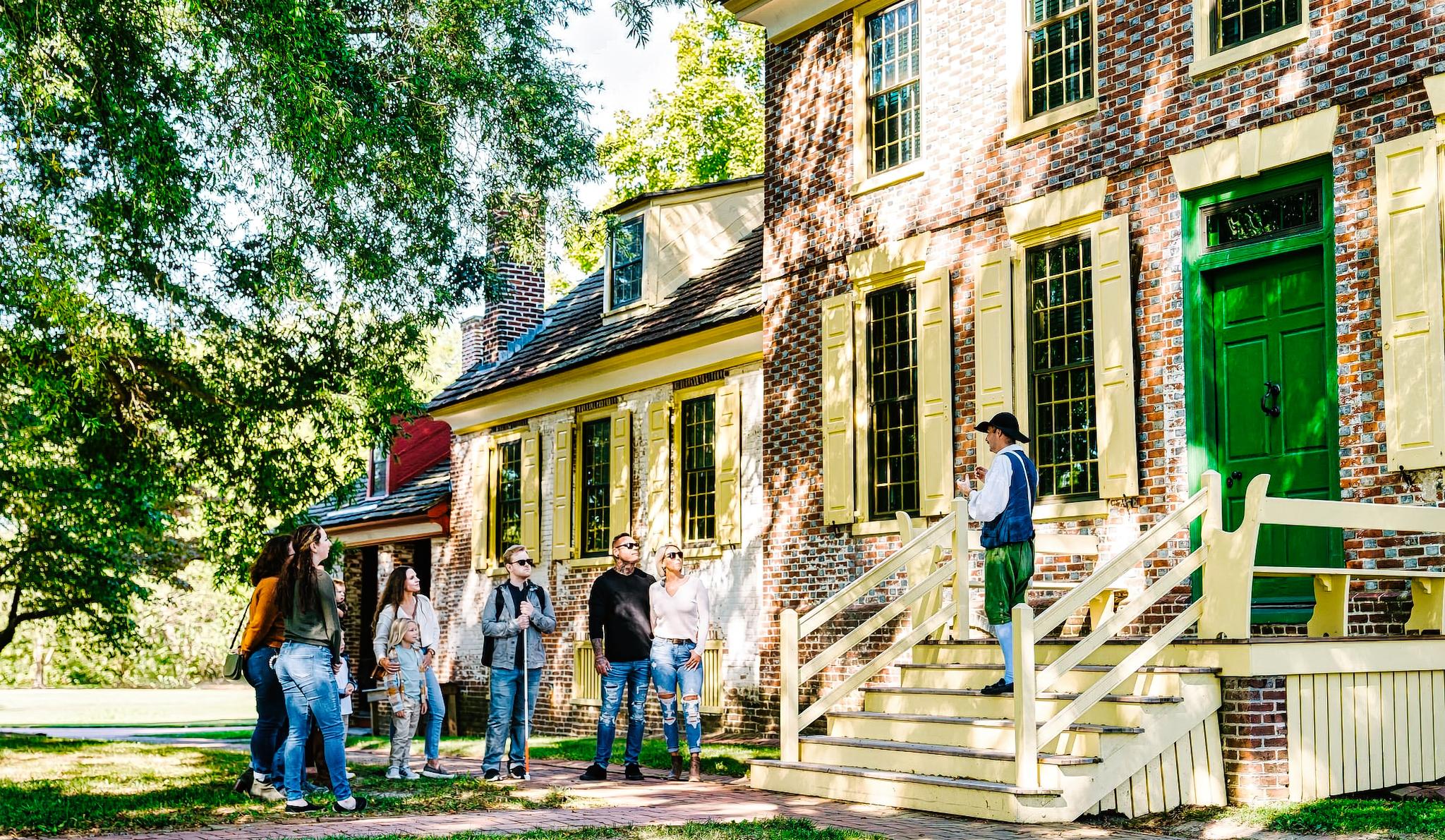
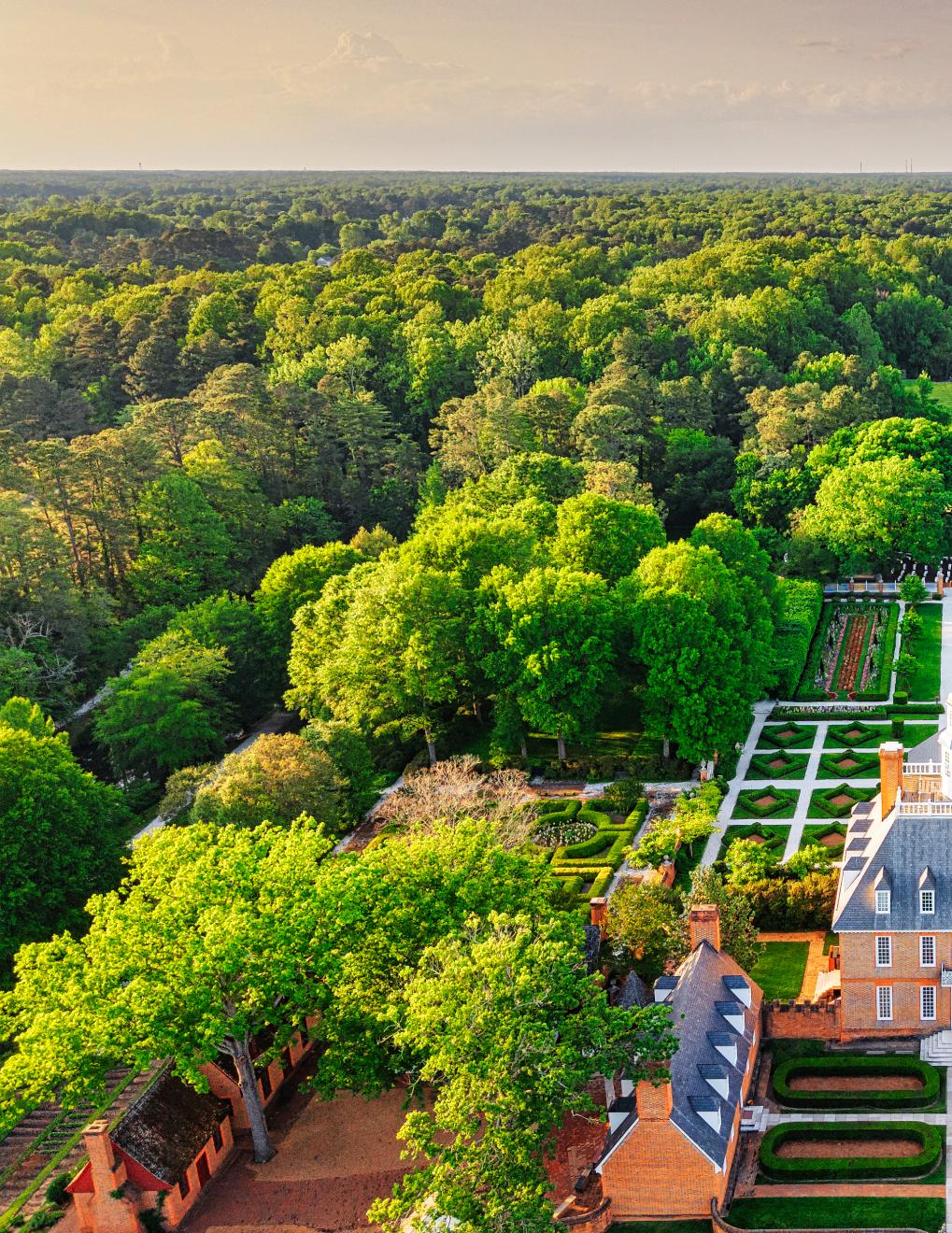
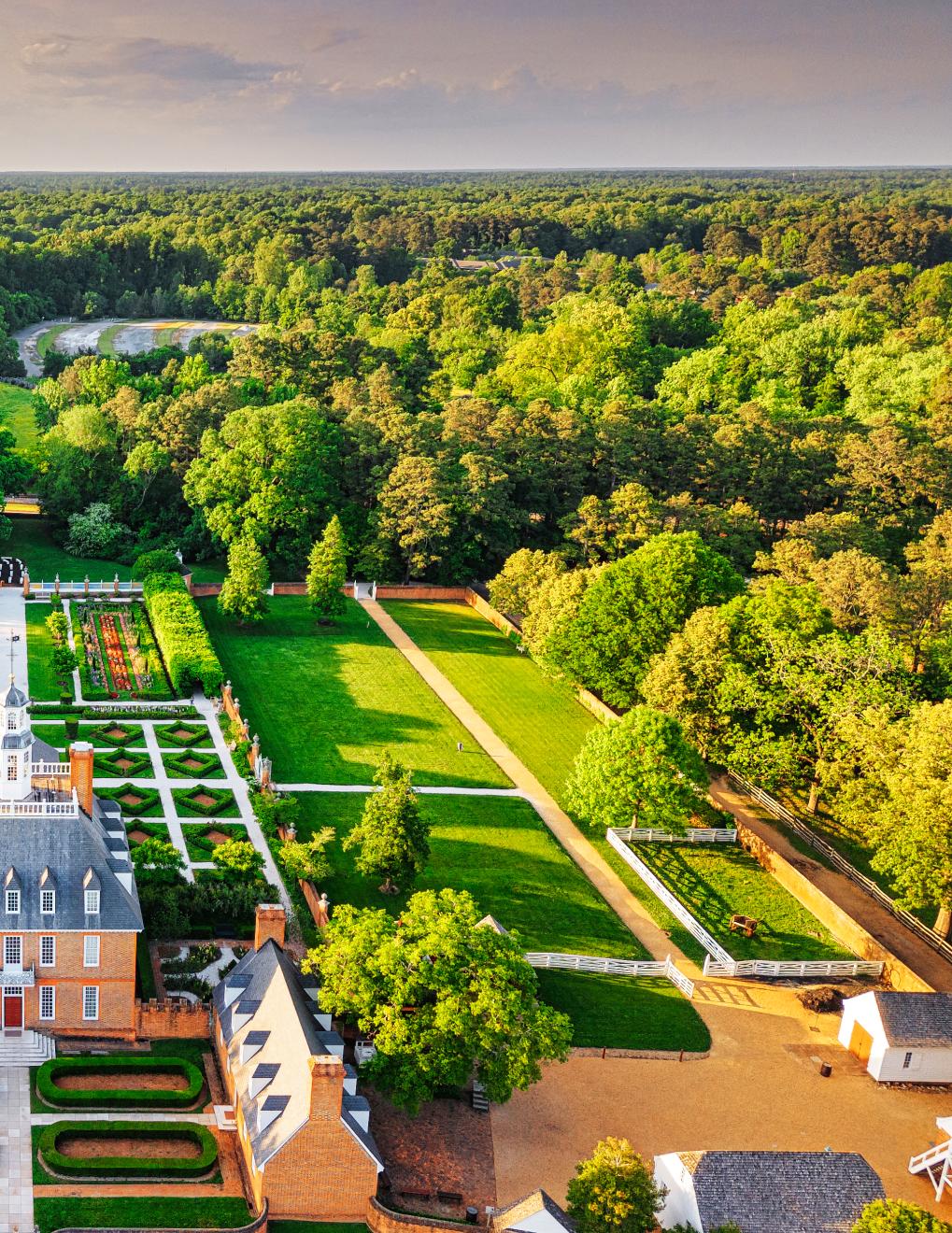
Anyjourney through theSoutheastoftenbegins in Virginia, whereAmerica’s earliestroots tookhold. In Williamsburg, ColonialWilliamsburgrecreates 18thcentury life, allowingvisitors towalkthestreets of a colonialcapital.
Byways 40
Nearby,Jamestownmarks thesiteof thefirst permanentEnglishsettlement,whileYorktown stands as theplacewheretheRevolutionaryWar effectively cametoan end.
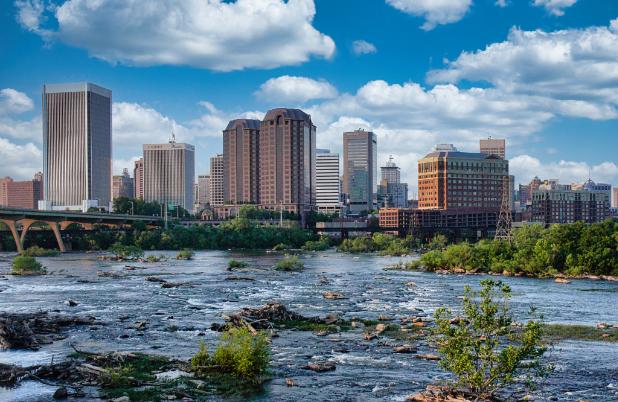
Further north, Richmondreflects a later and more complicated chapter, serving as thecapital of theConfederacy during theCivilWar. Today,its museums and historicdistricts offer insightinto bothconflictand reconciliation.
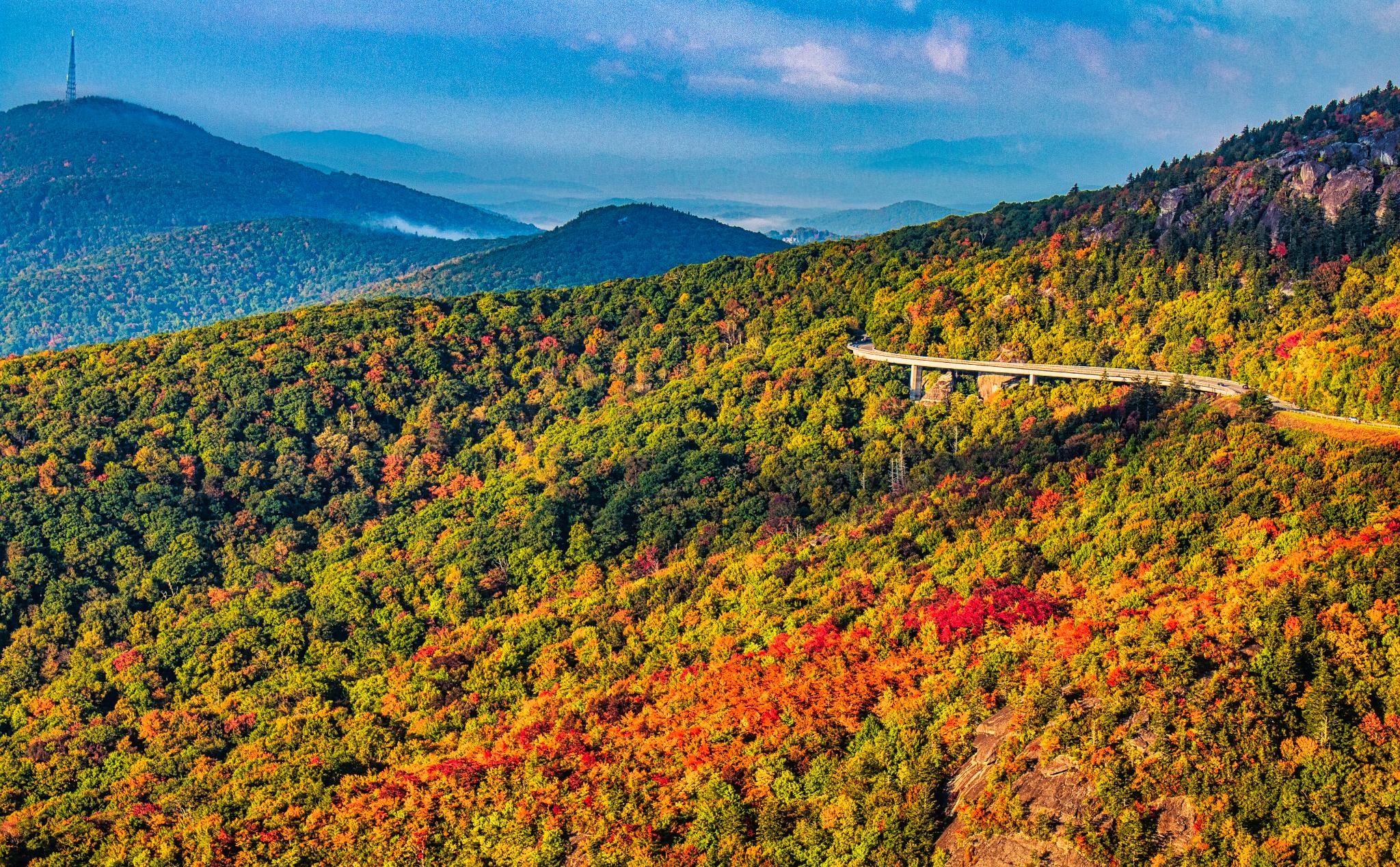
For scenictravel, the BlueRidgeParkway begins its winding journeythrough the Appalachian Mountains,offering oneof themost iconicdrives inAmerica.
was the site of John Brown’s 1859 raid, an event that foreshadowed the coming Civil War.
The Appalachian Corridor — West Virginia, Kentucky, Tennessee
Moving west, the terrain rises into theAppalachian Mountains, where history and landscape intertwine.
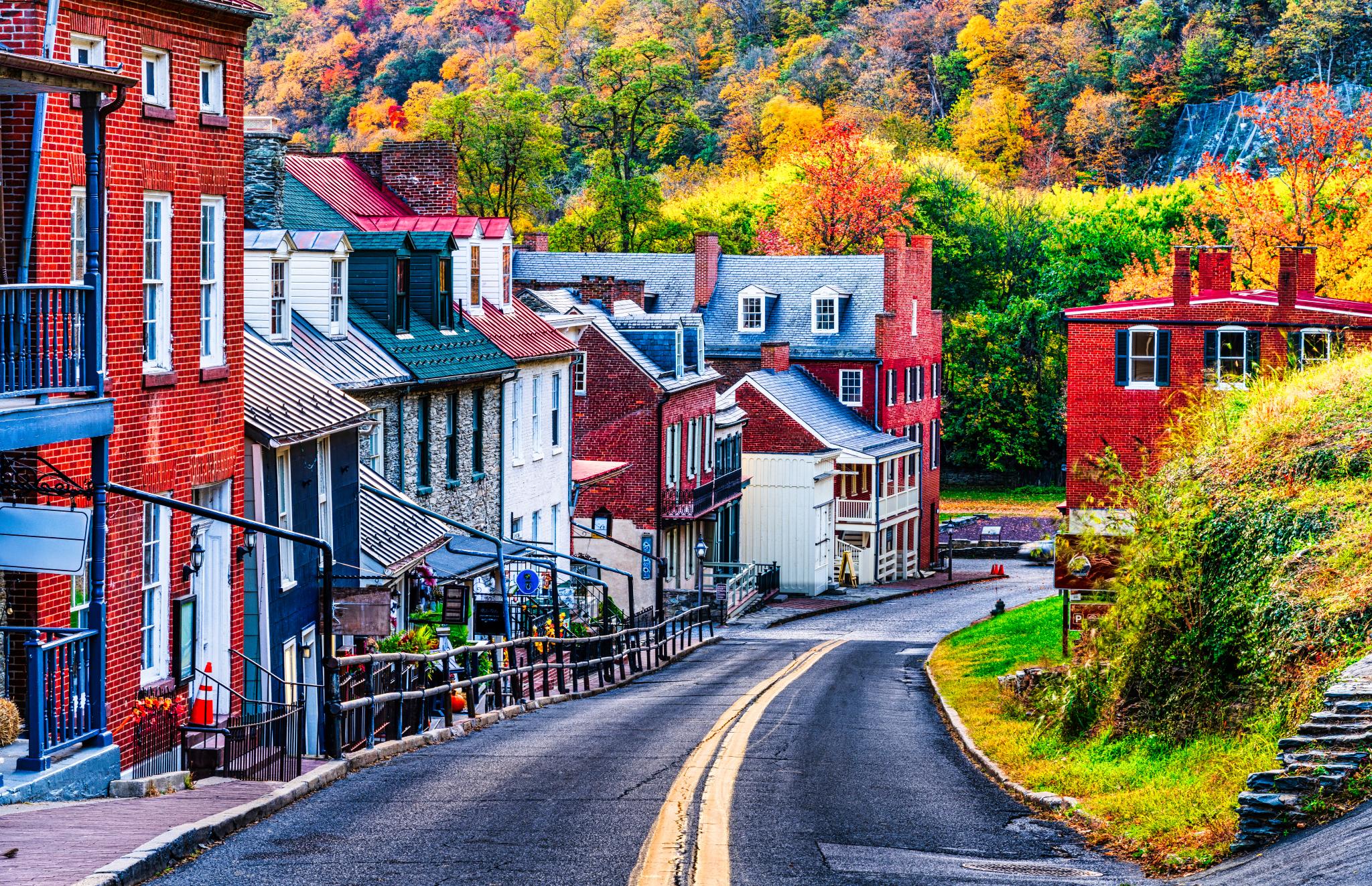
In West Virginia, towns such as Harpers Ferry hold national significance. Located at the confluence of the Potomac and Shenandoah Rivers, Harpers Ferry
Today, the town’s preserved streets and surrounding trails make it a compelling stop for both history and outdoor recreation.
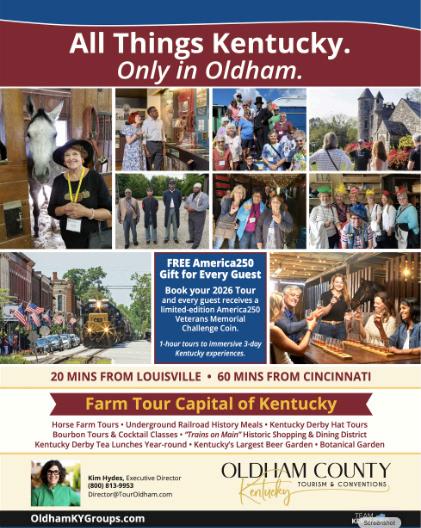
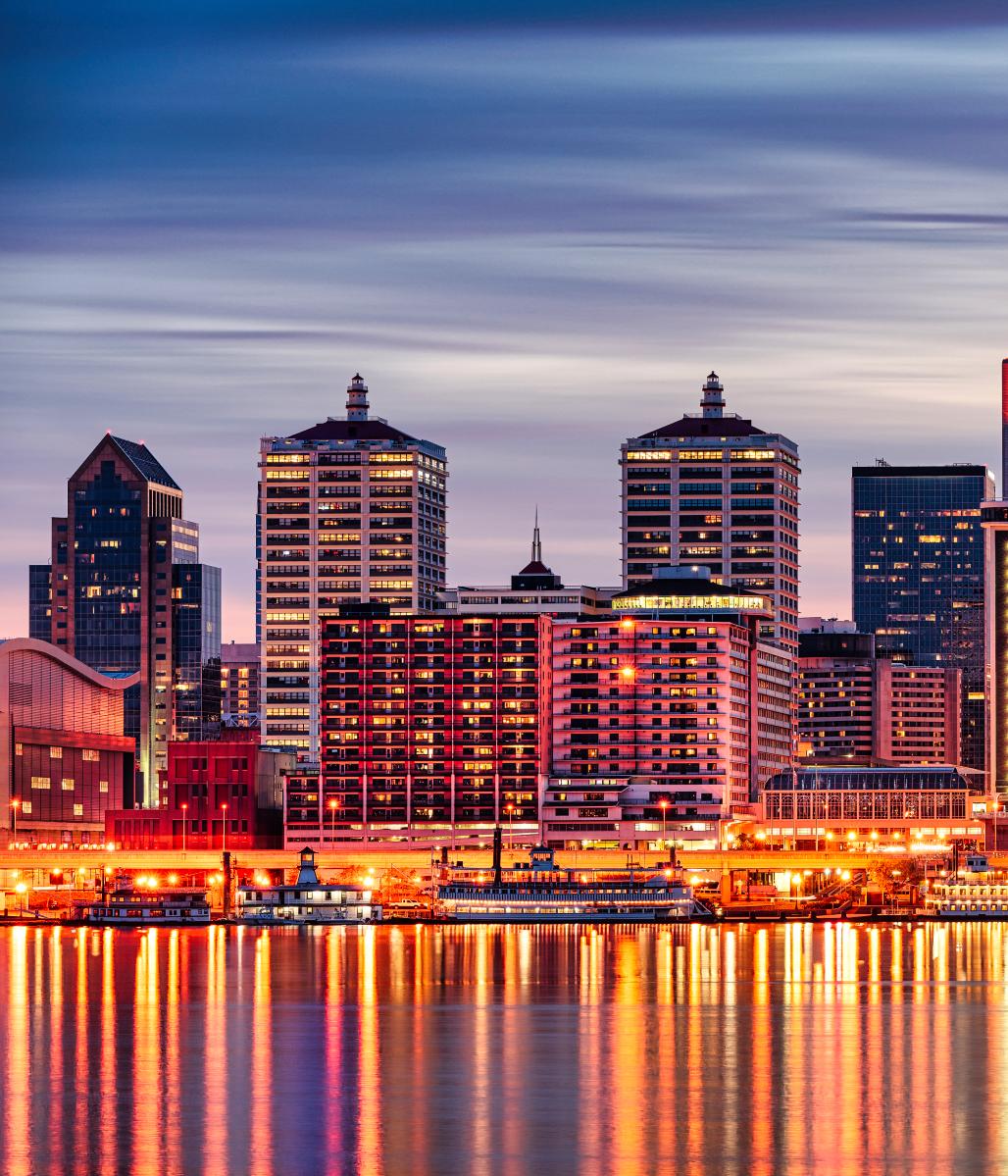
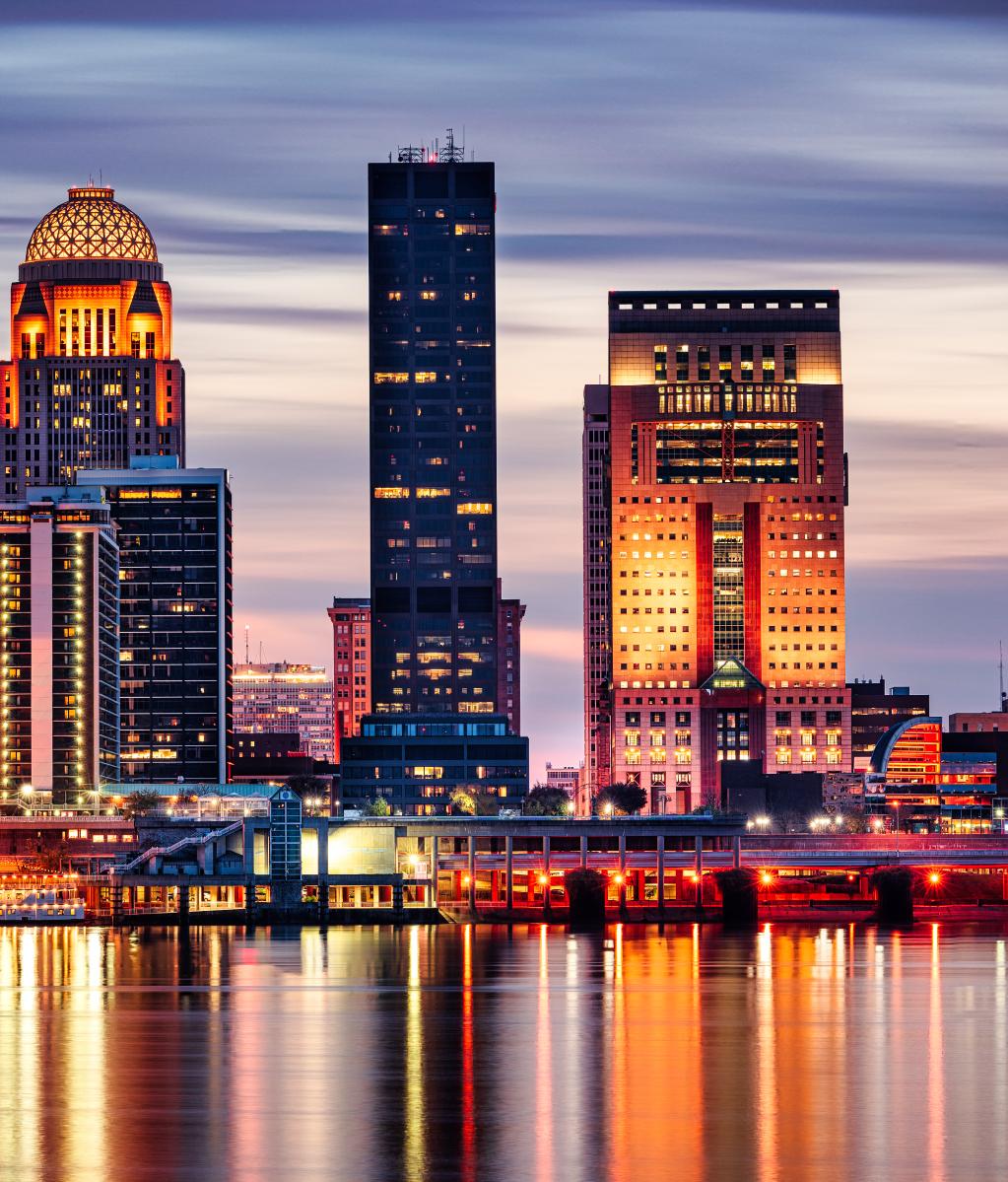
In Kentucky, the journey continues through rolling hills and horse country. Lexington and Louisville offer a blend of tradition and modern culture, while historic sites such asAbraham Lincoln Birthplace National Historical Park connect travelers to one of the nation’s most influential leaders.
Further south, Tennessee brings together music, history, and scenic beauty. In Nashville, the sound of country music defines the city’s identity, while Memphis offers a powerful connection to both music history and the Civil Rights movement, particularly at the National Civil Rights Museum.
The Carolinas — From Mountains to Coast
In North Carolina and South Carolina, travelers experience a remarkable diversity of landscapes.
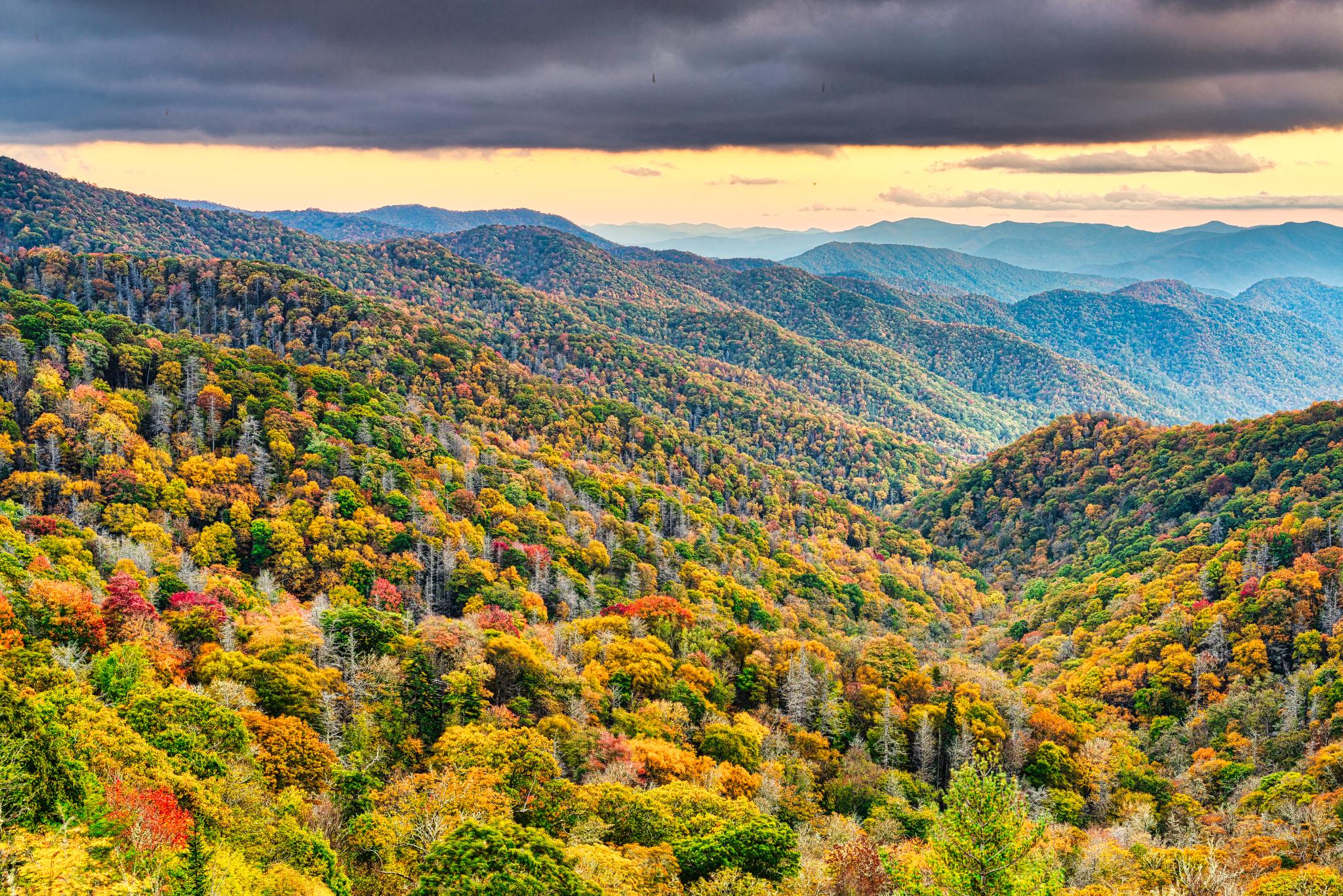
Western North Carolina is home to the Great Smoky Mountains National Park, one of the most visited national parks in the country. Scenic drives, hiking trails, and panoramic overlooks make this area a centerpiece of any Southeast itinerary.
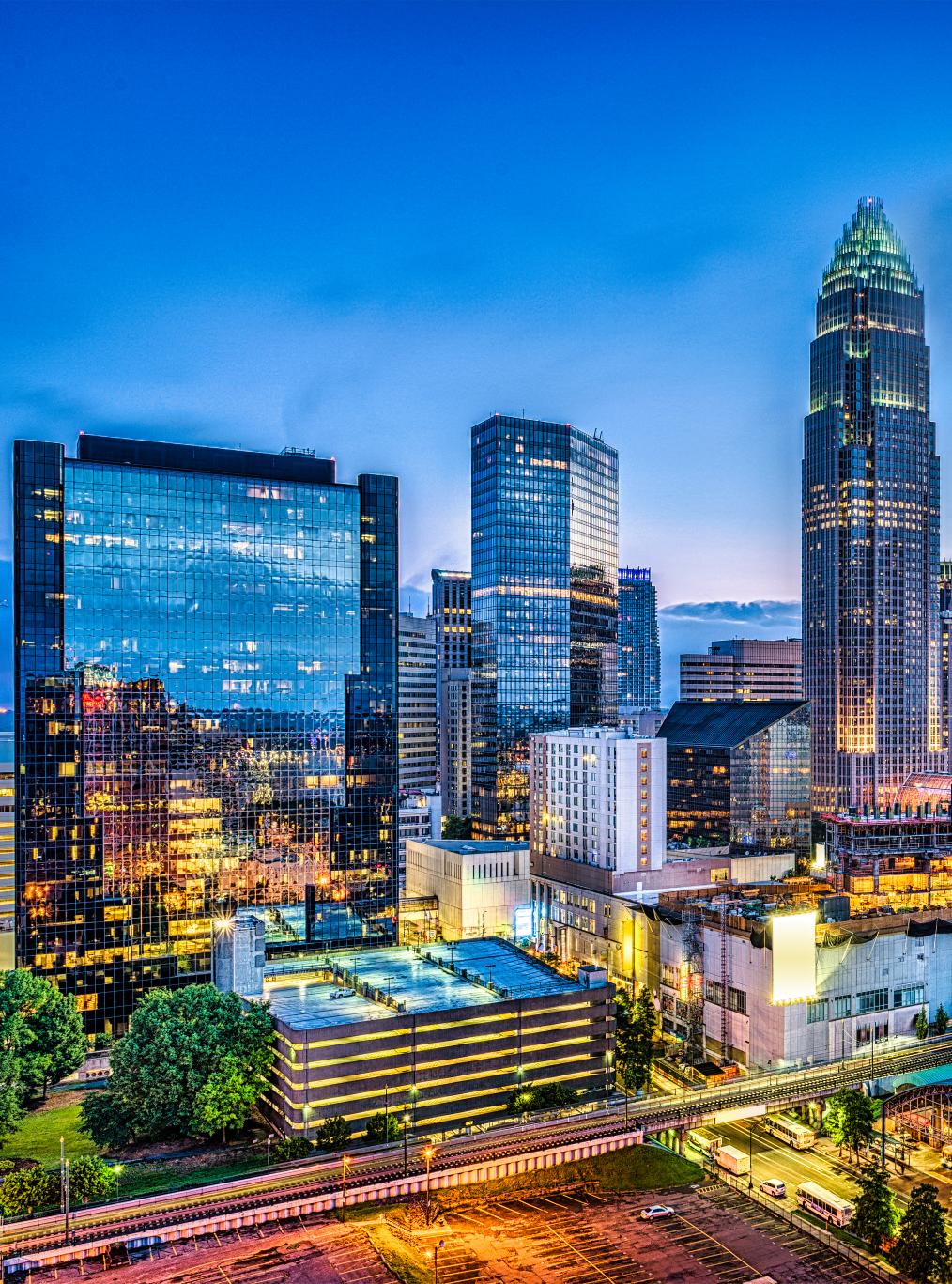
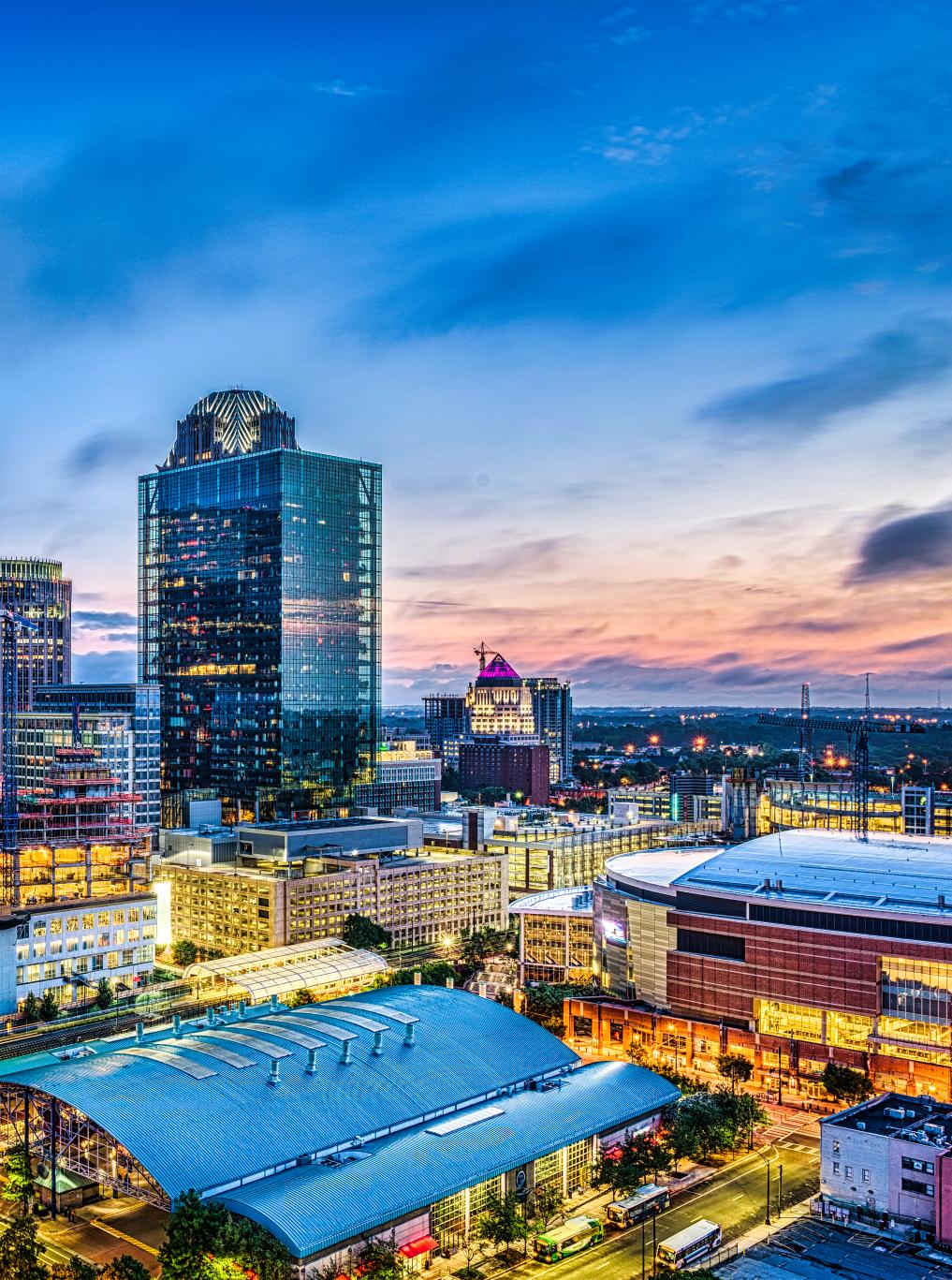
Further east, cities like Charlotte and Raleigh reflect the region’s modern growth, while coastal destinations offer beaches and maritime heritage.
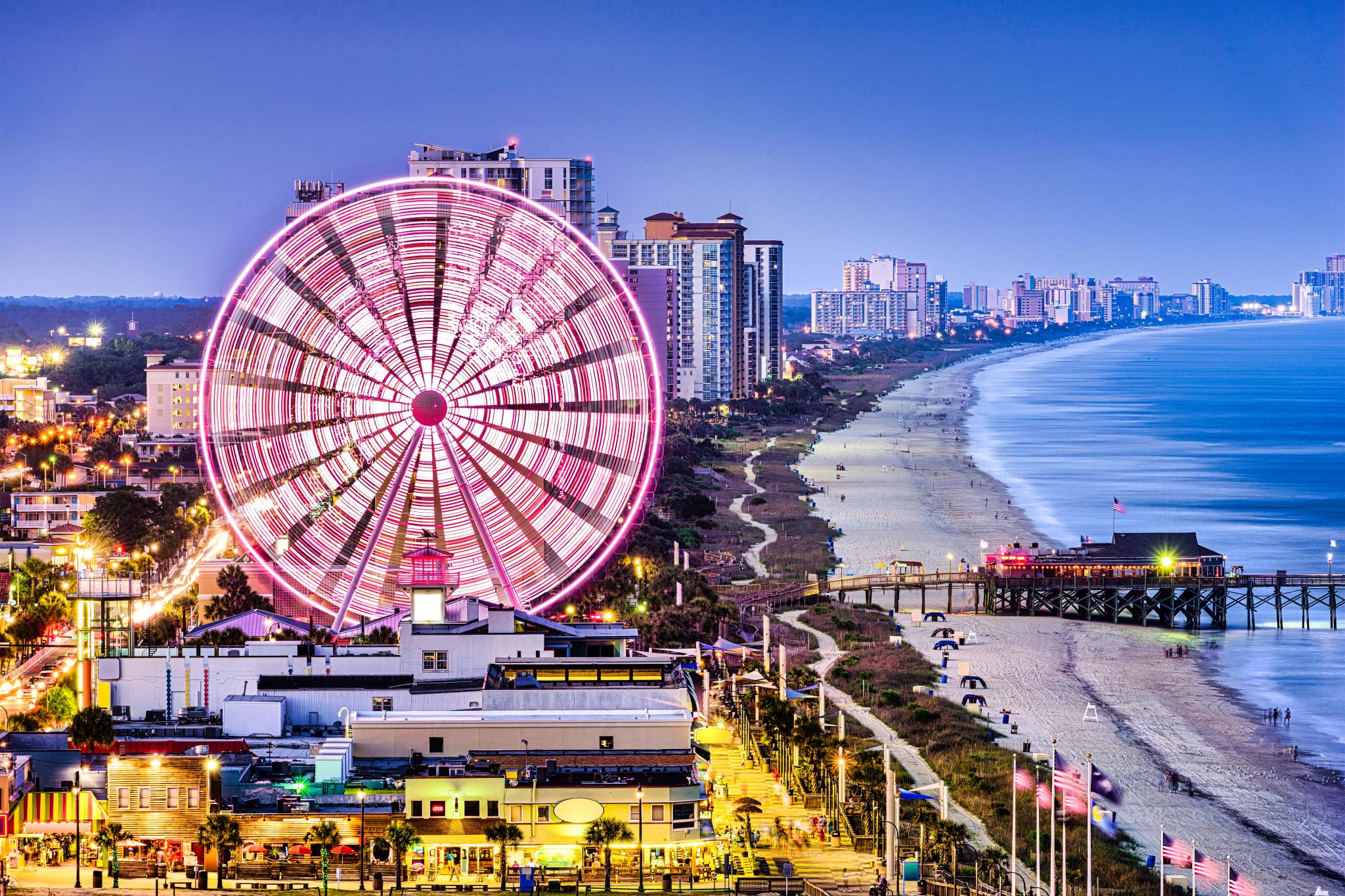
In South Carolina, Charleston stands as one of the most beautifully preserved historic cities inAmerica. Its cobblestone streets, antebellum architecture, and waterfront views provide a vivid sense of place. Nearby, Myrtle Beach offers a more contemporary coastal experience, popular with both families and group travelers.
Georgia — Tradition and Transformation
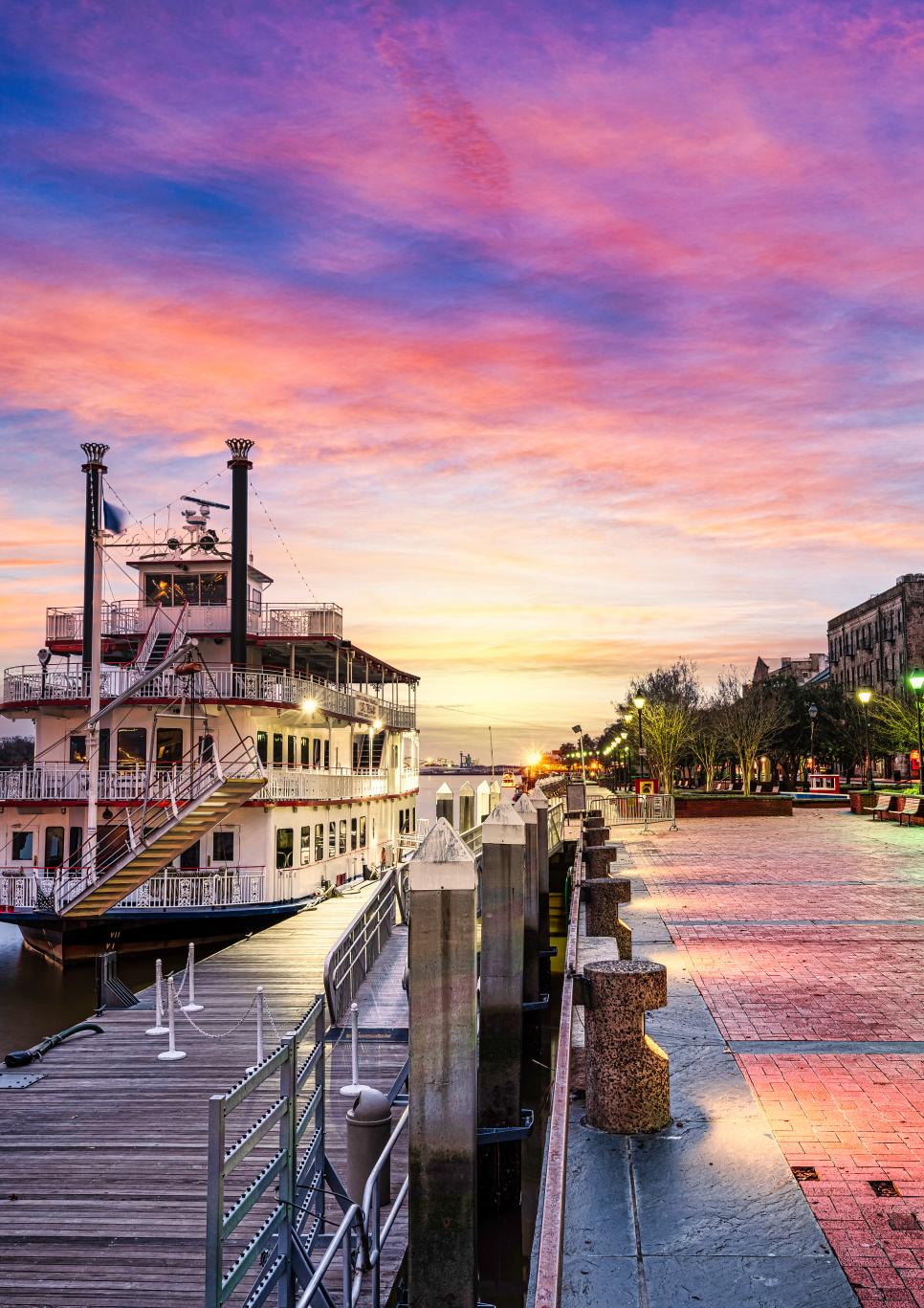
In Georgia, the past and present intersect in meaningful ways. Savannah, with its moss-draped squares and historic homes, offers one of the most distinctive urban landscapes in the Southeast. The city’s layout. centered around public squares, creates a walkable and visually striking environment.
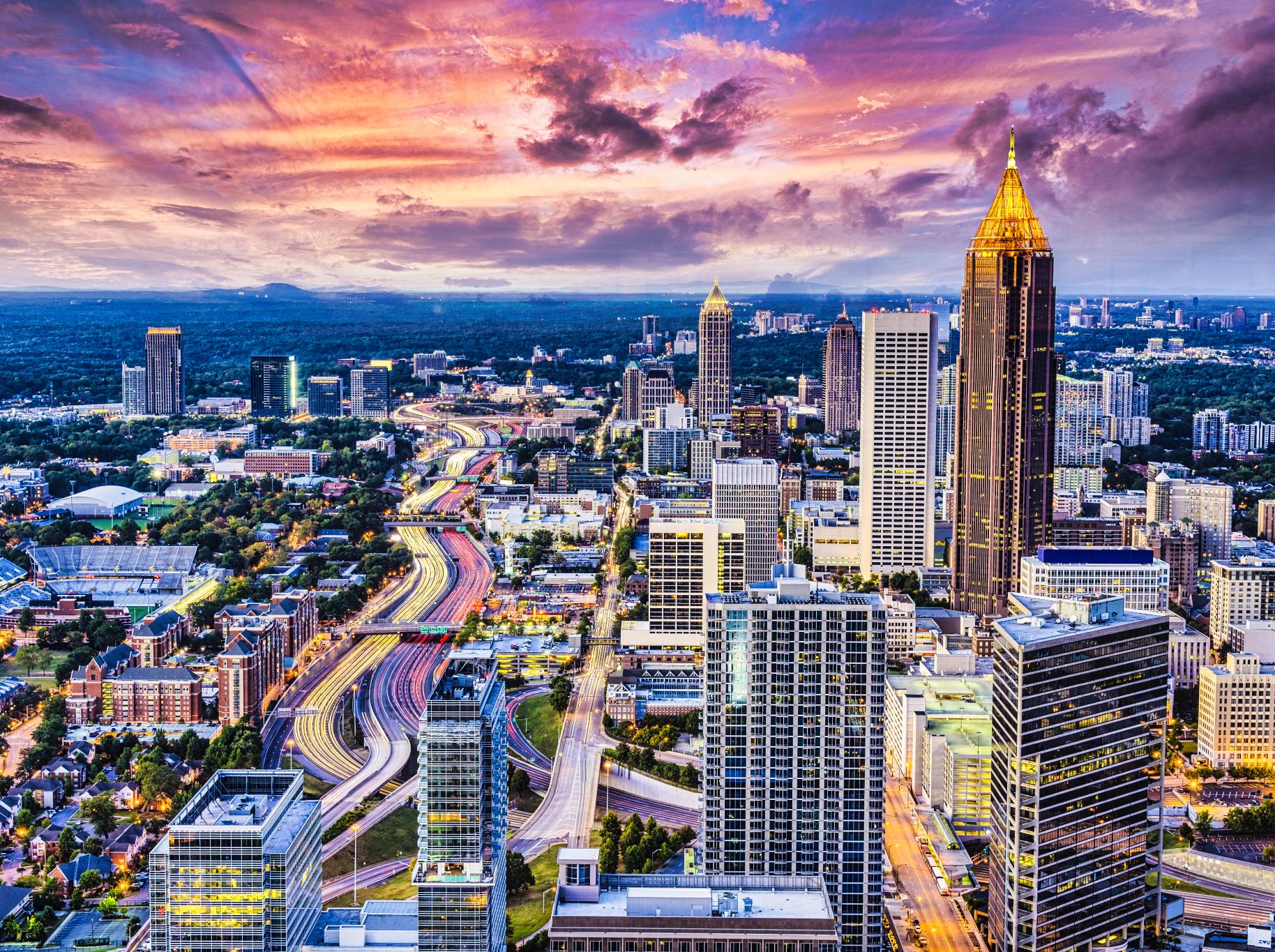
In contrast,Atlanta represents the modern South, dynamic, diverse, and forward-looking. It also serves as a focal point for Civil Rights history, particularly
Byways 42
at the Martin Luther King Jr. National Historical Park, where visitors can explore the legacy of one of the nation’s most influential leaders.
Alabama & Mississippi — The Civil Rights Journey
Perhaps nowhere in the Southeast is the story of transformation more evident than inAlabama and Mississippi.
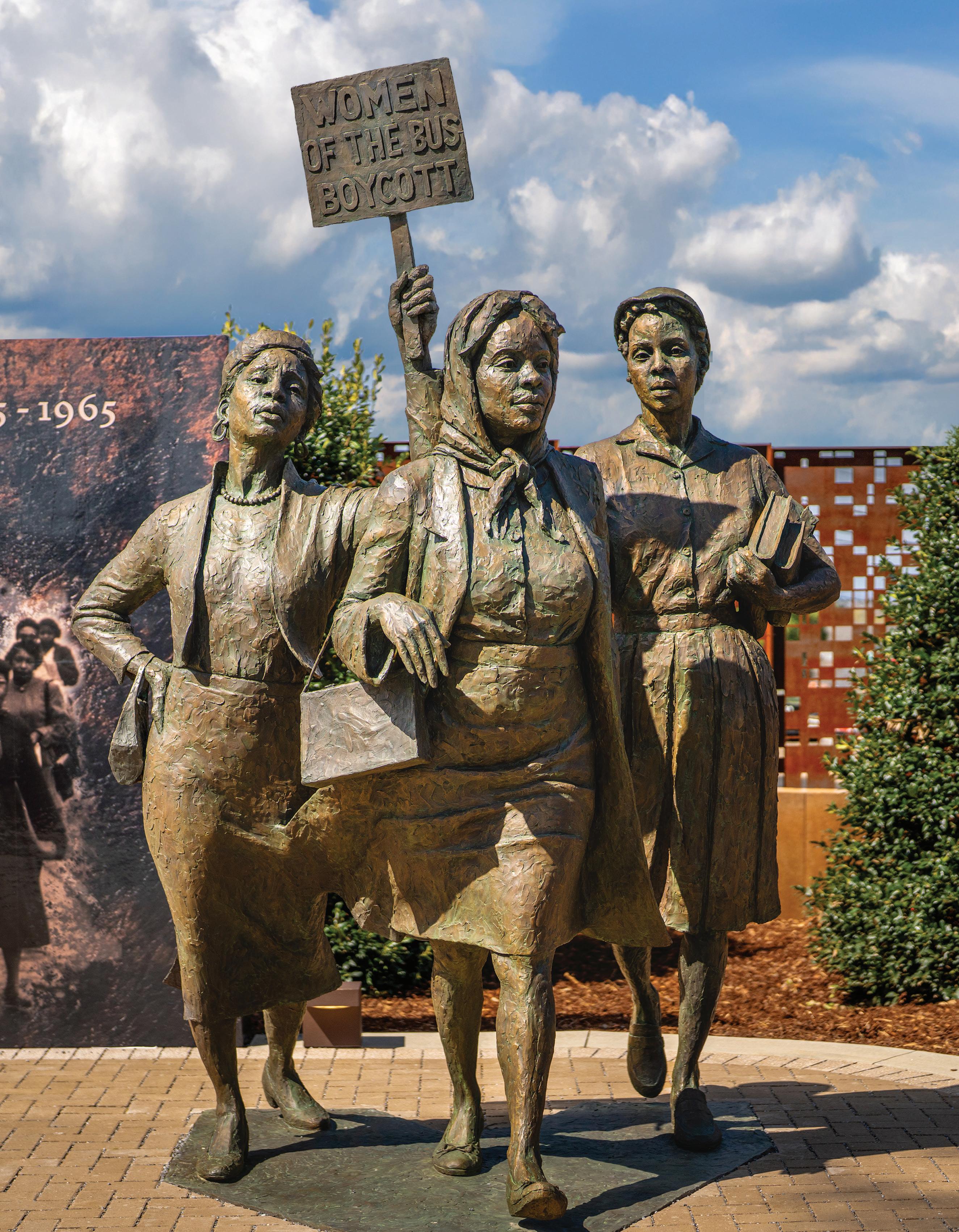
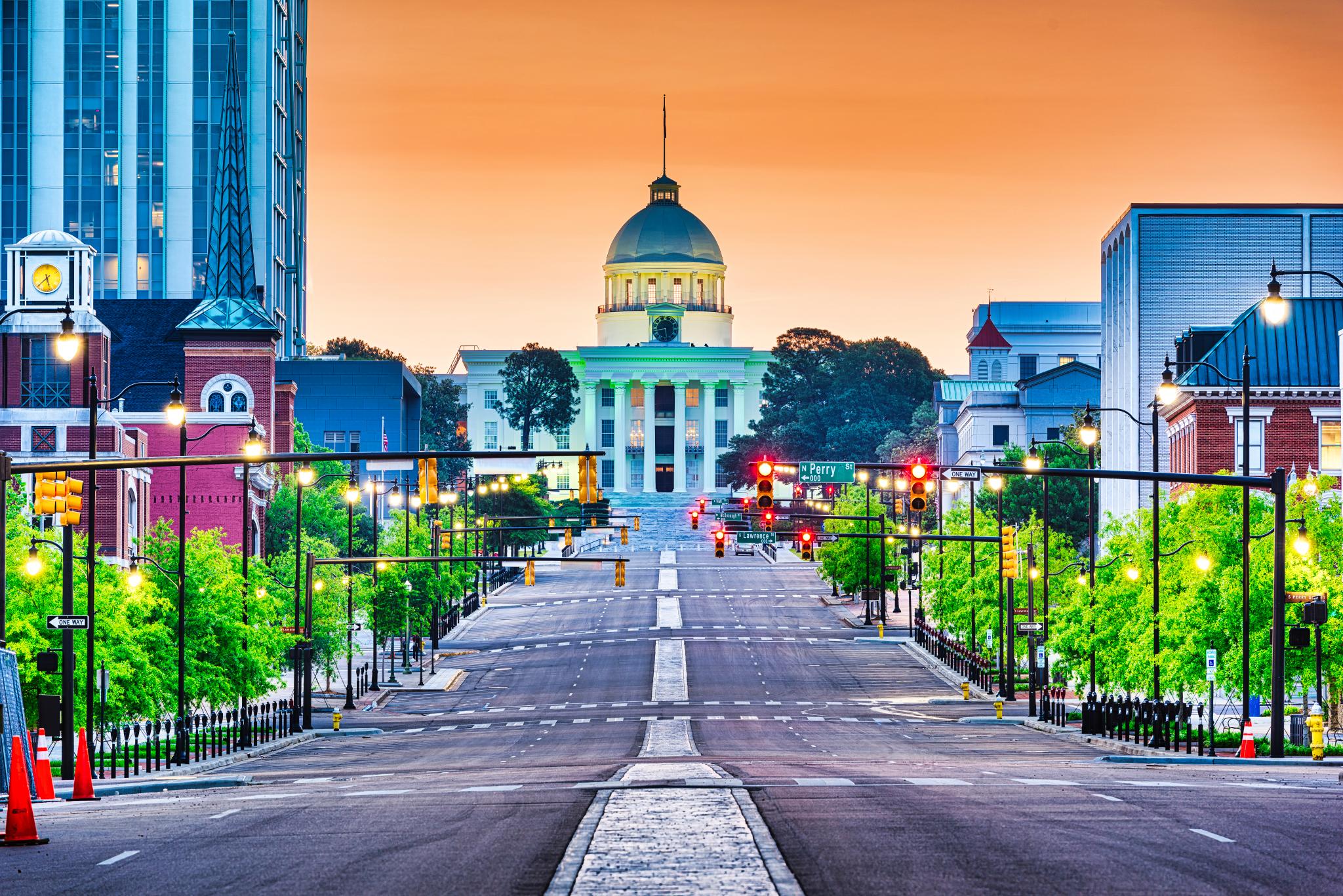
In Montgomery, sites such as the Civil Rights Memorial and the DexterAvenue King Memorial Baptist Church tell the story of the Montgomery Bus Boycott and the broader Civil Rights movement.
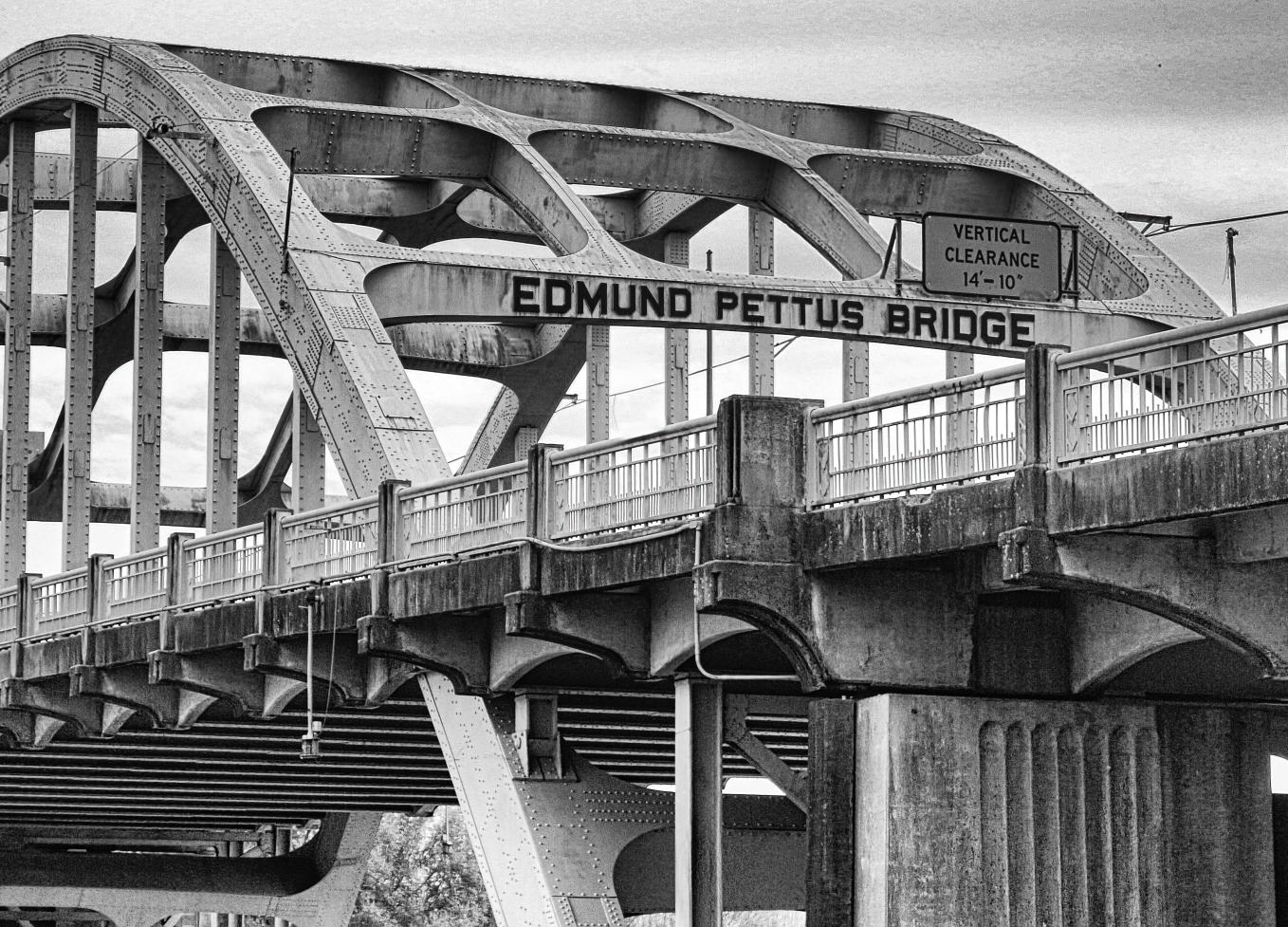
Nearby, Selma and the Edmund Pettus Bridge stand as powerful symbols of the struggle for voting rights.
In Mississippi, Jackson offers additional context through museums and historic sites, while the Mississippi Delta connects travelers to the roots of American music, particularly the blues.
Louisiana — Culture at the Crossroads
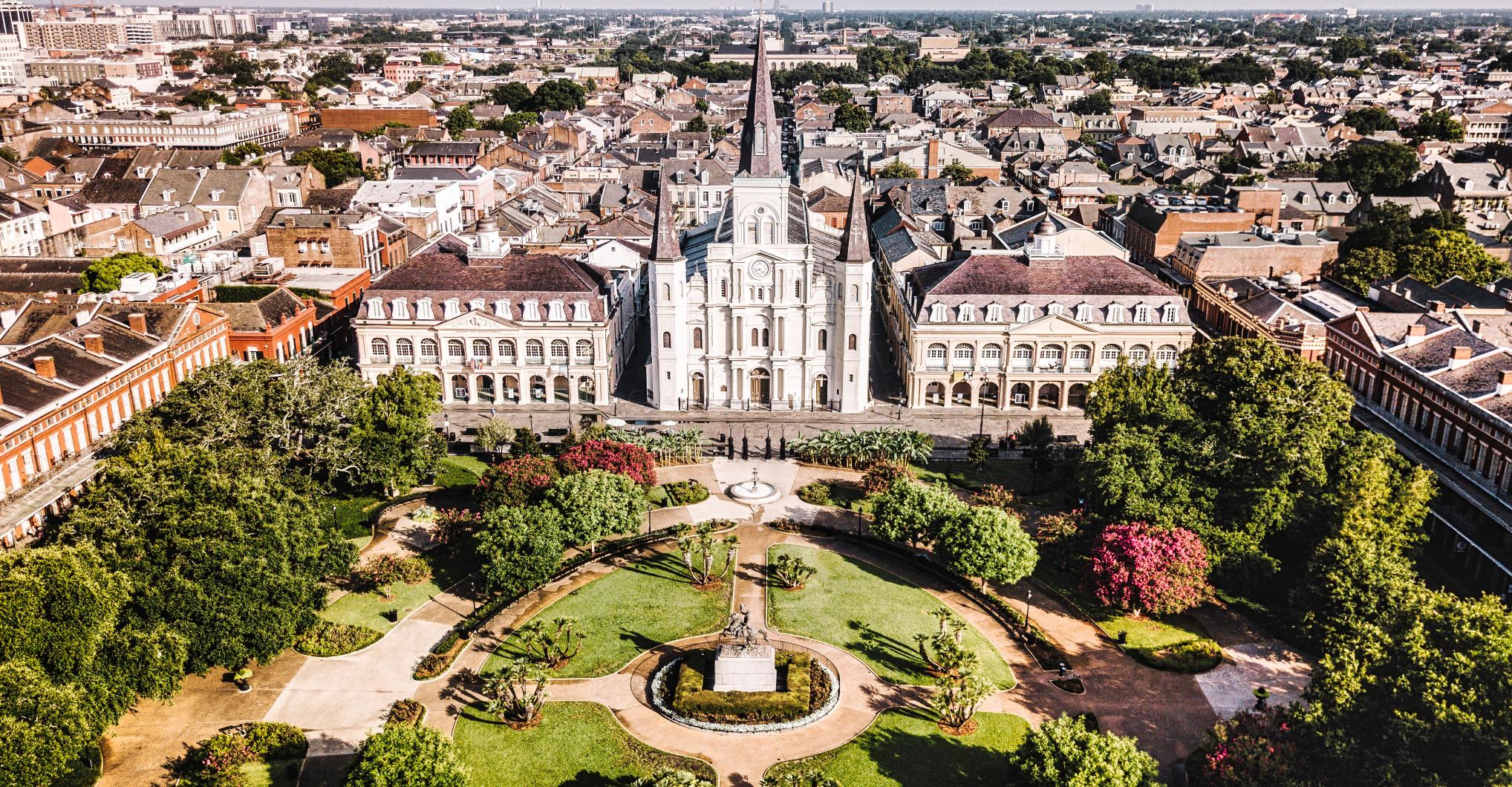
In Louisiana, the Southeast takes on a distinctly different character. New Orleans is one ofAmerica’s most unique cities, shaped by French, Spanish,African, and Caribbean influences.
The French Quarter offers a vibrant mix of music, architecture, and cuisine, while the Mississippi River, flowing past the city. serves as a reminder of the region’s historic role in trade and transportation.
Beyond New Orleans, Louisiana’s bayous and small towns provide a
Byways 44
quieter but equally rich cultural experience, where traditions are preserved through food, music, and community.
MONTGOMERY MOVES YOU.
In ways you’ll never forget.
In Montgomery, history isn’t behind glass it’s alive, powerful, and deeply moving. Here, you’ll walk in the footsteps of giants. You’ll sit where Rosa Parks stood her ground. You’ll feel the weight of truth at the Legacy Sites, four unforgettable places tracing America’s history of racial injustice and the ongoing fight for social justice. These are experiences that take time and stay with you. And you’ll leave not just informed but transformed. Stay overnight and experience every moment.
Plan your visit at EXPERIENCEMONTGOMERYAL.ORG
Florida — Gateway to the Southeast
At the southern edge of the region, Florida offers both historic depth and modern appeal. In St. Augustine, the oldest continuously occupied European-established settlement in the United States, visitors can explore centuries-old architecture and the Castillo de San Marcos.
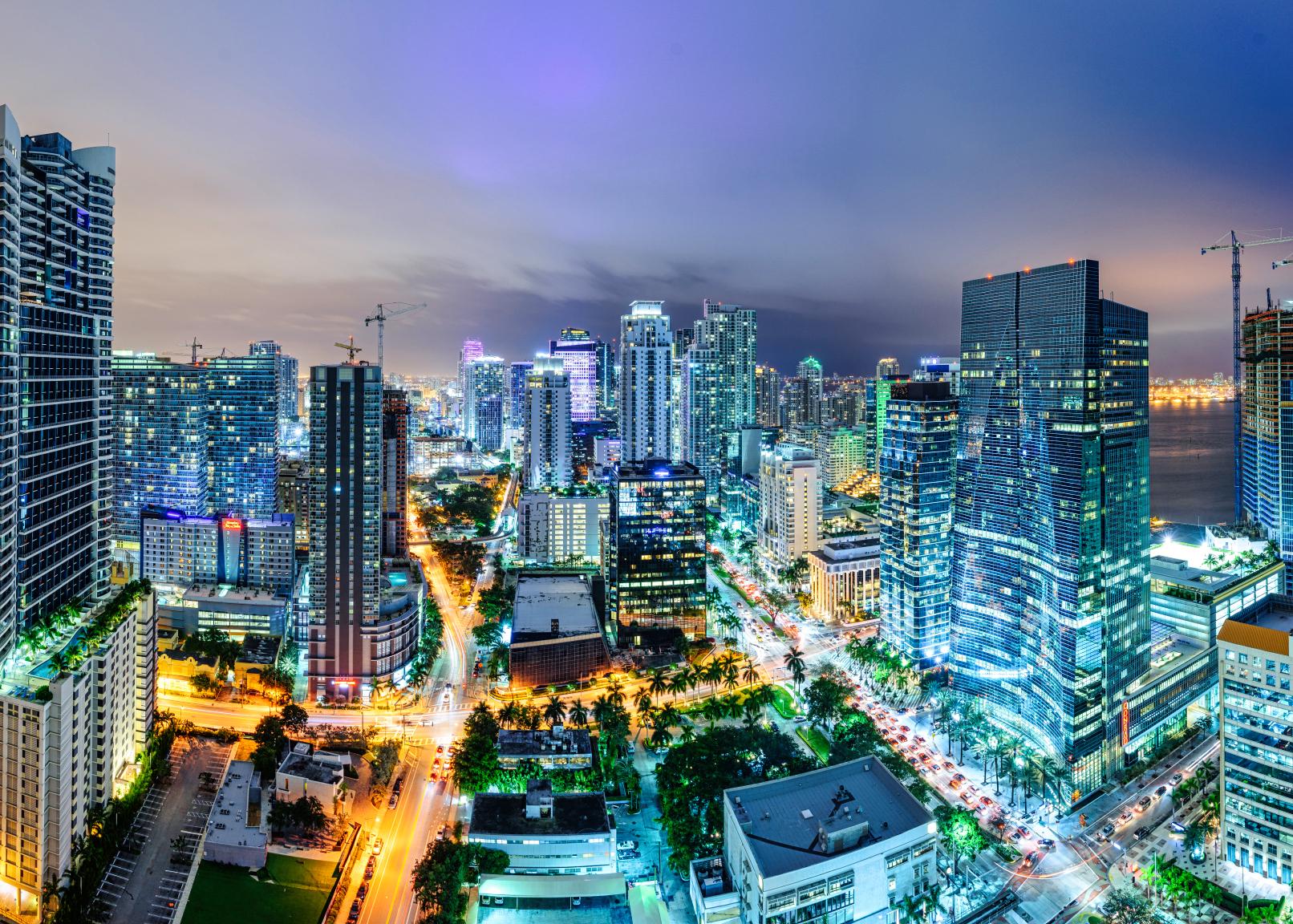
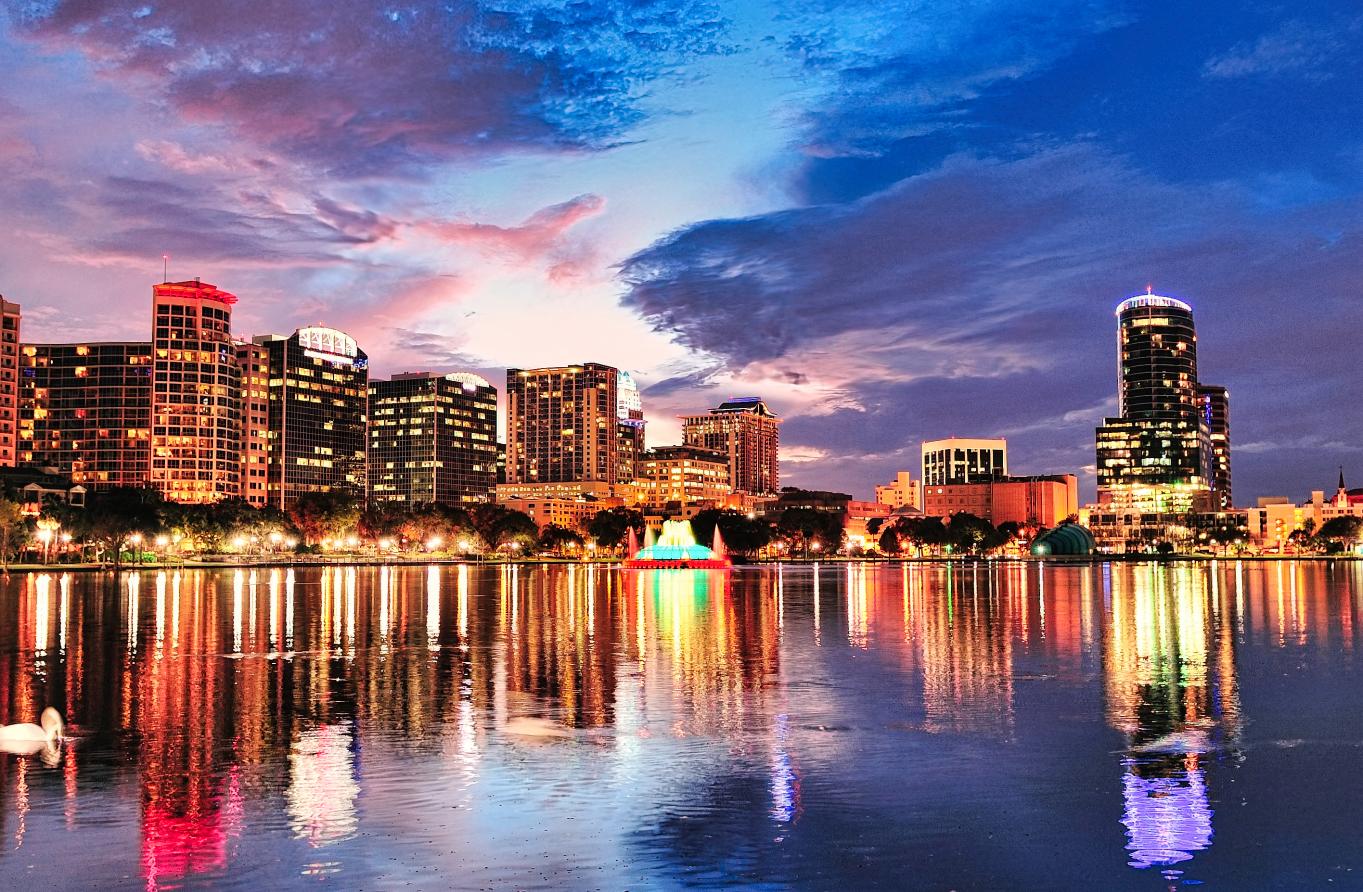
Further south, cities like Orlando and Miami reflect the state’s role as a global destination, offering entertainment, culture, and international influence.
Florida’s extensive coastline, from theAtlantic to the Gulf of Mexico, provides countless opportunities for scenic drives and coastal exploration.
Arkansas — The Western Edge of the Southeast
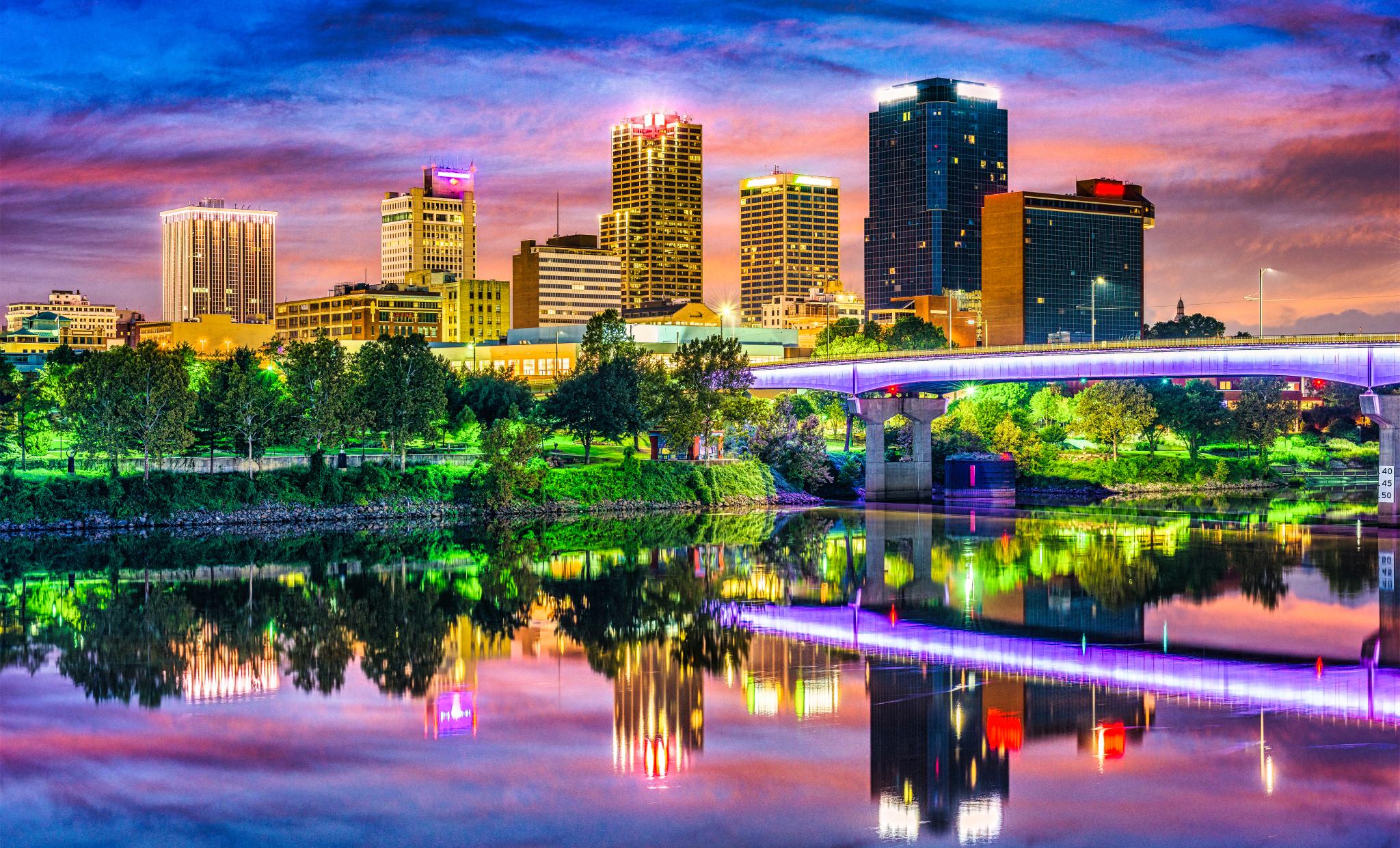
Rounding out the region,Arkansas connects the Southeast to the broaderAmerican landscape. In Little Rock, the Little Rock Central High School
National Historic Site stands as a defining moment in the fight for school integration.
The state’s scenic byways, including routes through the Ozark Mountains, offer a blend of natural beauty and historical significance, makingArkansas an important and often overlooked part of the Southeast story.
Traveling the Southeast Byways
Across the Southeast, a number of additional destinations enrich the region’s story and broaden its appeal to travelers. InAsheville, the Blue Ridge Mountains meet a thriving arts scene, anchored by the historic Biltmore Estate.
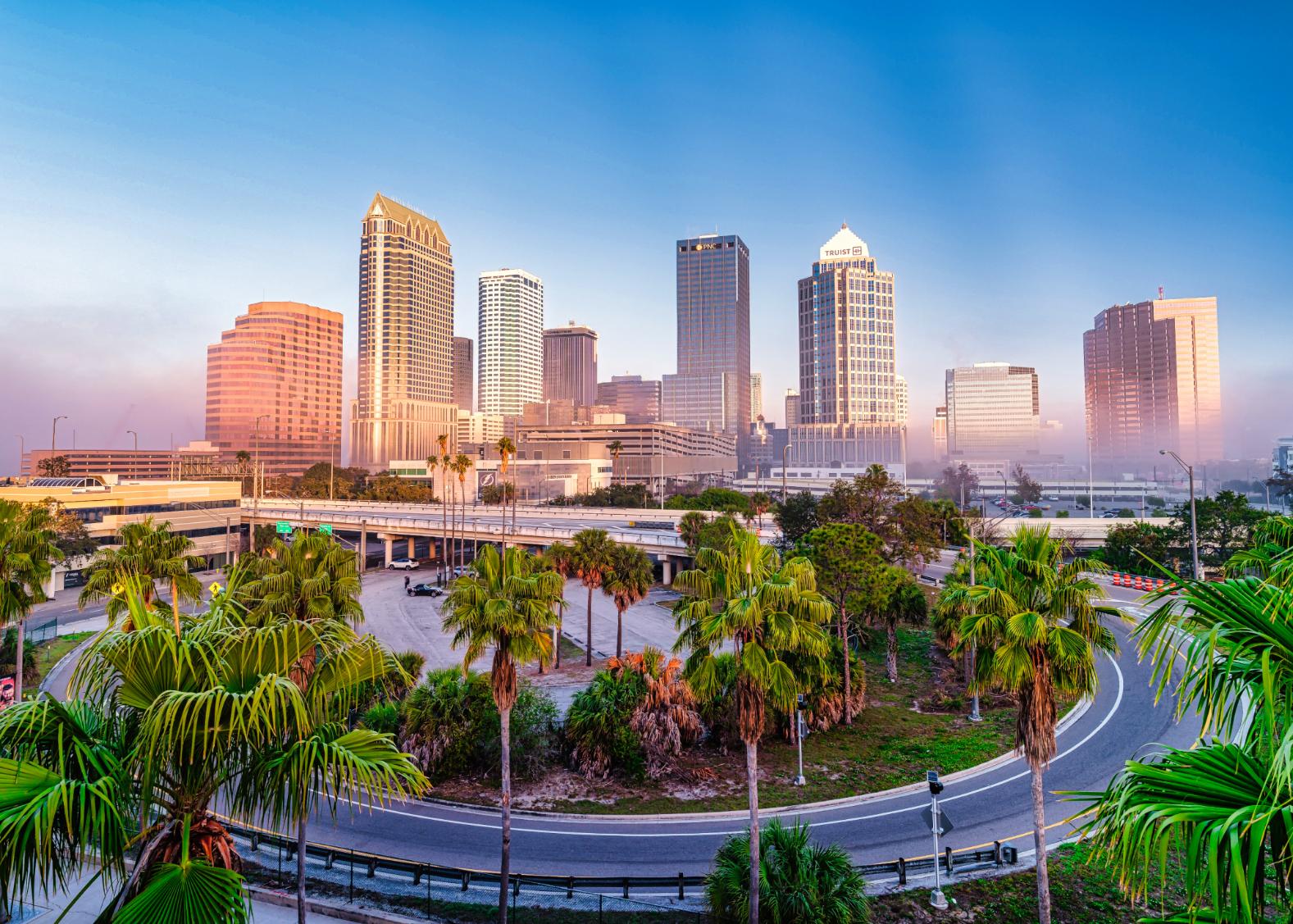
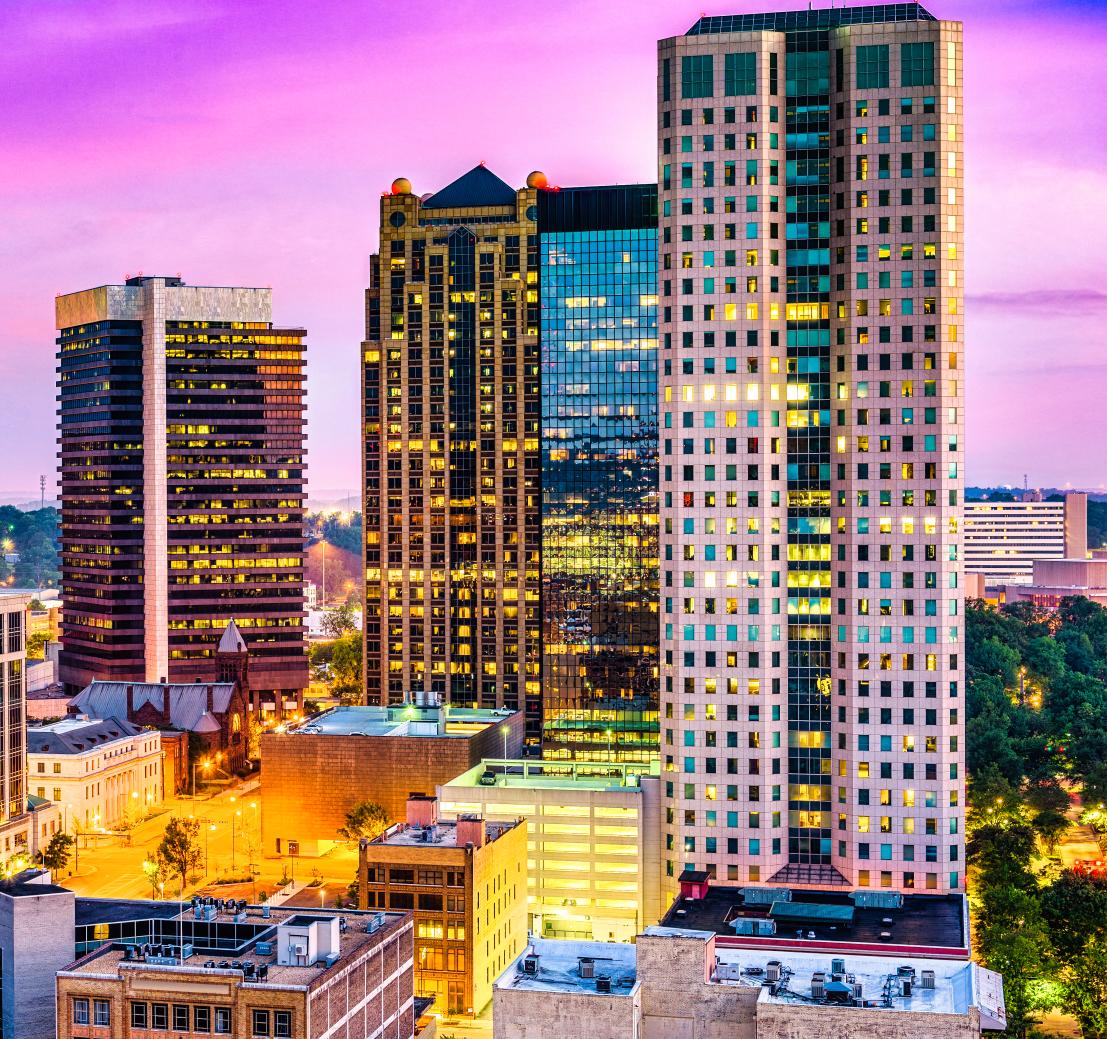
In Birmingham, key Civil Rights landmarks offer powerful insight into the nation’s ongoing journey toward equality.Along Florida’s Gulf Coast, Tampa
Byways 48
combines waterfront living with cultural attractions, while Orlando continues to draw visitors from around the world as a hub for entertainment and tourism.
Together, these destinations complement the region’s historic foundations with vibrant, contemporary experiences.
What makes the Southeast particularly compelling is its scale and diversity. Within a single extended journey, travelers can experience colonial history, Civil War battlefields, Civil Rights landmarks, mountain landscapes, coastal drives, and vibrant modern cities.
Routes such as the Blue Ridge Parkway, coastal highways, and historic trails provide a framework for exploration, connecting destinations in a way that feels both cohesive and expansive.
A Region That Shaped the Nation
AsAmerica approaches its 250th anniversary, the Southeast stands as a powerful reminder that the nation’s story is not always simple, but it is always meaningful.
Byways 50
This is where ideals were tested, where progress was hard-won, and where the ongoing pursuit of freedom and equality continues to unfold.
For travelers, the Southeast offers more than a journey through history. It provides an opportunity to understand the forces that have shaped the nation, and to experience them firsthand, across a landscape as rich and varied as the story itself.
In the Southeast, theAmerican journey becomes more than a narrative. It becomes a reflection, of where the country has been, and where it continues to go.
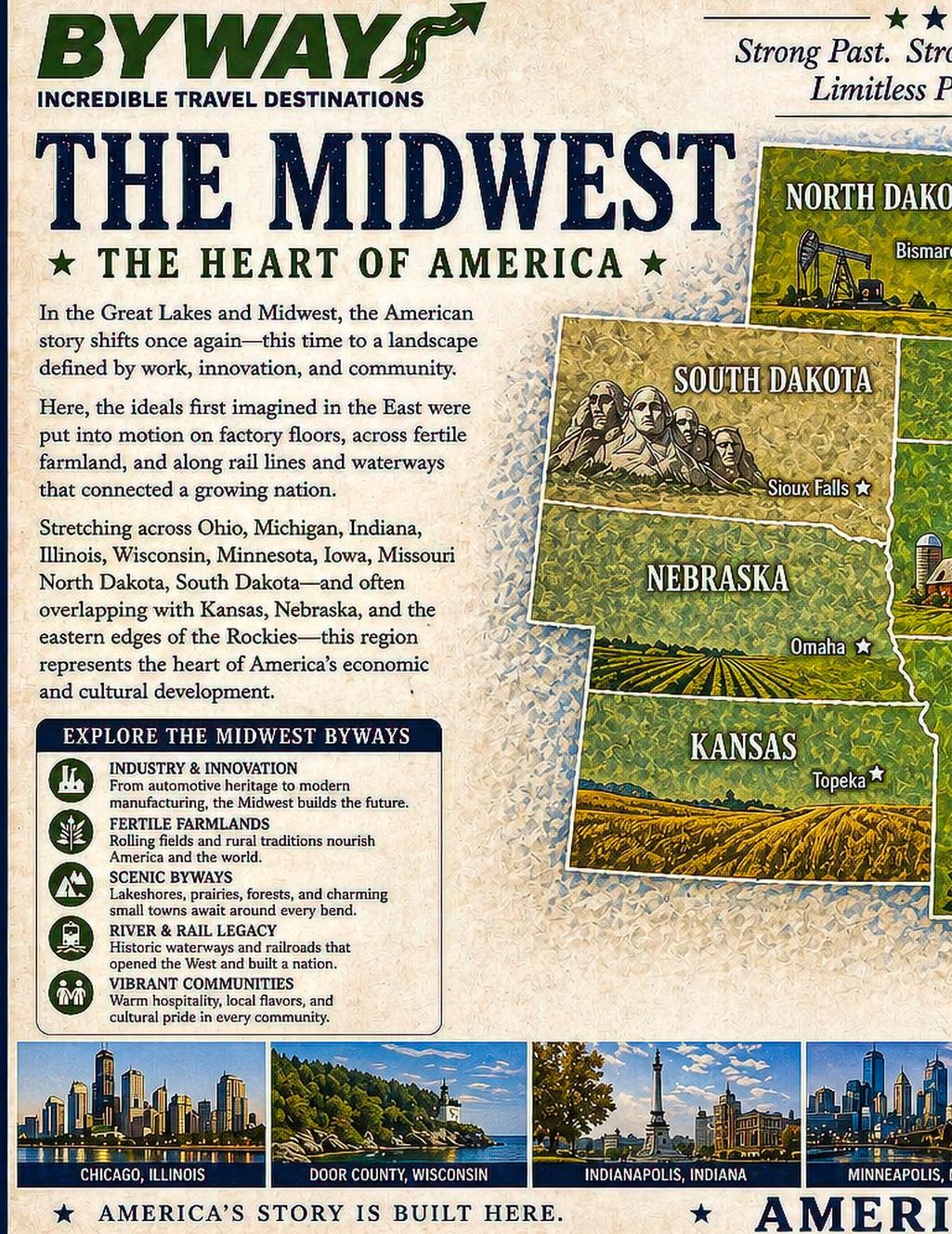
IntheGreatLakes andMidwest,theAmerican story shifts onceagain,this timetoalandscape defined bywork, innovation,andcommunity. Here,theideals firstimaginedintheEastwereput into motion on factoryfloors,across fertilefarmland, and along raillines andwaterways thatconnected a growing nation.
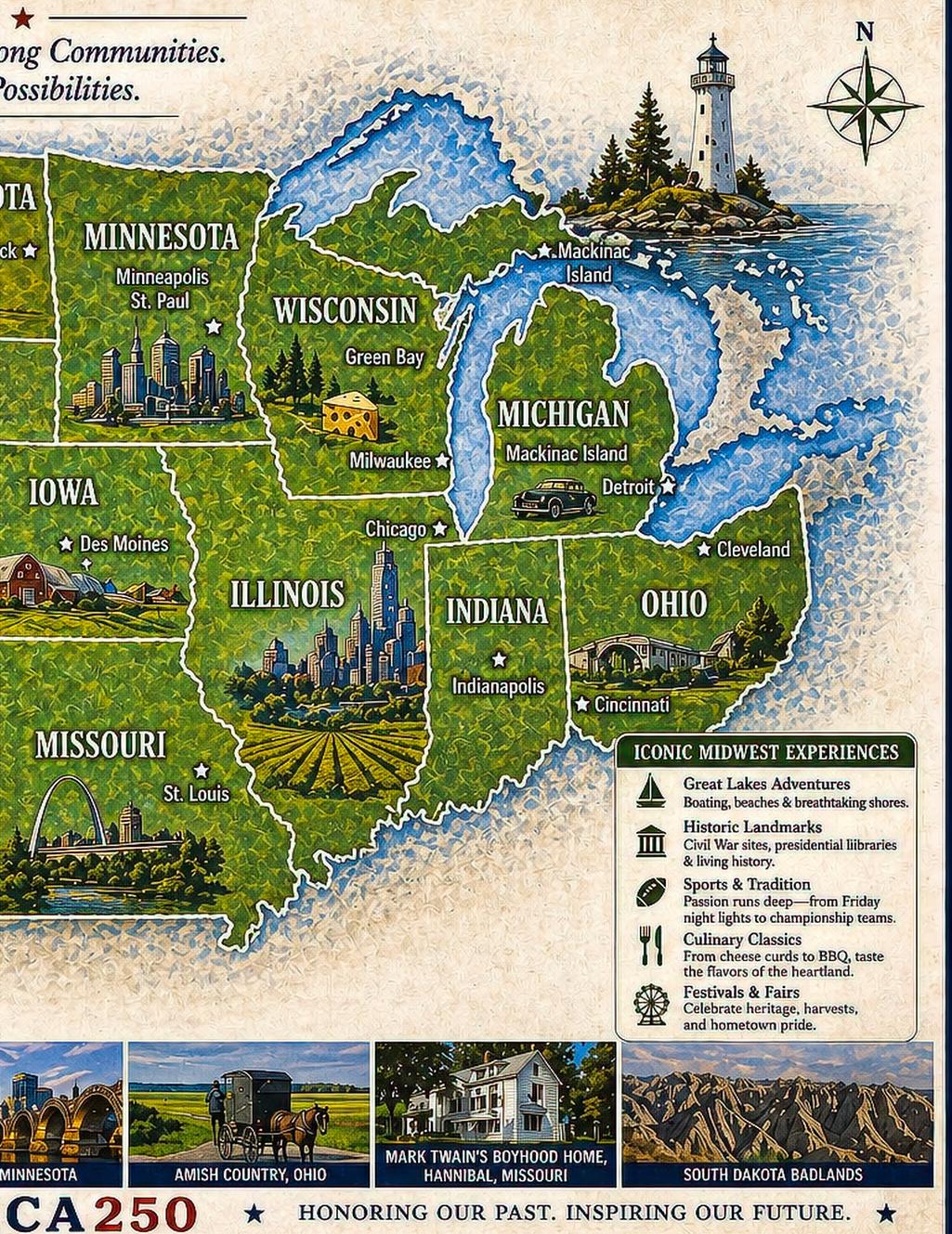
Stretching across Ohio, Michigan,Indiana,Illinois, Wisconsin, Minnesota,Iowa,andMissouri-- and oftenoverlapping withKansas,Nebraska,andthe Dakotas -- this regionrepresents theheartof America’s economicand culturaldevelopment.
For travelers followingthehighways andbyways of thenation, theMidwestoffers ajourneythroughthe places whereAmericabuiltits strength,through industry, agriculture, immigration,andingenuity.
Byways 56
TheMidwestdidnotsimplygrow with thenation, it powered it. Duringthe19thandearly20th centuries, this region becametheengineofAmericanexpansion, fueled bywaves of immigrants whobroughtskills, traditions,anddetermination.German,Polish,Irish, Scandinavian, andEasternEuropeancommunities shaped cities and towns,leavingbehindacultural imprintstillvisibletoday.
Railroads stretched across theregion,turningcities likeChicagointonationalcrossroads.Grain moved east,manufacturedgoods moved west, and the Midwestbecamethevitallinkbetweencoasts.The GreatLakes themselves functionedas inlandseas, carrying iron ore, coal,andgoods thathelpedbuildthe modernUnited States.
For today’s traveler,thathistoryis notconfinedto museums,itis embedded inthearchitecture,the
neighborhoods, and theveryroads that continueto carry peopleacross theheart ofAmerica.
Chicago — The Midwest Metropolis
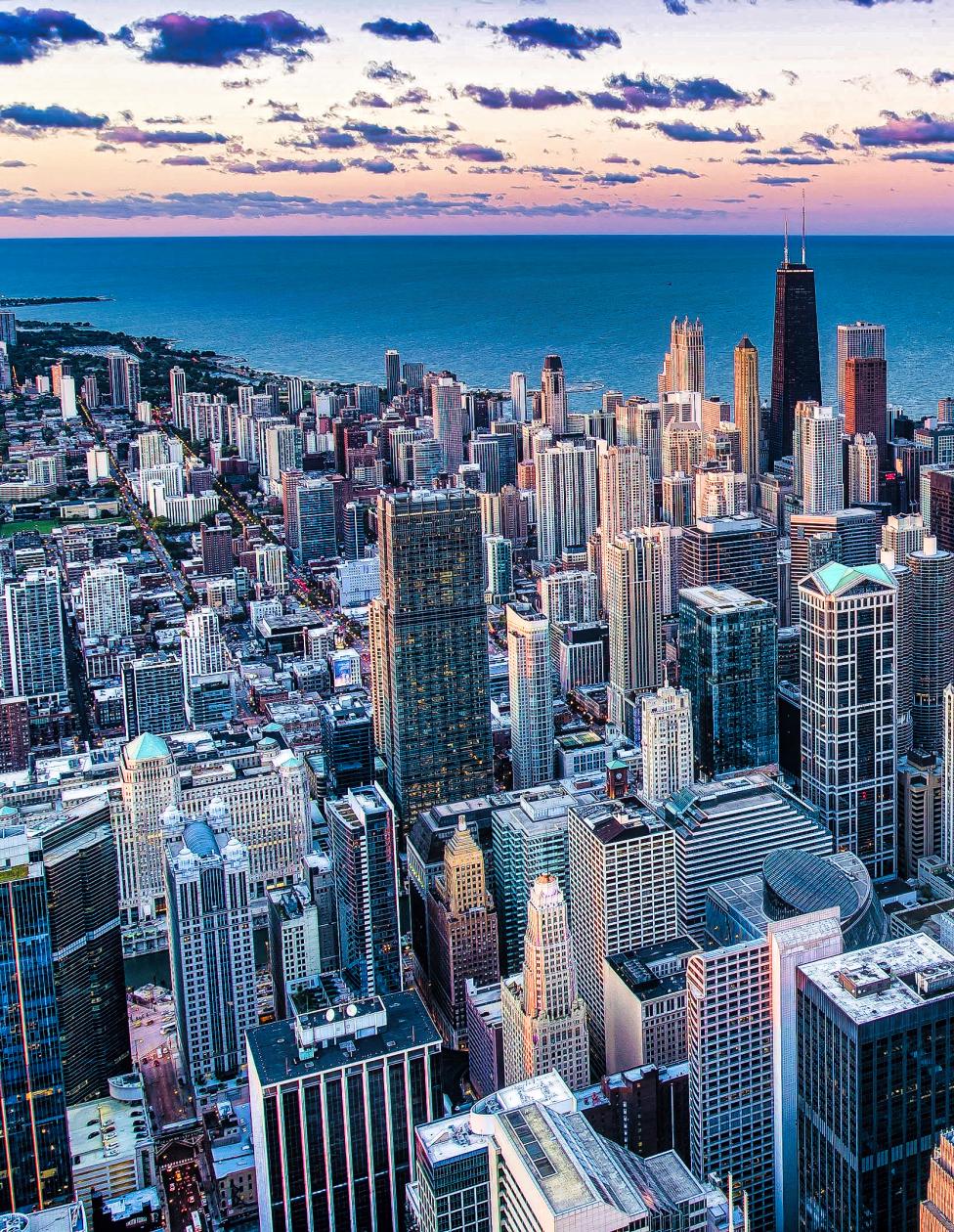
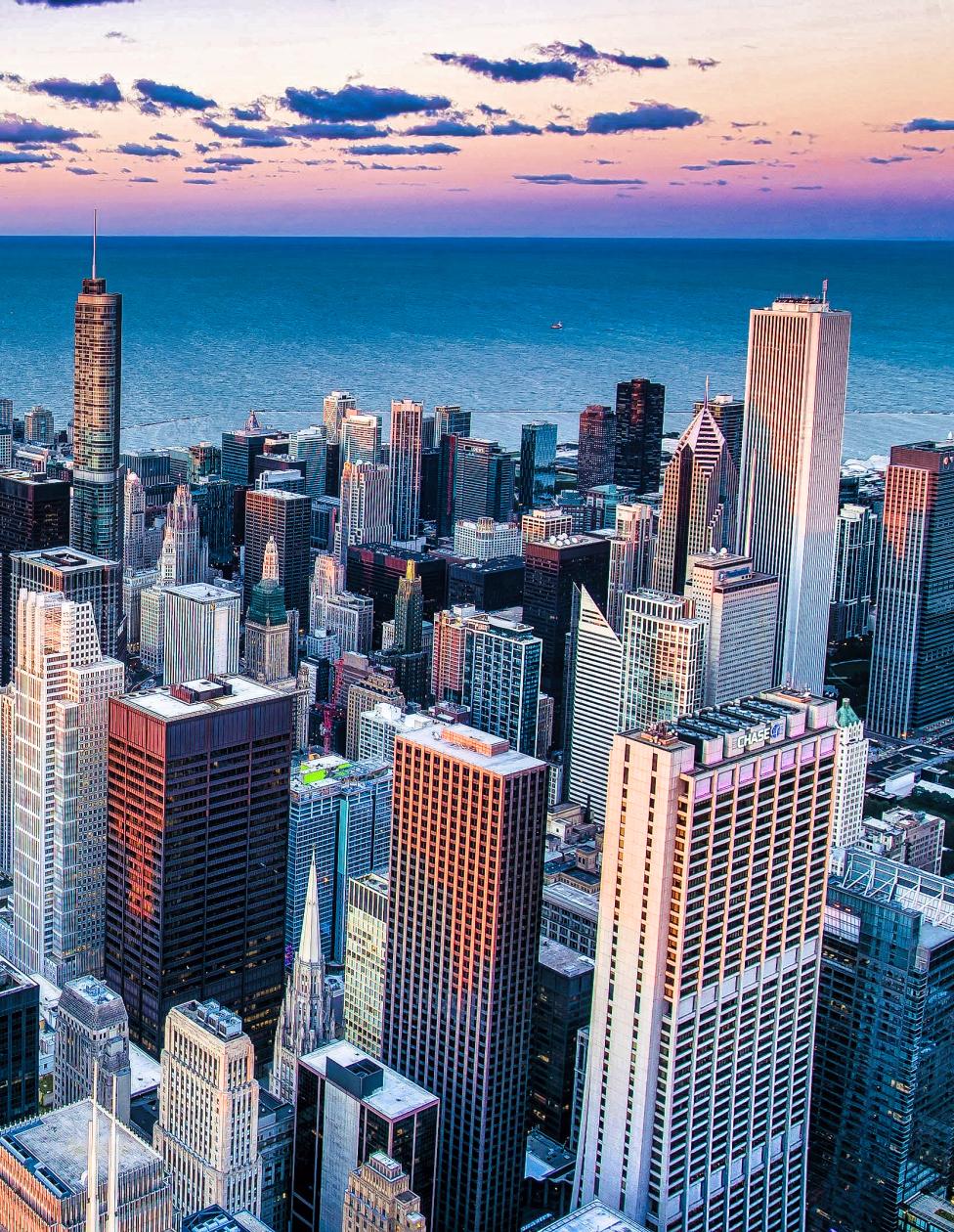
The journey often begins in Chicago, the region’s largest city and one ofAmerica’s great urban centers. Rising along the shores of Lake Michigan, Chicago reflects the energy and ambition that defined the Midwest during its period of rapid growth.
Fromits architecturallandmarks toits culturalinstitutions,Chicagois acitybuilt on innovation. Itis alsoatransportation hub, historically andtoday,where railroads,highways,and waterways converge.For travelers, thecity offers everythingfromworld-class museums to vibrantneighborhoods,makingitanideal starting pointfor exploringtheregion.
The Rise of Industry
the Midwest became synonymous with production, innovation, and progress.
Few regions shaped modernAmerica more than the Midwest during the Industrial Revolution. From steel mills in Ohio to automobile factories in Michigan,
Cities expandedrapidlyas workers arrived insearch of opportunity. Neighborhoods grew around factories, andcommunities formedaround shared labor and culturalidentity.Therhythms of dailylife,from factory whistles torailschedules,definedanerawhen thenation’s futurewas beingbuiltinrealtime.
Today,many of theseindustrialsites havebeen transformed into museums,culturalcenters,and revitalized districts.Travelers canwalkformer factory floors, explorehistoricwarehouses turnedinto markets, and experiencefirsthandhow theMidwest continues to reinventitself.
This legacy is notjustaboutthepast,itis about resilience.TheMidwesttells astoryof adaptation, wherecommunities continuetoevolvewhile honoring theindustries thatbuiltthem.
Illinois Beyond Chicago — From Farmland to the Mother Road
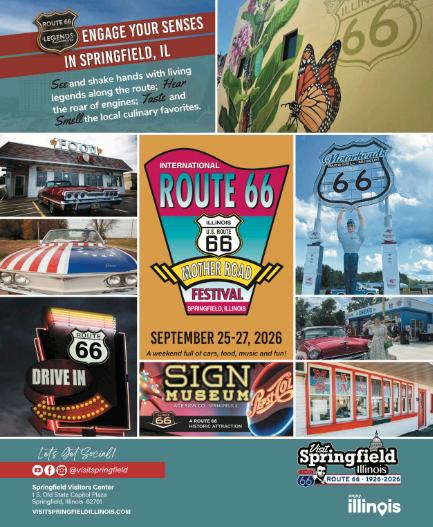
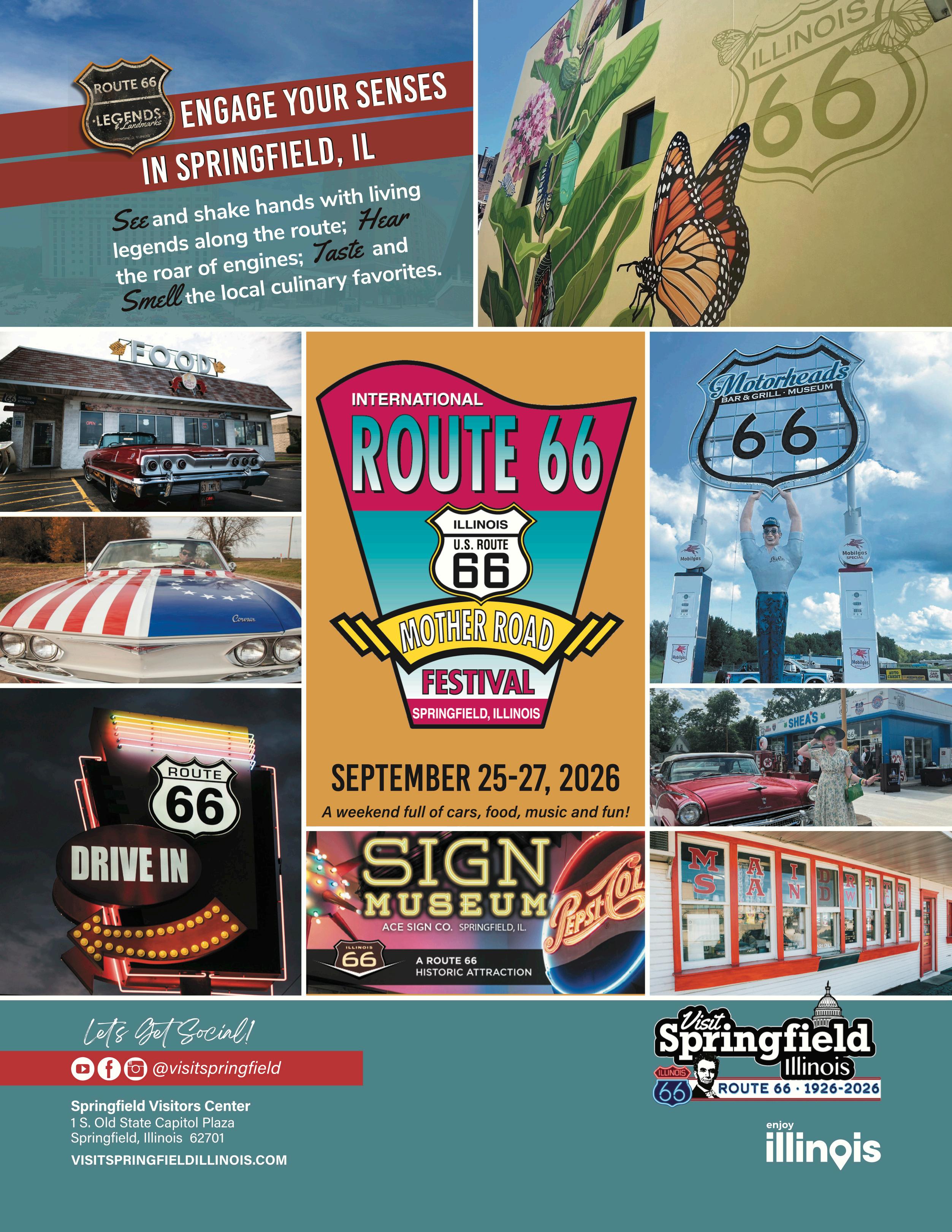
Beyond Chicago, Illinois reveals a landscape of small towns, agricultural heritage, and historic routes. Cities like Springfield, the home ofAbraham Lincoln, provide a direct connection to one of the nation’s most important figures, while Peoria and Bloomington reflect the state’s industrial and commercial legacy.
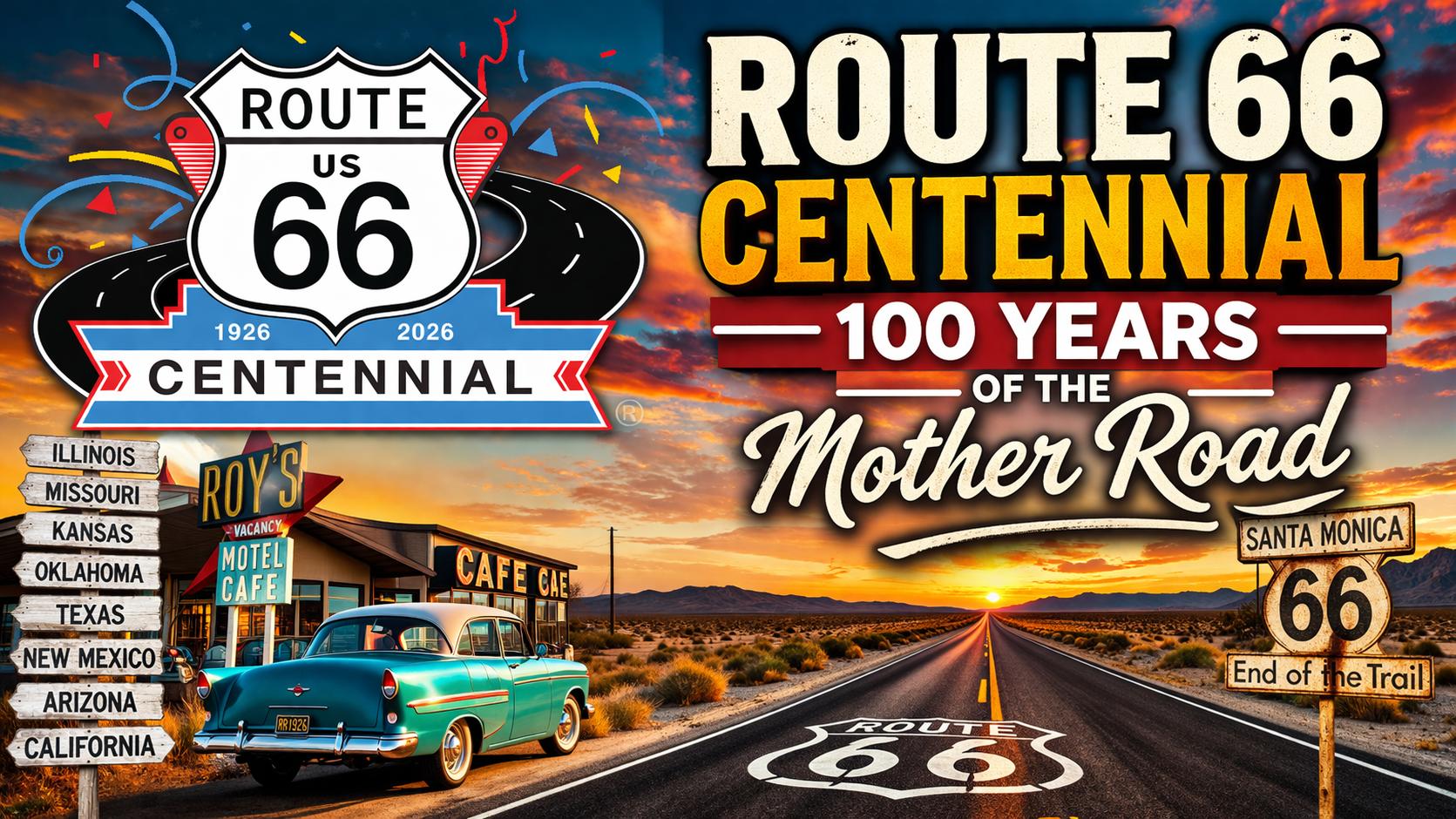
Route66 begins here, linkingIllinois tothebroader American road trip traditionandreinforcingthe Midwest’s roleas agatewaytotheWest.
Byways 58
Indiana — Crossroads of America
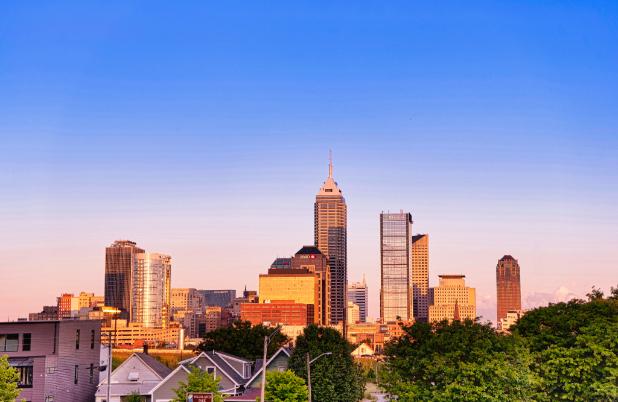
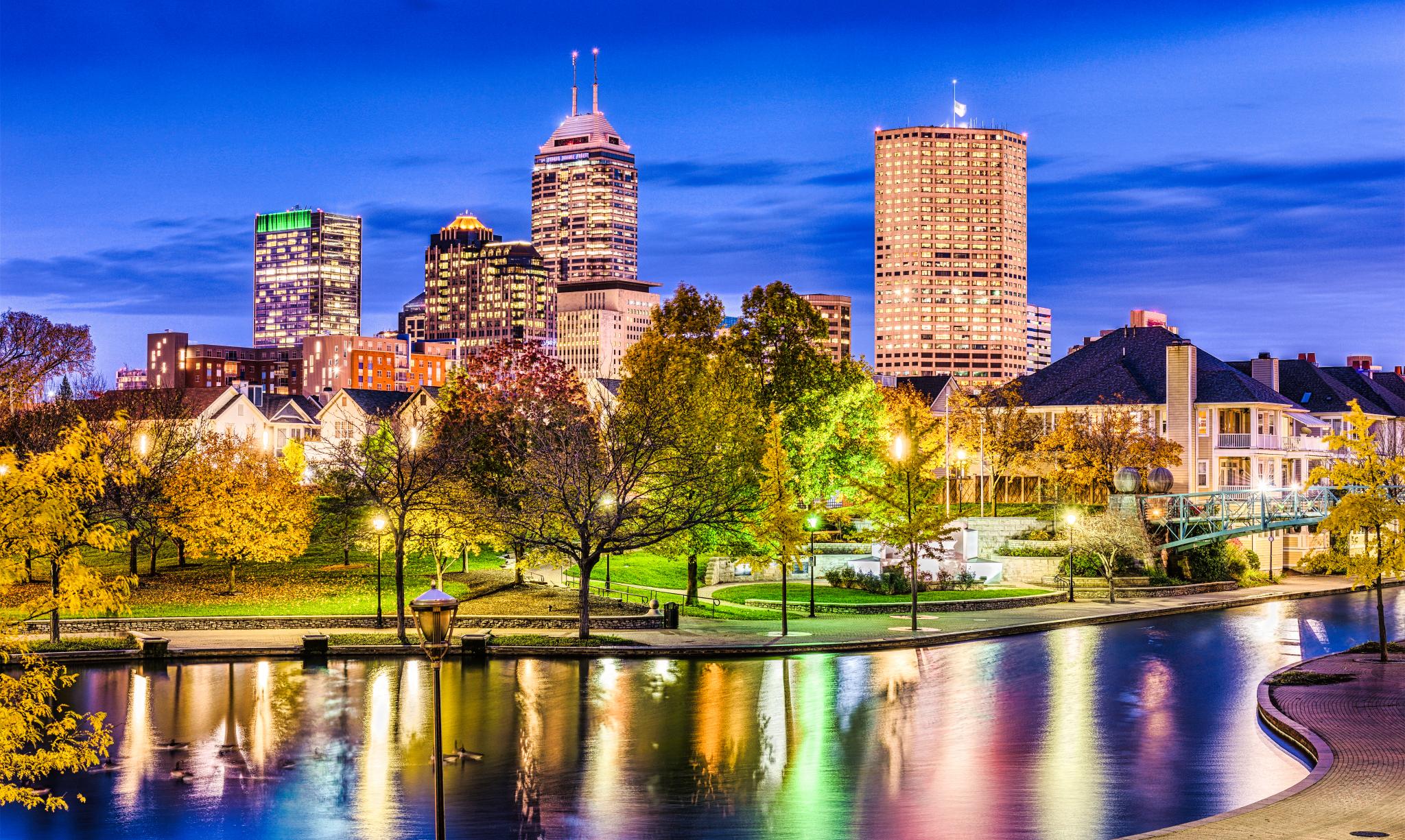
To the east, Indiana lives up to its nickname as the “Crossroads ofAmerica". In Indianapolis, the state capital, travelers find a city known for both its sports heritage and its central role in transportation.
Smaller cities suchas FortWayneand Evansvilleoffer additionalinsightintothestate’s regionaldiversity, whilescenicbyways connectcommunities across farmlandand river valleys.
Ohio — Industry, Innovation, and Influence
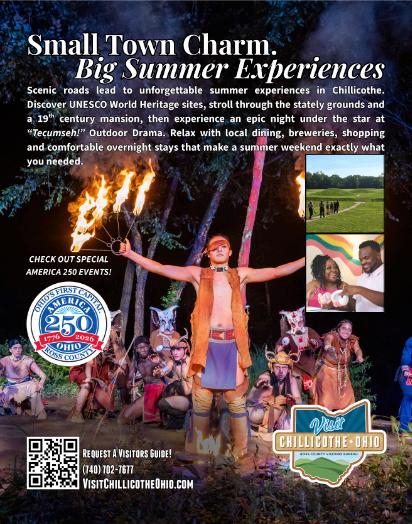
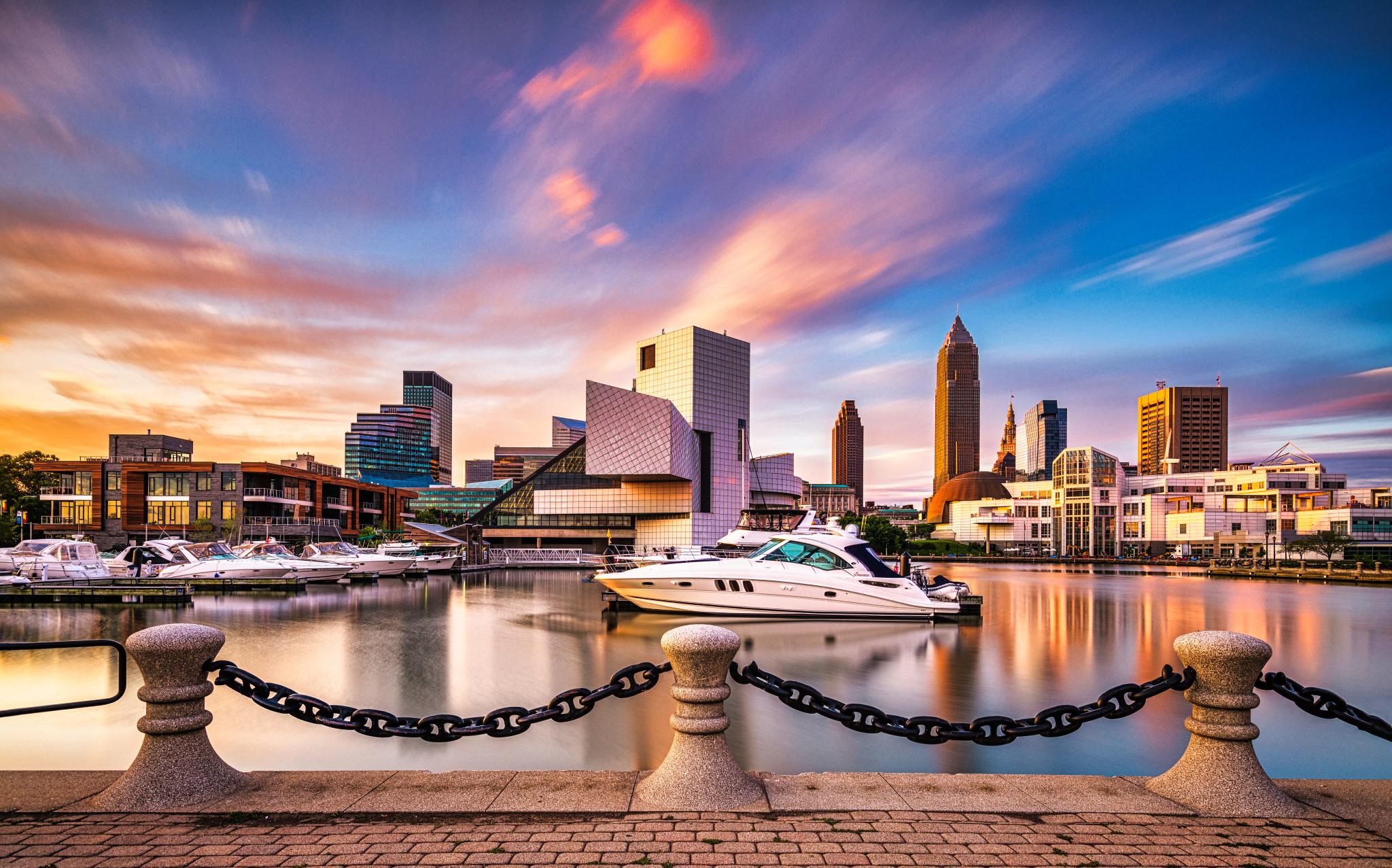
In Ohio, the Midwest’s industrial legacy comes into sharp focus. Cities such as Cleveland, Columbus, and Cincinnati each offer distinct perspectives on the region’s development.
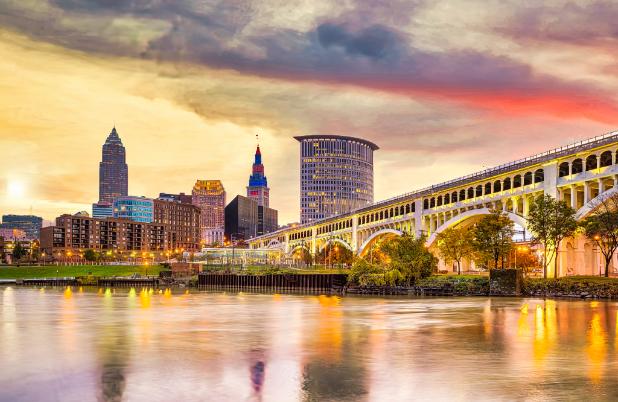
Cleveland, located on the shores of Lake Erie, reflects the rise of manufacturing and its transformation in the modern era.
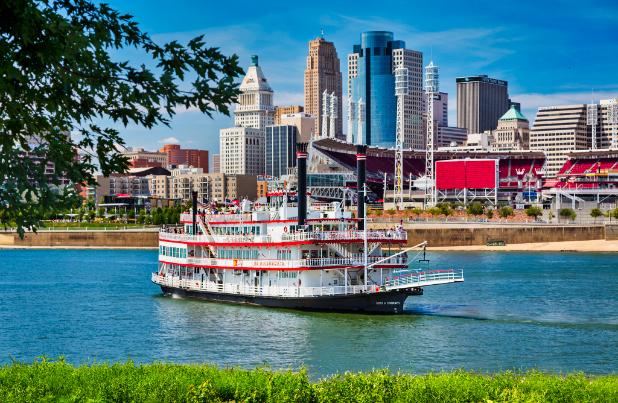
Cincinnati,alongtheOhio River,connects to the region’s roleintradeand westwardexpansion, while Columbus represents agrowing center of education, technology,andgovernance.
Michigan — The Automotive Legacy
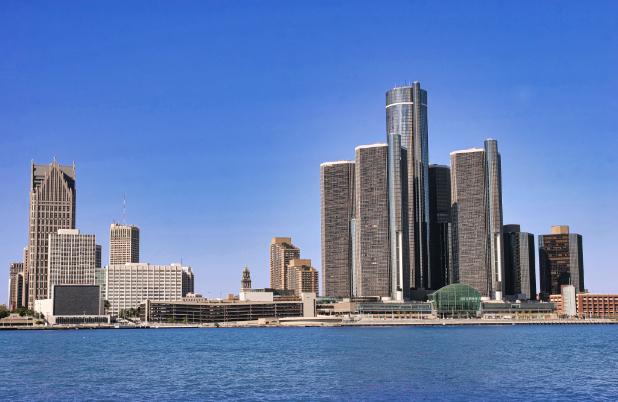
In Michigan, the story ofAmerican industry is perhaps most clearly defined. Detroit, once the heart of the automobile industry, played a central role in shaping modernAmerica. The city’s legacy continues to influence both transportation and manufacturing worldwide.
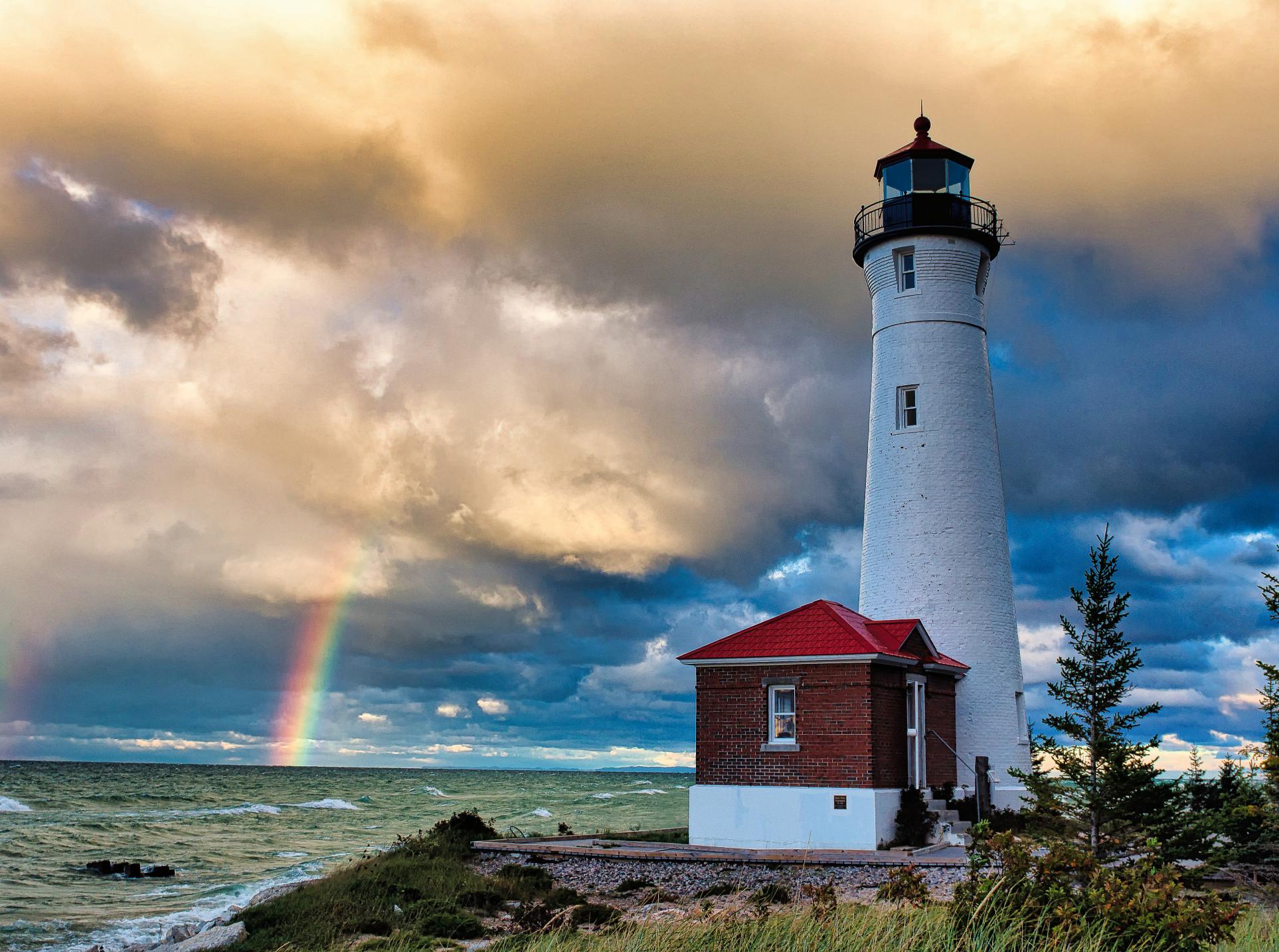
Beyond Detroit, Michiganoffers diverse landscapes. fromtheshores of theGreatLakes to theforests of theUpper Peninsula.Cities likeGrandRapids andTraverseCityprovide access to scenicroutes,waterfrontviews,and growing culturalscenes.
Wisconsin — Waterways and Traditions
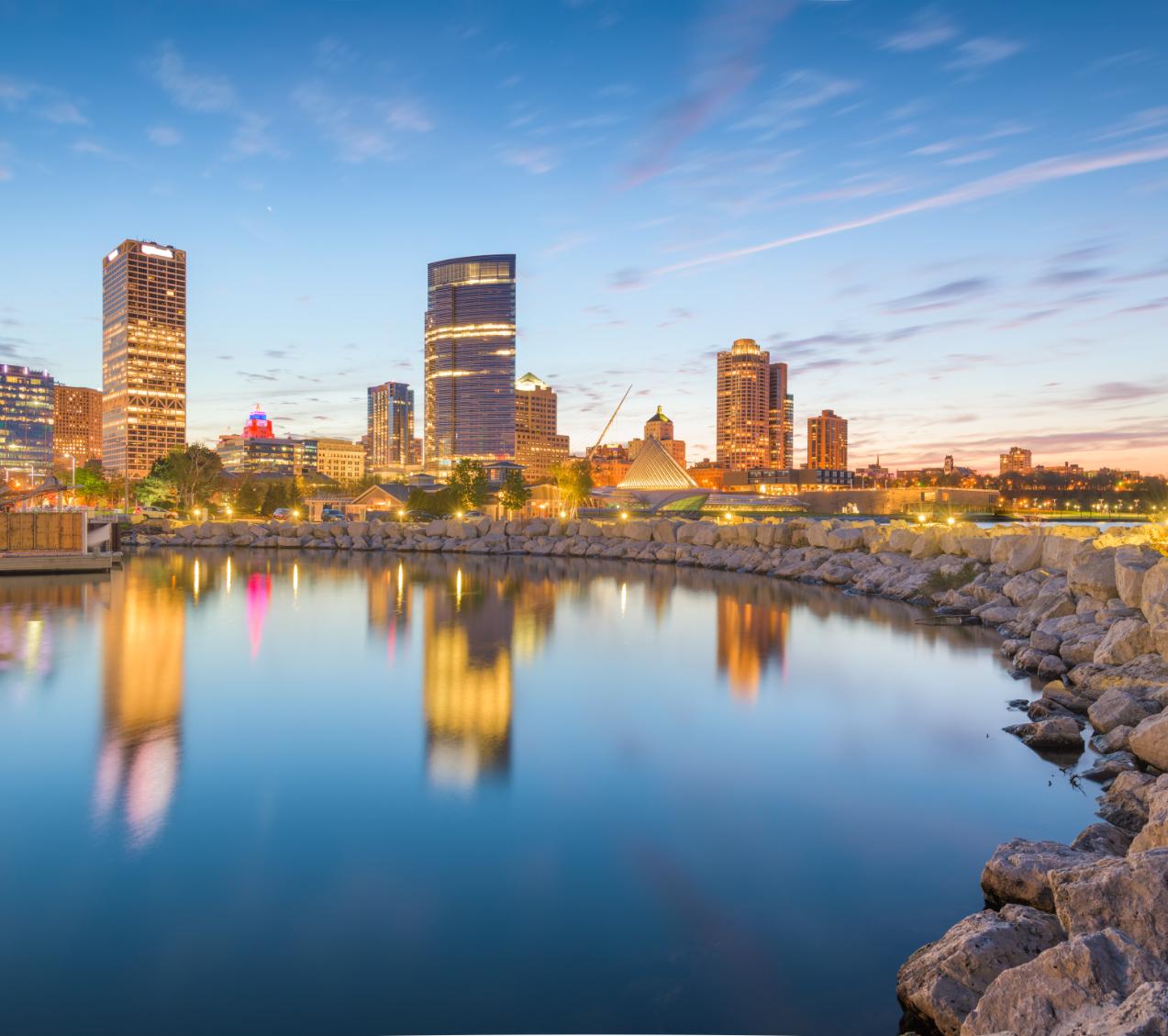
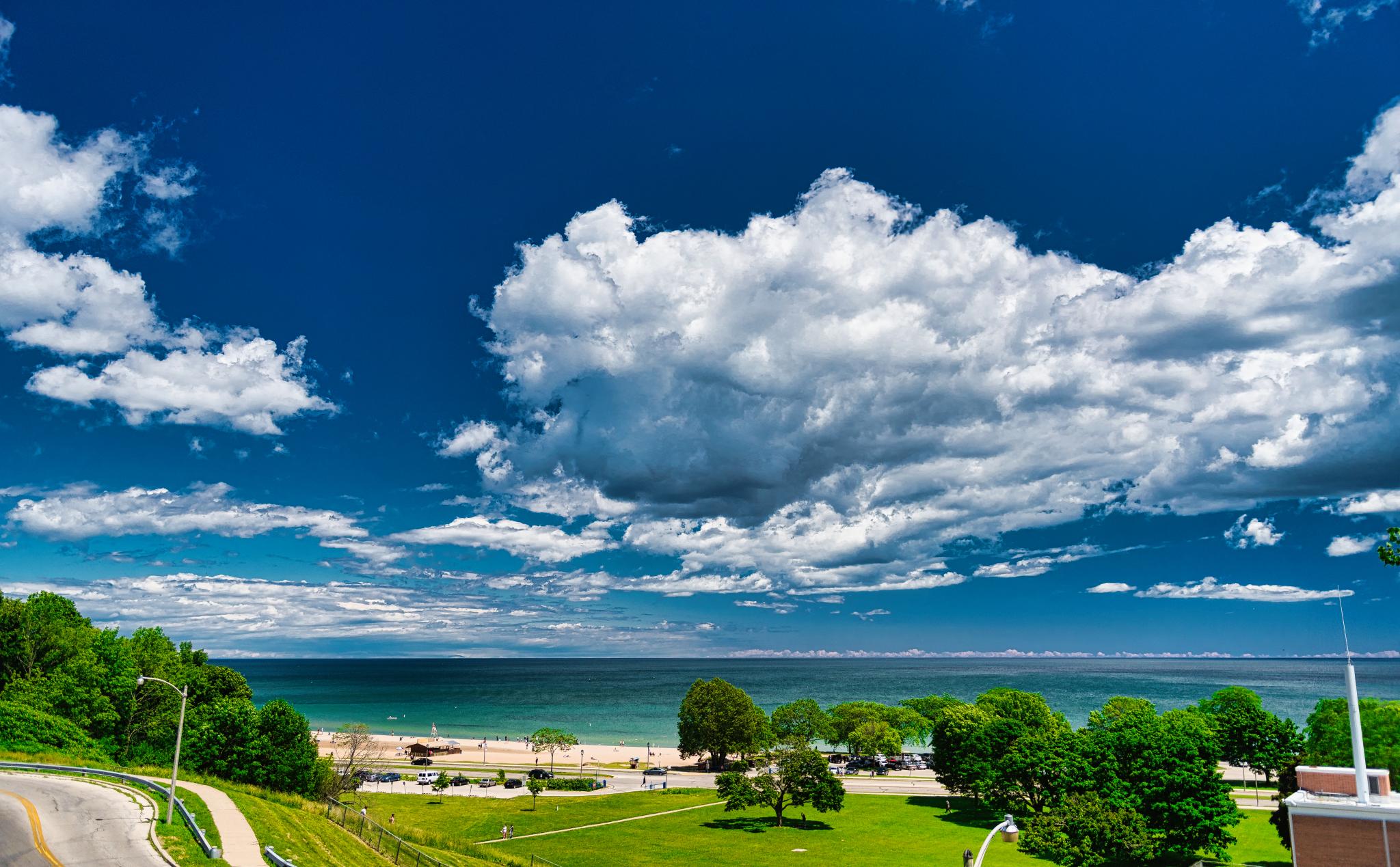
To the west, Wisconsin blends industrial heritage with natural beauty. Milwaukee, located on Lake Michigan, reflects the state’s brewing history and cultural diversity, while Madison offers a vibrant college-town atmosphere.
Further north, regions suchas Door Countyprovide sceniccoastaldrives,charmingtowns,andastrong
connection totheGreatLakes.Wisconsin’s byways highlightboth its agriculturalroots andits recreational appeal.
Minnesota — Where Water Meets Wilderness
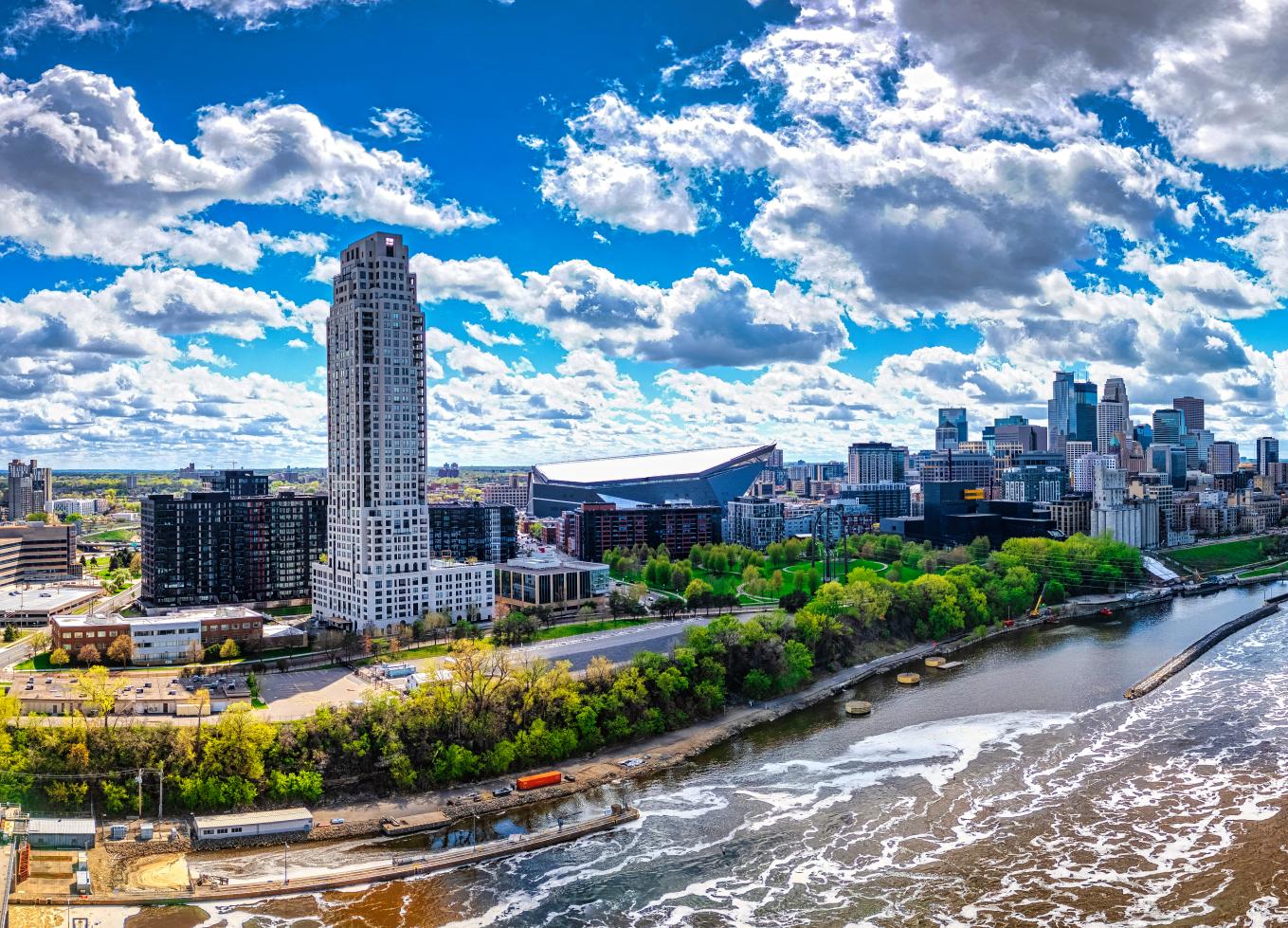
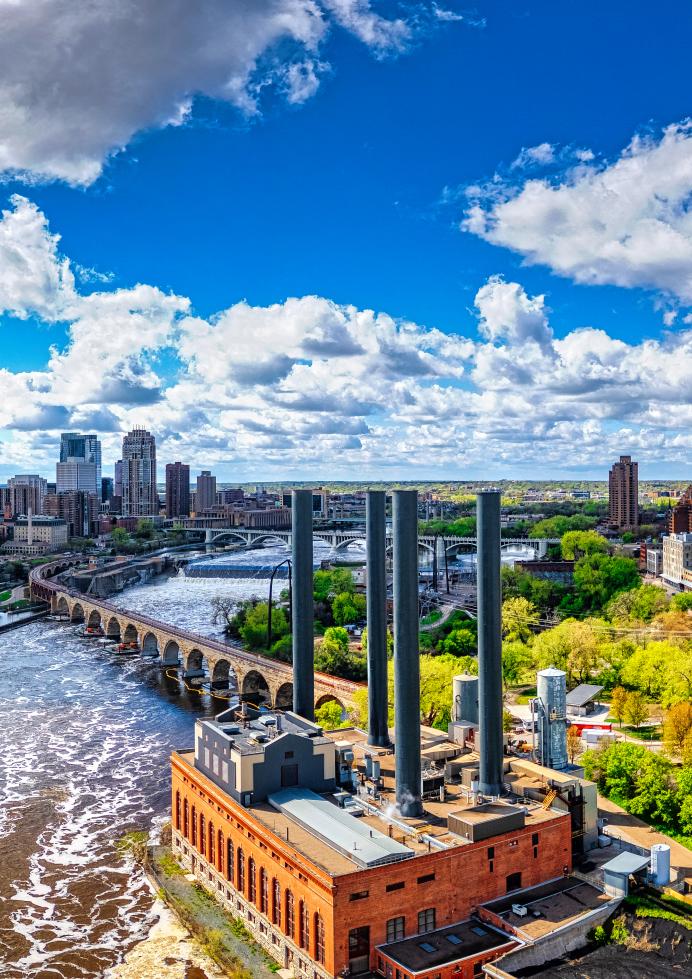
In Minnesota, the Midwest takes on a more northern character. The Twin Cities, Minneapolis and St. Paul, serve as cultural and economic centers, connected by the Mississippi River.
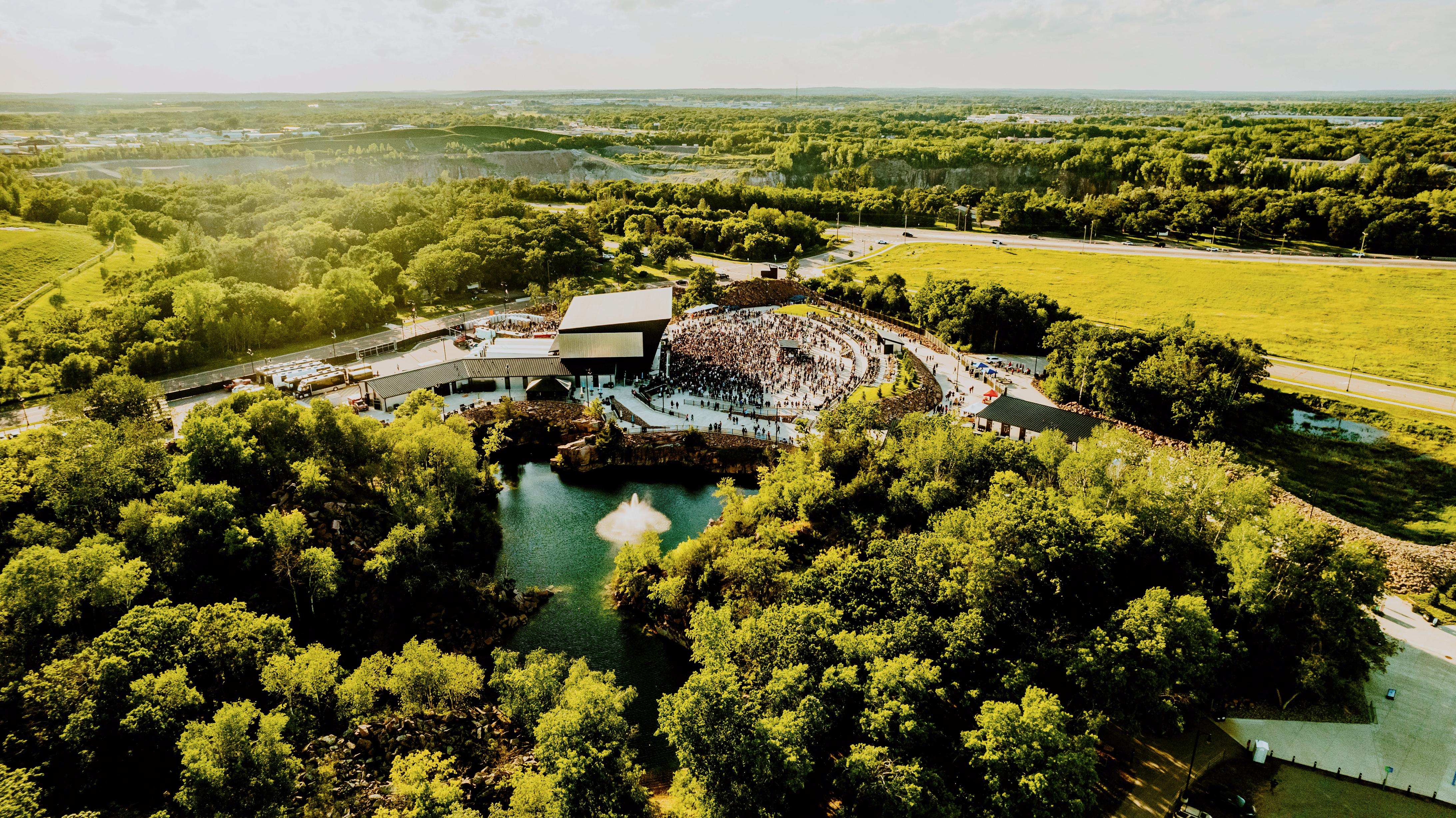
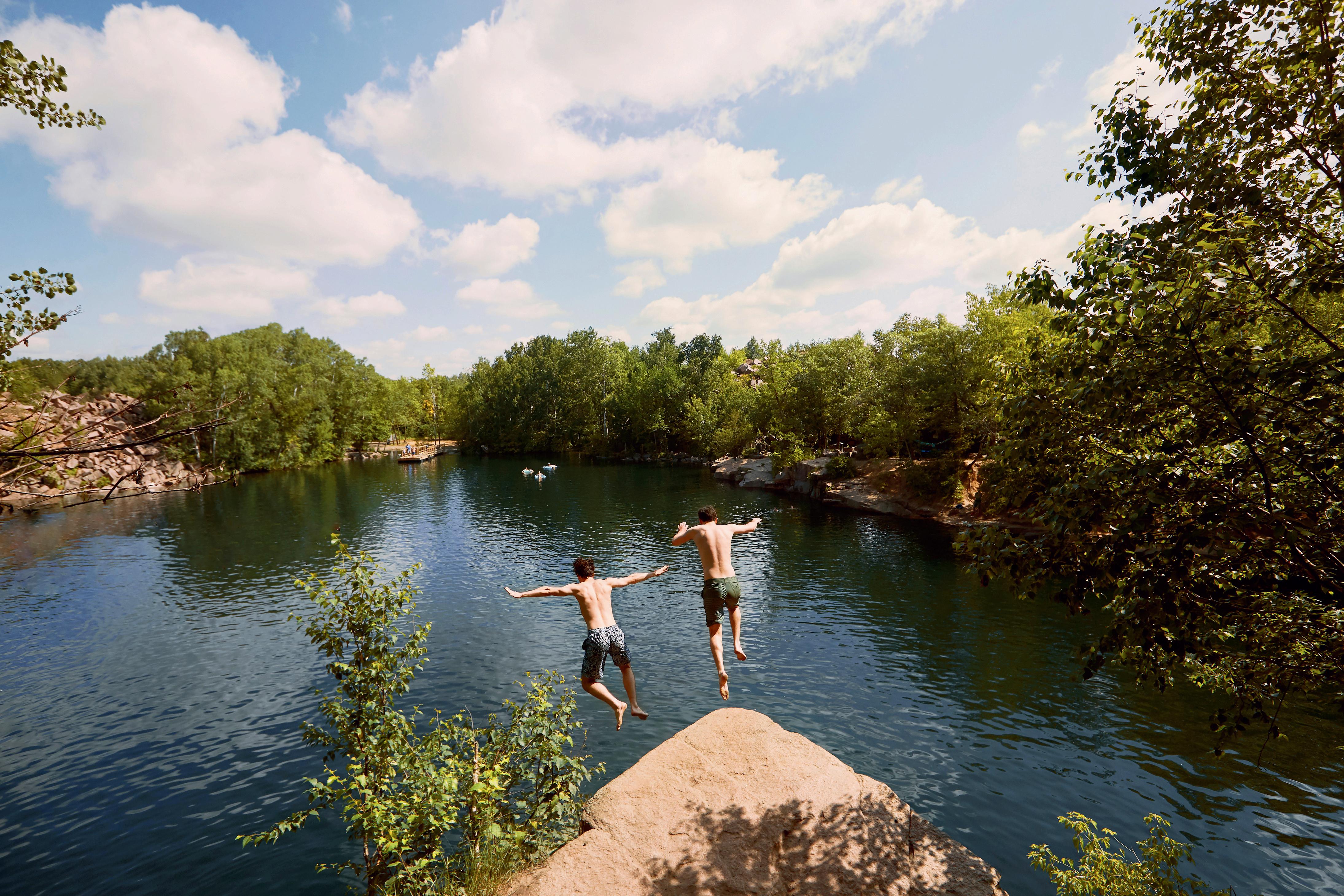
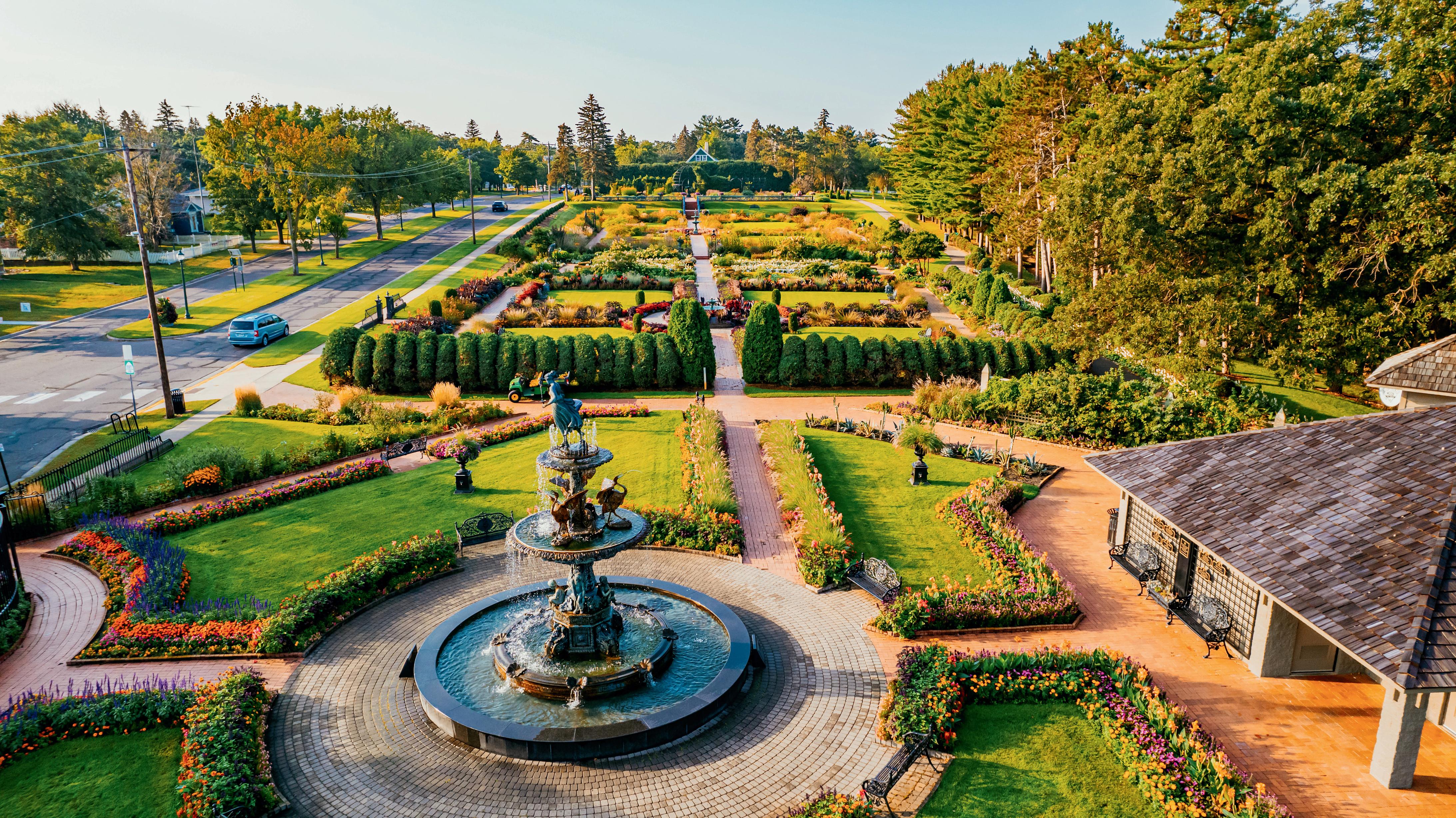
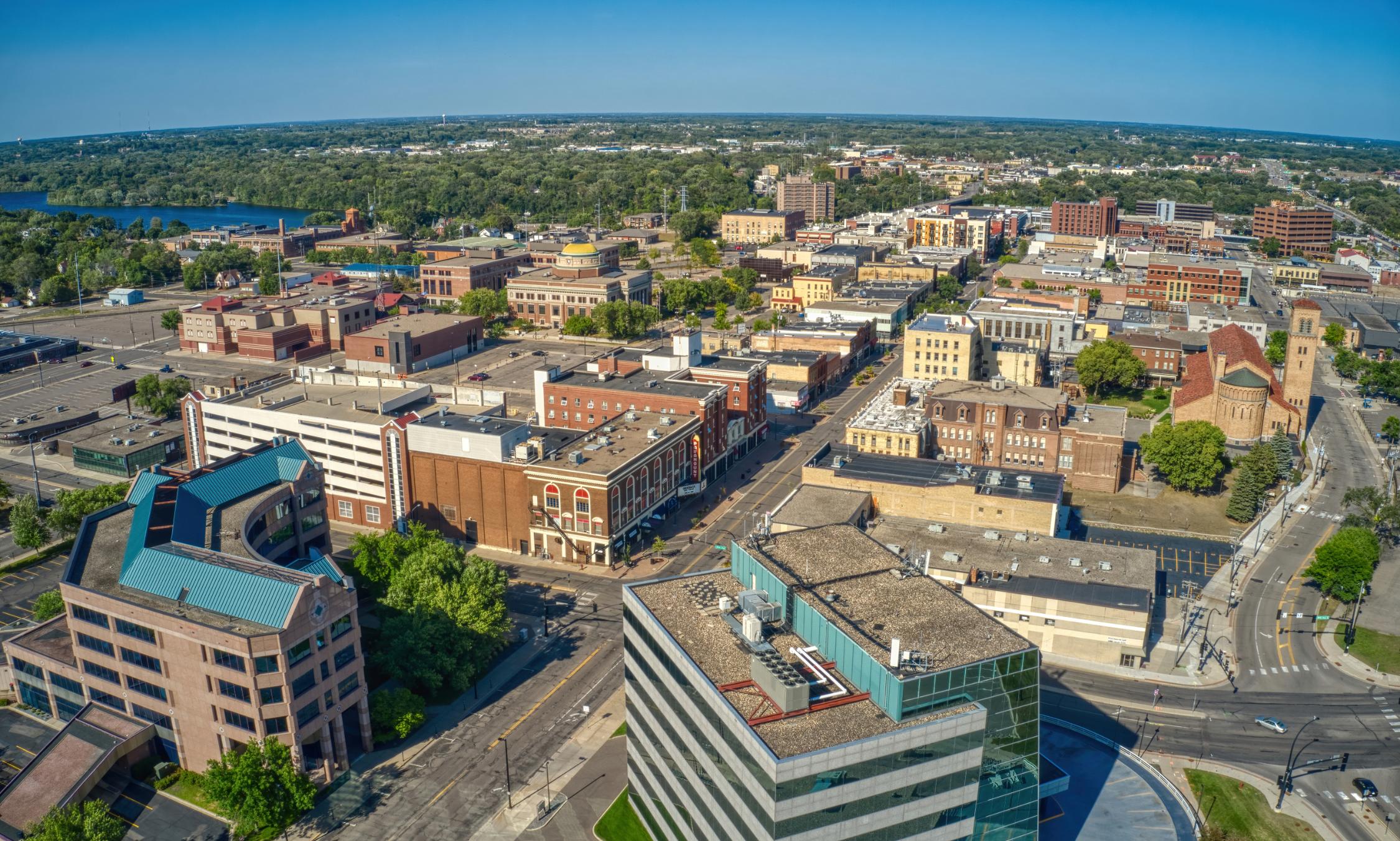
VisitSt. Cloud, Minnesota,invites travelers to discover avibrantMississippiRiver cityfilled with scenicbeauty, localflavor,arts,culture,andyearround outdoor adventure.
Beyond thecities, Minnesota’s landscapeof lakes and forests offers opportunities for outdoor exploration. Scenicroutes windthroughareas wherenatureand communitycoexist,reflectingaquieter butequally importantsideof theMidwest.
Iowa — The Agricultural Heartland
In Iowa, the Midwest’s agricultural identity comes into full view. Rolling farmland stretches across the horizon, dotted with small towns that reflect a strong sense of community.
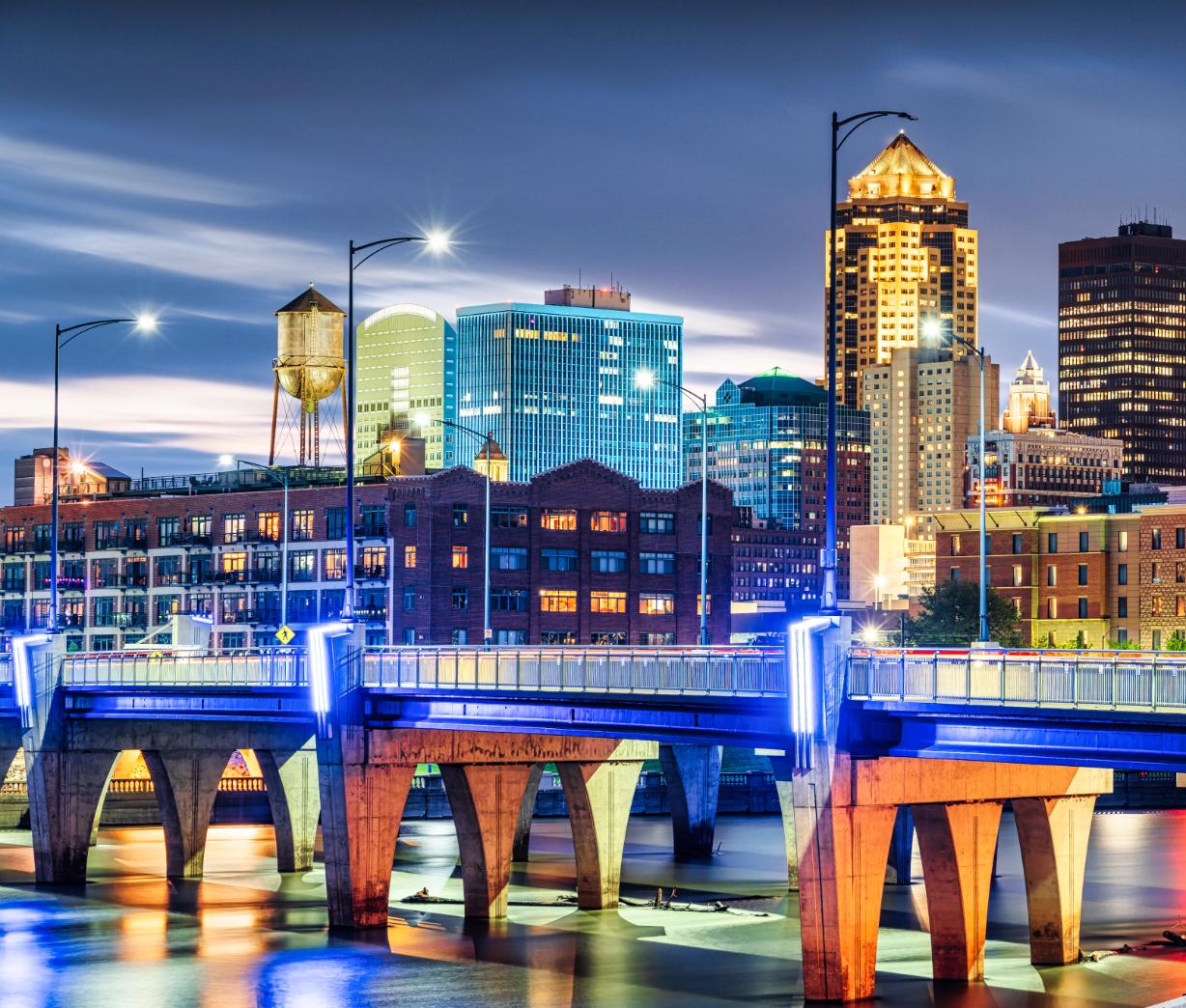
Cities such as Des Moines and Davenportprovideaccess toboth urban amenities and rurallandscapes, whilescenicdrives along the MississippiRiver offer aconnectionto oneofAmerica’s most importantwaterways.
Nebraska — Where the Plains Begin
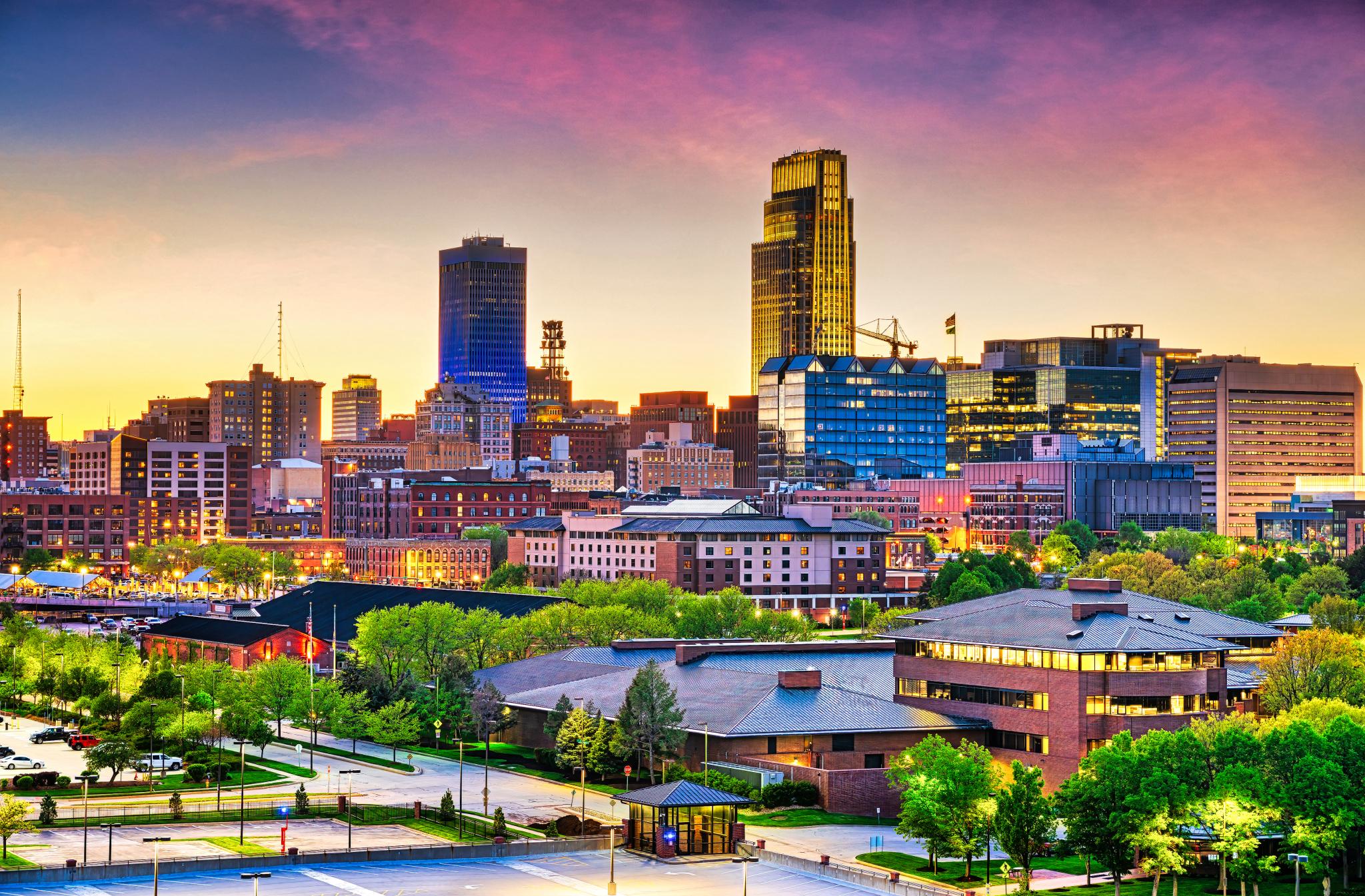
In Nebraska, the Midwest gradually gives way to the Great Plains. Wide-open landscapes stretch toward the horizon, shaped by agriculture, pioneer history, and the enduring influence of the transcontinental railroad.
Cities likeOmahaand Lincolnprovideculturaland economiccenters,whilescenicbyways traceroutes oncetraveled byearlysettlers moving west.
Kansas — The Heart of the Heartland
To the south, Kansas reflects the essence of the American heartland. Rolling prairie, historic trails, and agricultural communities define the landscape.
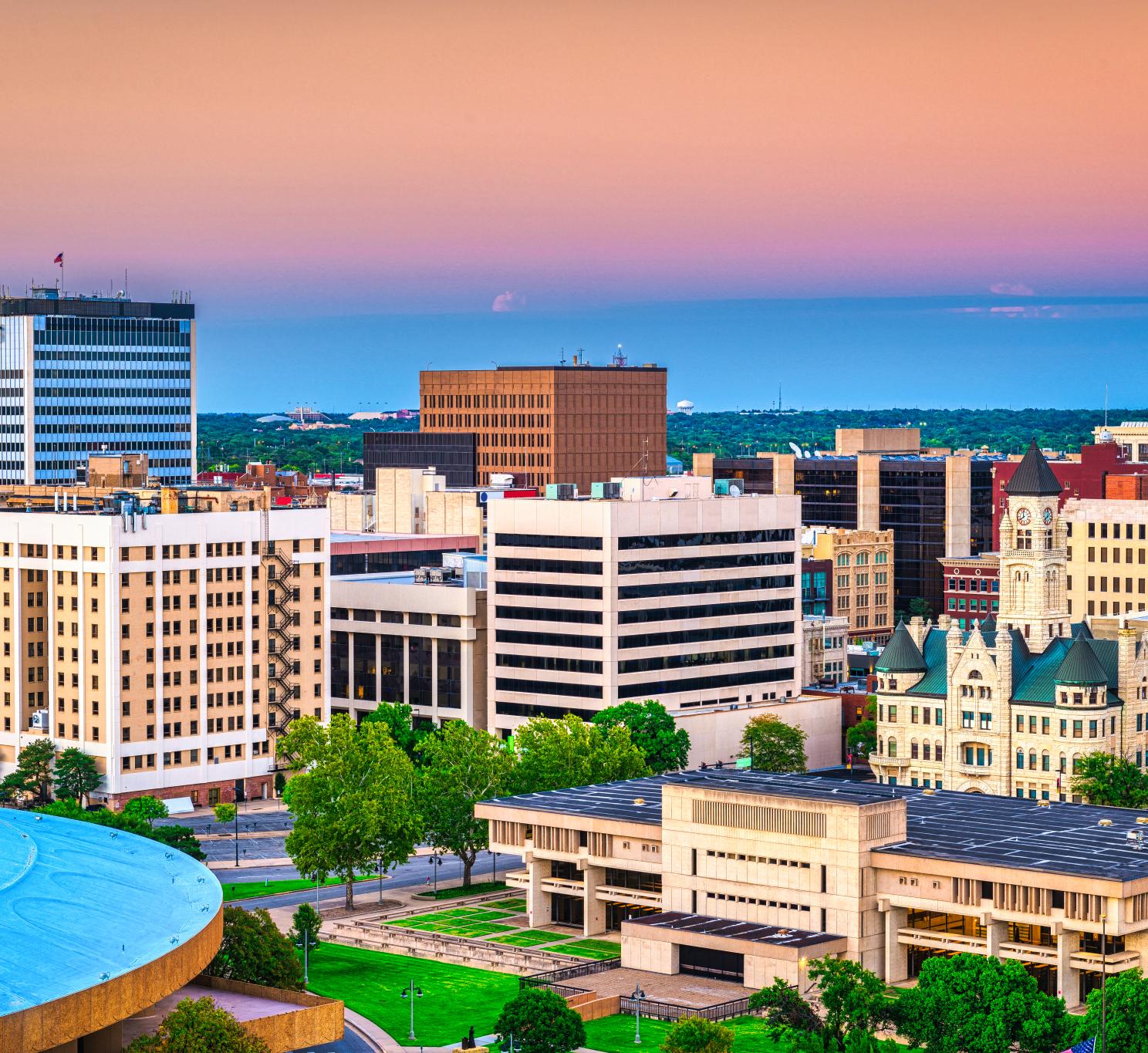
Cities suchasWichitaandTopekahighlightthestate’s roleinaviation,governance,and commerce, whileits backroads offer travelers aquieter, morereflective journeythroughAmerica’s interior.
North Dakota — The Northern Frontier
Further north, North Dakota presents a landscape where the Midwest meets the frontier. Energy development, agriculture, and NativeAmerican heritage all play important roles in shaping the region.
Incities likeFargo andBismarck,modern growth blends withadeepconnectiontotheland,whileopen spaces andrugged terraindefinemuchof thestate’s character.
South Dakota — Where History Meets the Landscape
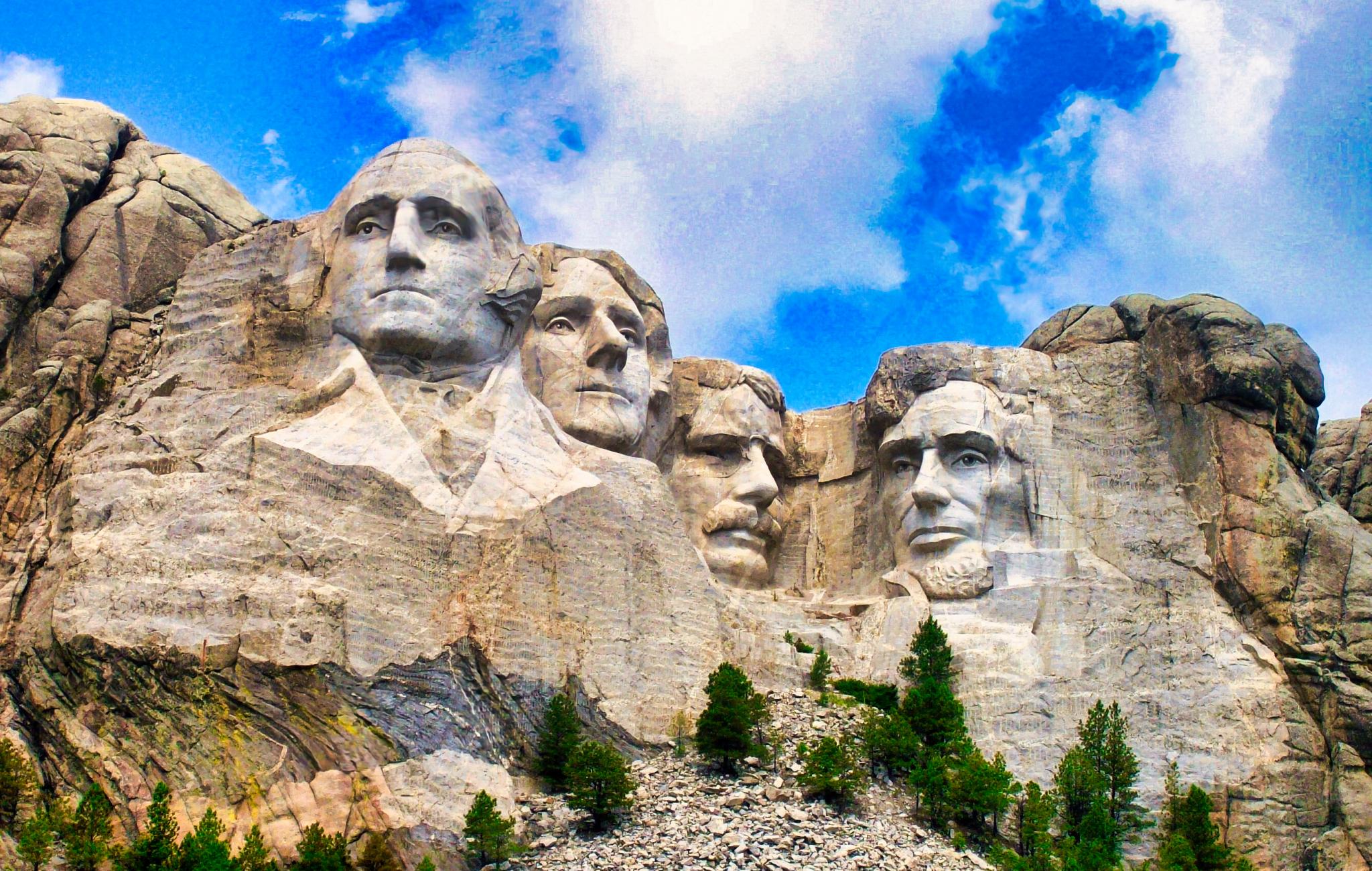
In South Dakota, the scenery becomes more dramatic, offering a striking contrast to the farmland of the central Midwest.
TheBadlands NationalParkandtheBlackHills providesomeof theregion’s mostmemorable landscapes, whilehistoricsites andsmalltowns reflect thestate’s rolein westwardexpansionandAmerican heritage.
Missouri — Gateway to the West
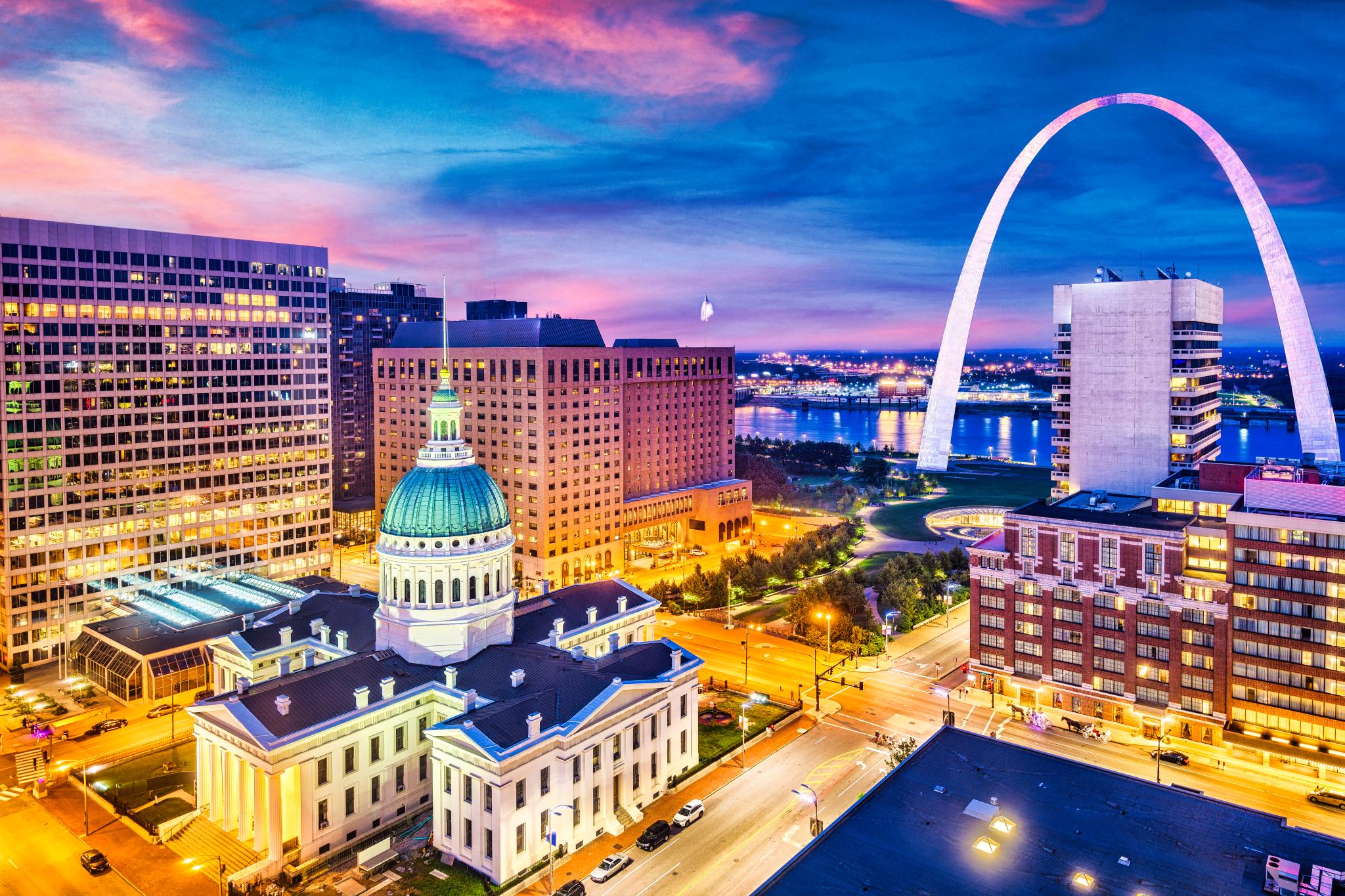
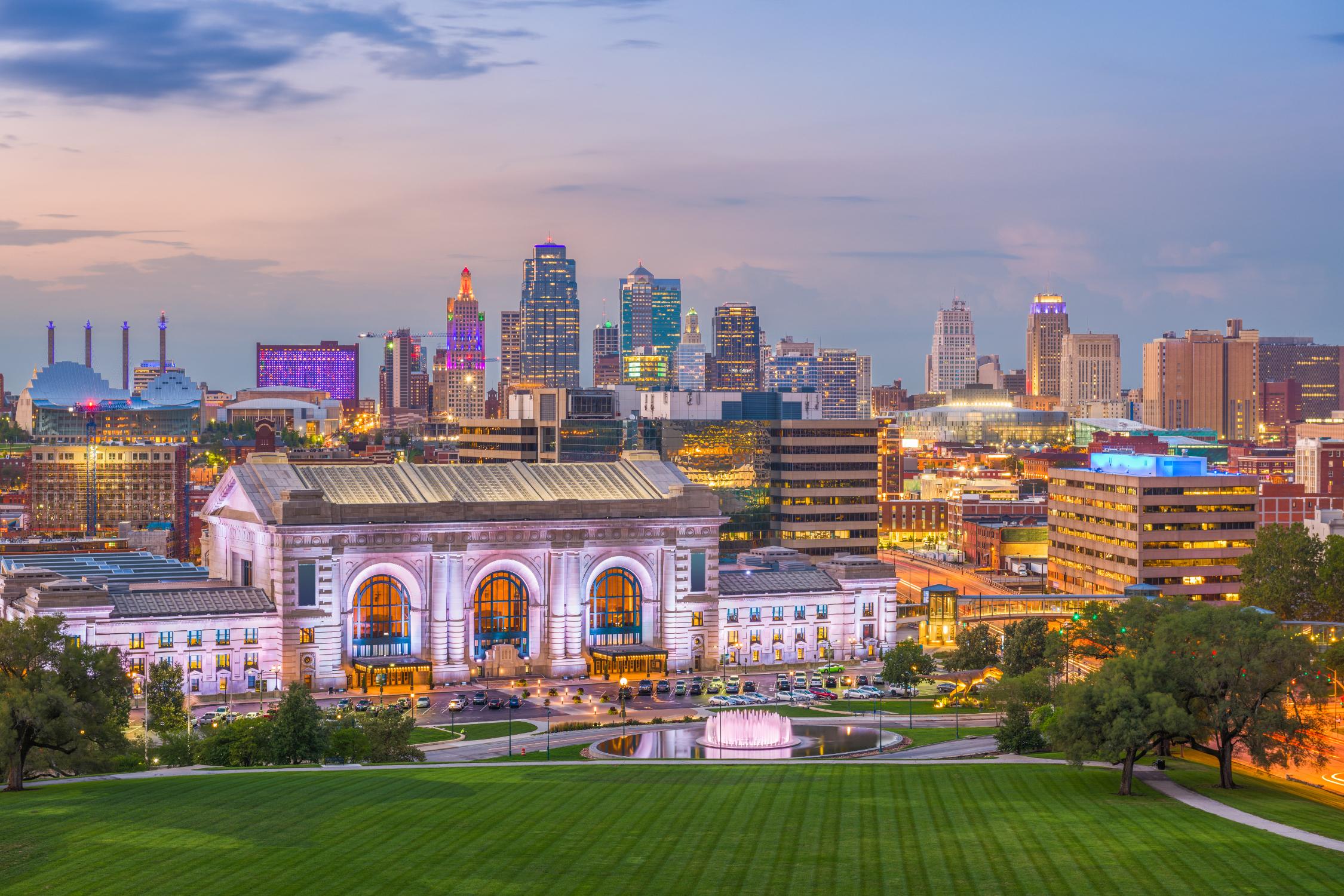
Missouri holds a unique place in the story of America, where westward expansion, river commerce, music, and military history all helped shape the nation. From the bustling riverfronts of St. Louis and Kansas City to the rolling Ozark hills and historic small towns, the Show-Me State reflects both the frontier spirit and industrial growth that defined much ofAmerica’s development.
Missouri was a key gateway for pioneers heading west on the Oregon, Santa Fe, and California trails, while the mighty Mississippi and Missouri rivers made the state an essential transportation and trade corridor during the 19th century.
Today, visitors can explore everything from Mark Twain’s boyhood home in Hannibal to Route 66
landmarks, Civil War sites, and vibrant cultural attractions that celebrate the state’s enduring influence onAmerican history.
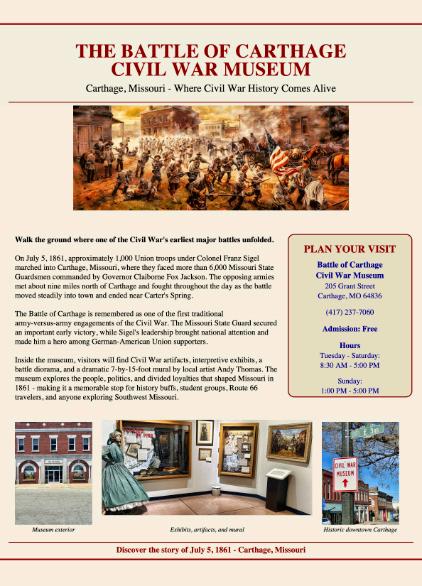
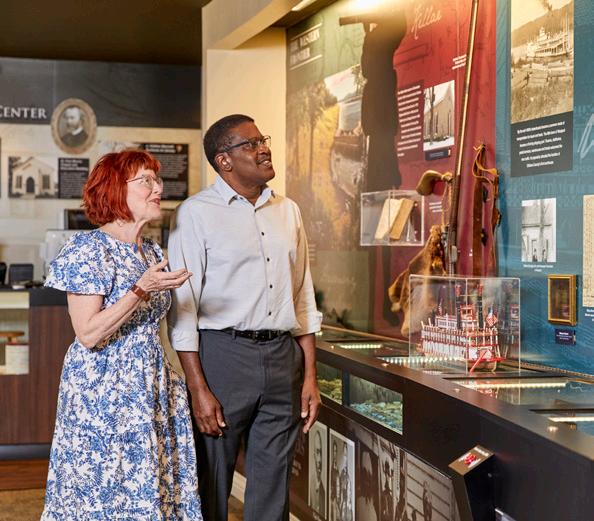
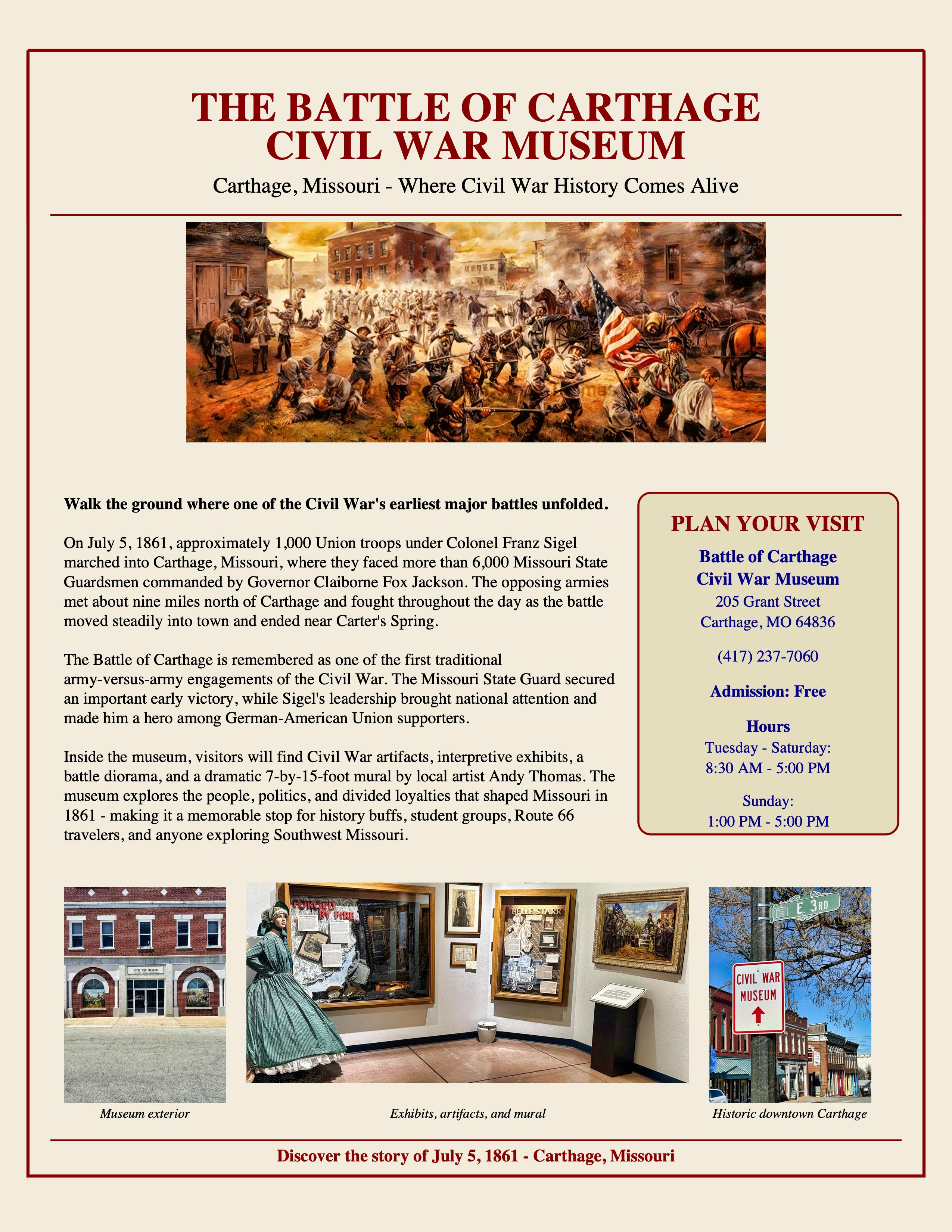
InsouthwestMissouri,thehistorictownof Carthage preserves animportantchapter of CivilWar history. Thecitywas thesiteof the1861 Battleof Carthage, oneof theearliestfull-scaleland battles westof the MississippiRiver.
Visitors canlearnmoreattheBattleof CarthageCivil War Museum, whichfeatures exhibits,artifacts, and interpretivedisplays detailingtheconflictandthe region’s roleduringtheCivilWar.
Thebeautifullypreserved townsquareandhistoric architecturealso makeCarthageaworthwhilestopfor travelers exploringMissouri’s richheritage.
The Rural Landscape — America’s Breadbasket
While the Midwest’s cities tell one part of the story, its rural landscapes tell another.Across states like
Iowa, Illinois, Indiana, and beyond, agriculture remains a defining feature of the region.
Fields of corn and soybeans,familyfarms,andsmalltown main streets reflectawayof lifebuiltonhard work and resilience. For travelers,theseareas offer a slower paceand achancetoexperiencetheeveryday rhythms of thenation’s heartland.
The Road Trip Experience — Mile by Mile
Traveling through the Midwest is less about rushing to a destination and more about embracing the journey itself. Long stretches of open highway give way to unexpected discoveries -- historic courthouses, roadside diners, grain elevators rising like monuments, and small towns where time seems to slow.
Eachstateoffers its ownrhythm.InIllinois and Indiana, thelandscaperolls gentlythroughfarmland and quietcommunities. InMichiganandWisconsin, water is never far away,withlakefrontdrives offering sweeping views andrefreshingstops.Minnesotaand
Iowainvitetravelers into wide-openspaces,wherethe horizonfeels endless.
Itis in thesemoments,pulling over for alocalcafé, stopping atascenicoverlook,or simplywatchingthe landscapeunfold,thattheMidwestreveals its character.Theexperienceis unhurried, authentic, and deeplyconnectedtotheland.
Traveling the Great Lakes & Midwest Byways
Beyond its major metropolitan centers, the Midwest is shaped by a network of cities that reflect its regional diversity and economic strength. In Madison and Green Bay, lakeside settings and strong community traditions define daily life, while in Toledo and Dayton, industrial innovation and aviation history continue to influence the region.
Des Moines has emergedas agrowingcenter for business andculture, andnearbyOmahaconnects the MidwesttothePlains with ablendof historic stockyards andmoderndevelopment.
Together, thesecities highlighttheMidwest’s balance of tradition and progress.
TheMidwestis uniquelysuitedfor roadtravel.Its network of highways andscenicroutes connects cities,towns, and naturallandscapes inawaythatis bothefficientand rewarding.
Theability to moveseamlesslybetweenurban and ruralenvironments makes theMidwestanideal destinationfor extendedtravel.
Culture and Community
The Midwest’s cultural identity is shaped by its people. Waves of immigration brought traditions from around the world, influencing everything from architecture to cuisine.
FromChicago’s diversefoodscenetoWisconsin’s dairytraditions, fromMinnesota’s Scandinavian influences to Missouri’s barbecue,theregionoffers a richculinary landscapethatreflects its historyand diversity.
Byways 68
Foodin theMidwestis morethanregional, itis personal.Familyrecipes passeddownthrough generations appear onmenus alongsidemodern interpretations of classicdishes. Supper clubs in Wisconsin,farm-to-tablerestaurants inIowa,and urbanfoodhalls in cities likeChicagoand Minneapolis allreflecttheregion’s evolvingidentity.
A Region That Built the Nation
AsAmerica celebrates its 250th anniversary, the Great Lakes and Midwest stand as a testament to the nation’s growth and resilience. This is where ideas became industries, where communities were built, and where theAmerican work ethic took shape.
For travelers,theMidwestoffers morethanajourney throughgeography.Itprovides adeeper understandingof theforces thathaveshaped the nation—throughinnovation,labor, andtheenduring belief in opportunity.
Fromtheskylineof Chicagotothefarmlands of Iowa, fromthefactories of Detroittotheriverfronts of St.
Louis,theMidwesttells thestoryof a nation atwork, and apeopledeterminedto build something lasting.
Here,theAmericanjourneyis notonly remembered, itis lived everyday,inthe fields, thecities, andtheroads thatconnect themall.
As theUnited States marks 250years,the Midweststands as areminder thatthe nation’s strength has always comefromits people, workers, farmers,immigrants,and innovators who builtcommunities fromthe ground up.
This region reflects theideals of opportunity and perseverancethatdefine theAmerican story. Itis wherethepromise of thenation was tested, refined,and ultimatelyrealized throughhardworkand collaboration.
ForAmerica250 travelers, theMidwestoffers something uniquely powerful:notjustplaces tosee, butstories tounderstand.Itinvites visitors tostep into
thenarrativeof anationstillinmotion, onethat continues toevolvewhilestayingrootedin its core values.
IntheSouthwest, theAmericanstoryopens wide, stretching across vasthorizons,deepcultural roots, and landscapes thatfeelalmostlimitless. This is aregion definednotonlybyits geography,but by its spirit:bold, resilient,anddeeplyconnectedto theland.
Across Oklahoma, Texas, New Mexico, andArizona, travelers encounter a different dimension of the American experience, one shaped by Native American heritage, Spanish influence, frontier expansion, and modern innovation. Here, history is layered, cultures converge, and the open road invites exploration on a grand scale.
From desert highways and historic missions to vibrant cities and sacred landscapes, the Southwest offers one of the most visually striking and culturally rich journeys in the nation.
Byways 74
Oklahoma — Crossroads of Culture and Route 66
In Oklahoma, the Southwest begins with a sense of movement, of journeys converging and continuing westward. This is a state deeply tied toAmerica’s transportation story, where historic trails, railroads, and highways helped shape the nation’s expansion.
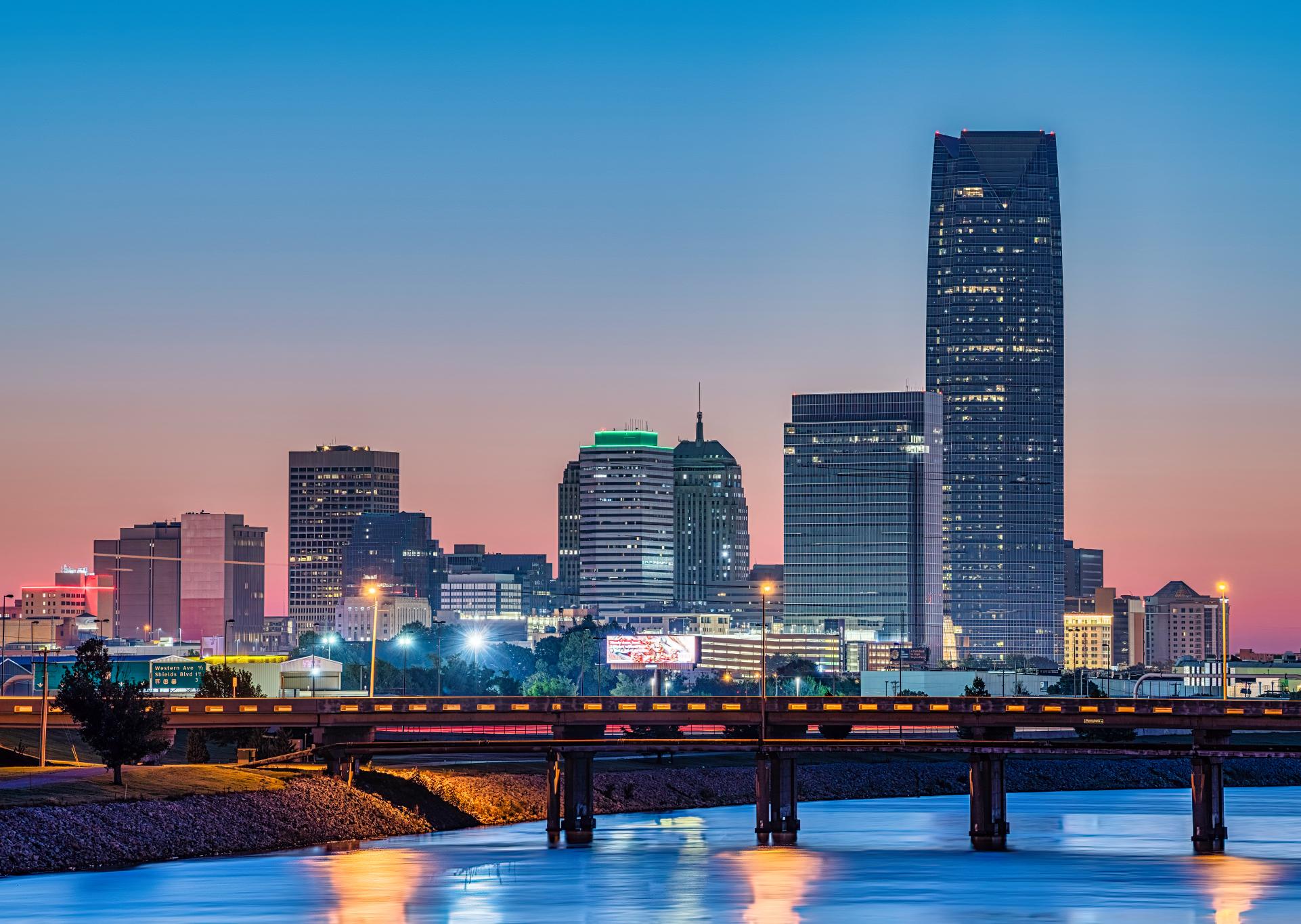
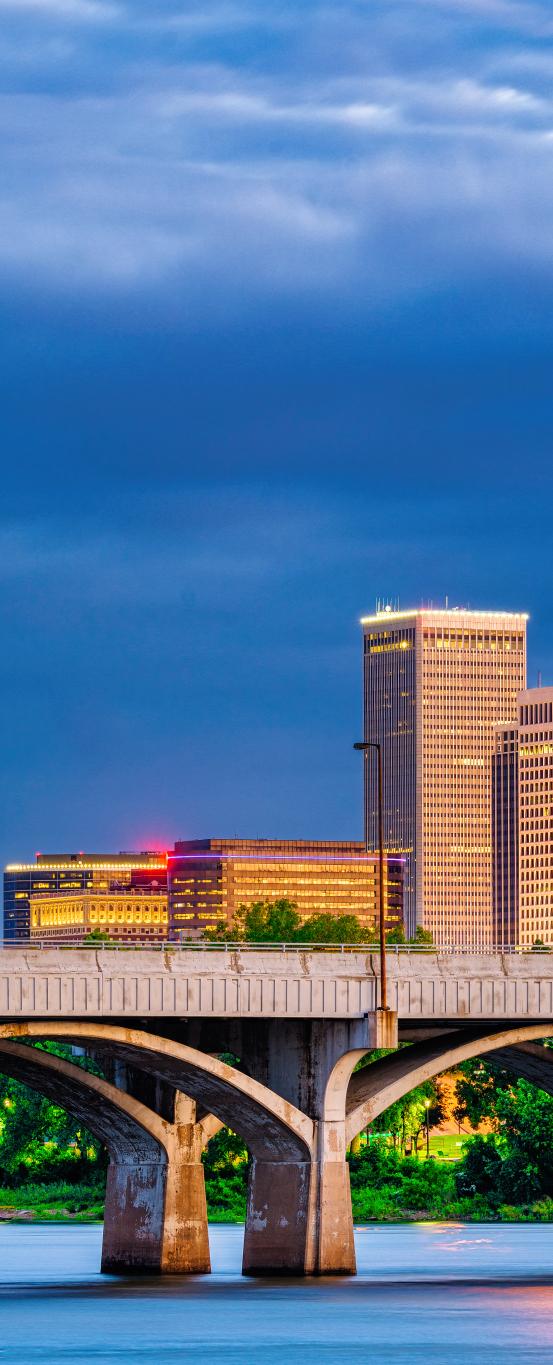
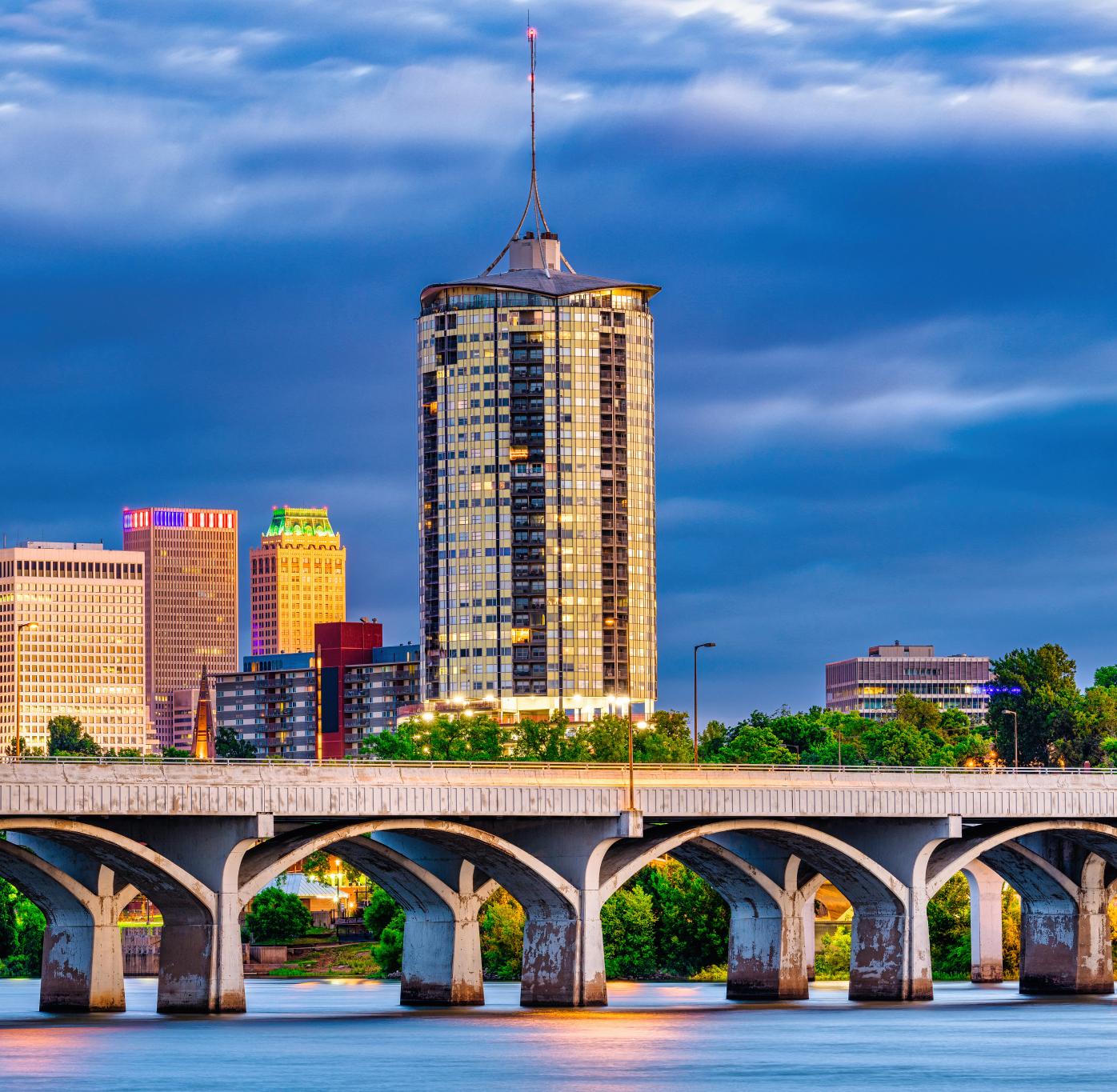
Nowhereis this moreevidentthan alongRoute66,whichruns directlythroughtheheartof the state.Towns likeTulsaand OklahomaCitypreservethespirit of theMother Roadwith vintage neonsigns,restored service stations,and roadsideattractions thatevokeagoldeneraof Americantravel.
YetOklahoma’s storyruns deeper.Itis hometo oneof thelargestNativeAmericanpopulations intheUnited States, with39 federally recognizedtribes.Cultural centers, museums, and events throughoutthestate offer travelers ameaningfulopportunitytoengage withtraditions thatlongpredatestatehood.
In OklahomaCity, theNationalCowboy&Western HeritageMuseumcaptures themythologyandreality of theAmericanWest,whiletheOklahomaCity NationalMemorialprovides apowerfulspacefor reflection and remembrance.
This is aplacewherepastandpresentmeet—where thestoryofAmerica’s movementwestward begins to takeonnew depthand complexity.
Texas — Scale, Identity, and Independence
Everything feels bigger in Texas—and that includes its role in theAmerican story.
Spanning landscapes thatrangefromrollinghill countrytocoastalplains anddesertexpanses,Texas offers ajourneythrough multipleidentities withina singlestate.Itis aplacewhereSpanishmissions, frontier forts,andmoderncities existsidebyside.
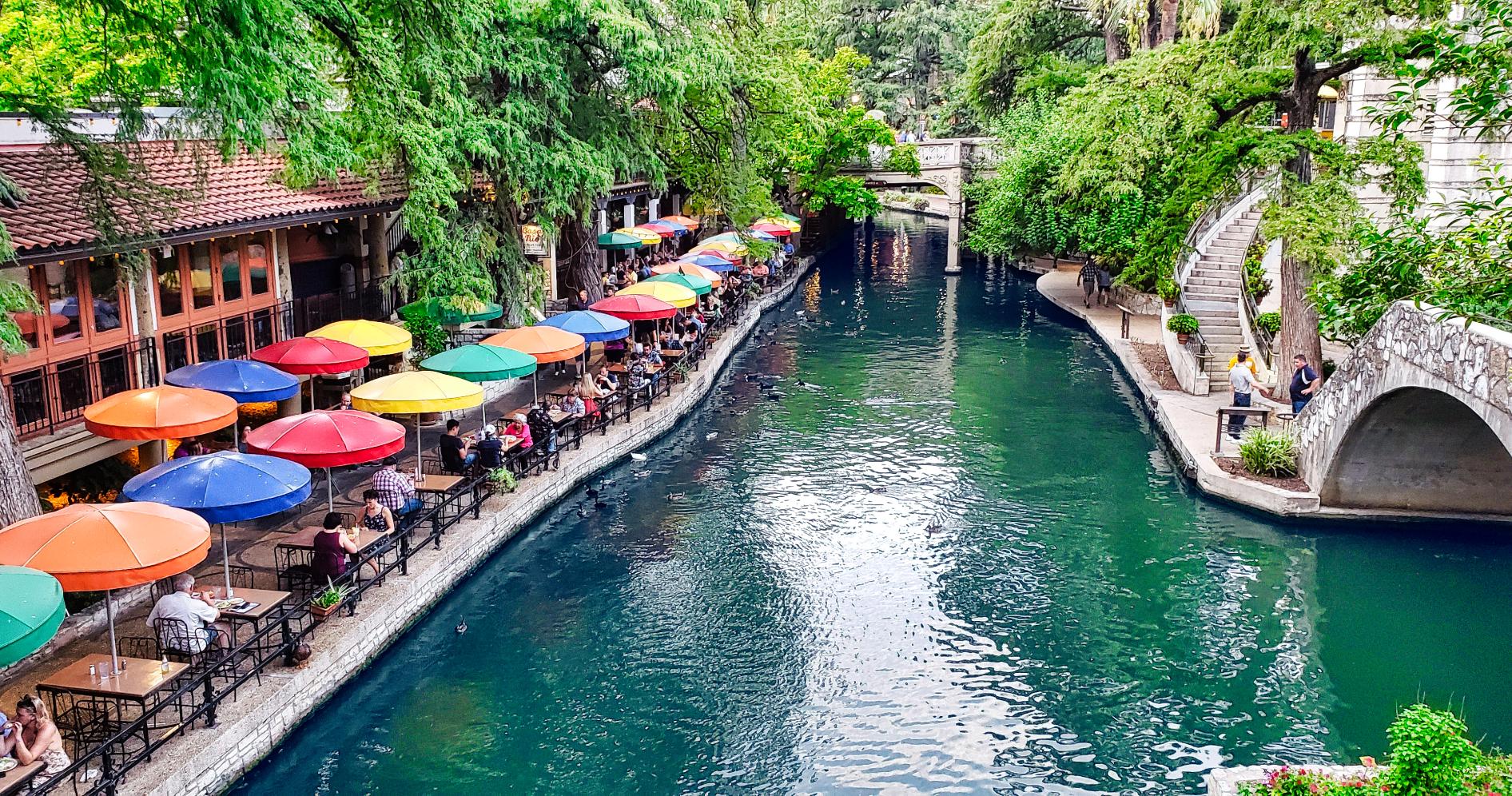
InSanAntonio,theAlamostands as oneof themost recognizedhistoricsites inthecountry,symbolizing thestrugglefor independenceandtheenduringspirit of resilience.Nearby,thecity’s RiverWalk provides a vibrantcontrast, linedwithrestaurants, shops, and culturalattractions thatreflectTexas’s diverse heritage.
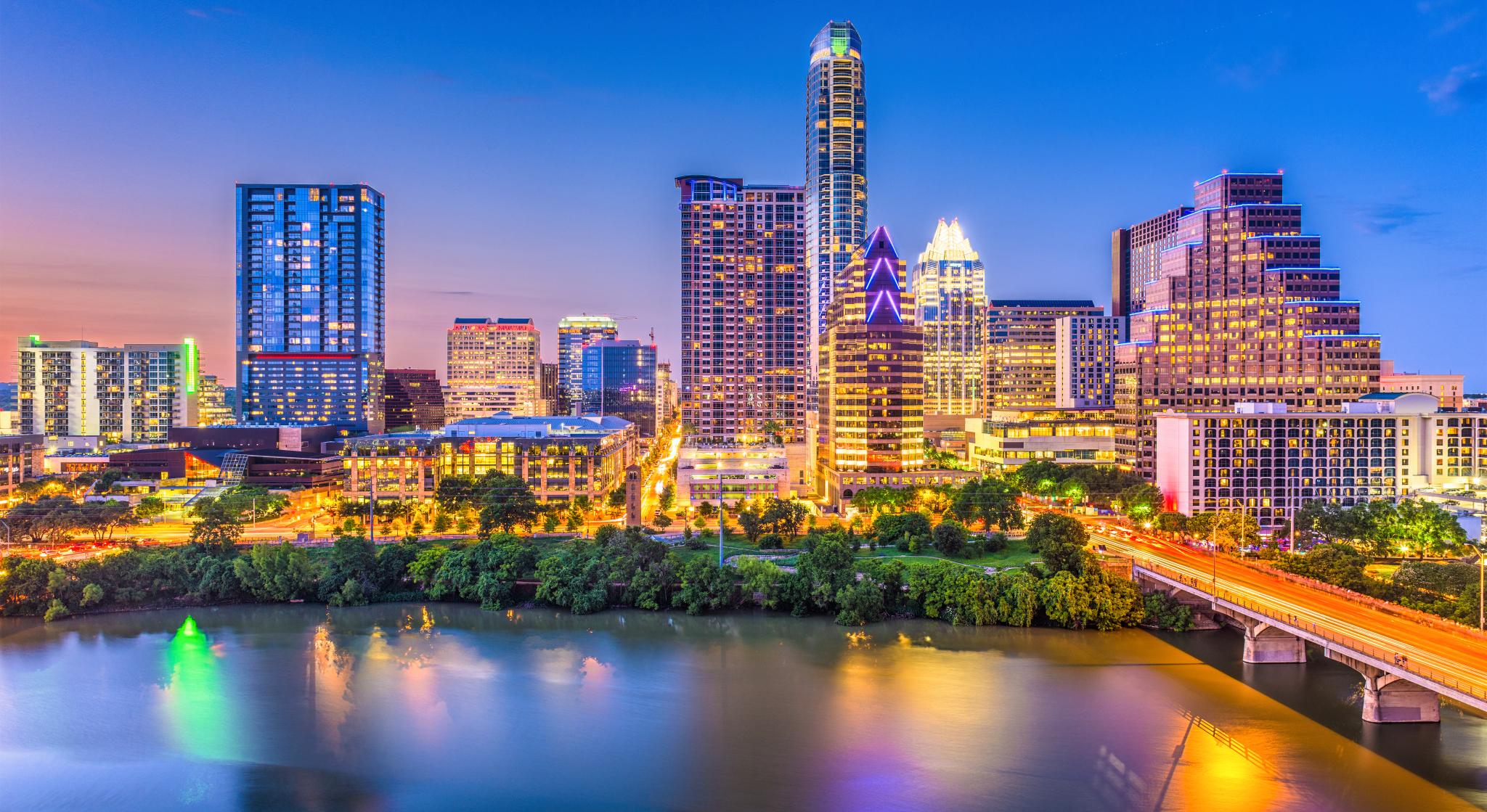
Austin,thestatecapital,represents themodern Southwest,creative,dynamic,andforward-looking. Its musicscene,technologysector, andcultural energy makeitoneof themostdistinctivecities in the region.
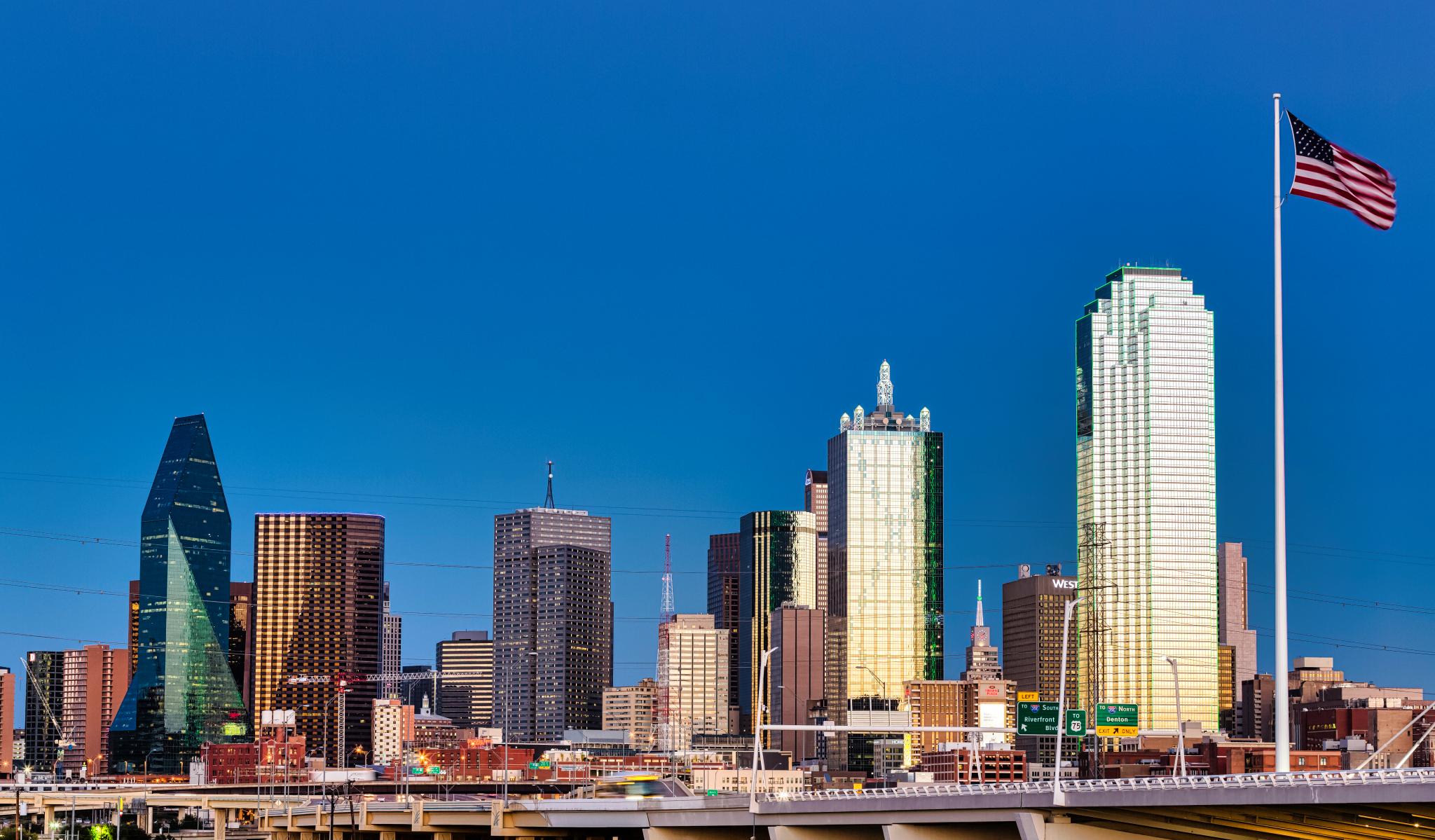
Further north, Dallas and FortWorthshowcasea blendof commerceandWesternheritage,where stockyards and skyscrapers tellparallelstories of growth and transformation.
Beyondthecities,Texas reveals its quieter side. Scenicdrives through theHillCountryoffer rolling landscapes,wineries, andsmalltowns thatinvitea slower pace.InWestTexas,BigBendNationalPark
presents oneof themostremoteand breathtaking environments inthecountry, wheredesertmountains meetvastskies andthe RioGrandetraces theborder betweennations.
Texas is notjustadestination,itis anexperience defined by scale, diversity,andastrongsenseof identity
New Mexico — The Land of Enchantment
In New Mexico, the Southwest takes on a more introspective and artistic character. Known as the “Land of Enchantment", the state offers a landscape where culture, history, and natural beauty blend seamlessly.
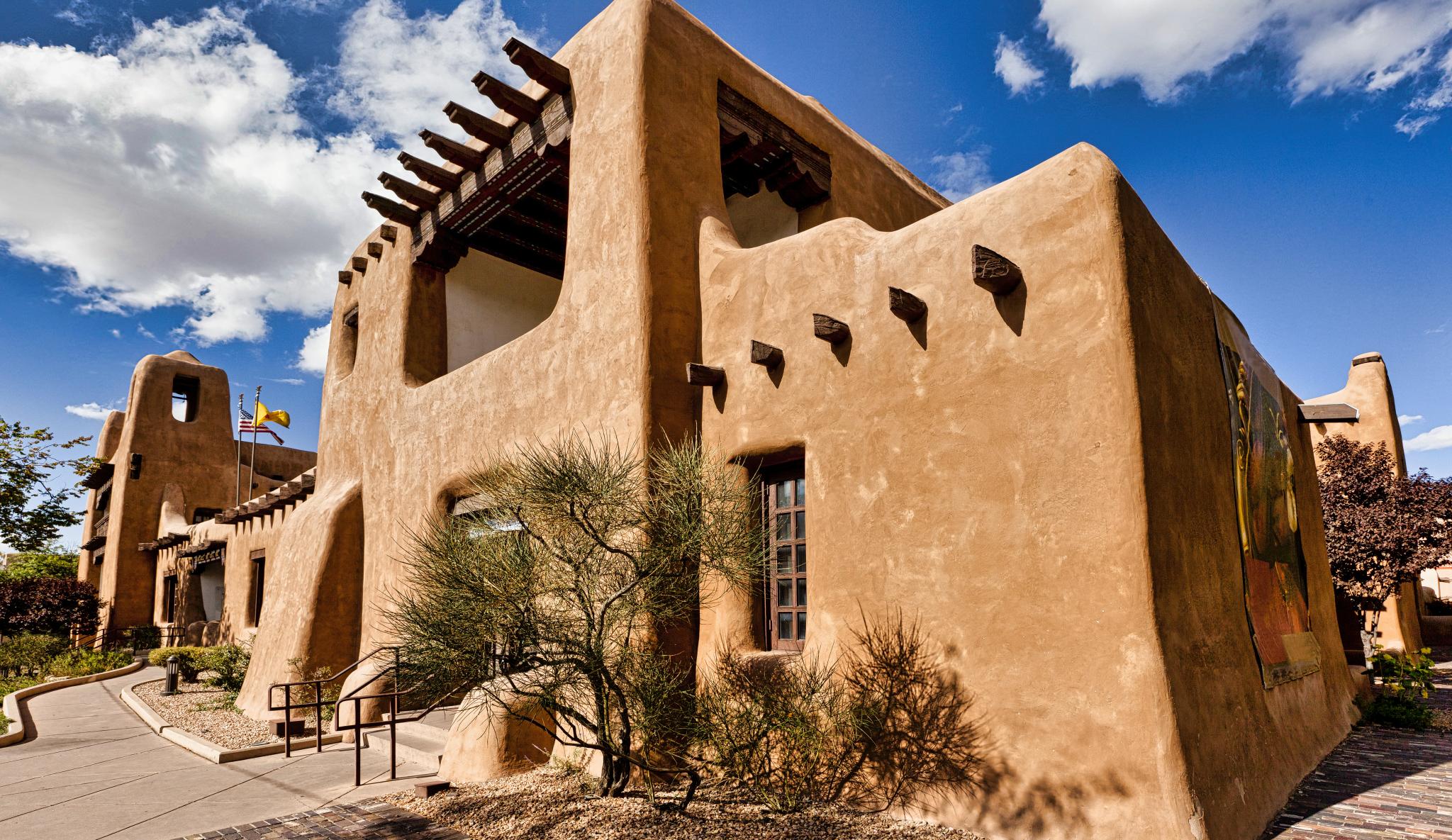
SantaFe,oneof theoldestcities intheUnited States, serves as theculturalheartof theregion.Its adobearchitecture, artgalleries,andhistoricplazas createan atmospherethatfeels bothtimeless and contemporary.Thecity’s deepconnections toNative American and Spanish traditions arereflectedin everything fromits cuisinetoits festivals.
TheTaos Pueblo, aUNESCOWorldHeritageSite, stands as alivingtestamentto centuries of continuous habitationand culturalpreservation.
Nearby,Taos has longattractedartists andtravelers seeking inspirationin its dramatichigh-desertsetting.
Albuquerqueoffers adifferentperspective, combining historiccharmwithmodernamenities.Each year, the AlbuquerqueInternationalBalloonFiestafills thesky with color,drawing visitors fromaroundtheworld.
Beyond thecities, New Mexico’s landscapes are equallycompelling. FromthestarkbeautyofWhite Sands NationalPark totheruggedterrainof theGila Wilderness, thestateinvites explorationand reflection.
Here,theAmericanstory is notonlyaboutmovement and expansion, itis aboutcontinuity,tradition,anda deep connection to place.
Arizona — Landscapes That Define a Nation
If any state captures the visual essence of the Southwest, it isArizona.
Hometosomeof themosticoniclandscapes inthe world,Arizonaoffers ajourneythroughenvironments thatfeelalmostotherworldly.Atthecenter of itallis theGrandCanyon,anaturalwonder thathas cometo symbolizethevastness andbeautyof theAmerican West.
Byways 78
YetArizona’s storyextends far beyondthis singular landmark.
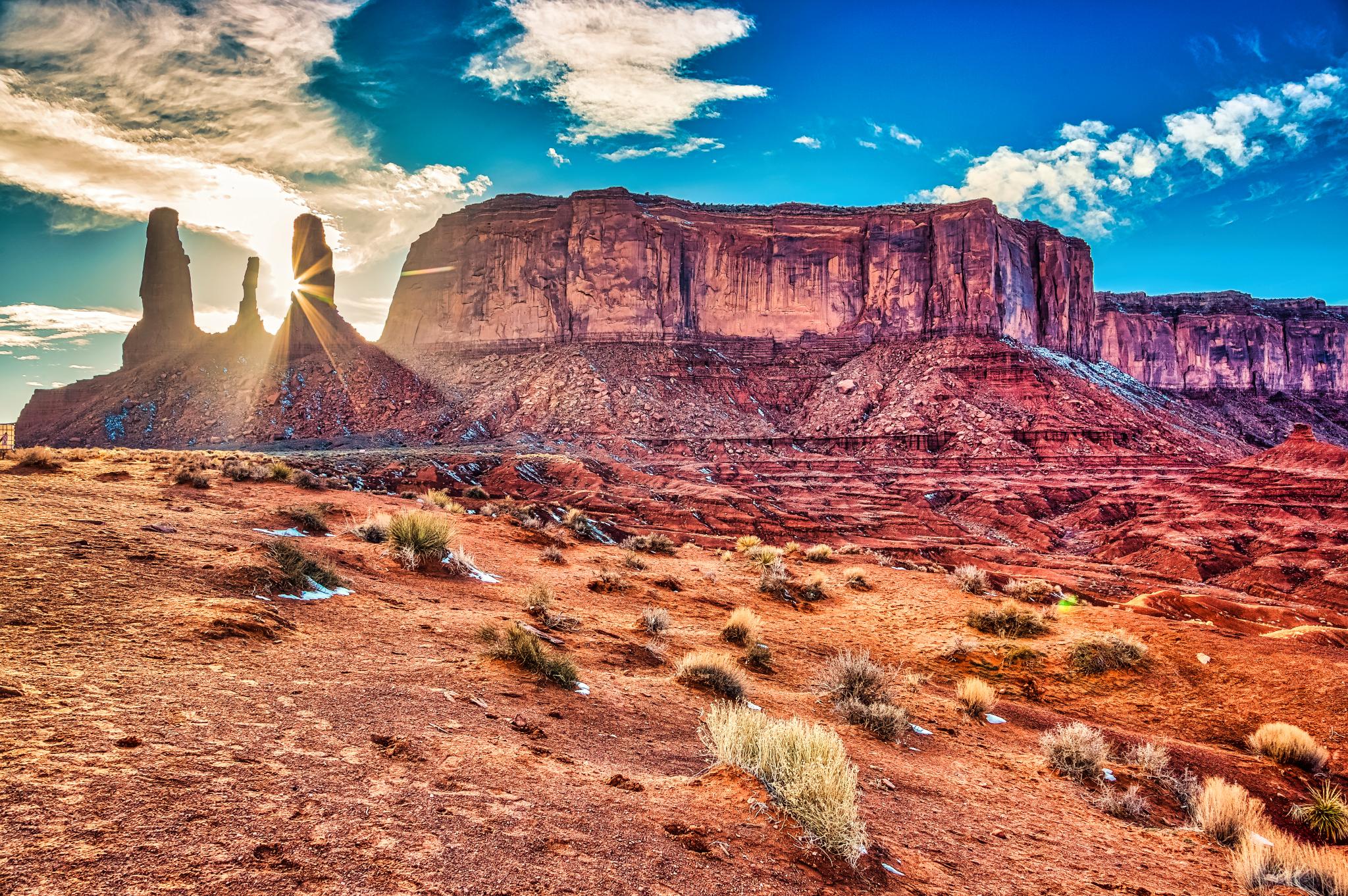
InnorthernArizona,MonumentValley’s towering sandstoneformations havedefinedtheimageryof the AmericanWestfor generations. Nearby,theNavajo Nationoffers opportunities toexperiencetheregion’s culturalheritagethroughguidedtours and community-basedtourism.
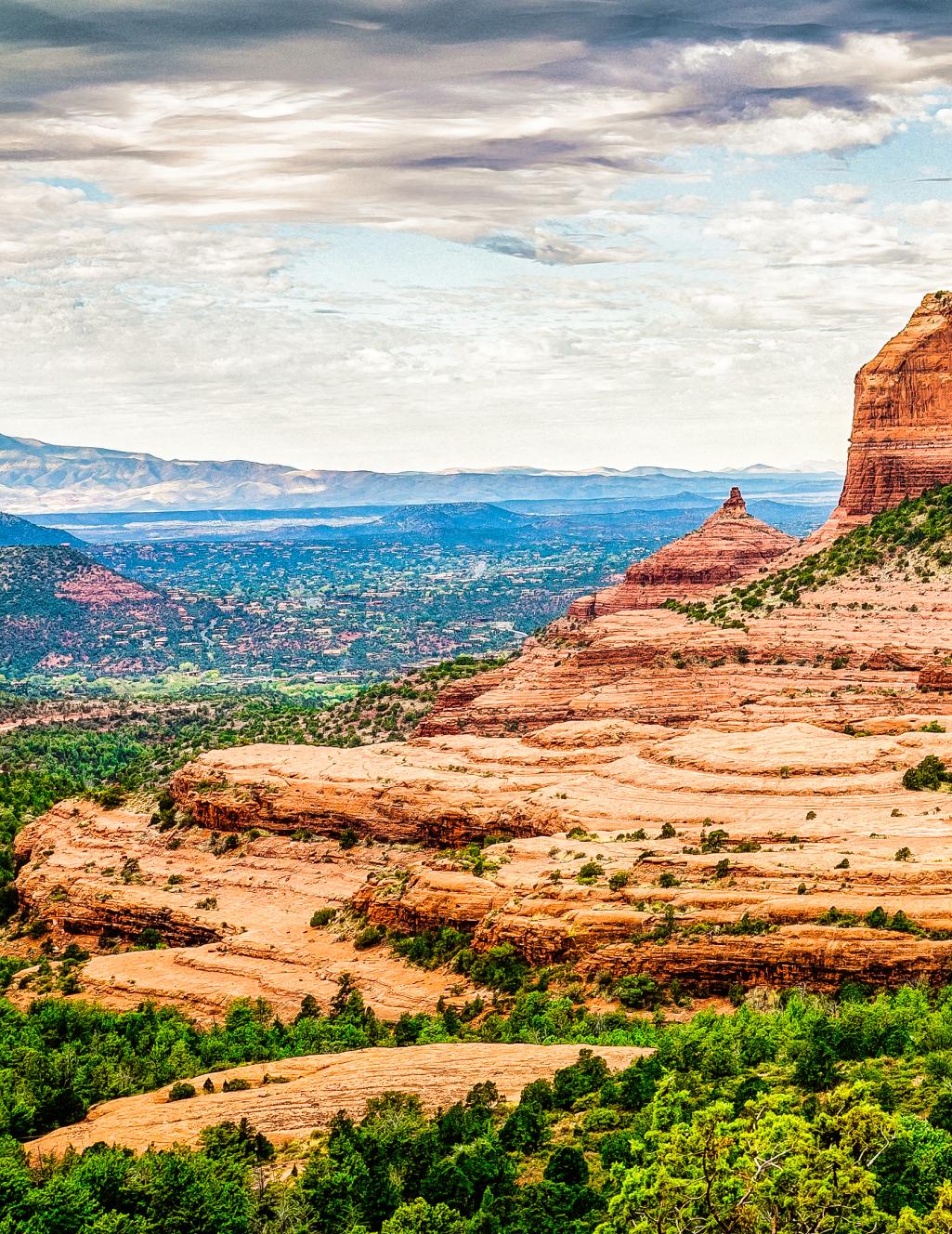
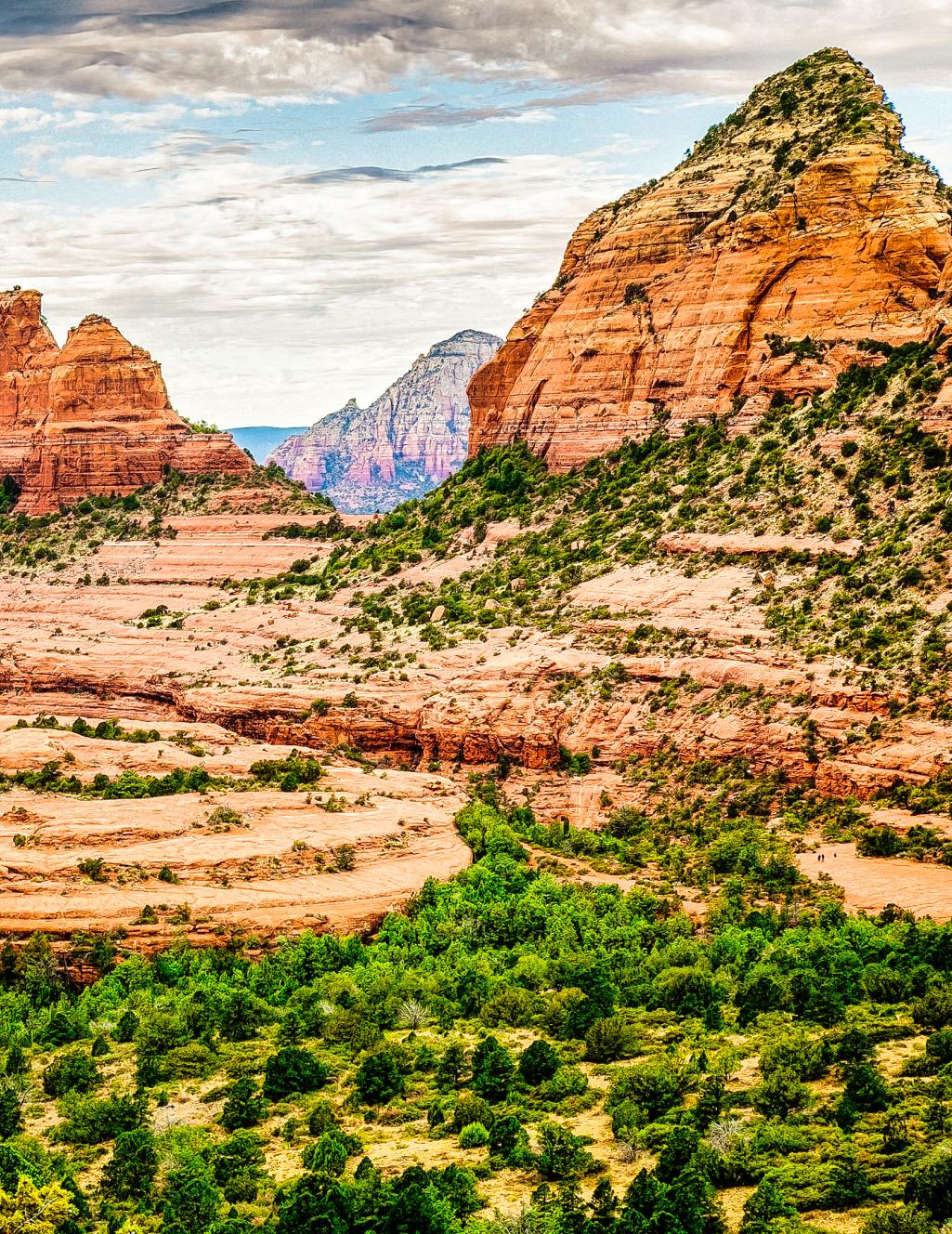
Sedona,withits red rockformations andvibrantarts scene, provides astrikingcontrast—drawingvisitors seekingbothoutdoor adventureandspiritualrenewal.
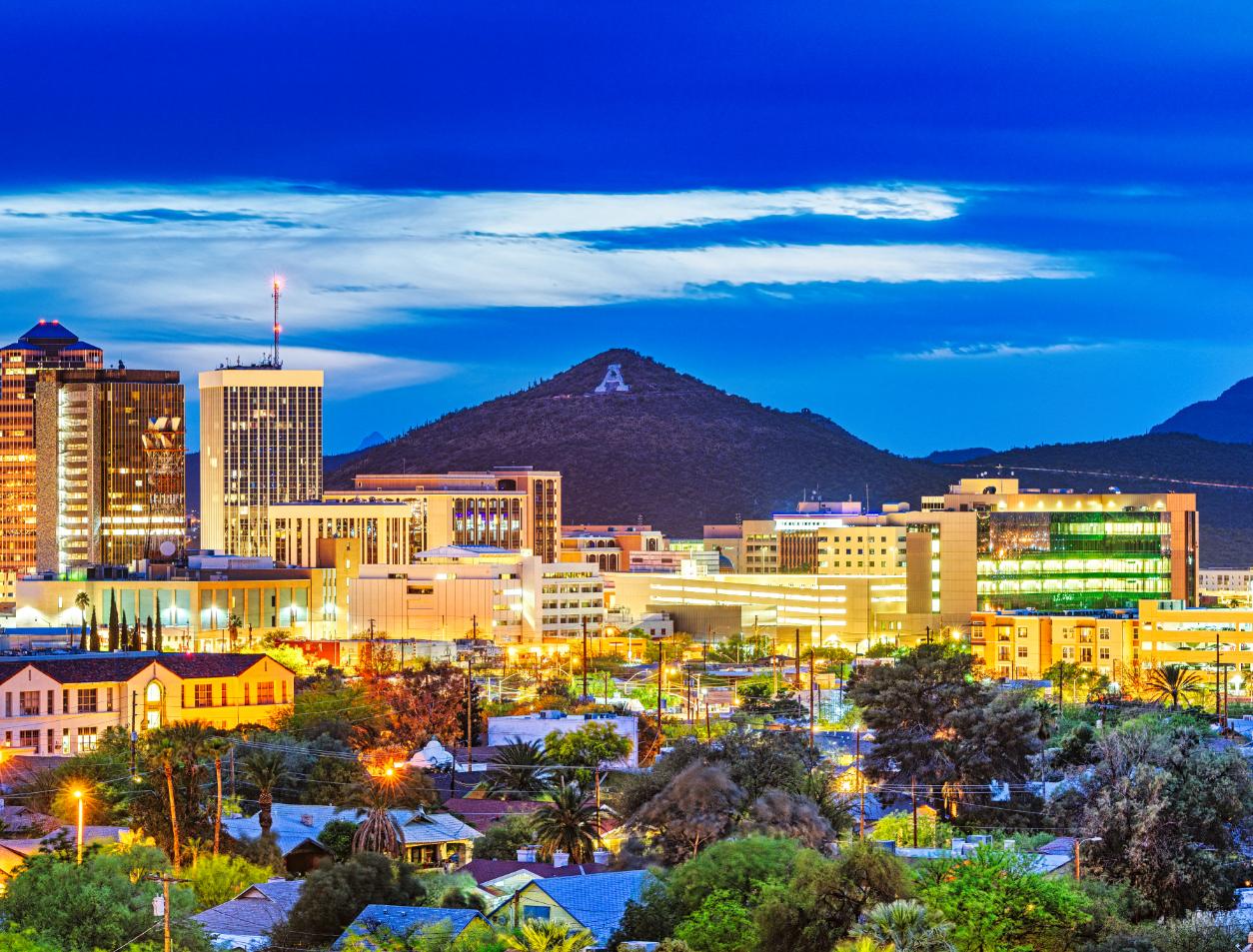
Inthesouthernpartof thestate,Tucsonreflects arich blendof NativeAmerican,Spanish,andMexican influences.Its designationas aUNESCO City of Gastronomyhighlights theimportanceof foodas a culturalexpressionin theregion.
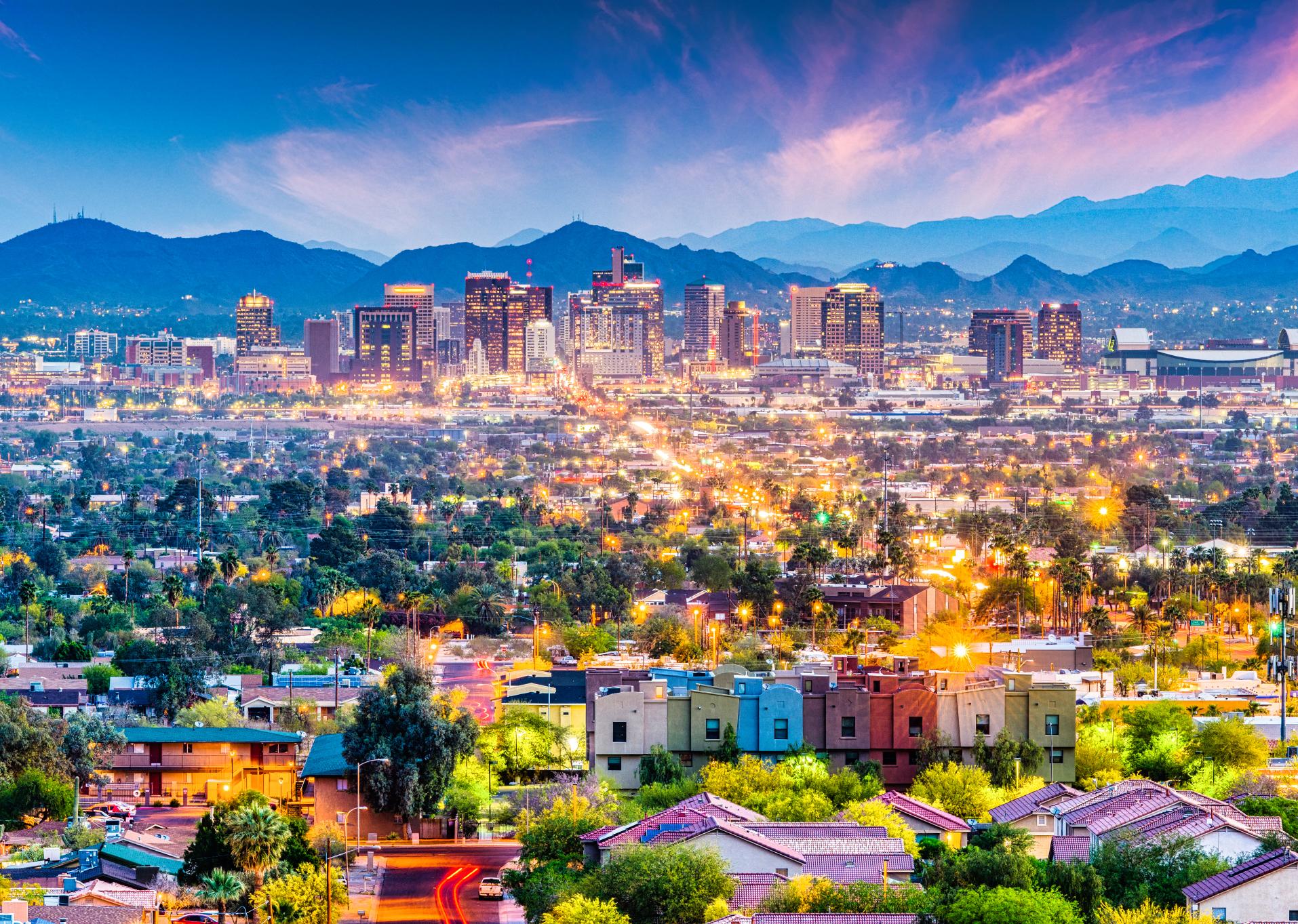
Phoenix, thestatecapital,anchors themodern Southwest.As oneof thefastest-growing
metropolitan areas inthecountry,itrepresents the region’s continued evolution,whereinnovationmeets tradition.
Arizona’s landscapes arenotjustscenic,theyare foundationalto understandingthescaleanddiversity of theAmerican experience.
Traveling the Southwest Byways
What defines the Southwest is not just its destinations, but the journey between them.
This is aregion builtfor roadtravel,wherehighways stretchacross open landscapes andscenicbyways revealunexpected beautyateveryturn.Routes such as HistoricRoute66,theTurquoiseTrailinNew Mexico, andArizona’s scenicdeserthighways create aframeworkfor explorationthatfeels bothexpansive and intimate.
Motorcoach traveland independentroadtrips alike benefitfromtheregion’s well-developed infrastructureand widerangeof attractions.Whether exploringnationalparks, historictowns,or cultural centers, visitors cantailor their journeytomatch their interests and pace.
A Region That Expands the American Story
AsAmerica approaches its 250th anniversary, the Southwest stands as a powerful reminder that the nation’s story is as vast as its landscape.
This is wherecultures convergedlong beforethe UnitedStates was formed.Itis wherethefrontier testedthelimits of enduranceandimagination.And it is wherethespiritof independenceandexploration continues toshapethepresent.
For travelers,theSouthwestoffers morethan dramatic scenery.Itprovides adeeper understandingof the forces thathaveshapedthenation, fromits earliest inhabitants to its moderncommunities.
IntheSouthwest, theAmerican journeybecomes somethinglarger.Itbecomes asenseof space…of possibility…andof connectiontoalandthathas always inspiredmovement,discovery,andchange.
The Road Ahead
To travel through Oklahoma, Texas, New Mexico, andArizona is to experience a region that refuses to be confined by simple definitions. It is a place of contrasts, where tradition and innovation coexist, where history is preserved and reinterpreted, and where the landscape itself tells a story.
For Byways travelers, the Southwest represents oneof themost unforgettable chapters in the America250 journey. Here,theroad does notjustlead forward. Itopens outward.
Byways
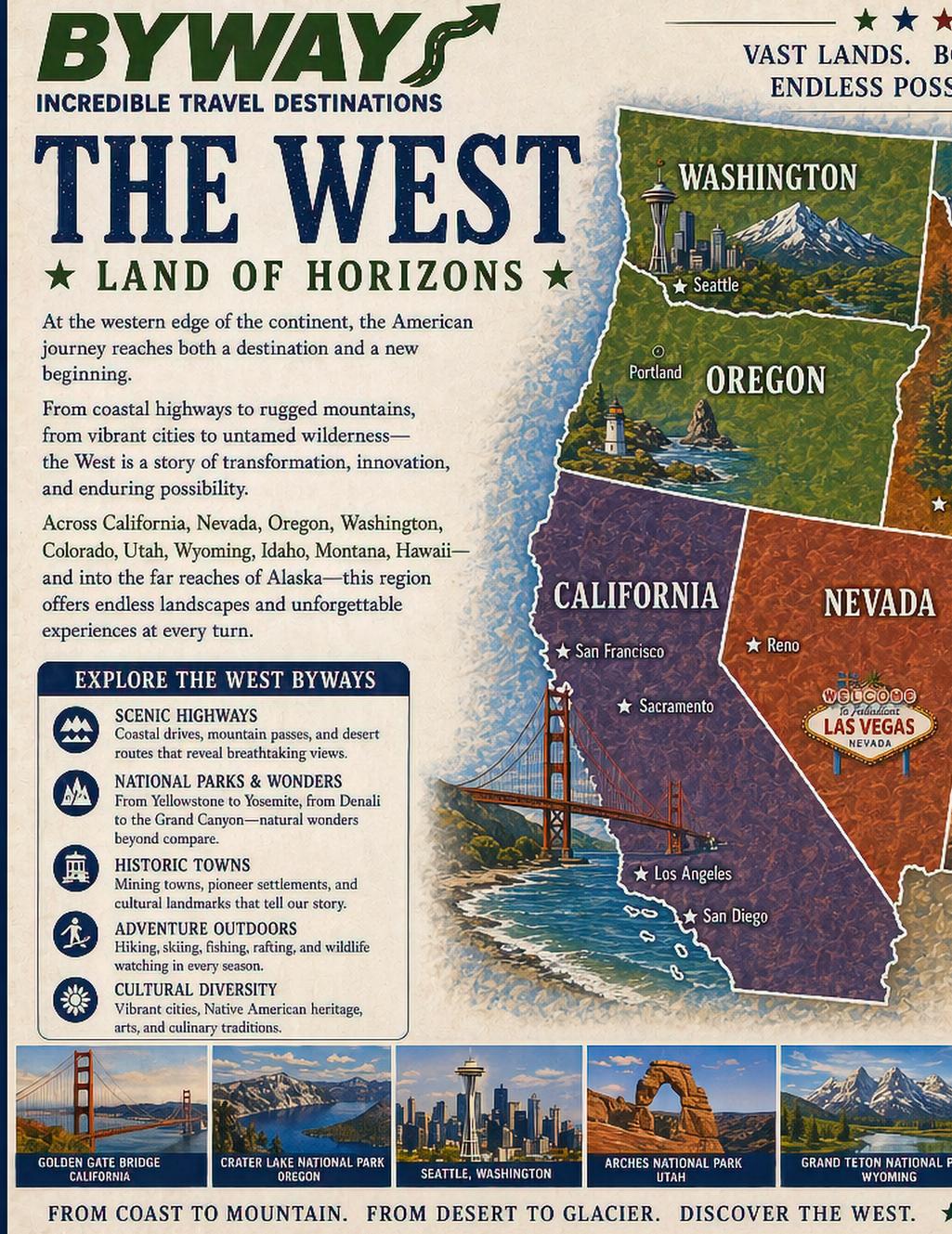
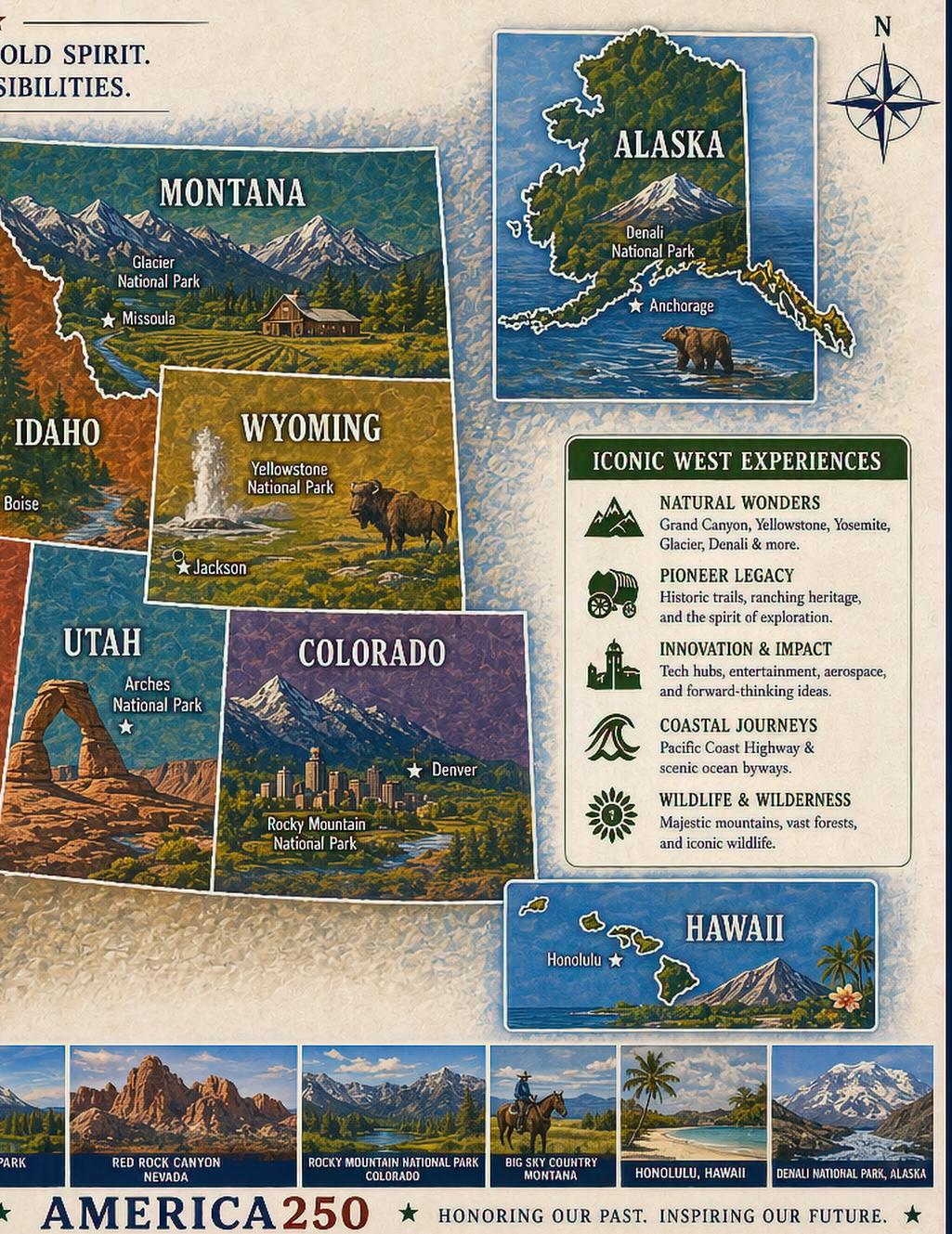
AsAmericacelebrates its 250thanniversaryin 2026, few regions tellthenationalstorywith moresweep,dramaand diversitythantheFar Westand Pacific.This is theAmericaof mountain passes and ocean harbors,desertbasins andfertile valleys, gold camps andrailroadtowns,nationalparks and coastalhighways.
Itis aregion shapedby Nativepeoples,Spanish missions, explorers, emigrants,miners,ranchers, railroad builders, conservationists,artists and travelers drawn by thepromiseof thehorizon.
For visitors,theFarWestis notsimplyadestination. It is ajourney.Theregioninvites travelbyroad,andits landscapes seemmadefor long-distancediscovery.
FromthePacificCoastHighwaytotheColumbia River, fromtheSierraNevadatotheRockies,from Yellowstoneand Glacier totheredrockcountry of Utah and thehigh plains ofWyoming,theWest remains oneofAmerica’s greattravelexperiences.
California — Gateway to the Pacific
California has long occupied a special place in the American imagination. It became a symbol of possibility in the 19th century, especially after the discovery of gold in 1848 brought fortune seekers from across the country and around the world.
The Gold Rush transformed California almost overnight, helping speed its admission to the Union in 1850 and creating cities, mining camps and transportation routes that still shape travel today.
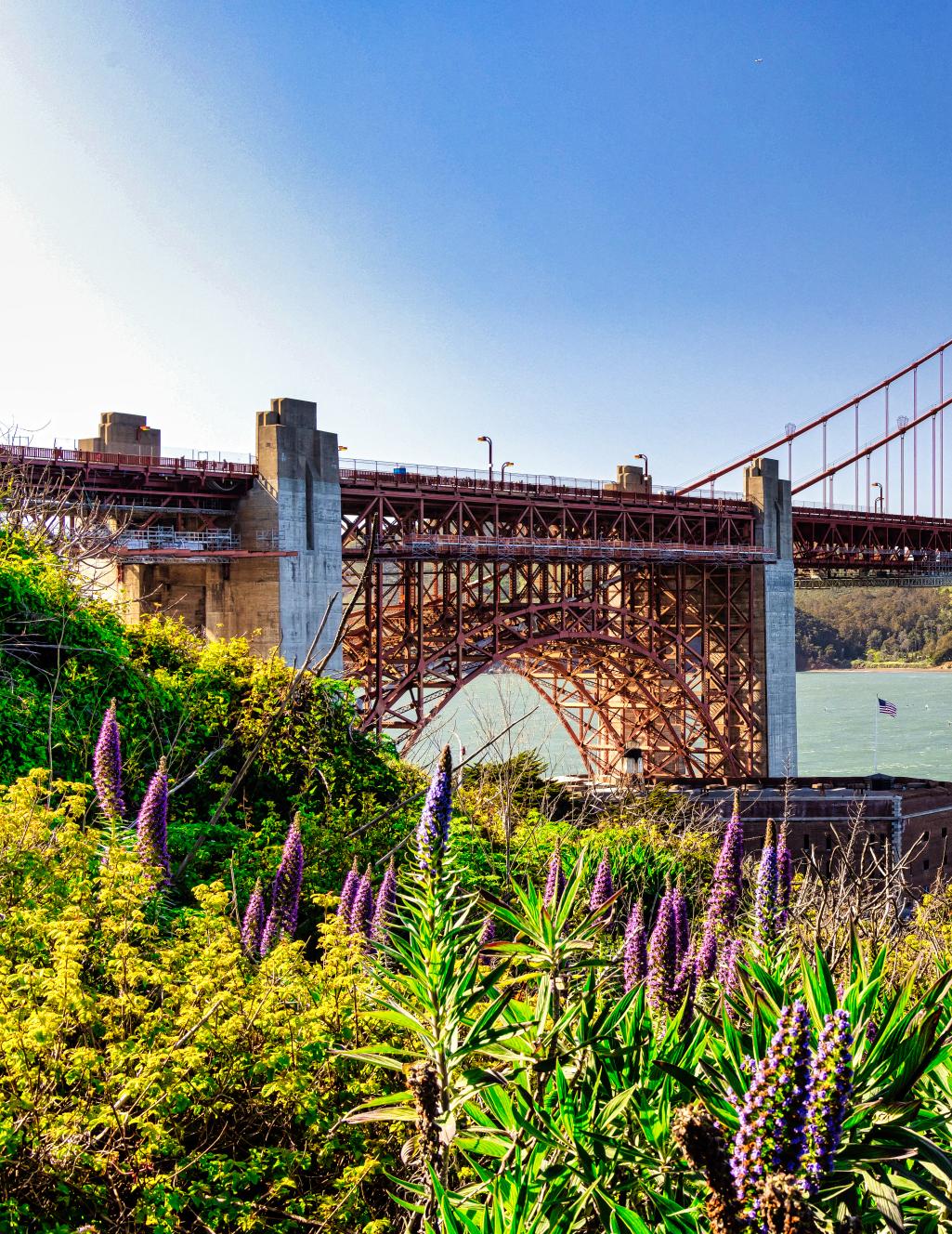
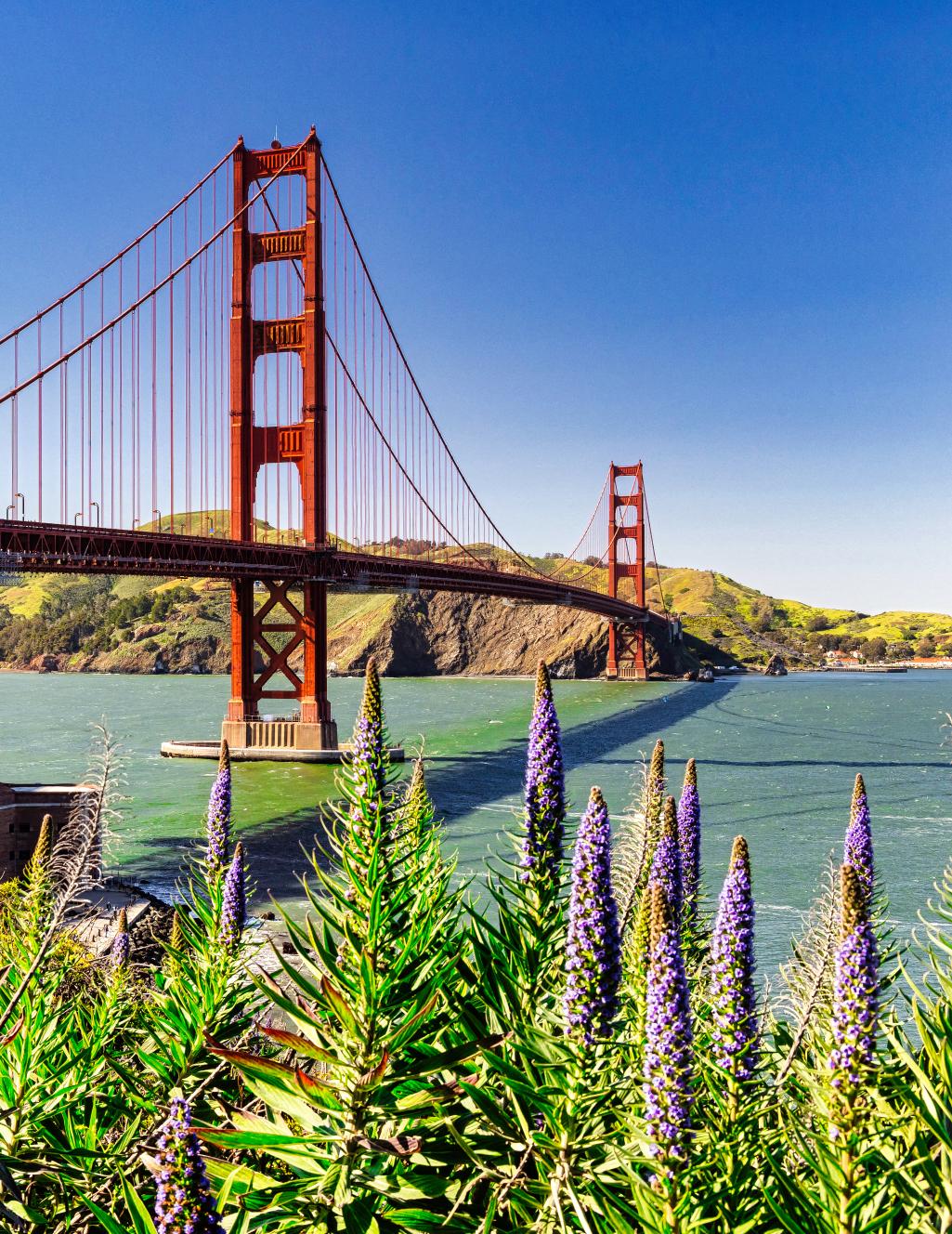
SanFranciscobecamethegreatPacificgateway, acity of hills, cablecars,harbor views andimmigrant stories.TheGoldenGateBridge,AlcatrazIsland, Fisherman’sWharf and thePresidioallspeaktolayers of military, maritimeandculturalhistory.
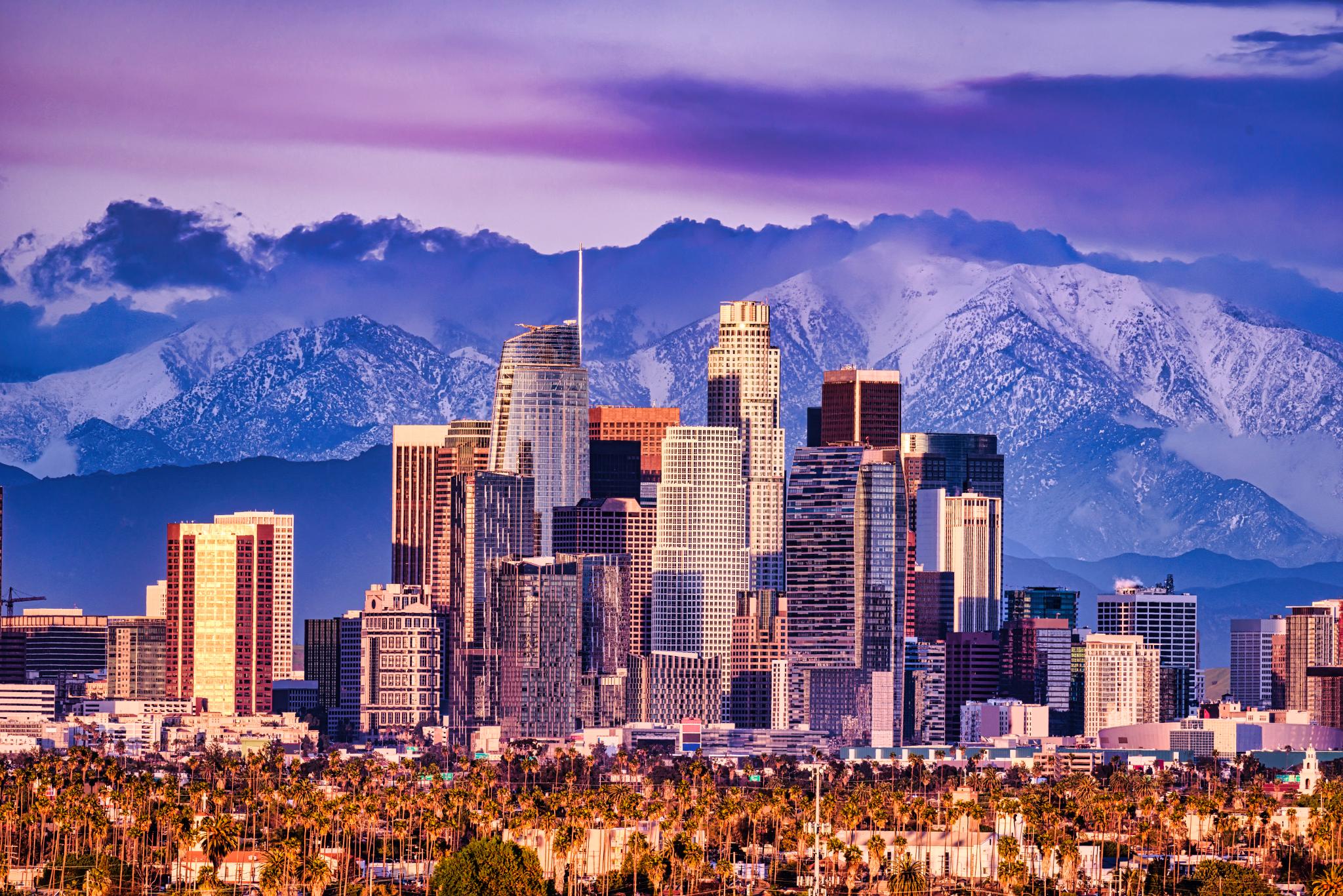
Farther south,LosAngeles tells adifferentstory: Spanishroots,ranchlands,theriseof Hollywood, aerospaceinnovation andtheendless reinvention of theAmerican dream.
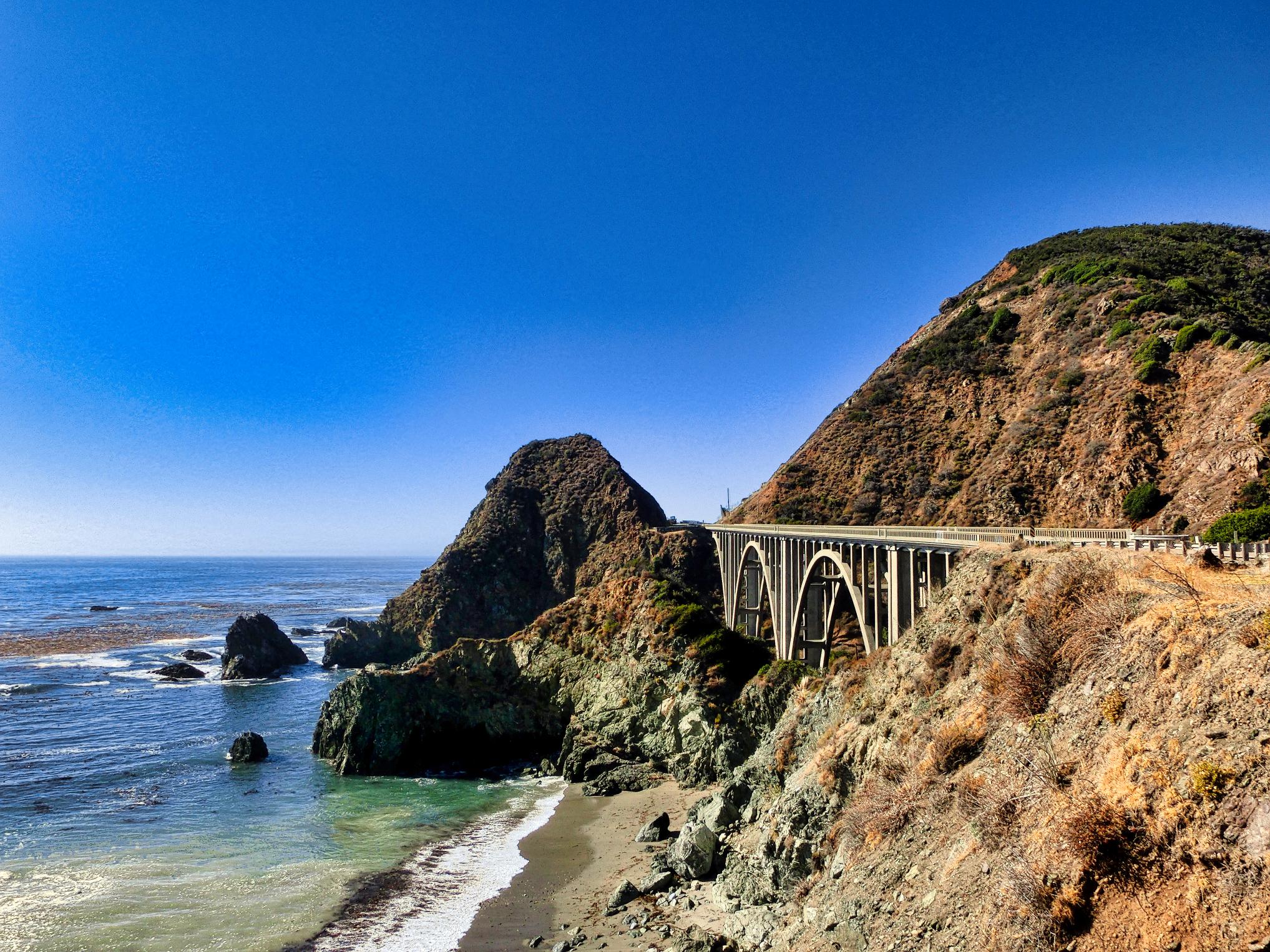
California’s roads areamongthemost famous in thecountry. U.S.Highway101 and California’s Highway1traceportions of thePacificcoastline, offeringocean cliffs,redwood forests,missions,beaches and seasidetowns.
ThePacificCoastHighwaybetween Monterey, Big Sur and SanLuis Obispois oneof thenation’s greatscenicdrives, whileinland routes leadtoYosemite, Sequoiaand Kings CanyonNationalParks. Theselandscapes helped inspireAmerica’s conservation movementandcontinueto definethegrandeur of theWest.
Oregon — Rivers, Trails and Coastal Beauty
Oregon is deeply tied to one of the most important migration stories inAmerican history. The Oregon Trail carried thousands of settlers westward in the 19th century, ending near the Willamette Valley, where fertile farmland and a mild climate drew families seeking a new life.
Today, visitors can explore that legacy at interpretive centers, historic sites and communities that grew from the wagon-road era.
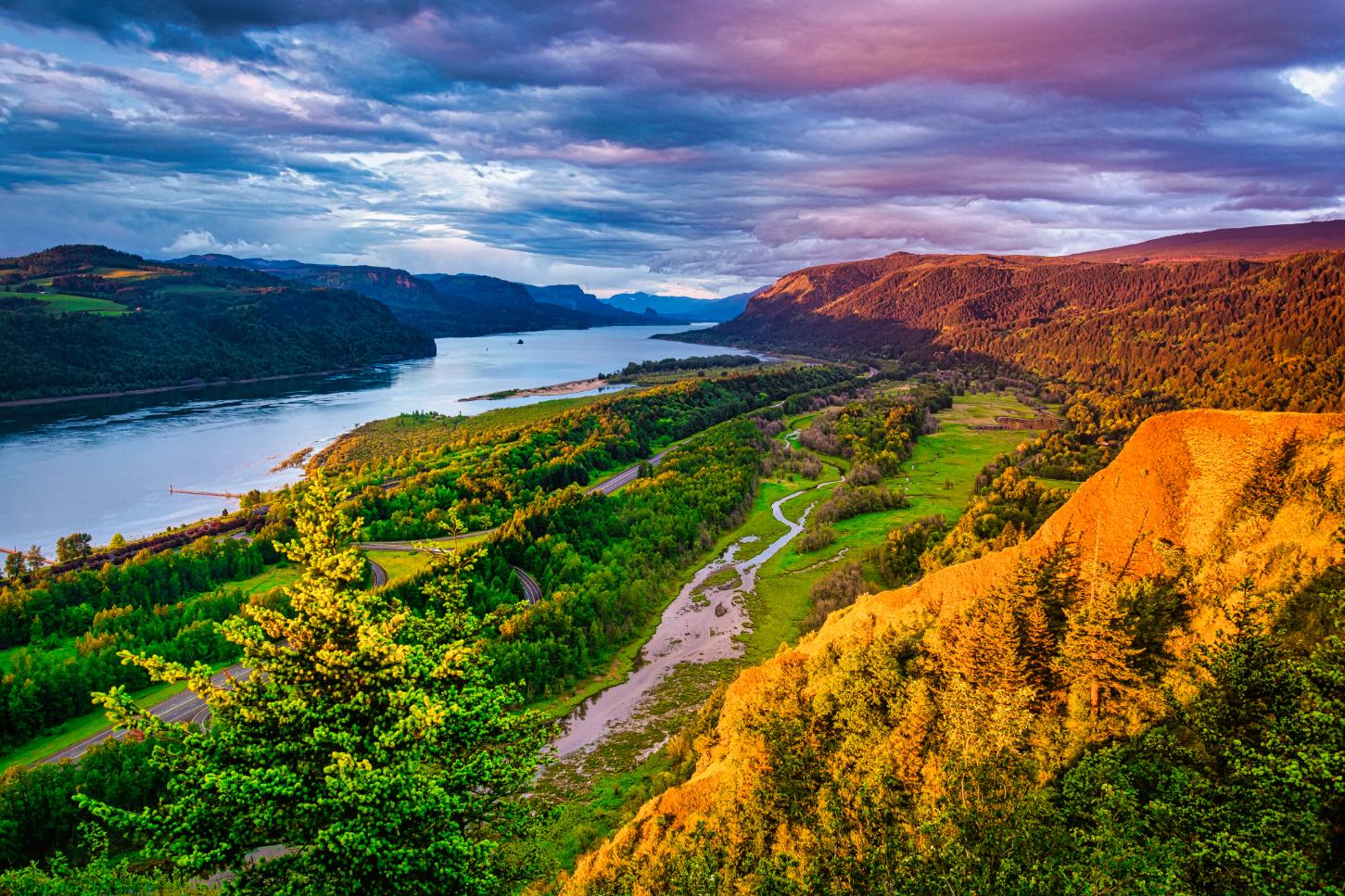
TheColumbiaRiver,forming much of theborder betweenOregonandWashington,is oneof thegreat waterways of theWest.TheHistoricColumbiaRiver Highwaywas designednotmerelyas atransportation route,butas ascenicexperience.Waterfalls, overlooks anddramaticcliffs maketheColumbia River Gorgeahighlightfor travelers,especially those whoenjoy combininghistory withnaturalbeauty.
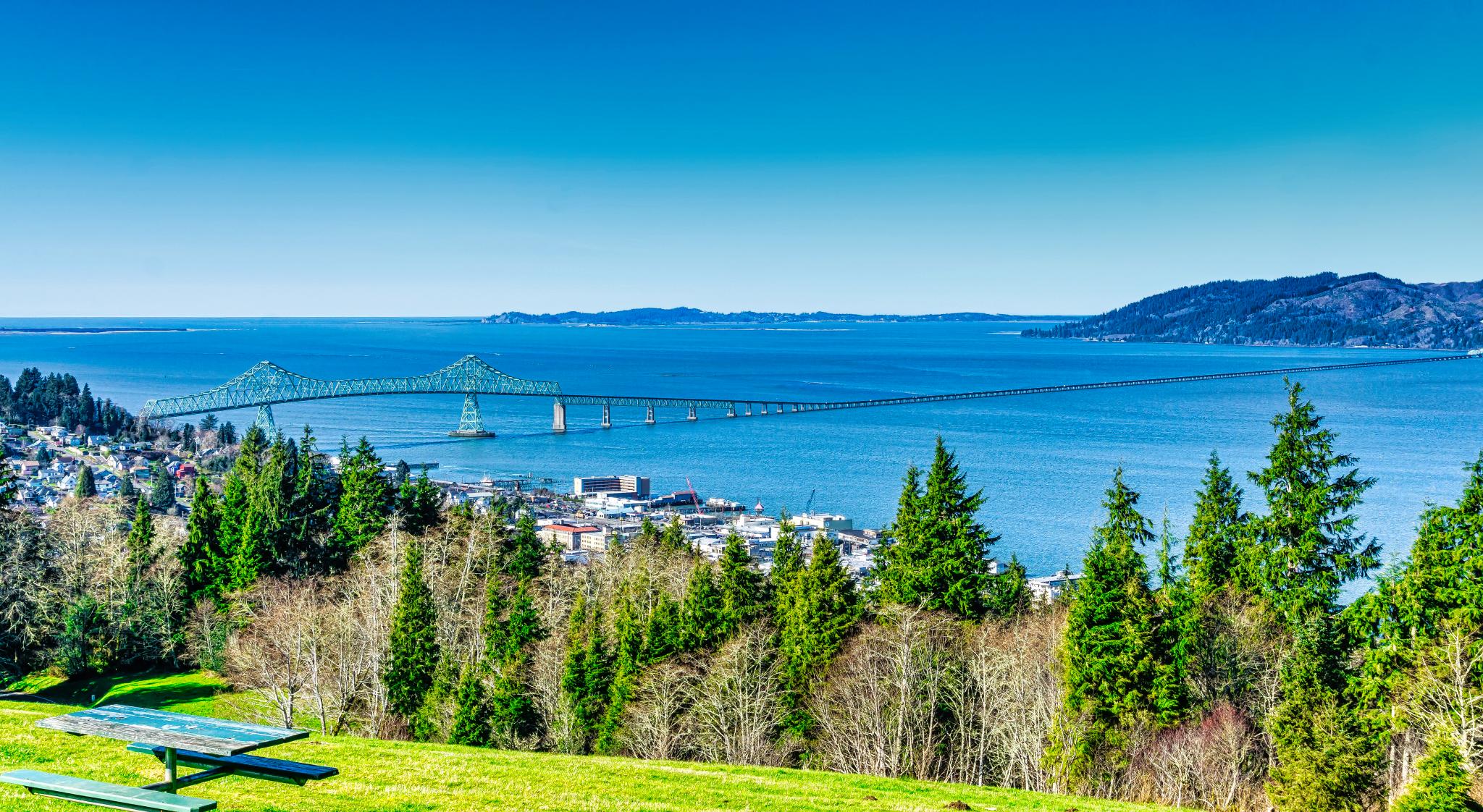
Oregon’s coastoffers another kindof byway experience. U.S. 101passes lighthouses,fishing towns, seastacks, dunes andstateparks.
Towns such asAstoria, Newport,Florence,Coos Bay and Brookings providememorablestops alongaroute wherethePacificOceanis almostalways nearby. Inland, Bend and centralOregonoffer volcanic landscapes, high-desertsceneryandaccess tooutdoor recreation.
Oregon’sAmerica250storyis oneof migration, settlement, maritimetrade,Nativeheritageandthe continuing appealof theopenroad.
Washington — Water, Mountains and the Pacific Northwest
Washington brings together the Pacific Ocean, Puget Sound, volcanic peaks, evergreen forests and vibrant cities. Long before statehood, the region was home to Native nations with deep cultural connections to salmon, cedar, rivers and the sea. Later, fur traders, settlers, timber interests, shipbuilders and railroads helped shape the region’s growth.
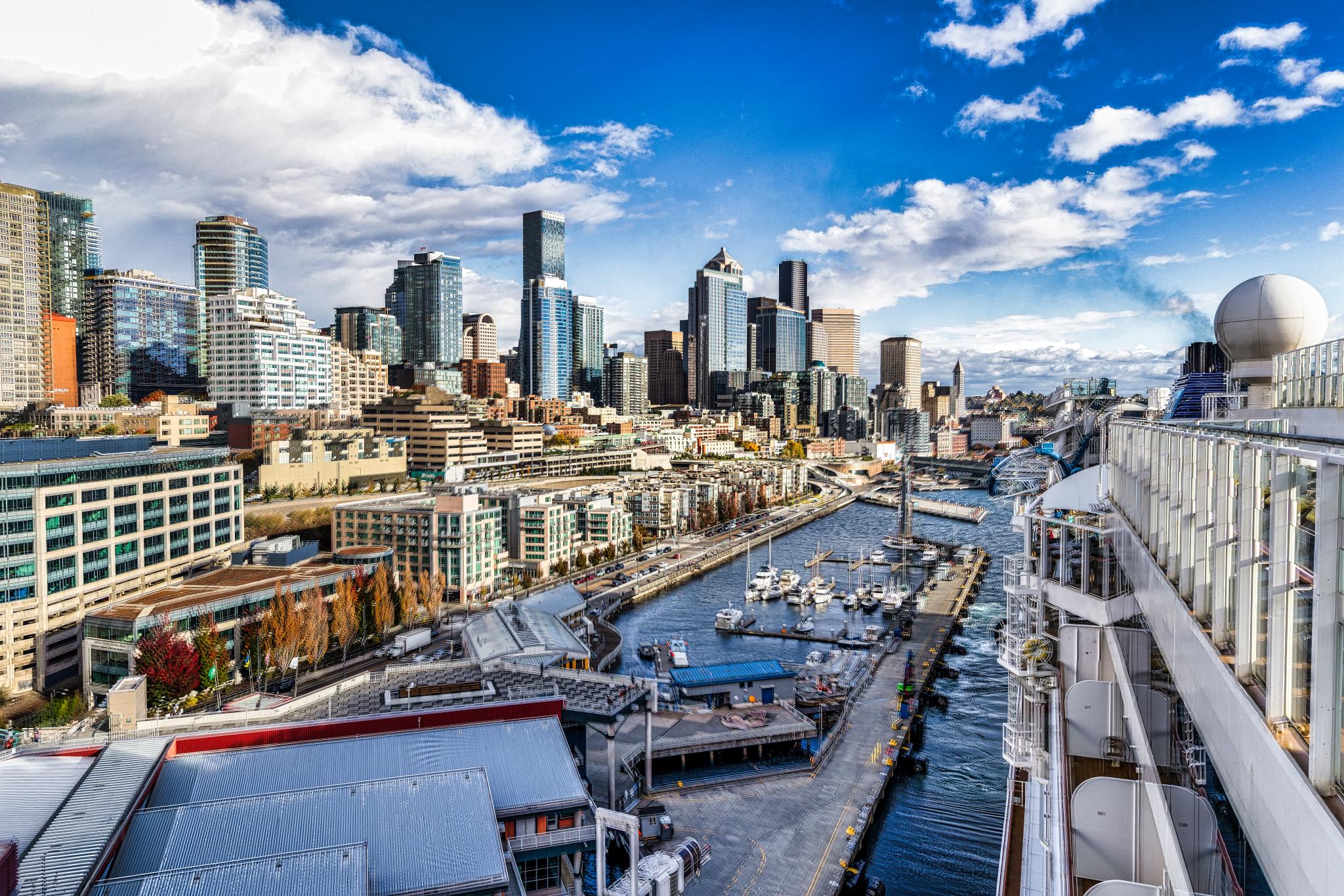
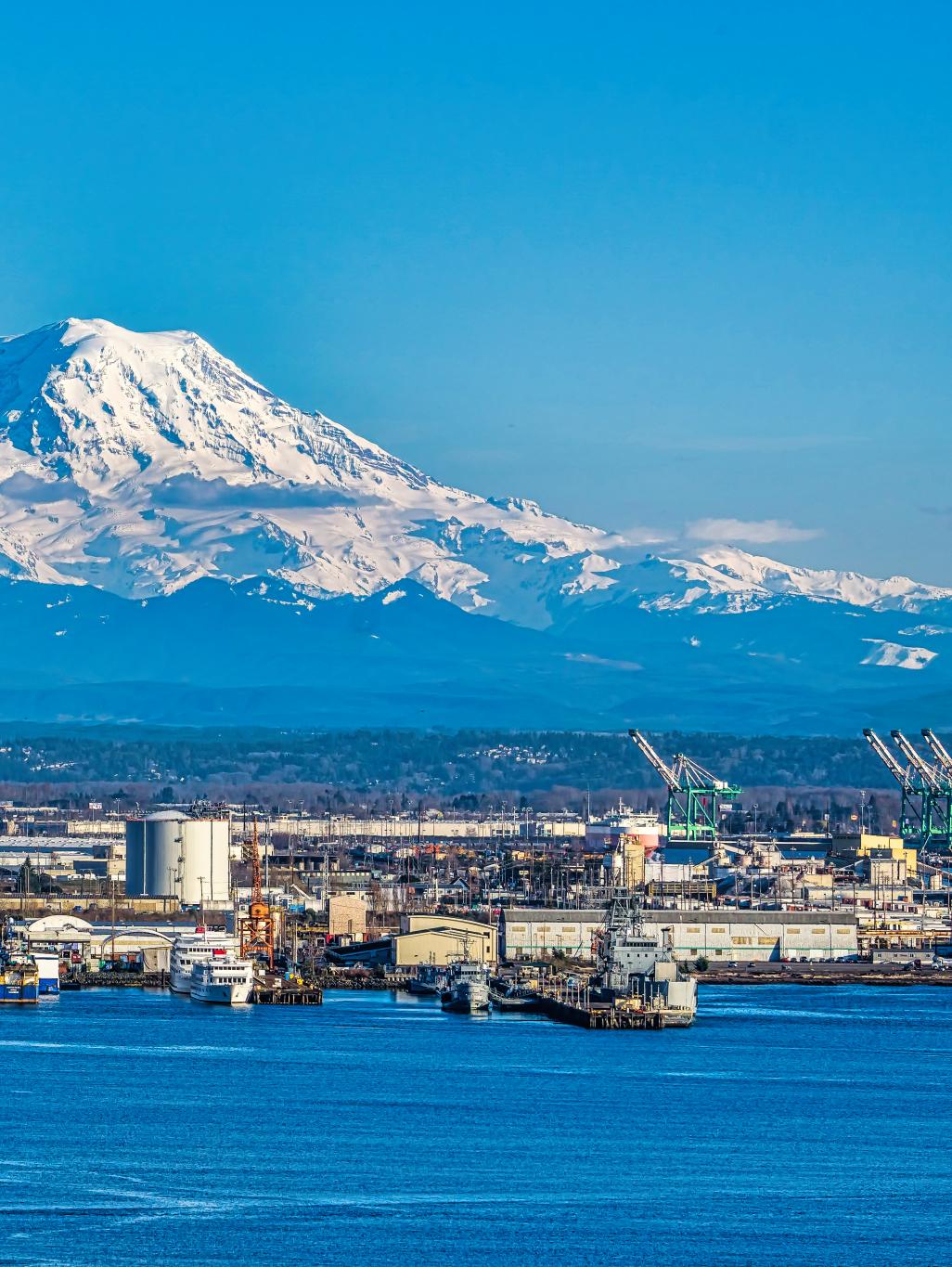
Seattleis oneof thegreatAmericanportcities,known for its maritimeheritage,aviationhistory,music, technology and views of ElliottBayandtheOlympic and CascadeMountains.
Byways 86
PikePlaceMarket,historicwaterfrontandnearby museums makeitastrongurbananchor for travelers. Tacoma,Olympia,Spokaneandsmaller communities addtheir own stories toWashington’s identity.
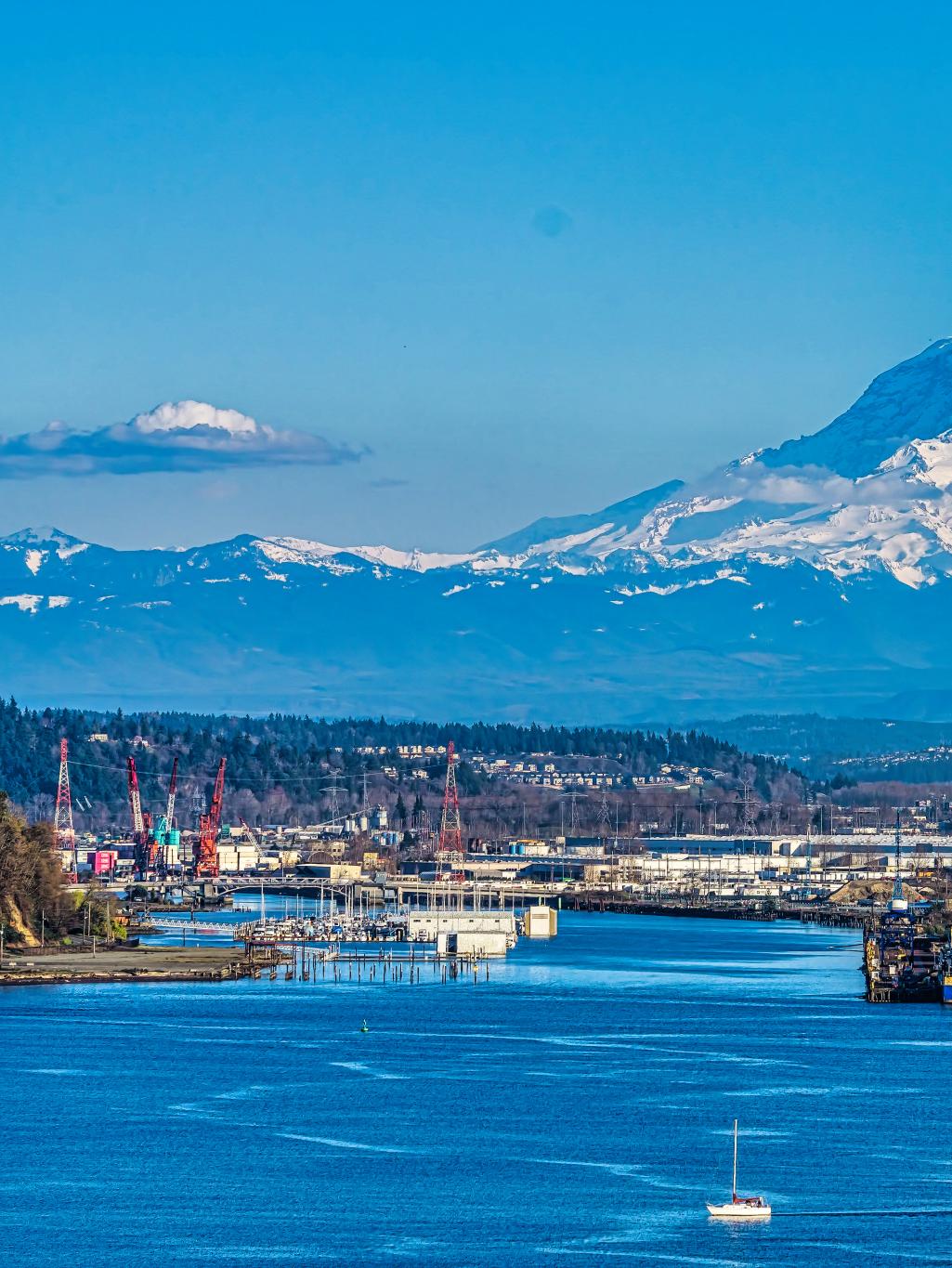
For road travelers, Washington is filled withdramatic routes.The CascadeLoop is a memorablejourney through mountain towns, river valleys and North Cascades scenery.Mount Rainier National Park showcases one ofAmerica’s iconic volcanicpeaks, whileOlympic NationalPark offers rainforests, rugged coastlines and alpine landscapes.
Along theColumbiaRiver andthrougheastern Washington, travelers find vineyards,wheatfields, coulees andopen skies.
Washington’s storyis oneof water and mountains, commerceand conservation,Nativetraditions and Pacificconnections.
Nevada — Silver, Desert and WideOpen Roads
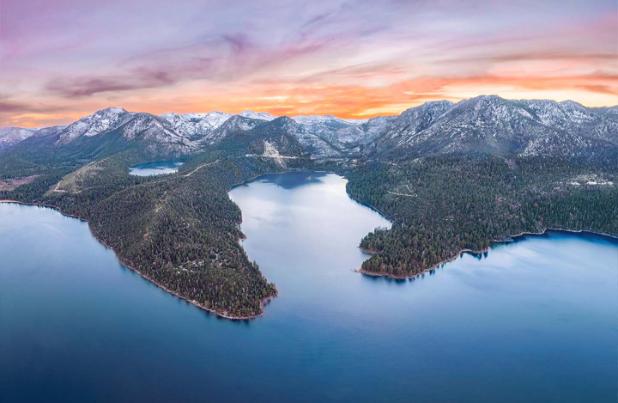
Nevada’s history is tied to mining, movement and the desert. The discovery of the Comstock Lode in 1859 brought wealth and national attention to the region, fueling the growth of Virginia City and helping shape Nevada’s identity as the “Silver State”. Virginia City remains one of the best places to experience the mining-era West, with wooden sidewalks, historic buildings and stories of boomtown ambition.
Nevadaalsooffers oneof themostdistinctivedriving experiences inAmerica.Its highways cross broad basins,mountain ranges andoldminingdistricts, oftenwith longstretches of openroad. U.S. 50, famouslypromotedas “TheLoneliestRoadin America”,follows partof theoldPony Express route andlinks communities suchas Fallon,Austin, Eureka andEly. For travelers who appreciatesolitude, history andbiglandscapes,Nevadadelivers.
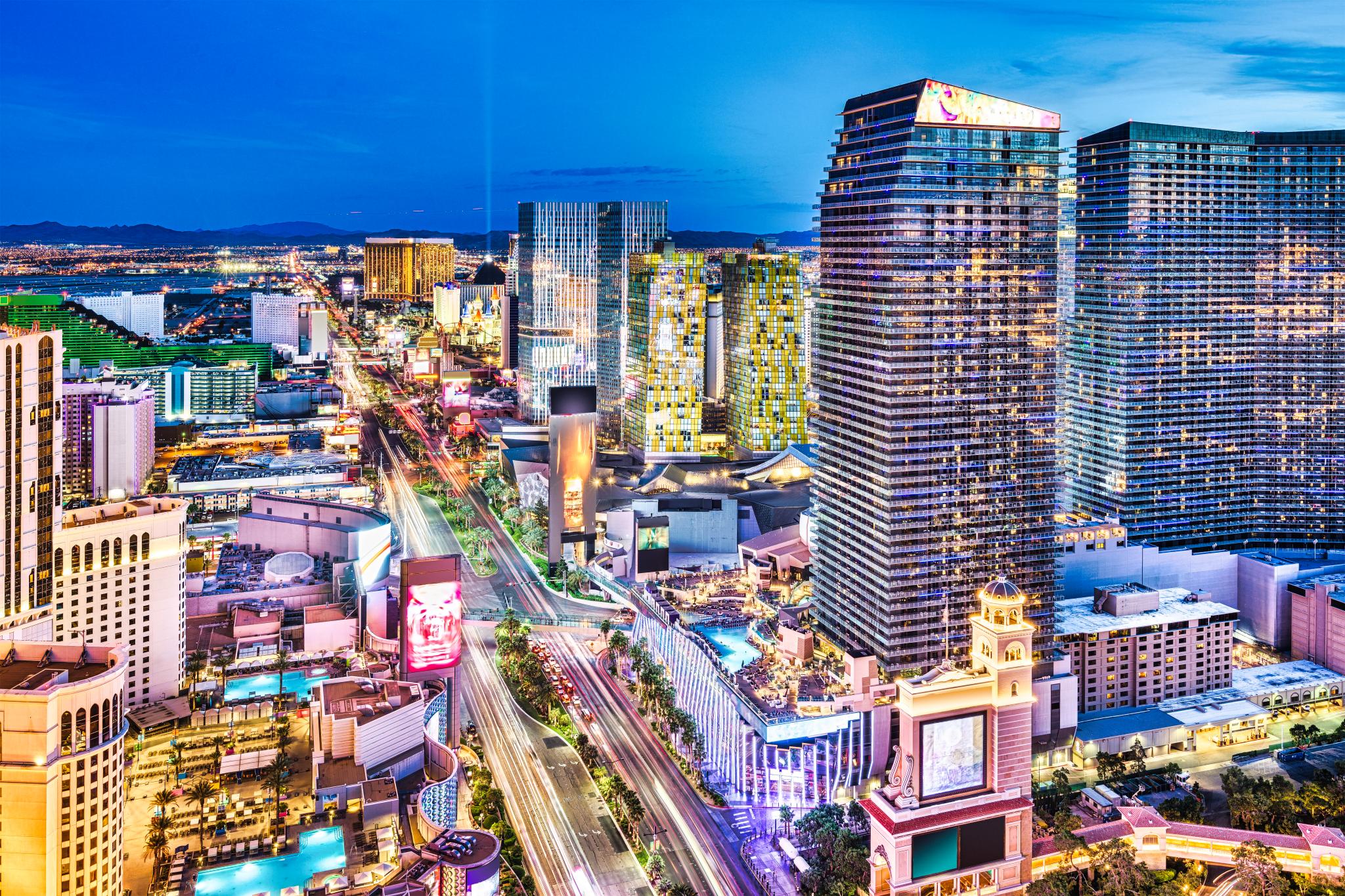
LasVegas tells adifferentbutequallyAmerican story, oneof entertainment,reinvention andspectacle.What began as adesertrailroadstopbecameoneof the world’s best-knownvisitor destinations.
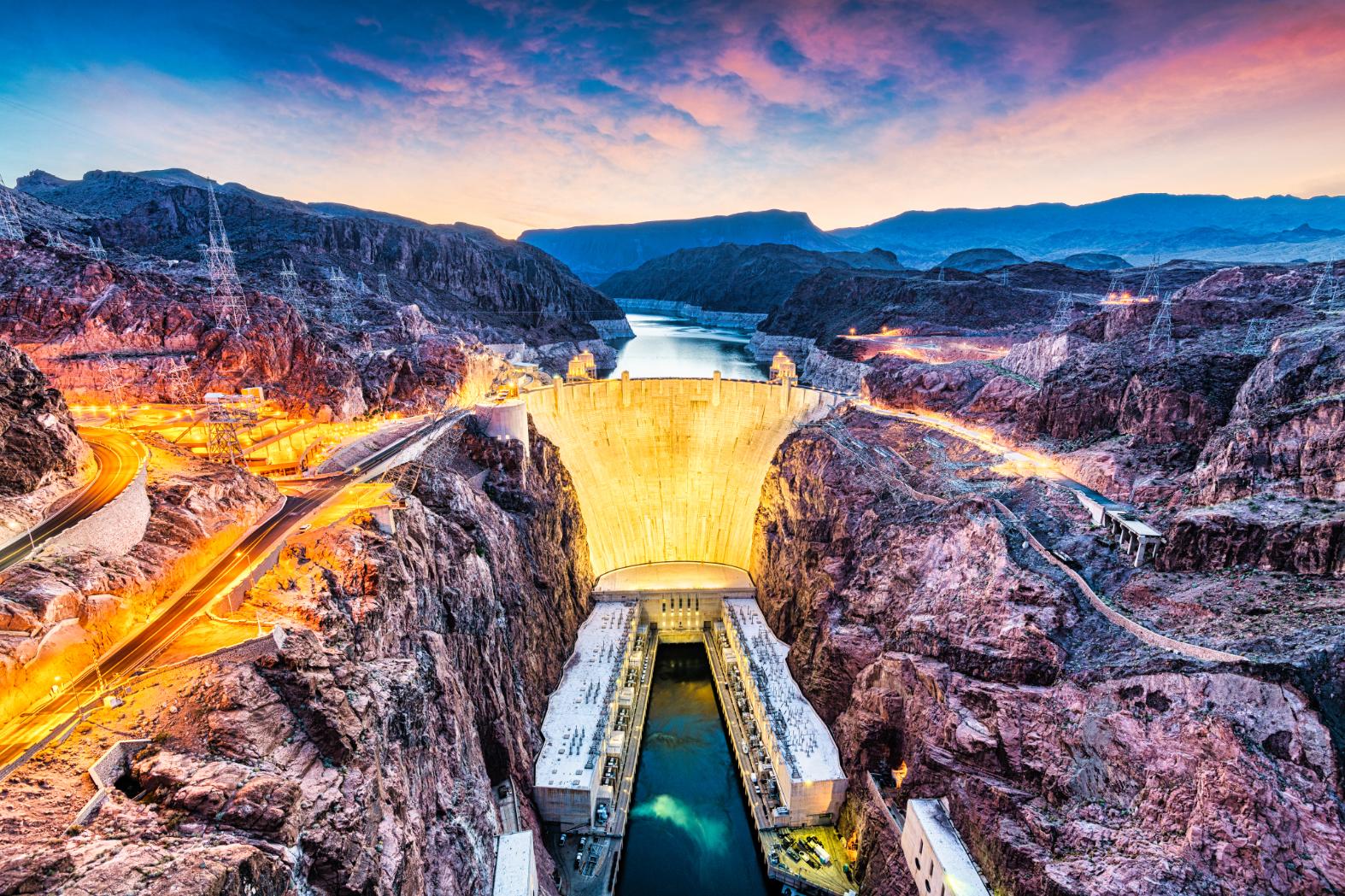
Nearby, Hoover Damstands as amajor engineering achievementof the20th centuryandalandmark inthe history of water, power andgrowthintheSouthwest andWest.
Nevada’sAmerica250connectionlies inits mining camps,deserthighways,railroad towns,military historyandtheenduringromanceof places thatseem to risefromthehorizon.
Colorado — Mountains, Mining and the High Country
Colorado is one of the defining states of the Rocky Mountain West. Its story includes Native homelands, Spanish exploration, fur trading, mining booms, railroads, ranching and the growth of mountain tourism. The discovery of gold in the late 1850s brought a rush of settlers to the region, helping create towns that still draw visitors today.
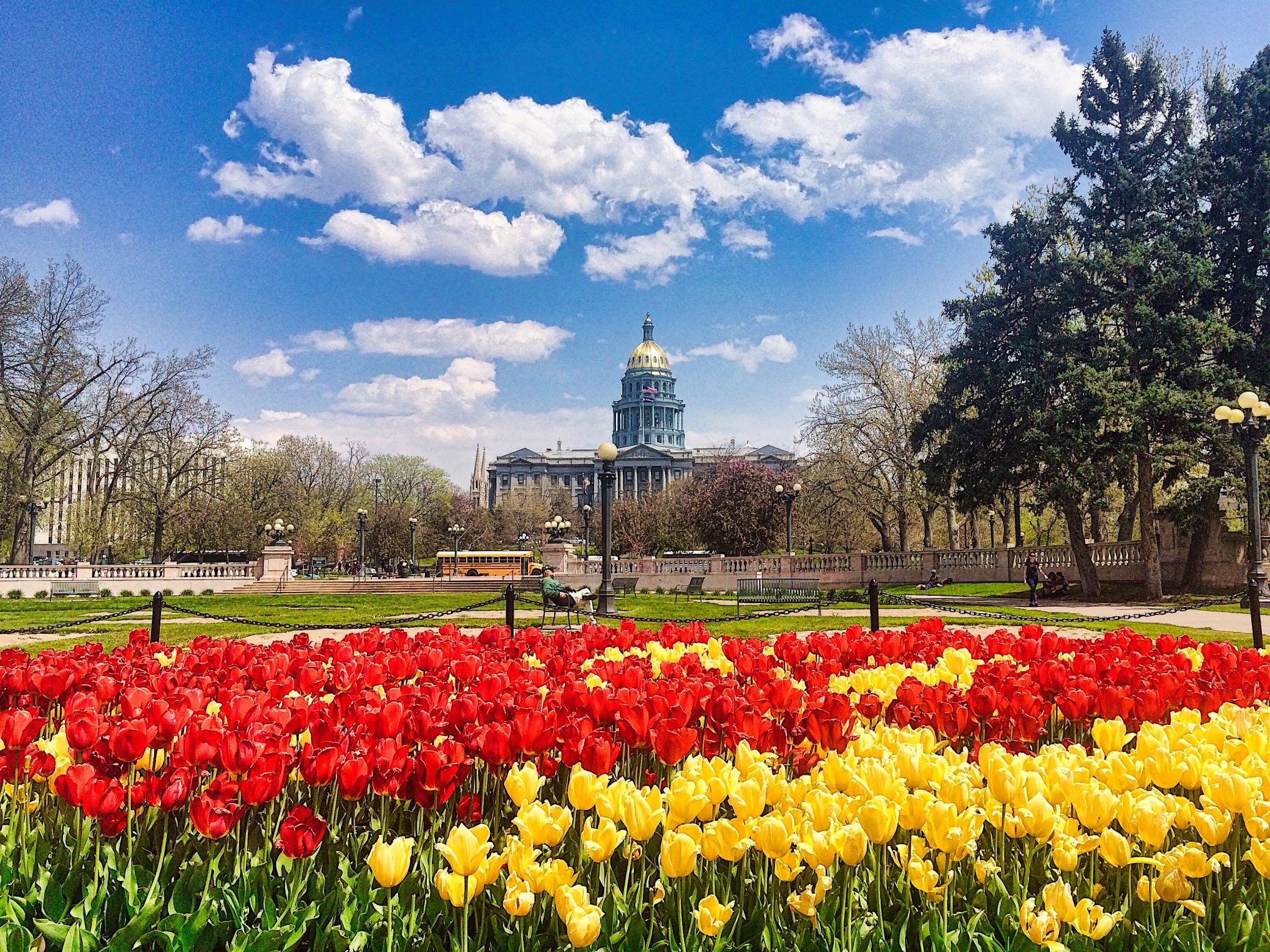
Denver, the“MileHighCity”, grew as a supplycenter for miningcamps and later becameatransportation,cultural andbusiness hub of theRocky Mountainregion.FromDenver, travelers canreachtheFrontRange, mountain parks,historictowns and scenichighways in every direction.
Colorado’s mountainroutes are legendary.TheSan Juan Skyway,Trail RidgeRoad through RockyMountain NationalPark, theMillionDollar Highway, thePeak toPeakScenic Byway and theCollegiatePeaks area alloffer extraordinaryscenery.
Historiccommunities suchas Leadville, Durango, Silverton,Ouray, Tellurideand CrippleCreekpreserve memories of mining, railroadingand frontier enterprise.
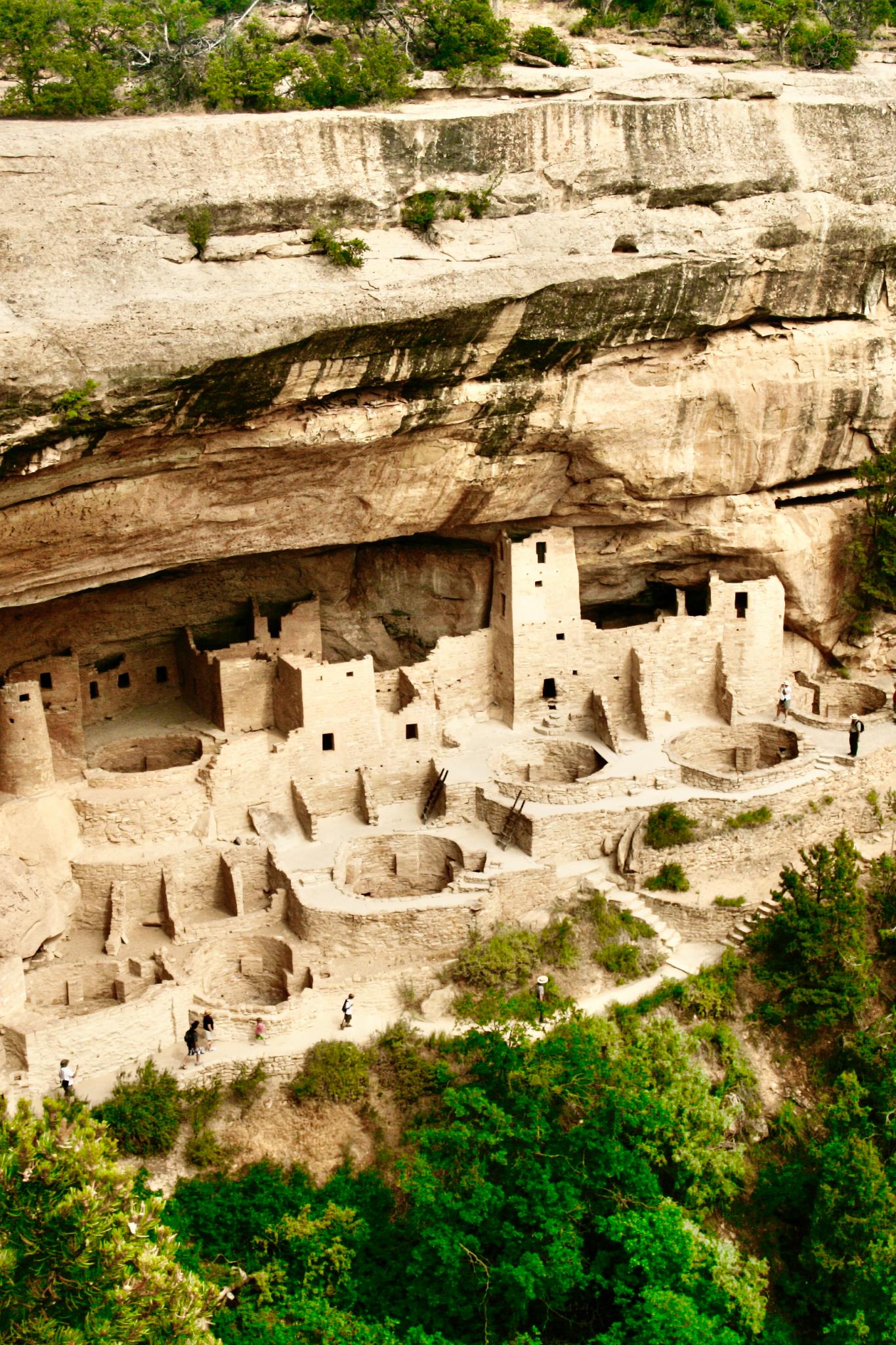
MesaVerdeNationalParkadds another essentialchapter,preserving thecliff dwellings andculturallegacy ofAncestralPueblo people.In Colorado,America’s 250-year storyis layered over amuch longer human history, reminding travelers thatthe AmericanWestdid notbeginwith miners or railroads,butwith Indigenous communities whose presenceremains centraltotheregion.
Utah — Red Rock, Pioneers and Sacred Landscapes
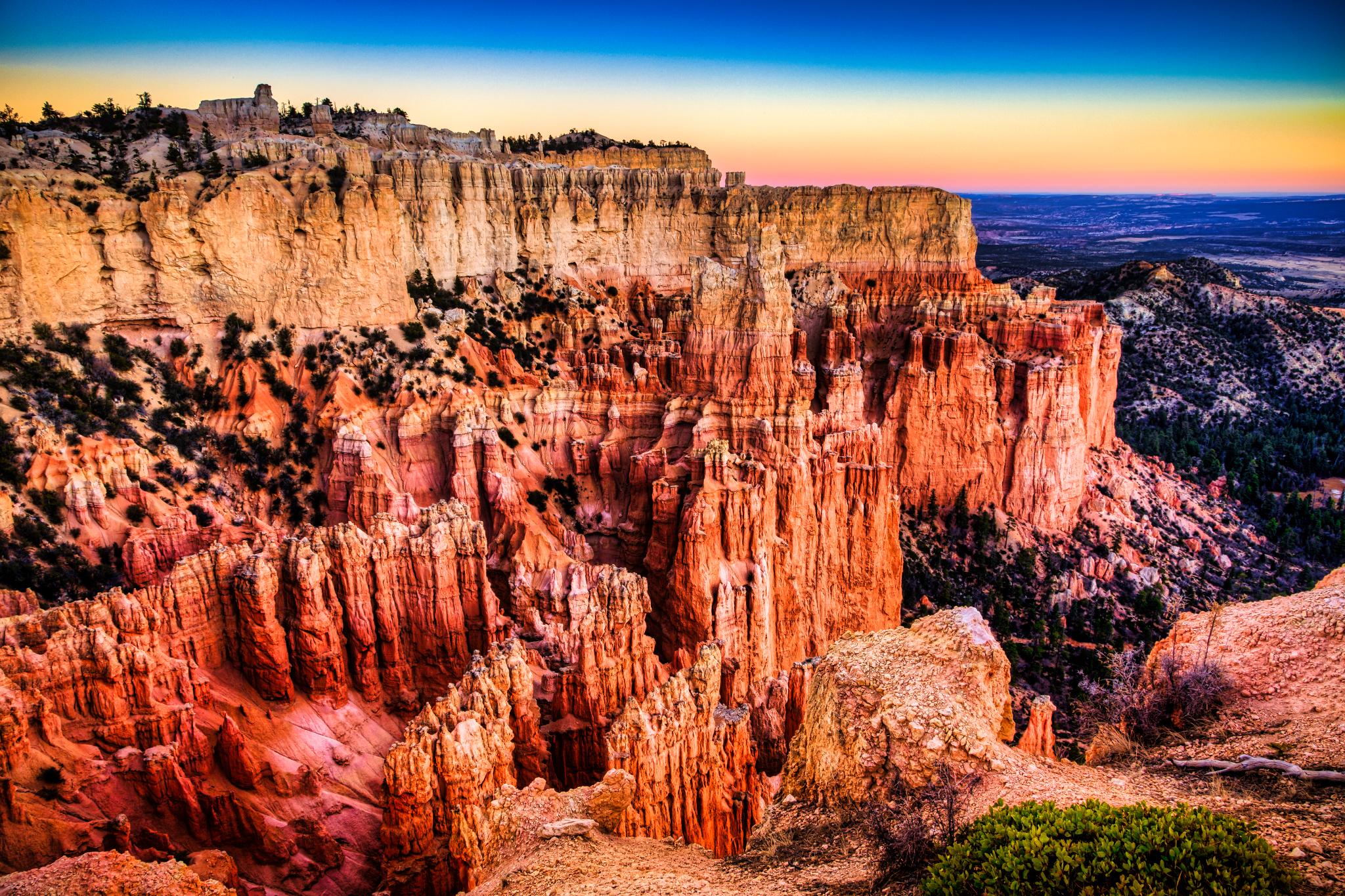
Utah’s landscapes are among the most recognizable in NorthAmerica. Red rock canyons, natural arches, mesas, buttes and desert skies create a sense of place unlike anywhere else. The state’s national parks, Zion, Bryce Canyon, Capitol Reef, Canyonlands and Arches, form one ofAmerica’s greatest concentrations of scenic wonders.
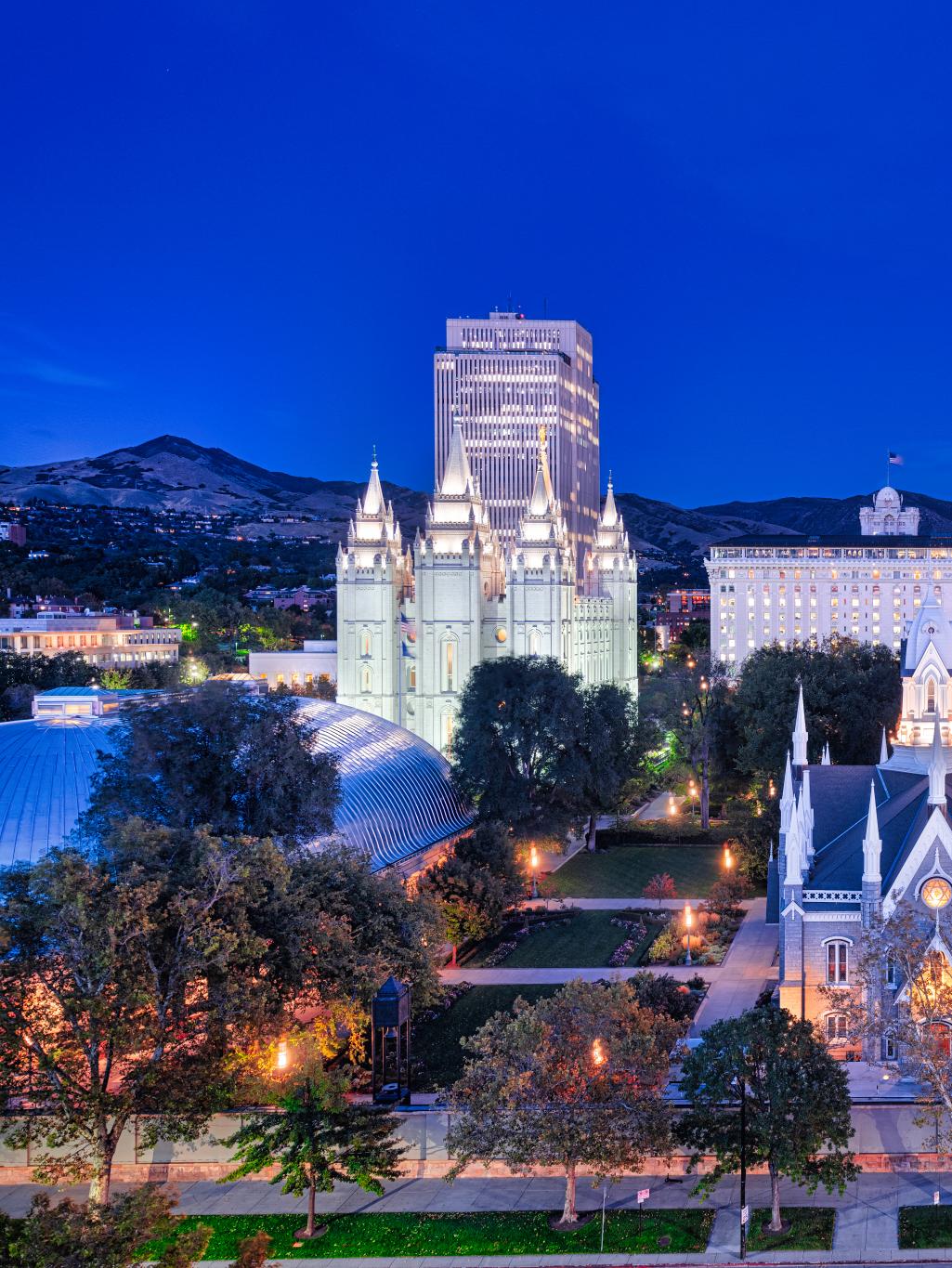
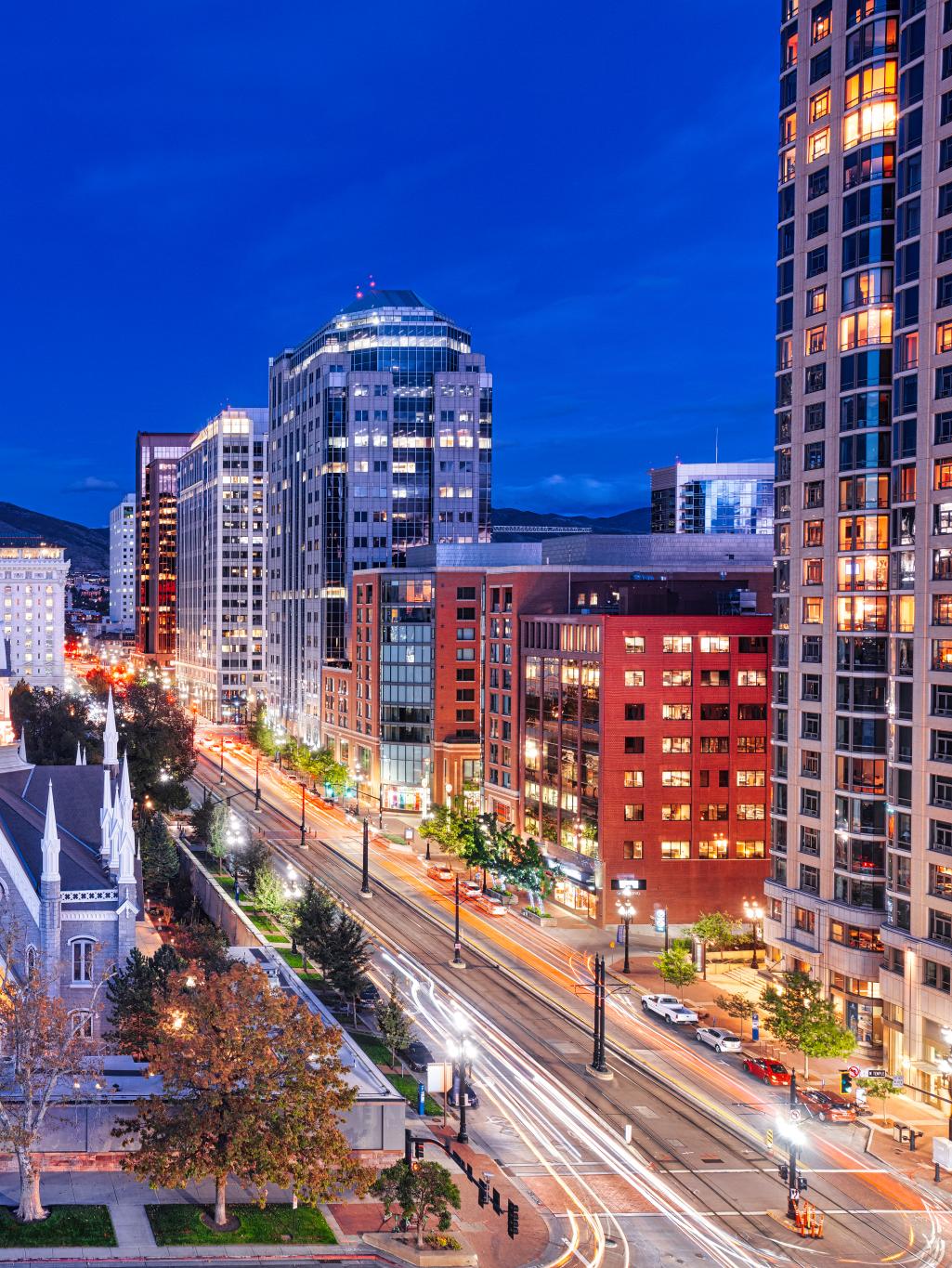
Utah’s history includes Nativecultures,Spanish exploration, theOldSpanishTrail,Mormon settlement, mining andrailroaddevelopment.Salt LakeCity, founded in1847byMormonpioneers, remains thestate’s culturalandhistoricalcenter. TempleSquare, theUtah StateCapitol,museums and nearby mountain scenery makeitanimportantstop for travelers.
Thecompletion of thefirsttranscontinentalrailroad at Promontory Summitin1869is oneof Utah’s most significantcontributions tothenationalstory.The
Byways 90
joining of therails linkedeastandwest,changing travel,commerceandsettlementacross thecountry. Today, GoldenSpikeNationalHistoricalPark preserves thatmomentwhen thenationbecamemore physically connected.
Utah’s highways areunforgettable.ScenicByway12, runningthrough redrockcountry between Bryce CanyonandCapitolReef,is considered oneof America’s greatdrives.U.S.191,UtahHighway 128 near Moab,androutes throughMonumentValleyand theColorado Plateauoffer scenerythathas helped definethevisualimageof theAmericanWest.
Wyoming — Trails, Rails and Yellowstone
Wyoming is central to the story of westward migration. The Oregon, California, Mormon Pioneer and Pony Express trails all crossed the region, leaving behind wagon ruts, forts, river crossings and landmarks that still speak to the risks and hopes of 19th-century travel.
Independence Rock, Fort Laramie and South Pass are among the places where visitors can imagine the scale of that movement.
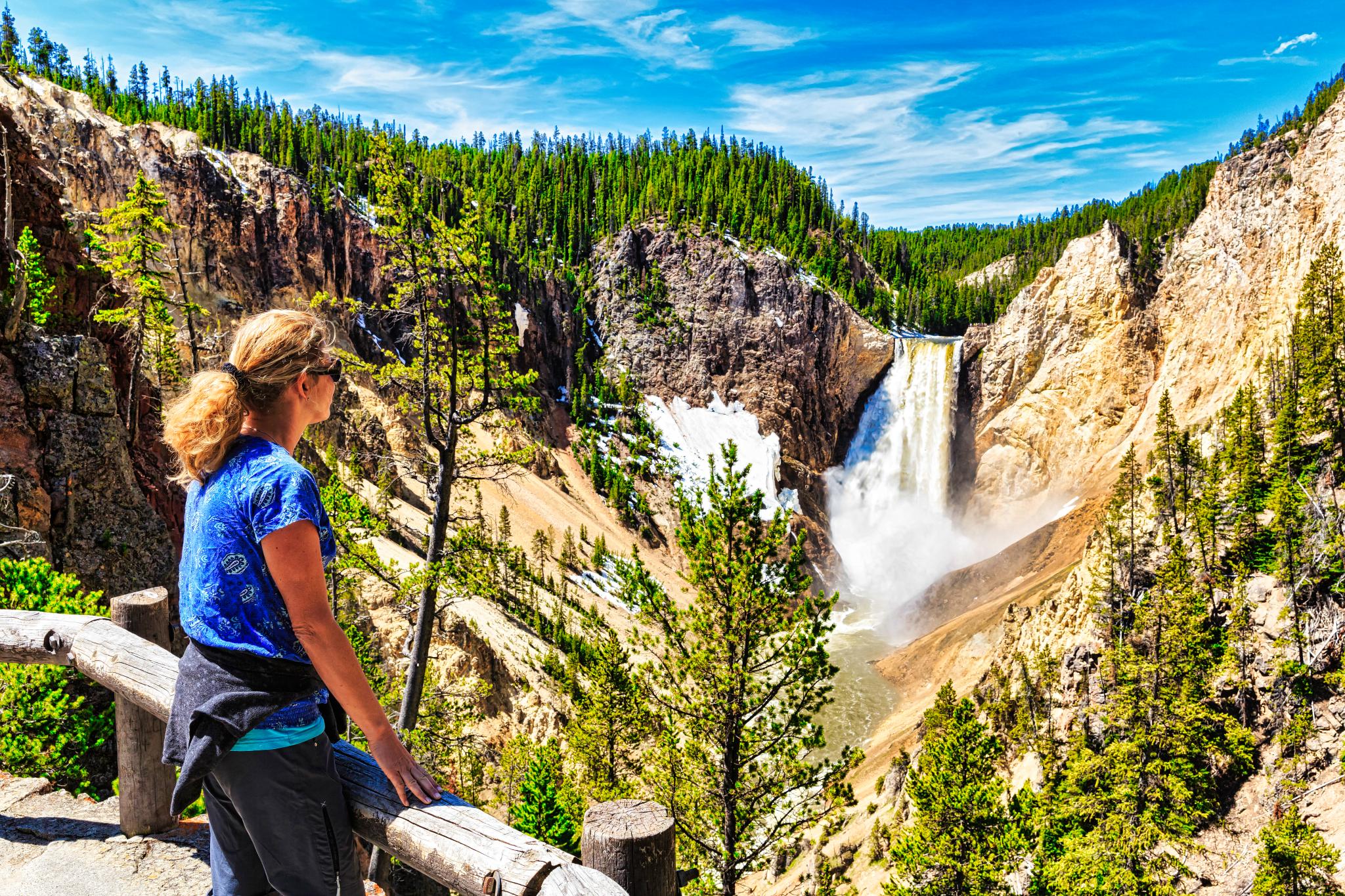
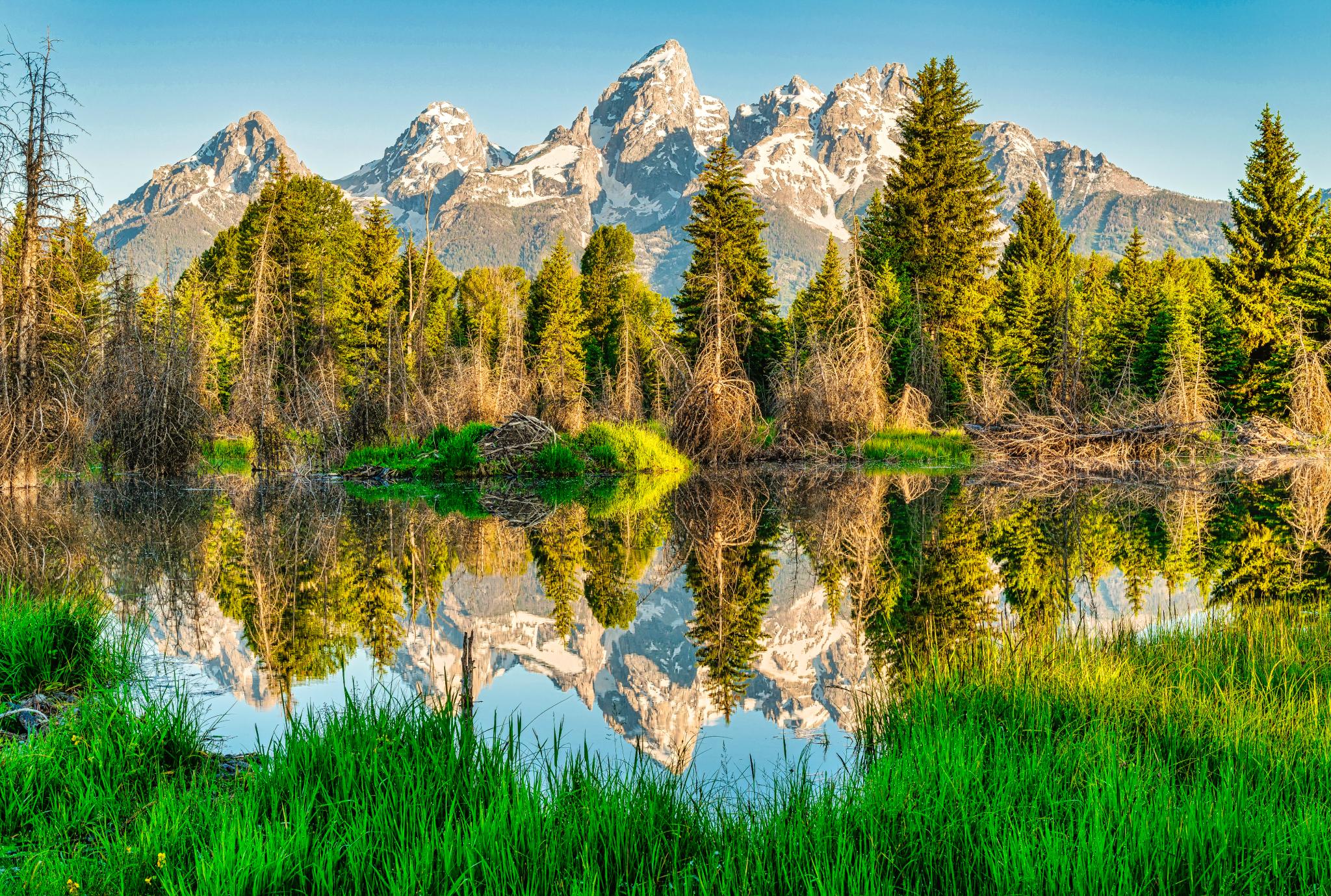
Wyomingalso holds aspecialplaceinthehistoryof conservation.Yellowstone,establishedin1872, becametheworld’s firstnationalpark.Its geysers,hot springs,wildlifeand vastlandscapes helpedcreatetheideathatcertain places shouldbepreserved for the enjoymentof allpeople. GrandTeton NationalPark,withits dramatic mountainskyline, adds another unforgettablechapter tothestate’s travelappeal.
Cheyennereflects therailroadand cattle-townheritageof theHighPlains, whileCodypreserves connections to Buffalo Billandtheshowmanshipof theOldWest.Scenicroutes lead throughtheBighornMountains,Wind River country,Jackson Holeand the openexpanses thatmakeWyoming feeltimeless.
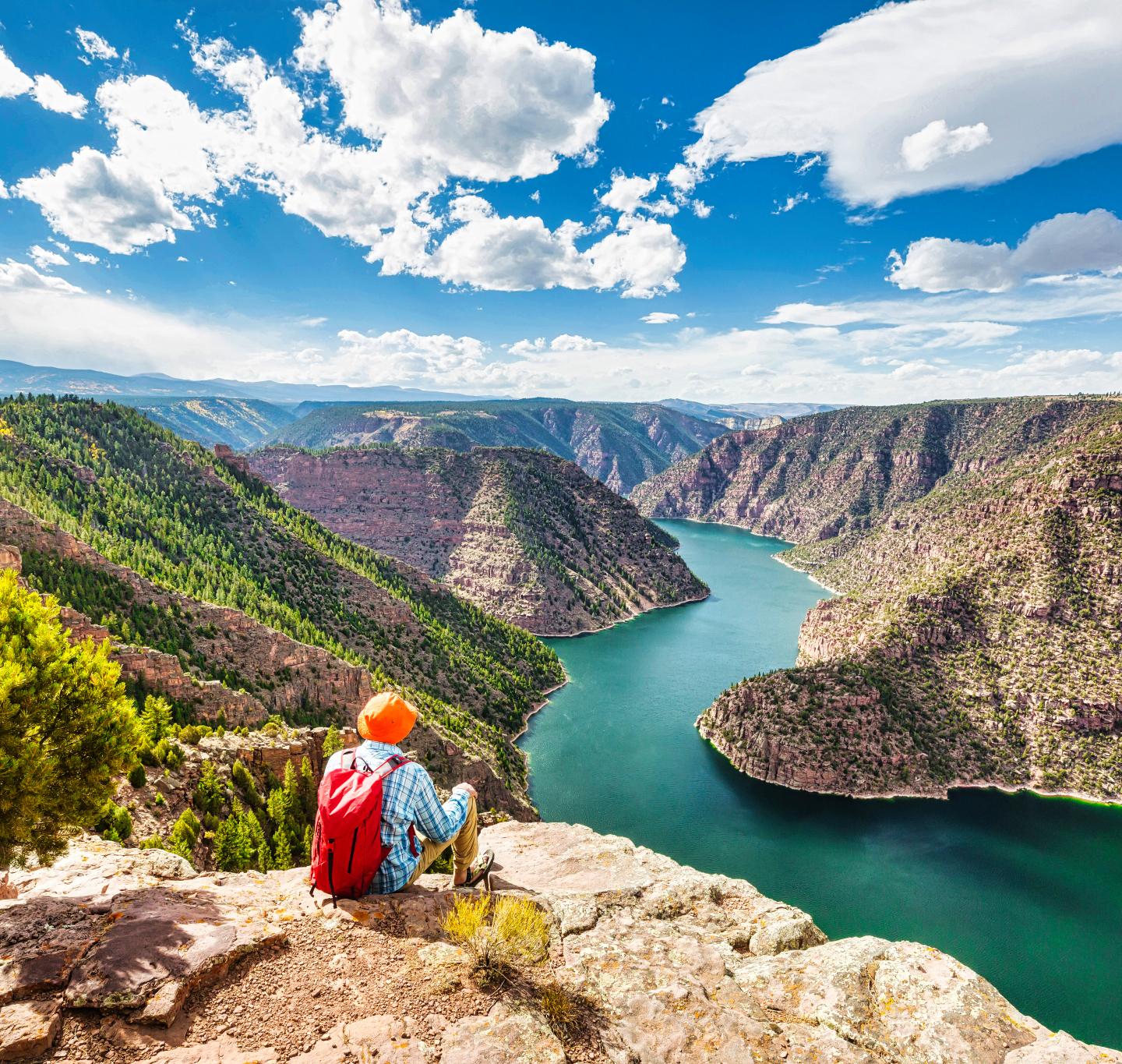
Stretchingacross southwestern Wyoming,Flaming Gorgecaptivates visitors with its strikingred canyon walls, scenicbyways,abundant recreation, andunforgettableRocky Mountainvistas.
ForAmerica250 travelers,Wyomingoffers someof themostdirectconnections tothe overland trails, therailroadera,national parks and themythicWest.
Idaho — Rivers, Mountains and Western Crossroads
Idaho is sometimes overlooked by travelers rushing between better-known destinations, but it rewards those who take the time to explore. The state’s landscapes range from high mountains and river canyons to lava fields, forests, farmland and lakes.
TheLewis and Clark Expeditionpassed through whatis now Idaho,encountering difficultmountain terrainandrelyingon Nativeknowledgeand assistance.Later, emigranttrails, mining discoveries, logging, agricultureand railroads shaped thestate’s development.
TheOregonTrailcrossed southernIdaho,andsites alongtheSnakeRiver helptellthestoryof westward migration.
Boiseoffers alivelyurbanbasewithmuseums, restaurants, theStateCapitolandaccess to theBoise River Greenbelt.Farther north,Coeur d’Aleneis known for its lake,resortsettingand scenicbeauty. SunValley becameoneofAmerica’s iconicmountain
resortcommunities, whileplaces suchas Lewiston, McCall, Idaho Falls andTwinFalls eachoffer regionalcharacter.
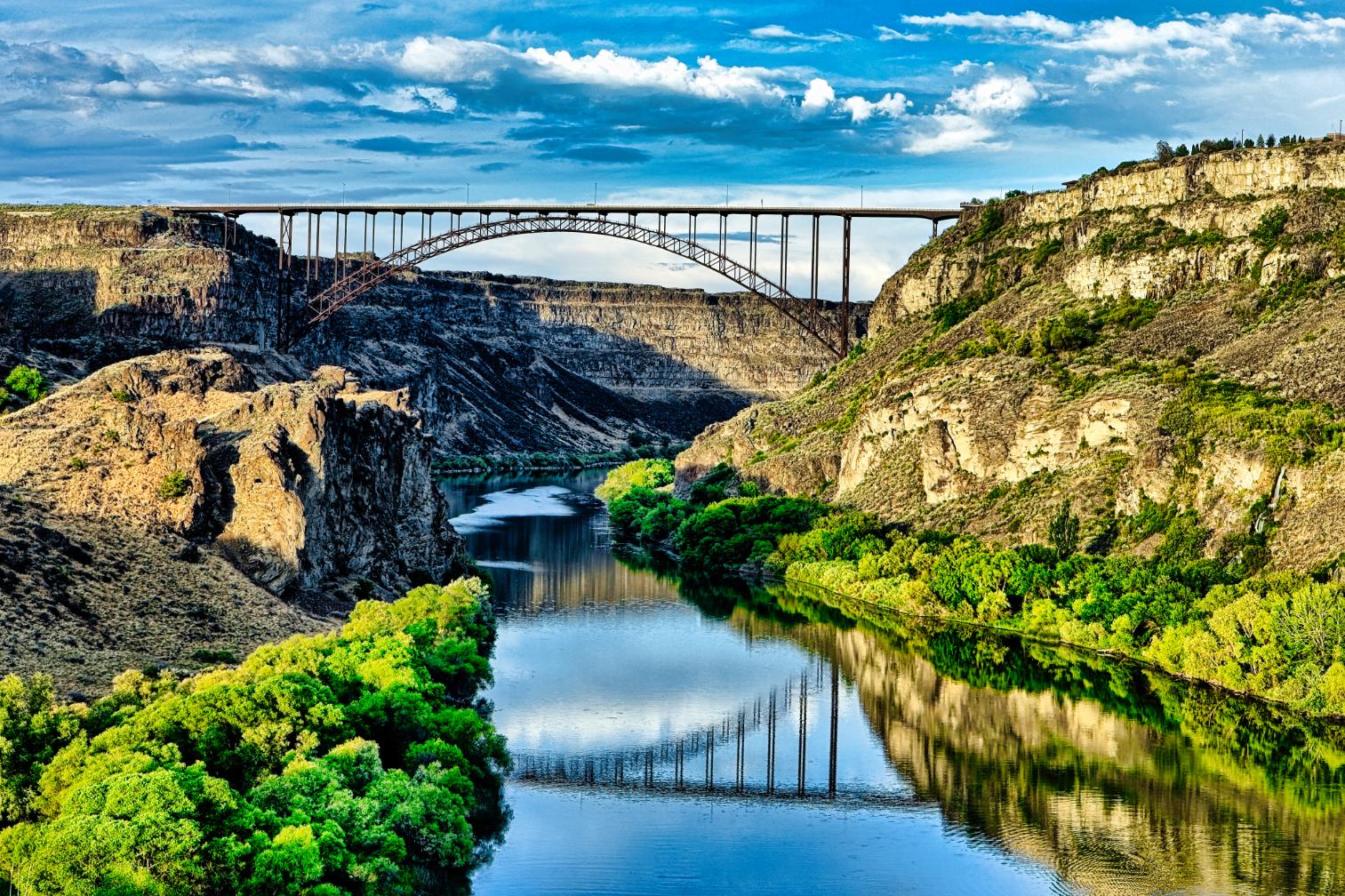
TheSawtooth ScenicByway,SalmonRiver Scenic Byway and routes through theSnakeRiver Canyon showcaseIdaho’s rugged appeal.Craters of theMoon NationalMonumentadds astrikingvolcanic landscapethatfeels almostotherworldly.Idaho’s America250 story is oneof rivers,trails,natural resources and crossroads betweenthePacific Northwest, theRockies andtheGreatBasin.
Montana — Big Sky Country and the Northern Rockies
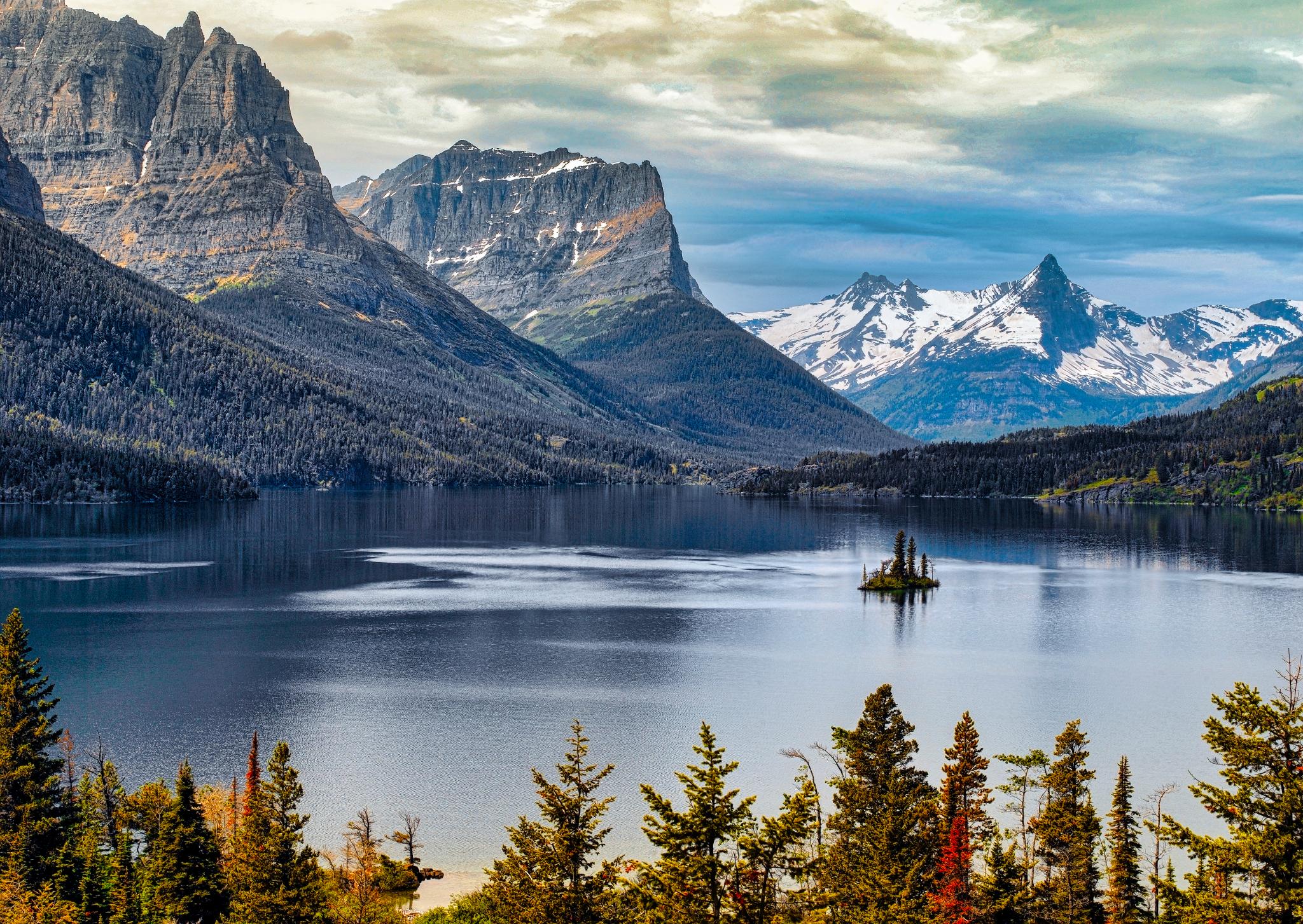
Montana’s very name suggests mountains, and its “Big Sky Country” identity is well earned. The state offers vast prairies, rugged peaks, Native heritage, mining towns, cattle country and two ofAmerica’s most beloved national parks: Glacier and Yellowstone.
Montana’s history is deeplyconnectedtoNative nations, including theBlackfeet,Crow,Northern Cheyenne, Salish, Kootenaiandothers.TheLewis and Clark Expeditioncrossedtheregion,andlater the fur trade,gold strikes, cattledrives,railroads and homesteading allcontributedtoits development.
Byways 94
Helena,ButteandVirginiaCitypreserveimportant chapters of Montana’s mininghistory. Butte,onceone of therichestminingdistricts intheworld, tells astory of copper, labor, immigration andindustrialpower. VirginiaCityandNevadaCityoffer aglimpseof the territorialera, withpreservedbuildings andOldWest atmosphere.
Glacier NationalPark’s Going-to-the-SunRoadis one ofAmerica’s greatscenichighways,crossingthe ContinentalDivideamid alpinescenery,lakes and wildlifehabitat. In thesouth,Montana’s entranceto Yellowstoneconnects travelers withoneof the nation’s foundationalconservationlandscapes.
Montana’sAmerica250 storyis spacious and powerful:Nativehomelands, exploration, mining,railroads, ranching, parks and thepromiseof freedombeneath an immensesky.
Alaska — Northern Frontiers and America’s
Last Great Wilderness
Alaska brings a vast northern dimension to theAmerica250 story. It is a land of mountains, glaciers, rivers, forests, tundra, wildlife and coastal communities, where distance and scale redefine the meaning of travel.
Long beforeAlaska became part of the United States, it was home to Alaska Native peoples whose cultures, languages and traditions were shaped by the sea, the land and the changing seasons.
TheUnited States purchasedAlaskafromRussiain 1867,adecision oncemockedby critics butlater recognizedas oneof themostsignificantland acquisitions inAmericanhistory.
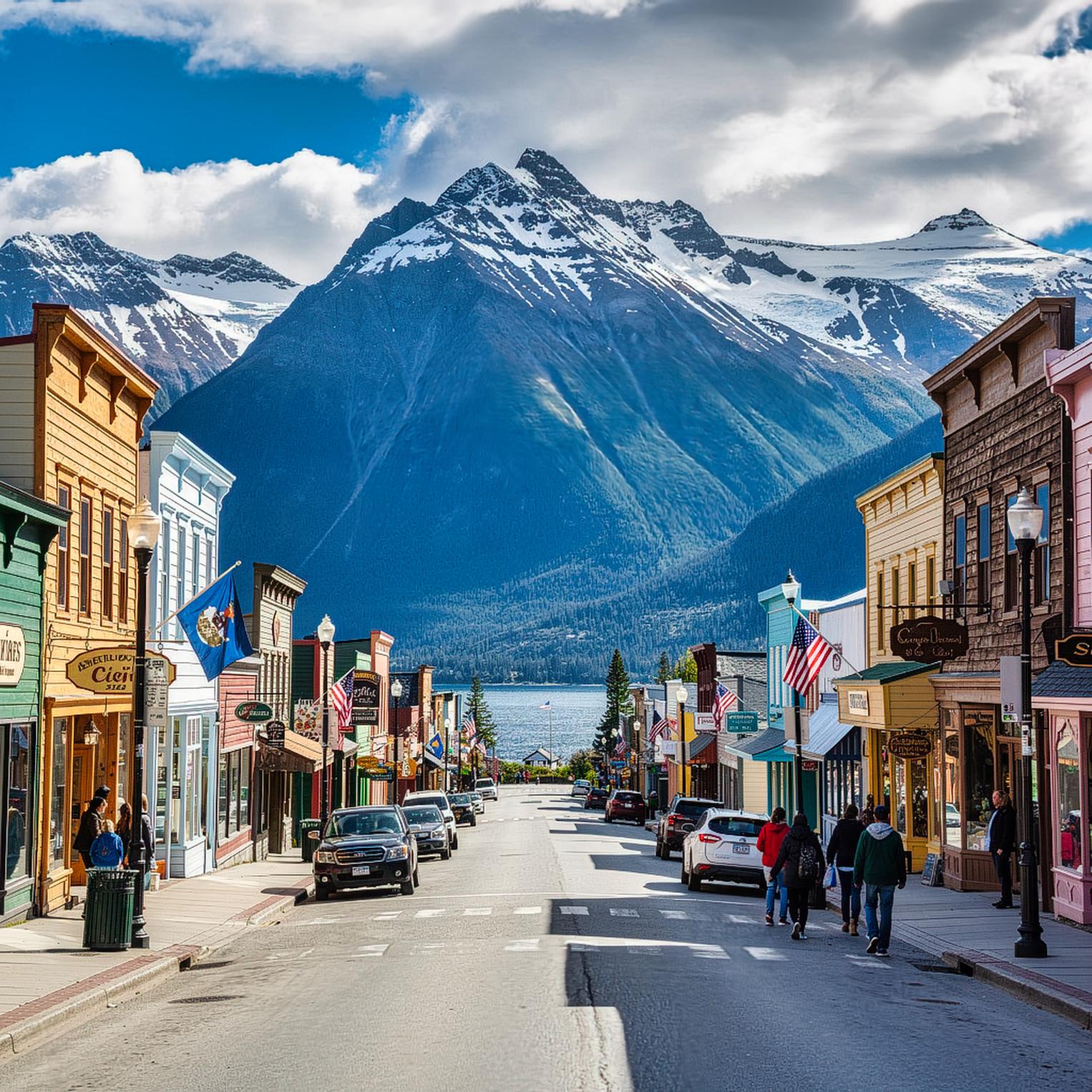
Golddiscoveries inthelate19th century brought prospectors north, especially duringtheKlondike GoldRush, whencommunities such as Skagway
becamegateways totheinterior.Today,Skagway’s preservedbuildings,railroadheritageand Gold Rush stories makeitoneofAlaska’s mostpopular historic destinations.
For travelers,Alaskais aplaceof extraordinaryscenic routes.TheAlaskaHighway, originallyconstructed duringWorldWar II,remains oneof NorthAmerica’s legendaryroad trips.
TheSewardHighwayfromAnchoragetoSeward offers mountain,inletand glacier views,whilethe GlennHighway andRichardsonHighway open access to interior landscapes and frontier communities. Farther north,theDaltonHighway reaches toward the Arctic, offering oneof thecontinent’s mostremote drivingexperiences.
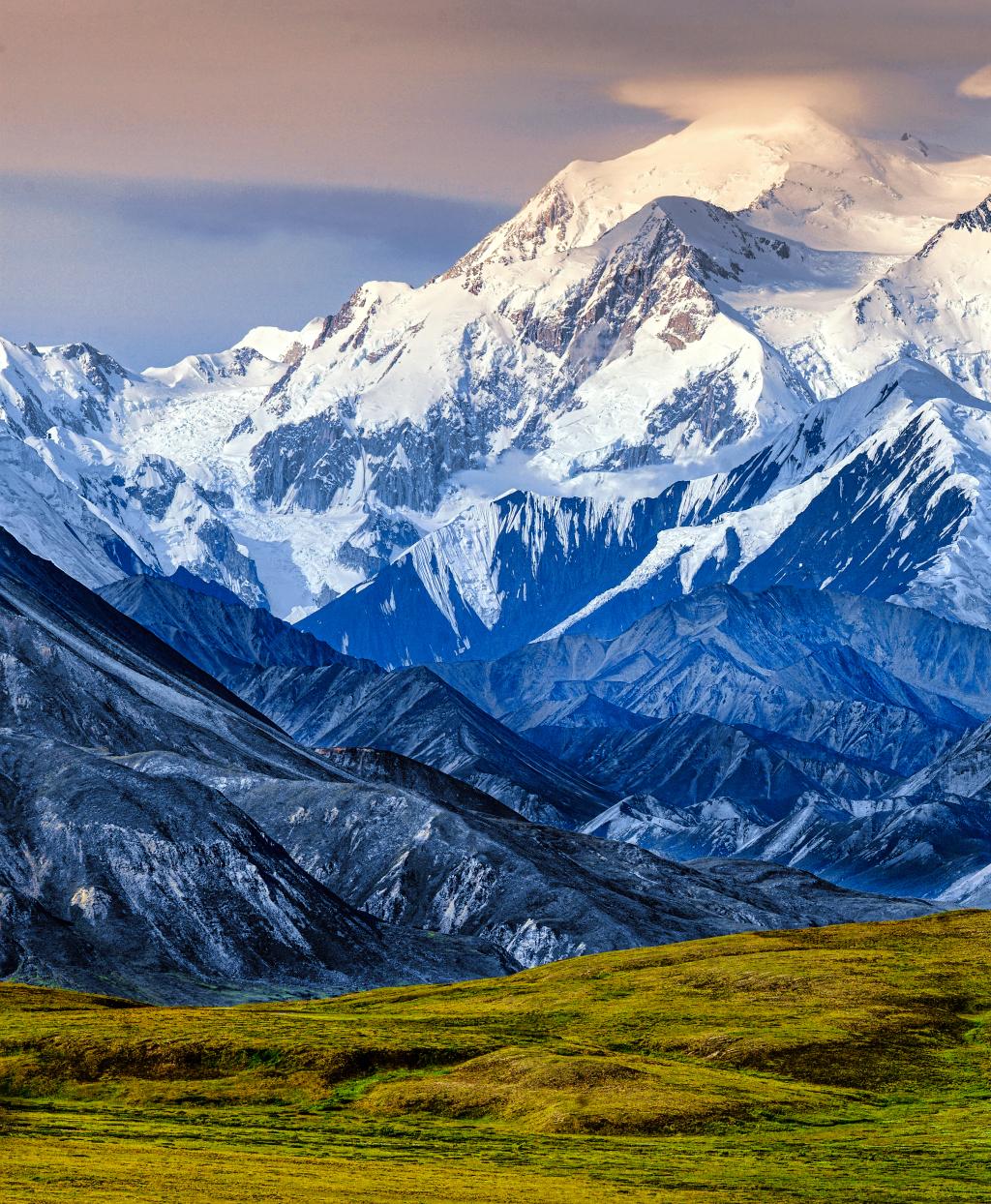
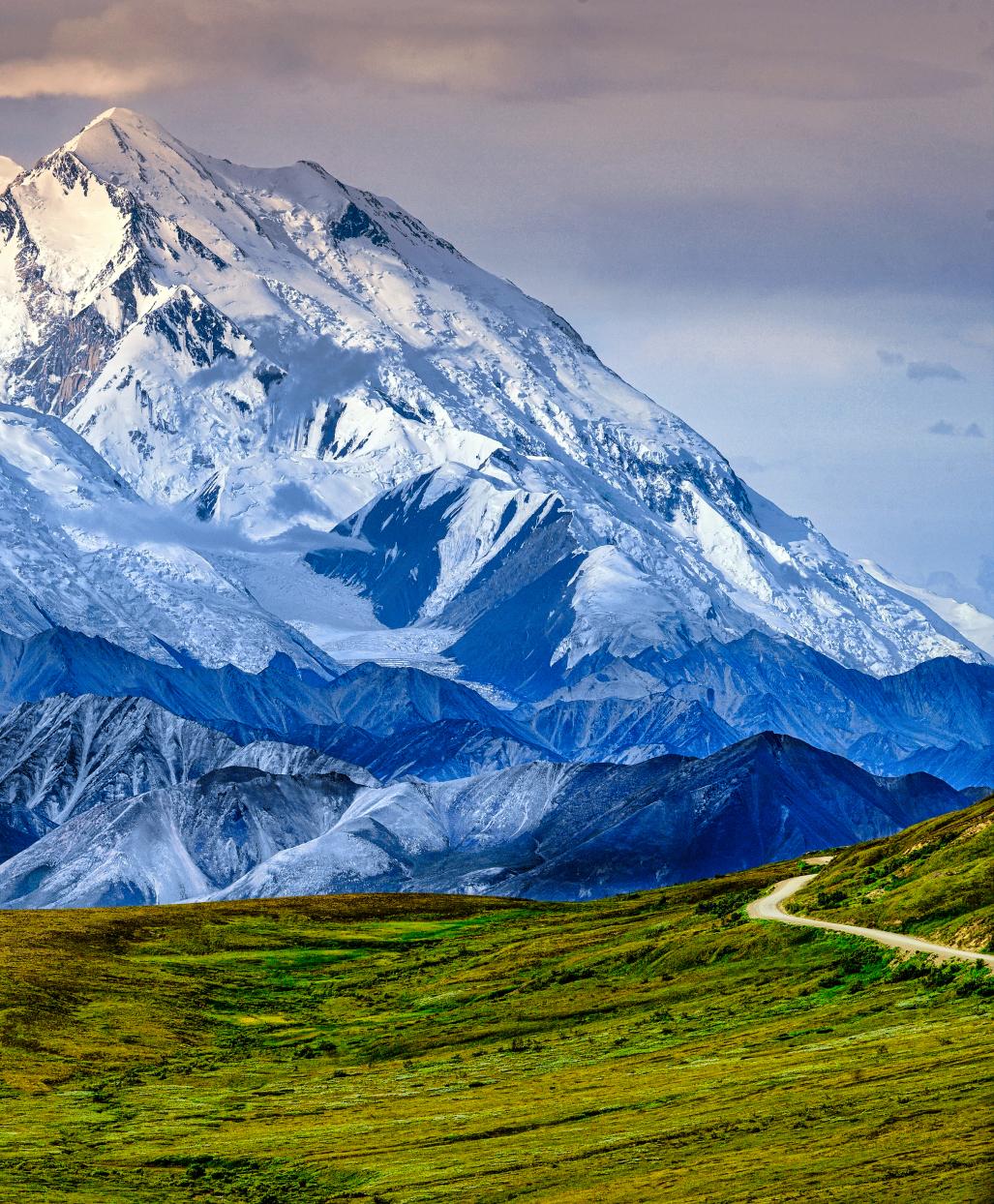
Alaska’s nationalparks areimmense.DenaliNational ParkandPreserveis hometoNorthAmerica’s highest
peak and someof thecountry’s mosticonicwildlife viewing. Glacier Bay,KenaiFjords,Wrangell-St. Elias and other protected landscapes speakto America’s conservationlegacyonagrandscale.
Alaska’sAmerica250storyis oneof Nativeheritage, exploration, militarystrategy,naturalresources, wilderness preservationandtheenduringpullof the far frontier.Itreminds travelers thatAmerica’s story stretches far beyondtheLower 48,intoplaces where roads arefew, landscapes are immenseand thejourneyitself becomes unforgettable.
Hawaii — Pacific Crossroads and Island Heritage
Hawaii adds another essential chapter to the Far West and Pacific story. Located in the heart of the Pacific, Hawaii is unlike any other American destination. Its story is rooted in Native Hawaiian culture, ocean voyaging, volcanic landscapes, royal history, plantation communities, military history and the meeting of peoples from across the Pacific andAsia.
Long beforestatehood, Hawaiiwas anindependent kingdomwithits ownrulers,language,traditions and globalconnections.Sites suchas IolaniPalacein Honolulu, theonlyroyalpalaceintheUnited States, helpvisitors understand Hawaii’s uniquehistoryand theimportanceof theHawaiianmonarchy.
Across theislands,travelers encounter sacred places, historictowns, culturalcenters andlandscapes that continuetocarry deepmeaning for NativeHawaiians.
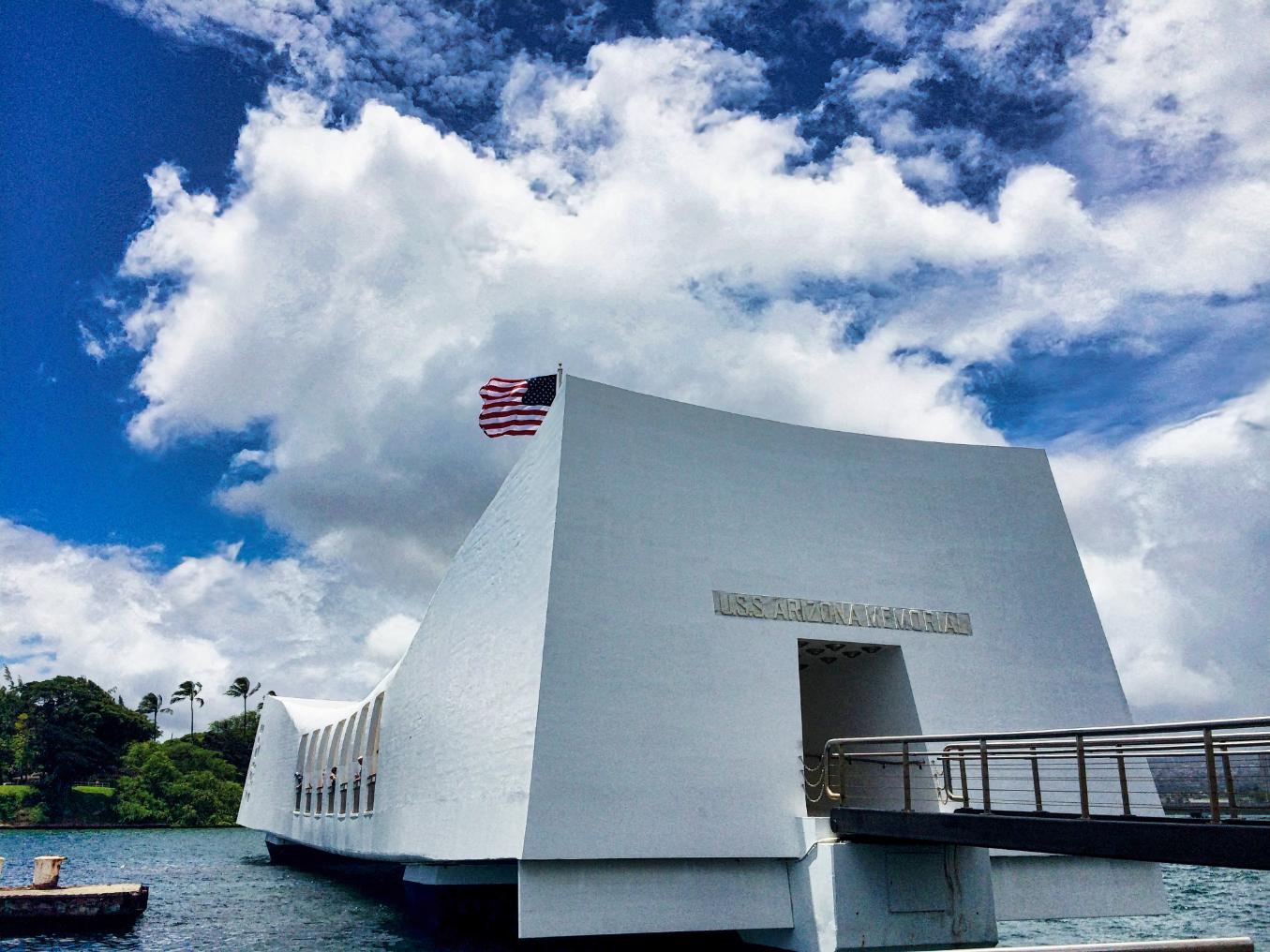
Hawaiibecamethe50th statein1959,butits rolein American history was alreadyfirmlyestablished. PearlHarbor remains oneof themostsignificant historicsites in thenation.
Theattack of December 7,1941,broughttheUnited States intoWorldWar II,andtodaythePearlHarbor NationalMemorialhonors thosewhoservedand thosewho werelost.
ForAmerica250 travelers, itis apowerfulplaceof remembranceand reflection.
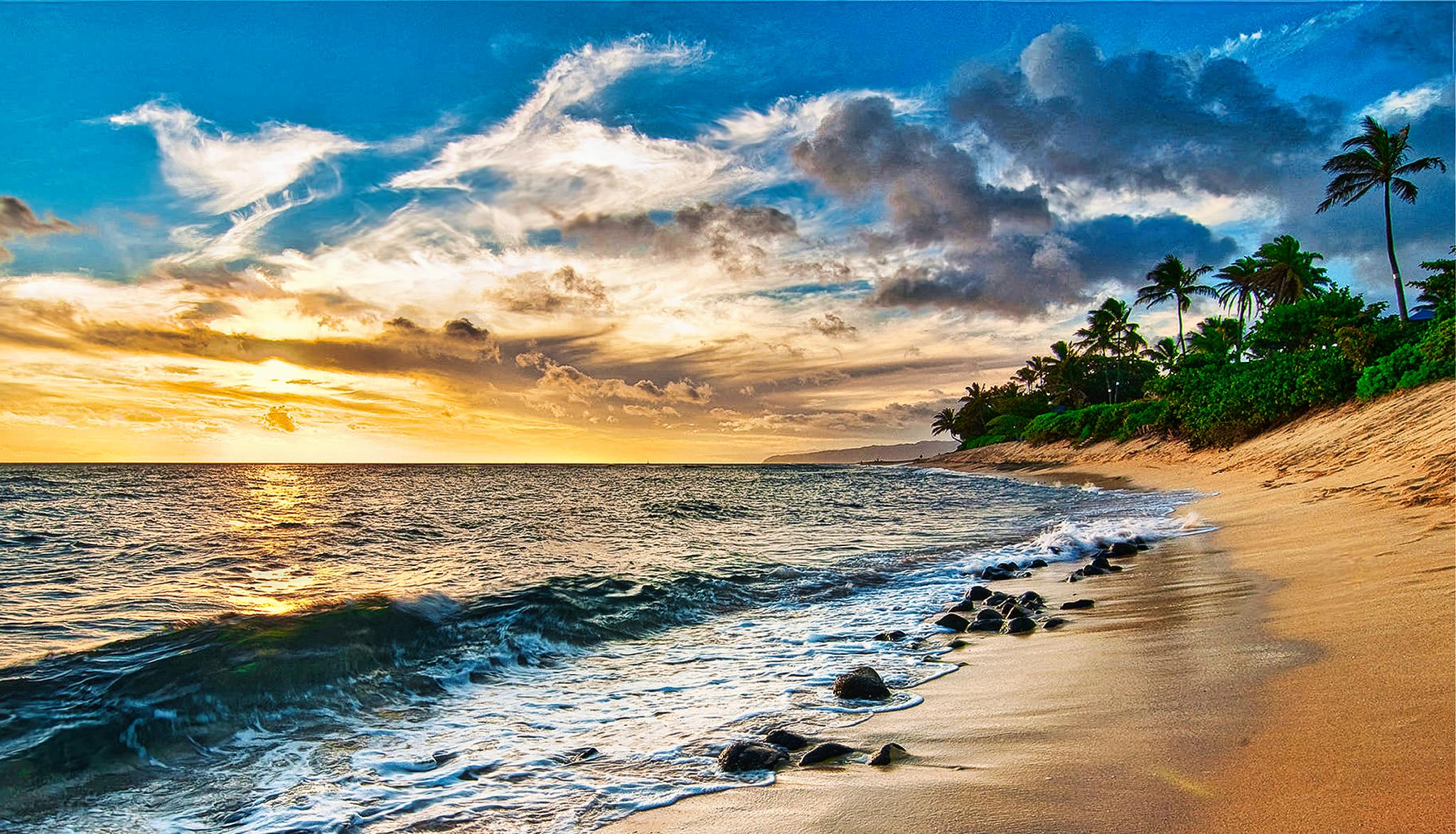
Theislands also offer someofAmerica’s most memorablescenicdrives.OnOahu,coastalroutes connectbeaches, historiccommunities anddramatic overlooks. On Maui,theRoadtoHanawinds through rainforest, waterfalls and oceanviews.
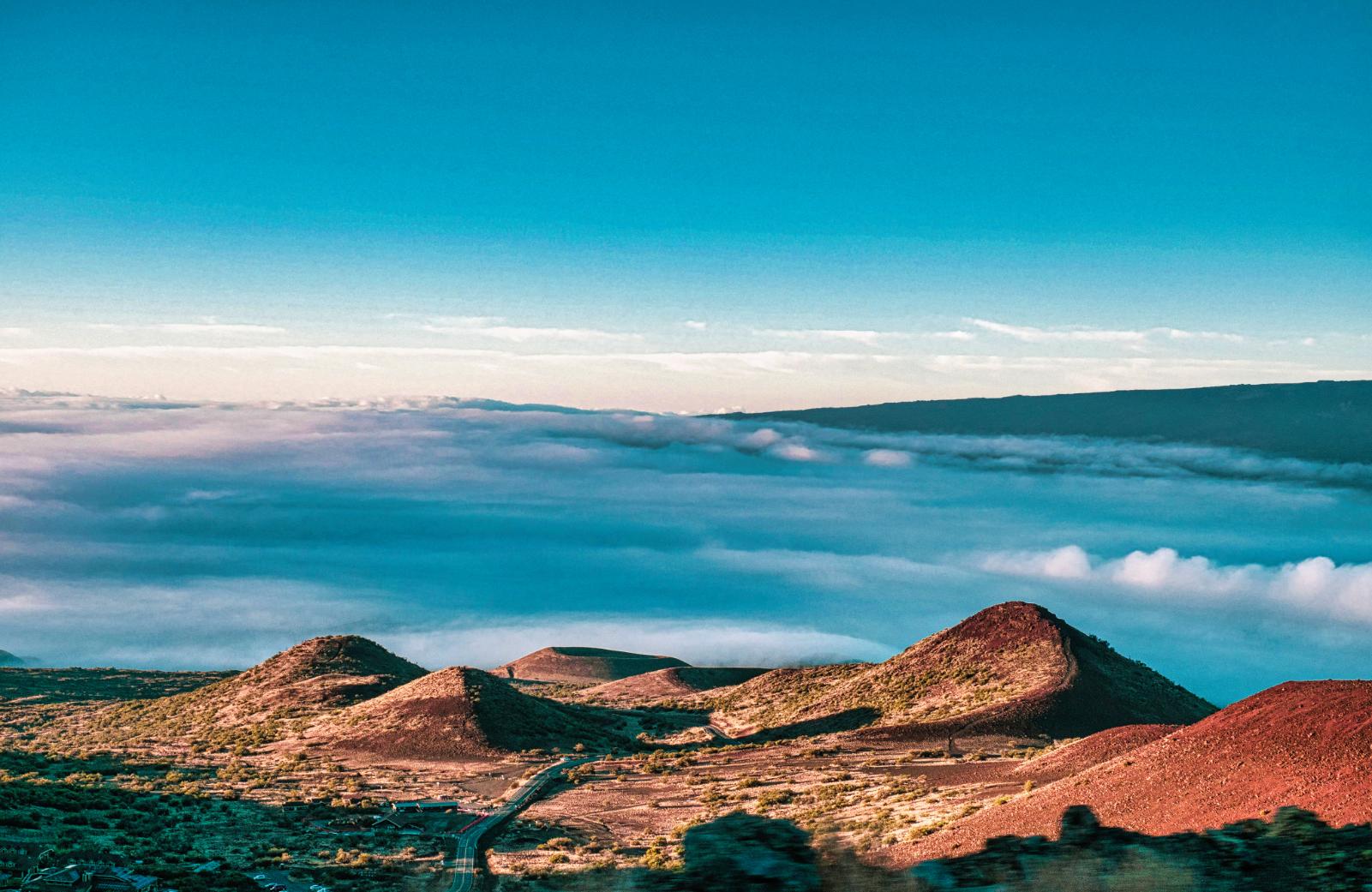
OnHawaiiIsland, visitors cantravelfromvolcanic landscapes atHawai‘iVolcanoes NationalParkto ranch country, coffeefarms andblack-sandbeaches. Kauai’s roads lead tocanyons,coastalcliffs andlush valleys.
Hawaii’sAmerica250storyis notaboutwestward expansion alone. Itis aboutthePacific,aboutcultural identity, aboutmemory, andaboutAmerica’s connection to awider oceanworld.Its landscapes and communities remind travelers thattheAmericanstory
is alsoanislandstory,shapedby voyaging,resilience,hospitality andtheenduringspiritof aloha.
The Pacific and the Far West Today
Taken together, the Far West and Pacific states tell a story larger than any single highway or landmark. They reveal how America expanded, connected, conserved and imagined itself.
The region includes some of the nation’s most famous roads and parks, but also quieter places: mining towns, tribal communities, ferry landings, railroad depots, desert crossroads, mountain valleys and roadside cafés.
For travelers in 2026,the America250anniversaryoffers ameaningfulreason to revisittheseplaces withfresh eyes.Adrivethrough theFarWestis notonlyaboutscenery,though the sceneryis spectacular.Itis alsoaboutthepeoplewho crossedmountains,builtrailroads, protectedforests, shaped cities,workedmines,farmed valleys, ranched openranges andpreserved culturaltraditions.
TheWestremains aplaceof motion.Its stories are carriedonhighways thatfollow oldtrails,onrivers thatguidedexplorationandtrade,onraillines that connected coasts,andon scenicbyways thatinvite travelers to slow down.
FromCalifornia’s PacificshoretoMontana’s high plains,fromOregon’s coastlinetoUtah’s canyon country,fromWashington’s waterways toWyoming’s trailcorridors,theFarWestandPacificcontinueto definetheAmericanjourney.
AsAmericaturns 250,this regionreminds us thatthe nation’s storyhas always beenaboutmovement, westward,outward,upwardandonward,toward the nexthorizon.
tt
Byways is published bi-monthlybyByways,Inc.and distributed electronicallythroughoutNorthAmerica. Byways is emailed to morethan4,000tour operators andtheTravelTrade. Subscriptions are complimentary. AnAndroid browser versionis availableat www.issuu.com/byways
Byways’distribution includes motorcoach companies, tour operators, selected travel agents, and other group
tour travel promoters. It is also available to consumers with an interest in North American travel. For advertising rates, editorial deadlines, or to place advertising insertions, contact: Byways Magazine at 540-233-1121.
©Copyright 2026 by Byways, Inc.All rights reserved. No portion of this publication may be duplicated in any form without express written permission of the publisher.