

The North Carolina Art Education Association (NCAEA) is an active advocate for promoting visual arts education in K-12 public and private schools, higher education, museums, arts centers, and arts councils across the state. It is affiliated with the National Art Education Association
OUR MISSION
To promote and improve the quality of visual arts education in the state of North Carolina. The North Carolina Art Education Association will focus on three broad categories to accomplish its goals: leadership, service, and advocacy.
www.ncaea.org
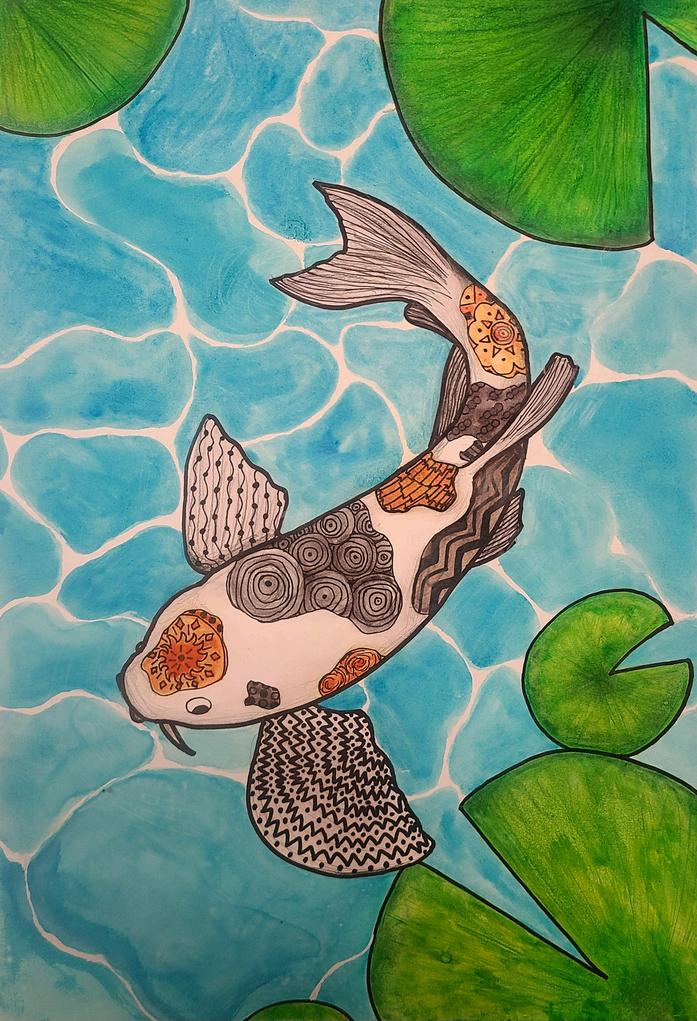
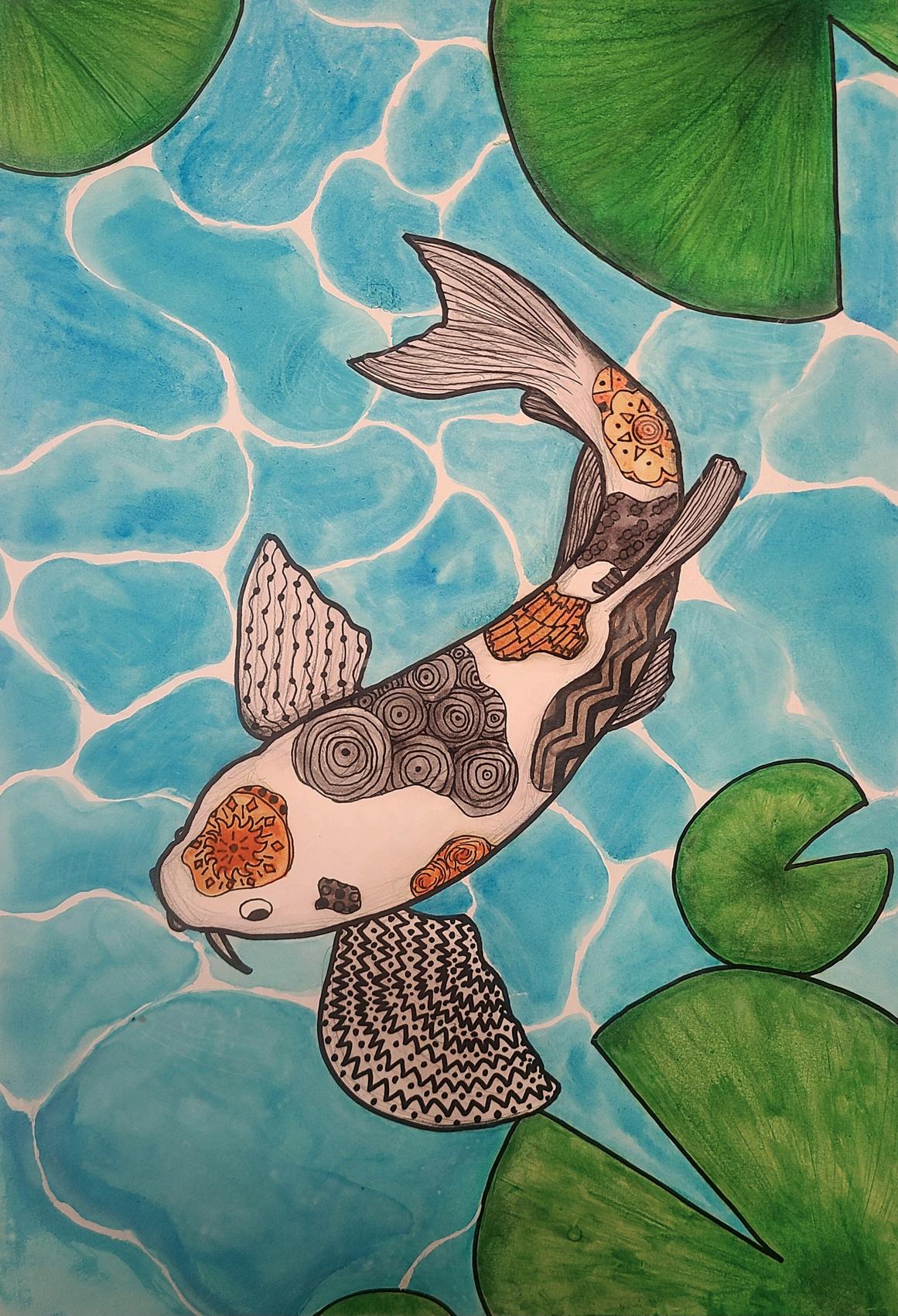
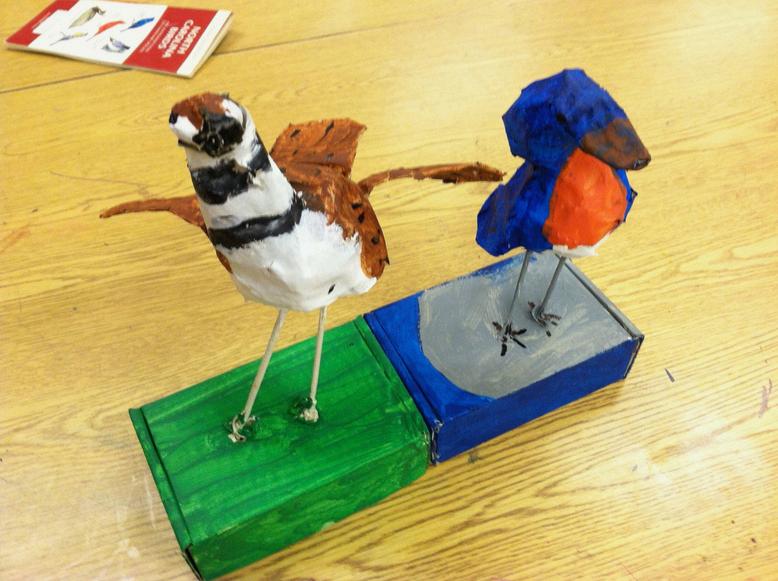
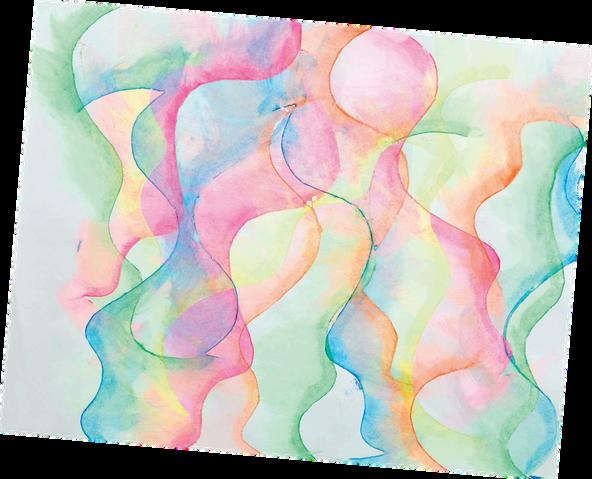
By Avery Moore, 8 Grade th Mixed Media
Teacher Lee Haywood Uwharrie Charter Academy Middle School
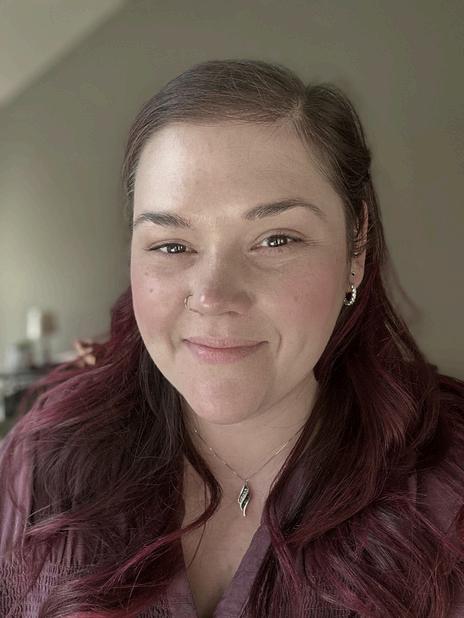
Becoming President has felt a little like entering Round 2 of a fight I've heard the bell ding, and I'm reinvigorated I know my opponent because of the first round, but haven't fought them long enough to be truly tired I still have tricks up my sleeve As I begin this new challenge, I do so with deep respect for the work that has happened before me Poppe, Whitney, thank you for paving the way. I have genuine excitement for what we have built together and I'm pleased to welcome Caitlyn Bachman, our new President Elect, to her Round 1. Whitney and I may have been a one-two punch, but this girl is a knockout!
In great contrast to my fighting metaphors, the truth is that this organization is a community -- we're each artists, educators, and advocates connected by our shared belief of the power of art education I feel that strength in the conversations I've had with members and through the dedication of our governing board It's clear that our career and our organization both thrive because of our collaboration, curiosity, and mutual commitment to learning and creativity
Over the next two years, my focus will be on strengthening these connections within our membership and our Board communities I just know that when we listen to one another, share ideas openly, and show up together that we'll continue to create space for meaningful growth and lasting impact There are so many opportunities for us to come together Surely, our best work is still to come and I want you to be a part of it! If you feel called to leadership or can "smell what this rock is cookin'!?" then yeah, I need you on my team. We need dedicated art educators to fill the roles of Treasurer, Youth Art Month Chair, Adaptive Arts (formerly Very Special Arts), Region 8 Coordinator, and Equity, Diversity, and Inclusion (ED&I). Email me at president@ncaea.org if you're in and I swear I'll keep the puns and metaphors to a minimum.
Thanks, Chynna

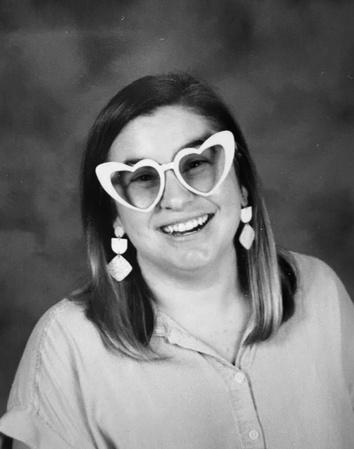
I’m incredibly honored and excited to step into the role of President-Elect for the North Carolina
Art Education Association This organization has long been a source of inspiration, advocacy, and connection for me, and I’m grateful for the trust you ’ ve placed in me as we look toward the future together
Art education is evolving in powerful ways Our classrooms, studios, and communities are places where creativity meets critical thinking, where students learn to see the world differently, and where art becomes a vehicle for empathy and expression. As President-Elect, I’m deeply committed to supporting you, the educators doing this meaningful work every day. That means listening, amplifying your voices, and helping ensure our association continues to be a space where members feel valued, supported, and inspired.
I’m especially excited about the opportunities ahead: strengthening professional learning, expanding advocacy efforts, fostering collaboration across regions and divisions, and welcoming new voices into our community Whether you ’ re a seasoned educator, a first-year teacher, or working in higher education, museums, or community spaces, there is room for you here, and your perspective matters
I look forward to working closely with our board, committees, and members to build on the strong foundation already in place while remaining open to fresh ideas and bold thinking Change can be challenging, but it’s also where growth happens, artists know that better than anyone
Thank you for all that you do for students, for the field, and for one another I can’t wait to see what we create together next!

Happy March, everyone!
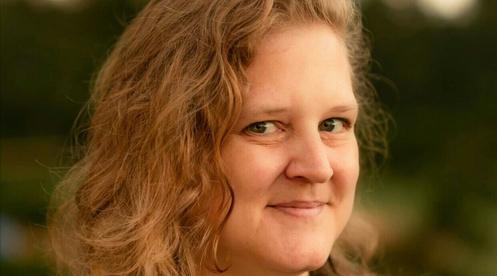
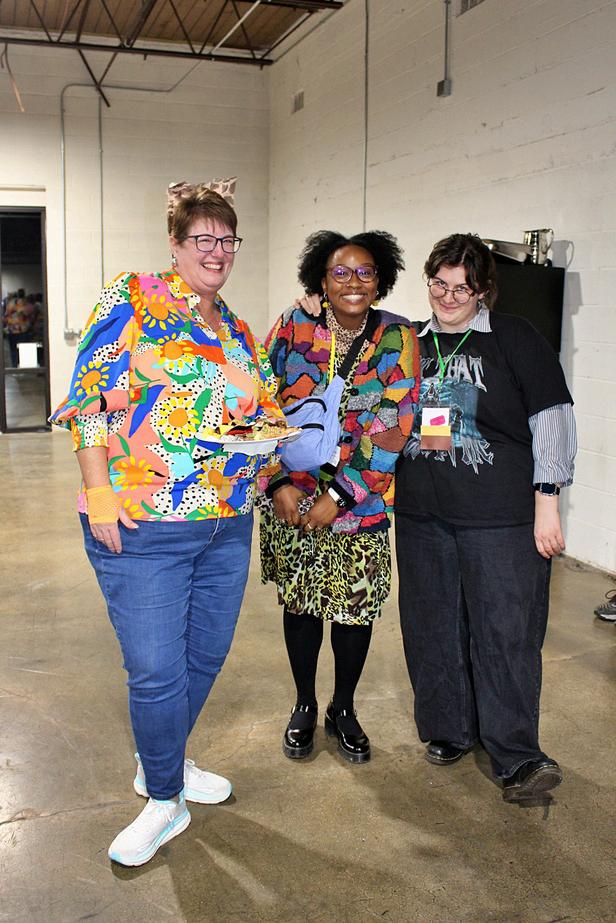
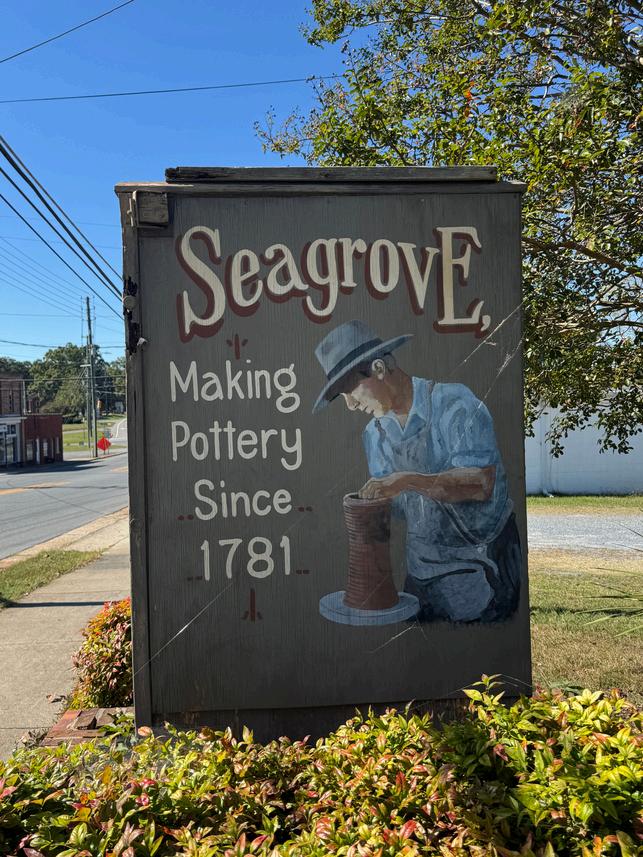
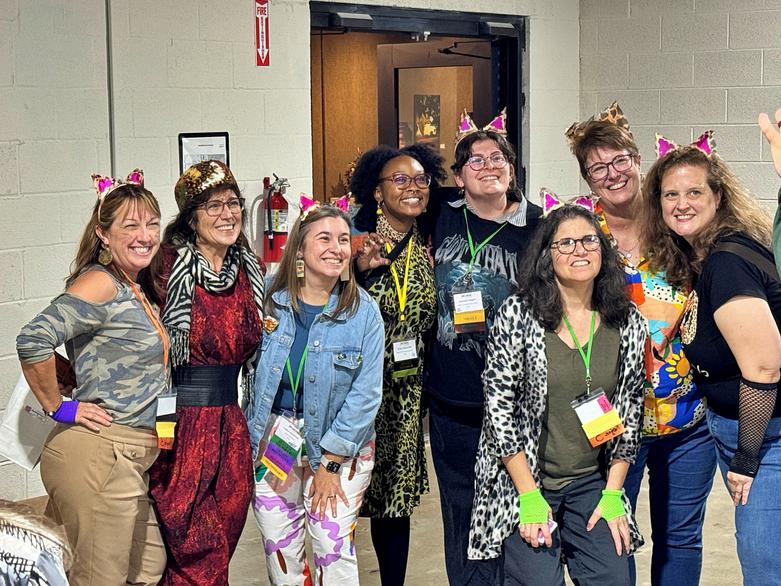
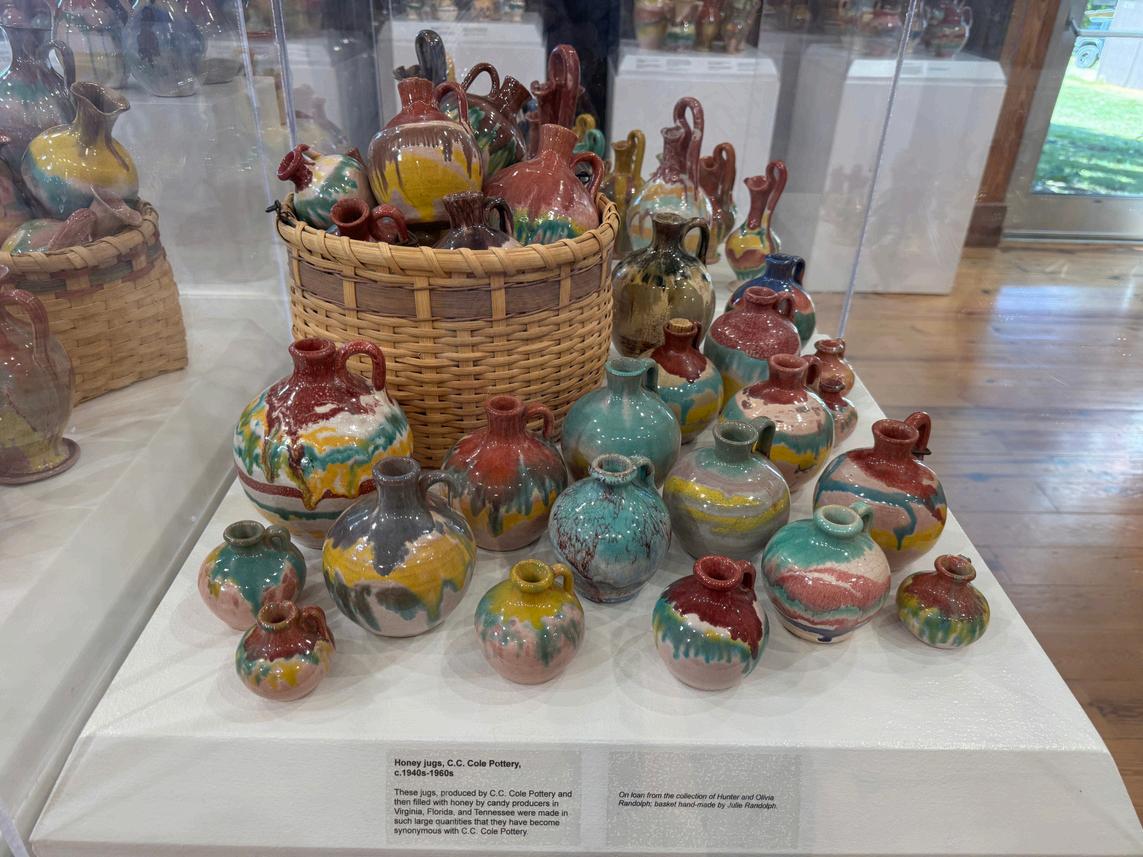
I hope everyone is safe and warm as we venture into a new year of art advocacy Thank you to everyone who attended the 2025 conference in Asheboro It was fantastic to play at the NC zoo, Seagrove potters’ village, attend a Carolina Bronze tour, and more To see the heart of our state and connect with passionate art educators was amazing! Thank you to the NCAEA board for their dedication and service. Conference would not happen without them.
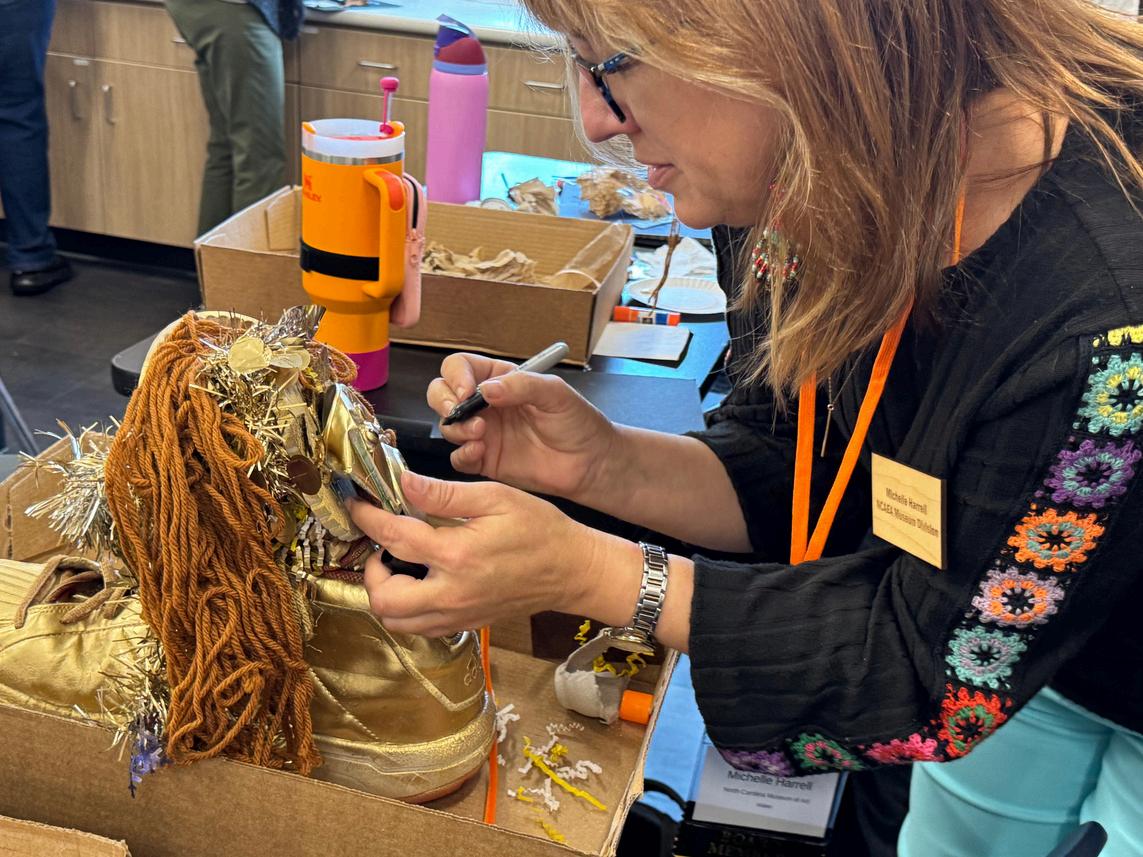
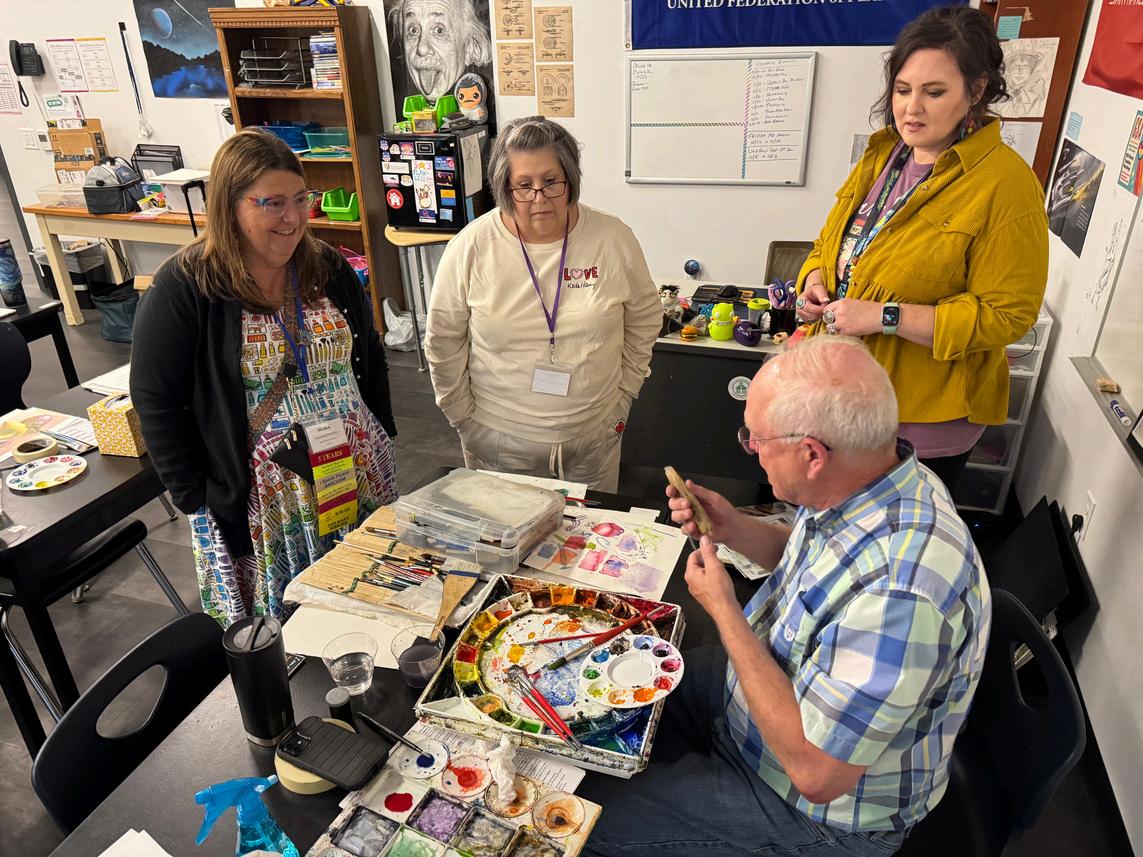
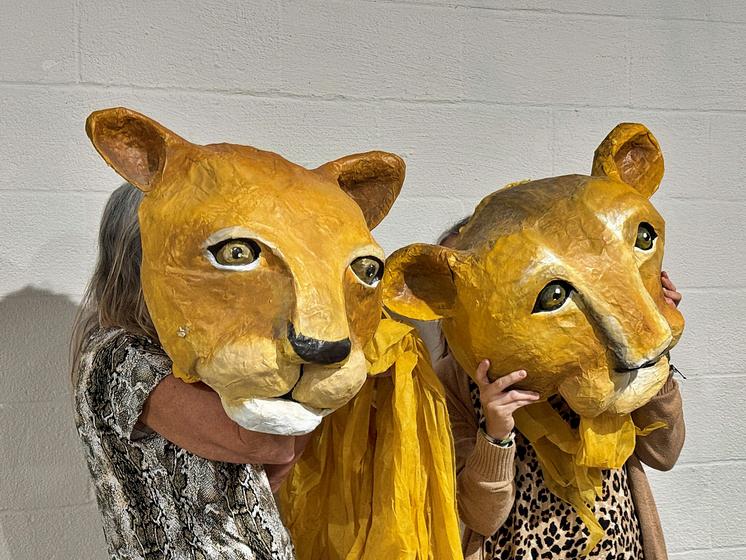
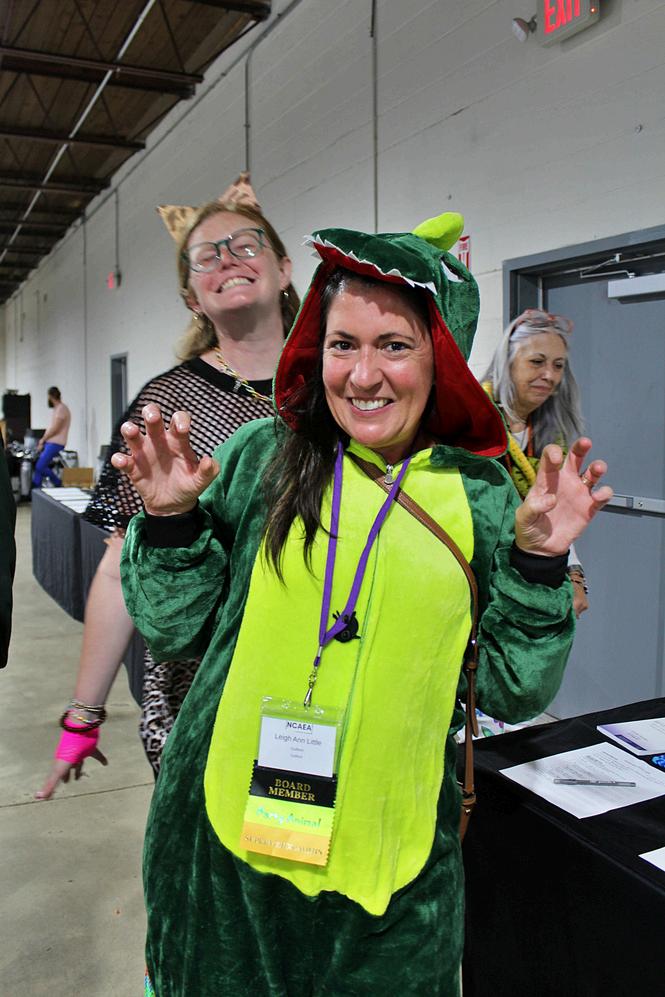
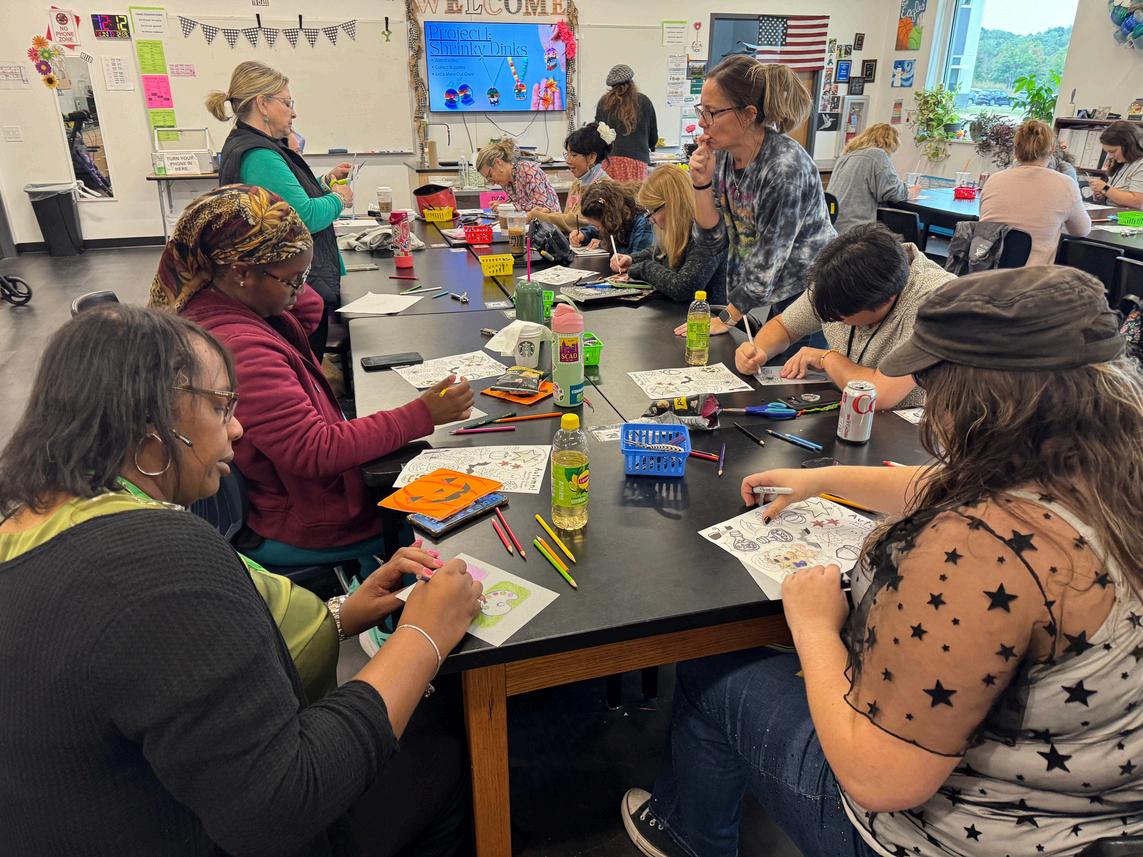
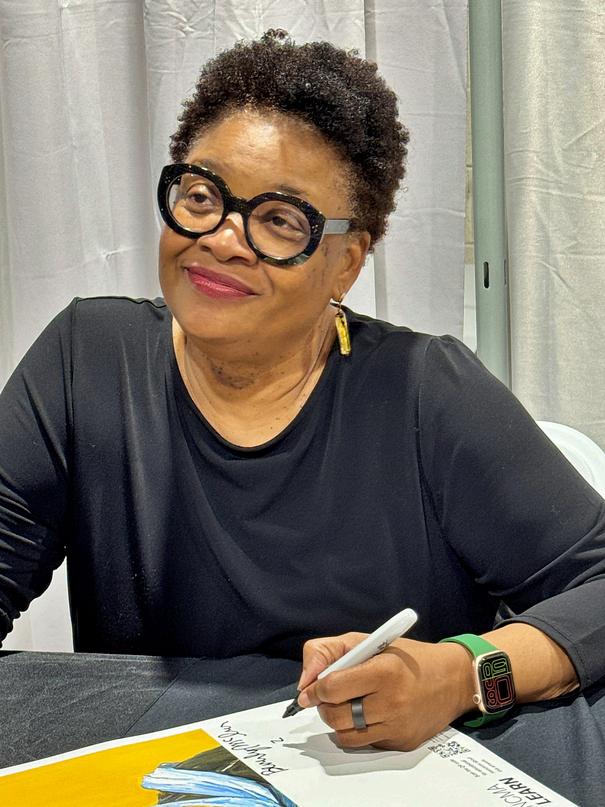
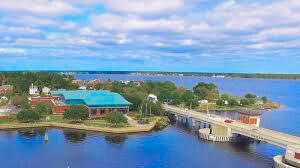
A few highlights from this year ’ s conference are the wonderful workshops led by our members, Cara Bevan (gourd artist), Rick Bennett (watercolor artist), and our vendors/exhibitors. I saw many people walking around with products from the workshops and presentations. Please consider bringing your expertise and fun to the 2026 conference in New Bern October 22-25 Complete the form by February 28, 2026: https://formsgle/wLaWT2N3tvttLkPx8 One of the main events was hearing local artist, Beverly McIver, present our keynote speech She connected with the audience, told her story, and spread her thoughts on art education and the art world She attended our Presidents’ Reception to sign posters and mingle with our attendees She also was extremely generous in donating a signed copy of her book to our Silent Art Auction A huge thank you to the North Carolina Museum of Art for making this happen We cannot say thank you enough for your sponsorship and connections to create this opportunity Please check out the wonderful pictures from the on and off site opportunities We hear you members and we will keep the Off Site CEU possibilities in New Bern Thank you for sharing your pictures from visiting the zoo, Starworks, Carolina Bronze, Seagrove potters, and more We hope you venture out in New Bern and experience the wonderful history and culture there. You can book your hotel room now at the Doubletree or Marriott near the Convention Center. It has been a few years since the hurricane and renovations they made. I cannot wait for you to see the space!
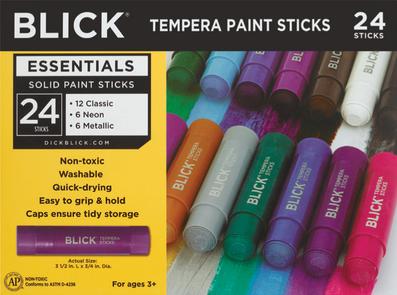
If you know of any vendors/exhibitors we haven’t had at conference lately, feel free to contact them and share this Google form: https://formsgle/Tp3qPLbJ1tZZRkmj8 We are always connecting with vendors, but hearing it from you, too, will only strengthen how we want them there Thank you to all the vendors we had at this conference, especially Blick Art Materials and Craft Habit, for sponsoring teachers to attend the conference
A huge thank you to all the NCAEA members I met throughout my presidency and the wonderful people I now call friends To serve as president these past six years was amazing, a learning and growing experience, and I would not trade it for the world Please keep listening to each other, supporting one another, and advocating for arts education Your voice matters!
Many thanks! See you in New Bern! Poppe
Chair: Tiffany Zarinana
Elect:
Chair: Lily Buckley
Elect:
Chair: Hannah Hagler
Elect:
Chair: Allison Ellis
Elect:
Chair: Lori Ross
Elect:
Chair: Lindsay DeBlasio
Elect:
Chair: Kathryn Szelasek
Elect:
Chair:
Elect:
By Yinxue Zou
“I can’t draw” is a common phrase in high school art classrooms In theory, it’s a statement of ability; in reality, it’s one of self-preservation: students know that their lines, proportions, and “ accuracy ” will be evaluated long before their ideas are Many keep their heads down, or they default to something decorative a “finished” product, but not one that is truly expressive For teachers, that sentence elicits another, more fundamental question: when drawing skill becomes the de facto threshold for making art, do we unintentionally give the right to make a visual statement to only some of our students?
I began moving my lesson objectives away from “making a beautiful piece” and toward “making a clear statement” I stopped asking students to produce images from scratch, and I opened up an easier, more flexible visual vocabulary: collage and typography These are not substitutes for drawing They are entry points with lower stakes and more control With collage, students can translate lived experience into readable forms through acts of selection, deletion, reassembly, an hierarchy
To prevent collage from turning into “just cutting up scraps, ” I anchored the assignment around a focused prompt: “ one sentence + three pieces of evidence.” Each student writes a sentence they’re willing to publicly stand behind (I’m tired of explaining myself. I want to be taken seriously. I’m exhausted by being defined I need quiet) and then they tack on three keywords as “evidence cues ” (emotion, setting, subject, or conflict) This structure has two effects: it gives the work a semantic center from the outset, and it reframes collage as argumentative composition rather than decoration every element must speak back to the sentence, not merely fill up the page

Collage especially works well, because it allows students to sample from the world that already exists around them and to construct metaphor through cutting, masking, layering, and repetition Students often find, sometimes for the first time, that expression has little to do with technical rendering, and more to do with the logic of choice One uses only hands, and avoids faces, to talk about the pressure of being watched Another repeats the same image over and over, to make noise, pointing to the demand to explain and self-justify constantly. Another tears paper to make rough edges and fractured bodies, to describe the discontinuities of identity. In such moments, collage stops being “craft” and starts to function as a way to turn the messy, complex, ambiguous experiences of contemporary life into a visible structure, to allow tension and contradiction to sit as visual evidence, without forcing it into a single symbol or simple answer
Typography then allows a readable order on that evidence For novices, the most important typographic skill is not knowing many fonts, but understanding hierarchy I ask students to make a single primary statement (hand-lettered or cutout text is fine) and make it the clearest, most immediately readable thing in the composition. The headline is not a caption; it is a public position. Once the headline is set, collage elements stop drifting aimlessly and instead start organizing themselves into layers of meaning: which images function as “evidence,” which belong as “atmosphere,” which need to be removed because they add noise that obscures the message Students start to see that design is not about making something more complex; it is about helping the viewer get to the core statement more quickly
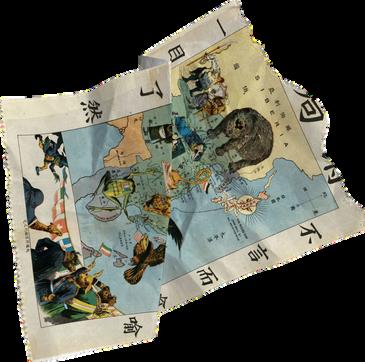
To combat the paralysis that “complete freedom” can often cause, I use a simple but effective scaffold: the composition may only contain three layers of information headline, one supporting line, and a small amount of fragmented text or texture; the process must be “structure first, decoration later”; and each student must make one clear deletion decision (they must remove at least one element they wanted to keep) These are not constraints that limit creativity; instead they are the scaffolding a novice needs in order to begin In practice, I often see the work become much clearer at the moment of deletion, because taking away forces the student to ask: What do I want the viewer to take away?
Critique must also move away from grading the object to practicing articulation Instead of beginning with “Is it good?” I have students describe their choices in three sentences: what I’m saying; what I want you to notice first; and one key decision I made. This frame puts authorship back in the student’s hands. When they can say, “I left a large empty space because I needed room for silence,” or “I put Chinese closer to the image because that voice feels more true,” the work no longer needs the teacher’s translation to speak
Fundamentally, what “amplifying student voice” looks like here is not that students become experts on a technique in one class period It is that students shift in their identity from “Can I do this?” to “I want to say something” Collage provides material and metaphor for entering experience; typography provides the structure for organizing a position into legible information. Together, they offer a more level path into expression across skill levels. For teachers, this invites a broader professional reckoning: are our lessons expanding the ways students can express, or quietly narrowing who gets to be heard through skill-based standards? When a classroom helps students land one sentence on the page, technical training gets its north star and visual learning meaningfully links to voice
By Marylu Flowers-Schoen, retired from Durham Public Schools
By request I am sharing a snippet of my 40+ year art educator career that includes how was able to establish a courtyard garden just right outside my art room between two wings of my then school that benefitted many classrooms... indeed the whole school, plus contribute to then establishing satellite gardens around the school campus This was perfect for a Science Focus elementary school
It really started when a large oak in a walled area leftover from grading the site for the school to be built was struck by lightning The tree had to be removed (and we did have Clyde Jones come for a day of sculpture making with his chainsaw) but then were left with lots of sun in a large area I didn’t want to waste more to the point I wanted to enjoy
I convinced the school district to also grind down the stump and remove the soil within the circular wall within this patio-cemented-but-with-areas-of-grass courtyard Now the work could begin How does one pay for turning a boring/barren area between two wings of a school into a respite outdoor classroom? Several Science-degreed parent volunteers were keen to offer labor. That sparked those parents to petition the PTA of our school to allot some of the annual fundraisers to the cause and that helped with seed money/in kind donations for writing grant proposals. Miracle Grow garden grants to get class sets of garden tools: rubber boots, garden gloves, garden carts, shovels, hoes, weed witches, trowels, rakes, and pitchforks. Glaxo Smith Kline donated a large wood lockable garden shed in which to keep it. Eagle Scouts, especially those who I once taught needed community projects for badges so I was able to get picnic tables/benches and the most needed raised beds built
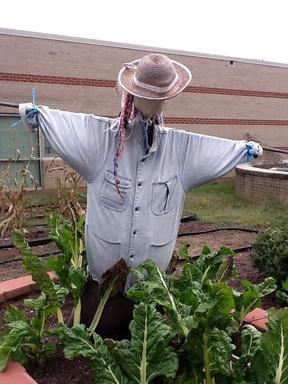
Parents would donate a pack of seeds, a tray of veggie starts, or a tree seedling plus local corporations and universities loved that we offered a site for meaningful service hours I always had a plan in my head how to distribute tasks and having various tools to do the job made it easy for the volunteers Twice a year I coordinated a Landscape Workday for families of our school to come spread soil/mulch, and weed to prep for the work by students during the school day... especially in my art class time (though some classroom teachers began to use the courtyard thus add to it to personalize the area outside their door or windows onto which their door or windows opened) Students would also continue creating gardens and planting We painted and put up bird nest boxes, feeders, and the school district used our site to install a live-feed camera bird box and we projected to all the classrooms the live nesting, egg laying, hatching, feeding, and fledging stages in spring (I must admit the addition of
increasing the bird population lowered the caterpillar/butterfly and moth population we had been witnessing/enjoying by planting host plants for pollinators
NCSCOS: 1CN1 Relate visual arts ideas and works with personal, societal, cultural, historical, and daily life contexts, including diverse and marginalized groups National Art Anchor Standard 10 Students will synthesize and relate knowledge and personal experiences to make art
The garden grew The NC Botanical Gardens had Science teachers visit during their conferences The Durham County Health Department started having their staff come to see how to help. It was integrated learning and the community took notice. Now what was I going to do with the food we were producing? The plan was multifaceted. First, I began to have Saturday classes with moms who would come to pick, prep, and make kimchee and sauerkraut to jar and take home. Second: one mom volunteer came on Fridays and picked and put onto a table in the hall where all students passed when dismissed could take what they wanted as they left for the weekend But third: my most pride of joy and the most fun was when for a week all classes in art time contributed and feasted on Stone Soup Our librarian made a recording of her reading one of the many versions of Stone Soup (which I projected to all the classes coming to art that day) where soldiers turned away from charity of a village started a community soup that ended up feeding everyone All that concrete area of the patio allowed me to build a campfire
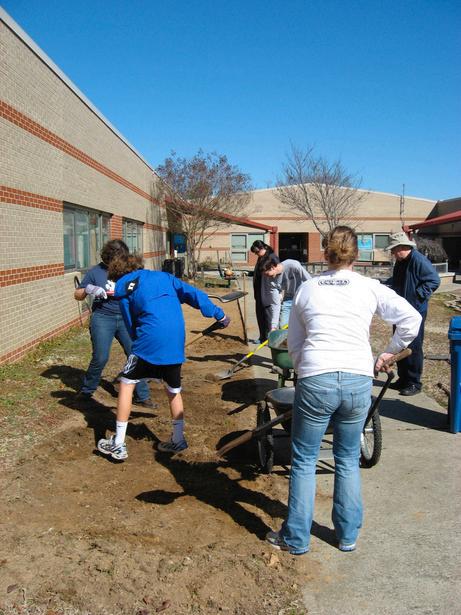
and onto it we set the largest stew/soup pot I could buy from a restaurant supply store Students picked and prepped cabbages, carrots and the potatoes and onions I admit I bought as we needed so much to feed 800 folks of staff and students that week The classes of that art special of that day came and feasted after their cafeteria lunch: respecting federally funded meal guidelines I covered my art table groups with plastic cloths for the prep I had sturdy plastic salad knives (they are green) for student use. It was great to see those who must help at home show their skills. Yes, we had a clean stone that began it all. (Classes at the end of the day would help pick for the next day but got to eat that day’s batch after their lunch.) Most funny was how many emails I got from parents asking for the recipe as students asked for Stone Soup even for birthday parties... it’s all in the smoke of a campfire. By the way, the principal showed up every day to eat. Finally, fourth: during the summer months, school staff would come pick (if they helped weed and water) but surplus went to the Interfaith Food Shuttle here in Durham Okay, back to the title Near the first time I abandoned my art curriculum (for which students still blew me away with great award winning results) and took students outside to plant, weed, water, document in handmade nature journals, pick, and ultimately feast one student asked, “What’s this got to do with art?” I responded, “This is about the art of good living” May you find a passionate way to influence your students to live life to the fullest plus have a source of endless art project ideas
BY SARAH BROWN-SCHUMACHER

I have the great opportunity to host a group of fourth and fifth grade students for thirty minutes each morning for WIN (What I Need) Time. We do writing enrichment activities inspired by artwork!
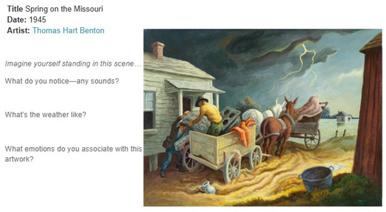
What will you see during WIN? Students were writing, observing, and sharing Non-fiction and Imaginative writing as well Plus using lots of art vocabulary We answer art discussion questions, compare and contrast, do creative writing, and tap into our 5 senses to “explore” artworks Our discussion questions are written by me or taken from a very old art textbook in my classroom Each question asks students to describe, interpret, look again, look inside, look outside, and find the elements and principalsThere are weeks where we focus on one work of art We will answer questions, learn about the artist, and even write a story as if we stepped into that work of art One of my students favorite things to do is compare artworks Below I am sharing all the questions I have ready to go to start discussions with students I have written many myself, found in textbooks, or on art educational websites and museum websites
Describe
List what you see in the painting.
Objects, clothing, people, animals, places, buildings, plants, etc.
What colors and patterns do you see?
Is there something that the artist wants to EMPHASIZE?
What is the first thing you see when you look at this work of art? Why do you think it caught your attention?
How many people can you count in this picture? Describe what they are doing
Describe the colors and patterns you see?
How many animals can you find in this painting?
What other creatures might be here?
Do you think this is a real place or an imaginary place? Why?
What do you notice any sounds?
What’s the weather like?
What time of day is it? How can you tell?
What is the Mood?
Look again
What happened just before and just after in this work of art?
What sounds, smells, or feelings are in this work?
What kind of music would be playing?

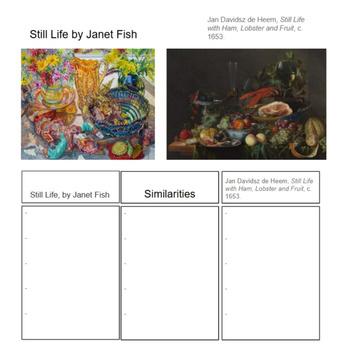
If you could take away or add images or elements to the work of art, what would they be and why?
What other people, creatures might be here in this setting?
Do you think this is a real place or an imaginary place? Why?
What emotions do you associate with this artwork?
Look inside
Imagine you are one of these people. Who are you? What are you thinking? How do you feel?
If you could add yourself to the painting, what would you look like, What would you be doing?
Tell the story in the work of art with a beginning, a middle, and an end
Draw what you can’t see in this work of art Are there any hidden images that should be revealed?
How do you think each woman feels about herself? How do you know?
Look outside
How is this like or different from your own world?
How would you change this work of art to be more like your world? What would the changes be? What would the artwork look like?
What does the artist want you to know or think about in this work of art?
If you could ask the artwork, subjects, or artist questions, what would you ask? What would you would like to ask her? Write down five questions.
Interpret
What is happening?
What is the artist telling us about the subject/s?
Can you tell what is happening?
What can you tell us about the ?
Elements and Principles
How has the artist used:
Line, shape, color, value, space, texture, pattern
Balance, Emphasis, Movement, Rhythm, Proportion, Variety, Unity, Composition, Contrast
Creative Writing:
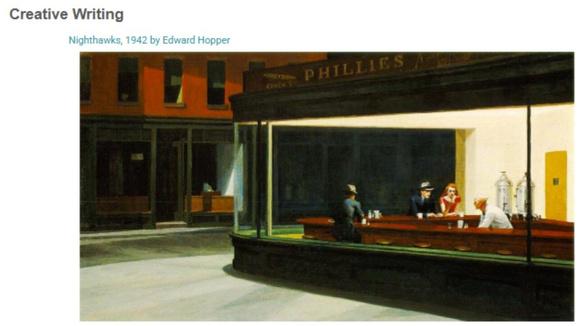
Students are asked to imagine they are a character in the artwork. They spend a day using a graphic organizer I got from a fourth grade teacher to plan their story, then they get writing! We talk about how we make sure to add lots of details to our writing, just like we add to our artwork
I hope you find ways to get your students writing in your artroom!
NCAEA is proud to congratulate two outstanding Bobbi Bowman Scholarship recipients for the 2025-2026 school year!
By Sara Sagar, NCAEA Scholarship Committee Chair
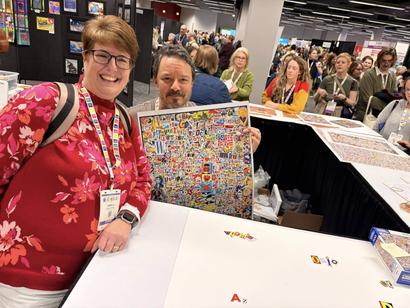
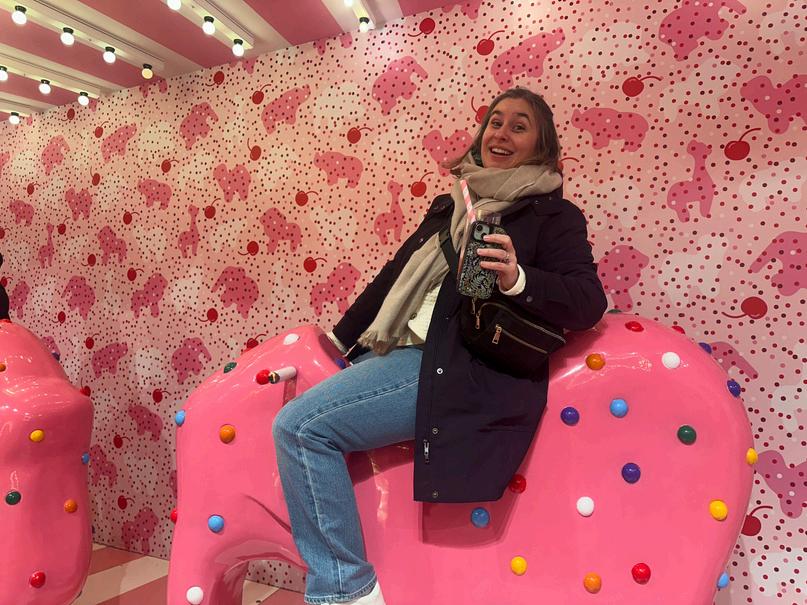
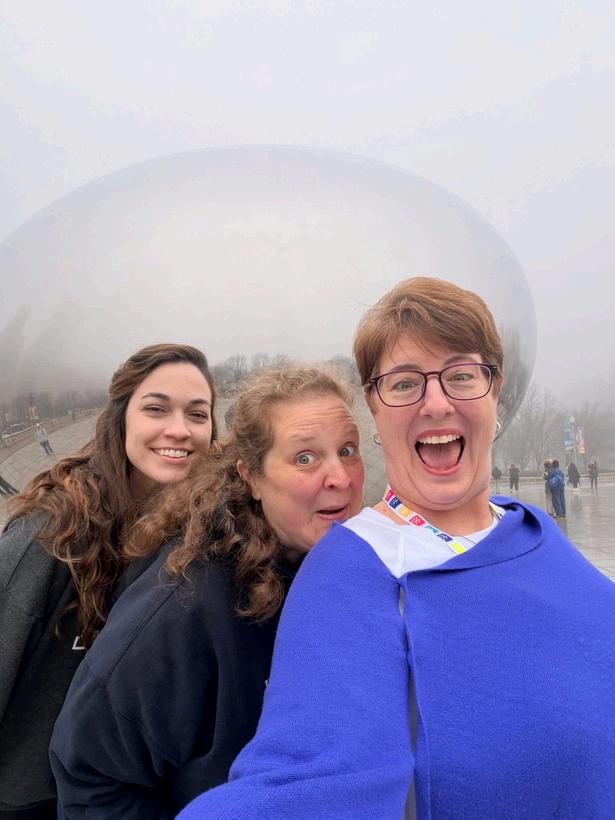
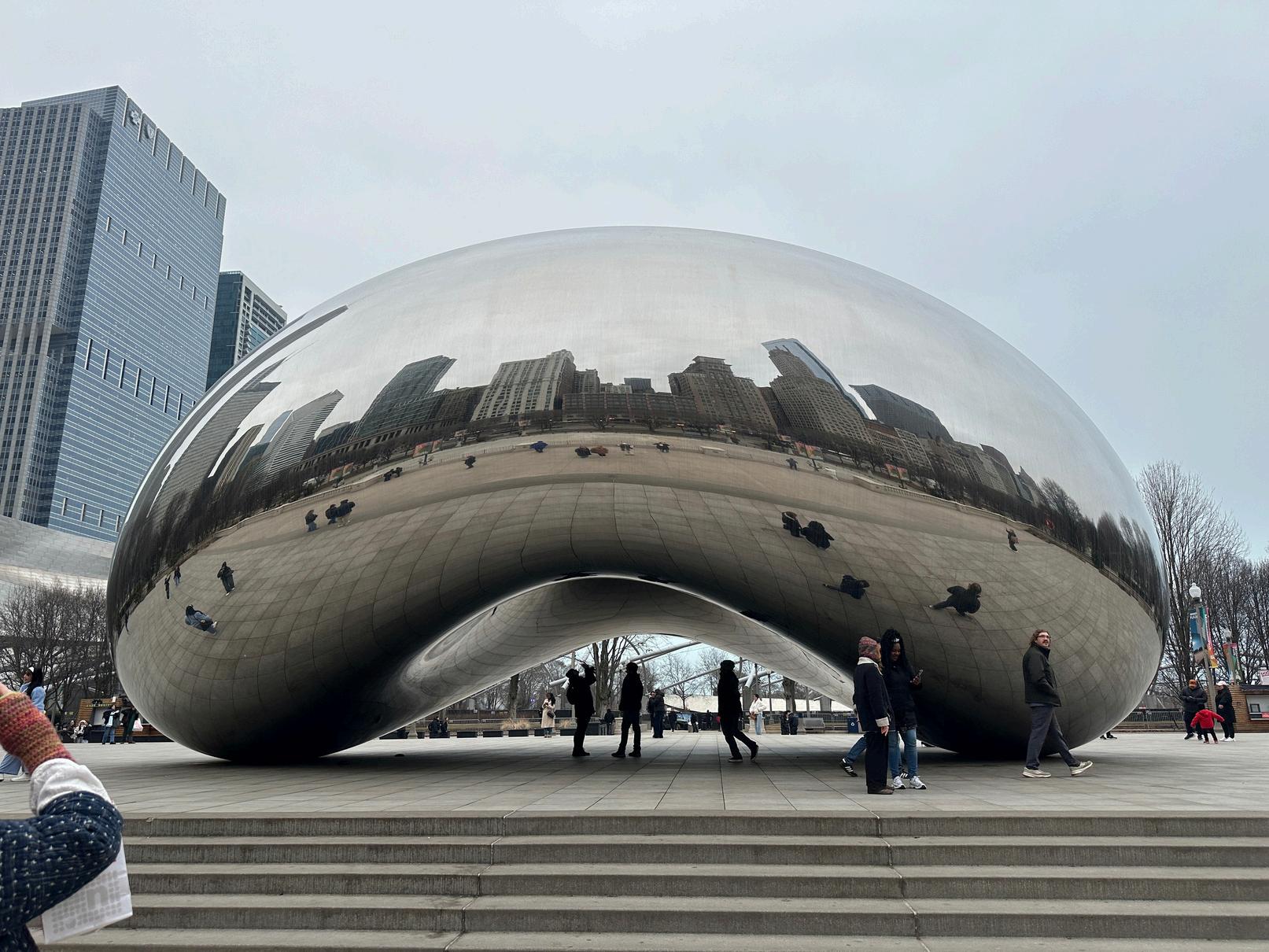
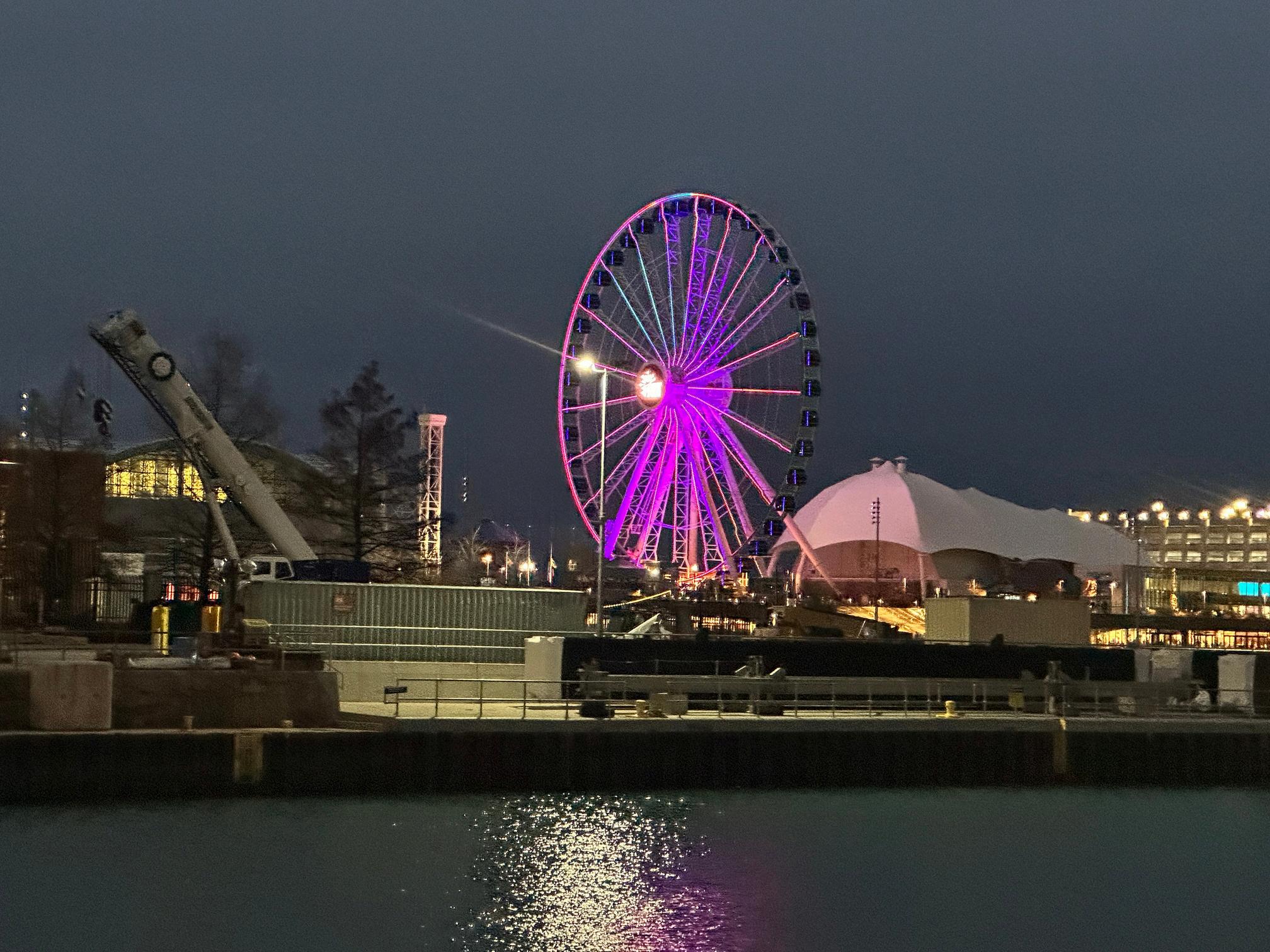
NCAEA’s current Member-at-Large 2, received professional development funding to attend the NAEA National Conference in Chicago, Illinois held in March 2026 (October 5, 2025 scholarship) Jamielle states, “Attending National Conference will allow me to collaborate with other states for membership building and will also allow me to collaborate with and learn from other elementary art educators of best practices and new and innovative lesson ideas Visiting area museums, hearing keynote speakers and exploring the city of Chicago will allow me to bring new views, ideas and information to my students who may never have the opportunity to travel. I will give a presentation at the 2026 Fall Professional Development Conference highlighting aspects from National Conference and/or lessons that I found engaging and easy to transfer into any art
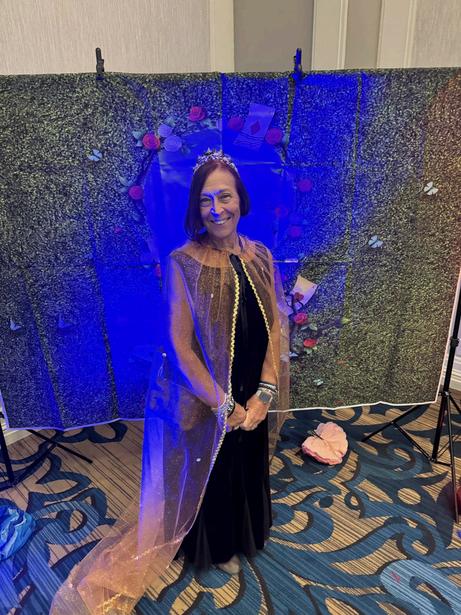
An NCAEA Distinguished Fellow, will p lopment funding to attend the NAEA School for Art Leaders at Crystal Bridges Museum of American Art, Bentonville, Arkansas during July 2026(March 5, 2026 scholarship) Deb will continue to build leadership expertise and says, “The program design is geared specifically for art educators and is based on the work and recommendations of the NAEA Leadership Development Task Force Seven different leadership models provide a strong basis for the content of the work, with specific individual and group exercises woven throughout the experience Those selected for each annual class will contribute to the development of an extraordinary community cohort committed to leadership excellence. Upon successful completion, participants become members of the national School for Art Leaders network and are positioned to excel as leaders in education, the arts, and advocacy. The activity begins in July 2026 in Bentonville, Arkansas. There will be a project that I plan and complete over the following year. ” Deb will share information about the SAL program and her project to be completed in 2027 with NCAEA members, possibly at both 2026 and 2027 NCAEA Professional Development Conferences. NCAEA is privileged to have so many dedicated professional members and leaders.

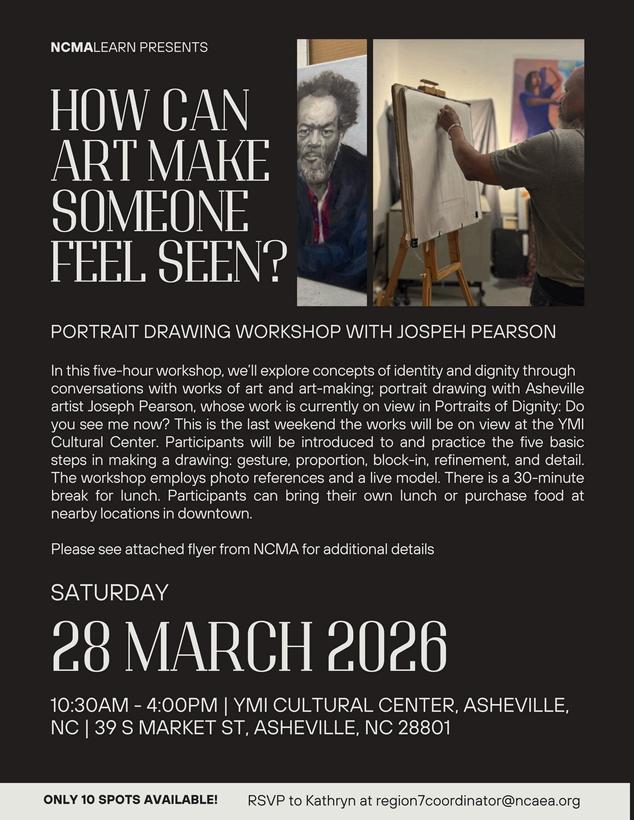
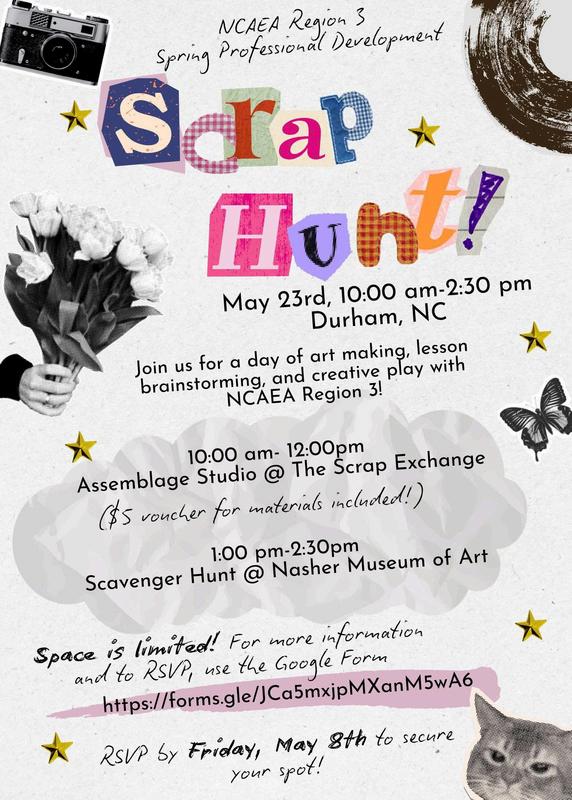
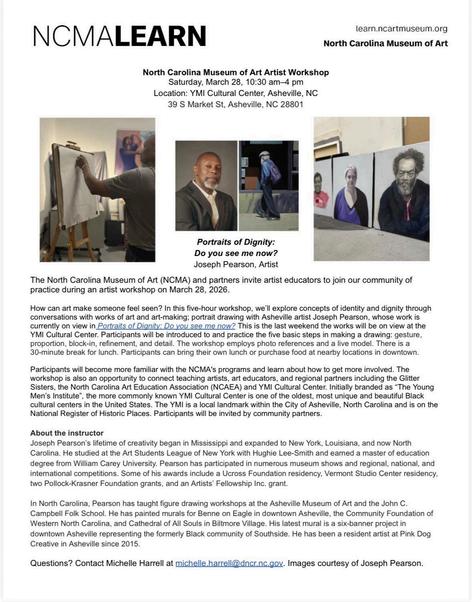
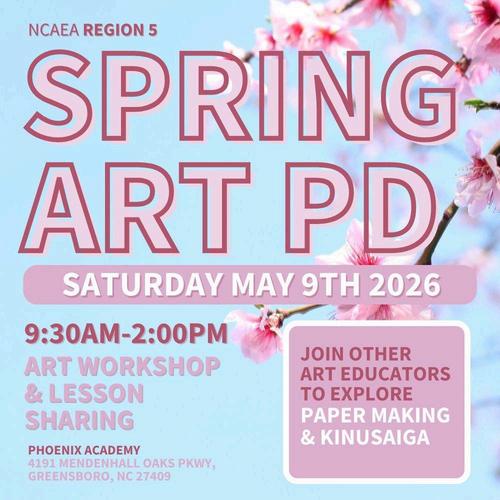

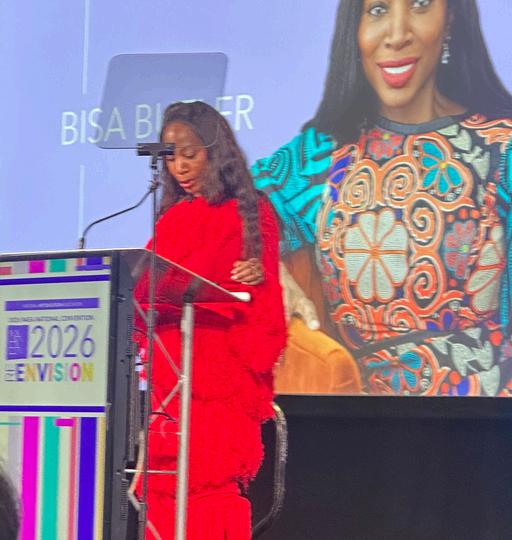
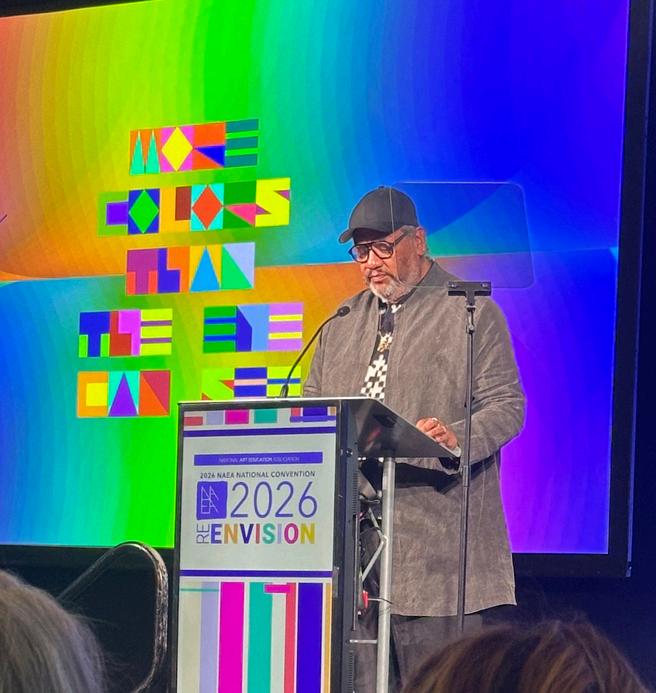
At the 2026 National Art Education Association Convention, my presentation, Where We Learn Matters: Centering Community in Equity-Driven Education, invited educators to reconsider how Equity, Diversity, and Inclusion (ED&I) lives not only in curriculum, but in relationships: specifically those built between artists, nonprofit arts organizations, and classrooms.
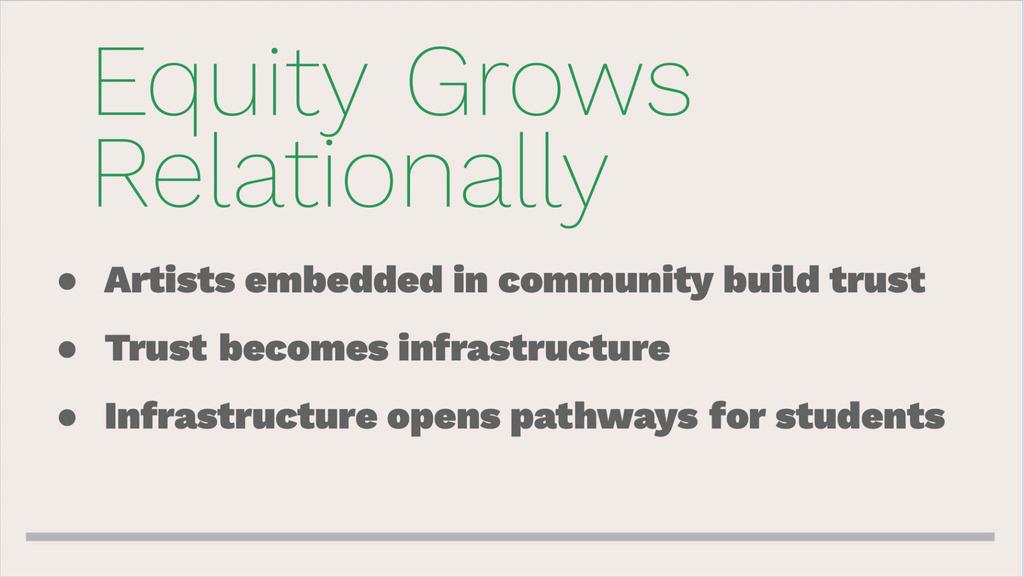
Rather than centering large-scale partnerships, the session focused on how artists embedded intheir communities cultivate trust over time, and how those relationships evolve into pathways for students Drawing from my experiences working with nonprofit arts organizations in Winston-Salem, North Carolina, I positioned local arts ecosystems as powerful, often under recognized infrastructures for equity-driven learning These ecosystems, built through sustained engagement and reciprocity, offer students access to mentorship, creative networks, and expanded visions of their own futures

A key example shared in the session was my work with Mixxer Makerspace, a community-based creative hub that supports interdisciplinary making, collaboration, and access to tools and knowledge Through this work, I explored how makerspaces can function as inclusive, flexible learning environments where traditional hierarchies between teacher, artist, and student are disrupted At Mixxer, relationships are built through shared making, problem-solving, and experimentation that create space for students to see themselves as contributors within a broader creative community
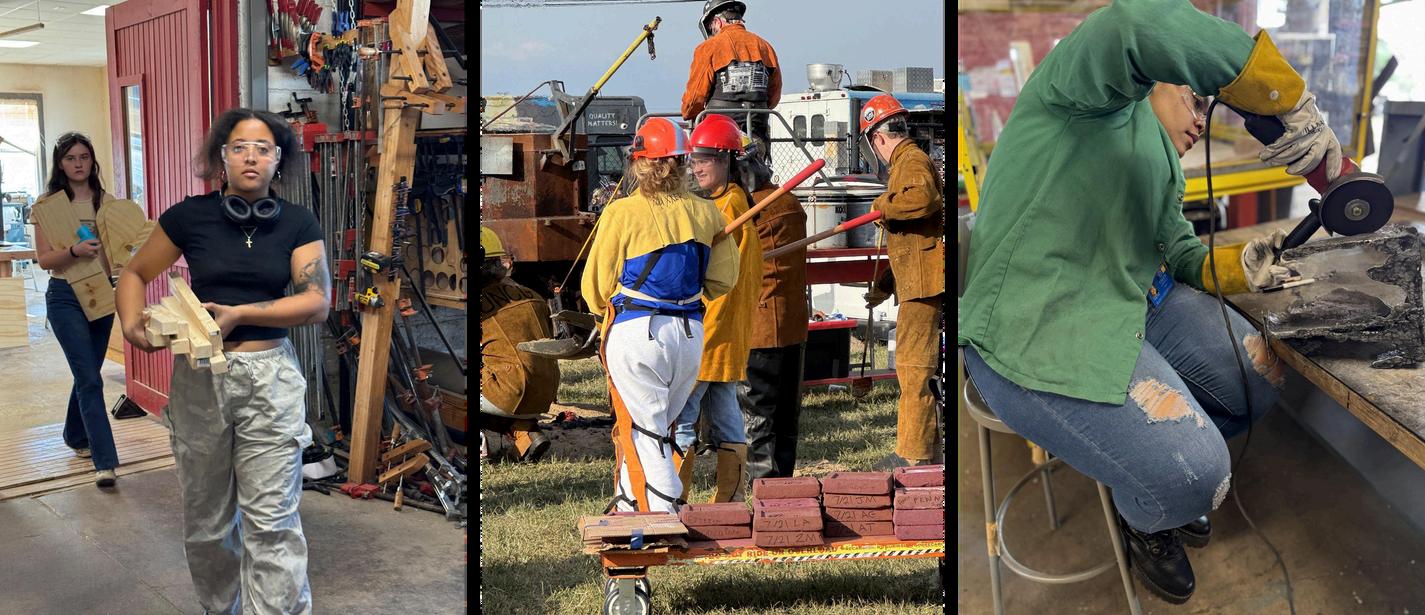
These experiences demonstrate how community-based arts organizations can serve as extensions of the classroom By connecting students to spaces like Mixxer, educators can open pathways to hands-on learning, mentorship, and creative agency, particularly for those who may not see themselves reflected in traditional academic structures. The emphasis is not on replicating a single model, but on recognizing and activating the resources already present within one ’ s local context.
What emerged during and after the session was a powerful shift from theory to action. During the interactive portion of the presentation, participants mapped their own community arts ecosystems, identifying organizations, informal networks, and potential collaborators in their regions Many expressed that this exercise reframed ED&I from an institutional mandate into a relational practice of one that begins with proximity, listening, and sustained presence More significantly, the impact extended beyond the session itself
What was particularly striking was the immediacy of these interactions. Rather than leaving with abstract ideas, participants acted on the central premise of the session in real time: that relationships are the foundation of equitable practice The convention itself became a temporary site of community-building, mirroring the very ecosystems we had discussed
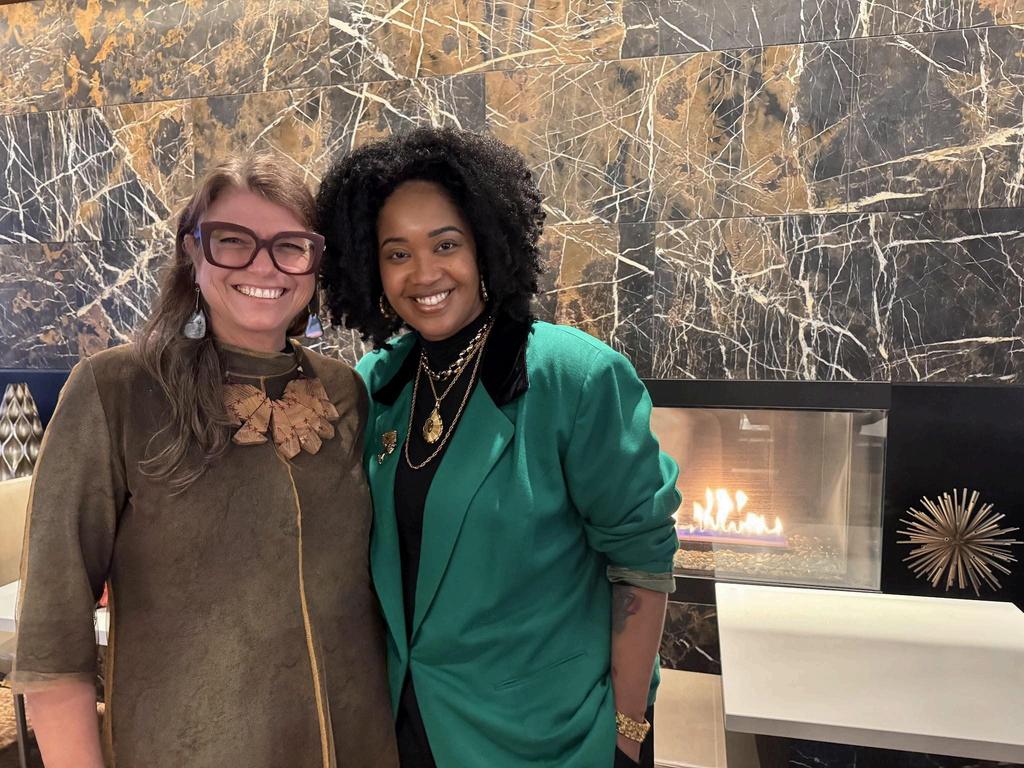
Several attendees reflected that the session gave them “permission” to start small and look within their own communities rather than outward for solutions to recognize their role not just as educators, but as connectors Others noted that the focus on relationship-building helped them see ED&I work as sustainable and human-centered, rather than overwhelming or performative This response underscores a critical takeaway: meaningful ED&I work does not depend on scale or institutional access. It depends on commitment, consistency, and the willingness to engage deeply with the communities in which we teach and create.
By the close of the convention, it was clear that the presentation had done more than share a framework, it had activated one. Participants left not only with strategies, but with new relationships already in motion, demonstrating that when we center community, the work of equity begins immediately.

SECRETARY Sarah Brown-Schumacher secretary@ncaea.org
TREASURER Vacant treasurer@ncaeaorg
ADVOCACY Lee Haywood advocacy@ncaeaorg
ED&I Vacant Position edi@ncaeaorg
MEMBER AT LARGE 1 Pooja Nair memberatlarge1@ncaeaorg
MEMBER AT LARGE 2 Jamielle Orrell memberatlarge2@ncaeaorg
MEMBER AT LARGE 3 Shila Alexander memberatlarge2@ncaea.org
ELEMENTARY Kristina Stevenson elementarydivision@ncaea.org
MIDDLE Stacy Ferguson middledivision@ncaeaorg
SECONDARY Lauren Mann secondarydivision@ncaeaorg
MUSEUM Michelle Harrell & Julia Hood museum@ncaeaorg
HIGHER ED Emily Howard highereducation@ncaeaorg
SUPERVISION LeighAnn Little admindivision@ncaeaorg
RETIRED/EMERITUS Danny Hartman retireddivision@ncaeaorg
PRE-SERVICE Bella Estrada preservicepresident@ncaea.org
PRESIDENT Chynna Oaks president@ncaea.org
PRESIDENT ELECT Caitlyn Bachman presidentelect@ncaeaorg
REGION 1 Tiffany Zarinana region1coordinator @ncaeaorg
REGION 2 Lily Buckley region2coordinator @ncaeaorg
REGION 3 Hannah Hagler region3coordinator @ncaea.org
REGION 4 Allison Ellis region4coordinator @ncaea.org
REGION 5 Lori Ross region5coordinator @ncaeaorg
REGION 6 Lindsay DeBlasio region6coordinator @ncaeaorg
REGION 7 Kathryn Szelazek region7coordinator @ncaeaorg
REGION 8 vacant region8coordinator @ncaeaorg
EDITOR Frann Paige bydesign@ncaeaorg
AWARDS Penny Freeland awards@ncaeaorg
WEBMASTER Jodi Aker webmaster@ncaeaorg
SOCIAL MEDIA Amanda Gordon socialmedia@ncaeaorg
SCHOLARSHIP Sara Sagar scholarship@ncaeaorg
YOUTH ART MONTH Jana Farris yam@ncaeaorg
HISTORIAN MaryLu Flowers-Schoen planning@ncaea.org
ADAPTIVE ARTS vacant adaptivearts@ncaeaorg
INDEPENDENTSCHOOLSElizabeth McCleod independentschools@ncaeaorg
NAHS Vacant Position nahs@ncaeaorg
NJAHS Vacant Position njahs@ncaeaorg
PRESERVICE SPONSOR Robbie Quinn preservice@ncaeaorg
GENERAL ASSEMBLY Amanda Aguayo generalassemblyart@ncaeaorg
DPI REPRESENTATIVE Laura Stauderman DPIrep@ncaea.org
DISTINGUISHED FELLOWS Rebecca Dow fellows@ncaea.org
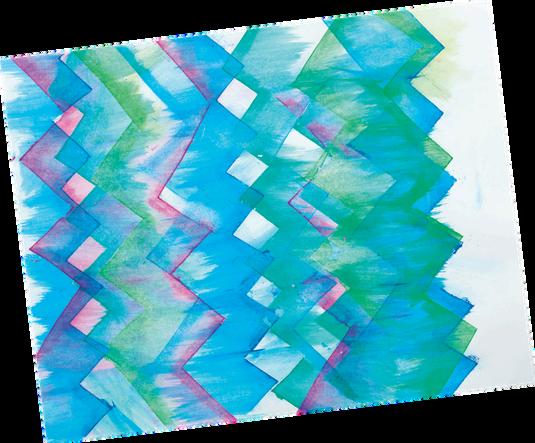
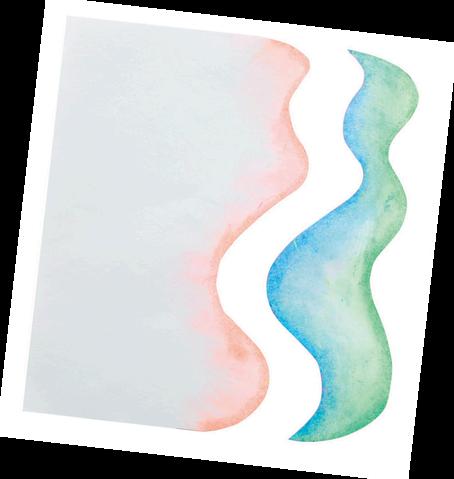
Lesson Plan for Grades K–5



Want your student's work featured in the By Design? Submit work here: https://forms.gle/no27yPXCApChuHzV9
Please tell us what you thought of this issue by completing our survey: https://tinyurl.com/y9y4y377