The right of Helen Grimes to be identified as the author of this work has been asserted in accordance with the Copyright, Designs and Patents Act 1988.
All rights reserved. No part of this publication may be reproduced, stored in a retrieval system or transmitted in any form, or by any means, without the prior written permission of the author, nor be otherwise circulated in any form of binding or cover other than that in which it is published and without a similar condition being imposed on the subsequent purchaser.
Every effort has been made to ensure that all the information in this book is accurate. However, due to differing conditions, tools and individual skills, the publisher cannot be responsible for any injuries, losses and other damages that may result from the use of the information in this book.
First published 2026 by: Bustle & Sew Station House West Cranmore Shepton Mallet BA4 4QP
www.bustleandsew.com
WelcometotheMarchMagazine
As the days lengthen a, March brings with it a sense of renewal. There is light in the mornings once more, birdsong in the garden, and — perhaps most welcome of all — a fresh surge of creative energy. This is the month when we throw open the windows and let inspiration in.
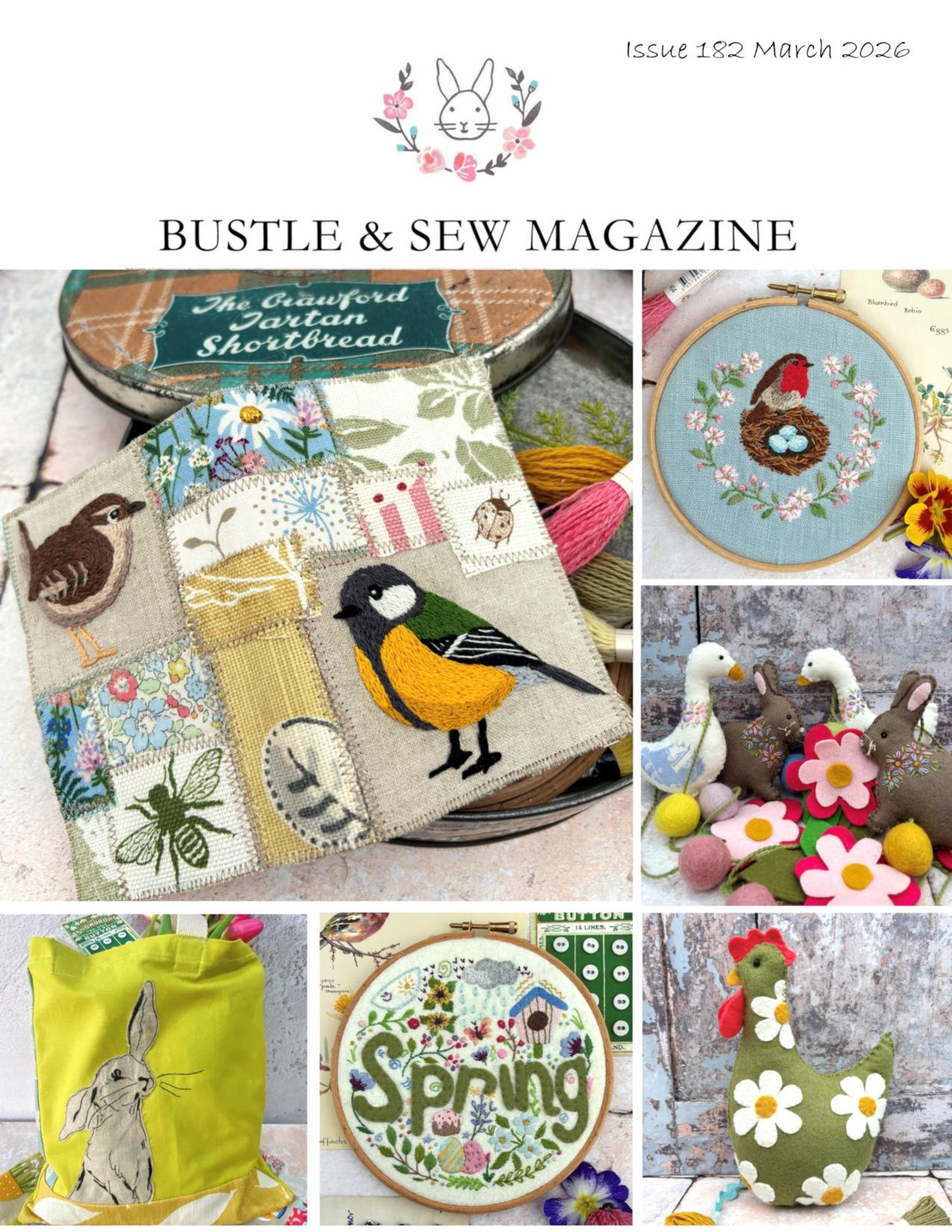
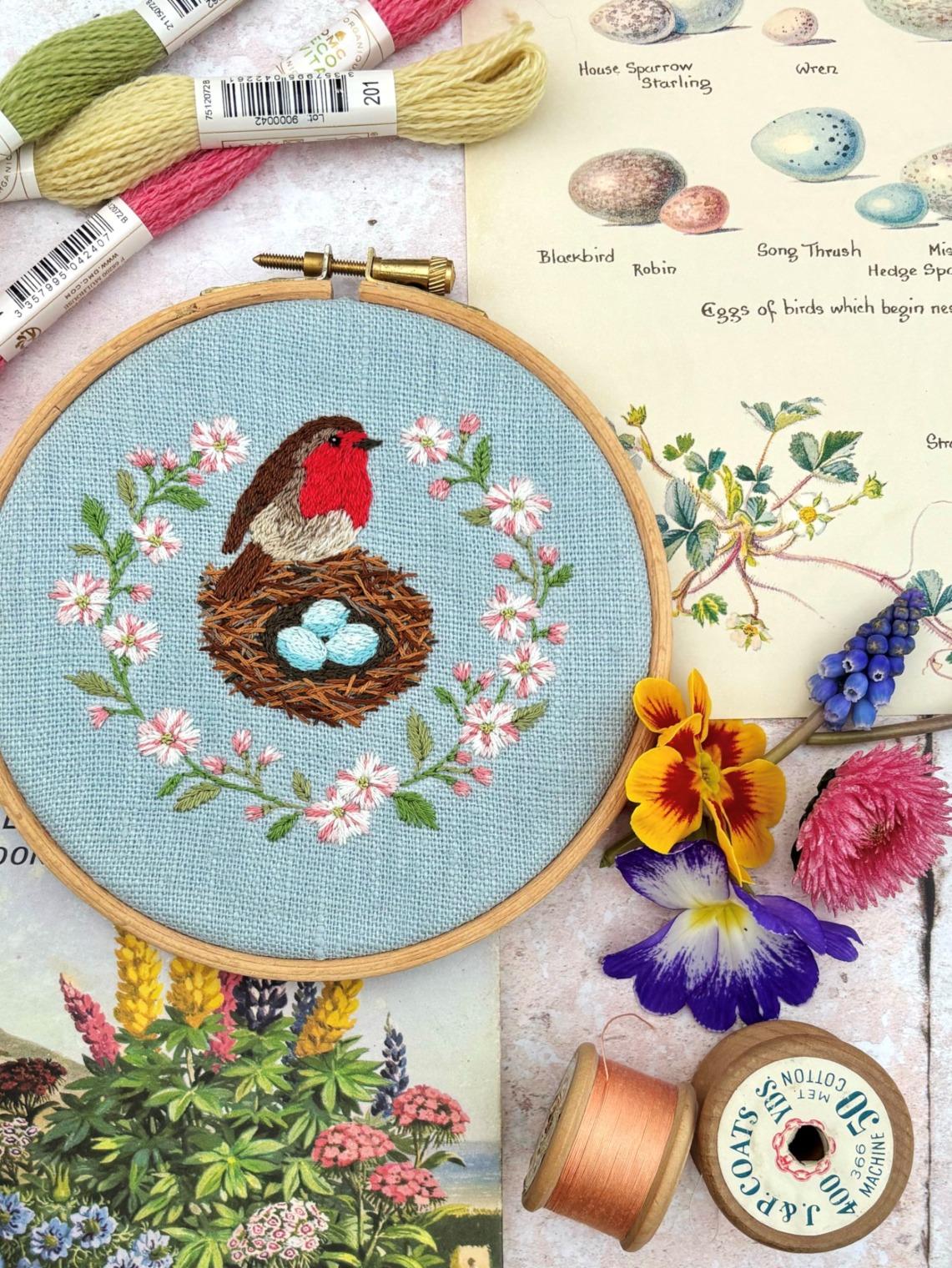
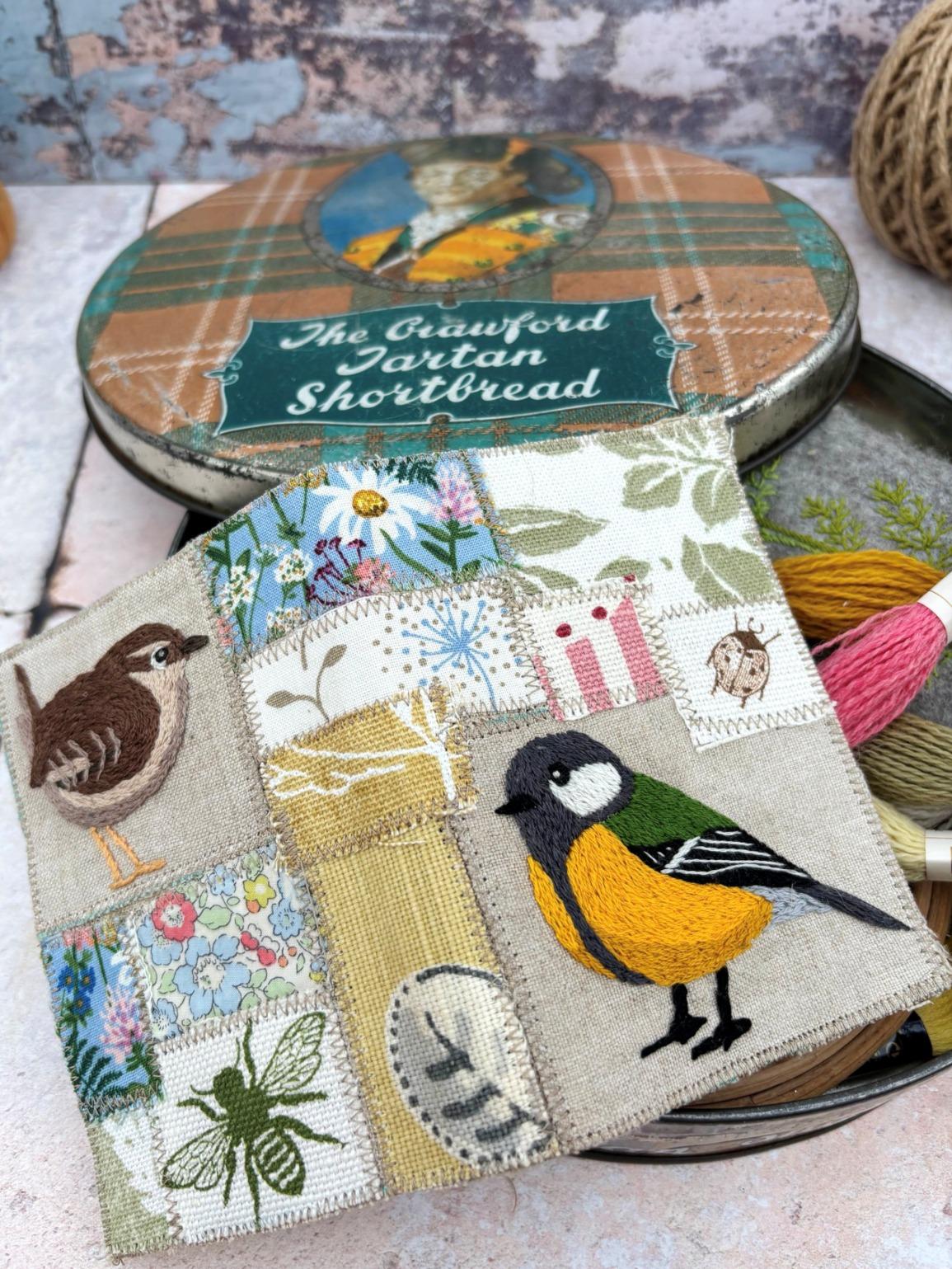
A particular favourite this month is the Garden Birds Needle Book designed especially for these early spring days. A needle book is one of those timeless sewing companions small enough to tuck into your workbasket, yet lovely enough to treasure. Whether you choose soft florals, vintage linens, or cheerful prints reminiscent of cottage gardens, this project offers the perfect opportunity to use even the tiniest scraps combined with some hand stitching.
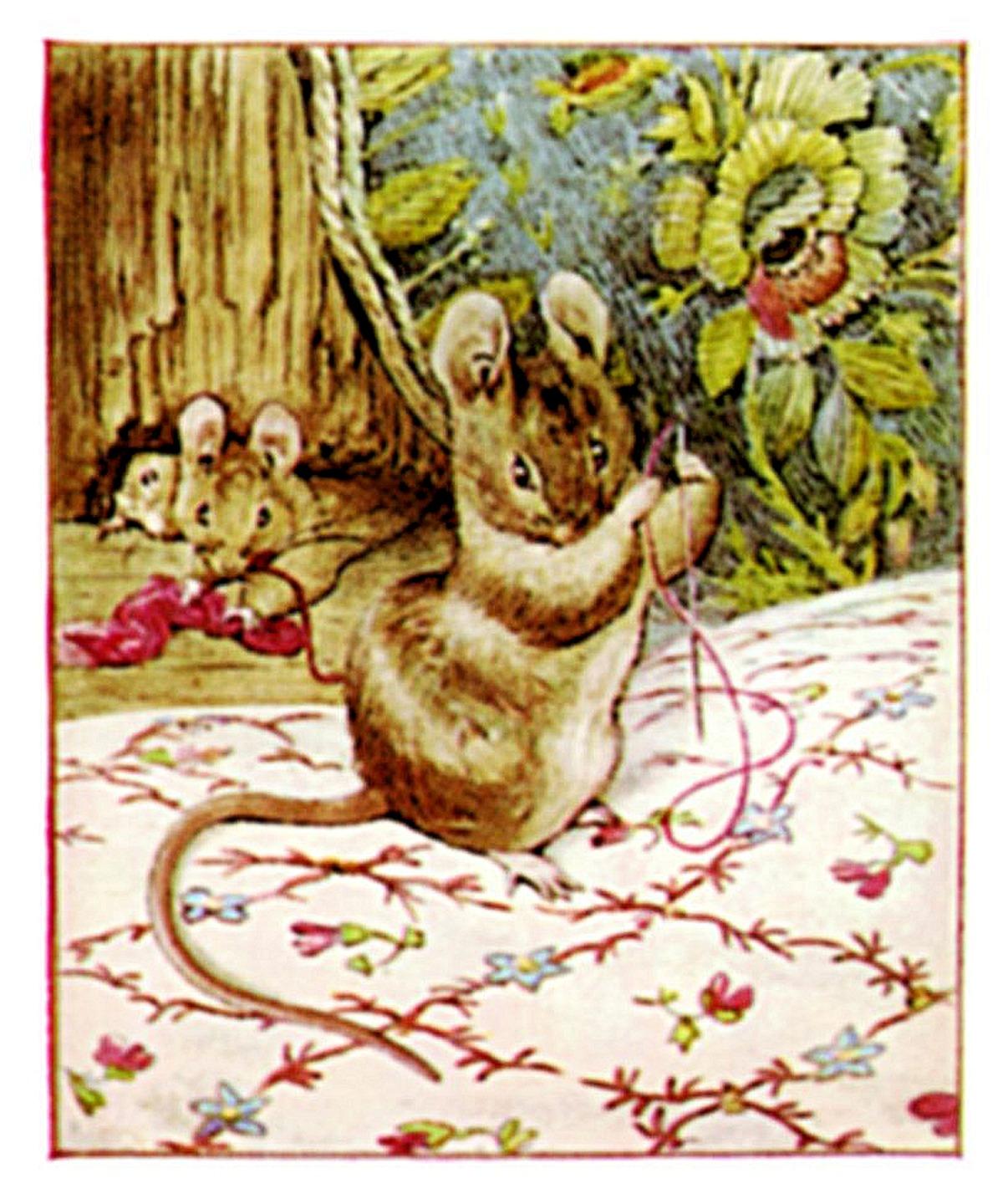
I also especially enjoyed researching the history of The Tailor of Gloucester by Beatrix Potter and exploring both the real Gloucestershire setting behind the tale and the historical needlework that inspired her delightful illustrations.
Wherever you are reading this, whether by a fireside still glowing at dusk or in a sunlit sewing corner I do hope this issue brings warmth, inspiration, and a touch of countryside charm to your days.
The April edition will be published on Thursday 26 March, in four weeks time. Until then…
Very best wishes
March belongs neither fully to winter nor to spring, but occupies a space between the two - a time of change from one season to the next. The fields and woodlands around our house are still subdued in colour, hedgerows remain mostly bare, and yet everywhere there are signs that the year is turning.
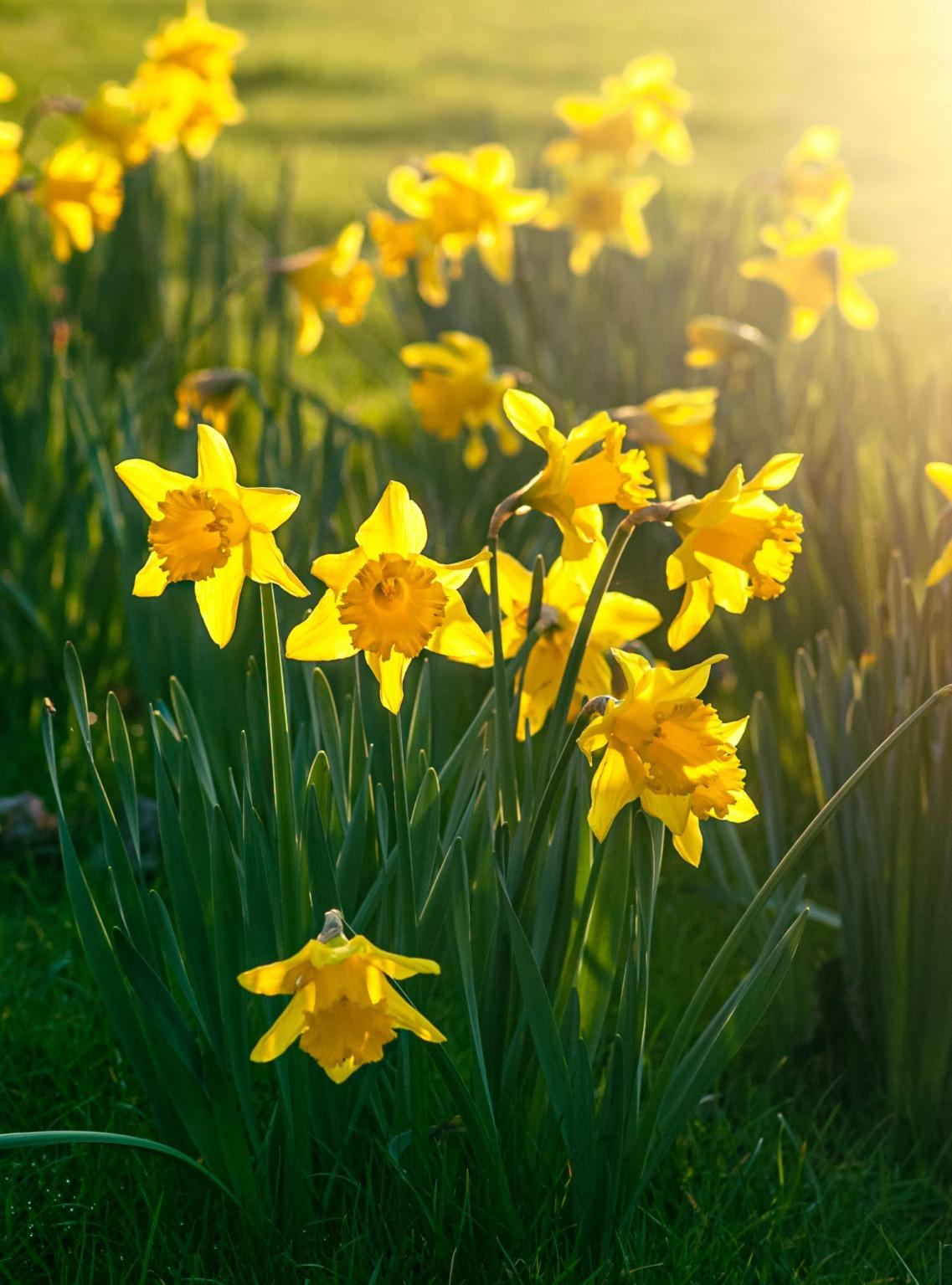
For me yellow is the defining colour of March, and its defining sound is that of returning birdsong. Robins sing year round of course, but now their voices are joined by others. Great tits and blue tits call insistently from gardens and woodland edges, while wrens unleash astonishing volume from hedges and stone walls. The song thrush repeats its phrases from high perches, its
March
music one of the most recognisable sounds of the English countryside.
Migratory birds also begin to return. The chiffchaff is often the first, its simple, rhythmic song a reliable marker of early spring. Skylarks rise over open fields on calm days, their song falling like silver rain. Rooks and jackdaws bustle noisily in treetops, repairing nests that have been damaged by the winter storms.
From a distance the hedgerows may still appear lifeless, but up close, you can see the buds swelling and, by the end of the month, there will be a scattering of vivid green leaves on the hawthorn, blackthorn and elder. Blackthorn is generally the first to flower,
producing bursts of white blossom scattered along the hedgerows before any leaves appear, like snow flung across the hedges.
Woodland areas remain open and light-filled, their canopies still bare. This allows early flowers to take advantage of the sun before shade returns. Primroses spread along banks and woodland paths, while lesser celandine flashes its glossy yellow petals in damp places. Bluebells have not yet arrived, but their leaves form green spears through the leaf litter, promising a wonderful display to come later in the spring. Mosses and lichens also thrive in the lingering damp, their textures and colours vivid in March’s cool clean light.
“In March winter is holding back and spring is pulling forward. Something holds and something pulls inside of us too.”
Jean
Hersey
BerlinWork
TheStitchthatColouredaCentury
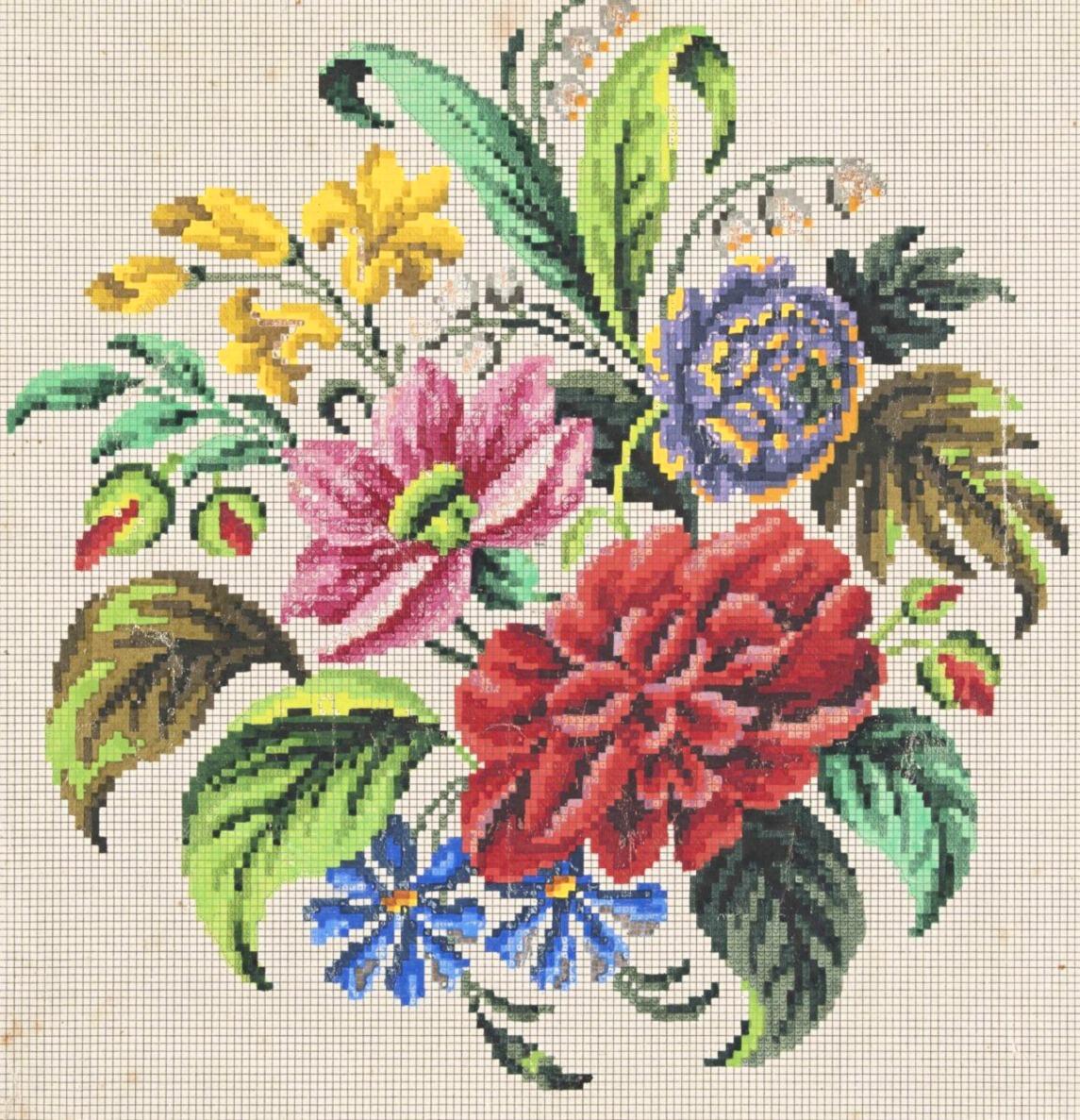
In the richly textured world of nineteenth-century needlework, few styles capture the spirit of the Victorian age quite as vividly as Berlin work. Berlin work embroidery brought an unprecedented explosion of colour into domestic needlecraft—and, in doing so, reshaped how embroidery was designed, sold, and stitched.
TheFeistyWren: KingoftheHedgerow
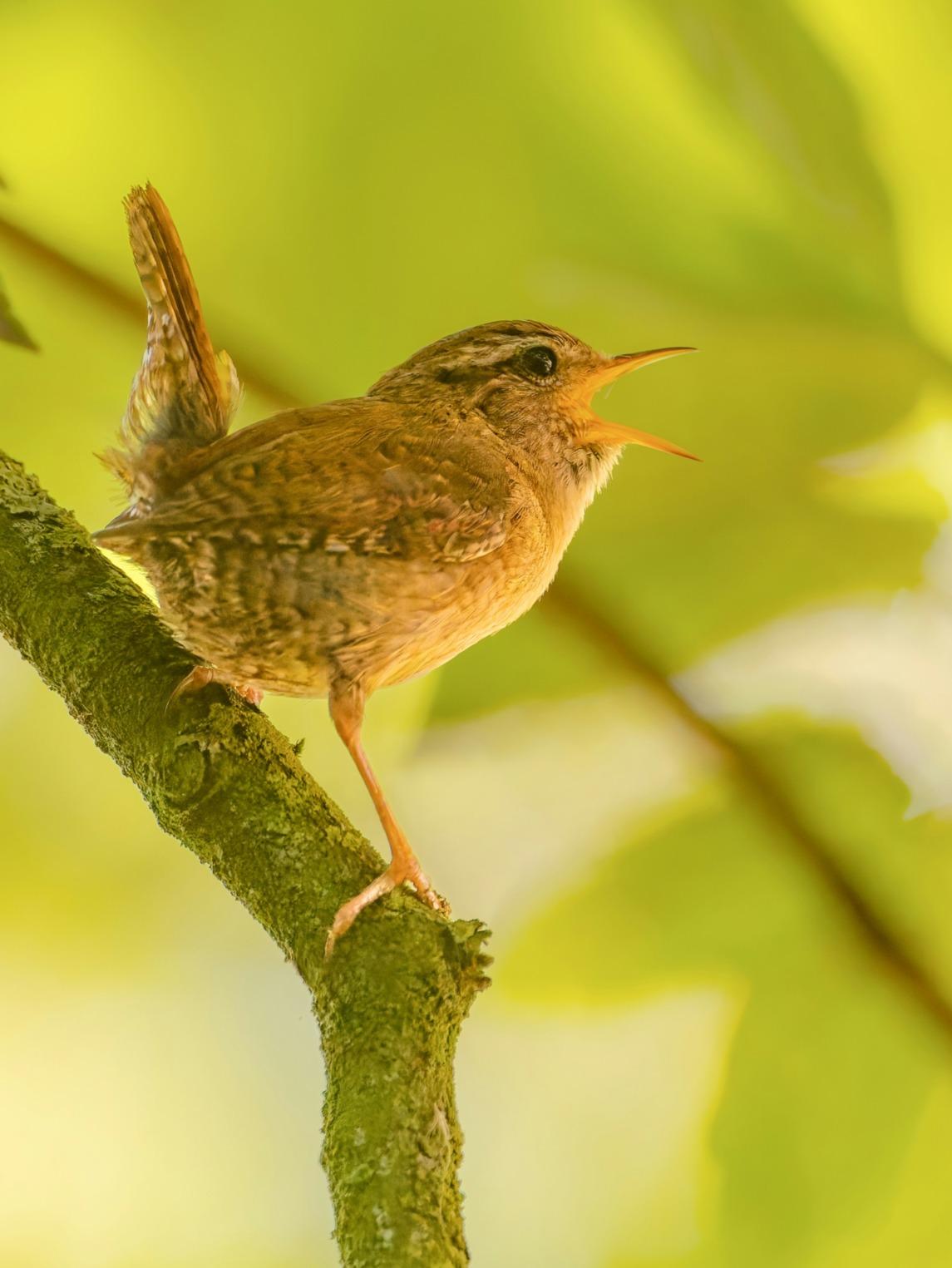
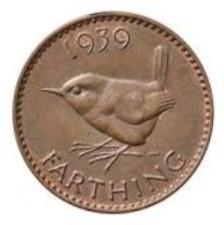
Some UK readers may remember the farthing coin which was the smallest denomination of our pre-decimal currency. It featured one of our smallest garden birds, the wren on the reverse. But though the wren is tiny, barely 10 centimeters long and weighing less than a tablespoon of sugar, it is a feisty bird with a powerful song that lightens up even the most dull and dreary mornings.
The Latin name for the wren is Troglodytes troglodytes. Troglodytes means cave dweller and was probably given to the bird because of its habit of exploring any available hole, nook or cranny in its hunt for insects. The word wren comes from the Middle English word meaning little tail. The wren exudes confidence, and it’s obvious that for this bird size clearly doesn’t matter! Its short tail is carried upright like a jaunty exclamation mark. It will scold intruders with sharp ticking calls and darts through the undergrowth with astonishing speed.
For such a tiny creature, the wren has left a remarkably large footprint in poetry, folklore, and natural history. Its bright, explosive song and restless spirit have captivated observers for centuries from medieval storytellers to Victorian diarists and modern poets.
IIn Celtic mythology, the wren was known as the “King of Birds.” In one tale, all the birds competed to see who could fly the highest. The eagle soared magnificently, but the tiny wren had hidden itself among the eagle’s feathers. When the eagle tired, the wren popped out and flew just a little higher, winning by wit rather than strength.
This story appears in medieval Irish texts and later folklore collections, including those gathered by Lady Gregory in the early twentieth century. The wren’s cleverness made iit a symbol of cunning intelligence and spiritual authority.
The tradition of “Wren Day” (December 26th), still celebrated in parts of Ireland such as Dingle Peninsula, preserves echoes of this ancient reverence. Folklorists suggest the ritual may predate Christianity, linking the bird to winter solstice symbolism and renewal. In Celtic symbolism, the wren was sometimes associated with druids and its song interpreted as prophetic.
The nineteenth century’s passion for natural history brought the wren into scientific yet deeply affectionate writing. In The Natural History and Antiquities of Selborne, Gilbert White wrote about wrens’ winter habits, noting their resilience and their habit of roosting together for warmth. His careful, almost tender observations helped shape Britain’s tradition of intimate nature writing.
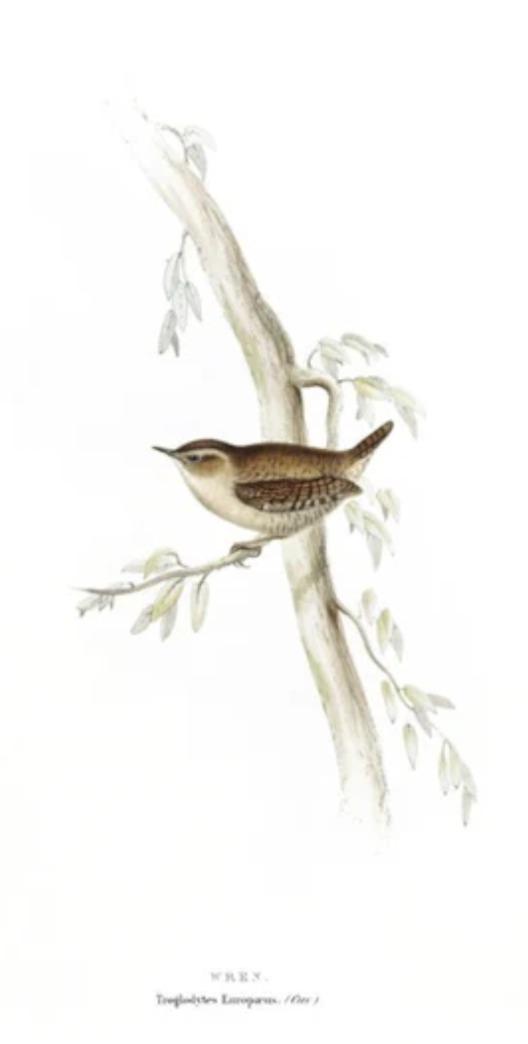
Ornithologist John Gould included beautifully detailed illustrations of the wren in his nineteenth century bird volumes. His plates elevated small birds to objects of aesthetic admiration, not merely scientific record.
Victorian women, in particular, often engaged in bird study through illustration and journalling, finding in small species like the wren an accessible subject close to home.
The Wren: illustration from John Gould’s Birds of Europe published 1837
StitchedinScarlet: TheColourRed
Red is one of the most powerful and emotionally charged colours in the visible spectrum. It commands attention, stimulates the senses, and carries deep symbolic meaning across cultures and centuries. It is a colour of contradictions, symbolising both love and anger, romance and warfare. It is the colour of both Roman Catholic cardinals, and their antithesis, Satan. In China, red is the colour of joy and prosperity, but in South Africa it is the colour of mourning.
Prior to the eighteenth century, in Europe red was see as the colour of wealth, prestige and power. Dyes capable of producing a deep rich red colour were scarce and so the resulting fabrics were very expensive. Sumptuary laws restricting the wearing of red to royalty and the aristocracy didn’t dampen the desire to be allowed this colour, and among the many demands of peasants revolting in sixteenth century German states was the right to wear red.
Early dyers relied on madder, a red dye extracted from the roots of the genus This was most likely the dye used to colour the fabric found in Tutankhamen’s tomb and the red cloaks worn by both Greek and Roman soldiers. Other ancient red dyes include brazilwood from tropical trees (the country of Brazil
was named for the tree) and also some lichens. Several scale insects also yield red dyes, unfortunately however all these early plant and insect-based red dyes have some kind of drawback. Some are difficult to use or don’t work on certain fibres, and most soon fade to shades of pinkish brown and dun on washing or exposure to sunlight.
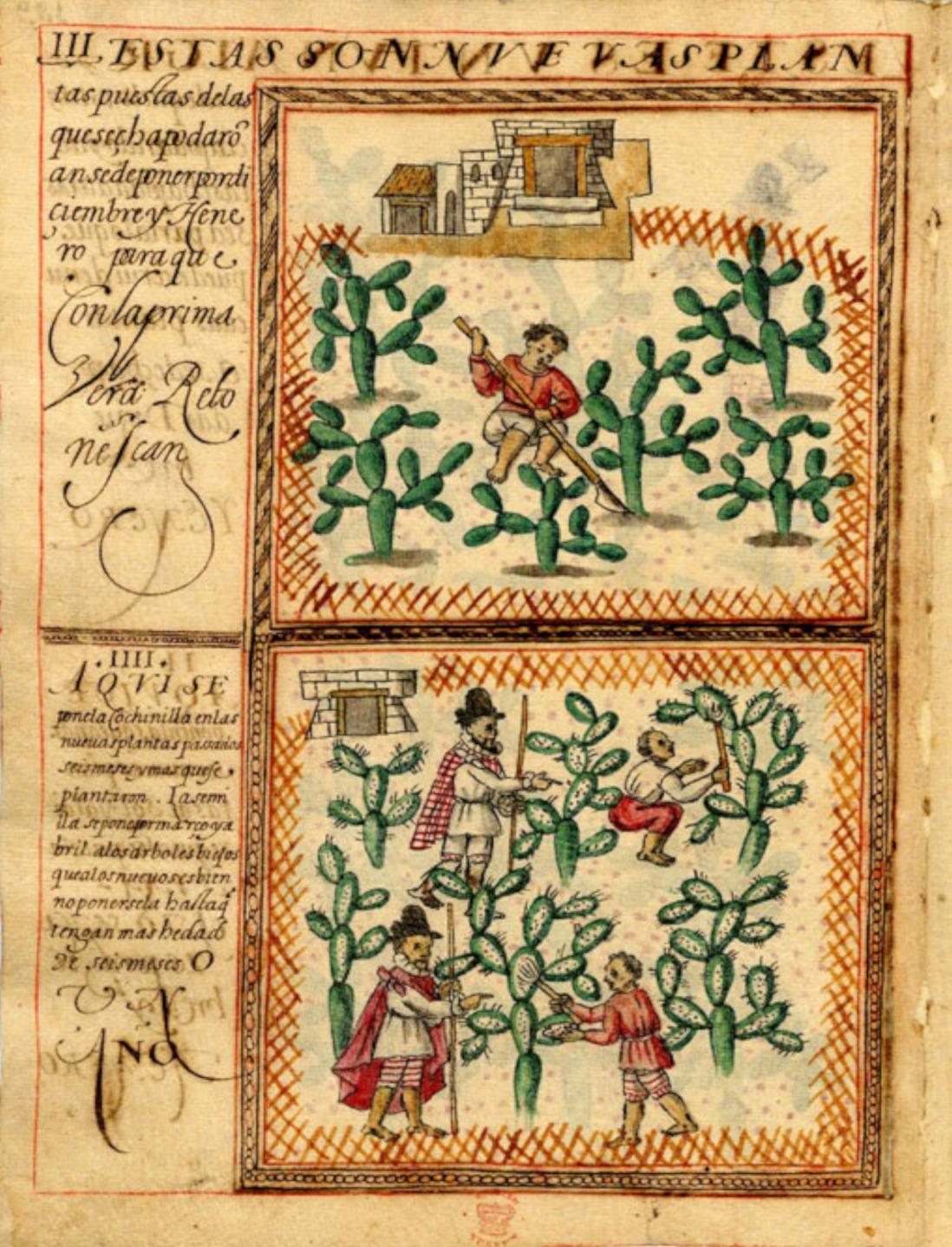
All of this changed after the Spanish conquered the Aztec Empire in Mexico in the early sixteenth century. The source of a brilliant crimson dye, the scale insect cochineal was cultivated by the Aztecs on its sole food plant, prickly pear cactus. These insects are so tiny that it requires seventy thousand dried beetles to make a single pound (450g) of dye. When the Spanish arrived they quickly realised cochineal’s commercial potential. After silver, it became one of the most valuable exports of the Spanish Empire. Shipments of cochineal travelled from Mexico to Europe via Spain, transforming textile production across the continent as it was by far the most satisfactory of all the red dyes available at the time for plant fibres such as cotton and linen.
Page from a colonial manuscript showing the production of cochineal
Hot cross buns are lightly spiced, enriched sweet buns traditionally eaten in the weeks leading up to Easter, especially on Good Friday. They are typically made with flour, yeast, milk, sugar, butter, and eggs, and flavoured with warming spices such as cinnamon, nutmeg, and mixed spice.
Dried fruit—most commonly currants or sultanas—is folded through the dough, and each bun is marked with a cross on top, either piped with a flour paste before baking or iced afterward. The result is soft, fragrant, and gently sweet, with a glossy, sticky glaze brushed on while still warm.
The cross on top is widely understood to symbolise the crucifixion of Jesus, which is why the buns are closely associated with Good Friday in the Christian calendar. However, their history blends religious symbolism with older springtime baking traditions. While they are now firmly associated with Good Friday, historians believe that marked or spiced breads existed in Britain long before Christianity took hold.
It has been suggested that Anglo-Saxon or even earlier pagan spring festivals featured small cakes marked with a cross symbolising the four quarters of the moon or the changing seasons. When Christianity spread, these symbolic markings were reinterpreted, and the cross became linked to the crucifixion of Jesus. By the medieval period, spiced buns marked with a cross were being baked and distributed on Good Friday as part of religious observance.
During the sixteenth century, hot cross buns became so closely associated with sacred days that their sale was briefly restricted. Under the reign of Elizabeth I, it is said that the baking and selling of spiced buns was officially limited to funerals, Christmas, and Good Friday, although enforcement was inconsistent.
Today, hot cross buns are enjoyed well beyond Good Friday and are available throughout Lent and often earlier in the year. While traditional versions remain popular, modern variations include chocolate chips, apple and cinnamon, salted caramel, and even savoury twists.
Despite these innovations, the classic combination of spice, fruit, and soft enriched dough continues to evoke the comforting shift from winter into spring, making hot cross buns one of the most recognisable and beloved treats of the Easter season.
Ingredients
● 500g strong white bread flour
● ½tsp salt
● 2tsp mixed spice
● 50g caster sugar
● 50g butter chopped into cubes
● 200g mixed dried fruit
● 7g sachet easy-blend dried yeast
● 200ml milk
● 2 eggs
● 3tbsp plain flour
● Honey or golden syrup, for brushing
Method
● Tip the flour into a bowl and stir in the salt, mixed spice and sugar.Rub in the butter with your fingertips. Stir in the dried fruit, then sprinkle over the yeast and stir in. Gently warm the milk so it is hot, but still cool enough to put your finger in for a couple of seconds. Beat with the eggs, then pour into the dried ingredients.
● Using a blunt knife, mix the ingredients to a moist dough, then leave to soak for 5 mins. Take out of the bowl and cut the dough into 8 equal pieces.
● Shape the dough into buns on a floured surface. Space apart on a baking sheet, cover loosely with cling film, then leave in a warm place until half again in size. This will take 45 mins-1 hr 15 mins, depending on how warm the room is.
● When the buns are risen, heat oven to 220C/fan 200C/gas 7. Mix the flour with 2 tbsp water to make a paste. Pour into a plastic food bag and make a nick in one of the corners. Pipe crosses on top of each bun.
● Bake for 12-15 mins until risen and golden. Trim the excess cross mixture from the buns , then brush all over with honey or golden syrup.