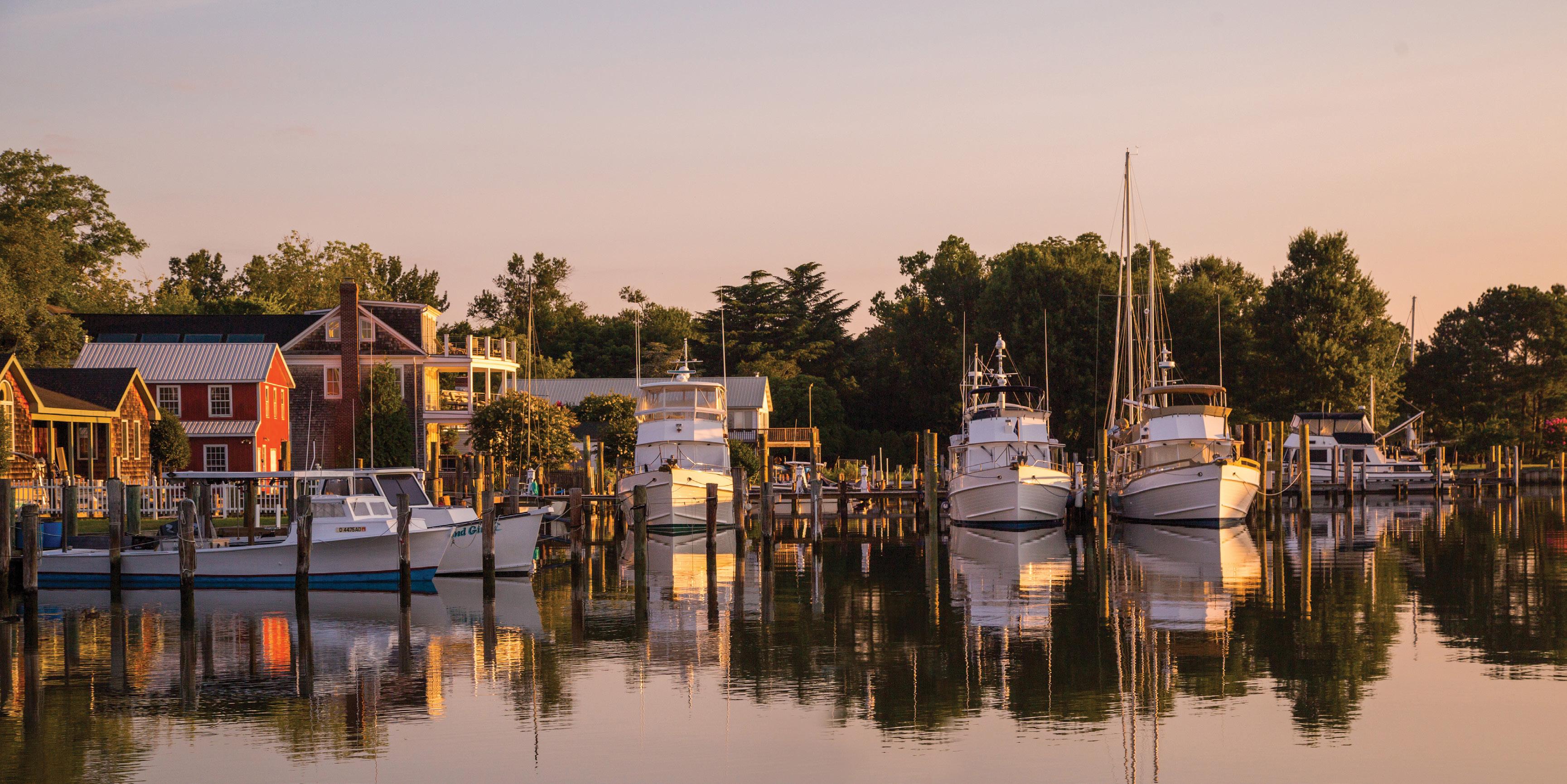
Big things are happening on Maryland’s Eastern Shore. Talbot County is home to a $550 million regional medical center now under construction and a major modernization at Easton Airport with more than 80 acres for development.



MARYLAND: Be Moved
KENTUCKY: Your NEW Kentucky Home
WISCONSIN: Forward Thinking
INDUSTRY OUTLOOK: Agribusiness –Planting the Seeds of Deeper Tech Growth New digital tools are coming fast and furious, but actually using them for efficient grow operations faces multiple hurdles
By David Hodes
INNOVATION AND STRATEGIES: Food & Beverage – Consumer Trends Pushing Innovations – with an Assist from AI Consumer societal evolution about what matters in food and beverage products is driving companies to discover novel ingredients.
By David Hodes
INDUSTRY INSIGHT: Tourism – Tourism’s Uneven U.S. Growth Boosted by Rise of Sports Tourism Cities large and small are discovering new ways to build economic development opportunities catering to thousands of sports travelers each year.
By David Hodes
KANSAS: Where People, Ideas, & Business Come To Life
TEXAS: Why Your Next Move Should be Frisco, Texas
ASSOCIATE PUBLISHER Alan Reyes-Guerra areyes@bxjmag.com 205-862-5175
FEATURES EDITOR David Hodes
CREATIVE DIRECTOR Clint Cabiness clint@dialedinmediagroup.com 205-613-5910
EDITORIAL OFFICE
King Publishing, Inc. 1000 Stafford Court Birmingham, Alabama 35242 Tel: 205-862-5175
ONLINE MEDIA ASSISTANT Nick Boliek nick@dialedinmediagroup.com
SUBSCRIPTION CHANGES & REQUESTS 205-862-5175 or www.bxjmag.com
King Publishing, Inc., 1000 Stafford Court, Birmingham, AL 35242; www.bxjmag.com. Advertising rates are furnished upon request. Subscriptions are free to those who qualify. Non-qualified subscriptions are $69 in the U.S.; $89 in Canada and Mexico; elsewhere outside the U.S. is $99 for 10 issues. Back issue rate is $6 when available. Payment must accompany order. The views expressed in all articles and advertisements appearing in the Business Xpansion Journal magazine are solely those of the author and advertiser, respectively.
© Copyright 2026, King Publishing, Inc. All rights reserved. No partof this publication may be reproduced without written permission from the publisher.
POSTMASTER: Send change of address notification to Business Xpansion Journal, 1000 Stafford Court, Birmingham, AL 35242. Subscribers can make address changes by calling 205-862-5175 or by e-mail at www.bxjmag.com.

1000 Stafford Court, BIRMINGHAM, AL 35242
TEL: 205-862-5175 Printed in the U.S.A. 2001


Brain scientists at the Allen Institute created a brain wiring diagram containing 200,000 cells and 500 million synapses in a piece of a mouse’s brain to help understand the functional properties of neurons. Picture courtesy Allen Institute.
BY: DAVID HODES
New digital tools are coming fast and furious, but actually using them for efficient grow operations faces multiple hurdles

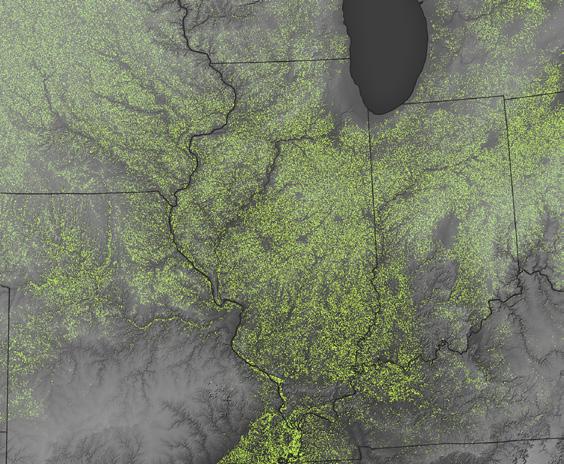
Standard operating procedures for every farmer on the leading edge now include using robot swarms to do weeding and targeted spraying in parallel across multiple fields; employing drones to spot plant disease outbreaks; using GPS satellite tracking and remote sensing to collect spatial and spectral data at regular intervals for field mapping, soil sampling, tractor guidance, crop scouting, and more; plus using and managing a host of other digital technologies designed for efficient and economically viable farm operations.
Even as those applications expand and new ideas in tech get introduced, barriers of adoption exist for the average farmer who is dealing with a wide range of variables affecting the operation of his farm. Going digital and maximizing data solutions has
s

become a difficult-to-execute priority.
Ready or not, it’s clear to farmers both in the field and studying developments: Agriculture is becoming a data infrastructure industry.
Intellias, a global partner for AI-enabled product engineering and digital solutions, reported that, as of 2025, the global market for AI in agriculture is worth $2.4 billion. They also reported that the demand for agricultural robots has more than doubled between 2020 and 2025.
This trend is expected to continue for the rest of the decade, with the number of robots expected to grow from around 15 billion units globally in 2025 to more than 35 billion by 2030.
The agriculture industry is reaching deeper into data analytics technologies for its own survival and evolution.
For example, clustered regularly interspaced short palindromic repeats, or CRISPR, is a relatively new technology using data analysis tools that research scientists have employed to selectively modify the DNA of living organisms.
Using CRISPR technology is making inroads in agriculture, helping “accelerate the development of crops with enhanced traits such as drought tolerance and pest resistance, bypassing lengthy traditional breeding cycles,” as outlined in an insight report by the World Economic Forum.
Nanotechnology (one nanometer is one-billionth of a meter) enables
researchers to work within the smallest bit of matter to discover physical, chemical, mechanical, and optical properties of materials that occur at this scale.
It has become one of the rockstars of new tech applications that improves products in many tech and industry sectors. In agriculture, for example, it helps with precision nutrient and pesticide delivery, reducing input use and environmental impact.
This broadening use of tech in what has become known as precision agriculture has many challenges and opportunities as outlined in the insight report from the World Economic Forum.
The report listed five characteristics of tech and their relevance in agriculture:
• Tech includes science and engineering-backed innovation, such as AI, remote sensing and robotics.
• Tech has use cases that rely on technology convergence, such as cases with multiple technology domains delivering impact beyond what can be delivered by a single domain in isolation.
• Tech is significantly capital-intensive with uncertain time horizons for maturity that require years of research and development testing across multiple seasons and locations.
• Tech causes high risk during the development phase making investors skittish about managing the risk.
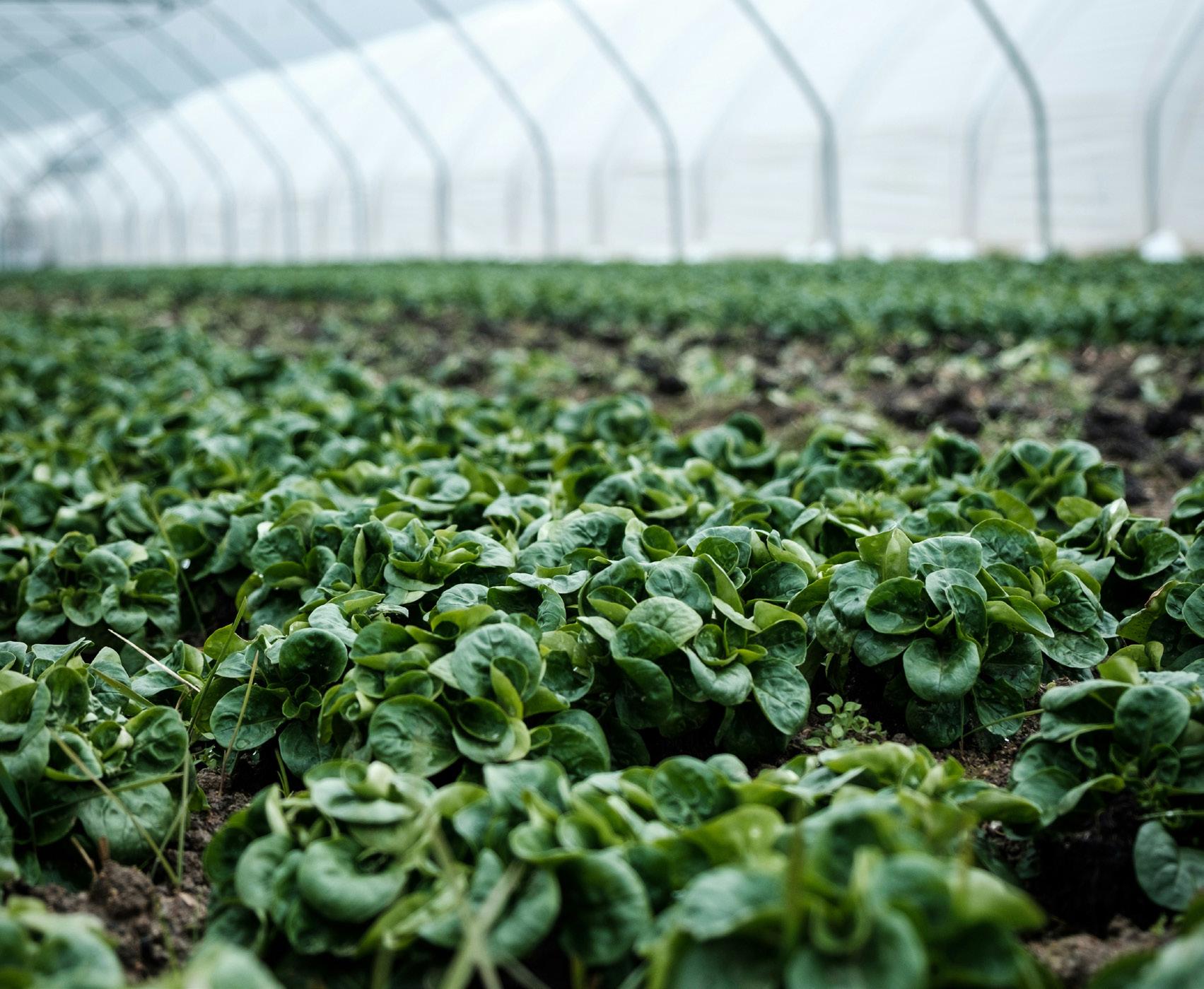
• Tech can significantly solve complex challenges in the ag sector, with most use cases having the capacity to alter the economics of an entire supply chain.
One concept about the future of digital agriculture is being tested by a group developing new digital tools and resources on a 152-acre corn and soybean farm in central Illinois.
It’s called Farm of the Future (FoF), by the Syngenta Group, an agri-tech innovation development company.
The FoF program is testing many forms of digital agriculture, including algorithms to help determine seed selection by soil type, sensors for disease
detection and prediction, and drones for precise weed control. “We’re here to find out which technologies provide value to farmers, but also which ones fail, then determine that quickly, and move on,” Bill McDonnell, Syngenta’s digital solutions lead and manager of FoF, said in an article on the Syngenta website. “Everything we do here is on commercial scale,” he said. “We want to determine, ‘Is this valuable to a grower? And does it scale up from 20 acres to 2,000 acres to 10,000 acres?’”
Individual projects at the FoF range in size from twenty to hundreds of acres, sometimes extending to farms elsewhere in the state.
With testing projects like these using new products and technologies demonstrating their value, growers are being shown how they can manage an investment that helps them deal with the volatility and
uncertainty that is a constant part of the agriculture industry, according to a 2022 McKinsey survey.
Acceptance and use may be slow going at least in the near term. “Challenges to scaling remain as a result of unclear return-oninvestment and poor experiences for growers,” according to the survey. But the survey also found that grower acceptance of agtech has continued to rise in the past 2 years.
Agriculture has been slower to adapt to technological change than some industries, according to data from Intellias. But that is changing.
About 50% of growers expect to use tech for new yield improvements. They are also looking to engage with suppliers differently to find tech solutions that meet performance and price needs.
The use of autonomous farm equipment has been steadily increasing. In 2023, the autonomous farm equipment industry was valued at $12.4 billion, and it is forecast to grow at a rate of 14.3% until the end of the decade.
One example of agtech application: Rolling out one of the largest commercial deployments of autonomous tractors for a Clewiston, Florida-based grower U.S. Sugar. The company is using a fleet of unmanned John Deere tractors on 255,000 acres of farmland. These manually operated tractors have been retrofitted with an automation kit to operate autonomously with oversight from a central command station, where a single operator will oversee multiple vehicles using an autonomous fleet management platform.
Agtech strategist and food and farming futurologist Aidan Connolly said that, from his perspective, getting technologies to work on a farm is very hard. “Farms face issues,” he told BXJ. “They face dust and dirt. They face weather. They face lightning strikes on the farm. There are voltage issues and variable power issues. They face potential for rodents to eat through wiring.”
All of these just make it much more complex than doing innovation in something like a factory environment that’s making
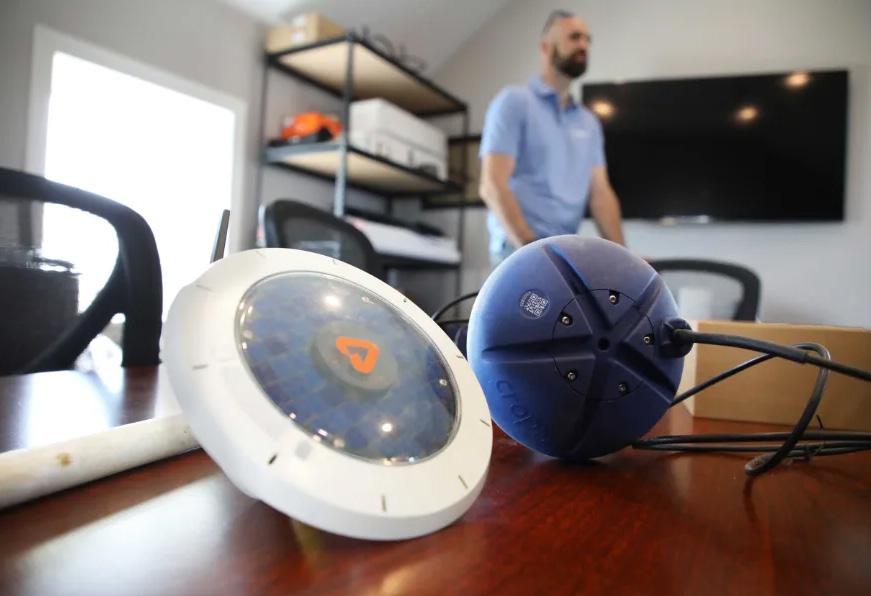
pharmaceuticals or cars or some other consumer goods, he said. “It’s a tough environment on a farm, and it’s hard to make the hardware work,” Connolly said. “Producers then can have bad experiences, and when they have bad experiences, they’re also reluctant to be the pioneers in these technologies. They’re saying, ‘Show me a testimonial, allow me to go visit and see it myself’.”
What is needed now? “We need people with digital fluency,” Connolly said. “We need people that can speak this language. We need executives, farm owners, and family members who can embrace AI. We need them to understand, if they’re investing in AI, what they’re investing in, if they’re embracing or using AI, how they’re going to use it.”
In some ways, that’s a difficult thing to do, he said, because the people that work on farms in the past like to work with their hands. “They left college hoping to never go back. They don’t necessarily want to spend their evenings inputting data. But I feel like autonomous systems for collection of data are coming. It could be sensors in the field measuring the uptake of moisture by the plant, it could be a wearable digital device on a pig or a cow that tells us in real time what’s happening with them,” he said.
AI is getting easier to use, Connolly said, which means that data and digitization will become easier to use, “but it’s still not easy enough, and it needs to be.”
He shares the example of an Apple phone that works immediately right out of the box. In contrast, the agtech use and maintenance process has not been that easy. “For a farmer, it’s more like, ‘OK I bought a robot, and I’ve got to figure out who’s going to repair the robot.’ That becomes the barrier in rural areas where labor is already really challenging.”
Connolly thinks that focusing on tech for affordability and productivity is critical. “Americans have never spent so little on food, but they still want it to be more affordable.”
The big problem is labor at this point, he said. “People do not aspire to work on farms. People do not, mostly, go to universities to work on farms. People do not want to work in a processing plant, processing meats or even eggs or milk. This is going to be an ongoing problem for us in the industry, and if we don’t have access to immigrant labor, then we’re going to have to use robots, we’re going to have to use AI, we’re going to have to use sensors. We’re going to have to digitize more and more of the food system.” X


– with an Assist from AI
BY: DAVID HODES
Consumer societal evolution about what matters in food and beverage products is driving companies to discover novel ingredients.

Food and beverage consumer trends are affected by so many different societal and technological trends that innovations in both content and package design can be hard to predict because they are occurring within a cycle of product evolution constantly reacting to the fickle whims of consumer desire.
Current global nutritional trends using plant-based ingredients has gained traction through most food and beverage brands, with one legacy product line— non-alcoholic v. alcoholic beverages—taking center stage recently.
Plant-based protein ingredients include whole grains (quinoa, farro, wheat, millet), nuts and seeds (chia, hemp, flax), basic vegetables used to simulate the look and texture of meat (beet root, mushrooms, peas, soybean), and meat alternatives (tofu, tempeh). A 2021 report by the Good Food Institute showed that 16 countries were working to advance alternative proteins in consumer products. Today that total is 33.

Alternative protein sources now figure prominently in national economic and biotechnology strategies around the world, according to the report, with research programs including them as topics of interest.
But creating plant-based meat-simulated food remains challenging. Finding the right ingredients to use as a replacement for meat is an important factor to consider in the development of meat alternatives.
According to a research report by Italian nutritional scientists in 2023, early product developments mimicking processed meat products can have low sensory acceptance in terms of taste and texture, resulting in a low willingness to include such products as a real meat substitute. “Reproducing the complex and delicate sensory profile of farmed meat can be challenging,” the report found.”

So far, results consistently indicate that consumers generally prefer traditional meat products over their plant-based alternatives.
According to statistics from Data Essential, a food and beverage marketing company, 65% of consumers say that animal meat is more natural to consume than plant-based meat; 61% believe that animal meat is more versatile than plant-based meat; 59% say that they regularly crave animal meat even if they don’t eat it; and 37% said that over the past year they have increased their consumption of animal meat over plant-based meat.
The need to mimic meat characteristics requires the use of many additives in the development stage for taste and texture, and, as a result, the product packaging can include a long list of unfamiliar ingredients which could be a red flag to consumers that the product is processed and unhealthy food.
Burgers are the most investigated meat category in consumer studies, according to researchers, because they are one of the most popular meat forms due to their composition, market availability, convenience, affordability, and sensory.
Non-plant-based meat alternatives are being explored, such as lab-based meat made by culturing animal cells in a lab; insect protein; or hybrid meat products using both plant and meat ingredients mixed together.
Consumers are still on the fence about committing to non-alcoholic beverages, with many looking for an alcoholic/ non-alcoholic balance. “Perhaps the most surprising shift in recent years is the overall decline in alcohol consumption,” Gary Hemphill, managing director and COO of research at the Beverage Marketing Corporation, wrote in an email response to questions. “It’s driven by health concerns and generational trends as Gen Z in particular is consuming less.”
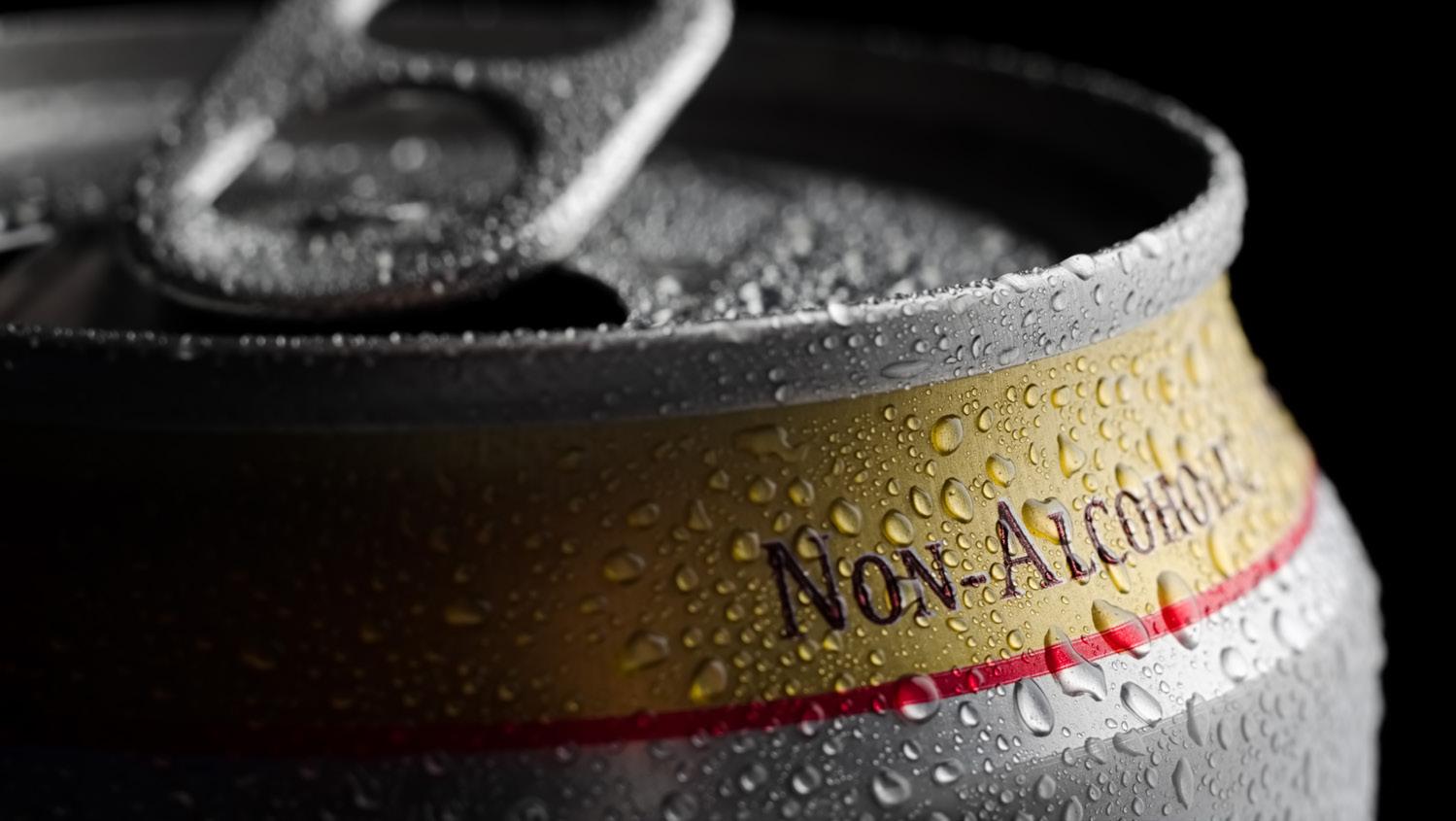
A report on industry statistics by the Adult Non-Alcoholic Beverage Association estimate that more than 90% of consumers who purchase non-alcohol products are also buying alcoholic beverages.
Survey results from Civic Science, a marketing survey and business intelligence company, found that consumer-declared data among U.S. drinkers aged 21+ show that the intent to participate in an invented non-alcoholic holiday, Dry January, is continuing to increase.
Non-alcoholic beverages now include spirits—whiskey, tequila, rum, gin, and vodka. The global non-alcoholic spirits market size was estimated to be $445.8 million in 2024 and is expected to reach $771.9 million in 2030, according to market analysis by Grand View Research.
Companies making non-alcoholic spirits include Seedlip, a ten-year-old UK company, with product now showing up in mainstream restaurant chains such as The Cheesecake Factory; Lyre’s based in Sydney, Australia; Monday Gin headquartered in Carlsbad, California; and a handful of others.
The market for non-alcoholic spirits has been experiencing significant growth in recent years, driven by several factors and trends, according to the researchers.
Consumers are more health-conscious and are looking to reduce their alcohol intake to avoid its negative effects on both physical and mental health.
There is also the sober curious movement, which encourages individuals to explore a lifestyle with reduced or no alcohol consumption, part of a broader trend of mindfulness and intentional living. Grand View research concluded that this
non-alcoholic movement has created a drive for innovation in product development, with companies crafting non-alcoholic spirits that closely replicate the taste, aroma, and mouthfeel of traditional alcoholic beverages using botanicals, specialized distillation methods, and other techniques to create authentic and satisfying flavors.
The growing popularity of the non-alcoholic movement may also help to destigmatize non-drinking for people who choose not to drink in certain social settings.
“The sober curious phenomenon provides opportunities for individuals to evaluate their relationship with alcohol,” wrote the director of the National Institute on Alcohol Abuse and Alcoholism, George F. Koob, within the findings of a national 2023 survey on drug use and health. “Many people need help for alcohol use disorder or alcohol misuse, and these movements have helped to create a cultural space for exploring and changing their drinking behavior.”
All of this product development, redevelopment and marketing push has forced the food and beverage industry to move even faster and be more flexible to consumer demands. And in today’s world, that means incorporating artificial intelligence (AI) in the development mix.
Unilever, makers of iconic food and health/wellness brands, announced that they can assess consumer insights 60% faster using AI-tech to analyze brand sentiment, buzz, engagement, and search terms, to find out what’s driving real conversations in culture. “Over 1,000 external data sources, such as social
media, search, retail and competitor activity, are automatically analyzed each month to give our teams a real-time, global pulse on emerging trends,” according to information on the Unilever website.
Using AI allows them to “rapidly delve into our ingredients libraries, formulation trials, sensory tests, consumer studies, packaging specifications and claims, and work out how to design effective new science-led products that match consumer needs and wants.”
Unilever scientists have already been able to “cut formulation cycles from five to six rounds to just one or two. Concept-to-R&Dbrief time has been reduced from months to days.”
Coca-Cola used AI to come up with a new limited-edition product it called Y3000 Zero Sugar, with a tutti-frutti flavor character to it.
The product was co-created with human and AI by understanding how fans envision the future through emotions, aspirations, colors, flavors and more.
“Fans’ perspectives from around the world, combined with insights gathered from artificial intelligence, helped inspire Coca Cola to create the unique taste of Y3000,” according to the Coke website.
Yet another AI application for the beverage industry comes from Pepsico. The company recently announced a multi-year collaboration with Siemens and Nvidia to transform plant and supply chain operations through advanced digital twin technology and AI, to reshape how plant and warehousing facilities are digitally simulated and tested. Early pilot programs are already underway in the U.S.
AI is still a hit and miss opportunity in the food and beverage industry “We’re still in the infancy of AIs impact,” Hemphill wrote, “but I anticipate usage of AI in the industry to be quite broad.”
A Nature Journal article explained that AI can enable the discovery of novel protein sources, optimize formulations for taste and texture, improve production processes, predict consumer preferences, and create innovative products that mimic the nutritional profile, taste, flavor, or texture of animal-based foods.
“But at the same time, it is clear that today’s AI systems lack the ability to fully grasp the nuanced social, ethical, and sensory dimensions of food that are deeply rooted in human culture,” according to the article. “AI cannot entirely replace the human expertise, cultural understanding, and transformative creativity, needed to revolutionize our food system.”
The article concluded that AI “not only has the potential to accelerate the removal of animals from the global food system; it could also enable the synthesis of any desired food item from a range of environmentally friendly ingredients and revolutionize the types of foods we consume and the methods by which we produce them.”
Jessica Wright, senior vice president of product intelligence for a brands development company leading product strategy and execution, said that AI gives product developers the ability to “aggregate signals”, or consolidated data points, to help
understand what the products are, and understand who the customers are, to offer more personalized experiences and offerings. “AI is going to be transformational,” she said. “For years, we’ve always, as an industry, talked about personalization. But I think with the rise of AI and the ability to aggregate insights so quickly and so seamlessly, really does unlock a new layer of personalization that allows the customer to get in front of the right product, and for the retailer to be able to serve up that right product to that customer, based on everything that is known about that consumer and that shopper.” X



BY: DAVID HODES
Cities large and small are discovering new ways to build economic development opportunities catering to thousands of sports travelers each year.

It’s been an up and down cycle for U.S. and international tourism over the last few years. During the pandemic in 2020, U.S. tourism spending was a paltry $885 billion, down from just over $1 trillion in 2019 according to the U.S. Travel Association. But it has steadily recovered, topping $1.3 trillion in 2025 with forecasts of just over $1.5 trillion by 2030.
World Travel and Tourism Council’s (WTTC) latest economic impact research reported that the United States remained the largest travel and tourism market in the world in 2025—but it is losing market share.
Over 80 million more people travelled internationally in 2025 compared with 2024, but they did not choose U.S. destinations. Visitor numbers declined 5.5 percent, and international visitor spending fell 4.6 percent, according to WTTC data.
The Asia-Pacific region is now the fastest-growing travel and tourism place globally. “The U.S. is now at a crossroads in its tourism development,” the impact

research report concluded. “Sustaining this momentum will depend on increasing investment and promotion of the United States, rebuilding international demand, changing perception and ensuring the U.S. remains competitive as a global destination.”
Sports tourism generates more than $600 billion globally each year, according to the Sports Events and Tourism Association (SportsETA). In the U.S., nearly 180 million people traveled to a sports event either as a participant or spectator, which generated 69 million room nights.
U.S. sports travelers, event organizers, and venues spent $45.1 billion in 2019, which generated $103.3 billion in business sales when including indirect and induced impacts. U.S. sports tourism generated $14.6 billion in tax revenues in 2019, with $6.8 billion going to state and local governments, SportsETA reported.
Coming at the precise right moment to reignite U.S. tourist momentum is the 2026 World Cup, what the WTTC calls “a significant and immediate opportunity.” The World Cup tournament, with matches being held in Canada, Mexico and the U.S., is expected to bring around 1.24 million international visitors to the U.S. during the tournament period, “offering a powerful platform to showcase the American experience, and convert visitors into promoters of travel to the country,” according to the WTTC impact report. Kansas City, the smallest host city with six matches slated to begin June 16, is expecting 650,000 visitors.
The U.S. Travel Association (USTA) reports that World Cup visitors expect to spend more than $5,000 per person, or 1.7 times more than typical international trips to the U.S. One in three intend to stay longer than two weeks. And more than 80% are open to visiting destinations beyond the largest gateway cities, unlocking economic opportunity in communities across the country, according to USTA data.
Indeed, sports tourism is becoming a more impactful tourism metric in general as more and more people travel to cheer not only their chosen professional sports team, but their sons or daughters at various U.S. cities hosting big National Association of Intercollegiate Athletics (NAIA) or National Collegiate Athletic Association (NCAA) or other high school and college level sports tournaments and playoffs.
For example, a total of 64 teams played in the 2026 NAIA Men’s Basketball first round on March 13 at 16 host sites around the country. The first 32 winners then played on March 14 in the second round, and the final round of 16 met up in Kansas City March 19, bringing about 40,000 fans to the city.
Another sports tourism powerhouse, the NCAA softball tournament, is comprised of 64 teams competing in regional games held in Knoxville, Tennessee; Tuscaloosa, Alabama; Austin, Texas; Los Angeles, California, and other cities, with the college softball world series held for a week in Oklahoma City at the 13,000-seat Devon Park.
And it’s not just softball and basketball games or tournaments that are driving tourism growth today.
Over the last 15 years, sports tourism event owners are entering at a far more rapid clip, according to Eric Olson, the vice president of sports tourism and events for the city of Overland Park, Kansas who was recently appointed to the board of directors for Sports ETA.
“When I entered this space, it was your traditional makeup of collegiate event owners, which own the lion’s share of sports tourism,” Olson told BXJ. “There were some amateur soccer entities that were bigger players within the space, and that’s expanded over time. But now you have pickleball events, you have crossfit games, you have quidditch (a fictional sport derived from Harry Potter movies), you have catchball (a cousin of volleyball).
“So speaking from a destination standpoint, and destinations becoming serious about building infrastructure facilities that can


go after events to bring in economic impact and stimulate the tax base, that has become far more competitive than it ever has been,” Olson said.
Pickleball in particular has experienced explosive growth, with participation up 150 percent over the last few years, making it the fastest growing sport in the country, according to SportsETA data. Drone racing, skateboarding, sport climbing are up-and-coming new sports events gaining popularity.
Endurance sports events—triathlons, marathons, open water swims and cycling events—create their own economic boom, bringing in millions in tourism revenue and encouraging projects to revitalize downtowns and waterfronts, according to SportsETA.
Olson said that even small market destinations have entered this space because they know it’s a way to drive economic impact through visitation and events.
One example: Sarasota, Florida has developed a relationship with World Rowing, hosting numerous international events at Nathan Benderson Park. The city is working to expand its park infrastructure to accommodate more rowing tournament events.
“It’s become very prolific in terms of destinations marketing themselves to these event owners,” Olson said. “Then the event owner space people that were maybe mom and pop companies, say, 20 years ago, in terms of running events now have become very formalized. They have grown and structured. Now they’re approaching destinations to add value to their participants or their stakeholders, by moving it around to different destinations that have great amenities to offer at the end of the day for these events to take place.”
When looking at sports tourism for a certain city or region, Olson conducts an event economic impact calculator to measure

the value of the tournament through direct economic impact and induced economic impact. “We want to understand what are they directly going to spend as a result of being here for the event, and then what’s the induced spend? How many jobs is it going to support? How much income tax does that support? How many people traveled within the sports travel party?”
In terms of straight numbers, Olson offered this assessment: From 2024 to 2025, there was $60.1 billion in direct economic impact from youth amateur events alone. “This does not include Major League Baseball, National Hockey League, National Football League, or any of these larger professional events,” he said. “This is strictly collegiate amateur, whether it’s youth or adult sports that take place in the United States.”
Olson attended a Sports ETA symposium recently where there were over 200 new destination members in attendance there getting into the sports tourism game.
In addition to sports tourism, there are a number of other types of tourism catching on.
For example, sports nostalgia tourism is about traveling to older stadiums, ballparks, and arenas that have been the sites of historic sports moments, according to data research company Ebsco.
For this type of sports tourism, the site itself and not the teams playing, is the main attraction for many visitors.
For example, for NFL fans, Lambeau Field in Green Bay, Wisconsin, is a prime destination for tourism. For major league baseball fans, Boston’s Fenway Park and Chicago’s Wrigley Field are both century-old ballparks that attract a significant number of tourists per year.
Sports fans also seek out unique sites, such as the Dyersville, Iowa, baseball field where the 1989 movie “Field of Dreams” was filmed.
Just getting out and traveling for sports or leisure travel can have other benefits for the travelers especially when recalling the lock-downs of Covid.
Being freed to travel again after Covid has been called “revenge tourism”, where mental health challenges during the pandemic may have either dampened travel desires or encouraged revenge travel as a stress coping mechanism, according to an article in the International Journal of Tourism Research.
The perceived severity of Covid could have triggered a desire to travel for personal freedom, according to the article. “Perceived benefits of revenge travel, offering emotional relief and novelty, are expected to positively influence attitudes toward it. Attitudes toward revenge travel post-Covid mediate these perceptions, suggesting that how one interprets susceptibility, severity and benefits shapes their attitude and, in turn, their travel intentions.”
That raises a new level of advice about the positive impact of perceived benefits on both attitude and travel intention, according to the article, which suggests that leisure travel “should be framed as a restorative activity that supports emotional recovery and psychological resilience”, with policymakers and destination marketers “encouraged to promote travel experiences that enhance mental well-being and life satisfaction, particularly in the post-pandemic context.” X

Done with the status quo? When you’re ready to make moves in business and life, Maryland is ready to move you. Here, big ideas can become a big deal, thanks to a wealth of innovation-boosting resources and a highly-educated population. A diverse and open-minded community, everyone is welcome in Maryland. they’re well connected too, so when you need to really be on the move, they’ve got you covered. Maryland. Be Moved
Maryland’s convenient Mid-Atlantic location and assets for innovation make it a prime location for these sectors.
Maryland is one of the nation’s leading hubs for life sciences. Here, some of the biggest names in biotech come together with leading research universities and eager startups to drive innovation. Get to know some of the subsectors where Maryland is leading in life sciences. And for a more in-depth view of the life sciences sector, explore the Maryland Life Sciences Directory and the 1,800+ companies that proudly call Maryland home.
Maryland is home to some of the biggest names in life sciences, along with up-and-coming industry innovators and the sector’s most influential federal institutions. Life sciences companies need a robust scientific and technical community behind them. Here in Maryland, they call that community their innovation ecosystem, and it’s unlike anything else you’ll find

in the U.S. What makes their ecosystem so special? Maryland is home to the FDA, NIH, and leads in the concentration of federal tech transfer facilities. Here, find renowned universities, a highly trained scientific workforce, and initiatives designed to bolster innovation and success in life sciences.
Maryland is one smart state – one of the smartest in the nation. When you take a closer look at life science professionals, you see an even brighter picture. A well-stocked industry talent pool continues to grow, thanks to leading academic programs all over the state, from science powerhouse Johns Hopkins University, to Montgomery College and a host of other community colleges bolstering the local biotech workforce. Other initiatives are ensuring our workforce isn’t just educated, but work-ready,
helping prepare life science professionals for every role, from the lab to the manufacturing floor.
From small family farms to modern aquaculture operations. From microbreweries to major bakeries. From artisanal cheese makers to the world’s leading spice maker. Agribusiness in Maryland is booming. And with a robust intermodal transportation network and abundant natural resources.
Maryland helps some of the biggest names in the food industry produce, process and distribute food across the globe. Maryland’s large international population drives demand for authentic, international foods. H Mart, Tata Beverages, and United Foods International are among the global companies finding success here.
Several homegrown food companies have called Maryland home for decades, even centuries! McCormick, J.O. Spice, Perdue Farms, and the Chesapeake Coffee Roasters have deep roots here. Maryland also gives fertile ground for food startups in the food sector: Hungry Harvest, Gotham Greens and HEX Ferments are just a few of their modern makers.
In recent years, the number of companies turning to the nation’s capital region for managing data has boomed. In Maryland, you’ll find a high concentration of tech companies and a prepared talent pool, complemented by modern infrastructure and special incentives for data centers
Maryland, a neighbor to D.C., offers data centers stable business opportunities from the public sector and a burgeoning private tech sector. Data centers in Maryland are situated in a more risk-adverse environment than you’ll find in other parts of the country. On top of their location advantages, their state offers a future-ready infrastructure, with extensive and powerful broadband solutions and a reliable power grid.
Maryland leads the nation in cybersecurity and IT innovation, with NSA and several other tech-focused federal entities, along with a high density of cybersecurity & IT private companies calling the state home.
Maryland’s natural advantages – four seasons, beaches, seafood, and mountain views – attract visitors in droves year after year. In addition to Maryland’s natural benefits, the state has the infrastructure to support a growing tourism sector. With one of the best airports in the nation and an East Coast location that’s drive-able for millions of consumers, tourism businesses look to Maryland and see nothing but opportunity.
In Maryland, you’ll find some of the biggest names in hospitality and entertainment. Marriott and Host Hotels both have their global headquarters here. Across the state, you’ll find entertainment centers, including Great Wolf Lodge, a massive Guinness attraction, several Top Golf facilities, and so much more. These venues complement the natural beauty showcased in our state, as well as national parks and 3,000+ miles of shoreline.
For more information, please contact the Maryland Department of Commerce at 410-707-6300, visit their website at www.business.maryland.gov or contact info.commerce@ maryland.gov .
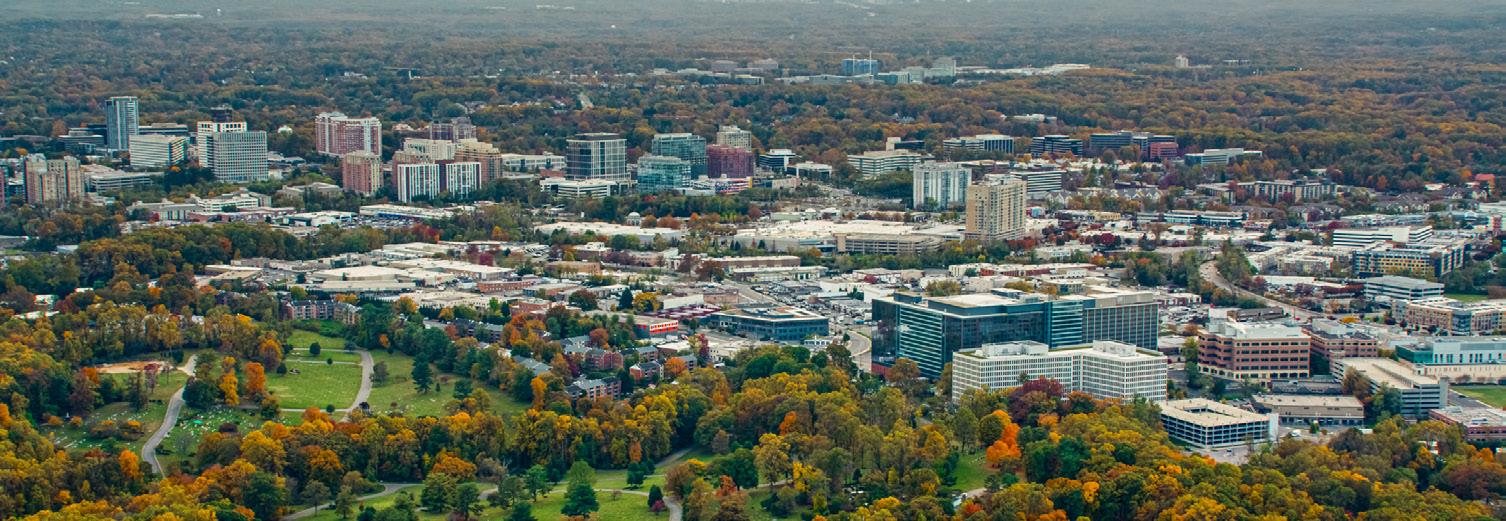
Just outside of Washington, D.C., Montgomery County, Maryland, has established itself as one of the nation’s top destinations for life sciences innovation. As the anchor of the BioHealth Capital Region—the third-largest biopharma cluster in the United States—Montgomery County is home to a robust ecosystem of companies advancing breakthroughs in biotechnology, pharmaceuticals, vaccines, cell and gene therapies, diagnostics, and biomanufacturing.
The County’s life sciences roots run deep. Montgomery County is the birthplace of the Human Genome Project, one of the most significant scientific achievements in modern history. Today, innovation continues to flourish in the almost 500 square miles destination; driven by more than 350 companies including global brands like United Therapeutics, AstraZeneca, Novavax, and Samsung Biologics that benefit from its proximity to 18 federal agency headquarters and 36 federal laboratories, research institutions, three international airports, and a highly diverse and skilled workforce. Montgomery County offers the ultimate strategic destination where regulators, researchers, and industry partners all work together to shape the future of life sciences.
“Access to the Food and Drug Administration (FDA) and other federal agencies really sets [Montgomery County] apart from some of the other markets out there,” explained Brett Tunes, Managing Director, Savills North America.
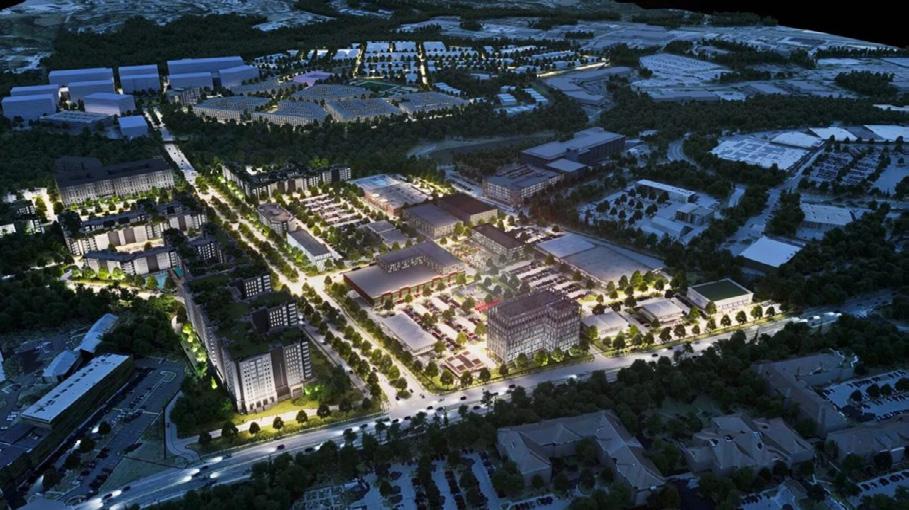
New opportunities for expansion continue to emerge across the County, including major mixed-use developments and redevelopment sites that can support future research and advanced manufacturing. Significant investments in areas such as Viva White Oak, which is located in Silver Spring (voted in 2024 as the best place for families to live by Fortune Magazine), underscore the County’s continued commitment to creating thriving neighborhoods, expanding economic opportunity, and enhancing quality of life for generations to come. Viva White Oak also represents Montgomery County’s first Tax Increment Financing and features 280 acres of mixed-development adjacent to FDA headquarters and near the Adventist
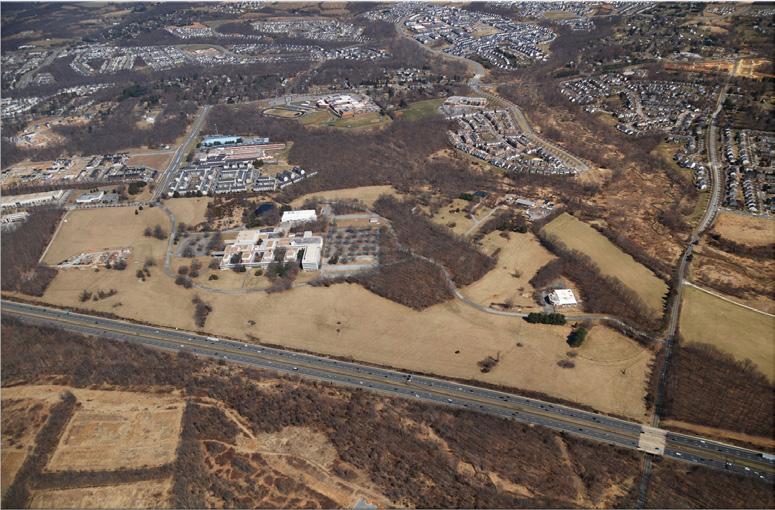
The former home to the COMSAT research facility, a 204-acre site in Germantown, is also available for development and will feature a mix of commercial, industrial, office, Research & Development, and retail spaces.
One of Montgomery County’s greatest competitive advantages is its highly diverse and skilled talent. Nearly one-third of adults aged 25 and older hold an advanced degree, making the County one of the most highly educated talent markets in the country.
This talent pipeline is strengthened by leading educational institutions, including the Universities at Shady Grove and Montgomery College (Maryland’s top ranked community college). Together, these institutions provide companies with access to highly skilled professionals across all industries.
Workforce development initiatives such as BioHub Maryland further strengthen the ecosystem by providing hands-on training in biomanufacturing and laboratory sciences, helping ensure employers can find the talent they need at every stage of growth. Meanwhile, Montgomery County’s network of innovation centers and incubators offers start-ups access to flexible space, mentorship, and resources designed to help new companies scale successfully.
“You have this really strong pool of talent and that really aligns well with what life sciences companies are looking for because they need those minds of tomorrow in order to be successful,” said Alicia Janesko-Hutchings, Director, Site Selection and Incentives, at Cresa.
Montgomery County continues to drive innovation in life sciences—from the Human Genome Project, which began over 35 years ago to the research responsible for the first pig to human kidney transplant in 2024, to the pioneering of the COVID-19 vaccine development—life sciences companies in Montgomery County are saving lives around the world. With a deep talent pool, strategic location, well-established business environment, and a commitment to supporting growth, Montgomery County is well positioned to remain a global leader in life sciences for decades to come. Learn more at ThinkMoco.com


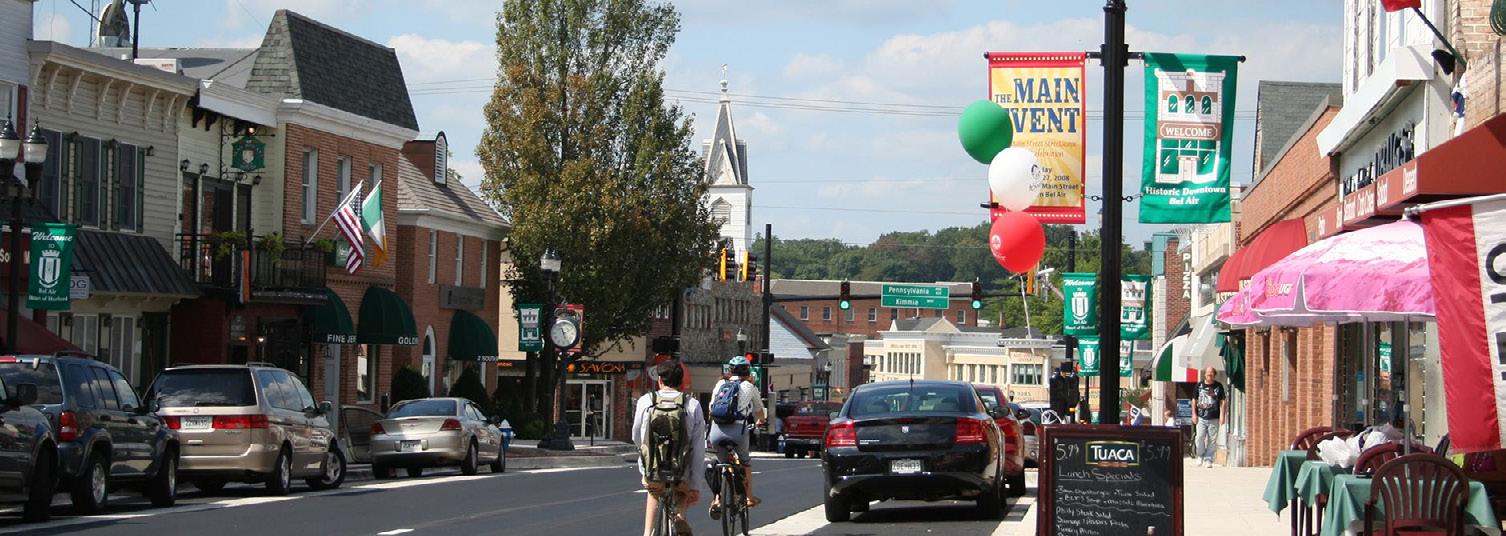
Harford County knows how to preserve its longstanding heritage while embracing the future. The county’s unique industry base – with focuses on agriculture, tourism, defense and technology, and manufacturing – offers a highly skilled workforce creating a thriving local economy that is both resilient and innovative. Its extensive list of attractions, museums, outdoor activities, and more demonstrate that economic prosperity and quality of life can go hand in hand.
For generations, farming has served as the backbone of Harford County, and its significance still reigns today, as more than 70% of county land is dedicated to agriculture. Rolling family-owned farmland and locally operated breweries, wineries, and creameries continue to shape both the landscape and economy by integrating modern technology into agricultural traditions, allowing county farms to compete in a rapidly changing marketplace.

Concurrently, manufacturing is an essential economic driver. Advanced production facilities, biotechnology companies, and more than 100 defense contractors contribute significantly to economic growth, offering high-quality and high-paying jobs that attract professionals from across the region. The county’s skilled and educated workforce is defined by versatility and innovation.
This holds true at Aberdeen Proving Ground, which is located in Harford County and is the military’s premier institution for research and development with the largest concentration of advanced degrees on any military installation.
Harford County reflects the important synergy between work and play, recognizing that communities flourish when residents enjoy meaningful careers without sacrificing personal fulfillment. Workdays are fueled by productivity and commerce, while weekends invite residents and visitors alike to experience the county’s many restaurants and breweries, waterfront destinations, hiking trails, and historic towns and main streets. The county’s ability to showcase a healthy balance of professional life and recreation is one that many larger metropolitan areas struggle to achieve.
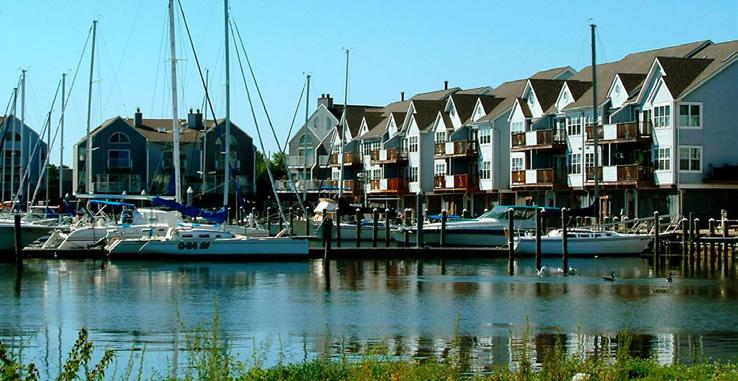
Visitors are drawn to Harford County because its local attractions and events reflect the value of its heritage, and tourism thrives because of it. The county’s historic sites, annual events, sports tournaments, agritourism opportunities, and locally owned small businesses provide unique, personal experiences that bring guests from miles around.
Harford County is uniquely positioned to maintain the balance of work and play, as leaders and residents understand that successful community and economic growth mean equal investment in opportunity, culture, and connection.






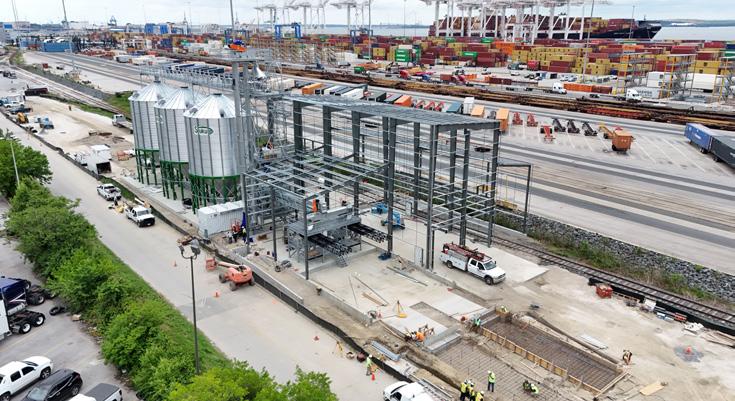
The Helen Delich Bentley Port of Baltimore recently held a groundbreaking for a new grain transloading facility at the Seagirt Marine Terminal. Under a partnership between Ports America Chesapeake and Frey Commodities, the new facility will make it easier for Maryland farmers to get their products to the Port for export worldwide. The facility will encompass four acres, include three grain silos, and be used to facilitate the export of soybeans, corn, wheat, and other agricultural commodities around the world. The facility is expected to be open and operational in August, 2026.
Currently, there is no direct transloading facility at the Port of Baltimore to move grain and soybeans from trucks into containers for export shipping operations. Farmers currently need to place their grain into empty shipping containers located offsite, which are then picked up and brought into the port.
Under the new system, a farm truck will come directly into the Seagirt terminal, deposit its grain onto a conveyor system, which will transport it directly into a silo. Ports America Chesapeake will then remove the grain from the silo when its ready to ship and place it into containers for export operations.
“As the nation’s top port in the country for handling farm machinery, farms across the nation have long depended on the Port of Baltimore,” said Maryland Port Administration Executive Director Jonathan Daniels. “This new transloading facility will be another way that our Port separates from the pack in being the best agricultural port in the U.S.”
Container transloading directly at the Port of Baltimore eliminates the current process of traditional offsite loading and additional truck transfers. This will enable the project to also be more environmentally beneficial by reducing offsite loading emissions. It will also significantly reduce truck miles, lower transportation costs, and streamline the supply chain for regional producers.
Once operational, the facility will function as a full-service grain elevator with the capacity to load more than 200 containers per week. The three silos will have a combined capacity of 60,000 bushels and support inbound shipments from both truck and rail.
Short line rail access to CSX and Norfolk Southern will enhance connectivity for Midwest producers, providing a more direct and efficient export route to markets through the Port of Baltimore.
Just 70 miles from Washington, D.C., and Baltimore, Talbot County sits at the heart of Maryland’s Eastern Shore—where historic charm, modern infrastructure, and business opportunity converge. With the state’s lowest real property tax rate and second-lowest income tax rate, Talbot County is a smart choice for companies ready to grow.
This is a place where innovation meets quality of life. From the bustling town of Easton to the waterfront towns and villages that dot the Chesapeake Bay, Talbot County blends small-town character with world-class potential.
Across key industries—healthcare, financial services, aquaculture, and transportation—targeted growth is reshaping the future. A major milestone is the new University of Maryland Shore Regional Medical Center, slated to open in 2028. This next-generation facility will serve as a regional healthcare hub and economic engine, attracting medical professionals and support businesses from across the Mid-Shore.
The county is also home to Shore United Bank, the fourth-largest bank headquartered in Maryland. Its presence underscores Talbot County’s reputation as a center for finance, professional services, and entrepreneurship.
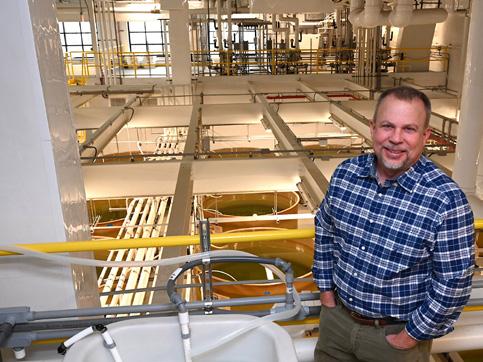
Along the waterfront, Talbot County’s maritime economy is adapting with purpose. The Tilghman Wharf catfish processing facility addresses environmental threats while opening new market opportunities. At the same time, the Ferry Cove Oyster Hatchery is leading the way in aquaculture research and production—putting sustainability and innovation at the forefront of commercial growth.
Talbot County is also breaking new ground in bioscience and advanced manufacturing. A new Ag Biotech Manufacturing Facility in Easton is poised to support the production of bio-based products and agricultural technologies. By fostering research, innovation, and skilled job creation, this facility will help position Talbot County as a regional leader in the future
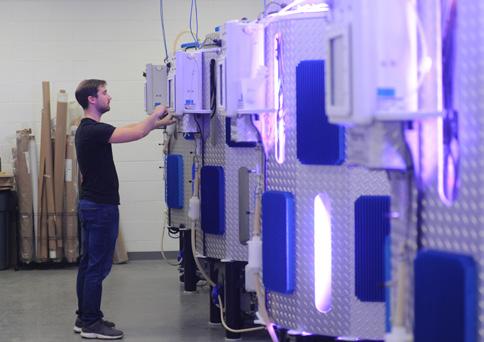

of sustainable agriculture.
For those arriving by air, Easton Airport (ESN)—one of 84 National Airports in the country—is undergoing a $52 million Airfield Modernization Program, improving safety and connectivity for business and private aviation. The project, expected to be completed by 2030, will strengthen regional access and unlock new economic opportunities.
In today’s economy, digital connectivity is non-negotiable. That’s why Talbot County and Easton Utilities have launched Connect Talbot, an ambitious broadband expansion initiative that will bring high-speed internet to underserved communities, empowering residents and businesses alike.

For companies looking to invest or expand, Talbot offers more than just location and lifestyle. Maryland’s Enterprise Zone Program provides real property and income tax credits for qualifying businesses that create jobs in designated areas— including parts of Easton and Talbot County. Whether you’re launching a startup or relocating a legacy business, Talbot County offers the rare combination of strategic access, supportive policies, skilled workforce, and unrivaled quality of life. Here, business growth comes naturally—just like the tide.
For more information, contact the Talbot County Department of Economic Development and Tourism at (410) 770-8000 or visit TalbotWorks.org.
Kent County offers the perfect blend of small-town charm and big opportunity. Whether you're launching a startup, expanding your enterprise, or relocating for quality of life, Kent County provides the resources, workforce, and community support to help your business thrive.
From our business-friendly incentives and low operating costs to our vibrant waterfront communities and easy access to major markets like Baltimore, Washington, and Philadelphia -- Kent County is open for business.
• Strategic Mid-Atlantic location with access to I-95 corridor
• Designated Priority Funding Areas & Enterprise Zones
• Support for startups, agriculture, manufacturing, and remote professionals
• High quality of life with low crime, excellent schools, and scenic beauty
Kent County, Maryland, boasts a resilient and diverse economy where tradition meets innovation. Generations have laid the foundation for growth across key industry sectors, including agriculture, healthcare, education, advanced manufacturing, and tourism. These industries are driving a vibrant future and creating new opportunities for business success. Discover what makes Kent County a dynamic and forward-moving place to grow, invest, and thrive.
Kent County is a thriving center for both traditional and cutting-edge agriculture, supported by over 140,000 acres of productive farmland. Row crops, aquaculture, and specialty products fuel a strong farm economy, backed by access to key markets, modern infrastructure, and emerging agtech. Agri-tourism is also on the rise, inviting visitors to experience the bounty, beauty, and innovation of farm life firsthand.
Education drives both economic growth and community vitality in Kent County. Washington College serves as a cornerstone of academic excellence, while strong K–12 and vocational programs prepare students for the future. The county fosters a culture of lifelong learning, building a skilled workforce ready to support and adapt to evolving industries.
Tourism plays a vital role in Kent County’s economy, attracting visitors with scenic landscapes, historic waterfront towns, and vibrant year-round festivals. Arts, culture, and outdoor recreation create memorable experiences while supporting local jobs and small businesses. The visitor economy brings fresh energy and new dollars into the community, strengthening Kent County’s unique sense of place.
Kent County manufacturers power the economy with products ranging from industrial equipment and chemical testing solutions to specialty foods. Skilled labor and strategic access to regional markets give businesses a competitive edge. Home to a worldwide manufacturer of valves and couplings, the county offers a businessfriendly environment that fuels success for both legacy firms and innovative startups.
Kent County’s healthcare sector delivers high-quality care close to home and offers fulfilling careers in medicine, senior services, and wellness. Anchored by a regional hospital and supported by a network of specialty providers, the county’s expanding healthcare infrastructure continues to enhance both community well-being and economic growth.
Kent County Economic Development is committed to helping businesses start, grow, and succeed. Whether you're launching a new venture, expanding an existing company, or relocating to the area, this page connects you to the resources, services, and partners that can support your goals. Explore available programs, technical assistance, permitting guidance, and more to help your business thrive in Kent County.
For more information on Economic and Tourism Development in Kent County, visit www.kentcounty.com/business or contact Jamie Williams, CEcD, Director,Phone: (410) 778-0416, jlwilliams@kentgov.org or Katie Abbott, 410-810-2169, kabbott@kentgov.org , 400 High Street, 3rd Floor, Chestertown, MD 21620 X

Kentucky is one of the most affordable places to call home in the U.S. with cost of living 11.1% below the national average. From groceries, taxes and utility costs, your money goes farther in your new Kentucky home.
From their youngest learners to those ready to lead, Kentucky is making sure to invest in their future leaders. Kentucky boasts 8 public universities, 16 community and technical colleges and 18 private, non-profit colleges and universities with a pipeline of over 207,200 students. The state has also invested more than $245 million in Kentucky’s career and technical high schools across the state.
Kentucky’s businesses and economy are booming because of the talented, hard-working Kentuckians who make their workforce strong. From improving training facilities, empowering apprentices, providing employers with training funding and more, they’re making sure a strong workforce remains their #1 priority in their new Kentucky home.
Kentucky’s communities are stepping up to the plate when it comes to demonstrating the quality of their workforce. The state’s Work Ready Communities program – the most rigorous workforce
certification program in the nation – is inspiring meaningful dialogue and action by community, education, government and business leaders across the Commonwealth. With half of Kentucky’s counties already certified as either Work Ready or Work Ready in Progress, and the remainder of the state’s counties in some stage of the journey, Kentucky is proving workforce preparedness isn’t just lip service.
The Work Ready Communities program requires communities to meet criteria in six key areas that are critical to producing a productive workforce. Criteria includes high school graduation rates, National Career Readiness Certificate holders, community commitment, educational attainment, soft skills and Internet availability.
Kentucky is a national leader in manufacturing, electric vehicle battery production, automotive manufacturing, air cargo by weight, bourbon exports and more. With a skilled and dedicated workforce, prime geographic location that ensures reliability in the supply chain and distribution, and a commitment to help companies build a foundation for the future, Kentucky has everything to help industries succeed.
For more information on the opportunities in Kentucky, please call 800-626-2930 or 502-564-7670, or visit their website at www.ced.ky.gov or send inquiries to econdev.ky.gov.
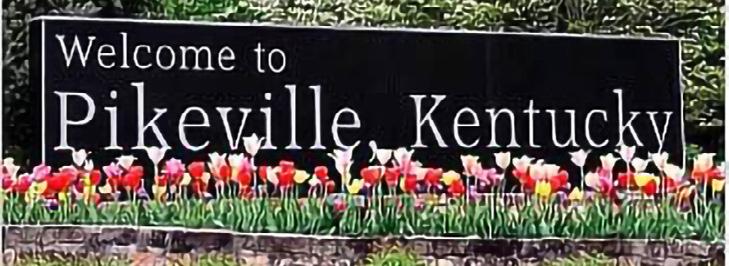
The City of Pikeville, “The City that Moves Mountains” is located in Kentucky’s largest county, Pike County, in the far eastern region.
Pikeville was incorporated in 1824 and covers 22 square miles. It is one of the few towns in the eastern region to gain residents since 2000. Pikeville serves as a regional center for health, education, retail and services for Pike County and the surrounding Kentucky, West Virginia and Virginia areas.
The Pikeville Cut-Through Project is the second largest earth removal project in United States history. It has been called “the eighth wonder of the world” by the New York Times. Spearheaded by former Pikeville Mayor William C. Hambley, the Cut-Through Project officially began in November 1973 for the purpose of relieving the City of Pikeville of frequent flooding.
The project is a unique engineering feat that provides a shining example of cooperation among agencies on federal, state and local levels. The cut-through was completed in four phases spanning 14 years and costing approximately $80 million. It is a marvel that visitors cannot miss. Visit the newly opened Overlook Events Center at Bob Amos Park to view the entire project.
Located in the heart of Appalachia, Pikeville, and the vast majority of the city are designated Opportunity Zones. Pikeville is a town of roughly 7,000 people that boasts the University of Pikeville with its associated optometry and osteopathic medical schools, the fastest growing campus of the Big Sandy Community and Technical College, and Pikeville Medical Center, a large regional medical facility that employs roughly 3,000 people. In addition to these institutions, the city is home to the corporate offices of Community Trust Bank and is the 10th largest banking community in the state of Kentucky. Also, the Appalachian Wireless Arena is a 7,000 seat arena located in the heart of the downtown that attracts many nationally touring acts each year.
The City of Pikeville believes by supporting local entrepreneurs and preserving its historic environment, it has created a downtown community that hosts a healthy mix of businesses and activities that are crucial for continued economic development and success. The City has developed economic incentives for downtown businesses and property owners that are administered through the Pikeville Main Street Program.
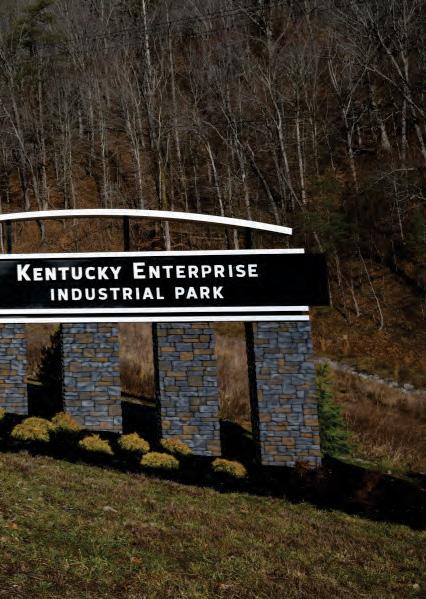
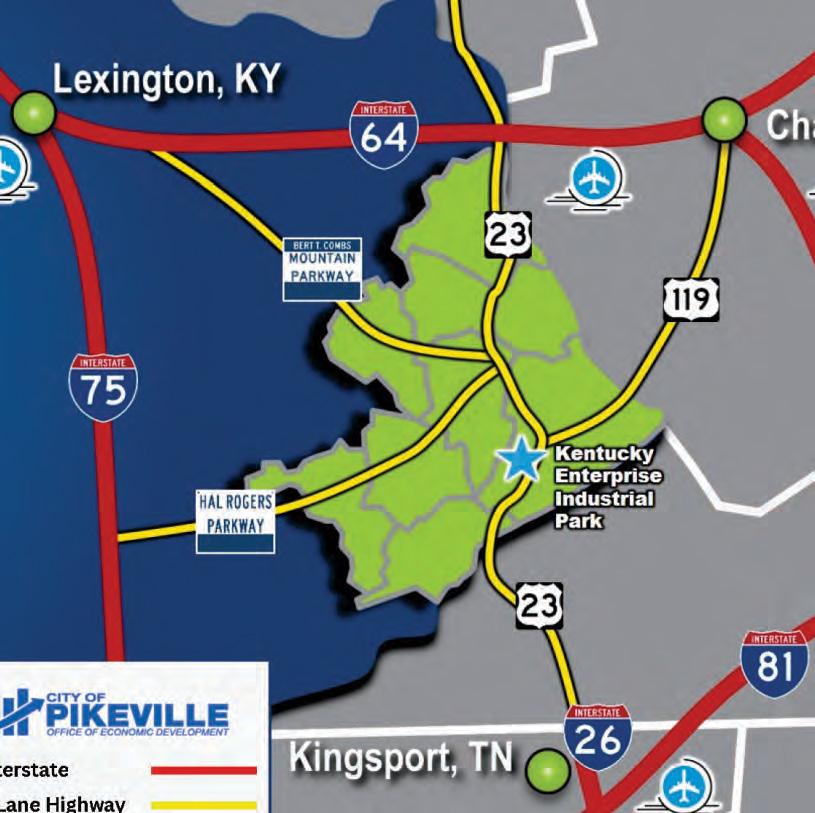
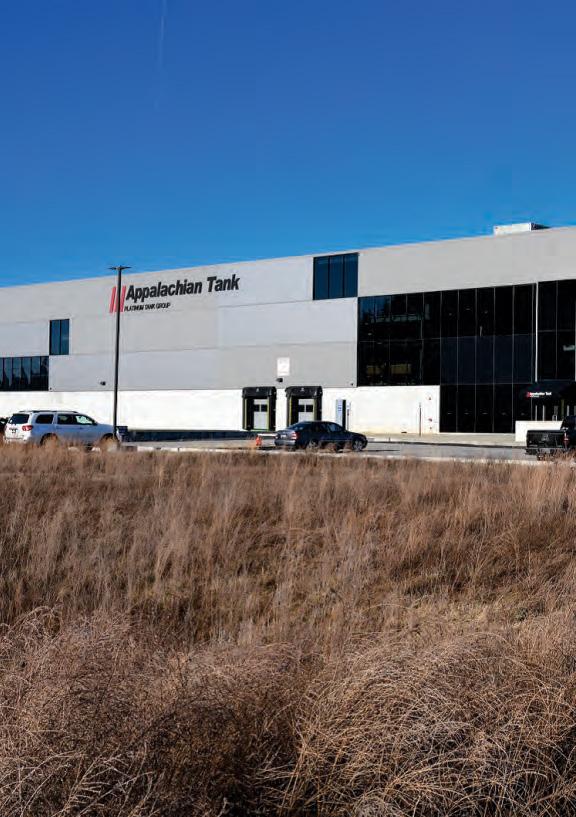
The Kentucky Enterprise Industrial Park is ready for development. With 400 acres of land, utilities are in place and all major infrastructure projects are complete. Pikeville is ready to support your industry needs with a large workforce, university and community and technical college training programs to equip your workers with the skills they need, and a full array of support services including fire, police, ambulance, public works, hospital, trauma center, hotels, restaurants, retail, and much more!
Pikeville’s tenacity and resilience through the years is a testament to the perseverance of its residents. The earliest settlers braved mountainous
terrain and nearly absolute isolation. In recent times, these qualities have served residents well as they braved severe floods and economic vacillations in the coal industry. The City of Pikeville and its residents have met these challenges and surmounted them with creativity, fortitude and stamina, and at times, literally moving mountains.
For more information on Pikeville, Kentucky and what it can offer you and your business, visit whypikeville.com.
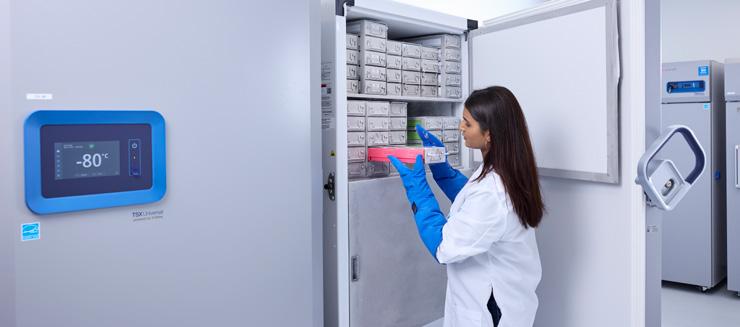
The LifeSciKY lab, where companies start, scale, and stay — powered by lab infrastructure, people, and a statewide innovation network, offers stateof-the-art equipment and technology with stunning views of the Cincinnati skyline.
BE NKY Growth Partnership is the economic development company for Boone, Kenton and Campbell counties in Northern Kentucky, working to attract new businesses and elevate what already exists to create innovative, forward-thinking, and attractive environments for companies and community success. BE NKY serves Northern Kentucky so the community thrives through the creation of good jobs and a growing and diverse economy.
Since its inception in 1987 (as Northern Kentucky Tri-ED), BE NKY has led successful relocation or expansion efforts for 814 business projects, representing more than 78,950 primary industry jobs created with a capital investment of $10.6 billion.
Northern Kentucky is home to businesses that are thriving in several target industry sectors: advanced manufacturing, life sciences, IT and supply chain management. A strong contingent of life sciences companies and healthcare systems, including Bexion Pharmaceuticals, ZEISS, Thermo Fisher Scientific, and CTI Clinical Trial & Consulting Services, have significant presence in the region. St. Elizabeth Healthcare, UC Health, Christ Hospital, Cincinnati Children’s Hospital Medical Center, BonSecours Mercy Health, and TriHealth provide best-in-class healthcare and research opportunities. A deep ecosystem and advanced manufacturing heritage in Northern Kentucky provide an ideal location for biotech, R&D, pharmaceutical and medical device manufacturing.
From 2024-2029, employment in the life sciences industry in Northern Kentucky is projected to grow 21.5%, and helping to accelerate this growth is LifeSciKY, a new lab incubator that offers affordable lab space, state-of the-art equipment, collaborative partnerships, and networking opportunities to R&D innovators. The lab, which began operations in December 2025, is already home to many domestic and international companies.
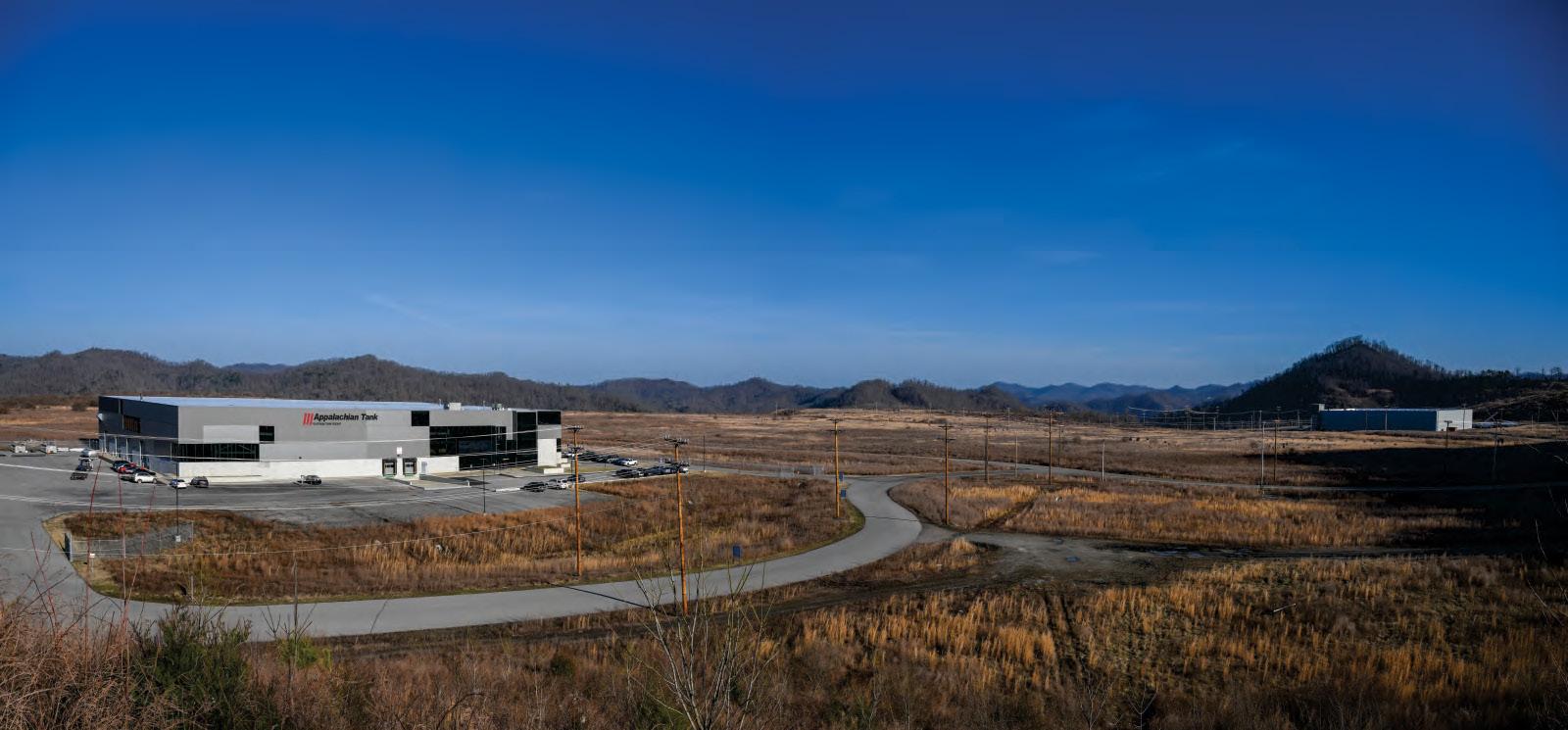

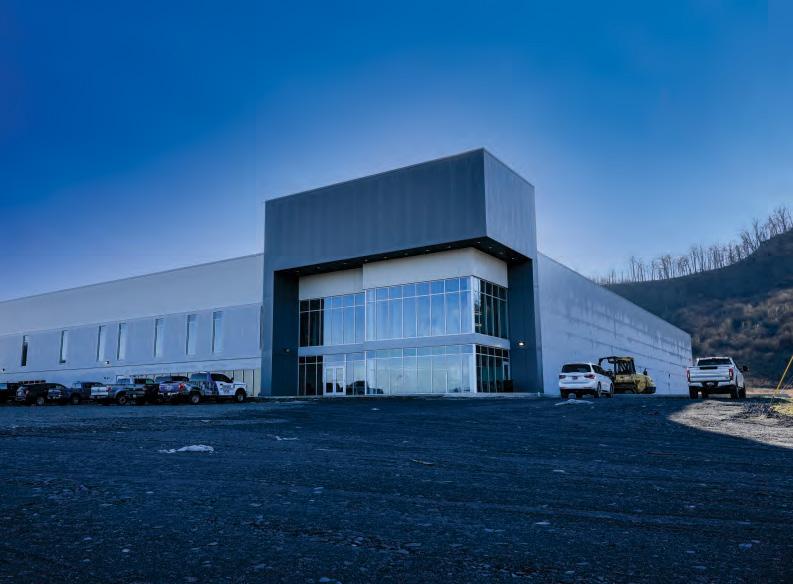





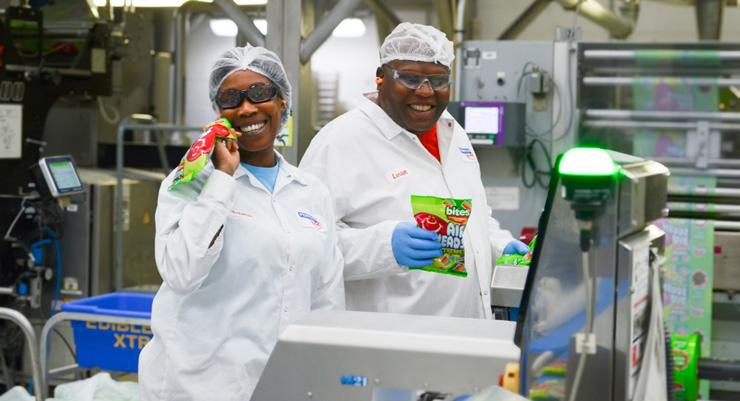
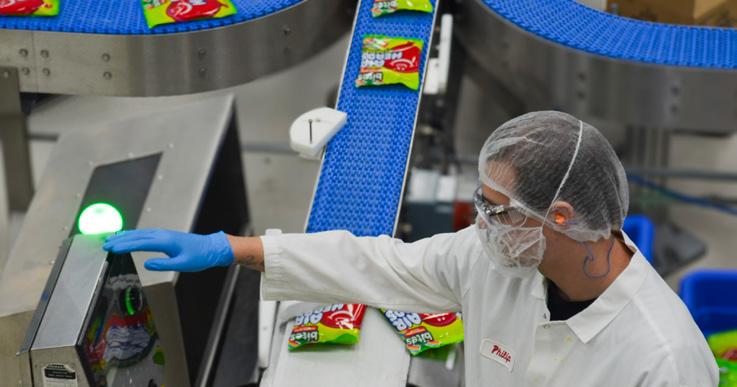
Northern Kentucky is also experiencing high growth and expansion in food, flavor and beverage research, manufacturing and distribution. Popular food, candy, bourbon and beer is made in Northern Kentucky, including family favorites like Keebler Fudge Stripes cookies, Hillshire Farm Beef Lit’l Smokies Smoked Sausage, Red Baron pizzas and millions of Airheads. Jobs in the food and flavoring industry in Northern Kentucky grew 24% from 2019-2024 and companies continue to expand and relocate in the region. Recent announcements include Steuart Nutrition, MarfoFMA Corp., and ADM, representing a combined 171 jobs and $74.4 million in capital investment.
The region is also home to nationally recognized craft breweries and distilleries including Braxton Brewing Company, Boone County Distilling Co., and New Riff Distilling, which was awarded the “World’s Best Bourbon” title at the 2026 World Whiskies Awards for its Bottled in Bond Kentucky Straight Bourbon Whiskey.
Northern Kentucky and the Cincinnati region, ranked as the top city for new college graduates four years in a row, was named by Forbes as the best place for young professionals to live in the U.S. in 2024, and is the #1 region businesses call home.
Kentucky – An Interview with Carter Hendricks, IOM, Executive Director of South Western Kentucky
Briefly give us an overview of companies now in South Western Kentucky
South Western Kentucky is home to 75 manufacturers with 24
international companies representing twelve unique countries. Sectors include automotive, agriculture, advanced manufacturing, chemical, defense and aerospace, distribution, and electric vehicle parts.
Are you targeting certain industries for the future?
Through our SWK 2030 strategic plan, we remain focused on our priority sectors of automotive, agriculture, aerospace, advanced manufacturing and distribution.
We recognize the unique strengths our region provides as we can deliver the real estate sites, utilities, business savings, and workforce to help companies in these sectors, and others, succeed.
Ranked 10 out 10 by the Tennessee Valley Authority, South Western Kentucky, the home of Land Between the Lakes National Recreation Area, has an award-winning quality of life featuring abundant outdoor recreation and sporting options, charming communities with vibrant downtown events and festivals, housing prices well below the national average, and a low cost of living and even lower taxes with Kentucky’s state income tax recently cut to 3.5%!
Less than an hour to Nashville, TN, the region also allows residents to get a taste of the “big city” lifestyle with quick trips to professional sporting events, concerts, art museums, and more.
In South Western Kentucky, residents and companies enjoy the best of both words with easy access to a larger city while enjoying the daily benefits of a less taxing, more relaxing quality of life in the 3-county SWK region.
Awards: Most Patriotic City, Great American Defense Community, Tree City USA, All American City, TVA 10/10 Quality of Life
The SWK workforce is over 500,000 strong, young, diverse, and growing with support from a 9-county labor shed. South Western Kentucky Counties continue to show strong growth with a growing housing market bolstering regional metropolitan and population growth.
Christian County has the youngest population in Kentucky at 29.1 years old and Hopkinsville boasts the most diverse population per capita in the state.
The workforce is fueled by Fort Campbell’s military population, which sees 500 military members depart the Army each month looking for work in our region. Additionally, military dependents are a vibrant part of our workforce. The region also boasts a strong manufacturing workforce and several strategic workforce pipeline initiatives.
The SWK EDC partners with several education and workforce partners to ensure strong workforce pipelines for our companies and industries, including:
1.HOPFAME: A program at Hopkinsville Community College training students in advanced manufacturing and featuring an apprenticeship.
2.Fort Campbell IMM: Through a partnership with Hopkinsville Community College, military members and dependents have access to industrial maintenance and mechatronic training and assistance finding job opportunities with local manufacturers.
3.SWK IGNITE: A program with the regional K-12 schools to prepare and better connect K-12 students, especially high school, with better awareness and connection to job opportunities in manufacturing and engineering.
4.Fort Campbell TAP: A transition assistance program dedicated to assisting military members and dependents with information and job opportunities.
What type of recreational activities are there in or around the area?
With thousands of miles of shoreline and trails at nearby Land Between the Lake and several state parks, the SWK region boasts unmatched access to affordable, family friendly, and fun outdoor recreation including biking, hiking, boating, fishing, skiing, ATV riding, trail riding, and more.
Briefly discuss the modes of transportation to move good to and from the area.
The SWK features two interstates (I-24 and I-169), CSX and RJ
Corman rail, air access through multiple regional airports and the Nashville International Airport, and river port access with four choices within 45-minute drive.
What else should we know about SWK economic development that you want us to know?
Our regional manufacturing family continues to grow as we’ve recently welcomed Kitchen Food Company (Australian), Toyota Boshoku (Japanese), Genuine Ag Solutions (American), and a $250M expansion at US Tobacco (American). These companies have chosen to locate and grow in South Western Kentucky because of the logistical and financial advantages as well as the business friendly environment and amazing quality of life.
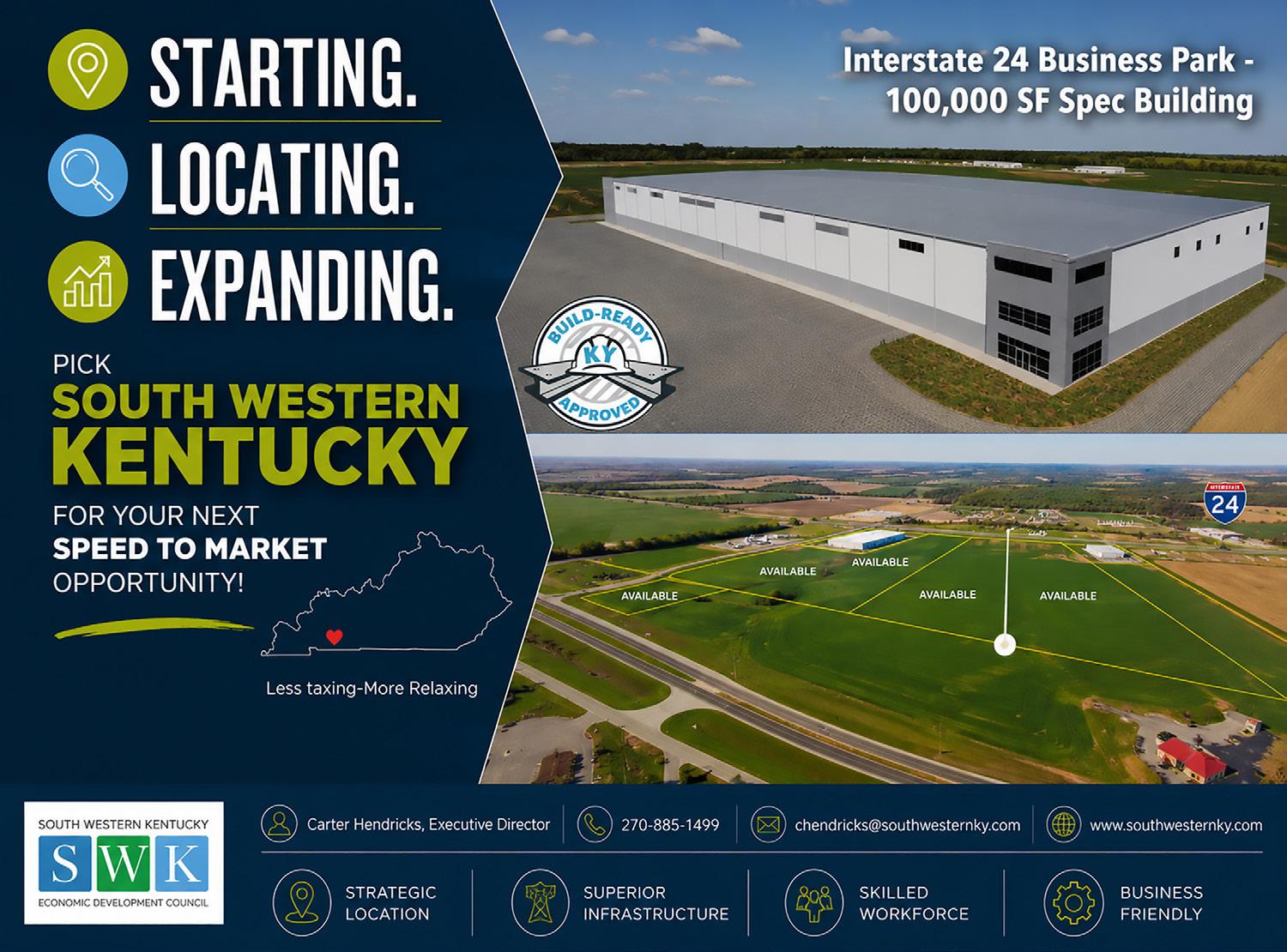
We have incredible development sites ready for the next company to make their new Kentucky home, including the Interstate 24 Business Park 100,000SF shell building, Commerce Park II CSX certified Select Site, the John Walton Business Park, interstate sites, and more.
For more information, please visit www.southwesternky.com or call 270-348-6226. X #ComeGrowWithUs #newKentuckyhome
INDUSTRY OUTLOOK | INNOVATION AND STRATEGIES
INDUSTRY INSIGHT | EXPANSION OPPORTUNITIES
INDUSTRY NEWS | DIRECTORY OF ECONOMIC DEVELOPERS

For more than 30 years, BXJ magazine has delivered insightful, educational and other useful information to assist companies and their legal representatives with the site search, expansion and relocation process. This is challenging and complicated requiring time, precision and a team of seasoned professionals to aide in making important decisions. BXJ offers comprehensive tools to help understand incentives, workforce development, real estate, education, job training, transportation and much more.

From the moment Wisconsin achieved statehood, their motto has always been “Forward.” That means you’ll find incredible support for your company’s vision as well as excitement around bringing that vision to life. From inbound foreign direct investment to domestic relocation, Wisconsin Economic Development Corporation (WEDC) and its statewide network can help you find prime locations and connect you with valuable resources that set you up for success in Wisconsin. ...................................................................................................
You’ll find business-friendly tax code, low regulation, policies that advance emerging industries and allow your business to compete nationally and globally, and an environment that spurs investment and instills confidence in the future.
In addition, you’ll have access to programs and resources to help you start, relocate, or expand your business in Wisconsin.
Through WEDC’s collaboration with local and regional economic development organizations, academia, and industry associations, you’ll be connected to growth-oriented solutions to help maximize your company’s potential.
Wisconsin lives to help you find success. Part of that is creating a stable, low-risk, supportive environment for doing business. Their state has a balanced budget; tax exemptions for manufacturing, qualified research, and biotechnology; and the highest public pension funding ratio in the nation. In fact, their pension system has been fully funded for more than a decade. This translates into a low risk of unexpected tax burdens—both for your company and for your Wisconsin-based employees.
Wisconsin’s strategic location, deep support of industry, world-class workforce, and investment in research and development have set homegrown companies up for global success. These factors also attract companies from around the world to Wisconsin. Here, you’ll find endless advantages, surprising opportunities, thriving clusters, and key industries including advanced manufacturing; water technology; biohealth;
aerospace; food and beverage; and energy, power, and controls.
Wisconsin’s $77 billion manufacturing industry employs more than 470,000 workers—making them a national leader in manufacturing employment.
Located on the world’s largest body of fresh water, Wisconsin features the nation’s only global water hub and boasts more than 250 innovative companies.
Wisconsin’s 2,200+ biohealth establishments are addressing global health challenges with innovations in medical devices, imaging, biotechnology, and digital health.
Wisconsin boasts 3,800+ food and beverage companies and has been globally recognized for its research and innovation to advance food science.
With renewable energy on the rise, Wisconsin’s nearly 8,000 companies in this sector are evolving to meet the nation’s power needs.
Wisconsin’s forest products industry is sustainably minded, fueled by nearly 17 million acres of forest, and employs nearly 50,000.
When you choose Wisconsin for your expansion, you’ll be tapping into a host of business advantages. One of the most compelling is their central North American location. Situated conveniently between Chicago and Minneapolis, on the Great Lakes and bordered by the Mississippi River, your company can be within a stone’s throw of an international airport, commercial port, or foreign trade zone. It’s all connected with a well-developed network of thousands of miles of highway and rail lines. This puts your goods within one business day of all major U.S. markets. These markets include Chicago, Minneapolis, Detroit, St. Louis, Kansas City, and more.
For more on Wisconsin, please contact the Wisconsin Economic Development Corporation at 608-210-6700 or visit their website at www.wedc.org .
Where Innovation Meets Opportunity
Fitchburg, Wisconsin: The Best of Both Worlds
Looking for the perfect place to start, relocate, or expand your business?
Fitchburg, Wisconsin offers a unique advantage—strategically located between the energy of Madison and the beauty of Wisconsin’s countryside. Here, businesses gain access to a thriving economy, a highly educated workforce, and an exceptional quality of life that attracts talent and investment.
Why Choose Fitchburg?
Prime Location
• Minutes from the University of Wisconsin–Madison
• Convenient access to the Wisconsin State Capitol
• Close to Dane County Regional Airport
• Connected to major transportation corridors
Join a business community that includes startups, small businesses, and global industry leaders specializing in:
• Advanced Manufacturing
• Agri-Business
• Bioscience
• Information Technology
• Instrumentation and Technology
Fitchburg offers an ideal environment for business growth and expansion, with a diverse range of development-ready sites across key areas including Hartung Fields, Novation Campus, Payne & Dolan, Tech Lands, and Uptown. Small and large acreage is available, as well as various building sizes and footprints.
• These locations provide strong advantages such as proximity to established biotech and industrial campuses
• high-visibility corridors with significant daily traffic, and access to public transportation and bike trails
• Certified and development-ready sites, including those recognized by the Wisconsin Economic Development Corporation, offer streamlined processes and flexible zoning suitable for office, laboratory, industrial, and advanced manufacturing uses.
Employees enjoy vibrant urban amenities alongside welcoming neighborhoods, making Fitchburg an ideal place to live, work, and grow.
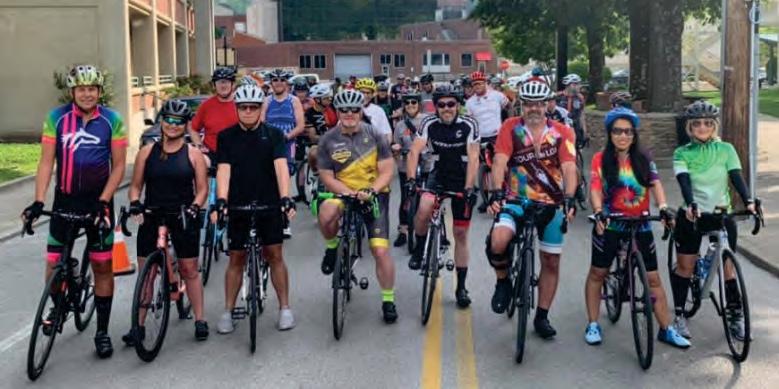
From family farms and community parks to world-class bicycle trails and recreational opportunities, Fitchburg offers an environment where businesses and people thrive.
Whether you're launching a new venture, expanding operations, or seeking a strategic location for your next investment, Fitchburg provides the connections, workforce, and lifestyle that help businesses succeed.
Where Innovation, Opportunity, and Quality of Life Come Together.
Discover why businesses are choosing Fitchburg—and why your next chapter should begin here. X
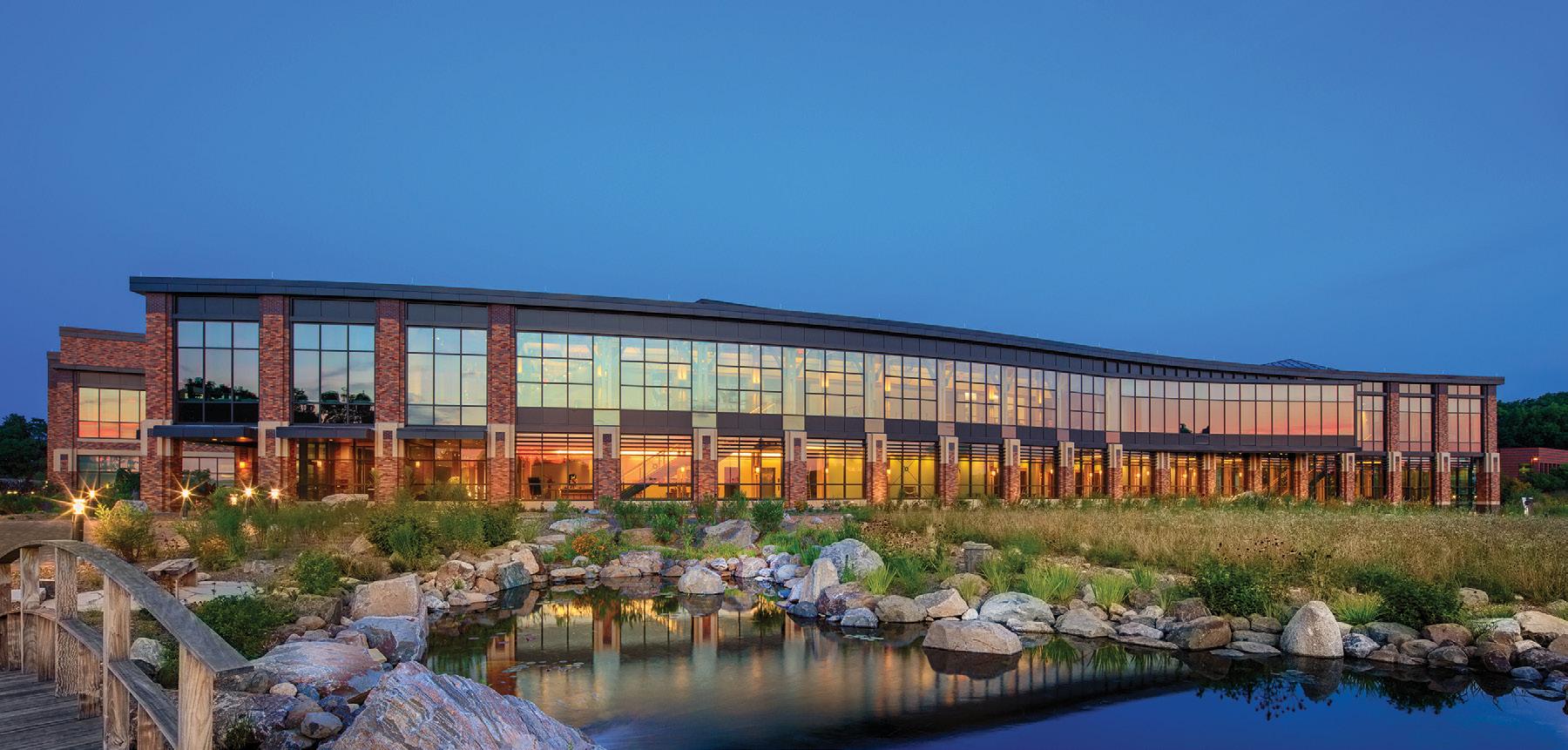
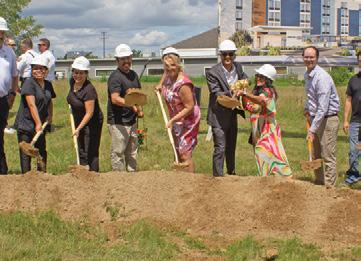
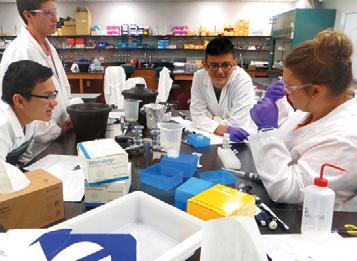


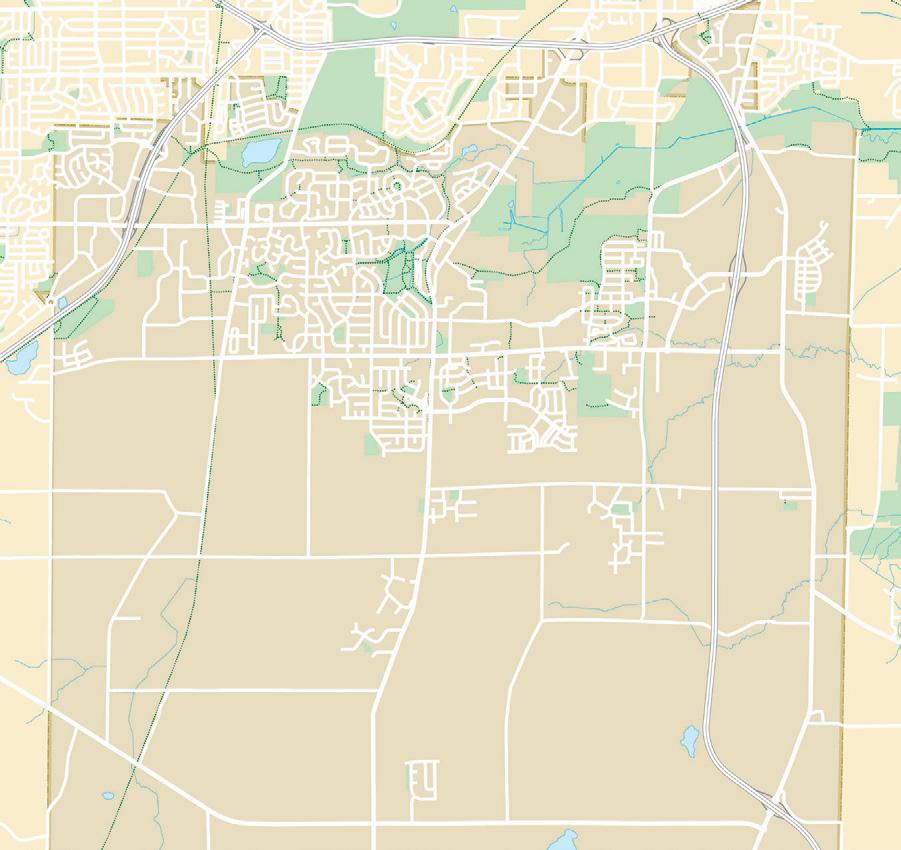
Grow where innovation thrives. Fitchburg, Wisconsin is home to world-class technology companies, entrepreneurial talent, and a highly skilled workforce. Located in the dynamic Madison MSA with convenient access to Milwaukee, Chicago, and Minneapolis, Fitchburg offers businesses a strategic location, exceptional talent pipeline, and an unmatched quality of life.
Position your next investment for success. A diverse portfolio of development ready sites supports advanced manufacturing, life sciences, technology, and instrumentation operations. Many locations offer high-profile visibility and are strategically situated near established biotech and industrial hubs, creating opportunities for collaboration, workforce access, and long-term growth.

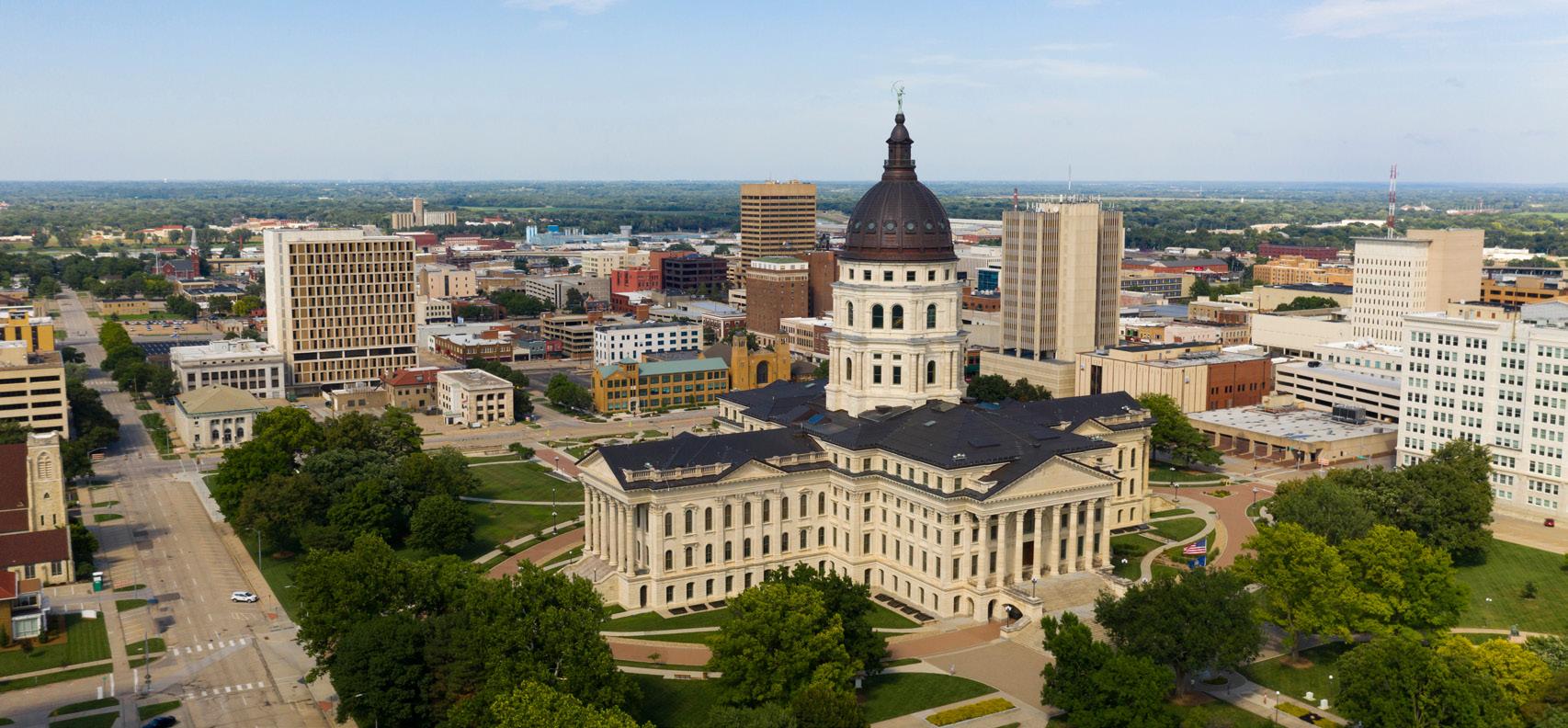
Kansas delivers many advantages to companies looking to locate and expand in the state. From our central location in the heart of America to our highly skilled workforce and our competitive incentive programs, Kansas offers something for everyone.
If there is a place that knows how to make it, it’s Kansas! Ranging from fuselages to food and chemicals to computer electronics, there is a common thread among Kansas’ manufacturing pursuits – the use of the most advanced techniques and innovative materials and support from in-state centers of national prominence. They are home to a vast network of diverse, quality and precision manufacturing activities from their catalog of companies.
The exploration of innovative ideas is critical to businesses being able to improve processes, bring new products to market, increase efficiencies and – above all – improve profitability. The Kansas workforce and many university partner resources can help your operations reach new heights.
Add in effective business incentives, competitive utility rates, a high standard of living and an excellent business environment, and you have the winning formula for your manufacturing operation.
Tap into Kansas’ highly educated, customer-focused workforce. Kansas has emerged as a leader for corporate and professional service
companies, including those involved in finance, accounting, information technology, engineering and architectural design. In fact, in recent years, we have seen unprecedented success for Kansas with service-related companies and corporate leaders such as Quest Analytics, CarMax, and Navatek CFD Technologies, LLC all selecting Kansas as a place to grow their operations.
Located smack dab in the heart of the United States, Kansas offers companies a truly unique and outstanding logistical advantage to help reach customers faster and more efficiently. With more than 140,000 miles of roads and top-ranked interstates bisecting their great state, you can get to the Pacific or Atlantic in four days or less from Kansas. If the open road doesn’t suit your needs, they have plenty of modern-day iron horses ready to whisk your goods to the port of your choosing. Kansas is served by four Class I and 11 Class III railroads on the sixth-largest rail network in the nation1. They also have an intermodal that holds its own when compared to any major market. Join their strong lineup of logistics and distribution companies, and you will see why it is good to be self-centered in Kansas.
Kansas has always been known for their robust agriculture and food industries. Commonly referred to as, “The Breadbasket of the World,” the Wheat State has nurtured their reputation by consistently ranking No. 1 for wheat production in the United States. In addition, they’re one of the top producers of grain sorghum and a variety of other commodities.
Their food companies range from small, family-owned companies to large, multi-national corporations and headquarters; all of which
have found the economic benefit as they feed the world from Kansas’ world-renowned logistics and distribution infrastructure.
Whether it’s their commitment to crop research, ensuring the safety of our nation’s food supply or remaining a top commodity producing state, Kansas’ commitment to agriculture continues to flourish.
Kansas feed and forage production is an important sector of the state’s agricultural economy. Kansas livestock producers are a major outlet for hay, silage and feed grains that are produced within the state’s borders. Kansas ranks first in the nation in wheat and sorghum production. And they are also a leader in the production of cattle, sunflowers, bison, hogs and soybeans.
Kansas is home to agricultural equipment manufacturing and sales companies in a broad range of sizes and specializations, which combined with a strong customer base and supportive state policies make Kansas a prime location for growth in the ag equipment manufacturing and sales sector.
Kansas farmers and ranchers take their job of feeding the world seriously through innovative and sustainable practices, and their business environment matches their work ethic. If you’re looking to expand or relocate your ag-related business, look no further than Kansas.
The Kansas Department of Commerce provides a wide array of services and resources to help businesses locate, expand, hire, invest and grow in Kansas. Whether you are looking for the right location

in which to invest or resources for business expansion, job creation or international trade, their team is dedicated to your success in our state.
Kansas has been, and continues to be, aggressive in its efforts to grow their economy. Major companies such as Merck Animal Health, Geico, PBI Gordon, Garmin, Overstock.com, Amazon, Kiewit, Mars, Hostess Brands, Garmin, American Multi-Cinema, Dairy Farmers of America, Kubota, ServiceMaster and General Motors all have chosen Kansas as their preferred business location. These companies selected Kansas due to the business advantages their state offers, which can translate to increased performance and profits.
If you would like additional information, please contact the Kansas Department of Commerce at 785-296-3481or visit their website at www.kansascommerce.gov/business
Being located near the geographic center of the United States has a lot of advantages for business. Nestled at the crossroads of I-70 and I-135, Salina offers businesses easy access to a highly skilled and educated workforce of more than 213,000 and 45 million consumers within a single days’ drive.
Businesses here enjoy outstanding connectivity and endless shipping options. Trucks can be on the highway in minutes from any location in Salina. Air Cargo and freight services are available at the Salina Regional Airport, and a connection to the Union Pacific main line right in town, products and raw materials can be shipped by rail anywhere in the western two-thirds of the country and elsewhere with intermodal options. Salina’s railroad connections also open up International markets to businesses from deep water ports on the West Coast and in the Gulf of Mexico.
Salina enjoys a diverse economy that includes several manufacturing interests both large and small, a strong agricultural economy that supplies local food processors and beverage makers and creates strong demand for industries such as agricultural equipment manufacturing. Kansas is also poised to become a leader in alternative energies, particularly solar and wind. Salina is ready to support new businesses in these and other sectors with a businessfriendly environment and attractive incentives that offer significant cost savings.
Salina also offers a safe, accessible, and connected community with a comfortable lifestyle for families and young professionals alike. The downtown area is the heart of Salina and is changing fast in support of its vibrant and growing community. Residents here enjoy a low cost of living and access to quality healthcare. Their K-12 schools provide an outstanding curriculum and with both a community college and university in town, higher educational opportunities abound. Kiplinger recently named Salina as the 9th cheapest place to live in America with populations under 50,000.
For more information on Salina, please contact the Salina EDO at 785-404-3131 or visit www.salinaedo.org . X
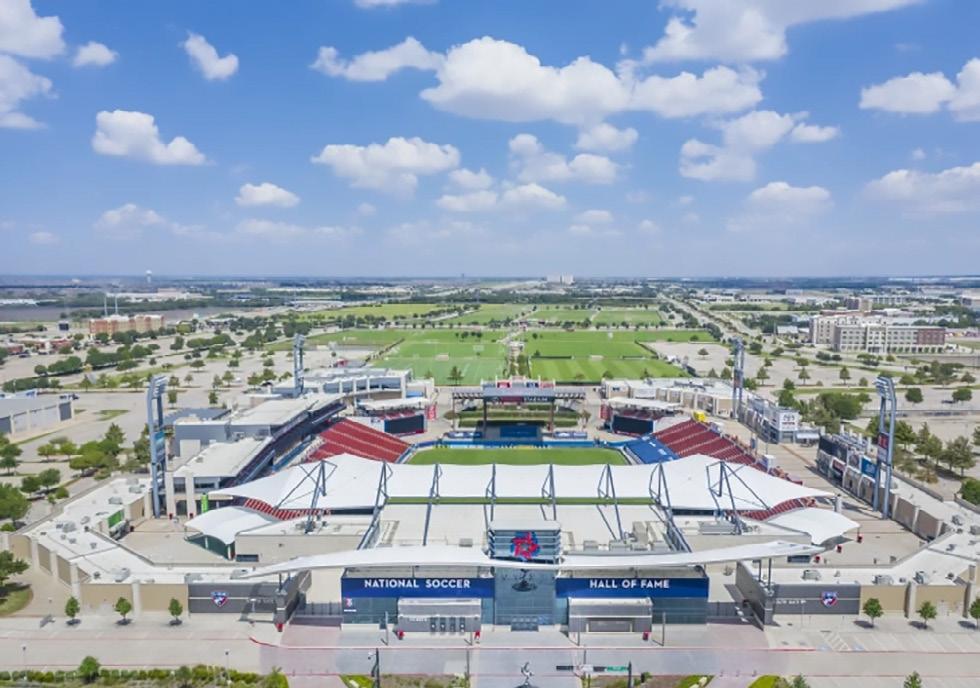
With an innovative, fast-paced and highly business-focused metropolitan market, Frisco, Texas, stands as one of the most compelling destinations for businesses and residents in the U.S.
Located 25 miles north of downtown Dallas in the heart of the sought-after North Platinum Corridor, Frisco combines strategic positioning with a strong sense of community. The city is built on innovative city planning, robust infrastructure and ample room for future development, offering the livability and lifestyle today’s workforce expects.
Frisco is a leading choice for established companies and startups looking to grow, relocate or launch new ventures. Its talent pipeline benefits from partnerships with the University of North Texas, a Tier One research university, and Collin College, which is nationally recognized for its IT Center of Excellence and workforce training programs.
Companies relocating to Frisco find a thriving environment shaped by venture capital, technology firms and emerging startups. Frisco’s leadership in public-private partnerships and
next-generation technology-focused initiatives has attracted multiple corporate headquarters and a diverse, highly skilled workforce.
With the Dallas North Tollway and other metroplex thoroughfares nearby, along with well-developed highways and roads, Frisco offers efficient access throughout the Dallas-Fort Worth region.
Beyond business fundamentals, Frisco delivers on quality of life. Shorter commutes and an outstanding public education system support a place where people can live, work, play and grow. As one of the fastest-growing cities in the country and a consistent leader in the North Texas market, Frisco continues to gain momentum through strong infrastructure, a competitive tax base and visionary leadership.
Frisco proactively focuses on four high-impact industries driving future growth:
Fortune 500 and Fortune 1000, Fast-Scaling Companies, Global/National Headquarters, Regional Offices & Shared Service Centers, Financial & Professional Services, Healthcare/ Life Sciences, Business of Sports, and Logistics & Transportation
Frisco is home to corporate leaders, respected globally within their industries. Companies such as Keurig Dr Pepper, TIAA, Ruiz Foods, and Public Storage are among the companies that reflect the depth and diversity of organizations choosing Frisco for their operations.
Artificial Intelligence & Analytics, ugmented & Virtual Reality, Wearables & Embeddables, Health & Human Performance, Biotech, Nutraceuticals, Research & Development, Cyber Security, Computer Software & Hardware, and Additives & Advanced Materials
Frisco’s innovation economy continues to accelerate, with companies like Boingo and McAfee, alongside the North American headquarters of Redwood Software. Backed by more than 500 startups and major employers like T-Mobile, the city continues to build momentum as a center for innovation.
Professional Sports & Support Services, Corporate Operations, Governing Bodies, Sports Tech, R&D/Test Hub, Apparel & Equipment, Wellness Products & Services, and Fan Experience & Hospitality
Frisco hosts more than a dozen professional and collegiate sports organizations and five major venues. That concentration positions the city as a leader in the business of sports, with organizations such as the Dallas Cowboys, the Dallas Cowboys Cheerleaders, the Dallas Stars and FC Dallas calling Frisco home.
Further solidifying its role as a sports hub, in 2022, the city welcomed the PGA of America into a landmark 600-acre, mixed-use development, with an initial investment of more than $500 million through a public-private partnership
Esports, Management Platforms, Video Game Development, In-Gaming Experiences, Suppliers/ Vendors, Betting Technologies, and New Media/ Digital Media
The GameStop Performance Center in Frisco houses Complexity Gaming, a global esports leader. This presence anchors a broader ecosystem that includes Stadia Ventures and Scoreboard Ventures, two leading sports tech accelerators and venture capital firms supporting the next wave of digital and gaming innovation. For more information, contact the Frisco Economic Development Corporation at 972-2925150 or info@friscoedc.com, or visit www.friscoedc.com. X

The Commonwealth is investing over $3 million to support Nokia’s expansion in the Lehigh Valley, strengthening Pennsylvania’s role in a fast-growing industry critical to the development of advanced technology.
ALLENTOWN, PA Governor Josh Shapiro and Pennsylvania Dpartment of Community and Economic Development (DCED) Secretary Rick Siger announced the Commonwealth has secured a $30 million investment from Nokia of America Corporation to expand its photonic semiconductor advanced test and packaging (ATP) operations in Lehigh County. The Commonwealth is investing over $3 million in the project, which will create more than 250 new jobs over the next three years and retain 308 full-time positions.
The expansion is expected to nearly double Nokia’s Pennsylvania workforce to more than 500 jobs in research and development, engineering, and manufacturing, while generating a projected economic impact of more than $500 million over the next five years.
This project will expand Nokia’s existing photonic semiconductor ATP operations in Allentown by up to ten times its current level and the company has leased additional space for future product development and logistics. The trusted tech company’s growth in Allentown serves as a foundational anchor for Nokia’s U.S. semiconductor footprint, reinforcing Pennsylvania’s role as a crucial hub for the production of advanced semiconductors, which are used in broadband networks, fiber optic systems, and more. Less than two percent of global semiconductor ATP capacity is in the US, making Nokia’s investments even more critical in growing the Lehigh Valley’s role in global supply chains.
“Nokia is doubling down on the Lehigh Valley and ensuring that the future of chip production continues to run through this region because we’ve made smart investments to make Pennsylvania more competitive and proven that our Commonwealth is a great place to do business,” said Governor Shapiro. “As demand for semiconductors continues to grow across industries, we’ll continue to position Pennsylvania as a leader in innovation, with a supportive, thriving business climate that helps companies compete on a global scale. From advanced manufacturing to the research and development of new technology like advanced chip packaging, Pennsylvania has all the resources to be a world leader in chip production.”
338,000-SQUARE-FOOT FACILITY IN TENNESSEE, EXPANSION TO CREATE
1,000 NEW JOBS
COUSHATTA, LA C&C Forest Products announced it is investing over $21 million to rebuild its Coushatta sawmill following a 2025 fire, repositioning the facility as a more efficient, cost-competitive specialty lumber and timber operation.
The company is expected to create 77 direct new jobs with an average annual salary of $65,260, which is 34% above the average Red River Parish wage, while retaining 27 current positions. Louisiana Economic Development estimates the project will result in an additional 256 indirect new jobs, for a total of 333 potential new job opportunities in the Northwest Region.
“C&C Forest Products’ investment in Coushatta reflects the continued growth of Louisiana’s agribusiness industry, with companies modernizing operations and expanding into specialty production,” LED Secretary Susan B. Bourgeois said. “By rebuilding this facility, the company is creating high-quality jobs while adding new capacity that strengthens Louisiana’s position in the timber industry.”
Coordinated by the Governor’s BusinessPA team, Nokia received a funding proposal from DCED for a $3.2 million Pennsylvania First grant and is eligible for at least$129,500 through the Manufacturing Tax Credit Program.
“Pennsylvania is competing and winning because trusted global companies like Nokia see the value of investing in our Commonwealth, our communities, and our workforce,” said DCED Secretary Siger. “This expansion in the Lehigh Valley will create hundreds of good-paying jobs, strengthen Pennsylvania’s advanced manufacturing and technology sectors, and build on the economic momentum Governor Shapiro is delivering across the Commonwealth. This project also reinforces the Lehigh Valley’s standing as a global leader when it comes to semiconductor manufacturing.”
Nokia is a global leader in connectivity for the AI era, providing the critical network infrastructure the world relies on. Nokia is the backbone of advanced connectivity across fixed, mobile and transport networks, delivering the performance and security needed to meet the demands of an AI-enabled future.
“AI is transforming network and infrastructure requirements, reshaping networks and global infrastructure demands,” said Justin Hotard, President and CEO of Nokia. “This investment increases domestic production of the critical optical networking technologies that power AI infrastructure. It strengthens U.S. capabilities in a strategic technology area and reflects Nokia’s continued commitment to investing in U.S. manufacturing, innovation, and technology leadership, while supporting Pennsylvania’s growing role in the AI economy.”
Viewed as the birthplace of semiconductors, the Lehigh Valley continues to be a hub of technological innovation. More than 1,100 people are employed at 35 semiconductor and related technology businesses in the region.
“Semiconductor and optoelectronics development have long been an important part of the Lehigh Valley economy,” said Don Cunningham, President & CEO, Lehigh Valley Economic Development Corporation. “Nokia’s investment and expansion here with the support of Governor Shapiro and the Commonwealth showcase the continued growth and importance of this critical technology sector here in the Lehigh Valley.”
Governor Shapiro’s Economic Development Strategy is a targeted plan designed to help Pennsylvania win and become a national leader in economic development, innovation, and job creation. Manufacturing is one of the key industries outlined in the strategy that will help Pennsylvania build on its competitive advantages and create real opportunity for Pennsylvanians.
The project will reconfigure the existing facility at 306 Wilkinson St. with updated equipment and improved site layout to support more efficient production. Once complete, the rebuilt sawmill will focus on specialty lumber and timbers and will be capable of producing up to 90 million board feet annually, enhancing the company’s ability to serve regional and national markets.
“C&C Forest Products is pleased to partner with Louisiana Economic Development and the Coushatta community in rebuilding and modernizing our sawmill,” C&C Forest Products CEO Jim Langdale said. “This investment reflects our commitment to the region’s timber industry and the skilled workforce that make operations like this possible. We appreciate the state’s support and look forward to creating new opportunities for growth and jobs in Red River Parish.”
C&C Forest Products operates sawmills in Louisiana and Arkansas, with Coushatta serving as a key location in the company’s manufacturing network. The company has continued investing in its operations to expand production capacity and support more specialized manufacturing.
Construction is expected to begin in the first half of 2026, with the facility anticipated to begin sales in the first quarter of 2027.
HARRISBURG, PA – Governor Josh Shapiro announced the Commonwealth has secured a $7 million investment from future advanced seed and genetics company Vylor to open its Global Corporate Business Center in Pennsylvania. The company, which will be spun off from Corteva in the fourth quarter of 2026, will create a minimum of 130 new, high-paying jobs over the next five years.
The Commonwealth is investing $3.5 million in the Global Corporate Business Center project, which will be established at a to be determined location in Southeast Pennsylvania. Vylor, which has committed to operating in the Commonwealth for at least fifteen years, will also invest at least $10 million in an existing Research and Development facility in New Holland, Lancaster County.
“Businesses are choosing Pennsylvania because we have put a real strategy in place – and we are delivering results by cutting red tape and speeding up permitting, investing in key industries like agriculture, and strengthening our workforce,” said Governor Josh Shapiro. “Economic growth and opportunity runs through our farmlands – and my Administration is proud to support innovative companies like Vylor who are at the forefront of innovation in the agriculture industry. We will keep building on that momentum to win more projects, create more opportunity, and drive long-term economic growth for communities and farms across Pennsylvania.”
The Department of Community and Economic Development (DCED) provided Vylor with a $3.5 million funding proposal for this project.
“Vylor’s decision to locate its new Global Corporate Business Center in Pennsylvania is another clear example of how we’re
Investment will create up to 300 high-skilled jobs and strengthen Ontario’s AI, digital health, and life sciences ecosystem
TORONTO, ONTARIO Invest Ontario welcomes ZS’s decision to expand its operations in the province through the creation of a new Engineering Labs in Toronto. The project represents a $165 million investment and is expected to create up to 300 high-skilled jobs over the next three to five years, supporting the company’s long term growth in Ontario.
ZS, a global management consulting and technology firm, is establishing the Engineering Labs to support its use of advanced technologies, including artificial intelligence, to deliver on its business strategies across healthcare, pharmaceutical and biotech clients. The investment reflects how
AI is enabling companies to scale operations, drive innovation and expand high-value work.
Invest Ontario worked with the firm to advance the project through strategic advisory services, including benchmarking analysis comparing operating costs across Ontario locations, helping build connections with local governments, universities, and ecosystem partners, and
competing for — and winning — transformative projects that create opportunity and drive long-term economic growth here,” said DCED Secretary Rick Siger. “The Shapiro Administration is making strategic investments that help companies grow, create jobs, and put down roots in our communities. We’ll continue to aggressively compete for projects like this one and further strengthen Pennsylvania’s reputation as a premier destination for innovative companies looking to expand and succeed.”
The agriculture industry contributes more than $132.5 billion each year to Pennsylvania’s economy. This industry is among the five key sectors prioritized in Governor Shapiro’s 10-yearEconomic Development Strategy.
“Intense swings in weather and temperatures bring increased risk of pest damage from weakened root systems and warming soil,” said Pennsylvania Agriculture Secretary Russell Redding. “Responsibly developed seed treatments are an important tool for farmers in targeting pest control with fewer chemicals while increasing yields, and lowering costs. Attracting businesses that use innovative technology to solve real problems is a sound investment in Pennsylvania agriculture.”
On October 1, 2025, Corteva announced plans to separate into two independent, publicly traded companies — one of which is Vylor ― in the second half of 2026. New advanced seed and genetics company Vylor will be anchored in elite germplasm and cutting-edge biotechnology with the aim of harnessing science and technology to help feed the world.
“We’re excited to locate our new Global Corporate Business Center in Pennsylvania to help grow the future of Vylor and strengthen the state’s strong ties to agriculture,” said future Vylor CEO Chuck Magro. “We look forward to working together in the shared belief that science and innovation will advance agriculture, build rural economies and help farmers feed and fuel a growing population.”
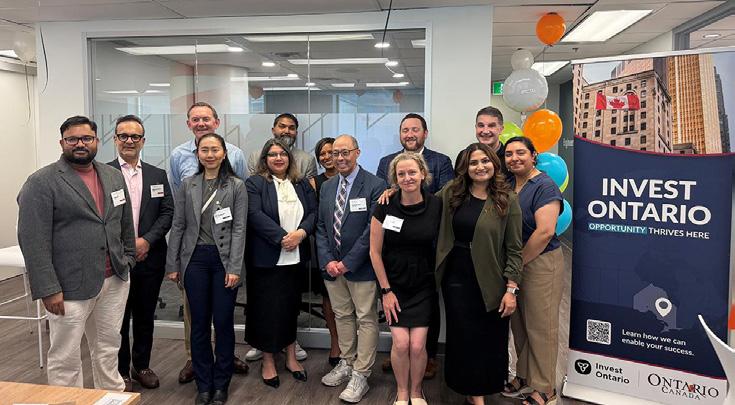
providing guidance on potential provincial and federal support programs to facilitate growth. ZS selected Ontario for its strong pipeline of highly skilled talent, as well as the strength of the province’s AI, digital health, and life sciences ecosystem. A Toronto based operation provides access to North American clients and supports continued growth in a globally competitive market.
By establishing its Engineering Labs in Toronto, ZS is expanding its AI-enabled capabilities and strengthening its presence in Ontario’s innovation ecosystem. The project will contribute to the creation of high-value jobs and reinforce Ontario’s position as a destination for advanced, knowledge-based investment.
JEFFERSON CITY, MO — Amazon announced its plans to invest $10 billion to construct a new, state-of-the-art data center campus in Montgomery City. Announced during a press conference with state leaders, community members, economic development and utility partners, the project is expected to create 400 new direct jobs, thousands of construction jobs, and generate significant economic activity through construction, infrastructure investment, and long-term operational growth in the region. Montgomery County estimates this investment will generate hundreds of millions of dollars in new property tax revenue over the next 25 years.
“Today’s announcement represents more than a major investment in Missouri’s future—it represents new opportunities for Montgomery County and the surrounding region,” said Governor Mike Kehoe. “Projects like this create lasting benefits for local communities by supporting critical infrastructure improvements, generating new tax revenue for schools and public services, and strengthening the foundation for future economic growth. Amazon’s continued investment into our state demonstrates confidence in Missouri’s workforce, business climate, and communities, and we’re proud to celebrate this milestone alongside our local partners and residents.”
This investment builds on Amazon’s longstanding presence in Missouri as an employer of over 10,000 Missourians through a variety of facilities across the state. Amazon’s Missouri footprint includes fulfillment and sortation centers, delivery stations, Rural Super Rural delivery stations, and Whole Foods Market locations.
“Missouri has been home to Amazon since 2017 and more than 10,000 Missourians come to work with us every day. Today’s announcement reflects what we’ve learned over those years: that when you show up as a real partner, listen to the community, and invest for the long term, everyone benefits,” said David Zapolsky, Chief Global Affairs and Legal Officer at Amazon. “We’re building data centers that will create hundreds of new jobs, support educators and students, and strengthen local infrastructure. That includes $3 million to support local emergency dispatch services, and more than $1 million for a new community gathering space at the Montgomery County Fairgrounds. Our investment matters most when the community is better for it.”
This $10 billion investment further strengthens Missouri’s growing role in the digital economy and supports increasing global demand for secure, reliable, and scalable cloud computing infrastructure.
“Behind every major investment are local leaders, utility partners, educators,
HANOVER, MD Major aerospace and defense technology company, Northrop Grumman Corporation, recently opened a new state-of-the-art facility with more than 130,000 square-feet of manufacturing space in Hanover, Maryland. This investment will allow Northrop Grumman to manufacture various spacecraft components that are critical to mission success, and is a major part of bolstering the company’s aerospace influence across the state and nationwide.
Northrop Grumman currently has over 14,000 employees in Maryland, and over the last two years has invested more than $115 million in the state’s manufacturing sector, with $20 million invested in Hanover. As a leader in innovation, manufacturing, and workforce development, Northrop Grumman has been a strong and reliable partner for the state of Maryland.
During a recent ribbon cutting ceremony at the facility, Nick DiCamillo, vice president of manufacturing and operations at Northrop Grumman, said, “We are well known in the industry for producing highly reliable
and community members working together to create opportunities for the future,” said Michelle Hataway, Director of the Missouri Department of Economic Development. “Amazon’s announcement in Montgomery County is a testament to what can be accomplished through strong collaboration and a shared commitment to growth. This project will help strengthen the region’s capacity for future development while reinforcing Missouri’s position as a destination for innovation and investment.”
Alongside its investment, Amazon is committing over $7 million in community contributions, including $3 million to support emergency dispatch services in Montgomery County, over $1 million for a new community gathering space at the County Fairgrounds and an additional $3 million in community programs. As part of those contributions, Amazon is launching a $150,000 Community Fund to provide grants for Montgomery County community projects.
Amazon has worked with the local electric utility, Ameren Missouri, and will pay for 100% of the costs to provide electric service to this new data center campus in Montgomery County, including all costs with connecting to the energy grid, with no incentives or discounts on electric rates.
In 2025, Senate Bill 4 was passed by the General Assembly and signed by Governor Kehoe, requiring the Missouri Public Service Commission (PSC) to adopt rates for large load customers — including data centers — that reflect those customers’ share of their costs and prevented other customers — like residential and commercial customers — from being charged any unjust or unreasonable costs arising from service to large load customers. Learn more on utility tariffs for large load customers in Missouri.
The company is also working with agricultural technology company Arable Labs to implement technology to help Missouri farmers improve irrigation efficiency, eliminate unnecessary watering and help reduce groundwater withdrawals. The project is expected to reduce water use by 100 million gallons of water.Learn more on Missouri’s efforts to ensure the effective management of natural resources surrounding data centers from the Missouri Department of Natural Resources.
products, and the employees in Hanover are a huge reason for that reputation. This new facility will strengthen that legacy while bringing design and production together under one roof, ultimately boosting our efficiency and expanding our capacity. Hanover is a testament to the investments we’ve made to ensure we have the capability to meet our customers’ needs.”
Maryland Commerce’s Assistant Secretary John Gilstrap attended the ribbon cutting event, where he gave brief remarks and discovered first-hand just how much the Northrop Grumman facility does for the aerospace sector.
“I was privileged to see Northrop Grumman’s mission-enabling products on display in Howard County today. This investment highlights Maryland’s strength in advanced manufacturing and aerospace innovation,” said Assistant Secretary John Gilstrap. “Northrop Grumman continues to be a valued partner to the state by creating jobs, advancing technology, and reinforcing our state’s role in supporting critical missions across the country.”
ST. LOUIS,MO — A new report from the St. Louis Regional Freightway highlights the St. Louis region’s strategic position at the apex of the logistics backbone of America’s aerospace industry, where it anchors an aerospace manufacturing and supply chain corridor stretching 650 miles from the Midwest to North Texas. Released during FreightWeekSTL 2026, the St. Louis Regional Industrial Real Estate Market Indicators & Workforce Statistics Report reveals how the Interstate 44 (I-44) Aerospace Supply Chain Corridor is one of the most concentrated clusters of aerospace manufacturers, defense contractors and suppliers to the aerospace and aviation industry in the United States.
The analysis identifies the corridor—running from the St. Louis region through Tulsa, Okla., and Oklahoma City and into the Dallas-Fort Worth metro area (via I-35 to the south from Oklahoma City) —as home to more than 1.6 million aerospace manufacturing and related jobs and more than $250 billion in economic activity. One in five of those jobs is located in the St. Louis region, underscoring its role as the highest-value node in the network.
The report highlights the St. Louis region’s unique role within the corridor, anchored by Boeing’s long standing and continuously expanding defense manufacturing operations and supported by a broader aerospace ecosystem. That ecosystem includes major suppliers and maintenance providers such as Gulfstream, West Star, Lear, Sonaca and many others highlighted in the report, as well as military logistics assets. St. Louis is home to Boeing’s Defense, Space & Security Headquarters, and across its facilities in the region the company produces F/A-18s, F-15EXs, F-47s and MQ-25s. The region’s position is further strengthened by a planned $3 billion-plus modernization of St. Louis Lambert
The project is expected to create over 600 new direct and indirect jobs in Louisiana.
• Expansion in Ouachita and Terrebonne parishes will support defense applications and expand production of advanced energy systems.
• The Houma facility is expected to begin operations in 2027. HOUMA and WEST MONROE, LA. – NovaSpark Energy, a sustainable energy technology company, announced it is growing its workforce in West Monroe and investing $30 million to establish a new facility in Houma. The expansion will scale production of its atmospheric hydrogen generators used in defense and energy applications to meet increasing national demand for diverse energy solutions.
Cumulatively, the company is expected to create 300 direct new jobs and retain three existing positions, with an average annual salary of $76,000, which is approximately 25% above the Louisiana state average wage. Louisiana Economic Development estimates the project will result in an additional 318 indirect new jobs, for a total of 618 potential new job opportunities across the Bayou and Northeast Regions.
“Louisiana’s energy leadership has always been defined by our ability to deliver at scale, and today that strength is being expanded through innovation,” LED Secretary Susan B. Bourgeois said. “NovaSpark’s investment brings advanced manufacturing, defense applications and emerging energy technology together in a way that builds on our existing foundation while creating new opportunities across the state.”
NovaSpark builds on its growing presence in Louisiana, where its West Monroe headquarters supports defense-focused production and development. The company’s technology enables on-site, emission-free hydrogen
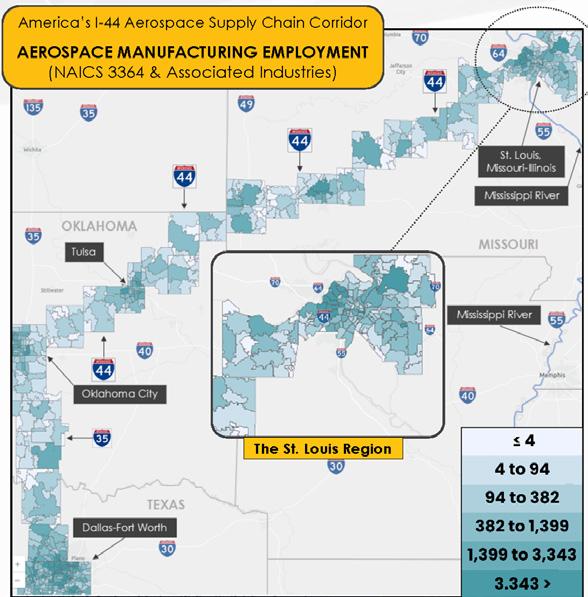
International Airport, expected to significantly enhance global connectivity and economic impact. Across the Mississippi River, the growing MidAmerica St. Louis Airport is co-located with Scott Air Force Base, which is home to U.S. Transportation Command and Air Mobility Command, creating a uniquely integrated environment where aerospace manufacturing, military logistics and aviation infrastructure converge to support the nation’s most critical defense and supply chain operations.
The region’s position at the convergence of Interstate 44 with I-55, I-64 and I-70—along with access to six Class I railroads, inland waterways and two growing airports—enables it to originate, receive and distribute aerospace supply chain flows in all directions.
production, addressing challenges related to fuel logistics and energy reliability in critical environments.
“Louisiana offers a unique combination of energy leadership, industrial infrastructure and a highly skilled workforce that makes it an ideal location for NovaSpark’s next phase of growth,” NovaSpark CEO Rick Harlow said. “We’ve been incredibly impressed by the depth of talent across the region, as well as the strong support from local communities, the State of Louisiana and its colleges and universities, all of which are aligned in advancing next-generation energy solutions.
With our expansion in Houma, we’re not only scaling production of our atmospheric hydrogen generators, but also strengthening America’s ability to deliver resilient, on-site energy for critical infrastructure and national defense. This investment reflects our confidence in Louisiana as a long-term partner in building the future of distributed hydrogen and energy security.”
NovaSpark’s expansion builds on the company’s continued innovation and business growth, as it advances its atmospheric hydrogen technology from field-tested military applications to broader commercial deployment. Recognized by Lockheed Martin as the top 2024 Small Business Innovation Research Success Story of the Year and supported by active Department of War partnerships, the company has continued to scale its capabilities.
This growth has been supported in part by Louisiana-based Boot64 Ventures, a Louisiana Opportunity Capital lender(opens external page in a new window), along with LED’s FUEL award, part of a broader system connecting innovation, capital and industry across the state. NovaSpark also has been certified under LED’s Louisiana Angel Investor Tax Credit program, which helps eligible Louisiana businesses attract private investment by offering potential state tax credits to qualified investors.

58 INC.
Amy Sturdivant


Tuscaloosa County Economic Development Authority
Justice Smyth
Executive Director P.O. Box 2667
1126 County Services Drive
Pelham, AL 35124
205-620-6658
asturdivant@58inc.org www.58inc.org
Cullman Economic Development Agency
Dale Greer
P.O. Box 1009
Cullman, AL 35056
256-739-1891
daleg@cullmaneda.org www.cullmaneda.org
Gadsden-Etowah Industrial Development Authority
David Hooks
Executive Director 1 Commerce Square Gadsden, AL 35901 256-543-9423 davidhooks@gadsdenida.org www.gadsdenida.org

Elmore County Economic Development
Cary Cox P.O. Box 117 Wetumka , AL 36092 334-514-5843
cary.cox@elmoreeda.com www.elmoreeda.com
Northwest Alabama EDA
Tom Wisemiller
4020 U.S. Highway 43
Guin, AL 35563 205-468-3213
twisemiller@northwestalabameda.org www.northwestalabamaeda.org
Tuscaloosa, AL 35403 205-349-1414 info@tcoeda.com www.tcoeda.com


Arizona Regional Economic Develoment
Mignonne Hollis
Executive Director
750 E. Bartow Drive Suite 16
Sierra Vista, AZ 85635
520-458-6948
hollism@aredf.org www.aredf.org
City of Flagstaff Economic Development
Jeff McCormick
Economic Development Manager
City of Flagstaff
211 W. Aspen Avenue Flagstaff, AZ 86001
Office 928-213-2966
jmccormick@flagstaffaz.gov www.flagstaffaz.gov

Mesa Gateway Airport Authority
Ryan Smith
Director Communications and Government Relations 5835 South Sossaman Road Mesa, Arizona 85212-0919
Office: 480-988-7617
Cell: 480-550-1326 rsmith@gatewayairport.com www.gatewayairport.com
Pinal Alliance for Economic Growth
Patti King
Executive Mgr. 17235 N. 75th Avenue Suite D-145 Glendale, AZ 85308
520-836-8686
pking@pinalalliance.org www.pinalalliance.org
Salt River Project (SRP)
Karla Moran P.O. Box 52025 Phoenix, AZ 85072-2025
602-236-2396
Karla.moran@srpnet.com www.powertogrowphx.com

City of Surprise
Mike Hoover 16000 N Civic Center Plaza Surprise, AZ 85374 623-222-3328
Mike.hoover@surpriseaz.gov www.surpriseaz.gov


Ouachita Partnership for Economic Development
James Lee Sillman
Executive Director 625 Adams Aveune Camden, AR 71701 870-836-2210 870-836-8899 (f) caidcark@yahoo.com www.teamcamden.com
Clarksville Economic Development 205 Walnut Street, Clarksville, AR 72830 479-754-6486 www.clarksvillear.gov

Mississippi County Economic Development
Clif Chitwood 4701 Memorial Drive Blytheville, AR 72315
870-532-6084
clif@cottontosteel.com www.cottontosteel.com


Greater Irvine Chamber
Laura Perdew
36 Executive Park Suite 100 Irvine, CA 92614 949-502-4122
lperdew@irvinechamber.com www.irvinechamber.com
City of Moreno Valley
Economic Development
Mike Lee
Economic Development Director 14177 Frederick Street Moreno Valley, CA 92553 951-413-3460
mike@moval.org www.morenovalleybusiness.com

City of Ontario Economic Development
Jennifer McLain Hiramoto
Economic Development Director 303 East B Street Ontario, CA 91764 909-395-2295
JHiramoto@ontarioca.gov www.ontariothinksbusiness.com

Port of Long Beach
Stephanie Montuya-Morisky 415 W. Ocean Boulevard Long Beach, CA 90802 562-283-7700
stephanie.montuya-morisky@polb.com www.polb.com


City of Canon City
Rick Harrmann
128 Main Street Canon City, CO 81212
719-276-5279
rlharrmann@canoncity.org www.canoncity.org

City of Fountain Economic Development Commission
Kimberly A. Bailey
Economic Development/ Urban Renewal Director
116 S. Main Street Fountain, CO 80817
719-322-2056
kbailey@fountaincolorado.org www.fountaincolorado.org
Grand Junction Economic Partnership
Curtis Englehart, Executive Director 122 N. 6th Street Grand Junction, CO 81501 970--245-4332 curtis@gjep.org www.gjep.org


Town of Berlin
Chris Edge, Director 240 Kensington Road Berlin, CT 06037
860-828-7005
cedge@town.berlin.ct.us www.town.berlin.ct.us


Kent Economic Partnership
Linda Parkowski, Executive Director 555 Bay Road Dover, DE 19901
302-678-3057 info@ccede.com www.choosecentraldelaware.com

Wilmington Economic Development
Sean J. Park
800 N. French St., 3rd Floor Wilmington, DE 19801
302-576-2128
sjpark@wilmingtonde.gov www.wilmingtonde.gov

Enterprise Florida, Inc.

City of Titusville
Nicholas Gow 555 South Washington Avenue
Titusville, FL 32796-3584
321-567-3774
economicdevelopment@titusville.com www.YEStitusvilleFL.com

Greater St. Petersburg Area Economic Development Corporation
J.P. DuBuque
President and CEO
100 2nd Ave N Ste 130 St. Petersburg, FL 33701
727-388-2906
jpdubuque@stpeteedc.com
StPeteEDC.com/BurgBiz
Haines City Economic Development Council, Inc.
Cyndi Jantomaso, MEDP
President/CEO
Post Office Box 3845
Haines City, FL 33845-3845
863-422-2525
863-206-0007 cell
cyndi@hainescityedc.com www.hainescityedc.com
Hernando County Office of Economic Development
Valerie M. Pianta, MEDP, Economic Development Director 15800 Flight Path Drive
Brooksville, FL 34604
352--540-6400
vpianta@hernandocounty.us www.hernandobusiness.com


800 North Magnolia Avenue, Suite 1100 Orlando, FL 32803
407-956-5600 www.enterpriseflorida.com
Holmes County Development Commission
Joe Rone
Executive Director
106 E Byrd Avenue
Bonifay, FL 32425
850-547-6154
jrone@holmesedc.com www.holmesedc.com

Indian River Chamber of Commerce
Mark Litten
Economic Development Director 1216 21st Street
Vero Beach, FL 32960
772-567-3491
mark@indianrivered.com www.indianrivered.com
Lake County, Economic Development
Meg Brew, Director 315 W. Main Street Tavares, FL 32778 352-742-3925 megan.brew@lakecountyfl.gov www.businessinlakefl.com

Pinellas County Economic Development
Dr. Cynthia Johnson, EDFP, Director 13805 58th Street North, Suite 1-200 Clearwater, FL 33760 727-464-7332
cyjohnson@pinellas.gov www.pced.org

PortMiami
Suzy Trutie 1015 North American Way 2nd Floor Miami, FL 33132 305-347-4962
Suzy.trutie@miamidade.gov www.miamidade.gov
Orlando Economic Partnership
Destin Wells
Senior Vice President, Economic Development 200 S. Orange Avenue, Ste. 200 Orlando, FL 32801 407-902-2420
Destin.Wells@orlando.org InvestOrlando.org

Osceola County
Christina Morris, Economic Development Director 1 Courthouse Square, Suite 4400 Kissimmee, FL 34741
407-742-4207 (o) 407-687-8126 (c) christina.morris@osceola.org www.osceola.org

Pasco Economic Development Council
Bill Cronin, President/CEO 16506 Pointe Village Drive, Suite 107 Lutz, FL United State 33558 813-926-0827
bcronin@pascoedc.com www.pascoedc.com
Santa Rosa County EDO Shannon Ogletree Executive Director 6491 Caroline Street, Suite 4 Milton, FL 32570-4592 850-623-0174
Shannon@santarosa.fl.gov www.santarosaedo.com

City of St. Cloud
Antranette Forbes, Economic Development Director 1300 9th Street St. Cloud, FL 34769 (407)957-7234 antranette.forbes@stcloud.org www.stcloud.org

GEORGIA Development Authority of Clayton County

Maceo Rogers, CEcD President & Chief Executive Officer 1588 Westwood Way, Morrow, GA 30260
770.477.4451
678.479.5385 (f) Maceo.Rogers@claytoncountyga.gov www.InvestClayton.com ClaytonCountyGA.gov
City of East Point
Erin Rodgers
2757 East Point Street
East Point, GA 30344
404-323-3071
erodgers@eastpointcity.org www.eastpointcity.org

Forward Forsyth
Alex Warner
P.O. Box 1799
Cumming GA 30028
770-887-6461
770-842-1170
awarner@forwardforsyth.org www.forwardforsyth.org

Liberty County Development Authority
Brynn Grant, CEO
425 W. Oglethorpe Highway Hinesville, GA 31313
912-977-4147
brynn.grant@comegrow.global www.comegrow.global

Putnam Development Authority
Matt Poyner
Econmical Devleopment Director
117 Putnam Drive, Eaton, GA 31024
706-816-8099
mpoyner@putnamforward.dev www.putnamforward.dev
.......................................................................
Valdosta-Lowndes County Development Authority
Niki Ogletree, President/CEO P.O. Box 5185
Valdosta, GA 31603-1963
229-259-9972
nogletree@buildlowndes.com www.buildlowndes.com


Champaign County Economic Development Corporation
Carly McCrory-McKay
Executive Director
1817 S. Neil Street, Suite 100 Champaign, IL 61820
217-478-0061
carly@champaigncountyedc.org www.champaigncountyedc.org

iFAB Tech Hub
Lenora Fisher
Director of Business Attraction 1817 S. Neil Street, Suite 100 Champaign, IL 61820
lenora@champaigncountyedc.org ifabtechhub.org

City of Litchfield Ecnomic Development
Breann Vazquez
120 E. Ryder Street Litchfield, IL 62056
217-324-8151
cityadm@cityoflitchfieldil.com www.cityoflitchfieldil.com

Southern Illinois Now
Deborah Barnett Executive Director 1239 East Main Carbondale, IL 62902
618-353-0100 director@southernillinoisnow.org www.southernillinoisnow.org

Village of Arlington Heights Business & Economic Development
Kim Biederman, Business Development Manager 33 S. Arlington Heights Arlington Heights, IL 60005 847-368-5220
kbiederman@vah.com www.vah.com/business
City of Marshall
Laura Pearce
Economic Development Director 201 S. Michigan Ave Marshall, IL 62441 217-826-2034
lpearce@marshall-il.com www.marshall-il.com

City of Vandalia
Amber Daulbaugh
431 W. Gallatin St. Vandalia, IL 62471 618-283-1152 618-335-9510 (Mobile) adaulbaugh@vandaliaillinois.com www.vandaliaillinois.com
Illinois Economic Development Corp
Christy George,CEO 230 W. Monroe St. Chicago, IL 60606 312-667-6013
christy.george@illinoisedc.org www.illinoisedc.org

Adams County EDC
Colton Bickel
313 W. Jefferson Street, Suite 237
Decatur, IN 46733
260-724-2588
cbickel@adamscountyedc.com www.adamscountyedc.com
Carroll County EDC
Jake Adams, Exec Director P.O. Box 83 Delphi, IN 46923
765-564-2060
jadams@carrollcountyedc.com www.carrollcountyedc.com

Miami County Economic Development Auth. Jim Tidd
1525 W. Hoosier Boulevard Peru, IN 46970
765-689-0159
jtidd@miamicountyeda.com www.miamicountyeda.com
KANSAS


Dodge City/Ford County Development Corporation
Joann Knight, Executive Director 101 E. Wyatt Earp Blvd. Dodge City, KS 67801 620-227-9501 620-227-2957 (f) jknight@dodgedev.org www.dodgedev.org
Go Topeka
Ashley Lehman, VP of Business Development 719 S Kansas Ave. Suite 100 Topeka, KS 66603
785-640-4168
Ashley.Lehman@TopekaPartnership.com www.gotopeka.com

Russell County Eco Devo & CVB
Mike Parsons, Director 331 E. Witchita, Russell, KS 67665
785-483-4000 rced2@russellks.net www.russellcountyks.org

Salina Economic Development Organization
D. Mitch Robinson, CEcD 120 West Ash Street Salina, KS 67401 785-404-3131 mrobinson@salinaedo.org www.salinaedo.org

Wyandotte Economic Development Council
Greg Kindle, President 727 Minnesota Avenue Kansas City, KS 66101 913-371-3198 gkindle@wyedc.org www.wyedc.org

City of Pikeville

Jill Fraley Dotson, Executive Economic Development Director 243 Main Street Pikeville, KY 41501
606-437-5128 info@whypikeville.com www.whypikeville.com
BeNKY
KimberlyRossetti
VPofEconomicDevelopment
209GreenupStreet,Suite400 Covington,KY41011 888-874-3365
krossetti@Be-NKY.com www.Be-NKY.com

South Western Kentucky EDC
Carter Hendricks, Executive Director 2800 Fort Campbell Blvd. Hopkinsville, KY 42240
270-885-1499
chendricks@southwesternky.com www.southwesternky.com
Louisiana Economic Development
Anya G. Hudnall

1201 N. Third Street, Suite 7-210 Baton Rouge, LA 70802 225-342-5396
Anya.hudnal@la.gov www.la.gov

SWLA Economic Development ALLIANCE
Scott Walker 4310 Ryan Street Lake Charles LA 70605 337-433-3632 swalker@allianceswla.org www.allianceswla.org

Bangor Community & Economic Development
Anne Krieg
262 Harlow Street
Bangor, ME 04401 207-992-4280 anne.krieg@bangormaine.gov www.bangormaine.gov

Town of Richmond Community, Economic, & Business Development
Darryl Sterling Director
26 Gardiner Street Richmond, ME 04357-0159
207-737-4305 x 331
207-737-4306 (f) director@richmondmaine.com www.richmondmaine.com


Calvert County Economic Development
Julie Oberg, Director 205 Main Street Prince Frederick, MD 20678 410-535-4583
julie.oberg@calvertcountymd.gov www.choosecalvert.com

Carroll County Economic Development
Paige Sunderland Director
225 N. Center Street, Ste. 101 Westminster, MD 21157 410-386-2070
psunderland@carrollbiz.org www.carrollbiz.org
Cecil County Economic Development
Sandra Edwards Director
200 Chesapeake Blvd., Ste 2700 Elkton, MD 21921 410-996-8465
sedwards@cecilcountymd.gov www.cecilbusiness.org

Maryland Port Administration
Richard Scher
401 E. Pratt Street Suite 200 Baltimore, MD 21202
rscher@marylandports.com www.marylandports.com

Dorchester County Economic Development
Susan Banks, Director 104 Tech Park Drive Cambridge, MD 21613 410-228-0155
sbanks@choosedorchester.org www.choosedorchester.org

Kent County Department of Economic & Tourism Development
Jamie L. Williams, CEcD, Director 400 High Street, 3rd Floor Chestertown MD 21620 410-810-2168
jlwilliams@kentgov.org www.kentcounty.com/business

Montgomery County Economic Development
Jared Smith 1801 Rockville Pike, Ste. 320 Rockville, MD 20852 240-641-6704 jared@thinkmoco.com www.thinkmoco.com

Economic Development Alliance (EDA) of St. Clair County
Dan Casey, CEO 100 McMorran Boulevard 4th Floor, Suite B Port Huron, Michigan 48060 810-982.9511 www.edascc.com stclairhotjobs.com

City of Lakeville Community & Economic Development
Tina Goodroad, Director 20195 Holyoke Avenue Lakeville, MN 55044 952-985-4421
tgoodroad@lakevillemn.gov www.lakevillemn.gov
Madison County EDA

Queen Anne’s County Economic Development
Heather Tinelli, Director 425 Piney Narrows Road Chester, MD 21619 410-604-2100 htinelli@qac.org www.choosequeenannes.com

Talbot County Economic Development
Cassandra M. Vanhooser, Director 11 S. Harrison Street Easton, MD 21601 410-770-8000
Cvanhooser@talbgov.org www.talbgov.org

Michigan Economic Development Corporation
300 N. Washington Sq. Lansing, Michigan 48913 888-522-0103 www.michiganbusiness.org
Joseph P. Deason, Executive Director 135 Mississippi Parkway Canton, MS 39046 601-605-0368
Jdeason@madisoncountyeda.com www.madisoncountyeda.com
Hinds County EDA P.O. Box 248 Jackson, MS 39205-0248 601-353-6056 www.selecthinds.com

Sikeston Regional Chamber & Economic Development Corp.
Marcie Lawson
128 N. New Madrid Street Sikeston, MO 63801 573-471-2498
marcie.lawson@sikeston.net www.sikeston.net


Phelps County Development Corp.
Jeff HoFaker, Executive Director 502 East Avenue, Suite 201 Holdrege, NE 68949
308-995-4148 jeff@phelpscountyne.com www.phelpscountyne.com


Northeastern Nevada Regional Development Authority
Sheldon Mudd, Executive Director 1500 College Pkwy McMullen Hall #103 Elko, NV 89801 775-738-2100 775-738-7978(f) smudd@nnrda.com www.nnrda.com


Choose New Jersey
Bill Noonan, Chief Business Development Officer 11-43 Raymond Plaza W, Suite 1420 Newark, NJ 07102 609-297-2200 wnoonan@choosenj.com www.choosenj.com

City of Vineland Economic Development
Sandy Forosisky 640 E. Wood Street, Fourth Floor Vineland, NJ 08362 856-794-4100 sforosisky@vinelandcity.org www.business.vinelandcity.org

New Jersey EDA
Pat J. Rose 36 West State Street Trenton, NJ 08625 609-858-6705 prose@njeda.com www.njeda.com

Albuquerque Regional Economic Alliance
Chad Matheson, CEcD
President 201 Third Street NW, #1900 Albuquerque, NM 87102 505-705-3784 cmatheson@abq.org www.abq.org

EDC of Lea County
Jennifer Grassham, CEO
200 E. Broadway Street Hobbs, NM 88240 573-397-2039 jennifer@edclc.org www.edclc.org
Roswell-Chaves County EDC
Michael Espiritu 220 North Main Roswell, NM 88201 575-622-1975
mespiritu@chavescounty.net www.chavescounty.net


Allegany County Industrial Development Agency
Craig Clark, Executive Director CrossRoads Center 6087 State Route 19N, Suite 100 Belmont, NY 14813 585-268-7472 800-893-9484 clarkcr@alfredstate.edu www.acida.org

Saratoga EDC
Tori J.E. Riley, VP 517 Broadway #203 Saratoga Springs, NY 12866 518-587-0945 toririley@saratogaedc.com www.saratogaedc.com

County of Chautauqua IDA
Jason Sample 201 W. 3rd Street, Suite 115 Jamestown, NY 14701 716-661-8302
samplej@chqgov.com www.choosechq.com


Bismarck Mandan Chamber EDC
Noah Vroman 1640 Burnt Boat Dr., Bismark, ND 58503 701-223-5660
nvroman@bmcedc.com www.bismarckmandanedc.com

Grand Forks Region Economic Development Corporation
Keith Lund, Pres/CEO 120 N 4th St., Grand Forks, ND 58203 701-746-2722
keithl@grandforks.org www.grandforks.org


Ardmore Development Authority
Andrea Anderson 410 West Main Ardmore, OK 73402 580-223-6162
aanderson@ardmore.org www.ardmoredevelopment.com

Bartlesville Development Authority
Jared Patton, Vice President 201 SW Keeler, Bartlesville, OK 74003 918-337-8086 918-337-0216 (f) jpatton@bdaok.org www.bdaok.org
Broken Arrow Economic Development Corp.
Amber Miller 210 North Main, Suite C Broken Arrow, OK 74012 918-893-2103 amber.miller@bachamber.com www.brokenarrowedc.com

Cleveland County Economic Development Coalition
Lawrence McKinney, CEcD, CCE, IOM President and CEO 425 West Main Street Norman, Oklahoma 73069
P: 405-573-1900
C: 405-881-0456
Lawrence@SelectClevelandCounty.com www.SelectClevelandCounty.com

Erie County Redevelopment Authority
Tina M. Mengine 1314 Griswold Plaza Erie, PA 16501 814-480-0337 x 101 Tmengine@ecrda.net www.ecrda.net
Horsham Township Economic Development
Larry Burns 1025 Horsham Road Horsham, PA 19044 215-643-3131 x 234 lburns@horsham.org www.horsham.org
Penn’s Northeast
John L. Augustine III 1151 Oak Street Pittston, PA 18640 570-883-0504 jaugustine@pennsnortheast.com www.pennsnortheast.com
ISLAND


Quonset Development Corporation
Steven J. King, Managing Director 95 Cripe Street North Kingstown, RI 2852 401-295-0044
sking@quonset.com www.quonset.com

Charleston Regional Development Alliance
Megan Fink 4401 Belle Oaks Drive, Suite 420 North Charleston, SC 29405 843-760-3351 mfink@crda.org www.crda.org
Lexington County Economic Development
Garrett Dragano, Director 212 South Lake Drive Lexington, SC 29072 803-785-6818
gdragano@lexingtoncounty.sc.gov www.LexingtonCountyUSA.SC.gov
South Carolina I-77 Alliance
Christopher Finn
3200 Commerce Drive, Suite D Richburg, SC 29729
803-789-3467
chris.finn@i77alliance.com www.i77alliance.com

SouthernCarolina Regional Alliance
Kay Maxwell 1750 Jackson Street, Suite 100 Barnwell, SC 29812 803-541-0023
kmaxwell@southerncarolina.org www.southerncarolina.org


Blount Partnership
Bryan Daniels CEcD, CCE, IOM President and CEO
201 S. Washington Street St. Maryville, TN 37804 865-983-2247 865-984-1386
bdaniels@blountpartnership.com www.blountchamber.com

Bristol Tennessee Essential Services
April Eads
Business Development Manager 2470 Volunteer Parkway Bristol, TN 37620 423-793-5532 423-793-5545 (f) aeads@btes.net www.btes.net/index.php/economic-development Chattanooga Chamber of Commerce
Jeremy Henderson
811 Broad Street, #100 Chattanooga, TN 37402 423-763-4347
jhenderson@chattanoogachamber.com www.chattanoogachamber.com

City of Lebanon
Sarah Haston
Economic Development Director
200 North Castle Heights Ave. Lebanon, TN 37087 615-443-2839 EXT. 2120
Sarah.Haston@lebanontn.org www.lebanontn.org


BigSpringEconomicDevelopment Corporation
SusanSankey 215W.3rdStreet
BigSpring,TX 79720 432-638-0398 susansankey@bigspringtx.com www.bigspringtx.com

Clyde Economic Development Corp.
Rodger Brown
222 Oak Street
Clyde, TX 79510
325-386-4444
rodgerbrown@clyde-tx.gov www.clyde-tx.gov

City Development Corp of El Campo
Carolyn Gibson, Executive Director 707 Fahrenthold, P.O. Box 706 El Campo, TX 77437
979-543-6727 979-320-7727 cell cgibson@elcampoeco.org www.elcampoeco.org

Hamilton Economic Development Corp.
Kayla Schraub 108 North Bell Street Hamilton, TX 76531 254-386-5954
edc@hamiltontexas.com www.hamiltontexas.com

Harlingen Economic Development Corp.
Orlando Campos, CEO 2424 Boxwood St, Ste 125 Harlingen, TX 78550 956-216-5085
ocampos@harlingenedc.com www.harlingenedc.com
Jacksboro Economic Development Corporation
Bonham Economic Development Corp.
William Myers, Executive Director 514 Chestnut St, Bonham TX 75418 903-640-0717 (O) 940-312-3398 (C) wmyers@cityofbonham.org www.cityofbonham.org/163/BEDCO

Bowie Economic Development Corporation
Janis Crawley
101 E. Pecan, Bowie, TX 76230 940-872-4193
940-531-8201(c)
BEDC@BowieTexasEDC.com www.BowieTexasEDC.com
Cameron Industrial Foundation
Ginger Watkins, Executive Director 100 S. Houston Ave Cameron, TX 76520
254-697-4970 254-482-1119 (c) gwatkins@cameronindustrialfoundation.com www.cameronindustrialfoundation. com
Conroe Economic Development Council
Laura Lea Palmer, Deputy Director 300 W Davis St, Ste 510 Conroe, TX 77301 USA 936-522-3014 palmer@conroeedc.org www.conroeedc.org

DeSoto Economic Development
Agustin Garcia, Executive Director 211 E. Pleasant Run Road DeSoto, TX 75115
Ph: 972-230-9611 agarcia@desototexas.gov www.dedc.org

Edinburg Economic Development Corp.
Raudel Garza, Executive Director 3111 W Freddy Gonzalez Drive Edinburg, TX 78539
956-388-8914 raudel@edinburgedc.com www.edinburgedc.com

Gainesville Economic Development Corp.
Matt Carlson
311 S. Weaver Street Gainesville, TX 76240 940-665-5241 matt@gainesvilletxedc.com www.gainesvilletxedc.com
Brenda Tarpley
Executive Director
302 S. Main Street
Jacksboro, TX 76458 940-567-3151
btarpley@jacksboroedc.com www.jacksboroedc.com

LaredoEconomicDevelopment Corporation
DavidA.Stedman,Sr.Pres/CEO 616LealStreet Laredo,TX78041 956-722-0563/(800)820-0564 dstedman@laredoedc.org www.laredoedc.org

MarbleFallsEDC
ChristianFletcher 801 Fourth Street
MarbleFalls,TX78654 830-798-7079
cfletcher@marblefallseconomy.com www.marblefallseconomy.com

McKinney Economic Development Corporation
Michael Kowski
President/CEO
7300 SH 121 SB, Ste 200 McKinney, TX 75070 972-547-7687
mkowski@mckinneyedc.com www.uniquemckinney.com

Mount Pleasant EDC
Nathan Tafoya, Executive Director
1604 N. Jefferson Ave. Mount Pleasant, TX 75455 903-572-6602 nathan@mpedc.org www.mpedc.org

Odessa Economic Development Corporation
Tom Manskey
700 N. Grant Ave. Odessa, TX 79761 432-333-7880 tom@odessaecodev.com www.only-odessa.com

Palestine Economic Development Corp.
Christophe Trahan, Director 100 Willow Creek Parkway, Suite A Palestine, TX 75801 903-731-8412 edcdirector@palestine-tx.org www.palestinetexas.net

Pflugerville Community Development
Jerry Jones, Executive Director 3801 Helios Way Suite 130 Pflugerville, TX 78660 512-990-3725 director@pfdevelopment.com www.pfdevelopment.com

Plainview Economic Development Corporation
Kristi Aday, Executive Director 1906 West 5th Plainview, TX 79072 806-293-8536 kaday@plainviewtx.org www.plainviewedc.org

TexAmericas Center
Eric Voyles, Executive Vice President Chief Economic Development Officer 107 Chapel Lane
New Boston, TX USA 75570 903-223-9841 (0) 903-306-8923 Cell Eric.Voyles@TexAmericasCenter.com www.TexAmericasCenter.com

Tomball Economic Development Corp.
Kelly Violette Executive Director
29201 Quinn Road, Suite B Tomball, TX 77377 281-401-4086
kviolette@tomballtxedc.org www.tomballtxedc.org

Whitesboro Economic Development Corp.
Kathy Moore, Director P.O. Box 340 or 111 W. Main Whitesboro, TX 76273 930-564-3311 kmoore@whitesborotexas.org www.whitesborotexas.com

Eagle Mountain Economic Development
Abby Ivory Economic Development Director 1650 E. Stagecoach Run Eagle Mountain, UT 84005 801-789-6645 aivory@emcity.org www.eaglemountaincity.com

Alexandria Economic Development Partnership
Alex Cooley 1940 Duke Street Alexandria, VA 22314
703-739-3820
703-739-1384 (f) cooley@alexandriaecon.org www.alexandriaecon.org

Bedford County Office of Economic Development
Pam Armstrong, CEcD, Director of Economic Development 122 East Main Street, Suite 202 Bedford, Virginia 24523 540-587-5670 (O) 540-598-2390 (C) parmstrong@bedfordcountyva.gov www.bedfordeconomicdevelopment.com

Fairfax County Economic Development Authority
Victor Hoskins President/CEO
8270 Greensboro Drive, Suite 850 Tysons, VA 22102
703-790-0600
vhoskins@fceda.org www.fairfaxcountyeda.org

County of Gloucester
Sherry A. Spring Director of Economic Development 6489 Main Street Gloucester, VA 23061
804-693-1414
sspring@gloucesterva.info www.gloucesterva.info

Goochland County Economic Development
Sara Worley Director
P.O. Box 103 Goochland, VA 23063
804-556-5862
sworley@goochlandva.us www.goochlandva.us

PortsmouthVA Economic Development
Brian Donahue Director
200 High Street, Suite 200 Portsmouth, VA 23704 757-393-8804 donahueb@portsmouthva.gov www.accessportsmouthva.com


City of Lakewood Economic Development
Becky Newton Manager
6000 Main Street SW Lakewood, WA 98499
877-421-9126
bnewton@cityoflakewood.us www.buildyourbetterhere.com


Mingo County Redevelopment Authority
Greta Curry, Executive Director 1657 East Fourth Avenue Williamson, WV 25661
304-235-0042
304-235--0043 (f) gcurry@developmingo.com www.developmingo.com

New North, Inc

Patti Habeck, President & CEO 2740 W. Mason Street Green Bay, WI 54303 920-676-1960 patti.habeck@thenewnorth.com www.thenewnorth.com
Portage County Business Council, Inc. PCB
Michael Witte, Executive Director 5501 Vern Holmes Drive Stevens Point, WI 54482
715-344-1940
715-344-1940 (f) michaelw@portagecountybiz.com www.portagecountybiz.com


Advance Casper, Wyoming
Justin Farley, CEO 139 W. 2nd St., #1D Casper, WY 82601
307-577-7011
justin@advancecasper.com www.advancecasper.com

Cheyenne LEADS
Betsey Hale, Chief Executive Officer
One Depot Square
121 W. 15th St. Suite 304 Cheyenne, WY 82001
307-638-6000
betseyh@cheyenneleads.org cheyenneleads.org


Calgary Economic Development
500 Centre Street S, 32nd Floor
Calgary, Alberta, Canada T2G 1A6
403-221-7831
info@calgaryeconomicdevelopment.com www.calgaryeconomicdevelopment.com
Town of Vegreville
Jamieson Brown
4829-50 Street P.O. Box 640
Vegreville, Alberta T9C 1R7 587-790-0919
jbrown@vegreville.com www.choosevegreville.com
City of Brandon
Gerald Cathcart
Director



Ignite Fredericton
Paula Lehr
40 Crowther Lane, Ste. 100 Fredericton, NB E3C 0J1
506-282-0624
paula.lehr@ignitefredericton.com www.ignitefredericton.com
Imagine Chaleur
Shirley de Silva
702 Principale Street, Ste. 2 Petit-Rocher, NB E8j 1V1 506-542-2688
shirley.desilva@csrchaleurrsc.ca www.csrchaleurrsc.ca
Expansion Dieppe
Louis Godbout
333 Acadia Avenue
Dieppe, NB E1A 1G9 506-877-7850 louis.godbout@dieppe.ca www.expansiondieppe.ca

Elgin County
Main Floor, 410 9th Street Brandon, Manitoba, Canada R7A 6A2 204-729-2131
g.cathcart@brandon.ca www.economicdevelomentbrandon.com

Carolyn Krahn, Manager Economic Development And Tourism
450 Sunset Drive St. Thomas, Ontario, Canada N5R 5V1 519-631-1460 ext. 133 ckrahn@elgin.ca www.progressivebynature.com
City of Guelph
Christine Chapman 1 Carden Street
Guelph, Ontario, Canada N1H 3A1 519--822-1260 ext. 2823 Christine.chapman@guelph.ca www.guelph.ca/business
City of Kawartha Lakes Economic Development
Lindsey Schoenmakers 180 Kent Street West
Lindsay, Ontario, Canada K9V 2Y6 705-324-9411
lschoenmakers@kawarthalakes.ca www.kawarthalakes.ca

Middlesex County
Cara A. Finn, BBA, M. Ad.Ed. Director of Economic Development 399 Ridout St. North London, ON N6A 2P1 519-434-7321 cfinn@middlesex.ca www.investinmiddlesex.ca

Invest Mississauga
Christina Kakaflikas, Ec. D. Director, Economic Development 300 City Centre Drive, Mississauga, ON L5B 3C1 Canada 905-615-3200 x 5014 christina.kakaflikas@mississauga.ca www.investmississauga.ca
Town of Aurora Economic Development
Andrew Poray 100 John West Way, Box 1000 Aurora, Ontario, Canada L4G 6J1 905-727-1375 aporay@aurora.ca www.aurora.ca

Vaughan Economic and Cultural Development
Raphael Costa Vaughan City Hall, Level 200 2141 Major Mackenzie Drive Vaughan, Ontario, Canada L6A 1T1 905-832-8526 ext. 8891 raphael.costa@vaughan.ca www.vaughan.ca/Business