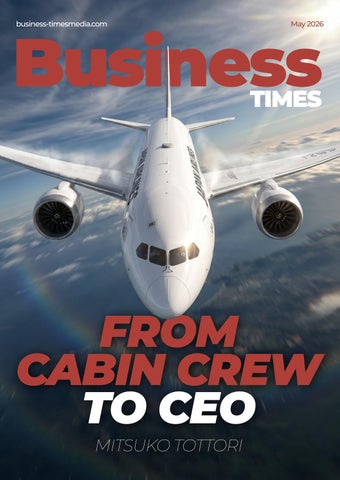

FROM CABIN CREW TO CEO


EDITOR’S
FOREWORD
Welcome to the May issue of Business Times Magazine! In an era defined by rapid global connectivity and shifting consumer expectations, the aviation industry continues to play a critical role in shaping how the world moves, trades, and connects. Few markets embody operational excellence and innovation as distinctly as Japan’s airline sector. Renowned for its precision, service quality, and forward-thinking approach, the industry stands as a benchmark for global aviation.
This feature explores the intricate dynamics of Japanese airline operations—from their highly efficient domestic networks to their expansive global reach. It highlights how leading carriers continue to evolve, embracing advanced technologies, modern fleet strategies, and sustainability initiatives, all while maintaining the exceptional standards that have become synonymous with Japanese aviation.
At the same time, the sector is navigating a complex landscape. Rising environmental expectations, changing travel patterns, and increasing global competition are reshaping the future of air travel. Yet, through strategic investment and a deep-rooted commitment to excellence, Japanese airlines are not only adapting but positioning themselves for long-term growth.
As you read on, this piece offers insight into how tradition and innovation intersect— where operational discipline meets transformative ambition—and how one of the world’s most respected aviation markets continues to set the pace for the industry at large.
The Business Times Media Group Team
If you have a business story you wish to share in Business Times Magazine, please contact our Head of Production via production@business-timesmedia.com


CONTRIBUTORS
MALVERN KANDEMWA Director of Strategic Partnerships
HOWARD BARCLAY Chief Project Director
EMILY SMITH Senior Project Director
EDWARD KAYS
Project Director
JAMES HENNESSEY
Project Director
SAMUEL JOHNSON Social Media Manager
MIKE ASHLEY Head of Finance & Accounts
ANN QUINN Head of Production
MICHELLE DUNCAN Editor in Chief
EDGARDO MONROE Graphic Design






FROM CABIN CREW TO CEO
TOTTORI MITSUKO
LEADERSHIP
AT JAPAN AIRLINES
Project by: Malvern Kandemwa
Words by: Michelle Duncan
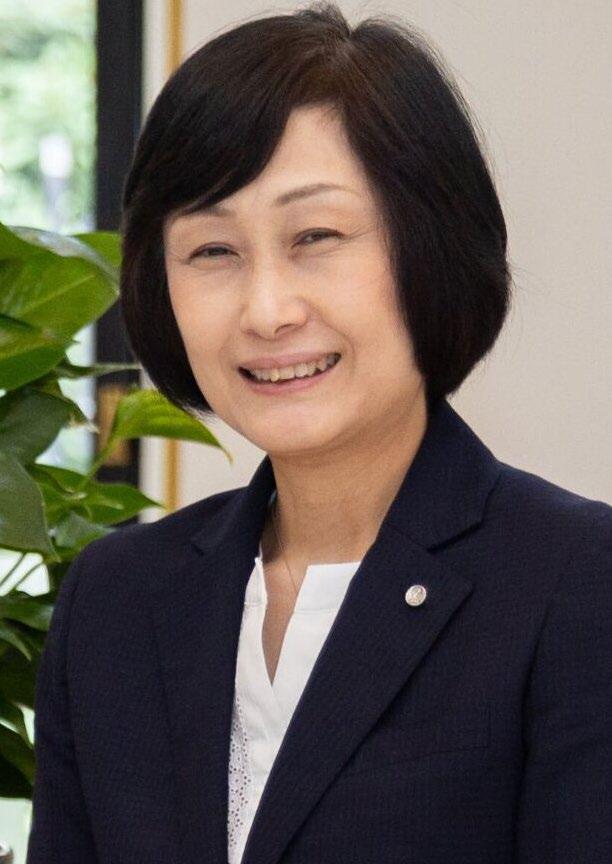
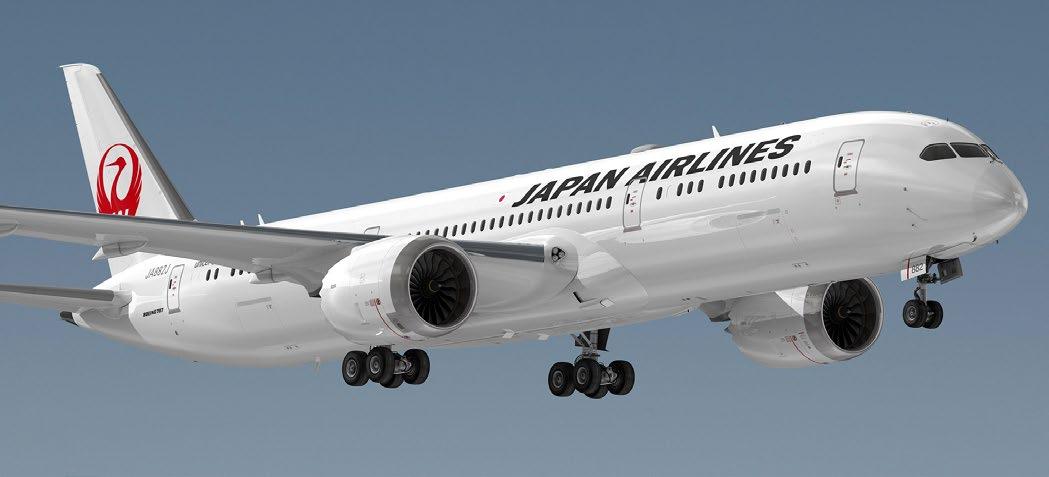
The first female president of Japan Airlines (JAL) is a well-known personality. When Mitsuko Tottori reached for the sky and broke all barriers of stereotypical thinking to take on the highest position in her organization, she became a role model for many.
After joining the Company, Ms. TOTTORI gained a prominent level of insight and field experience in safe flight operations and service through her career as a cabin attendant and through her work with Corporate Safety & Security. From 2020, she has proven outstanding leadership
as Senior Vice President, Cabin Attendants Division in balancing human resource development and employee motivation, making contributions to keeping safe operations. From 2023, she has contributed to improving the quality we provide to our customers as Senior Vice President, Customer Experience Division. As Representative Director, President and Chief Executive Officer from 2024, she has continued to hone JAL’s unique values and implement reforms with an eye to the future despite the increasingly complex corporate management environment.
In 2024 JAL celebrated the 70th anniversary of its international flight service. The mission of the JAL Group is to realize a society that is safe with peace of mind and a sustainable future through air transportation and societal connections by linking countries around the world, regions in Japan, and people. The JAL Group’s ESG strategy is to create sustainable human, commercial, and logistic flows and expand the number of people related to interacting communities. To this end, they are committed to achieving net zero CO2 emissions by 2050 as soon as possible through Green
Transformation. They are also committed to creating a company where everyone is engaged in their jobs and where everyone can fulfil their potential through human capital management.
Japan’s airline sector is rebounding strongly: domestic demand has recovered, international traffic is accelerating, and carriers are prioritising fleet renewal, sustainability (SAF and hydrogen trials), and digital service upgrades to capture growth through 2030. Key near-term facts: Asia Pacific passenger traffic is forecast to grow ~7.3% in 2026, and industry load factors stay at record highs, supporting yields and investment capacity. Japanese carriers are securing next-generation narrowbodies and regional types to improve fuel efficiency and unit costs; early production slots are a competitive advantage. SAF procurement, hydrogen retrofits and electric/regional propulsion trials are accelerating; however, SAF supply and renewable electricity competition (e.g., data cen-
tres) pose constraints that could slow adoption without coordinated policy. Furthermore, increased private capital and public-private partnerships are funding terminal upgrades, distributed facilities and digital passenger experience projects across Asia-Pacific.
Japanese carriers compete effectively with leading global airlines by combining world-class service, dense domestic feed, and strategic alliances—All Nippon Airways (ANA) and Japan Airlines (JAL) rank among the world’s top airlines and leverage hub strength at Haneda/Narita to punch above their weight on long-haul routes. Two Japanese carriers are internationally recognised for service quality: ANA and JAL both placed in Skytrax’s global top-10 rankings, reflecting strong customer satisfaction and premium product performance. Extensive networks and alliance leverage, JAL’s membership of the one world alliance expands its global connectivity beyond its own routes, enabling
competitive access to markets in Europe, North America and Asia.
The aviation services provided by Japan Airlines continue to earn them a 5-Star Skytrax rating for their eighth successive year. Japan Airlines (JAL) has reinforced its standing as an industry leader by earning the 5-Star Skytrax rating for the eighth consecutive year, placing it among a select group of global carriers recognised for exceptional service. This sustained accolade reflects JAL’s consistent focus on operational excellence across both domestic and international networks.
Recent fleet enhancements, including the introduction of the Airbus A350-1000, have elevated the passenger experience with greater privacy, refined cabin comfort, and an overall premium ambience. JAL’s reputation for excellence is rooted in rigorous safety standards, continuous service innovation, and a hospitality culture that prioritises the traveller.
Independent analytics underscore JAL’s operational reliability. Data from industry analysts such as Cirium for 2024 highlight JAL’s top performance in the Asia-Pacific region, showing the airline’s commitment to punctuality and dependable operations.
Beyond service and reliability, JAL is advancing sustainability and customer satisfaction in parallel. Its strategic investments in greener operations and customer-centric innovations position the airline to sustain leadership as demand for premium air travel grows. International recognition of JAL’s purpose-driven approach confirms that the carrier is not only meeting global standards but helping to shape the future of commercial aviation.
Japanese airline operations are defined by a unique blend of precision, service quality, and strategic global connectivity. With strong domestic networks, extensive international reach, and continued investment in fleet modernisation and sustainability, carriers like ANA and JAL remain at the forefront of the global aviation industry.
Looking ahead, the sector’s ability to balance growth, environmental responsibility, and evolving passenger expectations will decide its long-term competitiveness in an increasingly dynamic global market.
FIND
OUT MORE ABOUT
JAPAN AIRLINES

CHINESE BATTERY GIANT AND TESLA SUPPLIER CATL IS EXPANDING GLOBALLY

Project by: Malvern Kandemwa
Words by: Michelle Duncan

CATL, the world’s largest battery manufacturer, is revolutionizing battery technology by announcing costs as low as $10 per kilowatt hour. This article delves into their pivot towards sodium-based batteries, utilizing common salt, and examines the implications of this innovation. Key topics include sodium basics, advancements like Naxtra and Freevoy, potential drawbacks, and the outlook for this technology.
China’s Contemporary Amperex Technology Co. Ltd. (CATL) is a key player in the global transition to more sustainable transport, with a market share in the EV sector of roughly 38%. CATL’s clients include global players like Tesla, Volkswagen, and BMW, with the firm boasting technology far superior to that of Western competitors.
Despite its outsized impact on the EV industry, the company had mostly flown under the radar until May this year, when it launched the world’s largest initial public offering (IPO) of 2025 to date in Hong Kong.
The IPO raised 41 billion Hong Kong dollars ($5.2 billion), after CATL stocks surged and an over-allotment option was fully exercised.
GLOBAL EXPANSION
Ahead of its public offering, CATL said 90% of the funds raised by going public would be put toward its expansion into Europe, particularly its under-construction factory in Hungary.
The company’s 7.6-billion-euro ($8.2 billion) investment into the Debrecen battery plant was first announced in August 2022 and
is expected to begin production this year.
The battery maker has already established a wholly owned manufacturing base in Germany, which first opened in 2023. It has also announced plans to build a battery plant in Spain through a joint venture with Stellantis.
Bill Russo, founder and CEO of investment advisory firm Auto-
mobility, said CATL’s expansion plans appear designed to sustain its global leadership and scale, citing limited growth momentum in its domestic market and rising competition.
“CATL’s early mover advantage helps lock in long-term contracts, and pricing power is stronger in Europe, supporting higher margins compared to China.
“The Hungary plant is a strategic gateway into the EU market,” he added. “Hungary offers proximity to major OEMs, government incentives, and lower labour costs — making it an attractive hub for Chinese EV and battery players seeking a foothold in Europe,” he added.
CATL’s global investments follow a trend of more Chinese EV
companies, including auto giant BYD, shifting to Europe amid aggressive competition and price wars in the domestic market.
Speaking at the World Economic Forum in Tianjin, China, on Thursday, Ni Jun, CATL’s chief manufacturing officer, said the brutal discount war would not end without intervention from Beijing.
He added that, if a big player continues to cut prices, it could lead to other competitors being driven out of the market and create a monopoly. While CATL’s Jun did not name any companies, CATL’s main competitor BYD announced price cuts in late May.
Tight margins and overcapacity in China have been a driving force in CATL’s Europe push, said Tu Le, founder and managing director of Sino Auto Insights, adding that the company is already supplying “virtually every” EV maker in China, limiting domestic growth opportunities.
Le said that the Hungary facility is another major step toward the company’s localization plans and that it will lead to lower labour costs and a geopolitically friendlier environment when compared to Germany.
CATL is also involved in an integrated electric vehicle battery project in Indonesia. According to local media reports, government officials expect production to begin in March 2026, which could give CATL a presence in the growing EV market of Southeast Asia.
BATTERY-SWAPPING TECHNOLOGY
CATL also plans to roll out its battery-swapping and recycling technology to Europe, in a move that could have significant ramifications for the regional market. Modern battery-swapping technology, while popular in China, is yet to take off in Europe. Chinese EV maker and battery-swapping pioneer Nio is one exception. The company has introduced 60 battery swap stations across Germany, the Netherlands, Norway, Sweden, and Denmark.
Jeep and Dodge maker Stellantis, meanwhile, recently partnered with U.S.-based Ample to integrate battery swapping technology to a fleet of 100 Fiat 500 EVs in Madrid, Spain.
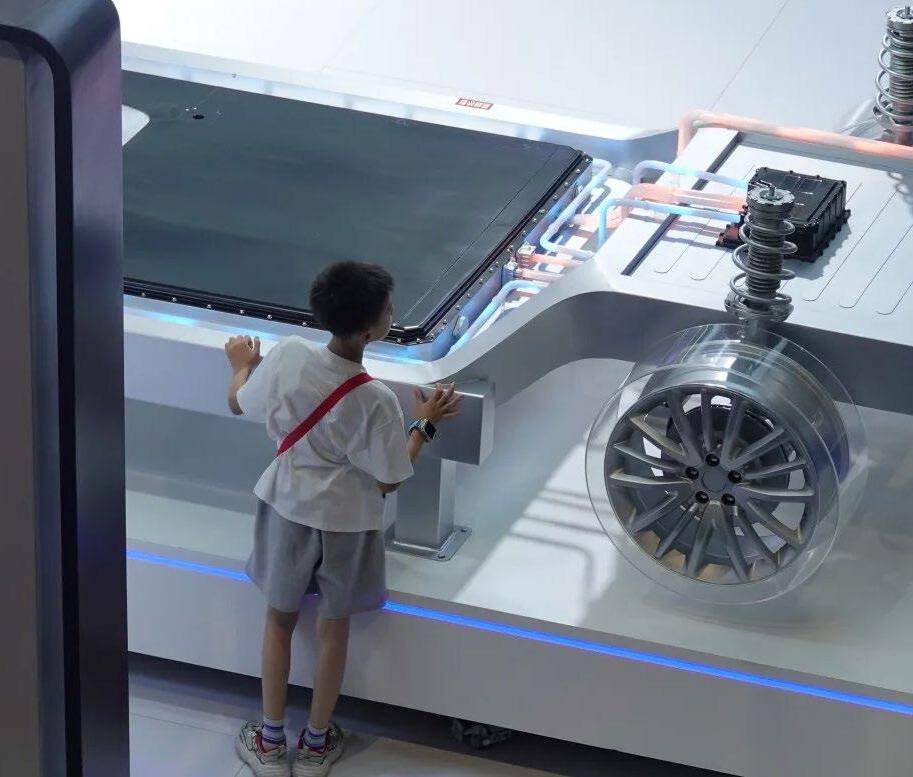
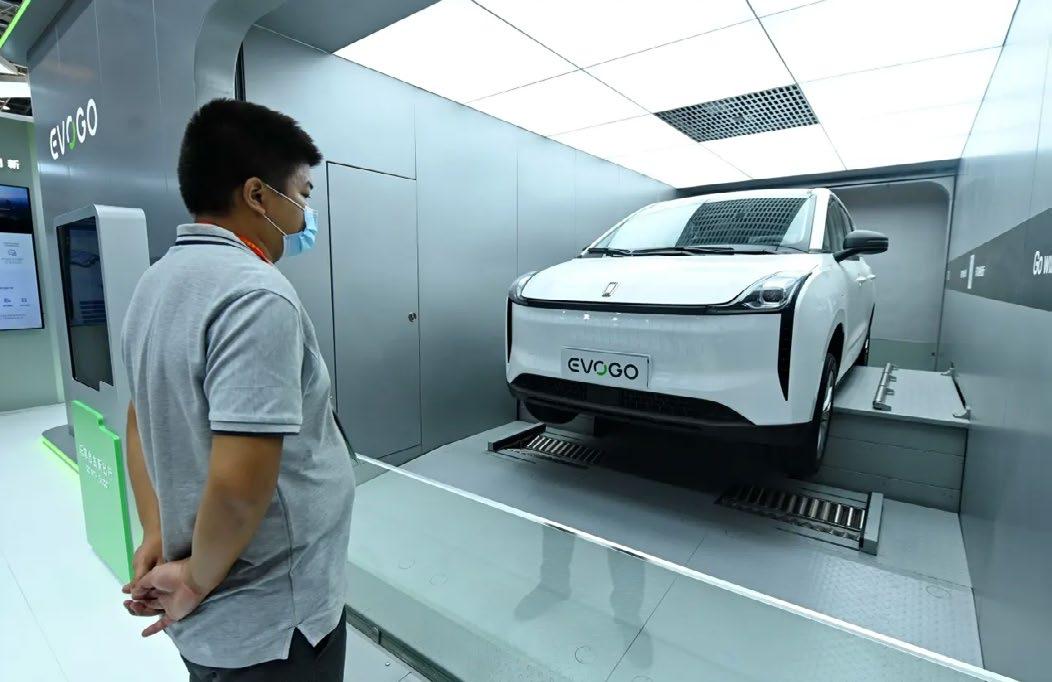
The experience of using a battery swap station is thought to be remarkably similar to using an automated car wash. The EV driver parks the car on a platform with an integrated system, which removes the depleted battery from beneath the vehicle and replaces it with a fresh, fully charged one. The complete process takes about five minutes.
Advocates of battery charging through a swapping station say the technology solves several issues, particularly relating to fast charging and long-term performance — two major sticking points for the widespread adoption of EVs.
Analysts say another key benefit to swapping is that it allows car manufacturers to maintain own-
ership of the battery, which lowers the initial price of the vehicle and creates a regular revenue stream for the OEMs.
Some drawbacks, however, include high initial infrastructure costs and a lack of standardization across car manufacturers.
NIEUPORT AVIATION
NIEUPORT AVIATION
NIEUPORT
AVIATION ELEVATING THE FUTURE OF URBAN AIR TRAVEL

Project by: Malvern Kandemwa
Words by: Michelle Duncan
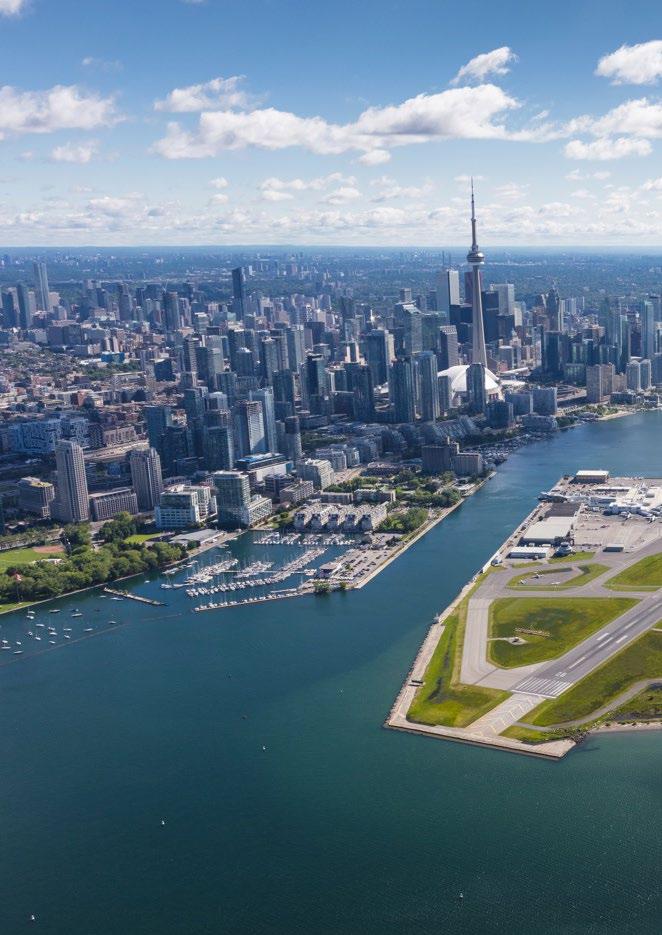
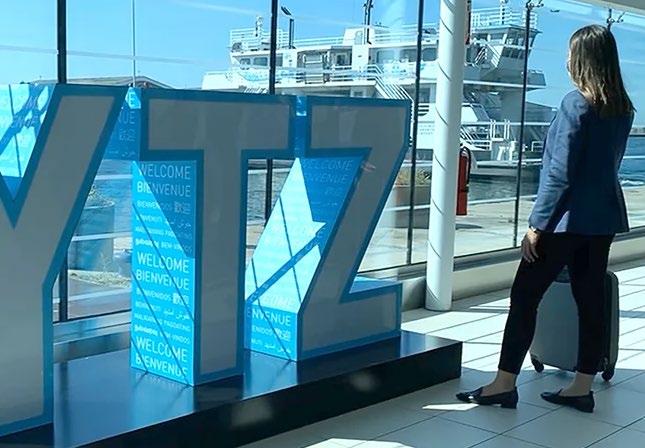
Nieuport Aviation is the owner and operator of the passenger terminal at Billy Bishop Toronto City Airport (YTZ), one of Canada’s most distinctive and award-winning urban airports. As the terminal partner, the company plays a vital role in shaping the passenger experience for the airport’s 2–2.8 million annual travellers, ensuring smooth op-
erations, high service standards, and seamless connectivity between downtown Toronto and regional destinations.
Backed by institutional investors advised by J.P. Morgan Asset Management, Nieuport Aviation benefits from strong financial stability and long-term infrastructure expertise. This foundation enables the company to invest in terminal enhancements, customer-focused services, and operational improvements that support the airport’s continued growth. It runs under a long-term conces-
sion agreement with PortsToronto, which owns and manages the airport. This public-private partnership structure allows them to bring private-sector efficiency and capital investment into a publicly owned transport asset.
NIEUPORT AVIATION IS THE OWNER AND OPERATOR OF THE PASSENGER TERMINAL AT BILLY BISHOP TORONTO CITY AIRPORT
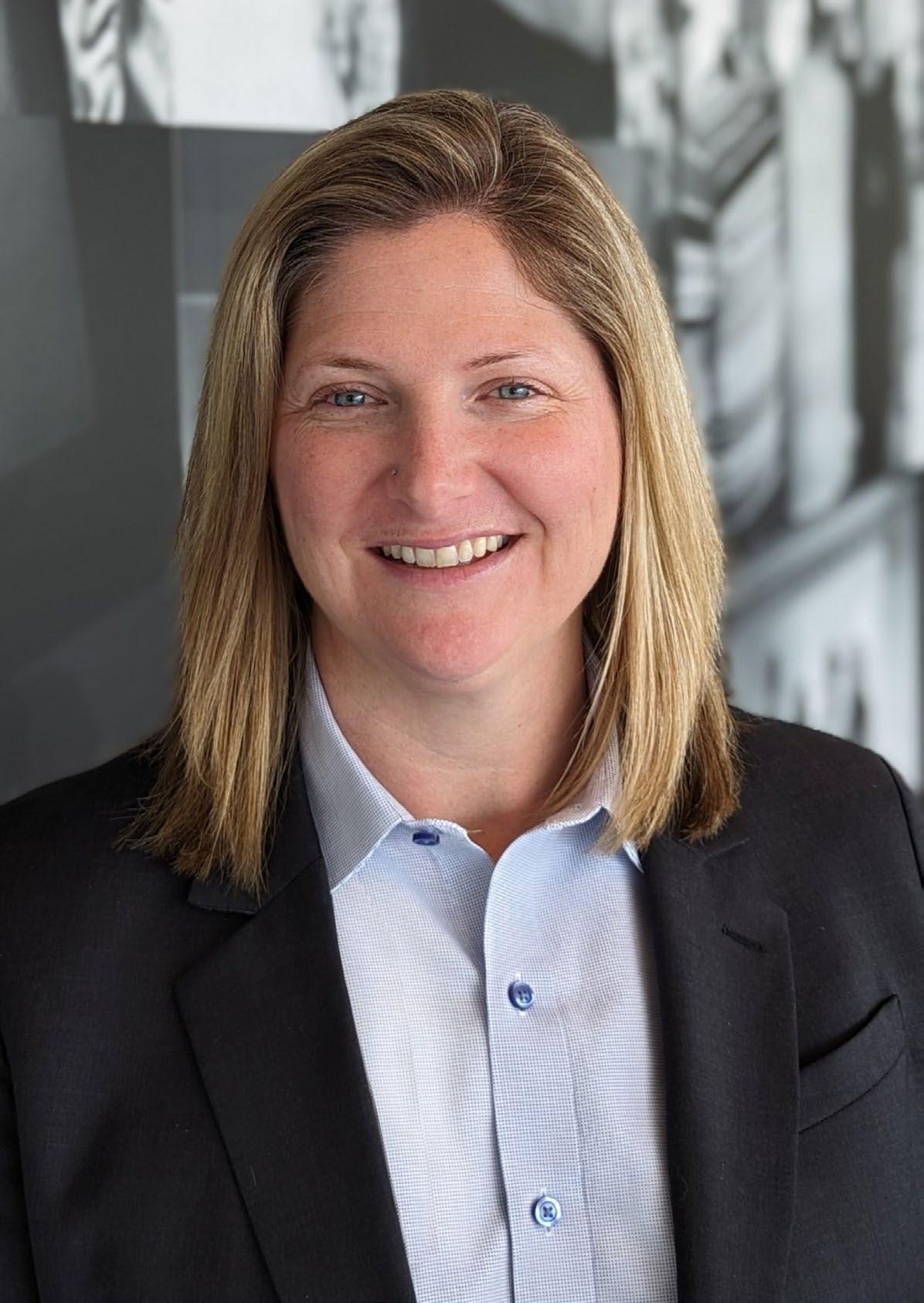
Jennifer Quinn is the Chief Executive Officer of Nieuport Aviation, appointed in early 2025 following the retirement of former CEO Neil Pakey. Her appointment marks a significant leadership transition for the company’s strategic direction, operational performance, and long-term development of one of Canada’s most distinctive aviation infrastructure assets. With a strong background in infrastructure, transportation, and complex stakeholder environments, she plays a pivotal role in shaping the future of urban air travel through her leadership of the passenger terminal at Billy Bishop Toronto City Airport.
As CEO, Jennifer Quinn handles overseeing all aspects of Nieuport
Aviation’s operations, including terminal management, capital investment, customer experience, and stakeholder engagement. Her leadership is defined by a clear focus on operational excellence, sustainability, and passenger-centric innovation.
She has positioned Nieuport as more than a traditional terminal operator—driving a strategy that integrates infrastructure performance with enhanced traveller experience. Under her guidance, the company continues to refine its role within a broader urban mobility ecosystem, ensuring that the airport stays efficient, accessible, and aligned with the needs of a modern city like Toronto.
Airports rarely inspire romance. For most travellers they are a conduit to something else—the family reunion, the business meeting, the return home, or the sights that await. Often, an airport is simply a means to an end.
Yet a small number of airports transcend that role and become destinations, whether through striking architecture, exceptional service, or unforgettable approaches and departures. Some are celebrated for service excellence, like Riyadh’s King Khalid International or Salt Lake City; others London City, Sydney’s Kingsford Smith, or Hong Kong’s former Kai Tak are prized for the dramatic views they reveal on take-off and landing.

Delivering Critical Infrastructure at Billy Bishop
Toronto City Airport
The Billy Bishop Airport connects people to Canada’s largest city and has helped transform Toronto’s Harbourfront into a gateway for national and international travelers. Looking to further enhance the travel experience at Billy Bishop Airport, Nieuport Aviation engaged Pomerleau to deliver the U.S. Customs and Border Protection (CBP) Preclearance facility, an infrastructure project that improves passenger flow and supports the airport’s continued growth.
SHAPING THE FUTURE
Pomerleau played a key role in the construction of the United States Customs and Border Protection Preclearance (US CBP) facility at the Billy Bishop Toronto City Airport.
Officially opening in March 2026, the preclearance facility enables travelers to clear customs in Toronto instead of after their arrival in the US, simplifying the flying experience and getting passengers where they’re going, faster.
The Toronto region continues to expand, and Pomerleau is well-positioned to support this growth by providing much-needed infrastructure that will help the city attract continued investment that provides meaningful benefits and economic opportunities for residents and visitors alike.
The preclearance facility project complements the portfolio of airport work Pomerleau has delivered,
including construction projects at Toronto Pearson International Airport, Ottawa International Airport, Montreal-Pierre Elliot Trudeau International Airport, and the Quebec City International Airport.
As one of Canada’s largest construction companies, Pomerleau delivers buildings, civil engineering works, and major infrastructure projects using a collaborative and transparent approach. Pomerleau partners with clients across the country to build infrastructure that builds communities. The preclearance facility at Toronto’s Billy Bishop Airport is a clear example of Pomerleau’s continued commitment to enabling growth and improving the communities where we live and work.
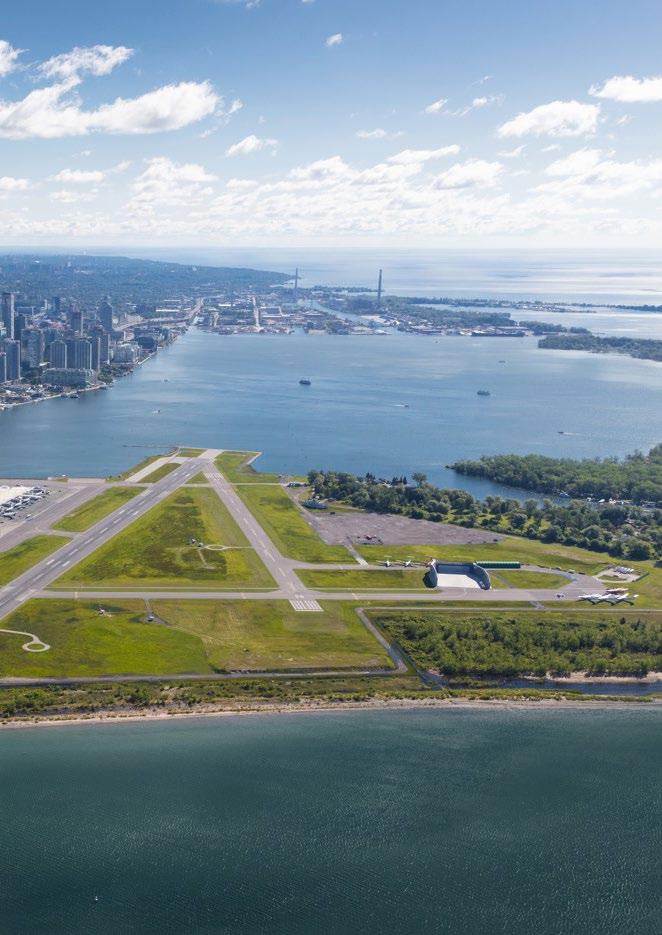
There are airports that marry enviable geography with world-class efficiency rare finds that delight travellers and spread by word of mouth. One such aviation unicorn is Billy Bishop Toronto City Airport (YTZ).
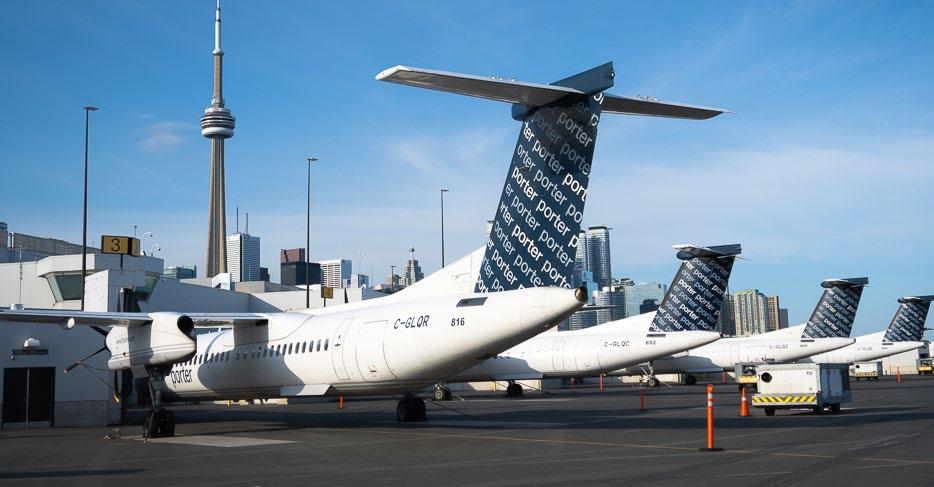
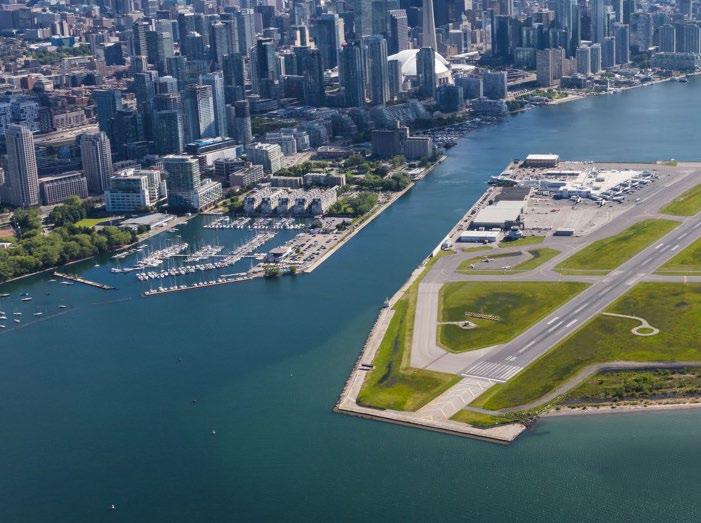
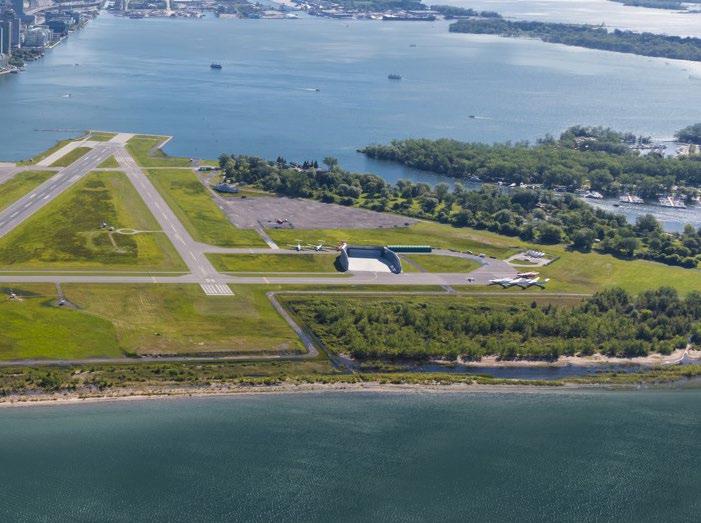
Situated on Toronto Island in the heart of Canada’s largest city, YTZ is celebrated for some of the world’s most scenic approaches and landings. On the ground, it pairs those dramatic vistas with exceptional service and operational speed, a combination reflected in many industry awards. Nieuport Aviation, as owner and operator of the passenger terminal, collaborates closely with airport owner PortsToronto in a public-private partnership that has produced a distinct passenger experience intimate, efficient, and unmistakably urban.
Each year, millions of travellers pass through YTZ, enjoying that rare and delightful combination of breathtaking scenery and seamless service. For passengers it’s a simple, memorable part of the journey; for the teams who design, run and support the terminal, it is the visible reward for meticulous planning, relentless diligence and a commitment to hospitality. The result is an airport experience that feels effortless to the traveller yet reflects the skill and care of many people working behind the scenes.
“In addition to running the terminal, Nieuport provides a popular complimentary shuttle between the airport and downtown. We drive economic growth by connecting travellers conveniently, delivering an exceptional passenger experience, and investing in our people, partnerships and the community.”
Nieuport’s statement captures the company’s dual focus: efficient, customer-centric operations and a broader civic role. The complimentary shuttle is a tangible convenience for passengers; the company’s investments in staff development, stakeholder collaboration and local engagement ensure the terminal functions as both an effective transport hub and a community asset. Together, these priorities reinforce YTZ’s reputation for seamless travel while supporting Toronto’s economic and social fabric. From terminal architects Scott Associates and Canadian builder Pomerleau to travel-retail operator Avolta, food-and-beverage partner SSP America, and a host of specialist contractors and service providers, the passenger terminal at YTZ is truly a collaborative achievement an integrated ecosystem where design, construction, retail, hospitality and operations come together to create a seamless, memorable traveller experience.
SUSTAINABILITY AND INNOVATION AT YTZ
Nieuport is fully committed to partnering with airport stakeholders to achieve carbon neutrality and lead on sustainability, but to deliver the necessary innovations we need a new operating agreement that enables investment and change. The same technological advances that once focused on reducing travel times will now be harnessed to create a net-zero environment quieter, cleaner planes, smarter ground operations, and low-carbon fuels.
On Environmental, Social and Governance (ESG) matters, the aviation sector is on the cusp of a major transformation, and
Nieuport intends to be at the forefront. With minimal transfer times, high public-transport usage, and passengers who can walk directly to downtown offices from their arrival gates, Billy Bishop City Centre Airport and other downtown airports are uniquely positioned to meet the economic and sustainability needs of progressive global cities like Toronto.
We already recognise the potential of sustainable aviation fuels: current biofuels can reduce lifecycle emissions by up to 80%, and next-generation fuels made from renewable biomass or waste streams such as used cooking oil are under development. Our present operating agreement restricts the types of commercial planes
permitted; to encourage greener, quieter planes alongside the dependable Q400s, we need the flexibility to broaden that fleet mix.
Nieuport is also collaborating with vendors and retail partners to advance their own ESG initiatives and is collaborating closely with PortsToronto to maximise airport sustainability. For the past decade YTZ has been powered by 100% renewable electricity from Bullfrog Power, and we have introduced more sustainable de-icing treatments to reduce impacts on local waterways. These steps show that, with the right regulatory framework and partnership, an urban airport can be both highly efficient and a leader in environmental stewardship.
SUSTAINABLE FLEET AND ZERO EMISSION AMBITION
Nieuport Aviation is electrifying its ground fleet. The new electric shuttle buses will replace diesel vehicles and are expected to reduce the airport’s carbon footprint by an estimated 4.6 metric tonnes of CO₂ per year. These zero-emission shuttles will be available to all passengers and will complement PortsToronto’s electric ferry service, strengthening a low-carbon connection between the terminal and downtown.
Sustainable aviation fuels and hydrogen are the next frontier. Nieuport is in active discussions with a new carrier at YTZ, Boston-based Connect Airlines, which has signed
a letter of intent with Universal Hydrogen to retrofit up to 100 Dash 8 turboprops with hydrogen fuel conversion kits. That partnership could position Connect among the first carriers to run zero-emission hydrogen-fuelled planes, accelerating the decarbonisation of regional air travel.
Zero-emission airlines are the future of the industry. While fully electric and hydrogen-powered commercial planes stay a few years away, the trajectory is clear: fewer emissions, quieter operations, and more efficient cabins or, as Nieuport puts it, “cleaner, greener and quieter.”
Practical investments today, systemic change tomorrow. Focusing on what is controllable now,
Nieuport will invest to ensure the passenger terminal achieves carbon neutrality. For airlines, ongoing R&D into sustainable aviation fuels (SAFs) and hydrogen conversions will prioritise safety, reliability, and dramatically lower lifecycle emissions. Wider adoption of these fuels will also create new economic benefits—added revenue streams for farmers supplying bio feedstocks, improved plane performance, and the creation of green jobs across the supply chain.
M MOSER ASSOCIATES

MOSER ASSOCIATES


DESIGNING FOR PEOPLE: INSIDE THE GLOBAL IMPACT OF M MOSER ASSOCIATES
Project by: Malvern Kandemwa
Words by: Michelle Duncan
M Moser Associates is a global architecture, design, engineering, and construction firm specialising in workplace environments. Founded in 1981 and headquartered in Wanchai, Hong Kong, the company has grown into a major international player in corporate real estate solutions, workplace strategy, and end-toend project delivery.
The firm is recognised for its integrated approach uniting architecture, engineering, construction, and workplace strategy to create spaces that enhance performance, wellbeing, and organisational transformation. Its philosophy centres on designing for people, with a strong emphasis on health, happiness, and productivity. With more than 1,000–1,300 professionals across a global network of offices spanning the Americas, Europe, Asia, and Australia, the firm serves multinational corporations across sectors such as finance, technology, healthcare, and professional services.
Its core value proposition lies in delivering end-to-end workplace solutions, from concept and strategy through to build and delivery, allowing clients to reduce risk, optimise cost, and accelerate timelines.
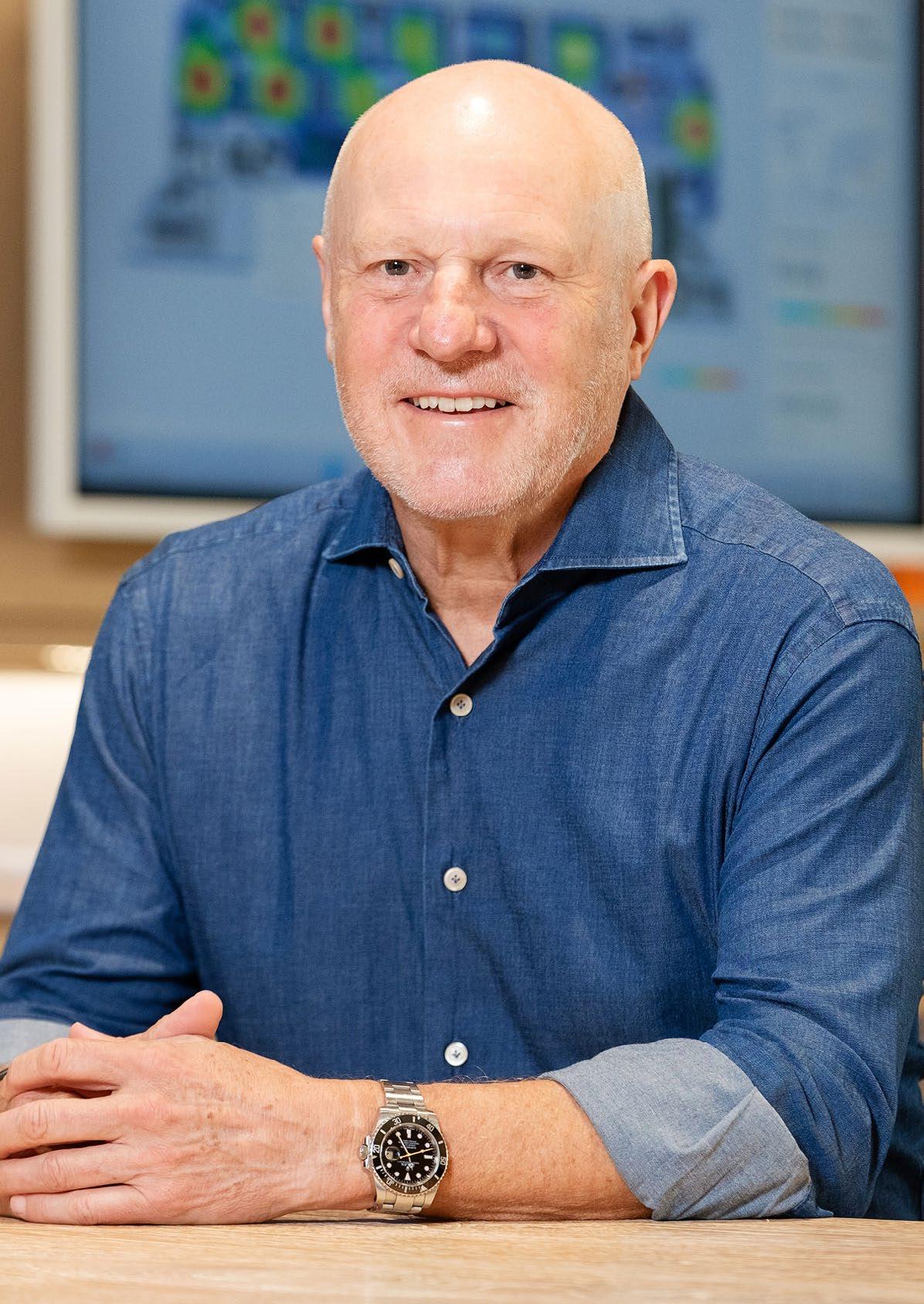
As Regional Director at M Moser Associates, Stephen Lyon plays a pivotal role in shaping the firm’s strategic direction across key markets. With deep expertise in workplace transformation and a long-standing commitment to human-centric design, Lyon provides valuable insight into how

BRISK RENOVATION PTE LTD

Founder : Mr Tan Geok Hin
Our core values are integrity, quality, and customer satisfaction. We are committed to providing exceptional service to our clients. We focus on building long-term partnerships with our clients and ensure the high quality of our projects through efficient processes and excellent craftsmanship.

WHEN WE BUILD, WE BUILD TO LAST
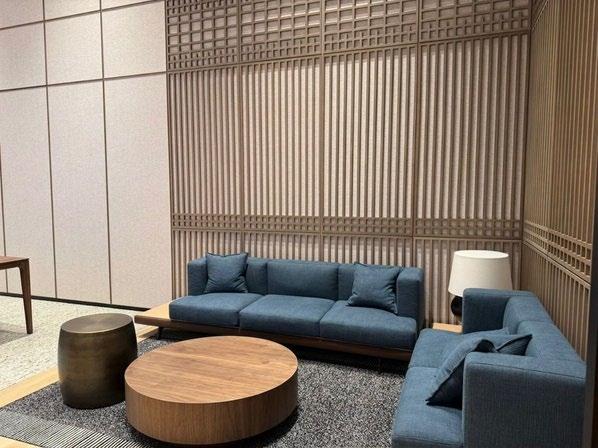
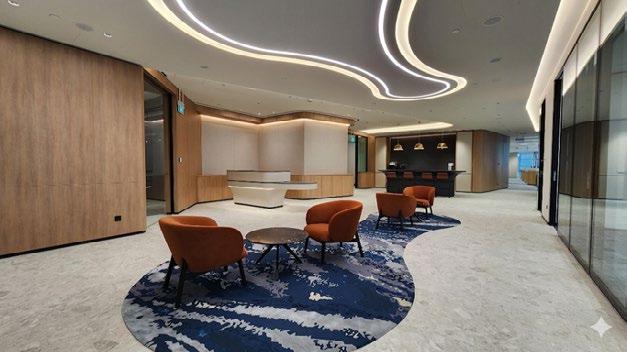
Brisk Renovation is a Singapore-based construction company established in 2007, providing comprehensive services from design to completion. Our experienced team is committed to delivering high-quality results and reliable service. SERVICES : INTERIOR

organisations can create environments that support performance, wellbeing, and long-term business resilience.
Lyon explains that M Moser’s success lies in its integrated, end-toend approach—bringing together workplace strategy, architecture, engineering, construction, and digital innovation under one unified vision. This model allows the firm to deliver seamless project outcomes while ensuring that every design decision is grounded in research, data, and a deep understanding of how people work.
According to Lyon, today’s workplace challenges require more than aesthetic solutions. Organisations are navigating hybrid work, shifting employee expectations, and increasing pressure to meet sustainability targets. M Moser’s role, he notes, is to help clients rethink their real-estate portfolios through a holistic, future-focused lens, ensuring that spaces are adaptable, inclusive, and aligned with longterm organisational goals.
He emphasises three core principles that guide M Moser’s regional strategy:
DESIGNING FOR PEOPLE FIRST
Lyon highlights that every project begins with understanding the human experience. Through research, behavioural insights, and engagement with client teams, M Moser creates workplaces that enhance wellbeing, collaboration, and productivity.
INTEGRATING SUSTAINABILITY AND CLIMATE ACTION
He explains that sustainability is no longer optional—it is a fundamental responsibility. M Moser embeds sustainable materials, energy-efficient systems, and climate-conscious design principles into every stage of the project lifecycle, helping clients reduce environmental impact while improving operational performance.
LEVERAGING DATA AND DIGITAL INNOVATION
Lyon underscores the importance of data-driven design. By analysing how people use space and integrating digital tools into planning and operations, M Moser helps organisations make smarter, more resilient real-estate decisions.
Ultimately, Lyon believes that the future of workplace design lies in continuous evolution. As he explains, the most successful organisations are those willing to rethink traditional models, embrace innovation, and create environments that empower people to thrive. Under his regional leadership, M Moser continues to deliver transformative workplace solutions that reflect the firm’s global vision and its unwavering commitment to designing for people.
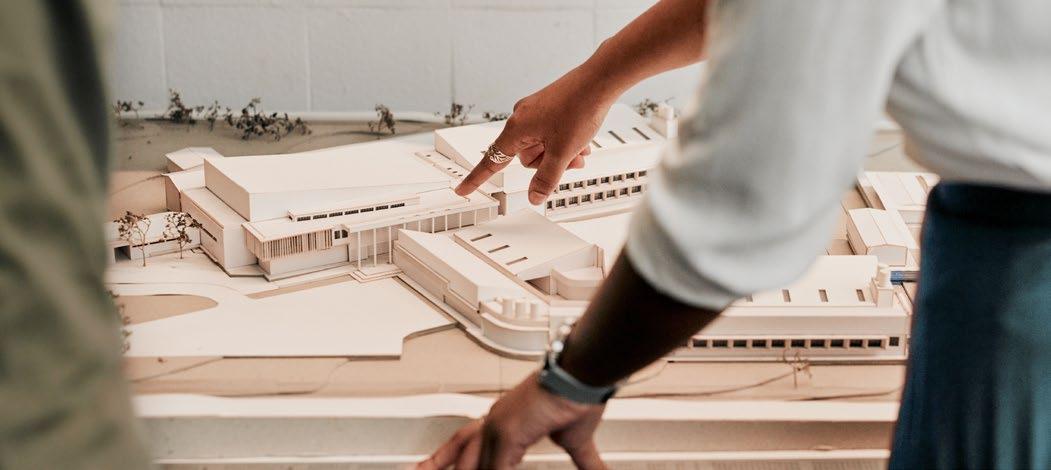
Globally, M Moser Associates has designed more than nine million square metres of workplace environments—spaces intentionally crafted not as rows of desks, but as places where people genuinely want to spend time. These are workplaces that feel welcoming, creative, productive, and, often, a little bit special.
Stephen Lyon points to M Moser’s award-winning Diageo APAC headquarters in Singapore as a standout example of this philosophy in action. Diageo looked to significantly reduce the footprint of its regional office while keeping the same number of employees and creating a more vibrant, agile environment to reflect its
iconic global brands, including Johnnie Walker, Guinness, Smirnoff and Tanqueray.
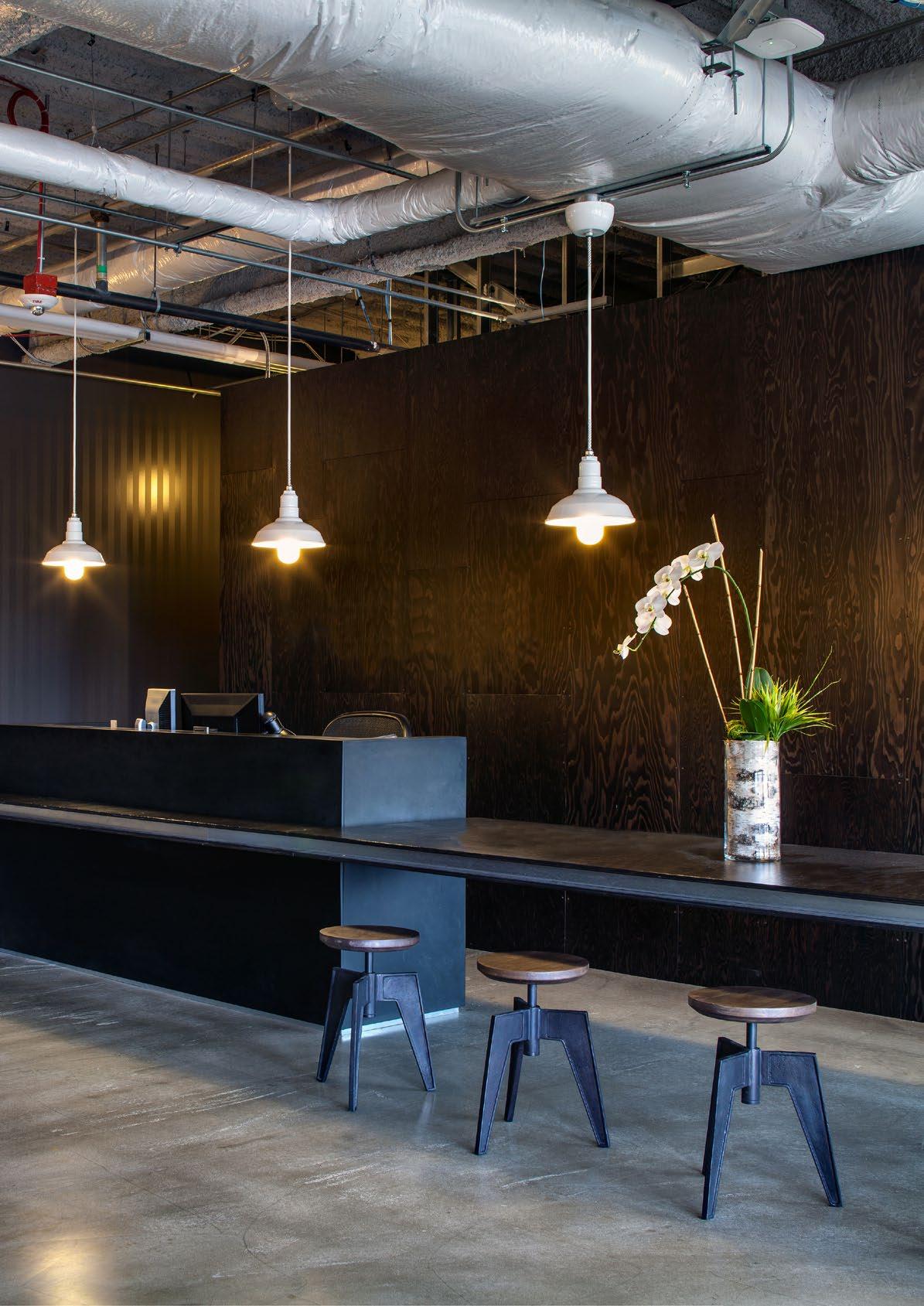
The brief called for a workplace that felt energetic and innovative—an environment unconstrained by traditional rooms or fixed desks, and one where clients could at once feel the spirit of the brand. The result is a space that functions almost like a small village. Visitors entering the office pass a concierge table staffed by a hostess who guides them through a series of interconnected zones. Employees are found working fluidly throughout the space—collaborating in open areas, focusing quietly on enclosed rooms, or settling into distinct
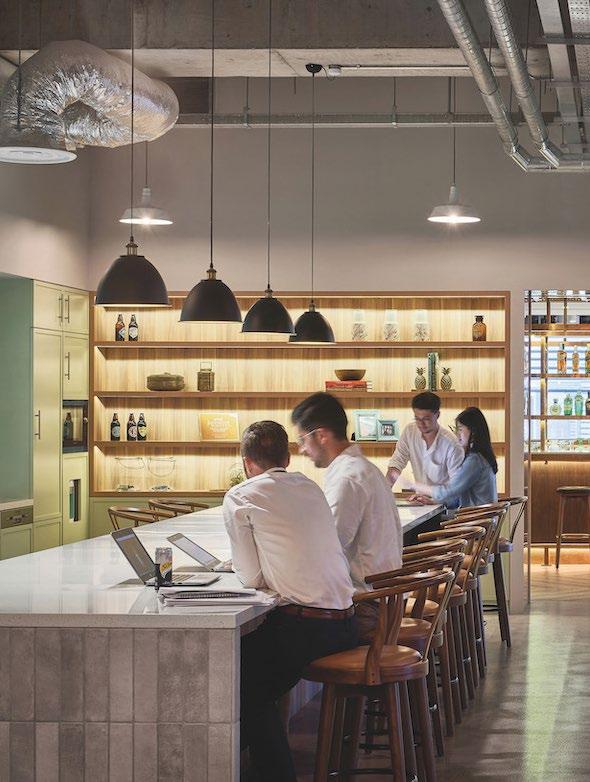
settings known as the Studio, the Living Room, and the Store.
This approach reflects M Moser’s belief that a workplace should be more than a location; it should be an experience that supports culture, creativity, and connection.
At the heart of the office, commanding sweeping views across Singapore, sits The Bar—a signature feature of the Diageo workplace. Described as “a bar you can work in, not a bar at work,” it shifts effortlessly from a relaxed daytime setting into a lively social hub after hours. The space embodies Diageo’s global motto, “Celebrating life, every day, everywhere,” and perfectly cap-
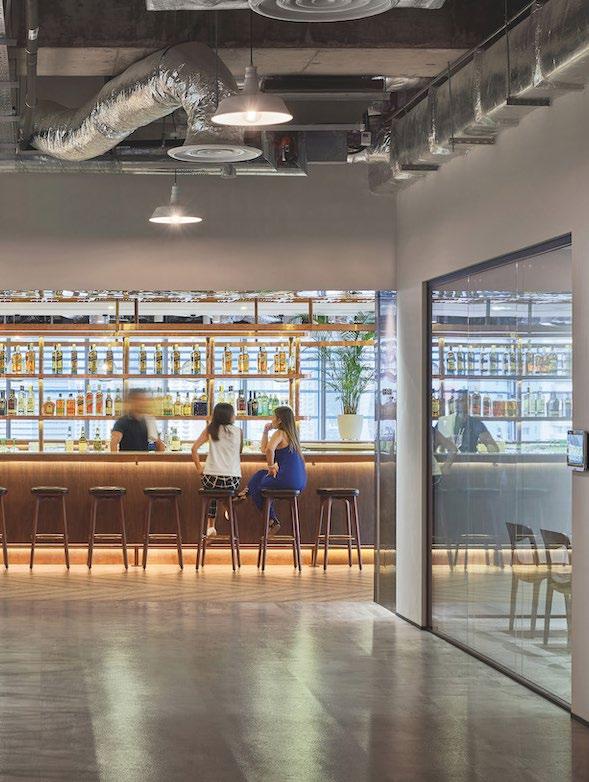
tures Stephen’s and his team’s willingness to ask, “what if?”
“As a drinks company, they host events and entertain clients, which means highlighting their products. So, we wanted to create environmental branding,” Stephen explains. “What if we went out into the market and sourced Diageo memorabilia to weave into the space and make it feel more personal? What if we pushed it further?”
The team scoured online marketplaces and collectors’ archives, gathering vintage marketing pieces—an original Johnnie Walker figure, long-out-of-print brand books, and promotional items from decades past. These artefacts now sit proudly throughout the workplace, adding layers of authenticity and storytelling that make the environment feel deeply connected to Diageo’s heritage.
While M Moser successfully reduced the office footprint, the design blurred the boundaries between workplace, hospitality,
and retail, creating a fluid environment that offers employees far more freedom and flexibility than a traditional office. Stephen’s own workspace in the AXA Tower reflects a similar elasticity—an environment designed not around static desks, but around movement, choice, and the natural rhythms of how people work today.
Stephen describes the space as offering far more than traditional hot-desking. “It’s a bit more than hot desking because we offer different environments for different activities. It’s about being agile,” he explains. “I’m in a meeting room now because I want this to be a reasonably private conversation, but afterwards I may move to the café area to work.”
This flexibility is intentional. The workplace is designed to support a wide range of needs from focused individual work to social connection. “We have different areas for different needs,” Stephen continues. “There’s a quiet, more private room for lactating mothers, complete with a fridge to store
personal items. And then there’s another fridge full of wine at the café for socialising after work.”
The result is a workplace that adapts to people, not the other way around an environment that recognises the full spectrum of human needs throughout the day, from privacy and comfort to collaboration and community.
THE FLEXIBILITY IS INTENTIONAL.
THE WORK PLACE IS DESIGNED TO SUPPORT A WIDE RANGE OF NEEDS.
Sustainability and wellness sit at the core of M Moser’s design philosophy. Whether creating green buildings from the ground up or transforming existing offices into healthier, more human-centred environments, the firm prioritises features that elevate everyday wellbeing—cleaner air, improved lighting, ergonomic
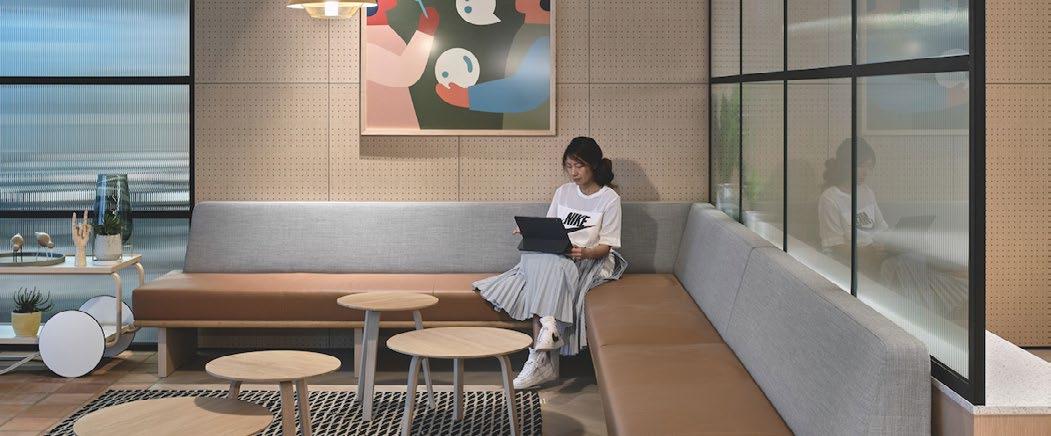
comfort, access to fresh food, and high-quality water systems. These elements aren’t treated as add-ons; they are fundamental to how M Moser believes modern workplaces should function.
The company’s commitment is backed by deep expertise. M Moser has delivered more than 140 certified green projects worldwide and continues to expand its leadership in sustainable design. A key figure in this effort is Christine Bruckner, a specialist architect who champions best practice in sustainability and wellness across the firm. She holds multiple internationally recognised credentials, including LEED (Leadership in Energy and Environmental Design) and Hong Kong’s BEAM (Building Environmental Assessment Method), and was an early contributor to the International WELL Building Institute, which sets global standards for health-focused building design.
Through leaders like Bruckner and a company-wide commitment to environmental responsibility, M Moser ensures that every project—whether a new build or a workplace transformation supports both planetary health and human performance.
MMOSER.COM


KFC AFRICA

KFC AFRICA


AKHONA QENGQ LEADING TRANSFORMATION & SUSTAINABILITY AT KFC AFRICA
Project by: Malvern Kandemwa
Words by: Michelle Duncan
As the first Black female General Manager for KFC Africa, Akhona Qengqe holds a mandate that spans both strategic leadership and operational excellence. She oversees the direction and performance of the business across the continent, driving ambitious expansion plans that include opening 100 new restaurants across 22 markets.
In parallel with this growth agenda, Qengqe is committed to advancing inclusivity, female empowerment, and community upliftment. Central to this mission is the Add Hope programme, which provides access to nutritious meals for underserved communities.
Her vision is to guide KFC Africa through a transformative phase defined by innovation, sustainable growth, diversity, and meaningful social impact. In doing so, she aims to champion and inspire local female talent and underrepresented groups across the region.
KFC continues to position itself as one of the most impactful purpose-driven brands in South Africa. The organisation is still deeply committed to empowering young people, advancing opportunities for women, and proving itself as the employer of choice within the quick-service restaurant sector. Alongside these priorities, KFC is focused on reduc-
ing its environmental footprint working closely with farms and suppliers, while improving packaging solutions and adopting more sustainable approaches to restaurant development.
KFC has long proven leadership in environmental, social, and governance (ESG) practices, particularly in South Africa, where ESG principles gained prominence following the King III Report in 2009. This period marked the launch of two cornerstone social impact initiatives—Add Hope and KFC Mini-Cricket which have since embedded ESG at the core of the organisation’s operations. Over the past sixteen years, Add Hope has raised more than R1.2
billion to combat hunger among vulnerable children nationwide. Notably, approximately 60% of these funds have been contributed by customers, who are given the opportunity to donate R2 with each purchase. The initiative has delivered over 372 million meals, and a recent impact assessment described it as a “powerful force for good,” positively influencing individuals, families, communities, and the nation at large.
Similarly, KFC Mini Cricket has played a transformative role in grassroots sports development, empowering more than 2.5 million children. Each year, the programme engages over 125,000
participants across 6,600 schools, with more than 45,000 matches facilitated by upwards of 11,000 volunteer coaches. Beyond introducing young players to cricket, the initiative fosters essential life skills, teamwork, and discipline. A recent assessment recognised it as a flagship development platform with far-reaching social impact.
The sustained success of these programmes underscores the strategic importance of integrating ESG considerations into every aspect of KFC’s decision-making, reinforcing its commitment to long-term value creation and meaningful societal contribution.
ADD HOPE HAS RAISED MORE THAN R1.2 BILLION TO COMBAT HUNGER AMONG VULNERABLE CHILDREN NATIONWIDE.
NOTABLY, APPROXIMATELY 60% OF THESE FUNDS HAVE BEEN CONTRIBUTED BY CUSTOMERS
DELIVERING SUCCESS THROUGH INTELLIGENT SUPPLY CHAIN INNOVATION
Digistics is a South African logistics partner dedicated to “delivering your success” by aligning our operations with your unique business strategy Our vision is to provide “the perfect delivery”, a goal we achieve by prioritising customer needs and synchronising the critical exchange between people and information.
We are not just another service provider; we exist to live and breathe the success of our partnerships.
Our robust network features six distribution centres across South Africa’s major commercial regions, optimised by inland cross-docking capabilities. We have expanded this footprint with dedicated facilities in Mauritius, Namibia, and Zambia, ensuring brands receive localised expertise and a seamless supply chain across borders.
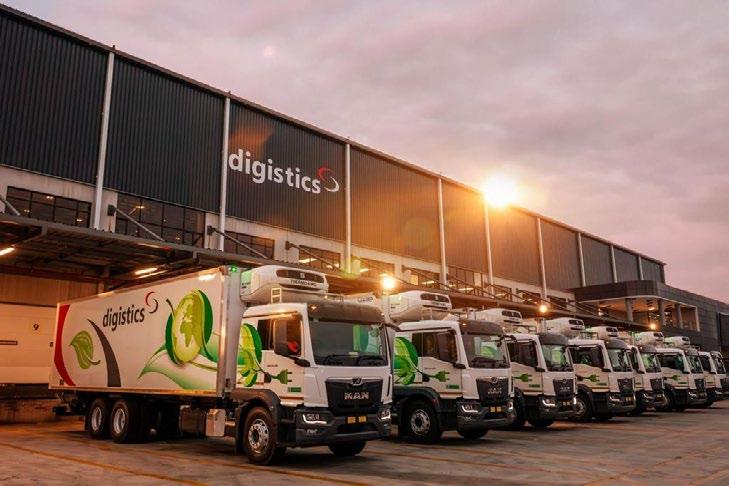
Innovation is the heartbeat of our fleet We operate the largest fleet of axle trailers in South Africa, utilising hybrid regeneration technology to capture kinetic energy and power our refrigeration units This is complemented by our solar truck technology, which integrates panels onto vehicles to improve efficiency and reduce carbon emissions Our specialised vehicle design also allows for the simultaneous transport of frozen, chill, and ambient products, maintaining temperature integrity in a single shipment
We maintain a self-sufficient mindset, generating power through solar and battery storage at our facilities to ensure continuity during grid disruptions Furthermore, we champion a circular economy by converting clients’ used cooking oil into biodiesel Our leadership in sustainability was solidified by receiving four prestigious awards for sustainability and risk management respectively, backed by four simultaneous ISO and RTMS certifications, we provide a resilient, eco-friendly supply chain.

R TED A PARTNERSHIP
IN GOODNESS
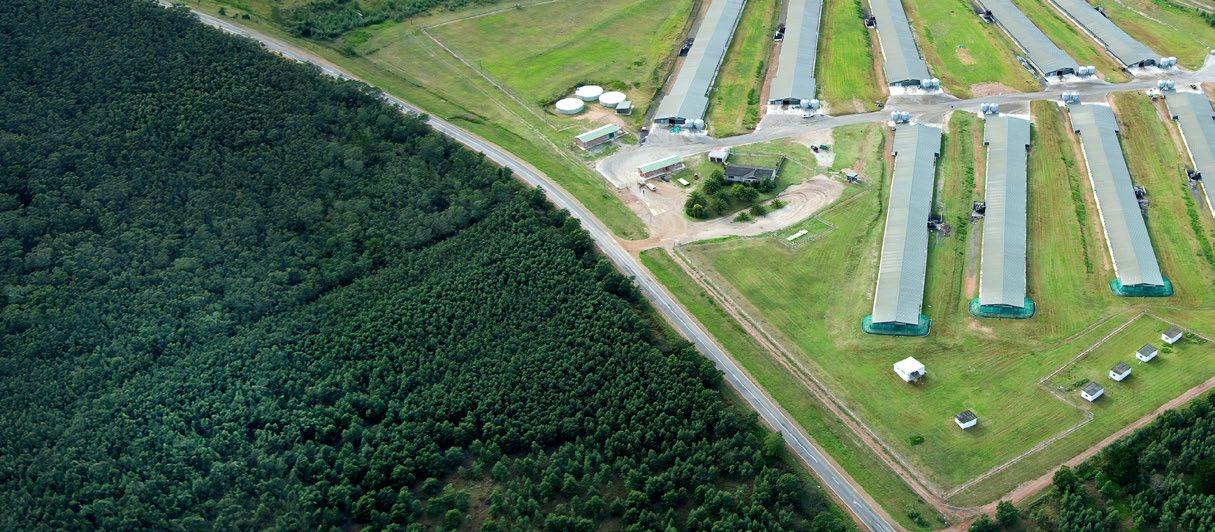
Behind South Africa’s most iconic chicken is a partnership built on a shared obsession with quality.
As a leading poultry producer, Sovereign is proud to stand alongside KFC, acting as the reliable source upholding the high standards South Africans expect every single day.
For over 70 years, Sovereign has defined its legacy through integrity and uncompromising rigor. Today, as one of the country’s largest producers, we combine massive scale with pinpoint precision. Supplying a global leader like KFC requires more than just volume; it demands a culture of continuous innovation and a “Tier One” mindset that ensures every delivery is as perfect as the last.
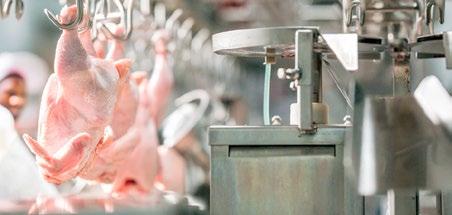
Quality at Sovereign isn’t a final check - it’s embedded in our DNA. From our world-class farming operations to our cutting-edge processing facilities, every step of our value chain is designed for total traceability and efficiency. In the fast-paced world of quick-service retail, our operational expertise ensures that KFC teams can focus on what they do best: serving meals that people love.
Food safety remains the heartbeat of this partnership. Sovereign operates under international-standard, stringent, quality assurance systems, aligning local regulatory excellence with global best practices. Our rigorous testing and comprehensive monitoring provide more than just compliance; they provide peace of mind.
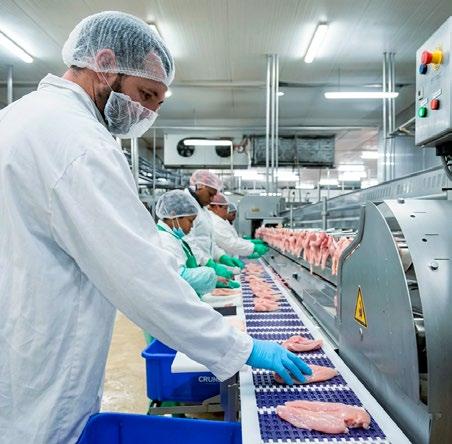
“Our relationship with KFC reflects a shared commitment to delivering real value to the consumer,” says Gerald Walter, Commercial Director at Sovereign. “We are proud to support a brand that prioritises excellence at every level, and we remain focused on strengthening this bond through technological investment and operational leadership.”
Ultimately, great chicken is about trust. Trust in the people who produce it, the systems that protect it, and the partnerships that bring it to the table. As KFC continues to grow across the nation, Sovereign remains dedicated to providing the quality foundation that makes every meal memorable, and ‘Full of Goodness’.
KFC’S SUSTAINABILITY OPERATIONS
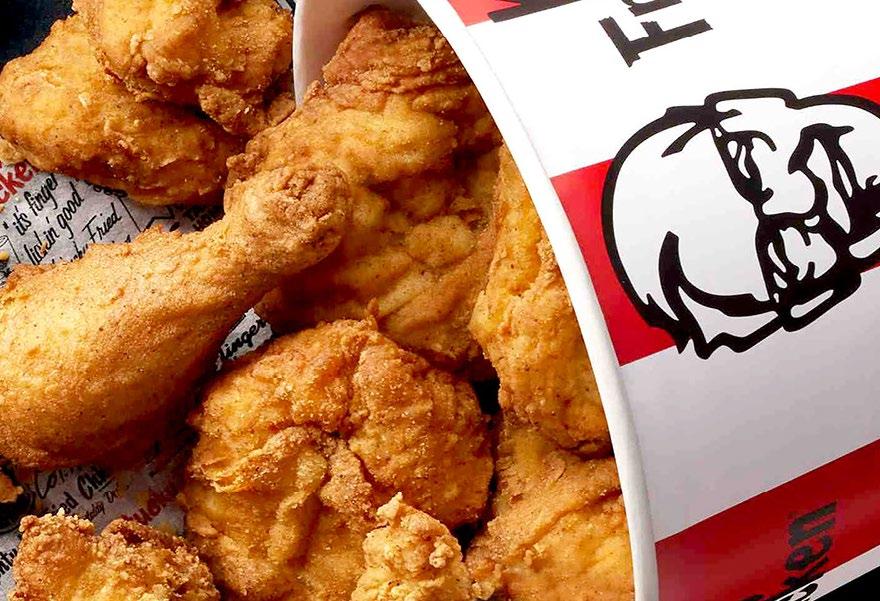
Despite being the largest quick-service restaurant (QSR) brand in South Africa, KFC continues to experience demand that exceeds current capacity, with 1,169 restaurants in operation. As a result, the business stays actively engaged in finding and securing new sites to support its ongoing expansion.
At the same time, KFC is highly conscious of the environmental implications associated with construction and development. To address this, all new builds and refurbishments are governed by the company’s global Building Green standards, which are designed to minimise environmental impact and promote sustainability. These standards include optimised heating, ventilation, and air-conditioning (HVAC) systems, efficient exhaust hoods, energy-efficient cooking and refrigeration equipment, and the elimination of CFC and HCFC refrigerants. More measures include energy-efficient lighting solutions, reduced water consumption across both building operations and kitchen processes, and the implementation of no-smoking policies within and around restaurant premises.
Beyond environmental considerations, each new KFC restaurant delivers tangible socio-economic benefits. On average, every location creates approximately 35 direct jobs, contributing to local employment and economic activity. New developments also play a role in enhancing sur-
rounding infrastructure, from roads and utilities to the introduction of modern technologies such as Wi-Fi, advanced pointof-sale systems, and self-service kiosks.
Importantly, each restaurant serves as a contemporary community hub bringing people together while simultaneously reinforcing KFC’s commitment to sustainable growth. This dual impact, combining economic upliftment with environmental responsibility, underpins the brand’s broader vision for longterm, inclusive development.
There is a clear gap between major players such as KFC and smaller chains that are still in the preliminary stages of ESG adoption. In general, progress has tended to be strongest in environmental initiatives, while social and governance efforts have lagged. KFC Africa is bucking that trend. We have made strong progress environmentally, but this is complemented by our commitment to feeding people’s potential and nurturing talent. This is not a box-ticking exercise for us. It is about sustainability, but it is also about driving growth for the business and for our team members.
In 2021, we launched Streetwise Academy to support skills development, and last year it held its largest graduation event to date. Our aim is that by 2026, more than 1,500 team members will have received certificates accredited by the Services Sector Education and Training Authority (SETA). The courses range
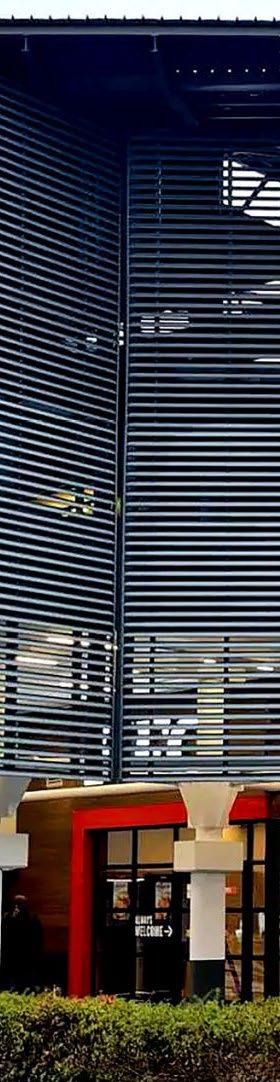

Digistics is a South African logistics partner dedicated to “delivering your success” by aligning our operations with your unique business strategy. Our vision is to provide “the perfect delivery”, a goal we achieve by prioritising customer needs and synchronising the critical exchange between people and information. We are not just another service provider; we exist to live and breathe the success of our partnerships.
Our robust network features six distribution centres across South Africa’s major commercial regions, optimised by inland cross-docking capabilities. We have expanded this footprint with dedicated facilities in Mauritius, Namibia, and Zambia, ensuring brands receive localised expertise and a seamless supply chain across borders.
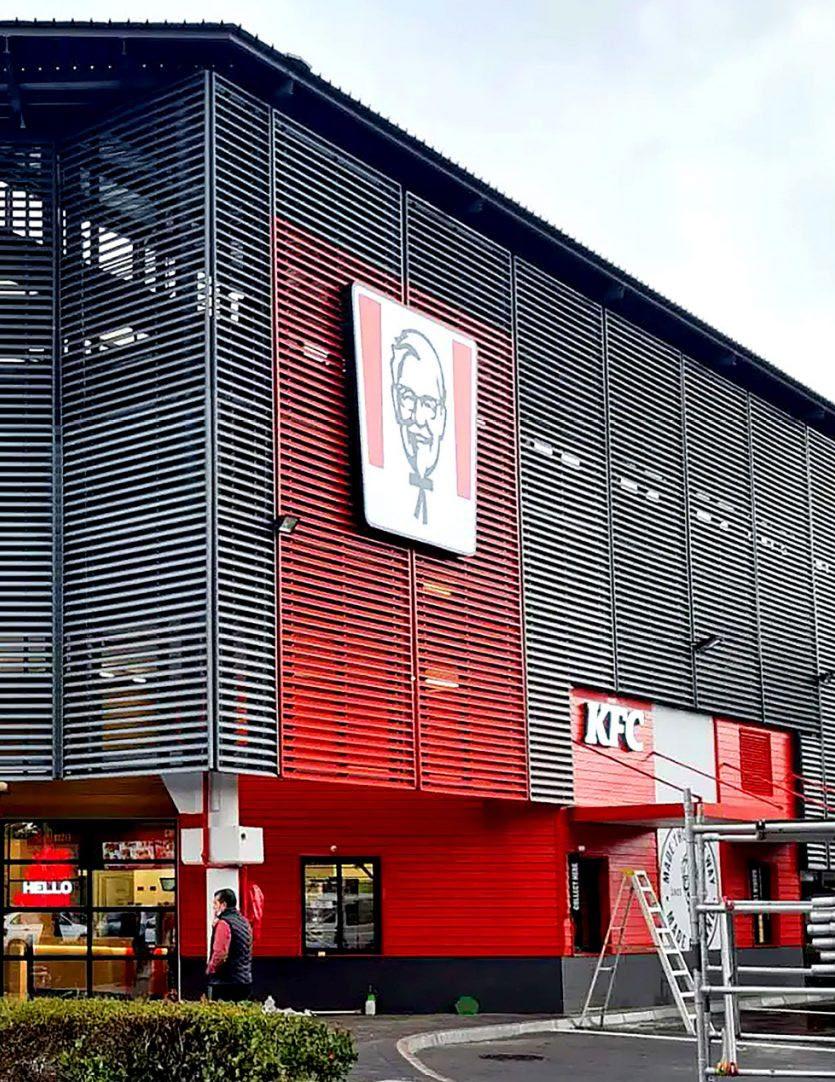
Innovation is the heartbeat of our fleet. We operate the largest fleet of axle trailers in South Africa, utilising hybrid regeneration technology to capture kinetic energy and power our refrigeration units. This is complemented by our solar truck technology, which integrates panels onto vehicles to improve efficiency and reduce carbon emissions. Our specialised vehicle design also allows for the simultaneous transport of frozen, chill, and ambient products, maintaining temperature integrity in a single shipment.
We maintain a self-sufficient mindset, generating power through solar and battery storage at our facilities to ensure continuity during grid disruptions. Furthermore, we champion a circular economy by converting clients’ used cooking oil into biodiesel. Our leadership in sustainability was solidified by receiving four prestigious awards for sustainability and risk management respectively, backed by four simultaneous ISO and RTMS certifications, we provide a resilient, eco-friendly supply chain.

from National Qualifications Framework (NQF) Level 3 to NQF Level 8. The academy also offers fast-food services learnerships for young jobseekers.
We also offer Ikusasa Lethu scholarships, which provide access to quality education for children who are Add Hope beneficiaries or whose parents work for KFC, giving them the opportunity to receive a full scholarship at one of the Curro schools across the country.
Women make up well over half of KFC Africa’s 40,000-plus team members across 22 countries, and I am deeply enthusiastic about developing their potential. One of our key initiatives is Women on the Move, which I launched in 2021 while serving as Chief People Officer. Each year, it supports
around 20 to 30 women and prepares them for future leadership roles at KFC through a combination of formal training, personal development, mentorship, and peer learning circles. This is helping to develop the next generation of female leaders within the business, and the wider impact has been remarkable. Seeing women who look like them go through a transformational journey and move into leadership positions inspires others to believe in their own potential.
CHALLENGES KFC FACED ADVANCING IN ESG
The most visible challenge is single-use packaging. I am pleased to say that all KFC consumer-facing packaging is now reusable, recyclable, or compostable. We
have also moved toward more sustainable materials, dropped unnecessary packaging, and strengthened our recovery and recycling systems.
Another key challenge is the complexity of the supply chain. KFC sources all its chicken locally from farms that meet global animal welfare standards, and by 2030 we are committed to reducing greenhouse gas emissions across our supply chain by 46%, compared with 2019. The same target applies to our restaurants, corporate offices, and transport network, and we are making encouraging progress toward achieving it.
Implementation can also be challenging within a franchise model, as it can be difficult to ensure consistent ESG execution
across all locations. In addition, consumer expectations continue to evolve as customers increasingly want sustainable practices, but they are still understandably price-sensitive and convenience-driven, making it difficult to balance all three priorities.
The rapid growth of the quick-service restaurant sector is largely driven by convenience and affordability. Historically, however, those benefits have often come at the expense of public health and sustainable, healthy living. Research has consistently shown a strong link between frequent fast-food consumption and serious metabolic and cardiovascular risks.
KFC is transparent about the quality of its products and ingredients, and because we actively
promote an active lifestyle and a balanced diet, we make sure customers have a clear understanding of what they are eating.
We are close to meeting our 2025 target of removing artificial colours, artificial flavours, and partially hydrogenated oils from core ingredients. To date, we have eliminated more than 90% of these components, and by 2030, half of core menu items across main dishes, combos, and sides will offer lower-calorie options. This aligns with Yum! Brands’ nutrition strategy and policy, which is consistent with World Health Organization guidelines.
Akhona Qengqe’s background spans several industries, including petroleum, property, marketing operations, and convenience retail. She has held leadership
roles such as Chairperson of the Board of the Franchise Association of South Africa and has played an active role in organisational transformation, diversity, inclusion, and talent development at KFC.
ACCOR HOTELS GROUP

ACCOR HOTELS GROUP
ACCOR HOTELS: A GLOBAL LEADER REDEFINING HOSPITALITY

Project by: Malvern Kandemwa
Words by: Michelle Duncan
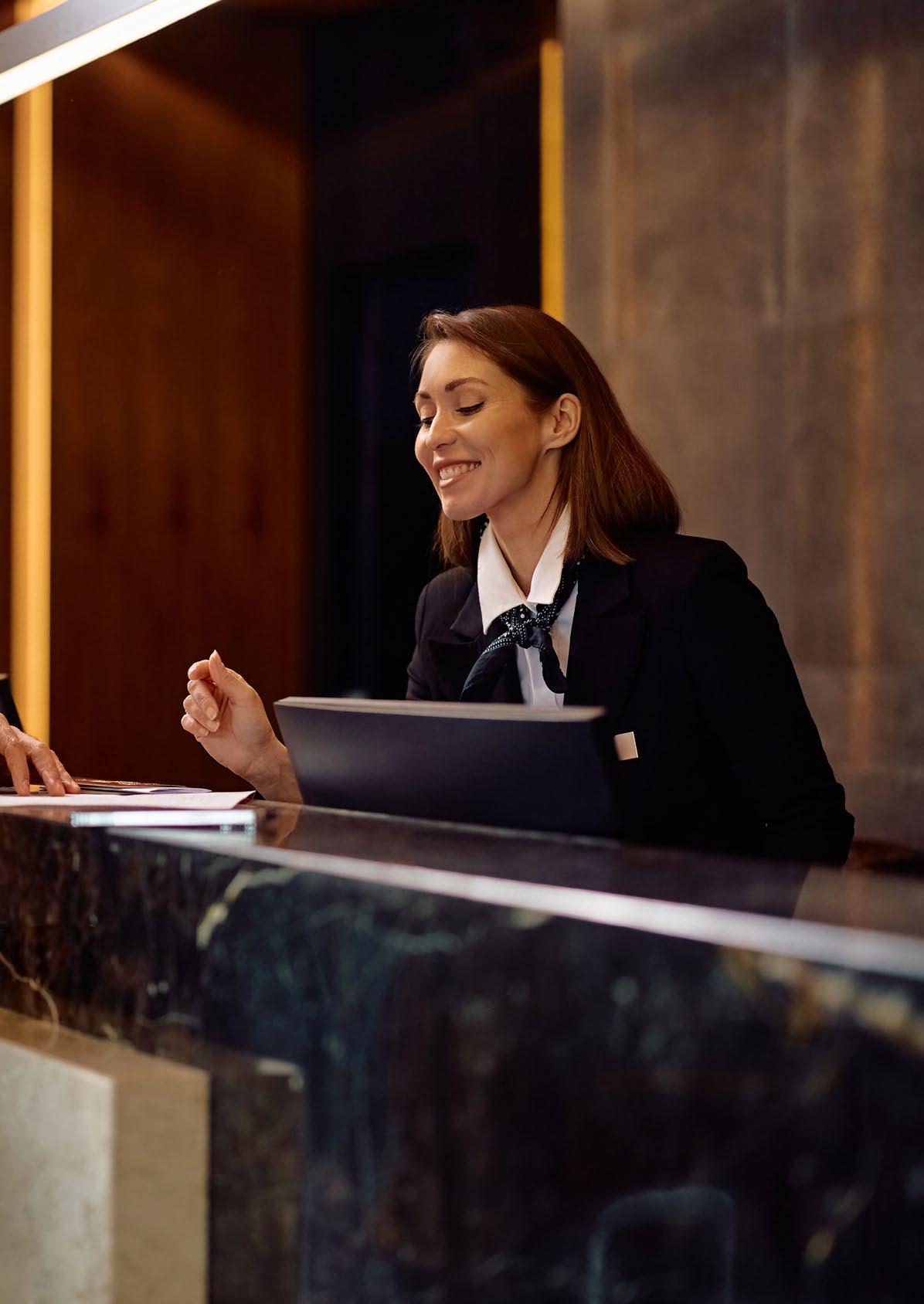
Accor Hotels Group stands as one of the most influential and diversified hospitality companies in the world, with a significant footprint across luxury, premium, midscale, and economy segments. As a global powerhouse, Accor has reshaped the modern hospitality landscape through its expansive brand portfolio, inno-
vative service models, and commitment to delivering exceptional guest experiences. Operating in more than 110 countries and managing thousands of properties, the group has built a reputation for operational excellence, strategic agility, and strong brand leadership.
Accor’s success is driven by its ability to adapt to evolving traveller expectations, embrace digital transformation, and invest in sustainable practices. The company’s portfolio—ranging from icon-
ic luxury brands such as Sofitel, Fairmont, and Raffles to widely recognised midscale and economy brands like Novotel, Mercure, and ibis—enables it to serve a broad and diverse customer base. This multi-brand strategy has strengthened Accor’s market resilience and positioned it as a leader in both leisure and business travel sectors.
Beyond its commercial achievements, Accor has made a significant impact on the global hospitality industry through its focus
on innovation, loyalty, and sustainability. The Accor Live Limitless (ALL) loyalty program has redefined customer engagement by integrating hospitality, lifestyle, and experiential rewards. Meanwhile, the company’s sustainability initiatives—such as reducing environmental impact, supporting local communities, and promoting responsible tourism reflect its long-term commitment to ethical and sustainable growth.
Accor’s influence extends beyond hotel operations; it plays a pivotal role in shaping industry standards, driving technological advancements, and fostering partnerships that enhance guest experience and operational efficiency. As the hospitality sector continues to evolve, Accor’s strategic vision, global reach, and dedication to innovation ensure its position as a dominant force in the industry.
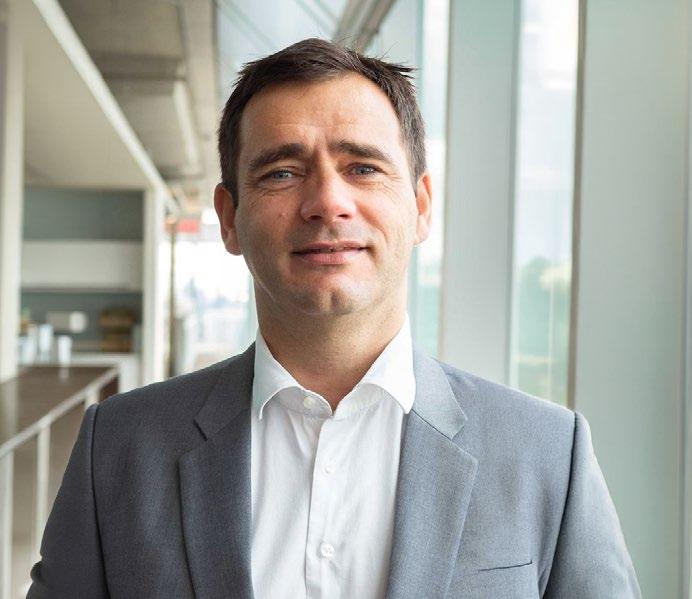
One of the key drivers of Accor Hotels Group’s long-term success and operational sustainability is its procurement function, led by Sebastien Brunel, the Global Chief Procurement Officer. With 25 years of experience in the hospitality industry 20 of which have been dedicated to procurement—Brunel brings deep ability in global sourcing, supplier management, and strategic cost optimization. His career spans multiple regions, including the UK, the US, Brazil, France, and Canada, giving him a comprehensive understanding of diverse markets and supply chain environments. Since assuming the role of Global CPO in 2019, he has been based at Accor’s headquarters in Paris.
Brunel oversees a global team of more than 180 procurement professionals, responsible for sourcing and buying the full spectrum of goods and services needed to
Partnering to Drive Accor’s Sustainable Hospitality Pillar
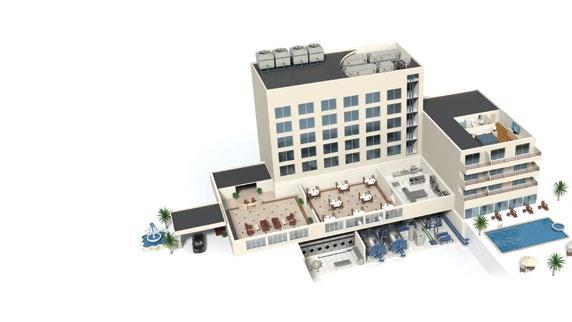

Ecolab shares Accor’s vision for a more sustainable and responsible future, and we are proud to play an active role in advancing that ambition. As Accor pursues significant environmental targets including reductions in water withdrawals, the elimination of single-use plastics, and earning eco-certifications across its hotels, Ecolab supports these efforts with science-based solutions designed to reduce environmental impact and enhance operational efficiency.
Through our global partnership, we work with hotels to help reduce water and energy use, minimize waste, improve employee safety, and enhance the guest experi-
Accor’s Sustainability Goals
Pioneering the Art of Responsible Hospitality
45%
reduction in water withdrawals by 2030
100% of hotels eco-certified by 2026
Ecolab's comprehensive laundry program leaves linens white, while reducing the need for rewash and linen replacement1
0
single use plastics by 2025
ence. Ecolab’s solids technology, tablet formats and concentrated chemistries help reduce traditional packaging waste, with more than 250 Ecolab products recognized by leading ecolabel bodies.
Ecolab service specialists work directly with properties, providing on-site training, implementing best-practice procedures, and ensuring solutions deliver consistent, measurable performance. Together, we help accelerate sustainability initiatives without compromising business outcomes.
Ecolab’s commitment to responsible operations is reflected in continued recognition from leading organizations. In 2024, Ecolab
250+ Ecolab products are recognized by leading ecolabel bodies, helping to support Accor's compliance goals
Ecolab's solids technology, tablet formats and concentrated chemistries help reduce traditional packaging waste

earned a Gold rating from EcoVadis, received an A ranking for Climate and an A- ranking for Water Security from CDP, and was ranked 27th in Barron’s 100 Most Sustainable Companies1
Ecolab’s 2030 sustainability goals2 guide our efforts internally and with customers. We measure the impact of our solutions to help customers quantify return on investment, track operational performance, and advance progress toward environmental targets. To learn more about our sustainable partnership with Accor, please visit here
1 www.ecolab.com/media-center/awards-and-recognition
2 www.ecolab.com/corporate-responsibility/2030-impact-goals
support Accor’s extensive hotel operations. His mandate centres on optimising cost, quality, and value for the organisation and its stakeholders, while ensuring robust compliance, risk mitigation, and sustainability across the supply chain.
Under his leadership, Accor’s procurement function has evolved into a strategic enabler of business performance. Brunel’s focus on supplier partnerships, responsible sourcing, and operational efficiency has strengthened Accor’s ability to deliver consistent guest experiences, keep competitive pricing, and support the group’s broader sustainability commitments. His global perspective and disciplined approach to procurement continue to play a pivotal role in reinforcing Accor’s position as a leading hospitality powerhouse.
Sebastien Brunel views procurement not merely as an operational necessity but as a strategic engine that drives Accor Hotels Group’s performance, competitiveness, and long-term sustainability. Under his leadership, the procurement function has evolved into a catalyst for innovation and organisational transformation. Brunel has championed several key initiatives that have significantly strengthened Accor’s procurement capabilities and expanded its impact across the global business. These are Digital Procurement Transformation, Group Purchasing Program, Sustainable Procurement Policy and Procurement Academy and Talent Development.
Beyond operational excellence, Sebastien Brunel is deeply committed to leading by example and
inspiring a culture of innovation and sustainability across Accor’s global procurement organisation. He advocates for procurement as a transformative force—one that not only drives financial performance but also shapes the future of responsible hospitality.
Brunel is actively involved in several industry associations and professional networks that promote best practices, knowledge sharing, and continuous improvement in procurement and hospitality. His engagement in these forums reinforces Accor’s leadership position within the sector and ensures the organisation stays aligned with emerging trends, regulatory developments, and innovative solutions.
A strong believer in developing the next generation of procure-
ment and hospitality leaders, Brunel also serves as a mentor to young professionals and entrepreneurs. He supports individuals and start-ups with innovative ideas that have the potential to enhance sustainability, efficiency, or guest experience within the hospitality ecosystem. This commitment to talent development strengthens Accor’s long-term capability and fosters a culture of curiosity, collaboration, and forward thinking.
At the core of Brunel’s leadership philosophy is a clear and ambitious vision: to position Accor’s procurement function as a worldclass benchmark for sustainable and innovative hospitality. He believes that by collaborating with suppliers, partners, customers, and employees, procurement can deliver meaningful value not only for Accor’s business and brand but also for the planet and the communities the group serves. This comprehensive approach ensures that procurement contributes to Accor’s commercial success while reinforcing its reputation as a responsible global hospitality leader.

SUBWAY ANZ
SUBWAY ANZ
DRIVING GROWTH, INNOVATION & FRESH THINKING

Words by: Michelle Duncan
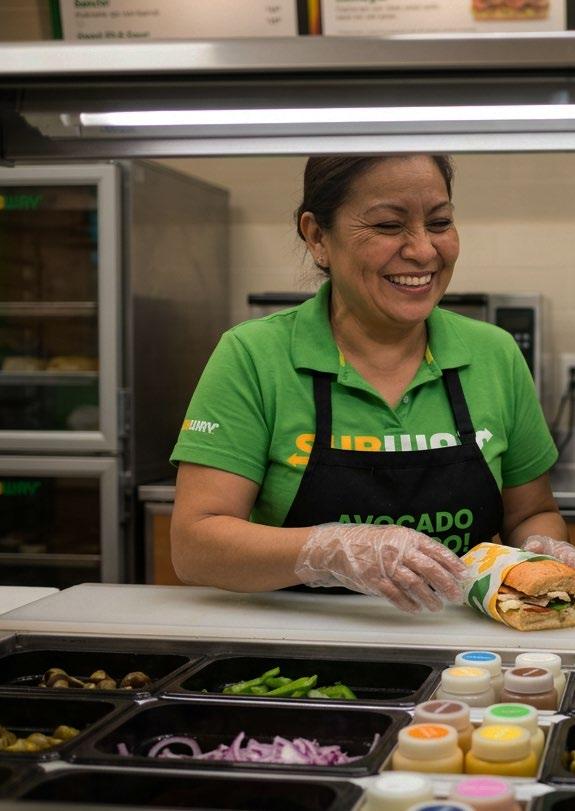
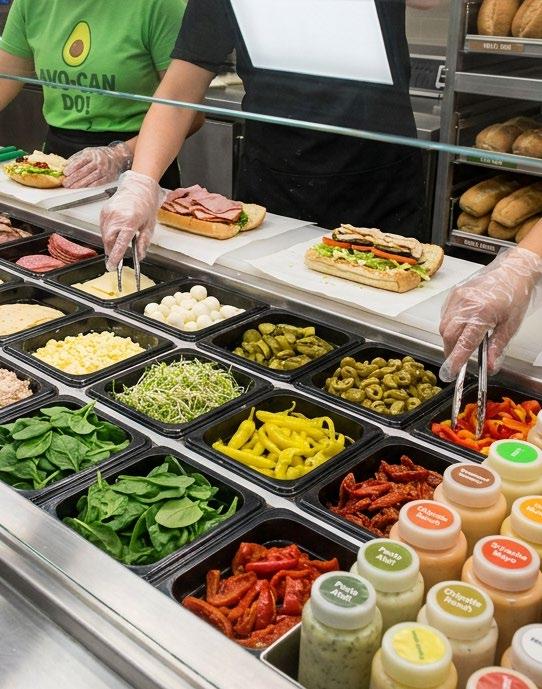
Subway is one of the most prominent quick-service restaurant (QSR) brands running across Australia and New Zealand, with a strong footprint in metropolitan, regional, and remote communities. Its extensive network
of franchised restaurants positions the brand as a major competitor within the fast-food sector, particularly in the sandwich and “better-for-you” categories.
The brand’s value proposition— fresh, customisable, and convenient meals—continues to resonate strongly with consumers seeking alternatives to traditional fast-food offerings. This has enabled Subway to keep a stable
market presence despite intensifying competition from both global and emerging local QSR brands.
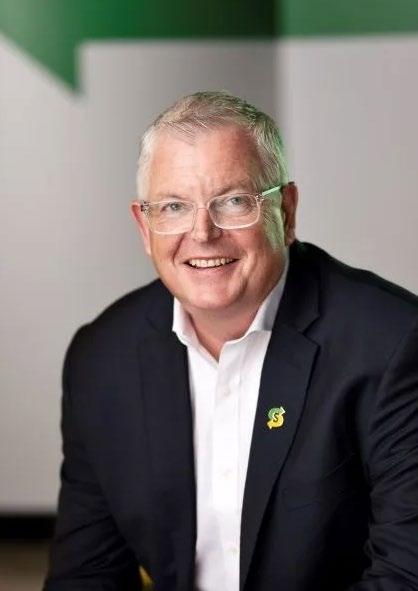
Shane Bracken serves as the Country Director for Australia and New Zealand at Subway, overseeing one of the world’s most recognisable quick-service restaurant brands within a highly competitive regional market. With more than 25 years of experi-
Project by: Malvern Kandemwa
FOOD & BEVERAGE
ence leading major multinational food and beverage brands across Australia, New Zealand, Asia, the Middle East, and Africa, Bracken brings extensive ability in brand growth, operational excellence, and multi-regional development.
Since joining Subway in 2022, Bracken has played a pivotal role in accelerating the brand’s transformation across the region. His leadership is defined by a strong focus on innovation, strategic partnerships, and the integration of technology to enhance both customer experience and operational performance. He has prioritised initiatives that strengthen franchisee returns and position the brand for long-term, sustainable growth.
Bracken’s career has been shaped by a deep commitment to taste, food innovation, and market-driven development. Under his di-
rection, Subway in Australia and New Zealand continues to evolve through modernisation, digital capability expansion, and a renewed emphasis on sustainability—ensuring the brand stays competitive and future-ready.
Subway has actively embraced changing consumer preferences and market trends beyond its menu offerings. The brand has launched online ordering, mobile payment options, and delivery services to provide enhanced convenience for its customers. By incorporating technology and digital innovations, Subway has proved itself as a modern and customer-focused brand within the competitive fast-food landscape of Australia and New Zealand.
Subway’s franchise model has been instrumental in its extensive expansion throughout Australia
About MegaMex Foods
MegaMex Foods (you may know us as Fresherized Foods) is one of the fastest growing Mexican Food companies in the US as a key supplier of Mexican products in retail, foodservice and convenience stores with businesses domestic and international. The idea behind the creation of MegaMex Foods was simple, to take the best of two powerhouse brands from two countries and bring the flavors of Mexico to the dinner and restaurant tables across the globe. So, in October of 2009, Her
dez del Fuerte, S.A. de CV of Mexico and Hormel Foods of the US did just that.
Over 15 years later, MegaMex remains focused on reimagining Mexican flavors with a market leading product and brand portfolio covering guacamole, avocado, salsa, sauces, and dips. Key international brands include WHOLLY® brand products made with hand-scooped Hass avocados. WHOLLY® products use
and New Zealand. With a robust network of franchisees operating stores in various locations, Subway effectively brings its fresh and customizable menu options closer to local communities. This decentralized operating model enables the brand to keep consistency in its offerings while also catering to the diverse tastes and preferences found in different regions. Globally, Subway employs nearly half a million people, including all franchisees, making it the world’s largest restaurant brand with approximately 44,000 locations across more than 100 countries. In 2019, Subway reported impressive revenue of US$16 billion (A$21 billion). However, like its path in Australia, the brand faced challenges during its early months in Bridgeport, Connecticut, in 1965, as it navigated various operational hurdles before stabilizing its business model.
High-pressure technology (HPT) to help extend the shelf life of the products and maintain the avocado’s delicious flavors and nutrients while eliminating potentially harmful bacteria, without changing the color, texture, or taste of the product. We continue to invest in innovation and capacity and look forward to delivering great-tasting, on-trend eating experiences for our customers.






















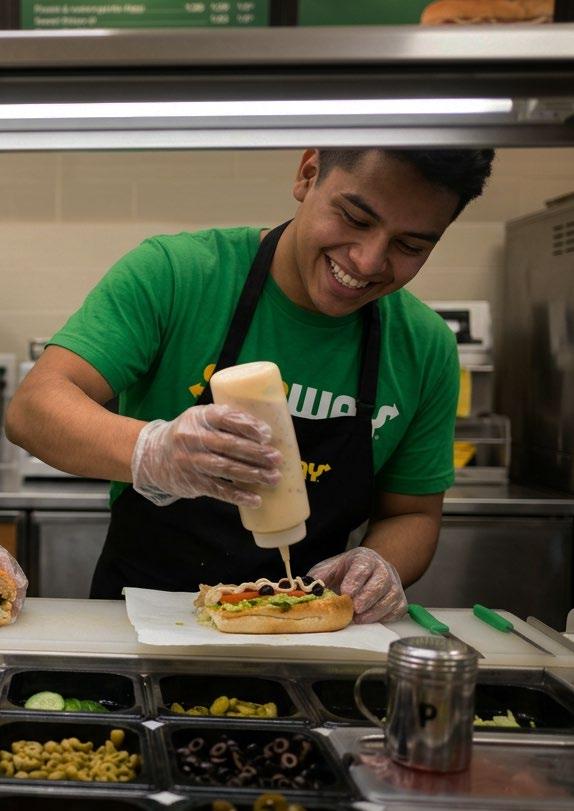
The concept of Subway was born from the enterprising spirit of 17-year-old Fred DeLuca, who looked to raise money for college by selling sandwiches that were healthier alternatives to the deep-fried snacks available elsewhere. Fortuitously, a family friend, Dr. Peter Buck, a nuclear physicist, lent Fred $1,000 to launch the business. In gratitude, Fred named the venture “Pete’s Submarines.” However, he soon realized that the name caused confusion when local radio advertisements were broadcast, as it sounded like “pizza marines.” To rectify this, he changed the name to “Pete’s Subway” before ultimately settling on “Subway.”
Fred’s mother played a vital role in running the cafe in Bridgeport, Connecticut, while he enticed his sister to join the team by bestowing upon her the title of “sandwich artist,” a term still used in the company today. The journey to franchise success took 13 years to reach 100 stores, but the momentum accelerated rapidly, allowing them to reach 1,000 locations in just nine added years.
Under Fred DeLuca’s leadership, Subway evolved into the largest franchise globally, and he personally increased an impressive fortune of US$3.5 billion (A$4.6 billion). Fred continued to guide the company until his passing in 2015, leaving behind a legacy that transformed the fast-food landscape.
Under Shane Bracken’s leadership, Subway has launched a comprehensive store modernisation program across Australia and New Zealand. This initiative focus-
es on upgrading existing restaurants with contemporary interior designs, including modern furniture, digital menu boards, and refreshed décor to create a more inviting and streamlined customer experience. The program also incorporates the installation of energy-efficient kitchen equipment and lighting systems, supporting both operational cost reductions and improved environmental performance.
In addition to refurbishing existing sites, Bracken has overseen the strategic expansion of Subway’s footprint through the opening of new locations in key urban and suburban markets. This growth strategy is designed to enhance brand visibility, increase customer accessibility, and strengthen Subway’s competitive position across the region.
To meet evolving consumer expectations, Subway has expanded its service model across Australia and New Zealand through enhanced convenience-driven innovations. Many new and refurbished restaurants now feature drive-thru facilities, reflecting increased demand for speed and accessibility. The brand has also strengthened its delivery capability through partnerships with major food delivery platforms, ensuring broader reach and improved customer convenience.
Subway’s digital ecosystem has undergone significant upgrades, most notably through enhancements to the Subway mobile app. The platform now offers a seamless ordering experience with features such as full menu

customisation, integrated loyalty rewards, and mobile payment options. These improvements support higher customer engagement and streamline the ordering process.
UNDER FRED DELUCA’S LEADERSHIP, SUBWAY EVOLVED INTO THE LARGEST FRANCHISE GLOBALLY

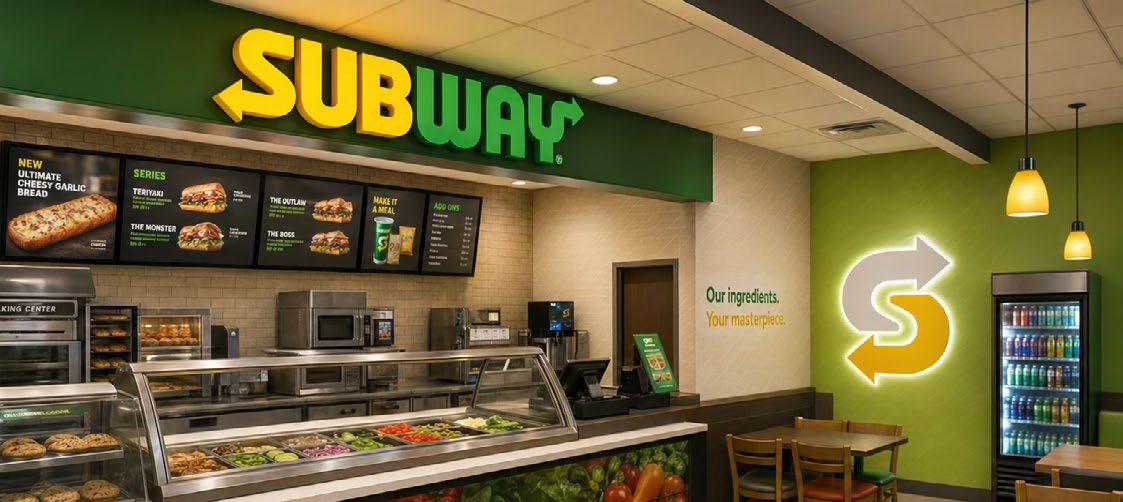
In-store technology has also advanced, with the introduction of self-service kiosks across many locations. These kiosks enable customers to place orders quickly and accurately, reducing wait times and improving operational efficiency.
A further innovation being rolled out across selected city-centre locations is the “24-hour window” concept. This system allows customers to place orders via the app and collect them from an express pick-up drawer at any time of day. The first installation, found in Bald Hills, Brisbane, has seen strong uptake, showing consumer appetite for convenient, late-night food options.
Subway has increasingly embraced technology to streamline operations, enhance service delivery, and personalise the customer experience. Under Shane Bracken’s leadership, the brand’s investment in digital solutions and innovative technologies has enabled it to stay ahead of market trends, meet rising consumer expectations, and support sustainable business growth in a rapidly evolving QSR landscape.
As Country Director, Bracken has also played a pivotal role in setting up and strengthening strategic partnerships across Australia and New Zealand. These collaborations span key areas such as supply chain optimisation, marketing initiatives, and technology integration. By aligning with industry-leading partners, Subway has been able to use specialised ability, shared resources, and valuable market insights—ultimately reinforcing its competitive position and accelerating its transformation across the region.
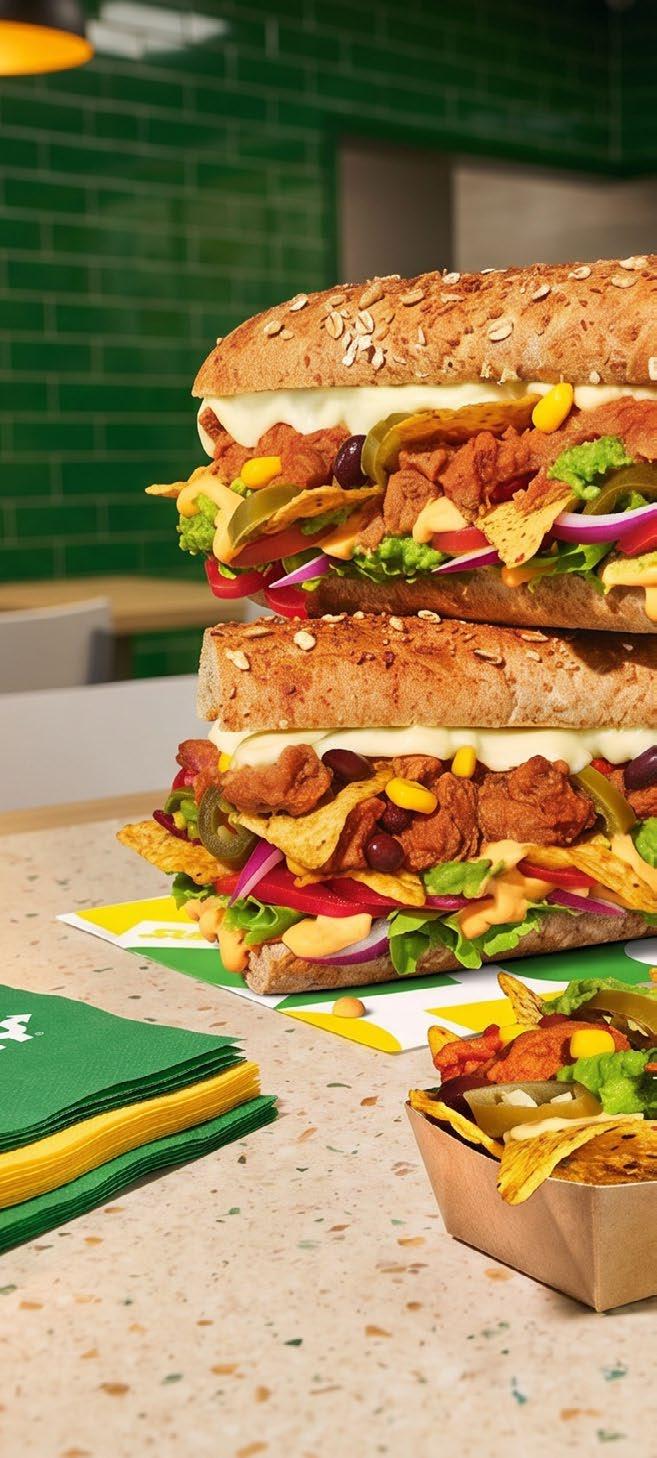
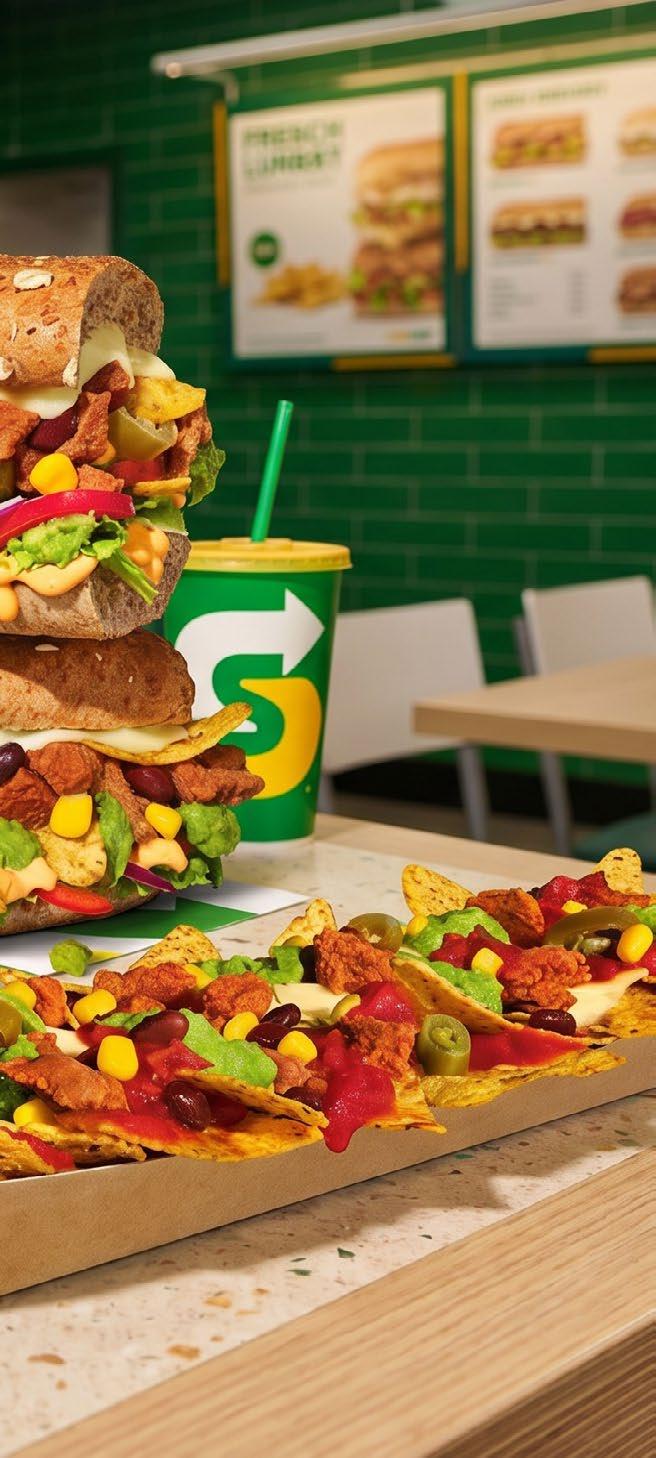
Strategic partnerships with local suppliers, distributors, and industry stakeholders have played a critical role in strengthening Subway’s operations across Australia and New Zealand. These collaborations have enabled the brand to enhance its menu offerings, keep consistent product quality, and sustain a competitive advantage in the fast-food sector. Subway’s network of long-standing suppliers—including Coca-Cola Europacific Partners, Bega, Primo, D’Orsogna, Yarrows, and Fresherized Foods, among others—continues to provide essential support across product development, supply chain efficiency, and quality assurance. These partners have been instrumental in helping the brand uphold ambitious standards, expand into new territories, and increase its visibility across diverse market segments.
Under Shane Bracken’s leadership, Subway has been steered toward operational excellence, strengthened strategic partnerships, and accelerated technology-driven innovation. His customer-centric approach, combined with significant infrastructure upgrades and a strong focus on digital transformation, has reinforced Subway’s position as a leading quick-service restaurant brand in the region. With Bracken at the helm, the organisation continues to adapt to shifting market dynamics, pursue sustainable growth opportunities, and deliver an enhanced dining experience for customers across Australia and New Zealand.