

AIM Taking

Fresh energy meets familiar traditions as new owners step behind the bar at two favorite local gathering spots.

Do you ever wonder “Why am I even with this bank?”
It’s too easy to accept a mediocre experience when banking is just a part of life. Before, it seemed like I had to jump through every hoop for my bank. I wanted a bank that would actually work for me. Look, switching banks is a big decision. I never made the e ort before, because I assumed I’d just get the same thing. After switching to The Bank of Missouri, I’ll never wonder if my bank can do more.
The bank of not settling. The Bank of Missouri. Switch to better.





Contributors
June 2026

Ashli Eaves
Ashli spent 12 years in education, earning advanced degrees in administration and gifted education, before bringing that foundation into her work as a financial advisor. Today, she helps clients make informed, confident decisions with the heart of a teacher and the expertise of a financial advisor.
She is the author of Special Needs, Special Plans: Navigating the Financial Journey for Special Needs Families, founder of the ProspHER women’s event, and a speaker focused on financial education and special needs awareness. At the core of her work is a passion for helping people unpack “what they have and why they have it.” She is especially passionate about empowering women in financial conversations.
Ashli was named to CBT’s 20 Under 40 class of 2025 and is actively involved in local nonprofits and the Chamber of Commerce Women’s Network.
IN THIS ISSUE OF CBT
When the Money Ebbs and Flows
PG 18

C.J. Levy
C.J. Levy is a Callao, Missouri, native who left the gravel road to pursue a career in filmmaking and walked on to his first film set as a background actor in director Sam Raimi’s Spider-Man in 2001. After graduating film school, C.J. found work as an office production assistant on the Nickeloden show Unfabulous, starring Emma Roberts, then moved up to work as director of photography on several TruTV shows, including Speeders and Over the Limit.
C.J. returned to Missouri to begin developing new reality shows based in the Midwest. The first show successfully sold was Billy Bob’s Gags to Riches for Discovery Channel in 2012, which he co-created and executive produced. That show went on to become the highest-rated non-advertised pilot in that network’s history. In 2017, he co-created and executive produced Missouri Mountain Family, a three-part miniseries that took place in the Missouri Ozark Mountains and aired on Animal Planet. Today, C.J. is head of production at Rapport Storytelling and is developing his own Missouri-made independent film.
IN THIS ISSUE OF CBT
Hollywood Finds Missouri
PG 34
PUBLISHING
David Nivens, Publisher david@comocompanies.com
Chris Harrison, Associate Publisher chris@comocompanies.com
EDITORIAL
Jodie Jackson Jr, Editor jodie@comocompanies.com
Kelsey Winkeljohn, Associate Editor kelsey@comocompanies.com
Karen Pasley, Contributing Copyeditor
DESIGN
Jordan Watts, Senior Designer jordan@comocompanies.com
Lucia Kuepers, Junior Designer lucia@comocompanies.com
MARKETING
Charles Bruce, Director of Client Relations charles@comocompanies.com
Kerrie Bloss, Account Executive kerrie@comocompanies.com
Allie Teagarden, Account Executive allie@comocompanies.com
CONTRIBUTING PHOTOGRAPHERS
Kerrie Bloss, COR Development, Jodie Jackson Jr, Sarah Jane Photography, Job Point, C.J. Levy, Sterling Nivens, David Owens, Chris Padgett, Gregoria Jane Wade, Emmi Weiner
CONTRIBUTING WRITERS
J. Scott Christianson, Ashli Eaves, Jaime Freidrichs, Jodie Jackson Jr, C.J. Levy, Quentin Messbarger, Stephi Smith, Natalie-Elizabeth Tan, Brian Toohey, Emmi Weiner, Kelsey Winkeljohn
SUBSCRIPTIONS
Magazines are $5 an issue. Subscription rate is $54 for 12 issues for one year or $89 for 24 issues for two years. Subscribe at comobusinesstimes.com or by phone. COMO Business Times is published monthly by COMO Companies.
OUR MISSION STATEMENT
COMO Business Times and comobusinesstimes.com strive to be Columbia’s leading source for timely and comprehensive news coverage of the local business community. is publication is dedicated to being the most relevant and useful vehicle for the exchange of information and ideas among Columbia’s business professionals.
Copyright COMO Companies, 2026
All rights reserved. Reproduction or use of any editorial or graphic content without the express written permission of the publisher is prohibited.
FEEDBACK
Have a story idea, feedback, or a general inquiry? Email our editor at jodie@comocompanies.com.
CONTACT
COMO Companies | 404 Portland, Columbia, MO 65201 573-577-1965 | comomag.com | comobusinesstimes.com
THE THEME OF THIS MONTH’S COMO Magazine and COMO Business Times is “Going Out,” and I have two trains of thought for this installment of the “Chat CBT” editor’s letter. You can expect to see the trains quickly converging then going their separate ways. Let’s get started on a personal note.
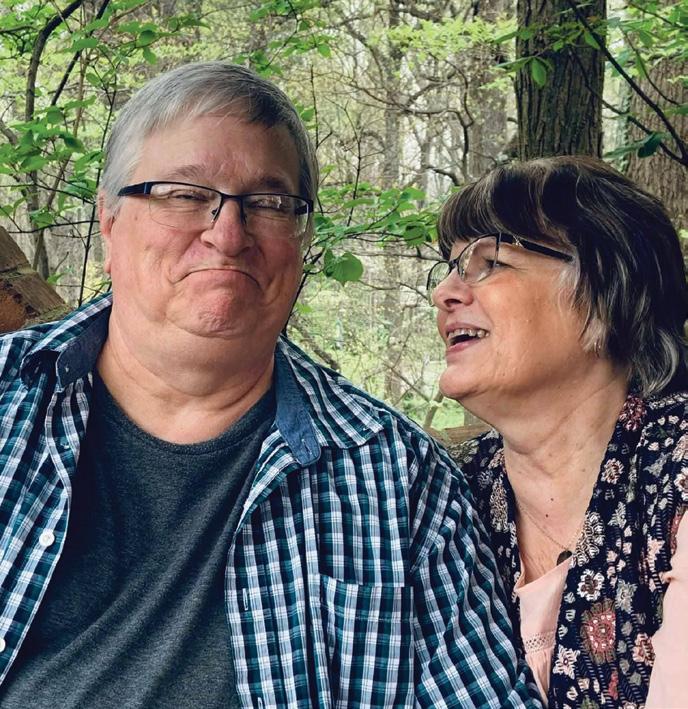
Once upon a time, about 50 years ago, when a boy and a girl became boyfriend and girlfriend, it was called “going together” (replacing the “going steady” term from the far-out ’60s and early ’70s). “Going out” came next, when said couple went out and did something together. I think that was called a “date.” With that context in place, my bride, Kelly, and I started going together in November 1976, which will be exactly 50 years ago when that date rolls around in five months. We were in the eighth grade. Where did we go out? Fishing at the pond behind her grandma’s house. Riding the bus together to and from school sports events. When we were a bit older, it was an easy drive to Rolla for Godfather’s Pizza and/or a night of cinema at the 63 Drive-In. (She and I had different definitions of “cinema.”)
Fast-forward just a bit, and June 5 will be our 44th wedding anniversary. Where have we gone during all that time? These days, we mostly “go in.” But as you can expect, we’ve had an adventure or two. Sometimes it seems like this magical ride is just getting started.
Let’s shift now to focus on “Going Out” in Columbia and giving readers a closer look at this month’s stories. Fab writer Sunitha Bosecker took on the task of selecting solo, couple, and family dining options for a great feature on COMO’s food scene. Kudos are also in order for Mahalet Abebe, owner of Mahi’s Ethiopian Kitchen, a sublime addition to our city’s cultural and culinary melting pot. The COMO team that helped pull off the cover shoot was freelance photographer Keith Borgmeyer, my pal and fellow editor Kelsey Winkeljohn, and Lucia Kuepers, a welcome and wonderfully creative addition to the magazine’s design team. Kelsey and Lucia also teamed up with photographer David Owens for the CBT cover photo shoot at Billiards on Broadway.
Freelance scribe Emmi Weiner wrote the story about the new ownership at Billiards and Pierpont General Store. Emmi is a skilled storyteller.
As we peer at other stories this month, I need to drop a few more names, including Jay Sparks, Owen Pasley, C.J. Levy, NatalieElizabeth Tan, and A.J. Hanninen. Those five writers are getting their first bylines with us this month.
You may know Jay from the bartending and entrepreneurial worlds. Turns out he’s also a talented sportswriter. His take on Columbia’s relationship with soccer and the World Cup will no doubt spark additional interest in the upcoming FIFA extravaganza. Owen is an editor’s delight, a polished wordsmith just waiting for the opportunity to tell us that Columbia’s vinyl music renaissance is nothing new. Filmmaker/storyteller C.J. wrote about Columbia’s and Missouri’s place in the film industry, proving in the process that exceptional storytelling skills in one medium often do translate to another.
When it comes to writing the stories for our publications, Kelsey and I are the inhouse team, and our collective vision always outruns our capacity. That’s why it’s so vital to have a strong stable of freelanc-
ers, which now includes A.J., a Stephens College fashion design student who took on the task of writing a story about her college’s 82nd annual fashion show. It’s her first stab at writing for us, and it’s perhaps the most engaging story in this month’s COMO Magazine.
I’m also looking at articles by Lainey Howard (heat and sun safety), Lynn Pickerel (creating your own outdoor space), Michelle Terhune (our new pedestrian safety ordinance), and Natalie-Elizabeth Tan (K&K Co.’s grand opening). Now you are free to dive in and see which stories give you the most inspiration for going out in Columbia. Be sure to drop me an email to tell me your own story.

JODIE JACKSON JR EDITOR jodie@comocompanies.com

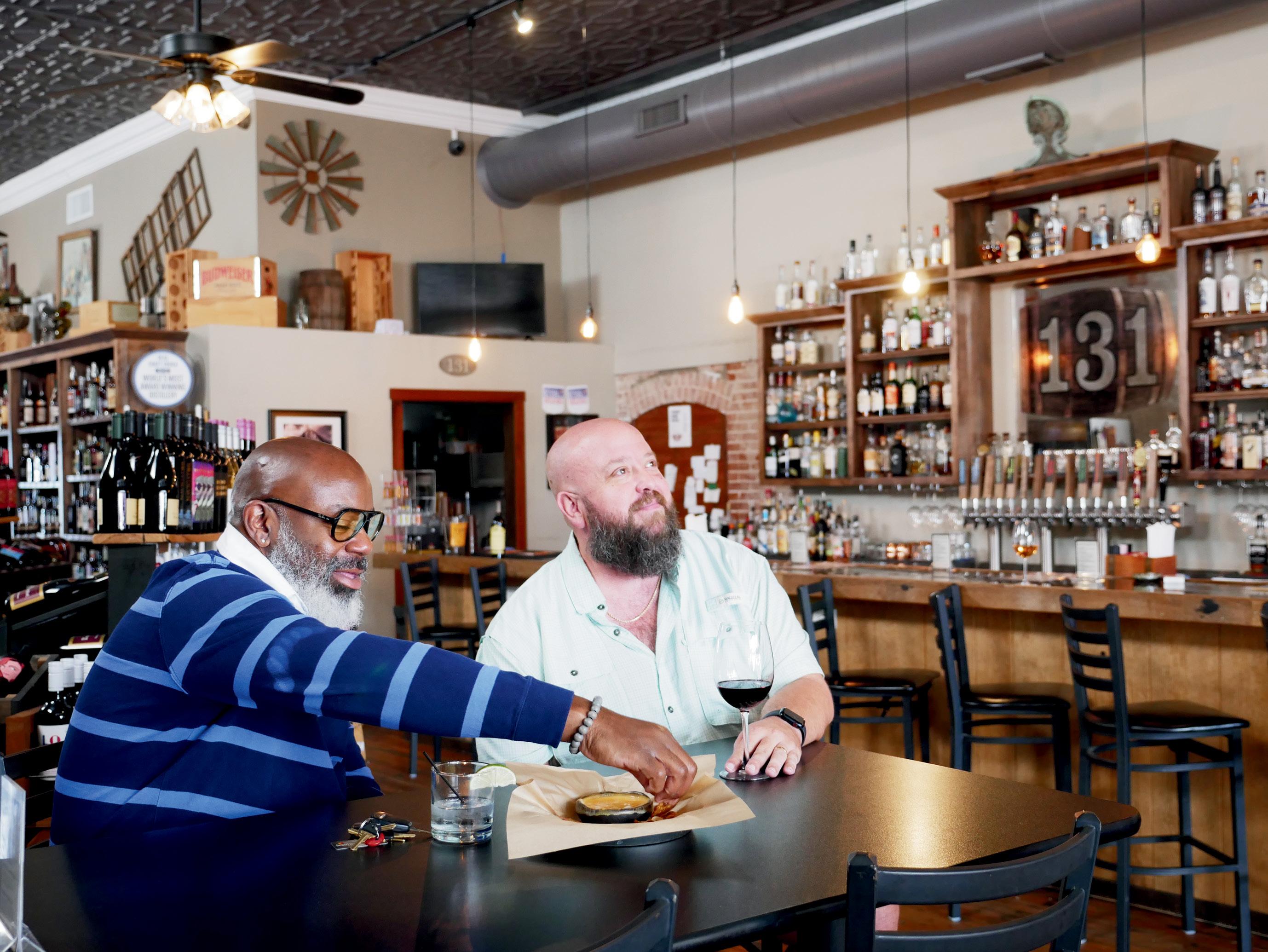
Don't be shy! Line up your shot — eight ball in the corner pocket — and grab a beer. (You'll also want a Famous Billiards Burger here.)
Photo by David Owens





















General
without losing the spirit that made them local institutions.
Closer Look


Photos by Nathana Clay
BREAD & CO.
Recently celebrating its rst anniversary in April, Bread & Co. is a small cottage bakery specializing in fresh breads and pastries. It’s particularly known for its wide variety of sourdoughs, including original, chocolate orange, multigrain, and whole wheat, as well as its ciabatta and focaccia.
“Everything is baked overnight using simple ingredients like our, water, salt, butter, and yeast, with no preservatives and nothing stored for later sale,” says owner Julieta Mendez. “Our emphasis is on quality and freshness.”
e concept for the bakery grew out of Mendez’s passion for baking for family and friends. Now, she has an outlet to share her creations with the broader community — something she describes as one of the most rewarding decisions she has ever made.
“We don’t have a storefront just yet,” Mendez explains. “Instead, you can nd us at pop-ups and local markets.” Bread & Co. can frequently be found at Wynnsome Cake & Tea and, more recently, at the Boone County Farmers Market, located in the Columbia Mall parking lot on Saturdays. e best way to stay updated on where Mendez will be next is to follow the bakery on Instagram.
“Our goal is not only to provide a ordable, high-quality baked goods for our community, but also to help create an even better city,” Mendez says. “We’ve fallen in love with Columbia and want to contribute to making it a more vibrant and welcoming place.”
507-202-9796 | Instagram: @bread.and.co24
HIGHBALL KITCHEN & COCKTAILS
Opened in early February 2026, Highball Kitchen & Cocktails is carving out a distinctive space in downtown Columbia’s dining and nightlife scene. Known for its extensive cocktail menu, the bar features both expertly crafted classics and inventive signature drinks. e kitchen matches that creativity with a scratch-made menu o ering elevated takes on American favorites.
Owner Charlie Smith brings a full-circle story to the space. He began his hospitality career 13 years ago, working security at Quinton’s Bar & Deli — once located on the very same piece of land where Highball now sits. After working his way through nearly every role in the industry, from barback to general manager, Smith set out to create a place of his own.

“[I came to Columbia] to attend Mizzou, but I dropped out to work full-time in restaurants and bars to save money and gain experience in the pursuit of eventually opening up my own,” says Smith.
Smith has brought on serious beverage talent, led by Rain O’Ceallachain, formerly of a James Beard nalist program and top Chicago cocktail bars. Together, the team aims to bring a more re ned, hospitality-driven experience to an area often dominated by high-volume college bars.
With Smith’s mission of “fostering human connection through great food, cold drinks, and best-in-class hospitality,” Highball is eager to keep welcoming Columbians and visitors alike.
Movers & Shakers
JAKE OSBORN
Endovac Animal Health has hired Jake Osborn as its North American sales director. Osborn will develop and execute sales and distribution strategies; hire, train, and develop the Endovac sales team; and help manage overall growth and profitability of the company. Endovac Animal Health is an animal health company located in Columbia. Its vaccines are sold throughout the United States and Canada.
JIM FRAM
Columbia-based economic development consultant Jim Fram presented “Ethics in Economic Development” at the recent Mid-South Basic Economic Development Course in Little Rock, Arkansas. The course is affiliated with the International Economic Development Council.
JACK MAHER
Jack Maher has been promoted to president of Maher Commercial Real Estate. Maher has been with the company 12 years and was previously vice president. A University of Missouri graduate, he has called Columbia home his entire life.
SOPHIA SAPP
Sophia Sapp, a food science student at the University of Missouri, was recently elected to the Institute of Food Technologists Student Association board of directors. Her new role will begin September 1. Sapp is the lab manager for the FEAST (Food Engineering and Sustainable Technologies) lab at Mizzou. She is also president of the Food Science Association at MU as well as the all-products champion of the collegiate Dairy Products Evaluation Team. Sapp is a native of Nampa, Idaho.
MEGAN STEEN
Megan Steen has been named chief performance officer for Centerstone’s Missouri market. Steen previously served as the chief operating officer for Brightli’s North Central Missouri region before Brightli merged with Centerstone in 2025. In the new position, Steen will focus on Centerstone’s operations across Missouri. She is a licensed clinical social worker whose career in behavioral health began in 2010.
ERYCA NEVILLE
Eryca Neville has been selected as Columbia Public Schools’ executive director of alternative education. Neville will provide districtwide leadership and oversight of alternative education programming in the district while also continuing to serve as the principal of Douglass High School. She has been the principal of Douglass since 2011. Neville currently serves on the boards of several organizations that support students, including the Heart of Missouri United Way, Heart of Missouri CASA, and the Flourish Initiative. She was also the 2022 recipient of the ATHENA International Leadership Award.
TYLER KEMP
Tyler Kemp, owner of MK Machining, has been selected as the Small Business Administration’s Missouri Small Business Person of the Year for 2026. The SBA honorees from each state were recognized during an event in early May in Washington, D.C. CBT

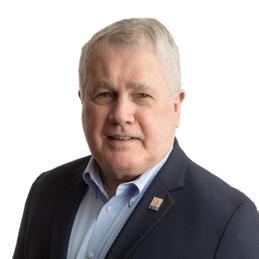

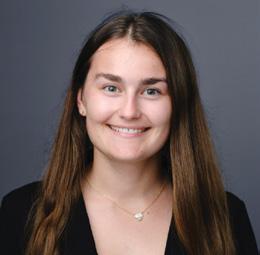

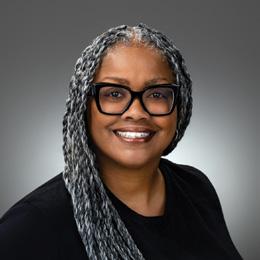

Are you or your employees moving up in the Columbia business community? Send us your news at jodie@comocompanies.com
NEVILLE
MAHER
KEMP
SAPP
STEEN FRAM
OSBORN

Partner for Better Wins 2026 Small Business of the Year
Just four years after presenting her idea for a new business at the weekly 1 Million Cups gathering of entrepreneurs and small business owners, Kasey Hammock’s Partner for Better has been recognized as the Columbia Chamber of Commerce Small Business of the Year. e Chamber presented the award on ursday, May 7, at Cooper’s Ridge Event Venue.
e other small business award nalists were Better Together Mental Health, CoMo Premium Exteriors, Cooper’s Ridge Event Venue, and Optimized CFO + Controller Services. Nominees are judged on such criteria as business management/strategy, marketing, community involvement, and any challenges they have overcome to achieve success.
“ ese nalists are some of the best that we’ve ever seen,” said Rachel Flynn, as she introduced the nominees at the 1 Million Cups meeting
on April 29. Flynn, who co-chairs the Chamber’s Small Business Committee with Trent Rash, is the owner of Betz Jewelers, which won the Small Business of the Year award in 2024. e 2026 award nominees were featured as a panel at the April 29 meeting.
Hammock wanted to create a nonpro t-focused business to help small, minority-led nonpro t organizations and their funders by providing support for strategic planning, grant writing, coaching, and similar services.
“It was this room that helped formulate those ideas and make what we do happen,” Hammock told a crowd of some 60 people at the April 29 event.
Since its beginning in 2022, Partner for Better has helped local nonpro ts secure over $12.5 million in grant funds, completed 14 high-quality large-scale evaluations, coached more than 40 nonpro t leaders, and trained more than 5,000 nonpro t
professionals. Partner for Better currently serves nearly 50 nonpro ts and funders through a sliding-scale fee structure to ensure that high-quality services are accessible to organizations of every size.
“Small businesses are the backbone of our community, and we deeply value the passion, dedication, and impact they bring to Columbia every single day,” interim Chamber President and CEO Lily White Boyd said in a news release announcing the 2026 Small Business of the Year. She said the small business award nominees “strengthen the fabric of this community.”
Owners of the other nominated small businesses are Rebecca Knipp (Optimized CFO and Controller Services), Beth Orns (Better Together Mental Health), Brandi Huebner (Cooper’s Ridge), and Elias Abadi (CoMo Premium Exteriors).
In addition to now sharing Small Business of the Year honors, Flynn (2025) and Hammock (2021) are also past winners of the COMO Business Times’ “20 Under 40” award.
CELEBRATION
CELEBRATION
Catlin, Prenger Earn ATHENA Awards
Sarah Catlin has been recognized as the ATHENA Leadership Award recipient, and the ATHENA Young Professional Award went to Jayme Prenger. e award program is a function of the Columbia Chamber of Commerce Women’s Network. e awards were presented at a banquet on April 30.
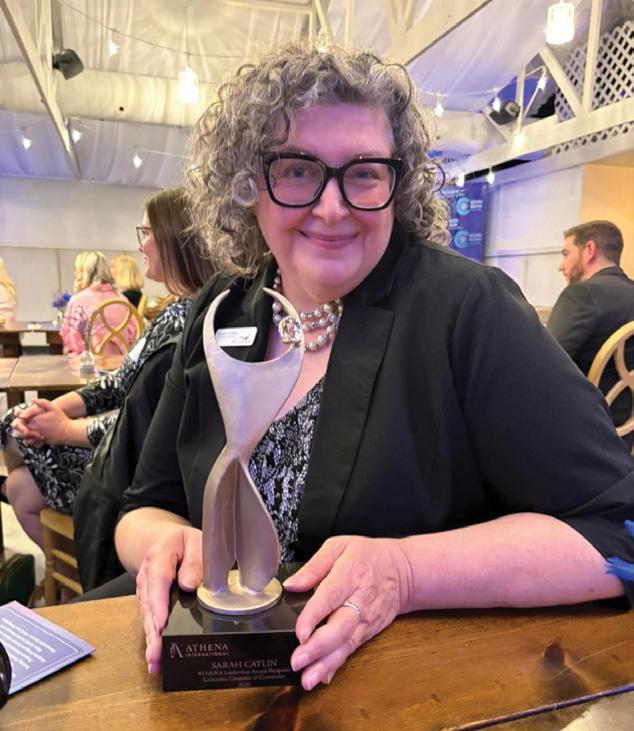
Catlin is executive director of Access Arts in Columbia. She was recognized for being a passionate advocate for arts, equity, and community empowerment. A Chamber news release stated that Catlin “has dedicated her career to creating opportunity and lifting up the voices of those around her.” Under Catlin’s leadership at Access Arts, she helped stabilize the organization, securing $78,000 in new funding, doubling its Artist-in-Residence program, and achieving a balanced budget. For nearly 20 years, she has volunteered as a programmer for KOPN, hosting Women’s Issues, Women’s Voices, an hour-long program spotlighting the lives and experiences of women. She co-founded YAAL Rock! (Young Artists, Activists, and Leaders Rock), a weeklong volunteer-led rock music camp empowering youth ages 12 to 17, and she serves as the driving force behind Progressive Women of Mid-Missouri, a networking and support community of over 600 members.
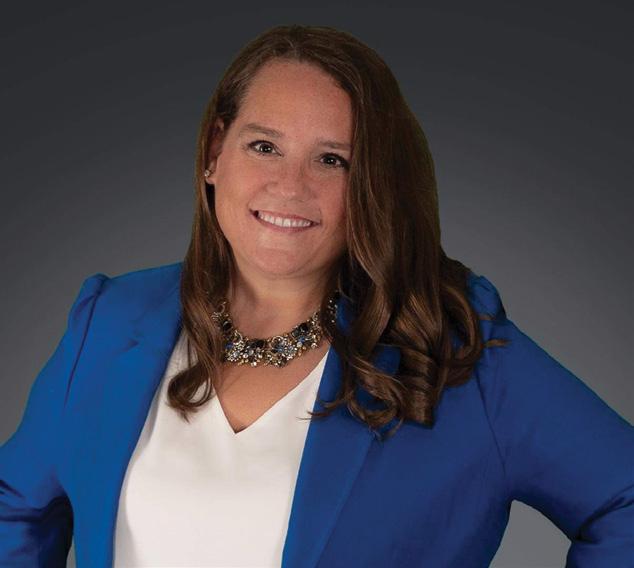
Prenger, meanwhile, is the director of the Missouri Women’s Business Center. In 2023, she launched Missouri Women in Business Advocacy Day, a statewide platform that elevates women’s voices in business and policy. e event has grown each year and has attracted prominent speakers, including Missouri Gov. Mike Kehoe. Her leadership has earned national recognition, including the 2024 Association of Women’s Business Centers Women’s Business Center of Excellence Award, a 2025 AWBC Marsha Bailey Leadership Award nomination, and her designation as an Accredited Small Business Consultant. She has been a consistent leader within the Columbia Chamber of Commerce Women’s Network, progressing from mentee to Mentorship Committee chair, and has served on multiple committees focused on women’s advancement. In 2024, she was honored as the American Heart Association Mid-Missouri Woman of Impact, leading a campaign that raised over $10,000 for women’s heart health research and education.
NONPROFIT
Event Marks Job Point’s 60th Year of Programs
Job Point recently hosted its 60th anniversary awards banquet, where supporters raised more than $60,000 — a record-breaking achievement for the organization’s signature event. Job Point presented the following awards: Employer of the Year: Walmart on West Broadway; Partner of the Year: Columbia Metro Rotary; Volunteer
of the Year: Amanda Spry Bazat; Employee of the Year: Tania Cook; Awards of Excellence: Kayleigh Wiecken, Alex Cason, Kyle Oliver, and Andrew Tutin III.
WORKFORCE
Job Point YouthBuild Students Demonstrate Skills at the State Capitol

Young people from Job Point’s YouthBuild and similar programs across Missouri took their skills and voices to the Capitol in Je erson City on April 21 to build support for the Missouri YouthBuild Coalition. Trainees, sta , and partners provided hands on construction demonstrations, youth led advocacy, and statewide collaboration. e youths are gaining real-world skills through the YouthBuild programs in Columbia, St. Joseph, and Cape Girardeau.
Just down the street from the Capitol grounds, trainees spent their morning in action, constructing the framework of walls and portable chairs in teams. At the end of the day, they tacked the walls together to create a room, showing how trainees from across the state had come together to create something signi cant.
Beyond the builds, the event created space for young people to share their personal journeys. Many YouthBuild participants have faced signi cant barriers, including interruptions in education and limited access to employment opportunities. rough programs like Job Point’s YouthBuild, they are reconnecting with education, gaining workforce certi cations, and building pathways to meaningful careers. CBT
Four Things Great Nonprofi t Board Members Do Differently
BY JAIME FREIDRICHS

YOU’VE LEARNED ABOUT the cause and said yes to serving. You’ve added the board meetings to your calendar. You’re eager to make a di erence. But what does that mean beyond showing up?
After working with more than 40 nonpro ts, I’ve noticed a few characteristics that are common to the most e ective board members I’ve encountered.
1. THEY TRULY CARE.
Passion for a nonpro t’s mission can’t be faked. If a board member doesn’t truly value the nonpro t’s work, it is impossible to stay engaged when life gets busy — as it always does. Great board members become true ambassadors and champions for the cause they’re serving.
For example, my work with nonprofits often focuses on fundraising, an area in which board members bring immense value by opening doors, making connections, and leading by example. ere’s no more e ective request than an invitation from a peer asking, “Will you join me in
supporting this important cause?” But none of this comes naturally without true belief in the organization’s mission.
2. THEY ASK FOR HELP.
Board members often bring important talents and expertise to the nonpro t, but they shouldn’t be expected to know how everything works already. When less helpful board members are faced with a task they’re unsure about, they tend to put it o until it goes away, often undone.
Great board members know that part of the nonpro t’s role is to equip them for their board service. ey ask for training in how to read the nonpro t’s nancial statements. ey want scripts, talking points, and templates to be able to help with fundraising. ey seek out best practices from peer organizations and professionals. ey tell the nonpro t’s leadership what they need to be successful. And when they receive the requested help, they’re happy to follow through.
3. THEY’RE EAGER TO LEARN.
While board members don’t need to understand the nuts and bolts of dayto-day operations, it helps to have a general sense of how the organization’s main programs work. Who performs the services, and what kinds of training and quali cations do they need? What are the main sources of funding? What are the primary needs and challenges today? Tours, ride-alongs, and day-in-the-life presentations from the program team can be great ways to bring the nonprofit’s work to life. For truly e ective board members, learning doesn’t stop with their initial orientation. ey continually look for issues that a ect the organization and study potential solutions.
4. THEY TRUST THE NONPROFIT’S LEADERS BUT ARE WILLING TO QUESTION THEM.
e most e ective board members are engaged without micromanaging. ey believe in the expertise of sta members (or, in an all-volunteer organization, their fellow volunteers who lead di erent tasks). However, they take seriously their duciary responsibility to provide oversight and safeguard the nonpro t. is requires asking questions to make sure they’re fully informed and raising any potential issues they may see. A board member who asks whether a time-consuming but only modestly successful fundraising event is the best use of resources isn’t being di cult. ey’re doing their job. is kind of questioning often leads to new ideas and better outcomes.
Being part of a board of directors is an incredibly rewarding way to make a difference. Passion, humility, curiosity, and trust help board members extend their impact well beyond the boardroom. Great board members don’t just make a nonpro t stronger. ey make the whole community stronger. CBT

Jaime Freidrichs is a fundraising coach who specializes in helping small-and-mighty nonprofits.

From the Front Line: 30 Years of Business Lessons Learned
BY QUINTEN MESSBARGER
HELPING ENTREPRENEURS LAUNCH new companies for 30 years, as well as starting a couple of my own, has taught me many things, the core of which revolves around understanding the customer. Central to that are a couple of quotes. e rst, often attributed to Mark Twain, observes that, “It ain’t what you don’t know that gets you into trouble. It’s what you know for sure that just ain’t so.” e second, by business theorist W. Edwards Deming, cautions that “You don’t know what you don’t know.”
I am convinced one of the top reasons for startup failures is that entrepreneurs fail to build and provide what the customer truly needs. I argue it has a lot to do with the blind spots described in the quotes above.
Every entrepreneur launching a venture faces challenges. Hundreds of decisions must be made, and these business heroes simply do not possess all the knowledge and resources necessary to make well-informed choices. ey make decisions based on imperfect information … it is simply required.
While entrepreneurship is not a perfect science, it is also not gambling. Without the time and money to nd perfect
information, entrepreneurs “satis ce.” ey make decisions based on information they consider “good enough.” I am not proposing a secret or better way of getting around this; however, there are pitfalls to consider.
They fail to do their homework. e “shoot rst, aim second” approach results in too many mistakes as entrepreneurs launch their companies. Each time a startup needs to pivot and correct a mistake, time and money are wasted. Startups have limited resources, so there are only so many opportunities to learn lessons before they fail. On the ipside, “analysis paralysis” also creates issues.
Personal experience is not representative of the entire target market . Most entrepreneurs develop solutions to address a problem they have. It is natural to assume that if they have a problem, everyone else must be experiencing the same thing. is is rarely true. Maybe people in the same age range, geographic area, or socioeconomic group have that problem, but not everyone does. Even if the startup’s potential customers experience
the same problem, it is often not a critical problem those customers will pay, or pay a high-enough price, to x.
Sample size is too small.
Entrepreneurs who realize they need to seek input from potential customers frequently question just a handful of folks. Statistically, it is improbable that the insights gained from very few people will accurately represent the opinions of an entire market. It would be like trying to win the lottery by picking just a few numbers. e more numbers (data points) you get, the more likely you are to win.
Bias creeps in.
Who doesn’t want to believe their solution is best? It is di cult to open yourself to judgment and criticism. To protect ourselves, there are a few self-defense tactics that come into play. Entrepreneurs ask leading questions without realizing it. It is also common to selectively hear what they expect or want to hear. ere is also the desire of those who are answering questions to be kind instead of honest.
Entrepreneurs investigate the wrong thing.
When building anything, a proper foundation is required. In business, the foundation is understanding the customer. Unfortunately, most entrepreneurs start learning about their potential customers by conducting product discovery. ey develop a prototype and start asking potential customers if they like it, are the features bene cial, how much they would pay, and other product-related questions.
For the best results, entrepreneurs should rst focus on customer discovery. My next column will focus on why this is critical, how it is di erent, the bene ts of doing it rst, and how to do it right. Stay tuned. CBT

A lifelong entrepreneur, Quinten Messbarger is the former president and CEO of the Missouri Innovation Center.
What Buyers and Sellers Should Know in a Hotter Columbia Housing Market

AS MORTGAGE RATES EASE and existing homeowners continue to list their homes, more buyers are entering the market — and multiple-o er situations tend to follow. One negotiating tool that often resurfaces in competitive situations is the escalation clause, contract language stating the buyer will pay more than another o er, up to a limit. Used thoughtfully, escalation clauses can help a buyer stay in the running without immediately jumping to their absolute highest number. Used carelessly, they can create confusion, disappointment, or nancing headaches.
An escalation clause can automatically increase a buyer’s purchase price if the seller receives a higher o er. ere are two key numbers: the escalation amount (the increment the buyer will beat the competing o er by) and the escalation cap (the maximum price the buyer is willing to pay). However, the seller may consider other parts of the o er beyond just the purchase price.
In practice, if a buyer submits an o er of $550,000 with an escalation clause to exceed the next highest o er by $1,000, not to exceed $575,000, and the seller receives a second o er of $572,000, in theory, the rst buyer would get the home at $573,000.
A common question is how to know the escalation was triggered legitimately. Well-drafted escalation language typically requires the seller to provide documentation of the competing o er that triggered the increase, including the price and terms used to calculate the escalated gure. It is also worth noting that details of your o er, including the escalation language, may be shared with competing buyers, reducing privacy around your pricing strategy.
An escalation clause does not force a seller to accept the buyer’s o er. Even if the clause makes the buyer’s price more competitive, the seller can still choose a di erent o er based on other terms, such as nancing type, contingencies, closing date, inspection requests, or certainty of closing, or they can countero er altogether. Some sellers may choose to skip escalation clauses and, in a multi-o er situation, ask all buyers to submit their highest and best o er.
For buyers, the biggest risk is paying more than the home appraises for. If the price escalates above the appraised value, a lender may not increase the loan amount, and the buyer may need to come up with
additional cash if the agreed-upon purchase price, due to the escalation clause, exceeds their loan approval amount. In many contracts, loan terms remain the same even if the purchase price rises, so buyers should talk with their lender early about payment comfort, underwriting limits, and whether an appraisal gap plan is realistic. Set the cap carefully: A low cap may fail to compete, while a high cap can be psychologically hard to walk away from once triggered.
For sellers, escalation clauses should be evaluated like any other o er term. When comparing net outcomes, make sure you understand which credits, warranties, or seller-paid items are included. Be aware that escalation can create a moving target if multiple buyers are escalating at once. Clear documentation requirements and a well-de ned calculation method help prevent disputes.
If you are considering an escalation clause with your o er, a few practical steps can help:
1. Decide your true walk-away number before you write the o er.
2. Choose a meaningful escalation amount.
3. Discuss with your lender how a higher price will a ect cash-to-close.
4. Ask your Realtor what documentation you’ll receive if the clause is triggered.
Be aware that, depending on the market area, your Realtor may not have access to an escalation clause form. If this option is open to you, though, you’ll want to exercise it in a clear-eyed, thoughtful manner. Our local association provides an escalation clause form for our members to use, but not all Realtor associations in Missouri provide the same type of form. In a more active market, escalation clauses may become more common, and the best outcomes tend to come from clarity, not just competitiveness. CBT

Brian Toohey is the chief executive officer for the Columbia Board of REALTORS®.
Building Trust in a Zero-Trust World
BY J. SCOTT CHRISTIANSON
LAST MONTH I described how deepfakes, the Liar’s Dividend, and AI-generated content have created what I call a “zerotrust world,” where it’s increasingly di cult to determine what’s real and whom to trust.
Technical countermeasures are coming. Tools to detect deepfakes, verify identities, and authenticate content are being developed and deployed. But none of them are reliable or widely available yet.
In the meantime, businesses still need to serve customers in an environment where a video call might be fabricated and a polished-looking report might be AI-generated slop riddled with errors. Consumers face the same problem. Scammers generate phishing emails indistinguishable from your bank’s, fabricate video clips that go viral before anyone debunks them, and create fake websites that look exactly like the businesses you trust. For businesses and consumers alike, the question isn’t whether to be more careful. It’s how to operate, transact, and communicate when you can no longer take anything at face value.
Large enterprises can a ord dedicated AI governance teams. Most mid-Missouri businesses can’t. You still need a plan, though. Here’s a framework I’ve been developing, built around four principles:
1. Verify
2. Disclose
3. Assign
4. Human-check
VERIFY BEFORE IT GOES OUT THE DOOR
Any AI-generated content should be reviewed for accuracy, tone, and substance before it reaches a customer or colleague. e pressure to move fast leads people to skip this step. If you wouldn’t put your

name on it without AI, don’t put your name on it with AI.
DISCLOSE WHERE IT MATTERS
You don’t need to label every AI-assisted email. But when AI plays a meaningful role in something a customer is paying for, such as a design, a legal document, or a nancial analysis, be up-front about it.
States are moving fast on AI disclosure laws rather than waiting for Congress. Illinois now requires employers to notify workers when AI is used in hiring and employment decisions. California and Colorado have passed broad AI transparency laws that take e ect later this year. Chatbot disclosure bills have been introduced in more than 30 states, with several already signed into law.
Businesses that get ahead of this voluntarily will earn trust and won’t be scrambling to comply when the rules arrive.
ASSIGN OWNERSHIP
Every piece of AI-generated work should have a human responsible for it. If nobody is willing to own the output, it shouldn’t go out the door. is is especially important for AI agents, systems that autonomously complete multistep work ows. Agents can automate beautifully, but someone needs to be accountable for what they produce and make sure quality stays consistent. When employees know their name is attached to AI-assisted work, they review it more carefully. Accountability turns AI from a shortcut into a tool.
HUMAN-CHECK HIGH-STAKES DELIVERABLES AND TRANSACTIONS
Not everything needs the same level of scrutiny. Routine internal summaries can get a light review. Anything customerfacing, legally signi cant, or nancially material deserves a thorough human review. Match your oversight to the risk. For high-value transactions, especially wire transfers or access requests, build in a mandatory second veri cation step that doesn’t rely on the same communication channel as the original request. It feels awkward to call your CFO to con rm a transfer they apparently just requested on Zoom. Do it anyway. is single practice would have prevented billions of dollars stolen via deepfake scams in the past few years.
TRUST WON’T GO OUT OF STYLE
In my columns, I’ve argued that AI is a powerful tool but not a magic one. e productivity paradox, the treadmill effect, the zero-trust world: ese are all consequences of adopting this powerful technology without thinking carefully about how it ts into human organizations. I don’t think that the companies that thrive will be the ones that adopt AI fastest. ey’ll be the ones that maintain trust while they do it. Technology will keep changing. Trust won’t go out of style. CBT
For links, references, and to contact Prof. C, visit profcnews.com.

J. Scott Christianson — aka “Prof C” — is the former director of Mizzou’s Center for Entrepreneurship and Innovation.

Mindful Body Care
Wellness company gives owners purpose and hope.
BY NATALIE-ELIZABETH TAN
PHOTOS BY GREGORIA JANE WADE
WHEN KRYSTAL AND AL MARTIN FOUND out that Krystal was pregnant in 2019, their whole family was excited. Krystal and Al had three children at the time — Kaylee, Karrington, and Albert. e new baby would be their fourth.
“We were really looking forward, all my kids knew I was pregnant already, we could not wait to have him or her,” Krystal said.
One morning, she woke up with sudden, severe stomach pain, which caused her to pass out several times in the shower. Confused by what was going on, Krystal called Al, who was at work, to come take her to the hospital.
It turned out that Krystal was bleeding internally. Her right fallopian tube had ruptured, as she was having an ectopic pregnancy. Doctors had to pump blood out of her stomach, and Krystal’s fallopian tube had to be removed.
“ at was a life-and-death situation; I could have died,” she said. Despite that, she still blamed herself. “It’s very hard for me to process that grief, like what did I do wrong?”

An ectopic pregnancy occurs when a fertilized egg implants outside the uterus, most often in the fallopian tubes. In such cases, the embryo is not viable and can cause a life-threatening medical emergency.
Wanting to nd out why the ectopic pregnancy occurred, the Martins dove into research, which changed the trajectory of their lives. It led them down a path to founding their wellness company, K&K Co., the following year.
“I decided to do a deep dive into my body care, into our candles that we were burning in our home,” she said. “We found a ton of parabens, carcinogens, and phthalates wreaking havoc on women’s reproductive systems.”
is was Krystal and Al’s primary motivation for establishing K&K: to o er clean, plant-based body care. Krystal said that while many are mindful of eating healthily, few put as much thought into what they put on their skin or breathe into their lungs.
“I didn’t want other families to experience what I have,” she said. “ e largest living organ in our body is our skin, so we should treat our skin just the way we treat our gut.”
e Martins began selling body oils, creams, perfumes, and candles, all formulated with natural ingredients, via an e-commerce site and pop-ups. When sourcing ingredients, they ensure that everything is plant-based, fair trade, sustainable, and free of volatile organic compounds, parabens, carcinogens, and phthalates.
Beyond selling clean products, Krystal wanted to teach clients how to make their own. To that end, K&K also began hosting occasional workshops in borrowed spaces.
Eventually, the couple decided that they wanted a brick-and-mortar space for the business. ey envisioned customers coming in to see, smell, and feel K&K’s products in person before making a purchase. A retail space would also give them a dedicated area for their workshops. It wouldn’t just be a typical storefront, either. It would be a “third space” where people could come and ll their proverbial cup.
“We heard our community demand for a space,” Krystal said. “For those who are seeking intentional self-care and wanting to create something that’s clean and plant-based for their home.”
After deciding on Columbia Mall as a suitable location, with its ample parking and convenient location, the Martins held K&K’s grand opening on April 18.
“ ere’s no space truly like this where you come in, you can plant pots, you can create your own body scrub, you can create your own perfume,” she said.
While K&K’s candle-making workshops draw the biggest crowds, products from its agship “Boujee” line have seen the most sales. Featuring a unisex scent with notes of lily of the valley, musk, and oud, Boujee products include body cream, body oil, and an eau de parfum.
e business o ers three other signature scents — Bae, No. 22, and Vanilla Amber — along with unscented products.
Another item K&K sells is houseplants, which fall under Al’s domain.
Aside from livening up a space, many houseplants hold air-purifying properties, which aligns with the Martins’ plant-based wellness philosophy.
Al didn’t always have a green thumb, but he came to take care of a pothos plant that Krystal’s mother had given them. Over time, he noticed that it was ourishing, which spurred him to buy another plant. en another one. And another one after that.
Taking care of plants made him realize that most people who thought they were “bad with plants” were simply growing the wrong ones. “I think it’s just about really guring out the plant that works for your environment and guring out what’s best for your situation,” he said.
Al is unashamed to admit that he talks to his plants, even if people think he is weird. ey are living organisms after all, and he said showing his plants that they are loved and cared for has “done wonders” for their growth.
Having run their business for six years now, Krystal and Al believe that they are guided by purpose. Speci cally, God’s purpose.
“I don’t know how to explain it, but it’s just something in the belly that gets you up every morning,” Krystal said. “We’re creating something bigger than us. We’re showing our children a legacy; we’re showing them that they can build from nothing.”
Kaylee and Karrington are the reason the business is called K&K — the double “Ks” in the name represent their initials. In the future, Krystal and Al plan to leave the business to their four children. Yes, four children.
ree years after Krystal’s ectopic pregnancy, the couple welcomed Arya, their “rainbow baby,” a term used for a child born into a family who has previously lost one.
For Krystal and Al, Arya and the business represent the same thing: hope for her and others.
“It just means the world for us to be able to spread the love of vegan and plant-based body care,” Krystal said. “To share our story and let people know there’s light at the end of their tunnel after experiencing an ectopic pregnancy, miscarriage, or child loss.” CBT




When the Money Ebbs and Flows

BY ASHLI EAVES, CHSNC
AROUND THIS TIME EACH YEAR, I
nd myself doing a midyear recalibration. As someone who lives mostly on 1099 income from quarterly commissions, the halfway point feels like a natural moment to look at projections, check trajectories, and assess how the year is shaping up against the plan.
Planning around variable income comes with its own set of challenges — and if you’re in this world, this isn’t news to you. What I’ve come to realize is that when I moved from a W-2 salary to income that uctuates with the market, with new business, and with the rhythm of running my own practice, I chose a di erent path. And a di erent path needs a nancial plan built to match it.
The Trouble With “Normal” Advice
Here’s the problem. Most nancial advice is written for the W-2 world: steady paychecks, automatic 401(k) deductions, the same number landing in your account every two weeks. It’s a
tidy system, and it works beautifully for people whose income works that way.
But a growing slice of the workforce doesn’t live like that. e real number of people navigating variable income is considerably larger, and the standard nancial playbook wasn’t written for any of them. If you’ve ever felt like you’re doing everything right but still can’t get your nancial footing, it may not be a discipline problem. e template may simply be the wrong one.
Pay Yourself Like a Business
One of the simplest strategies (in concept, at least) is to start paying yourself like a business. Here’s what that looks like in practice.
First, separate your operating account from your personal salary account. As income arrives — large or small, expected or not — keeping those funds from intersecting helps you avoid lifestyle creep and prevents the mental trap of feeling wealthier than your cash ow actually supports.
Second, set a baseline salary for yourself. It may take a season or two to calibrate, but you likely already have a sense of what your monthly expenses require.
ird, build your cash reserve bu er — and treat it as a separate bucket from your personal emergency fund entirely. ink of this as your business’s working capital. When the strong months come, resist the urge to immediately expand your lifestyle. Fund the bu er rst. en fund your life.
The Rhythm, Not the Amount
e goal is to build behaviors that hold regardless of what the income does. Automate transfers to your salary account. Set a recurring contribution to your retirement account, even if it’s modest. Schedule a quarterly check-in, much like a midyear recalibration, to assess where you are and adjust. When the strong seasons come, scale up. When they’re slower, stay the course. e rhythm matters more than the amount, especially early on. Consistency is what compounds — and that’s true whether we’re talking about your investment account or the habits that feed it.
Build With Intention
e path of variable income asks more of you: more awareness, more intention, more willingness to plan for seasons you haven’t seen yet. But in my experience, the people who choose this path tend to be exactly the kind of people who are capable of doing it well. ey’re entrepreneurial, resourceful, and not particularly interested in waiting for someone else to hand them a system. Instead, build your own. Separate the accounts. Set the salary. Fill the bu er. Choose the right retirement vehicle and fund it, even in the years that don’t feel like banner years. Find professional partners who understand how you earn. e infrastructure isn’t complicated. It just has to be built with intention — which, if you’ve chosen this life, is something you already know how to do. CBT
WHAT THE PROS KNOW BUSINESS



WHY DON’T RESIDENTIAL BUILDERS CONSTRUCT COMMERCIAL BUILDINGS?
By Vaughn Prost info@prostbuilders.com
Residential builders have different skill sets and design standards because they only focus on a home’s layout, comfort, and livability. Commercial construction creates schools, government buildings, retail spaces, office buildings, industrial facilities, and warehouses for the public and the workforce. These structures involve stricter engineering requirements, much larger structures, and more complex HVAC, fire suppression systems, elevators, and more.
Specialized knowledge in areas like Commercial Architecture and Structural Engineering is often required because commercial construction is different in regulation, complexity, and business model versus residential construction. Even building codes and regulations are different, since commercial projects must meet tougher zoning, accessibility (ADA), fire codes, occupancy rules, expertise, licensing, and safety.
Safety issues and financial loss are why commercial lenders usually require a Phase I Environmental Site Assessment to protect against liability for their client and themselves, which ensures the soil is not contaminated from illegal dumping, leaks, or spills. This protects them from legal liability, clean-up costs, and project delays.
While financing a single-family home can cost hundreds of thousands of dollars or more, commercial projects can run into multiple millions of dollars. There are also different investors, contracts, loans, bonds, allocation of funds, and risk management actions that involve banks, corporate clients, and developers.
Commercial construction requires larger crews, heavy machinery and equipment,

VAUGHN PROST Owner & President
Vaughn Prost is the owner and president of Prost Builders lnc., a design/build and construction services firm located in Columbia. Vaughn has over forty years of domestic and international design and construction experience as a cost and scheduling engineer, structural engineer, owner’s construction representative, and general contractor.
and more coordination between multiple commercial subcontractors that adhere to safety standards, efficient task execution, and expertise in handling complex, specialized tasks, whereas residential builders often operate with smaller teams and simpler equipment.
The liability and risk for a commercial construction project are much larger if something goes wrong, since the legal and financial consequences are much bigger than a home-which is why builders typically stick to the sector where they are already insured and have the most experience.
Commercial construction companies tend to specialize in their focus on multiple complex projects, whereas a home builder builds a reputation in residential work house by house. Switching between them isn’t impossible, but it does require major changes in expertise, licensing, and subcontractors while trying a new type of construction project with their limited experience.
In short, it’s not that home builders can’t build commercial structures-it’s just that it requires a different toolkit, skillset, certifications, and business model-which is
(573) 635-0211 | prostbuilders.com 3305 Crawford Street Columbia, MO 65203

why most builders stick to what they’re most experienced at and already set up to do.
Prost Builders has been building commercial facilities in Central Missouri for over 78 years now- by always hiring the highest-skilled subcontractors and longstanding, trusted partners in the industry. And we’re here when you plan to construct or design-build your next facility, because we’ll use our vast commercial expertise to help you grow your business in a facility you’ll love.
MARKETING STRATEGY CAN TURN SCATTERED EFFORTS INTO REAL RESULTS
By Charles Bruce III charles@comocompanies.com
F
or many businesses, marketing doesn’t fail because of a lack of effort. It fails because of a lack of direction. A boosted Facebook post here. A Google search ad there. An occasional campaign with the local TV or radio station. On paper, it looks like you’re doing all the right things. But in reality, these disconnected efforts often lead to one frustrating outcome: money spent with little to show for it.
The problem isn’t how much you’re investing in marketing. It’s how that investment is being used.
Too often, businesses fall into the trap of thinking that more equals better. More platforms. More content. More campaigns. But without a clear strategy behind it, marketing becomes noise instead of momentum. Each piece operates independently, never building toward a larger goal.
That’s where strategy changes everything. A strong marketing strategy starts with clarity. What are you trying to achieve: more leads, more sales, stronger brand awareness? Who are you trying to reach? And most importantly, what message will resonate with them? Once those answers are defined, every marketing decision becomes more focused and intentional.
Instead of trying to be everywhere, you start showing up in the right places. Instead of saying everything, you start saying the right things. And instead of guessing what might work, you begin building a system designed to deliver results.
This is where working with a marketing agency can make a meaningful difference. It’s not about adding more to your plate,

CHARLES BRUCE III Director of Client Relations
Charles Bruce is the Director of Client Relations for COMO Companies, which owns COMO Marketing, COMO Magazine, and COMO Business Times. He received his Bachelor’s Degree in Business Administration and his MBA from the University of Dubuque. When Charles isn’t being the life of the party, he can be found climbing a large mountain. In December 2023 he climbed the Imja Tse mountain in Nepal.
573-577-1965 | comomarketing.co
but about making what you’re already doing work better. An agency brings a cohesive approach to your marketing. Your website, advertising, social media, and content aren’t treated as separate pieces. They’re aligned to support a single, unified strategy. Messaging becomes consistent. Target audiences are identified and being reached at all the right touchpoints. Campaigns build on each other. And every dollar spent is tied back to a defined goal.
Just as importantly, agencies bring perspective. They can identify what’s working, what’s not, and where your budget will have the greatest impact. That means fewer wasted dollars on low-performing tactics and more investment in the channels that actually move the needle.
Consider a common scenario: a local business spreads its budget across boosted social posts, a few digital ads, and a website that hasn’t been optimized to convert visitors into customers. The effort is there but the results fall short. With a strategic approach, that same budget can be reallocated and refined.
Ads become more targeted. Landing pages are designed to convert. Messaging is consistent across every touchpoint. The result isn’t just more activity. It’s measurable progress. Over time, that progress compounds.
When your marketing works together, each piece strengthens the next. Your ads drive traffic to a website built to convert. Your content reinforces your brand. Your messaging builds recognition and trust. What once felt scattered becomes a system. You don’t need to be everywhere to grow. You need to be intentional. Because in marketing, strategy isn’t just important. It’s what turns effort into results.
SMALL CHANGES, BIG IMPACT THIS SUMMER
By Brad Roling broling@midambk.com
Summer has a way of shifting our routines and our spending. Between vacations, weekend getaways, home projects, summer camps, and dining out a little more often, it’s easy for expenses to creep up without much notice. Travel season in particular can bring a wave of extra costs — from flights and gas to hotel stays and lastminute bookings. On the bright side, strengthening your financial position doesn’t require a complete overhaul. A few small, intentional changes can make a meaningful difference by the time fall rolls around.
Start with Visibility
One of the most effective steps you can take is simply understanding where your money is going. Take 30 minutes to review your recent transactions — both personal and business — and look for patterns. Are there recurring subscriptions you no longer use? Are small, frequent purchases adding up more than expected? Summer travel can also lead to “vacation spending mode,” where little conveniences feel harmless in the moment but add up quickly. Conducting a quick audit and trimming what no longer serves you is a simple way to free up extra funds without sacrificing what matters most.
Plan Ahead for Travel
If travel is on your summer calendar, a little preparation can go a long way financially. Booking accommodations early, setting a realistic trip budget, and building in a buffer for unexpected expenses can help reduce stress both during and after a vacation. It’s also worth reviewing travel rewards
programs, cashback opportunities, or card benefits you may already have access to. Small savings across transportation, lodging, and dining can make a noticeable difference.
Set a Seasonal Goal
Summer is the perfect time to build momentum with a clear, achievable savings target. Whether you’re setting aside funds for back-to-school expenses, an upcoming trip, holiday travel later in the year, or simply strengthening your emergency reserve, having a goal creates focus. Even modest, consistent contributions can add up quickly and build confidence along the way.
Pay Attention to Timing
It’s worth taking a closer look at how and when money is moving in and out of your accounts. For individuals, that might mean aligning bill payments with paydays or planning travel purchases in advance to avoid relying too heavily on credit cards. For business owners, it could involve reviewing payment terms or invoicing practices to improve cash flow. Timing plays a larger role in financial stability than many realize.
Build Better Habits
Summer can also be an ideal time to reset financial habits. Are you setting aside savings consistently, or waiting to see what’s left at the end of the month? Shifting to a “pay yourself first” mindset — where savings are treated as
BRAD
ROLING
Market President – Columbia
Brad Roling is the Columbia Market President for Mid America Bank. Brad has more than 15 years of banking experience that he uses to help businesses in and around Columbia thrive. When he is not helping your business with its financial needs, Brad is serving the community in a variety of capacities. He is proud to serve on the Ronald McDonald House Mid-Missouri Board of Directors as Vice President, the Columbia Chamber Foundation Board as Treasurer, Executive Board for Scouting America, Great Rivers Council, and Beta Theta Pi Advisory Board. Brad is a proud Mizzou grad and loves cheering on the Tigers!

573-998-8900 | midambk.com 4601 Stellar Drive, Columbia MO

a priority — can help build long-term stability. It can also help to create a dedicated travel or seasonal spending fund so larger summer expenses don’t disrupt your regular budget.
Don’t Go It Alone
Whether you’re managing a household budget, running a business, planning a family vacation, or preparing for future goals, having a trusted financial partner can provide clarity and confidence. A quick check-in with your banker or financial advisor can help you identify opportunities you may not have considered.
Progress doesn’t happen all at once, but rather is built through steady, thoughtful decisions. This summer, a few small changes can put you on a stronger financial path for the months ahead.
PRINT MARKETING STRATEGIES THAT CUT THROUGH DIGITAL NOISE
By Corey Backues cbackues@gfidigital.com

Despite the dominance of social media, email, and AI-generated content, print marketing is not fading. It is evolving. Today, businesses are using printed materials more strategically to cut through digital noise and create lasting impressions.
This guide explores why print still works, how modern technology enhances it, and how businesses can execute smarter, more effective campaigns.
Digital content is everywhere. It is fast, convenient, and easy to ignore. Print, on the other hand, is tangible and physically present. A well-designed mailer, brochure, or promotional piece does not disappear with a scroll. It sits on a desk, a counter, or a fridge, reinforcing brand awareness over time.
That physical presence is what makes print so effective today. It stands out simply because it is different.
Personalization: A Key Strategy
One of the most impactful print strategies today is personalization through variable data printing (VDP). This allows businesses to customize each printed piece using customer data. Examples include:
• Addressing recipients by name
• Offering location-specific promotions
• Tailoring messaging based on demographics or purchase history
Personalized print creates a one-toone experience at scale, increasing engagement and response rates.
COREY BACKUES
Vice President of Sales
Corey has a passion for sales and customer service. With over 27 years of experience in office equipment, he oversees the GFI Digital sales leaders in Missouri, Illinois and Kansas. Prior to joining GFI Digital, Corey served as Director of Sales at IKON Office Solutions (now Ricoh.) He received his sales and management training from the Gibbs family at Modern Business Systems (MBS) in the 1990’s, which later became IKON.

croofe@gfidigital.com (media contact) marketing@gfidigital.com (general) (877) 434-0012
Blending Print with Digital
Modern marketing is not print versus digital. It is print plus digital. The most effective campaigns use print to capture attention and guide customers to digital experiences. Common tools include:
• QR codes linking to landing pages or offers
• NFC tags for tap-to-connect interactions
• Augmented reality features
These integrations make print measurable, combining physical impact with digital analytics.
Advancements in Print Technology
Today’s production printing systems have expanded what is possible. Businesses can now create more premium, visually engaging materials with features like:
• Specialty and metallic inks
• Expanded color accuracy
• Finishes like spot UV and clear coatings
This helps brands stand out while producing high-quality materials efficiently.
The Role of AI and Automation
Artificial intelligence is improving print production through:
• Automatic color calibration
• Real-time alignment and registration corrections
• Predictive maintenance alerts
The result is greater consistency, fewer errors, and faster turnaround times.


Choosing the Right Print Partner
For businesses running regular print campaigns, having the right equipment and support matters. GFI Digital, an authorized dealer for Sharp, Ricoh, and HP, helps businesses implement smarter print strategies with:
• Equipment recommendations based on real usage and applications
• Managed Print Services to control costs and supply managements
• Ongoing service and support to avoid costly disruptions
• Production and wide format solutions for marketing materials
Unlike buying equipment online or through a direct retailer, working with GFI Digital means you have a dedicated local partner who can assess your specific print volume, application needs, and budget to recommend the right system and back it up with ongoing service. With the right partner, print becomes a powerful, measurable part of your overall marketing strategy, helping your brand stand out and stay top of mind.

TRAVELING WITH VALUABLES? HOW INSURANCE CAN HELP
By Mike Messer MMesser@ShelterInsurance.com
Traveling is a lot of fun—but it can also mean your stuff (like jewelry and clothing) is more likely to get lost, stolen or damaged. The good news is that your homeowners insurance or a personal articles/inland marine policy may help cover those items while you’re away from home.
You may not know that many homeowners policies cover personal property even when it’s not at your house (subject to the specific policy form, limits, exclusions, and state rules). While homeowners insurance is a great starting point, it can fall short for highvalue items like jewelry, cameras and golf equipment. Many standard policies limit the amount they will pay on these items, so if you take a laptop, camera or other belongings on a trip, they’re often covered under an “off-premises” provision—just usually at a lower limit. For example, your policy might cap off-premises coverage at 10% of your total personal property limit. If you have $50,000 of personal property coverage, that could mean up to $5,000 for items stolen while traveling. (This is an illustration only – actual limits vary by policy and state.) It’s worth taking a quick look at your policy or calling your agent before you leave so there are no surprises.
If you regularly travel with valuables, you may want to ask about a personal articles or inland marine policy. These policies are built to protect specific items with broader coverage for incidents like accidental loss, theft and damage, whether you are at home or traveling—even internationally! And unlike homeowners coverage, these policies typically don’t reduce limits just because you’re traveling.
A few simple steps can go a long way in protecting your belongings while you travel:
• Practice smart travel habits: Use hotel safes when you can, don’t leave valuables unattended and pay attention to where you set things down. If you’re flying, keep smaller
With over two decades in the insurance industry, Mike Messer has served as a claims adjuster, supervisor, and underwriter, giving him a well-rounded understanding of how policies work when it matters most — before and after a loss. He prioritizes building relationships based on trust and personalized service, recognizing that every client’s needs are unique. Through annual policy reviews, he helps ensure clients stay informed, confident, and properly covered, providing them with peace of mind and financial security.

high-value items in your carry-on rather than in your checked luggage.
• Document what you’re bringing: Keep a simple inventory of your personal property, plus receipts, photos and appraisals for high-value items. If you ever need to file a claim, having this ready makes the process much easier.
Before you head out, it’s a good idea to review your coverage with your insurance agent so you know what’s covered (and what isn’t) when you’re away. Ask about off-premises limits, any category sublimits, exclusions and whether your deductible would apply. If it looks like you need more coverage, you can discuss adding extra coverage or a personal
articles/inland marine policy for higher limits and fewer location restrictions. If something does happen on your trip, report it to local authorities and contact your insurance company as soon as you can—prompt reporting can help keep your claim moving.
A little preparation can make traveling feel a lot more relaxed. By understanding your coverage, considering extra protection for valuables and using a few common-sense travel habits, you can lower the risk—and feel more confident that you’re covered if the unexpected happens.
the Middle Moving
COR Development’s 'Midtown' project is primed to reshape Columbia’s geography.
BY JODIE JACKSON JR
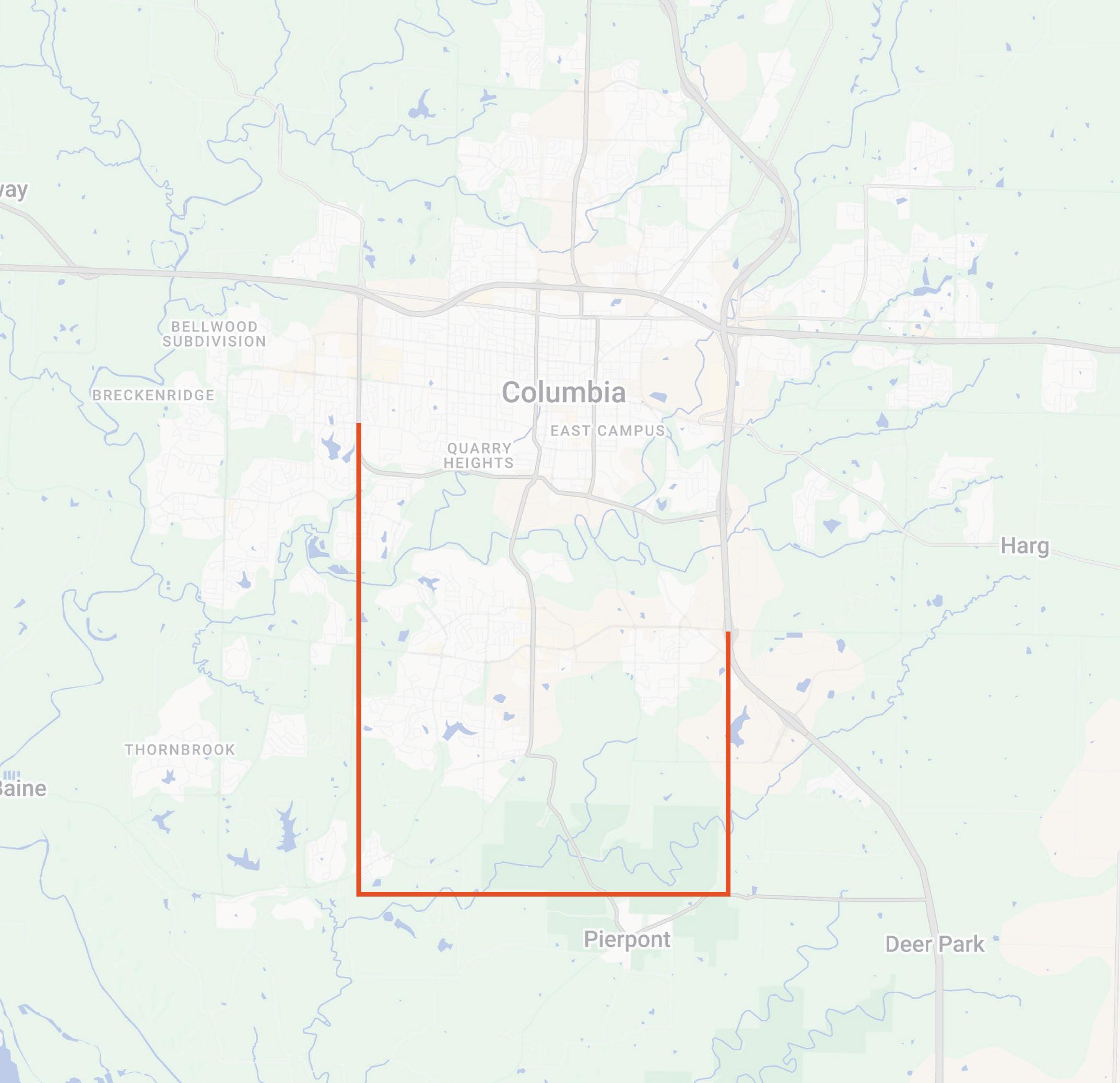
A HANDFUL OF COLUMBIA BUSINESSES WITH “SOUTH” IN THEIR NAMES, including Shakespeare’s, Addison’s, and Buchheit, might need to reconsider that designation in a few years, as a new development called Midtown rapidly takes shape o Grindstone Parkway.
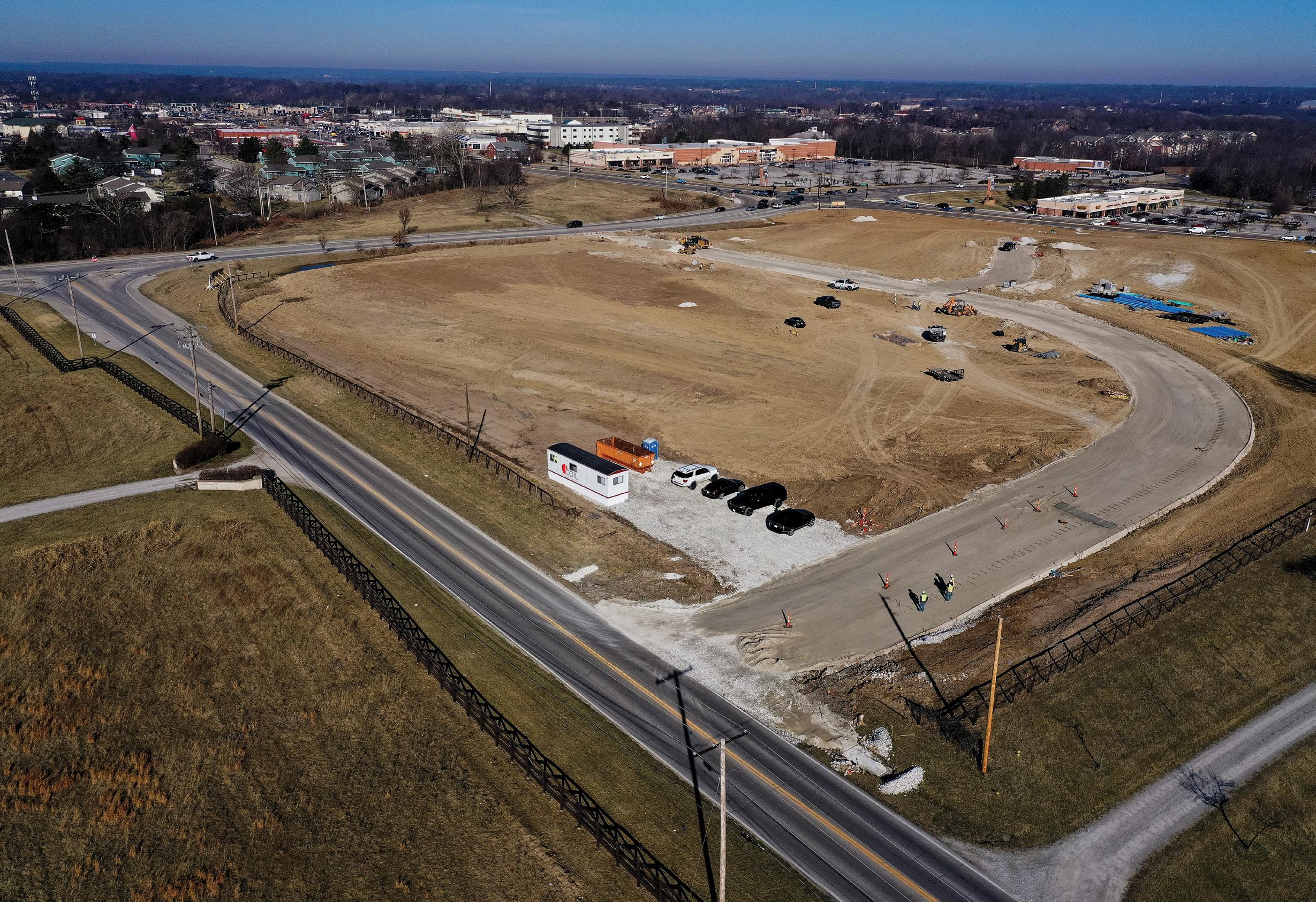
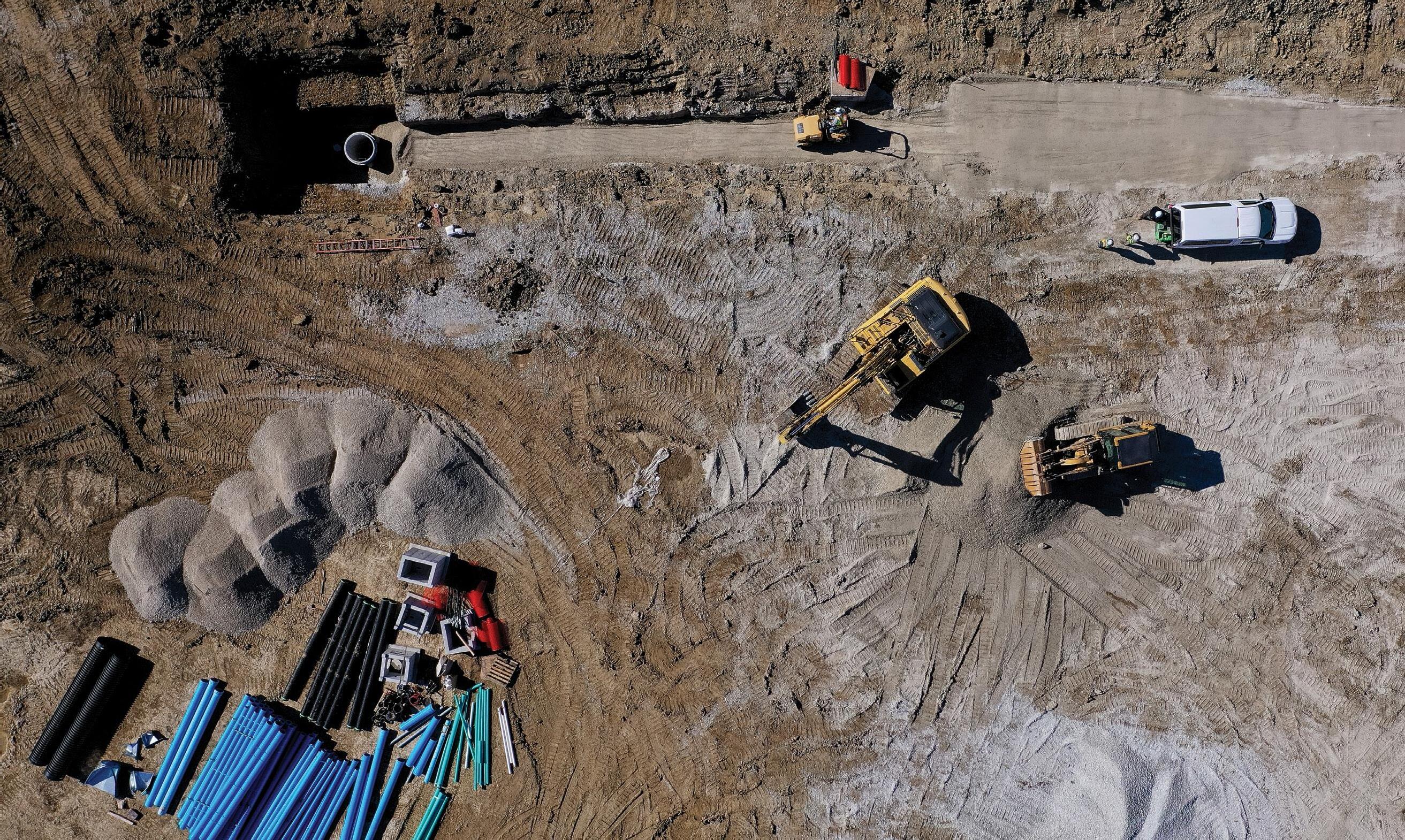
e Midtown development, which will include Logboat Brewing Company’s second location and Columbia’s third Culver’s restaurant, has sprouted from a prime 14-acre site that became available just a year ago.
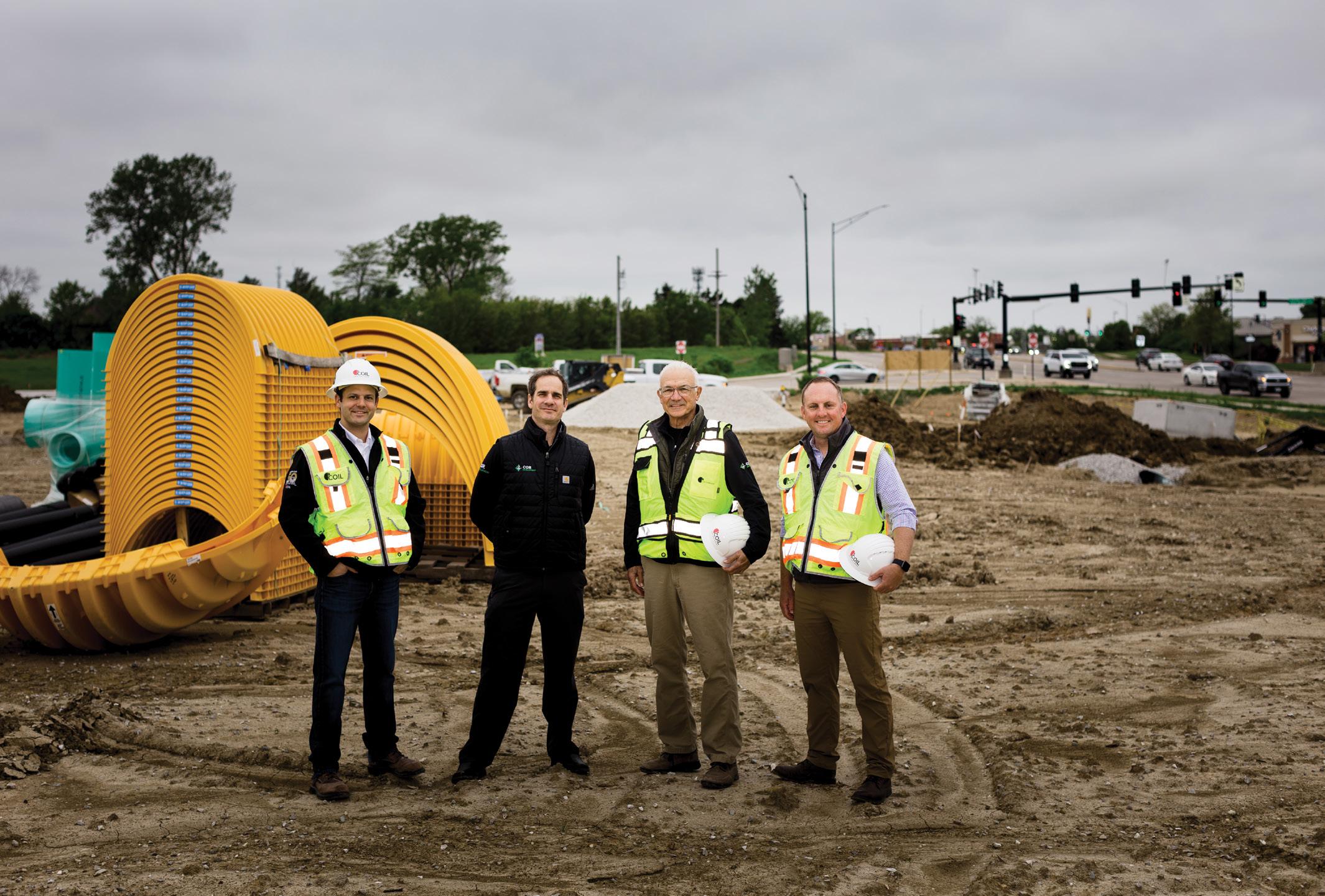
“Fast-forward a few years, and we think this is going to be the middle of Columbia,” said Craig Riordan, a former banking professional who is now the nance expert in his role with COR Development, a company named after the main principals of Coil Construction, Randy and David Coil, along with Nick Orscheln and Riordan himself.
e property was purchased from Crown Center Farms in April 2025, and COR had to snatch it up quickly. e site was among more than 350 acres in parcels owned by Nancy Laurie, granddaughter of Walmart founder Sam Walton, and her husband, Bill. When the site was rezoned from residential to commercial and mixed-use in 2023, the COR team began considering development and kept its eyes on the property. When it was listed for sale, COR was the rst to put an o er on the table.
Orscheln, who leads COR’s site selection service as the team’s managing member, said the group wasn’t sure what to do with the property until shu ing through “hundreds” of site plans.
“We didn’t want to just cover 14 acres in concrete,” he said. e partners are con dent the lively mixed-use commercial and residential development they envision will avoid that fate.
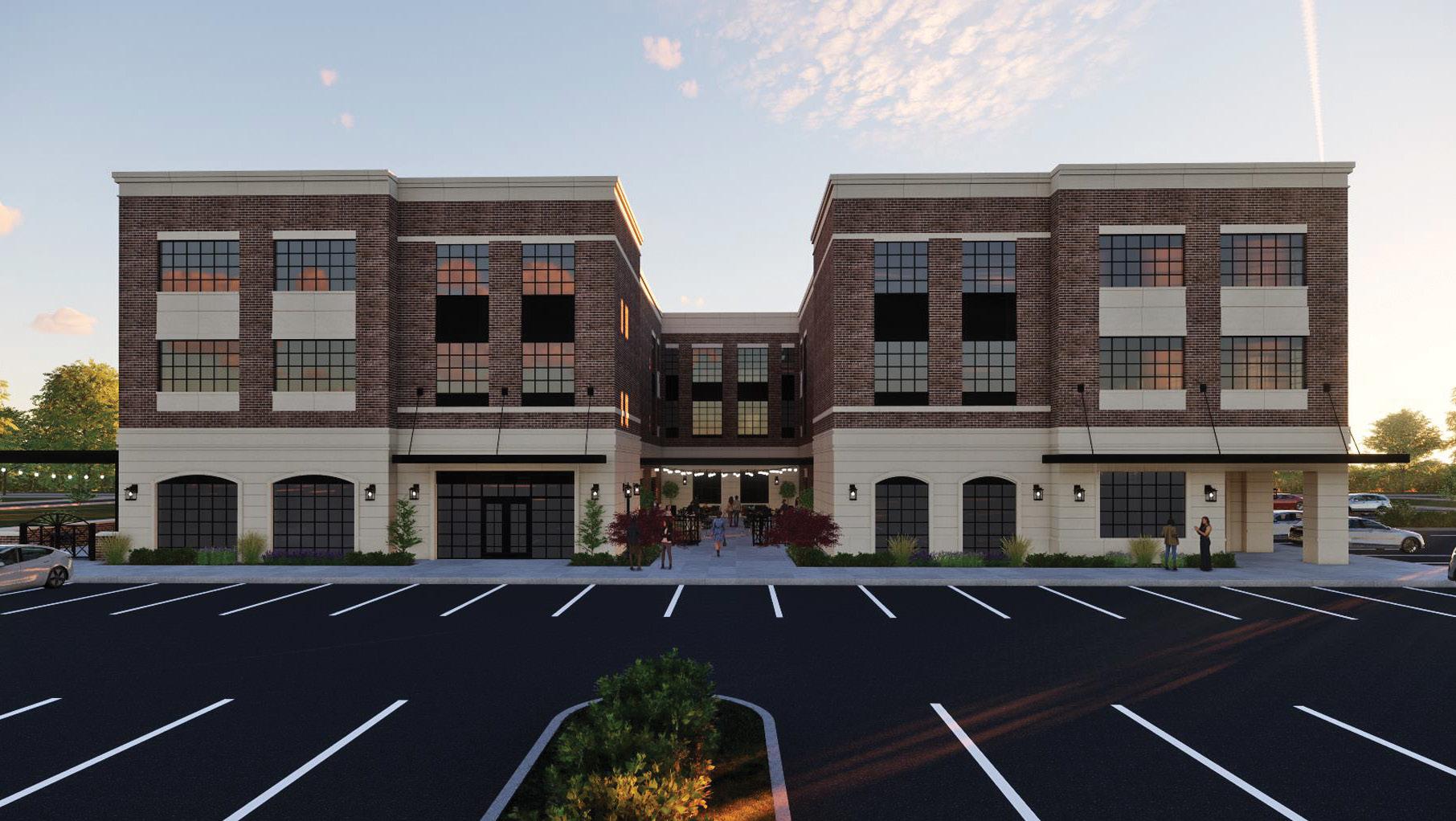
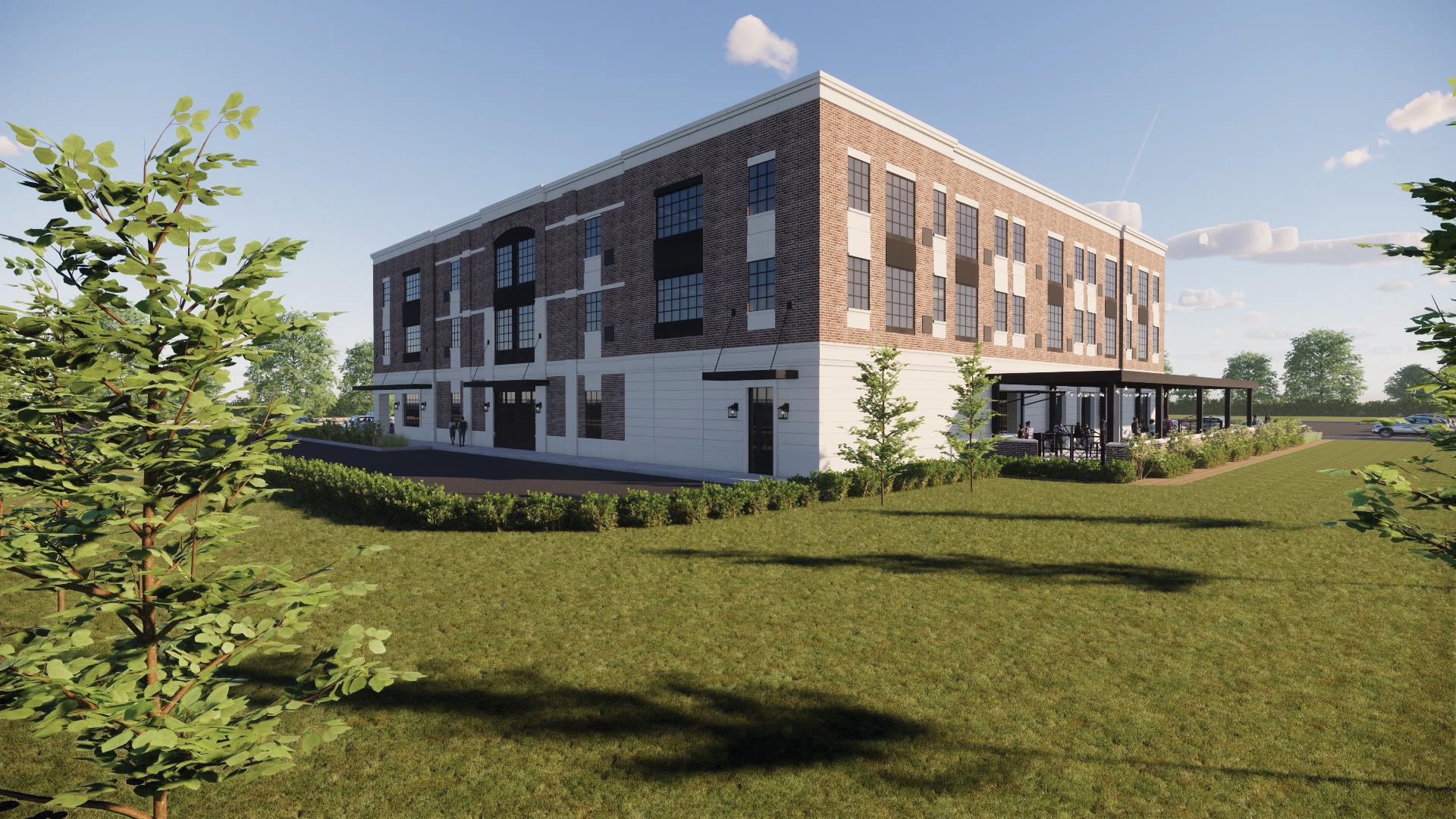
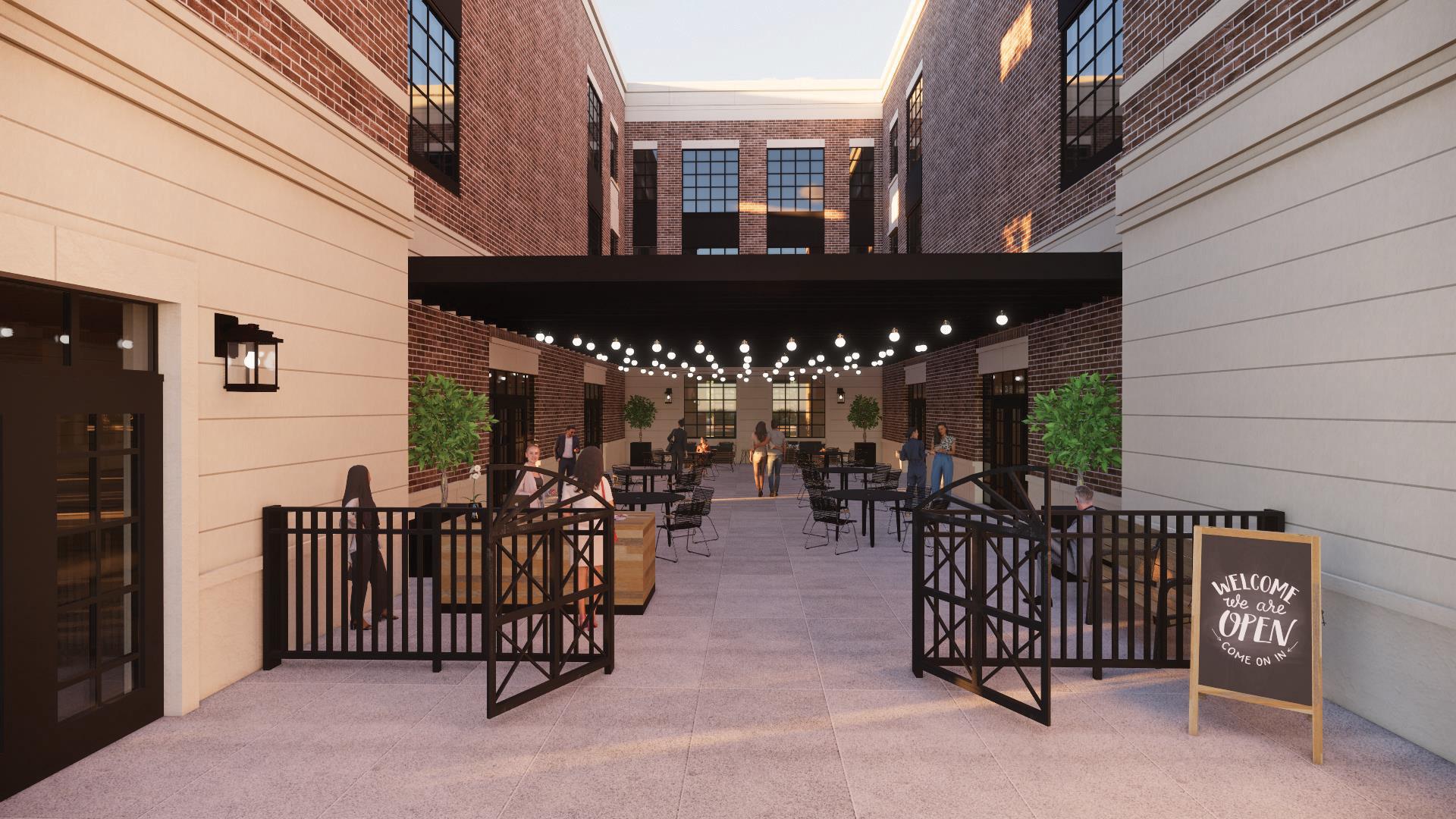
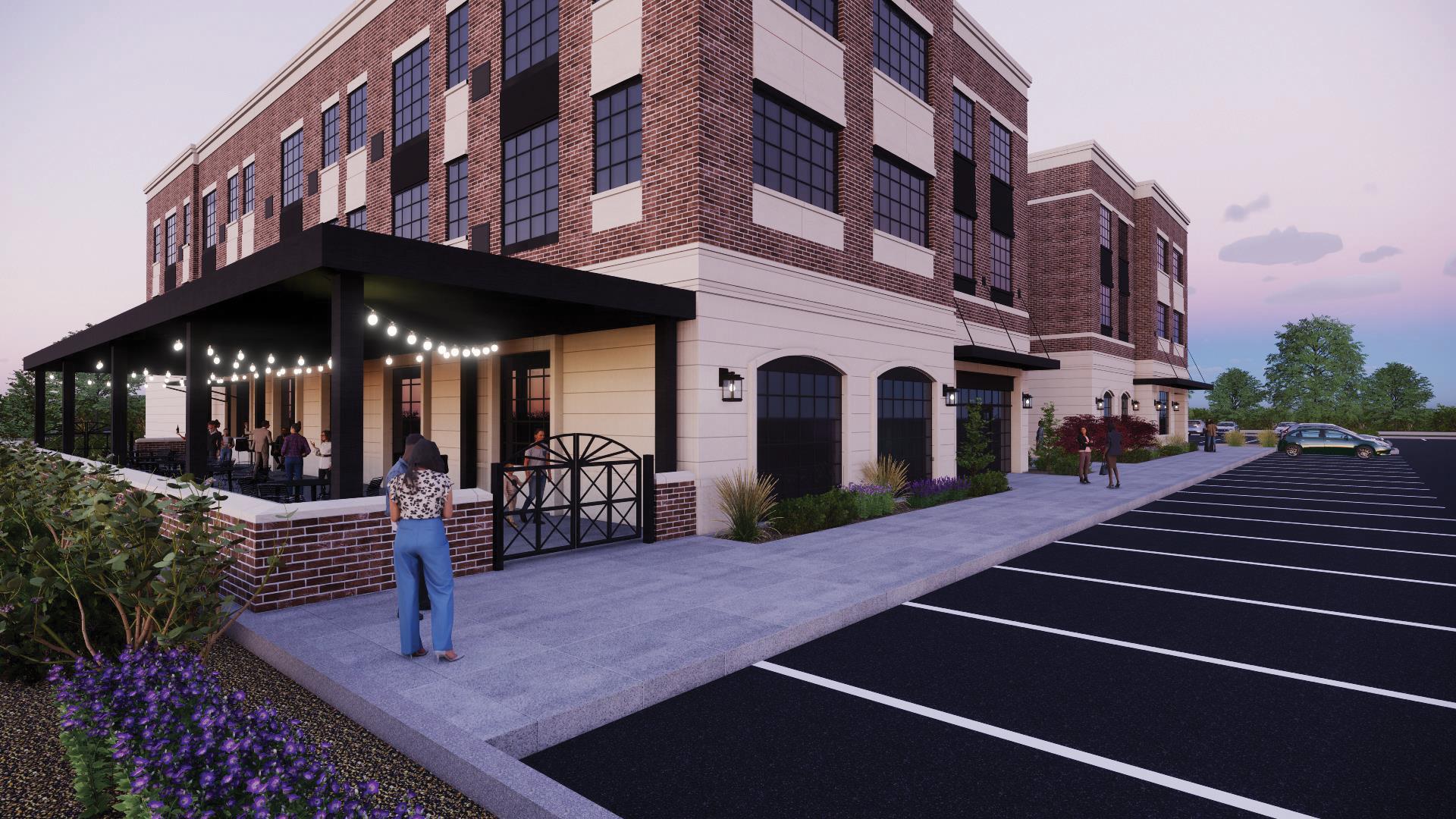
Not that they’re shunning concrete altogether, of course. e rst foundations for Midtown buildings — which will be the Culver’s spot and the Millhouse Building in the southwest corner, which will contain Logboat, were being poured in early May. at building is on a ve-and-a-half-acre tract owned by At Home Apartments of Columbia. Logboat and additional retail space will take up the bottom oor. e top two oors will have 38 apartment units.
At Home Apartments of Columbia is under contract to purchase the ve-and-a-half acre tract along the east side of the development. at company is also building a 171-unit apartment building, which will have 15,000 square feet of commercial space, on Columbia’s west side o Scott Boulevard. at project is currently under construction.
“We’re just identifying good areas, trying to bring good concepts that are desirable for Columbia,” said At Home Apartments Managing Partner Justin Miller. e Millhouse Building project accounts for nearly one quarter of the $26.6
million in Columbia building permit valuations for April.
Riordan said another Midtown lot is under contract to a bank, and plans are being developed by buyers or lessors of other lots. “When it came time, we didn’t have to make too many phone calls to see who was interested in that spot on the corner” of Grindstone and (the former) State Farm Parkway.
Midtown’s western border is E. Green Meadows Rd., as State Farm Parkway has been rechristened. e new 330-unit Springbrook Park apartment complex stands just south of COR’s development. e complex was developed by Intrinsic Development, which is owned by the Odle family, the same ownership group that has developed the Discovery Ridge area.
The COR Story
When COR began operating three years ago, it set out to be a site selection company for clients looking for industrial or commercial space. at vision quickly became “something completely di erent,” Orscheln admitted, as the group embraced the idea of integrating the construction side of Coil’s business with the site selection and nance expertise of Orscheln and Riordan.
By now, most locals are familiar with Coil Construction, and they might even know the story about Randy Coil starting the business with a toolbox and a pickup truck in 1975. With that background, Randy seems an ideal spokesman for all things construction-related about the project.
”Most developments of this size literally take years to sell all the lots. We got this done in 12 months.“
“We closed on this [Midtown] property just a year ago,” he explained, noting that streets and sewers are already in place. “I think that’s impressive. Most developments of this size literally take years to sell all the lots. We got this done in 12 months.”
Riordan teamed with Coil ve years ago after spending 15 years in commercial lending. e Kansas City bank he worked for sent him to Columbia for what was supposed to be two years of further learning about the commercial lending business. Riordan hadn’t expected to stick around, but he did.
e KC nance world’s loss has been COR’s gain. Riordan’s primary role is business development, but he also handles nance, human relations, and marketing, noting, “I wear a lot of hats.”
Orscheln grew up in his family’s agriculture and retail business, often tasked with “the worst job they could think of,” he joked. With COR, Orscheln took the lead on working with the city’s planning and development departments, ironing out details and navigating a sea of regulations.
Like Orscheln, David also grew up in his family’s business, joining his father on the Coil team in 2007. He earned his MBA at the University of Missouri in 2014 and was elevated to company president in 2024. He’s especially protective of Coil Construction’s reputation, which he said is based on a simple premise: “We do what we say we’re going to do.”
Rounding out the group’s leadership team is Megan Stevens, COR’s chief nancial o cer.
ABK BIOMEDICAL
ABK Biomedical Inc. and COR Development have created a partnership to develop a state-of-the-art manufacturing facility in Cartwright Business Park near Columbia Regional Airport. According to a news release from Nova Scotia-based ABK Biomedical, the project will provide the long-term future commercial-scale production of Eye90 microspheres, a technology currently in development for the treatment of liver cancer. Coil Construction will oversee the design and construction of the high-tech facility, ensuring it meets the stringent regulatory and technical requirements for medical isotope device manufacturing. e new site will serve as a cornerstone for ABK Biomedical’s global supply chain.
"Establishing this commercial footprint is another major milestone for ABK," said Mike Mangano, president and CEO at ABK Biomedical. " e Cartwright Business Park provides an ideal location for our long-term manufacturing needs. Partnering with COR Development and Coil Construction ensures we will have a worldclass facility to deliver Eye90 microspheres to the rapidly growing global Y90 radioembolization market."
In the release, David Coil said, "We are very happy that ABK chose Coil Construction for this transformative project."
e facility will be speci cally optimized and dedicated to the production of Eye90 microspheres, the rst and only clinical-stage Y90 radioembolization device that enables multi-modality imaging upon implantation. is unique feature allows physicians to better assess the implant, improving accuracy and the potential for better patient outcomes. e Eye90 product currently is approved only for clinical trials, the news release noted, adding that the project is expected to bring new high-tech jobs to the Columbia area “and strengthen Missouri’s reputation as a premier hub for nuclear medicine and biotechnology.”
ABK is already “a huge revenue generator” for the University of Missouri Research Reactor (MURR), Riordan said. “ ey wanted to be as close to the reactor as possible.”
e cost of the project was not disclosed.
AECI UTILITY SOLUTIONS
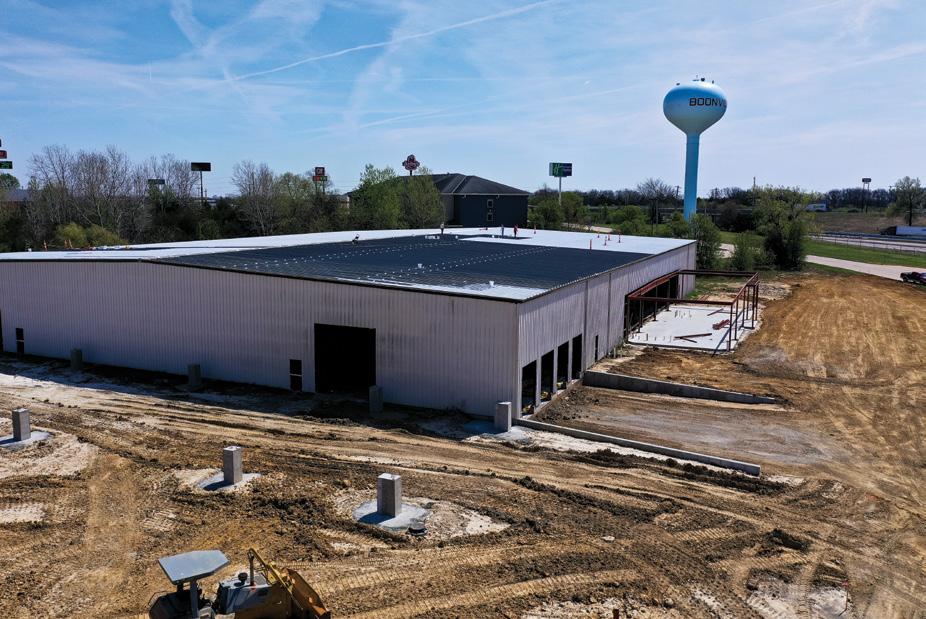
COR Development and Industrial Warehouse & Distribution Group partnered with Arkansas Electric Cooperatives, Inc. (AECI) Utility Solutions to bring AECI’s new distribution center to Missouri. Coil Construction will serve as the primary contractor on the project. e facility will be located on eight acres in Boonville, providing new job opportunities. AECI provides infrastructure materials and equipment for electric utilities across ve states.
When COR learned about AECI’s need — a place in Missouri with a more centralized location for its electric co-ops — Orscheln helped the company nd the vacant, nearly 50,000-squarefoot building with almost direct access to I-70. David Coil said the project of “repurposing” a building that was constructed in the ‘‘90s was a “perfect t” for COR.
50 N. RANGELINE RD.
COR Development, in partnership with Andy Stuckenschneider and Industrial Warehouse Group, purchased the former Otscon, Inc. parking brake manufacturing building, a 115,000-square-foot structure at 50 N. Rangeline in 2024.
"It is well known that Columbia currently lacks available industrial space," Orscheln said, "so when we learned that the existing owner was consolidating operations out of state, we began exploring a purchase and potential users for that space." As expected, the demand was high and multiple users showed interest in the building.
"We developed multiple plans to divide up the space for various tenants," David said. EquipmentShare eventually bought the building, which became its distribution center.
" e opportunity came together perfectly," Orscheln explained. "In some communities, that building could stand vacant for months or years, but through our partnership, contacts, and Columbia having growing businesses like EquipmentShare, we were able to meet a need and that is now a beautiful building helping serve their nationwide needs."
Writing a Pro-Community Narrative About Development
Coil Construction does work in nine states, meaning there are multiple layers of municipal and state regulations that can impact the company’s projects. Perhaps not surprisingly, Randy has a special a nity for his hometown.
“I love this town,” he said. “Always have.” Happily for COR, the city seems to love its project back.
“ ey couldn’t have been more accommodating,” Orscheln said. “We weren’t trying to force a square peg through a round hole.”
Randy reiterated that observation, emphasizing the word “accommodating” to describe working with multiple city departments as well as the Missouri Department of Transportation.
“ e city really tried to help us nd the best solutions when there were challenges,” he said.
David said the company is also seeking to change the narrative that the public often repeats in not-so-positive terms when it comes to development and developers.
“We’re about serving others and making their dreams come true,” he said. Pointing to the company’s experience of working with the city and other builders, he added, “When we work together, we can get more done.”
Randy underscored that idea, saying, “We live in this community as well. We want to see parks and trees and walkways as much as anyone else. Growth is going to happen. And you can have both.” He also explained that COR and its construction partners have played a signi cant role in creating jobs, “from start to nish, from excavating to the person who puts on the last doorknob.” CBT
AIM Taking
Billiards on Broadway and Pierpont General Store enter a new era of ownership without losing the spirit that made them local institutions.
BY EMMI WEINER
BILLIARDS PHOTOS BY DAVID
PIERPONT PHOTOS BY CHRIS
OWENS
PADGETT
When it comes to local businesses, Columbia residents are ercely loyal. Whether it be a mechanic shop or a burger spot, you’ll nd regulars who would rather not go at all than go anywhere but their favorite spot.
is loyalty transcends economic conditions, because the fear of losing your favorite spot to closure — or new ownership — is real. e rumor mill can also run wild. (Remember when every new construction project was nally going to be a Trader Joe’s?)
e rumor mill ran overtime when Pierpont General Store was listed for sale and then again when it was purchased.
“We aren’t natives of Columbia, so there was a fear when people heard [that] people from Hermann bought Pierpont, and they were going to tear it down and put up a commercial gas station,” said Jennifer Miller, who along with her husband, Lee Miller, now own the rural Columbia eatery and entertainment spot. “I even heard people thought we were gonna tear it down and put [in] a winery. I’m like, ‘We’re not tearing anything down.’”
When Columbia favorites Billiards on Broadway and Pierpont General Store announced changes in ownership, there was reasonable apprehension. However, as the new owners of both establishments have settled those worries with a few months of work, the apprehension has given way to enthusiasm.
“It’s exciting to have some fresh eyes and fresh ideas from people that haven’t been looking at Billiards day in and day out,” said Billiards on Broadway manager Tom Warner. Warner has worked at the restaurant/pool hall for 14 years and has worked just about every position at the business. “I am excited to see it continue to evolve and grow.”




Billiards on Broadway
On the west end of Columbia’s historic downtown, Billiards holds a neon vigil to good beer, good food, and good vibes. In 2008, Molly and Les Wagner envisioned lling a billiards-shaped gap in the Columbia entertainment landscape. In the nearly two decades since then, Billiards on Broadway has become a cherished Columbia staple.
NEW ADVENTURES AWAIT
When the Wagners were looking to sell, it wasn’t because the business was struggling. Molly announced in a Facebook post that they worked hard to build the brand but were looking to move on to their next adventure. e Wagners approached Kurt and Laura Kingsley about purchasing the business, a reasonable move considering that Kurt has worked in Columbia stalwarts like CC’s City Broiler and Shakespeare’s Pizza.
“ ey had been approached several times over the years by various restaurant owners that were selling,” said Lisa Morrissey, one of Billiards’ four new owners. “It just wasn’t the right timing for them, until now. For us, it really kind of came out of nowhere. It was great timing for me. I was at a good point to have a new project. It just worked out really well.”
Lisa and her husband, Bill Morrissey — the president and co-owner of Kilgore’s Medical Pharmacy — bought Billiards along with the Kingsleys, and the four o cially took over as owners earlier this year.
“We felt like it was a good turnkey operation that we could step into and feel good about success,” Lisa explained.
e two couples are no strangers to the Columbia business scene. Bill and Laura are both currently pharmacists and business partners at Kilgore’s, working together there for 20 years now. Kurt has done time in the kitchens of a variety of Columbia’s favorite restaurants.
Lisa served on the board of Columbia Independent School for 12 years as well as being Cub Scout leader for several years. All bring their unique experience to form a team to build community and run a business that focuses on stellar customer service.
“It works out well. We really don’t get in each other’s way,” Lisa said. “I take care of what I’m good at taking care of, and [Kurt] takes care of what he’s best at. We’re in the early days, but so far, it seems like it’s really a good matchup.”
THE VIBE AND FUTURE
While pool halls tend to evoke images of smoky rooms and surly customers, the scene at Billiards is far from that. But the rst time Lisa went with her kids, she was surprised.
“It’s bright and welcoming. It’s friendly for families and businesspeople,” she noted. “It’s great for lunch and corporate groups and pool players and everything
in between. It’s a very great mixed crowd in there.”
When you walk past the bar and the tables in the front, you’ll nd eight regulation billiards tables. ere are a variety of local leagues that use Billiards on a weekly basis.
“Most places you’re gonna have an hour, maybe an hour and a half, to spend there, and after that, they’re gonna try to get you out of here,” said bartender Grady Harrington. But at Billiards, it’s “stay as long as you want. You can come in and start playing when we open at 11 [a.m.] and leave at 1 a.m., and we’ll be happy to have you there the whole time.”
e food at Billiards is fresh, fast, and accommodating. e menu is straightforward and has not changed with the new ownership. e Famous Billiards Burger has earned its place among the best burgers in Columbia. If burgers aren’t your thing, the grilled chicken sandwich, BLT, and pork tenderloin are just as tempting. Gluten-free buns are available, and the sta is knowledgeable about ingredients for rarer dietary needs. Billiards is also one of the few places downtown that still cuts fresh fries daily.
“One regular gets to-go food, and she wants to always have the bun separate. And that’s no problem,” Harrington said. “Any of these things that you want that take us little time, we’ll do it.”
While you might see some new faces around Billiards on Broadway these days, don’t expect to see major changes. Lisa says the team plans to keep most things the same, hoping to maintain the vibe Molly and Les built.
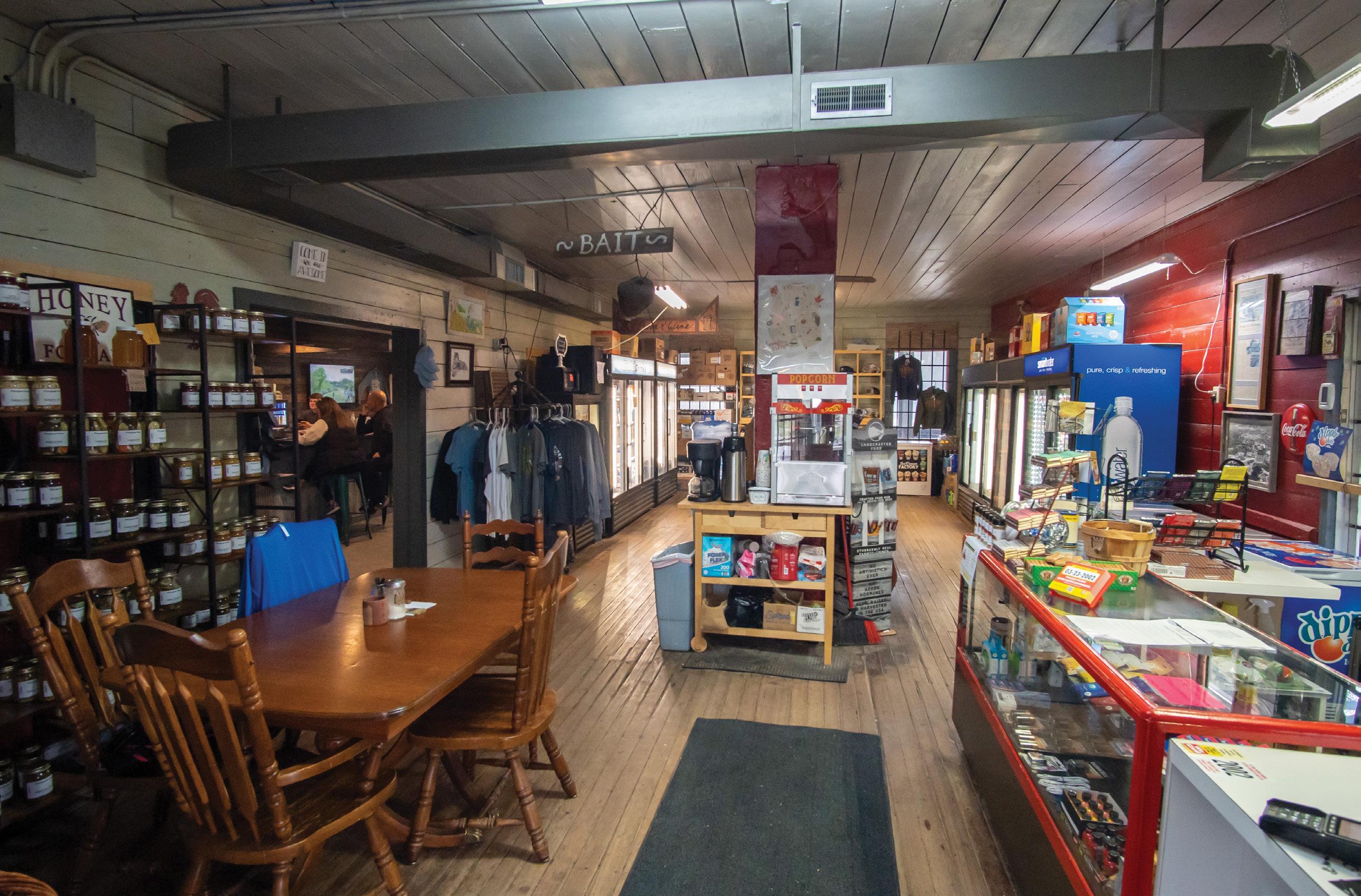

Pierpont General Store
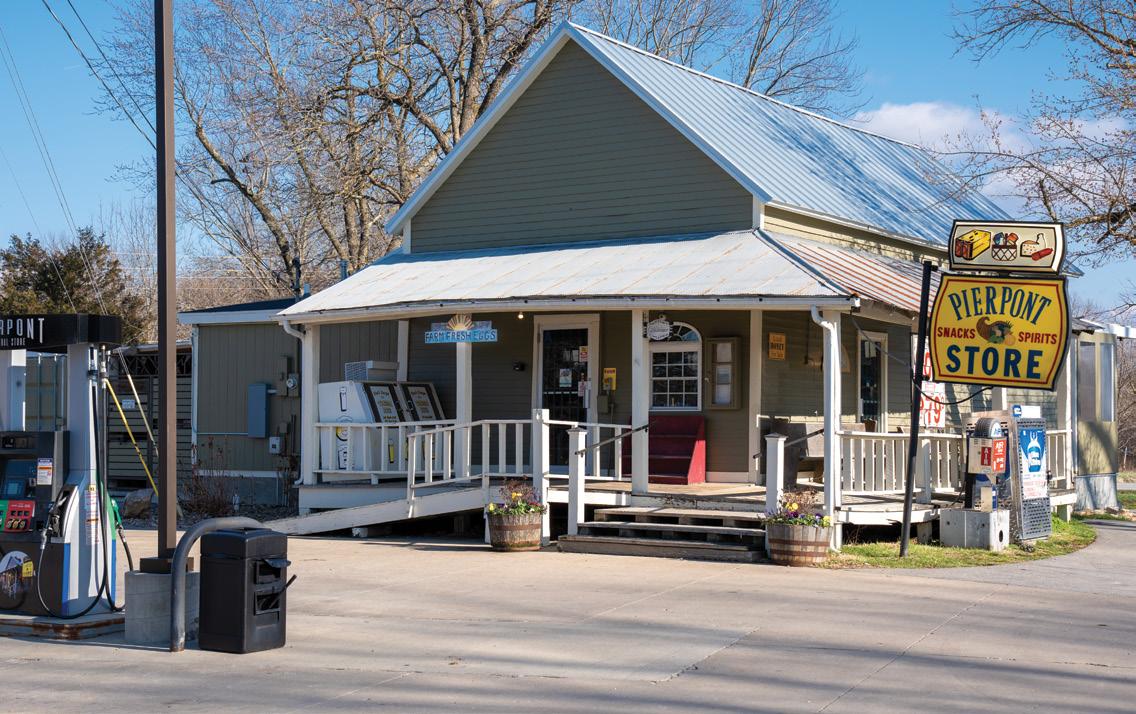
On a sunny Sunday, there is nothing better than driving south on Rock Quarry Road until it dead-ends, hanging a left, driving through Rock Bridge State Park, and ending at Pierpont General Store, which opened in 1834 and moved to its current location in 1889. You can still nd the original foundation in Rock Bridge State Park. Major evolutions of the last few years include an outdoor stage, a kitchen, a covered patio, and a bar.
“We’re in this little middle spot where no one goes through. And so we’ll have people drive by and come in and go, ‘I have lived in Columbia for 40 years. I never knew this place existed,’” said Sean Bennett, the store’s general manager. Bennett has only worked there for four years, but his grandparents once owned the store, and he stopped in several times while growing up.
NEW OWNERS
At the end of April, Jennifer and Lee Miller took over as sole owners. Another couple involved in the recent purchase had a shift in their family’s situation, Jennifer said, “and they realized that this wasn’t the best opportunity for them at this time.” However, it was the right time for the Millers.
“Pierpont is an already established, well-known business. It’s already running,” Jennifer said. “And at our age, it’s great. You can take your kids there, and you’re still home by 10 o’clock at night.”
e couple are in their mid-40s, she said, “and this is exactly where we need to be right now.”
e Millers are no stranger to the reality of quickly disappearing rural infrastructure. ey grew up in a small town near Hermann where the local gas station was a lifeline for the community. When that establishment went on the market a few years ago, the Millers jumped at that opportunity.
“ ere’s a lot of elderly people that don’t go into town and use pay-at-the-pump because they’re scared,” she said. “We have a lot of farmers that get their fuel from us.”
Now serving the rural community at Pierpont, the Millers will stay on the music and restaurant path that was already established, and they hope to add their own touches to support the area.
“Lee has a really, really great vision for the future,” Bennett said. “He wanted to have that old-time gas station community feel that brings people together. He doesn’t want to do anything big or fancy with it.”
THE VIBE AND FUTURE
Since Bennett moved back to the area and started working at the general store, he has become a part of its analog community.
“When I rst started working here, some of the people were relatives of mine that I didn’t even know that I had,” he explained. “You just hear all sorts of stories: ‘Oh, yeah, I used to help her haul hay, I used to help her with her horses.’ My grandma was a big bowler, so they would be like, ‘You know, we used to bowl with your grandma back in the day.’”
e stories are usually exchanged rst thing in the morning over co ee among e Old Timers Co ee Club, an endearing term for the group of locals who meet for social time and co ee before the day starts. Sometimes when Bennett arrives, there are already people in the parking lot. e group typically occupies a table with eight seats, but if more show up
for the Old Timers gathering, the ones already seated just squeeze in so newcomers can pull up another chair. It isn’t just about co ee, they say. Instead, they are making connections.
“ ey built this community by meeting people in person and building relationships and trust by helping each other out,” Bennett observed. “Even in their older age, they still are doing stu . We have a guy who still hunts deer, he still butchers meat, he raises birds, and if he needs work done, several of them will go and help the guy out, and vice versa.”
A few years back, the store added a stage to the property, and live music is now a staple several nights a week.
“We like country music, older rock music, anything in the ’80s, early ’90s — that does really well out here,” he said, noting that he enjoys nding new bands to book. “I also want to bring people out to Pierpont who’ve never heard of us, which happens all the time. So I try to book bands that a younger crowd would like.”
But at the heart of it, the Millers want Pierpont General Store to serve the people in their rural area. Jennifer wants to expand the menu to include dinner takeout options and essentials to save locals a trip into Columbia.
“We’ve had people ask” for more grocery products, she said. “Turning the General Store back into a true general store is one of our big goals.”
e biggest change coming is o ering gas at a competitive price. e gas at Pierpont is usually 10 to 30 cents higher than gas in the surrounding area. Jennifer wants to bring that down.
She also hopes to continue building the store’s sense of community. One part of that e ort is relying on an ancient Chinese tile game that is all the rage in Columbia.
e store has mahjong nights — Tuesdays are for learning, ursdays are for playing — as well as monthly goat yoga. Others are encouraged to join in and nd ways to use a unique space that, though rural, is close enough to both downtown and the airport to be a frequent destination for those ercely loyal lovers of local businesses. CBT
Hollywood Finds Missouri
Mid-Missouri is well-positioned in the state’s film industry.
BY C.J. LEVY | PHOTOS BY KARL BUSSEN
WHILE
MISSOURI HAS BEEN HOME
to legendary storytellers like Mark Twain, Walt Disney, and Maya Angelou, storytelling as an industry has never realized its potential in the state, especially on lm. With immense natural diversity — from rolling plains in the north to Ozark Mountains in the south and features like vast caves, large rivers, massive lakes, and 15 million acres of forests and woodlands — the Show-Me State has a lot to show. e lived-in portions are camera-ready as well. Iconic cities, college towns, and countless rural main streets straight out of Norman Rockwell’s imagination are sprinkled from the Iowa line all the way to the Arkansas border.
It’s a cinematographer’s dream.
If that’s the case, where are all the lm crews? In years past, they’ve been mostly absent from the state, with shows like Ozark being set in Missouri but lmed elsewhere due to Missouri’s lack of production tax incentives and production infrastructure. Fortunately, with the help of organizations like Film in MO, the Show MO Act was enacted in 2023, o ering $16
million in annual tax credits for lm and television production in Missouri. ere’s ample evidence to show that the incentives are working.
FROM RELUCTANCE TO RAVE REVIEWS
When Epic Pictures Group presented New York City-based director Jeremiah Kipp with the idea to shoot their new feature lm e Mortuary Assistant in mid-Missouri, the director was hesitant. e production company behind the project was attracted to the state for its tax incentives, which o er up to 42 percent in transferable tax credits for quali ed production expenditures like goods, services, and wages in Missouri. ough the video game the lm is based on takes place in Connecticut, the director ultimately agreed with the producers that Missouri was the right choice.
“ e rst thing I saw was that you get tremendous bang for your buck in Missouri, like the quality of locations, and it was in an environment where people were enthusiastic and excited about having movies brought here,” Kipp explained. “ e other big reason that we went to Missouri

was that we built the entire Mortuary set from the video game from the ground up, and the amount of quality we were able to get for a very reasonable price was far better than anything you would have found in New York, Los Angeles, or Atlanta.”
While the director originally planned to y lm crew in from other states, the lm’s producer, Cole Payne, assured him that wouldn’t be necessary.
“Cole was like, ‘I think that you’ll nd great people here,’ and he set me up with interviews,” Kipp noted. “It was very impressive, and I felt like [he] set me up with extraordinary people.”


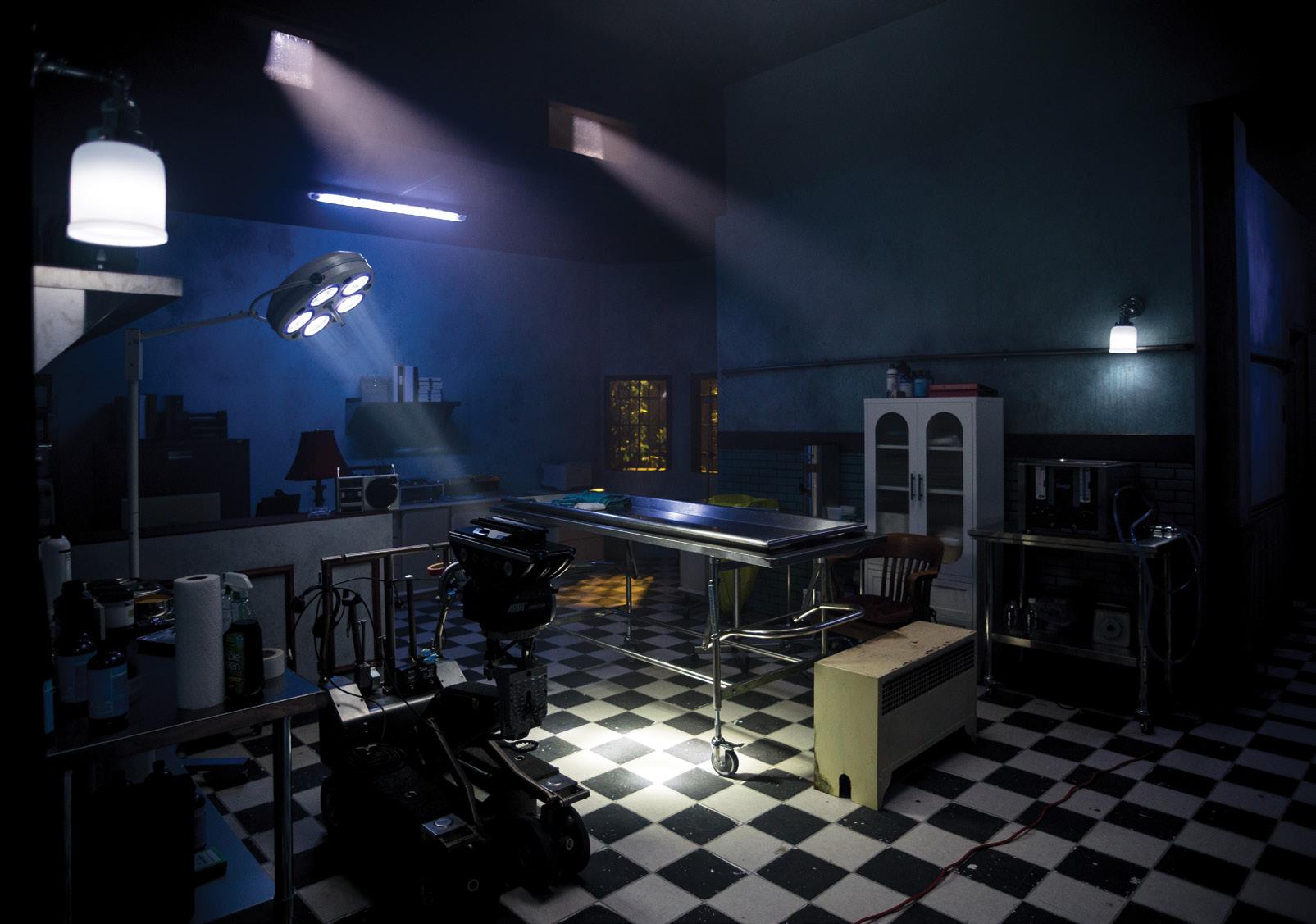
THINK GLOBALLY, ACT LOCALLY
While the lm’s two stars were own in from Los Angeles and New York, supporting cast members were local to Missouri.
“What stands out the most to me about Missouri is our talent,” said Shannon Laine, president of SAG-AFTRA Missouri Valley, lauding the “highly trained, professional actors across the region who are deeply committed to their craft.” In Laine’s view, it’s “essential” to use local actors and include them in meaningful ways. “Missouri has an incredibly strong pool of SAG-AFTRA performers who are ready to work.”
One of those performers was Kyle Loethen, who recently landed a role in another feature, e Jester 2, lmed in mid-Missouri.
“Prior to the incentive being passed, there wasn’t a whole lot happening in mid-Missouri besides a few commercials here and there, and so I would have to travel to nd work,” Loethen said. A father of two, he appreciates the convenience of local acting opportunities when they arrive, pointing out, “I got to sleep in my bed, wake up the next morning, go shoot the scene, and then come back home to my bed.”
MID-MO’S FLEDGLING FILM SCENE
While the original lm e Jester was lmed in Maryland, e Jester 2 was lmed entirely in Rocheport, Boonville, and Columbia, thanks to the tax incentives. e lm’s producer, Payne, is a Missouri native, and he was instrumental in helping get the tax incentive passed through his e orts with Film in MO.
“Towards the end of 2020 I moved back to Missouri, got involved in politics helping to write the Missouri lm tax incentive bill, and I’ve been here ever since,” Payne said. “I thought this was a good idea for Missouri because I’m on the ground doing it, I see how much money is being spent. I’m spending millions of dollars in a few months — so much money spent in such a short period of time, and it really gets spread all over the state.”
When eyeing Missouri as a potential lming location, producers must consider the state’s current lack of lm and television infrastructure, compared to production hotbeds like California, Georgia,
Director Jeremiah Kipp, on the set of The Mortuary Assistant.
by

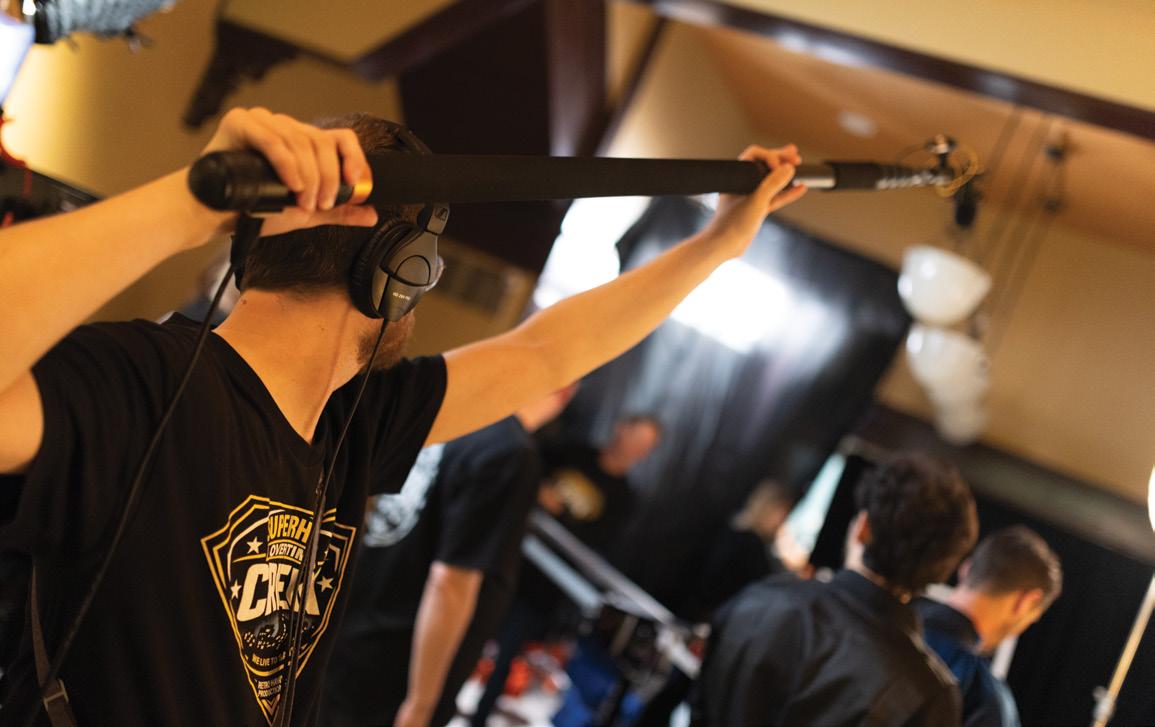
and New York. Resources like sound stages, studio lots, and camera and lighting rental houses are sparse in the Show-Me State.
Laine would like to see growth in that area. “My hope is to see Missouri continue to build a sustainable and thriving ecosystem,” she said. “ at means not only attracting projects, but also developing the infrastructure, workforce, and relationships needed to support them long term.”
PRODUCTIONS PAST, PRESENT, AND (FINGERS CROSSED) FUTURE
Mid-Missouri has seen Hollywood-style productions in its past, with Stephen King’s Sometimes ey Come Back lming its pivotal train tunnel scenes in 1991 in Rocheport. e critically acclaimed horror lm You’re Next was lmed entirely on location over a four-week period in an English-style mansion near the Columbia Country Club. at lm went on to achieve box o ce success and boosted the careers of director Adam Wingard and writer-producer Simon Barrett, a Columbia native.
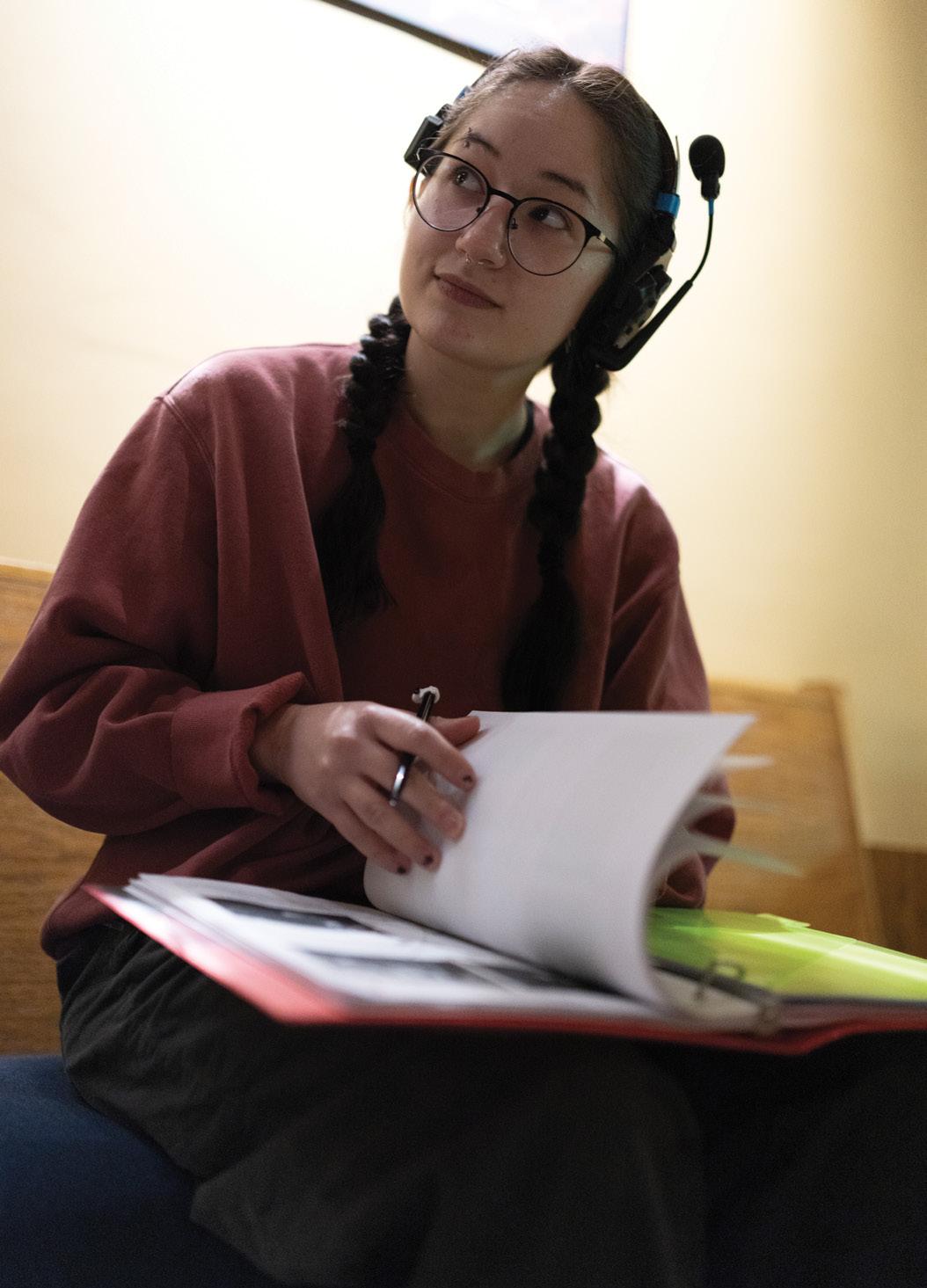
Despite a drought of major lm productions in the state after You’re Next and Gone Girl in the 2010s, production professionals kept busy honing their skills however they could.
“Since 2024, I’ve been doing all my movies here in Missouri, and I’ve realized that there is a really strong crew base here in the state, which surprised me,” Payne said. He credits the commercial video industry in Missouri for keeping lm crew opportunities alive prior to the recent lm industry in ux, and students graduating from in-state lm programs every year are seeking work. Emma Gomez, a 23-year-old graduate of the University of Missouri lm studies program, just completed production on SUPERHero Overtime in Boonville. e short lm marks her rst time working as assistant director.
“If I had the chance to be able to stay in Missouri to pursue something that stereotypically requires a bigger city like L.A. or New York, I would love to do that,” she said. “I have my eye on Austin currently, but if productions are happening in Missouri, I would be able to stay here.”
“If I had the chance to be able to stay in Missouri to pursue something that stereotypically requires a bigger city like L.A. or New York, I would love to do that.”
— EMMA GOMEZ
Photos
C.J. Levy
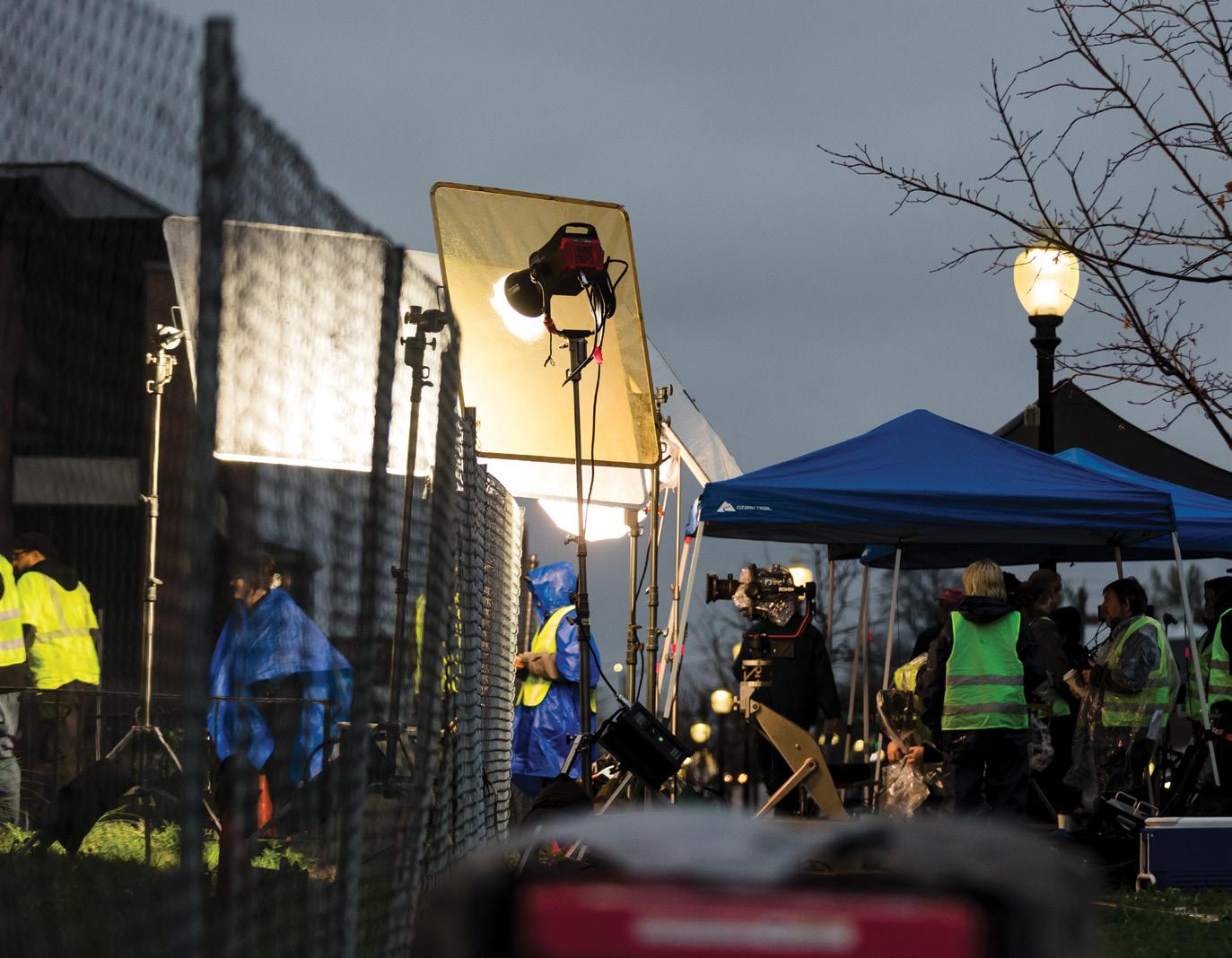


WHAT’S IN IT FOR MISSOURIANS?
While voters might view tax breaks for outside companies with suspicion, the vast needs of a lm production o er an economic boost for the communities hosting them.
“ ese productions are coming in, and they’re paying you to be in the background, they’re paying you to come do hair, they’re paying you to cater,” Payne said. “ ey’re going to your restaurant or they’re renting your house or your shop. ey’re paying o -duty police o cers and remen to come out and help block the road.”
As Payne sees it, the tax credit is not a handout but is “millions of extra dollars going into Missouri that would not be here otherwise.” e trade-o for a tax credit, which means that state government collects less in taxes, is the production of “millions and millions more dollars” in economic activity. “We go to your lumber yard and drop $50,000 the rst week we’re in town, buying lumber to build our sets, and we’re hiring your existing contractors,” he explained. e greatly increased activity o sets the up-front reduction in tax receipts.
Unfortunately, all this lm-driven commerce in Missouri could go the way of silent movies in three years’ time. Without changes to the law, Payne warned, Missouri’s current production tax incentives will sunset in 2029.
“We only have a few more years until it technically goes away. e most important thing is getting that sunset extended because we need people to know that this is going to be an industry that’s going to stick around in Missouri,” he said. “ en we can really start building the brick-and-mortar businesses around this, and we can really start growing our infrastructure and career base.”
LEAVE ’EM WANTING MO
Kipp gushes about his positive Missouri experience.
“I was just very, very happy. It was an excellent shoot,” he said. “ e crew delivered on time, on budget. I kind of went home smiling every day.” Kipp said that most movie-making stories “are pain and terror because you’re up against a struggle every day, but the way that people went about their work, it just made every day a joy. I kind of had to be dragged away.”
Since wrapping e Mortuary Assistant, Kipp has already returned to lm another project in Je erson City, though he can’t reveal details just yet.
e in ux of Hollywood-style productions nally gives Missouri an opportunity to shine on screens around the globe, earning the state a glowing reputation among the lmmakers who experience it.
“We nished postproduction and then a couple days later I jumped on a plane and made a movie in Cambodia, which was a totally di erent experience,” Kipp said. “Filming all around the world, you know, I have to say my heart belongs to Missouri now. I would happily continue to make movies there, given the opportunity.”




Deeds of Trust
Worth more than $1,000,000
$40,000,000
Premiere Real Estate Holdings I LLC
Old National Bank
STR 7-48-11 /SE/SW SUR Bk/Pg: 497/780
$12,000,000
Kitty Hawk Apartments LLC
e Central Trust Bank
Lt 8A Kitty Hawk Manor Plat 3-A
$5,280,000
TRS Property Management LLC
e Callaway Bank
FF Tract 11
$4,309.610.70

STR 10-48-12 /E/NW SUR Bk/Pg: 379/971
New Page Properties LLC
e Missouri Bank
Lt 501 Auburn Hills Plat 5
$3,931,230.40
Premiere Real Property LLC
First Midwest Bank of the Ozarks
Lt 405 Ewing Industrial Park Plat 4
$3,907,669
COR 7070 Baldridge LLC
First Midwest Bank of the Ozarks
Lt 10 Cartwright Business and Technology Park Plat No. 1
$3,103,450
MB Capital LLC
First State Community Bank
Lt 104 Rockbridge Condominiums Plat 1
$2,268,000
SS4US LLC
Simmons Bank
Lt 2A Eastland Hills Estates Plat 1-A
$2,121,175
Wilo Holdings LLC
Mid America Bank
Lt 242 Cross Creek Plat 1
$1,820,000
North Grasslands Properties LLC
Commerce Bank
Lt 2 Burnam Sub
$1,456,385
Jason E. Nicholas
Newrez LLC
STR 6-49-11 //N SUR Bk/Pg: 3778/257 AC 82.53 FF W/Except; Tract 2
$1,300,000
Kyle Lisenby
e Central Trust Bank
Lt 208 Bristol Ridge Plat No 2
$1,280,196
Syed Hassan
Arvest Bank
Lt 136 Clear Creek Estates
Plat No. 1
$1,200,000
Jason Alan Rytlewski
First State Community Bank
STR 3-49-12 /S/SE
$1,132,907
Senthil Kumar
Bell Bank
Lt 105 Clear Creek Estates
Plat No. 2
$1,108,000
ASM Development LLC
Simmons Bank
Lt 2AA Hatton Sub Lt 2A
$1,100,000
C&C Construction Inc.
e Central Trust Bank
Lt 601 Settlers Ridge Plat 6
$1,006,050
John Papuchis Jr.
Multipli Federal Credit Union
Lt 505 Old Hawthorne Plat 5
$1,000,000
Catalina Holdings LLC
Montgomery Bank
Lt 1 Loveall Sub CBT
Issued by the Boone County Recorder of Deeds in April 2026
New Business Licenses
Issued April 2026
Quiet Strength Counseling LLC
3201 S. Providence Rd., Columbia
Ember & Ash Smoke & Vape
Zakaria Alhadai
600 N. Cooper Dr., Columbia
SV Motors LLC
2203 Range Line St., Columbia
Oxford Aesthetics
Sarah Oxford 109 Chairman Dr., Columbia
Gruesome Ghoul
Sara Crowder
1310 S. Old 63, Columbia
Perche Creek Construction LLC
Calli Zeilenga, Erik Pekkala 2512 Fleetwood Dr., Columbia
Natures Serum LLC
Terrell Clay 14 E. Business Loop 70, Columbia
Brew Crew LLC #001152
Larry Wilson 3305 Clark Lane, Columbia
B&R Security Holdings LLC
Signal of Kansas City 2401 Bernadette Dr., Columbia
Professional Imaging
Columbia LLC
1400 Forum Blvd., Columbia
C&B Legacy LLC
Genaro Cabrera, Zach Baier 5051 S. Providence Rd., Columbia
Therapylog
Research To Practice, Inc.
2201 Chapel Plaza Court, Columbia
The Atelier LLC 2130 Forum Blvd., Columbia
Tori Handmade LLC
Victoria Dissmore 3470 Rock Quarry Rd., Columbia
Appetize Charcuterie 8251 County Rd. 134, Fulton
Rally House 2101 W. Broadway, Columbia
Holliday Works LLC
Matthew Holliday 2604 Mallard Court, Columbia
Luda’s Lemonade LLC 3948 Highway 124, Harrisburg
Absolute Roofing & Exteriors LLC
402 Nine Hills Rd., Centertown
Big Bid Now LLC 1301 Vandiver Dr., Columbia
Callaway Builders LLC 12752 CR 4021, Holts Summit
Basecamp Lifestyle LLC 3105 Wisteria Lane, Columbia
Thesknbar.co
Kara Williams 2101 Corona Rd., Columbia
Curated Cars
Matthew Scott Calhoun 101 Corporate Lake Dr., Columbia
AMAX Maintenance LLC
7002 E. New Haven Rd., Columbia CBT
Issued by the city of Columbia’s Finance Department

What’s Going Up?
Logboat’s Second Location, Downtown Cold Plunge Facility Get Building Permits.
BY JODIE JACKSON JR
LOGBOAT BREWING COMPANY’S SECOND LOCATION will occupy a portion of a new retail space known as the Millhouse Building in the Midtown development o Grindstone Avenue. According to the city of Columbia’s April building permit report, the project is a three-story building that will consist of retail spaces on the rst oor and apartment units on the second and third oors. e city building permit lists a valuation of $7.26 million for the 48,525-square-foot structure.
Meanwhile, the city’s rst sauna and cold plunge social hub, the VESSEL CLUB, received a permit to begin renovating the former DogMaster Distillery building for a late-summer opening.
e Millhouse Building and the Vessel Club are among the highlights of the city and county building permits issued in April. e city’s Building and Site Development o ce issued 142 permits with a combined valuation of $26.55 million, and the Boone County Resource Management o ce issued 65 permits with a combined valuation of $9.75 million. Together, the city and county building permits came to a total of 207, with an aggregate valuation of $36.3 million.
e city’s permit breakdown included:
• Auxiliary dwelling unit: 1 permit, $75,000 valuation
• Addition, commercial: 2 permits, $1.45 million
• Addition, residential: 5 permits, $952,322
• Alteration, commercial: 8 permits, $1.37 million
• Alteration, residential: 10 permits, $727,381
• Pool (1- and 2-family): 4 permits, $325,000
• Pool (commercial): 1 permit, $300,000
• Commercial interior demolition: 4 permits, $549,000
• New commercial: 2 permits, $9.28 million
• Deck only: 10 permits, $228,126
• Re-roof: 68 permits, $1.85 million
• Single-family dwelling: 23 permits, $8.99 million
• Solar, commercial: 2 permits, $409,400
• Solar, residential: 2 permits, $40,920
THE MILLHOUSE BUILDING
e Logboat ownership group recently announced on Facebook that they will open a second location in Columbia in 2027. e LOGBOAT MIDTOWN
TAPROOM will include a more spacious bar and taproom, a park with a covered patio, a private event space with a bar for around 70 people, as well as a new restaurant concept under the same roof, according to the post, which added, “ is next chapter brings everything we care about into one place: delicious beer & beverages, genuine service, and a unique space designed for connection.”
THE MILLHOUSE BUILDING at 1110 Pebbles Parkway and accompanying apartment units will be managed by At Home Apartments of Columbia. e units, which will be leased on an annual basis, are not yet on the market.
At Home Apartments of Columbia manages four other apartment communities in Columbia: Rolling Rock o Rock Quarry Road, Trailside Apartments o Stadium Boulevard, e Flats at Westbury in southwest Columbia, and e View o Fairview.
e new building in the Midtown development will have retail space, but there is not yet a tenant for that location, said Justin Miller of At Home Apartments of Columbia.
e Millhouse Building project accounts for nearly one quarter of the $26.6 million in building permit valuations for the month of April. Whether it’s new homes, new commercial, or commercial and residential alterations and additions, building activity remains robust throughout Columbia. It’s not necessarily a sign that now is the time to build, but rather that waiting to build will certainly bring higher costs for buyers and builders.
“If you talk to anybody in real estate, at some point they’ve said it seems expensive to build or buy, and ve years later, they wish they had bought or built,” Miller said. He noted that some costs, like lumber, often uctuate. “It goes down, and ve other things go up.”
Additional features of the April building permit report include:
e former site of DogMaster Distillery at 210 St. James St., which closed in February 2024, is being renovated with the installation of equipment and construction of locker rooms for VESSEL CLUB, which Columbia entrepreneur Yahav Sal said will be the city’s rst sauna and cold plunge social hub. e $200,000 project will entail 2,500 square feet. Grove Construction
If you see a building popping up and wonder, “What’s going up?”, email jodie@comocompanies.com and let us know!
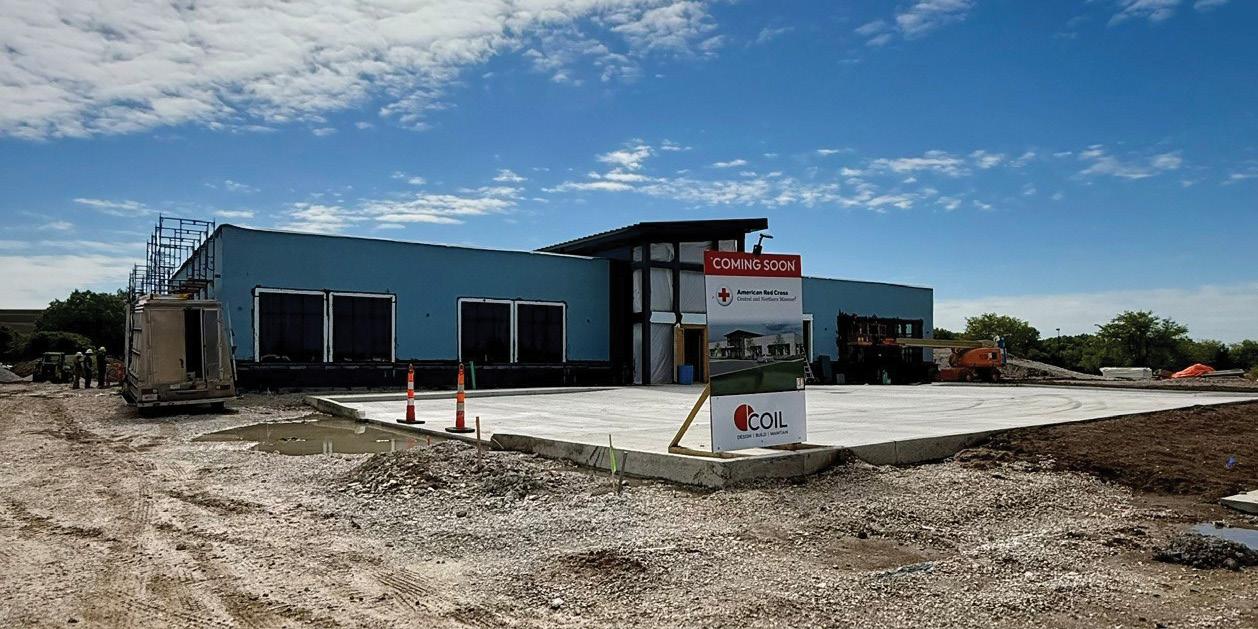
is the general contractor, and Renner Howell Architects are also involved in the work.
A commercial building alteration at 904 Elm St., which previously housed Media Convergence Group Inc., will convert the space to accommodate THE KING’S CHURCH. e project is enlarging the bathrooms and adding a co ee bar, kitchenette, snack bar, classrooms, lobby, and sanctuary. e permit listed a valuation of $90,000 for the 6,203-square-foot project.
Intrinsic Development will put up a new commercial shell building for future tenants at 4600 Stellar Dr. e project has a valuation of $2.2 MILLION for the 12,092-square-foot building. e architect is PWArchitects Inc. ere’s no public comment yet about future tenants for the space.
Solventum at 5400 Paris Rd. is undergoing renovation to allow for a new tenant to occupy its part of the existing building. e proposed plan is for an interior alteration. e permit application also serves as a sub permit to allow for the demolition portion of the project, which has a valuation of $289,000. DPS Group Inc. is the general contractor.
e new CLEMENTINE’S ice cream shop at 914 E. Broadway was approved for interior work needed to nish the downtown ice cream spot, which is being leased from Ott Historic Rehab. e work has a listed valuation of $368,000 for the 1,204-square-foot retail space. GloveCon Inc. is the
general contractor. Subcontractors include Je ries Electrical Services and Reed Heating & Air Conditioning.
WHAT’S GOING UP?
The AMERICAN RED CROSS OF CENTRAL AND NORTHERN MISSOURI on May 6 showed off its new headquarters that is under construction on Stellar Drive in south Columbia. The $10 million facility will include a blood donation and platelet donation center, and training classrooms for first aid and CPR. Coil Construction is the lead contractor.
An MU HEALTH CARE PHYSICAL THERAPY CLINIC will occupy 1,550 square feet of space in the Wilson’s Fitness facility at 26011 Range Line St., Unit 113. Coil Construction Inc. is the contractor for the $1.41 million building alteration. Peckham Stockton LLC and J-Squared Engineering provided architect and engineering work for the project.
e TOLTON ATHLETICS AND ACTIVITIES COMPLEX at 3361 E. Gans Rd. is getting a new gateway sign and new football and soccer eld lighting as part of a $40,000 upgrade. e project also includes audiovisual upgrades at the existing press box and extension of electrical/ ber for the football eld, track and eld events, and future phases of the project. Little Dixie Construction is the general contractor. Crockett Engineering, SOA Architecture, and Meyer Electric Company are also listed on the building permit.
WEICHERT HOUSE OF BROKERS at 2601 Bernadette Place is undergoing renovation of existing o ce space to create new private o ces and to upgrade existing heating and cooling systems. e 5,000-square-foot project has a valuation of $120,000, with Little Dixie Construction as the contractor. SAI Architecture is the architect. Subcontractors include Meyer Electric Company, Summit Mechanical Inc., and Hulett Heating & Air Conditioning.
Intrinsic Development LLC is putting in a POOL FOR THE CLUBHOUSE COURTYARD at 4005 State Farm Parkway. e pool valuation is $300,000.
Single-family homes with April building permits ranged in value from $223,750 for a 1,464-square-foot home in the Cottages at Evergreen Place (Frazier Loop) to a $1.23 MILLION home with 7,3673 square feet at Bristol Ridge o Easley Cabin Circle. e builders are, respectively, Anderson Homes and Girard Custom Homes.
e Boone County April building permit report included:
• Single-family residential: 19 permits, $6.79 million
• Mobile home: 1 permit, $74,000
• Other nonresidential: 6 permits, $193,300
• Other structures: 8 permits, $1.1 million
• Residential additions/alterations: 7 permits, $322,102
• Nonresidential additions/ alterations: 1 permit, $137,694
• Residential garages: 11 permits, $1.15 million
• Miscellaneous: 12 permits, $24,391
e single-family residential permit valuations ranged from $175,000 for a home being built o Bias Lane in Centralia to a $791,000 home o Vemers Ford Road in Columbia. e builders are Mike Bias and Anderson Homes, respectively. CBT
Street Talk
BY JODIE JACKSON JR
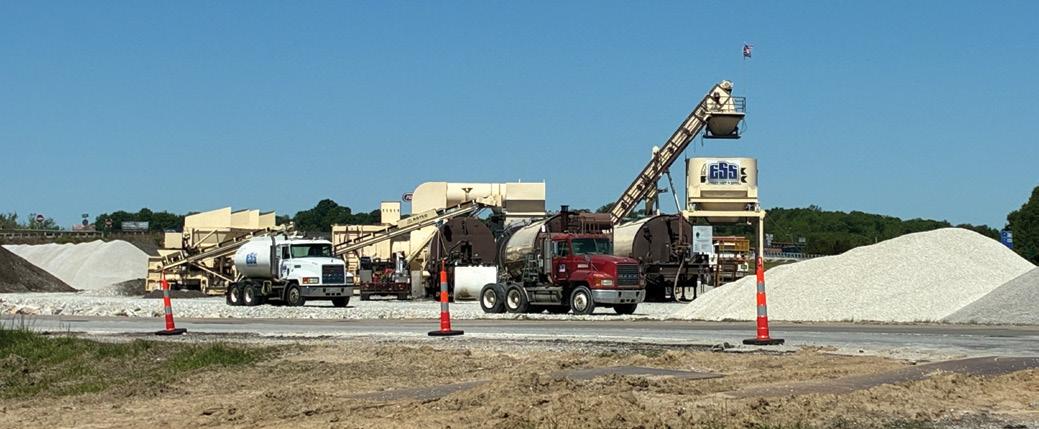
A MAY 7 GROUNDBREAKING CEREMONY KICKED OFF the I-70 reconstruction between Rocheport and Columbia, part of the Missouri Department of Transportation’s Improve I-70 Program[KP1.1]. e $441 million project will add a third lane of travel in each direction along the 14 miles of I-70 from the Missouri River Bridge at Rocheport to U.S. 63 in Columbia. Construction is scheduled for completion in late 2029. is project is part of a larger plan to rehabilitate the highway and add a third lane on nearly 200 miles of I-70 from Blue Springs to Wentzville. Statewide program completion is anticipated by the end of 2030. e improvements between Rocheport and Columbia were awarded to local contractor Emery Sapp & Sons in December.
In addition to the expected lane expansion on I-70, MoDOT, in partnership with the Business Loop Community Improvement District, planned to begin construction on the Providence Road overpass in late May. e bridge construction is a part of the city’s I-70 Beauti cation Project. e bridge acts as the primary entrance into the Business Loop corridor and connects north and south Columbia.
City to Hold Special Council Election
A special election is set for August 4 to ll the Ward 4 City Council seat that will be vacated by Nick Foster on June 12. Residents who wish to run for the seat must le a nominating petition for o ce with the city clerk’s o ce. e ling period ran from May 12 to June 2. Candidates must be quali ed voters and residents of Ward 4 and “shall hold no other lucrative public o ce,” according to the city charter. Candidates must obtain at least 50 signatures on a nominating petition from residents who reside in and are registered voters of Ward 4.
Out With Sycamore, in With Murry’s Columbia culinarians and downtown visitors are all abuzz from seeing social media posts from Murry’s and Sycamore announcing changes. Murry’s, which has been part of the community
at 3107 Green Meadows Way since 1985, will open a downtown restaurant in the space currently occupied by Sycamore at 800 E. Broadway. Sycamore owners Sanford and Jill Speake announced in a separate social media post that they are “moving on to the next phase of our lives” and that the last day of business for Sycamore was set to be May 29.
But hold on … the “moving on” post also noted that an unidentied longtime employee is hoping to open a new Sycamore in a new location. “More to come!”
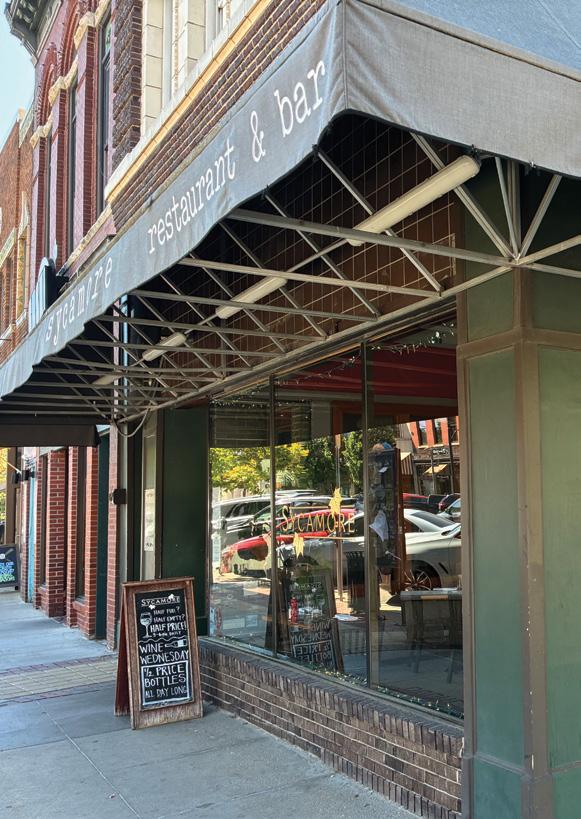
e post from Murry’s added, “ e legacy and impact that Sycamore leaves behind will be deeply felt by the restaurant community. We are grateful for this opportunity and for the support that Columbia has shown us for over 40 years. is new location provides an opportunity to serve more guests while maintaining the welcoming, classic jazz club atmosphere our patrons expect. We have great respect for what the Speakes built at Sycamore and look forward to contributing to the vibrant downtown energy.”
Quick Hits
e Midtown development in an area previously thought of as south Columbia will be located along E. Green Meadows Road, a stretch of roadway that was previously known as State Farm Parkway. e segment where E. Green Meadows meets Veterans United Parkway was recently the site of roadwork in preparation for a city capital improvement project, with construction anticipated in 2027 and 2028.
Centerstone recently hosted a celebration of its name transition with a ribbon cutting at its Berrywood Drive clinic in Columbia. e o cial rebranding of Burrell Behavioral Health and Preferred Family Healthcare o ces, clinics, substance use disorder treatment centers, and residential properties in central and northern Missouri is the result of a merger with Centerstone. e Assistance League of Mid-Missouri has changed its name to Up to Good. Up to Good will continue to provide new clothes for school kids; funds to educators; scholarships for camps and colleges; support for survivors of domestic violence; health supplies for students, veterans, and seniors; and literacy materials. Upscale Resale will continue to be the organization’s permanent fundraiser. CBT

Street Talk is a monthly overview of “word on the street” business and community news. Street Talk is sponsored by e Bank of Missouri.
$ 12.5 million
Total amount of grant funds Partner for Better — the 2026 Columbia Chamber of Commerce Small Business of the Year Winner — has helped local nonprofits secure since its beginning in 2022.
$ 368 , 000
The value of the building permit issued for interior work to finish Clementine’s ice cream shop at 914 E. Broadway.
1 , 550 sq ft
Total space that MU Health Care physical therapy will occupy in the Wilson’s Fitness building at 26011 Range Line St.
$ 16 million
Amount of annual tax credits for film and television production in Missouri, the product of the Show MO Act. (The tax incentives will sunset in 2029.)
$ 60 k Total amount Job Point raised from supporters at their 60th anniversary banquet.
103 0
A body temperature higher than this is a sign of heatstroke. Call 911.
82 nd
Stephens College recently staged its 82nd annual fashion show – The Collections.