


HOW TO OPEN A STEAKHOUSE | A CEO’S TRIBUTE TO HIS WIFE | THE CATAWBAS’ BIG BET TOP 75 REPORT: WHICH N.C. STOCKS ROCKED, ROLLED?












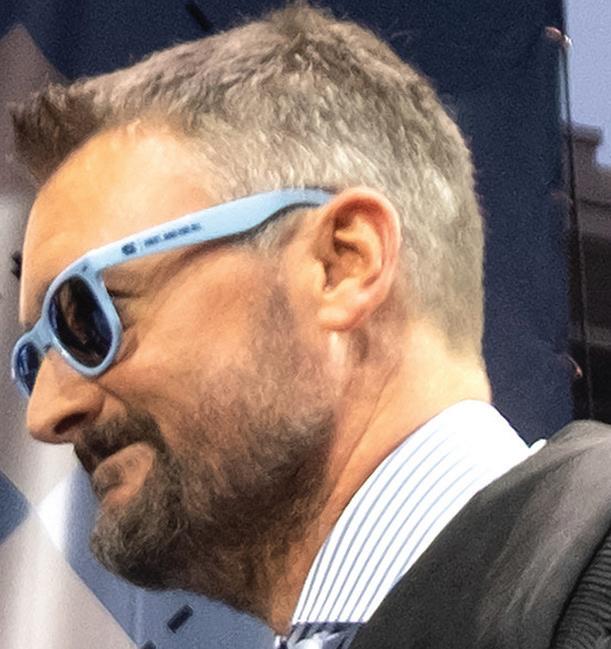





With a hand from Eric Church, Chancellor Lee Roberts plots a bigger, bolder UNC Chapel Hill. IN SEARCH OF A RECORD YEAR





HOW TO OPEN A STEAKHOUSE | A CEO’S TRIBUTE TO HIS WIFE | THE CATAWBAS’ BIG BET TOP 75 REPORT: WHICH N.C. STOCKS ROCKED, ROLLED?
With a hand from Eric Church, Chancellor Lee Roberts plots a bigger, bolder UNC Chapel Hill. IN SEARCH OF A RECORD YEAR










Once home to local news, now home to global and local brews, The Raleigh Times remains a cultural epicenter in Downtown Raleigh.




4 UP FRONT
6 POWER LIST INTERVIEW
Amanda and Travis LeFever started Mission Mobile Medical in 2020. Their goal is to improve healthcare access in every U.S. county.
10 POINT TAKEN
Ed Croom led a turnaround at the University of Mount Olive, making tough decisions that may provide lessons for other small colleges.
12 NC TREND
Kings Mountain sees big returns ahead for its casino; Quantum computing could become a core part of N.C. tech scene; A mountain trail connects more than two cities; App State researchers thirst for success from sweetpotato milk; Childcare entrepreneurs take on a one-size-fits-all education model.
104 BRICK + MORTAR
Protecting the Cape Hatteras Lighthouse, perhaps the state’s most recognizable structure, requires consistent scrutiny.

34 COMMUNITY CLOSE UP: EASTERN NORTH CAROLINA
Sustained efforts in workforce development support a growing diversity of businesses built on earth, in the air and on the water.
48 ROUND TABLE: HEALTHCARE
Nine experts offer advice on what ails N.C. healthcare, including high costs, access to care and labor shortages.
88 CORPORATE MEETING GUIDE
Companies and industry groups see North Carolina as a good value because of low costs and easy access. Attendees and visitors enjoy free time with outdoor adventure, sporting events and learning about history as they create memorable experiences.
































A real estate background comes in handy as UNC Chapel Hill’s Chancellor Lee Roberts leads a major campus expansion.
BY DAVID MILDENBERG
Stocks stayed hot during a year of change for the state’s 75 largest publicly owned companies. Five were acquired and three came aboard after IPOs. Eleven exceeded the S&P 500 over the past year.
The Blackwelders scored a $1 billion exit by selling their Greenville gaming machine business. The CEO credits his wife for landmark success.
BY DAVID MILDENBERG


Guard & Grace won’t open in the Queen City until this fall, but it’s already making nice with its future competition. That’s how Troy Guard does business.
BY PAGE LEGGETT


Thhis month’s magazine isn’t titled the Mount Olive edition. Maybe it should be. Columnist Dan Barkin writes about the surprising turnaround at the University of Mount Olive. It’s a vital part of the town whose more than 4,500 residents live in Duplin or Wayne counties, 70 miles southeast of Raleigh. President Ed Croom clearly understands eastern North Carolina and what it takes to sustain a small private college.
A feature story describes Mount Olive native Garrett Blackwelder’s skills in developing Grover Gaming, which accepted a $1 billion buyout bid from a leading casino gaming technology business in early 2025. That’s a one-in-a-million triumph, but even more unusual is Blackwelder’s tribute to his wife as the lynchpin of his business success. H is essay starts on page 82.
T hen there’s our annual list of the state’s top-performing public companies, which cites the Tar Heel businesses that have had the best returns over the past five years. Consistent outperformance is the exception among publicly traded companies, though perennial successes such as Coca-Cola Consolidated, Trane Technologies and Nucor appear regularly.
A more surprising entry, and ninth on the list, is Mount Olive-based Southern Bancshares, which had a gain of 148% in that period, including dividends.
T hat’s a notable accomplishment for the bank, which celebrates its 125th anniversary this year. Few small, rural towns are home to banks with assets topping $5 billion and equity of $725 million. As of Dec. 31, the bank reported zero loans that were more than 90 days past due.
“ The core of what we do is consistency,” CEO Drew Covert, who has been with the bank for 28 years, says on a social media post. “We approach things with a very long-term view. We’re not chasing trends. It allows us to be a much more predictable partner.”
Most media coverage of Mount Olive centers on its famous pickle company, of course. Mt. Olive Pickle is an amazing small-town success story. In a consolidated food industry, its nearly 500 shareholders and senior leadership have secured national leadership in sales of pickles, peppers and relishes.
R egular BNC readers know small is beautiful in our state, even as the Charlotte, Raleigh and Greensboro metro areas power the overall economy. With leaders like Croom, Blackwelder and Covert, that’s not going to change.

PUBLISHER
Ben Kinney bkinney@businessnc.com
EDITOR David Mildenberg dmildenberg@businessnc.com
MANAGING EDITOR Kevin Ellis kellis@businessnc.com
ASSOCIATE EDITORS
Ray Gronberg rgronberg@businessnc.com
Cathy Martin cmartin@businessnc.com
CONTRIBUTING WRITERS
Dan Barkin, Audrey Knaack, Page Leggett, Matt West, Vanessa Infanzon, Rick Smith, Teri Saylor and Lori D.R. Wiggins
CREATIVE DIRECTOR Cathy Swaney cswaney@businessnc.com
MARKETING MANAGER Mercy Clark mclark@businessnc.com
MARKETING COORDINATOR Jennifer Ware jware@businessnc.com
EVENT DIRECTOR Norwood Teague nteague@businessnc.com
ADVERTISING SALES
ACCOUNT DIRECTOR
Melanie Weaver Lynch, eastern N.C. 919-855-9380 mweaver@businessnc.com
ACCOUNT MANAGER Cindy Poovey, western N.C. cpoovey@businessnc.com
CIRCULATION: 818-286-3106
EDITORIAL: 704-523-6987
REPRINTS: circulation@businessnc.com
OWNERS
Jack Andrews, Frank Daniels III, David Woronoff, in memoriam Frank Daniels Jr.
PUBLISHED BY Old North State Magazines LLC
PRESIDENT David Woronoff BUSINESSNC.COM















Amanda LeFever joined High Point University President Nido Qubein in the Power List interview, a partnership for discussions with influential leaders. The interview was edited for clarity.
The business that you and your husband, Travis LeFever, started in North Carolina intrigues me. It serves the needs of so many people in medical services. What gave you the idea to start such a business?
Mission Mobile Medical is a mobile healthcare company. We build rolling doctor’s offices. That is a great way to say it. So, like a blood mobile that you would see, or even an RV that you would go camping in.
So you build them and then deploy them in different places?
Yes, we’re in 42 states, in Canada and Puerto Rico right now. The mobile programs go out and serve rural America. They typically are stationed in one area, and it’s kind of a hub. And so the clinic will go out, and it’ll be at this one location on Monday. And then it’ll go out, and it’ll be in a different location on Tuesday, in a different location on Wednesday. It’s really caring for the people who need it the most.
Amanda LeFever is president and co-founder of Greensboro-based Mission Mobile Medical Group, which launched in 2020. From a single unit, it now has more than 250 partners on programs in 42 states. The business works with payors, providers and community leaders to improve access to care and address health gaps for rural and underserved populations. She has a bachelor’s degree from Guilford College and an MBA from Carolina University.
Who operates these mobile units?
It depends. We operate a lot of them actually. Then there are healthcare centers that are in the area that will. Some nonprofits are very passionate about this work. So there are a lot of people that are trying to solve the lack of access to care. There are 46 million Americans right now that lack access to care.
Who are the people you hire?
They are physician assistants, medical professionals, and students. We have all kinds of community healthcare workers that are out there. And then operators, of course. So there’s someone that has to drive and move the clinic around and set it up as well.
Are you regulated or licensed by the state?
Every state is different, but, for the most part, we partner with community health centers, so their regulation comes in and we’re just another access point. It’s an extension of their licensing.
What is the biggest challenge you face?
There are a lot of challenges. We have extreme growing pains right now. We started in March of 2020, which was a whole adventure in itself. And so we’ve just been growing like crazy ever since. Our biggest challenge is keeping up with our growth.
You’re the perfect example of entrepreneurs. You had an idea. You took a risk and deployed capital. It must be very expensive to have a factory that builds those mobile units and then to staff them and to operate them.
We’ve bootstrapped from the very beginning. Travis grew up in Wilkes County, and a lot of his family would say things like, we don’t trust the doctors and a hospital is where you go to die. So this is really personal and he is really passionate.
So we got started. We drained our savings. We borrowed $200,000, and then we bought a mobile clinic. And then we incorporated on March 11, the very next weekend.
What would you say to a young entrepreneur who has an idea and wants to put it to work?
I’m not sure I’m qualified to give advice, but one thing, and it’s very elementary, is to be patient. And I am not a very patient person at all. Like, I want things done right now or yesterday. I’ve learned after years of trying to grow this business and failing, then having to pivot, that all of it accumulates over time. There are really not many overnight successes.
The next piece is that you’ve got to do your best. It’s a very intentional act and sometimes it is not something that you want to do. And it can be very hard to do. I have a 24-hour rule. I can get mad and I can be dramatic and I can cry in my car, in my closet. And, then after 24 hours, I got to get back to work.
Speaking of being patient, you know, one of the basic rules of entrepreneurship is that speed sometimes is more important than accuracy.
What entrepreneurs discover is that if I have to wait until I have a perfect plan, I may never get started. So I just have to get started, even if I make some mistakes. There’s something called productive failures. I can learn from them and move on. And that’s how entrepreneurs are able to grow.
One thing that intrigues me about you is that you just said you don’t know if you’re qualified to give advice.
That’s a strength entrepreneurs have. They don’t feel like they’ve arrived at a point of knowing everything, having all the knowledge and skill they need. They understand that school is never out. Learning is a process, not a program.
What are some healthcare trends that are giving you opportunity?
People are tired of going to the hospital and being treated like a number. They want to have a relationship with their providers. Another trend is that a lot of rural hospitals are being shut down. They just cannot support the overhead, so it’s becoming even more difficult for people to get care whenever they need it because it’s even farther away. This model really presents a great opportunity for people to be able to get the care that they need.
Could you literally take the mobile unit and park it somewhere? How do people know about it?
We work with a community health worker or community health center. There are more than 1,900 community health centers around the country, and they are safety net health providers. They’re there for folks who cannot afford to go to the doctor. They’re a staple in the community so we partner with them. Coming into a community hot and heavy is not a good option. We have to build relationships for it to be successful.
What are some of the exams or medical issues you solve in a mobile unit?
You can have a primary doctor and they’ll be able to come in and do medical exams. They can come in and they can do dentist appointments. There’ll be another one for behavioral health, which is a real issue in our country right now. One strong component for mobile clinics is school-based health, so they’ll bring a mobile clinic to the schools that do not have nurses or anybody on staff for young people.
It is a business, but it’s a business that meets the basic needs of humanity.
How do hospitals and medical groups look upon your work? Do they see you as a great partner or competitor?
Originally, they didn’t look at us at all. They ignored us. They thought, you’re not going anywhere. This is not a real thing. Nobody took us seriously. We had tons of people telling us that it wasn’t going to work and that it couldn’t be done.
Eventually they couldn’t ignore our results and so now we’ve partnered with universities, we’ve partnered with healthcare systems, we’ve just grown significantly because there is such a need for it out there.
Your view of healthcare in America as a whole is what?
It’s awful. It’s extremely expensive. It doesn’t seem to be catering toward the individual person anymore. I don’t think we can solve the healthcare issue, but I feel we can put a dent in it.
Are there other groups competing with you?
Yes, absolutely. There are a couple of fast followers that have come on board, but we have a really unique model and we’re a little bit ahead of everybody else. Most people just build the equipment and then give it to whoever buys it.
We’re not like that. We’re a partner. We can build it for you, but we want to make sure that you’re up and running. And so we provide service and warranties. And then we also do advising. Or we can do it all if you want a clinic
What’s the future for your business?
So there are 285 clinics in 42 states that we’ve touched in the U.S. right now. But we have big plans. This is going to be our best year ever. We’ve grown significantly from my first $5,000 check to $156 million in revenue at this point. I think we’re just getting started. There are 3,143 counties in the United States, and we believe we can get a mobile program into every single one.
Just know, there are approximately 18,300 Starbucks in the U.S., so if we could have just one mobile health program serving a community for every six Starbucks. I don’t think that’s too crazy of an ask . ■








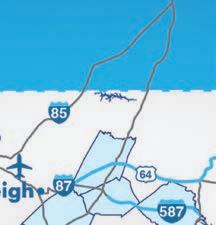
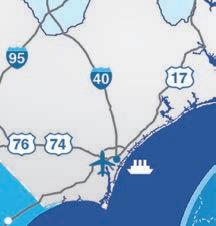
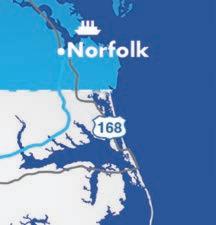
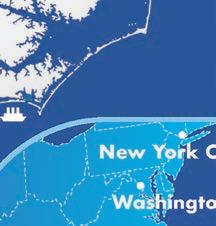









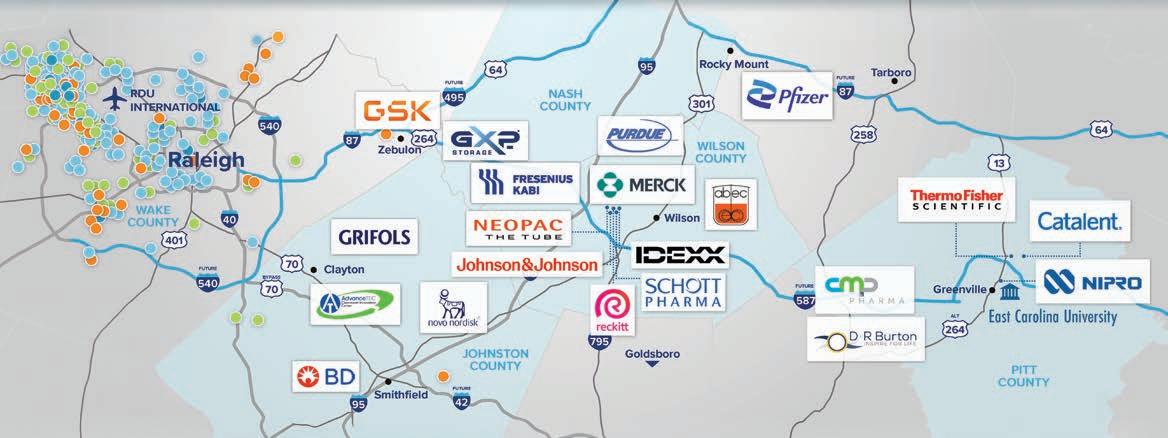
LEGEND OF ORGANIZATIONS

Contract Research and Testing
Production and Manufacturing
Research and Development
Sales and Operations








Recruiting a trusted local leader paved an unlikely turnaround at the University of Mount Olive.
The University of Mount Olive has turned things around in six years. It didn’t have to turn out that way. Lots of small, private non-profit colleges and universities are hurting. Some 138 nonprofit colleges closed or merged between 2016 and 2025.
But Mount Olive seems to be thriving. The short answer is Ed Croom, who was hired as provost and then became president in 2020. Croom’s background was in K-12 education, culminating in eight years as superintendent of Johnston County schools.
Croom stabilized Mount Olive and tightened its focus. Troubled colleges can learn from Mount Olive. This matters because we need healthy private colleges and universities. The 36 private non-profits that belong to the North Carolina Independent Colleges and Universities organization award 1 in 4 bachelor’s and 1 in 3 graduate/professional degrees in North Carolina.
Mount Olive, population 4,500, sits along N.C. 117 in southern Wayne County. The town is best known for Mt. Olive Pickle Co., founded in 1926.
The pickle plant is a short walk from the university. Originally called Mount Allen Junior College, it was founded in 1951 by the Original Free Will Baptist Convention, which moved it from the Black Mountain area to Mount Olive in 1953. The college opened with 22 students. In 1955, the name changed to Mount Olive Junior College.
The 1960s and ‘70s saw the construction of buildings on a new campus. Mount Olive became a four-year college, but it had greater ambitions. In 2013, the board of trustees approved changing the name to the University of Mount Olive. It opened a flight school. It operated satellite programs in places like Wilmington, New Bern and Research Triangle Park. In May 2018, it held the largest graduation in its history, with more than 400 students.
But financial problems were showing up. Mount Olive was spending more than it was taking in when new President David Poole was inaugurated in 2018. He would resign after less than two years, in 2020, and the trustees turned to Croom.
Croom, a Wayne County native, graduated from NC State University in 1987 with a bachelor’s in agricultural education. Then he got a couple of masters and a doctorate in educational leadership. He was a high school principal and then superintendent in Johnston County, retiring in 2016.

He was living in Kenly, farming and consulting, when Mount Olive came calling. The board knew him. Croom was a deacon of the Pleasant Hill Original Free Will Baptist Church, in Pikeville. He had served as chair of the strategic planning committee of the Original Free Will Baptist denomination, which is made up of about 225 churches mostly in eastern North Carolina.
One of his sons had recently graduated from Mount Olive. Trustees wanted him to be the provost, the chief academic officer.
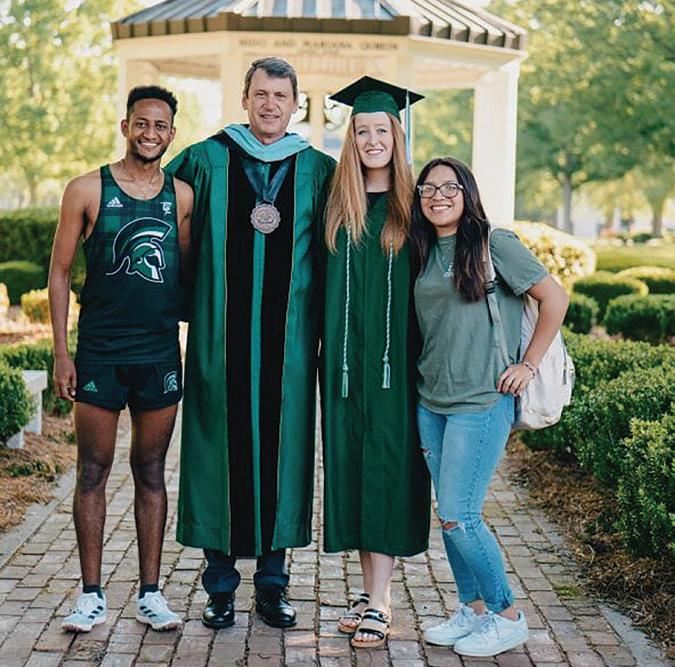

“I was only here to do a short stint, to do some reorganization and just to help on the academic side of things,” Croom says. He arrived in January 2020. In February, Poole resigned. Croom was announced as the interim president in the first week of March. The following week, the pandemic started shutting down everything.
“It was a difficult time for a lot of reasons,” recalls Donnie Lassiter, a retired fintech entrepreneur who was on the board and is now chairman. “It was a difficult time because of COVID. It was a difficult time because we came off of some tough times, I guess is the best way to explain it.”
The tough times included tragedy. The same day, March 13, that Mount Olive closed its campus and went online, a car with seven students collided with a tractor-trailer on the outskirts of town. Four students died.
“The university was in a very difficult season,” says Croom. But he went to work.
“We had to completely reorganize the university,” he says. There were layoffs and program closings. The university was marketing that it had 100 degree programs. “Well, the University of Mount Olive can’t afford 100 degree programs. So we cut out half of them.”
“So I tell people all the time, my popularity right here, I think, shrunk real fast, but it was either do that or not survive, which is the plight of many private universities,” says Croom.
He wanted to focus on a core of programs that made sense. The region needs folks who understand precision farming and business. It needs high-quality teachers and nurses.
“You have to figure out a way to set yourself apart, and for us, we’ve got the Tillman School of Business here, named after [former Lowe’s CEO] Bob Tillman. They do a really, really good job. We’ve got the Arts and Sciences,” which has prelicensure nursing and graduate-level mental health counseling, “which is one of our stronger online programs. We’ve got the Ag school, which is the cat’s meow in this part of North Carolina. We started the School of Education. We’ve just started our first doctoral program here on campus, specifically for public school leadership. So we have four schools now. Once we trimmed it down, our growth is going to be methodical and well-planned out and meet the needs of eastern North Carolina.”
There is visible growth, like the Educational Livestock Facility under construction on the university’s 79-acre Shady Grove Road farm. Animal science is a key program. “We had eight students this year apply for vet school, and all eight got into vet schools,” says Croom.
Mount Olive has about 1,000 “traditional” students, hailing from 28 states and six nations. Half are student-athletes involved with its 25 Division II programs. Another 1,000 students are enrolled online.
The university’s debt has been cut nearly in half. The endowment, around $21 million five years ago, is approaching $60 million.
Last February, the university held a 75th anniversary celebration at the Maxwell Center in Goldsboro. It was almost six years to the day since Croom took over. There was good news to share. One of Mount Olive’s most prominent alumni, Nido Qubein, president of High Point University, announced that he and his wife, Mariana, were donating $1 million to establish the Qubein Plaza and Amphitheater, a new gathering space. Another big announcement was the naming of the Ag school as the House of Raeford Farms Inc. School of Agriculture and Biological Sciences, following a “significant gift.”
Croom had no experience in fundraising six years ago, though he knew how to build relationships. After he became president, he asked Bob Johnson, CEO of the House of Raeford, the poultry producer, if he could visit him in Rose Hill for a half hour. Thirty minutes turned into four hours. And Johnson said: “All right, I know you want to ask me for money,” recalls Croom. “I said: ‘Bob, I don’t want one dime of your money until you believe in who we are.’”
I asked Donnie Lassiter, the board chair, about this. He told me:
“Ed is a true leader, and everybody believes him. He’s raising more money than we’ve raised in a long time, because people have faith and confidence in him. They know when he says something, he’s going to do it.” ■

Veteran journalist Dan Barkin writes the NC Military Report newsletter for Business NC. He can be reached at dbarkin53@gmail.com.




The Catawba’s $1.2 billion casino transforms a rural area with visitors drawn to a shot at riches.
By Kevin Ellis
Turning off Exit 5 along Interstate 85, about 35 miles west of Charlotte, leads to two very disparate worlds.
Travel south and little has changed in decades. About six miles down a rural, two-lane road surrounded by woods, past an entrance to Crowders Mountain State Park and across the South Carolina state line, travelers come upon the Kings Mountain National Military Park. It honors the battle in 1780 that Thomas Jefferson called a “turn of the tide of success” for the American Revolution. President Herbert Hoover visited in the 1930s to help open the park.
Take Exit 5 north for a very different experience, marking one of North Carolina’s biggest business bets.
A six-story casino, along with a 24-story hotel under construction, hug the exit ramp. The 4,000-member Catawba Indian Nation opened Catawba Two Kings Casino on fewer than 18 acres in July 2021, starting with a few hundred slot machines contained in manufactured trailers.
In May, gaming operations moved into the first phase of the permanent casino, with space for 1,350 slot machines, 22 table games, a 68-seat restaurant and adjacent bar, and two levels of covered parking. The casino now employs about 800 workers, which is expected to nearly triple to 2,300 when the full casino opens this spring, followed by the hotel about a month later.
Mississippi-based Yates Construction and Pembrokebased Metcon Construction are contractors for what the Catawbas estimate to be a $1.25 billion investment. Previously, the Catawba Nation, which dates back 6,000 years, had annual revenue of less than $10 million, mostly from federal grants.
When completed, Two Kings will have more than 4,300 slot machines and 100 table games on two levels. Visitors will have a choice of nine restaurants, including some with views of Crowders Mountain. The total space will cover 2.2 million square feet, which compares with about 1.3 million square feet at Raleigh’s Crabtree Valley Mall.
Attitudes have shifted about the casino over the last few years, says Rob Wagman, who became mayor of Kings Mountain in December 2023, around the time construction began on the permanent casino. Once the business officially started, many people stopped viewing the gambling through a moral lens, he says.
“I think the question now is, can it inject energy and economic thriving development, and it certainly has,” the mayor says. The casino has made Kings Mountain more attractive to chains such as Zaxby’s, Jersey Mike’s and Murphy USA, he adds.
“Those sound trivial to a certain degree, but the truth is King Mountain didn’t have these types of corporations before, who are now saying, ‘Yes, we need to have a footprint in that market because of the growth.’”
Crime at the property, which had been a major concern of casino opponents, has been minimal, says Cleveland County Sheriff Alan Norman. A valid government ID is required to enter the gambling area. A tribal police force is supported by three off-duty Cleveland County Sheriff’s deputies outside, seven days a week, 24 hours a day. Those deputies earn $60 an hour, Norman says.
“What few crimes have been nonviolent and with an extremely high solvability,” he says.
A key force in the casino’s development may play a big role in the area’s growth despite having severed ties to the project. Starting in 2013, Greenville, South Carolina investor Wallace Cheves’s Sky Boat Gaming teamed with the Catawbas to bring the project to fruition after years of federal and state political wrangling. The group overcame opposition from Senate President Pro Tem Phil Berger, anti-gambling local residents, and the Eastern Band of Cherokee Indians, which opened its western North Carolina casino in 1997 and added a second in Murphy in 2015.
In 2024, the Catawbas’ relationship with Cheves soured and the groups split, which he says stemmed partly from his plans to develop another casino along Interstate 95 in southeastern South Carolina that isn’t tied to a Native American tribe. The breakup sparked litigation that both sides say has been settled.
However, Cheves says he still owns 600 acres surrounding the Cleveland County casino. He’s working with Atlantic Retail, a Boston-based commercial real estate brokerage firm with many Southeast offices, to add residential, retail and industrial space.
“We’re in some pretty fun negotiations that haven’t been announced, but we want to be as supportive as possible for businesses that are at that exit because of all the traffic, quite frankly, that’s being driven by the casino,” he says.
The Catawbas declined to disclose the expected visitor count at the casino, but Atlantic Retail estimates it has a potential for as many as 10 million annual visits, including repeats. A 2022 report by the Cherokees estimated 4.4 million customer visits at their N.C. sites.
Buffalo, New York-based Delaware North, an experienced casino and concessions operator, was hired in 2019 as lead consultant and developer to help run the business
The casino has the potential to turn a once desolate area into a “micro city right on the interstate,” Cheves says.
If those plans pan out, Kings Mountain would benefit, says its mayor, even if most casino visitors never venture the 3½ miles into downtown. “We’re a city in transition,” says Wagman. “If you would drive by our downtown, you would not be impressed.”
He considers the casino to be a phenomenal neighbor, with employees appreciating their jobs, he adds.
“Any interaction I’ve had with either the tribe or the casino, if they tell you something, they are telling you the truth,” Wagman says. “The relationship that we’re building is one of trust.”
The hotel and casino will be owned by the Catawba Nation and not have a national brand. That differs from the Cherokees in western North Carolina, where the tribe has a partnership with Harrah’s, a unit of Caesars Entertainment.
Keeping control of the casino and restaurants helps the Catawbas control costs and maintain the resort’s vibe, says Trent Troxel, a vice president of Catawba Nation Gaming Authority, which oversees the casino.
“We take pride in having a family dynamic with our employees, and if we have a third-party outsource, maybe we won’t be able to control that family dynamic,” says Troxel.
The Cherokees and Harrah’s declined to comment on whether the Kings Mountain casino has affected their business.
The casino aims to be a major destination unlike anything now available in Gaston and Cleveland counties, says Chuck Kilroy, a senior consultant with Delaware North.
“With Delaware North, they’re going to develop these restaurants, and it’ll be a destination you’ll want to come to, especially when the patio gets out there, and there’s going to be a great view of the mountain,” he says.
Having gotten a taste of the gaming business, the Catawba Nation is planning two more casinos at undisclosed tracts in the Tar Heel state over the next decade, Chief Brian Harris says. It also expects to add a second hotel and an entertainment venue in Kings Mountain.
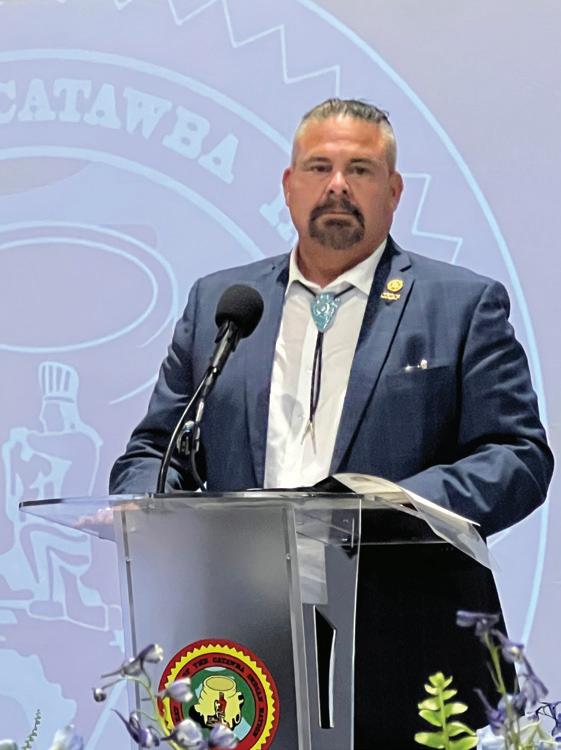
It’s a path toward prosperity for Catawba Nation members, many of whom live on tribal land in York County, South Carolina, about 45 miles southeast of the casino. Harris declines to say how casino profits are divided.
“Some people see slot machines. I see executives. I see scholarships. I see healthcare. I see homes,” Harris said at the grand opening of the casino’s first phase.
“Now, we’re in control of our destiny,” he added. ■




As a strategist who helps private business owners achieve their comprehensive wealth goals, Jim Benedict often analogizes business succession planning with Newton’s laws of motion. Just as an object in motion tends to stay in motion, businesses with momentum and clear direction are more likely to thrive through times of transition. Without a plan, however, inertia and uncertainty can put the business – and the financial health of the business owner’s family – at risk.
Charlotte-based Benedict, who serves as head of Business Owner Solutions for PNC Private Bank®, views succession planning as one of the most crucial, yet overlooked, aspects of owning a business. And PNC Private Bank’s inaugural Business Owner Wealth Insights report, published earlier this year, brings metrics and validity to a paradox he has seen plenty of times throughout his career.
According to the report, 84% of family business owners indicated a formal succession plan is critical for business continuity. Yet one in three business owners have not yet formalized a plan. This “say-do gap,” as Benedict calls it, represents a perennial challenge: business owners recognize the importance of planning, but many struggle to move from intention to action.
Benedict attributes the say-do gap, in large part, to a tendency among business owners to prioritize immediate operational needs over future planning. “It’s entirely natural for business owners to be myopically focused on the opportunities and challenges of running a business,” he says. “But succession planning is what ensures all of that hard work endures.”
Other common barriers that contribute to the say-do gap include the lack of a clear successor, especially in family-owned businesses where roles and responsibilities are often fluid. Family dynamics represent another significant challenge, as differing visions, priorities and personalities can


make consensus difficult to achieve – and easy to avoid.
The time value of money represents a powerful motivator for planning early – and the earlier owners start planning, says Benedict, the greater their flexibility in structuring finances, optimizing outcomes and unlocking additional value from the business. However, this premise often runs counter to a common misconception among business owners who view succession planning as an exercise for a future state when retirement is imminent. And when business owners delay transition planning, they are essentially reducing the value of their family’s wealth.
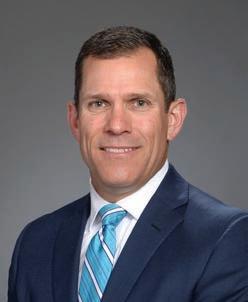
In working closely with business owners across North Carolina and throughout the country, Benedict fully appreciates that the transition of a company from one generation or ownership structure to the next is not just a financial transaction; it’s a defining milestone that shapes families, communities, industries and legacies.
“Business owners often associate succession planning with a transactional vehicle or mechanism for exiting or transitioning the business – whether that be a gift or sale to family members, a sale to management or a sale to a third party,” says Benedict. “However, business succession planning is about so much more than a single event. It’s about the strategic decisions that are made well ahead of a transition to optimize the value of the business and allow the organization to evolve as priorities and markets change. By integrating succession planning into a business’ broader

corporate strategy, owners create a solid foundation for sustainable growth.”
Benedict encourages owners to begin with the end in mind – which is to say, envisioning the ideal outcome for their business, family and wealth at the end of their lifetime. This stark clarity brings an honest dose of reality to the planning process, helping stakeholders align on common goals with an eye toward the future. To illustrate this point, he leans in to a truism articulated centuries after Newton, courtesy of Yogi Berra: “If you don’t know where you’re going, you’ll end up someplace else.” And that someplace else, says Benedict, may not be the optimal outcome for a business or those who benefit from it.
Benedict also finds himself frequently dispelling the misconception that succession is synonymous with the conclusion of a business owner’s engagement. “Succession can be a continuation of leadership, not an end,” says Benedict. “A former owner may remain involved in the business in a variety of ways. In fact, owners who define their post-transition role, purpose and pace adjust
For more information,
Weston Andress, Western Carolinas: (704) 643-5581
Jim Hansen, Eastern Carolinas: (919) 835-0135


more successfully than those who focus solely on the transaction.”
According to Benedict, one of the most powerful advantages of early planning is the ability to address family dynamics proactively and thoughtfully. By engaging family members in discussions and considering their unique goals and interests relative to the company, business owners can be intentional about translating that input into planning considerations. Benedict emphasizes the importance of transparency and communication, noting that these qualities are key to ensuring a seamless transition and preserving relationships.
“Succession planning isn’t just about naming a successor or effecting a transition or liquidity event,” he says. “It’s about creating a roadmap that bolsters the business, preserves family harmony, and maximizes the value that business owners have built over the course of a lifetime. If there is one premise that cannot be overstated, it would be this: Time is your ally in succession planning. The earlier you plan, the more wealth potential you’re able to retain.”


Quantum computing research is a Triangle-area strength. A potential major research campus may accelerate the industry.
By Rick Smith
Agrowing cluster of quantum computing R&D e orts across the Raleigh-Durham region may lead to a hub for key industry players. Economic development o cials say the state is a top contender to land a campus, with a particular focus on a 400-acre tract formerly owned by IBM within the existing Research Triangle Park.
In April, commercial real estate rm JLL and Qlocity, which focuses on commercializing quantum computing, said they were planning a Southeast campus similar to a multi-billion site under development in Chicago. e 128-acre project in Illinois has IBM as an anchor tenant. at bodes well for North Carolina because of Big Blue’s long-term investment here and its research partnership with NC State University.
“JLL is actively collaborating with Qlocity, global technology rms, and regional thought leaders to identify and secure the optimal site in the Southeast,” JLL said in an April press release. Chicago-based JLL will lead development of the proposed campus, using its experience in quantum ecosystem development and commercialization.
Quantum computing is viewed as a “next big thing” to support the unprecedented growth in demand for more powerful computers that is driven by advances in arti cial intelligence. Enthusiasts describe a mind-blowing potential for advances


1981 - Quantum computing was proposed by Nobel Laureate Richard Feynman.





1994 - Peter Shor of MIT developed a quantum algorithm for finding prime factors with exponential speed.

1998 - Isaac Chuang, Neil Gershenfeld and Mark Kubinec created the first two-qubit quantum computer.
2017- IBM released the first commercially usable quantum computer.
2019 - Google claimed quantum supremacy
2025 - Quantinuum, which is 48% owned by Charlotte-based Honeywell, launched what it calls the world’s most accurate quantum computer.
Source: UNC Chapel Hill, companies


in drug discovery, cybersecurity and creation of more e cient material, among other things.
e Triangle is a prime candidate to land the Southeast campus, says site selection consultant John Boyd. “ e overriding site selection drivers here are access to intellectual capital, available real estate and a business-friendly state government –all of which actually speak to North Carolina’s strengths given the research strengths associated with its leading universities,” says Boyd, who is based in Boca Raton, Florida, and has worked on many N.C. projects over the years.
Quantum computing is already an important part of the Triangle’s research ecosystem because of research at universities and work underway at SAS Institute, Lenovo and other key employers.

“North Carolina has the opportunity not only to participate in the quantum revolution but to help lead it,” says Sabre Kais, who came to NC State in 2024 to help lead its quantum initiatives a er 30 years at Purdue University. e state “combines world-class research universities, a growing industrial base, established semiconductor and computing expertise and a history of successful publicprivate partnerships. If these assets continue to be coordinated, the state could become a national hub for quantum technologies over the next decade.”
NC State researchers have access to an IBM quantum computer to support a variety of e orts, says Kais. NC State has more than 30 faculty members in electrical and computer engineering, computer science, physics, chemistry, math and materials science and other disciplines working on its quantum initiative.
NC State’s quantum computing e orts received a boost two years ago when SAS co-founder and majority owner Jim Goodnight created an endowed professorship that helped lure Kais. O cials declined to disclose how much funding SAS is providing.
“ e endowed chair helps attract world-class talent, expand the university’s quantum computing capabilities and strengthen collaboration among academia, industry and government,” Goodnight says. It re ects SAS “long-standing commitment to advancing STEM research at N.C. State and ensuring North Carolina remains a leader in emerging technologies.”
Beyond SAS, other funding sources include federal agencies, such as the National Science Foundation, Department of Energy, Department of Defense and others. Last year, N.C. State led a $10 million quantum computer project sponsored by the Department of Energy, which included collaboration with groups including Lawrence Berkeley National Laboratory, NASA, Paci c Northwest National Laboratory, Rutgers University and the University of Massachusetts Amherst.
SAS, which is celebrating its 50th anniversary this year, is among the world’s largest privately held so ware companies. It employs about 12,000, a er laying o about 300 people in June as it shi s with changing technology.
“In 2025, SAS launched a dedicated Quantum AI strategy and global research e orts,” says Bill Wisotsky, a company sta er since 2002 who is now the principal quantum systems architect. is year it is launching SAS Quantum Lab to give customers a practical way to compare classical, quantum, and hybrid approaches side by side and test ideas.
“Early testing has shown more than 100 [times] speed improvements and up to 99% cost savings for certain experimentation work ows, helping teams validate ideas faster while avoiding false starts,” he says. “Organizations that learn where to leverage quantum today will be ready to move rst as technology matures.”
As it invests heavily in AI, SAS envisions quantum as a logical next step in delivering customer solutions.
“SAS was founded to solve computationally di cult problems in agriculture and statistics, and over the last 50 years the technology has changed dramatically, from mainframes to PCs to cloud and now AI, but our mission really hasn’t changed,” Wisotsky says. “[Quantum] sits right at the intersection of our history and our future.”
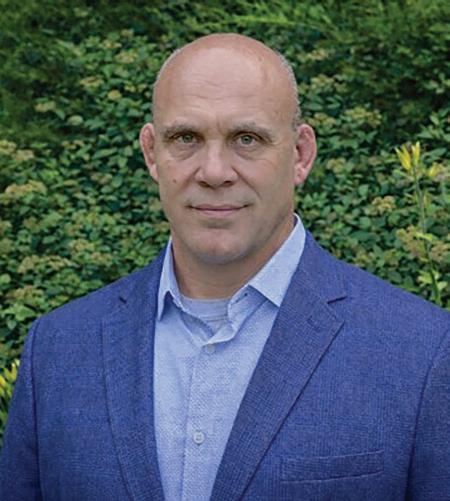
Useful solutions involving optimization, machine learning and complex decisions matter most to SAS, not theories or more R&D. “ is can’t just be interesting science,” he says.
“What we’re really trying to do is help customers explore data in ways that are impossible with conventional systems, resulting in the ability to solve more complex problems,” Wisotsky says. Bringing together AI, analytics and quantum technologies is important for supply chains, logistics, nancial risk, fraud detection, manufacturing and drug discovery.
e oldest quantum-focused e ort in the Triangle is Duke University’s Quantum Center. Its licensed research helped produce IonQ, which launched in 2015 and went public in 2021 as one of the best-known quantum-related initial public o erings. Founders were former center director Christopher Monroe, who is now chief scienti c adviser, and Jungsang Kim. Both Monroe and Kim are Duke professors, while College Park, Maryland-based IonQ has quintupled in value since its IPO and had a market value of $19 billion in early July.
To date, the Duke center has been awarded $121 million in funding from federal and other partners, a Duke spokesperson says.
“Duke is investing in quantum computing because it is a powerful new computing paradigm that will leapfrog today’s silicon-based computers and unleash a new era of computing applications that will bene t our society,” says Jerome Lynch, the university’s Vinik Dean of Engineering. “While silicon-based microelectronics has fueled the growth of computing, the silicon paradigm will be under increasing pressure to keep pace with the exponentially growing demand for more computational power, especially as AI becomes more advanced. ■

Here’s how Sabre Kais of NC State University explains the perplexities of quantum computing.
Think of a classical computer bit as a light switch that is either off (0) or on (1). A quantum bit, or qubit, is more like a spinning coin. While the coin is spinning, it isn’t simply heads or tails; it has the potential to become either when it lands. A qubit can exist in a quantum state that combines both 0 and 1 until it is measured. This property, called superposition, allows quantum computers to explore many possible solutions simultaneously.


Henderson and Transylvania counties turn a dormant rail line into an economic boon.
By Vanessa Infanzon
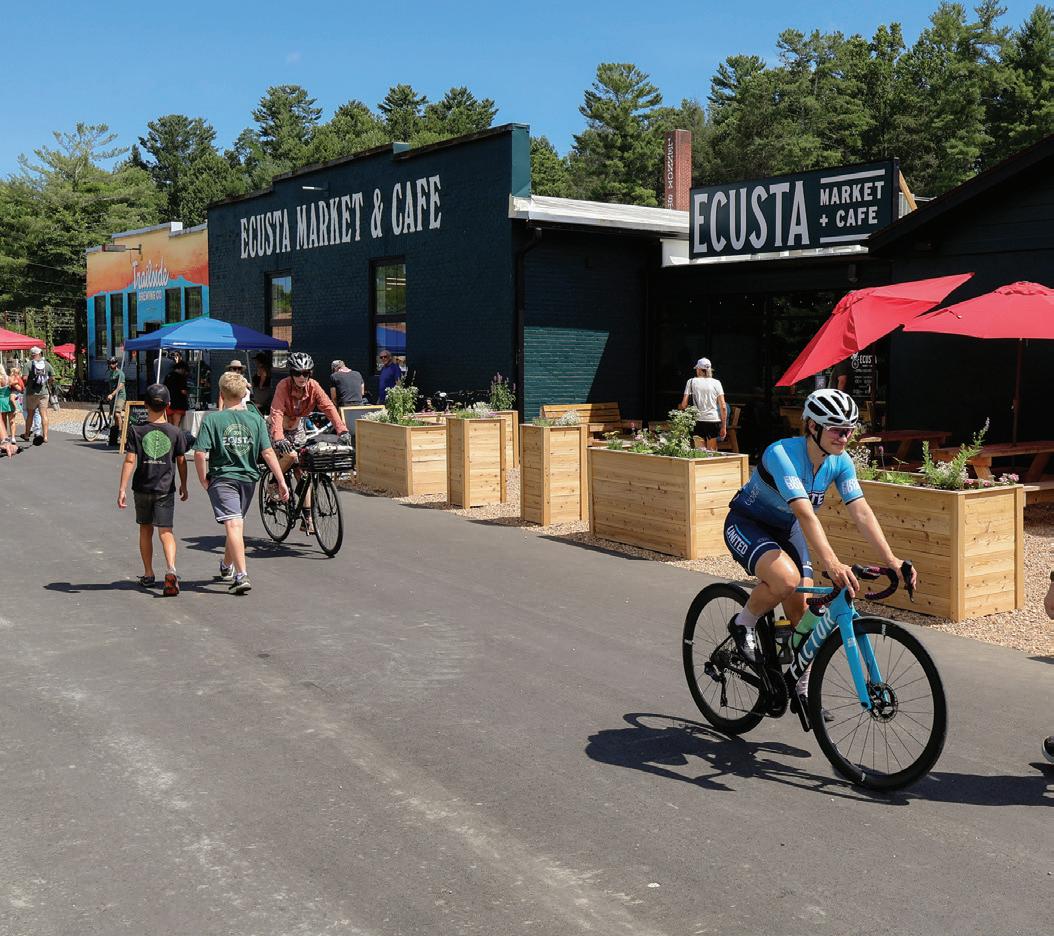
When Hendersonville resident Bart Salvaggio jogged past four empty buildings at 441 Whitted St. in 2020, he saw potential for a real estate holding with tenants. He envisioned repurposing the buildings to offer amenities to visitors on the Ecusta Trail, a rails-to-trails project that will eventually connect Main Street Hendersonville to Main Street Brevard.
Salvaggio liked that the property was within walking distance of downtown Hendersonville, but the deciding factor was that it would be steps from the Ecusta Trail.
“We had been on rails-to-trails in the southeast and have seen what has happened around them,” says Salvaggio, a mechanical engineer with his family-owned business M.T. Industries. “I knew [the trail] was coming, but a lot of people didn’t believe it.”
Salvaggio and three investors formed 441 Founders and purchased the 16,000-square-foot former Freeze-Bacon Hosiery Mill for $1.15 million. Built in 1913, the property, now called Lennox Station, sits on four acres.
The 441 Founders and its tenants, Ecusta Market & Café and the Trailside Brewing Company, invested $2.3 million in infrastructure projects and upfits, with most of the associated debt now paid off. About 70 local people are employed part or full time.
A third business, Venture Ecusta, an electric- and trailbike rental company, has been operating out of two shipping containers on the Lennox Station property since the trail opened. Salvaggio and three other owners each committed $20,000 in cash or in-kind services to start the business. During its first six weeks, visitors from 19 states and more than 20 North Carolina counties rented bikes. In October 2025, the busiest month to date, they served more than 400 customers and generated $18,000 in sales.
“It has been beyond everyone’s expectations,” says Salvaggio. “Since the trail has opened, it has consistently gone up every single day. In talking with the two tenants, they can’t get over it.”
Beyond Lennox Station, more than two dozen other businesses are adjacent to the Ecusta Trail or a block or two away. Crate Wine Market, Southern Streams CoffeeHouse and Elijah Mountain Gem Mine are trail-facing companies that launched years before the trail opened a year ago and are now seeing an uptick in business. Some Airbnbs have opened along the trail.

Cognative Café opened in June 2023 featuring a coffee shop and Cognative MTB’s mountain biking apparel. The café provides a bike rack, free water bottle refilling station, free parking for trail users, and will soon add a free bike repair station.
“The Ecusta Trail was in the final stages of approval at the time, and we knew that opportunity would perfectly complement our businesses,” says Andrea Bankert, co-owner of Cognative Café. “It was a big part of our decision to select this location and plan for each aspect of the business.”
In April, Henderson County residents and visitors attended Main2Main, a celebration of the Ecusta Trail. The first six miles of the planned 19.4-mile paved path opened in July 2025, after almost two decades of planning.
The closure of the Ecusta Paper Plant in Brevard in 2002 created an economic void in Transylvania County and left the 19-mile railroad spur connecting Brevard to Hendersonville dormant. A grassroots effort was led by local business owners and professionals, and local government members from Henderson and Transylvania counties. It took more than 10 years to build public momentum for a trail along the railbed. They conducted an economic impact study to apply for funding.
“A group came together and began a conversation about what the future and the economic viability were going to be of that rail corridor,” says Chris Todd, assistant county manager for Henderson County. “In 2009, the formal group, The Friends of the Ecusta Trail, was formed.”
The city of Brevard, Henderson County and Conserving Carolina, a land trust and conservation agency, combined to buy the rail corridor from Watco, a privately owned transportation company headquartered in Pittsburg, Kansas.


Venture Ecusta, an electric- and trail-bike rental company is one of several businesses taking advantage of its proximity to Ecusta Trail.
Phase 2, the next five miles of trail, will start early next year and is estimated to cost more than $20 million because the trail will traverse the French Broad River. The final phase from the Henderson County/Transylvania County line to downtown Brevard may begin at the same time, with a finish line in early 2029.
“We’re looking right now, in Henderson County, to probably have between $30 million and $35 million in total investment in the construction of our approximately 11 to 12 miles,” Todd says.
The deal involved the railbanking process, which was created as part of the National Trails System Act of 1983.
The North Carolina Department of Transportation and federal grants provided roughly $10 million to purchase the hundreds of acres of land from Watco. Henderson County paid $1 to Conserving Carolina for a 150-year lease on the 11 miles. The city of Brevard has a similar agreement.
Another $12 million from state and federal grants, private donations and the Henderson County Tourism Development Authority provided the infrastructure for Phase 1, the first six miles of trail.
“We acquired that corridor…with no local taxpayer dollars,” Todd says. “For Henderson County, our tourism development authority has put in over $3 million into this project due to the economic impact related to tourism. We’ve been able to use their money as leverage to secure other grants.”
North Carolina is home to about 35 sites where railways have been converted to trails. The American Tobacco Trail is 22.2 miles through Chatham, Durham and Wake counties. Rutherford County’s Thermal Belt Rail Trail connects several towns on its almost 14-mile trail. Cumberland, Guilford, Mecklenburg County, Randolph and several others joined the rails-to-trails effort, supported by the NC Great Trails State Coalition and the Rails to Trails Conservancy, a national program launched in 1986.
Additional trails are in the works: The 1.78-mile Durham Rail Trail begins in early 2027, and Polk and Henderson counties are investing in the Saluda Grade Trail, a 31.5-mile trail from Zirconia to Inman, South Carolina.
“All of these trails are economic drivers for tourism and local businesses,” says Palmer McIntyre, director of the NC Great Trails State Coalition. ■


An App State startup aims to turn North Carolina’s signature crop into the next big thing in plant-based milk.
By Kevin Ellis
hen Appalachian State University chemistry professor
WBrent Taubman talks of turning sweetpotatoes into milk that he expects to hit store shelves within two years, it prompts an obvious question. How does it taste?
“The way that I like to describe it is that it tastes like the milk that’s left at the bottom of the cereal bowl when you’re done with the cereal, and it’s got that nice hint of sweetness in it. That’s the best milk in the whole world,” says Taubman, who’s worked at the Boone university for 19 years.
He and colleague Daniel Parker, a fermentation sciences lab manager, have worked on their sweetpotato milk project since 2024. Their company, Rootsii, received a $1.82 million NCInnovation grant in May, designed to lift the concept toward commercialization. Since 2023, lawmakers have allocated $500 million to the statewide public-private partnership, which now has a $37 million portfolio across 47 projects.
Taubman credits NCInnovation’s support for igniting the startup. The money will be used to buy equipment, pay part of Taubman’s and Parker’s salaries and enable Rootsii to hire four student researchers for a total of 1,800 hours per year over two years.
The idea of turning a root vegetable synonymous with eastern North Carolina into a plant-based milk product began to germinate as students experimented with fermenting more traditional plantbased products, says Taubman. “We always have students who are vegan or lactose intolerant or something, so they’re interested in doing ferments with plant-based milks,” he says.
“It just kind of dawned on me, like, ‘Hey, we’re in North Carolina, the sweetpotato capital of the world. Why is there not plant-based milk made from sweetpotatoes?” Once I started to look into it, I was shocked that nobody else had done this yet, because it just seems so obvious to me.”
The idea also addresses an agriculture problem. Since the early 1970s, North Carolina has been the leading producer of sweetpotatoes, accounting for about 60% of U.S. volume, according to the N.C. Department of Agriculture. Still, more than 60 million pounds of sweetpotatoes are left to rot in fields each year, costing farmers an estimated $13.2 million annually.

“Those are all the ugly and odd discards because the USDA has their strict grading system,” says Taubman. “So only the most perfect and perfectly sized sweetpotatoes actually make it onto the store shelves as a sweetpotato.” Lesser sweetpotatoes may get processed into purees for baby food or pet food, or in a can for sweetpotato pie, but the rest go to waste.
“And that’s the beauty of what we’re doing,” he says. Rootsi has already secured help from the North Carolina Sweetpotato Commission to connect them with farmers in eastern North Carolina.
As the project scales from pilot to commercialization, Rootsi will seek out a processing center in eastern North Carolina to gather the sweetpotatoes and package them to be processed into the finished product in Boone. There is also equipment to buy and processes to
perfect at scale. Eventually, Rootsi would like to produce 310 gallons of sweetpotato milk per day. For reference, it takes about a dozen sweetpotatoes to produce a gallon of milk, he says.
The plan is to start with milk, and maybe a coffee creamer, and then add other products like ice cream, smoothies, yogurts, and other fermented products like miso and hot sauces. A natural sweetness means no added sugar to milk. Starches make its texture “beautiful, creamy, a really rich mouthfeel,” unlike some plant-based milks that seem thin.
The team recently blended their sweetpotato milk with bananas and mangoes to make a high-protein probiotic fruit smoothie. “It was delicious. I mean, we all tasted it, and we’re like, this is ready for market today,” he says.
The plant-based milk market is projected to grow from $22.5 billion globally last year to $40 billion by 2035, according to market estimates. Using North Carolina’s official state vegetable will take a slice of that market and produce hundreds of jobs.
They have a patent-pending production process using enzymes to break down the root’s long-chain starches. Sweetpotatoes are rich in vitamins A and C, potassium and magnesium, making them a viable alternative to dairy products. Other ingredients include chia seeds, a yeast-derived protein and coconut oil. The coconut oil will eventually be replaced with muscadine grape seed oil, an abundant waste product of the North Carolina wine industry.
Partners include Caldwell Community College and Technical Institute’s Culinary Arts program, which is assisting in recipe development and product testing; the Boone Area Chamber of Commerce, Watauga Economic Development Commission and High Country Workforce Development Board, assisting with developing a workforce pipeline; and mentorship from the High Country Impact Fund.
It’s a 100% North Carolina project, which Taubman says should help it gain regional attention. He says he’s already spoken with representatives from Hickory-based Alex Lee, owners of the grocery chain Lowes Foods and Merchants Distributors.
The right fit, says Taubman, is important. “It’s a unique product so you can’t just expect to put this product in any grocery store and expect people to be like, ‘Oh, look, it’s a sweetpotato milk. That’s just what I’ve been looking for my whole life.’” ■










The McWilliams’ business dream of helping children approaches its 20th year.
By Audrey Knaack
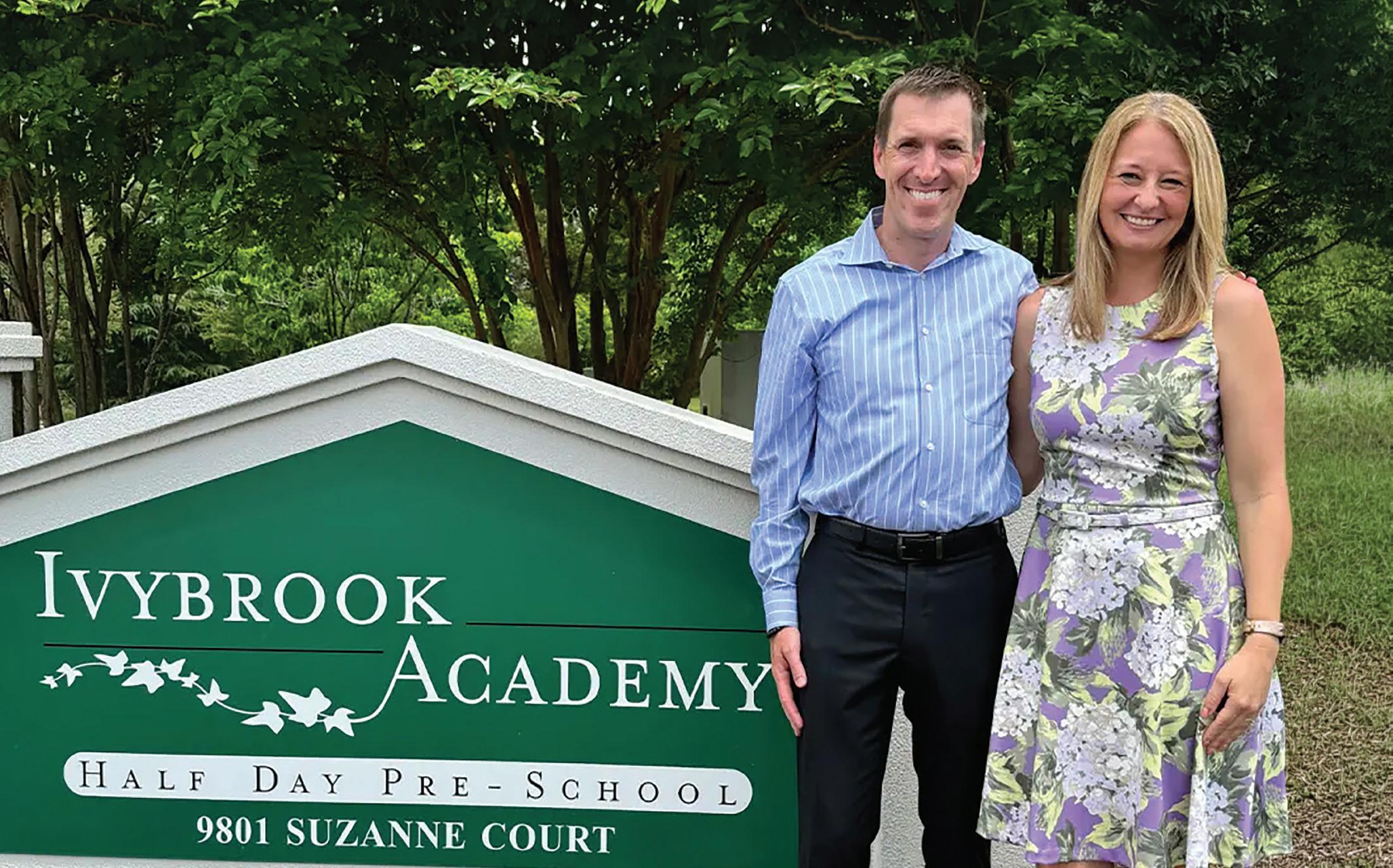
Twenty-two years ago, Jennifer and Drew McWilliams were on their honeymoon when they drew out the idea for a child-development business on a cocktail napkin.
is year, the business has about 45 locations open and several dozen more in development in 22 states. eir growth has been recognized by inclusion in Entrepreneur magazine’s Franchise 500 list for the past ve years, marking the nation’s top franchising companies. Growing at the right pace, rather than the most rapid one, has been a key goal, the McWilliams say.
e idea started forming as Jennifer embarked on a career as a public school rst-grade teacher. During her three years in the classroom, she concluded a “one-size- ts-all” education approach didn’t support the unique learning capabilities of each student.
Her frustration led to conversations at home with Drew, who was working in real estate sales for a national homebuilder.
“Well, Jennifer, why don’t you do something about it?” she remembers him asking.
In response, she spent the rst two years of their marriage researching educational approaches for a preschool curriculum. She was attracted to the Reggio Emilia learning approach that emphasizes cooperation and problem-solving. “It is a beautiful way of teaching children how to think, how to work cooperatively, how to problem-solve, not necessarily what to think, but the how and why,” she says.
e Montessori approach and Howard Gardner’s eory of Multiple Intelligences also guided McWilliams. And the couple decided that their business should o er a shorter-day format, rather than a full day, believing that young children bene t from
a schedule packed with shorter, focused learning and socialization opportunities.
To start the business, the couple borrowed $2.1 million, and the rst Ivybrook Academy opened in Weddington in Union County in 2007. It o ered a half-day model that included a variety of educational approaches for children between the ages of 18 months and 6 years.
Word spread quickly and on one of the rst registration days, families camped out overnight to get in line. Cars were parked around the block near the school. “ at was the lightning in the bottle for us,” Drew recalls.
“Families who found us were looking for quality,” he noted in a LinkedIn post earlier this year. “ ey’d done their research. ey wanted Montessori and Reggio Emilia done well, in a setting that respected their child’s developmental rhythm rather than an adult’s work schedule. ose families enrolled, stayed and told other families like them.”
e half-day model attracts a diverse community of families, including dual-working parents, stay-at-home moms or dads and those who also rely on nannies or grandparents. e school day is packed with learning and socialization opportunities, with no time for what Jennifer calls “ u ,” like napping at school. An average of 15 people work at each school. Enrollment costs vary by location, but range from $500 to $700 a month.
e couple added a second location near Charlotte, and operated the two schools successfully for 10 years. Jennifer applied her knowledge in education, curriculum and day-to-day operations, while Drew brought his background in real estate, marketing and nance. “We really balance each other out,” she says.
Several years later, the McWilliams launched their franchising operation. An initial investment is typically $540,000 to $870,000, which varies based on real estate and construction costs. A franchise fee of $50,000 is discounted 10% for quali ed educators.
When reviewing prospective franchise owners, “passion for early childhood education and community impact is just as important as nancial quali cations,” Jennifer says. “Our strongest franchisees share a genuine commitment to serving children and families, strong leadership skills and a deep alignment with Ivybrook’s mission.”
As far as growth, the couple is intentional about not expanding faster than “we’re capable of, because we want to make sure that we have as much one-on-one attention as possible for every new franchise owner.” In recent years, they’ve added about 15 new locations per year, which is a pace they expect to maintain.

Ivybrook’s approach to real estate has shi ed since the 2020 pandemic. Previously, the couple preferred new construction sites for Ivybrook Academy locations. Now, Drew says, it’s o en more cost-e ective to enter a market by nding sites and retro tting them. Franchise owners can choose to own the real estate, though many prefer to lease space and focus on running the business.
Ivybrook Academy’s headquarters in Charlotte has a sta of 14 overseeing franchising operations. While Charlotte has been a great location to build the business, “there’s a demand for highquality education in every city across the U.S., and across the world,” Jennifer says.
e company has also made a big impact on the McWilliams family, which includes teenagers who are 16 and 14. “Watching them grow up in this business with entrepreneur parents has been such a tremendous blessing. Both of them can read pro t and loss statements,” she adds. ■

Ohio edged out North Carolina as the best state for business, cable news channel CNBC said in its annual survey published in early July. But there was little handwringing from state leaders, who said they expect the Tar Heel State to eventually regain the title it had held for three of the past ve years. It has ranked in the top 3 for seven consecutive years.
“North Carolina’s got a good thing going,” but can’t rest on its laurels, Gov. Josh Stein says. He noted that CNBC rated the state as the best economy, No. 2 for business climate and No. 3 for workforce. e state also had top 10 rankings for education, access to capital, technology and innovation.
“I’m proud that we announced a record-breaking number of jobs in 2025, expanding opportunity to every corner of the state,” he added. North Carolina’s unemployment rate was 3.7% in May, compared with a national average of 4.3%. About 84,000 people moved to North Carolina in 2025 from other states, which ranked rst nationally, the U.S. Census Bureau reported in February.
Ohio’s victory margin in the cable news channel’s elaborate methodology was akin to winning a 100-yard dash by a ngertip, said Chris Chung, CEO of the Economic Development Partnership of North Carolina. He pledged to redouble e orts for job recruitment.
Virginia, Texas and Minnesota rounded out the top ve. Tennessee was ninth, while South Carolina was No. 23.
e study measures 138 metrics across 10 categories of competitiveness. Its relatively high costs, which were rated 35th among U.S. states, dinged North Carolina’s position. For many years, the state had bene ted from lower operating costs compared with many other locales.
e survey also concluded that North Carolina was 34th in quality of life, which includes many factors such as income inequality, air and water quality and freedom of expression. ■



France’s Bouygues Construction acquired Vannoy Construction, one of North Carolina’s largest general contractors and private companies. Terms weren’t disclosed. Jim and Wilma Vannoy founded their business in Jefferson, 90 miles northwest of Winston-Salem in 1952. Their sons, Mark and Eddie, now oversee seven locations in the Carolinas and Virginia.
City Council selected business litigation attorney Robert Harrington as interim mayor to replace Vi Lyles, who stepped down early in her fifth term. Harrington is a Robinson Bradshaw partner and a former N.C. Bar Association president. He says he will not seek to retain the seat in next year’s election.
Hendrick Automotive Group, the largest U.S. privately held automotive retailer, bought the Foreign Cars Italia business from Paramount Automotive Group and owner Benny Yount. The transaction adds Ferrari, Alfa Romeo, Aston Martin, Bentley and Maserati to Hendrick’s portfolio, adding


its third Porsche franchise. The purchase includes Foreign Cars Italia Charlotte and Foreign Cars Italia Greensboro.
Duke Energy lowered its rate-increase request as the N.C. Utilities Commission studies how much power bills should increase. The company said its decision was unusual and followed feedback from customers and stakeholders. Duke now seeks a 7.4% average increase over two years for its Carolinas service district, which covers the western and central parts of the state. A decision is expected in November.

Charlotte Eye Ear Nose & Throat Associates acquired Winston-Salem-based Piedmont Ear, Nose & Throat Associates, adding five Triad offices and 25 providers. The practices will continue operating under their current locations.
SmithGroup, a Detroit-based architecture and design firm, opened a two-person office in May. SmithGroup has 21 U.S offices and more than 1,600 employees. Its previous N.C. work includes projects at NC State, Wake Forest, Duke and other campuses. Its current projects include the N.C. Museum of History in Raleigh.
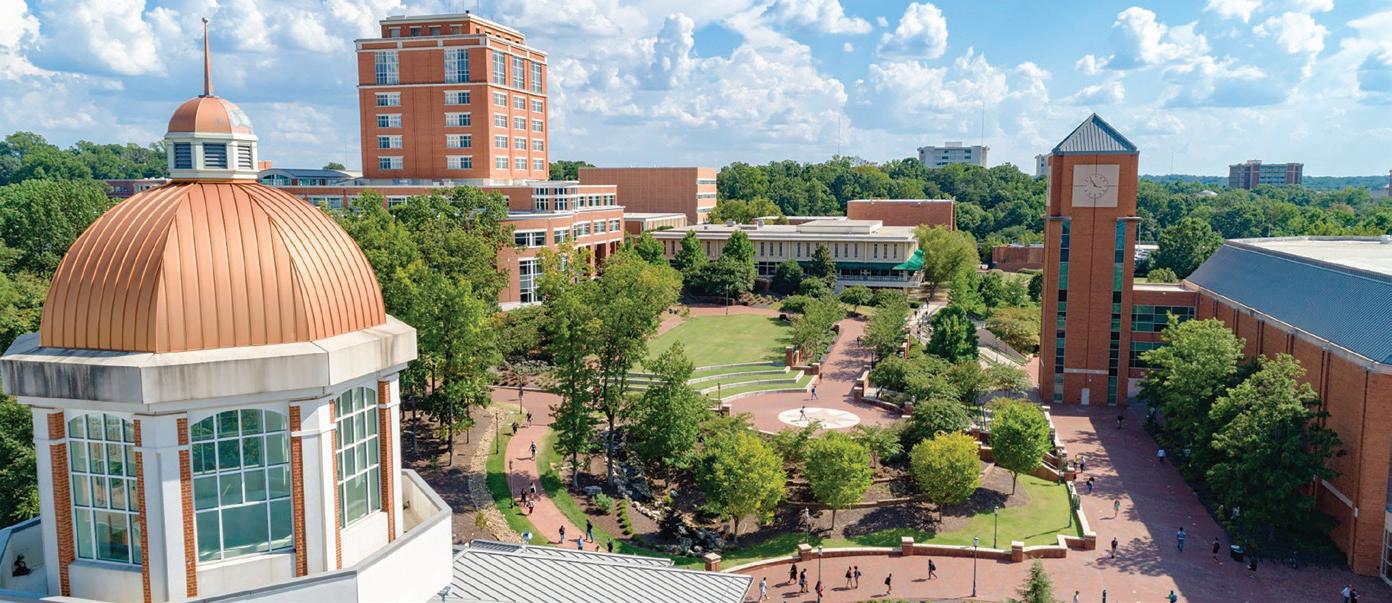
UNC Charlotte will lead a National Science Foundation Grid Modernization Engine spanning more than 100 partners across the Carolinas, an effort that could attract over $160 million in research grants. Leaders project roughly 100 new technologies, 20,000 jobs, 10,000 credentialed grid workers, and support for 445 startups in North Carolina and beyond. Partners include Duke Energy, Honeywell, Siemens Energy and community colleges.
Honeywell Technologies completed the spin-off of its Aerospace Technologies business, which now operates as Honeywell Aerospace. It trades on Nasdaq and is based in Phoenix.
Baldor Specialty Foods expanded into Charlotte, the Triangle and the Triad, bringing next-day delivery of produce, meat, seafood, dairy and other products to restaurants and hospitality operators. The New York-based company said it plans deeper ties with North Carolina’s culinary and agricultural communities.
Minnesota-based Onward Investors paid $51 million for three office buildings in the Coliseum Centre office park near the airport. The properties sold for roughly half their 2020 purchase price of $102 million.
Asana Partners and Norway’s sovereign wealth fund, Norges Bank Investment Management, launched a $500 million investment venture focused on groceryanchored retail centers, with plans to expand into unanchored retail, mixed-use and street properties. The partnership begins with a 50% stake in an undisclosed retail portfolio.
Atrium Health is expanding its affiliation with OrthoCarolina , a large orthopedic practice. The move partners Atrium Health’s Musculoskeletal Institute with OrthoCarolina as part of a goal to create a globally recognized destination
for orthopedic care and improve patient experiences and outcomes. Atrium isn’t making an equity investment in OrthoCarolina.
Starting in fall 2027, Davidson College will offer tuition-free education for families earning as much as $175,000 annually and full scholarships covering tuition, housing, meals and fees for families earning $85,000 or less. The college will continue providing grant-based financial aid rather than student loans.
Goldhofer, a Germany-based manufacturer of heavy transport and airport ground support equipment, plans to invest $19.5 million to create 80 jobs at its first North American production facility. It plans an 80,000-square-foot site at Trivium Corporate Center, with construction beginning soon and opening in the first quarter of 2028.
Belmont-based Textum Opco will expand into this neighboring Gaston County town, giving new life to a 550,000-square-foot manufacturing facility that was shuttered earlier this year when Mannington Mills exited the residential carpet business. Textum will spend $23 million to bring in
new equipment and renovate the building that was once part of Pharr Fibers and Yarns, an 80-year-old iconic textile business acquired by New Jersey-based Mannington in early 2020. Textum manufactures engineered textiles and composites for commercial space travel, defense and aerospace sectors and specialty industrial uses.
Authorities say 85-year-old Willard Gary Black, founder and president of Old Hickory Tannery, was charged with second-degree murder after allegedly fatally shooting co-owner Robert Arguelles, 59, during an altercation at the company’s facility. Arguelles, an Alexander County school board member since 2022, died at the scene.
Fencing and deck manufacturer Barrette Outdoor Living laid off 63 workers with no notice. Ohio-based Barrette cited declining revenue and an economic downturn as the reason for the layoffs.
Electric Glass Fiber America, a subsidiary of Tokyo-based Nippon Electric Glass, will close its Shelby plant in September, idling 282 workers. The
• Business Development
• Technology Transition
• Market Intelligence
• Pre-Positioning & Teaming
• Training & Strategic Industry Events

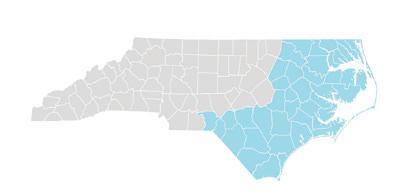
North Carolina’s state budget earmarks $30 million for flyExclusive to expand maintenance, repair and overhaul operations at Global TransPark. The private jet operator must invest at least $10 million and cover overruns, while the TransPark retains facility ownership. Officials say the project would strengthen the industrial park’s emergence as an aerospace maintenance hub.
company blamed “changes in market structure and intensifying competition,” and noted it has lost $39 million in the last three years there and at a plant in Lexington it plans to sell. The plant dates back to the 1950s and was owned by Pittsburgh-based PPG until 2017.
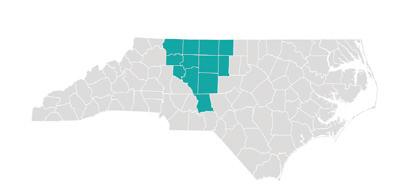
Cape Fear Valley Health will eliminate about 200 positions, including 138 filled jobs, citing declining federal reimbursements, rising costs and broader healthcare industry challenges. The system said it will protect frontline patient care, offer affected employees transition assistance and continue long-term expansion projects funded through grants, philanthropy and capital sources.
Mary Holmes will retire as CEO of Cumberland Community Foundation in March after nearly three decades leading the organization. During her tenure, foundation assets grew from $7.2 million to more than $175 million, while annual grants and scholarships increased to nearly $11 million. A national search for her successor is underway.
UNC Health is moving to take full control of affiliate hospitals in Wayne and Onslow counties. UNC Health will invest at least $675 million over the next 15 years at Wayne Memorial Hospital, which it has managed since 2015. UNC Health will invest $150 million in Onslow Memorial Hospital in Jacksonville, which it has managed since 2019.
Members of the Lumbee Tribe of North Carolina voted overwhelmingly
against plans for a casino and resort near Interstate 95 in Robeson County. A wellorganized opposition campaign criticized the plan for lacking transparency and claimed it would benefit relatively few people in the 55,000-member tribe. Tribal Chairman John Lowery, who is also a state representative, said he wouldn’t raise the issue of tribal gaming during the final 18 months of his tenure.
A proposed $19.2 billion data center and energy storage project at Edgecombe County’s Kingsboro Megasite has been withdrawn after developer Energy Storage Solutions stopped pursuing a purchase of the site. County commissioners are considering a 24-month moratorium on new data center projects while officials develop regulations.
Custom vehicle builder Signature Autosports moved into a 30,000-squarefoot facility after purchasing the property for $2.3 million. The expanded headquarters consolidates operations, adds showroom and production space and supports the company’s growth from five employees in 2016 to 37.
NextBoat completed the sale of a superyacht with a “last asking” price of $45 million. The sale of the 60-meter 2009 Abeking & Rasmussen yacht represents the largest transaction sold through NextBoat’s online platform. The boat was based in the Cayman Islands.
North Carolina lawmakers allocated $40 million to ECU Health to establish a rural emergency hospital in Martin County and plan a new patient tower at ECU Health Beaufort Hospital. The projects would restore emergency care lost when Martin General Hospital closed in 2023 and add inpatient capacity. ECU Health says the Martin County project will cost about $220 million. County officials say the facility’s 2023 closure cost the community an estimated $33 million in economic activity.
Priba Furniture and Interiors is closing after 54 years following the deaths of coowners Bob and Priscilla Knox. Bob’s son, Scott Knox, and his wife, Kim, are retiring from the retail furniture business. The store will remain open until all customer orders are delivered.
Bell Partners completed its $350 million sale to BGO, a real estate manager affiliated with Canada’s Sun Life Financial. The apartment investment and management firm will retain its leadership, brand and
operations while overseeing BGO’s U.S. multifamily assets, with about 70,000 apartment homes under management nationwide.
Nester Hosiery will supply U.S. warfighters with socks after winning three-year contracts. Nester will provide socks to both the U.S. Army Cold Weather Sock Program and the U.S. Marine Corps Intense Cold Weather Sock program. The contract is valued around $3.2 million annually, and involves making 415,000 socks annually. It is Nester’s largest military contract to date.
Talalay Global, a Connecticut-based manufacturer of latex mattresses, pillows and mattress components, plans to
invest $27 million and create 52 jobs in Rockingham County. The company will lease 125,000 square feet, with operations expected to begin in early 2027. North Carolina awarded a $400,000 grant to support facility upgrades.
Atrium Health Wake Forest Baptist, Cone Health and Novant Health filed competing proposals for 103 acute-care beds that state regulators determined Forsyth County needs. Cone seeks a new 56-bed hospital in southeast Forsyth, Novant wants to expand Forsyth and Kernersville medical centers, and Atrium proposes adding 103 beds to its main campus here.
Reynolds American will not be affected by parent company British American Tobacco’s plan to eliminate 9,000 jobs worldwide as part of its Fit2Win restructuring. Instead, Reynolds continues
expanding production and employment in Tobaccoville, where it plans to add about 2,000 jobs by 2030 to support growing demand for Velo Plus nicotine pouches.
San Diego-based affiliate of Realty Income Corp. acquired the 51.5-acre Pepsi Bottling Ventures campus in the Union Cross Business Park for $34.5 million. The 526,320-square-foot facility employs about 550 workers and recently completed a $35 million production expansion.
The Moore County Tourism Development Authority approved $300,000 for a minimum revenue guarantee fund supporting commercial air service. The pledge boosts local commitments to $2 million, positioning the Moore County Airport to seek a $1 million federal grant. Officials expect a funding decision within 60 days.
The U.S. Supreme Court will hear Apple’s appeal of a contempt ruling stemming from its long-running App Store dispute with Epic Games. The case will determine whether Apple violated a court order requiring developers to offer alternative payment options and could shape future App Store policies and commissions.
Software company SAS eliminated 300 positions worldwide as part of what it called targeted changes to align resources with long-term priorities, including research, sales and cloud computing. The privately held company said affected employees can apply for other openings and noted it still has hundreds of vacancies.
UNC Health officials applied to the state Department of Health and Human Services for certificates of need to allow them to build new hospitals in Wilmington and Asheville. The Wilmington application proposes a 150-bed hospital on 62 acres on Shipyard Boulevard. UNC Health also proposes a 92-bed hospital near Westgate Mall in west Asheville. The filings are part of the state’s competitive certificate-of-need process.
The Research Triangle Foundation hired former UNC System executive Jonathan Pruitt as CEO, effective Sept. 15. He has been the chief operating officer of the University of Texas System since 2022. The foundation operates as the strategic and real estate arm for Research Triangle Park. He will succeed Scott Levitan, who has overseen RTP since August 2017. Pruitt had been in UNC-related jobs for nearly 20 years before heading west.
Higharc raised $95 million, bringing its total funding to more than $170 million as it expands its AI platform for homebuilders and building suppliers. CEO Marc Minor said the company is focused on growth rather than an exit, with plans to accelerate hiring, particularly in North Carolina.
United Therapeutics is expanding its push into regenerative medicine and organ transplants with the acquisition of Massachusetts-based Thymmune Therapeutics, a preclinical-stage biotech company, for $140 million in cash. United could pay up to an additional $160 million if certain clinical and regulatory milestones are met by the end of 2031.
Kempower voluntarily ended a 2023 economic incentive deal with the state that was valued at $3 million over 12 years, saying it would not hit its target of creating 300 jobs. The Finland-based electric vehicle charging manufacturer says changes in tax government incentives for EVs have led commercial and municipal customers to defer charging projects. Kempower says it remains committed to Durham, where it has 101 employees.

Validic, a digital healthcare platform backed by investors including Mark Cuban, has been acquired by South Carolina care-management company ChartSpan Medical Technologies. Financial terms were not disclosed. Most employees and management were retained. Founded in 2011, Validic raised more than $31 million and helped pioneer remote patient monitoring technology.

Forge Nano says a partnership with Samsung SDI will speed development of its planned $300 million to $330 million battery factory. Samsung will help design, build and operate the plant while purchasing U.S.-made battery cells, supporting a project expected to create about 200 jobs.
Asensus Surgical, a robotic surgery systems company, will lay off 108 workers during a six-month period beginning Aug. 15 through next March. Asensus, which was acquired by German company Karl Storz in 2024, says the layoffs are tied to “organizational realignment and business conditions.” Some employees will be offered positions with Karl Storz.
Winston International sued Jabil in federal court, seeking a declaration that it’s not at fault for a $10.6 million dispute over cables destined for Amazon Web Services data centers. Winston manufactured
about 120,000 fiber-optic cables for Jabil between January and June, but AWS later found some server racks unusable due to a polarity mismatch. Jabil sent a demand letter July 2 seeking $10.6 million, then allegedly canceled more than $43 million in remaining purchase orders.
Martin Marietta Materials is spending $13.5 billion to buy Lhoist North America, a subsidiary of a Belgian company with the same name. The deal needs regulatory approval and is expected to close by yearend. The Belgian family that owns Lhoist would own about 15% of Martin Marietta, which has a market capitalization of about $34.5 billion. Lhoist North America has a network of 20 quarries and production facilities, along with 45 distribution terminals for lime and industrial mineral products.
McKim & Creed acquired Davis Martin Powell, an engineering and surveying firm with 46 employees and offices in WinstonSalem and High Point. Financial terms were not disclosed.

First Carolina Bank went public with a June 18 IPO at $12.50, which raised nearly $68 million. The Raleigh-based bank formed in Rocky Mount in 2012 by an investor group led by the CEO Ron Day. The bank’s largest owner, at 8.1% before the IPO, is the Ocean Water Investment firm, controlled by Mako Medical co-founders Chad Price and Josh Arant.
Federal agencies ordered Saint Augustine’s University to provide records explaining how it spent more than $30 million in grant funding as the school navigates bankruptcy and accreditation loss. Investigators are examining 34 grants tied to education, technology and campus improvements, while questioning whether some funds were improperly used or never drawn down.
New City Design Group was acquired for about $3 million by Invision Architecture, part of Dallas-based HFW Companies. Founded 30 years ago by Ted Van Dyk, the 15-employee firm generated about $4.2 million in 2025 revenue.
Merck plans to expand its Triangle presence through the acquisition of Targan, a poultry-technology company whose WingScan system automates chick gender sorting. Founded in 2015, Targan has processed more than 1 billion birds worldwide and employs about 125 people. Financial terms were not disclosed.
Audio Advice acquired Miami retailer Sound Components, which was founded in 1974. CEO Scott Newnam said the company plans to add a new location every 90 days as demand grows for high-end home theater and smart-home installations.
Frito-Lay will lay off 68 warehouse employees at its distribution center, which will remain open, according to owner PepsiCo. The affected employees’ last day will be Sept. 6, although PepsiCo says it is working to find employees jobs at nearby facilities.
First Bancorp will acquire Florence, South Carolina-based First Carolina Bancshares in a $166 million cash-andstock deal expected to close early next year. First Carolina’s Carolina Bank operates 14 branches across South Carolina’s Pee Dee region and has $831 million in assets. The combination would push First Bank’s assets to about $13.5 billion.

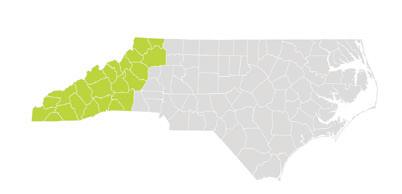
Mission Hospital will no longer require newly hired nurses to hold or earn a four-year bachelor’s degree, accepting the standard two-year associate degree required for registered nurses. Hospital leaders said the change is intended to improve recruitment and fill staffing shortages more quickly while continuing to support nurses pursuing bachelor’s degrees.
Aeroflow Health, which sells breast pumps and other maternal supplies, acquired Canopie, a digital health company focusing on preventative care for expecting and new mothers. Terms weren’t disclosed. The combination builds upon a three-year-old partnership between Aeroflow Breastpumps and Canopie to provide app-based mental healthcare and psychoeducation to parents and caregivers
to reduce the stress, anxiety and depression of parenthood.
UNC Health paid $22.3 million for nearly 20 acres of land as it seeks state approval to build a $747 million, 92bed hospital in Buncombe County. The proposal faces competing applications from Mission Health, Novant Health and AdventHealth, with state regulators expected to decide later this year.
U.S. Rep. Chuck Edwards and his wife, Teresa, sold their McDonald’s restaurants in Henderson, Transylvania and Haywood counties to Buncombe County franchisees Christine and Chris Nevant. Edwards, who started at McDonald’s at 16, said the sale ends a five-decade chapter with the fast-food company. He is running for re-election against Democratic challenger Jamie Ager.
Medical device manufacturer Jabil will invest $102 million to expand its facility by 180,000 square feet, creating 148 jobs with average annual wages of $62,000.
The project, backed by local incentives, represents the largest single-year capital investment announced in Henderson County history.
Burke County joined the Charlotte Regional Business Alliance to strengthen economic development efforts and raise its profile with corporate site selectors and manufacturers. Local leaders say the partnership will enhance regional marketing while highlighting the county’s manufacturing base, transportation access and strategic location between Charlotte and western North Carolina.
Carolina West Wireless will transition its service to Verizon on Sept. 30, which will put 127 people out of work, starting Aug. 24. Carolina West Wireless was formed in 1991 and is owned by a partnership of member owned cooperatives Skyline Telephone and Surry Communications. ■


North Carolina’s momentum is undeniable.
From advanced manufacturing and agriculture to life sciences and technology, businesses across our state are investing, expanding, and creating new jobs. North Carolina continues to be one of the fastest growing states for domestic migration, and our economy has become one of the strongest in the nation.
When our state succeeds, our team knows it has an important responsibility: ensuring the companies who call North Carolina home have access to a world-class gateway to compete on the global stage.
That’s why our new 2031 Strategic Plan begins with one clear priority—Win Serving North Carolina.
Over the next five years, the NC Ports team will focus on becoming the preferred port for North Carolina businesses by delivering simple, reliable, end-to-end solutions anchored in high-demand North Carolina metros. These e orts will be scaled statewide through tailored customer and industry-specific value propositions. To put it simply, we are hyper-focused on investing in the infrastructure, partnerships, and capabilities that will strengthen our state’s competitive advantage in the years ahead.
This 2031 Strategic Plan, o cially launched in the fourth quarter of Fiscal Year 2026, will also build on areas where we continue to see success and opportunity. We will remain focused on growing the Port of Wilmington's refrigerated cargo business, strengthening its position as the Cold Gateway of the Mid-Atlantic. We will expand integrated bulk solutions through strategic partnerships and modernized facilities at both our deepwater ports—Wilmington and Morehead City—while remaining agile in capturing breakbulk opportunities that support the industries fueling our state’s growth.
Our vision is to become the Southeast’s most trusted, preferred, e cient, and customer-centric gateway. More importantly, our success will be measured by how well we help position our state to compete and thrive for years to come. We look forward to working with you, North Carolina.
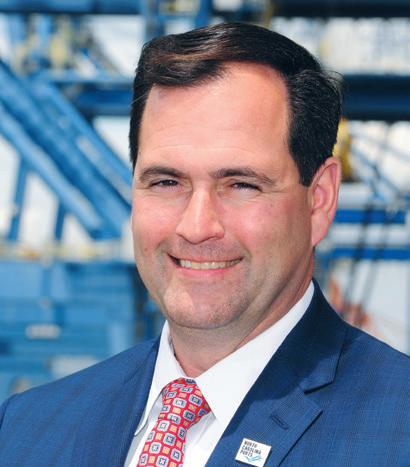

Brian E. Clark Executive Director

Eastern North Carolina’s economy is built on earth, air and water. Its growing diversity of businesses, cultivated through workforce development and other support, is providing residents with pathways to promising careers and a high quality of life.
Life flows at its own pace on North Carolina’s Inner Banks. Sleepy historic communities on and around the Albemarle, Pamlico and Bogue Sounds contrast with the state’s busy urban centers farther west. Miles of connected rivers and navigable canals create an intricate transportation network. It allows tugboats to move massive barges loaded with tons of cargo such as steel, iron ore and manufactured goods.
Simon Rich III is the owner and CEO of Riverbulk Transportation in Edenton, at the mouth of the Chowan River. He knows these waterways’ value. His company’s fleet of 30 barges, some as long as a football field and capable
of floating 3,500 tons, delivers goods to steelmakers Nucor and MiTek, construction and project-management company JWF Industries, and Whiskey Project Group, which builds tactical watercraft. “North Carolina has extensive waterways connecting its sounds and rivers, providing an inland route from north to south along its coast,” he says. “Riverbulk Transportation is using these waterways to connect our customers to North Carolina ports as well as ports in Norfolk, Baltimore, Philadelphia and New Jersey. We are moving the raw materials from suppliers up and down the East Coast and around the globe.”
Eastern North Carolina’s waterways are awash in economic possibilities. “[They] are endless when looking at large component manufacturing, and then those products most easily having an onramp, via barge, to the largescale transportation infrastructure, which is extremely site specific,” says Todd Edwards, chair of economic development booster NC East Alliance’s board of directors. “This is one unique subset of the overall maritime footprint that has a bright future in eastern North Carolina.”
Transportation is a pillar of the blue economy, one of six focuses that NC East is actively developing in its 29-county region.
Blue economy businesses are built on marine and coastal resources, balancing ecological health with economic development. One sector is tourism, which employs 62,000 of the region’s residents. “The blue economy is a vital part of eastern North Carolina’s economy,” Rich says. “Boatbuilding and commercial fishing have a long history on our coast. The role and use of water transportation, which was once the vital lifeline that its residents depended on for their survival, is now making a comeback and growing again. I see North Carolina playing a larger and more vital role in shipbuilding in the coming years.”
NC East’s other industries include aerospace and aviation, smart agriculture, healthcare and energy. There is also biopharma, whose presence is growing in Greenville and Pitt County. STEM East, a collaboration of regional businesses, school districts and private foundations, adds two more targets — smart manufacturing and legal systems — to its Industries in Schools programs, which provide teachers and professors with industry knowledge and curriculum outlines. “One of our community’s strengths is balance,” says Josh Lewis, president and CEO of Invest Greenville, formerly Greenville ENC Alliance. “We offer the assets of a larger market, including the careers that come with large, successful businesses, a major university and a large medical center, all while maintaining the agility, cost advantages and quality of life that businesses and employees value in a smaller market.”


NC East’s region includes a large swath of North Carolina’s coast, which has harbored boatbuilders for years. Greenville-based Grady-White Boats opened in 1959, when it built small wooden craft. Its current focus is large vessels for cruising and fishing. “GradyWhite’s impact in eastern North Carolina goes well beyond building boats,” says Executive Vice President Jonathon Burns. “We’re a long-term partner in the region for helping strengthen the local economy and overall quality of life. A big part of that is creating meaningful career paths through stable, well-paying jobs with room to grow, so people can build their future right here at home.”
Grady-White and Pitt Community College have partnered on several career paths, including engineering, boat assembly, boat finishing, fabrication, sales, marketing, accounting and maintenance. “These collaborations help students move directly into rewarding careers while ensuring companies like ours can continue to grow with a skilled, local workforce,” Burns says. “It aligns with the broader work being done by the NC East Alliance for education, industry and economic development across the region.”
Beaufort Community College used a $200,000 Golden LEAF Foundation grant to start Boat Building and Boat Manufacturing and Service curricula in 2021. The Cannon Foundation added $99,000 for equipment the next year. The school opened a $2.1 million, 5,201-square-foot building with a workshop for its boat-manufacturing program a year ago. “Careers in boatbuilding can offer our students a way to sustain themselves and their families while continuing to be a part of our community,” said BCC President David Loope at the opening.
NC East’s territory is home to 31 school districts, 14 community colleges and a major university. Each supports workforce development, either independently or in cooperation, in unique ways.
STEM East, NC East’s education initiative, hosted three regional Industry in Schools symposiums in July. They allowed K-12 teachers to collaborate with community college partners and industry leaders. Teachers received grade-specific curriculum materials and business connections in their respective communities. “Legal systems was added about a year ago, when the local bar association came to us and said we needed to get more people interested in

careers, not just lawyers and paralegals,” says NC East Executive Vice President Trip Belote. “They said rural North Carolina is a legal desert. You get a traffic ticket, and you have to call a lawyer in Raleigh.”
East Carolina University’s Center for Pre-Professional Advising offers workshops and sessions at its Greenville campus to inform students about pre-law studies. ECU and PCC also have pathways in NC East’s six focuses.
PCC’s VISIONS Career Development and Scholarship Program began with 17 high school and community college students in 2004. Since then, it has helped more than 1,460 of them explore careers, choose colleges and find financial assistance. This year, 77 high school juniors, 76 high school seniors and 188 Pitt students took part. If high schoolers meet GPA, family income and in-state residency requirements, they receive mentoring, tutoring and a $1,000 scholarship per year. The program is a collaboration of the PCC Foundation, Eddie & Jo Allison Smith Family Foundation, Greater Greenville Community Foundation and Pitt County Schools.
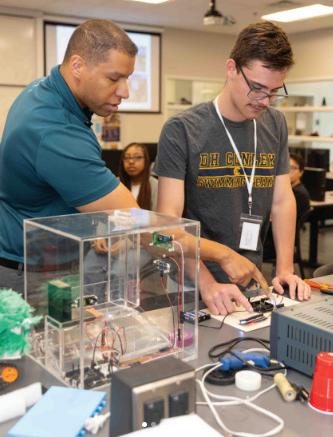

NC East says aviation and aerospace contribute $88 billion annually to North Carolina’s economy and support more than 427,000 jobs statewide. Both are well represented in the region, from the U.S. Navy Fleet Readiness Center East maintenance, repair and overhaul operation in Havelock to manufacturing at North Carolina Global TransPark in Kinston to representatives of the emerging unmanned aircraft sector.
Elizabeth City State University has North Carolina’s only four-year collegiate aviation program. The historically Black university joined Lenoir Community College in Kinston to open the Sen. Jim Perry Aviation Center of Excellence in May. It offers hands-on training, eight classrooms, simulators and hanger space at Global TransPark. “When you factor in the location and affordability and opportunity, we really do hit the trifecta,” says Marla Faison, ECSU Aviation Science program coordinator. “We’re trying to have community college partners all over the state, so students don’t have to drive more than an hour to receive flight training. Talent is everywhere. Access is not.”
While ECSU will open a 57,000-square-foot, three-story School
of Aviation campus building in summer 2027, hometown Northeastern High School’s Signature Aviation Academy has already taken flight. Its students can take advantage of dual enrollment, which offers access to ECSU coursework. “By the time they graduate high school, they could have their pilot’s license and come straight to us,” Faison says.
There are other runways to aviation careers. “Students also can go to the College of the Albemarle and get their license and certifications, then come to us and get their four-year degree and work on the same planes they fly,” Faison says. The community college, which has campuses in Elizabeth City, Edenton, Barco and Manteo, offers degrees in Aviation Systems Technology, Airframe Maintenance and Powerplant Maintenance.
ECSU also is building a classroom and hangar facility adjacent to Currituck Regional Airport, which opened a 10-unit hangar in April. It’s one more opportunity for students to develop a rewarding career. “One hundred percent of our students have gotten jobs in air traffic control, airport manager or pilot, or gone on to the military,” Faison says of her four years at ECSU. “The FAA trusts us to have our students ready.”






















A place to build a life, grow a career, and stay.

In Eastern North Carolina, work is personal. It’s passed down through families, shaped by smalltowns, farms, coastlines and communities that show up for each other.
This is a region where people build businesses, raise families and create something that lasts.Where opportunity isn’t something you leave for, it’s something you can find right here.
NC East Alliance is helping connect people, education and industry so more people can find theirpath and grow here.






















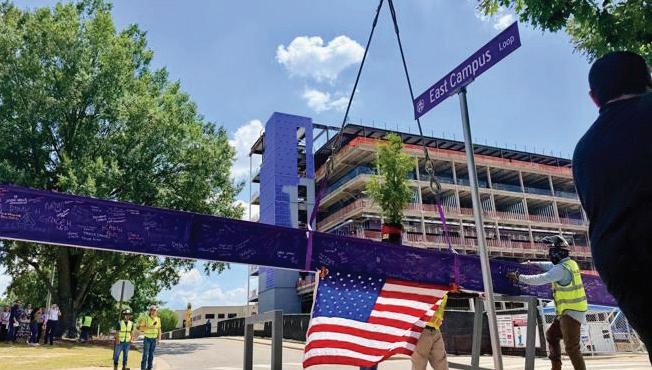
About 10,000 people manufacture pharmaceuticals within eastern North Carolina’s BioPharma Crescent, which includes Pitt, Edgecombe, Johnston, Nash and Wilson counties, according to Invest Greenville. And recent announcements mean more jobs, including 232 at Nipro Medical’s $398 million headquarters and factory in Greenville and 420 in Wilson, where Johnson & Johnson is building a $2 billion factory. “Greenville and Pitt County have been building momentum as an economic hub for decades,” says Invest Greenville’s Lewis. “Like any strong local economy, you must attract or develop core industry anchors that provide foundational assets and stability. With companies like Thermo Fisher Scientific and Catalent in the pharmaceutical manufacturing space, we’ve had these core anchors.”
Established workforce-development support, which can be tailored to an individual company’s needs, helps recruit companies to the BioPharma Crescent and support them once they’ve arrived. Lewis says city and county leaders work with schools to be proactive to industry needs. “At the end of the day, what sets Greenville and Pitt County apart is collaboration,” he says. “Our public, private and educational partners are aligned with a shared vision, and we work together every day to execute
on the plan we developed together. If you look at the programs, partnerships and facilities developed here to support life sciences and pharmaceutical manufacturing, it is clear that ECU and PCC are leading in this space.”
Beyond his executive duties at NC East, Belote is founding executive director of NC East Applied Research Institute. It began last year, creating a regional data
ecosystem that assists decision-making in education, industry and government.
“We transfer fragmented local data into regional action,” he says. As the regional economy shifted from textiles to its current industry mix, he says it became paramount to be competitive with other states in business recruitment. “We didn’t have a data-driven network process, partly due to the fact that the data being relied on was really good for MSAs or urban areas, not to the rural areas,” he says. “We work with the community colleges, the academics-toemployment alignment, regional trends, the labor market and wage analysis. We’re providing data to decision-makers regionally.”
Belote says developing routes to healthcare jobs is critical. “There are a lot of career options in which kids can learn a trade or become an entrepreneur, and we at NC East want to create awareness of that and create pathways for that,” he says. “You can have economic mobility and stay in eastern North Carolina. But

one of the bedrocks of the whole thing is healthcare and the increasing pathways for healthcare careers. Healthcare itself is actually part of the infrastructure of a community. You can’t have a thriving community if you don’t have healthcare. We can increase those pathways and lead young people in that regard and enable them to stay in-state and provide a valuable resource in terms of infrastructure.”
Healthcare education and training are widespread among the region’s community colleges. College of the Albemarle offers general education classes in Health Information Technology, and students can transfer credits to PCC through an instructional services agreement. And at ECU, part of the University of North Carolina System, the College of Allied Health Sciences, Brody School of Medicine and College of Nursing offer career paths in nursing, dental, public health, health
services management, nutrition science, rehabilitation and clinical lab science.
ECU held a topping-out ceremony for its $265 million Brody Center for Medical Education in June. Its seven stories are scheduled to open for the 2027-28 academic year. “[It will feature] modern simulation environments, anatomy labs and classroom technology as well as collaborative spaces aimed at preparing students for clinical practice in a profession increasingly built on teams and instant communication,” according to an ECU news release. “Each year, more than half of all Brody graduates enter primary care residency programs. Many ultimately choose to practice in underserved and rural areas, a trend that lines up behind the university’s public-service mission.”
North Carolina is the country’s fourthlargest generator of solar power. Its three
largest solar farms — 140 MW American Beech Solar in Halifax, 130 MW Albemarle Beach Solar in Washington and 120 MW Oak Solar in Northampton — are in eastern North Carolina, according to power infrastructure tracker Cleanview.
With key employers such as Natron Energy, Boviet Solar, Duke Energy and Dominion Energy, the clean energy sector announced more than 14,000 jobs statewide in 2023. “North Carolina has 7,500 jobs in the solar energy industry, according to our latest National Solar Jobs Census,” Green Workforce Connect, an online platform of the Interstate Renewable Energy Council, reports on its website. “You’ll find career opportunities for construction workers, electricians, project managers, sales professionals, manufacturing technicians and many more. About 60% of the solar jobs in North Carolina are with installation and project-development companies. There
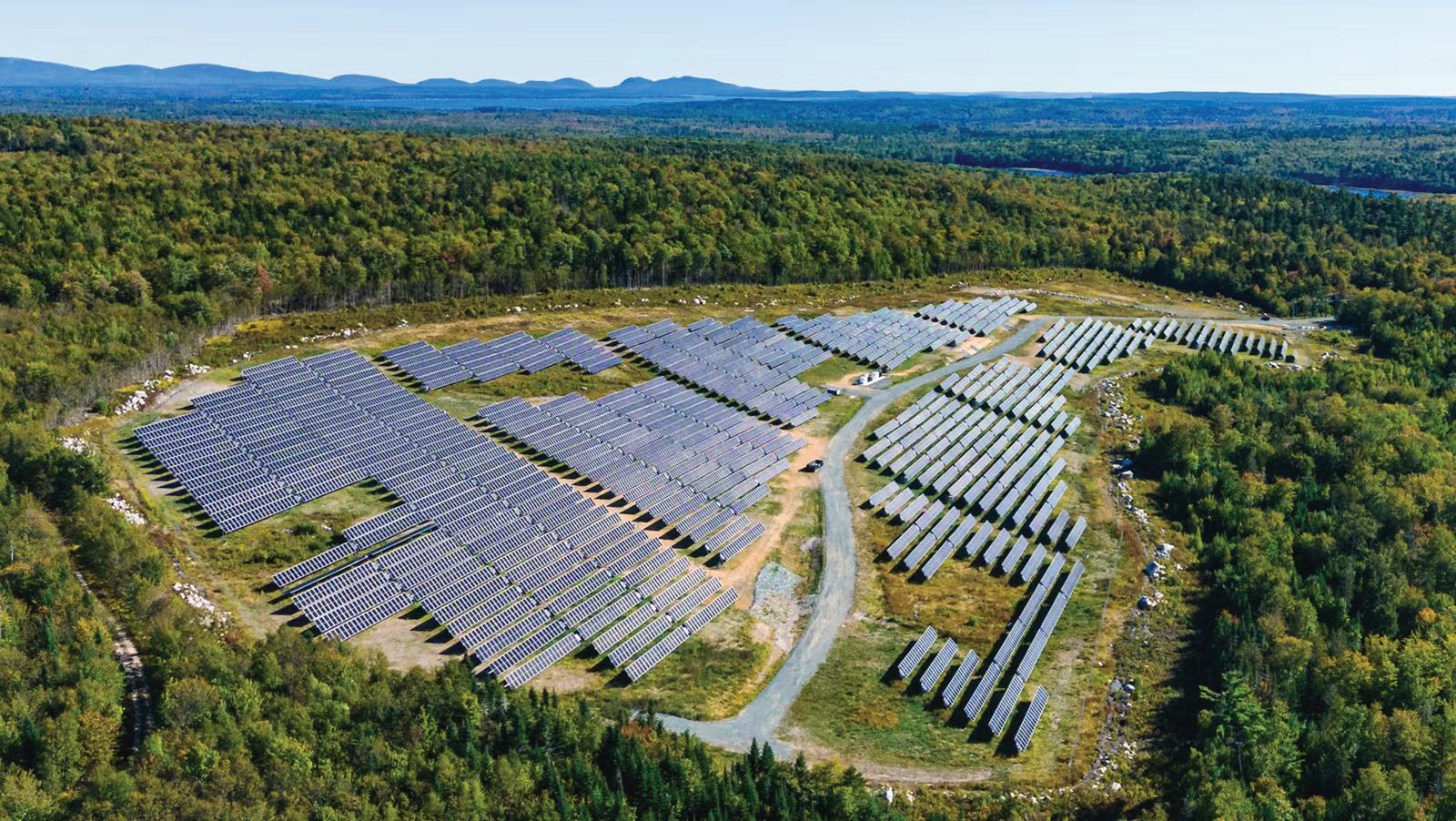
The American Beech Solar project in Halifax County is a 140-megawatt (MWac) utility-scale facility that spans approximately 1,800 acres near Scotland Neck. Developed and operated by MN8 Energy LLC, it feeds clean energy directly into the PJM Interconnection grid under a long-term power purchase agreement with Microsoft.

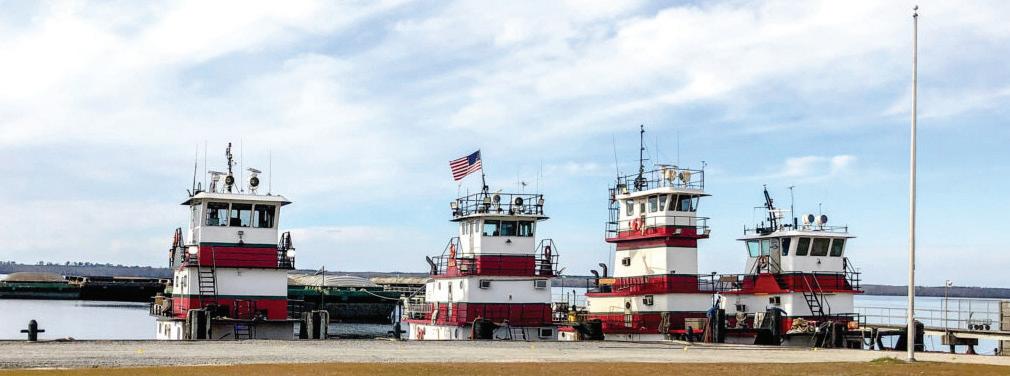
are also opportunities in manufacturing, operations and maintenance and wholesale trade and distribution.”
Green Workforce says annual wages for electricians in North Carolina average $60,00 to $63,000 and are up to $91,000 for solar technicians. Craven and Carteret community colleges offer Solar Technology and Renewable Energy programs.
Technology has taken to the fields, too. Smithfield, Mt. Olive, Perdue and Butterball are some of the recognizable names working in smart agriculture. They employ a variety of workers, including precision agriculture technicians, agronomy managers, environmental technicians, drone pilots for ag surveys and data analysts for crop management.
NC East again turns to educational partnerships to help fill today’s agricultural jobs. Lenoir Community College offers Agriculture Business, Ag Education and Sustainable Agriculture programs. And Wayne Community College in Goldsboro offers Agribusiness and Sustainable Agriculture, Forest Management, Turfgrass Management and Animal Science Technology.
Eastern North Carolina’s blue economy may benefit from an expected surge in federal money earmarked for defense, including shipbuilding in nearby southeastern Virgina. “Because of the scale of what’s going to happen with the Navy, it can’t all be accomplished
in Norfolk,” Belote says. “They will do partial modular assembly in other places. So, either you can truck it on a highway, but it can only be so big. On railways, it can only be so big. We have the barge sites capable of taking large ship components to Norfolk, and one of those is in Edenton.”
Rich’s 50-acre Riverbulk tug and barge operation has 45 employees and a 100,000-square-foot warehouse and manufacturing building. Its marine terminal can load and unload barge cargo along a 350-foot bulkhead, provide vessel maintenance, and dry dock 300-foot barges for repair and paint. Tugs also can be resupplied weekly with groceries, fuel and fresh crews.
Already connected with defense industry needs, the terminal is home to Australia-based Whiskey Project Group’s U.S. headquarters. It was recently awarded a $36 million contract for more boats to be delivered to the Marine Corps. JWF Defense also is a tenant. “The Navy is trying to enhance the fleet of submarines and aircraft carriers, and we can help with that workforce watershed,” Belote says. “One of the things we’re doing at NC East is working to meet that challenge and serve our existing boat manufacturers as well.”
Burns floats plenty of benefits to living and working in eastern North Carolina, starting with access to the coast, strong community ties and high quality of life.
“At Grady-White, we’re proud to be part of a business community that supports
that way of life, giving people the chance to live and work in a region that values both its roots and where it’s headed,” he says. “We think about our role beyond these four walls. We want Grady-White to be a beacon of light for this community through the jobs we provide and the way we show up.”
Lewis says the region’s future will be determined in large part by its focus on sustainable and strategic growth — “developing our downtown amenities, attracting companies that align with our strengths, supporting the expansion of existing industries and continuing to invest in talent development.”
Belote’s wish list is topped with infrastructure projects. They include expanding the region’s rail system for passengers and companies. “In economic development, there’s a series of pathways of development that follows the infrastructure,” he says.
And on those rails, roads, runways and waters, the region’s future will travel, along with its reputation of economic promise. “When we say Low Country, everyone knows what that means,” Belote says. “When we say OBX, people know. In five years, I want people to know what eastern North Carolina is, and who we are. It’s kind of a mixed bargain. We promote the region and we show the glamour shots of the water. But we’re so much more than that.” ■
— Kathy Blake is a writer from eastern North Carolina.
























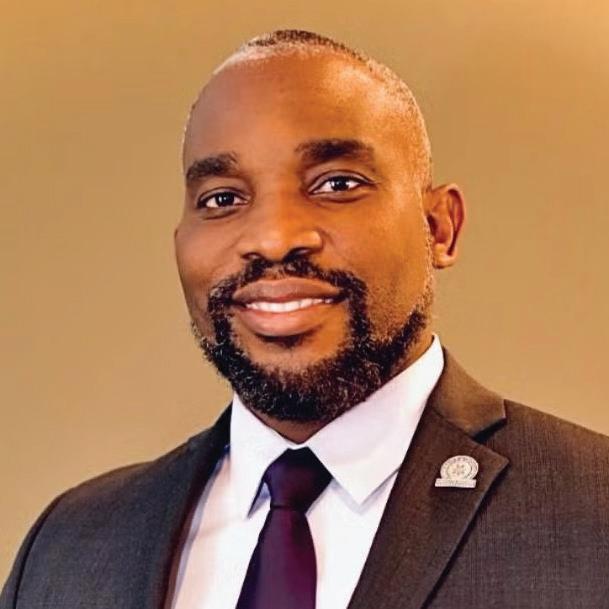












North Carolina healthcare is a bit under the weather. Workforce issues on the dental and medical sides, rising costs, and lack of access to and use of primary care are creating stress, strain and sickness. But that doesn’t mean the industry that employs 690,000 North Carolinians, according to N.C. Department of Commerce, can’t get better. Business North Carolina recently gathered eight of the state’s leading healthcare experts to lay out the challenges and discuss their remedies such as adding technology, expanding responsibilities and working together. Their conversation was moderated by Publisher Ben Kinney. The transcript was edited for brevity and clarity.

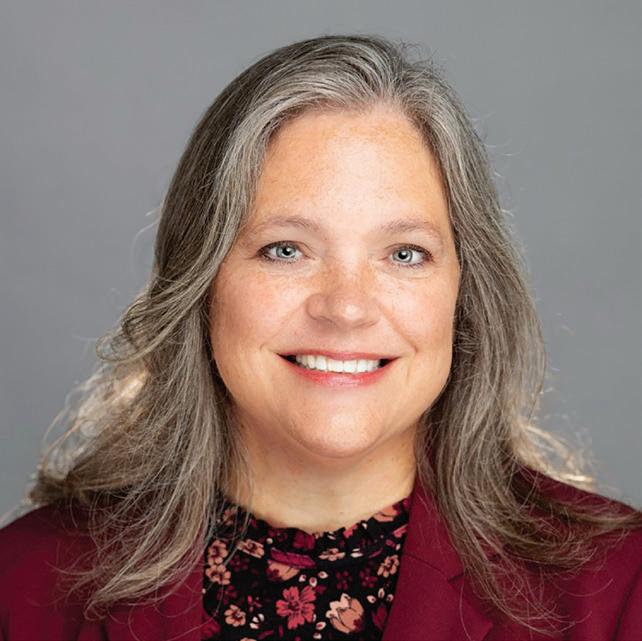




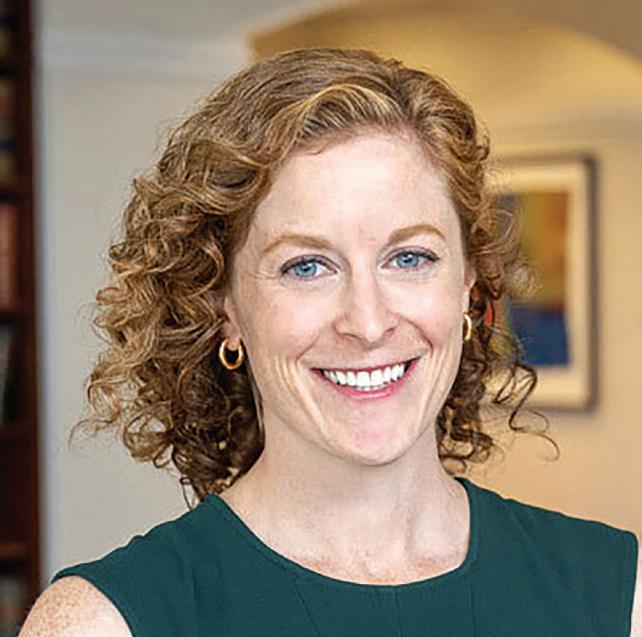
DOAKS: North Carolina’s worldclass healthcare has tremendous opportunity. It includes leading research institutions, which we support, and growing innovation sectors such as telehealth, precision medicine and artificial intelligence. But it faces significant pressure, too, including higher costs, workforce shortages, an aging population, cybersecurity threats and persistent disparities in rural communities compared to urban ones.
Healthcare is no longer confined to a hospital or clinic. It increasingly happens where the patients are — home, work, schools and community settings. Reliable and secure connectivity has become as essential to healthcare as roads and electricity are to commerce. The organizations that will thrive are those that leverage technology to extend care, improve outcomes and increase operational efficiency while focusing on the patient experience.
We started a partnership with North Carolina Telehealth Network Association in 2011. The FCC Healthcare Connect Fund offers a 65% discount for eligible
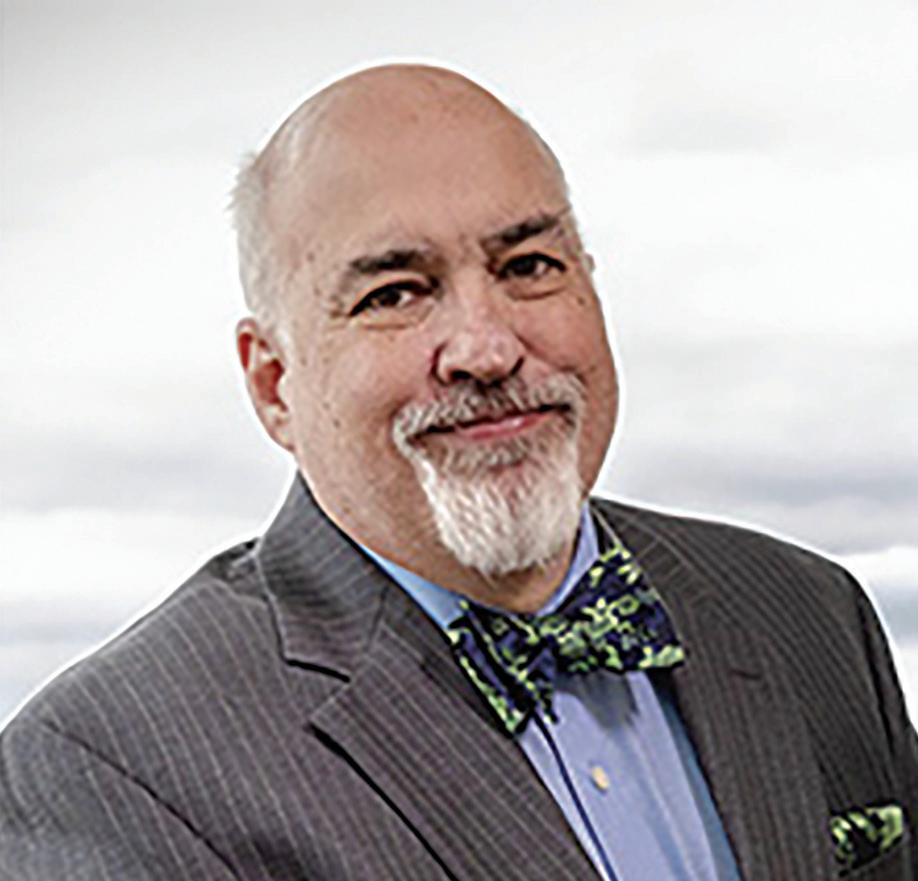
David Smith senior vice president, Brown & Brown
providers. Many of you probably know that’s in danger. We have to watch that. We have almost 800 connected subscriber sites statewide. Two-thirds of those sites are in rural communities, and how we continue to support those residents is a concern.
GRIGGS: Mixed is the best description, especially from a family physician’s perspective. There are many pressures. While we have some of the world’s best hospitals and academic centers, North Carolinians could be healthier. We have a great sick care system, but we don’t focus on improving health over the long term.
DOBSON: I’m worried. H.R. 1 will cut $40 billion from North Carolina’s Medicaid program over a 10-year period. That’s not removing waste, fraud or abuse. That’s direct cuts to providers. And there will be a cascading impact. I worry about the Enhanced Premium Tax Credits, which expired last year. The individuals who received them won’t be able to make up that difference. They just won’t have health insurance anymore. We’re already seeing that in North Carolina, where there has been about a 20% reduction in residents with health insurance. There’s a false narrative that all hospitals are financially sound and will remain open no matter
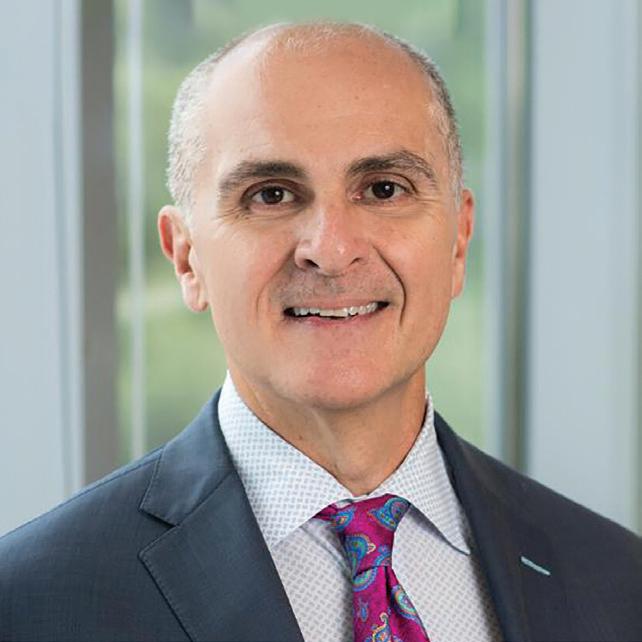
what happens. Any policy or budget change can hit rural hospitals hard. Their margins are 1%, 2%, maybe 3% if they’re lucky. UNC Chapel Hill’s Cecil G. Sheps Center for Health Services Research recently reported that about a dozen hospitals have closed in the last 16 years.
Hospitals stepped up, covering North Carolina’s share when Medicaid expanded. They stepped up again to pay North Carolina’s share when Sen. Berger, Speaker Hall and Gov. Stein came together for work requirements. Despite the challenges and worries, I’m excited and optimistic about North Carolina healthcare’s future because of the hospitals I represent.
HILL: Demand for healthcare workers continues to increase. The Charlotte region has about five open healthcare positions for each job seeker. Hospital CEOs have said the workforce shortage is their top concern for three consecutive years.
O’BRIEN: From a legal perspective, North Carolina healthcare is evolving.
Significant mergers are under consideration, and there are proposals to address healthcare consolidation impacts in the N.C. General Assembly.

Curt Ladig president and CEO, Delta Dental of North Carolina
The discussion was sponsored by:
•Independent Insurance Agents of NC
•Brooks Pierce
•North Carolina Healthcare Association
•NC Academy of Family Physicians
•Central Piedmont Community College
•Delta Dental of NC
•North Carolina Nurses Association
•MCNC

Potential changes to the certificate of needs system are always under discussion. AI is changing clinical care and regulatory enforcement. AI’s impact on billing is the subject of potential legislation, too.
AKINTADE: North Carolina has some of the nation’s best healthcare and academic medical systems. But healthcare access remains uneven, especially within rural and underserved communities. Forbes Advisor ranks North Carolina as the worst state for healthcare cost and among the 10 worst states for healthcare access.
LADIG: North Carolina was setting national examples when I arrived 15 years ago. It’s Into the Mouths of Babes program trains medical professionals to give oral examinations and apply fluoride varnish to the teeth of young children insured by NC Medicaid. And East Carolina University School of Dental Medicine Dean Chadwick’s service-learning center model, which received General Assembly support, brings oral care to rural regions.
There are challenges. Of North Carolina’s 100 counties, 93 are
dental-health provider shortage areas. They’re home to 73% of residents. The COVID pandemic delayed preventive care, reversing strides made with kindergartners. About 15.3% had untreated tooth decay pre-pandemic. It’s 20% post-pandemic.
SMITH: Consolidation, particularly on the facility side, and AI’s impact on billing practices are affecting costs statewide. But as I spend time at the legislature and with independent insurance agents and North Carolina chapter of National Association of Benefits and Insurance Professionals members, many say the battle is between providers and insurance companies.
We need more cooperation, getting everybody to the table to discuss what to do. We’ve seen dramatic action in states at different ends of the political spectrum. Maryland’s law that fixed hospital services pricing was a shock. Indiana copied it. The mix of healthcare financing is out of whack.
You buy homeowners insurance without the intention of your house burning. You buy auto insurance without the intention of wrecking your car. But you buy health insurance to spend every dollar it provides. Its financing at the individual and group levels is significant.
We can’t ignore the impact of the innovation and rising costs of pharmaceuticals. They’re not offsetting bottom-line costs as much as they should.
Fewer people are getting medical care. Medicaid cuts and the undermining of ACA are hurting employers and individuals. There’s no magical pot of money to pay uninsured people’s bills. The people who pay those bills are people like my clients, who pay more for a knee-replacement surgery or basic care, because costs are passed along.
We must expand primary and preventive care. Old guys, like me, who wait to see the doctor when they’re 55 and something’s growing from their side instead of going at age 40, are costing crazy amounts of money. If we’re going to deal with expenses, we need a holistic approach to the market.


GRIGGS: We can control healthcare costs by getting people into primary care and investing in prevention. Most U.S. adults have a chronic disease. If you have a chronic disease and a primary care physician, your costs are 54% less than an afflicted person without a PCP. And that’s not getting in front of the chronic disease.
Primary care, which handles 40% of outpatient visits in the U.S., receives about a nickel of each U.S. healthcare dollar. It’s 12 to 15 cents in most industrialized nations. We and others are working on state Medicaid plans, developing money-saving approaches to share with the state Department of Health and Human Services and General Assembly. Primary care investments must be one of them.
While emergency room and specialist visits are expensive, patients pay a negligible amount for primary care.
You don’t drive your car 100,000 miles without spending $25 or $30 on regular oil changes. But we don’t treat our bodies that way. We go until we need heart surgery. If we got regular checkups, which are a $25 or $30 co-pay, then we’d save money over the long run.
An annual physical is paid for because of ACA rules. Chronic disease visits are paid. If you go to a direct primary care practice, which is outside the insurance industry, the cost is comparable to a gym membership and access is unlimited. More primary care means healthier people. Healthy people go to work. And healthy kids mean parents are staying at work.
LADIG: Since the pandemic, because of higher costs, we’ve seen dental inflation. It was 8.5% for the 12 months that ended in May. Medical physician inflation was 2.9% during that period. People aren’t

Communities cannot grow if families cannot access care and employers cannot recruit workers.
Advanced Practice Registered Nurses (APRNs) are already helping meet growing healthcare demands in every region of our state –but they could be doing so much more.







moving to North Carolina for high costs. They want a better cost of living and a great place to live.
SMITH: Wellness is like the first time your spouse tells you to buy white paint at Lowe’s, and you realize there’s no such thing after you arrive. Wellness is diverse. Population health doesn’t work. Annual physicals and preventive tests save lives.
Chronic disease management is the only thing that is currently working, if I’m honest. We spend money and invest time in helping people better live with it. Otherwise, they risk an extreme healthcare event. If you don’t take your high blood pressure medication, you can have a stroke. And if diabetics don’t watch their sugar, they’re headed to the hospital.
I recently reviewed a large carrier that’s self-funded, has about 800 employees and 1,200 members. It said 12% of members didn’t file a healthcare claim last year. That’s no reason to celebrate.
We’re ready to give people $75 gift cards to get primary care. We’ll do whatever’s needed. People will get primary care if we build it out and create incentives.
I’m on my fourth primary care physician, and I live in Durham. I can’t begin to tell you what my parents go through in Banner Elk. We must pay attention, because if they can’t find someone to do their physical, they’re not getting one.
LADIG: The oral care model is built on preventive care. Your teeth are cleaned and examined once or twice a year, and that helps. There’s a lot of data that could support this approach on the medical side.
When an employer group plan has a high percentage of members receiving preventive care, the cost for major services is lower over time. There’s even a lower cost in the medical plan. We encourage the purchase of employer group plans that provide 100% preventative care. Don’t cut preventive care from your plan. Look elsewhere for savings to balance your budget.
GRIGGS: Going to medical, nurse practitioner or physician assistant school is the same, regardless of your specialty. There are NPs and PAs in dermatology making much more money in Raleigh than a primary care physician in one of North Carolina’s rural counties. Until we invest and change that economic paradigm, encouraging students to study primary care, access issues won’t change.
LADIG: North Carolina has the country’s most restrictive dental practices act. Only two hygienists can serve under one dentist’s review at a time. That must change. But the most significant oralcare concern is the lack of hygienists.
When supply falls and demand increases, costs rise. I recently met with the ECU School of Dental Medicine and UNC Adams School of Dentistry deans, and getting more hygienists tops their to-do lists.
DOAKS: The $1.2 billion of broadband equity and access deployment funds coming into North Carolina

Hospitals are more than places of care — they help drive North Carolina’s economy. Across 95 counties, they rank among the top 10 employers and support nearly 500,000 jobs statewide, generating a $52 billion economic impact. In one of the nation’s fastest-growing and most rural state, our hospitals are expanding facilities, services, and technology to improve access to care in communities large and small. Stability, purpose, and opportunity — there’s never been a better time to start a healthcare career. To learn more, visit nchealthcare.org.
A message from North Carolina’s hospitals and health systems.



CarolinaEast Health System may be all the way on North Carolina’s eastern side, but the challenges it faces are front and center in the state’s healthcare industry. Michael Smith, who has served as the New Bern-based system’s president and CEO since 2022, shared those and possible solutions, along with some highlights. His answers were edited for brevity and clarity.
Healthcare nationwide is transitioning. The effects of H.R. 1 — “One Big Beautiful Bill” — will be felt for several years. It reduced federal healthcare funding, mostly to hospitals, by more than $1 trillion over the next decade and replaced it with $50 billion designated for rural health. Even in the best circumstances, that leaves an enormous shortfall, especially for rural, independent health systems such as CarolinaEast.

Healthcare systems have resigned themselves to dealing with them. Thankfully, because of a long-standing relationship with our local community college, Craven Community College, we’ve helped train people for many of the position shortages that were crippling healthcare a few years ago.

A physician shortage is looming on the horizon. There is no quick fix, so care models are changing in preparation. We will continue to rely heavily on advanced practice providers such as nurse practitioners and physician assistants. APPs and certified registered nurse anesthetists will need more independence to fill care gaps.
North Carolina’s health systems are among the country’s best. From Manteo to Murphy, you’ll find some of the highest-rated healthcare by most any measure. Newsweek recently named CarolinaEast 112th-best hospital out of 6,100 in the country. There is much to celebrate in our healthcare system. If we are allowed to provide the compassionate, high-quality care we are all known for without having to spend millions of dollars fighting for payment, our patients will be the big winners.



will help expand connectivity in rural communities. It doesn’t replace physicians and nurses, but it could expand the reach in those rural communities.
Nationally, non-metro regions are projected to experience a 58% physician shortage by 2038. When we think about rural communities nationwide or statewide without connectivity, they can’t connect to a physician. Now add on a physician shortage at the same time. You can talk about primary care, but these rural folks don’t have a physician nearby or the ability to connect to one. That affects their ability to regularly see a primary care doctor.
AKINTADE: North Carolina isn’t making the most of the highly trained professionals who are currently treating patients. It has the country’s fifth fewest NPs — 4.28 per 10,000 residents. I graduated NP school more than 20 years ago, and I immediately went to University of Maryland, where I had full practice authority. That allows NPs and other advanced nurses to treat patients without a supervising physician. Forbes Advisory says the top 10 states for healthcare access and cost all have full practice authority.
North Carolina’s lack of full practice authority is discouraging people from moving here or pursuing these opportunities if they’re already here. Adding it could expand the healthcare workforce.
The Sheps Center and North Carolina Board of Nursing predict that the state will be short about 12,000 registered nurses by 2033. Include licensed practical nurses, and that number jumps to 18,000. The shortage has several causes, starting with burnout. Some surveys have found that our students experience it before they graduate.

To learn more about the NC Academy of Family Physicians, please visit: www.ncafp.com



Adults with a family physician have lower health care costs and better health outcomes. That’s why NC needs to invest in primary care.


















About 50% of North Carolina Nurses Association members have documented witnessing or experiencing violence within the last two years.
We’re facing a bookend effect. About 25% of the country’s 5 million nurses will retire by 2033, because they’re baby boomers. And if you go back to the pandemic, an American Association of Colleges of Nursing survey found about 33% of new nurses were planning to leave the profession after their first year.
We need more faculty to educate future nurses. We’re seeing a hamstringing of nurses who are interested in advanced degrees. The new caps on student loans are a challenge. Many of my nursing colleagues are pretty upset with the notion that nursing isn’t considered a profession. I’m numb by that.
GRIGGS: We need more healthcare
professionals. We won’t train our way out of needing 12,000 RNs and 6,000 LPNs by 2033. And we’re not going to dig our way out by substituting NPs for physicians or RNs for NPs or LPNs for RNs. They’re not always interchangeable parts.
Healthcare professionals could see more patients if we reduced administrative burdens such as prior authorizations and charting. People are concerned about AI, but its ambient listening and charting reduce paperwork burdens.
If we get the correct clinicians in the correct places, that will bring opportunities for physicians, NPs, PAs, RNs and everyone else. But if we don’t leave this fee for service rat race that we’re running today and start paying for outcomes, none of that will happen.
HILL: As more healthcare shifts to outpatient, community-based,
preventative and home environments, demand for a wide range of healthcare professionals will continue to grow. We’ve seen growth in biowork, life sciences and healthcare innovation. That creates career opportunities beyond traditional clinical roles for our students.
Central Piedmont offers the Charlotte region’s most comprehensive healthcare workforce development portfolio with more than 22 curriculum degree programs and 33 continuing education noncredit offerings. Its affordable and flexible training includes real clinical experience.
DOBSON: It’s a touchy and hotly debated subject. As a general rule, NCHA doesn’t comment on it. It supports all its 133 members. However, I believe



















consolidation isn’t great for every situation, and decisions must be made. There are rarely simplistic solutions to complex problems. And this certainly is a complex problem. Each consolidation or merger needs a life of its own and consideration on its merits.
Consolidation keeps rural hospitals open. That’s not the sky is falling. That’s a fact. The burdens and varied challenges they face, including problematic state and federal legislation, are piling up.
Consolidation can give a hospital economies of scale, stronger negotiating power and better patient coordination. All of those must play into it.
GRIGGS: AI isn’t a solution. It’s no different than many other healthcare
tools, whether that’s a stethoscope, X-ray or MRI. AI can help us do a better job. But it can’t replace the human interface, reasoning and morality of patient contact, whether that’s a nurse at the side of a hospital bed or a family physician in a primary care office. We must use AI appropriately and correctly, and we can’t substitute it for common sense.
LADIG: We process millions of dental claims every month. So, it can be difficult for one person to remember a particular X-ray connected to a high-cost procedure from one day to the next. AI helped us find one X-ray that apparently was purchased on the dark web and used in 12 states by eight dentists for 48 different patients. That’s one use in benefit administration.
O’BRIEN: Protected health information is the most valuable data on the dark web.
I’ve seen a massive adoption of AI with my clients. It’s used for scheduling, billing and transcribing patient encounters. It also is used for treatment plan compliance, post-visit follow-up, patient communications and clinical support. It’s being used nearly every way you can think about it being used.
AI must be a legal and compliance priority. The level of use is the level of risk. Failure to properly implement and monitor AI use can lead to big litigation and regulatory enforcement issues. Management of third-party vendors, especially those storing PHI, is a major issue that has crossed my desk recently.
I’ve been asked to review a vendor’s new AI tool, and it’s immediately clear that the vendor is a single individual who’s using some kind of publicly available AI platform. You can tell because the font, layout and
For more than 40 years, MCNC has helped organizations across North Carolina stay connected, secure, and ready for what’s next. As the state’s only nonprofit ISP, our 4,400-mile fiber network serves more than 2,000 customers across all 100 counties.

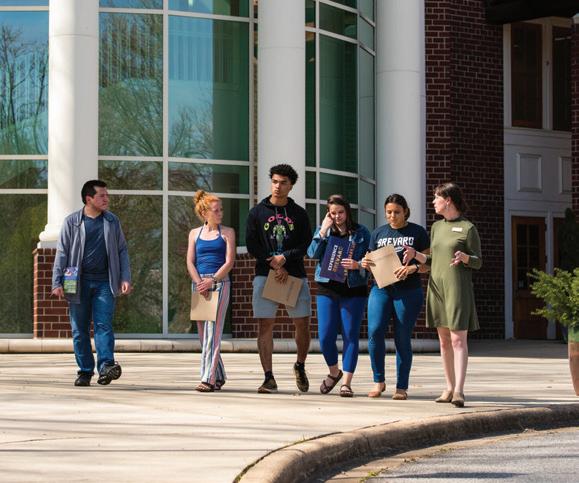







phrasing of the tool’s webpage are nearly identical. So, I ask my clients to consider if the vendor is capable of securely maintaining PHI and satisfying HIPAA standards imposed on business associates. AI has massive benefits, but it comes with risk, especially in this highly regulated environment.
SMITH: AI has a place. It’s clearly helping. But people are concerned about its role in delivering care. IT professionals are responsible for protecting organizations, and liability can be created with inadequate protection. They need to be at the table for AI discussions.
DOAKS: About 65% of hospitals report using AI predictive models. They’re creating more data, which will be more appealing to cybersecurity threats. As
your AI use increases, there must be a concerted effort and investment that improves your cybersecurity posture throughout your system.
AKINTADE: We’re balancing AI’s use with its efficiency. Our practice readiness ensures nursing students can use the technology as an adjunctive interface but be knowledgeable and responsible for patient outcomes based on their decisions. There isn’t a standard approach. It’s changing so quickly. In nursing, we are putting our arms around it, trying to better understand it as it’s evolving.
HILL: We’re seeing more of a virtual environment, particularly when training our students. There are virtual healthcare clinics, so we train our students in all our healthcare programs for them. We
embrace technology, because it is here. It’s not a solution for every challenge, but it’s a giant leap forward.
Healthcare training has used advanced technology for years. There are simulation hospitals, training centers and mannequins. We want our students to practice in a safe environment before they start working with live patients.
It’s important that our students are exposed to AI and learn its ethical uses. As long as we remember that technology is a tool and not a solution, we will have a well-trained workforce. ■





LS3P announces Laura Miller as Chief Practice Officer (CPO). With 26 years at LS3P, she has held key roles including Wilmington Office Leader. Active in AIA leadership, she will guide firmwide practice strategy, advancing design, quality, and innovation. Miller will work alongside Katherine Peele over the coming months with full transition anticipated in the fourth quarter of 2026.

For more information, contact Ben Kinney (704-927-6273 or bkinney@businessnc.com)


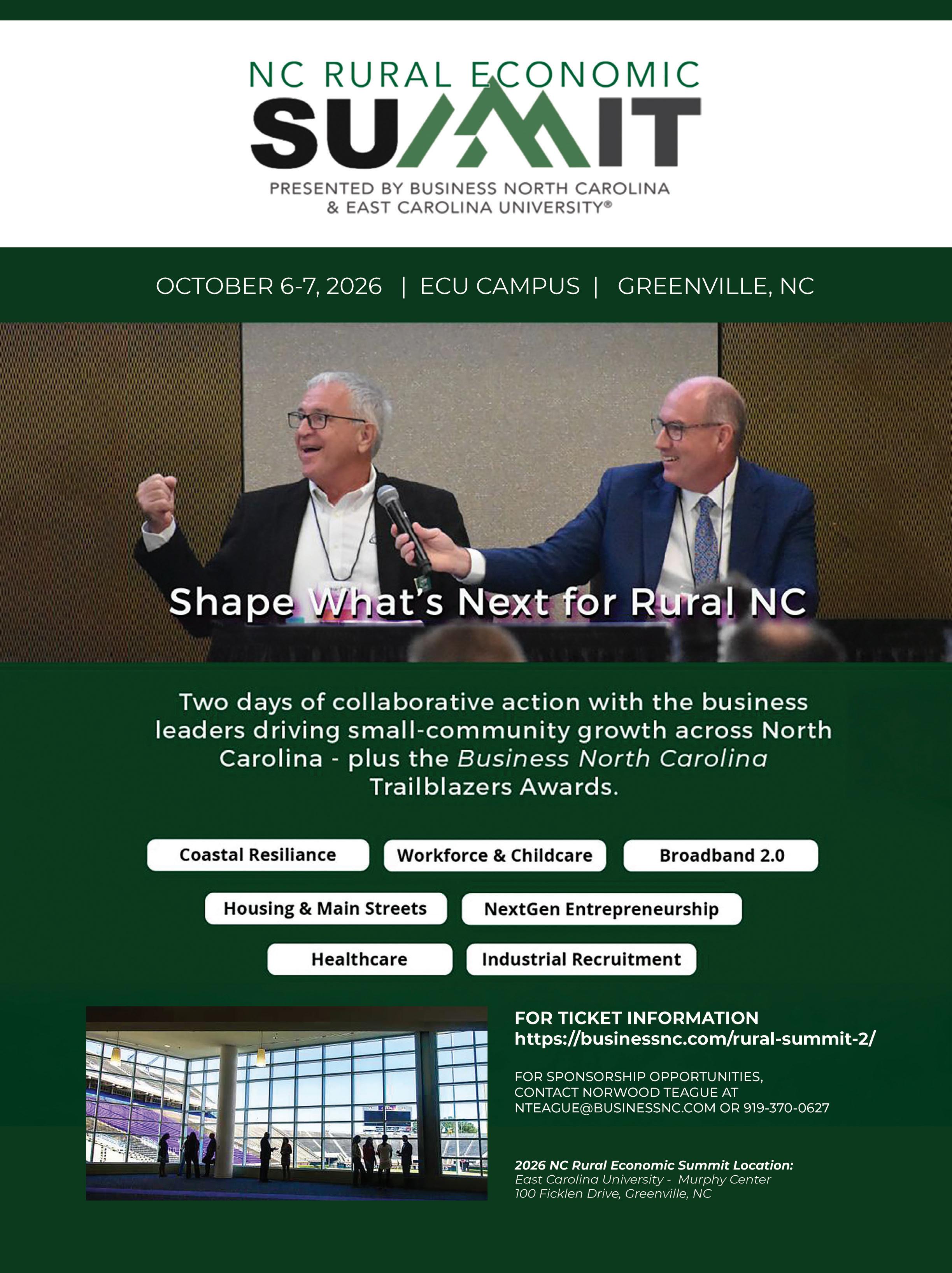





Lee Roberts pushes for a bigger, bolder university. Can a business pro avoid academia’s inevitable landmines?


By David Mildenberg



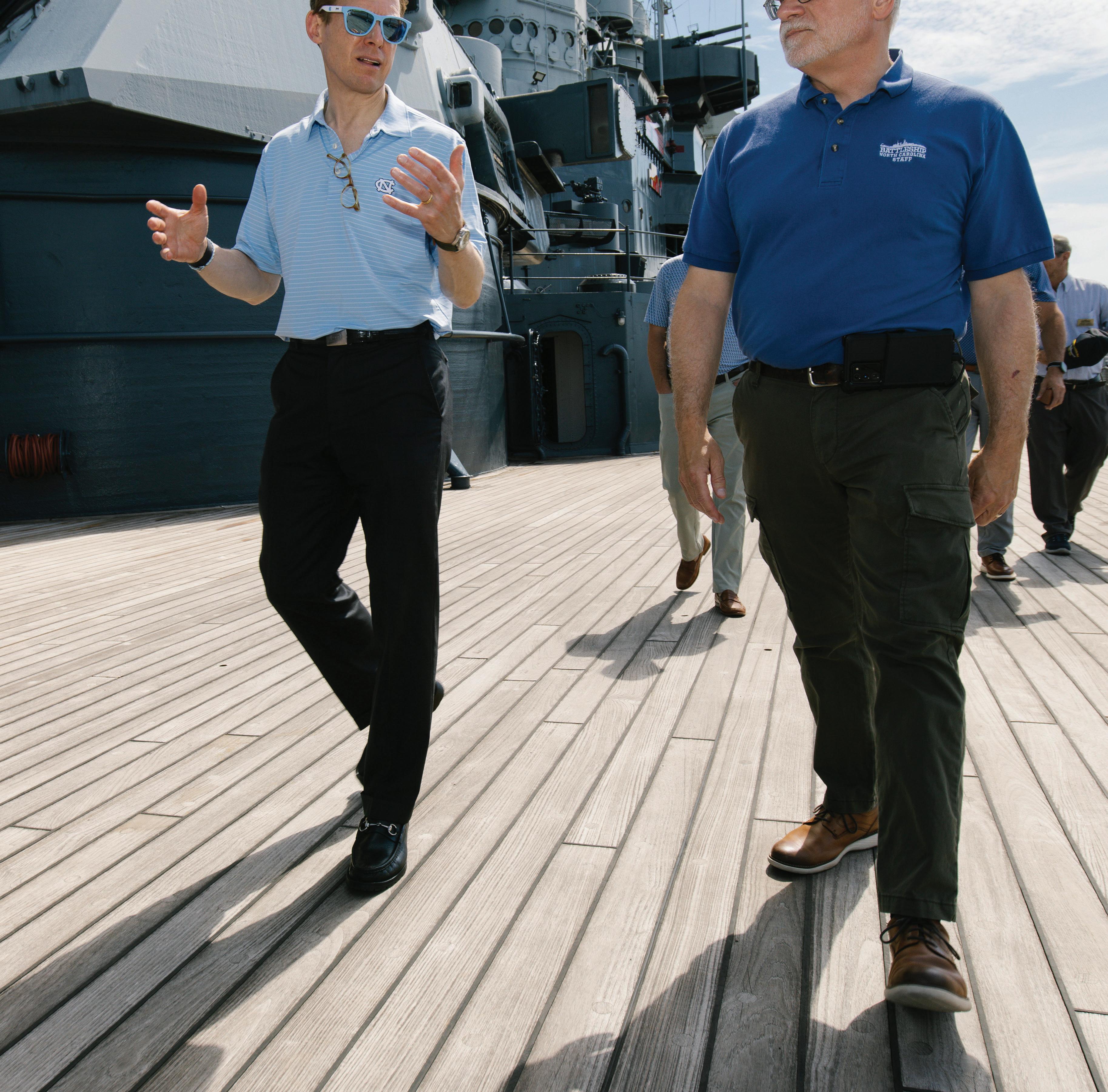
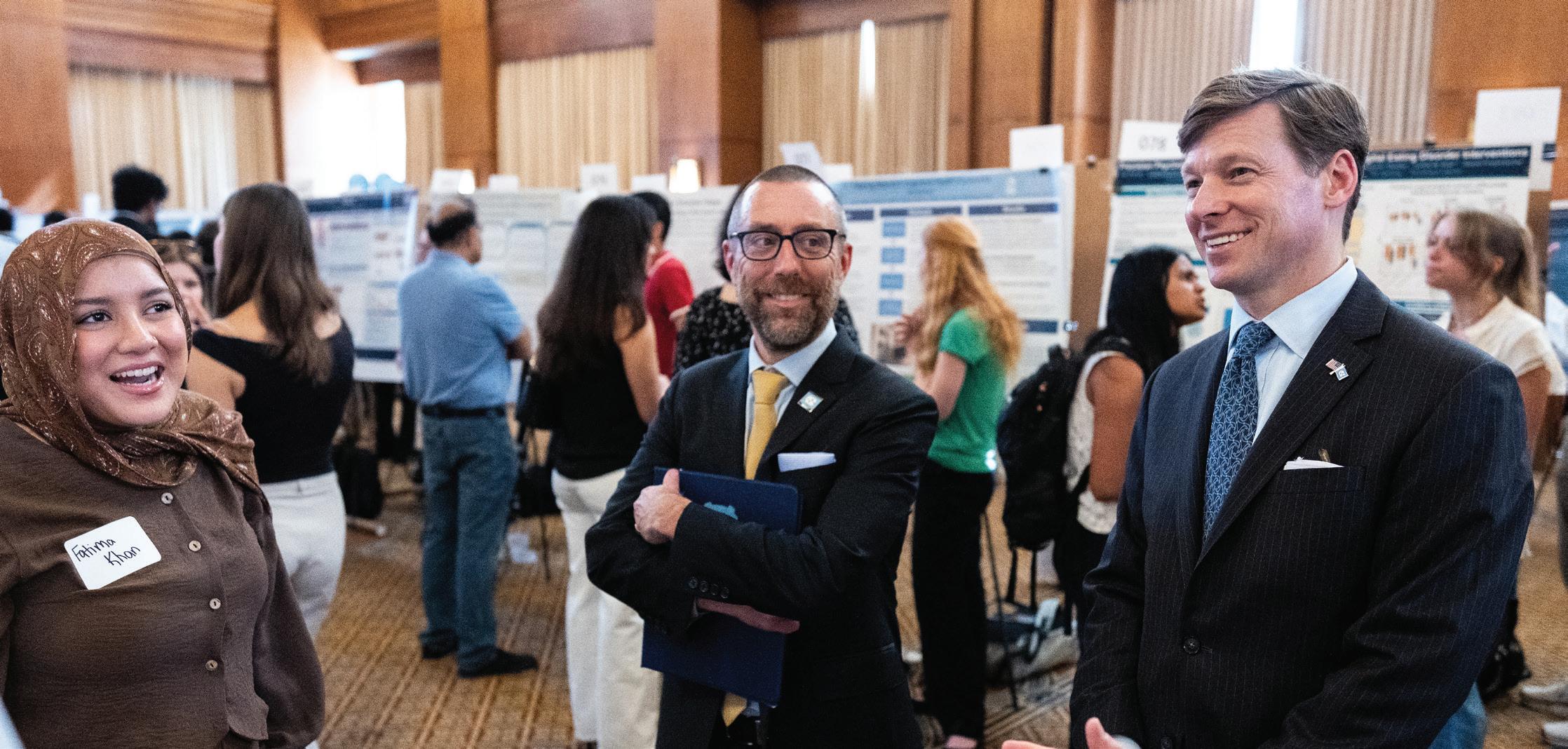
In May 2006, when George W. Bush was president and “Bad Day” was topping the pop music charts, UNC Chapel Hill trustees kicked off plans for a “world-class research and learning campus” two miles north of campus.
The Carolina North campus will provide a place for the university to grow and develop new models for research and education,” officials said in a follow-up report. The university then had about 27,700 students, including about 17,000 undergraduates.
Fast forward nearly two decades later, to the campus trustees’ January 2025 board meeting, when Chancellor Lee Roberts suggested it was time to make the dirt fly at Carolina North, where little had happened since Bush administration days. It was time to make good on the 2006 vision for a campus that would include residential, educational, research and retailing elements, he said. Maybe even a big basketball arena.
By 2025, UNC’s enrollment had hit about 34,100 students, including 22,000 undergraduates, a significant boost but not enough to satisfy many state and UNC System leaders. They are pressing for another 5,000 undergraduates in Chapel Hill over the next decade, partly in response to the state’s rapid population growth. It’s become hard for high school seniors to get into Carolina, with an acceptance rate of 43% for in-state undergrads and less than 10% for out-of-state ones. Why not open up more slots?
The trustees meeting came a year after the January 2024 hiring of Roberts as interim chancellor. He got the permanent title eight months later.
Now, two-and-a-half years into his tenure, the project looms as a key measure of Roberts’ effectiveness as chancellor. It comes at a time of strength for Carolina, which this year completed a fundraising campaign that raised $5.1 billion, topping its $4.25 billion goal and joining only five other public U.S. universities to attract that much money. The latest class of about 6,200 students was picked from more than 84,000 applicants. Research funding is at a record level, largely due to medical and public health schools. Its UNC Health affiliate is expanding statewide, backed by annual revenue of about $7 billion and a credit rating upgrade in January.
“For 232 years, this institution has been the most important one on which we build a better future for North Carolina’s families,” Roberts says. “But that doesn’t happen with pixie dust. We’ve got to go out and make it happen.”
UNC officials have long viewed Carolina North as an ace in the hole. About 250 acres are expected to be developed, with another 750 acres preserved as forest land. “I don’t know of another location like it anywhere in the Southeast with as much land as close to this much population growth and infrastructure,” Roberts says. “It’s not only a remarkable opportunity; I would argue we have the responsibility to use it to fulfill our mission of service to the state and people.”
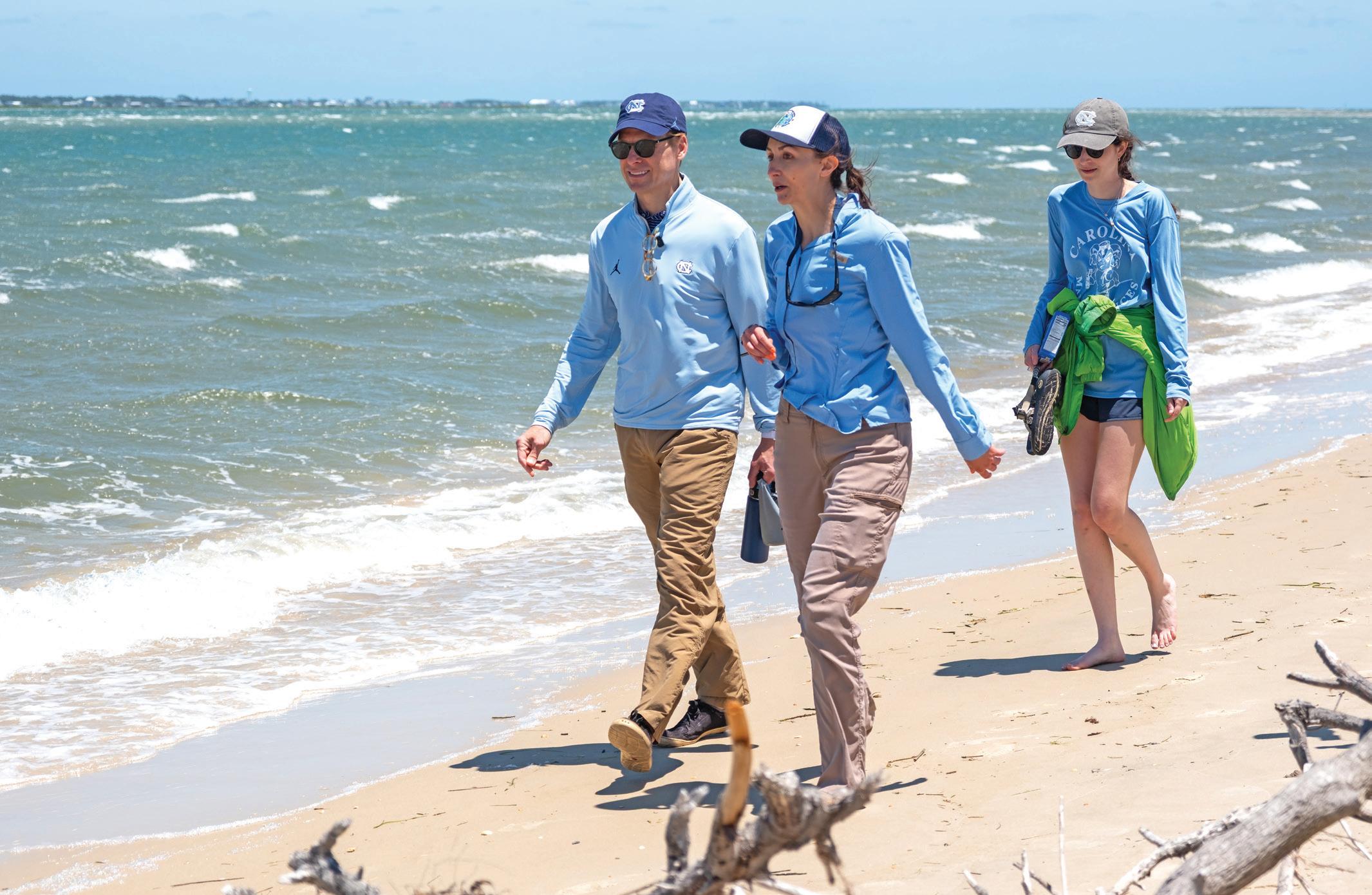
If that sounds like a private sector real estate guy, a finance bro in the current vernacular, you hit the nail squarely.
Roberts’ career contrasts with the previous 25 years of leadership by four UNC chancellors, whose paths focused on doctorates, academic research and university governance. James Moeser was a music professor; Holden Thorp, a chemist; Carol Folt, a biologist; and Kevin Guskiewicz, a sports medicine expert.
A search committee looking for a new leader in 2024, chaired by UNC Health executive Cristy Page and including UNC System President Peter Hans and the current and previous chairs of the UNC System Board of Governors, took a different route.
The son of celebrated Washington, D.C. journalists Steven and Cokie Roberts, he attended Duke University and earned a law degree at Georgetown University, then worked for Morgan Stanley for nine years, helping arrange financing for major real estate projects. He and his wife, Liza, a former journalist and magazine editor, have three children. Among his clients while working on Wall Street was Tom Darden, who hired Roberts in 2006 to work at Raleigh-based Cherokee Investment Partners, which specializes in environmental remediation deals. Darden became the first among many N.C. business and political leaders with whom Roberts connected over the next decade.
He left Cherokee in 2008 to join a real estate partnership led by Raleigh developer Gregg Sandreuter, then shifted careers to join VantageSouth Bank as chief operating officer in 2010. Durham real estate and finance investor Adam Abram and longtime N.C. banker Scott Custer controlled the Burlington-based bank. In 2014, VantageSouth merged with Elkin-based Yadkin Financial to create the state’s largest community bank, which was later bought by FNB.
That year, Gov. Pat McCrory named Roberts state budget director, overseeing $40 billion in annual spending. Some of the governor’s Republican colleagues questioned the move because Roberts was registered as an unaffiliated voter. McCrory calls it one of his better decisions as governor and credits Roberts for his expertise in helping lead a successful $2 billion bond campaign, which has paid for many UNC System buildings across the state. “He’s one of the best listeners I’ve ever known,” McCrory says.
In early 2016, after 16 months as budget director, Roberts left to start SharpVue Capital, a private investment firm in Raleigh, in a partnership with Medical Mutual Insurance. The physician-owned medical malpractice company, which is now called Curi, fronted SharpVue with $100 million to manage. Part of its vision was to provide potential real estate and other investments for its memberphysicians. The groups have since split up, while SharpVue has broadened its offerings to include private equity and private credit.
An appointment by Senate President Pro Tem Phil Berger to the UNC System Board of Governors in 2021 raised Roberts’ profile, particularly when he became chair of the budget and finance committee. It was a challenging task as the COVID-19 pandemic slammed university revenue with parking, housing and food service receipts plummeting because of the shutdown.
His connections and public service background made him a logical choice as interim chancellor when Guskiewicz quit after five years to become president of Michigan State University. While fewer than 15% of university CEOs have mostly business backgrounds, it surprised few that Roberts got the job permanently in August 2024 after a search committee packed with UNC System and campus leaders, including Hans, Randy Ramsey and Kellie Blue, made the Duke grad their top choice. Perhaps the most influential voice, Phil Berger, urged the university to hire Roberts.
As chancellor, Roberts is sticking to his key agenda and largely side-stepping messy issues that capture media attention, but are less fundamental to UNC’s core mission, according to discussions with a dozen state leaders.
An example is the saga of Bill Belichick, the superstar coach recruited in an unconventional fashion in late 2024 to revive UNC’s underachieving football program. He got the job after former trustees chair John Preyer connected with a close Belichick confidante, Michael Lombardi, and then U.S. Sen. Thom Tillis and N.C. Senate leader Berger. It was essentially an end run around UNC’s athletic director. Lombardi is now the football program’s general manager, while Belichick secured a contract guaranteeing $30 million over three years.
No one may have complained had the team excelled, but a disappointing 4-8 record last year and lots of off-field drama attracted negative global attention for Carolina. Preyer resigned his board seat in January, the UNC System set new hiring rules, and Tar Heel fans pray that Belichick can work some magic in his second season. Roberts had his job permanently only a few months when Belichick was hired. He has expressed confidence in the coach. Fortunately for Roberts, passions at UNC don’t rely exclusively on football success, unlike some southern universities. Still, he doesn’t deny the importance of athletics.
“There are very few schools who are trying to do what we are doing in college athletics,” he says. “We try to be elite in 28 different sports, while ensuring that our student-athletes are true Carolina students.”
On enrollment, Roberts notes that UNC used to train about 5% of the state’s graduating seniors. That has declined to 3.5%, so the pledge for 5,000 more students within a decade shows a desire to boost access.
The chancellor has shrewdly made AI, data science and related technology courses a key emphasis, UNC trustee Marty Kotis says. “We don’t want to repeat something that is going on at NC State, but there are lots of opportunities,” he says, referring to the Raleigh campus that has highly rated engineering programs. “Educating people who can run and manage AI is a very appropriate place for UNC to invest.”
Half of UNC students now major in science, technology and math degrees, up from a third in the past, Roberts says. That includes about 3,300 majoring in biology, the school’s fastest-growing program. He cites strong demand for degrees in chemistry, sports science, data science and computer science. “We want to build the capacity of those programs and add to them over time,” he says.
Carolina North figures into the strategy as a home for STEMrelated classrooms and labs. “You can teach English in the same building for 100 years,” Roberts says. “But you can’t do that with biology or chemistry or other sciences. You need modern facilities.”





+ Expanded enrollment
+ Leadership in artificial intelligence
+ Increased education in applied sciences, including data science & engineering
+ Improving the physical campus, with an emphasis on Carolina North



Carolina North’s first phase calls for adding a total of 2,200 beds, with groundbreaking expected next year and completion in four years. A design firm has been hired, with a contractor to be named soon. Separately, UNC is building its first new dorm in a generation, replacing older housing. It will add about 720 beds near Kenan Stadium in the heart of the campus.
Adding students and real estate requires more faculty and staff, and ripple effects that some veteran UNC educators find questionable, says Faculty Chair Beth Moracco, an associate professor in the Gillings School of Public Health “Faculty is not opposed to change, but we want to preserve and protect what is unique about Carolina,” she says. “Let’s not break what is working.”
Growth talk also conflicts with UNC’s “Service First” plan, announced in mid-2025, that expects to cut costs by centralizing many operations previously handled by various schools or departments. The oft-stated goal for Carolina to become the toprated U.S. public university also raises eyebrows among faculty because of data showing average compensation in Chapel Hill is lower than many peers, Moracco says.



While she believes raising faculty pay is a priority for Roberts, he didn’t raise the topic during an hour-long interview with BNC. Still, she says the chancellor has made sincere efforts to listen to faculty perspectives. She praised the March hiring of Provost Magnus Egerstedt, a former engineering dean at the University of California at Irvine with impressive academic credentials.
Roberts did emphasize state lawmakers’ strong support for UNC, noting North Carolina spends a higher percentage of its revenue on higher education than any other state. He cites a UNC official who came from the University of Oregon, which has roughly similar enrollment and state appropriations of “something like $80 million a year. Our equivalent number this year will be $700 million.”
At Carolina North, Roberts is leveraging his skills in real estate development with a push for partnerships that provide research, internships and job opportunities for students. Like NC State’s Centennial Campus, one might say.
“Most of our peers would give anything to be surrounded by this much commercial activity and this much growth [in the Triangle]. But we haven't been as intentional and proactive as we need to be in building those relationships,” he says.











To spark action, Roberts has recruited a team that includes Vice Chancellor Tommy Sowers and Marcus Ginyard as key promoters for Carolina North. Sowers held a variety of private sector, government and academic jobs before joining UNC in April as head of innovation, entrepreneurship and economic development. Ginyard is a former commercial real estate broker in Raleigh who captained the 2007-08 men's basketball team that made the Final Four.
“We’ve never created a single front door and gone out to large organizations and asked how North Carolina can help you,” Sowers says. “We’re just getting started, but this is a once-in-a-lifetime opportunity to build this new campus at a top-10 institution where partners can build the future together.”
To be sure, the shelf life of university presidents is increasingly short. While UNC hasn’t drawn as much fire from President Donald Trump over alleged wokeness as many campuses, Roberts has taken heat for holding up a U.S. flag at a pro-Palestinian campus rally; the shuttering of UNC’s international studies center; the denial of tenure to a gender-studies professor; and for suggesting that the men’s basketball team move to a new arena at Carolina North and away from the beloved Smith Center.
That latter matter created such a ruckus that officials have indefinitely paused discussions of the move.
In June, N.C. Democratic Party Chair Anderson Clayton wrote an X post that called Roberts “a Republican shill placed there by a Republican board of trustees who are appointed by a Republican board of governors who are appointed by a Republican state legislature.”
It followed UNC’s decision to take down a Pride Month-tied post showing the state of North Carolina with a rainbow argyle pattern running through it and a caption “The Tar Heels are for everyone.”
Public criticism is rare, however. Gov. Josh Stein and other state Democrat leaders have shown support for Roberts. Still, if Stein’s party surprisingly retakes control of the N.C. House in November elections, the shift could raise pressure on Roberts, particularly with Berger leaving the legislature.
More likely, Roberts will be around for several years at his elegant office at the South Building, which dates to 1814.
“When you look at the stuff that the legislature and the Board of Governors and the board of trustees have done, the metrics speak for themselves,” Kotis says. “The university is winning.” ■
By David Mildenberg
The past year marked another big year for investors, with the S&P 500 Index soaring 22% through June 30 as the bull market rages on. It also was a golden year for dealmakers, our annual review of N.C.based public companies shows.
Five major businesses were acquired in the year ending June 30, with a combined transaction value of about $30 billion.
The $10 billion sales of SealedAir and CommScope topped the charts, while three companies on our Top 75 list had IPOs.
That compared with sales totaling less than $2 billion in the previous year, and zero IPOs.

The number of U.S. public companies has declined around 50% over the past 30 years as many business owners prefer to align with private equity firms or larger industry peers rather than deal with the regulatory hassles of public ownership and pressure to show quarterly improvements in profits.
To encourage public ownership, the Securities and Exchange Commission is considering allowing firms to report results every six months, versus three months now. President Donald Trump favors the change, which has sparked overwhelming opposition from investors.
Meanwhile, the list emphasizes how few public companies can outperform the S&P 500 index on a consistent basis. Only 11 of the 75 companies this year had total returns that exceed the index, over a five-year period, far fewer than previous years. Those companies,


in alphabetical order, are Coca-Cola Consolidated, CurtissWright, Enpro, Extreme Networks, First Citizens Bancshares, Liquidia, Nucor, Southern Bankshares, SPX, Tanger and Trane Technologies.
Still, over one year, an impressive 35 N.C. companies did better than the S&P 500, which gained 21% for the year ending June 30. There’s still a place for stock pickers.
We appreciate Matt West of Capital Investment Cos. for helping produce this report.

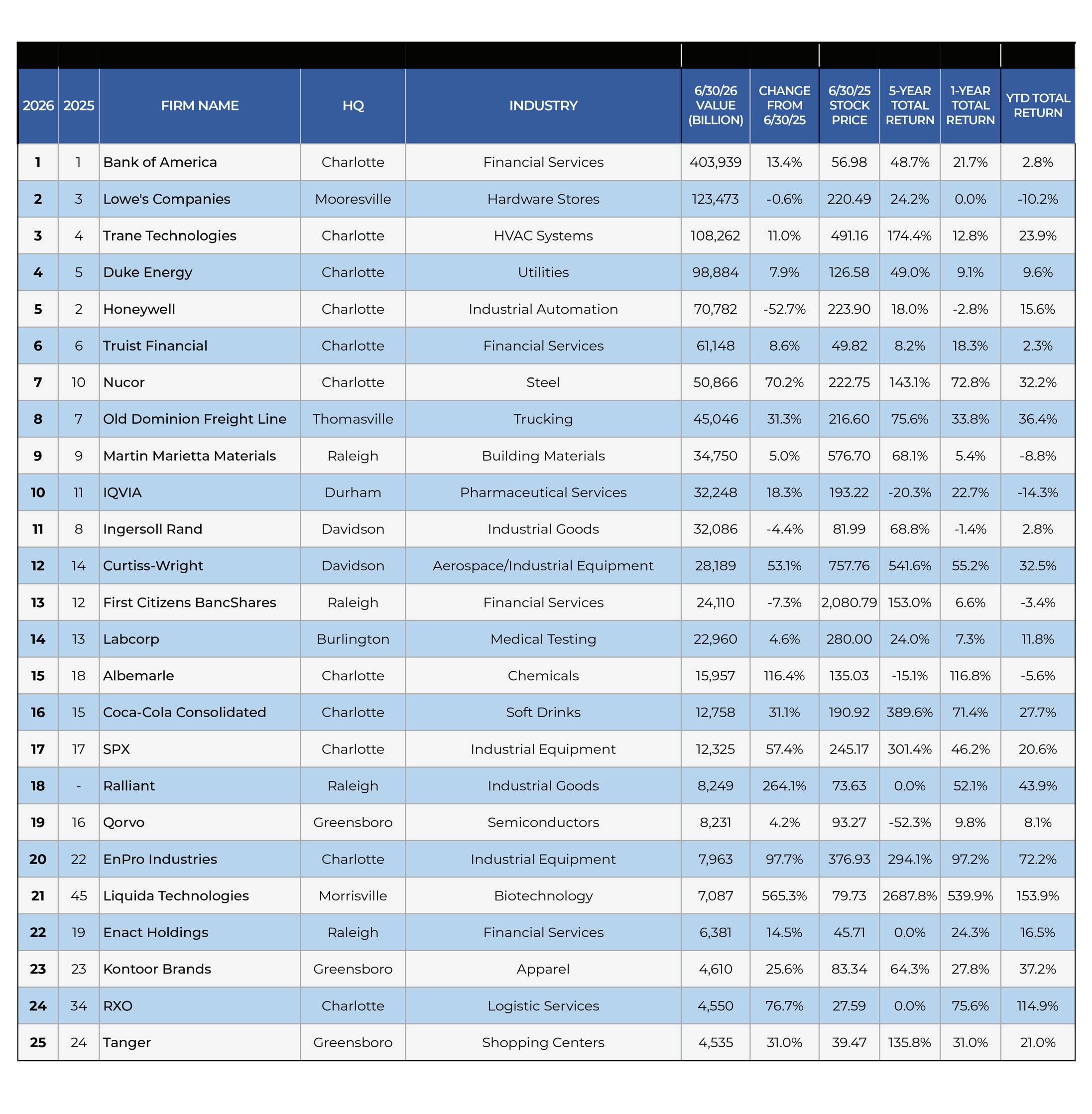




















BEST STOCK MARKET RETURNS OVER THE PAST FIVE YEARS: The average compensation for these 10 CEOs was $11.6 million last year. Drew Covert’s pay isn’t publicly reported.


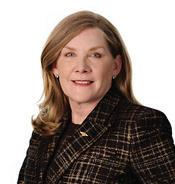

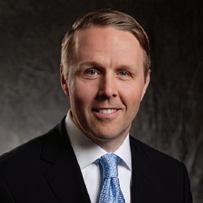



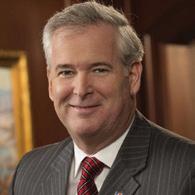
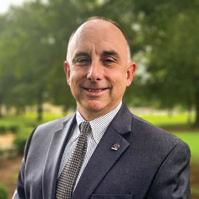

Roger
Lynn
Frank
Gene
Edgar
Dave
Frank
Drew



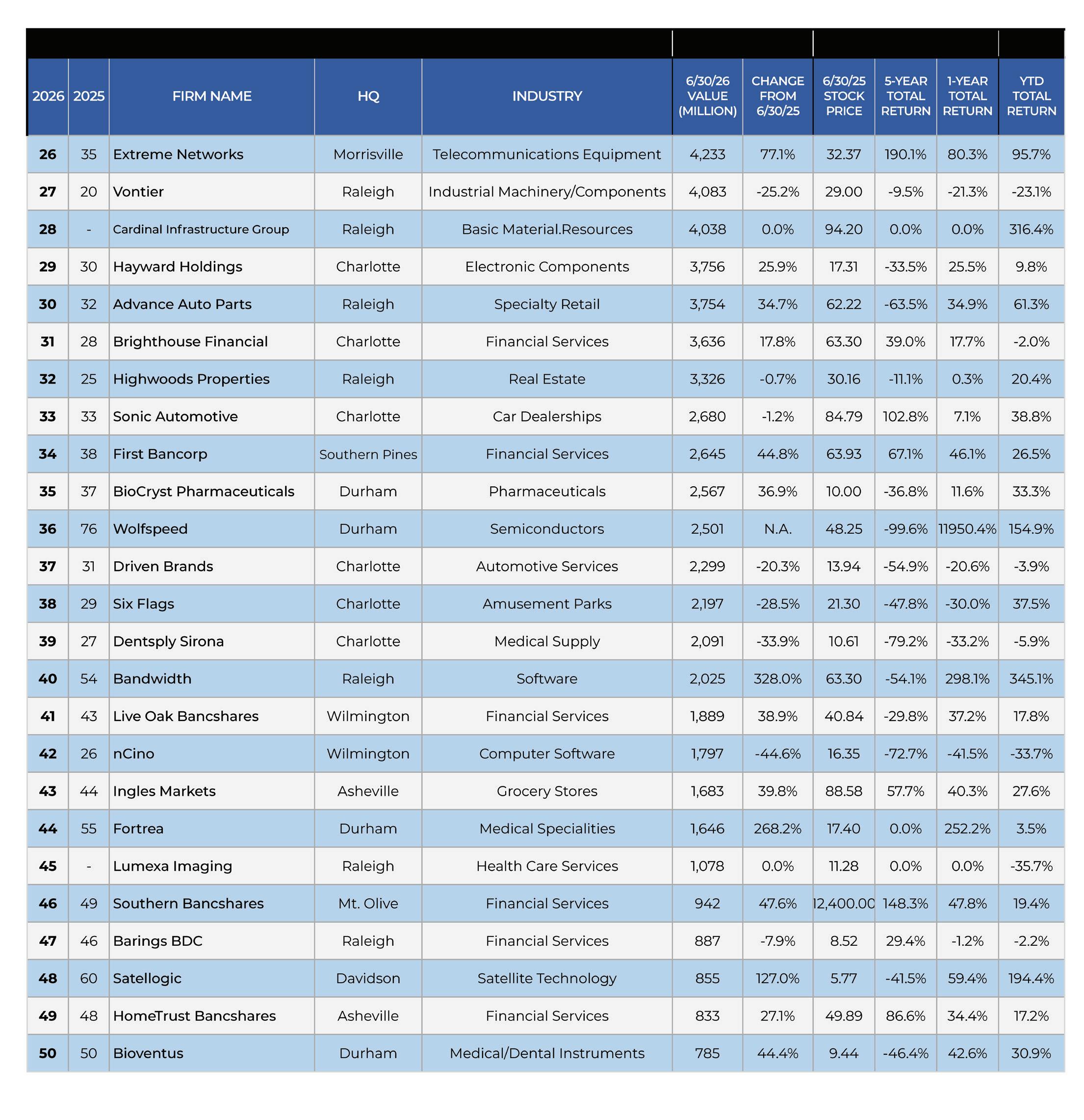
















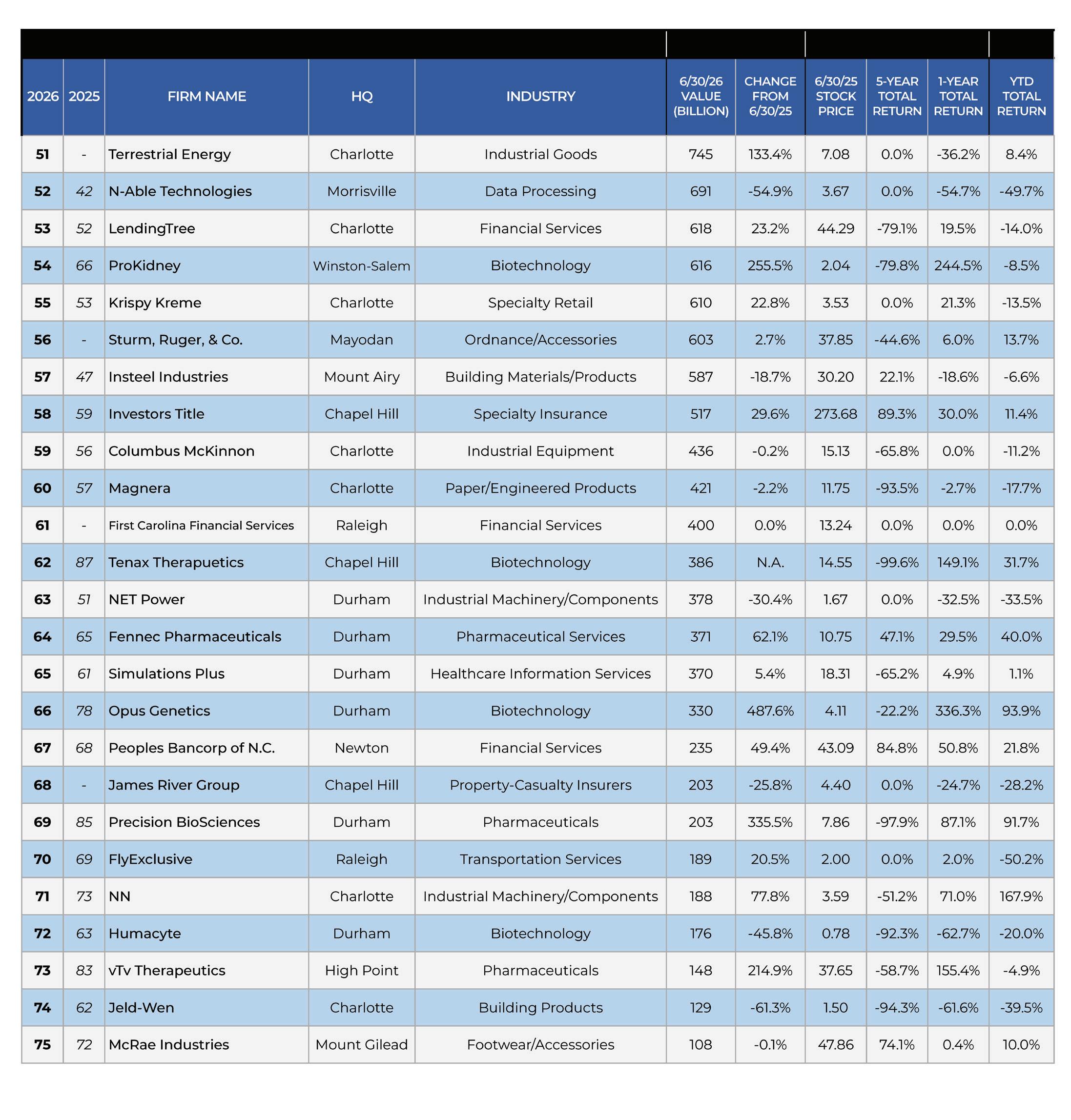










It took19 years for the second-largest U.S. bank’s shares to recover from its near-insolvency during the financial crisis, and trade back near its 2007 peak of about $54. It finally happened in November, and BofA topped $60 for the first time in early July. Some analysts rated its first-quarter performance as the best in a long time, reflecting solid growth across its capital markets, wealth and retail businesses.
Shares of the second-largest home-improvement retailer nearly tripled during the first 18 months of the pandemic in 2020-21 as people prioritized their dwellings. The stock hasn’t moved much since then, gaining about 12% over the five years through early July. Prospects remain blurry with CEO Marvin Ellison noting in May that the housing market was the most difficult since the 2008-10 recession.
Honeywell slimmed down over the past year, splitting into three separate businesses after CEO Vimal Kapur and the board concluded three was greater than one. Charlotte retains the headquarters of Honeywell Technologies, which focuses on industrial automation. Its aerospace business and specialty-chemicals and material units now operate independently with bases elsewhere.
Durham-based IQVIA is a profitable industry leader with 93,000 employees providing vital services for many healthcare companies. Yet its total return has declined about 20% over the past five years, with analysts citing delayed clinical trials, reduced biotech funding and various regulatory risks. CEO Ari Boubib, who has received total compensation averaging $28 million annually over the past three years, says the company keeps investing for the long-term and hasn’t veered from its strategic priorities.
Shares of Morrisville-based Liquidia soared more than 500% over the year because of the promise of Yutrepia, an inhalation powder for the treatment of pulmonary hypertension and lung disease. The FDA gave approval in May, followed by initial commercial shipments. The drug has been at the center of years of patent infringement litigation with United Therapeutics, which has a major lab in Durham.

“ServingtheCarolinasfor42years”
The freight broker captures the spread between what customers pay and what it pays carriers for arranging transportation. After shares plummeted from July 2024 through April, Charlotte-based RXO more than doubled since then on improving profits and hopes for stronger trucking demand. Shares now trade above the IPO price of $20 in November 2022, when the business was spun off from XPO Logistics.
A robust commercial construction market and eight acquisitions since 2021 have this Raleigh-based company rocking. It completed an IPO in December and revenue doubled in its first quarter as a public company from a year earlier. CEO Jeremy Spivey holds 28.5% of the stock, while Chief Operating Officer Erik West has 14.3%, according to the April proxy.
Wolfspeed, a leader in silicon carbide technology, filed for bankruptcy in June 2025 after taking on excessive leverage in the capital-intensive semiconductor industry. It emerged three months later with 70% of its debt eliminated and maturities extended by several years. Previous shareholders received less than 1% of their prior stake, with creditors gaining majority control.
Slowing growth and fears that AI could disrupt its cloud-based software applications sent the Wilmington-based company’s stock reeling over the past year. Underlying fundamentals remain strong with improving profit margins and impressive international growth. The company’s software is used by more than 2,700 banks, credit unions and other groups.
The firearms manufacturer moved its headquarters to rural Rockingham County last year, without sending out a press release. Net income has declined for four consecutive years after peaking at $155 million in 2021, including a loss of $4.4 million last year. About 500 of the company’s 1,780 employees work in Mayodan, a town of 4,000 near the Virginia border. In March 2025, Todd Seyfert took over as CEO, succeeding Chris Killoy, who had held the job since 2017.
The owner of First Carolina Bank went public for $12.50 per share in June, marking a success for CEO Ron Day, who led a Rocky Mount-based investor group in 2012 to build what’s become a $3.4 billion (assets) bank. It had raised $314 million in private capital before the IPO, which provided an additional $69 million.


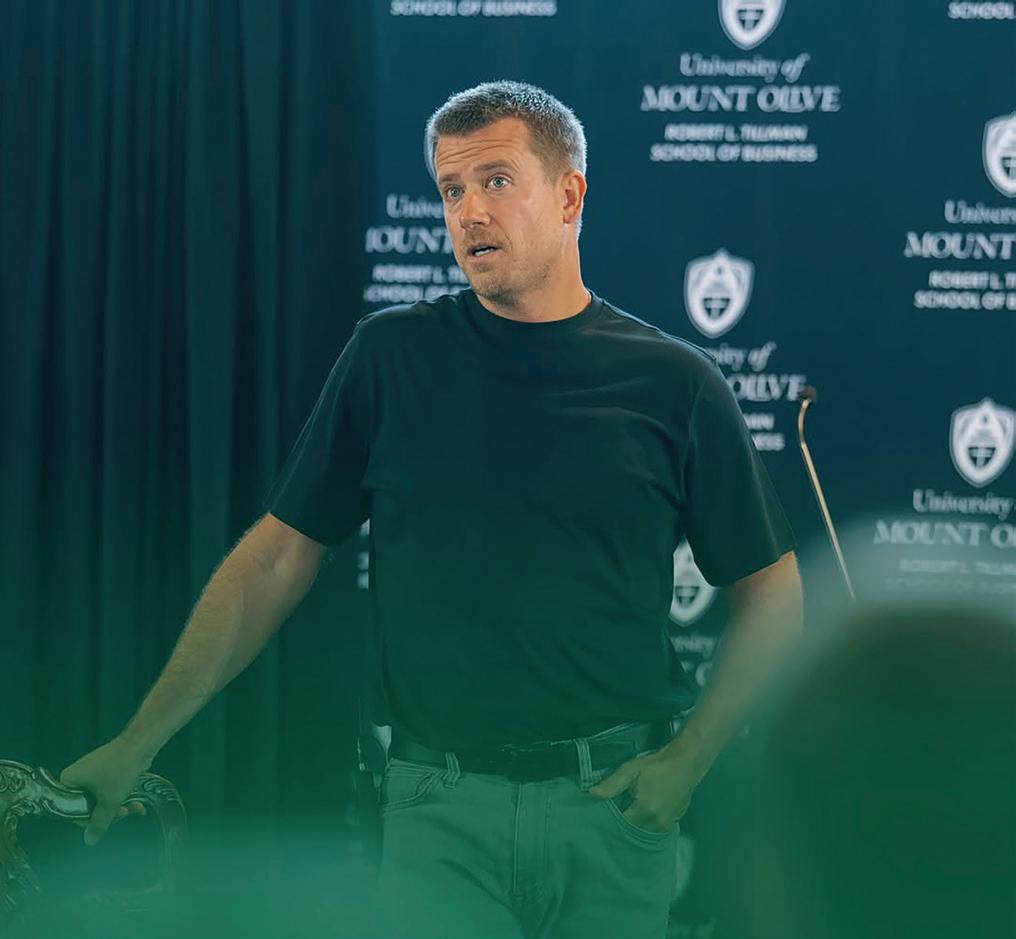
While charitable gaming may not be very well-known, Grover’s more than 10,000 machines at 1,500-plus locations in ve states caught the eye of Las Vegas-based Light & Wonder. e company paid $850 million for Grover, plus $200 million more if revenue targets are met by 2028. e company, which was called Scienti c Games before 2022, had revenue of $3.3 billion last year.
e deal closed in February 2025, a dozen years a er Blackwelder o cially started Grover. But he entered the gaming business in 2003 while working as a nancial planner. He bought two gaming machines and installed them at gas stations, then added 400 more over the next ve years.
Realizing a greater opportunity if he created technology for gaming equipment and assembled his own machines, Blackwelder created a team of artists, engineers and cra smen. A er various bumps, the business evolved into Grover, which o cially formed in 2013, when Virginia legalized E-tabs as a way to help nonpro ts.
Grover later expanded into Kentucky, New Hampshire, North Dakota and Ohio, earning recognition as the 194th fastest-growing small business in the Inc. 5000 in 2022. Its pre-tax pro t totaled $111 million in 2024, Bloomberg reported, and it had about 400 employees at the time of the sale, mostly working in Pitt County.
Blackwelder has quickly pivoted to a similar business aiming for a di erent slice of the gambling market.
Valicy Gaming makes slot machines licensed for casinos, a vastly di erent, glitzier market. Since its March 2025 launch, Valicy has taken o . It already employs 305 people, many of them working at an assembly plant in Ayden, just outside of Greenville. Valicy is a combination of his two daughters’ names.
While a vast majority of Valicy’s workers are former Grover sta ers, Blackwelder has hired several new leaders. Chris Rowe, a former Aristocrat Gaming and Konami Gaming executive, joined as president in January.
“ e casino industry is expanding as states are seeing how much they can make in the business,” says Tyler Braden, the company’s executive coordinator. “Garrett has a brilliant brain for business and an innate instinct for knowing what to do.”
About ve companies now dominate the slot machine industry, led by International Game Technology and Aristocrat Leisure. e key to growth is providing games that catch people’s attention as they stroll through a casino.
at requires eye-catching graphics appealing to customers’ memories and interests, Braden says. By staying above the house average for activity, Valicy can score when casinos add more machines and possibly oust rivals. ”So far, we’re performing really well with some of our games,” he says.
e corporate success also re ects the Blackwelders’ commitment to their employees’ well-being, which Braden says is evident in a “care team” of four sta ers who respond to employees’ emotional and spiritual needs. It re ects their focus on helping workers balance work and personal lives, which the Blackwelders consider a key factor in building strong businesses and families.
Garrett didn’t have a deep Christian faith when he started the company, Braden says, but that changed through his family’s involvement in a local church and his association with C12 Business Forums, a San Antonio, Texas-based group that provides leadership training for Christian CEOs across the world. Braden met the Blackwelders when he was a youth pastor at their church, and now works full time for the business.
As for the irony of a Christian leading a gambling enterprise, Braden acknowledges there is a tension. “Garrett’s mentor in C12 told him that God has put this opportunity in his hand. Now what are you going to do with it,” Braden says. “Garrett has come to believe that virtually everything can be beautiful or be abused if there is a lack of moderation. He wants to be faithful and generous with his time and money in ways that will best impact people.” ■


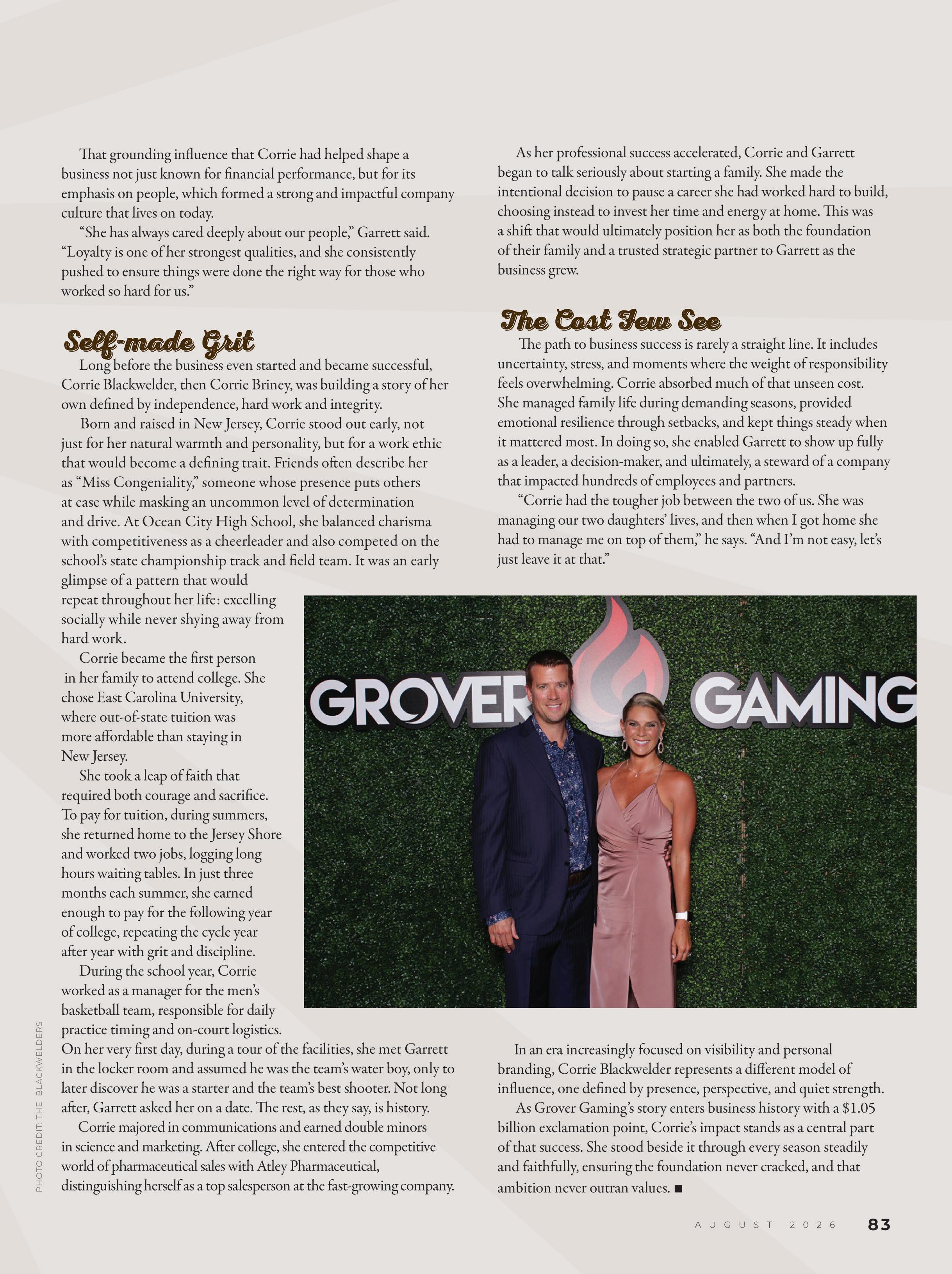





Troy Guard brings his celebrated steakhouse to Charlotte in a novel way: Turning future competitors into pals.
By Page Leggett
Kindness can be disarming. Kindness in the competitive, and sometimes cutthroat, restaurant industry might even raise suspicion.
It has for Troy Guard, the award-winning chef/entrepreneur who founded the Guard & Grace steakhouse in Colorado in 2014. He chose Charlotte as his third location, and he doesn’t intend to be an absentee owner upon the restaurant’s expected September opening.
He wants to be part of the community. To do that, he’s been introducing himself to other chefs in town and asking them to partner on a collaborative dinner. e catch: Dinner has to be prepared in that chef’s kitchen.
Not everyone is agreeable. “A few people haven't wanted me to play in their sandbox, and that’s OK,” he says. “Most people have been friendly and open.”
Guard could’ve ridden in on his own coattails. His accolades include being voted Best Chef in Denver, named one of the “Great Regional Chefs of America” by the James Beard Foundation and being named Bar & Restaurant Expo’s 2023 Chef of the Year. e Michelin Guide recognized Guard & Grace in Denver and Houston as recommended restaurants.
His approach to entering a new market takes patience, planning and a big personality. Here are a few lessons that other chefs and entrepreneurs can glean from Guard’s methods.
e M.O. he’s used in Charlotte is the one he used when he opened Guard & Grace in Houston in 2019. “Some people were a little caught o guard,” he says. “ ey were like, what does this guy want?”
Being friendly isn’t a ploy. It’s who Guard is.
He’s moved enough to know that being friendly pays o when you’re new in town. His mentor, Chef Roy Yamaguchi of Maui’s Kahana Bar and Grill, took Guard with him as he opened multiple outposts over eight years in Hong Kong, Singapore and Tokyo.
“My model has always been to say hello and shake hands,” he says. “ at’s my upbringing.”
Guard was raised in Hawaii, which is re ected in Guard & Grace’s menus and his workforce. His TAG Restaurant Group operates six concepts at multiple locations in the Denver and Houston areas. “ e aloha spirit,” a sense of hospitality, is inherent in all.

He thinks of his sta as family or, as he says in Hawaiian, “ohana.” When he opened his Houston restaurant, Guard invited his team in Denver to relocate and help sta the new restaurant. Anyone who stayed for a year got a $10,000 bonus.
He’s doing the same in Charlotte.
Real estate brokers and landlords all over the country have tried to woo Guard. In the end, he “sat down with a yellow pad and listed the pros and cons [of di erent markets]. Charlotte always came up highest,” he said. “It's a city that's growing, there's good energy, people appreciate great food and genuine hospitality, and it feels like a place where Guard & Grace belongs."
Even more important was the gut feeling he and his wife/ business partner, Nikki, had about the Queen City. “Charlotte has a lot of momentum,” he says. “I don’t have a crystal ball, but I think Charlotte will look as good or better a decade from now.”
Guard considers Guard & Grace “a downtown restaurant,” which helped narrow his site search. e 10,224-square-feet restaurant is on the 10th oor of the new Vivian, a luxury apartment complex, at Queensbridge Collective, a 42-story building nearing completion on the site that was once home to the Uptown Cabaret “gentleman’s club.” At the intersection of uptown and South End, it’s walkable for many people.
e restaurant eschews the cave-like environment of many steakhouses and o ers indoor and outdoor dining and a showstopping, 2,000-square-foot outdoor terrace with skyline views.
Getting questioned about why he is starting a steakhouse is old hat for Guard. “When I set out to open a steakhouse 13 years ago people said, ‘We don’t need another one; we have enough in Denver.’ And I said, ‘I'm going to make mine di erent.’”
Many expect a steakhouse to be so dimly lit that a candle or phone ashlight is needed to read the menu. You also expect it to feel like a place where you should order a martini or smoke a cigar.
Guard gave people something unexpected. “I wanted it to be masculine and feminine at the same time,” he says. “ at’s one of the points that sold our rst landlord on us.” Even the restaurant’s name is a mix of male/female; Grace is Guard’s 16-year-old daughter.
At Guard’s HashTAG breakfast/brunch restaurants in Denver, there’s a dish named a er his older son, Jagger, 11. Jameson, 7, “hasn't hit me up yet” to name something for him, Guard jokes. e menu takes men and women into account. At most steakhouses, everything is super-sized. A tomahawk steak can weigh up to 3 pounds. Side dishes typically serve three to four. If you’re a party of two, someone’s leaving with le overs.
Guard rejected that idea, too: “We do 4-ounce cuts of steak. e other day, I went with my daughter to another steakhouse. e smallest steak they had was 10 ounces. She can’t eat a 10-ounce steak, so we ended up splitting it. I hate to waste food.”

Non-carnivores have reasons to visit Guard & Grace, too. “People tend to come see us now because they love our seafood, our vegetarian dishes or our fresh pasta,” Guard says. In any case, most guests spend $100 to $200 per person before alcohol, depending on how they choose to dine, he notes.
Guard is enough of a culinary celebrity to have bulldozed his way into Charlotte. But politeness still counts here, even in the rough-and-tumble restaurant business.
Restaurateurs who come in and say, ‘I’m going to show you how to cook’ get shown the door quickly,” says Chris Coleman, chef of e Goodyear House in the NoDa neighborhood and


a xture of Charlotte’s restaurant scene for 25 years. “We know we have good food here, and I think we're nally starting to get that recognition nationally. ”
Charlotte’s restaurant community is a pretty collegial bunch, he says: “Charlotte used to have a chip on its shoulder from a food perspective; we felt sort of overlooked. But that’s changed within the last year or so.” e 23rd season of “Top Chef,” which premiered in March on the Bravo network, was lmed in Charlotte, marking a needed seal of approval.
“You're seeing a lot more collaboration, a lot more pop-ups happening,” he adds.
Guard’s overtures to Charlotte chefs were well-timed. His rst collaboration was in March with Customshop’s Chef Andres Kaifer. And, once his Charlotte restaurant is open, he hopes to team up with the James Beard Awardnominated Chef Chayil Johnson of Community Matters Café for a dinner bene ting Charlotte Rescue Mission.

In June, e Goodyear House’s Coleman welcomed Guard for a sold-out Hawaiian luau with a Southern twist.
Coleman has done other collaborative dinners, but being asked by a chef he’d never met was a rst. Guard and his sta , including Executive Chef Adam Vero, are trying to plant some roots and become part of the community,
he says.
Appetizers (barbecue brisket and pimento cheese on a Ritz cracker and Lomi-Lomi salmon with early summer tomatoes) were passed as guests arrived. e next four courses, which included the oak-grilled prime striploin Guard & Grace is famous for, were served family style.
Coleman estimates that about half the guests had never dined at e Goodyear House. Others had, but not in a long time. “We got to introduce ourselves to a whole new market and reintroduce ourselves to people who hadn’t dined with us in a while,” he says.
About 80% of Guard & Grace’s Charlotte menu is identical to the menu in Denver and Houston “because those are our crowd pleasers,” Guard says. e rest will be unique to Charlotte, which means biscuits, cornbread, pimento cheese, grits, dirty rice and barbecue. e restaurant will serve dinner initially, but then plans to add lunch service early next year.
In Denver and Houston, Guard is involved in eight to 12 charity events a year and expects that to continue in Charlotte. He’s been a board member at Denver nonpro t We Don’t Waste for about 10 years.
A er living in Denver for 25 years, he moved to Houston when he opened there. “It’s been a great blessing,” he says. “Now, I’m two hours from Charlotte, two hours from Denver, and I like being right in the middle of the U.S.”
In an industry with annual turnover of 60% to 80%, Guard and Vero, who’s moving from Houston to Charlotte, are beating the odds.
“Adam worked with me at my rst restaurant,” Guard says. “I was the chef, working seven days a week on the line. He was to my right as the sauté cook. We joke that I’ve almost red him 20 times, and he’s almost quit 25 times. We’ve been through a lot together and had a great time.”
Vero will be part of a 120-person team. “I try to be the employer of choice,” Guard says. “People have a good time working for us. We try to do great for the community, for the environment and for people. I want to set an example for my kids. I try to put my money, and my heart, where my mouth is.”
He declines to disclose the restaurant’s startup costs, but cites pride in operating as an independent restaurant group. His partners “believe in what we're building, and that's allowed us to keep growing while staying true to who we are.
" e restaurant business has a way of keeping you humble. You can have a great concept and a beautiful space, but if you don't take care of people every single day, they'll let you know."
He will admit to being “a little bit of a hard-ass in the kitchen sometimes. [because] I have high standards. I want to be the best.”
At this early stage, he seems to be among the nicest. ■
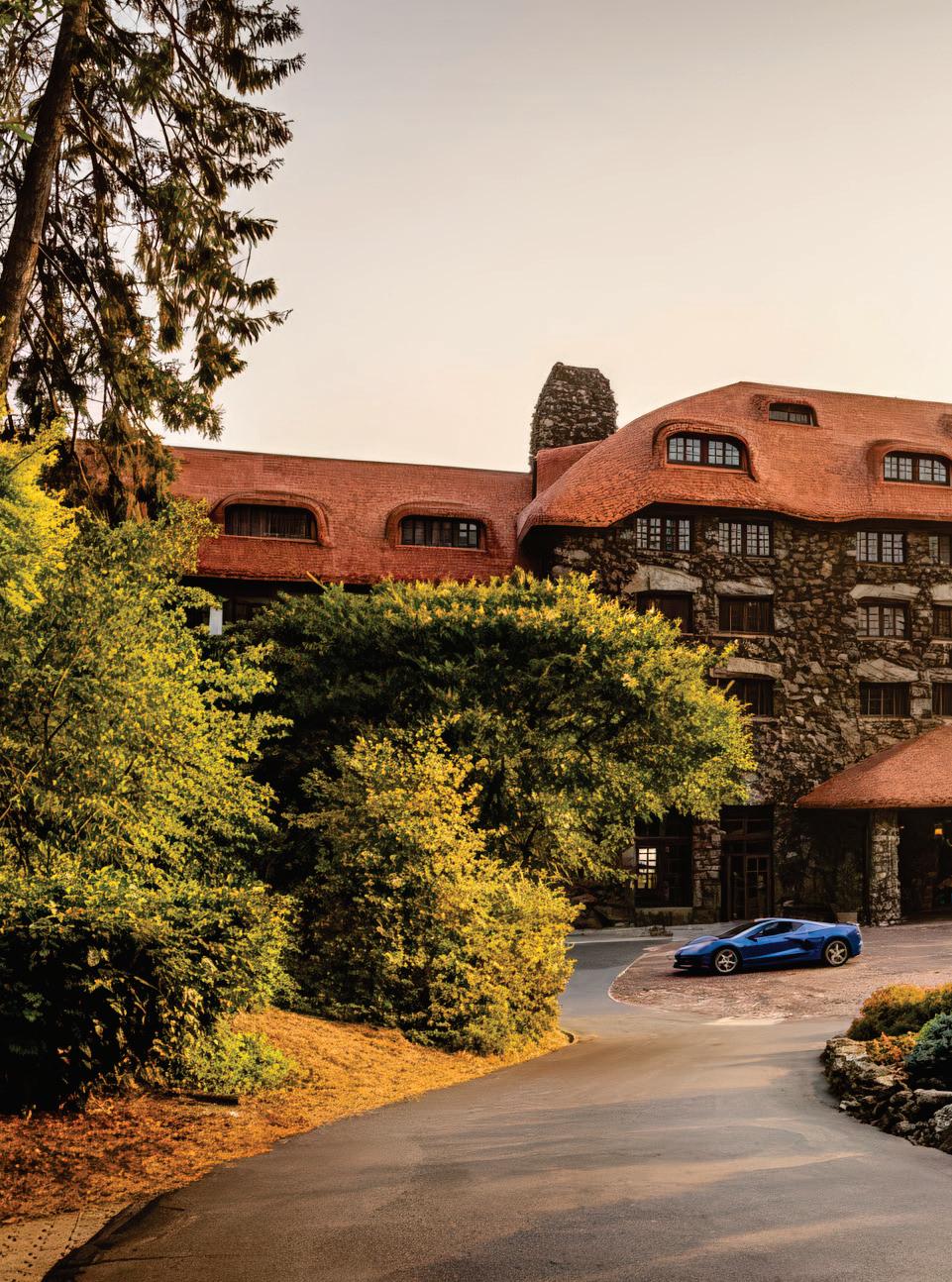
North Carolina’s low costs, easy access, and expanding venue and lodging options make it a popular destination. Add unique experiences and settings, and hosting an event here becomes a smart business decision.
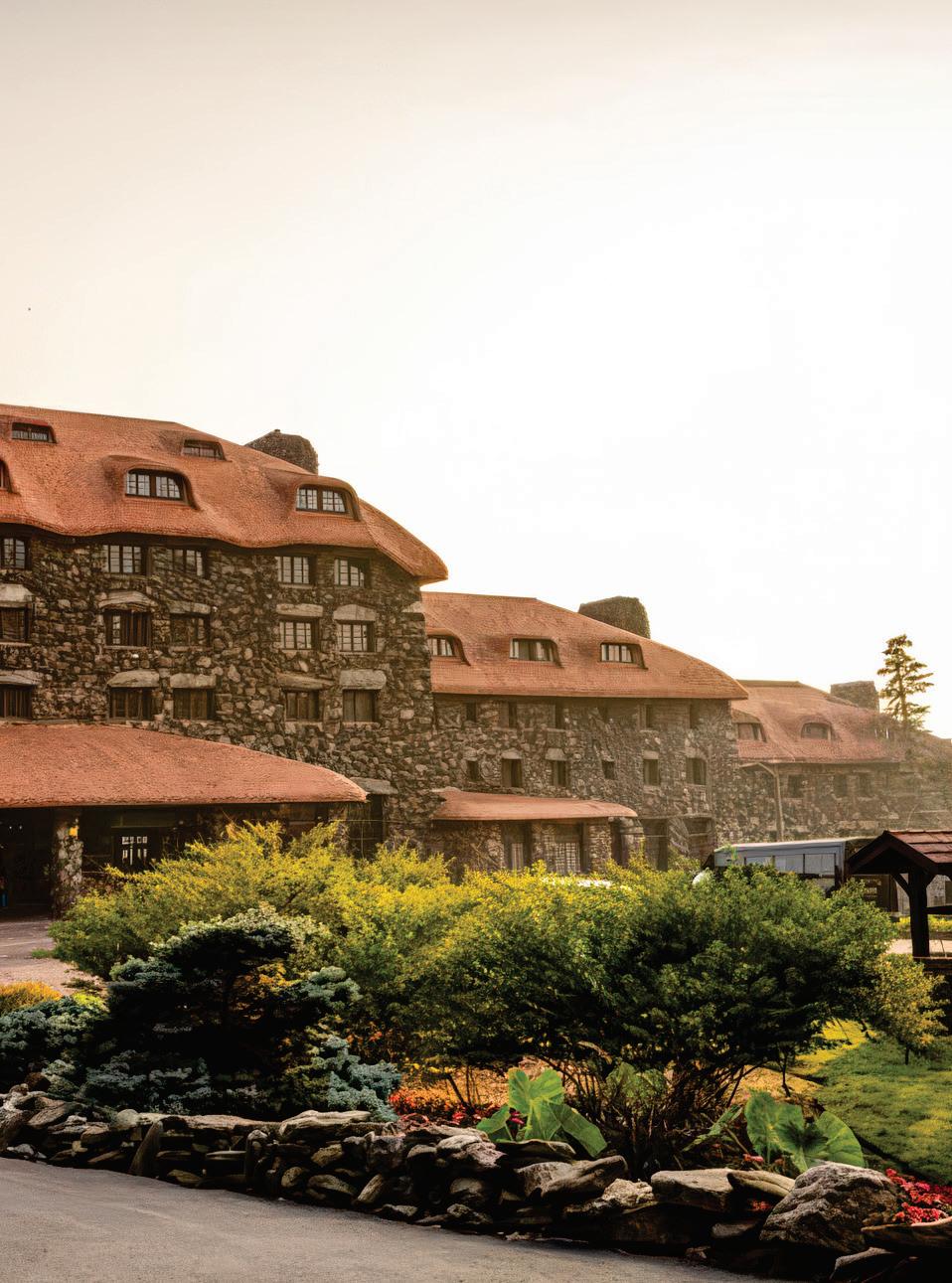
The Grove Park Inn & Spa has been a favorite of meeting and convention planners for years. Beyond its rooms, meeting space and amenities, its proximity to western North Carolina’s recreational and cultural offerings add experiences, making events more memorable for attendees.
North Carolina Academy of Family Physicians’ more than 4,200 members each have an invitation to the group’s annual meeting in December. Those who accept will assemble at the Omni Grove Park Inn & Spa in Asheville, as the group has done for more than three decades. “We call it the family medicine tradition,” says Kathryn Atkinson, NCAFP director of continuing medical education and events. “Having it at the same hotel every year always brings back memories and traditions.”
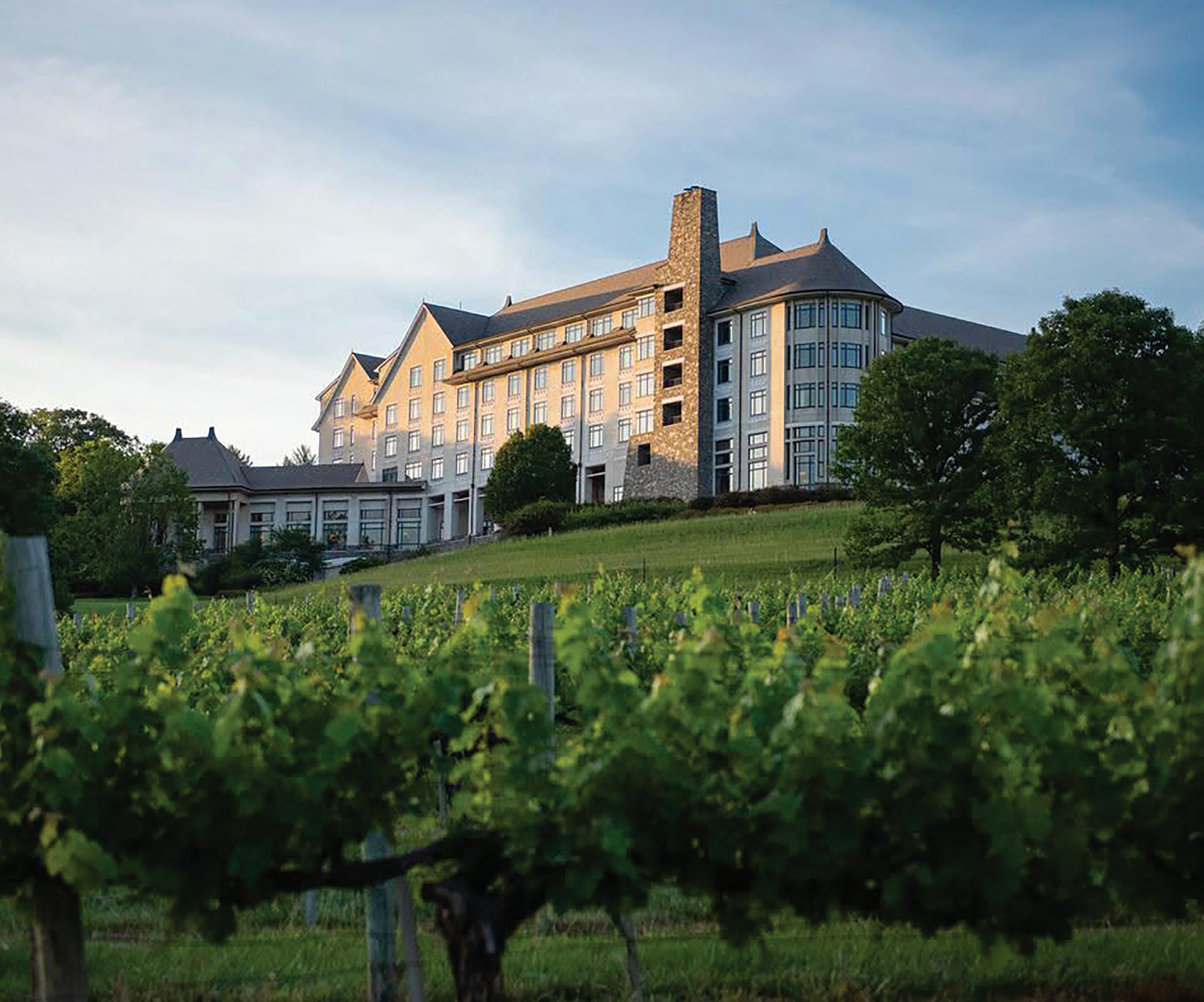
One memory remains strong. NCAFP was the Inn’s first conference after Hurricane Helene struck in September 2024, bringing recordbreaking rain, floods and destruction to western North Carolina. “The hotel literally got its water turned on just days before we got there and welcomed us back with open arms,” Atkinson says. Members acknowledged the hospitality, donating money to the community and staff, many of whom had lost everything. And they brought business to bars, restaurants and shops.
This December’s meeting will again include more than NCAFP business. Atkinson has injected networking opportunities and free time to the itinerary. The latter allows attendees to explore Asheville, supporting its businesses and experiencing its recreation. Rich Phaneuf, executive director and CEO of 1,000-member Association Executives of North Carolina, says NCAFP’s conference shows why in-person conferences are regaining popularity after the recent pandemic’s travel restrictions and push toward virtual events. “I believe we’re
trending in a good direction, and our brightest days are right ahead of us,” he says.
North Carolina remains a vibrant destination, jumping many of the economic hurdles that inflation has placed in front of other leisure and business destinations. “We’ve got a nice variety of tourism product in a price range that people like,” says Wit Tuttell, executive director of Visit North Carolina, the state’s division of travel and tourism. “Typically, our attractions are accessible to the public and not so much fee-based, making North


Amtrak makes more than a dozen stops in North Carolina. That makes it convenient to travel to or within the state. NC by Train has reported record numbers for passengers the past three years.

international and
or
from

Meeting planners want to give attendees more than presentations and networking. North Carolina offers them the chance to add plenty of memorable experiences such as exploring the Blue Ridge Parkway.


offers traditional amenities and untraditional team-building activities, helping planners boost attendance, productivity and reviews of meetings.

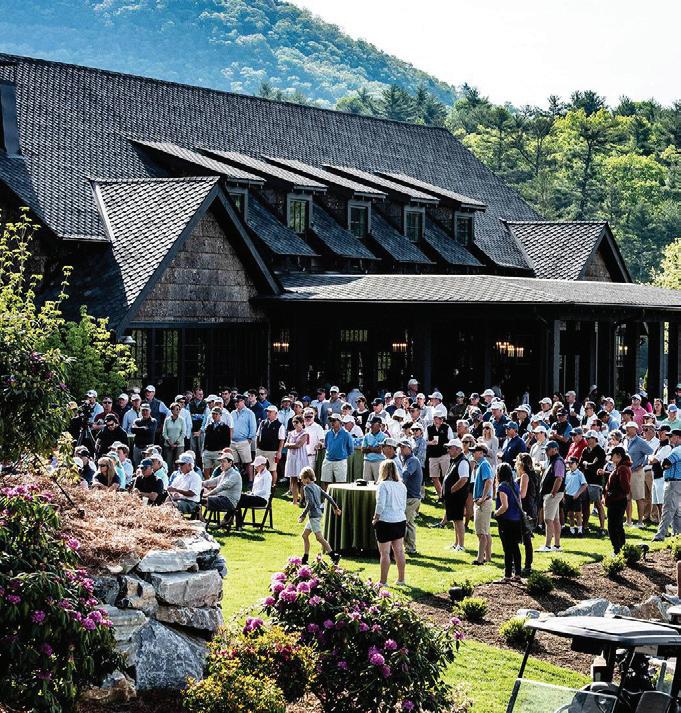
Carolina a good value.” Besides lodging and event space, visitors can find history, sports, hospitality and adventure, creating memorable experiences.
Getting to North Carolina for a business event or vacation is easy. Situated about halfway between New York and Florida on the East Coast, it’s served by several interstates and nine welcome centers. There are more than a dozen Amtrack rail stations and 10 international and regional airports, meaning most destinations anywhere in the world are one or two flights away. And once you’ve arrived, there’s plenty to experience, between, before or after business.
North Carolina is front and center as the country celebrates its semiquincentennial this year. Halifax, the Roanoke River community that was settled in 1757, is where the Halifax Resolves, the first colonial call for independence, were adopted in April 1776. And almost 130 years later, the Wright brothers’ flying machine soared into the history books from a Kill Devil Hills dune. “These historic events give the state its reputation as ‘First in Freedom’ and ‘First in Flight,’” Tuttell says.
North Carolina scores as a sports destination. The most recent addition to its highlight reel is the Carolina Hurricanes’ run to the 2026 Stanley Cup, the Raleigh-based NHL franchise’s second championship. North Carolina remains the center of NASCAR racing, Tobacco Road offers exciting NCAA basketball, and the Carolina Panthers and Charlotte Hornets have strong fan bases. Golf remains popular, bringing the majority of Moore County’s $860 million in annual visitor spending, professional soccer is becoming more of a kick, and efforts are underway to land a Major League Baseball team.



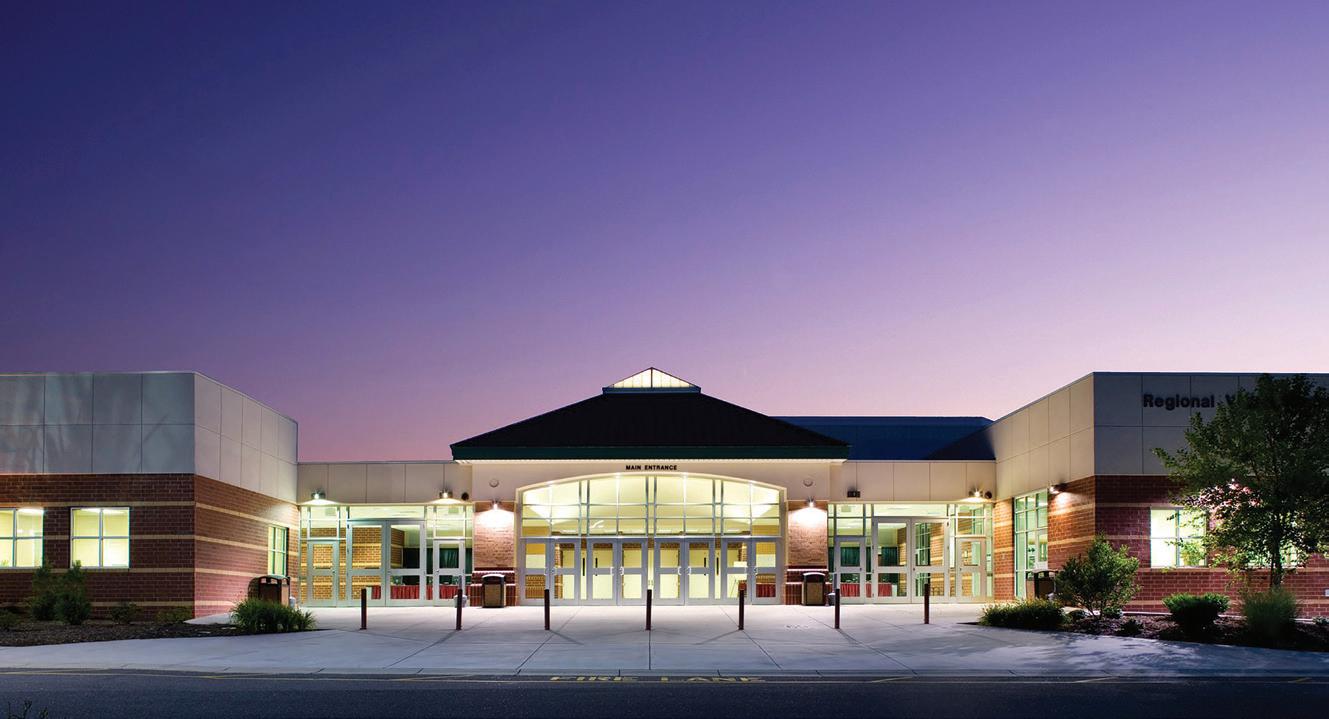
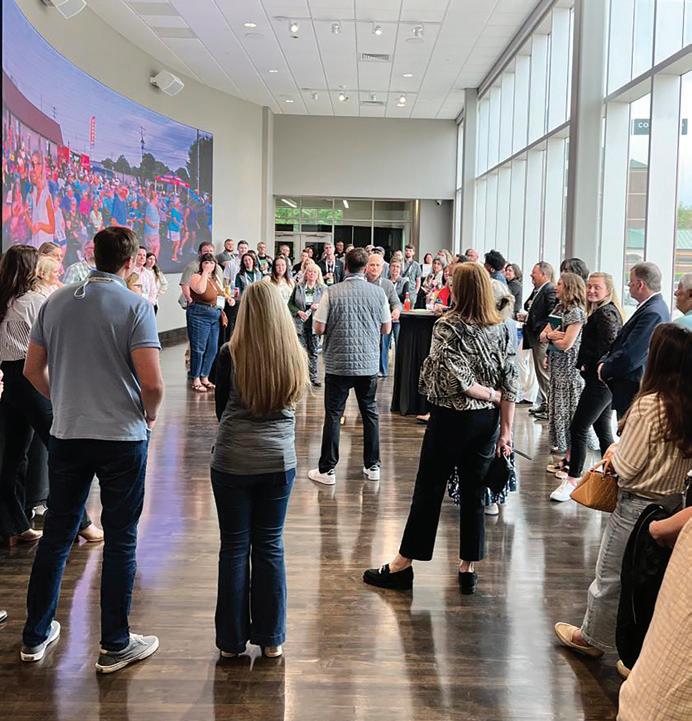


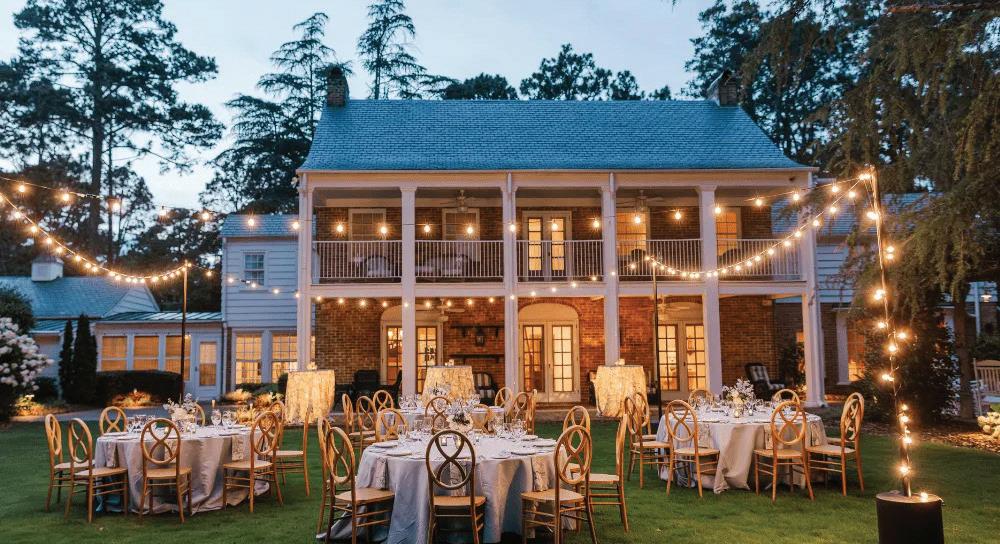

“Now’s a big time in North Carolina and a big time for Raleigh, too,” says Loren Gold, Greater Raleigh Convention and Visitors Bureau executive vice president.
Gold uses “bleisure” to describe destinations that combine business and leisure. “When people can build a couple of extra days in their meeting itinerary, that becomes part of the overall destination experience,” he says. “North Carolina performs well in that space with a lot of different activities and experiences to offer, from the mountains to the coast, its music scene, food, sports and of course the great outdoors.”
More than 180,000 Hurricanes fans and players descended on downtown Raleigh in June. They celebrated their Stanley Cup against a backdrop of Raleigh Convention Center expansion and Omni Hotel construction. The convention center is spending $400 million on 298,100 square feet of space, including a ballroom, meeting rooms and flex space. The Omni will have 600 guest rooms and 61,000 square feet of meeting space. Gold says expansion has been in the cards since 2018, when Raleigh and Wake County developed their Destination Strategic Plan. The 10-year playbook detailed bringing in a major convention hotel and optimizing the convention center’s existing space.
The word “expansion” is music to Phaneuf’s ears. His finger is on the pulse of the state’s meetings and conventions sector, and he says capacity is on the minds of meeting planners. “Planners are getting creative in terms of finding meeting space, because business is strong,” he says.

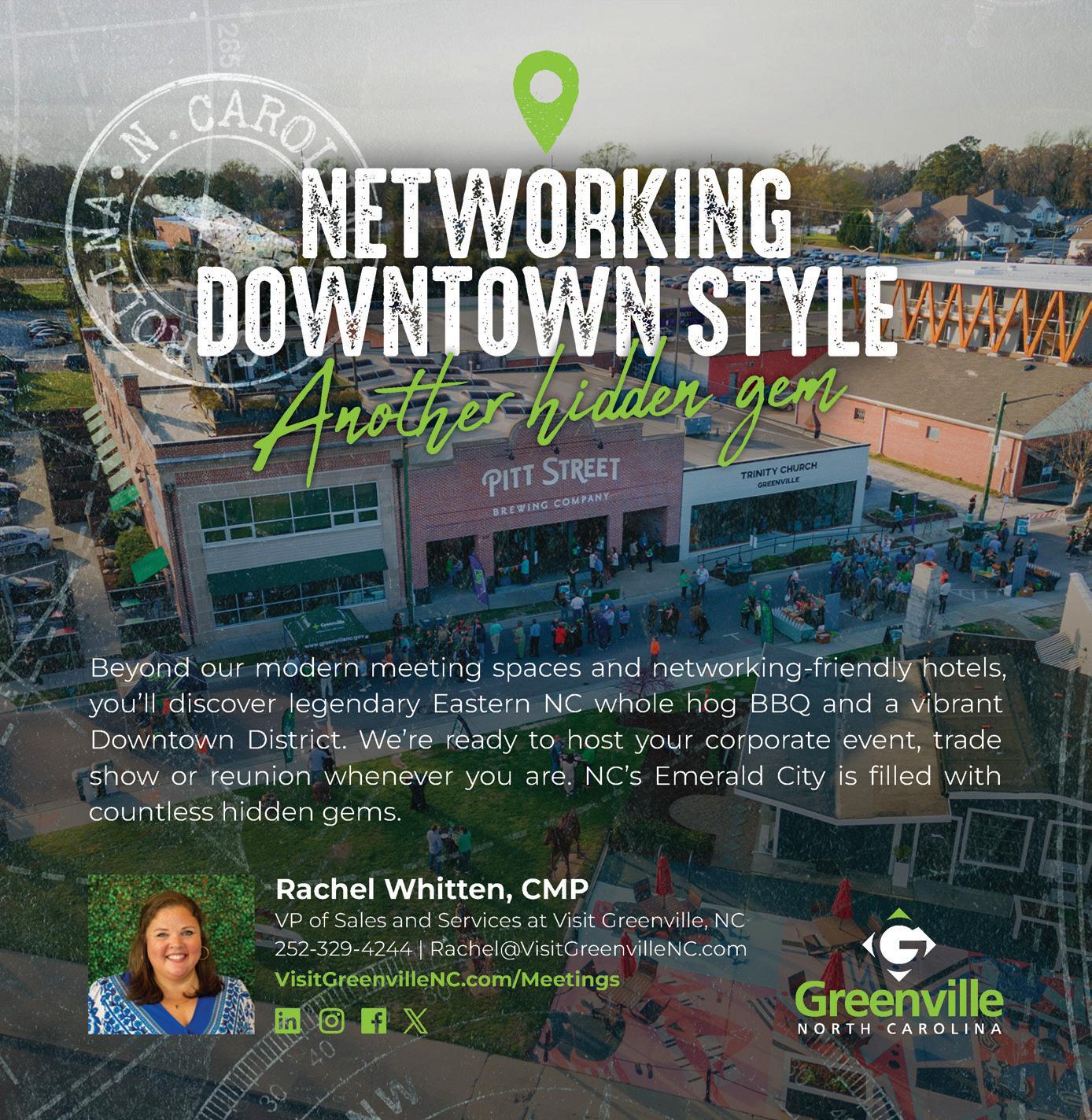

“When you’re looking at some of the state’s top destinations, even the demand among casual travelers is putting a tighter squeeze on the capacity for meetings.”
AENC held its 71st annual conference in Cabarrus County in July. Based at the Embassy Suites by Hilton, Charlotte/Concord Golf Resort & Spa, attendees took a Cabarrus
County tour, which included a stop at Charlotte Motor Speedway. Cabarrus’ convenient location on Interstate 85, a few miles northeast of Charlotte and its international airport, along with its own regional airport, are attracting more meetings and conventions, says Donna Carpenter, Cabarrus County Convention and Visitors Bureau president and CEO.
Cabarrus also is home to historic Reed Gold Mine, kid-friendly Great Wolf Lodge water park and the Cannon Ballers minor-league baseball team. Its attractions make it an exciting destination for events. “Organizations want to give their conference attendees memories beyond the meeting room, so many of them are looking at experiencedriven meetings,” Carpenter says.
North Carolina Association of Defense Attorneys recently held its annual summer conference at Omni Grove Park Inn & Spa. Lynette Pitt, the group’s executive director, says participation was strong. About 20% of its 700 members attended. They came for continuing legal education and the networking that happens at in-person meetings. She says they also appreciate virtual conferences that don’t require travel, giving them more family time. “They value downtime, and I think our biggest competition is for our members’ time and attention,” she says. NCADA schedules a large fall conference in the center of the state and smaller meetings, both virtual and in-person, throughout the year.
Atkinson recently wrapped up NCAFP’s summer regional meeting at the Charlotte Marriott SouthPark, and about 165 members attended. It was held on a Saturday, which she says was perfect for doctors who didn’t want to miss weekday office time.
“If they were local, they didn’t even have to spend the night, but those who did enjoyed their time in Charlotte,” she says. ■
— Teri Saylor is a freelance writer from Raleigh.
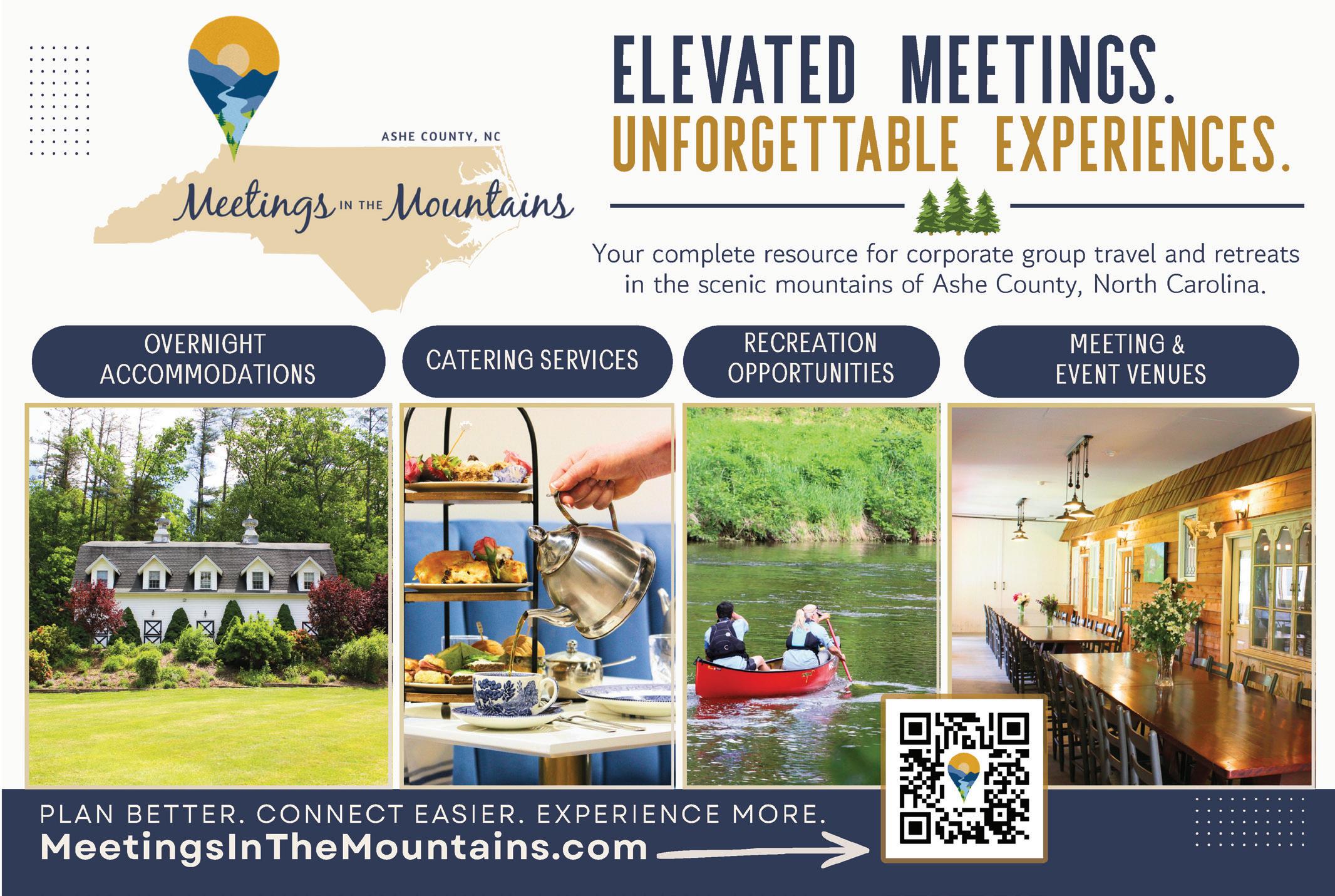

for your next corporate meetings and events
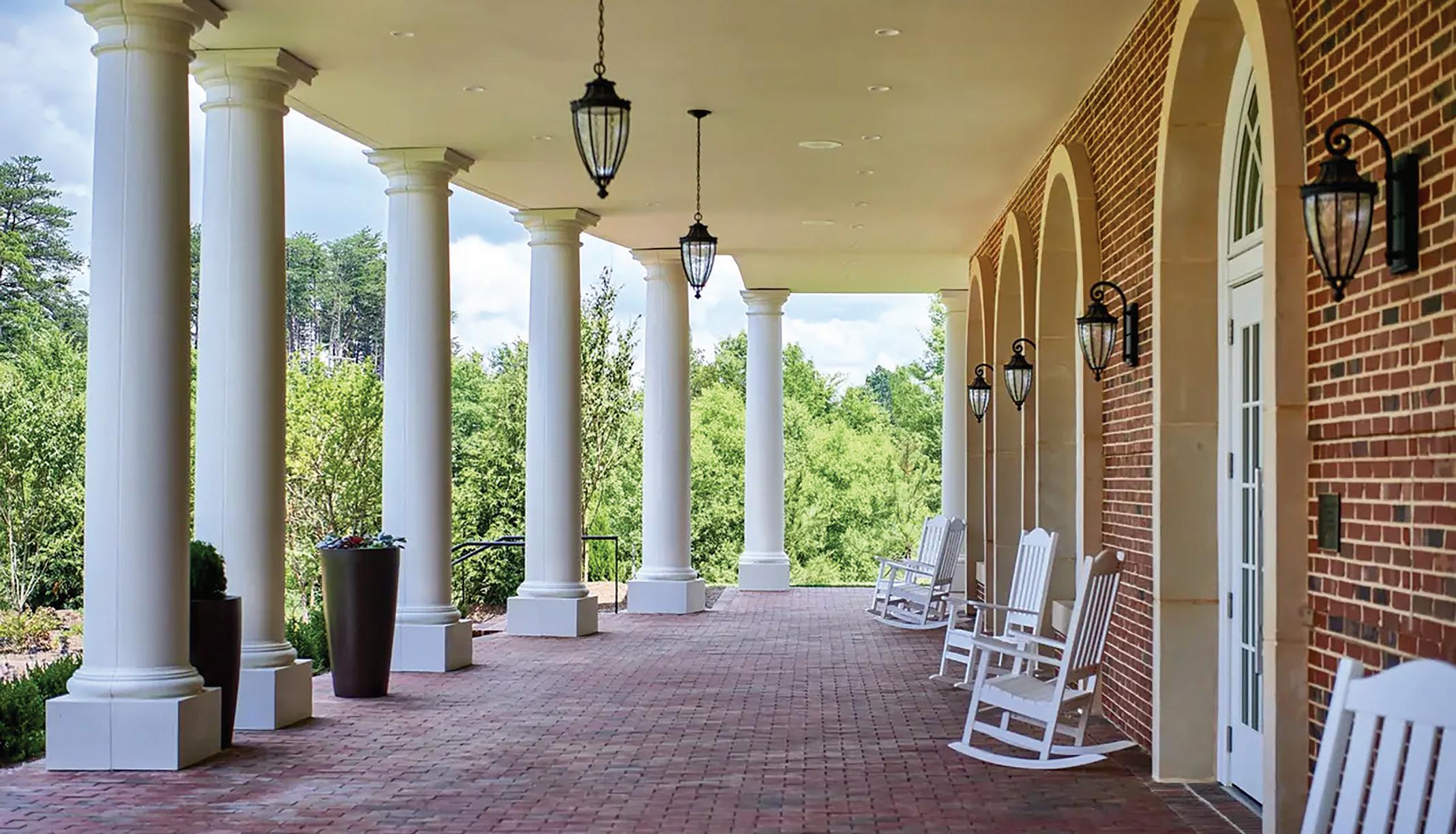
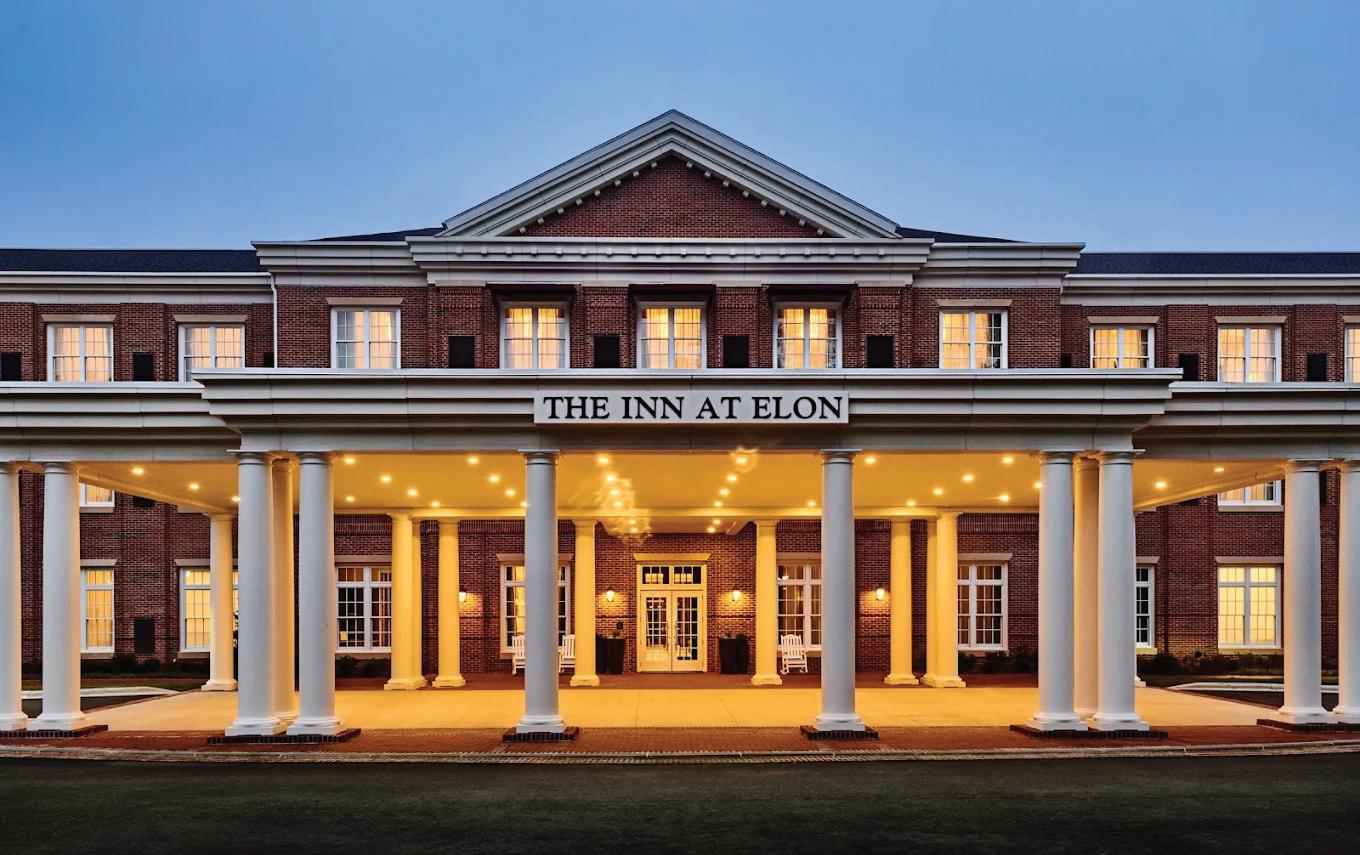



This boutique four-star hotel, nestled in Elon University’s campus, offers every guest of any celebration a warm and welcoming experience. The elegant, university-affiliated event venue features 5,700-square-feet of flexible event space. Celebrating with The Inn at Elon is more than just an upscale experience – it’s a stay with purpose.
info@theinnatelon.com | Elon, NC 336-586-0329 | theinnatelon.com
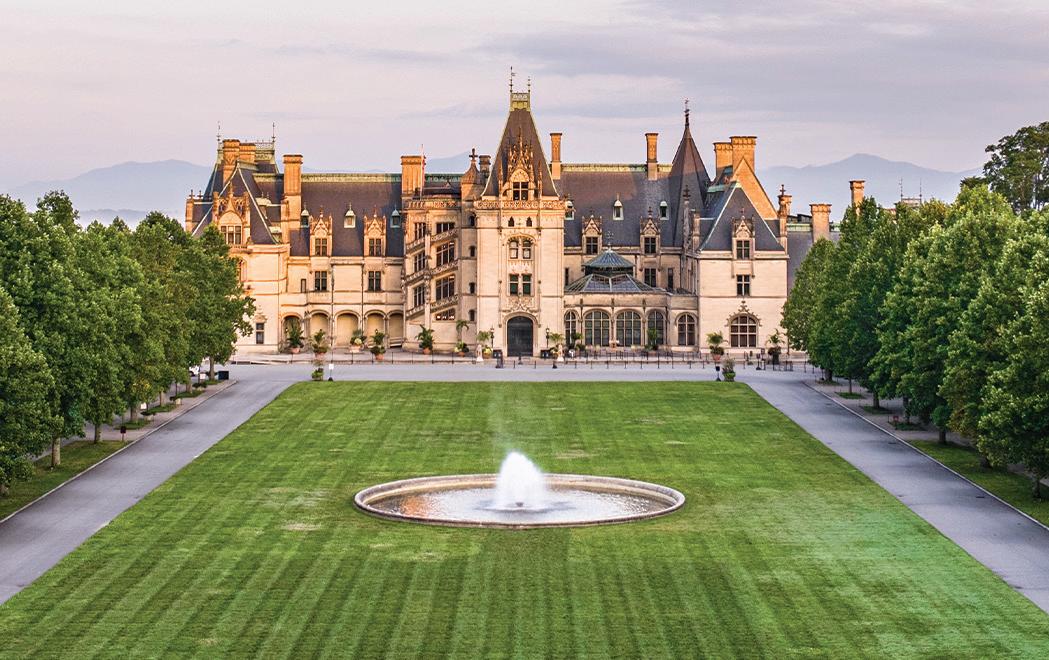


MAKE YOUR MEETINGS AND EVENTS
Experience Biltmore® in Asheville, NC, where breathtaking beauty meets timeless hospitality in a stunning mountain setting. Explore Biltmore House, century-old gardens, distinctive overnight properties, a wide selection of venues, and a range of outdoor activities, all skillfully tailored to enhance your group’s time together.
Biltmore Group Sales One Approach Road | Asheville, NC 28803 828-225-1400 | groupsales@biltmore.com
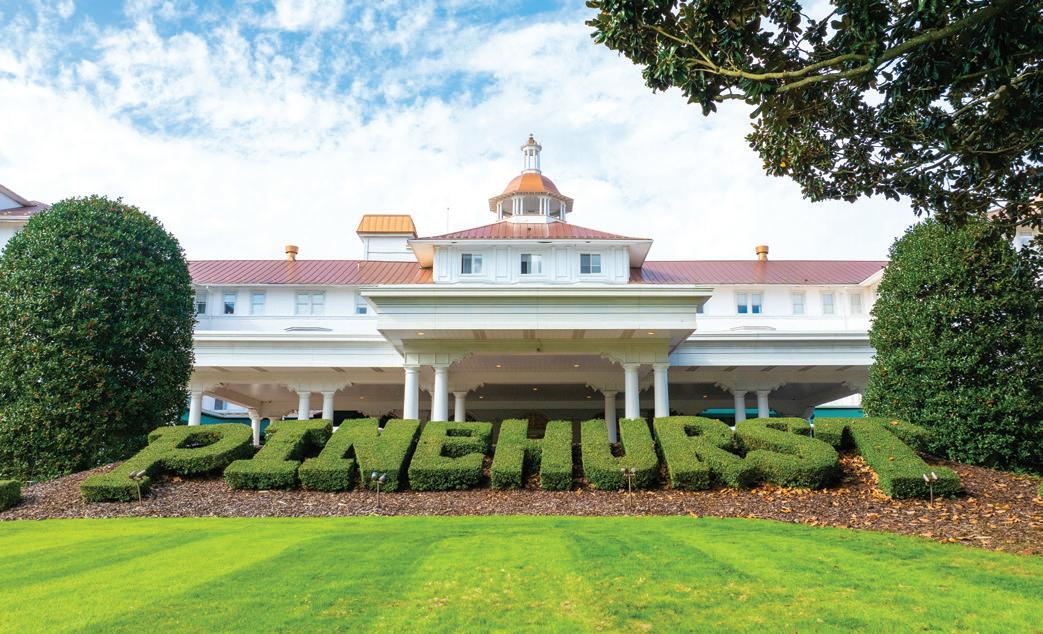








1895.
That’s when Pinehurst began welcoming guests to its tree-shaded grounds. From executive boardrooms to expansive event spaces, our seamless blend of Southern hospitality and innovation sets the stage for gatherings that will leave your attendees energized and inspired. Elevate your meetings at Pinehurst Resort, anchor site of the U.S. Open.
800-ITS-GOLF pinehurst.com
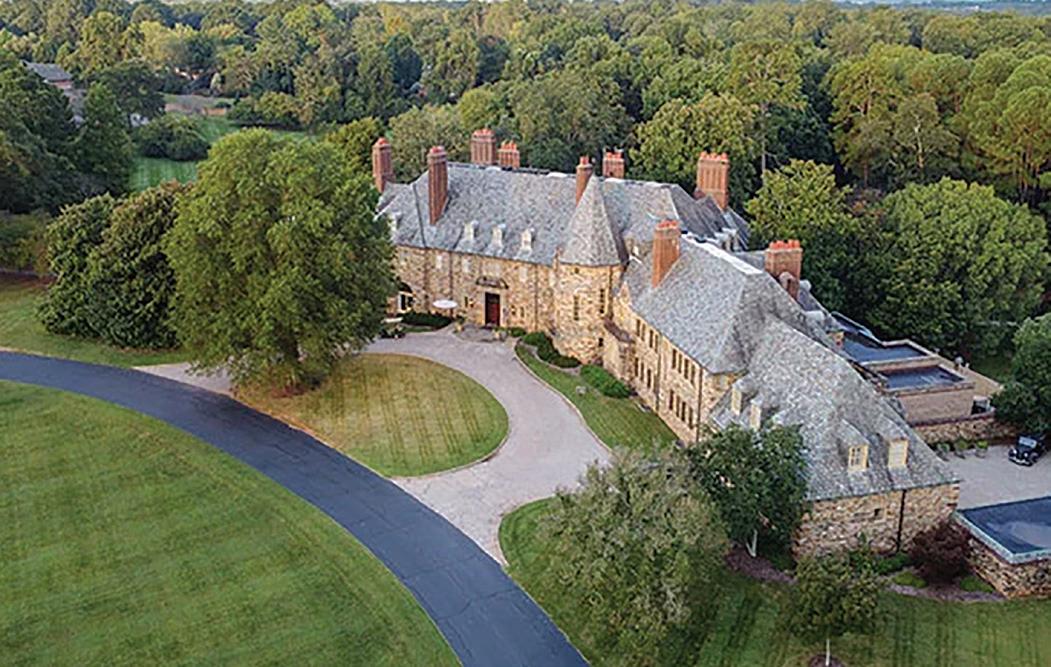



A breathtaking backdrop for meetings and events, Graylyn is an idyllic setting for your most important gatherings. Our sprawling 55-acre estate makes the impossible possible, with butlers to warmly welcome your guests, event spaces that sparkle with rich history and modern amenities, and an experienced event planning team to make it all unfold without a hitch. This is Graylyn.
1900 Reynolda Rd. | Winston-Salem, NC 27106 336-758-2425 | graylynmeetings.com
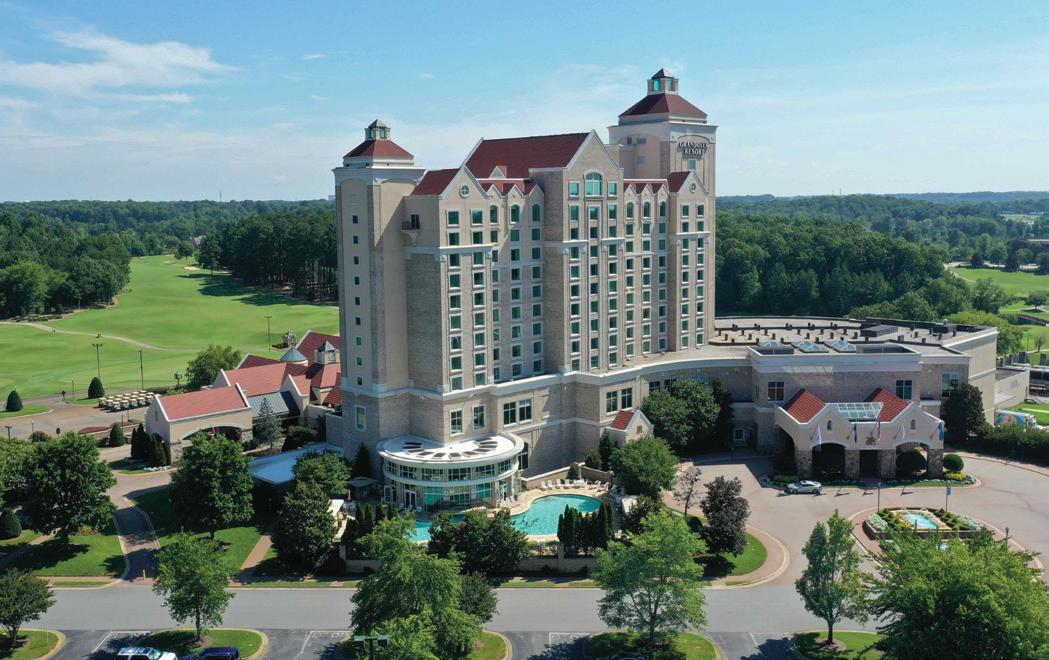




Uncover the charm and history of Greensboro while enjoying a distinctive stay at one of North Carolina’s premier resorts. Here you’ll find two challenging golf courses, The Spa at Grandover, tennis, Finial Restaurant, Southern-inspired fare, handcrafted cocktails at one of our bars, live entertainment, a game room and an art gallery. The conference center features meeting rooms, unique ballrooms and lovely outdoor venues.
1000 Club Road | Greensboro, NC 27407 336-294-1800 | grandoverresort.com

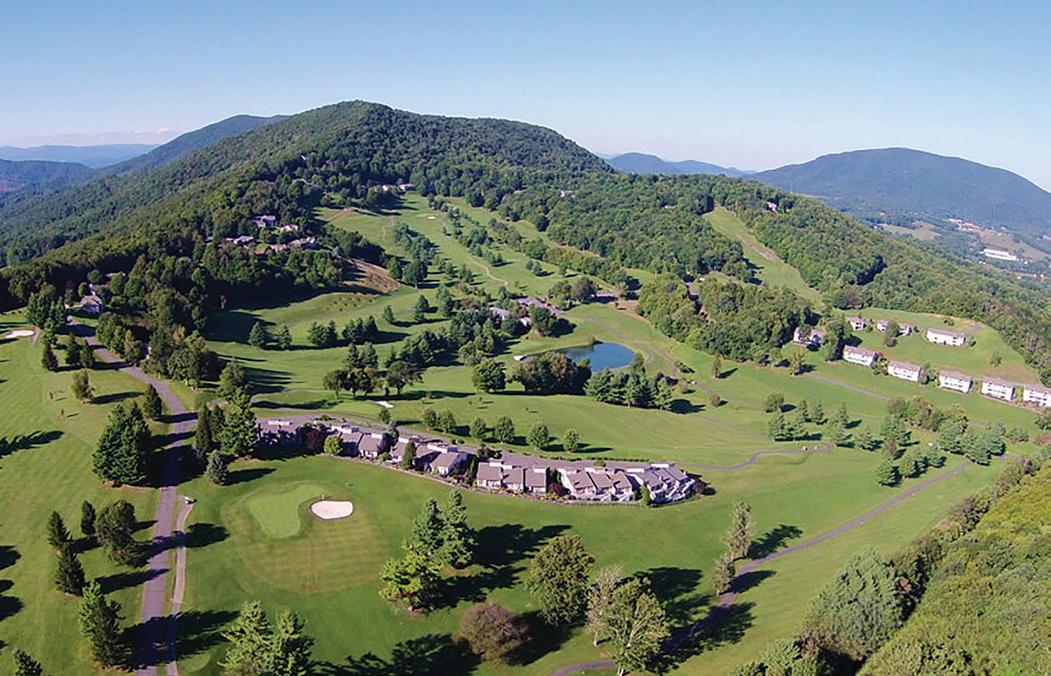


From fully equipped meeting spaces to comfortable lodging and unforgettable outdoor recreation, everything you need for a successful retreat is right here in the Blue Ridge. Host productive sessions in inspiring settings, then step outside to unwind, explore, and reconnect. It is the perfect balance of business and mountain experience, all in one place. The coolest corner of NC.
Info@AsheChamber.com | West Jefferson, NC 28694 336-846-9550 | meetingsinthemountains.com







Elk River Club is located around the bend from the charming town of Banner Elk and is surrounded by many diverse, year-round outdoor and cultural attractions that all ages can enjoy. Today, Elk River Club continues to be ranked as one of North Carolina’s top ten golf courses and has developed a nationwide reputation as one of America’s premier clubs.
828-898-9773 | Banner Elk, NC 28604 Visit elkriverclubNC.com
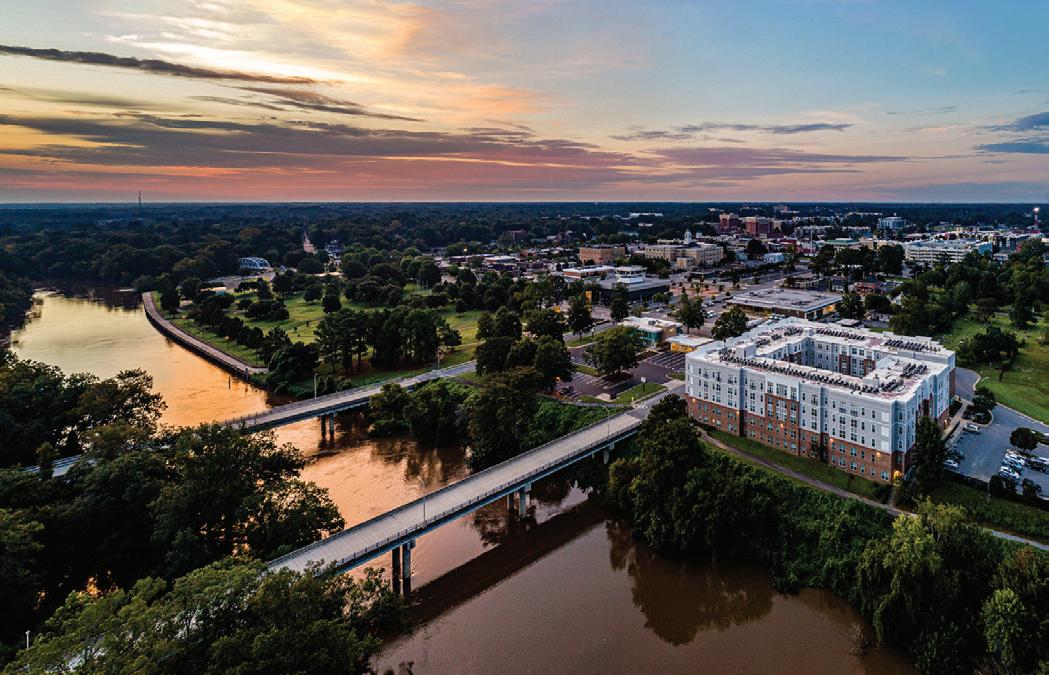


Greenville is the vibrant economic, education, medical, and entertainment hub of Eastern North Carolina. Greenville is a growing destination situated conveniently between Raleigh and our NC beaches, where from our Greenville Convention Center Campus, to East Carolina University, to our Downtown Greenville District, you will find a community dedicated to ensuring unrivaled experiences and good company at every turn!
Rachel Whitten, CMP, Vice President of Sales & Services 252-329-4244 | VisitGreenvilleNC.com/Meetings
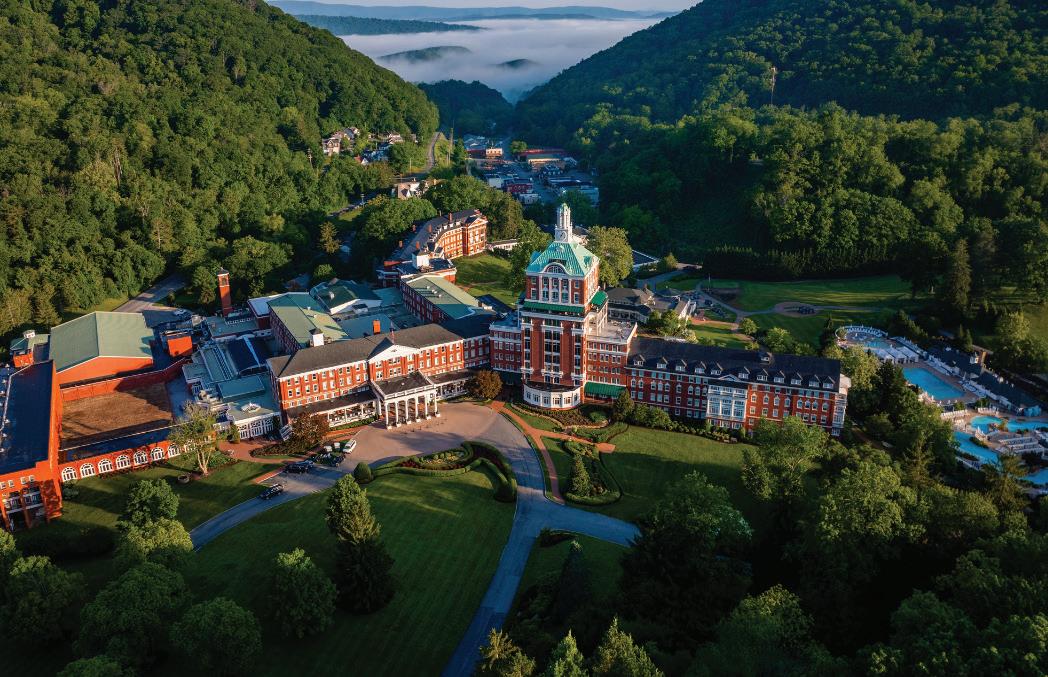



At The Omni Homestead Resort & Spa, meetings and incentive trips become unforgettable mountain retreats. Surrounded by Virginia’s scenic beauty, our flexible spaces inspire collaboration, while more than 40 activities and exceptional amenities create opportunities for connection, relaxation, and adventure. Every detail is thoughtfully tailored to bring your vision to life.
7696 Sam Snead Highway, Hot Springs, Virginia 24445 800-838-1766 | TheOmniHomestead.com




At the Hickory Metro Convention Center, we pride ourselves on offering exceptional customer service along with convention planning services. Our team is happy to assist in making your event, meeting, or conference a success in the Hickory Metro. Our new and improved spaces are the sweet spot in meeting destinations located just an hour outside of Charlotte and in the beautiful N.C. foothills.
1960 13th Avenue Dr. SE | Hickory, NC 28602 828-322-1335 | www.visithickorync.com


On the Outer Banks, the Cape Hatteras Lighthouse crests above wind-sculpted sand dunes, standing as the tallest U.S. brick lighthouse. It is perhaps North Carolina’s most notable building, recognized worldwide as a symbol of maritime heritage and coastal fortitude and resilience. The lighthouse is famed for guiding ships through the “Graveyard of the Atlantic,” hazardous waters nicknamed for thousands of shipwrecks.
Built in 1870, the Cape Hatteras Lighthouse originally stood 1,500 feet from the ocean. A century later, erosion had cut the distance to 120 feet. By the 1990s, it was only 15 feet from the encroaching Atlantic Ocean. In 1999, the 210-foot lighthouse was relocated 2,900 feet inland to save the landmark from impending doom. The move was heralded as an early example of adapting to climate change to balance historic preservation, economic vitality and coastal resilience.
Beyond the historical importance, saving the lighthouse is essential because the 70-mile Cape Hatteras National Seashore is an economic engine for North Carolina. In 2024, it welcomed 2.76 million visitors, who spent an estimated $650 million that supported local jobs in hospitality, retail, restaurants, vacation rentals, charter fishing, tours and recreation infrastructure. The National Park Service reports that activity sustains more than 10,200 jobs. It’s also a source of local identity and community pride that supports educational programs, special events, and preservation activities.
Like the first relocation, the National Park Service’s current $19.2 million multi-year preservation project is another substantial investment to protect the 156-year-old lighthouse. The work includes removing old paint, repairing and repointing mortar, masonry and metal components, restoring the lighthouse’s iconic black and white spiral daymark, replacing historic bronze doors and windows, installing a replica first-order Fresnel lens to return original lighting, improving accessibility and landscaping, and rehabilitating surrounding structures such as the Oil House and Keepers Quarters.
For now, the restoration work blocks visitors from taking the 269 steps to the lantern room, a trek taken by about 1,500 visitors daily in recent years. The National Park Service expects to reopen the lighthouse to climbers next spring. ■
— Lori D. R. Wiggins










The Blue Ridge Parkway is more than a scenic drive, it’s an invitation. In our new Ten to Try special, come along as we explore ten remarkable experiences that spotlight the region’s unique landscape and culture.

Premieres August 27