
Debt-GDP ratio to stay elevated–think tank
By Reine Juvierre S. Alberto
(GDP), seen shifting to an elevated path, according to the Congressional Policy and Budget Research Department (CPBRD).
In a discussion paper, the House of Representatives’ CPBRD said the country’s debt trajectory has deviated from the post-pandemic normalization path toward a “higher and more persistent” debt profile as weaker growth and inflationary pressures weigh on the economy.
This is the result of its analysis using the International Monetary Fund’s (IMF) Debt Sustainability Analysis (DSA) framework, which

integrates macroeconomic projections and debt dynamics to assess fiscal sustainability over the medium-term.
The country’s debt-to-GDP ratio is seen to remain elevated, rising from 63.8 percent in 2026 to 64.3 percent in 2028, after peaking at 64.4 percent in 2027.
This sharply contrasts with the Marcos Jr. administration’s original Medium-Term Fiscal Framework, which projected the debt-to-GDP ratio to fall below the 60-percent threshold by 2025 and continue declining over the medium term.
“Slower domestic and global growth is the most significant debt risk in the country,” CPBRD said, warning that the economy’s capacity to “grow out” of elevated debt has “weakened.”
The economy grew 2.8 percent in the first quarter, the lowest since the post-pandemic period, pushing the debt-to-GDP ratio further
to 65.2 percent.
Oil-price-induced inflation also poses a “dual risk” by dampening economic growth while increasing fiscal pressure, according to CPBRD.
Prolonged oil shocks could force the government to ramp up spending on subsidies and assistance programs for vulnerable sectors, putting additional strain on public finances.
This also adds pressure on the government’s borrowing needs amid pandemic-era amortization and increasing interest burdens.
“If not managed prudently, a growing portion of government resources becomes devoted to debt servicing rather than productive investments,” CPBRD warned.
Despite the deteriorating outlook, the country’s debt is mostly peso-denominated, with 68 percent of total debt in local currency,
to reduce exposure to exchange-rate risks. Around 94.8 percent of the country’s debt is also medium- and long-term, limiting rollover risks. Still, elevated interest costs and a less favorable interest-growth differential continue to threaten the debt-to-GDP ratio trajectory.
“Crucially, the interest rate regime is expected to face upward pressure,” CPBRD said. As the government rolls over maturing debt—much of which was issued during the pandemic when global and domestic interest rates were at historic lows—it will coincide with a sharp rate hike cycle, CPBRD


LUZON, VISAYAS GRIDS
By Lenie Lectura @llectura
THELuzon and Visayas grids, which have been placed on yellow and red alerts on Wednesday, have set a new record high for electricity demand.
As of May 12, Luzon’s peak demand reached an all-time high of 14,268 megawatts (MW), surpassing the previous record of 14,016MW which occurred on April 24, 2024. This year’s peak demand numbers grew 3.1 percent from the 2025 annual peak of 13,839MW. For the Visayas grid, electricity demand last May 12 also reached an all-time high of 2,774.87 MW, exceeding last year’s annual peak of 2,682.98MW. The surge is mainly attributed to high heat indices of up to 45C,
causing a spike in the usage of cooling appliances.
The high electricity demand and the prolonged shutdown of some power plants have led to the issuance of yellow and red alerts by the National Grid Corporation of the Philippines (NGCP). The red alert is hoisted over the Visayas grid from 2pm to 6pm,

By Justine Xyrah Garcia
THE office market in Metro Manila remained resilient in the first quarter of 2026 despite growing uncertainty from the ongoing Middle East conflict, according to property consultancy firm Colliers Philippines. In its latest market report, Colliers said office demand in the capital stayed steady in the first three months of the year, even as businesses grappled with geopolitical tensions, inflationary risks and concerns over potential disruptions to construction and operating costs.

The firm recorded a total of 193,000 square meters of office transactions in Metro Manila during the quarter, up 12 percent from the same period last year. Net take-up, which measures the change in occupied office space, reached 73,000 square meters.
Traditional firms continued to drive leasing activity, accounting for 67 percent of transactions. These included companies from sectors such as legal services, engineering and construction, government agencies and

By Andrea E. San Juan
AFTER consumer loans posted the slowest growth rate in over three years, an analyst underscored the need for the Bangko Sentral ng Pilipinas (BSP) to adopt a wait-and-see monetary policy approach as the reduced appetite in borrowing could signal a strain in consumer demand.
“For the BSP, this is a delicate balancing act: inflation at 7.2 percent is clearly uncomfortable, but with growth already weakening and consumer demand showing strain, an aggressive rate hike now risks doing more harm than good,” Jonathan Ravelas, senior adviser at Reyes Tacandong & Co. told the BusinessMirror on Wednesday.
Ravelas said this after he explained the “mixed signal” sent by the latest bank lending data released by the central bank.
“From where I sit, the signal is mixed but telling—on one hand, the slowdown in consumer loans, especially auto loans, shows households are becoming more cautious as higher borrowing costs bit and inflation squeezes budgets,” he also told this newspaper.
While BSP data showed bank lending grew at its fastest pace in seven months to 10.7 percent in March, consumer loans grew to P1.98 trillion by only 20.5 percent, its slowest pace since January 2023 or in three years and two months when growth was at 20.3 percent.
Out of the Philippine banking system’s total loan portfolio as of March 2026 which
amounted to P14.60 trillion, 13.54 percent of the pie was occupied by consumer loans while the remaining and the larger chunk of the pie or 84.38 percent of the loan portfolio was cornered by loans for production.
Under consumer loans, there are three types of loans: credit card, motor vehicle loans, and salary-based general purpose consumption loans.
Data from the central bank divulged that credit card has the biggest share in the consumer loans pie, amounting to P1.23 trillion or 62.15 percent share, and 8 percent of the total loan portfolio.
This was followed by motor vehicle loans, with P538.29 billion as of March 2026. This is equivalent to 27.22 percent of the consumer loans category. Motor vehicle loans, however, grew by 12.5 percent, the slowest pace since August 2023 or in two years and 7 months when this type of loan grew by 11 percent. Michael L. Ricafort, chief economist of the Rizal Commercial Banking Corporation (RCBC)







Salary-based general purpose consumption loans, another type of loan under consumer loans, grew at its slowest pace in nearly four years or since April 2022, as this type of loan jumped by only 4.2 percent.
Stronger appetite for credit card
IN contrast, Filipinos’ appetite for credit card continued to strengthen as this type of loan grew to 27.9 percent in March, its fastest pace in four months or since December 2025.
Ravelas explained to this newspaper: “On the other hand, strong credit card growth suggests consumers are still spending.”
However, he pointed out that Filipinos may be increasingly relying on short-term credit “just to bridge cash flow gaps.” Ricafort said greater credit card use may be “partly a function of greater access of more Filipinos to credit cards that are also used for online or digital transactions.”
The RCBC chief economist added this was also due to “higher prices that made credit cards a fallback or source of financing for some Filipino consumers and households.”
While consumer loans showed a slower pace, another category is the production loans, which grew by 9.7 percent, its fastest rate since in seven months.
Ravelas explained the faster growth in production loans means: “Businesses are still investing and keeping the supply side moving.”
He warned, however, that if consumption continues to soften, “That momentum may not be sustained.”
When asked if the central bank should raise interest rates in its upcoming policy meetings, Ravelas told this newspaper that the BSP would have to adopt a “delicate balancing act,” taking into account the 7.2 percent inflation print in April, the 2.8 percent [Gross Domestic Product] GDP growth in the first quarter of 2026, alongside a “consumer demand showing strain.”
“An aggressive rate hike now risks doing more harm than good. A pause, with a clear signal of vigilance, is the more prudent and actionable path at this point,” Ravelas also told this newspaper.
House sends impeachment articles vs Duterte to Senate
By Jovee Marie N. Dela Cruz @joveemarie
THEHouse of Representatives on Wednesday night formally transmitted the Articles of Impeachment against Vice President Sara Z. Duterte to the Senate, signaling the start of the next constitutional phase of the process and paving the way for an impeachment trial.
The complaint, which was approved by the House plenary with a decisive vote of 257-25 and nine abstentions, was transmitted at exactly 7:22 p.m. by House Secretary General Cheloy E. Velicaria-Garafil to Senate Secretary Mark Leandro Mendoza. Garafil said the transmittal followed the completion of the reproduction, collation, and verification of the impeachment records and supporting documents, which reportedly run into thousands of pages.
She emphasized that the House Secretariat prioritized the accuracy
and completeness of the records prior to submission.
“The transmittal of the Articles of Impeachment marks the beginning of the next constitutional phase of the process, and the House Secretariat made sure that all records were complete and in proper order prior to submission,” Garafil said.
“The accuracy of our submission is our paramount concern,” she added.
The Articles of Impeachment were based on the findings and recommendations contained in Committee Report No. 261, which was adopted by

the House through House Resolution No. 989.
The complaint cited allegations involving the misuse of confidential funds, alleged violations of the Constitution, betrayal of public trust, graft and corruption, and other impeachable offenses.
With the formal transmittal, the Senate is now constitutionally mandated to convene as an impeachment court to try the Vice President.
Under Article XI of the 1987 Constitution, once at least onethird of all House members affirm the Articles of Impeachment, the verified complaint is deemed filed and must be transmitted to the
Senate for trial.
The House leadership earlier rejected accusations that the transmittal was being delayed for political reasons, stressing that the Secretariat merely ensured the integrity, completeness, and faithful reproduction of all records accompanying the impeachment complaint.
Lawmakers also pointed out that the impeachment package included voluminous documentary evidence, transcripts, certifications, Commission on Audit findings, financial records, affidavits, and committee proceedings gathered during months of hearings conducted by the House Committee on Justice.
Sweden’s rail study opens door to more investments
Ferry said that around 40 to 50 Swedish companies are already operating in the Philippines, though she clarified that there have been no new investment announcements so far.
Still, she said, Sweden expects trade and investment ties with the Philippines to strengthen further, especially as negotiations for a possible European Union (EU)-Philippines free trade agreement (FTA) continue.
“We do hope and have high hopes that the EU-Philippines free trade agreement will soon be concluded in negotiations,” Ferry
outages of power plants and peak demand. A yellow alert is issued when the operating margin is insufficient to meet the transmission grid’s contingency requirement.
According to the NGCP, there are 12 plants on forced outage since March 2026, four since 2025, two since 2024, two since 2023, and one plant out since 2021; while 15 are running on derated capacities, for a total of 862.3MW unavailable to the grid.
The NGCP also cited the forced outage of TVI Unit 1 (169MW), TVI Unit 2 (169MW), PEDC Unit 3 (150MW) as additional factors that contributed to the raising of yellow alert. Also, there was no available electricity import from Luzon.
As of press time, the available capacity in Visayas stood at 2,510 MW while demand peaked at 2,413MW.
The grid operator also issued the red alert for the Luzon grid from 3pm to 8pm and yellow alert from 2pm to 3pm and 8pm to 10pm. This the first red alert in Luzon this year. The last red alert issued for the Luzon grid was on June 1, 2024.
Based on data, over 30 power facilities went offline for a total of 3,942MW unavailable to the grid. There were also 12 power units that were operating on derated capacities, for a total of 738.8MW unavailable to the grid.
Meanwhile, the NGCP announced a slight reduction in overall transmission rates of the end consumers this May following a reduction in transmission wheeling rates and ancillary services.
Overall average transmission rates for the April 2026 billing period dropped by 8.80 percent to P1.5983/kWh, from March’s P1.7526/kWh. The decrease was driven by re -
flexible workspace operators.
Third-party outsourcing firms accounted for 23 percent of deals, while shared service firms made up the remaining 10 percent.
Among Metro Manila submarkets, Fort Bonifacio posted the highest volume of office transactions at 40,000 square meters, followed closely by Makati central business district with 38,000 square meters.
Vacancy in Metro Manila also improved slightly, easing to 19 percent in the first quarter from 19.4 percent in the previous quarter.
Colliers attributed the improvement partly to “normalized” space surrenders as more lease expirations reflected regular market activity rather than large-scale downsizing. No new office buildings were completed during the quarter, although Colliers expects about 505,000 square meters of new office supply to be delivered by the end of 2026. The consultancy said more controlled levels of new office completions in the coming years may help cushion the impact of weaker demand should global uncertainty persist.
Despite the relatively stable performance in Metro Manila, provincial office markets posted weaker results.
said. “And we see that as an opportunity to even further improve the trade between our two countries.”
According to the 2024 Philippine Market Report, Sweden exports $159 million worth of goods to the Philippines, while imports from the Philippines reached $64 million.
Government data also showed that trade between the two countries has posted steady growth, with total trade rising by 4.2 percent.
Exports increased by 4.6 percent, while imports grew by 4.1 percent.
ductions in both transmission wheeling rates and Ancillary Services (AS) rates.
NGCP’s transmission wheeling rates went down by 14.16 percent, from P0.7022/kWh in the March 2026 billing period to P0.6028/kWh in the April 2026 billing period.
Average AS rates decreased by 5.02 percent to P0.8088/kWh, compared to P0.8516/kWh in March.
Transmission wheeling rates refer to what NGCP charges for its core service of delivering electricity, while AS rates cover the pass-through costs of services sourced from the Reserve Market and from providers with bilateral contracts with NGCP to stabilize the grid during power supply-demand imbalances.
“For the May 2026 electric bill of the end consumers, NGCP charges only 60 centavos per kWh for the delivery of its services,” NGCP explained, adding that AS still accounts for the bulk of transmission charges. “NGCP does not earn from AS rates, as these are remitted directly to generating companies, and it does not benefit from any movement in their prices,” said NGCP.
DOE cites transmission constraints HOWEVER , the Department of Energy (DOE) cited transmission constraints affecting the dispatch of large power plants that triggered yellow and red alerts in Luzon grid.
The agency said that at 6:30am of May 13, the 500 kiloVolt (kV) Tayabas-Ilijan and Dasmariñas-Ilijan Transmission Lines tripped, causing the disconnection to the grid of the Ilijan 1& 2 (1,200 MW) and EERI Units 1,2, & 3 (1,262.1 MW). Masinloc Unit 3 (325 MW) subsequently also went on forced outage.
DOE Secretary Sharon S. Garin has directed the NGCP to immediately resolve this.
“NGCP has to provide details of the incidents, particularly the
Office demand outside the capital declined 32 percent year-on-year to 37,000 square meters in the first quarter, with Iloilo overtaking Cebu in terms of transaction volume. Colliers said uncertainty surrounding the Middle East crisis could still weigh on office demand in the coming months, particularly if higher energy prices and supply chain disruptions persist.
“The Philippine office market showed resilience in Q1, but uncertainty remains as the conflict in the Middle East continues,” said Kevin Jara, director and head of office services-tenant representation at Colliers Philippines.
transmission outages,” the DOE said. At the same time, San Miguel Power Group Corporation has to immediately effect the restoration of its Masinloc Unit 3 turbine tripping. Garin also ordered TVI Units 1 & 2 and Panay Energy Development Corporation Unit 3 for the expeditious restoration of their generating units in Visayas. The DOE Visayas field office has been directed to conduct on-site inspections of all three affected plants and work closely with the concerned generation companies to ensure units return online safely and promptly.
“The DOE is managing both situations in real time. On both the transmission side and the generation side, our directive is the same: restore normal conditions as quickly as possible and protect Filipino consumers from prolonged supply disruptions,” Garin said. The DOE has also coordinated with distribution utilities in both grids, which are on standby to activate the Interruptible Load Program (ILP) if needed.
As of 4 p.m., the Manila Electric Company (Meralco) has already implemented emergency MLD or rotating power interruptions lasting an average of three hours starting 3:23pm to manage the current system condition.
This has so far affected more than 200,000 customers in parts of Batangas, Bulacan, Cavite, Laguna, Metro Manila, and Rizal.
“We already requested our commercial and industrial customers under the ILP to de-load to lessen the strain on the power grid. As of 3:40 pm, we have secured more than 240 MW of de-loading capacity under the ILP. We continue to urge the public to continue practicing energy conservation and efficiency measures,” Meralco said.
The NGCP said it may implement MLD in some parts of Bataan, Pampanga, Batangas, Metro Manila, Albay, Camarines Norte, and Camarines Sur. The whole province of Abra may experience MLD. The NGCP said the LMD is necessary to maintain the integrity of the power system.
Ombudsman probes legislator, DPWH district engineers for substandard flood control projects
THE Ombudsman has started an investigation into an alleged P84million substandard flood control projects in Camarines Sur.
Earlier, Romeo Aguirre Penilla filed the complaint at the Office of the Deputy Ombudsman for Luzon against Camarines Sur Rep. Arnulf Bryan Fuentebella Gemma Timbang, the incumbent DPWH district engineer in the province’s Fourth District, and her predecessor, DPWH District Engineer Nestor Gorimabao.
B oth Timbang and Gorimabao had figured in the P37.2-million flood control project or seawall along the Sagñay River in the town of Sagñay, and the P46.98 million flood mitigation project from Barangay 1 to Barangay 4 in the town of Garchitorena.
A lso included in the Ombudsman case against Fuentebella are the heads of the two construction companies who built the allegedly irregular projects— one of whom, according to Penilla, reportedly has “a joint account with Curlee Discaya, who is being investigated for involvement in billions worth of flood-control contracts.”
The contractors are Alfonso Rivero, president of the A. C. Rivero Development Corp., with office address in Bacolod City, Negros Occidental; and Abner
Ferrer, who is owner-president of Partido Construction & Supply, with office address at Matacla in Goa, Camarines Sur. Penilla asked the Ombudsman to, “Impose administrative sanctions, including dismissal from service, forfeiture of benefits, and perpetual disqualification from public office” against the respondents.
Penilla has sought criminal charges against Fuentebella, the DPWH engineers and the contractors for violation of Republic Act 9184 or the Anti-Graft and Corrupt Practices Act, RA 9184 or Government Procurement Reform Act) and Article 217 of the Revised Penal Code or Malversation of Public Funds for the two projects found to have poor workmanship and non-compliant materials.
The Sagnay projects collapsed during a typhoon in 2025.
I n his taxpayer complaint, Penilla said he filed this case because “instead of delivering durable protection,” the Sagñay and Garchitorena flood control projects “have resulted in substandard structures, premature deterioration, and significant financial loss to the public treasury, warranting immediate investigation and accountability.
T he projects, Penilla said were constructed at the instance of Fuentebella.
AFP ‘neutralizes’ 625 NPA rebs, supporters
GOVERNMENT forces have “neutralized” 625 members and supporters of the communist New People’s Army (NPA) from Jan. 1 to May 7 this year, the military said.
Col. Francel Margareth Padilla, Armed Forces (AFP) spokesperson, said the figure includes rebels who surrendered, were arrested, or were killed in military operations.
“ From this number, 548 surrendered, 28 were arrested and 49 were killed in military operations,” Padilla said, adding, “414 assorted firearms and 105 antipersonnel mines were either seized or surrendered by NPA members and their supporters during the period.”
Padilla also said government forces captured 25 NPA encampments nationwide.
“ The data show consistent operational gains, but aside from the numbers, what is important is the gradual return of com-
munities into normalcy and development,” Padilla said.
She added that the figures indicate that more communist insurgents are opting to surrender rather than engage government forces in armed encounters.
Padilla also said the trend reflects how many remaining NPA members are now choosing peace over conflict.
For the whole of 2025, the AFP said 2,018 NPA members and supporters were neutralized nationwide.
Of the total, 1,798 surrendered, 93 were arrested, and 127 were killed in various military operations.
A total of 1,134 firearms and 531 antipersonnel mines were either seized or surrendered [during the year’,” she said, adding that 149 NPA encampments were captured from January 1 to December 31 last year. Rex Anthony Naval with PNA
Meralco slashes rates this month
By Lenie Lectura @llectura
THE Manila Electric Company
(Meralco) will slash power rates this month by P0.0151 per kilowatt hour (kWh), bringing the overall rate for a typical household down to P14.3345 this month from P14.3496 per kWh in April. The reduction was mainly brought about by mitigating measures that were approved by the Energy Regulatory Commission (ERC) such as earlier implementation of refund orders and power supply deals, among others.
“ Despite initial indications of an increase, Meralco power rates this May had a modest reduction. This was achieved through the proactive efforts led by the ERC to cushion the impact of potentially high rates as a result of the geopolitical tensions that ultimately affect energy prices,” Meralco Vice President and Head of Corporate Communications Joe R. Zaldarriaga said. Meralco, however, warned customers that even though they stand to benefit from relatively stable rates their electricity bills may still go up depending on their actual consumption, which usually increases during the summer months. D uring an online news briefing, Meralco said various mitigating measures helped offset an increase in the generation charge. These include the acceleration of Meralco’s ongoing refund, which increased the refund rate for residential customers by P0.2254 per kWh to P0.4278 from the P0.2024 per kWh previously.
The ERC directed Meralco to refund
Cops warned against posting political comments on ICC
By Rex Anthony Naval
THE National Police (PNP) Chief, Gen. Jose Melencio Nartatez
Jr., on Wednesday warned all policemen from posting “political content online” regarding the ongoing row regarding the serving of the International Criminal Court (ICC) warrant against Sen. Ronald dela Rosa, a former PNP chief.
I n a statement, Nartatez reminded all PNP personnel to remain professional and apolitical as discussions and arguments over the ICC warrant issue continue to heat up in the various social media and the public in general.
L ikewise, Nartatez said the PNP has existing regulations against engaging in partisan political activity.
T he PNP chief also stressed that engaging in such activity will cause the public to lose trust in the police service.
All PNP personnel are reminded to remain politically neutral and professional at all times, especially on social media platforms. There are existing regulations that prohibit police officers from engaging in partisan political activity or making statements that may compromise the integrity and neutrality of the organization,” Nartatez stressed.
L ikewise, the PNP chief said police personnel are expected to exercise
prudence and discipline online because their statements may be interpreted as official positions of the service. Freedom of expression comes with responsibility. Police officers must ensure that their social media activities do not undermine public trust in the institution,” he added.
N artatez also called on all police officers maintaining vlogs or online platforms to avoid political commentary that could create perceptions of bias or partiality.
H e also said the PNP is encouraging the responsible use of social media.
Nartatez added that any content that violates PNP ethical standards or operational security policies will be subject to review.
“Our reminder to so-called ‘vlogger cops’ is simple: uphold professionalism, avoid inflammatory statements, and do not use your position to influence political discourse,” he concluded.
the remaining P14.2 billion over a period of 12 months, instead of the original remaining refund period of two years.
T his month’s taxes and other charges also had a net decrease of P0.1482 per kWh.
Th e ERC suspended the collection of the P0.0371 per kWh Green Energy Auction Allowance (GEA-All) from May to June 2026. This May, electric consumers will also partially benefit from the longdelayed implementation of the valueadded tax (VAT) exemption for power generated using indigenous natural gas.
The VAT exemption was provided under Republic Act 12120, or the Philippine Natural Gas Industry Development Act, which was enacted back in January 2025
A lso contributing to the decrease in the overall electricity rate was the transmission charge, which went down by P0.0493 per kWh for residential customers.
T he generation charge for May went up to P8.7942, from a previous rate of P8.3864 per kWh. There was a significant P7.7239 per kWh increase in charges from the Wholesale Electricity Spot Market (WESM), in particular, the line rental component.
Thereafter, the ERC allowed Meralco to immediately reflect the line rental caps under its ERC-approved Power Supply Agreements (PSAs) for May 2026 billing.
A s a result, a substantial portion of the line rental amount from the WESM will be borne by Meralco’s suppliers, pulling down the charges from PSAs by P0.1793 per kWh and partially offsetting the higher WESM charges.

Legislator notes Duterte’s slide in survey
By Jovee Marie N. Dela Cruz @joveemarie
ALAWMAKER on Wednesday
said the latest survey by OCTA Research points to emerging challenges to the national standing of Vice President Sara Z. Duterte, particularly as questions on accountability continue to persist.
House Assistant Majority Leader Zia Alonto Adiong cited the Q1 2026 Tugon ng Masa survey, which showed the hypothetical tandem of Leni Robredo and Raffy Tulfo leading the Sara Duterte-Imee Marcos pairing in a potential 2028 race. He said the results reflect growing public scrutiny over unresolved issues confronting the Vice President.
“Sara has been hit. She refuses to face the issue. It’s all hiding, press conferences, and attacks on the process. When evidence is not addressed in the proper forum, the public itself will begin to ask why she is afraid to face it,” said Adiong, who chairs the House Committee on Suffrage and Electoral Reforms.
A ccording to OCTA Research, the Robredo-Tulfo tandem garnered 44 percent nationwide support, ahead of the Duterte-Marcos tandem at 40 percent, with 16 percent of respondents undecided.
OCTA described the results as a “narrow national lead,” signaling a more competitive political landscape heading into 2026.
T he survey was conducted from March 19 to 25, 2026, through face-toface interviews with 1,200 respondents aged 18 and above, using probability
sampling. It has a ±3 percent margin of error at a 95 percent confidence level. Subnational estimates for NCR, Balance Luzon, Visayas, and Mindanao carried a ±6 percent margin of error. W hile OCTA emphasized that the poll is an early-stage hypothetical measure and only a snapshot of current public sentiment—not a prediction—Adiong, who represents Lanao d el Sur, said the results still carry political weight.
Clear signal
“THIS is not a prediction, but it is a clear signal. The Duterte-Marcos alignment used to enjoy a wide lead, but now it is being overtaken. Something has changed—and that change stems from evidence raising serious questions, while the vice president’s camp continues to evade them,” he said.
OCTA noted that this is the first time in its comparable Tugon ng Masa tandem surveys that a Robredo-led pairing has surpassed a Duterte-Marcos alignment. Previous commissioned surveys over the past year had consistently s hown the Duterte-Marcos tandem leading by 15 to 25 percentage points.
Adiong attributed the shift to the impeachment allegations against Duterte, which include alleged misuse of public funds, unexplained wealth, bribery, and threats against President Marcos, First Lady Liza Araneta-Marcos, and former Speaker Ferdinand Martin G. Romualdez. He also pointed to the House vote of 25725, with nine abstentions, to impeach the vice president and transmit the Articles of Impeachment to the Senate.
He said both the survey and the House vote convey the same message.
The message is clear: a political name, noise, or machinery is no l onger enough. When the issue is accountability, public officials must face the questions and provide answers,” Adiong said.
T he regional breakdown also revealed an increasingly competitive yet polarized political landscape. OCTA reported that the Robredo-Tulfo tandem led in NCR with 61 percent, Balance Luzon with 57 percent, and the Visayas with 48 percent. The Duterte-Marcos tandem, meanwhile, maintained dominant support in Mindanao with 86 percent, while posting 23 percent in NCR and Balance Luzon and 40 percent in the Visayas.
A diong said the data shows Duterte’s base in Mindanao remains solid, but national concerns are becoming more pronounced.
She remains strong in Mindanao, but national accountability cannot be addressed by one region alone. Issues involving confidential funds, unexplained wealth, bribery, and threats a gainst top officials concern the entire country,” he said.
Visayas numbers HE also noted the significance of the Visayas numbers, which OCTA described as a key battleground, with Robredo-Tulfo at 48 percent against
Lawmakers seek probe of PGMN
CROSSING party lines, a total of 41 lawmakers have filed House Resolution 1006 calling for a congressional inquiry into alleged robbery-extortion activities involving Peanut Gallery Media Network (PGMN), amid concerns that online platforms may be used for intimidation, coercion, disinformation, and financial demands disguised as media content or public commentary.
The resolution was received by the House Bills and Index Service on Tuesday and referred to the Committees on Public Order and Safety, Information and Communications Technology, and Public Information for investigation.
When a group allegedly prepares damaging material, holds it back and demands money in exchange for not releasing it, that is not journalism. That is extortion,” Party-list Rep. Jude Acidre of Tingog, who chairs the House Committee on Higher and Technical Education, said.
“We stand with the nation in upholding press freedom. But PGMN is far from practicing legitimate journalism. This resolution aims to expose its alleged extortion activities and reveal it as a purveyor of fake news,” Acidre added.
The resolution was authored by Acidre along with dozens of lawmakers from the Lakas-Christian Muslim
Democrats (CMD), National Unity Party (NUP), and the party-list bloc.
A cidre earlier delivered a privileged speech urging an investigation into what he described as “digital blackmail operations,” following reports that PGMN founder Franco Mabanta and several others were arrested in a National Bureau of Investigation (NBI) entrapment operation over an alleged P300 million extortion attempt.
The resolution emphasized that the inquiry must uphold freedom of expression while clearly distinguishing legitimate public commentary from alleged criminal acts.
While freedom of speech and of the press are protected constitutional rights, these freedoms do not shield acts that may constitute robbery, extortion, grave threats, coercion, cybercrime, or other unlawful conduct,” said the resolution.
It also acknowledged that public officials are subject to criticism but stressed that such scrutiny must remain within legal bounds and should not be used as a cover for harassment or coercion.
The measure cited allegations linking PGMN to supposed robbery-extortion activities targeting former Speaker Ferdinand Martin G. Romualdez.

Duterte-Marcos’ 40 percent. Balance Luzon was, likewise, identified as critical due to its electoral weight.
Adiong said this trend mirrors the geographic spread of support during the impeachment vote, emphasizing that backing for impeachment extended beyond Luzon. He noted that 43 of 50 lawmakers from the Visayas and 41 of 61 from Mindanao voted in favor, countering claims that the process was driven solely by “Imperial Manila.”
This is no longer just a Luzon or Manila issue. When lawmakers from the Visayas and Mindanao vote for impeachment, it reflects a nationwide demand for answers,” he said.
By socioeconomic class, OCTA found Robredo-Tulfo strongest among Class D respondents at 47 percent, followed by Class E at 36 percent and Classes ABC at 35 percent. Duterte-Marcos recorded their highest support among Class E respondents at 51 percent, followed by Class D at 39 percent and Class ABC at 37 percent. Among Class ABC, 25 percent remained undecided.
Nationwide, undecided respondents accounted for 16 percent, indicating that a significant segment of voters is still weighing its options.
Adiong said the undecided bloc could prove decisive, as it suggests voters are waiting for substantive answers rather than political attacks.
He added that Duterte still has the opportunity to address the allegations through the constitutional process of a Senate impeachment trial.
Dismiss
DEPUTY Speaker Paolo Ortega V on Wednesday dismissed the claim by Duterte’s legal team that there is “no smoking gun” linking her to the allegations in the Articles of Impeachment.
See “Legislator,” A5
the facts, intent, and accountability behind the allegations.
P ossible violations identified include provisions under the Revised Penal Code on robbery, grave threats, grave coercion, and libel, as well as the Cybercrime Prevention Act of 2012, particularly on cyber libel and cyber-enabled offenses.
L awmakers also raised broader concerns about the potential misuse of digital media networks, livestreaming platforms, and organized content operations to pressure individuals into giving money, favors, concessions, or other benefits.
The alleged acts, if proven true, raise serious concerns on the possible use of online platforms, digital media networks, or organized content operations to pressure, threaten, intimidate, or extract money, favors, concessions, or other benefits from public officials or private individuals,” the resolution stated.
T he inquiry will also examine whether PGMN and its affiliates comply with laws on registration, taxation, lawful business operations, and digital monetization.
Committees have been directed to invite PGMN officers, content creators, administrators, complainants, witnesses, law enforcement officials, digital platform representatives, and other concerned parties to determine
The resolution further calls for coordination with key government agencies, including the Department of Justice, NBI, Philippine National Police, Anti-Cybercrime Group, Cybercrime Investigation and Coordinating Center, National Telecommunications Commission, Securities and Exchange Commission, and Bureau of Internal Revenue.
It also seeks recommendations for legislative and regulatory measures to strengthen safeguards against robbery-extortion, cyber-enabled coercion, organized harassment, and disinformation, while preserving legitimate journalism and constitutionally protected speech.
Red-tagging
AT the same time, House Assistant Minority Leader Sarah Elago, along with members of the Makabayan bloc, filed House Resolution 1009 seeking an inquiry into alleged red-tagging, online harassment, and disinformation activities involving PGMN.
The resolution cited several online incidents in which PGMN personalities allegedly linked progressive organizations and Makabayan bloc representatives to the Communist Party of the Philippines and the New People’s Army.
See “PGMN,” A5
Army improves capability to ward off airborne, amphibious threats
THE Army (PA) is strengthening its capability to counter a wide range of threats, including airborne assaults, as part of efforts to become a more “multi-domain” capable force.
T he Army spokesperson, Col. Louie Dema-ala, said assessing and preparing for all possible threats is essential in building a credible national defense posture.
“ Modern military planning is inherently multi-domain, and the PA is geared towards that capability. Airborne assaults whether via paratroopers, air assault [heliborne], or rapid insertion into key terrain, are very much part of the threat spectrum,” Dema-ala told the Philippine News Agency on Wednesday.
A irborne assault refers to military operations in which combat troops are transported by aircraft into battle zones to overwhelm enemy defenses and secure strategic terrain.
D ema-ala said preparations and countermeasures against such operations are already integrated into the A rmy’s broader territorial defense and internal security frameworks.
H e said the Army is also intensifying efforts to address amphibious
Asean
lan ding threats, citing the Philippines’ archipelagic geography.
“Focusing on amphibious landing scenarios during exercises like Balikatan and Salaknib is not only appropriate but it is necessary given the country’s archipelagic geography and the most likely avenues of external aggression,” he added.
D uring the recently concluded Balikatan exercises held from April 20 to May 8, combined Filipino and allied forces conducted two counter-landing drills in Palawan and Ilocos Norte. The exercises featured live-fire operations against a notional hostile force attempting to land on Philippine territory. Coastal and littoral defenses remain a primary concern because any large-scale hostile force intending to project power into Philippine territory will almost certainly require sea-based access,” Dema-ala said. However, he said the Army does not view airborne and amphibious threats as “mutually exclusive scenarios.” The real objective is readiness across all likely scenarios. Not training for everything at once, but ensuring that over time, all critical threats are addressed with depth and realism,” he added. PNA
Summit hosting puts Cebu on global hosting map
CEBU CITY—Cebu further cemented its position as a premier meetings, incentives, conferences, and exhibitions (MICE) destination following the successful hosting of the ASEAN Leaders’ Summit, with government officials and tourism stakeholders saying the event has become a benchmark for future international gatherings in the country.
D uring a post-event press conference, Cebu Governor Pamela Baricuatro said the successful staging of the summit demonstrated the province’s capability to host large-scale global events.
Definitely, this will be a benchmark in future events that will happen in Cebu,” Baricuatro said, noting that the summit reflected “different leadership” and “different results” compared to previous international gatherings hosted in the island.
D epartment of Tourism-Central Visayas Officer-in-Charge Gelena Asis-Dimpas said the hosting developed new operational models and frameworks that could be replicated in future events.
Among these was “Project Harana,” a program aimed at preparing deployed personnel, which stands for “Hosting ASEAN with Readiness, Agility, Nationalism, and Authenticity.”
Police Colonel Kim Molitas, spokesperson of the Police Regional Office-7 for ASEAN, emphasized that safety and security preparations remain a collaborative effort among agencies.
“Every event we learn from it, and we fill the gaps in every event that we have,” Molitas said, adding that preparations extend beyond crime
prevention and include readiness for natural and man-made disasters.
Officials also stressed that the summit significantly boosted Cebu’s international visibility despite delegates having limited time for tours.
Baricuatro said Cebu gained worldwide exposure through extensive international media coverage. Cebu was all over the world,” she said.
DOT-7’s Dimpas added that preparations for the summit allowed foreign delegates and organizers to experience Cebu’s hospitality and tourism offerings even before the official event proper through inspections and advance activities.
There’s no better way of showcasing the readiness of our destinations than during international events such as the ASEAN Leaders’ Summit,” she said.
Questions were also raised regarding the absence of the Santo Niño image in cultural presentations during the summit.
Baricuatro explained that organizers had to remain culturally sensitive to ASEAN member states with different religious backgrounds, while stressing that the Santo Niño remains “part and parcel” of Cebuano culture.
Meanwhile, Gary Lao, tourism officer of Lapu-Lapu City, said the summit has already generated inquiries for future conferences and events in Cebu, particularly in Mactan. He noted that local performers, vendors, hotels, and establishments benefited from the hosting and its continuing “after effect” as more organizations now consider Cebu for major events. Carmel Pedroza
Palawan towns set record in used-bottle collection
COMMUNITIES in Palawan collected more than 70,000 used bottles in just six months under Ginebra San Miguel Inc.’s (GSMI) BOTEful Philippines program, the largest collection recorded under the initiative since it began in 2017.
T he Palawan effort, carried out in 21 barangays in Brooke’s Point and Narra, raised total bottles collected under the program to more t han 240,000 nationwide.
B arangay Tubtub in Brooke’s Point led participating communities with 11,489 bottles collected.
T he bottles are turned over to GSMI and brought back into the
company’s system for reuse or recycling into new bottles. The program e ncourages residents and barangays to retrieve empty bottles from homes, public spaces and other collection points, helping keep glass waste out of landfills, waterways and coastal areas.
G SMI said expanding participation is key to making the program more effective, as used glass bottles can only be reused or recycled when they are properly collected and returned instead of discarded as waste.
The program is part of San Miguel Corporation (SMC) and San Miguel Foundation’s (SMF) broader push to make sustainability more practical at the com-
munity level, using its businesses and local partnerships to promote waste reduction, recycling and resource recovery.
B OTEful Philippines was first launched in Aparri in October 2017, where more than 6,000 bottles were collected. It has since expanded to Batanes, Pangasinan, Negros Occidental, Mandaluyong City, Metro Manila and Palawan.
T he Palawan leg, launched in September 2025, was carried out with the support of local partners and participating barangays.
“ The Palawan experience showed us how much more we can do when communities fully support the program,” said Ramon S. Ang, chairman
a nd chief executive officer of SMC, GSMI’s parent company. “A bottle that is returned can still be reused or recycled. A bottle that is thrown away becomes waste. That is why we want to bring this initiative to more areas and encourage more people to take part.” Participating barangays and residents received incentives for the bottles they collected, including points that could be exchanged for selected San Miguel Food and Beverage products.
GSMI said BOTEful Philippines supports the government’s solid waste management efforts by promoting recycling and encouraging communities to take an active role in reducing waste.
Power co-op reforms draw monopoly warnings
By Bless Aubrey Ogerio
PROPOSED changes in the ownership structure of electric cooperatives (ECs) could improve efficiency in power distribution but may also increase market concentration and deepen vertical integration in the energy sector, the Philippine Competition Commission (PCC) warned.
During a strategic policy dialogue between the PCC and the National Electrification Administration (NEA), the commission said that several EC franchises are set to expire within the next five years. T his prompted discussions on how ownership transitions and future distribution arrangements should be handled.
T he PCC Economics Office paper pushed for the creation of mechanisms that would encourage greater competition in electricity distribution, particularly as franchise renewals and possible ownership changes move forward. A nother central concern raised during the discussions was the design of competitive selection processes (CSPs), which the PCC said must be structured
CBy Rizal Raoul Reyes
ITIZENWATCH Philippines is urging the Department of the Interior and Local Government (DILG) to integrate a total reform of electronics permitting into the ongoing National Building Code review.
Fu rther, the advocacy group has also asked the DILG to strip away what it called the “bureaucratic red tape” of obsolete electronics permits in the ongoing National Building Code reassessment.
By streamlining these inconsistent local mandates, CitizenWatch said the government can finally accelerate the digital infrastructure rollout that the country desperately needs. The call comes after Public Works Secretary Vivencio Dizon ordered a review of the National Building Code to address regulatory bottlenecks and improve ease of doing business in infrastructure development.
I n a press statement, CitizenWatch lead convenor Orlando Oxales declared the National Building Code review a “critical window” to slash the red tape strangling digital growth. Oxales is pushing for a total streamlining
By Justime Xyrah Garcia
THE wholesale cost of construction materials accelerated in April, driven largely by a sharp increase in concrete prices, according to the Philippine Statistics Authority. D ata released by the PSA showed the annual growth in the wholesale price of concrete products rose to 3.4 percent in April from 2.2 percent in March. The faster increase in concrete prices helped push the overall Construction Materials Wholesale Price Index (CMWPI) in Metro Manila to 1.9 percent in April 2026, quicker than the 1.1 percent recorded a
of the electronics permit system—a notorious hurdle for the installation of cell towers, antenna systems, and essential broadband hardware.
“ Secretary Dizon is correct in recognizing that many provisions of the Building Code already need updating to match present-day infrastructure realities,” Oxales said. “One area that deserves immediate attention is the electronics permit framework, which has become an additional layer of cost, complexity, and delay for telecommunications builds,” he added.
Under the implementing rules of the National Building Code, electronics permits and inspection fees are already prescribed for communications infrastructure, including antenna towers, communications systems, broadcast facilities, and other electronic installations.
C itizenWatch noted, however, that broadband connectivity service providers continue to face varying local regulatory charges and permitting requirements imposed by some local governments (LGU), resulting in inconsistent implementation across jurisdictions.
O xales pointed to existing government issuances seeking to
month earlier and the 0.3 percent posted in the same period last year.
A part from concrete materials, the PSA also recorded faster annual increases in eight other commodity groups.
P rices of sand and gravel accelerated to 3.2 percent from 1.6 percent, while lumber rose to 0.7 percent from 0.1 percent. G.I. sheets increased to 0.5 percent from 0.3 percent, while electrical works climbed to 1.5 percent from 0.9 percent.
The cost of plumbing fixtures and accessories or waterworks also inched up to 0.4 percent from 0.3 percent, while painting works accelerated to 1.9 percent from 1.1 percent.
M eanwhile, fuel and lubricant
carefully to avoid anti-competitive coordination among bidders.
T he commission added that maintaining a broad pool of participants would be important, including allowing both incumbent and prospective distribution utilities to compete for service areas.
CSP designs should take into consideration the possible vertical affiliations of ECs with power generation companies as well as the ability of prospective players to serve stranded or underserved communities,” the PCC said.
I n addition, the PCC noted that reforms in the sector should account for the varying conditions faced by electric cooperatives, particularly those operating in remote or highcost areas where service delivery remains more difficult.
For its part, the NEA outlined its role in assisting underperforming electric cooperatives through financial support, technical assistance, governance reforms and the deployment of task forces to oversee board operations when necessary.
T he agency also said it would
streamline telecommunications infrastructure permitting, including DILG Memorandum Circular No. 2025-099, which states that “no additional local government fees such as tower fees, pole fees, and other regulatory fees similar in nature” should be imposed beyond authorized charges.
The issue is not only the fees themselves. The bigger concern is the lack of standardization,” Oxales said.
Different LGUs impose different documentary requirements, processing timelines, and electronicsrelated charges on top of what is already prescribed under the Building Code. These additional burdens create unnecessary delays and costs in rolling out connectivity infrastructure,” he added.
O xales said the cumulative effect of these local requirements becomes significant given the scale of network expansion projects undertaken yearly by the private sector.
Every additional permit, every additional fee, and every delay translates into additional costs that could otherwise be invested in expanding coverage, improving service quality, or accelerating new network builds,” he said.
prices surged further to 13.6 percent from 7.9 percent, while asphalt prices jumped to 12.7 percent from 5.5 percent.
S everal commodity groups also rebounded from price declines recorded in March.
H ardware prices rose to 0.3 percent from a 0.1 percent contraction, while plywood posted a 0.2 percent increase from a 0.2 percent decline. Reinforcing steel, likewise, recovered to 0.5 percent from a 0.1 percent drop previously.
Structural steel prices reversed a 1.1 percent contraction in March to a 1.2 percent increase in April, while metal products edged up to 0.1 percent from a 0.6 percent decline.
continue coordinating with the PCC and refer any observed anticompetitive behavior for further review.
A m ajor point raised during the dialogue involved safeguards under Presidential Decree 269, which requires the approval of at least 50 percent plus one of memberconsumers before any major transfer of assets or ownership can proceed.
O fficials said the provision serves as a protection mechanism to ensure that privatization efforts or ownership changes cannot move forward without majority consent from cooperative members.
T he safeguard, according to the discussion, is also intended to prevent franchise creep and reduce the risk of remote or underserved communities being left without adequate service coverage.
T he PCC said the dialogue forms part of its broader efforts to implement the National Competition Policy by conducting market studies and working with government agencies on policies aimed at promoting competition across industries.
T he group urged the DILG, Department of Public Works and Highways (DPWH), Anti-Red Tape Authority (Arta), and Department of Information and Communications Technology (DICT) to work together in resolving friction points in digital infrastructure builds among LGUs. There has to be a balance between local revenue generation and the national objective of accelerating digital infrastructure deployment,” Oxales said.
“ If the government wants faster, more reliable, and more affordable connectivity for Filipinos, then unnecessary permitting redundancies and inconsistent local regulations must be addressed,” he added.
C itizenWatch said streamlining electronics permit processes would help accelerate telecommunications infrastructure rollout, particularly in underserved and rural communities where connectivity gaps remain a major concern.
T he group added that simplifying regulatory procedures is consistent with the Marcos administration’s broader push for digital transformation, improved government efficiency, and stronger national competitiveness.
The PSA also noted that prices of doors, jambs and steel casement posted 0.4 percent growth in April after recording flat prices in the previous month.
Meanwhile, cement recorded a slower annual decline of 0.6 percent from 1.5 percent, while tileworks posted a slower annual increase of 0.7 percent from 2.8 percent.
Prices of polyvinyl chloride (PVC) pipes, as well as machinery and equipment, retained their previous month’s annual rates of -0.2 percent and zero percent, respectively.
The CMWPI measures changes in the wholesale prices of construction materials commonly used in building projects in Metro Manila.
Ginhawa bill will ease tax burden on micro businesses, senator says
By Butch Fernandez @butchfBM
SEN. Sherwin Gatchalian is pushing to ease the tax burden on micro businesses through the Ginhawa measure amid continuing economic uncertainty brought about by the Middle East tensions and high oil prices.
Kapag pinagaan natin ang buwis ng maliliit na negosyo mas mapapalago nila ang kanilang kabuhayan at masisiguro ang tuloy-tuloy nilang kita at trabaho para sa kanilang mga empleyado [When we ease the tax burdens of small business, we can grow livelihoods and businesses and ensure their sustained income and jobs for their employees],” said Gatchalian, vice chairperson of the Senate
Committee on Ways and Means. T he proposed Ginhawa measure, or the Granting Increase in Take-Home Pay for All Working Filipinos Act, allows an additional deductible expense equivalent to 50 percent of labor expenses incurred by micro-entrepreneurs that include sari - sari stores, carinderias, laundry services, tailoring shops, food stalls, and small e-commerce businesses, among others. He pointed out that lowering taxes would also encourage informal businesses to register, opening doors to bank loans and expansion in support of the country’s economy. R epublic Act 11976, or the Ease of Paying Taxes (EOPT) Act defines micro taxpayers are those whose gross sales for the taxable year are less than P3 million.
PCCI seals Paraguay deal as Luzon Economic Corridor expands links
By Bless Aubrey Ogerio
ACOOPERATION agreement between the Philippine Chamber of Commerce and Industry (PCCI) and Paraguay’s investment and export network Rediex was signed on Monday, aiming to open new business links between companies in the Philippines and Paraguay across key sectors.
B oth sides are looking at possible trade flows and investment opportunities that could connect Philippine companies to Paraguayan markets and vice versa, particularly in agriculture, electronics, renewable energy and business process outsourcing (BPO).
PCCI president Ferdinand Ferrer noted Paraguay’s positioning as an investment destination with relatively low electricity costs powered largely by renewables.
Ferrer explained how Paraguay is offering an environment marked by lower utility and tax costs, alongside simplified business registration processes, which could make it attractive for expansion by foreign firms.
“ Very friendly. Very low rates. Whether tax, it’s low,” Ferrer told reporters on the sidelines of a reception tied to the Luzon Economic Corridor (LEC) initiative on Monday evening in Makati City.
He also revealed that discussions touched on possible arrangements where Philippine firms could set up operations in Paraguay, particularly in BPO and electronics, with Filipino workers potentially deployed under agreed terms.
Yet, the PCCI head cleared out that the intention is not to displace domestic jobs but to expand market access and capture additional demand overseas.
“Instead of moving from one place
to another, let’s establish ourselves there,” he said.
A gricultural products were also part of the discussion, particularly Paraguay’s soy and corn output, which Ferrer said could be relevant to Philippine feed and food supply chains.
Government data showed that in 2025, total trade between the Philippines and Paraguay reached $2.2 million, with exports amounting to $1.9 million and imports at $322,400, resulting in a trade surplus for the Philippines.
Ferrer added that Paraguay’s infrastructure plans, including transport corridors linking the Atlantic and Pacific, were also cited as potential facilitators of trade between the two regions.
T he PCCI-Rediex agreement forms part of broader efforts to expand international linkages under initiatives tied to the LEC, which connects Subic, Clark, Manila and Batangas as key economic hubs.
S eparately, Asian Development Bank (ADB) country director for the Philippines Andrew Jeffries said the LEC accounts for a significant share of national economic activity, spanning Metro Manila and surrounding growth areas such as Clark Field in Pampanga, Laguna and Batangas.
Jeffries said ports and airports in the corridor are operating near capacity, pointing to congestion at the Ninoy Aquino International Airport (Naia) and heavy utilization of the Manila, Subic and Batangas port systems.
The infrastructure needs are very large,” he told reporters during the same event, adding that ongoing projects aim to ease bottlenecks and improve connectivity across the corridor as economic activity continues to expand beyond Metro Manila.
“ What do they mean there is no smoking gun? Did they not watch the hearings? Perhaps their televisions were muted—or they only watched selectively,” Ortega said. If they claim they saw no evidence, then the issue may not lie with the case, but with perception—or selective memory,” Ortega, who represents L a Union, added. He stressed that the impeachment complaint is grounded in sworn testimony, official records, financial documents, Commission on Audit findings, c ertifications, and even statements from the Vice President herself. You do not get a 257-25 vote in the House based on speculation. This is not rumor or social media chatter—it is a constitutional process backed by evidence,” he said. H e warned that the Vice President’s camp appears to be conditioning the public to disregard the e xtensive body of evidence presented during multiple hearings.
“ The smoking guns were practically lined up on the table one after another. The Commission on Audit findings, the issues involving confidential funds, the testimony of witnesses, the financial records, the documented transactions, and even the Vice President’s own public statements—those were all discussed extensively,” Ortega said. O rtega emphasized
A6 Thursday, May 14, 2026
Editor: Angel R. Calso
Trump and Hegseth claim ‘control’ over Iran and the Strait of Hormuz as ceasefire talks are stalled
By Jon Gambrell & Melanie Lidman The Associated Press
DUBAI, United Arab Emirates— Kuwait said on Tuesday that Iran launched a failed attack earlier this month on an island where China is helping build a port in the Gulf Arab country. The accusation came just hours before US President Donald Trump was to depart for Beijing on a high-stakes visit over the Iran war and other issues.
Trump said he would have a “long talk” about Iran with Chinese President Xi Jinping but said trade would be a bigger focus. As he left for the summit, Trump again threatened Iran if its leaders don’t reach an agreement on its nuclear program.
“We have Iran very much under control,” Trump said. “We’re either going to make a deal or they’re going to be decimated. One way or the other, we win.”
Iranian state media quoted the country’s foreign ministry as calling “baseless” the allegation by Kuwait, which came under attack
by Iran in the war and during the shaky ceasefire that is still holding. But the allegation and ongoing attacks in the region have threatened to reignite open warfare.
The narrow Strait of Hormuz remains in Iran’s chokehold, the US is maintaining a blockade against Iran and negotiations between the two countries appear at a standstill.
“True peace cannot be built with a literature of humiliation, threats, and coercive score-settling,” Kazem Gharibabadi, an Iranian diplomat, said Tuesday on X.



With the risk of the conflict breaking out again, Israel has sent Iron Dome air-defense weapons and personnel to operate them to the United Arab Emirates, the US ambassador to Israel said.
It was the first publicly acknowledged deployment of Israel’s military to the Emirates—home to Abu Dhabi and Dubai—and underlined the growing relationship between Israel and the UAE.
Also very late on Tuesday night, a magnitude 4.6 earthquake shook parts of Iran, followed by several aftershocks, according to Iranian state media. Witnesses felt the temblor in the capital of Tehran, where some people sought refuge in the streets. Iranian state TV said there were no reports of casualties.
Kuwait alleges Iran planned attack
KUWAIT said a paramilitary Revolutionary Guard team tried to infiltrate Bubiyan Island in the northwest corner of the Persian Gulf near Iraq and Iran on May 1.
Four men were detained and two escaped when Kuwait’s forces disrupted the attack, it said.
A statement that Iranian media attributed to the foreign ministry in Tehran said four officers on a “conventional maritime patrol mission” had entered Kuwait’s waters because of “a disruption in the navigation system.” It denied any hostile intent and called for the men’s release.
Bubiyan Island is home to Mubarak Al Kabeer Port, which is under construction as part of a Chinese plan to build infrastructure across the world. It also came under Iranian attack during the war.
Kuwait provided no reason for why it delayed linking the attack to Iran after initially announcing it on May 3 without any details.
Trump is traveling this week to China for a summit where Iran will likely be a main topic. Beijing long has been a buyer of sanctioned Iranian crude oil and has been hurt by the strait’s closure, which has sparked a global energy crisis.


Price shocks from Iran war power solar sales in energy-hungry Asia
By Anton L. Delgado The Associated Press
ANILA,
Philippines—
Soaring costs for fuel due to the Iran war are leading panicked consumers in hard-hit Asia toward rooftop solar power, a likely windfall for China as the world’s largest provider of solar technology.
In the Philippines, which is in a national energy emergency, a survey of 20 local solar companies found a 70% increase in weekly installations and a six-fold
jump in customer inquirers since the conflict began.
“This crisis is a driving force for solar,” said Brenda Valerio of the nonprofit New Energy Nexus, which ran the survey. “People want solar and people want solar now.” China is poised to profit from demand caused by the war. Chinese clean technology equipment exports hit a record high in March, according to energy think tank Ember, and worldwide interest in solar is increasing.

DEFENSE Secretary Pete Hegseth and Chairman of the Joint Chiefs of Staff Gen. Dan Caine arrive to testify at a House Appropriations subcommittee budget hearing for the Department of Defense, Tuesday, May 12, 2026, in Washington. AP/ALEX BRANDON

A8 Thursday, May 14, 2026
US, China wrap up trade talks in Seoul before Trump meets Xi
By Josh Xiao & Heesu Lee
TRADE negotiators led by US Treasury Secretary Scott Bessent and China’s Vice Premier He Lifeng began talks in Seoul to prepare for this week’s summit between the leaders of the world’s two biggest economies.
The war in Iran and the latest developments in bilateral trade were likely among the topics topping the agenda during talks lasting about three hours, which concluded around 3:50 p.m. local time. The teams last met face-to-face in Paris two months ago, not long after the US and Israel attacked Iran.
The outcome of their meeting on Wednesday will set the stage for Donald Trump’s summit with his Chinese counterpart, Xi Jinping, on May 13-15—the first visit by a US president to Beijing in nearly a decade. It was delayed from March due to the Iran war.
The White House has been pressuring China along with other countries that rely on Iranian oil imports to help reopen the Strait of Hormuz—calls Beijing and US allies have side-stepped. Bessent has also urged China to join an American operation to escort ships through the waterway, with the US sanctioning refiners in China that process Iranian crude.
In recent calls, China and the
US have been discussing a possible “Board of Trade,” a proposal introduced during the Paris talks, as the two sides search for a new mechanism that could help oversee their commercial ties and manage bilateral concerns that have flared in recent years.
While Trump is bringing an entourage of executives spanning major financial, technology, aerospace and agricultural firms, expectations are low for breakthroughs. His line-up includes Tesla Inc.’s Elon Musk and Nvidia Corp. CEO Jensen Huang—who was a last-minute addition.
“I will be asking President Xi, a Leader of extraordinary distinction, to ‘open up’ China so that these brilliant people can work their magic, and help bring the People’s Republic to an even higher level!” Trump said in a social media post.
Separately on Wednesday, Bessent and He—China’s economic czar and top trade negotiator— also met South Korea’s President
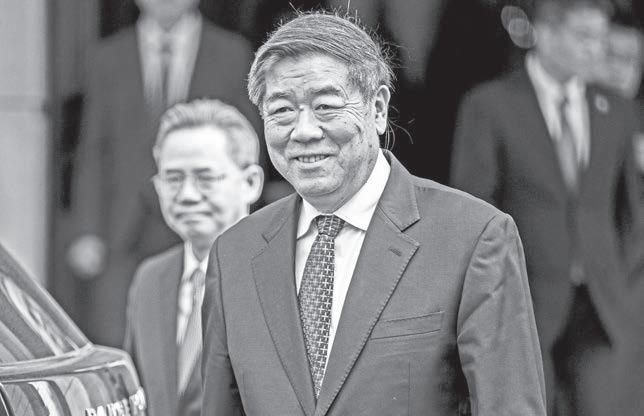
Lee Jae Myung in Seoul. Lee told He that stable relations between the US and China would greatly contribute to the development and prosperity of countries around the world, according to the presidential Blue House. He also emphasized the need to further expand cooperation in a way that contributes to the livelihoods of the people in both countries, spokeswoman Kang Yu-jung told reporters during a briefing.
The Chinese vice premier, in turn, said that amid global uncertainties, the strategic leadership of Xi and Lee had helped sustain a positive trajectory in bilateral relations.
The meeting is putting a spotlight on efforts by Seoul to position itself as a constructive player against the backdrop of an intensifying rivalry between the US and China.
The conflict in the Middle East, which began in late February, has
unleashed an oil crisis that’s exposed the vulnerabilities of economies like South Korea, which imports the majority of its energy, including about 70% of its crude, via the Strait of Hormuz.
Ties with Beijing are particularly crucial for Lee, who’s sought to ease tensions with nuclear-armed North Korea.
China remains Pyongyang’s most important backer, providing crucial economic support while the US and its allies maintain sanctions. In September, the Chinese president hosted his Russian counterpart, Vladimir Putin, and North Korean leader Kim Jong Un at a military parade in Beijing, where Xi and Kim pledged to deepen cooperation.
The South Korean president visited Beijing to meet Xi in January this year, following the Chinese leader’s trip to the South in late October, as Seoul seeks a “full restoration” of bilateral ties.
Bloomberg News
Mass protests in Argentina decry Milei’s funding cuts to prized public universities
By Almudena Calatrava The Associated Press
BUENOS AIRES, Argentina—Tens of thousands of Argentines flooded the streets of major cities nationwide on Tuesday to protest funding cuts by libertarian President Javier Milei to the public university system that represents a near-universal point of pride in this crisis-prone country.
Vast crowds in downtown Buenos Aires marched toward the government headquarters to denounce budget shortfalls eroding the financial foundation of the country’s higher education. Argentina’s public university system, a cornerstone of its welleducated workforce cherished by its large middle class, has been tuition-free since 1949 and produced five Nobel Prize laureates.
Congress passed a law last year to fund universities’ operational costs and raise teacher salaries in line with high inflation. But the government has not implemented it as it challenges the legislation in court.
Like his powerful backer and ally US President Donald Trump, Milei routinely attacks university campuses as bastions of “woke” indoctrination. He has slashed public education funding as part of his plan to take a chain saw to state funding in a sharp break from what he describes as decades of reckless spending that spawned corruption under his leftleaning predecessors. Tuesday’s protest gathered people of all ages and political persuasions as Milei faces declining approval ratings over slumping economic activity, falling wages and climbing unemployment. A recent series of corruption scandals has also struck a nerve, with fallout particularly growing from an investigation into lavish
spending by Milei’s close ally, Cabinet chief Manuel Adorni, that appears inconsistent with his modest public salary and declared assets.
“How much does Adorni cost us?” read one of several student protest signs alluding to the alleged misuse of public funds.
Milei’s undersecretary for university policies, Alejandro Álvarez, criticized Tuesday’s march as “completely political” and said the government had compensated universities for higher operating costs—marginal increases that unions have rejected as insufficient. In seeking to annul the legislation, Milei’s administration argues that it fails to specify how the state will supply the mandatory funding increases in a time of harsh fiscal austerity. The case is expected to go to the Supreme Court. Student protesters on Tuesday called on the nation’s highest court to “listen to the outcry throughout the country’s public squares.”
Since Milei took power in late 2023, university professors’ paychecks have declined by roughly 33% after accounting for stubborn inflation, according to the main teachers’ federation.
The rector of the prestigious University of Buenos Aires, Ricardo Gelpi, said the steep losses in purchasing power has driven at least 580 research professors in the engineering and science departments to ditch the public system for private universities or other better-paying jobs.
“It’s very clear this government is determined to defund public education,” said Sol Muñíz, 24, a law student at the University of Buenos Aires at the march. “University is a source of pride for us. It is the best thing we have.”
The Associated Press writer Isabel DeBre contributed to this report.
As Trump heads to China, past US flubs on US policy toward Taiwan can be a warning
BBy Will Weissert The Associated Press
EIJING—It’s a verbal tightrope American presidents have had to walk for nearly 50 years, where even small slip-ups when stating official US policy toward Taiwan and China can trigger geopolitical alarm bells.
The way the US views Taiwan under the “One China” policy recognizes the Chinese position that Taiwan is part of China, while still allowing for informal US relations with the selfgoverning island.
It is intended to be vague— built on what’s become known as strategic ambiguity. That is, the US has agreed to ensure Taiwan has the resources to defend itself if China attempts to force a unilateral change, without saying how
far it will go militarily to counter Beijing.
As assistant US defense secretary Joseph Nye said in 1995 to Chinese officials wondering how the US would react to a Taiwan crisis: “We don’t know, and you don’t know.”
“The idea was, stick to the very careful language that’s been crafted and don’t vary,” said Mike McCurry, former White House press secretary under Bill Clinton. “Because there are too many people listening and paying attention.”
Carefully balanced to protect Taiwan’s security and sovereignty without promising too much but also not irking Beijing, the policy could again be pushed into the spotlight during President Donald Trump’s visit to China this week. In the past, some US


officials have flubbed it, requiring swift diplomatic cleanup.
“It’s the precision of the words,” said John Kirby, who served across multiple Democratic administrations as a spokesman at the State Department and Pentagon and at President Joe Biden’s White House. “They just have to be so extraordinarily precise when you’re talking about Taiwan because, quite frankly, the stakes are enormously high.”
A look at how the Taiwan policy has tripped up presidents:

Biden went too far repeatedly HE suggested four times that the US would intervene militarily if China were to invade Taiwan, forcing White House officials to clarify that he wasn’t undoing decades of precedent.
During an August 2021 ABC News interview, Biden talked about a US commitment to respond militarily if NATO allies were attacked and added, “Same with Taiwan.” The White House later said that US policy toward Taiwan hadn’t changed.
Biden said during a CNN forum that October that the US was committed to defending Taiwan should China attack, resulting in similar White House backtracking.
In a May 2022 news conference in Tokyo, Biden said “yes” when asked if he was willing to use the military to defend Taiwan. “That’s the commitment we made,” he added, forcing Defense Secretary Lloyd Austin to reaffirm US commitment to the “One China” policy. And Biden suggested similarly
during a September 2022 interview with CBS’ “60 Minutes,” prompting more White House clarifications.
Trump’s first administration had flubs TRUMP was president-elect in 2016 when he took a call from Taiwanese President Tsai Ing-wen— likely the first president to do so since the US severed diplomatic relations with the island in 1979. He later scoffed at the hubbub, posting: “Interesting how the US sells Taiwan billions of dollars of military equipment but I should not accept a congratulatory call.”
The following year, the Trump White House issued a statement about a meeting in Germany between Xi and Trump that described Xi as president of the Republic of China, the formal name for Taiwan—not the correct People’s Republic of China. The event’s White House transcript was later altered to fix the mistake.
“There is a lot of difficulty to navigate a lot of these concepts. However, the reason why that is the case—a lot of misunderstanding and misspeaking—is because those concepts are conceptual traps set up by China,” said Miles Yu, who was principal China policy adviser to Secretary of State Mike Pompeo during Trump’s first administration. “You cannot explain something that’s unexplainable.”
Yu, now a senior fellow and director of the China Center at the Hudson Institute, has advocated for more firmly stating the US commitment to defending Taiwan. He said the concept of a “One China” policy or a “One China” principle, as Beijing calls its insistence that Taiwan is an inalienable part of China, was “completely of Chinese making.”
“No one inside the Chinese high command has ever believed there is any ambiguity as to America’s resolve to defend Taiwan,” Yu said. Instead, he said, the US has long adhered to plans to defend Taiwan in proportion to Chinese threats, as evidenced by Washington repeatedly mobilizing forces to the Taiwan Strait over the years amid heightened tensions. Today, the Trump White House says there’s been no change in policy but scoffs at the idea of verbal gymnastics required in stating it, noting that Trump has approved major arms sales to Taiwan over the years.
The policy was always hard to articulate AFTER the Chinese civil war ended in 1949, Washington recognized Chiang Kai-shek’s Nationalists as China’s leaders, even after that government fled from Beijing to Taiwan. But, under an agreement with Beijing beginning in 1979 with Jimmy Carter, the US began adhering to the “One China” policy. Carter’s administration spent months in secret negotiations with China to reach the agreement. Yet Carter later said that it “does nothing to prevent” a future president or Congress from “even going to war” to protect Taiwan. Bill Clinton, during a 1998 roundtable in Shanghai, said he supported the “three no’s”: The US not supporting Taiwan independence; not supporting the “two Chinas” idea, which would be a separate China and Taiwan; and not backing Taiwan’s admittance into international organizations.
HE LIFENG CHRIS J. RATCLIFFE/BLOOMBERG
PRESIDENT Donald Trump talks on his cell phone in his limousine, known as “The Beast,” upon his arrival at Joint Base Andrews, Md., March 6, 2026. AP/LUIS M. ALVAREZ
DILG calls for stronger support for 43K BHERTs
By Jonathan L. Mayuga @jonlmayuga

THE Department of the Interior and Local Government (DILG)
renewed its call for all local government units to support and strengthen their Barangay Health Emergency Response Teams (BHERTs).
In a statement, the DILG cited President Ferdinand Marcos Jr. directive to strengthen grassroots health systems and sustain community-based health response mechanisms beyond the pandemic.
The DILG emphasized the vital role of BHERTs as the country’s frontline defense in protecting communities from health emergencies, ensuring immediate response during crises, and addressing everyday public health concerns at the barangay level.
There are more than 43,000 BHERTs nationwide that continue to serve and respond at the grassroots level. Their ongoing efforts remain crucial in promoting community health, ensuring immediate response during emergencies, and supporting local healthcare initiatives across the country, the DILG said.
Years after the height of the pandemic, BHERTs continue to quietly serve on the frontlines of community health response across the country.
Originally organized during the COVID-19 pandemic, these teams became one of the closest links between government health services and ordinary Filipinos, especially in communities where immediate access to healthcare remains limited.
From monitoring residents and assisting during medical emergencies to supporting vaccination drives and local health initiatives, BHERTs continue to play an important role in helping communities respond to day-today health concerns.
As of February 2026, data from the DILG-National Barangay Operations Office showed that 88.83 percent of barangays nationwide have organized BHERTs, with more than 43,000 teams actively supporting communitylevel health response.
To strengthen these teams further, the Department has continued efforts to organize, reactivate, and capacitate BHERTs across the country, particularly through the BHERT-FRIENDS Project, which focuses on providing frontline responders with practical guidance, coordination support, and tools necessary for their work on the ground.
The Department added that strong barangay health systems remain essential not only during large-scale emergencies, but also in addressing everyday health concerns faced by Filipino families and communities.
THE Department of Agrarian Reform (DAR) said it has launched the “Buha y sa Gulay” program in San Isidro, Davao Oriental, under its Farm Business School (FBS) initiative to help Agrarian Reform Beneficiaries (ARBs) build sustainable and income-generating farm enterprises. The program aims to strengthen the knowledge and skills of the CARPLU Farmers Consumers Cooperative (CAFARCCO) in managing farm enterprises and help members transition from traditional
Shooting breaks out at Senate as ‘Bato’
SHOOTING broke out at the Senate Wednesday evening, about an hour after the session adjourned, after fully armed security forces were deployed at the premises, with livestreamed reports indicating a possible attempt to arrest Sen. Ronald “Bato” dela Rosa, who has apparently eluded his captors until press time.
The Supreme Court earlier did not issue a restraining order to stop Dela Rosa’s arrest, only ordering respondent government officials to comment on his urgent petition.
They left the Senate premises after the brief shooting, but no one was injured from the Senate side.
However, when Senators Pia Cayetano and Loren Legarda called NBI Director Melvin Matibag to ask him to pull out his men, Matibag replied that there were no NBI people in the building, because the new Senate leadership had barred them from returning after Monday’s chaotic standoff in the first attempt to arrest Dela Rosa.
eludes ‘captors’
at the Senate premises, and had a closed-door meeting with the Senate leaders.
Earlier, the Senate Sergeant at Arms said a security unit was tasked to secure the team from the House of Representatives that was set to transmit to the Senate the Articles of Impeachment against Vice President Sara Duterte.
However, the situation took a weird turn after a separate armed group was spotted in the premises.
as he was about to leave the Senate premises Wednesday night,
“I am furious and disappointed with the PNP and other security personnel assigned outside the Senate for failing to control the rowdy and unruly crowd, allowing them to assault me while inside my vehicle when I was about to exit the Senate,” Sotto said in his FB post.
“This is the Senate of the PHL. We are allegedly under attack,” Senate President Alan Peter Cayetano declared on FB Live about 8pm., minutes after shots rang out on the second floor. Lights were turned off at the building soon after.
The “perceived NBI” team backed off after the shooting, exiting through the part of the building at the second floor that connects with the adjacent GSIS building.
Senate Secretary Mark Llandro Mendoza said the outside armed force, “perceived NBI personnel,” did not coordinate with the OSAA.
It was not clear if they had entered the premises to serve a warrant on Dela Rosa, who is wanted by the International Criminal Court for crimes against humanity.
Subsequently, Interior Secretary Jonvic Remulla arrived
Rowdy crowd outside building OUTSIDE the Senate compound, a rowdy crowd had started to gather, apparently responding to Dela Rosa’s earlier call for them to protect him.
Sen. Vicente Sotto III denounced the failure of the police and other security personnel in controlling the crowd, apparently pro-Duterte people, who assaulted him while he was inside his vehicle
“The barbaric protesters banged my vehicle repeatedly, threw bottles and cursed foul remarks. They can see that I am driving alone with no bodyguards.
Ilang truck na PNP ang nakadeploy sa Senate, tapos ganito? Ganito na ba kawalang respeto at walanghiya ang mga taga suporta ng ilang Senador na nag ra -rally ngayong gabi [How many PNP trucks are deployed at the Senate, and yet we have this? Is this how disrespectful and shameless the supporters of some senators rallying tonight have become]?” Butch Fernandez
‘Looting of cultural artifacts now a global concern linked to terrorism’
DBy Manuel T. Cayon @awimailbox
AVAO CITY—The US government warned that theft of cultural properties has evolved into a transnational organized crime linking it to a dedicated attempt to finance terrorist actions, the U.S. Embassy in the Philippines said, as it convened in Makati City law enforcement officials and cultural heritage specialists from ASEAN member states for a workshop on countering theft of heritage objects.
“When cultural objects are stolen, communities lose part of their history and identity. Cultural property trafficking is closely tied to transnational organized crime, and in some cases, to terrorist financing. Groups like ISIS have used the sale of antiquities to generate revenue, turning cultural heritage into a tool for violence and instability,” said U.S. Embassy
Chargé d’Affaires, a.i., Y. Robert Ewing said in his opening remarks during the workshop.
The embassy said criminal syndicates and terrorist organizations generate millions of dollars by looting temples, archaeological sites, and museums across the world, then selling stolen objects on the international market to finance terrorist groups and organized crime—the same networks that engage in drug trafficking, money laundering and armed conflict.
US law enforcement has led global efforts in this fight, recovering over 2,500 trafficked items between 2011 and 2023 tied to the Kapoor network and valued at more than $143 million, and securing the largest-ever forfeiture of $12 million tied to trafficker Douglas Latchford, whose activities affected countries across Southeast Asia.
Ewing said strong relationships
between investigators, prosecutors, and cultural experts must be cultivated as it assured countries that the United States “stands with ASEAN partners in this effort to disrupt these networks and protect the cultural heritage that defines this region.”
Antiquities Coalition Executive Director Tess Davis warned that cultural trafficking persists due to the art market’s global reach, high value, and weak regulation. “This is not a problem any country can solve alone. This trade harms cultural heritage, local communities, and national economies,” Davis said. “That is why partnership between the United States and Asean matters so much. It is fitting that we are gathered in a country whose cultural heritage is among the richest in the region.”
The workshop is about “Combating Cultural Property Trafficking in Southeast Asia” and was held
May 5-8 at the Ayala Museum in Makati City. It was funded by the U.S. Department of State and hosted in the Philippines during its Asean chairmanship year.
The embassy said the program “strengthens the national security of the United States and Asean member states by enhancing regional cooperation to disrupt criminal networks and terrorist organizations that steal and sell artifacts to finance organized crime and criminal activities.”
The four-day workshop that was implemented by the US nonprofit organization Antiquities Coalition, 20 participants from across Southeast Asia “learned about the scope and complexity of cultural property trafficking in the region; the links between antiquities trafficking and financial crimes; approaches to strengthen coordination across agencies within their governments; and how to
engage international, regional, and national legal instruments that govern the protection of cultural property.”
Representatives from the U.S. Department of State, Federal Bureau of Investigation, Customs and Border Protection, and Homeland Security Investigations presented American approaches to investigating and prosecuting cultural property crimes. They highlighted the value of Cultural Property Agreements—bilateral agreements between the United States and partner countries that prevent trafficked artifacts from entering the United States. The embassy said that by the end of the workshop, participants examined their respective countries’ cultural heritage protection frameworks and developed a roadmap for sustained cooperation between Asean nations, the United States, and other stakeholders to combat the illicit antiquities trade.
Alan, not Pia, gave Bato a ride to the Senate; Lacson says sorry to Pia
SBy Butch Fernandez @butchfBM
ENATOR Panfilo Lacson on Wednesday apologized to Sen. Pia Cayetano for saying that her vehicle was used to transport Sen. Ronald “Bato” dela Rosa to the Senate on Monday, saying he did not mean to impute malice to her and conceding there is no crime in giving a ride to a colleague, even one like Dela Rosa.
By Bless Aubrey Ogerio
THE Philippine Economic Zone
Authority (PEZA) and UNAHCO, Inc. held talks on possible agroindustry investments inside economic zones, as the agency pushes to widen ecozone activity beyond its traditional electronics and information technology (IT) sectors.
During the meeting last week, May 5,
Subsequently, her brother, Senate President Alan Peter Cayetano, admitted on the floor he was the one who gave Dela Rosa a ride to the Senate, but that he did not tell his sister.
Dela Rosa’s sudden appearance at
Cayetano, who took the floor at the start of session to criticize Lacson for sharing wrong information about her, swore she “had no idea” that Dela Rosa would be returning to the Senate premises after being absent since November.
the Senate was widely seen as meant to allow him to vote for Alan Peter in Monday’s Senate coup that saw the latter replacing Senate President Vicente Sotto III.
In replying to Pia Cayetano’s complaint about his wrong information on her, Lacson said, “I want to put it on record that I sincerely apologize to our distinguished colleague, Sen. Pia Cayetano.” He said he got the information from a usually very reliable source, and so he shared that in his post. “If that was a mistake, then I sincerely apologize.” He concluded, “If it is false— and even if it [were] not false—I sincerely apologize.”
PEZA and UNAHCO tackle agrozone investment plans
PEZA director general Tereso Panga and UNAHCO president Ricardo Alba focused on incentives available for domestic market enterprises and companies operating inside Peza-administered zones.
The discussions also centered on the role of agro-industry in food security, rural development and the country’s broader agricultural supply chain, according to PEZA.
UNAHCO is the animal nutrition and healthcare subsidiary of United Labora -
tories, Inc., producing animal feeds and veterinary products for the Philippine and Southeast Asian markets for nearly six decades.
Per PEZA, the UNILAB Group already operates several projects within economic zones, including the EDSA Central IT Parks, Greenfield Automotive Park, Philippine Packing Agricultural Export Processing Zone and Bukidnon Agro-Resources Export Zone. Collectively, these ecozones host 42
sa Gulay’ program in Davao Oriental town
farming into more market-oriented and business-driven operations. Under the leadership of DAR Secretary Conrado M. Estrella III, the DAR continues to expand programs that improve farm productivity, increase farmers’ income and strengthen rural livelihoods. C AFARCCO, formerly known as the La Union Farmers and Agrarian Reform Beneficiaries Cooperative, has 56 members engaged mainly in vegetable production, with coconut as one of their primary
Unit of La Union, and CAFARCCO. The agreement outlines the responsibilities and commitments of each partner to ensure the smooth implementation of the program. The Farm Business School offers a series of hands-on and participatory training
sessions covering farm planning, financial management, marketing, and enterprise development. The training focuses on practical application so farmers can better manage their farms as sustainable and profitable businesses. Through the continued rollout of the Farm Business School nationwide, DAR reaffirms its commitment to empowering farmers to become agri-entrepreneurs while maximizing the potential of local agricultural resources.
Jonathan
L. Mayuga
locator companies employing more than 18,000 workers, according to the agency.
PEZA also briefed the company on avail
for agro-industry and

DepEd launches centralized procurement hub to boost transparency, accountability
By Claudeth Mocon-Ciriaco
TO provide visibility into procurement activities at the Department of Education (DepEd) Central Office, Education Secretary Juan Edgardo “Sonny” Angara has established a centralized Procurement Information Hub, reinforcing the Department ‘s commitment to open governance and the timely delivery of essential education resources.
This “gives us the power to choose them,” she said.
“China really is, by far, leading this race,” said Li Shuo, director of the Asia Society Policy Institute’s China Climate Hub, who called the renewable industry “a oneman show.”
Iran war drives solar sales
THE Philippines, which relies heavily on Middle Eastern crude oil and liquefied natural gas, is among the most impacted Southeast Asian nations by the closure of the Strait of Hormuz.
Local airlines are weighing fuel rationing. Public transport workers are receiving cash handouts.
Gas and diesel prices also have shot up. To conserve energy, government offices have shifted to a four-day work week and been told to keep air conditioning no lower than 24 degrees Celsius (75 degrees Fahrenheit).
Oil and gas spikes during the first 60 days of the Iran war cost Filipino consumers, businesses and public institutions more than $600 million, the climate nonprofit 350.org estimates.
“When we got our energy bill after the Iran war broke out, we were very shocked. It was wow. It was a significant increase,” said Jaime Quemado, who recently bought a rooftop solar system in Manila.
There also have been growing concerns about potential power outages, Quemado said, which led him to look for an alternative energy source like “solar, which is very abundant here in the Philippines.”
Customer interest in rooftop solar jumped from around 115 inquiries in February, before the start of the Iran war on Feb. 28, to more than 450 by mid-April, according to the New Energy Nexus survey. Solar groups must “ride this wave and take advantage of this momentum,” Valerio said.
On two blisteringly hot days in Manila, EcoSolutions installers sweated through the set-up of an 18-kilowatt rooftop solar system, which included 28 panels from major Chinese manufacturer LONGi and four batteries from Suzhoubased battery group Dyness.
The war has “helped the solar industry really get its footing,” EcoSolutions president Richmond Reyes said.
Joel Remegio of the Association of Solar Installers of the Philippines said the energy crisis is a “game changer” for the nation’s nascent solar industry.
Clean technology, like rooftop solar, is quickly scalable because it is “accessible to all of us,” according to Marissa Cerezo of the Department of Energy’s Renewable Energy Management Bureau.
Solar interest rises globally SOLAR is being embraced across Southeast Asia.
Indonesia set an ambitious target to install 100 gigawatts of rooftop solar by 2034, a leap from its current 1.3 gigawatts. Vietnam wants to install rooftop solar on at least 10% of public offices and homes nationwide by 2030. Thailand is considering new policies to give rooftop solar users a bigger bang for their buck by increasing the amount of surplus energy the national grid can buy.
The energy crisis is incentivizing these decisions, according to Yu Sun Chin of the research group Zero Carbon Analytics.
“It totally makes sense for policymakers to take another look at rooftop solar and see ways that they can save costs,” she said.
Online marketplaces and utility companies in the US and across Europe also have recorded jumps in solar sales and inquiries since the Iran war began.
“Solar is definitely one of the easiest things people can do” to cut monthly electricity bills, said Jan Rosenow, a professor of energy and climate policy at Oxford University.
The availability and affordability of rooftop solar make it the easiest clean technology solution given the higher expense for buying an electric vehicle or installing a heat pump, Rosenow said.
China supplies solar demand EMBER , the energy think tank, noted China exported 68 gigawatts worth of clean technology products in March, equivalent to Spain’s entire solar capacity and double its February output. The Iran war is accelerating the world’s energy transition, Ember found.
Exports to Africa hit 10 gigawatts, a 176% jump from February, with rapid growth in Nigeria, Kenya and Ethiopia. Exports to other Asian nations doubled to 39 gigawatts, including major increases to India, Malaysia and Laos.
Ramnath Iyer of the US-based Institute for Energy Economics and Financial Analysis said the speed of the transition depends on if world leaders “decide to go ahead with electrification and move away from fossil fuels.”
Li of the China Climate Hub said Chinese companies had an oversupply of solar panels and other equipment before the war, putting them in a prime position to capitalize on current demand.
“When it comes to the clean tech sector, China at this point in time is already so far ahead,” Li said. “The current situation in Iran will help China cement its dominance.”
The initiative aims to ensure that vital resources like textbooks and school infrastructure reach learners more efficiently through enhanced public accountability and data-driven monitoring.
“This dashboard reflects our commitment to President Bongbong Marcos’ vision of a digitalforward and transparent government where every peso for our learners is accounted for... By opening our procurement processes to the public, we align with the President’s mandate to eliminate corruption and ensure that school infrastructure and supplies are delivered without delay,” he added.
The dashboard consolidates key pr ocurement data into a single, accessible platform, moving away from the need to navigate multiple documents and reports.
It provides a comprehensive overview of the total Approved Budget for the Contract (ABC) and the specific number of ongoing projects undertaken by the DepEd Central Office.
Stakeholders can now track how resources are distributed across various programs under the General Appropriations Act, including learning materials and information and communication technology. By bringing this data together, the dashboard supports
better monitoring, coordination and informed decision-making to improve the delivery of education services.
Beyond aggregate figures, the hub features a detailed gallery of awarded projects that lists individual project titles, contract amounts, quantity, dates of award and contract signing, and winning bidders.
It also includes a dedicated mechanism for the public to report procurement-related concerns, including potential fraud or corruption, encouraging greater citizen participation and reinforcing accountability in the process.
This transparency tool is established in line with the New Government Procurement Act or Republic Act No. 12009, a measure principally authored and sponsored by Angara during his tenure in the Senate.
Signed into law on July 20, 2024, the landmark legislation overhauls the two decades-old Government Procurement Reform Act or RA 9184 to modernize, increase transparency, and enhance efficiency in government transactions.
The DepEd Procurement Dashboard Hub can be accessed through https://airtable.com/appomOegVtuSkp2dS/shroSagZfZzKXp2mo.
‘The country needs doctors willing to serve’: CHED endorses new MSRS physicians to DOH
AS part of the program’s transition from scholarship to public service, the Commission on Higher Education (CHED) formally endorsed the newly licensed Medical Scholarship and Return Service (MSRS) physicians to the Department of Health (DOH) during the 2026 Turnover Ceremony held on May 12.
Led by CHED Chairperson Shirley C. Agrupis, DOH Health Human Resource Development Bureau Director Johanna Solon Banzon and Career Development and Management Assistant Division Chief Hermenegildo M. Caronan Jr., the ceremony on May 12, marked the deployment of MSRS graduates to underserved and Geographically Isolated and Disadvantaged Areas (GIDAs),
Huckabee says Israel deployed to UAE
US ambassador to Israel Mike Huckabee revealed at a conference in Tel Aviv, Israel, that Israel has sent Iron Dome air-defense to the UAE.
The United Arab Emirates diplomatically recognized Israel in 2020. That drew criticism from Iran, long Israel’s main regional enemy. Iran didn’t immediately respond to Huckabee’s remarks, though it has repeatedly suggested over the years that Israel maintained a military and intelligence presence in the Emirates.
The Israeli military declined to comment on Huckabee’s statement about the Iron Dome while the UAE didn’t immediately respond.
But the following year, Clinton said, “You know what I’ve done in the past,” seeming to point to previous US military interventions and suggesting he could do something similar involving Taiwan.
During a 2001 interview with The Associated Press, George W. Bush was asked whether the US might use military force to counter a Chinese attack on Taiwan and answered, “It’s certainly an option.” Bush later told
where access to doctors and healthcare services remains limited.
In her message, the CHED chairperson emphasized the importance of strengthening the country’s healthcare workforce and ensuring that more doctors serve communities most in need.
“The country needs more than doctors with credentials. The country needs doctors who are willing to serve where they are most needed,” Chairperson Agrupis said, noting that the program is in line with the directive of President Ferdinand R. Marcos Jr. to strengthen healthcare services and ensure that all municipalities across the country have access to doctors.
This year, 54 MSRS scholars passed the March 2026 Physician Licensure
The US ambassador to the United Nations, Mike Waltz, was quoted as making comments similar to Huckabee’s during an event at the Israeli mission— suggesting the release of the information was intentional, likely with the Emiratis’ and Israelis’ blessing.
The UAE has faced Iranian missile and drone fire even after the ceasefire was reached last month. It has been trying to signal to nervous investors and the public that it remains open for business and safe.
Hegseth tells Congress: ‘We control the strait’
US Defense Secretary Pete Hegseth told members of Congress Tuesday that the military has plenty of bombs and missiles despite concerns about its stockpiles.
He also maintained that the US is in control of the Strait of Hor -
CNN that didn’t mean the US was toughening its stance, saying, “I have said that I will do what it takes to help Taiwan defend itself.”
Five years later, during a state visit to Washington by then-Chinese President Hu Jintao, Bush’s White House announcer mistakenly said the national anthem of the Republic of China would be played, instead of the People’s Republic of China. The correct anthem was ultimately played. Some stayed on message IN 1989, George H.W. Bush said
Examination (PLE), including topnotchers from partner higher education institutions:
n Dr. Ericson Lloren Luyun of Cagayan State UniversityCarig
n Dr. Angela Atencio Arma of University of Northern Philippines
Dr. Luyun expressed his appreciation to DOH and CHED, saying “we sincerely appreciate the relentless support of CHED and DOH in empowering future doctors to serve underserved communities and improve the nation’s healthcare system.”
For her part, Dr. Arma also shared her commitment to serve the people, “Ang aming pagpasa ay hindi lamang bunga ng aming sariling puyat at pagod kundi produkto ng tiwala at puhunan ng ating sambayanan .”
The MSRS Program is
muz, even as Iranian attacks— and threats—have disrupted the shipment of oil and other products through the vital waterway.
“Ultimately we control the strait, because nothing’s going in that we don’t allow to go in,” said Hegseth, who faced tough questions from Republican and Democratic lawmakers who oversee defense spending.
Sen. Chris Coons, a Delaware Democrat, asked what the Trump administration’s strategy is for reopening the waterway. “Your average American is seeing this at the gas pump every single day as the cost of gas continues to rise,” Coons said.
Hegseth avoided specifics about the next steps in Iran. The Pentagon’s top budget official told Congress that the cost of the war is close to $29 billion so far—that’s up from an estimate of $25 billion just two weeks ago.
during a banquet in China that while the US adheres to “the bedrock principle that there is but one China, we have found ways to address Taiwan constructively without rancor.”
During a 2014 joint news conference in Beijing with Xi, Barack Obama said, “We encourage further progress by both sides of the Taiwan Strait towards building ties, reducing tensions and promoting stability on the basis of dignity and respect.”
Still, getting it right can be tricky.
implemented in support of the Doktor Para sa Bayan Act and forms part of the government’s efforts to improve equitable access to healthcare services across the country.
The MSRS Program provides full medical education scholarships to qualified Filipino students pursuing a Doctor of Medicine degree in exchange for return service in government hospitals and public health facilities.
Since its implementation in 2021, the program has supported 3,762 scholars nationwide and produced 196 graduates.
Currently, 98 MSRS graduates are serving under the Doctors to the Barrios (DTTB) Program, and one serving in a local hospital. Claudeth Mocon-Ciriaco
Norway has some 25 stranded vessels ONE of Norway’s top diplomats met Tuesday with Iranian Foreign Minister Abbas Araghchi in Tehran, pressing for the need to open the strait.
Deputy Foreign Minister Andreas Kravik stressed that the attacks on commercial shipping and obstruction of the passageway must end, his minister, Espen Barth Eide, said in an email. Kravik said Iran’s actions affecting third-party countries are “completely unacceptable” and noted that Norway has some 25 vessels stranded, according to Eide.
Lidman reported from Tel Aviv, Israel. Associated Press reporters Sam Metz in Ramallah, West Bank, Collin Binkley and Konstantin Toropin in Washington, Jamey Keaten in Geneva, Switzerland, and Giovanna Dell’Orto in Minneapolis contributed to this report.
“Anybody who has been at the State Department, the Pentagon or even the White House podium can tell you: When the issue of Taiwan came up, you went to your notes,” Kirby said. “You didn’t freelance it.” Yet Kirby recalled that he “got cocky once and didn’t,” mischaracterizing the policy and causing “a little kerfuffle.”
Any big error usually first draws complaints from US policy officials, Kirby said, who aren’t shy with their displeasure: “You’ll be highly encouraged to make a statement correcting it right away.”
‘Weak peso, soft demand deter meat imports’
DBy Ada Pelonia @adapelonia
ESPITE the decision of Manila to allow Spain and Germany to resume pork shipments to the Philippines, traders are having second thoughts about increasing their purchases due to the lackluster demand for meat products and the peso’s depreciation.
Meat Importers and Traders Association (Mita) President Emeritus Jesus Cham made the pronouncement after the Department of Agriculture (DA) issued Department Circular (DC) 22, which granted bilateral recognition of regionalization for African swine fever (ASF) to Spain.
The same circular also lifted the temporary ban Manila slapped on pigs and pork products from Spain, which was imposed last December 2025.
“The reopening is welcome, though current conditions are not ideal. The weak (Philippine peso) and weak consumption are

Brazil meat left out of EU suppliers’ list in risk to trade
BRAZIL is absent from a list of countries authorized to supply animal products to the European Union, presenting a trade risk to the world’s largest beef and chicken exporter.
The EU on Tuesday published an updated list of countries that comply with its rules against the excessive use of antimicrobials in food-producing animals. It did not include Brazil.
The list is currently meant for information purposes and has no legal effects. Still, it will be “formally adopted” in the coming days, the European Commission said on its website, adding that rules on imports will apply from September 3. Brazil will no longer be allowed to export unless it demonstrates compliance to rules, spokesperson Eva Hrncirova said.
“We have closely engaged with the Brazilian authorities on this issue and will continue contact to work toward their compliance with these requirements,” Hrncirova said. Markets affected include live animals and products from bovine, equine, poultry, eggs, aquaculture, honey and casings, the spokesperson added.
Brazil’s Animal Protein Association, a group that gathers poultry and pork exporters, said in a Tuesday note that the country “fully complies” with EU rules and that the country is looking to demonstrate compliance to sanitary authorities. Exports aren’t yet suspended, ABPA added.
The Brazilian government will “promptly take all necessary measures to reverse this decision,” said a joint statement by the nation’s Agriculture, Trade
discouraging imports,” Cham told this newspaper.
Under DC 22, the Philippines requested several documentary requirements from Spain’s veterinary authorities to assess the public health control measures it applied and implemented against ASF.
The Bureau of Animal Industry (BAI), an attached agency of the DA, then conducted a review and evaluation of the application for bilateral recognition of regionalization for ASF.
BAI concluded that Spain “maintains sufficient veterinary oversight and has established necessary control and mitigating measures against ASF.”
Such a decision ensures a low risk of importing swine products and byproducts, including meat from identified proposed zones for recognition.
For this measure, the chief veterinary officers of Spain and the Philippines agreed on the import

terms and conditions for the bilateral regionalization for ASF.
As such, all pig and pork import transactions should be in accordance with the bilaterally agreed import terms and conditions on regionalization and the current rules and regulations, the DA said.
Under a regionalization agree -
ment, the Philippines will restrict shipments of the commodity only from certain areas with confirmed ASF cases instead of imposing a country-wide ban.
With Spain’s addition to the list of DA-accredited countries that have secured regionalization agreements for pork shipments, the Philippine Association of Meat
Processors Inc. (Pampi) said the country will have more sources of meat products.
“It’s good, because our open markets will increase,” Pampi Director Jet Ambalada told the BusinessMirror on Tuesday.
Given the re-entry of pork shipments from Germany and Russia, however, Ambalada said Spain “will have to regain its markets.”
“In 2019, Germany was our top supplier of pork; their pigs are large, so Germany is very competitive in (pork) bellies. Spain supplies mostly jowls.” Germany officially secured a regionalization agreement with the Philippines for pork last month, following the lifting of a six-year ban on pork shipments due to ASF outbreaks.
Data from the BAI showed that the Philippines imported 166,544 metric tons (MT) of pork products from Spain in 2025, with offals accounting for 89,395 MT.
Nickel prices seen rising on policy shifts in Indonesia
GLOBAL nickel prices could rise to $17,000 per metric ton (MT) this year due to disruptions in sulfur shipments from the Middle East and policy shifts in Indonesia, according to the World Bank.
In its latest outlook report, the World Bank expects nickel prices to rebound to $17,000 per MT, or 12 percent higher than the $15,162 per MT recorded in 2025. The project price hike is expected to also benefit the Philippines, one of the world’s major producers of nickel.
The organization said nickel prices remained elevated in April, mainly reflecting a policy shift in Indonesia, a base metal pow -
and Foreign Relations ministries.
The head of the Brazilian Delegation to the European Union has already scheduled a meeting for Wednesday with the bloc’s sanitary authorities to seek explanations regarding the decision, the note added.
“It came as something of a surprise to us that Brazil was removed from the list,” said Luis Rua, the Agriculture Ministry’s secretary for trade and international relations, in a phone interview. “Brazil had been providing information. For many of these proteins, we submitted data in October last year and expected feedback on whether what we sent was adequate.”
According to Rua, discussions had been focused on beef, but the decision now extends to all of the country’s animal protein sectors.
“Brazil is a reliable partner that has been exporting for 40 years, and good partners should be treated as such,” he said. “We will provide all the guarantees necessary to reverse this situation as quickly as possible for all these animal protein chains.”
According to the European Commission, the bloc’s rules ban the use of antimicrobials in livestock for growth or yield purposes. Animals are also not allowed to be treated with antimicrobials reserved for human infections.
The EU and Brazil are important trade partners. Still, shipments of beef to the bloc amounted to only 4 percent of Brazil’s beef exports in the first quarter of 2026 according to data from the Agriculture Ministry. For chicken, that share is equivalent to 8 percent. Bloomberg News
erhouse for producing around 60 percent of global nickel output.
“Following the buildup of a large oversupply of ore in recent years, Indonesia lowered its nickel ore production quotas for 2026 by about 30 percent relative to 2025 in an effort to support export prices, promote domestic downstream processing, and reduce illegal and environmentally damaging mining,” the World Bank said.
Despite this, the World Bank said global refined nickel output can increase modestly in 2026 and 2027, “as new processing capacity comes online in Indonesia, tighter upstream ore availability is likely to constrain capacity utilization
and keep market conditions tight.”
The World Bank noted that continued disruptions to sulfur shipments from producers in the Middle East due to the conflict can push up nickel prices.
Sulfur is used for the leaching of nickel ore, with the Middle East region accounting for around 25 percent of global sulfur production.
In terms of demand, the World Bank said stainless steel output and increasing electric vehicle (EV) adoption will buoy consumption for the base metal.
LOCAL seafood exporters have generated $514.8 million in sales from booked and negotiated deals at a trade event in Spain, the Department of Agriculture (DA) said.
Agriculture Undersecretary Drusila Esther Bayate, who led the Philippine delegation, noted that booked sales reached $450.6 million, while negotiated agreements added $64.17 million.
The DA said the generated sales at the 32nd Seafood Expo Global (SEG) in Barcelona highlight strong international demand for the country’s seafood and aquaculture products.
“These results reflect not just strong demand, but the dedica -
tion of our exporters and the importance of government support in navigating international regulations and positioning Philippine seafood competitively,” Bayate said.
The agency said the Philippine delegation worked closely with the 12 participating exporters, offering guidance on market opportunities, product positioning, and compliance with European standards.
Buyers from over 150 countries visited the Philippine pavilion, where exhibitors showcased high-value products, including fresh and processed seafood, highlighting the country’s sustainability practices
Non-browning
APIONEERING tropical seeds company announced that it has secured regulatory approval to cultivate in Japan and Brazil “its world first non-browning banana variety” which the company said will unlock significant milestone in the future of sustainable fruit production.
“The approvals clear the way for Tropic’s non-browning banana to be imported, sold, and consumed in both countries, and grown in Brazil – enabling expanded consumer access, new commercial opportunities, and substantial reductions in global food waste,” the United Kingdombased company Tropic company said in a statement.
It said Tropic’s non-browning banana introduces a game - c hanging attribute: it stays fresh, yellow, and appetizing long after peeling and slicing, reducing spoilage across re -
“Increasing EV adoption will continue to support battery demand for nickel, but the growing use of lithium iron phosphate batteries, particularly in China, is likely to partially temper growth.”
As such, the World Bank noted that growth in demand would likely override curbed supply.
“Globally, consumption growth is envisaged to outweigh constrained supply expansion, such that nickel prices are projected to increase by 12 percent in 2026 [year-on-year] and rise by 3 percent in 2027.” Ada Pelonia
“Stainless steel production, which accounts for about twothirds of nickel demand, is expected to remain the main source of demand growth, reflecting its broad use across industrial, transport, and consumer applications.”
PHL seafood exporters earn $514.8M from expo
and technological innovations.
Meanwhile, the DA said SEG 2026 also featured advances in aquaculture, from artificial intelligence-assisted fish processing to sustainable aquafeeds.
With more than 2,000 exhibitors from around the world, the DA said the Philippines’ strong presence underscored the country’s competitiveness and growing reputation as a reliable seafood supplier.
In particular, the agency noted that initial feedback from exhibitors indicated strong prospects for future participation.
“SEG 2026 shows that, like the oceans themselves, there is a vast market for Philippine seafood if we
improve standards and marketing,” Agriculture Secretary Francisco Tiu Laurel Jr. said. With this, they stressed the need for continued government support in regulatory compliance, technical assistance, and logistics to ensure exporters can fully capitalize on global opportunities.
“As global seafood demand grows, the Philippines’ performance at SEG 2026 demonstrates both the opportunities and challenges of scaling domestic production for international markets, positioning the country as an emerging leader in a highly competitive global seafood industry,” the DA said. Ada Pelonia
banana gets nod of Japan, Brazil
tail, food service, and supply chains.
The genetically modified fruit was launched commercially last year, and claimed that its non-browning banana was the world’s first new banana variety in more than 75 years, “delivering the same taste and texture consumers expect while remaining fresh for longer after cutting”.
“By reducing spoilage and extending usability, the variety supports new retail opportunities, more efficient distribution and lowers the environmental footprint of banana consumption,” it said.
Tropic said the two countries also offer significant importance to cultivating the genetically modified banana. It said Japan is a key import market, renowned for exceptionally high standards of quality, freshness, and consistency.
It said Tropic’s non-browning
banana will complement the stringent market requirements and will be appreciated for its contribution to sustainability and food security.
Brazil is one of the world’s largest banana- producing and consuming country and the regulatory clearance “affirms the value of the variety for both growers and consumers.” It accounts for around 10 percent of global banana production.
“Tropic’s approval introduces a premium quality option that reduces waste, improves sustainability, and expands the diversity of bananas available in the domestic market,” it said.
“These approvals represent a major step forward in bringing innovative, waste -reducing produce to consumers worldwide,” said Gilad Gershon, chief executive officer of Tropic. “Japan and Brazil each play critical roles in the global fruit
market, and these decisions reflect growing international confidence in new agricultural technologies designed for modern supply chains.” Tropic said it has also commercially launched an extended shelflife banana variety that lengthens the green life by an additional 12 days, increasing yields, enabling new export routes and reducing transportation waste by up to 50 percent.
It said it will likely launch a Panama Disease (TR4) resistant variety next year to counter the Panama Disease (TR4) that is fast-spreading in 20 countries and threatens the $25- billion dollar banana industry. As the world’s favorite fruit and fourth most important crop, bananas are central to global food security, Tropic said its growing pipeline is designed to support both growers and consumers. Manuel T. Cayon
CATTLE eat at a feedlot operated by the Otavio Lage group in Goianesia, Goias state, Brazil, June 13, 2025. AP PHOTO/ERALDO PERES, FILE
BLOOMBERG NEWS
Bold vision for LEC: From bilateral aid to a global coalition
THE announcement that the Luzon Economic Corridor (LEC) is expanding from a three-nation initiative into a coalition of 10 countries marks a significant inflection point for Philippine economic policy. What began in April 2024 as a partnership between Manila, Washington, and Tokyo has now blossomed into a multilateral effort involving Australia, Denmark, France, Italy, South Korea, Sweden, and the United Kingdom. (Read the BusinessMirror story: “7 countries plug into Luzon economic corridor,” May 12, 2026).
This is not merely a press release victory; it is a geopolitical and economic signal that the Philippines is no longer a peripheral player in the Indo-Pacific but a central hub for strategic investment.
For decades, Philippine infrastructure lagged behind its Southeast Asian neighbors due to a familiar litany of issues: red tape, inconsistent policies, and a reliance on siloed, bilateral aid. The expanded LEC changes the equation. By connecting Subic Bay, Clark, Manila, and Batangas, the corridor is designed to create a seamless spine of economic activity. But the real story now is the diversity of the partners involved.
Consider the specific value each new partner brings. This is not a generic pledge of “assistance”; it is a surgical strike of expertise. Denmark is not just writing a check—it is reviving the Philippine shipbuilding industry with a promise of 10,000 jobs and green maritime tech. France is looking to the skies, backing aeronautics and building 100 bridges. Sweden is drilling down into the technical weeds with a feasibility study for a crucial freight railway signaling system. Meanwhile, the United Kingdom is opening access to a staggering P411 billion in export finance.
This is the difference between aid and partnership. The old model saw wealthy nations offering crumbs from the table of development. The new model sees nations like South Korea treating the modernization of the Ninoy Aquino International Airport (NAIA) and the creation of a National Cyber Security Center as shared priorities.
However, ambition must be tempered by caution. While the coalition of “like-minded nations” is impressive, the phrase “free and open Indo-Pacific” is loaded with strategic rivalry. The LEC is explicitly a flagship project of the G7-led Partnership for Global Infrastructure and Investment (PGI)—the West’s direct answer to China’s Belt and Road Initiative.
The challenge for the Marcos administration is to manage this influx without becoming a stage for great power competition. The government must ensure that these projects prioritize Filipino workers, Filipino supply chains, and Philippine debt sustainability. While the PGI promotes “fair and transparent” development, we must perform rigorous due diligence to ensure that the technical assistance from Rome or Seoul does not come with crippling conditions or inflated costs.
Furthermore, the proof will be in the pavement—and the optical fiber. The LEC has announced working groups for transport, energy, and digital infrastructure. The public needs to see tangible results: reduced travel times between Clark and Batangas, lower electricity costs, and internet speeds that attract the world’s top call centers and business process outsourcing firms.
Ambassador Heather Variava noted that this expansion shows what can be accomplished when nations unite around “shared prosperity.” She is right, but unity must be followed by velocity. History is littered with Philippine “master plans” that gathered dust. The difference this time is the sheer weight of the coalition. With seven new countries joining the US and Japan, the cost of failure is no longer just a domestic embarrassment—it is a reputational risk on a global scale.
We welcome Australia, Denmark, France, Italy, South Korea, Sweden, and the UK to the table. Now, let’s stop talking about the railway and start laying the tracks. The Luzon Economic Corridor has the blueprint and the backers. It is time to build.
BusinessMirror

Peso weak, not broken

TJohn Mangun
OUTSIDE THE BOX
WO weeks ago, I posted on X a list of currencies at or near their all-time lows against the dollar. The Philippine peso was on it. So was the Iranian rial. The point was that the peso is not alone.
But reading that list without the context is the intellectual equivalent of noting that two men are currently sitting down: one a marathon runner and another a man with a broken leg—technically accurate, structurally meaningless. Being on the same list proves nothing about being in the same condition.
Currency weakness has causes, and the causes are not necessarily interchangeable. The Argentine peso collapsed because Buenos Aires printed money to cover deficits that dwarfed its revenue base. The Iranian rial craters because sanctions have severed it from the global financial system with the thoroughness of a medieval siege. The Egyptian pound devalues because the IMF demands it as a condition of the bailout Egypt needed after foreign reserves ran out. These are not peso problems. They are not even the same category of “problem.”
The peso is weak for a different and considerably less dramatic reason: the dollar is strong, and the Philippine economy runs a persis -
tent current account deficit. The country’s exports—value-added goods in the electronics and semiconductor sector—are less than its imports, primarily non-value-added crude oil and refined petroleum products. This deficit is offset partly by OFW remittances and services exports.
When the Federal Reserve holds rates at elevated levels, global capital gravitates toward dollar-denominated assets. Every non-reserve currency softens. The yen softened. The euro softened. The Korean won softened. Selective outrage about the peso in this context is like complaining that your house got wet during a typhoon while ignoring that the entire street flooded.
The more useful peer group is not “currencies at historical lows” but emerging market currencies under the same macro pressure. By that measure, the peso—and the Philippines—belongs with the Vietnam dong, Indonesia with its rupiah, and Thailand’s baht, all economies with real output, functional institutions,
and central banks with the policy room that Cairo and Caracas exhausted long ago. The Bangko Sentral ng Pilipinas holds substantial gross international reserves, maintains a credible inflation-targeting framework, and has room to maneuver in ways that genuine loser currencies do not.
Reading the doomsday headlines and pundit commentary thinking the peso is in collapse has local investors making worse decisions. They dollarize savings at the wrong moment, pull from PSEi-listed consumer names that would otherwise merit accumulation, and mentally discount Philippine assets using a risk premium borrowed from sovereign-default economies.
OFW families are partially on the other side of this peso trade. Every hundred dollars sent home converts to approximately P6,000, meaningfully more than the 2024 average exchange rate of 57. But the same weak peso that inflates the remittance also inflates the cost of fuel, food, and imported goods like milk products. The purchasing power gain at the remittance window shrinks considerably by the time it reaches the market and the gasoline station. The BSP reported remittances at record levels last year, which helps. But it does not help evenly.
The structural problem is real but narrower than the panic implies. Fixing it requires building out nonimported power generation capacity, thereby reducing the energy import bill at its source. But the central bank cannot drill a geothermal well or build a nuclear power plant.
What the ordinary Filipino can do in the meantime is considerably less exciting but definitely more actionable. Dollar-denominated savings for those with access. For remittance-receiving households, the stronger hand lies in locking fixed costs like amortization, tuition, insurance while the conversion rate holds above 60.
The peso’s weakness is not evenly distributed across the population, and neither is the capacity to position against it. That asymmetry is worth understanding clearly, because the Filipinos who panic at the wrong moment are rarely the ones who can afford to.
The roadmap is not secret. The BSP manages the symptom through reserves and rate policy. The DOE addresses the disease through the renewable energy buildout. The ADBbacked geothermal de-risking facility, operational this year, removes the financing excuse that kept private developers away from exploratory drilling for a decade. These are not promises. They are funded programs with timelines.
The exchange rate is a symptom. The disease is structural energy dependence, and it has a name, a treatment plan, and a timeline measured in administrations rather than quarters. That is not a reason for despair. That is a reason to stop reading the doomsday thread and start paying attention to the right problem.
E-mail me at mangun@gmail.com. Follow me on Twitter @mangunonmarkets. PSE stock-market information and technical analysis provided by AAA Southeast Equities Inc.
Every child has the right to live safely at home
IR. Calso, Dionisio L. Pelayo
Ruben M. Cruz Jr.
Eduardo A. Davad Nonilon G. Reyes
D. Edgard A. Cabangon Benjamin V. Ramos Aldwin Maralit Tolosa Rolando M. Manangan
BusinessMirror is published daily by the Philippine Business Daily Mirror Publishing, Inc., with offices on the 3rd floor of Dominga Building III 2113 Chino Roces Avenue corner De La Rosa Street, Makati City, Philippines. Tel. Nos. (Editorial) 817-9467; 813-0725. Fax line: 813-7025. (Advertising Sales) 893-2019; 817-1351, 817-2807. (Circulation) 893-1662; 814-0134 to 36. E-mail: news.businessmirror@gmail.com


H.E. David Hartman
N times of conflict, and in times of peace, the rights of children must remain among any nation’s foremost responsibilities. Regardless of nationality, politics, or geography, every child has the same fundamental rights: to safety, to family, to education, and to a future free from fear. When children become victims of war, protecting them is not only a national responsibility, but also a shared duty of the entire international community.
The unlawful deportation and forced transfer of Ukrainian children did not begin with Russia’s full-scale invasion in 2022. This practice began years earlier, following the illegal occupation of Crimea by the Russian Federation in 2014. By 2015, there was evidence of Ukrainian children being taken from the non-government-controlled areas of Ukraine and deported across borders or transferred deeper into Russiancontrolled areas.
This unlawful and inhumane practice has grown into a largescale and systematic violation of the rights of Ukrainian children. Today, the Ministry of Justice of Ukraine
has officially confirmed more than 20,000 cases of deportation and forced transfer of Ukrainian children to Russia or temporarily Russiancontrolled territory. For these children, the disruption has meant not only displacement, but separation from family, loss of community, and an attack on their identity, language, and connection to home. Their situation reminds us that protecting children in conflict is not an abstract principle, it is a human responsibility that requires sustained international cooperation.
Ukrainian authorities and civil society organizations working on these cases face enormous challenges
in tracing where children have been taken. Russia has not provided comprehensive information about the number of deported or transferred children or their locations, making identifying and ultimately returning those children extremely difficult. Even when children are located, bringing them home can be a long and complex process.
This is why international cooperation is essential. No country facing such a challenge could address it alone. And no child should have to wait for the world to act.
This is the purpose behind the Bring Kids Back UA initiative, launched by Ukrainian President Zelenskyy in 2023, and the International Coalition for the Return of Ukrainian Children, launched by Ukraine and Canada in February 2024. Bring Kids Back UA provides the national framework for Ukraine’s efforts to return children, support their recovery and reintegration, and pursue accountability. The International Coalition mobilizes international support for those objectives and helps translate political commitment into coordinated action. Today, the Coalition brings together 49 members, including states and international organizations. Its focus is humanitarian: protecting children’s rights and ensuring international standards safeguarding children are upheld. As co-chairs, Ukraine and Canada have worked hand-in-hand to build and sustain the Coalition, expand international participation, keep the return of Ukrainian children high on the global agenda, and encourage practical support for tracing, safe return, rehabilitation, reintegration, and accountability. This leadership reflects a simple conviction: children must never be used as instruments of war. The EU became a Coalition member in September 2025. Through sustained diplomatic, humanitarian, and legal efforts and international cooperation, more than 2,130 Ukrainian children have been returned and supported through rehabilitation and reinteSee “Every,” A13
US inflation accelerates as gas, rent and food prices climb
By Mark Niquette
US inflation accelerated in April on rising gasoline and grocery costs, exceeding wage growth in a double-whammy for already strained consumers.
The consumer price index rose 3.8 percent from a year earlier, according to Bureau of Labor Statistics data out Tuesday, the most since 2023. After adjusting for inflation, wages fell for the first time in three years.
The figures show how the impact of the Iran war is hitting the US economy as energy costs surge. The BLS report indicated gas prices rose almost 28 percent over the past two months. Grocery prices, rents and airfares also saw large increases from a month earlier. A sustained pickup, especially in the cost of essentials, could lead consumers to cut back on spending.
“Inflation, which we thought was under control, is reaccelerating, and that’s a real problem,” said Gus Faucher, chief economist at PNC Financial Services Group. “The longer inflation remains elevated, the more stress that’s going to place on consumers.”
Even if the current ceasefire holds and the Strait of Hormuz reopens soon, economists anticipate higher costs are likely to persist in the months ahead as oil output normalizes and shipping flows recover. Rising prices for fertilizer are expected to result in higher grocery bills, and elevated oil prices could also make other goods and services more expensive as companies seek to pass rising transport costs on to consumers.
One of the main examples in the April CPI data was airfares: They rose 2.8 percent from a month earlier as the surging cost of jet fuel prompted airlines to raise prices and baggage fees and cut capacity. Overall services costs excluding energy and housing rose 0.5%, according to data compiled by Bloomberg. Hotel prices rose 2.8%, the most since 2024.
The overall CPI advanced 0.6 percent in April. Grocery prices rose 0.7 percent, the most in almost four years. Meats, dairy, fresh fruits and vegetables all posted notable gains. Food prices have been a major contributor to affordability concerns in recent years and could play into Americans’ views of the economy heading into midterm elections.
A separate report Tuesday that combines the inflation figures with recent wage data showed that real average hourly earnings fell 0.3 percent from the year before, marking the first drop in three years.
Stocks opened lower and Treasury yields remained higher following the release.
The core CPI, which excludes food and energy, increased 0.4 percent from a month earlier and 2.8 percent from a year earlier, boosted in part by a statistical quirk in the report’s measure of rents resulting from the 2025 government shutdown. Shelter costs were up 0.6 percent in April, the most in more
gration programs to date. For every child, returning home represents the restoration of something irreplaceable—the embrace of family, the familiarity of language and culture, and the chance to grow up in the place where they belong. But these are only some of the stories. Many more children remain under Russian control — deported or trapped in the temporarily occupied territories of Ukraine. Addressing this challenge requires a truly global response. Protecting children in con-
Why celebrating festivals still matters: Culture, identity, and community in challenging times
EEven if the current ceasefire holds and the Strait of Hormuz reopens soon, economists anticipate higher costs are likely to persist in the months ahead as oil output normalizes and shipping flows recover. Rising prices for fertilizer are expected to result in higher grocery bills, and elevated oil prices could also make other goods and services more expensive as companies seek to pass rising transport costs on to consumers.
than two years.
The rent measures are based on rolling samples of rental housing units collected every six months, and the BLS effectively left them unchanged in October because it wasn’t able to collect data during the shutdown. When those units were priced again in April, they captured a year of increases rather than six months’ worth, making the monthly change in rents look about twice as large as normal.
“Consumers are pulling back on other purchases to pay for costlier gasoline, and businesses don’t have enough pricing power to raise prices. As a result, there’s an undercurrent of coolness in the core CPI—and we think that’s the more important signal for the trajectory of CPI over the next six months,” said Bloomberg economists Anna Wong and Troy Durie.
Meanwhile so-called core goods prices, excluding food and energy, were unchanged thanks to a slump in prices for new vehicles. Economists have been watching for signs that retailers have finished passing on the higher costs from President Donald Trump’s tariffs, even as the risk that higher fuel prices start pushing goods prices up again looms for later in the year. Some categories that are more exposed to tariffs—including apparel and toys—rose at a more moderate pace than in March. Used-car prices were flat.
With the US labor market holding up, Federal Reserve officials are closely tracking the impact the war will have on prices. Investors see little chance of another interestrate cut in 2026, according to futures, though some economists are still forecasting a reduction later in the year.
That Fed’s preferred measure of inflation, based on the personal consumption expenditures price index, doesn’t put as much weight on shelter as the CPI. A government report on producer prices due Wednesday will offer insights on additional categories—including a measure of airfares—that feed directly into the PCE, which is scheduled for release later this month. With assistance from Augusta Saraiva and Julia Fanzeres/Bloomberg
flict is not the responsibility of one actor alone; it is a shared duty rooted in universal human rights and our shared values.
For this reason, we encourage countries around the world to engage with the International Coalition for the Return of Ukrainian Children, whether as members or as observers. We also recognize that many nations in Africa, Asia, Latin America, and the Middle East bring invaluable experience on this issue. From peacebuilding and reconciliation efforts to post-conflict child protection and reintegration programs, many countries have demonstrated leadership over time in protecting
By Bryan Jayson T. Borja
VERY May, across the Philippines, streets come alive with color, music, and movement. It is a month deeply rooted in tradition—of town fiestas, shared meals, processions, and performances. At the same time, May is also recognized as National Heritage Month, a period dedicated to honoring the richness of Filipino culture and history. Yet in today’s climate of economic uncertainty and social challenges, a question often arises: Are festivals still worth it? Are they meaningful investments, or are they simply unnecessary expenses?
The answer lies in understanding what festivals truly represent, and what they actually produce.
Festivals are not mere spectacles. They are living expressions of identity. In communities like Biñan, the Puto Latik Festival is more than a celebration, it is a narrative of place. It tells the story of local industry, creativity, and resilience, transforming a simple rice delicacy, the Puto Biñan, into a powerful symbol of pride. Through performance of the Maglalatik dance, the festival becomes a living archive of who we are.
A local study conducted by students of De La Salle University Dasmariñas in 2023 analyzed 381 respondents across multiple barangays of Biñan and found that festivals like Puto Latik significantly influence cultural awareness, motivation, and community satisfaction. More importantly, the study concluded that community benefits and cultural value are strong predictors of people’s engagement and sense of identity.
This tells us something important: festivals are not superficial
activities, they actively shape how people understand their culture and their place in it.
Beyond identity, festivals also stimulate real economic and civic activity at the local level. The Puto Latik Festival itself gathers participation from all 24 barangays of Biñan, mobilizing performers, artisans, organizers, and local enterprises in one shared platform. This scale of participation alone reflects how festivals activate communities—not just as audiences, but as contributors.
In fact, the festival has grown into a multi-day cultural and tourism event that promotes local products, culinary innovation, and heritage conservation, aligning culture with sustainable tourism development.
This reframes the issue: festivals are not isolated expenses—they are systems of participation, cultural education, and local economic movement.
In times of crisis, this becomes even more relevant. When uncertainty affects livelihoods and morale, festivals create spaces of productiv-
ity and engagement. They provide opportunities for artists, vendors, and communities to remain active and visible. They remind people that even in difficulty, identity persists.
Yet beyond economics lies something equally vital: authenticity.
In an age dominated by artificial intelligence, where images, stories, and even “memories” can be digitally generated, the danger is not just misinformation, but disconnection. AI can simulate a festival, but it cannot replicate the lived experience of being there. The sound of real drums, the energy of a dancing crowd, the shared presence of a community— these are experiences that cannot be artificially produced.
This is why festivals must remain authentic. They are among the few remaining spaces where culture is not consumed virtually but experienced collectively.
And this is also why festivals must never be politicized.
When festivals become platforms for political branding or personal promotion, they risk losing their integrity. Culture becomes secondary, and identity becomes distorted.
A festival belongs to the people—it reflects collective memory, not individual ambition. Arts and culture must remain spaces of truth, not tools of power. Government support is essential, but it must empower communities, not appropriate them.
At a deeper level, festivals are part of the ongoing search for Filipino identity.
The Philippines, shaped by layers
of history and influence, continues to define and redefine itself. Festivals allow communities to reclaim narratives to celebrate what is uniquely theirs. In Biñan, for example, the continued celebration of its cultural icons like the Puto Biñan to the Maglalatik dance demonstrates how local traditions remain central to identity even amid rapid modernization.
This is where pride of place emerges.
Festivals do not just showcase culture, they cultivate it. They reinforce belonging. They tell communities: your story matters. And when people believe this, they begin to care more deeply for their heritage, their spaces, and each other. In a world increasingly mediated by screens and algorithms, festivals remind us of what is real. They ground us in shared memory, collective identity, and human connection. So, are festivals worth the investment?
If we measure only immediate cost, perhaps the answer may seem uncertain. But if we consider their measurable impact on cultural awareness, their ability to mobilize entire communities, and their role in strengthening identity—the answer becomes clear.
Festivals are not luxuries. They are evidence-based investments in culture, identity, and community life.
And in times of crisis, these are not things we should set aside—they are precisely what we must sustain.
Russia’s oil flows slide as drone, storm alerts disrupt key port
By Julian Lee
RUSSIA’S crude exports from its Novorossiysk port on the Black Sea tumbled last week, dragging down overall shipments and denting flows into the Kremlin’s Ukraine war chest.
Four-week average crude flows were propelled down by the first drop in weekly shipments since March, with just one crude tanker leaving Novorossiysk in the seven days to May 10. On this basis, exports averaged 3.64 million barrels a day, down from 3.68 million in the 28 days to May 3.
Multiple warnings of potential drone attacks—which can pause tanker loadings—were issued in the city in the early part of the week, according to regional emergency services. Strong winds and adverse weather were forecast through May 6, the mayor’s office said, which may also have impacted port operations. Satellite images confirmed empty crude berths for several days, though there was no evidence of damage to the oil terminal.
A surge in global oil prices has made Russia a beneficiary of the Middle East war, which has left refiners scrambling to replace lost barrels and prompted Washington to ease sanctions on Moscow’s oil. But the decline in flows, coupled with widening discounts on Russia’s flagship crude, cut into Moscow’s revenues in the latest week after the previous period’s four-year high.
The markdown on Urals crude widened toward the end of the week for the first time since the start
vulnerable children and rebuilding communities.
The Coalition is not only a platform for supporting the return of Ukrainian children; it is also a space for exchanging insights and strengthening global approaches to child protection in conflict. Countries that join the Coalition can share their perspectives and lessons learned from their own experiences. While the conflict in Ukraine is our starting point, the goal is broader: to strengthen international practices so that children are better protected in every conflict.
Participation also creates opportunities to work together on legal
of the war in the Middle East. The average discount on Urals from Russia’s western ports broadened to $23.9 a barrel below the global benchmark Dated Brent on Thursday and Friday, according to data from Argus Media. The move came as traders weighed the prospects for an end to the conflict in the Persian Gulf, now in its third month.
The amount of Russian oil at sea edged lower to about 113 million barrels on Sunday, with almost all of that now on ships in transit, rather than idling at sea, tanker tracking data show.
Crude shipments
A TOTAL of 29 tankers loaded 21.94 million barrels of Russian crude in the week to May 10, vessel-tracking data and port-agent reports show.
The volume was down from 26.88 million barrels on 34 ships the previous week. On a daily average basis, shipments in the week to May 10 fell to 3.13 million barrels a day from a revised 3.84 million the previous week. The drop was driven by the slump in shipments from Novorossiysk.
The flows are volatile, affected by weather, maintenance work, sanctions and the timing of shipments.
There was one shipment of Kazakhstan’s Kebco grade from Novorossiysk and one from Ust-Luga dur-
and institutional frameworks that safeguard children. Across the world, governments have developed approaches to family tracing, return, psychological rehabilitation, and preservation of children’s cultural identity following displacement. By bringing these experiences together, the Coalition aims to strengthen international norms and practical mechanisms that help ensure children’s rights are respected in every conflict.
The Coalition continues to expand this collaboration. The next High-Level Meeting of the International Coalition for the Return of Ukrainian Children—co-hosted
ing the week.
Export value
On a four-week average basis, the gross value of Moscow’s exports slipped to $2.34 billion a week in the 28 days to May 10 from a revised $2.43 billion in the period to May 3, with a drop in Urals prices partly offset by a small increase for ESPO.
Using this four-week measure, the export prices of Russia’s Urals were down by about $5.60 to $90.67 a barrel in the Baltic and to $88.93 a barrel in the Black Sea. The price of Pacific ESPO crude moved in the opposite direction, rising by $1 to average $93.86 a barrel. Delivered prices in India fell for a third week, down by $6.90 to $119.28 a barrel. All prices are according to numbers from Argus Media.
On a weekly basis, the value of exports averaged about $1.98 billion in the 7 days to May 10, down by $640 million from the previous week’s revised figure to a six-week low.
Flows by destination
OBSERVED shipments to Russia’s Asian customers, including those showing no final destination, rose to 3.45 million barrels a day in the 28 days to May 10, up from a revised 3.39 million in the period to May 3.
While the amount of Russian crude on tankers showing destinations in China and India continues to show sharp declines in the most recent weeks, the volume on vessels yet to show a final destination has soared, allowing for much of that
by the EU, Ukraine and Canada— was set on May 11, 2026, in Brussels, bringing partners together to review our progress and identify further practical steps to help return children to their families and communities.
Ultimately, protecting children must remain above geopolitical divides. It is a shared humanitarian imperative, grounded in international law and the recognition that every child deserves safety, dignity, and care.
We invite partners from across the world to join this effort and share their diverse voices, unique experiences, and invaluable leader
pattern to be reversed in time. Tankers frequently show interim destinations, such as Suez or Port Sudan, until they are well across the Arabian Sea, while some never show a final calling point, even after mooring to discharge.
Flows on tankers signaling Chinese ports stood at 840,000 barrels a day in the four weeks to May 10, down from a revised 890,000 barrels a day for the period to May 3. About 810,000 barrels a day was on tankers destined for India, down up to from a revised 1.13 million barrels a day in the earlier period.
But there is the equivalent of 1.77 million barrels a day on vessels yet to show a final destination. Of that, about 1.68 million barrels a day is on ships from Russia’s western ports showing their destination as Port Said or the Suez Canal, or those from Pacific ports with no clear delivery point, and a further 90,000 barrels a day is on tankers yet to signal any destination.
Flows to Turkey in the four weeks to May 10 were unchanged at about 130,000 barrels a day.
Four-week flows to Syria edged up to 36,000 barrels a day, with an Arctic-loading tanker heading to the East Mediterranean nation. Tankers hauling Russian crude to Syria rarely signal their destination and usually disappear from automated tracking systems when they’re south of Crete, making it difficult to estimate flows in advance of ships arriving off the port of Baniyas, where they can often be picked up on satellite photos. With assistance from Sherry Su/Bloomberg
ship—all of which are essential in ensuring the protection of children remains a universal priority. By working together, across regions, cultures, and political perspectives, we can restore childhoods disrupted by conflict and strengthen the global framework that protects children everywhere. Because when it comes to the rights and dignity of children, our shared humanity must always come first.
Thursday, May 14, 2026
SWEDEN’S RAIL STUDY OPENS DOOR TO MORE INVESTMENTS
By Bless Aubrey Ogerio @blessogerio
APLANNED P74-million feasibility
study for the Subic-Clark-Manila-
Batangas freight railway could become Sweden’s entry point into wider infrastructure investments in the Philippines under the expanding Luzon Economic Corridor (LEC) partnership, according to the Swedish envoy.
Sweden is among seven new countries that recently joined the Luzon Economic Corridor, alongside Australia, Denmark, France, Italy, South Korea and the United Kingdom, expanding a partnership initially launched by the Philippines, the United States and Japan in 2024.
The corridor initiative seeks to strengthen transport, energy and digital links across major economic hubs in Luzon.
Swedish Ambassador to the Philippines Anna Ferry said Stockholm views the project as aligned with Manila’s infrastructure priorities and sees the corridor as a platform for broader long-term cooperation.
“I would say that this LEC is the Philippine government’s priority project, and the Philippines is the priority partner and strategic partner for Sweden,” Ferry told reporters on the sidelines of a reception tied to the LEC initiative on Monday evening in Makati City.
“We want to see how we can support the Philippines. If that’s a priority for the Philippines, of course, we will support the Philippines and align with your priorities,” she added. According to Ferry, the feasibility study is
expected to determine whether the railway project is financially viable while also addressing environmental and social considerations tied to large-scale infrastructure developments.
“When you do these very big, large infrastructure projects, it’s quite difficult to make sure that they are viable in terms of financial viability,” she said.
“The purpose is also to make sure that the infrastructure projects comply with environmental standards, social standards, but also that it’s a bankable project,” she added.
The study remains in its early stages and is undergoing procurement procedures, per the envoy, although Sweden is already looking at possible opportunities.
“We’re going to work with the private sector and Swedish private companies and share the information with them to see if there are opportunities to invest also for the Swedish private sector,” Ferry said.
Asked whether Sweden’s participation would go beyond technical assistance, Ferry said the rail study is being treated as an initial step toward deeper engagement in country’s infrastructure projects.
“We do see this as a first step, and we will, together with our partners and of course the Philippine government, explore more venues for further investments and also further grants,” she said.
“I think this is an excellent platform because it’s very important to coordinate efforts, avoid overlap, and make sure that we’re aligned with the government of the Philippines’ priorities,” she added.
See “Investments,” A2

BusinessMirror
Urea seen to hit 4-yr high in ’26, on Gulf disruptions
By Ada Pelonia @adapelonia
INTERNATIONAL
quotations for
urea—a key farm input imported by the Philippines—could settle to a four-year high of $675 per metric ton (MT) in 2026, as supply disruptions in the Gulf region sent prices soaring, the World Bank said.
In its latest outlook report, the World Bank forecasts urea prices to soar by nearly 60 percent to $675 per MT, from $423 per MT last year. Historical data showed that this would be the highest level recorded since the $700 per MT posted in April 2022.
The projected surge mirrors the spike in urea prices to $725 per MT in March and $856 per MT in April.
“The surge reflects a near halt in exports from the Middle East region following the closure of
the Strait of Hormuz, a critical shipping route for nitrogenbased fertilizers produced in the region,” the World Bank said.
The Gulf region is a critical supplier of fertilizers, especially urea, which is heavily reliant on natural gas.
Aside from shipping disruptions, the global urea trade is also beset with production outages that further constrain supply, according to the World Bank.
The organization said Iran has stopped producing ammonia
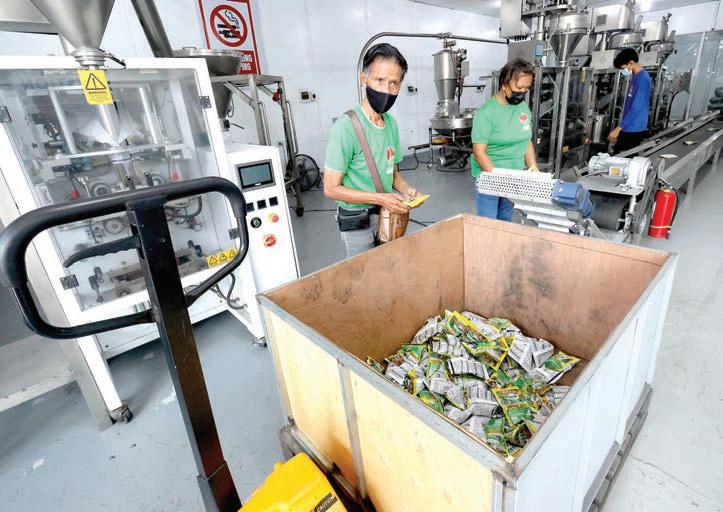
PHL’s ‘3Ps’ to get mining investments
By Bless Aubrey Ogerio
THE Philippines brought a new mining pitch to an international critical minerals forum, one built around what officials called the “3Ps”: policy, permitting and partnerships, as competition for nickel supply chains intensifies worldwide. Speaking at the Organisation for Economic Co-operation and Development (OECD) Critical Minerals Forum, Trade Undersecretary and Board of Investments Managing Head Ceferino Rodolfo said the country is positioning itself as an alternative source of critical minerals amid geopolitical tensions and supply chain disruptions, driving countries to diversify suppliers.
The first “P,” policy, refers to efforts to establish a more stable fiscal and regulatory framework for mining investments, including the proposed Enhanced Fiscal Regime for Large-Scale Metallic Mining Act. The second, Permitting, involves
plans to shorten the mining approval process from as long as 11 years to around 11 months through technology-driven systems, while still complying with environmental, labor and other regulatory standards.
The third, Partnership, focuses on collaboration between government, the private sector and foreign investors rather than restrictive approaches to resource development.
“These three Ps lead to the fourth P—Processing projects,” Rodolfo said during the panel discussion. He pointed to the recently announced artificial intelligence (AI)native industrial hub planned for New Clark City as an example of how the Philippines hopes to link critical minerals development with energy transition and artificial intelligence-related industries.
The OECD forum focused on mounting global competition for critical minerals, particularly nickel, amid growing demand from electric
vehicles, battery storage and renewable energy technologies.
The country was highlighted during the discussions as the world’s second-largest nickel producer and among the biggest exporters of nickel ore and concentrate globally.
Government data presented at the forum showed that more than one-fourth of global nickel ore and concentrate supply comes from the Philippines. More than 98 percent of Philippine nickel exports go to China, while Japan accounts for about 1 percent.
China also sources more than 80 percent of its nickel imports by volume from the Philippines, while Indonesia imports nearly all of its nickel ore requirements from the country.
Yet, despite its large mineral reserves, the Philippines has historically struggled to attract highervalue processing investments due to policy uncertainty and lengthy permitting procedures.
Rodolfo acknowledged that past
restrictions, including a moratorium on new mineral agreements and bans on open-pit mining, slowed the development of the industry over the last decade.
However, he said those policies have since been lifted or revised, with the government now pushing for a more stable framework aimed at balancing mining development with sustainability standards.
“The resources of the Philippines are intact, saved for the present time when we critically need them for energy transition and for AI tech applications,” Rodolfo said.
He added that a major gap remains in developing “bankable” mining and processing projects, particularly in early-stage exploration and project preparation.
For this reason, the Philippines welcomed support from institutions such as the Asian Development Bank and the OECD in areas such as technical assistance, project development and financing mechanisms.
Representatives from Thailand, Indonesia, Australia and the Asian Development Bank also joined the regional panel discussions.
due to the conflict, while Qatar has suspended its production of urea, ammonia, and sulphur due to damage in its facilities.
Production of urea and ammonia has also been slashed in India following a drop in liquefied natural gas (LNG) supply.
On the policy front, the organization cited reports that China may also curb exports of nitrogen-based fertilizers starting in the second quarter to prevent domestic fertilizer prices from rising.
China is the world’s largest producer and second largest exporter of nitrogen-based fertilizers.
Such disruptions could affect crop production and farmers’ margins, according to the World Bank.
“Further production curtailments and demand destruction are likely, which would negatively impact crop yields with a lag in some locations,” it said.
“Markedly high urea prices have pushed the ratio of urea to food prices, a rough measure of fertilizer affordability, to levels not seen since mid-2022, imply -
ing tighter margins for farmers.”
While the World Bank expects urea prices to drop by around 25 percent in 2027 as shipments from the region recover and natural gas prices ease, it also warned that certain risks could jack up the farm input’s price this year.
“Key upside risks include a longer-than-assumed phase of acute shipping constraints in the Middle East or a re-escalation of conflict, which could result in deepening shortages.”
Concerns about domestic fertilizer availability could prompt trade restrictions by major suppliers, while higher-than-expected natural gas prices could further drive up input costs, according to the World Bank.
It explained that natural gas accounts for 80 to 90 percent of production costs for ammonia, the primary urea feedstock.
“If such risks materialize, average urea prices in 2026 could exceed the 2022 average of $700 per MT—the second-highest level in real terms after 1974,” the World Bank said.
Platform-led defense needed to match cybercrime
By Rizal Raoul S. Reyes
AGLOBAL cybersecurity pro-
vider on Tuesday warned that the “industrialization” of cybercrime will wreak havoc on the Philippines unless it can address the increasing intensity in web attacks and Ransomware-as-a-Service (RaaS).
In a press briefing on Tuesday afternoon in Taguig City, Fortinet Philippines country manager Bambi Escalante said both the Philippine government and private sector alike should pursue a path that involves not just investing in AI-enabled tools, but fostering an AIready workforce and embracing a platform-led defense to match the speed and scale of the modern cybercriminal enterprise.
A study conducted by Forrester Consulting described the major role of artificial intelligence in reshaping the industrialization of the threat landscape in the Philippines. “The year 2026 has ushered in a new era of digital warfare, characterized by the “industrialization of cybercrime,” Escalante said.
According to the latest findings from Fortinet and Forrester Research, the days of the lone-wolf hobbyist are over. Today, cybercrime operates like a sophisticated enterprise, driven by profit and supercharged by artificial intelligence.
For organizations in the Philippines, Fortinet vice president for marketing and communications, Asia Pacific Rashish Pandey said cyber risk is no longer a singular incident to prepare for, but a constant reality.
“The most significant shift identified in the 2026 report is the rapid emergence of Cybercrime-as-a-Service [CaaS]. Criminal groups are now more structured, banding together to monetize their efforts with corporate-level efficiency,” he explained.
Although artificial intelligence (AI) has significantly reduced the barriers to entry for complex attacks, he said attackers are now utilizing AI to create malware that can modify its own code mid-cycle to evade detection, making traditional signature-based security obsolete.
“Attackers are now utilizing AI to create malware that can modify its
enterprises
own code mid-cycle to evade detection, making traditional signaturebased security obsolete,” he said. Nonetheless, AI as a force multiplier has significantly reduced the barriers to entry for complex attacks. “What once required high technical skill and months of preparations such as social engineering or malware development can now be launched in days or even hours by paying for AIenabled tools,” Pandey said. The study said the average cost of a breach in 2025 reached $1.5 million. Thirty percent of the respondents said it would now take four months or longer to fully recover. “Beyond the immediate financial toll, the report highlights irreparable “intangible” damage, including the loss of customer trust, credibility, and brand reputation,” said Escalante. In terms of breach frequency, 93 percent of organizations experienced at least one breach in the past year while 28 percent of respondents faced five or more breaches in the same period.
A major hurdle for Filipino IT teams is the complexity of their internal security environments, according to Escalante. Many organizations manage between 20 and 40 different security tools, leading to “alert fatigue” where teams are overwhelmed by disconnected data.
To combat AI-driven threats, Pandey said the industry is moving toward a unified platform approach involving moving away from fragmented “point products” to a single security fabric that allows tools to communicate with each other, transitioning from “human-in-the-loop” to “humans-on-the-loop,” where AI agents handle real-time detection and remediation while humans provide strategic oversight, and building a unified platform that ensures AI has visibility across the entire infrastructure, preventing attackers from moving laterally through backdoors.
For the Philippine government and private sector alike, the path forward involves not just investing in AI-enabled tools, but fostering an AI-ready workforce and embracing a platform-led defense to match the speed and scale of the modern cybercriminal enterprise.
Editor: Jennifer A. Ng
Ayala Q1 core earnings flat on property unit weakness
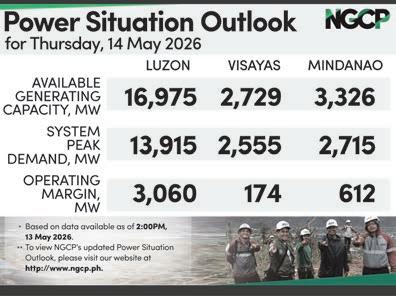

LBy VG Cabuag @villygc
ISTED conglomerate Ayala Corp. on Wednesday said its core net income, which excludes one-off items, came in flat at P11.2 billion in the first quarter compared with the previous year’s level.
Attributable net income for the period fell 5 percent to P11.95 billion from last year’s P12.59 billion, due to the weaker result of Ayala Land Inc.
Revenues came in flat at P93.76 billion from the previous year’s P92.98 billion.
Ayala said its balance sheet remains strong and well-positioned amid a volatile market with consolidated and parent level cash increasing to P71.9 billion and P15.9 billion, respectively, supported by P79.8 billion in total credit facilities.
“Given global macro conditions, our near-term focus is on resiliency through stronger cash generation, prudent cost management, and disciplined capital allocation. Our portfolio is positioned for long-term value creation,” Ayala CEO Cezar P. Consing said. Ayala Land’s income fell 23 percent to P5.36 billion from the previous year’s P6.94 billion on weak residential sales.
Bank of the Philippine Islands posted a net income of P16.9 bil-
lion, up 2 percent from a year ago, on revenue growth, which offset higher operating expenses and provisions.
Globe Telecom Inc.’s net income dropped 20 percent to P5.6 billion primarily due to one-off gains booked last year from the dilution of Globe’s stake in Mynt following the MUFG investment, as well as tower sale gains and higher net interest expense.
Globe Fintech Innovations Inc. (Mynt), the parent of digital wallet behemoth GCash, has increased its contribution to the bottom line of Globe Telecom. Mynt now accounts for 30 percent of Globe’s total net income before tax, a significant increase from the 22 percent share recorded in 2025.
“The strong performance reflects GCash’s evolution beyond a digital wallet into a major driver of the country’s digital economy, fueled by the continued growth of high-impact services such as lending and wealth management, while advancing financial inclusion for more Filipinos,” the
company said.
ACEN Corp.’s core net income dropped 27 percent to P1.4 billion as higher generation from new international plants and the substantial restoration of Ilocos operations was offset by increased depreciation and net financing costs.
AC Health widened its net loss to P143 million from last year’s net loss of P59 million as higher manpowerrelated costs outpaced the 24-percent revenue growth.
Revenues from the provider group, consisting of hospitals and clinics, jumped 29 percent on the back of higher patient census, increased average spend per patient, and expansion in corporate clinic accounts, with contributions from Healthway FEU NRMF, the Cancer Hospital and the newly acquired Healthway Cebu Velez General Hospital.
Revenue from the pharma group rose 13 percent, supported by growth in both retail and distribution segments.
Shell profit more than doubled in Q1
SHELL Pilipinas Corp. (SPC) reported on Wednesday that its net income soared by 117.5 percent to P1.6 billion in the first quarter from P740 million last year, driven by higher sales and pump prices.
In a report submitted to the stock exchange on Wednesday, the oil firm said net sales went up by 9.1 percent to P63.29 billion from P58 billion mainly brought about by higher pump prices due to surging global prices driven by the impact of the Middle East crisis that started March this year. Total volumes grew 2 percent, supported by stronger underlying performance in the first two months of the quarter before momentum softened in March as affordability pressures and market volatility increased. For the quarter, core earnings plunged P108 million from P871 million, reflecting margin pressure from pricing lag effects and more competitive market conditions as volatility intensified in March.
SPC said it observed sharp market movements in March, disrupting energy markets that eventually weighed on operating performance. Against this backdrop, the oil firm said it stayed adaptive, supported by an integrated supply chain and disciplined operations that helped sustain business continuity and fuel availability in the country. To support supply continuity, SPC increased inventory levels during the quarter. “The first quarter was uneven. Our underlying performance was stronger in January and February, but conditions changed sharply in March as market volatility intensified,” said SPC President Lorelie Quiambao Osial.
The company said performance across segments remained mixed, reflecting shifting consumer priorities toward reliable supply amid tighter market conditions. As market conditions became more pronounced in March, SPC remained focused on serving customers and partners reliably while managing risks. The company also announced the appointment of Rogelio Singson and Robina Gokongwei-Pe as directors.
“Both appointments will further strengthen the Board’s depth in governance, strategy, and long-term value creation as the company continues to navigate a more dynamic operating environment,” SPC said. Lenie Lectura


By Lorenz S. Marasigan @lorenzmarasigan

GLOBE Telecom Inc. will continue with its network expansion program this year even as the ongoing Middle East crisis drives up fuel and energy costs, with the company committing to “stay within” its full-year capital expenditure (capex) guidance while prioritizing high-impact investments.
Carl Raymond R. Cruz, the company’s president, said Globe would continue building its network in line with its 2026 plans, with spending directed at sustaining what he described as “very strong” subscriber demand for data services.
“We will continue to build the network to provide best-in-class experience to our subscribers,” Cruz told reporters Wednesday. “Our investments will remain focused on supporting very strong demand for data.”
Cruz said the macroeconomic pressure from the Middle East crisis had prompted the company to sharpen its capital allocation discipline rather than pull back on expansion.
Globe is keeping its full-year capex guidance at below $1 billion.
“In view of the crisis, we are taking a very disciplined approach— prioritize areas with high impact, optimize network efficiency—to manage costs effectively,” he said.
The company spent P12.7 billion on capex in the first quarter of 2026, up 51 percent year-on-year, with approximately 91 percent directed at data-related initiatives.
Cruz acknowledged the cost pressure from rising fuel and energy prices tied to the regional conflict, but said Globe had managed to contain the impact on its overall
financial performance during the first three months of the year.
“We’re all feeling the effects of the Middle East crisis, especially on fuel and energy,” he said. “At Globe, we remain very mindful of energy volatility. The impact on overall performance has been well managed.”
Globe posted a 9 percent yearon-year increase in core net income to P4.9 billion in the first quarter, thanks to sustained demand for mobile data and fiber broadband.
Reported net income after tax, however, fell 20 percent to P5.6 billion from P7 billion in the first quarter of 2025. Globe attributed the drop primarily to one-time gains recorded in the year-earlier period from tower sale transactions, higher net interest expenses, and from the dilution of its stake in Globe Fintech Innovations Inc. (Mynt).
Mynt, the parent company of GCash, contributed P1.9 billion to Globe’s equity earnings in the quarter, up 8 percent from P1.8 billion a year earlier and up 120 percent from the previous quarter, accounting for 30 percent of Globe’s net income before tax.
On the topline, Globe’s consolidated gross service revenues grew 5 percent year-on-year to P42.0 billion. Data-driven services— spanning mobile internet, fiber broadband, and enterprise solutions—now account for 91 percent of consolidated service revenues, up from 87 percent a year ago. Mobile remained the largest revenue contributor, generating P30.0 billion in service revenues, up 6 percent year-on-year. Within the segment, mobile data revenues climbed 11 percent to P26.8 billion from P24.1 billion in the same quarter last year.
BUSINESSMIRROR FILE PHOTO
Banking&Finance
BOC urged to steady pace after ports exceed targets
By Reine Juvierre Alberto @reine_alberto

AFTER several ports surpassed their revenue targets in the first four months of the year, Customs Commissioner Ariel F. Nepomuceno is challenging all collection districts to sustain their momentum in revenue collection.
Nepomuceno urged all collection districts to stay on track and continue strengthening collection efficiency, lawful trade facilitation and institutional reforms.
The Bureau of Customs (BOC) is aiming to hit the long-elusive P1trillion revenue target this year. The target is 5.66 percent higher than last year’s P958.714 billion goal.
“To the ports that exceeded their targets, congratulations on your outstanding performance,” Nepomuceno was quoted in a statement as saying.
Data from the BOC showed the Port of Batangas recorded the highest collection during the four-month period at 79.615 billion, followed by the Manila International Container Port (MICP) at P78.994 billion.
Other ports that surpassed their targets were Subic (P19.683 billion), Davao (P17.730 billion), Cebu (P16.473 billion), Ninoy Aquino International Airport (NAIA) (P16.292 billion) and Cagayan de Oro (P15.750 billion).
Ports of Clark (P1.822 billion), Tacloban (P1.766 billion), Iloilo (P1.447 billion), Legaspi (P1.232 billion), Aparri (P592 million) and Surigao (P335 million) also exceeded their targets.
For April alone, the BOC said the MICP collected P20.859 billion, while the Port of Batangas generated P20.480 billion, both exceeding their assigned targets for the month.
The ports of Subic, Cagayan de Oro, Davao, NAIA, San Fernando, Clark, Iloilo, Aparri and Surigao also surpassed their revenue targets for April.
“The accomplishments we are seeing today are the result of the hard work, discipline, and sacrifices of our men and women in all 17 ports across the country,” Nepomuceno said. “I extend my sincerest gratitude to every customs personnel who continues to serve with integrity and dedication despite the challenges of the job.”
“More importantly, I thank all our collection districts—not only those who surpassed their goals—for their collective contribution in helping the Bureau achieve its overall revenue
➔ SEC, IC chiefs added to complaint
objectives. Every effort matters, and every port plays a vital role in nationbuilding,” he added.
Seized goods
ONE of those ports is the Port of Surigao that the BOC said last Tuesday has padlocked container vans storing an estimated P3.3-billion worth of illicit cigarettes and raw tobacco materials in Agusan del Norte.
A statement issued by the BOC read its personnel discovered 54 container vans loaded with assorted cigarettes and raw tobacco materials during an inspection operation last May 8.
Of the total, 52 container vans were found to contain boxes of cigarettes bearing the brands Red and Menthol Modern, Red and Menthol Carnival, Nise Baisha, Commando, Gold H&P, Delta, GJB-FH, BR Centro, Centro, Bossku and TS Cigarettes.
The remaining two container vans were found enclosing boxes of raw tobacco materials.
The BOC said the shipments appeared to be of foreign origin based on the container numbers. The bureau didn’t say which foreign port the goods originated.
During the inspection, company representatives told authorities that the concerned shipping lines and consignees had allegedly been notified.
However, they failed to present proof of payment of duties and taxes, import permits or shipping documents at the time of verification.
All 54 inspected container vans were padlocked by the implementing team to preserve the integrity of the shipments.
The container yard remains under 24-hour security by the Customs Police from the Enforcement and Security Service District Office of the Port of Surigao, with continued assistance from the Philippine National Police (PNP).
Further inventory, examination and verification proceedings are undergoing to determine the exact quantity, valuation and possible violations committed in relation to the shipments, the BOC added.
The operation was conducted under a Letter of Authority issued by Customs Commissioner Ariel F. Nepomuceno and carried out in coordination with the PNP.
As of May 5, the BOC has recorded 167 seizures of cigarettes and tobacco products, with an estimated total value of P3.294 billion, based on submitted reports.
PHL banks’ total assets hit record ₧30.34T end-March
By Andrea Louise San Juan
TOTAL assets held by the Philippine banking system reached a record high of P30.34 trillion as of end-March, owing to the continued growth in loans, deposits, and investment holdings.
Latest data from the Bangko Sentral ng Pilipinas (BSP) showed bank assets grew by 9.77 percent from P27.64 trillion in the same period last year. Data also showed that bank assets grew by 3.90 percent from the P29.2 trillion notched in February.
According to Philippine Institute for Development Studies (PIDS) Senior Research Fellow John Paolo R. Rivera, the increase “reflects continued growth in loans, deposits, and investment holdings, indicating that the banking system remains well-capitalized and actively supporting financial intermediation.”
Rivera told the BusinessMirror that the growth in bank assets suggests that households and businesses continue to use the banking system for savings and financing despite
a more challenging economic environment.
For the broader economy, he said growth in bank assets is “a positive signal because they indicate that the financial sector retains the capacity to fund consumption, investment, and business expansion.”
Credit discipline
JONATHAN L. RAVELAS, senior adviser at Reyes Tacandong & Co., shares Rivera’s view, telling the BusinessMirror that “bottom line, the rise in bank assets to a record P30.3 trillion reflects a healthy expansion in lending, steady deposit growth, and the boost from higher interest rates.”
Ravelas explained that banks “are deploying more credit to businesses and consumers, while strong
inflows—remittances, corporate earnings—are keeping the system well-funded.”
“For the economy, this is a good signal: it means liquidity is ample, confidence is holding up, and the banking system is actively supporting growth,” Ravelas said, echoing Rivera.
However, Ravelas urges vigilance.
“But the actionable takeaway is this: we need to keep a close eye on loan quality. Rapid balance sheet growth is positive only if credit discipline is maintained,” he told the BusinessMirror. “In short: the system is strong, growth is supported; but sustainability will depend on keeping risks in check.”
Net increases
BSP data showed that the net total loan portfolio of banks grew 10.57 percent year-on-year to P16.74 trillion as of end-March from P15.14 trillion.
Banks’ net total investments also increased by 8.63 percent year-onyear to P8.94 trillion as of end-March 2026 from P8.23 trillion.
The net real and other properties acquired, likewise, climbed by 19.21 percent to P141.86 billion as of endMarch from P119 billion in the same period last year.
Banks’ other assets also jumped by 16.02 percent year-on-year to
P2.39 trillion from P2.06 trillion in end-March 2025.
Faster pace
THE total liabilities of the Philippine banking system grew at a faster pace compared to bank assets.
Liabilities jumped by 10.50 percent year-on-year to P26.72 trillion as of end-March from P24.18 trillion in the same period a year ago. This also posted a 4.78-percent increase from the previous month’s P25.504 trillion.
Deposit liabilities amounted to P22.22 trillion, of which P18.349 trillion consisted of peso liabilities and P3.87 trillion of foreign-currency liabilities.
Liabilities due to banks declined by 11.60 percent year-on-year to P175.102 billion as of end-March from P156.897 billion. Banks’ unsecured subordinated debt also dropped by 58.84 percent to P3.346 billion from P8.13 billion as of end-March last year. Banks’ derivatives with negative fair value held for hedging likewise declined by 95.81 percent year-onyear, from P19.38 billion to P812.440 million. Further, banks’ total capital accounts increased by 4.34 percent to P3.61 trillion as of end-March from P3.46 trillion in the same period a year ago.
Pagcor remits ₧5.67B in dividends to Natl Treasury
THE Philippine Amusement and Gaming Corp. (Pagcor) remitted P5.67 billion in dividends to the National Treasury as its contribution to nation-building.
Pagcor Chairman and CEO Alejandro H. Tengco formally turned over the dividend check to Deputy National Treasurer Kenneth Ian A. Francisco last Wednesday.
Tengco said that despite difficulties brought on by the ongoing geopolitical crisis and economic uncertainties, Pagcor will continue to strive to maintain its contributions to the national coffers.
Even amid challenges, Pagcor will honor its commitment to contribute to government programs, Tengco said during the ceremonial turn over.
LAWYER Manases R. Carpio, the husband of Vice President Sara Z. Duterte, added the heads of the Securities and Exchange Commission (SEC) and the Insurance Commission (IC) as respondents in a criminal complaint over the alleged illegal disclosure of bank records. A statement issued by his office last Wednesday read that the addendum filed with the Quezon City Prosecutor’s Office on May 13 named SEC Chairman Francis Edralin Lim and IC Commissioner Reynaldo A. Regalado as additional respondents. According to the lawyer, he included the latter since, citing the Anti-Money Laundering Act, the Anti-Money Laundering Council (AMLC) is composed of the Bangko Sentral ng Pilipinas (BSP) governor as chairman and the heads of the IC and the SEC as members. Carpio alleged the AMLC leaked private transactions during a Congressional hearing in 2024.
➔ G-Xchange flags ‘task scams’
G-Xchange Inc. announced last Wednesday it is “intensifying” its efforts against “task scams” and other forms of social engineering fraud. The firm explained through a statement that “task scams” often involve fraudsters posing as recruiters, merchants, or online platforms that promise easy earnings in exchange for completing simple online tasks. Victims are later manipulated into transferring funds under the false promise of higher commissions or withdrawals. According to the firm, it closed since 2025 to date over 3.3 million scam-linked GCash wallets. The GCash operator added its personnel continues to work closely with law enforcers and other regulators.
➔ SHFC gets unmodified opinion from COA
THE Social Housing Finance Corp. (SHFC) announced last week of having achieved a three-peat unmodified opinion from the Commission on Audit (COA) for its financial statements for the calendar year 2025. “This recognition underscores the agency’s unwavering commitment to transparency, integrity, and excellence in financial reporting,” the SHFC’s statement read. The unmodified opinion for CY 2025 is the highest audit rating issued by COA, affirming that SHFC continues to uphold fairness, accountability, and sound financial management in the delivery of its programs and services. According to the SHFC, it strengthened its financial stewardship while expanding access to affordable and resilient housing through various initiatives under the expanded “Pambansang Pabahay para sa Pilipino” (4PH) program.
➔ Citi touts Investor Day Citibank NA outlined last May 7 “a clear path toward stronger, more durable returns at its 2026 Investor Day, held at the bank’s global headquarters in New York.” A statement issued by the lender read that that day, “Citi set out a strategy focused on client-led growth, disciplined execution, and deeper connectivity across its businesses. The bank announced new near-term and medium-term “return on
Under Republic Act 7656 or the Dividends Law, governmentowned and -controlled corporations (GOCCs) are mandated to remit at least half of their annual net earnings to the national government.
In 2024, Pagcor remitted P12.67 billion in dividends, or 75 percent of its net income worth P16.76 billion, to the National Treasury after the Department of Finance requested GOCCs to increase their dividend remittance to three quarters of their annual net earnings.
Pagcor’s net income grew by 4.18 percent to P17.47 billion in 2025 from P16.77 billion a year ago. Its total contributions to nation-building reached P66.95 bil -


lion, down by 1.84 percent from P68.21 billion in the previous year.
Of the amount, P45.19 billion went to the National Treasury as 50-percent government share, while P12.77 billion was allocated for socio-civic projects.
Francisco said Pagcor’s contribution would boost fiscal resources for key government initiatives.
“[The] dividend remittance makes available much-
needed fiscal resources that will enable the national government to mitigate the effects of the global oil crisis and pursue programs geared toward meaningful economic and social transformation,” he added.
The latest remittance payment brought Pagcor’s cumulative dividends since the pandemic, or since 2022, to P29.9 billion.
Reine Juvierre S. Alberto
Health&Fitness
Dengue expenses continue to burden economy; experts urge government action
TBy Patrick Villanueva
HE Philippines has been battling dengue for over 70 years, yet cases and deaths continue to rise compared to neighboring countries where infections and fatalities have significantly declined, some even reaching zero. Experts said this ongoing health crisis continues to place a heavy burden on the economy and even affects sectors such as tourism.
During the recent Pandesal Forum at Kamuning Bakery Cafe, Dr. Eric Tayag, former Department of Health (DOH) Undersecretary; Dr. Lulu Bravo, Executive Director, Philippine Foundation for Vaccination Executive Director; Dr. Erica Tania Davillo, Chairwoman of the Philippine Medical Association Adhoc Committee on Dengue Advocacy; and PHILEXPORT President and CEO Sergio Ortiz-Luis Jr. emphasized that dengue is not only a health concern but also an economic issue.
“Ang dengue ay hindi lamang isan g public health problem, ito ay may malaking dagok din sa ating ekonomiya [Dengue is not only a public health problem; it also has a major impact on our economy.],” Dr. Tayag said, adding that global, local political and economic issues also affect the country’s fight against dengue.
Highest number of dengue cases
ACCORDING to Dr. Davillo, the Philippines recorded the highest number of dengue cases in the Asia-Pacific region last year with 285,109 cases. The country also logged the highest number of dengue-related deaths at 1,132, far higher than Bangladesh’s 412 deaths, while several neighboring countries reported zero fatalities.
The financial impact has also grown significantly. Philippine Health Insurance Corp. (PhilHealth) reportedly reimbursed P3.9 billion in dengue-related medical expenses in 2025, covering 236,232 benefit claims. This marked a 44.7-percent increase from the 163,209 claims recorded in 2023.
Dr. Tayag added that PhilHealth spent P3.5 billion on dengue-related expenses in 2024 alone,
which represented only around 30 percent of the estimated total dengue-related healthcare cost amounting to P11.5 billion to P13 billion.
Dr. Bravo lamented that despite dengue being vaccine-preventable, the country continues to struggle with rising infections and deaths.
Ang namamatay, ang nagkakaroon ng sakit, pataas pa nang pataas [The number of people who are dying, the number of people who are getting sick, is increasing.],” Dr. Bravo said as she compared dengue to diseases such as polio, measles, and meningitis, which have significantly declined through vaccination programs.
Drains government resources
BEYOND hospital expenses, experts noted that dengue also drains government resources through prevention measures such as pesticide programs funded by the DOH.
Ang budget ng Department of Health sa prevention ay may higi t P600 million. Ang malaking bahagi nito ay nagagamit sa pesticides [The Department of Health’s budget for prevention is over P600 million. A large portion of this is spent on pesticides.],” Dr. Tayag said. They also emphasized the productivity losses caused by dengue, as infected individuals are often hospitalized or unable to work for several days
while recovering, affecting both the economy and household livelihoods.
Stronger government action
THE experts underscored the need for stronger government action, particularly in making dengue vaccines more accessible to the public.
“ May next generation na tayo. At maganda po sapagkat 44 countries na ang gumagamit nito [We have the next generation. And it’s great because 44 countries are already using it.],” Dr. Bravo said, noting that countries such as Malaysia, Thailand, Vietnam, and Australia have already adopted newer dengue vaccines.
Dr. Davillo explained that it is the responsibility of regulatory agencies such as the Food and Drug Administration (FDA) to thoroughly evaluate and approve vaccines. She added that the Philippine Medical Association has already written to the Office of the President urging the approval of next-generation dengue vaccines.
Still, vaccine confidence remains a challenge following the Dengvaxia controversy in 2016, which fueled misinformation and public skepticism toward vaccination.
Despite this, Dr. Tayag encouraged the public to rely on scientific evidence and official FDA findings before forming opinions about vaccines.

No symptoms, but deadly: DOH warns vs ignoring hypertension
By Claudeth Mocon-Ciriaco
JUST because you feel no symptoms does not mean you do not have hypertension. Hypertension or highblood pressure is called the “silent killer.”
The Department of Health (DOH) reminded the public to take maintenance medication daily and not to stop without a doctor’s advice to keep hypertension controlled and avoid complications.
The DOH also said that six out of 10 are not taking their maintenance medicine regularly, and this is dangerous. “Ang altapreston madalas tahimik. Walang babala. Walang sintomas. Ngunit maaring humantong sa stroke o atake sa puso kapag hindi nakokontrol [High blood pressure is often silent. No warning. No symptoms. But can lead to stroke or heart attack if left uncontrolled.],” Health Secretary Teodoro Herbosa said.
Unprotected vs hypertension
ACCORDING to the World Health Organization
Hypertension Philippines 2023 Profile, an estimated of 14.5 million Filipinos aged 30 to 79 suf -
fer from hypertension. Despite this high number, only 37 percent or 5.3 million Filipinos are currently undergoing treatment. This means over 60 percent or 9.2 million Filipinos remain unprotected against the disease. Ang ating mabisang sandata? Regular at tamang pag inom ng maintenance na gamot. Huwag ihinto Ng walang abiso ng doktor dahil maaring maapektuhan o maantala ang maayos na blood pressure [Our most effective weapon? Regular and correct intake of maintenance medication. Do not stop without the doctor’s advice because it may affect or delay proper blood pressure control.],” Herbosa added.
Nutrition tips
ACCORDING to the Food and Nutrition Institute, here are easy tips to help boost these nutrients to guide you in your day-to-day eating habit: Eat more foods that are rich in dietary fiber: e.g. oats, corn, starchy roots and tubers e.g. potatoes, gabi and kamote or sweet potato; fat-free milk and for those who cannot tolerate lactose in milk, select soya milk.
Start small. Make a few changes at a time. For example, if you eat vegetables only at dinner, try cutting up carrots sticks, or boiled kamote tops with tomatoes and include this in your packed lunch. Sneak more fat-free milk into meals to boost daily calcium and other minerals. Add fat-free milk instead of water to your soups and hot cereals. Choose fat-free or low-fat milk-based desserts. For those who have lactose intolerance, the inability to digest lactose, a type of sugar found in milk and other dairy products caused by a deficiency of the enzyme lactase, it is recommended that they should eat other calcium-rich foods: fish especially the small ones eaten with bones like dilis, and sardines; soy bean curd like tokwa of tofu; small shrimps (alamang), green leafy vegetables like malunggay leaves, saluyot, alugbati and mustasa.
Try to cut down on the amount of fat you eat. Eat at least five servings of fruits and vegetables every day. Snack on fruits and vegetables. Stop smoking and limit alcohol intake. Also, an increase in physical activity and a regimen to lose weight is needed if overweight.
Beyond one-size-fits-all: Precision medicine gains ground in the PHL
By Rizal Raoul Reyes Contributor
F
OR decades, healthcare has largely relied on standardized treatments designed for the general population. Today, however, a growing shift toward precision medicine is transforming patient care by tailoring treatments to individual needs.
Recognizing that patients respond differently to medications and therapies, healthcare providers are increasingly exploring personalized approaches that optimize treatment outcomes and improve quality of life.
Malaysian health company ASL Pharma is helping drive this shift in the Philippines by bringing its expertise in personalized medicine and pharmacy compounding to the country’s evolving healthcare landscape.
To jumpstart the initiative, the company recently hosted a comprehensive two-and-a-half-day physician training program and public forum in Taguig City aimed at raising awareness about hormone health and the science of healthy aging.
Redefining hormone health CENTRAL to the discussion was Dr. Neal Rouzier, a globally renowned educator and pioneer in Bioidentical Hormone Replacement Therapy (BHRT).
Bioidentical Hormone Replacement Therapy uses laboratory-created hormones that are chemically identical to those naturally produced by the human body. Derived from plant sources, BHRT is commonly used to address hormonal imbalances, menopause symptoms, and low testosterone
through custom-compounded treatments.
During the lecture series, Dr. Rouzier clarified a common misconception about BHRT, emphasizing that the treatment does not alter the body’s natural chemistry. Instead, it replaces hormones that naturally decline over time.
Because these hormones are molecularly identical to those produced by the human body, BHRT may optimize hormone levels more effectively than synthetic alternatives.
“When we talk about BHRT, it is important to understand that it encompasses a wide spectrum of treatments that vary depending on patient needs,” Dr. Rouzier explained.
As people age, declining hormone levels may increase the risk of serious health conditions, including stroke, Alzheimer’s disease, diabetes, and certain cancers. By restoring hormonal balance, BHRT supports critical functions such as bone density, cardiovascular health, and cognitive performance, ultimately contributing to a better quality of life.
Pharmacy compounding, personalized care
BEYOND hormone therapy itself, the success of precision medicine also relies heavily on pharmacy compounding.
This specialized process enables medications to be customized according to a patient’s unique needs.
Pharmacy compounding allows medications to be prepared in delivery forms that best suit patients, including topical applications and lozenges. It also provides access to rare medications that may no longer be commercially available while ensuring safety through the use of pharmaceutical-grade ingredients. Despite the growing demand for personalized medicine
THE opening of the

Makati Medical Center launches new Urgent Care Center to streamline emergency services
By Candy P. Dalizon Contributor
MAKATI Medical Center (MakatiMed) has officially opened its Urgent Care Center (UCC) to streamline treatment for patients with immediate, non-life-threatening medical needs. Conveniently situated on the Ground Floor of Tower 1 along the MakatiMed driveway, the UCC serves as a swift alternative to the main Emergency Department (ED), ensuring patients receive timely care without the typical ER wait.
The UCC is designed specifically for walk-in patients whose conditions require same-day treatment but do not pose an immediate threat to life or limb. According to Dr. Amado A. Flores III, an Emergency Medicine Specialist at MakatiMed, the center focuses on efficiency without compromising the hospital’s signature quality of care.
“Our expected turnaround time at the Urgent Care Center is between 60 to 90 minutes,” said Dr. Flores, adding that this represents a faster way for patients to receive a check-up and treatment.
The center currently manages a wide array of conditions ranging from minor trauma, such as small burns, cuts, and wounds, to common infections like colds, coughs, and fevers.
Patients can also seek relief for acute pain, including body aches and sudden discomfort, or access preventive care services such as vaccinations, general medical consultations, and animal bite treatments for dog or cat incidents. Additionally, the facility provides specialized care, including the administration of antibiotics and nutritional medications for those requiring same-day clinical support.
Decongesting the Emergency Room
THE opening of the UCC is the result of two years of strategic planning aimed at addressing the high volume of the hospital’s Emergency Department, which sees up to 200 patients daily.
“MakatiMed is a high-volume facility, and our Emergency Room is often congested,” Dr. Flores explained. “Previously, patients with less severe conditions had to wait a long time because the staff had to prioritize life-threatening emergencies. By separating these cases, we can serve both groups faster and improve overall patient satisfaction.”
Beyond speed, the UCC offers a significantly less stressful environment. By diverting ambulatory (walking) and stable patients away from the main ER—where medical teams are dealing with critical cases like trauma and respiratory distress—the UCC provides a quieter and more focused setting.
The center utilizes a triage system to ensure efficiency. The Urgent Care Triage handles ambulatory and stable patients while the Main Emergency Triage remains dedicated to bedridden patients and high-acuity emergencies.
Current operations, future growth THE UCC has been operational since April and is currently in its first phase. While the center currently caters to both adults and pediatric patients (specifically for vaccines and animal bites), the final expansion plan includes a dedicated Pediatric Urgent Care section as part of the ongoing Emergency Department renovations. The center currently operates 12 hours daily, from 10:00 AM to 10:00 PM, and is manned by a dedicated team of Emergency Medicine specialists, including a consultant, a training resident, and two registered nurses. In terms of capacity, the facility handles approximately 20 to 30 patients per shift, which accounts for roughly five to 10 percent of the hospital’s total emergency census.
As Makati Medical Center continues to modernize its facilities, the Urgent Care Center stands as a vital link in the healthcare chain, ensuring that every patient, whether facing a minor injury or a major crisis, receives the right care at the right time.
Free screenings, expert consults, wellness sessions, and more at BGC
THIS May 15 to 17, 2026, Healthway Cancer Care Hospital brings “The Stronger Life Community” to the heart of BGC—a free health and wellness experience designed to make early detection, expert guidance, and proactive health easier to start.
across the Philippines and Southeast Asia, wider adoption has remained limited due to gaps in formal physician education and training.
Dr. Rouzier noted that when he began his career, there were no medical journals or formal training programs dedicated to BHRT, requiring pioneers in the field to build the discipline from the ground up.
Expanding access through education
ASL Pharma is working to bridge this knowledge gap. With over 15 years of experience and a network supporting around 400 doctors and thousands of patients across Malaysia, Indonesia, Japan, and the Philippines, the company is positioning itself as a leader in preventive healthcare.
“Improvement in quality of life is one of the most consistent findings in hormone therapy studies,” Dr. Rouzier said. “That’s what’s driving both patient demand and physician interest.”
The initiative aims to help local healthcare providers meet international standards of competency while empowering them to integrate preventive medicine into everyday clinical practice.
Following the success of the initial sessions in Taguig, Dr. Rouzier is scheduled to return this August for a second phase of training focused on the deeper clinical applications of precision medicine.
As ASL Pharma strengthens its presence in the Philippines, its mission remains focused on improving access to individualized treatments and promoting a proactive, preventive approach to healthcare that enables Filipinos to age with vitality and grace.
The exhibit opens to the public on May 15 at 6:00 PM at the BGC Amphitheater. Free onsite screenings, expert consults, cancer risk guidance, wellness sessions, family-friendly activities, caregiver and survivor support, and live music will take place on May 16 and 17.
Open to individuals, families, caregivers, cancer survivors and anyone ready to take a more proactive step toward their health, “The Stronger Life Community” makes cancer awareness, early detection, and expert health and wellness guidance feel more accessible, empowering, and part of everyday life.
Free Screenings, expert consults on May 16, 17
GUESTS can access selected free consults and on-site services—from a thorough breast examination and ultrasound to gynecology consultations, ENT examination and consultation, and health and wellness consults.
Guests will also have the chance to speak with some of the country’s leading cancer experts to gain invaluable insights into one’s health, understand their individual risks, and receive personalized recommendations, transforming potential worries into clear, actionable steps. Limited paid flu vaccination will also be available on-site for those who wish to avail.
Wellness activities on May 16, 17 THE weekend will also feature a full lineup of
stronger-living experiences—from breathwork, healing, and meditation with Breathwork PH to standing Pilates with Onelife Studio, dance and fitness sessions, and practical food and nutrition conversations with wellness experts. Guests can also look forward to family-friendly activities, caregiver and survivor support, and live music moments, including a special jam session with Up Dharma Down and Bea Lorenzo. At the heart of “The Stronger Life Community” is a simple belief: a stronger life starts when people listen to their bodies, know what to check, and take that first brave step with the right experts beside them.
Led by Healthway Cancer Care Hospital, the country’s first dedicated cancer hospital the initiative brings HCCH’s mission beyond the hospital walls, helping Filipinos better unders tand their risks, the screenings that matter, and the steps they can take earlier. As the country’s first dedicated cancer specialty hospital and part of AC Health under the Ayala Group, the Healthway Cancer Care Hospital is redefining a new standard of care in the Philippines. Healthway Cancer Care Hospital is transforming the country’s cancer care and healthcare landscape by championing proactive wellness, making world-class health care more accessible, coordinated, and personal - guiding individuals not just through treatment, but from the crucial moment of early detection and far beyond. The Stronger Life Community is free and open to the public. Guests are invited to drop by, bring their families, connect with experts, and take one clear step toward earlier action, better health, and stronger living.
Editor: Anne Ruth Dela Cruz
Urgent Care Center of Makati Medical Center was led by Dr. Amado A. Flores III and Arnold C. Ocampo, Makati Medical Center Chief Finance Officer and Interim Co-CEO.
GUESTS at the Pandesal Forum at Kamuning Bakery Café led by Dr. Eric Tayag and Dr. Lulu Bravo push for strong government action against dengue.
PhilSA,
Hungarian
univ. partner for agri research, educ, tech devt

THE Philippine Space Agency (PhilSA) and the Hungarian University of Agriculture and Life Sciences (MATE) are set to collaborate for agricultural research, education, and technology development.
“Through this cooperation, we aim to further advance the role of space science and technology in addressing real-world challenges, particularly in areas of agriculture and environmen-
tal monitoring,” Dr. Perez said. “We firmly recognize the critical role of academia in the space ecosystem. It is within our universities and research institutions where knowledge is cultivated, innovation begins, and [where] future scientists, engineers, and leaders are shaped.”
The partnership focuses on space science and technology applications (SSTA) on agriculture. It will facilitate exchange of students, researchers, and personnel for research and training; promote distribution of publications and technical materials; as well as undertake joint planning of education and research initiatives.
Both institutions will also contribute their expertise to the development
and application of models for agricultural mapping, monitoring, and assessment through satellite data. In addition, pilot activities on agricultural monitoring in both countries will be explored.
“The mission of our university is to place knowledge [in] the service of society,” said Dr. Gyuricza. “We believe that a university does not exist for itself, but for farmers, for rural communities, and for future generations. In fulfilling this mission, partners such as the [PhilSA] play a key role.”
The university official added that the MOU goes far beyond a formal framework of cooperation: “It marks the beginning of a shared vision—a partnership where our researchers can work together on sustainable agriculture, climate adaptation, and digital innovation…A collaboration that offers our students access to cutting-edge knowledge and international experience.”
Ambassador of Hungary Titanilla Tóth and officials from the Department of Foreign Affairs-Office of European Affairs witnessed the signing.
According to both parties, the partnership reinforces the growing diplomatic ties between the Philippines and Hungary in the field of space, underscoring a shared commitment to advancing SSTA for sustainable development. It also highlights both countries’ intent to deepen bilateral exchanges through academic and agricultural collaboration.
Established in February 2021, MATE is one of the largest agriculture-focused higher education institutions in Europe, combining longstanding academic traditions with modern technological solutions. It is a state-recognized private higher education institution maintained by the Hungarian University of Agricultural and Life Sciences Foundation. (PIA)
Swedish trade, dev’t lead boosts embassy’s regional presence
THE Embassy of Sweden recently welcomed First Secretary for Trade and Development Karolina Zurek who, according to a statement, will “advance cooperation [in] sustainability, trade and inclusive growth across the Philippines, Indonesia and Vietnam.”
Zurek’s arrival in Manila is seen to strengthen Sweden’s work with the Philippines and the wider region at the intersection of development cooperation and trade. She joins the embassy from the Swedish International Development Cooperation Agency to lead the European country’s regional development portfolio covering the three Asean member states, placing her at the heart of partnerships that support sustainable growth, climate action, and inclusive economic opportunities in Southeast Asia.
The embassy official hit the ground running in her very first week, as she met with key govern-
ment partners across finance, energy, environment, and international cooperation. From discussions on green infrastructure and clean energy to conversations on climate resilience and sustainable development, the early meetings set the tone for close collaboration with Philippine institutions and international partners. These included the Asian Development Bank, the Department of Environment and Natural Resources, the Department of Energy, the European Union Delegation and development counselors of EU member states, the Office of the President of the Luzon Economic Corridor, and Sweco.
“What struck me most was the openness and energy of our Philippine counterparts,” Zurek shared.
“There is a strong willingness to work together and turn ambitious sustainability goals into practical solutions that benefit people. My immediate

priority is to [boost] links between development cooperation and trade so that our partnerships create long-

EU marks Europe Day ’26 with public celebration at Rizal Park
THE Delegation of the European Union (EU) to the Philippines marked Europe Day 2026 with a public celebration at Rizal Park on May 9, held in partnership with the National Parks Development Committee (NPDC).
Europe Day is celebrated annually on the same date to commemorate the anniversary of the Schuman Declaration of 1950, which laid the foundations of the EU and continues to symbolize the values of peace, solidarity, and cooperation.
This year’s celebration highlighted the enduring partnership between the EU and the Philippines, grounded in shared values and strengthened through cultural exchanges, education, and people-to-people connections. Set in the historic Rizal Park, the event drew inspiration from the intellectual journey of Dr. José Rizal in Europe and the continuing links of the two regions.
The programme featured the unveiling of an EU-Philippines commemorative mural and map at the European Garden (or the Noli Me Tangere Garden), symbolizing the exchange of ideas and connections between the continent and this country. A Filipino poetry tribute inspired by Rizal was also presented, alongside public engagement activities.
The event was open to the public.
Visitors took part in the festivities and experienced Europe Day through culture, shared spaces, and community engagement.
“Europe Day is, above all, a celebration of unity in diversity—of different cultures, languages, and histories coming together. Because in the end, it is these connections—between people, cultures, and ideas—that shape a more peaceful and shared future,” said Ambassador Massimo Santoro of the EU.
Throughout the evening, members of the public engaged with the event through an open photobooth installation near the Rizal Park Musical Dancing Fountain, which offered visitors an opportunity to participate and capture moments from the celebration.
The programme concluded with the Rizal Park fountain illumination in the colors of the EU, providing a visual highlight that brought together guests, partners, and visitors in a shared public space.
Rizal Park continues to reflect the historical and cultural connections between the Philippines and Europe. Through this celebration, the EU said it reaffirmed its commitment to strengthening its partnership with the Philippines and promoting dialogue, cultural exchange, and peopleto-people linkages.
US highlights top-notch agri products, retail cooperation

Aterm value, green jobs, and inclusive growth.”
Before joining the embassy, the first secretary worked at Sida’s headquarters and at the Ministry of Foreign Affairs in Stockholm, where she focused on synergies between development cooperation, trade policy and trade promotion. She has also served as a senior trade policy specialist at Sida, and as a trade policy adviser for Sweden’s National Board of Trade.
Ambassador Anna Ferry warmly welcomed the newest member of the embassy’s team: “We’re thrilled to have Karolina on board. In the Swedish foreign service, we are used to working in small teams and achieving big impact through close and effective collaboration. [Her addition] makes a big difference, and it shows how much Sweden values its cooperation with the Philippines. With our growing presence in Manila, we are fully committed and ready to deliver.”
INTRODUCTORY CALL Ambassador Catherine Rosemary McIntosh of New Zealand pays an introductory call on Senator Jinggoy Ejercito Estrada on May 6. They discussed enhanced defense cooperation—particularly the impending Senate concurrence on the ratification of the Status of Visiting Forces Agreement—as well as interparliamentary relations, maritime security, and regional defense cooperation. Estrada was among those who actively participated in establishing the Philippine-New Zealand Parliamentary Friendship Association in the Senate in 2023, aimed at fostering closer interparliamentary dialogue, strengthening bilateral relations, and promoting cooperation between the two nations. The Philippines and New Zealand share a long-standing relationship established in July 1966, as both countries
S part of the 80th year of USPhilippine diplomatic ties and the “Freedom 250” commemoration of the 250th anniversary of US independence, the United States is conducting a series of “Galing USA” promotions until May to showcase the exceptional quality, versatility, and local application of US food products, while expanding market access for American agribusiness in the Philippines.
In partnership with the Foreign Agricultural Service of the US Department of Agriculture (USDA), 10 of the Philippines’ finest restaurants are celebrating “American Restaurant Month” by offering special dishes that demonstrate America’s finest beef, poultry, and specialty ingredients that inspire culinary excellence across cooking styles and traditions.
The following restaurants and their branches across 32 locations will offer special menu items ranging from USDA ribeye steaks and US duck confit to selections of American cheeses: 25 Seeds, Bizu Patisserie and Café, Café Fleur, Cyma, Dickey’s Barbeque Pit, Farmer’s Table, Mamou, One World Deli, Souv, and The Split. Deputy Under Secretary for Trade and Foreign Agricultural Affairs Michelle Bekkering, who led a US Agribusiness Trade Mission to the Philippines, said:
“This initiative highlights the strong partnership between our nations and showcases the exceptional quality of US products featured on these menus. [They] are celebrated for their unparalleled quality and standards, which is why so many exceptional restaurants choose to incorporate US ingredients in their culinary creations.”
“American farmers and ranchers are proud to supply high-quality and delicious products to consumers here in the Philippines,” confirmed Bekkering. “We greatly value our strong partnership with Filipino retailers…who help bring the best of American agriculture and flavors to Filipino households.”
The under secretary led the awarding of “Key Partners in US Agricultural Excellence and Prosperity” on April 14 to eight Filipino organizations for their valuable contributions in strengthening bilateral trade and food security by making highquality US food and agricultural products available to Filipino consumers.
“The awardees constitute nearly 200 years of combined US-Philippines partnership,” she noted. “We are honored by your continued trust in US agriculture, and grateful for the role [you play] in strengthening our bilateral relationship.” The awardees are: Century Pacific Food Inc., Dane International Commodities Inc., Jetti Petroleum Inc., Meat Importers and Traders Association, Philippine Association of Feed Millers Inc., Philippine Association of Flour Millers Inc., Philippine Association of Meat Processors Inc., and Robinsons Retail Holdings, Inc. Broader strength of trade ties US Embassy Chargé d’Affaires a.i. Y. Robert Ewing added that the recognition “reflects the broader strength of the USPhilippine trade relationship as partners in prosperity. It is an auspicious occasion to recognize this inaugural class of honorees as we celebrate the 80th anniversary of US-Philippine diplomatic ties this year.”
The Philippines is the 10th-largest market for US agricultural and food products, averaging $3.4 billion in annual exports over the past five years. Galing USA is an initiative by
Partners recognized USDA also partnered with The Marketplace and Metro Supermarket, as it promoted a wide range of American food and beverage products that included US meat and poultry, cheese, and blueberries. Shoppers had a taste of “Authentic American Flavors” at The Marketplace in Parqal Mall in Parañaque City and experienced the “Great American Food Fest” at Metro Supermarket’s Market! Market! in Taguig City.
This came as PhilSA Ad Interim Director General Dr. Gay Jane P. Perez PhD and MATE Rector Dr. Csaba Gyuricza formalized a memorandum of understanding (MOU) on April 20.
PHILSA Ad Interim Director General Gay Jane Perez PhD (seated, from left) and MATE Rector Csaba Gyuricza sign the MOU, witnessed by PhilSA Deputy Director General Marc Caesar Talampas (standing, from left) and Ambassador Titanilla Tóth.
ZUREK
USDA Under Secretary Michelle Bekkering (second from right) joins US Embassy and Robinsons Supermarket officials at The Marketplace at Parqal Mall, Parañaque City on April 13.
PBCOM President and CEO recognized at Asia’s Influential Leaders Awards 2026
Philippine Bank of Communications (PBCOM) President and CEO Patricia May Siy has been recognized at the Asia’s Influential Leaders Awards 2026 for her significant contribution to advancing Philippine banking excellence.
Under Siy’s leadership, PBCOM has delivered steady growth and achieved a major milestone with the granting of its Universal Bank status, strengthening its ability to serve clients with a broader range of financial solutions. She has guided the Bank in focusing on innovation, sound governance, and customer service, ensuring that PBCOM remains a trusted institution in the industry.
The bank’s strong performance and commitment to excellence have also been affirmed through various prestigious recognitions. PBCOM was named among Forbes Asia’s Best Under A Billion in both 2025 and 2024, highlighting its consistent financial performance and strategic growth. It also received the Golden Arrow Award for Corporate Governance from the Institute of Corporate Directors Philippines in 2023 and 2022, underscoring its adherence to high standards of transparency and accountability.
In 2021, PBCOM ranked 4th among

Dr. Ronnel Ybanez, Founder & Chairman of Golden Icons along with PBCOM President and CEO Patricia May Siy
Top Fixed-Income Dealing Participants by PDS Group, while earlier, it was honored with The Pagtugon Award by the Bangko Sentral ng Pilipinas in 2017 for its commitment to financial consumer protection.
Aligned with the Bank’s promise of “Together We Grow,” Siy has emphasized collaboration and inclusivity, ensuring that PBCOM’s progress benefits both its customers and the communities it serves.
Siy shared this recognition with all PBCOM employees, attributing the achievement to the Bank’s core values
of PRIDE (Passion, Responsiveness, Integrity, Dynamism, and Excellence) which everyone upholds in delivering the company’s promise of “Together We Grow.” On a personal note, she also highlighted that her involvement in the Filipina CEO Circle (FCC) enables her to advocate for and empower more women leaders to reach their highest potential.
This recognition affirms Siy’s role in driving PBCOM’s transformation and her commitment to building a stronger, more resilient banking sector in the Philippines.
The Medical City Clinic strengthens access to specialized laboratory tests across VisMin

PATIENTS in the Visayas and Mindanao can now access more advanced diagnostic testing closer to home, as The Medical City Clinic (TMC Clinic) expands its send-out laboratory services to Palawan and Cebu.
Following its initial rollout in Iloilo, Roxas, and Cagayan de Oro in November 2025, the expansion allows more patients to undergo specialized laboratory tests without the need to travel to Metro Manila.
Through this initiative, TMC Clinic now offers access to over 100 specialized diagnostic tests that are not commonly available in many local facilities. These include tests for autoimmune diseases, thyroid disorders, cardiac conditions, and certain blood-related illnesses. Among these are ANA (Antinuclear Antibody) for autoimmune screening, Anti-dsDNA for lupus diagnosis, NT-
proBNP for assessing heart failure, as well as TSH IRMA and TRAb for evaluating thyroid function and autoimmune thyroid conditions. The JAK2 Mutation Test is also available to help diagnose certain blood and bone marrow disorders.
Patient samples are collected at TMC Clinic branches and transported following strict handling protocols. All tests are processed at TMC Clinic’s Central Laboratory and The Medical City Ortigas, ensuring consistent quality standards across the network.
“Access to the right diagnostic tests at the right time plays a critical role in patient care,” said Dr. Stuart Bennett, President and Group CEO of The Medical City. “Through this initiative, we are making it easier for individuals in Visayas and Mindanao to take the next step in their health journey with greater confidence and convenience.”
This expanded access supports faster diagnosis and more timely treatment for patients, while also helping doctors make more informed clinical decisions.
For patients, this means reduced need to travel long distances, faster turnaround of results, and fewer repeat tests. For healthcare providers, reliable laboratory results support more accurate diagnosis and better monitoring of ongoing conditions.
The Medical City Clinic’s send-out laboratory services are now available at SM City Iloilo, SM City Roxas, SM CDO Downtown, Robinsons Palawan, Ayala Malls Central Bloc Cebu, and SM Hypermarket Lapu-Lapu. Patients may contact their nearest branch for inquiries and special laboratory test requests.
Aboitiz Foods’ Project EduCare supports early childhood development


As the Philippine real estate sector continues to show growth, Grand Monaco Land steadily takes pride in positioning itself among the country’s futuredriven developers, proving that it’s here to stay with its remarkable win at the FIABCI (International Real Estate Federation) Philippines 2026 Property and Real Estate Excellence Awards held on April 29, 2026 at Solaire Resort North.
The company’s achievements exude not only competitiveness in property development but also the strength of leadership driving its vision forward.
Anchoring its buzz is Reynaldo A. Carpio, President and CEO of Grand Monaco Land, who received the prestigious Diplomate in Real Estate Management award, the highest distinction conferred by FIABCO Philippines.
The recognition puts a spotlight on Engr. Carpio’s nearly four decades of enduring leadership and contributions to Philippine real estate, particularly in providing affordable housing, integrated community development, and sustainable urban growth. Throughout his career, he has earned a reputation for advancing developments that balance commercial success with meaningful social impact, a philosophy that continues to define the identity of Grand Monaco Land today.
Under his leadership, the company has expanded beyond conventional real estate development, building communities designed to uplift Filipino families while elevating standards in accessibility, innovation, and long-
term
During the awarding ceremony, former Philippine President Gloria Macapagal-Arroyo highlighted Engr. Carpio’s guiding principle on leadership and growth and shared his mindset that many in the industry regard as central to his success: “Once you stop learning, you stop growing. Therefore, never stop learning.” Apart from executive leadership, Grand Monaco Land also demonstrated its growing dominance across multiple real estate segments.
The company earned the Gold Winner Award for 2026 Outstanding Developer of the Year – Residential Affordable Category for Montana Misora Homes under the Grand Monaco–Montana Homes development portfolio. The recognition marked the company’s third Outstanding Developer of the Year distinction, reinforcing its commitment to developing quality yet accessible communities tailored for Filipino homeowners. Further expanding its portfolio of excellence, Grand Monaco Land secured the Silver Winner Award for 2026 Outstanding Developer – Hotel Category (4-Star Level) for
The triple recognition serves as a powerful indicator of Grand Monaco Land’s rising influence in shaping the future of Philippine real estate. More than a celebration of awards, the honors reflect a company driven by visionary leadership, innovation, and a deep commitment to building communities that create lasting impact.

AHS Aboitiz Foods accelerates its expansion across Asia, the company remains steadfast in its commitment to creating shared value through initiatives that drive community progress and ensure that regional growth translates into local resilience.
One such initiative is Project Educare, the company’s corporate social responsibility (CSR) program that supports access to quality education in underserved communities and equips young people with knowledge and opportunities by investing in learning infrastructure, tools, and resources.
Aboitiz Foods, through its subsidiary Pilmico Foods Corporation (Pilmico), partnered with Aboitiz Foundation and the local barangay of Dalipuga to turn
over the community’s first fully furnished day care center on April 22, 2026.
The new concrete facility is a major upgrade, replacing their cramped, poorly ventilated plywood classroom. Now with a brighter, modern space equipped with toys and learning tools, the facility will help nurture the social, emotional, physical, language, and cognitive development of children up to age five, helping build strong foundations during their formative years.
“For us at Aboitiz Foods, ‘nourishing the future’ is about making a meaningful impact for generations to come,” said Engr. Alexis Revantad, Vice President for Iligan Site Management and Flour Operations, added, “Investing in this center means investing in our future leaders, thinkers, and changemakers.”
The construction of the daycare center directly supports Republic Act No. 12199, also known as the Early
Childhood Care and Development (ECCD) System Act, which promotes a child’s long-term learning and wellbeing. This year, around 50 children in Barangay Dalipuga will be able to use the newly constructed center. Barangay Chairwoman Nilda Hamoy described the center as “a symbol of hope and opportunity for every child who will use it.” She remarked, “This will remain a reminder of our role in improving education and in giving a brighter future for the next generation.”
Through initiatives like Project EduCare, Aboitiz Foods reinforces the value of collaboration in turning purpose into action and in supporting the UN’s Global Sustainable Development Goals. By integrating these initiatives into its regional expansion, the company ensures that as it scales, the people it serves thrive alongside it, nourishing the future together.
The Medical City Clinic send-out laboratory services are now available in Palawan and Cebu.
Representatives from Aboitiz Foods, Aboitiz Foundation, and local barangay stand before the newly constructed community daycare center in Dalipuga, Iligan City with a shared commitment to strengthening early childhood education and providing a safe environment for children to learn and grow.
Parentlife BusinessMirror
Learning from mistakes: The gift of imperfection–Part III

LET me continue my article from last week....
At the same time, my son Marcus continues to contribute meaningfully to the basketball teams he plays for. Just recently, he scored over 30 points in both the MISAA semi-finals and in his Stallion Fruiteria game. Two weekends ago, their team won the MISAA championships.
As a mom, I can honestly say that I was “schooled” by my son through this experience. I used to ask him, “Why pursue basketball when you are already excelling in fencing?”
But today, when I see him apply 21st century learner skills of confidence, communication and, most especially, collaboration in school and in life, I understand. He chose the path of learning through mistakes. And because of that, he stretched himself into his own unique, unconventional and meaningful journey.
I reflected deeply on this recently when a mom asked me how I was able to raise strong and bold children.
I think it started with appreciating their uniqueness. Growing up, I disliked labels. I never liked how children could be easily boxed into words like “smart,” “weak,” “shy,” or “athletic.” So I tried not to impose labels on my own children either. A child repeatedly told he is “not athletic” or “not smart” may eventually stop trying altogether.
Second, although scared, I often chose to walk behind, then beside my children, rather than always in front of them—both literally and figuratively.
I first observed them. I watched their actions, especially during frustrating moments, before immediately rescuing them from discomfort. This was difficult because every parent’s instinct is to protect. But pediatrician Dr. Kenneth Ginsburg of the American Academy of Pediatrics emphasizes that resilience develops not by removing adversity, but by helping children navigate manageable challenges with support (“Building Resilience in Children and Teens,” AAP).
For example, when Marcus struggled in basketball because he was newer than the others. I stepped back and allowed him to discover confidence through struggle. Had I protected him from discomfort too quickly, he may never have experienced the joy of growth.
I also try to openly share my own mistakes with my children. I tell them stories about the failures I experienced at their age. I remind them that all I could do then was to try my best with the maturity and knowledge I had at that moment. As long as I did that sincerely, the outcome became secondary.

Here are a few reminders I continue to practice with my children:
1. Start with play and keep playing. Play has always been my “one solution”. I have seen how it brought out my children’s curiosity, focus, endless trying and intrinsic goals for themselves. Since they were babies, afternoon after-nap time was devoted to free play time—from just kicking their blackand-white playmats, to watching them bask and freely build with their Melissa and Doug wooden alphabets and blocks in their Bestway play pool, and them applying their “Play Mindset” in shaping their ambitions. The best toy for me for “learning through mistakes” is puzzle play. I was lucky to find a good quality puzzle specially designed for 2 years and up—The Learning Journey series of puzzles. I see my children through the years looking at their daily problems as a fun puzzle to solve.
2. Allow them to try new things...Always! Growth happens outside mastery. A child trying something unfamiliar builds neural flexibility, confidence and adaptability. Meagan was not into instruments when she was a child. She slept through most of her piano lessons. Then in high school, she suddenly wanted to play the drums. She boldly and happily learned and performed “Pasilyo” with her party mates for her whole high school when she was running for Student Council President.
3. Support effort, not just excellence. Show up for the process, not just the results. This can mean attending practices even when there are no medals yet, or affirming preparation even after a loss. Meagan did not make the basketball team on her first try. But with every varsity basketball practice, she would just sit by the sidelines, watching and observing… all for the whole semester. The coach later invited her to join the team.
4. Let them feel discomfort and celebrate their journey! Discomfort is often the beginning of courage. Marcus at Grade 2 was invited to join a singing contest at school. Both he and I were scared because he was terribly shy. But thanks to his great teachers, Ms. Fernando and Ms. Zhang, who confidently said that they believed in Marcus, he finished his “I’ll Be There” song by Michael Jackson, with the whole support of my Dad, my sister, my husband and me in the audience.
But embracing mistakes should not happen only at home. Our communities matter too. Teachers, coaches, mentors and friends play a huge role in shaping how children view failure.
At the end of the day, our role as parents is not to clear every obstacle. It is to walk beside our children as they navigate through them.
Belated Happy Mother’s Day to all mothers.
Health advice is all over social media. Here’s how to vet claims
HEALTH and wellness advice is available in abundance on social media—from trendy to informative to straight-up disinformation—and you’re far from alone in seeing it. A new survey by the Pew Research Center finds that about 4 in 10 US adults—and around half of those under 50—get health information from social media or podcasts. Researchers also looked at the social media profiles of 6,828 health and wellness influencers with at least 100,000 followers. Only about 4 in 10 list a background as a health professional. About one-third called themselves coaches, about 3 in 10 described themselves as entrepreneurs and about 1 in 10 cited their own life experience, like being a parent. Despite the wide range of expertise, about half of people who get health and wellness information from influencers said the influencers help them better understand their own health, while about one-third said it hasn’t made much difference. About 1 in 10 said it made them more confused. Experts say a bit of skepticism is key to interacting with posts about fitness, mental health and personal health. Here are their tips on how to be a smarter consumer.
n HOW TO VET A HEALTH INFLUENCER’S CREDENTIALS.
Experts said the biggest green flag is when an influencer’s credentials are easy to find on their profile. Beware the fill-inthe-blank “coach” who can’t prove their training. Courtney Babilya, a certified medical exercise specialist and personal trainer who has more than 430,000 followers on Instagram, has seen this with maternity content: “Someone has a baby and suddenly they’re a pregnancy coach.”
“We have to be careful with people who have an experience in one thing and suddenly become a ‘coach’ on that,” she said. Coach is a business model, not a sign of training. Babilya shares her own experience dealing with chronic illness online, but keeps it separate from her
professional advice.
“You do have an obligation to make sure that you are not giving someone a false idea or spreading a message that isn’t going to be applicable to everyone,” she said.
n DON’T FALL FOR VIRAL SHOCK FACTOR. If it brings up big emotions, pause. For people who can’t access care or feel unheard by their doctors, an offbeat opinion could feel like a long-sought answer. The Pew survey found 53 percent of uninsured people got health information from social media, compared to 38 percent of those who were insured.
But people who are trying to share good medical information online are not trying to incite fear or surprise, said Dr. Fatima Daoud Yilmaz, an OB-GYN at Stony Brook Medicine in New York, whose popular “Feminine Aisle” video series rates drug store products. Even if the person has expertise, ask yourself: Are they speaking outside the scope of their knowledge? Is what they’re saying in line with scientific consensus? “All opinions are not created equal when it comes to something such as health or medicine or science,” said Daoud. Look out for exaggerated or definitive claims, especially in the first few seconds of the video when influencers are trying hard to grab your attention, added Babilya. Ambivalent wording is a good sign, said Nedra Glover Tawwab, a practicing therapist and author. In her videos on boundaries and mental health, she couches with “maybe,” “sometimes,” “perhaps,” rather than diagnosing her 1.8 million followers on Instagram. If you feel like you’ve found a diagnosis online, that is your sign to seek out a professional, Tawwab said. n FOLLOW THE INFLUENCER MONEY. People on social media are making money—for some, it is their livelihood.
“It doesn’t mean that all of the information that they put out is biased, but it should tell consumers of that information to take it with a grain of salt because they do have financial


INLIFE SHEROES SUPPORTS THE MOBILIZATION OF EMPOWERED WOMEN
AS we celebrate Mother’s Day, first and largest Filipino life insurer InLife shines the spotlight on a different kind of motherhood: one that extends beyond the home and into the communities that need it most. This was the heartbeat of the recent seventh anniversary celebration of the InLife Sheroes Advocacy and Movement (InLife Sheroes). Under the theme HERizon: Seven Years Forward, InLife Sheroes honored women belonging to a powerful ecosystem that has reached out to 16.3 million lives, many of whom are mothers striving for a better life for their children, families, and communities.
“InLife Sheroes has never been just about numbers. It has always been about purpose. We only need women to reclaim their voices and ensure those voices are heard,” said InLife Executive chairman Nina D. Aguas. InLife Sheroes is committed to empowering Filipino women, especially mothers who are the anchors of our society, to secure their future.
A highlight of the event was the InLife Sheroes Awards, which celebrated the essence of the #StartWithin campaign. Grounded in the belief that meaningful progress begins with inner strength, #StartWithin fosters the confidence to translate intention into action through mentorship, learning, and a supportive community, encouraging women across diverse and underserved sectors to find the power within themselves to change their world.
The stories of this year’s three InLife Sheroes awardees embody this campaign. They did not wait for the perfect conditions to act. They looked within, found their purpose, and worked earnestly to transform the lives of their fellow Filipinos, even acting as “mothers” to their causes.
THE MOTHER OF RURAL MENTORSHIP: MINA BALLESTEROS FOR Mina Ballesteros, executive director of the Gelacio I. Yason Foundation-Family Farm School, empowerment is rooted in the earth. She acts as a maternal guardian for the rural youth, ensuring they don’t have to choose between their heritage and education.
“Our students’ parents told us how the school transformed their children. Truly, the greater work lies in character building. We saw that growth of family farm schools like us can contribute to sustainable rural development. Like a mother tending her own garden, she dreams of the family farm school system being adopted across the country. “When the system blooms like mushrooms in the field, and integrated development happens, that is how sustainability happens.”
incentive to be pushing information like this,” Daoud said. Babilya’s platform is now a full-time job, and the way she helps support her family. Taking partnerships and brand deals was not an easy decision, but one that makes her work sustainable.
Babilya said she prioritizes being upfront with her audience and making sure her ads are transparently labeled. n STOP BEING A PASSIVE SCROLLER. Experts also recommend pausing to check the video’s sources. Look for gold standard science. Some posts are not well factchecked, Babilya warned, citing studies that have nothing to do with what the influencer says it does.
Use the same standard as when you’re vetting a purchase online. Look at the larger conversation around the advice as you would reading product reviews, Tawwab said.
Two-thirds of users said they just happen to come across the content rather than seeking it out, according to the Pew survey. If you want to control your feed, it will take time and ongoing effort, said Ash Milton of the University of Minnesota, who studies how users navigate online mental health information. “You have to work for it because the algorithm is designed to be passive consumption,” Milton said. You can use “Hidden Words” on Instagram or “Not Interested” on TikTok to filter out certain content, though Milton notes TikTok might not know exactly what in the video you’re not interested in. Use your own reaction as a barometer to limit content by asking yourself: Is the health information actually applicable and helpful to your life, or just relatable? FIND A DOCTOR YOU TRUST. Confirm with a trusted health professional before acting on anything you see online. Influencers can say anything while medical professionals are ethically and legally liable for your care, and “may face professional and personal consequences for the advice that they give you,” Daoud said. AP
THE MOTHER OF INCLUSIVE OPPORTUNITIES: CHERILYN SECILLANO FOR social enterprise Dwellbeing Founder Cherilyn Secillano, a former corporate executive, the path to social entrepreneurship was paved with a mother’s instinct. Her world shifted during the pandemic when she decided to create natural home products for her son who suffered from a skin condition and allergy. Thus, Dwellbeing blossomed, along with the mission of providing a sanctuary for the marginalized.
“Running a social enterprise is not easy. You have to look at the topline, the bottomline, and the communities you work with. Purpose fuels the business, but profitability sustains that purpose. Dwellbeing is not just about products; it’s about inclusivity, working with different community livelihoodbased suppliers nationwide and a 100% deaf team.”
A part of Dwellbeing purchases is donated as meals to families in poverty-stricken areas where eating pagpag (fastood leftovers) is an unfortunate reality.
Secillano shares that every decision she has made for her brand was guided by personal values inculcated in her by her family: integrity, hard work, compassion. “My grandfather used to tell us to keep planting until you get a good harvest, and live simply so others can simply live. These are the key ingredients of Dwellbeing. It revolves around passion and compassion: empathizing with people who need it most and giving them opportunities in life.”
InLife Sheroes rests on four pillars: financial literacy, health and wellness, women-specific solutions, and connection to social and business networks. These are four of the most urgent needs of Filipino women, especially mothers who are the primary caregivers of their families.
As we pay tribute to our nation’s mothers, these stories remind us that a mother’s influence knows no bounds. Aguas shares, “Their stories remind us that empowerment is not abstract. It is practical, it is tangible, it happens in classrooms and communities and in the everyday courage of women determined to build a better future for others.”
InLife Sheroes’ message is clear: the future is not something you wait for, and it is what mothers do best: create, nurture and protect. More information on InLife Sheroes can be found at www.inlifesheroes.com.
CLOCKWISE Marcus in his solo violin performance at age 10; Meagan trying drums at Grade 12; both kids trying scuba diving at Manila Ocean Park; Meagan in 5th Grade with Coach Christine in one of their extra classes outside of practice; Coach Kim, former Philippine Sabre Fencing Coach, continuously provides inspiration to both kids in fencing, when Meagan volunteered at the 2019 SEA Games held in Manila; Ms. Fernandez with Marcus, who guided him in joining his first solo singing contest in second grade.
WITH Mina Ballesteros (second from left) are InLife president and CEO Raoul Antonio E. Littaua, executive chairman Nina D. Aguas and chief narketing and Bancassurance officer Gae L. Martinez
WITH Cherilyn Secillano (second from left) are Littaua, InLife benefits president and CEO Maria Noemi G. Azura, and Aguas
By Josef T. Ramos
City of Pines in four hours, 26 minutes and 42 seconds.
It was the third stage victory for Huby, riding for the 7-Eleven Road Bike Philippines, but it was not enough to overhaul the nearly four-minute lead carried by Shulchenko into the final race.
Shulchenko, wearing the colors of Life Cycle Works United Arab Emirates, crossed the finish line in second, two minutes and 12 seconds behind.
That meant victory by one minute and 34 seconds over Huby in the general classification, logging an aggregate time of 41:10:11 over 1,709.3 km.
“It was amazing to race here and win my first ever overall individual championship, although it was really dangerous that Huby won the last stage, but I knew that I had a good gap,” Shulchenko, who will turn 27 on May 31, said.
Shulchenko earned the yellow jersey after Stage 3 from New Clark City, Capas, Tarlac to Palayan, Nueva Ecija and never relinquished it.
“It was so nice to win on my birthday month, but there is no vacation for me in Russia. I will prepare myself for a multi-race there later this month,” Shulchenko added. “I am also planning to come back next year and let’s see.” Huby expressed no regrets after falling short in the title bid as he claimed the green jersey for points, polka dots jersey as the best climber, and helped 7-Eleven claim the team overall title.
The 25-year-old from Uzel in

Nikita rules Tour of Luzon
Northwestern France won the Candon City to Cervantes Stage 10 that featured a ride through the tough Bessang Pass in Ilocos Sur, and the Stage 12 from Agoo to Mangatarem, Pangasinan’s view deck. I did my best, but it was not enough to seize the yellow jersey, but I have no regrets. I am a little bit sad but satisfied and happy for my team,” Huby, the 25-year-old cycling climb expert, told the BusinessMirror at the team tent. “They are all good. I am so thankful to them.”
7-Eleven team, which also had Merwin Corpuz, Ronnilan Quita, Jonty Harris, Cormac McGeough, and Jonel Carcueva, had an accumulated time of 162:25:49 followed by Go for Gold, 18:27 behind, while LCW UAE was 19:39 further back.
L CW’s Yousef Ibrahim Alrefai, who won the white jersey as best young rider, took third place in the overall individual general classification, 6:45 behind.
Bucay siblings lead way on fairways
Perry maintains edge in UAAP
La Salle’s Zach Castro carded a 78 for a 223 total with 18 holes to play.
T he Archers moved closer to a historic sweep of all four titles in golf’s debut as a demonstration sport in the UAAP.
Bucay remained confident heading into the final day.
“ I just want to finish the job,” said Bucay, whose focus is fixed not only on capturing the individual title but also on steering La Salle to team supremacy.

The Archers posted a third-round 233 behind Bucay, Castro and Zedi Lagman’s 79 for a 673 total, 19 strokes ahead of UP.
The Fighting Maroons made a strong push with a 226 built around Buenaventura’s 73, Miggy Roque’s 75 and Emilio Carpio’s 78 for a 692 entering the final round of the milestone event organized by Pilipinas Golf Tournaments Inc. and supported by the Philippine Sports Commission, Wilson Philippines and Akari. Ateneo also shot a 233 to stay third at 704, highlighted by Juan Escano’s impressive 74 after earlier rounds of 80 and 86. Glenn Unabia added a 77 while Schmuel Tan shot an 82. University of Santo Tomas stood at 743 after a 231, while Adamson totaled 1110 following a 370.

An Unforgettable Season

pole vaulter EJ Obiena, made it a stunning event that will be the benchmark of opening ceremonies to come.
L ast weekend, the last big sporting event of the league— the men’s and women’s volleyball tournament—came to an end. Two champions emerged winners in the two divisions, both halting the finals series at 2-0. Two champions with different approaches to greatness.
First, the National University Bulldogs men’s volleyball team achieved what few teams have accomplished in the league in recent years. Leo Ordiales, Micaelo Buddin, Jade Disquitado and company proved they are still the most illustrious men’s team in the Final Four era by completing a rare six-peat as men’s volleyball champions—second only to the league-leading record of 12 consecutive volleyball crowns strung up by Far Eastern University in the earlier days of the UAAP.
A lthough the FEU Tamaraws were the most dominant team in the eliminations, 13-1, the Bulldogs (10-4) took the gloves off in the playoffs, and come the championship series, transformed from fighting dogs to executioners. Flexing their championship pedigree and cumulative experience, they ambushed the top-seeded Tams with swashbuckling moves and a true mastery of the game. Now we know who’s the real Daddy of UAAP volleyball.
A nd the De La Salle Lady Spikers? Their engine just kept humming and purring all season long. Peerless. Unequaled.


Big leap on moving day for Phoebe in IIT touney
PHOEBE BUCAY pulled off a remarkable run on the tricky Lucky 9 course to lead La Salle-1 back on top with 18 holes left to play in the second International Container Terminal Services Inc. (ICTSI) Intercollegiate Tournament at Tagaytay Midlands on Wednesday.
Five off entering the third round, Bucay delivered a gritty performance, carding a 103 to seize a five-shot lead in the individual race.
After matching 55s on the back nine of the Midlands layout, Bucay and Enderun’s Kristyanna Herrera turned in contrasting scores on Lucky 9, the former carding a 48 and the latter a 58.
Bucay moved back on top with a 54-hole aggregate of 313.
If ever, this would be my first championship. I’m kind of nervous and feeling the pressure, but I want to do well for La Salle,” said Bucay.
The momentum shift likewise fueled La Salle-1’s decisive charge in the team competition.
B acked by Stacey Chan’s 102, the Lady Archers assembled a 205 for a three-day total of 635, stretching their lead to 17 shots over Enderun heading into the final round of the tournament organized by ICTSI and the Philippine Golf Foundation.
A teneo’s Tatiana Ong, competing individually, carded a 100 to seize third spot with a 321, while Chan stood just a stroke back at 322 and St. Benilde’s Oliva Bermudo in fifth with a 334 after a 110.
But despite La Salle’s commanding position, Enderun remains capable of mounting a late rally.
Herrera stayed within striking distance in the individual contest at 318 despite a costly 113, while teammate Daine Pillerin, though struggling with a 119 for a 340, could still help ignite a final-round fightback after Enderun closed the day at 652.
Coach Ramil De Jesus’ wards never tasted defeat at the hands of nobody this season. From start to finish, from first serve to the last kill of the championship series, no women’s team was at the level of the Taft sisterhood.
S ome came close—like the Adamson Lady Falcons, and their finals adversaries, the NU Lady Bulldogs. Although a few teams managed to avoid being three-zeroed and ADU and NU actually brought La Salle to nail-biting five sets in the elims, the Lady Spikers always found a way to come back—even from the deepest hole.
I n the end, they were The Champs. Front, back, up, down, center, they were undeniably the best of the best. A true redemption from their recent heartbreak seasons and who knows, the starting point of a dynasty reborn.
The Mall of Asia Arena gate attendance showed how much importance sports fans placed on volleyball. The men’s game drew 11,526 fans to the stands. The women’s finals had 22,509 viewers, many of them buying SRO tickets.
Now that volleyball is done, the UAAP is shooting the breeze, literally, at the championship course of the Midlands Golf Club in Tagaytay.
Golf was included in the UAAP this season as a demonstration sport in recognition of the strong golf culture already existing among UAAP schools, both students and alumni. UAAP President Fr. Rodel Cansancio of UST said golf
THE Philippine Taekwondo Association (PTA) hopes to identify potential members of the national team when it stages the 2026 SMART/MVPSF National New Face of the Year Taekwondo Championships in two playing dates. The first is the Kyorugi (free sparring) competition slated May 16-17 at the Rizal Memorial Coliseum and the second is the Poomsae on May 31, with PTA Grandmaster Sung-Chon Hong leading the search for individuals capable of carrying the country’s tri-colors in future important events like the Asian Games and Olympics.
The event, backed by the Philippine Sports Commission, Philippine Olympic Committee and Milo, will give the newcomers the chance to showcase their skills, techniques, and discipline—the same opportunity given to a number of great Filipino fighters like Roberto Cruz, Arnold Baradi and just recently Tachiana Mangin. P articipants—roughly 2,000 in Kyorugi and 1,500 in Poomsae—will come from all affiliated chapters across the country.
The Kyorugi competition will have divisions for senior, junior, cadet, grade School, and toddler categories (male and female). Each category will include novice and advanced divisions.

Poomsae will have the individual recognized events for colored and black belters. There will be six age categories: toddler (8 years old and below), grade school (9–11), cadet (12–14), junior (15–17), under-30 (18–30 years old) and over 30 (31 years and above). THE
is one sport from which stellar athletes can be discovered and developed. If golf is developed from the grassroots and talents from all over the country are given a chance to grow
NIKITA SHUCHENKO limits the damage in the final stage to rule the tour. ROY DOMINGO