




By Cai U. Ordinario
THERE are “no painless options” to cushion the impact of higher oil prices in the Philippines should the Israel-Iran conflict lead to an oil crisis that could cause a surge in commodity prices, according to local economists.
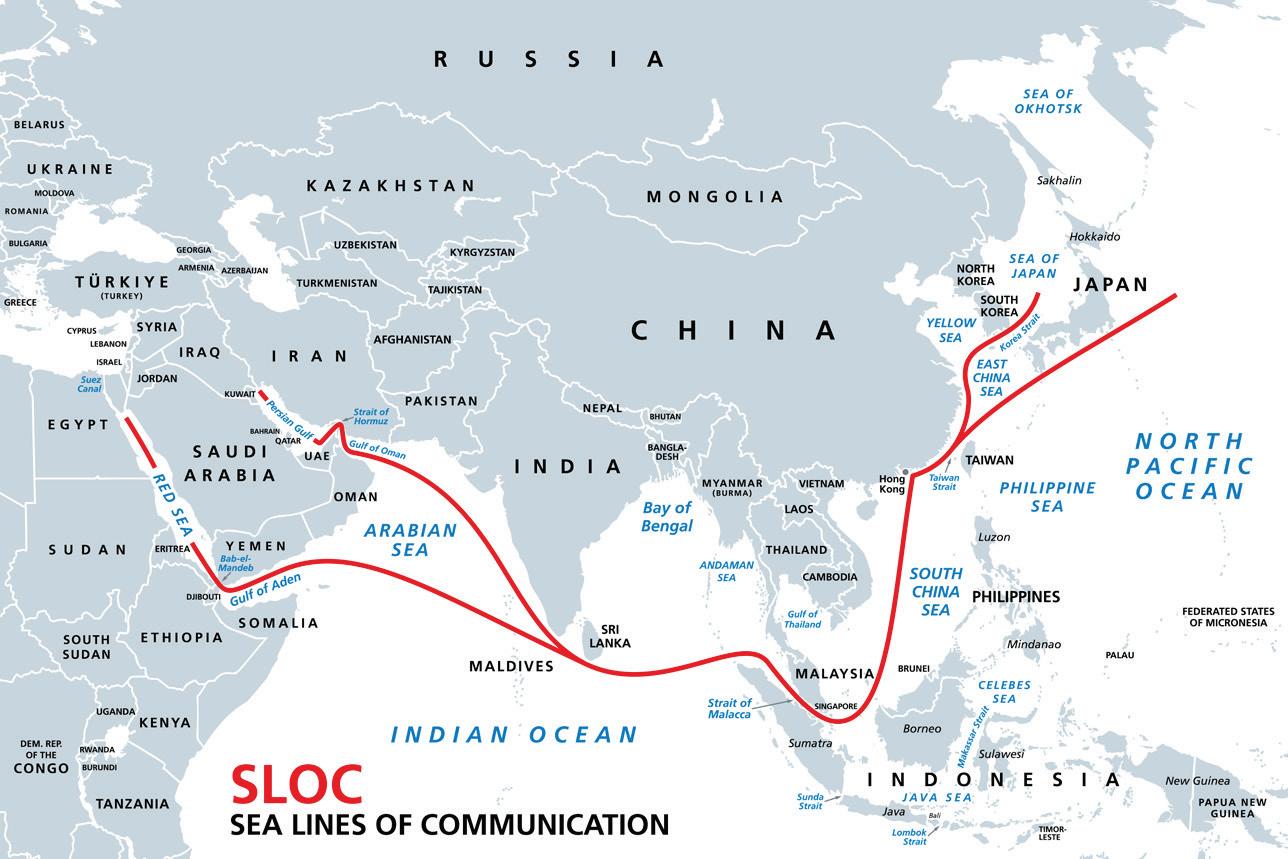
On Friday, the Department of Energy (DOE) Oil Industry Management Bureau (OIMB) already warned that the country should brace for a “major oil price shock” in light of the “looming Israel-Iran conflict [that] threatens critical global shipping passage.” The conflict between the two countries risks a closure or disturbance in the Strait of Hormuz, where about 20 percent of the world’s oil supply passes, according to the United States Energy Infor-


mation Administration.
Earlier, news reports said two oil tankers collided in the Gulf of Oman, near the Strait of Hormuz, but authorities said there was no connection between that incident and the ongoing conflict between Israel and Iran. The incident came amid supposed reports of GPS interference experienced by certain vessels transiting through the Strait of Hormuz.
“The Philippines may have to allow market prices to prevail




and institute serious conservation measures [to cushion the impact of higher oil prices]. This is a painful option. [There is] no painless option under an oil crisis,” University of the Philippines economist Dante B. Canlas told the BusinessMirror Canlas said should the conflict
escalate, the country could see a repeat of the oil price shock of the 1970s. The country could be somewhat insulated if the Philippines were less dependent on oil.
The former Socioeconomic Planning Secretary said such a scenario could lead to the country
missing the 2- to 4-percent inflation target this year. Inflation in May was at 1.3 percent for All Income Households. In the meantime, the government can resort to oil subsidies for the public transport sector and a reduction in oil excise taxes
to cushion the impact on local pump prices.
Unfortunately, this will be an additional burden on the country’s already strained financial position. The country’s fiscal deficit-to-GDP ratio was pegged by the World Bank at 7.3 percent in the first three months of the year.
“In the energy front, developing affordable renewable sources of energy and accelerating exploration of indigenous fuel sources are essential,” Canlas told the BusinessMirror
“On the fiscal side, given the tight deficit-debt constraint, pursuing a responsible deficit-reduction program that protects growth enhancers, such as spending for education, health and infrastructure, is vital,” he added.
Meanwhile, Ateneo de Manila University Professor Leonardo Lanzona Jr. told this newspaper that the Philippines is “particularly vulnerable to oil price shocks” given its position as a net oil importer.
By Wes Cabangon
AS climate risks mount—rising seas, prolonged droughts, and intensified typhoons—countries face a dual challenge: how to cut emissions while sustaining economic growth. China, the world’s top emitter, is tackling this with a pragmatic mix of policy, market tools, and clean energy technologies that offer important lessons for the Philippines.
bind with pollutants like nitrogen oxides and carbon monoxide, converting them into cleaner byproducts such as nitrogen and water vapor. It’s a smart, scalable solution that reduces smog without sacrificing energy output while also creating additional jobs—an emblem of China’s strategy to modernize rather than abandon heavy industries.
China’s goals are as ambitious as they are structured:
n Carbon peaking before 2030 n Carbon neutrality by 2060 n Over 80 percent of total energy from nonfossil sources by 2060
To support this, China is investing in a balanced portfolio of energy sources: nuclear, hydro, wind, solar, and advanced technologies like Carbon Capture and Storage (CCUS) and Bioenergy with Carbon Capture (BECCS).
Crucially, the strategy doesn’t just focus on installed capacity—it considers real output and efficiency. Why capacity isn’t everything ONE frequent misconception in energy reporting is conflating installed capacity with actual elec-
tricity generated. While wind and solar have surged in capacity additions, their capacity factors—the percentage of time they actually produce power—are significantly lower than traditional sources.


This matters when planning national grids. Wind and solar are important tools for shaving peak costs and reducing emissions, but they’re not yet substitutes for 24/7 baseload power—something nuclear, hydro, and thermal plants still do best.
The Philippine energy context ELECTRICITY in the Philippines is among the most expensive in Southeast Asia:
₱10–₱14/kWh (~$0.18–$0.25 USD), compared to ~$0.08–$0.10 USD/kWh in Vietnam, China, and Indonesia
High energy costs hurt competitiveness, push industries offshore, and burden households.
We also inherited the Bataan Nuclear Power Plant (BNPP)—a
621-MW facility completed in 1984 but never fueled or commissioned following safety, corruption, and earthquake concerns. It cost over US$2.2 billion (roughly 10 percent of the Philippines’ external debt at the time). While the plant remains intact—and feasibility studies for rehabilitation continue—it has been plagued by maintenance costs, public distrust, and safety issues related to its proximity to fault lines and Mount Pinatubo.
This history is painful, but we should view it not as a deterrent but as a lesson: poorly executed infrastructure projects can cost us dearly—yet future investments in reliable, clean energy remain essential.
Clean energy, done smart TO meet its development goals, the Philippines doesn’t need to reject fossil fuels overnight—but it must
build cleaner infrastructure that delivers reliable energy at scale.
That means:
n Hydropower: Already tested and ideal for our terrain
n Nuclear (modern SMRs): Safer, compact, and scalable
n Natural gas as a transition fuel: Cleaner than coal and dependable
n Geothermal: A Filipino strength we’ve barely expanded
n Wind and solar: Great for peak shaving, but still land-intensive and limited in consistent output
What we need is not just more renewables—but more reliable megawatts that bring down costs and support industry, not just headlines.
Markets matter, too:
China’s carbon model ON the policy side, China backs its carbon goals with market mechanisms. Its national Emissions
Trading System (ETS) regulates over 4 billion tons of CO₂—about 40 percent of its total emissions.
In 2024, China also launched its Voluntary Carbon Market (VCM), allowing businesses to trade certified emission reductions (CCERs).
The Philippines is slowly building its own carbon credit ecosystem. With our biodiversity and potential for reforestation, we could play a major role in global highintegrity voluntary markets—if backed by clear frameworks, credible MRV systems (measurement, reporting, and verification), and investor confidence
Final thought: Development needs power CLEAN energy isn’t just about saving the planet. It’s about powering development—and for countries like the Philippines, that starts with afford-
able, consistent electricity. China’s model shows that it’s possible to push toward carbon neutrality without giving up industrial capacity or national growth. The Philippines must chart its own path—not by copying, but by adapting: prioritizing energy infrastructure that works for our geography, lowers electricity prices, and sustains our long-term competitiveness. Climate action doesn’t begin with sacrifice. It begins with smart investment in the kind of energy systems that let every Filipino switch the lights on—and keep them on.
Wes Cabangon is currently based in Beijing, covering regional diplomacy, infrastructure, and cross-border cooperation under the 2025 China International Press Communication Center (CIPCC) program.
By Harshita Swaminathan & Satviki Sanjay Bloomberg
SOME of India’s largest companies, already hit by a demand slump, are facing a new threat in wooing the country’s 1.4 billion consumers: unpredictable weather.
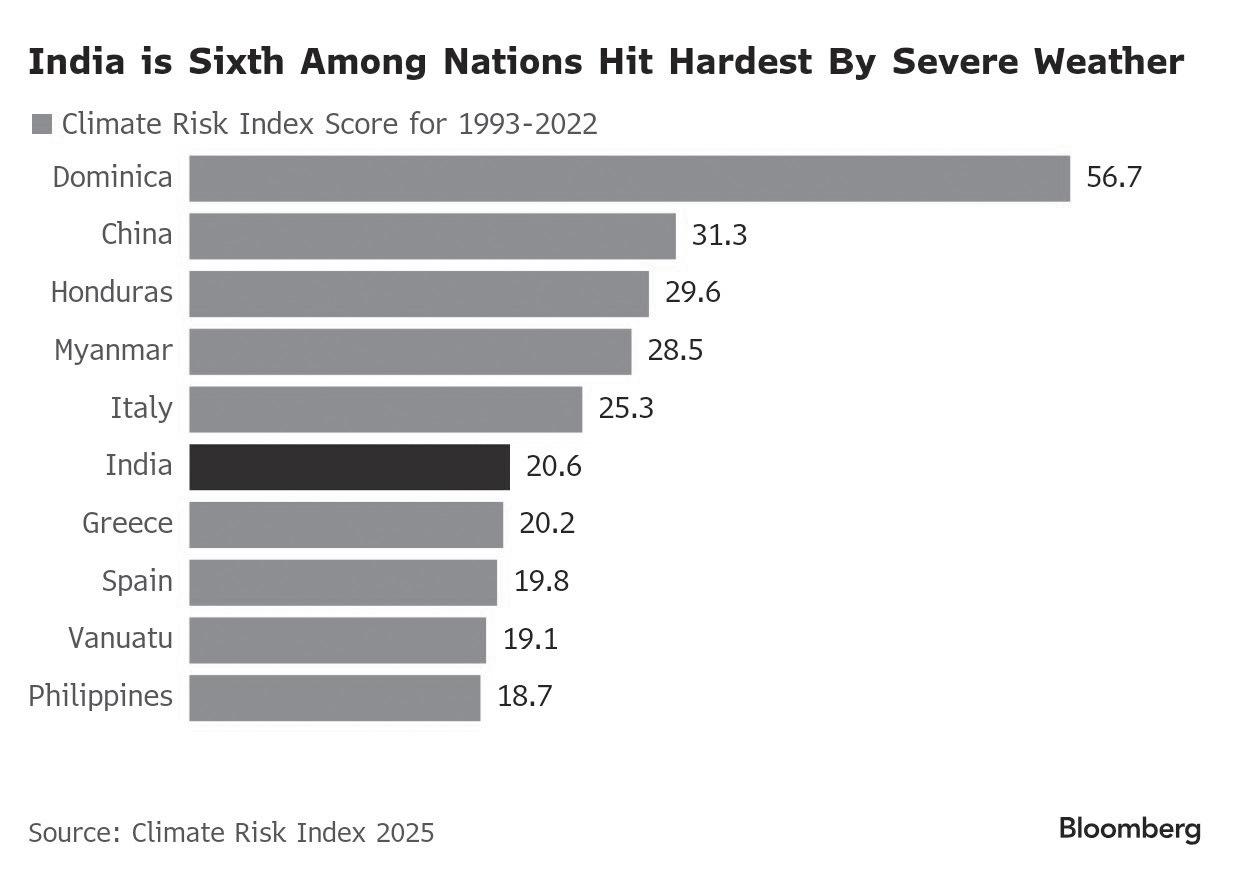
A cooler-than-usual summer this year — followed by the earliest onset of rain since 2009 — has hurt companies selling everything from talcum powder to air conditioners. Blue Star Ltd., one of the larg-
est AC sellers in the country, had to cut production by as much as 25% between April and June, as it saw fewer buyers. It also delayed imports of compressors, a key input, and extended credit to some dealerships saddled with unsold inventories. Rivals Havells Ltd. and Tata-owned Voltas Ltd. also flagged a sales slowdown.
“It’s like a wedding was to happen, but the wedding has now been canceled,” said B Thiagarajan, managing director at Blue Star, adding that it was a “painful” time.
A four-fold jump in frequency, unpredictability and intensity of extreme weather events in India over the past four decades has made planning and preparedness more demanding for companies. From Hindustan Unilever Ltd. to food delivery app Zomato-owner Eternal Ltd. to engineering giant Larsen & Tourbro Ltd., it’s affecting everything from sales to labor and supply chain management in the world’s biggest consumer market.
India’s situation as one of the most affected nations by climate change provides a glimpse of what’s in store for other major economies as environmental change accelerates. As record-breaking temperatures, rains and other extreme weather occur worldwide, companies are likely to be left scrambling

to predict and plan for the future.
Earnings calls
ON earnings calls over the last six months, top management and equity analysts discussed “delayed summer” and “delayed winter” the most in five years, according to transcripts analyzed by Bloomberg News.
“This quarter is slightly challenging as far as the summer portfolio is concerned,” Mohan Goenka, vice chairman of Emami Ltd., whose products include talc powder, told investors on an earnings call last month. The company will try to make up for the setback through its other segments, he added.
Varun Beverages Ltd., which bottles Pepsi in India, had said in April that it was ramping up production for the summer, expecting higher demand. Instead, unseasonal rains likely hurt performance at the beverage maker, according to analysts at Jefferies.
The brokerage also flagged weaker demand at Dabur Ltd., which sells fruit juices, and Tata Consumer Products Ltd., which sells cold drinks.
Time-sensitive summer demand, “once missed, is difficult to recover,” analysts at Nuvama, led by Abneesh Roy, said in a note to clients.
Labor shortage RISING incidence of heat waves, for example, was among factors causing a shortage of labor at Larsen, even as it split shifts between early morning and late afternoon. Eternal, which operates Zomato and Blinkit, said it faces a seasonal shortage of delivery workers in the summer.
Hindustan Unilever, which sells skincare brands including Ponds and Vaseline, said it saw muted performance in the December quarter partly due to a delayed winter.
India experienced extreme weather events on 88% of days in 2024 in one or more parts of the country, according to a database maintained by Centre for Science and Environment and Down To Earth. Between 1993 and 2022, the South Asian nation lost about $180 billion to severe heat and rains, the Climate Risk Index 2025 report said.
Weather forecasting in India has been plagued by outdated technology and modeling systems that make it difficult to get accurate data.
To bridge this gap, the country launched a new weather model last month to improve its forecasting by doubling the level of detail previously possible. Intended to improve farming and flood management, the model could also help companies as they seek better and more granular data.
“Businesses, while they were aware of the financial impact of weather, simply did not have enough reliable data that could be potentially put to use,” said Samuel John, co-founder and CEO of forecasting firm mistEO.
Forecasting boom THINGS have changed in the halfdecade since Covid, and weather forecasting has gone mainstream, John added.
Outside of the farm sector, companies from industries such as consumption, quick commerce, logistics, and construction are increasingly approaching Skymet Weather Services Pvt., its chief executive officer Yogesh Patil said. These newer clients, who seek structured, calendar-linked forecasting dashboards, now make up about half of the Reliance Industries Ltd. unit’s revenue.
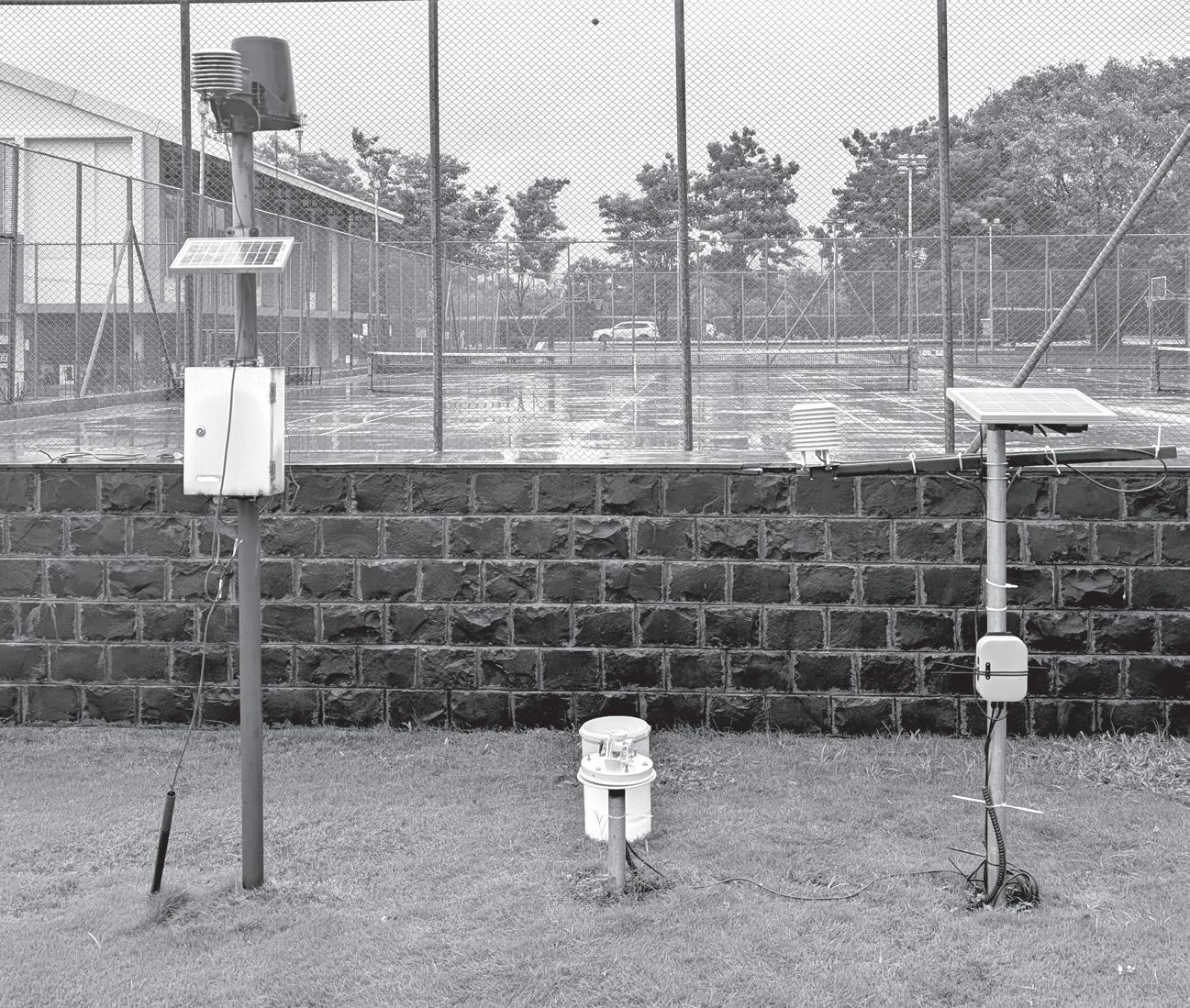
Zomato has also set up over 750 of its own weather stations across 60 cities to collect detailed data.
As companies navigate the new normal of erratic weather, planning and diversification are key.
Blue Star’s management is confident of recovering a large portion of the lost sales through the rest of the year, by working with more corporate clients where demand largely remains stable. But climate mitigation is becoming an important subject to Thiagarajan, who has worked in air conditioning for four decades.
“Predictability is dropping year after year,” he said. “You can only be prepared for the worst.”
‘NO PAINLESS OPTIONS TO CUSHION OIL SHOCK’
Continued from A1
Lanzona noted that inflation in the Philippines responds asymmetrically to oil price shocks leading to faster inflation in sectors that are dependent on oil.
Currently, however, he believes the Philippines had the space and tools to respond to and absorb recent oil price hikes. This suggests, he added, that “some policy flexibility exists.”
“The overall impact would
likely be stagflationary—higher inflation combined with slower economic growth—making it a challenging scenario for policymakers to navigate,” Lanzona, however, told the BusinessMirror
“There seems [to be] nothing much to do but to focus on the vulnerable. A lot of [people] are saying that poverty has declined. But now they will see that many of those who seemed to escape poverty are just one crisis away from falling back into poverty,” Lanzona said.

Stagflation is “an economic condition characterized by slow growth, high unemployment, and rising inflation.” In 2021, Canlas explained that stagflation emanated from stagnation and inflation.
Canlas said this was coined when, in the 1970s, the US was trying to get the economy out of high unemployment using “expansionary macroeconomic policies.” The attempt backfired since it did not lead to economic recovery but to inflation.
He said the US experience led to a “re-examination of the standard ‘Phillips Curve’ among academic economists.” Stagflation goes against the Phillips Curve. The Phillips Curve, created by New Zealand-born economist Bill Phillips in the 1950s, illustrated an inverse relationship between inflation and unemployment. This means that when inflation is high, unemployment is low and when inflation is low, unemployment is high. This assumed that when more people are employed, there is greater demand for goods; thus, higher prices, and when fewer people are employed, demand is dampened and prices remain low.
Editor: Angel R. Calso

By Laurie Kellman The Associated Press
LONDON—The world may be rethinking the American dream. For centuries, people in other countries saw the United States as place of welcome and opportunity. Now, President Donald Trump’s drive for mass deportations of migrants is riling the streets of Los Angeles, college campuses, even churches—and fueling a global rethinking about the virtues and promise of coming to America.
“The message coming from Washington is that you are not welcome in the United States,” said Edwin van Rest, CEO of Studyportals, which tracks realtime searches by international students considering studying in other countries. Student interest in studying in America has dropped to its lowest level since the Covid-19 pandemic, it found. “The fact is, there are great opportunities elsewhere.”
There has long been a romanticized notion about immigration and America. The reality has always been different, with race and ethnicity playing undeniable roles in the tension over who can be an American. The US still beckons to the “huddled masses” from the pedestal of the Statue of Liberty. The strong economy has helped draw millions more every year, with the inflow driving the US population over 340 million.
Early clues across industries— like tourism, trade, entertainment and education—suggest the American dream is fading for foreigners who have historically flooded to the US.
Polling by Pew Research Center from January through April found that opinions of the US have worsened over the past year in 15 of the 24 countries it surveyed.
Trump and many of his supporters maintain that migrants in the country illegally threaten American safety, jobs and culture. But people in the country legally also have been caught in Trump’s dragnet. And that makes prospective visitors to the US, even as tourists, leery.
Trump’s global tariff war and his campaign against international students who have expressed pro-Palestinian sympathies stick especially stubbornly in the minds of people across American borders who for decades clamored to participate in the land of free speech and opportunity.
“The chances of something truly horrific happening are almost certainly tiny,” Duncan Greaves, 62, of Queensland, Australia, advised a Reddit user asking whether to risk a vacation to the land of barbeques, big sky country and July 4 fireworks.
“Basically, it’s like the Dirty Harry quote: ‘Do you feel lucky?’”
‘American Creed,’ American dilemma
FOR much of its history, America had encouraged immigration as the country sought intellectual and economic fuel to spur its growth.
But from the beginning, the United States has wrestled with the question of who is allowed
to be an American. The new country was built on land brutally swiped from Native Americans. It was later populated by millions of enslaved Africans.
The American Civil War ignited in part over the same subject. The federal Chinese Exclusion Act of 1882 prohibited the immigration of Chinese laborers for a decade. During World War II, the US government incarcerated about 120,000 people of Japanese descent in 10 concentration camps. About two-thirds were US citizens.
Still, the United States has always been a nation of immigrants, steered by the “American Creed” developed by Thomas Jefferson, which posits that the tenets of equality, hard work and freedom are inherently American.
Everyone, after all, comes from somewhere—a fact underscored on-camera in the Oval Office this month when German Chancellor Friedrich Merz gave the president the framed birth certificate of Trump’s grandfather, also named Friedrich, who emigrated from Germany in 1885. He was one of millions of Germans who fled war and economic strife to move to the United States in the late 19th Century.

There’s a story there, too, that suggests the Trump family knows both the triumphs of immigration and the struggle and shame of being expelled.
After marrying and making a fortune in America, the elder Trump attained US citizenship and tried to return to Germany. He was expelled for failing to complete his military service—and wrote about the experience.
“Why should we be deported? This is very, very hard for a family,” Friedrich Trump wrote to Luitpold, prince regent of Bavaria in 1905, according to a translation in Harper’s magazine. “What will our fellow citizens think if honest subjects are faced with such a decree—not to mention the great material losses it would incur.”
Trump himself has married two immigrant women: the late Ivana
Trump’s global tariff war and his campaign against international students who have expressed pro-Palestinian sympathies stick especially stubbornly in the minds of people across American borders who for decades clamored to participate in the land of free speech and opportunity.
workers and brain power, Trump sees an “invasion,” a longstanding view.
Since returning to the White House, Trump has initiated a far-reaching campaign of immigration enforcement that has pushed the limits of executive power and clashed with federal judges trying to restrain him over his invocation of special powers to deport people, cancel visas and deposit deportees in third countries.
In his second term, unlike his first, he’s not retreating from some unpopular positions on immigration. Instead, the subject has emerged as Trump’s strongest issue in public polling, reflecting both his grip on the Republican base and a broader shift in public sentiment. A June survey from The Associated Press-NORC Center for Public Affairs Research found that 46% of US adults approve of Trump’s handling of immigration, which is nearly 10 percentage points higher than his approval rating on the economy and trade. The poll was conducted at the beginning of the Los Angeles protests and did not include questions about Trump’s military deployment to the city.
They’re still coming to America; to Trump, that’s long been a problem
IT’S hard to overstate the degree to which immigration has changed the face and culture of America—and divided it.
Immigration in 2024 drove US population growth to its fastest rate in 23 years as the nation surpassed 340 million residents, the US Census Bureau said in December. Almost 2.8 million more people immigrated to the United States last year than in 2023, partly because of a new method of counting that adds people who were admitted for humanitarian reasons.
Net international migration accounted for 84% of the nation’s 3.3 million-person increase in the most recent data reported.
Immigration accounted for all of the growth in 16 states that otherwise would have lost population, according to the Brookings Institution.
But where some Americans see immigration largely as an influx of
Other countries, such as Denmark, open their doors THE US is still viewed as an economic powerhouse, though people in more countries consider China to be the world’s top economy, according to the Pew poll, and it’s unclear whether Trump’s policies could cause a meaningful drain of international students and others who feel under siege in the United States.
Netherlands-based Studyportals, which analyzes the searches for international schools by millions of students worldwide, reported that weekly pageviews for degrees in the US, collapsed by half between Jan. 5 and the end of April. It predicted that if the trend continues, the demand for programs in the US could plummet further, with US programs losing ground to countries like the United Kingdom and Australia.
“International students and their families seek predictability and security when choosing which country to trust with their future,” said Fanta Aw, CEO of NAFSA, which represents international educators. “The US government’s recent actions have naturally shaken their confidence in the United States.”
By Thomas Adamson AP Culture Writer
PARIS—The Louvre, the world’s most-visited museum and a global symbol of art, beauty and endurance, has withstood war, terror, and pandemic—but on Monday, it was brought to a halt by its own striking staff, who say the institution is crumbling under the weight of mass tourism.
It was an almost unthinkable sight: the home to works by Leonardo da Vinci and millennia of civilization’s greatest treasures—paralyzed by the very people tasked with welcoming the world to its galleries.
Thousands of stranded and confused visitors, tickets in hand, were corralled into unmoving lines by I.M. Pei’s glass pyramid.
“It’s the Mona Lisa moan out here,” said Kevin Ward, 62, from Milwaukee. “Thousands of people waiting, no communication, no explanation. I guess even she needs a day off.”
The Louvre has become a symbol of tourism pushed to its limits. As hotspots from Venice to the Acropolis race to curb crowds, the world’s most iconic museum, visited by millions, is hitting a breaking point of its own.
Just a day earlier, coordinated anti-tourism protests swept across southern Europe. Thousands rallied in Mallorca, Venice,
Lisbon and beyond, denouncing an economic model they say displaces locals and erodes city life.
In Barcelona, activists sprayed tourists with water pistols— a theatrical bid to “cool down” runaway tourism. The Louvre’s spontaneous strike erupted during a routine internal meeting, as gallery attendants, ticket agents and security personnel refused to take up their posts in protest over unmanageable crowds, chronic understaffing and what one union called “untenable” working conditions. It’s rare for the Louvre to close its doors. It has happened during war, during the pandemic, and in a handful of strikes—including spontaneous walkouts over overcrowding in 2019 and safety fears in 2013. But seldom has it happened so suddenly, without warning, and in full view of the crowds. What’s more, the disruption comes just months after President Emmanuel Macron unveiled a
sweeping decade-long plan to rescue the Louvre from precisely the problems now boiling over—water leaks, dangerous temperature swings, outdated infrastructure, and foot traffic far beyond what the museum can handle.
But for workers on the ground, that promised future feels distant.
“We can’t wait six years for help,” said Sarah Sefian, a frontof-house gallery attendant and visitor services agent. “Our teams are under pressure now. It’s not just about the art—it’s about the people protecting it.”
The Mona Lisa’s daily mob AT the center of it all is the Mona Lisa—a 16th-century portrait that draws modern-day crowds more akin to a celebrity meet-and-greet than an art experience.
Roughly 20,000 people a day squeeze into the Salle des États, the museum’s largest room, just to snap a selfie with Leonardo da Vinci’s enigmatic woman behind protective glass. The scene is often noisy, jostling, and so dense that many barely glance at the masterpieces flanking her—works by Titian and Veronese that go largely ignored.
“You don’t see a painting,” said Ji-Hyun Park, 28, who flew from Seoul to Paris. “You see phones. You see elbows. You feel heat. And then, you’re pushed out.”
Macron’s renovation blueprint, dubbed the “Louvre New Renaissance,” promises a remedy. The Mona Lisa will finally get her own dedicated room, accessible through a timed-entry ticket. A new entrance near the Seine River is also planned by 2031 to relieve pressure from the overwhelmed

pyramid hub.
“Conditions of display, explanation and presentation will be up to what the Mona Lisa deserves,” Macron said in January.
But Louvre workers call Macron hypocritical and say the 700 million to 800 million-euro ($730 million to $834 million) renovation plan masks a deeper crisis. While Macron is investing in new entrances and exhibition space, the Louvre’s annual operating subsidies from the French state have shrunk by more than 20% over the past decade—even as visitor numbers soared.
“We take it very badly that Monsieur Le President makes his speeches here in our museum,” Sefian said, “but when you scratch the surface, the financial investment of the state is getting worse with each passing year.”
While many striking staff plan to remain off duty all day, Sefian said some workers may return
temporarily to open a limited “masterpiece route” for a couple of hours, allowing access to select highlights including the Mona Lisa and the Venus de Milo. The full museum might reopen as normal on Wednesday, and some tourists with time-sensitive tickets for Monday may be allowed to reuse them then. On Tuesday the Louvre is closed.
A museum in limbo
THE Louvre welcomed 8.7 million visitors last year—more than double what its infrastructure was designed to accommodate. Even with a daily cap of 30,000, staff say the experience has become a daily test of endurance, with too few rest areas, limited bathrooms, and summer heat magnified by the pyramid’s greenhouse effect.
In a leaked memo, Louvre President Laurence des Cars warned that parts of the building are “no longer watertight,” that tem -
perature fluctuations endanger priceless art, and that even basic visitor needs—food, restrooms, signage—fall far below international standards. She described the experience simply as “a physical ordeal.”
“What began as a scheduled monthly information session turned into a mass expression of exasperation,” Sefian said. Talks between workers and management began at 10:30 a.m. and continued into the afternoon.
The full renovation plan is expected to be financed through ticket revenue, private donations, state funds, and licensing fees from the Louvre’s Abu Dhabi branch. Ticket prices for non-EU tourists are expected to rise later this year.
But workers say their needs are more urgent than any 10year plan.
Unlike other major sites in Paris, such as Notre Dame cathedral or the Centre Pompidou museum, both of which are undergoing government-backed restorations, the Louvre remains stuck in limbo—neither fully funded nor fully functional.
President Macron, who delivered his 2017 election victory speech at the Louvre and showcased it during the 2024 Paris Olympics, has promised a safer, more modern museum by the end of the decade.
Until then, France’s greatest cultural treasure—and the millions who flock to see it—remain caught between the cracks.
The Associated Press journalist Laurie Kellman in Paris contributed to this report.
By Zahra Hirji, Jason Leopold & Lauren Rosenthal
HOMELAND Security Secre -
tary Kristi Noem directed the Federal Emergency Management Agency to prepare a memo on how to abolish itself and create a re-branded, radically smaller disaster response organization, according to a copy of the document reviewed by Bloomberg News.
As recently as last week, President Donald Trump and Noem said they wanted to wind down FEMA but offered few details publicly. The March 25 memo offers insight into how the administration has weighed which of its current functions to cut. Technically, only Congress can eliminate the agency.
Titled “Abolishing FEMA,” the memo was addressed from then-acting FEMA head Cameron Hamilton to his bosses at the Department of Homeland Security and outlines a number of functions that “should be drastically reformed, transferred to another agency, or abolished in their entirety,” possibly as soon as late 2025. Potential changes included eliminating long-term housing assistance for disaster survivors, halting enrollments in the National Flood Insurance Program and providing smaller amounts of aid for fewer incidents — moves that by design would dramatically limit the federal government’s role in disaster response.
The existence of the seven-page memo has not been previously reported. While Trump and other officials have continued to press for abolishing FEMA in its current
form since the memo was created, it’s unclear which specific recommendations from the document are still on the table.
“This just means you should not expect to see FEMA on the ground unless it’s 9/11, Katrina, Superstorm Sandy,” said Carrie Speranza, who used to advise the agency and is now president of the US council of the International Association of Emergency Managers. DHS, FEMA, and the White House did not respond directly to questions about the memo’s creation, contents, or how it has been used since. Instead, DHS Assistant Secretary for Public Affairs Tricia McLaughlin wrote in an email: “It’s not a secret that under Secretary Noem and Acting Administrator Richardson, FEMA, as it is today, will no longer exist. Federal Emergency Management will shift from bloated, DC-centric dead weight to a lean, deployable disaster force that empowers state actors to provide relief for their citizens. The old processes are being replaced because they failed Americans in real emergencies for decades.” Former FEMA leader Hamilton did not respond to requests for comment.
FEMA, which was created by President Jimmy Carter in 1979, has come under attack from both Democrats and Republicans for a range of issues — from its struggle to provide timely assistance in the wake of deadly hurricanes, such as Katrina and Maria, to its rebuilding programs, which have faced mounting costs as climate change drives increasingly damaging weather in densely populated communities.
A number of new reform bills have surfaced in Congress, including a proposal by Louisiana Republican Clay Higgins to replace FEMA with block grants to state governments similar to some social safety-net programs, with the goal of reducing costs. Competing bipartisan bills suggest leaving FEMA intact while overhauling its grant programs and reimbursements in an effort to speed up the recovery process.
The memo, meanwhile, outlines numerous ways to drive down federal disaster spending, largely by canceling long-running initiatives, revoking financial assistance altogether in some cases and pushing more disaster oversight and funding onto state and local governments. Many of these proposals appeared in the Heritage Foundation-led Project 2025 report — though its authors recommended keeping FEMA intact. Disaster experts, including ex-FEMA officials, say the plans would overwhelm state budgets and lead to longer recoveries, especially if carried out on a fast timeline.
‘A smaller footprint’
THE memo came after Noem directed staff to draw up plans for reducing the agency to “a smaller footprint of core functions,” according to the document. Hamilton wrote it in coordination with a small number of veteran senior FEMA officials, according to people familiar with the matter who weren’t authorized to speak publicly.
Hamilton outlined a new agency that would still play a central role
in preparing for and immediately responding to disasters, but would ratchet back everything else.
To begin with, he recommended that the federal government cease assistance for smaller, less destructive events and focus resources on “disasters of national significance.” Under the new framework, states would likely have to pay a greater share of associated costs than they commonly do now.
Michael Coen, who served as FEMA chief of staff under President Joe Biden, said the proposed approach could “leave a lot of communities behind” since many states don’t have the budget or capacity to help communities fully recover. “If you live in a community in Vermont that is affected by a flood, that’s a significant event for you, but it might not be a significant event for national security,” Coen said.
For bigger disasters, the memo suggests the federal government oversee search-and-rescue teams and logistics tied to stockpiling water, food and other critical resources, and provide some financial relief right after a disaster. These functions “would be neither effective or efficient to replicate 50 times over at the state level,” per the memo.
But even for these bigger events, Hamilton recommended a narrower federal role for longterm recovery. For example, the memo proposes FEMA no longer provide housing for disaster survivors due to high costs. This would mean eliminating long-term rental assistance and direct housing for disaster survivors, including government-leased apartments
or FEMA trailers or RVs.
Coen questioned how such a sweeping reform would work in practice. “States don’t have the capacity to administer their own housing programs for disaster survivors,” he said.
The document acknowledges that most states are today “unprepared” to step up their role. Hamilton proposed initially providing “robust” support for growing state and local capacity — such as some grants, training and exercises — that would later be ramped down.
The memo is also critical of the National Flood Insurance Program, which has more than 4 million policyholders currently enrolled, for pushing the government “farther and farther into debt.” NFIP has filled a gap in the insurance market since 1968, providing subsidized flood coverage for homeowners. But as climate change increases flood risk, the program has become insolvent.
Hamilton suggested Trump may “be able to direct the cessation of new policy sales and renewals,” but that more research was needed into the president’s legal options for ordering reforms.
At the end of the memo, Hamilton proposed four possible new names for FEMA: the Office of Crisis Management (OCM), the Office of Crisis Response (OCR), the National Crisis Response Agency (NCRA) and the National Office of Emergency Management (NOEM) — an acronym that dovetails with the name of the Homeland Security secretary.
Executive branch powers, limits HAMILTON exited the agency in
May, a day after testifying before Congress that he thought FEMA shouldn’t be abolished. He was replaced by Homeland Security official David Richardson, who has limited disaster management experience.
Many of the proposed changes cannot be implemented “without the engagement and action of Congress,” according to the memo. For example, permanent changes to types or amounts of housing and other forms of individual assistance would likely require legislative action, as would reforming or repealing the flood insurance program.
But staff deemed the executive branch could roll out others immediately, such as by scaling back aid for disasters. In April, FEMA ended a grant program funding projects to reduce future disaster damage by making communities more resilient; this is one of the programs identified for possible elimination in the memo.
A FEMA Review Council established by Trump via executive order met for the first time in May and is set to produce a report with recommendations for reforming the agency in November. Given the administration’s urgency around overhauling FEMA, Hamilton had recommended skipping that process and cancelling the council. Last week, both Noem and Trump reiterated their intention to axe the agency after the end of this hurricane season. “Under Secretary Noem’s leadership, the FEMA Review Council is developing a comprehensive plan for necessary change,” said McLaughlin of DHS. Bloomberg News

BACTERIUM Limosilactobacillus fermentum colonies on agar derived from “burong isda” that is closely related to the popular Lactobacillus probiotics. JOSHUA VELUZ
UP study:
GOOD news to those who eat “burong isda” (fermented fish). The bacteria in Filipino fermented foods offer health benefits, also known as probiotics.
Burong isda is a traditional dish of fermented fish from Pampanga. It contains a bacterium called Limosilactobacillus fermentum (L. fermentum), which is closely related to the well-known Lactobacillus probiotics.
Researchers from UP Diliman-College of Science combined genomic and laboratory analyses to provide a comprehensive probiotic profile of two L. fermentum strains in burong isda, the UPD-CS said. Their multidimensional approach also revealed the strains’ antifungal benefits against Aspergillus fumigatus (A. fumigatus), one of the most common fungi affecting immunodeficient individuals.
The study lays the groundwork for developing new probiotic products and, likewise, possibly the first to report the antifungal effects of L. fermentum against A. fumigatus.
“Historically, probiotic research in the Philippines has relied heavily on culture-based methods and basic molecular techniques,” said corresponding author Joshua Veluz from UPD-CS National Sciences Research Institute (UPD-CS NSRI).
“This work underscores the value of combining genomics, metabolomics, and assays as a powerful and timely approach to uncovering the full probiotic potential of microbes found in Philippine fermented foods,” he added.
Veluz, a Kapampangan, said that he has a keen interest in this research because he grew up eating burong isda.
He shared that he became curious about its potential after learning that Filipino fermented foods also have health benefits besides their cultural significance. This curiosity led him to begin working on the study in 2019.
“This personal and academic connection made the study deeply meaningful to me,” he said.
Along with Veluz, the study authors are Paul Christian Gloria and Dr. Maria Auxilia Siringan of UPD-CS NSRI, along with Dr. Irineo Dogma Jr. of the University of Santo Tomas.
It should be noted that probiotics has the ability to survive the harsh conditions of the digestive system.
The researchers discovered that while these strains may struggle to grow in highly acidic environments like the stomach, they had no difficulty growing in less acidic conditions, as in most parts of the gastrointestinal tract.
The researchers further discovered that the strains carry several genes known to help boost the host’s immune system, along with genes related to producing essential vitamins such as B1, B2, B6, and B9. The strains were also found to be non-pathogenic—not capable of causing disease—and have a very low potential to transfer antimicrobial resistance genes.
“Additionally, the strains produce compounds that inhibit the growth of certain fungi known to cause infections,” Veluz said.
Previous studies have shown that L. fermentum possesses antifungal effects against different fungi, but this study may be the first to demonstrate its potential against A. fumigatus.
This suggests that L. fermentum could serve as a broad antifungal product, including against A. fumigatus, the authors said.
The researchers are now exploring additional probiotic properties of the strains and assessing their stability to ensure they can be safely used for future health applications, the UPD-CS said.
“We aim to further characterize their functional traits and contribute to the growing field of probiotic research in the Philippines, especially using OMICs,” said Veluz.
The research is “Beyond Buro: Probiotic and Antifungal Traits of Limosilactobacillus fermentum, from Philippine Burong Isda [Fermented Fish], Revealed by Genomics and Assays,” published on The Microbe.
BE treated to a sensory experience this July as the Department of Science and Technology-Forest Products Research and Development Institute (DOST-FPRDI) marks its 68th anniversary with exciting activities.
Themed “Rooted in Senses, Growing Innovations: A Celebration of Forest Products,” this year’s celebration highlights the Institute’s remarkable legacy of sciencedriven innovation and the deep connection between people and the forest.
Among the activities is an exhibit on July 1 that will feature the innovative uses of pandan. A feast to the eyes, the “Lalang Pandan” exhibit will showcase unique and creatively designed handicrafts and furniture, and will highlight the ingenuity of local pandan weavers from Luisiana, Laguna.
The Institute will open the doors of its Herbarium and Xylarium (Wood Library) also on July 1. A go-to place for archaeologists, foresters and students for their wood identification needs, DOST-FPRDI’s Xylarium boasts of the most complete wood collection in the Philippines, with 10,983 authentic specimens to date.
Meanwhile, the beautiful sound of bamboo will take center stage on July 2 as the Institute experts discuss bamboo musical instruments. Through the “Guro, Kawayan at Musika” training, school teachers will have a hands-on experience in making and playing bamboo xylophones and bamboo tubes.
On July 3, guests will embark on a flavorful journey as DOST-FPRDI showcases the aroma and taste of products developed under its Flavors and Fragrances from the Forest Technology Program (F3TP).
The event includes a tour of the F3TP laboratory, a discussion on essential oils, and
a tasting of Institute-developed cinnamon tea, pastries, and wine.
“We see forest products as drivers of economic growth and environmental protection. Innovations in furniture, flavors, music and handicrafts from forest products provide opportunities for our country to create an economy that is built to last,” said Science Secretary Renato U. Solidum Jr.
“The milestone event being celebrated today displays our unwavering commitment to develop technologies that uplift communities, empower industries, engage in sustainable practices and honor the bounty of our forests,” he added.
The Institute will also hold a Conference on July 4 that will present scientific advancements in forest products research.
Discussants are Engr. Mark Kennedy Bantugon, a James Dyson awardee and the inventor of the internationally recognized Pili Seal, an aviation sealant; Arch. Christian Salandanan of Sangay Architects, who will talk about the exciting applications of bamboo in housing and construction; and Arch. Ray Villanueva, co-founder of Kawayan Collective, a social enterprise awarded with a presidential plaque during the Micro, Small and Medium Enterprises Development Week last year, and one of the companies assisted by DOST-FPRDI under its Tubò Technology Business Incubator Program.
“DOST-FPRDI’s 68th year honors the multi-sensory experiences inspired by forest products, while highlighting the role of innovation in shaping a sustainable future,”
DOST-FPRDI Director Rico J. Cabangon said.
“We are excited to celebrate with our stakeholders and share the many opportunities forest products innovation could offer,” he added. Apple Jean C. Martin-de Leon/S&T Media Service

By Bless Aubrey Ogerio
WHAT
does physics have to do with culture? Quite a lot, according to a group of scientists from the University of the Philippines (UP) Diliman.
Armed with mathematical tools and massive global data sets, the research team of John Lawrence Euste, Hannah Christina Arjonillo and Dr. Caesar Saloma from UP Diliman National Institute of Physics has taken on the unlikely task of measuring how cultural values evolve.
By specializing in sociophysics, an emerging field that uses the principles of statistical and applied physics to study human behavior and social dynamics, they revealed surprising shifts and subtle consistencies across the globe.
“From our perspective as applied physicists, we wanted to detect and measure how culture has evolved, which is usually only described anecdotally,” Saloma shared. “We tried to quantify how culture varies over time in geographically separated populations.
Turning surveys into maps THE team used data from the Integrated Values Survey (IVS), a global dataset comprising over 300,000 respondents collected across seven survey waves from 1981 to 2022, spanning more than
120 countries.
With this wealth of data, they applied principal component analysis (PCA), or a statistical technique that simplifies complex information, to generate two types of maps—one showing the cultural position of each country over time and another revealing the internal diversity within each country.
On the first map, countries are represented as points that move through a “cultural space” over the decades.
Trends have emerged: many countries, including the Philippines, are shifting away from traditional values and toward selfexpression values, such as support for gender equality, environmentalism and social participation.
But countries are not culturally monolithic, and the team wanted to capture that nuance.
So they used a transformation matrix to project individual responses onto the same map, allowing them to visualize cultural variation within nations as well.
To measure internal diversity, they used something called the
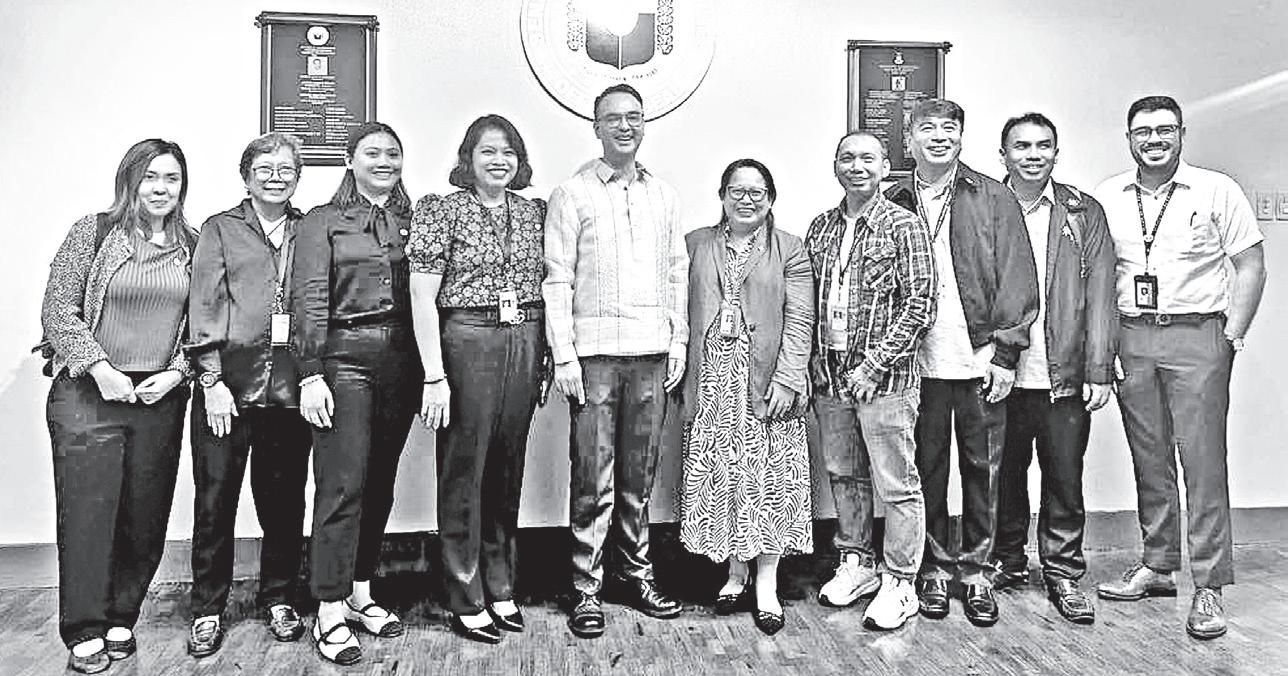
BOTH the Senate and the House of Representatives of the 19th Congress have ratified the Philippine National Nuclear Energy Safety Act on their final session day on June 13. The measure only awaits President Marcos’ signature to become a law.
PhilAtom, short for the Philippine Atomic Energy Regulatory Authority, will be the new independent regulatory body consistent with international safety standards to ensure safety, security, and safeguards on the peaceful use of nuclear energy throughout the country.
The measure is a pivotal move to separate regulations from the promotion, research, and development functions of the Department of Science and TechnologyPhilippine Nuclear Research Institute, the DOST-PNRI said on its website.
The DOST hailed the passage of the long-awaited bill that had been filed during previews congressional sessions.
“The DOST is grateful to Congress for the approval of the PhilAtom bill. This is yet another of the landmark measures that we have been pushing, addressing many of the pressing issues in our science and technology landscape,” according to DOST Secretary Renato Solidum Jr.
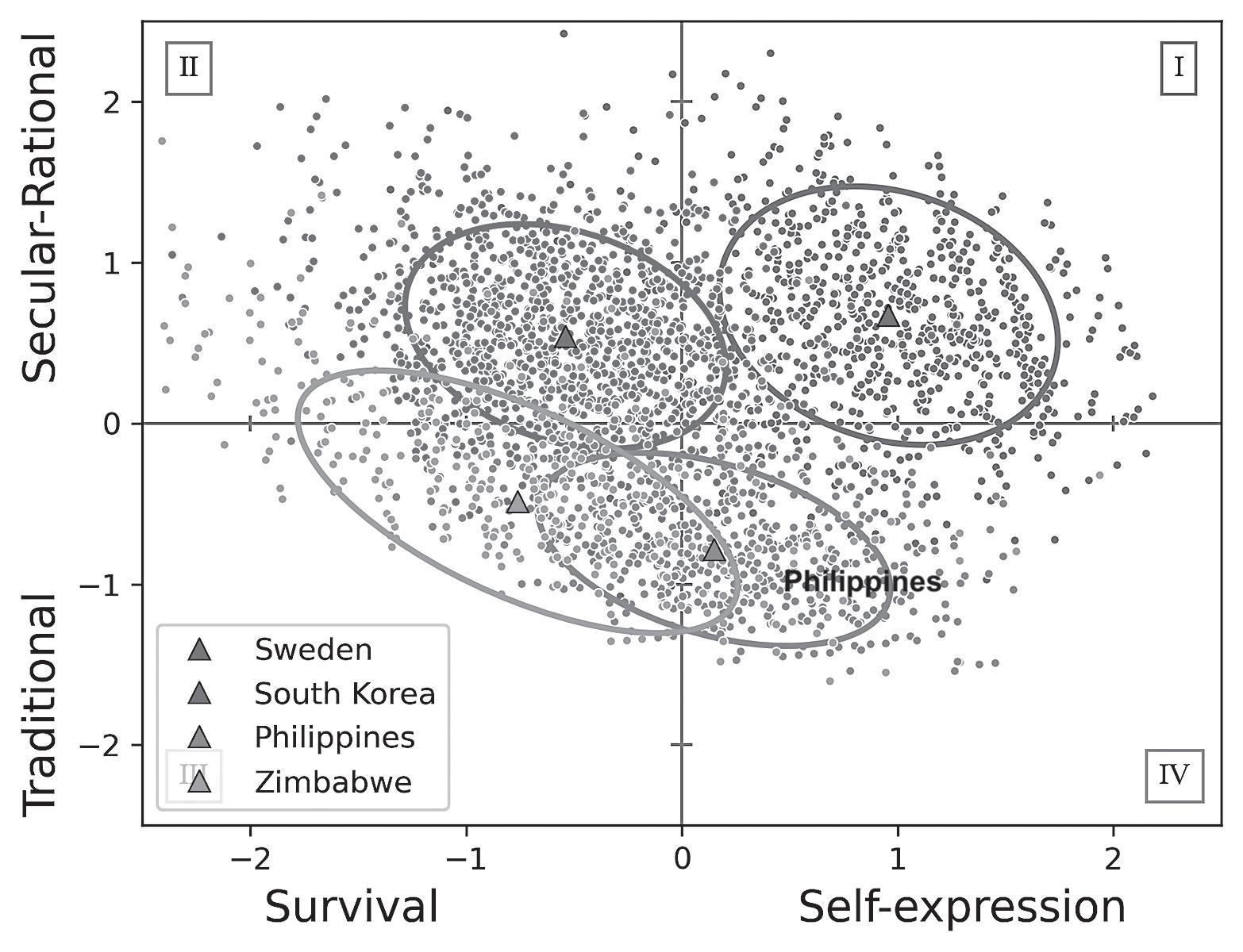
Standard Deviational Ellipse. Countries with smaller ellipses had more cultural uniformity and leaned traditional; those with larger ones had more diverse values and a stronger tilt toward selfexpression.
The case of the Philippines ACCORDING to the study, the Philippines continues to lean heavily toward traditional values, emphasizing family ties, religious belief, and respect for authority.
But the country is not static. From 1996 to 2019, data show a gradual decline in traditional values and a corresponding rise in self-expression.
“With the creation of PhilAtom, the Philippines is one step closer toward ensuring the safer and peaceful use of nuclear science, and its applications to health, agriculture, and industry, aside from power,” Solidum added.
DOST-PNRI pointed out that addressing the key issues of regulatory independence will build higher levels of trust and confidence of the public. It will likewise ensure the sustainability of various applications of nuclear and radiation technologies in agriculture, research, medicine, and industry, and especially for power generation.
“This legislation aligns the nuclear regulation in the Philippines with international standards, and satisfies a main requirement of potential nuclear power operators to have an independent regulatory body,” according to DOST-PNRI Director Dr. Carlo Arcilla.
“The passing of the PhilAtom bill will help usher the integration of nuclear power in the Philippine energy mix, helping provide dependable baseload and reliable electricity to consumers and the industry,” Arcilla pointed out.
More importantly, the bill will be placed under PhilAtom’s jurisdiction all matters presently handled by separate agencies mandated to regulate ionizing radiation, such
THE researchers expressed belief that these quantified cultural shifts can support better decisionmaking in policy and governance.
“Policies work best when they rely on scientific data and findings; it’s why quantifying cultural evolution matters,” Saloma pointed out. Still, they view their work as an evolving effort, not a finished product.
“What’s important for us is to create tools for measurement— that’s the point of instrumentation. This is what we hope to evaluate and continue making progress on, not just in physics, but wherever we can find useful data,” Arjonillo explained.
Interestingly, the countries most culturally similar to the Philippines weren’t its Asian neighbors, but Latin American nations like Bolivia, Guatemala, Mexico, and Nicaragua. This might be a likely legacy of its centuries-long Spanish colonization. Science for policy

as the DOST-PNRI, currently the authority for nuclear and radioactive materials and their associated facilities and activities.
The Institute shares this distinction with the Food and Drug Administration-Center for Device Regulation, Radiation Health and Research (FDA-CDRRHR), which is in charge of devices electrically generating ionizing radiation, such as x-ray devices, linear accelerators, and electron beam facilities.
Unifying all ionizing radiation sources under one regulatory supervision will bring about ease in doing business. It will also harmonize and make consistent the implementation and enforcement of regulations for radiation protection of workers, patients, members of the public, and the environment, according to DOST-PNRI.
Besides the creation of the PhilAtom, the bill also revamps the current nuclear legislative framework of the country, giving the Philippines an opportunity to create policies and initiatives, in compliance with international safety standards, particularly those of the International Atomic Energy Agency (IAEA).
The bill has fresh provisions on nuclear safety, security, safeguards, radiation protection, and
emergency preparedness and response, reflecting the country’s commitment in fulfilling its longstanding obligations to the IAEA and the international community through various treaties, conventions, and other agreements.
Two-hundred members of the House of Representatives voted in favor of House Bill 9293 on its third reading in November 2023. The effort was spearheaded by Rep. Mark Cojuangco, the bill’s principal sponsor and chairman of the House Special Committee on Nuclear Energy.
Two years later in 2025, its counterpart Senate Bill 2899, passed the third reading with 21 affirmative votes. Sen.Alan Peter Cayetano, chairman of the Senate Committee on Science and Technology, sponsored the bill.
Officials of the DOST-PNRI, FDA-CDRRHR, and the DOSTDepartment Legislative Liaison Office participated in the various committee hearings and deliberations throughout the entire legislative process.
“We thank the great efforts of PNRI, FDA, the DOST and congressional staff who spent many hours crafting and revising various versions of this law, which has been pending for almost twenty years,” Arcilla said.
A6 Sunday, June 22, 2025

By Christopher Wells
LONG after the human authors of Sacred Scripture pondered the moment of creation with “their poetic and religious imagination,” Pope Leo XIV said, modern scientists continue to explore the universe with new tools, including the James Webb Space Telescope (JWST), whose images “fill us with wonder, and indeed a mysterious joy,” as we contemplate the “sublime beauty” of the stars.
The Holy Father addressed his remarks to participants in the Vatican Observatory’s Summer School, which this year is dedicated to the theme “Exploring the Universe with the James Webb Space Telescope.”
‘An exciting time to be an astronomer’ “SURELY, this must be an exciting time to be an astronomer,” the pope said, noting that the “truly remarkable” JWST allows us to investigate the atmosphere of exoplanets, the nebulae where planetary systems form, and even “the ancient light of distant
galaxies, which speaks of the very beginning of our universe.” He expressed gratitude to the scientific team attached to the Space Telescope for making so many images available to the public, while highlighting the knowledge and training that participants in the Summer School will receive to help them make use “of this amazing instrument.”
For the benefit of all AT the same time, Pope Leo emphasized that the students and scientists are part of a larger community, including other scientists, engineers, and mathematicians,

THE Diocese of Legazpi has condemned what it described as worsening environmental degradation in Albay province, blaming irresponsible quarrying—on the slopes of Mayon Volcano—deforestation and a lack of public consultation on infrastructure projects as evidence of “systemic neglect.”
In a pastoral statement issued last Sunday, Bishop Joel Baylon and the diocesan clergy urged government officials and the public to take responsibility for what they called an escalating environmental crisis.
“Do not allow development to become an excuse for destruction…Albay deserves better— and we can still choose to do better,” part of the statement reads.
Addressing public officials, the diocese called for integrity and transparency in governance.
“When public projects ignore environmental safeguards, override communities, or enrich only the few, they betray the common good,” it said.
The diocese criticized ongoing quarrying activities on the slopes


supported by family and friends, that allows them to be a part of “this wonderful enterprise.”
The pope reminded them, too, that their work “is meant to benefit us all,” and invited them to


“be generous in sharing what you learn and what you experience.”
Contributing to a more peaceful and just world DO not hesitate,” he continued,
of Mount Mayon—a protected area—and warned about the consequences of clearing forest cover and altering waterways. It also raised concern over infrastructure projects encroaching on geologically sensitive and heritage zones “with little regard for ecological impact or the long-term welfare of residents.”
“In various towns, our people have begun to ask: Who benefits from these projects? Why are those most affected rarely consulted?” the statement said.
Albay was designated a Unesco Biosphere Reserve in 2016—a status the diocese said is now under threat due to ecological degradation.
The pastoral letter also included an apology from the local Church for not always speaking out forcefully in the past.
“For the times we remained silent when we should have spoken…we sincerely ask forgiveness,” the clergy wrote. “This is a moment for repentance and renewal, not only in words but in witness.” CBCP News
“to share the joy and the amazement born of your contemplation of the ‘seeds’ that, in the words of Saint Augustine, God has sown in the harmony of the universe.”
Pope Leo XIV said:
more joy you share, the more joy
and in this way, through your pursuit of knowledge, each of you can contribute to building
Poll: Two-thirds of American Catholics ‘very,’ ‘somewhat’ favorable of Pope Leo XIV
ASHINGTON—
WJust over a month after Pope Leo XIV became the first US-born pontiff in the history of the Catholic Church, a new poll shows that American Catholics are feeling excited about their new religious leader.
About two-thirds of American Catholics have a “very” or “somewhat” favorable view of Pope Leo, according to the new survey from The Associated Press-NORC Center for Public Affairs Research, while about 3 in 10 don’t know enough to have an opinion.
Very few Catholics—less than 1 in 10—view him unfavorably.
Among Americans overall, plenty of people are still making up their minds about Pope Leo.
But among those who do have an opinion, feelings about the first US-born pope are overwhelmingly positive.
The survey found that 44 percent of US adults have a “somewhat” or “very” favorable view of Pope Leo XIV. A similar percentage say they don’t know enough to have an opinion, and only about 1 in 10 see him unfavorably.
As he promises to work for unity in a polarized church, Americans with very different views about the future of the church are feeling optimistic about his pontificate.
Terry Barber, a 50-year-old Catholic from Sacramento, California, hopes Leo will seek a “more progressive and modern church” that is more accepting of all.
“I’m optimistic. Certainly, the first pope from the United States is significant,” said Barber, who identifies as a Democrat.
“Since he worked under the
previous pope, I’m sure he has similar ideas, but certainly some that are original, of his own. I’m looking forward to seeing what, if any changes, come about under his leadership,” he added.
Bipartisan appeal
ABOUT half of Democrats have a favorable view of the new pope, as do about 4 in 10 Republicans and independents.
Republicans are a little more likely than Democrats to be reserving judgment. About half of Republicans say they don’t know enough to have an opinion about the pope, compared to about 4 in 10 Democrats.
Republicans, notably, are no more likely than Democrats to have an unfavorable opinion of the pope. About 1 in 10 in each group view Pope Leo unfavorably.
Victoria Becude, 38, a Catholic and Republican from Florida, said she’s excited about the first US-born pope and hopes he can steer the country back to Catholic doctrine and make Americans proud.
“I’m rooting for him,” she said. “I hope that America can get back to faith, and I hope he can do that.”
Being a political liberal or conservative, of course, isn’t the same thing as identifying as a liberal or conservative Catholic.
But the poll found no discernible partisan gap among Catholics on Pope Leo, and Catholics across the ideological spectrum have expressed hope that Leo will be able to heal some of the divisions that emerged during the pontificate of his predecessor, Pope Francis.
Pope Leo recently criticized
the surge of nationalist politi
cal movements in the world as he prayed for reconciliation and dialogue, a message in line with his pledges to make the Catholic Church a symbol of peace.
Before becoming pope, Cardinal Robert Prevost presided over one of the most revolutionary reforms of Pope Francis’ pontificate by having women serve on the Vatican board that vets nominations for bishops. He also has said decisively that women cannot be ordained as priests.
Donald Hallstone, 72, a Catholic who lives in Oregon, said he expects that Leo will continue to promote women in governance positions “at a time when there’s a shortage of priests” and other leaders in the church.
“It’d be great to see women in those roles,” he said. “Women were not excluded in the first centuries.”
On the other hand, some right-wing US Catholics hope Leo will focus on Catholic doctrinal opposition to same-sex marriage and abortion.
Becude, the Republican, said she’s against same-sex relationships because she believes that unions should be between a man and a woman, something that Pope Leo has reiterated.
Even though she describes herself as “very conservative,” though, she’s in favor of reproductive rights even when church teaching opposes abortion.
“I don’t believe that they should stop women from having abortions,” she said. “We should have our own rights because you don’t know the circumstances behind the reason why a woman would want the abortion in the first place.”
Few have negative views—yet THERE’S plenty of room for views to shift as Leo’s agenda as pope becomes clear. Not all Americans have formed an opinion of the new pope yet; particularly, members of other religious groups are more likely to be still making up their minds.
About half of born-again Protestants, mainline Protestants, and adults with no religious affiliation don’t know enough to have an opinion about the pope, although relatively few—about 1 in 10—in each group have an unfavorable view of him.
Older Americans—who are more likely to identify as Catholics—are also more likely than younger Americans to be fans of Leo’s. About half of Americans ages 60 and older have a favorable view of Pope Leo, compared to about 4 in 10 Americans under 30.
But even so, only about 1 in 10 US adults under 30 have an unfavorable view of the pope right now.
Mercedes Drink, 31, is from the pope’s hometown of Chicago. She still hopes that women will become ordained under his pontificate.
“It’s cool; I like him because he brings something different,” said Drink, who lives in Minnesota and identifies as being part of the “religious nones”—atheists, agnostics, or nothing in particular.
“As a young woman, I hope that he can bring change … considering who he is, he brings something new to the table. I hope he opens the world’s eyes to modernizing the church, bringing more people in, having more diversity.” Luis Andres Henao And Amelia Thomson-Deveaux/Associated Press

Asean Champions of Biodiversity Media Category 2014
Editor: Lyn Resurreccion

By Jonathan L. Mayuga
AN adult male Palawan pangolin (Manis Culionensis) was safely turned over to the Department of Environment and Natural ResourcesCommunity Environment and Natural Resources (DENR Cenro) Taytay in Palawan province on May 30.
A critically endangered species, the Palawan pangolin is endemic to the island known for its unique flora and fauna.
Dino A. Nangit, a teacher at Sader Elementary School, and Kent Ryan Gaves, a 12-year-old student, discovered the pangolin at a construction site in Barangay Bantulan, in Taytay town.
The two immediately contacted DENR-Cenro Taytay, prompting its personnel to coordinate with the Palawan Council for Sustainable Development (PCSD) for proper assessment, care, and eventual rehabilitation.
The International Union for Conservation of Nature listed Palawan pangolin as critically endangered, and is protected under Republic Act 9147, or the Wildlife Resources Conservation and Protection Act. According to DENR-Cenro Taytay, encounters with this species are rare and require immediate reporting to the appropriate authorities.
For their kind gestures that demonstrated environmental responsibility, DENR Mimaropa cited Nangit and Gaves, saying their actions serve as a strong reminder of the vital role every citizen plays in protecting our nation’s biodiversity.
Going extinct
THERE are seven known pangolins in the world, including Palawan’s scaly anteater, a small nocturnal mammal.
This shy and very elusive mammal is rarely seen. Added to this is the concern about its dwindling population in the wild due to habitat loss and poaching.
However, there are no prior studies on its distribution in Palawan, except for a witness account stating that, long ago, the pangolin is not as elusive or hard to find in the wild as it is now.
The Palawan pangolin is characterized by its armor-like overlapping kera-


tin scales that cover its body, except for its face and belly. The scales are typically light brown to dark gray.
Endangered world pangolins
A LL the seven pangolin species in the world are endangered because of illegal wildlife trade. Their scales and meat are being traded for their alleged medicinal value on the belief that eating them or drinking tea from their scales will give consumers the gift of longevity.
Known for being solitary and semiarboreal, they live both on the ground and on trees, and for their ability to roll into a ball for defense whenever they feel threatened.
They are insectivores, primarily feeding on ants and termites, using their long, sticky tongues to extract the insects from nests.
Important ecosystem function
PALAWAN pangolins inhabit primary and secondary forests, as well as grass -
land-forest mosaics, coastal areas, and mangroves. They spend their days in hollow logs or burrows, searching for food.
It is said that these anteaters can eat 20,000 ants and termites a day.
Without pangolins, forests are vulnerable to insects that can rapidly consume wood or trees, thereby, threatening the health of forests.
If the Palawan pangolin goes extinct, it would lead to ecological imbalance in Palawan’s forests.
Haven for rescued animals
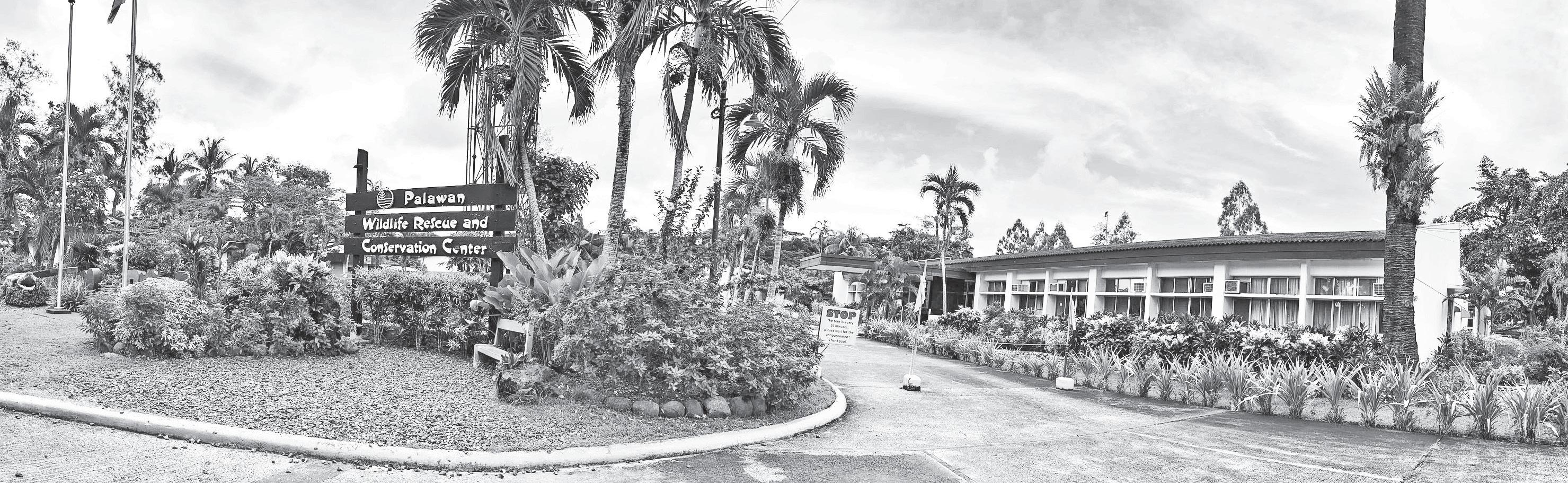
THANKS to the Palawan Wildlife Rescue and Conservation Center (PWRCC), rescued wildlife, such as the Palawan pangolin, will have a haven until they are fully rehabilitated and ready to be released back into the wild.
Just last month, the PWRCC reported a successful captive breeding of the Palawan peacock-pheasant ( Polyplectron napoleonis), a bird species endemic to Palawan and classified as vulnerable
due to ongoing habitat loss and declining wild populations.
The resident pair of Palawan peacock-pheasants began displaying courtship behavior in March, marking the start of their typical breeding season, which extends from March to July.
They are known for iridescent plumage and distinctive courtship display.
Successful captive breeding
LAST April 22, two Palawan peacockpheasant eggs were discovered during routine monitoring. To minimize disturbance during the incubation period, the team placed a notice near the enclosure, requesting visitors to maintain a 1-meter distance from the nesting site.
Approximately 20 days later, on May 12, the eggs hatched. The two chicks were immediately observed following their mother and displaying healthy behavior. The mother bird has since shown consistent maternal care, a criti-
US officials urge to protect pangolin, the world’s most trafficked mammal I
UNITED STATES officials proposed last week to protect the pangolin, a small, nocturnal mammal covered in scales, under the Endangered Species Act.
The pangolin is “the most trafficked mammal in the world” in large part for its scales, used in traditional Chinese medicine, and meat, according to the World Wildlife Fund.
The US Fish and Wildlife Service is looking to add protections for four species of the pangolin native to Asia—including the Chinese, Indian, Sunda and Philippine pangolin—and three species native to Africa, including the white-bellied, black-bellied and giant pangolin.
Seven species are in danger of extinction, according to the Center for Biological Diversity (CBD).
An eighth species from Africa, the Temminck’s ground pangolin, is already protected by the law. Scientists also say two more species of the mammal may exist.
The protections were signed into law in 1973 with bipartisan support and are key for preserving global biodiversity and keeping iconic types of plants and animals, such as the bald eagle, from dying out.
The Endangered Species Act protects over 2,000 US and foreign species.
Conservation and environmen -
tal groups say habitat loss from climate change is just one reason the act is especially critical today.
The endangerment listing, once finalized, would help strengthen trade and import restrictions of pangolin parts in the US, except in the case of scientific or other conservation purposes, according to the CBD.
It is illegal to trade them; the pangolin received certain commercial trade protections under the 2017 Convention on International Trade in Endangered Species.
But tons of poached scales representing thousands of pangolin have been found by authorities around the world in recent years.
“I’m delighted the United States is doing its part to save these adorably odd creatures,” Sarah Uhlemann, international program director at the CBD, said in a statement.
“Pangolins are on the razor’s edge of extinction, and we need to completely shut down any US market for their scales. There’s no good reason for anybody to ingest any part of a pangolin,” she added.
The pangolin eats insects and rolls into a ball when threatened by predators.
The Fish and Wildlife Service said pangolin populations have declined due to targeting by poachers and criminal activity, noting “proceeds from the illicit sale of pango -
lins and other imperiled species often fund serious crimes, including drug and arms trafficking.”
While the act requires endangered species listing regardless of their origin, the designation could also assist in prosecuting smugglers violating the protections.
Advocates, including from the International Fund for Animal Welfare and other national and international groups, have for years petitioned to list the pangolin.
In 2020, these organizations and the Fish and Wildlife Service signed an agreement to enforce listing deadlines.
Polar bears, as well as penguins—similarly not found in the US—have also been in discussions for listing over the years.
Monday’s move comes despite President Donald Trump’s efforts to weaken the act, aligning with ongoing conservative criticism that it stifles economic growth.
Trump’s executive order declaring an “energy emergency” in the US says the act can’t stand in the way of energy development, signaling that protections could be rolled back.
The Trump administration already plans to cut habitat protections for endangered and threatened species, in an effort to redefine the long-standing meaning of what constitutes “harm.”
Alexa St. John/Associated Press
cal factor in the early development of the chicks.
“Unfortunately, one of the chicks died after several days,” PWRRC veterinarian Dr. Glenn Rebong told the BusinessMirror in a telephone interview on June 11.
Nevertheless, he said the successful captive breeding offers hope to save the unique birds from extinction.
The successful breeding marks a notable milestone in the center’s ex-situ (outside the natural habitat) conservation efforts and contributes to the broader objective of species recovery and biodiversity protection in the region.
Hope for native wildlife
“WE are very confident of having more hatchlings in the future. Hopefully, when enough birds are produced, we can release them to the wild in the future,” Rebong said in Filipino.
The event also aligns with ongoing efforts to revitalize research activities at the center, not only for the Palawan peacock-pheasant and crocodiles but also for other native wildlife, including birds, mammals, and reptiles.
“This achievement underscores the importance of our conservation efforts,” Felizardo B. Cayatoc, PWRCC project manager and concurrent Provincial Environment and Natural Resources Officer (Penro), told the BusinessMirror on June 12.
“The successful breeding of this species affirms our commitment to biodiversity conservation. We are also working to revitalize our research initiatives, not only forw Palawan peacockpheasants and crocodiles, but also for other native avian, mammalian, and reptilian species,” Cayatoc.
From a crocodile farm to a rescue center
MORE popularly known as the Palawan Crocodile Farm, PWRCC has become a haven for rescued animals, Rebong said.
Established on August 20, 1987, as Crocodile Farming Institute (CFI), a joint venture of the DENR and Japan International Cooperation Agency, the facility is intended to facilitate the sustainable conservation of two crocodile
species—Philippine crocodile, an endemic species of freshwater crocodile in the Philippines (C. mindorensis) and the larger saltwater crocodile (C. porosus). The facility is alternately managed by the DENR-Biodiversity Management Bureau (DENR-BMB) and the Natural Resource Development Corp. (NRDC) of the DENR.
Before the facility is run and managed by the DENR-BMB, it was formerly under the Protected Areas Management Bureau (PAMB).
In 2000, the CFI was renamed as PWRCC through DENR Administrative Order 49 since the facility has become a depository of rescued wildlife from all over the province.
From 2002 to 2010, the NRDC took full control over the PWRCC. For 10 years, the management of the PWRCC was taken cared of by the DENR-BMB, except for the commercial aspect, which the NRDC handled. In 2020, the PWRCC was once again reverted to the NRDC.
Tourism to the rescue
SITUATED in Puerto Princesa City, the PWRCC is a popular tourist destination in Palawan. It is being promoted by the tourism offices of Palawan province and Puerto Princesa City. It is part of the tour package being offered to both local and foreign tourists.
Maintaining the facility, however, remains a challenge because of increasing costs. Feeding the facility’s residents alone, Cayatoc admitted, requires a huge budget.
“We have more than 800 crocodiles, and they are growing, and we need to feed them all,” Cayatoc told the BusinessMirror in Filipino. Cayatoc said the DENR-Palawan has submitted a recommendation to the NRDC to revisit the existing policy to generate more revenue from visitors. Currently, the entrance fee to the facility ranges from P20 to P40 for each person. He said under his proposal, it will be reasonably increased to cover some of the maintenance costs, including renovation of some of the existing structures and cages of the resident wildlife, and sustain its operation and help save Palawan’s endangered wildlife from extinction.
N celebration of World Oceans Day
2025, over 5,000 volunteers from all walks of life held on June 7 a nationwide coastal cleanup led by SM Cares, the corporate social responsibility arm of SM Supermalls.
The participants removed a total of 30,000 kilograms of trash from shorelines across the Philippines.
With the theme, “Wonder: Sustaining What Sustains Us,” volunteers took to coastlines in Metro Manila, Luzon, Visayas, and Mindanao, armed with gloves, sacks, and a shared mission: to protect the oceans that give us life.
Beyond fostering community collaboration and promoting environmental responsibility, SM Cares’ coastal cleanup initiative is playing a vital role in cultivating healthier environment, enhancing the overall quality of life for local residents, and contributing to the long-term preservation of marine ecosystems.
“The oceans sustain us every day, and now it’s our turn to give back,” said Engr. Liza Silerio, SM Cares program director for the Environment.
“This coastal cleanup isn’t just a one-day event—it’s a symbol of our shared duty to preserve biodiversity and inspire action for a sustainable future, while bringing lasting positive impacts to the community by advancing healthier coastal spaces, and uniting people through shared environmental action,” Silerio added.
National movement for the seas FROM students and teachers to local government units (LGUs), nongovernment organizations (NGOs), employees, and security and janitorial teams, the cleanup drew a diverse wave of ocean defenders.
These collaborations not only ensured the success of the initiative but also highlighted the power of inclusive, communitydriven action. Volunteers gathered to remove tons of waste from shorelines, raise awareness about marine conservation, and inspire long-term behavioral change toward environmental care.
THE cleanup was part of SM Cares’ broader sustainability vision through its #SMWasteFreeFuture campaign, which includes weekly cleanups at SM by the BAY.
The May 2025, SM employee-led cleanups have mobilized a total of 279 volunteers, collecting over 4,493 kilograms of waste— highlighting their commitment to keeping the coasts clean on a weekly basis. These sustained efforts contributed to creating a safer, more enjoyable coastal spaces for customers, while encouraging a stronger culture of environmental volunteerism. SM Cares’ Coastal Cleanup also supports and aligns with several United Nations Sustainable Development Goals, most notably SDG 14: Life Below Water, by directly reducing marine pollution and protecting ocean ecosystems. It also contributes to SDG 13: Climate Action, by raising environmental awareness and promoting community-led climate resilience, and SDG 17: Partnerships for the Goals, through its collaboration with LGUs, NGOs, schools, and communities. With two more major cleanups planned for the year, SM Cares remains determined in its mission to inspire Filipinos to take action—one shoreline at a time.
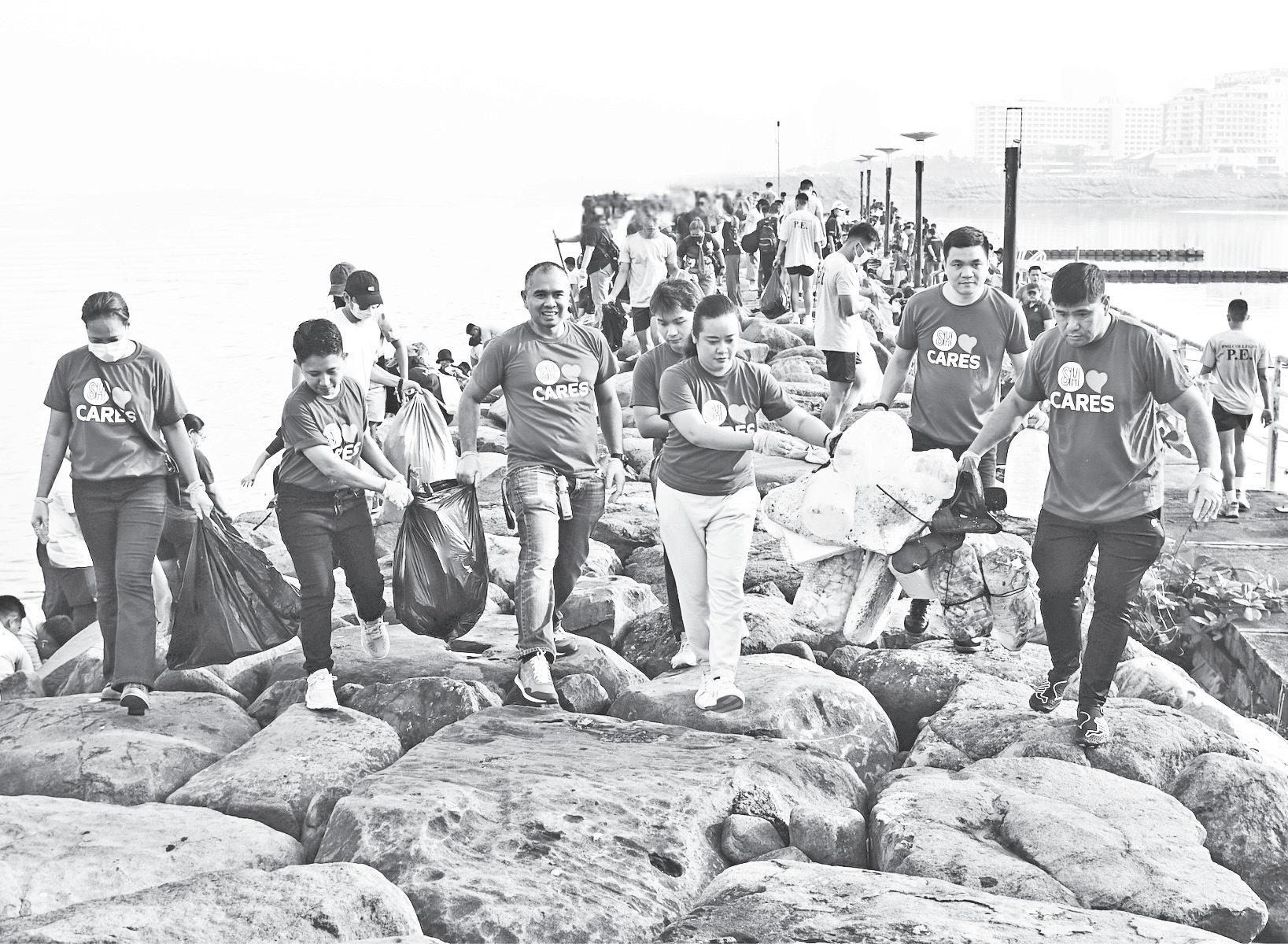


By Erwin M. Mascariñas
ONE of the events that stood out at the weeklong celebration of the recent 33rd Naliyagan Festival was a unique boat race at the man-made lagoon inside the Datu Lipus Makapandong Cultural Center of the provincial capital grounds of Patin-ay in Agusan del Sur.
The event? The Bauto Race.
“The bauto race is an event that showcases the culture of our Indigenous Peoples [IPs], especially the Manobo, to those visiting the Naliyagan Festival,” said Pablo Plaza, the Provincial IP Mandatory Representative also known for his IP name as Hawodon Ligkasan.
“It highlights not only their traditional means of livelihood and transportation but also how the bauto helped carry traditions and cultural beliefs across different areas of the province to other IP groups such as the Higaonon, Banwaon and Talaandig, as our ancestors used the riverways at a time when roads did not yet exist,” he added. Plaza pointed out that for hundreds of years up to the present, the bauto has been used for fishing, for transporting fish and farm products the other side of the river, creek or lake and is also used by children in going to school or for people to go to work.
The bauto even provides essential social work to far-flung villages.
According to Agusan del Sur
By Greg Becham The Associated Press

Governor Santiago Cane Jr., the event’s main objective is to preserve the culture and tradition of the IPs in Agusan del Sur. “The Naliyagan Festival was created as a tribute to our Indigenous culture, heritage and traditions in their communities, the weeklong festivity is a day for them,” Cane said. “The events, such as the Bauto race, are to remind us of all of the culture and traditions that the province holds dear, and we hope that they will continue to flourish amid the modernity and progress that we have all shared.”
History in Agusan’s wetland
LONG before the first Spanish colonizers set foot on the archipelago, the bauto—commonly known to
LOS ANGELES—The Buss family’s decision to sell a controlling stake in the Los Angeles Lakers at an eye-popping franchise valuation of $10 billion marks the end of nearly a half-century when one of the most valuable properties in the sports world was run by an eccentric father and his sometimes squabbling children.
With high-living playboy Jerry Buss and current team governor Jeanie Buss in charge, the glamorous Lakers essentially have been the professional sports equivalent of a quirky family business for two generations.
Sports became increasingly corporate and monolithic in the 21st century while franchise values skyrocketed and ever-more-wealthy titans seized control of this perpetual growth industry.
Just not around Hollywood’s favorite basketball team, with its gold uniforms and 17 golden trophies.
“The majority of businesses in this country are familyowned businesses,” Jeanie Buss told NPR earlier this year in a rare interview to promote a Netflix comedy series based on her career. “And everybody has a family. If you’re in business with them, [disagreements] happen. But at the end of the day, what brings you together is the team or the business, and you want to build something successful.” The Lakers and the Buss clan have been inextricable since 1979—the longest active ownership tenure in the National Basketball Association—but Mark Walter’s stunning sports coup last week effectively ends this improbable era.
A person with knowledge of the agreement confirmed it to The Associated Press, speaking on condition of anonymity because neither side immediately announced the deal.
lowland dwellers as baruto—a narrow, handcrafted wooden canoe, served IPs and lowland dwellers, from the coastal areas to the upper valley settlements, where lakes, river deltas and creeks formed the cornerstone of thriving villages across the Agusan River Basin.
Across the vast wetlands and river basins of Agusan, the bauto served not only as an essential tool for livelihood among indigenous communities for hundreds of years, but also as a vital means of transportation and communication.
The bauto connected ethnoculturally diverse communities, contributed to the growth of municipalities in Agusan del Sur and become a symbol of resilience for

a people shaped by the nourishing floodwaters of the Agusan Marsh for four months each year.
Eight of the 13 municipalities in Agusan del Sur have portions of their geographic area within the Agusan Marsh, a wildlife sanctuary with a vast complex of freshwater marshes and watercourses with numerous shallow lakes and ponds in the upper basin of the Agusan River and its tributaries.
With no proper road networks— especially during the precolonial period—the waterways served as highways for indigenous communities of small-scale fishers, farmers and hunter-gatherers, mainly from the Manobo, the province’s largest IP group, but were also used by the
Higaonon, Banwaon and Talaandig in their respective villages.
Based on the Ramsar Convention on Wetlands, the Agusan Marsh Wildlife Sanctuary covers approximately 14,836 hectares, making it one of the most important wetland areas in the Philippines.
It is situated within the larger Agusan River Basin, which spans around 10,921 square kilometers, making it the thirdlargest river basin in the country—it includes the 349-kilometer-long Agusan River, which flows northward from the mountains of Davao de Oro to Butuan Bay.
Sustaining the legacy
ALEX, one of the teens who participated in the race, expressed his

optimism and pride during the race.
“I might not have the same experience as my ancestors, as I enjoy modern transportation, [but] as a Manobo, it is an honor for me to be a part of this, to carry the legacy of my people and hopefully help preserve this even beyond when I am older,” he said.
Several teens who participated in the race said they have experienced paddling across creeks and rivers in their respective towns and having the bauto highlighted in the festival feels like they are helping carry their cultural legacy into their generation.
“As kids, we used to play using the boats even during the flooding season— our grandparents, relatives and parents used the boats to go to their farms and for fishing, and it is passed to us to continue using, even if we now have motorcycles,” he said. “Paddling across the waterways is still a fun recreation, and riding along the currents is something we enjoy and cherish.”
Governor Santiago Cane Jr. has been encouraging the Ips to sustain the tradition and keep the legacy.
“A lot of the newer generation, our IP youth, have forgotten even speaking their indigenous languages, their traditions,” Cane said. “We hope that the activities during the Naliyagan Festival will help remind them of the significance of preserving their culture and traditions, encouraging them to preserve, protect the true culture and practices of our indigenous people.”
The sale should make an extraordinarily wealthy woman of Jeanie Buss, one of Jerry’s seven acknowledged children and a longtime employee of his various sporting concerns. And that’s the biggest reason many Lakers fans are rejoicing: This lavish sale comes with the knowledge that the buyers have exponentially more resources than the Buss family—and Walter has showed he knows how to spend it intelligently. Walter, who heads a group that already bought 27 percent of the Lakers in 2021, has a sterling reputation in Southern California for his group’s stewardship of the Los Angeles Dodgers.
The iconic baseball team has become a perpetual World Series contender with bold, aggressive financial moves grounded in smart organizational planning ever since Walter’s firm, Guggenheim Partners, paid $2 billion to wrest the Dodgers from the reviled Frank McCourt in 2012.
“He’s really committed to the city of Los Angeles in various ways, and sports is something that he’s very passionate about, and certainly Los Angeles sports,” Dodgers manager Dave Roberts said. “Speaking (as) a Dodger employee, he’s very competitive and he’s going to do everything he can to produce a championship-caliber team every single year and make sure the city feels proud about the Lakers and the legacy that they’ve already built with the Buss family.” In the Buss era, the Lakers could sell prospective players on their trophies, sunny Los Angeles and that family-business intimacy. While that was enough to win big in most decades, Walter’s group epitomizes the modern, deep-pocketed approach to building a consistent championship contender. Guggenheim Partners reportedly has $325 billion under management, with Walter particularly leveraging insurance investments to pursue gains across the breadth of the sports world.


JUNE 22, 2025 | soundstrip.businessmirror@gmail.com
Story by Reine Juvierre S. Alberto
It had everything a music-loving dad could ask for on his special day.
From June 13 to 15, the One Stop Record Fair: Vinyl in Motion Dad’s Day Edition turned the Ayala Malls TriNoma Activity Center into a hub for dads to rummage around for the perfect soundtrack to their life’s most memorable moments.
Thirty sellers of vinyl records, music gear, collectibles, art merch and other treats—curated for all kinds of fathers in mind—lined the aisles of the activity center.
Dads, their families and audiophiles waiting for this quarterly vinyl event sifted through rows of wooden crates with neatly lined up vinyl records.
Nearly all genres, from pop, rock, jazz, country, classical to OPM music, can be scored from the fair—with huge discounts and other good deals, to add to that.
For the Beatlemaniacs, they would have loved to get their hands on The Beatles’ 20 Greatest Hits from Manila Vinyl, Abbey Road from Maria Vinyl and George

Publisher :
T. Anthony C. Cabangon
Editor-In-Chief :
Lourdes M. Fernandez
Aldwin M. Tolosa
Concept :
Y2Z Editor :
SoundStrip Editor :
Group Creative Director : Graphic Designers :
Jt Nisay
Edwin P. Sallan
Eduardo A. Davad
Niggel Figueroa
Chow Jarlego
Contributing Writers :
Tony M. Maghirang
Rick Olivares
Jill Tan Radovan
Reine Juvierre S. Alberto
John Eiron R. Francisco
Pocholo Concepcion
Francine Y. Medina
Justine Xyrah Garcia
Bea Rollo
Trixzy Leigh Bonotan
Bless Aubrey Ogerio
Photographers :
Bernard P. Testa Nonie Reyes
Y2Z & SOUNDSTRIP are published and distributed free every Sunday by the Philippine Business Daily Mirror Publishing Inc. as a project of the
The Philippine Business Mirror Publishing, Inc., with offices on the 3rd Floor of Dominga Building III 2113 Chino Roces Avenue corner Dela Rosa Street, Makati City, Philippines. Tel. Nos. (Editorial) 817-9467; 813-0725.
Fax line: 813-7025
Advertising Sales: 893-2019; 817-1351,817-2807. Circulation: 893-1662; 814-0134 to 36. www.businessmirror.com.ph
Harrison’s All Things Must Pass boxset (Japan Pressing) from Kapitan Plaka.
To those who love rock music, Metallica’s Garage from Plakada, Red Hot Chili Peppers’ Stadium Arcadium 4LP boxset from Kapitan Plaka and Nativity In Black: Tribute To Black Sabbath by Various Artists from Perfect Day Records were also scored.
OPM lovers also secured Cinderella’s Ang Boyfriend Kong Baduy and Rey Valera’s Malang Kapalit from Vicor Records and Eraserheads’ Cutterpillow from Rudy’s Record Store.
Soundtracks from the movies “Grease” starring John Travolta and Olivia Newton-John, Tom Cruise’s “Top Gun” and the 1965 film “The Sound of Music” were also sold by Mamsy Records.
Meanwhile, The Blue Nile’s A Walk Across the Rooftops from AVCD, The March Violets’ Natural History from Nrich Vinyl, Sade’s The Best of Sade from Spin the Reel Music Trade and Bob Marley’s The Reggae Legend boxset from Rudy’s Record Store were also purchased at the event.
To those who don’t have a turntable yet, there were also CDs and cassette tapes available for audiophiles.
Of course, what’s a record fair without music gear? Audio-Technica Philippines sold affordable yet top-notch turntables as low as P10,999. Speakers, headphones, earphones and other equipment were also on sale.
There was also never a dull moment in the three-day event, as DJs Ely Carag, Sherwin Porta, Richard Ronquillo, Joey Alba, Carlo Tayag, Emil Catalan, Carlo Cordova, Beejay Groovey D and Par Satelite played old school, nostalgic music back in the days.
In between, there were raffles of vinyl records and speakers as a major prize to lucky attendees.
DJ Roanna of Jan 88.3 and former NU107 DJ Dylan also hosted the event.
Aside from music, the One Stop Record Fair has always been a staunch supporter of local artists, bringing them in to join the fair and display their unique works.
Augmented reality stickers, which came to life when scanned with a smartphone, and art prints created by Jecman delighted the kids as their dads and older siblings dug through vinyl crates.
Witty and cool shirts, tote bags, mugs and stickers by Fine Time Studios were also sold for the first time at the event.
What’s more than that are band shirts, skateboards, old coins and banknotes for the dads who love to collect vintage stuff.
On top of that, this time’s host, Ayala Malls TriNoma, put its spin on the event just for the “legendaddies.”
A minimum single receipt worth P500 from any TriNoma merchants only needs to be presented to have access to The Dad Reserve, a hub where dads can chill and relax inside the busy mall.
Here, comfy couches, massage chairs and arcade games await. Free coffee and snacks will also be served just by presenting a minimum single receipt worth P2,000




from any TriNoma merchants.
“We crushed this record fair despite all the odds, and the universe vibed with us all the way! Doing it for the love of vinyl, music, and art makes every struggle worth it because it’s the first time we held One Stop Record Fair for three days!” Sari Osorio, event organizer, said.


“I’m thankful to our sellers, our sponsors, media partners and our venue TriNoma! Can’t wait for the next one. Let’s make it even more epic,” she added. The next One Stop Record Fair will be held in September, at the Ayala Malls TriNoma Activity Center again, hopefully, Osorio said.
Story and photos by Jingo Zapata
Some 40 years after they first messed around with the idea of writing songs while tripping on all kinds of music at home, the Mella siblings gathered at 12 Monkeys on June 18 to celebrate the release of their album, “Mga Awit sa J.P. Rizal.”
It’s really all about the 1970s, said Ramel, the eldest of the Mella kin which includes Thaib, Shaira, Tahir, and Khasim (who died at age 24).
The album, dubbed The Melladys: Mga Awit sa J.P. Rizal, features seven tracks which the Mellas composed with friends and co-members in a garage band they called Tanglaw, formed while living on Baras Street in Rizal Village, Makati, near J.P. Rizal Street — the inspiration behind the album’s title.
The Melladys include some of the country’s most respected professional musicians and performers, who recorded the songs with the Mellas.
Jazz luminary Johnny Alegre came onboard as executive producer who handpicked the roster of performing artists: Medwin Marfil (Truefaith), Jazz Nicolas (The Itchyworms), Mikey Amistoso (Ciudad, The Itchyworms), Noel Mendez, Joey Puyat (Blue Rats, Kiss the Bride), Rommel dela Cruz (formerly with Barbie’s Cradle and Freestyle), Paolo Manuel (Kosmikskala, The Jerks), Kakoi Legaspi (Dong Abay Music Organization, Rivermaya), Johnny Alegre himself, Marga Jayy, and more. Ria VillenaOsorio (formerly of Bamboo) also contributed as an arranger.
“I felt the songs deserved the best possible creative minds. Jazz Nicolas, Ria Villena-Osorio, Noel Mendez and the rest are topnotch. I had them involved the same way I would have the best people for my own original work,” Johnny said.
At the launch, a special guest band composed of bassist Colby dela Calzada, guitarist Noel Santiago, keyboardist Bond Samson, drummer Lawrence Nolan, and singers Juliene Mendoza, Camille Johnson, and Cooky Chua gave a live preview of five tracks from the album, initially released on vinyl available at Backspacer Records in Pasig.
These tunes, notable for their simplicity and honesty, were tweaked with interesting arrangements which the Mellas said made them sound more interesting.
“Ikaw, Ako” (with Marga Jayy and Mark Laygo on vocals) explores a couple’s devotion, while “Bituin” (sung by Tahir) describes a romantic prospect as an unreachable star.

“Kailangan Ka” (Medwin Marfil singing) offers hope amid despair, and “Ito’y Para Sa Iyo” (sung by Mikey Amistoso) draws inspiration from nature.
“Dambana” (featuring Carla Guevarra and David Ezra) is a kundiman-inspired expression of faith and commitment, while “Pangarap” (Medwin Marfil on the mic) reflects on overcoming challenges.
“Gintong Panaginip” (Tahir) captures the spirit of daydreaming.
One has to understand what the ’70s were like, Ramel recalled during the Q&A with the media, when almost everyone learned to play the guitar (and piano, in the case of the Mellas) through Jingle magazine.
A typical weekend scene at the Mella residence had the siblings jamming on songs by Jim Croce, the Apo Hiking Society, Hotdog, and just about all the songs with chords featured in Jingle.
They don’t aspire to become famous, Tahir said, all they want is for their songs to be recorded for posterity, but he would be happy, too, if there’s “just one soul” who would be inspired to also write his or her own tune.
Johnny said the songs reminded him of a generation that made music for the joy of it, free of rules or formulas: “They tell the story of an extended family of young friends who gathered after school to create songs without contrived emotion. In many ways, they reflected my own experiences as a budding songwriter, as many of us were from my generation, when we just made things up as we went along, and there were no rules.”
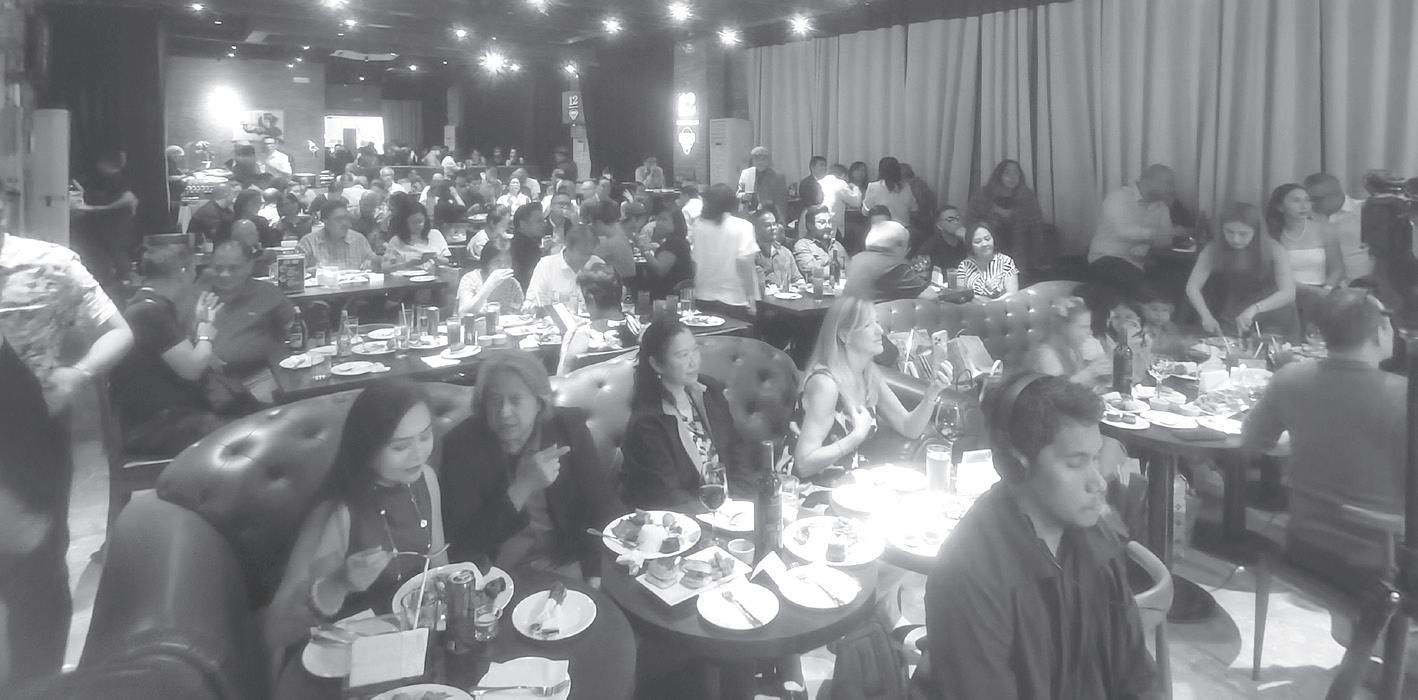

By Cedar Burnett The Associated Press
IN this age of heightened anxiety, many of us turn to our pets for emotional support. But is our behavior increasing our furry friends’ fears?
The answer isn’t simple, says Frankie Jackson, a veterinary nurse and animal behavior consultant, and the owner of Canine Counseling in Smyrna, Georgia. She said she’s seen an increase in anxiety among her animal and human clients, but that it’s hard to unwind the cause and effect.
“Dogs are incredibly responsive to our expressions, our body language and our scent,” she says. “There is a feedback loop—the owners are nervous; the dog gets nervous. Our cortisol levels rise and fall in tandem.”
Dr. Becky Peters, a veterinarian and owner of Bath Veterinary Hospital in Bath, New York, has also noticed a link between the anxiety of pets and their owners, particularly in the exam room. “If owners try to over comfort them—lots of ‘you’re OK!’” in anxious voices, the animals do get more anxious. If we stay calm and quiet, they do too,” Peters says.
“A lot of pet anxiety comes from changes to their households,” she adds. “It can also occur from a lack of routine and structure and not enough physical activity.”
Other components that could contribute to our pets’ anxiety include unmet needs, past trauma and insufficient open spaces. “We are asking our dogs to live in a world that isn’t made for them,” Peters says.

Try to get at the cause of your pet’s anxiety
LOW-LEVEL stress responses in dogs, such as eating less and excessive selfgrooming, are forms of communication that precede lunging and barking, Jackson says. Trying to solve reactive behaviors through obedience training without addressing the root cause can make dogs’ anxiety worse.
Anxiety in cats can be harder to spot, according to Jackson, because they’re hard-wired to hide it. While dogs seek out their support people, cats don’t feel safe expressing their vulnerability. Urinating in the house, scratching, hiding under the bed and overgrooming can be signs that your kitty is anxious.
First, see a vet
IF your animal companion is suddenly acting out or on a licking binge, Jackson advises seeing a veterinarian to rule out a medical cause, such as pain or allergies.
Veterinarians can also prescribe antianxiety medication and complementary treatments to promote sleep and relaxation. Peters recommends supplements for her canine clients including probiotics and the amino acids l-theanine and tryp -
tophan (yes, the turkey coma one). For cats, she suggests using a product like Feliway that diffuses calming pheromones into the air.
Learn about the breed
A DOG’S breed might also play a part in developing anxiety. When Tacoma, Washington, resident Shelani Vanniasinkam got her Australian shepherd puppy, Roo, she didn’t know about the breed’s reputation for anxiety. Her previous dog had been an easygoing husky who enjoyed pats from strangers and visits to the dog park. She quickly realized Roo was not that type of dog.
“He had a lot more needs than we anticipated,” Vanniasinkam says. “We couldn’t leave him alone for more than 30 minutes.”
Vanniasinkam and her husband, Jesus Celaya, reached out to a local pet behavioralist, but it became clear that Roo’s anxiety was so acute he needed medication before he could start behavior training.
Should you consider meds for an anxious pet?
MEDICATION can be important in behavioral treatment, but it shouldn’t be the only approach, says Peters. She usually suggests that her clients try training and routine modification first, unless their pet is causing harm to themselves or others.
“If I’m going to use meds, it’s part of a greater process,” Peters says.
Roo’s veterinarian put him on Fluoxetine, or “doggie Prozac,” an antidepressant commonly given to anxious pets. He also prescribed Trazodone, another antidepressant, for particularly stressful events, such as trips to the vet or a night of fireworks.
After starting his medication, Roo received eight months of behavior training, during which Vanniasinkam and her husband not only changed their own approach to dog parenting but also set boundaries with friends and family. They limited Roo’s interaction with other dogs, asked people to stop using their doorbell and requested that others ignore Roo when he barks.
Now, when they want to take Roo for off-leash play, they book time at a local Sniffspot, which Vanniasinkam describes as “an Airbnb for anxious and reactive dogs.” The company, which launched in 2016, allows homeowners to rent out their yards or property by the hour for solo, off-leash play or doggie playdates.
“It’s sad when you can’t take your dog to a dog park,” Vanniasinkam says. “So, this option is really nice.” She says that while it was initially difficult to navigate Roo’s anxiety, he is loving, family-oriented and worth the effort.
“It’s hard having an anxious dog, but you can figure it out,” she says. “It’s just important to understand your dog, so you’re set up for success.”
IT turns out, our furry best friend might be our sleep enemy.
Lots of pet owners let their animals sleep on the bed with them, which usually disrupts sleep. But many would say it’s worth it. And researchers don’t necessarily disagree.
Melissa Milanak, a professor at Medical University of South Carolina specializing in sleep health, said most people at her clinic say their pets disturb them often at night.
“You can’t say that hands down, it’s bad for every single person, but there is a lot out there saying it negatively impacts your sleep,” she said.
Generally speaking, having a pet is good for many people’s health. Pets have been shown to lower their humans’ stress levels, get them to exercise and more. Many pet owners also say they feel an immeasurable amount of comfort by having their pets close as they sleep. But
dogs’ and cats’ natural sleep cycles aren’t the same as those of humans.
Dogs tend to be light sleepers and wake up multiple times at night. Some display instinctual behavior like scratching at bedding, which can prevent deeper phases of sleep even if it doesn’t wake you up.
As many cat owners know, “the zoomies” often happen before they are ready to get out of bed. Cats evolved to hunt in low light, meaning they are particularly active at dusk and dawn.
Milanak also said allergens such as pet dander and microbes brought into the house can affect owners’ breathing, preventing them from getting enough deep sleep.
What should you do about it?
IT’S not as simple as telling pet owners that they shouldn’t share the bed,
Milanak said. For a lot of people, it becomes part of their sleep routine, which makes it difficult to sleep without it because they have come to associate pets with sleep.
Because the topic is sensitive, Milanak asks new patients several questions before getting to whether they sleep with a pet. If they’re waking up multiple times a night, for example, they may not realize why. Once the association is made, she then asks whether they are open to not sleeping together.
“It’s like if I said to somebody, you need to stop smoking,” she said. “They’re going to give me all the reasons why they want to continue smoking.”
The first, most obvious solution is putting a dog bed on the floor in the bedroom, or locking the cat out of the room at night. For those who insist on having

the pet in bed with them, she advises washing the sheets more frequently and perhaps adjusting their sleep schedule to match their pet’s routine.
“Maybe you need to go to bed earlier so you can get up earlier to accommodate the pet,” she said.
If it ain’t broke, don’t fix it DESPITE any problems, many pet owners feel that the bonding and emotional benefits outweigh minor sleep disruption.
Angela Wilson, who lives in Cobb County, Georgia, said she has bought a series of ever-more plush beds for her golden retriever, Sadie. But Sadie jumps into her bed anyway. Then they usually sleep peacefully back-to-back.
“People complain about their dogs waking them up, but she doesn’t wake me up,” Wilson said. “She’s very gentle.” AP