

‘PHL to suffer Mideast war fallout until 2028’
By Justine Xyrah Garcia
HE economic fallout from the Middle East conflict could linger well beyond this year, with economists from De La Salle University (DLSU) projecting Philippine growth to remain below government targets until 2028.
In its June report on the Philippine economy, the DLSU further trimmed its 2026 growth forecast to 3.08 percent from 3.11 percent previously. It expects gross domestic product (GDP) growth to reach 3.4 percent in 2027 and 3.6 percent in 2028, down from its earlier projections of 3.9 and 5.7 percent, respectively.

ANYdrop in global oil prices following the announced peace agreement between the United States and Iran is unlikely to translate into immediate price relief for Filipino consumers, with economists warning that food prices may take longer to adjust as the looming El Niño poses fresh risks to supply.
By Samuel P. Medenilla
P@sam_medenilla
RESIDENT Ferdinand Marcos Jr. will lead efforts of the Association of Southeast Asian Nations (Asean) in seeking greater cooperation on energy and culture with Moscow as well as economic engagements with the Eurasian Economic Union (EAEU) during the Asian regional bloc’s commemorative summit with Russia this week, according to the Department of Foreign Affairs (DFA).
The chief executive, who is currently the chair, will also
hold bilateral talks with Russian President Vladimir Putin to discuss energy and food security, while deferring any defense-related issues in time for the 50th anniversary of their diplomatic relations.
Asean will hold its commemorative summit with Moscow in Kazan, Russia on June 17 and 18 to celebrate the 35th anniversary of their relations.
Among the outcome documents, which are expected to be finalized in the meeting is the Kazan 2026, which will give details on the shared vision of both parties, as well as joint

These updated projections also fall well below the government’s growth targets of 5 to 6 percent for 2026, 5.5 to 6.5 percent for 2027, and 6 to 7 percent for 2028.
Should these forecasts materialize, the Marcos administration would miss all of its annual economic growth targets since taking office in 2022.
“We do not see faster growth under the current domestic and international conditions. Unless the US/ Israel-Iran war ends soon (the two parties just agreed to end it) and the world economy recovers fast and the domestic mood turns around, this state of affairs will remain until the
end of this Administration,” the report stated.
DLSU said the downgrade in its 2026 growth forecast was driven largely by the prolonged disruption in the Strait of Hormuz, which it described as the “single largest negative shock” weighing on the country’s growth prospects. The university said these risks are being compounded by domestic political uncertainties, including the unresolved flood control controversy, leadership changes in the Senate, the International Criminal Court case involving Senator Ronald dela Rosa, and the impeachment trial of Vice President Sara Duterte.
According to DLSU, these developments could further dampen investor confidence in the country. The report noted that after expanding by 2.8 percent in the first quarter, the economy is expected to slow further to 2.5 percent in the second quarter and 2.2 percent in the third quarter before rebounding to 4.81 percent in the final quarter of the year. DLSU said the expected slowdown in the coming quarters also reflects the full impact of the energy shock on the domestic economy, tighter monetary conditions, and mounting risks to food production arising from higher fertilizer costs and the anticipated




By Andrea E. San Juan
TIGHTER budgets among overseas workers made them send less money back home as cash remittances plunged to the lowest level in 11 months.
Data from Bangko Sentral ng Pilipinas (BSP) showed cash remittances or the money sent home by Overseas Filipino Workers (OFWs) reached $2.72 billion in April 2026, up 2 percent from the $2.66 billion inflows in April 2025. On a month-on-month basis, however, the $2.72-billion remittance inflows in April were 5.23 percent lower than the $2.87 billion sent home by overseas Filipino workers in March 2026 or in the previous month.
The cash sent home by Filipinos working abroad in April was also the lowest amount since May 2025 when OFWs sent home $2.66 billion.
Ruben Carlo Asuncion, chief economist at the Union Bank of the Philippines (UBP) explained: “Cash remittance growth remained positive but softened notably, pointing to more cautious household flows amid global uncertainty and tighter budgets among overseas workers.”
Asuncion said the “sequential drop” in April suggests some normalization after earlier front-loading, but the slower year-on-year pace highlights “emerging headwinds to income and deployment conditions.”
Moving forward, however, the private bank economist noted that the recent signing of a peace deal in the Middle East could help “stabilize” employment prospects and support remittance flows from the region, reducing downside risks in the near term.
“Overall, remittances should remain resilient, but growth is likely to stay modest as elevated inflation
continues to constrain both senders and recipients,” added Asuncion.
‘Not a structural slowdown’
JONATHAN L. RAVELAS, senior adviser at Reyes Tacandong & Co., said April’s remittance data points to “temporary headwinds, not a structural slowdown.”
Ravelas said the latest data release on the money sent home by Filipinos working abroad presents: “A mix of seasonality after a strong first quarter, normalization from elevated post-pandemic flows, and some softness in key host economies.”
He also noted that the Middle East tensions may have had a marginal effect, but given the “diversified” employment of Filipino workers, this is not the main driver. Looking ahead, the foreign exchange analyst said the recent slowdown in growth could linger in
the near term, but the fundamentals remain intact—steady global demand for Filipino labor, ongoing deployment, and a gradual shift to higher-skilled, better-paid jobs.
“We typically see stronger inflows in the second half due to seasonal factors,” Ravelas said. Ravelas said remittance growth may look softer and more uneven month-to-month, but it remains a “stable and reliable” backbone for the Philippine economy. For his part, John Paolo Rivera, Senior Research Fellow at Philippine Institute for Development Studies (PIDS), said remittances should remain a “key source” of resilience for the Philippine economy but growth may stay modest for the rest of the year. Historically, however, Rivera said OFWs tend to prioritize supporting their families during periods of uncertainty, which should help keep remittance flows “relatively stable.”
By Justine Xyrah Garcia
On Monday, US President Don-
El Niño.
Continued from A1
“The complex interplay of global and domestic shocks continues to exacerbate the already-entrenched pessimism in the Philippine economic environment. And with the light at the end of the tunnel still too far from sight, we can expect economic expansion to take a back seat in 2026,” it said.
For its medium-term forecasts, the DLSU said that even with increased government spending typically associated with the run-up to the 2028 elections, economic growth is unlikely to accelerate significantly.
“Both 2027 and 2028 remain well below the government’s targets, confirming that the damage from the compound shocks of 2026 will linger in the coming years,” it added.
Abroad…
Continued from A16
As individuals in these age groups represent the country’s future workforce, professionals, entrepreneurs, and leaders, their strong interest in opportunities abroad highlights the increasingly global nature of talent competition. The findings suggest that younger Filipinos are evaluating their future prospects within a broader international context, where employment opportunities, career growth, and quality of life can be compared across countries.
By locale, willingness to migrate is higher among urban respondents at 62 percent than among rural respondents at 53 percent. By gender, males posted a slightly higher willingness level at 59 percent, compared to 55 percent among females.
Across educational levels, willingness is highest among those with college or postgraduate education at 73 percent, while it is lowest among those with no formal or elementary education at 44 percent.
PBBM seeks June 17 special session for 8 bills, CA action
By Samuel P. Medenilla @sam_medenilla
AHEAD of his fifth State of the Nation Address (Sona) next month, President Ferdinand Marcos Jr. called on Congress to hold a special session to push for the passage of at least eight bills, which aim to “strengthen the social protection and uplift the lives of Filipinos,” including the Anti-Political Dynasty bill.
The chief executive issued Proclamation No. 1318 on Monday urging lawmakers, who are currently on break, to hold the special session on June 17, 2026.
He hopes they will prioritize finalizing the following bills, which include those in a list of 21 pieces of leg-
Price…
Continued from A1
islation he said he wants to be passed by June.
The bills are the National Center for Geriatric Health; the Amendments to the Government Assistance to Students and Teachers in Private Education (GASTPE) Act; Amendments to the Masustansyang Pagkain Para sa Batang Pilipino Act; and the Anti-Political Dynasty Law.
The four other bills are the Assistance to Individuals in Crisis Situations (AICS) Act; Amendments to the Universal Access to Quality Tertiary Education Act; Last Mile and Geographically Isolated and Disadvantaged and Conflict-Affected Areas (GIDA) Schools Act; and the Presidential Merit Scholarship Program.
Marcos said passage of the bills is timely, since it will allow the govern-
If finalized, the agreement could pave the way for the reopening of the Strait of Hormuz—a critical shipping chokepoint between Iran, Oman, and the United Arab Emirates through which roughly a fifth of the world’s oil supply passes.
University of Asia and the Pacific (UA&P) economist Peter Lee U said local pump prices could begin easing relatively soon if the peace agreement materializes, as the Mean of Platts Singapore (MOPS)—the benchmark used in setting domestic fuel prices— is also expected to decline.
However, U said food prices may not respond as quickly to lower pump

ment to sustain ongoing efforts to help those affected by calamities such as the magnitude-7.8 earthquake, which hit Mindanao last week.
“The challenges confronting our people demand urgent action. Families affected by the recent earthquake in Mindanao require immediate assistance,” he said in a statement.
“Students need continued support to pursue their education. Our senior citizens deserve better healthcare. Our children must have better nutrition and vulnerable sectors need stronger protection,” he added.
The special session, Marcos said, also aims to allow the Commission on Appointments to con-
prices, particularly with the expected onset of El Niño threatening agricultural output and adding fresh cost pressures across the food supply chain.
“Food inflation may not come down as fast. They may creep up in an absolute sense but the rate may be slower,” U told the BusinessMirror
In the view of former Socioeconomic Planning Secretary Dante B. Canlas,
“If the US/ Israel-Iran peace agreement is credible and safe passage through the Hormuz Strait resumes, global oil markets will respond immediately with reduced oil prices in spot and future markets. Oil-importing economies will experience the oil price reduction subject to the time it takes to process and transport the crude oil.”
The Philippine Atmospheric, Geophysical and Astronomical Services Administration (Pagasa) on Monday said there is more than an 80-percent probability that El Niño conditions will emerge between June and August, with the weather phenomenon expected to strengthen in the fourth quarter and potentially persist into early 2027.
The weather phenomenon is often associated with below-normal rainfall and prolonged dry spells that can reduce crop yields and disrupt food production.
The Japan Meteorological Agency (JMA) last week said El Niño conditions have already developed in the Pacific.
De La Salle University (DLSU) economist Ma. Ella C. Oplas said the prospect of El Niño remains a major concern as it poses direct risks to agricultural production and food security that could offset some of the gains from lower fuel prices.
“Food security will be the first thing at risk,” she told the BusinessMirror
Philippine Institute for Development Studies (PIDS) Senior Research Fellow John Paolo R. Rivera likewise warned that El Niño could emerge as the next major inflation risk, leaving food prices vulnerable to weather-related supply shocks even if tensions in the Middle East ease.
“Even if Middle East risks ease, food inflation may remain vulnerable to weather-related supply shocks,” he told this newspaper.
vene so it can act on the pending key positions in the Cabinet, military, and foreign service.
The President issued Proclamation 1318 weeks before his scheduled Sona on July 27, 2026.
Last week, Malacañang said Marcos will only call for a special session once the leadership dispute in the Senate is finally settled.
The Senate is currently embroiled in a leadership dispute between the factions led by Senate President Pro Tempore Sherwin T. Gatchalian and Senator Alan Peter S. Cayetano. Malacañang, however, earlier said it recognized Gatchalian as the legitimate Senate President; and on Independence Day, he called Gatchalian the “Senate President Protem.”
For ex-Neda chief Canlas, “Yes, it goes without saying: El Niño is a natural disaster that destroys agricultural harvests.”
Data from the Philippine Statistics Authority (PSA) showed food inflation eased to 5.8 percent in May from 6.1 percent in April, but remained significantly higher than the 0.7 percent recorded a year earlier.
Several key food items continued to post faster annual price increases. Rice inflation accelerated to 15.6 percent in May from 13.7 percent in April, while corn inflation rose to 25.5 percent from 21 percent.
Inflation for flour, bread and other bakery products, pasta products and other cereals also quickened to 3.5 percent from 3 percent.
Relief may take time
RIVERA also noted that any decline in global oil prices would likely take time to be reflected in domestic pump prices.
“Philippine pump prices usually adjust with a lag because of inventories, import contracts, shipping costs, and the Philippine peso-US dollar rate,” Rivera explained.
Rivera said consumers may begin to feel some relief from lower fuel prices within weeks if global oil markets stabilize, but the pass-through to food and other essential commodities is likely to take longer.
He added that transport, logistics, agriculture, fisheries, food manufacturing and other energyintensive industries remain exposed to elevated operating costs, while businesses continue to contend with exchange-rate volatility and earlier cost increases that have yet to be fully absorbed.
Oplas agreed, saying domestic prices of basic goods are unlikely to decline immediately as businesses and retailers still need to work through inventories acquired when fuel costs were higher.
“What could affect or delay [the easing is] if other countries react negatively to the peace agreement,” she added.
The Department of Energy (DOE) said fuel prices are expected to post mixed movements this week, reflecting differences in inventory costs among fuel retailers and the distance of service stations from supply depots.

Continued from A1
statements on energy and on cultural cooperation.
DFA Assistant Secretary Dominic Xavier M. Imperial said Asean will also explore other avenues of cooperation with Russia on scientific and economic matters. He is the Deputy Assistant Secretary for Asean Affairs and Spokesperson for Asean 2026. “Asean leaders and President Putin are expected to review the progress of Asean-Russia strategic partnership and discuss ways to further strengthen cooperation in areas of mutual trust particularly on biosafety and biosecurity, outer space and satellite applications, energy and food security, science and technology, trade and investment, tourism, education, and people-to-people exchanges,” he said in a press briefing in Malacañang on Monday. During a business forum, he said Asean and the EAEU will also discuss expanding their economic cooperation.
“The focus will really be on the Asean-Russia Commemorative Summit and then the relations, 35 years of its relations, and there will also be discussions focused mainly on business, there will be a business forum and there will also be discussions on how the Eurasian Economic Union and Asean would be able to further economic engagement,” Imperial said.
Russian support
MARCOS will also pursue energy talks with Putin on the civilian use of nuclear energy as well as Asean’s efforts to boost its resilience on external supplies, while he leads the regional bloc.
“Of course again, we also would like to push support for the Asean Framework Agreement on Petroleum Security [Apsa], also the Asean Power Grid. So those already existing mechanisms that we have, those might as well be discussed, getting support for those for us to be able to continue with our purpose to be able to become resilient,” Imperial said. In April, Marcos proposed that the Philippines pilot-test the mechanism established in 1986 which will allow Asean to provide for some of the petroleum product needs of its members.
He also called for connecting power grids in Asean and the creation of a joint stockpile of petroleum products in response to the Middle East crisis, which caused a surge in global pump prices.
Room for improvement
IMPERIAL said the President will bring a small delegation to Russia, mostly representatives of DFA and the Department of Trade and Industry (DTI), as he will focus on “economic engagement” with Putin.
“So as you can see from there, the focus really would be more on those areas. And so, I think that’s the reason why DND [Department of National Defense] is not represented here,” he added.
Trade between the Philippines and Russia dropped to its lowest level at US$91.4 billion last year from US$1.1 billion in 2019, according to the latest data from DTI.
The significant drop in trade happened in 2022, when Russia attacked Ukraine, prompting some countries like the United States to impose trade sanctions against Moscow. From US$607.4 million in 2022, the value of the country’s imports from Russia dropped to US155.1 million the following year. When asked if Marcos will consider raising the possibility for Russia to become a “long-term” supplier of oil for the Philippines, Imperial said this will depend on both state leaders.
DOE estimates showed gasoline prices could either decline by as much as P0.32 per liter or increase by up to P1.68 per liter, while diesel prices are projected to fall by P3.71 to P5.71 per liter. Kerosene prices, meanwhile, could decrease by P0.50 to P2.50 per liter.
“I won’t be able to predict what the two leaders will be discussing. But, as you said, since the focus will be on energy security, of course anything can be discussed under that area or agenda during the meeting of the two leaders,” Imperial said. In March, Marcos confirmed the arrival of 700,000 barrels of Russian crude in the country after the US temporarily lifted its trade sanctions against Russia. The crude shipment was procured by San Miguel Corp.
Duterte told to clarify ‘dumping’ of garbage in front of DENR office
By Jonathan L. Mayuga @jonlmayuga
THE Department of Environment and Natural Resources (DENR) has asked Davao City Mayor Sebastian Z. Duterte to clarify recent wastedumping incidents outside its Region XI office.
A t the same time, the DENR said in a press release that it is filing a separate criminal complaint against
the owner of the vehicle allegedly used in the dumping of mixed w aste in the area.
I n a letter dated June 15, Regional Executive Director Mercedes Dumagan requested the mayor’s clarification after DENR personnel intercepted i ndividuals dumping mixed waste in front of the office located in Lanang District.
S ome of those stopped reportedly pointed to the mayor’s June 4 F acebook post identifying the DENR
compound as a temporary waste collection point.
According to the DENR, the waste— believed to include commercial refuse— was unsegregated, which runs counter to the requirements of the Ecological Solid Waste Management Act. “We are clarifying how these incidents came about and reiterating the importance of proper waste handling and compliance with established procedures,” Dumagan said.
She added that identifying collection points must follow the city’s approved
Solid Waste Management Plan and the implementing rules (IRR) of RA 9003. “Our goal is to ensure that waste collection areas are properly designated a nd consistent with the city’s plan,” Dumagan noted.
A s part of the ongoing review, the DENR is also coordinating with the Philippine National Police to help identify other trucks and vehicles seen in the area during the dumping incidents.
We are working with the PNP to verify the identities of the vehicles
PHL caught in region’s more selective deal market
By Bless Aubrey Ogerio
THE Philippines saw a slowdown in merger and acquisition (M&A) activity in the first quarter of 2026 as investors across Southeast Asia turned more cautious and selective in deploying capital, according to DealStreetAsia’s latest data.
involved so we can complete the documentation and address each incident appropriately,” Dumagan said.
I n a separate action, Dumagan also filed a complaint regarding a Mitsubishi Xpander captured on CCTV unloading sacks of mixed waste at the DENR office.
“ We are addressing individual incidents as well, including the vehicle seen on video. These steps help ensure accountability while the city continues to manage the impacts of the landfill suspension,” she added.
The Davao sanitary landfill has been closed since the May 20 trash slide that resulted in fatalities. The DENR said the complaint and the request for clarification are part of ongoing efforts to maintain order in waste management while the city works through its current challenges. D uterte has been given five days to respond to the DENR’s letter. Copies of the communication were furnished to senior DENR officials and the Department of the Interior and Local G overnment.
THE death toll in the magnitude 7.8 offshore earthquake off Maasim, Sarangani, h as reached 65 as of Monday morning, the National Disaster Risk Reduction and Management Council reported.
T he NDRRMC said the casualty count continues to rise as reports from affected areas continue to come in. As of 6:00 a.m., the NDRRMC
For the Southeast Asia region, DealStreetAsia reported that it recorded 47 completed M&A transactions in the first quarter, down 28.8 percent from 66 deals in the same period in 2025. The figure also fell 41 percent below the region’s historical first-quarter average from 2018 to 2025, making it one of the weakest openings in recent years.
The country accounted for just 2.1 percent of Southeast Asia’s completed M&A transaction volume during the period, with the Singapore-headquartered company saying that it shows a broader regional shift toward tighter scrutiny of deals.
said search, retrieval, and relief operations are ongoing in the hardest hit areas, particularly in General Santos City, Glan, Sarangani, and Jose Abad Santos, Davao Occidental. M eanwhile, Assistant Secretary Bernardo Rafaelito Alejandro, deputy asministrator for operations of the Office of Civil Defense, said search and rescue operations in some areas,
The Philippines’ performance followed the same regional pattern. It recorded only one completed transaction in the first quarter, down from n ine deals a year earlier.
W hile its share of regional deal volume shrank, DealStreetAsia did not disclose the country’s transaction value for the period.
A cross Southeast Asia, the slowdown was driven by a more difficult f unding environment, including
particularly in areas affected by landslides, have now shifted to search and retrieval operations, as rescuers detect no signs of life.
M ost of the fatalities are due to landslides and falling debris, he said. Most of those reported missing were due to a landslide.
“ In one barangay, more than 10 persons were reported missing. Seven of them belong
elevated interest rates, softer startup fundraising, weaker technology valuations and more disciplined capital deployment from both strategic investors and private equity players.
Dealmakers, the report said, have shifted away from scale-focused expansion and are instead assessing deals through tighter filters, placing greater weight on profitability and integration risks.
to one household,” he said. H e said in some areas where there are no signs of life, assets were re-channeled or used in other areas where they are needed most, with the hope of rescuing those buried in collapsed buildings.
Asia’s synthetic drug market breaks records
Bangkok—The synthetic drug market in East and Southeast Asia continued to expand in 2025, with seizures of methamphetamine and ketamine both jumping dramatically, according to a new report released today by the United Nations Office on Drugs and Crime (UNODC). The report, titled “Synthetic Drugs in East and South-East Asia: Latest Developments and Challenges 2026,” confirms that methamphetamine seizures surged
Ketamine seizures also broke records, reaching 52.5 tons, a 185 percent increase from 2024 and a record for the region.
Beyond the sheer volume of drugs, the report points to a deepening convergence between illicit drug production and the region’s scam industry and wider illicit economy. Evidence from law enforcement operations at industrialscale clandestine drug laboratories in Myanmar shows that drug manufacturing facilities and scam centre infrastructure have been operating side-by-side, sharing protection, logistics, and financial networks.
The colocation of drug laboratories and scam infrastructure is not a coincidence. It points towards shared financial backers, shared logistics, and shared exploitation of areas where enforcement and regulatory reach are limited,” Schantz said. “The illicit economy in this region is becoming more integrated and diversified, and the drug trade is both driving that expansion and being fuelled by it.”
“Record seizures of both methamphetamine and ketamine in the same year are a sign that the underlying drivers of the regional drug trafficking trade remain firmly in place,” said Delphine Schantz, UNODC regional representative for Southeast Asia and the Pacific. “As production capacity, trafficking networks, and demand expand, it is clear that the market is not contracting, but rather consolidating and expanding into new areas.”

The Nation
BusinessMirror
House impeachment prosecution panel eyes language translation during trial
By Jovee Marie N. Dela Cruz @joveemarie
THE House prosecution panel is considering the use of Filipino and regional-language translations during the impeachment trial of Vice President Sara Z. Duterte to make the proceedings more accessible to the public.
Lead prosecutor and House Committee on Justice Chairperson Rep. Gerville Luistro of Batangas said the proposal will be formally raised during the pretrial conference on June 18 before the
Senate Impeachment Court. “I w ish to formalize as well at this upcoming pre-trial conference the possibility of us, the prosecutors, and even the defense, to use Filipino
when the same is possible,” Luistro said during a news briefing.
S he acknowledged that certain legal concepts may be difficult to translate but emphasized that the prosecution is committed to make the proceedings understandable, stressing that impeachment is a constitutional process that directly affects the Filipino people.
“It is our intention that everything that happens during the impeachment trial will be understandable to ordinary Filipinos,” she said.
Luistro also proposed the use of simultaneous translations in major regional languages to ensure that Filipinos across the country can follow the proceedings regardless of location.
“ We hope that while the trial is ongoing, translations into as many dialects as possible will be available
More than 30 witnesses to testify vs Sara
By Jovee Marie N. Dela Cruz @joveemarie
THE House prosecution panel will present more than 30 witnesses in the impeachment trial of Vice President Sara Z . Duterte, with some identities and documentary evidence possibly withheld from public disclosure at the pre-trial stage owing to security and procedural considerations, lead prosecutor and House Committee on Justice Chairperson Rep. Gerville Luistro of Batangas said on Monday.
A head of the filing of the prosecution’s pre-trial brief, Luistro said the w itness list lenghtened after prosecutors decided to include additional i ndividuals whose testimonies could help substantiate the allegations in the Articles of Impeachment.
It is more than 25. The witnesses are not only 25; they’re not only 30; it’s even more,” Luistro told reporters in a news conference.
She explained that the prosecution broadened its witness pool in compliance with impeachment rules, which generally require witnesses to be identified during pre-trial proceedings before t hey can testify.
It is because we recognize the rule that only those witnesses whose names were submitted during pre-trial will be allowed to testify during the trial,” Luistro said.
“ So before we were trying to limit corroborative witnesses, we were selecting only the most important witnesses. We wanted to make sure that all testimony would be presented in court, and that is why we considered other witnesses whose testimony is likewise significant,” she said.
The pre-trial brief, which prosecutors were set to file Monday, will include proposed stipulations of fact, a list of witnesses, and documentary evidence intended for presentation before the Senate impeachment court.
L uistro noted that impeachment rules allow parties to reserve certain witnesses and evidence, provided their
relevance and purpose are sufficiently described. This mechanism, she said, addresses security concerns and situations where documents may not yet be available during pre-trial.
I mpeachment prosecutor and San Juan City Rep. Ysabel Maria Zamora said this flexibility allows the prosecution to withhold the identities of certain witnesses while still informing the court about the nature of their testimony.
While the general rule is that we have to list down all of the names of the witnesses that we will be presenting during trial, we are allowed to withhold certain names for security and safety purposes,” Zamora said.
“ We are also allowed to make a reservation of witnesses as long as we are able to give a description of the witness and the purpose for which they will be presented.”
The issue arose after reporters asked whether bank officials would be called to testify on allegations involving unexplained wealth.
Z amora said the prosecution may opt not to publicly identify such witnesses at this stage but may instead d escribe their positions and the purpose of their testimony in the pre-trial brief.
So, regarding the bank officials, for example, it is possible that we will not yet say the names of these persons, but there will be a description of their position or the purpose of their testimony or both,” she said.
L uistro, for her part, said bank representatives and related records have long been part of the evidence the House intends to present.
The prosecution is also preparing extensive documentary evidence, particularly for impeachment articles involving alleged misuse of confidential funds and unexplained wealth—issues Luistro earlier described as among the most document-heavy in the case.
The Senate impeachment court is scheduled to hold its pre-trial conference on June 18, ahead of the formal start of trial on July 6.

Distract
LANAO del Sur Rep. Zia Alonto Adiong, meanwhile, described reported plans by a group of senators to continue a BlueRibbon committee inquiry outside Senate premises as a distraction from the i mpending impeachment trial, which he said should remain the chamber’s primary focus.
It only validates our previous observation that this is just a PR [propaganda] stunt to divert the attention of t he public from the issue of impeachment,” said Adiong, spokesperson of t he House prosecution panel.
A diong made the statement when asked about reports that senators allied with former Senate sresident Alan Peter Cayetano were planning to hold a separate Blue-Ribbon committee hearing despite ongoing leadership issues in the Senate.
However, Adiong clarified that the statement reflected his personal view and not necessarily the official position of the prosecution panel.
He emphasized that the Senate, having already convened as an impeachment court, should treat the proceedings as its constitutional priority.
He added that no other institution holds the constitutional authority vested in the Senate to hear and decide impeachment cases.
A diong warned that pursuing parallel issues risks diverting public attention from the impeachment proceedings.
Z amora, meanwhile, said the House prosecution team continues to recognize acting Senate President Sherwin Gatchalian and has been filing pleadings before the impeachment c ourt under his leadership.
L uistro, likewise, noted that senators are free to express their views but s tressed that any legitimate inquiry in aid of legislation must be sanctioned by Senate leadership.
Perhaps you can charge that to freedom of expression,” Luistro said.
But in as far as legitimate inquiry in aid of legislation is concerned, let us remember that we have new leadership in the Senate. Everything that they should do, in order for it to fall within the purview of a Senate inquiry in aid of legislation, must be sanctioned by the leadership,” she added.
to ensure that the entire nation is on the same page,” she said.
“A fter all, this is a constitutional process. We want the entire nation to walk with us as we start, continue, and conclude the impeachment trial.”
House impeachment spokesperson and Rep. Zia Alonto Adiong of Lanao del Sur said discussions are already underway with the communications team on how to make the proceedings more accessible to the public.
“I t hink that’s an ongoing discussion that we’re having with the comms team,” Adiong said.
“ W hat we intend to provide to the public is the widest information, easy to understand for the public,” he added.
Adiong noted that the trial is expected to involve technical legal arguments and terminology that may be
Quake…
Continued from A3
Alejandro said except for the past two days, the rains affected search, recovery, retrieval, and relief operations.
“ The past two days, the weather has improved. If the situation worsens, there will be a delay in the search and retrieval operation,” he said.
Nevertheless, he said the government response remains in full swing.
Our response operation is no letup. [We are on] all-hands-on-deck posture. All NDRRMC members are working hard to provide the necessary help to all affected areas,” Alejandro said.
He said that some areas continue to experience flash floods. Fortunately, he said, the towns of Glan and Jose Abad Santos have not experienced flash floods, adding that part of the NDRRC’s operational planning is the weather.
n Jose Abad Santos, he admitted that the search and rescue had stopped as there is no more signs of life, explaining that the area is steep and uphill and not accessible to heavy equipment.
“In the area, our rescue operation is done by hand,” he said.
It is really a hard-to-reach area. It is steep, and there are landslides along the way. We are working with local governments to recover the bodies,” he said.
M eanwhile, he reported that repairs of schools are being fast-tracked while temporary classrooms are being prepared together w ith DepEd in preparation for the resumption of classes.
H e said that, except in Regions 11 and 12, all affected areas have resumed classes.
T he NDRRMC said the affected population as of Monday continues to increase. As of Monday, close to 161,000 families or 624,000 individuals from 432 barangays have been affected. A total of 37 evacuation centers are still operating and providing help to 302 families. According to the NDRRMC, 728 public and private infrastructure were reported damaged, with the total estimated cost reaching a pproximately P1.13 billion.
A total of 14 LGUs are currently under a state of calamity.
OCD Administrator and NDRRMC Executive Director Harold N. Cabreros reported that damage and risk assessment are still ongoing.
“ We continue to assist affected communities, especially in the hardest-hit areas like Glan, Gen San, and Jose Abad Santos in Davao Occidental. Immediate needs were provided. Food, water, and initial temporary shelters. Although sa ngayon, alam natin na marami ang nasirang kabahayan, we need additional

difficult for many Filipinos to follow.
“ O nce the impeachment trial begins, the audience will be hearing technical legal terms that are not necessarily quite understandable or easy for the public,” he said.
T he lawmaker said the goal is to help Filipinos understand the issues being discussed and the evidence being presented throughout the proceedings.
Once the impeachment trial begins, the public will be hearing technical legal terms that are not necessarily easy to understand,” he said.
“ T his has been discussed for a long time, and the public deserves to know the truth,” he added. The
Senate impeachment court is set to hold its pre-trial conference on June 18, with the trial proper scheduled to begin on July 6.
temporary shelters like family tents and tarpaulins to affected areas,” he said.
Col. Francel Margaretth Padilla, Armed Forces spokeswoman, said military personnel deployed in the area remain on heightened alert to provide support and assistance to affected communities. Padilla said multiple assets, including military planes and helicopters, are being used to ensure air transport of relief goods.
Director Teresito Bacolcol of the Philippine Institute of Volcanology and Seismology, reported that as of 11 a.m. on Monday, a total of 6,144 aftershocks were recorded by monitoring stations. Of these, a total of 78 aftershocks were felt.
These aftershocks range from magnitude 1.2 to 6.4, with the strongest occurring shortly after the magnitude 7.8 earthquake,” he said. “Our monitoring is ongoing in the area,” Bacolcol added.
Meanwhile, Director Kevin Garas, of the Department of Environment and Natural Resources - Mines and Geosciences Bureau (DENR-MGB) said as of June 15, there were a total of 78 reported landslides in Regions 11 and 12.
G aras said the DENR-MGB continues to conduct aerial surveys and geological hazards assessment in the earthquake-affected areas, including 20 operating mines.
He said so far, there have been no geohazardrelated incidents or disruptions in the 20 mines.
The Department of Transportation (DOTr) and the Civil Aviation Authority of the Philippines (Caap meanwhile) announced that commercial flight operations at General Santos International Airport resumes on Monday.
T his follows President Marcos’ directive to immediately fast track repair works at the airport following last week’s earthquake, ensuring the safety, convenience, and uninterrupted t ravel of passengers.
Transportation Secretary Banoy Lopez has earlier committed that the commercial operations of the GenSan Airport will resume within a week after the June 8 quake.
“Nagsagawa na ang DOTr at CAAP ng kumpletong safety assessment, and we confirmed na pwede nang ituloy ang commercial operations sa GenSan Airport para hindi na maantala ang biyahe ng ating mga pasahero,” Lopez said.
T he CAAP has also conducted coordination meetings with airline operators, airport stakeholders, and government agencies to ensure th e continued safe and efficient operation of General Santos Airport.
Passengers are advised to coordinate directly with their respective airlines regarding flight schedules and travel arrangements. Jonathan L. Mayuga
Drug…
Continued from A3
Meanwhile, although ketamine is primarily sourced from the region, ketamine trafficking from Europe into the region has grown substantially, with multiple countries across East and Southeast Asia reporting seizures of the drug sourced from European countries. Together with increasing flow of cannabis from Southeast Asia to European markets, this points to a growing connection between the two regions.
“Europe and Southeast Asia are no longer distant points on separate drug maps,” said Inshik Sim, lead analyst at the UNODC Regional Office for Southeast Asia and the Pacific. “They are increasingly connected and addressing this reality requires coordinated intelligence and enforcement responses that span both regions.”
Concerning trends have also been reported in Japan and the Republic of Korea, with both countries recording sharp increases in ketamine seizures in 2025, a departure from the historically low seizure levels seen in previous years.
Palparan still in Munti —Catapang
RETIRED Army general Jovito S. Palparan remains detained at the New Bilibid Prison (NBP) in Muntinlupa City.
Corrections Director Generl Gregoria Catapang issued the statement in t he wake of the recent manifestation filed by private complainants Erlinda Cadapan and Concepcion Empeño.
I n a complaint submitted to the Supreme Court on June 9, Cadapan and Empeño expressed concerns about information that Palparan might no longer be detained at the NBP. C atapang categorically denied these claims, affirming that Palparan continues to serve his sentence within the premises of the New Bilibid Prison. He emphasized that any transfer of inmates, especially high-profile individuals like Palparan, follows strict protocols and proper documentation, none of which has been recorded for the retired general.
Catapang reassured the public and the concerned parties that the BuCor maintains transparency and accountability in managing the custody of all inmates. The BuCor, he said, continues to uphold its commitment to lawful procedures.
“ Any future developments or changes in his detention status will be communicated through official channels to maintain clarity and public t rust,” he added.
Palparan was convicted by a Bulacan court in 2018 for kidnapping and serious illegal detention in connection with the disappearance of University of the Philippines (UP) students Sherlyn Cadapan a nd Karen Empeño. PNA
Continued from A3
Rather than pursuing scale at any cost, acquirers became more focused on profitability, integration risk, and valuation discipline,” De alStreetAsia said. Despite the weaker quarter, the report noted that Southeast Asia’s M&A cycle has already moved through distinct phases in recent years, from pre-pandemic stability to Covid-19 disruption, followed by a l iquidity-driven rebound and a peak in 2022 before easing into a lower-volume environment since 2023. Singapore remained the most active market in the region, accounting for 27 deals or 57.4 percent of total transactions across sectors such as transportation, retail, and infrastructure. Looking ahead, DealStreetAsia said geopolitical risks, particularly tensions in the Middle East, could weigh on M&A activity through higher energy prices, inflationary pressures, foreign exchange volatility and tighter financial conditions. However, it also noted that such uncertainties may reinforce Southeast Asia’s role as a diversification destination for global investors. E ven with softer activity at the start of the year, the report stressed that the regional M&A story is not one of collapse but of recalibration. “It is that dealmaking has become narrower, more selective and more strategic,” the report said.
However, in 2025 that figure rose to 140 kilograms. Preliminary ketamine seizure figures from Japan similarly show a significant increase, rising approximately sixfold in 2025 compared to the previous year. The scale of the increases suggests that organized crime groups are actively working to expand ketamine markets in both countries where high retail prices make them attractive targets. Also of growing concern is the rapid spread of etomidate, a pharmaceutical anesthetic that is increasingly being misused as a drug. First identified as a drug of misuse in 2021, etomidate has since been detected across a growing number of countries in the region,particularlyinvapingproducts,butalsointablet, powder, and crystal form, with the number of samples detected growing sharply in the past year. Traffickers and producers are sourcing precursor chemicals specifically to manufacture etomidate, exploiting the fact that many of these chemicals remain outside international control frameworks. Illicit etomidate production has now expanded into several countries across the region, with transnational criminal networks coordinating supply chains across borders. The substance’s rapid proliferation illustrates how quickly new threats can take hold across East and Southeast Asia.
DA, NTA set intl summit against illicit tobacco trade
By Rizal Raoul Reyes
TO boost the government’s efforts in the fight against illicit tobacco trade, the Department of Agriculture (DA) and the National Tobacco Administration (NTA) said on Monday they will convene the Third International Tobacco Summit, themed “Leveraging Growth, Securing Futures: Enhancing Livelihood and Revenue against Illicit Trade.
A recent study from the European Union—Asean (Association of Southeast Asian Nations) Business Council (EU-ABC) and Euromonitor International found that the Philippines lost an estimated P141 billion ($2.46 billion) in government revenue to the illicit tobacco trade between 2024 and 2025. O f this total, approximately P118.1 billion was lost to illicit cigarettes and P22.9 billion to illegal e-vapor products.
The same report also showed that 85.6 percent of e-vapes sold in the Philippines were illicit, representing the highest share of illegal vape prod-
ucts among Southeast Asian countries where vaping was legal. Beyond revenue losses, illicit tobacco trade undermines legitimate agricultural livelihoods, weakens compliance with regulations, and erodes fair competition in the market. “ Illicit tobacco trade is not only stealing revenues from the government—it is stealing livelihood, opportunity, and the future of our tobaccogrowing communities. This summit is about uniting the government and stakeholders behind one clear message: we will protect legitimate farmers, defend lawful trade, and hold
illicit operators accountable, ” NTA Administrator and Chief Executive Officer Belinda Sanchez said.
Further, driven by massive tax revenue losses, authorities are calling for tighter regional cooperation to shut down these cross-border smuggling networks.
The Summit, scheduled on June 18 at Marco Polo Ortigas Manila in Pasig City, highlights the urgent need to address the ongoing economic and revenue challenges posed by illicit tobacco trade in the Philippines.
The summit is expected to highlight the Marcos administration’s commitment to a whole-of- government approach to protect the 2.2 million tobacco farmers and their families, workers, and retailers whose livelihoods are threatened by smuggling.
Illicit cigarettes and vapes displace demand for legal tobacco products as consumers shift to these illegal products. This weakens demand across the legal tobacco value chain, which ultimately impacts farming communities.
T here will also be a ceremonial signing of Joint Commitment, where top officials from key government agencies will formally pledge to align their strategies against the illicit trade.
At the same time, the International Tobacco Summit hopes to move beyond statistics and address several major gaps in taxation, enforcement, regulations, and convictions.
It will also provide a platform to discuss how enhanced regional cooperation, particularly among Asean Member States, can support more effective information sharing, enforcement coordination, and alignment of approaches in addressing cross-border illicit trade.
T he summit brings together government officials, regulators, enforcement agencies and international experts to exchange best practices on combatting illicit trade.
There would be a high-level panel with Interior Secretary Juanito Victor Remulla, National Police (PNP) chief Gen. Jose Melencio Nartatez, Customs Commissioner Ariel Nepomuceno, and Prosecutor General Richard Anthony Fadullon to discuss how intensified enforcement raids could lead to successful prosecutions and convictions.
The summit will also feature insights from Agricultural Undersecretary Roger Navarro, Finance Undersecretary Rolando Ligon Jr., National Tobacco Administration Administrator BelindaSanchez, Philippine Tobacco Institute President Bayen Elero-Tinga, Japan Tobacco International AITO Director North & South Asia Valentin Dinca, NTA deputy administrator Nestor C. Casela, Euromonitor InternationalApc head of consulting Firdaus Muhamad, and EU-ABC executive director Chris Humphrey.
Do we really want Fair Competition in doing business?
By Henry J. Schumacher
WE in business are basically in favor of fair competition.
But, in doing business, we are often confronted with competitors who are misbehaving.
T he good guys want antitrust enforcement being more effective. This means corporate compliance officers need to consider whether their compliance antitrust process is keeping pace with the increasing level of enforcement risk.
W hat does that mean in a practical sense for compliance leaders? What must your program be able to do? And here in the real world of tight budgets and too many other demands, how do you get those tasks done?
Compliance 101: Antitrust Basics
ANTITRUST violations can come in many forms. Some of the most common are:
n Boycotts: Where two or more companies agree not to buy goods or services from some other business.
n Monopolies or dominant market positions : Where one business amasses so much market strength it can dictate prices to customers or prevent new competitors from entering the field.
n Tying : Where you will only sell Product 1 to a customer if he also buys Product 2.
n Bid-rigging: Where competitors agree either to coordinate their bids on a transaction (say, building a bridge or buying raw materials) or to take turns bidding on multiple projects.
n Corruption: where competitors bribe the technical and/or purchasing staff of clients or government officials involved in bidding processes.
By Ada Pelonia

ON the surface, those are very different types of misconduct. All of them, however, do have one common thread—the company is seeking to exercise undue influence over others. So when you perform an antitrust risk assessment, that’s the fundamental question you want to answer: How could our company exercise undue influence over customers or competitors?
For example, a company with only one product is at low risk for tying, because it has no Product 2 to sell. But that same company could be at higher risk for collusion with other businesses that do sell Product 2, where employees for both try to foist some mandatory exclusive arrangement on customers.
That example also underlines the other common thread in most antitrust behaviors. They involve employees exchanging information with others to advance those antitrust schemes. So that’s another fundamental question your antitrust risk assessment should answer: By what means could our company gain or exchange information that would trigger an antitrust violation?
One common example: trade associations. Your sales executives or dealmakers might participate in those associations, hob-nobbing with competitors over drinks at a conference. Do they hatch boycott plans there? Do they carve up
potential markets? Do they swipe a competitor’s contract somebody left on the table? These are all real threats to your organization that are likely more common than you’d think.
Building a Compliance
Antitrust Process
THOSE are the basic antitrust behaviors, and the fundamental questions you want to answer in an antitrust risk assessment. That still leaves the challenge of building an antitrust program that can answer those questions at scale, across thousands of employees and amid a complex regulatory environment.
T he good news is that compliance antitrust processes are like any other. You need a strong tone at the top, effective risk assessment, clear policies and procedures, training for employees , and monitoring and auditing of the program. So important antitrust compliance program capabilities would include…
Developing clear, relevant policies ONCE you perform an antitrust risk assessment, you need to adopt appropriate policies to guide employee behavior: how people interact with competitors, what they can offer to customers, how they participate in trade associations, and so forth.
Matching policies and training to employees MUCH antitrust risk involves employees engaging in business practices they shouldn’t. Therefore, do you know which employees might be able to commit those infractions? When employees move into such roles, does the compliance program know about those moves, and can you quickly roll out appropriate correction training for them?
Integrating market information into risk analyses FOR example, if your business wants to acquire a competitor or supplier, would the resulting business then have a market share large enough to trigger monopoly risks or enough products to trigger new tying risks? A compliance officer can’t answer those questions about antitrust risk unless he or she has accurate, complete data about how your company fits into its market sector overall.
T his point is also important for compliance with the Philippine Competition Commission (PCC) which requires companies to submit extensive filings with the PCC if companies want to consummate mergers over a certain size. A company needs proper disclosure controls to capture that information and assure that its PCC filing is accurate and complete.
T his may all sound like a lot of work because it is a lot of work—but it’s work that compliance professionals already know how to do. Antitrust or Fair Competition expands the range of your compliance program, rather than reinvents it. With a bit of subject-matter expertise, good technology, and a savvy understanding of how compliance programs need to work, you’ll be in good shape for the enforcement environment that confronts us.
In the end, companies have to make a choice: Do we want to run our business with Integrity?—if the answer is YES, compliance management is a must!!! And compliance management involves fair competition, anti-corruption, data protection, paying the right taxes, adhering to the labor regulations and protecting the environment. Feedback is welcome; contact me at hjschumacher59@gmail.com.
CBy Carmel Pedroza
EBU CITY—Yellow alerts are expected to continue in the Visayas grid in the coming weeks, but power supply conditions are projected to improve significantly by early July once the 150-megawatt (MW) PEDC Unit 3 will restore its operations, the Department of Energy (DOE) said.
In a press briefing on Monday, June 15, Energy Undersecretary Mario Marasigan said the Visayas sub-grid has been experiencing recurring yellow and red alerts since May 12 owing to the simultaneous outages of several major power plants.
“As everyone would remember, since May 12, 2026, we have had continuing yellow and red alerts in the Visayas sub-grid due to multiple power plant outages,” Marasigan said.
Th ree major generating facilities remain under restoration, including two units of Therma Visayas Inc. with a capacity of 169 MW each and the 150-MW PEDC Unit 3.
Marasigan said the DOE is optimistic that PEDC Unit 3 will come online by July 3, providing muchneeded capacity to the grid.
He noted that ongoing restoration efforts have already helped reduce the number of hours under yellow alert conditions and lower the magnitude of capacity deficiencies.
However, the situation suffered a setback after Kepco SPC Power Corporation (KSPC) Unit 2 unexpectedly went offline again on June 14.
“ Unfortunately, yesterday, KSPC Unit 2 came back out of service at 8:43 in the morning owing to a monitoringrelated problem,” Marasigan said.
They are looking at restoring the facility by June 19, so hopefully by the weekend we will see its return to service,” he added.
Despite the challenges, the DOE expects supply conditions to stabilize in the coming months through
TBy Lenie Lectura @llectura
HE National Grid Corporation
of the Philippines (NGCP) said on Monday that overall average transmission rate for the May billing period went down by 9.33 percent to P1.4492 per kilowatt hour (kW) from P1.5983/kWh in April.
The reduction is reflected in the June power bills of consumers.
The NGCP said this was brought about by lower transmission wheeling and ancillary services (AS) rates.
NGCP’s transmission wheeling rates went down by 6.99 percent, from P0.6028/kWh in the April 2026 billing period to P0.5607/kWh in the May 2026 billing period.
Meanwhile, AS rates decreased by 10.73 percent to P0.7220/kWh, compared to P0.8088/kWh in April.
Transmission wheeling rates refer to what NGCP charges for its core service of delivering electricity, while AS rates cover the pass-through costs of services sourced from the Reserve Market and from providers with bilateral contracts with NGCP to stabilize the grid during power supply-demand imbalances.
SRA leads fight vs RSSI infestation in Visayas
pand rapidly across the Visayas, with total affected area increasing by approximately 460 hectares in one week,”
t he SRA said.
“ The increase in both affected farmers and barangays across locations i ndicates that the infestation is not only intensifying in existing areas but also spreading to new localities.” Broken down, the agency said Ne -
gros Occidental was the most severely a ffected province, accounting for over 2,000 hectares of infestation. Of which, Bago City (406.02 ha), La Castellana (226.36 ha), Cadiz City (216.70 ha), and Murcia (193.86 ha) emerged as “major hotspots.”
It added that smaller but expanding infestations have also been reported in Negros Oriental, Iloilo, and Capiz.
Negros accounts for over 60 percent of the country’s sugar output.
To curb its spread, the SRA recently conducted an insecticide application using a drone at La Castellana, Negros Occidental.
The insecticides contain the active ingredients etofenprox (30 percent), a contact and stomach poison, and dinotefuran (20 percent), a systemic insecticide.
a combination of plant restorations and additional capacity measures.
Short-, medium-term solutions TO address the supply shortfall, the DOE has coordinated with the Energy Regulatory Commission (ERC) and the National Grid Corporation of the Philippines (NGCP) on several immediate interventions.
A mong the measures being considered is the deployment of around 170 MW of battery energy storage systems (BESS) across Cebu, Negros and Panay.
The government is also studying the installation of a 20-MW modular diesel generating set and the transfer of a power barge from Metro Manila to Panay Island.
Combined, these projects could add approximately 260 MW of capacity to the Visayas grid.
“At the moment, we have already discussed with the ERC and NGCP the possibility of immediately deploying energy storage facilities that can provide both energy and ancillary services,” Marasigan said.
Capacity additions BEYOND the emergency measures, the DOE is also pursuing additional generation projects to strengthen the Visayas power supply over the longer term.
M arasigan said Therma Visayas Unit 3 is already under construction, while a second unit of Palm Concepcion Power Corp. (PCPC) is being evaluated for immediate development.
T he DOE believes these projects, together with the restoration of existing generating units and the rollout of battery storage systems, will help eliminate recurring power alerts in the region.
Hopefully, with the coming in of PEDC Unit 3 on July 3 and the newly installed battery energy storage systems, yellow and red alerts will be gone,” Marasigan said.
For the June 2026 electric bill of end consumers, NGCP charges only 56 centavos per kWh for the delivery of its services,” NGCP said, adding that its revenues are revenue-capped and regulated by the Energy Regulatory Commission (ERC).
Meanwhile, the NGCP declared another yellow alert in the Visayas power grid from 4:00 pm to 9:00 pm on Monday. A yellow alert is issued when the operating margin is insufficient to meet the transmission grid’s contingency requirement. The grid’s capacity stood at 2,581 megawatts (MW) while peak demand reached 2,482MW. Th e NGCP reported that there are nine power plants on forced outage this month, eight plants are on forced outage since May 2026, one plant since March 2026, three plants since 2025, two plants since 2024, two plants since 2023, and one plant since 2021, while 11 plants are running on derated capacities, for a total of 953.1 MW unavailable to the grid. The unavailability of Visayas’ large coal plants TVI 1, TVI 2, PEDC 3, and KSPC 1 contributed to the issuance of yellow alert, according to the NGCP.
These active ingredients are proven effective in controlling insect pests through direct contact and systemic action, according to the agency.
“ The utilization of drone technology is a component of the SRA’s enhanced initiatives to address the proliferation of RSSI in regions where sugarcane is cultivated.” Th rough these initiatives, the agency
Editor: Angel R. Calso
Tentative deal reached to end Iran war; Trump orders stop to US naval blockade

By Munir Ahmed, Julia Frankel, Abby Sewell & Will Weissert The Associated Press
ISLAMABAD—The United States and Iran reached an initial agreement early Monday to open the Strait of Hormuz and further extend a shaky ceasefire in the Iran war, potentially allowing desperately needed oil and natural gas to reach the global market.
Details of the deal were not immediately released and Iran signaled implementation would not start until the signing, which key mediator Pakistan said would occur Friday in Switzerland. It could provide a way to end a war that killed thousands across the Middle East, including the top leaders of Iran’s theocracy, and sparked a historic energy crisis.
But the memorandum of understanding over the war already faced intense challenges. Israel’s continued hostilities with the Iranian-backed militia Hezbollah in Lebanon, where Israel bombed Beirut’s southern suburbs Sunday, nearly derailed the negotiations.
Meanwhile, the deal gives just 60 days to resolve what to do about Iran’s stockpile of highly enriched uranium and its atomic program. That took years to resolve in Tehran’s 2015 nuclear deal with world powers. US President Donald Trump unilaterally withdrew America from that accord in his first term, setting the stage for the tensions that culminated in the war.
“Congratulations to all!” Trump wrote on social media as he celebrated his 80th birthday Sunday with a UFC cage match fight at the White House.
He added, “I hereby fully authorize the toll-free opening of the Strait of Hormuz, and, simultaneously herewith, authorize the immediate removal of the United States Naval blockade,” which was imposed in retaliation for Iran’s grip on the crucial waterway.
He soon hedged, however, saying the strait wouldn’t open until Friday’s signing. Iran’s deputy foreign minister, Kazem Gharibabadi, confirmed the agreement on state television but said Iran would not start implementing it until it was signed Friday. He said the deal followed talks with Qatar, another mediator. Israel, which has insisted it be allowed a freehand to pursue Hezbollah as it occupies southern Lebanon and has extended its military operations into areas its forces haven’t been in a quarter century, did not immediately comment. Israel joined the US in launching the war on Feb. 28.
Benchmark Brent crude oil fell more than $4 a barrel on the news as Asian stock markets rallied.
Pakistan, a key mediator, announces deal
PAKISTAN first announced the deal, with Prime Minister Shehbaz Sharif saying “both sides have declared the immediate and permanent termination of military operations on all fronts, including in Lebanon.” It remains unclear whether Israel, which relies on the US but has launched in wars against its enemies since Hamas’ Oct. 7, 2023, attack on Israel, agreed to that term.
He added that mediators this week will facilitate meetings to “lay the foundation for the technical talks.”
Broader negotiations on outstanding issues like Iran’s nuclear program would continue over the next 60 days, two senior Pakistani officials said earlier Sunday, speaking on condition of anonymity because they were not authorized to discuss the matter publicly. If the sides fail to reach a resolution within that time, the timeline could be extended.
Iranian state television cited the secretariat of the Supreme National Security Council saying the war on all fronts “will end immediately and permanently beginning tonight”—but that the US blockade “will be terminated immediately and in full.”
Qatari mediators later left Tehran following 17 hours of negotiations, said an official briefed on the developments who spoke on condition of anonymity due to sensitivity of the talks. Separate preparatory meetings with each side will take place in Doha this week, the official said.
It was not clear who from Iran would sign the deal on Friday. US Vice President JD Vance told Fox News the White House was still figuring out who would attend: “I certainly plan to be there, but it’s possible the president himself could be there.”
But concern among Republicans in the US already could be seen. They included US Sen. Lindsey Graham of South Carolina, who described Vance as “the architect of the deal.”
“I am somewhat concerned that Iran’s view of the agreement seems different than what the American negotiating team is claiming,” Graham wrote online.
US Rep. Gregory Meeks of New York, the top Democrat on the House Foreign Affairs Committee, said Congress would exercise oversight on any accord with Iran.
“We have seen time and again: War cannot change the Iranian regime,” he said. Interim deal faces intense scrutiny
THE first strike of the war killed Iran’s supreme leader, Ayatollah Ali Khamenei, and Khamenei’s son, Ayatollah Mojtaba Khamenei, is now supreme leader. He has not been seen in the public since the war began, but his approval was needed for Iran to sign off on the deal.
There was apparent friction inside Iran in the hours before the announcement, as the government warned that division at home over the deal weakened its negotiating position.
The deal likely returns the region to a status that existed before the war, but with Iran having proven its ability to disrupt shipping in the strait. The waterway is crucial to significant shipments of oil, natural gas and related products like fertilizer, and its effective closure rocked the global economy.
Even with a deal, it will take months for oil and gas supplies to flow freely enough for the world’s needs to be met because shipping and insurance companies want to be confident the agreement will last, energy experts said.
Tehran also still has a ballistic missile arsenal and enough highly enriched
to build several nuclear weapons, should it choose to pursue them.
Iran has long maintained its nuclear program is peaceful and has not publicly committed to giving up the enriched uranium, which is believed to be buried under three
that were badly damaged by US
A WOMAN waves an Iranian flag as she chants slogans against Iran and US talks at the Islamic Revolution square in Tehran, Iran, Sunday, June 14, 2026. AP/VAHID SALEMI


Tuesday, June 16, 2026 A12
Ateneo drowning highlights gaps in DOT accreditation
By Ma. Stella F. Arnaldo Special to the BusinessMirror
HERMANOS Leisure Farm, the resort where the Ateneo varsity men’s basketball team was staying during the fateful drowning of its two players, is not accredited with the Department of Tourism (DOT).
This was confirmed by DOT Undersecretary for Tourism Standards, Regulation, and Human Capital Development Ma. Rica C. Bueno in a Viber message to the BusinessMirror. “The resort is not DOT-accredited,” she said, even as the agency regularly reminds the public, via its social media pages, to book stays only at accredited accommodation establishments.
A DOT accreditation assures guests that a hotel or resort complies with minimum standards for safe, reliable, and high-quality operations. Aside from accommodation establishments, other primary tourism enterprises (PTEs) that are mandated to seek DOT accreditation are travel and tour services, tourist transport operators, organizers or venues for MICE (Meetings Incentives Conventions Exhibitions), adventure/sports and ecotourism facilities, and tour guides.
As Hermanos is not DOT-accredited, no penalties can be imposed by the agency. However, DOT Director for Office of Tourism Standards and Regulation Virgilio M. Maguidad said in a separate message, “The maximum penalty has already been imposed by the LGU [local government
DA allocates
unit of Dipaculao, Aurora], a temporary closure order.”
Lax regulations?
FOR her part, Bueno added that as per DOT-Central Luzon’s report, “There was a lifeguard,” at the time of the accidental drowning of players Rene Baterbonia and Divine Adili, contrary to rumors. The men’s basketball team coached by American-New Zealander Tab Baldwin was at Hermanos for a team-building activity.
The drowning incident, however, underscores the need for the strict regulation of tourism enterprises in the country and shows the current misalignment between LGUs and the DOT in allowing PTEs to open and start offering its services to the public.
Under Republic Act No. 9593 (Tourism Act of 2009), LGUs are mandated to “ensure strict compliance of tourism enterprises with these [DOT] standards” for the accreditation of PTEs. Even the Department of Interior and Local Government (DILG) issued a memo in 2019, and reiterated in a DILG advisory in 2022, that “LGUs have to ensure that all PTEs have complied with and have obtained DOT accreditation before operations.”
As of May 31, 2026, there are only 42 DOT-accredited establishments in the province, or about 28 percent of the over 150 resorts and other accommodations listed by the Aurora provincial government site. According to Bueno, of the 42 DOTaccredited establishments, 37 are Mabuhay accommodations (budget-friendly), one is
₧140.9
million
a hotel, and four are resorts.
On the accredited acccomodations window of the DOT website, which travelers are supposed to check before booking their stays, it shows just three accredited resorts as of May 20, 2026: Dianao Beach Resort, Coastal Cove Resort, and Costa Pacifica. ‘Tall waves’ even on off-peak season
MEANWHILE , a source shared that Hermanos is “a bit off the beaten track. It’s isolated from Sabang Beach, where tourists go for surfing.” He described its waters as “rough and treacherous,” even during nonHabagat (southwest monsoon) months, so “you may be standing on sand but when the wave pulls back, sometimes you feel the sand beneath you disappear.”
The source added, “The water may be waist-deep, but the waves may be taller than you and drag you into the ocean.” The province of Aurora faces the Pacific Ocean, and is regularly visited by typhoons. The surfing season in the province is from October to February, followed by March to May for the regular summer break. Even during the off-peak period from June to August, weather is erratic with monsoon thunderstorms affecting its coastline.
DOT data showed that Aurora received 653,180 overnight travelers in 2024, of which 99.7 percent were domestic tourists. Its Central Luzon regional office has been promoting the province as the “birthplace” of surfing in the Philippines, and champions local surf tourism and sporting events.
to
develop locally produced animal vaccines
TBy Ada Pelonia @adapelonia

HE Department of Agriculture (DA) has earmarked P140.9 million to bankroll the development of locally produced animal vaccines and shield the livestock sector from transboundary animal diseases.
Agriculture Secretary Francisco Tiu Laurel Jr. led the signing of an agreement establishing the Animal Vaccine Development Program (AVDP), a collaboration among the agency’s National Livestock Program, the Bureau of Animal Industry (BAI), the Philippine Carabao Center (PCC), and Central Luzon State University (CLSU).
“Investing in science, research, and innovation is critical to protecting livelihoods, strengthening our food systems, and building a more resilient future for the livestock sector,” Tiu Laurel said. The AVDP aims to develop vaccines against some of the livestock sector’s most
destructive diseases, including African swine fever (ASF) and foot-and-mouth disease (FMD) while bolstering the country’s capacity for animal health research and innovation.
The program is backed by a total investment of P140.9 million over three years, which includes P77.6 million in 2026, P30.6 million in 2027, and P32.7 million in 2028.
Tiu Laurel said vaccines developed in the Philippines could offer a key advantage over imported products, since they can be tailored to local pathogen strains, potentially improving their effectiveness in preventing outbreaks.
The DA explained that researchers under the program will focus initially on vaccine candidates for ASF and FMD.
While the Philippines remains free of FMD, the agency cautioned that outbreaks in neighboring countries continue to threaten the livestock sector, highlighting the need for stronger preventive measures. Included in the AVDP is the bid to
establish a Biosafety Level 3 facility which will allow scientists to safely handle highrisk animal pathogens and accelerate vaccine development.
The laboratory will also support advanced research, technical training, and disease preparedness efforts, the DA said.
The government initiative comes as the swine industry continues to grapple from ASF, which has slashed hog populations, along with the recurring outbreaks of avian influenza, resulting in the culling of millions of birds and periodic supply disruptions.
As such, the DA said AVDP marks a “strategic shift”from managing outbreaks to building long-term protection against them since livestock diseases have continuously undermined production, discouraged investment, and pushed up meat prices.
“The program demonstrates how collaboration, shared expertise, and collective action can help generate solutions that benefit farmers, industry stakeholders, and communities across the country,” Tiu Laurel said.
Sen. Villanueva presses govt to fund recovery of quake stricken Mindanao, warns of broader economic fallout
SENATOR Joel Villanueva is pressing the national government to mobilize full funding for earthquake recovery in Mindanao, as the death toll from last week’s magnitude 7.8 tremor continues to rise and tens of thousands remain displaced across four regions.
In filing proposed Senate Resolution No. 447 on Monday, Villanueva urged the government to “take all necessary measures to ensure the availability of adequate funding and resources for the relief, rehabilitation, reconstruction, and recovery of communities” hit by the June 8 quake.
“Beyond the immediate humanitarian response, substantial resources will be required to restore damaged infrastructure, rehabilitate schools and hospitals, rebuild homes and communities, revive local economies, and support the recovery of affected families, workers, farmers, fisherfolk, and businesses,” Villanueva said.
The June 8 quake struck 32 kilometers offshore west of Maasim, Sarangani, along the Cotabato Trench.
At least 65 persons were killed while dozens remain missing and over 1,200 individuals were injured, according to the Office of Civil Defense.
Data from the Department of Social Welfare and Development showed that 553,068 persons across four regions in Mindanao were affected. Of the total, some 9,393 persons were taking shelter at 26 operational evacuation centers run by the government while 54,274 individuals were staying outside evacuation centers with relatives or in makeshift arrangements, the agency’s June 12 monitoring report showed.
In General Santos City alone, initial damage assessments reached P1 billion, covering malls, hospitals, hotels, churches, banks, and the airport, according to
“While existing disaster-response mechanisms provide immediate assistance during emergencies, the magnitude of the destruction and the scale of rehabilitation and reconstruction required may exceed currently available resources, thereby necessitating additional government support to ensure a timely, comprehensive, and sustainable recovery effort,” he continued.
estimates of the Department of Public Works and Highways. Total losses are still being tallied as assessment teams reach isolated communities.
Villanueva’s resolution warned of broader consequences if disruptions to Mindanao’s agriculture, fisheries, logistics, and commerce were not quickly addressed, noting that the island is a principal driver of the country’s food production and agricultural exports. The measure also called for restoration of transportation systems, water and power infrastructure, schools, and health facilities, and urged the government to ensure that reconstruction be “resilient and climateadaptive.”
“A swift and decisive government response is necessary not only to address the immediate needs of affected communities but also to prevent further economic dislocation, support local government units, protect national economic interests, and ensure that the people of Mindanao are able to recover and rebuild from the devastation caused by the earthquake,”Villanueva said. Butch Fernandez and Rex Anthony Naval
BARMM getting more paperless operation in 10th digital govt center
DAVAO CITY The Bangsamoro autonomous government moved faster in its paperless operation than many local governments in the Philippines as it built its 10th digital government center in even largely rural Maguindanao province.
The Bangsamoro Ministry of Local Government boosts said it was moving forward to more public service efficiency when it launched in Upi, Maguindanao del Norte the new Bangsamoro Digital Center.
“Residents of this municipality [Upi] are set to experience more convenient and efficient government transactions following the soft launch of the Digital Bangsamoro Center at the Upi Municipal Gymnasium on June 8,” MILG Minister Jordan Bayam said in a statement read by Staff DirectorFausiah K. Romancap-Abdula.
The MILG has emphasized the importance of modernization in public service delivery designed to improve access to local government services. It said the center allows clients to apply for business permits, register births, and request other essential documents either by visiting the physical hub or through its web portal. This dual-access system aims to make public transactions faster, more costeffective, and more convenient.
The facility was established through the MILG’s flagship initiative called Localizing e-Governance for Accelerated Provision of Services (LeAPS) program in partnership with the United Nations Development Programme (UNDP).
Abdula said “effective governance in
today’s world requires us to continuously adapt to the changing pace of technology. Through this, we aim to empower our LGUs to implement service delivery mechanisms that ensure citizens can access government services efficiently and conveniently.”
“Little by little, we are moving into paperless transactions, and one of those tools helping us is this digital center. Digital governance is something that’s coming into the scene,” said Member of Parliament Ramon Piang Sr.
The MILG said the Upi facility was the 10th digital center opened across the Bangsamoro region and the third in Maguindanao del Norte. The MILG said it would open three additional centers later this year: one in Cotabato City on June 18, another in Lamitan City, Basilan, in July, and a third in Buluan, Maguindanao del Sur, in August.
Upi Mayor Ma. Rona Cristina PiangFlores said through digital innovation in the community “our citizens will enjoy easier access to government services with less paperwork, fewer trips to government offices, and reduced time and cost in obtaining public services.” Flores said the facility will serve as an avenue “where technology will become a tool for inclusion, for development, and for improved public service delivery.”
The MILGs said the facility “ensures that even rural communities gain seamless access to modern government services, aligning with the Bangsamoro Government’s vision of responsive, citizen-centered digital governance.” Manuel T. Cayon
House begins deliberations on teacher protection bill to curb harassment, abuse
THE House of Representatives has started deliberations on a proposed Teacher Protection Bill that seeks to strengthen safeguards for educators facing harassment, intimidation, threats, and other forms of abuse in the course of their professional duties.
During a hearing of the House Committee on Basic Education and Culture chaired by EDCOM 2 Co-Chairperson Rep. Roman Romulo, lawmakers underscored that the measure is largely driven by a growing concern among teachers who are increasingly exposed to complaints, social media attacks, and legal disputes—often with limited institutional support.
The Second Congressional Commission on Education (EDCOM 2) said that while the bill aims to protect teachers from harassment and baseless accusations, it does not explicitly cover disputes arising from interactions among parents, guardians, and educators.
Citing a 2025 study by Galfo and Canoy, EDCOM 2 highlighted three most common forms of parental aggression reported by teachers: verbal abuse, legal threats and complaints, and online harassment through social media.
The commission also noted that many conflicts between parents and teachers stem from misunderstandings over school policies, differing expectations on performance, and
limited appreciation of the demands of teaching. It further pointed out that some educators hesitate to enforce classroom discipline due to fear that disagreements may escalate into formal complaints or legal action.
EDCOM 2, likewise, raised concern that institutional support mechanisms for teachers remain insufficient in certain cases, leaving many educators to handle disputes on their own.
Legal experts from the Office of the Solicitor General and the Public Attorney’s Office expressed support for the intent of the measure but said several provisions may still need refinement to prevent unintended legal consequences.
Department of Education Undersecretary Wilfredo Cabral stressed that any teacher protection framework must remain aligned with existing child protection laws and should not undermine the rights of students and parents to seek redress through proper legal and administrative channels.
Other stakeholders, including the Council for the Welfare of Children and the Civil Service Commission, also raised technical concerns on how the proposed measure would interact with existing child protection policies, administrative disciplinary rules, and civil liability procedures.
Romulo clarified that the bill is not intended to shield teachers from accountability Jovee Marie N. Dela Cruz
₧363.5M needed for DepEd’s post-earthquake repairs, 3,500 schools still suspended
THE Department of Education (DepEd) continues to implement Clean-up and Clearing Operations (CUCO) and minor repairs for schools affected by the magnitude 7.8 earthquake on June 8. Total immediate response needs are estimated at P363.521 million.
The DepEd said that these urgent measures are aimed at providing safe learning spaces, as they prioritizes engineering assessments to ensure structural safety before allowing learners to return to in-person instruction.
Education Secretary Juan Edgardo “Sonny” Angara noted that DepEd is actively coordinating with various government agencies to mobilize resources, including psychological first aid and necessary learning materials for affected communities. Latest report of DepEd indicated that 5,590 affected schools nationwide have already resumed classes, though 3,500 schools remain under active class suspension, primarily across Region XI (Davao) and Region XII (SOCCSKSARGEN).
House prosecution team, 10 pro bono lawyers to appear at June 18 pre-trial for VP Sara
By Jovee Marie N. Dela Cruz @joveemarie
ALL 11 members of the House prosecution panel, along with an initial group of 10 private lawyers, will personally attend the June 18 pre-trial conference in the impeachment proceedings against Vice President Sara Z. Duterte, lead prosecutor and House Committee on Justice Chairman Rep. Gerville Luistro of Batangas announced on Monday.
Speaking in a news briefing prior to the submission of the prosecution’s pre-trial brief, Luistro said the entire team is expected to be present at the first formal appearance before the Senate impeachment court.
She noted that the House prosecutors will be joined by private legal counsel who have agreed to assist the panel on a pro bono basis.
The House prosecution panel is also composed of Reps. Terry Ridon (Bicol Saro Party-list), Ramon Rodrigo “Rodge” Gutierrez (1-Rider Party-list), Ysabel Maria Zamora (San Juan City), Lorenz Defensor (Iloilo, 3rd District), Jose Manuel “Chel” Diokno (Akbayan Party-list), Leila de Lima (Mamamayang Liberal Party-list), Arlene “Kaka” Bag-ao (Dinagat Islands), Jonathan Keith Flores (Bukidnon, 2nd District), Lordan Suan (Cagayan de Oro, 1st District) and Joel Chua (Manila, 3rd District).
They will be supported by 10 private lawyers from PECABAR Law, Kapunan and Castillo Law Offices, and Sapayan Lim Alvarez & Ligutan (SALiGAL) Law, including Marforth Fua, James Bryan Ibrahim Alih, Erwin Matib, Justine Anne Lamarca, Lorna Kapunan, Sonya Margarita Renemerito-Castillo, Deanne Melissa Lorenzo-Singian, Bettina Zamora, Lino
Chris Kapunan, and Amando Virgil Ligutan.
The pre-trial conference will be presided over by Senate Secretary Renato Bantug Jr., acting as clerk of the impeachment court.
Luistro said the session will focus on procedural issues ahead of the formal trial set for July 6, including witness presentation rules and other evidentiary matters.
She added that the prosecution will also submit its pre-trial brief, which contains proposed stipulations of fact, witness lists, and documentary evidence.
The impeachment trial is scheduled to begin on July 6.
The House prosecution panel also reassured the public that transparency will not be undermined despite the Senate impeachment court’s decision to hold the pre-trial conference in a closed session.
By Claudeth Mocon-Ciriaco @claudethmc3
AS part of ongoing reforms for the new school year, the Department of Education (DepEd) introduces a simplified and more flexible lesson planning framework for public school teachers to have more time to focus on their learners rather than on paperwork.
Education Secretary Juan Edgardo “Sonny” Angara has issued new guidelines on Lesson Planning and Learning Design, which replace the previous DepEd Order No. 42, s. 2016, eliminating the strict distinction between “Detailed Lesson Plans” and “Daily Lesson Logs.”
Instead, it introduces a new unified approach that emphasizes instructional thinking, learner needs, and effective classroom teaching.
Angara emphasized that this reform is designed to shift the focus away from compliance-heavy paperwork and toward high-quality teaching.
“Hindi na dapat inuubos ang oras ng ating mga guro sa pagsusulat ng mahahabanglesson plan. Angmahalagaaymalinawanglayuninngaralin, handaangguro,atnatututoangbata sa loob ng classroom,” Angara said.
The revised lesson planning policy introduces the ILAW Framework, which consists of four essential components: Intentions, Learning Experience, Assessing Learning, and Ways Forward.
These components guide teachers in identifying learning goals, designing meaningful learning experiences, checking learner understanding, and determining the next steps for learner improvement, such as remediation, reteaching, or enrichment.
The policy states that teachers and Alternative Learning System (ALS) implementers shall not be required to include components beyond those prescribed in the framework.
It also prohibits regional and division offices, as well as individual schools and community learning centers, from requiring extra lesson plan templates or supplementary documentation beyond the new simplified standards.
President Ferdinand R. Marcos Jr. led an inspection of the Malapatan National High School in Sarangani on Monday to personally assess the damage sustained by the institution. Marcos directed DepEd to maintain continuous inspections of all affected schools.
The President also instructed the Department to compile a list of teachers affected by the earthquake so they may receive housing and financial assistance from the Department of Human Settlements and Urban Development (DHSUD).
Following the site visit, Angara underscored the administration’s commitment to accelerating recovery efforts, utilizing critical on-the-ground site inspections and high-level inter-agency coordination to fasttrack the reconstruction of classrooms and ensure the immediate restoration of learning continuity. Claudeth Mocon-Ciriaco
The DepEd assured that the commitment remains to expedite the repair of classrooms which suffered significant damage to its facilities, as the Department aims to restore normalcy and educational access to the region as quickly as possible.
Angara said the policy reflects DepEd’s trust in teachers as professionals who can make sound instructional decisions based on the needs of their learners.
“Ibinabalik natin ang tiwala sa ating mga guro. Sila ang mas nakakakilala sa kanilang learners, kaya dapatbinibigyannatinsilangmalinaw na gabay at sapat na espasyo para magdisenyo ng lessons na tunay na tumutugonsaklasenila,” Angara said. To further reduce workload, DepEd encourages collaborative lesson planning, resource-sharing, and digitalization. Shared lesson plans will be recognized as valid evidence of preparation, provided that the teachers involved can effectively deliver the lessons.
The policy also clarifies that lesson planning guides and sample templates are only reference tools and shall not be treated as the sole required national
format. A lesson plan shall be considered sufficient when the learning intentions, learning experience, assessment approach, and ways forward are evident and aligned.
The guidelines allow the responsible use of artificial intelligence–such as for checking grammar or formatting– but stress that it cannot replace a teacher’s judgment.
Teachers remain responsible for determining learning objectives, designing learning experiences and strategies, responding to learner needs, and validating
Luistro explained that pre-trial discussions typically involve lengthy technical processes, including the marking of evidence, identification of exhibits, and agreement on stipulations of fact, which may extend for several days.
She added that the details of the pre-trial will still be reflected in official records and later presented during the public trial.
Meanwhile, House impeachment spokesperson and Lanao del Sur Rep. Zia Alonto Adiong said the prosecution is prepared to disclose relevant developments from the proceedings, subject to court rules. He also rejected concerns about possible backroom agreements, stressing that both sides will be present during the process.
Luistro said the move should not be viewed as an effort to withhold information from the public, stressing that the process is largely procedural and technical in nature.
DepEd cuts teacher paperwork with new ‘ILAW’ lesson plan reform
any AI-assisted content before using it in their classrooms.
School heads and instructional leaders are directed to shift from merely checking lesson plan submissions. Instead, they are encouraged to shift toward coaching, mentoring, and providing constructive feedback to help teachers improve their craft.
The policy also supports inclusive and context-responsive instruction by requiring lesson planning to consider learner needs, including learners with disabilities, multigrade
classes, ALS learners, Indigenous Peoples Education contexts, and possible learning disruptions during emergencies. To support the transition, teachers may continue using their current lesson plan formats until the end of the first term of School Year 2026–2027. Capacity building and technical assistance will be provided to prepare teachers and ALS implementers for full implementation of the revised lesson planning guidelines beginning the second term of SY 2026–2027.

Preventing 35,000 more Filipinos from falling into poverty editorial
THE image of geopolitical conflict is usually one of missiles, diplomacy, and shattered infrastructure.
But for millions of Filipinos, the true face of the Gulf war is far more cruel: a one-peso increase in the price of rice, a cancelled remittance from a relative in Dubai, or a day’s wage lost to a softening labor market.
The United Nations Development Programme’s warning that at least 35,000 Filipinos could be pushed below the international poverty line due to Middle East tensions is a sobering reminder that the Philippines, thousands of kilometers away from the actual conflict zone, is nonetheless sitting on a fault line of economic vulnerability. (Read the BusinessMirror story, UNDP: Iran war to swell ranks of poor in PHL, June 12, 2026).
At first glance, 35,221 additional poor Filipinos—raising the total to over 20.15 million—seems like a marginal shift: 16.9 percent to 17 percent. But these numbers mask a more treacherous reality. As the UNDP notes, millions of families are hovering just above the poverty threshold. A spike in fuel prices, a disruption in global trade flows, or a delay in remittances can tip them over the edge with devastating finality.
The fact that this impact hits harder at the lower end is what hurts most. Informal workers, jeepney drivers, and smallholder farmers will bear the brunt. These are not people who can absorb a 10-percent increase in living costs by cutting discretionary spending—because they have no discretionary spending to cut. They will instead reduce meals, skip medical checkups, and pull children out of school. And as the UNDP starkly warns, these coping mechanisms convert an external economic shock into permanent human development losses.
For too long, our response to external shocks has been reactive, often through broad, fiscally costly measures that fail to reach the most vulnerable. The UNDP is right to call for a paradigm shift: from reactive band aids to long-term resilience.
Consider the regions most at risk: BARMM, Bicol, MIMAROPA, the Visayas, and parts of Mindanao. These areas already lag in health, education, and fiscal capacity. A prolonged Middle East conflict will not merely impoverish them further; it will entrench cycles of deprivation that take generations to reverse.
The agency’s recommendations are clear and direct. First, safeguard fuel and food price stability while protecting household purchasing power—not through blanket subsidies that benefit the non-poor, but through targeted social assistance. Second, accelerate energy diversification. The country remains dangerously exposed to global oil price shocks. Investing in renewable energy is a national security imperative. Third, and perhaps most critically, strengthen existing systems rather than inventing new ones. We have learned painful lessons from pandemic-era aid distribution—delays, leaks, and exclusions. The next crisis needs a more efficient, digitally enabled, and locally rooted social protection system that’s already in place.
Finally, we cannot ignore the elephant in the room: overseas Filipino workers. Millions of OFWs in the Middle East are the lifeline of countless households. A prolonged conflict that disrupts remittance channels or leads to job losses would be catastrophic. The government must intensify contingency planning—alternative job placement, emergency repatriation funds, and direct cash transfers to remittance-dependent families during the transition.
We cannot control the geopolitics of the Gulf. But we can control how prepared we are. The time to build resilience is not when the shock arrives—it is now, while 35,000 futures can still be saved.
Opinion
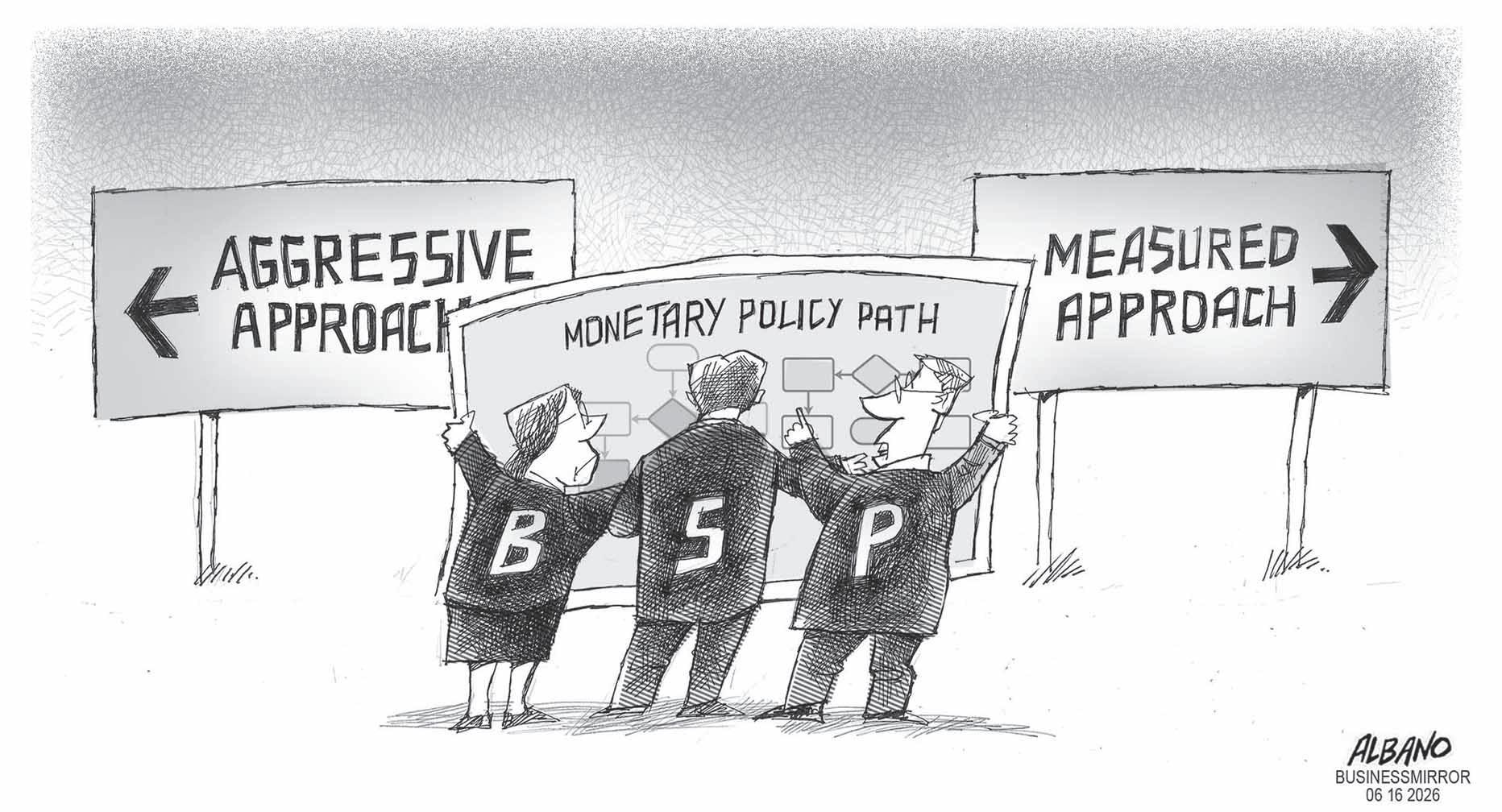

IJohn Mangun
OUTSIDE THE BOX
N 1943, the British administration in Bengal watched grain ships depart for the Mediterranean while people across the province could no longer afford to eat. Three million people eventually starved because distribution collapsed under the weight of panic hoarding, artificial price ceilings, and localized supply failures. The lesson was simple, cold, and unexpected: starvation rarely happens because there is no food; it happens because the price of getting it to the table becomes impossible.
We are currently watching the opening notes of a remarkably similar tune. In May, Thailand white rice, the undisputed regional benchmark for Asian grain liquidity, surged 20 percent in a single 30-day window. This is not a gradual drift; it is the sharpest monthly increase recorded since the creation of modern tracking indices in 2008. Simultaneously, Chicago rice futures jumped 15 percent, signaling that global capital has already identified the problem beneath the surface of the agricultural market and has begun pricing it in.
The immediate temptation among casual observers is to point at the sky and blame the weather. Analysts are already issuing warnings about the impending El Niño cycle, predicting hotter, drier conditions across the primary agricultural belts of Southeast Asia. We are told to expect reduced yields, dried-up paddies, and the familiar seasonal
disruptions that accompany changing weather patterns. But the climate is merely the secondary catalyst; the real crisis is mechanical, industrial, and entirely human.
Rice production is not a romantic exercise in traditional agriculture. Even if you are plowing behind the carabao, it is a highly industrialized conversion process that turns petroleum and chemical compounds into calories. A significant percentage of the irrigation systems that keep the fields submerged run on diesel-powered pumps. The yields that modern populations require to survive are dependent on nitrogen-based fertilizers, which require massive amounts of natural gas to synthesize.
When tension chokes the Strait of Hormuz, the immediate consequence is not just a longer transit time for crude oil tankers. The actual consequence is a lagged supply shock to the chemical plants that feed the
agricultural supply chain. In the first half of March alone, international urea benchmark prices surged by nearly 50 percent. By late April, that shock had transmitted unevenly across the region—fertilizer costs in Cambodia were running 25 percent to 30 percent above prior-year levels, while the World Bank placed the broader regional fertilizer price index at its highest point since October 2022, with projections of a 30 percent annual increase if Hormuz disruptions persist.
Four out of every five kilos of our imported rice comes from Vietnam—and in the Mekong Delta’s Vinh Long province, farmers have already cut their planned rice planting area to 60 percent of target, calculating that the cost of diesel and fertilizer far outweighs any potential return at harvest.
This brings us directly to the current outlook of the Bangko Sentral ng Pilipinas. The institutional assumption in Manila has long been that inflation can be managed through interest rate adjustments and targeted tariff reductions on imported staples. This strategy assumes the global market remains a reliable, functioning vending machine where a country can always insert cash and receive grain.
Our current domestic projections indicate that a severe weather cycle could reduce Philippine rice production by up to 700,000 tons, roughly three and a half percent of the national annual target. So, a three percent deficit sounds manageable through standard government procurement channels.
But the international market
does not exist in a vacuum, and our neighbors are looking at the exact same balance sheets. When regional supply tightens, the large exporting nations default to export restrictions to protect their domestic populations from political unrest. The Philippine government has consistently operated as an agent that prioritizes short-term consumer pacification over long-term agricultural sovereign strategy. We have spent decades underfunding rural logistics, ignoring domestic fertilizer production capacity, and treating import dependence as a virtue rather than a vulnerability. The result is an economy uniquely exposed to external pressure points it can neither control nor alleviate. The Hormuz disruption began in late February. The shockwaves are currently winding their way through industrial input costs, shipping manifests, and planting decisions across Asia. Historical supply chain data puts the lag between a maritime energy disruption and retail food prices at six to nine months. The corresponding contraction in regional supply has not yet arrived. Food inflation IS inflation for Filipinos. The price of a commodity reflects what the market believes about tomorrow’s availability. And when the cost of production rises faster than the value of the yield, the rational choice for the producer is to stop producing.
E-mail me at mangun@gmail.com. Follow me on Twitter @mangunonmarkets. PSE stock-market information and technical analysis provided by AAA Southeast Equities Inc.
Burnham plans swift power grab as Starmer’s premiership teeters
By Alex Wickham
T. Anthony C. Cabangon
Lourdes M. Fernandez
Jennifer A. Ng Vittorio
Eduardo A. Davad
G. Reyes
D. Edgard A. Cabangon Benjamin V. Ramos Aldwin Maralit Tolosa
Rolando M. Manangan
BusinessMirror is published daily by the Philippine Business Daily Mirror Publishing, Inc., with offices on the 3rd floor of Dominga Building III 2113 Chino Roces Avenue corner De La Rosa Street, Makati City, Philippines. Tel. Nos. (Editorial) 817-9467; 813-0725. Fax line: 813-7025. (Advertising Sales) 893-2019; 817-1351, 817-2807. (Circulation) 893-1662; 814-0134 to 36. E-mail: news.businessmirror@gmail.com www.businessmirror.com.ph Printed by BROWN MADONNA Press, Inc.–Sun Valley Drive KM-15,


ANOTHER disastrous week for Keir Starmer has left Andy Burnham a step closer to replacing him as prime minister this summer.
If Burnham wins a parliamentary by-election in Makerfield, north-west England on Thursday, he is poised to move quickly to oust Starmer and secure what he hopes will be a uncontested handover of power, some of his supporters told Bloomberg, speaking on condition of anonymity discussing plans that aren’t public.
Their calculation is that the dramatic resignation of Defense Secretary John Healey on Thursday has ended any hope Starmer had of survival and left him too weak to fight on. Healey quit unexpectedly, in protest at Starmer’s refusal to agree to sufficiently higher military expenditure. In an incendiary resignation letter, he effectively accused the premier of failing to defend the country.
A defiant Starmer insisted on Friday that he would contest any leadership election triggered by Burnham.
“I don’t think it should happen but if it does then I will fight,” he said in an interview with the BBC. “That’s not about personal vanity. It’s not about stubbornness. It’s out of a very deep sense of duty.”
Yet Burnham’s supporters think Starmer will have little choice but to relent in the days after the Makerfield election. In order to challenge for the premier’s job, Burnham first needs to win the seat, an outcome that’s widely expected by Labour members of Parliament, bookmakers and pollsters.
The Greater Manchester mayor’s allies believe he can then quickly secure the public backing of more than 250 Labour MPs, far above the 81 needed to trigger a challenge under party rules, demonstrating Starmer no longer has the confidence of his party. They calculate rival contend -
ers—including former Health Secretary Wes Streeting and Al Carns, who resigned as a junior defense minister alongside Healey—simply don’t have the numbers to enter a contest.
The pivotal question, they said, is how the cabinet reacts in the days after the Makerfield result, assuming Burnham wins. His supporters want ministers to tell Starmer to agree to an orderly handover.
Until Healey walked out, Starmer’s allies believed he retained a path to survival. Most senior cabinet members would resist Burnham’s overtures and back the PM to stay, they thought. But government officials now say Healey’s departure has shifted that calculus, making it more likely the cabinet collectively tells the prime minister he shouldn’t contest Burnham.
Burnham is said by supporters to be open to either an immediate takeover or an orderly transition in which Starmer agrees a date later this summer. They denied he was planning to delay a challenge until after the Manchester mayoralty election that will be triggered if he wins Makerfield.
The mood among Starmer’s allies is souring. Some, previously loyal, are now openly critical of the premier. Several wish he had insisted on cutting welfare and net zero projects to pay for higher defense spending. He could have sacked Energy Secretary Ed Miliband from the cabinet if necessary, they argue. Multiple government officials said they cannot understand how Miliband and Justice Secretary Shabana Mahmood—who they believe privately worked with Burnham on a plan to oust the prime minister—remain in post while Healey is gone. One Starmer loyalist called it proof of the prime minister’s lack of authority, political judgment and decision-making. Other Starmer supporters are critical of Chancellor of the Exchequer Rachel Reeves, saying she fought Healey tooth and nail by arguing that defense is a wasteful department that lacks credible spending plans. Her resistance, they say, caused Starmer to renege on commitments he had made at the Munich Security Conference in February to See “Burnham,” A15
Ambassador Antonio L. Cabangon Chua
Wall Street is gaining access to new catastrophe models to help predict wars
By Gautam Naik
AS Wall Street races to incorporate war into its risk scenarios, the same people modeling natural catastrophes are now adapting their methodology to help investors, banks and insurers predict military conflicts.
Since 2008, the number of countries engaged in external conflicts has nearly doubled to just over 100, while the economic impact of violence now stands at almost $22 trillion, according to the Institute for Economics and Peace. That’s equivalent to more than 10 percent of the world’s gross domestic product.
Wars are upending the finance industry’s ability to predict everything from the price of oil to the cost of a mortgage, and Wall Street has had to acknowledge that some long-standing risk models may no longer be fit for purpose. Citigroup Inc. warns against relying on “rear-view mirror” models built on historical data, while Morgan Stanley says it’s time to “rethink” the status quo of geopolitical risks more broadly.
“Instead of looking back, insurers and investors increasingly want to know what might happen and where,” Sam Haynes, head of data and analytics at Verisk Maplecroft, a global risk consultancy, said in an interview. “They want a predictive forwardlooking view.”
Verisk, which is best known for its work on natural catastrophe models for insurers and cat-bonds investors, has just unveiled a model it says would have helped financial professionals predict the Iran war.
The firm’s Predictive War Index, released to clients in late May, uses a machine learning algorithm to forecast the likelihood of war occurring in a country over the next 12 months. It was trained on political, economic, and social datasets from 1995-2022 and therefore doesn’t take the current Iran war into account. Even so, backtesting showed that had the model been ready in early January, it would have shown a 66 percent probability of war breaking out in Iran 1 1/2 months later, according to Verisk.
The firm’s other new model, the Geopolitical Relations Index, tracks the changing level of tension between pairs of countries. It looks at parameters such as whether they’ve had military clashes in the past, how similar their styles of government are, or whether they’re geographically close enough to project power.
A separate Verisk model, launched in October 2023, has in the period since then correctly predicted six out of seven government collapses, including the ouster of Bashar al-Assad in Syria in 2024, and the sudden removal of Venezuela’s Nicolas Maduro in January.
In the case of Maduro’s removal, “there were economic issues combined with a past history of political instability that increased the risk,” said Chris Boylan, a data science expert at Verisk Maplecroft.
Rand Corporation has an artificialintelligence model that turns complex and uncertain questions—such as regime change—into concrete probability estimates. The model draws in part on the aggregated opinions of people who aren’t subject-matter experts to forecast a future scenario. When the model was run in mid-May, it showed a 20 percent likelihood that Iran’s regime won’t survive into 2027.
“The results are designed not just to describe what might happen, but to show policymakers how specific ac-
tions—sanctions pressure, diplomatic engagement, or support for civil society—would shift those probabilities in practice,” said Anthony Vassalo, director of the RAND Forecasting Initiative.
Traditional models often stop working in the current climate because an event like a trade blockade or the imposition of economic sanctions “doesn’t behave like a standard-deviation move in a normal distribution,” said Krishan Sharma, senior vice president—model risk management at Citi. “It changes the distribution entirely.”
The shipping disruption in the Strait of Hormuz has brought fresh attention to the extreme vulnerability of similar transport chokepoints around the world, requiring new risk algorithms for marine insurance and global trade. Shortly after the Iran war started on February 28, Lloyds of London was quoting premiums for marine war risk in the Strait of Hormuz as high as 1 percent of a vessel’s value per voyage, compared with just a fraction of a percent before the conflict, according to Moody’s.
On Sunday, Iran pushed back on US President Donald Trump’s assertion the warring countries were about to sign an interim peace deal to reopen the Strait of Hormuz.
Modeling experts are now looking at conflict scenarios as they would a terrorist attack, “where relatively low- cost acts can generate disproportionate economic losses,” said Gordon Woo, a catastrophe risk specialist at Moody’s. With the new models, insurers can better assess how disruptions might unfold across shipping routes and supply chains rather than focusing solely on physical damage to individual assets, Woo said.
Tina Fordham, co-founder of Fordham Global Foresight and Citigroup’s former chief global political analyst, warns that geopolitical volatility hasn’t just been normalized, it’s accelerating.
The events unfolding “are consistent with our supercycle geopolitics thesis, where increased risk drivers are breaking through global guardrails and causing a higher number of geopolitical shocks,” she said on her website. “2025 saw the acceleration of the supercycle and it marked a wakeup call for the C-suite.”
Aside from drawing on years of experience modeling natural catastrophes, risk experts are also tapping into methodologies used to help predict other threats such as strikes, riots and civil commotion.
The newer risk models will allow insurers “to integrate a predictive view of war into their underwriting and exposure management workflows,” Verisk said.
Such tools are becoming essential for financial professionals trying to operate in “a fragmented, multipolar world,” as the old world that was shaped by “globalization-driven efficiency” fades out of view, the Morgan Stanley Institute said in an April report.
War has now overtaken civil unrest as the source of political violence most feared by companies trying to buy insurance, according to a risk assessment published in May by Allianz.
“War is a rising fear for businesses around the world,” it said. Bloomberg
Opinion
BusinessMirror
Shipowners seek clarity on Hormuz deal as waiting flotillas grow
By Weilun Soon
AUS-Iran deal intended to reopen the Strait of Hormuz within days has been met with caution by shipowners and traders, with almost all saying they would need more details in order to assess whether safe transits are possible after months of false starts.
A vital conduit for global oil and gas, Hormuz has been at the heart of the conflict from the first days of strikes on Iran, and the urgent need to resume traffic has been a vital theme in months of on-off peace discussions. The disruption has upended the global energy trade, all but cutting off some of the world’s top producers and forcing major players to resort to “dark” transits.
News of a long-awaited agreement between the US and Iran and the prospect of ending a double blockade cheered oil futures in early trade on Monday, with Brent down almost 5 percent. But those ferrying crude and gas around the world are still questioning what exactly a reopening— which US President Donald Trump has said will come on Friday—could mean in practice.
“It’s still early days and there’s a lot of spitballing at this stage,” said Anoop Singh, global head of shipping research at Oil Brokerage Ltd. “We’re not seeing any big shipowners changing their stance at this point. They’re staying put for now.”
Major Japanese shipping companies, among the first ones to respond to the deal, cautioned that safe navigation would only be possible after
details are finalized. Mitsui OSK Lines said close coordination with governments and insurance firms would be essential before it could send ships through the strait again, while Nippon Yusen KK said a normalization of traffic hinges on what’s being laid out in the agreement.
There was little activity in the strait in the hours after the news, with the exception of one liquefied natural gas tanker, Disha, testing the waters as it heads into the eastern arm of Hormuz, toward the Gulf of Oman.
“Shipowners are on a risk spectrum—the Japanese, Koreans and Chinese are less open to high risk, while the Greeks have a different appetite—so we may see some people gearing up,” Singh said. “But by and large the rest of the market is still seeking more details and assurance before proceeding.”
Traffic through the strait has slowed to a trickle since US and Israeli strikes began at the end of February, sinking to a fraction of a pre-war average of about 135 transits daily. Some oil and gas producers have found workarounds to send tankers through, at times with support from the US or through government-to-
government negotiations, but total crossings remain extremely subdued.
Out of the hundreds of vessels idling in the Persian Gulf, nearly 300 are loaded and waiting to cross at a moment’s notice—with around the same number empty on the other side in the Gulf of Oman, waiting to head back to major export terminals, according to Muyu Xu, a senior crude oil analyst at commodity intelligence firm Kpler. Around 250 are ballasting in the Persian Gulf, primed to also start picking up cargoes for any potential outbound journeys.
That exact count of observed vessels may change as ships that have turned off their transponders restart transmission. Electronic interference that has complicated tracking in the area over the past month should also ease.
In theory, a peace deal, potentially even a temporary one, should release millions of barrels of oil that have been trapped for months in the Persian Gulf. In practice, there will still be a long list of impediments— including prosaic problems like the need to remove barnacles from ship hulls, and to ensure crews are in position and prepared to sail without electronic navigation signals.
Security, however, remains the primary concern, as purported deals over the past months have ended with Iranian forces firing at ships or seizing vessels. There is also uncertainty over mines in the strait, making routes and insurance cover crucial.
Brett Erickson, a managing prin-
cipal at Obsidian Risk Advisors, said this was front of mind for all ships and companies operating in the area.
“The maritime industry understands that. Captains understand it. Crews understand it,” he said. “They know that a single miscalculation, a single strike, or a single political decision can inject new friction into the situation and once again place their lives at risk.”
Managing a vastly increased flow of traffic through the waterway will be another headache, even once other worries ease.
The strait’s narrow width—only 24 miles (39 kilometers) wide at its tightest point, with shipping lanes in each direction merely two miles wide—raises the risks of vessels colliding if they begin rushing for the exit. The picture is complicated by the fact that electronic interference and irregular use of transponders may misrepresent true locations.
“During extreme traffic congestion periods, collision and grounding risks may materially increase. Both dimensions must be appropriately addressed in the pre-transit planning,” a guidance document jointly published by major industry groups such as Bimco, Intertanko and the International Chamber of Shipping last month.
“Do not rely on AIS,” it added, referring to the automatic identification system that ships often use for automatic tracking of vessels’ locations. With assistance from Alaric Nightingale, Serene Cheong, Yasufumi Saito, Koh Yoshida and Yusuke Maekawa/Bloomberg
Crypto token’s 50% wipeout shows magnitude of AI-hacking
By David Pan
WHEN Eli Ben-Sasson helped create the Zcash cryptocurrency nearly a decade ago, the cryptographer worried about human adversaries. He didn’t expect that machine intelligence would one day expose a flaw that had eluded years of expert human judgment.
That reality rattled investors recently after a security researcher working with Zcash used Anthropic’s Claude Opus 4.8 to uncover a critical vulnerability that had gone undetected for more than four years.
After Zcash disclosed the flaw on June 4, the tokeⁿ—which traded at far higher levels just weeks earlier— tumbled about 50 percent as traders reassessed the security of one of crypto’s most prominent privacy networks.
The exploit struck at the heart of Zcash’s value proposition. The cryptocurrency relies on advanced cryptography to enable users to shield transaction details from public view, and investors have long viewed that mathematical foundation as one of the network’s defining strengths. The discovery that a flaw capable of creating an unlimited supply of tokens had gone undetected for years raised fresh questions about how artificial intelligence could reshape the race between those securing crypto networks and those trying to hack them.
Crypto investor Arthur Hayes said he sold his entire Zcash position after the disclosure, citing concerns about the network’s integrity. But in Ben-Sasson’s own telling, Zcash got
lucky. The flaw was discovered by a “white-hat” hacker, allowing the project to quickly warn investors and fix it. Other crypto protocols may not be as fortunate, he warned.
“There will be more exploits,” Ben-Sasson said in an interview. “There will be cases where the bad guys will find the bugs first and exploit protocols.”
Taylor Hornby, a security researcher who works with Zcash, spotted the vulnerability with the help of Opus 4.8, just one day after Anthropic had released the latest model on May 28, according to a statement posted on the crypto project’s community forum by Zcash’s founder Zooko Wilcox-O’Hearn.
The exploit had existed for more than four years and would have allowed an attacker to counterfeit an unlimited amount of Zcash tokens, the statement said.
The discovery comes as crypto developers grapple with a security landscape increasingly shaped by AI. Cybersecurity researchers believe hackers are already using AI to identify targets, scan software for vulnerabilities and design increasingly sophisticated exploits, compressing work that once took months into days or even hours.
Anthropic PBC has shut down access to its most advanced AI models after the US ordered it to block all foreign nationals from using them on national-security grounds.
The Zcash incident showed that even exploit discoveries by researchers aligned with crypto projects can rattle investors—hinting at the potential for similar price crashes as other protocols employ AI to unearth flaws.
Such concerns are particularly acute in decentralized finance, where billions of dollars have been lost to hacks in recent years. Researchers say the same AI tools helping developers audit code are also lowering the barriers for attackers, creating an arms race across the industry.
For years, security reviews of crypto protocols relied heavily on researchers manually examining code and cryptographic proofs. More recently, AI tools have become part of that process, said Josh Swihart, chief executive officer of the Zcash Open Development Lab.
Wilcox-O’Hearn said it’s unlikely the Zcash vulnerability had already been exploited, though developers are still trying to determine that. Because Zcash allows shielded transactions, key details such as participant identities and transaction amounts are concealed, making retrospective analysis more difficult.
North Korean threat
NATION-STATE groups including North Korea’s Lazarus Group have carried out some of the most sophisticated attacks targeting crypto.
threat
Unlike traditional financial transactions that move through banks and other intermediaries, stolen crypto assets can often be moved through a range of tools designed to obscure ownership and transaction histories. The wider adoption of AI has created new security questions for crypto projects, particularly given the open-source nature of many blockchain protocols.
“Open-source software may be more vulnerable because attackers can actually see the code. It may be easier for them to identify these vulnerabilities,” said Nicole Farrar, coCEO of o1Labs, a company focused on privacy-preserving cryptography. At the same time, developers increasingly view AI as an essential defensive tool. More digital infrastructure underpinning cryptocurrencies is expected to be audited by advanced AI models as researchers seek to match the capabilities that attackers may already possess.
More broadly, security threats for cryptocurrencies extend beyond AI. Concerns about future quantum computers breaking existing cryptographic protections have already prompted parts of the industry to explore new security standards. Some researchers have warned that sufficiently powerful quantum computers could one day threaten cryptographic systems underpinning networks including Bitcoin.
“It is going to happen more and more, and it is going to change what’s considered as the standard of care and best practices for security issues,” Farrar said. Bloomberg
prioritize defense. He was left, according to this version of events, with little option but to overrule Healey, the military’s chiefs and National Security Adviser Jonathan Powell. Allies of Reeves counter that it is her job to make the numbers add up, and that if Starmer wanted more for defense, he should have imposed deeper cuts elsewhere, but was unwilling to do so. Friends of the chancellor have been quietly making the case that she should stay on under Burnham, arguing that she’d signal stability to the markets. The Man-
chester mayor’s supporters, however, said he won’t reappoint her — despite concerns that a Burnham coronation, with a new chancellor, could disturb the bond market and raise the government’s cost of borrowing. Keeping Reeves would not be in line with the change Burnham is promising, one said. Burnham’s allies also said they spoke to Reeves in recent weeks and came away believing she would help persuade Starmer to accept an orderly handover, only for her not to follow through.
details. He said he would “tread carefully” when it comes to taxation, pledging to pursue a “progrowth agenda.”
The turmoil is rattling Britain’s allies. Next week Starmer will attend the Group of Seven summit in France, setting up awkward meetings with European leaders and President Donald Trump, who will likely be unimpressed by his defense policy and view him as a lame duck.
have asked for detail on Burnham’s foreign and defense policy, the people said, but UK officials have been unable to provide answers.
That points to the scale of the inheritance awaiting Burnham should he reach Downing Street this summer. He would immediately confront a restive military demanding billions of pounds that he would rather spend on other priorities.
sian President Vladimir Putin over Ukraine, a government official said. They asked if you could imagine Burnham doing that, especially with Powell likely to leave alongside Starmer.
Burnham’s immigration plans. One aide described his proposal to end asylum-hotel contracts and shift responsibility for housing migrants to local authorities as ill-advised and politically toxic. Labour MPs ended the week in despair about their party’s prospects. Starmer looks finished, one said, citing Healey’s charge that the prime minister was effectively “unable” to govern. Yet Burnham, they said, has no obvious plan and keeps making basic errors that foreshadow another troubled premiership. The ruling party, they added, appears to have no other options. With assistance from Joe Mayes, Ellen Milligan and Lucy White/ Bloomberg Burnham. . . Continued from A14
In an interview with the Times newspaper on Saturday, Burnham suggested he would fund more defense spending by reducing the welfare bill, without providing
In recent days, European diplomats have contacted UK counterparts to complain about uncertainty over Britain’s defense spending plans, the slow pace of the promised uplift and Healey’s exit, according to people familiar with the matter. They
Burnham’s critics within the Labour Party argue he has never said anything of substance on defense or foreign affairs, shows little interest in the brief and has no plan. It is not implausible that within months a British prime minister could be drawn into negotiations with Rus-
Starmer’s crisis has also obscured Burnham’s own stumbles. His misstep over so-called WASPI women —when he appeared to commit billions in unfunded spending to compensate victims of the pensions controversy before rowing back— was, one Labour critic said, evidence he isn’t ready for the top job. It was largely overshadowed by Healey’s resignation. MPs on both the right and left of the party are also uneasy about
Tuesday, June 16, 2026
2nd Front
BusinessMirror
‘MAJORITY OF PINOYS WANT TO LIVE OR WORK ABROAD’
By Claudeth Mocon-Ciriaco
GAccording
IVEN
that 39 percent said they were not willing to migrate, while 4 percent were undecided. A total of 1,200 probability respondents aged 18 and above, both male and female, were interviewed for the study. Across major areas, willingness to migrate is highest in Balance Luzon at 59 percent, followed by Mindanao at 56 percent, Visayas at 55 percent, and National Capital Region (NCR) at 53 percent.
Conversely, unwillingness to migrate is highest in NCR at 45 percent and lowest in the Visayas at 34 percent.
The Visayas also recorded the highest share of
undecided respondents at 11 percent. By socioeconomic class, willingness to migrate is nearly uniform, with 57 percent among Classes D and E and 56 percent among Class ABC.
Unwillingness is slightly higher among Class E at 40 percent, followed by Class D at 39 percent and Class ABC at 38 percent.
Indecision is highest among Class ABC at 6 percent.
Across regions, willingness to migrate is highest in the Cordillera Administrative Region at 85 percent, followed by Western Visayas at 74 percent, Davao Region at 69 percent, Calabarzon at 66 percent, and Zamboanga Peninsula at 63 percent. The lowest levels of willingness are recorded in Mimaropa at 26 percent, Caraga at 28 percent, and Eastern Visayas at 34 percent.
Meanwhile, unwillingness to migrate is highest in Mimaropa at 74 percent, followed by Eastern Visayas and Caraga, both at 66 percent. The lowest levels of unwillingness are observed in the CAR at 13 percent, Central Visayas at 16 percent, and Western Visayas at 20 percent.
Indecision is notably highest in Central Visayas at 30 percent, while most other regions recorded undecided shares ranging from 0 percent to 7 percent.
Willingness to migrate is highest among younger Filipinos, particularly those aged 18—24 at 81 percent and 25—34 at 75 percent, before generally declining among older respondents.
The lowest willingness is recorded among those aged 65—74 at 25 percent and 55—64 at 43 percent. Conversely, unwillingness to migrate is highest among those aged 65—74 at 69 percent and 55—64 at 53 percent.
Meanwhile, indecision is relatively higher among those aged 45—54 at 7 percent and 65—74 at 6 percent.
“The exceptionally high willingness to migrate among younger Filipinos is particularly noteworthy.
See “Abroad,” A2
DOE: Fuel prices to keep declining until next week
By Lorenz S. Marasigan
FUEL
prices are set to continue their downward trend next week, the Department of Energy (DOE) said Monday, as progress in US-Iran peace negotiations pushes crude oil prices lower and raises expectations of a formal agreement by Friday.
DOE Undersecretary Alessandro Sales said the anticipated deal has largely been priced in by markets, with international crude already trading in the $80s per barrel. He said an adjustment next week would continue the downward trajectory once the agreement is signed.
“The market is reflecting the anticipation for a deal to be signed,” Sales said. “The crude oil prices are actually down to the $80s already.”
Liquid fuel price adjustments for this week will range from a rollback of P3.71 to P5.71 per liter for diesel and Diesel Plus, P0.50 to P2.50 per liter for kerosene, and either a reduction of P0.32 or an increase of up to
P1.68 per liter for gasoline, depending on oil companies’ final price submissions.
Despite the positive direction, DOE Secretary Sharon Garin cautioned that pump prices returning to prewar (before February 28) levels—around P50 to P60 per liter—would not happen immediately.
“Does it go down to the prewar level?
Not immediately—probably another six to 12 months,” Sales said, citing the time needed to restart supply chains disrupted by the Middle East conflict. “Hindi kasi instantaneous yung balik ng supply [The normalization of supply does not happen right away].”
The Philippines is highly exposed

Quake hits Mindanao tourist sites, hotels
By Ma. Stella F. Arnaldo
multiple cottages collapsed at the Ladol Beach Resort in Alabel, Sarangani. In Maasim, Sarangani, structural cracks were noted at the Santa Cruz Shrine, Lamtew Beach
Resort, AJM Beach Resort, JML Beach Resort, Laylics Summer House, and Nelojumar Beach House.
Several tourist activities have also been put on hold: the Reyna ng Davao 2026 scheduled on June 20 at the ongoing Duaw Dabaw has been postponed; coastal and water activities in Davao Oriental are suspended; and the Masbol Cultural Festival in Saranggani on June 9 was cancelled.
Jasmin said regional offices in Davao and Soccksargen continue to monitor affected tourism workers, visitors, and businesses. DOTSoccksargen, in particular, is “currently conducting rapid assessments to verify the exact status and numbers of affected or injured tourists. Those who were stranded in Glan, Sarangani have already been successfully rescued as critical highway clearing operations continue.” She explained that monitoring has been
somewhat challenging as offices in the area are suspended, “so our team has joined the inspection done by the local DRRMC [Disaster Risk Reduction and Management Council].”
Some 1.71 million tourists visited Soccksargen in 2024, of whom 99 percent were domestic travelers. GenSan was the most popular destination in the region, with 625,700 visitors that year, followed by Sarangani at 394,812 tourists, and South Cotabato at 284,468.
In an advisory on its Facebook page, the DOT expressed its sympathies to the families and communities affected by the earthquake and stands with them during this difficult time.
The agency also urges travelers to monitor airline, ferry, and bus advisories before proceeding with travel plans, and coordinate with hotels and tour operators regarding cancelations, rebooking options, and operational status.
to Middle East supply shocks, with more than 90 percent of its oil requirements—whether imported as crude or as finished products—ultimately sourced from the region.
The country relies on the Strait of Hormuz for 98 percent of its oil supply, making it acutely vulnerable to any disruption along that shipping corridor. Petron Corp. is the only local company that imports crude oil directly, while other oil firms source refined products from regional suppliers that themselves draw from the Middle East.
Garin said the three months of elevated prices stemming from the conflict had exposed critical gaps in the country’s energy security framework, and that the government was already moving to address them.
“We need to have an oil crisis response also in place—so that action is immediate,” she said, adding that the current setup requires clearer protocols so all agencies know their roles without waiting for instructions.
Among the priority measures the DOE is pursuing: reducing dependence on imported diesel, which accounts for 65 percent of the fuel’s domestic consumption and is heavily used in transportation; accelerating the electrification of public transport;
and building up indigenous energy sources including oil, gas, renewables, and biofuels.
The most immediate policy response, Garin said, is the proposed establishment of a national strategic petroleum reserve, which is being pursued both in Congress as proposed legislation and within the executive branch through the Philippine National Oil Co. (PNOC) and the Mindanao Islamic Center (MIC). On whether the President’s energy emergency declaration would be lifted following a potential peace deal, Garin said a reassessment was needed but indicated the declaration may need to remain in force for sectors beyond oil.
“The oil industry might not be— there might be less need of an emergency power [but the other sectors might still be in need],” she said, noting that the conflict’s effects had rippled into inflation, agricultural costs, and household purchasing power.
Garin expressed hope that a signed agreement would materialize by Friday, which she said would stabilize both supply and prices.
“This is good news. It’s not just for the Philippines but also for the whole world to breathe a bit of relief,” she said. “But we will be vigilant about what’s happening.”
Mineral deals leave developing nations at bottom–Unctad
By Bless Aubrey Ogerio
DEVELOPING economies such as the Philippines could miss opportunities to move up the critical minerals value chain if trade partnerships continue to focus mainly on extraction rather than processing, technology transfer and workforce development, according to the United Nations Conference on Trade and Development (Unctad).
In its June 2026 Global Trade Update, Unctad said the rapid expansion of critical mineral partnerships worldwide has largely centered on upstream activities such as exploration and mining, while higher-value segments of the supply chain remain concentrated elsewhere.
The report examined 73 critical mineral partnership agreements, including 58 signed since 2022, as countries race to secure supplies needed for clean energy technologies, electric vehicles, batteries, semiconductors and digital infrastructure.
“Many agreements now cover exploration, extraction, processing, refining, use and recycling. But upstream activities still dominate,” Unctad said.
“Agreements involving developing countries tend to focus more narrowly on extraction, with fewer provisions to support value addition,” it added.
According to the report, mineral-rich developing economies may need to negotiate stronger commitments on local processing, technology transfer and workforce development to ensure broader economic gains from growing demand for critical minerals.
Unctad classifies the Philippines as a developing economy, placing it among countries that are still progressing toward higher income levels, stronger institutions and wider economic development.
Also, recently, the Philippine government has pushed to move beyond exporting raw ores and seeks a larger role in higher-value segments of the global critical minerals supply chain.
The Department of Trade and Industry, for its part, aims to attract investments in mineral processing and downstream industries to capture more value from its natural resources.
Data from Unctad showed that the Philippines accounted for 6.6 percent of global reported imports of rare-earth permanent magnets in 2024. The European Union remained the largest importer, with a 31.8-percent share of global imports. Demand for critical minerals is expected to accelerate sharply over the coming decades as countries expand clean energy deployment and
electrification efforts.
Unctad projected global lithium demand to increase by 353 percent between 2024 and 2040, while demand for graphite is expected to rise by 131 percent during the same period. Clean energy technologies are also expected to account for a growing share of mineral consumption. For lithium alone, its share of demand is projected to climb from 62 percent in 2024 to 87 percent by 2040. Despite rising demand, Unctad said that supply chains remain highly concentrated, particularly in processing and refining, where most of the value-added activities occur. The report noted that in 2025, the Democratic Republic of the Congo accounted for 74 percent of global cobalt mine production, while Indonesia produced 67 percent of global nickel output and China supplied 69 percent of rare earth mine production. China also maintained a dominant position in the refining of rare earths, lithium and cobalt, while Indonesia accounted for 43 percent of
nearly 100 new export-related measures covering critical energy transition minerals have been introduced worldwide, including licensing requirements, export taxes, export bans and quotas.
The Democratic Republic of the Congo implemented the largest number of such measures, followed by China and Indonesia. As competition for critical minerals intensifies, Unctad warned that an expanding web of overlapping agreements, regulations and standards could create new challenges for developing economies.
“This could raise costs, complicate investment decisions and pressure developing countries to align with one partner over another,” the report said. Unctad said a more coordinated international approach would help keep critical mineral trade open and predictable while supporting broader development goals and a faster energy transition.
“The central question is whether critical minerals become another source of fragmentation, or a basis for more resilient and inclusive global cooperation,” it added.
PASTS REVISITED Writer and activist Lourdes “Dudi” Balderrama Constantino (middle), wife of the late activist Renato “RC” Constantino Jr. and daughter-in-law of historians Renato and Letizia; together with Jeannie Javelosa, director and curator of the Yuchengco Museum, and political scientist Randy David formally opened “Pasts Revisited: An Exhibit on a Usable History and the Romance of Renato Constantino and Leticia Roxas Constantino” at Y Space, Yuchengco Museum, RCBC Plaza in Makati City recently. The exhibition, which runs until July 11, features rare letters, never-before-seen manuscripts, photographs with key figures in Philippine history, and artworks by National Artist Vicente Manansala and other celebrated painters. It also highlights “Alas ng Bayan,” a tribute to five Filipino women who resisted oppression across different eras. Red Constantino, executive director of the Constantino Foundation, led guests during the opening program. BERNARD TESTA
Editor: Jennifer A. Ng
PSE seeks to boost market activity via new ETF rules
THE Philippine Stock Exchange Inc. is set to release proposed rule amendments for Exchange Traded Funds (ETFs), aimed at boosting activity in the market.
In the revised rules, collective investment schemes, including umbrella funds and unit investment trust funds (UITFs) may now list their multiple sub-funds under one ETF issuer.
The listing of different types of securities, such as fund units, in addition to shares of an ETF company, will also be accepted by the exchange.
Actively-managed ETFs will likewise be allowed to list, the PSE said.
PSE President and CEO Ramon S.
Monzon said they are hoping “these rule changes will provide the impetus for asset managers to structure and list ETFs” and ultimately revive the country’s ETF market. Another revised rule pertains to the reduction of the capitalization requirement for issuers to P50 million from P250 million. The rule also provides an an option to reduce the capitalization requirement to as low as P1 million for investment companies with at least 5-year track record. The
revised rules also allow ETF issuers to appoint only one authorized participant to handle the creation and redemption of ETF shares or units.
The market maker for ETF also need not be an authorized participant under the proposed amendments. The amendments also cover clearer rules on allowing ETFs with underlying indices that track foreign exchange-listed securities.
The PSE is also developing new rules on a “Negotiated Trade Reporting Facility (NTRF),” a scheme allowing brokers to execute trades similar to negotiable trading facilities in other exchanges. This facility aims to boost liquidity with the efficient flow of funds in the market, among others, according to the PSE.
Both the ETF and NTRF rules will be released to the public for consultation purposes.
The PSE and its wholly-owned subsidiary Philippine Depository and Trust Corp. (PDTC), are also collaborating with multiple stakeholders to amend the rules on stock borrowing and lending (SBL) to allow the execution of directed pooled lending.
An example is the bilateral SBL where the lender and borrower are identified. The PSE expects this new SBL model will make it easier for foreign institutions to participate in the domestic SBL market.
The PSE submitted the amended SBL rules, which incorporate directed pooled lending, to the Securities and Exchange Commission in April.
The PSE and PDTC are also engaging with pension funds, index funds and insurance companies to encourage them to participate in the PDTC’s Lending Agency Service and populate the lending pool.
Cebu Pacific passenger numbers up
UBLICLY-listed Cebu Air Inc.
Pannounced that its planes flew more than 12.2 million passengers in the first five months of 2026, up 4.6 percent from 11.7 million in the same period last year.
In a traffic performance report filed with the Philippine Stock Exchange (PSE) last Monday, Cebu Pacific Air said year-to-date domestic passengers grew 4.7 percent to 9.086 million, while international passengers rose 4.5 percent to 3.124 million, bringing the combined January-toMay total to 12.21 million.
Capacity expanded 10.2 percent to 15.1 million seats over the fivemonth period, outstripping the pace of passenger growth and pushing the
Birkenstock readies first bond deal
BIRKENSTOCK is lining up its first bond offering in more than five years as it seeks to replace existing debt and considers further share buybacks.
The German footwear maker is set to raise €900 million ($1.04 billion) from the sale of seven-year notes callable after three years, according to a person with knowledge of the matter, who asked not to be identified. The company will have a call with investors about the transaction on Monday and hold further meetings through Tuesday.
The issue marks the company’s first bond deal since 2021, when it raised €430 million of notes due to mature in 2029, according to data compiled by Bloomberg. That was the year Birkenstock was sold to L Catterton, an LVMH-backed private equity firm, which went on to list the company on Wall Street in 2023.
Birkenstock, which designs anatomically-shaped sandals and shoes, as well as belts, bags, bed frames and mattresses, disappointed investors last month when it kept its full-year earnings forecast unchanged after US tariffs and currency swings weighed on profits. Sales rose 14% on a constantcurrency basis to €618 million in the quarter that ended in March, while operating profit fell more than analysts expected. Bloomberg

CAAP in deals for devt of sustainable jet fuel
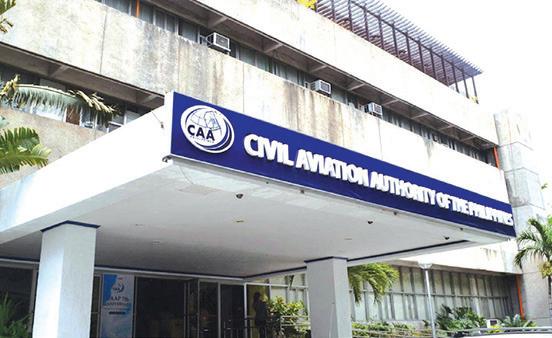
By Lorenz S. Marasigan @lorenzmarasigan

THE Civil Aviation Authority of the Philippines (Caap) has signed separate agreements with the Island Skies Alliance (ISA) and the Global Green Growth Institute (GGGI) to accelerate the development of “sustainable aviation fuel” (SAF) in the country, as global production of the cleaner jet fuel remains a fraction of what the aviation industry needs.
average seat load factor (SLF) down 4.3 percentage points to 80.7 percent from 85 percent in the same period last year.
For May alone, Cebu Pacific Air carried 2.404 million passengers, a 1.3 percent decline from 2.435 million a year ago, as a 9 percent increase in seat capacity to 3.071 million seats weighed on the monthly SLF, which fell 8.1 percentage points to 78.3 percent.
“Following our pricing adjustments, we saw stronger booking momentum and improved seat load factors compared to April, demonstrating the market’s responsiveness to calibrated fare levels,” Cebu Air President Alexander G. Lao said
in the company’s disclosure to the bourse. “As we enter the seasonally softer third quarter, we are taking a disciplined approach to capacity and revenue management to match demand, support healthy load factors, and maintain affordable fares while managing elevated operating costs, particularly fuel,” Lao added.
The airline also announced last Monday that will transfer all AirSwift Transport Inc. flights to its regional subsidiary Cebgo Inc. (Cebgo) effective July 1, completing the operational absorption of the boutique carrier it acquired from the Ayala Group roughly a year and a half ago.
Starting next month, all AirSwift flights currently coded as T6 will be
rebooked as DG-coded flights, reflecting Cebgo’s airline designator.
Flight schedules and services will remain unchanged, including routes to and from El Nido in northern Palawan, which will continue as currently scheduled.
AirSwift operates flights between Clark International Airport and El Nido, as well as inter-island services from El Nido to Boracay, Bohol, Cebu, and Coron.
Cebu Air acquired AirSwift from ALI Capital Corp., a wholly-owned subsidiary of Ayala Land Inc., for about P1.75 billion in 2025.
Cebu Pacific Air currently flies to 35 domestic and 26 international destinations. Lorenz S. Marasigan
US stocks set to rally on Iran deal to reopen Strait of Hormuz

US stock index futures jumped after Washington and Tehran reached an interim deal to reopen the Strait of Hormuz. Oil prices slumped. Technology-heavy Nasdaq 100 futures rallied 2.1 percent by 4:11 a.m. in New York, while S&P 500 contracts advanced 1.2 percent. Europe’s Stoxx 600 index hit a record for the first time since Feb. 27. Brent crude tumbled toward $83 a barrel. Officials from the two countries will meet in Switzerland on June 19 to formally sign the deal. While neither side has released a text, leaving sticking points for the next stage of talks, risk appetite has improved on bets that reopening the key waterway for energy transportation will
ease pressure on inflation.
“If a deal is really signed by Friday, this could be a blue-sky scenario for markets,” said Andrea Gabellone, head of global equities at KBC Securities. “June was considered the breaking point for the oil market, so a quick reopening could lead to limited inflation pressures in the medium term.”
The S&P 500 had rebounded late last week after President Donald Trump signaled the possibility of a deal. The benchmark closed Friday about 2 percent below its record high struck earlier in June.
The reduced threat of inflation comes at a crucial time, with interestrate decisions due this week from the Federal Reserve and a number
of other central banks. Under newly appointed Chairman Kevin Warsh, the Fed is facing rising bets on rate hikes on one side and Trump’s call for cuts on the other.
Morgan Stanley strategist Michael Wilson said that a stable resolution in the Middle East could prompt the bond market to unwind Fed rate-hike bets. “While we might see some more choppiness in coming weeks, our conviction in the current bull market is intact,” Wilson wrote in a note.
SpaceX shares jumped in premarket trading, after the company’s blockbuster debut Friday vaulted it into the ranks of the world’s most valuable public companies. Bloomberg
The agreements establish frameworks for building a national SAF ecosystem through stakeholder coordination, pilot projects, policy development, capacity-building, and access to international technical expertise.
Under the Caap-ISA partnership, the two organizations will collaborate on carbon market initiatives and private sector engagement alongside the ecosystem-building efforts.
The Caap-GGGI agreement, meanwhile, centers on technical assistance, policy development, and tapping international expertise to support SAF development and broader aviation sustainability goals.
“More than a technological shift, SAF is an opportunity to strengthen energy security, attract investment, create green jobs, and position the Philippines in the low-carbon aviation economy,” Caap Deputy Director General for Operations Rozzano D. Briguez said.
The deals align with the International Civil Aviation Organization’s (Icao) Carbon Offsetting and
The partnerships come as global SAF supply remains critically short of industry targets. The International Air Transport Association (Iata) estimates that global SAF production will reach around 2.4 million tonnes this year—equivalent to just 0.8 percent of aviation fuel use—at a cost to airlines of $4.3 billion. Earlier, Iata Director General Willie Walsh warned that the path to meeting 65 percent of aviation fuel needs through SAF by 2050 “is growing more difficult with each year of ineffectively sequenced government policies and oil companies’ manifest lack of interest.” The supply gap is even more pronounced for electroSAF, or e-SAF, which is produced through a power-to-liquid process using renewable electricity, green hydrogen, water, and carbon dioxide.
The European Union and the United Kingdom have mandated eSAF production of around 0.6 million tonnes by 2030, but global production capacity currently in operation and under construction stands at only around 0.02 million tonnes, with just one production site operational worldwide.

TRADERS work on the floor of the New York Stock Exchange. PHOTOGRAPHER: MICHAEL NAGLE/BLOOMBERG
Reduction Scheme for International Aviation (Corsia).
BUSINESSMIRROR FILE PHOTO
Banking&Finance Moving payment deadline shoves up BIR take

By Reine Juvierre Alberto @reine_alberto
THE Bureau of Internal Revenue
(BIR) racked up P279.135 billion in gross revenues in May, higher than a year earlier, helped in part by tax payments carried over from April and ongoing reforms within the agency.
Last
Data released last Monday by
Benefits of including leisure properties in your portfolio

ONE of the most timeless principles in personal finance is
“do not put all your eggs in one basket.” Simply put, diversification means spreading your investments across different asset classes rather than concentrating all your funds in one single bet. By doing so, you reduce risk and improve your ability to withstand ever changing market conditions.
Before investing in long-term assets, one should first ensure that short-term finances are in proper order. This includes maintaining an adequate emergency fund, keeping your liquidity ratio at least 2:1, and having sufficient insurance to safeguard one’s finances from unexpected events.
Once these foundations have been established, one can then focus on building long-term assets.
There are many options available to investors today. These include stocks, bonds, mutual funds, UITFs, government securities and real estate. Each asset class has its own advantages and disadvantages, which is why diversification is important. There is no one perfect asset class.
Stocks can provide strong longterm growth but may experience significant volatility for years. Bonds can provide stability and predictable income. Mutual funds and UITFs offer professional management and diversification.
Real estate remains one of the most popular long-term investments because of its potential for capital appreciation, income generation and inherent scarcity.
In recent years, and especially during the pandemic, another category of real estate has been gaining popularity among investors: leisure properties. These include beachfront condominiums, resort residences, golf community homes, and other vacation-oriented developments.
Unlike traditional residential properties, leisure properties provide exposure not only to the real estate market but also to the tourism and hospitality sectors. Some leisure properties participate in professionally managed leasing programs, allowing owners to potentially earn rental income from tourists and vacationers while still benefiting from long-term property appreciation.
One unique advantage of leisure properties is that investors are not solely pursuing financial returns. Unlike stocks that remain in an account statement, a leisure property can be personally enjoyed by the owner and their family. It can serve as a place to relax, create memories, and spend quality time with loved ones.
In this way, investors may benefit
Charlito Martin R. Mendoza told the BusinessMirror that the extended tax filing season resulted in some income tax payments being recorded in May; although most taxpayers settled their obligations before the extended deadline.
“The extension granted by President Ferdinand R. Marcos Jr. helped taxpayers manage their finances and comply with their tax obligations in a more orderly manner during this energy crisis,” Mendoza said.
The government moved the deadline for filing and paying annual income tax returns to May 15 from the usual April 15 deadline to give taxpayers additional time to meet their obligations amid the energy crisis.
“It gave taxpayers additional time
to file and pay correctly while easing compliance pressures during a difficult period,” Mendoza said.
Despite the one-month extension, the BIR still exceeded its April collection goal of P409.601 billion, posting revenues of P422.378 billion.
Mendoza also credited the bureau’s reforms launched in May, such as the Taxpayer Portal for the Large Taxpayers Service, Registration Seal Badge and QR-enabled Certificate of Registration for online businesses.
The BIR also implemented the ease-of-closing-business reform that simplified the closure and cancellation of BIR registrations, and issued measures to implement the new mining royalty regime under Republic Act No. 12253.
“We will continue to support taxpayers through clearer rules, simpler processes, and better digital services, while protecting the revenue base through stronger enforcement and compliance monitoring,” Mendoza said.
June collection
MENDOZA told the BusinessMirror the BIR is setting a higher target for June by around 17 percent than its actual collection in the equivalent month last year; or P200.524 billion based on the Bureau of the Treasury’s data.
“It’s very challenging for the month of June, unless there’s a revision in our targets depending on the [Development Budget Coordination
Committee],” the BIR chief said.
To meet this “tough” goal, Mendoza said the BIR will work twice as hard and intensify taxpayer information and monitoring.
With some P9 billion in surplus collections due to its improved collection performance since the start of the year, Mendoza said the momentum will hopefully continue.
As of end-May, the BIR has collected P1.434 trillion in taxes, up by 5.49 percent from the P1.359 trillion it amassed in the same period a year ago. This represents 40.06 percent of the bureau’s P3.579-trillion revenue target for the year.
The five-month gross collection also exceeded the agency’s P1.424trillion target by P9.709 billion.
Peso strengthens after US says deal with Iran nears
By Andrea E. San Juan
THE announcement of a framework peace deal between the Washington and Tehran, coupled with the Bangko Sentral ng Pilipinas’ (BSP) “timely intervention” in the foreign exchange market, have fueled the Philippine peso enough to shift back to the 60-per-dollar level.
not only from potential appreciation and rental income, but also from the lifestyle experiences that the property provides. For investors seeking diversification, this can provide an additional layer of opportunity.
But before making any major purchase or investment, consider the following.
First, ensure that the purchase will not negatively affect your emergency fund.
Second, evaluate your free cash flow. If you are going for bank financing, compute if the monthly amortization is feasible for you as this can be much higher than the monthly down payment.
Third, understand the rewards and risks involved. Every investment carries risk, and investors should have realistic expectations regarding returns, liquidity, and market conditions.
Fourth, avoid becoming overconcentrated in a single asset. While a particular investment may appear attractive, diversification works best when different asset classes complement one another within an overall financial plan. In commercial real estate, you can lease out to varying tenants such as grocery store, restaurant, laundry, or bed and breakfast.
Finally, consider how the investment fits into your long-term financial goals. The goal of diversification is not simply to own many investments, but to build a portfolio where different assets contribute toward financial security, wealth creation, and the achievement of personal objectives.
By maintaining a diversified portfolio that includes traditional investments as well as carefully selected real estate opportunities, investors can build a stronger financial foundation and improve their chances of achieving long-term financial success. Leisure properties, in particular, offer a unique combination of potential financial returns and personal enjoyment, making them a worthwhile consideration for investors seeking both wealth creation and quality of life.
At the end of the day, one must remember that the goal of investing is not to make money in itself, but to have the means to spend in the future to enjoy and sustain your intended lifestyle.
Raymond Quisumbing is a Registered Financial Planner of RFP Philippines. The views and opinions he expressed herein do not necessarily represent the BusinessMirror. Check out his personal finance website at www.raymondquisumbing.com, To learn more about personal financial planning, attend the 117th RFP program this August 2026 E-mail info@rfp.ph or visit rfp.ph to learn more about the program.
Data from Bankers Association of the Philippines (BAP) showed that the local currency closed at P60.48 against the dollar last Monday, 87-centavos stronger than its previous finish of P61.35 on June 11,2026. Monday’s closing marked the strongest rate of the local currency against the greenback in over a month or since May 7 when the peso closed at 60.42 against the dollar.
China Banking Corp. (Chinabank) Group Chief Economist Domini S. Velasquez explained that the peso appreciated back to the 60-per-dollar level as risk-off sentiment eased after a framework US-Iran peace deal
hogged headlines.
“The deal has boosted global risk appetite, weakened the US dollar, and driven oil prices lower, reversing some of the safe-haven flows that had previously weighed on emerging market currencies such as the peso,” Velasquez said.
She also cited the central bank’s “timely intervention” in the foreign exchange market, together with its guidance on non-deliverable forwards (NDFs). The move “has helped prevent disorderly and highly speculative moves against the peso,” she added.
According to Velasquez, this signal from the central bank has anchored market expectations and has supported a “more orderly adjustment” in the exchange rate.
On June 3, the BSP issued Memorandum M-2026-022 to clarify rules on non-deliverable Foreign Exchange (FX) Derivative Transactions, particularly on NDFs.
“The BSP made it clear that NDFs should have underlying legitimate
PHL sovereign wealth fund manager remits cash dividends to BTr
THE Maharlika Investment Corp. (MIC) handed over P1.376 billion in cash dividends to the Bureau of the Treasury, contributing additional revenues to the national government.
The country’s sovereign wealth fund manager on Monday said that it remitted 75 percent of its fiscal year 2025 net earnings, exceeding the 50 percent minimum dividend requirement.
Dividends are a major source of non-tax revenues for the government to finance its programs and projects without the need to impose new taxes on the public.
According to the MIC, its Board approved a dividend payout above the minimum requirement due to the government’s need for additional resources amid the current “State of National Energy Emergency.” The sovereign-wealth fund manager added that the higher remittance is consistent with its “strong” financial position and commitment to public service.
Under Republic Act 7656 or the Dividends Law, government-owned and -controlled corporations (GOCCs) are mandated to remit at least 50 percent of their net earnings as dividends to the national government every year.
Dividend remittances may be above the minimum
50 percent rate if the Department of Finance (DOF) requests GOCCs with excess cash or windfall earnings to give such.
The MIC booked a net income of P2.362 billion in 2025, down by 11.81 percent from P2.679 billion a year ago, its financial statement showed.
Still, the MIC generated P481.6 million from investment-related income, as well as P2.7 billion in interest income from its placements with government financial institutions.
As of the first quarter this year, the state firm’s net income stood at P628.847 billion.
“This remittance reflects MIC’s continued commitment to responsible stewardship of public resources and support for the National Government’s priorities,” MIC President and CEO Rafael D. Consing Jr. was quoted in a statement as saying.
“As the country responds to the challenges arising from the State of National Energy Emergency, MIC is working to contribute additional resources while continuing to pursue its mandate of generating sustainable returns for the Filipino people,” Consing added.
Dividends remitted by GOCCs to state coffers reached P114.65 billion in 2025, down by 17.19 percent from P138.46 billion a year ago. Reine Juvierre S. Alberto
economic activities supported by proper documentation,” the central bank said. (See: https://businessmirror.com.ph/2026/06/04/bspwarns-vs-illegal-use-of-derivatives-contracts/)
The strengthening of the peso was also abetted by a moderation in inflation, Philippine Institute for Development Studies (PIDS) Senior Research Fellow John Paolo R. Rivera said. Rivera belives the peso “will remain volatile but relatively more stable if external conditions continue to improve.”
“Risks from oil prices, global interest rates, and domestic uncertainties remain,” he said adding that stability depends not just on markets, but also on “strong economic fundamentals and institutional confidence.”
Velasquez explained that the peso’s earlier depreciation was driven by geopolitical risk sentiment rather than a “deterioration” in domestic fundamentals.
“As these external headwinds fade, the currency could continue to trade at this current level,” she noted. Gains reversed NONETHELESS, Jonathan L. Ravelas, senior adviser at Reyes Tacandong & Co., warned that the Philippines should be cautious as structural factors, e.g. current account deficit and external risks such as Fed policy shifts or higher oil prices, could “easily reverse the gains.”
“So this is more of a stabilization phase than a sustained strengthening trend, and for businesses, it’s a good opportunity to actively manage and rebalance their FX exposures rather than assume continued peso appreciation,” added Ravelas.
Within Monday‘s session, the local currency traded from as strong as 60.445 to as weak as 60.73 against the greenback. Still, the peso hit its four-day winning streak against the dollar last Monday, historical data from BAP showed.
T-bill yields eased as
US, Iran deal calms markets
THE Bureau of the Treasury raised a total of P89.6 billion from its issuance of short-term debt papers as borrowing costs for most tenors declined after an interim agreement between Washington and Tehran assuaged markets.
Treasury bill (T-bill) yields mostly eased after seven consecutive weeks of increases, as investors took comfort in signals the Middle East war nears conclusion, Rizal Commercial Banking Corp. Chief Economist Michael L. Ricafort said.
Ricafort said May inflation at 6.8 percent, though still above the 2-percent to 4-percent target of the Bangko Sentral ng Pilipinas (BSP), is slower-than-expected and could somewhat reduce the urgency for more aggressive monetary tightening.
The stronger Philippine peso against the US dollar and global crude oil prices could also help ease inflationary pressures and lower the odds of further BSP rate hikes, he added.
Monday’s auction saw mixed results as the Treasury’s auction committee awarded the full P50 billion in Treasury bills (T-bills) but partially awarded bids for the cash management bills (CMBs).
The Treasury began offering CMBs, which were last issued in August 2020 during the height of the Covid-19 pandemic, to manage excess liquidity in the financial system.
The 35-day CMBs, the shortest tenor offered, fetched an average rate of 4.611 percent, with rates ranging from a low of 4.5 percent to a high of 4.7 percent.
Tenders for the tenor reached P36.410 billion, of which P20 billion was fully accepted.
CMBs with a remaining term of 63 days were also issued by the Treasury. The yields, ranging from 4.875 percent to 5.125 percent, averaged at 4.942 percent.
Bids for the security amounted to P19.8 billion, with the Treasury awarding P19.6 billion and rejecting
P200 million. The CMBs auction was 1.4 times oversubscribed, attracting P56.2 billion in total tenders.
CMBs are usually deployed, especially if long-term interest rates are relatively higher, since these have shorter tenors, Ricafort explained.
“[These] enable the national government to raise more peso funds at lower interest rates at the short-end of the yield curve to partly fund the budget deficit while waiting for long-term interest rates/borrowing costs to go down further,” he said.
T-bills
THE Treasury fully awarded P20 billion each for the 91-day and 182-day securities and P10 billion for the 364-day tenor. Accepted yields for the 91-day T-bills ranged from 5.080 percent to 5.210 percent. Yields averaged 5.171 percent, which was down by 1.7 basis points from 5.188 percent in the previous auction last week.
Meanwhile, the 182-day T-bills’ average yield slightly rose by 1.5 basis points from the previous auction’s 5.679 percent. Yields ranged from 5.586 percent to 5.805 percent. The 364-day notes also fetched an average yield of 6.124 percent, lower by 14.3 basis points than the 6.267 percent recorded a week ago.
The T-bills auction was 1.8 times oversubscribed, as combined tenders for the three tenors reached P92.1 billion. This June, the Treasury aims to borrow as much as P128 billion through Tbills and up to P140 billion from Treasury bonds.
A total of P2.682 trillion is set for this year’s borrowing program, of which 77 percent will come from domestic sources, while the remaining 23 percent will be borrowed from foreign financiers. The government’s outstanding debt reached P18.740 trillion as of end-April. Reine Juvierre S. Alberto
Art BusinessMirror

Glenn Perez’s ‘C/Aurumscape:’ A kinetic intersection

EMERGING abstract artist Glenn Perez merges many worlds in his latest solo exhibition.
Here is a creative soul, a self-taught artist with his own flow, who happens to have an extensive corporate career in rigid industries that deals with set rules, spanning Quality Assurance, Engineering, Business Excellence, and Management Systems. Meanwhile, the show itself, titled C/ Aurumscape, is another combination, blending Perez’s two previous presentations, Aurumscape and Caurum The former was focused more on luminous, gold-

tinged atmospheric landscapes and, the latter, a deeper study of copper, motion, and suspended energy.
While there are various circles in Perez’s great Venn diagram, he remains true to its main overlapping section—a place, an instance that anchors all of his artworks in his current show, presented by Art Lounge Manila and The Podium.
“[It’s] the suspended moment where energy becomes calm,” he said.
Perez presents in C/Aurumscape a sublime collection of abstract and atmospheric mixed media, soft pastel, acrylic, and oil paintings defined by progressive motion, where still scenes gain organic momentum overtime. It’s as if the mind projects the layers floating and moving above atmospheric terrains, all within the artist’s controlled and curated pace where nothing goes astray. Such is seen in Auric Motions and Arc of the Phoenix, where rivers of strokes and slashes streak across the middle of textured, gradient, metallic backgrounds.
Perez works with gold, copper, bronze, and heavily textured, ore-like surfaces not just to depict metal, but to extract its poetry as metaphors for
ORTIGAS MALLS HONORS FILIPINO ARTISTS WHO HAVE MADE THEIR MARK ON GLOBAL
IN celebration of Independence Day, leisure destination Ortigas Malls honors visionary Filipino artists who have carried the nation’s creative and independent spirit onto the global stage.
Ongoing until June 30, GH Mall and Estancia invite shoppers to immerse themselves in Artistry & Legacy: A Tribute Exhibit. This curated showcase bridges generations and mediums, offering a profound look into the minds shaping Philippine culture.
The exhibit serves as a masterclass in Filipino storytelling across different eras. Visitors can experience the evocative worlds of:
■ Virgilio Almario: National Artist for Literature, whose modernist poetry and literary criticism come to life through a special display of his landmark book, Lemlunay
STAGE
■ Luis “Junyee” Enano Yee Jr.: The celebrated “Father of Installation Art,” whose section explores the vibrant life and organic inspirations behind his monumental, boundary-pushing structures.
■ Jay Sia and Armand Serrano: A look into contemporary global impact, featuring the Marvelthemed collections of Sia alongside the world-class animation works of Serrano, who has shaped visual narratives on the international screen.
Whether you are a lifelong art enthusiast or a casual mallgoer, this exhibition invites everyone to rediscover what makes Filipino creativity uniquely world-class.
Celebrate independence, identity, and imagination throughout the month.
More information can be found at www.ortigas. com.ph.


grander concepts. There are allusions to human transformation, resilience and quiet force.
The approach has been a staple of Perez’s rising artistic career, earning him several international recognitions along the way.
He clinched Second Place in the Portrait & Figure Category of the 25th Annual Pastel 100 Competition, and won the Award of Excellence in the International Association of Pastel Societies (IAPS) Master Circle Division. Perez also got two Honorable Mention Awards in the 27th Annual Pastel 100 Competition, recognized for his exceptional work across both the Abstract & Non-Objective and Still Life & Floral categories.
These awards reflect the quality of Perez’s powerful art. By visualizing the essence of transition between energy and calm, the artist captures what many might easily miss, allowing them to stay in that fleeting moment for a little longer.
Perez’s C/Aurumscape is on view until July 28 at the Podium Socials, located on the 6th floor of The Podium, Ortigas Center, Mandaluyong City.
More information about the exhibition is available at www.artloungemanila.com.

to how you look and feel. Take command of your future by engaging in events that connect you to an industry or group you’d like to participate in more. It’s up to you to reach out, ask questions and determine what’s in your best interest. Marketing what you can do will attract someone unique.
VIRGO (Aug. 23-Sept. 22): Contemplate your options and where your time, money and attributes can be put to optimum use, and head in that direction. A lively approach to helping others and to making the most with what you’ve got will be inspirational and send a strong message to others to pitch in and help. Be a leader and set high standards. ★★★★
LIBRA (Sept. 23-Oct. 22): Flying under the radar will allow you to reach your goal without interference. Distance yourself from people who are overreacting. Discipline and ingenuity are your superpowers when you dedicate your time and attention to finishing what you start. A physical change you make will fetch compliments and enhance your ability to get things done. ★★
SCORPIO (Oct. 23-Nov. 21): An open mind will lead to valuable information. Pay attention, stay intent on doing things right the first time and choose your words carefully and your battles wisely. Observation is your ticket to making better decisions. Physical fitness and a healthy, passionate attitude will encourage better relationships and opportunities. Networking and negotiating are favored.
SAGITTARIUS (Nov. 22-Dec. 21): Analyze your status, and put an end to what’s holding you back. Walk away from drama and those using emotional blackmail to take advantage of you. Limit spending, and implement discipline in your daily routine. Choose to assess yourself and to make positive personal changes instead of criticizing others. Choose personal gain over revenge. ★★★
CAPRICORN (Dec. 22-Jan. 19): Look for an opportunity and turn it into a reality. Take the initiative and let your intelligence lead the way. Demonstrating how much you care and revealing what you are willing

EMERGING abstract artist Glenn Perez
AURIC Motions, Glenn Perez, 2025, mixed media on canvas, 26”x38”
Rising star Zeke Polina does not mind being a replacement actor
TYRA BANKS SUES NETFLIX OVER ‘AMERICA’S NEXT TOP MODEL’ DOCUMENTARY, ALLEGING DEFAMATION
LOS ANGELES—Tyra Banks has filed a defamation lawsuit against Netflix and the directors of its docuseries Reality Check: Inside America’s Next Top Model, alleging that the producers stripped down hours of interview footage to construct a false narrative.
In the lawsuit filed on Saturday in Los Angeles federal court, the model who created and hosted America’s Next Top Model said she was interviewed for 3 1/2 hours, during which she took responsibility for some of the show’s controversial decisions. Those interviews were edited down to 16 minutes and manipulated “to support a false and defamatory narrative unrelated to what she actually expressed,” the lawsuit said.
“The accountability Ms. Banks took ended up on the cutting room floor. It was there, but viewers were never given the opportunity to see it,” her lawyers wrote.
Banks is seeking damages in her lawsuit against Netflix, the directors Daniel Sivan and Mor Loushy and EverWonder Studio. She’s also seeking an injunction barring the use of her image in connection with the docuseries’ soundtrack, released as an album.
Emails seeking comments were sent Sunday to the defendants’ representatives.
America’s Next Top Model launched in 2003 and ran for 24 seasons. In recent years, the reality competition series has undergone a critical reevaluation over accusations of body shaming, manipulation of contestants and problematic photoshoots. Banks has previously addressed those criticisms, acknowledging “the insensitivity of past ANTM moments” and “some really off choices.”
The lawsuit contends that the producers of the Netflix docuseries used “selective editing, deliberate omission, and surgical manipulation of continuous footage” to formulate a narrative that Banks allowed a contestant to be sexually assaulted on the show, used the contestant’s trauma to drum up ratings and then couldn’t remember it when asked during the interviews.
“Defendants edited the Netflix Series to make it appear that Ms. Banks knew she was being asked about a sexual assault and was intentionally trying to evade the topic,” the lawsuit stated, contending that Banks hadn’t been told—or asked—about the assault during the interview.
Banks’ lawyers wrote that she wasn’t permitted to review the docuseries until a day before its February 16 release. According to the lawsuit, she had not been contacted for fact-checking after her interviews, and was not given an opportunity to respond to accusations from other participants. Other judges from the show, including one her lawyers contend holds a grudge against Banks, consulted on the docuseries.
“Had Ms. Banks known these individuals were so deeply involved in the formulation of the Netflix Series, also serving as consultants shaping the editorial direction, and that she had been excluded from such a role, it would have raised a red flag,” the lawsuit read.
“She would have known she was being set up. She would not have participated.”
Banks’ lawyers reached out to Netflix in March to request access to the full footage of her interviews. Netflix and EverWonder denied that request, according to the lawsuit. Since the docuseries’ release, public reaction has been “swift, harsh, and directed squarely at Ms. Banks”—even SMiZE & DREAM, her ice cream shop in Sydney, Australia, has been subject to review bombing on Google, the lawsuit read.
The Associated Press sent an email seeking further detail from Banks’ lawyers and representatives on Sunday.
“Every other conversation about ANTM’s legacy— including the candid reflection Ms. Banks came prepared to have—is now drowned out by an accusation she was never given the chance to answer,” her lawyers wrote.
“This lawsuit is that answer—particularly after her efforts to resolve the matter directly with Netflix and the producers were refused.” AP

TAKING over another actor’s role can be a complex process that demands immense acting discipline and mental resilience. Such was the case of rising actor Zeke Polina when he took over the role of Tripp Palma for the highly anticipated Viva One series Dating Alys Perez.
The new series is a sequel to the hit Wattpad adaptation Seducing Drake Palma, where the controversial actor Dylan Menor had his breakthrough role as Tripp, before he was offered a very lucrative package that resulted to his current privileged lifestyle.
I had a brief conversation with Zeke recently where he admitted that he felt a lot of pressure stepping into a role previously given life by another role.
“When the project was offered to me, I was fully aware that I was replacing another actor who had originated the role. I asked a lot of questions—to the production heads and also to myself before finally accepting. Dylan had large shoes to fill and he developed a huge fanbase because of the first series, and this sequel is critical since it will definitely be compared to the first material,” Zeke explained. He added, “I immediately did my own research on the project, read the book, watched the original series,
THE beginning of a new school year marks a new chapter for Filipino schoolchildren eager to learn, grow, and have a brighter future. For many communities, however, the excitement of a new school year comes with challenges, including the lack of safe and resilient spaces conducive to learning, limited access to basic amenities and learning materials, and class disruptions caused by natural disasters.
The GMA Kapuso Foundation, the socio-civic arm of GMA Network, provides support to Filipino schoolchildren in underserved communities through its education projects, Unang Hakbang sa Kinabukasan and the Kapuso School Development Project. n SUPPORTING LEARNING THROUGH ESSENTIAL SCHOOL SUPPLIES. Unang Hakbang sa Kinabukasan (UHSK) provides 60,000 customized school bags and complete sets of school supplies to incoming Kindergarten and Grade 1 students in public elementary schools nationwide. Each beneficiary receives a backpack with built-in pencil case containing five notebooks, two pad papers, two pencils, a sharpener, an eraser, and a set of crayons (16 pieces). In 2026, GMAKF launched its UHSK initiative in the province of Aurora, which was placed under a State of Calamity following the severe devastation caused by
Steven Spielberg’s ‘Disclosure

By Jake Coyle
The Associated Press
NEW YORK—Steven Spielberg’s Disclosure Day billed as his first popcorn movie in years, launched with $44 million in domestic theaters, according to studio estimates on Sunday.
Disclosure Day opened largely as expected, collecting $92.9 million worldwide over its first weekend. That was good enough to give the 79-yearold Spielberg, who conceived the film’s story, his best opening weekend for an original movie, not
and studied the script well to make sure that I am well-armed and my acting batteries are fully charged before work started.”
For our readers who want a little background on Zeke, he is a promising actor who first gained attention in the very successful Wattpad series Mutya ng Section E. He then strengthened his fan base, composed mostly of young, teenage girls when he was also cast in the dark, suspense-thriller series University.
For this new series directed by Crisanto Aquino, Zeke joins the formidable young cast led by Angela Muji (who plays the titular role), Rabin Angeles, Ashley Diaz, Mico Chua, Ethan David and Yumi Garcia.
With his surging popularity, Zeke does not mind being a replacement actor. He knows that replacements must also somehow make the role their own while still fitting into the production narrative’s established structure.
“As individuals, Dylan and I have different energies, and I guess that helps also because we are different from each other. I hope to put my on stamp on this wonderful role that fell on my lap and try my very best to make it a memorable one.”
Zeke Polina is still young and he will have many opportunities to be “changed” by the roles he will take on. For now, he said that he is taking it a day at a time.
“There is no rush. All is well in my world. I have the love of the people that are closest to my heart. I accept projects that I feel will give me priceless learnings and help me improve in this profession that I have chosen to pursue. I continue to meet people who would contribute in making me a better person and a better actor. I focus on things that make me healthy and happy. And I just remind myself to be thankful for

Typhoon Uwan in November 2025.
A total of 3,000 school children from 64 public schools in Dilasag, Dinalungan, Dingalan, and Casiguran received a school bag and a complete set of school supplies. The program also benefited close to 15,000 schoolchildren in the communities affected by the recent typhoons, including Pangasinan (Typhoon Emong), Iligan (Typhoon Basyang), and Negros Oriental and Occidental (Typhoon Tino).
Through the Unang Hakbang sa Kinabukasan, GMAKF aims to provide 60,000 schoolchildren nationwide with school bags and school supplies in 2026.
n BUILDING CLASSROOMS AND EMPOWERING DREAMS. Another key education initiative of GMAKF is the Kapuso School Development (KSD) Project, which constructs sturdy classrooms with restrooms. Inspired by the bayanihan spirit,

the program encourages volunteerism and hires supplementary labor to build classrooms from the local communities that it serves.
Following the devastating 6.9 magnitude earthquake on September 30 and Typhoon Tino on November 4 that struck Northern Cebu in 2025, GMAKF mobilized support to help affected communities. Through generous donations and community efforts, the school children of Talisay Integrated School in Daanbantayan now have classrooms designed to withstand up to a magnitude 8 earthquake and winds reaching 280 kph. Support was also extended to Dakit Elementary School in Bogo City. Besides new classrooms, a hygiene facility and foot bath for Muslim students were built, promoting inclusion within the community and safety. Plans are also underway to build
resilient classrooms for the students of Panugnawan Elementary School in Medellin, Cebu.
The mission continues in other parts of the country, such as Minalabac in Camarines Sur, one of the municipalities hit by Severe Tropical Storm Kristine in 2024. In 2026, GMAKF turned over its first two-storey, flood-resistant Kapuso School Building at Malitbog Elementary School. It consists of three classrooms, each with its own comfort room, and is designed to withstand a magnitude 8 earthquake.
To date, the program has turned over 457 classrooms to various communities nationwide.
n RESTORING HOPE THROUGH EDUCATION. GMAKF’s efforts are yearround, pooling resources from various partnerships, donors and individuals. Education projects such as the UHSK and the KSD help underserved and disaster-affected communities recover by providing students with the resources and learning spaces they need to continue their education.
Beyond education, the GMA Kapuso Foundation headlines various humanitarian programs, including disaster response, health initiatives, educational projects and values formation activities such as blood donation drives. More information can be found at tinyurl.com/3pwyj35a.
accounting to inflation.
Of course, Spielberg is the father of the modern blockbuster. But Disclosure Day, released by Universal Pictures, is his first summer movie in 10 years. And it opened in a much different movie world than once greeted Jaws or Jurassic Park. Its closest competition was the indie horror hit Obsession, directed by a YouTuber-turned-filmmaker, Curry Barker, more than 50 years Spielberg’s junior.
“It played very, very evenly across all of the US and Canada,” said Jim Orr, distribution chief for Universal. “It did not come across as a coastal big-market movie. It resonated with everybody.”
While a much-watched NBA finals game might have been expected to depress ticket sales, at least in New York, Orr said there was no noticeable dip in the city’s box office numbers on Saturday night.
After Gen Z propelled moviegoing for the last several weeks, a slightly older audience drove interest in Disclosure Day. Some 41 percent of moviegoers were aged 45 and up.
“What’s encouraging is that we had this big an opening with that audience demographic and with the fact that it’s an original film,” said Orr. “So if we’re
opening this well, and we think we’re going to have great word-of-mouth, and we have an older audience that doesn’t necessarily rush out on opening weekend, all of that points to a great run through the summer.”
Disclosure Day returns Spielberg to the subject of alien life. Emily Blunt, Josh O’Connor and Colman Domingo star in a chase to reveal government evidence of UFO encounters. It cost $115 million to make. While a good start, Disclosure Day—like most original movies—will depend on strong legs to be successful. Reviews (80 percent fresh on Rotten Tomatoes) have been strong, though audience response wasn’t overwhelming. The movie landed a “B” CinemaScore.
“It’s off to a solid start,” said Paul Dergarabedian, head of marketplace trends for Rentrak. “Let’s see how it plays in the coming weeks. If it holds like some of these other films have, like Project Hail Mary, Michael, Obsession, it will be in good shape. Staying power has been the bread and butter of this year and this summer.”
Meanwhile, the Obsession sensation continues. Though it originally opened with $17.2 million, the Focus Features release has exceeded that for four
consecutive weekends. It did so again this weekend, collecting $19 million in ticket sales to bring its North American haul to $188.3 million and its worldwide total to $286.5 million.
Having cost less than $1 million to make, Obsession ranks among the most profitable releases in recent memory. Focus acquired it for $15 million.
Last weekend’s top film, Scary Movie slid to third place with $14.5 million. The Paramount Pictures release, the sixth entry in the horror spoof franchise, dropped steeply from its opening weekend, down 73 percent. But with a modest production budget of $30 million, the Miramax-produced sequel is already a considerable success. Its two-week domestic total is $88.6 million.
A24’s Backrooms added $11.3 million domestically in its third weekend. It’s rapidly grossed $262.3 million globally. In its second weekend, Amazon MGM’s Masters of the Universe fell fast following a disappointing launch. Its box office dropped 71 percent with $8.7 million. Its two-week domestic total stands at $46.7 million Next weekend, The Walt Disney Co.’s Toy Story 5 opens with big expectations at the box office.
QC health dept, Boehringer Ingelheim partner for kidney screening initiative
The Quezon City government and Boehringer Ingelheim Philippines formally signed the Terms of Reference (TOR) for the rollout of the “Iwas Dialysis, Ligtas Kidneys: Get CheCKD Habang Maaga Pa!” program.
The citywide program aims to strengthen early chronic kidney disease (CKD) detection and improve kidney health awareness among QCitizens, particularly individuals at higher risk of the disease. Through barangay health centers, the initiative will support community-based screening efforts, provide practical kidney health guidance, facilitate timely hospital referrals for patients with abnormal findings, and encourage healthier habits to help reduce long-term risk.
In the Philippines, CKD remains a growing health concern, with an estimated 13 million Filipinos, or 11.2 percent of the population, living with the condition, many of whom remain undiagnosed until later stages.
The initiative forms part of Boehringer Ingelheim’s Sustainable Development for Generations (SD4G) commitment, which seeks to improve health equity and outcomes in underserved communities worldwide.
“Our SD4G commitment guides us to work alongside communities where access to early healthcare interventions can create meaningful impact,” shared Dr. Bin Wang, General Manager, Boehringer Ingelheim

Inc. “By strengthening awareness and supporting early screening efforts, we hope to help more QCitizens better understand their kidney health and seek care before complications arise.”
“Many patients only receive a diagnosis when the disease has already significantly progressed,” added Dr. Greta Cortez, Head of Medicine at Boehringer Ingelheim (Philippines), Inc. “Because symptoms such as fatigue, nausea, or skin irritation are often overlooked, early screening becomes especially important for individuals living with diabetes or hypertension. Timely detection allows earlier intervention and can help reduce the risk of progression to advanced kidney disease.”
The Quezon City Health Department also emphasized the role of communitybased prevention and early screening efforts.
\“Protecting QCitizens from chronic kidney disease starts with helping
communities recognize the importance of early screening and prevention,” said Dr. Ramona Abarquez, City Health Officer, Quezon City. “Through this initiative, we hope to encourage more residents, especially those at higher risk, to monitor their kidney health early and help prevent complications before they become lifethreatening.”
The rollout of “Iwas Dialysis, Ligtas Kidneys: Get CheCKD Habang Maaga Pa!” supports Quezon City’s broader commitment to accessible healthcare and preventive wellness programs that aim to improve long-term health outcomes for every QCitizen.
Residents are encouraged to participate in upcoming kidney health screening and education activities in their barangays. For more information on Chronic Kidney Disease and early screening, visit ItStartsWithYou.com.ph.
Stelliers Asia unveils 2026 finalists ahead of grand awards ceremony in Bangkok

STELLIERS, the leading hotelier awards platform, has officially announced the finalists for Stelliers Asia 2026, presented by NORDAQ. Revealed during a special live broadcast on June 5, 2026, the shortlist celebrates exceptional hospitality professionals from across the region who have demonstrated outstanding dedication to their craft, their colleagues, and their guests.
At the heart of Stelliers is its enduring Just Cause: to elevate every hotel professional so they feel seen, valued, and inspired to lead. By recognizing the individuals who navigate today’s industry challenges and raise the standard for guest experiences, Stelliers champions the people behind the properties.
For 2026, Stelliers has introduced three new award categories – Security, Owner, and Pastry Chef – to better reflect the evolving structure and nature of hotel operations across Asia. These additions reinforce the platform’s commitment to relevance, inclusivity, and industry progression, elevating the distinct roles that contribute to a property’s success.
“Hospitality has always been an industry built
by people, and this year’s finalists are a reflection of the individuals and teams creating meaningful experiences across Asia every single day. What makes the Stelliers community so special is not only the exceptional talent represented among our finalists, but also the shared passion and dedication seen throughout the wider industry. We are honored to celebrate everyone who continues to shape hospitality through leadership, creativity, and genuine care for others.” Simon Hansson Yu, Managing Director of Stelliers.
This year’s finalist shortlist comprises remarkable professionals who have set new benchmarks for excellence in their respective fields, including six Filipinos across categories:
1. Engineering: Christine Concepcion, Team Leader - Engineering, Grand Hyatt Manila
2. Food and Beverage: Juvel Contreras, Assistant Director, Food and Beverage, City of Dreams Manila
3. Front Office: Victoria Mejias, Guest Relations Manager, City of Dreams Manila
4. General Manager: Ruby Garcia, General Manager, COMO Metropolitan Singapore
5. Revenue Management: Nico Donceras, Director of Revenue Management, Grand Hyatt Manila
6. Sales: Francis David, Director of Sales and Marketing, Marco Polo Ortigas Manila
The rigorous selection process for Stelliers Asia 2026, presented by NORDAQ is overseen by an independent panel of industry experts, representing diverse perspectives across hospitality, technology, asset management, and advisory leadership. This year’s panel includes:
• Regan Taikitsadaporn, Founder & Managing Director, Prokopi Consulting
• Bernhard Bohnenberger, Co-Founder & CEO, Discover Collection
• Mark De Cocinis, Former Chief Executive Officer, Boutique Group
• Simon Kahn, Chief Marketing Officer, Google APAC
• Yona He, General Manager, North Asia & Regional Head Owner Relations, APAC, Oracle
“The caliber of submissions for Stelliers Asia 2026, presented by NORDAQ has been truly exceptional. These finalists represent the very best of our industry and show that true excellence is always rooted in the people who deliver it.” shares Regan Taikitsadaporn, Founder & Managing Director of Prokopi Consulting. “Reviewing these applications is a powerful reminder of the resilience, innovation, and passion that drives the hospitality sector in Asia.”
Stelliers Asia 2026 is supported by a dedicated network of industry partners who share its commitment to long-term excellence and the celebration of hospitality professionals. This year’s programme is proudly made possible through the support of Title Partner NORDAQ, Silver Partner MJAI, PR Partner FINN Partners, and Media Partner PR Newswire.
The prestigious Stelliers Asia 2026 Grand Awards Ceremony will be held on September 25, 2026 at the Mandarin Oriental, Bangkok. The event will be especially momentous as the legendary venue celebrates its 150th anniversary this year.
GSIS crosses seas to bring technology and learning tools to remote schools
BRAVING rough seas to reach geographically isolated communities, the Government Service Insurance System (GSIS) team continues to deliver muchneeded technology and learning tools to remote schools across the country. GSIS crossed challenging bodies of water to bring smart TVs, laptops, and other essential equipment to partner schools under its Adopt-a-School Program (ASP).
In Eastern Samar, the GSIS team crossed the Pacific Ocean near the historic island of Homonhon to deliver smart TVs and laptops to Homonhon National High School, bringing vital technology and learning tools to students in one of the country’s remote island communities.
Further expanding its outreach, GSIS also conducted the turnover of technology and learning items to Liponpon Elementary School in Isla Verde, Batangas City. The donations included laptops, printers, smart TVs, electric fans, speakers, and portable energy storage units to improve classroom conditions and enhance access to digital learning. The items were transported via sea ambulance across the Verde Island Passage, a strait connected to the South China Sea. The team then trekked uphill to reach the school located near the top of a mountain. In addition to these schools, GSIS also turned over educational and technology equipment to Malilipot Central School in Albay and Bacak Elementary School in Catanduanes.
The activities form part of the GSIS ASP, which supports President Ferdinand R. Marcos Jr.’s call to improve access to quality education and ensure that no Filipino learner is left behind because of geography or limited resources.
“Hindi dapat hadlangan ng distansya o lokasyon ang
pagkakataon ng isang batang Pilipino na magkaroon ng dekalidad na edukasyon. Kung kinakailangang tawirin ang dagat upang makarating ang tulong, gagawin natin ito [Distance or location should not hinder a Filipino child’s opportunity to have a quality education. If it is necessary to cross the sea to get help, we will do so],” said GSIS President and General Manager Wick Veloso. The turnover is part of a broader GSIS initiative that will provide P12 million worth of technology packages and essential learning equipment to 30 public schools nationwide, particularly those located in underserved and geographically isolated communities. Under GSIS’s partnership with the Department of Education, each recipient school will receive a P400,000 assistance package consisting of information and communications technology equipment, furniture, and appliances tailored to its specific needs. The program aims to enhance the learning experience of students by supporting both online and face-to-face instruction while helping bridge the digital divide in public schools.
“This is an investment in educational equity and the future of our young learners,” Veloso said. “By bringing digital tools and modern equipment to schools, especially those in remote and underserved communities, we are creating opportunities for students to learn, grow, and succeed.” ASP is a key component of GSIS’ corporate social responsibility efforts, which also include

Tfathers. From elegant steak dinners and modern Chinese cuisine to comforting Filipino flavors, Japanese favorites, and celebratory wine offers, NUSTAR has something special lined up, because dads deserve more than just a card. A Father’s Day to Remember at The Mall THE Mall at NUSTAR Resort Cebu joins the Father’s Day festivities with activities and dining treats made for dad. On June 21, 2026, photography enthusiasts can take part in a photography workshop at the Food Hall on Level 3, while families can spend quality time together at Dad’s Den, a Father’s Day-themed gathering at the Mall Atrium on Level 2. Participating restaurants will also be offering complimentary treats for fathers throughout the day. Café Laguna will serve complimentary Pandan Tea, Koshima by Nonki will offer complimentary Sake, Lemon Grass will treat dads to Hot Lemongrass Tea, while Yeonwha The Premium by Kaya will serve a complimentary German Lager Beer. Guests dining at UCC Mentoré Coffee + Bar can also enjoy one complimentary regular hot Sumiyaki Coffee with every receipt.
Made for Dad: A Signature Feast for Every Father NUSTAR’s award-winning dining destinations serve a variety of Father’s Day treats designed for every dad’s taste. At Mott 32 Cebu, fathers dining on June 21 will receive a complimentary signature Hanami cocktail, while Il Primo presents its Grand Grill-out Con Papa, a generous
Beyond neckties and mugs: Why fragrance is becoming the Father’s Day gift of choice
AItalian feast for four featuring Homemade Italian Sausage, Flank Steak, Pork Ribs, Grilled Free-range Baby Chicken, and Lamb Chops for PHP 7,000++, available on June 20 and 21. Diners who add 500 grams of Ribeye or 400 grams of Striploin to
In the photo, from left to right: Dr. Jean Tee, Quezon City NCD Medical Coordinator at Quezon City Health Department (QCHD); Dr. Ramona Abarquez, MPH, Quezon City Health Officer at Quezon City Health Department (QCHD); Dr. Bin Wang, General Manager and Head of Human Pharma at Boehringer Ingelheim (Philippines) Inc.; and Dr. Greta Cortez, Head of Medicine at Boehringer Ingelheim (Philippines) Inc. (Philippines),
The $6.2B cricket miss: Amazon recalibrates its India ambitions
By Sankalp Phartiyal, Anto Antony and Matt Day
IN June 2022, India’s cricket board was preparing to auction the media rights to the Indian Premier League tournament, and expectations in Mumbai were stratospheric. Bankers and broadcasters were bracing for a bruising bidding war, and the board itself was counting on one company above all to push prices higher: Amazon.com Inc.
Executives who favored the deal argued that cricket, one of India’s most potent cultural and commercial properties, would cast a halo over the Amazon brand and further the company’s ambition of becoming the biggest e-commerce operation in the world’s most populous nation. Then hours before the auction, Amazon pulled out—ceding the rights to Walt Disney Co. and India’s Reliance Industries Ltd.
The decision was jarring at the time because Amazon had been scooping up rights for soccer, rugby and tennis around the world. But in retrospect, it heralded a major shift in emphasis. Andy Jassy, just finishing up his first year as chief executive officer, was beginning to lower the curtain on the Jeff Bezos era, when Amazon was prone to making big bets that might not pay off for many years. By walking away from the cricket rights, which cost Disney and Reliance $6.2 billion, Jassy was sending an implicit message to his team: India remained a priority, but the years of heavy spending and cash burn were over. “It certainly does look like they’ve taken their foot off the gas,” Bernstein analyst Mark Shmulik said in a recent interview.
Amazon’s global expansion has long rested on a simple conviction: capital, logistics and patience could overwhelm local rivals and political friction. Lose money early. Build scale. Dominate later. The strategy has had mixed results—largely paying off in Japan, Germany and the UK but sputtering in China. India, vast, fast-growing and democratic, was supposed to be the ultimate proof that the model would succeed outside the US and a handful of smaller industrialized countries.
Thirteen years later, it’s clear the model hasn’t worked as anticipated. Amazon occupies an awkward middle ground in India. It’s too large to pivot quickly and too constrained to match rivals’ agility. Its brand is trusted, and the Prime subscription program keeps millions of customers loyal. But across the company’s myriad businesses— retail, video streaming, payments, rapid delivery—local rivals have challenged Amazon to a degree it hasn’t experienced outside of China. Amazon has said its investment in India will surge past $35 billion by 2030, but much of that will go to data centers dedicated to artificial intelligence—not e-commerce. In a telling move, Jassy has asked his India team to focus on operational profitability—a milestone it achieved in the fiscal year through March 2025. Amazon’s India land grab is essentially over.
Jassy’s unsentimental approach to India largely mirrors his strategy for the entire company—cut or streamline projects he doesn’t believe will generate sufficient return and pour resources into ones with more promise, including chips, satellite broadband and, of course, artificial intelligence. Since taking over, Jassy has laid off about 60,000 people, axed multiple bets launched by his predecessor and invested hundreds of billions of dollars in data centers and

warehouse in a Mumbai suburb.
other AI infrastructure. Wall Street has rewarded his efforts, driving up the shares more than 40% during his tenure.
E-commerce accounts for a tiny fraction of Indian retail, with plenty of room for growth. And Amit Agarwal, Amazon’s senior vice president of emerging markets, says the company will continue funding the operation aggressively.
“We are investing what is needed to ensure we have the largest selection, greatest value and fastest speed,” he said in an interview in December.
Asked about the decision to forgo broadcast rights for Indian cricket, he said: “Every business should have fiscal prudence. We are rational in our approach but very long-term focused.”
This story is based on interviews with more than a dozen current and former Amazon employees. These people describe an operation that underestimated regulatory headwinds, let valuable acquisitions fall into rivals’ hands and failed to adapt to the complexities of the local market. While local managers operated relatively autonomously when Bezos was chief executive officer, the India business is now run out of the Seattle headquarters, they say.
Some of these people applaud the new discipline, but others say managing remotely has costs, including underestimating the importance of quick commerce—a miscalculation that has left Amazon scrambling to catch up with nimbler local rivals. Teams that once ballooned during India’s hyper-growth phase have been consolidated or merged with global functions, slowing down decisionmaking, they say. As a result, market tests that once launched in weeks now stretch into quarters.
The prevailing perception inside the company is that Amazon has fallen far behind rivals, according to people familiar with executives’ current thinking. A dearth of quick-delivery fulfillment facilities means orders that are supposed to arrive in minutes take hours to get to their destinations, these people say. In another sign that India is less of a priority for Jassy than for his predecessor, two of the people said, the CEO has declined to visit despite multiple requests from local executives.
A former senior executive says Amazon has a dilemma: It wants to beat local e-commerce champion Flipkart and be profitable. When your chief rival is burning cash and losing money, this person says, it’s hard to see how you can win without doing the same.
In response to a request for comment, a company spokesperson said: “Bloomberg’s inquiry appears to present a skewed picture of Amazon in India that facts simply do not support, overlooking the momentum we continue to see, the role we play in India’s digital economy and the investments we continue to make across the country.”
Amazon’s India debut began modestly in 2013, with a relatively small 140,000-square-foot
A team of Indian-born engineers, persuaded to return home after working in Seattle, got the operation off the ground. Agarwal, who ran the team, once recalled that Bezos told them to act not like the computer scientists they were but “like cowboys, who are wild and fast and a little bit rude.”
Bezos badly wanted to win in India after a humbling retreat from China, where Amazon encountered blistering competition from entrenched companies like Alibaba and regulations that favored incumbents. Bezos’ aim was to become the default online store for India’s aspirational and tech-savvy middle class. It was a laudable— and maybe even doable—goal, but within only a few years it became obvious that Amazon couldn’t simply transplant its e-commerce model to India.
Despite Bezos’ efforts to ingratiate himself with Prime Minister Narendra Modi, Amazon almost immediately ran into the Indian flavor of protectionism. Under the nation’s strict foreign investment rules, the company can’t hold or control inventory. That forced Amazon into a maze of complex partnerships. Each new rule change, such as a cap on total annual sales from one seller on its India website, chipped away at the economics. In 2020, the Competition Commission of India launched an antitrust case, with regulators arguing that third-party local sellers Amazon was working with looked independent on paper but often weren’t in substance.
The regulatory onslaught slowed Amazon down, but its Indian adventure includes several moments when the company appeared poised to seize an opportunity only to hesitate.
In 2019, recognizing the need for a brick-and-mortar anchor in India, the company tried to buy Future Group, the nation’s second-largest retailer at the time. But soon after, Indian tycoon Mukesh Ambani’s sprawling Reliance Retail swooped in and took over Future’s stores.
The following year, Bezos had a chance to invest in Reliance Retail. The deal could have let Amazon tie up with a formidable local partner that had government connections and a network of stores across India. Bezos passed because the opportunity offered only a noncontrolling stake, and he believed Amazon still had a clear path to dominate the Indian market on its own terms. Today, Reliance owns everything from JioMart, which competes with Amazon on quick grocery deliveries, to JioHotstar, the streaming service up against Prime video. Reliance also has the country’s largest retail network, with more than 20,000 stores and 387 million customers.
Not long before Jassy became CEO in 2021, Agarwal made a bold proposal to carve out Amazon India, list it locally and give it the structural autonomy needed to navigate local rules that restrict foreign control, according to people familiar with the situation. The plan
So Amazon focused on becoming profitable in India and watched as speedy delivery became the preferred option for local shoppers. Looking back, the former executive says, failing to hop on the bandwagon was a big mistake. The prevailing wisdom among Indian analysts is that quick commerce took Amazon by surprise. Agarwal denies it. “It doesn’t surprise us that customers like it,” he said. “It doesn’t surprise us at all.”
would have sculpted a powerful, semi-independent India unit.
But Jassy was exerting more control, not less. He prioritized profitability and fiscal prudence across Amazon’s sprawling international empire. India, once the company’s growth engine, would be evaluated with the same financial rigor as Amazon’s more mature operations in Europe. People familiar with internal financial targets in India say the message was unmistakable: avoid retail businesses that require capital and invite regulation, and focus instead on toll-booth models that generate fees without the need to own assets.
Agarwal’s proposed spinoff didn’t happen, and before long he was running emerging markets from his base in Silicon Valley. Agarwal’s new job meant he spent less time in India, adding distance between the team there and the ultimate decisionmaker.
Manish Tiwary, who had joined from Unilever in 2016, took over day-to-day operations in India. Tiwary brought years of consumer smarts and knowledge of the local market to his new role. But he didn’t win the loyalty or respect employees accorded Agarwal, according to people familiar with the situation. Moreover, the reporting lines were fuzzy. Some people worked directly for Tiwary in Bangalore; others answered to Agarwal back in the US. When there was a disagreement or a difference of opinion, people tended to go to Agarwal, the former executive says. Inevitably, this slowed down decision-making at a time when surging competition called for nimbleness.
Agarwal denies Tiwary lacked sufficient operational power owing to the reporting structure. “We should not confuse direct oversight with ownership,” he said. “I think Amazon is very good at having ownership and accountability without direct oversight.”
In recent years, 10-minute delivery—popularly known as quick commerce—has upended online shopping in India. A host of local outfits with names like Swiggy and Blinkit have emerged offering speedy delivery, spending heavily to win market share. Amazon didn’t initially view quick commerce rivals offering low-cost grocery items such as eggs and produce as a threat, according to people familiar with the matter. But the alarm bells started ringing when customers began ordering higher-value items, such as smartphones. Meanwhile, Amazon Prime subscribers—typically the company’s most loyal customers— were turning to quick-commerce apps for all manner of goods, a person familiar with the matter said, causing consternation.
Tiwary recognized consumer behavior was changing but couldn’t persuade his bosses to invest, the former executive says. Agarwal and other US executives argued that quick commerce would never be profitable, this person says. Besides, at the time Flipkart hadn’t committed to quick commerce either.
Even once Amazon decided to create its own speedy delivery service, it lost precious time by trying to perfect it first rather than rolling it out and fixing the bugs later, one of the people said. Amazon finally entered India’s 10-minute delivery race in the summer of 2025, launching Amazon Now after months of internal development under the codename Tez. The service had been tested in select Bangalore neighborhoods, initially aimed at Prime members with a tightly curated basket of everyday essentials, before expanding to Delhi in July. The launch was Amazon’s clearest acknowledgment that ultrafast delivery had moved from a niche experiment to a mainstream urban habit in India’s largest cities.
Unlike Blinkit and Zepto’s expansion blitzes, Amazon has pursued a more deliberate rollout, integrating the service directly into the main Amazon app rather than operating it as a standalone platform. The company operates dedicated dark stores, referred to internally as micro-fulfillment centers, to power Amazon Now. It also relies on More Retail, in which Amazon holds a major minority stake, to fulfill grocery orders.
But many analysts say the company waited so long that it’s now playing catchup. Agarwal won’t even acknowledge having a quick commerce strategy. “We have a speed strategy,” he says. “From the very beginning, Amazon has always b een about speed. And we have always said that customers would want large selection at great prices and faster speed.”
While Amazon resets its India strategy, the company’s rivals are sprinting ahead. Flipkart has thrived since being acquired by Walmart Inc. in 2018. The US retail giant effectively outsourced all decisionmaking, letting the Indian company operate as a largely autonomous platform under local leadership. Flipkart has navigated regulatory shifts, hyperlocal competition and price-sensitive consumers in a way that Amazon hasn’t.
Early on, Flipkart bet big on sales of smartphones, especially to woo the value buyers in India’s smaller towns and cities. That’s helped the company dominate categories such as electronics and fashion. More recently, the company has moved aggressively into quick commerce through Flipkart Minutes, building a network of more than 850 dark stores across dozens of cities and extending 10-minute delivery beyond groceries into other daily essentials. While Amazon debated the economics of instant delivery, Flipkart treated it as a way to defend its core categories, scaling quickly and spending heavily to keep customers loyal rather than focusing on making money right away. It was only last month that Amazon announced it would ramp up instant deliveries to 100 Indian cities.
Now Flipkart is preparing for an initial public offering that bankers say could fetch a valuation north of $60 billion. That’s triple the value of the original purchase price. In private, Flipkart executives say Amazon barely features in competitive discussions anymore. Reliance Retail’s JioMart has piled on the pressure. Backed by billionaire Ambani’s conglomerate, and known for easily hopping past regulatory hurdles, JioMart
ties together brick-and-mortar retail, online delivery, wholesale procurement and the Jio telecoms network. That’s not something Amazon can replicate under India’s strict foreign investment rules. Quick commerce has further fragmented an already atomized retail market. Players like Eternal Ltd.’s Blinkit and Swiggy Ltd.’s Instamart have reshaped consumer habits around nearinstant delivery of groceries and everyday essentials—categories that are key to driving stickiness for Amazon. Amazon Now doesn’t have hyperlocal density or the delivery promise that’s made rapid-commerce ubiquitous across India’s major town and cities.
“Retail is a big opportunity in India with a number of large and small players,” the Amazon spokesperson said. “As part of the overall retail pie, e-commerce is nascent with just about 5-6% of the total consumption. So, there’s a lot of room for various players to innovate and grow. ” In September 2024 Tiwary left Amazon. The official explanation was that he was departing to pursue new opportunities. But the lack of empowerment under Agarwal was on Tiwary’s mind when he quit, according to the former executive. Samir Kumar, a 25-year Amazon veteran who was part of the India launch team, replaced Tiwary as country manager last year. His mandate is to guide the operation toward businesses with clearer paths to profit, lighter regulatory risk and tighter alignment with the core e-commerce model.
Kumar’s biggest near-term test is the planned listing of More Retail, a brick-and-mortar grocer that Amazon bought jointly with private equity firm Samara Capital in 2018. The planned spinoff is testament to Amazon’s shifting priorities in India. Originally, the chain was seen as a hedge against regulatory limits on online inventory. Now Amazon wants to list the company and stop funding it.
The team is pushing to take the retail chain public as early as this year, with a valuation north of $2 billion. It’s an ambitious target. More Retail operates in a crowded brickand-mortar retail market dominated by local rivals such as Reliance Retail and Avenue Supermarts Ltd.’s DMart. It’s never recorded a full-year profit since the acquisition, and sales growth has plateaued. The new emphasis on asset-light, profitable businesses has Amazon pushing deeper into financial services. The company has millions of small sellers on its platform, so lending is a natural extension of its business and one that offers scale without heavy capital demand. Last year, the company acquired the Indian fintech startup Axio, formerly known as Capital Float. Axio brings with it a shadow lending license, credit underwriting models and longstanding relationships with banks and other non-banking finance companies. Amazon plans to fold the firm’s consumer-lending and merchantfinancing expertise into Amazon Pay, the company’s payments arm. Agarwal’s proposed spinoff of the entire India operation remains theoretically on the table. Amazon consulted bankers last year, but chances of an India capital markets debut are unlikely, according to analysts.
Morale at Amazon’s headquarters in North Bangalore isn’t what it once was. Back when the company was on the march in India, Agarwal took pains to foster Bezos’ cowboy ethos among his team and nurtured a genuine esprit de corps. He urged employees to wear 10-gallon hats while brainstorming; sometimes he even wore one to all-hands meetings. Today the cowboy hats are relics of a former era. With assistance from Newley Purnell/Bloomberg
Ateneo announcement: Baldwin, Quimpo resign
By Josef Ramos
Tthat an Alien Certificate of Registration (ACR) does not automatically authorize a foreign national to work in the Philippines, as it continues its review of the employment status of Baldwin, who holds a dual US and New Zealand citizenship. The clarification came after Baldwin’s
legal team presented his ACR when summoned by the labor department to verify the legality of his employment in the country.

“ Having an ACR does not mean you are allowed to work. The document issued by Dole is the Alien Employment Permit [AEP],” Labor Secretary Francis N. Tolentino told reporters in a chance interview.
I must inform everyone that the university has accepted the resignation of Thomas Anthony ‘Tab’ Baldwin effective immediately, it was the same with Epok Quimpo. We also accepted his resignation as team manager,” said Yap without elaborating.
full integrity of our sports programs and safety protocols covering them,” added Yap in the press conference that turned up no new development from the investigation into the deaths of Blue Eagles Rene Baterbonia and Divine Adili.

We thank him for the years of service to the Blue Eagles. But as we enter a period of deep institutional review, change in leadership is necessary to ensure the
PHILIPPINE Sports Commission (PSC) C hairman Patrick Gregorio was pleased to see Filipino athletes test themselves against an international field as the International Container Terminal Services Inc. Philippine Athletics Championships 2026 came to a close on Sunday at the New Clark City Athletics Stadium. Gregorio lauded the move to add Under-20, Under-18 and Open/Elite divisions to the
We must look inward, examine our systems and rebuild the structures of our athletic programs so that our fields and playing courts will be places where dreams are nurtured, not broken. For now, we’re still grieving,” said Yap, adding “we are truly deeply sorry. We apologize unreservedly to the families, and to our entire community for agonizing pain of this tragedy.”
It could be recalled that an Ateneo statement, signed by Yap, was released last week stating that the university told Baldwin not to come out in the open in the aftermath of the tragedy during team training in Aurora Province.
event also known as the National Open.
“The seamless organization of this championship shows how far Philippine athletics has come. Patafa [Philippine Athletics Track and Field Association] has proven that with vision and discipline, we can stage world-class events right here at home,” Gregorio said.
This year’s edition of the ICTSI Philippine Athletics Championships was co-presented by the Bases Conversion and Development Authority and New Clark City. It drew 1,015 athletes, including 95 competitors from nine other countries—the United States, Canada, Samoa, Korea, Papua New Guinea, Singapore, Malaysia,



B aldwin, a former national coach, had a 10-year tenure at Ateneo, leading the school to four University Athletic Association of the Philippines titles (2017, 2018, 2019 and 2022), while winning coach of the year twice (2019 and 2022).
Yap said the university has still no plans yet about the coming UAAP Season 89 that opens in September.
Tolentino, meanwhile, emphasized that an ACR should not be mistaken for a work authorization or employment visa.
The Labor Department’s probe into Baldwin’s employment status follows the drowning incident of the two Blue Eagles. A ccording to Tolentino, Baldwin’s legal team has been given 10 days to submit a verified answer and supporting documents, after which a formal hearing is scheduled on June 29.
In their formal verified answer,
Indonesia and Chinese Taipei.
“ We wanted to give more opportunities for youth athletes to compete at a high level,” Patafa
President Terry Capistrano said. The Philippines is also working on a partnership with the Korea Junior Athletics Federation (KJAF), including plans to send Filipino athletes to train at Yecheon’s premier facilities in South Korea. The setup will be like an exchange program for student-athletes, where Patafa will send high school athletes to compete in Korea, and Korean athletes will travel to the Philippines to take part in local competitions.
McCullough’s monster numbers in Game 6
Chris McCullough finds himself sandwiched in this bit of play in Game 6 of the Philippine Basketball Association Commissioner’s Cup Finals on Sundy night at the Smart Araneta Coliseum where he erupted for a career-high 53 points—16 he made in the fourth quarter— and 22 rebounds as TNT Tropang 5G beats Ginebra, 98-90, to send the series to a Game 7 scheduled this Wednesday at the SM Mall of Asia Arena. PBA IMAGES

seventh, needs at least a Top 3 finish to gatecrash the party.
N o. 9 Taeyang Yun could clinch a berth with nothing less than an outright victory. The battle is even tighter in the girls’ premier division. Talion, fifth with 32 points, likely needs a victory to punch her ticket to Cagayan de Oro.


celebration of football’s globalization.
The expansion to 48 teams was heavily debated when it was first announced. Critics argued that increasing the field would dilute the quality of play and create too many mismatches.
Supporters believed it would provide opportunities for emerging football nations to develop on the world’s biggest stage.
So far, the supporters appear to be winning that argument.
W hile traditional powers such as Germany, Brazil, France, Spain, England and Argentina remain among the favorites, the opening phase of the competition has highlighted a growing trend in international football: there are fewer easy matches than ever before.
The gap between football’s elite nations and the rest of the world continues to shrink.
Morocco’s rise is no longer a surprise story. The North Africans have transformed themselves into a legitimate contender capable of challenging anyone. South Korea continues to demonstrate tactical discipline and technical quality. Nations that were once viewed merely as participants are increasingly arriving at World Cups expecting to compete rather than simply gain experience.
T hat shift may be the most significant development of the tournament.
AN BEDA-RIZAL reigned supreme in the first Echelon Under-16 Club Invitational, defeating Kaito Volleyball Academy, 25-13, in the championship game on Saturday at the SM Southmall Events Hall in Las Piñas City.
For decades, the World Cup was dominated by a relatively small group of nations. Upsets happened, but they were treated as rare exceptions. Today, they feel almost inevitable.
Modern coaching methods, improved youth development systems, advanced sports science, and greater access to international competition have accelerated football’s growth worldwide. As a result, talent is emerging from places that were previously overlooked.
The expanded tournament has simply given that talent a larger stage.
The co-hosts have also benefited from the spotlight.
The United States, Mexico and Canada have embraced the responsibility of hosting football’s biggest event. Packed stadiums, energetic crowds, and growing media attention have reinforced the sport’s momentum throughout North America.
For the United States in particular, this tournament represents another opportunity to prove that soccer can thrive alongside the country’s traditional sporting giants. Mexico continues to showcase its passionate football culture, while Canada has demonstrated that its recent rise in international football is no accident. Yet despite all the excitement surrounding emerging
nations and new opportunities, history reminds us that World Cups are often decided by experience.
G ermany’s explosive attack, Argentina’s championship pedigree, France’s depth,
of the
Beda-Rizal team strike a championship pose after ruling
HEAD coach Tab Baldwin (left) and team manager Christopher “Epok” Quimpo give up their lofty positions at the Blue Eagles camp in the aftermath of the Aurora tragedy. FILE PHOTOS
LEVONNE TALION needs a victory to punch her ticket to Cagayan de Oro. JPGT PHOTO
PHILIPPINE Sports Commission (PSC) Chairman Patrick Gregorio (front, left) and athletics association head Terry Capistrano (front, right) with medalist hammer throwers (back, from left) Joana Marie Bandal, Amanda Javellana and Shiela May Batayo. PSC PHOTO