



By John Eiron R. Francisco
THE Philippines could forfeit billions in overseas remittances and global job placements if the English proficiency of its youth continues to decline, a British Council official has warned.
Studies show that while English remains a national strength— spoken by an estimated 92 percent of Filipinos—recent data suggests a downward trend among those aged 18 to 20, according to Danica Tuliao, Cluster Marketing Manager for Exams, Southeast Asia, at the British Council.
According to a 2023 Social Weather Stations (SWS) survey, 47 percent of Filipino adults are considered “competent” in English, with 80 percent able to understand spoken and written English, 69 percent able to write it, and 55 percent able to speak it. English usage has reached its highest levels since 2000, but concerns remain about younger cohorts’ mastery of the language.
The Philippines’ performance in the EF English Proficiency Index (EPI) underscores the trend. From a high of 13th globally in 2016, the country dropped to 27th in 2020 before slightly recovering to 20th in the 2024 rankings. Although the country retained its secondplace rank in Asia, Tuliao emphasized, in an email interview with the BusinessMirror, that the decline in younger Filipinos’ skills poses a threat to the country’s global competitiveness.
“Many countries like the UK, USA, Canada, and Australia are eager to hire Filipinos, particularly in healthcare, due to the recognition of their generally high English language skills,” Tuliao said. “But with an increasingly competitive global labor market, workers and students from other non-English-speaking countries are catching up.”
She noted that the UK has started tapping alternative talent pools such as South Africa due to rising language standards elsewhere. This, she warned, underscores the need for Filipino workers and students to upskill and maintain their competitive edge.
“This means that being Filipino is no longer enough,” she said. “As visa and immigration requirements become stricter across countries, proficiency in English has become less of a soft skill and more of a strategic necessity.”
A study titled, “English Language Proficiency in the Philippines: An Overview,” identified key reasons behind the decline, including waning motivation, outdated teaching strategies, limited parental involvement, and socioeconomic barriers that hinder early exposure to the language. The report emphasized the importance of consistent English usage, modernized teaching strategies, and grammar-focused instruction—alongside continued promotion of local languages—to reverse the decline.
Without immediate intervention, Tuliao said, the country risks losing access to critical international education and employment opportunities—affecting not only individual families, but also longterm economic growth.

“If we don’t act
Economic risks: Remittances at stake RECENT data from the Bangko Sentral ng Pilipinas (BSP) showed that personal remittances from overseas Filipino workers (OFWs) rose by 2.6 percent to $3.02 billion in February 2025, up from $2.95 billion in the same month last year. Cumulative remittances for the first two months of 2025 reached $6.27 billion, reflecting a 2.7-percent year-on-year increase. Cash remittances coursed through banks also grew by 2.7 percent in February to $2.72 billion, bringing the year-to-date total to $5.63 billion—up 2.8 percent from the $5.48 billion recorded in the same period in 2024. The increase was largely driven by inflows from the United States, Saudi Arabia, Singapore, and the United Arab Emirates.
The upward trajectory in remittance figures is backed by a growing overseas workforce. The number of OFWs rose by 9.8 percent to 2.16 million between April and September 2023, based on data from the Philippine Statistics Authority (PSA). Of this, 98.1 percent were contract-based workers, while the remaining 1.9 percent were other types of OFWs working abroad without formal employment contracts. These include individuals employed full time while holding nonwork visas such as tourist, visitor, student, or medical visas.
IELTS demand high, but writing still weak
ONE measure of English skills is the IELTS (International English Language Testing System), administered by the British Council. Taken by over 4 million people each year and accepted by more than 12,500 institutions across 140 countries, IELTS remains a benchmark for migration, education, and employment.
According to Tuliao, the UK, the US, Canada, and Australia remain the top destination countries for Filipino IELTS test takers. These countries continue to appeal not only because of job opportunities but also for their education systems and high quality of life. Many test takers intend to migrate permanently, while others seek international degrees or professional licenses, particularly in sectors such as healthcare, engineering, and education.
She added that demand is
‘Weakening’ proficiency in English puts Filipino jobs and the economy at risk, says an academic expert.


growing for skilled migrants in countries like New Zealand, and that some Filipinos are increasingly exploring study opportunities in Asian nations such as China, Singapore, and Malaysia.
Tuliao acknowledged that while Filipino test takers generally perform well, the IELTS Writing section remains a consistent challenge. From 2023 to 2024, Filipinos posted an average overall IELTS Academic score of 6.8—second in Asia after Malaysia. However, the average Writing score was just 6.3, only a modest improvement from 6.2 the year prior, and slightly behind Malaysia’s 6.4.
“These scores are evaluated based on specific IELTS criteria and don’t necessarily reflect a broader decline in language ability,” she explained. “IELTS has no pass or fail marks, but countries that accept the test set their own
required band scores, which affect how these results are interpreted.”
‘Proficiency beyond fluency’
ASKED what true English proficiency looks like in today’s global economy—especially in highstakes industries like healthcare, tech, and education—Tuliao explained that the definition is evolving beyond traditional fluency.
Citing insights from the British Council’s Future of English project, she said employers are increasingly valuing “context-based competency,” where effective communication matters more than native-speaker standards. This shift, discussed in a regional roundtable involving Southeast Asian countries including the Philippines, recognizes the need to use English practically in real-world, multilingual environments.

By Sergio Mendoza | Bloomberg
IN the chilly hours before dawn in La Paz, Elizabeth Sánchez was queuing outside a Bolivian state-run grocery store, hoping to get her hands on two bottles of vegetable oil.
“I was the first in line, here since 3 a.m.,” said Sánchez, 51. “By 4:30 the limit was reached in the queue.”
She was one of the roughly 40 shoppers lucky enough to get hold of the cooking essential that Wednesday. Since Bolivia’s staterun stores now limit each person to two liters per month, she then went around the corner to join another queue at a private grocer, where the oil is costlier and of lower quality.
Sánchez and millions of other Bolivians are caught in an intensifying economic crisis that began in 2023 when the central bank almost completely ran out of currency reserves with which to defend its peg to the US dollar, causing a slump in imports. That has led to the fastest inflation since 1991, shortages of everything from fuel to cooking oil and violent protests that have resulted in deaths.
That’s a big shock in a country that just two years ago had slower inflation than Germany and Japan. With two months to go until the Andean nation’s presidential election, daily protests are now roiling La Paz, while highway blockades in the countryside paralyze the trucking industry,
worsening shortages in the main cities. Last week, demonstrators marched through downtown La Paz banging pots to protest the shortage of food staples.
“The economy has collapsed,” said Carlos Bolaños, the leader of a small business association. “People are looking to emigrate.”
Road blockades and demonstrations intensified this week, with supporters of former President Evo Morales trying to pressure authorities to allow him to participate in the August election. The socialist led the Andean nation from 2006 to 2019, but was banned by a court from running.
A government representative said at least four police officers were killed between Wednesday and Thursday in Llallagua, a mining town in northern Potosí, amid clashes with protesters. Police facilities were looted, and road infrastructure was damaged by dynamite blasts, according to local media. The road blockades have also aggravated shortages of goods.
President Luis Arce’s approval rating has slumped to 7.4 percent, according to one recent poll, his ruling socialist party has split and he is not running for reelec -
tion. The opposition is leading in polls, but support is divided between several candidates and no clear favorite has yet emerged in the race. Of the 10 candidates registered, businessman Samuel Doria Medina and former president Jorge Tuto Quiroga are leading polls with 19.1 percent and 18.4 percent support, respectively in the most recent local polls.
“The economic, political and social situation is at a chronic low,” said Luis Fernando Romero, president of the Tarija Economists Association. Neighboring countries could implement restrictive policies to prevent “an exodus of Bolivians” in the coming months, he said.
Model unravels
AS natural gas exports began to decline a decade ago, Bolivia’s policymakers for years failed to curb the fiscal deficit or invest enough in hydrocarbons exploration, hoping that sooner or later the nation’s vast lithium deposits would generate a new boom that would bail them out. But now the long-anticipated crisis has arrived and the country still isn’t producing the battery metal in significant amounts.
In the markets across La Paz, prices of different products have doubled in the last months, according to more than a dozen shop sellers. As prices climb, many are skipping meals or replacing bread with cheaper homemade options.
“I came to EMAPA for flour and oil to make buñuelos to replace the bread that I cannot find in the shops,” said Marianela Flores, 39, referring to Bolivia’s state-run food assistance agency. “But there’s nothing


left. I don’t even know what time I’d have to come to get some.”
Bolivia’s annual inflation reached 18.46 percent in May, according to official figures, from 3.52 percent a year ago. Some analysts argue the real figure is much higher, since the inflation basket is heavily weighted toward goods subsidized by the government.
“Most products are up 50 percent to 100 percent,” Romero said. “That shows official statistics don’t reflect reality.”
While it may not sound as drastic as the levels of inflation seen in regional neighbors like Venezuela and Argentina, it’s a tremendous jump for Bolivians who are accustomed to government subsidies and price controls for products from bread to beef, and gasoline and diesel.
The surge also signals that Bolivia’s decades-old subsidy model is unraveling. Abundant reserves once allowed the government to offer cheap, subsidized fuel—a benefit many Bolivians came to view as a birthright. But that promise is becoming harder to keep.
Natural gas production peaked in 2014 and 2015 at around 60 million cubic meters per day. Since then, limited exploration and tight state control over the industry have deterred foreign investment, cutting output to just 28 million cubic meters a day by March. As supply dwindles and costs rise, the subsidy burden has become unsustainable.
A handful of drivers interviewed in the long queues at gas stations said lifting the subsidies
on fuel could help things return to normal. Last week, public transport workers staged a mass protest in La Paz, threatening hunger strikes and toll boycotts if the situation doesn’t improve.
Julio Gabriel Coronel, a taxi driver, waited overnight at a station in La Paz, only to watch the pump run dry just two cars ahead. “Who’s going to pay for my lost day?” he said, wrapped in blankets to protect himself from the cold.
Private drivers are also rationing their movements, using cars only for emergencies. “Some cars ran out of fuel in the queue,” said Dani Torrez, 37. “We’re just waiting for the next tanker because we don’t even have enough to get home.”
Businesses falter THE crisis has hit businesses hard, from large manufacturers to street-level entrepreneurs.
The National Confederation of Industries forecasts that industrial gross domestic product will fall below last year’s low rate of 1 percent to 1.5 percent.
Eddy Jarro, 50, was forced to cancel a contract to provide uniforms for a state-owned mining company after fabric costs surged. He once employed five full-time workers. Now, his sewing workshop sits mostly idle.
“I’m thinking about selling my car or sewing machines,” said Jarro, who lives and works in the shop. “I owe money to two banks. I might have to leave Bolivia again. Maybe to Argentina. I heard they have dollars.”
The health system is struggling to acquire vital medical supplies, which are mostly imported. At La Paz’s General Hospital, Carlos Mamani, 35, has waited six days for surgery due to a shortage of soda lime, essential in the administration of anesthesia. Doctors say the price spike made it unaffordable under the hospital’s current budget.
Hospital staff declined to comment officially, citing restrictions from the Health Ministry. But Bolivia’s Ombudsman reported in May that 60 percent of surveyed health centers in all the country faced critical shortages.
The pharmaceutical industry is also suffering. Banks have limited dollar transfers, and stateowned Banco Unión has failed to provide the foreign currency needed for imports.
“The government has fulfilled less than 10 percent of our dollar needs,” said Javier Lupo, president of the National Pharmaceutical Chamber. Some importers have been forced to buy dollars on the black market at a higher rate, he said.
Looking ahead, Romero, the economist, warned that the next government will have its work cut out to stabilize the economy, before it can think about more ambitious plans.
“I think the new government that will come into power in November will only be a transitional one,” he said. “That is, it will stabilize the economy and pave the way for another government in 2030 to begin to make the economy grow sustainably.”
“There’s a growing emphasis on how clearly someone can communicate within multicultural teams, rather than how ‘native’ they sound,” Tuliao said. She also pointed to the rising relevance of “translanguaging”— or the ability to fluidly use multiple languages to communicate. In settings like the Philippines, where professionals often work across linguistic and cultural boundaries, this multilingual flexibility can of-
fer a distinct edge. However, she added that strong English is still vital in fields where technical precision matters, such as medicine, aviation, and science.
“So while expectations are shifting, strong English communication skills will always be in demand,” she noted.
English in the Age of AI BUILDING on this shift in global expectations, Tuliao also addressed how the rise of artificial intelli-

gence and automation is reshaping the skillsets valued in the workplace. Rather than diminishing the importance of language, she said these technological advances are actually reinforcing the need for strong communication skills.
“Even in the age of AI, strong communication skills—especially those involving critical thinking, emotional intelligence, and creativity—remain essential. These uniquely human abilities often rely on advanced language proficiency, particularly in English,” she said.
While AI has enabled improvements in how English assessments are conducted—speeding up scoring and processing—Tuliao emphasized that human interaction remains central to language evaluation.
“At the British Council, speaking tests still involve real human interaction, often via video calls, to ensure a natural, realistic experience,” she said.
She added that English proficiency is not just about job readiness; it’s also essential for leadership, collaboration, and personal growth.
“By continuing to invest in English education, we can better equip Filipinos for the future,” Tuliao concluded.
Editor: Angel R. Calso
TBy Kara Carlson
ESLA Inc. already had a lot riding on its highly anticipated robotaxi launch long before Elon Musk decided to swing a wrecking ball through his alliance with President Donald Trump—and the company’s share price. Now investors are looking for a win that can help repair the brand damage and shift Tesla back into growth mode.
Musk said Tesla would start the new self-driving car service in Austin as soon as June 22, as part of the EV maker’s big bet on artificial intelligence and autonomous driving. While Tesla gave the city an outline of its tentative plans, the company hadn’t disclosed a launch date—either publicly or directly to Austin officials—until late on Tuesday, when Musk warned the service’s debut could shift because it was “super paranoid about safety.” The proclamation came as part of an all-night series of social media messages by Musk, which included a near-apology that “I regret some of my posts” about the president, which “went too far.” The comments helped push shares up about 3% Wednesday by investors who have been urging Musk to refocus on his business empire.
The billionaire has said the rollout would start slowly, with 10 to 20 vehicles, and a testing area verified by Bloomberg News suggests the initial contours of the debut resemble more of a souped-up demo than a full-fledged launch.
That may not matter to Tesla’s biggest fans, or the stock price. Investors generally have been willing to give Musk the benefit of the doubt in the short term as they believe in his long-term vision.
For the moment, Tesla sales are tumbling around the world, its stock is down around 20% this year and analysts have lowered their expectations for the company’s performance. While Musk tries to undo some of the damage from his meltdown with Trump, the immediate impact to Tesla’s shares and Musk’s own wealth shows just how delicate the whole balance is. The government has outsized influence over his businesses, from billion-dollar contracts to the regulatory environment for
autonomous vehicles and Tesla’s robotaxi network.
“He needs to dial down the rhetoric and the drama and get back to the business of Optimus and robotaxi and Full Self Driving,” Nancy Tengler, CEO and chief investment officer of Laffer Tengler Investments, told Bloomberg Television. “That is what people own the stock for—and for his brilliance and genius of course— but not for the histrionics.”
Musk has promised to establish a ride-hailing network that is part “Airbnb, part Uber.” The company wants the fleet to be built on its Full Self-Driving technology and eventually feature both purpose-built Cybercabs without pedals or steering wheels, as well as Teslas owned by the company and individual drivers. Musk predicts hundreds of thousands of the vehicles on the road by late 2026. The robotaxi launch is the first step in showing investors he can deliver.
Tesla will be the fourth robotaxi service to launch in Austin in the past several years. While Tesla can operate its standard consumer models in Texas with no driver, it needs federal exemptions to use the Cybercab in its fleet. In other states, including California, Tesla faces a patchwork of regulations. Representatives for Tesla and Musk did not respond to requests for comment.
Testing grounds
THERE have been signs of the company’s preparation in Austin. Model Y vehicles with manufacturer’s plates have become a frequent sight around town in the south and southeast portions of the city that are studded with residential neighborhoods and retail shopping centers and a few minutes’ drive from downtown. In some cases, the vehicles drive around in what appear to be circular routes.
The initial operation area will likely cover only a few square miles, according to a person familiar with the plan who was not authorized to speak publicly on it. The zone could change before launch or be amended quickly after the service begins. The rules governing driver -
less vehicles in Texas are notably light. While rideshare companies with human drivers must obtain a license to operate in Texas, a legal loophole means robotaxis like those operated by Tesla don’t need the same approvals, according to the Texas Department of Licensing and Registration. That makes the state a popular choice for companies in the early stages of autonomous service.
Waymo, the driverless-rideshare business owned by Google parent Alphabet Inc., currently has about 100 robotaxis in Austin in partnership with Uber and plans to ramp up to hundreds over time. Volkswagen ADMT and Amazon.com Inc.’s Zoox are testing their vehicles there. A number of autonomous trucking companies are also testing elsewhere in the state.
Tesla has embraced a different approach to autonomy, favoring a camera-only system rather than a combination of lidar, radar and pre-mapping that competitors use. Musk has long claimed such an approach will allow the company to scale up sooner than rivals including Waymo, which he considers too expensive. According to some estimates, Tesla’s system of sensors costs about $400 per vehicle; Waymo’s fleet, which totals 1,500 vehicles in California, Arizona and Texas, runs roughly $12,650 per car. Critics have said Tesla’s vision-only system is riskier as it’s more limited in certain conditions with less visibility, such as sun glare, fog or dust.
Regardless of the vehicles’ specifications, autonomous vehicle testing in Austin and elsewhere has brought challenges. General Motors Co.’s now-defunct Cruise dragged a person along a street in San Francisco in a gruesome incident that left the pedestrian in critical condition. Driverless rideshare cars have caused viral traffic jams in Austin and last week, Waymo drove into a flooded area following a storm.
“Safety is our highest priority at Waymo, both for people who choose to ride with us and those with whom we share the streets. We remain committed to improving road safety through our ongoing learnings and experience,” a
Waymo spokesperson said.
Sunday, June 15, 2025 A3

By Tom Rees, Molly Smith & Swati Pandey
employed, as a traditional way of compiling the country’s labor market data. But when Covid-19 forced social distancing in 2020, door-knocking was out. At one point during the pandemic, the survey was reliant on how many phone numbers it could find for a representative sample—and also on people actually answering their mobile phones when an unknown number called. Only a quarter of Britons say they answer such calls, with most wary of scams. Fewer than half of UK households have a landline, and those numbers can be difficult to find. Response rates plunged. By 2023, the data had become so patchy the ONS was forced to suspend its unemployment reading as it desperately sought to repair a key release that helps inform government policy, influences interest rates and drives
billions of dollars of investment decisions. An ensuing crisis of confidence in Britain’s data ended with the resignation of its national statistician, Ian Diamond, last month, following fierce criticism from politicians and senior central bankers.
Getting households to pick up the phone is just one of many obstacles facing the world’s stats geeks, including government agencies tasked with collecting numbers on everything from joblessness to agricultural output. Just as cellphone users swipe away unwanted callers, people screen visitors with video doorbells and an increasing number live in apartment blocks impenetrable to data collectors, compounding a collapse in survey responses. The pandemic exacerbated most of these trends.
That’s left statisticians from Australia to Britain and the US scrambling to update collection methods stuck in the 20th century without introducing new 21st century biases. The solution that agencies and pollsters, from the ONS to the Bureau of Labor Statistics in the US, have zeroed in on: online surveys.
These polls are less costly than telephone or face-to-face surveys, more convenient for respondents, and statistics agencies are using AI to target non-responders. Yet as agencies are finding, the big analogue-todigital switch in economic data is throwing up new problems for the indicators global investors and policymakers rely on.
“There’s no magic mode,” said Steve MacFeely, chief statistician at the Organization for Economic Cooperation and Development. “They’re well aware of the risk and are doing it because they have no other choice. It’s the grim reality of official statistics today.”
Barrage of spam
PROBLEMS with the new wave of online surveys include fresh biases in the data, confusion over questions that a computer cannot address, gaining trust amid a barrage of spam and fraud in people’s inboxes, and the fact that households may be just as likely to ignore an email with an online survey as a phone call.
See “Crisis,” A4
In preparation for its launch, Tesla has been in touch with Austin city officials and first responders to discuss safety expectations, according to emails seen by Bloomberg News that date back to at least May 2024. Tesla has said robotaxis will be remotely monitored initially.
But several key aspects of Tesla’s plan are yet to be finalized with the city’s autonomous vehicle working group, which communicates with AV companies operating in Austin. Tesla has only shown officials a draft of an expected first responder guide, and an emergency training is still outstanding, according to Andre Jordan, division chief of homeland security and special operations for the Austin Fire Department, and a member of the city’s working group.
“Autonomous vehicles are required to follow the law, but what happens when the law and directions of first responders conflict? It’s a complicated world,” said Jordan.
Brand damage IT’S also a complicated moment for
Musk to pitch Tesla as a trusted brand to take passengers, many of whom aren’t accustomed to riding in self-driving cars, where they need to go. Thanks to months wading through the political fracas in Washington, the billionaire and his cars have never been more polarizing.
Although Musk has sought to dial down the hostility with the president, the billionaire’s public spat with Trump threatens to alienate even more customers.
“Tesla at this moment is a brand with all sorts of mixed associations,” said Tim Calkins, a marketing professor at Northwestern University’s Kellogg School of Management. “If people have negative feelings about Elon Musk and they spill onto robotaxi, I don’t think they’ll be eager to take a ride. There’s lots of alternatives.”
Driverless vehicles require an extra element of trust and critics will be ready to amplify any mishaps, said Mike Paul, president of crisis consultancy Reputation Doctor LLC.
“When you’re starting from a deficit currently, from a trust in
branding perspective, with all things Elon,” Paul said, “it’s going to be very difficult to show success.”
Musk has been building expectations for this launch for years. While some investors are willing to lend him some leniency on timing and the exact details, many want concrete signs of progress. Baird analyst Ben Kallo downgraded Tesla to neutral, citing, in part, overhyped expectations from Musk around the robotaxi launch and intensifying competition in the space. Kallo also said that Musk’s deteriorating relationship with Trump has led to more uncertainty.
“The valuation has gotten ahead of itself around the robotaxi,” Kallo told Bloomberg Television. “I do think the rollout will take longer. At first it will require more people, so people in control centers making sure that the cars do not get into accidents something like that.” For that reason, Kallo said there will likely be some short-term pain. “Rolling this out will be very difficult.” With assistance from Raeedah Wahid and Edward Ludlow/ Bloomberg

GBy Simina Mistreanu The Associated Press
ANZHOU, China—China’s dominance over critical minerals in global supply chains was a powerful bargaining chip in trade talks between Beijing and Washington that concluded with both sides saying they have a framework to pursue a deal.
China has spent decades building the world’s main industrial chain for mining and processing such materials, which are used in many industries such as electronics, advanced manufacturing, defense and health care.
Mines and factories in and around Ganzhou, a key production hub for rare earths, underpin China’s control over the minerals. Many residents grew up collecting rocks containing the valuable minerals from the forested hills surrounding the southern city and today make a living from mining, trading or processing them.
Critical minerals as a trade issue
RESPONDING to ever higher tariffs and other controls on advanced technology, China told exporters of certain key rare earths and other critical minerals to obtain licenses for every shipment abroad. Approvals can take weeks, leading to supply chain disruptions in the US and other countries.
President Donald Trump said Wednesday that China would make it easier for American industry to obtain much-needed needed magnets and rare earth minerals, clearing the way for talks to continue between the world’s two biggest economies. In return,
Trump said, the US will stop efforts to revoke the visas of Chinese nationals on US college campuses.
But details remain scarce. Beijing has not confirmed what the negotiators agreed to, and Chinese President Xi Jinping and Trump himself have yet to sign off on it.
The Chinese Commerce Ministry said Saturday it had approved a “certain number” of export licenses for rare earth products, apparently acknowledging Trump’s personal request to Xi during a phone call last week. And on Wednesday, the Ganzhou-based rare-earth conglomerate JL MAG Rare-Earth Co. confirmed it had obtained some export licenses for shipments to destinations including the US, Europe and Southeast Asia.
Experts say, however, Beijing is unlikely to do away with the permit system enabling it to control access to those valuable resources.
“I think what the Chinese have proven is they have now created an entire export control regime for rare earths,” said Daniel Kritenbrink, a partner at The Asia Group consultancy. “They can turn that spigot on and off at will.”
The only scenario in which China might deregulate its critical minerals export is if the US fully removes tariffs imposed on Chinese goods as part of the trade war, said Wang Yiwei, a professor of international affairs at Renmin University, echoing the Chinese government’s earlier stance.
“Without that,” he said, “it will be difficult to blame China for continuing to strengthen its export controls.”
An industry built over decades with government support IN 1992, Deng Xiaoping, the leader who launched China’s ascent as the world’s biggest manufacturing power, famously said “the Middle East has oil, China has rare earths,” signaling a desire to leverage access to the key minerals.
Several generations later, Beijing has made its rich reserves of rare earths, a group of 17 minerals that are abundant in the earth’s crust but hard, expensive and environmentally polluting to process, a key element of China’s economic security. In 2019, during a visit to a rare earth processing plant in Ganzhou, Xi described rare earths as a “vital strategic resource.”
China today has an essential monopoly over “heavy rare earths,” used for making powerful, heat-resistance magnets used in industries such as defense and electric vehicles.
The country also produces around 80% of the world’s tungsten, gallium and antimony, and 60% of the world’s germanium -– all minerals used in the making of semiconductors, among other advanced technologies.
The risks of dependency on Chinese suppliers first came into focus in 2010, when Beijing suspended rare earths exports to Japan due to a territorial dispute. The ban was lifted after about two months, but as a precaution, Japan invested in rare earths processing plants in other countries and began stockpiling the materials.
Beijing’s across-the-board requirement for export licenses for some critical minerals has put pressure on world electronics
manufacturers and automakers.
Some auto parts makers in Europe have shut down production lines due to delays in supply deliveries, according to the European Association of Automotive Suppliers. In the US, Tesla CEO Elon Musk said a shortage of rare earths is affecting his company’s work on humanoid robots.
China’s critical minerals resources are dwindling IN the drab industrial hub of Ganzhou, cradled by the scenic Dayu Mountains, the US-China trade war is still a distant stressor. Miners and small mineral traders interviewed by The Associated Press said they are more concerned about depleting the mountains’ once-abundant resources.
Zhong, a tungsten factory manager in Ganzhou who would only give his last name, worked his way up to manager from a miner, but he’s unsure there is a future for him and others in the industry.
“I find growing difficulties to source tungsten these days,” he said, adding that smaller mines and trading companies are slowly disappearing as the resources are dwindling. Tungsten is an ultra-hard metal used in armor-piercing ammunition, nuclear reactors and semiconductors.
At least five tungsten mines have closed in the area in recent years, according to state media. Remaining reserves are deeper and harder to extract and process after decades of exploitation, said Li Shangkui, chairman of the Ganzhou-based Jiangxi Yuean Advanced Materials Co., Ltd. Processing factories in Ganzhou now routinely source materials from other
$19 billion hit looms: Trump’s tariffs threaten Japan’s auto industry and economic recovery
By Yoshiaki Nohara & Nicholas Takahashi
UNITED STATES President Donald Trump’s tariffs threaten to batter Japan’s vital auto industry and derail the country’s long-standing efforts to engineer a sustainable economic recovery.
With the 25% US tariff now in place on cars and auto parts, Japan’s major automakers—including Toyota Motor Corp., Honda Motor Co., Mazda Motor Corp. and Subaru Corp.—are bracing for a collective hit of more than $19 billion this fiscal year alone. And it’s not just the household names feeling the pain.
Northwest of Tokyo in Gunma Prefecture, where Subaru operates its main factory, the effects are already being felt. With costs rising, Yoshiyuki Nakajima, president of Shoda Seisakusho Co.—a supplier to Subaru—warned that his firm will be forced to slash profit margins if the tariffs persist. Worst case, layoffs will be unavoidable. “We’ll have no choice,” he said.
That sentiment is emblematic of the broader turmoil rippling across Japan’s industrial heartlands, where a dense web of small and mid-size suppliers form the backbone of the automotive sector—the country’s largest source of exports and a key provider of jobs and investment. Two-thirds of Japan’s workforce is employed by firms with fewer than 1,000 people, and many of those jobs are tied, directly and indirectly, to the auto industry.
The trade shock hits just as Japan is starting to see signs of a “virtuous cycle”—a
loop of rising wages, stronger spending and higher prices that policymakers hope will lift the economy out of its decades-long stagnation. Now, with auto companies reconsidering wage hikes and pulling back on growth plans, the momentum that Japan has worked hard to build is at risk of stalling. Around 64% of polled economists see the tariffs sparking a recession in the world’s fourth-largest economy.
Even before the levies, companies like Shoda Seisakusho were struggling to keep up with the global shift to electric vehicles. Nakajima has had to cut staff at two factories in China and freeze new investments. He now sees pay increases for his 200 workers next year as challenging. With the US tariffs added to the mix, the outlook is grim. “I often say that there’s no bright future for us if we simply continue running our business in the same way,” Nakajima said.
The Japanese government is scrambling to contain the fallout. Prime Minister Shigeru Ishiba, who’s preparing for a national election next month, needs to show he can defend Japan’s economic interests. His chief trade negotiator Ryosei Akazawa is expected to travel to North America for the sixth time to try and win concessions ahead of the G-7 summit in Canada on June 15, where Ishiba may meet with Trump face-to-face.
Analysts see Tokyo’s best scenario in the negotiations as getting the auto tariffs down to 10%, which would ease, but not eliminate, the pain.
Typically the cost of tariffs gets spread out—about one third falls on suppliers, another third on carmakers
and a final third on consumers, according to Tatsuo Yoshida, senior auto analyst at Bloomberg Intelligence. He estimates a 10% tariff could be manageable over time, with gradual price increases of 2% to 3% a year and by updating car models to keep buyers interested. But as levies get higher, the strain becomes more acute. Tariffs close to 25% would likely leave at least a couple of Japan’s automakers on the ropes and in need of assistance, Yoshida said. “Like with General Motors during the global financial crisis, Japan’s carmakers are just too big to fail,” Yoshida said.
The numbers behind the auto industry show why all this matters. The sector employs 5.6 million people—or about 8.3% of Japan’s work force—and generates around 10% of gross domestic product, according to the Japan Automobile Manufacturers Association. It’s a pacesetter for wage trends in Japan, and plays an outsize role in trade. Automobiles and their parts account for a third of Japan’s exports to the US, the nation’s largest export market and the biggest contributor to Tokyo’s trade surplus with Washington—the very imbalance that Trump has long fixated on.
Out of the some 9 million vehicles built in Japan annually, 1.5 million are shipped to the US. Subaru is especially vulnerable, with 71% of its sales coming from there, according to Bloomberg Intelligence.
Subaru has said it will face a $2.5 billion hit from the tariffs in the fiscal year ending March 2026. One option is to shift some production to the US, where locally built cars are taxed less. But that creates problems for the many suppliers that depend on domestic manufacturing. Chief Executive Officer Atsushi Osaki signaled a shift may be necessary. Subaru “will continue developing our products in Japan, but it’s inevitable for us to expand our capacity in US,” he said last month.
Over at Daido Steel Co. in Aichi Prefecture, which makes magnets used in hybrid engines and employs about 12,000 workers, concern is rising. Although it doesn’t export directly to the US, the firm supplies Honda and indirectly all major automakers in Japan, so the impact of Trump’s tariffs will be significant.
“It comes down to how carmakers respond,” said Mikine Kishi, general manager of Daido Steel’s corporate planning department. “If they decide they’re not going to manufacture in Japan anymore, or that they’ll lower total production volumes, that would have an extremely big impact on our business.”
Some carmakers have already started to adjust. Honda has postponed its $11 billion EV supply chain expansion in Canada and is moving production of the hybrid Civic
provinces or other countries. Zhong’s plant imports some raw materials from places like Africa and Cambodia.
Major state-owned and private companies in Ganzhou are also ramping up investments abroad. Tungsten producer Ganzhou Haisheng, for instance, announced last year a $25 million investment in a new tungsten plant in Thailand.
Whatever the challenges in procuring raw materials, China likely will seek to maintain its dominance in critical minerals, said Fabian Villalobos, an engineer and critical minerals expert at the RAND think tank.
The US lags far behind China on critical minerals
BETWEEN 2020 and 2023, the US imported at least 70% of the rare earth compounds it used from China, according to the US Geological Survey. It has diversified its sources in recent years, but still mainly relies on China.
Since beginning his second term in office, Trump has made improving access to critical minerals a matter of national security. But the US has an incredibly long way to go to catch up with China, experts say.
The sole operational US rare earths mine, in Mountain Pass, California, is unable to separate heavy rare earths. It sends its ore to China for processing. The US Defense Department has provided funding to the mine’s owner, MP Materials, to build new separation facilities. It will take months to build and still only produce a fraction of what is needed.
Continued from A3
model from Japan to the US. Subaru is reviewing all of its investments, including the development of EVs. Nissan Motor Co. has halted US orders for SUVs built in Mexico, and Mazda is stopping exports to Canada of a model manufactured at its Alabama joint venture with Toyota.
Toyota, the world’s No. 1 automaker, hasn’t shifted production yet, but CEO Koji Sato said the company is consider building out its production footprint in the US in the medium to long term.
The calculation is different for small firms. For Hasegawa Yuuki Co., which employs about 50 people in Gunma, where it makes plastic parts for Honda, Subaru and Nissan, a 15% tariff is the dividing line between manageable and severe pain, according to President Noriyuki Hasegawa.
The company is already losing 5% of its business after Honda shifted its production to Alabama. “I don’t hold much hope for the talks,” Hasegawa said. “Japan doesn’t have much negotiating ammunition.”
Hasegawa is trying to shift focus to new sectors like furniture storage. “Our car-related business is certain to take a hit so I think we have to consider making products for things besides cars,” he said. “We’re going to need one or two other pillars to make up the loss.”
For others, the strategy is survival. At Ogami Co., another Gunma plastic parts maker for Subaru and others, President Hiroaki Ogami says he’s hitting the brakes on capital investment, while wage hikes next year look difficult. Larger firms may be able to weather the storm by expanding abroad, but smaller players like Ogami don’t have that kind of capital and manpower flexibility.
The company has a factory in the Philippines, but tariffs apply there, too. The charges could squeeze already thin profit margins of less than 10%, Ogami said.
Japan’s central bank is watching the situation closely. The Bank of Japan has long said stable growth and inflation depend on steady wage gains. Roughly speaking, that means wage gains of 3% to ensure price growth of 2%. For over a decade, the BOJ tried to engineer that outcome with massive stimulus, buying more government bonds and other assets than the size of the economy.
Core inflation has now held above 2% for about three years, allowing the BOJ to begin normalizing policy and start raising interest rates. But it remains cautious. Japan’s economy already shrank in the first quarter, partly because consumer spending is still weak, despite wages rising over 2%. Another contraction would tip the country into technical recession. With assistance from Yasufumi Saito and Shadab Nazmi/ Bloomberg
Friction over the issue has opened the way for government-backed financing that was unavailable before, said Mark Smith, who ran the Mountain Pass mine in the early 2010s and now leads NioCorp. It’s seeking about $780 million in financing through the US Export-Import Bank to build a processing facility in Nebraska for critical minerals including rare earths. The Defense Department has committed $439 million to building domestic rare earth supply chains, but building a complete mining and processing industrial chain like China’s could take decades.
“There are going to be some real issues here unless we can figure out how to get along with China for a period of time while we’re developing our own resources and our mainstream processing,” Smith said.
The spotlight on critical minerals also provides opportunities for smaller miners to invest in extracting and processing some critical minerals, such as tungsten, considered “niche” because they are needed in relatively small amounts in key industries, said Milo McBride, an expert on sustainability and geopolitics at the Carnegie Endowment for International Peace.
“For many of these companies, the business strategy hedges on a scenario where the US and China become more confrontational and where trade relations become more uncomfortable,” McBride said. “And all of a sudden, what was once an uneconomic project somewhere outside of China starts to make more sense.”
The Associated Press news researcher Shihuan Chen contributed to this story.
“What you gain in coverage/response, you possibly lose in measurement quality or content features,” said Eric Harrison, deputy director of the European Social Survey.
Problems with the UK’s labor market figures serve as a cautionary tale.
Britain’s efforts to create a new onlineled labor market survey came after the response rate to its household survey collapsed to below 15%, forcing the ONS to temporarily withdraw its key labor market estimates in late 2023. BOE ratesetters complain it is making it far more difficult to set interest rates, even with the reinstated figures.
A full transition to an online questionnaire in the UK may not happen until 2027 after teething problems in testing. Early results showed the new online survey was producing significantly different readings from the existing survey that relies on telephone calls and knocking on doors, people familiar with the situation said.
One potential issue is that respondents aren’t able to ask an interviewer to clarify a question they don’t understand. The ONS is looking at an AI chatbot that could help.
“Moving the survey online has been challenging due to the survey length and complexity meaning many households didn’t finish it,” an ONS spokesperson said. “We’ve tested a shorter version that’s giving improved and more complete responses and this new version will go live in the field next month.”
Another key risk from online surveys is that it creates new unknown biases that statisticians have to counteract. In the UK, the existing labor force survey struggled to get enough young workers to answer. For an online questionnaire, it could be the opposite problem.
“If you were to do a face-to-face LFS survey, and you were to do a telephone or an online labor force survey, you’d get different results from all three,” said MacFeely from the OECD. In the US, Joanne Hsu, director of consumer surveys at the University of Michigan, believes that being behind the computer screen may also skew how people respond to economic surveys.
The Michigan survey’s closely watched figures on economic sentiment and inflation expectations in the US fully transitioned to a web-only mode in 2024 after seven years of testing the new responses alongside its existing phone-based method. While it helped to double the survey’s reach to nearly 1,500 responses, Hsu noticed that respondents are more likely to give extreme answers on the web—especially for inflation expectations, which recently surged to the highest in three decades.
“People might think twice about giving any sort of extreme value to an interviewer,” she said. While the US has seen a smaller drop off in responses to many of its official surveys, the rate for the Current Population Survey underpinning labor statistics has fallen by almost 20 percentage points in a decade to 68%. For the Job Openings and Labor Turnover Survey or JOLTS report, a business survey, response rates have tumbled to almost 30%.
Former US Bureau of Labor Statistics commissioner William Beach said that US data could soon be in the same state as Britain’s moribund labor statistics without action to modernize its surveys. Labor force surveys “are dying, they’re decaying, they’re in very serious trouble,” Beach recently said on Bloomberg’s Odd Lots podcast. “Unless we modernize that survey, we will see a time when we will be like the British, unable to publish portions of it that just don’t have sufficient sample for statistical release.”
Response rates to the Current Population Survey are also under pressure as President Donald Trump’s crackdown on immigration may be discouraging foreign-born workers from participating in the survey. Trump’s election has compounded challenges as his job cuts across the federal workforce put greater pressure on funding and staffing. The BLS and Census Bureau have been trying for years to mitigate the preexisting challenges by introducing a web-response mode for households to their CPS— which produces the unemployment and participation rates, among other statistics, in the monthly jobs report. Interviews currently are mostly conducted over the phone or in person.
The agencies are barely hanging onto the CPS’s sample size, which the BLS said last year was at risk of getting cut due to budget constraints. Advocacy groups successfully lobbied Congress for additional funds, which keeps the status quo for now, but still lacks necessary additional investment for the web transition. BLS and Census say the internet option will boost response rates, or at least stabilize them.
For statisticians facing pressures on multiple fronts, online surveys seem to be the least-worst option, rather than the cure-all. Canada’s national statistics body has run an online survey for its labor data since 2015, alongside face-to-face and telephone interviews. It has seen a smaller decline in responses for its mandatory labor market survey than the plunges seen elsewhere and relies on targeting households with a bespoke strategy and contacting them ahead of time to keep response rates high. With assistance from Irina Anghel/ Bloomberg

By John Eiron R. Francisco
PHILIPPINE-MADE technologies are gaining traction across industries and local government units, fueled by a “growing appetite” for practical, science-based innovations that directly address real-world challenges, according to the Science chief.
“There is a growing appetite.
First of all, what we did is we’re making science practical. Science works best if it’s practical,” said Science Secretary Renato Solidum Jr. in a sideline interview at the Department of Science and Technology (DOST) Spinoff Technologies Exhibit and Business Matching Opportunity held in Manila on June 11.
The exhibit, which features ready-for-adoption and mature technologies from agency-funded projects, highlighted a shift in approach.
Solidum explained that while some technologies are developed for convenience or novelty, the Science department is prioritizing innovations that respond directly to the pressing issues of specific sectors,
industries, or communities.
“The growing need is there, especially what we’re doing with strategy, aside from businesses, is the use of technology to develop our cities and towns,” Solidum added partly in Filipino.
This effort, he said, is anchored in DOST’s “Smart and Sustainable Communities” initiative, which promotes the use of science-based solutions to enhance infrastructure, public services, and resilience at the local level.
“We’re not just looking at business people. We’re also looking at local governments, because we can see that one of the big sectors that uses these technologies is local governments,” Solidum said.
However, Solidum acknowledged that many local technology
developers still face challenges in commercializing their work due to the absence of business development support.
He pointed out that without partners or business development officers who can help assess and articulate the value of a product, it becomes difficult for innovators to attract interest from potential investors or capitalists.
To help address this gap, the Science chief said the DOST has been working more closely with industry groups, particularly the Philippine Chamber of Commerce and Industry.
Through this partnership, researchers are given platforms to pitch their technologies directly to stakeholders in the private sector, with the goal of aligning scientific innovations with the specific needs of businesses and industries.
AS part of its broader commercialization initiatives, the DOST, through the Philippine Council for Industry, Energy and Emerging Technology Research and Development (PCIEERD), has rolled out several support programs.
Under the Funding Assistance for Spinoff and Translation of Research in Advancing Commercialization (FASTRAC) program, a total investment of P529 million

LOS BAÑOS, Laguna—The International Rice Research Institute (IRRI) celebrated the milestone of having set the world record of cropping seasons by having planted its 183rd crop in its Long-Term Continuous Cropping Experiment (LTCCE) as of April.
IRRI made the announcement during its 65th anniversary celebration last June 9 at its headquarters in Los Baños, Laguna. IRRI said the LTCCE surpassed the world-renowned Broadbalk experiment at Rothamsted in the United Kingdom, established in 1843, in terms of cropping seasons.
“Thanks to its unique practice of having three rice crops every year,” IRRI said. The crops are set to be harvested from the one-hectare experiment field toward the end of July. To celebrate the milestone, IRRI unveiled a commemorative marker on the 1-hectare cropping site as part of IRRI anniversary celebration.
“Long-term experiments, such as the LTCCE, are essential to ensuring the sustainability of rice production systems. They showcase trends and even archival data that are incomparable with short-term studies,” said Dr. Kazuki Saito, IRRI Senior Scientist II for Cropping Systems Agronomy/ Climate Change.
“Continuous adjustments to rice variety, nutrient, and even other agricultural practices enhance the LTCCE’s relevance to the sustainability of food production systems and the broader environmental challenges facing
agriculture,” Saito added.. He further said during the event that LTCCE is more relevant now with climate change.
“We are not celebrating a number. We are witnessing history… It is not a monument, not a museum but a living system,” he said.
Saito said that the 1-hectare experiment “is helping us to find solutions to build systems that are efficient and sustainable.”
The LTCCE experiment started in May 1962, two years after IRRI was established.
IRRI said it played a pivotal role in deepening the understanding of how rice production systems can remain sustainable amid the changing climate. It has generated invaluable data and insights that guide and inform sustainable agricultural practices globally.
In 2010, the National Historical Institute of the Philippines designated IRRI as a National Historic Site for its transformative role in initiating the Green Revolution in Asia, improving rice production in the Philippines, and serving as
a major global center of scientific research on rice.
“The LTCCE is a testament to IRRI’s pioneering legacy in rice science. It is a treasure trove of data as it does not only offer practical insights for farmers but also serves as a valuable resource for shaping government policies in agriculture,” said IRRI Director General Dr. Yvonne Pinto.
Philippine Agriculture Undersecretary Christopher Morales said during the ceremony that through LTCCE invaluable insights were gained that translated in improvements in farmers’ yields even amid the mounting challenges of climate change.
The relevance of LTCCE goes event more evident with the realities of rice farming in the Philippines, he noted. On the average, Philippine farmers manage rice fields of 1.3 hectares, which is comparable to LTCCE plots yielding around 4 metric tons of rice per hectare.
The LTCCE experiment, he added, proves that with optimised resource use, and with good management practices, the same areas can sustain greater productivity over time.
The Philippines, being one of the countries most vulnerable to climate change he noted that a mere 1-degree increase in minimum temperature during rice-growing season could lead to about 10 percent decline in rice yields.
“With temperature projected to increase further this research is not just relevant, it is urgent,” Morales pointed out.
“This milestone is not only a celebration but also a call to action,” he said. Lyn Resurreccion


has yielded a 32 percent returnon- investment, and P169 million in total revenues as of 2024.
The program has supported the signing of 14 Technology Licensing Agreements (TLAs) and the establishment of 14 Securities and Exchange Commission-registered companies, creating 418 jobs.
Complementing this, the Shortterm Program for Researchers on Innovation and Technopreneurship (SPRINT) aims to equip scientists with the skills and mindset to commercialize their outputs.
Between 2023 and 2024, SPRINT provided P33.72 million in support, trained 234 researchers, and assisted 78 technologies, with 307 contact hours logged.
The program reported a 96.5 percent satisfaction rate and worked with a pool of 43 mentors. Nine proposals under FASTRAC were also approved in 2024.
Meanwhile, the Startup Grant Fund program has backed 66 startups since 2017, generating P280.7 million in revenues and creating 2,088 jobs. The SGF helps
startups overcome R&D barriers, develop robust intellectual property strategies, and build viable business models.
The Women-Helping-Women: Innovating Social Enterprises program, designed to support earlystage, women-led social enterprises, has provided P118 million in funding to 24 ventures as of 2024. These enterprises have reached 704 communities and generated P32 million in revenues. In academic institutions, the Intellectual Property Management Program for Academic Institutions Commercializing Technologies has enabled universities and research institutions to strengthen their technology transfer efforts. The 34-member network has collectively filed 1,626 intellectual property applications, secured 727 IPs, and signed 128 licensing agreements.
“The [DOST], together with partner universities, research institutions, and Filipino inventors, has developed numerous technologies that can enhance business efficiency or help market viable products,” Solidum said.
“For local governments, these products can improve governance and streamline processes within cities, towns, and provinces. These practical solutions address common challenges in the Philippines and meet our funding criteria, which emphasize real-world impact,” he added.

Executive Director Dr. Jaime Montoya. DOST-PCHRD PHOTO
MILLIONS of Filipinos now have better access to physical medicine and rehabilitation services, including assistive mobility devices, thanks to Philippine Health Insurance Corp. (PhilHealth)’s new benefit package.
This was developed through a partnership between the Department of Science and Technology-Philippine Council for Health Research and Development (DOST-PCHRD) and PhilHealth. The initiative aims to improve the quality of life for persons with disabilities while ensuring financial risk protection.
The benefit package was developed through a research project led by Dr. Josephine Bundoc of Physicians for Peace Philippines, with funding from PhilHealth Studies, short for Supporting the Thrust for Universal Health Care through Data, Information, and Knowledge Exchange Systems.
The PhilHealth Studies is a joint program to conduct research geared toward health policy reforms aligned with Universal Health Care (UHC).
PhilHealth previously introduced the Z Benefits Package, primarily covering rehabilitation services for stroke and heart attack patients, as well as outpatient care for children with disabilities.
This newly expanded package significantly broadens access to essential rehabilitation services and mobility aids, ensuring quality care while alleviating financial burdens on patients. This enhanced coverage now includes initial, follow-up, and discharge assessments, rehabilitation therapies, assistive mobility devices, laboratory and diagnostic tests, and necessary medications.
According to the Philippine Statistics Authority, approximately 12 percent of Filipinos aged 15 years and older experience severe disability, underscoring the need for accessible healthcare solutions.
To provide coverage for rehabilitation services, the package encompasses a range of services, including physical and occupational therapies, speech and language pathology services, and psychological support.
Additionally, assistive mobility devices such as wheelchairs, walkers, crutches, and canes are also covered, helping individuals regain independence and improve their quality of life.
To ensure the effective implementation of the package, PhilHealth issued Circular 2025-0003, which outlines the standards of care, provider requirements, referral protocols, and covered services with corresponding rates. These guidelines are informed by data gathered through the PhilHealth Studies research project.
“Research is essential in crafting health policies and programs that address the realworld needs of persons with disabilities,” said DOST-PCHRD Executive Director Dr. Jaime Montoya. “The PhilHealth Studies Program bridges health policymakers with research that enhances healthcare accessibility for Filipinos,” he added.
Beyond rehabilitation and assistive device coverage, the PhilHealth Studies has contributed to the development of new benefit packages prioritizing other health conditions, including mental health and heart disease.
One key initiative is the Outpatient Benefit Package for Mental Health, with the team of Dr. Lester Sam Geroy of the Alliance for Improving Health Outcomes (AIHO) providing technical assistance to the policy development.
The package was introduced in 2023 through PhilHealth Circular 2023-0018, featuring two sub-packages: general mental health services and specialty mental health services, ensuring a broader spectrum of support for individuals in need.
Under the package, patients can avail of up to P9,000 worth of general mental
health services per year, which covers screening, diagnostics, 12 follow-up visits, psychoeducation, and access to DOH-provided essential medicines.
For specialty mental health services, coverage is up to P16,000 per year, which includes diagnostics, psychotherapy, and follow-up visits with psychiatrists, neurologists, or psychologists.
To provide financial protection against high cost of treatment for heart attack, particularly those with ST-Elevation Myocardial Infarction (STEMI), Geroy’s team provided technical assistance in the development of the Benefit Package for Ischemic Heart DiseaseAcute Myocardial Infarction which covers four essential sub-packages: percutaneous coronary intervention (PCI), fibrinolysis, emergency medical services (EMS) with coordinated interfacility transfers, and cardiac rehabilitation.
The package was launched through PhilHealth Circular 2024-0032, significantly expanding coverage for heart attack services with package rates of P523,853 for PCI; P133,500 for fibrinolysis; P21,900 for EMS with coordinated interfacility transfer; and P66,140 for cardiac rehabilitation.
During the Talakayang HeaRT Beat Press Conference, representatives from the DOSTPCHRD and PhilHealth shared updates on the implementation and utilization of the healthcare packages developed through the PhilHealth Studies initiative.
“Through evidence-based health policy reforms, PhilHealth and DOST-PCHRD remain committed to making healthcare more accessible. By expanding support for persons with disabilities and patients with critical health conditions, we reinforce the fundamental belief that quality healthcare should be a right, not a privilege,” Montoya said.



By Geraldine Bulaon-Ducusin
AS soon as the guests enter the sprawling grounds of La Morada, a chapel, a separate structure with life-size religious statues, would welcome them—immediately giving the idea of what the place has to offer.
La Morada sets itself apart from other resorts as it exudes spirituality while it offers relaxation for the body, mind and spirit.
The couple Carlos Benedict “CB” Kangleon Rivilla IV and Mignon “Meg” Maravilla-Rivilla, who are Marian devotees and take their Catholic faith seriously, own the place.
Their deep faith in God and being prayerful prompted them to build a chapel in their homes in La Morada that is tucked in Indang, Cavite, and in Las Piňas.
In an interview with the BusinessMirror, CB said they chose to name the place La Morada, which is Spanish for house, dwelling or sanctuary.
True to its name, he said his vision for it is to be a “sanctuary where the soul finds a home, where faith deepens, and where the heart finds the beauty and stillness of the place.”
Open to small groups BEFORE the pandemic, the Rivillas were able to buy the property which they intended for their retirement home.
Initially, they shared the place with their old-time-friend priests and religious people for retreats, recollections or small meetings.
They are now offering it to families or small groups of 15 to 25 since the place is also ideal for family get togethers, workshops, team buildings, or even for individuals who want a quiet time.
The Rivillas are opting to have small groups as guests “to preserve the sanctity of the place, while offering its serenity.”
Guests can pray or meditate in the chapel with the life-size images of Our Lady of Esperanza (Hope), Pontius Pilate and Jesus Christ in the “Sentencing,” and the big
Transfiguration mosaic.
Besides the chapel, religious images dot the whole place, including each of the four cottages and two pavilions for the guests.
While some members of the family can enjoy a splash in the swimming pool, others may lounge in either of the two pavilions.
One is open so they can get to commune with nature with the view of the garden and trees and the mountains in the horizon, and the cool breeze. The other is air-conditioned that can serve as a seminar or function room, and has two bedrooms.
It doesn’t hurt to have coffee or tea in the pavilion, while enjoying a Bosa Nova music. Karaoke is welcome, too.
The main house is exclusive for the Rivillas, but guests can request for a guided tour to see their religious images and art collection. At night, the place “transforms into a haven,” CB said. “Just sit down, and you can feel it. It’s like heaven touches the earth. It is unusual for such place to have a chapel where one can pray.”
“It’s a place where you wake up, you’re not hungover from last night, but rather well-rested,” he added.
A space for family to pray together THESE days, with the fast-paced lifestyle and constant use of technology, family relationships aren’t what they used to be. Most family members are glued to their respective gadgets.
“We hope that families gathering in La Morada would revive the old practice of praying together,” Meg expressed her advocacy for close family ties.
Meg believes, which CB also shares, that the material things will come and go, but


the more important thing is one’s faith, because it serves as the foundation that allows a person to weather any storm that comes into one’s life.
More than anything, what brought joy to Meg’s heart was when she discovered that her youngest son, a teen-ager, though without prodding, but perhaps witness his parents pray, is now also doing the same.
“One time we heard him mumbling and we asked what he was doing, and he said, ‘I’m praying!’” CB recounted.
Their eldest son, now a medical doctor, is likewise being prayerful and attends Mass daily.
Religious influences WHILE the Philippines is predominantly a Catholic nation, where altars are common in many homes, seldom would one dedicate a specific space for a home chapel.
When asked where this strong faith is coming from, CB credited his grandparents and his nanny who influenced him since he was a little child.
On the other hand, Meg’s were her grandfather, Ramon Maravilla, a former seminarian, and her aunt who was a Mother Superior at the Daughters of Charity in Cebu.
Meg’s mother especially prayed to the Peñafrancia for a daughter. Being the only girl in the family, she was believed to have been the miracle her mother prayed for.
It is not surprising that these influences, brought CB to currently pray for two to three hours a day, while Meg recites 2,000 Hail Marys.
“Whenever I come across some life’s crisis, would always find myself going back to my faith. My faith is what saved me,” disclosed CB, a real estate corporate executive.
Interestingly, during their courtship, CB asked a friend to do an Our Lady of Manaoag statue for
not aware that she asked an
done as her gift for him.
Humble beginnings
THE couple shared their humble beginnings as corporate employees who even commuted to their respective offices back in the day, despite both coming from families with some means.
CB’s maternal grandfather, Ruperto C. Kangleon, was a legendary military strategist under Gen. Douglas MacArthur during the World War II who later served as senator under the administration of President Carlos Garcia.
His paternal great grandfather, Don Carlos Benedicto Rivilla, was a pioneer in the innovations in the sugarcane industry in Negros.
For her part, the Maravillas of Bicol are from the family of artists and lawyers. Meg’s great grandfather was a church painter, while her grandfather Ramon was a part of estudiantina (scholar) musicians, and those after him also became artists.
Early in CB and Meg’s marriage, they set out on their own through their meager incomes. They started collecting religious art works they could find on sale in Manila.
Later, they came by some inherited heirloom pieces, silverwares and religious items, which necessitates for a more spacious house.
Then, CB’s mother, the late Maria Lourdes Serafica Kangleon (1949-2014), who was ageing and ill, wanted to be with her son, so he won’t have travel from Manila to Cebu to visit her.
This led CB and family to move to



a bigger house in Las Piñas that could accommodate his mother, along with all her vintage stuff, some of which are now displayed in La Morada.
After his mother passed away, CB turned his mother’s room into a chapel. He had a lifesize image of Maria Santisima de la Estrella made—with the image its eyes copied from his mother’s.
The statue by Spanish sculptor, Francisco Romero-Zafra, is the centerpiece in the chapel, together with other religious images and relics.
Asked why he had a chapel built in the house and not just an altar, CB replied: “I want a place to talk with the Lord and Mother [Mary] and have solitude after a hard day’s work.”
Spanish processions and love of arts
IN the past few years, the couple were invited to observe the Holy Week featuring processional thrones, or carriages of religious statues, in Malaga, Spain, considered one of the most celebrated event in the European country.
It is a tradition dating from the reign of Charles III in the late 1700, when prisoners in Malaga held a mutiny and broke open the prison doors in order to carry the statue of Jesús Nazareno out onto the streets on their shoulders.
CB was chosen thrice as the throne butler, or Mayordomo de Trono—the only Filipino given the distinction—who led the group of 150 people in the procession, while Meg experienced being a “portadora” carrying the Nazareno on her shoulder along with other women, during the procession.
“One can hardly describe the experience, the exhilaration of having gone through the
entire 6-hour to 8-hour procession, that at the end, the participants were crying,” Meg said of her experience, which they attended again this year.
CB has an affinity with Spain from his ancestors. At the same time, he admires Spanish art that he commissioned a Spanish sculptor to do the Maria Santisima de la Estrella in their home chapel, as well as the statues in La Morada.
“I find their [Spanish] work there more alive. It speaks to you. No offense meant to the local artists, but the images in Spain are different. I think it’s the artistry, the patent, the paint that they use. You’d know an image from Spain and the one from local,” CB explained.
The Rivilla’s art collection includes century-old religious ivory figures and masterpieces by Fernando Amorsolo, Vicente Manansala, Botong Francisco, Benedicto Cabrera, Jose Joya, Arturo Luz, Ang Kulokok, Romulo Olazo, Oscar de Zalameda and H.R Ocampo.
The life-size altar pieces are works of the Spanish sculptor, Francisco Romero-Zafra and Filipino artist Willy Layug, mentor and mentee in sculpture. Also displayed in La Morada is an Eiffel Tower made of Lego, some mixed media arts, paintings, statues, and furniture, some by the country’s very own Kenneth Cobonpue.
Should the need for a venue crops up, La Morada is one place that provides a breathing space for the mind, body and soul. Imagine for a day or two, having the entire villa, the expansive lawn, calming breeze, sacred place, dip in a pool, sipping coffee while you lounge, enjoying a book in a quiet corner, feasting on food with family, colleagues or friends—just the break one needs.


Editor: Lyn Resurreccion
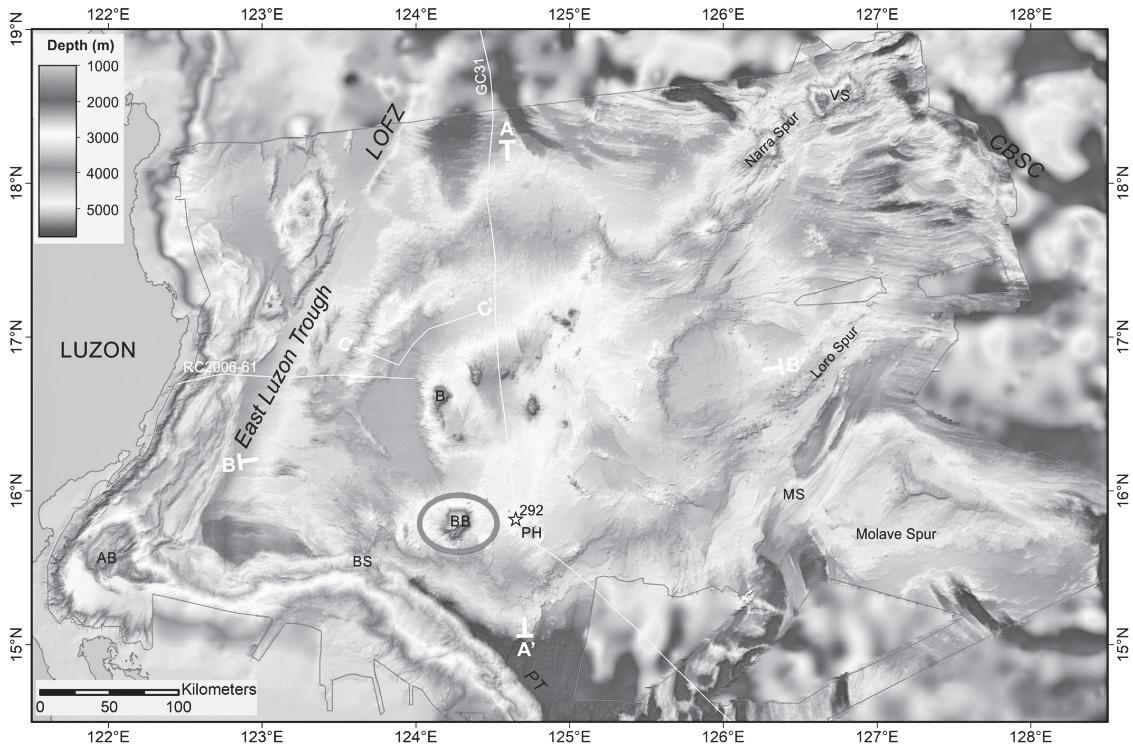



BENHAM Bank has “high biodiversity and pristine state of reefscapes,” a recent University of the Philippines Diliman Marine Science Institute (UPD MSI) study states.
Located near the eastern coast of Luzon, 50 meters below the sea surface, Benham Bank is an underwater seamount taller than Mt. Apo.
It contains one of the richest mesophotic (or deep) coral ecosystems in the Philippines. It is not expected that biodiversity would thrive in the area, considering the eastern coast of the Philippines is the most affected by typhoons.
However, a paper published in Coral Reefs last April titled “Benthic structuring of the mesophotic coral ecosystem on the Benham Bank seamount in the Philippines” reports that it is pristine and full of potential, a news release from UPD MSI said.
“Seamounts, in general, are known for having high biodiversity and unique benthic [or seafloor] structures. Seamounts enhance ocean productivity and are considered biodiversity hotspots,” shared researcher Joey P. Cabasan.
The recent study revealed not only Benham Bank’s high biodiversity but also the pristine state of its reefscapes, with at least 11 scleractinian, or hard coral genera, of varying morphotypes, with four sites having excellent coral cover (similar to 100 percent), 10
octocoral (or soft coral) genera, at least 4 genera of macroalgae (or seaweed), and some arborescent sponges.
The hard coral cover across the 50m to 80m depth range of Benham Bank was recorded at an overall mean of 30 percent, being substantially higher than other tropical mesophotic coral ecosystems (MCEs) on isolated seamounts and those closer to mainland Philippines.
Typically, live hard coral cover on mesophotic reefs is relatively poor. However, the Benham Bank is able to maintain high hard coral cover.
“Benham Bank is in a way resilient to physical and thermal stress. There is stratification or layers with different water properties, which perhaps protected the Benham Bank from the effects of stress,” Cabasan said.
Through stratification, the upper 40m layer creates a barrier that prevents mixing with the lower layers, thus, providing protection.
“The water at Benham Bank is very clear. Since there are no major sources of nutrients like large rivers, nutrients and chlorophyll in the water column are low, and light is able to penetrate to greater
depths. This allows the corals and algae to thrive there,” explained co-author Dr. Cesar Villanoy.
In addition to observation of previousinitial study by Nacorda et al., 2017, Cabasan shared that the area showed eight probable habitat types in the mesophotic coral ecosystems at Benham Bank.
They are: 1) macroalgae-dominated, 2) octocoral-dominated, 3) hard coral-dominated (showing extensive cover of foliose plateforming Porites), 4) hard coral and octocoral, 5) turf algae and hard coral, 6) turf algae-dominated, 7) rocky, and 8) sandy.
Classifying the probable habitat types in the MCE at Benham Bank could be helpful for legislators in properly zoning the area and determining which parts may be designated for protection, fishing, and other uses.
The recent findings of the Benham Bank show that despite being a three-day ship travel away from the mainland Philippines, it is immensely beneficial and relevant to Filipinos.
During their fieldwork, Cabasan saw traditional small-scale fishers from Infanta, Quezon, also working in the area.
The place was designated by the Philippine government as a “protected food supply exclusive zone” in May 2017.
A 2014 survey found that despite its depth, Benham Bank hosts more than 60 reef-associated fish species, many of which are commercially important food fish.
Among them are large species of snappers, emperors, groupers, trevallies, and surgeonfishes; a high diversity of butterflyfishes
( Chaetodontidae ); and that majority of the fishes observed were mostly adults or largesized individuals.
The area also serves as an important breeding and nursery area for various tuna species and other commercially valuable fish.
Additionally, Benham Bank lies in a strategic location, which could help coral reef recovery in other areas.
“[The area] is affected by the North Equatorial Current, which potentially receives larvae from other Pacific islands,” researcher Cabasan said.
The north equatorial current flows towards the northeast coast
of the Philippines and splits northwards to form the Kuroshio or the Japan Current and southwards as the Mindanao Current. This current could mean that coral populations are connected, making coral reef recovery a possibility in mesophotic reefs with poor live hard coral cover.
The recent research team’s specializations are in marine biology, oceanography and geology. These specializations are required in making it out to the Benham Bank that needs proper planning due to seasonal challenges, such as monsoons, with at least six months of preparation, to allow for coordination with different institutions and government agencies.

ARECENT study revealed that natural gas from the Nagsasa Seep in San Antonio, Zambales has the highest recorded gas seepage capable of producing renewable energy to meet the power demands of the town.
The gas seeps, also known as “outgassing,” have released a record 800 tons of geologic hydrogen. This amount surpasses the previous record of 200 tons reported in Albania in 2024, the Department of Science and Technology-Philippine Nuclear Research Institute (DOST-PNRI) news release said.
Featured in the 68th episode of “Behind the Science Podcast” recently, the study titled “High hydrogen outgassing from an ophiolite-hosted seep in Zambales, Philippines” showed that researchers recorded at least 808 tons per year of natural surface outgassing from the Nagsasa seep alone, which is one of, if not, the highest measured hydrogen degassing from ophiolites to date.
The Nagsasa town has about an area of more than 1 hectare of field with gas seeps. According to Dr. Karmina A. Aquino, geological chemist and a Science and Technology fellow from the DOST-PNRI, the natural hydrogen fluxes measured in the country are a possible source of renewable energy and is significant to supplement the power demand of the town of San Antonio which is hosting the seep.

Citing a result of the study, Aquino said that the surface outgassing in the seep may generate 12,861 to 15,185 megawatt-hour (MWh) per year which is up to 42 percent of the estimated 36,600 MWh demand of San Antonio. Additionally, according to Aquino, San Antonio has approximately 10,000 households, some of which are currently have no electricity. Tapping this freely available energy resource would be beneficial for the communities near the Nagsasa seep, which is currently not connected to the grid. Moreover, highlighting the importance
of natural hydrogen to address the current global climate situation, Aquino shared that the International Energy Agency set a global target of 500 million tons of clean hydrogen for its ‘net-zero emissions goal’ by 2050.
This target is aligned with the goals of the Paris Agreement to limit global temperature rise to 1.5 degrees Celsius.
“96 percent of hydrogen produced today is formed from fossil fuels like methane. Methane is converted to hydrogen… but you will still produce carbon dioxide which is not clean,” Aquino said.
She further explained that a geologic hydrogen, also known as natural hydrogen, refers to the gas naturally found beneath the earth’s surface which are formed through the water-rock interaction.
“We knew this for so long. Actually, the Philippines is one of the OG [original] sites for geologic hydrogen, as early as 1980s or earlier,” Aquino said.
Since geologic hydrogen is being produced naturally, it has been widely used for a long time now in several sites worldwide, according to Aquino. She cited the US which has lots of funds allocated for geologic hydrogen exploration.
“In the Philippines, there are known sites, and we know there is hydrogen there, but we don’t know how much we can get and if it’s worth pursuing and if it’s economical,” Aquino said.
Aquino, together with her colleagues,
first measured the outgassing rate of natural hydrogen in Zambales because it is more accessible than the other sites like Palawan.
Also, sources across the web showed that Zambales is internationally recognized as the well-preserved example of Ophiolite—a fragment of the Earth’s oceanic crust and underlying upper mantle that has been uplifted and exposed on land, often emplaced onto continental crust.
“But for now, the only immediate use [of hydrogen gas] is as mixed gas [hydrogen and methane] for the gasifier generation system,” Aquino said.
Currently, Aquino and her team are coordinating with the DOST-Forest Products Research and Development Institute (DOSTFPRDI) if it can provide the gas and if they can develop a similar system to directly convert hydrogen into electricity.
The study is funded by the DOST Grantsin-Aid Program.
The S&T fellow program is an initiative of the DOST where highly qualified experts are encouraged to help increase the number of scientists per population, and to boost the research and development capacity of the DOST. Fellows are expected to come up with R&D projects and participate in the conceptualization, policy and funding development, and monitoring and evaluation of various R&D programs and projects.
Since the researchers have only been able to study the Benham Bank area outside the monsoon season, they made many recommendations for further studies, such as exploring the potential seasonal variation in stratification.
A dedicated paper on the fish communities in the area can also provide a better picture of the ecological role Benham Bank plays.
Connectivity studies about the area, tracing current patterns, and checking the potential sources and destinations of larvae may give insight into the recovery and interdependency of reefs in different areas.
To continue to preserve the pristine state of the Benham Bank, emerging threats in the area— natural or manmade—must be studied.
The researchers said these recommendations are essential for future research, considering only 5 percent of seamounts around the world are protected.
“Cabasan’s key messages from this research highlight the Benham Bank as a diverse community of marine organisms, corals, and algae,” the UPD MSI news release said. He said this biodiversity emphasizes the need to be proactive toward continued research, especially since current studies serve as a baseline for understanding the area.
As the country faces climate change, research will answer the questions about how the Benham Bank’s unique environment may continue to thrive and what steps we must take to protect its potential.
Holcim PHL joins initiative to advance waste management, sustainability in North Mindanao
CAGAYAN DE ORO CITY—Geocycle
Philippines, a part of the local waste management business of Holcim Philippines, has strengthened its commitment to environmental sustainability by joining the newly established Northern Mindanao Regional Ecology Center (NMREC), a collaborative initiative that brings together government agencies, industry leaders, and academic institutions to enhance solid waste management in the region.
NMREC was launched through the signing of a Memorandum of Agreement among key stakeholders, including the Departments of Environment and Natural Resources, Interior and Local Government, Science and Technology, the Trade and Industry, and Health.
Other industry partners have also joined forces to drive sustainability initiatives in the region.
Geocycle Philippines brings its expertise in co-processing technology, a sustainable waste management solution that safely recycles industrial and municipal waste into alternative fuels and raw materials for cement production.
By participating in NMREC, Holcim Philippines aims to contribute to the reduction of non-recyclable waste, the promotion of circular economy practices, and the overall improvement of ecological
solid waste management.
The National Materials Recovery and Energy Center, with support from its members, aims to advance sustainable waste management through key initiatives. These include promoting alternative solutions like co-processing to reduce landfill reliance and enhance resource recovery; capacitating building and community engagement through training programs and awareness campaigns that educate stakeholders on sustainable practices; ensuring transparency and compliance.
The center is working to establish a comprehensive waste management database aligned with Republic Act 9003 and Republic Act No. 11898, and fostering industry collaboration, strengthening ties between government, businesses, and civil society to champion a circular economy.
With the support of 20 institutions, the center is poised to become a leading force in environmental protection and sustainability in Northern Mindanao. Geocycle Philippines involvement in the initiative underscores its dedication to promoting responsible waste management solutions that align with global sustainability goals.
The NMREC is based at the DENR Compound in Puntod, Cagayan de Oro City.

A8 SundAy, June 15, 2025 mirror_sports@yahoo.com.ph
Editor: Jun Lomibao

By Aldrin Quinto
THE unbeaten run in the four-team Alas Pilipinas Invitationals sent the nationals and the crowd into a frenzy.
Even 71-year-old coach Angiolino Frigoni surprised everyone with a sort of animated dance in the mixed zone at the Smart Araneta Coliseum.
He was back to serious mode just moments later, telling media the need to temper expectations with much tougher events lined up and only three months left before the FIVB Volleyball Men’s World Championship.
“I don’t know if we have enough time,” the Italian coach said when asked about the Philippine team’s preparations for the world meet the country is hosting from September 12 to 28.
“We will do our best to be good there.”
Three wins in three days were impressive, but Frigoni noted there is much work to be done.
“We take this as a good start. But as I know the other teams that we have to compete against, what we did today is not enough,” Frigoni said. “Okay, we are very happy of course that we win, right? But for us it doesn’t mean anything.” Indeed, there was no medal or any prize at stake. It was a test event.
But for the crowd that bought tickets or tuned in to the matches, honor was on the line. Pride. Bragging rights. And for the 16 players on that Philippine roster, a chance to boost their stock ahead of the
“We
our city, our country. The vibe is going to be incredible to just have everybody here. I’m looking for another explosion of soccer—football—in America.”
The attendees all expressed excitement about the return of the world’s premier soccer tournament to the US while acknowledging the uncertainty of whether the nation’s fraught political climate could present significant challenges to the teams, the World Cup organizers and even the network that will broadcast the tournament domestically.
“I’m hoping this game can bring people together,” said former LA Galaxy midfielder Cobi Jones, a three-time

World Cup veteran and the US men’s career leader in appearances. “That’s what we really want. We’re talking about the travel bans and all that, I’m hoping that FIFA can work together with our government to find a way that everyone can be here, everyone can enjoy this sport, because it’s a cultural event that’s happening here in a year. I expect everyone from around the world to be able to come here and enjoy it.” Los Angeles is in the midst of several days of protests against intensified immigration raids across the nation
that could cause international fans to wonder whether they can travel to the tournament safely. President Donald Trump›s latest expansive travel ban has raised questions about whether some soccer fans will be able to visit at all.
“I think it will get figured out,” Harbaugh said. “To quote the late, great Tom Petty, most things I worry about don’t end up happening anyway.” Jones also preached caution for US fans already fretting about the dismal state of their national team.
Coach Mauricio Pochettino’s squad
is on its first four-game losing streak since 2007 after getting thrashed 4-0 by Switzerland on Tuesday in its final tune-up for the CONCACAF Gold Cup.
“We don’t panic right now,” Jones said. “Talk to me when we’re a month out. I’ve seen from experience that with a year out from the World Cup, the team is going to completely change [in the interim]. So for me, it’s all about a general sense of whether they can come together as a team, because it’s not about the individuals. We’ve seen it so many times.” AP



support on offense as Alas Pilipinas scored four-set wins over South Korean club Hyundai Capital Skywalkers and Jakarta Bhayangkara Presisi. Frigoni also thanked the fans for supporting this year’s event after what he felt was lukewarm backing from the home team when the Alas Pilipinas Invitationals featured Japanese teams. He appeals for full support when Alas Pilipinas sees action in the FIVB Men’s World Championship.
“We play against the Japanese. And most of the fans, they were cheering for Japan and not for us. You know what I mean? And I said to them last year, please, cheers for Philippines, because we need your help. And I will repeat again, please, cheers for Philippines, because we need your help.
Closing the gap on rivals ANGIOLINO FRIGONI said he is pleased Alas Pilipinas,



WHO KNEW? Broadway has found its Gen Z audience–by telling Gen Z stories
JUNE 15, 2025 | soundstrip.businessmirror@gmail.com
David Licauco drops debut single, ‘I
Story by Justine Xyrah Garcia
Actor, entrepreneur, and now—recording artist.
David Licauco, GMA Sparkle’s Pambansang Ginoo, surprised fans last May 16 with the release of his debut single "I Think I Love You" under Universal Records.
Known for his television roles and business ventures, David admits that stepping into music wasn’t something he initially saw coming.
“When Universal Records approached us and told me that they were gonna sign me, of course at that point I asked myself, ‘Can I really do this?’” he shared in an interview with BusinessMirror’s SoundStrip and other media outlets.
“But I also thought, chances like this don’t come often… I think I’m a person who is just accepting whatever opportunity that comes in my way.”
So what’s I Think I Love You about?

Publisher :
T. Anthony C. Cabangon
Lourdes M. Fernandez
Editor-In-Chief :
Concept :
Aldwin M. Tolosa
Y2Z Editor :
SoundStrip Editor : Group Creative Director : Graphic Designers :
Jt Nisay
Edwin P. Sallan
Eduardo A. Davad
Niggel Figueroa
Chow Jarlego
Contributing Writers :
Tony M. Maghirang
Rick Olivares
Jill Tan Radovan
Reine Juvierre S. Alberto
John Eiron R. Francisco
Pocholo Concepcion
Francine Y. Medina
Justine Xyrah Garcia
Bea Rollo
Trixzy Leigh Bonotan
Bless Aubrey Ogerio
Photographers :
Bernard P. Testa Nonie Reyes
Y2Z & SOUNDSTRIP are published and distributed free every Sunday by the Philippine Business Daily Mirror Publishing Inc. as a project of the
The Philippine Business Mirror Publishing, Inc., with offices on the 3rd Floor of Dominga Building III 2113 Chino Roces Avenue corner Dela Rosa Street, Makati City, Philippines. Tel. Nos. (Editorial) 817-9467; 813-0725.
Fax line: 813-7025
Advertising Sales: 893-2019; 817-1351,817-2807. Circulation: 893-1662; 814-0134 to 36. www.businessmirror.com.ph
The title gives it away—it’s about catching feelings, but not knowing whether to say something or stay quiet.
It’s a sentiment that hits close to home for many Gen Zs—especially in the era of “situationships.”
David said this was exactly the kind of vibe he was going for.
As someone who considers himself practical, he wanted his first single to be simple and relatable— something that wouldn’t feel too distant from who he already is.
“I wanted a song that would resonate with Gen Zs. Something that could trend on TikTok… Its melody is very TikTok-able,” he said.
“With regard to the lyrics, I said I want it to feel like I’m just talking to the girl,” he added.
Preparing for a role offcamera
Music may not have been in his original playbook, but David puts in the work.
He began vocal training last year and picked it up again after filming the GMA historical series Pulang Araw.
He trained under vocal coaches from Universal Records and practiced regularly at home—and even in the car.
He also shared that his assistant gave honest feedback on his recordings, helping him fine-tune his delivery.
“During the recording day I was super shy,” the Pambansang Ginoo admitted.
“As you guys know, I’m a bit of a shy person. But with the help of white wine, ako ay natulungan,” he joked.
Beyond music, he’s also been working on how he presents himself during interviews.
He turned to books and online resources to help build his confidence.
“’Di ba kasi ako yung person na gusto ko mag-improve all the time, so I’m all for self-improvement,” he said. “Thankfully, hindi na ako gano’n ka-shy. I’m still shy, but I’m improving. I’m getting there hopefully.”
What’s next?
While music wasn’t originally part of his plans, David said he’s open to doing more if the response stays positive.
“If Universal Records still wants to produce another song for me… of course I would love to. I enjoyed drinking wine while recording. I’m a feeling singer,” he said with a smile.
He also shared that he’s been in touch with Ben&Ben’s Miguel and Paolo Benjamin, who helped him during his vocal training.
If a collaboration happens, he said he’d be more than happy to share a song—or a stage—with them.
As for the possibility of a solo concert, he’s also not ruling it out.
“If it works out, why not? I’ll be super happy to do it,” David added.
A music video is also on the way, and though the final cast has yet to be announced, fans are already
crossing their fingers for a reunion project with his longtime screen partner, Barbie Forteza.
David said he’s open to it—it just depends on their schedules.
"I Think I Love You" is now streaming on Spotify, Apple Music, and YouTube.
On its first day, the track debuted at No. 5 on the iTunes Philippines Top Songs chart.


By John Eiron R. Francisco
How do you tell a story about a tragedy without dwelling on the darkness? “Come From Away,” GMG Productions’ latest offering and its firstever Filipino-led staging, answers this question with extraordinary empathy, wit, and unwavering humanity.
Currently running at the Samsung Performing Arts Theater in Circuit Makati, this powerful musical is a beautiful reminder that, no matter where we’re from, kindness is something we all understand. Especially in times of crisis, compassion can be our strongest connection.
“Come From Away” is based on real events that happened after the September 11 (9/11) attacks in the U.S. In the days after the tragedy, 38 planes carrying nearly 7,000 people were forced to land unexpectedly in Gander, a small town in Newfoundland, Canada. The townspeople quickly opened their homes, schools, and hearts to these stranded travelers.
The musical, with book, music, and lyrics by Irene Sankoff and David Hein, turns this incredible act of kindness into a moving and uplifting story. It first premiered in 2013 and went on to earn critical acclaim on Broadway and beyond.
Critics have called it “a totally, soul-feedingly wonderful musical” (Time Out) and “a celebration of the best of humankind” (The Daily Beast).
As the lights go down, the audience sees a simple, gray stage with wooden floors, bare trees, and a small sign that reads “You Are Here.” There’s no glittering curtain or dazzling effects—just a clean slate for the story to unfold.
But that’s the magic. The minimalist design allows the storytelling, and the storytellers, to take center stage. Through clever lighting, sound, and choreography, the set transforms from airplane cabins

to town halls, cafes, and even makeshift shelters— often with just a few chairs and lighting cues.
This production, directed by Michael Williams, with musical direction by Rony Fortich and choreography by Delphine Buencamino, proves that you don’t need spectacle to be powerful. You just need sincerity—and this cast delivers plenty of it.
The entire cast is composed of Filipino performers—including Cathy Azanza-Dy, Garrett Bolden, Caisa Borromeo, Mikkie Bradshaw-Volante, Sheila Francisco, Menchu Lauchengco-Yulo, Gian Magdangal, and more—and they are phenomenal. Each actor takes on multiple roles, changing accents, outfits, and personalities with ease. One moment, someone’s a nervous passenger; the next, they’re a warm-hearted local offering food and comfort.
More than just technical skill, the emotional truth they bring is what really stands out. Their performances are honest and moving, especially in songs like “Me and the Sky” and “Prayer.” The latter is a particularly striking scene where different faiths quietly come together in shared prayer—one of the show’s most beautiful and emotional moments.

Because the story is set around the time of 9/11, some might expect it to be dark or somber. But “Come From Away” surprises its audience. Yes, it makes you cry—but it also makes you laugh.
The humor comes naturally. It’s woven into the script and delivered with perfect timing. These aren’t jokes for the sake of jokes. They’re moments of lightness that show how real people cope, connect, and even laugh in the face of fear.
That balance between grief and hope is what makes the musical so powerful. It doesn’t ignore the pain—but it reminds us that kindness and humanity can still shine through.
Even though the story takes place in Canada, the Manila production feels deeply Filipino. You can sense it in the warmth, in the humor, and in how the characters open their homes to strangers without hesitation. There’s a real sense of “bayanihan”—our spirit of community and togetherness.
This local cast doesn’t just tell the story. They live
it. They bring their own cultural truths to the stage, making the story feel even more relatable. It’s not just a Western story being told in the Philippines. It’s a universal one, retold with a uniquely Filipino heart.
Don’t Miss It
At its heart, “Come From Away” isn’t about planes or politics. It’s about people—ordinary people doing extraordinary things when the world needed it most. This Manila production, with its outstanding Filipino ensemble and emotionally charged storytelling, is a triumph. You don’t just watch it—you feel it, long after the final bow.
This extraordinary staging was made possible through the partnership of UnionBank and GMG Productions and runs until June 29, 2025, at the Samsung Performing Arts Theater. Don’t miss this powerful piece of theatre that reminds us that even in the darkest skies, humanity finds a way to shine. For tickets and information, visit GMG Productions (https://www.gmg-productions. com), and to explore exclusive UnionBank cardholderoffers,goto[www.unionbankph.com] (https://www.unionbankph.com).

By Elise Ryan The Associated Press
NEW YORK—
Kimberly Belflower knew John Proctor is the Villain needed its final cathartic scene to work—and, for that, it needed Lorde’s “Green Light.”
“I literally told my agent, ‘I would rather the play just not get done if it can’t use that song,’” the playwright laughed. She wrote Lorde a letter, explaining what the song meant, and got her green light.
Starring Sadie Sink, the staggering play about high schoolers studying The Crucible as the #MeToo movement arrives in their small Georgia town, earned seven Tony nominations, including best new play—the most of any this season. It’s among a group of Broadway shows that have centered the stories of young people and attracted audiences to match.
Sam Gold’s Brooklyn-rave take on Romeo + Juliet, nominated for best revival of a play and led by Kit Connor and Rachel Zegler with music from Jack Antonoff, drew the youngest ticket-buying audience recorded on Broadway, producers reported, with 14 percent of ticket purchasers aged 18-24, compared to the industry average of 3 percent.
The shows share some DNA: pop music (specifically the stylings of Antonoff, who also produced “Green Light”), Hollywood stars with established fanbases and stories that reflect the complexity of young adulthood.
“It was very clear that young people found our show because it was doing what theater’s supposed to do,” Gold said. “Be a mirror.”
Embracing the poetry of teenage language
THE themes John Proctor investigates aren’t danced around (until they literally are). The girls are quick to discuss #MeToo’s impact, intersectional feminism and sexual autonomy. Their conversations, true to teenage girlhood, are laced with comedy and pop culture references—Taylor Swift, Beyoncé, “Twilight,” and, of course, Lorde.
Fina Strazza, 19, portrays Beth, a leader who is whip-smart and well-intentioned— but whose friendships and belief system are shaken by the play’s revelations.
“You have so much empathy and are so invested in her, but she still has these mis-

haps and slip-ups that young people often have,” said Strazza, nominated for best featured actor in a play. Some audience members have given her letters detailing how Beth helped them forgive themselves for how they handled similar experiences.
The script is written in prose, with frequent line breaks and infrequent capital letters. Director Danya Taymor, nominated for best direction of a play a year after winning a Tony for another teenage canon classic, The Outsiders, was drawn to that rhythm—and how Belflower’s depiction of adolescence captured its intensity, just as S.E. Hinton had.
“There’s something about the teenage years that is so raw,” Taymor said. “None of us can escape it.”
Classic themes, made modern
DURING his Tony-winning production of
An Enemy of the People, Gold found himself having conversations with young actors and theatergoers about climate change, politics and how “theater was something that people their age and younger really need in a different way, as the world is becoming so addicted to technology,” he said.
That conjured Romeo and Juliet. The original text “has it all in terms of what it means to inherit the future that people older than you have created,” Gold said.
Building the world of this show, with an ensemble under 30, was not unlike building
An Enemy of the People, set in 19th century Norway, Gold said: “I think the difference is that the world that I made for this show is something that a very hungry audience had not gotten to see.”
Fans, Gold correctly predicted, were ravenous. Demand ahead of the first preview prompted a preemptive extension. Word (and bootleg video) of Connor doing a pullup to kiss Zegler made the rounds. “Man of the House,” an Antonoff-produced ballad sung by Zegler mid-show, was released as a single. With the show premiering just
before the U.S. presidential election, Voters of Tomorrow even registered new voters in the lobby.
Audiences proved willing to pay: Average ticket prices hovered around $150. Cheaper rush and lottery tickets drew lines hours before the box office opened. Every week but one sold out.
“The show was initially really well sold because we had a cast that appealed to a really specific audience,” said producer Greg
so much. I want to do you proud. I want to show you a story that represents you in a way that doesn’t belittle or demean you, but uplifts you.’”
Producing John Proctor, Scott said, gave Runyonland the opportunity to target that audience on a Broadway scale. Belflower developed the show with students as part of a The Farm College Collaboration Project. It’s been licensed over 100 times for high school and college productions. The Broadway production’s social and influencer marketing is run by 20-somethings, too.
THE final scene of John Proctor is a reclamation fueled by rage and “Green Light.” Capturing that electricity has been key to the show’s marketing.
“The pullup (in Romeo + Juliet) is so impactful because it’s so real. It’s like so exactly what a teenage boy would do,” Taymor said. “I think when you see the girls in John Proctor screaming ... it hits you in a visceral way.” That screaming made the Playbill cover.
“In my opinion, the look and feel of that campaign feels different from a traditional theatrical campaign, and it feels a lot closer to a film campaign,” Laub said. The show’s
‘It was very clear that young people found our show because it was doing what theater’s supposed to do: Be a mirror.’ —Broadway director Sam Gold
Nobile of Seaview Productions. “We continued to see the houses sell out because these audiences came, and they were all over online talking about the ways in which they actually felt seen.”
Building a Gen Z theater experience with Gen Z THOMAS LAUB, 28, and Alyah Chanelle Scott, 27, started Runyonland Productions for that very reason.
“We both felt a lot of frustration with the industry, and the ways that we were boxed out of it as students in Michigan who were able to come to New York sparingly,” Laub said. Runyonland was launched in 2018 with the premise that highlighting new, bold voices would bring change.
This spring, Scott, known for playing Whitney in HBO’s Sex Lives of College Girls, acted off-Broadway in Natalie Margolin’s All Nighter.
“I was standing onstage and looking out and seeing the college kids that I was playing,” Scott said. “I was like, ‘I respect you

team indeed considered the zeitgeist-infiltrating work of their sister industries, specifically studios like Neon and A24.
In May, John Proctor is the Villain finished its second “spirit week” with a school spirit day. Earlier events included an ice cream social—actors served Van Leeuwen—a silent disco and a banned book giveaway. For those not in their own school’s colors, the merch stand offered T-shirts, including one printed with the Walt Whitman-channeling line said by Sink’s Shelby: “I contain frickin’ multitudes.”
Julia Lawrence, 26, designed the shirt after the show’s team saw her TikTok video reimagining their traditional merch into something more like a concert tee.
“It’s just so incredible to bring Gen Z into the theater that way, especially at a time when theater has never been more important,” Lawrence said. “In a world that’s overpowered by screens, live art can be such a powerful way to find understanding.”
n Cover photo by Dynamic Wang on Unsplash