

By Malou Talosig-Bartolome & Bless Aubrey Ogerio
HOURS after a phone call with President Ferdinand Marcos Jr. and United States Secretary of State Marco Rubio’s meetings in Manila, President Donald Trump ordered the imposition of a 12.5-percent tariff on nearly all Philippine products.

Washington alleged that the Philippines—along with 60 other economies—has inadequately enforced bans on goods produced by forced labor.
In a notice released Friday, the Office of the United States Trade Representative (USTR) said it completed its Section 301 investigation and, after reviewing public comments, testimony, recommendations from the Section 301 Committee and advisory committees, as well as the direction of the US President, determined that additional duties were warranted.
The USTR said a 12.5-percent tariff on Philippine products was the “appropriate response” to what it described as actionable trade practices under Section 301 of the US Trade Act.
Philippine Ambassador to Washington Jose Manuel “Babe” Romualdez noted the new tariff rate is lower than the earlier 19-percent levy but said Manila will negotiate to bring it down further.
“We are going to negotiate on the basis that we will remove the child-labor goods from our list of exports if it is proven to be so,” Romualdez said. Trade Undersecretary Allan Gepty is heading the team.
The additional duties took effect at 12:01 p.m. Philippine time
on July 24. However, goods already loaded onto vessels before that time and entered for US consumption before 12:01 p.m. Philippine time on July 28 are exempt from the new tariff.
The decision came even as Philippine trade officials maintained throughout the investigation that forced labor is not prevalent in the country’s export sector.
In its formal submission to the USTR earlier this month, the Department of Trade and Industry (DTI) said shipments denied entry into the US over forced-labor concerns totaled about $2.71 million, equivalent to roughly 0.01 percent of the $48.25 billion worth of Philippine goods imported by the US from 2023 through the first two months of 2026.
The DTI also argued that Philippine-made products, including exports bound for the US, “do not rely on forced labor,” citing existing labor laws, enforcement mechanisms and trade data.
According to the USTR report, the tariffs cover all Philippine exports except steel, aluminum, copper, wood products, vehicles, and semiconductors.
Exemptions were also granted for civil aircraft, engines and parts,
See “12.5% Tariff,” A2


By Andrea E. San Juan
WASHINGTON’S announcement that it is slapping fresh tariffs on goods produced by forced labor added another layer to global economic uncertainties--fueling the demand for safe-haven dollar assets and dragging the Philippine peso to a new record low on Friday.
Data from the Bankers Association of the Philippines (BAP) showed the local currency closed at P61.847 against the greenback on Friday. This is 9.7 centavos weaker than its previous finish of P61.75 on Thursday.
Jonathan L. Ravelas, senior adviser at Reyes Tacandong & Co., said attributed this to “rising crude oil prices as US and Iranian attacks escalated and new tariffs, renewing inflation concerns.”
Asked about how the new tariffs announced by the United States government would fuel demand for the safe-haven currency, Ravelas told the BusinessMirror : “In simple terms, tariffs can strengthen the US dollar because they reduce demand for imported goods, which means fewer dollars are sent overseas.”
At the same time, he said, tariffs can push up inflation in the US, making the Federal Reserve more cautious about cutting interest rates.
“Higher US interest rates relative

to other countries tend to attract global capital into dollar assets, boosting demand for the US dollar,” he added.
For his part, John Paolo R. Rivera, Senior Research Fellow at Philippine Institute for Development Studies (PIDS) said the peso’s drop to a new record low was largely driven by “external factors.”
“Geopolitical tensions and trade policy uncertainties have also contributed to risk aversion, putting pressure on emerging market currencies, including the peso,” Rivera told this newspaper on Friday.
Moving forward, the PIDS senior research fellow said the peso may remain under pressure in the near term as long as global uncertainties persist.
“But I expect movements to remain broadly market-driven rather than disorderly,” added Rivera.
Within the trading day, the peso traded from as strong as P61.78 to as weak as P61.85 per dollar.
According to the Office of the United States Trade Representative (USTR), Washington announced that failure to impose and effectively enforce a prohibition on the importation of goods produced with forced labor would warrant a 10 percent or 12.5 percent tariff on 60 trading partners, subject to “certain product exemptions.”
The USTR said the top 60 US trade partners cover 99.4 percent of US imports.
PEZA investment approvals surge to ₧151.9B in 7 months
By Bless Aubrey Ogerio
THE Philippine Economic Zone Authority (Peza) said investment approvals continued to accelerate in January to July, driven largely by manufacturing projects and export-oriented investments despite lingering global trade and geopolitical uncertainties.
The total approved investments reached P151.901 billion during the period, a 66.99-percent increase from P90.961 billion in 2025.
The Peza Board approved 174 new and expansion projects, up 16 percent from 150 projects approved in the same period last year.
“The first seven months of 2026 demonstrate that investor confidence in the Philippines remains strong. More importantly, we are seeing investments that are increasingly export-oriented, technology-driven, and aligned with the country’s long-term industrial development goals,” Peza Director General Tereso Panga said.

The approved projects are projected to generate $5.905 billion in exports, almost three times the $2.003 billion recorded in the same period last year, or a 194.82-percent increase. They are also expected to create 26,047 direct jobs. Manufacturing remained the largest investment segment, accounting for 76 approved projects. It was followed by 28 information
technology-business process management (IT-BPM), 26 ecozone development, 15 facilities, 13 logistics, 10 domestic market, four tourism and two utilities projects.
By location, 141 projects will be established in Luzon, 22 in the Visayas and 11 in Mindanao.
The Netherlands emerged as the biggest investment source during the period, followed by South Korea, Singapore, Indonesia and Germany.
Peza said its overall performance was supported by 25 bigticket projects worth a combined P131.661 billion, accounting for nearly 87 percent of total approved investments from January to July.
For July alone, the Peza Board approved 17 new and expansion projects worth P11.212 billion, lower than the P18.599 billion approved in the same month last year.
Despite the lower investment value, the agency said that the Julyapproved projects are expected to generate $2.538 billion in exports,
up 241.12 percent from $744 million a year earlier, while projected direct employment edged up to 2,907 jobs from 2,891.
The July approvals consisted of six export manufacturing projects, four IT-BPM enterprises, three domestic market enterprises, two ecozone development projects, and two facilities projects.
Four big-ticket projects worth P8.818 billion accounted for nearly 79 percent of the month’s approved investments.
“While monthly investment values naturally vary depending on the mix of projects approved by the Board, what matters is that the investments entering our ecozones continue to strengthen the country’s export base, create quality employment, and position the Philippines deeper within global value chains,” Panga said.
PEZA expects the latter half of 2026 to see more investment leads turning into actual projects, boosting production capacity, exports and jobs.


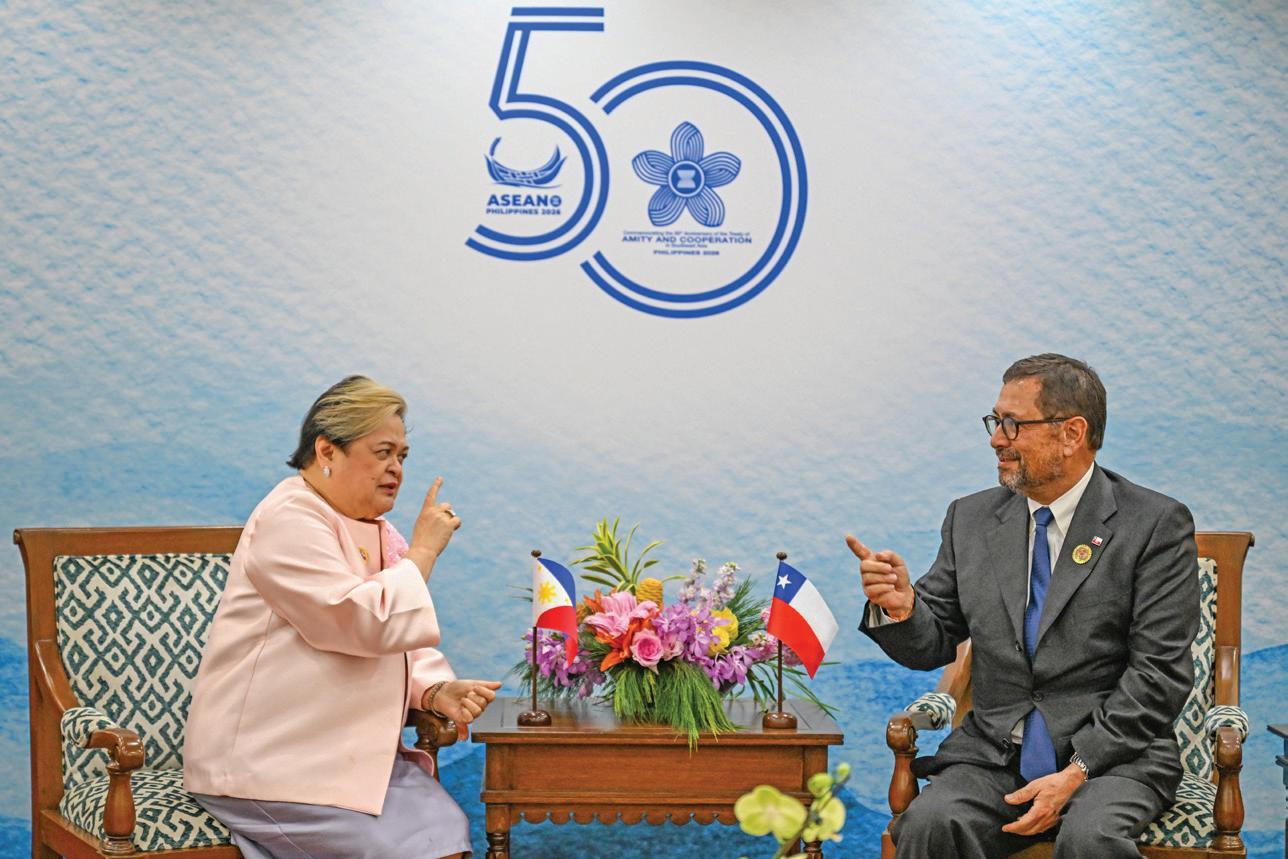
THE Philippines has reached another trade milestone following the conclusion of its negotiations with Chile for a Comprehensive Economic Partnership Agreement (Cepa) nearly two years after they launched formal talks.
The Department of Trade and Industry (DTI) made this announcement in a Facebook post on Friday. The event coincides with the 80th anniversary of diplomatic relations between the Philippines and Chile.
Trade Secretary Ma. Cristina Roque said she welcomes the “successful conclusion” of the negotiations during her meeting with Chilean Foreign Minister Francisco Pérez Mackenna.
Negotiations for the Philippines’s first bilateral trade pact with a Latin American country formally began in December 2024 after Roque and then Chilean Foreign Minister Alberto van Klaveren signed a joint statement in Manila launching the talks. The agreement, however,
was preceded by bilateral Joint Economic Commission meetings held in Manila in August 2023 and Santiago in November 2024, where both sides laid the groundwork and agreed on the scope of the proposed economic partnership.
The first round of negotiations was conducted virtually in May 2025, followed by a second round in Santiago in July 2025 that tackled trade in goods, rules of origin, digital economy, services and investment disciplines.
Negotiators then met in Manila in October last year for a final round of chapter-by-chapter text negotiations and tariff discussions.
The conclusion fulfills one of the DTI’s trade negotiation targets after the agency earlier projected that talks with Chile would be wrapped up within the year.
Separate negotiations with the European Union, Canada and the review of the Philippine-Japan Economic Partnership Agreement remain ongoing.
PHL mulls over halting tax on cooking gas, kerosene
By Reine Juvierre S. Alberto
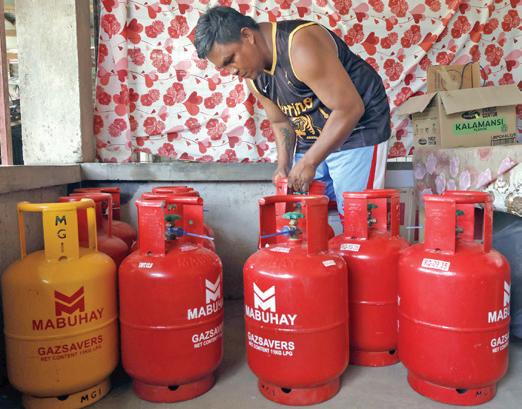
THE Philippines could again suspend excise taxes on liquefied petroleum gas (LPG) and kerosene if the price of Dubai crude persists at elevated levels, Finance Secretary Frederick D. Go said.
Asked if the Development Budget Coordination Committee (DBCC), which he co-chairs, would endorse another suspension of duties after fresh tensions in the Middle East pushed up local pump prices, Go said it is “possible.”
“If the price of Dubai crude exceeds $80 for a period of 30 days, then it’s likely that we would recommend a similar suspension on LPG and kerosene,” he told reporters in a chance interview last Thursday after the signing an agreement for a grant facility from World Bank. The three-month suspension of excise taxes on LPG and kerosene, which resulted in revenue losses of P2.5 billion, was lifted last July 8, as Dubai crude price fell below an average of $80 per barrel for a month based on the Mean of Platts Singapore (MOPS). Under Executive Order (EO) No. 114, the DBCC, in coordination with the Department of Energy (DOE), could recommend to the President to temporarily suspend or reduce the excise tax on petroleum products when the average Dubai crude oil price based on MOPS reaches or exceeds $80 per barrel for one month. In a televised news program on Friday, DOE Oil Industry Management Bureau Director Rino Abad said the Dubai crude oil (Platts) is now priced at about $87 per barrel.
Another round of oil price adjustments is expected next
Story and
by Mike Policarpio
AUSTRALIA on Wednesday urged countries such as the Philippines to help shape a stable and inclusive Indo-Pacific by strengthening partnerships, upholding international law and resisting the forces of strategic rivalry.
This was Foreign Minister Penny Wong’s reaffirmation of Canberra’s commitment to a rulesbased regional order during her visit to Manila for the 59th Asean Foreign Ministerial Meetings.
At a foreign policy address at De La Salle University addressing an audience of diplomats, academics and students, Wong said Canberra sees both countries as “middle powers” with the capacity to influence the region’s future, rather than simply respond to the actions of larger states. She said Australia seeks “a balance of power where no country dominates and no country is dominated,” adding that: “We do not want any single power to set the terms around our future.”
Wong described PhilippineAustralian relations as being at their “most dynamic,” citing the Comprehensive Strategic Partnership established by President Ferdinand Marcos Jr. and Australian
Prime Minister Anthony Albanese. The partnership spans defense, maritime security, cyber security, trade, investment and development cooperation.
Recalling Marcos Jr.’s reference to the shared values of bayanihan and Australian “mateship,” the foreign minister said both concepts reflect relationships built through effort, shared sacrifice and collective responsibility. She likewise underscored the importance of Asean centrality at a time of growing geopolitical uncertainty, noting that this year marks the 50th anniversary of the “Treaty of Amity and Cooperation in Southeast Asia.” Wong said the treaty remains a cornerstone of the regional architecture by committing states to mutual respect, territorial integrity, the peaceful settlement of disputes, the renunciation of the threat or use of force, and cooperation despite differences in history and national interests.

“We are not to be defined by rivalry,” she insisted, while urging countries to invest in partnerships “before crisis closes the door to cooperation.”
‘Not turn inward, but invest...’ WARNING that strategic competition has intensified across the Indo-Pacific, Wong said the risk of miscalculation is increasing as military capabilities expand while mechanisms for dialogue struggle to keep pace.
The Australian government official said the changing strategic landscape demands that countries resist the temptation to turn “inward and instead invest” in stronger regional relationships and greater collective resilience.
Affirming Australia’s support

for the rules-based international order, Wong described the 2016 South China Sea arbitral award as a landmark decision and reiterated Canberra’s longstanding support for the United Nations Convention on the Law of the Sea or Unclos. She said Australia has consistently called for compliance with the ruling and stressed that respect for international law remains essential to preserving sovereignty, stability and the peaceful management of disputes.
The foreign minister also expressed concern over recent developments in the region, including China’s military build-up and missile launch, saying such actions underscore the need for greater transparency and clearer strategic intent to reduce the danger of miscalculation.
Continued from A1
ground flight simulators, and pharmaceutical inputs. The USTR also added 471 products to the exemption list after public consultations, including:
• Agriculture and food—instant coffee, planting seeds, livestock feed inputs, sugar products.
• Critical minerals and metals—vanadium oxides, pig iron, aluminum and battery scrap.
• Manufacturing and chemicals—semiconductor equipment, fertilizer/pesticide inputs, pharmaceutical ingredients.
• Humanitarian and cultural goods—food, clothing, medicine donations, worn clothing, antiques, and works of art.
Categories
THE USTR grouped the 60 economies slapped with tariffs under the Section 301 into three categories:
• 10 percent tariff economies—17 countries including India, Cambodia, Indonesia, Malaysia, Mexico, and the UK, which have partial or reciprocal regimes.
• MFN- cap economies—EU and Taiwan (10 percent cap); Japan, South Korea, and Switzerland (12.5 percent cap).
• 12.5 percent tariff economies—38 countries including the Asean countries Philippines, Singapore, Thailand, Vietnam; BRICS economies Brazil, Russia, China and South Africa; other APEC members Australia, New Zealand, Chile, Hong Kong and Peru.
Disruptions
EXPORTERS said they are now are

Australia, she said, will continue to voice concerns over destabilizing conduct in the South China Sea while advocating the peaceful resolution of disputes in accordance with international law.
‘Aussie beef in bistek and caldereta’ REINFORCING regional maritime security, Wong announced that Australia will provide A$160 million over the next decade to expand maritime cooperation with Southeast Asian partners. The initiative includes enhanced maritime domain awareness, improved maritime governance and strengthened civilian maritime capabilities.
She also announced A$18 million in additional bilateral maritime assistance for the Philippines over four years and A$10 million to support drone technology and operator training for the Philippine Coast Guard.
Beyond security cooperation, Wong linked energy security directly to economic resilience, saying recent conflicts have exposed the vulnerability of global supply chains and underscored the importance of reliable access to fuel, fertilizer and food.
She noted Australia’s role as a major supplier of liquefied natural gas, agricultural products and beef to the region, joking that Australian beef often finds its way into Filipino favorites such as caldereta and bistek
“We share the region, we share the future,” she said, emphasizing
that regional prosperity depends on open trade and resilient supply chains.
Shaping the future with AI WONG also outlined Australia’s efforts to deepen cooperation in emerging technologies, including a new artificial intelligence framework designed to capture AI’s economic opportunities while ensuring its safe and responsible use.
She said Australia hopes to work with Asean partners to shape the technology’s future collectively “rather than letting [it] shape the future,” describing digital cooperation as another pillar of regional resilience.
Wong noted that Canberra was Asean’s first dialogue partner and has now been a Comprehensive Strategic Partner for five years. She said Australian ministers have made more than 140 visits to the member countries since the current government took office, while two-way regional trade has reached nearly A$200 billion.
preparing for possible disruptions to shipments and orders, with business groups warning that uncertainty could immediately affect trade even as the government continues discussions with Washington.
Country trade officials said talks with US authorities remain ongoing despite the tariff decision, expressing hope that the Philippines’s newly adopted Joint Administrative Order (JAO) on forced labor would support its position.
During a virtual press briefing on Friday, Trade Undersecretary Ceferino Rodolfo said the government remains engaged with US authorities following Washington’s decision.
“We are very much encouraged by the continued positive engagement of the US with respect to this particular issue, including the recent issuance by the Philippines of the JAO,” Rodolfo said.
The JAO, signed by the Departments of Trade and Industry (DTI), Labor and Employment (DOLE), and Finance (DOF), establishes an interagency mechanism for investigating and prohibiting the importation of goods produced wholly or partly through forced labor.
DTI Export Marketing Bureau Director Bianca Pearl Sykimte said the JAO was not issued solely in response to the US investigation but also to protect domestic industries from unfair competition.
“We issued the JAO because we subscribe to the principles of decent work. It also affects the competitiveness of our businesses when we allow or we don’t have a mechanism to stop the importation of goods from forced labour which tend to be cheaper,” she said.
Continued from A1
Business groups, however, said the tariff could create immediate uncertainty for exporters while awaiting further guidance on its implementation.
Philippine Exporters Confederation Inc. President Sergio OrtizLuis Jr. said buyers and manufacturers may delay transactions until they have greater clarity on the measure.
“Of course, the buyers will hold. And the manufacturers and exporters will also hold out until they’re sure if their production will be bought or not. Unless they can find another market for it,” OrtizLuis said in a phone interview.
“So, of course, there’s a certain cost disruption in the supply chain. The uncertainty, until it’s all clarified who’s exempted and who’s not, it will have an effect immediately,” he added.
Meanwhile, Foreign Buyers Association of the Philippines (FOBAP) President Robert Young said the additional tariff further erodes the country’s price competitiveness, particularly for labor-intensive exports.
“The 12.5 percent tariff imposed by US on Philippine exports is one more cross to bear in our free-on-board price quotations to buyers, especially in the garment and apparel sector,” Young said. He noted that Philippine products are already 10 to 15 percent more expensive than those of several ASEAN neighbors because of higher electricity, labor and logistics costs.
“Therefore, we might end up losing purchase orders. Our sourcing strategies will be diverted. And eventually, export business to [the US] will come to a halt for the Philippines,” he said.
Development cooperation, including the long-running “Australia Awards” scholarship program, remains central to her country’s commitment to helping build stronger institutions and more resilient communities across the region, Wong added. Australia, she concluded, is prepared to “lift and carry our share of the weight” in addressing regional and global challenges alongside its Southeast Asian partners. According
www.businessmirror.com.ph
By Andea San Juan
THE Philippines may have less access to highly subsidized financing from Japan, its top source of official development assistance (ODA), if it sustains its Upper-Middle Income Country (Umic) status “for the next few years,” according to Japan’s Ministry of Foreign Affairs (Mofa).
By Ma. Stella F. Arnaldo Special to the Businessmirror
THE Philippines gener -
ated some P113.3 million in sales leads at Malaysia’s premier dive travel and trade show.
In a statement, the Tourism Promotions Board (TPB) said the Philippine delegation promoted the country’s awardwinning dive destinations and offered special packages— from discounted accommodation rates to guided liveaboard adventures—to participants of the recent Malaysia International Dive Expo (Mide).
Visitors to the Philippines booth were particularly drawn to the dive destinations in Palawan, Negros Oriental, Batangas, Cebu, and Oriental Mindoro, said TPB Chief Operating Officer Ma. Margarita
Montemayor Nograles. They were also enthusiastic about pelagic and wreck diving, she added.
“Mide provides an excellent opportunity for the Philippines to promote its world-class dive destinations to the Malaysian market and beyond,” said Montemayor Nograles. TPB is the marketing arm of the Department of Tourism (DOT) and headed the Philippine delegation.
“This year, we came in not only showing the beauty of our underwater treasures but also strengthening our continued support for the Malaysian and Philippine dive stakeholders as evidenced by the Longstanding Appreciation Award we received for our participation for the last 13 years.”
See “Dive,” A11
“For the short time, there is no change. But if the Philippines continues to be categorized as Umic, that may affect the condition of the disbursement of Japanese ODA. Because this is not our decision. Rather, it’s an international rule decided by OECD [Office of Economic Cooperation and Development],” MOFA Spokesperson Kitamura Toshihiro told reporters on Thursday night.
“So if the upper middle income countries continue for the next coming years, probably we should revise our condition which should be less
concessional,” added Kitamura.
Depending on the needs and priorities of the Philippine side, Kitamura said Japan is ready to work together with the Philippine government in order to identify the possible areas of cooperation such as technical assistance, human capital development, et cetera.
“So once again for the short time, there is no change. But in the medium to long term, there might be some change. But the cooperation itself will not stop,” the Japanese government official pointed out.
On July 1, the World Bank announced that Manila had finally clinched the long-awaited Umic status after posting a gross national income (GNI) per capita of $4,850 in 2025, exceeding the $4,636 threshold for upper middle-income economies.
The reclassification comes 39 years in the making, with the Philippines having remained in the lower middle income category since 1987.
While the new status is expected to strengthen the country’s standing among investors, economists
By Butch Fernandez
THE practice of fuel pass-through charges, which continues amid a sustained spike in electricity rates, must be validated by the Energy Regulatory Commission (ERC) to protect the public, Senate President Sherwin Gatchalian said on Friday.
“If the private companies are not watched, there will certainly be abuse in pricing. They will pass on to consumers all of their costs,” said Gatchalian. He noted that the retail rate of various residential customers of Meralco has consistently climbed since January 2025 from a range of P11.74 to P12.36 per kilowatt-hour to a range of P14.48 to P15.10 per kWh.
Gatchalian said the ERC should check not only the distribution charges but also the generation rates being charged by powerproducing companies.
“The government is playing blind when it comes to pass-on charges so there’s a need to audit this. The regulator is there to ensure that the costs for electricity being passed on to consumers is being regulated, especially if the increase is rapid,” he added.
Following an inquiry by Gatchalian, ERC Chairman Francis Saturnino Juan said it was in 2023, following the eruption of the Ukraine-

Russia conflict, that the regulatory body last conducted an audit of pass-through charges.
Gatchalian’s push for an audit of passthrough charges comes on the heels of a clarification by the Manila Electric Company (Meralco) that the rise in electricity bills for the past few months was driven by uncontrollable, surge-level generation charges, which are subject to strict regulatory oversight.
Generation rate, a major component of an electric bill, is the cost of producing or purchasing electricity. This a pass-through charge paid by Meralco to its power suppliers. Meralco said it does not earn from this.
“The recent electricity price increases pertain to generation charges, which reflect the spike in international fuel prices and peso depreciation as a result of the ongoing conflict in the Middle East,” said Meralco Senior Vice President Jose Ronald Valles. “The effect of
these factors on the generation charges are beyond the control of Meralco.”
Besides, Meralco’s procurement of its power requirements could not happen without the regulators’ approval. “The procurement by distribution utilities of electricity is affected by international fuel prices and exchange rate fluctuations. The procurement by distribution utilities (DUs) of electricity supply is heavily regulated by the government,” Valles said.
Valles said the Department of Energy (DOE) and ERC established competitive public guidelines with which all DUs must comply. These guidelines ensure equal opportunities for all eligible power generation companies, regardless of affiliation, and mandate that supply contracts be awarded to those that offer the lowest prices. With earlier report by Lenie Lectura
warned it also signals a gradual shift away from concessional financing that has long supported the government’s development agenda. (See: https://businessmirror.com. ph/2026/07/02/umics-pricetough-fiscal-hurdle/)
Based on a statement issued by Japan International Cooperation Agency (Jica) on August 8, 2025, Japan retains its spot as the Philippines’ largest source of Official Development Assistance (ODA), in 2024, contributing US$13.23 billion or about a third of the country’s total ODA portfolio.
By Bless Aubrey Ogerio

By Reine Juvierre Alberto
THE Bureau of Internal Revenue
(BIR) filed on Friday criminal complaints with the Department of Justice (DOJ) against the Sunwest Inc., its president Aderma Angelie Descarga Alcazar and treasurer Cesar Zacarias Buenaventura for alleged tax evasion involving an estimated P22.71 billion deficiency income tax liability.
Sunwest, which is based in Pasig City, was founded in 1997 by fugitive former congressman Rizaldi Co and his brother Christopher.
While Rizaldi, who has been on the run in Europe, reportedly divested from the company when he became a congressman in 2019, he is still reportedly the beneficial owner of Sunwest.
expenses, and improperly claimed creditable withholding tax credits in its income tax returns (ITRs).
Following President Marcos Jr.’s directive for an all-out investigation into alleged irregularities in flood-control projects, BIR’s National Investigation Division issued a Memorandum of Assignment authorizing a preliminary investigation of Sunwest Inc.
BIR said results of the investigation showed substantial underdeclaration of income after comparing project payments reported by the Department of Public Works and Highways (DPWH) and the “Isumbong Mo sa Pangulo” platform with the amounts declared in the company’s ITRs.
fully comply, the BIR applied the Best Evidence Obtainable Rule in determining its tax liabilities.
Reconciliation of the company’s records with third-party information from the DPWH, National Power Corporation and Philippine Ports Authority disclosed undeclared income totaling P6.29 billion for taxable years 2019 to 2024.
The BIR disallowed P36.63 billion in purchases and P3.65 billion in expenses after the company failed to provide adequate documentary support for the amounts claimed.
It also disallowed P291.12 million in unsupported creditable withholding tax claims.
By Malou Talosig-Bartolome
UNITED STATES Secretary of State Marco Rubio confirmed on Thursday that American forces were present when the Philippine and China maritime enforcers clashed, underscoring that Washington went beyond its treaty obligations and commitment to stand by Manila in the West Philippine Sea.
Rubio did not identify the specific incident where US Coast Guard provided humanitarian assistance to Philippine forces. But the latest clash occurred last July 20 when the Navy (PN) and China Coast Guard had a scuffle in Ayungin Shoal that resulted in injuries to two Filipino sailors.
“There was a US Coast Guard vessel in the region at the time that this happened and actually helped stand between the two sides and allowed the individual who was injured to be rescued and brought back for medical treatment,” Rubio told reporters during a briefing in Manila on Thursday.
The Secretary reiterated that the United States and the Philippines are treaty allies under the 1951 Mutual Defense Treaty, and that freedom of navigation operations and expanded access to Enhance Defense Cooperation Agreement (Edca) sites will continue.
Sunwest is reportedly one of the biggest construction companies in the country, having bagged some P10 billion worth of contracts.
In a statement, BIR said the complaints are based on its findings that the company willfully underdeclared its income, claimed unsubstantiated purchases and
Rizaldi is facing plunder and other charges in the Sandiganbayan.
Based on these findings, the BIR issued a Letter of Authority authorizing the examination of the company’s internal revenue tax liabilities for taxable years 2019 to 2024.
On February 5, 2026, the BIR ordered the company to produce its books of accounts, accounting records and supporting documents. When the respondent failed to
“The BIR examined the tax compliance of the entities concerned. When our investigation establishes willful violations of the National Internal Revenue Code, we will not hesitate to file the appropriate criminal cases against the corporation and its responsible officers,” Internal Revenue Commissioner Charlito Mendoza said. With PNA
Law, evidence should decide impeach case against Sara–71 percent of Filipinos
By Rizal Raoul Reyes
AGREAT majority of Filipinos be -
lieve senators should decide the impeachment case against Vice President Sara Duterte based on the law and evidence presented during the trial rather than political considerations, the latest Tugon ng Masa (TNM) survey conducted by OCTA Research indicate.
The nationwide survey found that 71 percent of adult Filipinos said senators should be guided primarily by the law and evidence, while only 21 percent believed political considerations should take precedence. Furthermore, OCTA noted 7 percent were undecided, while 1 percent refused to answer.
OCTA Research said the findings underscore the public’s strong expectation that the Senate uphold due process and fulfill its constitutional role impartially during one of the country’s most consequential
political proceedings.
“The survey does not measure whether Filipinos want the Vice President convicted or acquitted. Instead, it measures public expectations on how senators should arrive at their decision,” the research group said in a press statement.
OCTA said the preference for an evidence-based decision transcended geographic areas, socioeconomic classes and demographic groups, suggesting a broad national consensus on the importance of fairness and the rule of law. By area, support for deciding the impeachment case based on law and evidence reached 77 percent in the National Capital Region and 76 percent in Balance Luzon, while 63 percent in the Visayas and 62 percent in Mindanao shared the same view. Political considerations were cited by 17 percent of respondents in NCR, 16 percent in Balance Luzon, and 28 percent each in
By Jovee Marie N. dela Cruz
ALAWMAKER on Friday called on the Villar family to donate land for the Light Rail Transit Line 1 (LRT-1) Cavite Extension without any conditions, saying delays in the project raise serious questions about their claim of support. Las Piñas Rep. Mark Anthony Santos said that if the land were truly being offered freely, the project should not have been stalled for years.
Santos made statement after Transportation Secretary Giovanni Lopez said the Villar family is willing to donate its land for the LRT Line 1 Cavite Extension, effectively clearing the right-of-way hurdle that has stalled the project’s completion. Santos said the Villar family’s recent pronouncement is difficult to reconcile with the years of delays that have stalled one of the country’s most important mass transportation projects, which is expected to benefit hundreds of thousands of commuters traveling between Metro Manila and Cavite daily. Two weeks ago, President Marcos directed the DOTr to immediately resolve right-of-way issues that have delayed the P64.915-billion project.

the Visayas and Mindanao. Across socioeconomic classes, 73 percent of respondents from Class ABC, 72 percent from Class D, and 65 percent from Class E said senators should rely on law and evidence when casting their votes.
The survey, likewise, revealed broad agreement across age groups, genders, educational backgrounds and urban-rural communities. Support for evidence-based decision-making ranged from 62 percent among respondents aged 75 and above to 73 percent among those aged 25 to 34 and 55 to 64, while majorities of both men and women expressed the same view.
OCTA said the results indicate that Filipinos distinguish the impeachment process from its political context, recognizing that while impeachment is inherently political, senators are still expected to apply constitutional and legal standards in reaching a verdict.
The research firm also said the findings suggest public acceptance of the Senate’s eventual decision may depend as much on the fairness and integrity of the proceedings as on the outcome itself. It added that the survey establishes an important baseline for measuring public confidence as the impeachment trial progresses.
OCTA stressed confidence rises when decisions are seen as principled, not expedient. It added the impeachment trial of Duterte is one of the most significant constitutional and political events facing the Philippines in 2026. OCTA said the survey measures public expectations regarding the integrity, fairness, and legitimacy of the impeachment process itself.
The survey was conducted from July 4 to 11, 2026 through face-to-face interviews with 1,200 adult respondents nationwide. It has a ±3 percentage point margin of error at the 95percent confidence level.
By Rex Anthony Naval
DEFENSE Secretary Gilberto Teodoro Jr. and Swedish Minister for Defense Pål Jonson reaffirmed the growing defense partnership between the Philippines and Sweden during their bilateral meeting on Thursday.
Teodoro, in a statement, said that defense cooperation between the Philippines and Sweden continues to expand beyond engagements at the ministerial level, and is increasingly reflected in closer collaboration between the two countries.
“We have developed a very high level of trust, not only in the ministerial level, but it’s cascading down to our troops and defense establishments, which is why I’m very grateful that the minister was able to experience how much our troops appreciate Sweden. And this comes from a lower level, and so the person-to-person relations have strengthened,” the DND chief stressed.
Teodoro also expressed his appreciation to Jonson for Sweden’s support, together with the other 26 member states of the European Union, for the joint statement issued on the 10th anniversary of the 2016 Arbitral Tribunal Award.
“EU is composed of 27 countries, and they were unanimous in upholding the Arbitral Award and stating that it is upholding of Unclos [United Nations Convention on the Law of the Sea]… above any other norm is a fundamental precept of international law, and which is the basis of our cooperation, and as well as to deter shared threats by actors, maybe common or not, but whose
invasions of our defense space may operate on similar manners,” he added.
During the bilateral meeting, the two defense leaders discussed opportunities to further strengthen Philippines-Sweden bilateral relations, exchanged views on regional and global security developments, explored defense materiel cooperation, and identified future lines of effort to deepen defense and security collaboration between the two countries to include in the areas of information sharing, maritime security, civil defense and disaster management, cognitive and cyber security, defense innovation, and space cooperation.
“Let me also say what really also unites Sweden and the Philippines is also not just values and interests, but also the whole approach to a rules-based international order, which is exceptionally important,” Jonson said.
To sustain defense relations, Teodoro also highlighted the Philippines’ intent to establish a Philippine Defense and Armed Forces Attaché Post in Sweden.
The two officials also shared that both sides commit to continue discussions on the multi-role fighter (MRF) platform, underscoring the importance of viewing defense cooperation as a long-term partnership rather than a purely transactional relationship in building sustainable defense capabilities.
Jonson reaffirmed that the decision on the Saab “Gripen” package rests solely with the Philippines, while expressing Sweden’s readiness to fulfill its offer should the Philippines decide to proceed.
“We’re committed to support our treaty partners, and, you know, obviously we’ve already done quite a bit... We’re already here. We’re already present. We have a role, and we’re not going to abandon our allies. We’ve made that abundantly clear,” he added.
At the same time, he said Washington seeks to maintain dialogue with Beijing to avoid conflict, noting that “two large militaries, two nuclear powers” have a responsibility to manage differences without undermining national interests or regional stability.
He stressed that the United States “will never accept that international waterways are somehow under the control of other countries” and vowed to continue freedom of navigation operations alongside treaty allies such as the Philippines.
The Secretary said differences with Beijing must be managed without undermining U.S. national interests, citing Cold War precedents where U.S.-Soviet communication helped prevent catastrophe. “It would, frankly, be reckless and irresponsible for the US and China not to have a relationship, given the impact our countries have on the global economy and on the world,” Rubio said. Rubio’s remarks came as he highlighted a suite of new U.S. commitments in the Philippines: Infrastructure and Economic Corridor: Over $100 million in foreign assistance to upgrade Subic Bay port facilities and energy projects under the Luzon Economic Corridor, ahead of the inaugural investment forum in September.
Technology and Economic Security: The Philippines will host the first Pax Silica Economic Security Zone in Clark, tied to its membership in the U.S.-led initiative. Washington also pledged $10 million for a “Trusted Technology Roadmap” to modernize ICT systems.
Maritime Security: Deployment of an Expeditionary Cutter Squadron to operate from forward locations in Singapore and the Philippines, enhancing interoperability and regional defense. A $9 million expansion of a Coast Guard pier in Palawan will strengthen maritime law enforcement in the South China Sea. Energy and Minerals: A $60 million Millennium Challenge Corporation Threshold Program grant to boost energy sector investment, plus $4 million to advance mining projects and critical minerals development.
Health Cooperation: A five-year Strategic Objective Agreement worth up to $685 million to improve HIV and tuberculosis programs and build a more resilient health system.
Beyond the Philippines, Rubio underscored US investments in Association of Southeast Asian Nations member-countries, including $1.5 billion for IndoPacific energy infrastructure, $17 million to secure Mekong mineral supply chains, and $130 million for demining operations in Cambodia, Laos, and Vietnam. He said these measures reflect Washington’s recognition of Asean centrality and its broader Indo-Pacific strategy.
SBy Henry Empeño
UBIC BAY FREEPORT—The Subic Bay Metropolitan Authority (SBMA) released more than P218 million on Tuesday, July 21, to eight contiguous local government units (LGUs) as their share in revenue from the operation of the Subic Bay Special Economic and Freeport Zone.
SBMA Chairman and Administrator Eduardo Jose L. Aliño said the revenue shares were for the first half of 2026 and was 10.24 percent higher than those released last year for the same period.
The shares are sourced from the 5 percent corporate taxes paid by business locators in the Subic Bay Freeport.
A total of P218,115,671.16 were received in checks by the local governments of Olongapo City, Subic, San Marcelino, Castillejos, and San Antonio in Zambales, and Dinalupihan, Hermosa, and Morong in Bataan.
The largest allocation, amounting to P50,420,165.72, was given to Olongapo, followed by the P32,871,521.46 share for Subic, Zambales.
The SBMA computes local government shares based on population (50 percent),
land area (25 percent), and equal sharing (25percent).
The remaining local governments in Zambales received shares as follows: San Marcelino, with P26,272,445.97; Castillejos, P19,817,470.23; and San Antonio, P18,532,946.83. The Bataan LGUs, meanwhile received shares of P27,438,313.68 for Dinalupihan; P23,422,520.27 for Hermosa; and P19,340,287.10 for Morong. Editha Marzal, officer in charge of the SBMA’s Office of the Deputy Administrator for Financ, the net shares distributed to the LGUs included not only the allocation for the
for the
semester of 2024. Under Republic Act 9400, which amended RA 7227 or the Bases
and
www.businessmirror.com.ph
BBy Jona C Redondo
LUE Zones are specific regions around the world where people live exceptionally long, healthy lives, often reaching 100 years with low rates of chronic diseases like heart disease, cancer, diabetes, and dementia. The concept was popularized by author and researcher Dan Buettner through National Geographic expeditions starting in the early 2000s. Collaborating with demographers, anthropologists, and medical experts, his team identified common lifestyle factors in these areas.
The original five Blue Zones are: n Okinawa, Japan—Known for plant-rich diets and strong social ties. n Sardinia, Italy (particularly the mountainous Ogliastra region)— Features active shepherds and family-centric living.
n Nicoya Peninsula, Costa Rica—Emphasizes beans, corn, and a strong sense of purpose (“plan de vida”).
n Ikaria, Greece—Boasts Mediterranean diets, afternoon naps, and relaxed pacing.
n Loma Linda, California, USA— A community of Seventh-day Adventists focused on plant-based eating, faith, and Sabbath rest.
Recent analyses (as of 2025–2026) confirm higher longevity indicators in these areas compared to national averages, with rigorous age validation addressing past critiques. A 2025 peer-reviewed paper in The Gerontologist by experts including Steven N. Austad and Giovanni Mario Pes affirmed the demographic validity of the core zones using modern gerontological standards.
The Power 9: Core longevity practices DESPITE geographic and cultural differences, these regions share nine evidence-based lifestyle habits, called The Power 9. These explain roughly 80 percent of longevity outcomes (versus -20 percent from genetics, per twin studies).
1) Move naturally
Residents avoid structured exercise like gyms or marathons. Instead, daily life incorporates constant, lowintensity movement: gardening, walking hilly terrain, manual housework, or herding livestock. Environments naturally “nudge” activity— e.g., no labor-saving devices. In Loma Linda, long daily walks are common. This sustains mobility, strength, and balance into old age without injury risk from intense regimens.
2) Purpose (Ikigai/Plan de Vida)
Having a strong reason to wake up each morning—whether family, community roles, or personal passions—adds up to seven years of life expectancy. Okinawans call it ikigai; Nicoyans, plan de vida. It provides direction and motivation, linked to lower stress and healthier behaviors.
3) Downshift (Stress reduction)
Chronic stress drives inflammation and age-related diseases. Blue Zones residents build routines to shed stress: Okinawan ancestorhonoring rituals, Ikarian naps and tea time, Adventist Sabbath observance, or Sardinian happy hour with friends. These daily resets are crucial.
4) Eighty percent Rule (Hara Hachi Bu)
Okinawans stop eating when their stomachs are -80 percent full, often repeating the Confucian mantra before meals. Meals are frontloaded (bigger breakfast/lunch, lighter dinner), aiding weight management and digestion. This mindfulness prevents overeating.
5) Plant slant
Diets are predominantly plantbased: beans, greens, whole grains, vegetables, fruits, nuts, and olive oil predominate. Meat (mostly pork in some zones) is eaten sparingly— often as a condiment or a few times
monthly. Legumes are a daily staple. This pattern reduces inflammation and supports heart and metabolic health.
6) Wine at 5 (Moderate alcohol)
Many (except Loma Linda Adventists) drink 1–2 glasses of wine daily, usually with friends or food in the early evening. Sardinian Cannonau red wine and Ikarian reds are highlighted for antioxidants, but the social ritual matters more than the drink itself. Moderation is key.
7) Belong (Faith/community)
Participation in faith-based or community groups adds 4–14 years of life expectancy in studies. It fosters belonging, support, and shared values. Even non-religious people benefit from regular group involvement.
8) Loved ones first (Family priority)
Multi-generational living or close proximity keeps elders integrated, not isolated. Elders are valued; families invest time together. This reduces loneliness (a major health risk) and provides mutual support.
9) Right tribe (Social circles)
Social networks strongly influence habits. Blue Zones people surround themselves with others who prioritize healthy behaviors—encouraging activity, good eating, and support. “Tribes” of lifelong friends reinforce positive choices.
Supporting evidence and nuances THESE practices align with broader research on lifestyle medicine. Plantheavy diets, natural movement, social connection, and purpose consistently correlate with reduced chronic disease and extended health span (years of disability-free life). Blue Zones communities show 7–10+ extra healthy years versus averages in places like the US.
Critics have questioned age-reporting accuracy in some regions (e.g., historical record issues in Okinawa), but recent validations affirm exceptional longevity in the core zones, especially when accounting for validation standards. Diets vary slightly by location but converge on whole, minimally processed foods. Modernization threatens these zones (e.g., younger generations adopting Western habits), underscoring the role of environment.
Applying Blue Zones practices today
YOU don’t need to move to a Blue Zone. The Blue Zones Project applies these principles to communities worldwide (e.g., via policy, urban design, and education) to make healthy choices easier.
Practical tips:
n Environment design—Create “friction” for unhealthy habits and ease for good ones (e.g., keep walking shoes by the door, stock beans/ veggies).
n Diet—Aim for 95 percent + plants; use smaller plates; eat socially.
n Movement—Walk daily; garden; take stairs.
n Social/Purpose—Nurture friendships, join groups, reflect on your “why.”
n Stress—Build rituals like evening wind-downs or naps. Blue Zones offer a holistic, sustainable model: longevity emerges from interconnected habits embedded in daily life and community, not isolated fads or supplements. As Buettner and experts note, these are “set-and-forget” practices that promote not just longer life but better life.
For deeper understanding, explore Buettner’s books (The Blue Zones), the official Blue Zones site, or documentaries like Live to 100: Secrets of the Blue Zones on Netflix. Adopting even a few Power 9 elements can meaningfully shift health trajectories.
By Wilnard Bacelonia
THE National Council on Disability Affairs (NCDA) has transformed the observance of National Disability Rights Week into a month-long campaign, bringing its inclusion drive from legislative discussions and recognition programs to job fairs, anti-bullying sessions, and community activities nationwide.
Although the 48th National Disability Rights Week officially runs from July 17 to 23, NCDA spokesperson Walter Jason Alava said Wednesday that activities began as early as July 3 and would continue until the end of the month.
“The celebration is important because we are promoting the rights, dignity and abilities of persons with disabilities, as well as their full participation in the community,” Alava said during the Bagong Pilipinas Ngayon program.
This year’s theme, “Rights First, Legislation Forward – Strategic Action for Equal Participation and Inclusive Development,” reflects the council’s shift toward a rights-based approach in disability policies and
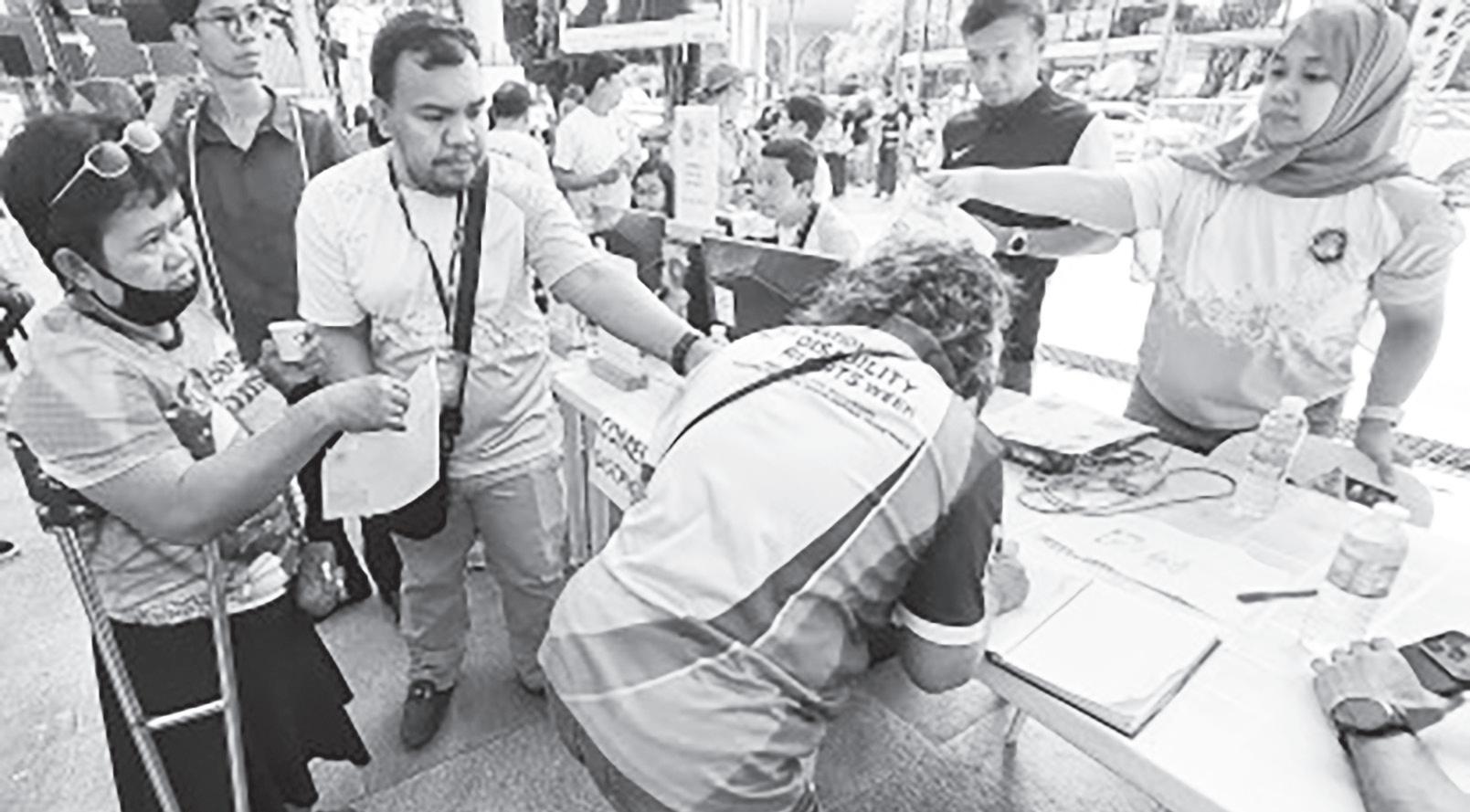
programs.
Alava said laws and government actions must be anchored on the rights of persons with disabilities (PWDs) and translated into effective implementation to achieve an inclusive society. Among the highlights was the Biennial Recognition Awarding Ceremony and Partners Recognition Awards honoring PWD achievers and stakeholders advancing disability inclusion.
The NCDA also scheduled a wreath-laying ceremony in honor of Apolinario Mabini, whom the council recognizes as the “Father of Persons with Disabilities,” as well as a seminar on the Magna Carta for Persons with Disabilities for Department of Public Works and Highways personnel.
I did it my ‘Wei’
THEY say, patience is a virtue that carries a lot of waits.
By that description, I must be a patient person because I did a lot of waiting in my lifetime. But it wasn’t wasteful waiting. On the contrary, every moment was useful and productive because it helped me learn the art (and discipline) of waiting for the ripe time.
Then lately, as I watched a short video clip about Lao Tzu’s “Tao Te Ching,” I began to realize that my guiding principle of waiting for the ripe time is really similar to the Taoist concept of “Wu Wei,” or “non-action.” I was into
“Wu Wei” without me knowing it.
This runs opposite to the Western mindset of being in control, to take matters into your own hands, to act instead of waiting.
My life has been about waiting for the ripe time: not inertia, but knowing when to step forward and when to let things unfold with hope.
Growing up with little, I learned not to force what’s beyond your reach— what’s meant for you comes through least effort.
My mantra then and now has always been: “It will come when it will come.”
Many times, it came to pass.
For instance, when I landed my first steady paycheck, I skipped the house and car rush my officemates fell into.
First things first: I bought life insurance—essential protection as a married man with a growing family.
My wife and I endured a cheap, cramped apartment. The rent was frozen by law, making it affordable on my salary at the time.
Day after day, I scrambled for the bus—heavy attaché in hand, packed tight in the stench, sweat, and soot. I endured it all for one dream: a home of my own. We saved what little we could, but unexpected expenses kept draining
us. Then the rental laws lifted and rents skyrocketed. It was time to buy a house we could amortize.
Then one day, my wife’s sister proposed we become neighbors— she was buying a house through our home mutual fund’s financing program. We decided it was time, and our savings covered the reservation fee. But when I processed the papers, I discovered we owed a hefty equity payment we couldn’t afford.
But somehow, something intervened. A project came, I earned the equity in seven months, the house pushed through. Then, just as I paid that last installment, the project stopped. Tim-
ing? Something more? I shrugged and looked up, quietly grateful.
Then it happened again. I’d long wanted my own car—public transpo was a hassle—and was searching for easy financing on whatever I could find. Then came a promotion, and with it, a used Volkswagen Beetle, paid in installments over a year. I hadn’t asked for it, but there it was, once again at just the right time.
For years I watched friends and colleagues surge ahead with computers I couldn’t afford. I ached to work from home. Then a graphics company hired me as a creative consultant and lent me a Mac—not new, but perfectly functional.
My son nagged me for a PlayStation,
Children will also be engaged through a Safe Spaces Act activity aimed at raising awareness against bullying and discrimination.
Beyond the official observance, inclusive job fairs will be held in Davao City on July 24 and Butuan City on July 28, while a workplace Filipino Sign Language activity is scheduled on July 25.
PWDs and their advocates will also gather for the “Walk, Run and Roll” activity at the University of the Philippines on July 26.
The celebration was preceded by a July 20 legislative town hall involving Congress, national government agencies, PWD organiza-
but it was too expensive. I made him wait a Christmas, promising one the next year if he worked hard and saved. Sure enough, prices dropped, better models arrived, and a bonus let me buy it.
Remember my first big investment after getting married, the life insurance? It wasn’t easy to part with my money to pay premiums month after month, year after year. But in a way I never expected, it paid off. The policy came from a mutual company, so the insurance I bought made me a part owner. Then I received notice that the company had decided to demutualize and offer shares to the public. As compensation, I received a sizable lump sum—right when my savings were nearly depleted because I had no regular income after choosing to go on my own. Isn’t life wonderful? A blessing always arrives at just the right time.
tions, civil society groups, and other stakeholders.
The meeting generated recommendations on policy implementation, development and additional legislation, while highlighting Carmona City’s United Nations-recognized KALINGYAKAP Program as a model for inclusion from early intervention to employment.
Alava said the series of activities seeks to ensure that disability rights remain a continuing public concern rather than a once-a-year observance.
“We are advancing inclusion in all parts of the country for PWDs,” he said. PNA
had already been accepted elsewhere. What he hadn’t realized was that, with each interview, he was gradually losing his fear of facing other people. But my son was desperate to get a job, any job, to avoid losing face. One day, I ran into an acquaintance from a mutual fund company who mentioned an accounting department opening. I passed it on; he applied reluctantly, but his interview ease and confidence landed him the job. See, I told him, you just have to wait and trust.

For years, I persevered in driving my old VW Beetle. With every mile, the wear showed: it broke down often, the paint faded, and rust gnawed into the fenders. I wanted a new car, but I couldn’t afford one. All I could manage was to have it repaired again and again. It was so old and beat-up that my kids didn’t want me to drive them to or from school. They didn’t want to be seen in it, and the teasing and embarrassment stung—but I shrugged it off. In due time, I said to myself. True enough, in due time, I got a better car—not new, but better. It even had air conditioning.
I got it on very easy terms from a colleague who was earning a lot of money selling smuggled goods. He wanted to buy a new, more flashy car and offered me his old one on extremely friendly terms—almost like a giveaway. He basically just wanted to get rid of it. Why me? He once rode in my beatup Volkswagen by chance, and maybe he felt sorry for me. Was it coincidence? Luck? Divine providence? Whatever it is, it never fails me. After his college graduation, my son was eager to get a job and start earning his own money. Peer-group pressure only intensified that urgency, so he applied to as many companies as he could. Soon, he was getting interview calls.
After his fifth job interview, however, he felt discouraged—especially when he learned that many of his co-graduates
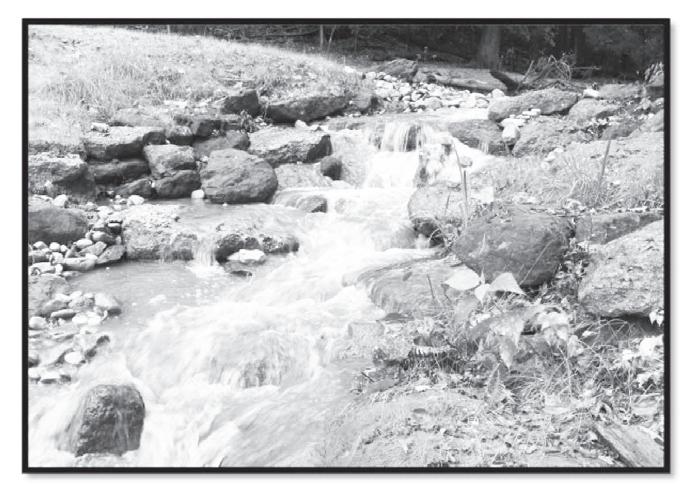
If one has the right attitude, waiting can be seen as a process of building up to the right or should I say the ripe moment. What seem to be failures are sometimes the prologue to something great about to happen. It is like earning points for the big moment.
Like a boat on water, I went where the flow took me. When I needed something that I felt I had earned, something came to help me out.
One day the friend who sold me the second-hand car came over to my house. He was in dire straits; he had terminal liver cancer. He needed money for his hospitalization and medicines. As I was driving him back to the jeepney terminal, he said to me: “I envy you. Here you have your own house. You have a car. You don’t have many debts. While here I am, sick, no savings, no life or medical insurance company will touch me... probably I didn’t have my priorities set right. I wish....” He choked. I quietly replied: “Perhaps, you wanted too much too early.”
“To everything there is a season” is a popular quote from the Ecclesiastes. In life, factors you can’t control will build up like clouds to that point in your life when the blessings will pour down. Seeding the heavens for a few drops of rain don’t really work. And
www.businessmirror.com.ph
















FOLDABLE smartphones have come a long way in recent years. While users once questioned their durability and reliability, today’s innovations have transformed foldables into everyday productivity companions that are built to last.
Leading this evolution is the Oppo Find N6, a foldable smartphone engineered to withstand the demands of modern life without compromising on design, performance, or portability. Built around Oppo’s Armour Shield Architecture, the Find N6 combines aerospace-inspired engineering, industry-leading durability, and flagship innovations to prove that foldables can be just as dependable as they are sophisticated.
■ Engineered to go further. At the heart of the Oppo Find N6 is its Armour Shield Architecture, an advanced structural design that reinforces the device using premium materials while maintaining an ultra-slim profile.
Despite its refined form factor and the industry’s thinnest bezels on a book-style foldable, the Oppo Find N6 is designed to withstand the realities of everyday use. Whether it’s navigating unpredictable weather, working outdoors, or simply enduring the wear and tear of daily commutes, the device delivers durability without sacrificing elegance.
Setting a new benchmark for foldable smartphones, the Oppo Find N6 carries IP56, IP58, and IP59 ratings, allowing it to withstand dust, water immersion, and even high-pressure, high-temperature water jets. From unexpected downpours to accidental spills and more demanding environments, users can stay productive with confidence knowing their device is built to handle more than everyday challenges.
■ A foldable built for the long run. A foldable is only as reliable as its hinge, and Oppo has reimagined this critical component with the 2ndGeneration Titanium Flexion Hinge.
Manufactured using aerospace-grade titanium alloy, the hinge delivers greater strength while remaining remarkably lightweight. Together with Auto-Smoothing Flex Glass, it enables the industry’s first Zero-Feel Crease, creating a display that feels smooth and immersive whether you’re reviewing reports, reading documents, editing presentations, or watching videos.
The hinge is also certified to withstand one million folds, demonstrating the Find N6’s ability to support years of daily opening and closing without compromising performance. It’s an engineering milestone that reinforces the device’s position as one of the most dependable foldables available today.
The Oppo Find N6 is priced at ₱139,999. Customers can also enjoy exclusive offers and freebies available for a limited time. Globe subscribers can avail of the Find N6 through GPlan 2499 with ₱73,600 cashout, while Smart users can purchase the device under Smart Infinity Plan 5000, with exclusive benefits.
More information can be found at www.oppo. com/ph or Oppo Philippines’ official social media pages on Facebook, YouTube, and TikTok.



THERE was a time when buying a smartphone was simple. Every brand had one hero device. Sure, you might have been given a choice between storage capacities, but once you’d saved enough to buy it, you knew you were getting the very best that company had to offer.
Then somewhere along the way, flagship phones became families. There were Plus models, Pros, Pro Maxes, and now Ultras. Suddenly, the phone you worked so hard to save for became just another member of the lineup.
More often than not, it’s the bigger, more expensive sibling that gets the exclusive features, better cameras, brighter displays, and larger batteries, while the standard model feels like the version you were expected to settle for.
I understand why brands do it. It gives consumers more choices while allowing these companies to hit different price points. But as someone who remembers saving up for the very first flagship phone I owned, I always wished the “regular” model didn’t feel like a compromise.
Buying the Honor 600 shouldn’t feel like buying the phone you could afford. It should feel like buying the phone you wanted.
Instead of stripping features from the Honor 600 to make the Honor 600 Pro look more attractive, Honor gave both phones an impressive foundation. They share the same vibrant AMOLED display, the same 200MP main camera, the same massive 7,000mAh silicon-carbon battery, the same 80W wired charging, and many of the same AI-powered features. The Honor 600 already stands confidently on its own. The Honor 600 Pro simply builds on that foundation with meaningful upgrades—not because the Honor 600 isn’t enough, but because some buyers simply want a little extra.
After spending the past few weeks using the Honor 600 Pro as my primary phone, here’s why I think the extra investment is worth it.
1. The battery simply refuses to quit. Battery life has become one of those specs that companies love to brag about, but the Honor 600 Pro lives up to the promise. Its massive 7,000mAh silicon-carbon battery easily lasts through an entire workday packed with e-mails, messaging, photography, social media, navigation, and the occasional gaming session. But what impressed me most wasn’t a benchmark—it was something I experienced firsthand.
During one particularly busy weekend, I needed to charge my iPhone 15 Pro Max from nearly empty to full three separate times while the Honor 600 Pro, running on its own battery, still had more than 50 percent remaining.
That puts its endurance into perspective better than any battery test ever could. For someone constantly covering launches, events, and meetings, it’s incredibly reassuring knowing the phone isn’t the one thing I need to worry about before leaving the house.
2. The telephoto camera isn’t just about getting closer. Many people think a telephoto camera is simply for zooming in. In reality, it’s one of the most useful lenses you can have. For my work, it has become invaluable during product launches, press conferences, stage presentations, and conventions where getting physically closer simply isn’t possible. Instead of relying on digital zoom, I get cleaner, sharper images with better detail. Even for ordinary users, the benefits are just as practical.
Watching a concert? You can capture performers without sacrificing too much quality.
Attending your child’s school program or sporting event? You can stay seated while still getting great photos. Traveling? A telephoto lens gives portraits a more flattering perspective while making distant landmarks appear more dramatic without excessive cropping. It isn’t just about zoom. It’s about getting better photographs from where you already are.
3. Wireless charging is finally becoming a daily convenience. I’ve always liked wireless charging, but it’s becoming even more relevant today.
More malls, coffee shops, restaurants, airport lounges, hotels, and even newer vehicles now include wireless charging pads. Instead of searching for a vacant wall outlet—or worse, paying for a coinoperated charging station and standing beside it while waiting—you simply place the phone down and continue with your meal, your meeting, or your drive.
It’s also a blessing if you’re someone who constantly fumbles with cables or worries about wearing out charging ports. No, it’s not faster than the included 80W wired charger.
But convenience has a value all its own, and once you get used to it, it’s surprisingly difficult to go back.
4. Flagship power for the long run. The Snapdragon 8 Elite Mobile Platform is obviously fast, but what I appreciate more is what that speed means over the long term.
Everything feels effortless, from switching between dozens of browser tabs and editing photos to juggling multiple messaging apps while uploading images to the cloud. More importantly, it gives the phone plenty of headroom for the years ahead.
Most people don’t replace their phones annually anymore. Investing in a flagship processor today means your phone is more likely to remain responsive several years from now instead of slowing down as apps become more demanding.
That’s the kind of upgrade you may not notice immediately, but you’ll certainly appreciate over time.
5. The premium touches make a difference. Some upgrades don’t make headlines, but you notice them every single day.
The ultrasonic fingerprint scanner unlocks the phone almost instantly, even with slightly damp fingers. The IP68 and IP69 ratings offer peace of mind during unpredictable weather. Wi-Fi 7 and Bluetooth 6.0 help future-proof the device, while the overall build quality feels every bit as refined as phones costing significantly more. None of these features alone would convince me to buy a phone.
Together, however, they create an experience that genuinely feels flagship.
6. AI that goes beyond photography. Everyone seems obsessed with the Honor 600 Pro’s AI Imageto-Video feature—and, yes, watching old photos or even my toy collection come to life is undeniably entertaining—but after spending weeks with the phone, I found myself appreciating the AI features that quietly made everyday tasks easier.
AI Photo Agent lets you edit photos using simple

voice commands. Instead of navigating through menus or hunting for editing tools, you simply describe what you want—whether it’s removing an unwanted object or making adjustments to your image—and the phone does the rest.
AI Connectivity allows the Honor 600 Pro to work surprisingly well across ecosystems, allowing quick file transfers between Android devices, iPhones, Macs, and Windows PCs, along with convenient screen sharing and drag-and-drop file transfers Honor also deserves credit for focusing on security. Built-in AI Deepfake Detection and AI Voice Cloning Detection help identify manipulated videos and suspicious voice calls, offering an extra layer of protection as AI-powered scams become increasingly sophisticated.
Powering many of these experiences is Google Gemini, Google’s AI assistant, and Honor includes three months of Google AI Pro with the Honor 600 Series, giving users access to Gemini’s more advanced capabilities along with a generous 5TB of cloud storage. If your budget fits the Honor 600, you’re still getting an excellent device. But if you want flagship performance, a versatile telephoto camera, wireless charging, and several premium refinements, the Honor 600 Pro justifies its higher price without making its sibling feel like a compromise.
After spending enough time with the Honor 600 Pro, I realized that what impressed me most wasn’t one headline feature or another flashy AI trick. It was how all of its thoughtful upgrades came together to make everyday use easier, more enjoyable, and more dependable.
And sometimes, that’s exactly what a Pro model should be. But you know who got the best deal out of buying a Honor 600? That distinction belongs to John Kenneth Gervacio, who recently became the grand prize winner of Honor Philippines’ Honor 600 Wina-Benz Promo, driving home a brand-new MercedesBenz EQA after purchasing a qualifying Honor 600 smartphone.
While those
AKEY official of the Marcos Jr. administration emphasized the vital role of barangay leaders in advancing grassroots education and community development, calling them “catalysts for long-term national progress.”
Speaking at the Liga ng mga Barangay National Congress in Pasay City, Office of the Executive Secretary Assistant Secretary Rea UyEpistola said that the campaign for quality education begins at the barangay level.
“You are the first to see children who cannot attend school,” Uy-Epistola told the 6,000 gathered local officials. “You are the first to hear parents worrying about the future of their children, and you are the first who can open the doors of opportunity for them.”
Aligning with the vision of President Ferdinand R. Marcos Jr., the assistant secretary reiterated the administration’s stance that education is a key investment rather

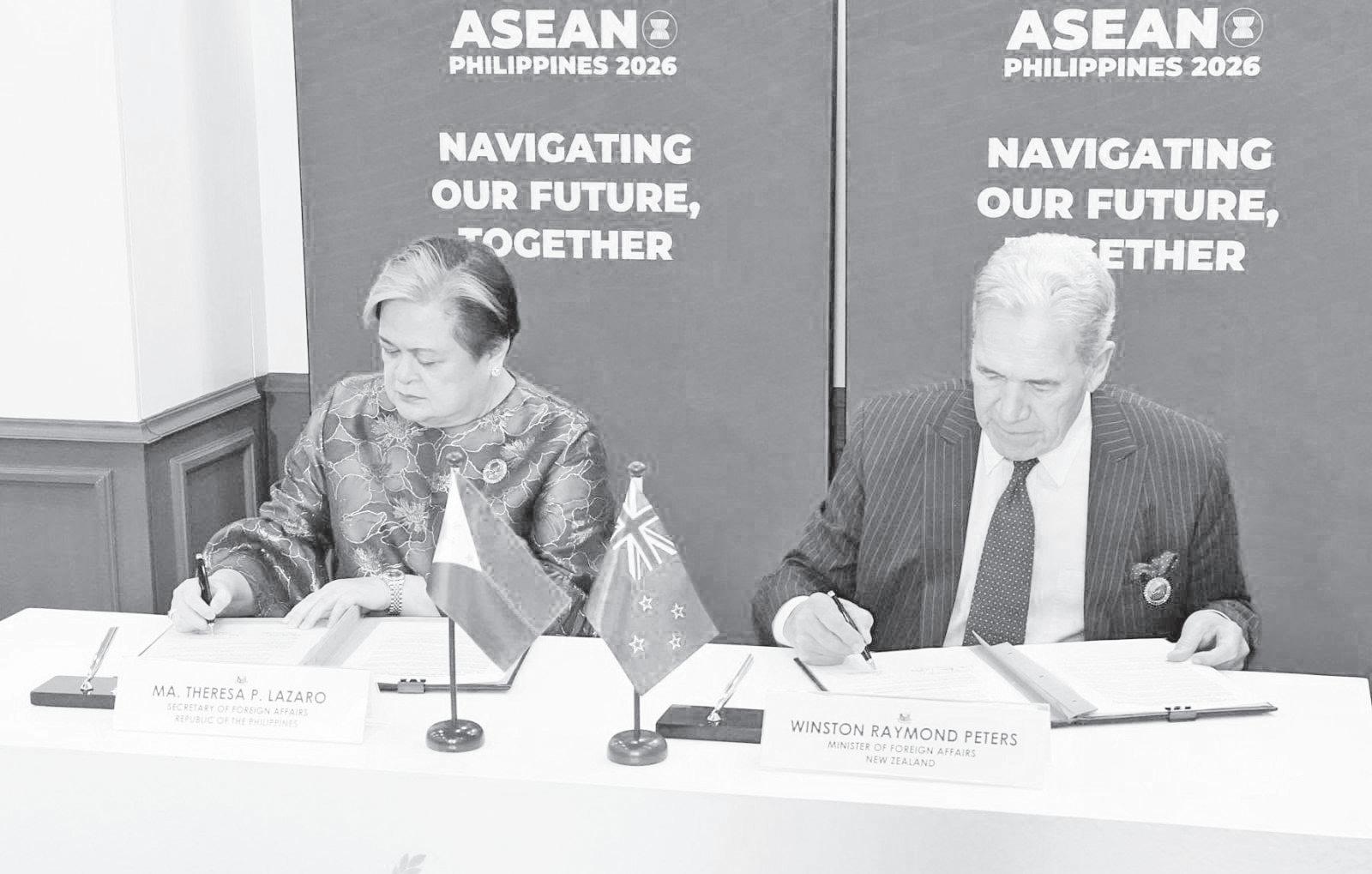
NEW ZEALAND has welcomed the signing of the first memorandum of cooperation (MOC) in education with the Philippines, marking a significant milestone in the relationship between both countries and creating a framework for collaboration across all levels of education.
The MOC was announced during the official visit by Minister of Foreign Affairs Rt. Hon. Winston Peters of New Zealand, coinciding with the two countries’ 60 years of diplomatic relations.
The memorandum formalizes and reaffirms the commitment of the New Zealand Ministry of Education, Education New Zealand Manapou ki te Ao (ENZ) and the New Zealand Qualifications Authority to work in partnership with the Department of Education, Commission on Higher Education (CHED), as well as the Technical Education and Skills Development Authority (TESDA). This includes partnership in the full education spectrum: from early childhood to tertiary, technical and vocational education, and training.
ENZ Group General Manager for International & Sector Engagement Sahinde Pala said the MOC reflects the strength of an education partnership that has been steadily growing between the two countries.
“This [MOC] is an important step forward in our education partnership,” Pala said. “It builds on years of collaboration between our governments, education agencies and institutions, [while
MARKING another step in its commitment to empower the next generation of learners, Globe has activated a new 5G network facility at Miriam College, strengthening mobile connectivity across the campus and supporting a more dynamic digital learning experience for students, faculty, and staff. As technology continues to transform education, reliable connectivity has become essential to students’ learning, collaboration, research, and resource access. The newly activated facility enhances network coverage and capacity throughout the campus through Globe’s advanced 5G network, helping create a more seamless and productive environment for teaching, learning, and campus operations. Beyond strengthening digital access, the partnership opens avenues for students to participate in Globe programs designed to build future-ready skills and leadership capabilities. Through initiatives focused on artificial intelligence, entrepreneurship, digital content creation, volunteerism, internships, and grants, students can gain
providing] a framework to deepen that cooperation for years to come.”
Improved understanding, recognition
THE embassy said the arrangement will promote: (1) greater student, educator and academic mobility; (2) stronger institutional and research partnerships; and (3) knowledge sharing in areas such as education policy, qualifications recognition, workforce development, lifelong learning and capacity building. A key example is the partnership between the New Zealand Qualifications Authority and CHED, including qualifications referencing work that has improved understanding and recognition of bachelor’s degrees between the
countries, as well as supported learner and labor mobility.
The relationship is also supported by regular ministerial engagement and education policy dialogue. In 2025, delegations from CHED and TESDA met with ministers, senior officials and government agencies.
The education relationship between the countries is built on genuine two-way exchange. While increasing numbers of Filipino students are choosing the Oceanic country for their studies, the two benefit from the flow of knowledge, skills, research and professional connections that education partnerships create. Education has become one of the strongest foundations of the broader New
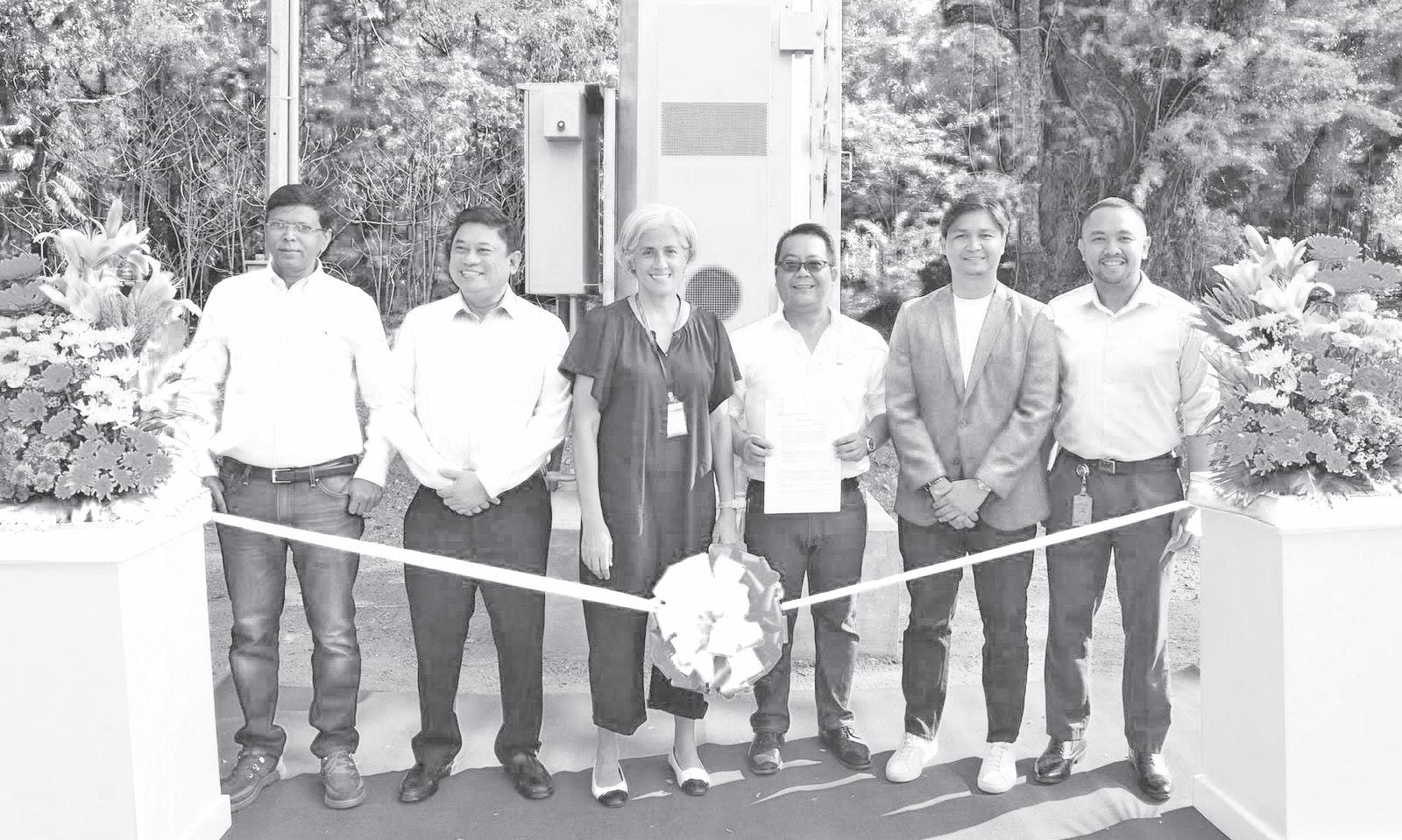
valuable experiences that complement their academic journey and prepare them for the evolving demands of the digital economy. The collaboration reflects a shared commitment to nurturing well-rounded learners by combining technology, innovation, and meaningful pathways for personal and professional growth.
“Globe is proud to partner with Miriam College in this important step
toward better connectivity and stronger digital support for the campus community,” said Globe General Manager for Greater Manila Area Melchor Rebutica.
“By activating this new 5G site, we are helping ensure that students, faculty, and administrators have the reliable connection they need for learning, collaboration, and innovation while also creating possibilities for young people to grow through Globe’s student programs
Zealand-Philippines relationship.
Growing education linkages SINCE 2014, 335 Filipinos have received Manaaki Scholarships across tertiary study, short-term training and English language programs that help scholars build skills, gain global experience and create lasting links binding New Zealand and the Philippines.
Both countries also work together to strengthen education systems through regional and multilateral fora, including the Asia-Pacific Economic Cooperation or APEC forum and Asean-related education initiatives, where both countries advance shared priorities in quality education, skills development and workforce readiness.
The Philippines is one of New Zealand’s most important education partners in Southeast Asia. Filipino student enrolments have grown by 36 percent since 2023, as it reached 2,635 students in 2025, making the Philippines New Zealand's ninth-largest international student market.
Building on this momentum, a delegation of 16 New Zealand education providers will return for the “Study with New Zealand Study Expos” in Cebu on September 19, 2026 and Iloilo on September 22, 2026. They are expected to give Filipino students and families the opportunity to meet education providers directly and explore the range of study opportunities available in the Oceanic country.
that support skill-building, creativity, and future-ready careers.”
For the college, the initiative reinforces the institution’s commitment to providing students with an environment where technology enhances learning, creativity, and collaboration. The strengthened connectivity will help support academic excellence while enabling learners to take full advantage of moments that prepare them for the future.
“Miriam College is committed to empowering students to become compassionate leaders and changemakers in an increasingly interconnected world,” said Miriam College President Dr. Gina Lizares. “Through this partnership with Globe, we are strengthening the digital learning experience on campus while creating opportunities that encourage innovation, leadership, and meaningful engagement beyond the classroom.”
By bringing together digital infrastructure and student development initiatives, Globe and Miriam College are helping equip young people with the tools and experiences they need to succeed both inside and outside the classroom.
than an expense.
She highlighted the impact of the “Presidential Scholars Program,” explaining that they are not merely beneficiaries, but are strategic investments for their families, their barangays, and the future of the nation.
“When a child graduates, the entire community benefits,” UyEpistola said.
“When our youth learn, the nation progresses. This is the essence of the ‘Social Civic Projects Fund,’ investing in the priority development projects of our barangays, and investing in five presidential scholars in every barangay.”
The assistant secretary emphasized that the national gov -
ernment cannot achieve these educational and developmental goals alone. She called upon the country’s 42,011 barangay chairpersons to act as vital bridges of service, opportunity, and hope.
According to her, the president believes that the true measure of the administration’s success is if its programs are felt in every barangay and household across the country.
“Let us prove that a progressive barangay is not just a promise, but a reality we work toward together,” she said. “One barangay, one community, one future, one Bagong Pilipinas [New Philippines].”
Jerome Carlo Paunan/PIA-NCR
Filipino adolescents’ life experiences mold lasting development—studies
VIOLENCE experienced at home and exclusion experienced in school can have a huge impact on adolescents’ education, well-being, and future opportunities, according to studies presented during the second session of the forum “ Ugnayan: The Journey of Filipino Adolescents Across Past, Present, and Future.”
In a recent forum organized by government think tank Philippine Institute for Development Studies (PIDS) and the United Nations Population Fund, with support from the Australian government, the session examined how childhood and adolescent experiences shape long-term development outcomes.
Based on the Longitudinal Cohort Study of the Filipino Child (LCSFC), PIDS researchers found that children exposed to parental violence were significantly less likely to stay in school, while adolescents with diverse sexual orientations faced higher risks of domestic violence and bullying.
The study draws on data from the LCSFC, which follows about 5,000 Filipino children from age 10 in 2016 until they reach young adulthood in 2030, allowing researchers to examine how early experiences influence later transitions in education, health, employment, and family formation.
In expounding the discussions, PIDS senior research fellow Dr. Valerie Gilbert Ulep said experiences accumulated during childhood and adolescence influence present circumstances and future life outcomes. He said that “our future does not start today. It starts with our past.”
Family conditions, childhood safety, and early school experiences, he noted, shape educational attainment, well-being and ultimately, human capital formation.
Research findings
THE first study focused on risks within the home and their implications for children’s learning trajectories. According to PIDS senior research specialist Lyle Casas, 39.5 percent of children had experienced either physical or emotional violence from a parent at age 10.
Children exposed to parental violence had 57-percent lower odds of being enrolled in school by age 14, even after accounting for child, household, and earlier educational characteristics. Girls appeared particularly vulnerable, with exposure associated with 66 percent lower odds of matriculation, compared
with 48 percent among boys.
“Prior exposure to parental violence was associated with substantially lower odds of school enrollment years later,” Casas said. The second study examined experiences of violence differing among adolescents with diverse sexual orientation, gender identity, and gender expression (SOGIE). Presenting findings from a forthcoming PIDS discussion paper, Technical Specialist Aaron Manuel reported that adolescents with diverse sexual orientations had 1.7 times higher odds of experiencing domestic violence, as well as twice the odds of being bullied compared with peers, even after accounting for household, socioeconomic, and health-related factors.
“Being lesbian, gay, bisexual, pansexual, asexual, or queer significantly increases the odds of violence among Filipino adolescents,” Manuel explained. “Exposure to violence shapes the trajectory of an entire life.”
According to Manuel, violence contributes to depression, anxiety, suicidal behavior, absenteeism, poor academic performance, and school dropout, ultimately affecting future employment and earning potential.
Stakeholders sound off UNICEF Education Specialist Nicholas Tenazas emphasized that violence can create barriers to learning and development early in life, reinforcing the importance of timely interventions and supportive environments. Meanwhile, UNFPA Gender and Gender-Based Violence Officer Jeanette Dulawan emphasized the long-term implications of adolescent experiences. She said: “What happens to children and adolescents today shapes who they become tomorrow.”
The Australian Embassy’s Second Secretary Claire Bowyer said Australia is committed to the endeavor, noting that research helps governments and development partners design inclusive interventions that improve learning, well-being, and life outcomes for young people.
For Dr. Ulep, the studies underscore the need to act before disadvantages become entrenched: “Children who grow up in supportive, safe, and nurturing environments are more likely to stay in school, build social connections, develop confidence, and acquire the skills needed to thrive.” Rizal Raoul S. Reyes
Tourism Editor: Edwin P. Sallan

WI remember my first time in Camiguin in 2010. It was a joint birthday trip with Kristina when our friend Lot invited us to celebrate in her hometown of Cagayan de Oro. From there, we ferried to Camiguin and spent the day circling the island aboard a rented jeepney.
Sixteen years later, I returned a little older, wiser, a few pounds heavier, but with the same wide-eyed curiosity. This visit comes with an advocacy. Traveling with the Mindanao Goes Solar movement, became more aware of how global events can ripple through islands that depend on tourism. Yet Camiguin remains a place for reflection, where white-sand beaches, scenic roads, and the presence of Mount Hibok-Hibok remind me why I keep coming back.
Going around the island
THE best way to experience Camiguin is on two wheels. I rented a scooter for just 400 pesos a day and spent my first morning café hopping, eventually settling in at the roadside Saga Café for a couple of hours of remote work. That afternoon, I rode through mountain roads to Utopia Café, located high above the coast with sweeping views of the sea.
The next day, I traced another loop around the island’s slopes, passing picturesque roads, cooling off at the refreshing Sa-ay Cold Spring, and stopping at more mountainside cafés. Before heading back, I followed a trail into a forest of towering pine trees, then carefully descended the steep mountain road, putting plenty of faith in my scooter’s brakes.
Another morning, we rented a boat for 500 pesos (good for five to six people) near Paras Beach Resort to catch the sunrise at White Island Sandbar, perhaps Camiguin’s most photographed place. also revisited Katibawasan Falls and the ruins of the Old Spanish Church of Bonbon.
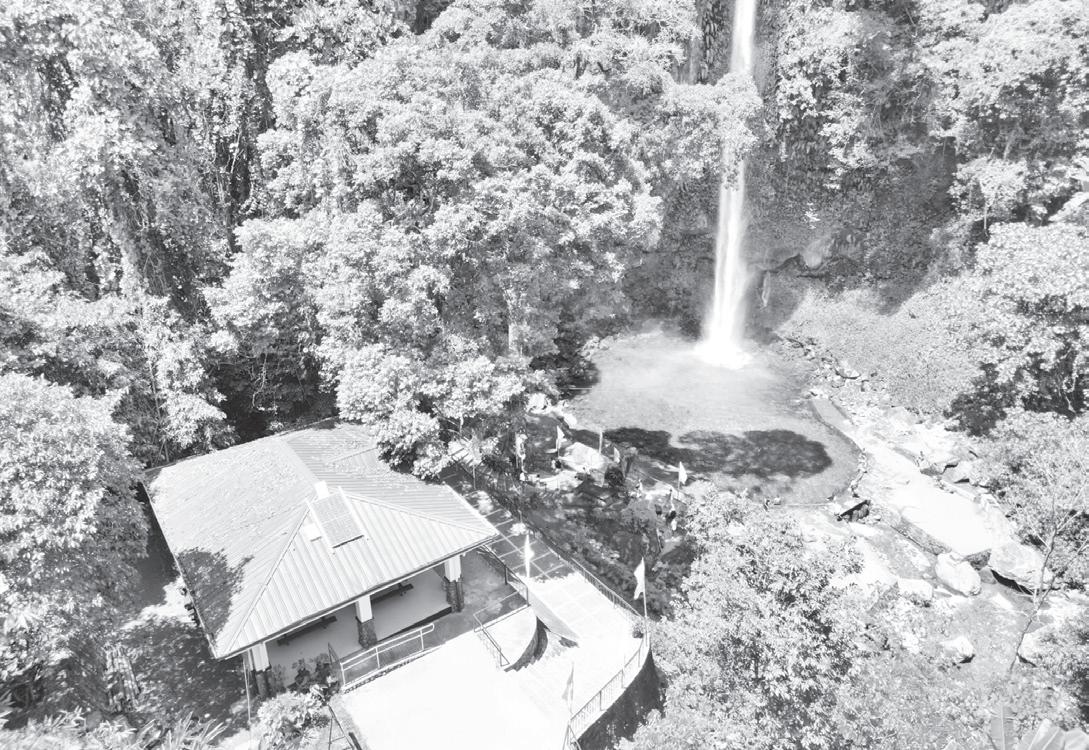

Eerie wonders and marine sanctuaries NO trip to Camiguin is complete without tracing its volcanic past, preserved in the most peculiar marine sites. The Sunken Cemetery is a haunting reminder of the island’s geology, submerged during the 1871 eruption of Mount Vulcan Daan. What once was a burial ground is now marked by a giant white cross erected in 1982, standing above a thriving underwater ecosystem.
Nearby, Mantigue Island, a four-hectare marine sanctuary just offshore, reflects Camiguin’s commitment to conservation. Managed by local families serving as guides, it protects both forest and reef from overdevelopment. Snorkeling here reveals clear waters, vibrant coral gardens, and occasional sightings of endangered hawksbill sea turtles.
Staying in an eco-friendly accommodation MY home for several days on the island is Haruhay Eco-Beach Tavern. “Haruhay,” a Cebuano word for



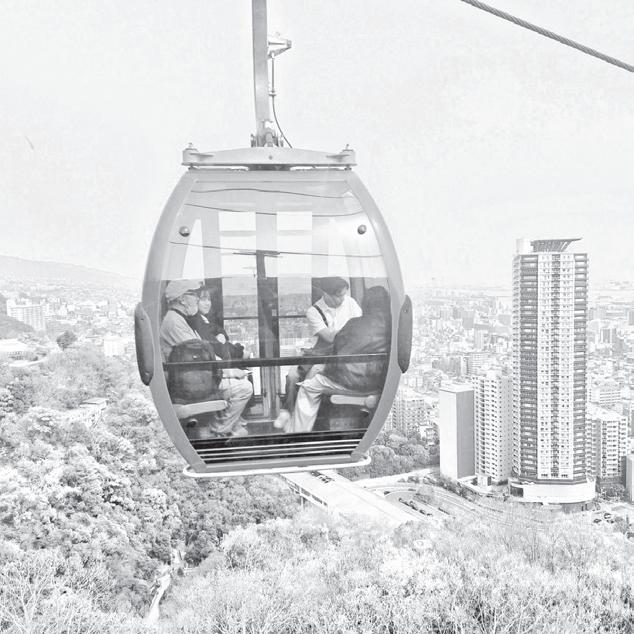


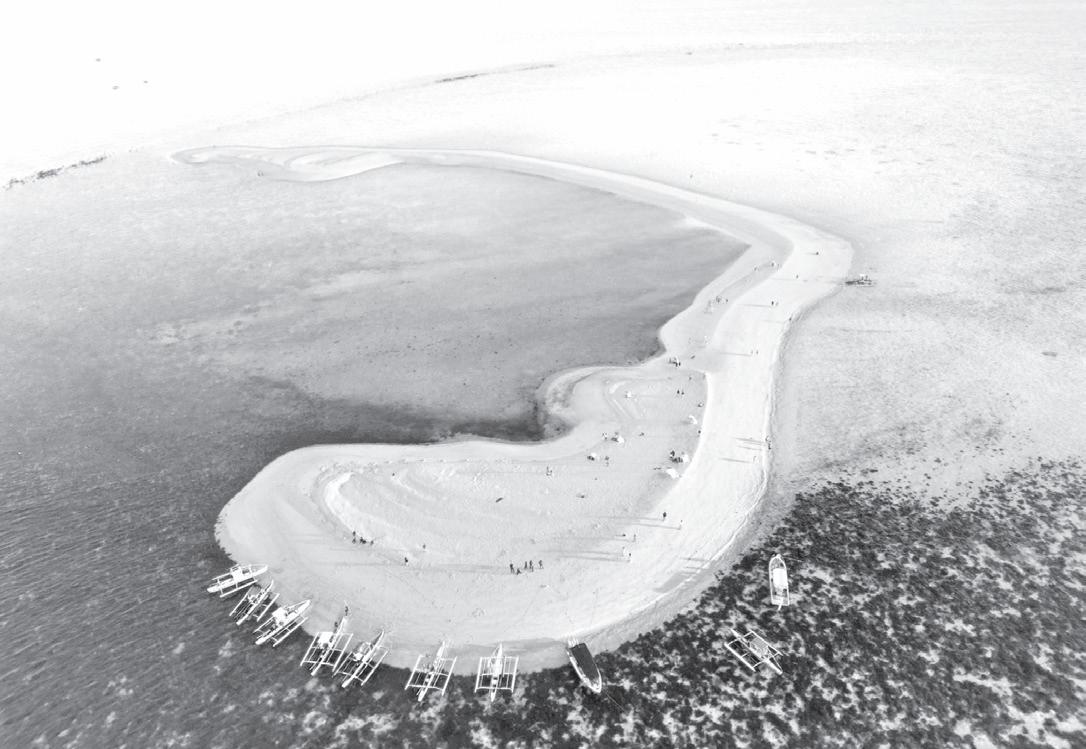
peace and ease, perfectly captures the atmosphere here—relaxed.
Unlike many places that use “eco” as a marketing label, Haruhay practices low-impact living. Instead of plastic coffee sachets, fresh coffee beans are provided in the room. Toiletries are stored in reusable glass bottles, sourced from eco-stores. There is no air-conditioning; only low-energy fans and the natural ocean breeze, making sleep feel natural in a beachfront setting. Sunlight fills the lofts by day, while a garden of herbs and vegetables flows toward the shore.
Meals are entirely plant-based, prepared from scratch just steps away at Daos Plant-Based Kitchen, whose vegan menu quickly became a highlight of my stay.
I’ve always preferred small-scale accommodation, and Haruhay, with just three loft villas, is the perfect choice. It is also a labor of love of its owner, Potpot Pinili, a fellow travel writer who finally settled on the island, building an eco-community and one of Camiguin’s most unique stays.

The island’s capitol taps into the sun WHILE experiencing island living at Haruhay, we discovered positive shifts happening across the province. Our visit was in connection with the Mindanao Goes Solar initiative, an energy movement actively promoting rooftop solar power across Mindanao to combat erratic grid supplies and skyrocketing fuel costs.
For many residents, solar is no longer optional but practical. Graham, a local IT professional working from home, invested 350,000 pesos in a 6-kW solar PV system to offset frequent brownouts and high electricity rates. His monthly bill dropped from 30,000 to 20,000.
For him, solar is not an expense but a long-term savings tool that stabilizes daily living and work.
This transition is also visible at the provincial level. The Camiguin Provincial Capitol has installed solar systems and battery storage across key facilities, addressing electricity bills that once reached nearly 900,000 pesos a month. Governor Romualdo described the shift as a necessity. The solar rollout has significantly reduced expenses, with plans to expand

to hospitals and remote schools, easing dependence on Camiguin Electric Cooperative, Inc. (CAMELCO) and diesel-based generators.
As sustainability awareness grows, Camiguin’s direction is becoming clearer: align tourism and governance with renewable energy. The next step, advocates say, is wider adoption among SMEs, supported by net metering. According to Philline Donggay of Mindanao Goes Solar, net metering allows households and businesses to sell excess solar power back to the grid, reducing costs and strengthening resilience while accelerating the clean energy transition.
As my experience has shown, Camiguin offers both first-time and returning visitors remarkable experiences at every turn; at its hot and cold springs, along its beaches, and even across its seven volcanoes. At the same time, the island is beginning to move in a more intentional direction, embracing eco-friendly practices and expanding its use of solar energy at both household and government levels. In this balance, Camiguin remains a place worth coming back to, again and again.
Story & photos by
WBenjamin Locsin Layug
HEN one mentions Kobe, the first that comes to mind is Wagyu beef (its marbled fat, melted during cooking, produces a soft texture and succulent flavor) and the namesake of the late basketball legend. However, its reputation extends far beyond the prized Wagyu cattle that put the city on the global map. Kobe offers the pleasures of Japan in miniature, with maritime promenades, hillside greenery, memorable meals and a sense of calm makes it less crowded than many major tourist destinations. For curious travelers who want something familiar but different, this vibrant port city, nestled between the mountains and the sea, rewards slow walking, experimentative dining and quick escapes into nature, all in one easy city package.
A visit to its scenic waterfront area, notably in Meriken Park (the park’s name was derived from the word “American,” which was commonly translated as “Meriken” during the Meiji era), is a must. Built on an outcropping of reclaimed land, this waterfront park, a popular spot for locals and tourists, is covered in grassy lawn and open courtyards and is dotted with a collection of modern art installations and structures including the Bell of Hortensia (a colorful, modern mosaic sculpture representing Kobe’s official flower), the Kobe Maritime Museum (featuring a roof design similar to a sailing ship, it focuses on the history of Japanese shipping and Kobe Harbor), the 108-meter (354-foot) high Kobe Port Tower, a unique, red-painted steel structure designed to look like a tsuzumi, a Japanese drum), and the famous Kobe Port Emigrants Memorial Statue (honors the thousands of Japanese citizens who emigrated from Kobe Port, for new lives abroad, particularly to Brazil, in the early 20th century).
Another scenic oceanside city park is the 7.8-hectare Hyogo Prefectural Maiko Park, the gateway for the 3,911-meter long Akashi-Kaikyo Bridge, the world’s largest suspension bridge which also boasts the world’s longest central span at 1,991 meters. Aside from sea and
bridge views, there are also plenty of things to do and see at the park such as large grassy areas, a 1,500-pine forest; the Akashi Kaikyo Bridge Exhibition Center (displays showing the history of what is the world’s longest suspension bridge) and historic houses such as the former residence of Sanji Muto (a Western-style seaside cottage built in 1907), the iconic Sun Yat-Sen Memorial Hall (Ijokaku), built in 1915 by Wu Jintang; and the former Japanese residence of the Kinoshita Family, an early modern Japanese home built in 1941 in the tea ceremony arbor (sukiyazukuri) style. Another must see in Kobe is the wonderful, ancient and serene Ikuta Shrine (Ikuta-jinja), a major Shinto shrine believed to be one of the oldest in Japan. Dotted around the spacious grounds of Ikuta Jinja are 14 sub-shrines, each dedicated to a different god; impressive buildings, a striking, continuous series of 22 vermillion-lacquered torii gates and, at its rear, you can find a remnant of the ancient forest that once covered the entire area. The shrine is also famous as a “power spot” dedicated to matchmaking, love, relationships and good fortune. At Kinryusen, a popular spot in the forest, you can have your fortune read by water.
Near the park is the lively and vibrant Higashimon (“east gate”) Street, so called because the area surrounds the east gate of Ikuta Shrine. This area is known for its array of restaurants (where you can indulge in highquality, melt-in-your-mouth Wagyu beef), izakayas (informal Japanese pubs) and hidden bars that open mainly at night. For a different kind of green escape, try the Nunobiki Herb Garden, a big 40-acre botanical herb garden (Japan’s largest), built in 1991, with themed areas growing over 75,000 herbs (200 varieties) and flowers blooming yearround. The 10-min. long, scenic cable car ride to Nunobiki Herb Garden features sweeping panoramic views of the Kobe city skyline, the 43-meter tall Nunobiki Falls, the surrounding 931-meter high Rokko
Saturday, July 25, 2026
Editor: Angel R. Calso
By Elena Becatoros, Fatma Khaled & Collin Binkley The Associated Press
CAIRO—The US military launched the 13th night of strikes Thursday against Iran, targeting key military and commercial sites as clashes continued to escalate over shipping routes. The attacks came after Yemen’s Iran-backed Houthi rebels said they targeted two Saudi oil tankers in the Red Sea, potentially widening the Iran war as international oil topped $100 a barrel.
Shortly after the new attacks were announced, Iranian state media reported explosions in the port city of Bandar Abbas, a critical hub for moving military supplies as well as trade cargo, where two people were reportedly injured.
Blasts were also reported on Qeshm Island, home to stores of naval assets
including drone boats that Iran can use to attack vessels on the Strait of Hormuz, as well as to the northwest near Andimeshk, Omidiyeh and Firuzabad. Four people were killed and five wounded in a US missile attack on the outskirts of Ahvaz on the Karun River, Iranian state media said. US Central Command said the lat -
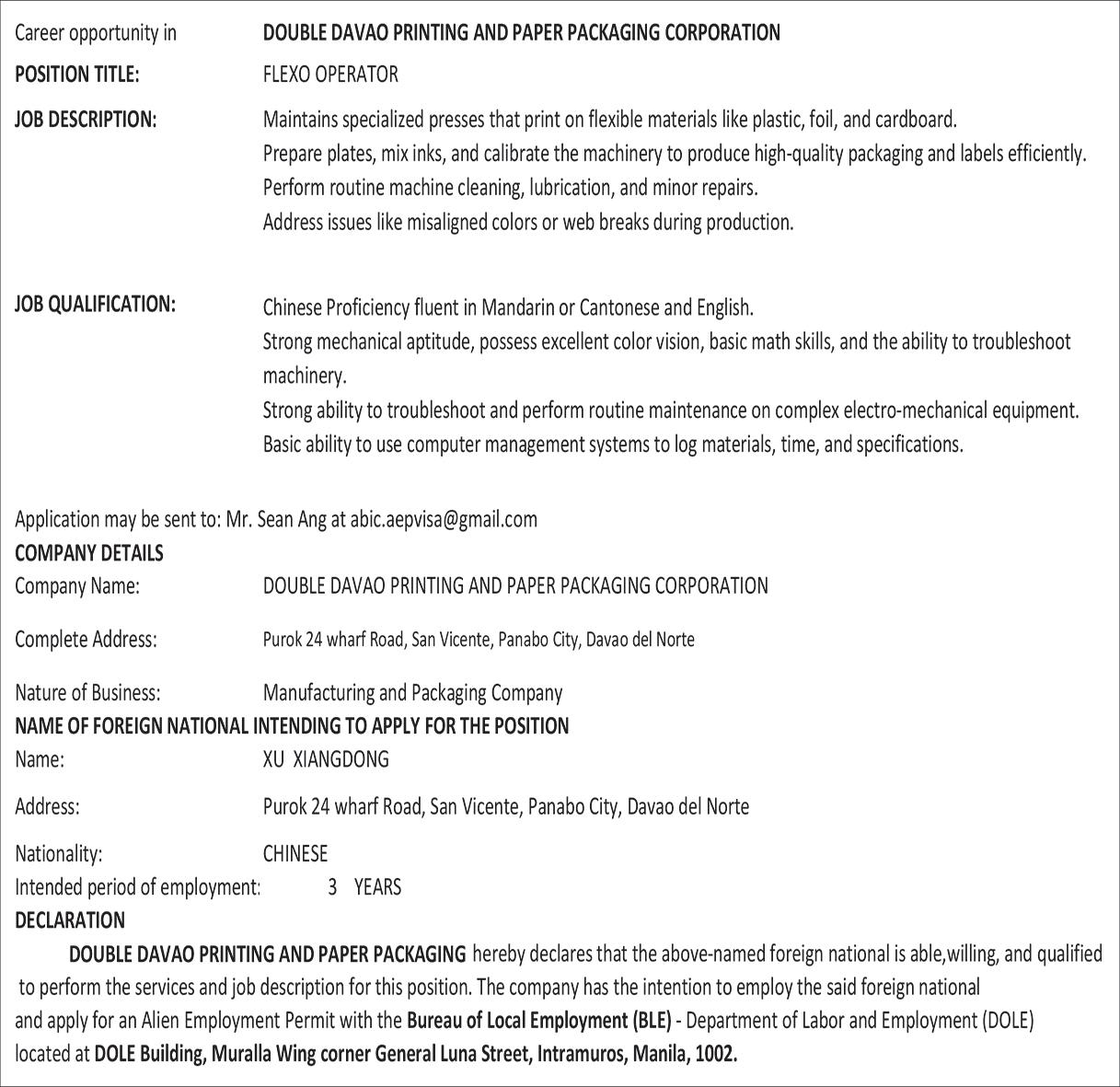

est barrage was designed to “further degrade Iran’s ability to threaten civilian mariners and commercial vessels transiting regional waters” as the Americans push to regain control over the strategic waterway through which a fifth of the world’s oil and gas transited in peacetime. It said the strikes ended shortly before 5 a.m. local time Friday.
Meanwhile, the Houthis threatened to shut down another key trade route, with the world economy already reeling from Iran’s closure of the Strait of Hormuz. Iran and the US have stepped up attacks as they vie for control of the strait, setting off a scramble for alternative routes.
President Donald Trump threatened “major military punishment” against the Houthis if their attacks on ships continue.
“If they do this again, the US will hold Iran responsible, in that the Houthis are a Surrogate and/or Proxy of Iran, and major military punishment will be inflicted upon Iran and, of course, the Houthis, themselves,” Trump wrote on social media.
As the rhetoric escalated, so did the economic fallout. The price of Brent crude oil, the international standard, spiked more than 6% to about $100 a
barrel. That’s the highest level since May, before the two sides reached a preliminary peace agreement last month that has since collapsed.
Prime Minister Ali al-Zaidi of Iraq, which has close ties to both the US and Iran, was in Tehran on Thursday to call for peace and dialogue, and he promised not to allow Iraqi territory to be used for attacks on Iran, his office said. Al-Zaidi met with Trump earlier this month in Washington.
Houthi attacks are a ‘double whammy’ on oil shipments
THE Houthis’ SABA news agency said the rebels had struck two tankers, the Encelia and the Layla, in the Red Sea, causing fires on both. There were no reports of casualties.
It was the first reported Houthi attack on a vessel since they announced a blockade of Saudi-linked shipping through the Bab el-Mandeb Strait earlier this week in retaliation for the kingdom’s blockade on Yemen and a recent attack on the international airport in Yemen’s rebel-held capital, Sanaa.
Bab el-Mandeb, at the southern tip of the Arabian Peninsula, is a vital shipping chokepoint connecting the Red Sea to the Gulf of Aden. Around 12% of the world’s trade, including

a fourth of global container traffic, passes through there, moving between Europe and Asia via Egypt’s Suez Canal.
The state-run Saudi Press Agency reported an attack set the Encelia ablaze overnight in the Red Sea. It did not mention the Layla.
The United Kingdom Maritime Trade Operations Center said it received a report of a tanker being struck by “an unknown projectile” 130 kilometers (80 miles) southwest of Al Shuqaiq, Saudi Arabia, in the Red Sea.
The Houthi attacks put at risk oil shipments from Saudi Arabia’s Yanbu port on the Red Sea and present a “double whammy” on top of the disruption in the Strait of Hormuz, said maritime data and analysis firm Lloyd’s List Intelligence. Saudi Arabia has diverted millions of barrels a day of oil exports to Yanbu via an overland pipeline as the war has bottled up the Persian Gulf.
The Houthi threat “raises questions on the viability of this route,” Lloyd’s said in slides accompanying an online webinar Thursday.
Both sides dig in over Strait of Hormuz IRAN says it has the right to manage
traffic and potentially charge fees in the Strait of Hormuz, which was open to all toll-free before the war. It has attacked ships using a route through the strait that is overseen by US forces and intended to be outside Tehran’s control.
Trump said on social media Thursday that sanctioned Iranian funds in the possession of the US will cover the expense of fixing boats damaged in the war.
“Please let this statement serve to represent, until further notice, that from this point forth, any and all damages done to Ships, Cargo, or anything related thereto, will be paid for by Iranian Money that the United States has in its possession, and controls,” Trump said. It was unclear what legal mechanisms Trump would use to seize and spend the funds, but he said that doing so would be “the fair and equitable thing to do.”
Seyed Abbas Araghchi, Iran’s foreign minister, said such a seizure of assets would be an “incendiary” precedent.
“Those who celebrate or profit from such funds should remember:
See “Strikes,” A11

Continued from A10
once governments normalize confiscation, no one’s assets are safe,” Abbas Araghchi said on social media early Friday. “Ensuing chaos will not be pretty or peaceful.”
In response to Iran’s attacks, the US began the widening campaign of strikes across Iran and restored a naval blockade of Iran’s ports. US Central Command said it has redirected about a dozen commercial vessels and disabled one since the blockade resumed.
The war of words has also escalated. Iranian Foreign Minister Abbas Araghchi said Tehran would adopt an “eye for an eye” policy on US strikes against its infrastructure. US Secretary of State Marco Rubio retorted that Trump’s policy is “a head for an eye.”
“The price will continue to get higher every single night until they come to their senses,” Rubio told reporters while traveling in the Philippines for a regional summit.
Continued from A3
the manufacturing association said it supports the administration’s recent policy initiatives but stressed that consistent implementation across national agencies and local governments remains critical.
FPI Chairman Elizabeth Lee said the group’s priority is the establishment of a competitive investment framework that would accelerate industrialization and position the Philippines as a stronger manufacturing hub.
“The key to success is rapid execution and consistent, predictable policy implementation across both national agencies and local government units,” Lee said in a statement released Thursday evening, citing the Tatak Pinoy Act, the 2026 Strategic Investment Priorities Plan (SIPP), and the CREATE MORE Act as key policy pillars for investment promotion.
“By doing so, we can make ‘Made in the Philippines’ into a global mark of quality, innovation, and sustainability—while ensuring workers and industries benefit from inclusive growth,” she added.
The group also called for faster implementation of strategic infrastructure projects under the government’s Build Better More program, particularly those that improve freight movement, supply chains and regional connectivity.
According to FPI, accelerating budget releases and project execution for transport and logistics infrastructure would help reduce transit times and unlock manufacturing opportunities across the country.
Continued from A3
She added, “With a strong contingent covering the various segments of the Philippine dive industry, we were able to achieve impressive sales leads, solidifying the country’s position as a premier global diving destination.”
The Philippines has been recognized the World’s Leading Dive Destination every year since 2019 by the World Travel Awards. Last year, the Philippines beat out Azores Islands in Portugal, Belize, Bonaire Island in the Caribbean, Cayman Islands, Fiji, Galápagos Islands in Ecuador, the Great Barrier Reef in Australia, Mexico, Seychelles, St. Kitts in the Caribbean, and the islands of Tahiti.
Montemayor Nograles said TPB organized business-to-business (B2B) meetings with dive tourism buyers even though MIDE is a primarily a consumerbased event. With the help of the agency’s market representative in Malaysia, she noted that 142 meetings were scheduled, “allowing Philippine dive stakeholders to establish stronger partnerships with Malaysian dive agents and further increase sales,” she said.
Ten Philippine dive companies and resorts represented the Philippines: Aldive Corp. in Dumaguete, Buceo Anilao Beach and Dive Resort in Batangas, Dauin Silver Reef Dive Resort in Negros Oridental, Garden of Eden Dive Resort in Puerto Galera, Kasai Village Dive Resort in Moalboal, Lalaguna Villas Luxury Dive Resort & Spa in Puerto Galera, Logon Fish Buddies Dive Center in Malapascua, M/Y Resolute (Liveaboards), Slam’s Garden Dive Resort-Ocean Passion
Iran’s health ministry said Thursday that 55 people have been killed and 629 have been wounded since renewed US airstrikes began on June 27.
Iran has responded to US attacks by targeting energy infrastructure and desalination plants providing drinking water in parched neighboring Gulf countries.
Polls have shown the war is unpopular among Americans, a fact reflected in the narrow passage Thursday of a resolution in the US House to halt the war. Though a handful of Republicans crossed party lines to support the measure, the vote remained largely symbolic.
Becatoros reported from Athens, Greece, and Binkley from Washington. Associated Press writers Munir Ahmed in Islamabad, Pakistan; Bassem Mroue in Beirut; Michelle L. Price and Jim Gomez in Manila, Philippines; Qassim AbdulZahra in Baghdad; Konstantin Toropin and Matthew Lee in Washington; and Christopher Weber in Los Angeles contributed to this report.
“By accelerating project execution, government ensures that infrastructure gains trickle down—empowering workers in steel, cement, food processing, and beyond—while strengthening nationwide competitiveness,” Lee said.
The federation also identified lower logistics and power costs as among its priorities. It said logistics expenses remain elevated due not only to fuel prices but also to port congestion, overlapping local government fees and other operational bottlenecks.
“Streamlining operational friction points will directly lower input costs, improve supply chain reliability, and make local goods more competitive,” Lee said. The industry group likewise urged the government to continue reforms aimed at reducing electricity costs, citing ongoing efforts to expand renewable energy, modernize the power grid and review existing policy frameworks.
According to FPI, lower electricity costs are particularly important for energy-intensive industries such as steel, cement, chemicals and food processing.
“Cutting power costs is a key factor to putting Philippine manufacturing on equal footing across Asean [Association of Southeast Asian Nations],” Lee said.
Beyond these measures, FPI also identified improvements in e-governance and anticorruption initiatives as among the reforms needed to further strengthen domestic production, attract investments and improve the country’s competitiveness following its transition to upper middle-income status.
in Malapascua, and Umali Dive Center Corp. in Coron.
The TPB chief said the Philippine dive companies and resorts also highlighted the improved accessibility of local dive sites through carriers like Philippine Airlines, Cebu Pacific, and the Malaysian-based AirAsia and Firefly. “Both Malaysian carriers operate direct flights from Kuala Lumpur to Cebu, which is a key gateway to major dive sites” in Moalboal and Malapascua, Palawan, and Dumaguete.
In the first half of the year, the Philippines received 53,437 tourists from Malaysia, an increase of 11.5 percent, year on year. Last year, Malaysian tourists in the country reached 100,603, just a slight 0.72 percent increase from 2024.
Dive tourism continues to contribute significantly to the growth of the Philippine tourism industry. In 2023, the segment contributed over P73 billion to the economy, nearly double the P37 billion recorded in 2022. “The country now boasts around 120 dive destinations, including emerging sites that offer both adventure and ecological richness,” said Montemayor Nograles.
To support the increasing number of dive tourists in the country, the Tourism Infrastructure and Enterprise Zone Authority (Tieza) has been procuring more hyperbaric chambers, which are installed in 10 dive destinations: Boracay, Camiguin, Coron, Daanbantayan in Cebu, Dauin in Negros Oriental, Mabini in Batangas, Mandaue City, Panglao Island, Puerto Galera, and Puerto Princesa.
Tieza, a government-owned and -controlled corporation overseen by the DOT, is the investment promotion agency for the tourism sector.
By Stan Choe AP Business Writer
NEW YORK — Brent oil shot to its highest price since May after increased fighting in the Middle East on Thursday threatened to slow the global flow of crude. At the same time, sharp drops for two of Wall Street’s most influential companies, Alphabet and Tesla, yanked the US stock market to its worst loss in a month.
The S&P 500 fell 1.2% and is on track for its first back-to-back weekly loss since March. The Dow Jones Industrial Average dropped 506 points, or 1%, and the Nasdaq composite sank 2.2%.
Stocks fell under the pressure of rising oil prices, which raise costs for businesses and erode their customers’ ability to spend. The price for a barrel of Brent crude oil, the international standard, jumped 7% to settle at $100.69. It touched $102 during the day, the highest price since May for the most actively traded Brent contract in the market. The cause: attacks on two Saudi oil tankers in the Red Sea. That threatens another avenue that oil companies use to move their crude from the Middle East to customers worldwide, along with the Strait of Hormuz.
Underscoring the importance of the sea route for the economy, President Donald Trump threatened “major military punishment” against the Houthi rebels in Yemen, who are backed by Iran, if they keep attacking ships.
It was just a few weeks ago that Brent had dropped below $72 per barrel, roughly back to where it was before the United States and Israel attacked Iran to begin their war, on hopes that a wind-down in the war would fully reopen the Strait of Hormuz.
The jumps in oil prices will worsen inflation, just when it had begun to decelerate by more than economists expected. That in turn could push the Federal Reserve and other central banks to raise interest rates, which would slow economies and undercut prices for stocks and other
investments.
The European Central Bank held its main interest rates steady at its meeting Thursday. But traders are betting on a 36% chance the Fed will hike the federal funds rate at its meeting next week. That’s up from the nearly 12% probability seen a week ago, according to data from CME Group.
An increase by the Fed would be the first since 2023.
Higher oil prices pushed the yield of the 10-year Treasury up to 4.69% from 4.67% late Wednesday and from just 3.97% before the war with Iran began. That’s a significant increase, and it’s already brought long-term US mortgage rates to their highest levels in nearly a year.
Gasoline prices tend to follow oil prices higher, and a gallon of regular costs an average of $4.09 across the United States, according to AAA. That’s still below highs of roughly $4.56 in May, but it was at just $3.93 a month ago.
On Wall Street, stocks of companies with big fuel bills fell to sharp losses on worries about higher expenses. American Airlines fell 8.4% even though it reported a much bigger profit for the spring than analysts expected, something that usually sends a stock’s price higher. It raised airfares, which helped it offset its higher fuel prices, during the latest quarter.
Southwest Airlines lost 6.2%, even though it also reported better profit and revenue than analysts expected.
One of the heaviest weights on the US stock market was Tesla, which tumbled 14.5% after Elon Musk’s electric-vehicle company reported a
weaker profit for the latest quarter than analysts expected. Because it’s one of the largest stocks in the S&P 500 by market value, its stock has more influence on the index than nearly every other.
One of the few that’s larger is Alphabet, and its stock fell 7.1% even though the parent company of Google delivered stronger profit and revenue than analysts expected.
Investors focused instead on how much Alphabet is planning to spend on artificial-intelligence investments. Alphabet raised its forecast for capital spending over the full year after its investments last quarter doubled to nearly $45 billion from a year earlier.
CEO Sundar Pichai said AI helped its cloud revenue growth accelerate to 82% last quarter, but unease nevertheless remains about whether all the money going into AI will pay off in terms of productivity and profits. Such worries have been shaking the AI industry broadly in recent weeks, leading to big swings for the overall stock market.
All told, the S&P 500 fell 90.66 points to 7,408.30. The Dow Jones Industrial Average dropped 506.93 to 51,711.65, and the Nasdaq composite sank 553.21 to 25,137.69. In stock markets abroad, indexes fell sharply in Europe after oil prices jumped. France’s CAC 40 dropped 1.6% for one of the larger losses. Indexes in Asia were stronger earlier in the day, and South Korea’s Kospi jumped 4.4%.
AP Business Writers Matt Ott and Elaine Kurtenbach contributed to this report.
By James Mayger
ASIAN nations have described the Trump administration’s latest tariffs as baseless and unjustified, while stopping short of any retaliatory moves.
The US said Thursday it will collect duties of between 10% and 12.5% on imports from most major trading partners, following an investigation into the alleged failure of around 60 economies to prevent forced labor in their supply chains.
The decision “is very disappointing but not unexpected. President Trump campaigned on tariffs and this is the
Continued from A4
The directive came after Santos flagged the C-5 Quirino Flyover in Las Piñas City, which he said obstructs the railway alignment and remains a key obstacle to the extension.
According to Santos, the delay stems from the failure to finalize the proposed Right-of-Way Usage Agreement (Rowua), which remains unsigned despite repeated
consequence,” said New Zealand Trade and Investment Minister Todd McClay. Australia called the action “unjustified” and inconsistent with its free trade agreement, according to a statement from Trade Minister Don Farrell, who said the US should remove the new duty.
Singapore pushed back against the new tax, with Foreign Minister Vivian Balakrishnan saying there was no economic justification for the action. Japan also signaled its displeasure and is seeking reassurances that the levies are in keeping with the deal it struck with the US last year.
“It is regrettable that tariffs are being
instructions from the President.
He disclosed that officials from the DOTr, the Light Rail Transit Authority (LRTA), the Light Rail Manila Corporation (LRMC), and the Villar Group held multiple meetings from September 2021 to June 2025, but no agreement has been finalized.
Santos also noted that while the Villar Group had expressed willingness to donate the land, government officials revealed that discussions about an “undetermined compensation package” were still ongoing. “If the land were truly being donated

imposed on Japan,” Chief Cabinet Secretary Minoru Kihara said at a regular press briefing on Friday. “We are also confirming with the US that, ultimately, no tariffs exceeding those stipulated in last year’s agreement will be imposed on Japan.”
The forced-labor duties aim to restore President Donald Trump’s protectionist regime after his earlier levies were struck down by the Supreme Court. After that setback, he instituted a 10% global import tax, which expires Friday. The new duties take effect Friday at 12:01 a.m. New York time, ensuring there’ll be no gap between the two.
For China, the changes “will barely move
unconditionally, then why were discussions on compensation still taking place? The public deserves a clear explanation,” Santos said.
The unresolved right-of-way issues continue to delay Phase 2 of the project, particularly the construction of the Las Piñas and Zapote stations, which are
the dial on levies on China. For China’s export machine, any impact will be hard to see. For growth, the picture hasn’t changed.” “The changes will see China facing higher tariffs in absolute and relative terms—but only marginally. The modest adjustments won’t dent China’s manufacturing prowess—barring an unexpected breakdown in the ongoing China-US trade truce,” said Bloomberg economist Chang Shu. With assistance from Ainsley Thomson, Tracy Withers, Claire Jiao, Yoshiaki Nohara, Ben Westcott, Amy Bainbridge and Philip J. Heijmans/ Bloomberg
planned on properties owned by the Villar family and are now affected by the flyover built by the Department of Public Works and Highways (DPWH). Santos reiterated that public interest must prevail, urging that all obstacles be removed so the project can finally move forward.

UNDEFEATED University of Santo Tomas (UST) and College of Saint Benilde (CSB) set up a championship clash after sweeping their respective rivals in the knockout semifinals of the Shakey’s Collegiate
National Invitationals on Friday at the Ninoy Aquino Stadium. The Golden Tigresses bagged their sixth straight win in as many games after a quick work of Letran, 25-10, 25-19, 2512, for a breakthrough finals appearance, while the Lady Blazers crushed Australian guest team Southern Storm Melbourne, 25-19, 25-23, 25-11.
The winner-take-all championship is slated Sunday at the Playtime FilOil Arena in San Juan.
Camila Bartolome paced the Lady Blazers, who also beat the Australians in their elimination round meeting last Thursday in four sets, with 14 points on 12 kills, one ace and one kill block.
“I think our composure led us to the victory…even though our coaches are mad at us, we still kept out poise,” Bartolome said.
Fionna Inocentes finished with 11 points while Mhonniecka Soliven and Mary Grace Borromeo added eight and seven points each for CSB.
Team captain Regina Jurado smashed 11 of her 12 points on attacks and added three digs to lead the UST, which hammered the Lady Knights with 32 kills.
“I don’t give in to the pressure of being the team captain,” Jurado said. “I can play my game freely with the team.”
Marga Altea led UST’s block party as the Golden Tigresses scored 11 kill blocks to frustrate Letran.
Altea had four kill blocks to go with nine kills to finish with 13 points while Poyos scored 10 in the penultimate playdate of the tournament.
The Tigresses uncorked a 9-2 blast to turn a slim 11-8 lead in the third set into a 20-10 advantage with Jurado scoring off a kill to give UST a 22-11 lead.
Leonilyn Padilla answered for Letran before the Tigresses scored the match’s closing three points capped by the Lady Knights’ last of 27 errors.
No Letran player reached double-figure scoring with main gunner Verenicce Colendra limited to only seven points. Reeza Abayon added five for the Lady Knights, who will try to salvage a podium finish on Sunday. Enderun Colleges swept Ho Chi Minh City Volleyball Club, 2519, 25-17, 25-19, to finish fifth. Jasmine Salvani led Enderun’s assault by pounding 10 kills and landing five aces in a 15-point outing while Althea Botor added 13 points on 13 spikes and two aces.
RNEST JOHN “EJ”
EOBIENA has kept his continental men’s pole vault record intact making him a strong potential to win gold at the Aichi-Nagoya 20th Asian Games.
He’s gotten past one of the lowest performances of his career and is back leaping in the 5.80s, a positive sign that the Philippines would contend in the Asiad set September 19 to October 4. Of late, Obiena’s been crediting his resurgence to his new coaches in a new training camp in Athens.
“It’s good to see my improvements, but I must keep on going, keep on training and focusing on what I do,” Obiena told the BusinessMirror on Friday. “There are still some details that need to be done.”
Obiena cleared 5.85 meters at the Meeting de Madrid in Spain last July 17, the first time since the Paris Olympic in August 2024 that he achieved that height.
Helping him out at the Athens Olympic Training Center in Greece is Marcin Sczeczepanski, a 35-year-
old from Poland whose athlete career-best 5.20 meters doesn’t reflect what he’s accomplished as a coach—he coached Poland’s best pole vaulter in history to 6.02m and 10 medals in major championships and technical coach of Greek Emmanouil Karalis, bronze medalist in Paris and a member of the 6.00 club.
Obiena, ranked 14th in the world, is expected to face the same usual suspects who’ll be after his reign as Asian Games and Asian champion and record holder.
They are world No. 20
Seifeldin Abdelsalam of Qatar and Nos. 23 Huang Bokai, No. 24 Li Chenyang and No. 59 Lao Jie all from China as well as No. 68 Patsapong Amsam-ang of Thailand and even No. 83
Tomoya Karasawa of Japan.
Obiena, 30, is the best Asian pole vaulter at 6.0m, a height that Abdelsalam (personal best 5.75), Huang (5.85), Li (5.85), Yao (5.82), Amsam-ang (5.72) and Karasawa (5.66) are still aiming for.
Lee, Timplados triumph Magnolia’s Paul Lee tries to dribble past Meralco’s Brandon Bates in the Philippine Basketball Association Governors Cup game the Timplados won, 112-98, on Friday at the Smart Araneta Coliseum. Magnolia bags its first win in four matches while Meralco fell to a 2-2 record. PBA IMAGES
He set an Asian Games record at 5.90m in Hangzhou 2023, beating Huang (5.65) and Saudi Arabia’s Hussain Al-Hizam (5.65) to the top of the podium— Amsam-ang could only do 5.55m for fourth place.
But Obiena got a scare from Amsam-ang at the Southeast Asian Games in Bangkok with the local bet yielding the gold medal via the countback after matching the Filipino star’s 5.65m effort.
The world championship silver medalist behind pole vault wonder Armand Duplantis in 2023 will be back leaping in Germany in the coming week—Halberstadter Hohenflug Internationales Stabhochsprung Meeting auf dem Domplatz on July 31 in Altstadt Hof and Internationale Stabhochsprungmon on August 5 at the Stadion in Jockrim.
The Philippines won five gold, two silver and 12 bronze medals at the Hangzho Games. Josef Ramos




ORCIERES-MERLETTE, France—Ecuadorian rider
Richard Carapaz timed his attack perfectly in the final climb to win the 18th stage of the Tour de France on Thursday, while Tadej Pogacar finished a few minutes behind and maintained his significant overall lead. It was the 33-year-old Carapaz’s first stage win at this year’s race and second overall. He was not chased down by Pogacar because he is not considered a threat to win the Tour, and is in 10th spot.
“This is a wonderful victory,” Carapaz said. “I dedicate it to my family.”
After moving ahead about 3 kilometers from the summit, Carapaz raced clear. He patted each side of his head as he approached the finish line, and was 45 seconds ahead of Swiss rider Mauro Schmid and American Matteo Jorgenson.
“It’s been a special day. It took a lot of hard work,” said Carapaz, who failed to win with a similar breakaway earlier in this year’s race. “This is the most rewarding thing for me, knowing that the work I put in has paid off.” Pogacar is chasing a third straight Tour title and fifth overall. The Slovenian star rolled over the line in a large group containing his closest rival Remco Evenepoel and Pogacar’s UAE Emirates XRG teammate Isaac Del Toro.
Thursday’s stage was the first of three straight days of Alpine climbs.
The 185-kilometer trek featured an early Category 1 climb—the secondhardest category—up Côte d’Engins, before ending with a Cat 1 ascent to the Orcières-Merlette ski station.
After going over Engins, Jorgenson was in a small group at the front. They were then joined by Carapaz with Pogacar’s yellow jersey group clearly hanging back.
“I think nobody would really commit,” said Pogacar, who has won four stages at this year’s race.
Carapaz’s stage could have ended when he had a near miss with a fan stood in the road, just swerving around him in time.
Heading into the final climb up Orcières-Merlette, Jorgenson and Schmid could not respond when
Carapaz, who won the 2019 Giro d’Italia, attacked.
“This final climb was tough and suited my strengths well,” said Carapaz, whose other Tour stage win came in 2024. “This was a hardfought victory, but just as tough as the first one. It gets harder every year to win here.”
Friday’s 19th stage ends with a HC climb (the hardest category) up L’Alpe d’Huez, an iconic Tour climb and among the most famed in cycling.
Saturday’s 20th and penultimate stage is brutal and could be epic. It features three HC climbs—Col de la Croix de Fer, Col du Galibier and Col de Sarenne—and one Cat 1 climb up Col du Télégraphe, before a hilly finish to L’Alpe d’Huez. The race ends Sunday on the Champs-Élysées in Paris. AP


XLED tries to bounce back from its opening setback as it faces a Capital1 side missing its starting wingers when the Premier Volleyball League On Tour resumes Saturday at the Chavit Coliseum in Vigan City, Ilocos Sur. With Bella Belen and newcomers Vanie Gandler and Erika Santos away on national team duty, the Solar Spikers will turn to rookie draft No. 2 overall pick Detdet Pepito, who is set to make her much-anticipated debut in the 4 p.m. showdown against the talent-laden Chameleons. Despite the absence of key wing attackers, Capital1 remains formidable with a deep middle rotation anchored by Cherry Nunag,

There was no change overall as Pogacar maintained his lead of 4 minutes, 32 seconds over the Belgian time trial star Evenepoel, the winner of two stages at this year’s race, and 6:51 over the 22-year-old Mexican Del Toro in third overall.
and Rachel Jorvina to
strengthen Nxled’s defensive rotation. Capital1 will also showcase secondround pick Khy Cepada, who joins a wing corps led by Trisha Genesis, Ysa Jimenez, Leila Cruz, Sydney Niegos and France Ronquillo. The Chameleons counter with a loaded lineup featuring former Cignal standout Jackie Acuña, MJ Phillips, Krich Macaslang, Aduke Ogunsanya and veteran Aby Maraño in the middle, while banking on the explosive wing combination of Brooke Van Sickle, Myla Pablo, Jonah Escamillan and Lyann De Guzman. Chiara Permentilla and EJ Laure.


EYES will be on Detdet Pepito as Capital1 plays its first match without key players.


by Randy S. Peregrino
MStory
ITSUBISHI Motors Philippines Corporation (MMPC) continues to strengthen its presence in the compact SUV segment with the expansion of the New Mitsubishi XForce lineup. The addition of the GLX CVT variant makes the model more accessible while retaining its defining attributes: bold design, confident driving dynamics, and everyday practicality.
The XForce has steadily built its reputation among Filipino buyers who value a balance of style, comfort, and reliability. With the refreshed lineup, MMPC now offers three distinct variants— each tailored to specific customer profiles. The GT CVT sits at the top, offering the most comprehensive suite of features. The GLS CVT provides a well-rounded mix of style and convenience. And now, the GLX CVT broadens the appeal by delivering the essentials at a more approachable price point.
The New GLX CVT variant THE GLX CVT was introduced to meet the growing demand for compact SUVs that combine practicality with a strong sense of character. Priced at P1.119 million, it opens the door for more Filipinos to experience the XFORCE without compromise. The newest variant comes with fabric seats in black and gray, a manual air-conditioning system, and an analog instrument cluster. The cabin remains spacious, with rear air-conditioning vents and multiple storage solutions including under-seat trays and bottle holders.
Multimedia is handled by an eightinch Smartphone Link Display Audio (SDA) touchscreen with Apple CarPlay, Android Auto, Bluetooth, and USB ports, paired with a sixspeaker system.
Safety features include dual front airbags, ABS with EBD, Active Stability Control, Hill Start Assist, ISO-Fix anchors, and a Reverse Camera. It rides on 17-inch monotone alloy wheels with 205/60
R17 tires. Available in Quartz White Pearl, Graphite Gray Metallic, Blade Silver Metallic, and the new Red Metallic finish, the GLX CVT retains the bold SUV identity that has become synonymous with the XFORCE nameplate.
Enhanced value in the GLS CVT
THE GLS CVT variant, priced at P1.299 million, now comes with notable upgrades that elevate its appeal. It features synthetic leather seats with Heat Guard, Cruise Control, and a Multi-Around Monitor for improved visibility. The steering wheel is leather-wrapped, with tilt and telescopic adjustment. Inside, it offers an eight-inch SDA touchscreen with Apple CarPlay and Android Auto, paired with a six-speaker system. The cabin includes ambient lighting, rear air-conditioning vents, and a more refined finish.
Safety equipment expands with Mitsubishi Motors Safety Sensing (MMSS), which includes Forward Collision Mitigation (FCM), Leading Car Departure Notification (LCDN), and Automatic High Beam (AHB). It also adds side and curtain airbags.
The GLS CVT rides on 18-inch two-tone alloy wheels with 225/50 R18 tires. Color options include Quartz White Pearl with Black Roof, Energetic Yellow with Black Roof, and the newly added Jet Black Mica.
The flagship GT CVT variant AT the top of the lineup sits the GT CVT, priced at P1.661 million. This variant represents the full breadth of what the XFORCE can offer. It is equipped with premium

features such as synthetic leather seats with Heat Guard, a driver’s seat with 8-way power adjustment, and a panoramic glass roof. The cabin is highlighted by a 12.3-inch Smartphone Link Display Audio touchscreen with wireless Apple CarPlay and Android Auto, paired with a Yamaha Premium eightspeaker system.
Safety is comprehensive, with Mitsubishi Motors Safety Sensing (MMSS) fully equipped. This includes Forward Collision Mitigation, Adaptive Cruise Control, Lane Departure Warning, and Automatic High Beam. The GT CVT also features a Multi-Around Monitor, Tire Pressure Monitoring System (TPMS), and additional airbags for side and curtain protection.
Exterior highlights include LED headlights with auto-lighting control, LED daytime running lights, fog lamps, and a power tailgate with kick motion. It rides on 18-inch two-tone alloy wheels with 225/50 R18 tires. Color choices emphasize its flagship status, with two-tone finishes such as Quartz White Pearl with Black Roof and Energetic Yellow with Black Roof.
Powertrain and dimensions
ALL variants of the New XFORCE are powered by a 1.5-liter DOHC MIVEC gasoline engine, producing 103 hp at 6,000 rpm and 141 N-m of torque at 4,000 rpm. Paired with a Continuously Variable Transmission (CVT), the setup ensures smooth acceleration and efficient fuel consumption.
Dimensions across the lineup measure 4,390 mm in length, 1,810 mm in width, and 1,660 mm in height, with a wheelbase of 2,650 mm. Ground clearance is set at 193 mm, giving drivers confidence when tackling uneven roads or light
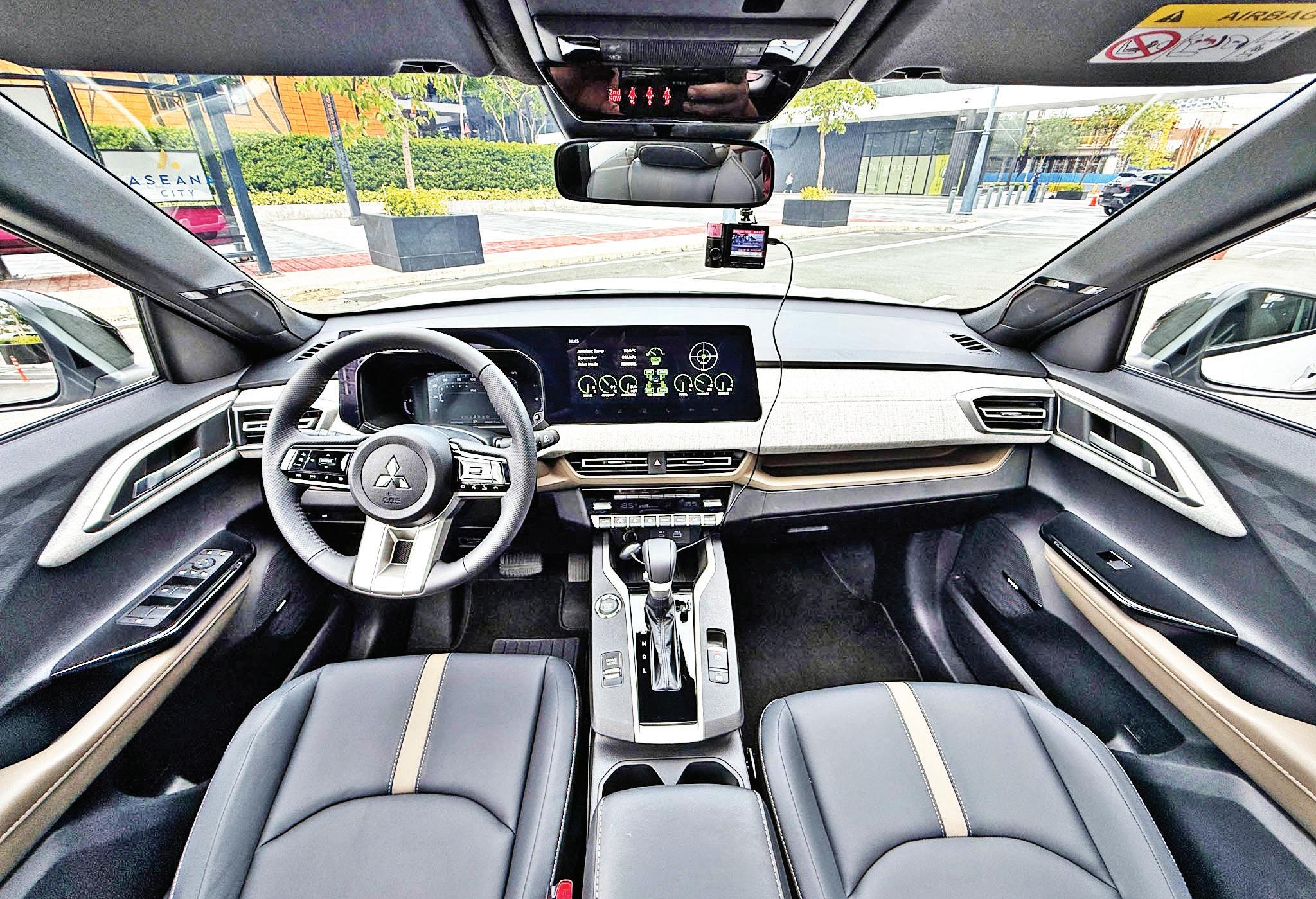




TOYOTA Motor Philippines (TMP) starts retail sales for the all-new Toyota Hilux. Now in its ninth generation, the Hilux now comes in a new design, bringing with it an expanded lineup of updated diesel-powered variants and including the Hilux nameplate’s first-ever 4x4 battery-electric vehicle (BEV) variant.
layout with improved ergonomics and utility. The Conquest, V, G, and E variants receive upgraded infotainment systems, with the Conquest and V having a 12.3” Display Audio with Wireless Apple CarPlay and Android Auto. Meanwhile, the G and E variants come with an 8’’ Display Audio, with Wired Apple CarPlay and Android Auto.

newly integrated deck-side step that provides easier access to the cargo bed.
Hilux 2.8 4x2 G EXCLUSIVE styling cues differentiate each model within the range. The Conquest variant receives a rugged front bumper designed for customers who enjoy overlanding and outdoor adventures, while the Hilux BEV features a solid, enclosed grille that improves aerodynamic efficiency while distinguishing it from its diesel counterparts. The all-new Hilux ICE lineup is built on a 3,085-mm wheelbase, providing a stable foundation for both on-road comfort and off-road capability. The flagship Hilux 2.8 4x4 Conquest A/T measures 5,320 mm long, 1,885 mm wide, and 1,865 mm high. The Hilux 4x4 V M/T, 4x2 G, and 4X4 E share the same overall dimensions as the Conquest.
The 4x2 E A/T variant measures 5,320 mm in length, 1,855 mm in width, and 1,865 mm in height. Meanwhile, the BEV variant measures 5,320 mm in length, 1,855 mm wide, and 1,845 mm high. Ground clearance reaches up to 312 mm on all ICE variants and 287 mm for the BEV variant, allowing the Hilux to maintain the off-road capability that has defined the nameplate through successive generations.
Interior for a New Generation of Hilux ACROSS the lineup, the redesigned cabin adopts a more modern, driver-focused
Positioned as the flagship diesel grade, the all-new Hilux Conquest builds on the standard Hilux with a combination of exclusive styling and features designed for customers seeking a more adventureoriented pickup. The interior incorporates upgraded materials, synthetic leather upholstery, and an eight-way poweradjustable driver’s seat, giving the cabin a more refined feel comparable to Toyota’s latest SUV offerings.
On the other hand, interior features for the Hilux BEV include a 12.3’’ infotainment display with wireless Apple CarPlay and Android Auto, a wireless charging pad, and a Panoramic View Monitor. Eight-way power-adjustable seats and synthetic leather material can also be found in the BEV variant, sharing similarities with the Conquest variant.
Built to Take Charge and be Unstoppable
ALL internal combustion engine (ICE) variants of the all-new Hilux are powered by Toyota’s 2.8-liter 1GD-FTV four-cylinder Variable Nozzle Turbo diesel engine. The powerplant develops 204 PS between 3,000 and 3,400 rpm, while manual transmission variants produce 420 Nm of torque and automatic variants generate up to 500 Nm, both providing the pulling power expected from a pickup built for both work and recreation.
The suspension system continues to pair independent double wishbones at the front with a rigid rear axle supported by leaf springs, preserving its load-carrying ability while improving ride comfort. Highergrade variants are equipped with fourwheel ventilated disc brakes for improved braking performance and heat dissipation, while entry-level grades continue to use ventilated front disc brakes paired with rear drum brakes.
Toyota has also introduced Electric Power Steering (EPS) on the V and Conquest. EPS
reduces steering effort during low-speed maneuvers and contributes to better steering precision and improved on-road comfort without compromising the Hilux’s capability on rough terrain. Meanwhile, the G and E variants continue to utilize a hydraulic power steering system, providing the robust and dependable steering feel expected from a work-oriented pickup.
The Conquest variant’s capability has also been enhanced through the addition of Multi-Terrain Select, allowing drivers to optimize vehicle performance across Dirt, Rock, Sand, Mogul, and Mud conditions.
The Conquest is equipped with an Electronic Parking Brake with Auto Hold, a Panoramic View Monitor, seven airbags, and Toyota Safety Sense 3.0, which bundles advanced
driver assistance technologies for improved safety both on and off the road.
Reflecting Toyota’s multi-pathway approach, the all-new Hilux BEV has been purpose-built for electric mobility while retaining the core attributes of the Hilux. It features a dedicated ladder-frame chassis engineered specifically for electric propulsion. It incorporates reinforced protection for the high-voltage battery and electric axle, allowing the pickup to preserve its high ground clearance, structural durability, and off-road capability even in demanding driving conditions. Additionally, it comes equipped with a shift-by-wire selector and Electric Power Steering (EPS). Toyota Safety Sense 3.0
The dual-motor electric drivetrain

produces a combined output of 196 PS, with 200 Nm delivered to the front motor and 269 Nm to the rear motor. Paired with a permanent electric all-wheel-drive system, the setup delivers immediate torque distribution for improved traction and control across varying terrain. Energy is supplied by a 59.2-kWh lithium-ion battery capable of delivering up to 315 kilometers of driving range under the New European Driving Cycle (NEDC).
Electrification with Peace of Mind
TO support charging for the Hilux BEV’s charging needs, the car comes with a complimentary wall charger and home installation, allowing owners to charge their vehicle at home from day one conveniently. Charging is supported through both AC Type 2 charging and DC CCS2 fast charging.
Beyond home charging, the Hilux BEV is also backed by TMP’s growing network of authorized BEV dealers equipped with EV charging stations, including Toyota Alabang, Toyota Commonwealth, Toyota Global City, Toyota Makati, Toyota Manila Bay, Toyota North EDSA, Toyota Pasig, Toyota Quezon Avenue, Toyota San Fernando Pampanga, Toyota Santa Rosa Laguna, Toyota La Union, Toyota Batangas, Toyota Mandaue South Cebu, and Toyota Mabolo, ensuring customers have access to charging-ready facilities and specialized BEV support across key locations nationwide.
Supporting Toyota’s multi-pathway strategy DEVELOPED in line with Toyota’s multipathway approach, the all-new Hilux is offered with either a conventional diesel powertrain or a fully electric drivetrain, expanding the lineup to serve a wider range of driving needs and applications. The allnew Hilux starts at P1,772,000 for the ICE
variants, while the BEV and its sole variant come in at P2,990,000.
This customer-focused approach reflects Toyota Choice, giving buyers the freedom to select the Hilux that best aligns with
Celebrating Toyota Legacy MARKING the arrival of the all-new Hilux, Land Cruiser FJ, and Land Cruiser HEV, Toyota will hold the Toyota Legacy Experience from July 31 to August 2 at the Eton City Square Village Walk, Santa Rosa Laguna. Guests can expect a multitude of activities for them to take part in and have the chance to see and experience the Land Cruiser FJ and Hilux’s proven capabilities and heritage in the country. Toyota Legacy Experience will be a celebration of the Land Cruiser and Hilux nameplates’ long heritage and legacy in the country. The event will feature heritage model displays, curated classics and customized vehicles, off-road test-drive experiences, Toyota Choice and Beyond Zero exhibits, and community activities that aim


By MotoRead Editorial Staff
FOR motorcycle enthusiasts balancing the thrill of aggressive backroad carving with the reality of daily urban traffic, clutch control has always been a double-edged sword. Pulling the lever hundreds of times in stop-and-go congestion quickly turns passion into left-hand fatigue.

Enter Honda Philippines, Inc. (HPI), which recently unveiled its updated lineup of middleweight Big Bikes featuring one of the most significant transmission innovations in recent motorcycling history: Honda E-Clutch technology.
What is the Honda E-Clutch Technology?
THE Honda E-Clutch bridges the gap between a traditional manual gearbox, a full-fledged quickshifter, and Honda’s Dual Clutch Transmission (DCT).
Equipped with an electronic actuator unit featuring dual internal motors, the system automatically controls clutch engagement and disengagement based on parameters like vehicle speed, engine RPM, gear position, throttle angle, and gear pedal pressure.
Key Benefits of the E-Clutch System:
Stall-Free Operation: Riders can start, gear up, shift down, and bring the bike to a complete stop without ever pulling the clutch lever.
Seamless Quickshifting: Under hard acceleration, it functions as
an ultra-smooth quickshifter for upshifts and downshifts. Instant Manual Override: The traditional clutch lever remains on the left handlebar. If you want to manually feather the clutch, launch hard, or maintain total mechanical control during spirited rides, simply pull the lever—the system instantly yields to manual input.
The Big Bike E-Clutch Lineup HONDA has rolled out the E-Clutch option across several of its flagship middleweight and adventure Big Bike models:
1. Honda CB650R & CBR650R E-Clutch
Powered by Honda’s smooth, highrevving 649cc DOHC 16-valve inline-four engine producing 93.4 hp, both the naked streetfighter CB650R and full-faired CBR650R gain massive daily usability with the E-Clutch. Paired with 41mm Showa® SFF-BP inverted forks, dual 310mm front disc brakes with radial-mount calipers, Honda Selectable Torque Control (HSTC), and a 5-inch TFT display with Honda RoadSync connectivity, these 650cc machines offer high
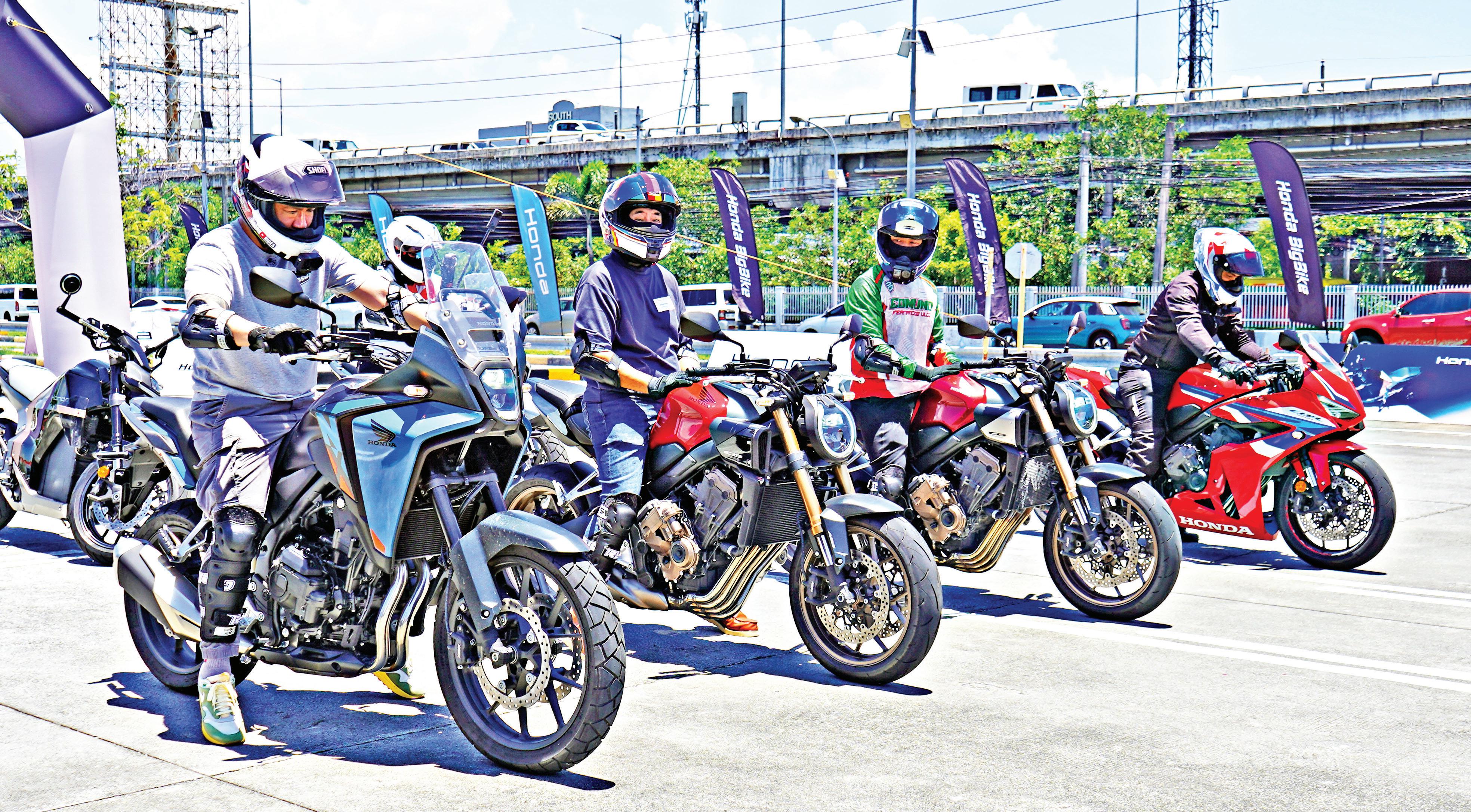
performance with zero traffic stress.
2. Honda NX500 E-Clutch
For adventure tourers, the versatile NX500 paired with the E-Clutch system offers effortless gear transitions whether navigating city roads or tackling light off-road trails. Its punchy 471cc parallel-twin engine, combined with seamless shift management, keeps momentum smooth across long distances.
3. Honda CBR500R & CB500
Hornet E-Clutch
Bringing E-Clutch technology down to the highly accessible 500cc class, the CBR500R and CB500 Hornet make middleweight entry easier than ever. Offering Firebladeinspired aerodynamic styling, a 471cc DOHC engine (47 hp / 43 Nm torque), and lightweight handling, these models prove that advanced riding tech isn’t strictly reserved for liter-class superbikes.
Connected Ecosystem:
MyHonda+ App ALONGSIDE the launch of its E-Clutch lineup, Honda unveiled its updated digital ecosystem anchored by the MyHonda+ Philippines app. Riders can manage their “digital garage,” schedule dealer service appointments, check model specs, and track community events— ensuring that modern motorcycle innovation is backed by digital convenience.


COMBINING modern styling, generous interior space, family-focused features, and low running costs, the VinFast VF MPV 7 is emerging as a compelling choice for Filipino families looking for a practical daily vehicle. When Mark Santos of
MPV 7 immediately stood out thanks to its modern design, which balances family practicality with a confident and contemporary look. "It looks substantial on the road and has a distinctive design that doesn't feel like a typical family vehicle," he said. What ultimately convinced him, however, was the spacious cabin. Measuring 4,740 mm long, 1,872 mm wide, and 1,734 mm high, with a 2,840 mm wheelbase, the VF MPV 7 offers generous room for passengers across all three rows. The vehicle accommodates seven occupants and provides a cargo capacity of up to 1,240 liters with the rear seats folded.
"We travel with all seven seats occupied quite often, and everyone remains comfortable. The high seating position gives a good view of the road, and even passengers in the third row don't complain during longer trips," Santos shared. While Santos was impressed with the
cabin, which features a sporty D-cut steering wheel, a steering-column-mounted electronic shifter, and a 10.1-inch infotainment display that makes everyday driving more intuitive, the VF MPV 7 has also impressed his
B4
THE long wait is over. OMODA & JAECOO Philippines officially launched the all-new JAECOO J5 EV on July 22, 2026, at the Glorietta Palm Drive Activity Center in Makati City, bringing to the Philippinez market an electric SUV that has already proven it knows how to win.
And not just once.
The JAECOO J5 EV closed the first half of 2026 as the No. 1 bestselling pure EV in both Thailand and Indonesia. Back-toback market leadership in two of Southeast Asia’s most competitive automotive markets. Now, it hits Philippine roads not as a contender, but as a proven champion— delivering 461km of NEDC range, validated by the AAP with a realworld achievement of 117%.
Just days ago, the global football world crowned its new champion on
the pitch. At OMODA & JAECOO, that same spirit resonates at OMODA & JAECOO: the relentless pursuit of excellence, the discipline to go the distance, and the nerve to perform when it matters most. The JAECOO J5 EV proves that same champion spirit on the road. Designed for modern lifestyles, the JAECOO J5 EV blends premium styling, intelligent technology, advanced safety systems, and allelectric performance into one compelling package. From daily city commutes to weekend outdoor
escapes, it delivers the practicality, comfort, and confidence that today’s drivers demand.
Ahead of its official Philippine launch, the JAECOO J5 EV has already demonstrated its outstanding real-world performance by traveling 539.2 kilometers on a single charge—equivalent to 117% of its declared 461-kilometer NEDC driving range—during an endurance challenge observed by the Automobile Association Philippines (AAP). The achievement further highlights the vehicle’s efficiency and reliability under actual driving conditions.
The July 22 launch will also showcase OMODA & JAECOO’s vision for the future of intelligent mobility, reinforcing the brand’s continued investment in the Philippine market through its growing dealership network, customer support ecosystem, and expanding portfolio of new energy vehicles.
As OMODA & JAECOO continues its global expansion, the brand is also advancing innovation beyond

mobility through initiatives such as AiMOGA, its intelligent robotics ecosystem, while strengthening its global presence through partnerships including the FIFA World Cup 2026. These initiatives reflect the brand’s commitment to technology, innovation, and creating smarter mobility experiences for customers worldwide.
The official launch of the JAECOO J5 EV marks the beginning of an exciting new chapter for OMODA & JAECOO Philippines, further reinforcing the brand’s dedication to delivering premium, intelligent, and sustainable mobility solutions for Filipino consumers.
About OMODA & JAECOO Philippines
OMODA & JAECOO Philippines is committed to delivering intelligent, stylish, and sustainable mobility solutions through its growing portfolio of new energy vehicles. Supported by global research and development, advanced engineering, and an expanding nationwide dealer network, the brand continues to shape the future of mobility by offering innovative products that meet the evolving needs of Filipino motorists.

WITH a strong dealer confidence in Suzuki Philippines’ long-term growth, trusted dealer groups are actively investing in modernized facilities to enhance accessibility and elevate the customer ownership experience nationwide. This significantly expands Suzuki’s nationwide footprint through a series of dealership groundbreakings, relocations, relaunches, and facility upgrades across Northern Luzon, Visayas, and Metro Manila from July to September 2026.
Key network expansion highlights
NORTHERN LUZON
(Elite North Autocars, Inc.)
n Suzuki Auto Iguig (Cagayan): Groundbreaking of a brand-new 3S (Sales, Service, and Spare Parts) facility along the National Highway in Sta. Teresa, Iguig.
n Suzuki Auto Tuguegarao: Relocation of its 3S Satellite (3SS) facility to a larger, more prominent site along Cagayan Valley Road.
VISAYAS REGION
(Sakura Autoworld, Inc. & Cebu Autocentrale Corp.)
n Suzuki Auto Tacloban: Official relaunch at a new standalone 3S facility in Abucay, featuring expanded service workshops.
n Suzuki Auto Iloilo: Complete facility renovation and expansion, equipped with a dedicated e VITARA charging station in preparation for Suzuki’s electrified vehicle lineup.
n Suzuki