

WB projects 5% and up growth in PHL in 2027
By Justine Xyrah Garcia
ESPITE external headwinds weighing on the Philippine economy, the World Bank said it expects economic growth to rebound above 5 percent next year as the impact of current global shocks eases.
World Bank Division Director for the Philippines, Malaysia, and Brunei Zafer Mustafaoğlu on Thursday said the weaker growth outlook merely reflects a short-term slowdown brought about by external shocks and does not alter the country’s medium-term prospects.
The Washington-based lender in

April lowered its 2026 gross domestic product (GDP) growth forecast for the Philippines to 3.7 percent from its earlier projection of 5.3 percent amid heightened global uncertainty.
“When we look at for the next two years, our expectation is that economic growth will recover above 5 percent,” he said in a televised interview.
Mustafaoğlu said the World Bank remains confident the Philippine economy will regain momentum as current shocks are expected to ease.
He said the Philippines remains well-positioned for sustained growth given its young population,
strategic location in Asia, and favorable long-term opportunities.
“On average, we would expect around close to 5.5 percent growth after 2026, meaning 2027, 2028,” he added. If realized, the projected recovery would put the Philippines on track to meet the Development Budget Coordination Committee’s (DBCC) recalibrated 5- to 6-percent growth target for 2027 to 2030.
Mustafaoğlu also emphasized that Manila’s partnership with the World Bank will not be affected despite the dimmed near-term outlook.
He noted that right now, the main focus of the bank is to help mitigate
the impact of the geopolitical tensions and ensure that it will not further hurt vulnerable households. Despite the current headwinds, Mustafaoğlu also said the World Bank remains confident that the Philippines can meet the targets under its Country Partnership Framework (CPF). Launched in 2025, the CPF serves as the World Bank’s six-year engagement strategy with the Philippines. It aims to help create 4 million more and better jobs by improving the business environment and mobilizing private investment, while also expanding access to quality health




THEBy Reine Juvierre S. Alberto
Department of Finance (DOF) is accelerating efforts to dispose of big-ticket state assets and attract private-sector bids under revised privatization guidelines to meet its target of raising P101 billion from privatization this year.
After
Undersecretary Michael Peter A.
Alejandro
Alejandro
Meanwhile, FTI is slated for sale in the fourth quarter, estimated at about P20 billion, and SLEX in the early fourth quarter.
“Hopefully we’ll be able to sell it,” Alejandro said.
The values remain preliminary as the assets have yet to undergo the
process of the Privatization Council (PrC), which must determine minimum selling prices based on independent appraisals, he said. The assets will be sold through auctions, although final terms will depend on market conditions and investor
By Justine Xyrah Garcia
THE number of Filipino children engaged in child labor inched up slightly in 2025 from a year earlier, according to preliminary data released by the Philippine Statistics Authority (PSA).
The PSA estimated that there were 513,650 child laborers nationwide last year, up from 509,160 in 2024. They accounted for 1.8 percent of all children aged 5 to 17, compared with 1.6 percent a year earlier.
Child labor refers to work that is mentally, physically, socially or morally harmful to children and interferes with their education by preventing them from attending school, forcing them to leave school early, or requiring them to combine schooling with long or heavy work.
Under the PSA’s definition, child labor includes hazardous work that could endanger a child’s health, safety, or moral well-being. It also covers children younger than 15 who work beyond legally permitted hours, as well as those aged 15 to 17
who exceed the maximum working hours or are employed during prohibited nighttime hours.
Agriculture continued to account for the largest share of child laborers in 2025, employing 336,000 children or 65.5 percent of the total, up from 328,000 a year earlier.
The industry sector also posted an increase to 45,000 child laborers from 34,000, while the number in services declined to 133,000 from 148,000.
Older children made up the bulk of child laborers, with 413,000 or 80.5 percent aged 15 to 17, while the remaining 100,000 were between 5 and 14 years old.
Boys accounted for nearly three-fourths of all child laborers at 373,650, compared with 140,000 girls.
Meanwhile, the number of working children—defined as all children aged 5 to 17 engaged in any economic activity, including both permissible work and child labor—inched up to 868,540 in 2025 from 861,450 a year earlier.
By Malou Talosig-Bartolome
THE Philippine capital is preparing to welcome 59 delegations of foreign ministers and senior officials next week for what DFA spokesperson Dominic Xavier “Dax” Imperial describes as “one of the most significant diplomatic engagements of our Asean chairmanship.”
Confirmed participants include U.S. Secretary of State Marco Rubio, Russian Foreign Minister Sergey Lavrov, and Chinese Foreign Minister Wang Yi, alongside counterparts from Japan, the European Union, Australia, New Zealand, India, and Ukraine.
Their presence highlights the Indo -Pacific’s strategic weight as a theater of competition and cooperation. North Korea, however, has formally declined to send a representative.
The breadth of attendance reflects Asean’s enduring role as a convening platform where rival powers can engage under a neutral, multilateral umbrella.
Manila’s hosting comes at a time when the Philippines is recalibrating its foreign policy, balancing its alliance with Washington against pragmatic ties with Beijing and
Moscow.
TAC at 50: Expanding Asean’s reach THE highlight of the week is the 50th-anniversary commemoration of the Treaty of Amity and Cooperation (TAC) on July 24, which will feature a high-level conference, a gala dinner, and the accession of six or seven new high-contracting parties, expanding the treaty’s reach to approximately 64 nations.
“This milestone celebrates five decades of the TAC as the foundational code of conduct governing relations among states,” Imperial said.
The TAC is a peace treaty established in 1976 by the founding members of Asean (Indonesia, Malaysia, the Philippines, Singapore, and Thailand). It focuses on principles like mutual respect for sovereignty, non-interference in internal affairs, and the peaceful settlement of disputes.
Imperial said the meeting is expected to release an outcome document declaring a new engagement modality for TAC contracting parties.
“When they signed the TAC, it seemed like there’s no mechanism to engage more…but now with this modality, we’re now creating
care and education, strengthening social protection and climate resilience, improving broadband connectivity, and enhancing digital government services.
UMIC impact
MEANWHILE, Mustafaoğlu clarified that the Philippines’s graduation to upper middle-income country (UMIC) status will not affect its access to World Bank financing.
He said the country’s new income classification will neither change the bank’s lending program nor its lending terms.
“Moving to upper middle-income country does not affect our program or our lending to the country or lending rates to the country,” he explained. Mustafaoğlu explained that World Bank lending generally tapers only after countries attain high-income status. Even then, he said, the institution continues to provide technical assistance and knowledge-sharing.
“As the Philippines move forward, we will look at what are the basic needs of Philippines, where Philippines is growing better, but where maybe Philippines need more support, and we will adjust the program from that angle,” he added.
ERC extends disconnection freeze for electric consumers
By Lenie Lectura @llectura
THE Energy Regulatory Commission (ERC) has extended consumer relief measures for all electric power stakeholders due to tensions rising in the Middle East with fresh strikes between the United States of America and Iran.
“Acting to cushion the heavy burden of spiraling electricity costs, the ERC has ordered the extension of the disconnection moratorium, ensuring consumers are granted a vital reprieve from service interruptions as they cope with the sustained rise in power generation charges,” ERC chairperson
from A1
“That is precisely what is being studied. Once the budget is available, it will be released immediately to assist those most in need, while balancing the government’s funds,” Castro said.
mechanism that they can engage with Asean even though they are not a dialogue or sectoral partner.”
Francis Saturnino Juan said via Viber.
In an advisory released Thursday, the commission extended the suspension of electricity service disconnections for non-payment of electricity bills covering the period August to October 2026.
At the same time, the commission
Common interests that Asean and TAC partners can pursue include maritime, economic and food security, he added.
Myanmar: The non-political policy THE Myanmar crisis remains a recurring test of Asean’s unity. According
directed the distribution utilities (DUs) to offer staggered payment plans to help consumers manage rising electricity costs. “DUs shall implement staggered or deferred payment schemes to ease the financial burden on consumers,” the ERC ruled.
Consumers with monthly consumption not exceeding 200 kilowatt-hours (kWh) are allowed to defer payment of their electricity bills and pay the same on a staggered basis for at least three months from receipt of the electricity bill. The payment may be spread over three months, with installments reflected in subsequent billing statements.
The ERC also directed stateowned firms such as Power Sector Assets and Liabilities Management Corp. (PSALM), National Power Corp. (NPC), and National
to Imperial, the peace plan called Five-Point Consensus (5PC) continues to serve as the definitive reference point for all engagements.
Maintaining the bloc’s policy of non-political representation, Manila has confirmed that Myanmar will be represented by the Permanent Secretary of the Ministry of Foreign Affairs, rather than a political official.
A separate informal meeting will also be held on the issue of Myanmar at the sidelines of the AMM.
Managing rivalries
THE week-long series of meetings—including the Asean Foreign Ministers’ Meeting (AMM), Post-Ministerial Conferences, and the culmination on July 25 with the Asean Plus Three (APT), Asean Regional Forum (ARF), and East Asia Summit (EAS)— serves a dual purpose.
While these meetings are designed to advance regional integration, they also function as a
Transmission Corp. (TransCo) and private stakeholders—generation companies (GenCos), National Grid Corporation of the Philippines (NGCP), Independent Power Producers (IPPs), and market operator (MO)—to extend the same payment scheme to DUs.
The DUs were told to segregate the amounts paid by the consumers to determine the amount due to gencos, PSALM, NPC, TransCo, IPPs, NGCP, and MO.
“DUs are required to submit their compliance to the directives under this advisory within 30 days from end of the covered billing period or on or before October 30, 2026,” the ERC said. The Manila Electric Company (Meralco) said it will comply with the ERC’s directive for all DUs to suspend disconnection activities for the said period.
critical forum for managing tensions among dialogue partners, including the US, China, Japan, and Russia.
Addressing this strategic balancing act, Imperial emphasized that the priority is to utilize the Asean platform for cooperative dialogue.
“While we see that there are differences among our dialogue partners, we’re really looking at how we can cooperate with our dialogue partners. And I think that’s the whole purpose of convening these meetings next week,” he told reporters in a briefing Thursday. He said the Asean framework is intentionally designed to foster this stability.
“The way that this mechanism is created under the Asean framework is really putting everyone together in one room and having these candid, collaborative discussions more than highlighting whatever it is that is impacting their relations bilaterally.”
the offer will be subject to a comparative challenge process, allowing competing bidders to submit higher offers.
The revision of PrC’s privatization guidelines has also drawn interest and increased unsolicited offers from the private sector for smaller properties, which could help the government in reaching its P101-billion privatization goal, Alejandro said.
“All these smaller transactions, they do add up,” he said. “[The revised guidelines] definitely help open up interest for assets.”
The new guidelines allow interested parties to submit proposals for government-owned assets together with supporting valuations. Once approved by the PrC,
According to the DOF, there are over 28,000 titles, mostly small assets measuring about 200 square meters, up for sale.
“What’s important for the [Privatization and Management Office] now is to prioritize the ones that are really idle, and that would really spur economic activity,” Alejandro said.
The privatization push forms part of the government’s effort to monetize underutilized assets and generate additional funding for public spending.
This year’s privatization revenue target is a 1,920-percent increase from last year’s P5 billion goal.
about 1 percent of approved Apec-funded projects over the past five years despite around $14.2 million in available project funding.
Execution-only BPOs face AI squeeze, says Asiatel
By Bless Aubrey Ogerio
OUTSOURCING firms that rely primarily on routine, execution-based work will face mounting pressure from artificial intelligence (AI), while companies that move into higher-value services stand to benefit from the industry’s next phase of growth, according to Philippine-founded Asiatel Outsourcing Inc.
Asiatel chief executive officer Jasjit Singh Anand said AI is changing the competitive landscape of the business process outsourcing (BPO) industry by shifting demand toward knowledge-intensive services rather than repetitive tasks.
“I think there is a low end of jobs which is execution-focused,” Anand said during the company’s media briefing on Thursday morning in Taguig City. “Purely execution-task will come under pressure.”
Instead, Anand said companies that successfully integrate people, business processes and AI into their operations will be better positioned to grow. “I believe every technological shift creates winners and losers,” he said.
“The winners from here will be the companies that will blend the three. One is people, second is the process, and third is AI,” he added.
He added that while automation is expected to replace some routine work, human workers will continue to play a central role. “Humans will stay at the core… Humans in the loop will be an important aspect going forward.”
The company is responding by expanding beyond traditional outsourcing into knowledge process outsourcing (KPO) and AI-enabled services. “Our strategy is simple. We are actually moving away from execution-task,” Anand said.
“We were never in the pure execution-task. We were actually an embedded extension office...and from there, we are now going up on the value chain in the KPO space and the AI space.”
Among the areas Asiatel is targeting are engineering, environmental, social and governance (ESG), software-as-a-service (SaaS) and AI-driven finance solutions.
Despite a more measured industry outlook recently unveiled by the IT and Business Process Association of the Philippines (IBPAP), Anand said the company remains optimistic about the sector’s long-term prospects.
IBPAP projects the Philippine information technology-business process management (IT-BPM) industry to generate $42.3 billion in revenues this year and between $43.3 billion and $50.5 billion by 2028.
“We should respect that position because that’s a respected IT industry body,” Anand said.
While new technologies are reshaping outsourcing, Anand argued they will also create business opportunities that are difficult to predict today.
“I feel that there will be new sectors which will emerge which we cannot see at this point of time,” he said. “If AI...helps in the global output, that will create certain opportunities which we cannot imagine at this point of time.”
Expansion after TSX listing
and the informal sector in the digital economy. He also encouraged member economies to maximize Apec’s capacity-building programs, noting that the Philippines accounted for only
Nearly half of all working children were employed in the services sector, which accounted for 423,000 or 48.7 percent of the total.
Agriculture followed with
“The benefit of being in a regional organization is that we can learn from each other,” Calizo said. “If one economy has a problem, maybe that problem is something another economy has already encountered.”
Justine Xyrah Garcia
358,000 children or 41.2 percent, while 87,000 or 10.1 percent worked in industry.
Working children accounted for 3.1 percent of the country’s population aged 5 to 17 in 2025, up from 2.7 percent in 2024, indicating that about three in every 100 Filipino children were engaged in economic activity during the year.
ASIATEL recently became the first Philippine-founded outsourcing company to list on the TSX Venture Exchange (TSXV) in Canada. Asked whether the company also plans to pursue a Philippine Stock Exchange listing, Anand said management is focused on executing its expansion strategy following its Canadian debut.
“We just listed in Canada. It’s our second day into trading. Our focus right now is to run the company in a very compliant, very sound manner, sticking to the fundamentals,” he said. Since starting operations in 2006, Asiatel has grown organically to generate more than $6 million in annual revenue, while employing about 500 workers in the country and serving clients across eight countries.
Govt agencies update national nuclear emergency preparedness, response plan

By Lenie Lectura @llectura
THE Philippines has updated its National Radiological Emergency Preparedness and Response Plan (Radplan) to enhance coordination and align with the nation’s nuclear regulatory framework.
The Department of Energy (DOE) said Thursday the updated Radplan was finalized during a workshop last week. The event was attended by nearly 100 representatives from
national government agencies responsible for emergency preparedness, disaster response, public safety, health, security, and public information.
The revised plan strengthens response mechanisms for four key scenarios, including nuclear facility incidents and lost radioactive sources, by clearly defining roles for national and local agencies.
“The review of the RadPlan strengthens our coordination mechanisms and ensures that our emergency response arrangements remain practical, effective, and responsive,”
Energy Undersecretary
Giovanni Carlo J. Bacordo said.
Among its key enhancements is a comprehensive concept of operations that outlines how emergency response activities will be coordinated from initial notification through recovery.
The updated plan also provides operational guidance for four priority scenarios: an incident at a nuclear facility, a lost or stolen radioactive source, a radiological dispersal device or other malicious act, and a transnational nuclear or radiological emergency.
In addition, the revised plan strengthens coordination
between the country’s crisis management and disaster response systems. While earlier versions focused primarily on consequence management, the updated Radplan incorporates protocols for coordinating with tactical and investigative operations led by government security agencies. These include joint notification procedures, the establishment of a joint assessment cell, clearly defined handover triggers between the National Crisis Management Committee and the National Disaster Risk Reduction and Management Council (NDRRMC), and a standardized handover declaration process. The updated plan also reflects institutional reforms introduced under Republic Act 12305, or the Philippine National Nuclear Energy Safety Act. The law establishes the Philippine Atomic Energy Regulatory Authority (PhilATOM) as the country’s independent nuclear regulatory body, while the Department of Science and Technology-Philippine Nuclear Research Institute transitions from its previous dual mandate to serve as a technical support organization.
DOJ supports NBI investigation of projects for 2019 SEA games
TBy Joel R. San Juan @jrsanjuan1573
HE Department of Justice
(DOJ) is backing the initiative of the National Bureau of Investigation (NBI) to investigate the alleged
anomalies in the construction of facilities used in the 2019 Southeast Asian Games. In a statement, the DOJ headed by Justice Secretary Fredderick Vida, said it is part of the NBI’s mandate to investigate any irregularities involving
public officials and private individuals.
“The Department respects the mandate and authority of the National Bureau of Investigation to conduct investigations, whether upon referral or motu proprio,” the DOJ said.
“While the NBI is an attached agency of the Department, it is given sufficient operational independence to perform its investigative functions as it deems appropriate under the law,” it added.
During the impeachment
trial last Wednesday, several minority senators questioned the timing and the motive of the NBI in announcing its ongoing investigation into the alleged anomalies involving infrastructure projects for the 2019 SEA Games, including the
New Clark City sports complex and the controversial SEA Games cauldron. NBI Director Melvin Matibag said the agency has received “new information

www.businessmirror.com.ph
House prosecutors to seek Marcos nod on opening Sara’s tax records if...
By Jovie Marie N. dela Cruz @joveemarie
THE House of Representatives
impeachment prosecution team on Thursday said it will exhaust all available legal options before seeking authorization from President Marcos for the release of Vice President Sara Z. Duterte’s tax records.
In a press briefing, House prosecutor Joel Chua said the panel intends to avoid involving the chief executive unless absolutely necessary.
Chua, who represents Manila, said the prosecution will first determine whether the records can be obtained through other lawful means.
“As much as possible, we do not want to burden the Executive [department] on this matter, especially since the President has many responsibilities,” Chua said.
“If there are other options or steps we can take, we will explore those first,” added the chairman of the House Committee on Good Government and Public Accountability.
Chua made the statement when asked whether the prosecution had decided to seek presidential authorization for the release of Duterte’s tax records.
Lawyer Lorna Kapunan, counsel for the House prosecutors, said the issue remains part of the panel’s legal strategy and will depend on the requirements set by the Senate Impeachment Court.
“This is a matter of strategy that will still be discussed by the
Sea Games. . .
Continued from A3
and documents” pertaining to multi-billion allocations for projects undertaken by the Philippine Southeast Asian Games Organizing Committee (Phisgoc).
Sen. Alan Peter Cayetano, head of the minority bloc in the Senate, served as Phisgoc chairman, which organized the 2019 SEA Games, Cayetano, along with Sens. Robinhood Padilla and Pia Cayetano lambasted the NBI for apparently trying to “intimidate and disrupt” the minority senators from performing their duties as senator-judges in the ongoing impeachment trial of Vice President Sara Duterte. “Is this just a coincidence or is this something we should be afraid of?” Padilla said in Filipino. Cayetano, on the other hand, said: “If the intention was to have a chilling effect, we already have that chilling effect.”
In response, the DOJ assured the public that NBI’s actions on the issues “are grounded solely in its mandate and the rule of law.”
“ The Department has full confidence that the NBI will continue to carry out its work with the professionalism, integrity, and independence expected of it,” the justice department stressed.
public prosecutors and by us as private counsel,” Kapunan said.
“We will determine whether it is still necessary,” she added.
Kapunan said the prosecution would comply if the Senate impeachment court ultimately requires presidential authorization.
“But it is just a matter of fulfilling a requirement if required by the impeachment court,” she said.
“If such authorization is required, the prosecution will do what is necessary and lawful, as determined by the Senate impeachment judges,” she said.
The issue surfaced during oral arguments before the Senate Impeachment Court on the prosecution’s request to subpoena Duterte’s financial and tax records as part of its evidence for the impeachment article alleging unexplained wealth.
The defense argued that releasing the records would require presidential authorization, citing the testimony of former Internal Revenue commissioner Kim Henares during the impeachment trial of former Chief Justice Renato Corona.
Precedent
DURING oral arguments before
the Senate Impeachment Court, House prosecutor Jose Manuel Diokno noted that the Senate had previously permitted the production and examination of bank records that predated Corona’s appointment as Chief Justice.
Diokno said the prosecution is requesting subpoenae for bank records, Bureau of Internal Revenue (BIR) documents, and AntiMoney Laundering Council reports involving Duterte and Carpio. These documents, he argued, are crucial to the second article of impeachment, which alleges unexplained wealth, discrepancies in Statements of Assets, Liabilities, and Net Worth (SALNs), and possible unconstitutional business activities.
He recalled that during Corona’s trial, PSBank President Pascual Garcia III initially refused to disclose details about certain accounts. However, then SenatorJudge Alan Peter Cayetano pointed out that the opening documents should have been submitted, prompting then Senate President Juan Ponce Enrile to order the issuance of a subpoena for all relevant bank records.
The Impeachment Court later denied motions to quash and suppress the subpoenaed records. Diokno emphasized that the purpose was to determine whether Corona failed to declare certain deposits in his SALN.
He also cited discussions during the Corona trial on whether evidence predating an official’s appointment could be considered. The Senate eventually ruled that such evidence could be admitted if relevant to assessing an official’s fitness for public office.
“The panel of prosecutors respectfully submits that the subpoenas for the production of the
bank records, [Anti-Money Laundering Council] documents, and BIR documents of the Vice President and her husband are proper and should be issued by this Honorable Court,” Diokno said.
The Senate impeachment court is set to vote on Monday on whether to issue subpoenas for the bank, tax, and AMLC records of Duterte and Carpio.
Rely on evidence
HOUSE prosecutors on Thursday urged the public to base their judgment on evidence presented in the impeachment trial rather than on misleading social media content.
Chua said the prosecution would continue explaining proceedings in clear and accessible language so Filipinos can compare online claims with actual testimony and documentary evidence presented before the court.
He stressed that the public would hear both documentary and testimonial evidence, including witnesses subjected to direct and cross-examination, as well as questioning by senator-judges.
Chua cited potential witness Ramil Madriaga, noting that the trial process allows testimonies to be scrutinized in open court rather than judged through competing narratives online.
Kapunan emphasized the public’s right to accurate information, urging people to assess the credibility and weight of evidence instead of relying on social media trends or popularity.
The prosecution is expected to complete its presentation of evidence on Article IV, which involves Vice President Duterte’s alleged threats against President Marcos , First Lady Liza Araneta-Marcos, and then-Speaker Ferdinand Martin G. Romualdez, before proceeding
Obviously irrelevant manifestations testing patience of impeach trial watchers–Lacson
LBy Butch Fernandez @butchfBM
ENGTHY manifestations on the sixth day of Vice President Sara Duterte’s impeachment trial on Wednesday have raised concern over undue delays in the proceedings and are testing the patience of trial observers, Sen. Panfilo Lacson said.
Some manifestations that are “obviously irrelevant” are beginning to irritate people, Lacson said Thursday. He made the observation after sharing a lighthearted exchange with a fellow senator-judge, saying even those in the gallery would likely welcome a motion to adjourn the trial whenever such manifestations drag on.
“DAY 6: A fellow senator-judge has jokingly asked me if he can move for the division of the house every time he feels annoyed by

manifestations obviously irrelevant to the impeachment trial. I told him, a motion to adjourn will elicit more applause from the equally annoyed gallery,” he said in a post on X.
The sixth day of the impeachment trial last Wednesday featured no witness testimonies but had some lengthy manifestations, some of which centered on the timing of a National Bureau of Investigation probe into the construction of the multibillionpeso sports complex in Tarlac for the 2019 Southeast Asian (SEA) Games.
Since the events in question happened seven years ago, questions were raised whether there was indeed a campaign to reduce the ranks of senator-judges perceived sympathetic to Duterte, since the SEA Games inquiry would target Sen. Alan Peter Cayetano, minority leader. He
was then the top official involved in the SEA Games preparations, and drew flak for the P58-million “kaldero” controversy—a reference to the light tower he approved to be constructed for the Games, which ended with host Philippines topping the medal tally.
Last weekend, Lacson proposed measures to minimize delays in the impeachment trial, including having witnesses expected to testify during the week remain readily available within the Senate premises.
He stressed that speeding up the trial does not mean compromising the presentation of evidence, but maximizing the limited time available to the Impeachment Court.
Besides, Lacson said, the Vice President is entitled to a speedy trial just like any respondent in an ordinary court proceeding.
CSC eases rules on four-day workweek for govt agencies
By Mary Jade Jadormio
GOVERNMENT agencies now have greater flexibility in adopting a four-day compressed workweek after the Civil Service Commission (CSC) amended its Flexible Work Arrangement (FWA) policy to clarify rules on work schedules, leave credits, holidays, and service continuity.
CSC Chairperson Marilyn B. Yap said the revisions are meant to support the government’s
to the charge involving the alleged misuse of confidential funds.
Kapunan also warned against equating online activity with public sentiment, saying increased troll activity may reflect frustration rather than genuine support.
Kapunan said the public has the right to receive accurate information about the evidence and arguments presented in the constitutional proceedings.
She called on legitimate media organizations to continue delivering factual reporting and to challenge disinformation that undermines public trust.
Fail
EXTENDED cross-examination by the defense failed to discredit prosecution witnesses or undermine their testimony regarding the authenticity and seriousness of the alleged threats made by Duterte, House prosecutor Lorenz Defensor said.
Defensor added that prolonged questioning instead gave witnesses more opportunities to explain the evidence and demonstrate consistency in their statements.
The defense focused on testing how recordings were handled and authenticated, as well as the basis of the National Bureau of Investigation’s findings.
Despite this, Defensor said the prosecution remains confident that it has clearly presented its case before both the impeachment court and the public.
He noted that repeated questioning reinforced the prosecution’s evidence and highlighted why the alleged acts constitute not only legal violations but also a betrayal of public trust.
While acknowledging concerns about the pace of proceedings, Defensor attributed delays to lengthy cross-examinations by
the defense.
He added that the testimony of NBI Director Melvin Matibag is expected to consolidate the investigation’s findings, making additional witnesses unnecessary.
“Our evidence is already strong, clear, and sufficient,” Defensor said.
Before Christmas HOUSE lead prosecutor Gerville Luistro said she is aiming for the impeachment trial to conclude before Christmas.
Speaking after the sixth day of proceedings, Luistro said the prosecution is currently reviewing its witness list for the remaining articles of impeachment.
She explained that adjustments may be made depending on how the trial develops, including the possible withdrawal or addition of witnesses.
“Well, we are in the process of re-evaluating the list of our witnesses for the three succeeding articles,” Luistro said.
Luistro noted that some witnesses under Article IV were already withdrawn after evaluating the testimonies of earlier witnesses, including NBI Agent John Mark Calilung and lawyer Jeremy Lotoc. She said the prosecution can only determine whether additional witnesses are necessary after fully assessing testimonies already presented.
The prosecution has reserved the right to revise its witness lineup as needed.
NBI Director Melvin Matibag is scheduled to testify as the final witness for Article IV before the prosecution moves on to Article I, which concerns the alleged misuse of confidential funds by the Office of the Vice President and the Department of Education.
SC junks petitions against its critics
THE Supreme Court (SC) has dismissed the petitions seeking to cite for indirect contempt a political analyst, a Party-list representative and a disbarred lawyer for criticizing the court over its July 2025 decision declaring as unconstitutional the first impeachment complaint filed by the House of Representatives before the Senate against Vice President Sara Duterte.
In an 87-page unanimous decision written by Associate Justice Marvic Leonen, the Court en banc held that criticizing the Court for its decisions and policies is one of the most protected forms of political expression.
S uch criticisms, according to the Court, may be deemed contemptuous only if they incite the public to lose trust in the judiciary and pose a clear and present danger in its administration of justice.
“The Court will not hesitate to punish those who utter false comments. However, political speech must amount to the level of not only inciting the public to lose trust in the Judiciary, but the circumstances must also be assessed as to whether the communicative impact of the speech can imminently result to the intended outcome of the speaker,” the Court declared.
“In wielding our inher ent power of contempt, this Court should also be wary and discerning of attempts of others to suppress critical speech that feeds democracy,” it added.
push to modernize work arrangements in the public sector while ensuring uninterrupted delivery of services.
“The amendments provide government agencies with greater flexibility in organizing work schedules that benefit civil servants while ensuring that public services remain accessible to citizens,” Yap said.
Under the revised policy, agencies may allow employees to See “CSC,” A5
Thus, the SC dismissed for lack of merit the indirect contempt petitions filed by lawyers Mark Kristopher Tolentino and Rolex Suplico against political analyst Richard Heydarian, Party-list Rep. Percival Cendaña of Akbayan and disbarred lawyer and now Presidential Adviser for Poverty Alleviation Larry Gadon.
T he petitions seeking Court’s sanctions against the respondents were filed following their allegedly malicious public statements against the members of the 15-man High Tribunal who unanimously junked the impeachment complaint in a ruling issued on July 25 for violation of the one-year bar rule and Duterte’s right to due process.
T he petitioners claimed that Heydarian and Cendaña used their influential platforms to discredit the Court and its members.
H eydarian, according to the petitioners,
immediately posted on his verified X (formerly Twitter) account: “FACT: DUTERTE had APPOINTED as many as 13 out of 15 SUPREME COURT justices by 2022!! No wonder the SC is now the Supreme Coddler. Welcome to the Philippines.”
T he petitioners said the post was not mere commentary on appointments or a general critique of political influence as it deliberately and maliciously framed the justices as beholden to former President Rodrigo Duterte, thereby attributing impropriety, lack of independence, and judicial bias to the Supreme Court as an institution.
O n the other hand, Cendaña echoed Heydarian’s statement during a news conference where he declared: “The Supreme Court has reduced itself to being the Supreme Coddler of Sara Duterte. This is a betrayal of the Constitution and an insult to the people’s right to demand accountability.”
T he petitioners said Cendaña’s statements were not confined to policy disagreement as it directly accused the Court of betraying its constitutional mandate, thereby suggesting judicial dereliction of duty and willful complicity in political shielding,” they added.
G adon, according to the petitioners, should also be cited in indirect contempt for openly calling the Supreme Court “tuta ng mga Duterte [Duterte’s lapdogs].” In den ying the petitions, the SC said it affirms its commitment that “public discussions on matters of paramount public interests should be free.”
There should be space for democratic discourse where the people are given the widest latitude to express their opinions without fear of being subsequently punished,” it pointed out.
T he Court, however, warned the public that while it has the right to be critical about the Court’s decisions and its policies, “there is no license for anyone to abuse their freedom of speech.”
The Court welcomes sober criticisms and critical input regarding its decisions and policies. These help us evolve and carry our constitutional mandate. However, its exercise must be bona fide, and should not go beyond the walls of decency and propriety,” the SC stressed. Joel R. San Juan
NGCP hikes charge in June
CEBU CITY— Consumers are expected to see a transmission charge of P1.4604 per kilowatt-hour (kWh) reflected in their July 2026 electricity bills, up 0.77 percent from P1.4492/kWh in the previous billing period, mainly due to higher ancillary service (AS) costs.
Data released by the National Grid Corporation of the Philippines (NGCP) in the Visayas showed that the equivalent average transmission rate for the June 2026 billing period, which will be collected by distribution utilities and electric cooperatives in July, increased as ancillary service charges climbed.
Ancillary service rates rose by 10.18 percent, reaching P0.7955/kWh in June from P0.7220/kWh in May.
These charges cover the cost of reserve power tapped during supply and demand imbalances to help maintain the stability and reliability of the country’s power grid.
NGCP said ancillary service charges are pass-through costs and do not generate income for the transmission operator.
The company explained that payments are remitted directly to power generators with ancillary service contracts and to the Independent Electricity Market Operator of the Philippines (IEMOP) for reserves procured through the Reserve Market.
In contrast, NGCP’s transmission wheeling rate – or the fee for delivering electricity through the transmission network –declined to P0.5058/kWh in June from P0.5607/kWh in May.
Despite the lower wheeling charge, NGCP noted that ancillary services continue to account for the largest portion of the overall transmission rate.
“As the system operator, NGCP’s priority is to ensure the grid remains resilient during supply-demand imbalances. NGCP does not profit from AS charges, as these are remitted directly to the providers who help us maintain the continuous flow of electricity across the country,” the company said in a statement released on Wednesday afternoon, July 15, 2026. Carmel Pedroza
Increase in WESM prices prompts consumers to seek govt intervention
DAVAO CITY—Electricity
consumers in the Davao Region urged three government energy agencies to stabilize electricity rates as power distribution companies warned residential consumers to brace for higher rates in the next billing.
The warning came at the heels of the appeal for relief early this month to the Davao Light and Power Co. from rising electricity costs when the latter announced it was collecting nearly P2 more this month from its previous rate of P10.35. The Davao Light said the increase was due to the increased rates imposed by the Wholesale Electrictiy Spot Market, the marketplace of all sources and types of generated energy, from coal and diesel to geothermal and hydroelectric.
The DCM previously warned that further rate increase would put Davao consumers at a disadvantage because “consumers can no longer be expected to shoulder repeated increases in their monthly power bills.”
The DCM called on the Energy Regulatory Commission, the Department of Energy, and the National Electrification Administration to implement both immediate and long-term measures that will help stabilize electricity prices. This includes accelerating investments in reliable power generation, reducing dependence on volatile spot market purchases, strengthening reserve capacity, and ensuring a more stable and affordable power supply for consumers.
“We, likewise, renew our call for a comprehensive review of the structure of electricity bills, including the 12-percent value-added tax imposed on various components of consumers’ monthly electric bills,” the group said in a statement. Then came the new announcement that higher generation charges expected for July as WESM increased its prices anew, the DCM said.
“Consumers in Davao Region should prepare for the possibility of higher electricity bills in July as rising prices in the WESM and
Pax Silica pact enters crunch time, aims for November milestone
By Bless Aubrey Ogerio
THE Bases Conversion and Development Authority (BCDA) expects to finalize a framework agreement for the proposed Pax Silica initiative within the next two to three months, with Philippine and US officials targeting its signing before the end of the year.
BCDA President and Chief Executive Officer Joshua Bingcang said the Philippines is the most advanced among the 35 member countries of the US-backed Pax Silica coalition in negotiating the framework that will govern the proposed 1,600-hectare development in New Clark City.
“Right now, we are in the midst of negotiation,” Bingcang said in a televised interview on Wednesday.
He said Philippine officials met with US Undersecretary for Economic Affairs Jacob Helberg following the Pax Silica Summit in June to discuss the draft framework, which is now being exchanged between both sides.
“We are now exchanging the draft arrangement, which we see will be finalized in two or three months,” Bingcang said.
He said US officials have indicated that, should US President Donald
elevated fuel costs are expected to drive generation charges up,” it said.
Citing data from the Independent Electricity Market Operator of the Philippines (Iemop), it said average WESM price increased during the May 26 to June 25 billing period after several power plants experienced forced outages and derated operations, reducing available supply and tightening operating reserves. These conditions drove spot market prices higher.
“The impact is expected to be felt in Davao Region, where power distributors source a portion of their power supply from the spot market. Based on June supply data, the Northern Davao Electric Cooperative (Nordeco) sourced around 78 percent of its electricity from WESM, the highest in the region. It was followed by Davao Light at 40 percent, Davao Oriental Electric Cooperative (Doreco) at 12.87 percent, while Davao del Sur Electric Cooperative (Dasureco) sourced only 0.53 percent.
It said distribution utilities with greater dependence on WESM purchases are generally more exposed to fluctuations in spot market prices, which are reflected in consumers’ bills through the generation charge.
“Adding to the pressure are high fuel prices. Coal-fired power plants continue to supply a significant share of the electricity consumed in Davao Region, and most of the coal they use is imported. As fuel and transportation costs increase, generation costs likewise rise, ultimately affecting the price of electricity paid by consumers,” the DCM said.
The government should seriously consider measures that will ease the burden on consumers, especially at a time when many Filipino families continue to grapple with rising prices of food, transportation, and other basic necessities.
“Electricity is an essential service. Consumers deserve reliable and affordable power; and the government must act decisively to protect households from the continued impact of rising electricity costs,” it said.
Trump attend the Association of Southeast Asian Nations (Asean) Summit in November, the agreement could form part of activities marking the 80th anniversary of Philippine-US relations.
“So we are under pressure to make sure that we deliver that,” he said.
On the other hand, BCDA said concerns previously raised over nationality and immunity provisions have already been discussed with the US State Department, with the latter saying “they will not push for those concerns because it will be a hindrance moving forward.”
The BCDA chief also disclosed that discussions with prospective investors have highlighted power supply as a key requirement for the project.
“They raised a valid point— which is, where will the power come
House panel okays substitute bill enhancing gadget users’ protection
By Jovee Marie N. dela Cruz @joveemarie
from? Because these are powerthirsty companies,” he said, referring to semiconductor and advanced manufacturing firms.
While Finance Secretary Frederick Go earlier identified Foxconn as a possible locator, Bingcang said no agreements have been signed.
During a media luncheon last week, Go said the company is looking at investing billions of dollars in the country.
“There are no signed documents yet. But we’re happy that Foxconn, among many others, especially US companies, are very excited to consider locating in our Pax Silica site,” he said.
To support the planned development, Bingcang said the US Development Finance Corporation has approved funding for a feasibility study on a proposed liquefied natural gas terminal and a 1,200-megawatt power plant.
He added that BCDA is also studying ways to expand domestic processing of critical minerals to supply higher-value manufacturing under Pax Silica instead of exporting raw materials.
“We want more value added. We process them here, and then do the parts and the manufacturing in Pax Silica,” Bingcang said.
BCDA is coordinating with the Semiconductor and Electronics Industries in the Philippines Foundation Inc. (SEIPI) to prepare local manufacturers to participate in the proposed supply chain.
Cyber scammers target SMBs
By Lorenz S. Marasigan @lorenzmarasigan
MORE than half of all posts selling backdoor access to compromised companies on dark web forums now target small- and mediumsized businesses (SMBs), cybersecurity firm Kaspersky said on Thursday, a finding that carries outsized risk for the Philippines, where such enterprises make up nearly all registered businesses.
Kaspersky’s Digital Footprint Intelligence Unit, which analyzed hundreds of posts by so-called initial access brokers published from January to April 2026, found that offers of access to allegedly compromised small-sized organizations accounted for the largest share of listings at 40 percent, outstripping those for large corporations and nonprofits.
Posts targeting mediumsized firms took up another 20
complete the mandatory 40-hour workweek in four days instead of the usual five, with agency heads given the discretion to determine daily work hours and designate the additional day off.
Government offices, however, must continue delivering services from Monday to Friday despite the compressed work schedule.
Frontline and on-site personnel may also be placed under the arrangement, provided agencies can ensure that face-to-face services remain available.
CSC also clarified that employees
percent, meaning SMBs together represented more than half of the illicit market.
Initial access brokers sell entry points into corporate systems, often detailing the victim company’s location, industry, revenue, and the type of access on offer. Buyers can then use these footholds to deploy ransomware, steal confidential corporate data, or carry out other fraud.
“Despite the fact that posts concerning small-sized companies prevail, threat actors may target mediumsized businesses as they generate higher revenue than small businesses while they may have lower level of protection against cyberthreats than large ones,” said Ekaterina Beloborodova, analyst at Kaspersky Digital Footprint Intelligence.
She added: “Thus, the common belief that small- and medium-sized enterprises are uninteresting to attackers is a misconception.”
under the compressed workweek will continue to earn the standard monthly accrual of 1.25 vacation leave credits and 1.25 sick leave credits without any reduction in benefits.
Employees who take a leave day while on the four-day schedule, however, will have 1.25 leave credits deducted for every day of absence, while the deduction will revert to one leave credit once an agency returns to the regular eight-hour workday, although Wellness Leave and Special Privilege Leave may still be used on a per-day basis.
The revised guidelines likewise provide that employees scheduled to work 10 hours on a holiday or during a work suspension will be
Beloborodova said companies of any size need to understand the threat landscape, adhere to cybersecurity policies, deploy appropriate security solutions, and continuously train employees.
She noted that SMBs tend to be less protected than large enterprises while often serving as trusted contractors to them, making a compromised small firm a potential gateway into bigger, better-defended organizations.
To reduce exposure, Kaspersky advised SMBs to adopt security solutions matched to their size and budget, consider managed detection and response services if they lack round-the-clock security personnel, monitor the dark web for leaked credentials and lookalike websites, set clear rules on the use of external services, define access controls for corporate email and shared files, and regularly back up critical data.
considered to have completed their required hours without the need to make them up, except those assigned to 24/7 essential frontline skeleton forces.
If a holiday or work suspension falls on an employee’s designated day off, the remaining workdays for that week will temporarily revert to the standard eight-hour schedule.
CSC Resolution 2600414 took effect retroactively on March 6, in line with Office of the President Memorandum Circular 114, while agencies and employees that implemented the arrangement in good faith under previous interpretations of the policy will not face administrative penalties.
THE House Committee on Information and Communications Technology (ICT) has approved a substitute measure for the proposed No Call and No Text Registration System Act, aimed at protecting mobile phone and email users from unsolicited digital communications. Camarines Sur Rep. Miguel Luis Villafuerte, the committee chairman, said the panel approved the still unnumbered substitute bill before the sine die adjournment of the 20th Congress. The measure was crafted by a Technical Working Group (TWG) from four similar bills seeking to shield users from spam calls, texts, and emails.
“The House ICT committee had passed a consolidated bill aimed at protecting consumers from unsolicited voice calls and text messages, giving them the freedom to choose their transactions and guarantee their right to be left alone,” Villafuerte said. The TWG merged four proposals into a single measure designed to curb intrusive communications promoting goods, services, and solicitations. The approved bill has been referred to the House Committee on Appropriations to determine funding requirements before it is submitted to the plenary for final approval.
Under the measure, the National Privacy Commission (NPC) will establish registries for “No Calls,” “No Text Messages,” and “No Electronic Mails,” with strict safeguards to protect users’ identities and personal information. Only phone numbers and email addresses will be accessible in the system.
Access to the registry will require prior registration with the NPC.
The bill also introduces a “negative option” feature, allowing users to opt out of receiving unsolicited calls, texts, or emails. This option must be made available by callers or senders at the start of a call or at the beginning of a message.
Users who are not registered may still manage and limit unsolicited communications through this feature.
The measure defines prohibited communications as hoax, junk, or scam messages, including notices claiming recipients have won prizes in contests they did not join; messages allegedly from relatives abroad requesting load for a “new” roaming number; and messages asking recipients to send personal details to unknown numbers.
Violators may face penalties without prejudice to civil, criminal, or administrative liabilities that may be imposed by the NPC.
The bill allows users to report unwanted calls or messages and register the details of offending individuals, companies, or organizations, making them liable for subsequent violations.
Once a recipient opts out, the caller or sender must immediately cease further communication and refrain from any attempt to persuade the recipient. The measure does not cover legitimate communications related to billing, collections, or account updates, subject to existing laws and Bangko Sentral (BSP) regulations.
Friday, July 17, 2026
Palay production could grow 5.7% as harvest area expands–PSA
By Ada Pelonia @adapelonia
PALAY output could increase in the second quarter on the back of an expansion in harvest area, according to the Philippine Statistics Authority (PSA).
The country’s palay harvest from April to June could grow by 5.7 percent to 4.63 million metric tons (MMT), from the 4.38 MMT
recorded in the same period last year. Despite this, PSA noted that its latest outlook showed a 0.4 percent
Cebu officials to meet with DepEd to strengthen school HIV curriculum
By Carmel Pedroza
CEBU CITY—The possible integration of a more comprehensive sexual education curriculum in schools is expected to be among the key topics when the Provincial HIV/AIDS Multisectoral Council holds its first official meeting this month, as Cebu continues to record a concerning number of HIV cases among young people aged 15 to 24.
Provincial Board Member Stanley Caminero, vice chairperson of the Provincial HIV/AIDS Multisectoral Council, said the issue of strengthening health education will likely form part of the council’s direction-setting and policy discussions, particularly with the participation of the Department of Education (DepEd).
“Definitely. It will form part of the direction setting and policy formulations because we really give so much emphasis on the role of DepEd,” Caminero said during a Hisgutan Ta! Media Forum on Thursday, July 16.
“I believe DepEd already has that in their curriculum for health education. We just need to know what else they need from the government, from the province, from the LGUs and other agencies,” he explained.
He added that the council intends to use current HIV data to help education officials refine their programs and better target vulnerable sectors.
The first official meeting of the newly established Provincial HIV/AIDS Multisectoral Council is scheduled this month following the passage of the ordinance creating the body in late January and its signing by Governor Pamela Baricuatro in February.
According to Caminero, who also chairs the Provincial Board’s Committee on Health and Social Services, the council is currently in its organizational stage and is gathering representatives from various government agencies and stakeholders before its formal convening.
“We have scheduled the first official full council meeting this month. We thought it would be more convenient to convene the HIV Council on the same day as the Provincial Health Board because many of the agencies involved already attend those meetings,” Caminero said.
He said institutionalizing the council is a crucial first step in ensuring a broad-based and multisectoral response to the province’s growing HIV challenge.
The urgency of the council’s work comes as health officials continue to observe increasing HIV detections, particularly among younger age groups.
While Caminero emphasized that reported figures largely reflect improved testing and case detection rather than a direct increase
drop from its initial estimate of 4.65 MMT.
The expansion in harvest area could drive the projected growth in paddy rice harvest in the reference period, as it is expected to inch up by 6 percent to 1.03 million hectares, from the actual 972,820 hectares in the previous year.
The yield per hectare, however, could dip by 0.2 percent to 4.49 metric tons (MT), from last year’s 4.5 MT.
As of June 1, the PSA said around 916,860 hectares, or 89 percent of the 1.03 million hectares updated harvest area of stand-
ing crop, have been harvested. This yielded 4.15 MMT of unmilled rice.
Furthermore, the agency noted that of the total area of 519,210 hectares of standing palay as of June 1, 43.1 percent were at the vegetative stage, 35.5 percent were at the reproductive stage, and 21.4 percent were at the maturing stage.
“Of the farmer’s planting intentions for April to June 2026 at 864,010 hectares perceived area, 405,410 hectares or 46.9 percent have been actually planted.”
Corn
IN the same report, the PSA said
corn output in the second quarter could post a 0.3 percent contraction to 1.49 MMT, from the 1.5 MMT in the same period of 2025 despite the expected growth in harvest area.
The latest projection also slid by 5 percent from its record of 1.57 MMT as of April 1, the agency added. The harvest area for corn could increase by 3.4 percent to 416,160 hectares from the 402,660 hectares in the same period last year.
Despite this, the PSA said yield per hectare of corn could fall by 3.5 percent to 3.58 MT, from the previous year’s 3.71 MT.
As of June 1, some 357,970 hectares or 86 percent of the 416,160 hectares updated harvest area of standing corn have been harvested. This translates to 1.32 MMT of corn output. Of the total area of 509,370 hectares of standing corn as of June 1, the PSA said 51.6 percent were at the reproductive stage, 37.5 percent were at the vegetative stage, and 10.9 percent were at the maturing stage. “As for the farmer’s planting intentions for April to June 2026, 451,170 hectares or 58.4 percent of the 771,940 hectares perceived area have been actually planted.”
in disease incidence, he acknowledged that the age distribution of new cases has become increasingly concerning.
For Cebu, cumulative HIV cases have already exceeded 2,600 and are approaching 3,000, he said.
During the first quarter alone this year, Cebu Island recorded 201 new HIV cases, with 78 coming from component cities and municipalities outside the highly urbanized cities.
More alarming, however, is the growing proportion of infections among adolescents and young adults.
“The 15 to 24 age group is really catching up,” Caminero said.
He noted that individuals aged 15 to 24 now account for 29 percent of HIV cases in Cebu, while those aged 24 to 34 comprise 52 percent. Combined, the two age brackets represent more than 70 percent of all recorded HIV cases in the province.
“Half of this is a school-age group,” he said, noting that many individuals within the 15-24 bracket are still in school, making educational interventions even more critical.
Health officials are also concerned that HIV cases are now being detected among children younger than 15 years old.
Caminero stressed that HIV cannot be addressed by hospitals and healthcare workers alone.
“This illness cannot be handled by doctors and health institutions alone. Different sectors really have to step up and increase cohesiveness in our programs,” he said.
He pointed out that the council aims to bring together government agencies, local governments, schools, law enforcement, civil society organizations and other stakeholders to coordinate prevention, education and treatment efforts.
Among the anticipated challenges, Caminero cited sustaining active participation from member agencies, improving the timeliness of epidemiological data, and reducing the stigma that continues to discourage voluntary HIV testing.
He also underscored the need for stronger public messaging and broader community involvement, including the participation of religious organizations, to help normalize HIV testing and promote informed discussions about prevention.
“We’re really trying to go to the messaging that HIV testing is just like testing for hepatitis and other diseases. What we’re trying to establish is that HIV testing should become part of normal healthcare,” he said.
Caminero expressed hope that greater collaboration between government agencies, educational institutions, healthcare providers and the media would strengthen the province’s response as Cebu confronts the continuing rise in HIV infections among its youth.

Teachers’ group questions MMDA over ‘demeaning’ arrest of public school teacher
By Claudeth Mocon-Ciriaco @claudethmc3
THE Teachers’ Dignity Coalition (TDC) has sent a formal letter to the Metropolitan Manila Development Authority (MMDA) questioning the manner in which Special Operations Group-Strike Force (SOGSF) head Gabriel Go apprehended a public school teacher for an alleged violation.
While affirming that teachers must obey traffic laws and should be held accountable for violations, the TDC emphasizes that its concern is not the enforcement of the law itself, but whether it was carried out with the professionalism, courtesy, and respect for human dignity expected of public servants.
“In one widely circulated video, Mr. Go publicly confronted an
alleged traffic violator who identified himself as a public school teacher after being stopped for riding a motorcycle without a helmet. Throughout the encounter, the teacher remained respectful and cooperative, acknowledged his violation, and did not dispute the authority of the apprehending officer. He, likewise, requested that he not be featured in the video, explaining that he was a teacher. Mr. Go, however, responded that the individual’s face would be blurred,” TDC’s letter to the MMDA read.
The video, the TDC said, drew widespread public attention—not because the law was enforced, but because many viewers, including thousands of teachers, found Go’s manner of dealing with the alleged violator unnecessarily confrontational, demeaning and disrespectful.
“Subsequently, amid mounting public criticism, Mr. Go published an AI-generated graphic stating that teachers are not exempt from following the law and are expected to uphold a higher standard because they serve as role models for the youth,” the TDC said.
Meanwhile, the MMDA said they are already conducting an investigation as the viral video was brought to their attention, and that they have also received letters from various groups.
“Rest assured that we are conducting an investigation as to Mr. Go’s liability, and he was asked to explain his side in formal writing through a show cause order,” the MMDA said.
“His participation in clearing operations is currently held in abeyance pending the result of the investigation,” the MMDA said.
PN guided-missile frigate BRP Miguel Malvar joins RIMPAC gunnery drills
By Rex Anthony Naval
ONE of the Philippine Navy’s (PN) newest guided-missile frigate, BRP Miguel Malvar (FFG-6), took part in the Rim of the Pacific’s (RIMPAC) Naval Surface Fire Support (NSFS) Rodeo, a gunnery drill, which took place off the Hawaiian coast last July 14.
In a statement on Thursday, the PN said the BRP Miguel Malvar demonstrated its gunnery skills alongside 14 allied warships “As the fourth ship on the
firing line, FFG-6 tested the system performance and accuracy of her Oto Melara 76mm Super Rapid Multi-Feeding (SRMF) Main Gun, accurately landed shells on a virtual, twodimensional land target more than 3.5 Miles away during the practice run and record firing,” it added.
The PN also said performance reports will be provided later by the Pacific Missile Range Facility (PMRF), and ships that have the smallest average distance from the target using five salvos shall
be declared as winners.
Top performers to be awarded trophies during the RIMPAC Closing Ceremony on July 31, 2026
“Aside from the competition, the exercise focused on standard procedures for targeting, range safety, and communications between a spotter and firing ship in accordance with a joint fire plan.
NSFS is also a critical enabler for amphibious operations to suppress enemy coastal defenses, destroy enemy fortified positions, and protect amphibious landing forces,” the PN said.
Sen. Mark Villar: Let’s build safer schools for every Filipino child
By Butch Fernandez @butchfBM
AMID the rash of violent incidents in schools involving students and school personnel, Senator Mark A. Villar is pushing for stronger security and emergency preparedness in schools through Senate Bill No. 2321, or the proposed Learning Institution’s Guaranteed Threat Avoidance and Safety Act (LIGTAS Act).
In recent months, shooting and stabbing incidents involving minors have been reported in schools across the country, including the deadly June 22 shooting that killed three students at San Jose National High School in Tacloban City and separate stabbing incidents in Cavite and Las Piñas.
“These incidents are painful reminders that violence can happen even in places where our children are supposed to feel safest. Hindi natin puwedeng hayaang maging normal ang takot sa loob ng paaralan [We cannot allow fear and violence to be normalized inside schools].”
He added, “We need to act before another life is lost.”
The LIGTAS Act seeks to establish a uniform school safety framework for all public and private basic education institutions from Kinder to Grade 12.
Among the bill’s salient features are increased police visibility and coordinated threat assessments; direct emergency hotlines with police, fire, and response units; immediate notification of parents during student emergencies; adequate first-aid and emergency equipment; and trained medical personnel and security guards.
The measure also calls for the strategic installation of CCTV cameras and appropriate security screening systems, as well as comprehensive school safety and security training for students and personnel.
Another key provision is the creation of a School Safety Council in every city and municipality, composed of local government, education, police, fire, disaster response, school, and parent representatives.
The council will also develop localized safety policies, coordinate emergency response efforts, and monitor schools’ compliance with safety standards.
“The safety of students is everyone’s responsibility. There’s a need for coordination among schools, local governments, law enforcement, emergency responders, teachers, and parents to keep our children safe,” Villar said.
“Through the LIGTAS Act, we want safer and more prepared schools where every Filipino student is protected,” Villar concluded.
CABUYAO'S PASSION. Cabuyao City Mayor Dennis Felipe C. Hain (left, with glasses) checks the notebooks provided by the city government as Grade 10 students show him their copies during his surprise visit to the newly completed building of Marinig National High School. The mayor, together with Chief of Staff Richard C. Hain,
DepEd balances active shooter drills with learner mental health initiatives
By Claudeth Mocon-Ciriaco @claudethmc3 & Carmel Pedroza
WHILE active shooter drills have become an integral part of campus safety, Education
Secretary Juan Edgardo Angara said they are also prioritizing the mental health of learners and safeguarding physical security.
Angara said that they recognize that drills alone do not solve the broader issue of school violence, but building a safer environment as the department is actively strengthening its protective reporting mechanisms for learners in distress.
Hindi sapat na masanay lang ang ating mga mag-aaral sa mga drill para sa kanilang pisikal na kaligtasan; kailangan din nating siguruhin ang kanilang mental at emosyonal na kalusugan, at tiyaking may malalapitan silang helpline at mga gabay sa bawat paaralan nang walang takot,” Angara said. This approach aligns with the nationwide, multi-agency effort directed by President Ferdinand R. Marcos Jr. to strengthen school safety measures.
DepEd spearheaded the launch
of active attack safety drills in schools during the National Safe Schools Summit held at Manila Science High School on Wednesday. These drills are part of a broader, proactive safety framework that includes a nationwide school safety audit, increased police patrols, and dedicated funding for CCTV systems, metal detectors, and school perimeter fence repairs.
DepEd has expanded its National Learners TeleSafe Contact Center Helpline (LTCCH) to all regions, allowing learners to report without fear. Through a strategic partnership with the National Center for Mental Health (NCMH), the helpline will ensure that crucial psychological support services are more accessible to the youth. Following the Civil Service Commission’s approval of qualification
Student filmmakers learn firsthand DAR’s daily grind
‘PELIKULAGRARYO
2025” student filmmakers were given an exclusive opportunity to experience the day-to-day operations of the Department of Agrarian Reform (DAR), encouraging future generations to go beyond observing government work and to gain a deeper appreciation of the responsibilities that come with serving the people.
DAR Secretary Conrado M. Estrella III, together with several officials, welcomed the young filmmakers to the DAR Central Office on July 13, for the immersion and learning activity.
“You are not here just to observe. I want you to see how the government truly works and, hopefully, learn lessons that cannot always be taught inside the classroom,” Estrella said.
While leading the participants to his office, Estrella guided the students through the Department’s staircase gallery, where he recounted the history of DAR and the enduring legacy of his grandfather, the late Agrarian Reform Minister Conrado F. Estrella, Sr., who served as the country’s first agrarian reform minister. He likewise toured the students inside the historic Minister’s Room, where significant decisions that shaped the country’s agrarian reform program were once made.
The participants were also introduced to the DAR’s officials, who discussed several flagship initiatives being implemented under the leadership of Secretary Estrella, including the Support to Parcelization of Lands for Individual Titling (SPLIT) Project, Value Chain Innovation for Sustainable Transformation in Agrarian Reform Communities (VISTA) Project, and infrastructure initiatives, including Pang-Agraryong Tulay
standards, DepEd is also fast-tracking the hiring of some 10,000 School Counselor Associates (SCAs). These new associates will provide direct, school-level support to address learners’ mental health concerns and emotional well-being.
Under the Guidelines on Ensuring a Safe and Motivating Learning Environment (ESMLE) or DepEd Order No. 6, s. 2026, campuses are also adopting localized antibullying measures and basic security protocols such as regular bag checks.
Learners are also being taught to identify the early warning signs of both online and offline abuse through social-emotional learning (SEL) integrated into the curriculum and classroombased discussions centered on identifying red-flags of abuse, learner’s rights, anti-bullying programs, reporting and referral mechanisms, and promotion of help-seeking behavior.
Through collaboration with families, local governments, law enforcement agencies, and communities, DepEd remains fully committed to ensuring every school is a sanctuary where learners are safe, happy, and thriving.
DepEd-7, PNP eye active shooter drill protocols
THE DepEd-7 is working on a Memorandum of Agreement (MOA) with the Philippine National Po -
lice (PNP) to develop protocols for active shooter drills in public schools, as the agency steps up efforts to improve campus safety while ensuring schools remain places of learning rather than militarized spaces.
DepEd-7 Legal Officer IV Atty.
Leslie Joie Babatuan said the proposed agreement, which is still being finalized at the regional level, seeks to establish clear procedures for responding to active threats in schools following recent incidents that have raised concerns over campus security.
“As to safety and security, we have initiated a MOA between DepEd and PNP. This is at the regional level. It is not yet final. But we are looking at sitting down with the PNP on coming up with protocols on active shooter drills,” Babatuan said during a Hisgutan Ta! Media Forum on Thursday, July 16.
She noted that an active shooter drill was recently conducted in a school in Cebu City through the collaboration of the PNP, Special Weapons and Tactics (SWAT) units, the Bureau of Fire Protection (BFP), and other agencies.
DepEd-7 is now studying how the education sector can support similar initiatives while remaining consistent with existing policies on law enforcement presence in schools.
“DepEd also has its own policy with regard to the presence of
police officers and the presence of firearms in schools. As much as possible, we do not want to normalize that. What we want is for schools to be ready, but at the same time, we would rather intensify prevention measures,” Babatuan said.
She stressed that schools should continue to be regarded as “zones of peace” where students can learn without fear.
“The school is supposed to be a zone of peace. It’s an area where our kids learn, and we do not want them to feel that the school is militarized. But this is the reality of our times, so we also need to adjust and be responsive to present-day realities,” she added.
Babatuan said the DepEd Central Office recently conducted a nationwide school safety audit to assess the readiness of schools and identify gaps in security infrastructure.
The audit examined whether schools have facilities such as closed-circuit television (CCTV) cameras, metal detectors, and security guards. She acknowledged that many schools still lack these resources.
“Believe it or not, some schools don’t have that because that’s not our norm. We don’t want to normalize it,” she said.
The assessment is intended to help DepEd prioritize the deployment of safety equipment and
personnel where they are most needed.
Beyond physical security, Babatuan emphasized that the department continues to focus on preventive measures and learner welfare.
She said DepEd is strengthening guidance and mental health services, with the Central Office recently announcing plans to intensify the hiring of school counselor associates.
At the school level, mechanisms for learner protection are already in place through Child Protection Committees, guidance counselors, learner rights and protection focal persons, and learner formation officers.
“The mechanisms and protocols are established. The handling, psychological first aid, psychosocial interventions, even the mental health assistance for the children is already established,” Babatuan said. She added that while school violence and active threats remain relatively uncommon, DepEd believes schools must be prepared for emergencies without compromising their role as safe learning environments.
“We’d rather dwell on prevention than response,” Babatuan said, underscoring the department’s goal of balancing preparedness with efforts to protect the well-being of learners.
PSA: NCR construction prices hold firm in June
By Justine Xyrah Garcia
para sa Bagong Bayanihan ng mga Magsasaka (PBBM) Bridge and Farm-to-Market Roads, which improve mobility, reduce transportation costs, and connect farming communities to trading centers and essential services.
The discussions, likewise, highlighted the Department’s continuing modernization efforts through the provision of support services including farm machinery and equipment, the conduct of activities like Agraryo Trade Fair that helps farmers market their products, scholarship opportunities for qualified students, and the establishment of the Agrarian Reform Training Institute which aims to equip farmers and stakeholders with the knowledge and skills needed for sustainable agricultural development.
Officials also explained the implementation of Republic Act No. 11953, or the New Agrarian Emancipation Act, through the issuance of Certificates of Condonation with Release of Mortgage (COCROMs), which condone the unpaid land amortization of qualified agrarian reform beneficiaries and release their lands from government mortgage, empowering them to improve productivity and maximize the economic potential of their farms.
Estrella recounted how President Ferdinand R. Marcos Jr.’s concern for the welfare of farmers paved the way for the enactment of R.A. 11953. He shared that after realizing the hardships faced by agrarian reform beneficiaries due to the pandemic, global conflicts, climate change, and other economic pressures, the President, with the support of Congress, championed the passage of the law to condone their unpaid land amortization.
Jonathan L. Mayuga
RETAIL prices of construction materials in Metro Manila held steady in June as annual price growth remained unchanged from the previous month, according to the Philippine Statistics Authority (PSA).
PSA data showed the Construction Materials Retail Price Index (CMRPI) in the National Capital Region (NCR) stayed at 1.8 per -
cent in June, matching the pace recorded in May although higher than the 1.1 percent posted in the same month last year.
The June reading brought the year-to-date average CMRPI growth to 1.7 percent.
Annual price increases have gradually picked up since the start of the year, rising from 1.2 percent in January and February to 1.3 percent in March before accelerating to 1.7 percent in April and 1.8 percent in May and June.
The PSA attributed the steady annual growth to faster price increases for several construction materials, including carpentry materials, whose annual growth accelerated to 0.9 percent from 0.6 percent in May; masonry materials, to 2.3 percent from 2 percent; and tinsmithry materials, to 3 percent from 2.9 percent.
These were partly offset by slower price increases for electrical materials, which eased to 1.7 percent from 2 percent;
painting materials and related compounds, to 2.3 percent from 2.9 percent; plumbing materials, to 0.7 percent from 0.8 percent; and miscellaneous construction materials, to 1.5 percent from 1.6 percent.
The CMRPI tracks the retail prices of construction materials typically purchased by households and small-scale builders, serving as a key indicator of trends in the residential construction sector.
Cayetano files counter-affidavit before the Ombudsman in connection with the obstruction of justice complaint
through his counsel.
TBy Joel R. San Juan @jrsanjuan1573
HE Office of the Ombudsman on Thursday announced that opposition Senator Alan Peter Cayetano has already complied with its order to answer the complaint for violation of Presidential Decree 1829 (obstruction of justice) filed against him, Senator Robin Padilla and former Senate-Sergeantat-Arms Mao Aplasca. Cayetano, according to the Ombudsman, submitted his counter-affidavit on Wednesday
This is where Lwua plays one of its most important yet underrated roles—financing. For over five decades, Lwua has served not only as a regulator and technical adviser but also as a critical source of financing for water districts nationwide.
Through loans, project assistance, and other financing mechanisms, the agency helps local utilities undertake infrastructure investments that would otherwise be difficult to fund on their own.
More communities LOCAL water districts under LWUA provide water service through approximately 6.06
The counter-affidavit is in response to the ongoing investigation into the complaint for obstruction of justice filed by civil society and human rights groups led by Tinding Pilipinas.
The complaint assails Cayetano’s decision to grant protective custody to Sen. Ronald “Bato” Dela despite the arrest order issued by the International Criminal Court (ICC).
It may be recalled that Dela Rosa, who is wanted by the ICC for crimes against humanity in connection with the Duterte ad -
million service connections, reaching an estimated 24.8 million Filipinos nationwide. Behind every new connection is a Filipino family that gains more reliable access to safe water, reducing the burden of securing this essential resource and improving quality of life.
In Mindanao, where water supply has always been a challenge, 61 out of 117 local water districts improved their non-revenue water (NRW) performance as of December 2025. This means there is now less water wasted, and more water actually flowing through household pipes.
Of these, 29 reduced NRW levels to below the 20 percent acceptable benchmark. Nationwide, 149 water districts now maintain NRW levels of 20 percent or lower. Under the current LWUA administration,
ministration’s anti-drug war, was placed under the Senate protective custody when he appeared at the Senate on May 11 after six months in hiding.
This prevented the National Bureau of Investigation (NBI) from implementing the ICCissued arrest warrant against him.
However, Dela Rosa managed to leave the Senate premises before dawn of May 14 following a shooting incident between Senate security forces under Aplasca and NBI agents.
The protective custody, ac -
the average processing period is now more efficient at just 32 working days—well within Lwua’s target of resolving applications within 45 days. These reforms matter because financially sustainable water districts are better positioned to invest in infrastructure, improve service quality, and respond to future challenges. Faster approvals mean projects can move forward sooner, and communities can benefit more quickly from needed improvements.
cording to the complainants, had no lawful basis and operated as a sanctuary to shield Dela Rosa from apprehension.
The complaint also noted that Dela Rosa escaped from the Senate despite being under its protective custody.
Padilla, on the other hand, was included as respondents in the complainant after he admitted that Dela Rosa “hitched” a ride aboard his car to be able to leave the Senate premises. The Ombudsman said it is still awaiting the counter-affidavits of Padilla and Aplasca.
The Southern Tagalog Association of Water Districts (STAWD), representing 76 member local water districts, formally acknowledged Lwua’s support in accelerating loan releases, facilitating infrastructure investments, and improving tariff processing. “Your presence and commitment to strengthening the water sector have been evident in the swift approval and processing of Lwua loans, enabling our member water districts to accelerate critical infrastructure projects and improve service delivery to the communities we serve. Your decisive action has also significantly contributed to the realization of long-awaited projects that directly benefit our concessionaires,” STAWD Secretary General Edit Joyce Sagaral-Geba said in
US, Iran trade threats amid deadly strikes; Trump hints at peace talks
By Jon Gambrell The Associated Press
UBAI, United Arab Emir -
Dates—The United States intensified its strikes targeting Iran early Thursday, hitting targets further north as American forces also fired into a ship it accused of trying to break its naval blockade on the Islamic Republic. Iran retaliated with missile and drone fire targeting Bahrain and Kuwait before dawn.
Days of back-and-forth strikes by the US and Iran across the Middle East—and renewed threats to the Strait of Hormuz—have shredded the interim deal to end the Iran war and could tip the region back into all-out war. Already, Iranian officials say US strikes have killed more than 35 people and wounded more than 300 others. Strikes also reached into areas around Iran’s capital, Tehran, for the first time of this latest round of violence.
When the US and Israel launched the war on Iran on Feb. 28, Tehran effectively closed the strait to shipping traffic—a move that sent the price of oil, fertilizer and many other goods soaring far beyond the region and gave Iran major leverage in negotiations.
US and Iran trade threats as attacks intensify THOSE rising prices pose a particular challenge to US President Donald Trump and his Republican Party, which hopes to retain control of Congress in elections in November. But Washington has struggled to successfully reopen the waterway, leading to Trump reimposing the naval blockade Wednesday.
Iran’s parliament speaker and lead negotiator, Mohammad Bagher Qalibaf, said Iran was prepared for a fuller military confrontation if the US does not live up to the terms of the interim

deal, and Iran’s paramilitary Revolutionary Guard threatened to halt all energy exports from the Middle East over the blockade.
“The export of oil and gas from the region will be either for everyone or for no one,” the Guard said.
Trump again insisted Iran was ready to strike a peace deal, but he did not elaborate.
“They don’t like what we’re doing, and they do want to settle. We’ll find out whether or not we settle with them, or we just finish it off,” he said Wednesday at the US Army War College in Pennsylvania.
Trump separately said on social media that Tehran made a goodwill gesture by releasing an American citizen wrongly detained in Iran since 2024. He didn’t release further details. Human rights lawyer Jared Genser released a statement identi -


fying the detainee as his client Dena Karari, a US-Iranian citizen who runs a nonprofit and was charged with espionage.
Iran did not immediately acknowledge the release and her case hadn’t been publicly known, which sometimes happens with detentions in the Islamic Republic.
Both the US and Iran launch attacks as the blockade is reimposed
The US strikes early Thursday hit around Tehran, state media reported. It also reported American attacks targeted Semnan province, home to Iran’s ballistic missile production and space program.
On Wednesday, the US resumed striking Iran during daylight—further showing the increasing tempo of the attacks. Its attack on Greater Tunb Island, a strategic point in the Strait of Hormuz—targeted Iranian defense and missile sites, Central Command said.
Meanwhile, the US military said it opened fire on the Curacao-flagged oil tanker Belma sailing toward Kharg Island, Iran’s main oil export terminal in the Persian Gulf. After the ship “ignored multiple warnings,” a US aircraft disabled the merchant vessel by firing a missile into the ship’s smokestack.
Another American strike Wednesday targeted a barracks for Iran’s 388th Mechanized Infantry Brigade, which operates tanks and armored vehicles, in Sistan and Baluchestan province, Iranian state television reported. The report said Americans
By Samya Kullab The Associated Press
KYIV, Ukraine—Protesters gathered in downtown Kyiv on Thursday after Ukrainian President Volodymyr Zelenskyy moved to dismiss his defense minister, as parliament convened to appoint a new prime minister as part of a major government reshuffle.
The shake-up could become a test of Zelenskyy’s political authority as Ukraine’s fight against Russia’s full-scale invasion approaches 4½ years.
Defense Minister Mykhailo Fedorov, 35, is considered to be a modernizer whose technological expertise is credited in part with a significant improvement in Ukraine’s military performance in recent months against Russia’s bigger army. He was expected to leave the government after just six months in the post.
Zelenskyy didn’t publicly give a reason for Fedorov’s anticipated exit. Unconfirmed Ukrainian media reports said that Fedorov had a strained relationship with Gen. Oleksandr Syrskyi, the commander of Ukraine’s armed forces.
Syrskyi, 60, is credited with initially organizing the defense of Kyiv in February 2022,
Israel’s strikes kill a dozen people in Gaza, including police officers
By Wafaa Shurafa, Samy Magdy And Sam Metz The Associated Press
DEIR AL-BALAH, Gaza Strip— Israeli airstrikes have killed at least a dozen people in Gaza over the past two days, local health officials said Wednesday, as strikes continue almost daily despite a months-old ceasefire with Hamas.
On Wednesday, three members of a family were killed in central Gaza, Al Aqsa Hospital officials said.
On Tuesday, woman and six police officers were among those killed in an airstrike on a police station in the densely populated Jabaliya refugee camp in northern Gaza, hospital officials said. A man died in the bombing of a tent camp in Khan Younis in the south, Nasser Hospital officials said. And Israeli forces shot and killed a child in the Muwasi area outside the southernmost city of Rafah, according to hospital officials.
The Israeli military did not immediately comment on the strikes in central and southern Gaza. In a statement on the attack in Jabaliya, it claimed that four of the slain police officers were Hamas militants, without providing evidence on how those killed were involved in planning or carrying out attacks.
fired at least 13 missiles in the attack and the seven dead included conscripts and career soldiers. A number of troops were wounded.
The Strait of Hormuz remains at the heart of the fighting
THE latest round of fighting is focused on the Strait of Hormuz. How to reopen the strait has bedeviled the US since Iran choked it off in the early days of the war.
During the interim deal, some ships began moving through the passage using a route near Oman overseen by the US military that is outside Tehran’s control.
In recent days, Iran attacked ships using that route—and backand-forth attacks ensued. The US has threatened to reopen the strait by force—but experts say that would require a much bigger armada if not tens of thousands of ground troops. Imposing the blockade is another way to put pressure on Iran.
But in the meantime, oil prices are rising. The price for Brent crude oil, the international standard, traded above $85 a barrel on Thursday— more than 15% higher than the price before the war, but still well below the nearly $120 reached at the height of the conflict.
Associated Press writers Michelle Price, Konstantin Toropin, Will Weissert, Collin Binkley and Fatima Hussein in Washington, Christopher Weber in Los Angeles, and Nasser Karimi in Tehran, Iran, contributed to this report.
One of the officers, Col. Mohamad Marwan Salem, was a senior police commander and head of the Jabaliya police station, the Hamas-run Interior Ministry said.
Hamas, which ruled Gaza for years, maintains an armed wing as well as civilian police and security services that are overseen by its Interior Ministry. Throughout the war, Israel has targeted local police, including those guarding humanitarian aid convoys.
Israel’s military has claimed it considers police stations legitimate targets if they’re “being used to advance military activities, or if those present are military operatives involved in advancing terrorist activities.”
It did not say what military activities it believed were taking place at the Jabaliya police station, nor did it provide evidence that attacks were being planned. Hamas says the po -
lice force is engaged in maintaining law and order.
Israeli attacks on Gaza’s police have been condemned by the United Nations human rights office, which said last month that police personnel had been attacked at least a dozen times in 2026, including “during ordinary law enforcement operations, including directing traffic and patrolling streets and markets.”
“The pattern of attacks raises concerns that Israeli forces apply no distinction between police personnel and fighters belonging to armed groups in Gaza,” it said in a June 3 statement.
Ofer Guterman, a researcher at Israel’s Institute for National Security Studies, said Israel’s targeting suggests that it regards parts of Hamas’ policing apparatus as closely integrated with its military infrastructure, including through dual-role personnel and the use of facilities for weapons storage, operations and logistics. The fragile ceasefire deal in October attempted to halt a two-year-long war between Israel and Hamas.
The heaviest fighting has subsided but at least 1,123 people have been killed in Gaza since the ceasefire took effect, according to the territory’s Health Ministry. The ministry, which has been part of the Hamas-led government, maintains detailed casualty records that are seen as generally reliable by U.N. agencies and independent experts. It does not give a breakdown of civilians and militants but says women and children make up most of the dead.
Militants have carried out shooting attacks on troops, and Israel says its strikes are in response to that and other violations. Five Israeli soldiers have been killed since the ceasefire.
The war began after the Hamas-led attack on southern Israel on Oct. 7, 2023, killed around 1,200 people and saw 251 taken hostage. Israel’s retaliatory offensive in Gaza has killed more than 73,264 Palestinians, including those killed since the ceasefire, Gaza’s Health Ministry said. Magdy reported from Cairo and Metz from Ramallah, West Bank.

and seven months later masterminded a successful counteroffensive in the Kharkiv region. He was born in 1965 in the Soviet Union and attended Moscow Higher Military Command School before serving in the Soviet Artillery Corps.
The mostly young protesters shouted Fedorov’s name and made crude remarks about Skryskyi. They chanted, “Syrskyy go away!” and “A European army for a European country!” Bohdan Huryak, a Kyiv resident at the protest, said that he was “deeply outraged” by Fedorov’s exit.
“I’m not deeply invested in the internal political debates, but this is a person who shows results on the battlefield, we see results, we feel the fighting spirit and confidence in victory rising,” Huryak told The Associated Press. “And then, six months later, he is removed from office? Come on.”
Demonstrations were also held in other cities across Ukraine, including Dnipro in the center of the country and the southern port city of Odesa.
Zelenskyy swiftly reversed course in July last year when large street protests broke out over a new law that would have curbed the independence of the country’s anti-corruption watchdogs. The outcry threatened the
stability of his leadership for the first time since Russia’s all-out invasion, which began on Feb. 24, 2022. Before he became defense minister last January, Fedorov was the head of Ukraine’s digital transformation policies and seen as a modernizer. He won public popularity by spearheading Ukraine’s speedy development and deployment of drone technology and introducing several successful e-government platforms.
He also promised sweeping military reforms, saying after he took over that the milit ary had faced about 200,000 troop desertions and draft-dodging by around 2 million people.
Fedorov highlighted in his social media posts what he said were major achievements during his brief tenure. He said that he took the risk of redirecting funds originally earmarked for salary payments into midrange strike capabilities, fiber-optic drones, reconnaissance systems and other technologies.
He also pointed to expanded drone procurement, Patriot missile defense contracts, successful ballistic missile tests and sweeping changes to military procurement.
At the same time, he acknowledged that he was unable to complete the Defense Ministry’s organizational transformation “accord -
ing to NATO standards and common sense,” move all procurement to competitive tenders, and build a culture of accountability. He said that while many officials had been dismissed under his authority, “it was necessary to dismiss even more people who were hindering the changes.”
Zelenskyy didn’t formally announce Fedorov’s departure. However, Fedorov confirmed his dismissal and listed his achievements in office in social media posts late Wednesday, after days of unconfirmed Ukrainian media reports that he was on his way out. Zelenskyy also nominated Naftogaz CEO Serhii Koretskyi to take over as prime minister, parliamentary Speaker Ruslan Stefanchuk said in a social media post late Wednesday. Zelenskyy said Wednesday that Koretskyi was the most appropriate candidate for the government’s
Ukraine buries unknown soldiers as families wait for identification

By Hanna Arhirova & Volodymyr Yurchuk The Associated Press
KYIV, Ukraine—In a military cemetery in Kyiv, a brother and sister walk between the crosses, carrying a bunch of carnations. Each cross in that section bears the same words: “unknown defender of Ukraine,” with an ID number below and a note that identification is ongoing.
One grave stands out: beneath the inscription, a photo was later attached, showing Ihor Yalynych, a soldier last seen alive in Kharkiv region in 2022. After four years of searching, Stanislav and Oleksandra Yalynych found their father.
Identification of the dead is a reckoning that will stretch on for years, among the longest-lasting wounds of Russia’s war in Ukraine. Some graves may remain nameless forever, with the families left to wait. For most of the war, there was nowhere to bury the unidentified dead. The bodies lay in refrigerated storage while the national military cemetery was still being built. Even before the cemetery was completed in January, the first group of the unknown soldiers were laid to rest in August. More than 300 now lie beneath numbered crosses, with more graves being dug.
“I was a daddy’s girl, and I took the loss very hard,” said Oleksandra Yalynych, 21. “All these four years, all I wanted was to come and sit with him, to talk. ... Now I’m glad we found him. Now I have somewhere to go.”
One unknown soldier’s story
IHOR YALYNYCH was killed in April 2022 in eastern Ukraine. He had served in the military since 2015, the year after armed conflict began in eastern Ukraine and Russia illegally annexed Crimea. When Russia launched its full-scale invasion in 2022, he was in a brigade stationed in eastern Ukraine. He returned safely from his first mission and sent photos to his son, but he never returned from the second.
After weeks of silence, Stanislav posted on social media that his father was missing. An acquaintance had seen a photo on a Russian Telegram channel—nine soldiers in Ukrainian uniform, shot and lying in a row—and recognized Ihor Yalynych among them. When Stanislav saw it, he knew that his father was among them.
Ukraine’s National Police in the Kharkiv region confirmed to AP that an investigation is underway into the deaths of a group of Ukrainian servicemen whose bodies were found in the region in April 2022, and into their identification.
Ihor’s body lay in the occupied part of the region but was only recovered after the area was liberated in September 2022. The family had to navigate layers of bureaucracy, including DNA testing, before they could reclaim his remains, a process that took four years.
“It could have been faster if the police hadn’t lost the case,” Stanislav said. According to him, the file was sent to the police of Mykolaiv region, where his father was from, and sat unprocessed for more than two years.
In response to a written request from AP, Mykolaiv police did not address the family’s account of a lost file or a delay, but said only that no one had lodged criminal proceedings over Ihor’s identification.
Because the file was missing, Stanislav was only permitted to give a DNA sample for comparison about six months ago. The match followed two months later.
State stands in for family until a body is identified AT a Ukrainian military funeral, the flag that covers the coffin is folded and handed to the family. With no one to receive the flag of an unknown soldier, the state stands in, accepting each flag and holding it until the soldier can be identified, Veterans Affairs Minister Natalia Kalmykova said.
“Honoring a person who gives their life for their country is, first of all, truly needed by those who remain,” she said.
“So, we understand the price being paid for independence—in our case, our country’s—for our right to choose our own path and democracy in this country.”
Three of those first buried as unknown have since been identified, she said.
Part of the reason so many remain nameless dates to the start of the invasion, Kalmykova said. Soldiers who joined in the first years were not required to give DNA samples, so no database existed. Only later was one built. About half of Ukraine’s troops have now given samples, according to a senior military official who was not authorized to speak publicly.
In cases where there’s no sample on the database, identification requires a close
relative to come forward, and many cannot as they are in occupied territory, abroad, estranged, unaware, or simply gone.
Since the full-scale invasion, more than 40,000 samples from unidentified bodies have been registered, said Ruslan Abbasov, deputy director of the State Scientific Research Forensic Center of the Ministry of Internal Affairs. Most of them have now been matched with some of the 170,000 samples taken from relatives.
Often, Abbasov said, identification moves beyond the lab, with investigators seeking other ways to obtain a person’s DNA like searching an apartment or belongings they left behind.
When an unidentified body is buried, a number is placed inside the coffin, written on the outside and inscribed on the cross that marks the grave. A registry records which number belongs to which body, so that when a number and its DNA produce a match, the grave can be located.
Naming the dead BODIES come directly from the battlefield and through repatriation from the Russians. Since the start of the invasion, Ukraine has repatriated 24,805 bodies, according to the Coordination Headquarters for the Treatment of Prisoners of War.
Pockets sometimes hold passports, military IDs or driver’s licenses. But DNA testing is still required, because there is no certainty the documents belong to the body they are found with.
Maksym Paziura, a forensic medical examiner, said in some cases the remains of several people are mixed into a single bag, complicating the process of even taking a DNA sample. Most of the bodies are in the late stages of decomposition.
His branch in the Kyiv region processes 15 to 20 bodies a day, holding them in refrigeration until they are identified or can be buried. The workload has grown roughly fivefold compared with peacetime, he said.
“Even if the war ends, we’ll still have a great deal of work,” Paziura said. “Identification is a hard, long process, and it won’t stop when the fighting does.”
For families, identification is not only about closure. Until a death is confirmed, relatives cannot settle an inheritance, remarry, or claim the compensation owed to families of the fallen.
Abbasov pointed to the Western Balkans, where bodies are still being identified, long after the wars there ended. Ukraine, he said, will be no exception.
When Stanislav Yalynych saw his father’s photo on the grave, something eased.
“Now it won’t only be us who know our father lies there,” he said. Since the photo went up, strangers have stopped to ask about him. To Stanislav, it means his father’s sacrifice was not for nothing, and his memory will live on.
Evgeniy Maloletka and Vasilisa Stepanenko in Kyiv, Ukraine contributed to this report.

AN honor guard carries the coffins of unidentified Ukrainian soldiers killed in battle during the Russian-Ukrainian war at a funeral ceremony at a military cemetery near Kyiv, Ukraine, April 30, 2026. AP PHOTO/EVGENIY MALOLETKA
Baltics and Poland warn Russia could launch military or hybrid provocation against NATO
By Liudas Dapkus & Claudia Ciobanu The Associated Press
ILNIUS, Lithuania—
VLithuania’s president said Wednesday that intelligence assessments suggest that Russia is planning potential attacks on critical infrastructure in the Baltic states or Poland.
President Gitanas Nausėda said that authorities were monitoring the risk of attacks that could disrupt the country’s energy and transport systems, including facilities supporting Lithuania’s connections with the European electricity grid.
“I cannot deny that we have such information and that it concerns limited kinetic operations likely targeting critical infrastructure,” Nausėda told Lithuania’s BNS news agency.
Nausėda said that the intelligence didn’t identify a specific location or timing for the potential attacks. He said that such provocations could involve conventional or other means.
Russia dismissed the claim as an excuse to justify NATO’s military buildup in the Baltics.
Latvian President Edgars Rinkēvičs similarly warned on Wednesday that, with Ukraine increasingly effective at putting pressure on Russia, Moscow might respond with provocations
More

Sagainst NATO’s eastern flank.
“Even without a total Ukrainian victory, Russia may indirectly test Article 5 and response mechanisms at the Alliance and European Union levels,” Rinkēvičs said, referring to NATO’s common defense guarantee. “The next few months, or even the next 12 months, will be crucial for Baltic security,” he said. The three Baltic states—Lithuania, Latvia and Estonia—and Poland, all located on NATO’s eastern flank, have strengthened security around key transport and energy infrastructure in recent months in response to
than 500 feared
By Kristen Gelineau
The Associated Press
YDNEY—More than 500 people are feared dead after reports that two boats carrying members of Myanmar’s persecuted Rohingya minority have capsized in the Bay of Bengal, officials said Thursday.
the Russian threat.
The countries say they have long been targets of Russian hybrid attacks, a threat that has intensified since Moscow’s full-scale invasion of Ukraine began on Feb. 24, 2022.
On Tuesday and Wednesday, Poland intercepted Russian aircraft over the Baltic Sea that, according to the Polish government, were conducting surveillance of Poland’s air defense systems, despite remaining outside Polish territorial waters.
In Moscow, Kremlin spokesman Dmitry Peskov dismissed the Lithuanian intelligence warning about Rus -
sia’s purported plans to launch attacks on infrastructure in the Baltics and elsewhere in Europe.
“It’s a fresh batch of bugaboos intended to continue the brainwashing and prepare the population for further militarization,” Peskov told reporters.
“To do this, they need to create an enemy image on the other side, our side in this case,” he said. “And use it as a pretext to continue moving NATO military infrastructure in all its forms into the Baltic states.”
Poland sent similar warnings
NAUSEDA’S comments echo warnings issued in recent weeks by Polish politicians, following multiple media reports that Russia could carry out a limited military or hybrid provocation against Poland in the near future.
In late June, leading Polish outlet onet.pl reported that US intelligence had warned its Polish counterparts about the possibility of a Russian attack. Citing its own sources, the outlet said that potential scenarios could include attacks on critical infrastructure, incursions by Russian soldiers near border areas and drone operations.
Prime Minister Donald Tusk said on July 3 that the warnings should be taken seriously and noted that he had been issuing similar alerts for weeks.
“Poland is preparing very intensively for various scenarios,” Tusk said.
“I don’t want to scare anyone, but the coming months, also because of the changing nature of the war in Ukraine, could be critical.”
Tusk said that concerns were particularly pronounced in the Baltic states.
“We are not afraid; we are preparing for various scenarios, but we cannot take this lightly,” he said. “We are conscious of the dangers also because of information coming from our allies.”
Foreign Minister Radosław Sikorski said that Poland had a message for Russian President Vladimir Putin: “We know what you are planning. Don’t do it.”
Countries deploy additional troops to protect infrastructure
GEN . Raimundas Vaikšnoras Lithuania’s chief of defense, recently confirmed that the military had deployed additional forces to help protect strategic infrastructure in response to concerns over possible Russian provocations.
Vaikšnoras told reporters that Russia’s recent rhetoric targeting the Baltic states and Poland appears to serve a broader purpose, warning that Moscow has long sought to erode public trust in state institutions, the military and the government.
Poland had similarly intensified protection of key infrastructure following a November attack on rail in -
frastructure blamed on Russia.
On Monday, the European Union said that Russia’s FSB Center 16 had conducted cyberespionage and sabotage against defense industries and critical infrastructure across Europe, including a December attack against a Polish combined heat and power plant supplying heat to almost 500,000 customers.
A recent report from the International Institute of Strategic Studies think tank said that Russia likely used shadow ships to launch drones over Europe that repeatedly disrupted civilian aviation between 2024 and 2026.
The Baltic region is under additional strain from stray Ukrainian drones that have reached Baltic countries as Ukraine ramped up attacks on Baltic Sea ports used for Russian energy exports. In mid-May, Latvian Prime Minister Evika Siliņa resigned over the government’s handling of multiple incidents involving stray drones suspected to be from Ukraine crossing into Latvian territory. In late May, for the first time in a NATO and European Union capital, Lithuanians were pictured sheltering in underground parking garages in the capital, Vilnius, as authorities warned of unidentified drone activity.
Claudia Ciobanu reported from Warsaw, Poland.
dead as officials investigate reports of boats capsizing with Rohingya refugees
According to preliminary information, the two boats left Myanmar’s western state of Rakhine in late June carrying mostly Rohingya passengers, including some who had traveled from refugee camps across the border in Bangladesh, according to a statement from the International Organization for Migration and the United Nations High Commissioner for Refugees.


One boat, believed to have been carrying around 250 people, lost contact shortly after departure. A second boat, reportedly carrying 280 people, is believed to have sunk off Myanmar’s Ayeyarwady coast on July 8.
“While the incidents and casualty figures have yet to be officially confirmed, UNHCR and IOM are gravely concerned by
the potentially devastating loss of life,” the agencies said.
Acting police Brig. Gen. Soe Lin Aung, the spokesperson for Myanmar’s Ministry of Home Affairs, declined to comment. Spokespeople for Myanmar’s president and the Ayeyarwady region’s government did not respond to requests for comment.
The Rohingya, who have in recent years

fled both Myanmar and Bangladesh’s squalid refugee camps by the thousands, typically avoid such boat journeys at this time of year, when monsoons are frequent and conditions at sea are particularly dangerous. The UNHCR and IOM noted this in their statement, saying that recent torrential rain and flooding across the region would have made such journeys especially risky.
Around 1.2 million stateless, predominantly Muslim Rohingya remain trapped in overcrowded refugee camps in Bangladesh after fleeing waves of violence by Myanmar’s security forces.
The refugees have no way to safely return to Myanmar, where the military that killed thousands of Rohingya in 2017 during what the United States declared a genocide remains in charge of their homeland. The Rohingya still living in Myanmar face severe restrictions and many are con -
fined to internment camps. Steep cuts to foreign aid by the US and other countries have led to ration cuts in Bangladesh’s refugee camps, while the ruling military and an ethnic armed organization in Rakhine have fought for control of the region.
The unrest has led to an increasing number of Rohingya attempting to make the dangerous ocean crossing to Malaysia on rickety boats. Thousands have died in the process, including babies, children and pregnant women. Local maritime authorities have frequently abandoned the Rohingya at sea, often ignoring reports of boats in distress.
The IOM and UNHCR said on Thursday that the latest potential tragedy at sea underscores the continued lack of sustainable solutions for the Rohingya, and urged the international community to support those trapped in Bangladesh’s camps.

“Stronger regional and international efforts are needed to prevent further loss of life along one of the world’s deadliest maritime routes, including through enhanced search and rescue efforts, access to asylum and protection, and actions against smuggling and trafficking networks,” the agencies said.
LITHUANIAN President Gitanas Nauseda speaks during a joint press conference with Czech Republic’s President Petr Pavel during the visit to the Rukla military base some 100 kms (62.12 miles) west of the capital Vilnius, Lithuania, Friday, March 13, 2026. AP PHOTO/MINDAUGAS KULBIS
www.businessmirror.com.ph
2nd Front Page
BusinessMirror
PHL NEEDS MORE DIGITAL INFRA INVESTMENTS, TELCO REFORMS
THE Philippines needs to invest more in digital infrastructure and reform its telecommunications regulatory framework to support the continued growth of the country’s digital economy, experts said on Wednesday.
They said digital connectivity has become increasingly critical as businesses contend with geopolitical tensions, protectionist measures, decarbonization requirements and rapid technological change, all of which are reshaping supply chains across Asia.
De La Salle University (DLSU) economist Tereso S. Tullao Jr. said the country’s digital economy contributed about 10 percent of gross domestic product (GDP) in 2025 and employed around 10.4 million workers, or 21.2 percent of the labor force.
The sector expanded by 5.4 percent in 2025, outpacing the country’s overall GDP growth of 4.4 percent.
Tullao said the growth reflects rising demand for information and communications technology (ICT) products and services, particularly in the business process management industry, as well as increasing digital adoption in banking, finance, retail, healthcare and government services.
Despite this, he said the Philippines continues to lag many of its neighbors in ICT investments.
“The high cost and relatively low speed of Internet service largely stem from the inadequate investment in ICT infrastructure, particularly in fiber-optic cable networks and 5G technology,” he said in a policy symposium.
He noted that the Philippines invests only about 0.44 percent of GDP in ICT infrastructure, compared with more than 1 percent in many neighboring countries.
Tullao added that the country’s archipelagic geography makes it more difficult
and costly to connect thousands of islands, increasing the cost of expanding internet access across the country. Reforms, meanwhile, are needed to encourage greater competition in the telecommunications industry.
“In my view, the fundamental cause of the weakness of the Philippine ICT industry is the lack of competition resulting from the difficulty of obtaining legislative franchises to enter telecommunications and invest in the ICT infrastructure,” Tullao said.
Regional cooperation
ASIA-PACIFIC Economic Cooperation (Apec)
Policy Support Unit
Researcher Sylwyn C. Calizo said Asean and the Apec forum share common priorities on digital transformation and supply chain resilience, creating opportunities for greater cooperation.
“One way for us to explore would be cooperation on digital trade facilitation,” Calizo said.
He said both Asean and Apec have made progress in implementing digital trade facilitation measures but noted there is still room for improvement, particularly in cross-border paperless trade.
Digital transformation, Calizo pointed out, goes beyond the adoption of emerging technologies such as artificial intelligence.
“I think that the digital divide is an issue that continues to persist across the region. In fact, I would argue that the digital divide is something that is more foundational than AI,” he said.
Apart from addressing the digital divide, Calizo said economies should continue pursuing structural reforms, including improving the ease of doing business and competition policies, while promoting greater participation of women, micro, small and medium enterprises (MSMEs),
See “Digital,” A2
Marcos orders expanded aid package of ₧12.4B released
By Samuel P. Medenilla
ANTICIPATING
the surge in prices of oil and other basic commodities caused by the resumption of the Middle East conflict, President Ferdinand Marcos, Jr. announced last Thursday the release of P12.38 billion for the expanded United Package for Livelihoods, Industry, Food, and Transport (UPLIFT) assistance, which is expected to benefit over 37 million Filipinos deemed vulnerable to the crisis.
The chief executive made the announcement after the United States and Iran exchanged fresh waves of strikes earlier this week, when the peace talks between the two countries hit a snag after both parties accused each other of violating the memorandum of understanding (MOU) they signed last month to end the conflict in the Middle East and reopen the Strait of Hormuz. Tensions in the Middle East crisis broke out in February when the US and Israel attacked Iran before it eased last June with the signing of the MOU.

Marcos said the expanded UPLIFT will help 7.5 million households or 37.5 million Filipinos nationwide who are reeling from the rising cost of living.
Created under Executive Order No. 110, UPLIFT aims to provide support to those affected by the Middle East crisis, which includes fuel and rice subsidies, service contracting, as well as cash aid.
“As expenses rise, the burden becomes heavier for every family striving to meet their needs, especially for Filipinos living on the margins of society,” Marcos said in Filipino in a video message posted in his social media account.
“The goal of UPLIFT Assistance is to safeguard the ability of Filipino families to meet their daily needs. At the same time, we have expanded the scope of the assistance so that more Filipinos can benefit from the program,” he added.
The expanded UPLIFT aid includes the distribution of a onetime P2,000 cash aid to 3.5 million beneficiaries of the Pantawid Pamilyang Pilipino Program (4Ps) and the Walang Gutom Program of the Department of Social Welfare and Development (DSWD).
In a press briefing, Palace Press Officer Claire Castro said the measure also includes the monthly P2,000 financial assistance for the 1.5 million workers and their families under the list of the Social Security System (SSS), as well as the 2.5-million poor and near-poor in the 2024 Community-Based Monitoring System.
The distribution of the monthly cash aid will start this month and last until December.
Castro said the Department of Budget and Management (DBM) has already issued a Special Allotment Release Order and Notice of Cash Allowance for the P12.375 billion to fund the said interventions. She said the fund for the expanded UPLIFT will come from government savings under National Budget Circular 602 and 603. Due to limited funds, Castro said government cannot provide cash aid to those in the Middle class.
“It wouldn’t be an issue if we had an unlimited budget, but the government is currently stretching the available funds to make ends meet,” she said. The expanded UPLIFT will complement the existing measures implemented by the government to support sectors affected by the Middle East conflict including providing free toll for delivery trucks, as well as non-public transport sector, which will pass in expressways. Asked if the government has the budget to sustain the assistance if the Middle East conflict continues to drag on in the coming months, the Presidential Communications Office undersecretary said there is currently no specified budget for that scenario.
See “Package,” A2

A telling retreat: What the lowered revenue target really signals
THE Development Budget Coordination Committee’s decision to slash the Bureau of Internal Revenue’s 2026 collection target by P38 billion is more than a routine fiscal adjustment—it is an acknowledgment that the economy is facing headwinds that no amount of optimistic forecasting can wish away. When government economists downgrade growth projections from 5 percent to 6 percent to a modest 3.5 percent to 4.5 percent and simultaneously concede that tax revenues will fall short, they are effectively confirming what many Filipino households and businesses already feel in their wallets: the recovery is faltering, and the middle-class squeeze is real. (Read the BusinessMirror story: “Low growth to weigh down homes, business,” July 13, 2026).
The mechanics are straightforward, as economists like Ruben Carlo Asuncion and Leonardo Lanzona have articulated. Slower growth translates directly into diminished purchasing power, compressed corporate margins, and consequently, softer collections from income taxes, VAT, and business levies. But beneath these technical explanations lies a more troubling reality: the government is essentially budgeting for disappointment. When the BIR—responsible for generating over three-fourths of state revenues—must scale back expectations, the implications ripple outward to infrastructure projects, social services, and debt sustainability. What makes this revision particularly revealing is its asymmetry. While the BIR’s target contracts, the Bureau of Customs actually faces a higher collection goal, buoyed by a weakening peso that has breached the P61 to a dollar threshold. Finance officials point to this as a silver lining, suggesting that import duties will swell in peso terms even if the physical volume of trade stagnates. Yet this is cold comfort. A depreciating currency that inflates the local cost of imports is not a sign of economic virility; it is a tax on consumers and a pressure point on inflation. When the PSA reports a $5.48 billion trade deficit in May—51 percent wider than the previous year—we are witnessing not strength but vulnerability dressed up in peso-denominated accounting.
T he Customs increase also masks a dangerous dependency. The observation of former Socioeconomic Planning Secretary Dante Canlas about rising oil and gas imports amid Middle East tensions points to an economy increasingly hostage to external shocks. If the Strait of Hormuz remains a flashpoint and energy prices volatile, the country could find itself importing inflation while exporting little in return. A suncion’s distinction is crucial here: higher imports of capital goods and machinery signal investment and future productivity; higher imports of fuel and commodities signal consumption and leakage. Current trends suggest the latter is dominating.
Most concerning, perhaps, is the labor market signal that Lanzona highlights. The government’s tacit admission of slower growth arrives alongside warnings of “margin compression”—corporate speak for the period before layoffs begin in earnest. Firms freeze hiring and cut hours first; headcount reductions follow. Underemployment, not unemployment, becomes the canary in the coal mine. For a country whose economic growth has long been criticized as “jobless” or insufficiently inclusive, this suggests that the quality of employment is deteriorating even before the quantity does.
There is a fiscal honesty in these downward revisions that should be acknowledged. The DBCC could have maintained unrealistic targets and forced the BIR to c hase phantom revenues through aggressive auditing or temporary measures. Instead, they have aligned expectations with reality. But this honesty also demands a corresponding policy response. If the revenue base is narrowing due to structural economic weakness, the solution cannot be simply to hope for a currency depreciation windfall at Customs or to pray for a resolution in the Middle East. T he government must confront the uncomfortable truth that its growth model— dependent on consumption, vulnerable to import costs, and insufficiently productive—is yielding diminishing returns. Lower revenue targets are a sign the business momentum is slowing. The question now is whether policymakers will use this moment of fiscal realism to pursue the difficult structural reforms—improving competitiveness, attracting productive investment, and building export capacity—that might prevent the next revision from being even more painful.
BusinessMirror
Ambassador Antonio L. Cabangon Chua
T. Anthony C. Cabangon
Lourdes M. Fernandez
A. Ng
V. Vitug Lorenzo M. Lomibao Jr., Gerard S. Ramos Lyn B. Resurreccion, Dennis D. Estopace
Angel R. Calso, Dionisio L. Pelayo
Ruben M. Cruz Jr.
Eduardo A. Davad Nonilon G. Reyes
D. Edgard A. Cabangon Benjamin V. Ramos Aldwin Maralit Tolosa
Rolando M. Manangan
BusinessMirror is published daily by the Philippine Business Daily Mirror Publishing, Inc., with offices on the 3rd floor of Dominga Building III 2113 Chino Roces Avenue corner De La Rosa Street, Makati City, Philippines. Tel. Nos. (Editorial) 817-9467; 813-0725. Fax line: 813-7025. (Advertising Sales) 893-2019; 817-1351, 817-2807. (Circulation) 893-1662; 814-0134 to 36. E-mail: news.businessmirror@gmail.com www.businessmirror.com.ph

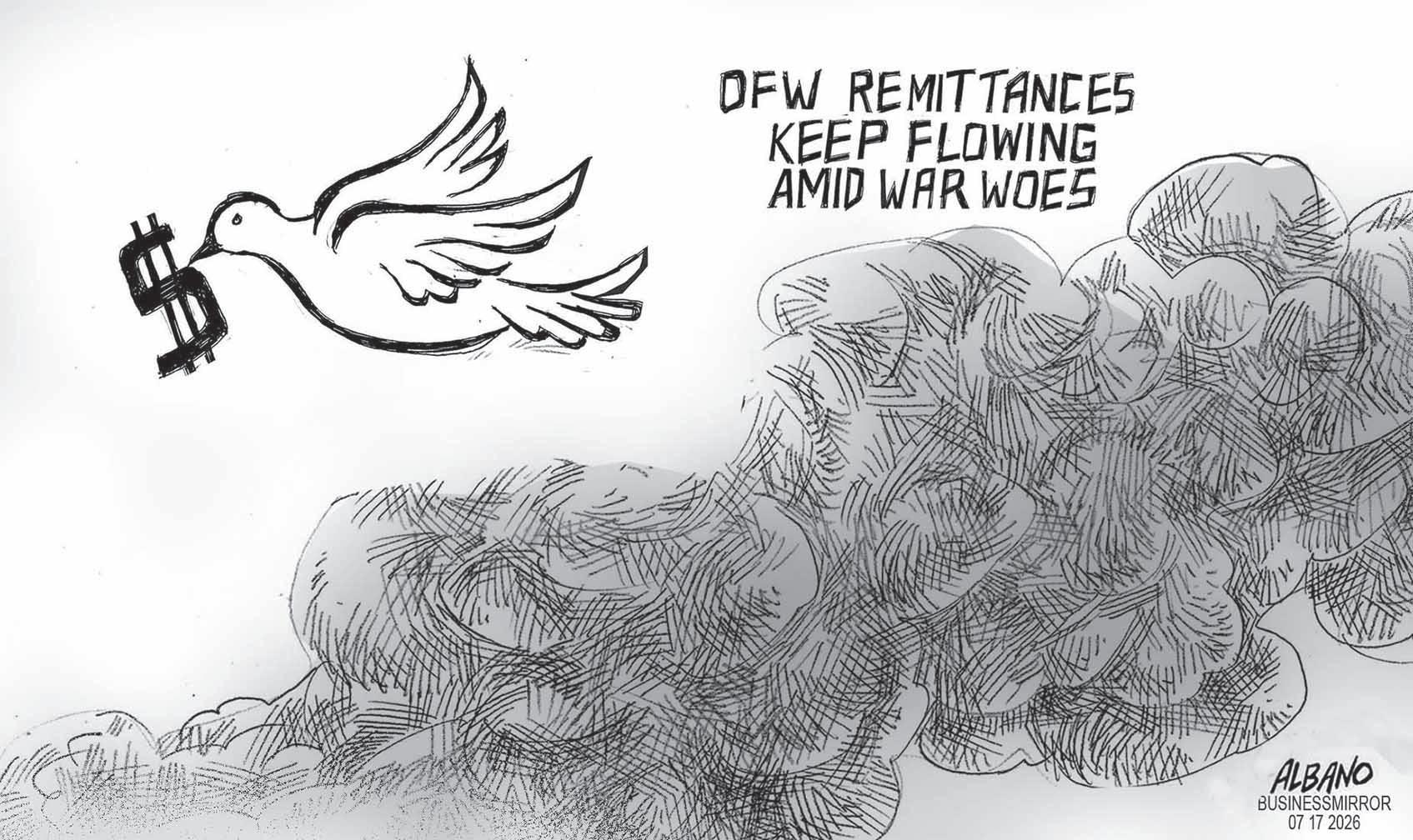
‘Teach You a Lesson’ and the juvenile justice system

TAmicus Curiae
HE recent violent incidents in schools, including the Tacloban shooting, coincided with the airing of Netflix K-drama series “Teach You a Lesson” Episode 6 titled “Lock ‘Em Up.”
“Teach You a Lesson” is based on the webtoon series “Get Schooled” that follows an inspector from the Educational Rights Protection Bureau (ERPB) who is authorized by the government to use physical intervention and unconventional methods to discipline delinquent students and reform the educational system. It stars Kim Mu-yeol (as Na Hwa-Jin), Lee Sung-min, Jin Ki-joo (as Im HanRim), and Pyo Ji-hoon.
The episode centers on a group of four juvenile delinquents who believe they are completely untouchable and above the law due to their age status.
The story shifts gears when the ERPB takes a direct interest in the group’s escalating “extracurricular” crimes. The ERPB intervenes to serve these lawbreakers a brutal, unyielding reality check.
The series explicitly tackles systemic gaps in the juvenile justice system where underage offenders exploit lenient laws to commit serious crimes without fear of real consequence.
On June 22, 2026, at around 9:00
a.m., a school shooting occurred at San Jose National High School in Tacloban where three students were killed and 20 others were injured. Two suspects, aged 14 and 15, were later arrested.
It has renewed debate around the prosecution of juvenile offenders, as well as internet safety of children in the Philippines.
Under the Juvenile Justice and Welfare Act ( RA 9344), minors are treated as “Children in Conflict with the Law” (CICL) rather than common criminals.
Offenders 15 years old and under are exempt from criminal liability. Instead of jail, they are placed under mandatory community-based intervention or rehabilitation programs.
Offenders 16 to 17 years old (and minors 15 and below who commit severe crimes) are exempt from criminal liability unless it is proven by the prosecution that they acted with “discernment.”
There is the wrong impression that exemption from criminal liability means that the child faces no
consequences and simply walks free.
The children are still accountable since they are removed from ordinary criminal prosecution and placed under intervention or rehabilitation programs designed to address their behavior and circumstances.
They are still under State supervision, and in serious cases still deprived of liberty in a youth care facility.
In CICL XXX vs. People of the Philippines (GR 238798, March 14, 2023), the Supreme Court pointed out that there is a different standard in determining a minor’s culpability for crimes, hence the need for guidelines to streamline the discernment determination process for crimes involving CICL.
The SC defined “discernment” as the capacity of the child at the time of the commission of the offense to understand the difference between right and wrong and the consequences of the wrongful act.
The SC underscored that the determination shall take into account the ability of a child to understand the moral and psychological components of criminal responsibility and the consequences of the wrongful act; and whether a child can be held responsible for essentially antisocial behavior. The task of ascertaining discernment is done preliminarily by a social worker, and finally by the court.
The SC also noted that there is no presumption that a minor acts with discernment. The prosecution must specifically prove as a separate circumstance that the alleged crime was
Merz is inching Germany toward backing EU push against China
By Jenny Leonard & Alexander Weber
GERMAN Chancellor Friedrich Merz is finally showing some openness to backing the European Union’s push against China.
After months of publicly warning about the risks of a trade war, the Christian Democratic Union politician is coming round to accept the need for action to tackle an ever-widening goods deficit and Beijing’s associated economic policies, according to people familiar with the matter.
“For a long time, we underestimated China’s power and economic strength,” Merz said this week in Cologne. “We’re facing a major strategic turning point.”

The chancellor’s views aren’t yet settled though, they added, declining to be identified because discussions in Berlin remain private. Even so, they observe that he is increasingly listening to calls for action, while going public with his own push against
what he describes as an artificially weak yuan.
A shift from Merz would be a pivotal element for Brussels officials crafting a response to the flood of Chinese imports, supported by massive subsidies and an undervalued currency, that is destroying jobs in Europe.
The resolve shown by the leader of Europe’s biggest economy would help determine if the bloc can meaningfully club together to confront Beijing within months, or whether the whole exercise will become another display of weakness.
His public caution until now, in contrast to a more zealous position before he took office, has sapped momentum from the EU’s bid to
reset trade relations. His private comments have added confusion for other leaders who are trying to read the tea leaves of where Berlin may end up in the debate, the people said.
Some countries and Brussels officials fret that the initiative is already floundering. If so, German foot-dragging could fatally undermine a drive that is also encountering pushback from Spain, among others.
The chancellery declined to comment on Merz’s approach to China.
The German leader and his officials are caught in a dilemma. They know that the cost of inaction is turning out to be much higher than anticipated, with China’s product mix and export prowess making the country’s business model obsolete.
Even so, they are equally aware that EU action risks sparking retaliation, damaging an economy that has barely grown since the pandemic. China’s shut-off of critical mineral exports last year, nearly forcing automakers to freeze production lines,
committed with discernment. For a minor at such an age to be criminally liable, the prosecution is burdened to prove beyond reasonable doubt, by direct or circumstantial evidence, that he or she acted with discernment.
In determining discernment, courts shall consider the totality of facts and circumstances in each case.
The late Sen. Miriam Defensor Santiago had proposed a real-life version of the ERPB in the Philippines in 2014 called Senate Bill No. 2329 or the “Student Disciplinary Fairness Act.”
It aimed to establish a Committee on School Discipline Policy under the Juvenile Justice and Welfare Council. It sought to create early warning systems, strengthen intervention, and provide counseling to stop minor behavioral issues from becoming criminal cases.
Although SB 2329 was not passed into law, its core goals focused on keeping young learners in a safe, constructive environment rather than immediately resorting to harsh punishments like arrests or expulsions.
The bill focused on catching behavioral problems early. Instead of automatically suspending or expelling a student for issues like bullying or threats, the goal was to provide counseling and support to fix the root cause of the behavior.
Atty. Dennis R. Gorecho heads the Seafarers’ Division of the Sapalo Velez Bundang Bulilan Law Offices. For comments, e-mail info@sapalovelez. com, or call 0908-8665786.
demonstrated just how vulnerable Germany remains. Against that backdrop, the chancellor’s mercurial stance echoes divisions within business and political circles on what to do. The government itself isn’t aligned. While the foreign ministry backs a tougher approach, the economy ministry headed by Katherina Reiche is worried about retribution and generally wary of interfering in the market, the people said. That latter position reflects fears of another squeeze on critical minerals, and chimes with Berlin’s more traditional approach favoring open trade to protect sales of carmakers and other companies in China. Company bosses are lobbying Merz hard on a decision they know could make or break their business, but they too aren’t all on the same page. Carmakers in particular are wary of protectionist measures. Small and medium-sized firms,
Dennis Gorecho
Modi pushes to cut imports to shield India from shocks
By Anup Roy & Shruti Srivastava
INDIAN Prime Minister Narendra Modi is taking steps to reduce key imports into the economy in order to protect supply chains and ease pressure on the currency as geopolitical risks escalate.
Modi’s office ordered key ministries to identify categories of goods in which import dependence is high, and can be replaced by locally made products, according to officials familiar with the matter. The government is considering subsidies and other incentives to help boost domestic production, they said, asking not to be identified because the discussions are private.
The Ministry of Commerce and Industry is preparing a list of more than 100 products, including electronics, chemicals, key drugs, fertilizers, semiconductors, automobiles and machinery, which could be scaled up, the people said. The discussions are taking place across several ministries and a decision hasn’t been finalized yet, the officials said.
The latest move to boost domestic manufacturing came on Wednesday, with Modi’s cabinet approving a plan to increase financial support for chip and smartphone production by another 1.9 trillion rupees ($19.7 billion). It also approved a policy to raise local fertilizer production following shortages linked to the closure of the Strait of Hormuz.
India’s manufacturing is heavily reliant on imported inputs, especially from China, making the industry vulnerable if supplies are restricted, as India’s auto and tech industries have experienced over the past year. The Iran war has only exposed India’s dependency even further, with severe energy shortages and soaring import bills in recent months, which pushed the currency to record lows.
“Export controls are being used to deny critical components—from rare earths to semiconductors—to countries that need them. If this is the world we have to live in, where industrial policies are weaponized, self-reliance is the need of the hour,” said Gaurav Kapur, economist with IndusInd Bank.
India imported nearly $775 billion worth of goods during the financial year ending March, with almost a fifth of that coming from China alone.
Building domestic capacity is now a key pillar of Modi’s economic agenda, with an objective to narrow the trade deficit, preserve foreign exchange and position India as an alternative manufacturing hub to China. India’s free trade agreements with partners such as the European Union are also expected to attract fresh investment and deepen the country’s manufacturing base, economists said.
“Such self-reliance is born out of necessity, not necessarily a search of economic efficiency,” said Dhiraj Nim, economist with ANZ Banking Group. “Bringing up domestic industries will have a positive impact on manufacturing metrics and jobs, undoubtedly. But much depends upon scale,” he said.
Shaktikanta Das, a former central bank governor and now principal secretary in Modi’s office, is spearhead-
. . continued from A12
responsible for the majority of German employment but lacking the influence of large corporations, support a tougher stance. Machinery makers, whose products have become the most important German export to China after car sales cratered, do so too. “We need the courage to tell China that it’s playing unfairly and that we’re going to tighten the screws a little now,” said Oliver Richtberg, head of foreign trade at the Machinery and Equipment Manufacturers’ Association, or VDMA. “Then we’ll
My Three Caregivers

‘Bing a taskforce that’s drawing up an import substitution blueprint for the economy, officials familiar with the matter said. Members of the Prime Minister’s Economic Advisory Council are also involved in the project.
Modi has instructed key government ministries to identify areas where India can produce goods more efficiently and at lower cost, the officials said. The government may consider extending manufacturing incentives to private and foreign investors to set up factories in the country or ask state-owned firms to scale up their own capacity through joint ventures, they said.
Modi’s office and the Ministry of Commerce and Industry didn’t reply to a request for further information.
Commerce Minister Piyush Goyal this month urged states and industry to identify products that can be manufactured competitively in the country. He added that the efforts would help in cutting import dependence, saving foreign exchange while strengthening domestic supply chain to reduce vulnerabilities arising from excessive dependence on foreign suppliers.
India is the world’s third-largest oil importer, with most of its purchases coming from the Middle East and Russia, making the country vulnerable to geopolitical tensions. The US is proposing new sanctions on the five largest buyers of Russian oil and natural gas—including India and China—which would give President Donald Trump the authority to impose tariffs of up to 100 percent on those countries.
Officials in New Delhi said that while imports of crude oil, gold and critical minerals are difficult to replace, the government sees scope to reduce dependence on other items, including pulses and edible oils through agricultural reforms. In sectors where replacing imports is not immediately feasible, the government plans to pursue a long-term strategy to build domestic production, the people said. In some areas, such as key intermediate products needed for electric vehicles, China is critical in global supply chain and cannot be substituted.
Among other proposals on the table are options to relax export obligations for exporters if they use more locally-made capital goods for their exports, one of the people said. Officials are also weighing changes to the Advance Authorization program, which allows exporters to import raw materials without paying customs duties, provided they export finished products of a specified value within a set timeframe and add at least 15 percent value domestically. The discussions are mainly around whether value addition norms can be relaxed if exporters increase the use of locally-made intermediate products, the person said. With assistance from Ruchi Bhatia and Diksha Madhok / Bloomberg
see how China reacts. No one can predict that with complete certainty.” There’s some consensus in the business community that doing nothing isn’t an option. In a discussion paper by the German Federation of Industries, an umbrella group, members agreed that the status quo poses the risk of deindustrialization and increased dependencies, people familiar with the document said. They also said China policy has to become a more central topic in economic and security policy debates.
To get heard amid the cacophony of lobbying, hawkish officials within the chancellor’s team have tried to get more information to him about the threat to German industry, the
Tito Genova Valiente
ANNOTATIONS
Y default,” is how I would describe my first two caregivers. The modifier may sound thankless but it’s not. I never thought I would be needing them—two women I would be meeting the first time.
The setting was an unexpected hospitalization. Passing through the Emergency Room, I assumed I would undergo a checkup and be sent home. “Come back the next day,” the voice of a specialist assuring à more thorough diagnosis. But my niece spoke to the ER nurse or administrator, “for admission.”
We came in from à stormy night. My niece and nephew were exhausted.
I soon found myself staring at the high ceiling of the hospital. “The luxury of heights,” I told myself. My unnecessary commentary did not stop there. As I was being wheeled through a maze of corridors, I struck a conversation with the attendant: I never thought this hospital was that long, referring to how the young man managing the stretcher pushed his way through the hospital streets— corridors—with such bravado.
I was fearing I would tumble out of the gurney. Unfounded. The massive metal door closed. He made sure I had the privilege of using that one working elevator. It opened to a chapel. One more quick turn and I was in my room. My home for a week.
There was a young woman standing at the foot of my bed. With à cherub’s face and a bit of hallucination, she would have passed as my guardian angel. But back at the ER, my nephew and niece assured me I won’t be alone. To which, I also assured them, I don’t need anyone to watch over me. But my nephew was adamant. He knew how stubborn and socially independent I was— two traits that were confusingly interchangeable. And yet those traits worked when I was young. Presently, I saw no youth, just a man accepting to himself he is aging but denying
to others—even to my beleaguered army of nephews and nieces who, without my knowledge, had coordinated across oceans and cities à system. They have formed a GC, à group chat, and this caregiver gazing at me had to report to them.
After the attendant had left, and a team of medical personnel had introduced themselves and noted my presence, the caregiver and I were left in the tiny room. “There’s really nothing to do,” I nearly commanded her. She responded with a calm look. “Where does she get this cool facade?” I was talking to myself. She offered to change my streetwear to à hospital gown. I refused.
Morning in a windowless hospital room is not claustrophobic; it is isolating. Is it 5 a.m. now?
The breakfast arrived. I barely looked at the porridge. She noticed it. “Sir, what do you usually have for breakfast”? I felt the sincerity in her voice, so I said: I am really a bread and coffee man. Nothing fancy. “Oh, let me check at the ground.” She was back, quick, with three warm “pan de sal.” “Sir, do you eat ‘puto’ Rice cake.”?
The morning was unforgettable. The second caregiver came the next evening. She was articulate. I inquired where she was from. She mentioned a district, à clan, à family name. I found connections, or I was making connections. I realized I have accepted the presence of caregivers. That night, for some reason, I was put on oxygen. The medical attendants insisted I needed them. I felt no need for oxygen. The whole night the opposite happened: I had difficulty breathing tethered as I was to a huge oxygen tube. I kept on complaining and she repeatedly assured

me it would soon be taken out. Her words comforted me, as if I found no less than à co-conspirator.
The next morning, the pulmonologist arrived and ordered the oxygen taken out. I was, of course, happy. But my caregiver’s reaction was worth à million. She was grinning, an instant caring cousin. She was happy for this grouchy man. Before she left for her other duties, she left me with more rice cakes, a precious tip from the previous caregiver. “Just look at them…no need to finish them off.”
That was more than a year ago.
Last week, my niece informed me that her sister, a nurse in New York, had arranged through her a caregiver. That other niece had always been worried about an often-neglected part of my body—the feet.
The caregiver was male. Change in gender. A shift in context. A different location.
Nothing by professional default was taking place. I was not in a hospital where he would know more about the ins-and-outs than me.
He was stepping into my territory.
I had a surplus of knowledge about my room, the bed I lord over. Because I continued to write, I assumed he would know the logic of my working table. Apparently, there was none. It was all in my head. “There’s Telmisartan behind the box of Stevia.” I presumed à quick action. There were just my hands flailing impatiently. There would be more requests. I made sure my instructions came across as
IEA sees $6.5 trillion at risk if China
imposes rare-earth curbs
By Martin Alfonsin Larsen
CHINA’S rare earth export curbs could put $6.5 trillion of downstream production outside the country at risk each year if fully implemented, the International Energy Agency warned in a report on rare earths and critical minerals.
To address those weaknesses, the report argues that countries should work multilaterally to stockpile 11 “high-risk” materials. That would require an initial purchase of $9.2 billion and with a net annual cost of $900 million, the agency said. While the figures are “significant,” they are “quickly dwarfed” by the potential impact of supply disruptions, it said. Export curbs by countries including China, the Democratic Republic of Congo and Zimbabwe have turned
people said.
The facts there are stark. With more than 10,000 manufacturing jobs vanishing each month, and economists warning both of the threat to prosperity and of a political backlash amid the ascendancy of the far-right populist Alternative for Germany, the mood is shifting within the ranks of Merz’s center-right bloc.
Germany’s China shock is increasingly felt in constituencies across the country,” said Johannes Volkmann, a lawmaker from the chancellor’s party. “More and more small and medium-sized enterprises are reaching out to pressure their members of parliament on this,” he said, adding that “Germany as Eu-
the risks of supply chain concentration into reality, the IEA said. “Vast amounts of economic value depend on relatively small volumes of critical minerals, whose supply chains remain highly concentrated and are therefore vulnerable,” IEA Director Fatih Birol said in a press release. “While diversified supply can come at a higher cost, this can be viewed as a mineral security premium in a time of geopolitical uncertainty—a form of economic insurance against ma -
rope’s largest economy has a leadership responsibility.”
The matter will come to a head within months. When leaders meet in October, the EU Commission is due to present them with a reinforced trade toolbox that could include entirely new instruments.
President Ursula von der Leyen may give a sense of direction in her annual state-of-the-union address in September.
Then the question becomes whether countries have the political will to use such tools. France is among those pushing for a tougher stance on China, and has been lobbying Berlin hard on all levels of government. Italy is also looking to Germany and
Export curbs by countries including China, the Democratic Republic of Congo and Zimbabwe have turned the risks of supply chain concentration into reality, the IEA said.
jor supply risks. Rare earths emerged as a flashpoint in the US-China trade war last year, with Beijing imposing export restrictions that rattled manufacturers that rely on them in everything from satellites to smartphones. While they represent only a fraction of production costs to businesses globally, sudden price surges have the ability to disrupt manufacturing and trade.
The report flagged what it saw as some improvements in supply
is willing to move if Paris and Berlin are united, a person familiar with the thinking in Rome said.
While the commission is pondering measures including countervailing duties, quota systems and a tool to reduce dependencies on Chinese inputs, Merz himself has zeroed in on the yuan, which he says is undervalued by as much as 30%.
After the EU summit in June, he suggested a repeat of the 1985 Plaza Accord, when the US, Japan, Germany, France and the UK got together to engineer a weaker dollar. Merz reinforced the call this week, and on Wednesday he urged euro-zone finance ministers to do something about it.
soft pleading.
When minutes passed by and nothing appeared to be happening, I turned around and my male caregiver was between panic and helplessness. The sudden movement seemed to have guided him to the objects we were looking for. It was obvious, it was not a single but a barrage of instructions I unconsciously fired towards his direction. I was treating him as a factotum. I offered him coffee and crackers but he politely refused. I second-guessed him: If he accepted the offer, it might even be followed by more complex instructions. It was my fault. I expected him to have entered my mind already. Surreal.
The next two days saw us in a hospital setting, where he, in my estimation, recovered his footing. He knew the hospital entrances. He was brisk with the wheelchair, asserting himself over the security guard. It was once more like that stormy night à year ago when I was admitted. He knew the nooks and crannies of the hospital. And he knew many we saw in the hallway. And he had the quietest way of telling me the specialist had left some two hours before the vowed clinic hours.
“It’s alright, Sir…we can look for another doctor.” We were in the elevator once more, and out on the hallway as he hailed for space. We could not be delayed.
E-mail: titovaliente@yahoo.com
chain diversification, saying that governments were beginning to take a more active role in the expansion and diversification of critical mineral supplies. It also said investments by the US and Malaysia in rare earth refining helped reduce China’s share of supply from 90 percent to 85 percent, which could fall to 70 percent by 2035 “if planned projects come online as scheduled.”
However, the report flagged that broadly, the geographic concentration of mineral supply chains has increased, particularly for refining. In nickel, where Indonesia is the top refiner, and for other key energy minerals, where China is the top refiner, the two countries represented more than three quarters of total growth in refined supply. Bloomberg
The shift in Berlin is surfacing in other ways too. The China issue, for example, has become important enough to feature in the government’s reform agenda. One of the 34 points agreed by the coalition as part of a recent package called for “robust protection from unfair competition.” Merz underlined his concerns about the yuan in his summer press conference in Berlin on Wednesday, insisting that economic reforms in Germany will do little good unless the currency undervaluation is addressed.
“We can do what we want,” he said. “But if we don’t correct this, we will always feel the disadvantages.” With assistance from Patrick Donahue /Bloomberg
Merz.
A14 Friday, July 17, 2026
mirror_sports@yahoo.com.ph
Editor: Jun Lomibao

Thais on track in Candon City Men’s SEA Cup
By Aldrin Quinto
CITY of Candon—Thailand is determined to put its Asian Volleyball Confederation Men’s Cup debacle behind and is fully focused on the task at hand in the SEA V Cup.
But Chaiwat Thungkham stressed that they’re not entertaining talk of a title repeat in the zonal meet just yet.
We look at it game by game, we focus on just that. One game, one game, and then the next, until the final,” Thungkham said when asked about eyeing another crown after ruling Week One of last year’s SEA V. League, also here at the Candon City Arena.
Thailand notched its second consecutive victory for a place in the semifinals, chalking up a 25-15, 25-16, 25-19, rout of debuting Myanmar on Thursday after a tough four-setter against Vietnam in the opener.
The Thais are eager to get back their rhythm after a disappointing sixth-place finish in the Asian Volleyball Confederation (AVC) Men’s Volleyball Cup just last month in India. Indonesia won a five-setter against Thailand in pool play on the way to the AVC Cup title, and now local fans here are in for a treat as the regional rivals are on course for a tantalizing grudge rematch in SEA V Cup presented by the Philippine Sports Commission, Philippine Olympic Committee and the City of Candon headed by Mayor Eric D. Singson.
The Indonesians play in Pool A with Alas Pilipinas and Cambodia.
But Thungkham refused to be drawn on matchups, saying they are simply glad to achieve their immediate targets.
“ We got three points today, we hit our goal,” Thungkham. We are very happy with these two games, this boosts our confidence for the next round.”
Nadapet Bhinijdee scored 17 on 13 attacks, two blocks and two aces, while Thungkham had 10 points on nine attacks and an ace.
Kyaw Aung Myo led Myanmar with 14 points on 11 attacks and three blocks. No other Burmese player scored in double figures.
V ietnam and Myanmar clash on Friday.
THAILAND ace Chaiwat Thungkham in action at the net against Myanmar’s Aung Ye Yint. NONIE REYES
LIONEL MESSI: ONE WIN AWAY! Sports



By Paul Newberry The Associated Press
TLANTA—Lionel
AMessi delivered for his teammates. With one more win, he’ll be delivering another World Cup trophy to Argentina.
Messi didn’t add to his tournamentleading goal total, but the 39-year-old assisted on two late strikes that carried La Albiceleste to another stunning comeback and a 2-1 victory over England in the semifinals Wednesday.
Leo is still performing at the highest level,” England captain Harry Kane said. “I felt like for large parts of the game, we dealt with him really well.
SENATOR Bam Aquino filed a resolution honoring Team ENCORE for making history as the inaugural champions of the Ragnarok Origin Classic (ROOC) Tyr Cup Grand Finals held in Bangkok, Thailand. In Senate Resolution No. 518, Aquino congratulated and commended the team for its dominant 4-0 victory over Team Poek in the championship match. The victory earned the team the $500,000 grand prize,


But as always with the most dangerous players in the world, when they have the ball in the final third, they can be place-setters. And he did that again today. He’s obviously one of the best players ever for a reason.”
Eight days after an improbable rally against Egypt in the round of 16, Messi returned to Atlanta to produce another stellar moment in a career that might already be the best of anyone to play the sport.
England was surely envisioning going for its first World Cup title since its only one six decades ago after a 55th-minute goal from Anthony Gordon.
But Messi and his blue-clad teammates, as they have shown over and
exclusive Champion’s Medal and the distinction of serving as the Tyr Cup Honor Representatives.
Team ENCORE is composed of Julius “BanoobsDR” Mariano, Johnmar “SUN33V” Villaluna, Awie Angelo “AfyGDPS” Reyes, Edward Joseph “Yamato” Raymundo, Angelo “DocxBR” Docosin, Joshua Dayne “WeeJOSHBR” Abrera, James Michael “Nasmi” Doron, Stephen Martin “WeeGetziiBR” Doron, Kyle Bernard “WeeYomiBR” Ante and Michael Angelo “WeeFrzttBR” Luy.
over again, are never done. Now it’s on to face Spain in the final on Sunday with a chance at becoming the first repeat champion since Brazil in 1958 and 1962.
I n the 85th minute, with England hanging on for dear life, Messi pushed out a short corner, immediately got the return pass and spotted Enzo Fernández lurking in the middle of the field, 25 yards from the goal. Fernández ripped a curling shot past goalkeeper Jordan Pickford to even the score.
At that point, it seemed inevitable that Argentina would pull out the victory.
And that’s just what happened, with Messi again the orchestrator. Two minutes into stoppage time, he suddenly turned on the speed as he raced toward the end line, gaining enough space to send a pinpoint cross into the area at the back post. The ball cleared six English players, setting up Lautaro Martínez to effortlessly head home the winning goal after slipping between two defenders.
It was a poignant moment for Martínez, all of it made possible by his captain.
This is really powerful,” he said in Spanish, fighting back tears. “The first time my old man bought me a pair of soccer boots, I always dreamed of scoring this goal.”
From there, it was just a matter of protecting the lead, which Argentina did easily.
W hen the final whistle blew, Messi dropped to his knees in the middle of the field, pumping his fists.
A merican sports stars were in awe
of what they had just witnessed. WOWWWWWWW,” the National Football League’s JJ Watt posted on X. Argentina is unreal,” added National Basketball Association champion Jalen Brunson, also on X. Messi played for years in the shadow of the late Diego Maradona, the pride of Argentina who led the country to a World Cup title in 1986 that included two memorable scores—the “Hand of God” and the “Goal of the Century”—in a quarterfinal win over England.
Now, it’s Messi who has stamped his legacy with a triumph over one of Argentina’s most bitter rivals.
Seeing Messi playing football like this, at his age, it just leaves me speechless,” said Matías Adorno, who turned out in Messi’s No. 10 jersey to celebrate with thousands or revelers in central Buenos Aires. “As Argentines, we’ve always put so much pressure on him. But he’s achieved everything I could imagine.”
Messi remains even with Kylian Mbappé of France in the goals race for the Golden Boot, with both stars having scored eight times. But with two assists, he moved ahead of Mbappé in that category, which is the first tiebreaker for the award. Mbappé has a chance to retake the lead in Saturday’s third-place match against England.
Messi is also the World Cup career scoring leader with 21 goals.
But what he really wants is another title.
He’s one win away.


SENATOR Bam Aquino (sixth from left) with (from left) Kyle Bernard Salameño, Michael Angelo Luy, James Michael Doron, Jerick Christian de Guzman, Angelo Docosin, Julius Raymon Ual Mariano, Joshua Dayne, Stephen Martin Doron and Angelo Reyes. SBA PHOTO
Editor: Jennifer A. Ng
SM Prime adds 5-star hotel in Xiamen to China portfolio

By VG Cabuag @villygc
SM Prime Holdings Inc. on Thursday said it is expanding its China portfolio with the opening of the company’s first hotel in Xiamen City as the world’s second-largest economy trains its sights on enticing more foreign visitors.
The company opened last month its hotel dubbed voco Xiamen SM City, a 325-room facility with direct access to SM Xiamen.
Speaking to reporters during a Xiamen City media visit, SM Prime President Jeffrey C. Lim said the hotel marks an important milestone in the company’s China portfolio.


THE National Transmission Corp. (TransCo) and the Independent Electricity Market Operator of the Philippines, Inc. (IEMOP) signed a memorandum of agreement (MOA) to establish a structured system to administer the feed-in-tariff allowance (FITAll) and Green Energy Auction Allowance (GEA-All) funds.
T he MOA basically reinforces TransCo’s role as the administrator for both funds, specifically handling the collection and remittance of Wholesale Electricity Spot Market (WESM) proceeds. IEMOP is the WESM operator.
Rules, which require TransCo to provide data necessary for FIT allocation and support the issuance and verification of Renewable Energy Certificates (RECs).
T he MOA was signed by TransCo President and CEO Joseph Omar A. Castillo and IEMOP President and CEO Robinson P. Descanzo.
“The partnership underscores the shared commitment of TransCo and IEMOP to strengthening institutional collaboration, promoting transparency and accountability in the administration of RE funds, and ensuring t he effective implementation of the country’s renewable energy policies,” they said.
Located steps from Wushipu Station on Metro Line 1 and about 15 minutes from Xiamen Gaoqi International Airport and Xiamen Railway Station, the 450-million-yuan hotel (around P4 billion) offers accessibility to overseas business travelers and local tourists.
SM Prime partnered with IHG Hotels & Resorts to develop voco Xiamen SM City.
A major coastal city in Fujian Province, Xiamen is home to the world’s 15th-largest container port
“Voco Xiamen SM City is our first hotel in China and it connects directly to SM City Xiamen, the first property we opened in the country 25 years ago,” Lim said. “With this investment, we are turning the complex into a complete lifestyle destination for tourists.”
and is one of China’s four major international shipping centers. It also hosts several Unesco heritage sites and Michelin-recognized restaurants, positioning the city to capture rising demand for micro-vacations and culinary experiences among Gen Z and millennial tourists.
It is also where many ChineseFilipino businessmen came from, including the late Henry Sy Sr., founder of the SM Group.
China is emerging as the world’s largest overall tourism market, with its travel sector projected to grow to
$3.5 trillion by 2036, almost double from $1.8 trillion last year, according to the World Travel and Tourism Council’s 2026 Economic Impact Research report released last June 3.
The growth outlook is supported by Beijing’s policy direction.
Earlier this month, China’s State Council approved a 5-year plan to strengthen the tourism industry through 2030, with a focus on improving tourism services, expanding product supply, unlocking consumption potential, and deepening international cooperation.

Netflix faces earnings risk after stock’s $260-B wipeout
NETFLIX Inc. has been one of the worst stocks in the market over the past 12 months as concerns about the video-streaming giant’s plans and prospects refuse to go away. Now, investors worry that its earnings report after the close will confirm those fears.
The shares have lost 45 percent since hitting an all-time high on June 30, 2025, putting them among the 20 worst performers in the S&P 500 Index over that time and wiping out $260 billion in market value. They’ve slumped 32 percent since mid-April, when Netflix’s previous earnings report included a weak forecast and the news that Chairman Reed Hastings, the company’s co-founder and public face, was stepping down. This was just a few months after Netflix withdrew from the bidding to buy Warner Bros Discovery Inc., which ultimately inked a deal with Paramount Skydance Corp.
Concerns about the company’s audience engagement and threats of competition have only been building since then. Last month, Meta Platforms Inc. announced that it’s exploring new formats for its Instagram for TV platform, suggesting more competition in the streaming arena. Meanwhile, movie theaters have experienced something of a revival, with audiences flocking to unexpected hits like Backrooms and Obsessions. Perhaps not surprisingly, Netflix is being trounced by stocks like Cinemark Holdings, Inc., Imax Corp. and AMC Entertainment Holdings Inc. this year. All of which explains why these results represent something of an existential moment for Netflix shareholders. And it doesn’t help that the stock has fallen after each of its last four earnings reports.
At the same time, the MOA boosts coordination and data sharing between TransCo and IEMOP to ensure transparency and accuracy in national renewable energy (RE) programs.
“The agreement establishes a comprehensive operational framework for the administration of both t he FIT-All Fund and the GEA-All Fund, particularly in the collection and remittance of WESM proceeds. It reinforces TransCo’s mandate... while clearly defining the roles and responsibilities of both organizations in ensuring the efficient implementation of these RE support mechanisms,” the state firm said.
The MOA aligns with the Renewable Energy Market (REM)
The FIT-All is a uniform charge billed to all on-grid electricity consumers, reflected as a separate component in monthly electricity bills, to cover payments to R E developers who are assured of a fixed rate per kilowatt hour for electricity generated by their projects over 20 years.
Meanwhile, GEA-All is a uniform charge collected from electricity consumers to fund payments to RE developers participating in the government’s Green Energy Auction Program, supporting the country’s transition toward a cleaner and more sustainable energy future. Lenie Lectura



LIFESTYLE CITY SM Prime unveiled last month
first property built by SM Prime in the East Asian nation a quarter of a century ago.
By Andrea E. San Juan
PUBLIC inflation statistics play an important role in shaping expectations of households about future price changes especially amid persistently high inflation, a discussion paper published by the Bangko Sentral ng Pilipinas (BSP) noted.
A discussion paper titled “StateDependent Updating of Household Inflation Expectations” examined how households combine public inflation signals with their own experience-based beliefs when forming expectations, and how the weights assigned to these inputs vary with inflation persistence.
Using quarterly data for 2010 to 2024, authors Faith Christian Q. Cacnio and Cymon Kayle Lubangco found that exposure to public inflation information “shifts expectations toward the official statistic, reduces dispersion, and improves forecast accuracy.”
“Households place substantial, though incomplete, weight to public signals, consistent with the presence of information frictions,” Cacnio and Lubangco, researchers at the BSP wrote. They stressed that this weight is “state dependent” and increasing with inflation persistence.
According to Cacnio and Lubangco, a large volume of literature they reviewed shows that household inflation expectations respond to information and communication.
“Survey experiments document that providing households with inflation statistics, policy statements, or news about inflation can
By Reine Juvierre Alberto @reine_alberto

THE government raised P1 billion from the sale of a 3,500-squaremeter idle floor at the Brutaliststyle Atrium of Makati to the building’s master developer to unlock value from dormant state assets.
The Privatization Management Office (PMO), an attached agency of the Department of Finance (DOF), sold the entire fifth floor, covering 24 condominium units, as well as 21 parking lots, to Sanpiro Realty Development Corp. (SRDC).
The sale bodes well for the government as the DOF aims to collect P101 billion in privatization revenues this year, said PMO Chief Privatization Officer and Undersecretary Michael Peter A. Alejandro during the signing of the deed of sale last Thursday.
“It’s [the target is] quite ambitious. This will go a long way in helping fund other projects, roads, classrooms and other projects all around the country,” Alejandro said.
The government secured a “very competitive” price for the property, double
shift expectations and, in some cases, influence consumption and spending behaviors,” the discussion paper read.
Moreover, the authors also emphasized that households place “significantly” greater weight on the public signal when inflation is more persistent.
This has “consequences” for how expectations respond to public information in the wake of a transitory shock, they wrote.
“When inflation has previously shown high persistence, households tend to view the shock as also having a lasting effect absent information to the contrary.”
From a monetary policy perspective, the authors the study revealed that the findings imply that “public inflation statistics function as a significant updating signal when inflation persistence is high.”
Results of the study noted that the impact of information is “dynamic.”
“Sustained exposure to inflation data gradually realigns expectations, suggesting that information provision functions as an ongoing anchoring mechanism rather than a one-time corrective tool,” the authors noted.
“The anchoring of inflation expectations is state-dependent and significantly enhanced by the availability of public information,” Cacnio and Lubangco wrote. “In periods of high inflation persistence, such information plays a crucial role in preventing expectation from drifting and in reducing the risk of self-reinforcing inflation dynamics.”
BSP cites role of inflation data vis-a-vis expectations Sale of Atrium of Makati to put ₧1B in govt coffers
the initial offer of around P400 million, the official told reporters on the sidelines after the signing.
Sanpiro Realty, currently engaged in leasing real properties, could potentially lease out the newly acquired units, said SRDC President James Roy N. Villareal.
“This is really a great opportunity for us. Sanpiro, as the master developer, holds several units [at the Atrium of Makati] already and a certain percentage of the building,” Villareal added.
The company also holds a right of first refusal on unit sales as the master developer of the building.
“Since the asset is now up for sale by the government, it is an opportunity for us and part of our long-term strategy to consolidate the ownership,” Villareal said.
The entire fifth floor was previously occupied by staff of Revenue District Offices of the Bureau of Internal Revenue.
However, according to Alejandro, the building has been idle since 2020 and requires retrofitting.
The Atrium of Makati is a nine-story, wedge-shaped building located along Makati Avenue corner Paseo de Roxas, housing offices and various stores.
Asean economists warn rate hikes futile vs supply shocks
By Bless Aubrey Ogerio
INTEREST-RATE increases alone cannot fully contain inflation when price pressures originate from global supply-chain disruptions as structural trade vulnerabilities limit the effectiveness of monetary policy, a new study by the Asean+3 Macroeconomic Research Office (Amro) posited.
In its paper examining inflation dynamics in the five largest Southeast Asian economies, the Amro found that while tighter monetary policy can reduce inflationary pressures, it cannot directly resolve supply-side constraints such as imported-input shortages and logistics disruptions.
The study analyzed the transmission of global supply-chain pressures across the Asean-5 economies—Indonesia, Malaysia, the Philippines, Singapore, and Thailand—using empirical data and a structural economic model calibrated to Indonesia.
The economists of the organization founded by the five founding and most economically developed
PROFITS of the Philippine Amusement and Gaming Corp. (Pagcor) remained weak in the second quarter, but would continue funding critical infrastructure projects of the government and remitting its earnings as dividends.
Pagcor Chairman and CEO Alejandro H. Tengco described the state-gaming regulator’s profits in the second quarter as “masama” (not good), weighed down by the Middle East crisis.
Tengco said the crisis negatively affected tourist arrivals, VIP players and lower-income players in online gaming
member states of the Association of Southeast Asian Nations (Asean) explained that inflation triggered by supply-chain disruptions tends to emerge gradually and persist over the medium term.
Their research also distinguished between trade openness and trade vulnerability. Hence, they concluded that economies more exposed to disruptions in global value chains face stronger and longer-lasting inflationary pressures than those that are simply more open to trade.
According to the study, trade openness alone does not significantly amplify inflation once domestic and global economic conditions are taken into account.
platforms.
Despite this, however, he expects a rebound in the second half of the year as fuel prices start to decline and support consumer spending.
Tengco may remain hopeful but the numbers show a dismal trend.
For one, the regulator’s revenue last year declined by 5.09 percent to P106.03 billion from P111.72 billion a year ago, pulled down by the drop in revenues from land-based casinos and the ban on offshore gaming.
Despite this, the Pagcor remitted the mandated 50-percent dividend contribu-
Instead, inflation becomes more persistent in economies that rely heavily on imported intermediate goods, particularly during periods of heightened global trade volatility.
The study said monetary policy can influence how these external shocks are transmitted to domestic prices, but its ability to stabilize inflation is constrained when disruptions stem from supply shortages rather than demand.
“A weaker policy response is associated with more persistent passthrough from imported costs to inflation, while a stronger policy response dampens inflation and marginal-cost persistence,” author Sekar Utami Setiastuti wrote.
“However, tighter policy cannot directly remove imported-input bottlenecks or the supply-side origin of the shock, and it does not fully offset the contractionary consequences when trade vulnerability is high or when global supply-chain volatility is elevated,” she added.
The findings come as central banks across the region, including the Philippines, continue to grapple with inflation driven by external risks, including geopolitical tensions, supply disruptions and higher commodity prices. (See: https://businessmirror.com.ph/2026/07/09/ all-inflation-scenarios-pointtoneed-to-hike-rates-bsp/)
The Bangko Sentral ng Pilipinas
tion to the government in 2025.
Although lower than the requested 75-percent dividend remittance by the Department of Finance, Tengco said Pagcor’s cash will fund the building of 125 three-storey school buildings across the country. Equipped with classroom chairs and televisions to support learners, the funding will be sourced from Pagcor’s profits.
According to Tenco, a minimum of 100 school buildings will be completed by December next year. The procurement is targeted for August or September, with Pagcor partner-
(BSP) said easing demand and lower oil prices have tempered inflationary pressures, but some monetary tightening remains necessary, following cumulative 50-basis-point policy rate hikes in April and June that brought the target reverse repurchase rate to 4.75 percent.
According to the study, periods of elevated global trade volatility amplify the impact of supply-chain disruptions, resulting in larger and more persistent increases in firms’ production costs and consumer prices.
The paper also noted that external adjustments, including weaker imports and exchange-rate movements, help cushion part of the shock but do not eliminate inflationary pressures. Amro said the results underscore that inflation resulting from global supply-chain disruptions depends not only on monetary policy but also on structural characteristics such as production networks, reliance on imported inputs and exposure to global logistics conditions.
The study acknowledged several limitations, including that its structural model was calibrated to Indonesia rather than estimated across all ASEAN-5 economies. It recommended future research incorporate country-specific production structures, policy frameworks and trade networks to better assess how supply-chain disruptions affect inflation across the region.
ing with local government units to speed up the process.
Apart from dividends, Pagcor is mandated to allocate its revenues to socio-civic projects, host cities of Casino Filipino branches, the Board of Claims, the Dangerous Drugs Board and the Philippine Sports Commission, among others. Just this year, the Supreme Court affirmed its 2014 decision directing Pagcor to account and remit the full amount of 5 percent of its annual gross income from 1993 to the present to PSC. Reine Juvierre S.
SEC fines Fast Coin Lending for usurious interest rates
By VG Cabuag @villygc
T HE Securities and Exchange Commission has fined Fast Coin Lending Corp. for P1 million for engaging in unfair debt collection practices and imposing interest rates beyond legal limits.
In an order, the SEC Financing and Lending Companies Department found Fast Coin liable for violating SEC Memorandum Circular (MC) 18 (series of 2019), which prohibits unfair debt collection practices, MC 3 (series of 2022), which
prescribes the interest rate and fee ceilings and other fees charged by lending and financing companies and their online lending platforms. Fast Coin was also found liable for violating the Truth in Lending Act, among other violations.
The
Investigation of the SEC found that Fast Coin resorted to public humiliation, disclosure of personal information and other forms of intimidation during the collection process for the borrower’s loans. Fast Coin also violated MC 3 as the deduction it imposed, categorized as management fees, when considered together with the actual cash proceeds, resulted in effective interest rates exceeding the


ONE of the most rewarding aspects of hosting “Association Matters,” the podcast of the Philippine Council of Associations and Association Executives (PCAAE), is the opportunity to hear firsthand how associations in various parts of the world navigate leadership, representation, and governance. In the first episode of a four-part series of the podcast’s “Europe Insights,” we had the pleasure of speaking with Paolo Falcioni, director general of the Brussels-based Home Appliance Europe (APPLiA), on the topic, Governance Models of Euro -
pean Associations. Our conversation offered, not just a glimpse into the governance structures of European trade associations, but also practical lessons that associations in Asia, including those in the Philippines, can reflect upon and adapt. One of the strongest takeaways from Paolo was the importance of balancing representation with consensus. APPLiA, which represents the home appliance industry across Europe, operates through a two-layer membership structure composed of multinational companies and national associations. This model allows both corporate players and country-based industry groups to participate in shaping the association’s direction.
What stood out for me was Paolo’s emphasis that governance is not simply about giving the biggest players the loudest voice. While larger members naturally carry greater
influence, the association intentionally fosters a culture of consent and respect for minority perspectives. He said the goal is to present the industry’s voice as a consensual one rather than a fragmented collection of competing interests.
This is an important reminder for many associations. Good governance is not merely about voting structures or organizational charts, but about building a culture where dialogue, negotiation, and inclusion are valued. In an era when organizations are becoming increasingly diverse and multi-stakeholder in nature, governance models that encourage listening and consensus-building become even more essential.
Another significant insight was Paolo’s view on accountability which, he said, has two dimensions: inward accountability to members and outward accountability to policymakers and the public. Internally, APPLiA’s
general assembly serves as the governing authority, ensuring major decisions are not concentrated in the hands of only a few board members. Externally, transparency is reinforced through Brussels’ lobbying transparency requirements, where organizations publicly disclose their lobbying activities and expenditures. What resonated deeply with me, however, was Paolo’s assertion that credibility is ultimately the most valuable asset an association possesses. Governance systems and reporting mechanisms are important, but trust is built over time through consistency, integrity, and authenticity. Associations that frequently change positions or lack clarity in their advocacy risk losing the confidence of both members and stakeholders.
Perhaps the most relevant part of our conversation for Asian associations was Paolo’s reflection on
transferable lessons. While acknowledging that Europe and Asia operate within very different political and cultural environments, he identified three principles that can work anywhere.
First, the value of a professional secretariat. Continuity, institutional memory, and sustained expertise are difficult to maintain under purely rotational leadership systems. A capable professional secretariat provides stability and helps associations remain strategic over the long term.
Second, associations must engage regulators early. Waiting until policies are finalized often means the opportunity to contribute meaningfully has already passed. Paolo likened policymaking to a shared recipe: stakeholders should bring their ingredients into the kitchen before the dish is completed. Third, diversity should be em-
15-percent monthly ceiling established by the SEC.
“Lending companies operate in a public interest industry and are expected to conduct their business with transparency, fairness, accountability and strict compliance with the regulatory framework established to protect financial consumers,” the order said.
“The violations established in this case demonstrate a disregard for these obligations and warrant the imposition of the appropriate administrative sanctions,” the regulator said.
US-Iran war weighs down Pagcor’s Q2 performance What European groups
braced as a governance strength rather than a complication. Whether diversity comes from geography, business models, organizational size, or perspectives, it enriches the association and strengthens decision-making.
Our conversation reinforced a simple but powerful truth: effective association governance is not about control, it is about trust, inclusion, professionalism, and the ability to unite diverse voices toward a common purpose. These are lessons worth reflecting on for associations everywhere.
Octavio Peralta is
Octavio Peralta
A ssociation World
Why the Sara impeachmentDuterte trial matters to every Filipino

LIKE many Filipinos here and abroad, I too am stuck to watching the impeachment trial of Vice President Sara Duterte.
While not every day is engaging or gripping—in fact, most days can be downright boring (especially when one listens to the defense lawyers repeatedly trying to wear down the prosecution’s witnesses in the hope the latter slip up, or, worse, lose their cool)—as taxpayers and patriotic citizens of this great land, watching the impeachment trial is a duty.
Should we all be affected that the country’s second highest elected official has allegedly issued threats against the President, his wife, and the former’s cousin who used to be Speaker of the House? Why should we care about these people who aren’t even distantly related to us, and the possible threats on their lives?
Regardless of who we voted for in the last presidential elections, ordinary citizens should be disturbed that there is trouble among the highest officials of the land. Any disagreements reverberate to the overall conduct of government.
What’s more, if such threats can be issued and, heaven forbid, carried out, that leads to chaos that will likely disrupt our lives and jobs. We are a poor country as it is, no matter what the World Bank claims, and any disruptions herein leads to less foreign direct investments and the creation of more jobs.
What’s more, if a killing of that nature is actually carried out, how easily can it happen to regular folk like you and me? The power that a handful of people wield is truly terrifying, and when even the highest elected official of the land can be felled by an assassin allegedly hired by another government official, it unleashes the mentality that anyone is fair game. And the rule of law against such threats and killings can be disregarded.
Now why should we care about the alleged misuse of confidential funds, bribery and graft and corruption, and the unexplained wealth of the Vice President? There is nothing new about these issues. As a nation, we’ve dealt with these concerns since the Marcos Sr. administration. What makes these allegations versus Duterte any different?
It is exactly because these issues have repeatedly come up over the years, and have involved a long string of government officials, is one huge reason to put a stop to them. Misused or stolen government funds are our monies; these are what we pay to the state in the promise that it will implement vital projects that will make our lives easier.
From roads, ports, and bridges, the lighting and paving of our streets, the digitalization of government services such as passport issuances and easy access through airports, to picking up our trash, keeping order in our streets, and giving us affordable healthcare—these are projects government has been


sworn to do in exchange for our taxes.
At the end of the day, this impeachment trial is bigger than the Vice President. It is about whether our institutions still work the way they were intended to. It is about whether those entrusted with our taxes and confidence are held to the same standards they expect of us ordinary citizens.
Of course, Duterte deserves a fair hearing and every opportunity to answer the allegations against her. That is how the law should work. But we, the Filipino people, also deserve clear answers. We deserve to know whether our taxes were spent as intended, whether she has exercised her public office with integrity, and whether the accusations that have divided many of us have any basis in fact.
Whatever the Senator judges ultimately decide, we hope their verdict is guided not by politics, popularity, or perhaps pressure from their respective camps, but by the evidence presented before them.
Frankly, we’ve had enough of our leaders treating their public office as a prize to be won rather than a


responsibility to be honored.
So, yes, we will continue to watch this impeachment trial—not because we relish political drama or just because we are Marites by nature, but because I know many of us still believe that accountability matters.
In a country where too many scandals have simply faded into memory without consequences, perhaps this is our chance to show that no one, regardless of name or position, is above the law. If this trial accomplishes nothing else, we all hope it reminds every public official that the highest office they hold is that of public servant.
WITNESSING HISTORY, ONE FORKFUL AT A TIME
WHILE watching the impeachment trial, there is an often urge to munch away at snacks and imbibe certain libations (alcoholic or otherwise).
Here are some of my personal favorites and suggestions for the home- or office-bound TV/ YouTube audience, who can order most of these treats online for delivery:
■ A great cup of coffee and cheesecake. After lunch, I often Nespresso my own Arabica-Robusta blend, these days over ice, then mix in coconut milk for a creamy lift. I recently tasted Chef Tatung’s Bibingka Cheesecake, which was nutty from the fresh grated coconut, and salty with the use of salted eggs. This helps pull back on the sweet note, even if it is dusted with muscovado sugar. So creamy and sinful, and a perfect match with a strong cup of coffee taken hot or iced. (You can order from Tatung’s at Gateway Mall 2 via Grab Pabili.)
■ A slice of pie. Another perfect complement to a strong cup of coffee is the Calamansi Cream Pie from Wildflour or its sister-restaurant George and Onnie’s. The citrusy dessert is bright and refreshing, and will help power the impeachment trial audience through those long, boring recitations of the law or the repetitive playback of Duterte’s alleged threats versus
if you give them the chance. You can be direct, but don’t give away your ideas. Refuse to let compliments go to your head, causing emotional or financial regret. An offer will not live up to your expectations. ★★★
VIRGO (Aug. 23-Sept. 22): Wait and watch. The changes unfolding around you will have consequences that can hurt your status quo. Pay more attention to what you can control, and invest more time and effort in expanding your interests and knowledge. Working on self-improvement projects and personal growth will help you far more than outside influencers. ★★★
LIBRA (Sept. 23-Oct. 22): Take a disciplined approach to learning, using your skills and outmaneuvering anyone who challenges you. Opportunities are apparent, but obstacles exist. Choosing the right path, people and prospects will be difficult if you believe everything you hear. The power of persuasion will capture your attention if you aren’t careful, putting you in a vulnerable position. ★★★
SCORPIO (Oct. 23-Nov. 21): An open mind will lead to seminars, documentaries and conversations with informative people who spark your imagination and encourage you to go on a learning expedition. Before you buy into someone else’s concepts and plans, consider whether you are better off investing in yourself. Establish what you want to pursue, and take a position of leadership. Romance is highlighted. ★★★★
SAGITTARIUS (Nov. 22-Dec. 21): Stick to what and who you know. If you venture off course, you’ll encounter emotionally manipulative people. Your best opportunities will come from being self-serving, not counting on others to do things for you. Put your energy into self-preservation, eating properly and exercising. An emotional problem is apparent if you hang out with the wrong people. ★★
CAPRICORN (Dec. 22-Jan. 19): Take note where your money goes. Don’t feel you have to pay for others’ entertainment or mistakes. Let your income reflect your lifestyle. Don’t hesitate to have


IT’S
OVER
THEY looked so good together but it was not meant to be. Or was it just for a promo? The young beautiful starlet and the handsome hunk are a couple no more and we heard it’s because his own network wants the latter to be a leading man in his own right, without a permanent partner. As for the beautiful starlet, it seems that she’s now aware of the guy’s true character. People have warned her against him even before but love blinded her. She’s a very sincere girl and she thought he was as well. Now she knows better.
VANISHED
MANY people are wondering why the lovely mestiza quit showbiz, when her career was doing relatively well. She was even on a long-running show, which showcased her acting talent and looks. One day, she just disappeared and people thought she went back to school or something like that. What really happened, sources say, is that she became the girlfriend of a rich


her life, the actress’ attitude has improved immensely. She’s nicer and more amiable. She seems to enjoy not having to keep up with a boyfriend who’s into parties. Her current love is a low-key and likable guy who has kept her grounded. The actress has also made peace with people she’s had rifts with.
LOW PROFILE
THE beautiful actress is in love but having experienced high-profile romances has taught her the value of keeping quiet and treasuring what she loves the most. First, she’s afraid that a meddling relative will see peso signs once he has confirmed that she’s with the guy. Second, all her relationships have been well-publicized. So she’d like to keep this one close to her heart. It’s also a very risky relationship so she really is being very careful.
Impeachment...
Continued from B4
President Marcos Jr.
n Popcorn or fries. For an attack of the munchies, I would go for a Family Pack of Superpop from Tater’s. I’m personally addicted to the popcorn flavor of Texan Barbeque with two scoops of melted butter— smoky, spicy, and sweet. More yum when sipping the sugar-free Lemonade on the side. For french fries, my family’s go-to is what else but Potato Corner! Whether it’s a Mega, Giga, or Tera size, my favorite flavors are Sour Cream, Truffle, and Wasabi. Pair these fries with a Lemonade pop cooler or your favorite softdrink, and you’re on your way to digesting the testimonies of our now-favorite NBI agents.
n Iced tea and pancakes. By 4 pm, I’m pretty sure many of us are already hankering for a light merienda to get us through the rest of the afternoon’s cross examinations. Order an Iced Matcha Latte and a single regular Soufflé Pancake from Hoshino Coffee is what I’d suggest. Although it feels a little bitin—only one size is available—the latte drink still provides the perfect foil for the hot weather we’re having. And because it has some bitter undertones, the matcha drink does help counter the sweetness of the soufflé pancake, which I would slather with the whipped butter and syrup provided. (For a more sinful take, order the Strawberry Soufflé Pancake, but get the Hoshino Blend hot coffee.) Whatever our snack of choice, one thing’s for sure: we’re likely in for many more months of legal arguments, objections, and perhaps a hoped-for occasional bombshell revelation. We might as well make the experience a little more palatable and comfortable.
Sweet food vlogging and bitter geopolitics

MOLUCCAS or the Spice Island conjures high adventure, bravado, and even romance. A compelling paper from Katharine McGregor and Ana Dragojlovic, “Songs from Another Land: Decolonizing Memories and the Nutmeg Trade” appears, on the surface, to sustain that discourse. And, pardon, the term, there lies the trick or tricks of history.
The paper talks of the year 2021, designated as the 400th anniversary of the Banda Massacres, where the colonial might of United East India Trading Company began the decimation of the Bandanese with the aim of securing a monopoly on the global nutmeg trade.
The most interesting fact about Moluccas or Maluku Islands is that as early as 1512, Portuguese explorer Francisco Serrao had already come upon the islands, the journey driven not only by nutmeg but by another spice, cloves. The world when finally they had the chance to explore the Spice Islands—some seven of them—must have seen not only mercantilism but mysticism as well. What’s with these islands!
Without diminishing the crime against the Bandanese, the conflicts over nutmeg, cloves, and mace (the reddish covering of the nutmeg seed) eventually escalated between the British and the Dutch.
You might ask: What have these massacres—for there were many in the 16th century—to do with the more contemporary food vlogging? A lot and it has to
do with the myopic approach to national (contentious ) and local cuisine (who determines what’s local?).
My interest began with Indonesian food. Of all the culinary traditions, I least know about those of Indonesia, our cultural neighbor with marked sociolinguistic affinity. Thailand has gone global. It’s cuisine can be found in tony restaurants. Malaysia by way of Penang and Kuala Lumpur have become common features, popular among tourists, culinary experts, and food vloggers. Then, it’s culinary silence for the fourth populous nation in the world—that’s Indonesia. Comes Adam Gottchalk. He has been asking monumental questions about food, traditions and identity. In one of his vlogs, which drew my attention, he poses an inquiry: What is Indonesian food? My interest piqued, I began looking at Gottchalk’s presentation. I am not exactly coming in from the cold.
I have been watching food vlogs ever since; in fact, facing me during breakfast are always these morning preparations from India and Pakistan. Why these two? Maybe ultimately that which world audiences comment on. I ignore that. What I see is hardworking people up at 2 or 3 in the morning pushing their pushcarts in the dark, cold and foggy New Delhi or Karachi. They park anywhere. As there is no explanation in English, I assume a lot: the rules are loose in these places, vendors can occupy any site they wish. I am tempted to ask: Like in the Philippines?
Regarding Gottchalk, I was expecting a culinary and cultural expert who would, as with others with Western lens, celebrate how unique, savory, and exotic Indonesian cuisines are. He does not do that. He immediately questions what makes a dish from an island in Indonesia distinct from another island. The question has been asked for a long time but, I guess, the food interlocutors settled for the general responses of the respondents. Or it could be a language deficiency?
As an Asian, I like also to challenge non-Asian food vloggers whether we really do not ask what makes our
food unforgettable or what gives our humble day-today kitchen offering worth the discussion.
Adam Gottchalk is, however, pleasantly and intellectually relentless. He ransacks Indonesia history and how the State even went to the extent of intervening. In the case of Sukarno (some massacres here again as in our country), there was a move to identify a national dish. À difficult task, the State with the help of cultural experts ended up listing some 30. And here is where the achievement of Adam Gottchalk stands out from among the numerous food vloggers who center their work on taste and delectation. Gottchalk finds a gap always between discussion of food to talk nearly cursorily of the dark histories involving food. It’s true what they say: great histories insert themselves between the decorative and pleasant. If you were not listening, you would have missed the second layers of insights. That while we are trying to discern how the cuisines in front of us are evolving and important, there are all the narratives in these islands and they will always be part of the tale. This is a saving grace for food vloggers—the critical eye to look behind and beyond the dish. The nation will never hate you for the reminder. The dire historical commentary is somewhat effaced. That is good. That is food diplomacy.
What about the Philippines? Gottchalk does not play kind to our country. And I like that. His critique of our cuisines comes in the form of questions: Why are our dishes mocked, maligned and dismissed as oily? In so many ways, those are the queries. I don’t have an answer except to say the extraordinary dishes we have cannot be found in upper- and middle-class kitchens and dining tables. They are out there in the hinterlands where special varieties of rice are extant and have a special niche in the household. They are there in rural areas where the subsistence economy has enabled people to tap rootcrops, turning them into original food, exotic to the outsider, filling for the communities that will not touch artificial additives.
JANEENA, TIM, JOY AND BAUS ON BEING OPINIONATED AS CELEBRIPEEPS ON ‘THE PEOPLE HAVE SPOKEN’
GMA Network’s newest original Pinoy game show, The People Have Spoken offers a fresh twist on entertainment by celebrating the voices behind the answers. Led by hosts Heart Evangelista and Sean Lucas, together with the star-studded celebrity players, the witty Celebripeeps, and the audience, a.k.a. the People, everyone in the studio gets to engage in the action as they initiate thoughtprovoking conversations during the game.
Celebripeeps Janeena Chan, Tim Yap, Joy Barcoma, and Baus Rufo share why fellow celebrities should voice their opinions on relevant social issues while remaining respectful of other people’s hot takes. Janeena realizes that her personal opinions must leave a positive
influence: “Kailangan kong magkaroon ng sarili kong stand in life. Important nga talaga to have your own opinions and be firm about it. Hindi naman kailangan same lagi ‘yung answer or ‘yung opinion, basta manatiling healthy ‘yung conversation.”
Tim also highlights how the show provides a platform for openminded discussions that consist of differing opinions: “Sa panahon ngayon hindi na siya right or wrong. It’s right or left. Iba-iba ang opinyon, kaya dapat mag-respetuhan tayo. Ang The People Have Spoken ay isang platform para magkarinigan tayo at maintindihan ang isa’t isa.” Meanwhile, Joy underscores that being both a content creator and a Celebripeep is a form of expression: “It gives me another perspective. When you do content, malaya ka sa
paggawa ng mga bagay that you think a lot of people can relate to. As a Celebripeep, you speak for yourself and for the experiences of other people, as well.”
For Baus, it’s important to keep the balance between being comedic and opinionated: “I always try to find the joy or the comedic angle in a particular topic na medyo seryoso So, nakakatuwa na iyon ‘yung role na gagaan ‘yung pakiramdam ng mga tao sa issues o mga tanong na baka minsan medyo naloloka na tayo kakaisip sa kanila.” Catch The People Have Spoken Saturday at 6:15 pm on GMA and Kapuso Stream. Global Pinoys can also watch the program via GMA Pinoy TV. Full episodes are available at the YouLOL YouTube channel.

BAUS RUFO and Janeena Chan
Mothers’ micronutrient deficiency puts child development at risk
Micronutrient deficiency or “hidden hunger” remains a public health concern among Filipino women. Many lack essential nutrients for themselves and their children’s healthy development.
The urgency heightens during pregnancy when nutritional demands increase, placing both mother and child at risk. According to the Food and Research Institute (FNRI 2013), 90 percent of pregnant women are calcium deficient, 70 percent lack enough protein, 38 percent are folate deficient, and 30 percent have inadequate iron intake. This scale of deficiency signals a widespread maternal nutrition challenge with long-term implications. Essential nutrients like folate, calcium, iron, iodine, and Vitamin A are critical for fetal brain development and overall growth. When these needs are unmet, the consequences can persist throughout a child’s life.
The Philippines faces a growing risk to child development at a population level. Poor maternal nutrition is linked to impaired cognitive development, weaker immunity, reduced learning capacity, and even lower future productivity—impacting both individuals and society.
The First 1,000 Days covers conception to two years old, recognized as the most critical window for development. A midwife

highlighted a crucial reality during a recent Anmum Event discussion: once the window has passed, the opportunity to fully influence a child’s development through maternal nutrition is irreversible.
Bridging the gap requires a collective action. Increasing awareness and improving access to proper nutrition are critical steps toward protecting the next generation. Roshan De Silva, President of Lactalis-Mainland Dairy, emphasized that Anmum’s Strong from the Start initiative supports maternal nutrition to give children the best start in life.
“We are aligned with the nation’s aspiration to help children have the best start,” De Silva shared. “Through Strong from the Start, we aim to educate about the importance of the First 1,000 days.
We empower mothers and support them to make informed decisions.”
A child who can’t reach their full potential becomes a missed opportunity for the nation’s future growth and productivity. Educated mothers contribute to building a generation that is better equipped to thrive as proper maternal nutrition is an investment in the country’s future. It takes a village to raise a child. Join the Strong from the Start movement and be part of a collective effort to support mothers, protect early development, and help build a healthier next generation. Anmum aims to expand their support by partnering with LGUs and mommy communities to reach more moms from different SECs and spread awareness and educate the importance of maternal nutrition.
Omega Healthcare named RCM leader, only star performer

OMEGA Healthcare, an AIdriven healthcare solutions company, has been recognized as a “Leader” and “Star Performer” in the Everest Group Revenue Cycle Management (RCM) Operations PEAK Matrix® Assessment, 2026, maintaining its position as a “Leader” in the evaluation since 2017.
Omega Healthcare is the only RCM service provider to earn both the Leader and Star Performer distinctions in the report, which assessed 34 RCM operations service providers. The Star Performer designation is given to companies that demonstrate the most improvement over time on the PEAK Matrix®. Everest Group’s team of analysts led a comprehensive analysis of the RCM services market, including client reference checks and interactions with the service providers evaluated.
“Against a backdrop of persistent margin pressures, rising denial rates, and evolving reimbursement dynamics, healthcare providers are making revenue cycle performance a strategic priority, driving demand for more intelligent, technology-enabled operating models that enhance efficiency and financial resilience,” said Aastha Malik, Practice Director,
Everest Group.
“Omega Healthcare is wellpositioned in this evolving landscape, integrating its large coding talent pool with digital platforms and analyticsled solutions to deliver scalable and performance-driven RCM operations. Its investments in gen AI and agentic AI across RCM processes, supported by a strong partner ecosystem, reflect a shift toward more intelligent and automated workflows. These capabilities underpin its recognition as a Leader and Star Performer in Everest Group’s Revenue Cycle Management (RCM) Intelligent Operations PEAK Matrix® Assessment 2026.”
Omega Healthcare was honored as a Star Performer due to double-digit revenue growth, expansion into larger provider segments, with increased deal scale, and strong buyer feedback across cost savings, domain expertise, innovation, value addition, and AI/ technology expertise. According to Everest Group, leaders have demonstrated comprehensive support of healthcare providers by operationalizing gen AI, automation, and advanced analytics across key RCM workflows.
Everest Group cited Omega Healthcare for several key strengths,
THE Government Service Insurance System (GSIS) has increased its funeral benefit for government workers and qualified pensioners from P30,000 to P50,000 for all claims arising from deaths occurring on or after July 13, 2026.
The increased funeral benefit provides families with greater financial assistance to cover funeral costs at the time of loss, allowing them to focus on honoring their loved ones with dignity.
“Every family deserves support and dignity when they lose someone they love. Raising the funeral benefit to P50,000 means the GSIS stands beside our members’ families at the exact moment they need us most,” said GSIS President and General Manager Wick Veloso.
The GSIS extends funeral assistance to approximately 21,000 to 25,000 families nationwide each year. To sustain this expanded support, the GSIS will be allocating up to P1.25 billion annually.
The funeral benefit is available to qualified active members, separated members entitled to future separation or retirement benefits, old-age pensioners, retirees who opted for retirement under Republic Act 1616 despite being of pensionable age under RA 8291, and
beneficiaries following this order of priority: the legitimate spouse; the legitimate child who paid for the funeral expenses; or, in the absence of both, any person who can present sufficient proof of having shouldered the funeral expenses.
Claimants must submit the prescribed documentary requirements, including the member’s death certificate, a valid government-issued identification card, and other supporting documents depending on their relationship to the deceased. Non-spouse claimants must also present proof that they paid the funeral expenses.
“The funeral benefit is one of the most immediate forms of assistance we give our members. Raising it to P50,000 shows how seriously the GSIS takes that responsibility,” added Veloso.
The benefit increase is part of the administration’s commitment to the welfare of public sector workers, pensioners, and their dependents, consistent with the Bagong Pilipinas agenda and the President’s 8-Point Socioeconomic Agenda. For more information on the increased funeral benefit, members and pensioners may visit the GSIS website and its official social media pages, or call the contact center at 8-847-4747.

AXA reinforces the importance of early health preparedness
PREPARING for a child often begins long before birth.
Parents plan for the crib, the diapers, the milk, the clothes, every necessity mapped out before the baby even arrives.
Yet even the most loving preparation can leave one crucial question unanswered: What happens when the parent who protects the family suddenly needs protection too?
no matter the cost to themselves. But Lina’s story also carries another truth which is that everyday protectors should not have to face their hardest battles alone.
AXA Philippines, one of the largest and fastestgrowing insurance companies in the country, understands that a serious illness is as
including:
Integrated delivery model: Clients benefit from a fully integrated delivery model that combines Omega Healthcare’s global workforce with the Omega Digital Platform and WhiteSpace Health analytics to deliver scalable, technology-enabled RCM operations. This seamless integration helps healthcare organizations drive workflow automation and data-driven performance management across the entire revenue cycle.
Advanced technology enablement: Omega Healthcare’s use of gen AI and agentic AI in workflows such as denials, appeals, coding, and A/R follow-up helps clients resolve claims faster, reduce manual errors, and enhance process consistency. Its strategic technology partnerships help clients scale AI beyond pilots, delivering more reliable and impactful outcomes across enterprise operations.
Enterprise growth and domain expertise: Clients highlighted Omega Healthcare’s deep domain expertise, strong understanding of clinical workflows, and ability to flex resources to meet evolving operational needs. The company has continued to expand its presence among large health systems, strengthening its position to support end-to-end engagements and deliver sustained results for complex provider organizations.
“We are honored and proud to be the only RCM provider recognized in the report as both a Leader and Star Performer by Everest Group,” said Omega Healthcare CEO and Co-Founder Anurag Mehta. “This achievement is a direct reflection of the relationships and strategic partnerships we’ve built with our customers and the broader ecosystem.
As healthcare organizations navigate persistent financial pressures, regulatory change and the proliferation of AI, we remain fully committed to leveraging the strength of our purpose-built AI-powered solutions to bring intelligence into action for our customers.
We are constantly co-creating novel solutions with our customers across different parts of the RCM continuum. This relationship helps ensure Omega Healthcare owns outcomes and consistently delivers breakthrough results.”
For many Filipino families, that reality is closer than most realize. About one in five Filipinos may develop cancer before the age of 75. The Philippine Statistics Authority (PSA) reported that neoplasms, which include various types of cancer, ranked as the country’s second leading cause of death. The toll is made heavier by late diagnosis, with many cases discovered only when the window for early intervention has passed.
Last June 2026, as the country observed National Cancer Survivor Day, AXA Philippines unveiled the third short film of its Everyday Protectors campaign, one that reflects what many Filipino families quietly carry – the weight of serious illness, and the love that refuses to let it win.
AXA’s health film portrays the story of Lina, a mother whose world shifts on the same day it expands. As her daughter takes her first breath, Lina also receives a cancer diagnosis, turning the happiest moment of her life into one filled with fear and uncertainty. Yet despite the difficult road ahead, Lina finds strength in the moments she hopes to witness like first steps, birthdays, and the everyday memories that make parenthood meaningful.
The film reveals how Lina shows up for every milestone despite her illness, a quiet testament to what Filipino parents do every day: protect the people they love,
Why
CBTL’s
SOME flavors stick with you long after the first sip. Since its debut in 2024, The Coffee Bean & Tea Leaf® Philippines’ Spanish Latte has become one of the brand’s most-loved beverages, winning over coffee lovers with its smooth espresso, creamy milk, and signature sweetness. Its familiar, comforting flavor has earned it a loyal following, making it a go-to order for guests across the country. Now, CBTL is giving coffee lovers another way to enjoy the flavor that made the Spanish Latte a favorite in the first place. Introducing the new Spanish Cold Brew, available for a limited time at CBTL stores nationwide. Inspired by the fan-favorite Spanish Latte, this latest cold brew coffee creation offers a richer, bolder take on the flavor guests already know and love. At the heart of both drinks is the same signature Spanish flavor, now with two distinct coffee experiences. The Spanish Latte is light, creamy, and comforting. It’s the kind of coffee that’s easy to reach for any day of the week. The Spanish Cold Brew, on the other hand, is crafted with slow-steeped cold brew coffee and finished with condensed milk and half-and-half, creating a deeper, smoother cup with more pronounced coffee notes. It’s the same flavor everyone already loves, made for a different kind of coffee moment.

Spanish Latte keeps winning coffee lovers over Whether you’re already part of the Spanish Latte fanbase or discovering the flavor for the first time, CBTL now gives you more ways to enjoy one of its signature coffee creations. After all, every coffee craving is different. Some days call for something sweet and uplifting. Others call for something stronger and more layered. Now, you don’t have to choose between discovering something new and ordering a flavor you already love. The Spanish Cold Brew is available for a limited time at CBTL stores nationwide alongside the brand’s fan-favorite Spanish Latte. The flavor you love, now in more ways to find it. Find it in every sip. To learn more about CBTL’s Spanish Cold Brew, Spanish Latte, and other signature coffee creations, visit coffeebean.com.ph.

Motoring
Story & photos
By Randy S. Peregrino
HYUNDAI Motor Philippines Inc. (HMPH) reinforces its commitment to sustainable mobility with the debut of the New Staria Hybrid, expanding the brand’s electrified lineup in the local market.
Conceived as a multi purpose vehicle that harmonizes modern design, hybrid efficiency, and refined practicality, the Staria Hybrid is offered in four variants— 1.6T HEV Premium Plus, Premium, GLS, and GL—accommodating seven to eleven passengers. Priced from P1.999 million, it delivers a claimed 17.7 km/L fuel efficiency, combining smart hybrid performance with elevated comfort, advanced connectivity, and versatile space for contemporary Filipino families.
“The Staria is one of the most iconic nameplates in our current lineup, completing our Hybrid range while carrying a legacy Filipinos trust. Building on the Starex’s role in family life, we are proud to be launching the Staria Hybrid, which brings a more connected, comfortable experience for modern and practical Filipino families,” said HMPH president Jiho Son.
FUTURISTIC AND MINIMALIST
WHILE the look is distinguished by its futuristic design, the exterior is a study in modern minimalism. The highlights include LED headlamps and daytime running lights, LED rear combination lamps, and power adjustable, folding side mirrors with integrated repeaters. Premium variants add heating and mirror mounted indicators, while the GL models retain bulb type lighting. Premium variants add heating and mirror mounted indicators, while the GL models use bulb type lighting. A rear spoiler, smart key with push start button, and electric parking brake complete the ensemble. Dimension-wise, the vehicle measures
5,253 mm long, 1,997 mm wide, and 1,990 mm high, with a 3,273 mm wheelbase and 186 mm of ground clearance. Depending on the variant, the latest Staria rolls on 18 inch alloys wrapped in 255/55 R18 tires or 17 inch alloys with 215/65 R17 rubber, each complemented by a full size alloy spare.
PREMIUM CABIN
INSIDE, the Staria Hybrid presents a refined cabin anchored by a 12.3 inch TFT LCD digital instrument cluster on Premium variants and a 4.2 inch display on GLS and GL models. A dual zone tilt and slide sunroof, power sliding doors, and automatic climate control enhance comfort, while manual sliding doors and air conditioning serve the entry models. The infotainment system integrates a 12.3 inch display audio unit with Apple CarPlay, Android Auto, Bluetooth, and voice recognition. Premium speakers— twelve on upper trims and six on others—deliver clear sound, supported by USB ports and a wireless charging pad. Upholstery options range from Nappa leather to leatherette and fabric, with power adjustable front seats, lumbar support, and height adjustment depending on variant.
The Premium version features second-row Captain seats, while rear seating configurations vary from power swiveling and sliding second row seats to 60:40 split folding or bench type third and fourth rows.
HYBRID POWER AND PRECISION
UNDER the hood lies a 1.6 liter turbo gasoline hybrid engine that delivers 177 hp and 265 N-m of torque, paired with a six speed automatic transmission. The chassis employs MacPherson struts up front and a multi link rear setup with advanced disc brakes on all corners.
Steering is motor driven power type with manual tilt and telescopic adjustment, while paddle shifters add a touch of sportiness to the upper trims.
GOOD weather smiled on the Weekend Two Race of the Toyota Gazoo Racing (TGR) Philippine Cup last weekend at the Clark International Speedway in Angeles, Pampanga. Providentially, typhoon Inday weakened to give way to the TGR’s second race-off of the year.
Organizers can only count their blessings.
Again, motorsports fans, including many parents with their kids in tow, came in droves, packing the stands almost, and enjoying the races on July 10 and 11 at the spanking circuit co-maintained diligently by San Miguel Corp.
“This is proof that our followers missed the races,” said Sherwin Chua Lim, the hard-nosed senior vice president of Toyota Motor Philippines (TMP) acting as the race top honcho.
“We are grateful for our fans’ support all these years.” Indeed, the event, first known as the Vios Cup when it was unleashed in 2014 by then TMP president Michonobu Sugata, has already established a legion of fans who did not miss a single beat in each of the three Weekend Races held yearly the last 10 years or so. The event was shelved only during the pandemic years of 2020 and 2021.
After a roaring start in Cavite some months back, three notable divisions drove off last weekend, including the Tamaraw, Sporting and Super Sporting classes, with the promotional, celeb-


SAFETY AND SMARTSENSE
HYUNDAI SmartSense technology anchors the Staria’s safety suite, featuring adaptive cruise control, lane following and keeping assist, blind spot collision avoidance, forward collision warning, and parking distance sensors with front and rear cameras. Multiple airbags—driver, passenger, side, and curtain—combine with tire pressure monitoring, anti lock braking, electronic stability, and hill start assist for comprehensive protection.
SEAMLESS CONNECTIVITY
ANYWHERE WITH BLUELINK
MARKING another technological first for Hyundai, the Staria Hybrid becomes the brand’s pioneer model equipped with Bluelink, its advanced Connected Car Service platform designed to keep drivers seamlessly linked to their vehicle. Through Hyundai Live Services, owners gain real time access to traffic and weather updates directly via the

rity and media categories momentarily scrapped to give way to a more compact package of events for the delectation of enthusiasts salivating for straightforward offerings.
The Legacy Class was spared, with several Yaris and 86 models earning adulation from an appreciative crowd keen on vehicle specs.
The usual TMP bigwigs were present, led by TMP president Masando Hashimoto, TMP executive vice president Jing Atienza, who now wears a brand new hat called chief industry officer (CIO) to add to his crucial role as chieftain of Toyota Tech academy in Santa Rosa City, Laguna; TMP/Lexus vice presidents Rio Yokoyama, Jojo Villanueva, Elijah Marcial, Jade Sison-Mendoza, Elvin “The Big E” Luciano and the company’s major media players like Mixie Flavier and Allana Faith Rufo, among others.

infotainment system—no smartphone tethering required. With data refreshed every two minutes, each journey is made safer, more informed, and remarkably efficient.
Beyond navigation, the Bluelink system introduces online voice recognition, allowing drivers to send and receive messages hands free while maintaining focus on the road. It also provides continuous updates on vehicle status, diagnostics, and health reports, while enabling remote control of climate settings, door locks, horn, and lights— ensuring effortless convenience even before stepping inside the vehicle.
PRICING AND AVAILABILITY
THE New Hyundai Staria Hybrid enters the market with a broadened appeal and accessible pricing that underscores HMPH’s commitment to electrified mobility. Available in three exterior finishes—Creamy White, Abyss Black
Also among the key Toyota top guns present include multiple-dealership owners Rey Oben and his son Cosco (Toyota SM North, Balintawak, Otis, etc.), and Rene So and his son Richmond (Toyota Dagupan, Baguio, San Fernando City, La Union, etc.).
“I make it a point to be present here at all times,” said Rene So, the proud of owner of the famous R Garage, a museum of vintage and exotic cars in SFO, La Union. Also, Rene’s love for gadgets, from the latest cell phones to cutting-edge cameras, is legend. Starring during last weekend’s races was ,the Tamaraw competition, whose baptism of fire drew raves from an audience aching to watch how the souped-up, P1.2-million Tamaraw dropside would fare in a circuit race.
The iconic Tamaraw did not disappoint.
“They were, indeed, fun to watch,” said Malaya Sol M. Sadiwa, a nursing student who is also a Formula One fan. She vowed to watch the Weekend Race Three happening in a few weeks from now at the Batangas Racing Circuit in Rosario, Batangas.
The results:
In Sprint Race 3, Paolo Ang of Madkart-R Racing took first place in the Legacy Class, followed by Jher Villar (Precision Speed Racing) in second and Oliver Estrella (Oliver Autoworx) in third.
Moving to Sprint Race 4, Red Diwa (Toyota Isabela) won the Super Sporting Class ahead of Alain Gabriel
Pearl, and Shimmering Silver Metallic— the model extends its premium character inside with exclusive cabin palettes: Bordeaux Brown for the seven seater and Anthracite Brown for the nine seater variants. The lineup begins with the 2.2 Diesel Cargo 6MT at P1,499 million, followed by the 1.6T HEV GL 6AT 9 Seater at P1,999 million, and the 11 Seater at P2,079 million. Mid range refinement comes through the 1.6T HEV GLS 6AT 9 Seater priced at P2,389 million, while the upper tier is represented by the 1.6T HEV Premium 6AT 9 Seater at P2,999 million, and the range topping 1.6T HEV Premium Plus 6AT 7 Seater at P3,199 million. Altogether, Hyundai’s latest people mover merges practicality with elegance, hybrid innovation with human centered design—crafted for families and professionals who demand more than just space, but a statement of modern mobility.
Alzona (Toyota Gensan/Davao Racing) and Joaquin Garrido (Obengers Racing).
In the Sporting Class of the same race, Mike Santos (R Racing) secured first, with Bern Zaragoza (Resultado Racing) and Luigi Co (R Racing-TDG Group) taking second and third, respectively.
The Tamaraw Class was led by Iñigo Anton (Obengers Racing), with Oliver Aquino (Toyota Bicutan Racing Team) in second and Raymond Cudala (R Racing) in third, while the Legacy Class saw an exact repeat of Race 3 with Ang, Villar, and Estrella taking the top three spots.
During Sprint Race 5, Maila Alivia (Toyota IsabelaEdgesport Racing) claimed victory in the Super Sporting Class, beating Michael Bryan Co (R RacingTDG Group) and Red Diwa.
Luigi Co stepped up to win the Sporting Class, followed by Emmanuel Jason Lao (Happy Hotels App) and Joshua David Marquez (Obengers Racing), while Iñigo Anton secured another win in the Tamaraw Class ahead of Alain Gabriel Alzona and Russel Reyes (KAU-ERA Autosport).
and
Rescued Philippine eagle survives pellet wounds, now recovering
By Jonathan L. Mayuga @jonlmayuga
ASIDE from maggots that had already infested the wounds of the Philippine eagle “SawagaDalwangan,” a team of veterinarians has extracted a metallic projectile lodged within the wing feather.
Sawaga-Dalwangan was brought to Doc Bayani’s Animal Wellness Clinic for treatment following his rescue in Malaybalay, Bukidnon, where a troop of long-tailed macaques reportedly attacked it.
The name Sawaga-Dalwangan was coined from a combination of the Sawaga River and Dalwangan, the barangay where the eagle was found.
The rescuer claimed he was able to save the eagle from at least 30 monkeys that were ganging up on the already helpless and injured eagle—a case of a predatorturned-prey. The PEF, however, is currently conducting a formal investigation because the condition of the rescued bird tells a different story. The eagle was suffering from maggots infestation and no fresh wounds were found on its body, contrary to the story that it was being attacked when allegedly rescued.
Cops arrest three
of four suspects in killing of American scientist
THE National Police said on Thursday that three of the four suspects in the killing of American marine biologist Kent Carpenter have been arrested.
Col. Allen Rae Co, National Police spokesman, told newsmen in a press conference in Camp Rafael T. Crame, Quezon City, that “the Regional Director of Police Regional Office NIR [Negros Island Region], Brig. Gen. [Romano] Cardiño, reported to the Chief PNP that they have already arrested three of the four suspects in the killing of the American marine biologist.”
He said those arrested were alias M.O., 26 years old, the alleged gunman; alias J.F., the one who allegedly sexually assaulted the live-in partner of the victim; and alias C.D., the lleged lookout. Carpenter, 73, was watching television on Sunday night with his partner when three assailants wearing bonnets and masks barged into the house in barangay Ajong, Sibulan, shot dead the American, molested his partner and took the valuables of the couple.
TBy Jonathan L. Mayuga @jonlmayuga
HE Local Water Utilities Administration (Lwua) said that it has released nearly P32 billion in cumulative loans, significantly aiding local water districts across the country to improve and expand water access in more communities.
However, Jayson Ibanez, Director for Operations at the Philippine Eagle Foundation, reported that there was no fresh entry wound, indicating that the eagle was shot, and the bullet wound had already healed before rescue.
“It indicates the eagle was a survivor,” Ibanez told the BusinessMirror Sawaga-Dalwangan, who has shown marked clinical improvement since admission on July 3, is now bright, alert, and responsive, exhibiting aggressive behavior when approached, a veterinary report on the rescued eagle said.
The eagle’s appetite has returned to normal, and the bird can feed independently without assistance, the report added. In his report, Danielle Kirsten D. Pasion said radiographic examination previously identified another metallic bullet lodged within the left thigh. The
pellet remains in the body because it is deeply embedded with the surrounding soft tissues.
“Removal will be considered once the eagle has fully recovered and is clinically stable enough to safely undergo the procedure,” the veterinary report said.
According to Pasion, the site will continue to be monitored during rehabilitation for any signs of inflammation, migration, or associated complications.
Meanwhile, Pasion said that routine infectious disease screening has been performed as part of the rehabilitation protocol, and the bird was cleared of avian influenza.
Laboratory results for Newcastle Disease (ND) and Aspergillosis will also be conducted.
“If all results are negative, Sawaga-Dalwagan shall be transferred from the Doc Bayani’s Animal Wellness Clinic to the PEF quarantine facility in Milagros, Davao City, to continue quarantine procedure and undergo further rehabilitation.
Despite the conflicting story and evidence as to how the bird was rescued, the PEF was quick to express appreciation for the rescue and subsequent turnover to proper authorities.
In a statement of the Department of Environment and Natural Resources (DENR), government and conservation officials lauded the rapid, coordinated response that saved the bird.
Environment Secretary Juan Miguel Cuna, thanked the Indigenous group that first reported and helped retrieve the eagle and highlighted the swift actions of DENR field officers and PEF teams.
“We are deeply grateful for their courage and quick reporting of the residents, and to the prompt responses of the Cenro [Community Environment and Natural Resources Office] team and the Philippine Eagle Foundation,” Cuna said. “Their combined efforts were decisive in stabilizing this bird and getting it the care it needed.”
Dennis Salvador, executive director of the Philippine Eagle Foundation, said the discovery of pellets in the bird’s body underscores the persistent threats the species faces. “We will pursue every available avenue to determine how this bird was harmed, strengthen enforcement against illegal shooting, and work with communities to reduce conflict so that our national bird can thrive,”
Mr. Salvador said.
Salvador added that the incident highlights the multiple threats facing the Philippine eagle, an endangered raptor endemic to the archipelago. “The presence of pellets in the bird’s body has renewed calls for stronger enforcement and communitybased measures to prevent illegal shooting and reduce humanwildlife conflict,” he added.
NFA set to raise minimum buying price for wet palay

TDTI launches country’s largest Shared Service Facility in Butuan
By Erwin M. Mascariñas
BUTUAN CITY—A P150-million packaging and printing hub—the largest Shared Service Facility (SSF) ever established by the Department of Trade and Industry (DTI)—recently opened in Butuan City, marking a major investment aimed at helping small businesses in Caraga compete in national and international markets. The facility, known as FSUU Miracle (Modern Implementation for Revolutionizing Advanced Cutting-edge Layout and Excellent Printing Solution), was inaugurated at Father Saturnino Urios University (FSUU) as DTI Caraga opened the 2026 Micro, Small and Medium Enterprises (MSME) Development Week.
Designed as Caraga’s first One-Stop Packaging and Printing Hub, the project brings together government investment and academic expertise to provide entrepreneurs with access to industrial-scale packaging, labeling, branding and printing technologies that have long been beyond the reach of many small businesses in the region.
T hrough the SSF Program, DTI supplied the advanced equipment while FSUU provided the infrastructure and will oversee the facility’s operations, creating what officials hope will become a regional center for product innovation and market readiness.
For DTI Caraga Regional Director Gay A. Tidalgo, the launch fulfills a vision years in the making.
“Today is not just a launching of equipment or a facility,” Tidalgo said. “Today is the launching of a long-held hope.”
That hope, she said, is to close one of the biggest gaps faced by local entrepreneurs: not product quality, but presentation.
Caraga’s food products, handicrafts and other locally made goods have earned a reputation for quality, she said, yet many struggle to attract buyers when displayed alongside established commercial brands.
“Our products are not weak, sometimes our packaging does not tell the full story of their quality,” said Tidalgo. She explained that the new facility is intended to help MSMEs develop professional packaging and labeling that meet market standards while giving entrepreneurs greater confidence to expand beyond regional markets.
“If we have the right packaging, we can now face the world with confidence,” she said.
By Ada Pelonia @adapelonia
HE National Food Authority (NFA) will raise its minimum buying price for wet palay to P21 per kilo starting in September as part of government efforts to boost farmgate prices for farmers.
Agriculture Secretary Francisco Tiu Laurel Jr., who chairs the NFA Council, announced that the NFA will increase its minimum buying price for unmilled rice to P21 per kilo from P17 per kilo for the wet season harvest.
“I’ve ordered the NFA to set the minimum buying price for wet palay at P21 per kilo to help address the higher cost of fertilizer and other inputs,” Tiu Laurel said during the inauguration of a modern grain hub in Dumangas, Iloilo.
Furthermore, he said imported rice would not be allowed to be unloaded at any Iloilo port from midSeptember until end-November to prevent imported shipments from coinciding with the peak harvest.
“That is what I can do to ensure that you would earn a decent return from your hard work,” Tiu Laurel added.
He said the twin measures would strengthen farmers’ bargaining position by giving the NFA bigger influence over local palay prices while easing competitive pressure from imported rice during the harvest season.
Iloilo, the rice bowl of the Visayas, accounts for about half of Western Visayas’ rice output and over 5 percent of national production.
The NFA opened a P355.4-million postharvest facility in Dumangas, which can process up to
4,800 50-kilo bags of palay daily.
Its expanded storage capacity will allow the grains agency to absorb up to 12 percent of Iloilo’s projected harvest, enough to help stabilize market prices.
Tiu Laurel said two more large processing facilities in Iloilo would be operational by the October harvest, while a smaller processing center in Dumangas would be turned over to a farmers’ cooperative.
The NFA is building 36 modern rice processing facilities nationwide to reduce post-harvest losses, increase farmers’ incomes, and enhance the country’s food security.
Half are expected to be operational during the upcoming wet season harvest, with the remainder coming online before next year’s dry season.
The project traces its roots to discussions that began nearly five years ago before gaining momentum after DTI officials joined a packaging technology learning mission at Propac Asia in Bangkok in 2024.
There, officials saw how packaging had evolved from simply protecting products into a strategic business tool for branding, food safety, regulatory compliance and export readiness.
“What we realized is that packaging is not just a wrapper,” Tidalgo said. “It is protection, identity, compliance, marketing and market access rolled into one.”
Finding the right partner
AFTER reviewing the guidelines of the SSF Program and several failed attempts to secure a viable project partner, DTI identified FSUU as a potential cooperator capable of sustaining the project while integrating it into education and community development.
Following approval by DTI’s National Technical Committee in January 2025, the project advanced through a memorandum of agreement, groundbreaking and installation of equipment before opening this year.
Speaking during the inauguration, DTI Regional Operations Group Assistant Secretary Leonila T. Baluyut said the facility stands out not only because of its size but because of its potential impact.
“We are really proud of Caraga because your project that we are launching now is actually the biggest, by far, SSF project in the whole country,” Baluyut said.
She noted that micro, small and medium enterprises account for 99.63 percent of all business establishments in the Philippines, citing 2024 Philippine Statistics Authority data, making them the country’s primary source of employment and local economic activity.
Caraga alone has more than 27,000 registered MSMEs, the majority of which are microenterprises.
Baluyot said the Miracle hub complements DTI’s broader strategy of mentoring entrepreneurs, encouraging digitalization and artificial intelligence, improving access to financing and helping businesses move toward exporting.
In a statement, Lwua said as of April 2026, cumulative loan releases have reached P31.741 billion, boosting development of new water sources, expanding distribution systems, rehabilitating aging infrastructure, and improving service reliability.
“Every local water district has the potential to do more for the communities it serves. Our role at Lwua is to provide the financing and support that help turn those opportunities into reality— whether through new water sources, expanded service coverage, or infrastructure that improves the daily lives of Filipino families,”
LWUA Administrator Jose Moises F. Salonga said in a statement.
New water sources, treatment facilities, transmission lines, reservoirs, and distribution networks require years of planning and, more importantly, substantial investment. And for many local water districts, particularly those serving smaller cities and municipalities, accessing affordable financing can be one of the biggest obstacles to improve water service delivery and expand coverage. Lwua
These investments have translated into completed projects that bring water closer to households, businesses, schools, and communi-
Since 2024 alone, cumulative loan releases have increased by more than P2.6 billion, reflecting an intensified effort to help local water districts address growing demand and modernize their facilities.
ties. To put this into perspective: to date, 114 Lwua-financed projects have been completed nationwide, contributing to improved service delivery and long-term water security.
From source development projects that increase water availability to network expansions that reach previously underserved areas, these LWUA-backed investments provide the foundation for stronger and more resilient local water systems.
By helping local water districts access financing, complete infrastructure projects, and improve their financial sustainability, Lwua contributes directly to the administration’s and President Marcos’ goal of strengthening water security nationwide.
Financing growth IN an archipelago like the Philippines, despite the clear abundance of water all around, water infrastructure is hardly built overnight.
“Our journey to global markets begins with the choices we make today, better packaging, clear labeling and strong branding are no longer optional. They are essential,” she said. For the FSUU president, Fr. Randy Odchigue, the project represents more than a new facility; it reflects a shift in how universities can contribute to economic development.
“The SSF represents the transition we hope to see among our micro, small and medium enterprises,” Odchigue said.
He described that transition as moving from traditional home-based packaging toward industry-standard, market-ready products capable of competing internationally.
“More than new equipment, this facility is about changing a mindset, It is about removing the belief that Filipino products cannot compete because, with the right tools and support, they certainly can,” said Odchigue.
Odchigue said the university also sees the facility as an extension of classroom learning, giving students in entrepreneurship, marketing and graphic design opportunities to work directly with businesses while helping improve local industries.
As Caraga’s first comprehensive packaging and printing hub begins operations, officials hope it will become more than a production facility.
Instead, they envision it as a place where government, academia and entrepreneurs work together to transform promising local products into brands capable of competing not only across the Philippines but in international markets.
For many of Caraga’s entrepreneurs, the investment signals that one of the smallest details in business, the package, could become one of the region’s biggest competitive advantages.
A