



By Andrea E. San Juan
BORROWER stress among households and businesses is now evident as they struggle to repay debts on time due to the combined effects of rising prices of goods, elevated business costs and higher interest rates, according to analysts.
Experts raised this concern after preliminary data from the Bangko Sentral ng Pilipinas (BSP) showed that the gross nonperforming loans (NPLs) ratio climbed to 3.44 percent in May— the highest in nine months or since August 2025.
Data showed that the peso value of bad loans climbed to a new record high of P601.41 billion, which is 14.02 percent higher than the P527.449 billion recorded in endMay 2025. Similarly, bad loans as of May were higher by 3.71 percent than the P579.885 billion as of April 2026.
THE Philippines is emerging as the most vulnerable to an El Niño shock compared to its peers in Asia as food-price sensitivity remains high in the country, according to ANZ Research.
“The Philippines appears the most vulnerable. Food-price sensitivity remains high, while imported rice continues to account for a meaningful share of domestic consumption,” said the research arm of Australia-based ANZ Banking Group (ANZ).
Although rice inventories are somewhat higher than a year ago, it said the improvement has been “modest.”
“This leaves the Philippines exposed to a combination of weaker domestic agricultural production, higher food import costs and tighter
NPLs, also known as “bad” or “soured” loans, are credit accommodations that have not been paid for 90 days or more after the due date. The NPL ratio measures the proportion of bad loans to total loans.
Meanwhile, total loan portfolio amounted to P17.48 trillion as of end-May 2026.
John Paolo R. Rivera, Senior Research Fellow at Philippine Institute for Development Studies (PIDS) explained that the bad loans ratio in May “suggests that some households and businesses are beginning to feel the cumulative effects of elevated inflation, higher


“Some households and businesses are
John Paolo
interest rates, slower economic growth, and external shocks.”
He noted that the Middle East conflict has contributed by raising energy costs and adding uncertainty, which can weaken borrowers’ repayment capacity.
‘Caution flag’
DATA from the central bank also indicated that the ratio, which measures the banks’ capacity to absorb losses from bad loans, plunged to 88.92 percent—the lowest level in over four years or since March 2022 when the NPL coverage ratio was at 88.38 percent.
Jonathan L. Ravelas, senior adviser at Reyes Tacandong & Co., said this indicates that “non-performing loans are growing faster than banks are setting aside provisions for potential losses.”
“This divergence may reflect banks’ view that asset quality risks remain manageable and that the current increase in bad loans is still within expected levels. That said, it is something that deserves close monitoring,” he said.




By Bless Aubrey Ogerio
SECURING the upper middle-income country (UMIC) status could increase the appeal of the Philippines to foreign investors, but business groups said the milestone will only translate into sustained investments if the government accelerates reforms to improve the country’s competitiveness.
The World Bank this week reclassified the Philippines as an upper middle-income economy after its gross national income per capita reached $4,850 in 2025, exceeding the $4,635 threshold.
The move ended nearly four decades of lower middle-income classification and fulfilled one of the Marcos administration’s key economic targets.
While economists have

noted that the reclassification may eventually reduce the country’s access to concessional financing, business organizations said its more immediate impact will be on investor perception (See: https://businessmirror.com.ph/2026/07/02/ umics-price-tough-fiscal-hurdle/).
The IT and Business Process Association of the Philippines (IBPAP) said the upgrade reinforces the country’s credentials as multinational companies reassess investment locations.
“Upper middle-income status affirms the strength and stability of the Philippine economy. The reclassification improves the country’s credit profile and gives global investors added confidence in the Philippines as a long-term investment destination,” IBPAP told BusinessMirror in an email on Thursday.
See “Hasten Reforms,” A2
ETERNAL GARDENS PRESIDENT GIVES BACK TO ALMA MATER, DONATES ARMCHAIRS TO KAYQUIT ELEMENTARY SCHOOL

AS students prepare for the opening of School Year 2026–2027, Kayquit Elementary School has received a meaningful gift from one of its distinguished alumni. Numeriano B. Rodrin, President of Eternal Gardens and a member of Batch ’65, donated 75 new classroom chairs to help provide a more comfortable and conducive learning environment for the school’s learners.
Rodrin, who spent his formative years at Kayquit Elementary School before building a successful career in business, said the initiative was his way of expressing gratitude to the institution that helped shape his future.
See “Bad Loans,” A2 contribution will inspire our young learners to pursue their dreams and make the most of every opportunity given to them,” Rodrin said. In a Facebook post on its official page, the school expressed its heartfelt gratitude to Rodrin and the KES Alumni Association for their generosity and continued support. According to the school, the donation will help create a more conducive learning environment and provide students with greater comfort as they begin the new academic year. The school also emphasized that the gesture reflects the strong bond between Kayquit Elementary School and its alumni, whose continued involvement helps strengthen the institution and create opportunities for future generations of Batang Kayquiteño. Through acts of generosity such as this, alumni not only give back to their alma mater but also inspire others in the community to contribute to the growth and development of the school.
“This school played an important role in my life and in the person I have become. Through this donation, I simply want to give back and help provide our students with a better learning environment as they begin another school year. Education remains one of the greatest investments we can make for the future, and I hope this small
By Bless Aubrey Ogerio
The Philippine Competition Commission (PCC) has examined 369 merger and acquisition (M&A) transactions valued at P7.51 trillion since 2016, as investment activity continued in 2025 across industries considered critical to the country’s economic growth.
The milestone was disclosed in the commission’s latest annual report, which also showed that the PCC received 52 merger and acquisition notifications last year with a combined transaction value of P859.03 billion.
“The transactions reflect sustained investment activity across the Philippine economy, including developments in several regulated and strategically significant markets,” the commission said.
Under the Philippine Competition Act, the PCC reviews mergers and acquisitions that meet compulsory notification thresholds and may also examine transactions below those thresholds if they are likely to substantially prevent, restrict or lessen competition.
In 2025, the commission’s Mergers and Acquisitions Office (MAO) facilitated the review of 35 transactions presented to the Commission.
It covered acquisitions and joint ventures involving the energy, telecommunications, infrastructure, logistics, banking, aviation, retail and manufacturing sectors.
Financial and insurance activities, manufacturing, energy, real estate and transportation remained among the most active sectors in both the number and value of transactions during the year.
Beyond compulsory notifications, the MAO conducted 39 prenotification consultations to help businesses clarify procedural and substantive requirements before
formally filing their transactions.
The consultations also allowed companies to identify potential competition issues early in the process.
The office likewise acted on 63 requests for Letters of Non-Coverage, issuing acknowledgments and notices to notify, where appropriate, as part of efforts to improve compliance with merger notification requirements.
The PCC said it continued to strengthen its merger control framework by developing online training modules using hypothetical merger review scenarios.
It is also preparing additional capacity-building programs covering merger control, compliance and “gun-jumping,” or the premature implementation of transactions before regulatory clearance.
According to the commission, these initiatives are intended to make the merger review process more efficient and transparent while ensuring that investment growth does not come at the expense of fair market competition and consumer welfare.
Looking ahead, the PCC said it will continue refining its merger review process, including updating rules governing exemptions from compulsory notification for publicprivate partnership projects.

manufacturing, digital services, infrastructure and healthcare.
The organization said stronger economic fundamentals could encourage companies to expand higher-value operations, including global capability centers, AIenabled services, healthcare information management and complex digital operations.
Industry data showed that the IT-BPM sector ended 2025 with about 1.9 million full-time employees and $40 billion in revenues, with investors increasingly considering macroeconomic fundamentals when selecting expansion sites.
The Management Association of the Philippines (MAP) likewise described the reclassification as an “encouraging milestone” but cautioned that the designation does not automatically reflect improvements in household living standards.
“The Philippines’s reclassification as an upper middle-income country is an important milestone and a positive signal to global investors that our economy has made meaningful progress. However, we must also recognize that this is a statistical classification and not necessarily a reflection of the dayto-day realities of many Filipino families,” MAP President Donald Patrick Lim told BusinessMirror in a message on Thursday.
Meanwhile, the European Chamber of Commerce of the Philippines (ECCP) said the country’s new income classification comes at a critical time as Manila and the European Union (EU) continue negotiating a free-trade agreement, which is repeatedly pushed for conclusion within 2026.
In a statement on Friday, ECCP President Diana Edralin said a comprehensive pact could expand market access while deepening cooperation in sustainability, digitalization, innovation and resilient supply chains.
“The European Union remains a key trade and investment partner of the Philippines. EU-Philippines trade has continued to grow, while the country’s high utilization of the EU GSP+ scheme demonstrates the importance of European market access for Philippine exporters, including MSMEs and sectors integrated into global value chains,” Edralin said.
In April, the Delegation of the EU to the Philippines also said the country still has considerable room to attract more European investments, with capital inflows remaining below those received by several neighboring Asean economies.
For its part, the American Chamber of Commerce of the Philippines (AmCham) said the World Bank’s decision reinforces the Philippines’s attractiveness as multinational firms diversify supply chains across the Indo-Pacific.
“Many American companies continue to view the Philippines as one of the most promising markets in Southeast Asia,” the chamber said on Friday.
It added that the country’s young workforce, English proficiency and longstanding economic ties with the US continue to support opportunities in advanced

Next week, more than 25 American business executives and investors are scheduled to visit the Philippines to explore opportunities in renewable energy, manufacturing, financial services, telecommunications, tourism, housing and maritime services.
Also, earlier in May, US Undersecretary of State for Economic Affairs Jacob Helberg said more than a dozen American companies, including several billion-dollar firms, had expressed interest in participating in the Pax Silica initiative and the Luzon Economic Corridor.
‘Next challenge’ IBPAP said priority should be given to developing digital talent through expanded skills training and closer collaboration between industry and schools, while improving the ease of doing business, ensuring policy stability, and upgrading digital infrastructure and connectivity.
The group told this newspaper that enterprise-based education and training is one initiative that could be expanded, noting that it is already working with the Department of Information and Communications Technology and the Technical Education and Skills Development Authority to strengthen workforce capabilities.
MAP likewise urged the government to use the country’s new income status as an opportunity to accelerate reforms that improve the investment climate.
“Government should use this momentum to accelerate reforms that improve ease of doing business, attract high-value investments, raise productivity, and strengthen our competitiveness so that economic growth becomes more inclusive and widely felt,” Lim told this newspaper.
For its part, ECCP said concluding a commercially meaningful EUPhilippines free-trade agreement should remain a priority, arguing that stronger trade ties and continued regulatory reforms would help sustain long-term competitiveness.
AmCham echoed those recommendations, calling for faster infrastructure development, improved digital connectivity, reliable and affordable energy, streamlined government processes, stronger public-private partnerships and policies that promote innovation and investment.
The calls mirror observations raised during the Philippines’s recent trade policy review at the World Trade Organization, where the EU welcomed the country’s modernization efforts while encouraging continued reforms to facilitate trade and improve the investment environment.
Also, in its sixth Trade Policy Review, the WTO said deeper integration into global trade has helped keep the Philippines on track toward UMIC status by supporting exports, investments and economic growth despite persistent structural challenges.
The review was released shortly before the World Bank formally upgraded the country’s income classification.


Continued from A1 regional rice supply if weather-related disruptions emerge,” ANZ Research added.
The research arm of the Australiabased bank pointed this out as it emphasized the need to brace for El Niño, adding that the 2026 to 2027 climate backdrop could prove more challenging than the 2023 to 2024 El Niño, particularly if a “very strong” El Niño coincides with a positive Indian Ocean Dipole (IOD), which it “amplifies” drought risks across parts of the region. ANZ Research also said vulnerability varies across economies.
“Thailand and Vietnam are relatively better positioned given their large food trade surpluses and substantial rice export capacity, while the Philippines remains highly exposed because of its reliance on imported rice and greater sensitivity to regional supply disruptions,” it said.
ANZ Research noted that El Niño is “re-emerging” as a key macro risk for Asia. Citing an advisory issued by the National Oceanic and Atmospheric Administration’s (NOAA) Climate Prediction Center, ANZ Research said El Niño conditions are present and expected to strengthen.
“It assigns a 63 percent probability of a very strong El Niño by late 2026 to early 2027 that would rank among the largest events in the historical record going back to 1950,” it said. For South and Southeast Asia, the research arm of the Australiabased bank said El Niño “typically raises” the risk of hotter and drier conditions, with potential pressure on agricultural production, water availability and food prices.
“Agricultural exposure is highest in crops that are either water-intensive or highly sensitive to rainfall conditions. This includes rice and sugar and palm oil, where prolonged dry weather can reduce yields and output,” it said.
During the Monetary Policy Stance briefing held by the Bangko Sentral ng Pilipinas (BSP) on June 18, BSP Governor Eli M. Remolona Jr. admitted that the potential effects of El Niño, which the Monetary Board has not yet taken into account in its revised inflation forecast, poses a “big risk” to inflation.
“So far, we haven’t [taken that into account]. It’s a big risk. We know that this one could be unusually big. So, it is a big risk, but we’re still analyzing the potential effects of El Niño,” he added.
The central bank sees average inflation reaching 6.4 percent this year and 4.5 percent next year. Andrea E. San Juan
Continued from A1



ALAWMAKER from the Visayas called on business leaders to regulate the risks brought by artificial intelligence and to avoid preventing the progress that it brings.
Negros Occidental Rep. Javier Miguel Benitez made the statement during a forum on the proposed Artificial Intelligence Development and Regulation Act attended by some of the country’s most senior business leaders, policymakers and technology executives at the Second Management Association of the Philippines x KPMG Technology Summit at Shangri-La The Fort in Bonifacio Global City.
Benitez, who heads the Technical Working Group for Artificial Intelligence at the House Committee on Information and Communications Technology, used the gathering of roughly 300 delegates to make the case that responsible regulation and economic competitiveness are not opposing goals.
“We should not stifle innovation, but we regulate the risk,” he told the summit, adding that framing a credible AI law as an asset for Philippine business rather than a burden on it. The measure he presented consolidates 26 bills, three resolutions, and a privileged speech into a single substitute bill, establishing a phased Philippine AI Commission under the Department of Information and Communications Technology.
Its core features include a Bill of Rights for every AI user, a regulator that must meet defined readiness requirements before it can exercise its powers, and clear prohibitions on the most harmful uses of the technology, among them AI-generated abuse imagery and AI-enabled vote manipulation.
Benitez emphasized that the draft was built on existing Philippine institutions and tailored to survive constitutional challenge, telling delegates that the team compared international frameworks but did not copy them.
He described the proposal as both a serious piece of legislation and a deliberately unfinished one, inviting the executives, regulators, and industry leaders in the room to pressure-test its provisions before the Technical Working Group reconvenes on July 13, 2026.
His participation placed a sitting legislator and primary author of the country’s AI framework directly before the sectors the law will govern, positioning the Philippine approach as a model the country can offer the region this year.
Marcos reappoints two MB members
PRESIDENT Marcos has reappointed Walter C. Wassmer and Jose L. Querubin as members of the Monetary Board, the highest policy-making body of the central bank.
In a statement on Friday, the Bangko Sentral said MB Members Wassmer and Querubin were initially appointed in July 2024 and September 2024, respectively. With their reappointments, they will serve on the Monetary Board until July 2032.
BSP Governor and Chairman of the Monetary Board Eli M. Remolona Jr. said Wassmer and Querubin have made “invaluable contributions” to the Board’s deliberations and decision-making.
“Their expertise in financial markets, commercial banking, and risk management complements the Board’s strength in economics, public service, and business,” Remolona noted.
Before joining the BSP’s highest policymaking body, the central bank said Wassmer served as BDO Senior Executive Vice President
By Samuel P. Medenilla
PRESIDENT Marcos on Friday said the Philippines will reduce its reliance on grants from other countries and multilateral development institutions by attracting more business investments after it achieved an Upper Middle Income Country (Umic) status from the World Bank.
In a joint news briefing with Canadian Prime Minister Mark Carney, Marcos said the government is already anticipating the
possible implications of the new status when it comes to accessing concessional development financing.
Economists warned that the upgraded status may block the country from accessing concessional loans and grants though official development assistance (ODA), which are usually given to low-income and lower-middle income countries.
The World Bank currently has a 4-tier classification to determine a country’s economic development based on their Gross National Income (GNI) per capita: Lowincome: US$1,175 or less; Lower-Middle Income: US$1,176 to US$4,635; Upper-Middle Income: US$4,636 to $14,375; and HighIncome: more than US$14,375.
The World Bank on Wednesday declared the Philippines an Umic after determining that the GNI per capita of the country has reached
By Bless Aubrey Ogerio
THE years-long pricing agreement among Boracay scuba diving operators has ended with the Philippine Competition Commission imposing P2.17 million in fines on an industry association and 39 dive shops for illegally fixing rates. In a decision released on Friday, the antitrust regulator found that the Boracay Business Administration of Scuba Shops (BBASS) and its member establishments violated Section 14(a)(1) of the Philippine Competition Act by entering into agreements that directly fixed prices for diving services on Boracay Island.
The commission also ordered BBASS and its member dive shops to immediately stop enforcing the pricing arrangement, saying it distorted competition and harmed consumers in one of the country’s premier tourism destinations.
According to the PCC, BBASS, a non-stock corporation established to regulate and protect the local diving industry, served as the central organizer of the scheme.
The association implemented
the arrangement through its 2016 rules and formal pricing agreements adopted in 2018 and 2019, effectively preventing member establishments from competing on price.
The agreements set minimum rates for popular diving services, including P3,000 for discover scuba diving and as much as P25,000 for open water diver certification courses.
Beyond fixing prices, the association prohibited member shops from offering complimentary items or services such as extra dives, masks, T-shirts, meals and underwater photographs to attract customers.
It also limited commissions for tour guides, hotels and booking agents to 10 percent.
The PCC said member dive shops could also face penalties, including fines and possible business closure, for violating the association’s pricing rules.
BBASS and its members argued that the standardized rates were intended to protect diver safety, preserve local livelihoods and were implemented with the knowledge of the local government.
“The PCC disagreed with these defenses, ruling that price fixing is an outright violation of the law that cannot be justified by economic efficiency or industry protection,” it said.
It also emphasized that while trade associations may promote safety standards and industry development, they cannot be used to coordinate prices or eliminate competition among their members.
The PCC also clarified that local ordinances requiring businesses to obtain association endorsement do not authorize private organizations to dictate commercial prices. It added that subsequent tariff ordinances cannot retroactively legitimize conduct that already violated the competition law.
In determining the penalties, the commission took into account that BBASS and its member establishments are classified as micro, small and medium enterprises.
“In the Decision, the PCC urges all LGUs to align their local ordinances with the National Competition Policy to keep the country’s tourism gateways open to fair and free competition,” it said.
By Mary Jade Jadormio
THE government deployed emergency employment workers to keep the country’s largest tuna trading hub operating as the local fishing industry continues to absorb the impact of a magnitude 7.8 earthquake and ongoing energy price pressures.
More than 1,000 fishermen were hired under the Tulong Panghanapbuhay sa Ating Disadvantaged/Displaced Workers (Tupad) -Tuloy Pamalakaya program, with wages totaling P9.88 million released by the Department of Labor and Employment (Dole) in partnership with the Bureau of Fisheries and Aquatic Resources (Bfar) Region XII and the Philippine Fisheries Development Authority (PFDA).
The intervention shifted Tupad away from pure cash-for-work assistance into what officials described as a “continuity operation” for the General Santos Fish Port Complex, where daily fisheries activity underpins both local jobs and export supply chains.
Labor Secretary Francis N. Tolentino said the program reflects a coordinated response across agencies to prevent disruption in fisheries production while providing temporary income to displaced and vulnerable workers.
“The reason why I’m here is to showcase the convergence of various government agencies. The government is behind you, but we need to work together,” Tolentino told fish

US$4,850 in 2025, just days after it announced it has approved a US$1-billion loan for the country to help in its electricity and waterrelated initiatives.
Marcos said they are planning to further increase investments in the country to offset the potential impact of the Umic status on the government’s finances.
“I don’t think that it will lead to an increase in interest rates for loans, for example. But we do believe the effect will be on the grants that are given,” Marcos said.
“But nonetheless, that means, in a way, that can be interpreted as the World Bank saying, you no longer need that. And we will replace that with investment. And that, I think, is a very, very important development for the Philippines
THE Philippine Economic Zone Authority (Peza) has begun transferring its head office to a P1.24-billion permanent headquarters in Pasay City, a move the agency said will cut rental expenses while creating additional revenue through commercial leasing.
The relocation to the newly completed Peza Investment and Corporate Center (ICC) marks the start of operations at the agency’s first permanent headquarters after years of occupying leased office spaces. The 15-story building was developed at a construction cost of about P940 million for its 14,000-square-meter floor area, while another P300 million was spent on interior fit-out works.
“As we transition to our permanent home, we remain fully committed to ensuring seamless services and creating a more efficient and collaborative environment that supports the country’s investment promotion agenda,” Peza Director General Tereso Panga said.
Construction of the facility began in September 2021 under a lease-to-own agreement between Peza and the LBP Leasing and Finance Corporation.
The agency said the relocation is expected to reduce long-term operating costs by eliminating monthly office rental expenses estimated at P10 million to P11 million.
and its economy,” he added. The Marcos administration is currently eyeing to forge new free trade agreements (FTA) with Chile, the European Union and Canada to boost the country’s trade volume with other countries and also to make it an attractive destination for investors.
Marcos and Carney announced that the Philippines-Canada FTA negotiations, which started in 2025, are expected to be finalized this year.
“This is what progress is [in finalizing new FTAs], if you get self-reinforcing momentum, you continue to raise the bar, you have partners who move up with you. And that’s what’s happening with Canada and the Philippines today,” Marcos added.
Beyond serving as Peza’s headquarters, the building has also been designed to generate recurring income through commercial leasing. Two floors have been allocated for private tenants, with rental rates projected at P800 to P1,000 per square meter.
The facility also houses a onestop shop for government services, bringing together offices of the Bureaus of Immigration, of Customs and of Fire Protection to serve investors locating in economic zones.
Other features include an incident command center, a business center, the Peza Advanced AI (artificial intelligence) Academy, which the agency describes as an industry excellence center for artificial intelligence, and a digital video wall for advertisements.
Peza said the building’s architectural design was inspired by the traditional balangay, the pre-colonial Filipino boat associated with trade and connectivity, reflecting the agency’s role in promoting investments and exports. The headquarters was also designed to meet sustainability standards set by the US Green Building Council, with Peza targeting LEED Gold certification for the building. By consolidating its operations under one roof, the agency said it expects to improve coordination among its offices while reducing operating expenses over the long term. Bless Aubrey Ogerio

By Joel R. San Juan
THE Office of the Ombudsman
on Friday pushed through with the filing of plunder charges before the Sandiganbayan against Sen. Rodante Marcoleta in connection with the P75 million campaign donations he admitted having received for his 2025 senatorial bid.
Aside from Marcoleta, also named as respondents in the plunder case were former congressman Michael Defensor, and businessmen Joseph Varias Espiritu and Aristotle Baluyut Viray.
The Ombudsman also filed three counts of violation of Presidential Decree 46, which prohibits public officials from receiving, directly or indirectly, and for private persons to give, or offer to give, any gift, present or other valuable thing on any occasion, against the respondents.
The plunder case against Marcoleta was raffled off to the Sandiganbayan Third Division.
The case stemmed from his admission that he received campaign contributions from Defensor, Espiritu and Viray in the amounts of P30 million, P25 million and P20
By Rex Anthony Naval
THE Navy (PN) on Friday announced that its contingent to the ongoing Rim of the Pacific (Rimpac) exercises in Hawaii took part in “maritime tactical combat casualty care” (MarTCCC) training event during the drill’s harbor phase events.
In a statement, the PN said the MarTCCC, which took place from June 29 to 30, aims to boost the lifesaving medical care capabilities in maritime operational environments.
“Designed to enhance the knowledge, skills and proficiency of participating military medical personnel in managing medical emergencies at sea, participants attended a two-day theoretical training session followed by practical exercises on a simulated mass casualty medical drill aboard HMCS Ottawa that allowed participants to apply tactical combat casualty care principles, emphasizing rapid assessment, effective treatment, and casualty evacuation,” the PN said.
See “Rimpac,” A13
million, respectively, on various dates in January 2025. However, the Ombudsman noted that Marcoleta failed to declare the amount in his statement of Contributions and Expenditures (SOCE) or in his Statement of Assets, Liabilities and Networth (SALN), which is tantamount to “unjust enrichment”.
A precautionary hold departure order (PHDO) was issued in May by the Sandiganbayan upon the request of the Ombudsman.
The issuance of the PHDO, according to the Ombudsman, was necessary “to ensure the integrity of the proceeding and prevent any risk of flight on the part” of the four respondents.
Meanwhile, in a statement, the Ombudsman urged the public to allow the legal process to determine
Marcoleta’s innocence or guilt.
The Ombudsman issued the statement amid criticisms and protests by various groups including the religious group Iglesia Ni Cristo for its supposed “selective justice.”
The agency is being accused of prioritizing the filing of cases against critics of the administration.
“We recognize this case has stirred intense public debate, and we respect every citizen’s right to an opinion, to rally, and to demand accountability, including from us. What we ask in return is what we ourselves commit to: let the facts and the law decide, not sentiment or fear,” the statement read.
The Ombudsman stressed that Marcoleta “retains the presumption of innocence and every right to defend himself before the Sandiganbayan.”
Marcoleta was the representative of the Social Amelioration and Genuine Intervention on Poverty (SAGIP) party-list at the time of the donations.
“Respondent Marcoleta unjustly enriched himself at the expense and prejudice of the Filipino people and the Republic of the Philippines when he accepted such excessive sum of money from respondents Defensor, Viray, and Espiritu,” the Ombudsman said.
In a statement sent to a television station, Marcoleta said, “They form part of a deeper and more
nefarious design – to intimidate independent voices, to punish dissent, and to warn every senator that the price of asking hard questions could lead to personal damnation,” Marcoleta said.
Marcoleta was the chairman of the Senate Blue-Ribbon committee investigating flood control projects anomalies when he was asked by Sen. Panfilo Lacson if he was trying to get the Discaya couple, contractors accused to principal involvement in the irregulaties, off the hook.
Marcoleta was replaced by Lacson as Blue-Ribbon committee chairman shortly after that exchange.
“If the intention of these cases is to silence me, let me say this at the beginning. It has failed. I will not be silenced,” he added.
While the plunder case was raffled off to the antigraft court’s Third Division, the first count of violation of Presidential Decree 46 prohibiting public officials from receiving, directly or indirectly, any gift, present or any other form of benefit in the course of official duties went to the Fourth Division.
The second and third counts of violation of Presidential Decree 46 were raffled off to the Sixth and First Division, respectively.
The Fifth and Seventh Divisions of the anti-graft court did not participate in the raffle because they are already swamped by flood control-related cases.
By Carmel Pedroza
CEBU CITY—The Bureau of Customs’s (BOC) Port of Cebu has confiscated more than P1.84 billion worth of illicit cigarettes in two major enforcement operations conducted within a span of one week, reinforcing the government’s intensified drive against tobacco smuggling.
The latest operation on July 2 led to the seizure of 25 20-foot container vans loaded with illicit cigarettes valued at approximately P980 million at a private facility in Mandaue City.
The inspection was authorized through a Letter of Authority and Mission Order issued under Section 224 of the Customs Modernization and Tariff Act (CMTA). Customs personnel, working alongside the National Bureau of Investigation (NBI) and the National Police–Criminal Investigation and Detection Group (PNP-CIDG), conducted the inspection and confirmed that all 25 containers were filled with illicit tobacco products.
The latest interception came just days after another successful multi-agency operation on June 24, during which

authorities uncovered 11 40-foot container vans containing illicit cigarettes with an estimated value of P860 million.
That earlier operation was spearheaded by the BOC-Port of Cebu in coordination with the Coast Guard (PCG), NBI, PNP, and the Bureau of Internal Revenue (BIR).
Authorities initially intercepted two container vans transporting illicit cigarettes through domestic shipping routes in Mandaue City. Information gathered during the operation led law enforcement teams to a container yard in barangay Bacayan, Cebu City, where six additional containers were discovered. Further verification with representatives of the trucking company eventually led authorities to three more containers that had yet to be unloaded from a private shipping facility in Mandaue City, bringing the total to 11 containers.
Customs Commissioner Ariel F. Nepomuceno said the consecutive seizures demonstrate the Bureau’s unwavering commitment to dismantling smuggling operations and protect government revenues.
He stressed that the BOC will continue to intensify intelligence-driven enforcement efforts and strengthen coordination with
partner law enforcement agencies to identify and prosecute those behind the illicit tobacco trade.
Following the July 2 operation, customs authorities have launched further investigations to determine the source of the shipments, identify the individuals involved, and establish the full extent of violations under customs and related laws.
Meanwhile, the Port of Cebu continues to coordinate with shipping companies and other stakeholders to trace the movement of the intercepted cargoes while conducting a complete inventory and validation of the seized goods.
District Collector Alexandra YapLumontad commended the coordinated efforts of participating agencies, saying the recent operations highlight the importance of inter-agency collaboration in combating large-scale smuggling.
Yap-Lumontad said that the Port of Cebu remains committed to strengthening intelligence-based enforcement measures and working closely with partner agencies to prevent the entry and distribution of illicit goods, protect legitimate businesses, and ensure compliance with customs laws.

SOME 6,000 police officers will be deployed to secure the Senate compound in Pasay City to ensure that the scheduled July 6 impeachment trial of Vice President Sara Duterte will be peaceful, orderly and secure, the National Police (PNP) said on Friday.
In a press briefing, PNP spokesperson Col. Allen Rae Co said that a comprehensive security plan is already in place.
Likewise, intelligence monitoring is ongoing to detect possible threats.
“And this afternoon [Friday], the PNP will be conducting a final coordinating conference among all units for the final
preparation of a security plan,” Co said.
The PNP spokesperson also said that they are yet to receive a special request from the Senate regarding the deployment of more police personnel apart from the already assigned PNP Police Security and Protection Group members.
“As of now, we are still on heightened alert. We will see by Monday if we will be upgrading our alert level,” Co added.
The Senate expects to accommodate at least 150 guests from the public and private sectors each day of the trial on a first-come, first-served basis through its visitor management system. Rex Anthony Naval

Cthe right people. On Thursday, the Department of Science and Technology (DOST)-Batangas welcomed 9-year-old Javed Gage Felipe Magsino and his family to the Provincial Science and Technology Office (PSTO), offering the young learner a glimpse of the world he wants to build. John Maico Hernandez, senior science research specialist at DOST-Batangas, said the agency responded after reading the mother’s heartfelt plea online. The letter painted a picture of a child who spends his spare time not on games but on books and self-directed learning— a child whose curiosity runs toward circuits, code, and rockets. “Sa wakas, may maka-kaintindi na rin sa akin,” Hernandez quoted Javed as saying when he stepped into the office. [“Finally, someone can understand me.”]
From Arduino to augmented reality
INSIDE the PSTO, Javed surprised the staff with confident, detailed conversations about Arduino boards, computer programming, artificial intelligence, augmented reality, and space science. He even raised questions about fringe topics such as pseudoscience, prompting thoughtful exchanges with DOST personnel.
Javed told DOST personnel that his favorite subjects are science, mathematics, and information and communications technology. He said he dreams of being an inventor, programmer, astronaut, or chemist. His parents confirmed that he has always “learned differently,” and although an IQ assessment result is still pending, his advanced grasp of scientific concepts is evident.
Programs, books, hands-on exposure
DOST-Batangas introduced Javed to several youth-focused resources: STARBOOKS, JuanaKnow, Inventions, and Programming for 3D Printing. The agency also gave him books and science magazines to fuel his continued reading.
To connect his interests with real-world practice, the staff toured Javed through the Regional Volumetric Calibration Laboratory, where he observed how road tankers are measured to ensure accurate fuel distribution. The visit then moved to the Science, Technology, Engineering and Environment Research (STEER) Hub at Batangas State University.
There, he toured the Fabrication Laboratory, watched three-dimensional printing turn digital designs into physical models, and tried a virtual reality device—experiences that deepened his enthusiasm for engineering and emerging technologies.
Pathway to nurture talent
DOST-Batangas also helped arrange a visit to the Philippine Science High School Calabarzon (Cavite, Laguna, Batangas, Rizal and Quezon) Region Campus in Batangas City, giving Javed a chance to see a learning environment designed for students with high aptitude in science and mathematics.
See “Prodigy,” A13


SOMETIME ago, a friend of mine in his mid 70s was gushing about this wonderful product that had gingko biloba extracts. It was supposedly effective for enhancing one’s memory. I got excited because, like most seniors, my memory bulbs seem to be already flickering. When I asked for the name of the product, he suddenly couldn’t remember the name no matter how hard he tried to recall. We looked at each other and burst out laughing at the irony.
We laughed then, but really, the loss of one’s memory is nothing to laugh about.
We all have a tendency to forget things one way or another – some more than others – but for many people, memory loss only becomes apparent once they hit the age of 40. Some even earlier. It becomes increasingly harder for them to recall dates and faces or even something as basic as what they had for dinner the night before. We take it for granted as we grow older our memory will become more and more unreliable. It’s all part of aging, we tell each other.
By Wilnard Bacelonia
Squire new information to retain as well.
To compensate for memory loss, here are a few things we can try:
n Write down schedules and appointments and make checklists of things to be done everyday
n Eat a healthy, well-balanced diet for energy and nutrition both for the body and also the brain
n Exercise regularly to get more oxygen, glucose and nutrients to the brain n Get enough sleep so we don’t wake up tired and unable to concentrate during the day.

Yet neurologists say that the brain’s functions are largely unaffected by normal aging, and while memory does decline with age, not all of our memories fade. It may be true that some information becomes harder to recall, but many of our other memories remain just as easily accessible. We see no or very little decline in our procedural memory that allows us to remember our ability to do habitual tasks or use our skills to play a certain sport.
Memory decline happens so gradually we may not even be aware of it. Besides, much of what we think is forgetfulness may simply be a slowing down in our ability to acquire, store and retrieve information. As long as we undergo healthy aging, we will not experience a drastic loss of memory.
n More importantly, older people should not stop trying to learn new things and exercising their brain. Take the attitude of an 80-year old acquaintance of mine, who upon waking up asks: “what fresh new things will I learn today.”
We need to make our mental abilities work as much as possible to lower the risk of mental decline in our old age. Get a new hobby, learn a foreign language. Do brain gymnastics or “neurobics” by working out a daily crossword or number puzzle—anything to keep the mind challenged and busy.
In addition, we need to develop and maintain relationships in our life. Social interaction and constant contact with our family and friends promotes mental activity that helps keep our brain actively working. Simply talking and being with other people can help keep us sharp and alert. Furthermore, it helps manage stress and ward off depression.

That said, it is however important to remember that our physical state can also affect our memory and other mental abilities. For example, lack of sleep, fatigue, anxiety and stress can dull or weaken the ability of our brain to function normally. Excessive intake of alcohol as well as smoking and history of drug abuse in one’s younger years will start to show its effects in later years. These episodes of immature impulsive behavior gradually been causing a loss of neurons in brain areas responsible for memory, making us less able to concentrate and process information.
Illness is another factor, from something as minor as a cold or flu to something as major as diabetes or heart disease. Many older people take medications or a combination of drugs, and these can block or interfere with neurotransmitters essential for memory.
Persistent depression is another syndrome to watch out for among seniors, specially those who have a hard time adjusting to the reality of retirement or whose spouses have passed on.
But even though we experience memory loss as we age, the good news is that the brain is quite capable of producing new brain cells at any age, and there are many things older people can do not only to maintain a healthy memory but ac-
One suggestion is to write down snatches of your memory of the past. It not only helps you to recall significant snippets of your youth but it trains your mind to extract lessons and insights from those experiences. It’s actually exhilarating because your brain serves as a timetraveling storytelling machine, as you reconstruct past events and live in them once again.
You don’t even have to be a skilled writer. What matters are the things you can still remember before everything in your memory bank finally crashes into oblivion like an old computer.
By putting on paper “the way you were” you are able to produce a “legacy” to hand down to your children and grandchildren. It leaves them with an important lesson: I did it in the past, so you can still do it today. Any one can make it through anything that comes his way.
It is only natural that we notice changes in memory as we grow older, but most of us don’t experience memory loss that interferes with our ability to live a normal life. Although older people often worry about getting “senile” when they cannot remember an old classmate’s name or where they put down the key to their car, most of them can improve memory with training and practice.
Aging and memory loss do not go exclusively hand-in-hand. If you believe that you have a hard time remembering some things just because you are getting old – don’t. This may be the very reason that’s keeping you from even trying to remember.
Don’t forget to remember: keeping a healthy memory is all in your mind!
ENIOR citizen leaders are pressing for the strengthening of the National Commission of Senior Citizens (NCSC) and the passage of laws that would better protect the rights and welfare of older Filipinos.
In a news release on Friday, the NCSC said the call was raised during the National Consultation on Policies for Senior Citizens recently held at the Manila Metropolitan Theatre.
The dialogue, organized by the NCSC and the National Anti-Poverty Commission–Senior Citizens Sectoral Council, gathered about 1,000 onsite and online participants from senior citizens’ groups, federations, Offices for Senior Citizens Affairs, local governments, civil society, and development partners.
NCSC Chairperson and Chief Executive Officer Ma. Merceditas Gutierrez said the consultation
The
Awas meant to ensure that government policies are guided by the actual needs of older persons.
“We are here to listen. It is our absolute goal to ensure that our legislative agendas, local frameworks, and community initiatives are intricately shaped by your collective wisdom,” Gutierrez said.
The NCSC said the policy dialogue comes as the country’s senior citizen population is projected to exceed 11 million this year.
Participants discussed proposed amendments to Republic Act No. 9994, or the Expanded Senior Citizens Act, and other measures, including the proposed Magna Carta for Senior

Citizens, Senior Citizen Protection Against Fraud Act, Geriatric Health Act, and Universal Social Pension Bill.
NCSC Acting Executive Director Ana Marie Calapit also presented pending proposals to amend Republic Act 11350, or the NCSC Act, including measures that seek to return the commission under the Department of Social Welfare and Development or make it a policy-making body.
Calapit said the NCSC is also coordinating with the Department of Public Works and Highways and local governments for
the funding and establishment of more functional Senior Citizens Centers nationwide. Senior citizen leaders, however, said the NCSC should remain independent and be given stronger support.
“There is no need to return the commission to the DSWD. Instead, transfer all programs to the NCSC, fund it, and allow it to craft programs and policies. What should be supported is the strengthening of the NCSC),” Dr. Eleuterio Sison, head of the Office for Senior Citizens Affairs in Manaoag, Pangasinan, said. PNA
By Jona C. Redondo
S we age, the idea of “exercise” often conjures images of intense gym sessions, long walks, or structured workouts that can feel daunting or inaccessible. Yet, emerging insights from gerontology, physical therapy, and movement science highlight a powerful, often overlooked alternative: micro-movements.
These are small, intentional, low-effort actions—such as seated toe taps, gentle ankle circles, shoulder rolls, or subtle shifts in posture— integrated into daily life. Far from trivial, they deliver compounding benefits for mobility, health, and independence in older adults.
Micro-movements, sometimes called micromovements, emphasize quality and consistency over intensity. They include fidgeting with awareness, slow joint rotations, weight shifts while standing, or tiny contractions of core or limb muscles. Unlike traditional exercise, they require minimal time, no equipment, and can be done while watching TV, cooking, or sitting at a table. For seniors facing arthritis, reduced balance, sarcopenia (age-related muscle loss), or recovery from illness, they represent a sustainable path to better aging.
Improving circulation, joint health, and reducing stiffness
ONE primary hidden benefit is enhanced circulation and lymphatic flow. The lymphatic system, which helps remove waste and supports immunity, lacks a central pump like the heart and relies on body movement. Even brief micro-movements stimulate this flow, reducing swelling and supporting detoxification.
For joints, prolonged sitting or immobility causes synovial fluid (the joint lubricant) to become less effective. Gentle, frequent micro-movements keep joints nourished, reduce stiffness, and alleviate arthritis symptoms.
Harvard Medical School and the American Physical Therapy Association (APTA) note that these small, intentional actions improve flexibility, prevent stiffness, and strengthen muscles gently without overload—ideal for seniors. Physical therapists often recommend exercises like seated toe taps or ankle circles. These maintain range of motion and combat the “use it or lose it” principle of aging tissues.
Building strength, balance, and fall prevention
MICRO-MOVEMENTS counteract sarcopenia and improve functional strength. Repeated small actions, such as sit-tostand transitions or heel raises while holding a counter, build lower-body power crucial for daily tasks.
Balance improves through proprioception—the body’s sense of position. Micro-movements train neural connections, enhancing coordination and stability. This is vital as falls remain a leading cause of injury and death in those over 65. Studies link even short activity bursts to better balance and reduced frailty.
Expert insight: Dr. Silvia Tee, a geriatrician at Stanford Senior Care, recommends simple static balance exercises like single-leg stands (with support) or sit-to-stand repetitions for older adults. Small, consistent movements yield noticeable gains in mobility and confidence.
Videos demonstrating these: n Search for “Tai Chi Walking to Improve Balance & Prevent Falls | Seniors 60+” on YouTube for gentle weightshifting practices.
n “Exercises for Older Adults Who Walk Without Assistance” from ChoosePT features PTs Alex Germano and Julie Brauer.
Mental health, cognitive benefits, and energy MOVEMENT releases endorphins and supports brain health. Micro-movements re -
duce anxiety, improve mood, and combat the midday slump by boosting blood flow. They may enhance mental clarity and help manage stress, which is particularly beneficial for seniors facing isolation or cognitive concerns. Regular light activity, including micro-bursts, links to better sleep quality and lower blood pressure. Research from sources like the CDC shows immediate benefits from single sessions of moderate activity.
Accessibility and longevity
advantages
MICRO-MOVEMENTS lower barriers for those with limited mobility, chronic pain, or low fitness. They accumulate throughout the day— “movement snacks”—and rival longer sessions in some benefits. One study associated very brief vigorous intermittent lifestyle physical activity (VILPA) bursts with significant reductions in premature death risk and cardiovascular issues.
Comfort Keepers highlights improved balance, confidence, body awareness, and gentle strengthening for seniors.
Expert perspective: Peter Attia, MD, and others emphasize exercise as the top longevity intervention. Dr. Christopher Sciamanna’s Penn State research shows a 4-minute daily strength circuit (including chair stands and rows) dramatically improves mobility markers in older adults.
For practical guidance, watch:
n “The Amazing Benefits of Exercise for the Elderly” on YouTube for an overview of strength and muscle preservation.
n Peter Attia-related discussions or “Exercise for aging people” with experts on starting safely (e.g., Huberman Lab or similar podcasts in video form).
n “Tai Chi Workout for Seniors” routines emphasizing slow, mindful micro-elements for balance and calm.
How to incorporate micromovements daily
START small: While seated, perform ankle circles (10 each direction) or shoulder shrugs. While standing (with support), shift weight side to side. Set reminders for hourly 1-2 minute movement breaks. Combine with habits like heel raises while brushing teeth or gentle neck tilts during TV time. Progress gradually and consult a doctor or physical therapist, especially with conditions like osteoporosis or recent surgery. Certified geriatric PTs can tailor plans. Track progress: Many notice steadier walking, easier rising from chairs, less joint pain, and higher energy within weeks.
Overcoming barriers and myths
COMMON myths include “I’m too old” or “It won’t make a difference.” Evidence shows even lifelong sedentary individuals gain fitness from small increases. Consistency trumps perfection; micro-movements fit busy or low-energy days. Social or tech support—like group classes, apps, or family involvement—boosts adherence. Senior-friendly resources from NIA (National Institute on Aging) or SilverSneakers offer guided videos.
Small moves, big legacy MICRO-MOVEMENTS quietly unlock vitality, independence, and joy in later years. They preserve muscle, sharpen the mind, lubricate joints, and foster confidence. By embracing these subtle actions, seniors invest in a higher quality of life—staying active in hobbies, family, and community. As movement experts remind us, the best exercise is the one you’ll actually do. Start with one micro-movement today; your future self will thank you. The hidden power lies not in grand gestures but in the gentle, persistent rhythm of small, mindful motions.














FILIPINOS are dreading that the coming of super El Niño conditions will intensify, during which El Niño conditions will intensify later in the year and early next year.
El Niño is a climate pattern with unusually warm temperatures in parts of the Pacific Ocean that affect weather conditions in many countries, including the Philippines. What to expect? Dry spells and drought. There is also the possibility of power interruptions, which can be very inconvenient considering how hot it already is.
Wealthier Filipinos are now “solarized,” meaning their homes have solar power, but the rest of us don’t.
Jackery, dubbed the “Apple of solar generators,” has expanded its availability in the Philippines through nationwide partnership with Silicon Valley, a computer and gadget retail chain.
This means Jackery’s portable power stations and solar charging solutions are now available across Silicon Valley and SVGA stores nationwide, as Filipino consumers grow increasingly concerned over power interruptions.
Jackery’s products are quieter, cleaner, and






portable alternatives to traditional gas generator. These can help provide power for smartphones, laptops, Wi-Fi routers, and other important gadgets and even household appliances like fans during power outages.


“Jackery’s mission has always been about empowering Filipinos with power they can depend on, and partnering with Silicon Valley allows us to position our products right beside the essential gadgets that Filipinos use everyday,” said Miguel Bonifacio, marketing and emerging business head of Cognetics Inc. “Silicon Valley’s massive retail network helps us to make clean and portable power within reach, allowing more people to achieve energy independence. So, whether you are a remote worker or the head of the family preparing for blackouts, dependable power is now available at your nearest Silicon Valley store.”



Wi-Fi routers for extended hours. Jackery SolarSaga 100W are foldable solar panels that allow users to harness the power of the sun for completely off-grid and sustainable recharging.

AS the gaming space continues to progress, some identities are being left behind. One of them could be the idea of physical discs, as the gaming industry giant PlayStation announced that they will discontinue physical game disc production in 2028 moving forward. In a blog, dated July 1, 2026, PlayStation affirmed this decision as a “shifting trend in consumer preference,” stating that it only makes sense that new games to be released will only be available digitally through the PlayStation Store or by retailers starting January 2028.
“Following this date, new games will be available on PlayStation Store and at retailers in digital formats only. This transition has no impact on games that are already released, or will be releasing prior to January 2028 in disc format,” the blog reads.
Jackery Explorer 100 Plus and 300 Plus are ideal for mobile workstations. Users can charge multiple gadgets and small electronics like smartphones, laptops, lamps, and desk fans.
Jackery Explorer 1000 v2 can power essential home appliances like refrigerators, cooling fans, and
BY RIZAL RAOUL REYES
THE E-Commerce Bureau (ECB) of the Department of Trade and Industry (DTI) recently said it is developing digital systems aimed at improving transparency and making government services more accessible. In a recent consumer awareness forum organized by the Filipino Consumers for Reform (FILCORE), Paulo Estrada, chief trade-industry development specialist at the Department of Trade and Industry, e-commerce bureau, told participants among the systems include the Online Business Database, which will contain verified information on online merchants; the One DTI Portal, which consolidates DTI’s digital services into a single platform; and upcoming systems such as the Online Consumer Complaint Tracking System and an Online Dispute Resolution Platform.
“These initiatives are expected to simplify complaint filing, improve business registration, and provide consumers with faster access to government assistance,” said Estrada.
He said the ECB has stressed that consumer protection goes beyond penalizing violators.
Estrada said the ECB also conducts information campaigns to educate consumers about online scams, promotes digital skills training, assists micro, small and medium enterprises in adopting e-commerce, and coordinates closely with other government agencies under a “No Wrong Door Policy” to ensure complaints are referred to the proper offices. Consumers, however, also have responsibilities under the law, according to Estrada. The Internet Transactions Act encourages buyers to exercise reasonable care when shopping online, avoid fraudulent claims, and transact responsibly.
Estrada emphasized that creating a safe digital marketplace requires shared responsibility among regulators, businesses and consumers.
“As e-commerce continues to expand, trust remains the currency that sustains the digital
economy. Through stronger regulation, greater platform accountability and informed consumers, we are building an online marketplace where both businesses and Filipinos can transact with confidence,” he said
As millions of Filipinos increasingly turn to online shopping for everything from gadgets and groceries to fashion and household essentials, Estrada said the government is stepping up efforts to ensure that the country’s fast-growing digital marketplace remains safe, fair and trustworthy.
Estrada underscored that the rapid expansion of the Philippine digital economy has made stronger consumer protection more urgent than ever.
According to the Philippine Statistics Authority (PSA), the country’s digital economy contributed P2.74 trillion in gross value added, accounting for 9.8 percent of the country’s gross domestic product.
E-commerce alone generated about P880 billion, or 32.2 percent of the digital economy, making it one of its biggest growth drivers.
Complementing these figures, the 2025 Global Digital Report by Meltwater and We Are Social showed that 23.5 million Filipinos now shop online, with more than half of internet users aged 16 and above making online purchases every week.
With Filipinos spending an average of nine hours online daily, Estrada said consumer trust has become the foundation of sustained digital growth, “Building trust between consumers and online businesses is essential if we want our digital economy to continue growing,” Estrada said.
Signed into law by President Ferdinand Marcos Jr. in December 2023, the Internet Transactions Act establishes a comprehensive legal framework governing online commercial activities in the Philippines. The law seeks to protect both consumers and businesses by requiring greater accountability from digital platforms, e-marketplaces, online merchants and e-retailers.
Unlike previous regulations that focused largely
The lineup is now available across Silicon Valley and SVGA locations nationwide:
■ Metro Manila: Silicon Valley SM Mall of Asia, Ayala Malls Glorietta, SM North Edsa, Robinsons Manila, SM City Bicutan, SM City Parañaque, Festival Mall Alabang, SM City Las Piñas
■ North and Central Luzon: Silicon Valley SM City Pampanga, SM City Clark, SM City Cauayan
■ South Luzon and Bicol: Silicon Valley SM City Trece Martires, SM City Dasmariñas, SM City Bacoor, SM City Calamba, Robinsons San Pedro Laguna, Robinsons Antipolo, SM City Tanza Cavite, SM City Sorsogon.
on traditional commerce, Estrada said the new law specifically addresses online transactions by defining the responsibilities and liabilities of every participant in the digital marketplace.
It covers both business-to-consumer and businessto-business transactions while excluding casual consumer-to-consumer sales, such as individuals selling secondhand personal belongings outside the ordinary course of business.
The law also extends protection to Filipino consumers even when dealing with foreign online businesses that target the Philippine market through its extraterritorial application.
According to Estrada, one of the law’s defining features is its emphasis on platform accountability.
“The ECB now has the authority to issue subpoenas, compliance orders, takedown orders against violative online listings, and blacklist non-compliant business entities,” Soriano said.
Violators may face administrative fines ranging from P20,000 to as much as P1 million depending on the nature and frequency of violations.
CONTINUED FROM A7
premium lifestyle product rather than simply another piece of consumer technology. Instead of asking how many more features could fit inside a pair of headphones, Sony seems to have asked a quieter question: How can we make every hour spent listening more enjoyable? Perhaps that’s also what Sony means by its tagline, “Master the Art of Listening.” It’s not simply about hearing more detail. It’s about creating an experience where nothing distracts you from it. True luxury isn’t measured by the number of features on a specification sheet.
Physical copies of games have long been a part of the gaming industry, going as far back as 1988 with Capcom’s Fighting Street. For the PlayStation, its inception came from CDs, as its first console, PlayStation 1, was made as a CD-ROM console back in 1994. Up until the PlayStation 5, discs continued to be a main way to buy games for the console. However, it was back in 2006 during the PlayStation 3’s release that the PlayStation Store, the digital leg for PlayStation, was first launched.
“This is a natural direction for Sony Interactive Entertainment to adapt to consumer trends as the general preference for digital media significantly outpaces physical discs. This transition will enable us to align more closely with how most of our community prefers to access and play games today,” PlayStation said in their blog.
Meanwhile, speculations for the delayed release of the PlayStation 6 put the release in the 2027 to 2029 timeframe. Meaning, depending on its release date, PlayStation 6 could be the first console since its inception that would not have a physical disc available.
As for the gamers, apart from their games not being collectible and secure anymore, another worry they have is the legality of ownership for games. They stated in a Reddit post that the law should treat “digital copies to be the same as physical copies.”
“There needs to be some form of legal protection put in place for people who buy digital. They should be treated in the eyes of the law as the same as physical copies, there should be no way for publishers or Sony to delete this content from users libraries once paid for,” a user commented.
Their worry is not without its merit, of course, as more than two years ago, Ubisoft executive Phillipe Tremblay got backlash for stating that gamers need to get comfortable with not owning games anymore. PATRICK VILLANUEVA
It’s finishing an entire album without once adjusting the headband.
It’s losing yourself in a movie and forgetting you’re even wearing headphones.
It’s realizing that hours have passed because the hardware quietly faded into the background, leaving only the experience. At ₱36,999, the Sony 1000x The Collexion is undeniably a premium investment. It isn’t designed for someone simply looking for another pair of wireless headphones. It’s for listeners who believe the experience of listening deserves as much attention as the music itself. And after spending time with them, I keep coming back to the same thought I had the moment I first put them on.
This might just be the most luxurious headphones I’ve ever tried.
YOU’RE halfway through telling your friend a story when your phone buzzes—a client, asking if you can move the call up an hour.
You fire back a yes without breaking the conversation, drop the new time into your calendar, and pick the story right back up. Ten seconds, no fuss. The day is already moving, and you’re moving with it.
That’s the kind of day the Xiaomi 17T Series is built for. Co-engineered with Leica and available now, it’s built around the parts of a phone people feel most: battery life that lasts, performance that keeps up, a display made for long screen time, and Leica-tuned cameras for the moments worth keeping. When work, plans, messages, content, and downtime all move through one device, the best phone is the one that keeps up without making itself the problem. (Launch units come with ₱21,699 in freebies, REDMI Watch 6 included.)
The Xiaomi 17T is the smart way into the series: strong battery life, a capable processor, and an eye-care display in a more compact body. It starts at ₱33,999 for the 12GB + 256GB configuration.
The Xiaomi 17T Pro raises the ceiling with a bigger 144Hz display, the larger 7000mAh battery, 100W wired charging, wireless charging, and up to 1TB of storage for users who shoot a lot of video or keep heavier work moving on the go. It goes for ₱47,999 for the 12GB + 512GB.
If you spend hours looking at your phone, the screen matters. The Xiaomi 17T has a 6.59-inch 120Hz AMOLED display. The 17T Pro goes to 6.83 inches at 144Hz.
Both come with Xiaomi Vision Care and TÜV Rheinland certifications for Low Blue Light, Flicker Free, Circadian Friendly, and Intelligent Eye Care. For users looking for a phone that can keep up with work, plans, content, and downtime, the Xiaomi 17T Series is available through the brand’s official online shop, plus Shopee and Lazada.




THERE are some things we buy because they serve a purpose. A chair gives us somewhere to sit. A watch tells the time. A pair of headphones lets us listen to music. Then there are the rare objects that quietly transcend their function.
A mechanical watch doesn’t give you more information than a smartwatch, and a luxury car isn’t always the fastest vehicle on the road. Yet both are cherished because they transform ordinary experiences into something you genuinely look forward to.
The best luxury products don’t simply perform well. They make you appreciate the time you spend using them. That was the thought running through my mind the first time I slipped on Sony’s new 1000x The Collexion.
This might just be the most luxurious headphones
I’ve ever tried.
Not because they’re flashy or extravagant.
Quite the opposite. Their elegance is remarkably understated. Instead, Sony appears to have approached them with a different philosophy. Rather than asking how to build another flagship pair of headphones, it seems to have asked a more interesting question: How do we make every hour spent wearing them better?
Ironically, after years of reviewing audio gear, I’ve come to believe that the most important thing about a pair of headphones isn’t always sound quality.
Nor is it battery life. Or even active noise canceling.
The feature that ultimately determines whether I keep reaching for a pair day after day is comfort.
Specifications matter when you’re comparing products online. Comfort determines whether you’ll still be wearing them halfway through your workday.
We’ve all experienced headphones that sound incredible during the first few songs, only to become uncomfortable an hour later. The earcups press too firmly against your ears, heat gradually builds up, the headband creates pressure points, and if you wear glasses, the cushions begin squeezing the temples against the sides of your head. Sometimes it’s simply the weight. What initially feels reassuringly premium slowly becomes tiring during a long flight or an afternoon of work.
At that point, it no longer matters how many codecs the headphones support or how long the
‘Update cybercrime laws for better protection’
BY PATRICK VILLANUEVA
TO protect Filipinos from cyber attacks, technology is not enough. Instead, laws and policies on cyber security must be updated to better give protection on crimes committed on cyber space, a PNP official speaking at a cyber summit said during an interview with BUSINESSMIRROR Police Colonel David Martinez Vinluan, a former 8th executive director of the ASEANAPOL Secretariat, said on the sidelines that our current laws versus cybercrime are outdated as new offenses in cyberspace are committed as we progress in our use of technology. He mentioned that the Republic Act of 10175, or the
Cybercrime Prevention Act of 2012, does not cover modern crimes, even stating that there is no coverage on “online paluwagan” should a crime happen. With that, he called on to enhance our laws to make them applicable in our current context.
“We see plenty of new offenses that are not covered by the 2012 Cybercrime Law. We have LAGENDAS [legislative agendas] so we can enhance, align our laws to the Budapest Convention, UN Cybercrime Law, Hanoi Convention. Hanoi was signed last year, so it’s 2012 versus 2025, so it’s so far. We need to align those,” Police Colonel David Martinez Vinluan said in Filipino.
He maintained that the PNP is only enforcing the law the country has. As such, he asks for the



battery lasts.
You’re already reaching up to take them off.
My favorite headphones are the ones you eventually stop noticing altogether. They disappear, leaving only the music, the movie, the podcast, or simply the welcome silence created by excellent noise canceling.
I’ve learned this during long editing sessions that somehow stretch well past midnight, marathon movie screenings, and countless hours spent writing.
A quick five-minute demo inside a brightly lit electronics store tells you almost nothing about a pair of headphones.
Two or three uninterrupted hours tell you everything.
1000X:
THE launch of the 1000x The Collexion marks an important milestone for the company, celebrating 10 years of the acclaimed 1000x series that began with the MDR-1000x in 2016. Over the past decade, the lineup has become one of the industry’s benchmarks for premium wireless listening, combining balanced sound, intelligent noise canceling, and long-wearing comfort for travelers, commuters, creators, and music lovers alike.
The 1000x The Collexion, however, isn’t simply the next model in that evolution.
Sony describes it as a new expression of everything the company has learned over the past decade. Rather than chasing increasingly ambitious specifications, the focus shifts toward refined craftsmanship, elevated materials, exceptional comfort, and a listening experience designed to feel every bit as premium as it sounds. That philosophy becomes apparent before you even press play.
The headband is crafted from premium metal with a matte sandblasted finish accented by hand-polished details, while a specially developed faux leather— refined over two years—adds a soft, tactile finish that feels every bit as luxurious as it looks.
And the restraint is what makes it feel expensive. There are no oversized logos demanding attention. Every detail feels deliberate, from the seamlessly integrated microphone openings to the discreet physical controls that preserve the headphones’ clean silhouette. Available in Platinum and Black, the 1000x The Collexion projects quiet confidence instead of flashy extravagance.
legislative and executive powers to “enact relevant laws that will protect our people from cyber-enabled crimes, especially at the transnational level. We cannot arrest people without enabling law, we cannot prosecute people. (Public prosecutors) and judges will only set them free. ‘What law did they violate?’ None,” said Police Colonel Vinluan.
Cyber security does not only involve money and thievery, but also human trafficking as part of scams, as well as cyber sex, among others. As such, apart from lawmakers, he also asked citizens to report crimes committed on cyberspace.
“The police need people’s cooperation in filing complaints so we can penalize and punish lawbreakers,” he added.

More importantly, every design decision serves a practical purpose.
The generously proportioned earcups naturally surround the ears instead of pressing against them, while a broader cushioned headband distributes weight more evenly to reduce fatigue during extended listening sessions. Soft, stretchable leather gently adapts to different head shapes, creating a secure seal without an excessive clamping force.
It’s a simple reminder that luxury isn’t always about adding more.
Sometimes it’s about removing discomfort.
Of course, comfort alone wouldn’t justify the 1000x name.
At the heart of the 1000x The Collexion is a newly developed bespoke driver featuring a high-rigidity carbon-composite dome paired with a redesigned soft-edge surround. The technical details are impressive, but what listeners will appreciate is the result: a wider soundstage, cleaner instrument separation, smoother vocals, and greater clarity across the frequency range.
Sony once again collaborated with Grammy Award-winning and nominated mastering engineers to fine-tune the sound. Rather than emphasizing exaggerated bass or sparkling highs designed to impress during a quick demo, the goal was to preserve the emotion and intent of the original recording.
LUXURY MIXED
THE 1000x The Collexion also becomes the first Sony headphones to feature DSEE Ultimate, an AI-powered technology that restores detail lost in compressed digital music files in real time. Complementing it is the expanded 360 Upmix system, which intelligently transforms ordinary stereo music, movies and games into a more immersive three-dimensional soundscape through dedicated listening modes optimized for each type of content.
The legendary noise-canceling performance of the 1000x series remains intact, carrying over the same advanced platform found in the WH1000xM6. A 12-microphone Multi-Noise Sensor system works alongside Adaptive NC Optimizer to adjust noise cancellation to your surroundings, while AI beamforming keeps calls clear even in busy environments. Multipoint connectivity, LE Audio support, and up to 24 hours of battery life round out a feature set that remains every bit as practical as it is premium.
Sony’s attention to detail extends beyond performance. Around 25 percent of the plastic used in the headphones comes from recycled materials, while plastic-free packaging reflects the company’s broader sustainability efforts. Accessibility also receives thoughtful consideration through tactile controls, clear left-and-right markings, accessible QR guides, and a magnetic carrying case that feels more like opening a presentation box than unpacking another piece of consumer electronics.
That philosophy extended to the Philippine launch of the 1000x The Collexion, where the worlds of technology, fashion and lifestyle came together.
The event featured renowned fashion designer Rajo Laurel, fashion director Daryl Chang, entrepreneur and lifestyle personality Mika Lagdameo, and Archie Carrasco, Chairman and CEO of AGC Power Holdings Corp., reflecting Sony’s vision of the headphones as a
“1000X,” ON A6
Editor: Mike Policarpio
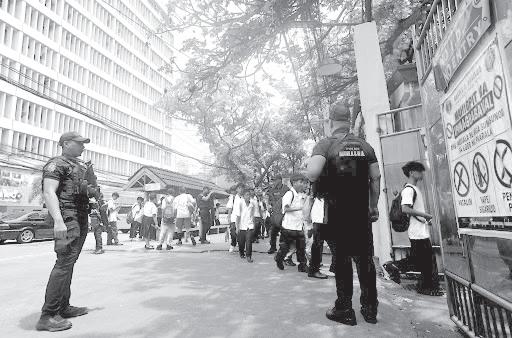

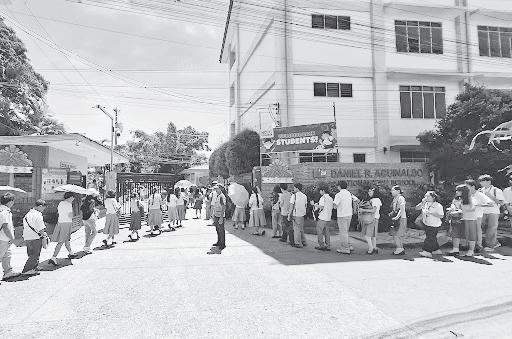
THE Department of Education (DepEd) is tightening campus security, strengthening antibullying efforts, and improving protection mechanisms for learners nationwide.
Following the fatal shooting incident at a public high school in Tacloban City on June 22, Education Secretary Juan Edgardo “Sonny” Angara announced the launch of the “School Safety Campaign”—a comprehensive effort to ensure that schools remain safe while enhancing supportive environments for learners through stronger prevention, reporting, response, and intervention mechanisms.
"We are moving with urgency because protecting our children is our absolute priority, and as President Bongbong Marcos always emphasizes, our schools must strictly remain safe zones for learning," Angara said.
“We will not allow our students to be put in danger, so we will further tighten coordination with our partners and stakeholders to ensure that such a tragedy does not happen again,” the secretary expressed in Filipino. He said that, to ensure the successful implementation of the program, DepEd is working with schools, parents, local government units, law enforcement agencies, and community stakeholders to strengthen multisectoral coordination and effectively address safety concerns. Security measures UNDER the initiative, DepEd is rolling out a range of security measures in public schools nationwide, including the deployment of handheld metal detectors, stricter visitor man -
NEARLY 2,000 pastors, instructors, students, alumni, volunteers, and guests gathered across 27 locations nationwide as Zion Christian Mission Center (ZCMC) celebrated its founding anniversary through a series of events held in Pasig City, Cavite, Pampanga, Cebu, Davao, and other parts of the country. The event highlighted the role of faith, biblical education, and evangelism in helping people discover truth, purpose, and hope through God’s Word. Under the theme “One Faith, One Light, We Rise and Shine,” the gathering served as a thanksgiving for ZCMC’s 36 years of providing free and accessible Bible education. Organizers said the theme reflects the light found in God’s Word—“a truth that leads to life and inspires believers to share that light with others.”
Activities held across the country likewise reflected the organization’s continued growth, unity, and expanding outreach.
For ZCMC, the celebration parallels the nation’s commemoration of Independence Day and the biblical understanding of freedom, noting that lasting freedom is found with true faith, knowing God’s truth, and fulfilling His purpose.
“As the Philippines celebrates Independence Day, we are reminded that freedom is one of humanity's most cherished
agement systems, regular bag inspections, expanded closedcircuit television coverage, and the strategic deployment of security personnel. It is now conducting safety audits to assess school infrastructure, including perimeter fencing, access points, lighting, and emergency exits, to identify vulnerable areas and strengthen security on campuses that may face elevated risks. Moreover, the department is intensifying the implementation of the guidelines on “Ensuring a Safe and Motivating Learning Environment” or “ESMLE”, the Anti-Bullying Act, and existing child protection policies. School officials are also being reoriented on procedures for reporting, investigating, referring, and responding to incidents involving learners.
Aligned response
MEANWHILE, Schools Division Offices have also been directed to strengthen collaboration with local police, barangay officials, parents, and community leaders to ensure prompt action on safety concerns.
At the national level, DepEd is aligning its response and referral protocols with the Philippine National Police, the Union of Local Authorities of the Philippines, the Liga ng mga Barangay, the Department of Social Welfare and Development, and the Department of Health.
To improve reporting and early intervention, the department is establishing accessible and confidential channels where learners can report bullying, violence, cyberbullying, and other protection concerns.
Student leaders and parentsteachers’ associations are also being consulted to identify barriers that discourage learners from reporting threats and incidents.
Recognizing growing challenges in digital spaces, DepEd is introducing age-appropriate digital citizenship and online safety programs for learners, parents, and school personnel.
The department has also institutionalized intervention programs that provide access to psychological first aid, counseling, and psychosocial support services for victims, perpetrators, and bystanders.

blessings,” said Abigail Saguid, president of ZCMC Philippines. “While many define freedom as the ability to do whatever they want, true freedom comes from knowing God’s truth and living according to His purpose. It is experienced when people are freed from spiritual confusion and guided by the light of God's Word. Through evangelism and Bible education, we help people discover that truth, as well as the hope and salvation God has promised to all.”
Participants reflected on Bible study strengthening their faith and deepening their understanding of God’s promises. Organizers said the event was not only an opportunity to celebrate the institution's accomplishments but also to renew its commitment to sharing God’s Word and help -
ing more people grow spiritually. The event also underscored the importance of unity among believers, highlighting how people from different backgrounds can come together through a shared faith and a common mission of truth. Organizers said the theme reflects this vision of believers becoming a light to their communities through faith and service.
Founded in 1990, ZCMC has grown into an international theological institution dedicated to helping people gain a deeper understanding of the Bible through systematic study. Central to its teachings, according to a statement, is the fulfillment of the Bible’s Book of Revelation , which it presents as key to unlocking God's plan and promises. Over the years, it has
reached learners from diverse backgrounds through its onsite, online, and self-paced learning programs.
As ZCMC enters its 37th year, it reaffirms its commitment to making biblical education more accessible to learners around the world. Through its various learning platforms, the institution continues to equip individuals with a deeper understanding of Scripture and inspire lives shaped by faith, purpose, and service.
ZCMC offers free theology courses in multiple formats, including onsite, online, and selfpaced study options through various platforms. For updates and learning opportunities, follow “Self-Paced Bible Study-SPS” and “Zion Christian Mission Center PH” on Facebook.

NIVERSITY OF SANTO TOMAS-
UInstitute of Religion’s Ivan Efreaim A. Gozum delivered the keynote lecture during the international gathering of the Laudato Si' Action Platform—an international group of climate action leaders under the auspices of the Vatican’s Dicastery for Integral Human Development.
The online seminar drew participants from various parts of the world, particularly from Rome, Manila, and New York.
In his keynote address “Contemplating Creation in a Digital Age: A Path for Integral Ecology, Education, and Communal Action,” Gozum urged stakeholders to confront the ethical and spiritual implications of artificial intelligence within the broader ecological crisis. Echoing concerns raised by Pope Leo XIV about AI’s impact on humanity’s openness to truth and wonder, he warned against reducing creation to mere data, cautioning that technological progress can dull humanity’s capacity for awe, replacing contemplation with control and wisdom with prediction.
The speaker then proposed a “digital-ecological exam,” as he invited par -
AT 77 years old, Lolita Erazo from Esperanza, Sultan Kudarat—a mother and a grandmother—has achieved a lifelong goal: She has completed her studies.
Erazo’s story is connected to a reliable source of support. She is a beneficiary of the “Social Pension Program (SPP)” for indigent senior citizens, administered by the Department of Social Welfare and Development (DSWD).
She receives P1,000 each month to assist with food, medicine, and other daily necessities. This financial support helped her continue her education.
“Ambisyon ko gid sang una ma-eskwela gid ako (My dream before was really to be able to go to school),” she said. But her plans were altered early.
“Every year, naga-bata ako. Paano ako maka-eskwela? (I was giving birth every year. How could I study?)” the elderly lamented.
With her plans changed, she dedicated herself to raising her children. As the years went by, her children completed their education. Her husband is gone.
“Ulihi na lang, sang nakatapos na ang mga bata ko… siling ko, wala man ko ubra diri sa balay, tapos wala naman ako sang ginabalikdan nga bana, siling ko ma-eskwela ako (Only later, after my children had finished school, did I realize that I had no work at home and no husband to support, so I decided to go to school),” she recounted.
Erazo shared that she learned about the “Alternative Learning System (ALS)” and decided to enroll.
“Nabatian ko may ALS. Amo na nagsk-
ticipants to reflect not only on patterns of consumption and pollution but also their digital habits. The ecological crisis, he argued, now includes what society uploads and automates, not only what it discards.
At stake, according to him, is a fundamental anthropological question:
“Are institutions forming persons with conscience and responsibility, or merely producing efficient users of increasingly intelligent systems?”
Calling for “digital-ecological conversion,” Gozum stressed that the root issue is not simply carbon emissions, but disordered desire—whether societies prioritize profit, control, and efficiency over care, solidarity, and wisdom. True conversion, he said, must shape how technologies are designed and governed, ensuring that they serve human dignity and the common good.
In closing, he challenged communities to act together with discernment, insisting that AI must remain a servant of integral ecology, never its master, and that authentic transformation begins not with algorithms but with the conversion of the human heart.

wela ko Grade 6 (I heard about ALS.
Tourism Editor: Edwin P. Sallan
Story & photos
by Joseph Araneta Gamboa
ONCE considered an obscure country tucked between Russia and China, Kazakhstan is rapidly emerging as one of the hottest travel trends among Filipino tourists. For years, it rarely came up in conversations about dream vacations—overshadowed by East Asia, Europe, and the Middle East. That’s beginning to change.
Part of Kazakhstan’s growing appeal is practical. Filipinos can enter this vast Central Asian nation visa-free, making it one of the easiest long-haul destinations to visit despite long layovers at connecting airports in Southeast Asia. Then there is the matter of cost: hotels, tours, and meals are often more affordable than in many European countries, yet the scenery can be just as stunning.
Scrolling through social media nowadays could explain the rest. Photos of canyons resembling Arizona and Colorado; lakes that could pass for New Zealand or Canada; and mountains mirroring the Swiss Alps have turned Kazakhstan into a destination of discovery and curiosity. Travelers who have already exhausted their bucket list during multiple trips to our Asia Pacific neighbors are now looking to the next frontier—and southeastern Kazakhstan’s Almaty Region rewards that curiosity, as my family of five experienced last summer.
Exploring the city of Almaty FOR many first-timers, the journey begins in the city of Almaty. It served as the country’s capital for 70 years until the seat of government was officially relocated to Astana in 1997. Today, Almaty remains the largest and most populous city as well as the primary commercial, financial, and cultural hub of Kazakhstan. The city has broad tree-lined avenues, lively cafés, and a relaxed atmosphere that encourages wandering. Panfilov Park is an ideal starting point close to our hotel. Families stroll beneath the trees, children chase pigeons, and in the middle of it all rises the iconic Ascension Cathedral—a colorful Russian Orthodox Church built in 1907 during the Tsarist era and made entirely of wood but without nails. Nearby stands the Memorial of Glory and Eternal Flame that pays tribute to Kazakh soldiers who fought during World War II. To savor the locals’ everyday life, culture


buffs should go to the Green Bazaar. This farmer’s market has been an important trading point in Almaty since its inauguration in 1875. Vendors sell spices, fresh produce, dried fruits, and traditional Kazakh delicacies at a high-roofed indoor venue that’s noisy, fragrant, and endlessly fascinating.
Another must-see attraction is Kok Tobe Hill, which offers panoramic views of the city and the snow-capped Tian Shan mountain range. Accessible by cable cars, the hill features restaurants, souvenir shops, and recreational facilities for tourists. The best time to go there is toward early evening, as the sun begins to set and the city lights flicker on while the mountains slowly fade into silhouette.



The Soviet era left a significant imprint on Almaty, exemplified by two structures built in the 1970s. The Kazakhstan Hotel, with its distinctive golden crown and seismic-resistant design, continues to dominate the skyline as a symbol of the city. Equally notable is the Palace of the Republic, whose sweeping brutalist form reflects the optimism and monumentality of late Soviet modernism. The latter originally opened under the name Lenin Palace of Culture—purposely constructed to commemorate the 100th birth anniversary of the USSR’s founding leader Vladimir Lenin. Art and history enthusiasts can spend hours at the Central State Museum of Kazakhstan—one of the largest museums in
WCentral Asia whose exhibits trace the country’s evolution from ancient nomadic civilizations to the cosmo-futuristic 21st century. Close by is the Abilkhan Kasteyev Museum that showcases Kazakhstan’s premier collection of fine arts, ranging from traditional works to contemporary pieces.
A significant addition to the city’s cultural landscape is the Almaty Museum of Arts, which opened in September 2025 and quickly became the biggest institution of modern art in Central Asia. Designed by the London-based architectural firm of Chapman Taylor, the museum houses more than 700 works and has already emerged as a landmark structure against the dramatic backdrop of the Trans-Ili Alatau mountains.
As Kazakhstan’s financial capital, Almaty remains the country’s foremost center for banking, investment, and commerce. The city hosts the Kazakhstan Stock Exchange, a cornerstone of the nation’s capital markets, as well as the headquarters of many leading financial institutions.
Modern business districts such as Nurly Tau and Esentai have striking glass-clad towers that symbolize Kazakhstan’s economic ambitions. These developments complement the city’s cultural assets, creating a sophisticated urban environment where finance, art, and education converge.
Towering over the city is the Shymbulak Ski Resort, around 45 minutes away from downtown Almaty with an elevation of 3,100 meters or slightly taller than our highest peak, Mt. Apo. This Alpine-level resort in Almaty’s Medeu District can be accessed via a cable car system to reach its ski slopes, hiking trails, and panoramic viewpoints.
Venturing to the outer regions
MOST travelers eventually leave the city and head out to the surrounding countryside. Our Kazakh guide brought us first to Enbekshikazakh and Ugyur districts of Almaty Region, some 200 kilometers east of Almaty City near the border of Kazakhstan and China.
Staying in Saty provides unbeatable proximity to the other must-see destinations: the Kolsai Lakes and Lake Kaindy –both 30 minutes away from Saty and less than 10 kilometers from the KazakhstanKyrgystan border. In fact, the snow-capped Kungey Alatau mountain range acts as a natural wall between the lakes and the Kyrgyz side. Lake Kaindy is famous for the haunting sight of a submerged forest rising from its clear waters—a reminder of the powerful earthquake that triggered a massive landslide which created the lake more than a century ago. To get to the trailhead, the unpaved passage climbs steeply through a narrow gorge that requires riding a 4x4 Soviet UAZ truck to navigate the off-road terrain. Further south lie the breathtaking Kolsai Lakes, consisting of three bodies of water nestled amid pine trees and rolling meadows. Along the route are ice-cold mountain springs that we plunged into for an intense rush of pure Alpine energy, followed by a relaxing bath in the steaming outdoor jacuzzi.
These landscapes explain why so many visitors end up extending their stay in Almaty—the gateway to the world’s biggest landlocked country. Yet it’s merely the tip of the tourism iceberg because Kazakhstan’s true scale lies in its untapped geographical diversity—with the Almaty Region representing just a fraction of the ninth largest country in the world. And for Filipinos discovering Central Asia for the first time, Almaty is not only the beginning of a journey; it’s the reason to come back.
After a three-hour scenic drive across verdant foothills, semi-arid steppes, and the rugged Kokpek Gorge, our first glimpse of Charyn Canyon stopped us on our tracks. This geological masterpiece features towering rock formations sculpted by wind and water over millions of years. Its most famous section, the Valley of Castles, looks like a landscape from another planet— with layered sandstone walls in striking hues of red and pink resulting from a healthy dose of iron oxidation. In exploring the natural wonders of southeastern Kazakhstan, the ecotourism hub of Saty Village has become the ultimate base camp for travelers because it solves the region’s biggest logistical challenge: vast distances and remote locations. We booked our stay in a new log-cabin guesthouse instead of a traditional yurt— the dome-shaped tent originally used as a portable home by nomadic groups in Central Asia.
Ancient history
Story & photos by
Joshua Berida
HEN I was planning my trip to Germany, I saw quite a number of cities and towns with either a -burg or -berg at the end. My curiosity led me to research their differences. It boiled down to a castle or fortified town for -burg and hill or mountain for -berg. This tidbit didn’t mean much when I decided to include Bamberg and Nuremberg (Nürnberg if you’re strict with spelling and names), but it was a nice piece of information you’d want to randomly bring up in a conversation.
My major deciding point to visit the two bergs, Nuremberg and Bamberg, was their location from each other. It was easy and convenient to visit Bamberg from Nuremberg. I used the latter as my base because it was a bigger city with more budgetfriendly accommodation options.
I think there was a movie about this place (?)
NUREMBERG is a city in Bavaria steeped in history (and quite a few critically acclaimed movies). A quick online search will yield results such as Nuremberg starring Russell Crowe and Rami Malek among others and Judgment at Nuremberg released in 1961. Both movies focused on Nazi war crimes after World War II. In the 1930s, the city was the Nazi Party’s center. Nuremberg Rallies took place to rile up national sentiment and
fervor. It included human swastika formations, fireworks, marches, martial songs and orations from Hitler and other leaders of the Nazi Party. However, before Hitler’s rise, the city’s history dates to the 11th century. There’s plenty of World War II history in Nuremberg, but it’s not the city’s sole identity. Ancient churches, a castle, and
centuries old structures dot the city. One of the most prominent landmarks of the city is Nuremberg Castle. It has been around since the 11th century. Multiple royal families, kings and queens have lived within its walls. It’s now a museum that provides a glimpse of the city’s storied past.
Frauenkirche or the Church of Our Lady


is the centerpiece of Hauptmarkt (main square). Its Gothic appearance will grab your attention. St. Sebald’s Church is the oldest church in the city. It dates to the 13th century and its two towers dominate Nuremberg’s cityscape.
You could easily spend a few days in Nuremberg learning about the city’s medieval and also tragic World War II history. However, the past isn’t something it hides from. Visitors and locals alike can absorb the good and bad things that have taken place in this German city.

BAMBERG is the sort of place I often add to my itinerary because of its interesting and storied past. It’s also small enough to explore in a short time and still soak in its history and culture. Some of the facts I read and discovered about this city:
n The city has a population of just under 80,000.
n It’s home to a student population of more than 10,000.
n Holy Roman Emperor Henry II founded a bishopric seat in Bamberg in the early 11th century.



n The first book printed in German was published in Bamberg in the mid-15th century.
n Hegel (the philosopher) lived for some time in Bamberg.
n Bamberg was one of the centers of Enlightenment in Germany.
n Bamberg’s town is a UNESCO World Heritage Site.
Memorizing these facts won’t change your life nor would it lead to any path to self-discovery. However, these might be useful if you happen to join a quiz or game show. Who knows, one day a million peso question would hinge on you knowing Hegel used to live in Bamberg. The historic center is charming. It’s full of medieval epoch buildings and architecture. History buffs or someone who wants to spend a couple of days outside a big city would enjoy getting lost while moving in and out of the quaint alleys and side streets. Two stand outs (for me at least) were the Altes Rathaus or the Old Town Hall and the Bamberg Cathedral. The Old Town Hall is a curiosity because it looks like it juts out of a bridge. According to a local legend, Bamberg’s bishop didn’t provide the land needed for a town hall. This led the locals to build an artificial island so that they could construct their town hall. It’s also unique because its frescoes give its façade a 3D appearance. The Bamberg Cathedral is as old as many cathedrals in Europe. Emperor Henry II had it built in the 11th century. You can visit other bergs while in Germany. I visited a few others during my trips to the


Editor: Angel R. Calso • Saturday, July 4, 2026
By The Associated Press
DESPITE severe fuel shortages across Russia, President Vladimir Putin appears unbothered by Ukraine’s increasing attacks on his country’s oil refineries.
He has shrugged off the setback for one of the world’s leading oil-producing nations as “not critical,” dismissed ceasefire proposals and insisted the war will continue until his goals are met.
Putin has described the attacks on Russian energy as an effort by Ukraine to distract attention from its losses on the battlefield, although analysts say the advance of Russian forces has been stymied in recent months. The Russian leader appears to believe his government can keep the fuel crisis from eroding his authority and support for the war he launched more than four years ago.
The Russian military unleashed a massive 11-hour barrage on the Ukrainian capital overnight into Thursday morning that killed at least 30 people. It was one of the deadliest attacks on Kyiv since the start of Russia’s fullscale invasion.
Here’s a deeper look at the latest exchange of strikes and Putin’s refusal to halt the fighting:
Gas shortages worsen in Russia as more oil facilities are hit THERE have been more than 50 reported Ukrainian attacks on oil refineries and other energy facilities in Russia and occupied Crimea since March—a barrage Ukrainian leaders have said is intended to pressure Moscow to end the war.
At the very least, the attacks have brought the war home even more poignantly for millions of Russians, shattering Putin’s narrative of the conflict as something that doesn’t affect the lives of ordinary people in his country.
An estimated one-third of Russia’s refining capacity has been cut off, according to Chris Weafer, CEO of the consultancy Macro-Advisory. The attacks have inflicted lasting damage that will be costly to fix.
Despite significant air defenses protecting Russia’s capital, a top refinery in Moscow has been hit twice. The second strike on June 18 set it ablaze, damaging key equipment that will reportedly take until the end of the year to repair.
With gasoline production in Russia reduced by roughly 17% to 850,000 barrels a day, according to government statistics, rationing has been introduced in many regions, and motorists have had to wait in line for hours to refuel.
Crimea, which Russia illegally annexed from Ukraine in 2014, has faced the worst fuel shortages. Gasoline sales to individuals have been periodically halted there altogether.
Putin downplays the impact of Ukrainian strikes Putin chaired a meeting of government officials last weekend to discuss the fuel shortages.
In televised statements, he acknowledged the country was going through a “difficult period.” He pledged to accelerate repairs of energy facilities and said Russia would consider importing gasoline to help make up for what he described as “temporary” shortages. He also said Russia’s arms industry will boost production of air defense systems to fend off future Ukrainian attacks.
Putin portrayed the Ukrainian strikes as an attempt to divide Russian society, halt Moscow’s offensive and try to force the Kremlin into negotiations on “terms advantageous to our adversary.”
“We will not give them that chance,” he said.
While Putin said Ukraine’s long-range strikes on Russian oil facilities “have absolutely no effect on the situation at the front,” Western military analysts say midrange strikes on the Russian army in recent months have hampered military logistics and slowed the tempo of its advance, leaving the battlefield in a stalemate.
Putin claims Russian forces are still advancing across the roughly 1,000 kilometer-long (620 mile-long) front line. In an interview last weekend with state TV, Putin mentioned the names of small villages and even streets in Ukraine.
Putin dismisses Ukraine’s ceasefire offers THE Russian president has responded to Ukrainian President Volodymyr Zelenskyy’s offer to meet by challenging him to come to Moscow, a non-starter to Ukraine.
Putin has rejected a truce that Kyiv and its Western allies have proposed. He says it would only give Ukrainian forces time to rest and regroup.

DBy Hooyeon Kim, Heesu Lee & Susie Kang
EEP inside a government complex in Sejong, about two hours from Seoul, a room known as “the box” is ground zero for South Korea’s currency anxieties.
Behind a door marked “restricted access,” finance ministry officials watch every tick in the won, scrutinizing price swings and trading volumes to determine when intervention might be necessary. Tensions are high as the currency dropped to a 17-year low and was the worst performer in Asia in the first half.
From July 6, their task will be even more challenging as the won will trade around the clock for the first time. Preparations have ramped up: meals are upgraded, an extra official has joined, and a rickety camping cot may soon be replaced with a proper bed, according to a person with knowledge of the matter, who asked not to be identified discussing private information.
To the developed world, which takes 24-hour currency trading for granted, it might not seem such a big deal. But the shift is an unprecedented loosening of South Korea’s grip on its currency, a policy shaped by the trauma of the 1997 Asian financial crisis that nearly brought the economy to its knees.
The change is central to Seoul’s bid for an MSCI Inc. upgrade to developed-market status, which would cement its place as a global investment destination. It also reflects how the economy evolved from a manufacturing juggernaut focused on bringing export earnings home to one investing more overseas, making it harder to justify limiting won trading to Korean business hours.
“The extended trading hour is a necessary move to increase its presence in the global financial markets,” said Claire Huang, senior Asia macro strategist at Amundi Asset Management. “Facilitating won transactions at a level comparable to G10 currencies requires securing liquidity during extended hours.”
But Korea’s big move comes at a delicate time.
Launching onto the global stage just as the won is revisiting levels last seen in 2009 leaves the currency and economy more open to speculators. A misstep by regulators may amplify volatility, embolden bearish bets and undermine the investment narrative that has put the country at the center of the global artificialintelligence boom.
As the won slid past 1,400 per dollar, a level President Lee Jae Myung once said signaled broad economic strain and pressure on households, officials repeatedly warned against speculative trading. This year, regulators inspected major banks for activity deemed destabilizing to the market, and exporters were urged to convert their export proceeds to help stabilize the local currency.
Even so, the won has kept falling, last trading at around 1,540 per dollar, leaving it down more than 6% this year.
The currency’s weakness is at odds with a booming economy and surging equities. The benchmark Kospi Index has jumped about 90% this year, the strongest run of any major global equity gauge, powered by an AI frenzy that has turned Samsung Electronics Co. and SK Hynix Inc. into trillion-dollar giants. Exports are hitting record highs and the current-account surplus—at about $28 billion in April—is among the largest Korea has ever posted.
To understand the disconnect, it helps to look at how things used to work: for decades, strong exports and persistent currentaccount surpluses supported the won. Exporters repatriated earnings and foreign investors poured money into Korean assets.
That dynamic is faltering.
South Korea posted a $102.7 billion current-account surplus in the first four months of the year. But much of that inflow is offset by capital outflows—over $60 billion from outbound direct investment and local investors buying foreign securities—while global investors have pulled some $43.6 billion from Korean equities.
In effect, Korea is increasingly behaving like a capital exporter. It continues to earn dollars from trade, but that money is being invested overseas rather than recycled into local markets.
“This transparency proves Korea is committed to international standards,” said Ali Bora Yigitbasioglu, senior investment manager of emerging-market fixed income at Pictet Asset Management. “While directional exposure still depends on the semiconductor export cycle, removing these operational friction points makes holding Korean assets structurally more attractive.”

Other factors are adding pressure on the currency. The National Pension Service has been increasing its overseas investments, a shift that involves buying dollars and selling won, although it pared back those plans this year. Investors are also worried about the US-Korea trade deal, under which Seoul has promised to invest $350 billion in America.
Still, Seoul is committed to the change. “This isn’t merely a regulatory reform—it is a critical piece of infrastructure that enables Korea’s capital markets to achieve the level of accessibility and convenience expected of developed markets,” Moon Jisung, Korea’s deputy finance minister, said in an interview.
Arbitrage trades
THE global FX market runs around the clock during the week, allowing counterparties to hedge risks as markets move. That has been the norm since major currencies began floating freely in the early 1970s, evolving into a market that now turns around $9.6 trillion a day across Asia, Europe and North America.
Currently, the won trades for 17 hours before the market shuts from 2 a.m. to 9 a.m. in Seoul, a window that overlaps with the US trading day.
The break has frustrated global investors. Anyone buying Korean stocks takes on exposure to the won, but once the onshore currency market closes, investors have little choice but to manage that risk offshore through nondeliverable forwards, or NDFs, contracts that settle without actually exchanging the currency.
Heavy use of NDFs creates a class of arbitrage traders who exploit price gaps between offshore and onshore markets, adding the kind of volatility that regulators frown upon.
The shift to 24 hours—from Monday morning to Saturday morning—will eliminate that gap. Authorities are also introducing hourly benchmark pricing, easing foreign-investor reporting rules and allowing offshore spot won
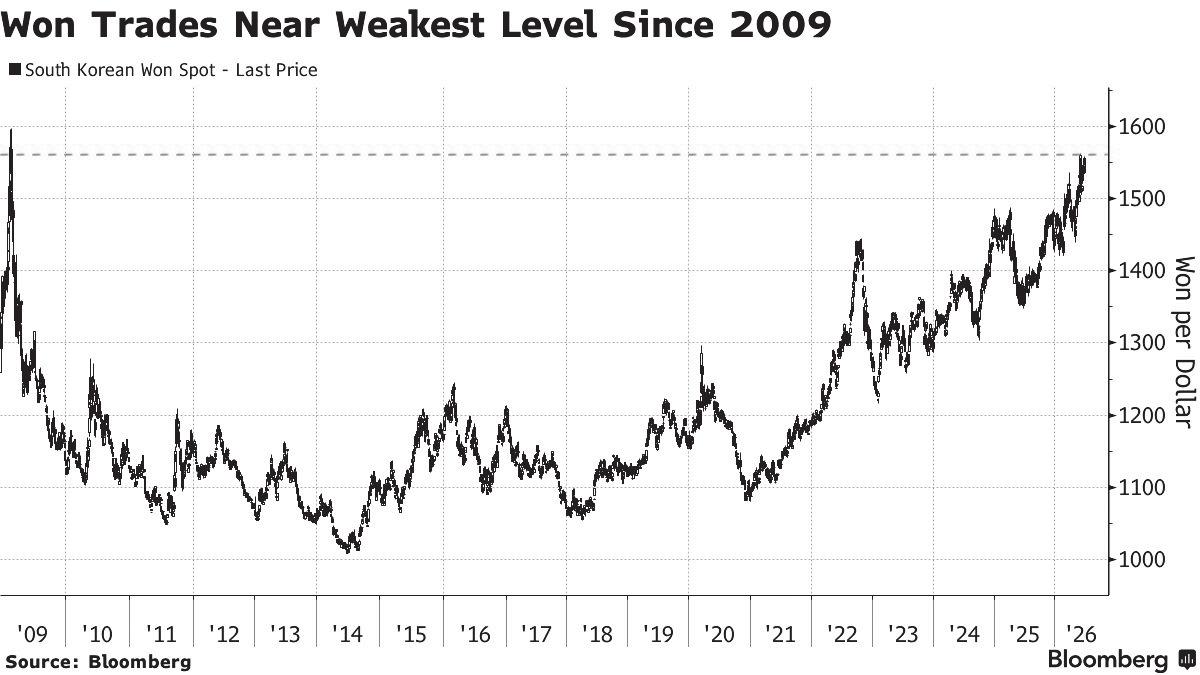
port workers in General Santos City.
Instead of traditional short-term community work, beneficiaries were deployed directly into fisheries-related operations and port rehabilitation tasks to keep logistics flowing inside the busy facility.
Of the 1,040 beneficiaries, 559 were assigned to the PFDA to maintain drainage systems, clean wastewater channels, and support infrastructure repair inside the fish port.
Another 481 workers deployed by Bfar assisted in tuna handling, catch handling, post-harvest processes, and logistics support for fish unloading and distribution.
Officials said the arrangement was necessary as the fish port continues to recover from structural and operational disruptions caused by the recent earthquake, which affected parts of General Santos City and nearby provinces.
The energy emergency has also increased operating costs for fishing vessels and cold storage facilities, tightening margins across
trading from next year.
In theory, continuous trading should smooth price action, though benefits may take time to emerge. “Greater market openness is likely to come with higher volatility, and that is something policymakers should keep in mind,” according to Bumki Son, an economist at Barclays Plc.
Banks are racing to prepare. Woori Bank, one of the country’s largest lenders, secured a UK license late May to support wonrelated transactions and investments outside Korean market hours. Most major banks have expanded, or are expanding, their dealing teams in London and Seoul.
Investors see new trading prospects too. “There will be a lot of people trying to access the market as a carry trade opportunity,” said Ed AlHussainy, a portfolio manager at Columbia Threadneedle in New York, referring to a strategy where investors borrow a low-yielding currency to invest in assets with higher returns.
Building buffers
SOUTH Korea has been preparing for this moment for years.
Many of today’s senior government officials were on the front lines of the 1997 Asian financial crisis when the won lost half of its value within the span of two months. Then Korea was teetering on the brink of default, as shortterm foreign debt ballooned and conglomerates were collapsing.
“The won was plunging more than 10% a day, with swings at times exceeding 20%,” recalled Lew Changbeom, a former currency trader at Bank of America NA and JPMorgan Chase & Co. “I truly feared the country might collapse.”
The takeaway was clear: never again be caught short of dollars. Korea rebuilt its foreign reserves—once down to just four to five days of import cover—and tightened its grip on the currency, restricting trading hours, keeping settlement onshore and channeling transactions through designated banks.
Today, it sits on one of the largest foreign reserve stockpiles in the world, giving it a war chest to support its currency against global pressures.
Back inside the box, officials are just one call away from key decision makers in Seoul or banks to act quickly if the market suddenly turns. But with 24-hour trading on the horizon, the efficacy of such tactics may diminish.
“Foreign exchange authorities should move away from the idea that the market needs to be tightly controlled,” said Seungheon Lee, the former senior deputy governor at the Bank of Korea. “To achieve tangible results, we must resolve the mechanisms that prevent trading from taking place.” With assistance from
the tuna value chain and heightening the need for state intervention.
“This is not just livelihood support. This is about keeping the fish port operational after multiple shocks,” Tolentino said.
The Dole said the Tupad-Tuloy Pamalakaya program is now being positioned as a dual-purpose mechanism—providing income while reinforcing critical economic infrastructure in fisheries-dependent communities. During the rollout, the Technical Education and Skills Development Authority (Tesda) Region XII also awarded Eastern Aqua Ventures Inc. a Certificate of Technical-Vocational
for workers entering aquaculture.
Officials said the certification is intended to support longer-term employment shifts toward aquaculture as wild catch volumes face seasonal limits and environmental pressures. The P9.88-million wage release marks one of the largest single-site deployments of emergency employment workers in a fisheries hub this year, Tolentino added.
For DOST-Batangas, the encounter underscores a simple but important idea: small interventions can help promising young learners find direction. “Sometimes, all it takes is one letter, one opportunity, and one conversation to remind a child that curiosity has a place to grow,” Hernandez said.
Continued from A4
It also said the Filipino participants came from the medical team aboard guided-missile frigate BRP Miguel Malvar (FFG-6), the PN ship carrying the Philippine Rimpac contingent, also known as Naval Task Group 84.
“Through collaborative learning and hands-on exercises, participants enhanced their readiness to respond effectively to medical contingencies during multinational maritime operations. The training also provided a valuable platform for strengthening interoperability and exchanging best practices in combat casualty care,” the PN said.
Continued from A3
and Head of Institutional Banking until his retirement in 2022. He joined the BDO Board that year and was a member of the Executive Committee, Trust Committee, Risk Management Committee, and Related Party Transactions Committee. Previously, he served at Far East Bank & Trust Co., UnionBank of the Philippines,
A family’s approach: Limits, encouragement JAVED’S parents have deliberately limited his gadget use, reserving devices for school breaks and steering him toward books and hands-on projects. Their approach— reducing screen time while encouraging structured, self-directed learning— is a reminder that community and family choices shape how young talent develops. PNA
It added that its participation in the MarTCCC training underscores its commitment to continuously enhance the professional competence of its medical personnel while supporting the objectives of this year’s Rimpac in promoting cooperation, interoperability, and collective readiness among allied and partner navies. RIMPAC started on June 24 and is scheduled to end by July 31. The US Pacific Fleet said this year’s Rimpac will bring in 31 nations and will feature a multinational force of approximately 40 surface ships, five submarines, 140 aircraft, and more than 25,000 naval personnel. Rimpac, the world’s largest international maritime warfare exercise, is held every two years in Hawaiian waters.
served as president and chief executive officer (CEO) of United Coconut Planters Bank from 2003 to 2007. He was also a board member of Asean (Association of Southeast Asian Nations) Finance Corporation (now AFC Merchant Bank), and held senior positions at Bank of America, Solid Bank Corp. and Citibank. He also served as president and CEO of Megalink and as secretary of the Bankers Association of the Philippines.
A14 Saturday, July 4, 2026
By Moriah Balingit AP Education Writer
Saturday, President Donald Trump’s administration plans to launch Trump Accounts, tying the 250th anniversary of the signing of the Declaration of Independence to an effort to boost financial independence for American kids.
Under the program, parents can open special investment accounts for any child born during Trump’s second term and automatically receive $1,000 from the govern -
ment. Accounts can be opened for older children—as long as they don’t turn 18 before the end of the calendar year—but they will not receive the $1,000. The accounts



are set to open for deposits July 4, which is also the day the Treasury Department plans to transfer the $1,000 bonus.
That money—and anything else deposited by employers, philanthropies and relatives—is invested in the stock market by private firms. Children can’t access the money until they turn 18, and then only for specific purposes, like paying for a home or school.
The accounts already have gotten a boost from billionaires beyond the $1,000 from the government. Michael Dell, the founder of Dell Technologies, and his wife, Susan, pledged to give $6.25 billion to the accounts of some kids who don’t qualify for the government’s $1,000. On Wednesday, Trump announced on Truth Social that Sanjay Mehrotra, CEO of Micron Technology, would give
$250 million.
The donation “will help jumpstart the American Dream for these fabulous children as we celebrate America’s 250th Anniversary! This MASSIVE Investment will help MILLIONS of American children and families get a strong start in life, and give them REAL Financial Security,” wrote Trump, a Republican.
Trump declared the program “fabulously successful” in the same post. According to the Treasury Department, accounts have already been opened for 5.5 million children, with 1.4 million of them eligible for the $1,000 contribution. About 86% of those accounts were opened by families that earn less than $200,000 annually.
Trump Accounts launch amid widespread affordability con -



cerns. The Federal Reserve’s preferred inflation gauge rose to a new three-year high in May as gas prices peaked during the war with Iran. Food prices have risen since Trump’s inauguration, too. Meanwhile, many Americans are bracing for changes to social safety net programs like Medicaid and the Supplemental Nutrition Assistance Program, or SNAP, which were cut under the same legislation that created Trump Accounts. Here’s what you need to know about Trump Accounts and how to claim the money:
What is a Trump Account?
IT’S a new savings tool that invests money in the stock market on a child’s behalf. The child can’t access the money until they turn 18 and can use it only for specific purposes, such as paying tuition, starting a business or making a down payment on a home. Families can already sign up at trumpaccounts.gov.
After a parent or guardian opens an account, the US Treasury Department will contribute $1,000 for newborns. Private banks and brokerages will manage the money, which must be invested in US equity index funds that track the stock market and charge the accounts no more than 0.10% in annual fees.
Parents can contribute up to $2,500 annually in pretax income, much like they do for retirement accounts. Parents’ employers, relatives, friends, local governments and philanthropic groups can also pitch in. Yearly contributions are capped at $5,000, but contributions from governments and charities don’t count toward that total.
“We’re doing something much
better than giving the next generation a handout,” Trump said. “We’re giving them ownership of America’s future.”
Who gets $1,000?
AS part of the initiative’s launch, parents of older children also are encouraged to open accounts, but they won’t get the $1,000 bonus. That money is reserved for babies born during the calendar years of the current Trump administration.
To qualify for the $1,000 seed money, a baby must be a US citizen, have a Social Security number and be born between Jan. 1, 2025, and Dec. 31, 2028. Any parent can open an account for a qualifying child, regardless of the parent’s immigration status.
It’s important to note that the child won’t be able to access the money until they turn 18, except in rare circumstances. So the money can’t help with immediate expenses. And disbursements from the accounts will be subject to taxes.
Can older kids get any bonuses for their Trump Account?
SOME can, thanks to contributions from some of the country’s wealthiest investors and executives.
The Dells’ $6.25 billion donation will allow some children ages 10 or under to receive $250 in seed money if their parents open an account. That money is reserved for kids living in ZIP codes with a median family income of $150,000 or less who are too old to receive the $1,000 seed money from the Treasury.
Hedge fund founder Ray Dalio and his wife, Barbara, pledged
See “Trump,” A15


www.businessmirror.com.ph
By Nectar Gan & James Mayger
HONG KONG has become a vital conduit for high-tech products moving in and out of China, emerging as one node in a $2 trillion network of Asian trade fueled by a global boom in artificial intelligence.
A review of official data by Bloomberg found the city accounted for more than half of China’s $239 billion chip imports in the first five months of 2026, a record share. A decade ago, Hong Kong covered just a third of the mainland’s purchases of semiconductors.
Having recently overtaken Switzerland as the world’s biggest offshore wealth hub after an influx of Chinese money, Hong Kong is now carving out an economic niche for the AI age. Official figures published last week showed trade with China grew nearly 50% in May from a year earlier, the most since 1992 outside the pandemic.
“Hong Kong’s strong air cargo network and free-port status have made it a perfect trading hub for semiconductors, which are high-value, low-weight and time-sensitive,” said Gary Ng, senior economist at Natixis. “Chipmakers can ship via Hong Kong on a frequent, stable schedule or store for future sales with flexibility.”
Long a gateway between China and the world, the former British colony operates as a free port with no capital controls—a contrast with the mainland, where financial restrictions and red tape make it more difficult to move money and goods around the region. That’s helped turn Hong Kong into a critical cog in the commercial system taking shape across Asia, driven largely by the buildout of AI infrastructure.
The technology is “hardwiring Asia into a tighter production bloc,” according to economists at HSBC Holdings Plc, who estimate the value
Continued from A11
He has made any ceasefire conditional on Ukraine’s withdrawal from the part of the Donetsk region it still controls, a demand rejected by Ukraine. Putin has said that a final peace deal must oblige Ukraine to abandon its bid to join NATO, reduce its military and protect Russian language and culture.
Continued from A14
$75 million for kids under age 10 in Connecticut, where Dalio lives. That would amount to $250 for 300,000 children in qualifying ZIP codes.
Trump announced in January that investor Brad Gerstner would donate $250 to Trump Accounts for every child under age 5 in Indiana.
Several major companies also plan to add Trump Account contributions to their benefits packages, including Uber, Intel, IBM, Nvidia and Steak ‘n Shake. The administration has encouraged such donations through what US Treasury Secretary Scott Bessent calls the “50 State Challenge.”
of AI trade within the continent has doubled from pre-pandemic levels to almost $2 trillion in 2025.
But the middleman role cuts both ways. Hong Kong lacks the chip fabs of Taiwan and South Korea or heft of the mainland market, leaving the city exposed to the whims of geopolitics.
It’s already been swept up in the US-China trade war. During Donald Trump’s first presidency, Washington stripped Hong Kong’s special customs privileges, no longer treating it as separate from China. Since Trump reclaimed the White House and tightened curbs on China’s access to the most advanced US chips, Hong Kong has ramped up purchases of American-made semiconductors—likely those that fall outside the restrictions—sourcing many of them from third countries.
The exposure is pushing Hong Kong to hunt for new markets, with Chief Executive John Lee having personally led missions to the Middle East, Central Asia and Southeast Asia to diversify the economy.
For now, though, AI is where the growth is.
Despite its limited industrial base, the city exported almost $159 billion of AI-related goods last year, according to Oxford Economics, the fifth-largest total in Asia and more than Japan.
“Hong Kong’s strength lies in facilitating the movement of AIrelated goods rather than producing them,” said Yongshi Mai, an economist at the consultancy.
In last Sunday’s interview, Putin claimed that Ukraine had offered to limit the fighting to the four regions that Russia annexed but never fully captured: Donetsk, Luhansk, Kherson and Zaporizhzhia. He said he rejected the proposal because it would free up Ukrainian forces from other areas where Russian troops have made inroads and let them focus on fending off the Russian attacks in the four southeastern regions.
“Faced with a catastrophic
What’s the idea behind the accounts?
BACKERS of the accounts say they want to introduce more people to the stock market and give even children born into poverty a chance to benefit from it. Supporters also say the accounts bolster capitalism at a time when Democratic socialist candidates, who seek stronger regulations and tax hikes on the wealthy, are growing more popular.
“The answer to more socialism is more capitalism,” Gerstner said in January at a White House event. “This makes every child in America a capitalist from birth.”
About 58% of US households held stocks or bonds in 2022, according to the US Securities and Exchange Commission, though the wealthiest 1% owned almost
Almost all of Hong Kong’s semiconductor shipments were re-exports, with more than 80% of them by value heading to the mainland, according to Bloomberg calculations based on data from Hong Kong’s Census and Statistics Department. Some 40% of those chips were supplied by China and a fifth by Taiwan, followed by Singapore and South Korea.
Between January and May, the city re-exported $124 billion worth of semiconductors to the mainland, representing 52% of China’s total chip imports, customs data show.
The boom helped Hong Kong’s economy expand at its fastest pace in almost five years in the first quarter, despite the global energy shock caused by the war in Iran.
On Tuesday, the Hong Kong Trade Development Council more than doubled its 2026 export growth forecast for the city to over 20%, citing an AI-driven “technology upcycle.”
Research by the council shows AI-related electronics now account for 57% of Hong Kong’s exports, up from 44% in 2024. Barclays Plc puts the share as high as 70%.
Hong Kong exempts imports from tariffs—an advantage during the tit-for-tat trade wars and export controls between Beijing and Washington. Goods that move on to the mainland, however, are still subject to Chinese taxes and duties.
Even so, mainland firms may prefer working through Hong Kong companies because access to the city often makes payments and currency conversion easier than when dealing directly with foreign suppliers.
“As a middleman, Hong Kong has figured out a way to handle the payments,” said Charles Mok, a research scholar at Stanford University and a former Hong Kong lawmaker who represented the city’s information technology constituency. “That makes it easier for mainland buyers.”
The city has surpassed mainland China as Taiwan’s top chip export market, with triple-digit growth in shipments from South Korea.
The shift has unfolded alongside China’s emergence as the world’s largest supplier of AI-related goods,
shortage of personnel, the armed forces of Ukraine apparently believe this could be their salvation,” Putin said. “Saving the Kyiv regime is not part of our plans.”
The Kremlin said the offer was made via confidential channels; Ukrainian officials have not publicly discussed any such proposal.
Putin also dismissed a Ukrainian proposal to mutually halt strikes deep into each other’s territory. Russian attacks deep into
half the value of stocks in that year.
Before Trump created the accounts, California, Connecticut and the District of Columbia were piloting baby bonds programs, which are similar to Trump Accounts in some ways. Several other states, including Maryland, are weighing programs.
But those programs are targeted to youths growing up in poverty or foster care, plus children who lost a parent to COVID-19. Wealthier children don’t benefit from them. They’re also managed by the state, not private investment firms.
What do critics say?
CRITICS point out that the accounts do little to help children in their early years, when they’re most vulnerable and most likely to be in poverty. The accounts, they
even as the mainland remains a net importer of advanced chips. China’s overseas sales of semiconductors soared 111% in May, the fastest growth since 2013.
The boom has taken Hong Kong’s trade with China to record highs. In May alone, the city absorbed over $40 billion of Chinese exports—the biggest monthly total since 2015 and roughly three to four times what the mainland shipped to Japan or Germany.
Semiconductors drove much of the increase, according to Chinese customs data, accounting for more than a third of the export value.
For much of ocean freight, Hong Kong’s middleman role has been in retreat for years as China built worldclass ports in Shanghai, Ningbo and Shenzhen and mainland goods began moving directly to global markets. Yet in the highest-value trade, the city has held on.
“When it comes to products that have very high intellectual property content, Hong Kong still has a role in assuring quality, verifying standards and protecting IP,” said Heiwai Tang, economics professor at the University of Hong Kong. “Hong Kong still has all the institutional advantages.”
The city’s common-law courts, a legacy of British rule, remain more trusted by international investors than the mainland’s legal system, even as Beijing has tightened its grip on Hong Kong in recent years.
Hong Kong’s status as an international aviation hub is another source of leverage. Mainland China enforces stricter controls on electronics carried by planes, a hurdle for AI goods shipped by air, said Michael Li Chi Fung, vice chairman of the trading group Nam Pak Hong Association.
“With its proximity to the mainland, Hong Kong functions as a distribution hub that can seamlessly combine air and land transport,” Li said. “This is something that other transshipment hubs like Singapore simply cannot do.” With assistance from Shadab Nazmi, Yujing Liu and Yian Lee/ Bloomberg
Ukraine are “much more powerful, sensitive and, frankly speaking, destructive,” he said.
In Thursday’s deadly barrage on Kyiv, Russia once again hit residential areas even as it claimed to be targeting military sites. By contrast, the vast majority of Ukrainian strikes in Russia have hit oil facilities, weapons factories and other military targets.
A United Nations tally says more than 16,000 Ukrainian civilians have died in the war.
say, also fail to offset the cuts the Trump administration and congressional Republicans have made to other programs that benefit young people and the adults in their lives, including food assistance and Medicaid. Republicans created the accounts in the Trump tax and spending cuts bill that reduced spending for some of those programs.
And even with government contributions, critics say the Trump Accounts will widen the wealth gap. Affluent families that can afford to make the maximum pretax contribution to the accounts will realize the greatest benefits. Poor families that can’t afford to set aside money for the accounts will benefit the least. Assuming a 7% annual return, the $1,000 in seed money would grow to roughly $3,570 over 18 years.

PARIS—Tadej Pogačar has never appeared stronger as he stands on the verge of joining the ranks of the Tour de France’s greatest champions.

The two-time world champion has crushed his rivals this season, across all terrains. That’s primed Pogačar to chase a record-equaling fifth Tour victory starting on Saturday in Barcelona.
The only four riders to have won five Tours are Belgian Eddy Merckx, Spaniard Miguel Indurain and Frenchmen Jacques Anquetil and Bernard Hinault.
American rider Lance Armstrong won seven Tours from 1999-2005 but was stripped of them for participating in a systemic doping program.
Pogačar’s insatiable thirst for winning has drawn comparisons with Merckx, widely regarded as the greatest of all time. Some observers believe the 27-year-old from Slovenia could eventually surpass Merckx’s records from the 1960s and 70s.
Take this season, for instance:
In only 16 race days he recorded 13 victories, including general classifications wins at the Tour de Suisse and the Tour de Romandie, as well as one-day triumphs at Liege-Bastogne-Liege, the Tour of Flanders, Milan San Remo and Strade Bianche.
His only setback came at ParisRoubaix, where Belgian rider Wout van Aert prevented Pogačar rider from completing the set of cycling’s five Monuments.
Pogačar’s latest outing, at the Tour de Suisse, was a masterclass in which he left only crumbs for his rivals. He finished 6 minutes, 32 seconds ahead of second-placed Ecuador rider Richard Carapaz.
“The work has been done, I’m really looking forward to the whole month in France,” Pogačar says. The UAE Team Emirates-XRG leader is not only the strongest rider, he can also rely on talented and experienced teammates. Pogačar is supported in his quest by 2025 Giro d’Italia runner-up Isaac del Toro—a key asset in the mountains—Felix Großschartner, Brandon McNulty, Nils Politt, Florian Vermeersch, Tim Wellens, and Adam Yates, who finished third on the 2023 Tour.
“I know I’ll have a fantastic group of teammates,” Pogačar says. “We have a lot of confidence in each other and have built up a lot of experience together over the years.”
Who can beat Pogačar?
Even though Pogačar is in a class of his own, cycling is a brutal sport where a crash or a moment of fatigue can shatter a rider’s hopes in an instant. Perfectly aware that fortunes can change in the blink of an eye, his rivals will line up with their morale high.
Like in every summer for the past five years, Jonas Vingegaard of Visma-Lease a Bike should be Pogačar’s main rival. They have split Tour victories since 2020, with Vingegaard taking home the yellow jersey in 2022 and ’23. AP
ALEXANDRA EALA faces a tough task in the third round of the Wimbledon Championships against defending champion Iga Swiatek on Saturday at the All England Lawn Tennis and Croquet Club.
The Filipina 29th seed advanced to the Round of 32 by overcoming Maya Joint, 3-6, 6-2, 6-0.
The Australian had earlier spoiled Serena Williams’s singles comeback, winning in three sets. Third seed Swiatek needed just 70 minutes to get past 2021 Wimbledon finalist Karolina Pliskova 6-1, 6-3. Eala and Swiatek are 1-1 head-to-head, the former winning on hardcourt in the Miami Open quarterfinals and the latter on clay in the second round in Madrid.
“I think it’s going to be tough for me,” Eala said. “I’m going to try to make it tough for her, as well. It’s a different surface than we’ve played at before, so I think definitely there should be some different aspects to the last time.
“She’s [Swiatek] won a Slam on grass. She’s won a Slam on clay. She’s won a slam on hard so I’m expecting a great challenge.”
Anisimova avoids upset
AMANDA ANISIMOVA served three of her 20 aces in the deciding tiebreaker to hold off Sofia Kenin 6-2, 4-6, 7-6 (3) and reach the third round at Wimbledon on Thursday as Kate, the Princess of Wales, visited the All England Club.
Anisimova, who was consoled by Kate a year ago after being routed by Iga Swiatek in the final, trailed 3-1 in the third set before she broke back in the sixth game against her fellow American, the 2020 Australian Open champion who is now ranked No. 105.
LLOYD GO completed a commanding wire-to-wire victory at the International Container Terminal Services Inc. Pinewoods Challenge, turning the final 18 holes into little more than a victory lap. He refused to coast to the finish.
Holding a commanding 10-shot lead heading to the daunting par-4 No. 18, he attacked the closing hole of the Pinewoods Golf Club with the same resolve that had defined his week, rolling in a birdie that served as the perfect exclamation point to a masterclass in dominance. His three closest pursuers, meanwhile, all stumbled with bogeys on the same hole, stretching his winning margin to a staggering 12 strokes. Go signed for his highest round of the week—a 71—but it hardly mattered.

“I did think about winning, but there’s never such a thing as a sure win. This course is very challenging—you can lose your ball on every hole,” said Go, who finished with a 16-under 272 worth P441,500.
Jeffren Lumbo was Go’s pursuer from the opening round to the finish, although he never seriously threatened. A closing 71, marred by a last-hole miscue, left him at 284, another encouraging performance for the rising talent who scored his maiden Philippine Golf Tour win in dramatic fashion via a five-hole playoff against Russell Bautista at South Pacific last year.
Fidel Concepcion hit five birdies in the last seven holes, including a stirring four-birdie feat from No. 12 to fire a 69 and snatch third place at 288. Tony Lascuña carded a 70 and tied Rupert Zaragosa and Clyde Mondilla, who bogeyed the last for 71 and 72, respectively, at 289.
Dino Villanueva shot the day’s best 68 to claim seventh place at 291.
Remarkably, Go won it on one of the country’s toughest championship courses without playing a single practice round. He opened with a bogey-free 64 highlighted by two eagles
mirror_sports@yahoo.com.ph | Editor: Jun Lomibao
“Some moments were really awful. I’m just so happy through to the next round,” Anisimova said on No. 2 Court. “I never thought that I’d be saying this—but thank you to my serve today,” she added. “I’m not an amazing server. Now, I can finally say I can serve pretty good.”
The sixth-seeded Anisimova whacked her racket on her leg at one point in the deciding set.
“I was down 3-1 and I told myself to just keep fighting and this might be your last moments at Wimbledon...just try and maybe have fun and enjoy it,” said Anisimova, who will next face another American, 26th-seeded Madison Keys. “I try to remind myself, just have fun, you are playing at Wimbledon. I do get hard on myself sometimes.”
Swiatek beat Anisimova 6-0, 6-0 for the 2025 title.
Second-seeded Elena Rybakina, the 2022 champion at the All England Club, made quick work of Caty McNally 6-1, 6-2 and will face Belgium’s Elise Mertens, seeded 25th, for a spot in the last 16.
Fritz downs Kypson A WELL-DRESSED Taylor Fritz
impressed again, beating compatriot
Patrick Kypson 6-2, 6-2, 7-5 to reach the third round.
Fritz’s white blazer and NBA-style warmup pants for his walk-on at No. 2 Court drew attention but his play wasn’t bad either—he fired 19 aces and avoided getting pushed into a fourth set.
The sixth-seeded American, a semifinalist last year, emphatically pumped his right fist when he broke Kypson to convert his fourth match point.
Fritz also won his opener in straight sets and had worn a similar outfit with tear-away warmup pants—

and four birdies, instantly turning what many expected to be a test of survival into a personal showcase.
Go saw opportunity where others found trouble. He backed up his opening brilliance with a 67 in the second round to stretch his lead to nine strokes over Lumbo at the halfway mark, then effectively removed whatever suspense remained with a gutsy 70 on moving day. With no challenger able to mount a serious charge, Go carried an imposing 12-shot cushion into the final round.
He said it was all course management.
“I think the biggest reason I won was because I missed it in the right spots. I always put myself in a good position, even after bad shots. I always gave myself a chance to save par,” he said.
He bogeyed three of the first nine holes while birdieing the third,
designed to easily unbutton as you pull them off in one tug.
“I took it off slowly in the first round. I kind of actually made a mess of it,” Fritz said in his media conference. “It’s actually just a lot easier to just rip them off. I saw a video of Frances [Tiafoe] doing it. I was just trying to copy him today.”
Later, an equally dapper Tiafoe showed how it’s done—earning applause for quickly pulling off the bottoms before his match against Jan Choinksi. The 17th-seeded Tiafoe won 4-6, 6-2, 7-5, 6-2.
“I had a lot of momentum from the end of the third,” the American said in his on-court interview. “I just wanted to try to get an early break and take his soul a little bit, take his belief away, and that’s kind of what happened.”
Naomi Osaka’s fashion statements have made her court walk-ons must-see viewing at Grand Slam tournaments—Wimbledon included.
Second-seeded Alexander Zverev and fifth-seeded Alex de Minaur recorded straight-set victories.
Matteo Berrettini, who lost the 2021 Wimbledon final to Novak Djokovic, beat 20th-seeded Arthur Fils 6-4, 7-5, 3-6, 6-3 on Centre Court.
Berrettini will next face wild-card entry Grigor Dimitrov, who eliminated 15thseeded Jakub Mensik 7-6 (5), 4-6, 7-5, 6-3. Last year, Dimitrov was leading his fourth-round match against eventual champion Jannik Sinner but stopped playing because of an injured pectoral muscle. With WTA/AP

then gunned down three birdies coming home as he comfortably sealed his second PGT title following his breakthrough victory at Palos Verdes in 2024.
It was a welcome turnaround after a difficult stretch on the international circuit. He missed the recent International Series Morocco and arrived at Pinewoods coming off another disappointing campaign in an Asian Development Tour event in Bangkok.
“This win is good. I guess my game is coming back, so I’m really happy I was able to pull out a win,” he said.
Beyond the trophy, Go acknowledged the triumph came at a crucial point in the season as he fights to secure his status on the tour.
“I needed to play well this week and next so I can keep my card,” he said. Go also revealed that missing last year’s The Country Club Invitational remained a motivating factor.
“Last year I wasn’t able to play at TCC because I wasn’t in the Top 30, and that hurt me. So my goal is to get back into the Top 30,” he said, referring to his absence from the prestigious event after failing to qualify through the Order of Merit because of overseas commitments.


New Zealand wins in double OT, deals Gilas third consecutive loss
GBy Josef Ramos
ILAS PILIPINAS hit another bump on the way to the next phase of the International Basketball Federation (FIBA) 2027 World Cup Asia qualifiers, falling to New Zealand once more, 102-106, in double overtime on Friday at the Spark Arena in Auckland. It was a heartbreaking result for the Philippine team, which came close to stealing a win on the road, taking the

Carl Tamayo had 17 points to lead Gilas Pilipinas, which drew only five points from Justin Brownlee.

“It was a good game, but tough to lose that close. We had chances to win but we let it go,” Ramos said. “But I am proud