
ADB steps up AsPac support amid war impact
By Justine Xyrah Garcia
ISING oil, freight, and financing costs linked to the Middle East conflict are prompting the Asian Development Bank (ADB) to accelerate financing support for economies in Asia and the Pacific.
In a statement last Monday, the ADB said it is preparing quickerdisbursing budget support and expanding trade finance facilities to help countries manage external shocks and sustain economic activity.
ADB President Masato Kanda said the region faces heightened

exposure to global disruptions, particularly through higher energy and transport costs.
“The Middle East conflict is a hit to the global economic engine, and Asia and the Pacific is the region most severely affected,” Kanda said. “The priority is clear: keep economies running, strengthen domestic economies, and support regional cooperation to build collective resilience. ADB stands ready to support.”
The ADB said these risks were discussed during meetings with other multilateral development banks, where officials pushed for closer coordination to sup -
port resilience. Areas identified include private sector development, critical minerals, water security, and streamlined procurement systems to improve project delivery.
The bank also flagged vulnerabilities in supply chains, particularly in critical minerals, and the need to mobilize private capital to support production and processing networks.
It added that energy security remains a priority, citing ongoing support for regional power connectivity, including financing commitments to the Asean Power Grid.
During engagements at the
World Bank–International Monetary Fund meetings and the Council on Foreign Relations, the ADB said geopolitical tensions are feeding into higher input and financing costs, which could weigh on growth across the region.
Based on the lender’s latest Asian Development Outlook, growth in developing Asia and the Pacific is expected to slow to 5.1 percent in 2026 and 2027, as the Middle East conflict adds pressure to the global economy. Possible new tariffs and ongoing trade uncertainty may also disrupt supply chains and weaken demand for


PRICE SHOCKS WIDEN

By Andrea E. San Juan @andreasanjuan
ELEVATED global oil prices which pushed up the country’s import bill widened the Philippines’s balance of payments (BOP) deficit in March to a level last seen more than a year ago, analysts said.
Experts made the pronouncement after data released by the Bangko Sentral ng Pilipinas (BSP) on Monday showed that the country’s BOP, the transactions of the country with the rest of the world, registered a deficit of $2.64 billion in March 2026, the widest in 14 months or since January 2025.
The BOP gap in March 2026 was also wider than the $1.97-billion deficit registered in March 2025 and the $2.28-billion deficit in February 2026. This brings the overall deficit in January to March to $5.3 billion.
Domini S. Velasquez, China Banking Corp.’s group chief economist, said the Philippines’s BOP deficit in March was driven by a “mix of factors largely linked to the ongoing conflict in the Middle East.”
“Elevated global oil prices pushed up the country’s goods import bill, while softer remittance inflows amid the repatriation of some OFWs from the Middle East likely added further downward pressure. Additionally, heightened geopolitical uncertainty fostered risk- off sentiment, which
may have restrained portfolio and other investment inflows,” Velasquez said.
Jonathan L. Ravelas, senior adviser at Reyes Tacandong & Co., pointed out that the wider balance of payments gap in March “reflects elevated import demand— particularly for energy and capital goods—alongside softer export receipts and portfolio outflows amid volatile global financial conditions.”
Ravelas warned that higher uncertainty and risk-off sentiment early in the year continue to weigh on short-term capital flows.
Philippine Institute for Development Studies (PIDS) Senior Research Fellow John Paolo Rivera sounded the alarm about the BOP position possibly remaining under pressure in the near term.
“The Middle East conflict could further widen the trade deficit through higher energy costs and trigger volatility in capital flows,” Rivera said.
Looking ahead, Ruben Carlo O. Asuncion, chief economist of the Union Bank of the Philippines

RISING energy costs linked to tensions in the Middle East, coupled with a weaker peso, may slow future office supply and affect firms’ expansion plans in the Philippines.
Property consultancy firm Colliers Philippines said higher fuel prices are pushing up construction costs, particularly for imported building systems and materials used in office developments, making projects more expensive amid currency depreciation.
“Rising input costs and currency depreciation are also expected to push construction
costs higher, particularly for imported building systems and materials. This may affect project feasibility and delay future office developments,” the firm said on Monday.
Colliers noted that these cost pressures may influence the pace of new office supply entering the market, as developers assess project feasibility under current conditions. Prior to the Middle East conflict, the firm projected an improvement in office market indicators. Vacancy is expected
LBy Carmel Pedroza
APU -LAPU CITY, CEBU—
Passengers may need to brace for possible flight delays as Mactan-Cebu International Airport (MCIA) prepares for the arrival of heads of state for Cebu Island’s hosting of the Association of Southeast Asian Nations (Asean) Summit next month.
Julius Neri Jr., general manager of the Mactan-Cebu International Airport Authority (MCIAA), advised travelers to plan their trips ahead, particularly from May 6 to May 8, 2026, when delegates and world leaders are expected to arrive.
Flights will continue to operate, but some delays are anticipated due to heightened security and protocol
requirements.
“They are particular about protocols with the arrival of aircraft carrying the different heads of state, so it might cause some delays,” Neri told reporters in a press conference.
He urged passengers to adjust their schedules accordingly.
“If you have a meeting scheduled on the morning of May 8, do not arrive on the same day. Please consider arriving on May 7 instead. It requires adjustment,” he said.
Neri also confirmed that at least three heads of state and their delegations will arrive in Cebu on May 6 via commercial flights.
Still on track with preparations MCIAA officials said preparations for the summit remain on sched-
ule, with about two weeks left before completion.
Among the key developments is the P30-million renovation of the General Aviation Terminal (GenAv) building, a project that has been fast-tracked due to the Asean Summit.
Originally set for implementation in 2027, the upgrade began on January 28, 2026, and is targeted for completion by April 25, 2026.
Engineer Louel Piel, site engineer, said the ground floor will be converted into a dedicated lounge area, while the second floor will house offices for General Aviation personnel.
Airport officials also toured Cebu-based media on Monday to showcase the ongoing improvements.
Mary Ann Dimabayao, MCIAA
public affairs division manager, said heads of state arriving on private aircraft will be received at the General Aviation Terminal. Those arriving via commercial flights will be welcomed separately at the VIP lounge of the international passenger terminal (Terminal 2).
Edilyth Maribojoc-Caloñge,
Further, the agency affirmed that it will be supported by regular interagency coordination and operational planning among enforcement bodies under the National Committee on IP Rights (NCIPR).
Beyond enforcement, IPOPHL officials said changing consumer behavior remains a key challenge, particularly the widespread acceptance of cheaper, counterfeit alternatives.
Arevalo said the agency is expanding its public education efforts, with a stronger push on digital platforms and traditional media to reach a broader audience.
He noted that IPOPHL is increasing its presence on social media while also looking to strengthen engagement through television, radio and online channels to raise awareness about the risks and legal implications of counterfeit goods.
DOE setting cap on fuel price hikes in energy emergency
By Lenie Lectura @llectura
THEDepartment of Energy (DOE) is stepping in to manage the impact of rising oil prices by setting a cap on fuel price increases and rollbacks while the country is under a state of a national energy emergency.
exports.
The ADB said Kanda also met with officials from several countries in Asia and Europe to discuss financing pipelines and expand cofinancing partnerships, alongside discussions with private investors on mobilizing institutional capital.
The bank said these efforts form part of a broader push to ensure timely financing and coordinated responses as external risks to the region intensify.
“Because of that declaration [EO 110], which is the declaration of the energy emergency, it triggered additional powers for government to prescribe the price. We are not capping the price, but we are capping the adjustments. The DOE is now prescribing the price increase limitation. We have a limit, a minimum rollback and a maximum price increase,” said DOE Secretary Sharon Garin during an online news conference held Monday. This as oil firms announced a reduction of P24.94 per liter in diesel, P3.41 per liter for gasoline, and P2 per liter for kerosene. The price rollback matches the numbers released by the DOE. The new pump prices will be implemented on Tuesday, April 21.
Cooking gas is now also sold cheaper by P3.36 per kilogram (kg), following the issuance of Executive Order no. 114, which temporarily suspends excise taxes on liquefied petroleum gas.
“If it’s a rollback, it should be equal or more than P24.94. It can be P25 or P26 but not P20. If it’s an increase, if the DOE says P10 is the limit then it cannot exceed. So that’s our new rule now. That’s because of the issuance of EO110, which triggered additional powers of government to prescribe the price during these times of emergency,” Garin said.
The oil firms did not comment on this new pronouncement.
The energy chief gave assurances that her office took into consideration

all factors in determining the fuel price adjustments. “We still follow the calculations. We follow the full five-trading days, we consider the exchange rate of the peso and the dollar, we consider the premiums, the insurance, the transportation. All of those are factored in. We don’t just think of a number without any accounting applied,” Garin said. Should any oil firm sell petroleum products exceeding the price range set by the DOE, a show-cause order will be issued.
“If it’s not in accordance with the minimum that we have set, then we are ready to issue a show-cause order to that company. They have to explain why they did not abide and failure to do so may be reason enough for us to revisit their permits and apply the sanctions and penalties therein,” said Garin.
Director Rino Abad of the DOE’s Oil Industry Management Bureau (OIMB) said the penalties include imprisonment from three months to one year and a fine ranging from P50,000 to P300,000.
The cap is not only meant to protect consumers but also to discourage profiteering by oil firms.
“There has been clamor from the people on why the increases are implemented faster than the rollback …This is a police power in the sense that as far as the price is concerned there will be no profiteering given the current crisis. If we put a uniform or a minimum price range then it will be an easier enforcement on the part of the PNP, LGUs and DOE,” she said.
This week’s price rollback is brought about by the easing tensions in the Middle East. Garin could not say this early if another price rollback will happen next week. “That depends on the...results of [the] negotiations [of the US and Iran]. These are not easy to predict but we are trying to soften the impact of the increases,” she said.
Aside from government intervention in petroleum pricing, Garin cited price discounts for public utility vehicle drivers and beefing up petroleum supply among measures to ensure affordable prices and stable supply.
As of April 17, the country’s available petroleum supply will last for 52 days.
DOE Undersecretary Alessandro Sales said the third batch of diesel orders—about 320,000 barrels—will arrive “tomorrow morning and it will be offloaded to the Subic terminal of Philippine Coastal Storage and Pipeline Corp. The fourth diesel shipment, about 330,000 barrels, is due next week and will be stored in Davao City. As of April 17, diesel supply in the country is good for 54 days. For LPG, an incoming shipment of 21,000 metric tons from the United States is expected to ar-
rive next month. The LPG cargo is scheduled for delivery from May 20-31, 2026 and will be discharged in Batangas. As of April 17, the country’s LPG inventory stood at 40.26 days of supply, increasing by around four days of supply compared to the previous week.
The government, through the Philippine National Oil Company (PNOC) and its unit PNOC-Exploration Corp. (PNOC-EC), will continue to order as needed.
PNOC-Maharlika talks
IN anticipation of the lack of storage, PNOC is in talks with the Maharlika Investment Corp. (MIC) to explore ways on how to establish an expanded oil storage facility in the country. “They have a meeting already and they are exploring options on how to do a study and how to fund and what kind of project they will undertake. Talks started but they are still discussing and planning,” said Garin. On the proposal raised by the Department of Development to lift the moratorium on new coal-fired power plants to address power costs, Garin said she is “open” to the proposal but stressed that this needs to be further evaluated.
“Coal still remains as one of the cheapest options we have for power generation. And on the comment of Secretary ‘Arci’ [Balisacan] of DepDev, we are studying the expansion of that exception, but we need to study it properly because the problem is diesel is not really a major factor in terms of power generation in the Philippines. It’s more on the transportation side.
“So, it can be expanded. For example, if we want less of diesel and have more of coal, that’s also a possibility. But there are also other options like having gas or renewable or even nuclear.
“So, there are still many options. Our teams are already studying this and we are open as far as coal is concerned for as long as it is cleaner technology and there will be a transition plan for that coal power plant to eventually transition to cleaner energy. But yes, we’re considering it,” said Garin. In November 2025, Garin expanded the exceptions to the 2020 coal moratorium.
The new exceptions to the ban include coal power projects for self-generation and critical national needs. These exemptions apply to industrial parks, such as those in the Philippine Economic Zone Authority (Peza), planning to use the power solely for their own operations; projects located in off-grid areas; facilities dedicated to the mining and processing of critical minerals for the energy transition; and on-grid facilities only when there is an imminent power crisis.
to ease to 18.9 percent in 2026 from 19.4 percent at end-2025, supported by projected net absorption of about 400,000 square meters (sqm).
Leasing activity also strengthened in 2025, with office transactions rising 13 percent to 847,000 sqm from 752,000 sqm in 2024. Vacated spaces declined 38 percent to 485,000 sqm, indicating fewer tenant exits.
However, Colliers said rising costs may affect both development activity and occupier decisions, which could influence how these projections evolve. The firm noted that some tenants are reviewing expansion plans and shifting toward flexible office solutions, including serviced and fully fitted spaces, in response to rising costs.
“Over the medium to long term, elevated transportation costs and mobility challenges could dampen office space demand as occupiers reassess location and workplace strategies. Although short-term effects remain muted due to existing 3 to 5-year lease contracts, future demand will likely hinge on how firms balance cost efficiency with employee retention and workplace accessibility,” it explained. Beyond development, higher energy costs are also affecting existing office assets.
For landlords, Colliers said rising electricity prices are increasing operating expenses, particularly for common areas, cooling systems, elevators and backup power. While these costs are typically passed on through common area charges, Colliers said recovery remains constrained by lease structures and market conditions, which may require landlords to absorb part of the increase.
For occupiers, higher fuel costs are raising commuting expenses and affecting transport availability for employees, contributing to increased demand for flexible work arrangements, including work-from-home setups.
Over time, the firm said sustained cost pressures are expected to influence development decisions, leasing preferences and building competitiveness, as both landlords and tenants prioritize efficiency, cost stability and location accessibility. Buildings are also expected to adopt more energy-efficient systems and renewable energy sources to manage costs, while site selection may increasingly favor locations near transport hubs.
The firm also said policies on energy efficiency, sustainability and building performance, including certification systems such as Leadership in Energy and Environmental Design (LEED), Building for Ecologically Responsive Design Excellence (BERDE) and Excellence Design for Greater Efficiencies (EDGE) Certification, are expected to play a bigger role in determining building competitiveness.
This shift is already reflected in the market, with about 35 percent of Metro Manila’s office stock now certified, while nearly 60 percent of upcoming developments are targeting certification.
The firm also noted that location remains a key factor, with 62 percent of office transactions recorded in buildings within one kilometer of transit stations.
n Deviations from established laws, rules, and regulations concerning cash management by the DOT Central Office, the National Capitol Region, Cordillera Administrative Region, as well as the Regional Offices of Central Luzon, Bicol, and Eastern Visayas, “thereby exposing government funds to risk of loss or misuse.”
These cover the liquidation of petty cash disbursements and accountabilities of administrative officers, and reclassification of transferred funds to the correct BTr account.
n Some P171.66 million in funds that had been transferred to local governments, national government agencies, regional offices, and nongovernment organizations remained unliquidated between one and 27 years, despite the completion of their projects.
n Lapses in the grant, utilization, and liquidation of cash advances, the largest amount of which were unsettled “past due cash advances” for the operations of the agency’s Foreign Offices, reaching P103.33 million, among others.
COA said the DOT failed to implement 54.78 percent of 115 audit recommendations in 2023, of which 32 were reiterated/restated in the 2024 report.
“Taken together, these developments signal a clear direction for the office market: energy performance is no longer just an operational concern, but a structural factor influencing demand, investment, and longterm resilience,” Colliers said. Justine Xyrah Garcia
to a revaluation of its real estate holdings. However, the SEC claimed that these figures were disclosed to the investing public prior to the completion of the company’s external audit. The complaint also accused related entities, including Infra Holdings Corp. and MGS Construction, of engaging in trading activities that created artificial demand and supported the price of Villar Land shares.
Health alert in Metro Cebu over smog; warning vs toxic smoke out in Navotas
By Jonathan L. Mayuga | @jonlmayuga and Carmel Pedroza
HEALTH warnings have been raised against the toxic smoke coming from still smoldering Navotas landfill as well as the polluted air in Metro Cebu.
In Luzon, environmental and health groups called for a thorough investigation into the rubbish fire at the Navotas landfill, which continues to produce toxic smoke.
Now on its eleventh day, the fire is difficult to put out because of the thick smoke that has engulfed the area and the nearby areas making it difficult for firemen to reach the source of the fire.
to billow from the Navotas Sanitary Landfill fire, posing serious health risks and threatening the legally protected right to clean air.
The 40-hectare landfill caught on fire on April 10 and has been emitting smoke since then, affecting the air quality, particularly in some areas in Metro Manila, Bulacan, and Bataan.
this week. Air quality in several cities, including areas far from the landfill itself, has deteriorated further rather than improved,” Apostol said.
In Bulacan, some 400 residents have been evacuated to avoid suffocation. PhilSA said high nitrogen dioxide was observed over Navotas City, with elevated levels extending as far as Bataan owing to predominantly westward wind from Navotas.
E coWaste Coalition said that an expanded investigation into air quality is in order, as toxic smoke continues
T he Philippine Space Agency (PhilSA) reported that the smoke from the Navotas landfill fire has reached as far as Bataan.
Subic Bay eyes bigger role in country’s energy security
By Henry Empeño
SUBIC BAY—The Subic Bay Freeport, which has the largest fuel storage facility in the country, is expected to play a major role in the strategic procurement and security of local fuel supply amid the continuing conflict in the Middle East, an official of the Subic Bay Metropolitan Authority (SBMA) said.
SBMA Senior Deputy Administrator for Operations Ronnie Yambao said the Philippine National Oil Company’s Exploration Corporation (PNOC-EC) is now bringing in oil imports through the Port of Subic, and makes use of the Subic fuel depot for storage.
A mong the latest PNOC-EC deliveries was the 329,000-barrels of diesel shipment delivered here on April 4 by the fuel tanker MT Maritime Guardian
E nergy Secretary Sharon Garin said the shipment, sourced from Malaysia and procured from Singaporeb ased trader Vitol Asia PTE Ltd., was delivered to the Philippine Coastal Storage & Pipeline Corp. (PCSPC), which operates the fuel depot here.
“ We are expecting more fuel shipments to arrive in Subic,” Yambao told BusinessMirror.
He said SBMA Chairman and Administrator Eduardo Jose L. Aliño recently discussed with Bureau of Customs Subic District Collector Arnaldo M. Saulong certain support measures to facilitate the entry of strategic fuel products to boost the national fuel inventory.
Chairman Aliño has ordered the Port Operations Group to provide seamless processing of PNOC-EC shipments to minimize delays at this crucial time when we need more energy to sustain the economy,” Yambao said. “And we have promised to deliver,” he added.
P resident Marcos has ordered the release last month of P20 billion in emergency funds from the Malampaya Gas Fund to secure the country’s fuel supply and shield Filipinos from the impact of the global oil crisis.
The PNOC-EC was tasked to implement the P20-billion intervention program designed to secure strategic fuel products, stabilize pump prices, and ensure uninterrupted operations across critical sectors.
The Department of Energy (DOE) also said it is exploring new sources, including potential imports from Southeast Asia and Russia, to strengthen the country’s emergency buffer stock. Yambao said with the unresolved conflict in Middle East, will emphasize the importance of Subic’s fuel depot, as well as the need to build similar facilities in key area of the country.
Marcos’s Executive Order 110, which declared a state of national energy emergency, also required the monitoring of available capacity of private fuel terminals and enable their use by the PNOC.
The situation is serious, it is not yet resolved, and it is not confined to Navotas. The communities that need protection most are those who have been breathing this air the longest, and who had the fewest choices about doing so,” observed Dr. Geminn Louis Apostol, Program Head – Environmental Health of the Ateneo Center for Research and Innovation (Acri).
“O ur network of over 90 sensors in Breathe Metro Manila has been tracking air quality continuously since the fire broke out on April 10, and the data tell a story that should concern all of us. The worst readings we have recorded were not during the fire; they were recorded
A ccording to the post-incident air quality monitoring prepared by Acri, the Ateneo School of Public Medicine, and Breathe Metro Manila, Northern Manila bore the heaviest burden, with Caloocan and Valenzuela Cities spending 85 percent of the seven-day monitoring period in elevated air quality index (AQI) categories. Air quality has not recovered, with several cities recording their worst readings by April 18, stressing that the cause of renewed deterioration requires urgent and further investigation.
The report noted that PM2.5 alone underestimates the risk. “While PM2.5, the fine particle pollution our sensors measure, has returned to headline discussions, we must be honest that landfill fires produce a far more complex toxic mixture than PM2.5 alone: carbon monoxide, volatile organic compounds,
Learning now a life-long process for all
By Henry J. Schumacher
WE are living in a difficult world now. Our minds are worried about how will we be affected by the dramas going on. What other crazy ideas are people like Trump will be coming up with?
These growing concerns lead me to the question: How did we handle similar issues hitting us as we were growing up? I guess, we had no choice but to find solutions?
Were we born smart, or did we realize that developing knowledge inevitably reaches its limits, if we do not continuously learn. With more Artificial Intelligence (AI) hitting us, I promise that learning will never end.
Some may think that high levels of intelligence are more the result of nature, rather than nurture.
But that’s just not the case! The truth is, we are all blank slates when we arrive here on earth. Sure, we inherit a few things from our parents, but ultimately our future depends on our work ethic. There are plenty of brilliant people in the world who never amount to much, solely because they lacked the desire to refine their inherent talents and intelligence.
O n the other side of the spectrum, there are many people who had the odds stacked against them and went on to do brilliant things. We, of
CBy Bless Aubrey Ogerio
ONSTRUCTION activity in the country in February showed mixed signals, with total project value rising sharply even as the number of approved building permits declined, the Philippine Statistics Authority (PSA) reported.
Data from the PSA showed that the total value of construction projects reached P56.34 billion in February, up 28.1 percent from P43.99 billion in the same month in 2025.
The increase was driven mainly by non-residential developments, which accounted for P36.41 billion, or 64.6 percent of total construction value. This marked a 67 percent jump from P21.81 billion recorded a year earlier.
I nstitutional buildings led the segment, with construction value reaching P25.57 billion, equivalent to 70.2 percent of non-residential projects.
R esidential construction, however, moved in the opposite direction. The value of residential projects fell 12 percent to P16.42 billion, accounting for 29.2 percent of the total. Single-type houses made up the largest share within the segment at P11.70 billion.
O ther construction categories contributed smaller portions. Additions t o existing structures were valued atP480 million, while alteration and

course, want to belong to this group. So take note: People aren’t born smart. People learn how to work with what they’ve got and become smart as a result. How?
Rule #1—Make sure you are building a tree of knowledge WHEN it comes to learning, there is a difference between material that ends up hanging from a branch and the material that makes up the base of the trunk of your tree. It is the periphery versus the central! It underlines the ability to build vast and towering trees of intellect across multiple sectors.
Rule #2—You can’t remember what you can’t connect START with solid roots and dense trunks, and then begin to grow your knowledge upward, begin connecting branches and leaves together with
repair works reached P2.46 billion.
Other types of construction, including demolition and site-related activities, amounted to P570 million.
A mong these, only “other constructions” posted a significant increase, r ising 72.2 percent year-on-year. Additions and alteration and repair works declined by 15.5 percent and 6.1 percent, respectively.
Despite the rise in total value, the number of construction projects approved in February slipped. The PSA reported 14,996 approved building permits during the month, down 2.2 percent from 15,341 a year earlier.
T his marked a reversal from January, when the number of permits posted a 1.6 percent annual increase.
Residential buildings continued to account for the majority of permits, with 9,273 projects or 61.8 percent of the total.
H owever, this segment also recorded a 5.8 percent decline from the same month last year. Most of these were single-type houses, comprising 81.7 percent of residential permits.
Non-residential constructions ranked second, with 3,542 permits or 23.6 percent of the total. This segment recorded a 3.4 percent increase year-on-year, with com-
other branches and leaves of other trees.
You need to embrace these two rules. Build the trunk first, then work tirelessly on making connections.
L et me add my vision: Smart people hang around other smart people.
I f you want to become smarter, you have to spend time around people smarter than yourself or at least communicate with them. One of my favorite quotes: “If you are the smartest person in the room, you are in the wrong room.”
Smart people hang around smart people. Remember: You are the reflection of the five people you spend the most time with!
Th is is also an important message for the dialogue regarding office work and work from home. My view is very clear: it has to be hybrid system: you have to meet from time to time with your smart colleagues.
In conclusion, as mentioned in the topic: Learning has become a life-long process for every one of us.. There is no escape. Try to reach your dreams and accept where your intelligence lies, and then make sure to realize how to use it to your advantage.
I look forward to your responses on learning to be smart; contact me at hjschumacher59@gmail.com
mercial buildings making up the bulk at 68.5 percent.
Additions, alteration and repair, and other construction types accounted for smaller shares of total permits at 3.4 percent, 7.3 percent and 3.8 percent, respectively. Of these, only ‘other constructions’ posted growth, increasing by 64.5 percent, while the rest declined. Construction costs also rose during the period. The average cost per square meter climbed to P14,882.98, up 35.1 percent from P11,014.67 in February 2025.
and, where plastics are involved, potentially dioxins and furans. These are not captured by our sensors, and their presence cannot be ruled out,” Apostol said.
“ We join our health advocates in calling for expanded investigation to inform and protect the health of the people who suffer the brunt of the failed closure and rehabilitation plan for the massive disposal site by the sea,” said Aileen Lucero, National Coordinator, EcoWaste Coalition. We also see the need for the authorities to check any leachate discharge, which can adversely affect the marine environment, people’s livelihood, and food supply. At the same time, we urge the authorities to identify and hold parties in both the public and private sectors accountable for this toxic threat to human health,” she added.
Cebu pollution
CEBU CITY—A health warning has been issued after worsened air quality
was recorded across Metro Cebu, with authorities urging residents to limit outdoor exposure as pollution levels reached “very unhealthy” levels on Sunday morning.
T he Environmental Management Bureau Region VII (EMB-7) reported that the Air Quality Index (AQI) surged sharply from 112 on April 18 to 199 as of 8:00 a.m. on April 19, based on monitoring data from the Talisay City station. The spike places air conditions firmly within the “Very Unhealthy” category, signaling potential health risks for the entire population.
A p ersistent haze has blanketed Cebu City and nearby areas since April 17, reducing visibility and raising concerns among residents. Monitoring in Talisay City confirmed a significant increase in fine particulate matter (PM2.5), a pollutant small enough to penetrate deep into the lungs.
See “Health,” A7
Cuna vows to resolve Masungi controversies
By Jonathan L. Mayuga @jonlmayuga
ACTING Environment and Natural Resources Secretary Juan Miguel Cuna, has vowed to resolve the controversies hounding the Masungi Georeserve, an awardwinning low-impact park in Tanay and Baras, Rizal.
C una said he will review the recommendations of the Department of Environment and Natural Resources’ legal team that evaluated the contracts between the agency and Blue Star Construction and Development Corporation and the Masungi Georeserve Foundation Inc.
Eventually, we will have to resolve it. We cannot leave it hanging forever,” he said.
C una, who took over the helm of the DENR inherited from his predecessor, Raphael Lotilla, the task of reviewing and rendering a final decision on the contracts.
L otilla, who took over the DENR, inherited the Masungi issue from former Secretary Maria Antonia YuloLoyzaga, who inherited the unresolved case from her predecessor, former Secretary Roy A. Cimatu.
It was only Yulo-Loyzaga who took a firm stance on the controversial Masungi case when she cancelled the 2002 Supplemental Agreement with Masungi back in 2024 on the grounds of multiple violations of the agreement committed by Blue Star, which appealed the decision, and the case now remains pending for final resolution by the DENR.
A ccording to Cuna, the most contentious issue being considered by his office is the controversial Memorandum of A greement (MOA) signed by the late former Environment Secretary Regina P az Lopez with Ben Duma -

liang of the Masungi Georeserve F oundation back in 2017.
T he MOA assigned some 2,700 hectares of land of the Marikina Watershed to the Masungi Georesever Foundation under a “perpetual land trust” that violates existing environmental laws.
The Constitution only allows land tenure of a maximum of 25 years, and renewable for another 25 years.
Cuna said in resolving the Masungi controversy, the law will prevail. He said the foundation, if ever it will be allowed to stay and continue operating the Masungi Georeserve, should be covered by the National Integrated Protected Areas System (Nipas) Act and will have to secure a Sapa or Special Use Agreement in Protected Areas.
A S apa is a binding contract between the DENR and applicants for utilizing, developing, or occupying designated zones within the country’s Protected Areas. Since the Masungi Georeserve and most of the 2,700 hectares assigned to it by the controversial 2017 MOA for conservation, Blue Star Construction and Development Corporation and Masungi Georeserve Foundation are compelled to apply for Sapa.
Sapa promotes sustainable economic activities (ecotourism, facilities) while ensuring biodiversity conservation and generating funds for protected area management. It regulates activities that go beyond ordinary use, such as research, eco-tourism, projects, and infrastructure. It applies in various zones, but not within the Strict Nature Reserve. S apa is valid for 25 years and is renewable, consistent with the Constitution on land lease agreements.

Legislators welcome survey result on VP impeachment
AMAJORITY of Filipinos—in -
cluding those in Mindanao
a nd across all socioeconomic classes—support holding an impeachment trial for Vice President Sara Z. D uterte, according to the latest OCTA Research survey, a development lawmakers say reflects growing public d emand for accountability.
Deputy Speaker Paolo Ortega V welcomed the findings, noting that support for the constitutional process is not only nationwide but also evident in Mindanao, long considered one of the vice president’s political strongholds.
It is good to see that support for the impeachment trial has a clear majority in Mindanao and across different socioeconomic classes. This means that more people are beginning to understand the issue, and more are calling for accountability from our officials,” Ortega, who represents La Union, said.
The OCTA “Tugon ng Masa” survey, conducted from March 19 to 25 through face-to-face interviews with 1,200 adult respondents, found that 69 percent of respondents support a Senate impeachment trial for Duterte, while 28 percent oppose and 3 percent remain undecided.
Support remains strong in Mindanao at 61 percent, with 38 percent opposed and 1 percent undecided – figures Ortega said carry particular weight given the region’s perceived political alignment with the Vice President.
“ Even in Mindanao, where many expect the strongest sympathy for the Vice President, a majority still say the trial should proceed. To me, that indicates that people are ready to hear the full truth and allow the process to move forward,” Ortega said.
Across socioeconomic classes, support for the trial was also consistent: 71 percent among Class ABC, 72 percent among Class D, and 54 percent among Class E. Ortega said this indicates that the call for accountability cuts across social divisions and reinforces the legitimacy of the impeachment process.
Public awareness of the impeachment complaints remains high at 87 percent nationwide and 91 percent in Mindanao, suggesting that support is informed by familiarity with the issues.
“By-the-book”
PARTY-LIST Rep. Jude Acidre of Tingog emphasized that the House Committee on Justice is strictly adhering to constitutional requirements and Supreme Court guidance in handling the i mpeachment proceedings.
A cidre said the panel’s work is limited to determining probable cause based on submitted evidence, including affidavits and documents, and does not yet involve full trial procedures such as testing witness credibility.
If you compare it to other past procedures and similar proceedings, this is probably the most by-the-book.
Even the way we conduct it—like having a formal hearing—is very precise. We strictly follow the language of the rules,” Acidre said. A cidre noted that the House has taken lessons from previous impeachment attempts that were challenged on procedural grounds, ensuring that the current process complies fully with legal standards before any transmittal to the Senate.
For his part, Party-list Rep. Terry Ridon of Bicol Saro, who like Acidre is a lawyer, rejected claims that the Vice President’s camp was denied due process in connection with the Commission on Audit’s (COA) disallowance of P73 million in confidential funds.
He said the audit process involved multiple opportunities for the Office of the Vice President to respond, including through audit observation memoranda and notices of disallowance.
R idon stressed that the issue now centers on accountability, noting that the failure to provide sufficient documentation led to a final ruling that assigns personal liability to officials named in the disallowance.
Lanao del Sur Rep. Zia Alonto Adiong echoed this view, saying the COA’s final ruling strengthens allegations of betrayal of public trust—one of the key grounds cited in the impeachment complaints. He pointed out that P73 million out of the P125 million in confidential funds released to the Office of the Vice President in 2022 was flagged for noncompliance with documentation and usage rules, with the COA denying the OVP’s appeal and ordering the amount returned.
I think that is very clear… it’s already an issue of betrayal of public trust,” Adiong said.
He added that accountability may extend to other officials involved in handling the funds and cited additional notices of disallowance amounting to P375 million covering confidential fund use in 2023.
The House Committee on Justice is currently determining whether there is probable cause to elevate the impeachment case to the Senate, where a full t rial may be conducted.
Jovee Marie N. dela Cruz
Think tank to govt: Use expanded military ties to defend WPS
By Rizal Raoul Reyes
AMIDST the rising tensions at the West Philippine Sea, the head of an international think tank on Monday urged Manila to leverage expanded military partnerships with key allies. Moreover, the recommendations precede the landmark annual Balikatan exercises, framing expanded security ties as a critical deterrent in the Philippines’ defensive posture toward China.
I n a statement, Stratbase Institute President and Chief Executive Office Victor Andres Manhit voiced “unequivocal support” for the 2026 Balikatan exercises, which will bring together more than 17,000 troops from the Philippines and partner nations, including the United States, Australia, Japan, Canada, France, and New Zealand.
M anhit emphasized that the Balikatan exercises “represent the correct path forward” in how the Philippines must handle the ongoing tensions in the West Philippine Sea. He called it a “clear and unambiguous message...that the Philippines and its partners are prepared to defend the rules-based international order against coercion, intimidation, and unlawful claims.”
“ It affirms that we are not isolated, and that our national security is anchored in strong alliances with
Potential liability of Sara balloons to P448 million
By Jovee Marie N. Dela Cruz | @joveemarie
THE possible financial liability of Sara Duterte has risen to as much as P448 million after the Commission on Audit (COA) issued a new disallowance covering P375 million in confidential funds.
I n a Notice of Disallowance dated March 31, 2026, COA directed Duterte and several officials of the Office of the Vice President (OVP) to personally return P375 million. The amount corresponds to three separate cash advances of P125 million each, used for confidential expenses between February and September 2023.
Th is is on top of a previous P73million disallowance tied to 2022 confidential funds, bringing the total potential exposure to P448 million if upheld through the full audit process.
A ccording to COA’s Intelligence and Confidential Funds Audit Office, the expenditures failed to comply with the requirements under Joint Circular 2015-01, citing repeated violations.
A mong the findings were the improper handling of cash advances, including the release of funds to individuals not authorized as accountable officers, in violation of rules prohibiting such transfers.
The audit also flagged the failure to establish the success of confidential operations, leading to the disallowance of at least P62 million in “reward” payments owing to the absence of
supporting documentation.
I n addition, nearly P199 million in procurement expenses for supplies and provisions were deemed unsupported, as these were backed only by acknowledgment receipts instead of official receipts or invoices required for validation.
COA further cited prohibited reimbursement practices, noting that some disbursements were made prior to the release of cash advances, which is expressly barred under existing rules.
T he audit body stressed that while confidential funds allow for limited disclosure, they must still be supported by sufficient documentation and used strictly for legitimate intelligence activities.
L iability, COA emphasized, is not institutional but personal. Those identified as accountable include Duterte, Special Disbursing Officer Gina Acosta, Chief Accountant Julieta Villadelrey, and VPSPG Head Col. Raymund Dante Lachica.
Under audit rules, all responsible officials may be required to return the full amount.
COA has ordered the immediate
settlement of the P375 million, warning that failure to appeal within six months will render the disallowance final and executory under Presidential Decree No. 1445.
The latest ruling adds to earlier findings and points to what COA described as recurring deficiencies in the handling of confidential funds, particularly the failure to provide an adequate legal, factual, and documentary basis for the expenditures.
W ith the cumulative disallowance now potentially reaching P448 million, the issue has moved beyond a technical audit concern and into a broader question of accountability and public trust.
Coordinated network
IN a statement, the chairman of the House of Representatives Committee on Public Accounts, Party-list Rep. Terry Ridon of Bicol Saro, on Monday raised the possibility of a coordinated network behind the alleged misuse of confidential funds linked to Duterte, citing testimony from confessed “bagman” Ramil L. Madriaga.
R idon, who also sits as a member of the House Committee on Justice, made the statement as lawmakers continue hearings to determine probable cause on impeachment complaints against Duterte, including issues surrounding the handling of confidential funds and their alleged connection to the group Inday Sara Is My President (Isip) Pilipinas.
In his testimony and supplemental affidavit, Madriaga described Isip Pilipinas as a support and fundraising group tied to Duterte’s political activities, including her 2022 presi-
THE annual military Balikatan exercises among the Philippines, US and like-minded nations are aimed at creating defensive systems that can move and respond efficiently, the Armed Forces (AFP) chief of staff, Gen. Romeo Brawner Jr., said on Monday.
nations that uphold international law and share our commitment to a free and open Indo-Pacific,” he added.
M anhit made the comments following China’s increasingly illegal, coercive, aggressive and deceptive actions in the West Philippine Sea as it continues to ignore the 2016 arbitral ruling – which is celebrating its 10th anniversary this coming July—that invalidated its sweeping claims over the South China Sea.
T he irony of this timing is not lost on the Institute, which was once led by the late Foreign Affairs Secretary Albert del Rosario whose leadership secured the 2016 award.
That victory is final and nonnegotiable,” Manhit said. “To dilute it—whether through silence, inaction, especially as the country approaches the 10th anniversary of the 2016 arbitral award—is to erode the legal and moral clarity it firmly established.”
H e pointed out that the country was in a “state of active defense” given the realities in the West Philippine Sea, and that its policies “must reflect that fact.” “ Public trust in engagements with China remains low because experience has repeatedly validated caution. The Philippines must not bargain away its sovereign rights for promises that carry neither credibility nor accountability,” Manhit said.
We are building systems that think, move and respond as one. We are sharpening what we now understand to be essential in modern defense, which are information advantage, systems overmatch, and force resiliency. These are not abstract concepts. they are the difference between reacting and prevailing,” he said during the “Balikatan” opening ceremonies held at Camp General Emilio Aguinaldo, Quezon City.
Through “integrated air and missile defense, maritime security operations, live fire exercises, and joint multinational readiness training during the three-week drills, Brawner said “participants are building more than capability.”
For more than three decades, Balikatan has stood as a living testament to the partnership between the Philippines and the United States. One that has grown stronger, more responsive, and more rel-
evant with times,” the AFP chief stressed.
H e added that this strong partnership was further highlighted by t he fact that Indo-Pacific Command head, Adm. Samuel Paparo, reiterated Washington DC’s commitment t o Philippine security despite the ongoing conflict in the Middle East.
I was in a conversation with my counterpart, Admiral Samuel Paparo, the commander of the US Indo-Pacific Command, during the start of the conflict in the Middle East. And in that conversation, he assured me that despite the conflict happening now in the M iddle East and elsewhere around the world, the commitment of the United States is still strong,” he added.
L ikewise, Brawner said that Paparo, in his own words, said that this year’s Balikatan will be “the biggest ever.”
“ What began as a bilateral training activity has evolved into a truly multilateral endeavor, reflecting the realities of today’s security environment and the shared responsibility of nations committed to peace. This year, over 17,000 personnel from the Philippines, the United States, and from our partner nations, Australia,
Canada, France, Japan, New Zealand will participate. We stand shoulder to shoulder in this exercise,” the AFP chief said.
A round 13 to 18 nations are expected to send observers for the Balikatan d rills which will run until May 8.
Together, we train across the length and breadth of our archipelago, from Northern Luzon to Palawan, from the Visayas to Mindanao, testing our readiness in real-world conditions across all domains,” Brawner said.
At the same time, the AFP chief said Balikatan remains grounded in something equally important, the connection to the people.
Through our humanitarian and civic assistance activities, we will work hand in hand with local communities, building schools, supporting healthcare, and strengthening disaster preparedness. Because security is not measured only in deterrence, it is also measured in resilience, and resilience begins with our people. Let me emphasize this. Balikatan is readiness made real, cooperation put into action, and peace preserved through our strength,” he added. Rex Anthony Naval with PNA
dential bid. He claimed that some of the funds he handled were intended for the group’s operations.
R idon said the testimony raises serious questions that require clarification, noting that a deeper look suggests the issue may go beyond what initially appears.
H e pointed to the individuals named in Madriaga’s account, particularly lawyers Ryan Quilala and Reynold Munsayac.
Q uilala, an assistant special prosecutor at the Office of the Ombudsman and a former law professor of Duterte, was identified as a key intermediary, with Madriaga claiming that instructions and transactions were coursed through him. Munsayac, a former spokesperson for Duterte at the Office of the Vice President, was also cited as part of the same circle, placing him within the network allegedly linked to the movement of funds.
R idon stressed the importance of hearing directly from those named, noting that both Quilala and Munsayac have yet to issue categorical denials despite being implicated in the testimony. He added that Madriaga’s statements suggest an overlapping network of individuals involved in both political activities and the handling of significant cash transfers, raising further concerns about how these roles intersected.
M adriaga is currently detained at a Bureau of Jail Management and Penology facility in Camp Bagong Diwa in Taguig, where he faces kidnappingrelated charges—an issue raised during the hearings that critics have used to question his credibility even as lawmakers weigh his testimony.
TBy Rex Anthony Naval
HE Indian-made BrahMos cruise missile system, considered as the Philippines’ most powerful weapon in its arsenal to date, will be subjected to simulation firing during the maritime strike phase of Exercise Balikatan, a ranking military official said on Monday.
“ The BrahMos of the Coastal Defense Regiment of the Philippine Marines will participate during the Balikatan, but it will be only in a constructive environment. It will only fire, what do you call it...simulation firing during the joint maritime strike in Northern Luzon,” the Philippine Balikatan exercise director, Maj. Gen. Francisco Lorenzo, said in response on whether the BrahMos missile system will be
DTI links AI hub to chip roadmap push
By Bless Aubrey Ogerio
THE planned artificial intelligence
(AI)-focused industrial hub in the Philippines is expected to support the country’s semiconductor and electronics roadmap by strengthening supply chains and expanding into h igher-value manufacturing, Trade Secretary Maria Cristina Roque said.
O n Thursday, the US State Department plans to establish an AI-focused i ndustrial hub on the 4,000-acre Economic Security Zone in Clark, Pampanga, as part of a broader effort to diversify supply chains and reduce reliance on China for critical minerals and m anufacturing. (See: https://businessmirror.com.ph/2026/04/17/ clark-to-host-us-led-pax-silicaai-hub-in-coalition-boosting-derisking-strategy/)
R oque said the initiative aligns with efforts to connect the country’s mineral resources to its existing electronics capabilities, enabling more value to be created domestically.
The AI-native industrial acceleration hub reinforces our semiconductor a nd electronics industry roadmap by linking our critical minerals advantage with our established strengths and by opening pathways toward higher value and advanced manufacturing,” Roque said.
“ The Philippines is already a vital player in the global electronics and semiconductor value chain. The initiative will significantly expand Philippine exports, not just in volume, but i n sophistication, value, and strategic relevance,” she added.
T he country accounted for 25.41 percent of global nickel exports in 2024, supported by an estimated 444 million metric tons in reserves, while mineral exports also rose from $6.20 billion in 2024 to $7.62 billion in 2025.
For the trade chief, the initiative could help ensure that more of these resources are processed locally, rather than exported in raw form.
The project is also expected to support investment inflows. Data showed t hat US foreign direct investments in the Philippines reached $162.9 million from January to October 2025, up 91 percent from a year earlier. Approved US investments also increased during the period.
F or his part, Bases Conversion and Development Authority (BCDA) President and Chief Executive Officer Joshua Bingcang said the proposed hub is intended to position the country more centrally in emerging supply chains. Now comes the work. We will put the Philippines at the center of the global AI supply chain, not at its edges,” Bingcang said.
He added that the planned hub within the Luzon Economic Corridor reflects a broader shift toward advanced industries.
“ The 4,000-acre AI-native industrial acceleration hub in the Luzon Economic Corridor is a statement of where this nation is headed: toward AI, toward advanced manufacturing, toward genuine economic sovereignty,” he said.
DSWD wants to expand coverage, but groups flag gaps in PUJ contracting
By Butch Fernandez | @butchfBM
ABROAD alliance of labor unions and the Akbayan party-list group have taken the government to task for lapses in its rollout of its net service contracting program for public utility jeepneys (PUJs).
The program, reportedly covering around 36,000 drivers for two weeks, is intended as temporary relief for both the transport sector and commuters amid the ongoing energy crisis.
“From the outset, the rollout has confirmed the serious concerns we have consistently raised. We warned that without sufficient coverage, preparation, and clarity, the program risks becoming a missed opportunity rather than meaningful intervention. The program’s limited scope, short duration, and inadequate funding already weaken its impact. These structural limits are
compounded by serious implementation failures that have surfaced immediately on day one,” said a joint statement on Monday by Akbayan and the National Confederation of Trade Unions (NCTU).
In several areas in Metro Manila, drivers whose routes are supposedly covered still do not know when, or if, implementation will begin, according to reports received by the groups.
Many are locked out by a confusing and inaccessible online registration system marked by unclear instructions, lack of confirmation, and route listings grouped per operator or cooperative in
ways that are difficult to navigate. Even shortlisted drivers are being excluded. Similar issues are unfolding outside Metro Manila, including in Cebu, where onboarding has stalled due to pending budget releases, reflecting a rushed rollout marked by poor preparation, delayed guidelines, and insufficient consultation.”
T hey warned that at its current scale, the program is fundamentally insufficient, with as much as 75 percent of routes still unsupported, leaving the majority of transport workers and commuters without meaningful relief.
We believe that PUJ service contracting is a policy with immense promise. But without urgent and decisive course correction, it risks failing to deliver and squandering a critical opportunity for long-overdue transport reform,” the groups said.
T hey urged the government to urgently fix these rollout failures, simplify access and registration, ensure all identified beneficiaries are reached, and provide a substantial supplementary budget to expand and sustain the program for the duration of the crisis and beyond.
Cash aid WITH the first batch of its cash aid
distribution to public utility vehicles, the Department of Social Welfare and Development (DSWD) is considering expanding the program to cover more vulnerable sectors.
At the sidelines of the special payout of Transport Network Vehicle Service (TNVS) at the Elliptical Road in Quezon City on Monday, Social Welfare Secretary Rexlon Gatchalian told reporters that the distribution is almost complete.
“By the end of the month, we plan to finish the first round. We spent close to P5 billion,” Gatchalian said.
L ast month, DSWD announced it will use P30 billion of its P60-billion Assistance to Individuals in Crisis Situation (AICS) budget this year to assist PUV drivers, who are struggling to cope with high fuel prices triggered by the Middle East armed conflict.
Under the first round of the program, DSWD said it is targeting to provide P5,000 cash aid to each of over one million drivers of for hire vehicle.
The handing out of the said cash aid was done by DSWD manually as part of its efforts to verify the lists submitted by transport operators.
Ciac reopens greener Clark picnic grounds
By Ashley J. Manabat
CLARK FIELD, Pampanga—Under a canopy of towering acacia t rees that have stood for generations, a long-standing picnic area in this former US military base was reopened on Saturday.
The Clark International Airport Corporation (Ciac) reintroduced the site as a reworked open space within the Clark Aviation Capital Complex, now defined by upgraded greens, dedicated walking
and running paths, a bike lane, a clean public toilet and other facilities.
A ccording to CIAC, the initial five-hectare development of the Clark Picnic Grounds forms part of a planned nine-hectare site designed to be accessible and community-driven. The layout keeps the area largely open with mature acacia trees serving as both anchor and shade.
A curated weekend flea market lines sections of the grounds with food stalls and food trucks alongside vendors of -
fering fashion finds, handcrafted goods, home-cooked specialties, grilled street food, fresh beverages and live music from buskers.
“ The project is part of our Urban Renewal and Heritage Conservation Program, which is an integral component of Ciac’s seven flagship initiatives,” said Ciac President and Chief Executive Officer Jojit Alcazar.
A lcazar said the development signals an evolving approach to public s pace planning within Clark.
Pascua returns to lead IPOPHL as chief
PRESIDENT Marcos has appointed
Teodoro Pascua as the Intellectual Property Office of the Philippines (IPOPHL) director general last week, marking his return to the agency where he previously held a senior post.
Pascua takes over from acting Director General Nathaniel Arevalo, who will revert to his role as deputy director general.
Pascua brings decades of government experience, having served as the undersecretary for consumer protection at the Department of Trade and Industry (DTI) from 2016 to 2018.
H e was also the deputy director general of the Technical Education and Skills Development Authority (Tesda) from 2010 to 2016.
Marcos… Continued from A4
He also suspended the excise tax of kerosene and liquefied petroleum gas (LPG).
The President said the initiatives were taken to “ease the burden on commuters and vulnerable sectors, underscoring the need for unity in the face of continuing conflict in the Middle East.”
“ The survey was conducted as the President intensified efforts to ensure that government agencies provide subsidies and assistance to cushion the impact of rising oil prices, maintain sufficient food supply, stabilize prices of basic necessities amid ongoing geopolitical developments,” the Presidential Communications Office (PCO) said in a statement.
The nationwide survey was conducted from March 19 to 25, 2026, through face-to-face interviews with 1,200 respondents aged 18 and above.
It has a national margin of error of ±3 percent at a 95 percent confidence
level, while subnational estimates for NCR, Balance Luzon, Visayas, and Mindanao carry margins of error of ±6 percent.
The survey period coincided with a tense backdrop, including early developments in the Middle East conflict, emerging geopolitical and economic uncertainties, and domestic political issues such as the impeachment process involving Vice President Sara Duterte.
K honghun emphasized that the significance of the findings lies not only in the rise in ratings but also in the pattern behind them.
O CTA noted “diverging public sentiment” during the quarter, with Marcos posting gains in both trust and performance, while public views on Vice President Duterte became more mixed.
A ccording to the report, the President’s improved ratings, coupled with lower ambivalence, indicate that more
The new IPOPHL chief is also no stranger to the agency itself. From 2018 to 2022, Pascua served as deputy director general for policy and management services.
He supervised several key units, including the Documentation, Information and Technology Transfer Bureau, the Management Information Service, and the Financial Management and Administrative Service.
During his earlier stint, Pascua also oversaw the agency’s IP Academy, Policy and International Affairs Division, and IP Enforcement Office.
A fter leaving public service, Pascua returned to law practice and served as chairman of the board of trustees of Wesleyan University in
Filipinos are forming clearer and more favorable views of his leadership.
K honghun also noted that the gains were recorded across all major regions.
Trust ratings stood at 51 percent in NCR, 59 percent in Balance Luzon, 54 percent in the Visayas, and 45 percent in Mindanao—representing increases of 9, 5, 4, and 9 percentage points, respectively.
Performance ratings were at 53 percent in NCR, 57 percent in Balance Luzon, 56 percent in the Visayas, and 51 percent in Mindanao. Compared to the previous quarter, performance rose by 10 points in NCR, 5 points in the Visayas, and 9 points in Mindanao, while Balance Luzon posted a slight one-point dip but still maintained a majority rating.
T he same trend was observed across socioeconomic classes.
O CTA reported trust ratings of 52 percent among Class ABC, 55 percent among Class D, and 49 percent among Class E respondents. Performance ratings were 56 percent for both Classes ABC and D and 48 percent for Class E.
Cabanatuan City.
I n a statement, Pascua said his return comes at a time when intellectual property is becoming more central to economic growth.
I am honored to come back home to IPOPHL and work alongside the dedicated men and women who are advancing innovation and creativity in the country,” he said.
“ This we do at a critical juncture when products of the mind have been increasingly shaping our economy. We will build on the agency’s strong foundation to ensure that IP is responsive, inclusive and supportive of the Filipino dream,” he added.
Bless Aubrey Ogerio
Trust levels increased by 6 to 7 points across classes, while performance rose by 9 points among Classes ABC and by 4 points among Class D, with Class E remaining stable.
T he report also showed a decline in uncertainty. Marcos’ distrust rating stood at 30 percent, while undecided sentiment dropped to 16 percent. On performance, 26 percent expressed dissatisfaction, while 19 percent remained undecided.
O CTA said these movements— rising trust and performance alongside declining ambivalence—may reflect more stable public sentiment, with implications for governance, policy acceptance, and political engagement.
K honghun added that the survey should be seen both as affirmation and as a call to action.
“Affirmation, because the public is responding more positively to the president’s leadership. Instruction, because stronger numbers come with a greater responsibility to deliver,” he said.
Through this project, we have integrated modern urban planning principles to promote sustainability, optimize land use, and enhance the overall quality of life in the community,” he said.
The Clark Picnic Grounds joins a growing network of open spaces in the free-port zone including the Clark Parade Grounds, Bicentennial Park, and Air Force City Park, which collectively support Clark’s transition into a more balanced mix of business, mobility, and everyday leisure. Fu rther development is already
BrahMos…
The Typhon system remains in the Philippines and we anticipate that it will be incorporated at some level during the course of the exercise. But as I previously mentioned, the details of participation by any given system are still being finalized as part of our bilateral coordination. We certainly welcome having the Typhon. It’s an important capability,” he added.
Wortman also added that they are also looking forward for the incorporation of the BrahMos, Typhon, and NMESIS, and other-end systems in Balikatan.
We think it’s important that we gain experience planning, coordinating and integrating these capabilities which have the potential to be
As for the proposal for the government to provide similar aid to the middle class, he said, the matter is being studied by the Department of Economy, Planning, and Development (DEPDev).
Gatchalian said they will be using electronic-wallet transfers in the rollout of the second round of the cash aid distribution to make it faster and convenient for its beneficiaries.
So now that our confidence level in the list [of beneficiaries] is high, because we have validated and verified it in the first round, we will start doing e-wallet transfers in succeeding rounds [of the program],” he said. The DSWD said the measure aims to prevent a similar incident during the weekend, wherein one of the drivers, who was in the line in Quezon City to receive the cash aid, died last Sunday.
Gatchalian said they provided medical expenses as well as funeral and burial services to the family of the deceased driver.
On Monday, DSWD distributed cash aid to another 1,300 ride-hailing drivers at the Quezon Memorial Circle in Quezon City. With Samuel Medenilla
For its second round, Gatchalian said they are now studying expanding the program to include other vulnerable sectors, which are also affected by the energy crisis.
planned, Ciac said. Phase 2 will introduce dedicated areas for sports and recreational activities, while Phase 3 will include barnhouse-style structures at the rear portion of the Clark Picnic Grounds. For years, families in Pampanga have come to the Clark Picnic Grounds for simple outdoor gatherings and gettogethers.
W ith its refreshed layout, the site is set to welcome them back with space for picnics, shaded areas to sit and read, and room for runners, joggers, and cyclists. O n weekends from 4:00 p.m. to 10 p.m., it draws a steady community crowd while still leaving space to slow down and breathe.
Continued from A4
more powerful when incorporated or or applied together. So additional details to follow on the exact participation or activities of the Typhon system,” he stressed. The Typhon MRC was first deployed in the Philippines during the April 2024 iteration of Exercise Salaknib. It is a weapons platform capable of firing long range missiles like Tomahawk Land Attack Missile and the Standard Missile-6 and is believed to have a range at least 1,000 nautical miles.
Meanwhile, NMESIS is short for the US NavyMarine Expeditionary Ship Interdiction System, which was earlier described as a mobile anti-ship missile system with a range of 100 nautical miles. t was first used in last year’s Balikatan drills.
Jovee Marie N. dela
Cruz with Sam Medenilla
A6 Tuesday, April 21, 2026
Editor: Angel R. Calso
US Navy seizure of Iranian cargo ship casts doubt on fresh ceasefire talks in Pakistan
By The Associated Press
THE US Navy’s forcible seizure of an Iranian-flagged cargo ship threw doubt on an announcement from President Donald Trump that US negotiators will head to Pakistan on Monday for another round of talks with Iran.
Trump’s announcement Sunday had raised hopes of extending a fragile ceasefire set to expire by Wednesday, but Iran has not confirmed it will attend.
Trump also said the US forcibly seized the cargo ship that tried to circumvent a naval blockade near the Strait of Hormuz on Sunday, the first such interception since the blockade of Iranian ports began last week.
He said a US Navy guided missile destroyer in the Gulf of Oman “stopped them right in their tracks by blowing a hole in the engine room” and that US Marines had custody of the vessel, named Touska, and were “seeing what’s on board!”
Iran’s joint military command said Tehran will respond soon and called the US seizure an act of piracy.
The escalating standoff threatened to deepen the energy crisis roiling the global economy and push the two countries toward renewed fighting that has killed at least 3,000 people in Iran, nearly 2,300 in Lebanon, 23 civilians and 15 soldiers in Israel and more than a dozen in Gulf Arab states. Thirteen US service members have also been killed. Here is the latest:
Pakistan interior minister meets US Chargé d’Affaires
PAKISTAN’S Interior Minister Mohsin
Naqvi met US Chargé d’Affaires Natalie Baker at the US Embassy in Islamabad on Monday.
The meeting focused on strengthening Pakistan-US relations and preparations for a second round of talks scheduled to take place in Islamabad this week, Naqvi’s office said.
The statement did not specify when the talks are expected to begin.
Naqvi briefed Baker on security arrangements, saying special measures had been taken to ensure the safety of visiting delegations.
“We have made comprehensive security arrangements for our distinguished guests,” Naqvi said in the statement.
Baker offered an appreciated for Pakistan’s role in easing regional tensions and efforts to facilitate dialogue.
Pakistan prepares to host second round of talks
PAKISTANI authorities on Monday prepared to host a second round of talks between Iran and the United States, despite questions about whether the negotiations will take place.
Pakistan has intensified diplomatic contacts since Sunday with Washington and Tehran to ensure the talks proceed as soon as Tuesday, officials said on the condition of anonymity because they were not authorized to
speak to the press.
Prime Minister Shehbaz Sharif spoke by phone late Sunday with Iranian President Masoud Pezeshkian, Sharif’s office said in a statement that did not mention the planned talks.
Authorities began closing key roads and stepping up security in the capital Islamabad over the weekend, particularly around a luxury hotel where the delegations are expected to meet.
Authorities deployed troops at checkpoints, closed tourist sites and instructed major hotels to limit bookings to ensure availability.
Iran’s forensic medicine head says death toll now over 3,300 IRAN on Monday offered a new death toll for the war with Israel and the United States, with its forensic chief saying at least 3,375 people had been killed in the conflict.
The figure came from Abbas Masjedi, the head of Iran’s Legal Medicine Organization.
Masjedi, quoted by the judiciary’s Mizan news agency and other outlets Monday, said only four of the dead remain unidentified.
His comments did not break down casualties among civilians and security forces, instead just saying 2,875 were male and 496 were female.
Masjedi said 383 of the dead were children 18 years old and under.
Masjedi’s figures raised questions about whether or not they included security force members, particularly given the levels of intense bombings targeting military bases and arsenals in the country.
Iran says it hangs 2 convicts claimed by opposition group
IRAN said Monday it hanged two men it accused of setting fire to buildings on behalf of the Israeli intelligence service Mossad.
An Iranian exiled opposition group earlier claimed the men as members and alleged their charges stemmed from events that happened after they already had been detained.
The Mizan news agency of Iran’s judiciary identified the men hanged as Mohammad Masoum Shahi and Hamed Validi.
The Mujahedeen-e-Khalq opposition group identified Shahi as Nima Shahi.
The MEK said the men had been “subjected to interrogation and torture” and convicted over an incident that happened before their detention.
This brings to eight the total number of MEK members executed since the start of the war.
Activists and rights groups say Iran routinely holds closed-door trials in which defendants are unable to challenge the accusations they face.
Hezbollah claims attack destroyed Israeli tanks
HEZBOLLAH said it detonated explosives Sunday afternoon in an attack against Israeli forces in southern Lebanon.
The group said in a statement Monday that bombs planted by Hezbollah fighters exploded and destroyed four tanks in a convoy of eight tanks that was passing the village of Deir Siryan. It was the first claim of an attack by Hezbollah since a 10-day ceasefire went into effect at midnight Thursday. The Israeli military did not immediately comment.
Tehran says restrictions on Iranian oil come with a price Iran’s first vice president, Mohammad Reza Aref, says global fuel prices could stabilize only if economic and military pressures on Iranian oil exports end. “One cannot restrict Iran’s oil exports while expecting free security for others,” Aref wrote on X. “The choice is clear: either a free oil market for all, or the risk of significant costs for everyone.”
Oil prices and stocks climb as the US-Iran standoff keeps Strait of Hormuz in limbo
By Elaine Kurtenbach AP Business Writer
OIL prices climbed more than 5% while Asian shares also advanced Monday as a standoff between Iran and the US prevented tankers from using the Strait of Hormuz.
The Persian Gulf waterway was closed again after Iran reversed a decision to reopen the strait and President Donald Trump said a US Navy blockade of Iranian ports remains in effect. US benchmark crude gained 6% to $87.51 a barrel, while Brent crude, the international standard, was up 5.4% at $95.26 a barrel. Despite renewed doubts about how soon ships will again transport the vast amounts oil the world gets from the Middle East,


share prices were mostly higher in Asia. However, they gave up bigger gains earlier in the session.
In Tokyo, the Nikkei 225 gained 0.6% to 58,824.89, while South Korea’s Kospi was up 0.4% at 6,219.09. Hong Kong’s Hang Seng added 0.7% to 26,336.25 and the Shanghai Composite index advanced 0.7% to 4,080.52.
Australia’s S&P/ASX 200 edged 0.1%
higher to 8,953.30.
In Taiwan, the Taiex jumped 0.4%. India’s Sensex rose 0.5% and the SET in Bangkok lost 0.2%.
“The problem for markets is not the absence of hope; it is the overpricing of it,” Stephen Innes of SPI Asset Management said in a commentary. “The latest move higher in equities has started to feel less like conviction and more like momentum


feeding on itself.”
On Friday, oil prices had dropped back to where they were in the early days of the Iran war, and US stocks raced to a fresh record after Iran said the strait was open again for commercial tankers carrying crude from the Persian Gulf to customers worldwide.
A freer flow of oil could relieve pressure on prices for gasoline and all kinds of other products that get moved by vehicles. It could even ultimately help people pay less on credit-card interest and mortgage bills.
The S&P 500 leaped 1.2% to an all-time high of 7,126.06, closing out a third straight week of big gains, its longest streak since Halloween.
See “Hormuz,” A7

Carney warns Canada’s US ties now a weakness, vows to diversify as tariffs and trade threats grow
By Jim Morris The Associated Press
ANCOUVER, British Columbia—
Canadian Prime Minister Mark Carney said in a video address released Sunday that Canada’s strong economic ties to the United States were once a strength but are now a weakness that must be corrected.
In the 10-minute address, Carney spoke about his government’s efforts to strengthen the Canadian economy by attracting new investments and signing trade deals with other countries.
“The world is more dangerous and divided,” Carney said. “The US has fundamentally changed its approach to trade, raising its tariffs to levels last seen during the Great Depression.
“Many of our former strengths, based on our close ties to America, have become weaknesses. Weaknesses that we must correct.”
Carney said tariffs imposed by US President Donald Trump have affected workers in the auto and steel industries. He added that businesses are holding back investments “restrained by the pall of uncertainty that’s hanging over all of us.”
Many Canadians have also been angered by Trumps comments suggesting Canada become the 51st state.
BOP. . .
Continued from A1
(UBP), said external pressures are likely to persist in the near term, keeping the full - year BOP in deficit.
For his part, Michael L. Ricafort, chief economist of the Rizal Commercial Banking Corporation (RCBC) said the country’s wider BOP deficit registered in March 2026 already “reflects the first full month of the war on Iran/Middle East since February 28, 2026.”
This, he said, led to a sharply higher global crude oil prices, increasing importation and widening trade deficit for the country “amid the need to secure more supplies of imported crude oil/ fuel following the closure of the Strait of Hormuz since the war on Iran started.”
While external pressures are likely to persist in the near term, Ravelas said the Philippines’s external position remains manageable, supported by “steady remittances, resilient foreign
EMB-7 attributed the deteriorating air quality to a combination of environmental and human factors.
Extremely hot weather has led to highpressure conditions that trap pollutants close to the ground. With little to no wind—described as “zero dispersion”—smoke, vehicle emissions, and dust have accumulated rather than dissipated.
Additional contributors include emissions from heavy traffic, road dust, and localized sources such as grass fires reported in the South Road Properties
Carney said he plans to give Canadians regular updates on his government’s efforts to diversify away from the US.
“Security can’t be achieved by ignoring the obvious or downplaying the very real threats that we Canadians face,” he said. “I promise you will never sugarcoat our challenges.”
It’s not the first time Carney, who served as a central bank governor, first at the Bank of Canada and later with the Bank of England, has spoken about a shift in world power.
During a speech in January at the World Economic Forum in Davos, Switzerland, he received widespread praise for condemning economic coercion by great powers against small countries. His remarks brought a rebuke from Trump.
“ CANADA lives because of the United States,” Trump said after the speech. “Remember that, Mark, the next time you make your statements.”
There was no immediate White House reaction Sunday to the address.
Carney’s comments came days after securing a majority government following special election wins and as the opposition Conservatives push him to deliver a US trade deal, which was among his promises in last year’s election.
A review of the current version of the
investment inflows, and ample foreign exchange reserves.”
Rivera said that while deficits may be seen persisting in the short term, they are likely to “remain manageable rather than destabilizing, assuming no prolonged escalation in global shocks.”
In a previous statement, BSP said elevated geopolitical tensions in the Middle East could push deeper the country’s overall BOP position into deficit in 2026 and 2027.
A month into the Middle East conflict which caused oil price shocks globally, the BSP reported it had adjusted its forecast for the country’s BOP—a measure of the country’s economic transactions with the rest of the world.
“The Philippine balance of payments is projected to remain under pressure over 2026–2027 amid a challenging global environment and structural constraints,” it said.
As such, BSP laid out its 2026-2027 BOP forecast as of March 2026 which showed that the country’s overall BOP
(SRP) area and residential or commercial fires in Pahina Central.
Cindylyn Pepito-Ochea, chief of the Environmental Education and Information Unit of EMB-7, said they are also verifying if there are other sources that may have contributed to this situation. At the current AQI level, health risks are no longer limited to vulnerable groups. Authorities warned that even healthy individuals may experience symptoms such as throat irritation, coughing, and shortness of breath.
Children, pregnant women, senior citizens, and individuals with preexisting respiratory or heart conditions face a heightened risk of serious complications.
North American Free Trade Agreement between Canada, the US and Mexico is scheduled for July.
In his address, Carney said he wants to attract new investments into Canada, double the size of clean energy capacity and reduce trade barriers within the country. He also emphasized Canada’s increased defense spending, reduction in taxes and efforts to make housing more affordable.
“We have to take care of ourselves because we can’t rely on one foreign partner,” he said. “We can’t control the disruption coming from our neighbors. We can’t control our future on the hope it will suddenly stop.
“We can control what happens here. We can build a stronger country that can withstand disruptions from aboard.”
Carney said simply hoping the “United States will return to normal” is not a feasible strategy.
“Hope isn’t a plan and nostalgia is not a strategy,” he said.
Carney said Canada has “been a great neighbor” standing with the US in conflicts including Afghanistan, plus two World Wars.
“The US has changed and we must respond,” he said. “It’s about taking back control of our security, our borders and our future.”
position for this year will be at a deficit of $7.8 billion and that this gap will widen to $8.5 billion in 2027.
Prior to the Middle East conflict, BSP projected the country’s BOP deficit to widen to $5.9 billion this year. (See: https://businessmirror. com.ph/2026/04/02/bsp-resetsbop-projection-sees-wider-gapin-2026-2027/)
End-March GIR
MEANWHILE , the country’s gross international reserves (GIR) slid to $106.6 billion as of end-March 2026, the lowest in 8 months or since July 2025.
BSP said this level of reserves remains an adequate external liquidity buffer, equivalent to 7 months’ worth of imports of goods and payments of services and primary income.
“It covers about 3.9 times the country’s short-term external debt based on residual maturity,” added the central bank.
To reduce exposure, EMB-7 strongly advised residents to remain indoors, keep windows and doors closed, and use air conditioning on recirculation mode where possible.
Outdoor activities, including exercise and strenuous work, should be avoided.
For those who must go outside, officials emphasized the importance of wearing properly fitted N95 or KN95 masks, noting that standard cloth or surgical masks do not provide sufficient protection against PM2.5 particles.
Residents experiencing severe symptoms such as chest pain, difficulty breathing, or wheezing are urged to seek immediate medical attention as authorities continue to monitor the situation.
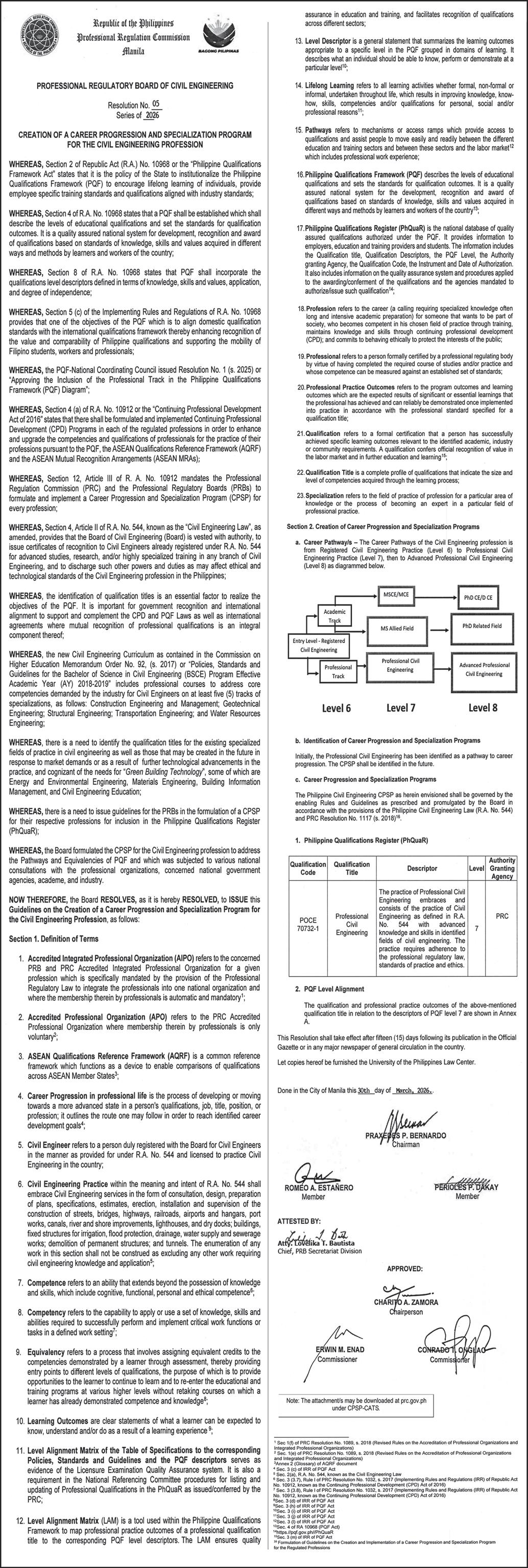
April 21, 2026
Marcos deploys high-level team to Czech Republic to repatriate fugitive former congressman Zaldy Co
By Samuel P. Medenilla @sam_medenilla

PRESIDENT Ferdinand Marcos has announced he will deploy a highlevel coordination team to the Czech Republic to bring home former congressman and fugitive Elizaldy “Zaldy” Co, who is currently facing charges related to anomalous flood control projects.
The Chief Executive made the statement amid claims by former presidential spokesperson and also fugitive Harry Roque that Co was not arrested by authorities in Prague.
“I have directed the Department of Justice, along with the Department of Foreign
Affairs [DFA], to lead in coordinating with the authorities of the Czech Republic to ensure that all necessary procedures are properly and appropriately followed,” Marcos said in Filipino in a video message posted in his social media account last Monday.
The President assured that the government will comply with the legal procedures to repatriate Co.
“We will bring Zaldy Co home, and we will do so in accordance with the law. He will answer to the Filipino people,” he said. Co is currently facing charges for malversation of public funds and graft for his alleged involvement in the P289.5-million road dike project anomaly in Oriental Mindoro. He denied the said allegations.
The former lawmaker left the country for a medical treatment in the United States last year. He refused to return home due to the alleged threats to his life.
On September 29, 2025, Co resigned as Ako Bicol Party list representative, while still abroad. He was spotted in several countries, including France, Spain, Singapore, Japan and Portugal.
DFA cancelled Co’s Philippine passport last December, but the Department of the Interior and Local Government (DILG) claimed he also possessed a Portuguese passport.
Last week, Marcos said Co was finally arrested by the Czech government for attempting to travel to Germany without
proper documentation.
Roque disputed the said announcement, saying there was no Filipino arrested in Prague as claimed by the President.
The former presidential spokesperson is currently in the Netherlands, where he is seeking asylum for alleged political persecution.
He is also a fugitive and among the co-accused in an illegal detention and kidnapping case linked to the Philippine Offshore Gaming Operator hub in Lucky South 99 in Pampanga.
In a video message during the weekend, Roque said he called the immigration police from Prague, which told him there was no such arrest.
Senator flags mismatch: Many science teachers lack relevant backgrounds
SBy Butch Fernandez @butchfBM
ENATOR Win Gatchalian raised concern over the high mismatch between the subjects taught and the college majors of high school science teachers with 98% of Physical Sciences teachers and 80% of Biological Sciences teachers teaching
outside their specialization based on Second Congressional Commission on Education (EDCOM II) data.
In Junior High S chool, 99% of Physical Sciences teachers and 47% of Science teachers have backgrounds not aligned with the subjects they teach. In Senior High School, the mismatch affects 98% of Physical Sciences teachers, 80% of Biological Sciences

teachers, and 71% of Science teachers.
Among teachers of Grades 4 to 6, at least 98% reported teaching subjects that are not related to their college majors.
Moving forward, Gatchalian pressed for interventions such as teacher training and remediation for struggling learners. He also cited Senate Bill No. 1899, which gives DepEd flexibility to adopt the most effective
approach in teaching the basic education curriculum. The measure, already approved on third reading, moves away from the spiral progression approach mandated under the K to 12 Law.
“KungmatibayangScience, Technology, Engineering, and Math curriculum sa ating bansa, then we can create and develop more advanced technologies,” Gatchalian said.

DepEd
expands reintegration support for returning OFW teachers via NRN fairs
By Claudeth S. Mocon-Ciriaco @claudethmc3
AMID an increase in educators seeking to return to local classrooms, the Department of Education (DepEd) said it has successfully expanded its reintegration support for overseas Filipino worker (OFWs) teachers.
This week’s nationwide Bayanihan Para sa Balikbayang Manggagawa National Reintegration Network (NRN) Fairs, held in collaboration with the Department of Migrant Workers (DMW), provided returning licensed teachers and their families access to stable livelihoods and educational services.
“Ang direktiba ni Pangulong Bongbong Marcosaytiyakingmaynaghihintaynamaayos natrabahoparasaatingmgagurongnagbabalik-bayan upang hindi na nila kailangang muling mawalay sa kanilang mga pamilya,” said Education Secretary Juan Edgardo “Sonny” Angara, emphasizing that the program fulfills President Ferdinand R. Marcos Jr.’s mandate to prioritize the welfare of displaced workers and their families.
Marcos and Secretary Angara officially launched the regional fairs in Tacloban City last Wednesday as part of the whole-ofgovernment effort to support OFWs displaced by the Middle East conflicts.
Data from the events held in DepEd venues across the country showed high engagement for the Sa Pinas, Ikaw ang Ma’am at Sir (SPIMS) Program help desk, as hundreds of returning educators sought pathways to reintegrate into the local public school system.
The Cagayan Valley fair engaged at least 166 educators, while Calabarzon assisted inquiries from at least 105 teachers. The SPIMS Program drew at least 96 inquiries in the Negros Island Region fair and 94 in Central Visayas. Furthermore, 78 OFW teach -
ers inquired about SPIMS in the Cordillera Administrative Region fair, while Mimaropa logged 48 inquiries.
During the Balik Turo: A Hero’s Journey Way Home segment of the NRN Fairs, SPIMS beneficiaries highlighted the emotional and professional impact of the program.
Teacher I Pamela Moron of Sta. Fe National High School in Leyte shared the unique fulfillment of serving Filipino learners after teaching in Cambodia for three years.
Meanwhile, Teacher I Kaydee Pelayo of Candaba Elementary School in Pampanga, who returned from Abu Dhabi during the pandemic, encouraged other OFWs to trust the transition process.
“Akala ko walang babalikan sa Pilipinas, pero sa mga katulad ko na OFW na umuwi, huwag kayong mag-alinlangan dahil ang gobyerno may SPIMS Program na tutulong sainyo,” Pelayo said.
Aside from employment, DepEd provided a comprehensive menu of services, including scholarships for qualified OFW family members wishing to enter the teaching profession and education subsidies through the voucher program for the children of OFWs to ensure their schooling remains uninterrupted.
Special tests for Accreditation and Equivalency (A&E) and Philippine Educational Placement Test (PEPT) were also offered to help families transition back into the Philippine school system.
DepEd also facilitated licensure support and review incentives for those preparing to take the board exams.
In total, the regional NRN Fairs assisted around 3,100 inquiries across participating government agencies. This collaborative effort underscores the government’s commitment to providing the country’s modern-day heroes with a dignified path home.
BARMM sponsors over 400 ex-Moro combatants to Mecca pilgrimage in May
DAVAO CITY—The Bangsamoro government is sending 451 former combatants of the two Moro revolutionary fronts to this year’s pilgrimage to Islam’s holy land in Mecca, Saudi Arabia either on full sponsorship or subsidized travel.
The former combatants are among the participants in the Bangsamoro government’s Manasikul Hajj Program in May 2026, with preparations including health and orientation support, the Bangsamoro Information Office said.
Last month, the bulk of the 1,091 pilgrims coming from the Bangsamoro Autonomous Region in Muslim Mindanao and Region XII were given their vaccination as required by the Saudi Arabian government’s Ministry of Hajj and Umrah for all pilgrims from all over the world.
The Bangsamoro Ministry of Health and the Cotabato City Health Office conducted the vaccination on April 13-15 at the Shariff Kabunsuan Cultural Complex in Cotabato City.
Dr. Norodin Salam, deputy executive director the National Commission on Muslim Filipinos-Bureau of Pilgrimage and Endowment (NCMF-BPE), said the vaccination was also part of a pilgrim’s spiritual intention or niat to serve both religious and health purposes.
Proof of vaccination will be contained in the digital issuance of the International Certificate of
Vaccination (ICV), a requirement of the Bureau of Quarantine. The information office said this posed a challenge to the former combatants who have no accounts from any social media sites, nor have they touched or accessed the Internet.
“One of the major challenges in implementing this program is the digital issuance of the ICV,” said Dr. Tamara Mae Ansama, NCMFBPE medical officer. “Many of our beneficiaries have limited access to the internet, making it difficult for them to obtain their certificates. Alhamdulillah, there are individuals who extend assistance to help them secure these documents,” she said.
She said the 451 Bangsamoro former combatant pilgrims represented nine percent of the total number of Filipino pilgrims for Hajj 2026, scheduled from 8 to 12 Dhul-Hijjah, or approximately May 25 to 29, subject to moon sighting. There are more than 5,000 Filipino Muslims embarking on the pilgrimage as part of the five pillars of Islam faith. Mabandas Kabagani Macacua, 63, a resident of Malangas, Zamboanga Sibugay, has expressed gratitude for the opportunity to perform the Hajj, saying he could not afford the journey on his own. “Sobrang nagpapasalamat ako sa amingfounding chairman, Sir [Nur] Misuari, at sakanyanganaknasiSirAbdulkarim,parasa opportunity naito,” he added. Manuel T. Cayon
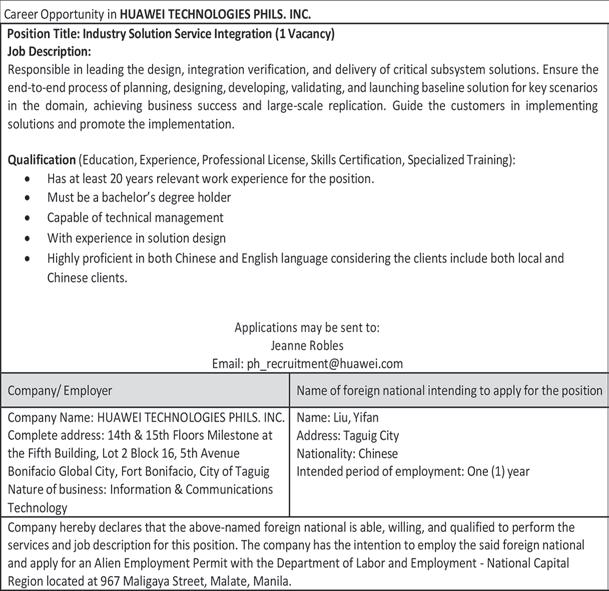
Tuesday, April 21, 2026 A9
DOE says 5 renewable energy projects now feeding grid, adding 128.9 MW ahead of April 2026 targets
By Lenie Lectura @llectura
MORE renewable energy (RE) power projects are now feeding the grid an additional 128.9 megawatts (MW).
The Department of Energy (DOE) said on Monday that there are five RE projects that are now operational as of April 17, 2026, marking early progress in the agency’s push to bring 25 RE and battery energy storage system (BESS) projects into operation by the end of the month.
The newly operational projects are the 20.6 MW Hermosa Solar Power Project of Solana Solar Alpha Inc., the 17.5 MW Taft Solar Power Project of Taft Solar Energy Corporation, the 8 MW Biomass Cogeneration Plant (Expansion Project) of Central Azucarera de San Antonio, the 52.8 MW Cordon Solar Power Project of Greenergy For Global, Inc. doing business under G4G, and the 30 MW Arayat 3A Solar Power Project of Citicore Solar Pampanga 1, Inc.
These projects form part of the 25 RE and BESS with a combined capacity of around 1,471 MW targeted for operation by April 2026. Their early entry into the grid reflects the DOE’s continuing efforts
to accelerate the delivery of committed capacity to support domestic supply reliability, reinforce reserve margins, and help meet rising electricity demand.
The remaining 20 projects have advanced into the final phases of grid integration and are targeted for operation by April 2026.
The 25 projects also form part of the 200 power plants that President Ferdinand R. Marcos Jr. directed the DOE to fast-track over the next three years in his 4th State of the Nation Address, in order to accelerate the delivery of additional power supply across the country.
To help ensure the timely completion of the remaining projects, the DOE is undertaking direct and sustained coordination with the National Grid Corporation of the Philippines (NGCP), the Energy Regulatory Commission (ERC), and the Independent Electricity Market Operator of the Philippines (IEMOP) to address outstanding transmission, interconnection, inspection, registration, and metering requirements, and to prevent avoidable delays in commercial operations.
“We commend the developers and all concerned agencies for moving these projects forward with urgency,” DOE Secretary Sharon Garin said. “At a time of continuing volatility arising from the
developments in the Middle East, fasttracking our country’s renewable energy capacity is a critical strategic action to protect the Filipino people and the Philippine economy,” she added.
Last week, the NGCP said the transmission grid can accommodate the new RE power projects. “So far, almost all of that can be accommodated on time and the schedules are aligned,” said NGCP spokesperson Atty. Cynthia Alabanza.
“We have identified just, I think, two points that we need to focus on and that is already being focused on by NGCP. Just a caution on solar because solar and wind are unique in a sense that these are intermittent sources of energy.
We would still, for the stability of the grid, baseload is still preferred, but we do understand that there are limitations on certain plants that we cannot avoid. So NGCP is doing its best to manage within the parameters set by the DOE,” said Alabanza.
The DOE said it will continue to closely monitor the progress of these projects and sustain close coordination with all power sector stakeholders to ensure that additional capacity is delivered to the grid in accordance with all technical, safety, and regulatory standards.
Molasses prices rebound as SRA tightens import rules
MBy Ada Pelonia @adapelonia
ILLSITE molasses prices have recovered to P11,000 per metric ton (MT) as of endMarch following the temporary import ban slapped on raw sugar byproducts.
Data from the Sugar Regulatory Administration (SRA) showed that the millsite price of molasses inched up by 1.3 percent to P11,216.67 per MT, from the P11,073.61 per MT recorded in the same period last year. The latest molasses price was the highest recorded since the P12,133.33 per MT posted last October 5, before it declined to a low of P10,464.29 per MT in the same month.
The steady decline of the raw sugar byproduct prompted the SRA to slap a temporary ban on molasses imports as part of efforts to prop up millsite prices. The ban had been extended until the end of March in its bid to relieve local stocks and provide better prices, with shipments having resumed since April 1.
Officials had cited the buildup of local molasses stocks that coincided with the surge in foreign shipments of the product last year as the reason behind the moratorium.
Industry sources also pinned “overimportation” as the cause behind the slide in millsite prices of molasses.
Local supply of molasses as of March 29 stood at 741,539.56 MT, down by 5.33
percent from the 783,283.63 MT a year ago, based on SRA data.
Meanwhile, the SRA issued Molasses Order (MO) 2 last January, directing eligible traders to purchase and withdraw local molasses first before they could import.
Given the substantial stockpile of molasses and its continuing production, the SRA said it “deemed it necessary to implement a purchase of locally produced molasses to avail of the privilege to import molasses.”
Under the order, traders who participated will be allowed to import at a ratio of 3 (locally produced molasses purchased): 1 (imported molasses).
However, the agency raised a caveat that it could allow additional volume of molasses shipments if deemed necessary.
Soybean meal imports to top 3.25 MMT on strong poultry, aquaculture demand
THE country’s imports of soybean meal, a key ingredient in animal feeds, could grow to over 3.25 million metric tons (MMT) in marketing year 2026 and 2027 on the back of sustained demand from poultry and aquaculture sectors, an international report said.
The United States Department of Agriculture-Foreign Agricultural Service (USDA-FAS Manila) expects the Philippines to import 3.255 MMT in the current MY, up from the 3.25 MMT recorded in the previous MY.
The slight increase was driven by growth in broiler and layer production, as well as improved aquaculture output, according to the agency. Persistent cases of African swine fever (ASF), however, continue to dampen feed
demand from the hog industry, thus tempering SBM expansion in swine rations, the USDA-FAS Manila said.
“Poultry and aquaculture are the main drivers of SBM demand growth, and rising production in these industries partially offsets the moderated SBM demand from the swine industry.”
“Industry contacts report that broiler, layer, and aquaculture feed typically contain the highest SBM inclusion rates among major feed types, so higher output in these industries directly translates into increased SBM offtake.”
The USDA-FAS Manila said SBM remains the primary crude protein source in commercial feeds even with alternative protein sources like corn, feed wheat, DDGS, and other byproducts. Despite this, the agency explained
that millers continue to adjust formulations among these feedstuffs based on relative prices, while keeping SBM at the core of their protein mix to meet nutritional specifications.
“Feed millers continue to anchor their formulations on SBM to meet crude protein and amino acid specifications. As a result, SBM remains the primary protein meal in compound feeds in MY 2026/27.”
Imported SBM and soybean residues supply all of the domestic requirements due to the Philippines having only one soybean facility that crushes its feedstuff for the company’s internal use.
“Major suppliers remain global exporters with established trade relationships with Philippine feed millers,” the USDA-FAS Manila said. Ada Pelonia
TDC launches April 24 protest at Mendiola, demands P15,000 salary hike for teachers
EMPHASIZING that public school teachers are “drowning in debt” due to persistently low salaries, the Teachers’ Dignity Coalition (TDC) will lead an initial protest on April 24 at Mendiola. The coalition is calling on teachers and education workers nationwide to unite and again urges the government to implement an immediate P15,000 across-the-board salary increase.
The TDC, likewise, is urging the Department of Education (DepEd) and lawmakers to support legislative measures, particularly Senate Bill 211 and House Bill 4500, both of which seek a P15,000 across-the-board salary increase for teaching and non-teaching personnel.
Caloocan City teacher and TDC National Chairperson Benjo Basas decried what he described as a “grave injustice” faced by teachers, many of whom are burdened by loans that have led to salary garnishment, legal cases, suspension, and even threats of imprisonment.
“Walang sinumang guro ang dapat mabaonsautang.Hindinangasapatangsahod, na-garnish pa, anong maiiwan sa pamilya niya?Usapinitohindilamangngkabuhayan, kundihigitpa,ngdignidad,” Basas said. Basas rejected claims that teachers’ financial struggles stem from poor financial management, calling such assertions a convenient but unjust excuse.
The TDC outlined four major reasons driving teachers into debt: medical emergencies, education expenses for dependents and career advancement, housing needs, and out-ofpocket spending for classroom resources. According to Basas, many teachers are left with no choice but to take loans to cover healthcare costs.
He also pointed to the dual burden teachers carry as breadwinners and professionals required to pursue further studies for promotion. On housing, Basas noted that the lack of a comprehensive government housing program
forces teachers into long-term financial obligations.
Ang simpleng pangarap ng mga guro na magkaroon ng sariling bahay ay nagiging dahilan pa para sila ay habambuhay na mabaonsautang,” he said. Basas also criticized the reality that teachers often shoulder classroom expenses themselves.
The TDC argued that all these should be the responsibility of the State. The group then challenged the leadership of the DepEd to take a clear and unequivocal stand on teachers’ salary demands, criticizing what it described as vague and non-committal statements from both past and present officials.
According to the TDC, to ensure national progress, the government must first strengthen the education system and place teachers in a more dignified and sustainable condition. Claudeth Mocon-Ciriaco
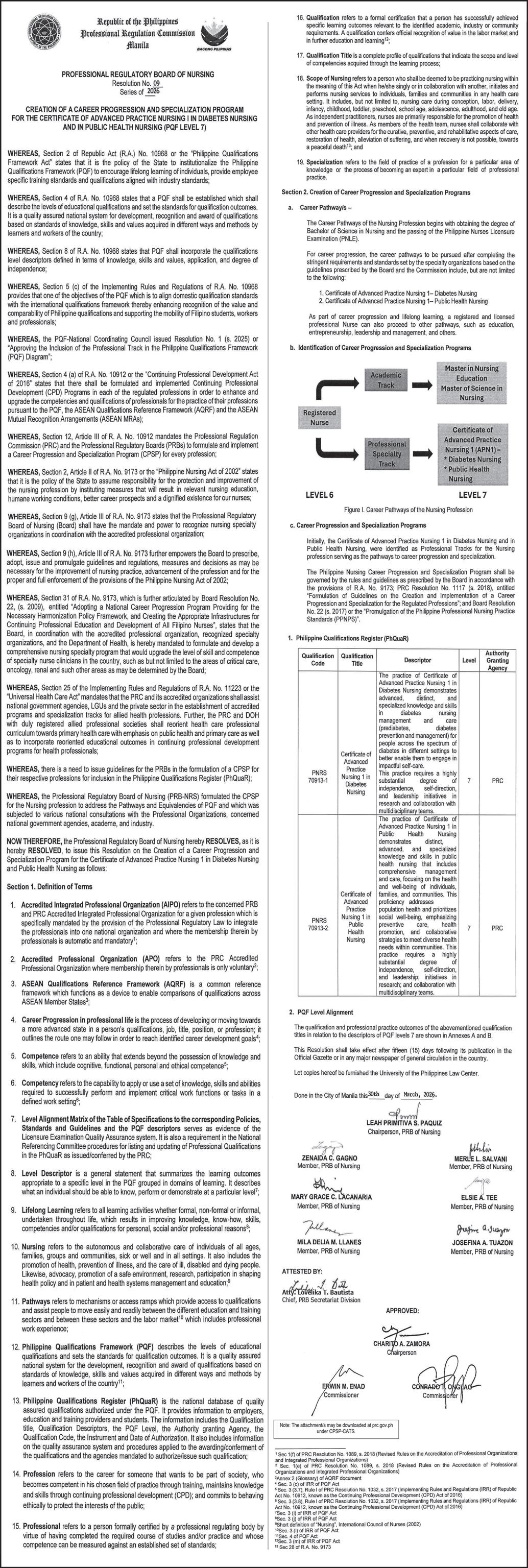
From dollar dependence to economic independence: New path for OFW families editorial
FOR decades, the overseas Filipino worker (OFW) has been hailed as the modern-day hero—not for wielding a weapon, but for sending money home. Every dollar remitted has built houses, funded educations, and kept the Philippine economy afloat. But a quiet storm is brewing. According to our February 2026 remittance data—the lowest since May 2025—a new truth emerges: the era of passive remittance dependence cannot last forever. (Read the BusinessMirror story: Crisis seen tempering remittances growth, April 15, 2026).
The warning from Jeremaiah Opiniano, executive director of the Institute for Migration and Development Issues, is not merely academic; it is a lifeline. While the geopolitical tension between the US and Iran has temporarily strengthened the dollar—giving families a momentary windfall when converting greenbacks to pesos—this gain is being eaten alive by inflation at home, which hit 4.1 percent in March. Simply put, the extra thousand pesos from a favorable exchange rate is now worth less at the grocery store. This is the paradox of the overseas worker’s sacrifice: Higher fuel prices in host economies (like Saudi Arabia and the UAE) make it more expensive for an OFW to live abroad, reducing their capacity to send money. Simultaneously, the same global oil shocks drive up transport and food costs in the Philippines. The family receives a slightly larger nominal amount, but its real purchasing power has flatlined or even shrunk.
The numbers do not lie. Cash remittances in February fell 7.6 percent month-on-month to $2.79 billion. While analysts correctly call this a “seasonal normalization” after the December-January peak, the underlying trend is concerning. Union Bank’s chief economist Ruben Carlo Asuncion notes that faster inflation and Middle East tensions could “cap” remittance growth to low single digits for the foreseeable future. This brings us to the core argument: OFW families must stop treating remittances as permanent, infinite, or immune to global shocks. The Covid-19 pandemic was a dress rehearsal. It showed us that a health crisis in one corner of the world can sever the economic lifeline of an entire barangay in Cagayan or Zamboanga overnight.
Opiniano’s prescription is radical but necessary: “Migrant families can reassess their lifestyles and live by their means. Cash remittances and overseas work are not always there to save the day.”
What does this look like in practice?
First, financial literacy is no longer optional. Families receiving remittances must allocate a fixed percentage—at least 20 percent—to savings or microinvestments, not to discretionary consumption.
Second, diversify household income. As Jonathan Ravelas of Reyes Tacandong & Co. wisely points out, remittances will continue to cushion Filipino households, but they won’t be a growth booster on their own. One family member should be upskilled through online work or local enterprise. The goal is to transform remittances from a primary income into a supplementary buffer.
Third, the government must act, not just applaud. While the Department of Migrant Workers focuses on placement and repatriation, the economic cluster—DEPDev, DOF, and BSP—must accelerate programs that reduce the country’s “external exposure.” As John Paolo Rivera of PIDS warns, global headwinds like slower growth and geopolitical uncertainty are not passing clouds; they are the new climate. We need a national strategy that uses remittances to seed local industries, not just pay electric bills.
To the families waiting for that next remittance text message: Love your OFW not by asking for more, but by spending less. The war in the Middle East, the stubborn inflation, and the volatile fuel prices are not abstract headlines. They are forces that directly determine whether your loved one can afford to send money next month.
The faithful dollar will likely keep coming. But if we do not manage it wisely, its power will continue to fade. And when the next shock arrives—and it will— we must be able to say we built our own capacity at home, not just prayed for a stronger exchange rate.
2005
Antonio L. Cabangon Chua
T. Anthony C. Cabangon
Lourdes M. Fernandez
Jennifer A. Ng Vittorio V.
Opinion

Sitting on gold, paying the debt

SReyes
D. Edgard A. Cabangon Benjamin V. Ramos Aldwin Maralit Tolosa
Rolando M. Manangan
BusinessMirror is published daily by the Philippine Business Daily Mirror Publishing, Inc., with offices on the 3rd floor of Dominga Building III 2113 Chino Roces Avenue corner De La Rosa Street, Makati City, Philippines. Tel. Nos. (Editorial) 817-9467; 813-0725. Fax line: 813-7025. (Advertising Sales) 893-2019; 817-1351, 817-2807. (Circulation) 893-1662; 814-0134 to 36. E-mail: news.businessmirror@gmail.com www.businessmirror.com.ph


John Mangun
OUTSIDE THE BOX
PANISH colonial law declared that all mineral wealth in its territories belonged to the sovereign and not to the land’s inhabitants. The Regalian Doctrine. The Philippines inherited it, codified it into the 1987 Constitution, and has been living with the consequences ever since.
I do not raise pigs. I do not farm vegetables. I earn enough to buy pork and produce from the people who do. My income funds my consumption. A nation with hundreds of billions of dollars in mineral wealth underground and a sovereign debt load that grows every budget cycle is making the opposite choice; keeping the income buried while borrowing to cover the bills.
By mineral endowment per square kilometer, the Philippines ranks among the wealthiest in Southeast Asia—gold, copper, nickel, chromite in concentrations that larger conti-
nental neighbors cannot match. The gap between what the ground holds and what the Treasury receives is where the story actually lives.
In 2024, the Philippines’ mineral exports totaled approximately $7 billion including raw ore, concentrate, and unrefined metal. The finished goods made from that same material—copper for semiconductors, nickel sulfate for EV batteries—were manufactured elsewhere, and the profit stayed overseas. It is like the peak of 18th and 19th century colonialism when a country (India) was exporting raw cotton to Britain and
By mineral endowment per square kilometer, the Philippines ranks among the wealthiest in Southeast Asia—gold, copper, nickel, chromite in concentrations that larger continental neighbors cannot match.
imported finished British textiles. The downstream value-added that separates a mining colony from a mining economy is precisely what has never been built.
There are reasons, and they are not all bad ones. The archipelago’s geography makes large-scale extraction expensive and ecologically consequential in ways that a continental land mass simply does not face. The Cordillera watershed that feeds Luzon’s agriculture sits above some of the richest copper and gold deposits in Asia. Strip-mine the mountains and you do not just export ore. You export topsoil, water retention, and flood buffering that no royalty payment replaces. That calculation is real and the people making it are not wrong.
But the environmental argument, legitimate as it is, has also served as a convenient excuse for a deeper failure
of revenue architecture. The Mining Act of 1995, a generation ago, set fiscal terms—royalties, excise taxes, revenue-sharing arrangements— that were calibrated for a different commodity price environment and a different global demand picture. Apparently I am the only one old enough to remember that in 1995 Philippine gasoline averaged less than P10.00 per liter and crude oil was less than US$20 per barrel? Nickel and copper are no longer bulk industrial inputs. They are the feedstock of the artificial intelligence buildout and the electric vehicle transition. The pricing of Philippine access to those resources has not kept pace with their strategic value. The buyers know this even if the Philippine government does not. South Korean battery manufacturers, Chinese smelters, and Japanese trading houses have been operating in the Philippine nickel supply chain for years. The rent they are capturing on Philippine ore is a policy choice made by not getting it first. Norway built its Government Pension Fund not because it had oil, but because it designed a fiscal regime See “Mangun,” A11
Big tech’s $4 trillion boomerang powers S&P 500 to new heights
By Jeran Wittenstein & Ryan Vlastelica
BIG Tech stocks are back and powering the S&P 500 Index to new highs, giving investors confidence that the latest equity market rally has room to run even as the risks from the war with Iran remain.
Since the S&P 500 hit its 2026 bottom on March 30, the technology sector has gone from the worst group in the benchmark to the best. An index tracking the so-called Magnificent Seven technology giants is up 20 percent over that period, reversing a 17 percent decline from its October peak. Shares of Microsoft Corp. are probably most emblematic of the turnaround, surging 19 percent after tumbling 34 percent from their October 28 peak to their March 27 low.
“What we learned over the past six months is that the S&P can’t really move higher without tech,” Ohsung Kwon, chief equity strategist at Wells Fargo.
More than half of the S&P 500’s recent advance is coming from just seven companies—Nvidia Corp., Amazon.com Inc., Microsoft, Broadcom Inc., Alphabet Inc., Meta Platforms Inc. and Apple Inc. Taken together, they’ve added roughly $4 trillion in market value in a matter of weeks, according to data compiled by Bloomberg.
“It’s been an incredibly fast turnaround,” said Paul Wick, chief investment officer at Seligman Investments, which has about $30 bil-
lion in assets. “To some degree this is a catchup trade, it’s a positioning trade.”
Indeed, it’s hard to chalk up the move to fundamentals since nothing has really changed for the companies in this short period. The geopolitical outlook remains dicey, with tension in the Middle East still simmering and threatening global growth. Oil remains elevated despite recent declines, keeping inflation sticky. And yet the S&P 500 and tech-heavy Nasdaq 100 Index set records last week and kept rising.
“We were sort of stuck at 7,000 because tech wasn’t moving higher, especially the hyperscalers,” Kwon said, referring to the Big Tech companies that are providing the computing infrastructure for artificial intelligence. “If they continue to outperform from here, that’s actually a net positive for the S&P 500.”
The rebound follows a rare period of weakness for the group, which has led the S&P 500 for most of the three-year-bull market on AI euphoria and strong earnings growth. Late last year, Wall Street started to grow concerned about the rapidly increasing capital spending to support the technology, causing many market
professionals to question when larger payoffs from those investments will materialize.
Those fears are still present. Just two weeks ago, hedge funds dumped US tech stocks at the fastest pace in more than five years, according to data compiled by Goldman Sachs Group’s prime brokerage unit. Nearly all tech sub-sectors saw net outflows, led by software, which accounted for roughly 60 percent of the total net selling and was almost entirely driven by short sales.
However, the selloff has made tech valuations much more attractive than they were a few months ago.
Excluding Tesla Inc.’s stratospheric multiple, the Magnificent Seven is priced at about 24 times projected profits, down from 29 times at the end of October and not much more than the S&P 500’s current valuation of roughly 21 times.
Meanwhile, earnings growth for Big Tech is expected to remain strong, and the potential for returns on AI investments is improving, according to Kwon, who expects the S&P 500 to hit 7,300 by the summer, a 2.4 percent increase from Friday’s close.
“The hyperscalers are actually seen as the laggard trade because they have underperformed,” he said.
“A lot of people missed this rally and they’re thinking about what to chase and they’re looking at hyperscalers as the more attractive option.”
“While this narrative had emerged around ROIs, capex depressing cash flow, a lot of those fears are fading away,” said Garrett Melson, portfolio strategist at Natixis Investment Managers Solutions. “If you look at the current businesses for these companies, they remain enormously profitable and kick off a lot of cash. That really affirms their role as the defensive part of the market.”
Of course, there’s still plenty of unease about the enormous amount of money being plowed into AI investments. The four biggest spenders—Amazon, Microsoft, Alphabet and Meta—are projected to sink more than $618 billion combined into capital expenditures in 2026, up from $376 billion in 2025, according to data compiled by Bloomberg. The risk of that payoff is weighing on stock’s like Microsoft. Even though it’s coming off its best week since April 2015, it’s still down 22 percent from its October record. The reasons range from concerns about growth in Microsoft’s cloud computing business, to heavy spending, to
Wall Street anticipates that upcoming earnings reports will justify the enthusiasm. The Magnificent Seven is expected to deliver profit growth of 19 percent this year, compared with 17 percent for the rest of the S&P 500, according to data compiled by Bloomberg Intelligence. That gap is projected to widen in 2027, with the cohort seen delivering earnings growth of 22 percent as the rest of the S&P 500 expands by 15 percent.
Calibrating VAT reduction: Balancing relief and fiscal responsibility

AAtty. Rodel C. Unciano
TAX LAW FOR BUSINESS
S the end of the current global crisis remains uncertain, the call to reduce value-added tax (VAT), particularly on fuel, continues to gain support from various sectors. The argument is simple: lower VAT to ease the burden on consumers who are already dealing with rising prices. Indeed, there is merit to this, as the current VAT rate of 12 percent in the Philippines is often said to be among the highest in the region.
On the other hand, economic managers warn that reducing VAT will have long-term effects. VAT is one of the government’s main sources of revenue. A big reduction may affect the government’s ability to fund infrastructure projects, social services, and even day-to-day operations. Government cannot run properly without a steady and reliable source of income.
Some legislators have pointed to the government’s economic team as the reason why VAT reduction has not moved forward. But true enough, this view is not fully correct as the Congress has the power to pass a law reducing VAT if it chooses to do so, subject only to the President’s veto. Economic managers may give advice and recommendations, but they cannot stop Congress from approving such a measure.
From a legal and constitutional point of view, the power clearly lies with the legislature. Congress can very well reduce the VAT rate or even abolish it if there is enough support from its members. Economic managers only play an advisory role in policy discussions.
While Congress is at liberty to do so, to my mind, the decision to reduce VAT should not be rushed or based only on short-term pressure. Taxes are often called the lifeblood of the government. These fund the services and projects that support economic growth and social stability. A sudden or poorly planned reduction in VAT could create budget gaps that may eventually force the government to borrow more or cut important programs, both of which can create other problems. After all, a solution to a problem that creates the seed of the next problem is not a good solution.
So, a more careful and balanced approach is therefore needed. Instead of hastily reducing VAT across all goods and services, policymakers may consider expanding the coverage of VAT exemption. For example, certain basic goods may be exempted from the coverage of VAT. Fuel is a strong candidate from exemption since it affects transport and production costs. Other basic needs such as food, electricity, and public transport may also be reviewed for possible relief. Another option is a temporary or conditional VAT reduction that may be conditioned on clear parameters
Big tech.
. . Continued from A10
the risks its software franchises like Excel face from Anthropic and other AI startups. As a result, the shares are priced at 23 times estimated profits, down from 33 times on October 28 and below their 10-year average of 27. However, investors may be missing the point of what the Anthropic developments means for Microsoft and other Big Tech companies. While they do represent a risk, they also offer validation of their capital spending, according to Seligman’s Wick.
“We’ve had this collective deep reservation that’s gone on about the hyperscalers spending too much money on AI data centers and is there going to be a good return on invested
Opinion
Perils of a witness

Rsuch as high fuel prices or high inflation. When conditions improve, the VAT rate can return to the standard rate. This gives consumers relief when needed while protecting government revenue in the long term. At the same time, if VAT is reduced, the government must look for other sources of income. Any loss in revenue should be replaced through better tax collection, stronger enforcement, and programs reducing tax leakages. Improving efficiency in collection may likewise help recover a significant amount of lost revenue.
It is important to review the current VAT system itself. While there have been improvements in simplifying VAT rules, there may still be exemptions that need to be reassessed. Poorly designed exemptions can weaken both fairness and efficiency in the tax system.
Also, any discussion on VAT reduction should be based on data and careful study. I believe there have been a lengthy study and thorough review on the application of the current rate of 12 percent but of course, we can always revisit this in light of the current crisis that we are facing.
Policymakers should not only look at the immediate effect on prices, but also the wider impact on businesses, jobs, and the economy as a whole. It is important to ask whether the rate reduction will truly reach consumers or be absorbed along the supply chain. The effect on government debt should also be considered.
In the end, the goal is to find the right balance. Each one of us needs relief from rising prices, but the government also needs stable funding to continue providing services. Ultimately, the challenge is not just about reducing VAT, but doing it in a way that is responsible and sustainable. It requires both political will and sound economic judgment to ensure that relief today does not create bigger problems in the days ahead.
The author is a partner of Du-Baladad and Associates Law Offices (BDB Law) (www.bdblaw. com.ph).
The article is for general information only and is not intended, nor should be construed as a substitute for tax, legal, or financial advice on any specific matter. Applicability of this article to any actual or particular tax or legal issue should be supported, therefore, by a professional study or advice. If you have any comments or questions concerning the article, you may e-mail the author at rodel.unciano@ bdblaw.com.ph or call 8403-2001 local 380.
capital,” he said. “The positive developments at Anthropic, the fact that we’ve had headcount cuts at companies like Block, and claiming that efficiencies from AI are enabling them to streamline their organization, I think some of that is causing investors to think gosh, maybe AI is going to have this substantial payoff.”
Even without bigger immediate profits from AI investments, the tech giants’ dominant market positions and cheaper valuations are making them attractive, according to Natixis’s Melson.
“The setup is pretty positive,” he said. “These companies are going to be enormously profitable over the next 12 months, and that doesn’t incorporate any boost they may see from AI.” With assistance from Natalia Kniazhevich/Bloomberg
Siegfred Bueno Mison, Esq.
THE PATRIOT
AMIL MADRIAGA spilled the beans. He was, by all indications, an insider who chose to speak when silence would have been safer. In much the same way, a few months earlier, Julie “Dondon” Patidongan turned his back on his erstwhile benefactor, Atong Ang, and provided testimony connected to the troubling case of the missing sabungeros.
Former DPWH undersecretary Bernardo, for his part, made several public statements on multiple occasions pointing to irregularities in socalled ghost flood control projects. Such statements, if pursued to their logical end, could form the basis for criminal charges against many public officials. Yet to this day, cases remain pending or unfiled. When they are eventually brought to court, the lives of these individuals will certainly be placed at risk.
It is difficult to predict the ultimate fate of Madriaga, Bernardo, and Patidongan, each an insider in their respective spheres, each entangled in narratives that suggest evil if not wrongdoing.
Regardless of their pasts or possible complicity, litigation lawyers would generally agree on one point: they are material witnesses. Their credibility will be tested rigorously if and when they take the stand. But their testimonies carry weight precisely because they come from within the system.
History shows that such whistleblowers or witnesses often walk a dangerous path. A few years back, Jun Lozada stepped forward to testify about irregularities in a controversial broadband project during the Gloria Macapagal Arroyo administration. Similarly, Janet Napoles, a central figure in the Priority Development Assistance Fund (PDAF) scandal, eventually provided testimony that implicated lawmakers and other officials. Yet both Lozada and Napoles paid steep personal prices,
including imprisonment. Their experiences underscore a sobering truth: telling the truth does not guarantee protection, nor does it ensure justice will be swift or complete.
Even beyond Philippine borders, the pattern holds. In the United States, prosecutors famously relied on insider testimony to bring down a powerful mafia. In the case of Al Capone, it was not brute force or dramatic raids that sealed his fate, but the meticulous work of investigators supported by testimony and documentary evidence, including accounts from individuals within his operations.
Conspiracies, by their nature, are difficult to unravel from the outside. Those who participate in them often become the very instruments of their exposure. This reality frames the significance of current testimonies in ongoing political controversies.
Madriaga, despite questions surrounding his background or motives, surely possess crucial information relevant to allegations involving high-ranking officials, including those connected to Vice President Sara Duterte in the context of impeachment proceedings. His statements may face scrutiny under rules such as hearsay. Some inconsistencies may emerge under cross-examination. Still, at the stage of determining probable cause, the threshold is lower than that required for conviction, which is within the realm of the Senate as an impeachment court.
The accumulation of testimo -
Conspiracies, by their nature, are difficult to unravel from the outside. Those who participate in them often become the very instruments of their exposure. This reality frames the significance of current testimonies in ongoing political controversies.
nies, documents, and circumstantial evidence may already be sufficient for the prosecution in the House to move forward. More witnesses will likely emerge, each adding fragments to a larger narrative. Some will corroborate; others may contradict. Without witnesses willing to speak, wrongdoing remains buried. With them, even imperfect justice becomes possible.
The idea of bearing witness, however, extends far beyond courts and legislative hearings. In biblical history, the concept takes on a deeply spiritual dimension. The apostles, steadfast in their convictions about Jesus Christ, bore witness to what they had seen and believed. Their testimonies were not delivered in courtrooms but in hostile environments where the consequences were often fatal. Many were imprisoned, tortured, or executed in brutal ways, yet they did not recant. Their willingness to endure suffering rather than deny their testimony became, for believers, a powerful affirmation of the truth they proclaimed.
The gospel writers Matthew, Mark, and Luke faced martyrdom or persecution as a result of their efforts to spread their eyewitness accounts. Whether one approaches these narratives from a standpoint of faith or historical inquiry, the consistency and persistence of these witnesses remain striking. Their testimonies, preserved across centuries, form the foundation of what believers regard as “Gospel truth.” For believers, the moral weight of testimony is further reinforced by Scripture.
OThere’s more peril in the horizon in the lives of Madriaga, Bernardo, and Patidongan. They will be discredited, prosecuted, or abandoned once their usefulness has passed. Systems designed to protect them are not always sufficient, and public opinion can be fickle. Without witnesses, accountability withers. Silence coddles wrongdoing; testimony cuts through it. To speak is to risk, but also to reckon. And when one dares to tell what was seen, to speak the truth in love, it becomes a quiet kind of power, unyielding and unvarnished, pressing justice forward under the law of the land and the Law of the Lord.
Siegfred has a diversified set of education and experiences which has made him a game changer and a servant leader in organizations. His professional degrees came from the United States Military Academy at West Point in New York, Ateneo Law School, and University of Southern California, Los Angeles, USA. His corporate experiences include stints as general counsel for the country’s flag carrier, a food exporter with manufacturing plants in Davao and in Laguna, and a sports distributor company. Siegfred is a former soldier and a lawyer by profession, a teacher and inspirational speaker by passion, and a book author and a writer with a mission.
One of the Ten Commandments explicitly warns: “You shall not bear false witness against your neighbor” ( Exodus 20:16 ). The Bible repeatedly cautions against dishonesty in speech and the destructive power of false testimony. Proverbs 19:5 states that a false witness will not go unpunished, while Proverbs 25:18 likens such a person to a weapon, capable of inflicting deep harm. Exodus 23:1 likewise admonishes against spreading false reports or aligning with malicious intent. These teachings highlight not only the ethical obligation to tell the truth but also the profound consequences of failing to do so. Testimony, in both legal and spiritual contexts, is not merely about recounting events; it is about responsibility. Words spoken under oath or conviction can alter lives, topple institutions, and shape history. Yet the danger of testifying, especially when done unselfishly and truthfully, is greater than most realize. Witnesses often stand alone, facing intimidation, character assassination, and even physical threats.
Hormuz shipping traffic grinds to a halt as tensions deepen
By Julian Lee and Prejula Prem
BSERVED transits of commercial ships through the Strait of Hormuz have come to a halt following a brief surge on Saturday as tensions ratcheted higher after vessels came under gunfire in the waterway and Iran warned against crossings.
No crossings were seen on Sunday, according to tracking data compiled by Bloomberg as of early afternoon in London. At least 13 oil tankers turned back toward the Persian Gulf on Saturday, abandoning attempts to leave that began after Iran’s Foreign Minister Abbas Araghchi announced a day earlier that the strait was open.
But Tehran again shut the waterway following a refusal by the US to lift its own naval blockade of Iran’s vessels. It followed a period of chaos when some ships tried to race out after Araghchi’s comments, only for many to U-turn. It’s keeping millions of barrels of oil and large quantities of liquefied natural gas locked within the Persian Gulf, threatening to prolong an energy crunch that’s roiled the global economy.
The UK Maritime Trade Operations said Saturday a tanker was approached by IRGC gunboats off the coast of Oman before being fired at. A container ship was then hit by
Mangun.
. . Continued from A10
that took the state’s cut before the multinationals took theirs. The state equity share, the petroleum tax rate, the sovereign fund structure were “architecture decisions,” made deliberately before the extraction began. The Philippines has the geology. It has not built the financial architecture. Market strategists reach for the
an unknown projectile in a separate incident while another commercial vessel reported a splash close to it, the UKMTO said later.
The incidents came soon after Iran said it would allow ships to pass through Hormuz for the duration of a ceasefire between Israel and Tehran’s Lebanon-based ally, Hezbollah. US President Donald Trump repeated that the strait was open, but said that a US Navy blockade of Tehran’s vessels would remain. Iran said that was unacceptable and Hormuz was once again closed.
In the short period before Iran closed the Strait of Hormuz again, four tankers, including one hauling 2 million barrels of Saudi and Qatari crude, made it through early Saturday. A total of 18 commercial ships managed to complete outbound transits in the period. Ten ships made the inbound crossing, vessel-tracking data compiled by Bloomberg show.
resource curse when a commodity windfall produces the Dutch Disease, as a resource boom strengthens currency and kills other industries. The Philippine condition is the opposite. The curse here is not mismanaged abundance because we never got the abundance. The collateral for a multigenerational sovereign wealth fund still sits in the ground. That is not a geological problem. That is a balance sheet managed by choice, and the choice has been to keep the
No crossings were seen on Sunday, according to tracking data compiled by Bloomberg as of early afternoon in London. At least 13 oil tankers turned back toward the Persian Gulf on Saturday, abandoning attempts to leave that began after Iran’s Foreign Minister Abbas Araghchi announced a day earlier that the strait was open.
Nearly half of the ships that did get out had links to Iran and eight of them are sanctioned by the US.
None of those sanctioned vessels seem to have successfully broken the US blockade further out in the open sea in the Gulf of Oman. Three anchored off Khor Fakkan in the UAE and two made it as far as the Omani coast, although one then appeared to head back toward Hormuz 12 hours later.
Two more are heading east along the Iranian coast, but have yet to reach Chabahar, close to the border with Pakistan, where ships previously taking the same route have come to a halt. It did briefly look as though one ship, the LPG tanker Raine, would run the blockade, but it
wealth buried and keep the debt payments flowing.
The BSP buying raw gold from small-scale miners in the Cordillera is not a curiosity. It is the one visible proof of concept that the state can insert itself into the value chain before the value leaves.
turned back toward Hormuz shortly after crossing a line from the Iran/ Pakistan border to the easternmost point of Oman, suggesting. Separately, four cruise ships made a dash to get out of the Persian Gulf on Saturday, steaming at speed while hugging the Omani coastline and separated by just 45 minutes as they rounded the tip of the Musandam Peninsula. A fifth had made the outbound trip on Friday. All were reported to be empty and all are linked to European cruise operators. These ships are not included in the charts. The blockades may encourage ships to switch off their tracking signals to avoid detection, making it harder to get an accurate picture of what’s going through. This means transit figures will sometimes be revised higher, when vessels pop up far away from the riskiest waters.
Inbound transits on Saturday included three LPG tankers ships, four bulk carriers and two container ships, both sanctioned by the US for their links to Iran.
One cargo ship heading into the Persian Gulf on Sunday morning has been halted off the Iranian port of Bandar Abbas at the apex of the strait, tracking data show. Bloomberg
The fix is not simply a mining boom. It is a fiscal regime rewritten before the next contract is signed with state equity participation at the point of extraction and mandatory
Tuesday, April 21, 2026
2nd Front
BusinessMirror
DOLE: MINIMUM WAGE HIKES NOT SUSPENDED AMID CRISIS
By Justine Xyrah Garcia
THE labor department’s National Wages and Productivity Commission (NWPC) clarified on Monday that minimum wage increases have neither been suspended nor set aside despite the ongoing energy crisis.
The statement came after social media posts claimed the commission was ignoring minimum wage earners’ plight as the Middle East crisis begins to spill over into the domestic economy.
According to the NWPC, the Regional Tripartite Wages and Productivity Boards (RTWPBs) continue to monitor conditions to ensure minimum wage rates remain adequate. It added that the boards follow set review timelines aimed at balancing the goal of “improving workers’ real incomes with the need to sustain enterprise viability, protect employment, and support regional economic development.”
The staggered schedule, the commission said, also reflects the decentralized and evidence-based wage-setting system under the law, allowing adjustments to respond to varying regional conditions rather than a one-size-fitsall national timetable.
“In setting wages, there is always a need to strike a balance between improving workers’ welfare
and ensuring that enterprises can continue operating and providing jobs. Wage adjustments that are not carefully calibrated may lead to unintended effects such as reduced hiring, job losses, or business closures,” the NWPC said.
The NWPC said the 2026 wage determination cycle will begin by mid-May, with the National Capital Region (NCR) set to initiate the first review. Under the Omnibus Rules on Minimum Wage Determination, RTWPBs may issue a new wage order within 12 months from their latest issuance, or earlier if “urgent and reasonable” grounds exist.
In practice, this gives regional boards room to move ahead of the usual cycle when supervening events—such as sharp price shocks or external crises—warrant faster intervention.
“Decisions to act earlier are based on their continuous review of regional socioeconomic conditions and are intended to ensure timely and appropriate responses when circumstances genuinely require them,” the commission said.
However, the NWPC did not specify whether the boards would conduct a motu proprio review ahead of the 12-month period or formally treat the Middle East crisis as a supervening event that could justify an earlier wage adjustment.
Villars insist no wrongdoing, ask DOJ to junk SEC case
By Joel R. San Juan @jrsanjuan1573
PROPERTY
tycoon Manuel Villar and members of his family on Monday asked the Department of Justice (DOJ) to junk the complaint filed by the Securities and Exchange Commission (SEC), insisting that they and their companies had not been engaged in any wrongdoing.
Sibling senators Mark and Camille Villar as well as Paolo Manuel Villar and several other respondents personally submitted their counter-affidavits at Monday’s continuation of the preliminary investigation being conducted by a DOJ panel of prosecutors on the SEC complaint.
Villar and his wife, former senator Cynthia Villar, on the other hand, did not show up before the DOJ but submitted a verified motion and manifestation praying for the dismissal of the complaint
through their counsels.
Lawyer Robel Lomibao said their law firm Picazo Buyco Tan Fider Santos & Dee law firm are representing Villar Land Holdings Corp. and the members of the Villar family in the case.
Lomibao stressed that the filing of a verified motion and manifestation in lieu of a counteraffidavit is allowed under the rules of the DOJ. He added that the Villar couple, through their motion and manifestation.

IPOPHL
By Bless Aubrey Ogerio @blessogerio
THE Intellectual Property Office of the Philippines (IPOPHL) has opened an on-site Intellectual Property (IP) Rights Help Desk at Greenhills Shopping Center, in a move authorities hope could help curb the sale of counterfeit goods in one of the country’s most closely watched retail
and shoppers can seek advice, file complaints and access information on intellectual property compliance.
IPOPHL deputy director general Nathaniel Arevalo said the initiative is being tested as a model that could be replicated in other commercial areas with similar issues.
“We believe in our objective. In fact, one of our targets is that by 2027, we will be removed from the Notorious Markets list,” Arevalo told reporters, referring to the United States Trade Representative’s (USTR) report that continues to flag Greenhills for the sale of counterfeit goods. The help desk, he added, could
serve as a template for expansion to other malls in Metro Manila and the regions, depending on the results of the pilot rollout.
The move comes weeks after the USTR, in its 2025 review released March, again cited Greenhills Shopping Center as a “large mall in Metro Manila” where many stores continue to sell counterfeit electronics, perfumes, watches, shoes, accessories and fashion items despite ongoing enforcement efforts.
(See: https://businessmirror. com.ph/2026/03/06/fake-fashion-pieces-and-electronic-gadgets-keep-greenhills-on-u-s-notorious-markets-list/)
Greenhills has long been identified as a hotspot for counterfeit and pirated goods, although mall management has introduced tighter tenant rules and stepped up enforcement in recent years.
IPOPHL said the help desk aims not only to strengthen enforcement but also to encourage compliance by working directly with sellers.
It said that it will provide guidance to tenants who want to shift to legitimate products, particularly locally registered brands, and help them understand how to align their operations with intellectual property laws.
Is requesting the panel of prosecutors “to look at the complaint and hopefully decide in our favor.”
“In our view, as far as the Villar Land Holdings Corp. and the individual respondents who are directors and officers, we maintained that they did not commit any wrongdoing,” Lomibao said.
“We are here to clear the name of the company and clear the name of the directors and officers impleaded in this case,” he added.
Lomibao said their camp is praying that the DOJ would eventually dismiss the SEC complaint.
Meanwhile, Senator Mark Villar filed his separate counteraffidavit through the assistance of his lawyer Rhegine Peralta Abrera.
Abrera stressed that the senator is fully cooperating with the DOJ investigation and expressed confidence that “a fair review of the facts will show that the charges have no basis.”
“Basically, he denies any wrongdoing. All actions were made in good faith and to ensure transparency. There is absolutely no evidence of fraud or intent to defraud,” Abrera said.
“The stand is that he performed the action in good faith as director of the company and these were
based on independent valuations and again to comply with the duty to ensure transparency,” she added.
Senior Deputy State Prosecutor Peter Ong, head of the DOJ panel of prosecutors investigating the complaint, said the motion and manifestation filed by the Villa couple would be treated as their counter-affidavit. The DOJ will resume its preliminary investigation on May 13. Ong, however, refrained from commenting on the prayer of the Villars to dismiss the complaint, saying that it is still “premature.” In its complaint, the SEC accused Villar Land, formerly Golden MV Holdings Inc., of violating the provisions of SRC by making false or misleading statements and engaging in acts that operated as fraud or deceit upon investors. The SEC claimed the respondents misled investors and distorted the market price of the company’s shares. Villar Land’s public disclosure of its 2024 financial statements reported a substantial increase in total assets to P1.33 trillion and net income of P999.72 billion, from P1.46 billion in the previous year. The company attributed the increase
COA flags underspending by DOT despite calls for more tourism funds
By Ma. Stella F. Arnaldo Special to the BusinessMirror
THE Department of Tourism (DOT) was found to have not fully utilized its budget in 2024, even as its leadership perpetually complained about the lack of funds to boost its marketing efforts and keep the Philippines on the radar of tourists abroad.
In the latest audit report of the Commission on Audit (COA), it found that, “Out of the total allotments received by DOT amounting to P3.27 billion in CY 2024, the amount of P2.82 billion, or 86.31 percent, was obligated, leaving an unobligated balance of P448.08 million, or 13.69 percent, while P2.17 billion, or 76.78 percent of the total obligations was disbursed, leaving an undisbursed balance of P655.78 million or 23.22 percent at year-end, thus, utilization of authorized budget was not fully maximized.”
The agency’s poor utilization of its budget was the possible reason the DOT-Office of the Secretary (Osec) only received a P3.14 billion budget in 2025, lower than in 2024.
Under this year’s General Appropriations Act, the DOT lobbied for and received some P1.15 billion in branding funds, double that of 2025. This raised the agency’s total funds this year to P3.64 billion. It also has a separate allocation of P4.6 million under the Tourism Development Fund (TDF).
Former Tourism Secretary Christina Garcia Frasco had often blamed the agency’s low budget allocation for its inability to attract more foreign tourists, which last year reached 5.87 million, 1.34 percent less than in 2024. She was removed from the post on March 12 as complaints mounted on her alleged selfpromotion efforts, instead of marketing the Philippines. She has since been replaced by veteran trade diplomat, Ma. Bernadita Angara-Mathay, who has been proven to have the marketing chops to get Japanese businesses to invest in the country. (See, “Tourism torch finally passed,” in the Busi-
nessMirror, April 12, 2026.)
‘Improve tactics, expense plans’ THE latest COA report likewise found that close to P150 million of the Notice of Cash Allocations (NCA) amounting to P3.11 billion were not utilized, and thus reverted to the Bureau of Treasury (BTr). In both cases, COA told DOT management to maximize the use of available allotments (and NCAs) “by improving strategies, plans, and expenditure measures in the implementation and execution of programs and projects as well as prudent allocation of budgets to avoid accumulation of unobligated allotments and adverse effect on future budget levels.”
COA also asked DOT-Osec to instruct its Bicol Regional office “to facilitate the planning of a timely procurement/bidding process. This will ensure sufficient time to conduct a rebidding in case of a failed bidding, allowing programs and projects to proceed as planned and preventing the reversion of cash allocations and ultimately delivering the benefits envisioned by the Program.”
The specific notation for Bicol was due to the region’s delayed, then failed bidding for the P100-million Hot Air Balloon project. Having no expertise and capacity to implement it, the office partnered with the Legazpi LGU instead. COA contends total disbursements to the LGU should only be P22 million as funds should be totally utilized for construction and services first.
P498M in disallowances IN total, COA said the DOT incurred P119.23 million in unsettled audit suspensions and P498.4 million in disallowances by end-2024. The audit agency rendered an “unmodified opinion” on the fairness in the presentation of DOT’s financial statements for that year, meaning the financial records it submitted were reliable, but does not mean there are no issues with its operations.
Other COA observations included:
Editor: Jennifer A. Ng
Auto sales slide as demand softens in Jan-Mar–report

By Bless Aubrey Ogerio @blessogerio
VEHICLE sales in the Philippines declined in the first quarter, but the strong performance of electric and hybrid vehicles helped cushion the overall slowdown, industry data showed.
Combined sales of members of the Chamber of Automotive Manufacturers of the Philippines Inc. (Campi) and the Truck Manufacturers Association (TMA) reached 105,642 units in January to March, 9.76 percent lower than last year’s 117,074 units. Including non-Campi members, total industry sales stood at around 112,500 units.
Passenger cars saw the sharpest decline, dropping 17.18 percent to 20,151 units from 24,332 units a year earlier. Commercial vehicles also fell 7.82 percent to 85,491 units from 92,742 units.
‘First
LUnder the commercial vehicles category, light commercial vehicles declined 10.47 percent to 62,228 units, while Asian utility vehicles and multipurpose vehicles posted a marginal 0.31 percent increase to 20,500 units. The truck and bus segments also showed uneven results. Light-duty trucks and buses rose 5.01 percent to 1,761 units, and medium-duty units slightly increased to 871 units. Heavy-duty trucks and buses, meanwhile, dropped sharply by 48.43 percent to 131 units.
Among Campi-TMA members,

Toyota Motor Philippines Corp. led in March with sales of 17,622 units, for a 49-percent market share.
It was followed by Mitsubishi Motors Philippines Corp. with 6,239 units, Suzuki Philippines Inc. with 1,694 units, Nissan Philippines Inc. with 1,491 units and Honda Cars Philippines Inc. with 1,488 units.
EV momentum IN contrast to the broader decline, electrified vehicle (EV) sales continued to expand, reflecting a
shift in consumer demand.
Total EV sales reached 11,800 units in the first quarter of 2026, up 36.19 percent from 8,664 units a year earlier.
Battery EVs more than doubled to 2,289 units from 1,027 units, while plug-in hybrid EVs surged to 1,250 units from 122 units in the same period last year. Hybrid EVs rose steadily to 8,261 units from 7,515 units.
Campi President Jose Maria Atienza said the rise in EV sales is driven by fuel price spikes and consumer acceptance of electrified mobility.
For him, higher oil prices are expected to further influence buying decisions, including a tilt toward smaller and more fuelefficient vehicles.
“This will not only accelerate the preference for electrified vehicles but may also highlight the practicality of energy efficient vehicles like smaller and lower displacement cars,” Atienza said. “The auto industry will evolve based on the market’s requirement.”
Gen gas deal has 2 poison pills’

THE Civil Aviation Authority of the Philippines (Caap) is launching an investigation into a diverted Philippine Airlines (PAL) Express flight on Sunday, after flight crew declared an emergency due to an aircraft pressurization failure.
According to the aviation safety regulator, the agency has ordered the pilots of a diverted PAL Express flight to appear before its Flight Standards and Inspectorate Service (FSIS) as part of a formal investigation into a pressurization incident that prompted an emergency landing in Iloilo Sunday afternoon.
All 175 passengers on board, including three infants, disembarked safely. Several passengers requested and promptly received medical assistance from airport medical personnel.
PAL, for its part, confirmed the diversion was carried out “in keeping with safety protocols,” and said it was assisting affected passengers and crew.
The carrier acknowledged the incident was “a difficult experience for those onboard.”
Caap said it is closely monitoring the situation and is in coordination with the airline.
Separately, Caap is pushing ahead with a broad upgrade of emergency response capabilities at regional airports, deploying new Aircraft Rescue and Fire Fighting (ARFF) vehicles to key gateways across the country. An Oshkosh Striker 6x6 Fire Truck arrived at Laoag International Airport on Saturday, a day after another unit was delivered to Puerto Princesa International Airport on April 18. Lorenz S. Marasigan

By VG Cabuag @villygc
OPEZ Inc., the faction that controls the family business, on Monday said it discovered two poison pills, not one as earlier discovered, in a deal involving the gas and hydropower business of First Gen Corp.
The faction aligned with Eugenio “Gabby” Lopez III, which holds a 71-percent stake in Lopez Inc., said the poison pills kick in if Federico “Piki” R. Lopez is removed as chairman and CEO.
This would allow Prime Infrastructure Capital Inc. to buy out First Gen from its gas and hydropower businesses at a 25-percent discount, or a loss of about P24 billion.
First Gen only disclosed this to the Philippine Stock Exchange months late and only after the family majority exposed it, Lopez majority said.
“In other words, it protects Piki from losing his job,” they said in a statement. They said the shareholders were “never consulted” on such a material transaction
Meralco, CIS sell Bayad shares
THE Manila Electric Co. (Meralco) and its subsidiary, Corporate Information Solutions, Inc. (CIS), are letting go of their shares in CIS Bayad Center Inc. (Bayad).
The utility firm said Monday they have agreed to sell their respective shares in Bayad to Kayana Solutions Inc. (Kayana). The completion of the transaction is “subject to the satisfaction of certain conditions precedent.”
Bayad is the provider of payment collection services offering a suite of financial products and services through its physical and digital payment touchpoints. It is owned by CIS, Kayana, and Meralco with equity interests of 85 percent, 10 percent, and 5 percent, respectively. It serves over 800 utility, financial, and other billers, a network of more than 104,000 touchpoints nationwide. Kayana is an electronic payment and reward system company, and is owned by PLDT, Inc., Meralco, and Metro Pacific Investments Corp. with equity interests of 45 percent, 27.5 percent, and 27.5 percent, respectively. Lenie Lectura
and is trying to find out if it was approved by the board and its independent directors, or if properly disclosed to them.
Records of the meeting, however, show that the transaction had been presented to and unanimously approved by the board, with all directors in attendance, including Manuel “Beaver” Lopez, who raised no objection at the time.
The Lopez majority said the poison pills “are actually egregious self-dealing provisions where First Gen would be penalized for if Piki is removed.”
Prime can buy at a 25-percent discount
First Gen’s remaining shares in Prime’s hydropower business.
Early this year, First Gen bought 40 percent of Prime hydropower for P75 billion but reduced this to 33 percent or about P62 billion.
The discount would cost First Gen around P16 billion. Prime then becomes 100 percent owner of the business.
The company can also buy First Gen’s remaining stake in Prime’s gas business at a 25 percent discount and also will be -
METRO Pacific Health Tech Corp., which owns digital healthcare platform mWell, on Monday said it introduced Yakap Claims Platform ahead of the July 1 deadline to align with updated claims requirements.
The said platform is a plug-and-play solution designed to simplify compliance, streamline claims processing, reduce errors and paperwork and help clinics meet Philippine Health Insurance Corp.’s (PhilHealth) Yakap requirements while reducing administrative burden. This supports the transition of PhilHealth from the temporary eKonsulta system to the comprehensive Yaman ng Kalusugan Program, or Yakap.
The mWell Yakap claims platform is part of mWell’s broader Digital Health Solutions ecosystem, the mWell HealthSuite, aimed at modernizing healthcare delivery through integrated solutions. Within this ecosystem, the clinic management system supports clinics in managing workflows, ensuring compliance, and delivering more efficient patient care.
“Healthcare should be simple, connected, and within reach for every Filipino,” said June Cheryl Cabal-Revilla, president and CEO of mWell and chief finance, risk and sustainabil-
come its 100 percent owner. The company bought 60 percent of First Gen’s gas business last year, leaving the Lopez firm with 40 percent. The discount would cost First Gen P8 billion.
“Not content with selling away our gas crown jewel, Piki made sure he would remain on top--and relevant--but at everybody else’s expense. More than a lifetime’s worth of money owned by other people was put on the line all for one man’s job security. And it was all done in secrecy,” the Lopez majority said.
“These contractual arrangements were requested by Prime Infra and show the level of trust and confidence that Prime Infra has in FRL [Federico R. Lopez] and his management team,” First Gen said in its earlier disclosure.
The majority removed Piki as president and CEO of Lopez Inc. last February in a 5-2 board vote “for cause and loss of trust.”
Its by-laws allow the majority to fire any corporate officer at will. Piki, however, managed to get a court order to block his ouster indefinitely.
ity officer of Metro Pacific Investments Corp.
“Through the mWell Yakap Claims Platform, we enable providers to deliver care more efficiently and help more Filipinos access the services they need. This reflects our commitment to a more inclusive and sustainable healthcare ecosystem.”
Across the Philippines, many healthcare providers continue to face complex and timeconsuming claims processes that take valuable time away from patient care.
“The mWell Yakap claims platform addresses these challenges through a structured, end-to-end workflow that supports both compliance and daily clinical operations. The system captures all required YAKAP data points in a guided format, including patient history, exams, immunizations and risk screening.”
The platform improves accuracy and efficiency through automated PhilHealth claims generation and transmittals, supported by secure packaging and compliant documentation. Built-in security measures, including two-factor authentication and secure session management, help protect patient data, while its PhilHealth-certified status ensures readiness for evolving requirements, including transitions from existing systems. VG Cabuag
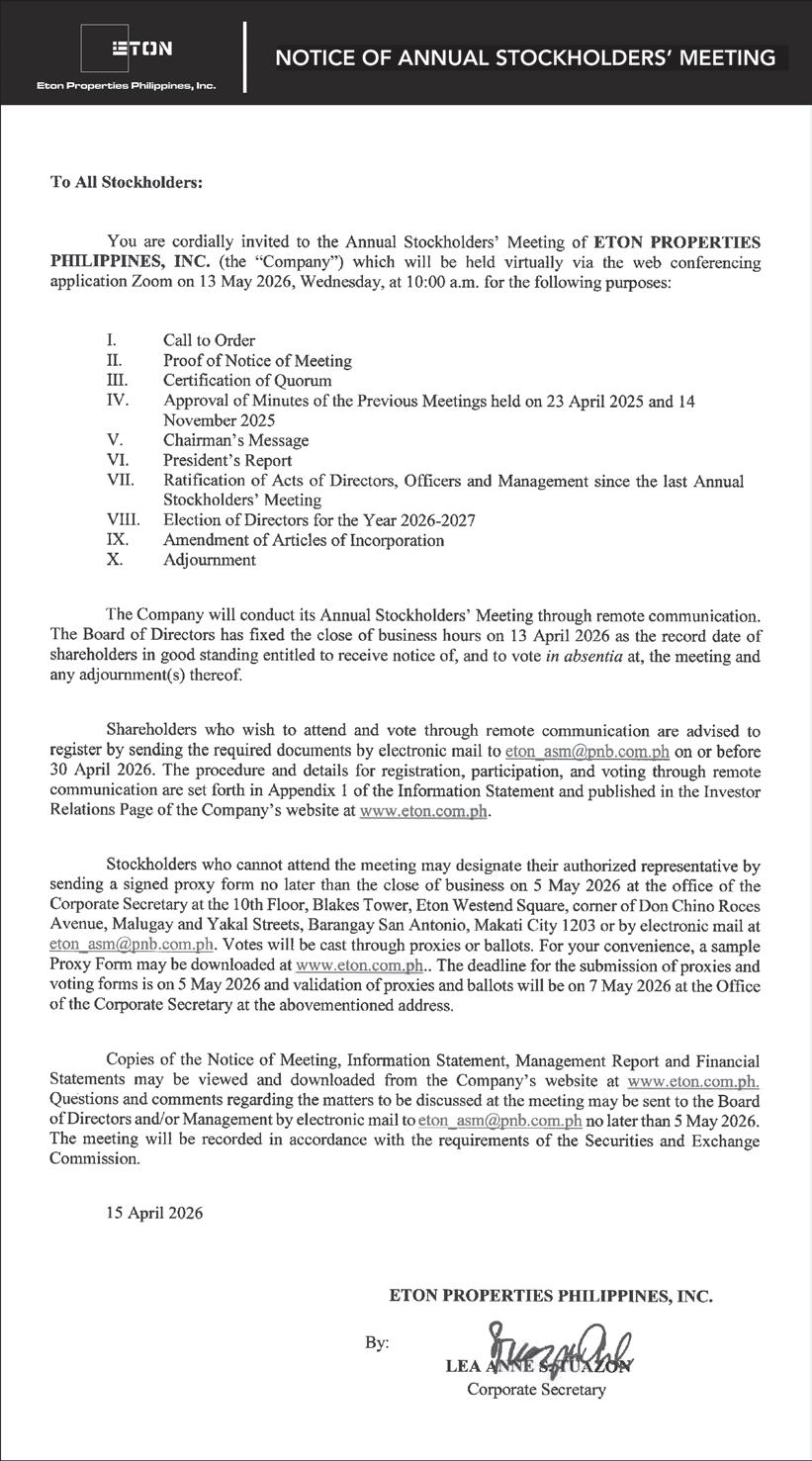
PHOTO FROM THE FACEBOOK PAGE OF THE CIVIL AVIATION AUTHORITY OF THE PHILIPPINES
Banking&Finance
High prices seen to linger with effects of war
By Justine Xyrah Garcia
ECONOMISTS at the University of Asia and the Pacific (UA&P) expect headline inflation to climb past five percent in the coming months as spillover effects of the Middle East crisis tear through the domestic economy.
pointed out that prices of goods and services may continue to scale up beginning April up to June before
The strong grip of nostalgia on your buying decisions

HAVE you all started dancing to the nostalgic beat and moves of a 90’s pop girl group’s “Spaghetti Song”?
In an interview with them, it became clear that no producers were prepared to take the chance of organizing their reunion show; instead, they contributed large sums of their own funds to ensure its success. Even the members of this pop girl group didn’t think so, so they were shocked when their shows sold out one after another.
What chance of a lifetime, then, did the producers they spoke with pass up? Let us discuss.
What those producers failed to consider about human behavior and psychology is that individuals enjoy reminiscing about their past, particularly when it transports them back to a period of their childhood and adolescence. The latter provides a sense of familiarity, joy and freedom from responsibilities in life.
This is the stage at which nostalgia marketing is useful. The word nostalgia derives from the Greek word “nóstos,” which means “return” or “homecoming.” In terms of consumer behavior and marketing, nostalgia is an especially powerful feeling to elicit because it boosts sales, increases engagement and builds brand loyalty.
Nostalgia has a broad appeal since everyone feels this kind of emotion. Yet the experiences vary. People are drawn to nostalgia, which is why it sells.
This ‘90s pop girl group’s target audience was millennials. Those who were born from 1981 to 1996 who are, as current members of the working class, can now save and buy concert tickets.
Compliance professionals employ nostalgia to connect their brand to consumers’ minds and emotions by linking it to pleasurable memories from the past that their customers’ recall. They see it as a profitable business opportunity, but it is disastrous for their buyers’ finances and mental well-being.
Have you ever wondered why, when their favorite music from their youth comes on the radio, elderly folks suffering from dementia often suddenly remember? They recall names, locations, or items that are no longer present. It is because those happy recollections from the past are deeply ingrained in their memory. Additionally, love and passion help people see things clearly even while their mental health is gradually declining.
Remakes, sequels and adaptations of iconic films, throwback campaigns from different brands, a resurgence
easing in the second half of the year.
“Oil prices are expected to stabilize below $90 per barrel as tensions ease, but inflation could rise above 5 percent from April due to secondround effects,” UA&P economists wrote in their report. Their forecast comes as the latest inflation print hit a 20-month high in March, quickening to 4.1 percent from 2.4 percent in February.
The quick pace of price increases prompted the Bangko Sentral ng Pilipinas (BSP) to raise its inflation forecast for the year to 5.1 percent, above its 2-percent to 4-percent target range. Central bankers based their pivot largely due to higher oil
and fertilizer prices that are expected to push up food and domestic fuel costs.
According to UA&P, the uptick in inflation will likely coincide with slower growth in the first quarter.
The economists retained their gross domestic product (GDP) forecast of 3.1 percent for the first three months of 2026—a slight pickup from the 3 percent recorded in the fourth quarter of last year. The economy that period was weighed down by weak government spending and infrastructure activity.
The actual GDP numbers in the last three months of the year was lower than UA&P’s earlier 3.3
percent estimate. The report noted that government spending and employment showed some improvement before the conflict. National government spending reached P422.2 billion in February, up over a quarter year-onyear. The country’s unemployment rate also eased to 5.1 percent from 5.8 percent in January.
However, the UA&P economists said these gains are unlikely to offset the negative impact of geopolitical tensions.
“With above-target inflation expected for this year, we see a more hawkish BSP treading an awkward policy path between lower growth
prospects and supply-side driven inflation,” they added.
According to the UA&P, there is now more than a 50-percent chance that the Monetary Board of the BSP will raise interest rates by 25 basis points in its April 23 meeting to “anchor inflation expectations and give relief to the peso.”
The economists believe, however, that it may be more prudent for the MB to hold rates for now to help sustain growth momentum.
The report said economic recovery is still expected in the second half of the year, although risks remain tilted to the downside amid persistent geopolitical tensions.
PHL’s second-largest bank to tighten lending,
By Andrea E. San Juan
THE Bank of the Philippine Islands (BPI) will be imposing more stringent credit standards and loan evaluation as its executives believe borrowers’ capacity to pay are squeezed by price pressures.
Jose Teodoro K. Limcaoco, the president and CEO of the country’s second-largest bank, pointed to the “effects” the Middle East conflict might have on the Philippine economy as the basis for the bank’s decision to continue to focus on the consumer side.
of retro vibes and vintage goods attracting more purchasers than ever before from younger generations are all done for the same reasons. They aim to attract the same customers who are now able to pay for their goods or services.
Nostalgia is such a powerful emotion. Therefore, it is a highly effective marketing and promotional tool. It is a vague feeling that provides a way out of the unknown future and the burdensome present. In some way, nostalgia provides a sense of security and safety during difficult times.
Nostalgia triggers the reward system in your brain. It sees nostalgia as a positive experience that must be repeated constantly.
This is when nostalgia becomes problematic because a certain group of people will want to take advantage of it. And when everything you see around you starts doing it, it turns toxic.
You should not feel bad if you are purchasing a product or activity to reminisce about the good old days or relive the emotions of the past. However, you should watch how much you spend given that overindulging in fond memories of the past can already have an impact on your life, not simply on your finances. Because in marketing, you don’t buy products, brands, or services. You buy based on how you wanted to feel—whether it be better versions of yourselves, a sense of class, or answers to your problems.
Looking back through an adult lens allows you to understand your past and make better decisions for the future, not the things or experiences that are being marketed to you.
Take the nostalgic trip then acknowledge the sadness over the people, things or situations you have lost. But avoid letting it become a nostalgia trap that prevents you from moving forward with the life you have now.
The sense of nostalgia should not get in the way of your current priorities. Furthermore, the past is already behind us. It is time to start planning the kind of life you want to lead in the times ahead.
Instead of purchasing items that are reminiscent of the past, put your money into savings and investments so you will never regret living an unprepared and penniless future.
Rosemarie Gases is
“We remain an institutional bank focused on our institutional clients. But as you know, we’ve also made a very big focus to try to grow our consumer or what we call the non-institutional business,” Limcaoco said at a news briefing last Monday.
He said the bank will have to be “a little more cautious” by tightening credit standards by “upping” the lending institution’s collection efforts.
Christina L. Go, head of the lender’s consumer banking business, said BPI will be keeping its walls up
in terms of loan underwriting and evaluation.
“What we’re doing is to be very defensive on our loan underwriting and evaluation. As [our CEO] mentioned, we will tighten our lending parameters. It basically means looking at the income requirements and determining whether there’s still capacity for a client to be able to manage a loan,” Go said.
Covid period
ACCORDING to Go, a lot of the prices of goods will go up with higher oil prices.
As such, “the net pay of any Filipino would of course contract, in which case, the ability to afford bigticket items, which we’ve also seen during the Covid pandemic, will be more limited,” Go said.
“That’s why we need to be able to help and support the Filipinos in terms of being able to afford their home or their car. So we’re looking at other means by which we can support them,” she added.
Go cited that during the Covid pandemic, BPI extended assistance to those who were “heavily affected” by the lockdown by requesting for
T-bill yields dip on strong demand, low inflation bet
A“restructuring or repackaging” of their loans.
BPI’s tack on lending came a week after the Bangko Sentral ng Pilipinas (BSP) announced it would extend regulatory relief measures to BSPsupervised financial institutions (BSFIs) and their clients in response to rising energy prices and supply constraints linked to the conflict in the Middle East.
Approved under Monetary Board Resolution 296 dated 08 April 2026, the BSP said the relief measures aim to support lending activity and borrower recovery.
Last Monday, BPI reported a net income for the first quarter that is 1.7-percent higher than the P16.6 billion earned from last year.
“The earnings growth was driven by sustained loan portfolio expansion, wider net interest margins, and stronger fee-based income, leading to a return on equity of 14.3 percent and return on assets of 1.9 percent,” the bank said.
No surprise
LIMCAOCO said during the briefing last Monday they are not expecting a “surprise” in terms of the non-
credit line
performing loans (NPL) or bad loans.
“I don’t think we’re expecting a surprise in NPLs. Obviously what we know is that there’s a very strong correlation between the state of the economy and NPLs or loan quality. So obviously as the economy slows down, we expect NPLs to rise. So not a surprise,” he said.
Limcaoco added that the bank’s “provisioning” exceeded what its “expected credit loss models” predicted.
“So we’ve taken a little proactive stance in the first quarter of provisioning a little more than what our expected credit loss models predict,” he said.
Limcaoco explained the lender are using “forward-looking” tools that help the bank gauge “how much do you want to go ahead in terms of predicting what NPLs might be.”
“We expect NPLs to rise, but we’re not worried about it. And we will provision for it. And I don’t think we will have surprising provisions,” he said. A statement issued by the BPI read the lender recorded provisions of P5.5 billion for the first quarter. Its non-performing loans ratio stood at 2.42 percent, with the NPL coverage ratio at 87.15 percent.
Moody’s: Unionbank more exposed to risks

By Reine Juvierre Alberto @reine_alberto
LL tenors of short-term debt papers fetched further lower yields last Monday, mirroring the continued decline in the secondary market, on the back of strong demand and easing inflation fears.
Rizal Commercial Banking Corp. Chief Economist Michael L. Ricafort said Treasury bills’ (T-bills) average auction yields mostly corrected lower again and for the second straight week. The drop, Ricafort added, came after the decline in global crude oil prices, which led to a sharp drop in local fuel prices.
The latter event, he said, could help ease inflationary pressures.
Ricafort said T-bill yields also went down as the Monetary Board of the Bangko Sentral ng Pilipinas is expected to raise policy rates by 25 basis points in its rate-setting meeting on April 23. He expects the move is based on monetary authorities’ aim to bring the inflation rate back to the 2-percent to 4-percent target range.
The recent large bond maturity worth P282.2 billion could have also added more liquidity into the market and was likely reinvested into government securities, Ricafort added.
However, economists at the University of Asia and the Pacific (UA&P) expect yields to rise.
In a report, the economists said rising inflation would likely push bond yields higher in the coming months, with a slight upward bias for 10-year yields in the short term as price pressures persist.
“With disappointing first-quarter GDP numbers and rising inflation, market sentiment is likely to suffer as the second quarter progresses. Unless substantial peace deals are reached, investors are expected to continue shifting toward defensive assets,” the economists said.
They noted that the equities market is expected to remain cautious, with continued volatility and a tilt toward defensive positions amid rising inflation and a weaker economic outlook.
Secondary market
THE 91-day T-bill fetched an average yield of
For the 182-day debt papers, the average yield settled at 4.649 percent, lower than the previous 4.882 percent yield by 23.3 basis points. Yields were as low as 4.598 percent to as high as 4.700 percent.
Average yield of the 364-day securities declined by 11.6 basis points to 5.052 percent from 5.168 percent previously. The government awarded yields from 4.950 percent to 5.097 percent.
Compared with secondary market levels, average yields for all three tenors were lower than the current Philippine Bloomberg Valuation (PHP BVAL) rates. The PHP BVAL rates for the comparable tenor were as follows: 4.618 percent for three-month, 4.708 percent for sixmonth and 5.097 percent for 1-year.
The T-bills auction was 3.8 times oversubscribed as total tenders amounted to P127.256 billion.
This enabled the Bureau of the Treasury’s auction committee to upsize the awarded bids for the 91-day and 182-day T-bills, while partially awarding the 364-day tenor.
Non-competitive bids
TENDERS for the 91-day securities reached P60.371 billion, prompting the Treasury to increase the bids it awarded to P16.8 billion as it doubled the non-competitive bids to P9.6 billion.
Bids for the 182-day T-bill also reached P44.210 billion, with the Treasury upsizing the awarded bids to P16.8 billion as it doubled the non-competitive bids to P9.6 billion. Meanwhile, acceptance of the 364-day debt papers was capped at P7.050 billion, due to higher bid yields. Tenders amounted to P22.675 billion, with the Treasury only accepting P3.450 billion in competitive bids and P3.6 billion in non-competitive bids.
For this month, the Treasury aims to raise as much as P248 billion, of which up to P108 billion will be through T-bills and another P140 billion from Treasury bonds.
The government will borrow a total of P2.682 trillion this year, following a 77:23 financing mix in favor of domestic sources.
As of end-February this year, the national government’s outstanding debt has soared to a new record-high of P18.15 trillion, an increase of 0.14 percent from P18.133 trillion a month earlier. With additional report by Justine Xyra Garcia
MOODY’S Ratings has flagged the Union Bank of the Philippines (UBP) as being more exposed to risks arising from “shrinking” financial buffers of retail borrowers amid higher inflation.
Moody’s Ratings said last Monday that UBP had the largest share of retail loans among its rated Philippine banks at around 60 percent of its total loans, while unsecured retail loans accounted for around 40 percent of its total loans.
“We view the latter as a relative weakness because this asset class has underperformed compared to corporate loans,” said Moody’s Ratings.
In addition, the credit rating agency said the bank’s subsidiaries, CitySavings Bank and UnionDigital Bank, focuses on retail lending to lower-income segments and underbanked segments.
As such, it noted that it expects the bank, “on a consolidated basis, to be more exposed to risks arising from the shrinking financial buffers of retail borrowers amid higher inflation.”
Moody’s ratings said while the bank’s problem loans formation improved in 2025 following the bank’s tighter credit underwriting, slower growth and limits on new-tocredit lending, UBP’s problem loans ratio (stage 3 loans as a percentage of gross loans) remained “elevated” at 7.2 percent, what it deemed a “modest improvement” from
the 7.4 percent the year before.
“We expect the bank’s problem loans ratio to remain elevated at around 6-7 percent, with pressures from retail, commercial and corporate loans. As of end-2025, UBP’s consolidated problem loan coverage ratio has improved to a still-modest 68 percent,” Moody’s Ratings said. The credit rating agency also expects UBP’s return on assets (ROA) to improve in 2026 driven by net interest margin (NIM) expansion, but said the extent of ROA improvement will depend on the bank’s ability to manage credit costs and operating expenses.
“The bank’s profitability, measured by return on assets (ROA), declined to 0.9 percent in 2025 from 1.1 percent in 2024 as its net interest margin (NIM) expansion was more than offset by higher credit costs and operating expenses,” Moody’s Ratings said. Meanwhile, the credit rating agency said UBP’s credit costs increased to a “very high” 3.9 percent in 2025 from 3.7 percent the year before, as the bank cleaned up legacy exposures in its commercial book and at subsidiaries.
“We expect the bank’s NIM and credit costs to remain the highest among its domestic rated peers given its large share of unsecured loans, while problematic commercial and corporate exposures will pose additional strains on its credit costs,” added Moody’s Ratings. Andrea E. San Juan
The latest report by the UA&P
Art BusinessMirror



A �loral debut: Montegrande comes to full bloom

THE storm clears in the latest series of visual artist Kenneth Montegrande, paving the way for colors to seep in and life to blossom. From his signature chiaroscuro of poetic seascapes and cloudscapes, the acclaimed abstractionist springs into a garden of floral paintings in his upcoming 24th solo exhibition, titled In Full Bloom. The show will run at Galerie Joaquin Rockwell from May 12 to 23, in time for Flores de Mayo (Flowers of May).
“Flowers have always meant a lot to me,” said Montegrande, who grew up tending to the garden of his grandmother and aunties in Ermita, Manila along with his siblings. It’s the process of it all that he enjoyed the most, nurturing a planted seed into a
flowering plant. Much like his previous faith-based collections, Montegrande’s new floral series also hopes to promote vital life lessons, particularly on the subject of personal growth. He likened our lives to that of flowers, wherein every stage, every failure and success, forms part of a bigger picture.
Naniniwala ako na ang buhay ng tao may season,” the self-taught artist said. “Dumadaan tayo sa mahabang process, from seeds hanggang sa mamulaklak at magbunga. Also, just like flowers, when the time comes that we are in a complete full bloom, God has a purpose. He wants us to be blessing and inspiration to others and to be a testimony to His goodness and kindness.”
Embedding visually captivating pieces with profound reflections has been a hallmark of Montegrande’s art since his breakthrough in 2012. He shot to fame with gestural abstractions and captivating seascapes, which draw shades from the genre’s greats, from the likes of Jackson Pollock and Willem de Kooning. There are also touches of J.M.W. Turner in his masterful play on light, Rembrant in rich textures, and Claude Monet in impressionist elements and floral illustrations.
Just a few years into his art career, Montegrande became the first Southeast Asian artist to be collected by Japanese billionaire Yusaku Maezawa, a world-
renowned art patron. The Manila-born painter’s artworks joined the Tokyo-based Contemporary Art Foundation collection, alongside pieces by Jean-Michel Basquiat, Bruce Nauman, Alexander Calder, and Jeff Koons, to name a few. Montegrande also became the youngest artist to exhibit at the Malacañang Palace Museum, with two works now part of its permanent collection. Meanwhile, in 2022, the artist marked his international debut with a sold-out show at the Philippine Center in New York, titled Expanding Horizons. The following year, he also featured in another successful one-man exhibition, this time in Hong Kong, another major art market. Montegrande’s creative life now revolves around his Ermita residence, home to both his working studio and a newly opened personal showroom. There, he welcomes guests, collectors, and even students looking to learn from him.
For his upcoming exhibition, the artist will present a floral series that he has wanted to explore for years. Among the inspirations to finally push through with the concept is Montegrande’s collaborations with the late painter Juvenal Sansó, renowned for his own brand of floral paintings, defined by lyrical expressionism.
SEE “MONTEGRANDE,” B5
Vatican removes salty white film coating Michelangelo’s ‘The Last Judgment’
VATICAN CITY—Michelangelo’s The Last Judgement is getting a facial, with restorers removing a chalky white film of salt that has accumulated over the Renaissance masterpiece since its last major renovation three decades ago.
The Vatican on Saturday gave the media a sneak peak to the cleaning operation, which is taking place on a floor-to-ceiling scaffolding that has obscured the imposing fresco of heaven and hell that dominates the front of the chapel.
The cleaning operation is expected to be completed by Easter, in the first week of April. The public can continue to visit in the meantime, but will have to settle for a reproduction of The Last Judgment superimposed on a screen that covers the scaffolding.
Vatican Museum officials on Saturday
described a simple but important cleaning operation to remove the white film of salt that has accumulated on the fresco thanks to the nearly 25,000 people who pass through the Vatican Museums each day.
“This salt is created because, above all, when we sweat, we emit lactic acid, and unfortunately lactic acid reacts with the calcium carbonate present on the wall,” said Fabio Moresi, in charge of the scientific research team at the Vatican Museums that is overseeing the cleaning.
Climate change also has a role to play, since the visitors who do come tend to sweat more, creating even more humidity that reacts with the fresco, he said.
Vatican Museums chief Barbara Jatta described the film as a “cataract” that is easy enough to remove: Restorers dip sheets of Japanese rice paper into distilled


water and apply them to the fresco, and carefully wipe away the salt film. Viewed up close recently on the scaffolding, the difference between before and after is remarkable: Sections of the fresco that haven’t been cleaned look as if they are coated in a chalky dust; the cleaned sections show the vibrant colors and detail of the original. On the figure of Jesus, for example, at the center of the fresco, a privileged visitor can see how Michelangelo painted his hair and the wounds of his crucifixion.
The other frescos of the Sistine Chapel, where Pope Leo XIV was elected in May, undergo yearly cleaning with restorers working at night on cherry-pickers that can be removed each morning before the public arrives.
But such machines can’t access all of
The Last Judgement, since the fresco is located behind the altar, which is itself raised up marble steps. That logistical impediment required the mounting of a fixed scaffolding to access the full fresco to clean it.
The Sistine Chapel underwent a complete restoration between 1979 and 1999, when centuries of smoke, grime and wax buildup was removed.
The Vatican has left small patches of the pre-restored fresco intact to show the difference, which are now visible on the upper floors of the scaffolding and show a nearly blackened wall.
Rather than radically reduce the number of visitors who can access the Sistine Chapel, the Vatican is studying ways to address humidity levels, through filtration systems and other technologies, so that the salty film doesn’t form again. AP
most into your everyday routine. A physical change will boost your morale. ★★★
LEO (July 23-Aug. 22): Investigate more before you start something new. Spend more time finding your bliss, investing in yourself and discovering what you enjoy doing most. Refuse to let others dictate what you do next. A change of direction or routine will align you with people who are heading in a similar direction.
VIRGO (Aug. 23-Sept. 22): Update your appearance; pick a style that makes you feel good about how you look and represents who you are. Refuse to let outsiders choose for you. You can consult, but the bottom line is to follow your instincts and preferences, not someone else’s vision. Monitor what things cost, and set your budget to reflect what you want.
LIBRA (Sept. 23-Oct. 22): Unique individuals or pastimes will draw your attention. Consider what fits into your budget and schedule before committing to something that isn’t practical. Listen to what others have to say, but refuse to let anyone use emotional manipulation to undermine you. Challenge yourself mentally and physically, and you’ll gain insight into what’s possible. ★★
SCORPIO (Oct. 23-Nov. 21): Avoid rowdy crowds. Choose to expand your mind and to express your feelings with unfiltered truth and compassion. How you deal with others will determine the outcome. A lifestyle change will be linked to who you associate with and how well you relate. Do what you can to resolve issues that concern you without overreacting. ★★★★★
SAGITTARIUS (Nov. 22-Dec. 21): Concentrate on home, family and taking care of unfinished business. Financial matters and shared expenses will require monitoring to avoid stress and tension. Compromise and empathy will help resolve issues without malice. Channel your energy into bringing cash in instead of being frivolous. You can’t buy love, but friendly gestures, kindness and understanding will attract the right people. ★★★
CAPRICORN (Dec. 22-Jan. 19): Do not start something you cannot finish. Choose your words wisely to avoid backlash. Focus more on activities or pastimes that rejuvenate and intensify your ties to like-minded people. Someone will grab your attention. Take a moment to mingle and find out more. Slow down; let your relationships with others have

Show BusinessMirror

HEART EVANGELISTA SETS RECORD STRAIGHT ABOUT BEAUTY ENHANCEMENTS
SPARKLE star and global fashion celebrity Heart
Evangelista finally addresses the long-standing question: Has she undergone enhancements or not?
On April 18, Heart set the record straight with sincerity and grace in the newest episode of Heart World Season 2. She opens up about her personal stance on plastic surgery and shares her beliefs on choice, self-confidence, and embracing one’s own journey without judgment.
Heart also babysits her sister’s kids and learns how to drive. It’s definitely another day filled with fun, nerves, and laughter with Camille Ongpauco. Heart World Season 2 airs every Saturday at 9:30 pm on GMA Network. More information can be found at www.gmanetwork.com.
In address on media ethics, former ‘Washington Post’ editor worries about fading moral compass
NEW YORK—In a speech about the importance of ethics in the news media, veteran editor and retired Washington Post leader Marty Baron is singling out for criticism CBS News leaders, advocacy journalists and mainstream reporters who failed to aggressively cover former President Joe Biden’s fitness for office.
The renowned Baron, also a former editor of The Boston Globe and The Miami Herald, gave a keynote address on Wednesday as New York University handed out journalism awards. The Associated Press was praised for its “unyielding defense of ethical standards and principles” for not changing its style guidance after US President Donald J. Trump renamed the Gulf of Mexico. The AP’s lawsuit against the White House for reducing some of its access is currently under consideration by an appeals court.
NYU also honored The Atlantic for how it wrote about its editor inadvertently being included in a text chain with Trump administration and military figures, and student journalists at NYU, Stanford and the University of Texas at Dallas. While conceding he risked sounding sanctimonious, Baron dove right in. He said he worried that journalists can’t agree on an ethical compass—seeking the truth with humility is his suggestion—and that “to each his own” is becoming the evolving ethos for many who cover and talk about the news.
“We will be doing ourselves no favors if that turns out to be the case,” he said. “All of us will likely be tainted by the worst practices of any one of us.” AP
Nadine Samonte ventures into business

IN recent years, the number of celebrities who have launched their own business have steadily increased. There is no absolute guarantee that being in the limelight is forever, so some celebrities spread their wings and explore being entrepreneurs and business men and women.
One recent example is Nadine Samonte, one of the very first hopefuls during the early years of Starstruck, GMA Network’s signature star search. Her rise to popularity was due to the careful selection of her projects, most of which made the public take a longer look at her potential of making it big in the always crowded world of show business.
After some highs and lows throughout her professional career, Nadine found true love and has been happily married to businessman Richard Chua (son of veteran actress Isabel Rivas) for more than a decade now, blessed with three lovely and adorable kids.
“It was my husband who gave me the spark to venture into my own business. He always motivated me to take that extra step, and explore possibilities. He’d remind me from time to time that I should choose and focus on a business that is close to my heart, so it will eventually become a passion,” she said.
Health, wellness and beauty are what Nadine is excited about at this point in her life. So she decided on creating her own brand, named it Anaiah, to initially offer wellness products and supplements.
“I’m more spiritual than religious and I liked the name Anaiah the moment I encountered it. It means ‘God has answered.’ So I decided to use Anaiah as my brand name, and made it my goal to create products that will continue to inspire me to move forward, and to also allow me the chance to empower others,” she shared.
For now, Nadine and her team have come up with five supplement capsules: Multivitamins, Glutathione, Collagen Placenta, Sodium Ascorbate and Melatonin.
The brand has also formulated two coffee variants and three juice blends.
“I believe that everything good takes time. We had to plan, create, strategize, and study the market very well. We have to make sure that the public can and will trust our brand and our products because we are here for the long term.”
This early, the Anaiah brand has already been recognized by Superbrands Philippines for meeting the organization’s high standards of a quality brand.
There are various factors that will determine the success of celebrity business ventures like Anaiah. But at the core of it, customer’s purchase intentions

By Lindsey Bahr
The Associated Press
THE Super Mario Galaxy Movie and Project Hail Mary dominated the North American box office again this weekend, leaving Lee Cronin’s The Mummy in third place for its debut.
The Mario sequel has spent all of its first three weekends in the first place spot, this time adding $35 million, according to studio estimates on Sunday. The Universal release has now made $747.5 million worldwide.
Project Hail Mary meanwhile dropped only 15 percent in its fifth weekend, earning $20.5 million and bringing its domestic total to $285.1 million. Worldwide it’s at $573.1 million. Amazon MGM’s hit is in the midst of another run on IMAX screens, after ceding them to Mario for two weeks. Filmmakers Phil
Lord and Chris Miller, along with star Ryan Gosling, made an appearance at the industry trade show
CinemaCon last week to thank theater owners for helping to make it the year’s highest earning original film.
The weekend left Lee Cronin’s The Mummy, which opened wide in 3,404 locations, in third place with $13.5 million. The R-rated movie, directed by the filmmaker behind Evil Dead Rise and produced by Jason Blum’s Blumhouse and James Wan’s Atomic Monster, did not resonate with critics or audiences, recording a 45 percent on Rotten Tomatoes and a lackluster “C+” CinemaScore. The film, starring Jack Reynor, follows a family whose missing daughter reappears, mummified and living. It devolves into a “a gross-out bloodfest,” according to a review for The Associated Press. But it also only cost a reported $22 million to produce, and with $20.5 million from international showings, it already has a worldwide total of $34 million.
“Horror movies had their biggest year in 2025,” said Paul Dergarabedian, Comscore’s head of marketplace trends. “So far that’s not happening in 2026.” The Bob Odenkirk-led action movie Normal, about a visiting sheriff in a Midwestern town, also opened this weekend, earning an estimated $2.7 million.
Directed by Ben Wheatley and released by Magnolia, Normal was better received by critics (77 percent on Rotten Tomatoes) but also got a “C+” CinemaScore

Montegrande...
Continued from B4
Montegrande’s take on floral art stays true to his style. The brushstrokes remain vigorous and spontaneous, which, coupled with a brighter, “more positive” palette, evokes a strong sense of raw energy and life. The subjects are also imagined and inspired by the artist’s favorites, such as rose, bellflower, and gumamela, or hibiscus, among others. Moreover, his depictions serve as mere allusions to the idea, purposely left without defined forms, inviting the audience to formulate their own perceptions.
In the piece titled Soulful Bloom, we see a framework of what seems to be a filled-up vase, with yellow and red flowers reaching out. Meanwhile, the plant life appears freer in Where the Light Finds Us, as
‘LEE CRONIN’S THE MUMMY’ IS NO MATCH FOR ‘SUPER MARIO’
from audiences, who were 65 percent male.
This weekend also had several high profile limited or art house releases, including the Lorne Michaels documentary Lorne, and David Lowery’s Mother Mary, starring Anne Hathaway as a tormented pop star and Michaela Coel as her estranged designer. Lorne, a Focus Features release, opened in 414 theaters in North America, earning an estimated $270,000. A24’s Mother Mary opened on five screens and made $168,063. Neither were enough to make the top 10, but one independent that did was the comedy Busboys, costarring David Spade and podcaster Theo Von, which managed to land in eighth place with $1.6 million from 800 theaters.
Last year on this weekend, Warner Bros. opened Sinners to $48 million. While the weekend is down from a year ago, the overall box office is still up over 16 percent from this time last year, and Dergarabedian gives a lot of credit to Project Hail Mary. Things will likely pick up next weekend as the Michael Jackson movie Michael arrives in theaters. Early tracking suggests the Lionsgate release is poised to earn more than $60 million (some put it as high as $75 to $90 million) in its first weekend in North America, which would make it the biggest ever for a musical biopic. The current record-holder is Straight Outta Compton which opened to $60 million in 2015. Bohemian Rhapsody debuted to $50 million and went on to earn over $910 million worldwide.
they bask in an open garden under the sun. In Eternal Spring, the view is zoomed in, with the branches and petals dancing in front of a beaming yellow background. Aside from his new floral paintings, In Full Bloom will also feature Montegrande’s other collections, including new cloudscapes, seascapes, and abstracts. There will be smaller pieces to be presented as well, a great entry point to collecting a coveted artist known for large paintings.
“The exhibit will be a complete presentation of who I am,” Montegrande said. “Siyempre, may mas focus lang sa bagong flower series, kasi matagal ko nang pinaghahandaan ‘to.”
“Besides,” he added, “I love the idea of sharing flowers, whether in real life or now through my art, kasi it represents happiness and spreads inspiration.”
KOREAN ROMANTIC COMEDY ‘PERFECT CROWN’ NOW STREAMING ON DISNEY+ THE first episode of Korea’s most eagerly anticipated series Perfect Crown– starring IU and Byeon Wooseok–began streaming on Disney+ Philippines. A touching romantic comedy, Perfect Crown follows the people’s favorite royal, Grand Prince I-AN, as he becomes embroiled in a power struggle with other members of the royal family. With pressure on the prince to wed, he strikes up a marriage of convenience with Huiju, the heir to a Korean conglomerate, but as the pair work together to advance their own ends, emotions begin to flare and things don’t go quite as smoothly as planned. Perfect Crown stars IU (When Life Gives You Tangerines, My Mister) as Huiju, the second in line to inherit one of Korea’s biggest conglomerates; and Byeon Wooseok (Lovely Runner, Strong Girl Nam-soon) as Grand Prince I-AN. The series is directed by Park Joonhwa (Alchemy of Souls, What’s Wrong With Secretary Kim)and is written by Yoo Jiwon. New episodes will be released every Friday and Saturday night at 10:20 pm through the show’s series finale on May 16. Perfect Crown is the latest Korean title set to debut on Disney+. Fans of unmissable Korean storytelling can also look forward to the upcoming release of A Shop For Killers Season 2 and Made In Korea Season 2, as well as Portraits of Delusion (working title) starring Suzy and Kim Seonho, The Remarried Empress starring Shin Mina, Ju Jihoon, Lee Jongsuk, and Lee Seyoung, as well as a whole host of binge-worthy APAC titles currently streaming on Disney+.

Rotary Clubs to turn over two neonatal ventilators to Ospital ng Maynila
In 2022, the World Health Organization (WHO) published that 2.3 million children died globally in the first 28 days of life. With this, there is a call to improve the quality of maternal and newborn care, and this can be achieved through collaborative efforts of the members of each society.
Currently, Ospital ng Maynila does not have the facility to provide neonatal ventilators to newborn babies. In urgent cases, the hospital has had to rent ventilators from outside providers at significant cost, placing financial strain on both the institution and families.
This inspired a project initiated by the Rotary Club of AIM (RCAIM) in helping a local government hospital improve their existing neonatal care. The Rotary Club of AIM recently turned over on April 16, 2026, two neonatal mechanical ventilators amounting to more than two million pesos to the

Neonatal Intensive Care Unit (NICU) of Ospital ng Maynila Medical Center. The donation aims to reinforce the hospital’s capacity to provide life-saving critical care for newborns and to advance maternal and child health services. This initiative is a Global Grant project funded by The Rotary Foundation, undertaken as a joint project with sister clubs in Korea, the Rotary Club of OnyangOncheon and Rotary Club of OnyangMogryeon. It is also supported by Rotary International Districts 3830 and 3620, along with the dedicated Rotarians from the Rotary Clubs of Makati Premier District, Makati Legaspi, and Manila J. P. Laurel Malacañang.
The project was initiated by RCAIM Charter President James Charles “Jake” T.
Que, led by Club’s Grant Management Chair Rtn. Reynand Canoy and implemented under the term of incumbent Club President Adam Andrew Ong and members, reflecting Rotary’s tradition of service and leadership continuity.
Ospital ng Maynila OIC-Director Dr. Grace H. Padilla and officials welcomed the donation, noting its importance in enhancing neonatal intensive care services and ensuring readiness for emergencies.
On Friday, April 17, 2026, Manila Mayor Francisco “Isko Moreno” Domagoso met the Rotary Club of AIM to give his gratitude for the donation given and reinforce the partnership between civic organizations, international Rotary clubs, and local government in advancing healthcare initiatives for the city.
Plug in your next adventure with MG Philippines’ G50 PHEV at MIAS 2026

MG Motor Philippines continues to push the boundaries of modern mobility as it previewed the new MG G50 PHEV at the Manila International Auto Show (MIAS) 2026. Marking a significant step in the brand’s electrification journey, the G50 PHEV represents MG’s vision of practical, family-oriented mobility, now enhanced with advanced plug-in hybrid technology.
Positioned as a more powerful and fuel-efficient evolution of MG’s popular people carrier, the G50 PHEV introduces a 1.5L 4-cylinder plug-in hybrid powertrain paired with a new Dedicated Hybrid Transmission, delivering a more refined and responsive driving experience This advanced electrified system enables smoother acceleration, improved fuel efficiency, and quieter everyday driving, seamlessly combining the instant torque of an electric motor with the reliability of a gasoline engine. The system produces 299 PS peak combined output and 280 Nm of torque, further enhancing its capability as a modern family vehicle.
With a pure electric driving range of up to 95 kilometers, complemented by a 60-liter fuel tank, the G50 PHEV offers the flexibility of electric driving for daily commutes and extended range for longer journeys. Altogether, the vehicle delivers a factory rated total combined range of up to 1,415 kilometers, truly offering the best of both worlds.
Designed with modern families in mind, the G50 PHEV features a spacious, and premium cabin configuration, complete with captain seats and a three-seater third row, ensuring comfort and versatility for every passenger. A panoramic sunroof further enhances the in-cabin experience, creating a more open and elevated atmosphere for both driver and passengers.
The G50 PHEV also showcases a newly designed dashboard anchored by dual 12.3-inch displays for the digital instrument
cluster and infotainment system, seamlessly integrated with Apple CarPlay and Android Auto for intuitive connectivity. Exterior highlights include automatic projector LED headlights and a bold, modern design language that reflects MG’s global design direction.
For families seeking practicality without compromise, the G50 PHEV presents a compelling solution—offering the benefits of electric mobility for daily driving while retaining the flexibility of a gasoline engine for longer journeys. This dual capability provides added confidence and convenience, making the transition toward electrified mobility easier and more accessible for Filipino families. With its powerful PHEV system, spacious interior, and extended driving range, the G50 PHEV sets a new benchmark for electrified MPVs—bringing together performance, efficiency, and everyday versatility in one forwardthinking package.
As part of MG Philippines’ showcase at MIAS 2026, the G50 PHEV represents “The Next Wave” of the brand’s product offensive—a bold step toward the future of mobility defined by smarter, more efficient, and more versatile vehicles. With offerings that now span diesel, gasoline (ICE), hybrid (HEV), full electric (EV), and now plug-in hybrid (PHEV), MG continues to provide Filipino car buyers with a complete range of mobility solutions tailored to their evolving needs.
With the preview of the G50 PHEV, MG Motor Philippines reinforces its commitment to delivering global-quality, technologically advanced vehicles that combine performance, efficiency, and everyday practicality—bringing the future of electrified mobility closer to Filipino families.

PhilHealth intensifies member protection efforts, welcomes Ombudsman support
PHILHEALTH thanks the Ombudsman Jesus Crispin “Boying” Remulla for amplifying the concerns of Filipino patients. His voice adds to a conversation PhilHealth has long been committed to — ensuring every member receives the full benefit they deserve.
PhilHealth paid out P300.45 billion in benefits this past year, an 81.72 percent increase from the previous year. Every peso represents a family we were able to stand beside as their partners in health and the Corporation will continue to provide expanded benefits to every Filipino family.
As part of the agency’s ongoing monitoring efforts, PhilHealth is looking into reported discrepancies between what patients are told about their coverage and what providers submit in their claims. PhilHealth is reinforcing its auditing systems, deepening coordination with oversight bodies and healthcare providers, and ensuring that its members always receive accurate, transparent information about their benefits.
Every Filipino has the right to claim PhilHealth benefits as part of the implementation of Universal Healthcare and the benefit packages cover primary,
emergency outpatient, and inpatient care.
Patients and their families can ask the hospital care team how much PhilHealth covers for your case. Android users can also download the PhilHealth Search ACR app to find the Case Rate for the patient.
Patients and their families can reach out to the PhilHealth Cares (PCARES) representatives in the hospital if you have questions or concerns and they can also help you get the care that is appropriate for you, Patients and their families may request an itemized bill and check for your PhilHealth coverage before settling your account PhilHealth members’ voice matters. Member reports directly support the agency’s ongoing reviews and help us improve the system for everyone.
PhilHealth remains committed to working with all partners, government, providers, and patients, toward a healthcare system that is transparent, responsive, and truly protective of every Filipino.
For inquiries and reports, contact your hospital’s PCARES representative or reach us through official PhilHealth channels (02) 86622588 or actioncenter@philhealth.gov.ph.
Deepal debuts in the PHL, positions REEV as game changer in EV mobility

The MG G50 PHEV will be available in Pearl White, Andes Gray, and Pearl Black, giving customers a range of colors to suit their lifestyle. Priced at P1,398,888, the G50 PHEV delivers the perfect balance of electric efficiency, family-friendly space, and everyday versatility.
To make it even more accessible, MG Motor Philippines is offering an exclusive reservation promo: customers can secure their unit with a minimum reservation fee of just P1,000 and receive a FREE 7kW wall charger upon vehicle release. In addition, an instant P10,000 discount will apply, with a further P10,000 discount for every month of waiting should unit availability be delayed.
The MG G50 PHEV is now available for reservations at all authorized MG dealerships nationwide. Experience a 7-seater MPV that’s truly built to Plug In Your Next Adventure. Visit your nearest MG dealership today or learn more at www.mgmotor. com.ph.


Rockwell, Makati on April 7, 2026, followed by its public showcase at the Manila International Auto Show (MIAS) 2026 from April 9 to 12 at the World Trade Center Manila. Deepal introduced its Range-Extended Electric Vehicle (REEV) technology, designed specifically for realworld Philippine driving conditions. By combining electric propulsion with an onboard range extender, REEV delivers the benefits of electric mobility while addressing range anxiety and infrastructure limitations, positioning it as a practical and forward-looking solution for Filipino motorists. The brand enters with a competitively positioned lineup aimed at establishing a strong presence in the growing new energy vehicle segment. The S05 BEV is priced at P1,588,000, the S05 REEV at P1,688,000, and the G318 REEV at P2,600,000, reflecting a value-driven strategy that makes advanced electrified mobility more accessible while signaling Deepal’s intent to be a major player in the market.
A preview of the upcoming S07 was also presented, reinforcing Deepal’s long-term product roadmap and commitment to expanding its EV portfolio in the Philippines.
The launch gathered a distinguished group of attendees, including members of the media, key opinion leaders, and representatives from major banking institutions, underscoring strong cross-industry interest and support for Deepal’s entry into the Philippine market. The event was led by Willy Tee Ten, President of Autohub Group and newly appointed President of the Electric Vehicle Association of the Philippines (EVAP). In his remarks, he emphasized the urgency of electrification, stating, “With high fuel prices, the right time to shift to electric vehicles is now.” He also confirmed Autohub Group as the exclusive distributor of Deepal in the Philippines, strengthening its role in advancing sustainable mobility in the country. He was joined by executives from Changan Auto Southeast Asia, including Guan Xin (Vice President), Leslie Wu (Vice Director), and Joel Villarin (Country Deputy Chief), together with other Deepal representatives who presented the brand’s direction, technology roadmap, and market strategy. Deepal also underscored its commitment to longterm ecosystem development. According to Mark Gabriel, General Manager of Deepal Philippines, the brand aims to ensure partner success and sustainable operations, stating, “Deepal is committed to supporting our business partners and future dealers. We will ensure a strong foundation that helps make dealership operations profitable and sustainable in the long run.”
Following its exclusive industry launch, Deepal opens its full lineup to the public at MIAS 2026, where visitors can experience its vehicles firsthand and explore its REEV innovation.
Guided by its philosophy, “Touch the Future.”, Deepal positions itself as a strong and competitive force in the Philippine EV landscape, bringing together innovation, value, and real-world usability at a pivotal moment in the country’s mobility transition.
Little Sunshine: Tap dance for kids @ Sunshine Place
EDMUND Genecela Gaerlan, a leading figure in Southeast Asian dance with over four decades of experience blending classical technique and contemporary style, will conduct a tap dance class for kids on Thursdays, starting April 30, 2026, from 1 pm to 2 pm at Sunshine Place. Tap Dance for Kids is another workshop under the Little Sunshine Series where kids up to eight years old can learn basic tap dance footwork, beat and rhythm, foot coordination, simple routines, step patterns and tempo. Through fun and engaging exercises, students will learn how to create sounds with their feet while developing timing, musicality, and confidence. Classes are designed to be interactive and enjoyable, incorporating simple routines, games, and guided practice to help young dancers build a strong foundation in tap. In a supportive and encouraging
environment, children are given the opportunity to express themselves while improving focus, balance, and coordination. For those who wish to continue, more challenging combinations and rhythm patterns will be introduced, allowing students to build on the skills learned in the initial sessions and further explore the art of tap dance. The workshop welcomes beginners as well as those with some dance experience. Gaerlan began his career in the Philippines, rising to soloist with Ballet Philippines, and has since performed, choreographed, and taught across Hong Kong, Japan, and Indonesia. Since 1995,
The Deepal G318 REEV
MG G50 PHEV
Iran war revives stagflation dangers for global economy
By Craig Stirling
THE cumulative global impact of seven weeks of war in the Middle East will begin to emerge in the coming week, in a second round of business surveys from multiple countries.
Whether the twin blows affecting growth and inflation seen in purchasing manager indexes after the first month of the Iran conflict intensified during month two will be a key focus.
The initial take for April in economies from Australia to the US will be published on Thursday. Among those covered by Bloomberg forecasts, indexes in Germany, France, the euro zone and the UK are all anticipated to show broad deterioration, while the American indicators are seen little changed.
Ultimately, the numbers may point to the degree that stagflation is lurking. That ominous term—evoking the noxious mix of surging prices and stalling growth of the 1970s— was cited by Chris Williamson, chief business economist at PMI-compiler S&P Global, when summing up risks highlighted by the overall global measure in March.
The survey numbers follow a week of bleak stock-taking in Washington, where finance chiefs were warned by the International Monetary Fund of a range of potential outcomes that included a near-recession for the world.
Notwithstanding the current Middle East ceasefire, the damage to growth and inflation can’t be easily undone.
“Even if the war ends tomorrow, it would take quite some time for the recovery to kick in,” IMF Managing Director Kristalina Georgieva told Bloomberg Television. “The impact is already baked in.”
For all the gloom, multiple policymakers remain cautious about how to respond. European Central Bank chief economist Philip Lane described how he and his colleagues may treat reports such as the PMIs when they set interest rates later this month.
“We will have a rich set of survey
data,” Lane said in Washington. “Of course, the people who are answering those surveys are looking at the same world we are looking at.” And for now, not many will have a decisive idea about what’s going to happen, he added.
ECB officials will also get French business confidence on Thursday and Germany’s closely watched Ifo business climate gauge on Friday. Their Federal Reserve peers will see the University of Michigan’s sentiment index, also at the end of the week.
But as Georgieva warned, even the most holistic analysis of the global economy by policymakers has its limits for now. “We all need to learn to operate in an environment of high and permanent uncertainty,” she said.
“While a deal appears to be in sight that may bring an end to the current round of US-Iran hostilities and relief to energy markets, it’s unlikely to result in a full or lasting peace. Israel does not appear party to negotiations, and continues to regard Iran as a threat. Trust between the US and Iran remains low and already there appears to be different interpretations of key terms (e.g., Hormuz), all pointing to enduring tensions,” said Bloomberg economists Jennifer Welch and Adam Farrar.
Elsewhere, a possible war-driven pickup in inflation numbers from Canada to the UK to South Africa, plus interest-rate decisions from Turkey to Indonesia, may be among the highlights.
What’s coming up in the global economy:
US and Canada
THE week’s marquee US economic data release will be retail sales. Economists project a sizable jump in overall
sales for March, largely due to sharply increased spending on gasoline. The figures aren’t adjusted for price changes, and drivers experienced costlier fill-ups because of the Iran war.
Excluding gasoline and autos, however, economists anticipate Tuesday’s report will signal more tepid demand as high fuel costs prompted budgetconstrained consumers to squeeze spending on other things. While the average price of gas has declined since earlier this month, it remains around $4 a gallon.
S&P Global’s preliminary April PMIs come on Thursday, followed a day later by the University of Michigan’s final consumer sentiment index for April. The preliminary reading set a record low.
Meanwhile, Kevin Warsh will appear before the Senate Banking committee on Tuesday in what may be the most anticipated confirmation hearing for a Fed chair nominee in decades. Investors will listen closely for how Warsh conceives of monetary policy that hews to President Donald Trump’s demands for lower interest rates while not alarming traders still wary of inflation, especially amid a war-driven oil price shock.
Looking north, economists expect Canada’s headline inflation to have jumped to 2.6% in March from 1.8%, driven by gas prices. Still, food inflation—a persistent pressure point for Canadians—is projected to ease slightly as a base-year distortion from last year’s sales tax holiday rolls out of the data.
The Bank of Canada’s business outlook and consumer expectations surveys for the first quarter will offer important insight into how firms and households see the oil price shock shaping investment, labor markets, and inflation dynamics.
Asia
INFLATION risks tied to the global energy shock will dominate Asia’s economic calendar in the coming week, with price data and business surveys set to test how quickly higher costs are feeding through.
China’s loan prime rate decision on Monday is expected to deliver no change, as policymakers balance support for growth against currency pressures.
Trade data from New Zealand, Japan, Thailand and Malaysia over

the week will offer an early read on external demand. India’s infrastructure output is also due.
Focus turns Tuesday to New Zealand’s first-quarter inflation print, a key input for the central bank’s policy outlook.
Indonesia’s rate decision on Wednesday is expected to see policymakers stand pat as they weigh currency stability against rising imported inflation.
Thursday brings the week’s heaviest data flow. PMI readings from Australia, Japan and India will provide a timely read on business conditions, while inflation data from Singapore, Hong Kong and Japan will offer early evidence of the pass-through from higher energy prices.
The Philippines central bank is expected to raise its benchmark rate by 25 basis points to 4.5%, underscoring a tightening bias in parts of the region.
South Korea’s consumer confidence reading will also be closely watched for signs of strain on households.
Japan’s department store sales and leading indicators round out the week, offering a gauge of the resilience of domestic demand and the near-term outlook.
Europe, Middle East, Africa
A SLEW of UK numbers will offer a glimpse of the health of the economy at a time when Prime Minister Keir Starmer remains mired in crisis. Data on Tuesday may reveal weakening pay pressures in the three months through February, just before the war broke out.
Inflation the following day is predicted to have jumped to 3.3% in March from 3%, as the Iran conflict drove up energy prices.
In the euro zone, ECB President Christine Lagarde is among speakers on the schedule before a pre-decision quiet period kicks in. Belgium, which was just cut by Moody’s Ratings, could face another downgrade on Friday after a review by S&P Global Ratings.
It will be a big week for the Swiss National Bank with two appearances by officials early before first-quarter results drop on Thursday. The central bank’s annual general meeting takes place the following day, led by President Martin Schlegel.
In South Africa, Reserve Bank Governor Lesetja Kganyago will speak at the release of the Monetary Policy Review on Tuesday and at a roadshow on Wednesday, as policymakers assess the inflationary fallout from the Iran conflict.
Surging oil prices driven by the war are expected to add to price pressures, with the first inflation reading since the conflict, due Wednesday, seen quickening slightly to 3.1% from 3% in February.
Turning to monetary decisions, most analysts surveyed by Bloomberg forecast that Turkey’s central bank will hold its main rate at 37% for a second straight meeting on Wednesday.
That would further pause easing as higher energy prices caused by the Iran war add to inflationary pressures. Three out of 11 economists surveyed say the bank will reverse course, how -
ever, raising rates by 300 basis points. And in Russia, central bank policymakers on Friday will weigh whether to continue easing amid heightened uncertainty over potential inflation risks.
Latin America
TWO of the region’s smaller inflationtargeting central banks hold monetary policy meetings in the coming week. Banco Central del Uruguay has lowered borrowing costs at seven straight meetings, taking its key rate down to the current 5.75%.
Inflation has come in below target for eight consecutive months, hitting a near seven-decade low of 2.94% in March.
Paraguay’s central bank kept its key rate unchanged at 5.5% in March after consecutive quarter-point cuts. Since then, the March inflation report showed that the annual print had slowed to 1.9% from 2.3% in February.
Colombian GDP-proxy data for February may show a modest rebound from January, though analysts have been marking down 2026 growth forecasts. The consensus looks for a 2.6% expansion, in line with last year. Substantial inflationary pressures, pre-dating the outbreak of war in the Middle East, will see the central bank continue to tighten, posing additional headwinds to growth. In Argentina, GDP-proxy data will again likely highlight uneven growth dogging South America’s No. 2 economy—the energy and mining industries thriving, while construction and manufacturing sputter—that has analysts marking down their 2026 GDP forecasts. Consumer confidence and trade figures are also on tap. Once the dust settles at the end of the coming week, Mexico watchers will be far better positioned to evaluate the wisdom of Banxico’s quarter-point rate cut last month. Economic activity data for February may do little to dispel revived recession concerns—headwinds include weaker US growth along with trade and tariff uncertainty—while the early April consumer price figures may test the view that elevated inflation is supplydriven and temporary. With assistance from Swati Pandey, Laura Dhillon Kane, Vince Golle, Monique Vanek, Robert Jameson, Mark Evans, Piotr Skolimowski, Paul Wallace, Francine Lacqua and Tony Halpin/Bloomberg
Hormuz chaos, Lebanon clashes dent Trump’s peace deal hopes
By Alex Longley, Weilun Soon & Arsalan Shahla
IRAN on Saturday reimposed restrictions on vessel traffic through the Strait of Hormuz and Israel attacked targets in Lebanon, undermining expectations of an imminent peace deal touted by US President Donald Trump. The Islamic Republic broadcast to ships that the waterway was closed to maritime traffic, and one supertanker reported gunfire, according to owners of vessels in the area who asked not to be identified because of the security situation.
With repeated breaches of trust and exploitation of this great concession for propaganda purposes, the strait was blocked again,” Mehdi Tabatabaei, spokesman for Iranian President Masoud Pezeshkian, said in a statement.
Late Saturday, Iran’s Parliament Speaker Mohammad Bagher Ghalibaf said a continued US naval blockade is the reason behind restricted transit through the Hormuz.
“This is a reckless and ignorant decision,” he said in a televised address. “It is impossible for others to pass through the Strait of Hormuz while we cannot.” Ghalibaf, who led the Iranian delegation in talks with the US earlier this month in Pakistan, said that while gaps in negotiations “remain significant,” there is progress. He added that Iran’s armed forces are prepared to act even as discussions take place. The Strait of Hormuz is one of several issues remaining between it and
the US in the negotiations for a peace deal.
“All the enemy’s efforts were aimed at imposing its own demands on us, and it is important that we formalize and secure our rights,” Ghalibaf said. “It cannot be that we fulfill our commitments while they do not. If an agreement is reached, each side must take a step in parallel.”
The Islamic Revolutionary Guard Corps’ Navy issued a statement Saturday afternoon warning vessels not to leave their anchorages in the Persian Gulf and the Sea of Oman, and that approaching the strait “will be considered cooperation with the enemy, and the violating vessel will be targeted.”
Meanwhile, the US military is preparing to board Iran-linked oil tankers and seize commercial ships in international waters in coming days to pressure Iran into reopening the waterway, the Wall Street Journal reported Saturday, citing anonymous American officials.
“ They wanted to close up the strait again like they’ve been doing for years and they can’t blackmail us,” Trump told reporters Saturday about Iran, although the strait was fully open until the US and Israel began their bombing campaign seven weeks ago. “We’ll have some information by the end of the day, you know. We’re talking to them. We’re taking a tough stand.”
The White House didn’t immediately respond to a request for comment about the Journal’s reporting.
Chaos in the Strait of Hormuz—through which about a fifth of the world’s oil and liquefied natural gas transited before the US-
Israel war on Iran began in February—erupted a day after Iran said the waterway would reopen to commercial vessels. Earlier in the day, Iran denounced the US for continuing its naval blockade until a deal is signed, calling it maritime “banditry.”
Lebanon ceasefire fraying
THERE were also signs the ceasefire in Lebanon—linked to Iran’s decision to allow Hormuz traffic—may be fraying. The Israel Defense Forces said it struck “saboteurs” approaching its troops in violation of the truce. The developments upend rising optimism that the US and Iran were nearing a broad agreement to end the war that has claimed thousands of lives and disrupted energy exports from the Persian Gulf.
The deal between Israel and Lebanon allows the Jewish State to “preserve its right to take all necessary measures in self-defense, at any time, against planned, imminent or ongoing attacks.”
On Saturday, Israel struck what it called a “terrorist cell” in south Lebanon. President Emmanuel Macron also said a French soldier was killed in an attack on UN peacekeepers in Lebanon and suggested Hezbollah—Iran’s proxy—was to blame.
Trump said Saturday there were “very good conversations” going on with Iran. A day earlier, he said the US would work with the Islamic Republic to recover the country’s “nuclear dust.”
But Esmail B aghaei, Iran’s Foreign Ministry spokesman, told state television that enriched uranium “is as sacred to us as Iran’s soil, and
it won’t be transferred anywhere under any circumstances.”
The material—which the US says was buried deep underground after its bombing of Iran’s nuclear facilities during last year’s 12-day war—lies at the core of efforts to end the conflict, and its fate is central to any broader deal.
Momentum for a lasting peace had been building, with Tehran saying Friday that Hormuz is open for commercial shipping. Cracks began to emerge Saturday with Iran’s criticism of the continued US blockade.
The UK Navy soon after said a tanker was approached by IRGC gunboats before being fired at, adding that the vessel and its crew were safe. A container ship was hit by an unknown projectile in a separate incident off the coast of Oman, it said.
Iran’s Supreme Leader Mojtaba Khamenei said the country’s “navy stands ready to make enemies taste the bitterness of new defeats” in a statement marking the National Army Day. It wasn’t clear if his message was in direct response to developments surrounding Hormuz.
Iran is in control of the strait and will secure its rights “either at the negotiating table or in the field,” Iranian First Vice-President Mohammad Reza Aref said, according to the semi-official Mehr news agency.
Several oil tankers made a U-turn Saturday after appearing to try to transit the narrow waterway. It wasn’t immediately clear why they changed course.
O thers still sought to seize the opportunity provided by the Friday announcement. The
FPMC C Lord, a very large crude carrier laden with Qatari and Saudi crude, sailed south of the Iranian island of Larak and was heading into the Gulf of Oman around mid-Saturday, indicating its destination as Fujairah, in the United Arab Emirates.
A handful of other oil carriers are also pointing toward the waterway. Earlier, three LNG carriers and an oil-product tanker—some of them sanctioned by the US—headed east into the Gulf of Oman, while a Pakistanflagged products tanker followed not far behind. Several LNG carriers were also nearing the strait.
“ While a deal appears to be in sight that may bring an end to the current round of USIran hostilities and relief to energy markets, it’s unlikely to result in a full or lasting peace,”
Bloomberg Economics analysts including Jennifer Welch wrote in a report. “We assess any deal will be limited and fragile.”
Deal confusion
TRUMP told Bloomberg in a phone interview on Friday that Iran has agreed to suspend its nuclear program indefinitely, and “most of the main points” in discussions with the country are finalized.
The president also floated in the interview the threat of resuming strikes on Iran once the current ceasefire expires next week. “Maybe I won’t extend it, so you have a blockade, and unfortunately we have to start dropping bombs again,” he said.
Trump’s comments and Tehran’s declaration on Hormuz on Friday were the latest signs the two sides were working behind
the scenes on a deal after their first round of direct talks in Pakistan last week failed to yield an agreement. The war saw Iran retaliate against US bases across the region and strike oil and gas infrastructure belonging to American allies in the Gulf, triggering a global energy crisis.
US-Iran deal in sight—lasting peace still remote OIL fuel and natural gas prices plunged
B8
April 21, 2026
DLSU sweeps way to Finals
DE LA SALLE University
left it all on the floor and the reward was an outright Finals berth after completing a 14game elimination round sweep of the University Athletic Association of the Philippines (UAAP) Season 88 women’s volleyball tournament.
T he Lady Spikers engineered a remarkable fourth-set comeback before showing nerves of steel in the fifth to defeat the National University (NU) Lady Bulldogs, 2725, 15-25, 23-25, 25-23, 15-13, on Sunday at the SM Mall of Asia Arena in front of 19,419 fans.
At least we fot the sweep and despite what happened in the fourth set, the girls just wanted to win this one,” De La Salle deputy coach Noel Orcullo said. “The team’s heart was there, the will to win was there.”
De La Salle sealed the win in dramatic fashion after NU tied the match at 14-all due to a four-touch violation by the Lady Spikers.
But De La Salle challenged for a block touch and the video challenge referee spotted an earlier infraction—a net fault by Arah Panique that occurred before the four-touch violation.
Th at prompted first referee Jay Deriquito to initiate a referee’s challenge, confirming the net fault and awarding the point, the victory and the Finals berth to the Lady Spikers.
We told the girls that what we went through was very tough,” Orcullo said. It was De La Salle’s first elimination
round sweep since Season 76 (201314) when it ultimately fell short in the Finals against Ateneo in four games.
T he Lady Spikers also became the first team to sweep the women’s eliminations since the Lady Bulldogs in Season 84 (2022)—NU went on to claim the championship with a 16-0 record.
De La Salle will make its 22nd Finals appearance and is aiming for its 13th title overall.
M ary Shane Reterta delivered her best game in the UAAP with 21 points on 14 attacks, four aces and three blocks, along with 18 receptions and 15 digs for De La Salle. I didn’t expect my game to be this big, I just wanted to help my Ates,” Reterta said. “I really wanted to contribute.”
A ngel Canino added a wellrounded performance of 15 points, 16 receptions and 12 digs, while Shevana Laput contributed 16 points and nine digs, while Armie Provido finished with 15 points built on 10 attacks and five blocks and Lilay Del Castillo added seven points, highlighted by four blocks for De La Salle.
Vangie Alinsug led NU with 22 points, 12 receptions and nine digs, while Arah Panique added 19 points on 15 spikes and four blocks.
Sam Cantada chipped in 14 points, 24 receptions and 11 digs, and Chams Maaya contributed 15 points, including nine attacks, five blocks, and an ace for the Lady Bulldogs.
T he liberos also stood out as De
World’s largest corporate golf tourney qualifier up in August
THE World Corporate Golf Challenge (WCGC)—through its Executive partner Premiere Sports Management—is finally bringing the world’s largest corporate golf tournament with the staging of the first-ever National Qualifying this August. Set August 26 and 27 at Mimosa Golf Club in Clark Pampanga, the event brings together executives of top corporations for the opportunity to represent the country in the World Finals in Beijing in October.
“ We have had many tournaments in Europe and the Americas but it makes sense for us to go Asia because, as a strategy at the end of the day, we know that it is a growing area in terms of economy,” WCGC Chairman Jose Guerra said in a media launch held at Mimosa Golf Club in Clark recently.
T he WCGC is entering the last of a three-year deal with China as host and actually on an active search to secure a destination—the partnership with Premiere Sports could very well be the beginning of a major event in the future. The group pitched to us the idea of having the WORLD Finals in the Philippines for 2027 and 2028. We studied it and was impressed with what it can offer—a place with a great history, good resorts, perfect climate and fantastic golf courses,” he said.

La Salle’s Lyka De Leon posted 22 receptions and 15 digs, while NU’s Shaira Jardio registered 35 digs and 16 receptions.
De La Salle awaits the winner of the stepladder semifinals among NU, Adamson University and the last spot to be contested by University of Santo Tomas and Far Eastern University.
The Lady Bulldogs (9-4) can still secure the No. 2 seed and a bye for the second stepladder phase with a win over the Golden Tigresses on Wednesday at the Smart Araneta Coliseum.
He added: “We especially like Manila for it is an ideal gateway to almost all sites in the world, which is important to us.”
Guerra and Premiere Group, through its Chairman Joyce Escandor, already made its courtesy call to Philippine Sports Commission chairman Patrick “Pato” Gregorio and the initial meet-up yielded a very positive outlook.
It would be an honor to have the PSC on board as this is line with its Sports Tourism program,” he said.
“ It is where golf meets business. The captains of the industry, the movers and shakers, all in one spectacle,” Joey Fornier, COO of Premiere Sports, noted that. “This would be truly special.” P remiere Sports Management resident Paulo Legaspi seconded this and said that the arrival of WCGC will indeed elevate the sport and create more opportunities for golfers and corporate players alike.
WCGC signifies not only the strength and prestige of the global golfing community but also the continued growth of corporate golf as a platform for camaraderie, excellence and international collaboration,” Legaspi stated.
The World Corporate Golf Challenge is the world’s leading corporate golf tournament, connecting business leaders through golf across more than 30 countries worldwide.

Creamline’s experience, Cignal’s reputation in full display in Finals
CREAMLINE enters the Premier Volleyball League (PVL) All-Filipino Finals as a battle-tested dynasty on its 15th championship appearance.
A cross the net, Cignal stands on unfamiliar ground—its first Finals— but armed with a reputation of having beaten Creamline twice this conference.
to reach the Finals, sharpening both its edge and identity. We gave everything in those knockout games,” said Creamline top hitter Bernadette Pons. “Now that we’re back, we have to finish the job.”
For Alyssa Valdez, this finals is less about legacy and more about rediscovery.
ATIONAL University-Nazareth School (NUNS) flexed its firepower in a 25-16, 25-14, crushing of King’s Montessori High School for a rousing start in its titleretention bid in the Shakey’s Girls Volleyball Invitational League (SGVIL) Rising Stars Cup Division 1 campaign on Monday at the La Salle
sparking a 10-1 rally capped by backto-back aces by Laag as UST reached match point, 14-7.

H istory suggests experience prevails, but reality warns that hunger can be just as ruthless.
A ll of that fades when Game One begins Tuesday at 5 p.m. at the Smart Araneta Coliseum where the best-ofthree series opens with everything on the line and nothing is guaranteed.
C reamline leans on pedigree built on its ninth All-Filipino finals, while for Cignal, it’s the culmination of years of waiting, building and believing.
“We know each other well, but the break gave us time to improve,” Creamline coach Sherwin Meneses said. “The job isn’t finished.”
The Cool Smashers’ motivation runs deeper than tradition—after a rare title-less campaign following their Grand Slam season, the hunger has returned with force.


HOENIX—Golden State coach
Steve Kerr is contemplating his future, the four-time National Basketball Association (NBA) champion coach suggesting after the Warriors’ season ended that there is a chance he might not be back with the club next season. “ It might still go on. It may not,” Kerr said after the Warriors lost in Phoenix and were eliminated from the play-in tournament He shared an
“We went through a lot to get here,” Meneses said. “But we stayed together. That trust brought us back.”
Th at resilience was forged in survival— Creamline battled through multiple door-die matches just
“ This conference helped us understand each other more deeply,” she said. “After all the struggles, we just want to show who we truly are as a team.”
A t the center of it all is playmaker Jia de Guzman, orchestrating a system built not on stars, but on shared responsibility.
Everyone stepped up to get us here,” she said. “But we’ll need even more in the finals.”
The Super Spikers are coming in with momentum, confidence sharpened by two wins over the Cool Smashers and a semifinal run that tested their limits.
We’ll give everything—110 percent—to take Game One,” coach Shaq de los Santos said. “That’s crucial.”
T hose victories over Creamline, he noted, were more than results—they were proof.
They boosted our confidence and showed what we’re capable of,” he said.
“Now we have to be even better.”
For Cignal, respect for Creamline remains high.
We know how experienced they are,” de los Santos said. “But we’ve prepared for this. We’re ready.”
L a Salle-Zobel saved two match points off the Junior Tigresses’ errors before Pelaez’s clincher. Jeleanne Laborte had 10 points while Alyanna Valdez and Kylie Celada chipped in eight points each in a losing cause for the Junior Lady Spikers. I n other Division 1 matches, Immaculada Conception College blasted Canossa Academy, 25-12, 26-24, in Pool B while St. John’s Institute overpowered De La Salle-Lipa, 26-24, 25-13, in Pool C to begin their respective run in the country’s biggest grassroots volleyball league. R eigning Division 2 champion Domuschola International School made quick work of The Beacon Academy, 25-8, 25-8, in Pool E to set in motion its title-retention bid in the tournament backed by Smart Sports, PusoP.com, Solar Sports Free
Mikasa, Asics, Eurotel, Team Rebel Sports and Rigour Technology as technical partners.


this season for the fourth time in the last seven years. I
Green and Curry both made clear that they want Kerr back. Kerr’s future has been the subject of speculation for some time, fueled in part by him coaching this year on the final season of his existing contract. The Warriors missed the playoffs
Editor: Jun Lomibao
Well done, Bennie...Bennie Boatwright plays with the colds but blazingly performs in his return to the Philippine Basketball Association and explodes with 41 points in San Miguel Beer’s 98-94 victory over NLEX Sunday in the Commissioner’s Cup at the Ynares Center in Antipolo City.
The Beermen improve to 4-4 while dealing the Road Warriors only their second loss in six games. PBA IMAGES