


LAOS-CHINA RAILWAY GIVES ASEAN’S ONLY LANDLOCKED COUNTRY A LINK TO SOUTHEAST ASIA AND THE WORLD
By VG Cabuag
AIL transportation has been used by man for centuries. The first ones used wooden rails, which then became metal. The modern trains first used steam engines, then used diesel engine, and then electric locomotives that allowed for today’s high-speed trains.
In the Philippines, the idea of using railways for long commutes has been through cycles of being ditched and revived for several times. It’s now being revived again through the North-South Commuter Railway.
Work on having a working, modern commuter rail transportation can be arduous, though. But not in Laos, the only landlocked country in Southeast Asia. During the rule of the French, they failed to build a railway system in the country, save for a 7-kilometer line. They have since played catchup—and in a big way, with the Laos-China rail line.
A railway link to China could
benefit the two socialist nations in terms of trade, will save Lao people from doing long commutes and will open the country to getting more tourists.
The first talks to link the two nations using rail started in 2001.
Nine years later in 2010, plans were announced for a railway that links Vientiane, the Lao capital, to Xishuangbanna in Yunnan, an autonomous prefecture for the Dai people, one of the 56 ethnic groups recognized by China. This region of China is very different from the Han Chinese, as it borders both Laos and Myanmar.
The people here can understand the Lao language and also Thai.
Construction began in December 2016 at Luang Prabang, Laos’s former capital before it was moved in 1975—the same time the country gained its independence from the monarchy. The city was enlisted as a Unesco World Heritage Site in 1995 in recognition of its wellpreserved architectural, religious and cultural heritage.
Some five years after breaking ground, the railway link was already 90 percent complete. And in another year in 2021, the first train going to Vientiane was delivered. On December 3, 2021, the $5.96-billion project opened its operations to the public, a day after Lao National Day, which marks the end of the monarchy and the establishment of the Lao People’s Democratic Republic in 1975.
Passenger and cargo
THE railway was built to handle both passenger and cargo. It was 422.4 kilometers long for the Lao side and about 1,035 kilometers going all the way to Kunming in China. It was constructed to follow Chinese first-class railway standards, with a designed speed of 160 kilometers per hour.
“China has the better railway

system in the world,” said Geng Hailing, counsellor of the Mission of China to Asean.
The railway system starts from the Mohan/Boten border crossing between the two countries, passing through Luang Namtha, Oudomxay, Luang Prabang and Vientiane province, before reaching Vientiane, the capital.
The China-Laos Railway has shown an increasing trend in both passenger and freight volumes, creating a route that benefits the people of both countries. The railway’s role as an international golden corridor is becoming increasingly prominent.
Last year, the Laos section of the railway carried about 2.6 million people, an increase of 85 percent from the previous year, according to Liu Hong, general manager of the Laos-China Railway Co.
The Laos-China cross-border trains, meanwhile, carried 111,000 passengers.
As of the first half of 2024, the trains transported 1.7 million passengers, a 41-percent increase year-on-year. Cross-border trains carried 56,000 people.
Freight transport has also increased.
Laos also constructed its Vientiane South Station, a freight station located 15 kilometers east of Vientiane city, approximately 7 kilometers from the Lao-Thai border along the Mekong River. It is about 430 kilometers from the Mohan railway station at the Chinese border, and 1,035 kilometers from Kunming in China.
The station has two freight lines, each 530 meters in length, with a cargo yard area of 36,000 square meters. The station is equipped with three gantry cranes, two of which are in the cargo yard and one in the transshipment area. Each freight line is capable of handling simultaneous loading and unloading operations for 32 to 40 railcars. It has a maximum daily operational capacity of loading three trains, with several carriage in each, and unloading four trains, totaling 422 containers.
Currently, the main types of goods dispatched from Vientiane South include iron ore, cassava flour, fertilizers, rubber, fruits, metal ingots, electronic products, with the goods originating mainly from Laos, Thailand and Myanmar. The main types of goods received include fertilizers, chemicals, daily necessities, and electromechanical products.
Last year, the Lao section car-

ried 4.08 million tons of freight, an increase of 83 percent from the previous year.
At the border
AT the Lao-China border, everyone needs to hop off the train twice, pass the custom and immigration checkpoint to enter China, and then hop on to the train again to go to the next destination in the country.
Near the border sits the Shanggang Village, the largest and most populous ancient Dai village in Mohan Town, inhabited by ethnic groups such as Dai, Hani, Bulang and Han.
It has a permanent population of 1,250 people in 238 households, covering a total area of 4.34 square kilometers.
Since the China-Laos Kunming-Vientiane Railway began full operation, and Kunming City officially took over the administration of Mohan Town, Shanggang Village has adhered to efforts in six directions—all meant to promote the construction of a model of a modern and happy border village. These are: solid infrastructure construction, exquisite cultural heritage preservation, accurate industrial development, meticulous environmental governance, optimal ecological protection, and stable border security.
Some $3.44 million was poured into the village in the first phase of the project, to complete 25 key projects including water, electricity and road infrastructure in the village; the renovation and enhancement of two main village gates; the construction of a 630-square-meter central village square; the paving and landscaping of a 700-square-meter square dedicated to reinforcing the sense of community among Chinese ethnic groups; the roof tile replacement for 49 households with asbestos tiles; the construction of a 2,500-square-meter parking lot; public landscape node projects such as constructing, planting and greening of flower beds, ecological water ditches. All 19 indicators have achieved 100 percent of their targets, ensuring the “steady happiness” of Shanggang Village and solidifying its “foundation of happiness.”
The railway is managed by the Laos-China Railway Co. Ltd., a joint venture based in Vientiane. Some of the Lao staff and teachers were trained in China for them to operate the train system in Laos. Laos holds a 30-percent stake
through the Lao National Railway State Enterprise, with three Chinese state-owned enterprises holding the remaining 70 percent. It was funded from two sources—a loan for 60 percent of the cost from the Export-Import Bank of China and the remaining 40 percent as equity, for which the four shareholders are responsible, with China still holding a 70-percent stake. Of the 30 percent, Laos had to pay $250 million from its national budget and borrowed another $480 million from the Eximbank of China. The head of office at the Ministry of Public Works and Transport, Saleumsak Sayamoungkhoun, said it would take 28 years for the project to be repaid. The project, Laos’s biggest, is part of the Belt and Road Initiative of China, or sometimes called the New Silk Road.
The BRI is a global infrastructure development strategy adopt-
ed by the Chinese government in 2013 to invest in more than 150 countries and international organizations.
Through the China-Europe rail network, the route links Southeast Asian countries to Europe, Hong told reporters. It will take 21 days to ship freight from Thailand to Hungary, compared with 45 days to ship cargo from Southeast Asia to Europe by sea.
This meant a good deal for the Chinese and Lao economy, which was seen to have a moderate growth this year. It can link with the world’s second largest economy and the railway can also connect with its Southeast Asian neighbor Thailand, the world’s 26th largest economy. The project, expensive though it may be to some, supports the Lao government’s strategy to transform the laid-back, landlocked Laos into a land-link country, making it a gateway between
Editor: Angel R. Calso

By Zahra Hirji & Preeti Soni
WHEN officials in MiamiDade County wanted to figure out how many people there were dying from extreme heat, they turned to Christopher Ueijo.
A geographer at Florida State University, Ueijo used temperature data and death records to determine that, between 2015 and 2019, heat killed an average of 34 people a year in the county who wouldn’t have died otherwise. His estimate was more than 10 times higher than the official figures: Over the same time period, Miami-Dade had classified just two deaths as heat-related.
About a year later, Ueijo did a second analysis of the same data, this time factoring in the buildup to heat waves’ peaks to capture more of their early and cumulative health impacts. The newer findings, published in May, were wildly different: 600 heat deaths per year.
“They are both peer-reviewed
studies,” says Jane Gilbert, the chief heat officer for Miami-Dade County who commissioned the two analyses. “I asked [Ueijo] which one I should use and he said it’s somewhere between 34 and 600.”
In the space between two, 34 and 600, lies the central challenge of counting fatalities from heat. Officially this year, there have been 63 heat deaths in Thailand, at least 143 in India, at least 172 in Mexico, and more than 1,300 in a single week during the Hajj pilgrimage in Saudi Arabia. But unofficially, these numbers are a fraction of heat’s true toll. They are often the most obvious cases—those where doctors or coroners could confidently draw a line between heat and death—and are much less likely to account for
fatalities in which temperatures played an indirect role.
Some of this ambiguity has to do with the narrow way heat deaths are tracked, and some with the sheer number of health conditions exacerbated by rising temperatures. But the end result is the same: More people are dying from heat, while academics, medical professionals and government officials struggle to keep track.
“Heat’s tricky,” says Este Geraghty, chief medical officer at Esri, which produces mapping software
used by researchers and government officials to track heat impacts. “It’s been called the silent killer, and for good reason.”
The most common way to track heat deaths is by tallying up fatalities where heat has been officially identified as the main or contributing cause of death.
This is Gregory Hess’s job. As chief medical examiner for Arizona’s Pima County, he and his team record the cause of death for many of the people who expire in one of the hottest parts of America. Last
year, Pima County’s Tucson experienced nearly 90 days where temperatures hit at least 100F (38C).
“So let’s say somebody dies because they shot themselves in the head,” Hess says. “Why the person died is pretty easy to keep track of. That doesn’t require a lot of sophistication.”
Heat is different. The most direct version of a heat death comes from hyperthermia, two extreme forms of which are heat exhaustion and heat stroke. Symptoms of heat exhaustion include dizzi -
Heat is different. The most direct version of a heat death comes from hyperthermia, two extreme forms of which are heat exhaustion and heat stroke. Symptoms of heat exhaustion include dizziness, thirst, nausea and weakness, while heat stroke symptoms may include confusion and lost consciousness. Heat stroke usually sets in when core body temperature reaches roughly 104°F (40 °C). The body simply can’t handle such high temperatures for long, and will start failing without rapid cooling and other treatment.
ness, thirst, nausea and weakness, while heat stroke symptoms may include confusion and lost consciousness. Heat stroke usually sets in when core body temperature reaches roughly 104F (40C). The body simply can’t handle such high temperatures for long, and will start failing without rapid cooling and other treatment. But there are limits to identifying hyperthermia. Not everyone who gets heat-sick is able to seek help. If someone dies alone at home or overnight in a park, core temperature will likely have decreased by the time their body is found, says Sarah Henderson, director of British Columbia’s Centre for Disease Control. In other words, the most obvious sign of heat stroke is erased.
Many official heat death records rely almost entirely on identifiable heat stroke. In Japan, heat stroke is the only type of heat death tracked by the country’s Fire and Disaster Management Agency. In the US, the Centers for Disease Control and Prevention tracks heat deaths by compiling information from death certificates, where reported heat deaths are often tied

By Calvin Woodward The Associated Press
WASHINGTON—Joe Biden’s tribulations were previewed in Hollywood days before he got on the debate stage.
At a fundraiser organized by George Clooney and packed with luminaries including former President Barack Obama, Biden was a listless figure, perhaps merely jetlagged after flying straight from Italy but clearly not the man they knew. Oh brother, where art thou? Clooney wondered.
It was a flashing-light moment for the actor, producer and prodigious Democratic donor and for others in the crowd. Then came the debate debacle, which set off 50 shades of panic among Democrats and pitted Biden loyalists against those now convinced a successor should take the party into November.
Two weeks after debate night, more than 15 Democratic lawmakers have gone out on a limb and called publicly for a president they’ve long supported to
step aside. Many more kept their newfound alarm about Biden semiprivate. Mega-donors froze in the moment, wondering if they were plowing fortunes into a lost cause. The bleeding of support continued past Biden’s NATO news conference Thursday night. Immediately afterward, Connecticut Rep. Jim Himes, the top Democrat on the House intelligence committee, posted on X that Biden should step aside. Several others did as well.
From Michael Moore to James Carville to Rob Reiner, voices from the intelligentsia and liberal Hollywood pitched in over the past two weeks to tell the president he should go. He said hell no. It’s been an excruciating reckoning for all in the family, and it’s not over.
Lawmakers were furious that the White House kept Biden in
such a bubble for so long that Americans could be blindsided by how bad he was on the stage with Trump. Biden’s camp was furious at the public show of disloyalty by those who want him replaced on the ticket and the relentless focus on Biden’s every word and step.
Most stayed with Biden over those two weeks as dissent alternately flared, faded and sparked anew, like tamped-down embers in a dry forest. Democrats on both sides of the Biden divide were left fearing the prospects of a Donald Trump win.
“I think we could lose the whole thing and it’s staggering to me,” Democratic Sen. Michael Bennet of Colorado told CNN, speaking for many others as well as himself. He meant the presidency, the Senate and the House, in what he worries may be a Trump landslide.
How did Democrats get here?
Some boiling points and turning points along the way:
June 27
WITH the calendar rushing toward the Democratic convention in August, the debate in Atlanta upended Democratic officials, lawmakers and voters. Biden was befogged from the first words he uttered, or muttered. Voters had
long felt Biden, now 81, was too old to be effective but they had never seen him like this. More than 51 million people watched it.
Biden hadn’t been on his game for some time before June 27. He appeared pale and his movements were slow after the Group of Seven summit in Italy nearly two weeks earlier.
After the long flight from Europe, Biden was unable to turn it on for his 30-minute onstage conversation with late-night talk show host Jimmy Kimmel and Obama at the June 15 fundraiser. It’s not often a popular former president and the brightest Hollywood stars join to rally behind a candidate, and donors and other Democrats hoped the event would get Biden’s motor running. He was conspicuously lackluster.
“It is devastating to say so,” Clooney wrote in The New York Times this week, but the event convinced him that Biden, a man he loves, should go: “He was the same man we all witnessed at the debate.”
The White House, in the first of its shifting explanations for Biden’s troubling demeanor, said he was sick with a cold or the like when going into the debate. (The White House initially said Biden did not see a doctor, and then said
he had. Its explanation for Biden’s frailty evolved to jet lag.)
The debate left even some of Biden’s aides questioning privately whether his campaign could be salvaged. Some longtime Biden supporters called immediately for him to step aside. But the prevailing view in the party was that he should stay for now and prove himself fit for the campaign, and fast.
He was, essentially, placed on probation in the court of Democratic opinion. At his NATO news conference, he acknowledged he has fears to try to put to rest. “I’ve got to finish this job,” he said. “I’ve got to finish this job.”
He was not gaffe-free at the NATO summit. In a pair of passing name jumbles, he referred to the Ukrainian president as Putin and his own vice president as Trump. But he displayed a wideranging and detailed command of policy that had been lacking in the debate.
The ‘bedwetting brigade’
The morning after the debate, the illness cited by Biden’s people seemed to have disappeared. He was spirited in scripted remarks at a North Carolina rally, but many Democrats weren’t shaking off what they had seen the night before.
After watching the debate, “I had to take a few more antidepressants than usual,” cracked Rep. Ritchie Torres of New York.
The most prominent Democrats talked up the past—Biden’s accomplishments—and the strength of the team supporting the president. Democratic leaders said people should focus instead on the lies Trump told. But it never goes very far when elites tell people what they should be talking about.
In an early sign of trouble, one Democratic senator did not presume that Biden would hang in for the election. “It’s his decision what he wants to do going forward,” Rhode Island Sen. Jack Reed told WPRI-TV.
That weekend, the Biden campaign emailed supporters about a “flash poll” purporting to show that Biden was best positioned among potential replacements to defeat Trump. Actually, like other public polls, it showed no clear advantage for Biden over other possible candidates. Other public polling released in the immediate aftermath of the debate found that most watchers thought Trump outperformed Biden, although neither candidate’s favorability ratings shifted meaningfully.
See “Biden,” A5
Continued from A3
to heat stroke. The data is limited to US citizens, and “there tends to be a one-year lag before complete data are available,” says CDC press officer Sharleta Stamps. Heat stroke also makes up the vast majority of heat deaths tracked by India’s Ministry of Health and Family Welfare, though local hospital systems can also report heat-related deaths. Combined, the local numbers are often higher than the official national figures.
India has “a fairly high threshold for what can be classified as a heat-related death,” says Bhargav Krishna, a fellow at the research organization Sustainable Futures Collaborative. The designation usually requires a recorded high body temperature and extensive documentation on a patient’s family and medical history. Impacted families may be “eligible for certain compensation,” Krishna says, which can result in physicians being “more conservative in declaring a heat death.” Heat stroke fatalities are the most straightforward kind of heat death. Another, bigger category is what Hess refers to as “heatcontributed deaths.”
Imagine somebody has a heart
attack on a hot day, says Geraghty at Esri: “Did they have it because it was hot or it just happened to be a death on hot day?” The answer isn’t always easy to figure out, and many places don’t have the resources or inclination to try.
The human body has two primary tools to avoid overheating: sweating, which releases heat through evaporation, and pumping the heart faster to increase blood circulation and transfer heat to the skin. Any group unable to avoid the heat—athletes, the homeless, low-income families, and outdoor workers—is increasingly vulnerable as temperatures climb. So too are people whose bodies can’t easily adjust, including infants and young children, pregnant people, older people, and those with certain health issues.
Chronic obstructive pulmonary disease, heart disease and diabetes, for example, can limit the body’s ability to keep cool, as can some of the medicines used to treat them. But when people suffering from those conditions die in hot weather, the disease is “more likely listed as cause of death than heat,” says Ueijo.
“Covid is a good analogy,” says Kristie Ebi, a professor of global health at the University of Washington. Due to limited testing

and investigation, many likely Covid-linked deaths were attributed only to comorbidities such as hypertension or diabetes. The virus’s long tail means it also factors into deaths from weakened organs and health complications well after a person stops testing positive.
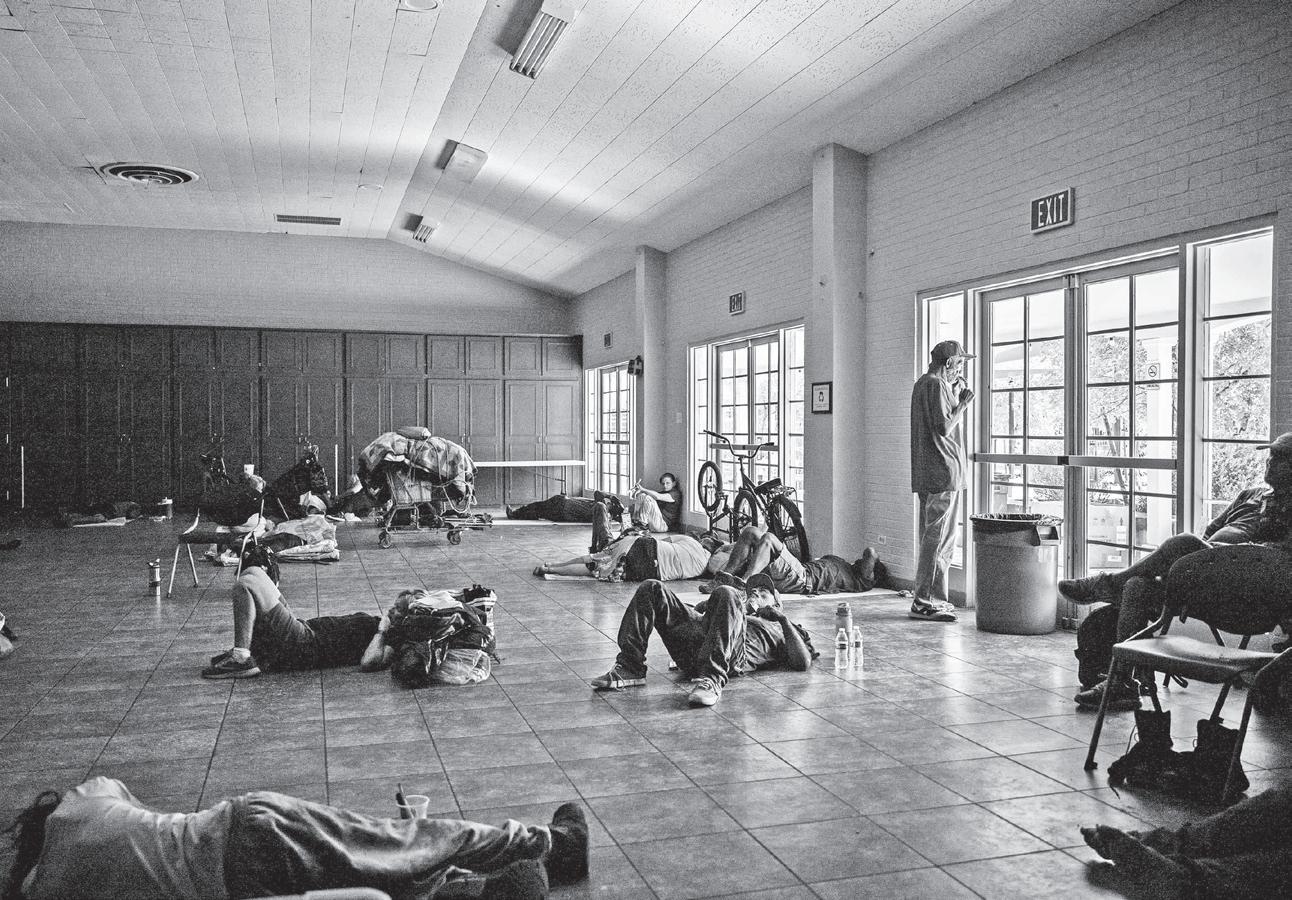
Even for the physically healthy, low levels of heat illness can impact concentration, balance and energy levels. That increases the risks for anyone impaired by drug or alcohol use, and for those suffering from mental illness. “Why do we get so many more unhoused people dying in parks with drugs in July than we do in December? It’s because of the heat,” Hess says.
To accurately determine heatcontributed deaths, officials at every step of the process must be versed in heat’s impacts and willing to figure out whether they played a role. At minimum, there needs to be an official record of the death—not a given in rural parts of India, for example—that lists heat as a contributing factor. But if governments are only reporting heat deaths based on death certificates and physical examinations of dead bodies, “then it’s highly likely to be an underestimation,” says Eunice Lo, a research fellow
in climate change and health at the University of Bristol’s Cabot Institute for the Environment.
While Pima County has always tracked some heat deaths, Hess says they weren’t able to investigate a wider swath of cases until he secured enough funding to hire an epidemiologist in 2022. Since last year, Pima County has been sharing its heat death findings online and updating them monthly. According to that data, the county has identified 24 heat-related deaths in 2024 so far.
“I’m sure it’s still an undercount,” Hess says. “I think we’re doing it as well as we can with how the system works, and as well as we can means that’s going to be better than a lot of other places. But there’s going to be those deaths that slip through the cracks.”
Hess’s inspiration is neighboring Maricopa County, home to Phoenix and long a national leader in tracking heat deaths. During hot months, the county publishes weekly reports on known and suspected heat fatalities. For the first half of the year, Maricopa County reported 13 confirmed heat-related deaths and 162 more under investigation. In 2023, there were 645 heat-related deaths.
To get around how infrequently
heat is listed as an official cause of death, a growing number of academics and public health officials are applying “excess mortality” studies to heat deaths. While these analyses don’t normally help with real-time reporting, they use the same method that public health experts do to pin down how many people are dying directly or indirectly from Covid-19.
To complete an excess mortality study, experts apply statistical modeling to a location’s meteorological data and official death records over a certain period of time, whether that’s a weeklong heat wave, a single summer, or multiple years. The aim is to “find the relationship between temperature and people dying,” Lo says. One such study, published in 2021, found that heat caused roughly 489,000 excess deaths a year globally between 2000 and 2019.
After a heat wave in 2003 caused more than 70,000 deaths across Europe—a number determined by an excess mortality study—the UK upped its focus on heat risk. Since 2016, the country’s Health Security Agency has calculated excess heat mortality for every summer. In 2023, officials estimated there were nearly 2,300 excess heat deaths over five hot periods. “Even having a heat warning system came about because of the 2003 heat wave,” Lo says.
In Europe, heat contributed to some 61,000 deaths in the summer of 2022, according to an excess heat mortality study published last year. One 2020 study looking at 297 US counties—nearly twothirds of the population—found that there were about 5,600 excess heat deaths annually between 1997 and 2006, double the highest heat death toll found using death certificates.
Excess mortality studies are only feasible in regions that keep comprehensive records on all causes of death over time—a prerequisite that’s easier to meet in the UK, US and Europe than it is in Africa, India or Southeast Asia.
“For many countries, we simply don’t have digitized death records or registrations,” Lo says. “For some places, like in Southeast Asia, we’ll have some data but it’s only in the last few years. Whereas in Europe, you can have 40 years of data.”
The studies also leave plenty of uncertainy, as Ueijo’s team found with their analyses of Miami-Dade County. The disparate findings speak to “the lack of full understanding of the excess morbidity and mortality related to heat exposure and the need for improved data collection and more research,” Gilbert says.
Extreme heat isn’t going anywhere. Rising greenhouse gases in the atmosphere have already warmed the planet by about 1.2C compared to the pre-industrial era, and heat waves are becoming more frequent and more intense. That trajectory makes it increasingly critical to appreciate heat as a lethal threat.
“All those deaths are potentially preventable,” Ebi says. “Yet people don’t really think of heat as the killer it can be.”
Greater awareness could also keep the heat from becoming even more deadly. People can get in the habit of increasing hydration, dressing for high temperatures and shifting their daily routines to avoid the hottest part of the day. Governments can increase access to cooling at home and in public, plant trees to add shade, and implement other solutions geared at heat adaptation.
But the first step is understanding the scope of the problem. “You need to know these numbers so that you can design your infrastructure and policy accordingly,” says Avikal Somvanshi, head of the Urban Lab at India’s Centre for Science and Environment. Otherwise, other countries might think, “Oh, India is a country of 1.4 billion people and only 300 people died of heat stroke last year.” With assistance from Shoko Oda, Suttinee Yuvejwattana and Manolo Serapio Jr./Bloomberg
. .
In the e-mail, deputy campaign manager Rob Flaherty branded the Biden doubters the “bedwetting brigade.” More sheets were about to be soiled.
The ‘freak-out’
ON the Sunday news shows, Pennsylvania Sen. John Fetterman stepped up to offer a defense of the president. He, too, had epically flopped in a debate.
Five months after a stroke, Fetterman was hopelessly muddled against his sprightly Republican opponent, Mehmet Oz. As with Biden, Fetterman’s people wondered why the candidate, on a long road to recovery, had ever agreed to go on that stage just days before the 2022 midterms.
“Same kind of a freak-out,” he said. “And I smoked Oz by five points.”
With no chance of recovering from being 81 to 85 in the next four years, Biden saw the cracks in his support widen, but, crucially, Democrats as a whole did not rush to judgment.
Old as he may be, Biden has had time on his side in this latein-the-game crisis. With each tick of the clock, it becomes harder for Democrats who want him out to replace him.
But on July 2, former Speaker Nancy Pelosi lent credence to the doubts about Biden, saying she was hearing mixed opinions on whether he should stay. “I think it’s a legitimate question to say, is this an episode or is this a condition?” she said on MSNBC.
The first cracks WITHIN hours, Rep. Lloyd Doggett of Texas became the first lawmaker to say Biden should go. “I am hopeful that he will make the painful and difficult decision to withdraw,” he said.
For days, Democrats had been imploring Biden to get out more, call more lawmakers and put himself in unscripted situations to show what he can do. “Come on, pick up the phone,” said Rep. Nanette Barragan of California, chair of the Congressional Hispanic Caucus and a Biden supporter. Biden’s dilemma was clear. The more he was encouraged to do in public, the more he increased the chances of making a mistake. Still, he agreed to sit down for questions with ABC’s George Stephanopoulos later that week.
But first, as scattered defections were picking up, Biden spoke in person and remotely in a closed session with Democratic governors. Maryland Gov. Wes Moore, firmly behind Biden, called it a “bitch session” by unnerved governors.
In large measure, governors came away sounding supportive of Biden or at least quiet about discontent, and reported that he seemed on top of things.
Yet the session played into public perceptions of Biden as stretched thin, as he acknowledged he needs to get more sleep and limit evening events so he can go to bed earlier. The president joked that his health was fine and it was his brain that was the problem. The crack fell flat.
Panic 2.0
IN 22 minutes with Stephanopoulos on July 5, Biden avoided another debacle like his debate—a matchup that had been proposed by his campaign and accepted by Trump’s. But the ABC interview left few Democrats reassured. Biden’s ill-timed pauses, meandering moments and garbled words made some even more alarmed than they were before, because now the debate could not be written off as just one bad night. The ground shifted.
An architect of Obama’s two presidential election victories, David Axelrod, said it was all too much. Biden, he said, is “dangerously out-of-touch with the concerns people have about his capacities moving forward and his standing in this race.”
Rob Reiner, the Hollywood director, Democratic Party donor and “Meathead” of long-ago “All in the Family” fame, posted an expletive on X with his opinion that “It’s time for Joe Biden to step down.”
Michael Moore, the Oscarwinning documentary filmmaker who forecast Trump’s 2016 victory when most others on the left (and the right and the center) figured he would lose, appealed to Biden to not “let your enablers hound you into doing what your body is begging you not to do.”
Among governors, those who have been floated as presidential prospects voiced firm support for Biden, surely in part to avoid being seen as pretenders to the throne. Gretchen Whitmer of Michigan and Gavin Newsom of California left no daylight between the president and themselves.
In Kentucky, Gov. Andy Beshear told a news conference Thursday, “I support him as long as he is our nominee” but the Biden campaign needs to set “an aggressive campaign schedule” and provide “the information on his health that I think people have been asking for.”
For all that, the debate among Democrats over what to do in the aftermath of June 27 has been most pronounced in Congress, where Biden made career-long friendships in his decades as a senator. It’s the place where Biden, as president, has scored improbable wins for some of the top items on his agenda.
In inconclusive Capitol Hill meetings this week, more Democrats spoke up for Biden than against him, even as many suggested the private feelings were moving swiftly away from the president. The Congressional Black Caucus offered unqualified support and other groups circled the wagons, too. The list of Democratic House members who called for him to get out of the race grew, but the floodgates didn’t open.
On Monday, Biden sent a forceful open letter to congressional Democrats declaring: “Any weakening of resolve or lack of clarity about the task ahead only helps Trump and hurts us. It’s time to come together, move forward as a unified party, and defeat Donald Trump.”
Gone fishing
ALASKA Rep. Mary Peltola was off fishing. She’d stepped back from the fray and headed home to spend the week packing fish into freezers for the winter, her summer ritual.
“There’s nothing quite like being out on the water,” she posted on X on Monday with photos of her wharf-side.
With Biden’s allies stepping up pressure, the ground appeared to shift again, this time in his favor. One of those who had urged him to quit, Rep. Jerry Nadler of New York, walked that back. There was a lull in defections. But only for a blink of time.
On Wednesday, Pelosi again weighed in. Her words were exquisitely measured but instantly taken as a setback for Biden. On MSNBC’s “Morning Joe,” she dodged when asked if he should run for president again, instead saying it’s his decision to make. Days earlier, Biden had vowed only the “Lord Almighty” would make him quit. Pelosi did not take that yes as his answer. In short order, Sen. Peter Welch of Vermont became the first senator to call openly for Biden to quit the campaign. This, after several others had held back from such an announcement while leaving no doubt in their public comments

that the president had become a liability in their minds.
Sen. Patty Murray of Washington was among them. “We need to see a much more forceful and energetic candidate on the campaign
for the future.”
trail in the very near future in order for him to convince voters he is up to the job,” she said Monday. “President Biden must seriously consider the best way to preserve his incredible legacy and secure it
Rep. Earl Blumenauer, the longest serving Democrat in Oregon’s House delegation, became the ninth House Democrat to ask Biden to step aside, followed Thursday by more.
The naysayers, though a distinct minority, aren’t outliers. Rather they are a mix of senior Democrats and some newer members who won closely watched races in swing districts and feel especially vulnerable now. They have given voice to many more who have said, whether publicly or privately, that Biden puts Democrats on a path to defeat.
Among the veterans, Rep. Adam Schiff of California, while stopping short of urging Biden to quit the campaign, said people are rightfully asking whether the president has the vigor to defeat Trump.
“There’s only one reason it is close,” he said of the 2024 race. “And that’s the president’s age.” He added, “Everything is riding on this.”
The Associated Press writers Aamer Madhani, Colleen Long and Amelia Thomson-DeVeaux contributed to this report.
Virginia Sen. Mark Warner, who took steps early on to bring colleagues together to assess the damage from the debate, said Biden needed to burst out of his protective bubble and “hear directly from a broader group of voices.”


By Josef Federman The Associated Press
Israeli military on Thursday acknowledged a string of errors in its response to the deadly Hamas attacks last October 7, including slow response times and disorganization, as it released the results of its first investigation into failures during the assault that triggered the war in Gaza.
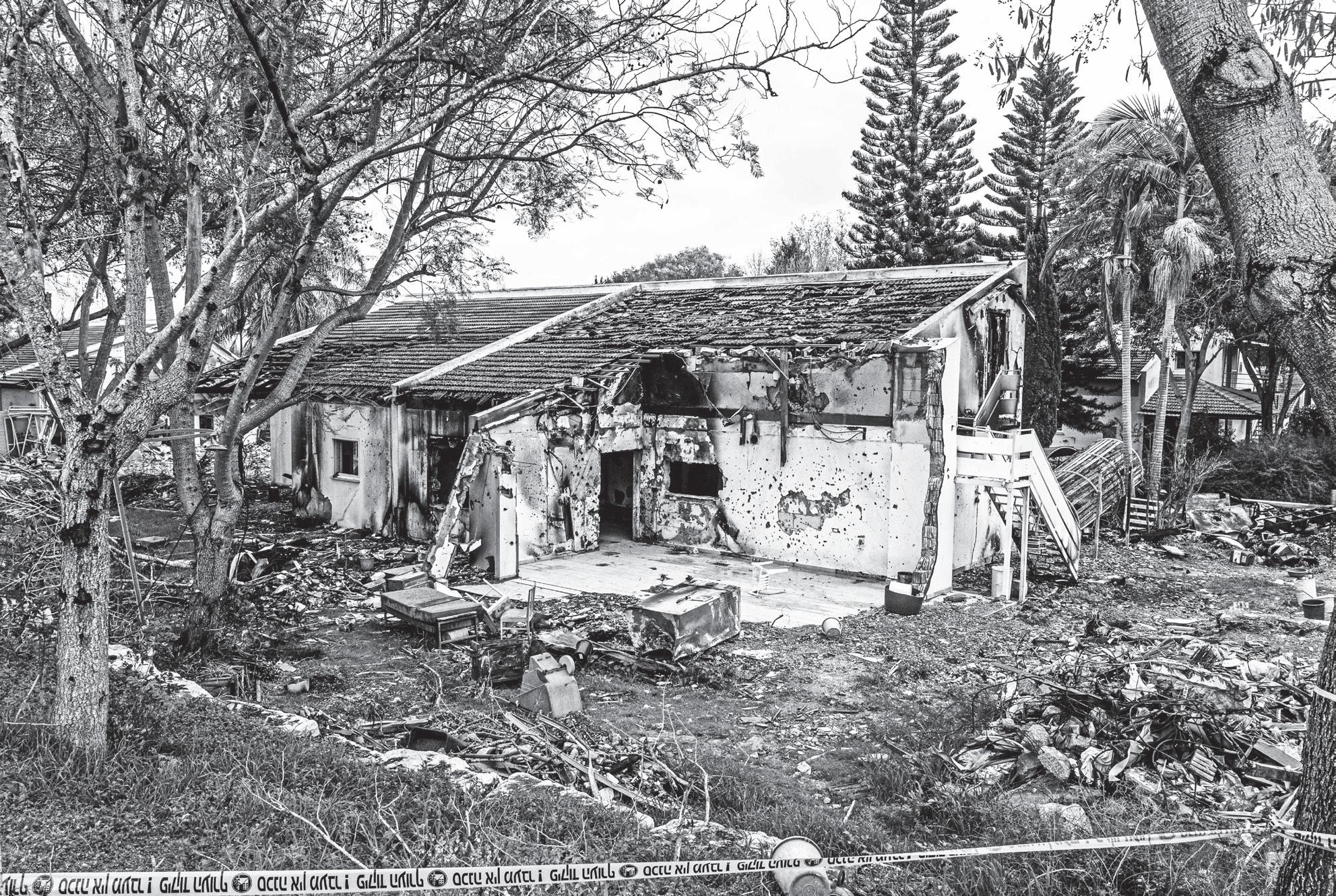
The report focused on the border community of Be’eri, where over 100 people were killed and more than 30 others taken hostage by Hamas. It was among the hardest-hit communities in the early morning attack, and it was the scene of one of the highestprofile confrontations of October 7—a standoff in which militants held a group of hostages inside a home.
“The army failed in its mission to protect the residents of Kibbutz Be’eri,” the military’s chief spokesman, Rear Adm. Daniel Hagari, said in a televised address. “It is painful and difficult for me to say that.”
During the standoff, a tank fired at the home, raising concerns that the 13 hostages inside were killed by friendly fire. The military concluded that they were likely killed by Hamas militants, not Israeli shelling, though it was unclear how it reached that conclusion, and the report called for additional tests. The army said the kibbutz was overrun by about 340 Hamas fighters.
Investigators “determined that, based on the information reviewed and to the best of their understanding, no civilians inside the building were harmed by tank
shell fire,” the report said, though it said two Israeli civilians were hit by shrapnel outside the building. One of those civilians died, according to the man’s wife. It also said commanders on the scene made “professional and responsible decisions” in ordering the tank strike. It said there had been a joint decision by various commanders after hearing gunshots within the house and militants saying they planned to kill the hostages and commit suicide.
“The team determined that most of the hostages were likely murdered by the terrorists,” the report said.
The report also pointed to delays of several hours in the arrival of military forces and said forces waited outside the kibbutz into the afternoon as residents were being killed, not understanding the severity of the situation.
“This situation is extremely grave and cannot occur,” it said.
The report praised “the bravery of the Be’eri residents and the members of the kibbutz’s civilian rapid response team,” saying it was “crucial in stabilizing the defensive line during the first hours of combat.”
See “Israeli army,” A7

The Israeli army has come under heavy criticism from Palestinians and human rights groups, who say its investigations rarely result in punishment.
Kibbutz residents gave the report a mixed reception, expressing anger over the army’s failures that day but also appreciation that it took responsibility.
Meir Zarbiv, a resident whose brother and sister were both killed on October 7, called the report a “deception” by the army. “I don’t believe the report, and I don’t believe anything about it,” he said.
He said he still cannot understand the delays in arriving and entering the kibbutz. “I just don’t believe what happened here. I have no explanation,” he said. “Where was the army?”
In a statement, the community called the investigation “thorough” and said it helped them understand the complexity of the fighting that day.
“We see great importance in the army accepting the blame and responsibility for its complete failure to protect us and in asking for forgiveness for abandoning us for many hours during an attack of unmatched evil,” it said.
The kibbutz also called for an
official state commission of inquiry into the broader failures of October 7 “so the unimaginable loss we experienced will never against be experienced by any other citizen.”
The surprise cross-border raid killed some 1,200 people, most of them civilians, and took 250 others hostage, in the deadliest attack in Israel’s 76-year history. The attack, in which several thousand militants stormed across the border without resistance, revealed grave shortcomings in the army’s readiness, its intelligence assessments and policies set by political leaders toward Gaza.
An Israeli offensive launched in response to the attack has killed over 38,000 Palestinians, according to local health authorities, displaced over 80 percent of the territory’s people and triggered a humanitarian disaster in Gaza. Israel is now facing war crimes and genocide allegations in international courts.
The army has launched multiple investigations into the failures of October 7, and the head of military intelligence has resigned. Several other commanders have apologized and taken responsibility for their failures.
But Prime Minister Benjamin Netanyahu has rejected repeated calls for an official state investigation, even as the war enters its 10th month.


Netanyahu has said an investigation cannot be conducted while the country is focused on its war against Hamas and says all questions will be answered at the ap -
propriate time. But critics accuse the Israeli leader of dragging his feet to avoid what will almost certainly be harsh criticism of his policies and leadership.
At a military ceremony Thursday, Israeli Defense Minister Yoav Gallant said the time has come to launch a state commission of inquiry to look into the country’s
leadership. “It needs to check me, the minister of defense. It needs to check the prime minister.”
In the face of fierce international criticism, Netanyahu has vowed to continue the war until destroying Hamas’ military and governing capabilities and the roughly 120 hostages remaining in Gaza return home. Tens of thousands of Israelis have taken to the streets in weekly protests calling on Netanyahu to reach an immediate cease-fire, saying time is running out to bring the hostages home safely.
International mediators have launched renewed efforts to broker a cease-fire between Israel and Hamas.
Netanyahu announced Thursday that he would send a team of negotiators to Cairo to continue cease-fire talks, but he reiterated his stance that he will not halt the war until Israel achieves its war objectives.
He was interrupted by hecklers at the same military ceremony when he vowed to continue the war “until victory, even if it takes time.” As he spoke, a small crowd began to chant “shame.”
The Associated Press writers Tia Goldenberg and Isaac Scharf contributed to this report.


Story & photos Manuel T. Cayon
TACURONG CITY, Sultan Kudarat—The new molecular biology laboratory in this city will be bringing faster and accurate result on genome-based research and forensic investigations in this part of the country.
The Sultan Kudarat State University (SKSU) recently acquired its two laboratories with main support from the Department of Science and Technology (DOST).
The labs are the Forensic Molecular Biology Center, which will allow the institution to investigate genome-based research on various concerns, and the Technology Business Incubator Sustainable Ecosystem for the Promotion and Advancement of Promising Products (TBI Step App), “to strengthen the technopreneurship culture among the school’s internal and external stakeholders.”
The two laboratories aspire to bring the finer science of molecular biology and genome-based inquiries, including actual work on DNA (deoxyribonucleic acid)sequencing, right where they matter most to the locality.
Forensic Molecular Biology Center
MOLECULAR biologist and project head, Dr. Vincent Louie D. Cabelin, started conceptualizing the laboratory for the state university in 2021.
It was then at the height of the Covid-19 pandemic, when Mindanao got its own genome center in Davao City to study the
virus and receive samples to decongest the central testing center at the Research Institute for Tropical Medicine in Muntinlupa, Metro Manila.
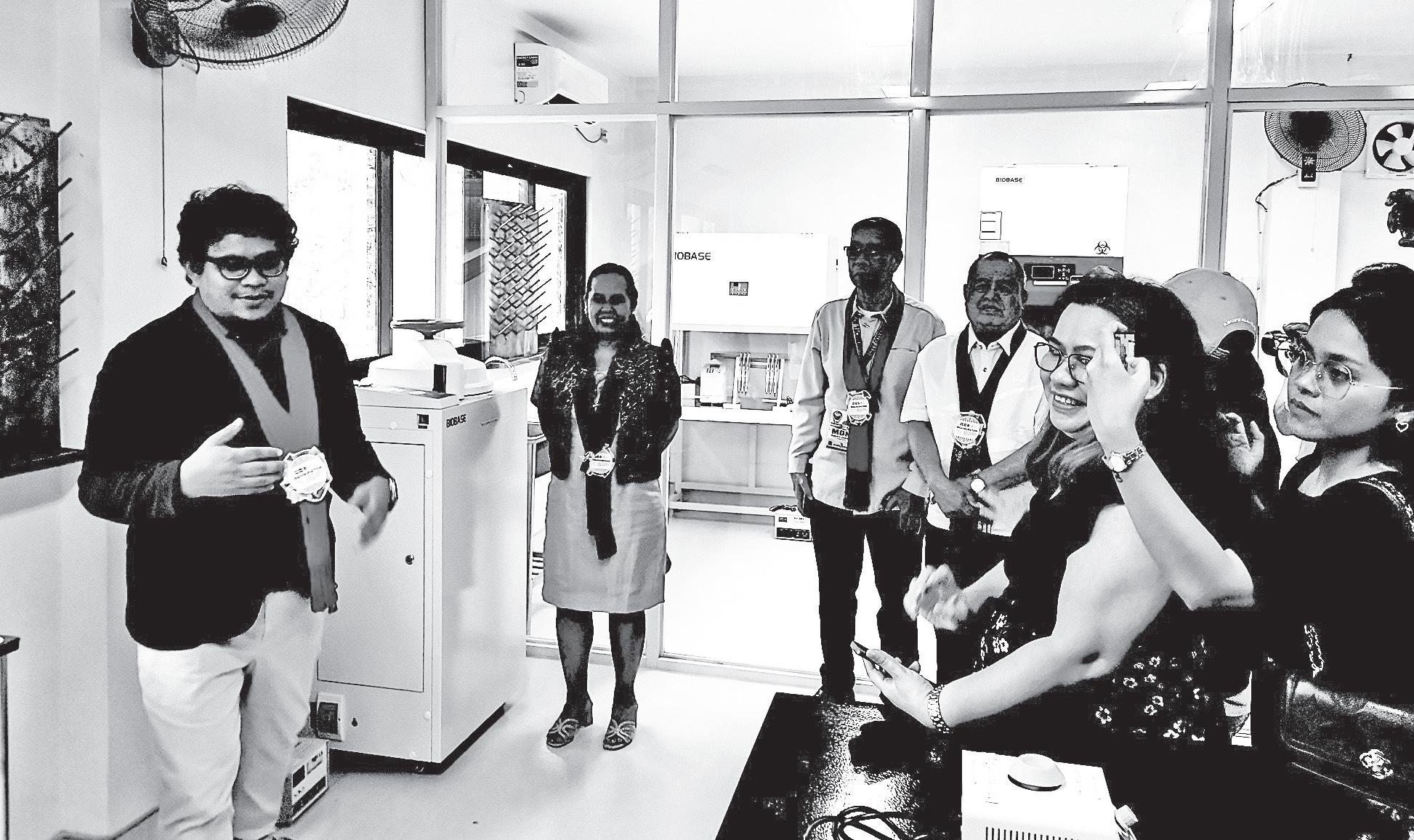
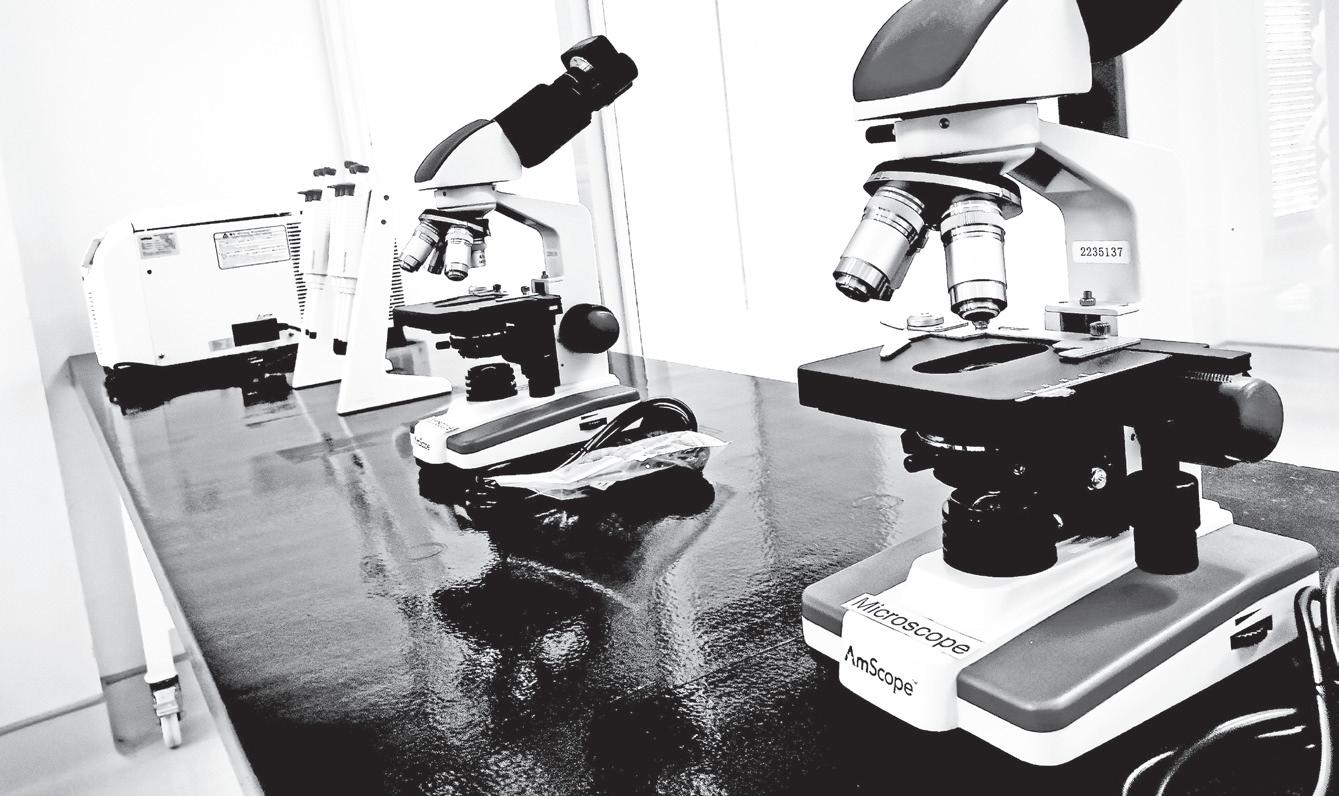
When the laboratory was launched on July 1, it has its first set of equipment that includes a PCR Cabinet and the Biosafety Cabinet Level 2, which were acquired from the university during the Covid-19 pandemic. Then it acquired later a top-loading autoclave, biomedical freezer, gel electrophoresis system, UV-Vis spectrophotometer, gel documentation system and microscopes
The set would already be fundamental to start its operation to cater to the needs of the SKSU courses that require molecular and forensic investigations, said Dr. Jesusa Ortuoste, acting president of the university. These would be strategic for students of
medical courses such as medical technology, nursing and the soon-to-be opened tmedicine course, said Dr. Carmela D. Urbano, dean of College of Health Sciences.
“Before, we just assume. We just present the manual without having actual handson activities for our students. With the laboratory, we will not assume, we will not pretend,” she said.
Medical technology sophomore student, Kylah Angela S. Ampolitod, said the laboratory would allow them to practice and study closely their samples.
Cabelin said the other courses to benefit from the use of the lab would be the Criminology and the Biology courses for their forensic studies.
TBI Step App
ALONGSIDE the forensic molecular laboratory
is the TBI Step App, a significant milestone for the university as it wanted to strengthen the “technopreneurship” culture among its internal and external stakeholders.
“The region’s agri-aqua and industrial technology sectors, particularly those in Sultan Kudarat, require technology-based intervention to improve their production, marketability, scalability, and eventually profit,” the DOST said, citing the preliminary needs assessment carried out by the Step App team.
“Many utility models developed at SKSU have received patents but have not yet been put into production,” it added.
Dr. Sheila M. Bayquin, project leader, said the entrepreneurial laboratory would help startup technology and businesses to develop into applicable systems for use by the community and fo the livelihood of the
‘Sari-sari’ stores to be equipped with AI to enhance business
‘SARI-SARI” (variety) stores are about to become smarter and more technologically advanced.
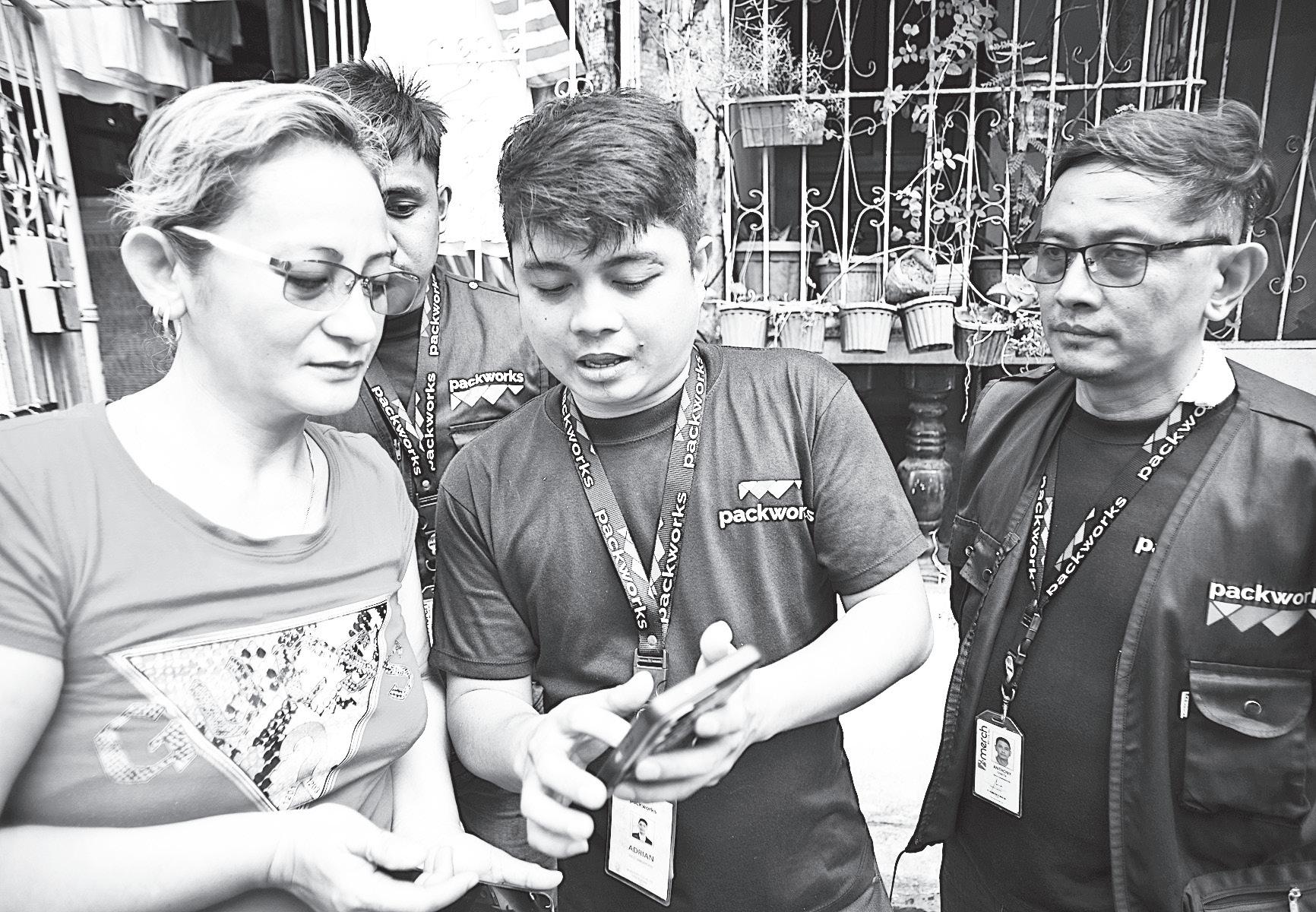
The Department of Science and Technology (DOST) funded Packworks, a Filipino startup that offers a business-to-business (B2B) fast-moving consumer goods (FMCG) marketplace for sari-sari stores.
This is to leverage Artificial Intelligence (AI) aimed at equipping over 1.3 million sari-sari stores nationwide with data-driven inventory management tools to enhance business growth.
A P3.5 million research funding from the DOST- Philippine Council for Industry, Energy and Emerging Technology Research and Development (PCIEERD) Startup Grant Fund (SGF) Program will support Packworks’ P1.5 million allocation to develop a machine- learning-powered precision marketing model, offering sari-sari stores customized recommendations on sellable items and promotions from Packworks’ FMCG partners.
Science Secretary Renato U. Solidum Jr. expressed his support to the project, saying: “Our mission at DOST is to build an integrated, inclusive and sustainable startup ecosystem. We hope to support startups at every stage of development, from formation, to validation, until growth.”
The SGF Program aims to support technology-based startups by transforming early-stage technologies into market-ready products.
Now in its second cycle, the program continues to foster innovation across various sectors, including sustainable industries, education, creative industries, data-driven technologies, climate change, and productivity enhancement tools.
Since July 2022, DOST has supported 123 startups in the country through the SGF program.
“Through this AI-powered model we will develop in partnership with DOST, we aim
to equip small entrepreneurs with datadriven insights and targeted strategies for enhanced business success and expansion,” said Packworks Chief Data Officer and project lead Andoy Montiel.
Sari-sari stores, despite serving as the primary source of daily essentials for around 94 percent of Filipinos, are often faced with challenges, such as inadequate financial management, lack of actionable customer insights, and ineffective promotional campaigns.
Furthermore, the current absence of a streamlined approach for receiving highquality promotions, such as discounts or personalized item packages from FMCG manufacturers, restricts store owners from enticing and retaining customers effectively.
Sari-sari stores are part of micro, small, and medium-sized enterprises (MSMEs) in the Philippines, which account for an overwhelming 99.5 percent of all business establishments. Of those, around 500,000 are in the wholesale and retail industry. The AI-powered capability will be
launched as an in-app service on Packworks’ Sari.PH Pro app and is expected to benefit its network of over 270,000 sari-sari stores across the Philippines.
“We are thrilled to partner with Packworks in this groundbreaking initiative to support the sari-sari store sector, a vital pillar of the Philippine economy,” said DOST-PCIEERD Executive Director Dr. Enrico Paringit.
“This collaboration exemplifies the government’s commitment in fostering technological advancement and economic growth through strategic publicprivate partnerships, as outlined in the Innovative Startup Act. We look forward to witnessing the transformative impact of this partnership on the grassroots retail industry towards driving inclusive growth and innovation across the Philippines,” Paringit added.
Aligned with Republic Act (RA) 11337, or the Innovative Startup Act (ISA), the initiative underscores the government’s commitment to enhancing the country’s startup ecosystem towards driving economic
growth and technological advancement.
Packworks CEO Bing Tan expresses his optimism about the partnership with DOST.
“We are elated to be collaborating with DOST through a shared vision to energize the grassroots retail industry in the country. This public-private partnership will be instrumental in addressing the unique challenges faced by sari-sari stores, providing them with the tools and insights needed to thrive in a competitive and increasingly digitized market. We look forward to leveraging AI-driven solutions to empower these stores, enhance their operational efficiency, and drive economic growth at the grassroots level,” Tan said.
Launched in 2018 as a solution for multinational companies with only a handful of sari-sari store partners, Packworks has rapidly expanded as a B2B platform that enables growth and success throughout all stakeholders in the supply chain ecosystem, from small sari-sari store owners to wholesalers, distributors, and renowned FMCG companies and brands.
Through the Sari.PH Pro app, sari-sari store owners can access pricing tools, inventory management, sales and revenue tracking, and working capital loans.
In 2022, the startup launched Sari IQ, a business intelligence tool offering real-time and historical consumer expenditure data to help retailers and brands gain visibility into sari-sari stores and expand their reach to more customers.
Analysis through the platform also helps them make data-driven decisions to boost the sales of sari-sari store owners by understanding and predicting consumer demand within their area.
The collaboration with DOST, which will run for 18 months, aims to reach more micro-retail stores across the country, enhancing their digital capabilities and fostering entrepreneurial growth and success.
forward to the Philippines’ ratification of the latest agreement.
on the benefits of participating in the Convention.
The Philippines was long since a party to the 1963 Vienna Convention on Civil Liability for Nuclear Damage.
Indeed these provisions are embodied in the current Republic Act 5207, or the Atomic Energy Regulatory and Liability Act of 1968.
The country is also presently a signatory to the updated 1997 Vienna Convention and to the Convention on Supplementary Compensation that took effect in 2015, with the IAEA looking
To help the Philippine government arrive at an informed decision and to fasttrack the process, legislative staff from both houses of Congress were joined by officials and representatives from various government agencies in participating in the workshop. Among the participating agencies were the Departments of Energy, Foreign Affairs, Trade and Industry (Strategic Trade Management Office), Justice, DOST-Department Legislative Liaison Office, Environment and Natural Resources (Environmental Management Bureau) and Budget and Management.
laboratory will have a pioneering role in forensic science and other subject areas that needed molecular biology studies.
She said the Center will engage first in animal and plant forensics, and will strategically develop its capabilities to conduct forensic science in humans.
Including the TBI Step App laboratory, Sultan Kudarat will provide another significant link in the chain of science laboratories around and across Mindanao, that has capabilities and capacities to delve into genome, molecular and health studies, microchips development, sensor-based tecnology systems, and business enterprise development.
families of incubatees.
“The province and the region, as it is agriculture-based, will greatly benefit from these two laboratories. But the prospects will not only be solely in agriculture. These will contribute to the development of technology and applications that will modernize agriculture,” Bayquin said.
The TBI Step App has also other value offering to support local startups’ interests in information and communication technology and industrial technology for halal goods.
Pioneering lab
DR. Ruby Raterta, chief of Human Resource and Institution Development Division of DOST-Philippine Council for Industry, Energy and Emerging Technology Research and Development (DOST-PCIEERD), said the Sultan Kudarat forensic molocular biology
As the DOST-PCIEERD held its 14th anniversary and displayed the impact “we made on our target beneficiaries in the business, academic, and community sectors” Raterta disclosed that “just in 2023, we gave about P745 million from PCIEERD and around P1.9 billion from DOST for the grant-in-aid projects.”
“These figures do not diminish our current position as the nation’s leaders in research and development. Serving as the center of innovation, we evaluated 1,009 proposals, finished 256 R&D projects, and keeping an eye on 413 ongoing projects,” she added.
Furthermore, she said, “we collaborated with 559 project leaders and have alliances with 104 higher education institutions and state universities and colleges, including 29 private institutions, seven research institutes, and 12 international cooperation.”
Balik Scientist seeks cure for non-alcoholic fatty liver disease from indigenous plants
ABALIK Scientist engaged by Central Mindanao University (CMU) is developing a means to address the growing concern of fatty liver disease in the country.
There is a high incidence of fatty liver disease due to diabetes and obesity in the world, including in the Philippines.
The focus of Dr. Ann Villalobos in her engagement in the Department of Science and Technology Balik Scientist Program (DOST-BSP) is more on non-alcoholic fatty liver disease (NAFLD), which is considered the most prevalent chronic liver disease worldwide.
“The Balik Scientist Program enables us to advance our research for the unmet medical needs of Filipinos like the non-alcoholic fatty liver disease....Through the expertise of Balik Scientists, we can ensure the health of our countrymen and optimize the use and management of medicinal plants.”said Science Secretary Renato U. Solidum Jr.
According to. Villalobos, there is no medicine for NAFLD and its global prevalence is increasing because of the popularity of the Western diet.
The incidence is calculated to be 32 percent, 40 percent of which are male and 26 percent female among adults in 2024.
In the Philippines, the prevalence of NAFLD was 19.3 percent based on a 2018 study and is increasing due to our adoption of Western diet.
NAFLD remains to be a major unmet medical/clinical need not only for Filipinos but for the world. Thus, novel pharmacological entities against NAFLD are urgently needed.
NAFLD, a metabolic disease initially involves the intracellular accumulation of lipids in the cytoplasm of liver cells.
The excess lipids are then stored as triglycerides and cholesterol esters as lipid droplets (LD).
LD is the reservoir and provides a buffer
In particular, House Special Committee on Nuclear Energy Chairman Mark Cojuangco also led many of the discussions with the IAEA experts during the workshop.
Cojuangco is the principal author of House Bill 9293, or the PhilATOM bill, which aims to create an independent nuclear regulatory body in the Philippines. He also authored the more recent House Bill 9876, which aims to serve as the law to implement the provisions of the Convention in the country. The bills were already approved on third reading by the House of Representatives—the PhilATOM bill in November 2023, followed closely by the civil liability bill on March of this year. The Senate is currently deliberating with
during times of energy deprivation. It is then appropriate to target to inhibit LD accumulation by suppressing fatty acid uptake.
To approach this mechanism of NAFLD, plant extracts from medicinal indigenous plants in Mindanao can be a target for high throughput screening (HTS).
This natural product can be a source of drug entities or its optimized form for interactions with biomolecules for discovering drugs and diagnostics against NAFLD. There are validated HTS and Global Natural Products Social Molecular (GPNS) platforms that are routinely employed in CMU’s partner laboratories: fatty liver disease, bladder cancer, and emerging infectious diseases.
Further screening would include simple separation processes to identify the active fractions, confirming components of active and non-active fractions by Liquid Chromatography with tandem mass spectrometry (LC/MS/MS), molecular networking analysis, establishing the library, and completing the screening, using tandem mass spectrometry.
“It is important to do [HTS] of plant extracts from a collection of indigenous plant from Mindanao by the Center for Biodiversity Research and Extension in Mindanao in [CMU], Musuan, Bukidnon. Many of these indigenous plants are considered ‘go to’ medicine by the indigenous peoples of Mindanao,” Villalobos explained.
Business Development is applied early on in the drug discovery stage. Only extracts/ fractions with very promising bioactivity and characterization, identification, and mechanism of action results will be considered and elevated for development.
In short, only those deemed to withstand the rigor of the development process will be considered for moving forward in this development program.
various agencies, including DOST-PNRI, for the approval of the bill. After the regional workshop, the IAEA experts also met further with legislative officials and staff along with representatives from the private sector to discuss how the Convention will be applicable as companies start to invest in nuclear power. Executive Order 164, issued by former President Rodrigo Duterte in 2022, adopted nuclear power back into the country’s energy mix, a policy which was later affirmed by President Ferdinand Marcos Jr. in his first State of the Nation Address, while also carefully mentioning the indispensable compliance with IAEA safety standards, as well as due consideration for emerging developments in the field, such as the use of small modular reactors.
www.businessmirror.com.ph • Editor: Lyn Resurreccion

IN her early 30s, Rachael Sanborn found herself in a bad relationship and dreaming of an escape to the Camino de Santiago in Spain, a pilgrimage her father had undertaken that had profoundly changed his life.
Sanborn, a rebel and adventurer by nature (she dropped out of college to meditate in India for a year), quit her job, gave up health insurance and pooled her savings to take two months to walk the Camino.
By the third day of her walk, she promised herself she’d return every year. Nine months later, she was back, guiding her first group of eight pilgrims.
A decade later, now 45 and residing in the Bay Area, she leads grief walks and walking meditations on the Camino with the travel company she founded, Red Monkey Walking Travel.
The red monkey is a nod to Hanuman, the Hindu god of joyful service.
Raised Tibetan Buddhist, Christian and Jewish, Sanborn considers herself all three. She believes everyone can find a way for the Camino to work for their religion.
“We have had everyone from devout Catholics to atheist Chinese nationals,” said Sanborn.
“The Camino for the last 1,000 years was always open to everyone from all religions. Some of my first Camino friends walked from Iran. Iran! And stopped in or outside every locked church and read Rumi poems,” she added.
Sanborn represents a growing trend of non-Catholic—even nonChristian—pilgrims venturing on the Camino.
In 2023, nearly half a million
people walked the Camino de Santiago in Spain. About 40 percent of those walked for purely religious reasons, according to statistics released by the pilgrims’ office.
While it’s traditionally a Catholic pilgrimage, ending at the shrine of the apostle James in the Cathedral of Santiago de Compostela, secular pilgrims today embark on the Camino for all kinds of motivations beyond religion: health, grief, transition, cultural exploration, history and adventure.
Sharon Hewitt of St. John’s in Newfoundland, Canada, walked part of the Camino in the fall of 2016 with two friends.
Her motivation was to spend time with friends and take a “purposeful” vacation.
Hewitt doesn’t consider herself religious but recognized a type of devotion in the rituals and challenges of the eight days of walking.
“I didn’t do it for religious reasons, but there is overlap,” says Hewitt.
“A lot about religion is discipline, just like the Camino. After a hard night, you still get up and go on,” she added.
This synthesis of religious and secular motivations is profound for people like Nancy Mead, president of The Friends of the Anglican Centre in Santiago de Compostela, an ecumenical religious organization.
Mead, an Episcopalian who lives in Rhode Island, says there
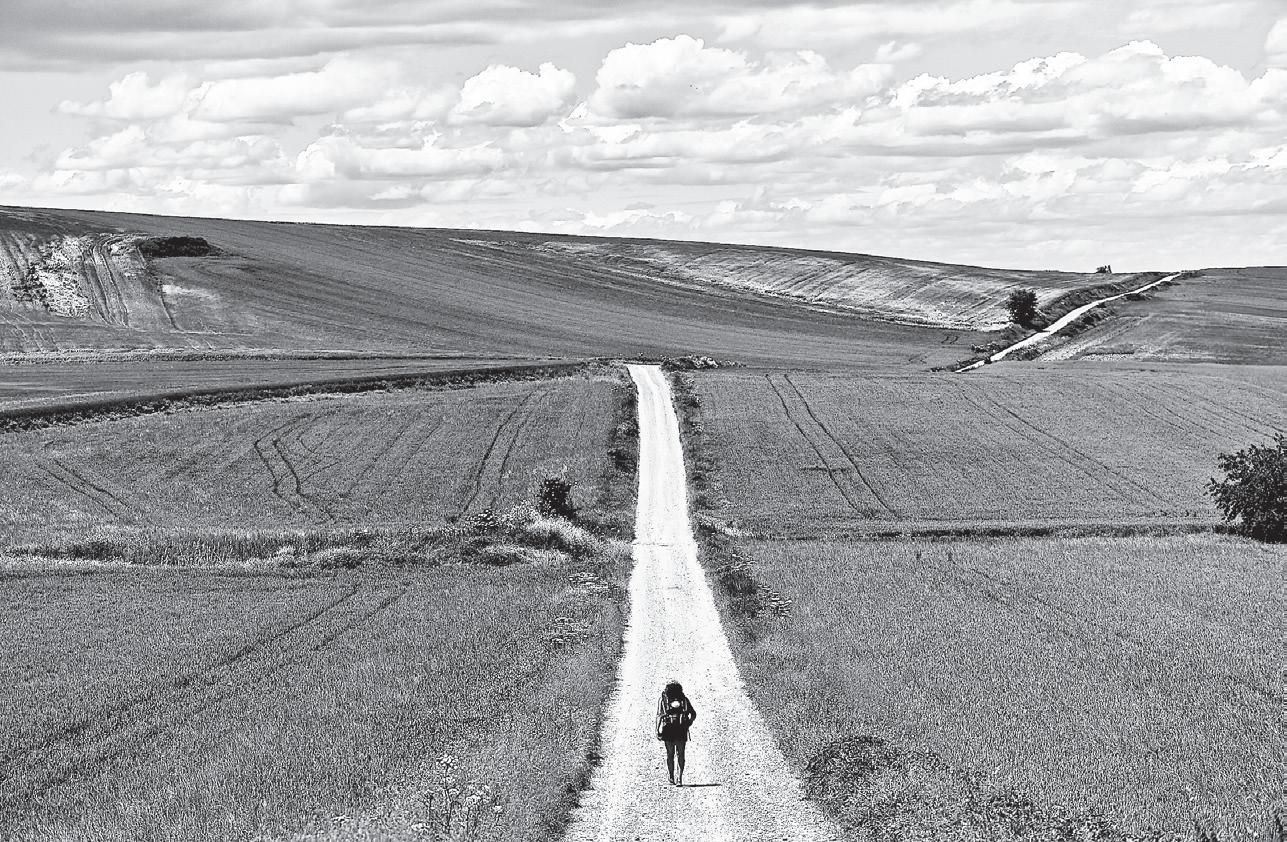
are as many reasons why people walk the Camino as there are people who walk it.
While the Camino is a religious experience for her, she has also learned life lessons along the way that apply to everybody, religious or not.
She’s walked seven different routes on the Camino and has to remind herself each time to lighten her load; makeup and extra clothes are just added weight on the journey.
The number of “spiritual but not religious” pilgrims on the Camino has increased over the past two decades as the demographic has grown and with the emergence of “secular spirituality.”
Jacqui Frost, whose research at Purdue includes health and wellbeing among the nonreligious, says researchers are increasingly using the language of spirituality to talk about secular experiences of feeling connected to something greater than yourself—something that, she says, often happens in nature.
“We have started to secularize a lot of what used to be religious rituals,” said Frost.
“Think about meditation, yoga or even atheist churches. A lot of people are interested in rituals and finding meaning in these collective events,” she said.
As this growing spiritual but not religious group borrows religious rituals and beliefs, there is a question of how to do so without appropriating them.
Many of the reasons nonreligious people go on the Camino are similar to why religious people go.
In a 2019 study in the “Sociology of Religion” journal, researchers examined atheists’ versus religious pilgrims’ motivations to walk the Santiago way and found overwhelming overlap across motivations; most were looking to connect to nature and one’s deeper self.
The only two measures that differed were community and religious motivations, which were both higher for religious pilgrims.
Religious ethics expert and author of the forthcoming book “The Religion Factor: How Restoring Religion to Our Spirituality Makes It More Meaningful, Responsible, and Effective,” Liz Bucar, says the growing number of spiritual but
not religious pilgrims represents a need for meaning-making, even when you’ve rejected religion.
But she doesn’t think it’s as easy as just dropping the religion part and isn’t so sure you can still get the same benefits without it.
“If you want to get the real meat out of pilgrimage, you have to engage with the religion of it,” says Bucar.
“Spirituality is what they are calling the pieces of religion that they like. Religion is part of the secret sauce,” she adds.
After all, Bucar says, pilgrimage is spiritual tourism. She describes the Camino today as a “curated, socially constructed experience with institutions involved.”
Bucar used to lead college students on the Camino but came to believe the trip fed into an idea that you can access this spiritual connectedness or transcendence through participating in a temporary experience.
She says the Camino falls into this category, which her new book is about, of these spiritual hacks and shortcuts people take when they “don’t want to do religion.”
Bucar required the students to write an application essay for the class, and most cited the desire to have a transformative experience as their reasoning for wanting to walk the Camino.
“They’re looking for a quick fix, an experience that will change their life,” she said.
She’s not opposed to taking students again. But she’d do it differently.
Instead of focusing on the inward journey, she’d encourage her students to study the historical context of the routes and the contentious parts of history that the official Spanish tour guides might be leaving out.
After all, St. James is also known as Santiago Matamoros,
the “Moor-slayer.”
You won’t hear about the story of Matamoros helping Charlemagne murder Muslims from a tour guide. She would put the construction of historical narratives front and center.
“I’d make it less fun for them and less of an ‘experience.’ It’s much more valuable to have these experiences be uncomfortable and disorienting,” said Bucar. “You have to engage with the religion of it.”
For Sanborn, Christianity will always be at the heart of the Camino—even for those bringing a different religion or no religion to their pilgrimage—though she agrees with Bucar that Christianity on the Camino has not always been beautiful.
“I think it’s important to honor the Christianity of the Camino, and appreciate the traditions and amazing art and architecture of the Camino,” she says.
“But the Camino also walks over both where over 80 people were taken from their mountain homes and the city where they were burnt at the stake. So I think it’s important to see the best and worst of religion,” said Sanborn.
“Each time I step into a church or cathedral on a hot day, it feels impossible to not be awed,” she adds
However, Sanborn resists the idea that non-Catholic pilgrims— “sometimes people call them tourist-pilgrims”—are unable to experience what the Camino has to offer.
“Everyone I have ever met along the Camino is getting more than they expected, so it’s probably best not to judge,” she said.
“The Camino is just so special in ways I don’t pretend to understand, which is part of the great mystery of life. It’s magic.” Ellie Davis/ Religion News Service Via Ap
AT least 1,300 people died because of scorching heat during the Hajj pilgrimage in June 2024.
It’s not the first time that such a tragic incident hit the pilgrimage. More than a thousand were killed in a heat wave in 1985, and deaths due to stampedes and other crowd-related disasters have been reported in previous years.
But despite the risks, millions of Muslims perform the pilgrimage; this year alone, some 1.8 million participated in it.
I, too, performed Hajj this year by traveling from the United States to Saudi Arabia.
This not only allowed me to fulfill my religious duty as a Muslim, but it also gave me the opportunity to observe the diversity of Muslim societies as a social scientist studying Islam and politics.
While the tragic deaths came to be the focus of much of the media coverage, there were many other dimensions of Hajj 2024.
Hajj is a personal spiritual journey that also involves meeting Muslims from diverse backgrounds.
But, of late, the Saudi government’s management of this gathering has been criticized, particularly regarding its destruction of Mecca’s historical landscape.
HAJJ is one of the five pillars of Islam–together with declaration of faith, daily prayers, fasting and almsgiving.
Muslims who have the financial and physical ability to undertake the pilgrimage are obligated to perform it at least once in their lives.
During most of the Hajj rituals, men wear two pieces of unstitched white clothing, representing humility and equality, while women can wear any articles of modest dress.
Together, men and women walk seven times around the Kaaba— the cube-shaped structure believed to be the “house of God” in Mecca.
Muslims all over the world turn toward the Kaaba when they pray five times a day.
Hajj has many spiritual dimensions, such as contemplation and asking for forgiveness and supplication, but it also involves physical challenges.
For example, an essential requirement of Hajj is traveling to Arafat, which is about 15 miles (24 kilometers) from the Kaaba, for a daylong prayer.
Physical challenges also include sleeping in tents in Mina, which is about 5 miles (8 kilometers) from the Kaaba, for three to four days.

Pilgrims must also remain under the open sky in Muzdalifah, a place about 8 miles (13 kilometers) from the Kaaba, for a night.
Traveling to all these places, in addition to performing rituals in Mecca, entails a substantial amount of walking.
I calculated walking about 80 miles (129 kilometers) during my pilgrimage. And this year’s extreme heat added to the challenge.
Multiracial global Islam HAJJ reflects the racial and socioeconomic diversity of about 2 billion Muslims across the world.
Hajj’s significance regarding racial relations was famously articulated by Malcolm X, a leading African American activist and
intellectual.
Malcolm X’s Hajj in 1964 played a major role in his transformation from being a Black nationalist to adopting the mainstream Islamic notion of embracing all races.
In a letter to his followers, Malcolm X explained how his interactions with white pilgrims were very positive.
“There are Muslims here of all colors and from every part of this earth. … I could look into their blue eyes and see that they regarded me as the same [Brothers], because their faith in One God [Allah] had actually removed ‘white’ from their mind.”
This year, pilgrims came to Hajj from 180 countries, where
diverse Islamic schools of theology and law have been practiced.
It is difficult to differentiate between pilgrims following Sunni, Shiite or other interpretations of Islam, since there are no substantial differences between their Hajj rituals.
I had conversations with pilgrims from the US, Norway, Finland, Albania, Turkey, Mali, India, Malaysia and Indonesia without knowing their religious schools.
Nonetheless, one can still observe some differences. During the circling around Kaaba, for example, I saw a dozen Iranians reciting out loud “Jawshan”—a prayer book of Shiites rarely embraced by Sunnis.
Critical perspectives
ISLAMIC scholars generally encourage pilgrims to focus on personal devotion and the rituals.
But this cannot prevent some pilgrims from criticizing the Saudi government’s management of Hajj, including its attempts to commercialize this devotional gathering.
In his 2014 book based on his multiple pilgrimages, British Muslim intellectual Ziauddin Sardar critiques how the Saudi government destroyed historical tombs, shrines and other build -
ings in Mecca, replacing them with towering hotels and malls, including the Clock Tower, the world’s fourth-tallest building. The Clock Tower is located right next to the Kaaba and dwarfs the sacred structure.
The Saudis’ destruction of historical buildings in Mecca was based on their fear that these historical sites, rather than God, would become objects of worship. As a result, no historical buildings remain in Mecca except Kaaba.
Interestingly, the House of Saud seems to have finally recognized the error of its ways.
In both Mecca and Madina, I saw recently opened museums, signaling a new attitude toward historical preservation. However, many pilgrims disregard these problems and concentrate on the spiritual dimension of their journey.
Hajj is a unique experience allowing one to meet and even live together with people from radically diverse backgrounds. It reflects the racial, ethnic and socioeconomic diversity of the global Muslim community. And this year even the extraordinary heat couldn’t prevent it.
Ahmet T. Kuru, San Diego State University/The Conversation (CC) via AP

Asean Champions of Biodiversity Media Category 2014
A10
Sunday, July 14, 2024

Editor: Lyn Resurreccion
By Jonathan L. Mayuga
HE United Nations Educational, Scientific and Cultural Organization
(Unesco) recently designated 11 biosphere reserves in 11 countries, including the Apayao province—Philippine eagles’ stronghold in the North of the Philippines.
With the designation of the 11 new biospheres, the World Network of Biosphere Reserves now totals 759 sites in 136 countries.
What are biosphere reserves?
BIOSPHERE reserves are an essential component of Unesco’s mandate as the United Nations’ organization for sciences.
Each biosphere reserve promotes innovative local sustainable development solutions, protects biodiversity, and addresses climate disruption.
They also support local and Indigenous communities through practices, such as agroecology, water management, and the generation of green income.
“Biosphere reserves contribute to helping achieve the targets set by States upon the adoption of the Kunming-Montreal Global Biodiversity Framework in December 2022, which includes designating 30 percent of the Earth’s land and marine surface as protected areas and restoring 30 percent of the planet’s degraded ecosystems by 2030,” Unesco said in a statement announcing the 11 new biosphere reserves.
With the designation, Apayao province in the Cordillera Administrative Region, becomes the fourth Unesco Biosphere Reserve in the Philippines after Albay, Palawan and Puerto Galera.
Apayao Biosphere Reserve
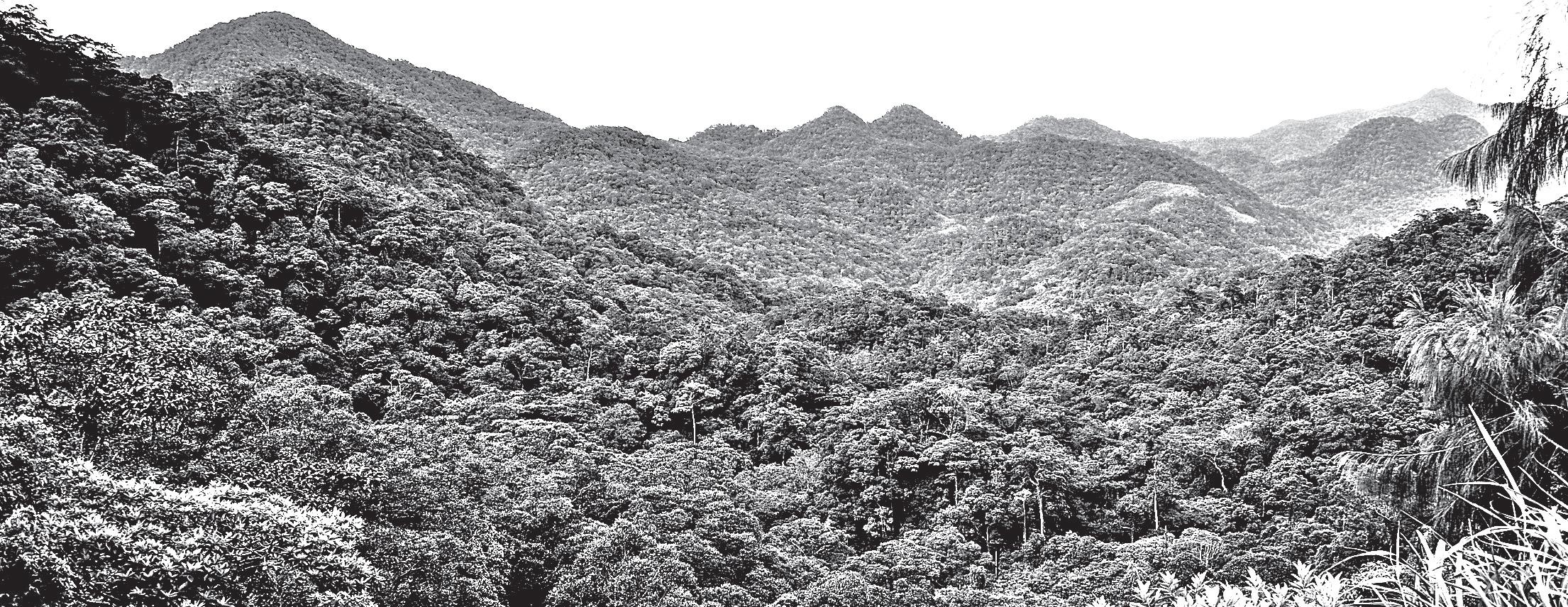
ACCORDING to Unesco, the Apayao Biosphere Reserve is divided into two distinct regions: the Upper Apayao sports rugged terrain with towering peaks, plateaus, and valleys, while the Lower Apayao features flatlands adorned with rolling hills and plateaus.
It cited the Apayao River, which stretches 180 km, that serves as a vital watershed that nurtures 18 tributaries across the province.
It cited the Isnag/Isneg community which constitutes 30 percent of the population of the various ethnolinguistic groups and 10 Indigenous Cultural Communities, whose traditions and laws are deeply intertwined with the land and its resources.
Officially called as the Biosphere Reserve for the Apayaos, the area covers almost 400,000 hectares of provincial landscapes with 48,254.40 hectares designated as “core areas,” 168,720.54 hectares as “buffer zones,” and 178,999.82 hectares as transition zones.
THE Isnag/Isneg people uphold the “lapat” system, a unique customary practice regulating the use of natural resources and the protection of the environment.
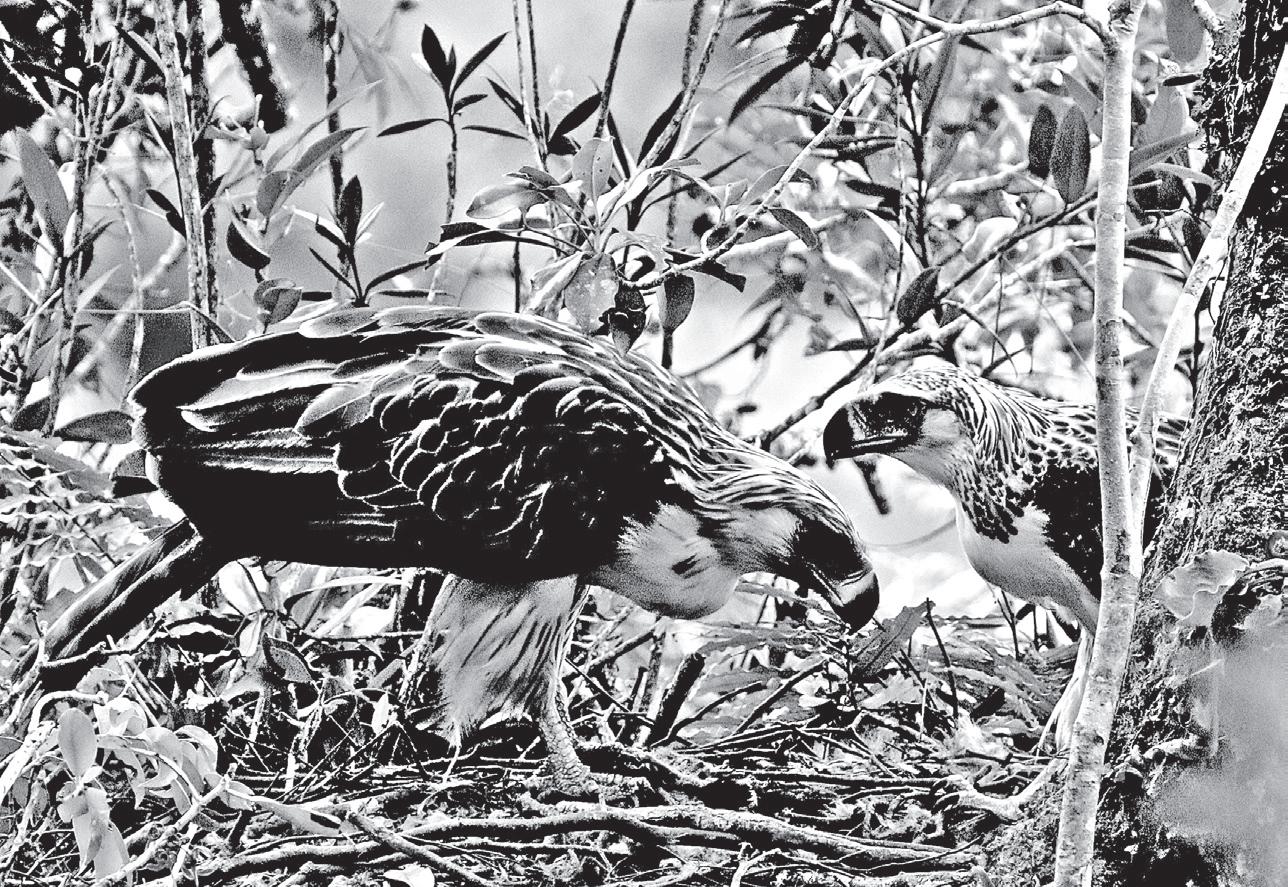
According to Unesco, Apayao harbors the Apayao Lowland Forest Key Biodiversity Area, which has high levels of endemism and serves as a refuge for critically endangered species—like the critically endangered Philippine eagle (Pithecophaga jefferyi).
“The population of 124,366 [residents] engage primarily in rice and corn cultivation. However, ecotourism is progressing in the province. The biosphere reserve spans 3 960 sq km,” it added.
Philippine eagle stronghold THE Apayao province is a known Philippine eagle stronghold. It hosts a good number of Philippine eagle pairs with verified active nesting sites.
“As of the latest accounts, we know of five Philippine eagle pairs or territories within the province. Two of the five sites have active nesting sites. But with the large forest expanse in Apayao, more eagle pairs found are there,” Philippine Eagle Foundation (PEF) Director for Operations Dr. Jayson Ibanez told the B usiness M irror via Messenger on July 7.
“As the country’s top carnivore in the forest canopy, it is an important component of the Philippine forest food web. Indeed, our national bird maintains a complex relationship with the equally unique animals that it shares its forest habitat with. Through patient eagle research, we are discovering the occurrences of other mysterious forest creatures,” PEF Executive Director Dennis Salvador said via e-mail on July 9.
Ibanez, who was among the members
of the Philippine delegation to the 36th International Coordinating Council Meeting of the Man and Biosphere program (ICC-MAB) held in Agadir, Morocco, last July 5, frequently visits the forests of Apayao because of the conservation activities of the PEF in the area.
The Philippine delegation to the ICCMAB was headed by Apayao Gov. Elias Bulut Jr. and Apayao Lone District Rep. Eleonor Bulut-Begtang, together with Ibanez and Salvador, DENR 8 Regional Executive Director Engr. Paquito Morales, and Unesco Philippines Secretary General Dr. Ivan Henares.
Six years in the making ACCORDING to Ibanez, the approved design of the reserve came after over six years of documentation, biodiversity expeditions, biophysical and cultural mapping, training, awareness campaigns,
and international collaborations to fulfill Unesco’s requirements.
The aspiration for Apayao to be a Unesco Biosphere Reserve began after the first active nest of the International Union for Conservation of Nature-listed “critically endangered” Philippine eagle on Luzon island was discovered in the province in 2015.
The documentation of the Philippines’ national bird—the world’s rarest and most endangered forest eagle—was followed by the detection of more eagle pairs across the old-growth forests of the province during succeeding expeditions.
The PEF has actively supported the provincial government of Apayao with the biosphere nomination through biodiversity expeditions, biophysical and cultural mapping and other activities. The PEF is a member of the Biosphere Technical Working Group and its secretariat.
“Now that the reserve is inscribed, we
‘ H ER Deepness,” as the distinguished oceanographer, National Geographic Explorer in Residence and Mission Blue Founder Dr. Sylvia Earle is called, recently met with the Department of Environment and Natural Resources (DENR) and partners for the conservation of the Verde Island Passage (VIP) to discuss marine life preservation and experience firsthand diving in what is known as the “center of the world’s marine shore fish biodiversity.”
Earle’s first visit to the Philippines was upon the invitation of Environment Secretary Maria Antonia Yulo Loyzaga and coincides with the country’s observance of June as the Philippine Environment Month.
Meeting Earle is considered a momentous occasion especially by the country’s marine scientists and advocates for the protection and conservation of the Philippines rich coastal and marine ecosystems.
This is especially in light of new threats to biodiversity in the high seas and to the deep-sea environments.
The first woman to lead the National Oceanographic and Atmospheric Administration of the United States, Earle noted that nature had changed at a rate that is essentially geological in terms of its speed, but this is no longer the case “because of the actions of one species—that would be us.”
She noted that humans are “at a point in time when what we do or what we fail to do will determine what the next 50 or 500 or 5,000 years will be.”
In a dialogue with conservation partners, the respected oceanographer discussed the importance of integrating biodiversity conservation with climate action, and the indispensable role of the ocean in achieving global climate goals.
She also emphasized that one cannot care for the ocean if one does not know it. Given this, she pointed out that there have never been tools and technologies to build that knowledge, but never before has man’s power to alter nature been greater.
The meeting included United States Ambassador to the Philippines MaryKay Carlson, environmental champion Sen. Loren Legarda, representatives from the University of the Philippines Marine Science Institute and De Lasalle University, nongovernment organizations such as ABS-CBN Foundation, Conservation International Philippines, and Communities Organized for Resource Allocation.
They were joined by major private sector stakeholders in the conservation of VIP, including Aboitiz Equity Ventures (AEV), Metro Pacific Investments Corp. (MPIC), San Miguel Corp. (SMC), First Gen Corp. (FGC) and the Ten Knots Group.
Earle described the VIP as a unique global treasure, emphasizing its profound historical significance and exceptional biodiversity.
She pointed out the honor and respect befitting the area, attesting to its rich biodiversity as the “center of the world’s marine shore fish biodiversity” while highlighting the
urgent need for proactive conservation efforts amid growing threats.
“Whether it’s industry, education, science, government, whatever the powers that are represented, we need to come together to take care of nature, take care of the ocean, as if our lives depend on it, because they do,” she said.
For her part, Loyzaga underscored the indispensable role of the ocean in achieving global climate goals, and advocated for science-based and equitable measures, such as the creation of marine protected areas.
She also pointed out that while the Philippines may be a small country, it is, in fact, a large ocean nation.
The environment chief also cited the challenges besetting the VIP and the current initiatives for the area, including research studies for its protection and management, and the establishment of marine scientific research stations in collaboration with stakeholders.
“With the VIP Protected Seascape Bill on file in the Senate and active collaboration with all stakeholders embracing a whole-ofsociety approach, we must move steadfastly in pursuit of a true identity of the VIP and our own country as a resilient and blue nation,” she said.
Diving in the VIP
EARLE , along with Mission Blue Global Ocean Policy Advisor Maximiliano Bello, proceeded to Mabini, Batangas, for a dive at the VIP. They were accompanied by the DENR dive team and
other Filipino divers and marine scientists and experts including, UP MSI Executive Director Dr. Laura David and DLSU professor Dr. Al Licuanan.
Mission Blue, a global coalition dedicated to ocean conservation, aims to catalyze action and foster partnerships for marine protected areas such as the VIP.
In July 2023, it named the VIP as a “Hope Spot” in recognition of its critical role in the health of the oceans.
Under the current Marcos administration, the DENR is actively seeking to expand research and monitoring to conserve and protect Philippine marine biodiversity.
It received congressional funding for six new marine scientific stations in the different biogeographic areas of the country.
Most recently, it has partnered with the Department of Energy to support the country’s energy transition while protecting the marine and coastal environment in the VIP along with AEV, MPIC, SMC, and FGC in the establishment of a Passage-wide protection and conservation program and a marine scientific station within the VIP.
The Verde Island Passage is a strait located in the Southern part of Luzon Island and bordered by Batangas, Marinduque, Romblon, and Oriental and Occidental Mindoro provinces.
will actively help with the management planning workshop and with the implementation of the plan,” Ibanez said.
THE Philippine eagle thriving in the area shares Apayao’s ancient landscapes with a rich assemblage of unique flora and fauna and the variety of biotic communities and ecosystems they form, Ibanez said.
“[They are] from the highly endemic and endangered ‘Rafflesia manillana,’ the smallest parasitic Rafflesia flower in the country; the Northern ‘bitatawa,’ a giant forest lizard that amazingly eats only foliage and fruits, a vegan lizard found nowhere else except only in Apayao and nearby provinces; to the family of tree giants called ‘lauan,’ the country’s tallest and most endangered family of trees,” he added.
IBANEZ said the traditional Apayao way of life, which is still very much alive, inspired the bid for a Biosphere Reserve designation.
“The late Apayao governor and Lone District representative, Calanasan Mayor, and also Isnag/Isneg leader and elder Elias Bulut, for years, have popularized and. integrated Indigenous customary ways into local government rules,” Ibanez said.
He cited town rules that affirm the observance of lapat, or the practice of setting aside portions of forests or rivers as sacred or taboo sites after its Indigenous owner has died.
“Lapat areas are off-limits, and trespassers face the curse of sickness, or worst, death, from the departed. A lavish ‘say-yam’ festival lifts the taboo, but [it is effective] only after a few years,” Ibanez explained.
Establishing animal sanctuaries
AN added benefit of the lapat practice is that the areas become sanctuaries for both wildlife plants and animals.
“Much of the new reserve’s core areas are lapat areas of their Isnag/Isneg ancestral domain owners,” he said.
“Local government rules also recognize the ancient ‘oman’ farming technique, or traditional shifting cultivation, as well as the customary roles and authority of village elders during community arbitration for all sorts of conflict,” Ibanez added.
In the new Biosphere Reserve, these and other Apayao Indigenous knowledge systems are regarded as legitimate biocultural conservation institutions that preserve ancient practices and places of spiritual and ecological renewal.
A significant milestone
“THIS marks another milestone, not only for our beloved province, but also for our country, [the] Philippines. “ Balut was quoted as saying during his acceptance speech before nearly 300 ICC-MAB members and delegates.
“We hope to inspire other learning spaces for conservation and sustainable development in the Philippines and around the world…. Together we strive with our shared mission and responsibility to save what is left of our natural resources…and globally endangered species like the majestic Philippine eagle from extinction,” he added.
Example of sustainability ACCORDING to Ibanez, the recognition proves that Apayao offers the world reallife examples of sustainable human-nature interactions.
They are examples of ways of life where people, mostly Isnag/Isneg live within the limits of nature; and where people, through their belief systems and practices, allow nature to persist and renew itself despite years of use.
He added that it proves that Apayao contains a rich wealth of biological diversity and the habitat associations and ecosystems they form, making it a living laboratory for understanding the wonders and miracles of the natural world.
“A Unesco reserve category brands Apayao as a good learning space of biodiversity and its entangled ties with nature,” he pointed out.
He said it means that Apayao leaders, with the national government, are committed in maintaining this biocultural wealth and relationships into the future, and that provincial policies and plans will be consciously and mindfully crafted to maintain these sustainability goals into the future.
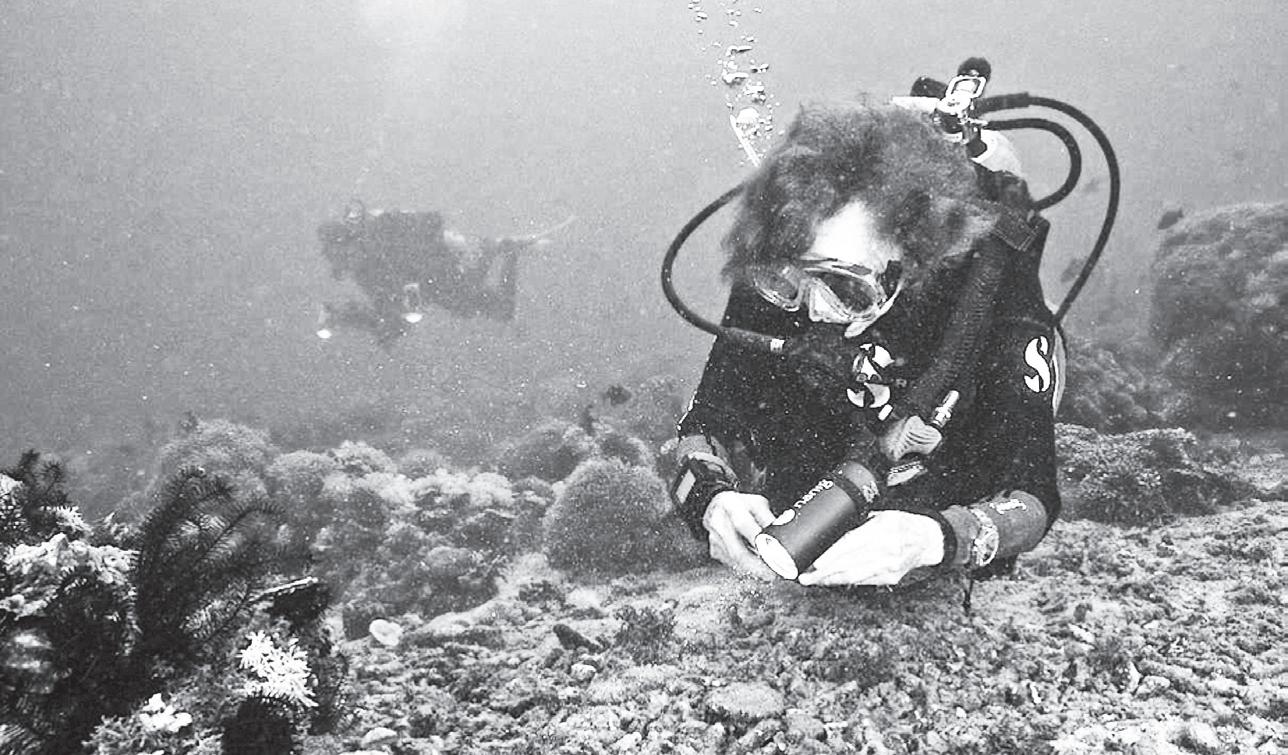

Dottie Ardina to make good use of their driving prowess to get to scoring positions as they vie for medals in the Paris Olympics next month.
By Aldrin Quinto
Guyancourt.
The 26-year-old Pagdanganan, set for her second straight Olympic appearance, is fourth in the Ladies Professional Golf Association (LPGA) in driving distance at 274.54 yards with a driving accuracy of 66.42.
Pagdanganan’s distance off the tee puts her in position to go pin hunting—she has recorded five eagles in competition this season and has 123 birdies in 41 rounds played this year with a scoring average of 72.54. Ardina, who’s making her Olympic debut, is No. 1 in driving accuracy in the Epson Tour at 90.2 percent, hitting it off the tee at 247.63 yards average.
The 30-year-old Ardina is third on tour with a 69.75 scoring average although only 12 rounds played, and also in the top 10 in putts per Green In Regulation (sixth at 1.77), putting average (seventh at 29.33) and sand saves (eighth at 75%).
Both Filipinos are no strangers to carrying the national colors in top-level competitions but pressure is on in the Olympics, arguably the next most important golf competition after the majors.
Eyes will be on Pagdanganan, a double medalist for the Philippines in the Jakarta 2018 Asian Games with gold in the team event and bronze in individual play.
The 30-year-old Ardina, champion of the Copper Rock Championship in Utah in 2022 and also a winner on the Australasian Tour, has seen action for the Philippines early in her career before her rookie year in the LPGA’s development tour in 2014.
Winners on the Ladies Philippine Golf Tour, Pagdanganan and Ardina

Xander Schauffele of the US.
CT Pan of Chinese Taipei made it to the field with a world ranking of 181st and went on to deliver a stunning performance, winning a seven-way playoff to clinch the bronze medal in a field that had five of the world’s top 10.
The 60-woman field at Le Golf
National features the world’s top 15 led by Nelly Korda, seeking back-toback titles, and No. 17 Lydia Ko who is going for the top spot this time after silver in 2016 in Rio de Janeiro and bronze in Tokyo.
Mone Inami, ranked 113th, is not in the field at Guyancourt.
At Kasumigaseki Country Club, Pagdanganan tied for 43rd at one-over.
The men’s tournament tees off on August 1 with eight of the world’s top 10 seeing action led by Olympic debutant and top-ranked Scottie
Scheffler with No. 2 Rory McIlroy back for a medal hunt after falling from that seven-man logjam three years ago.
Schauffele, the world No. 3 this time, returns to seek a second straight gold.
What to expect at L’Albatros LE Golf National in Guyancourt just outside Paris is a three-course complex with the course record at the par 72 at 7,331-yard L’Albatros standing at 62 made in 2005 by the late Eduardo “El Gato” Romero of Argentina.
The other courses are the 6,224-yards L’Aigle and the nine-hole L’Oislet.
Although there are several Ladies European Tour events in France, none is held at Le Golf National.
But it is a regular venue for the Open de France on the European Tour.
L’Albatross was also the site of the Ryder Cup in 2018 won by Europe by a seven-point margin.
Five players from that European squad captained by Thomas Bjorn are in the 2024 Olympic field—Rory McIlroy of Ireland, Spain’s Jon Rahm, Great Britain’s Tommy Fleetwood, Alex Noren of Sweden and Denmark’s Thorbjorn Olesen.
The course will be very familiar for Fleetwood as he won the Open de France in 2017, registering a 12-under 272 to win by one stroke.
The low individual score during the 2022 World Amateur Team Championship, topped by Italy, was registered by Sweden’s Tobias Jonsson at 17-under.
Setup for Olympic golf
THE format is 72 holes stroke play with no 36-hole cut.
On the East course of the Kasumigaseki Country Club in Saitama three years ago, Nelly Korda won the gold with a 17-under 267 total and Mone Inami of Japan earned the silver medal in a playoff with Lydia Ko after both finished at 16-under.
Organizers look to present a different challenge to the Olympic field on the L’Albatros.
“This venue will not look like it’s been before,” International Golf Federation executive director Antony Scanlon said in a recent interview with Federation Francais de Golf. “It won’t look like the Ryder Cup, it won’t look like the World Amateur Team Championship. It will look like the Olympics.”
climber. Cole raced in college and Delay boasts of owning six bicycles. If they weren’t taking part as journalists, they’d be watching it. For Delay, who grew up in France and has never been so close to it in his 64 years, it’s a dream assignment.
“It’s stunning,” he said. “I’m a kid in a candy store.”
To get his photo in the vineyard, Delay scouted the route several times in advance of the time trial, a short stage where each rider starts at intervals in a race against the clock. Delay planted himself in a gap between the grape trellises where fans were scattered along the road and then “waited and waited and waited.” The vines blocked his view up the road, so he had to judge riders’ arrival by the smattering of cheers




JULY 14, 2024
The US-based Filipino blues artist—at one point Manila’s most exciting live performer—looks back at fun times with his mentor Tom Colvin, manager Stephen Lu, first band Deans December, and all the music that shaped his taste and ideas

BINKY LAMPANO is back in town for two gigs—July 25 at the small bar 78-45-33 in Makati, and July 28 at ’70s Bistro in QC. The gruff-voiced Filipino blues artist, who’s been making a living in IT and as a teacher in the United States, has built a home in Batangas—which is why he says he’ll be around more regularly, or “until I hang up my gloves.”
Back in the late 1980s, just when local alternative music was about to burst wide open, Lampano was arguably Manila’s most exciting live performer— jerking wildly onstage and standing on tables and

Publisher : Editor-In-Chief : Concept : Y2Z Editor : SoundStrip Editor : Group Creative Director : Graphic Designers :
T. Anthony C. Cabangon
Lourdes M. Fernandez
Aldwin M. Tolosa
Jt Nisay
Edwin P. Sallan
Eduardo A. Davad
Niggel Figueroa
Anabelle O. Flores
Contributing Writers :
Tony M. Maghirang
Rick Olivares
Jill Tan Radovan
Reine Juvierre S. Alberto
John Eiron R. Francisco
Pocholo Concepcion
Francine Y. Medina
Rory Visco
Bea Rollo
Trixzy Leigh Bonotan
Photographers :
Bernard P. Testa
Nonie Reyes
Y2Z & SOUNDSTRIP are published and distributed free every Sunday by the Philippine Business Daily Mirror Publishing Inc. as a project of the
The Philippine Business Mirror Publishing, Inc., with offices on the 3rd Floor of Dominga Building III 2113 Chino Roces Avenue corner Dela Rosa Street, Makati City, Philippines.
Tel. Nos. (Editorial) 817-9467; 813-0725.
Fax line: 813-7025
Advertising Sales: 893-2019; 817-1351,817-2807.
Circulation: 893-1662; 814-0134 to 36. www.businessmirror.com.ph



chairs while singing like his life depended on it.
In this Q&A, he looks back at fun times with his blues mentor Tom Colvin, manager Stephen Lu, first band Deans December, and all the music that shaped his taste and ideas.
You were in fine shape and good spirits when you performed in Manila last year. Is it due to diet and your newfound spirituality?
Diet’s just a matter of survival. You feel better closer to some kind of fighting weight, even in middleage terms. As for my spirituality, it’s always been there. America afforded me the experience amongst those who were really born into it.… Everything that has to do with being here seemed more in harmony. It doesn’t mean it’s not a train wreck, but in Mose Allison’s way, “I don’t worry about a thing ’cos nothing’s gonna be all right...” Seriously, at some point we just learn to soldier on in the hopes our respective versions of the One is guiding us every step of the way.
One sad incident though is the recent death of your former bandmate Tom Colvin. How important was Tom to your development as a blues artist?
Tom was a mentor and close associate. I wouldn’t be here without him. We plotted a blues future with the rest of Lampano Alley and made it happen at a time when Manila’s only idea of the blues were bored folks playing lazy fours. Tom made our blues swing. All of us were multiple sides of the same coin. Tom was a character in many ways that pushed me beyond my capacities at the time. He made it bearable for all his hilariously dim take on things. He helped me realize the balance of darkness and light in music made it more interesting.
Can you recall some of the happiest moments you and Tom had with Lampano Alley?
Our Hobbit House years when we played like there
was no tomorrow. Tom would be on fire every Friday night—never mind him hauling his heavy Fender tube amp half-blindly through the streets of Ermita at times. Beautiful times all over, seemed like all the stars were just aligned. One time, Jim Turner took me aside and said, “You’d better not leave, man. Your band’s got it.” Can’t say I don’t miss those days.
Walk us back to your earliest memory of turning on to music. Was it hearing a particular song on the radio?
One of my earliest recollections of music was really John Coltrane and Johnny Hartman’s “My One and Only Love” before oracion on Manila radio. There are also memories of my late old man’s Sinatra albums, Gladys Knight and the Pips stuff, Stylistics, Billy Paul, and the Philadelphia sound against the heavier Hendrix and Led Zep albums of a neighbor in Pasay who played intermittently with Bong Peñera.
There’s the album Bob Dylan in Budokan which I first caught from an OFW from Saudi. That really got me into listening to Dylan as I also heard his greatest hits album shortly. At some point, I listened to nothing but his entire catalog for two years. Dylan’s a cornerstone to my musical ideas in many respects.
An old classmate of mine from Leveriza hipped me to a lot of jazz, particularly A&M albums you’d hear around that time from Brother Wayne’s station (WK-FM), Billy Joel Steely Dan, and R&B (mostly Isaac Hayes). My classmate’s merchant marine dad would always come home from his assignments with a new component system and great stuff on vinyl and cassettes. My friend’s dad was so hip, he’d have bootlegs of Rico J. Puno doing great takes on Isaac Hayes’ long rapping intros.
Then, of course, there’s Van Morrison whom I got into when I was 16 hanging out with this other buddy into more intellectual stuff and from browsing A2Z’s shelves on Anonas, even as
New Wave or New Rock was on the rise. Those times remain my refuge in memory whenever things go rough.
Was Deans December your first band, and what else was special about it?
We were alike in many ways. We had a lot of fun. We were a courageous lot, considering our musical deficiencies, which sort of defined the DIY of the times.
What did you value most from working with Stephen Lu?
Stephen’s far-reaching vision. He was the consummate Svengali-producer-musician rolled into one. He was as relentless as he was resourceful. We linked up again in Los Angeles after nearly 30 years. He was on tour with a pick-up band in what seemed like every step of the way. Stephen’s work ethic ranks among the best in the industry. You’ve finally built your own family home. Are you back for good?
Let’s just say I’ll be around regularly—and knock on wood, for a long while to come, until I hang up my gloves.
What have you learned from your long stay in America?
Everybody’s got a dream. If you’re so inclined to believe in dreams, there’s enough to go around and make everyone happy. Lastly, your real friends are on Messenger.
Tell us about your gigs at 78-45-33 on July 25 and at ’70s Bistro on July 28. 78-45-33 is completely unamplified with Butch Saulog, Joey Puyat, Simon Tan, and Rey Vinoya. We’ll be playing a little bit of everything from jazz to rock, but not so much according to expectations. Lampano Alley will be dedicating the ’70s Bistro show to the memory of Tom Colvin. See you all!
By Bea Rollo
NOW giving a new perspective of beauty in ‘sad girl’ music is Sasha Sloan’s creative music genre. The 29-year-old RussianAmerican singer-songwriter has been paving her way through the music scene with her unique story-telling music.
Diving into the waves of her newest album Me Again , Sasha talks about how she was inspired to mend these tales of love and life.
Me Again: A Self-Love Journey
IN an exclusive interview with SoundStrip, Sasha recalled the time when her emotions were penned through the songs of her album.
“It’s a song I wrote a couple of years ago, I wrote it during the pandemic and it was just being really deprived and unmotivated—just kind of feeling lost and not knowing your place in the world and I felt that during Covid,” Sasha shared.
“I forgot that I wrote the song and re-listened it and found it on my computer and [realized] wait I still feel like this and I still connect to the song so it kind of became the centerpiece for this whole album,” she added.
Sasha reflected that the way she wrote the title track and the album “Me Again” touches a timeless emotion. It can be put as a universal feeling that transcends everybody’s feelings. She looked at it as a puzzle coming together as she finished the tracks saying ‘The other songs started to fit around this main theme.’
Following the 14-track album, Sasha revealed a personal favorite—the song: “Deep.”
“There’s a song there called “Deep” and it’s not that deep like all these little things that are going wrong in your life. It’s not that important in the grand scheme of things— I think I’m relating to that one right now,” Sasha said.
She talked about how the little things in life matter the most for her just as her favorite song implies. Sasha even shared her favorite lines on the song that goes:‘I saw your favorite band play and they skipped your favorite song’ and ‘You’re feeling hungry and they got your order wrong.’
These mundane things are what make life interesting, maybe a little out of plan but turns out it’s just the way it should be—just as starting to like a bad haircut.
“I felt bad but it was so good even [though] that’s not what I really wanted—stuff like that sounds [a] big deal [in] life,” she shared.
The Healing Anthem SASHA wanted to convey messages to her fans through writing and singing for them. She even uncovers how she makes her hit music—she is the type to write down the lyrics first and just goes with the flow from there.
“It’s a mixture I always start with lyrics so like I write a title down on my phone—kind of know what I wanna say as I’m going into the song and then from there I would just kinda figure out what sounds good around the story,” Sasha said.
“Sometimes the songs are about me and sometimes they’re about other people in my life—other perspectives. A lot of it was my story about a person in my life,” she added.
Advocating on making not just good music but moving music, Sasha sets an important message from one of her songs “Cowboys”—speaking out about letting emotions loose.
“Inspiration about “Cowboys” is, I would say, toxic masculinity. It’s about a man in my life who is trying to be tough all the time but that was my song to him that it’s okay

to be vulnerable and even tough guys cry,” Sasha shared.
Creating music that pierces through the hearts of listeners, Sasha still has dreams she has been doing her best to fulfill. After collaborating with artists such as Charlie Puth, Dua Lipa, and Charlie XCX. She unveiled the collaborations she manifests to have.
“I feel like most of the artists I really want to collaborate with aren’t alive anymore—like Amy Winehouse,” Sasha said.
“It’s a really hard question. I like so many artists, it’s hard deciding—I think a dream of mine would be Coldplay,” she shared.
Further, on exploring other music genres she has been drawn to work on country music.
“I’ve really got turned [on] to be more of the country music so I think it’ll be fun—I think I’ve dabbled in country music a little bit, I’d love that so maybe that for now,” Sasha revealed.
Life as Sasha Sloan
JUST like everyone else, Sasha enjoys her life by spending her time off with her loved ones.
“I love doing yoga and I like playing video games— I spend a lot of time playing video games. I just started streaming on Twitch which has been really fun and that’s about it hanging out with my dogs,” Sasha said.
For her, rest should be taken seriously as hard as working. Reminding and sending a special message to all the sad girls to take life at their own pace.
“It’s okay to feel things—I think the internet gives a lot of people a false sense of reality and I think it’s okay to be yourself,” She said.
“As corny as it is, I have finally hit a place in my life where I feel comfortable being me and I think if you wanna be an artist a huge part of being an artist is putting yourself out there to be judged and perceived by other people and just knowing who you are and being confident in trusting yourself just staying true to yourself and not letting outside opinions sue who you are— what you wanna do,” Sasha’s biggest advice.
Sasha, now emerging on the edge of a successful world tour, Me Again including a Philippine show on August 19 at the Podium presented by Live Nation PH— is eager to respond to her call to make hit music.
“After the tour, I think I just wanna take some time to write. I feel like now I’m inspired again and I wanna make music again—so I’m excited to write more,” Sasha said.
“I’ve never been to the Philippines before so I’m so excited, it’ll be my first time—I hope they are excited to see me and I hope they have a good time as they come up to the show,” she added.
By Melissa Rayworth The Associated Press
TwiCe each month, executives at the dating app company Hinge gather for a team meeting.
But rather than dive into discussions about metrics or revenue, they begin by simply talking.
For the first 30 minutes of the twohour meeting, these coworkers reveal hopes and anxieties—what they worry about, what they’re grateful for, what they’re feeling. Even at a company focused on connecting people, forging real relationships in the workplace takes effort, Hinge CEO Justin McLeod told an audience at the South by Southwest conference earlier this year. He was copresenting at the event with Ann Shoket, whose initiative to combat workplace loneliness is called “10 Minutes to Togetherness.”
As America navigates what Surgeon General Vivek Murthy described last year as a loneliness epidemic, employers and employees across the country are trying to address what for many people is a lack of real friendships at work.
Remote meetings of ‘little heads in squares’
THE problem of loneliness has been bubbling for decades; Robert D. Putnam documented it in his groundbreaking book Bowling Alone nearly a quarter-century ago. Remote work has only intensified the problem, for extroverts and introverts alike, says leadership expert Michael Bungay Stanier, author of How to Work with (Almost) Anyone

“Maybe one of the reasons we’re all so disengaged at work is that we’re actively not investing in the thing that might matter the most for our happiness at work, which is our connection with other people,” says psychology professor Laurie Santos. PHOTO BY ivaN Sa MKOv ON PE x El S COM
“People have this desire to be seen and be heard,” Bungay Stanier says, but on video calls, the group gets right to the business at hand rather than having the natural, informal interactions of a real room. It reduces people to “little heads in squares.”
It’s not easy to talk about this lack of friendship at work “because it feels like a shameful confession,” Bungay Stanier says. But his clients are beginning to bring up the subject.
Awkward as it may be, these are conversations worth having, according to psychology professor Laurie Santos, creator of Yale University’s well-known class “The Science of Well Being.”
At-work friendships are good for employers, too
In her own presentation at South by Southwest earlier this year, Santos cited research that showed workplace friendships and a sense of belonging are vital to employees’ happiness—and companies’ success.
We assume that friendships at work are
“a nice-to-have, not a need-to-have,” she said.
But “maybe one of the reasons we’re all so disengaged at work, maybe one of the reasons ‘quiet quitting’ seems so appealing, is that we’re actively not investing in the thing that might matter the most for our happiness at work, which is our connection with other people,” Santos said.
New spaces, new programs and ‘casual collisions’
SOME large companies began paying more attention to employee health long before the pandemic, often focusing on the physical: adding a gym to the office building or serving healthier food in the cafeteria. Today, more employers “are not just checking boxes, but actually looking at ways to really enhance people’s health and wellbeing,” says Suzanne Heidelberger, who has led teams managing real-estate properties for global companies including American Express and Fidelity Investments. She focuses on bringing a hospitality mindset to corporate spaces.
By Rio Constantino (First of a series)
EarliEr this month, my father and i were invited to give provocation lectures at the 23rd iYaS la Salle National Writer’s Workshop at the University of St. la Salle, Bacolod City, Negros Occidental. The theme was nature and ecology, and my lecture was titled “The year of the Periwinkle: Crafting Hope.” i would be giving a live reading of my award-winning essay of the same name, which won the Palanca last year, about the interwoven stories of my struggle with cancer and the strange history of a small but hardy flower, the Madagascar Periwinkle. i was eager to go, but also quite nervous, mostly because i didn’t know what to expect. There aren’t a lot of creative writing conferences when you’re pursuing a career in ecological research. in fact, i had never joined a writer’s workshop before; i seldom talk about my writing at all. Something of the mystery of the situation was echoed by the green sight that welcomed our plane as it descended towards the runway: a broad glinting land sloping up to a distant mountain, the misty peak hidden behind a curtain of soft white clouds.
a car, kindly arranged by the novelist atty. rayboy Pandan, picked us up from the Bacolod Silay airport. in less than half an hour the wet fields gave way to easy
residential streets and then the peaceful la Salle campus. We stopped in front of Balay Kalinungan, a handsome white-walled building reminiscent of a retreat home or a well-kept inn.
Portraits of Jesus watched over a cozy lobby floored with Spanish tiles. a kingfisher rattled away somewhere nearby. WiFi and cell signal were weak, but that wasn’t important. The spirit of the place was clear: here the mind turns inward.
n n n
as we approached the stairs to our rooms—my father and i were booked in separate quarters—i overheard the low din of a microphone. The workshop was already well underway, and everyone was in an adjoining conference hall, knee-deep in discussion. The panelists were gently dissecting the work of an invited fellow, teasing apart the story’s innards, right in front of the author, to reveal what did or did not work.
The Palanca is one of the Philippines’ most esteemed literary awards. You would think that, with such a distinction in my pocket, i would regard the proceedings with all the self-assurance of a newly crowned champion.
Except consider some of the acclaimed names also in attendance: Susan l ara, Grace Monte de r amos, isidro Cruz, and Elsie Coscosuella, to mention a few. Having a Palanca doesn’t matter if half the workshop can boast of having a Palanca of their own, or a Nation -
What employees can do
EMPLOYEES are also seeking answers on their own, notes executive coach Daniel Boscaljon, founder of the Healthy Relationship Academy, which helps organizations build better workplaces.
It’s not always easy: As much as people crave relationships, he says, many lack strong interpersonal skills.
“When you meet somebody with good relationship skills, a lot of times it’s like magic,” Boscaljon says. “People open up, they’ll start to talk, they’ll feel comfortable. Then, sometimes, they’ll have kind of a ‘vulnerability hangover,’ where they’re like, ‘I was too open there. What just happened?’…People are so unused to it.”
One key, he says, is to work on one’s own well-being. “You can’t have a work personality and a home personality,” he says. “Who you are as a whole person shows up in every place that you’re in.”
Another strategy, according to Bungay Stanier, is to communicate with coworkers about how you can best work together before you dive into a project.
“We’ve all got our small little habits and preferences,” he says. “And we assume what’s normal for us is normal for everyone.”
Raising issues beforehand helps you “avoid making small rips in the fabric of a relationship” that keep people from becoming friends, Bungay Stanier says.
Those inevitable rips are also worth discussing. “The relationships that thrive are ones that get repaired,” he says.
Say hi
MORE than anything, remember the importance of everyday greetings at work— even if they make you a bit uncomfortable. A simple hello, Bungay Stanier says, could be the beginning of the end of loneliness.
al Book award, or some combination of the above, and when the others are also well on their way to winning prizes themselves. The mean number of awards per panelist was three. Or was it four? a nyways, i had a seat at the table, but that was it.
Our first stop was the Negros Museum near the heart of Bacolod. Housed in the Museum’s stately halls were displays of venerable furniture, paintings about the island’s history, and dioramas of the Philippine revolution.
The main attraction that evening, however, was the book launching of it is Time to Come Home, a wise and gorgeous collection of poetry by the lauded poet Marjorie Evasco, long-time director of iYaS.
Some of the pieces in Evasco’s book were read aloud by her fellow panelists. a few she read herself. in the wild spaces of our earth/We stand together, trees/Of a tropical jungle, goes the poem “acquainted with lightning.”
Other poets shared their own works, in their own diverse tongues: English, Filipino, Binisaya, Hiligaynon, Kinaray-a. iYaS, after all, is proudly a national writer’s workshop.
it was a beautiful ceremony, and also a useful one. i was at iYaS to essentially deliver a public spoken word performance to an audience whose overriding passion was language, with barely a hint of prior experience. any and all tips were welcome.
lesson number one: sound matters. Of course, very good writing can make itself heard by cadence alone,

the text strung like invisible bells across paper to form a resonating sequence of phrases, sentences, and paragraphs. However, when the music is played live, when the words, like instruments, are sounded out and listened to as opposed to being silently read, something changes. The performer, by pulling out underlying strands of humor, wonder, and pain, using nothing but their subtle vocal tools of rhythm and timbre, can mold a text into an entirely different experience.
To make a prairie, wrote Emily Dickinson in 1779, it takes a clover and a bee. There’s a smile hidden by that deceptively simple statement. To reveal it, try reading the poem like a fairy-tale to a child. One clover, and a bee. Skip from one word to another and let your voice curl upwards at the end of each sentence, as if asking a question, as if taken by surprise. and reverie. add a note of playful whimsy. let yourself lift into the air. The reverie alone will do, if bees are few.
Now read it again, but more gently. allow the silence to linger, and your throat drop, especially at the last line. The bees are few. Do you notice the grief there too? i felt like a delinquent quietly taking hints from his seatmates’ assignments. Don’t mumble. Focus on proper enunciation. Use pauses to place emphasis. You can whisper without being too quiet, and cry out without being too loud. Speak in a conversational tone. But at other times, release a galloping incantation.