
WHEN INNOVATION MEETS EXECUTION






Hosted by
National Consortium Hosts
National Co-Host
National Supporter
WHERE THE WORLD’S ENERGY LEADERS UNITE
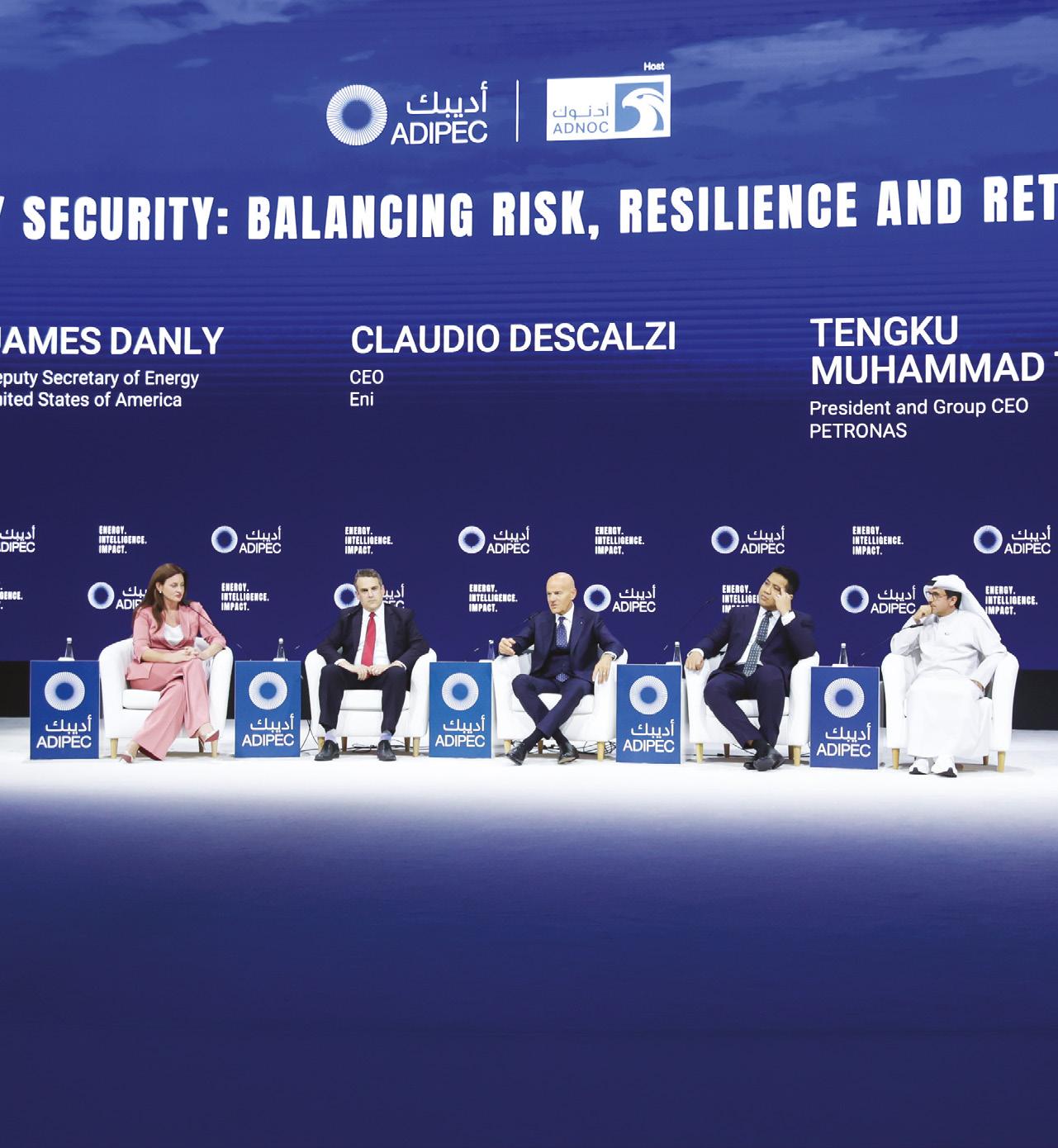
ADIPEC will convene leaders from across energy, technology, finance and policy to explore practical pathways for building shock-resistant, future-ready energy systems – systems capable of meeting rising demand, enabling digital and industrial growth, and supporting global development while advancing emissions management.
JOIN THE GLOBAL ENERGY COMMUNITY
Supported by
ADIPEC in numbers:
239,000+ Exhibition attendees
16,500+ Conference delegates
2,250+ Exhibiting companies
1,800+ Conference speakers
EXECUTIVE TEAM
Jamie Waite
CEO, EMG | Enquirer Media Group jamie.waite@busenq.com
MEDIA
Gary Smith
Senior Project Director gary.smith@busenq.com
Leroy Thompson
Project Director leroy.thompson@busenq.com
Adel Mhiri
Project Director adel.m@busenq.com
Paris Cressy
Branding & Marketing Executive paris.cressy@busenq.com
Thomas Hardy
Project Director thomas.hardy@busenq.com
Marcus Laing
Project Director marcus.laing@busenq.com
Paul Roberts
Project Director paul.roberts@busenq.com
Nasa Raheem
Project Director nasa.raheem@busenq.com
Ben Beattie
Project Director ben.beattie@busenq.com
EDITORIAL FINANCE
Claire Dunn Global Credit Controller claire.dunn@busenq.com
Bethany Waite Credit Controller bethany.waite@busenq.com
Sophie Greenwood Finance Manager sophie.greenwood@busenq.com
Natoya Rimmer Global Head of Accounts natoya.rimmer@busenq.com
DATA ANALYSIS
Dan Reeves Head of Data dan.reeves@busenq.com
Kumar Nil-Khan Senior Data Strategy kumar.nilkhan@busenq.com
Simon Ferrening Production Manager Commercial Performance Analysis
SOCIAL MEDIA TEAM
Anita Terrell
Social Media Manager anita.terrell@busenq.com
Lee Dixon Social Media Manager lee.dixon@busenq.com
HR
Susan Tumelty HR Partnered Company info@hrdept.co.uk

Zaakira Ebrahim
Lead Journalist zaakira.ebrahim@busenq.com
Maizie Walsh Journalist maizie.walsh@busenq.com
PRODUCTION
Remo Savino Production Assistant remo.savino@busenq.com
Jamie Bolton Head of Design jamie.bolton@busenq.com
Didie Nturo Head of Video & Content Creation didie.nturo@busenq.com
Matt Hardwick Online Website Manager matt.hardwick@busenq.com
DESIGN WEBSITE PHOTOGRAPHY
Didie Nturo Lead Photographer didie.nturo@busenq.com
LEGAL
Chloe Bird Birketts LLP Norwich


A WORD FROM OUR TEAM
Welcome to the July Edition of Business Enquirer Magazine – Issue 150
Milestones offer an opportunity to reflect, but they also provide a chance to look ahead. As Business Enquirer reaches Issue 150, the focus remains firmly on the businesses, leaders and ideas shaping tomorrow’s commercial landscape. This edition explores organisations that are not simply adapting to change, but finding new ways to turn expertise, innovation and partnership into long-term competitive advantage.
Our cover feature brings together Marfo and AMI Group, two businesses demonstrating how collaboration has become one of the defining drivers of modern enterprise. In When Innovation Meets Execution, we explore how European culinary expertise, global supply chain capability and operational precision are combining to redefine food solutions across aviation, hospitality, healthcare and food service. At a time when reliability is every bit as valuable as innovation, their partnership illustrates how shared vision and flawless execution can create lasting value on a global scale.
The importance of forward thinking continues throughout the edition. Our Top 10 Social Media Leaders recognises the individuals transforming digital communication into one of business’s most influential strategic assets. As brands compete for attention in increasingly crowded markets, authentic leadership and meaningful audience engagement have become essential ingredients for sustained success.
Elsewhere, we examine the industries experiencing significant change. From Consumer Centric Organisations to Watch in 2026 and the latest developments in Lifestyle and Wellness Technology, to evolving Health and Wellness trends and the continued growth of e commerce, these features explore the forces reshaping customer expectations and business strategy across global markets.
Our company features showcase organisations building momentum through innovation and long-term vision. Vinmart Group shares the remarkable story of its transformation from a commodities trader into one of Africa’s most diversified business groups, demonstrating the value of strategic expansion and resilience. Meanwhile, Modern Bakeries explores how the Rich Bake brand continues to modernise one of the world’s oldest industries through investment, technology and an unwavering commitment to quality.
Within Business Enquirer Lifestyle, we celebrate excellence beyond the boardroom. We explore Michele Morrone’s growing international influence as one of Europe’s most recognisable screen talents, examine the enduring appeal of the world’s most beautiful luxury hotels, and look at how exceptional automotive design continues to define the luxury car market.
Across this landmark edition, one message emerges consistently. The businesses creating lasting impact are those that combine ambition with execution, innovation with consistency and vision with the discipline to deliver. In an increasingly competitive world, success belongs not simply to those with the best ideas, but to those able to turn them into meaningful results.
Enjoy the read.
If you have a business story you wish to share, please contact our Head of Production via production@busenq.com
FOLLOW US ON INSTAGRAM

The editor and publishers do not guarantee the accuracy of statements made by contributers or advertisers, or accept responsibilty for any statement they express in this publication. The opinion of the contributors may not necessarily be the opinion of the editor or publishers.

All content including the presentation therof in this magazine is the property of BE Media and protected by internation al copyright laws. You may not copy, reproduce, distribute, transmit, modify, create derivitave works, or in any other way exploit any part of copyrighted material without prior written permission from BE Media ©BE Media
CONSUMER CENTRIC ORGANISATIONS TO WATCH IN 2026 NEWS 012
LIFESTYLE AND WELLNESS TECH TO WATCH IN 2026
E COMMERCE GROWTH AND TRENDS TO WATCH IN 2026 HEALTH AND WELLNESS INDUSTRY TRENDS TO WATCH IN 2026
Michele Morrone:
The Italian Leading Man Turning Global Attention Into Lasting Screen Power
The Art of Driving The Luxury Cars Defining 2026
Beyond the Hotel
The Most Beautiful Luxury Stays to Book in 2026
BUSINESS PARTNER UPDATES
INTERNATIONAL HOTEL GROUP
IHG HOTELS & RESORTS HIGHLIGHTS KEY HOTEL OPENINGS IN GREATER CHINA
IYC
IYC ANNOUNCES GLOBAL PARTNERSHIP WITH INACE SUPERYACHTS
THIS MONTH’S TOP 10: SOCIAL MEDIA LEADERS
FROM SOFT COMMODITIES TO A CONTINENTAL GIANT: THE VINMART STORY


WHEN INNOVATION MEETS EXECUTION
HOW MARFO AND AMI GROUP ARE REDEFINING MODERN FOOD SOLUTIONS
AMI & MARFO
IHG HOTELS & RESORTS HIGHLIGHTS KEY HOTEL OPENINGS IN GREATER CHINA IN SECOND HALF OF 2026
IHG Hotels & Resorts will expand further across Greater China in the second half of 2026, with a series of new hotel openings across major cities, transport hubs, and leisure destinations.
IHG Hotels & Resorts will expand further across Greater China in the second half of 2026, with a series of new hotel openings across major cities, transport hubs, and leisure destinations.
The openings span luxury & lifestyle, premium, and essential brands, reflecting a diversified portfolio designed to meet a wide range of travel needs across the region.
Daniel Aylmer, Chief Executive Officer, IHG Greater China, said: “Greater China remains one of the most important and dynamic markets for IHG globally. Our continued development in the region reflects the long-term strength of our multi-brand portfolio and our close partnerships with hotel owners. Each opening contributes to the ongoing evolution of our presence across key markets, as we continue to focus on delivering relevant and consistent experiences for guests across different travel needs.”
The following highlights represent a selection of upcoming openings across key segments and destinations.

Key Gateway and Urban Hub Openings
IHG will further strengthen its presence in major gateway cities and transport-linked locations.
Upcoming openings include InterContinental Shenzhen ICSZ (International Communication Center Shenzhen), InterContinental Taipei, Holiday Inn Shanghai NECC (National Exhibition and Convention Center), as well as Holiday Inn Express properties in Shenzhen Bay, Shanghai North Bund Riverside, and Beijing Daxing Xihongmen.
These properties reinforce the Group’s presence in high-traffic urban markets, supporting demand from business, convention, and short-stay travelers. They also enhance IHG’s ability to offer consistent brand experiences across key connectivity-driven destinations.
Expansion of Lifestyle and ConversionLed Brands
The second half of 2026 will also see continued development of IHG’s lifestyle and conversion-focused brands.
Garner Hotels, including upcoming openings in Chongqing Jiefangbei and Wuxi Qingming Bridge, will continue to expand in the conversion segment, offering flexible and efficient hotel solutions for hotel owners while maintaining consistent brand standards.

Atwell in Guangzhou Pazhou, Nanjing Xinjiekou, and Hangzhou Wulin will further grow IHG’s lifestyle offering in key urban centers, providing contemporary stays designed for domestic travel demand. These hotels are positioned within high-activity city districts, aligning with demand for more experience-led and locally tailored accommodation options.
Destination-Driven and Experience-Led Openings
IHG will also continue to develop hotels shaped by local culture, design, and guest experience. In addition, Hotel Indigo in Jingdezhen and Quanzhou Ancient Town will draw inspiration from local cultural heritage, incorporating regional identity into design and guest experience, while Crowne Plaza Suzhou Taihu will strengthen the Group’s presence in leisure destinations. EVEN Hotel Jingdezhen will introduce a wellbeing-focused stay experience, reflecting growing interest in balanced and wellness-oriented travel.
IHG currently operates 14 brands in Greater China, with more than 1,500 hotels open and in the pipeline across more than 200 cities. www.ihg.com
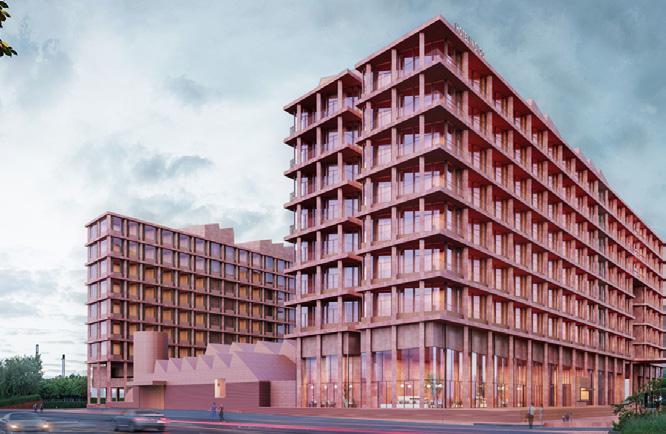
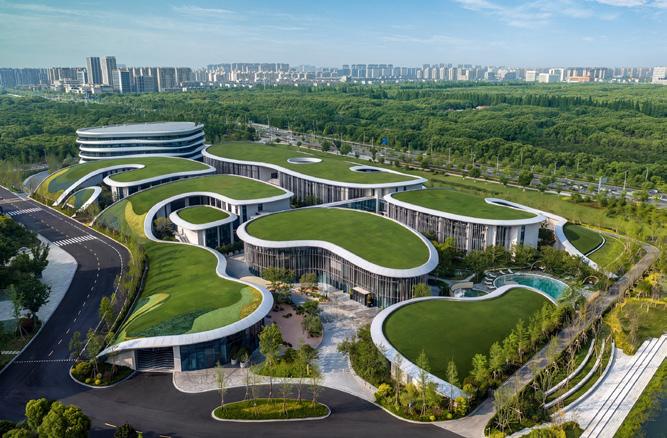
nterContinental Shenzhen ICSZ
Kimpton Nine Trees Shanghai
Hotel Indigo
Jingdezhen
Taoxichuan & EVEN
Hotel Jingdezhen
Taoxichuan
PARTNER UPDATES
IYC ANNOUNCES GLOBAL PARTNERSHIP WITH INACE SUPERYACHTS
IYC is delighted to announce a new global partnership with INACE Yachts, marking a significant step forward in the global expansion and promotion of the Brazilian shipyard’s growing fleet and future projects.
Under the agreement, IYC becomes the Global Representative for INACE Shipyard, supporting the shipyard’s international sales strategy through its worldwide brokerage network, dedicated marketing initiatives, and coordinated brand promotion efforts.
Leading the partnership are two experienced IYC Sales Consultants: Pierre Vezilier, based in Monaco, who will oversee the European market as well as the rest of the world, and Adam Levine, based in Fort Lauderdale, who will spearhead efforts in the United States. Together with IYC’s global team of consultants, they will work closely with clients, industry partners, and fellow brokerage houses to further elevate the visibility and sales success of the INACE fleet worldwide.
Pierre Vezilier, comments, “Across the European market, we are seeing a strong and growing demand for long-range, explorer style yachts that combine capability, efficiency and true onboard comfort. INACE is particularly well positioned in this segment, with a solid heritage in commercial and military shipbuilding, a strong in-house engineering team, and the capacity to deliver multiple projects simultaneously. This partnership allows us to introduce a highly credible and competitively

positioned platform to the international market, offering clients an excellent balance between engineering integrity, customization and overall investment value.”
Adam Levine, adds, “INACE brings an exciting opportunity to the market, delivering capable, long-range yachts with extensive customization. This segment continues to see growing demand across North America and around the globe, as owners seek more capable and versatile platforms. Backed by decades of commercial, military, and explorer yacht experience, INACE offers a distinctive platform that stands out in today’s market.”
As part of the collaboration, IYC will support the continued international growth of INACE Superyachts. Having demonstrated strong results through strategic global representation and market development, IYC looks forward to building a similarly dynamic partnership with INACE Superyachts, further expanding the shipyard’s international presence and driving new opportunities for its fleet across key markets.
INACE Superyachts is currently advancing a strong production pipeline of four projects ranging from 104’ to 154’ (32m to 47m), with deliveries scheduled between late 2026 and 2027. The shipyard’s portfolio is structured around three distinct yacht lines: AVENTURA, focused on long-range exploration and adventure; EXPLORA, combining expedition capability with contemporary luxury; and DESIGNER, offering fully bespoke projects tailored to an owner’s individual vision and lifestyle.

This steady growth reflects the shipyard’s increasing international demand and its ability to execute multiple custom builds simultaneously.
The new generation of INACE explorer yachts is defined by a clear design and engineering philosophy, including:
Steel hulls and aluminum superstructures for superior durability and safety
Long-range transoceanic capability with enhanced fuel autonomy
Expansive exterior deck areas designed for tenders, water toys, and expedition equipment
• Generous interior volumes with flexible layouts, including beach clubs, gyms, offices, and wellness areas
• Fully customizable interiors developed in collaboration with world-renowned yacht designers
IYC CEO Raphael Sauleau comments, “The superyacht world moves fast, but the most compelling stories are often found away from the spotlight. INACE Yachts carries a heritage that few yards can match rooted
in Brazil’s proud shipbuilding tradition. They have been crafting distinguished vessels for decades with a level of care and quality that deserves a much wider audience. This partnership is about giving them exactly that and we’re proud to be the ones to bring the INACE story to a global platform it deserves.”
“Together with IYC, we are reintroducing INACE Superyachts to the international market with a renewed vision, a new generation of explorer yachts, and a clear commitment to engineering excellence, customization, and long-range capability,” says the INACE Commercial Team. “Our goal is to build upon the success achieved in previous decades, when the shipyard delivered more than 45 explorer yachts to owners around the world.”
This partnership marks the beginning of a new chapter for Brazilian superyacht construction, combining heritage, industrial strength, and modern explorer yacht innovation for owners seeking true oceangoing experiences without compromise. www.iyc.com
ISY 131 Explora Series

CONSUMER CENTRIC ORGANISATIONS TO WATCH IN 2026

In today’s business environment, consumer expectations are evolving faster than ever. Customers no longer judge organisations solely on the quality of a product or service. They evaluate every interaction, every touchpoint and every experience. From digital platforms and customer service to sustainability commitments and brand values, modern consumers expect businesses to understand their needs and respond accordingly.
As a result, consumer centricity has become one of the defining leadership priorities of 2026. Organisations that place customers at the heart of decision making are consistently outperforming those focused primarily on products, processes or internal objectives. While technology has accelerated this shift, the most successful consumer focused organisations are not necessarily those with the biggest budgets or most advanced systems. Instead, they are led by individuals who understand that long term success is built on trust, loyalty and meaningful relationships.
The concept of consumer centricity is not new, but its importance has never been greater. Economic uncertainty, rapid technological advancement and changing customer behaviours have created a landscape in which businesses must work harder to remain relevant. Organisations can no longer afford to make assumptions about what customers want. Instead, they must listen, adapt and continuously evolve.
This is where leadership becomes critical. Consumer centric organisations are shaped by leaders who encourage curiosity, champion innovation and ensure customer needs influence
decisions across every area of the business. They understand that customer experience is not the responsibility of one department. It is a collective commitment embedded throughout an organisation’s culture.
The New Era of Customer Focus
The most effective leaders in 2026 recognise that consumer centricity extends far beyond customer service. It influences strategy, product development, operations, marketing and organisational culture. Businesses are moving away from models that prioritise internal efficiencies alone and are instead adopting approaches designed around customer outcomes.
This shift has been driven by growing consumer expectations. Customers now expect personalisation, convenience, transparency and authenticity. They want brands to understand them, anticipate their needs and provide seamless experiences across multiple channels.
Technology has enabled organisations to gather more customer insights than ever before. However, data alone does not create loyalty. The organisations standing out are those that combine data driven decision making with genuine human understanding.
Leaders who embrace this mindset are creating organisations that are agile, responsive and deeply connected to the people they serve. They are investing in customer feedback, empowering employees to solve problems and ensuring that innovation delivers meaningful value rather than change for its own sake.
Several organisations have become notable for their commitment to this philosophy and continue to set the benchmark for consumer centric leadership.
Amazon remains one of the most widely recognised examples of customer focused leadership. The company’s long standing commitment to customer obsession continues to influence every aspect of its operations. Rather than beginning with internal objectives, teams are encouraged to work backwards from customer needs and challenges. This approach has helped Amazon maintain its position as a leader in convenience, innovation and customer satisfaction.
Apple offers another powerful example. While often celebrated for technological innovation, the company’s success is equally rooted in its understanding of customer experience. Every aspect of the Apple ecosystem has been designed to simplify interactions and create consistency across devices, services and support channels. This commitment to seamless experiences has helped foster one of the most loyal customer bases in the world.
The LEGO Group has also demonstrated the value of remaining closely connected to consumers. By engaging directly with families, educators and loyal communities, the company has evolved its offering while preserving the creativity and imagination that define its brand. Its ability to balance innovation with authenticity provides an important lesson for organisations seeking long term relevance.
Elsewhere, Starbucks continues to demonstrate how customer centricity extends beyond products. The company has built its reputation around creating experiences that foster connection, convenience and familiarity. Through digital innovation and personal interaction, Starbucks has remained closely aligned with changing customer preferences. Airbnb represents another organisation that has challenged traditional industry
models through consumer focused leadership. By prioritising trust, flexibility and personalisation, the company transformed how people think about travel and accommodation. Its leadership has consistently demonstrated the importance of listening to customers and adapting to changing expectations.
While these organisations operate in different sectors, they share common characteristics. Each has developed a culture where customer needs influence decision making, innovation is guided by real world challenges and leadership remains focused on long term relationships rather than short term gains.
Building Organisations Around People
One of the most significant shifts taking place in 2026 is the recognition that consumer centricity begins internally. Organisations cannot consistently deliver exceptional customer experiences without first creating positive employee experiences.
Employees are often the closest link between a business and its customers. They shape interactions, resolve challenges and bring brand values to life. Leaders recognise that engaged and empowered teams are better equipped to meet customer needs and deliver meaningful experiences.
This understanding is driving greater investment in workplace culture, professional development and employee wellbeing. Organisations are recognising that when people feel valued and supported, they are more likely to deliver outstanding service and contribute innovative ideas.
Consumer centric leadership therefore requires a balance between external focus and internal culture. The most successful organisations understand that customer satisfaction and employee engagement are closely connected. At the same time, sustainability and social responsibility are becoming increasingly
LEADERSHIP NEWS
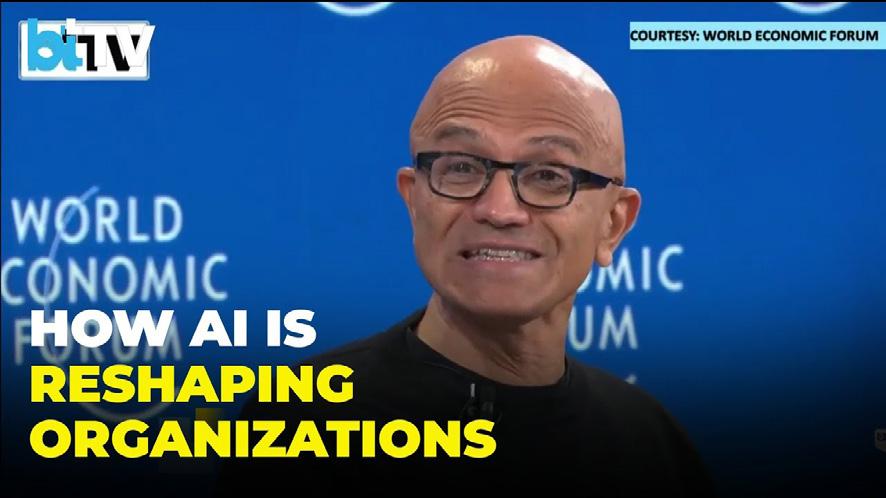
MICROSOFT CEO SATYA NADELLA ON HOW AI IS TRANSFORMING ORGANIZATIONS
important considerations for consumers. Customers are paying closer attention to how organisations operate, the values they promote and the impact they have on society.
Leaders must therefore consider a broader definition of consumer centricity. It is no longer solely about delivering products and services. It is about creating trust, demonstrating accountability and building organisations that align with modern expectations.
Looking ahead, the organisations most likely to succeed will be those capable of combining innovation with empathy. Artificial intelligence, automation and advanced analytics will continue to transform how businesses understand and engage with customers. Yet despite these advances, the fundamental principles of consumer centricity remain unchanged.
People want to feel understood. They want businesses to recognise their needs, respect their preferences and deliver experiences that genuinely improve their lives. Technology can support these
objectives, but it cannot replace human connection, trust and authenticity.
For leaders, this presents both an opportunity and a responsibility. The organisations shaping the future of business are not simply responding to customer expectations. They are building cultures that place people at the centre of every decision.
As consumer behaviours continue to evolve, the businesses that thrive will be those that remain curious, adaptable and committed to understanding the people they serve. Consumer centricity is no longer a competitive advantage reserved for a select few organisations. It is rapidly becoming a defining characteristic of successful leadership itself.
The organisations leading the way in 2026 demonstrate that when customers are placed at the heart of strategy, innovation and culture, sustainable growth often follows. Their success serves as a reminder that in an increasingly complex business world, understanding people remains one of the most powerful leadership qualities of all.
LIFESTYLE AND WELLNESS TECH TO WATCH IN 2026
The relationship between technology and wellbeing is entering a new chapter. For years, innovation within the wellness sector focused largely on fitness trackers, calorie counting applications and basic health monitoring. Today, the conversation has evolved significantly. Technology is no longer simply helping people measure their health. It is increasingly helping them understand it, improve it and integrate wellbeing into every aspect of daily life.
As consumers place greater emphasis on physical health, mental wellbeing and work life balance, businesses are responding with increasingly sophisticated solutions designed to support healthier lifestyles. From wearable devices and artificial intelligence powered coaching to personalised nutrition and sleep optimisation, lifestyle and wellness technology is becoming one of the most dynamic areas of innovation.
The sector has experienced remarkable growth in recent years, driven by changing consumer expectations and a growing awareness of the importance of preventative health. Rather than waiting for illness to occur, individuals are increasingly seeking tools that enable them to take a proactive approach to wellbeing. This shift is creating significant opportunities for technology companies, healthcare providers and consumer brands alike.
For business leaders, lifestyle and wellness technology represents more than a consumer trend. It reflects a broader movement towards personalisation, data driven decision making and long
term health management. As innovation accelerates, several emerging technologies are poised to shape the future of wellness throughout 2026 and beyond.
The Rise of Personalised Wellbeing
One of the most significant developments in the wellness sector is the move towards personalisation. Consumers are increasingly looking for solutions tailored to their individual needs rather than generic recommendations.
Advances in artificial intelligence and machine learning are enabling technology platforms to analyse vast amounts of personal health data and provide customised guidance. These systems can evaluate activity levels, sleep patterns, stress indicators and nutritional habits to create highly personalised wellness plans.
Rather than offering broad advice, wellness platforms are becoming capable of delivering recommendations based on an individual’s lifestyle, goals and behavioural patterns. This approach is helping users make more informed decisions while improving engagement and long term outcomes.
Personalisation is also influencing the nutrition sector. Companies are increasingly using health data, biological insights and behavioural information to create bespoke dietary recommendations. Consumers are becoming more interested in understanding how food impacts energy levels, cognitive performance and overall wellbeing, driving demand for tailored solutions that move beyond traditional dieting.


INNOVATION NEWS
The growing focus on individualised wellness reflects a broader shift towards preventative health management. Consumers are no longer seeking quick fixes. Instead, they are looking for sustainable solutions that support long term wellbeing.
Wearable Technology Moves Beyond Fitness
Wearable technology remains one of the most visible areas of innovation within the wellness sector, but its capabilities are expanding rapidly.
While early devices focused primarily on counting steps and monitoring exercise, today’s wearables provide far more comprehensive insights into physical and mental health. Advanced sensors can monitor sleep quality, heart health, recovery, stress levels and overall wellness in real time.
Increasingly, wearable devices are becoming lifestyle companions rather than fitness accessories. They provide users with a deeper understanding of how daily habits influence wellbeing and help identify opportunities for improvement.
The integration of artificial intelligence is enhancing these capabilities further. Devices are becoming more proactive, providing personalised recommendations and alerts based on changing health patterns. Rather than simply collecting data, they are helping users interpret and act upon it.
As technology continues to evolve, wearables are expected to play an even greater role in preventative healthcare, enabling earlier intervention and more informed health decisions.
The Growing Importance of Sleep Technology
Sleep has emerged as one of the most influential areas within the wellness technology landscape. As research continues to highlight the relationship
between sleep quality and overall health, consumers are increasingly investing in solutions designed to improve rest and recovery.
Sleep technology now extends far beyond simple tracking applications. Smart mattresses, connected bedroom environments, intelligent lighting systems and advanced monitoring platforms are all contributing to a more comprehensive approach to sleep optimisation.
Artificial intelligence is playing an important role in this development. By analysing sleep behaviour and environmental conditions, systems can provide tailored recommendations designed to improve sleep quality over time.
The growing popularity of sleep focused technology reflects a wider understanding that wellness is not solely defined by exercise or nutrition. Recovery, mental resilience and restorative rest are becoming equally important components of a healthy lifestyle.
For organisations operating within the wellness sector, sleep innovation represents a significant opportunity to address one of the most universal challenges facing modern consumers.
Mental Wellbeing in the Digital Age
Mental wellbeing continues to be a major focus for both consumers and businesses. As awareness surrounding mental health grows, technology is playing an increasingly important role in providing accessible support and resources.
Digital wellness platforms are evolving beyond traditional meditation applications to offer more comprehensive approaches to mental wellbeing. Many now incorporate coaching, behavioural insights, guided therapy techniques and personalised support systems.
Artificial intelligence is helping make these services more responsive and accessible. Virtual wellness assistants can provide
users with guidance, encouragement and practical tools to manage stress, build resilience and improve emotional wellbeing.
At the same time, businesses are recognising the importance of supporting employee wellbeing through technology. Workplace wellness platforms are becoming increasingly common, helping organisations address burnout, improve engagement and create healthier working environments.
The growing integration of mental health support into everyday technology demonstrates how wellness innovation is expanding beyond physical health to embrace a more holistic understanding of wellbeing.
Smart Homes and Healthier Living
The concept of the smart home is also evolving. While convenience remains important, health and wellness are becoming central themes in the next generation of connected living environments.
Consumers are increasingly interested in technologies that improve air quality, optimise lighting, regulate temperature and create healthier indoor spaces. These innovations are designed to enhance comfort while supporting physical and mental wellbeing.
Connected devices can now monitor environmental conditions and make automatic adjustments to create more supportive living spaces. Intelligent lighting systems, for example, can align with natural circadian rhythms, while air monitoring solutions help maintain healthier indoor environments.
This shift reflects a growing understanding that wellness is influenced by surroundings as much as individual behaviours. The spaces in which people live, work and relax play a significant role in overall wellbeing.
As sustainability and health continue to intersect, smart home technologies are
INNOVATION NEWS
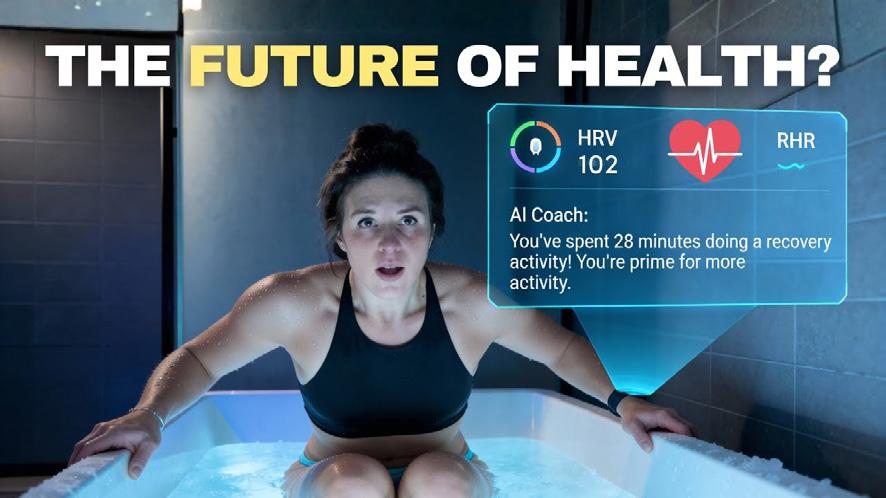
5 HEALTH TRENDS THAT WILL DEFINE 2026
expected to become increasingly important components of the wellness ecosystem.
A More Connected Future
Lifestyle and wellness technology is no longer a niche category. It is becoming an integral part of how people manage their health, productivity and quality of life.
The technologies gaining momentum in 2026 share a common objective. They aim to make wellbeing more accessible, personalised and proactive. Whether through wearable devices, sleep optimisation platforms, mental health tools or intelligent home environments, innovation is helping individuals gain greater control over their wellbeing than ever before.
Importantly, the future of wellness technology will not be defined solely by hardware or software. The most successful innovations will be those that combine advanced technology with genuine human understanding. Consumers are increasingly looking for solutions that fit seamlessly into
their lives and deliver meaningful outcomes rather than simply generating data.
For business leaders, this presents significant opportunities. The growing demand for wellbeing focused products and services is creating new markets, driving investment and encouraging collaboration across technology, healthcare and consumer sectors.
As the boundaries between health, lifestyle and technology continue to blur, organisations that prioritise innovation while maintaining a strong focus on human needs will be best positioned for success.
The coming years are likely to see wellness technology become even more embedded in daily life. From personalised health insights and preventative care to smarter living environments and enhanced mental wellbeing support, the sector is helping shape a future where technology works not only to improve productivity, but also to improve quality of life.
For consumers and businesses alike, that future is arriving faster than many expected.

E COMMERCE GROWTH AND TRENDS TO WATCH IN 2026
Ecommerce has become one of the most influential forces shaping the modern business landscape. What was once viewed as a convenient alternative to traditional retail is now a central pillar of global commerce, influencing everything from consumer behaviour and supply chains to marketing strategies and international expansion. As businesses navigate an increasingly digital world, e commerce continues to evolve at remarkable speed, creating new opportunities and challenges across every sector.
In 2026, the conversation is no longer simply about selling products online. It is about creating seamless customer experiences, building meaningful relationships and using technology to anticipate consumer needs. The most successful businesses recognise that e commerce is not a standalone channel. It is an integrated ecosystem that connects marketing, logistics, customer service, data analytics and brand experience.
Consumer expectations continue to rise. Shoppers increasingly expect convenience, speed, personalisation and transparency throughout every stage of the purchasing journey. They move effortlessly between websites, social platforms, mobile applications and physical stores, expecting a consistent experience wherever they engage with a brand.
This shift is forcing organisations to rethink how they approach digital commerce. Businesses are investing in new technologies, refining customer journeys and exploring innovative ways

to connect with sophisticated audiences. At the same time, emerging markets and evolving digital behaviours are creating fresh growth opportunities for organisations prepared to adapt.
One of the most significant developments shaping the sector is the growing role of artificial intelligence. Across the e commerce landscape, businesses are using intelligent technologies to better understand customer behaviour, improve operational efficiency and deliver more personalised experiences. Rather than presenting the same products to every visitor, retailers are tailoring recommendations, promotions and content to individual preferences.
Consumers are becoming accustomed to experiences that feel personalised and relevant. They expect brands to understand their interests and provide recommendations that genuinely add value. As a result, personalisation is moving from a desirable feature to an essential component of successful e commerce strategies.
Artificial intelligence is also helping businesses improve customer service through intelligent support systems capable of answering questions, resolving issues and guiding customers through purchasing decisions. Predictive technologies are helping organisations manage inventory more effectively, reducing waste and ensuring products are available when customers want them.
Alongside technological innovation, social commerce continues to transform how consumers discover and purchase
products. Social media platforms have become powerful retail environments where inspiration, engagement and transactions increasingly take place within the same digital space.
Consumers are spending significant amounts of time engaging with content creators, influencers and brands across social platforms. This behaviour is creating new opportunities for organisations to reach audiences in more authentic and engaging ways. Rather than relying solely on traditional advertising, brands are building communities, sharing stories and creating interactive experiences that encourage consumers to become active participants rather than passive observers.
The integration of shopping functionality within social platforms has accelerated this trend. Consumers can now move from discovery to purchase with minimal friction, creating a more seamless customer journey. For many businesses, social commerce is becoming a vital component of customer acquisition and brand growth strategies.
At the same time, the relationship between e commerce and content continues to strengthen. Consumers increasingly expect brands to educate, entertain and inspire them in addition to selling products. Organisations are responding by investing in richer content experiences that build trust and encourage long term engagement.
Video content in particular continues to play an important role in influencing purchasing decisions. Consumers want to see products in action, understand how they fit into their lifestyles and hear authentic perspectives from other customers. Businesses that combine commerce with compelling content are finding new ways to strengthen customer relationships and differentiate themselves in crowded markets.
While customer experience remains a major priority, fulfilment and logistics continue to be key areas of innovation. Convenience remains one of the primary drivers of e commerce growth, and businesses are under increasing pressure to deliver products quickly, efficiently and sustainably.
Customers expect greater visibility throughout the delivery process. They want accurate updates, flexible delivery options and simple returns procedures. To meet these expectations, organisations are investing in advanced logistics technologies, automation and supply chain optimisation.
However, speed alone is no longer enough. Sustainability is becoming an increasingly important factor in purchasing decisions. Consumers are paying closer attention to packaging, delivery methods and environmental impact. This is encouraging businesses to explore more responsible fulfilment strategies while maintaining convenience.
The growing focus on sustainability reflects a broader shift in consumer priorities. Modern shoppers are increasingly choosing brands that align with their values. They want transparency regarding sourcing, manufacturing and environmental commitments. As a result, responsible business practices are becoming closely linked to commercial success.
Another trend shaping the sector is the continued growth of cross border commerce. Digital platforms have made it easier than ever for businesses to reach customers beyond their domestic markets. Consumers are increasingly comfortable purchasing products from international brands, creating significant opportunities for expansion.
For organisations looking to enter new markets, digital commerce provides an accessible route to growth. However, successful international expansion requires more than launching a website in a new territory. Businesses must understand local consumer preferences, cultural expectations and regulatory environments if they are to build trust and long term loyalty.
The organisations achieving the greatest success are those that balance global ambition with local relevance. They recognise that while technology can facilitate international growth, meaningful customer relationships remain rooted in understanding local needs and behaviours.
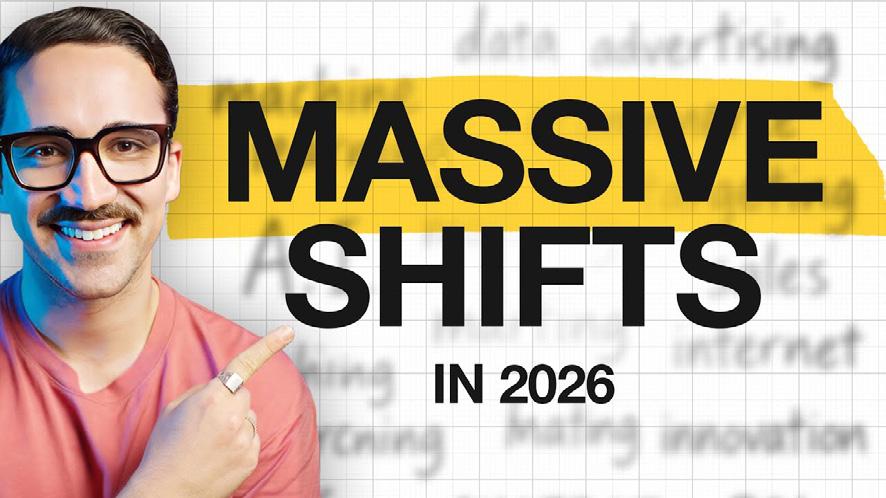
ECOMMERCE MARKETING TRENDS THAT WILL DOMINATE 2026
As e commerce continues to mature, businesses are paying greater attention to customer retention. Acquiring new customers remains important, but organisations increasingly recognise the value of building lasting relationships with existing audiences. Loyalty programmes, personalised communication and exceptional customer experiences are becoming central components of growth strategies.
This focus on retention reflects an important evolution within the sector. The most successful organisations are moving beyond transactional relationships and focusing on creating communities of loyal customers who engage with brands repeatedly over time. Trust, authenticity and consistent service are becoming powerful differentiators in an increasingly competitive marketplace.
Looking ahead, the future of e commerce will be shaped by organisations that combine innovation with customer understanding. Technology will continue to drive transformation, but the businesses
that thrive will be those that use technology to enhance human experiences rather than replace them.
Consumers will continue to expect greater convenience, more personalisation and stronger connections with the brands they support. Businesses that can anticipate these expectations and respond with agility will be well positioned for success.
E commerce is no longer simply a retail trend. It is a fundamental component of modern business strategy and a powerful driver of economic growth. As digital technologies evolve and consumer behaviours shift, the organisations leading the next phase of e commerce will be those focused on innovation, adaptability and customer value.
For business leaders, 2026 presents a wealth of opportunities. The companies shaping the future of digital commerce are not merely responding to change. They are actively creating it, redefining how products are discovered, purchased and delivered in an increasingly connected world.
HEALTH AND WELLNESS INDUSTRY TRENDS TO WATCH IN 2026
The health and wellness industry is undergoing one of the most significant transformations in its history. Once largely associated with fitness memberships, healthy eating and personal care products, the sector has evolved into a vast and influential market encompassing physical health, mental wellbeing, preventative care, workplace wellness, technology and lifestyle optimisation.
In 2026, wellness is no longer viewed as a luxury or an occasional indulgence. It has become a central consideration for consumers, employers and governments alike. Individuals are taking a more proactive approach to their health, seeking solutions that help them improve quality of life, enhance longevity and support overall wellbeing. At the same time, businesses are recognising the growing commercial opportunities within a sector that continues to expand across multiple industries.
This shift is being driven by several factors. Greater awareness of mental health, advances in technology, changing workplace expectations and increased access to health information have all contributed to a more informed and engaged consumer. Today’s wellness consumer is looking for more than products. They are seeking personalised experiences, trusted guidance and
holistic solutions that address both physical and emotional wellbeing.
As the industry continues to evolve, several trends are emerging that are likely to shape the health and wellness landscape throughout 2026 and beyond.
Wellness Becomes Increasingly Personal
One of the defining characteristics of the modern wellness industry is the growing emphasis on personalisation. Consumers are moving away from generic advice and one size fits all solutions in favour of approaches tailored to their individual needs, goals and lifestyles.
Advances in data analytics, wearable technology and artificial intelligence are enabling organisations to deliver increasingly customised wellness experiences. From personalised nutrition plans and fitness programmes to tailored mental wellbeing support, businesses are using technology to help consumers make more informed decisions about their health.
This trend reflects a broader shift towards preventative care. Rather than waiting for health issues to arise, consumers are actively seeking tools and insights that allow them to maintain and improve wellbeing over time. As a result, organisations capable of delivering


INDUSTRIES NEWS
meaningful personalisation are likely to enjoy stronger customer engagement and long term loyalty. The demand for personalised wellness is also encouraging greater collaboration between healthcare providers, technology companies and consumer brands. Together, these sectors are helping create a more connected and responsive health ecosystem.
The Expansion of Mental Wellbeing
Mental health continues to be one of the most influential areas within the wellness industry. Awareness has grown significantly in recent years, and consumers are increasingly prioritising emotional wellbeing alongside physical health.
Businesses are responding by expanding their offerings beyond traditional wellness services. Digital platforms focused on mindfulness, stress management and emotional resilience are becoming more sophisticated, while organisations are investing in resources designed to support mental wellbeing in both personal and professional environments.
Employers are also recognising the importance of mental health within the workplace. Employee wellbeing programmes are evolving to include greater support for psychological health, recognising the link between wellbeing, engagement and productivity.
The growing integration of mental wellbeing into mainstream wellness strategies reflects a broader understanding that health is multifaceted. Consumers increasingly expect solutions that address the whole person rather than focusing solely on physical outcomes.
This trend is expected to remain a major driver of innovation and investment throughout the sector.
Technology Continues to Transform Wellness
Technology is playing an increasingly important role in shaping the future

WHY INDIAN HEALTHCARE IS SET FOR EXPLOSIVE GROWTH
of health and wellness. From wearable devices and health monitoring platforms to virtual consultations and intelligent wellness applications, innovation is making health information more accessible than ever before.
Consumers are embracing tools that provide real time insights into sleep quality, activity levels, recovery, stress and overall wellbeing. These technologies are helping individuals develop a deeper understanding of their health while encouraging more proactive behaviours.
Artificial intelligence is further enhancing these capabilities by enabling more personalised recommendations and predictive insights. Rather than simply collecting data, wellness technologies are becoming increasingly effective at helping users understand and act upon the information they receive.
The integration of technology is also making wellness more convenient. Consumers can now access fitness
coaching, nutritional advice, health assessments and wellbeing resources from virtually anywhere, creating new opportunities for businesses operating within the sector.
Importantly, technology is not replacing human expertise. Instead, it is enhancing access, improving efficiency and helping create more informed and empowered consumers.
Longevity and Healthy Ageing Gain Momentum
As populations continue to age and life expectancy increases, healthy ageing has become a major focus within the wellness industry. Consumers are increasingly interested in maintaining vitality, mobility and cognitive function throughout later stages of life.
This growing interest is creating demand for products and services that support long term health rather than simply addressing immediate concerns.
Nutrition, exercise, sleep optimisation and preventative healthcare are all becoming key components of healthy ageing strategies.
The concept of longevity is also influencing consumer behaviour more broadly. Individuals are becoming increasingly interested in daily habits that contribute to long term wellbeing, encouraging growth across multiple areas of the wellness sector.
Businesses are responding by developing solutions designed to support health across every stage of life. From functional nutrition and wellness technology to preventative health services, longevity is becoming an increasingly influential market driver.
This trend is expected to shape investment, innovation and product development throughout the coming years.
The Wellness Economy Continues to Expand
The health and wellness industry is no longer confined to specialist brands or dedicated providers. Wellness principles are increasingly influencing sectors ranging from hospitality and retail to technology and financial services.
Consumers are seeking healthier choices in every aspect of their lives. They expect brands to support wellbeing through products, services and experiences that align with their values and lifestyles.
This has led to the emergence of wellness focused travel experiences, healthier food and beverage offerings, workplace wellbeing initiatives and lifestyle brands centred around holistic health. Wellness is becoming embedded within everyday consumer decision making rather than existing as a separate category.
For businesses, this presents significant opportunities for differentiation and growth. Organisations that successfully
INDUSTRIES NEWS
integrate wellbeing into their value proposition are often better positioned to connect with modern consumers and build stronger brand loyalty.
The expanding wellness economy also reflects a broader societal shift towards prevention, self care and long term health management. Consumers increasingly view wellness as an investment rather than an expense, creating favourable conditions for continued market growth.
Looking ahead, the health and wellness industry is likely to become even more integrated into daily life. The boundaries between healthcare, technology, lifestyle and consumer products will continue to blur as organisations seek new ways to support wellbeing.
The most successful businesses will be those that understand wellness as a holistic concept. Rather than focusing on individual products or services, they will create ecosystems that help consumers improve physical health, mental wellbeing and overall quality of life.
Technology will undoubtedly remain an important catalyst for innovation, but trust, authenticity and human understanding will continue to play equally significant roles. Consumers are becoming increasingly selective about the brands they engage with, favouring organisations that demonstrate genuine expertise and a commitment to delivering meaningful outcomes.
As the sector continues to mature, health and wellness will remain one of the most dynamic and influential industries in the global economy. Businesses that recognise this shift and adapt accordingly will be well positioned to capitalise on growing consumer demand and evolving market opportunities.
For leaders across every industry, the message is clear. Wellness is no longer a niche trend. It is a defining force shaping consumer behaviour, business strategy and the future of how people live, work and thrive.
SOCIAL MEDIA LEADERS
In today’s digital economy, social media has become one of the most powerful forces shaping brands, communities and culture. The leaders redefining this space are not simply building audiences, they are creating influence, driving engagement and turning online platforms into engines for growth, creativity and connection. This month, Business Enquirer highlights ten social media leaders whose vision, innovation and understanding of digital behaviour are helping shape the future of communication, marketing and brand storytelling.
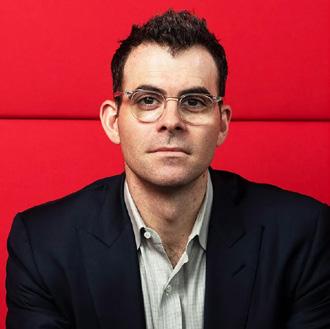
ADAM MOSSERI
Adam Mosseri is the Head of Instagram, where he leads the platform’s global strategy and product direction. He is widely recognised for shaping how Instagram evolves, with a focus on creators, content discovery and platform transparency. Mosseri is a key voice in social media innovation, regularly sharing updates on algorithm changes and digital trends.
JO CRONK
Jo Cronk is Co-CEO of Whalar, a leading global creator and social agency. She specialises in creator-led marketing strategies, helping brands build authentic partnerships with creators. Cronk is a recognised voice in the creator economy and modern brand storytelling.
TOP 10 SOCIAL MEDIA LEADERS
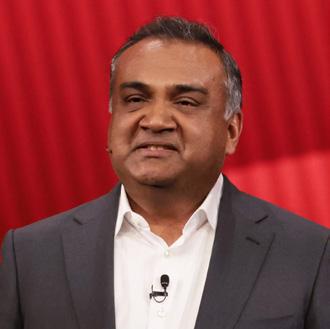
NEAL MOHAN
Neal Mohan is the Chief Executive Officer of YouTube, leading the world’s largest video platform. He plays a central role in shaping the future of online video, the creator economy and digital advertising. Under his leadership, YouTube continues to expand its global influence across entertainment, education and content creation.
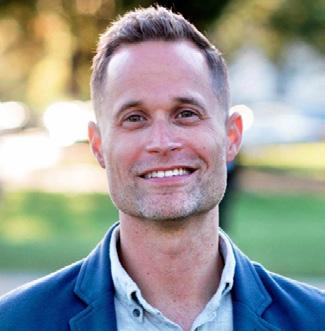
ALEX JOSEPHSON
Alex Josephson is Vice President of BrandWorks at LinkedIn, where he leads brand strategy and creative solutions for B2B advertisers. He focuses on helping companies build impactful campaigns through storytelling, data and platform insights, supporting brands in reaching professional audiences more effectively.

NEIL WALLER
Neil Waller is Co-Founder and Co-CEO of Whalar Group, a global leader in the creator economy. He has been instrumental in building one of the most influential creator ecosystems, helping brands and creators connect through culture-driven marketing and digital innovation.

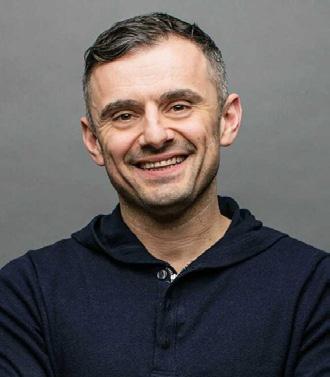
GARY VAYNERCHUK
Gary Vaynerchuk is the Chairman and CEO of VaynerX and CEO of VaynerMedia. He is a globally recognised entrepreneur and marketing leader known for his expertise in branding, social media and consumer behaviour. Vaynerchuk is one of the most influential voices in digital marketing and business strategy.

AVERY AKKINENI
Avery Akkineni is the Chief Marketing Officer of VaynerX, where she leads global marketing strategy, brand communications and innovation. She is recognised for her expertise in AI, digital transformation and modern brand building across emerging platforms.

RACHEL KARTEN
Rachel Karten is a social media consultant and writer best known for her newsletter Link in Bio. She specialises in social strategy, platform trends and content development, helping brands and marketers improve their digital presence through practical insights.
LIA HABERMAN
Lia Haberman is a creator economy expert and social media strategist, best known for her ICYMI newsletter. She provides analysis on platform updates, digital trends and creator marketing, helping professionals stay ahead in the fast-moving social media landscape.
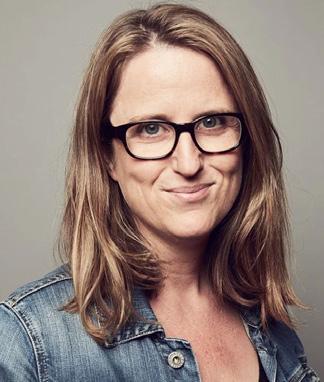
HAIDER RAFIQUE
Haider Rafique is the Global Chief Marketing Officer and Global Managing Partner at OKX, a leading crypto and Web3 platform. He is known for his work in branding, growth strategy and digital innovation, helping position OKX as a globally recognised technology brand in the evolving Web3 space.
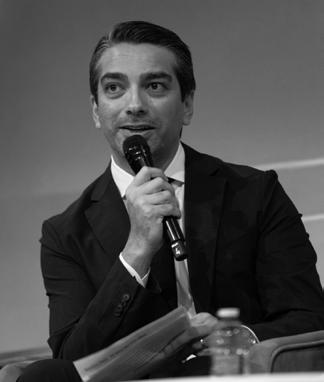

SOCIAL MEDIA LEADERS
WHEN INNOVATION MEETS EXECUTION HOW MARFO AND AMI GROUP ARE REDEFINING MODERN FOOD SOLUTIONS

PROJECT DIRECTED BY:
JAMIE WAITE

In today’s global food industry, success is no longer defined simply by the ability to produce exceptional meals. The businesses setting the pace are those that can combine quality with consistency, innovation with reliability, and creativity with the operational discipline required to deliver at scale. From aviation and hospitality to healthcare, retail and food service, customers now expect partners that understand complexity, respond quickly to change and deliver solutions that perform in some of the world’s most demanding environments.
Few partnerships reflect this modern standard more clearly than the relationship between Marfo and AMI Group. Individually, both organisations have built strong reputations through specialist expertise, customer focus and a long-term commitment to quality. Together, they represent a compelling example of how complementary strengths can create something greater than the sum of their parts. By combining European culinary development and production excellence with international commercial reach and market


OUR EXCLUSIVE INTERVIEW WITH DAWN O’NEILL, GLOBAL HEAD OF SALES AT MARFO

MARFO & AMI GROUP
understanding, Marfo and AMI Group are helping to shape the future of food solutions across multiple sectors.
More Than a Meal
For many organisations, food remains a practical requirement. For Marfo and AMI Group, it is far more than that. It is an experience, a marker of quality and a powerful part of how customers, passengers and patients engage with a brand or service. Whether someone is travelling thousands of feet above the Atlantic, recovering in a healthcare environment or purchasing a convenient meal through retail, the expectations are increasingly similar. People want food that is enjoyable, reliable, safe, convenient and suited to the way they live today.
Delivering that level of consistency requires much more than strong recipes. It demands expertise across procurement, food safety, product development, packaging, logistics, sustainability and customer collaboration. Every part of the process must work together, because in modern food service, quality is only meaningful if it can be delivered repeatedly, efficiently and safely.
This is where Marfo has earned its reputation. With more than five decades of experience in tailor-made meal solutions, the Dutch business has continued to evolve alongside changing consumer expectations and industry requirements. Its work across aviation, healthcare, retail and food service is built around a clear philosophy: create meals that are nutritious, innovative and genuinely enjoyable, while maintaining the highest standards of production and reliability.
A Partnership Built on Complementary Strengths
While many companies pursue growth by simply expanding capacity, the most successful businesses understand that sustainable progress is often achieved through collaboration. The partnership between Marfo and AMI Group reflects
FOOD & BEVERAGE
that principle. Rather than duplicating capabilities, the relationship brings together distinct areas of expertise that naturally strengthen one another.
Marfo contributes deep culinary knowledge, flexible manufacturing capabilities, large-scale European production experience and an innovationled culture. AMI Group brings international commercial capability, customer relationships and market insight, helping to connect high-quality food solutions with the global clients and sectors that need them. Together, the two companies are able to support customers from concept and development through to production, delivery and long-term service.
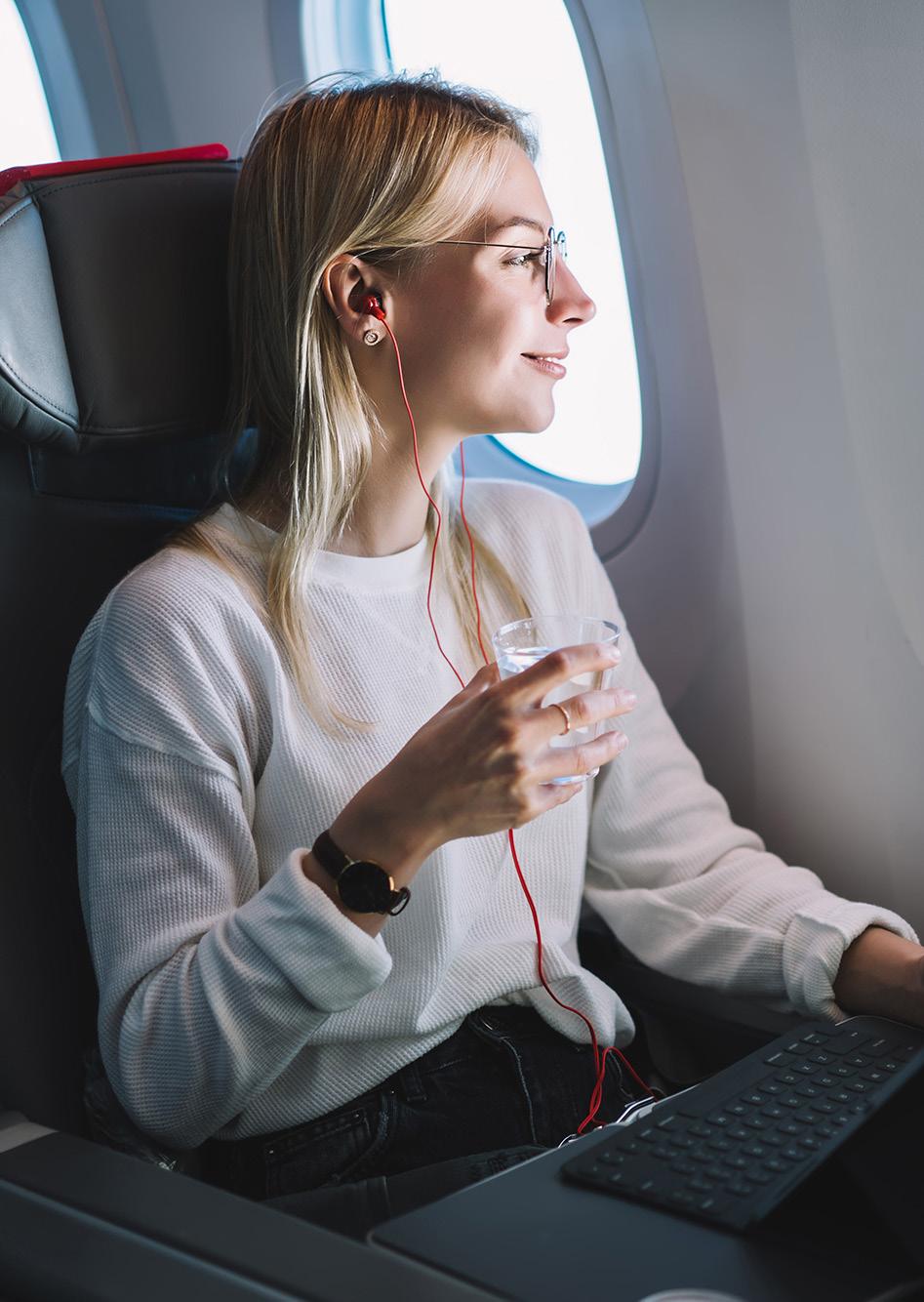
That matters because today’s food operators are no longer looking only for suppliers. Increasingly, they want strategic partners that understand their business, anticipate operational pressures and help them stay ahead of changing market demands. In sectors such as aviation and healthcare, where reliability and consistency are essential, the ability to provide joined-up, commercially aware and operationally precise support is a major advantage.
Trust as the Foundation
The food sector is one of the most regulated and scrutinised industries in the world. Every ingredient, supplier, process, shipment and quality control measure matters. For customers operating in high-pressure environments, trust is not a marketing message. It is something that must be demonstrated through performance, transparency and consistency over time.
Marfo has spent decades building that trust through internationally recognised quality systems, food safety standards and ongoing investment in production excellence. Its commitment to responsible sourcing, environmental improvement and continuous operational development has become central to the way the business works. This approach gives

customers confidence that the meals being delivered are not only high quality, but produced within systems designed to protect safety, consistency and long-term value.
That same trust-led approach extends naturally into the partnership with AMI Group. Together, the businesses offer clients the reassurance of working with organisations that understand the importance of reliability, accountability and long-term relationships. In industries where operational failure can have immediate consequences, that confidence is invaluable.
Innovation with Purpose
Innovation has become one of the most frequently used words in modern business, but meaningful innovation is rarely about novelty alone. In food, the strongest innovation is practical. It solves
problems, improves experiences and helps customers respond to changing consumer expectations without compromising quality or efficiency.
Marfo’s approach to innovation is rooted in that practical mindset. The business continues to develop healthier recipes, more efficient packaging solutions, improved shelf-life performance and new meal concepts tailored to the needs of international operators. Its innovation is not abstract. It is closely connected to the challenges customers face every day, from operational efficiency and storage requirements to nutrition, sustainability and passenger or patient satisfaction.
This aligns closely with AMI Group’s customer-focused philosophy. By combining Marfo’s product development expertise with AMI Group’s commercial understanding and global market connections, the partnership is well
From Grass to Global: How Lakeland Dairies Is Shaping the Future of Consumer Food
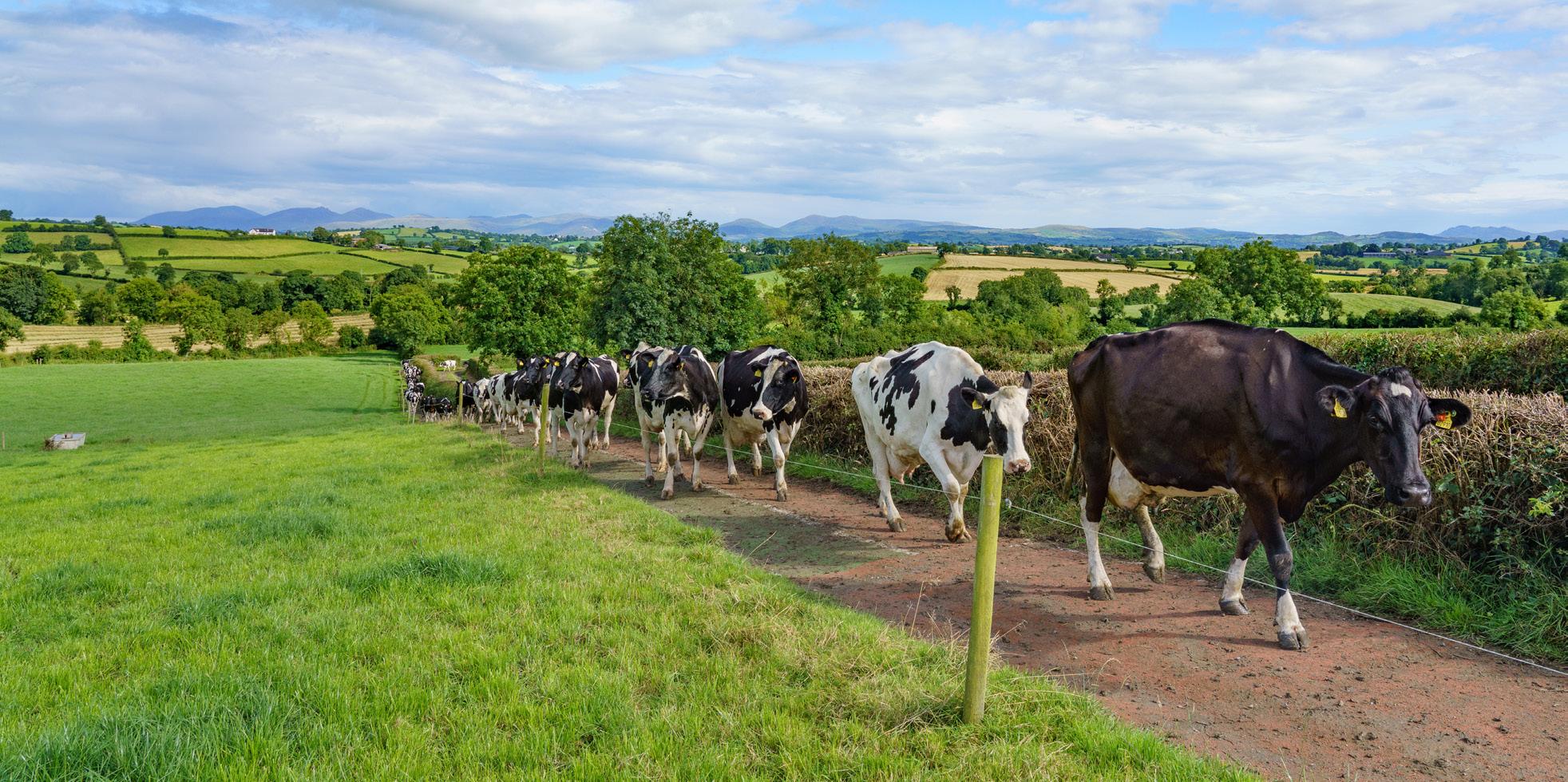
Across the global food industry, few sectors have maintained the enduring trust and universal relevance of dairy. Yet behind the everyday products consumers rely on lies a complex ecosystem of farmers, innovation teams, supply partners and global distribution networks working together to deliver quality at scale. At Lakeland Dairies, that ecosystem begins at the farm gate and extends across international markets, where the cooperative continues to strengthen its reputation as one of Ireland’s leading dairy producers.
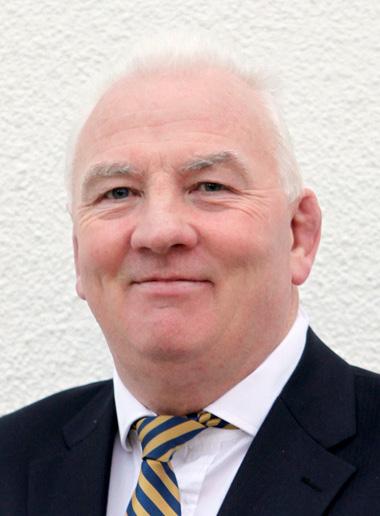
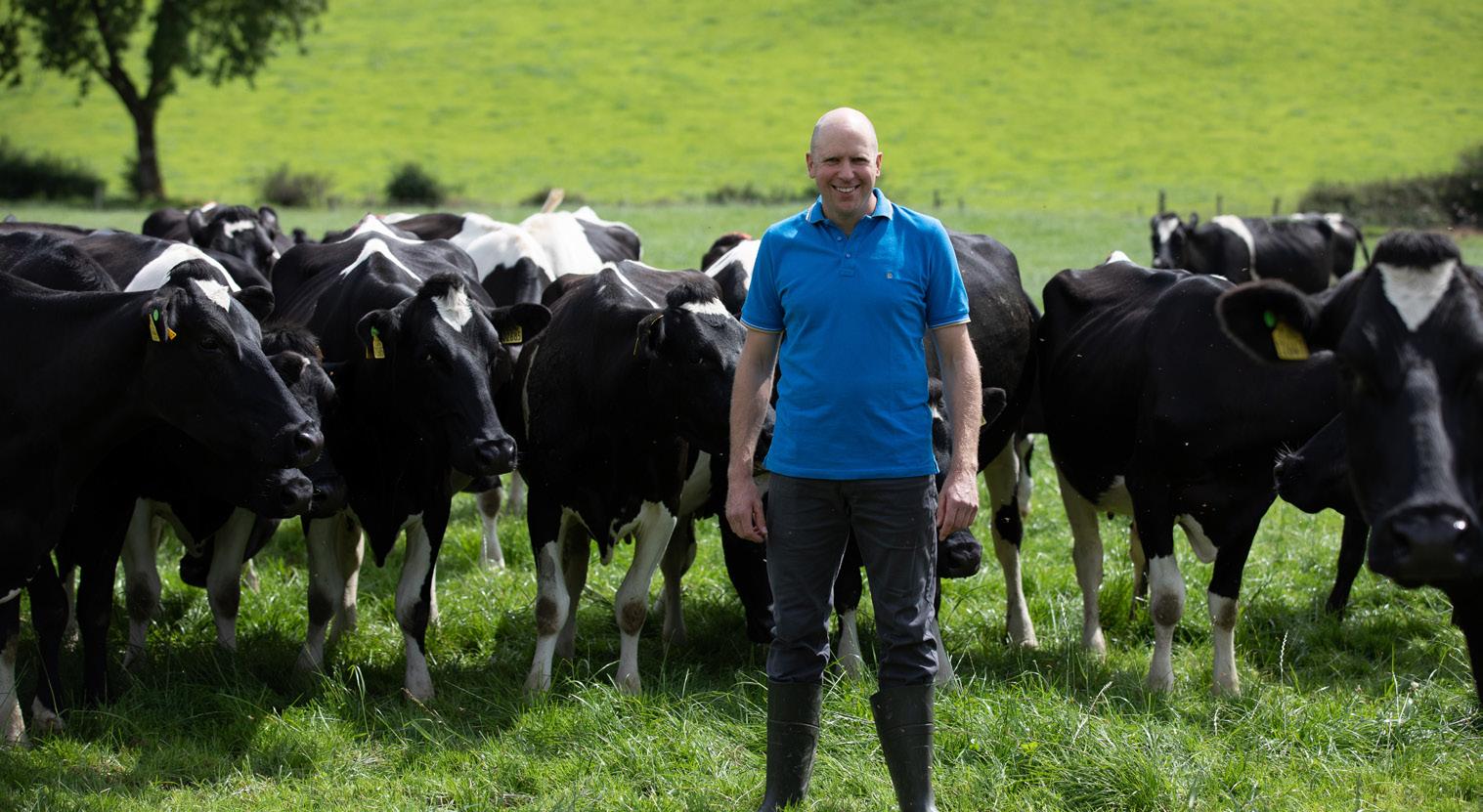
At the centre of this effort is Tommy O’Donaghue, Head of Consumer Foods at Lakeland Dairies, whose role focuses on innovation, product development and building long-term relationships with customers across retail and foodservice channels.
O’Donaghue joined Lakeland Dairies in 2015 after extensive experience across the wider

food industry, but stepping into dairy marked a significant shift in both scale and opportunity. Today, he leads the consumer foods division, guiding how the cooperative transforms its raw ingredient, milk, into products designed to meet evolving global tastes and modern lifestyles.
“Joining the dairy industry in 2015 was certainly a transformational shift in my work activity,” he explains. “I currently lead the whole consumer foods side of Lakeland Dairies, which is primarily focused on innovation, product development and most importantly building strong partnerships with our customer base.”
Right, Tommy O’Donaghue, Head of Consumer Foods at Lakeland Dairies
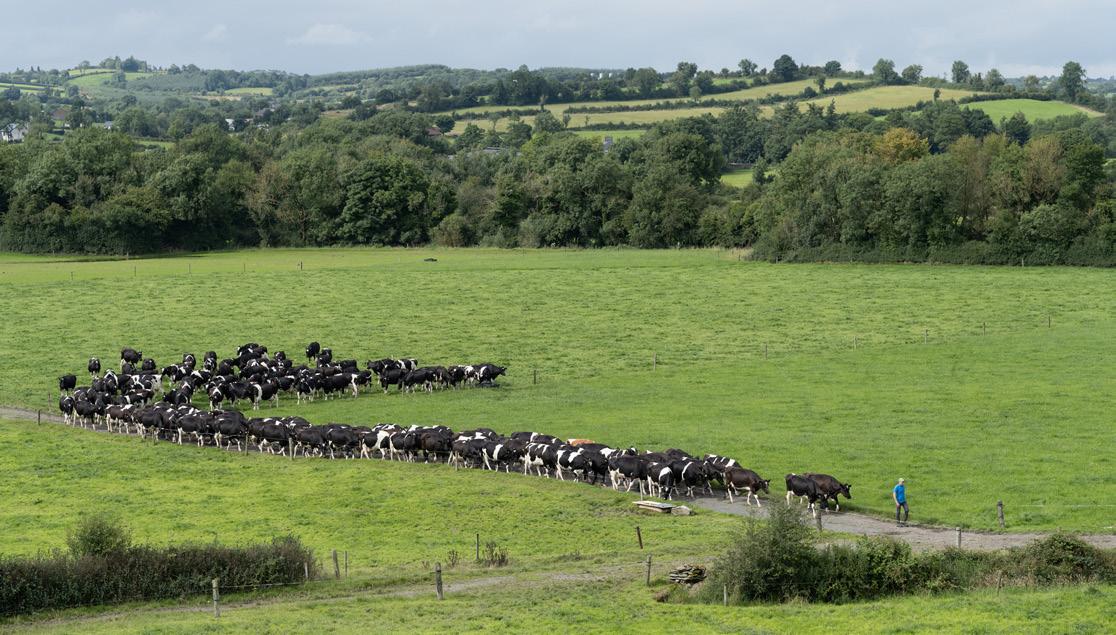
Those partnerships have played a crucial role in Lakeland Dairies’ continued expansion, both within Ireland and internationally. The cooperative operates within a sector that is uniquely positioned to benefit from growing consumer demand for natural, traceable food products. Irish dairy, in particular, has developed a strong reputation globally thanks to its grass-fed farming system and consistent quality.
For Lakeland Dairies, growth has not come from scale alone. Instead, it has been driven by a careful balance of understanding consumer expectations, investing in product innovation and building collaborative relationships across the food supply chain.
“We’re very fortunate to be part of an industry that carries such a strong reputation internationally,” says O’Donaghue. “Irish dairy is recognised around the world for its quality and the grass-based farming system we have here. At Lakeland, our focus has always been on understanding what our retail customers, foodservice partners and ultimately the end consumer want, and developing products that meet those needs.”
That focus on the consumer has become increasingly important as food trends evolve. Today’s shoppers are not only interested in flavour and quality. They also want convenience, transparency and a clear understanding of where their food comes from.
In response, Lakeland Dairies has invested heavily in innovation and product development, ensuring its portfolio continues to reflect how people actually eat and live. Convenience formats, sustainable sourcing and strong provenance credentials have all become central pillars of the company’s strategy.
“There are many trends that come and go within the food sector,” O’Donaghue explains. “But the key ones for us are convenience, quality and taste. Convenience is particularly important now, as people are looking for products that fit easily into their lifestyles while still delivering the flavour and quality they expect. At the same time, consumers want to understand the provenance of their food and know where it comes from.”
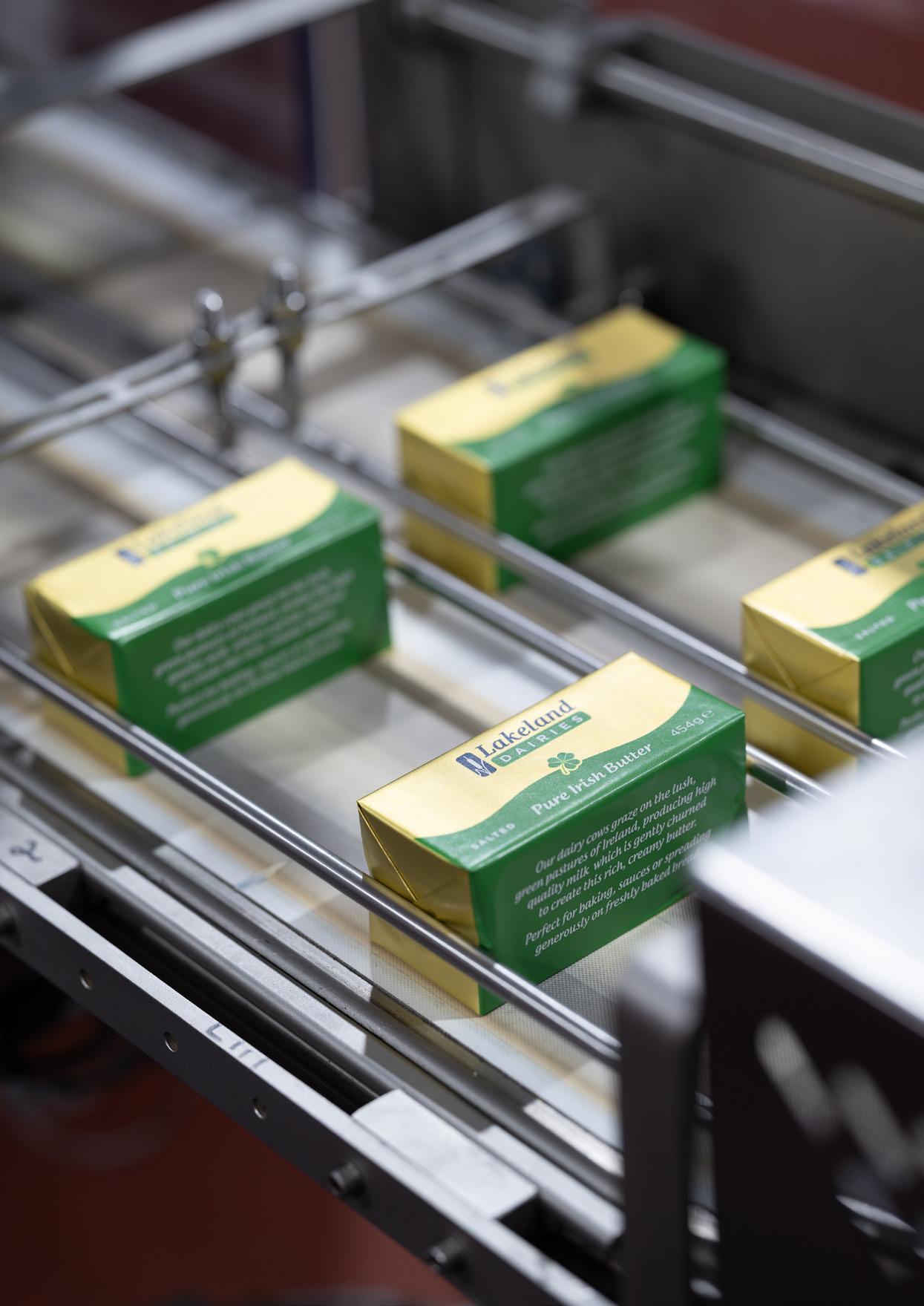
Lakeland Dairies is uniquely positioned to meet that demand thanks to its cooperative structure. Owned by more than 3,000 dairy farmers, the organisation maintains a direct connection between production and product development. That relationship ensures high standards of traceability and quality while also providing a powerful narrative for customers seeking authenticity in the food they buy.
For O’Donaghue, the cooperative model remains one of Lakeland’s greatest strengths.
“Many companies talk about boards and shareholders,” he says. “We have 3,200 shareholders who are up every morning at four or five o’clock producing the milk that becomes our products. That connection to our farmers is absolutely fundamental. It gives us traceability, it gives us high standards and, most importantly, it gives us a genuine story about where our products come from.”
Beyond the farm gate, Lakeland Dairies’ success also relies on strong partnerships across the foodservice and retail sectors. One such relationship is with AMI Group, a global provider of foodservice solutions within the travel industry.
The partnership between Lakeland Dairies and AMI Group began in early 2020, an uncertain moment for the global hospitality and travel sectors. What followed was a period that tested the resilience and adaptability of businesses across the entire food supply chain.
Despite the challenges, the collaboration strengthened over time, built on a shared commitment to quality, innovation and relationship building.
“We first connected with AMI Group in January 2020, which turned out to be a very unusual time globally,” O’Donaghue recalls. “But if anything, that period really reinforced the importance of understanding each other’s businesses and building strong relationships.”
Through the partnership, Lakeland Dairies has been able to expand its presence within the travel and foodservice sectors, bringing high quality dairy
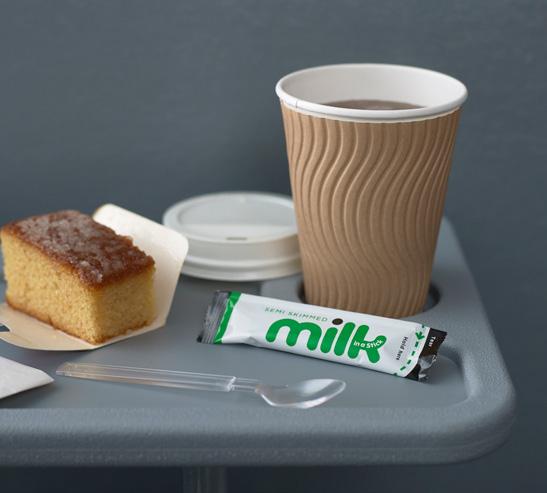
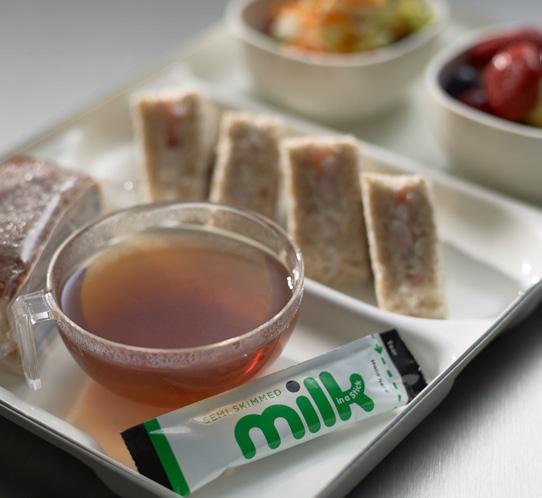
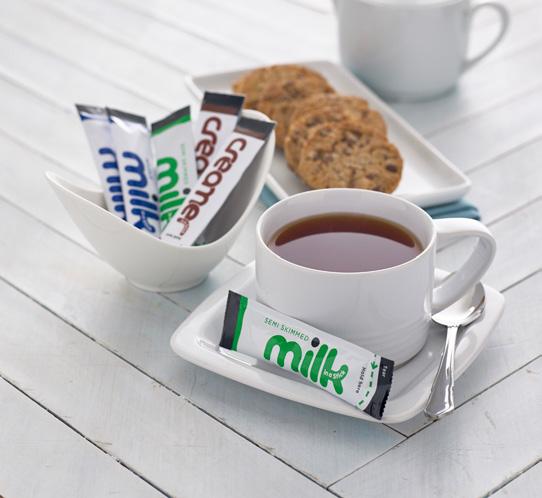

ingredients into large scale operations that require consistency, reliability and product excellence.
“Customers like AMI Group need products that deliver consistent quality and are available at scale,” he says. “Working with them has allowed us to bring our dairy ingredients into large parts of the travel sector. It’s about combining our expertise in dairy with AMI Group’s strong
distribution network and the relationships they have developed with their customers.”
This collaborative approach reflects a broader philosophy within Lakeland Dairies. Success is rarely achieved in isolation. Instead, it emerges from partnerships that allow companies to combine their respective strengths while responding to shifting consumer needs.
Looking ahead, O’Donaghue sees a future filled with opportunity for Lakeland Dairies and the wider dairy sector. Global demand for high quality dairy products continues to rise, particularly as consumers become more conscious of nutrition, natural ingredients and sustainable production systems.
At the same time, innovation within product formats, premium offerings and convenience driven solutions will play an increasingly important role in how dairy brands engage with modern consumers.
For Lakeland Dairies, the challenge and opportunity lies in maintaining the authenticity and quality that defines Irish dairy while continuing to innovate for an evolving marketplace.
“Dairy is such a natural product with incredible benefits for consumers, from young children through to adults,” O’Donaghue says. “There is huge global demand for quality Irish dairy, and that’s very much rooted in the grass-fed farming system we have here. The opportunities for us are to keep innovating, whether that’s through premium products, new formats that offer convenience or expanding further into foodservice and international markets.”
With its farmer owned cooperative model, strong global partnerships and commitment to innovation, Lakeland Dairies continues to position itself at the intersection of tradition and progress.
From the early mornings on Irish farms to the shelves of international retailers and the kitchens of global foodservice operators, the cooperative’s journey reflects a broader story about the future of food, one where authenticity, collaboration and innovation work together to meet the expectations of a changing world.
placedtohelpclientsrespondtothe nextgenerationoffoodexpectations.As consumerscontinuetodemandgreater convenience,transparency,nutritionand environmentalresponsibility,theability toinnovatequicklyandintelligentlywill becomeevenmoreimportant.
Sustainability as a Business Imperative
Theconversationaroundsustainability haschangedsignificantlyinrecentyears. Environmentalresponsibilityisnolonger treatedasanoptionalextraorasecondary consideration.Ithasbecomeacentral partofhowcustomersevaluatebusiness partners,particularlyformultinational organisationsfacingtheirownESGtargets andstakeholderexpectations.
Marforecognisedthisdirectionoftravel early.Itscontinuedfocusonresponsible sourcing,efficientproductionmethods, wastereductionandenvironmental improvementreflectsabeliefthat commercialsuccessandsustainability shouldmovetogether.Inasectorwhere margins,logisticsandregulationareall underpressure,findingwaystooperate moreresponsiblywhilemaintaining qualityisincreasinglyimportant.
Forclients,thiscreatesanadditional layerofvalue.Workingwithpartners thatunderstandsustainabilitynotonly asaresponsibility,butasacompetitive advantage,helpsorganisations strengthentheirownsupplychains andsupportbroaderenvironmental commitments.Throughitspartnership withAMIGroup,Marfo’ssustainability-led thinkinggainsfurtherinternationalreach, allowingresponsiblefoodsolutionsto supportcustomersacrossawiderrangeof markets.
A Global View of Food Solutions
Oneofthedefiningstrengthsofthe MarfoandAMIGrouprelationshipisits internationalperspective.Modernfood businessesrarelyoperatewithinthe boundariesofasinglemarket. Supply chainsspancontinents,customer expectationsvarybyregionandoperators

MARFO & AMI GROUP

OUR EXCLUSIVE INTERVIEW WITH DAWN O’NEILL, GLOBAL HEAD OF SALES AT MARFO
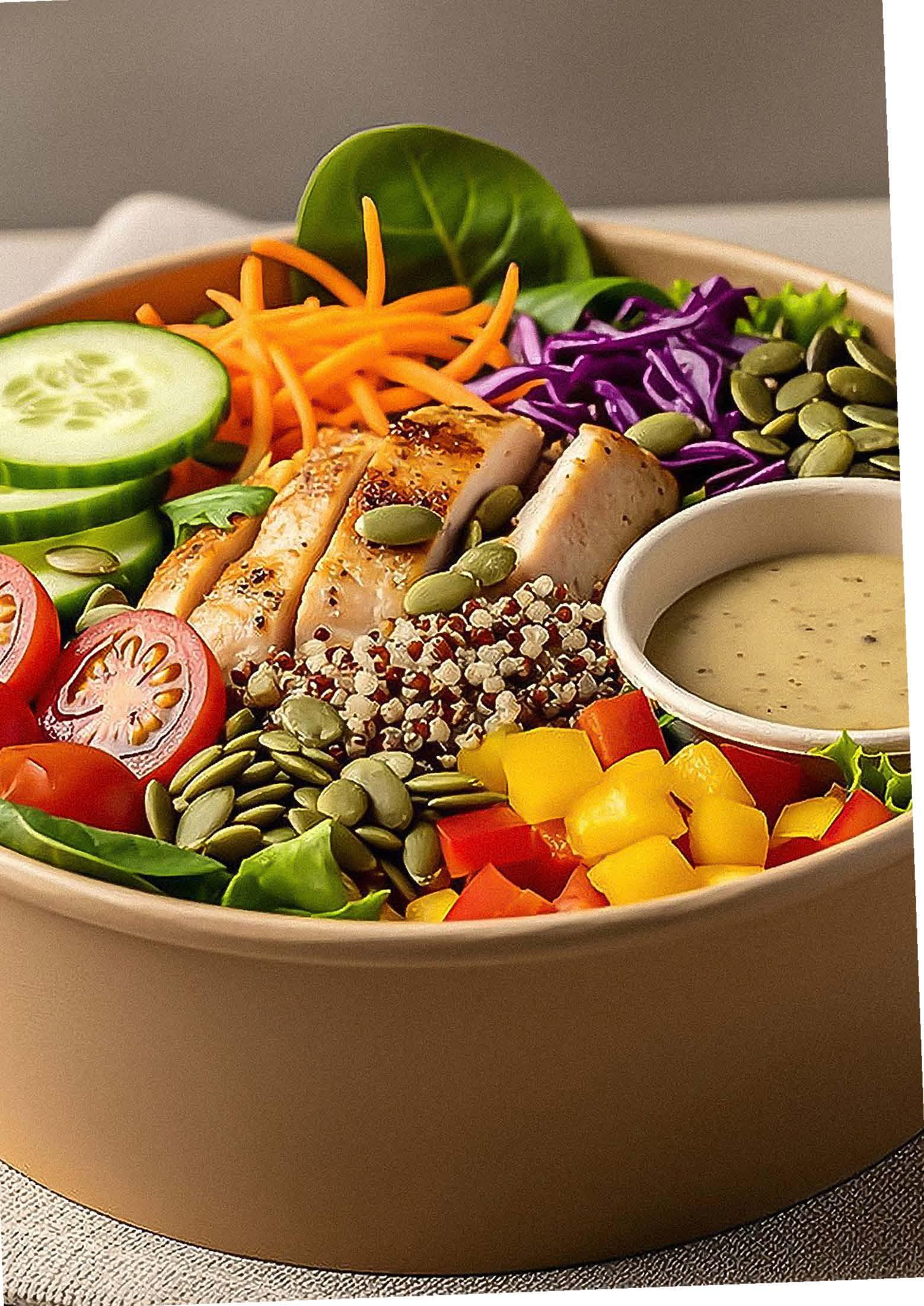
MARFO & AMI GROUP
must balance global standards with local tastes and requirements.
Marfo’s ability to create tailored meal concepts across aviation, healthcare, hospitality, retail and food service gives the partnership a strong product foundation. AMI Group’s market reach and commercial relationships then help translate that expertise into solutions that can serve international customers effectively. This is not simply about exporting products. It is about exporting knowledge, process, consistency and confidence.
Understanding local market needs while maintaining global standards has become one of the most important capabilities in food service. It allows customers to offer meals that feel relevant and considered, while still benefiting from the quality assurance and production discipline of an experienced international partner.
Looking Ahead
The future of food will be more personalised, more sustainable and increasingly shaped by technology. Artificial intelligence, automation and data analytics will continue to influence production planning, forecasting, efficiency and customer insight. At
FOOD & BEVERAGE
the same time, consumers will keep demanding healthier options, clearer information, better convenience and stronger environmental responsibility.
Yet despite those changes, one principle will remain constant: people will always value quality. That is why the partnership between Marfo and AMI Group feels particularly relevant. Their success is not built on chasing short-term trends, but on combining consistency, innovation, operational excellence and customer partnership in a way that reflects where the industry is heading.
For Business Enquirer, Marfo and AMI Group represent something increasingly important in modern business. Their partnership is a reminder that lasting success is rarely achieved in isolation. It is created through complementary strengths, shared values and a commitment to delivering excellence long after the contract has been signed.
In a rapidly changing global marketplace, that combination is more than a competitive advantage. It is a recipe for sustained success.
www.marfo.com www.amigrp.com
FROM SOFT COMMODITIES TO A CONTINENTAL GIANT: THE VINMART STORY
In 1997, a young entrepreneur arrived in Tanzania with a copy of Sam Walton's autobiography, a belief in the potential of African trade, and an idea. Nearly three decades later, that idea has grown into one of the most diversified business groups operating across Central and East Africa – spanning mining, logistics, manufacturing, renewable energy, real estate, and beyond.
Chetan Chug, Chairman of Vinmart Group, speaks with characteristic modesty when he reflects on the journey. But the scale of what has been built is anything but modest. From a commodity trading hub in Dar es Salaam to a group with offices spanning China, India, South Africa, Zambia, Mauritius, Turkey, Canada, the UAE and beyond, Vinmart has become a case study in strategic adaptation, longterm thinking, and the power of vertical integration.
Chetan Chug, Chairman of Vinmart Group, speaks to Business Enquirer about building a diversified African conglomerate from the ground up - and the vision that will carry it through the next four decades.
The Vinodrai & Walton Inspiration: Trading Across Borders
Chetan's entry into African business was shaped, in part, by two distinct sources of inspiration. One was his father – Vinodrai Chug who was a “Chaiwala” owning a tea shop in his hometown of Rajkot, where Chetan learned the fundamentals of business from a young age–serving

PROJECT DIRECTED BY: ADEL MHIRI
ARTICLE WRITTEN BY: ZAAKIRA EBRAHIM
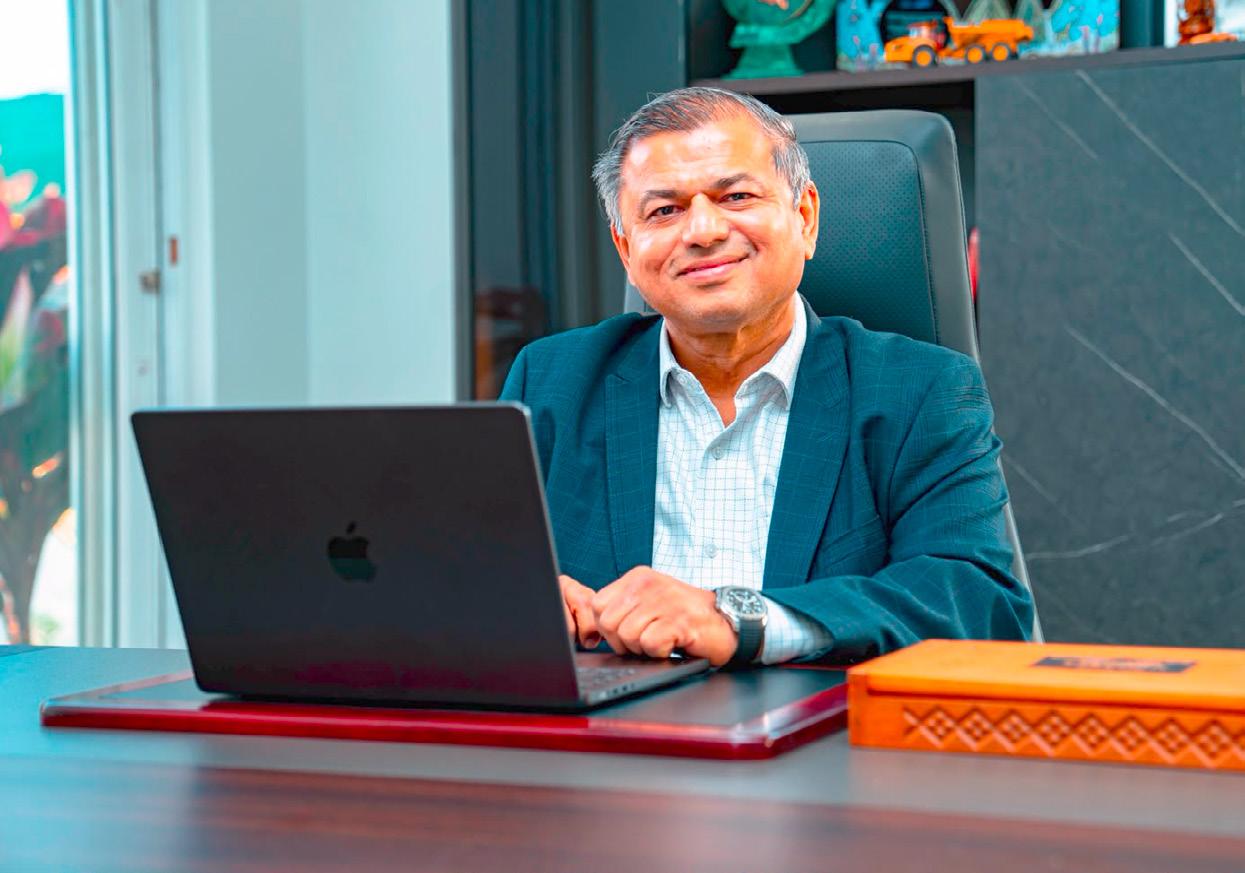
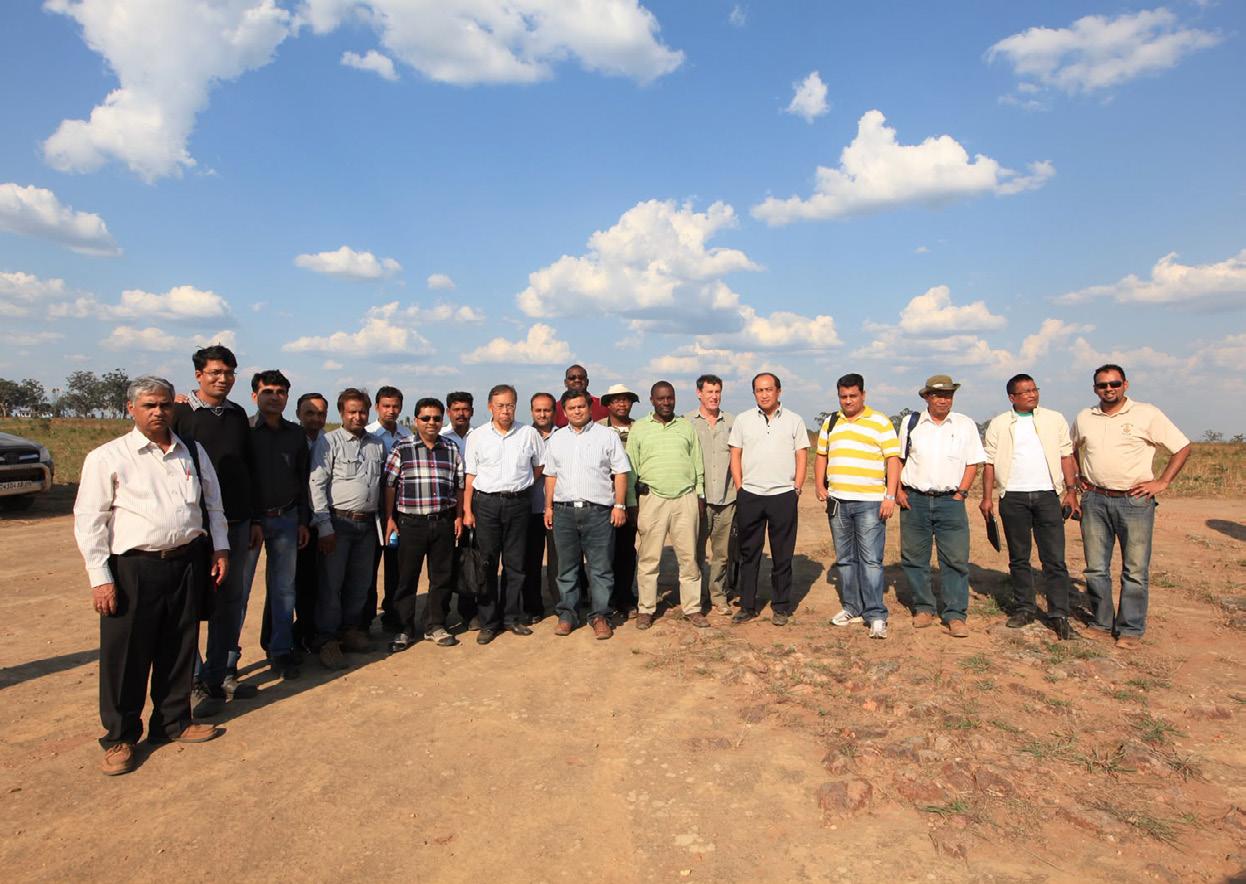
Chetan Chug, Chairman of Vinmart Group.
customers, managing inventory, billing, and balancing the books. Vinodrai passed away in 1996 and left Chetan with a wish to see the Chug family grow. The second inspiration was reading about Walmart, founder Sam Walton’s approach to scale, simplicity, and distribution prompted him to see opportunities where others saw complexity. Vin from Vinodrai & Mart from Walmart lead to the birth of Vinmart. Establishing Dar es Salaam as a central hub, the early Vinmart model focused on importing bulk soft commodities – rice, sugar, and wheat flour – and redistributing them in smaller parcels to markets across Zambia, the Democratic Republic of Congo, Rwanda, Burundi, Uganda, and Malawi.
It was a logical, scalable model. But it came with a structural vulnerability that would prove to be the catalyst for Vinmart's most significant transformation.
The Mining Pivot: Becoming a Foreign Currency Earner
Import-dependent businesses in Africa frequently encounter the same challenge: foreign exchange. By 2001, Chug recognised that Vinmart needed to become a net earner of foreign currency rather than a consumer of it. The answer lay underground.
The group pivoted into mining, establishing Somika, which initially focused on trading cobalt concentrate before evolving into processing – producing cobalt hydroxide and copper cathodes. It was a bold move into a capital-intensive, technically complex sector. But it repositioned Vinmart as a producer and exporter, fundamentally changing its financial profile.
This marked the beginning of a longstanding partnership with Umed Dhrolia - who put his trust in Chetan for an initial capital injection into Somika and guidance to grow the organisation. They formed Somika’s tag line which proves to be the group’s ethos “Somika, c’est ma famille, Congo c’est mon pays” – “Somika is
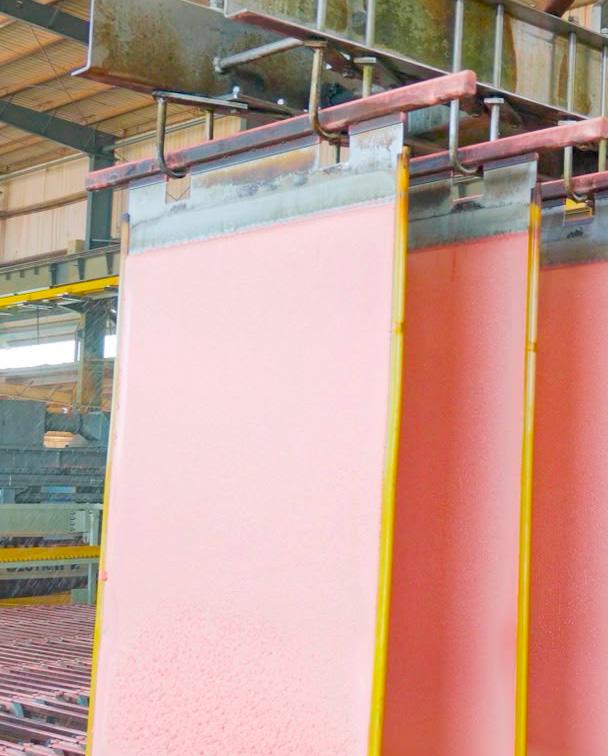
“Vinmart has become a case study in strategic adaptation, longterm thinking, and the power of vertical integration.”
VINMART GROUP
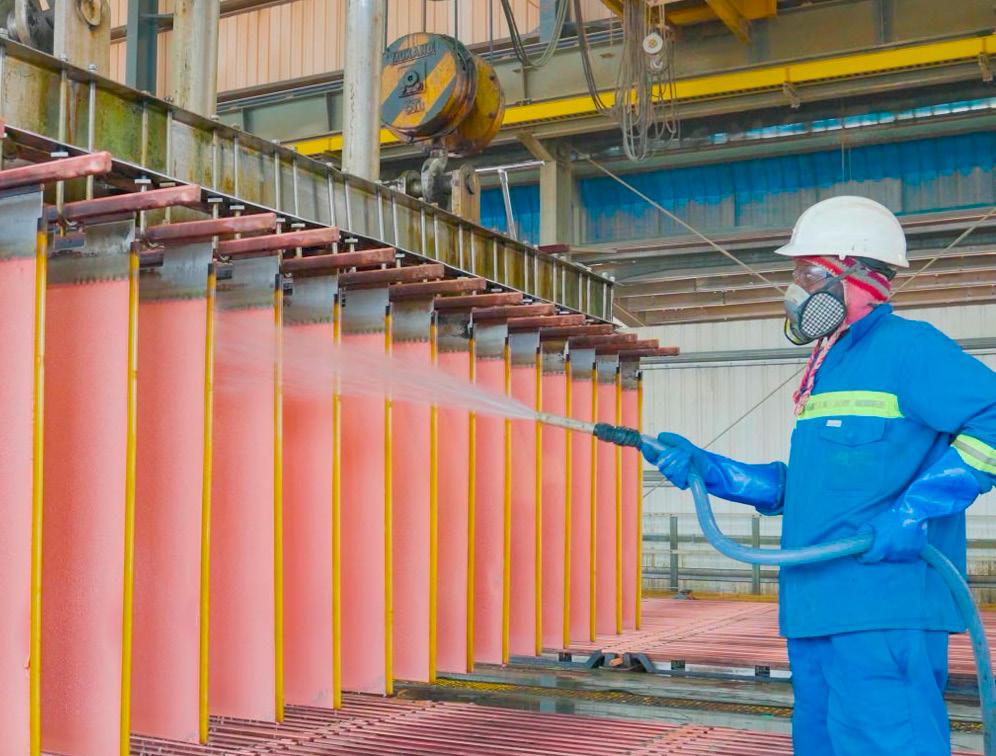
my family, Congo is my country”. Recognising that the mining operations required specialist drilling support that was both scarce and expensive, Chug established Solutions for Africa – a subsidiary designed initially to serve the group's own needs at projects including Kisanfu, Lupoto and Kimpe, but which quickly developed into an independent service provider to the broader industry.
Diversification as Strategy: The 3T Minerals and the Circular Economy
The 2007-2008 commodity price crash was a stress test for mining operations across the continent. Vinmart responded by expanding its minerals portfolio through Mining Mineral Resources (MMR), adding tin, tantalum,
tungsten, and gold – the so-called 3T-G minerals – to its operations. The move achieved better cash flow balance and reduced exposure to single-commodity volatility. This was spearheaded by Chetan’s cousin – Hitesh Chag. Today, MMR operates in full compliance with OECD guidelines and has established itself as a regional leader in 3T. products, with the biggest tin smelter in Africa and one of the only companies in the world that does metal to alloy production.
Around the same period, Chug identified another opportunity embedded in the group’s own supply chain. The demand for steel – and the cost of importing it, led to the founding of Sotrafer in 2005, a scrap metal recycling operation producing reinforcing bars for the local construction market. A seasoned steel maker, Kalpesh
Patel joined, hands with the group to continue building Sotrafer into the only sizable steel manufacturer in southern DRC. It was an early expression of what would become a defining philosophy: convert local resources into finished products, retain value on the continent, and reduce dependency on imports. A similar logic drove the creation of Mining Engineering Services (MES), which developed a sustainable recycling cycle for mining equipment – including cathodes and anodes previously exported to South Africa for treatment – and expanded into engineering, procurement, and commissioning services for third-party mining operators. The MES story is one made with Chetan & Hitesh’s drive to improve the mining industry in the DRC and to ensure each mine is catered to.
Copper to Cable: Adding Value at Source
Perhaps the most vivid expression of Vinmart's downstream ambitions is Congo Cable Transformer (CCT), launched three years ago. The group's mining operations produce copper cathodes of 99.9% purity. Rather than exporting that raw material, CCT manufactures cables locally – creating employment, retaining value within DRC, and completing a production loop that runs from the earth to the end product.
It is the kind of value addition that economists and development organisations have long argued African nations must pursue. Vinmart is doing it.
Moving People and Products: Logistics at Scale
Mining and manufacturing are only as effective as the logistics that support them. Vinmart addressed this through AMPM, a transport company established in Tanzania that has grown from a fleet of five trucks to over 400 – operating as a critical clearing and forwarding hub between Dar es Salaam and the DRC.
With Tanzanian local partners Chirag Tanna & Mouna Habib, the group has also moved into vehicle assembly. A collaboration with Chinese automotive manufacturer Sinotruk has produced Saturn, an assembly plant in
Tanzania with a current capacity of 3,000 units per shift – with plans to double that output by moving to a two-shift production model. The venture reflects a broader bet on the growth of Chinese automotive brands across the African market, and positions Vinmart as a participant in that expansion rather than merely a customer of it. The local partners are also driving Vinmart’s move into mining in Tanzania.
Clean Energy and Real Estate: Building the Infrastructure Africa Needs
Real estate and infrastructure development potential was identified in 2012, with Rahim Dhrolia, the first second generation member of the family business, who saw an opportunity to build commercial and residential projects across the region. With Rahim’s dynamism and drive, the portfolio includes landmark public infrastructure: the governor’s office in Lualaba Province and the airport in Kolwezi – projects that speak to the group’s integration into the fabric of the ecosystem it operates in.
Since 2021, Chetan had seen the mines use more diesel to run the plant due to unavailability of power from the grid. After some reflection, he called his cousin Rushi Chag who was based in China and placed an order for 5MWh of panels as a pilot. The successful pilot led to the establishment of Solutions 4 Energy spearheaded by Chetan’s daughter, Sneha Chug. S4E has installed close to 100 megawatts of photovoltaic solar panels and over 150 megawatts of battery storage across mining and commercial sites –providing clean, reliable energy to both industrial clients and surrounding communities. It is a meaningful contribution to Africa’s energy transition, delivered not by a development fund but by a private enterprise responding to real market need.
A Global Network, Built for Independence
Vinmart's international offices – in China, India, South Africa, Turkey, Zambia, Canada, and the UAE – were established to secure supply chain control and optimise procurement. But they have evolved into

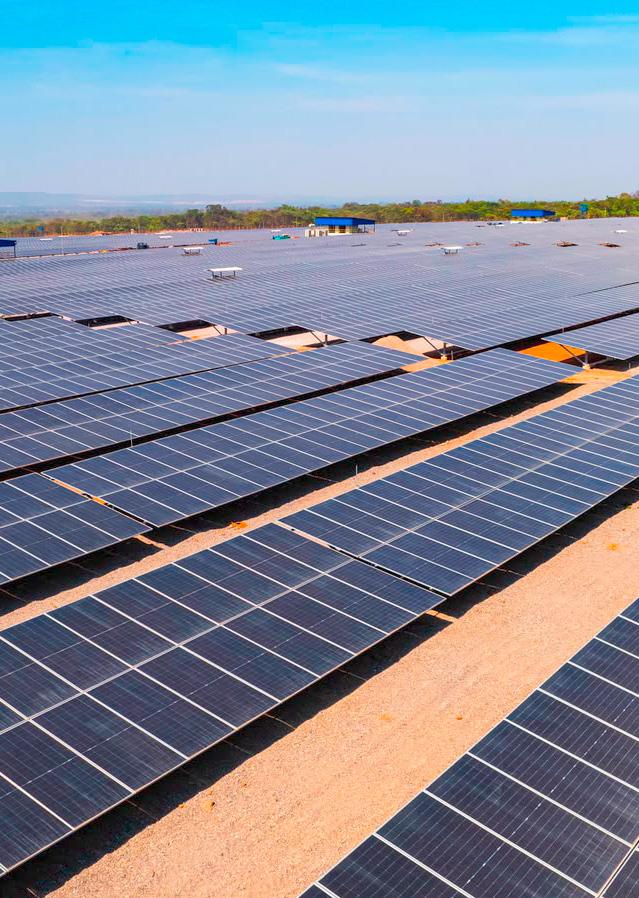

OUR EXCLUSIVE INTERVIEW WITH VINMART CHAIRMAN, CHETAN CHUG,
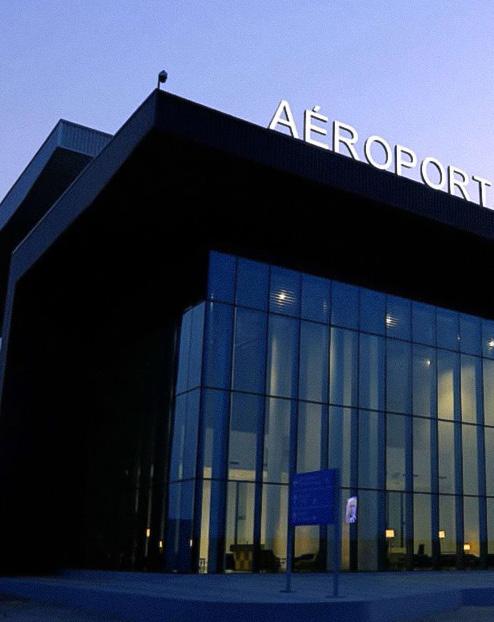
VINMART GROUP

OUR EXCLUSIVE INTERVIEW WITH VINMART CHAIRMAN, CHETAN CHUG,
something more significant: independent profit centres, with over 40% of their business now derived from clients outside the Vinmart Group itself.
Vinmart’s first international office was established in China under Rushi’s leadership. In 2000, Chetan and his brother Umesh sent him to the Canton Fair to source products for the group’s trading division. What began as an order for two containers became a permanent presence in China. Twenty-six years later, Rushi remains there, having helped build a strategic hub that supported Vinmart’s first cobalt trading book and its access to heavy-duty machinery for processing and manufacturing operations in the DRC. Equally important is to mention Chetan’s brother-in-law, Bhavesh Buddhadev who leads Excelsource International in India and has developed not only a sourcing hub for the group, but also become a technology solutions provider for the African
continent with a new venture for urban mobility – Nutran, which will change the way people move within cities.
It is a model that turns what began as internal infrastructure into a revenuegenerating network – and reflects Chug's consistent instinct to find commercial value in the operational necessities of running a large, complex business.
People, Purpose, and the Vinmart Foundation
Underlying all of this commercial activity is a philosophy of empowerment. Chug speaks of trusting teams, delegating execution, and building management capable of carrying the organisation forward – a leadership style that has allowed the group to scale across multiple sectors and geographies without losing coherence.
The Vinmart Foundation formalises this commitment to people through four pillars: education, healthcare, entrepreneurship, and infrastructure. This where Chetan’s versatile daughter, Sneha has played a role to structure the foundation. Among its programmes, the Foundation sponsors & organises free consultation & surgical camps, treating over 1000 patients annually constructing major schools, hospitals & bore wells, and also preparing and funding the children of blue-collar team members within in the Vinmart Group to pursue higher education abroad each year – an investment in the next generation of African business and civic leadership that reflects the group’s long-term thinking. Family to Chug has been everything he attributes to a lot of his success to his wife Arti, who has instilled in him the resilience to ensure a long-lasting legacy. Generational continuity within the Chug family is also central to the group’s future.
The involvement of second and thirdgeneration family members has brought new technologies and fresh thinking to bear, while preserving the core values and vision that have guided Vinmart since its founding
The Next 25 Years
Chugisnotthinkinginquarters.The groupiscurrentlydevelopingastrategic visionthatspansthenext25years,totake themto2050–ahorizonthatreflectsboth thescaleoftheopportunityChugseesin Africaandthedepthofthecommitment Vinmarthasmadetothecontinent.
Thepriorityisdownstreamvalueaddition –processingrawmaterialswithinAfrica beforetheyareexported,retaining economicbenefitonthecontinent andcreatingskilledemploymentinthe process.Itisanambitionthatplaces Vinmartsquarelyinthedebateabout Africa'sindustrialfuture.
ThelegacyChugenvisagesisoneof resilienceandtransformation:asmall tradingstartupthatbecameadiversified continentalenterprise,andthatused itsscalenotsimplytogeneratereturns, buttobuildtheinfrastructure,skills,and communitiesthatAfricaneconomiesneed tothrive.
FromVinodrai’schaishopinRajkotand aSamWaltonautobiographytoa diversifiedAfricanindustrialgroup, Vinmart’sstoryisstillbeingwritten, and ifChetanChughasanythingtosayabout it, themostimportantchaptersareyetto come.
www.vinmartgroup.com


BREAD BEYOND BORDERS

PROJECT
DIRECTED BY: ADEL
MHIRI
There are few products in the world as universal as bread, and few that feel as personal. It sits at the centre of daily routines, family tables and national identity. It carries culture, memory and habit in a way few food categories can. In Egypt, where bread has always held deep social and cultural meaning, the bakery sector is now entering a new industrial era.
At the heart of that transformation is Modern Bakeries, the company behind Rich Bake and one of Egypt’s most established industrial bakery businesses. Founded in 1997, Rich Bake was the first industrial packaged bakery company in Egypt, pioneering a category that would go on to reshape consumer habits across the country. Its introduction of packaged toast bread was not simply a product launch; it marked the beginning of a new chapter for Egypt’s packaged bakery market.
Today, Rich Bake is writing another chapter.
Under the leadership of CEO Gilbert Hobeika, who joined the business in early 2023, the company has moved through one of the most challenging periods in its history and emerged with renewed momentum. When Hobeika arrived, the business was under serious pressure. The after-effects of the pandemic, the disruption caused by the Russia-Ukraine conflict and the strain placed on global wheat supply chains had created an extremely difficult operating environment for the bakery industry.
“The shareholders of Rich Bake appointed me as CEO to do a turnaround in the company because the company had been passing through difficult situations,” Hobeika says. “My role was to put the company back on track, save it from possible bankruptcy and move onward.”
MODERN BAKERIES
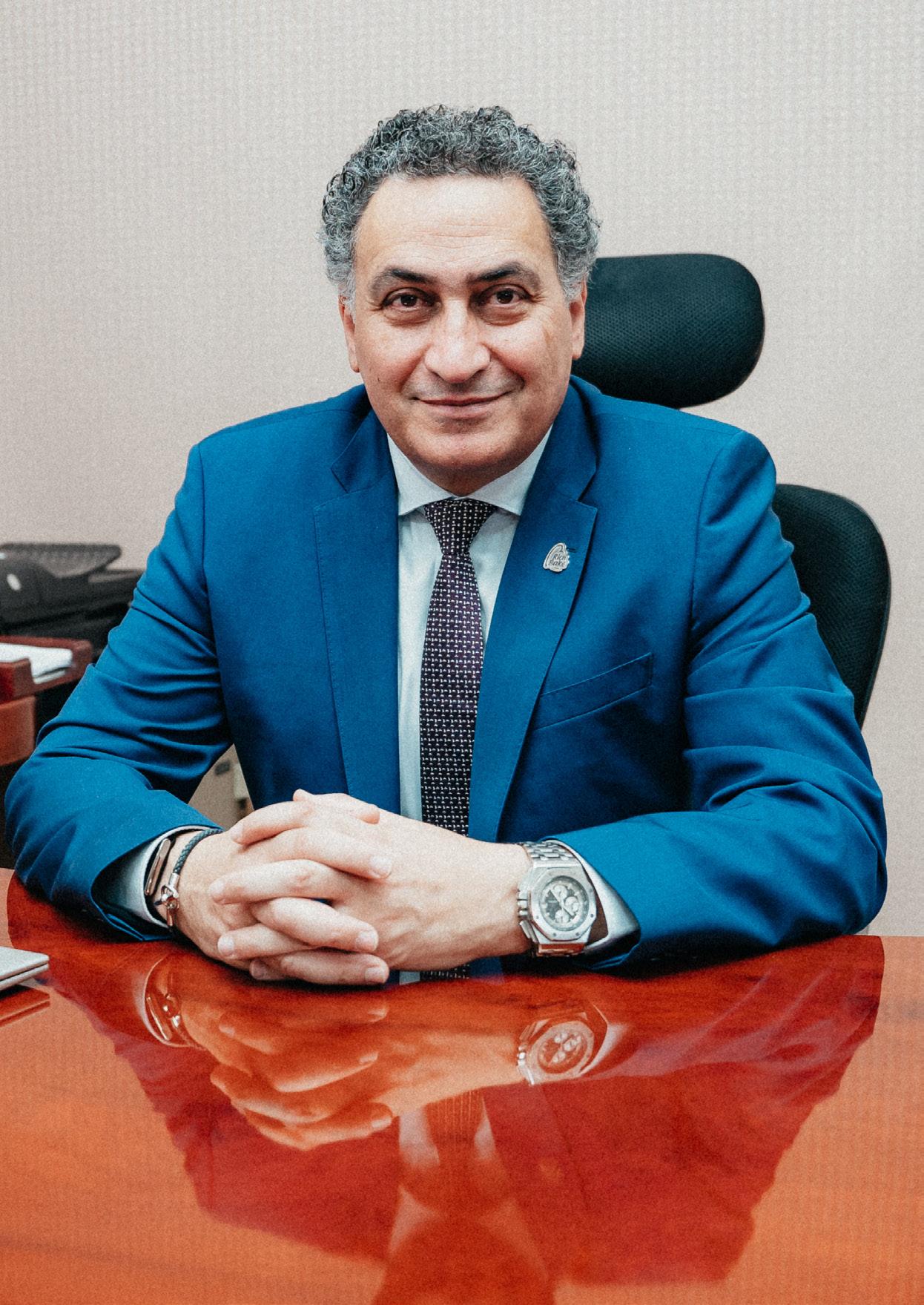
CEO Gilbert Hobeika
Thatturnaroundhasbecomeoneofthe definingstoriesofRichBake’srecent history.Injusttwoyears,thecompany hasreturnedtoprofitability,accelerated growthandinvestedmorethan$20 millionintoequipment, automation andproductioncapabilities.In2025,the businessrecordedgrowthof33percent, withcurrentgrowthnowoperatingabove 40percent.
Thescaleofthatrecoveryreflectsmore thanarebound.Itreflectsacarefully engineeredoperationalstrategybuilt aroundconsistency,efficiencyand trust.
ForRichBake,consistencyisthe foundationofthebusiness.Infood manufacturing,acustomer’sexpectation isshapedbyrepetition.Theproduct cannotsimplybegoodonce;itmust bethesameeverytime.RichBake hasrespondedbyinvestinginhighly automatedproductionlines from leadingglobalsuppliersincludingAMF andMiddleby,enablingthecompanyto deliverprecisionatscalewhileimproving efficiencyacrossitsmanufacturing network.
“Inthefoodindustry,themostimportant thingisconsistency,”Hobeikasays. “Whateverisyourquality,theconsumer everytimehegetsyourproducthastofeel thesameproduct.”
ThatdisciplinehasalsohelpedRich Bakestrengthenitspositionasatrusted suppliertomajormultinationalquick servicerestaurantbrands.Today,the companysuppliesnamesincluding McDonald’s,BurgerKingandAmericana acrossEgyptandsurroundingterritories, withexportsreachingmarketssuchas IraqandMorocco.
Thosepartnershipshavedonemore thansupportrevenuegrowth.Theyhave sharpenedRichBake’sinternalstandards, exposingthecompanytorigorous auditing,serviceexpectationsand performancecontrols.ForHobeika, thatscrutinyhashelpedelevatethe business.
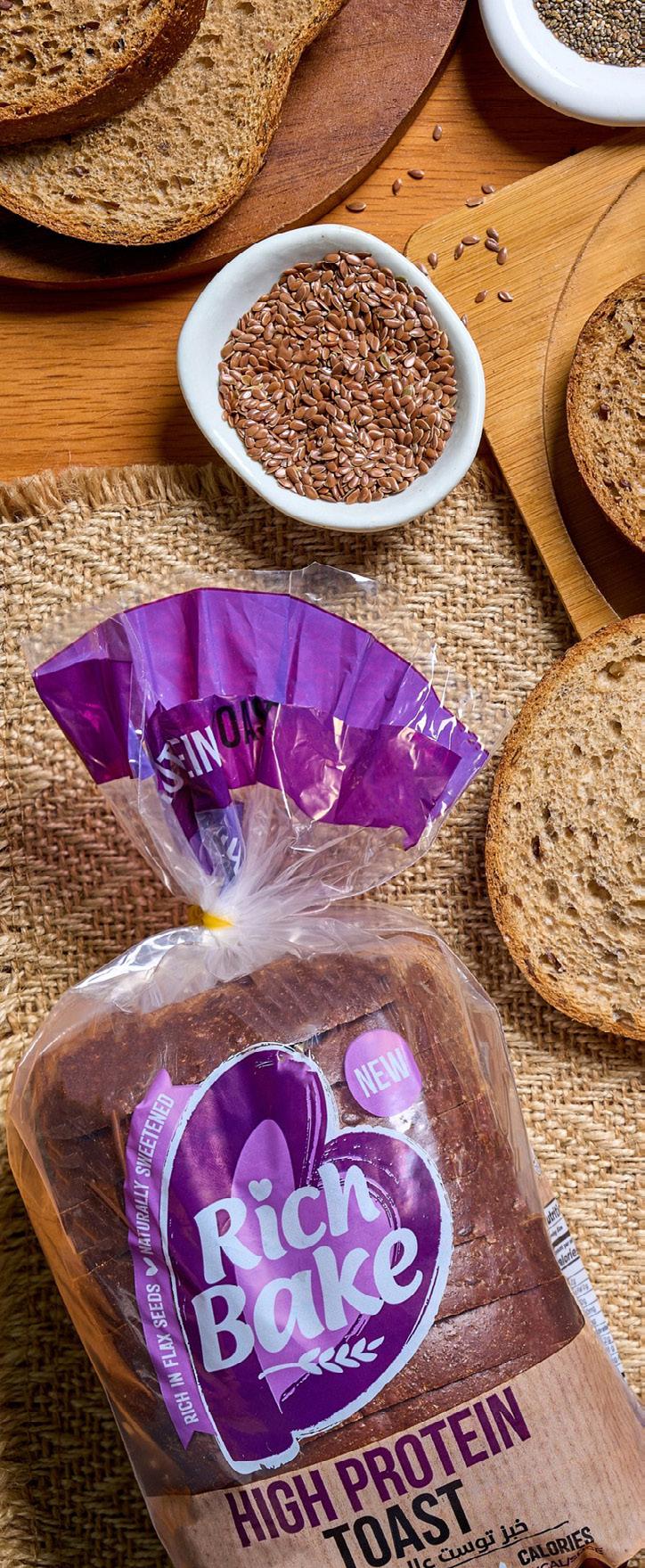
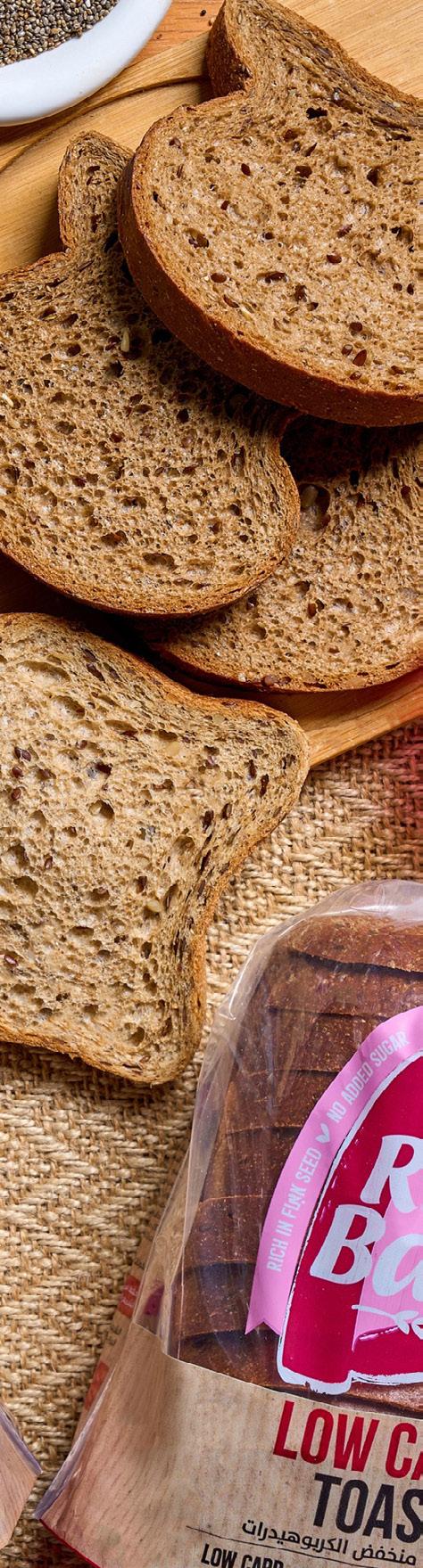
MODERN BAKERIES
FOOD AND BEVERAGE
“The experience of those big multinationals affected our quality of service and our performance in the company,” he says. “We have always been in the eyes of auditing and checking performance, so this gave us a learning cycle that helped us stay ahead of the market in terms of quality, consistency and productivity.”
While operational recovery has been central to Rich Bake’s recent success, one of the most important shifts has come through innovation. As consumer attitudes around food, health and nutrition continue to evolve, the company has moved to rethink what bread can represent in a modern diet.
For years, bread was often viewed negatively within dieting culture. Rich Bake saw an opportunity to challenge that perception. Working closely with the Dieticians Association in Egypt, the company began developing products

• Specialized: Production Lines for Toast Bread, Hamburger Buns, English Muffins & Co.
• All-in-One: From initial planning and sales to turnkey installation
• International: Proven quality in use across Europe and the Middle East. solutions for your success.
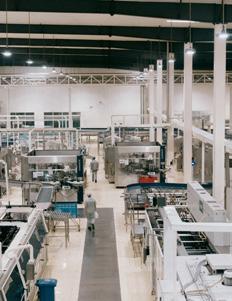

Sabitech: A Leader in Industrial Bakery Equipment Solutions
Sabitech has been shaping industrial bakery production Through engineering expertise, innovation, and advanced manufacturing solutions developed in Lebanon and trusted by bakeries worldwide.. From traditional Lebanese bread to gluten-free and specialty bakery products, the company delivers reliable production systems designed to meet the evolving needs of modern bakeries.
With a strong focus on fully automated production lines, Sabitech designs and manufactures solutions that combine durability, efficiency, and flexibility throughout every stage of production. Each system is developed to support consistent product quality, optimize operational performance, and adapt to different production requirements and scales.

What began as a vision to provide dependable bakery equipment has evolved into a trusted partner serving clients across global markets, supporting bakeries with customized production solutions built around their operational needs. Today, Sabitech continues to invest in advanced manufacturing technologies and practical engineering approaches that help producers improve consistency, increase efficiency, and respond to growing market demands, including the rising demand for gluten-free and sugar-free bakery products.
Every production line reflects Sabitech’s commitment to quality, long-term reliability, and customerfocused innovation.
Whatever the bakery need, Sabitech builds the solution. www.Sabitech.com

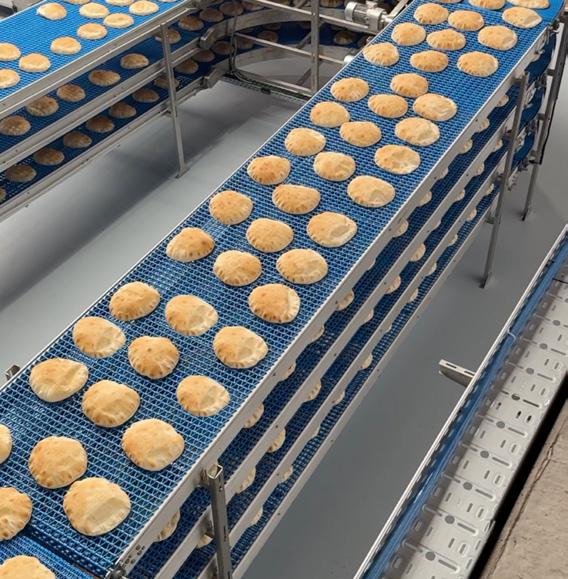




FOOD AND BEVERAGE MODERN BAKERIES
designed around changing expectations for sugar, fibre, protein and digestion. The result has been a growing portfolio of healthier bakery products, including low-carb bread, no-sugar toast and protein-focused alternatives.
“What we managed during my presence in the company is to move the company into innovation and create innovative products to cope with the changes in the market and the demand,” Hobeika says.
That strategy has already gained recognition. Rich Bake’s no-sugar toast received a Best Innovation award in 2023 from Egypt’s Ministry of Industry in cooperation with international associations, strengthening the company’s position within Egypt’s healthier bakery category.
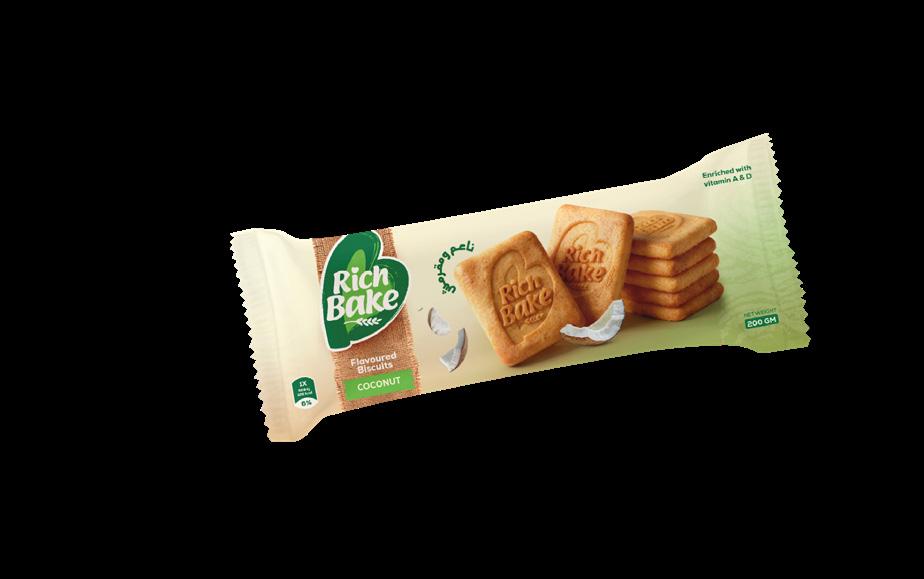
“We like to be known as the innovative bread business in Egypt,” Hobeika says.
Innovation at Rich Bake is not limited to healthier recipes. The company is rapidly expanding the breadth of its portfolio, adding more than 24 SKUs each year and moving into cakes, sandwiches, breaded products and wider bakery categories. Its next wave of development will take the business even further, with the launch of biscuits and rice cake products signalling a broader expansion beyond traditional bakery.
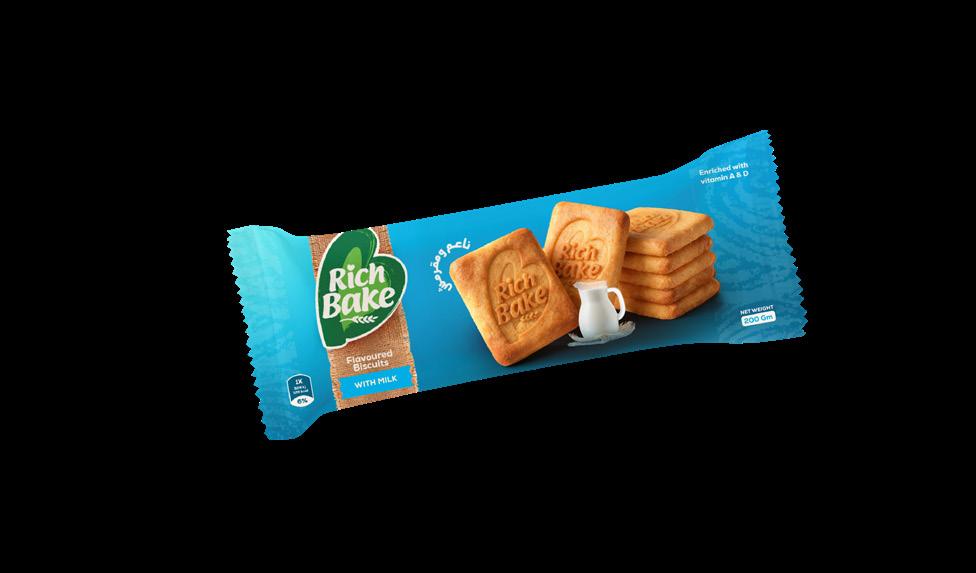
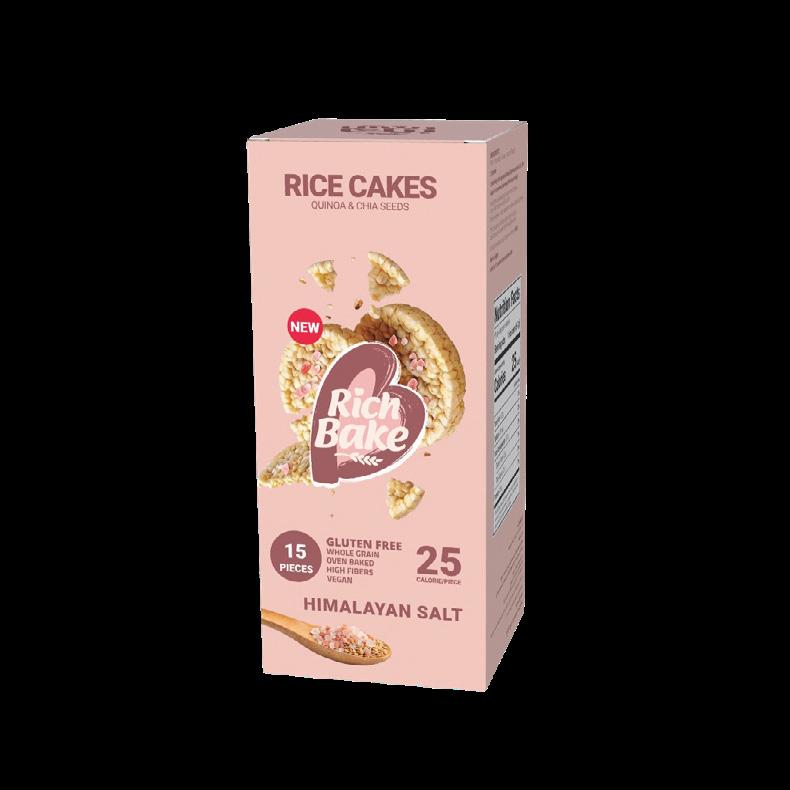
This willingness to diversify is closely connected to Rich Bake’s ambitions beyond Egypt. Export growth has become a major strategic priority, although bakery products have historically been difficult to scale internationally due to shelf life limitations and transport requirements. Rich Bake has approached that challenge from two directions: developing long-shelflife packaged products for retail markets and frozen supply chains for quick service restaurant clients.
One of the company’s most ambitious export achievements has been the adaptation of Egypt’s traditional baladi bread for international markets. Rich Bake developed a version with an 18-month shelf life, making it possible to export a culturally iconic Egyptian

staple into Europe, Canada and the United States.
“It became like an Egyptian pride to have the product reaching those markets,” Hobeika says.
The company’s international footprint now reaches across the MENA region, Europe and North America, with products sold in markets including Jordan, Lebanon, Libya, Tunisia, Germany, the UK, Canada and the United States. Yet even as its export profile grows, Rich Bake remains firmly committed to Egypt as its manufacturing base.
“We still believe that Egypt is a low-cost and good place for manufacturing,” Hobeika says. “Our strategy is to grow our capabilities within Egypt and export more outside.”
That belief is shaping the company’s next major phase of investment. Rich
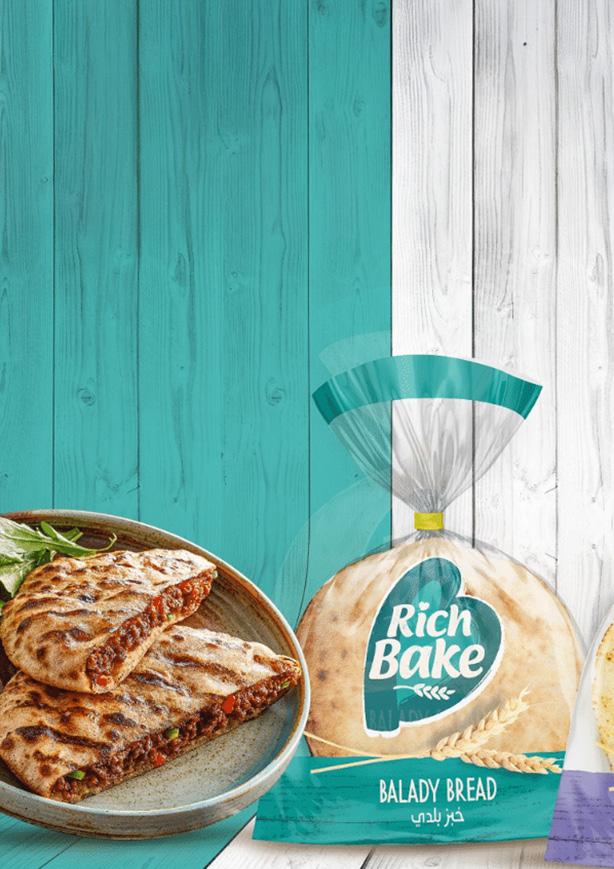
Bake has acquired land and is finalising approvals for a new highly automated manufacturing facility, expected to become operational between 2028 and 2029. The site is projected to triple production capacity and could represent an investment approaching $100 million.
The journey to this point has not been simple. Much of the company’s recent growth has been self-funded. During the early stages of the turnaround, banks were hesitant to support the business, forcing Rich Bake to rely on operational optimisation, supplier confidence and internal cash flow to continue investing.
“We had to survive by ourselves,” Hobeika says. “When you prove yourself that you can sustain and grow, then you can have the biggest push to grow further.”
As the company stabilised and growth accelerated, financial institutions began to return. Today, Rich Bake is actively
FOOD AND BEVERAGE MODERN BAKERIES
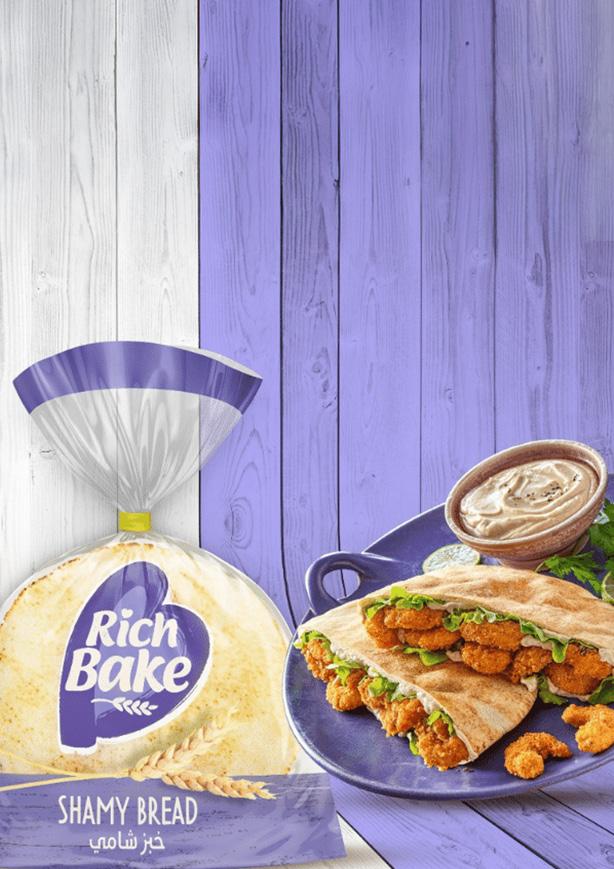
engaging with banks and strategic partners to support its next phase of expansion.
Alongside production growth and export ambition, the company is also embedding broader ESG initiatives across the business. Rich Bake has introduced women into its production lines for the first time, partnered with technical schools across Egypt to support workforce education, and launched sustainability initiatives focused on solar energy, water reuse and carbon reduction.
These initiatives reflect a wider philosophy within the organisation. For Rich Bake, growth is not only about producing more. It is about building a stronger industrial platform, supporting local communities, developing future talent and creating a business capable of long-term resilience.
For Business Enquirer, Rich Bake represents more than a bakery success
story. It reflects the intersection of resilience, innovation and industrial transformation within one of the region’s most strategically important food sectors. In an industry often shaped by pressure, volatility and tight margins, the company has turned adversity into momentum while positioning itself for substantial longterm expansion.
And at the centre of that story is a product as old as civilisation itself.
Bread may be one of the world’s most familiar foods, but Rich Bake’s journey proves that even the most traditional industries still have room for reinvention. From Egypt’s daily tables to international markets, the company is taking a product rooted in heritage and giving it a future beyond borders.
www.richbake.com
BUILDING BETTER COMMUNITIES: HOW NORSE GROUP IS REDEFINING PUBLIC SECTOR PARTNERSHIP
In an era when public services face mounting financial pressures and growing demand for accountability, the Norse Group stands as a compelling model of how local authority-owned enterprise can deliver both commercial rigour and genuine community benefit. At the helm of this Norfolk-based group is Justin Galliford, whose vision centres on a deceptively simple principle: transparency above all.
Norse Group is wholly owned by Norfolk County Council — yet it operates with a level of independence and commercial discipline that would not look out of place in the private sector. That unusual dynamic, Galliford explains, is precisely what makes the model work.
Ownership Without Exclusivity
“The county council owns the Norse Group, but the Norse Group operates for the council and other councils across the country,” Galliford explains. “That gives us the ability to work with Norfolk County Council as a customer and a shareholder.”
Justin Galliford, Chief Executive of Norse Group, speaks to Business Enquirer about transparency, valuedriven service delivery, and the future of council-owned enterprise in Norfolk and beyond.

NORSE GROUP
PROJECT DIRECTED BY: JAMIE WAITE ARTICLE WRITTEN BY: ZAAKIRA EBRAHIM
This dual relationship — shareholder and customer — creates a uniquely accountable dynamic. Norse cannot rely on guaranteed contracts simply because it is council-owned. Instead, it must prove its value every time work comes up for consideration.
“We don’t get exclusivity,” Galliford says plainly. “We have to demonstrate in the market where we have good value. If we can’t do that, then they’ll award the work somewhere else.”
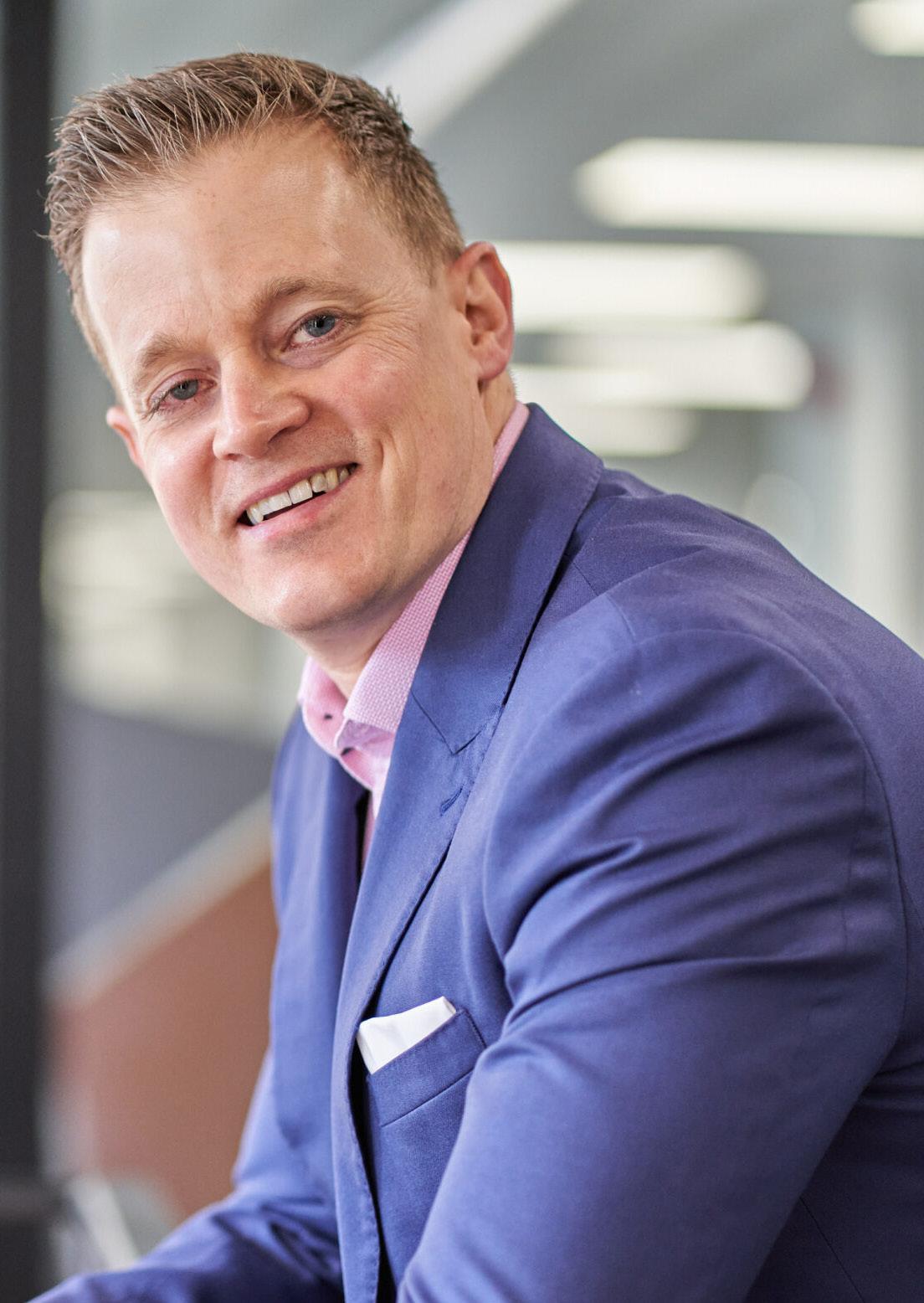

Once a contract is won, Norse operates on what Galliford calls an “open book” basis — sharing all financial performance data and operational metrics with the council on a continuous basis. It is a model that stands in stark contrast to the often adversarial relationships that can characterise traditional outsourced public service contracts.
“It’s a very flexible arrangement and we can adapt it as they need us to,” he adds. “We can talk to them on a continual basis about how we can make the service better.”
From School Dinners to Gritting the Roads
The breadth of services Norse delivers across Norfolk is striking. Galliford walks through a range of contracts that touch the daily lives of residents across the county — from the food on children’s plates to the safety of roads in winter.
Schools catering is one of the group’s flagship contracts, delivered under a block arrangement across numerous Norfolk schools. The focus, Galliford says, is always on nutritional quality balanced against cost efficiency — again, using the open book model.
“We make sure that meals are nutritionally balanced at the best value we can deliver. That means we help the county ensure that schools are feeding children in the best way they can to help facilitate healthy minds and healthy lives from a young age.”
Highways maintenance is another major area of operation — and one that Galliford describes as particularly sensitive, given that roads affect every member of the community. Norse’s winter service contract, covering gritting and snow clearing, is cited as a prime example of how rapid, community-focused service delivery can make a tangible difference.
“When bad weather’s in, things can really grind to a halt,” he notes. “It’s vital in terms of making sure that communities stay
connected and that people can still move around freely.”
Beyond these, Norse also manages household waste recycling centres across the county, and provides design and construction project management services — including the delivery of specialist facilities for pupils with special educational needs.
A Pragmatic Approach to Green Operations
On the subject of sustainability — increasingly a central concern for councils navigating both public pressure and legislative requirements — Galliford takes a refreshingly pragmatic stance.
It stands to reason that if you have a smaller, tighter logistical chain, you’re moving things less. Therefore you get better value and you have a lower environmental impact through your supply chain.”
It all comes down to transparency and cooperative working,”
Norse does not pursue environmental initiatives for their own sake. Every green initiative must first pass a business case test — delivering demonstrable financial value as well as reduced environmental impact.
“Our approach is always to focus on value primarily, and of course think about how we can help from an environmental impact perspective,” he says. “There has to be a sound business case.”
In practice, this means sensible fleet replacement decisions — evaluating alternative fuels such as HVO (hydrotreated vegetable oil) when market conditions make them cost-competitive — and a sharper focus on supply chain logistics. Shorter, tighter supply chains, Galliford points out, reduce both costs and emissions simultaneously.
Flexibility in a Difficult Climate
Looking ahead, Galliford is measured but clear-eyed about the challenges facing local authorities — and the role Norse can play in helping them navigate an increasingly difficult economic environment.
“At the moment in the world we’re in, the economic climate is difficult. That can mean that services come under strain,” he acknowledges. “So we’re always open
minded about conversations about redesigning services, new or existing, to deliver them in a different way.”
That responsiveness — the ability to adapt quickly without protracted contractual renegotiation — is, for Galliford, the defining advantage of the Norse model. It is what separates a genuine partnership from a conventional procurement arrangement.
“It all comes down to transparency and cooperative working,” he says simply.
In a public sector landscape often defined by strained budgets, rigid contracts and fragmented accountability, Norse Group’s model offers something genuinely different: a local authority enterprise that earns its place on commercial merit, delivers services with transparency, and remains fleet of foot enough to respond when communities need it most.
It is, as Galliford would put it, simply a matter of focusing on value — and doing so together.


Michele Morrone:
The Italian Leading Man Turning Global Attention Into Lasting Screen Power
The Art of Driving The Luxury Cars Defining 2026
Beyond the Hotel
The Most Beautiful Luxury Stays to Book in 2026

Michele Morrone
The Italian Leading Man
Michele Morrone: The Italian Leading Man Turning Global Attention Into Lasting Screen Power
There are actors who arrive quietly, and there are actors who change the temperature of a room before they have said a word. Michele Morrone belongs firmly to the latter.
The Italian actor, singer, model and entrepreneur has become one of modern entertainment’s most magnetic European exports. With his sculpted presence, brooding screen intensity and unmistakable Mediterranean elegance, Morrone first captured global attention

through the Netflix phenomenon 365 Days. Yet what makes his career compelling today is not simply the fame that followed, but the way he is now shaping that attention into a broader, more international body of work.
For Business Enquirer Lifestyle, Morrone represents a new kind of global star. He is not confined to one market, one language, or one genre. He moves between fashion, music and film with the confidence of someone who understands that celebrity in 2026 is no longer built only on screen credits. It is built on identity, audience connection, visual storytelling and cultural reach.
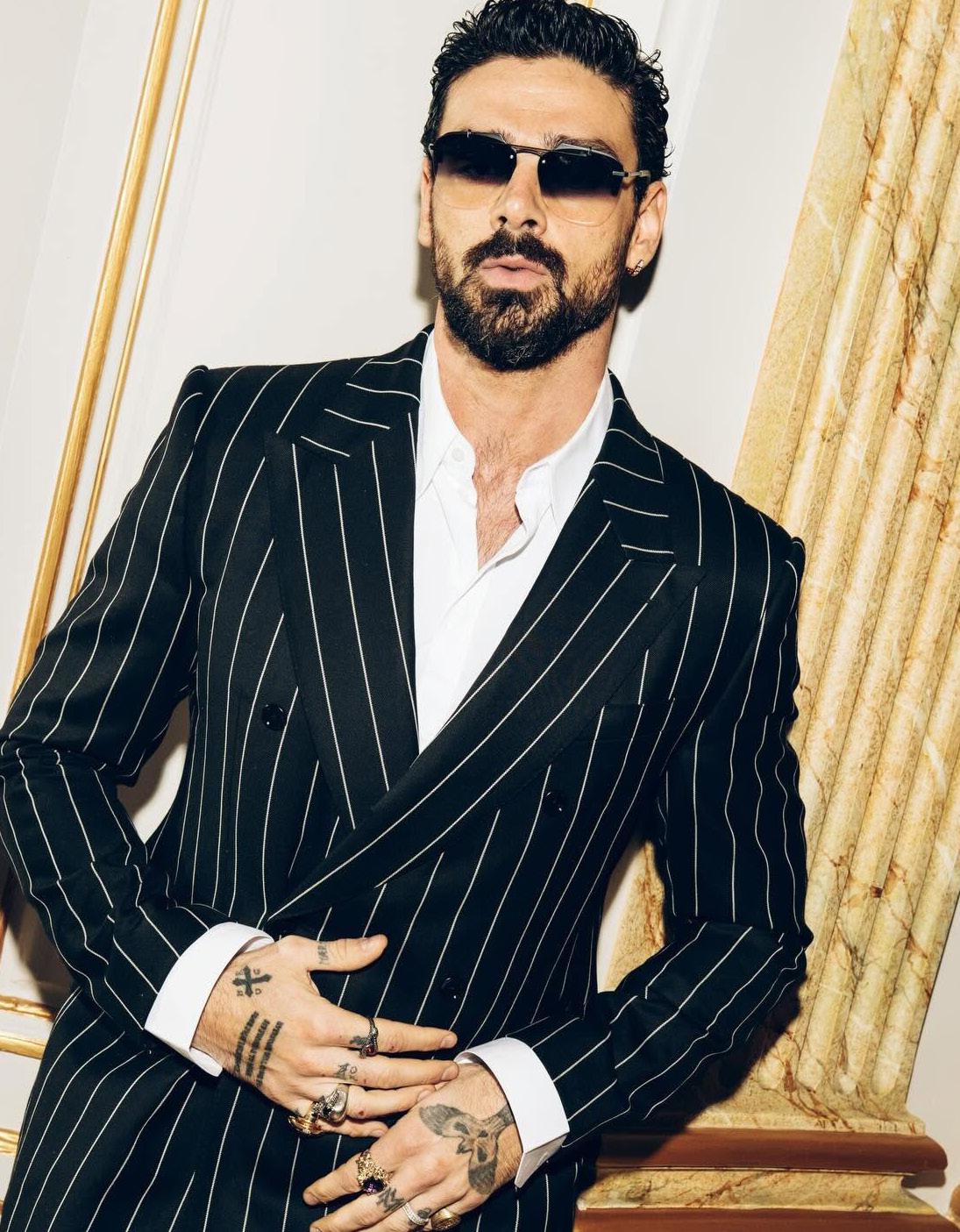
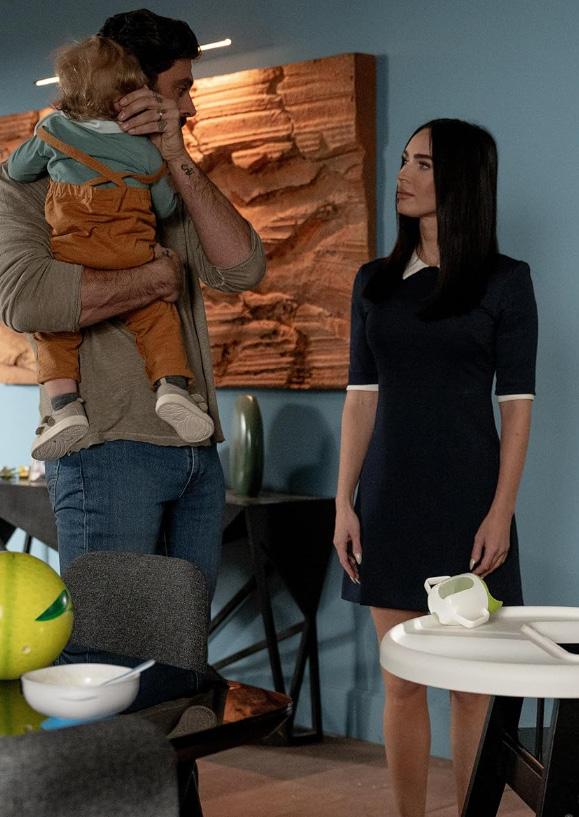

His appeal has always been cinematic. Morrone has the rare quality of looking both contemporary and classic. There is a touch of old Hollywood in his stillness, yet he speaks directly to the social-first generation that discovered him through streaming, Instagram edits and global fan communities. It is this combination that has allowed him to move beyond the romantic intensity of 365 Days and into a more diverse chapter of his career.
That next chapter is already taking shape.
One of the most significant upcoming projects for Morrone is The Housemaid’s Secret, the sequel to the successful psychological thriller The Housemaid. The film will see Sydney Sweeney return as Millie, with Morrone also returning as Enzo. Based on the bestselling book series by Freida McFadden, the sequel has already created major industry interest, not only because of the commercial strength of the first film, but because it places Morrone within a franchise that could continue to grow across several instalments.
For Morrone, this is an important move. The Housemaid universe gives him something different from the romantic obsession and danger of 365 Days. It places him inside a thriller franchise with a strong female lead, a mainstream Hollywood machine behind it, and a storyline built on secrets, class tension and psychological suspense. It also reunites him with Sweeney, one of the most watched young actresses in the world, whose own career has become a symbol of modern Hollywood ambition.
Lifestyle Exclusive Michele Morrone
The Morrone and Sweeney pairing is one that gives the sequel immediate commercial energy. Their dynamic offers the kind of intrigue that audiences now respond to: tension, mystery, glamour and emotional uncertainty. In lifestyle terms, it is exactly the kind of cinematic pairing that moves beyond film pages and into fashion coverage, social media conversation and global entertainment culture.
The Housemaid’s Secret is expected to deepen the world of Millie, while Morrone’s Enzo looks set to become a more important part of the unfolding story. For audiences who followed the first film, the sequel offers the promise of a darker, more layered continuation. For Morrone, it offers another chance to demonstrate that he is not simply a streaming heart-throb, but a performer with franchise value.
Alongside this, Morrone is also attached to Blame It On Rome, a Prime Video Italy romantic comedy starring Gabrielle Union. The project gives him another important platform, this time in a warmer, more aspirational register. Set against the backdrop of Rome, the film appears positioned to blend romance, escapism and European glamour, the kind of visual world that naturally suits Morrone’s brand.
Blame It On Rome also shows the flexibility of his appeal. Where The Housemaid’s Secret leans into suspense, secrecy and psychological drama, Blame It On Rome offers the opposite: romance, reinvention and the beauty of one of the world’s most cinematic cities. It is a smart career move. Morrone’s strongest screen asset has always been presence, and Rome gives that presence a natural stage.
Then there is Maserati: The Brothers, a biographical drama about one of Italy’s most iconic automotive families. Morrone is set to play Alfieri Maserati, placing him at the centre of a story built around heritage, ambition, engineering and Italian excellence. The wider cast includes major Hollywood names, making this a prestige project with strong international positioning.
For Business Enquirer Lifestyle readers, Maserati: The Brothers may be the most brand-aligned project of Morrone’s upcoming slate. It brings together luxury, legacy, entrepreneurship and Italian design, all themes that sit comfortably within the world of high-end lifestyle storytelling. Maserati is not merely a car brand; it is a symbol of performance, taste and national identity. To place Morrone inside that story is to connect him with a deeper cultural idea of Italian masculinity and elegance.
What is interesting about Morrone’s current direction is that each project speaks to a different side of his image. The Housemaid’s Secret gives him Hollywood franchise visibility. Blame It On Rome gives him romantic leading-man warmth. Maserati: The Brothers gives him prestige, heritage and dramatic credibility. Together, they suggest an actor who is carefully expanding his range without abandoning the qualities that made audiences watch him in the first place.
This is the challenge for any breakout star. Viral fame can create a moment, but only discipline and strategy create longevity. Morrone appears to understand this. His career is no longer being built around one character or one franchise. It is becoming a wider portfolio of work that reflects the entertainment industry itself: global, crossplatform, brand-conscious and visually led.
His fashion presence also remains central to that journey. Morrone carries himself like a luxury campaign made human. Whether on a red carpet, in editorial photography or through his own social media channels, he understands image as a language. For modern stars, this matters. Audiences no longer separate the actor from the aesthetic. The films, the clothes, the music, the interviews and the digital presence all become part of one continuous narrative.


Michele Morrone



That narrative is particularly powerful because Morrone’s rise has never felt manufactured in the traditional Hollywood sense. He arrived from Italy with an international audience already waiting. Streaming made him global before the old studio system had fully decided what to do with him. Now, Hollywood and the wider entertainment industry are catching up.
The next few years will be defining. If The Housemaid’s Secret lands with the same force as the original, Morrone could find himself anchored in one of the most commercially attractive thriller franchises of the decade. If Blame It On Rome connects with Prime Video’s international audience, it could strengthen his position as a romantic lead beyond the 365 Days world. If Maserati: The Brothers delivers on its prestige promise, it could give him the dramatic weight that turns attention into respect.
What makes Michele Morrone compelling is that he sits at the intersection of celebrity, cinema and lifestyle. He is not just an actor appearing in upcoming projects. He is a brand in motion, an Italian export with global appeal, and a performer entering a more sophisticated stage of his career.
For Business Enquirer Lifestyle, his story is not simply about what he is doing next. It is about what he represents: the evolution of the modern international leading man. Stylish, commercially aware, emotionally intense and globally followed, Morrone has already proven he can command attention.
Now, with a growing slate of international projects ahead, he has the opportunity to prove something even more valuable.
That he can keep it.
Lifestyle Exclusive Michele Morrone

The Art of Driving The Luxury Cars Defining 2026
Luxury Cars Defining 2026
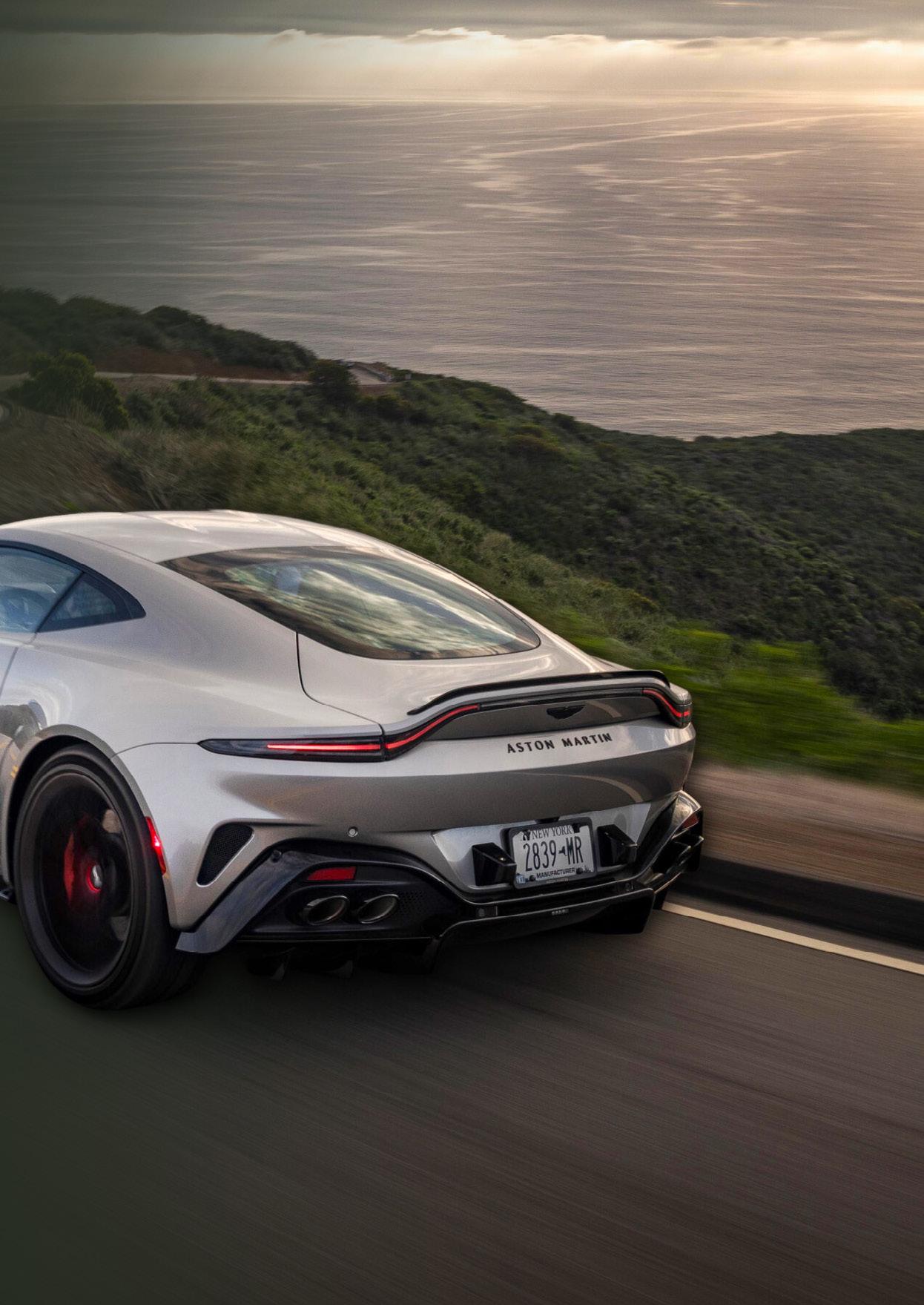
As luxury evolves beyond simple notions of performance and prestige, a new generation of exceptional motor cars is redefining what it means to travel in style. In 2026, Bentley, Aston Martin and Rolls-Royce continue to set the standard, combining craftsmanship, innovation and timeless elegance to create some of the world’s most desirable automotive experiences.
Luxury has always been about more than ownership. It is about experience, emotion and the pursuit of excellence. Nowhere is that more evident than in the world of high-end motoring, where the finest vehicles have become far more than a means of transportation. They are rolling expressions of craftsmanship, personal taste and lifestyle.
As the automotive industry undergoes one of the most significant periods of transformation in its history, the world’s leading luxury marques are proving that innovation and heritage need not exist in opposition. Instead, they are demonstrating how technology, sustainability and traditional craftsmanship can coexist to create vehicles that feel every bit as special as their predecessors.
Among the brands leading this evolution are three iconic British names: Bentley, Aston Martin and Rolls-Royce. Each offers its own interpretation of modern luxury, yet all remain united by a commitment to quality, exclusivity and enduring design.
Bentley continues to occupy a unique space within the luxury automotive landscape. For more than a century, the marque has built its reputation on combining extraordinary performance with refined comfort, creating cars equally suited to a spirited drive through the countryside or a grand tour across Europe.
In 2026, Bentley’s appeal lies not only in its engineering prowess but also in its remarkable attention to detail. Step inside one of its latest models and the emphasis on craftsmanship is immediately apparent. Hand-stitched leather, polished veneers and carefully crafted metal accents create an atmosphere that feels both contemporary and timeless. Every surface has purpose, every material has been thoughtfully selected and every detail contributes to an experience that feels distinctly Bentley.
The marque has also embraced the future with confidence. Hybrid and electrified technologies are becoming increasingly central to its offering, delivering impressive efficiency without compromising the effortless performance that has long defined the brand. Rather than abandoning tradition, Bentley has found a way to evolve while preserving the character that has made it one of the most respected names in luxury motoring.
Where Bentley excels in understated sophistication, Aston Martin remains synonymous with glamour and excitement. Few automotive brands evoke such a strong emotional response. Its cars possess a rare ability to feel dramatic and elegant in equal measure, turning heads whether parked outside a country house hotel or carving through a winding coastal road.

Luxury Cars Defining 2026

Part of Aston Martin’s enduring appeal lies in its design language. Long bonnets, sculpted bodywork and perfectly proportioned silhouettes ensure its vehicles remain among the most beautiful on the road. There is a sense of occasion attached to every Aston Martin, a quality that cannot be measured by performance figures alone.
Inside, the experience is equally compelling. Rich materials, meticulous craftsmanship and driver-focused layouts create interiors that feel luxurious without becoming excessive. Every element has been designed to enhance the connection between driver and machine, reinforcing the notion that driving should remain a pleasure rather than simply a necessity.
In an increasingly automated world, Aston Martin continues to champion the art of driving itself. It understands that for many owners, the journey is just as important as the destination. That philosophy remains central to its identity and is one of the reasons the marque continues to resonate with enthusiasts around the world.
Then there is Rolls-Royce, a brand that has long existed within a category of its own. For generations, the name has represented the pinnacle of automotive luxury, creating vehicles that are admired not only for their engineering excellence but also for their unrivalled sense of occasion.
A Rolls-Royce experience begins long before the engine starts. From the moment the coach doors open, occupants enter a world defined by comfort, tranquillity and exceptional craftsmanship. The cabins are masterpieces of design, combining the finest leathers, handcrafted wood veneers and bespoke details that transform each vehicle into something entirely unique.
What sets Rolls-Royce apart is its unwavering dedication to personalisation. Today’s clients are seeking more than luxury; they are seeking individuality. Through the marque’s bespoke programme, owners can commission vehicles tailored to their exact specifications, incorporating custom materials, colours and artistic touches that reflect their personalities and lifestyles.
This desire for bespoke luxury is becoming increasingly influential across the wider luxury sector. Whether in fashion, hospitality or automotive design, consumers are placing greater value on products and experiences that feel personal. In many ways, Rolls-Royce has become the ultimate expression of that trend, offering a level of customisation that few brands can rival.
Beyond craftsmanship and exclusivity, these marques share another defining characteristic: they understand that true luxury is emotional. While technology continues to reshape the automotive industry, the most successful luxury brands recognise that innovation alone is not enough. What matters is how a product makes people feel.
A beautifully crafted steering wheel, the quiet confidence of a perfectly engineered ride, the subtle scent of fine leather and the satisfaction of knowing something has been created with
Luxury Cars Defining 2026
extraordinary care all contribute to an experience that transcends transportation. These are the details that continue to define luxury, regardless of how advanced technology becomes.
As electrification, artificial intelligence and new mobility solutions reshape the future of motoring, Bentley, Aston Martin and Rolls-Royce remain focused on the qualities that have made them icons. They understand that luxury is not about following trends. It is about creating timeless products that inspire admiration and enrich everyday life.
The luxury cars defining 2026 are therefore not simply remarkable because of their performance or innovation. They stand apart because they represent the very best of design, craftsmanship and human creativity. In a fast-moving world, they offer something increasingly valuable: the opportunity to slow down, savour the journey and appreciate the art of driving.


Beyond the Hotel
The Most Beautiful Luxury Stays to Book in 2026
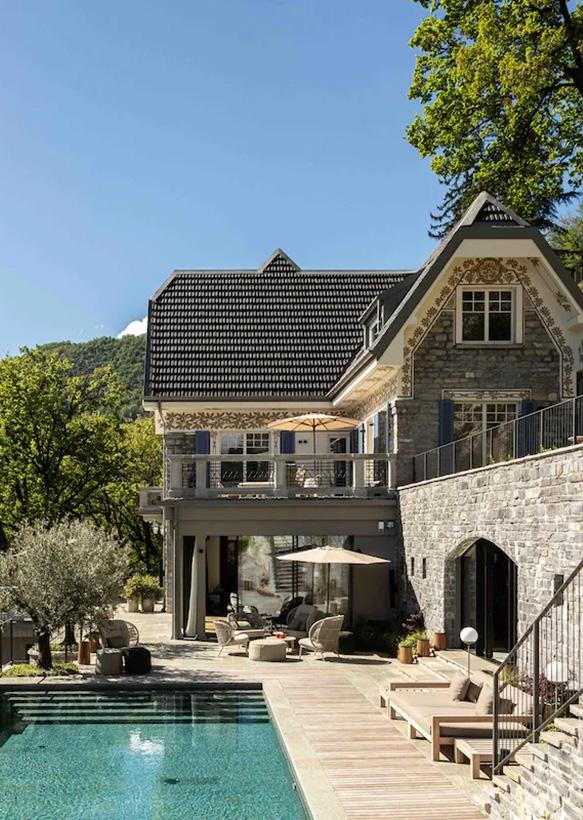
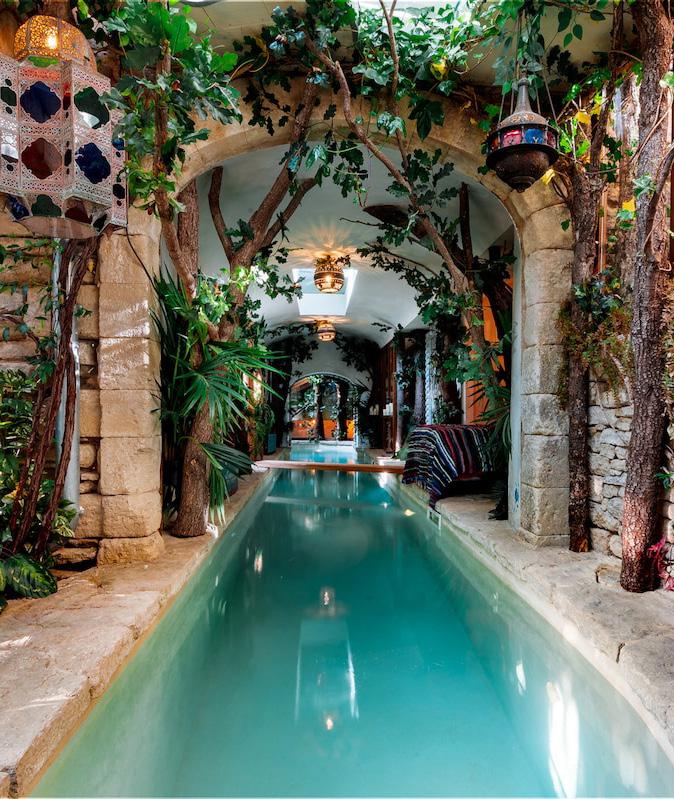
In an age where privacy, authenticity and space have become the ultimate luxuries, a new generation of exceptional homes is redefining the art of travel. From the shimmering shores of Lake Como to the sun-drenched landscapes of Mallorca and Provence, these extraordinary stays offer a more intimate way to experience Europe’s most coveted destinations. For decades, luxury travel was defined by grand hotels, impeccable service and iconic addresses. Yet increasingly, the most discerning travellers are seeking something different. They are looking beyond the hotel suite towards beautiful private residences that offer a deeper connection to a destination, more space to unwind and the rare luxury of feeling entirely at home in some of the world’s most spectacular settings.
Across Europe, architect-designed villas, restored country estates and elegant lakeside homes are becoming the accommodation of choice for those who value privacy as highly as they do comfort. These are places where mornings begin slowly, where afternoons are guided by mood rather than schedule and where every detail feels effortlessly personal. In 2026, this quieter, more considered style of travel continues to shape the luxury landscape, with Lake Como, Mallorca and Provence leading the way.
Lake Como: Timeless Italian Glamour Lake Como has long held a mythical status among Europe’s most glamorous destinations. Framed by dramatic mountains and lined with elegant villas, the Italian lake possesses a timeless beauty that feels almost cinematic. While its legendary hotels remain an integral part of its appeal, many travellers are now choosing private villas hidden along the shoreline, offering an altogether more exclusive experience.
Luxury Stays to Book in 2026
These remarkable homes often occupy some of the most enviable positions on the lake, with private gardens descending towards the water’s edge and terraces designed to capture every changing shade of light. Historic architecture sits comfortably alongside contemporary luxury, with frescoed ceilings, marble staircases and beautifully curated interiors creating an atmosphere of understated grandeur. Days here revolve around leisurely boat rides to picturesque villages such as Bellagio and Varenna, long lunches overlooking the water and evenings spent watching the sun disappear behind the mountains. It is a destination that rewards slowing down, and nowhere is that more evident than within the privacy of a lakeside villa where the views belong entirely to you.
Mallorca: Mediterranean Sophistication
Further south, Mallorca continues its evolution as one of the Mediterranean’s most sophisticated luxury destinations. The island has successfully moved beyond its traditional holiday reputation to become a haven for design-conscious travellers seeking authenticity, natural beauty and effortless elegance. Much of this appeal lies in the stunning collection of private fincas and villas scattered throughout the countryside and along the coast.
In the Tramuntana mountains, centuriesold stone properties have been meticulously restored, blending traditional Mallorcan architecture with contemporary interiors. Natural materials, muted palettes and expansive outdoor spaces create homes that feel deeply connected to their surroundings. Olive groves, citrus orchards and sweeping mountain views provide a backdrop that encourages a slower pace of life. Mornings are spent exploring local markets, afternoons unfold beside infinity pools overlooking the hills and evenings centre around outdoor dining beneath warm Mediterranean skies.
Along the coastline, a more modern interpretation of luxury emerges. Contemporary villas with striking architecture and panoramic sea views offer seamless indoor-outdoor living, allowing guests to move effortlessly between sun-drenched terraces and beautifully designed interiors. The appeal of Mallorca lies in this balance between refinement and authenticity. It remains glamorous, yet never feels inaccessible, delivering a style of luxury that is both relaxed and deeply appealing.
Provence: The Art of Living Beautifully In Provence, luxury takes on a different character entirely. Here, beauty is woven into everyday life. Rolling vineyards, lavender fields and honey-coloured villages create a landscape that has inspired artists, writers and travellers for generations. The region’s most desirable stays embrace this heritage, offering guests the opportunity to immerse themselves in the quintessential Provençal lifestyle.
Many of the finest properties are restored farmhouses and historic estates that retain their original character while incorporating every modern comfort. Behind weathered stone walls and traditional shutters lie interiors filled with antiques, natural linens and sunlit living spaces designed for gathering and relaxation. Gardens overflow with lavender, rosemary and climbing roses, while swimming pools provide welcome relief from the summer heat.
Life in Provence unfolds at a wonderfully unhurried pace. Breakfast is often enjoyed outdoors beneath ancient trees, followed by visits to bustling village markets and local vineyards. Long afternoons drift by with little urgency, perhaps interrupted only by a leisurely lunch or a walk through the surrounding countryside. As evening arrives, the true magic of Provence reveals itself. Tables are set beneath the stars, local wine is poured generously and conversations continue long into the night as the scent of lavender lingers in the warm air.
What connects these remarkable properties across Italy, Spain and France is not simply their beauty, but the experiences they make possible. They provide travellers with something increasingly valuable in today’s fast-paced world: the freedom to travel on their own terms. There are no schedules to follow, no crowded hotel lobbies and no sense of obligation. Instead, there is space, privacy and the opportunity to engage with a destination in a more meaningful way.
The rise of these exceptional homes reflects a broader shift in how luxury is defined. Increasingly, travellers are prioritising authenticity over extravagance and personal experiences over traditional status symbols. The most memorable moments are often the simplest: sharing breakfast on a terrace overlooking Lake Como, watching the sunset from a Mallorcan hillside or dining beneath the stars in the heart of Provence.
As travel continues to evolve, it is clear that some of the most extraordinary experiences now exist beyond the walls of a luxury hotel. In Lake Como, Mallorca and Provence, a new generation of beautiful private stays is redefining what it means to travel well. These destinations offer more than exceptional accommodation. They offer a chance to live, however briefly, within some of Europe’s most enchanting landscapes. In 2026, that may well be the greatest luxury of all.
Luxury Stays to Book in 2026

INFUSED THE ART OF BESPOKE
In a world increasingly defined by individuality, luxury fragrance houses are moving beyond ready-to-wear scents and embracing the art of personal perfumery. From private consultations to entirely bespoke creations, fragrance has become one of the most intimate expressions of modern luxury.
Luxury has always appealed to the senses. Fine jewellery catches the light, exceptional craftsmanship invites touch and exquisite cuisine delights the palate. Yet perhaps no luxury is as deeply personal as fragrance. Invisible yet unforgettable, scent has the remarkable ability to evoke memories, shape perceptions and become part of one’s identity.
As consumers increasingly seek experiences that feel unique to them, the world of fragrance is undergoing a quiet transformation. Bespoke perfumery, once reserved for royalty and aristocracy, is

INFUSED BESPOKE FRAGRANCE

enjoying a renaissance. Leading fragrance houses are offering clients the opportunity to move beyond traditional perfume counters and into a world of personalised scent creation, where individuality takes precedence over mass appeal.
In 2026, bespoke fragrance is no longer simply about wearing an expensive perfume. It is about telling a story, capturing a memory and creating something entirely one’s own.
Few names command as much respect within modern perfumery as Maison Francis Kurkdjian. Founded by the celebrated French perfumer whose creations have shaped the industry for decades, the house has become synonymous with artistry, elegance and olfactory precision.
Maison Francis Kurkdjian: The Poetry of Scent
At the heart of the brand lies a belief that fragrance should feel deeply personal. While iconic creations have earned devoted followings worldwide, the maison’s bespoke services elevate perfumery to an entirely different level. Through private consultations, clients embark on a journey that explores memories, emotions and personal tastes before translating them into scent.
The process feels closer to commissioning a piece of art than purchasing a perfume. Conversations often begin with childhood memories, favourite destinations or meaningful life moments. From these fragments emerges a fragrance that is uniquely individual, crafted to become part of the wearer’s personal story.
It is this emotional connection that defines the experience. The result is not simply a beautiful fragrance, but an olfactory signature unlike any other.
Penhaligon’s: British Heritage with a Personal Touch
For more than 150 years, Penhaligon’s has occupied a unique position within British luxury. The storied fragrance house has long been celebrated for its ability to blend tradition with creativity, creating scents that feel both timeless and distinctly modern.
Its approach to bespoke fragrance reflects this heritage beautifully. Rooted in craftsmanship and storytelling, the experience encourages clients to discover the scents that best reflect their personalities and lifestyles. Rather than following trends, the focus remains firmly on individuality.
Entering the world of Penhaligon’s feels akin to stepping into a private members’ club dedicated entirely to fragrance. Rich histories, eccentric characters and quintessential British charm permeate every aspect of the experience. Consultations delve beyond fragrance preferences to explore personal style, travel experiences and even treasured memories.
The result is a scent wardrobe that feels curated rather than purchased. Each fragrance becomes a reflection of the wearer, offering a level of personalisation that resonates in an increasingly homogenised world.
Roja Parfums: The Pinnacle of Bespoke Luxury
If bespoke fragrance has a haute couture equivalent, it is undoubtedly Roja Parfums. Renowned for creating some of the world’s most luxurious fragrances, the British house has built its reputation on exceptional ingredients, meticulous craftsmanship and uncompromising attention to detail.
For those seeking the ultimate expression of exclusivity, Roja’s bespoke service offers an extraordinary experience. Clients work closely with the house to create fragrances that exist nowhere else in the world. Rare raw materials, many sourced from the finest producers globally, are carefully selected to bring each vision to life.
The process is highly collaborative, blending technical expertise with creative interpretation. Every note is considered, refined and balanced until the composition feels entirely authentic to its wearer. The final fragrance becomes more than a perfume. It becomes a personal legacy, crafted with the same care and precision as a bespoke watch or handcrafted piece of jewellery.

The Art of Bespoke Fragrance



The Art of Bespoke Fragrance
In an era where true exclusivity is increasingly difficult to find, the appeal is undeniable. To wear a fragrance that belongs solely to you represents luxury in its purest form.
A New Era of Personal Luxury
The rise of bespoke fragrance reflects a broader shift within the luxury industry. Increasingly, affluent consumers are prioritising experiences over possessions and personal meaning over recognisable labels. They seek products that tell their stories rather than someone else’s.
Fragrance is uniquely positioned to fulfil this desire. Unlike fashion or accessories, scent remains largely private. It is discovered in moments of proximity and remembered long after an encounter has ended. A bespoke fragrance therefore becomes something far more valuable than a status symbol. It becomes an extension of identity.
As luxury continues to evolve, personalisation is emerging as one of its defining characteristics. Whether through a private consultation in Paris, a heritage fragrance house in London or a fully bespoke creation crafted from the world’s rarest ingredients, the future of fragrance is becoming increasingly individual.
In 2026, the most coveted luxury is not necessarily the rarest bottle or the most recognisable name. It is the opportunity to create something entirely your own. Beyond the bottle lies a world where fragrance becomes art, memory and selfexpression all at once. For those seeking the ultimate luxury experience, there may be nothing more personal than a scent designed exclusively for you.