WHY BEVERAGE CULTURE BECAME KFC’S NEXT FRONTIER




DIRECTED BY: JAMIE WAITE
The New Language of Indulgence
There are very few brands in the world that exist beyond the category they were built in. Most companies sell products. Some sell convenience. Only a select few manage to embed themselves into culture in a way that feels instinctive, familiar and emotionally recognisable across generations. KFC belongs firmly within that rare group.
For decades, the brand has represented something bigger than fast food. Its identity has always lived in emotion rather than function alone. Comfort, indulgence, familiarity and joy have been central to its success across markets, demographics and generations. Yet even global icons face the same challenge confronting every major consumer business today: how do you remain culturally relevant in a world moving faster than ever before? PROJECT

That question sits at the centre of Kwench by KFC, a bold beverageled concept developed under the leadership of Dhiren Karnani, Global Director of New Concepts at KFC. What initially appears to be a drinks platform quickly reveals itself to be something far more strategically significant. Kwench is not simply about milkshakes, refreshers or iced coffees. It is about how legacy brands evolve their relationship with younger consumers, redefine occasionbased consumption and create entirely new entry points into their ecosystems.
The brilliance of Kwench lies in the fact that it understands modern consumer behaviour with unusual clarity. Drinks are no longer viewed simply as accompaniments to meals. They have become expressions of identity, mood and lifestyle. They are photographed, shared and consumed visually as much as physically. Younger audiences increasingly view beverages as affordable moments of indulgence within uncertain economic environments, small rituals that deliver comfort, status and escapism all at once.
As Karnani explains, “The next generation uses beverages as social currency. It is the perfect embodiment of treat culture, affordable little splurges bringing joy in an uncertain world.” It is an observation that says as much about modern culture as it does about hospitality. The traditional structure of dining has shifted dramatically over the past decade. Fixed mealtimes have blurred into continuous snacking, sipping and grazing. Consumers now expect experiences that are portable,
immediate, visually engaging and emotionally satisfying. Within that environment, beverages have emerged as an increasingly important growth area within the global food service industry.
KFC recognised this shift not as a temporary trend, but as a structural change in consumer behaviour. Kwench was therefore developed not as a shortterm campaign but as an entirely new brand platform with its own identity, tone and operational infrastructure.
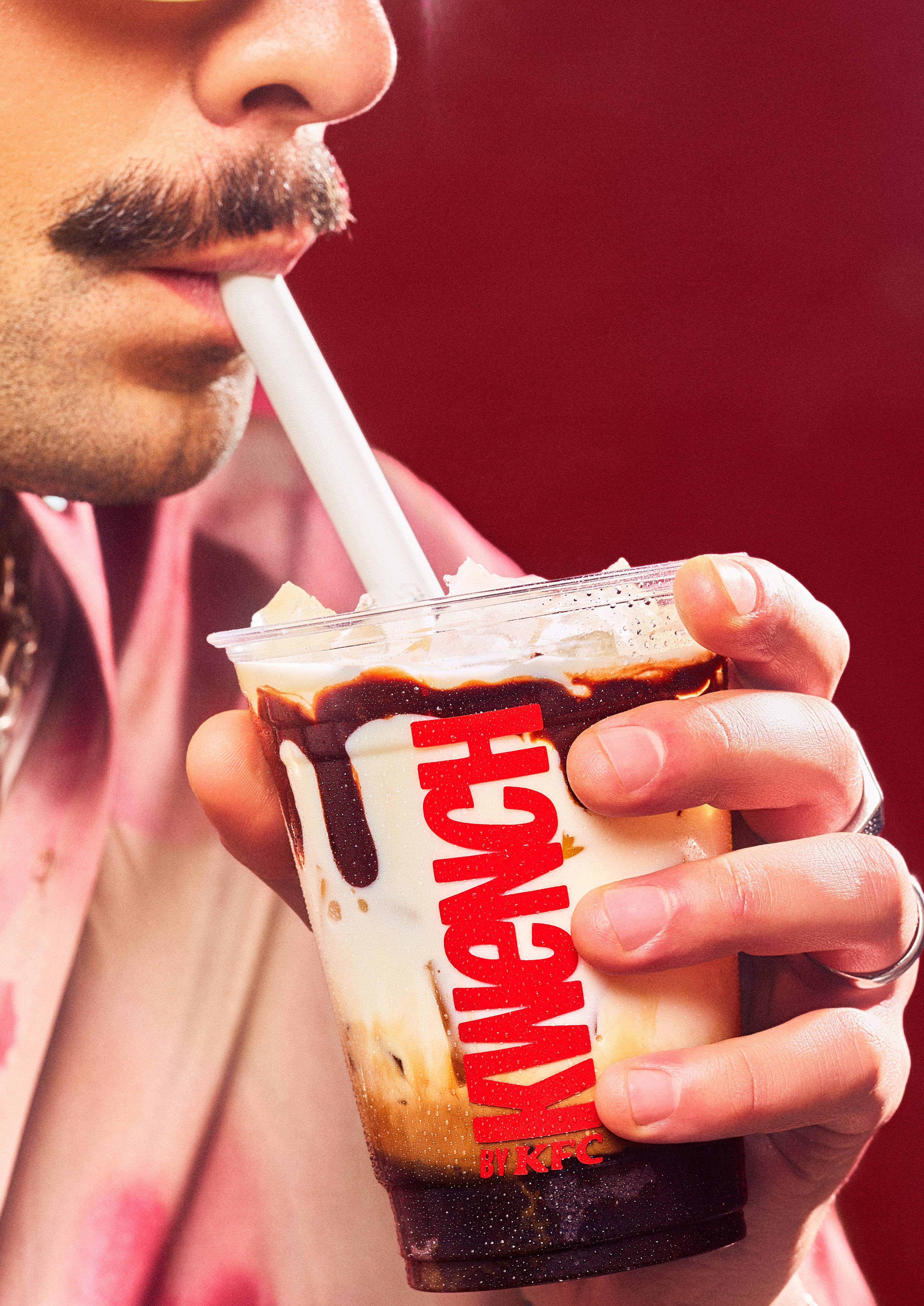
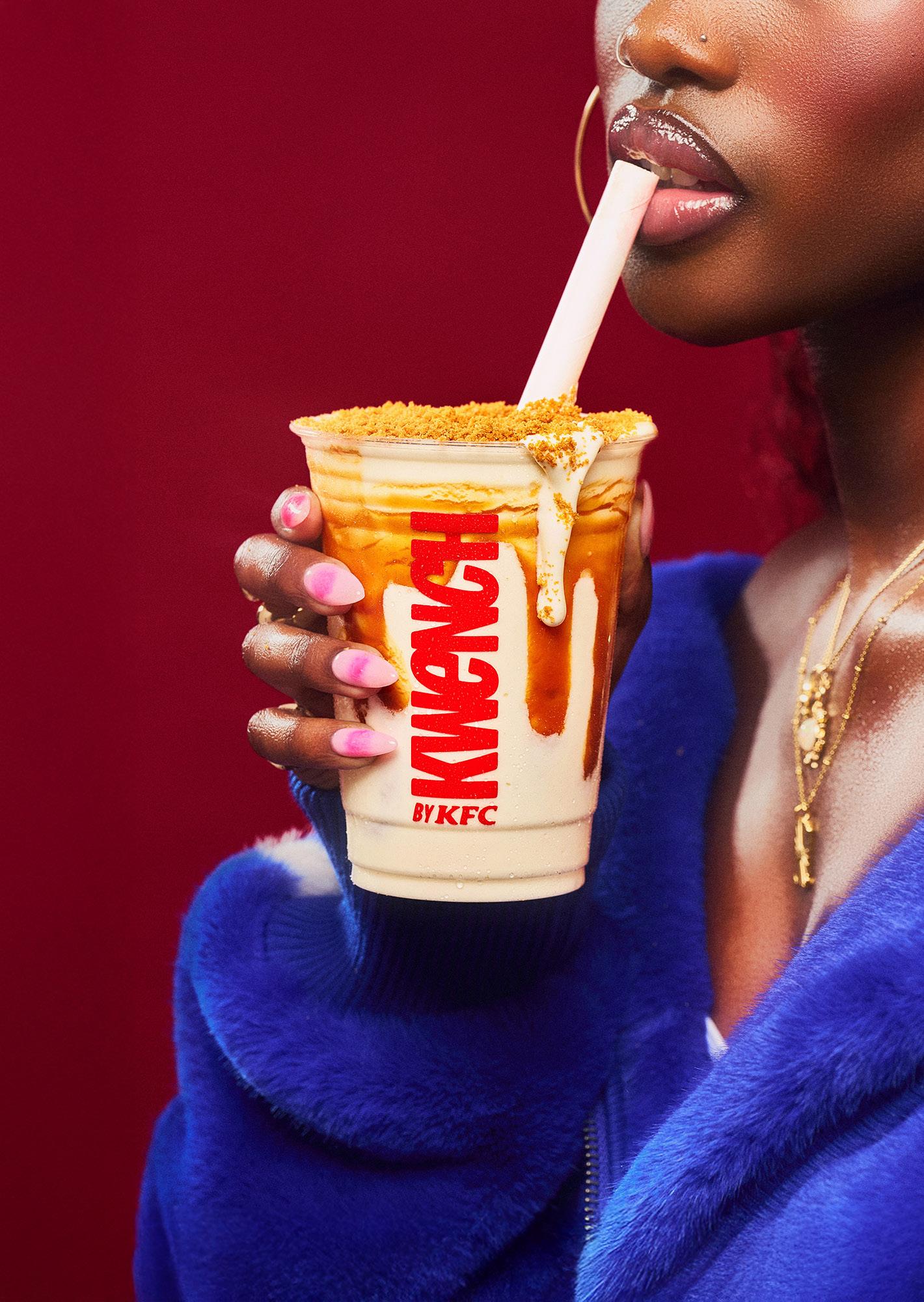
What makes the concept especially intelligent is how carefully it balances modernity with familiarity. Nothing about Kwench feels disconnected from the DNA of KFC itself. Instead, it extends the brand’s longstanding understanding of indulgence into new formats and new moments throughout the day. Sparkling lemonades, bobainspired refreshers, iced coffees and milkshakes have been designed to complement the savoury nature of KFC’s food while simultaneously standing alone as destination products in their own right.


Many of you will have a touch point with Gen Alpha - be that children, grandchildren, or friends of your family. But they won’t be in your workforce, yet.
Generation Alpha, those born between 2010 and 2024 (placing them at two to sixteen years old at time of publishing), are the first cohort to be defined by the 21st Century. This is the first generation to be considered digital natives, where technology goes far beyond recreation and is integrated entirely into their learning - this generation are on course to be the most educated in history.
By 2029, Generation Alpha’s projected economic footprint is expected to reach an estimated $5.4 6 trillion, but in the meantime they are heavily informing the spending of their millennial parents.
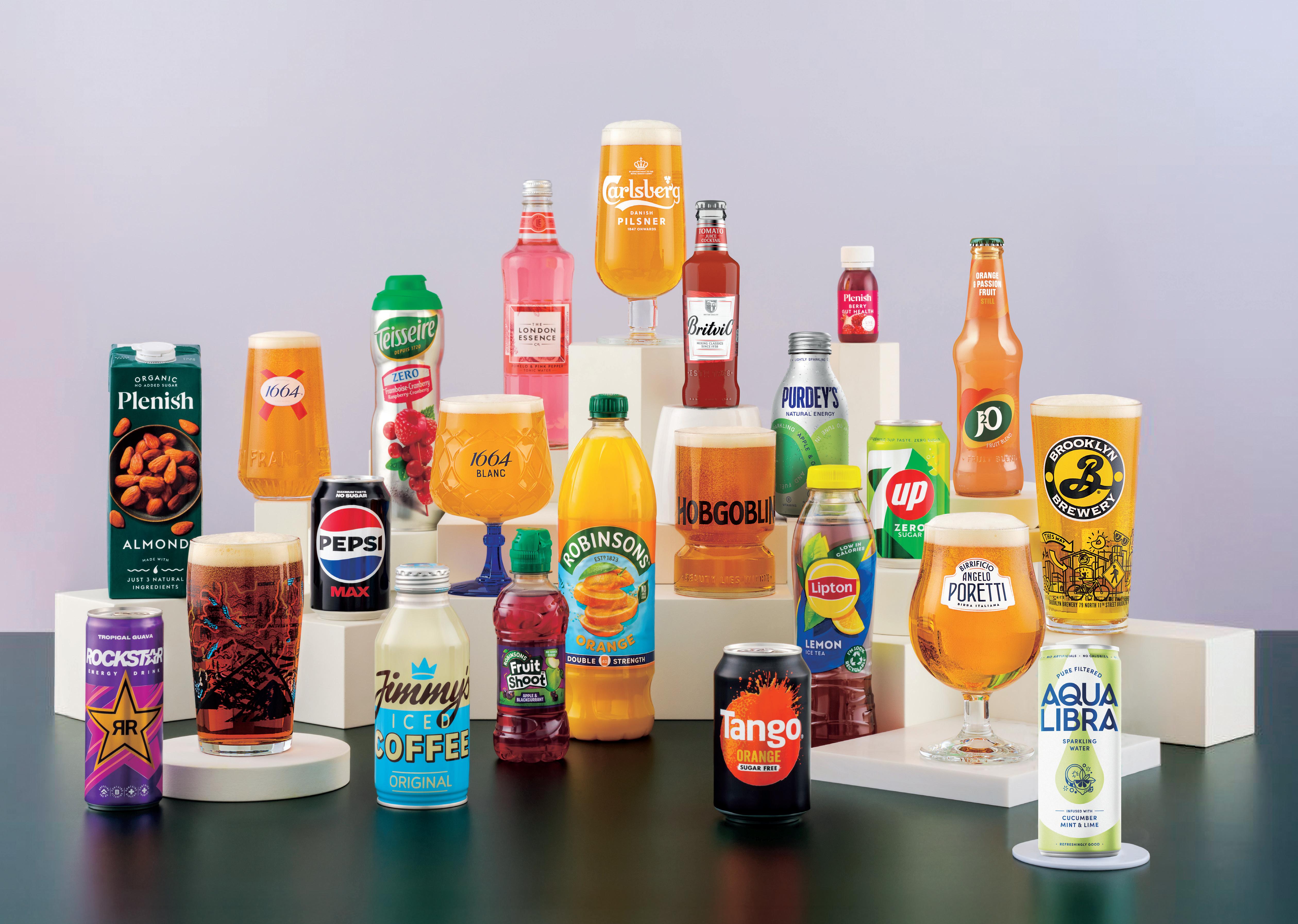
This has been recognised at the right time by Carlsberg Britivic, the newly merged (2025) multi-brand drinks innovator, which produces the likes of Pepsi, Mountain Dew, Robinsons, Kronenberg, and of course, its namesakes Carlsberg and Britvic.
“Generation Alpha is changing the way that brands bring products to market,” explained Carlsberg Britvic’s Head of
A collaboration between Carslberg Britvic and KFC is driving operational modernisation. By Laura Green.
Hospitality, Emma King, “these consumers are driven by experience, and this is the key strategy for our partnership with KFC”.
Working together for over 20 years, KFC is Carlsberg Britvic’s largest awayfrom-home customer, and the fast-food chicken restaurant is playing a pivotal role in recruiting new consumers from both Gen-Z and Gen-Alpha for the drinks business.
Whilst 2025 was a crucial year for Carlsberg Britvic, which saw two, centuries old manufacturers merge, it was also significant for KFC, which staged its “Kentucky Fried Comeback” - seeing the brand regenerate itself into an appealing prospect for the younger audience.
The collaborative launch of Kwench, a Carlsberg Britvic drink exclusively for KFC, has helped the brands to do just that.
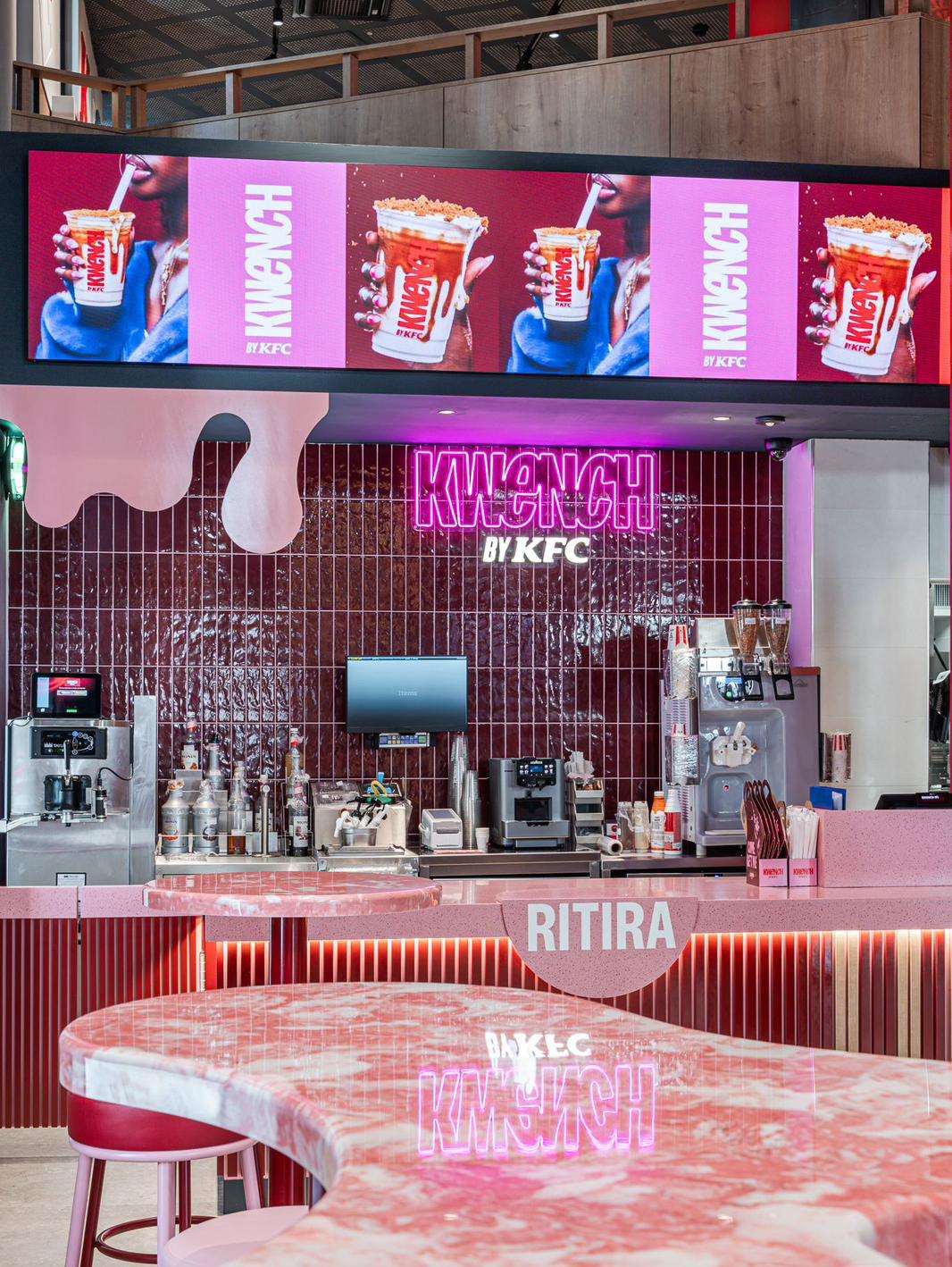

Kwench was designed not as a campaign, but as a platform, with its own voice, energy, and flexibility, reinforcing the essence of the master brand while creating new room to play. Every drink in the range is flavour-led, crafted with quality ingredients, and built to deliver the same satisfaction that made KFC’s chicken famous.
“For the roll-out of Kwench, we worked with KFC in New York where we undertook some research with them on the prospects, what it could look like, and then got to a place where KFC started the brand’s trial in the UK,” shared Emma.
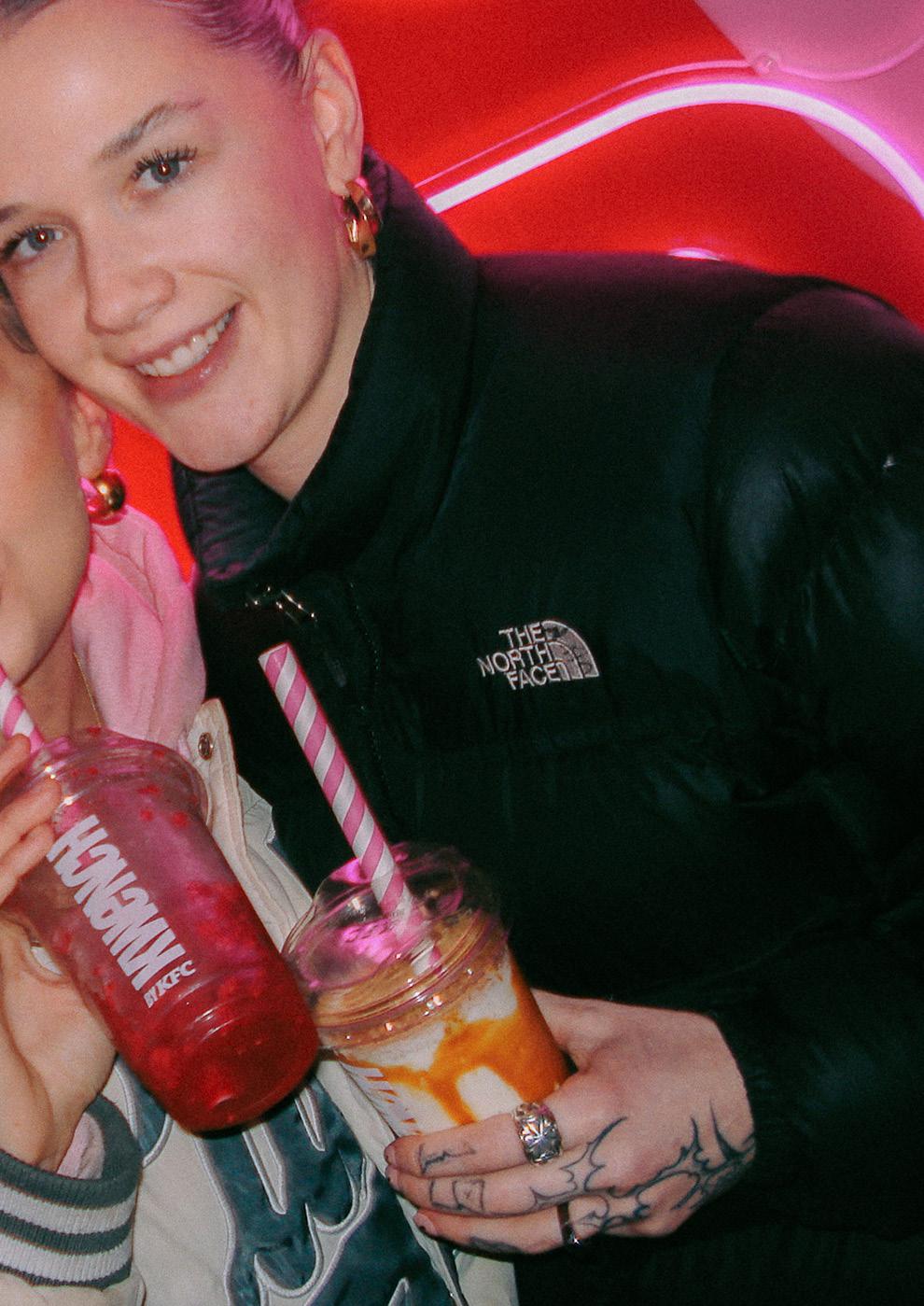
Feedback from Kwench’s launch in Manchester, saw eight out of ten customers describe KFC as more modern and innovative after experiencing Kwench. That perceptual shift is as valuable as any sales metric.
“Kwench has since been rolled out across the UK and then globally, which is really exciting for them and us”, Emma continued.
Whilst Tik-Tok and Snapchat-worthy moments like Kwench are incredibly valuable to marketing to the upcoming generation, the partnership between Carlsberg Britvic is far more entrenched than what is seen by the consumer.
“We’ve been doing a lot of work with KFC to ensure that we've got the right equipment solutions in-restaurant for serving our drinks, and that is something that we continue to innovate,” shared Emma, “ultimately, if a consumer visits KFC and wants to experience one of our brands, it is crucial that its being served successfully”.
As Carlsberg Britvic’s premier client, Emma highlighted that the brand is at the heart of everything they do.
“When we're looking to develop new products or new activation, our team consider how we can put KFC at the very front of it,” she said, “And not only put KFC at the front of it, but its consumers too”.
This is a true partnership, where KFC is as valuable to Carlsberg Britvic as it is to them, even down to ensuring KFC’s restaurants remain open and functioning at its very best.
“We work with KFC to ensure that when customers arrive at outlets, that they have the right experience, for example, are the drinks the best quality for them? How do we make sure that the restaurants aren't closed down because of problems? So we're constantly working with them to make sure that they've got the best possible experience,” Emma continued.
So, how do two international powerhouse brands work together in the fast-paced, Gen Z and Gen Alpha driven markets?
Whilst traditionally it may have taken time to move things through the corporate framework, both businesses have had to adapt how they function to be on the cusp of the wave when trends (typically online) hit.
One solution is appropriately Gen ZWhatsapp.
“We have a WhatsApp group with KFC so we can instantly connect with them and say “Have you seen this? How do we get ahead of the game?”. We no longer need a formal set piece to make things happen,” explained Emma, “We have needed to adapt internally to be able to move with the times like that, which can sometimes be uncomfortable because it's an unconventional way of operating”.
Born online and backed by pop culture, Carlsberg Britvic’s recent launch of poppi
in the UK is a testament to its modernised operational approach.
The viral soft drink launched in the US three years ago, and has now arrived in Tesco and Pret in the UK. Now, Emma and her team are focussed on introducing poppi into KFC’s restaurants.
“We want to make sure that KFC has the same new product development innovation that you would see in the likes of Tesco. If it can go into a grocer, we need the product to be at the forefront of being accessible in KFC, too,” she said, “ultimately it comes back to having the right conversations. We need to have a transparent relationship so that if something does work we can celebrate it, but equally when something isn't working we can pivot quickly”.
Ensuring both Carlsberg Britvic and KFC are at the forefront of Gen Z and Gen Alpha touch points, the future of experiential engagement is exciting for both brands.
Emma foresees working alongside sporting events such as the Champion’s League and Formula 1, as well as live music events to be continued strategies of growth for the businesses.
“We’re developing in all the relevant areas that you'd expect for the younger generation to be wanting to work with and then making sure that they're touching KFC in the right touch points,” Emma explained, “We're not going to try and force something for the sake of it, but making sure that it's something that actually resonates with the both KFC and its consumers, and what the overall messaging is trying to achieve”.
Working in partnership, Carlsberg Britvic and KFC are ensuring that they establish themselves as a leading brand within the upcoming generations - who will ultimately ensure business success for the future.
www.carlsbergbritvic.co.uk
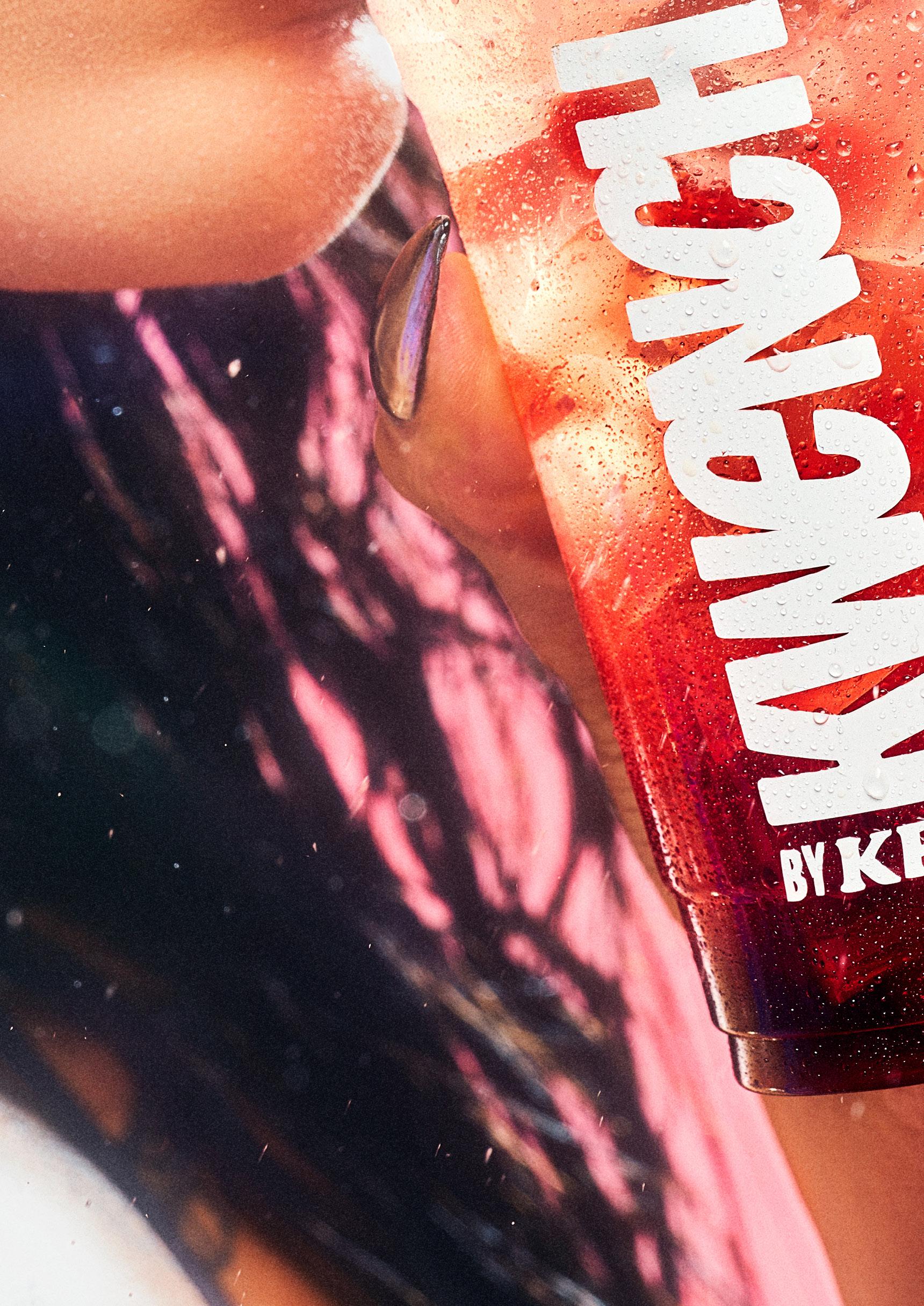
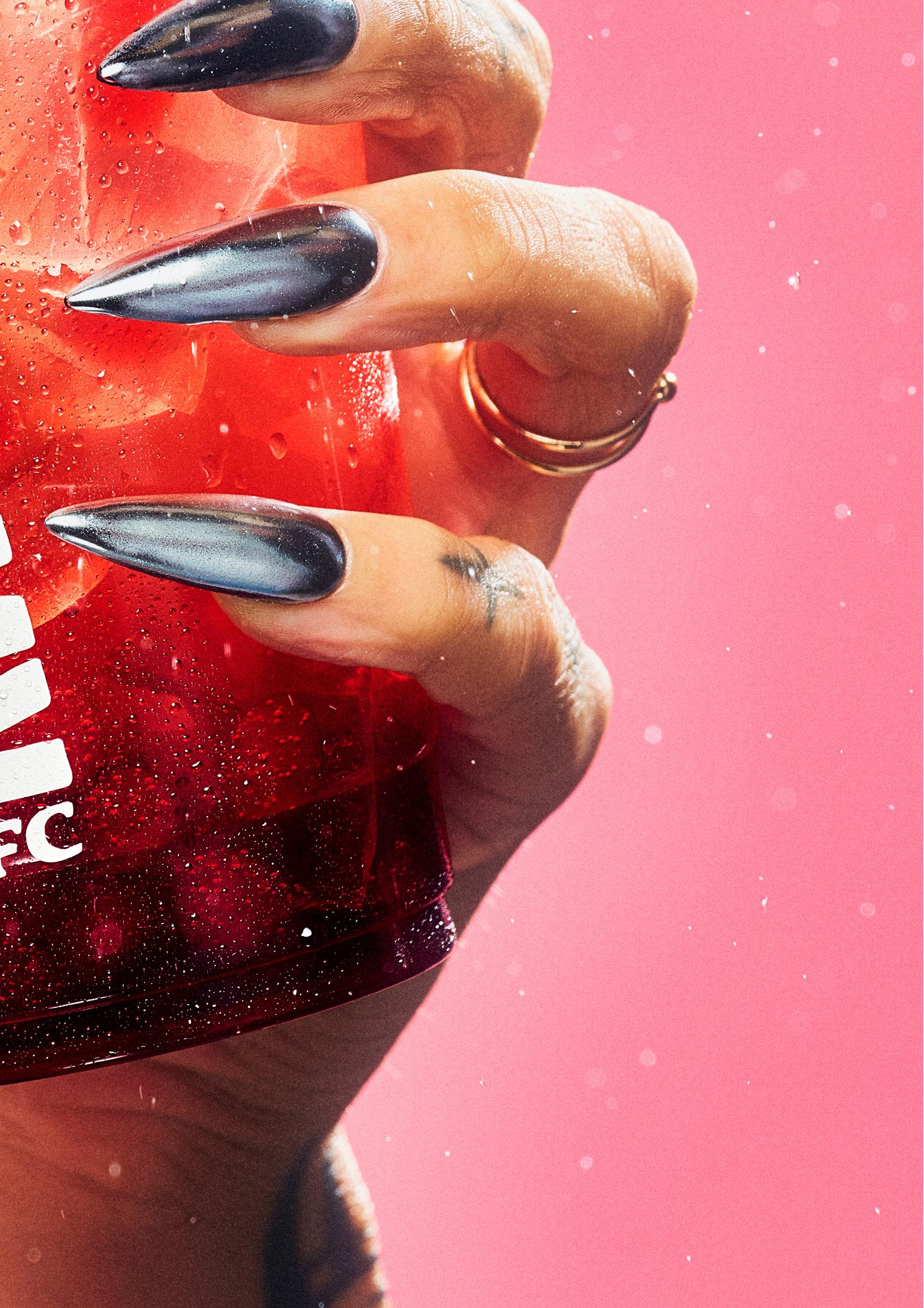
The Krunch Shake perhaps captures this philosophy most effectively.
Inspired by the signature texture associated with KFC’s famous crispy coating, the product translates tactile familiarity into beverage form, creating something playful, craveable and instantly recognisable. It demonstrates a sophisticated understanding of sensory branding that many companies struggle to achieve.
Importantly, KFC did not attempt to build this future alone.
One of the defining strengths behind Kwench is the calibre of partnerships supporting the concept. In many ways, the project represents a masterclass in collaborative innovation, bringing together expertise across flavour science, supply chain scalability, beverage development, equipment engineering and creative branding.
For MONIN, the partnership highlights the increasing overlap between café culture, premium beverage craftsmanship and mainstream quick-service hospitality. Traditionally associated with specialist cafés, cocktail bars and high-end beverage programmes, MONIN’s involvement immediately elevates the sophistication of the Kwench proposition. Its expertise in flavour development, rapid prototyping and scalable beverage systems allowed KFC to introduce drinks that feel genuinely crafted rather than artificially manufactured.
As Tihomir Gergov, Managing Director of MONIN UK & Ireland, explains, “KFC inspires us to raise the bar. As their flavour partner, MONIN brings futureready innovation, data-led insights, rapid prototyping and supply built for scale and compliance.”
For KFC, partnering with MONIN also sends a clear signal about the level of beverage credibility it wants Kwench to carry. MONIN’s association with premium cafés, hospitality groups and flavour-led beverage programmes helps elevate Kwench beyond the expectations traditionally associated with quick-service drinks. The partnership allows KFC to enter a far more design and flavour-conscious beverage space with genuine authority rather than imitation.
That relevance is hugely important within the broader hospitality industry. MONIN’s role demonstrates how flavour houses are no longer simply ingredient suppliers. They are innovation partners helping major brands translate emerging consumer behaviour into scalable commercial experiences. The ability to combine creativity with operational precision has become essential within modern food and beverage environments where consumers increasingly expect premium-level experiences across every category.
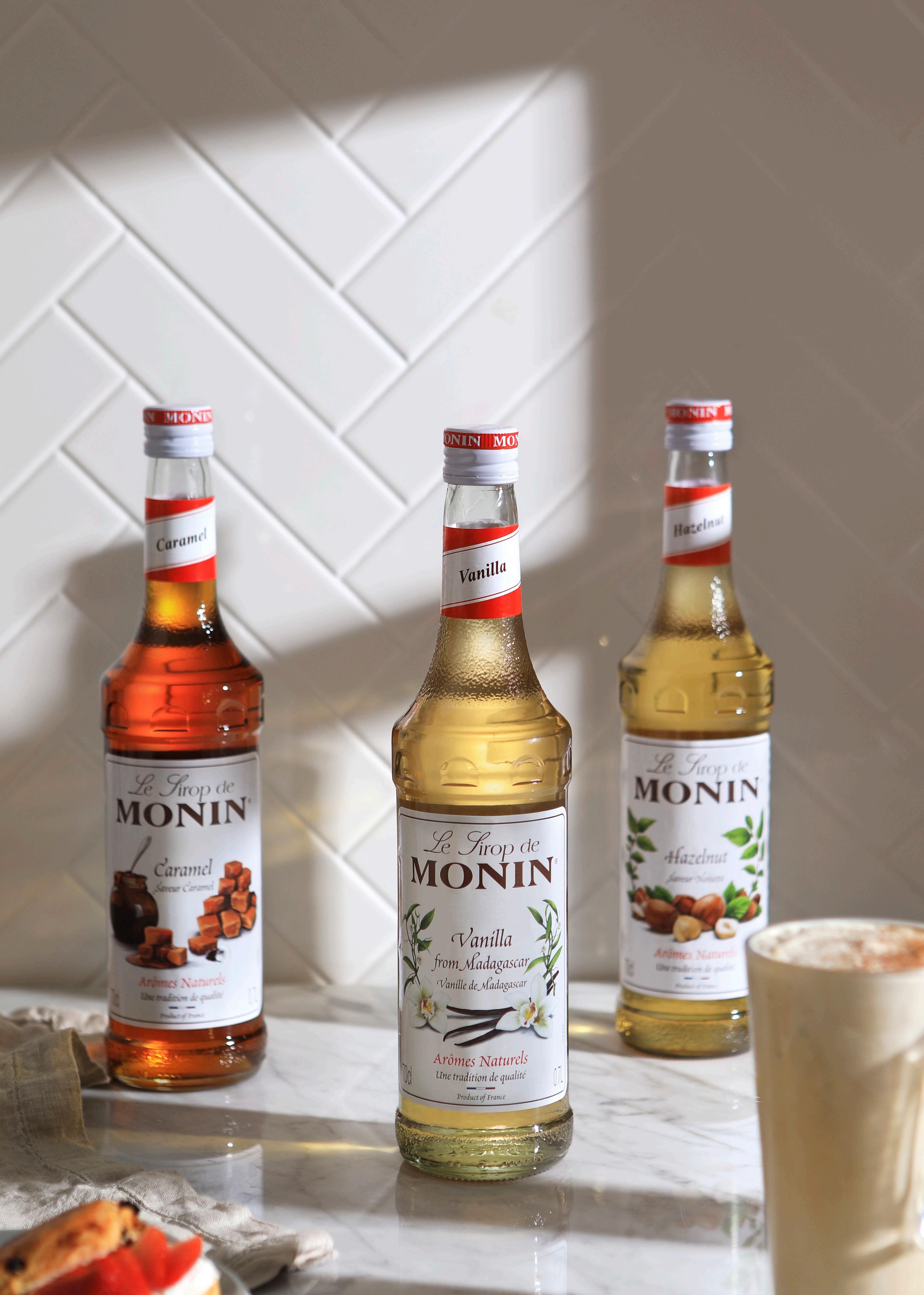
the bar. As their
flavour partner, MONIN brings future-ready innovation - data-led insights, rapid prototyping and supply built for scale and compliance.
Together we deliver drinks that delight guests and simplify operations, proving that smart partnership can move fast, stay rigorous and create lasting value across markets.
Tihomir Gergov, Managing Director - MONIN UK & Ireland
Carlsberg Britvic’s role within the project carries equal strategic importance, though from a different perspective entirely. If MONIN represents craft and flavour innovation, Carlsberg Britvic represents scale, infrastructure and distribution capability.
Following its formation in 2025, Carlsberg Britvic emerged as the UK’s largest multibeverage supplier, bringing together one of the most diverse beverage portfolios in the market. Its involvement with Kwench illustrates the growing convergence between traditional beverage companies and experiential hospitality brands.
KFC required a partner capable of delivering consistency, operational efficiency and local adaptability across a national quick-service rollout. Carlsberg Britvic’s expertise in large-scale beverage manufacturing allowed Kwench to transition from concept into commercially viable reality.
The company collaborated directly with KFC on the launch of its signature lemonade product in the UK market, combining beverage quality with operational scalability. This relationship highlights an increasingly important shift within the beverage industry itself. Soft drinks businesses are no longer competing solely through products on supermarket shelves. They are increasingly embedding themselves within hospitality ecosystems where branded beverages become part of wider consumer experiences.
Carlsberg Britvic’s relevance goes beyond supply capability alone. As one of the UK’s largest beverage businesses, its involvement gives KFC immediate operational confidence and category legitimacy within a highly competitive drinks market. For KFC, partnering with a company that already manages some of the country’s most recognisable beverage brands strengthens Kwench’s ability to scale while maintaining consistency across locations and customer experiences.
Together, MONIN and Carlsberg Britvic
represent two sides of the same ambition for KFC: premium beverage innovation supported by industrial-scale operational delivery.
For both MONIN and Carlsberg Britvic, Kwench represents far more than sponsorship visibility. It positions both companies directly within the evolution of quick-service hospitality. As restaurant brands diversify beyond traditional menu structures, beverage innovation is becoming an increasingly important commercial focus.
KFC understood that operational excellence would ultimately determine whether Kwench succeeded beyond its visual appeal. Launching a beverageled sub-brand across more than 30,000 restaurants globally requires extraordinary systems thinking.
This is where the wider network of collaborators became crucial. Middleby supported scalable equipment integration. Collider helped codify the strategic opportunity. Creative agency Mother developed a visual identity that feels energetic, culturally aware and unmistakably contemporary without abandoning the heritage consumers associate with KFC.
“We were late to the beverage game, so we surrounded ourselves with people who live and breathe flavour and craft,” Karnani explains. “Together we found a way to deliver café-level quality in a quick-service environment.”
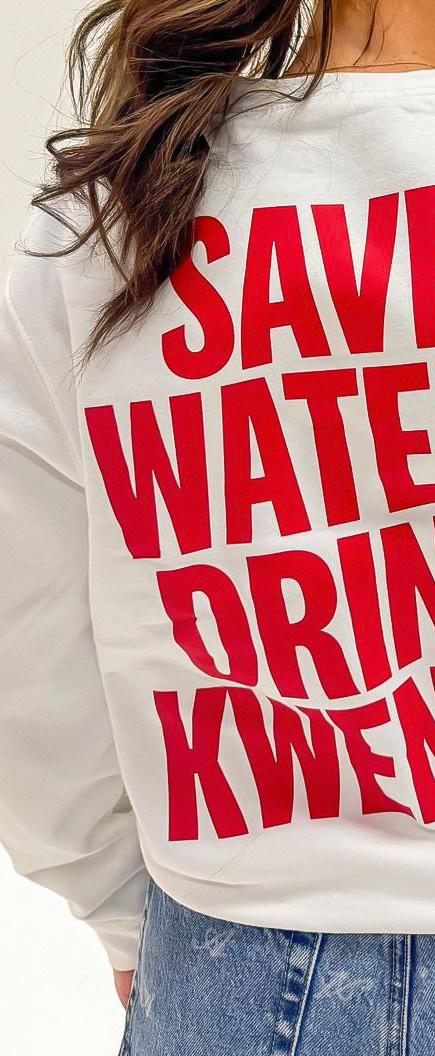
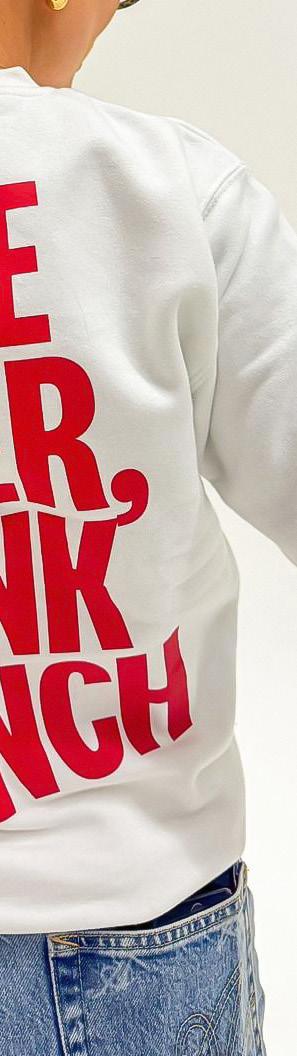
That phrase perhaps captures the wider significance of Kwench more clearly than anything else. Consumers increasingly expect elevated experiences regardless of price point or setting. The distinction between premium café culture and mainstream quick-service environments continues to narrow as consumer expectations evolve.
Equally notable is how sustainability has been integrated quietly but deliberately into the concept. Recipes avoid unnecessary additives and artificial colouring, while operational decisions around sourcing and equipment were filtered through sustainability standards from the outset.
What makes this approach particularly effective is that KFC avoids turning sustainability into overt marketing rhetoric. Instead, it is positioned simply as part of how modern brands should operate. That subtlety feels increasingly aligned with consumer expectations, particularly among younger audiences who often respond more positively to authenticity than performative ESG messaging.
The visual identity of Kwench also deserves recognition. Hospitality branding has become increasingly immersive over recent years, particularly as social media transforms physical products into digital content assets. Kwench understands this intuitively. Every aspect of the experience, from the cups and carriers through to the product styling and colour palette, has been designed with shareability and cultural visibility in mind.
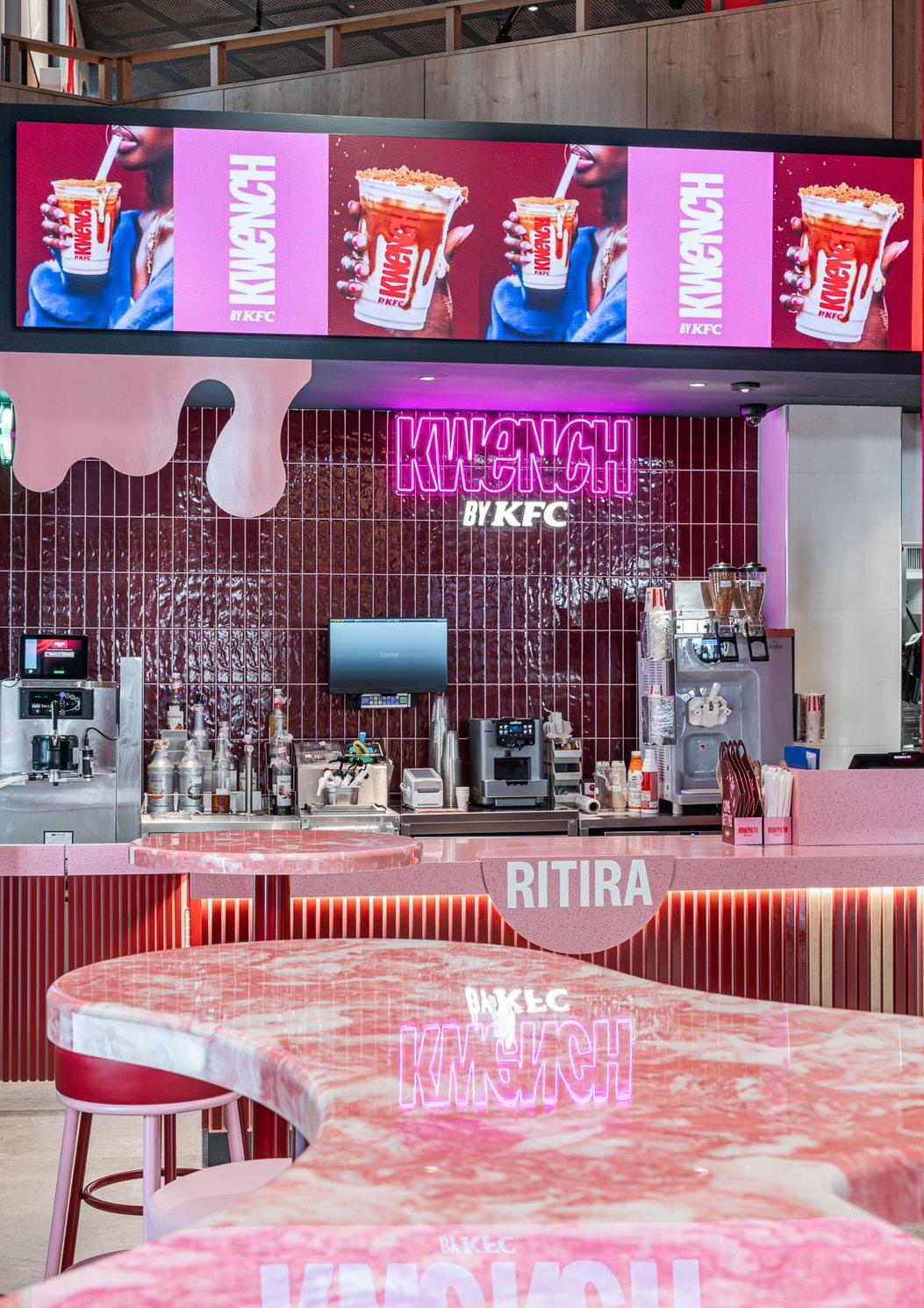
“Everything about Kwench is designed to make KFC feel alive,” Karnani says. “The best reaction we have had is people saying it looks fresh but still feels like us.”
That balance is exceptionally difficult to achieve. Many legacy brands attempting to modernise often alienate core audiences by abandoning the very qualities that made them successful. Kwench instead expands the emotional universe of KFC without disconnecting from its heritage.
The early response suggests the strategy is working. During the Manchester launch, eight out of ten customers described KFC as more modern and innovative after experiencing Kwench. In branding terms, that perceptual shift is enormously valuable. It demonstrates that transformation does not always require radical reinvention. Sometimes relevance comes through carefully evolving the way consumers experience a brand.
The wider commercial logic behind Kwench is equally compelling. Beverageled occasions create entirely new revenue opportunities beyond traditional meal periods. Iced coffees encourage habitual purchasing behaviour. Refreshers and shakes attract younger demographics who may not otherwise engage with KFC. Drinks also increase frequency and expand the brand’s presence across the day.
But perhaps the most important thing Kwench achieves is emotional renewal.
KFC remains one of the world’s most recognisable brands precisely because it understands emotional familiarity better than most businesses. Kwench does not abandon that understanding. It refreshes it. It speaks to a generation shaped by aesthetics, immediacy and digital expression while retaining the warmth, indulgence and comfort that made KFC globally iconic in the first place.
Reflecting on the journey, Karnani recalls a philosophy that has stayed with him throughout the project: “Aim for the absurd and accomplish the impossible.”
There is something fitting about that sentiment. In many ways, Kwench should not work as effectively as it does. Turning a fried chicken giant into a culturally relevant beverage platform could easily have felt forced or opportunistic. Instead, KFC has managed to create something that feels surprisingly intuitive.
And that may ultimately be the most impressive achievement of all.
In a marketplace crowded with new entrants trying to manufacture authenticity, KFC has accomplished something far more difficult. It has made one of the world’s most established brands feel genuinely alive again.
www.kfc.co.uk